
When I plan makeup for a bridal party, I don’t pick a face; I pick a colour family. Rosy pinks, warm bronzes, muted mauves or quiet neutrals become the thread that runs through every bridesmaid, and then I adjust depth and undertone for each person in the chair. That’s how a group looks coordinated in the line-up shot without six identical faces. The palette also has to survive real conditions: happy tears in the ceremony, flash at the reception and ten hours of hugging. Some bridesmaids want soft glam, some barely want foundation, and a good plan leaves room for both. Below are twenty complete makeup palettes I use for bridal parties, with notes on what makes each one work.
Adjusting One Palette for Fair, Medium and Deep Skin
The palettes below are colour families, not shade lists. When I apply the same look to a whole bridal party, the colour family stays fixed and the depth moves. A soft pink palette on fair skin might be a sheer rosy blush; on deep skin I’d go to a richer raspberry-rose, because the pale version simply disappears or turns chalky.
- Fair skin: sheer layers, cooler browns for definition and a light hand with bronzer so it doesn’t look muddy.
- Medium and olive skin: most mid-tone shades work as they are; watch that warm bronzes don’t tip into orange.
- Deep skin: richer, more pigmented versions of the same shades, and avoid pale shimmers and grey taupes, which sit on top of the skin and look ashy.
If you’re planning your own makeup for a friend’s wedding, swatch the shades on your jaw and look at them by a window. Store lighting flatters almost everything.
1. Soft Pink Bridesmaid Palette
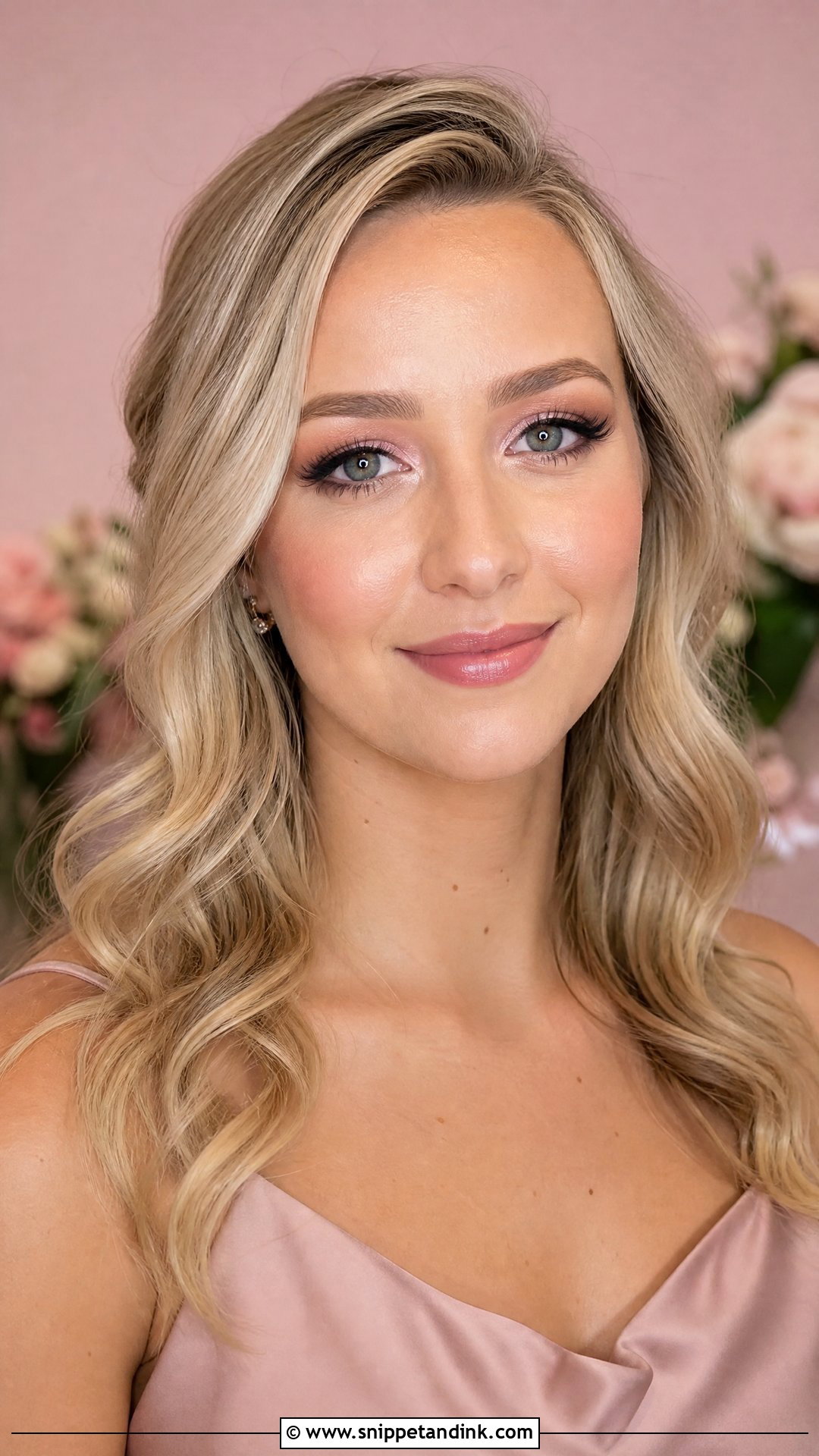
Soft pink is the palette I’d suggest when the dresses are mixed and the bride wants something romantic. I build it on a satin base, place pink blush high on the cheekbone rather than on the apple so it lifts in photos, and blend pale rose and soft taupe through the crease. Brown liner instead of black keeps it gentle, and well-curled lashes do most of the definition. The lip stays in the same family, rose-pink satin or gloss. It sits comfortably beside blush, sage, lavender, navy and neutral bridesmaid dresses.
2. Nude Bridesmaid Palette
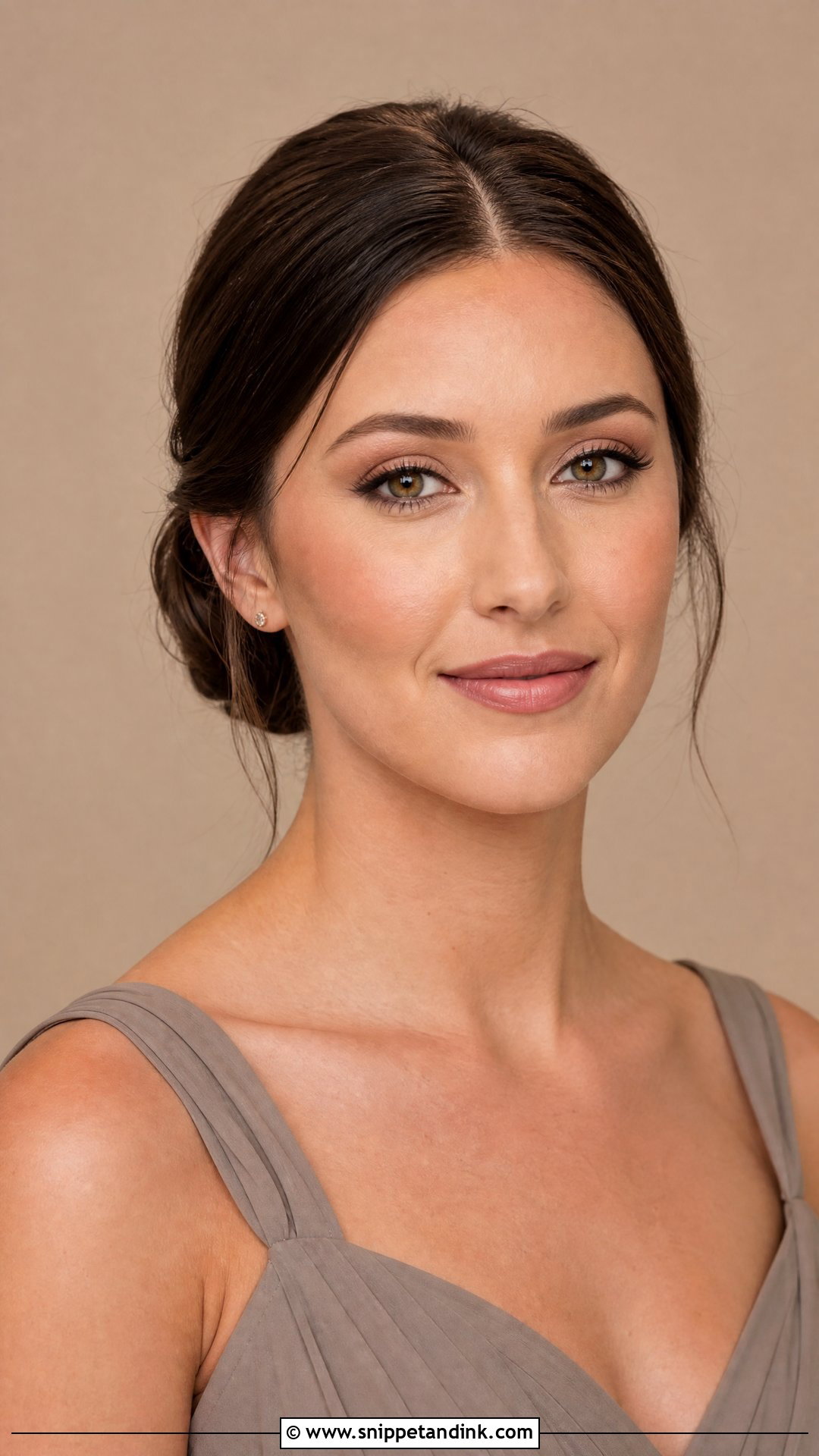
A nude palette is harder than it sounds, because nude isn’t one colour. The first thing I do is read each bridesmaid’s undertone; a cool beige on warm skin looks grey, and a peachy tan on cool skin looks orange. So the shadows shift person to person, warm beige, soft brown, peachy tan or rose-nude, while the overall effect stays the same. Light contour, soft bronzer and a natural blush keep the face from flattening under flash. Line the lips with a liner close to the natural lip colour and fill with a creamy lipstick. It’s the safest bet for mixed dresses or a modern neutral palette.
3. Mauve Bridesmaid Palette
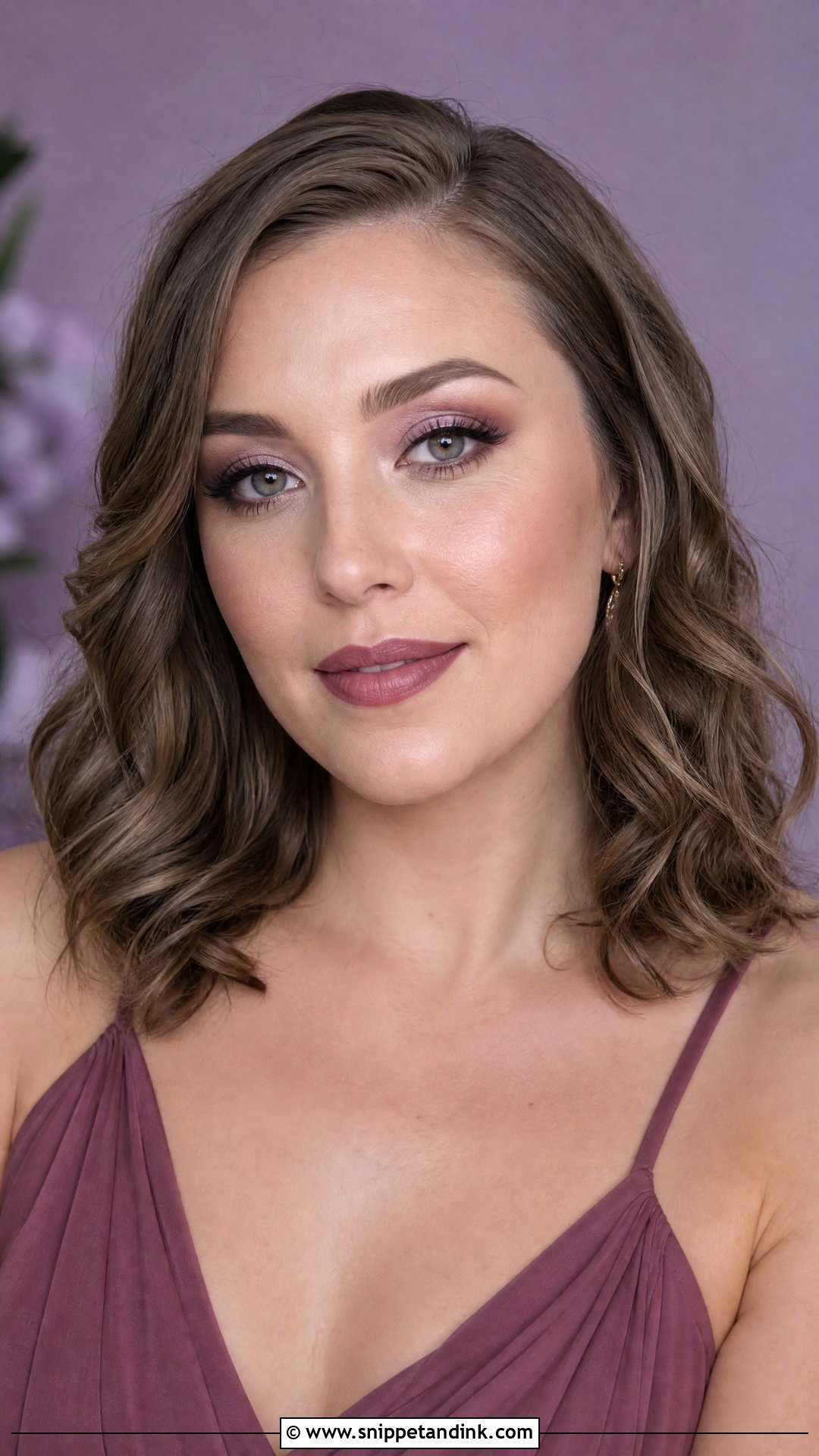
Mauve is a step more defined than pink, and I like it for autumn weddings and evening ceremonies with dresses in dusty rose, plum, slate blue or taupe. On the eyes I blend muted mauve with soft brown through the crease and press a satin lilac-taupe on the lid. Mauve can drag cool skin toward tired-looking, so I always add a touch of brightening concealer at the inner corner. Thin liner, mauve-pink blush and a mauve rose lipstick or stain finish it. It gives colour without boldness.
4. Peach Bridesmaid Palette
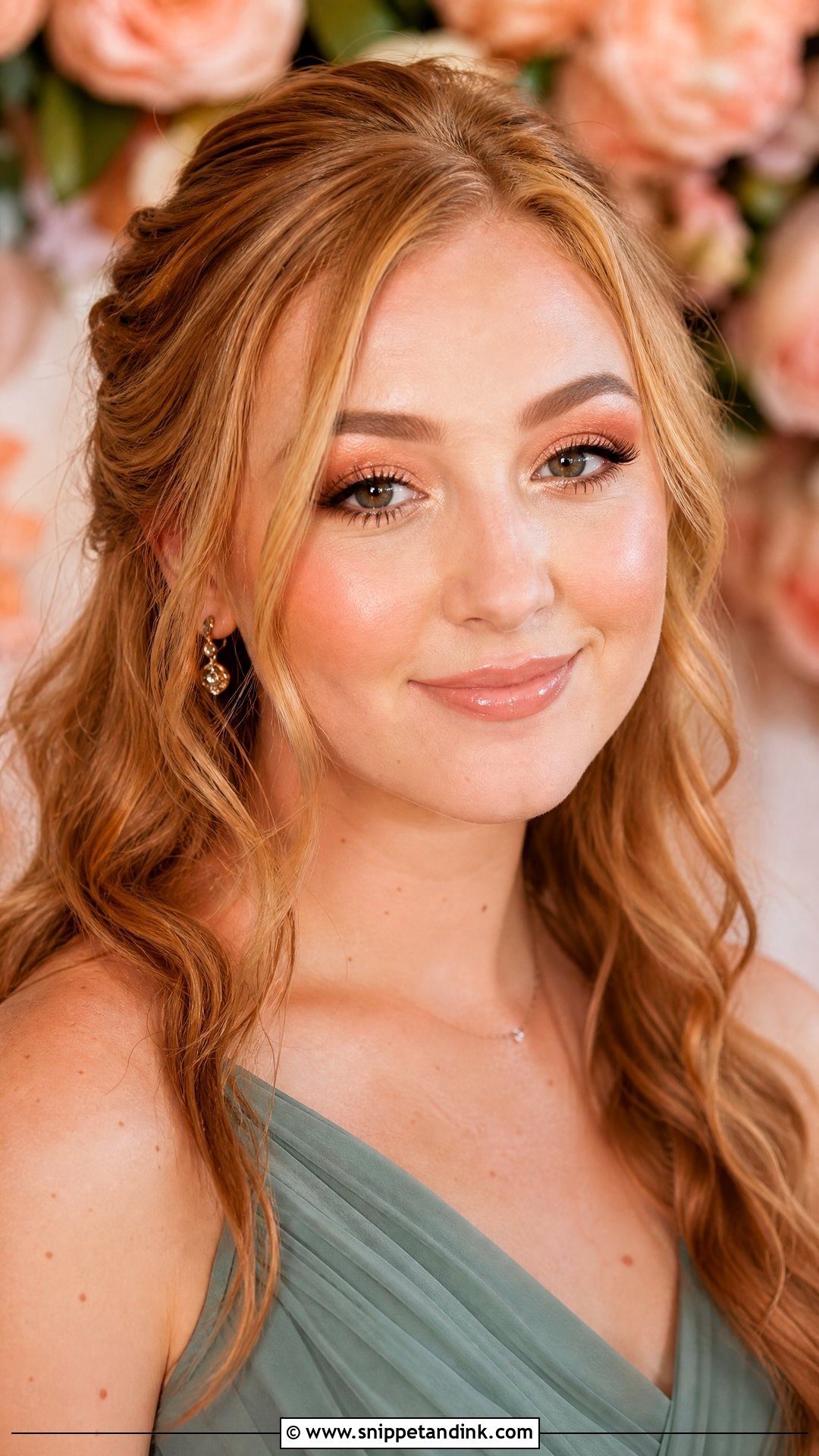
Peach wakes up the complexion, and in natural daylight it reads fresher than almost any other shade. I start with glowing skin, peach-coral blush and a light golden highlight on the cheekbones. The eyes get peach, apricot, soft tan and warm brown, blended until there’s no hard edge. Fair skin can tip into looking flushed with too much coral, so I sheer it out. Lips can be peach-nude, soft coral or peach gloss, depending on the dress. It sits well with floral prints, warm neutrals, sage and ivory.
5. Bronze Bridesmaid Palette
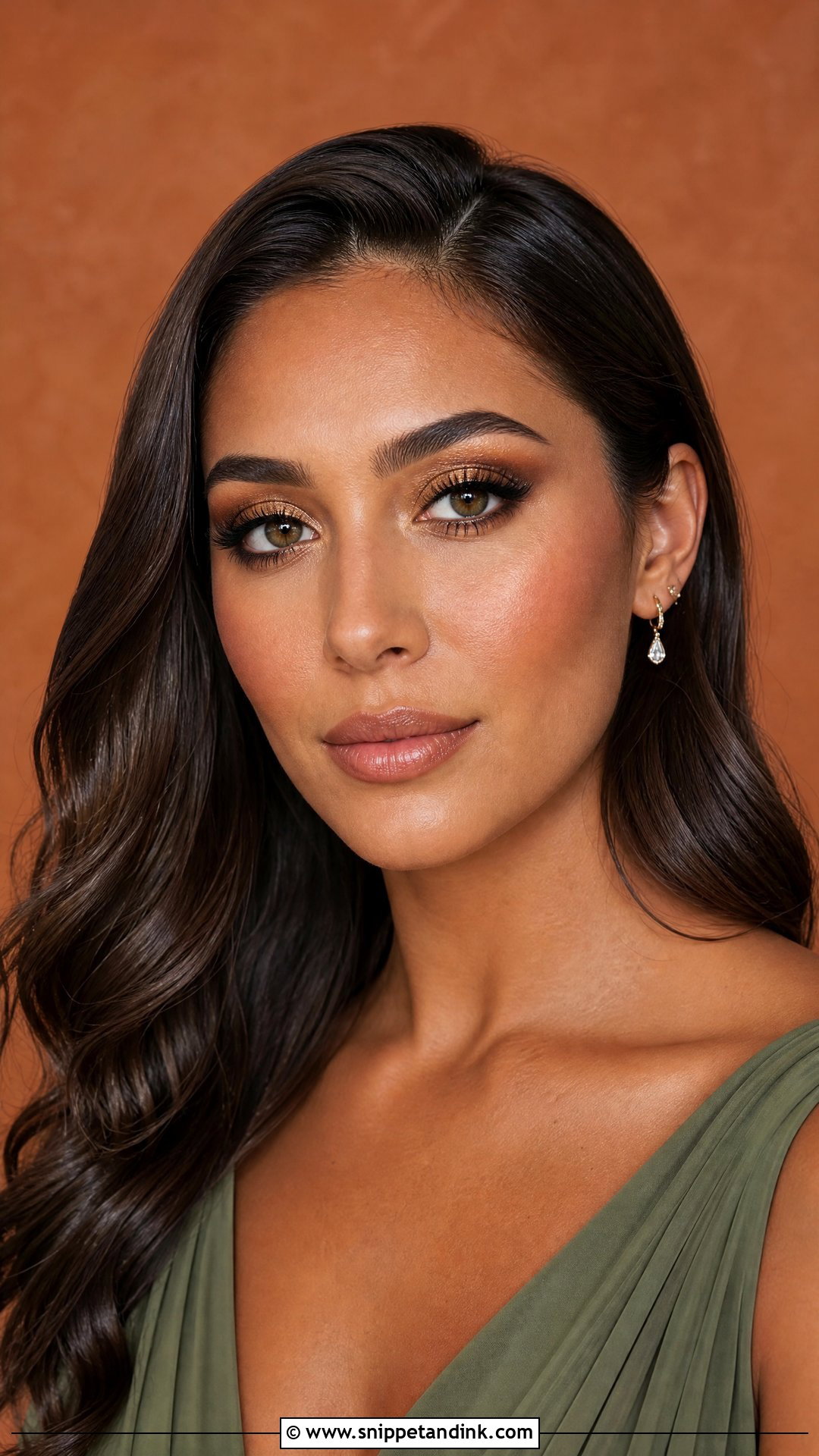
Bronze is the soft-glam look I get asked for most. Medium bronze shimmer on the lid, warm brown in the crease and espresso at the outer corner give depth that holds up from the back of a reception room. I sculpt with bronzer across the cheeks and temples, then add peach or warm rose blush on top, because bronze on its own can look flat in photos. A caramel nude or warm pink lip balances the eyes. It flatters outdoor weddings and warm-toned dress colours.
6. Rose Gold Bridesmaid Palette
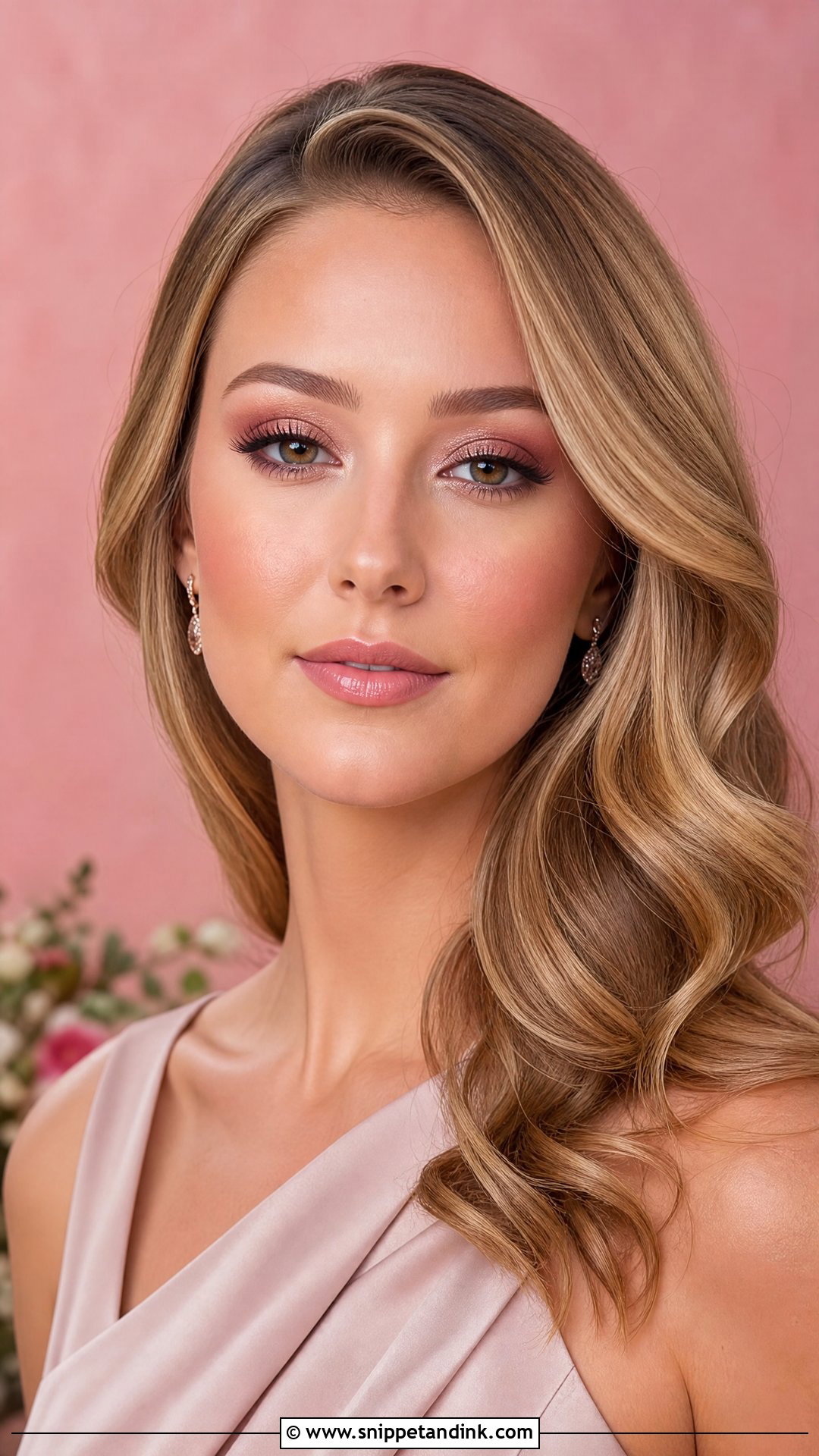
Rose gold gives a glow without reading sparkly, and it’s the palette I’d reach for with blush, champagne beige, rose, dusty blue or cream dresses. The shimmer goes only on the centre of the lid, with soft rose in the crease and warm brown liner. I separate lashes instead of stacking strip lashes, so the eyes look bright rather than heavy. A radiant base and rosy blush with light highlight complete it, and a pink-nude gloss or satin rose lip. It flatters a wide age range, which matters when mothers and aunts join the bridal party.
7. Brown Smokey Bridesmaid Palette
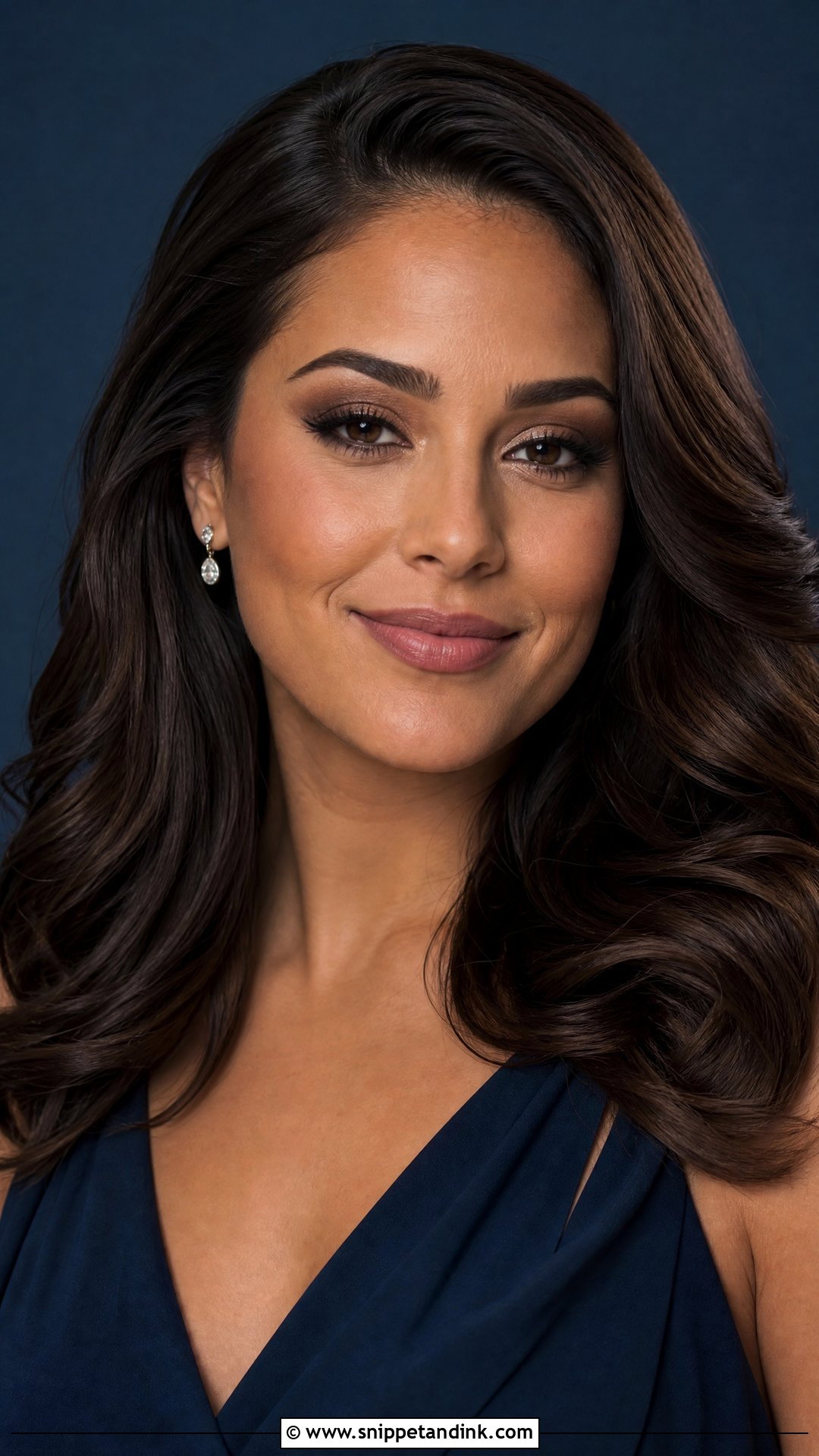
A brown smokey eye is my answer when the bride wants more drama but black would look harsh. Brown creates depth without the hollow look black shadow can give in photos. I blend matte taupe, chocolate brown and warm beige, keeping the darkest shade tight to the lash line and diffusing upward. A touch of shimmer on the inner lid stops the eye from closing in. Keep the skin clean with balanced bronzer and neutral blush, and pair it with a nude, rose-brown or caramel lip. It’s strong against black, emerald, navy and mocha dresses.
8. Gold Bridesmaid Palette
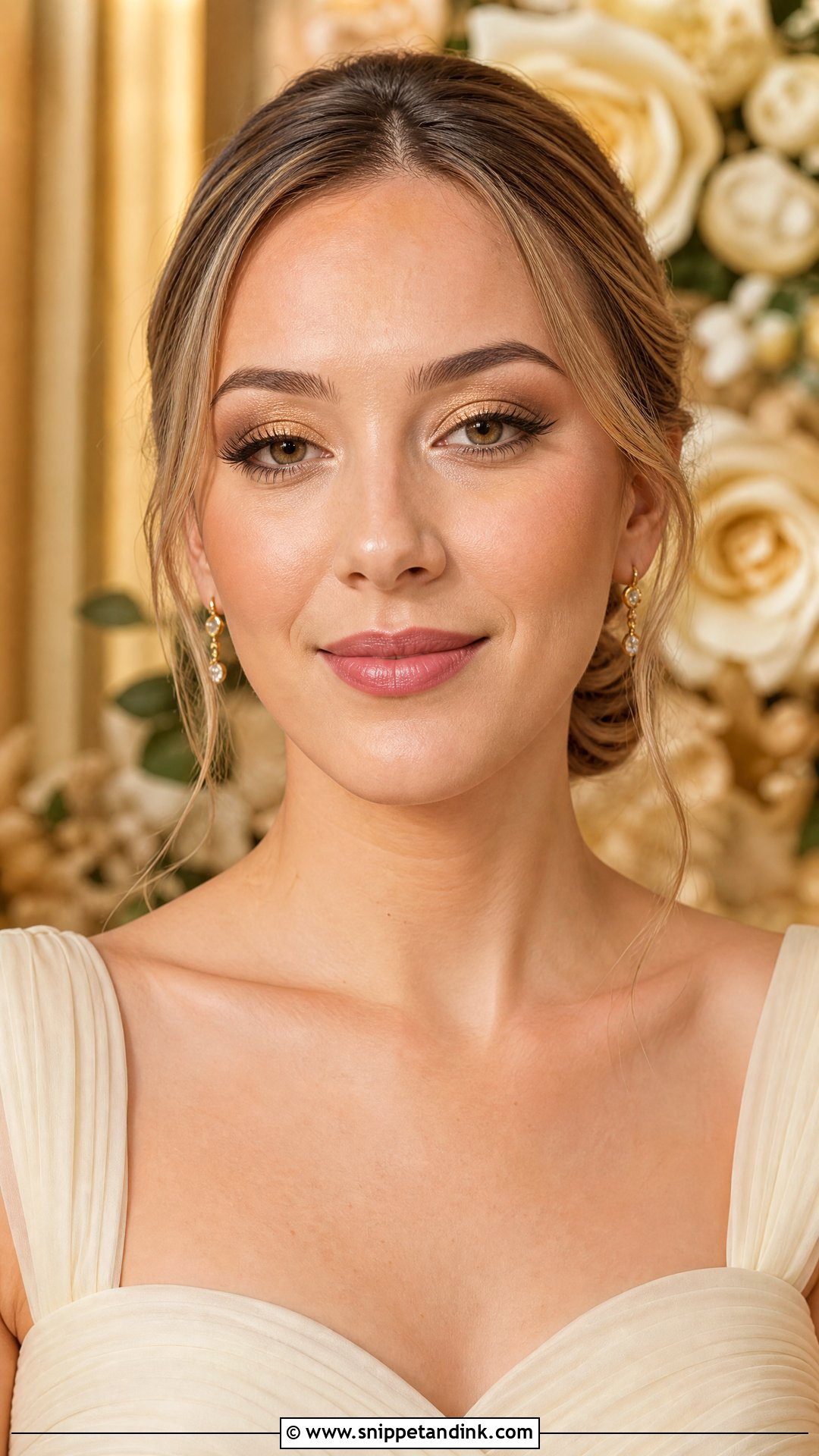
Gold is made for golden-hour portraits. Soft gold shimmer on the lids, warm tan in the crease and brown liner give definition without weight. On the skin I use warm bronzer, peach blush and a fine highlight on the high points. The one rule I won’t bend is no chunky glitter: in flash photography it reads as specks and can make skin look textured. Lips in nude peach, warm rose or soft brown-pink. It complements cream, rust, olive, navy, terracotta and warm beige bridesmaid dresses.
9. Dusty Rose Bridesmaid Palette
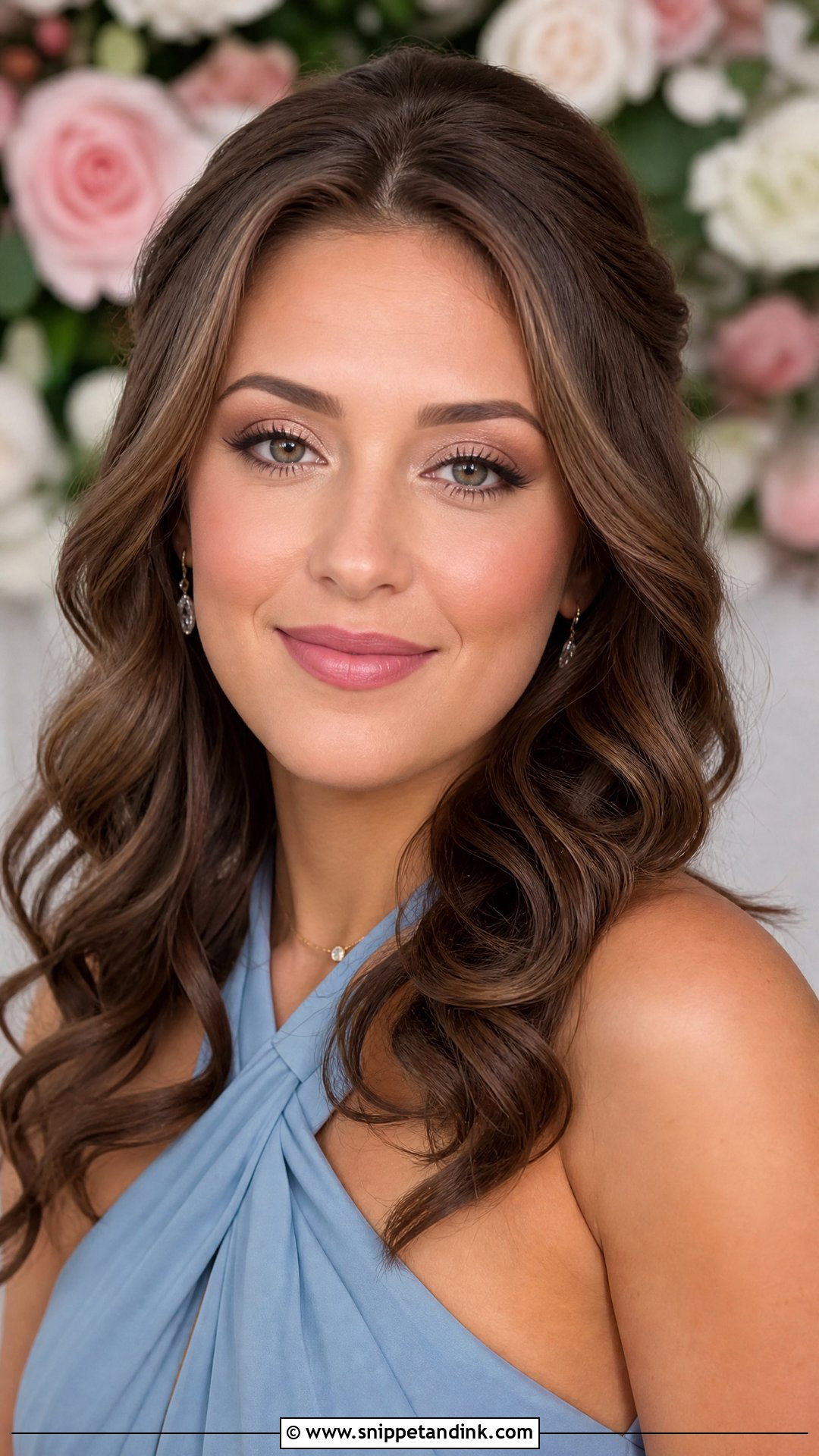
Dusty rose sits between mauve and bright pink, and it’s one of the few palettes I’d happily use in any season. Matte dusty rose and soft taupe on the eyes, champagne-beige shimmer on the lid and brown liner for a slight lift. I set the centre of the face with a soft-focus powder and leave the outer cheeks satin, so the skin keeps some life. A matching lip liner under a creamy lipstick ties it together. Dusty blue, sage, grey-blue, blush and floral dresses suit it.
10. Terracotta Bridesmaid Palette
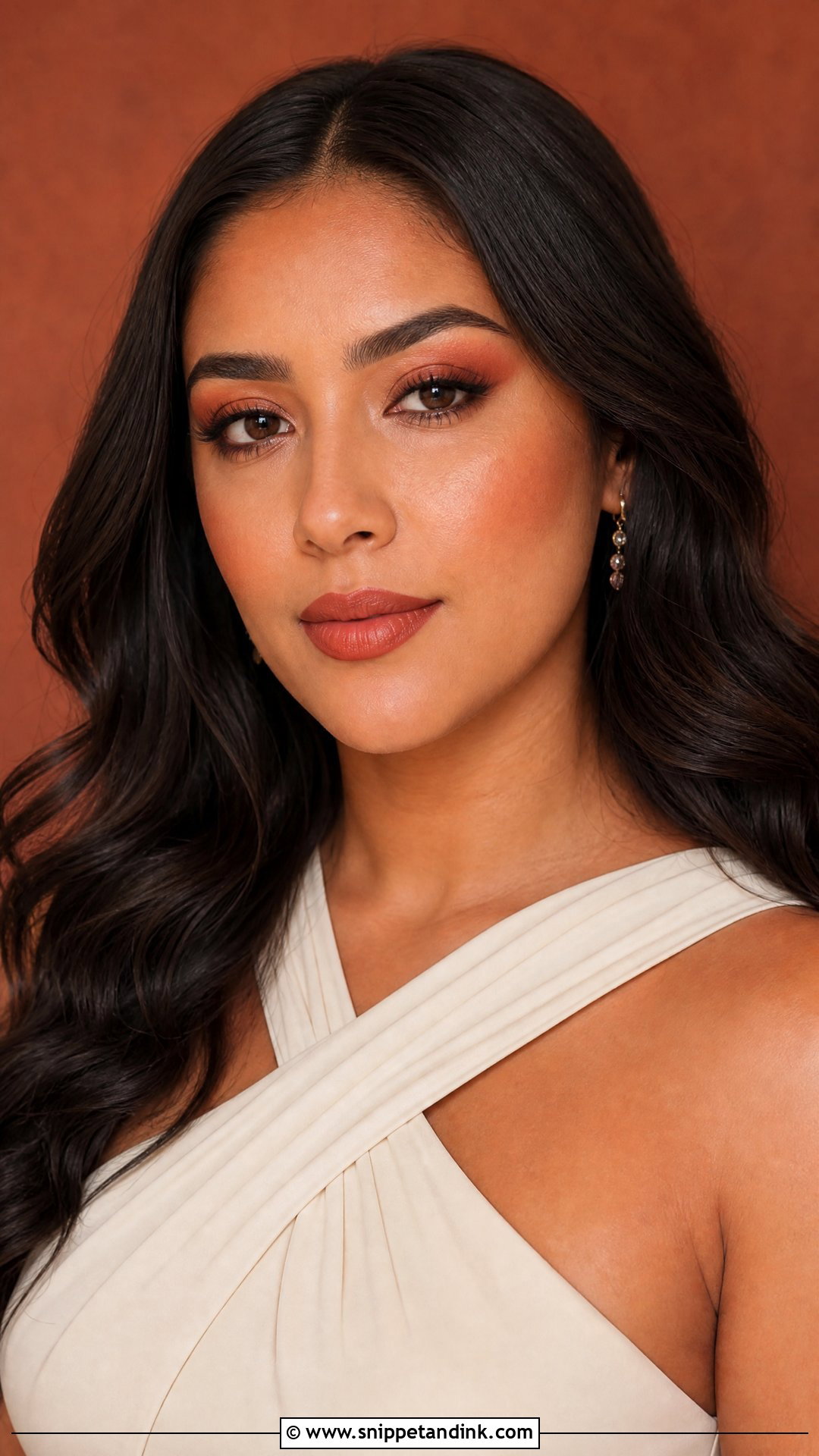
Terracotta is warm and earthy, which suits outdoor, desert, garden and autumn weddings. I use clay, cinnamon, soft copper and brown on the eyes with a diffused edge, and brown or bronze liner so nothing looks sharp. The base gets warm bronzer and a peachy terracotta blush. On very fair or cool-toned skin I tone the blush down toward peach, or it can look sunburned. Lips can be soft terracotta, warm nude or muted coral-brown. It’s flattering with rust, olive, cream, chocolate, burnt orange and beige dresses.
11. Berry Bridesmaid Palette
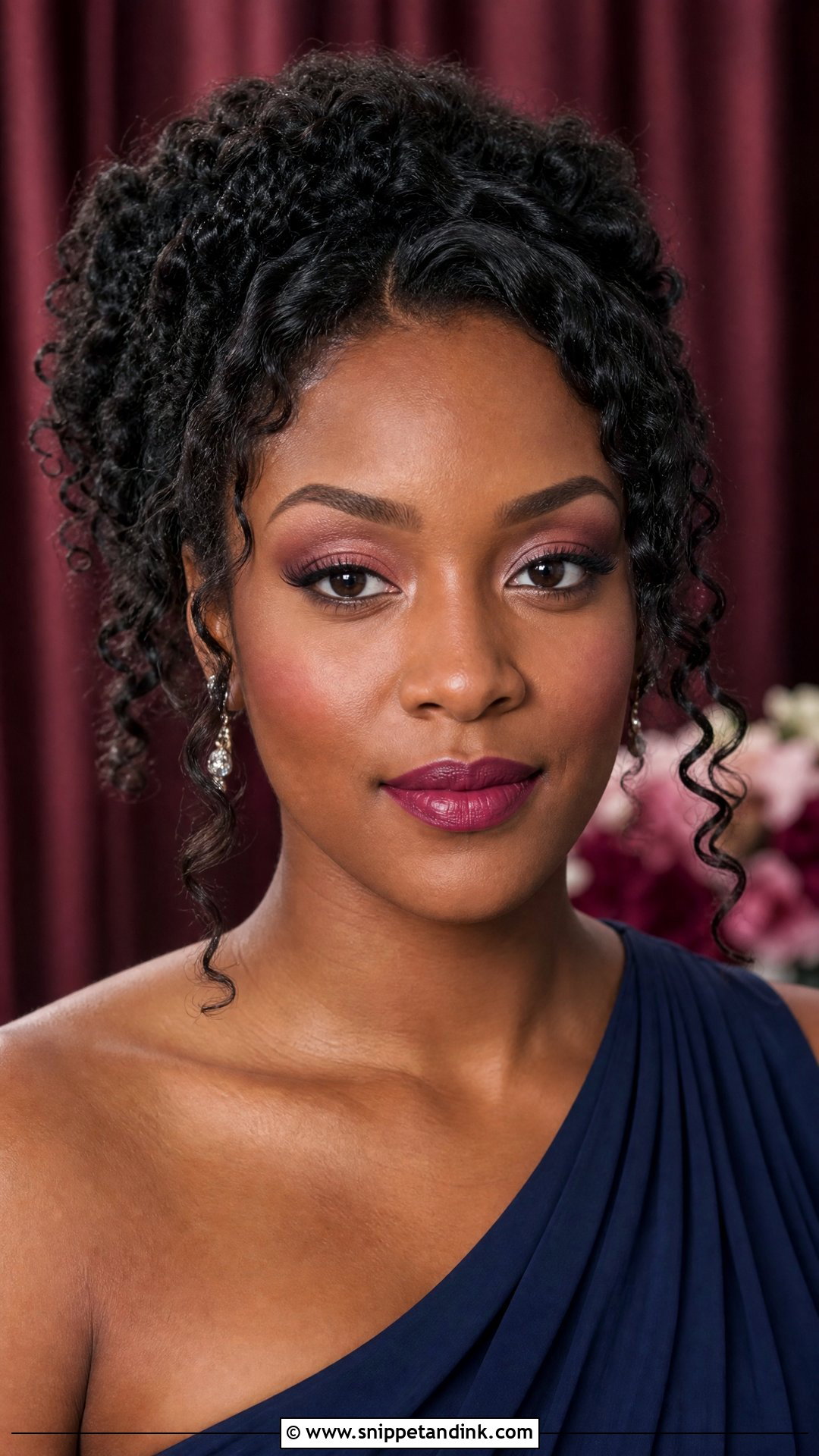
Berry is rich, so the rule I follow is one feature only: berry on the lips or softly through the eyes, never both at full strength. For the eyes, I blend muted berry shadow with taupe and soft brown, add a thin liner and lift the lashes. The base stays balanced with satin skin, cool rose blush and subtle contour. Berry lipstick is the one I’d tell bridesmaids to stain rather than gloss; it transfers onto glasses and cheeks less. Navy, charcoal, black, rose and plum dresses all suit it.
12. Soft Glam Bridesmaid Palette
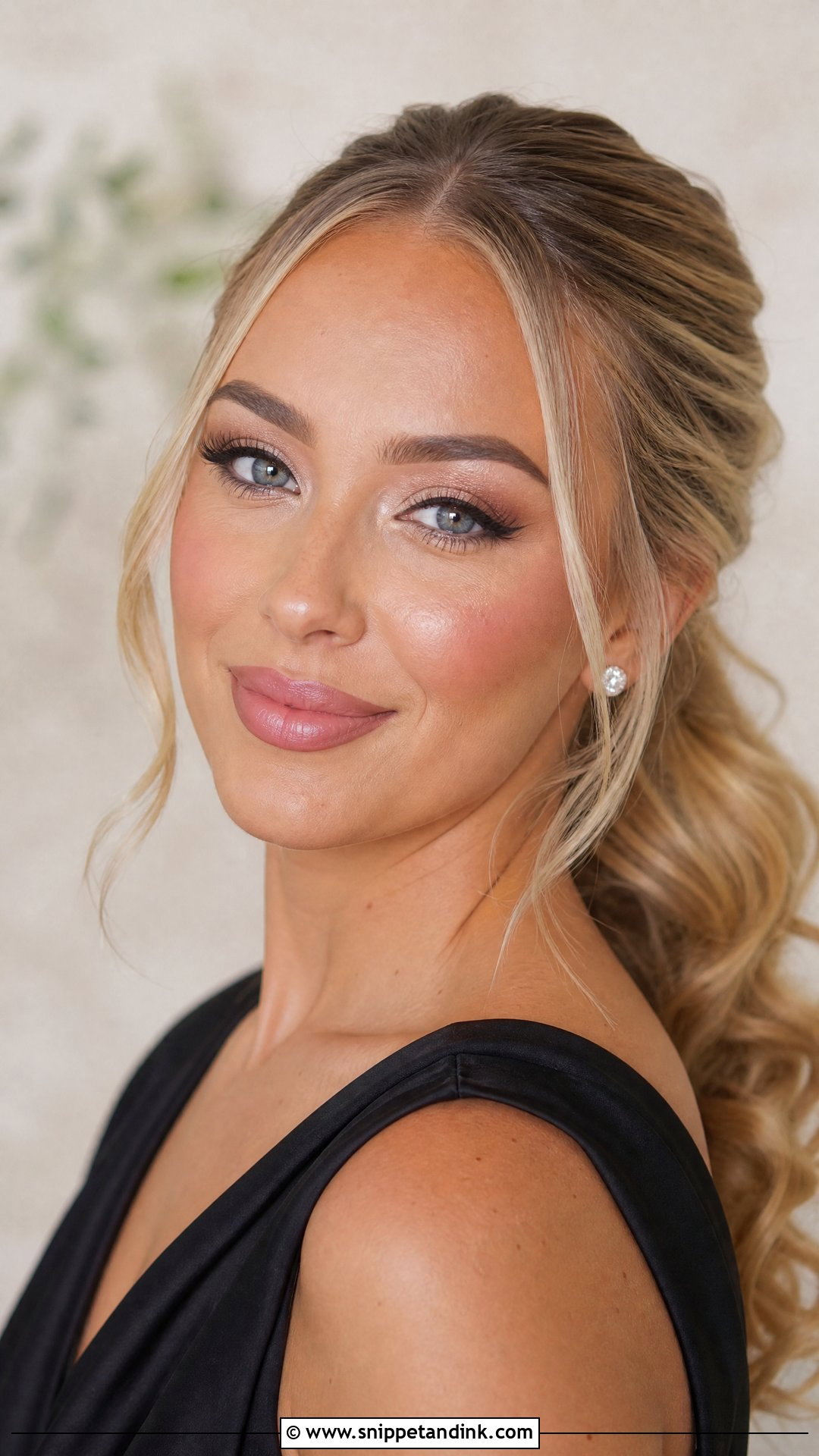
Soft glam is the default for bridal parties who all want to look polished on camera. It’s neutral eyes in beige, taupe, medium brown and soft shimmer, defined lashes, sculpted cheeks and a finished lip. A thin wing or smudged liner if it suits the group. What makes it last is the base: a long-wearing foundation in a natural matte or satin, set lightly, then warmed with bronzer and lifted with blush. Nude rose, pink beige or soft brown lips. It works with nearly any dress colour.
13. Natural Bridesmaid Palette
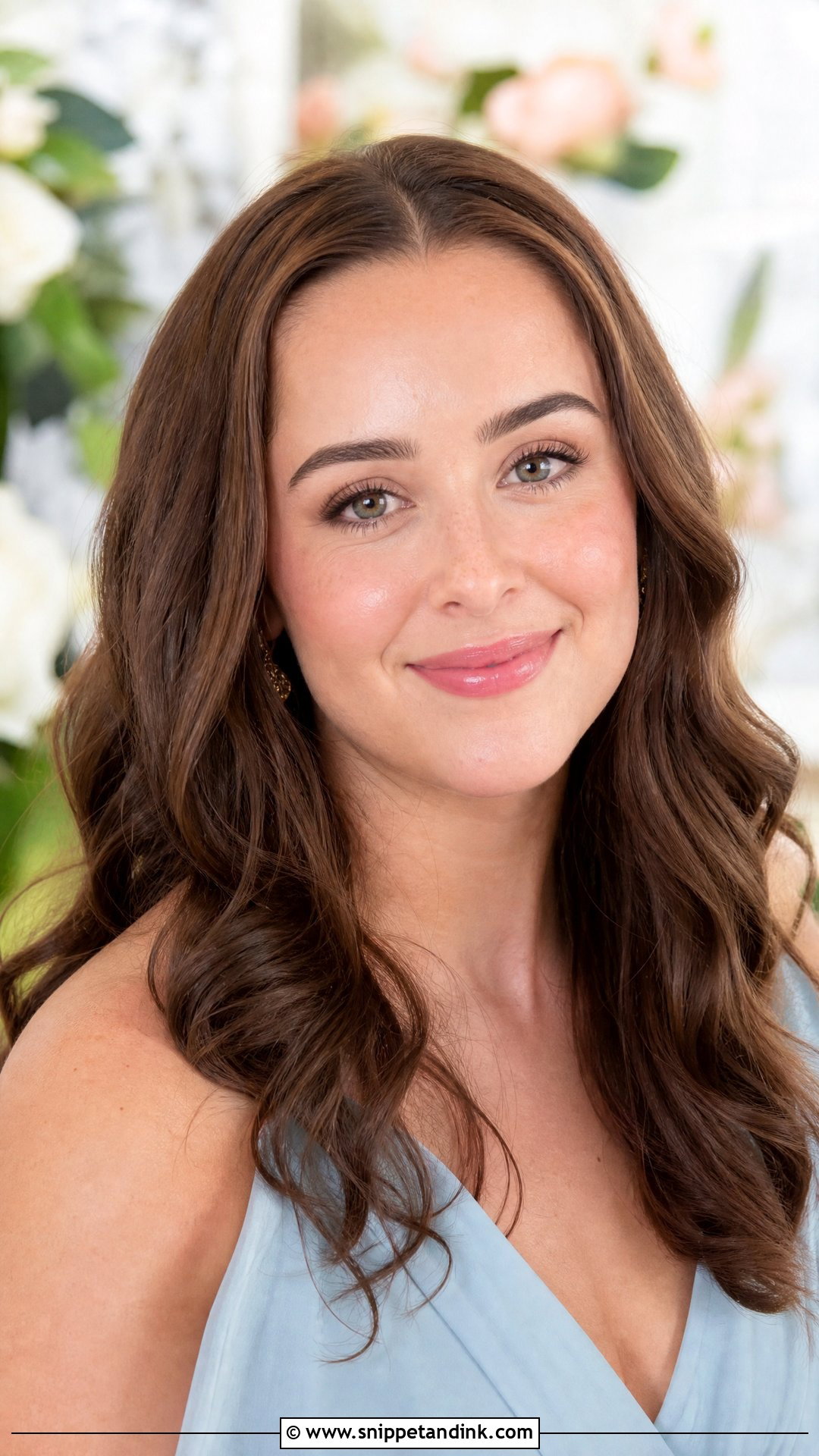
For bridesmaids who rarely wear makeup, I keep a natural palette and still treat it like a full application. Skin tint or a light foundation, spot concealer, cream blush and powder only where shine shows. Beige shadow, a little taupe in the crease, brown mascara and brushed-up brows. Tinted balm or a sheer rose lip. The mistake I see is skipping everything; bare skin can look washed out next to fully made-up bridesmaids in the same frame.
14. Matte Neutral Bridesmaid Palette
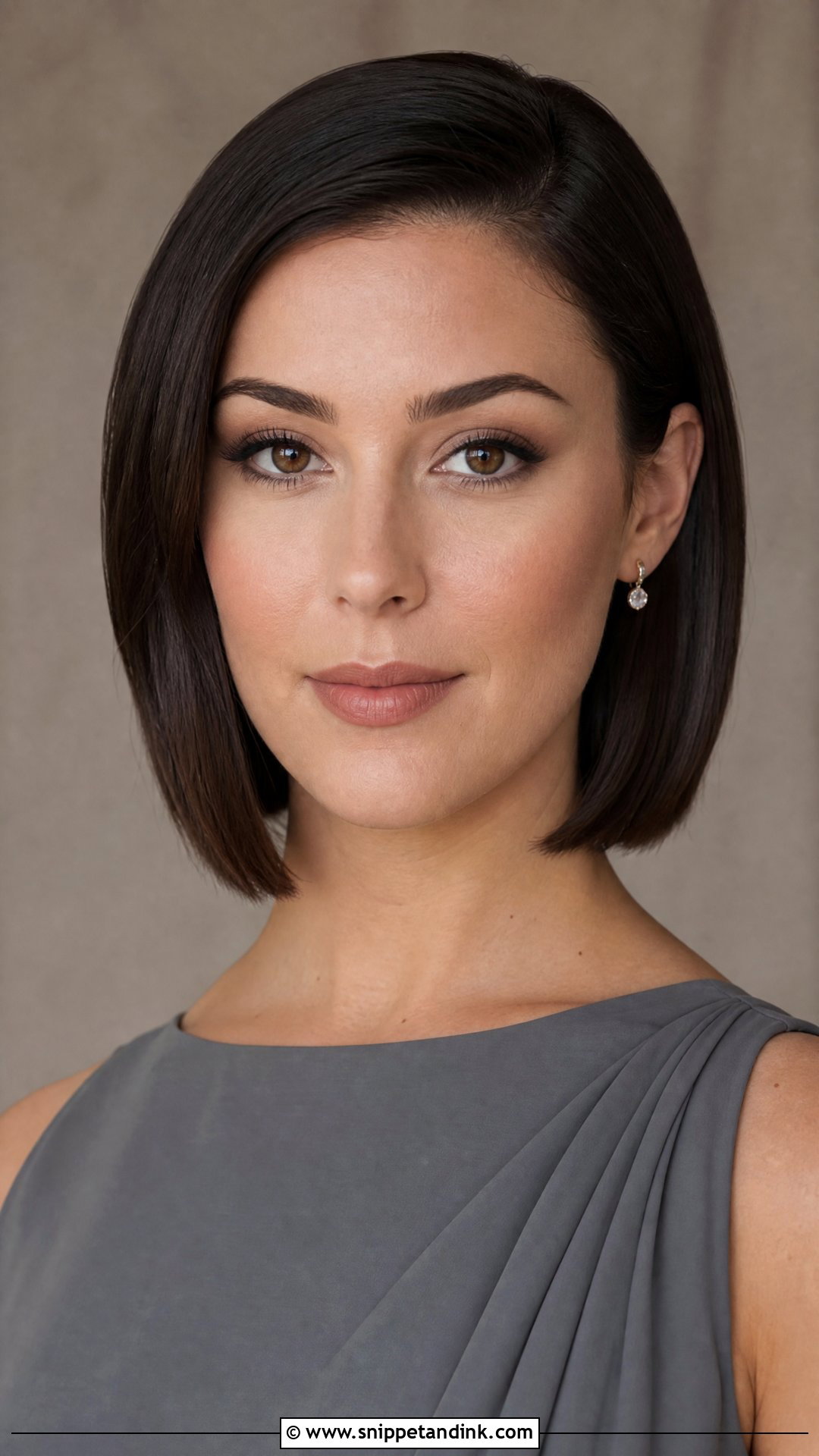
Matte neutral is the palette I recommend for long, hot days and flash-heavy receptions, because it controls shine. Matte cream, taupe, medium brown and deep brown give the eyes structure without shimmer. The T-zone gets set properly; that’s where shine shows first in flash. I’d still keep a touch of satin on the cheeks so the skin doesn’t look flat. Satin or matte nude rose lips hold best. City weddings, minimalist dresses and bridal parties who want a crisp finish all suit it.
15. Dewy Bridesmaid Palette
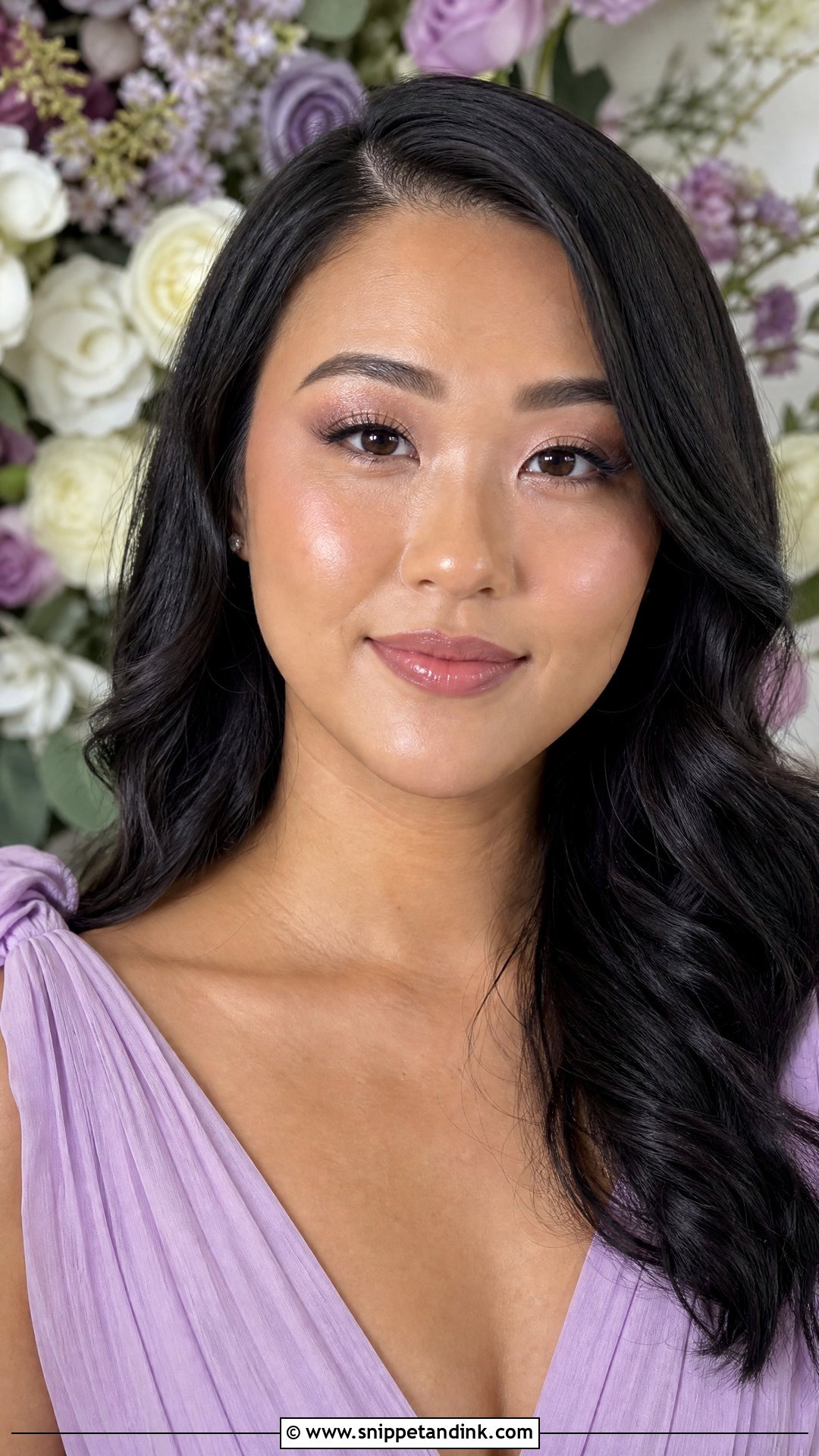
Dewy skin is lovely in person and risky on camera, so where the glow goes matters. I prep with hydrating skincare, use a radiant foundation, and powder only the sides of the nose, the forehead and the smile lines. Cream blush in peach, pink or rose, a liquid highlight on the top of the cheekbones, and a glossy nude or pink lip. Oily skin is the exception: on a bridesmaid who shines by noon, I’d do a satin base with a little highlight instead. Spring gardens and pastel dresses suit it.
16. Plum Bridesmaid Palette
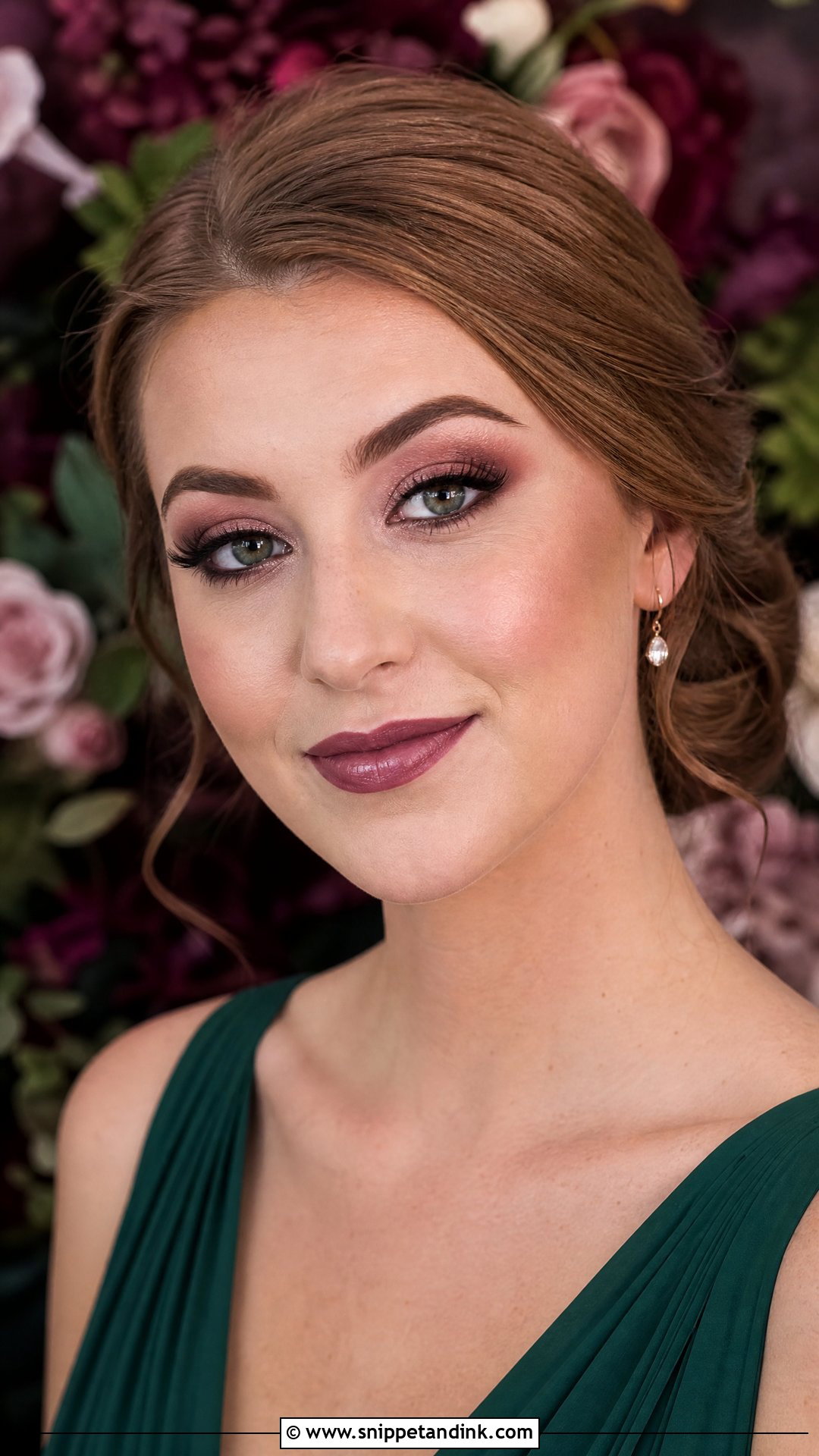
Plum is deeper than mauve but still romantic, and I keep it for navy, black, lavender, grey and deep green dresses. Plum-brown goes through the outer corner with mauve or taupe in the crease, and a soft shimmer on the centre of the lid keeps the eye open. Cool rose blush and a subtle highlight balance it. How strong the lip goes depends on the eyes: a deeper eye gets rose-plum or soft mauve; a lighter eye can carry muted berry.
17. Coral Bridesmaid Palette
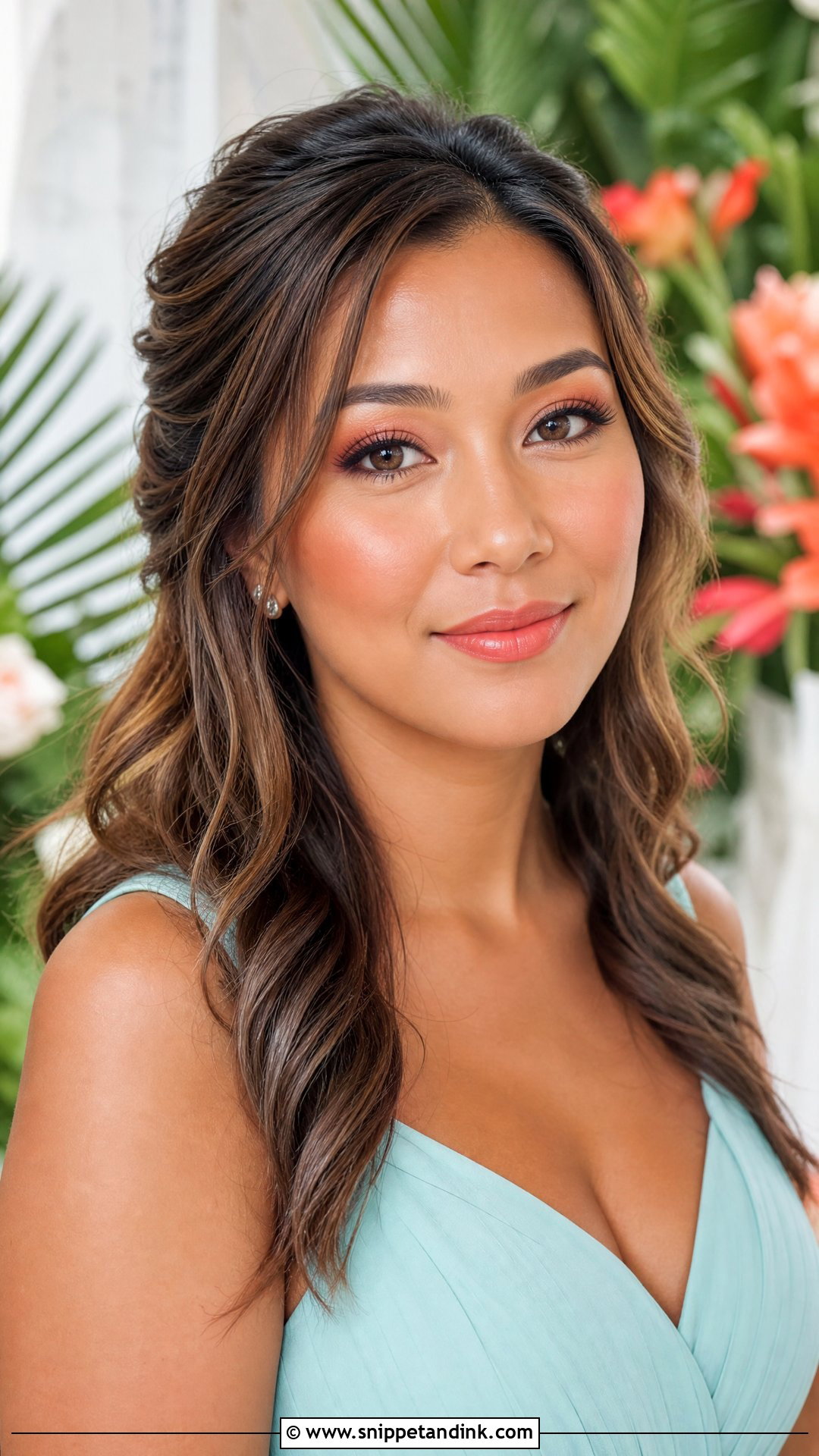
Coral is cheerful and works for warm-weather, daytime weddings. Peach-coral shadow, warm beige and light brown in the crease, curled lashes and soft brown liner keep the eyes airy. Warm blush across the cheeks, a touch of bronzer and a satin glow. A coral-pink lipstick or gloss finishes it. I check coral against the dress before committing; next to some pinks it clashes, but with aqua, sage, yellow, cream and florals it’s cheerful and fresh on beach and garden days.
18. Taupe Bridesmaid Palette
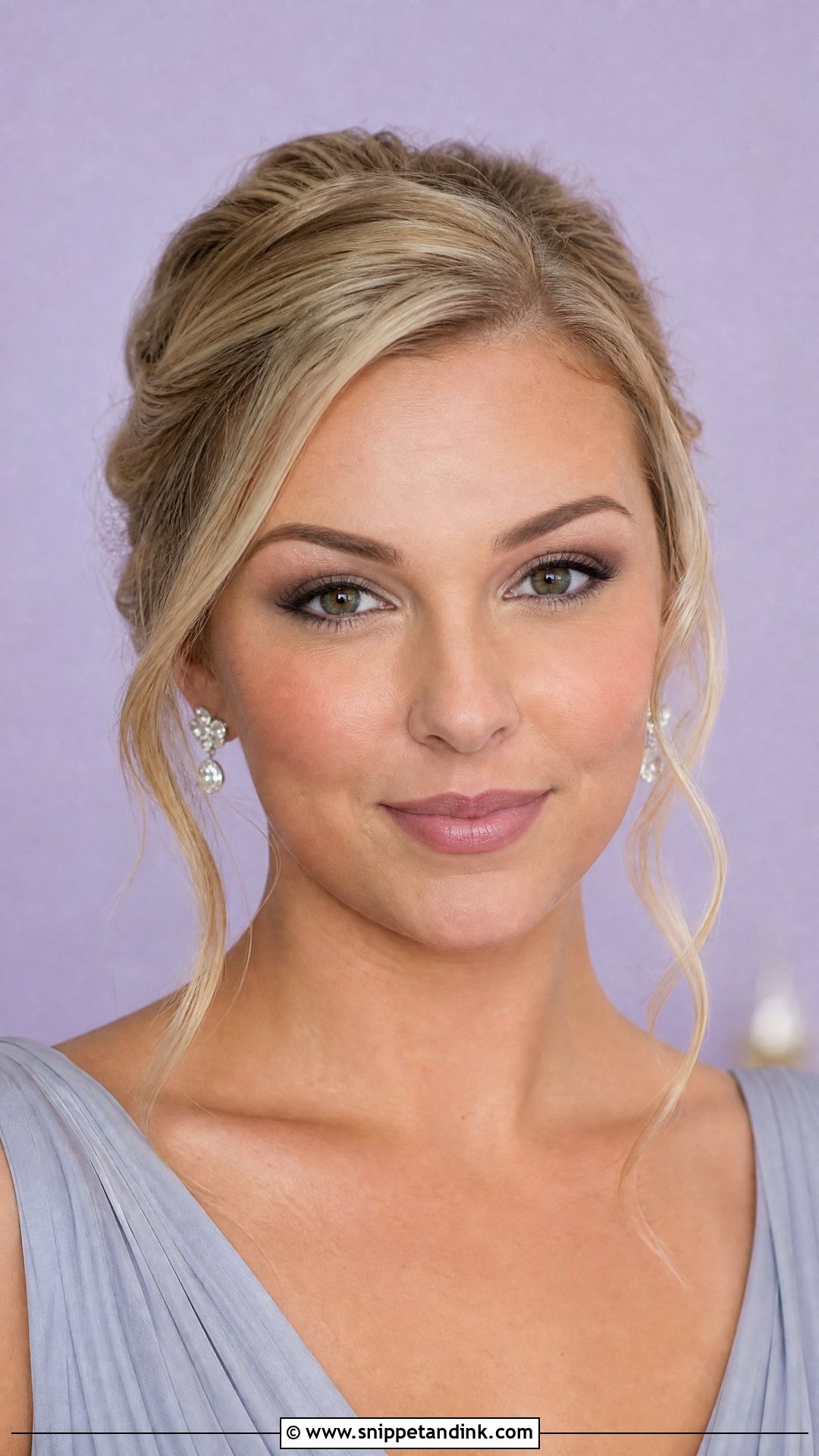
Taupe is the coolest palette here and the easiest to match with mixed dresses. It’s for brides who don’t want pink, peach or bronze tones at all. Matte taupe through the crease, soft beige on the lid and a deeper grey-brown at the lash line. Neutral blush, light contour and a satin base. Taupe can look ashy on deep skin, so I’d move to a warmer, richer taupe there rather than leaving it out. Pink nude, beige rose or cool brown-nude lips. Silver, slate blue, lavender, black and grey dresses suit it.
19. Copper Bridesmaid Palette
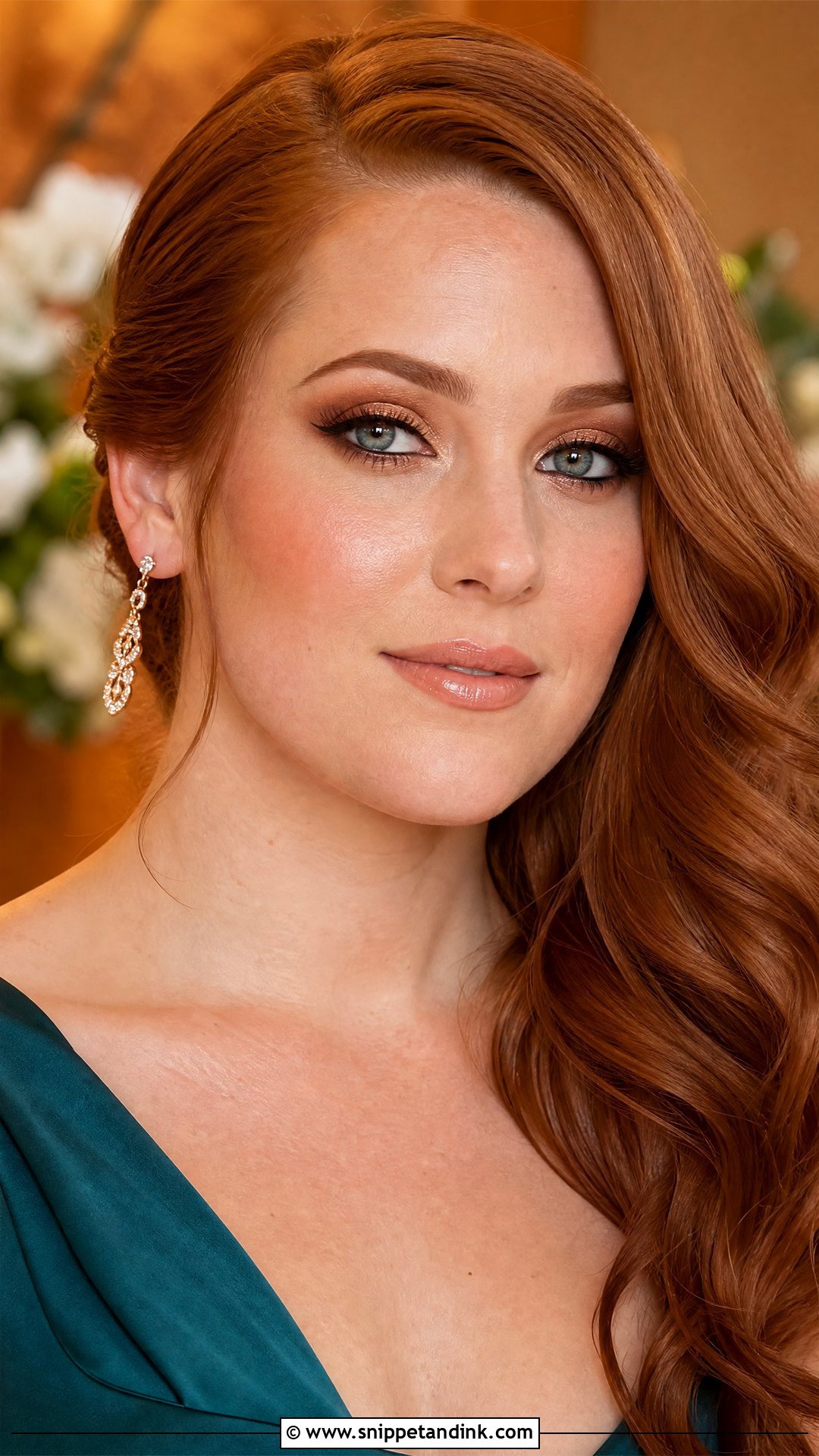
Copper brightens the eyes, especially blue, green, hazel or brown ones. I place copper shimmer on the lid, warm brown in the crease and espresso liner close to the lashes. Because copper already pulls focus, the lip stays soft in warm nude, peach beige or rose-brown, and the skin gets soft bronzer, peach blush and a little highlight. It’s festive with rust, teal, olive, navy, cream and chocolate dresses.
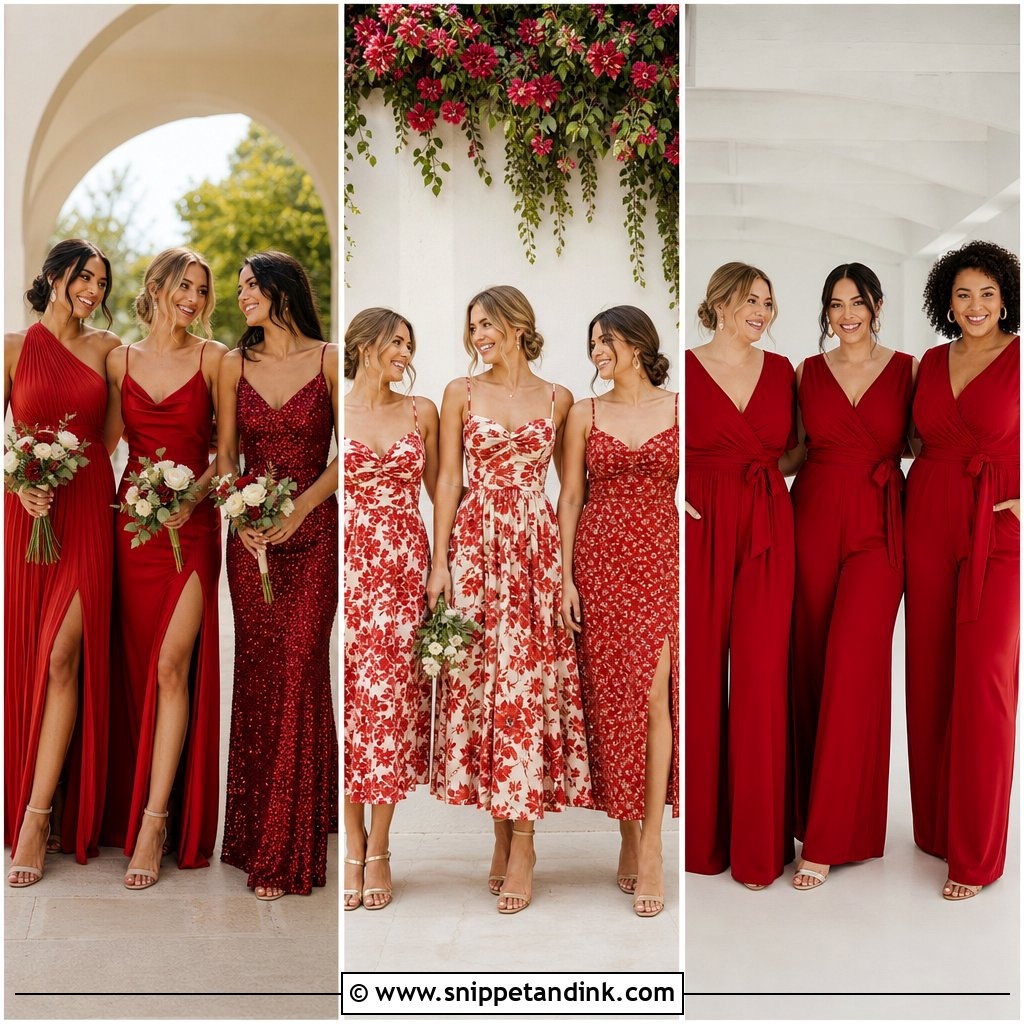
20. Classic Red Lip Bridesmaid Palette
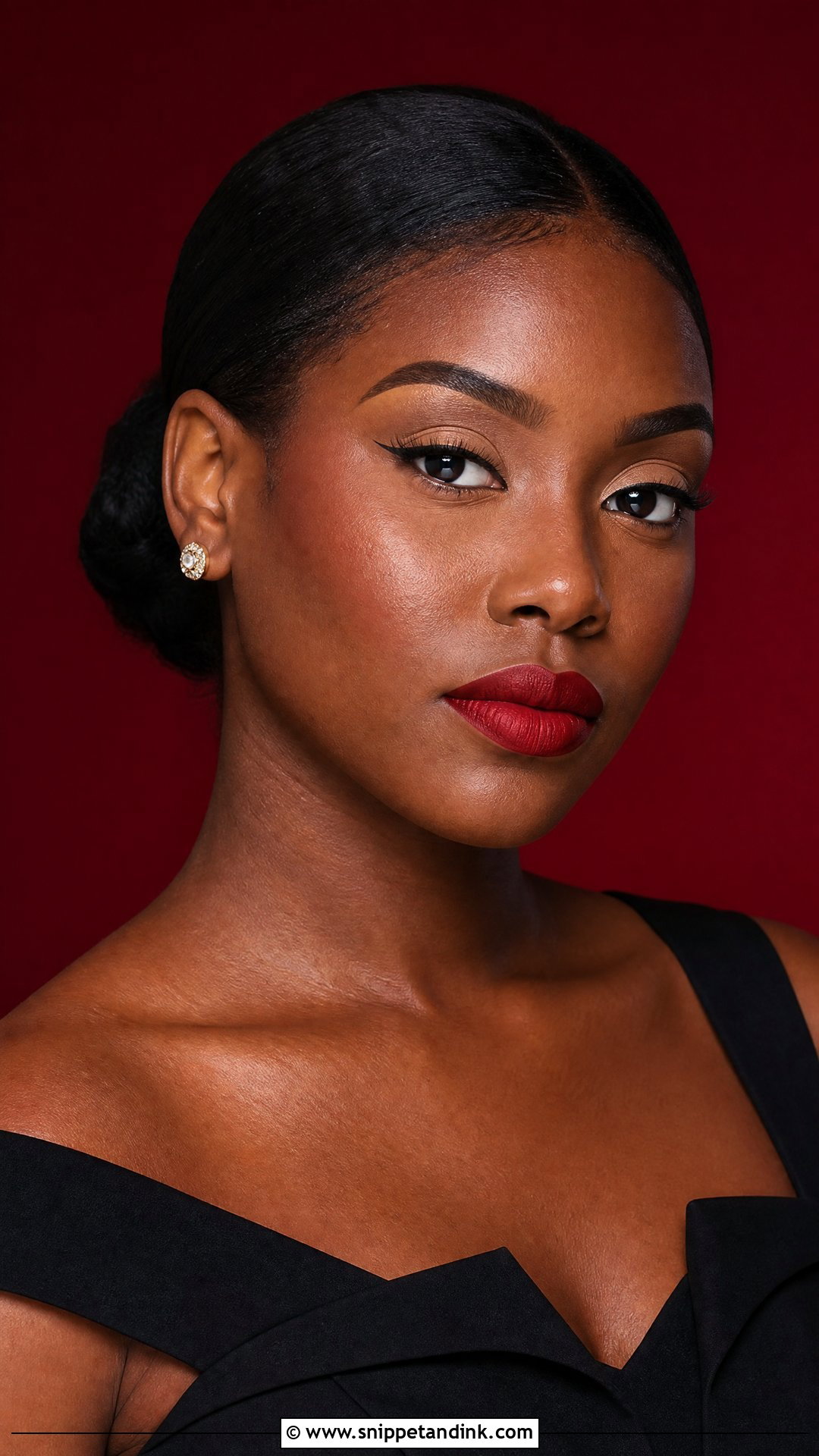
A red lip only works when everything else is restrained. I keep the eyes simple, matte beige, soft brown in the crease, thin liner and lifted lashes, and the skin smooth with soft contour and minimal highlight. The red itself has to suit each bridesmaid: blue-red on cool undertones, brick on warm, a neutral red for anyone in between. For staying power I line the whole lip, apply, blot, and apply again. It belongs at formal weddings and with black or satin dresses.
Running Six Faces Through One Wedding Morning
On the day, I allow roughly forty-five minutes to an hour per bridesmaid for a full face, a bit less for a natural look. Bridesmaids go first and the bride goes near the end, so her makeup is the freshest at the ceremony. Arrive with a clean, moisturised face, no heavy oils, and hair already brushed back. If you wear lash extensions, contact lenses or retinoids, say so in advance; each changes how I work around the eyes.
What Fades by the Reception and What to Carry
Lipstick goes first, through drinks and eating. Shine comes through on the forehead and nose next, and concealer can crease under the eyes by evening. A small pouch fixes nearly all of it.
- Your lipstick and its liner, not just a gloss.
- Blotting papers, which remove oil without adding powder layers.
- A small pressed powder for the T-zone only.
- Cotton buds for mascara smudges after the vows.
One more thing I check at trials: some setting powders and high-SPF foundations can reflect camera flash and leave a white cast on the face. If you plan to use your own, take a flash photo on your phone first.
One Colour Family, Many Different Faces
A bridal party palette is about harmony, not uniformity. Agree on one main colour family, soft pink, bronze, mauve, nude, coral or red, and then let the artist shift depth and undertone for each person. Think about the dresses, the season and the light you’ll be photographed in, and listen to the bridesmaid who’d rather wear less. Keep the skin fresh, the eyes defined and the lips long-wearing, and the group will look connected in every photo without anyone looking unlike herself.
You'll Like These Ideas:


Leave a Reply