
Almost every bride I meet asks for the same thing in different words: look like me, last all day, don’t feel heavy. That brief rules out a surprising number of looks and leaves plenty of room in what’s left. Right now most of my brides lean toward fresh skin, softer eyes, blurred lips and peachy blush, but the right face for you depends on your skin, your dress and the hour your ceremony starts. The twenty looks below run from barely there to full glam, with notes on how each one actually wears.
Let Your Skin Type Pick the Finish Before the Mood Board Does
Most brides arrive with photos of looks they love. I look at their skin first, because the finish has to suit how your face behaves over ten hours, not how it looks in a still photo.
- Oily or combination skin: satin or matte on the centre of the face, glow only on the cheekbones. Fully dewy looks will turn shiny.
- Dry or mature skin: dewy or satin. Heavy matte powder sits in fine lines and around the nose.
- Sensitive or reactive skin: fewer layers and fragrance-free products, tested at the trial, not first used on the morning.
- Acne or texture: thin layers with spot concealing look smoother than one thick layer, which settles into texture.
Then factor in timing. A noon ceremony outdoors will show every heavy layer in direct sun, while an evening reception under warm lights can carry much more depth. If both happen on the same day, plan a lighter base and a stronger touch-up before the evening.
1. Natural Bridal Makeup
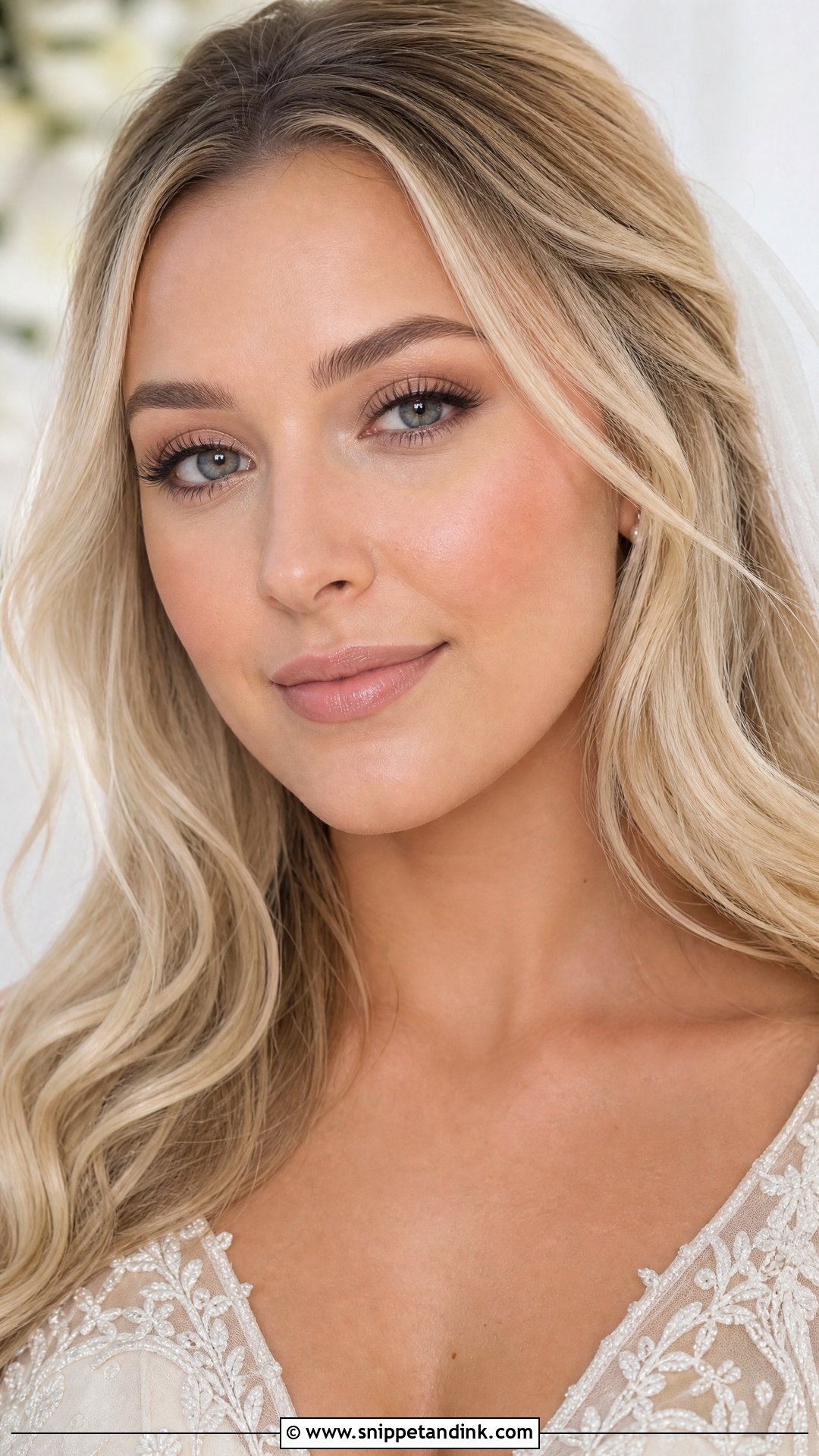
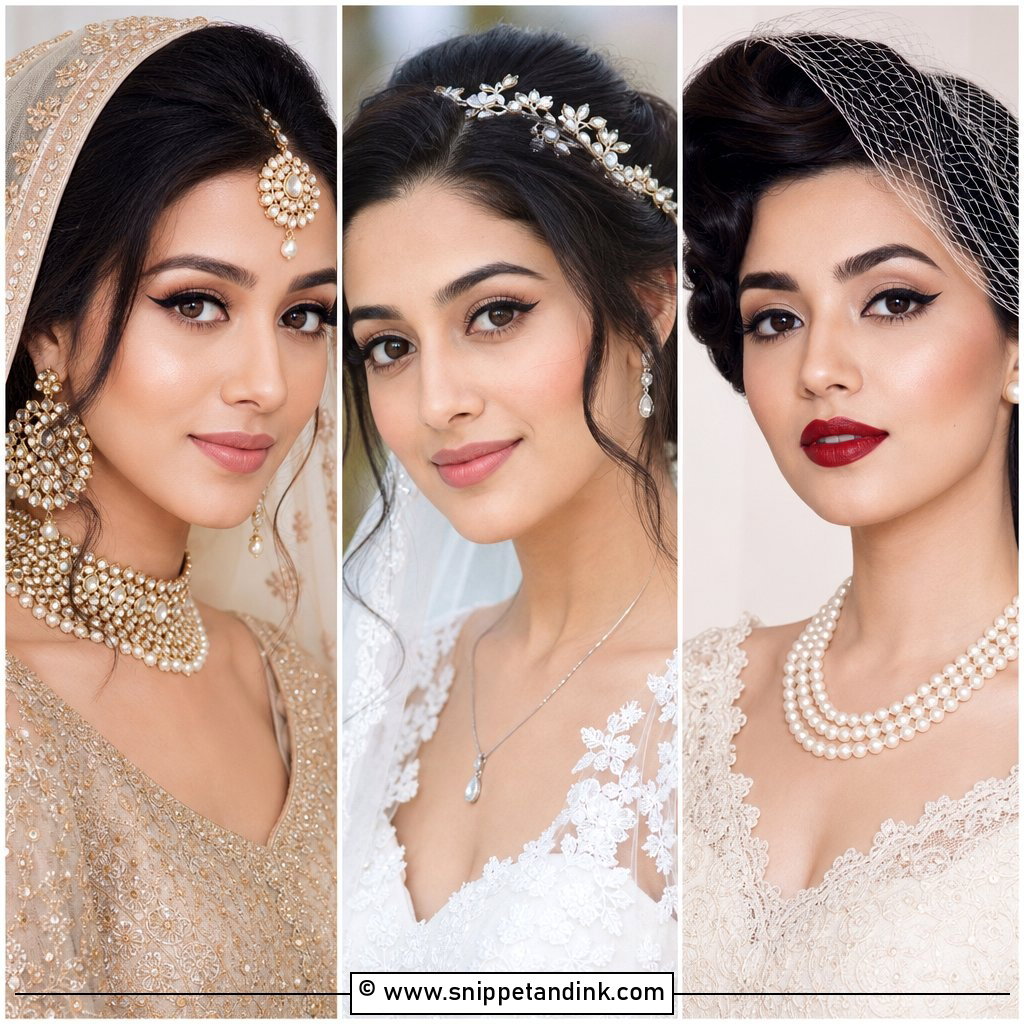
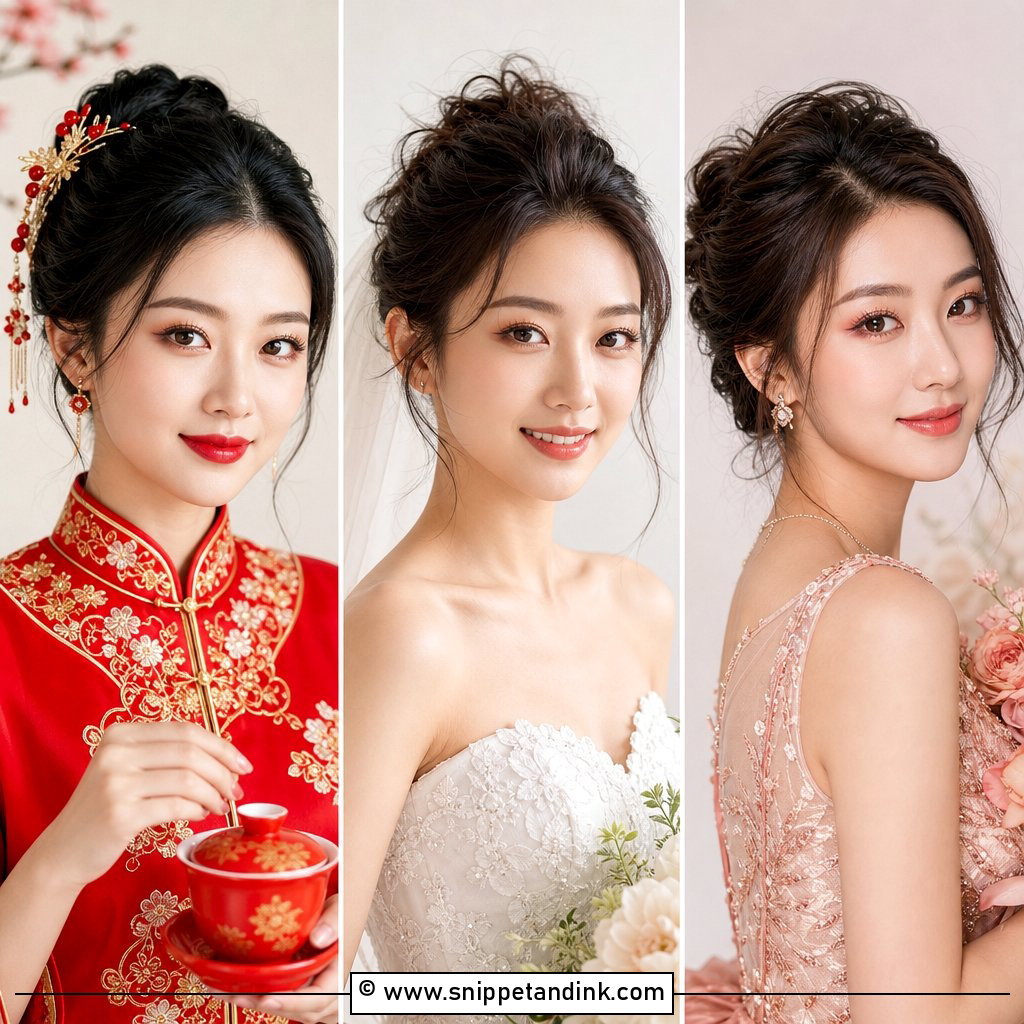
Natural makeup takes more skill than it looks. I prep the skin first, use a thin layer of long-wear foundation, and put concealer only where it’s needed: under the eyes, around the nose, on any blemish. Eyes get beige, taupe, or light brown shadow with brown liner and curled lashes, and cream blush brings colour back. Ask your artist for real-skin coverage, where you can still see texture, rather than a flat matte that photographs like a mask.
2. Soft Glam Bridal Makeup
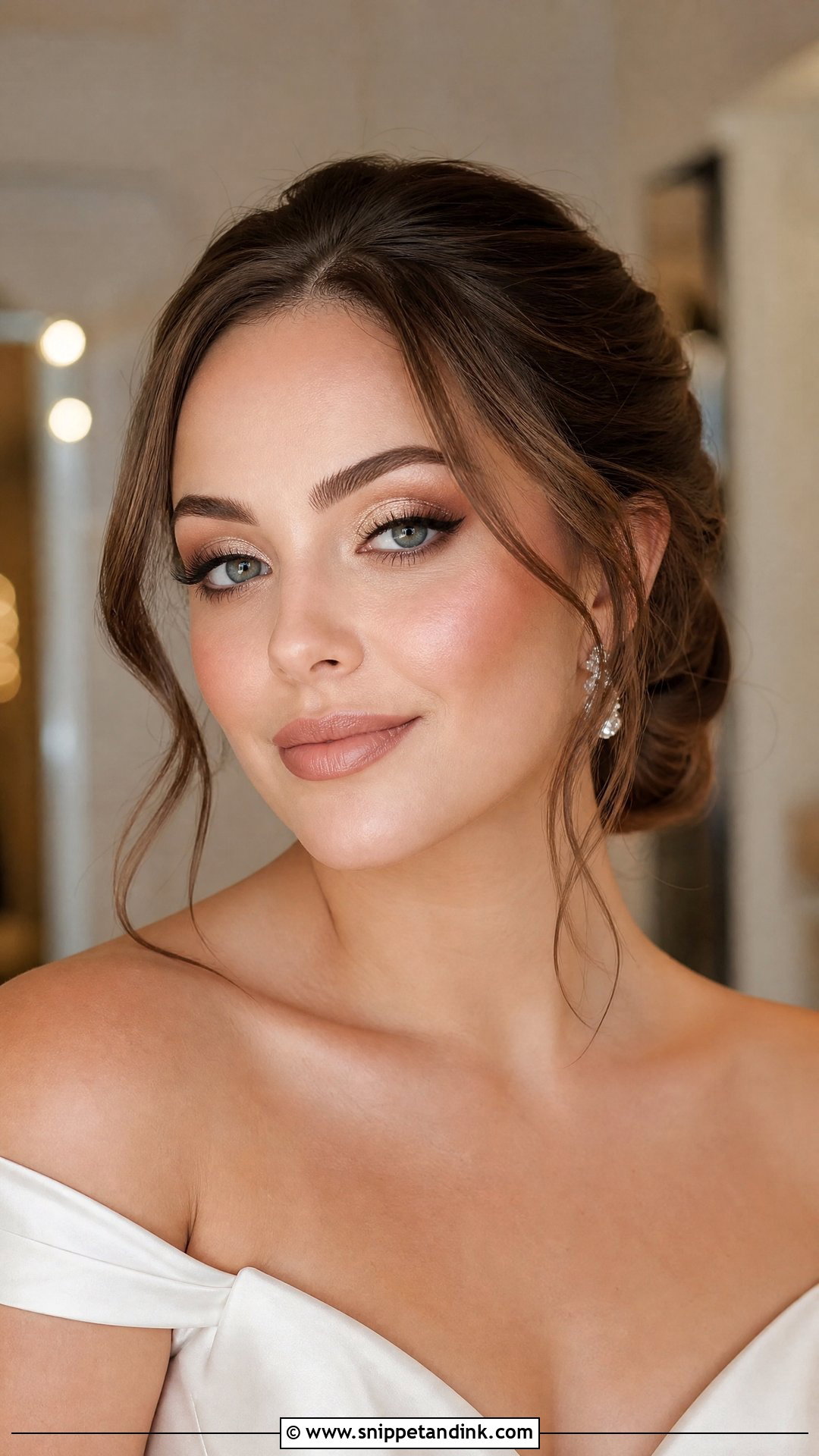
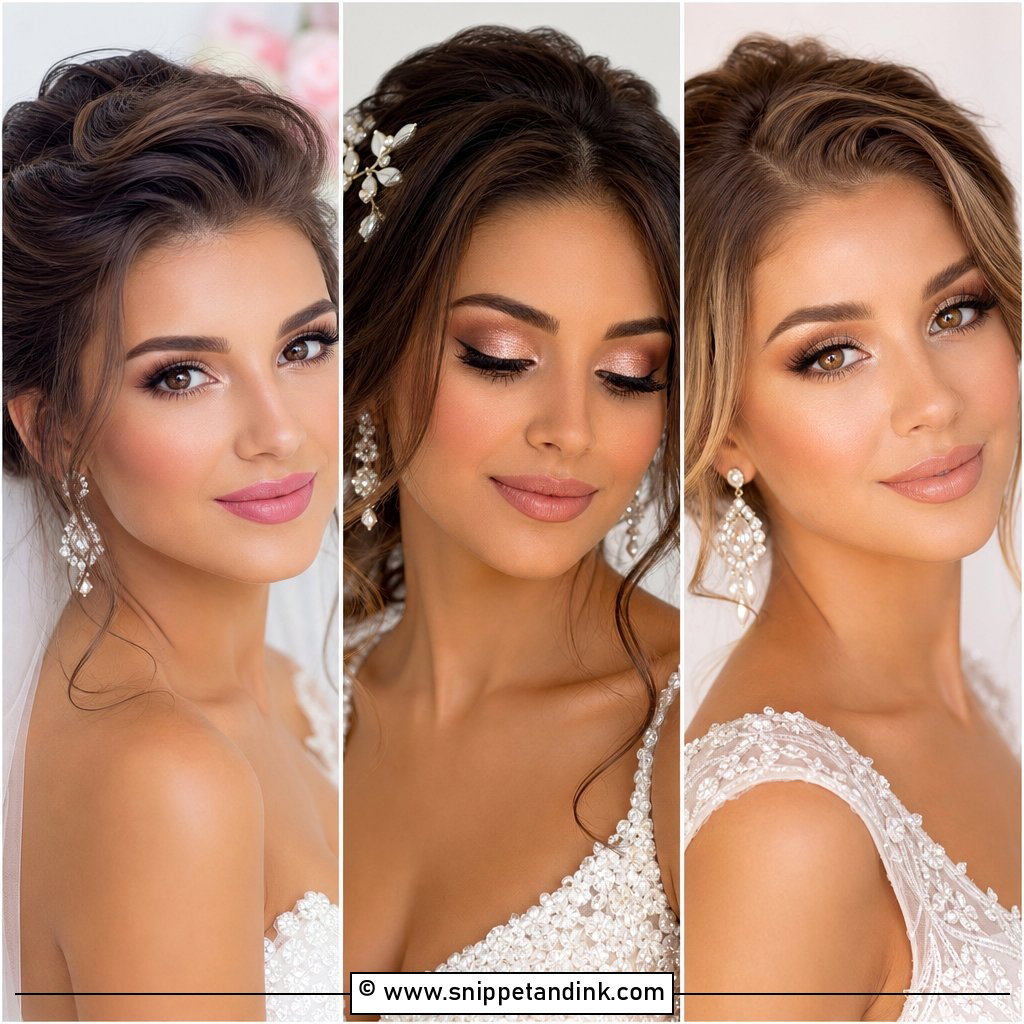
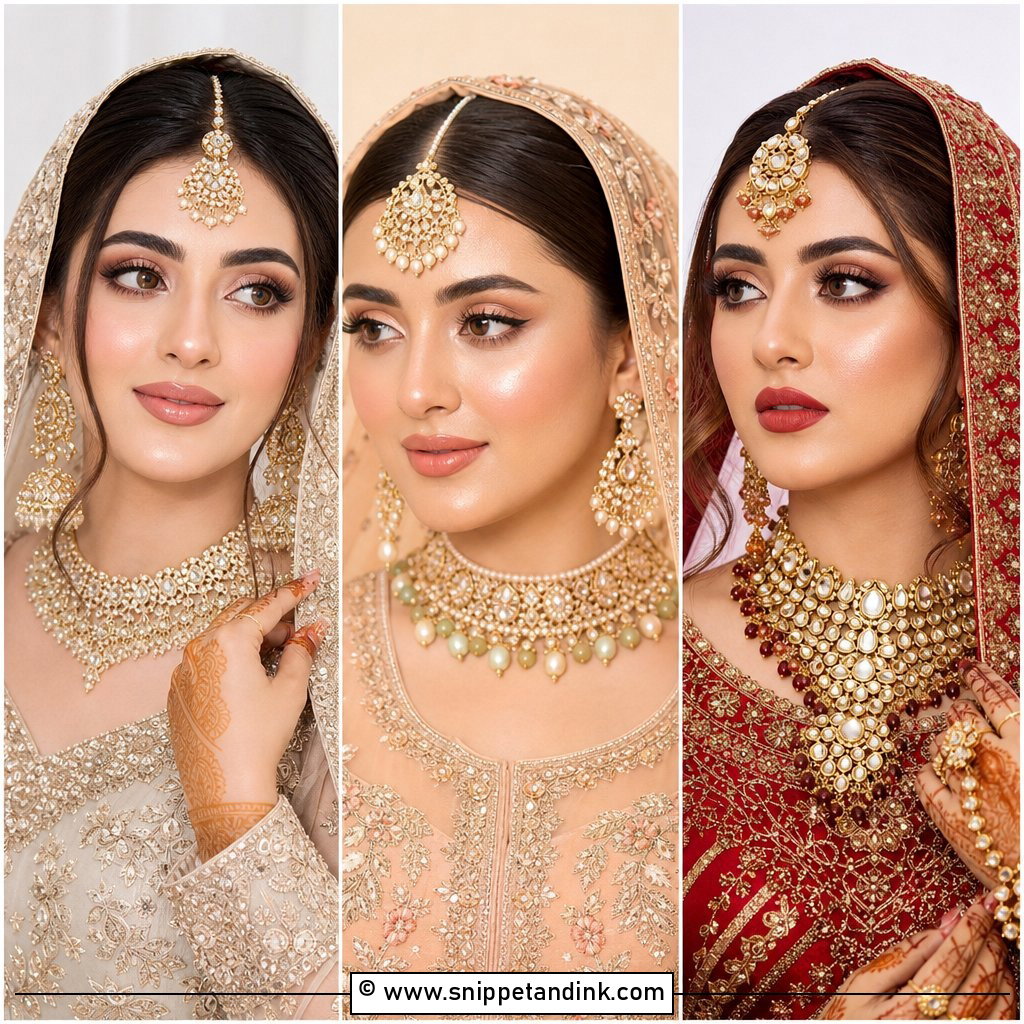
Soft glam is what I’m asked for more than anything else. It sits one step above natural: champagne shimmer on the lid, warm brown in the crease, a thin liner that lifts the outer corner, fluttery lashes, and a lip close to your own colour. I set the skin to a satin finish, not full matte, so it moves when you smile. It goes with nearly any dress or venue, which is exactly why it’s popular.
3. Dewy Bridal Makeup
Dewy skin depends on knowing where to stop. Radiant primer and a lightweight foundation go on first, then cream blush and liquid highlight on the high points only. I still powder the T-zone, under the eyes and around the nose, because those are the areas that turn from glow to grease by mid-afternoon. Soft bronze or champagne on the eyes and a glossy nude lip suit morning ceremonies and beaches. If your skin is oily by lunchtime on a normal day, dewy will not last a wedding.
4. Matte Bridal Makeup
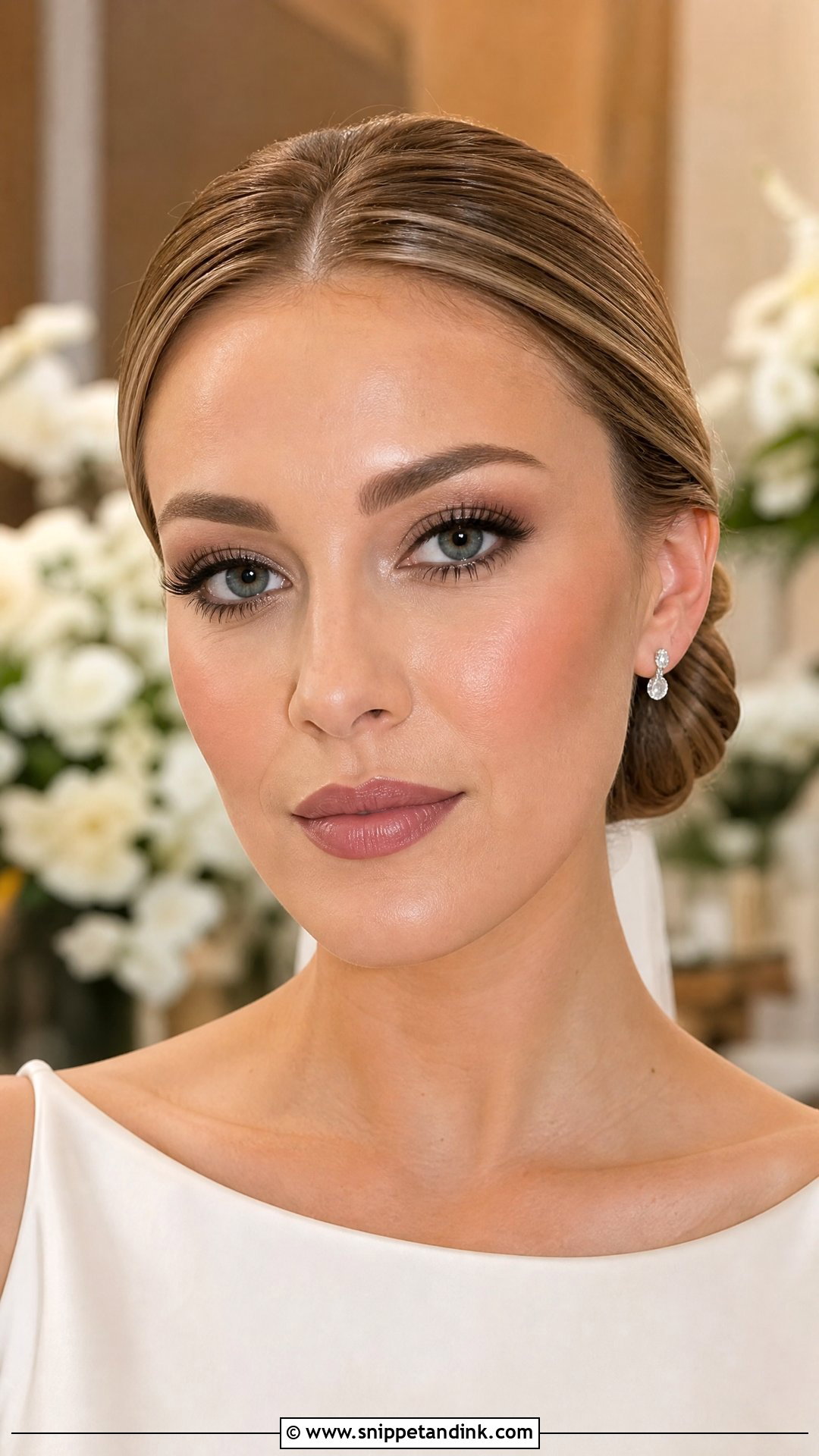
Matte is my choice for heat, humidity and oily skin, but matte foundation on dry skin looks cakey within hours. So I hydrate well underneath, let the moisturiser sink in for ten minutes, then use a long-wear matte base and a soft powder. Taupe or mocha on the eyes, waterproof liner, curled lashes, and a satin-matte lip rather than a fully dry one, which cracks at the centre after you’ve eaten.
5. Classic Red Lip Bridal Makeup
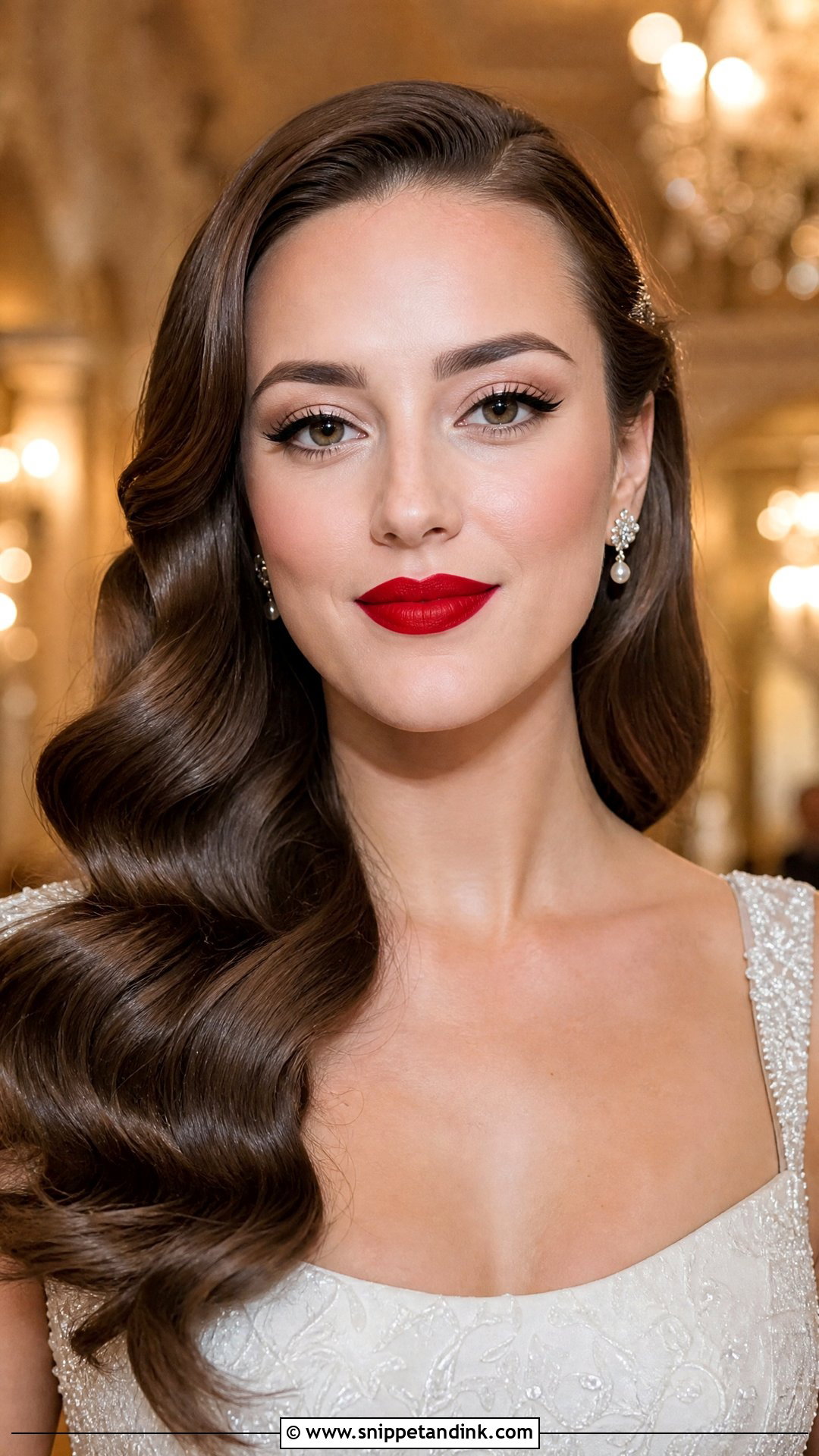
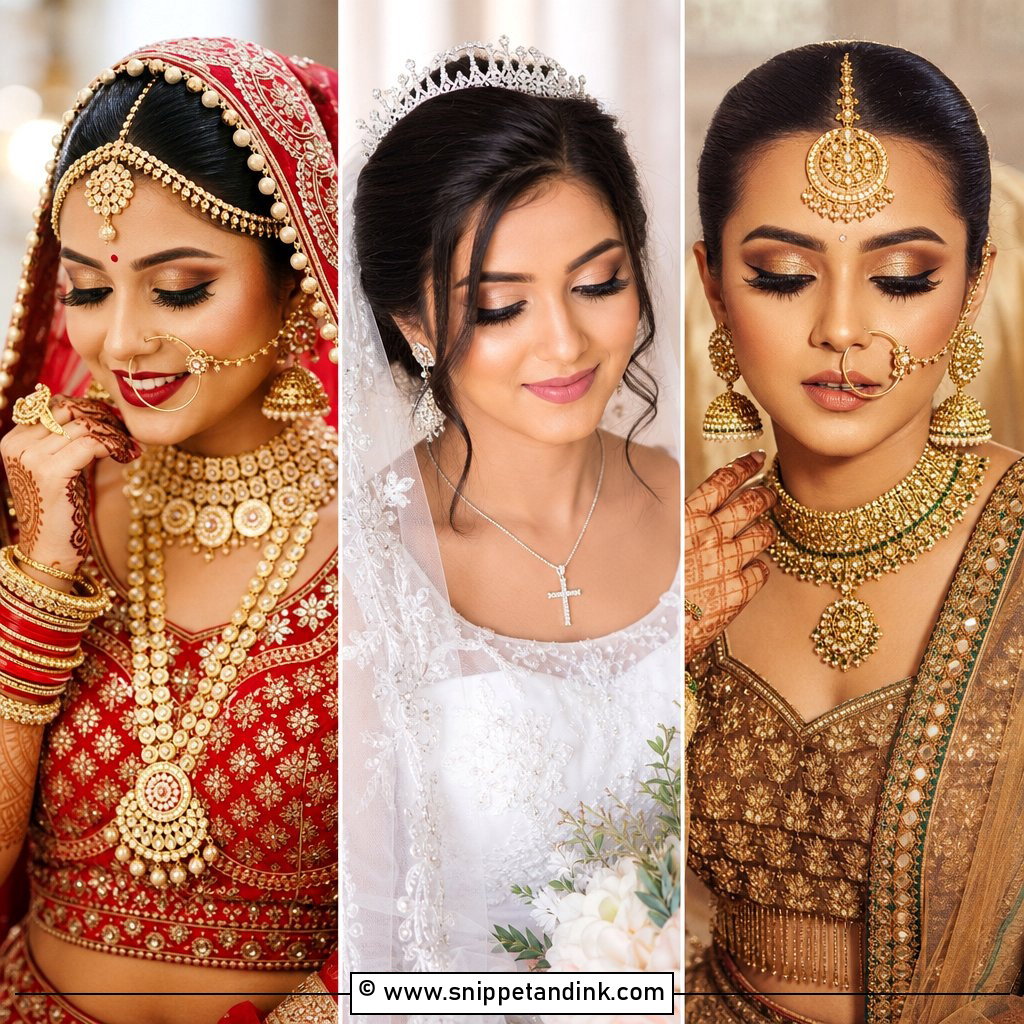
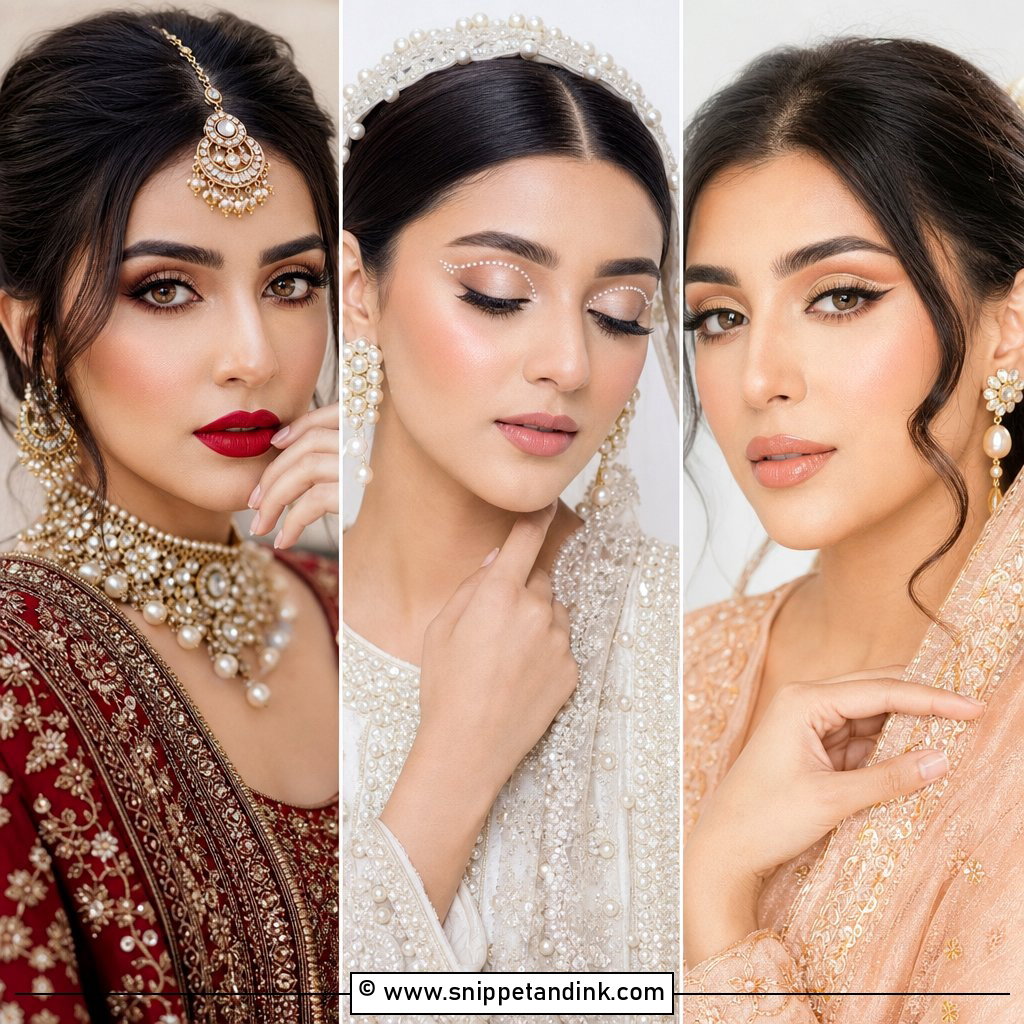
A red lip asks everything else to stay quiet. I pair it with clean skin, neutral matte shadow, a thin black wing and separated lashes. Blush should be soft and in the same family as the red, never a competing coral. Satin or velvet reds are more comfortable than ultra-matte liquids over a long day. Line the whole lip, use a long-wear formula, and keep the same lipstick in your bag. It sits most naturally with sleek gowns and evening city weddings.
6. Pink Bridal Makeup
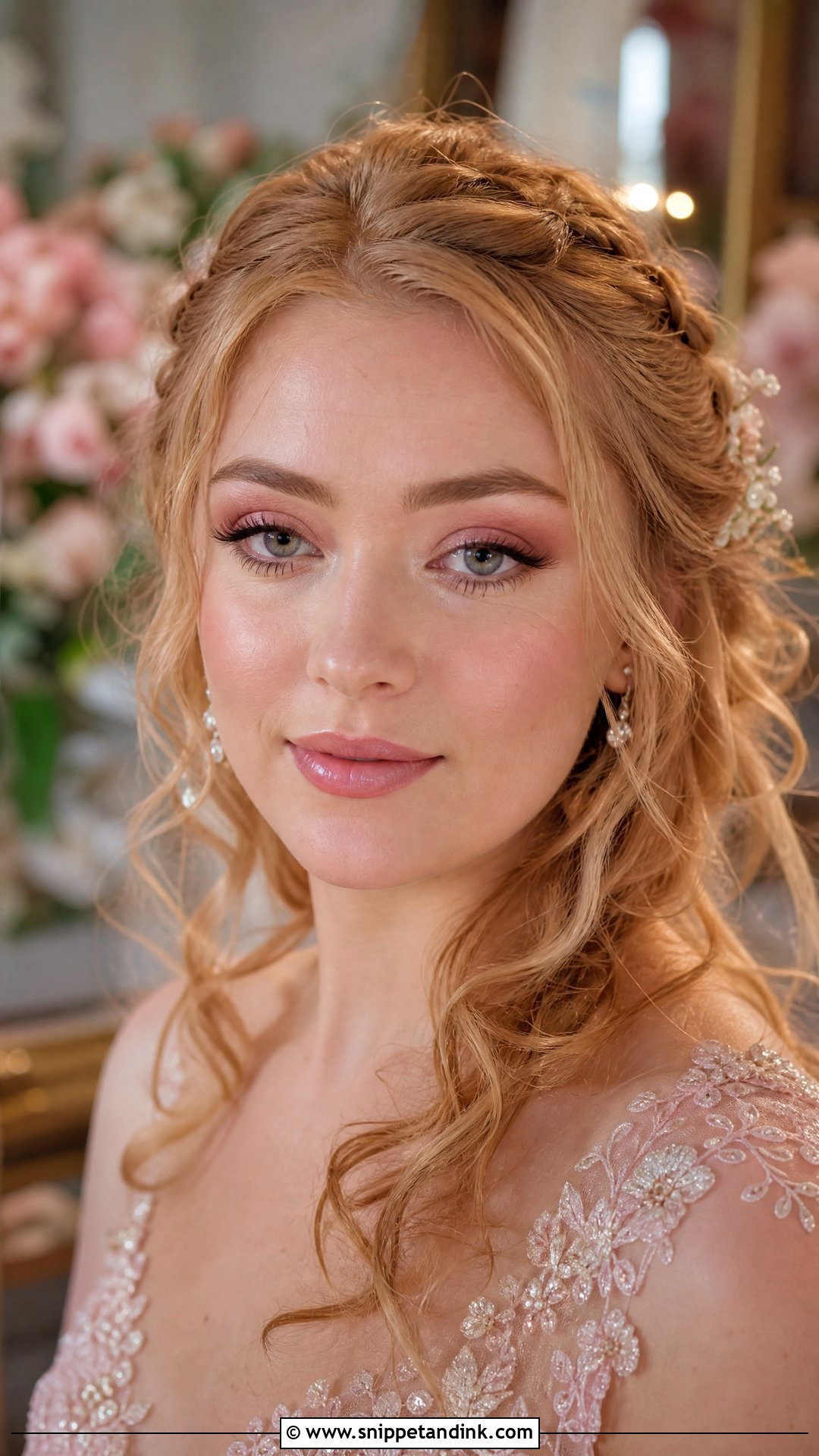
Pink is easy to get wrong, because too much of one pink in three places looks childish. I vary the texture instead: muted rose shadow on the eyes, cream blush on the cheeks, satin or gloss on the lips. Brown liner keeps it delicate. Choose warm pinks if your skin has golden undertones and blue-based pinks if it’s cooler. You’ll see the difference straight away in a mirror by a window.
7. Peach Bridal Makeup
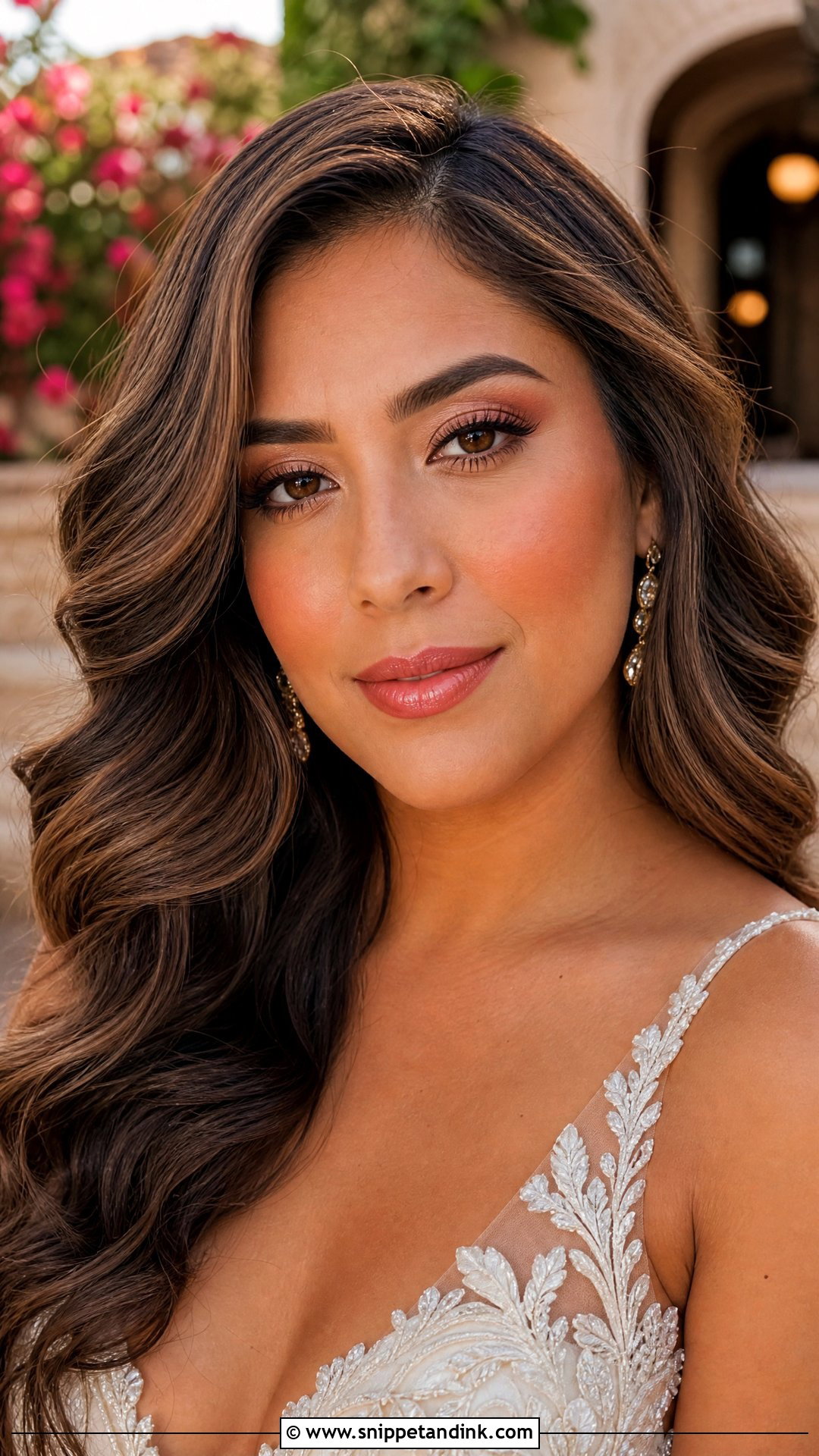
Peach warms up the face without the pink, and it’s my go-to for brides whose skin looks sallow in yellow evening light. Apricot blush, a coral-peach lip and warm champagne or light bronze on the eyes. I keep the skin satin unless the venue is very hot. It sits naturally with ivory, champagne and warm white gowns; next to a stark white dress peach can make skin look slightly orange, so check it at your fitting.
8. Bronze Bridal Makeup
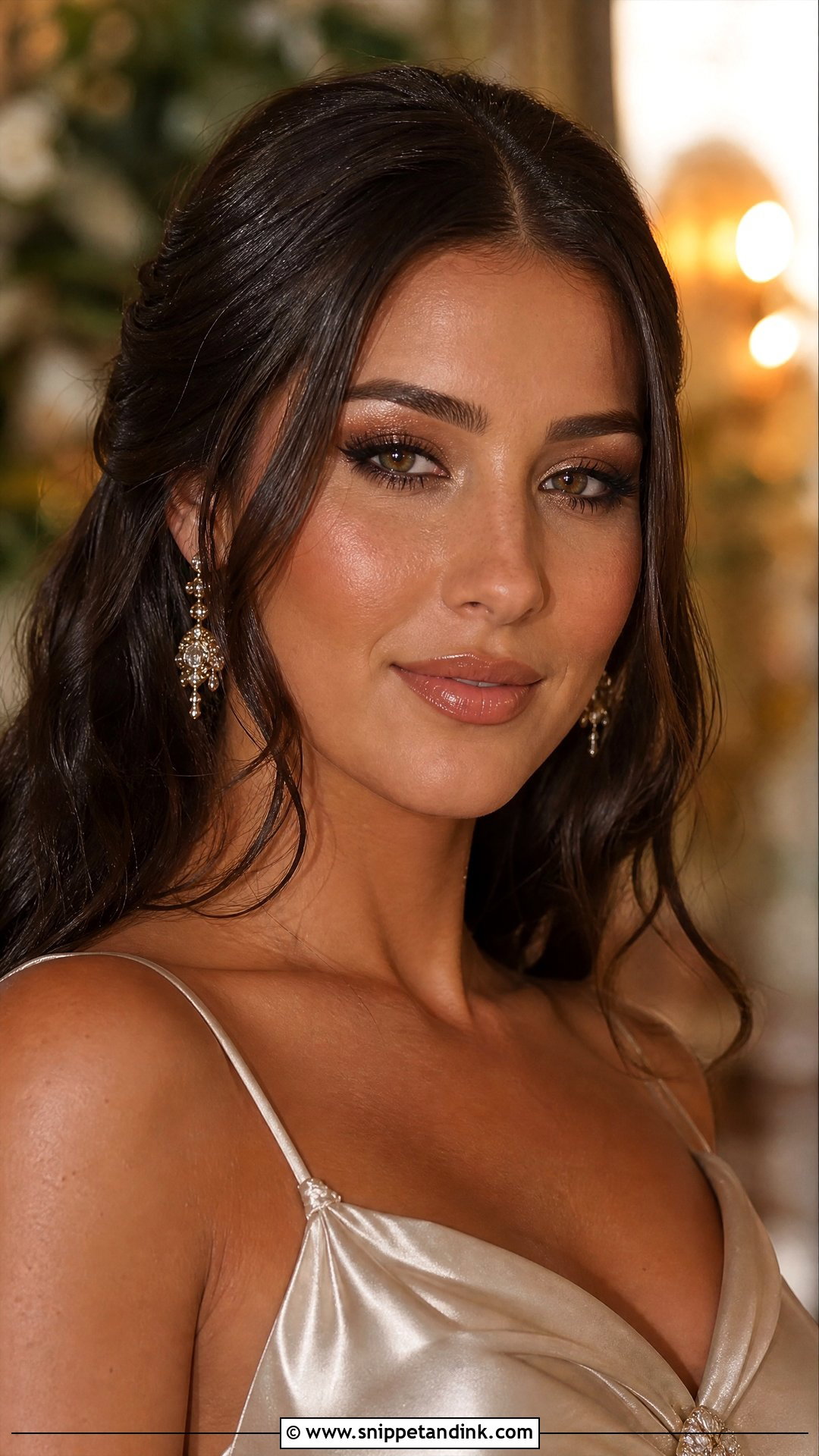
Bronze adds warmth and shape, and I sweep bronzer where the sun would hit: top of the forehead, cheekbones, jaw. On the eyes, bronze shimmer on the lid, warm brown in the crease, and liner smudged into the lashes. A nude caramel or peach-nude lip balances it. My one rule: the highlight stays fine and limited, or by golden hour the skin reads metallic rather than sun-warmed.
9. Rose Gold Bridal Makeup
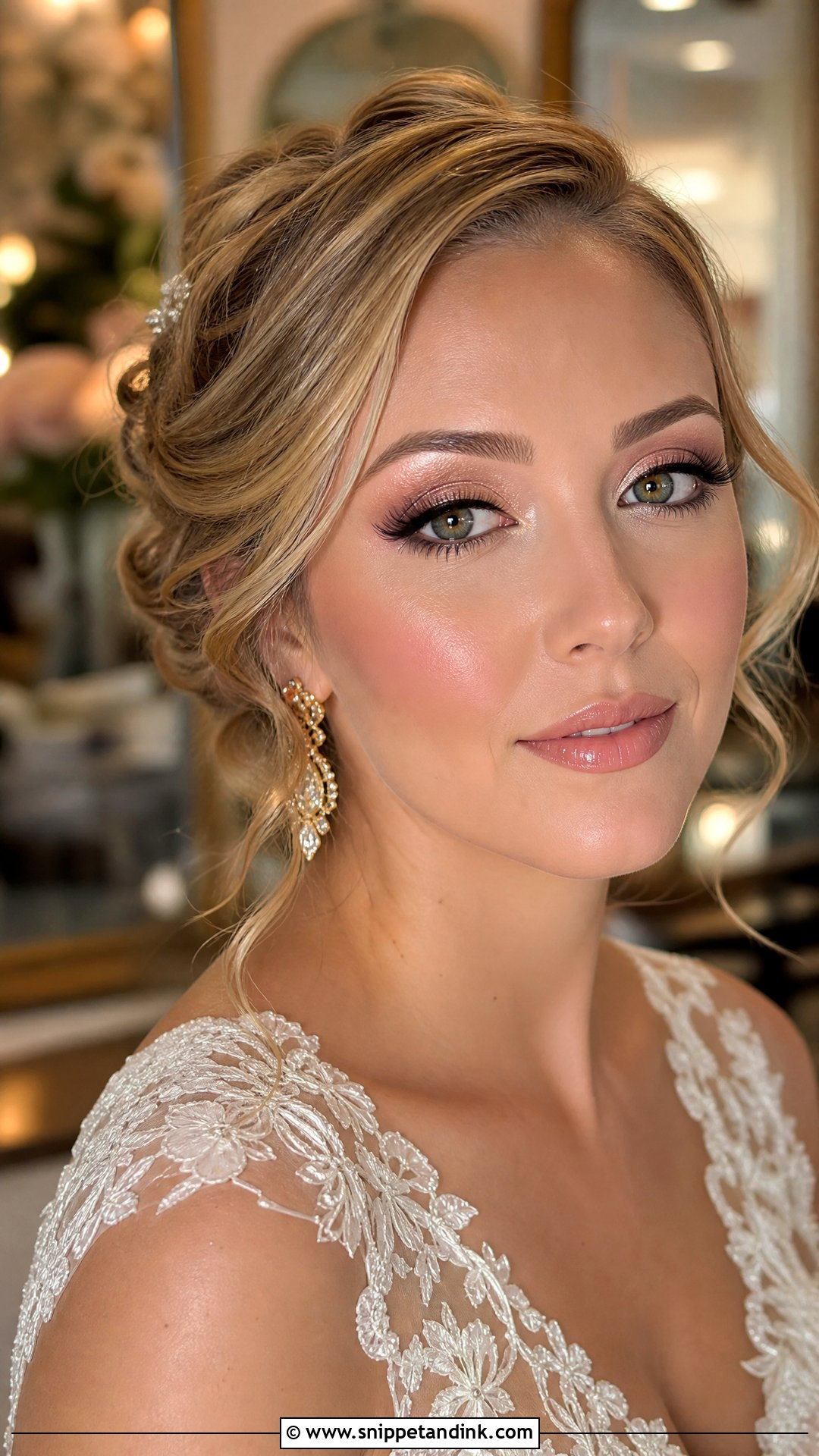
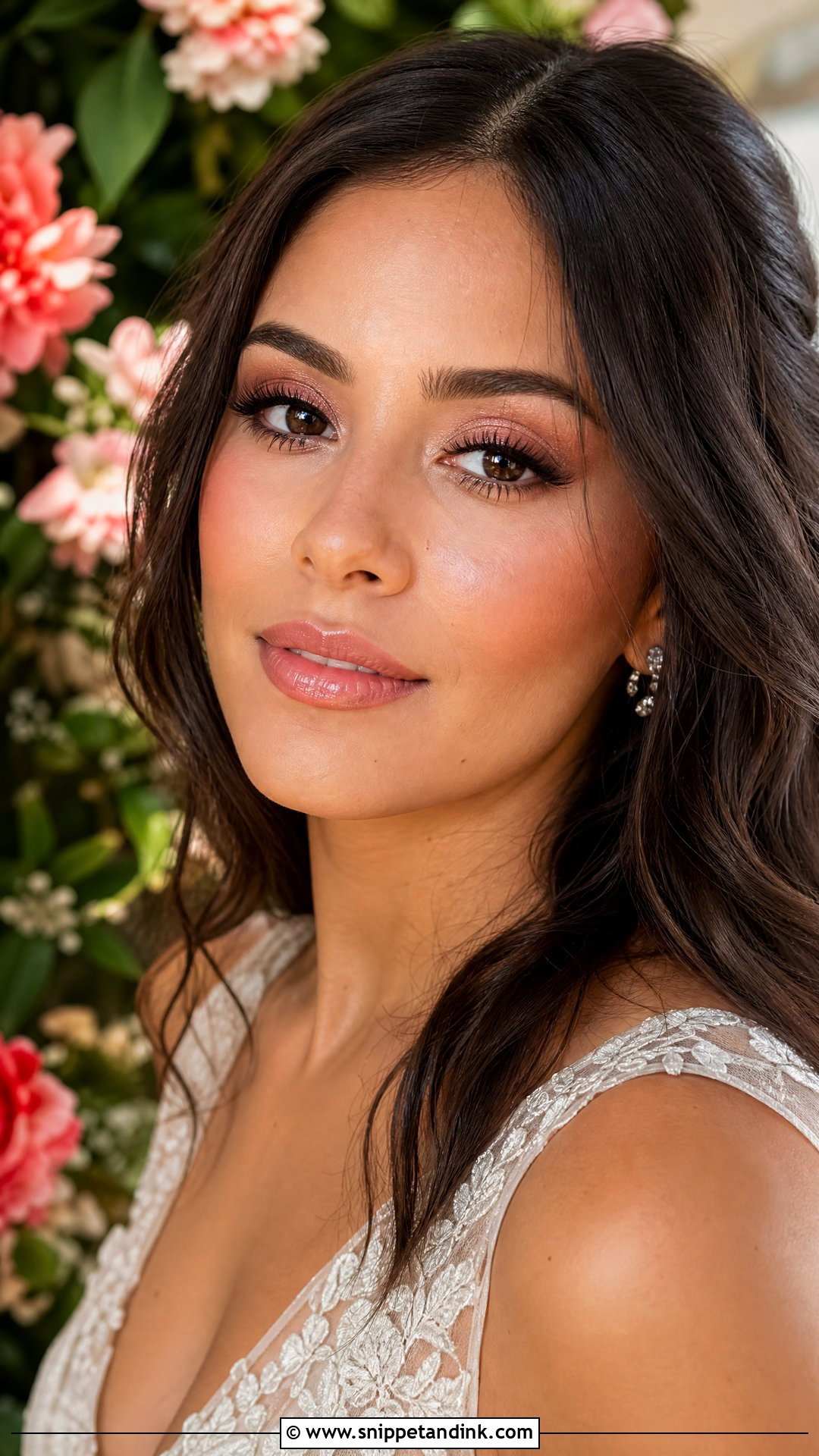
Rose gold flatters a wide range of eye colours, which is why I often suggest it to brides who can’t decide. Rose gold on the lid, warm brown or mauve in the crease, softly blended liner, then rosy-peach blush and a champagne highlight. Pink nude or rose beige on the lips. The quality of the shimmer matters more here than anywhere: finely milled shimmer reflects light, chunky glitter shows up as specks in close-ups. I test it on the lid before the wedding, never just in the pan.
10. Smokey Eye Bridal Makeup
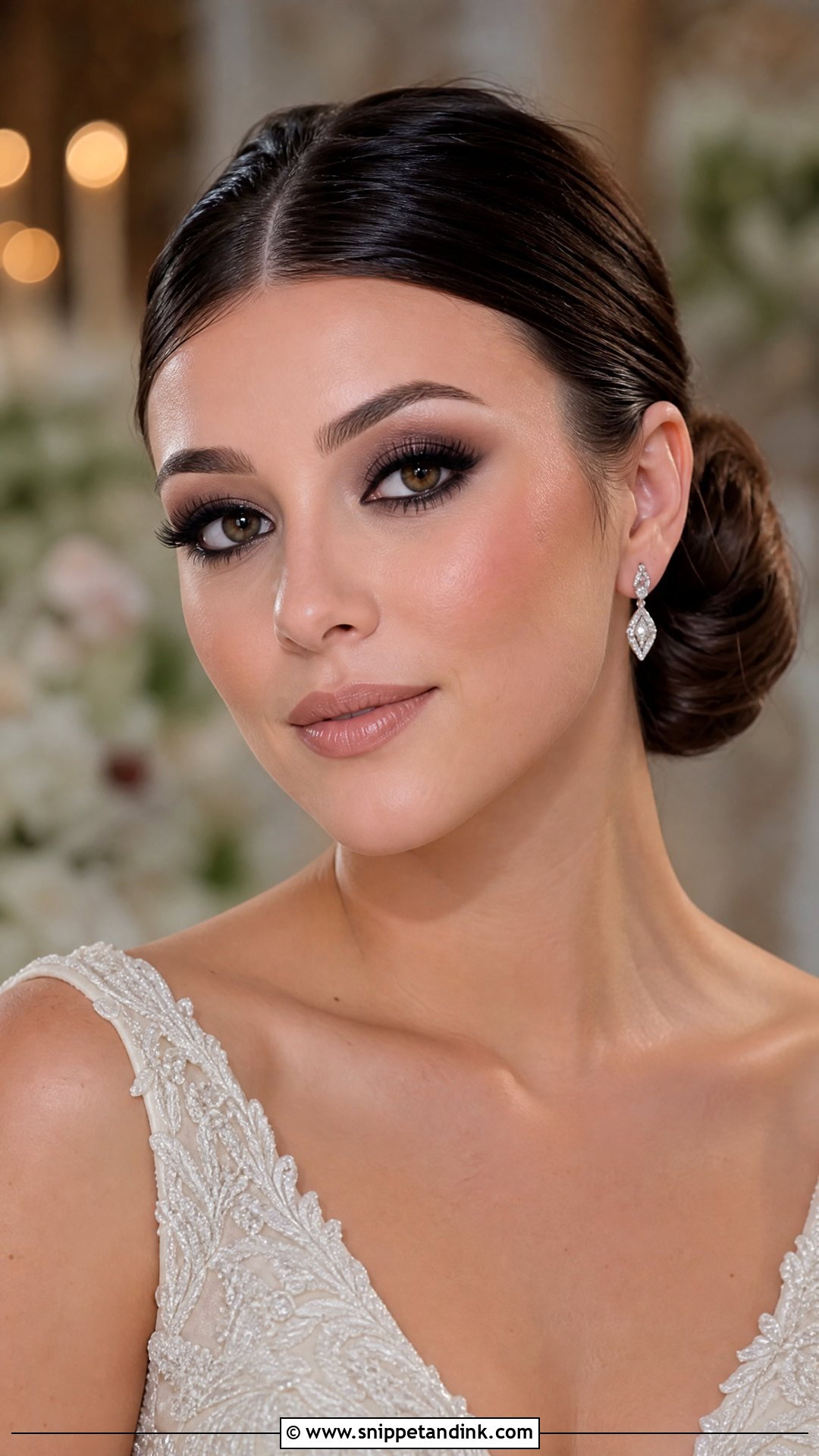
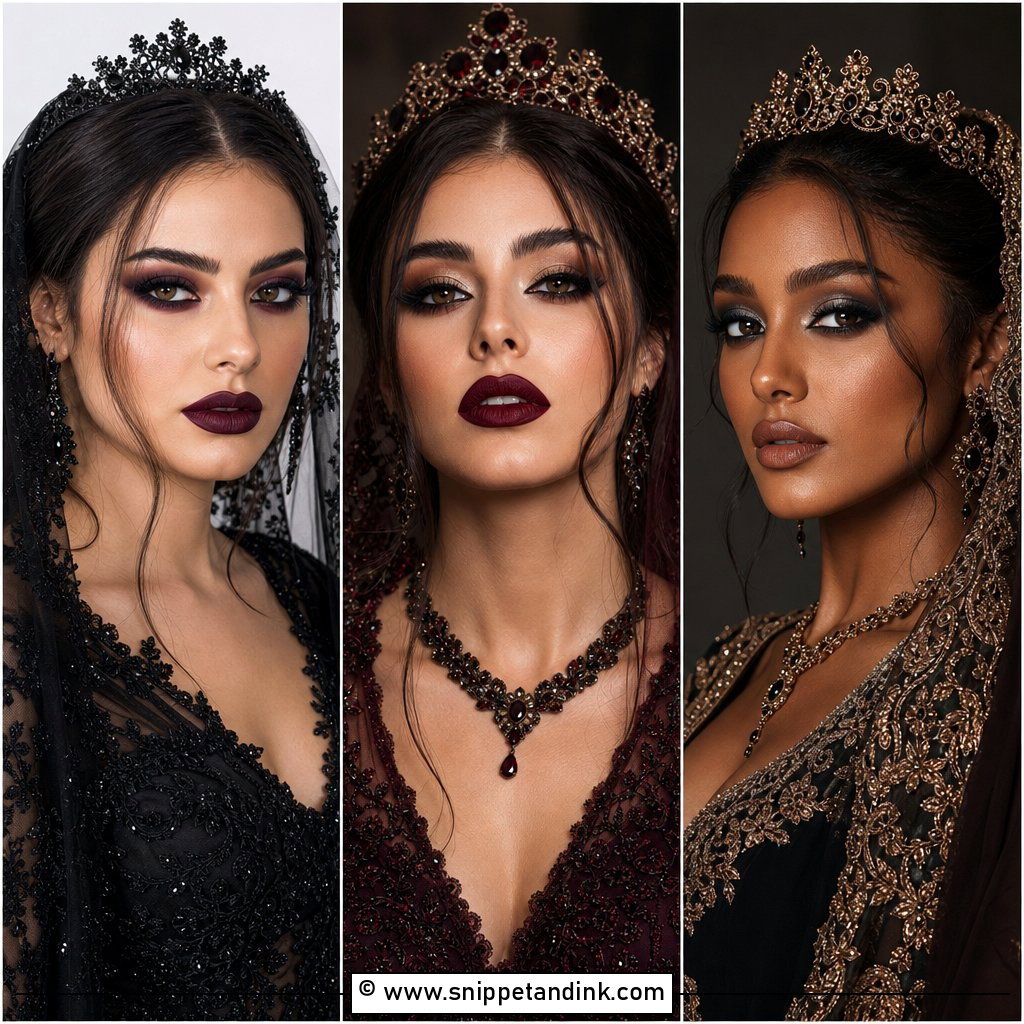
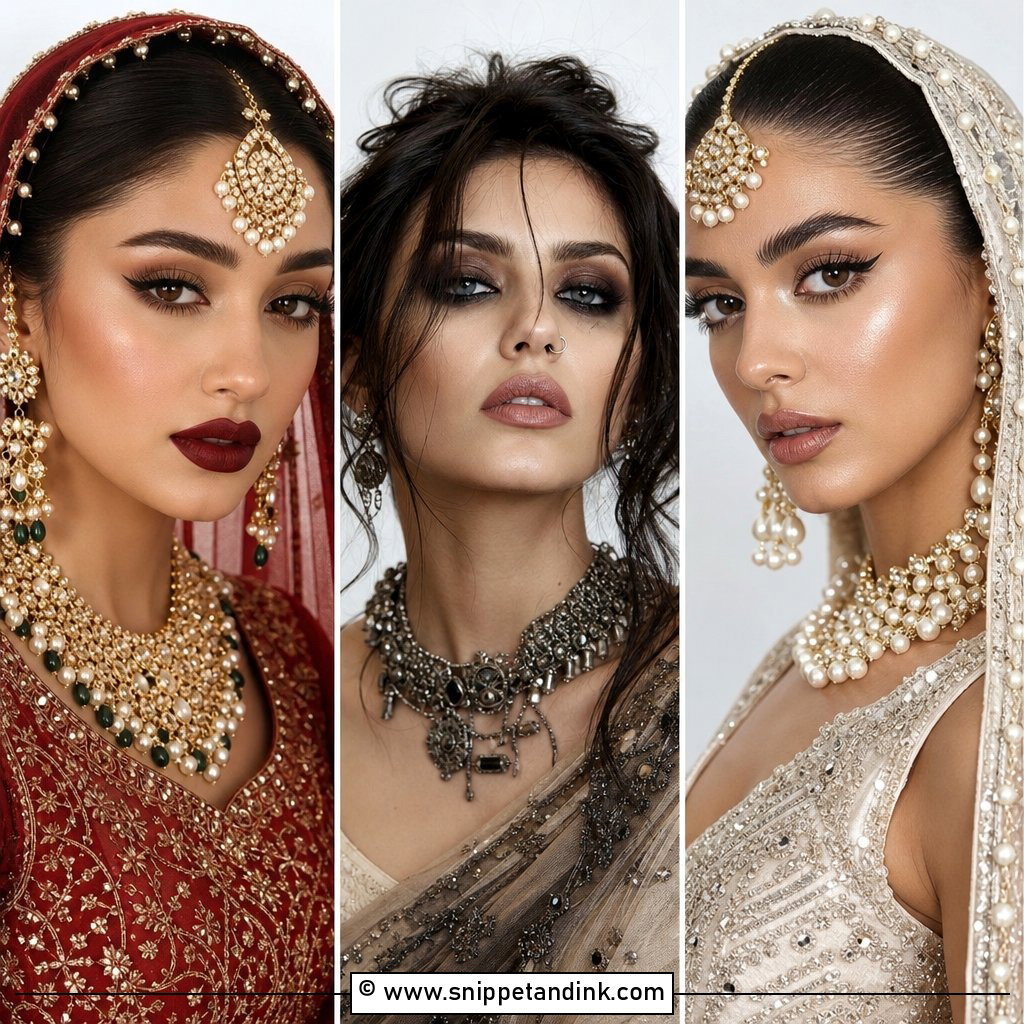
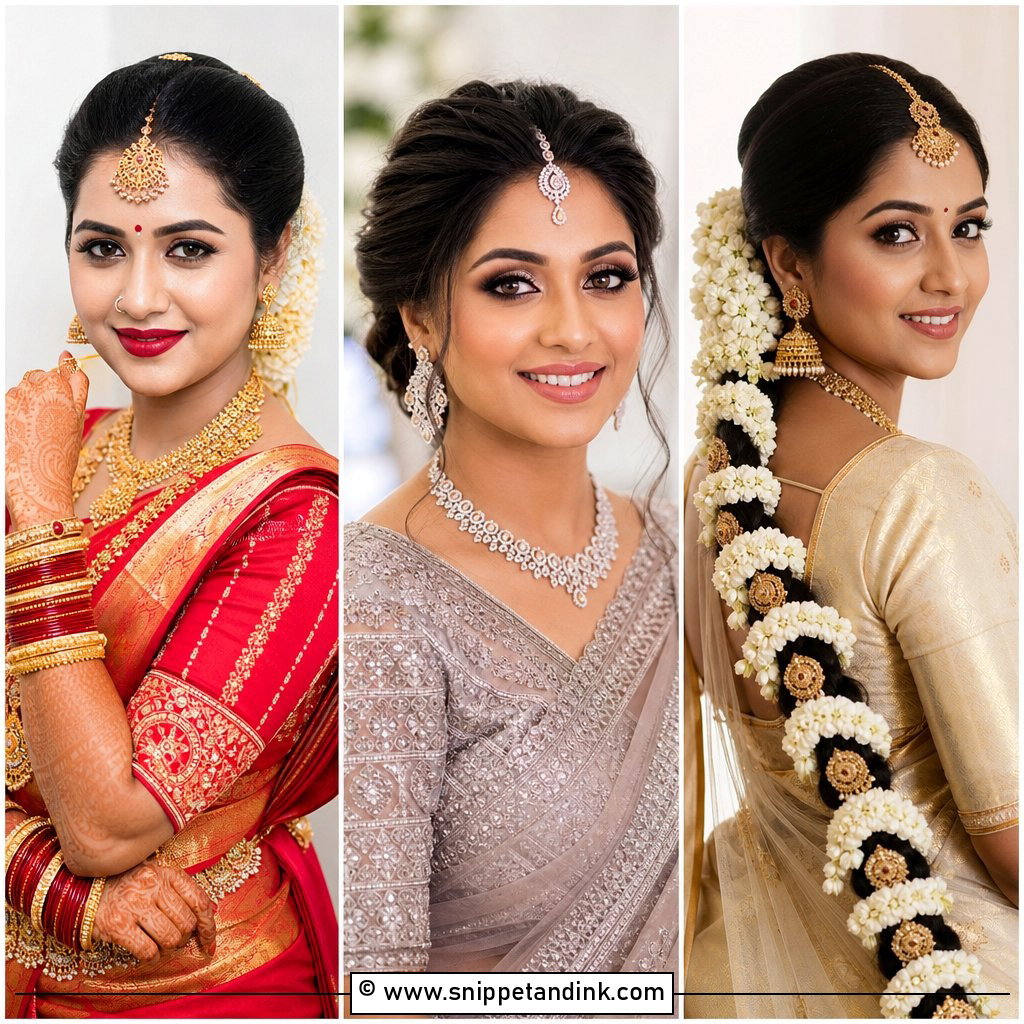
Smokey eye bridal makeup works at a wedding when the deepest colour sits right at the lash line and fades upward, rather than covering the whole lid. I use taupe, chocolate, bronze, plum-brown or charcoal, and keep pure black for the lashes. Waterproof liner, full lashes and defined brows, with satin skin and a muted lip to balance. Evening and black-tie weddings suit it best; in midday sun a heavy smoke can make eyes look tired.
11. Brown Smokey Bridal Makeup
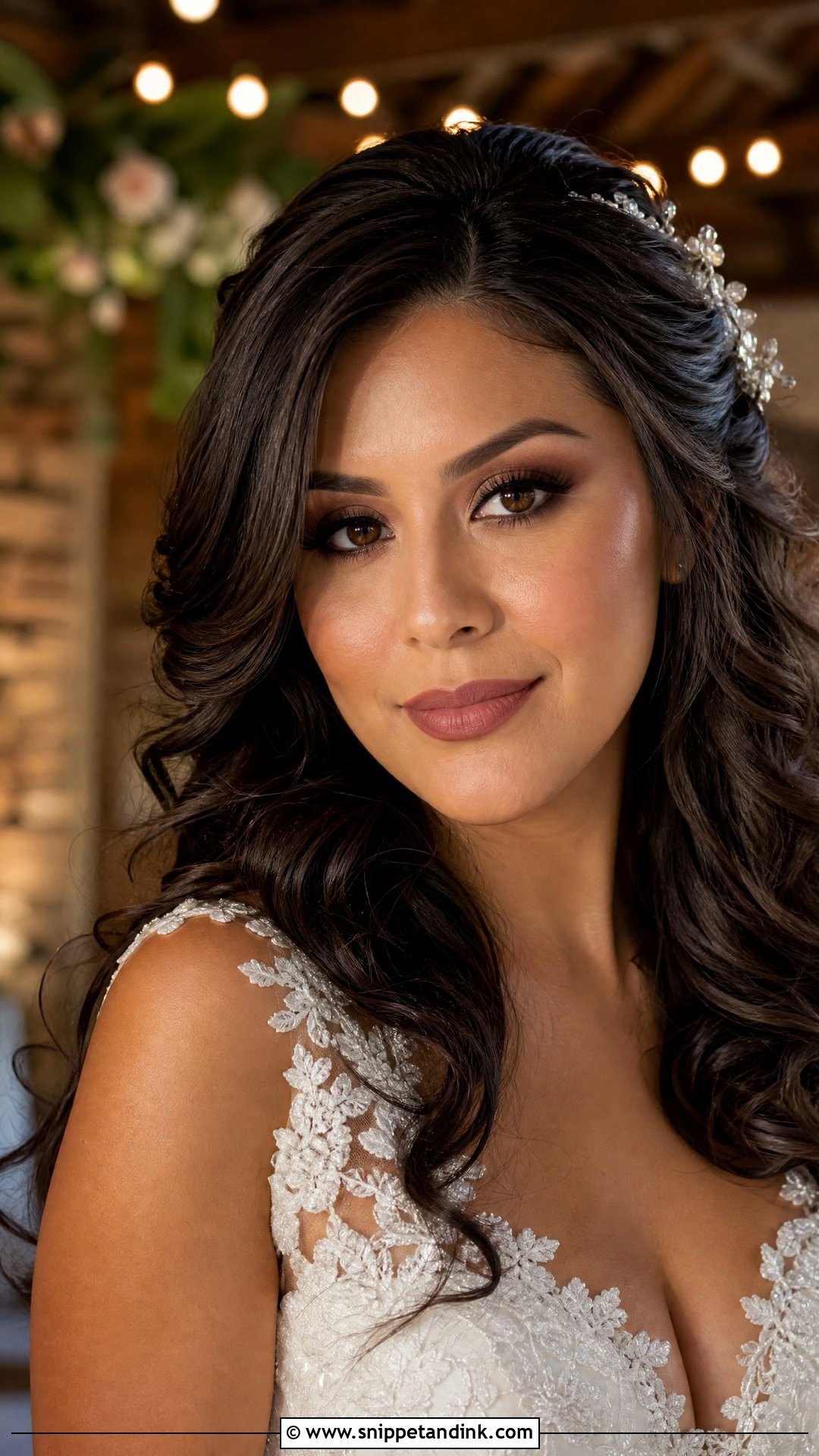
If you like the idea of smoke but fear it, start with brown. Matte beige as a base, warm brown through the crease, deeper espresso along the lash line, and bronze or champagne on the centre of the lid. Brown shadows are forgiving, so if a section looks heavy I can soften it with a clean brush without starting over. Pair with wispy lashes and a nude beige or mauve lip.
12. Winged Liner Bridal Makeup
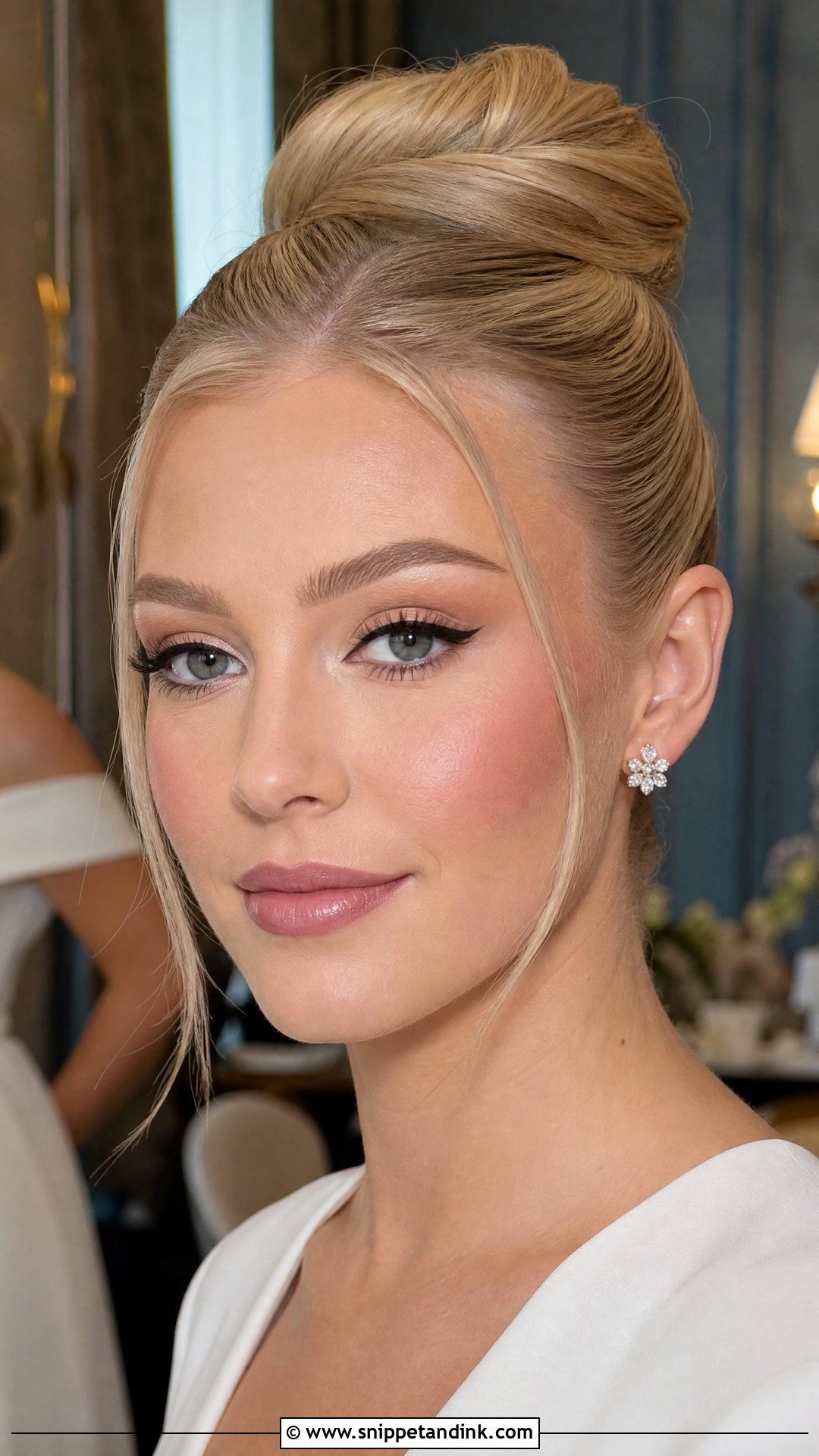
A wing should follow the shape of your eye, not a template. I draw it with you looking straight ahead, because the lid changes shape when the eye is closed and a wing that looks perfect then can bend into the crease when you open. Neutral matte shadow on the lid, a thin line, then individual lashes or a wispy strip. It works beside sleek buns and minimalist gowns, and with any lip from nude to red.
13. Full Glam Bridal Makeup
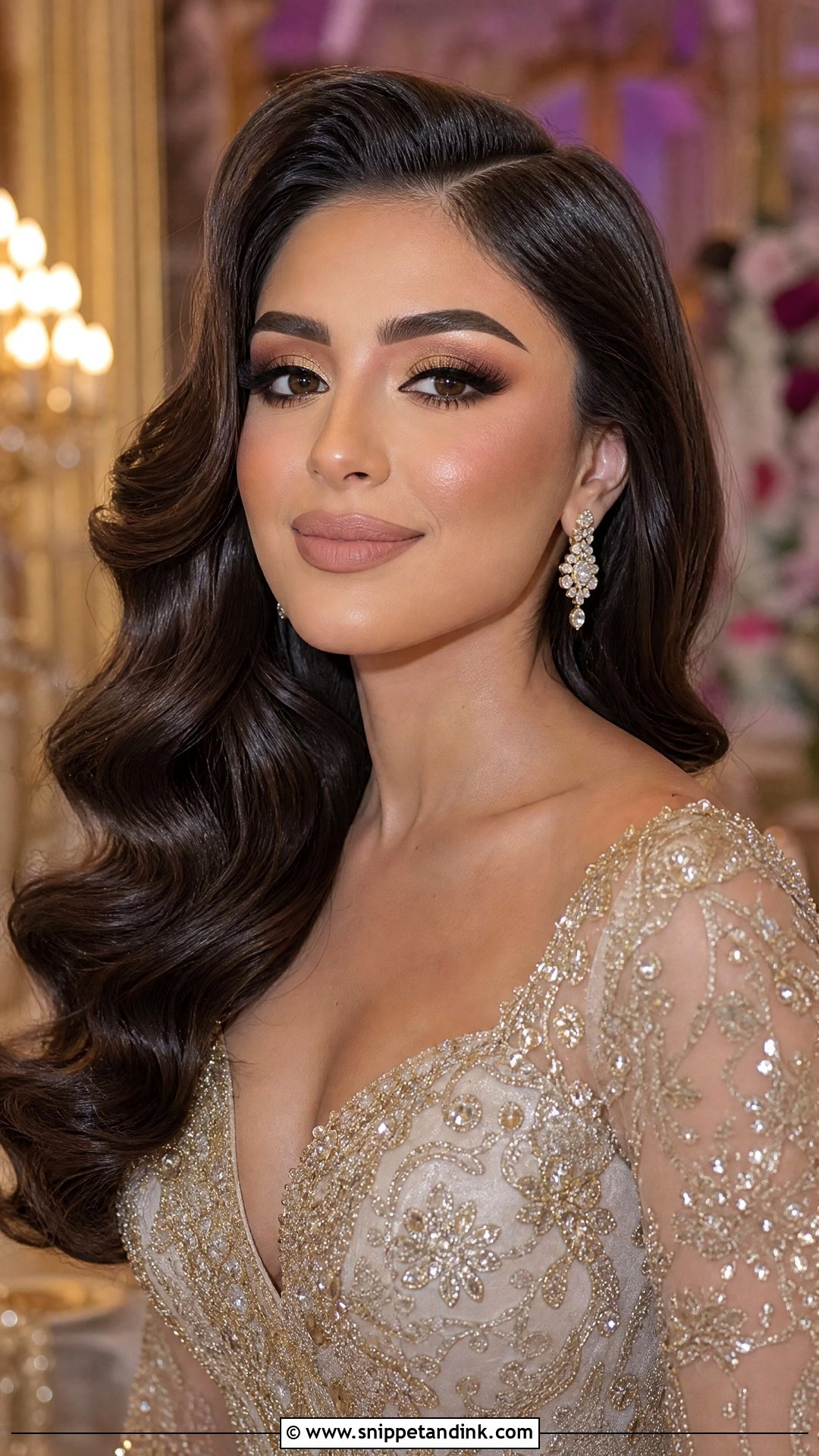
Full glam needs a foundation that matches your neck exactly, because coverage at this level shows every mismatch in flash photos. I sculpt the cheeks, define the brows, add bold lashes and build dimensional eyeshadow in gold, bronze, taupe or deep brown. A long-wear nude, mauve or rose lip keeps the eyes in charge. I’d only suggest it to brides who wear glam regularly; if you don’t, a trial is the only way to know if you’ll feel like yourself in it.
14. Minimal Bridal Makeup
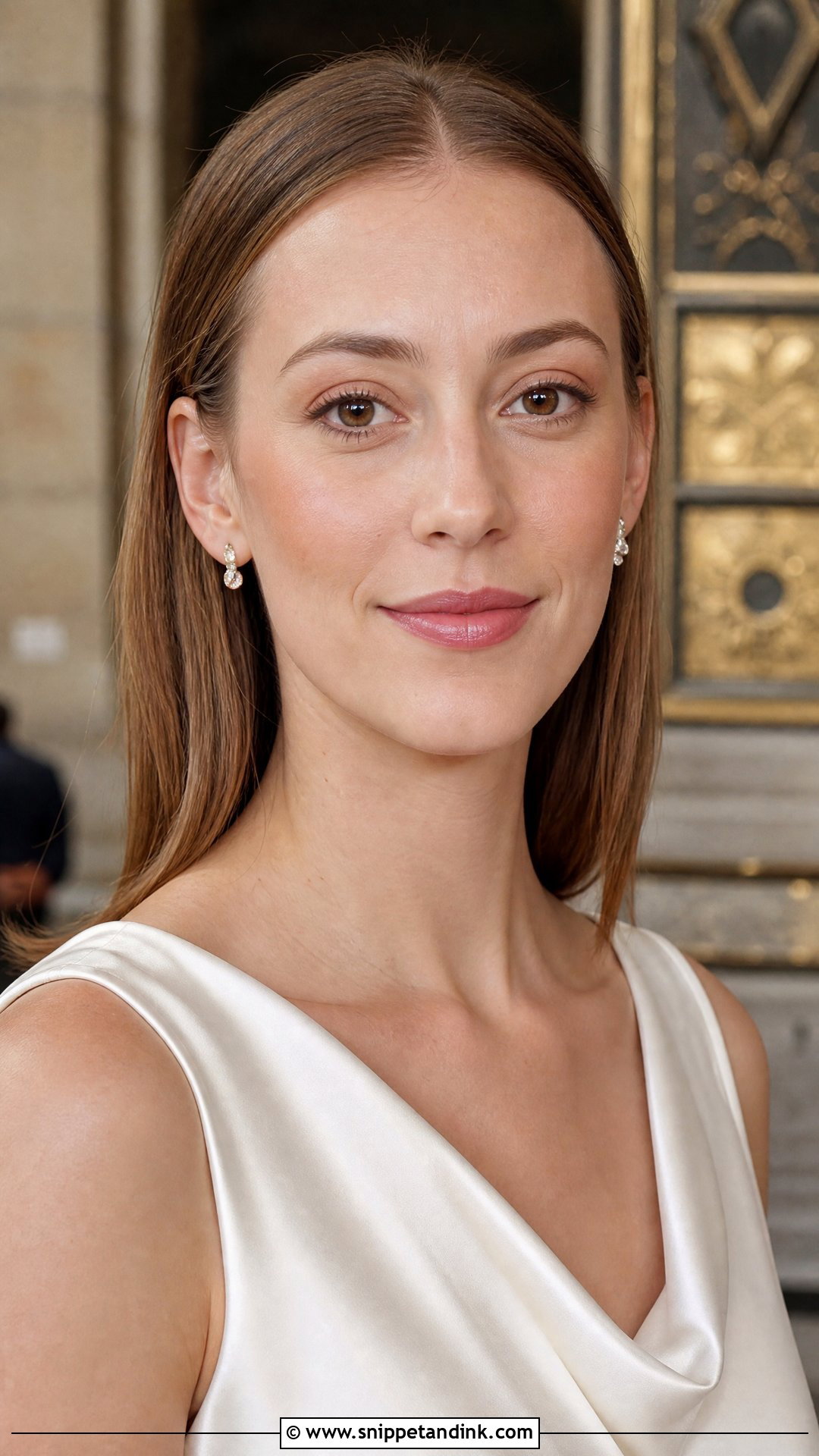
Minimal makeup lives or dies on skin prep. With so little product, I can’t hide dry patches, so exfoliation and moisture in the weeks before matter more than anything I bring. Sheer tint or a thin foundation, spot concealing, brushed-up brows, brown mascara and cream blush. A tinted balm or satin nude on the lips. It suits intimate ceremonies and courthouse weddings, and done well it looks deliberate rather than undone.
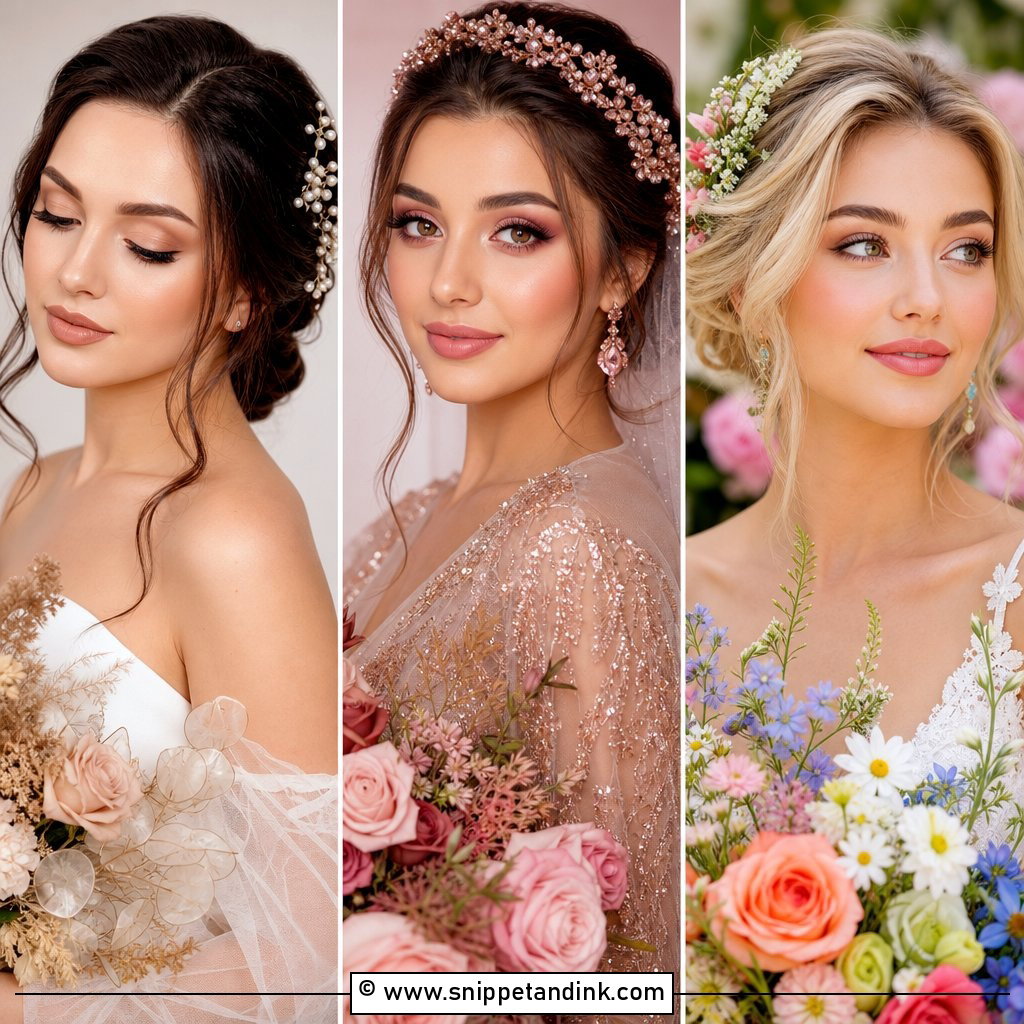
15. Glowy Nude Bridal Makeup
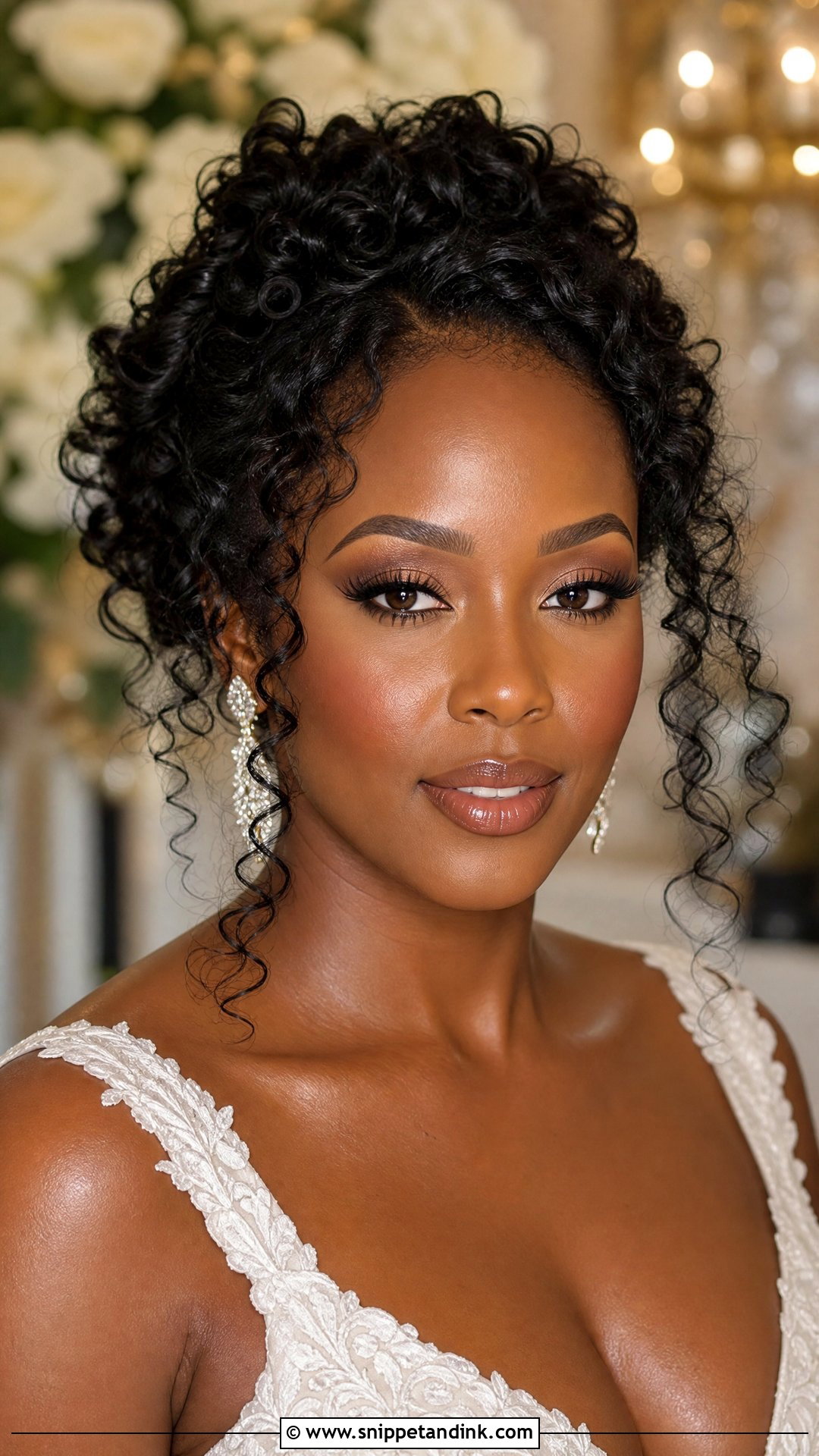
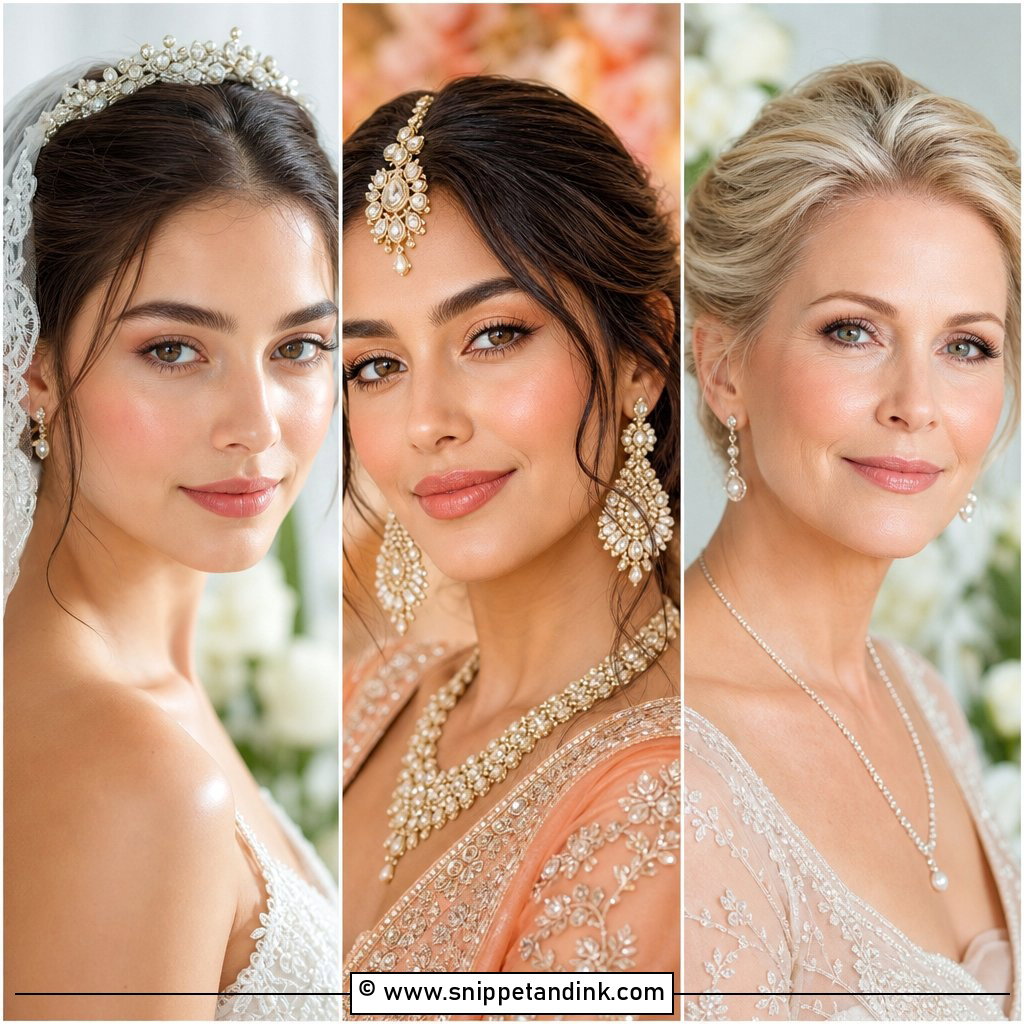
The trick with glowy nude is that “nude” changes with your skin depth. On fair skin I reach for pink nudes, on medium skin peach beige, on deeper skin caramel, cocoa rose or warm brown. A nude that’s too pale against your skin makes the lips look chalky in photos. Radiant base, champagne shadow, brown liner, fluttery lashes, and a blush with a hint of peach or rose so the face doesn’t go flat.
16. Champagne Bridal Makeup
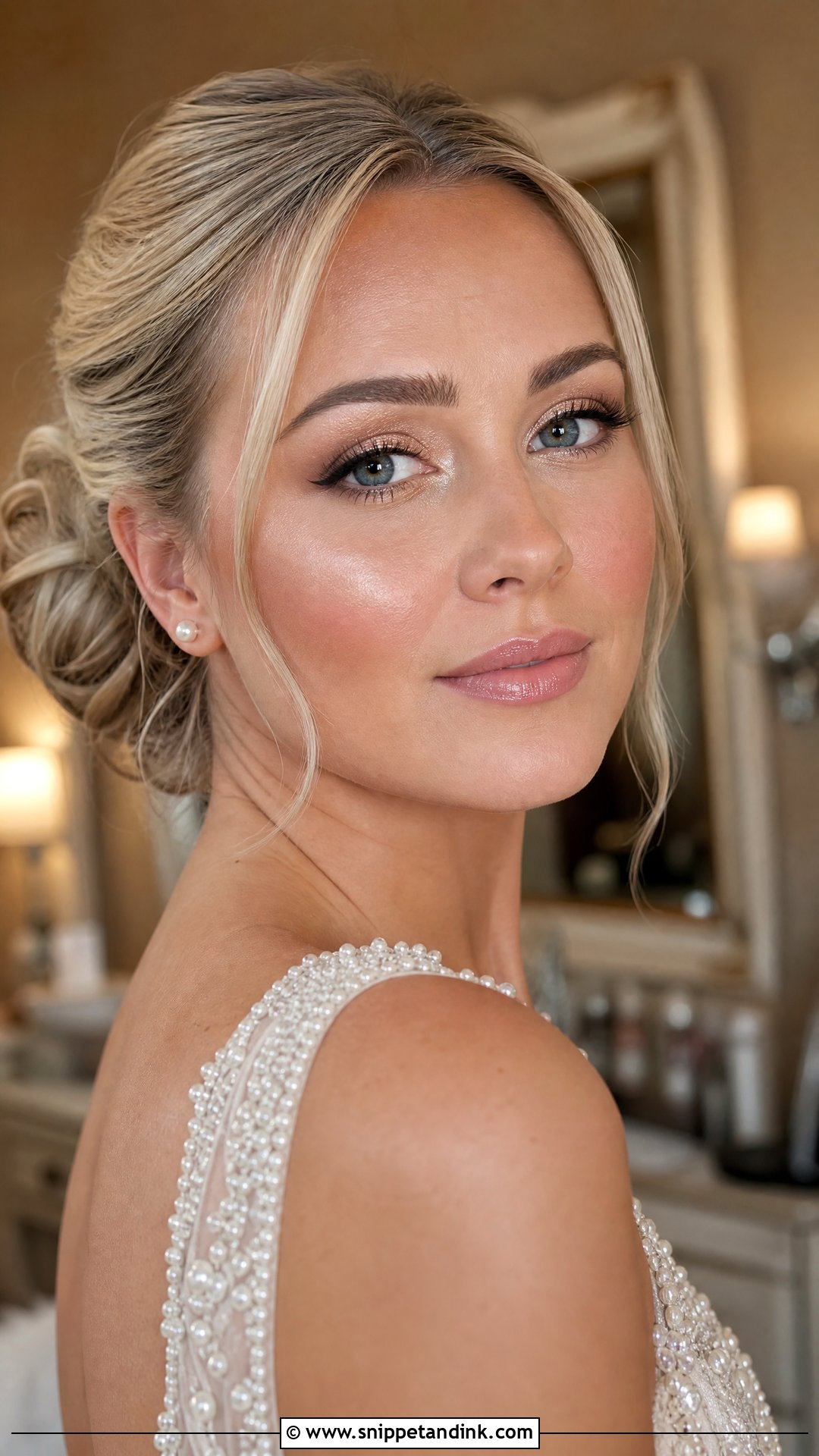
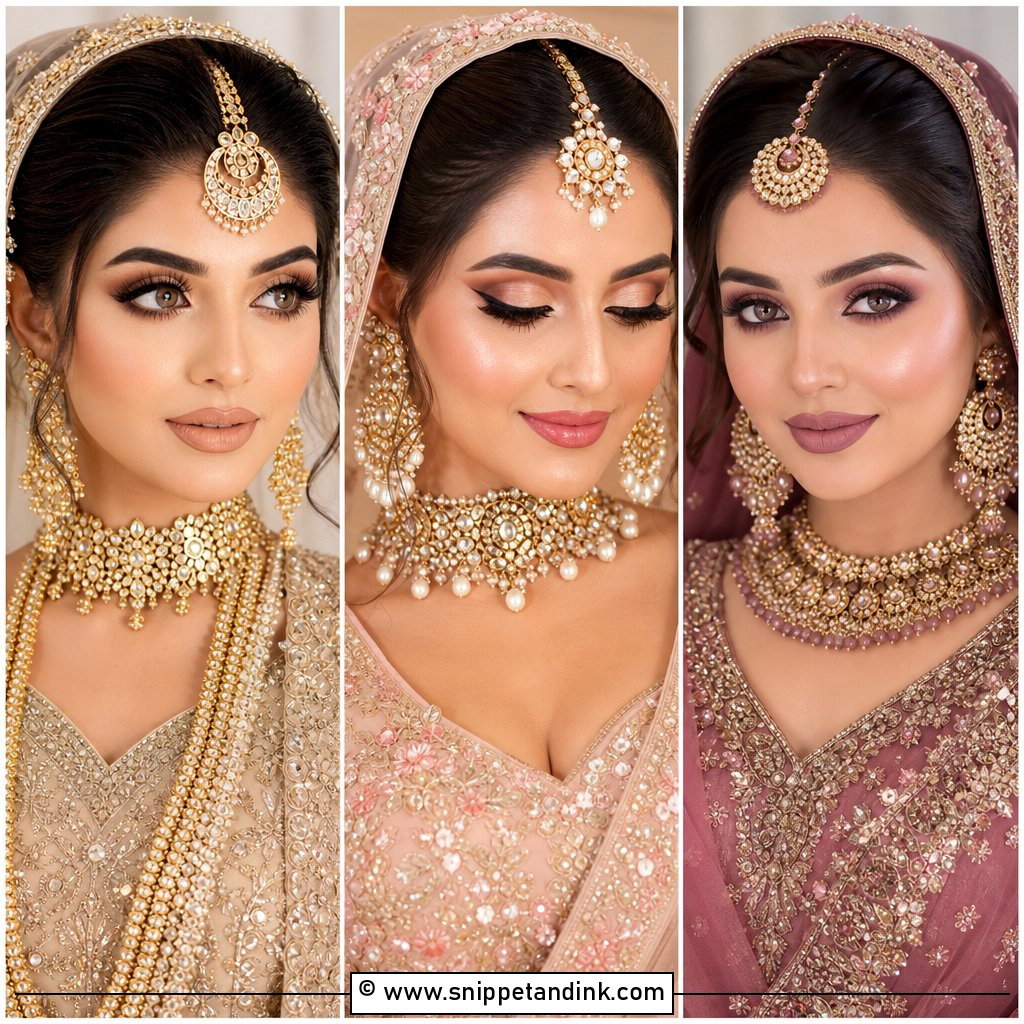
Champagne on the lid brightens the eyes in indoor light, which is why I use it often for ballrooms and evening venues. Light-reflecting shadow on the lid, soft taupe in the crease, black-brown liner and lifted lashes. I highlight the cheekbones, inner corners and cupid’s bow with a light hand. Rose or beige gloss on the lips. It looks especially right with pearls, satin and crystal detail.
17. Mauve Bridal Makeup
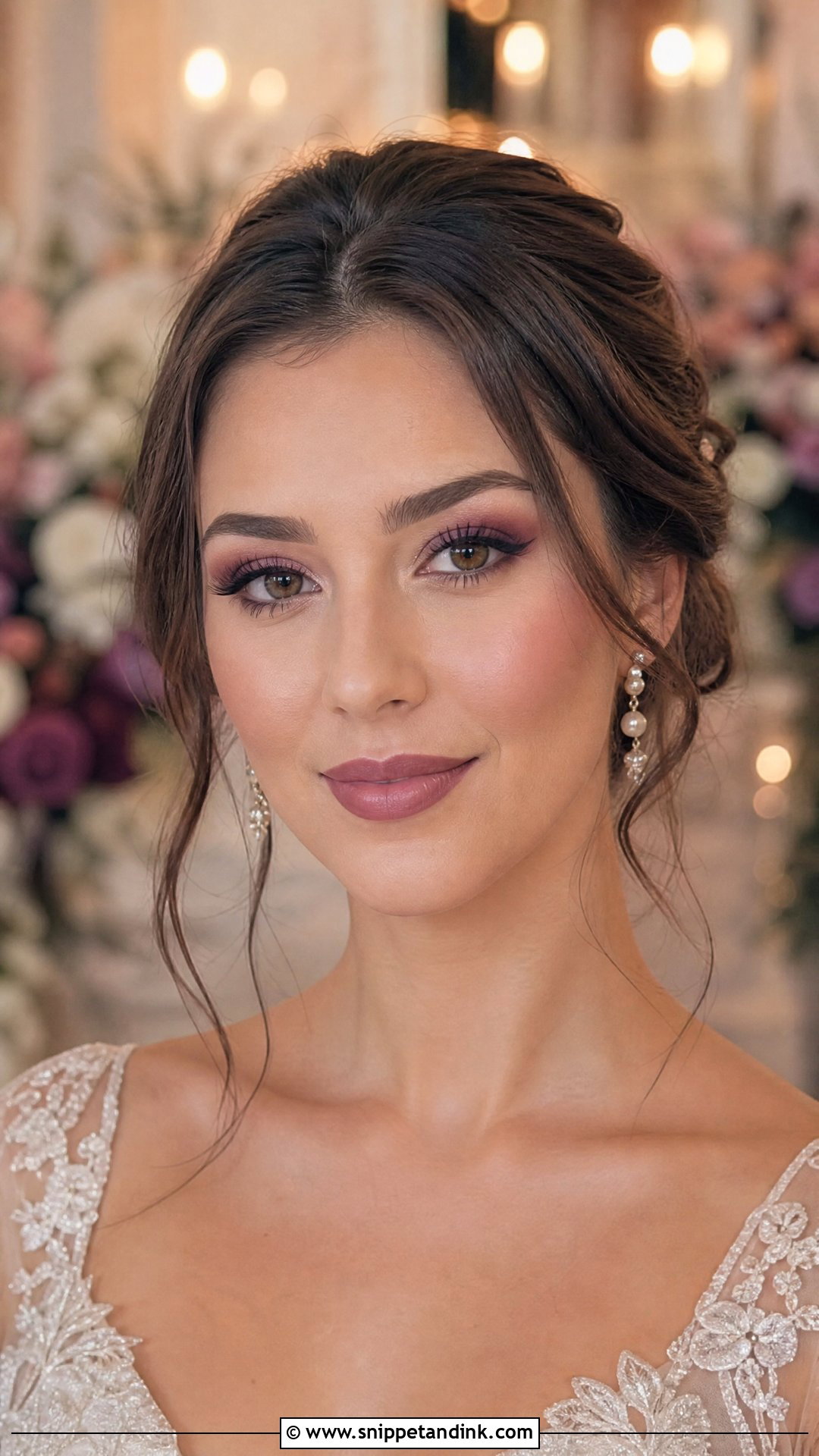
Mauve is the cool-toned answer for brides who find pink too sweet. Mauve-brown in the crease, dusty rose shimmer on the lid, a soft upper liner, mauve blush and a rose-mauve lip. Because all three areas share a tone, blending is what keeps it from looking like a matched set. It flatters ivory, silver and cool white details. On very warm, golden skin it can look slightly grey, so test it.
18. Berry Lip Bridal Makeup
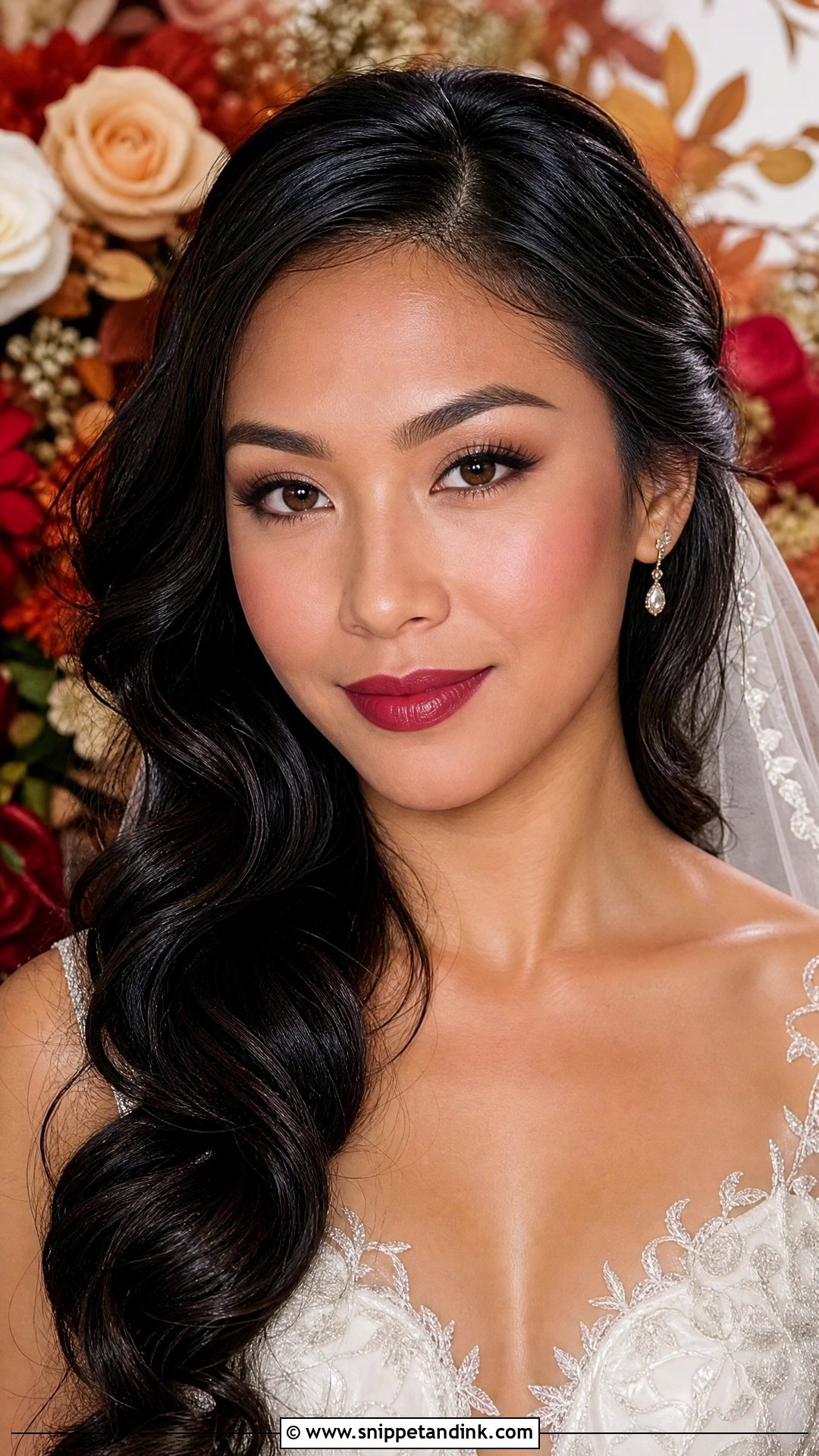
Berry lip bridal makeup gives you colour without the commitment of red. Soft berry, raspberry, plum-rose or a wine stain, depending on your skin and the season. I keep the eyes neutral and the blush light. For a kiss-resistant finish, I apply the colour, blot it into the lip with a tissue, and apply again: a stained base wears off more evenly than one heavy layer. It’s my favourite with autumn weddings and jewel-toned bouquets.
19. Airbrush Bridal Makeup
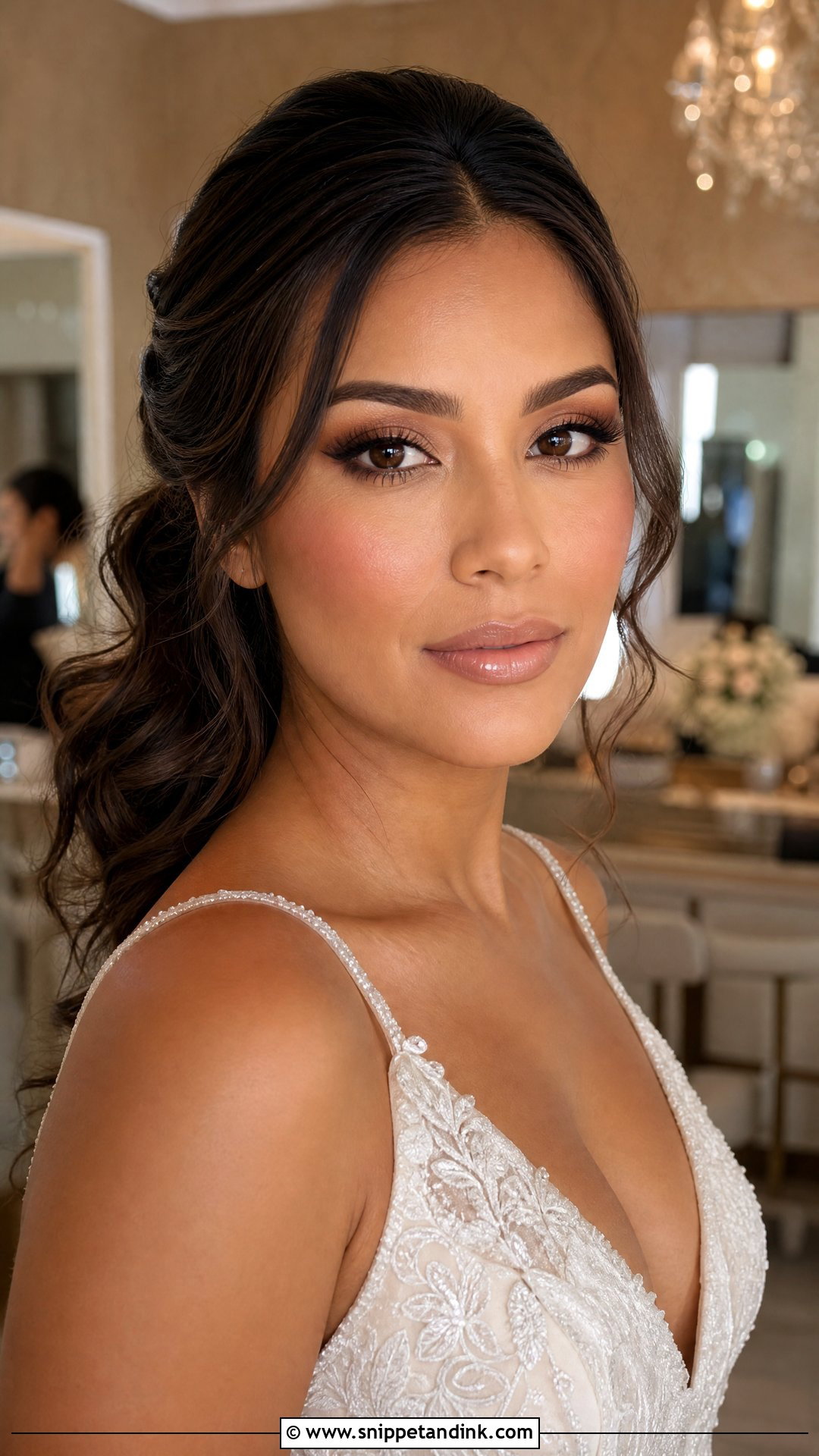
Airbrush foundation goes on in very thin, sprayed layers and dries to a finish that resists transfer and humidity well. It’s not right for everyone. Very dry or flaky skin can look patchy under it, and some formulas catch flash, so ask your artist to take a flash photo at the trial. Eyes, cheeks and lips are then done as usual, from natural to full glam. I suggest it most for humid weather and very long days.
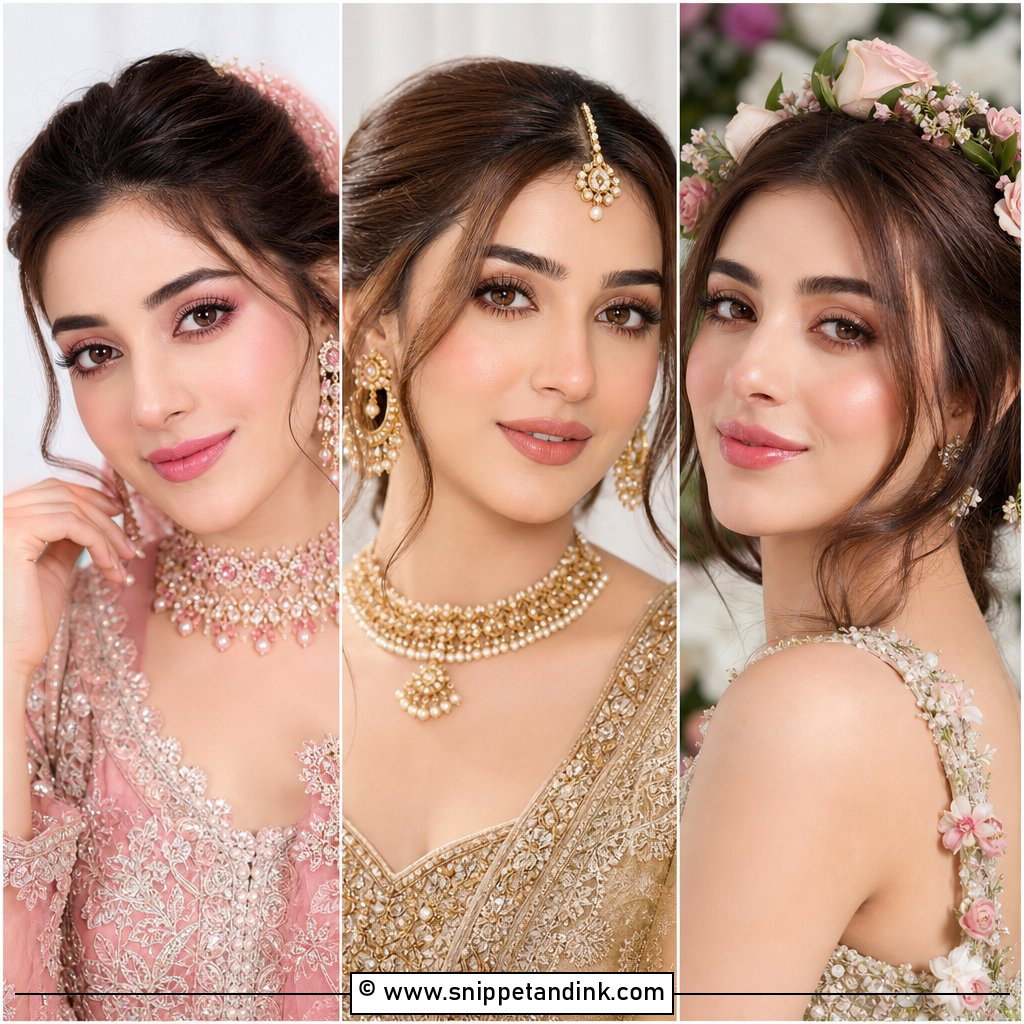
20. Bridal Makeup For Brown Eyes
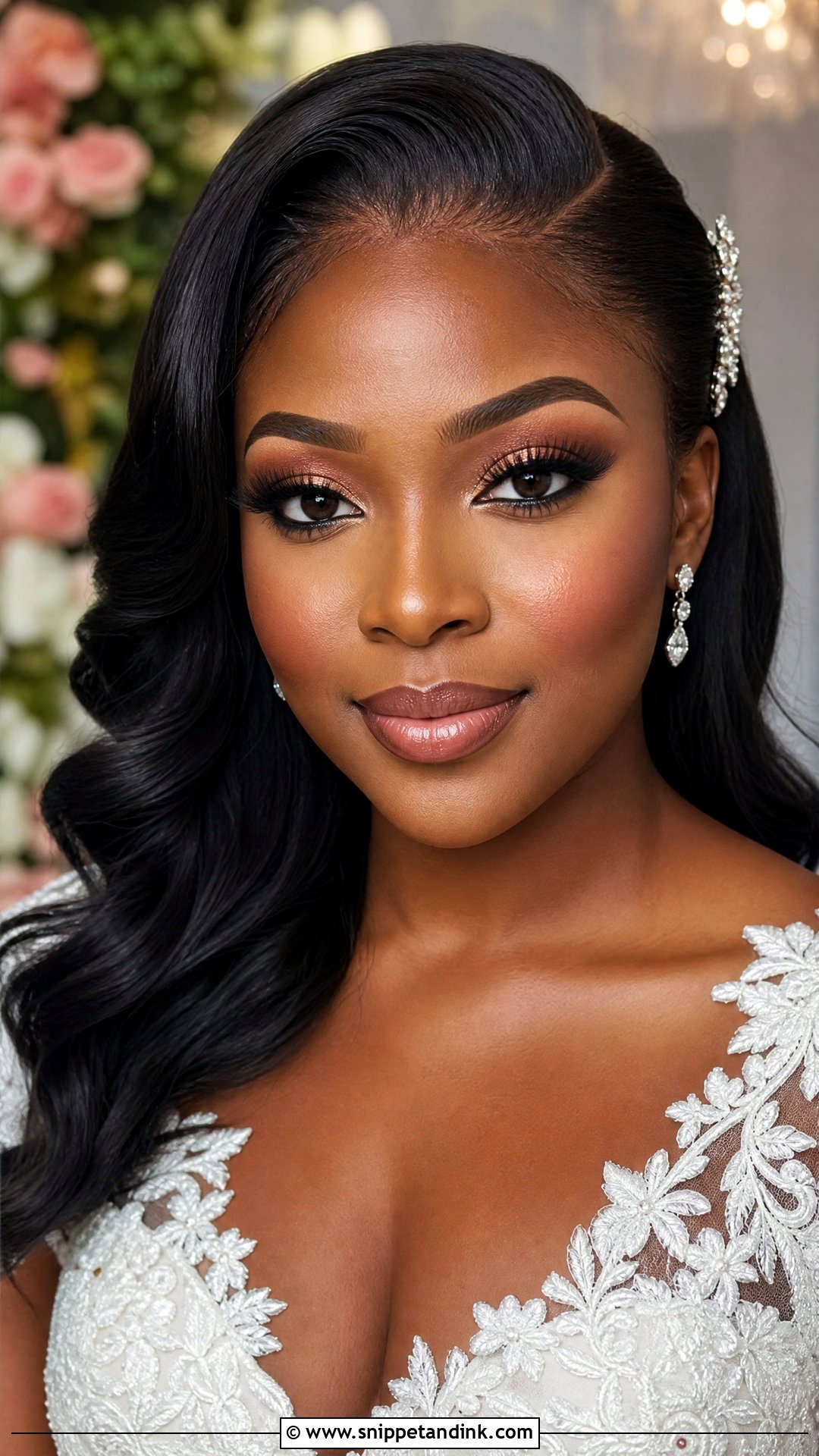
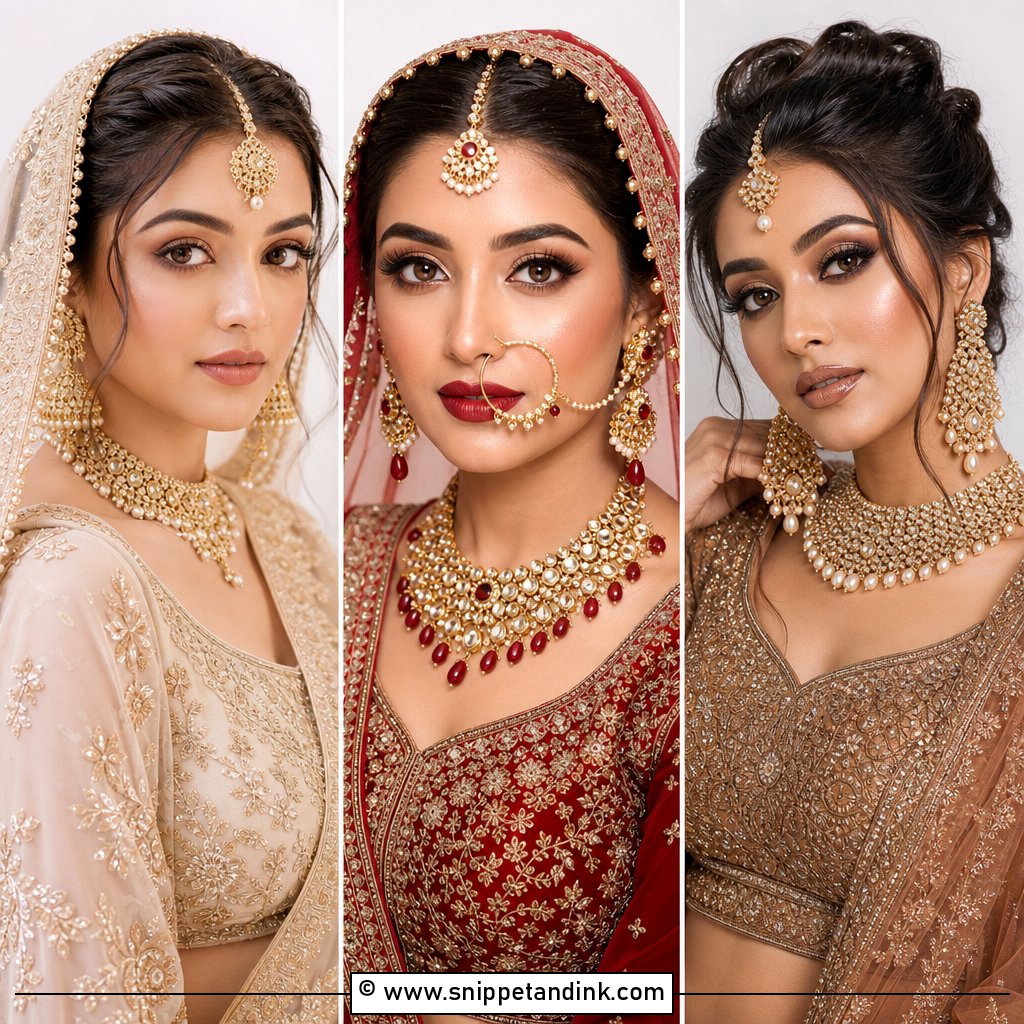
Bridal makeup for brown eyes has the widest range of all, because brown carries bronze, champagne, rose gold, copper, plum and chocolate. I put the lighter shimmer on the lid and the depth in the outer corner, then a thin line tight to the lashes. Full lashes do more than heavy liner here. Choose a lip that shares the warmth of the eyes: caramel and peach with bronze, mauve or berry with plum.
A Month of Skin Work Pays Off More Than Any Primer
Products sit on top of skin, so the condition of your skin decides how long they look good. I’d rather a bride starts four to six weeks out with a simple, steady routine than tries something dramatic the week of the wedding.
- Keep a gentle cleanser, moisturiser and daily SPF, and stop experimenting with new actives about a month out.
- Book any facial or chemical exfoliation at least two weeks before, so redness or peeling has time to settle.
- Use a mild exfoliant once or twice a week to stop flaky patches catching foundation.
- Avoid waxing or threading the face in the last few days, which can leave red, raised skin.
- On the morning, apply a light moisturiser, not a rich night cream, so the base grips.
Fixing a Lifted Lash or Shiny Forehead Between Photos
Even a perfect application needs small repairs. A strip lash lifting at the outer corner is the most common: a dot of glue on a cotton bud, wait until it goes tacky, then press. For shine, press a blotting paper on the forehead and nose rather than adding more powder, which builds up and looks dry by night.
If mascara smudges under the eye after crying, let it dry, then flick it away with a clean cotton bud and a touch of concealer. Rubbing a wet smudge spreads it into a grey shadow that’s harder to fix.
The Look You Forget You’re Wearing by Dinner
Trends help you name what you like, but the best wedding face is the one that matches your skin and still feels comfortable at the end of the night. Book a trial, take photos by daylight and under indoor bulbs, and test the lip colour, lashes and foundation wear by keeping the look on for the rest of the day. If you forget you’re wearing it by dinner, you’ve found it.
You'll Like These Ideas:


Leave a Reply