
An attire card does one small job: it tells guests how dressed up to be, so the invitation itself can stay clean. When I write one with a couple, I start with a dress code people already recognize, add a line about the ground they’ll be standing on or the weather they’ll face, and stop there. Grass, sand and a cold evening are the details that change what people pack. Color palettes and themes can go on the card too, as long as the tone stays friendly rather than bossy. Where a code is unfamiliar, two or three outfit examples clear up more confusion than any adjective. Below is copy-ready wording for formal evenings, relaxed outdoor ceremonies, destination trips and themed receptions, with notes on how each one reads to the guest holding it.
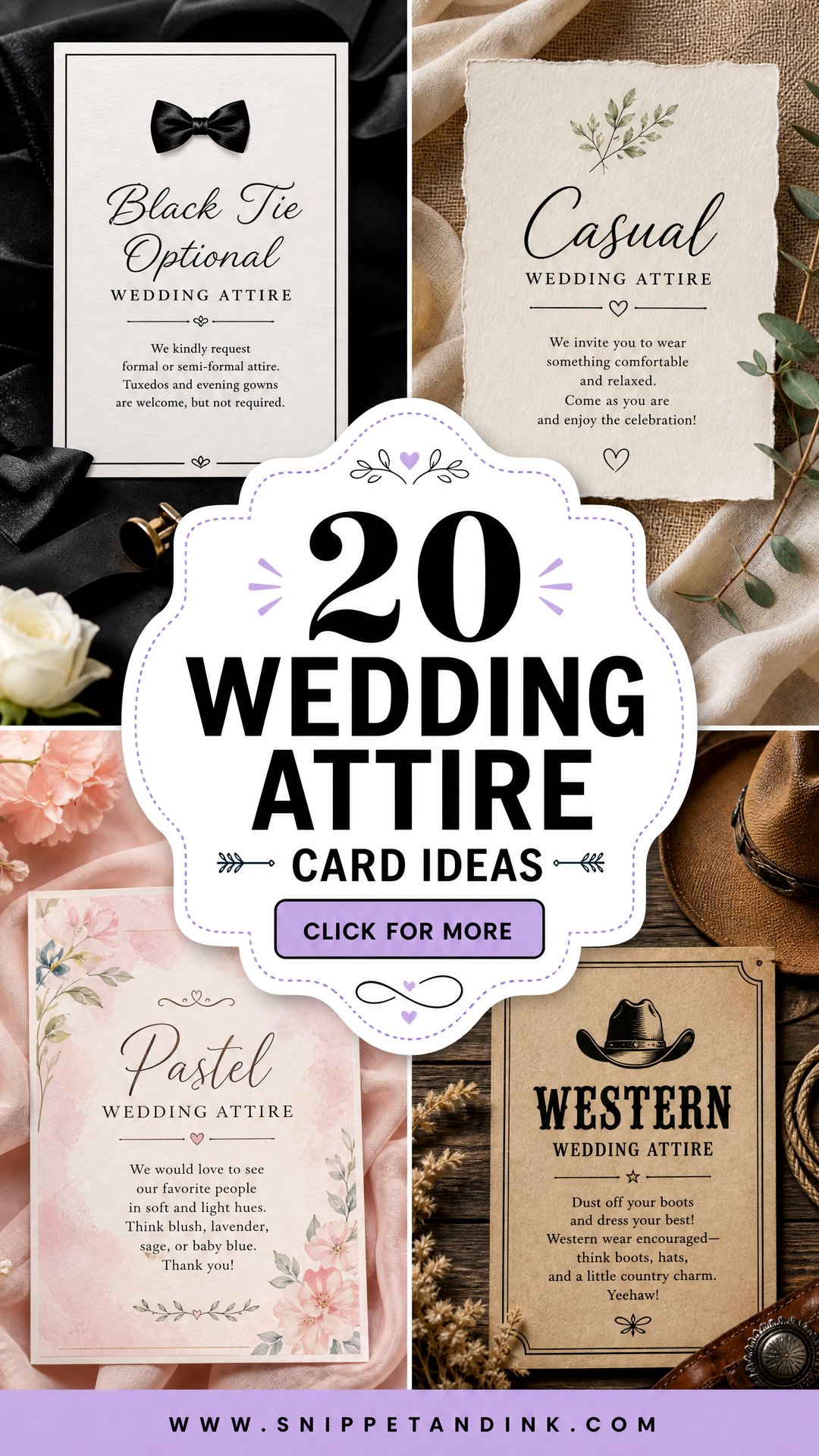
Setting the Card So the Dress Code Gets Read First
Guests glance at an enclosure card for a few seconds, so the layout matters as much as the wording. I give the dress code its own line in the largest, plainest type on the card, then put the examples and practical notes underneath in a smaller size. Fancy script is fine for a heading, but not for the instruction itself.
- Keep body text at a size people can read in a dim kitchen, roughly 10 to 12 point depending on the typeface.
- Limit the card to about four short lines: the code, the examples, one venue note and, if needed, a pointer to the website.
- Print it on the same stock as the invitation or a slightly lighter one, sized smaller so it nests in front.
- If you include color swatches, ask your printer for a physical proof, since colors on screen rarely match the printed result.
Traditionally, the formal codes such as black tie were printed in the lower right corner of the invitation itself. That still works for a single short phrase. A separate card earns its place once you need examples or a note about the ground.
1. Black Tie Wedding Attire Card
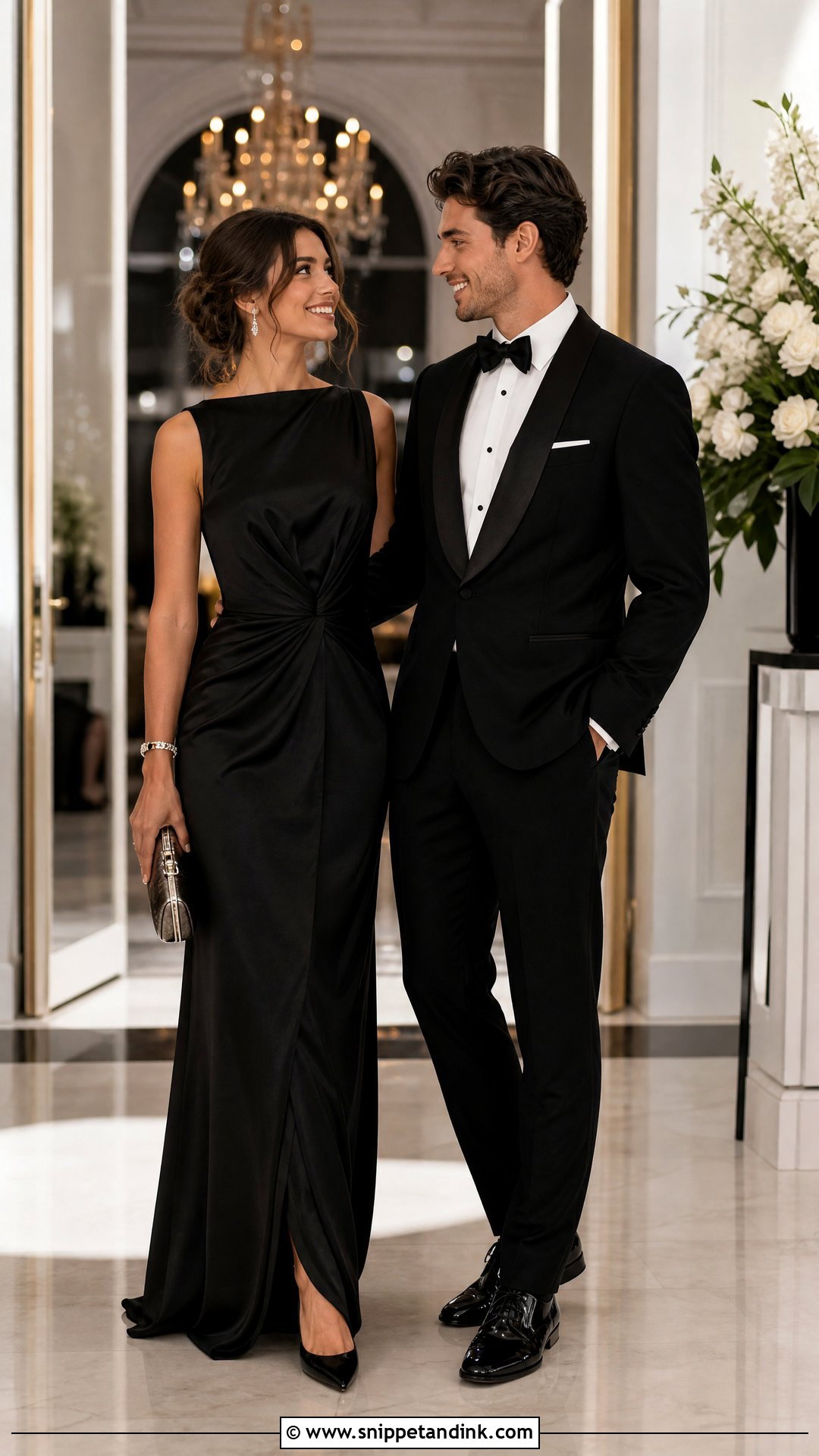
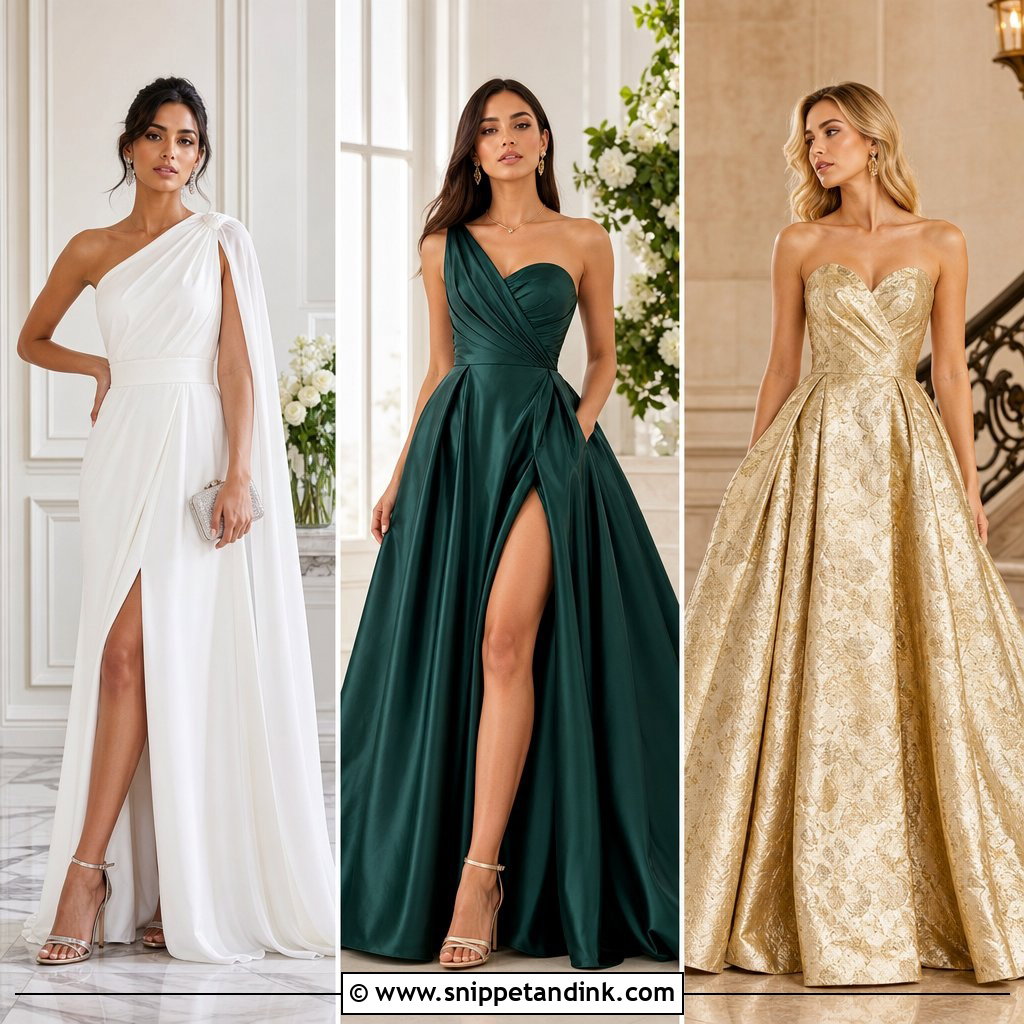
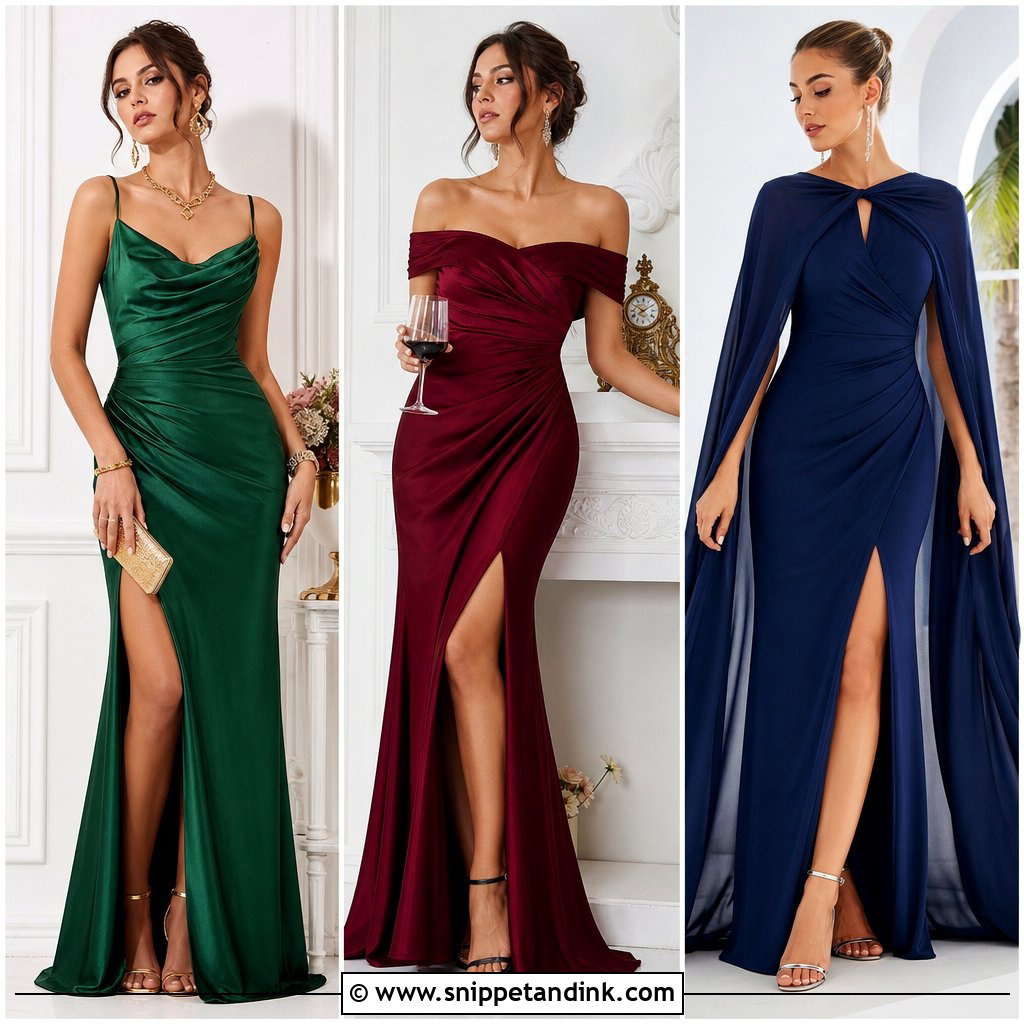
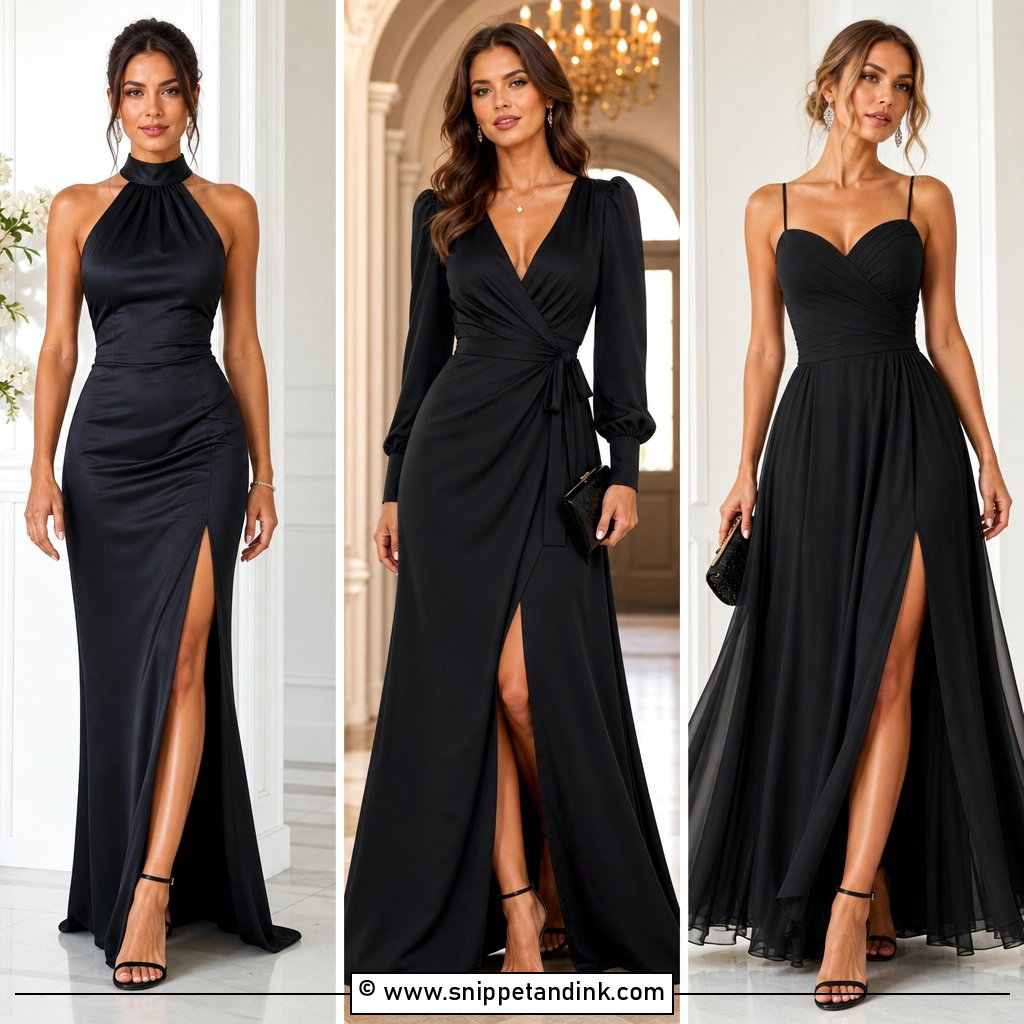
Black tie is the one code where I never soften the words, because guests need to know immediately that tuxedos are expected. A clear version reads: “Black tie attire is requested. Tuxedos, floor-length gowns, and elegant evening accessories are encouraged.” In practice that means long satin, velvet or crepe gowns with evening shoes, and a tuxedo with a bow tie for men. If there’s a long walk between spaces or photos outside, give that its own line. Avoid swapping “black tie” for something like “dress your finest,” which half the guest list will read as a suit and the other half as sequins. On the design side, a black-and-white card with generous margins says formal before anyone reads a word.
2. Black Tie Optional Wedding Attire Card
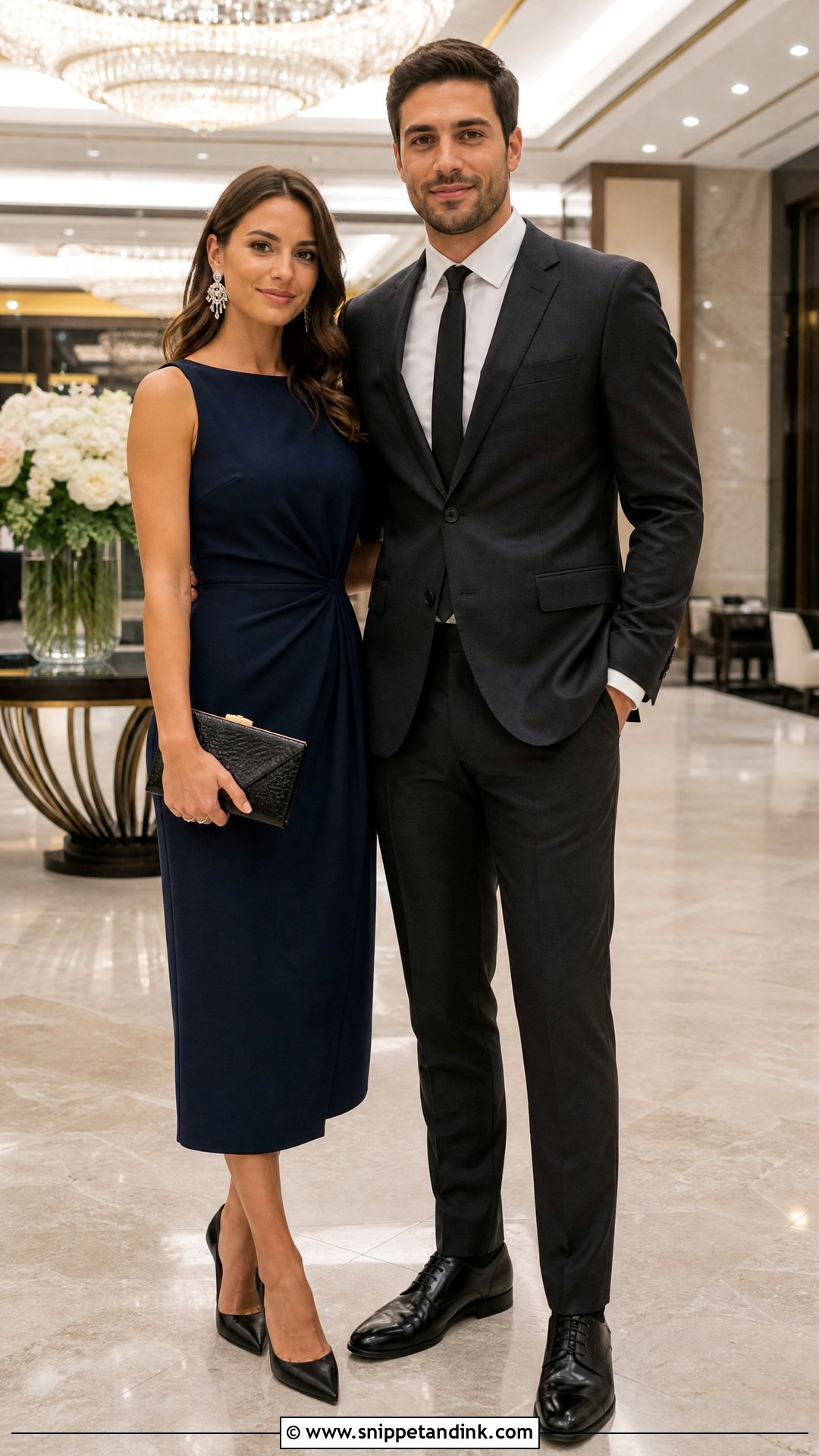
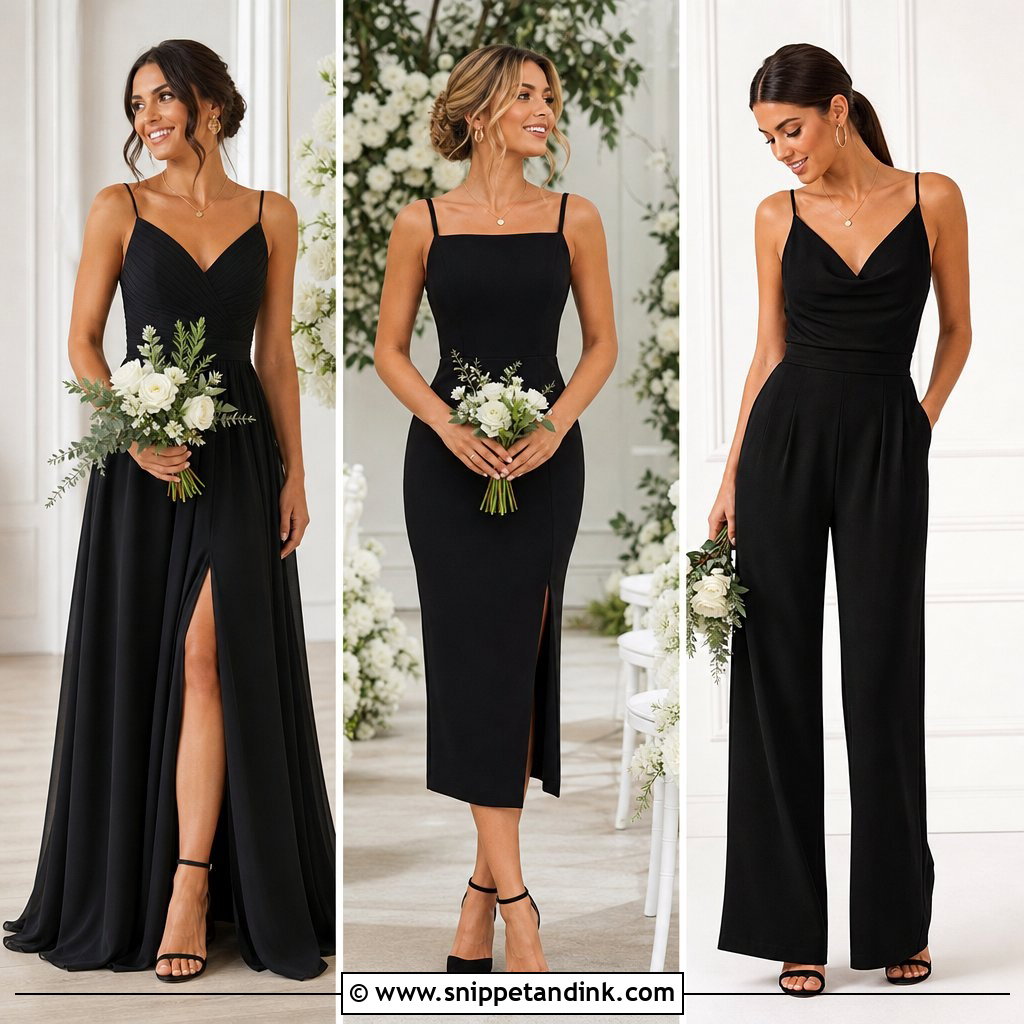
Black tie optional is the code I most often see misread, so the wording has to say outright that a tuxedo isn’t required. Try: “Black tie optional. Tuxedos and floor-length gowns are welcome, while dark suits and formal dresses are equally appropriate.” That second clause saves a lot of guests a rental fee. For women, a full gown, a refined midi or a formal jumpsuit all qualify; for men, a tuxedo or a dark navy or charcoal suit with a tie. Keep the card short. If you’d like people to lean dressier, add: “We invite you to celebrate with us in your favorite formal evening wear.”
3. Formal Wedding Attire Card
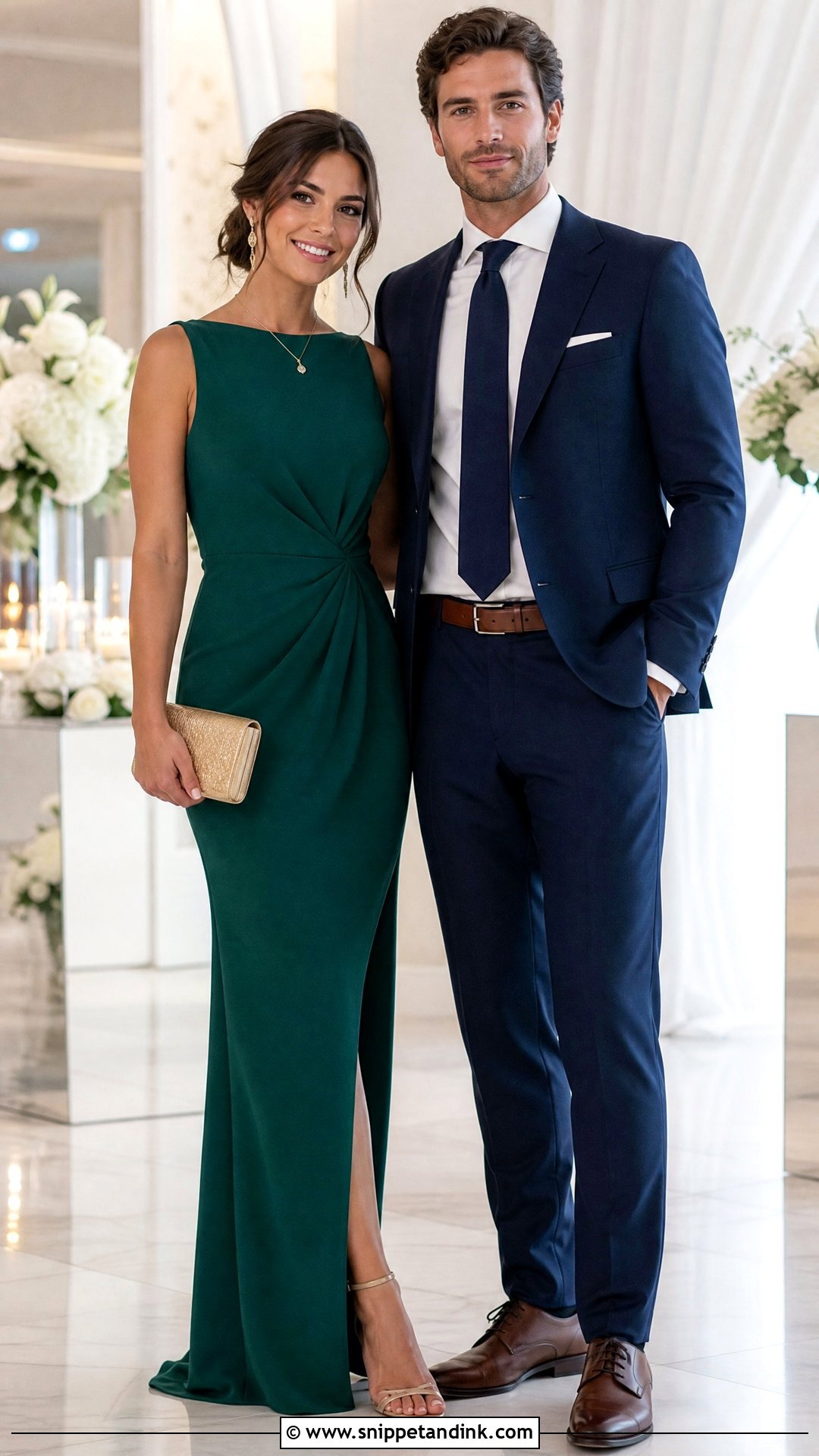
“Formal” sits a step below black tie, and on its own it’s vaguer than couples expect. I pair it with examples: “Formal attire requested. Suits, floor-length dresses, elegant midi dresses, and dressy jumpsuits are welcome.” Guests then know a long dress or a polished midi with closed-toe heels works, and that a dark suit, tie and leather shoes is right for men. Time of day shifts the read. A daytime formal wedding allows lighter suits and softer fabrics, while an evening one calls for deeper colors. Let the typeface and paper set the mood, and let the words carry the instruction. A pretty script is lovely to look at but slow to read, so I set the dress code itself in a plain face.
4. Cocktail Wedding Attire Card
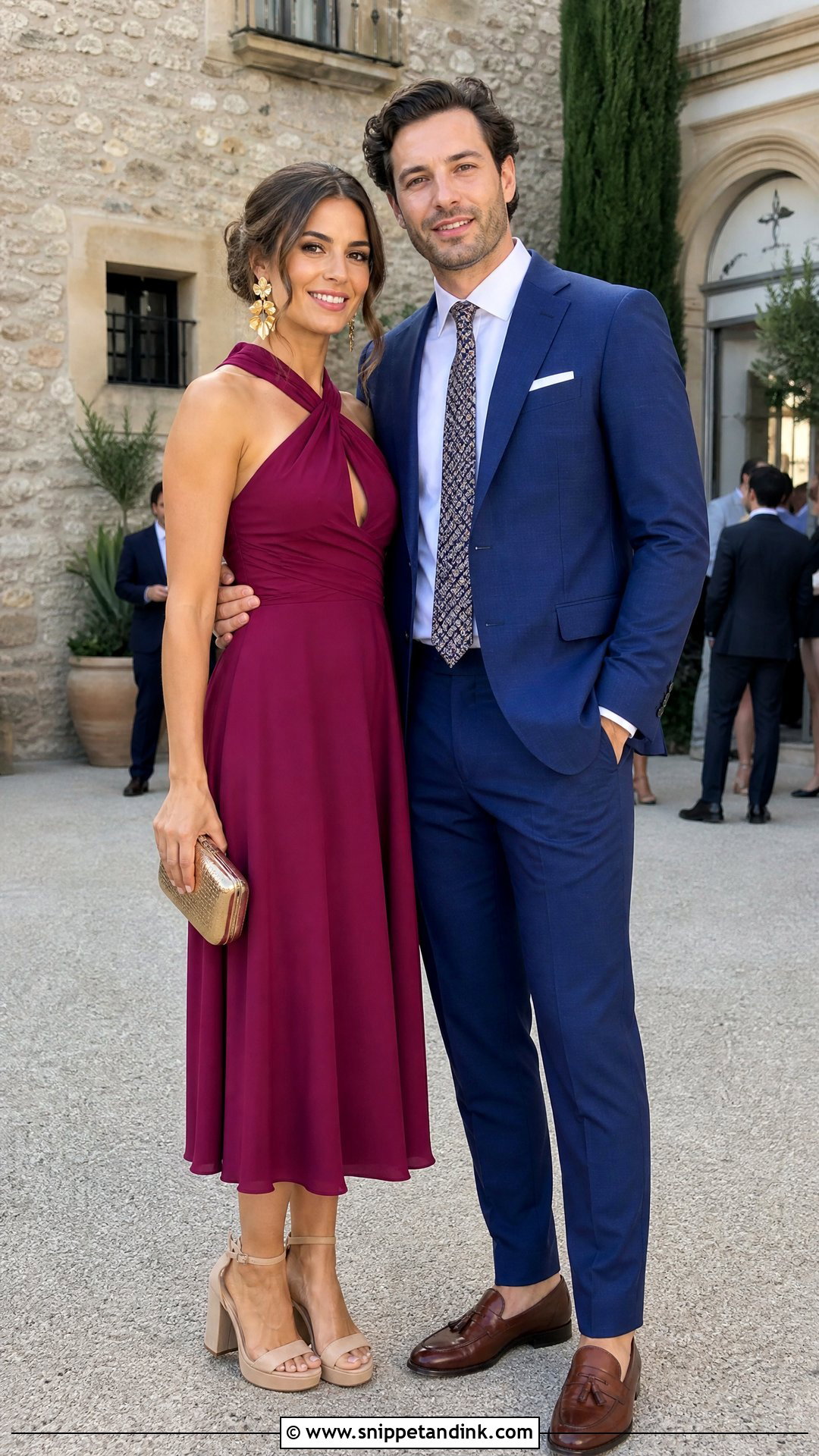
Cocktail attire is festive and fairly well understood, though a couple of examples still help. Consider: “Cocktail attire requested. Cocktail dresses, elegant jumpsuits, suits, and dressy separates are encouraged.” Most guests will land on a knee-length or midi dress with block heels, a tailored jumpsuit, or a suit with loafers. If any part of the day is outdoors, add a footwear line, since cocktail heels and lawns don’t mix. I keep the language upbeat but avoid made-up phrases like “cocktail chic” that sound fun and don’t point to any real level of dress.
5. Semi-Formal Wedding Attire Card
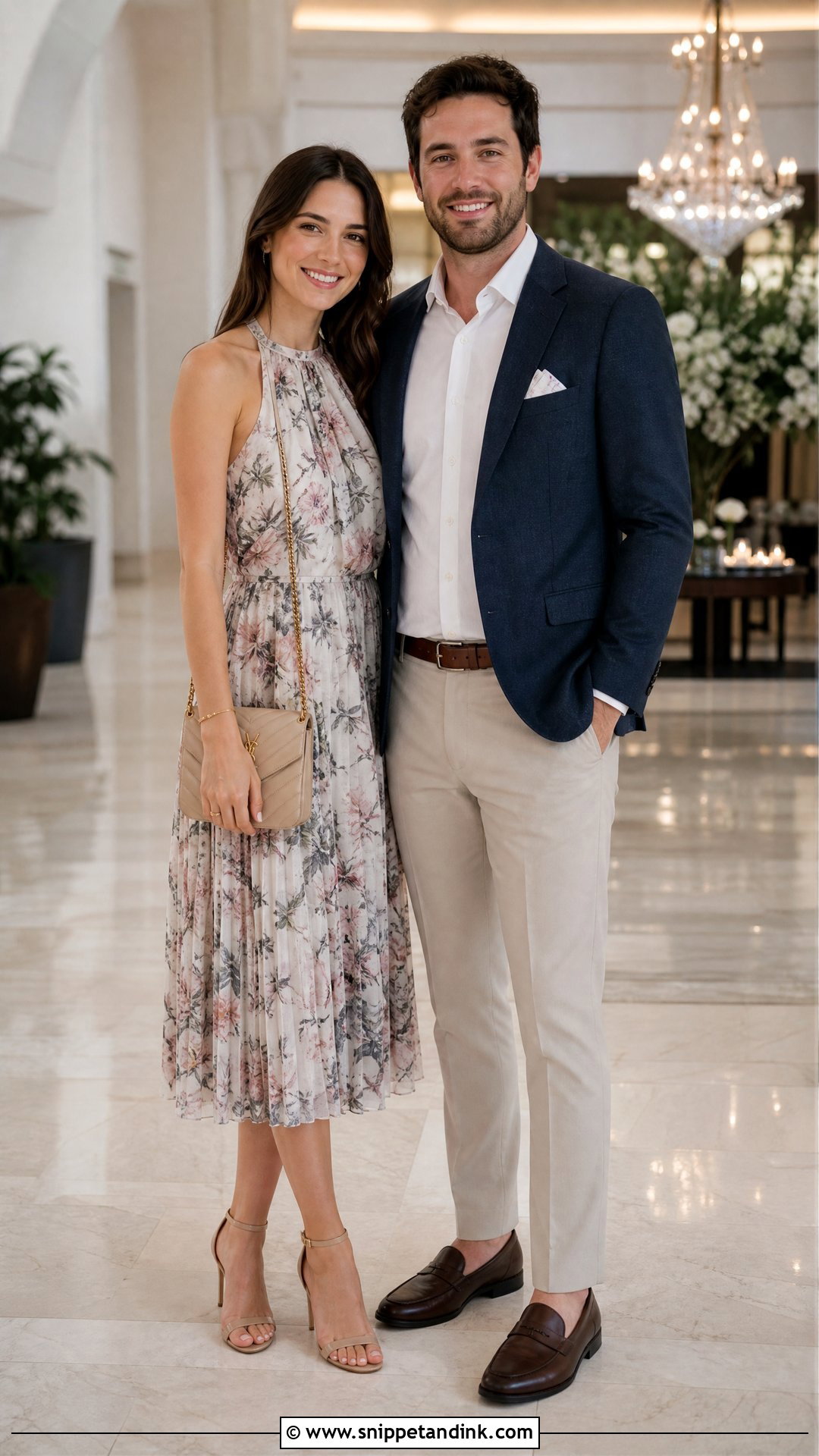
A semi-formal attire card needs to sound polished without sounding stiff. One version I use: “Semi-formal attire requested. Midi dresses, dressy jumpsuits, suits, and coordinated separates are welcome.” Guests will read that as a wrap or pleated midi, a blouse and skirt, or a suit where the tie is a judgment call. Say whether ties are expected if it matters to you. Semi-formal is the code people most often drift down to casual on, so a gentle line helps: “Please save denim, shorts, and athletic shoes for another occasion.” It reads as guidance, not a scolding, which is the tone you want.
6. Dressy Casual Wedding Attire Card
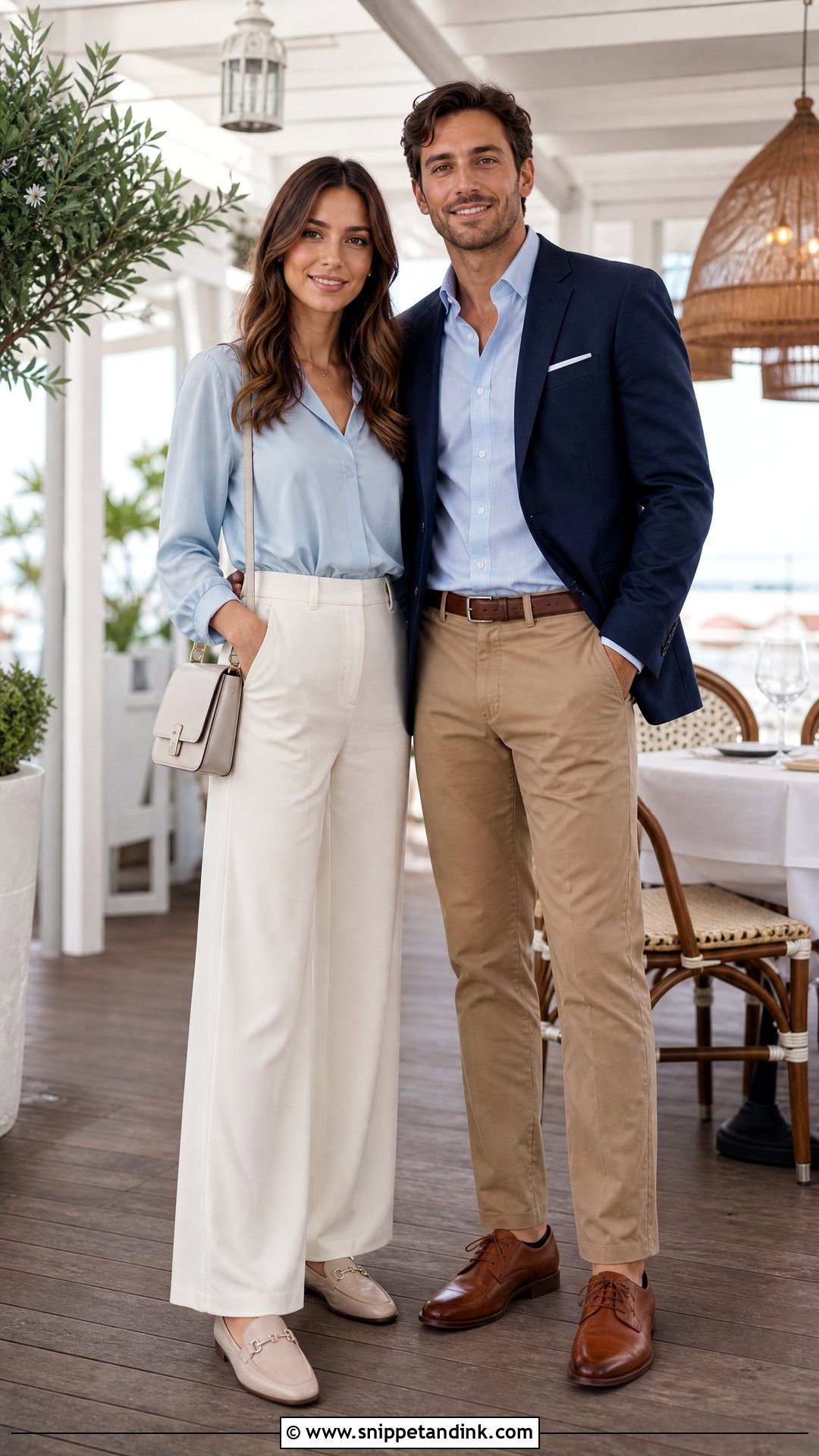
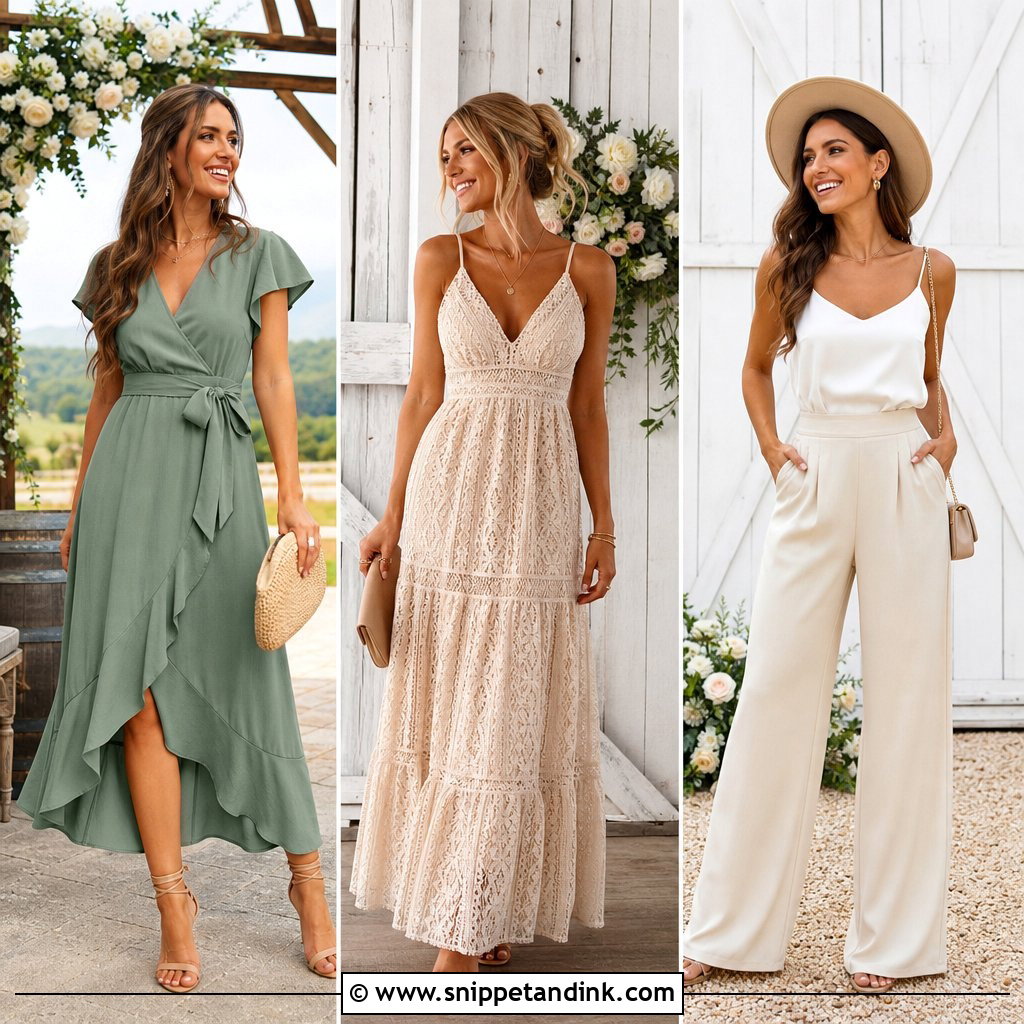
Dressy casual is where guests interpret wildly, because “casual” is doing most of the work in the phrase. Clear wording reads: “Dressy casual attire. Sundresses, jumpsuits, collared shirts, dress pants, and polished separates are encouraged.” Guests can picture a printed midi with block heels, or chinos and a button-down with an optional blazer. Denim is the question everyone has. If clean, dark jeans are fine, say so in plain words; if not, the list of examples quietly rules them out. Naming the setting, such as a backyard or a covered patio, gives people one more clue.
7. Casual Wedding Attire Card
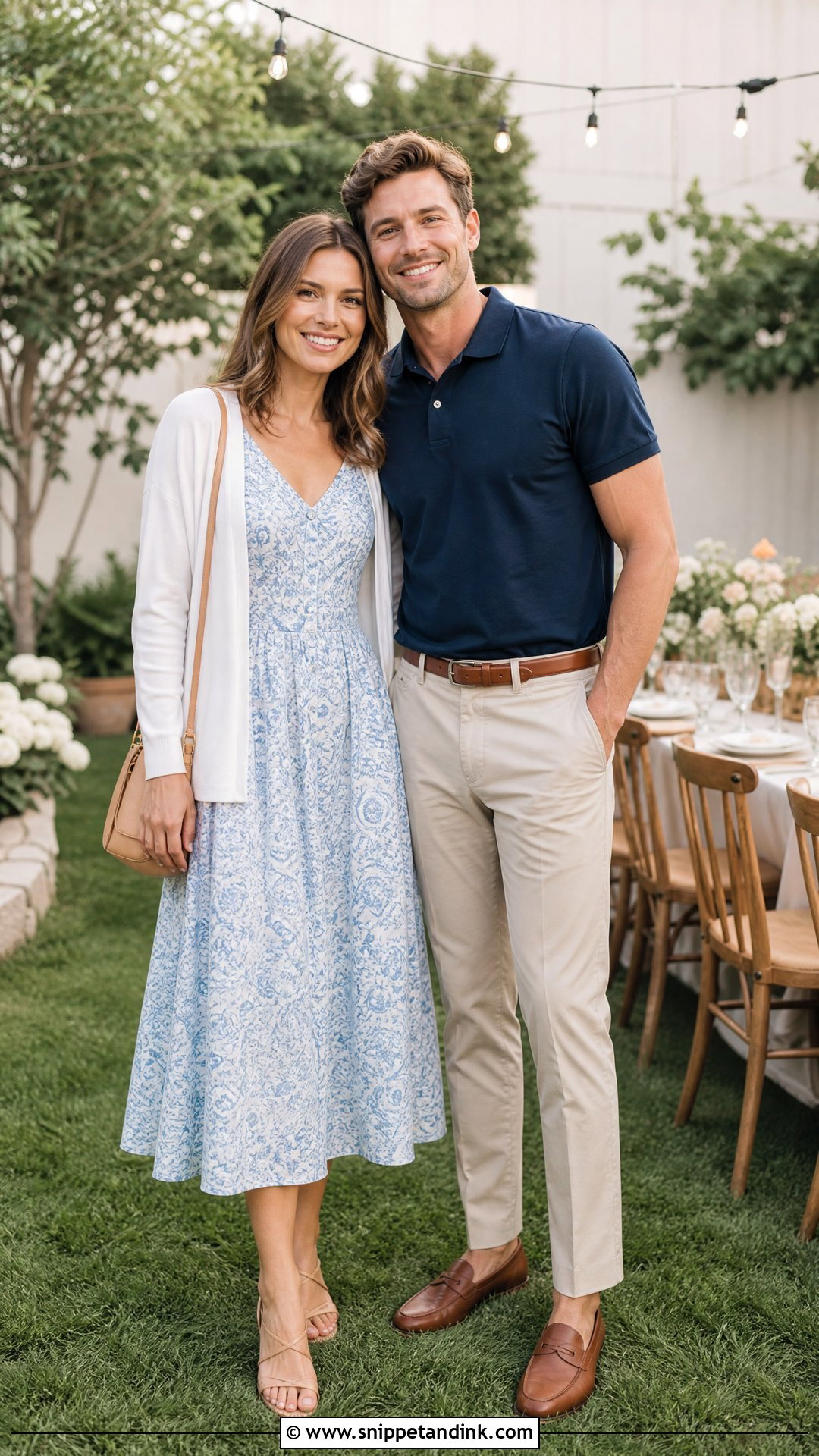
A casual wedding attire card is short, and that’s the risk: too short and guests turn up in gym shoes. Try: “Casual celebration attire. Comfortable dresses, neat separates, collared shirts, chinos, and clean footwear are welcome.” That points toward a cotton midi with flat sandals, or chinos and a polo with loafers. If shorts, jeans or sneakers are welcome, name them, because nobody wants to be the only person in shorts. A warm extra line works well here: “Come comfortable, polished, and ready to celebrate.” One honest check before you print: if you’re secretly hoping for jackets, “casual” is the wrong word.
8. Garden Party Wedding Attire Card
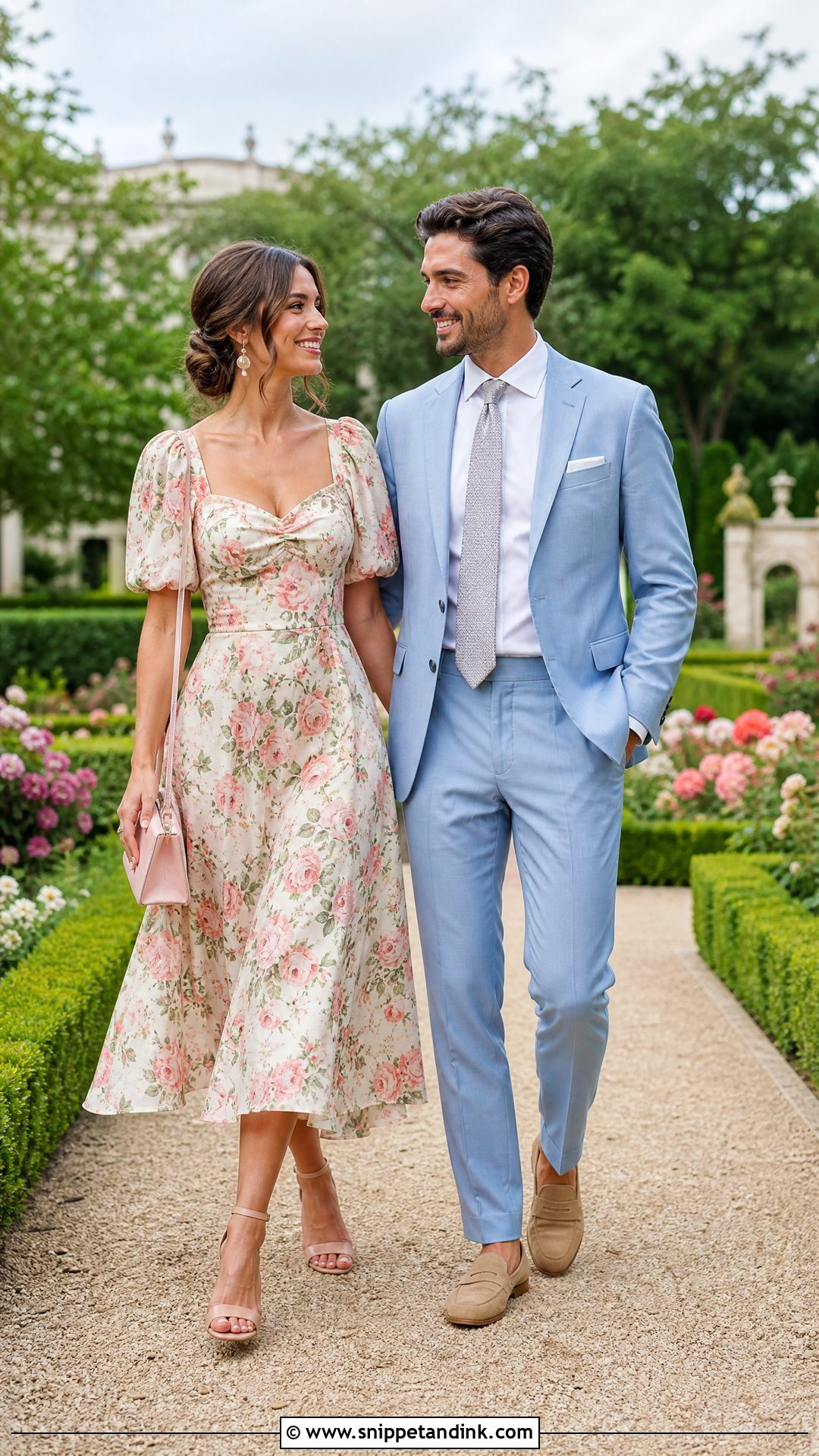
Garden party is a theme guests enjoy, and the card’s real value is the footwear warning. Suggested wording: “Garden party attire requested. Floral dresses, dressy separates, light suits, and lawn-friendly footwear are encouraged.” People will picture floral midis and light gray or tan suits, which is exactly right. The practical line matters more than the pretty one when the ceremony sits on grass or gravel, so I’d add: “Please avoid narrow heels for your comfort.” A watercolor floral border suits the mood, but keep the illustration well clear of the text. A busy botanical behind the words makes them hard to read in low light.
9. Beach Wedding Attire Card
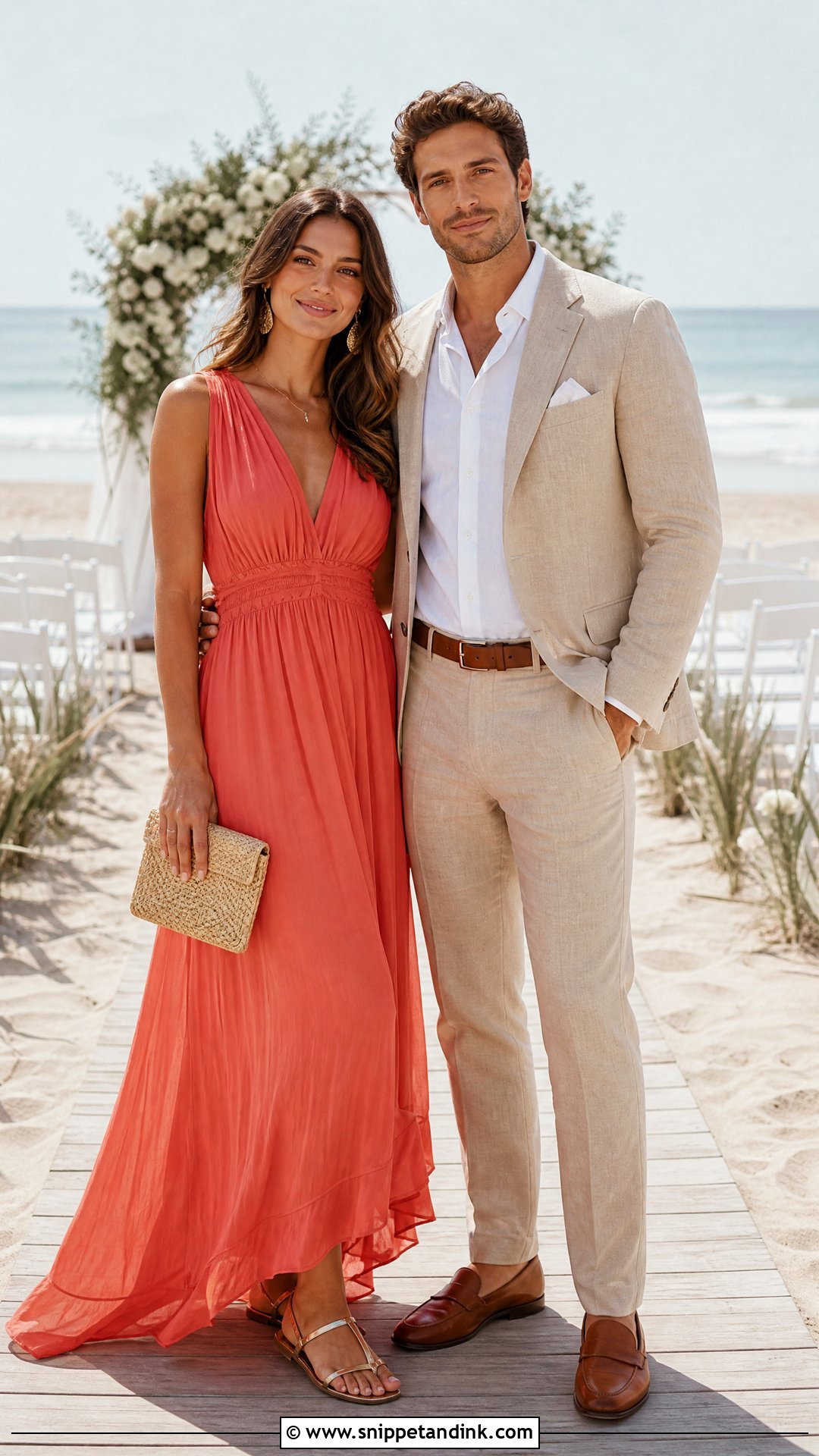
Beach weddings need the most specific card of all, because what to wear on sand is genuinely unfamiliar to many guests. A good version: “Beach formal attire. Lightweight dresses, linen suits, dress shirts, and sand-friendly shoes are recommended.” Say whether the ceremony is literally on the sand, since heels sink and dress shoes fill up. Most guests will choose a flowing midi or maxi with flat sandals, or a linen suit with loafers. For a looser event, swap in “beach casual” and adjust the examples. Wind and evening chill are the other surprises, though one short line covers both; the card shouldn’t read like a weather report.
10. Destination Wedding Attire Card
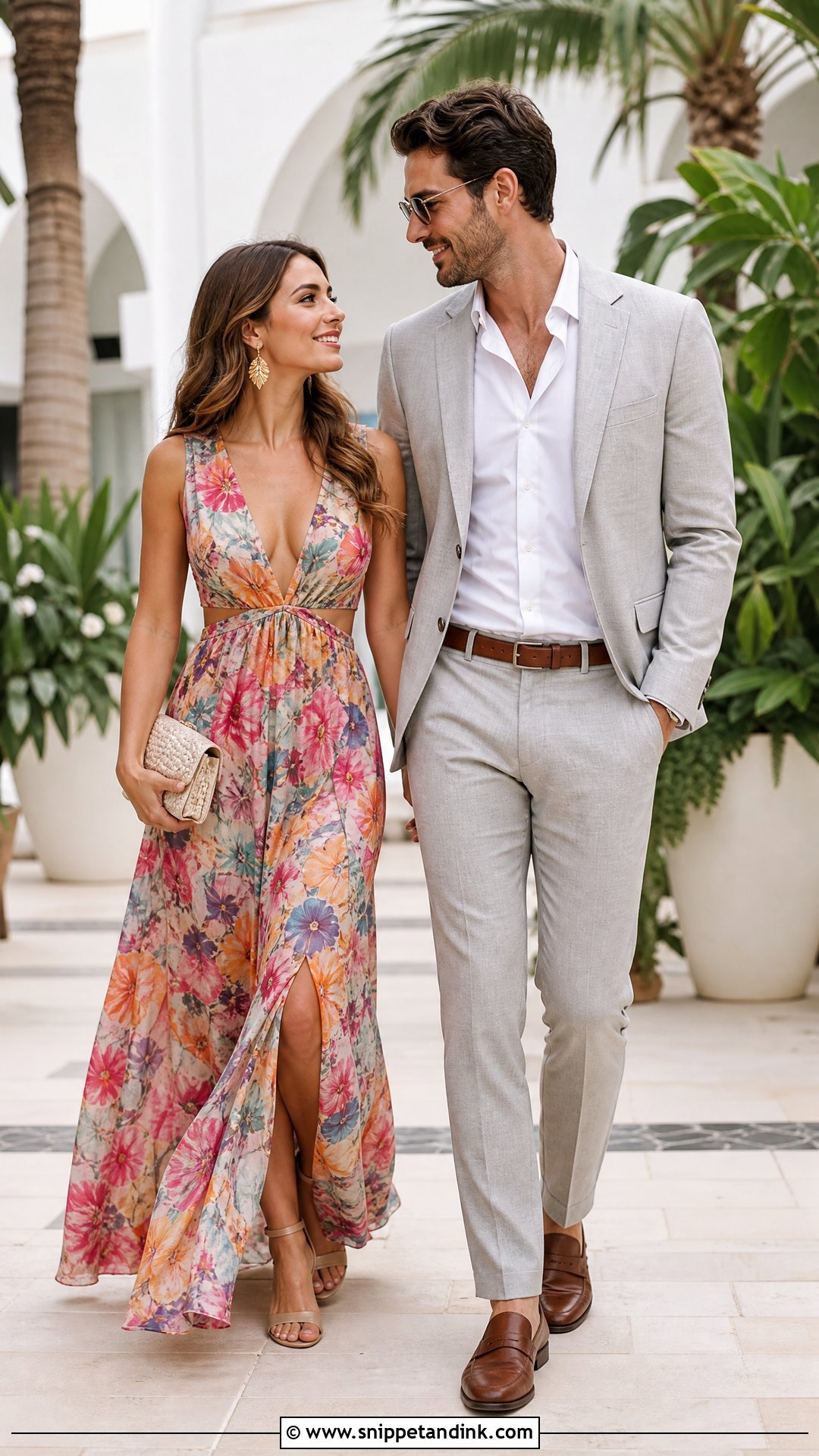
Destination guests are packing a suitcase, not raiding their closet, so the card should help them plan. Wording such as: “Destination wedding attire. Pack lightweight formal clothing, comfortable dress shoes, and an evening layer for our celebration.” I always put a real dress code first, then the location note, because “destination attire” alone means nothing. A tropical venue points to breathable suits and colorful maxis; a mountain one to a wrap or dress coat. If the weekend has several events with different codes, send guests to the wedding website for the full schedule. One small enclosure card can’t hold three days of instructions.
11. Summer Wedding Attire Card
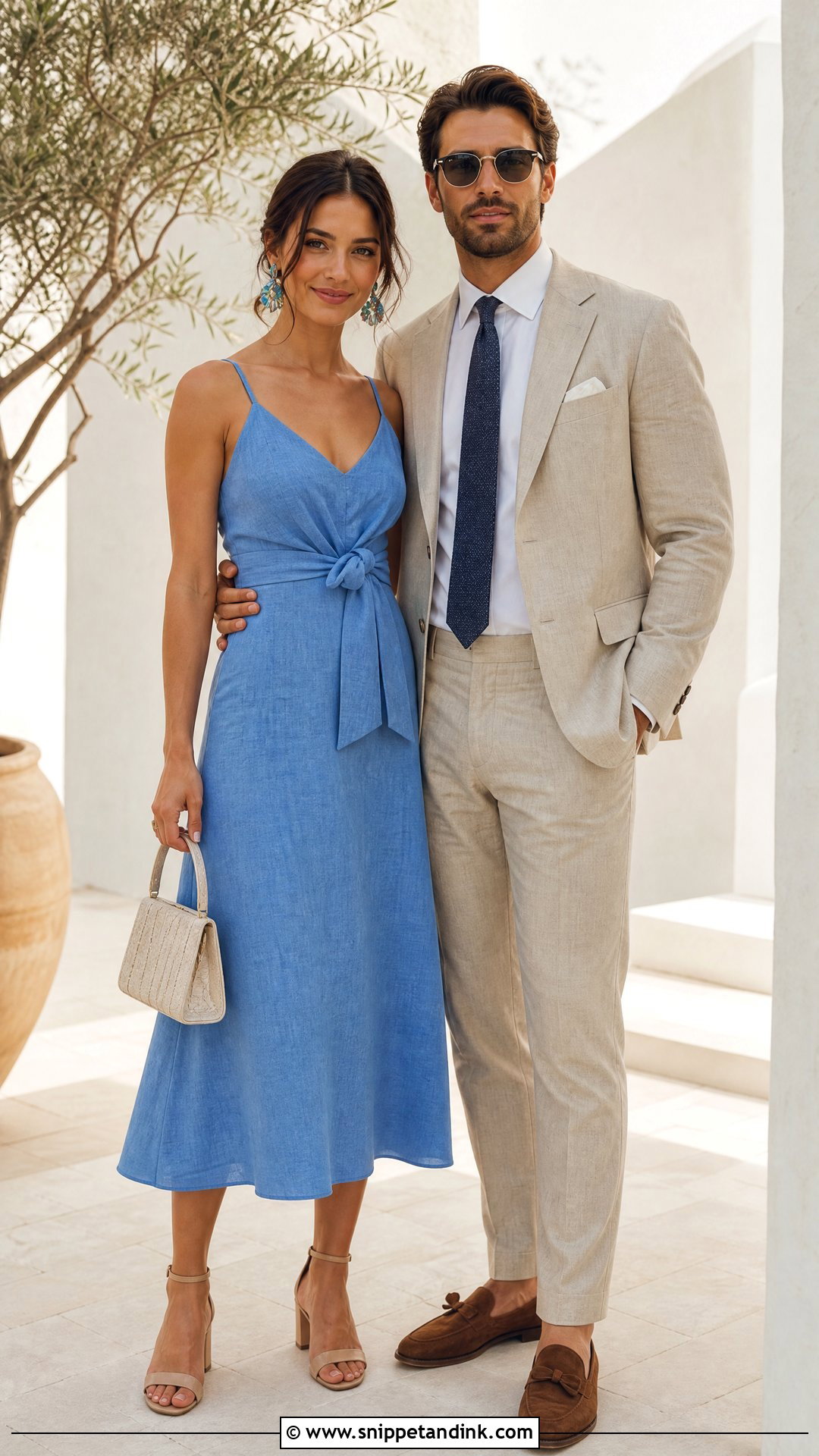
Summer heat changes what people can comfortably wear, and the card should give them permission to dress lighter. Consider: “Summer cocktail attire. Lightweight dresses, polished jumpsuits, breathable suits, and dress shoes are encouraged.” Guests will reach for linen-blend dresses, light blue or beige suits and loafers. The most appreciated sentence on a summer card is the one telling men they can take their jackets off after the ceremony, so add it if it’s true. Hats and sunglasses can be offered as optional comfort items. I lean toward pale stock and plenty of white space on summer suites; it echoes the message without a word.
12. Winter Wedding Attire Card
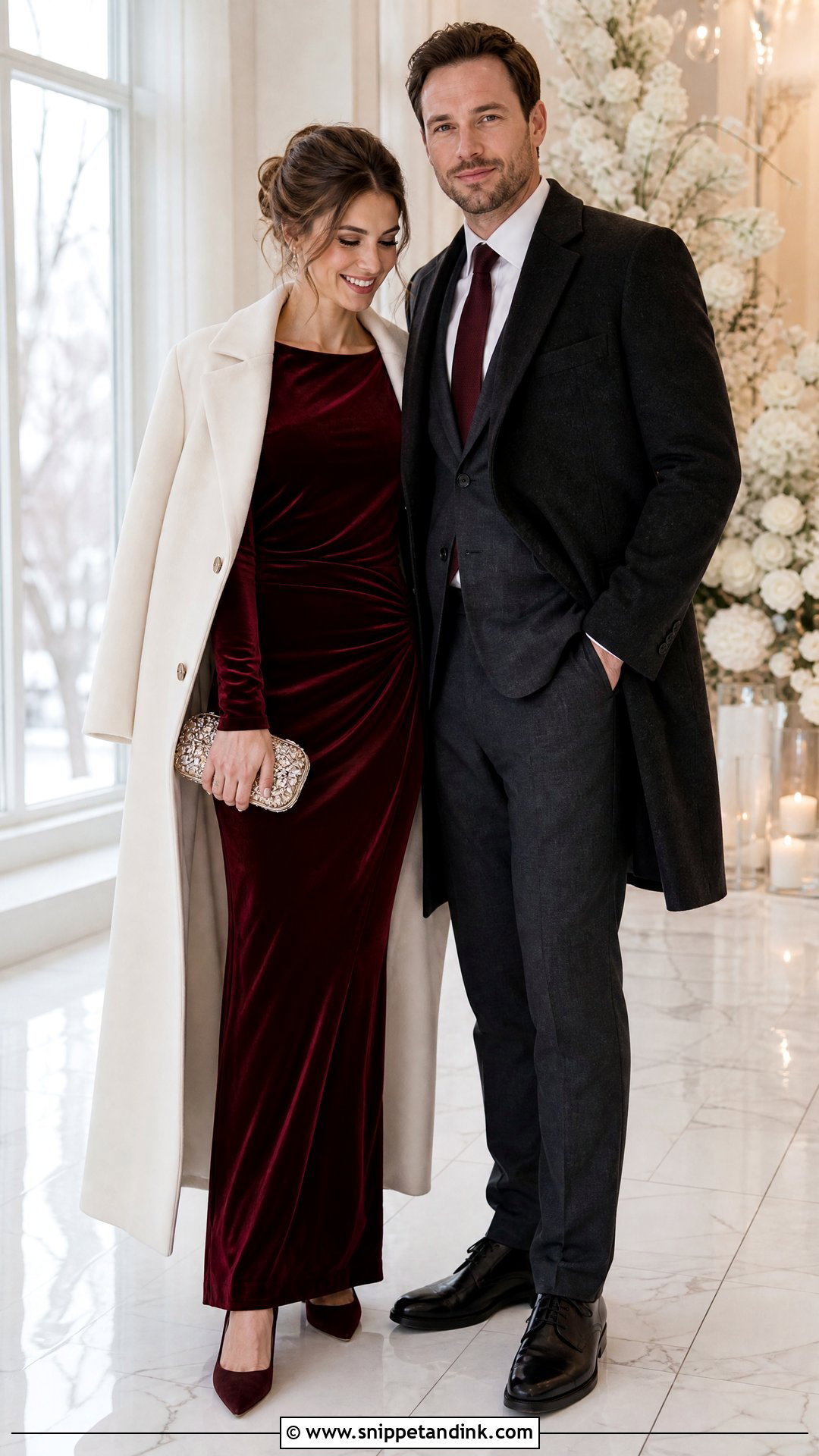
“Winter attire” on its own could mean anything from a sweater to a ball gown, so I always pair the season with a recognized code. Try: “Winter formal attire requested. Long dresses, elegant suits, dress coats, and cold-weather accessories are recommended.” Guests will read long-sleeve velvet, closed-toe heels and a dark suit with an overcoat. If any part of the day happens outside, say so plainly: “Please dress warmly for the outdoor ceremony.” For the card itself, deep green, navy or burgundy ink on a warm white stock looks seasonal. Foil can be pretty, but very fine metallic type is harder to read, so keep the dress code line in ink.
13. Fall Wedding Attire Card
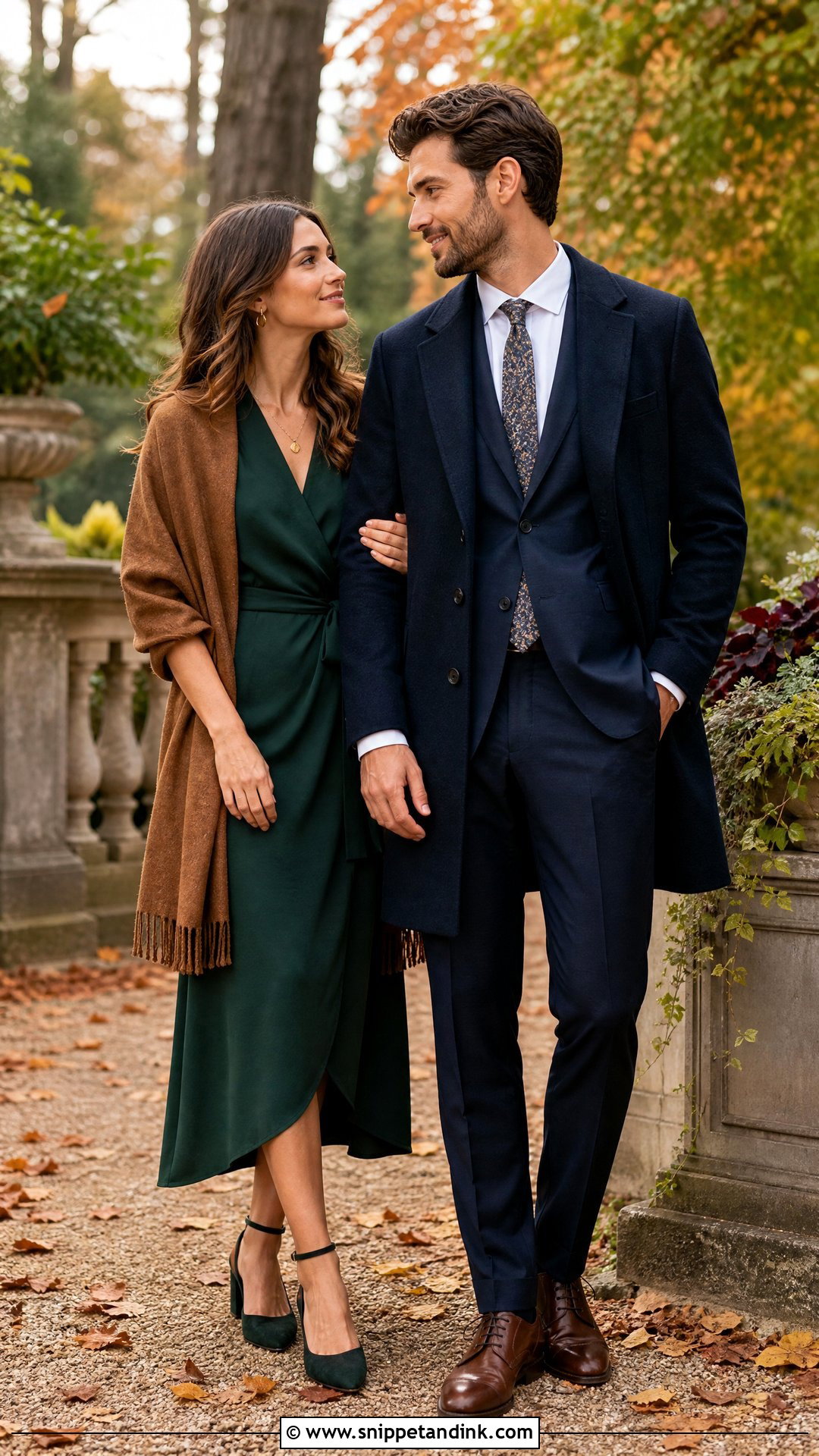
Autumn guests like a little direction on color, and a soft hint works better than a rule. A clear message: “Fall cocktail attire. Midi dresses, polished jumpsuits, suits, and seasonal layers are welcome.” People will happily land on rust, forest green or plum, and on navy or charcoal suits with a wool coat. Uneven ground is the practical note for fall: leaves and soft grass make block heels, wedges or flats the safer suggestion. I’d only set a strict palette if it genuinely matters to the design, because most guests would rather be inspired than instructed. Leaf artwork on the card is fine as long as the type stays the strongest thing on it.
14. Spring Wedding Attire Card
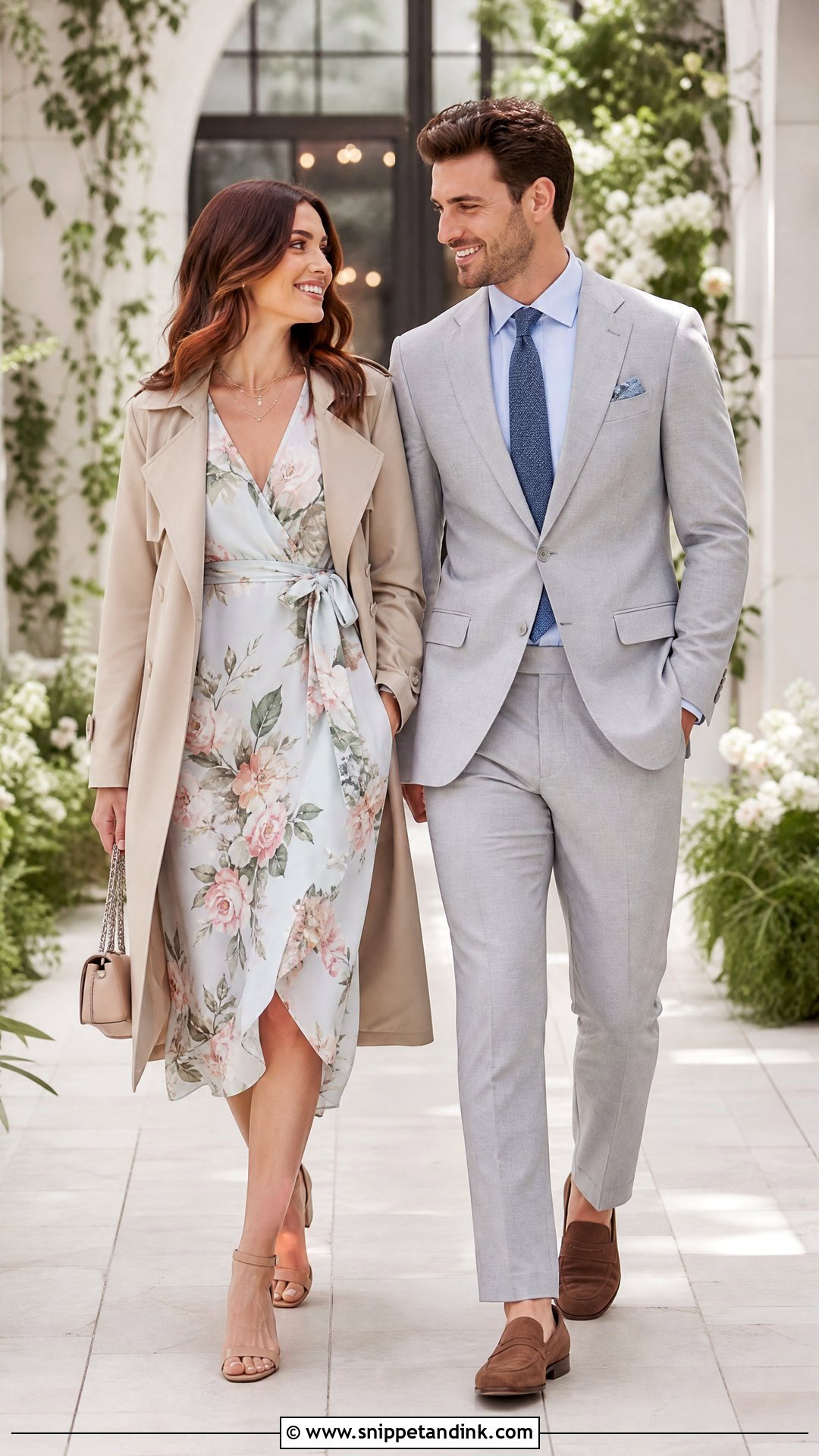
Spring weather is the least predictable of the year, so a spring card should mention shelter. Consider: “Spring semi-formal attire. Floral dresses, pastel separates, lightweight suits, and polished footwear are encouraged.” Guests will read florals, pleated midis and light gray or tan suits. Tell them whether the ceremony is indoors, outdoors or under cover, and add a short note such as “Please bring a light layer.” That one sentence spares people shivering through vows. Soft colors and botanical art suit the season, but I keep the dress code in the strongest weight on the card so the decoration never outranks the information.
15. Festive Wedding Attire Card
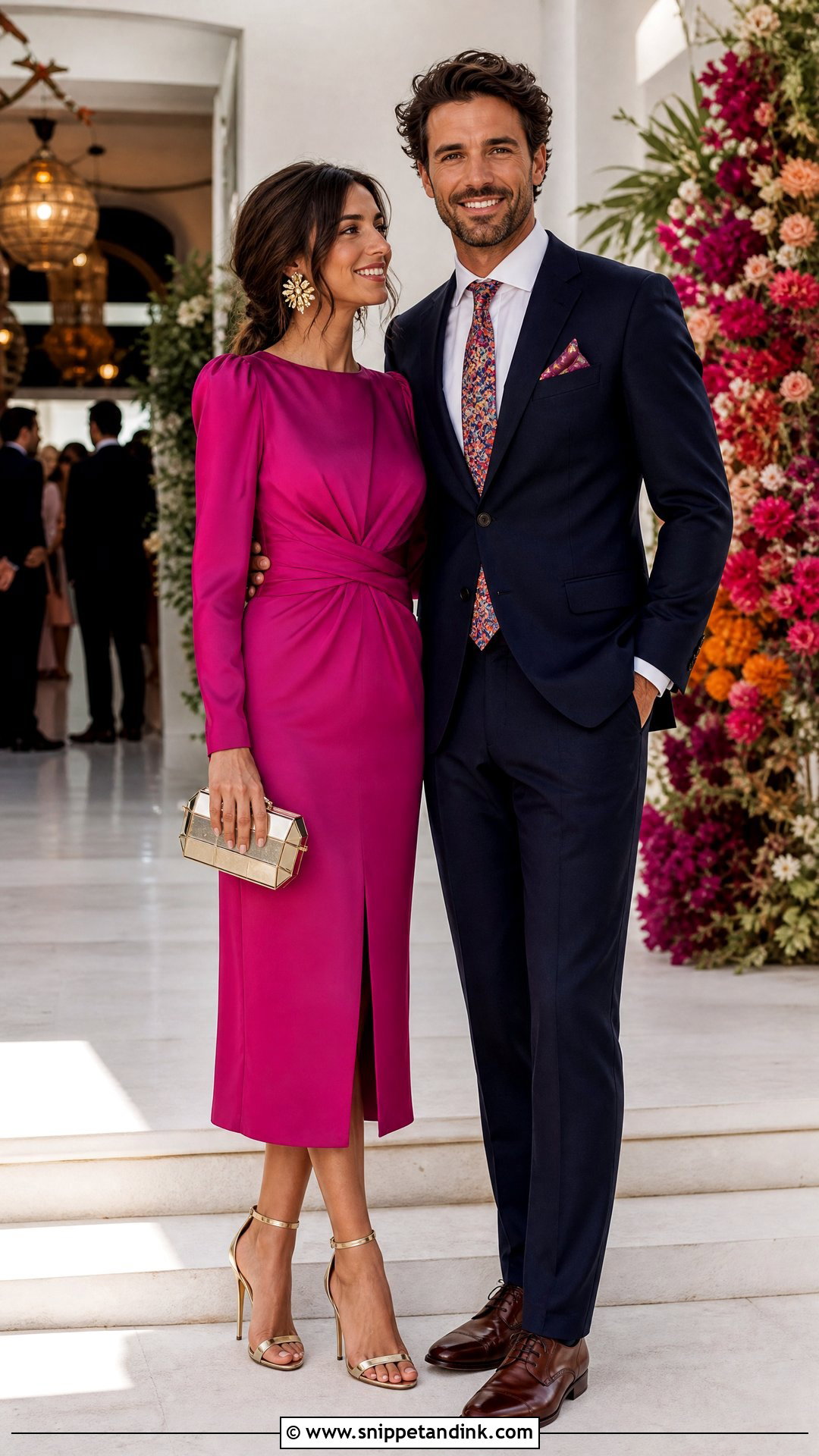
“Festive” describes a mood, not a code, and the card has to make that clear by pairing it with one. Try: “Festive cocktail attire. Colorful dresses, patterned suits, elegant jumpsuits, and statement accessories are encouraged.” Guests then know they’re still at cocktail level, just with permission to be bold: bright dresses, metallic heels, a patterned tie or a loud pocket square. If sequins or metallics suit the evening, mention them as optional ideas. A cheerful closing line such as “Bring your favorite color and celebratory spirit” sets the tone without telling anyone exactly what to buy.
16. Color Palette Wedding Attire Card
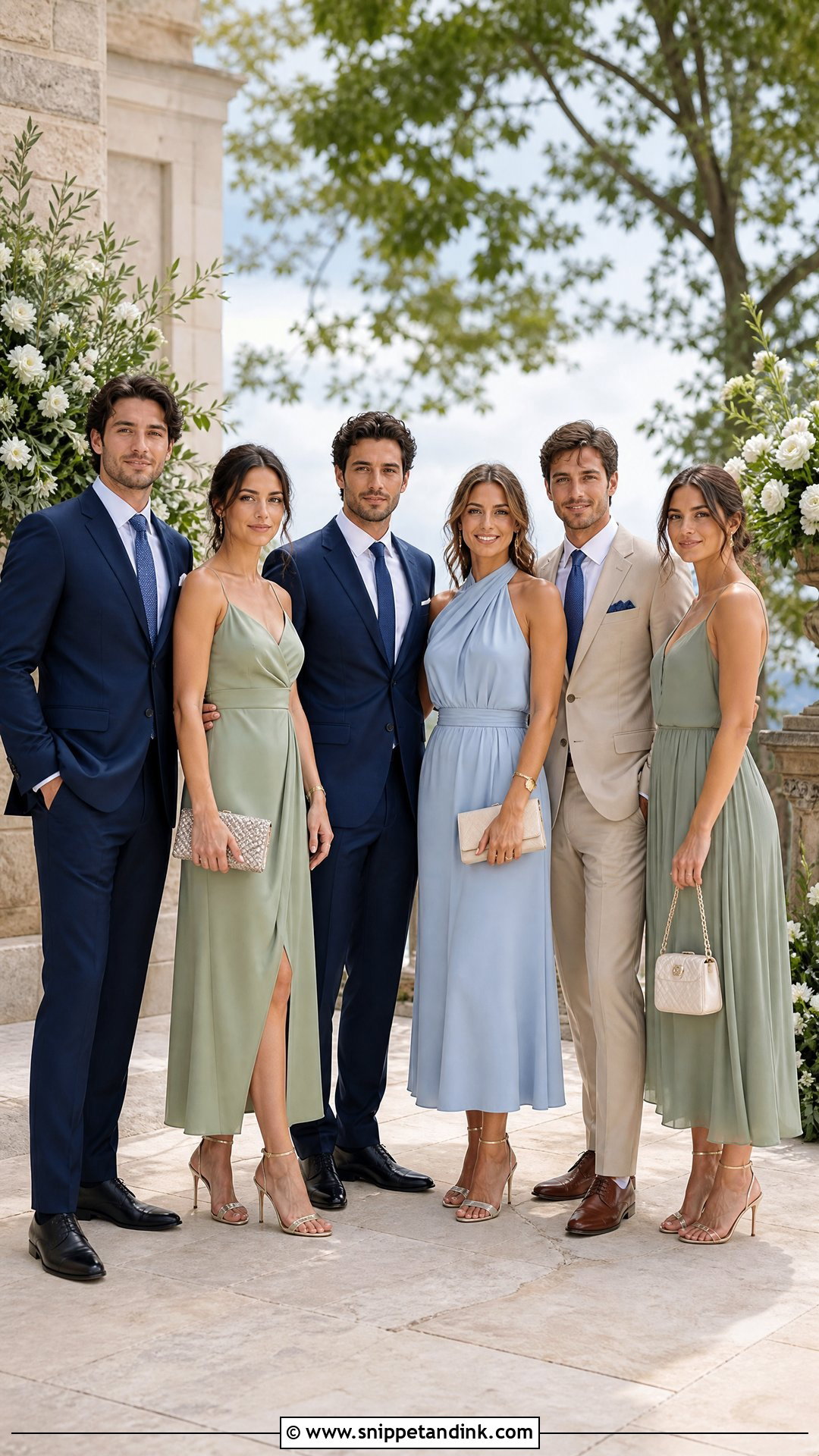
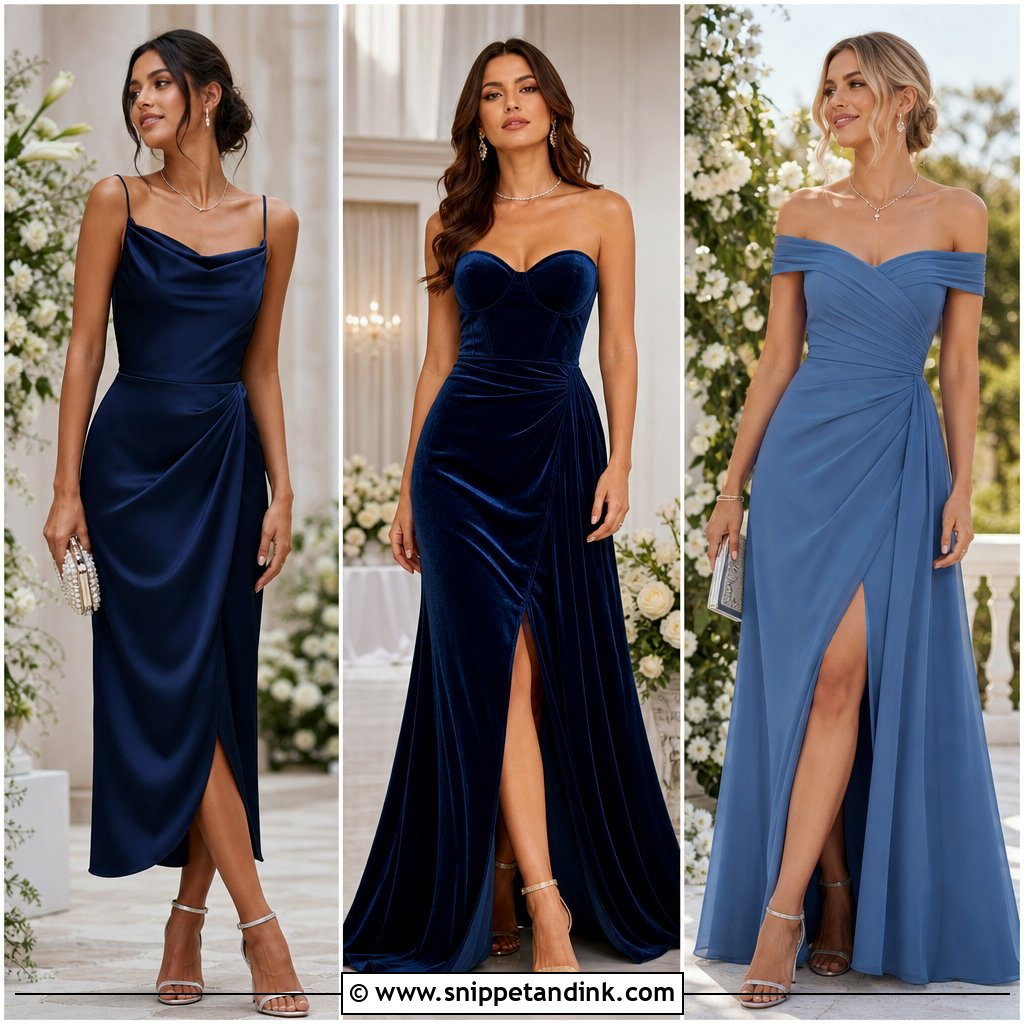
A color palette request can look wonderful in photos, but only if it reads as an invitation rather than a demand. Suggested wording: “Guests are invited to wear shades of blue, green, and soft neutrals in cocktail attire. Participation in the color palette is appreciated but optional.” Printed swatches help, though I warn couples that printed colors shift from the original sample and dyed fabric shifts again, so describe a range, never one exact shade. Asking for a rare color forces people to shop. Say outright that nobody needs to be in one color head to toe; a sage dress or a navy suit with a pale blue shirt is plenty.
17. All Black Wedding Attire Card
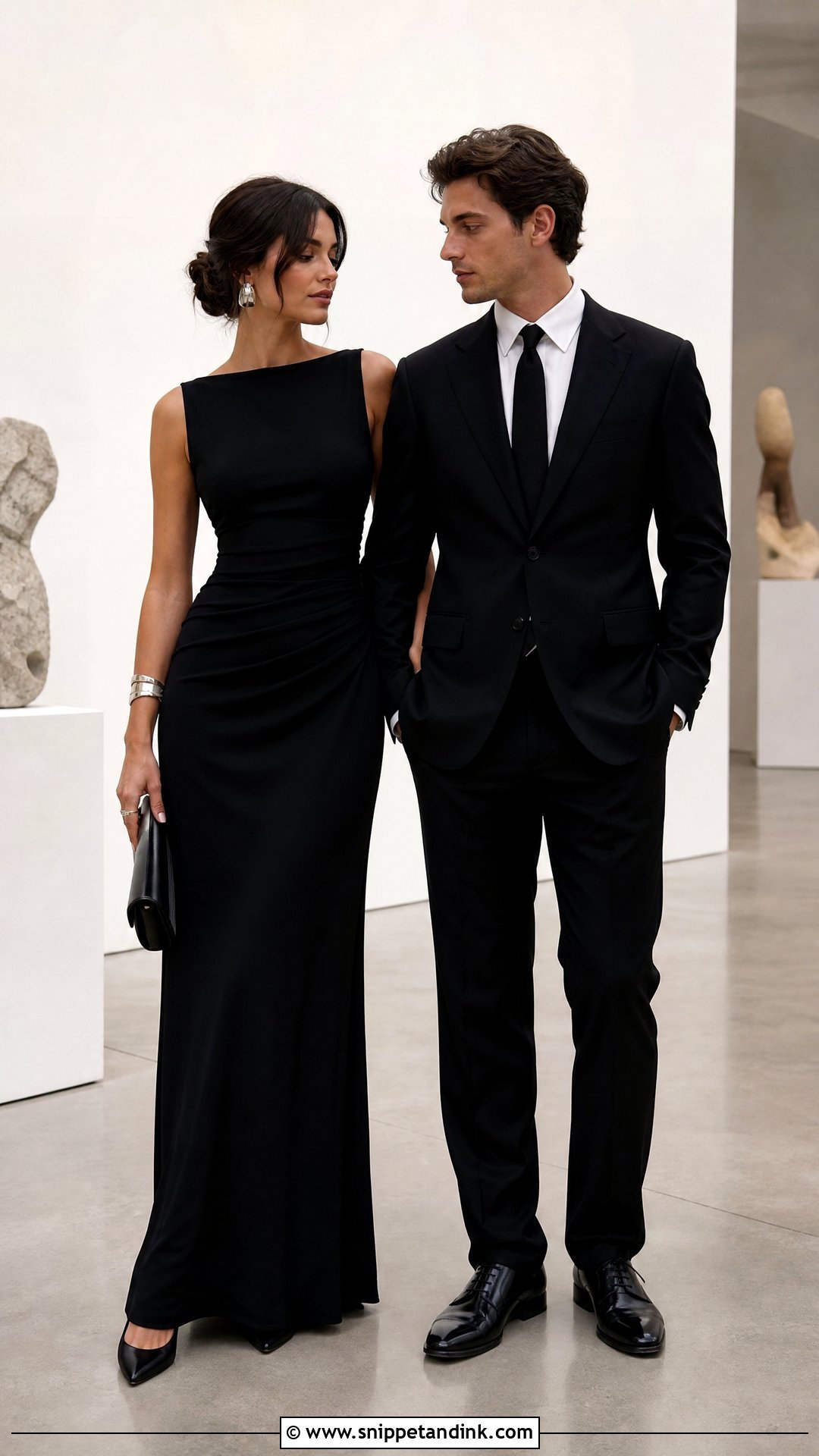
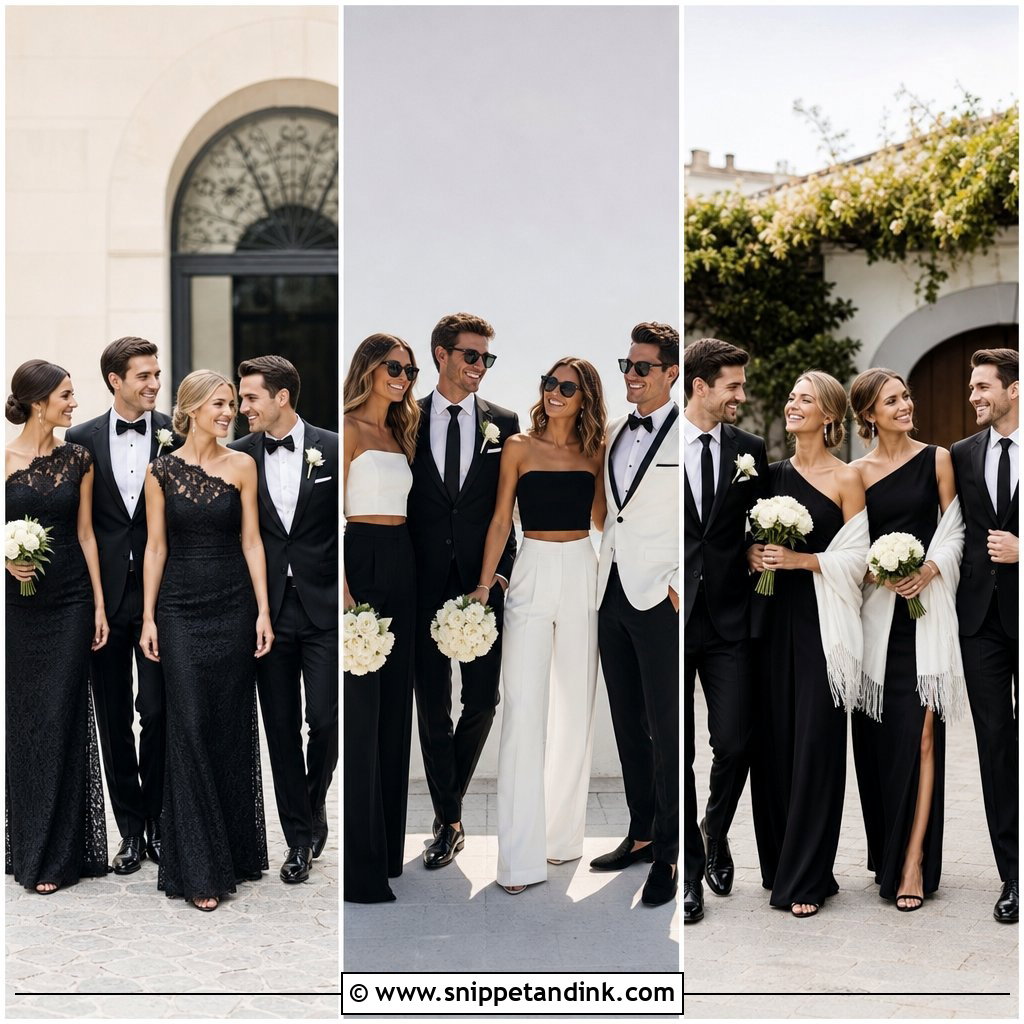
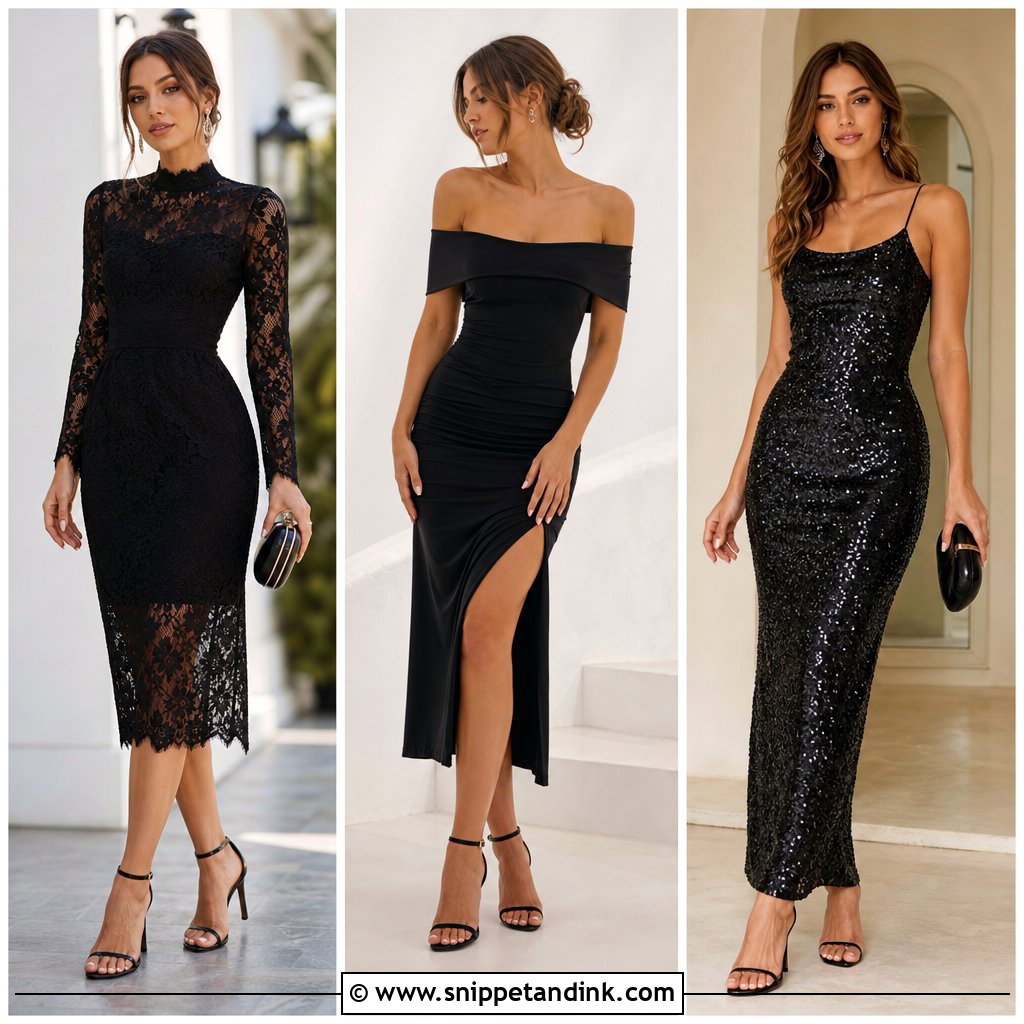
An all-black dress code looks sharp in photos, and the card’s job is to say how strict it is. Use: “All-black formal attire requested. Please join us in elegant black dresses, jumpsuits, suits, and accessories.” Then answer the questions guests will otherwise text you about: are metallic accents fine, is a white shirt under a black suit acceptable, are subtle patterns allowed? If it’s a preference rather than a rule, change “requested” to “encouraged,” which softens it at once. Black type on a light ground keeps this one easy to read. I’d avoid reversing white text out of black stock for the dress code line, since small reversed type is hard to read in candlelight.
18. Pastel Wedding Attire Card
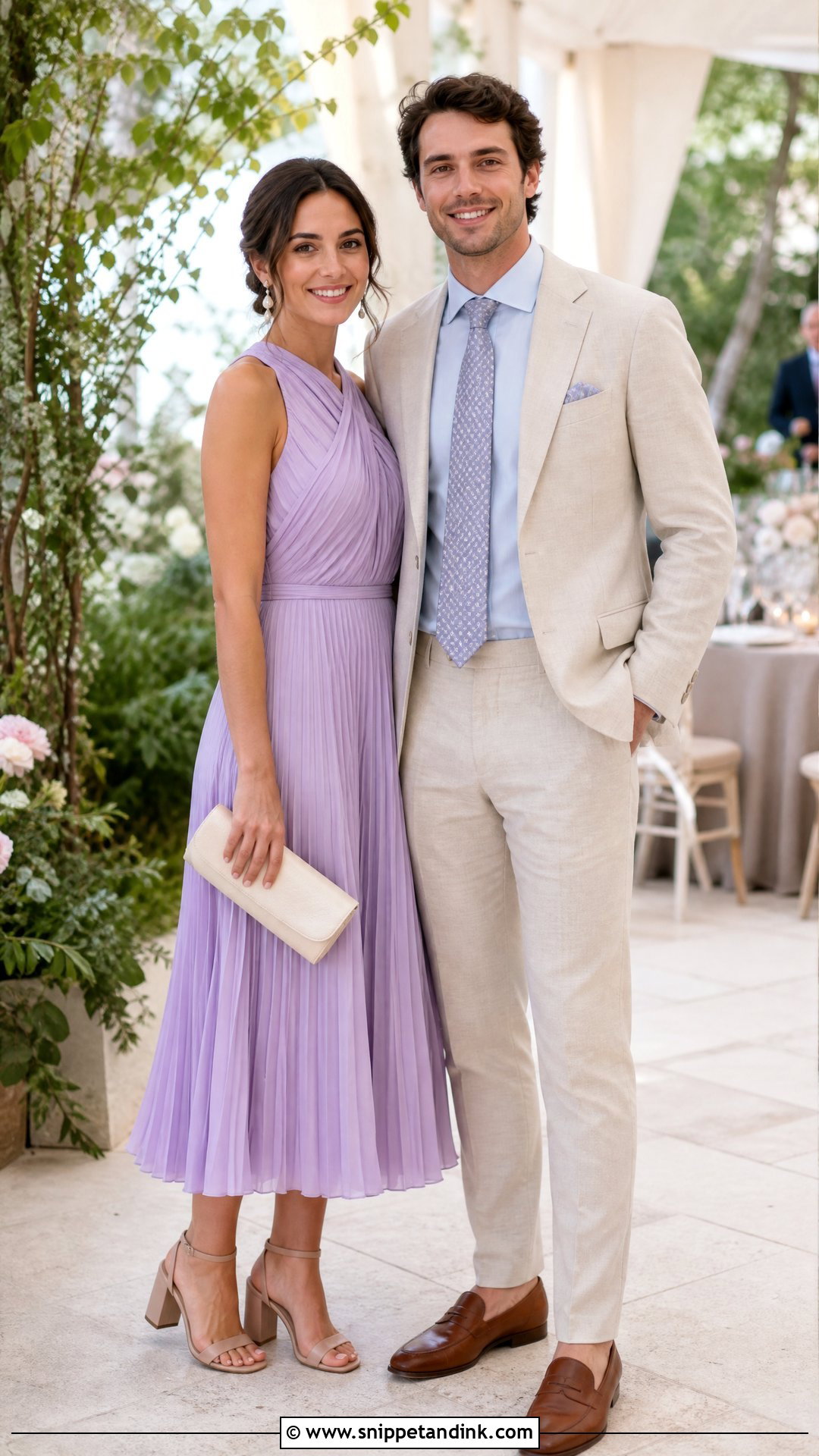
Pastel cards suit daytime and outdoor weddings, and the wording should leave room to move. Consider: “Pastel semi-formal attire encouraged. Lavender, blush, pale blue, mint, peach, and soft neutral outfits are welcome.” Guests will picture lilac midis and beige suits with pastel shirts. Tell them whether deeper colors are fine and whether you mean a full outfit or just one noticeable piece. Printed swatches help here too. Pastels vary hugely across screens and fabrics, so a broad range lets people shop their own wardrobe instead of hunting for one exact mint.
19. Western Wedding Attire Card
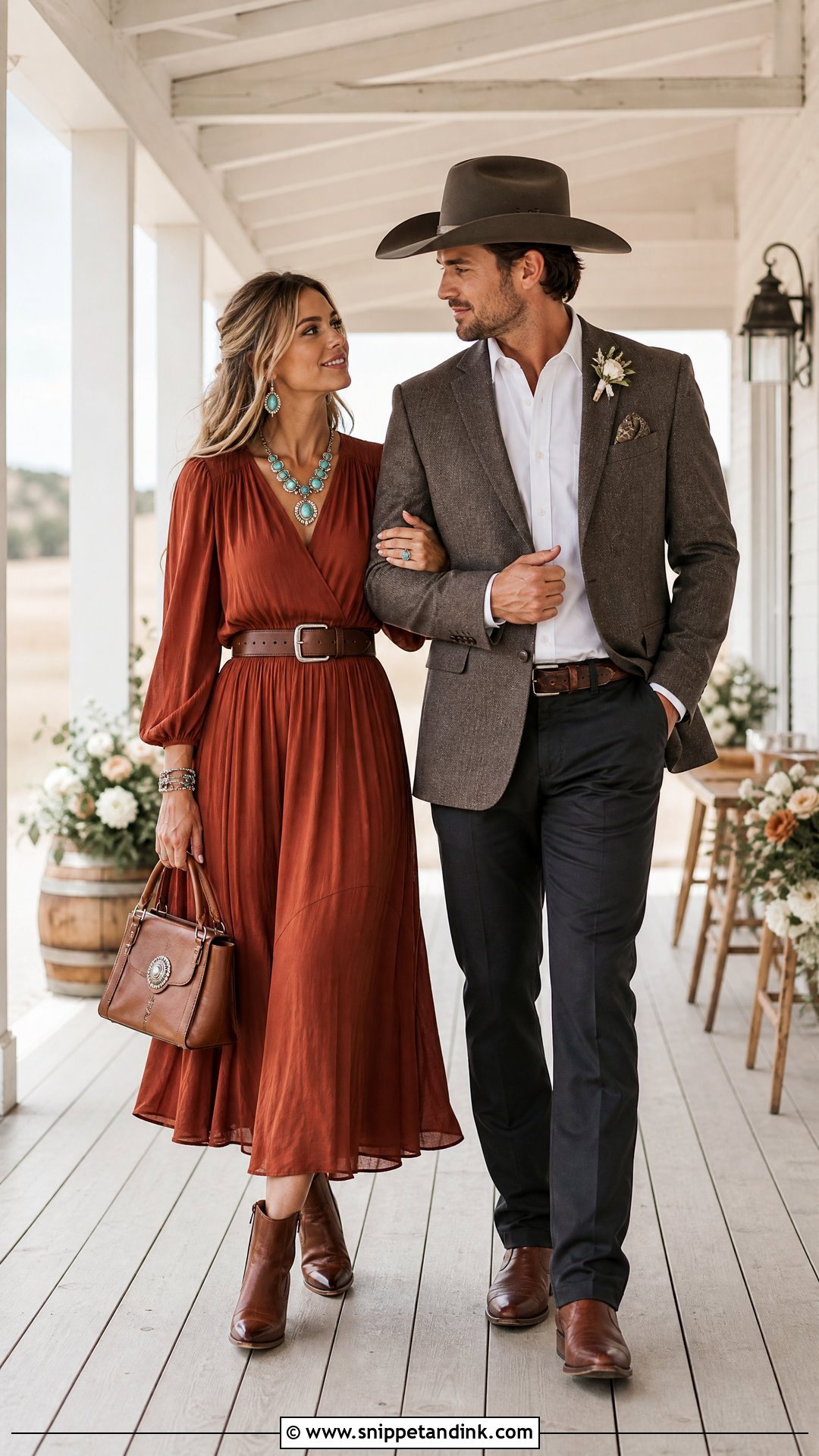
Western wedding attire works when guests understand it’s a nod to the theme, not a costume party. A useful message: “Western cocktail attire. Dresses, suits, dress boots, hats, and refined Western details are encouraged.” Guests will picture a midi with polished ankle boots and turquoise jewelry, or a blazer with clean Western boots and an optional felt hat. Say plainly whether denim is welcome. Dark, well-fitted jeans can suit a ranch, but a formal barn venue may want dress trousers. Mention gravel or barn floors so boots are the obvious choice. Natural textured paper and a restrained illustration carry the theme without tipping into kitsch.
20. Vintage Wedding Attire Card
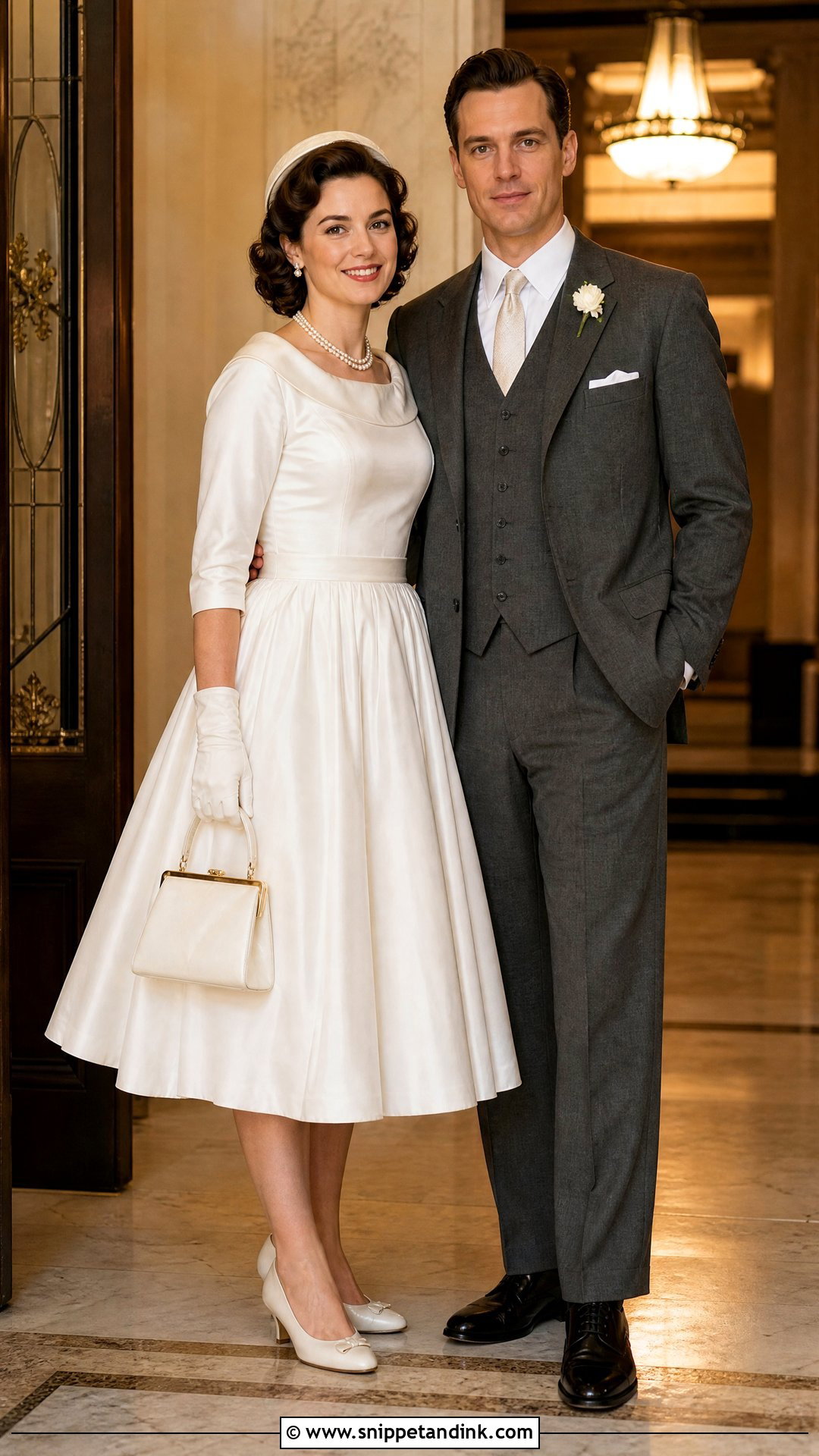
Vintage-inspired codes only work when the card names an era or gives clear examples, because “vintage” spans a century. Try: “Vintage-inspired cocktail attire. Classic dresses, tailored suits, polished shoes, and retro accessories are encouraged.” Guests can picture a tea-length dress with pearls and gloves, or a three-piece suit with a pocket-watch chain. If you have a decade in mind, name it, and offer a modern alternative for people who don’t own anything period. Unless you really want costumes, don’t ask for them. Period typography is fun on this card, but I’d keep the dress code line in a simpler face so it reads at a glance.
When Guests Need to Know What to Wear
The attire card arrives with the invitation, usually six to eight weeks before the wedding. For most local weddings that’s plenty of time to plan an outfit. For a destination wedding, or a code that means buying or renting something, guests need to know much earlier.
Giving early notice without a second mailing
- Put the dress code on your wedding website as soon as it’s live, and link the site from the save-the-date.
- For black tie, a destination or a strict theme, add a single line to the save-the-date itself so guests can rent, shop or pack in good time.
- Keep the wording identical everywhere. A save-the-date that says formal and a card that says black tie optional will generate a flood of questions.
Weigh the finished suite at the post office before you buy stamps. An extra enclosure card, a thick stock or a wax seal can push the envelope into a higher postage rate, and a square envelope often costs more again. It’s a small thing that is irritating to discover after a hundred envelopes are sealed.
Short Card, Clear Code, Everything Else Online
A good attire card pairs a dress code everyone recognizes with a few examples and one or two notes about the venue. Decide the formality first, then shape the wording around the location, the season and how your guests will spend the day. Keep the tone warm, especially when you’re asking for colors or a theme. A line about grass, sand, cold or footwear takes little space and prevents real discomfort. If the instructions start to run long, keep the essentials on the card and move the rest to your wedding website. Any of the wording above can be copied, trimmed or rewritten in your own voice to sit with the rest of your invitation suite.
You'll Like These Ideas:


Leave a Reply