
Natural bridal hair means looking like yourself on a very good day: a bit more polished, still completely recognisable. What brides ask me for most now is hair that moves and feels soft to the touch rather than set rigid, built from loose waves, textured buns, defined curls and relaxed braids that suit the hair they actually have. That approach fits a garden ceremony as easily as a courthouse or a ballroom. What matters is that the style still feels comfortable at the last dance. Save the ideas below that suit your texture and take them to your stylist.
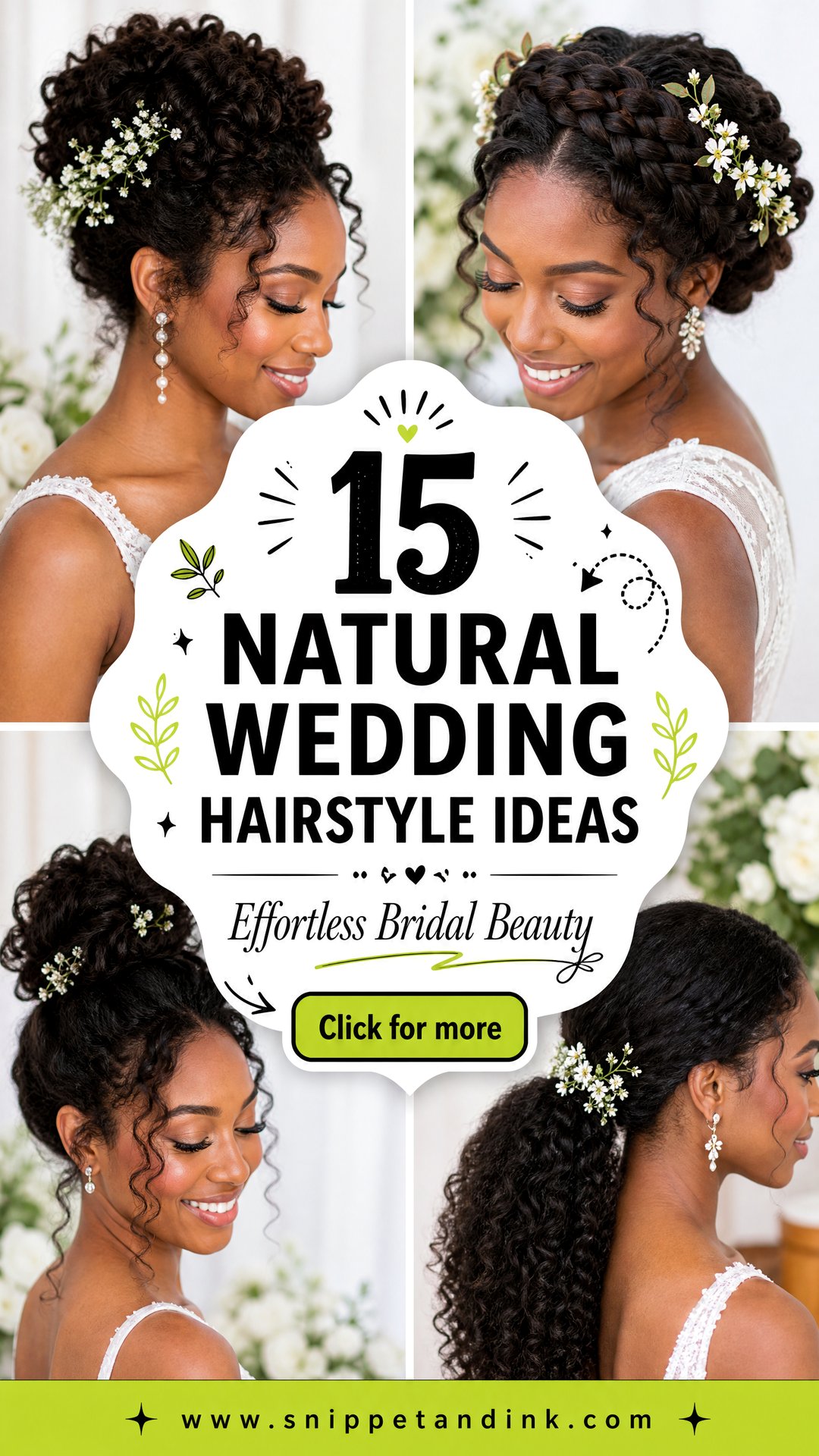
Soft-Looking Hair Is Built, Not Left Alone
The irony of natural bridal hair is that the looser it looks, the more hidden structure it usually needs. A bun that looks casually twisted up has crossed pins holding its core. Waves that look air-dried have been set and cooled. Without that structure, a relaxed style turns limp or frizzy long before the photos are done.
So when you show your stylist a soft look, expect some work you won’t see: texture spray at the roots, a little backcombing at the crown, pins placed under the surface. None of it should feel stiff to the touch. If the style feels crunchy, there’s too much product. If it feels loose on your head after twenty minutes, there isn’t enough hold underneath.
Prep that decides how long it lasts
- Wash the night before rather than that morning, since freshly washed straight hair is slippery and lets curl drop.
- Keep conditioner off the roots so they don’t go flat.
- Arrive with hair completely dry and free of oils or serums unless your stylist asks for them.
- Curly and coily hair is the exception: follow your normal wash routine so the pattern is properly defined.
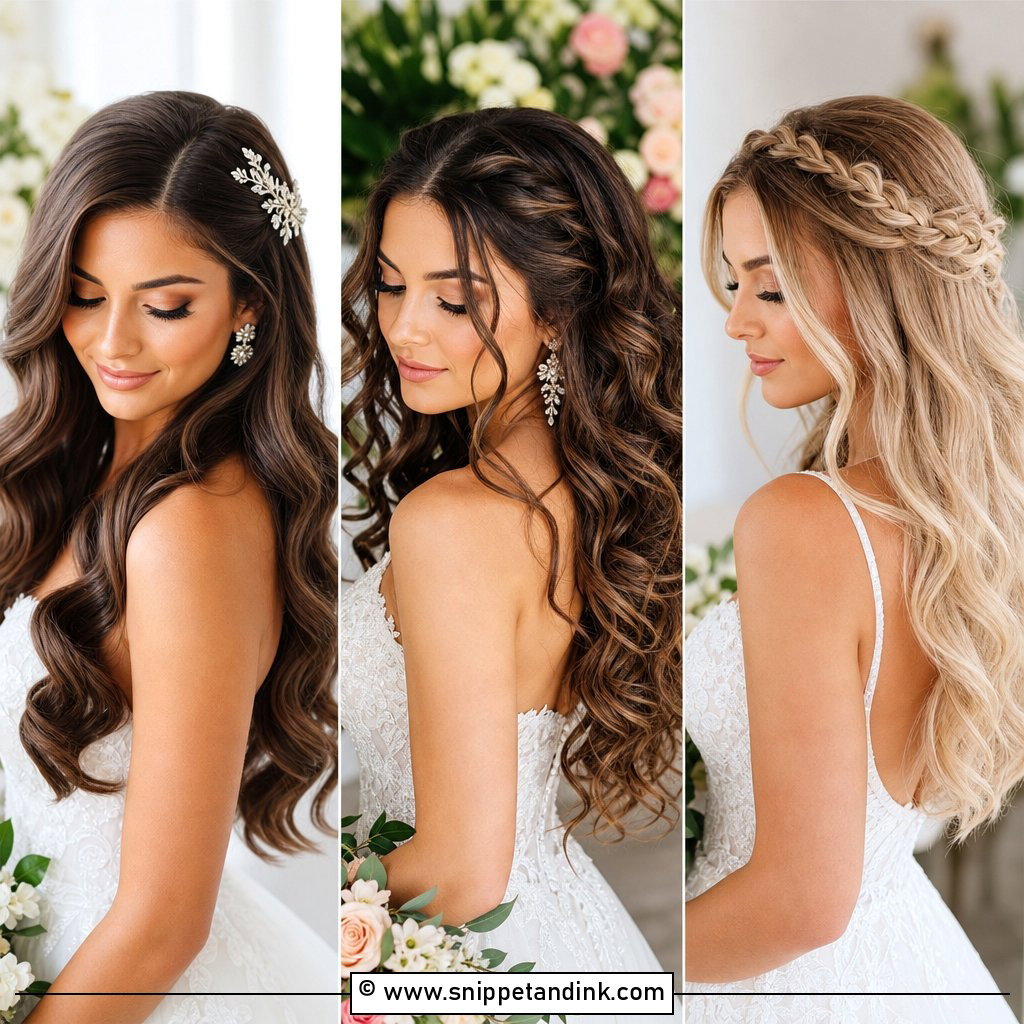
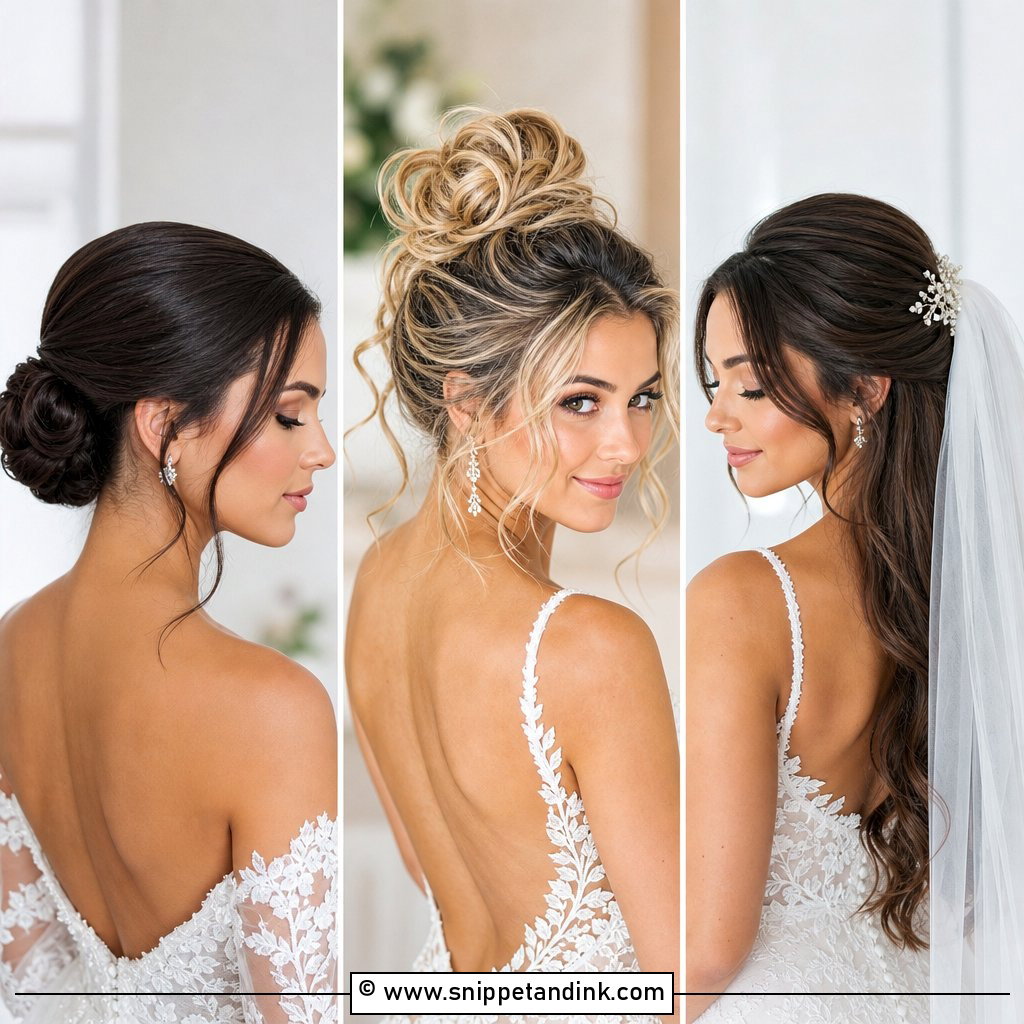
1. Natural Wedding Loose Waves
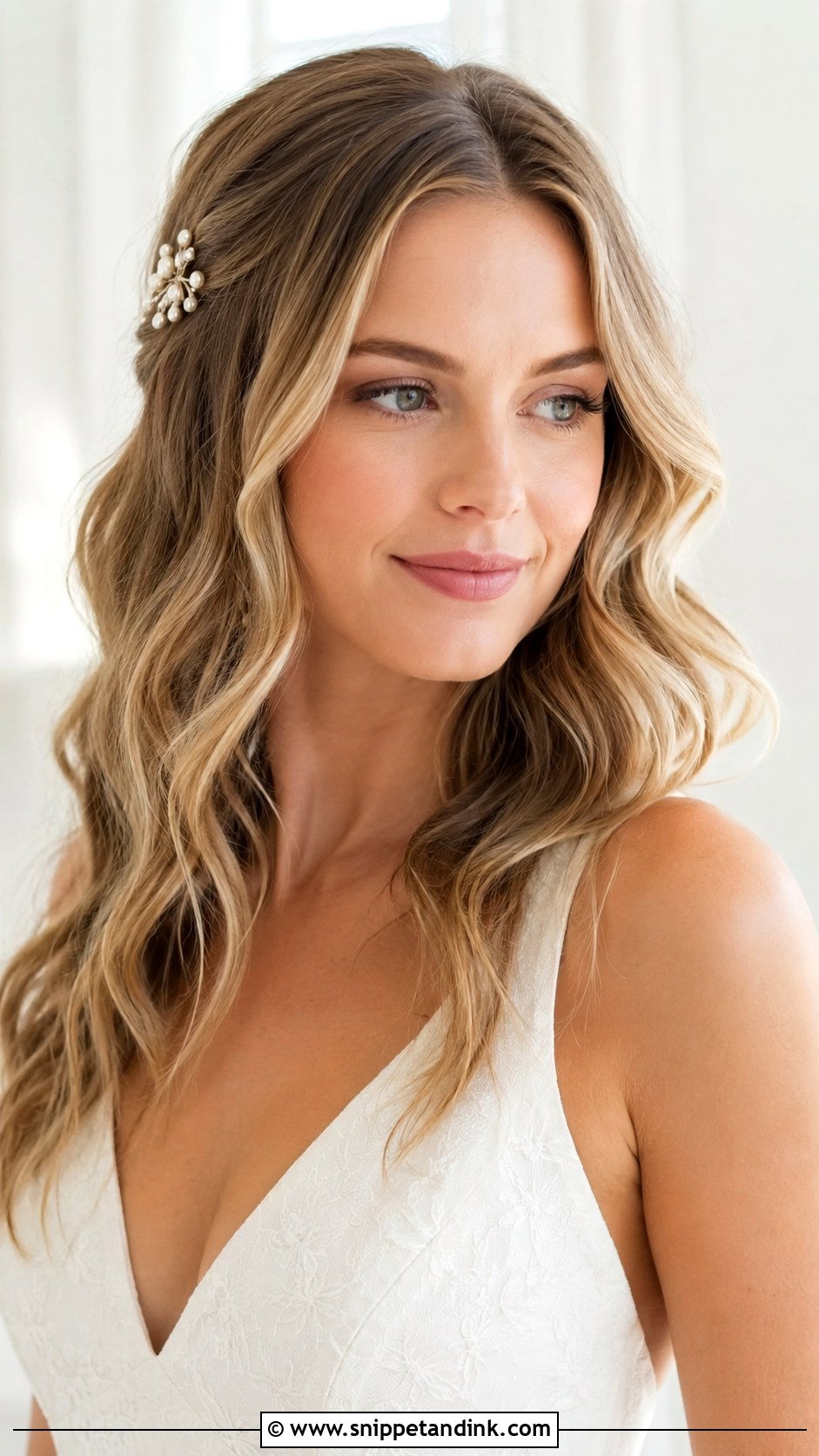
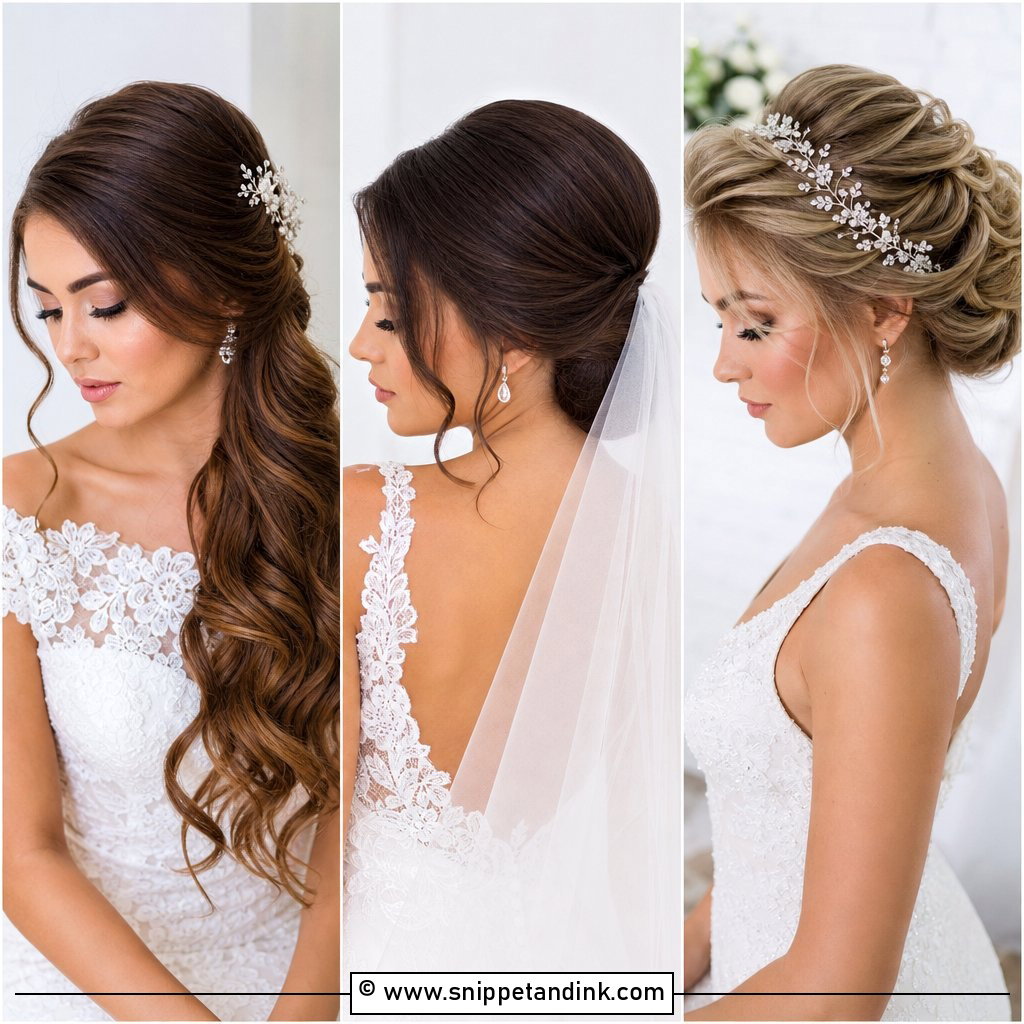
Loose waves fall faster than any other style here, so the prep decides how they look at the reception. I curl in larger sections with a medium barrel, pin each curl to cool, and only brush through once everything has set; brushing warm curls out loosens them within the hour. Start the waves below the cheekbones so the crown stays smooth. A centre part looks cleaner, a side part a little softer. For an outdoor ceremony, ask for a flexible spray rather than a crunchy one, because wind tangles stiff hair. Medium to long lengths suit it best.
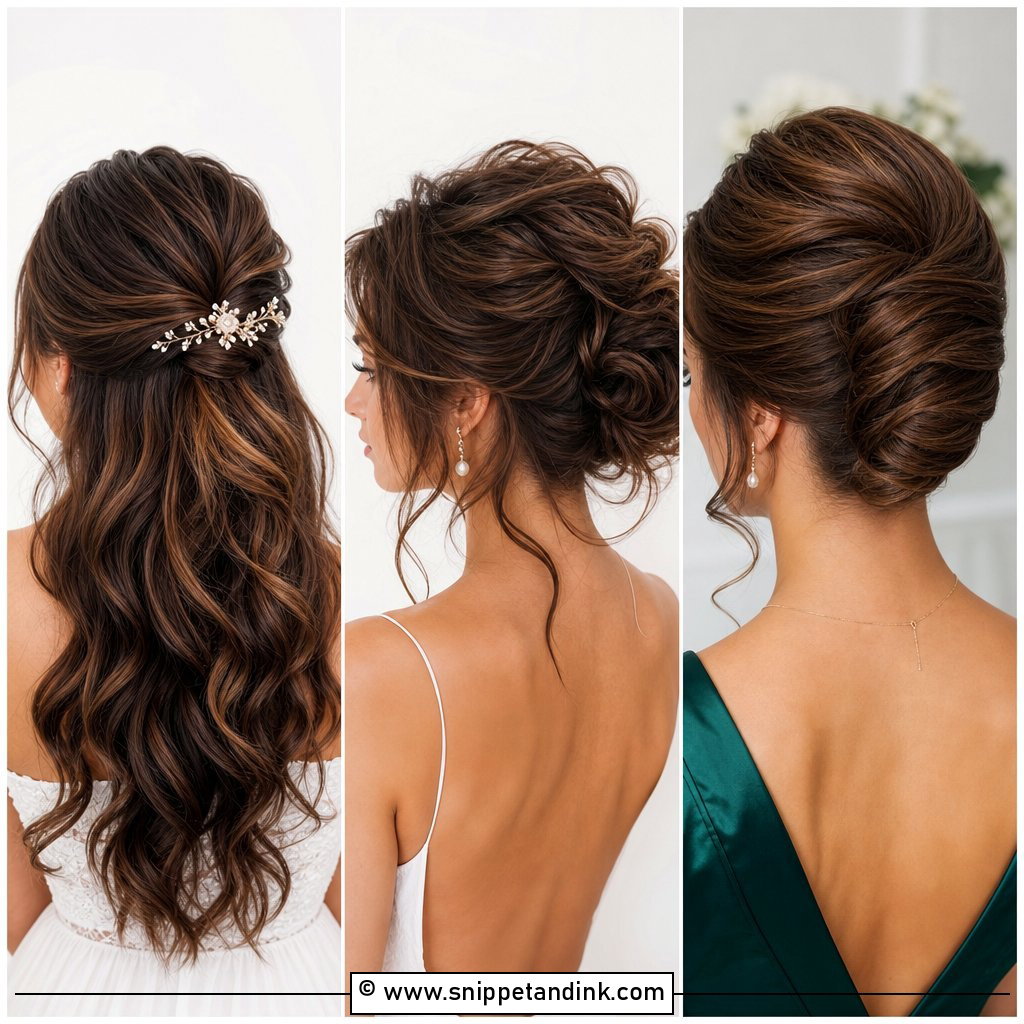
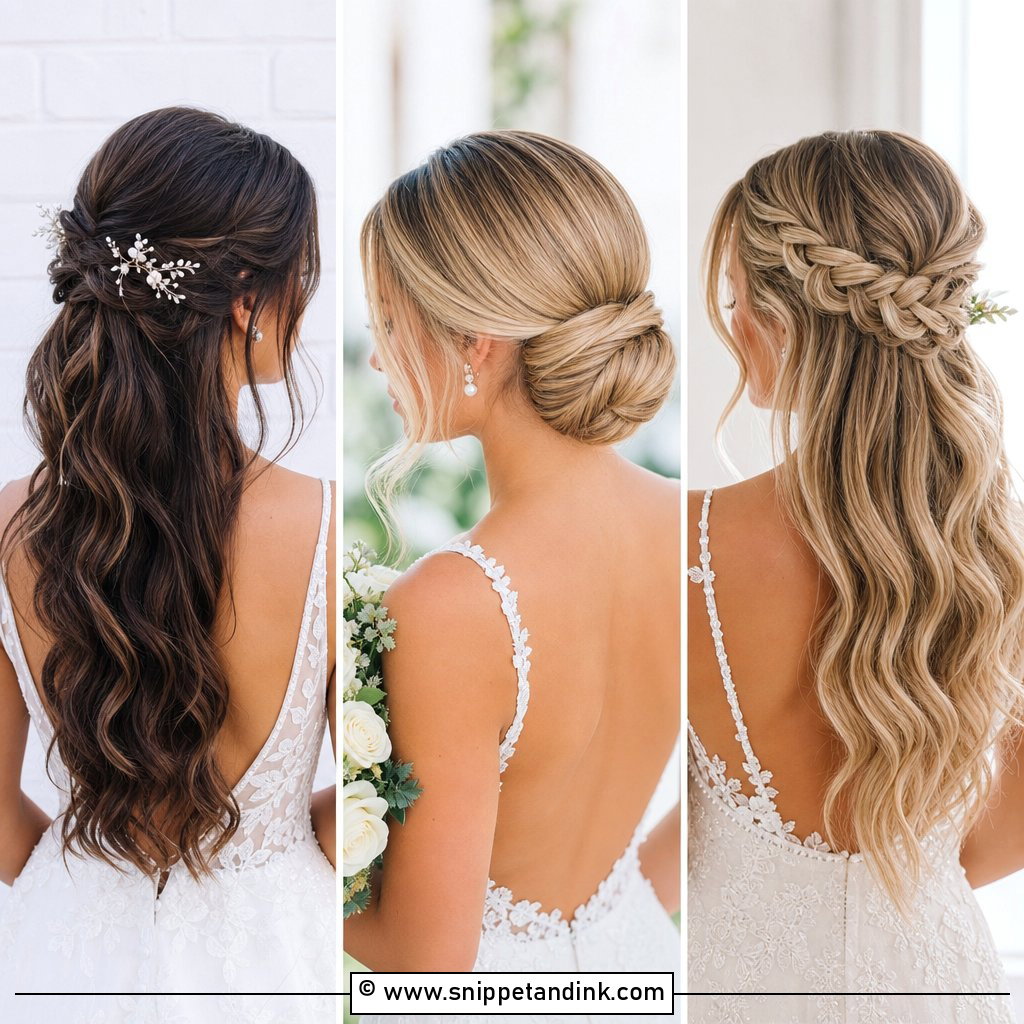
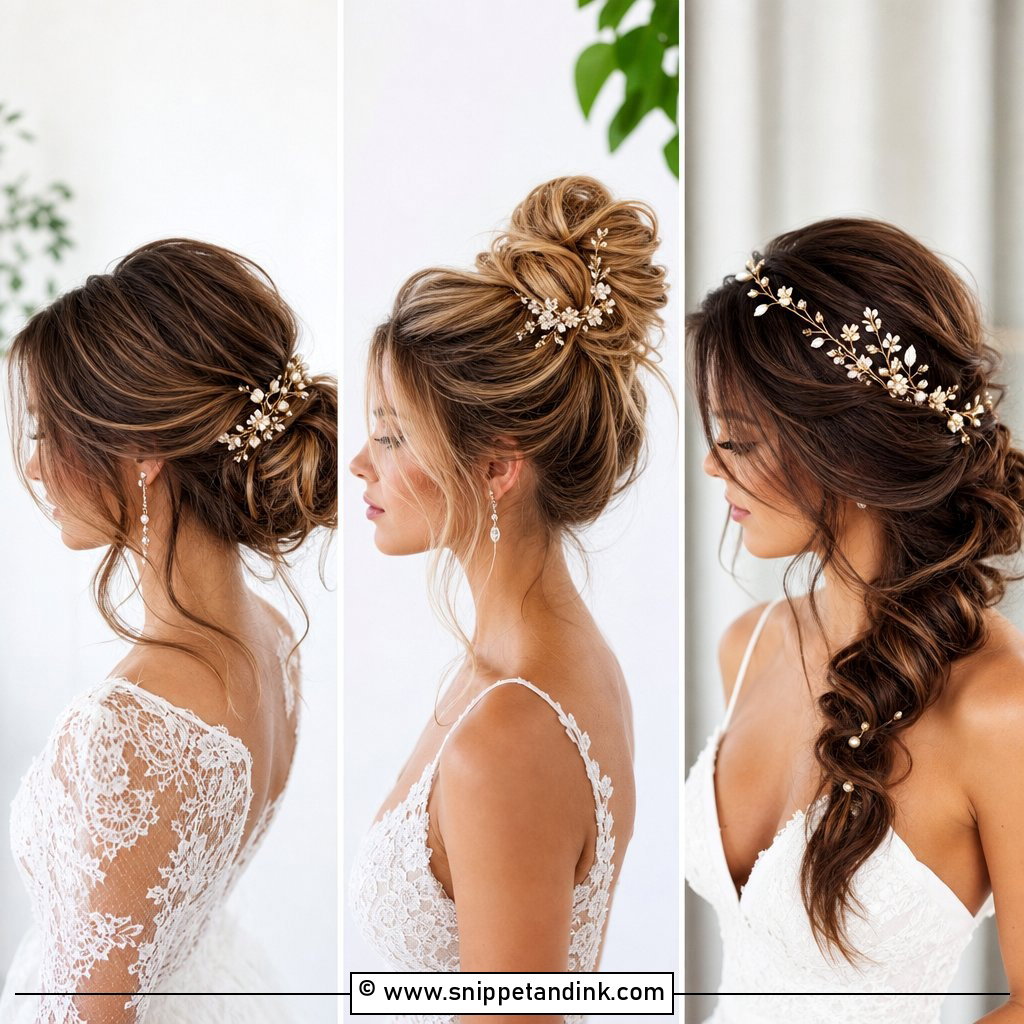
2. Natural Wedding Low Bun
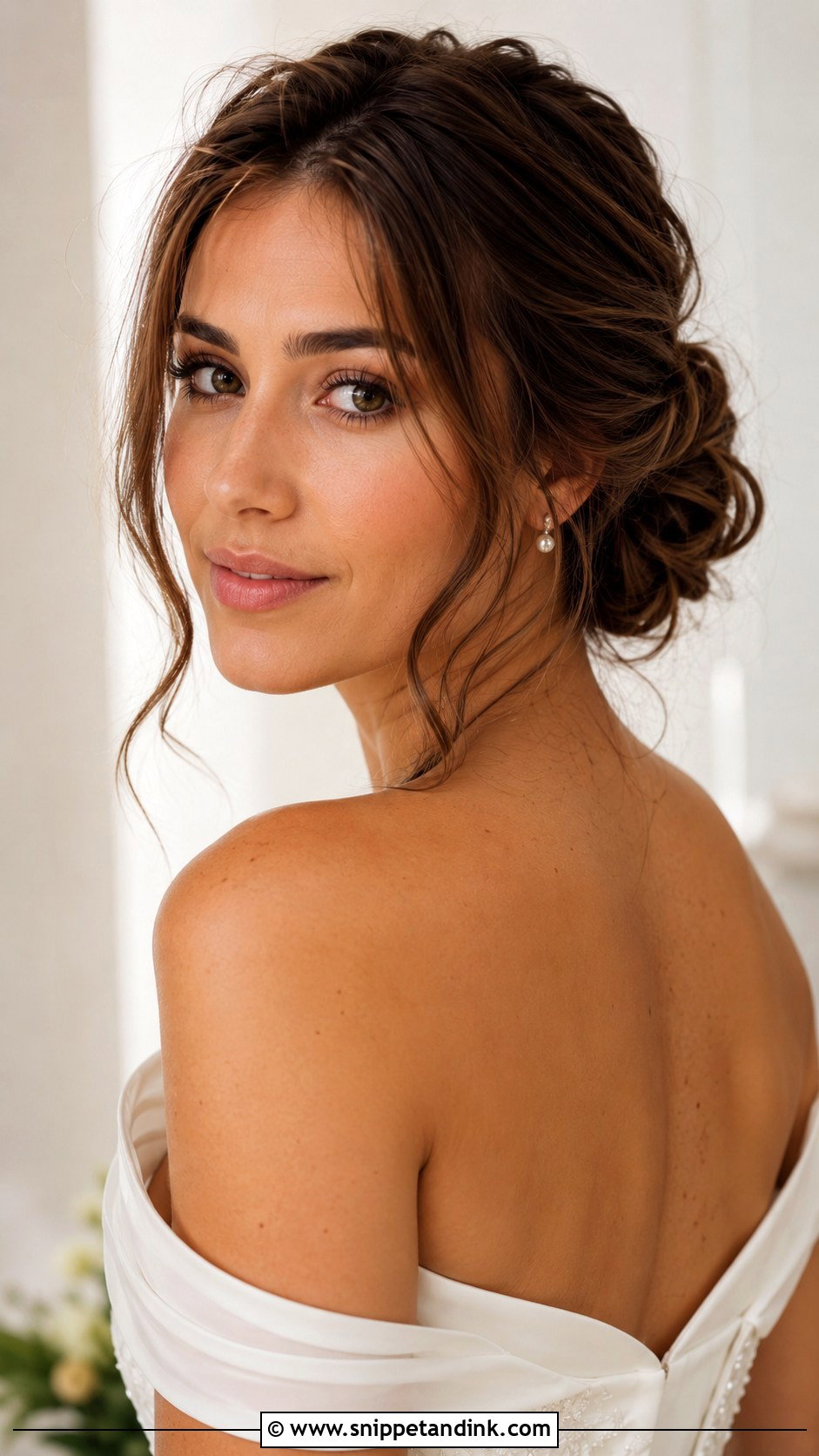
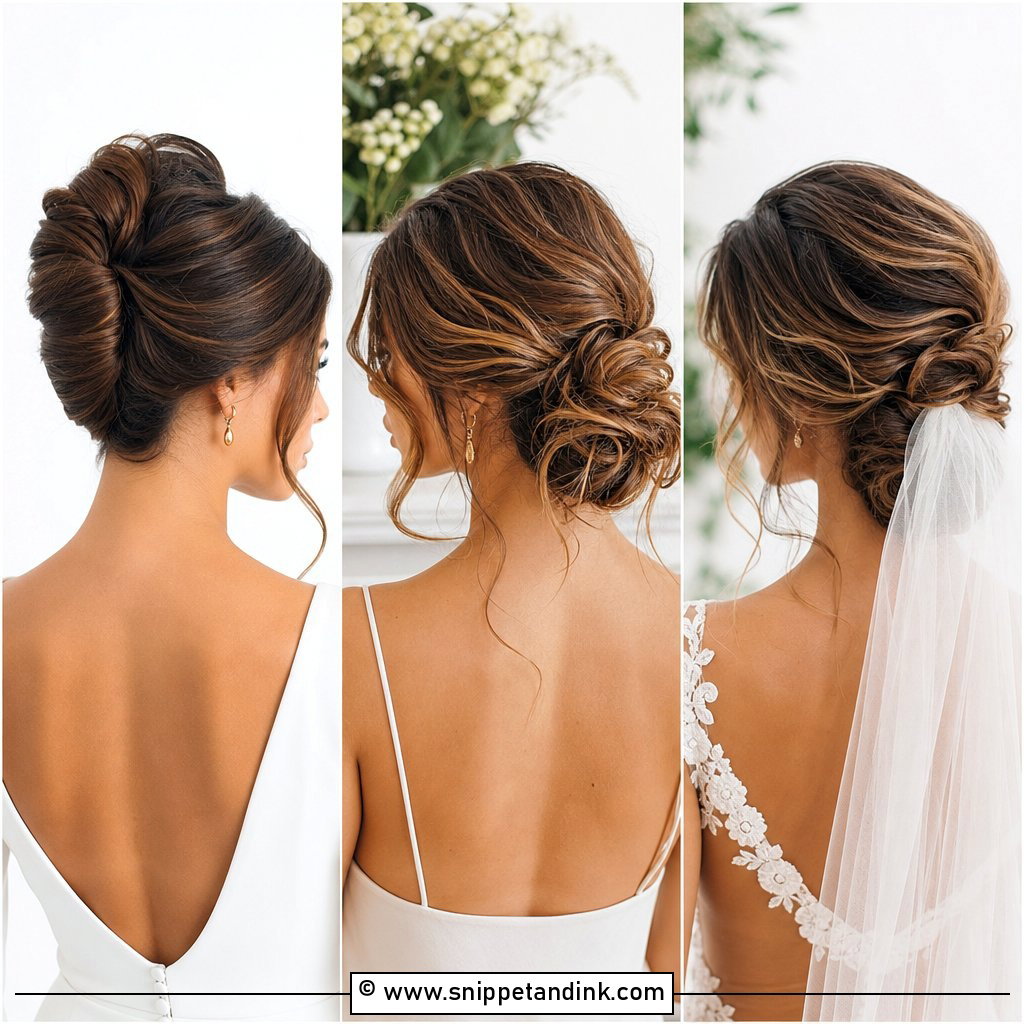
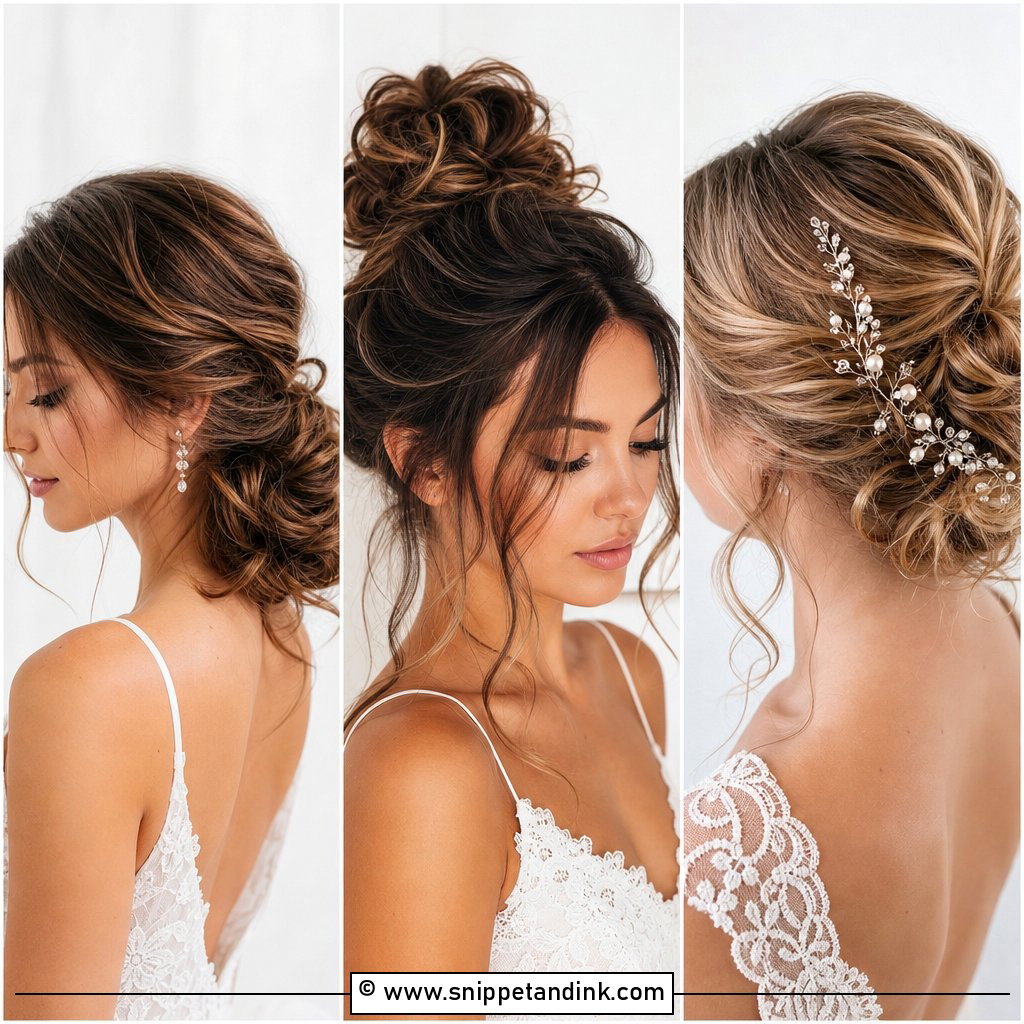
A loose low bun is what I reach for when a bride tells me she wants something that isn’t too done. It sits at the nape with some volume and a few face-framing pieces, and it works on straight, wavy, curly or stretched natural hair. Texture is what keeps it soft. On very silky hair I add a dry texture spray first, or the bun looks slick whatever I do. Loose strands at the front get pulled out only after it’s pinned. Drop earrings and an open back both show off the nape well.
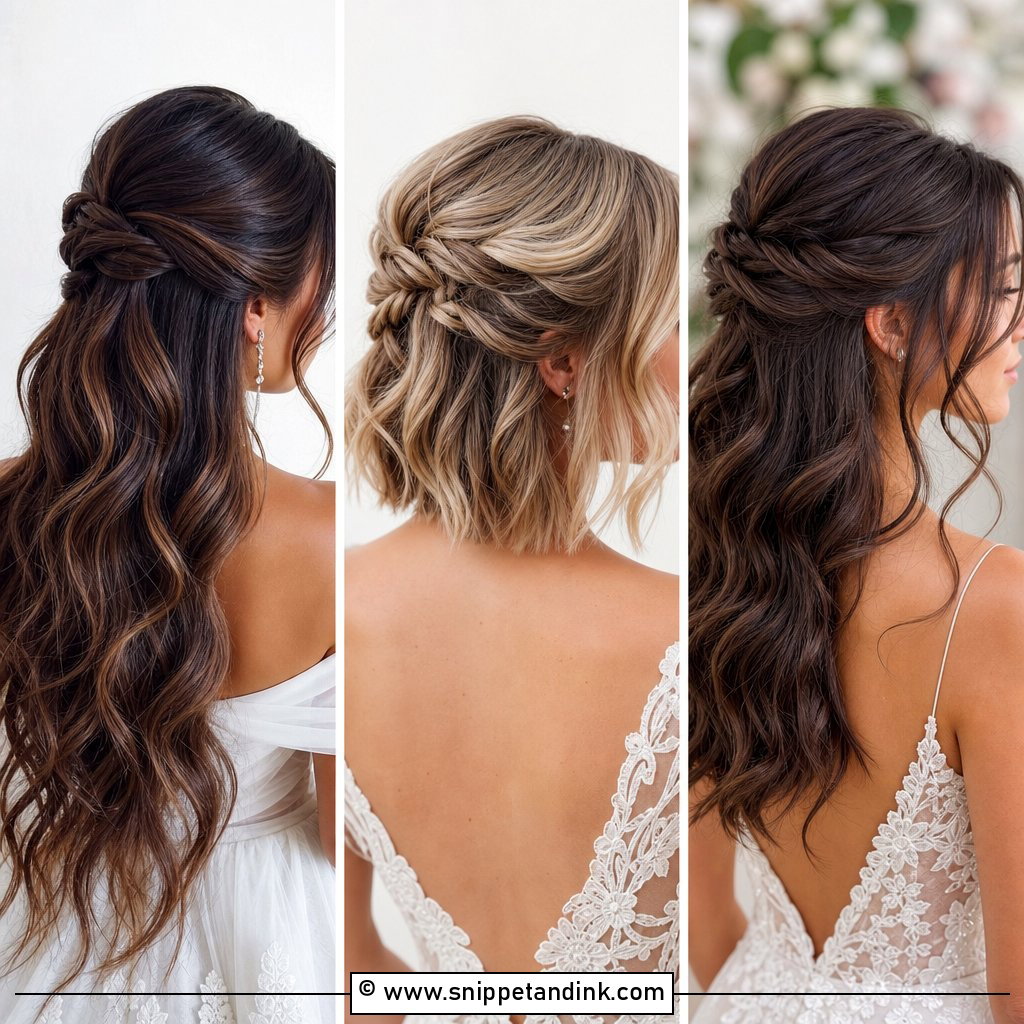
3. Natural Wedding Half Up Half Down Hair
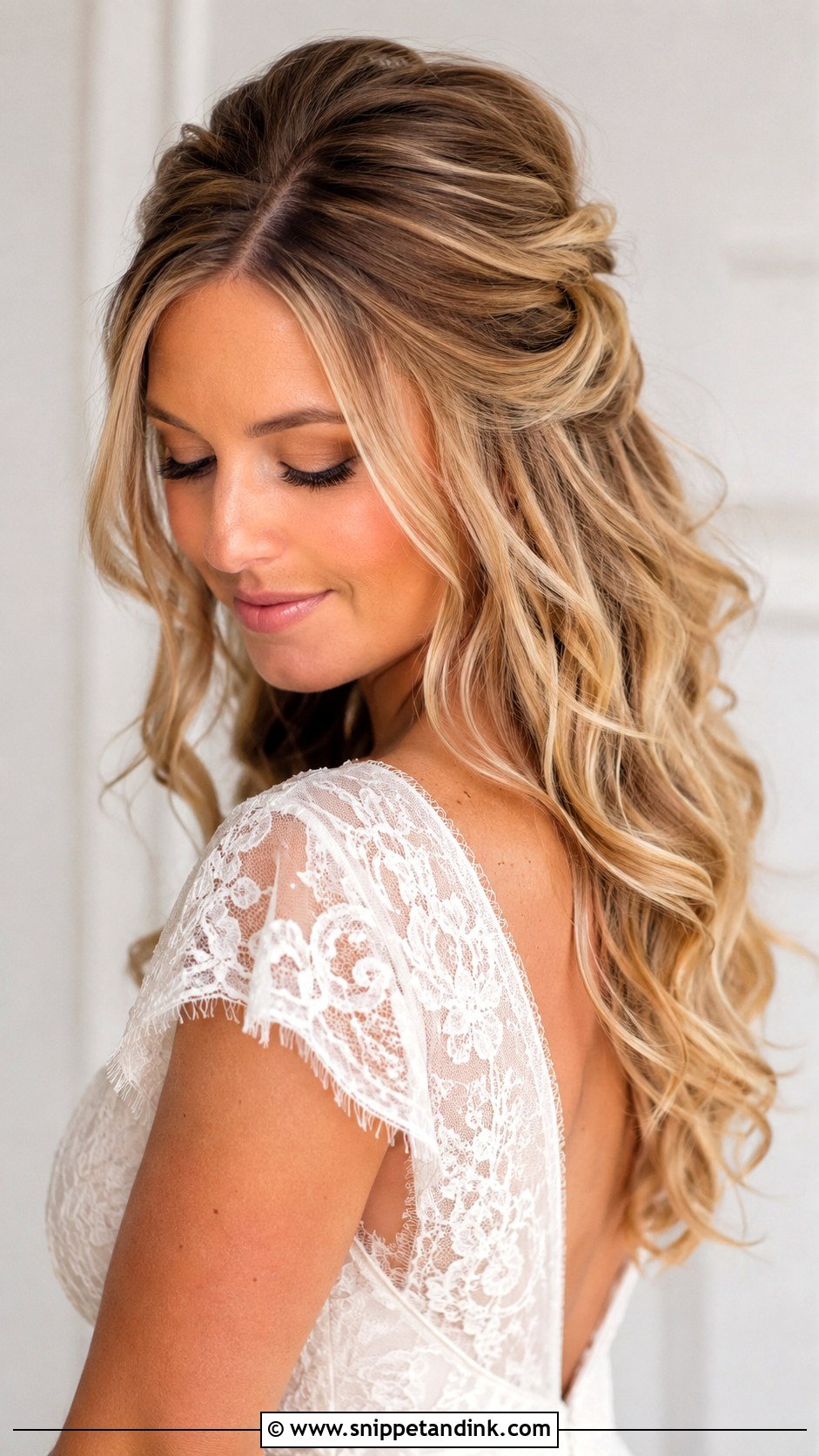
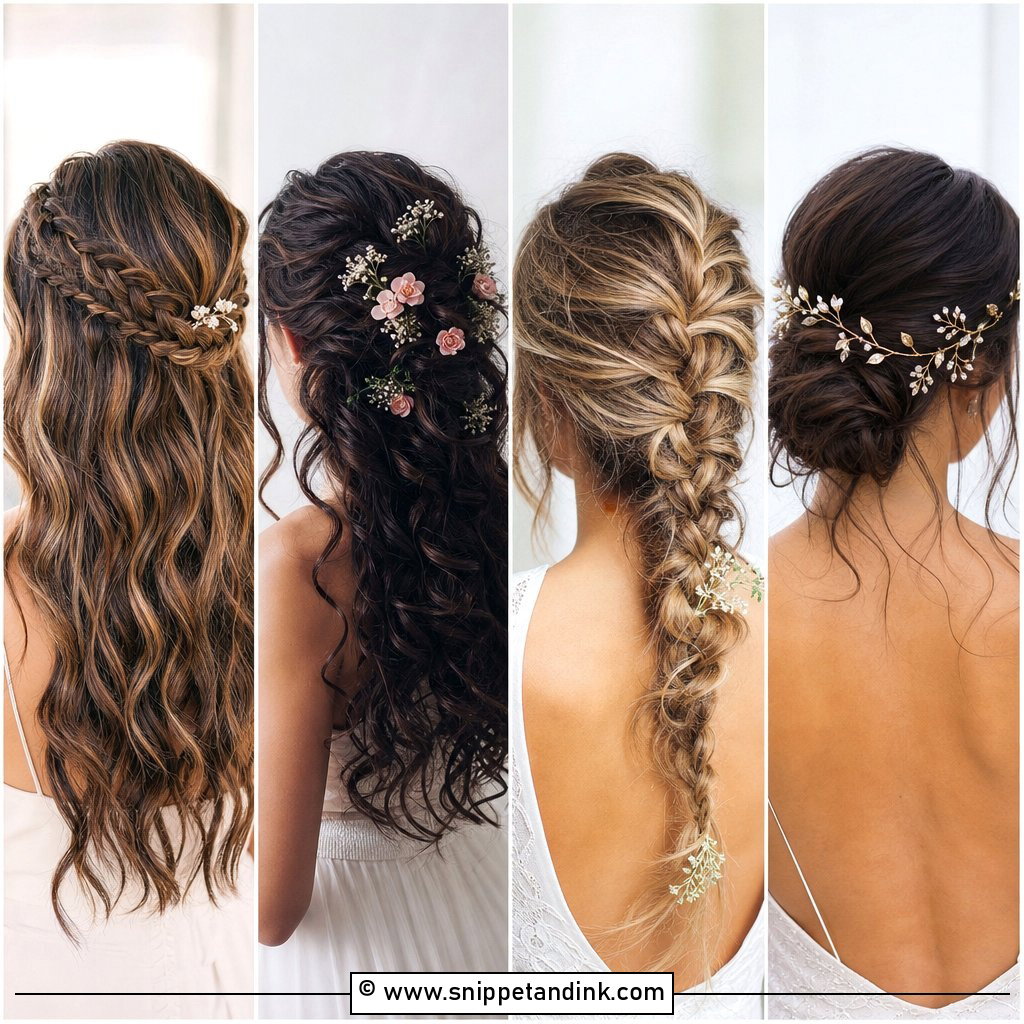
Half up keeps your face clear while your length still shows, and it’s probably the shape I’m asked for most. The top section can be twisted or braided, and the choice comes down to the dress: a braid reads boho, a smooth twist reads formal. I leave volume at the crown on purpose, because pulling it flat makes the face look longer in photos. The loose length is the part that drops, so I set those curls a little tighter than the bride wants, knowing they’ll relax by the reception.
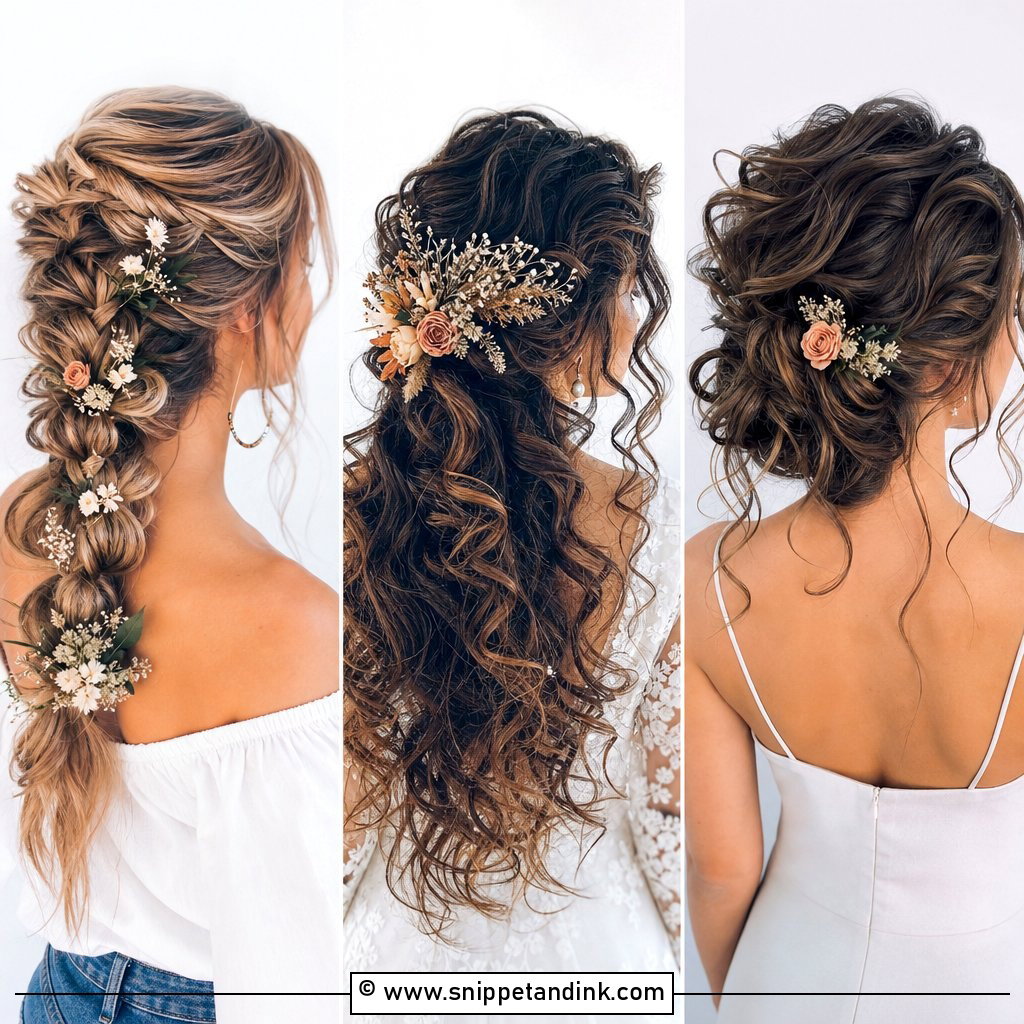
4. Natural Wedding Curly Updo
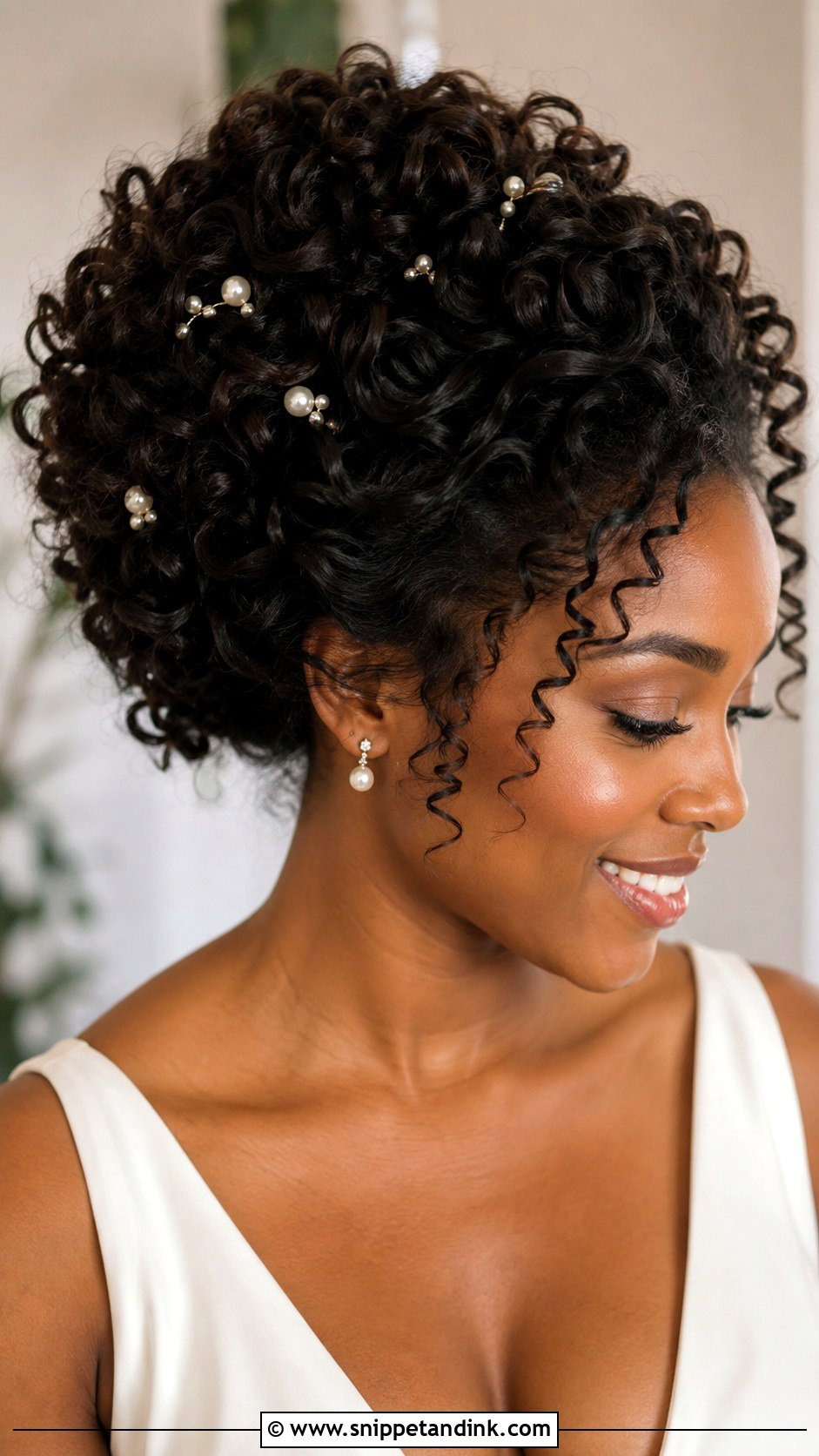
Curls keep their own shape, so an updo made from them needs pinning rather than re-curling. I start with moisture and a light styling cream to define the pattern, let it dry fully, then lift the curls into place a cluster at a time. It suits naturally curly, coily and wavy textures alike. Check the shape from the side at your trial, though. Curls that look full from the front can sit flat at the back of the head, which is exactly what guests stare at during the ceremony. Hair vines tuck into curls easily.
5. Natural Wedding Braided Crown
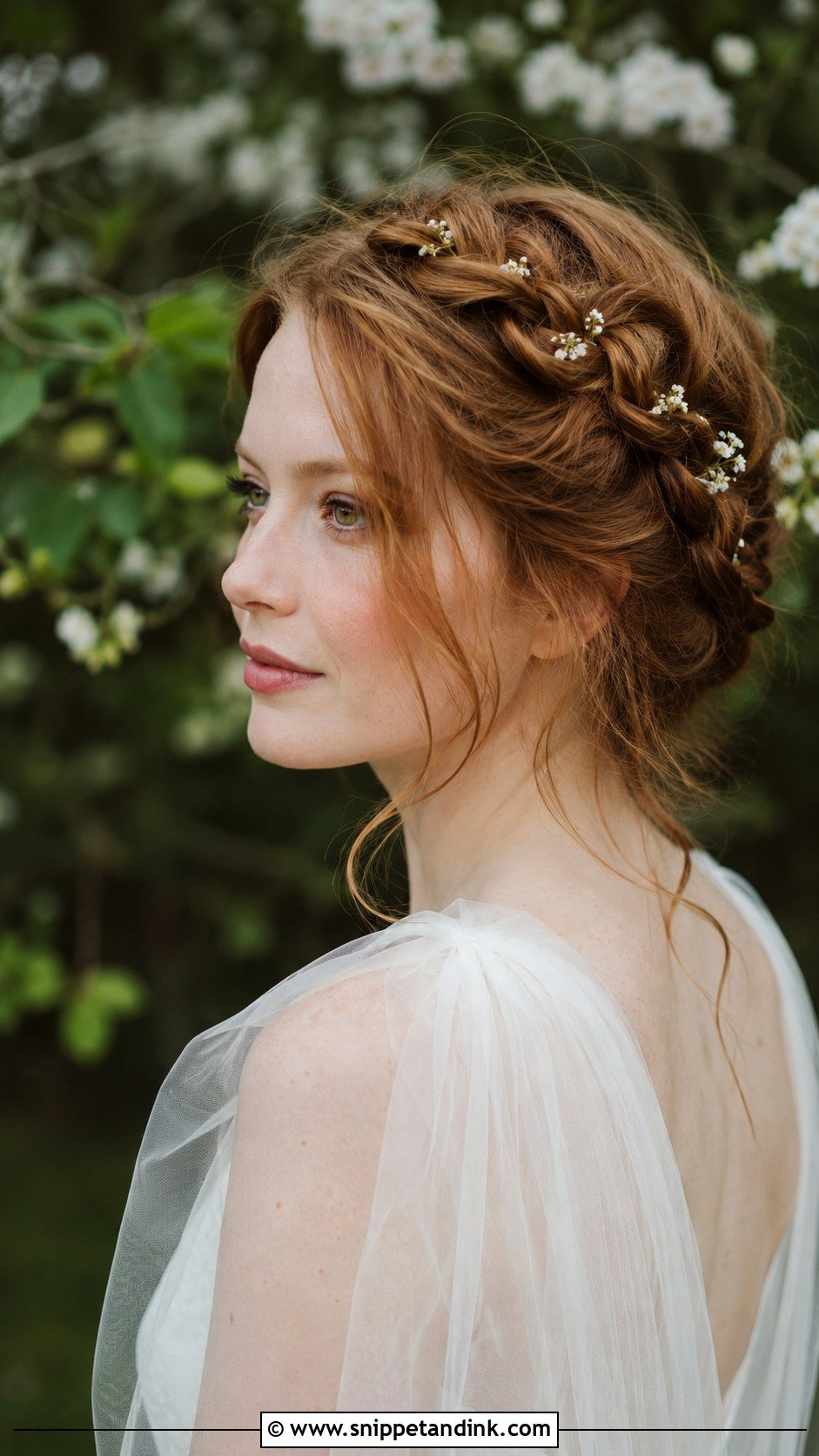
It looks soft, but a braided crown is one of the most secure styles in this list, which is why I suggest it for outdoor weddings with any wind. The braid frames the front like a halo, while the rest can be tucked away or left textured. Gently pulling the outer loops wider, which stylists call pancaking, makes the braid look looser and fuller without weakening its hold. Fine hair benefits most from that trick. Tiny flowers or pins add detail; anything heavier drags the braid down at the sides.
6. Natural Wedding Sleek Ponytail
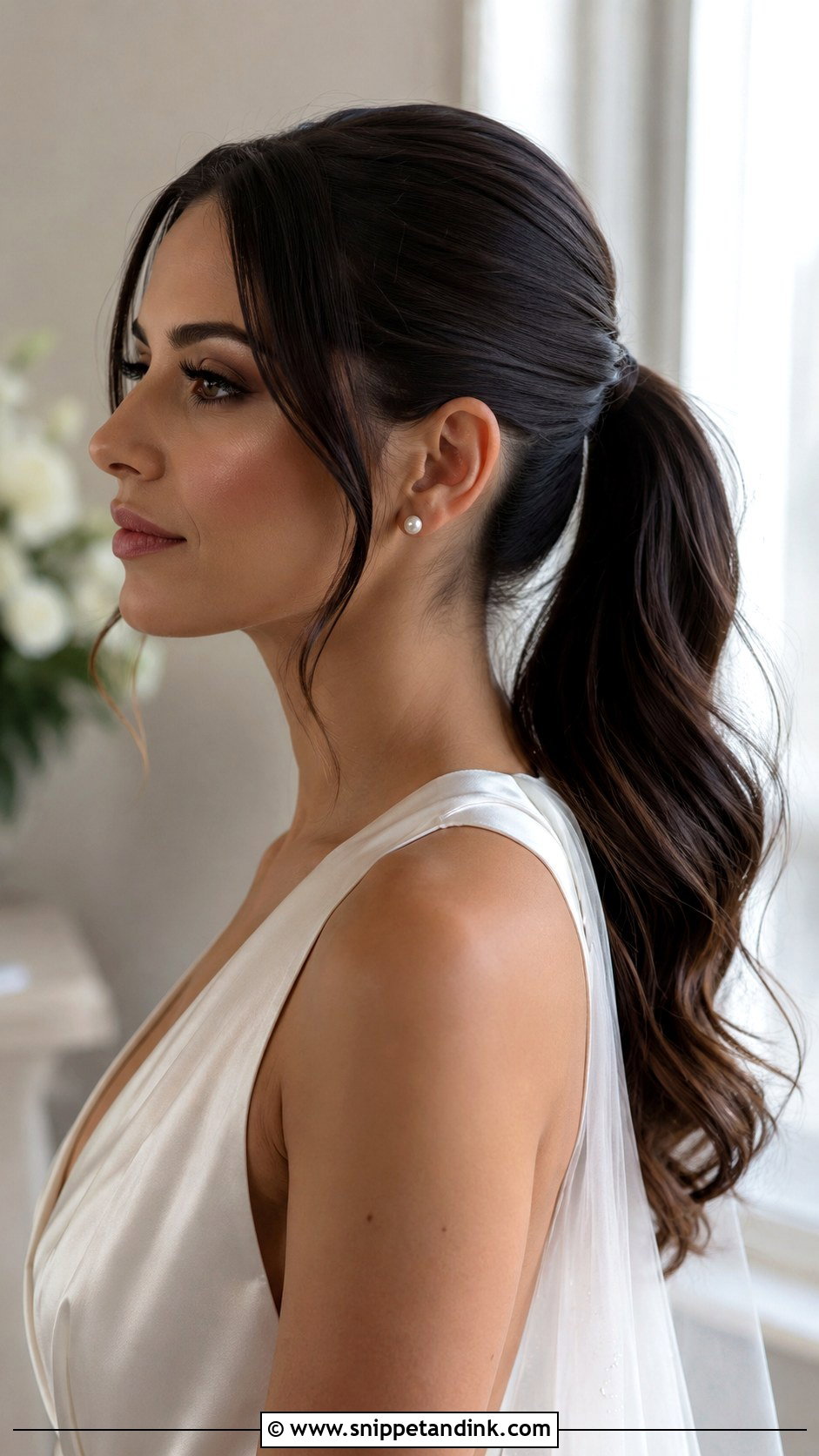
A sleek ponytail looks minimal and asks for a lot of preparation. I blow-dry the hair smooth, then brush it back while it’s still warm, because frizz at the base shows in every photo. Height depends on your neckline and face: low suits a high-neck dress, mid-height adds lift. Wrapping a strand around the base hides the elastic. Go light with shine spray, since too much reads as oily under flash. I’d steer you away from this one if your hair frizzes in humidity, because a sleek shape gives frizz nowhere to hide.
7. Natural Wedding Messy Bun
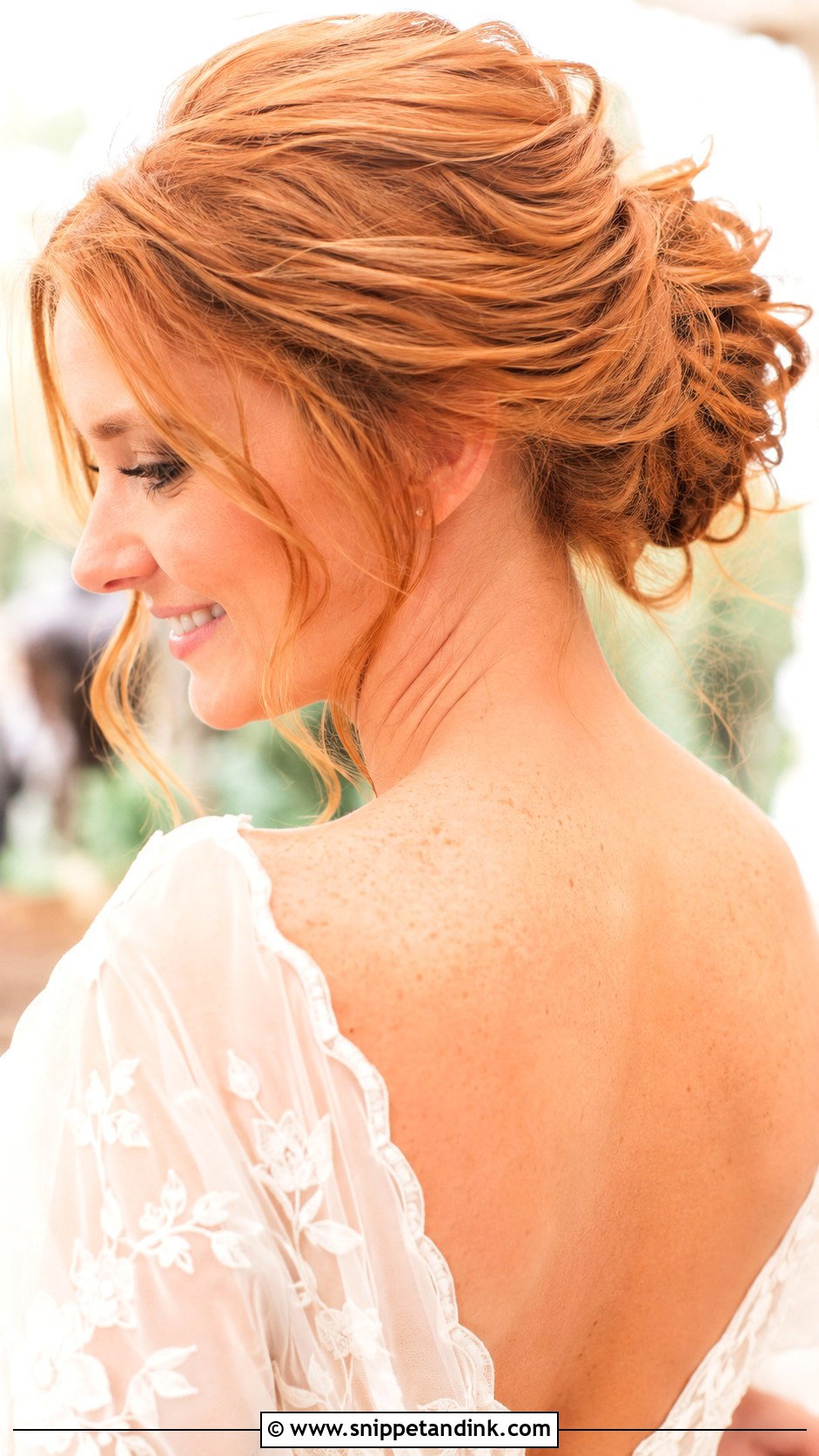
Messy buns are hard to do well. The difference between intentional and rushed is where the loose pieces sit, so I pull them out only around the face and the top, and keep the back tidy so the bun still has a clear outline in ceremony photos taken from behind. Wavy or curled hair works best, prepped with texture spray so the bun has grip. Low reads softer, higher reads playful. It belongs at a garden venue with an airy dress more than in a formal ballroom.
8. Natural Wedding Side Braid
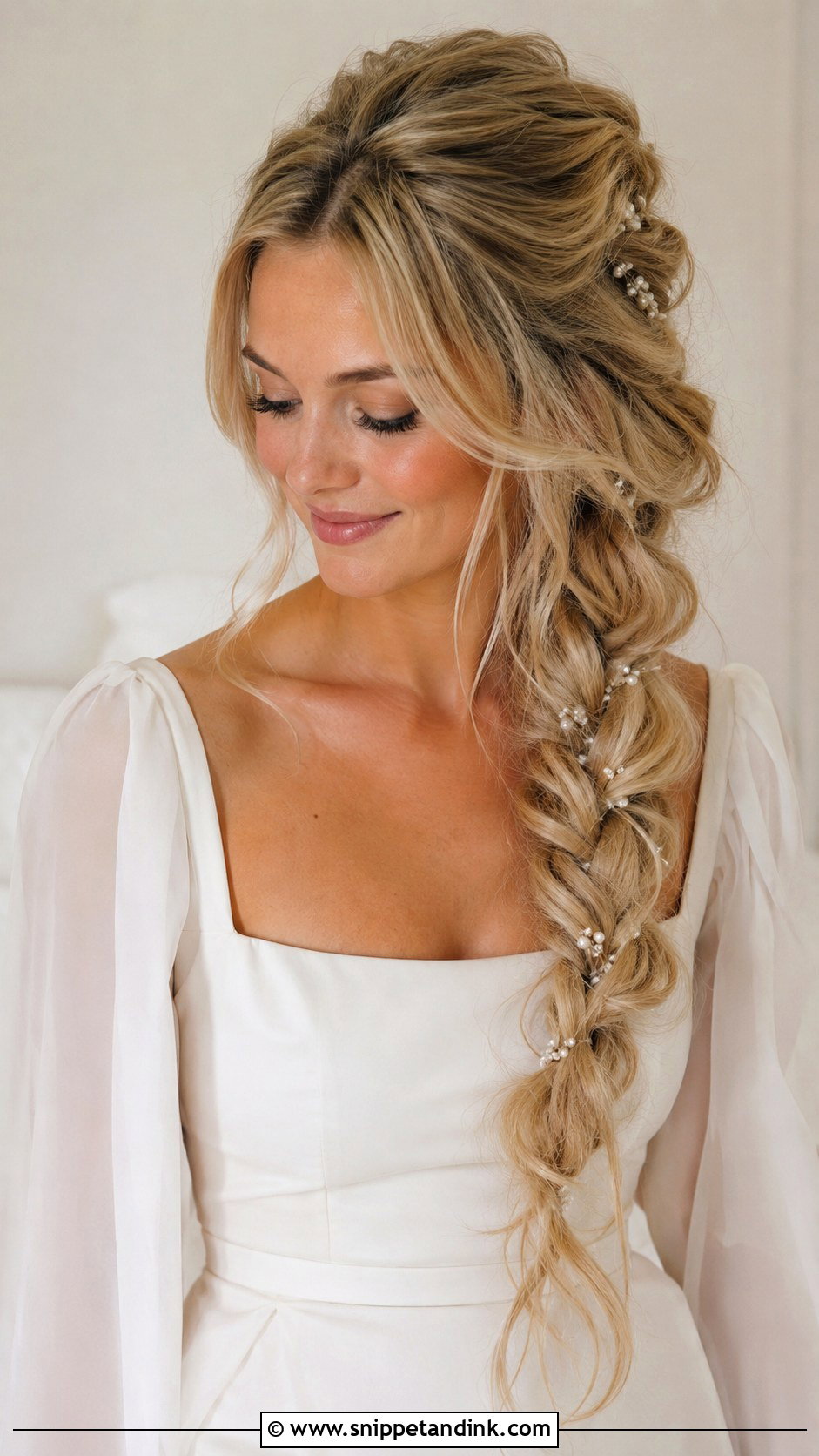
A side braid sits over one shoulder, right where it shows in portraits. It can be a loose three-strand braid or a fishtail, and the fishtail tends to last longer because its smaller sections don’t slip as easily. I braid it firmly first and loosen the edges afterward, rather than braiding loosely from the start, which falls apart by dinner. You need real length for this one. Check which shoulder suits the dress, since a one-shoulder gown and a braid on the same side compete for attention.
9. Natural Wedding Short Hair Waves
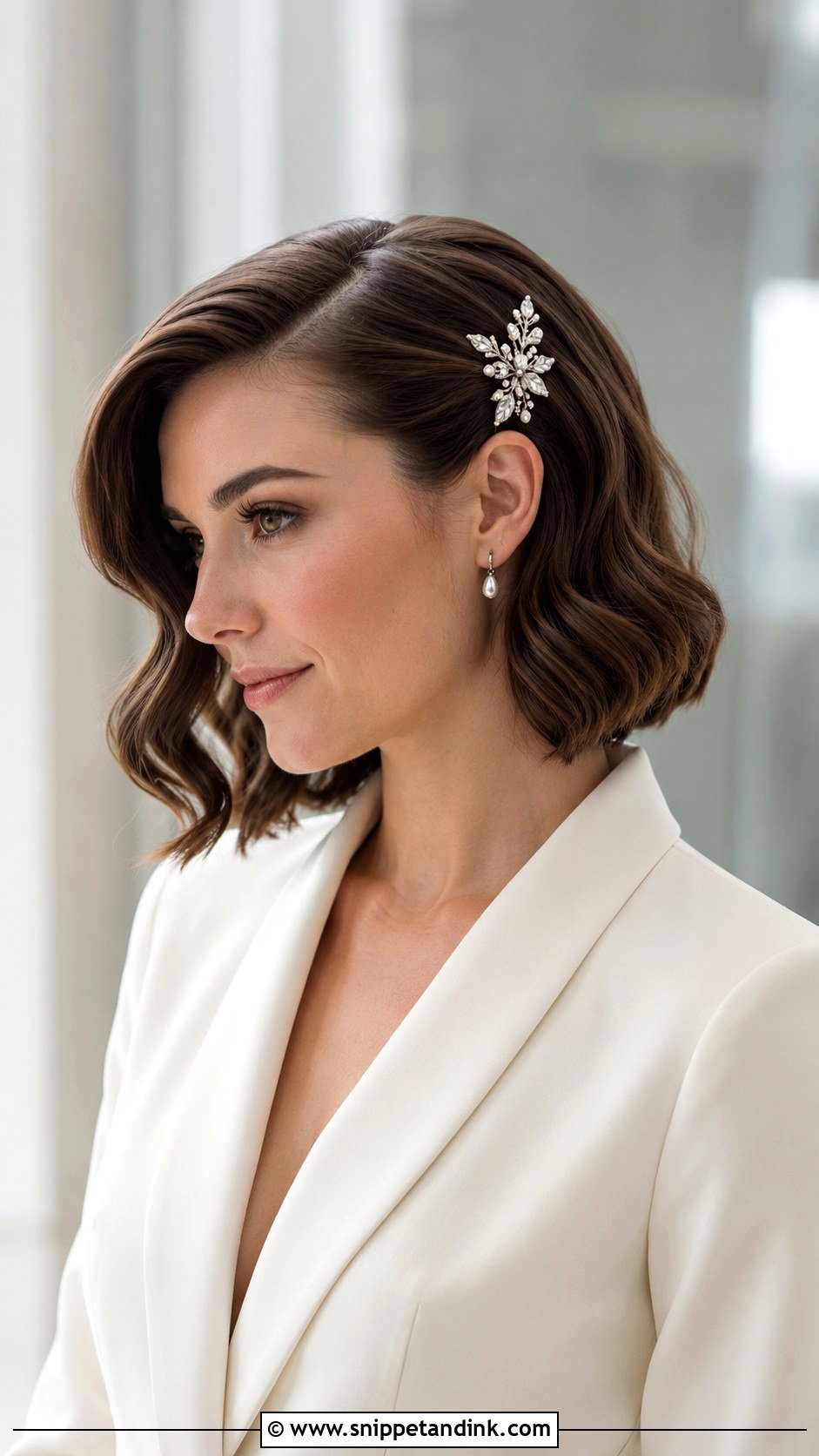
Short hair needs less product and a smaller barrel. On a bob or a lob I keep the waves in proportion to the cut, otherwise it ends up looking curly rather than waved. Tucking one side behind the ear with a decorative comb gives the shape a focal point. The real advantage of short hair is that it barely drops during the day, because there’s so little weight pulling the waves down. Your earrings and neckline get to do the talking.
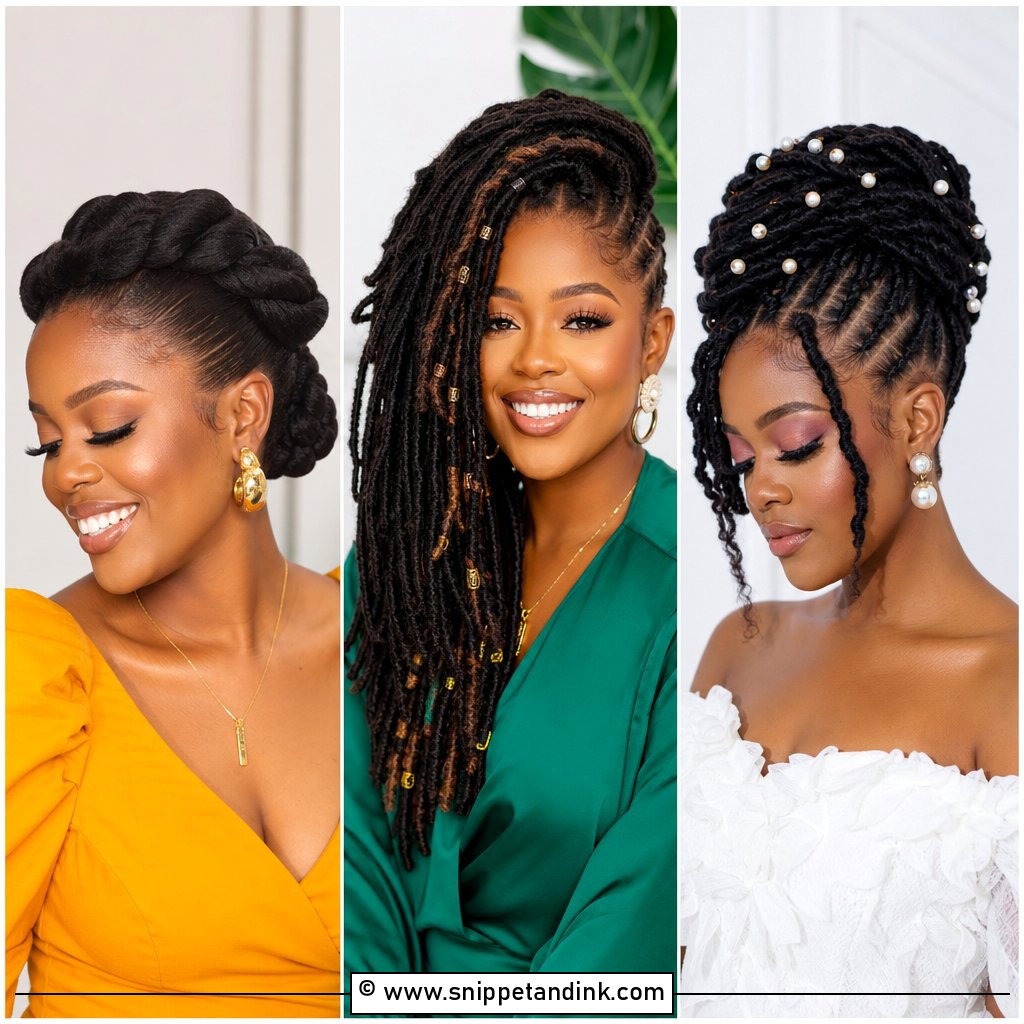
10. Natural Wedding Afro Puff
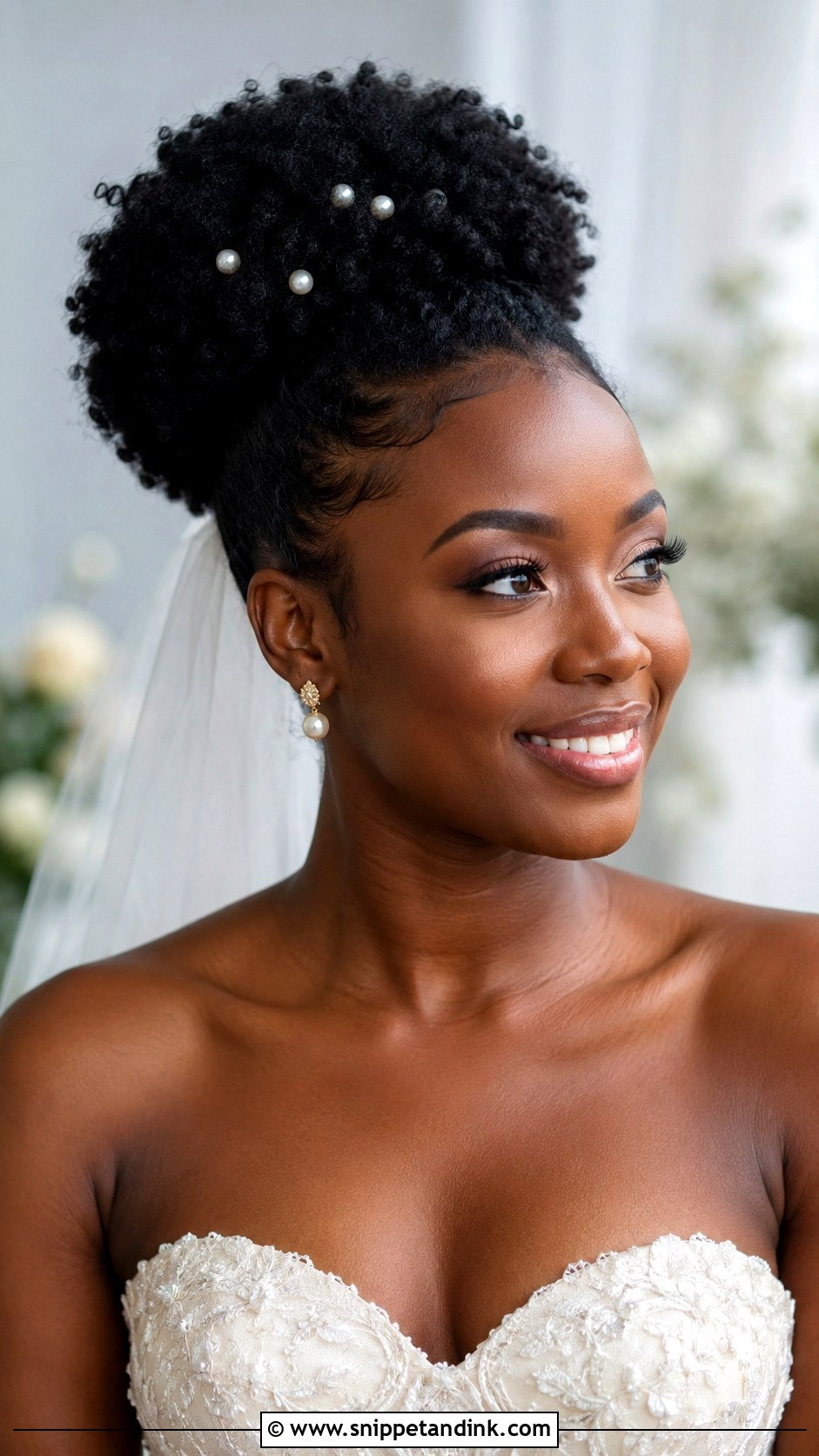
A natural wedding afro puff celebrates volume rather than smoothing it away. The puff can sit high, low or set back from the hairline, and that position changes which face shape it flatters: higher lengthens a round face, lower softens a long one. Moisturised texture and lightly defined edges make it look finished. I use a fabric band instead of an elastic so the base stays comfortable all day. A veil anchored to the gathered base, behind the puff, leaves the shape intact for close-up portraits.
11. Natural Wedding Twisted Updo
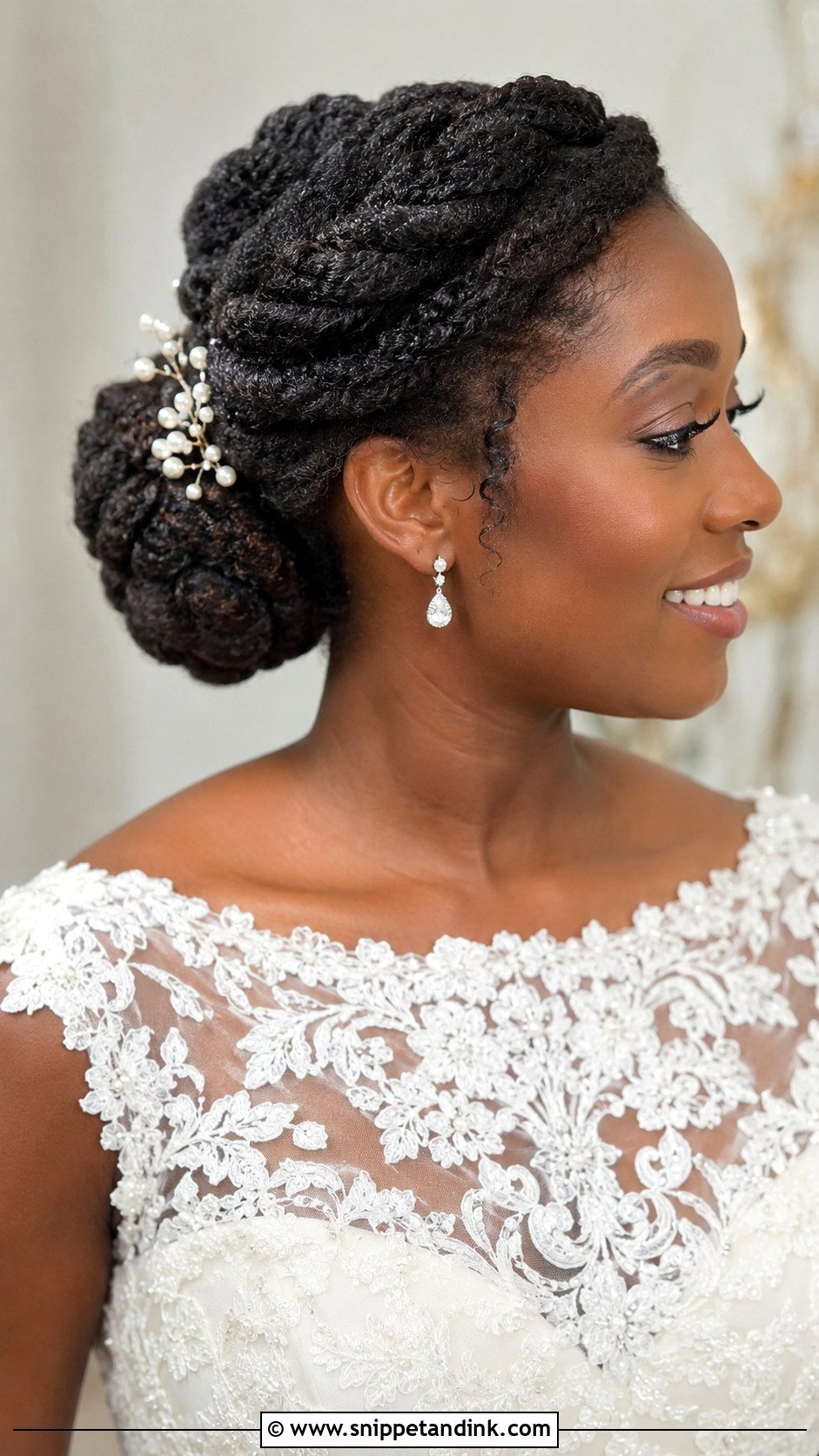
Twists create natural gaps for hair jewelry, which is one reason I like this updo for textured hair. Flat twists or rope twists can be pinned into a low or mid-height shape, and two-strand twists put in a couple of days earlier save a lot of time on the morning. As a protective look, it carries you through the ceremony and the dancing without touch-ups. Keep the twists moisturised so they stay defined, and balance the shape around the face rather than piling it all at the back.
12. Natural Wedding Low Ponytail
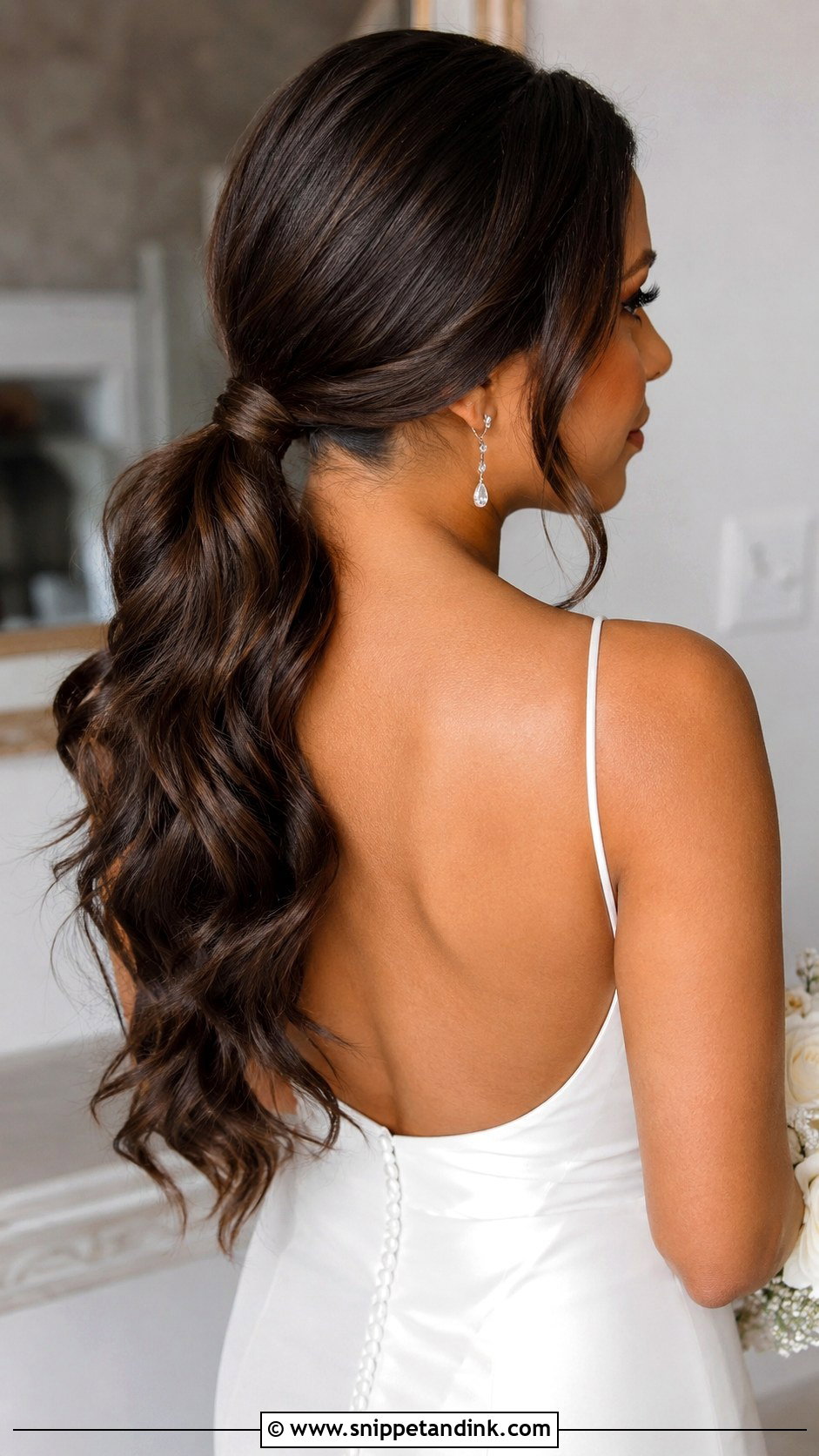
Brides who dislike the weight of an updo usually end up happiest with a low ponytail. Soft waves or a smooth bend through the length stop it looking like an everyday style. Centre part for modern, side part for softer. I wrap a section around the base and pin it underneath, then add a second hidden elastic further down if the hair is heavy, which stops the length sagging. A veil comb fits neatly just above the base, and a detailed back still shows on either side of the ponytail.
13. Natural Wedding Hollywood Waves
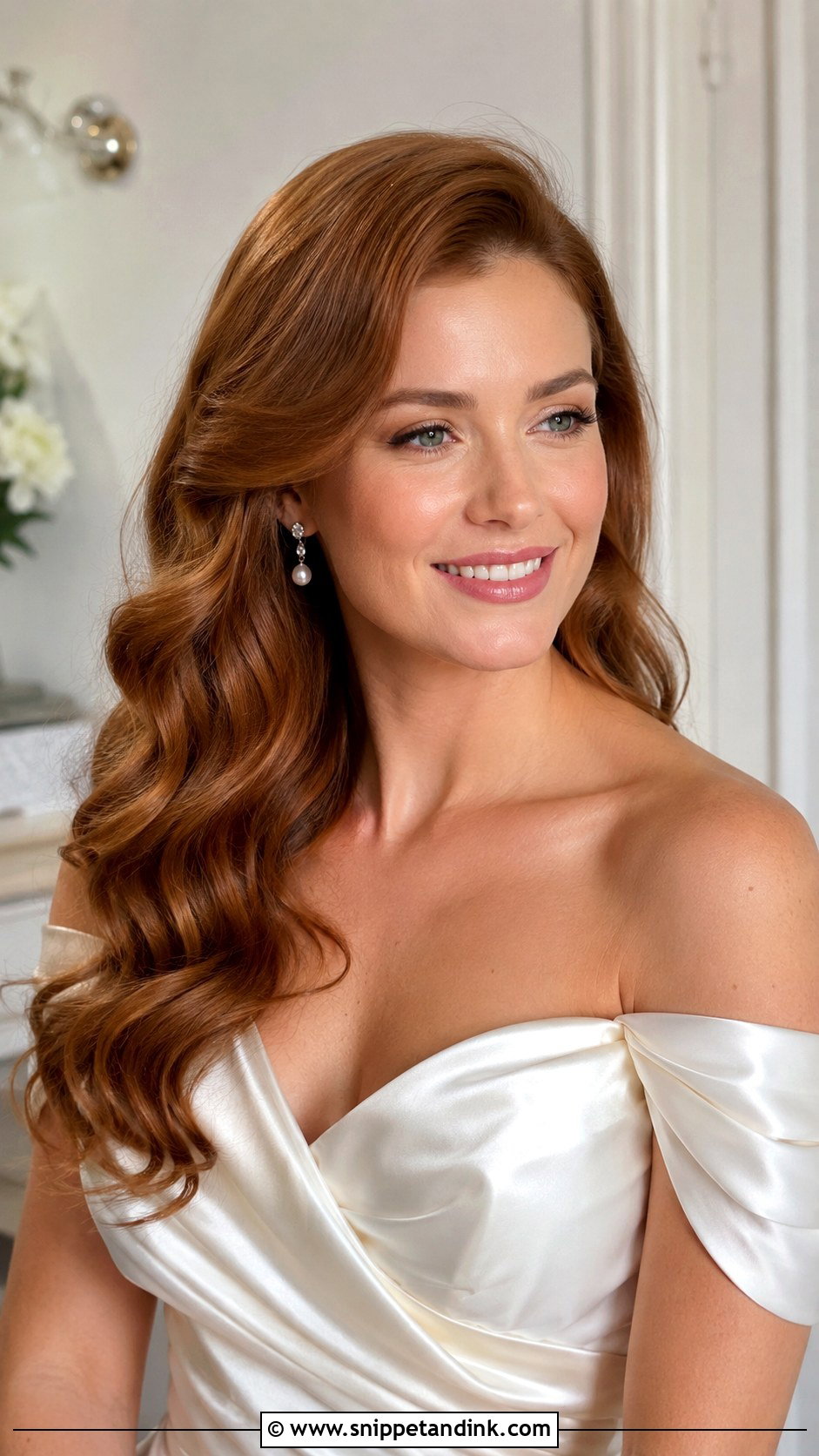
Hollywood waves are the most technical style in this list. They’re curled in one direction, brushed out into a single wave pattern, then shaped with clips while they cool, and that last step is what creates the classic ridges. Ask for movement rather than the stiff, helmet-like finish of old photos. They suit medium to long hair and show particularly well on rich brunette, blonde, auburn, or copper tones, where the light catches each ridge. A deep side part gives the classic shape. Satin gowns and indoor evening receptions suit them far better than a windy beach.
14. Natural Wedding Bun With Veil
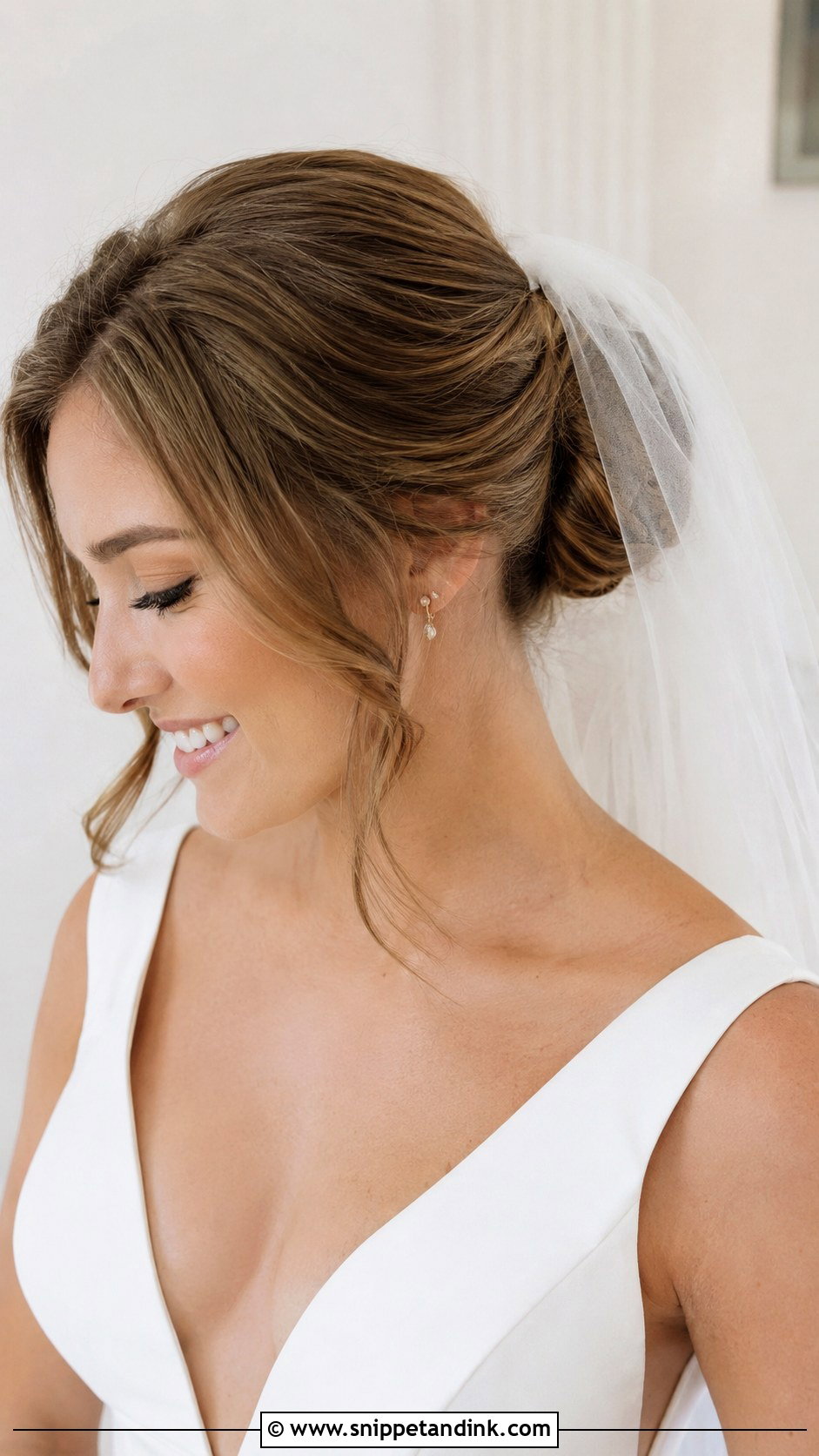
A bun is the best base a veil can have. The comb slides straight into it and the weight of the tulle rests on something solid, which matters most with long veils. Whether it sits low or centred depends on where the veil should fall, so I set the bun height with the veil on, never before. Keep the hair smooth but not tight, with a few pieces near the face. Density counts too: fine hair needs a little padding so the bun doesn’t look small, and very thick hair sometimes works better split into two smaller buns stacked together.

15. Natural Wedding Long Curls
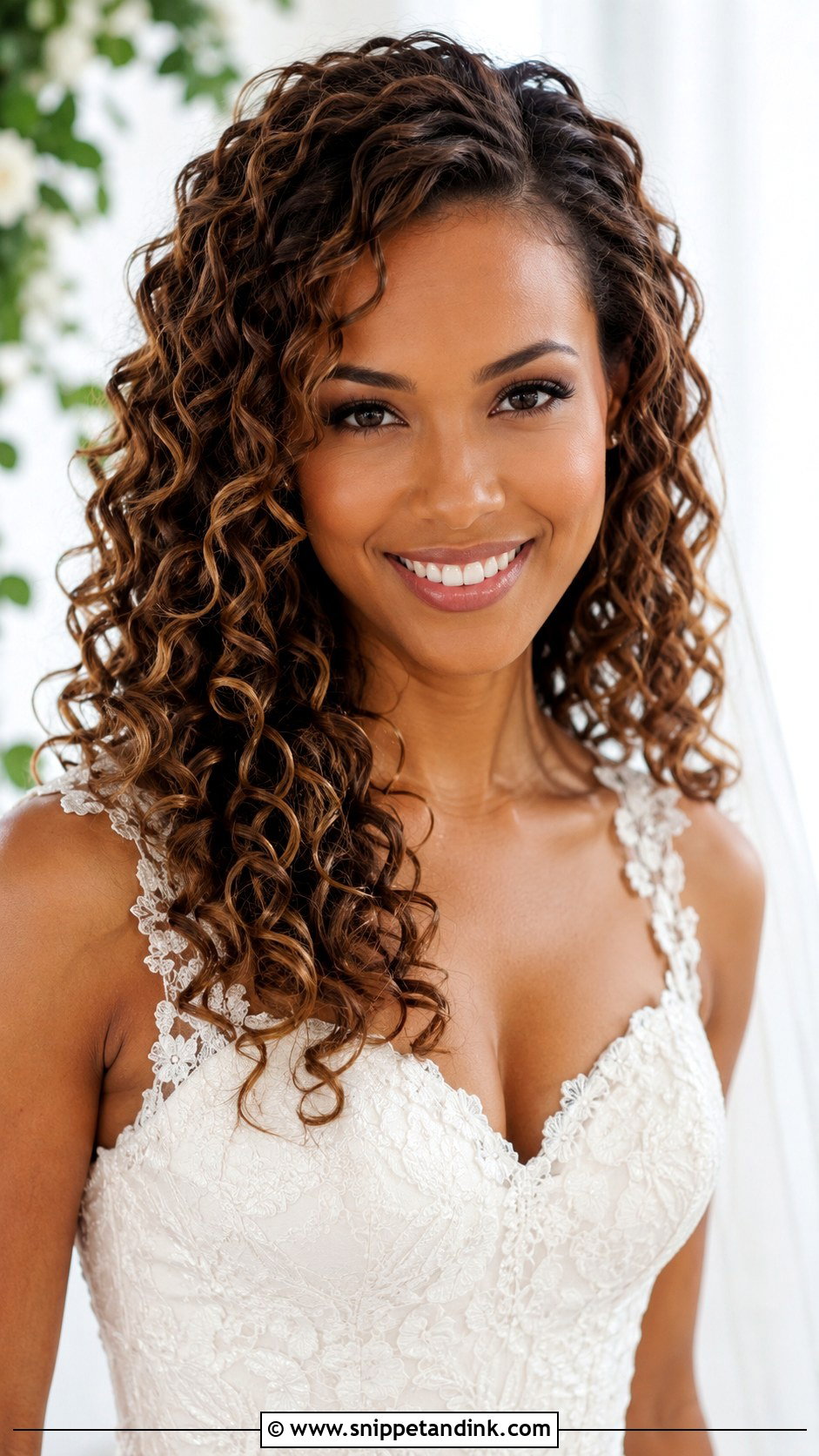
Long curls drop under their own weight faster than anything else here. I set them with heat protectant and a light mousse, curl in smaller sections than I would for waves, and pin each one up to cool. For naturally curly hair, a curl cream and a diffuser give definition without crunch. Put the volume through the mid-lengths and ends, with a few pieces framing the face. I’ll be honest: very long, fine, straight hair may lose half its curl by evening. If that’s your hair, an updo might serve you better.
How Loose You Can Go Depends on the Venue
The same messy bun behaves differently in a ballroom and on a beach. Wind pulls at loose strands and tangles waves, humidity makes straight hair frizz and curls swell, and air conditioning actually helps a style last. For an outdoor ceremony I’d go one notch more secure than you’d choose indoors: a braid instead of loose waves, a low bun instead of half up.
Courthouse and small city weddings often mean walking outside, climbing in and out of cars and standing on steps for photos, and a sleek ponytail or low bun handles all of that well. Long receptions with dancing need hair that can cope with heat at the hairline, so keep the front pinned or braided if you expect to be on the dance floor all night.
Colour and Trim Timing for Soft Bridal Hair
Soft styles show the condition of your ends more than structured ones do. A trim four to six weeks before removes split ends without leaving a fresh, blunt line. Colour around two weeks before gives the tone time to settle and leaves room to correct anything that isn’t right. Avoid a big change in the final month. A new shade can look different in photographs than it did in the salon mirror, and a dramatic cut changes which of these styles will even work.
Looking Like Yourself at the Last Dance
You don’t need stiff curls, heavy teasing or a complicated updo to look bridal. Good prep and pins you can’t see are what make a simple style look finished. Before you settle on one, think about your neckline, the veil and the likely weather, then compare that with how you normally wear your hair. Bring clear photos to your stylist, including a few of styles you dislike, since those tell her just as much. Then book a trial and wear the result for the rest of the day.
You'll Like These Ideas:


Leave a Reply