
A lip color can shift the whole mood of a bridal face, even when the eyes and skin stay soft. When I’m swatching shades at a trial, I’m checking four things: how it sits against your undertone, how it reads on camera from a few feet away, whether you can still talk and eat comfortably in it four hours later, and whether you still look like yourself in it. Most brides now want real-looking skin and a lip that feels personal rather than matched to the bridesmaids. Below are 20 shades I reach for, each with the eye and cheek pairing I’d build around it, so you can match a lip to your dress, flowers, season and natural coloring.
Reading a Lip Shade Under Daylight, Flash and Candlelight
A lipstick looks one way in the bullet, another on the back of your hand, and another again on your mouth. I never let a bride decide from a hand swatch. Lips have their own pigment, which pushes any shade warmer, cooler or darker, so the only honest test is on the lips themselves, checked under the kinds of light you’ll actually stand in.
By a window in daylight
This is closest to how guests see you at a daytime ceremony. Look at the edges first. If the color looks like it belongs to your face, keep going; if it seems to sit on top of the lip like a sticker, the shade is fighting your undertone.
With phone flash at arm’s length
Flash bleaches color. Pale nudes and light pinks can melt into foundation, and blue-toned shades can look harsher than they do in the mirror. If your lips seem to vanish in a flash photo, go one shade deeper.
Under a warm lamp in the evening
Reception lighting is usually warm and low. Corals and terracottas push more orange, and mauves and plums can turn muddy. If your reception is candlelit, check your shade under a warm bulb after dark before you commit.
One last check: hold a piece of your dress fabric near your face. Bright white makes warm shades look yellower and cool reds look sharper, while ivory and champagne are kinder to peach, caramel and terracotta.
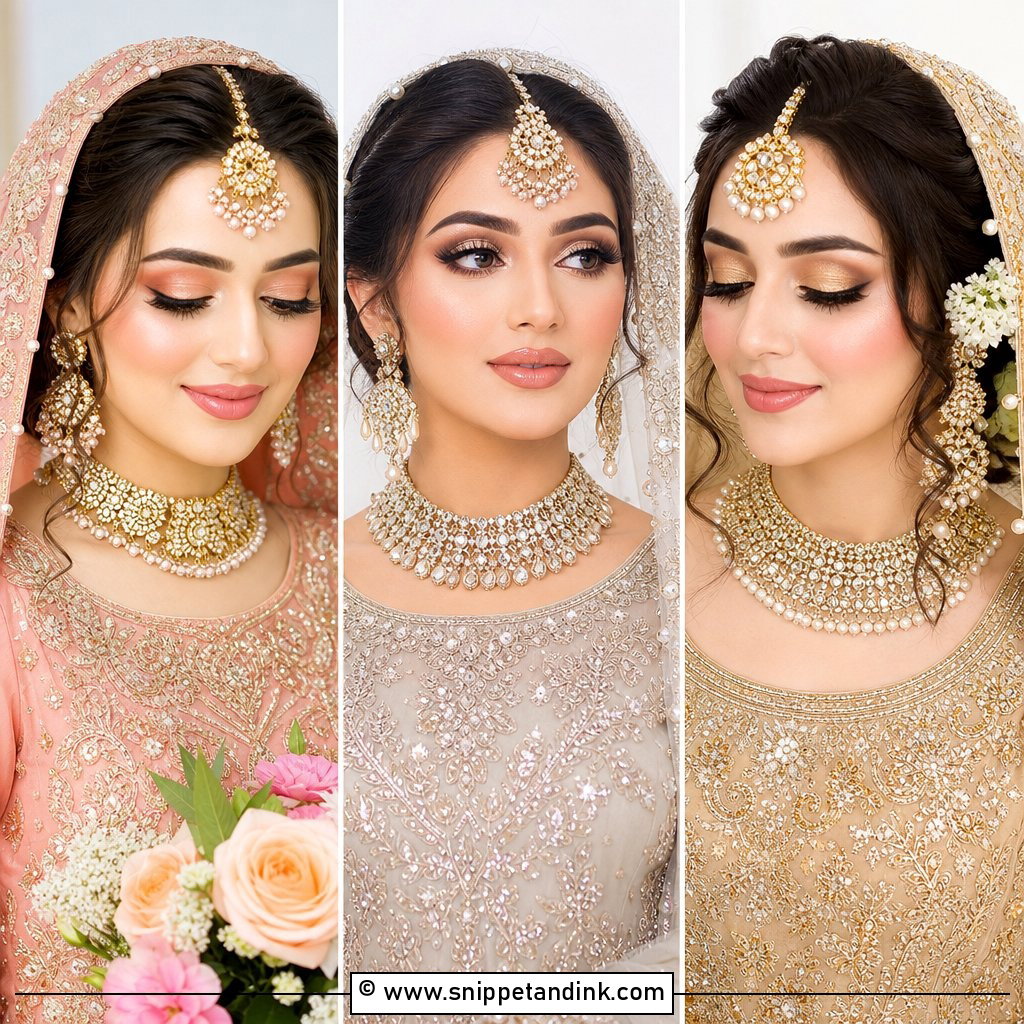
1. Nude Pink Bridal Lipstick
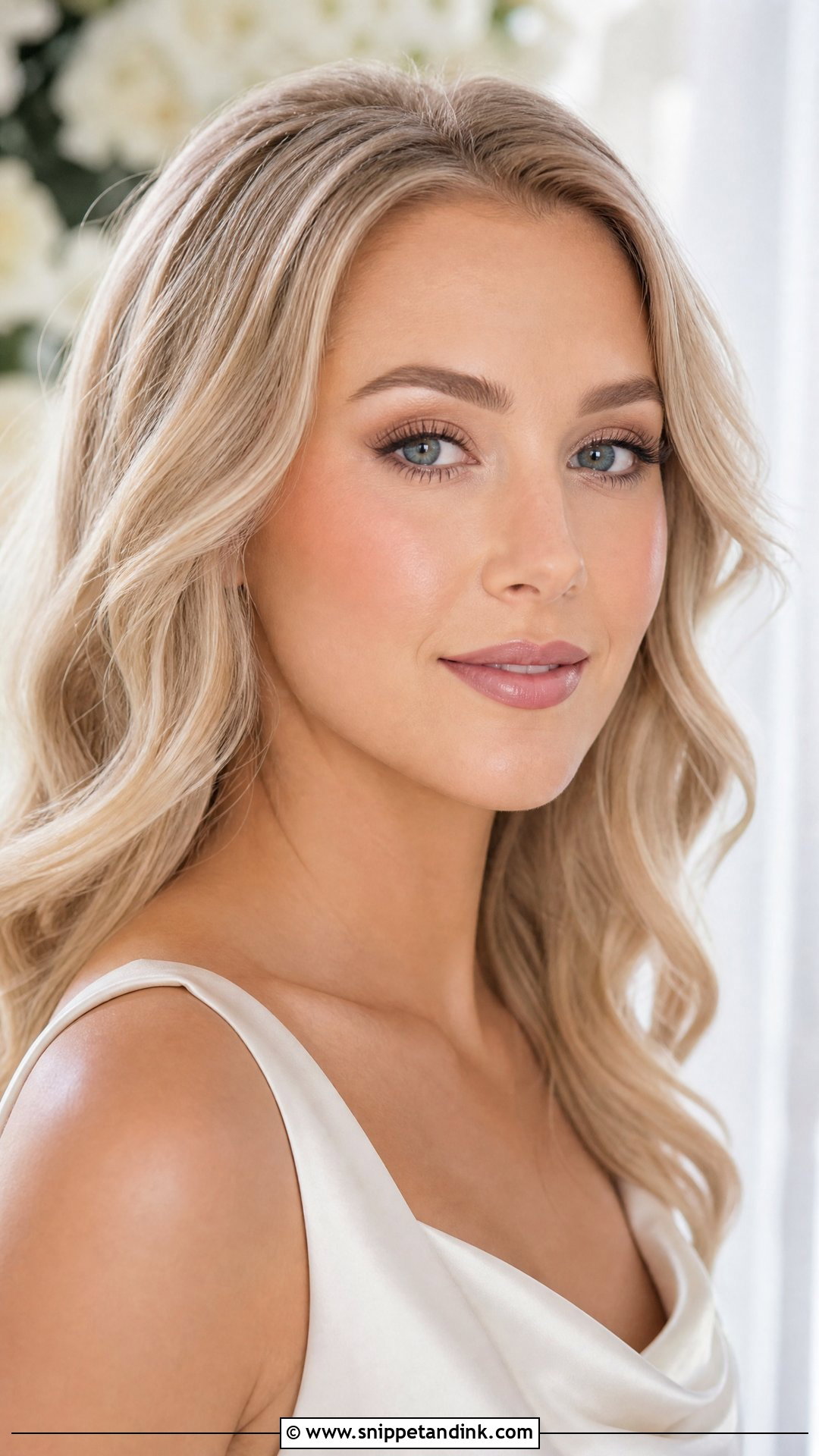
Nude pink is the shade I swatch first on almost every bride, because it’s hard to get badly wrong. The mistake I see is going too close to your bare lip color; under flash and at a distance it simply vanishes, so I go one step deeper than your natural lip. It sits well with glowing skin, champagne eyeshadow and a thin brown liner. Fair skin usually suits a beige-pink or petal-pink, while tan and deep skin look better in a rosy nude with some warmth or brown in it. I always line first with a matching pencil, since nude pinks are sheer enough that a feathered edge shows.
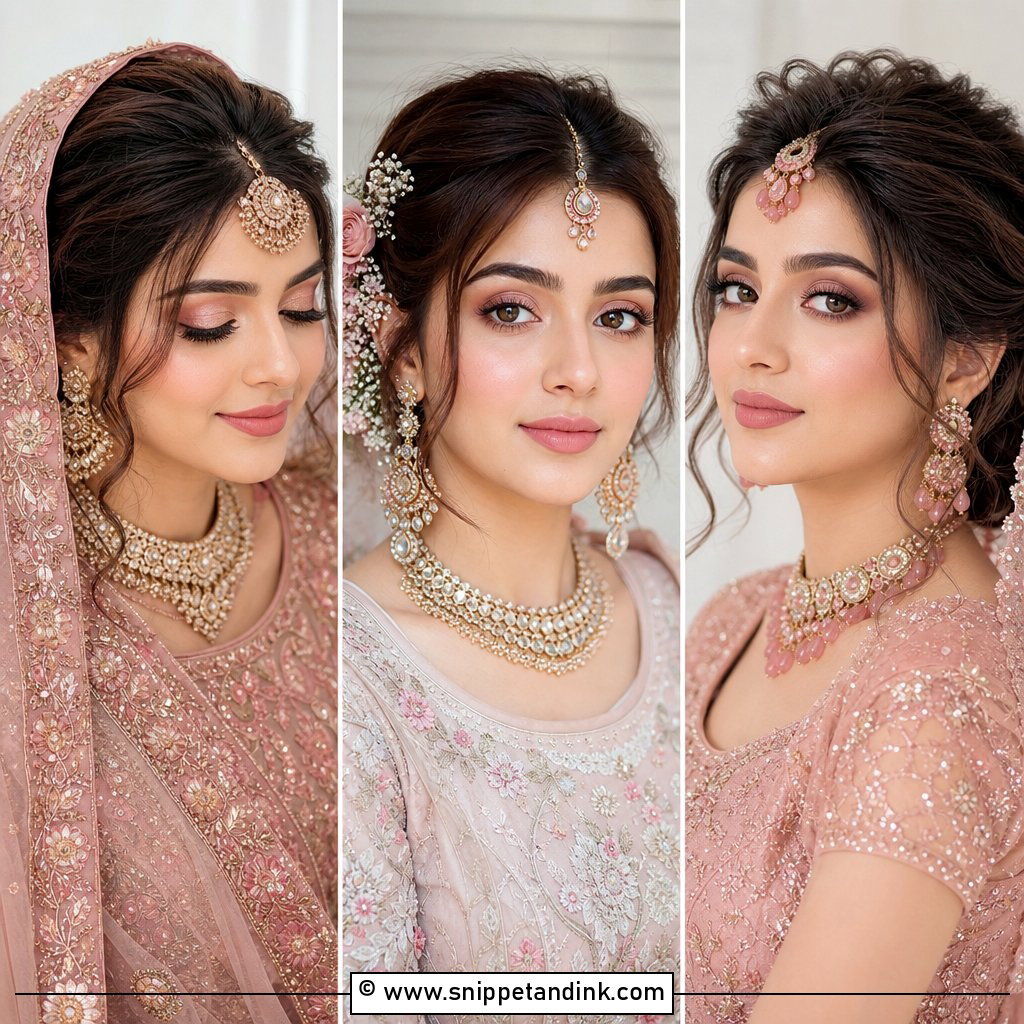
2. Rose Pink Bridal Lipstick
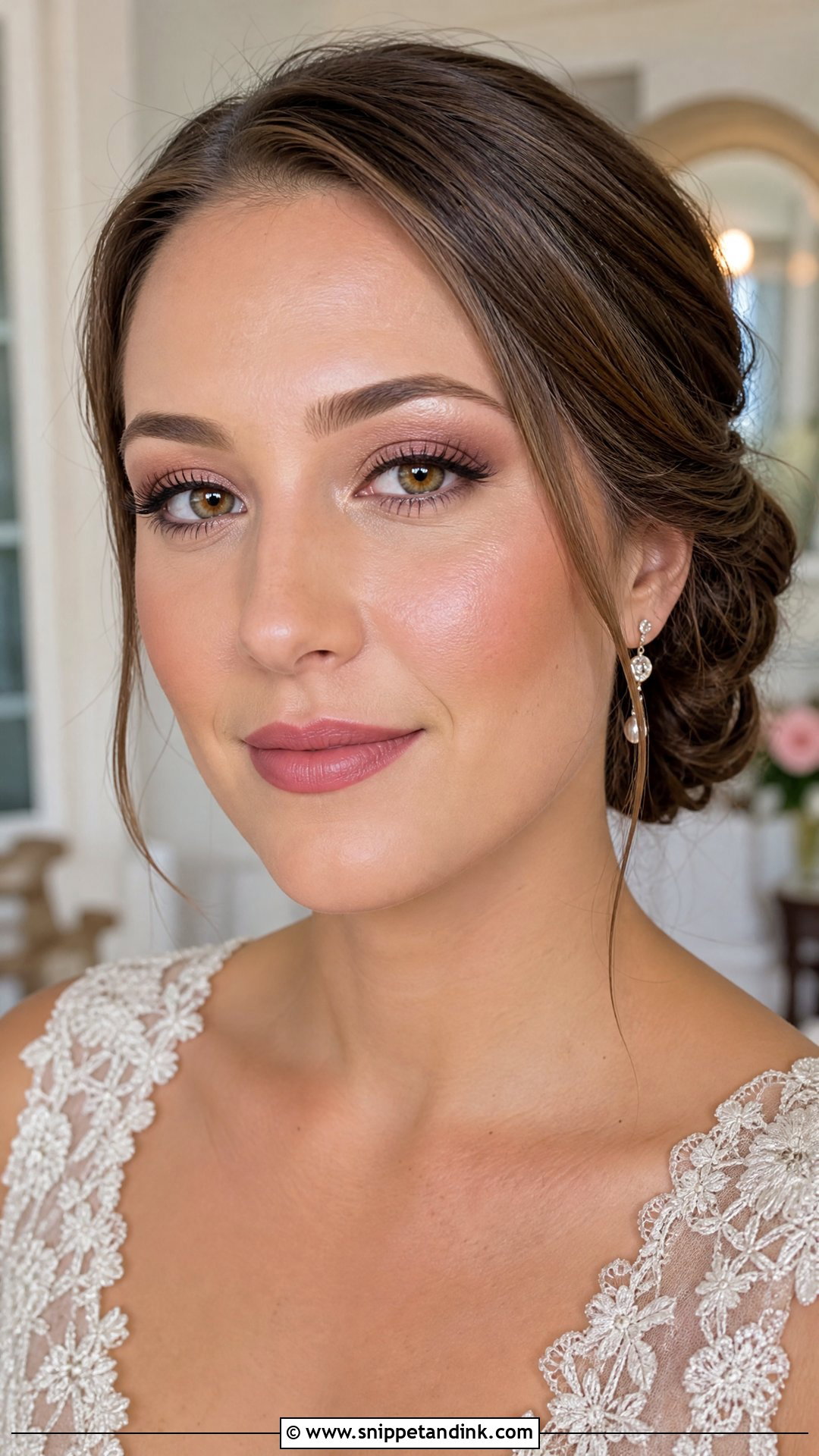
Rose pink is my answer when a bride tells me nude feels like nothing and red feels like a costume. In daylight it reads as healthy color rather than makeup. If your lips already carry a lot of natural pigment, a pale rose can go patchy over them, so pick a medium rose instead. I fill the whole lip with a rose pencil and press a satin or cream lipstick over it. The pencil gives the bullet something to grip, and when the top layer wears off at dinner, what’s left underneath is still the right color.
3. Peach Nude Bridal Lipstick
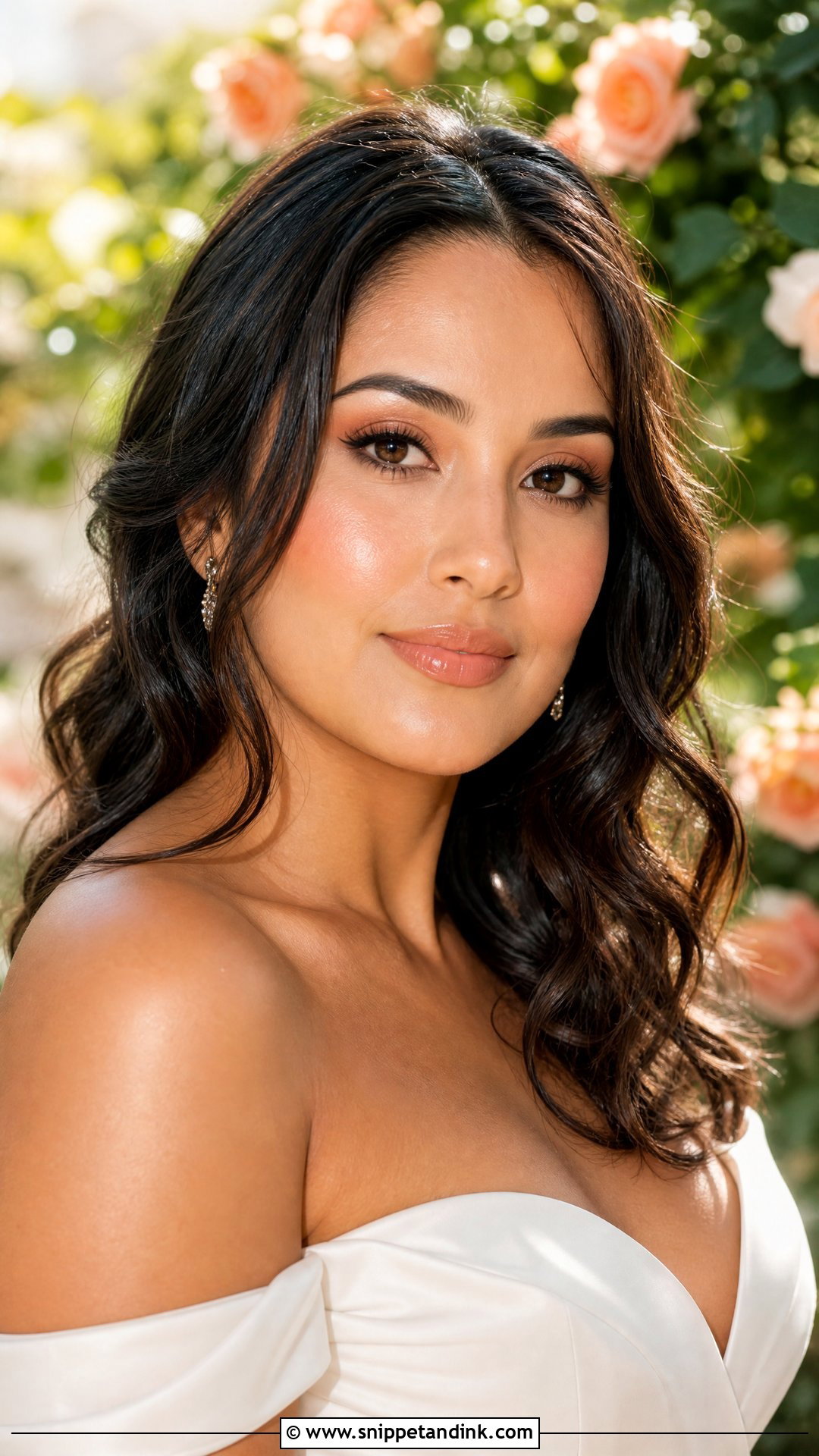
Peach nude suits a garden or beach ceremony, but it’s the shade most likely to turn orange once it warms on the lips, and that’s what I check first. The version that works has enough pink or brown in it to stop it going tangerine. Warm, golden, olive and tan skin take it best; on fair skin I’d lean toward a peach-pink. I keep the eyes light with a blended soft bronze, and a dab of clear or peach gloss in the center of the bottom lip adds fullness without making the whole mouth slippery.
4. Soft Mauve Bridal Lipstick
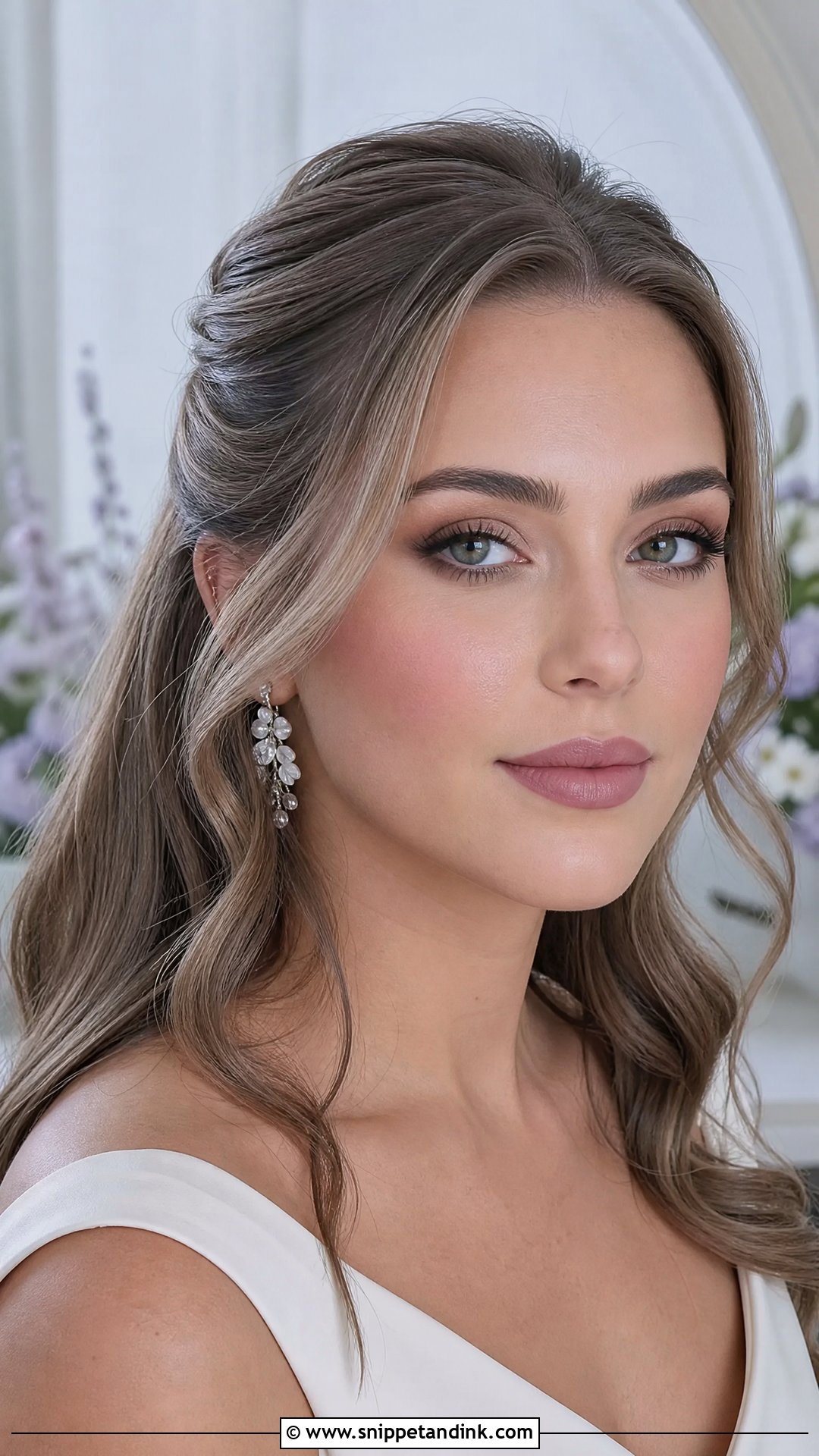
Mauve is the fix I use when nudes keep turning orange or chalky on someone. The bit of purple in it cancels excess warmth, so it settles into a muted rose across a lot of undertones. I pair it with soft matte skin, mauve blush, brown liner and a wash of mushroom or taupe on the lid. It leans cool, so it sits nicely next to silver jewelry, lavender florals and winter palettes. A creamy satin with a slightly blurred edge keeps it bridal. A hard matte mauve with a crisp line can look dated in close-ups.
5. Dusty Rose Bridal Lipstick
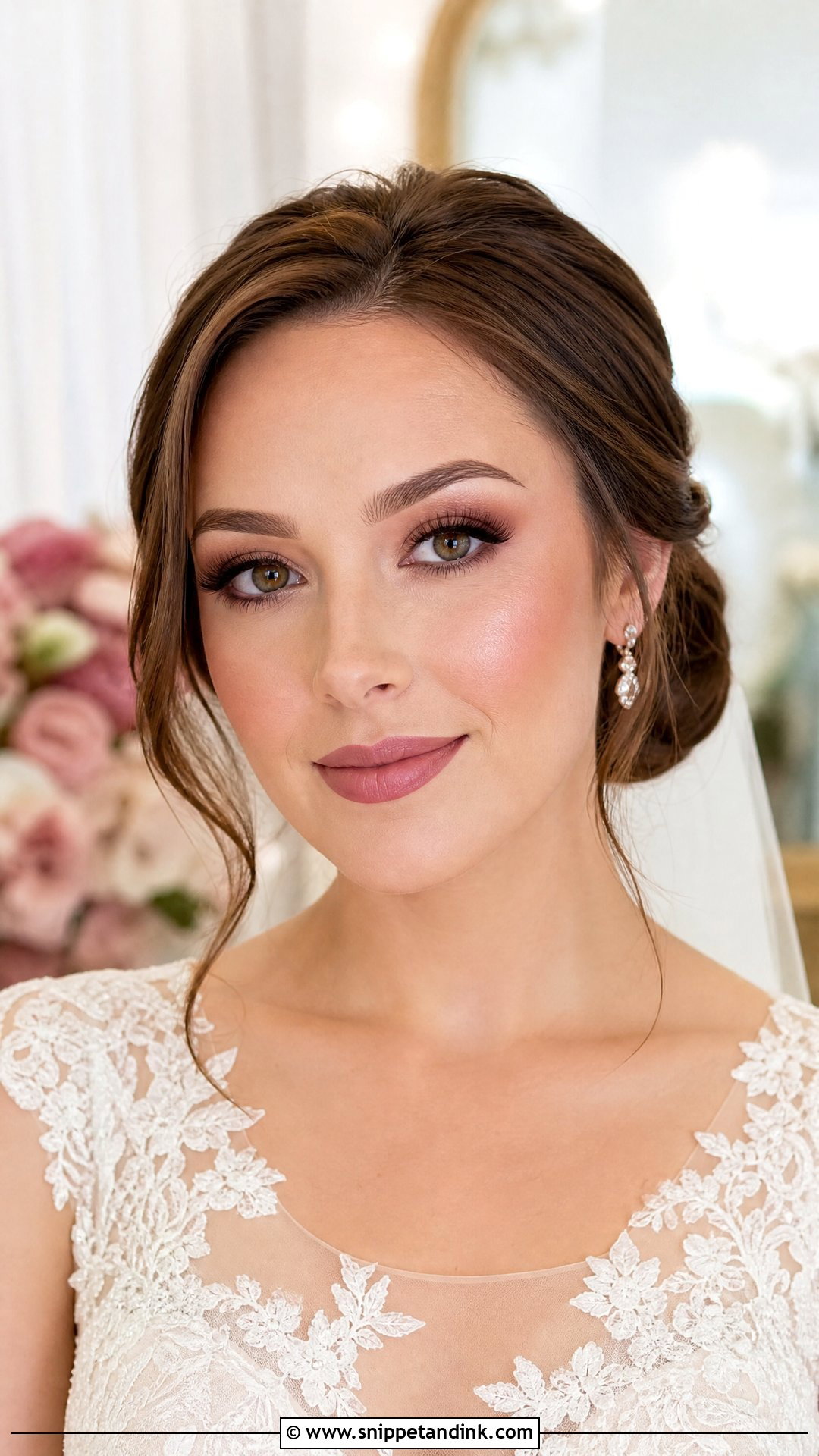
Dusty rose gives that “my lips but better” result with more structure than a sheer pink. Because it’s muted, it holds up in photos without stealing attention from the eyes, which is why I use it so often with a diffused brown smokey eye and a champagne highlight. It has enough depth to show up on fair, light, medium and olive skin. On deeper skin I’d go richer, with berry or brown underneath, or it can sit on top of the lip and look grey. It’s one of the few shades I trust to look the same at a morning first look and at the last dance.
6. Beige Nude Bridal Lipstick
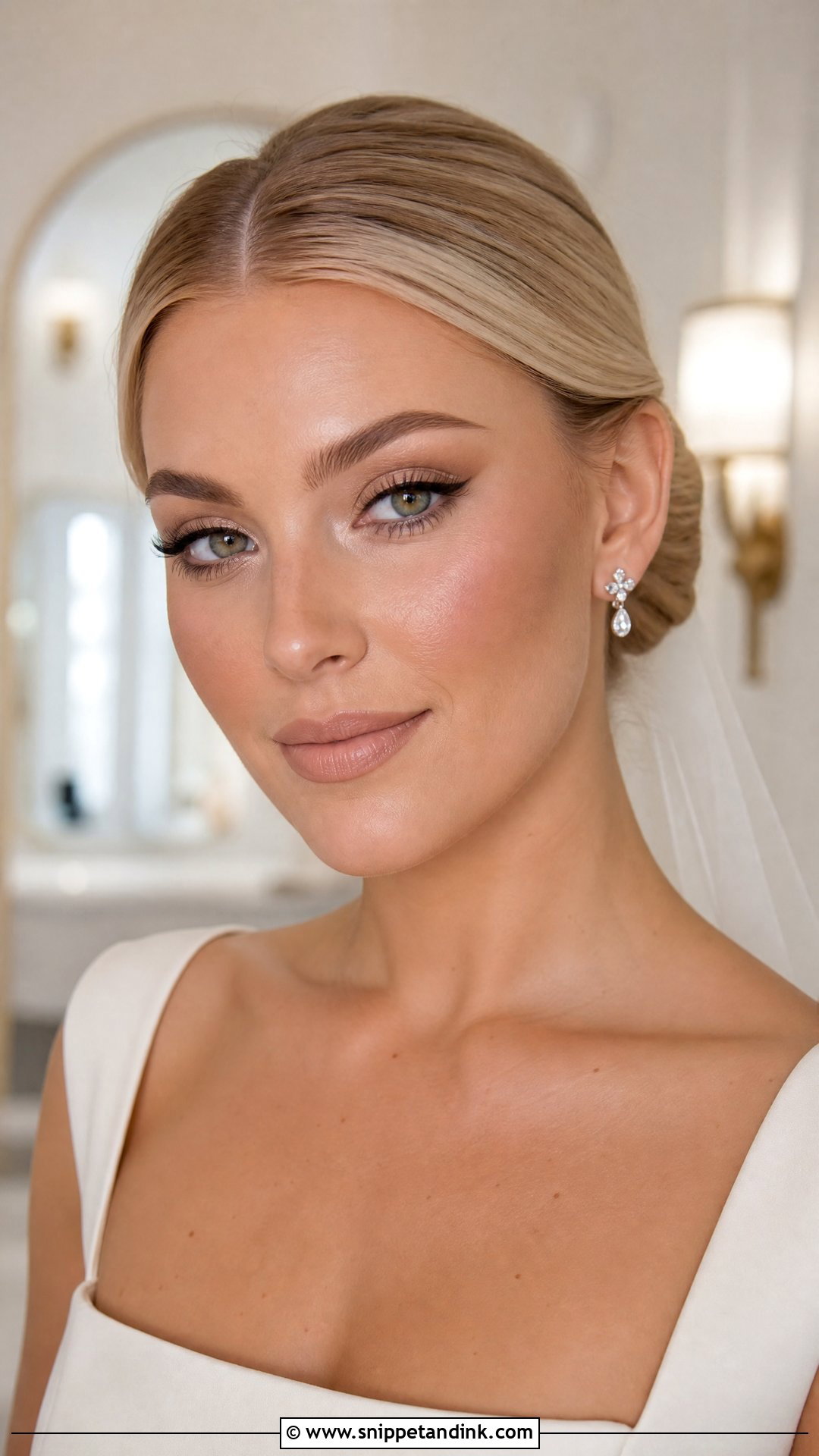
Beige nude is where I see the most mistakes. Go too pale or too close to your foundation and the lips disappear, which on camera reads as tired rather than chic. The beige that works carries a hint of pink, peach, caramel or brown matched to your skin. I balance it with structure elsewhere, usually warm bronzer, fuller brows and a defined eye, or the face goes flat in photos. It sits well with sleek hair and minimalist satin gowns. I line just outside the edge with a pencil one shade deeper and blend it inward before the lipstick goes on, which gives shape that a beige bullet can’t manage alone.
7. Caramel Nude Bridal Lipstick
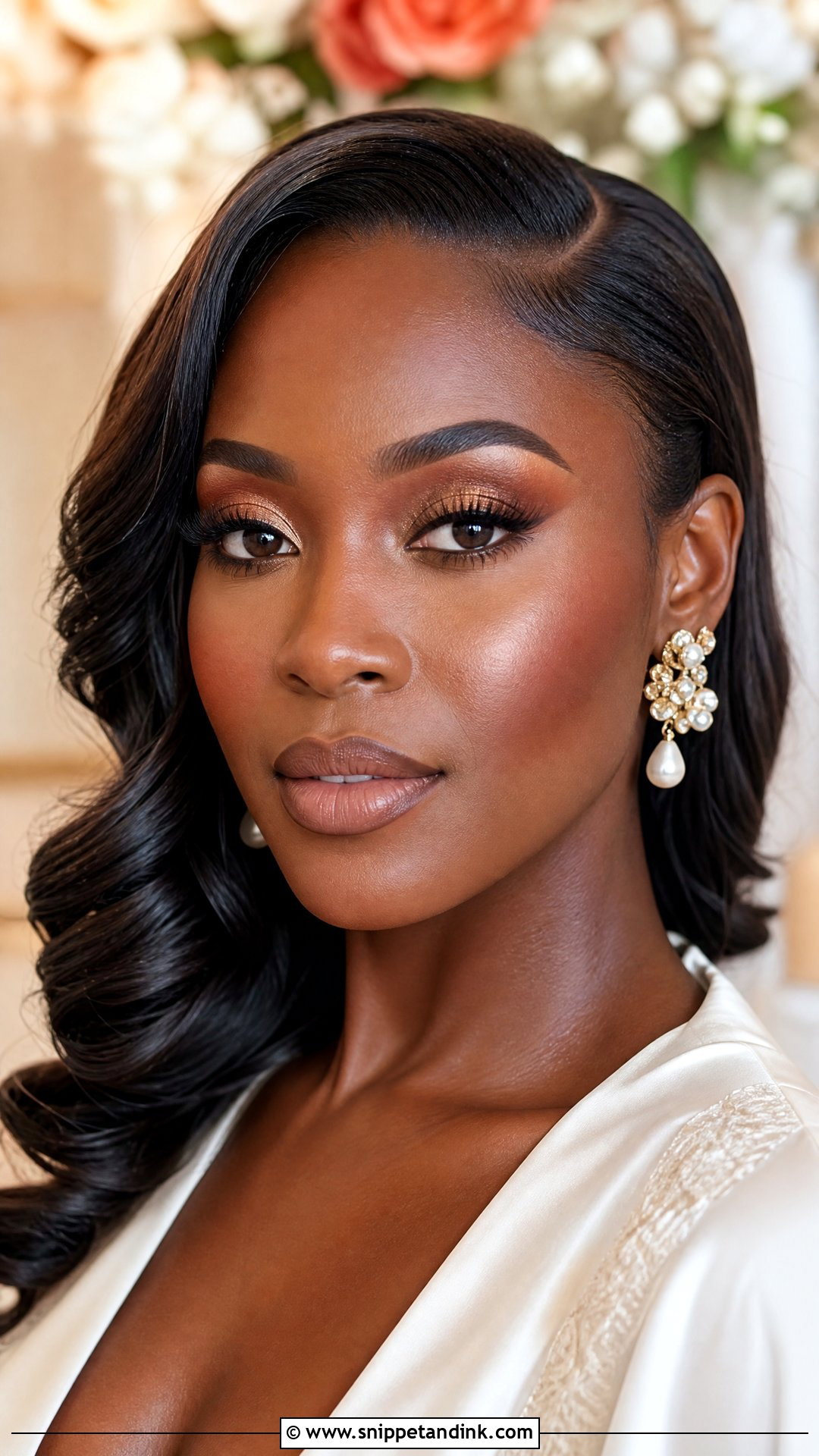
Caramel is the nude I reach for most on medium, tan and deep skin, because it gives definition without the chalky cast a light beige leaves on darker lips. It sits between warm brown and honey, so it pairs naturally with bronze eyeshadow, golden highlight and a terracotta blush. On lighter skin it reads more defined and editorial, which some brides love and others find too strong once they see it at a trial. A satin or creamy matte formula holds better than a gloss here, and a brown or warm rose liner keeps the shape put through the portraits.
8. Brown Pink Bridal Lipstick
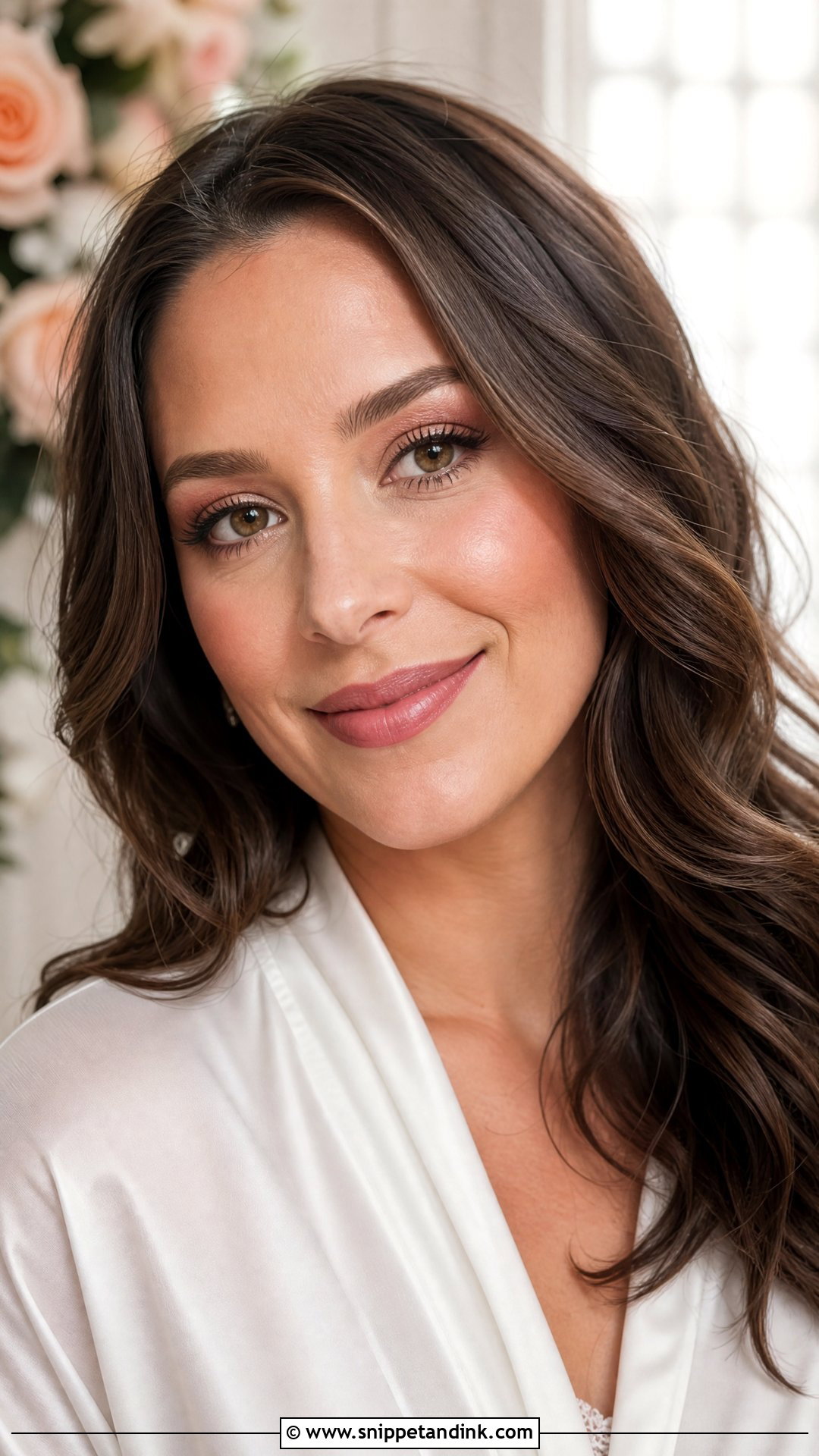
This is my go-to for the bride who says pale pink is too sweet and beige is too flat. The pink keeps it soft, the brown grounds it, and the mix flatters a wide range of skin tones. It gives the lips shape on camera without becoming the focus, so I pair it with softly smoked brown eyes and warm blush. Press it in with a fingertip rather than drawing a crisp edge. The blurred line looks more current and is far easier to touch up.
9. Coral Pink Bridal Lipstick
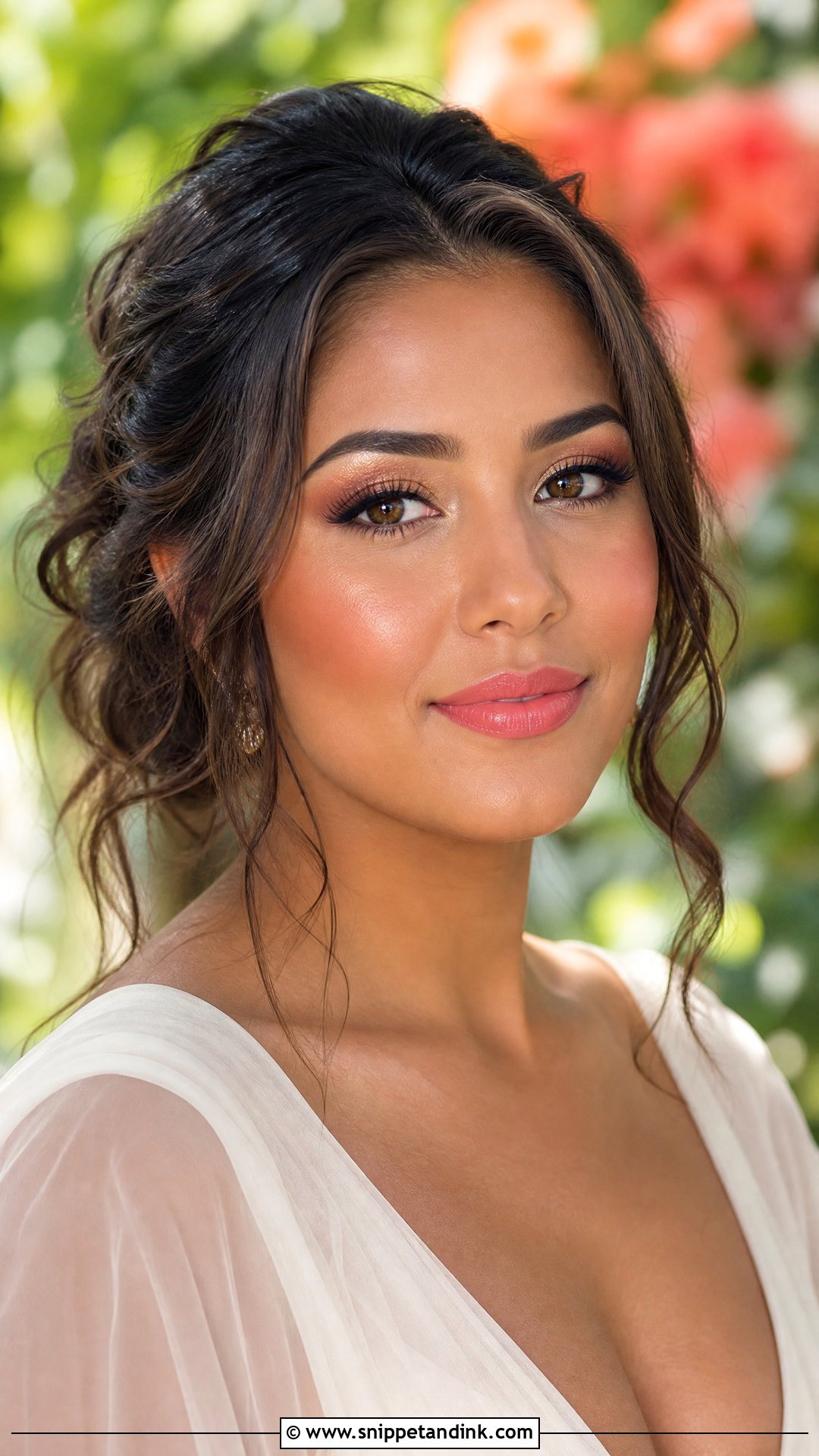
Coral pink brightens a face fast, and outdoors in strong sun it can look exactly right where a nude looks washed out. That’s why I like it for tropical locations, summer ceremonies and anyone who already looks better in warm colors. If you’re nervous about it, use a sheer satin or stain rather than an opaque matte; full-strength coral can read loud indoors at the reception. Fair skin suits a soft coral-pink, while tan and deep skin can carry a richer coral rose. Keep the cheeks peachy too, or the lip looks like it belongs to a different face.
10. Warm Rose Bridal Lipstick
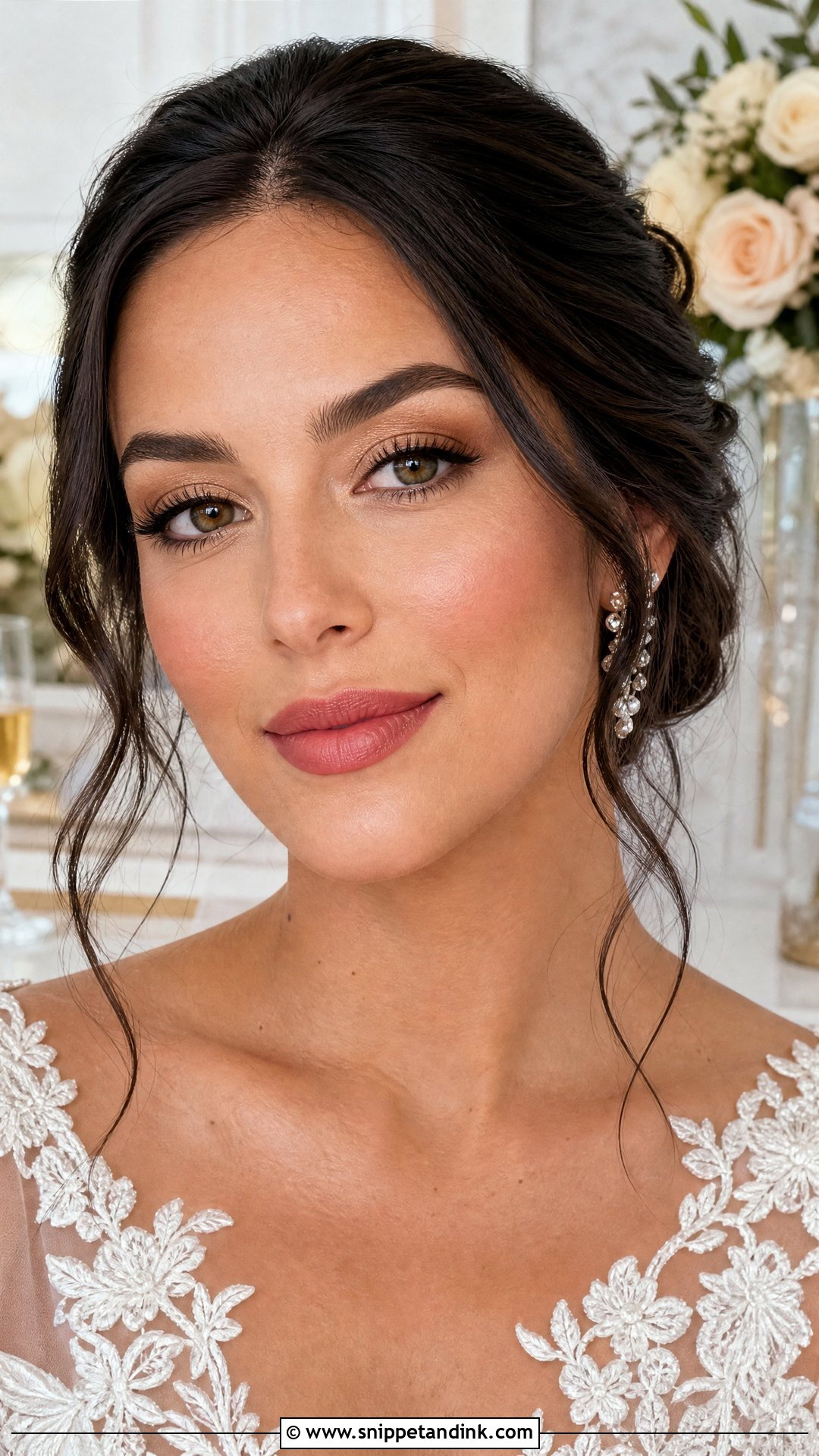
Warm rose sits between pink, nude and a soft red, and it’s the shade I’d hand a bride who can’t decide. It doesn’t pull cool, so golden, neutral and olive undertones wear it well, and it sits easily beside ivory and champagne. For long wear I cover the whole lip in rose liner, blot once with a tissue, then apply lipstick over it. The blot is the step people skip, and it’s what stops the color sliding into lip lines by mid-afternoon.
11. Blush Pink Bridal Lipstick
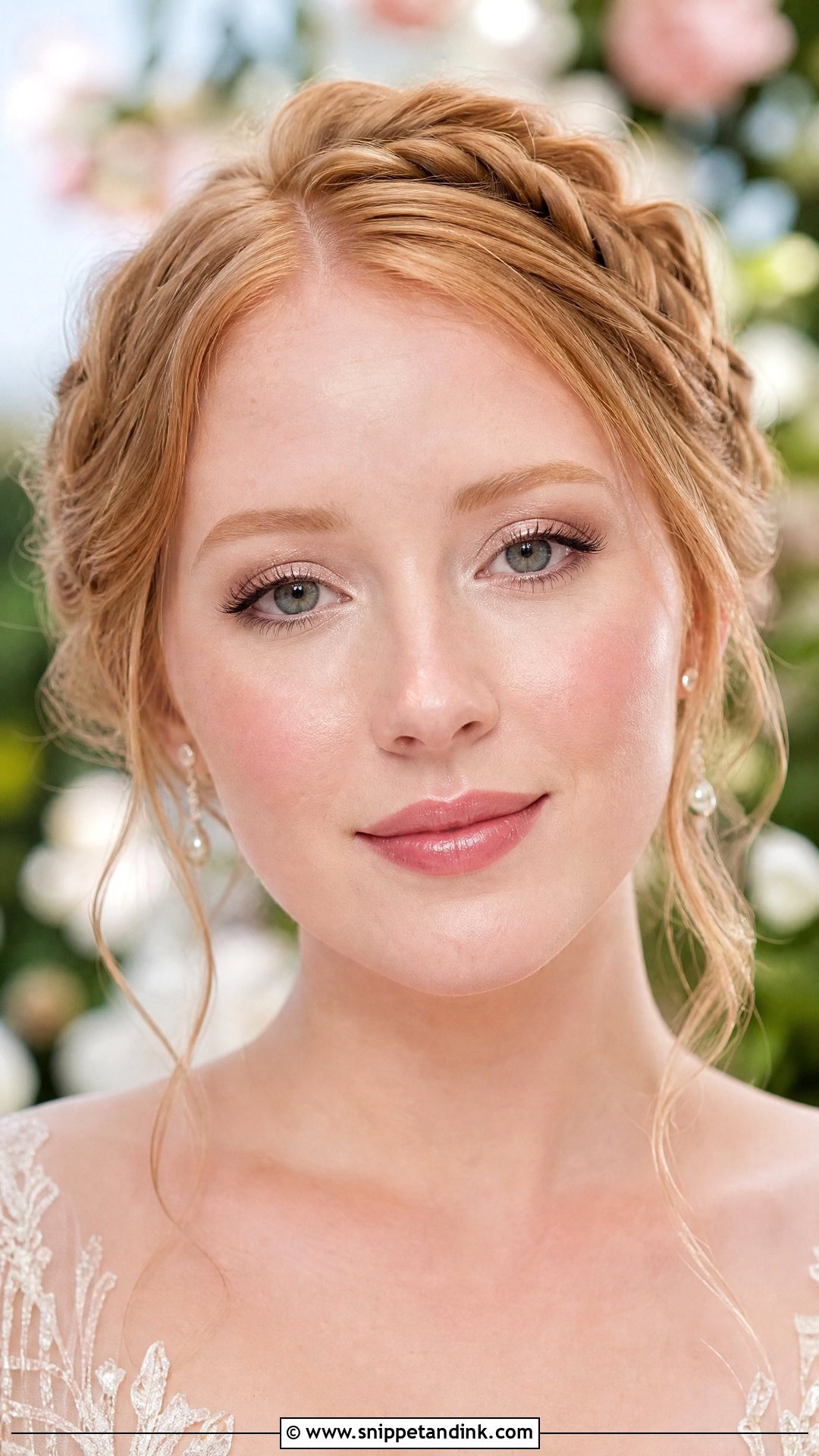
Blush pink is lighter than rose but carries more color than a pastel, which matters because true pastels look chalky in close-up photos. It suits daytime ceremonies and airy fabrics like tulle or chiffon. On naturally darker lips a pale pink goes uneven, so I lay down a pink liner first as a base. Deeper skin tones need a blush pink with more rose or mauve in it. Keep the finish satin; a flat matte in this shade tends to look dry by the speeches.
12. Berry Rose Bridal Lipstick
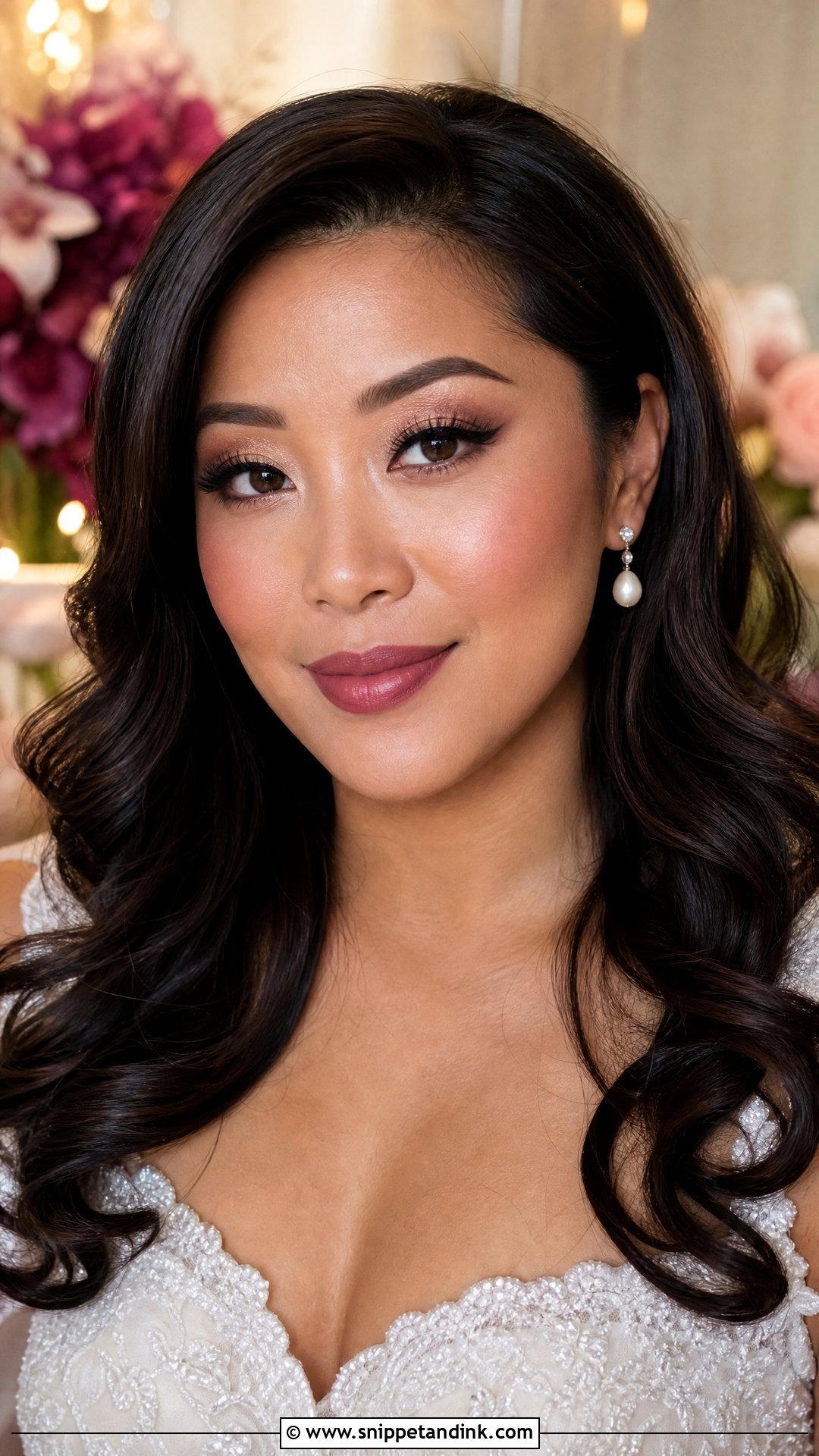
Berry rose is my pick when a bride wants visible color but not a full dramatic lip. The berry undertone gives richness and the rose keeps it soft. It sits well with softly matte skin, champagne eyes and a clean lash line, and it suits fall and winter weddings with deeper floral colors. Medium, tan, olive and deep skin wear it easily; on fair skin I sheer it down by blotting. A berry stain underneath is worth the extra minute. When the lipstick wears off during dinner, the stain stays, and nobody sees a ring of color around the mouth.
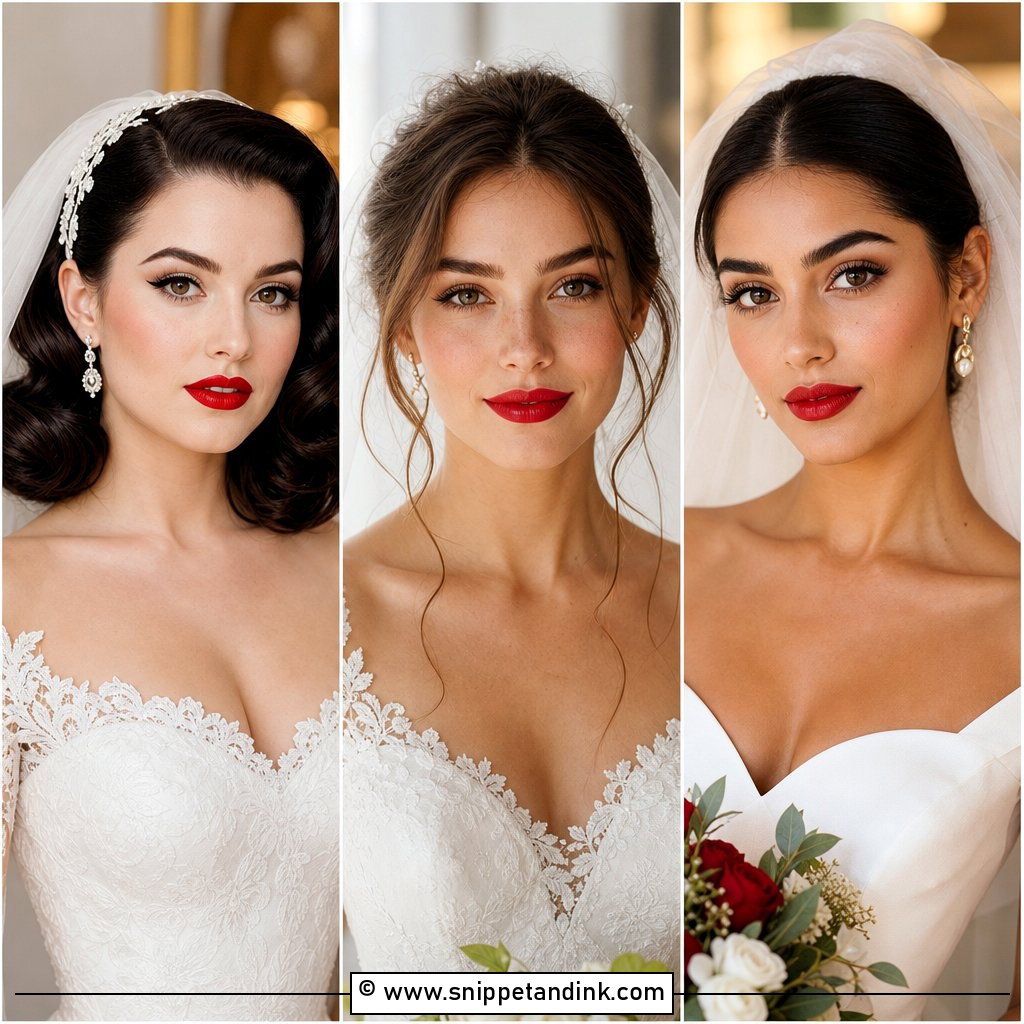
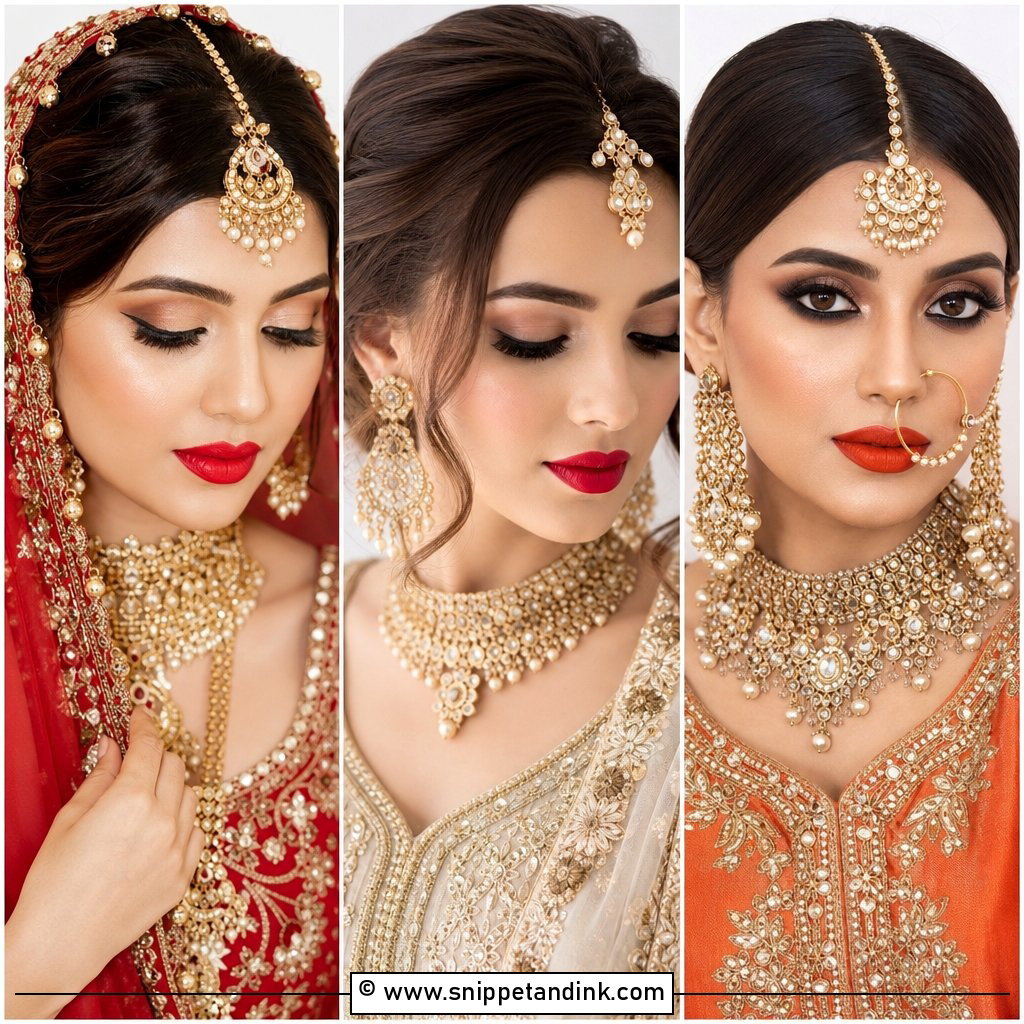
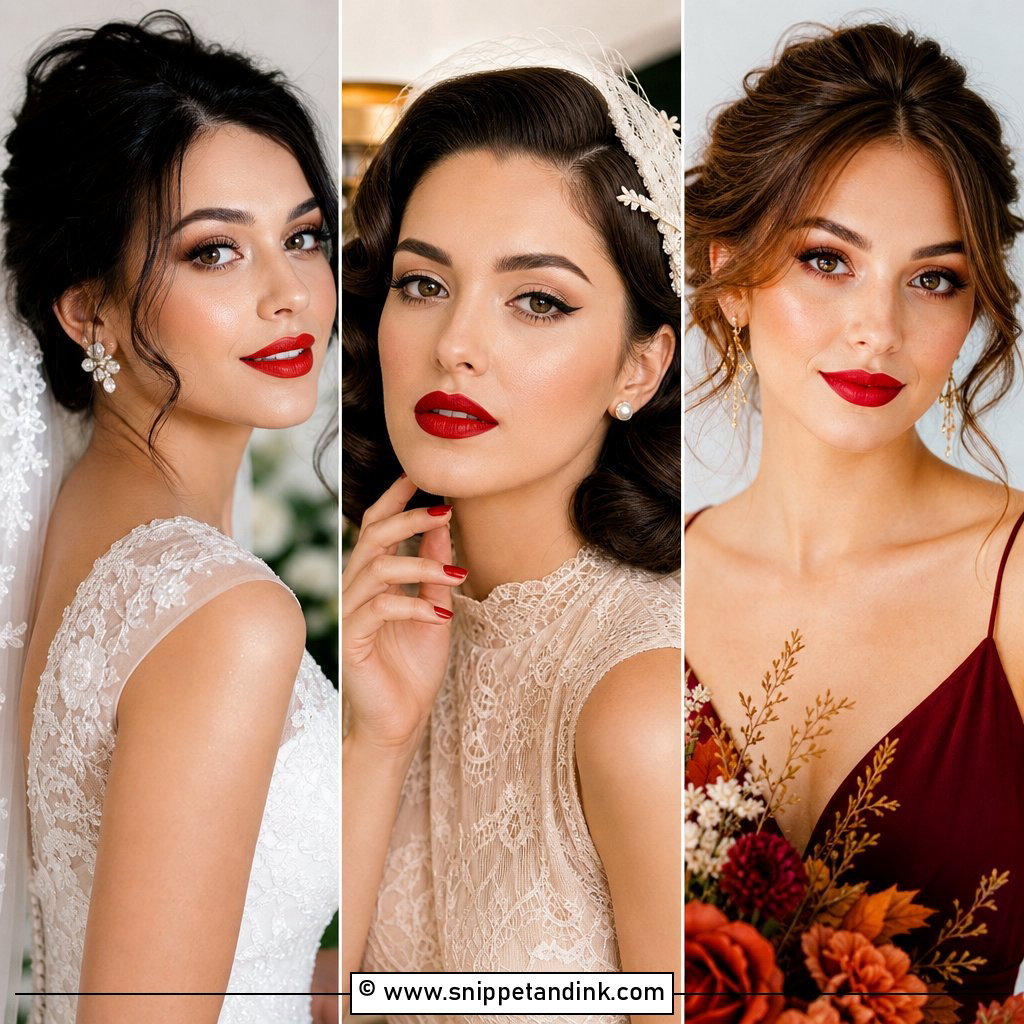
13. Classic Red Bridal Lipstick
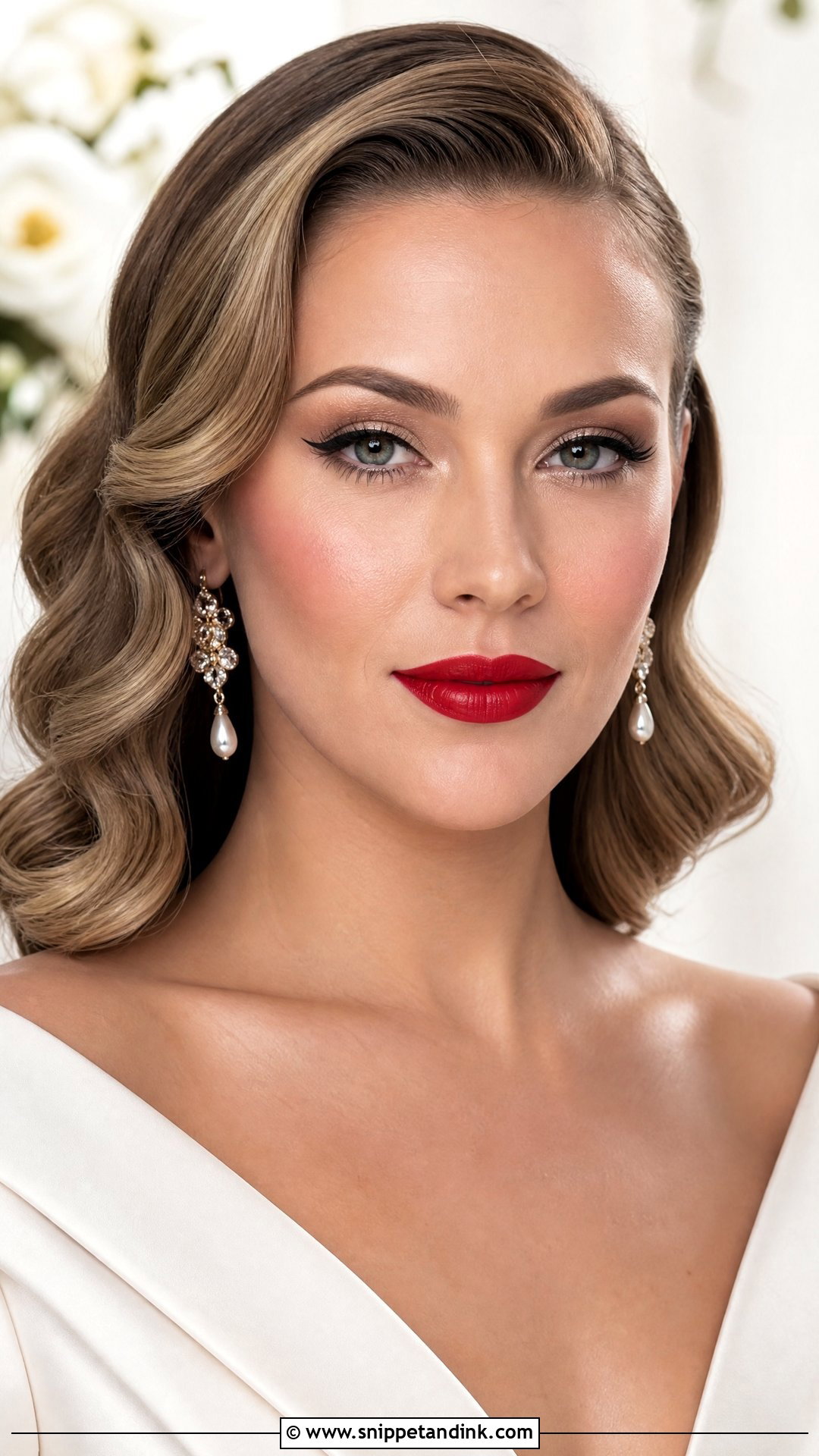
Red needs more precision than any other lip, and I only suggest it to brides who already wear it and like it. Blue-based reds make teeth look brighter and suit cooler undertones, neutral reds flatter almost everyone, and warm reds sit nicely on golden and olive skin. My method is to line the full lip, apply a thin layer, blot, apply again, then clean the edge with a tiny brush of concealer. The rest of the face stays controlled, with defined brows and only a little blush. Someone in your party should carry the lipstick and a small mirror, because red is the shade that shows wear first.
14. Soft Red Bridal Lipstick
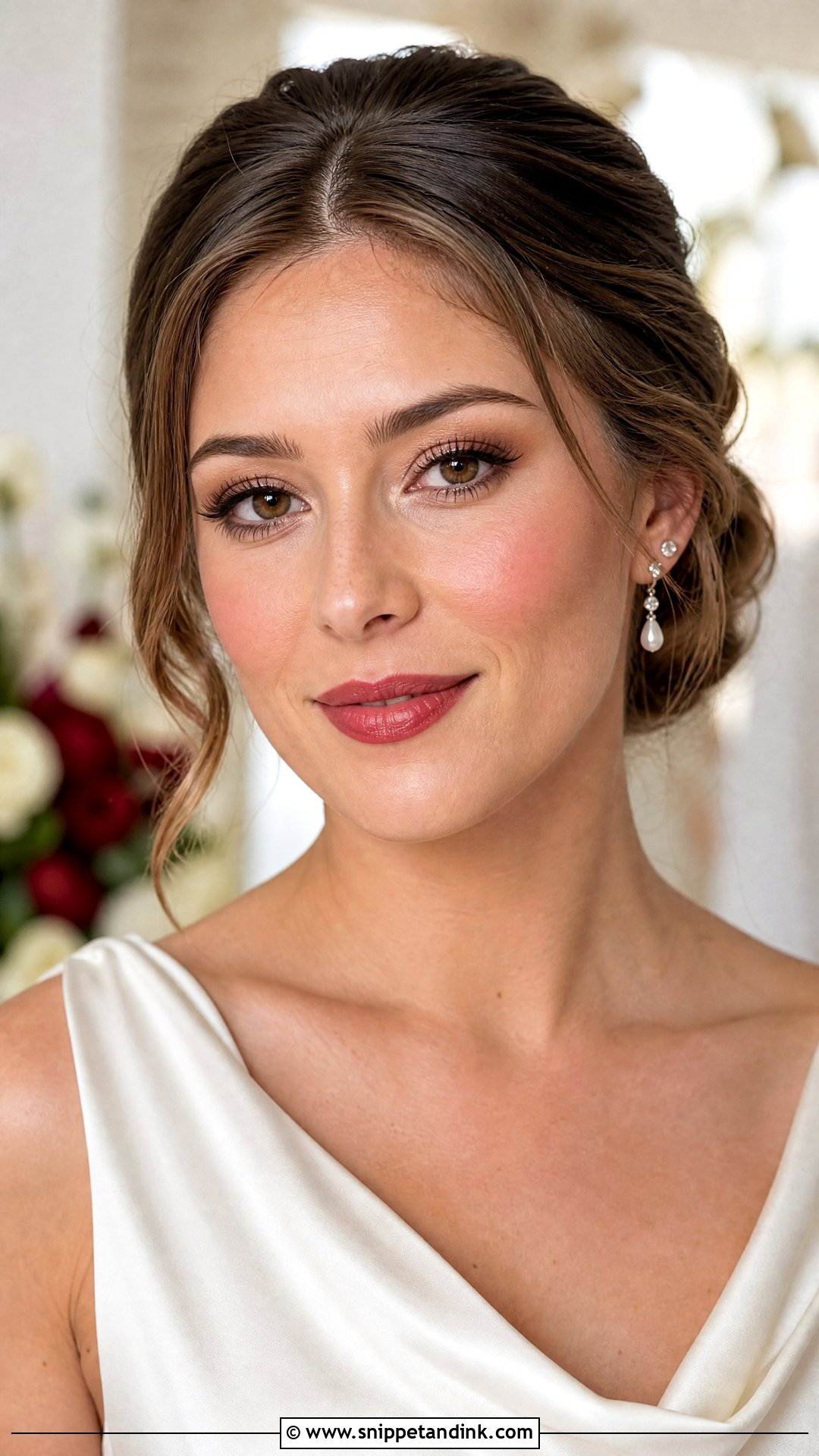
Soft red gives you the warmth of a red lip without the upkeep of an opaque classic. I usually build it as a stain or a blotted satin, pressing color into the lips with a fingertip so the edge is diffused. That diffused edge is the whole point. As the color fades through the day it fades evenly, instead of leaving a hard outline behind. It’s gentle enough for a daytime ceremony and sits nicely with vintage-inspired dresses and simple updos. Choose a comfortable formula, because drying long-wear reds crack by the reception.
15. Brick Red Bridal Lipstick
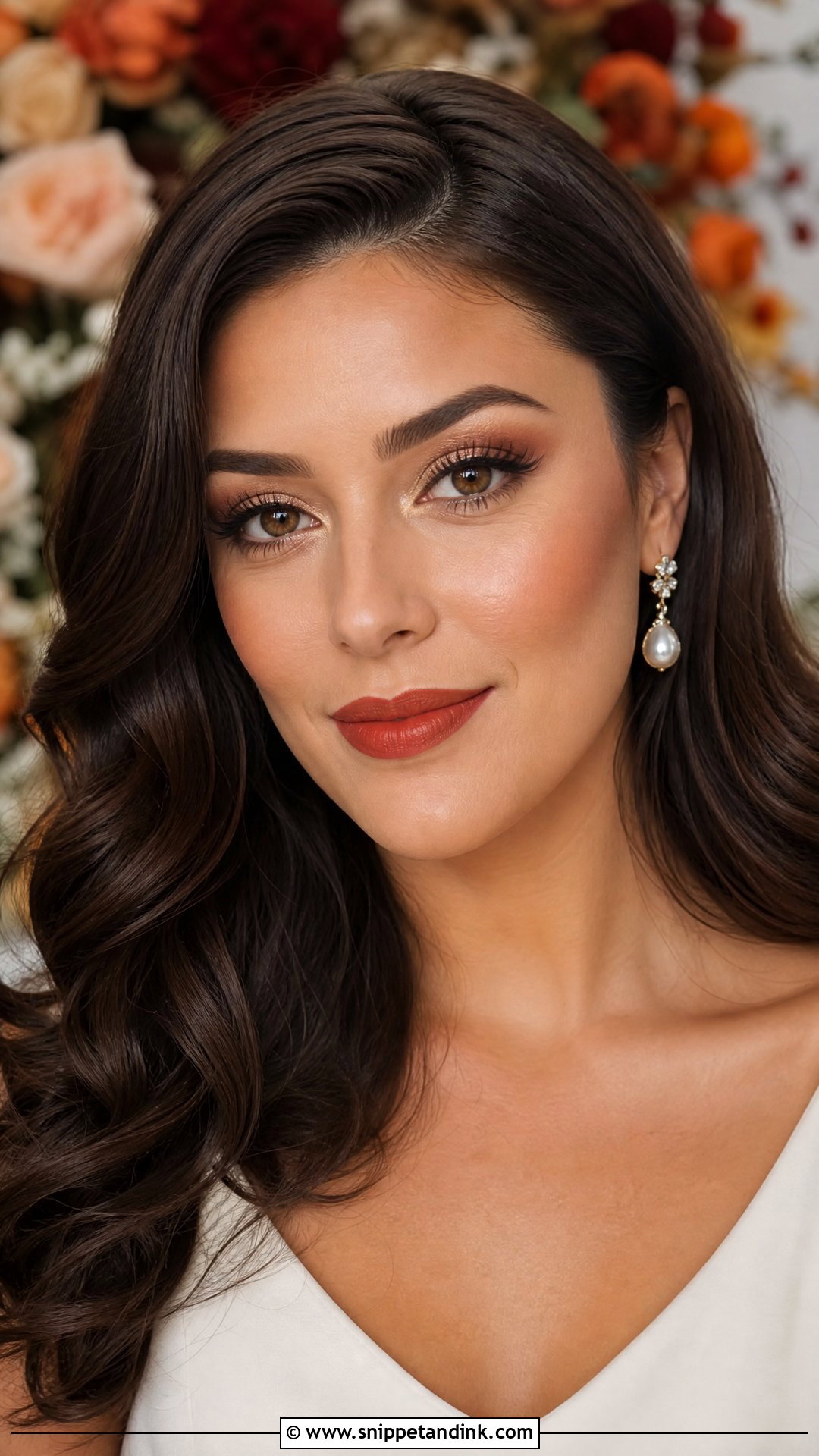
Brick red bridal lipstick sits between red, terracotta and brown, so it reads softer than a true red and suits autumn weddings and warm-toned looks. I pair it with bronze lids, warm contour and an apricot blush. Olive, tan, medium and deep skin carry it best; fair skin can wear a sheer brick stain. Because the lip is noticeable, I keep the eye blended and fairly light, since two heavy features compete in photos. A satin matte gives it structure without drying, which matters when you’re wearing it for ten hours.
16. Terracotta Bridal Lipstick
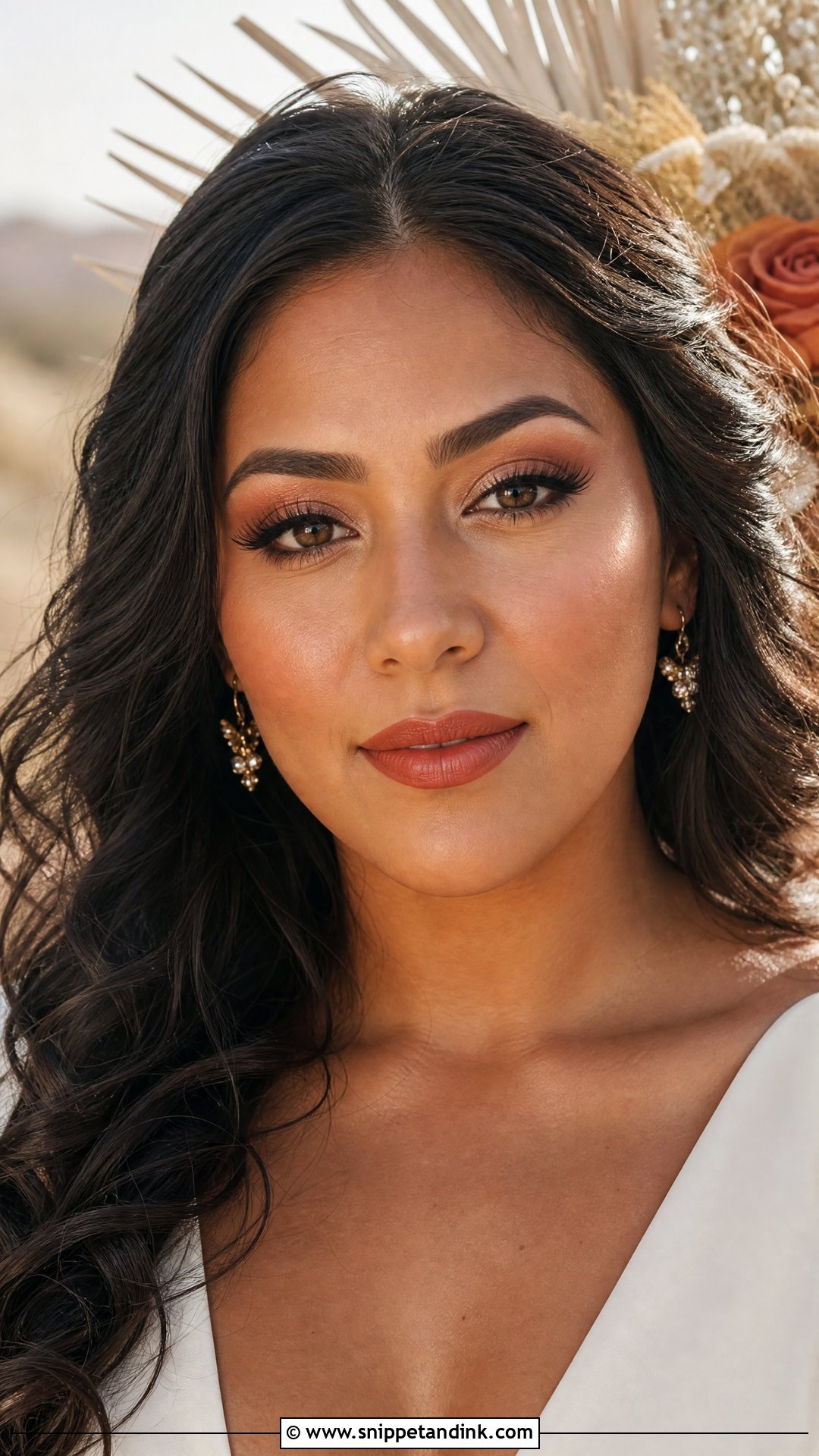
Terracotta is for the bride who wants to step away from pink without going bold. It mixes orange, brown and muted red, so it needs warmth around it on the face: bronzed skin, a burnt apricot blush, gold on the lids. Warm, olive, tan and deep complexions take it naturally. On fair skin I soften it toward a terracotta rose, or it can look like a separate color sitting on the face. It fits desert, autumn and rustic settings well. The skin has to stay smooth and radiant, because terracotta on dull, flat skin reads heavy.
17. Cinnamon Brown Bridal Lipstick
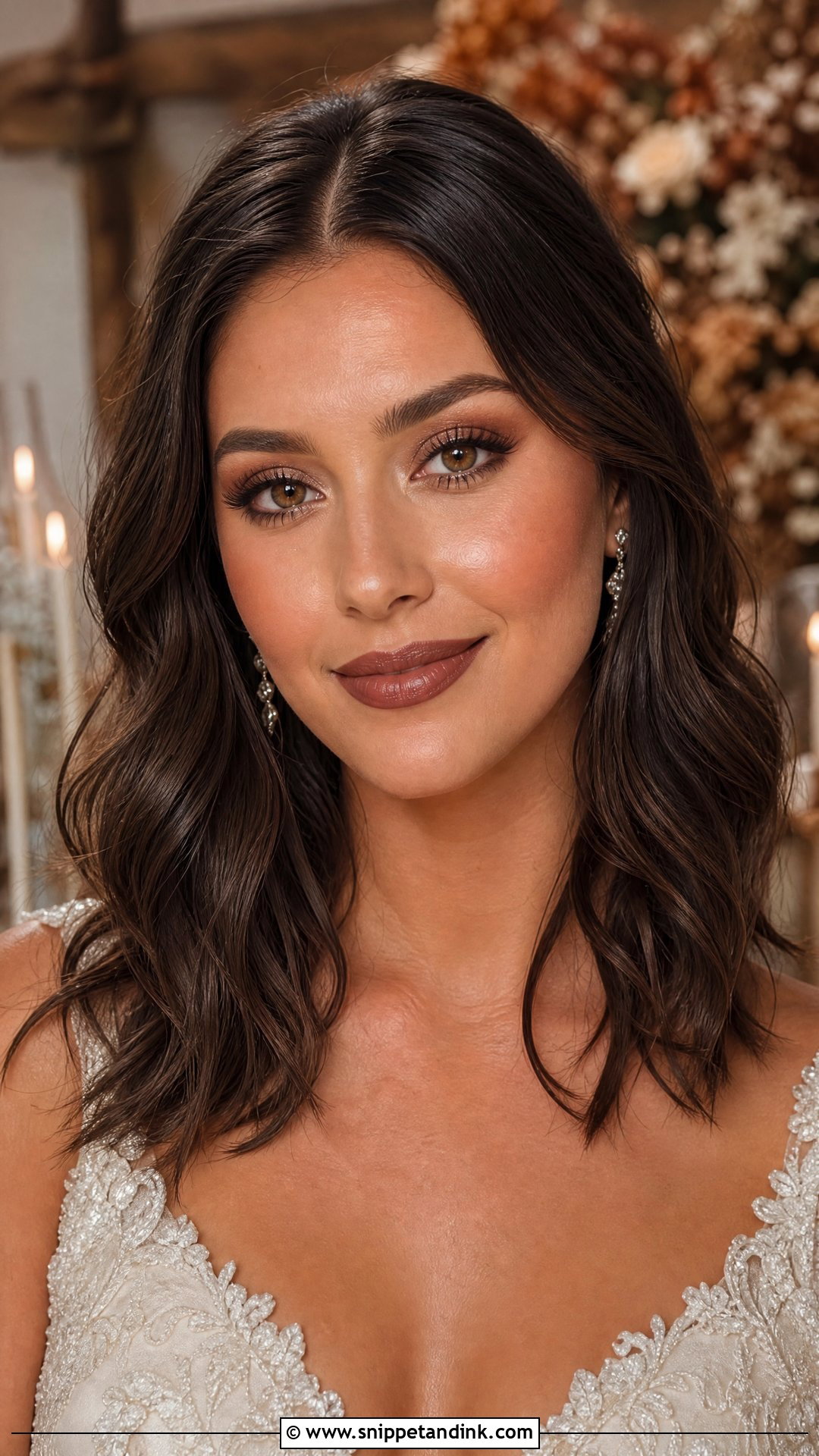
Cinnamon is warmer than mauve and softer than a dark brown, a neutral with some personality. I pair it with satin skin, warm brown shadow and feathered brows. Medium, tan, olive and deep skin wear it at full strength; on lighter skin I’d pick a sheer cinnamon nude instead. It looks right with warm hair colors, gold jewelry and cream or champagne dresses. A touch of gloss pressed only into the center of the lips adds fullness, and keeping it off the edges stops it migrating.
18. Plum Bridal Lipstick
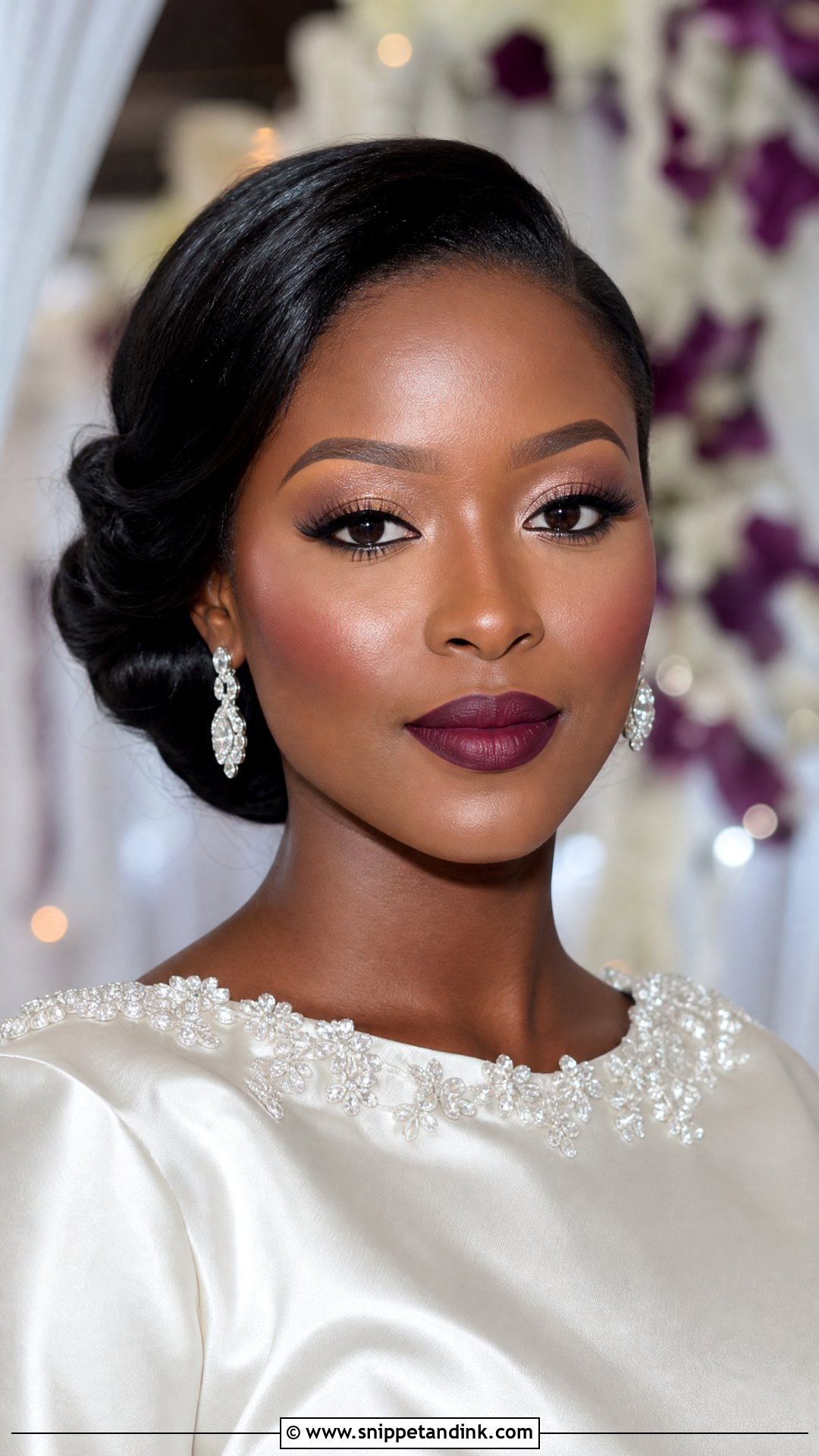
Plum suits evening weddings, but the bridal version is never too dark or too purple. It needs rose, berry or brown in it to flatter rather than overpower. Deep, tan, olive and medium skin tones carry it easily, while fair skin is better in a lighter plum stain. Plum shows every wobble at the edge, so I line with a long-wear pencil and keep the line polished but slightly softened. Underneath I keep velvety skin, soft contour and neutral lids. That liner under a creamy satin is what keeps the color even through dinner and dancing.
19. Wine Berry Bridal Lipstick
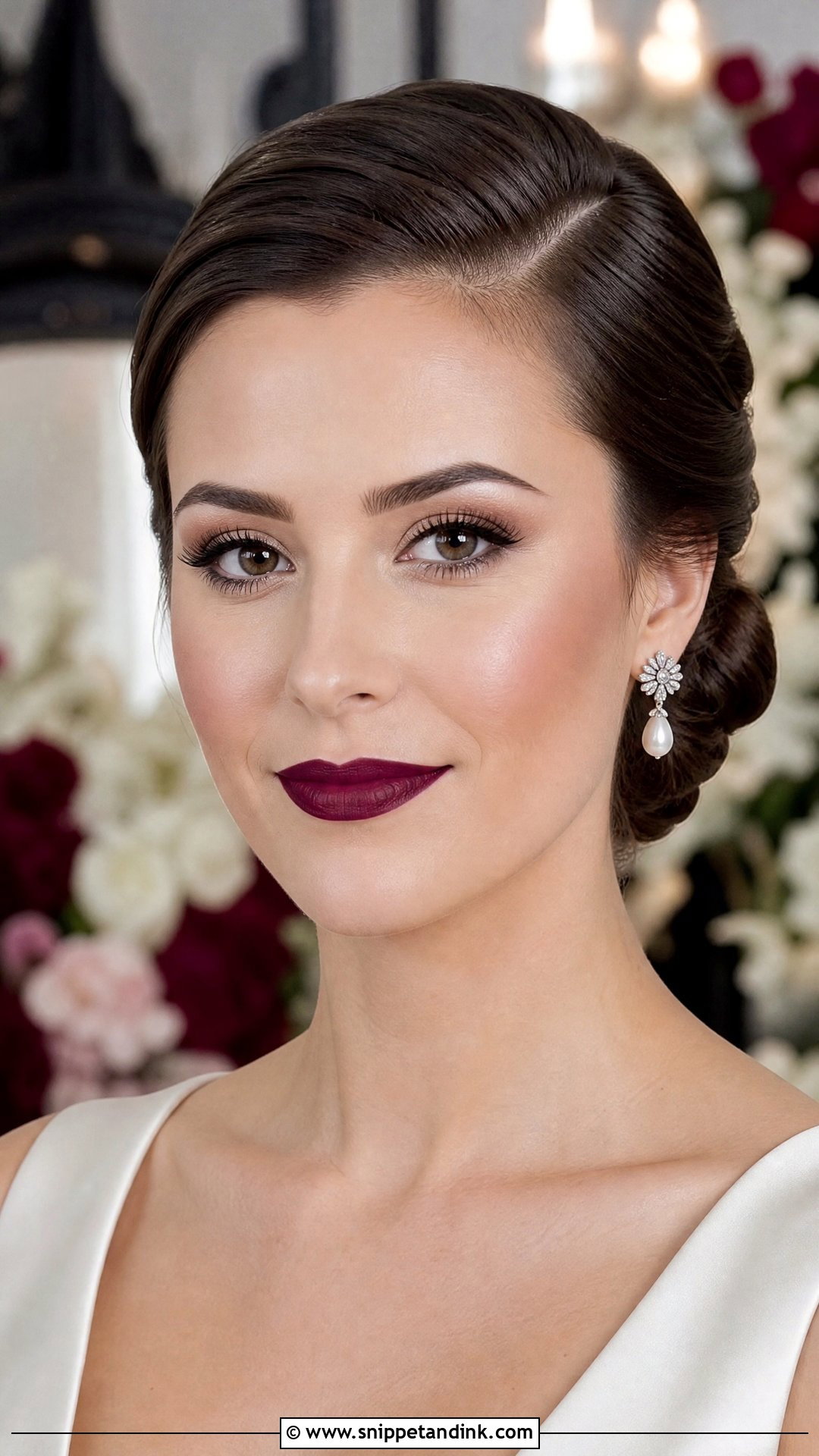
Wine berry is the deepest shade here, and I save it for evening ceremonies, winter weddings and black-tie receptions. It has to look rich rather than heavy, which is a finish question more than a color one: a satin, velvet or blotted matte keeps it from looking like a block of paint. Deep and tan skin wear it at full strength; fair skin suits a softer berry wine stain. I keep the eyes neutral brown and the cheeks barely flushed, so the lips are the only dark point on the face. Expect to touch this one up after eating, since the inner rim wears first and dark shades show it.
20. Sheer Glossy Bridal Lipstick
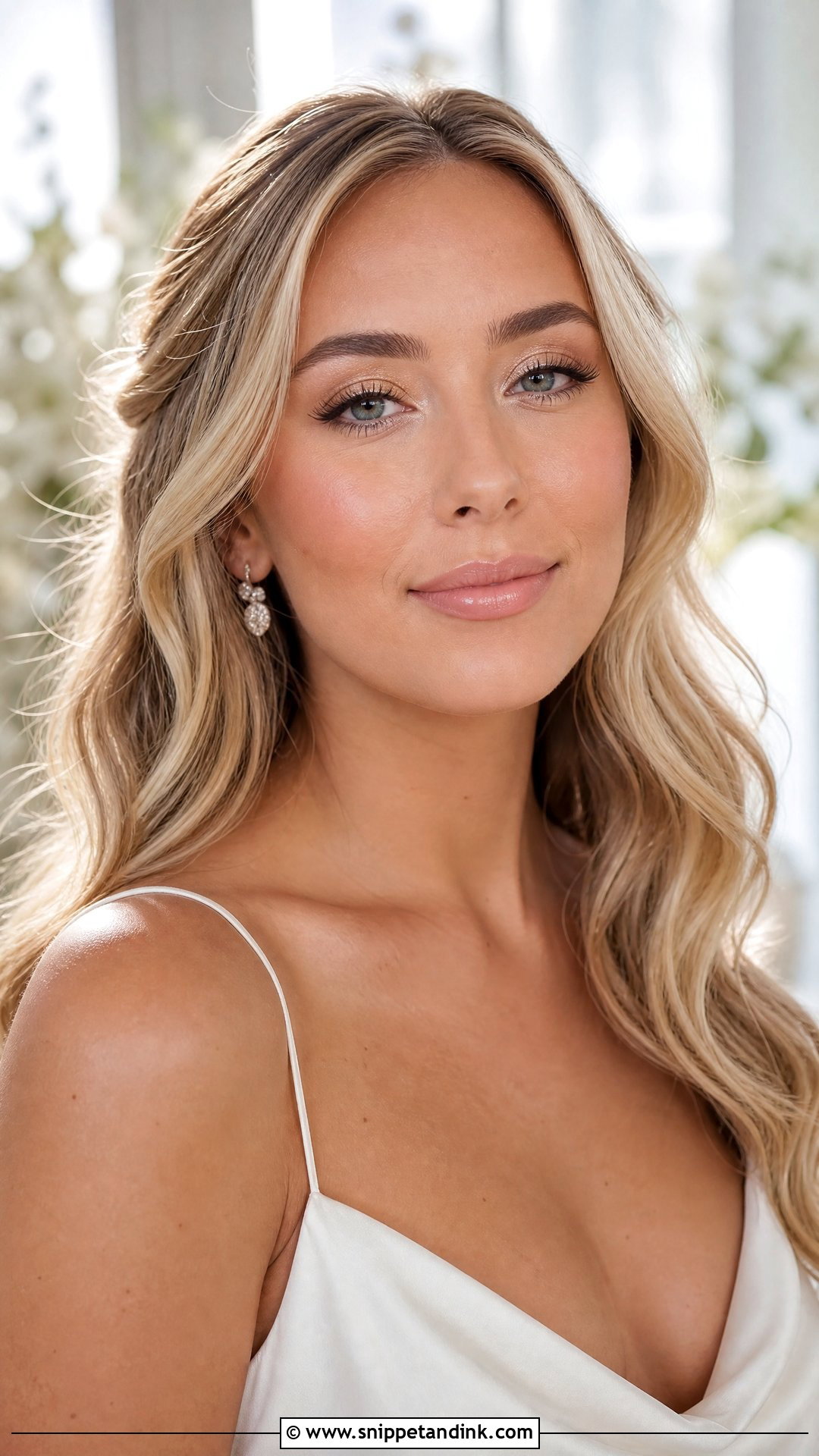
Sheer gloss is the most forgiving lip for anyone who never wears lipstick. It can be pink, peach, rose or berry, depending on your natural lip tone. The shine catches light in close-ups and makes lips look fuller. The catch is wear, because gloss alone lasts about as long as your first drink. So I lay a stain or liner over the whole mouth first and put gloss on top; when the shine goes, the color stays. Pair it with dewy skin, cream blush and curled lashes, and skip very sticky formulas if your hair will be down on a windy day.
What Kissing, Toasts and Dinner Do to Your Lipstick
The ceremony kiss, the champagne glass and the meal are the three moments that take most color off a bride’s mouth, and each one wears it differently. Knowing where the damage happens tells you how to prepare and how to fix it.
- Prep: I put balm on early, while skin prep is happening, and wipe it off completely before any liner goes on. Balm left under lipstick makes everything slide.
- The kiss: blot once with a tissue right before you walk. A blotted lip transfers far less than a freshly applied one, and your partner won’t walk back down the aisle wearing it.
- Toasts: glass rims take color from the inner lower lip first. A quick dab of lipstick there, pressed in with a fingertip, fixes it in seconds.
- Dinner: oily food breaks down lipstick and dissolves gloss. Afterwards, wipe the patchy center clean before reapplying rather than layering fresh color over a broken one.
- Liquid mattes: never stack a new coat over a worn one. It cracks and flakes. Take it off with a little balm, then reapply on a clean lip.
Hand one person a tiny kit for the day: your lipstick or liner, a few tissues, a small mirror and, for reds and berries, a cotton bud with a touch of concealer for cleaning up edges. That kit fits in a clutch and saves most of what goes wrong between the ceremony and the first dance.
Your Lip After Ten Hours Matters More Than the Swatch
Any of these shades can be the right one if it matches your undertone, your makeup and the mood of your dress. What separates a good choice from a regretted one is testing. Wear the shade with your full makeup in daylight, then talk, eat and drink in it for a few hours and look at photos taken with flash. Line, apply thin layers, blot, and keep one small touch-up product in someone’s pocket. Soft nude or bold red, your bridal lip color should feel like you on your best day.
You'll Like These Ideas:


Leave a Reply