
Matte has a reputation it no longer deserves. The flat, powdery bridal face of years past came from heavy formulas and too much setting powder; a good matte finish now looks blurred and velvety, with a little glow left only where light would naturally hit. I reach for it most when a bride has oily skin, a summer date or a long day ahead, because a matte base holds through vows, portraits, hugs and the reception with far fewer touch-ups. Below are twenty matte looks, from barely-there to a full red lip, and what I’d watch for with each one.
Can Dry or Textured Skin Wear a Matte Finish?
Yes, with adjustments. Matte foundation grips anything on the surface, so on dry skin it settles into flakes, fine lines and pores and can look older in close-ups. That doesn’t rule it out. It changes how I prep and where I put powder.
- Exfoliate gently a few days before the wedding, not the morning of, when skin can still be red or sensitive.
- Use a hydrating moisturiser and give it a few minutes to sink in before primer goes on.
- Choose a satin-matte foundation rather than a fully flat one; it photographs matte but doesn’t drag on dry cheeks.
- Set only the T-zone and under the eyes, and leave the outer cheeks with a little natural sheen.
- Avoid very drying matte liquid lipsticks if your lips flake; a creamy matte bullet over a balm wears better.
For mature skin, I’d go one step softer still. Less powder, cream blush pressed in with fingers, and a tiny bit of glow on the high points stop a matte face from looking flat.
1. Soft Matte Bridal Makeup
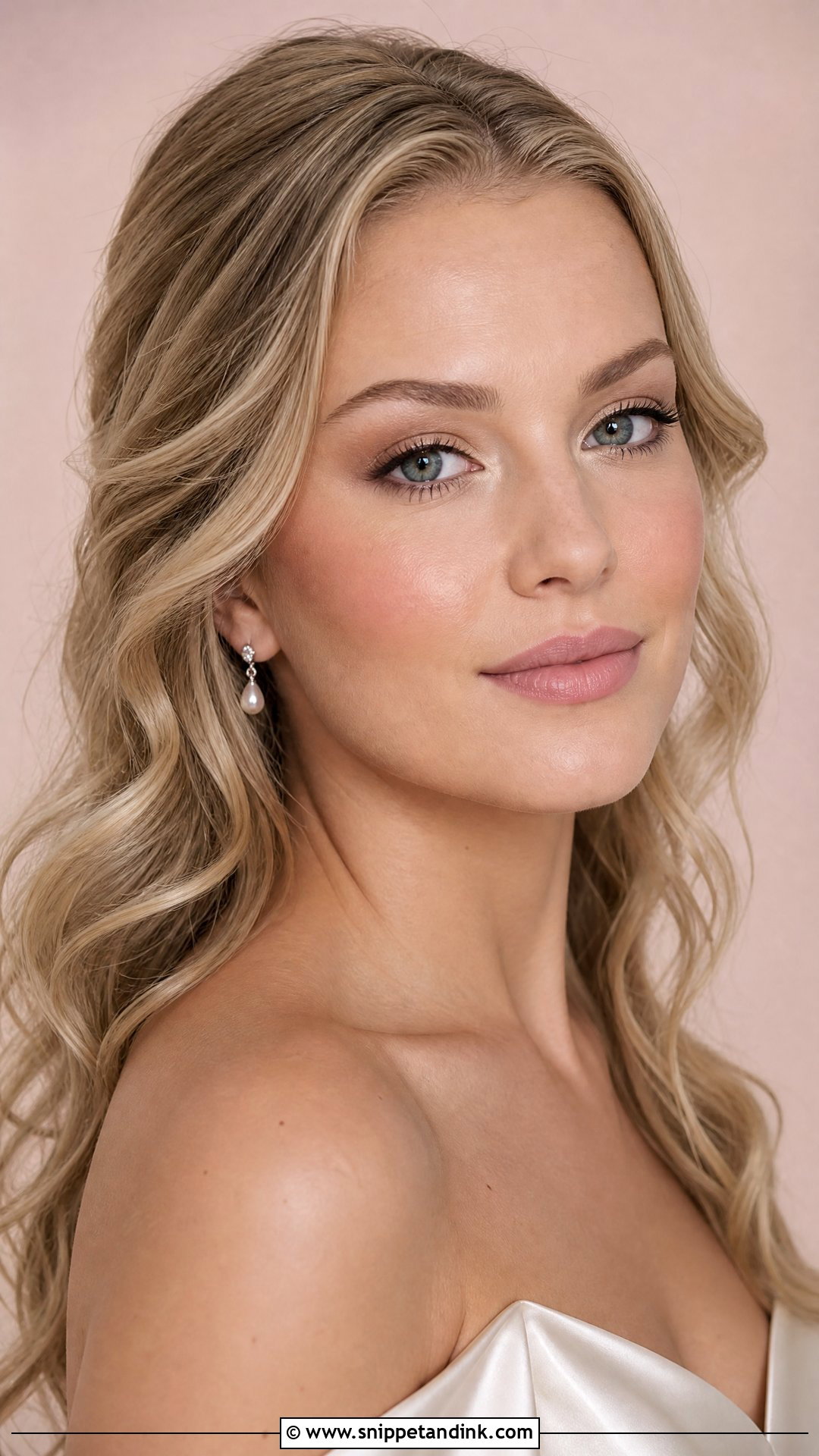
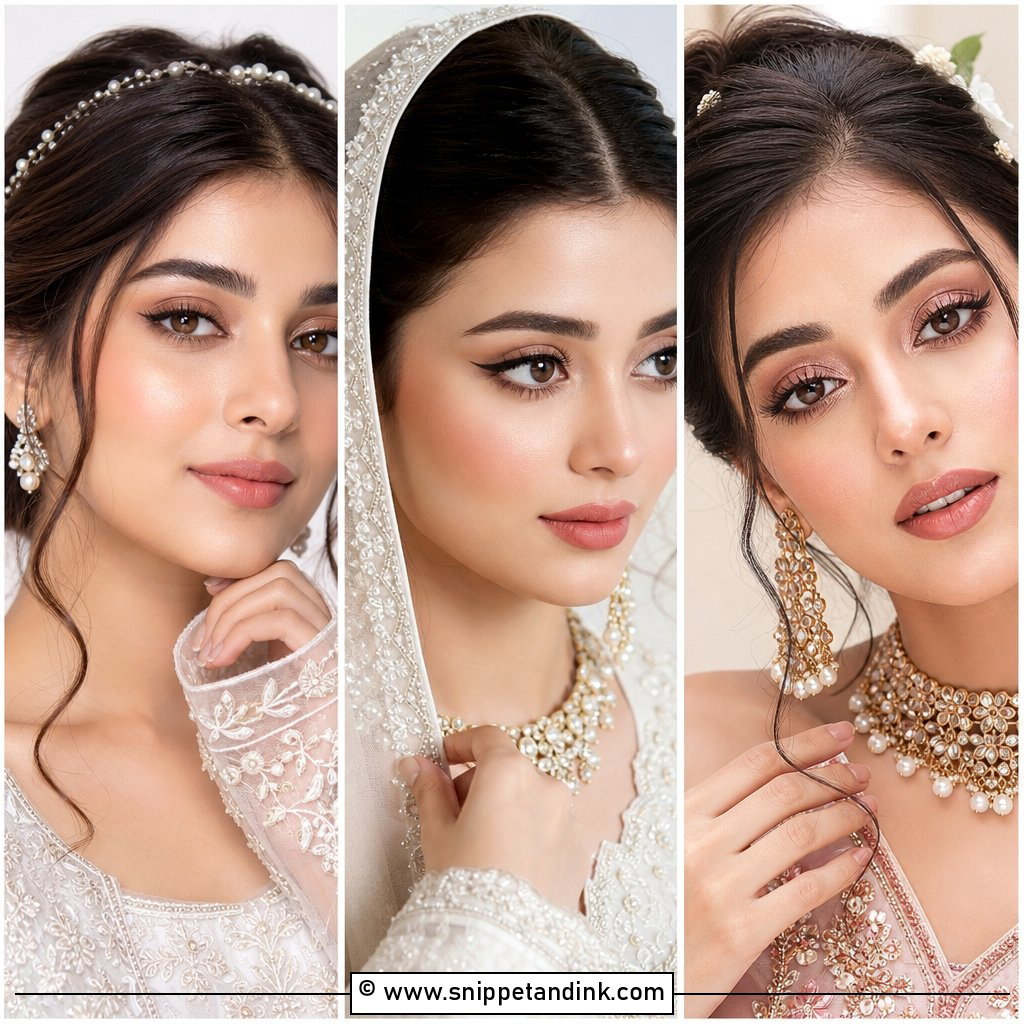
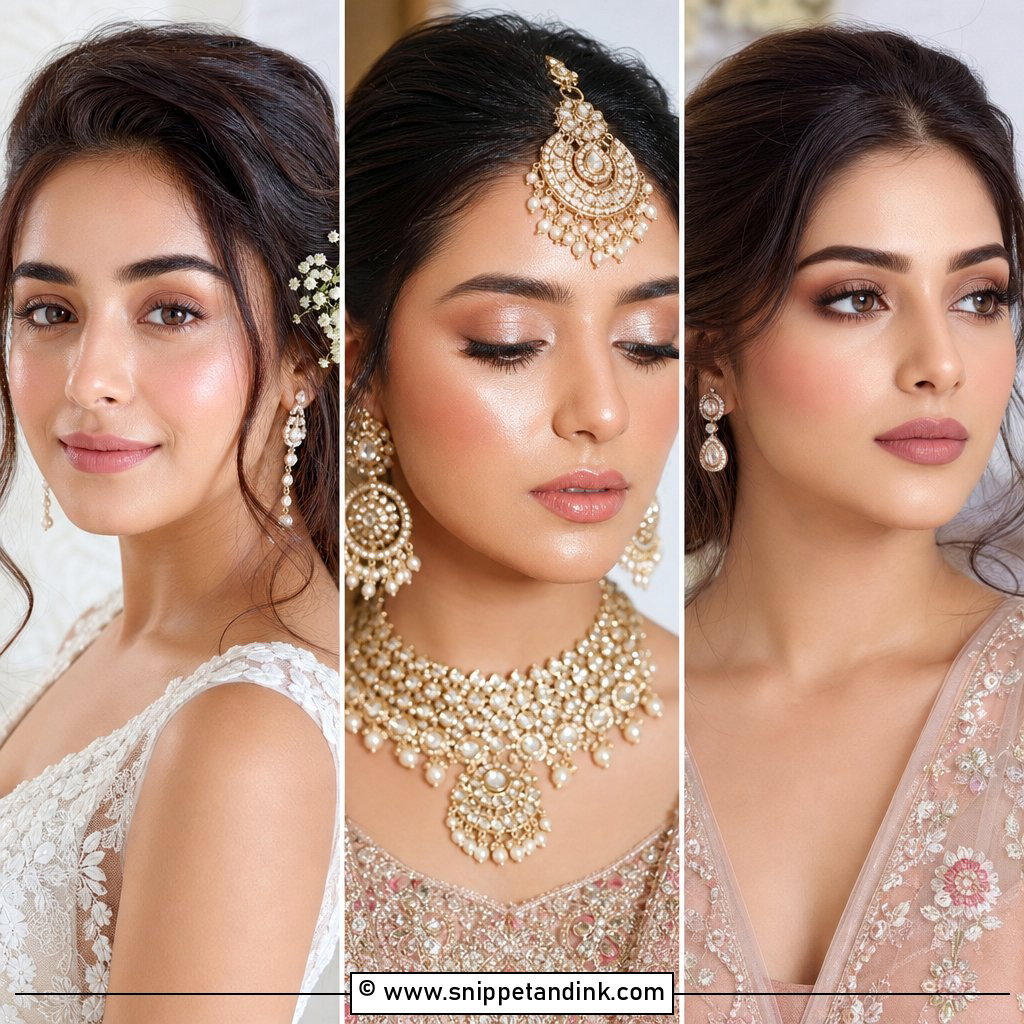
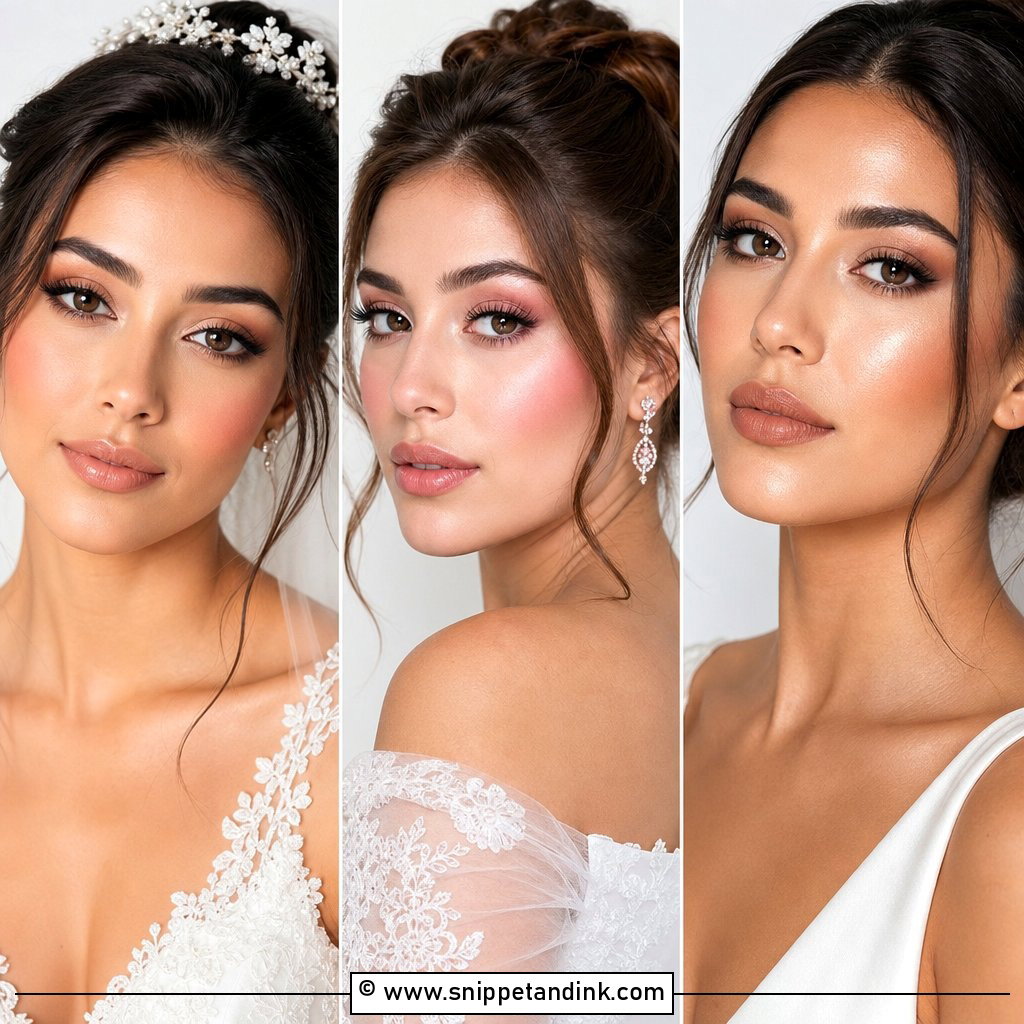
Soft matte is where I start most trials, because it’s easy to build up from. The skin should look smooth and lightly powdered, never thick. I use a gripping primer, then a long-wear foundation in thin layers, pressing each one in before the next. On the eyes, a neutral beige or soft taupe blended high enough to shape the socket, a brown liner rather than black, and individual lashes for lift. Muted rose blush and a matte nude-pink lip finish it. It sits comfortably with classic gowns, low buns and soft waves.
2. Natural Matte Bridal Makeup
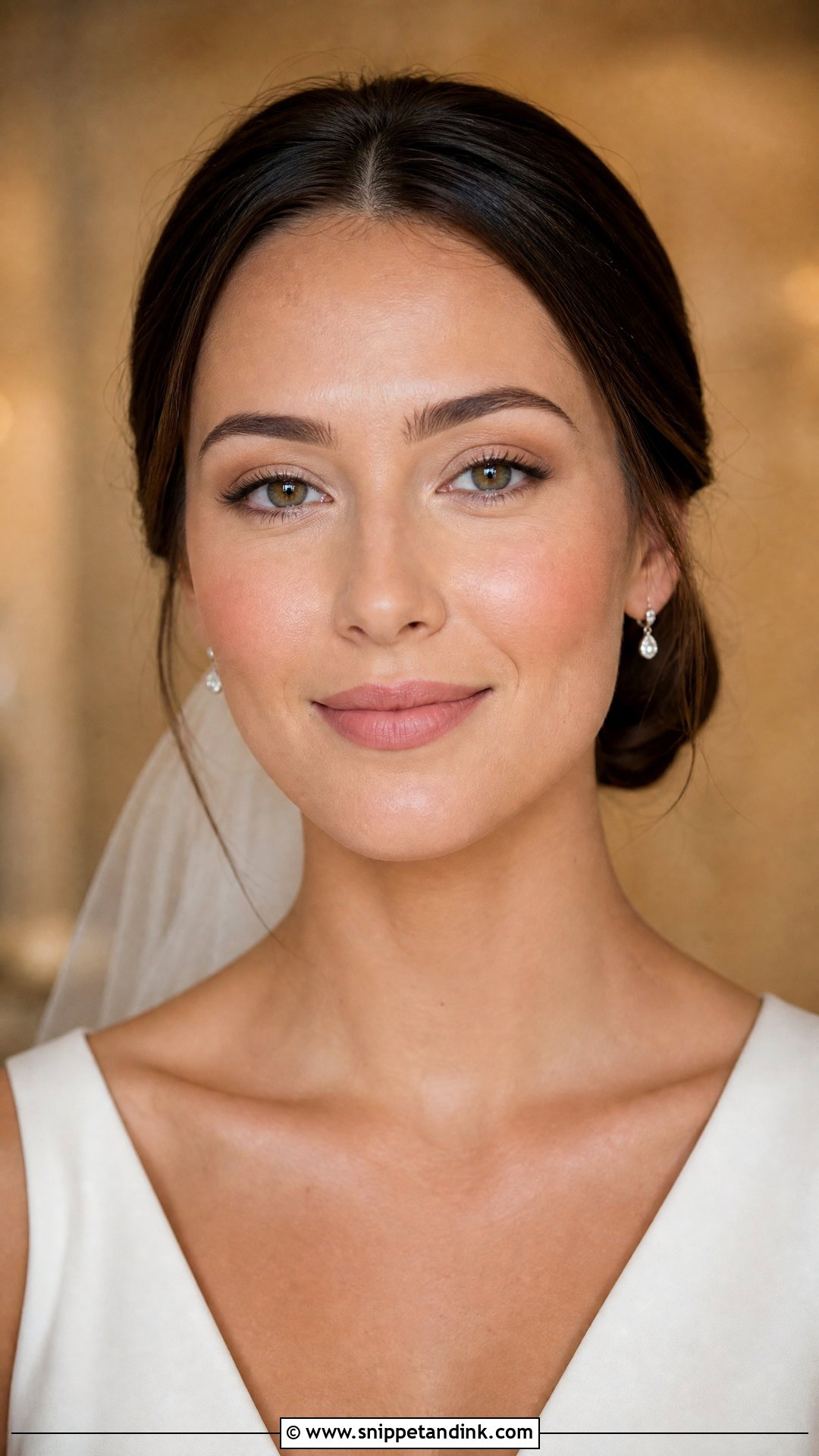
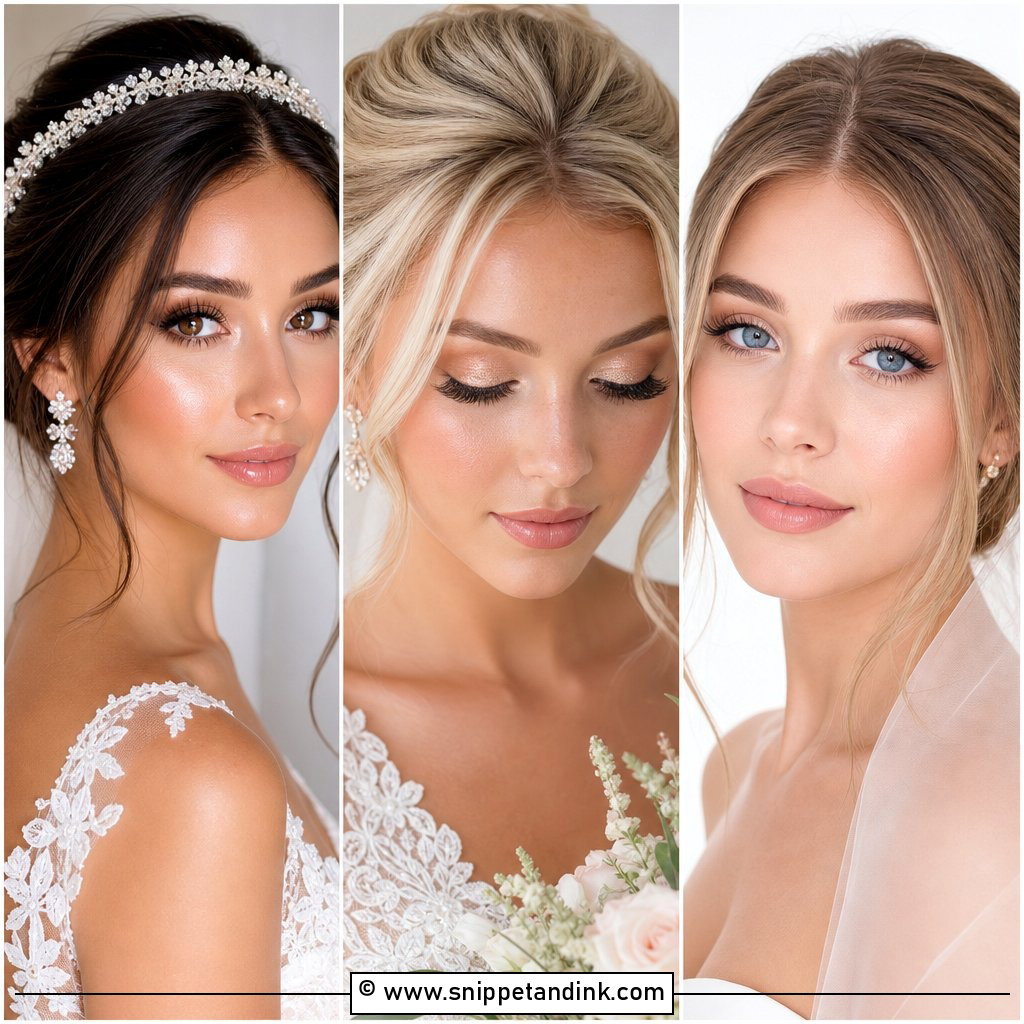
The brief here is simple: you, on a very good day. Even skin, light definition and no shine. I use a lightweight matte foundation or a satin-matte skin tint and conceal only where it’s needed, because covering the whole face defeats the point. Eyes stay in cream, beige and light brown. I skip contour and warm the face with a soft matte bronzer instead, then add a blurred peach or rose blush so it doesn’t look washed out. A matte balm or nude lipstick finishes it. Daytime weddings, gardens and courthouse ceremonies suit it best.
3. Matte Glam Bridal Makeup
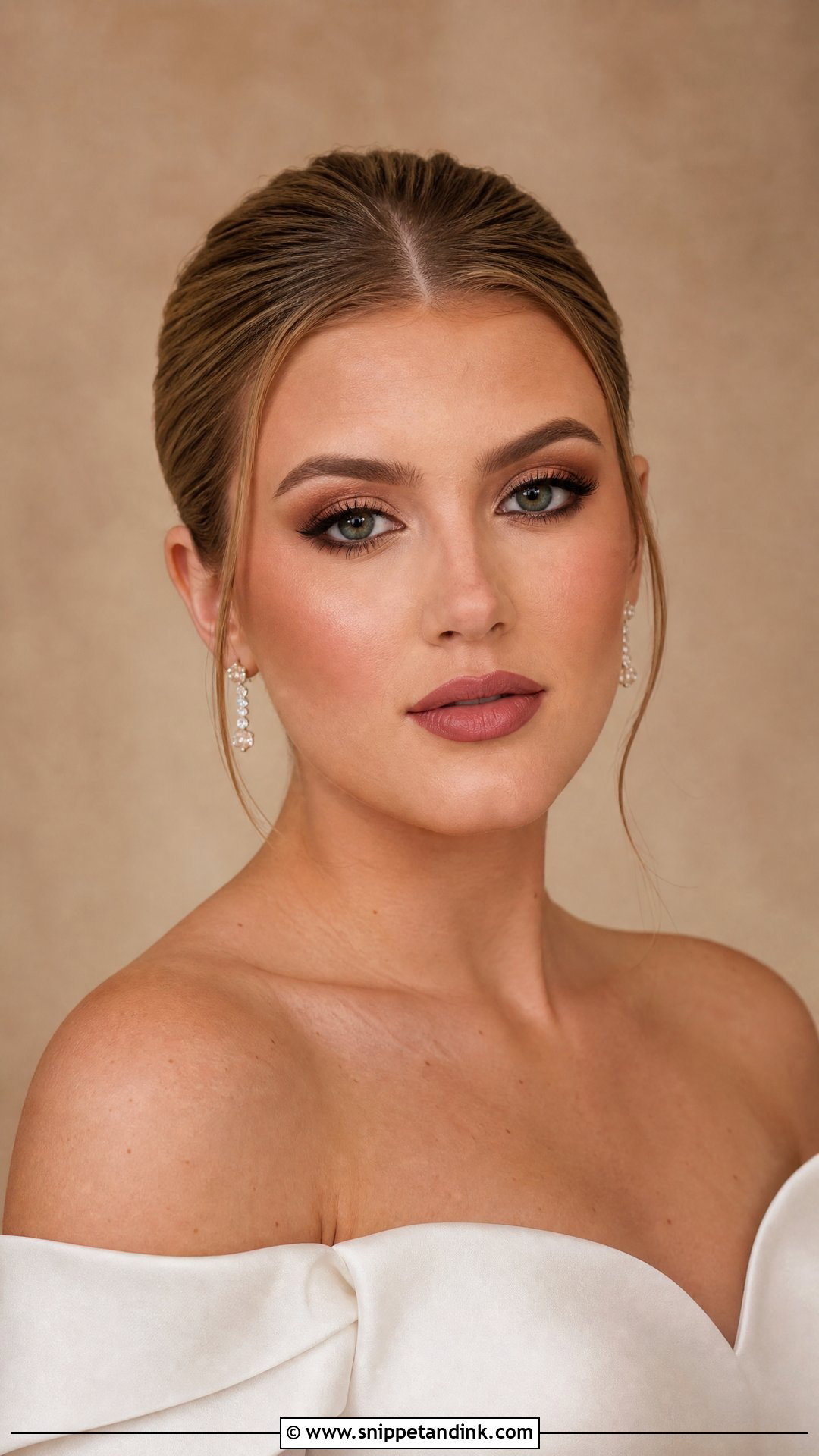
Matte glam is the full face, built for evening light and a big room. The complexion is medium to full coverage with soft contour, matte blush and carefully placed powder. Warm brown, chocolate and deep taupe give the eyes dimension, with a crisp liner and full lashes. The detail people skip is the lower lash line: if the top is dramatic and the bottom is bare, the eyes look unbalanced in photos, so I smoke the lower line softly. A matte nude, rose-brown or soft mauve lip keeps the focus on the eyes. Ballrooms and structured gowns suit it.
4. Matte Smokey Eye Bridal Makeup
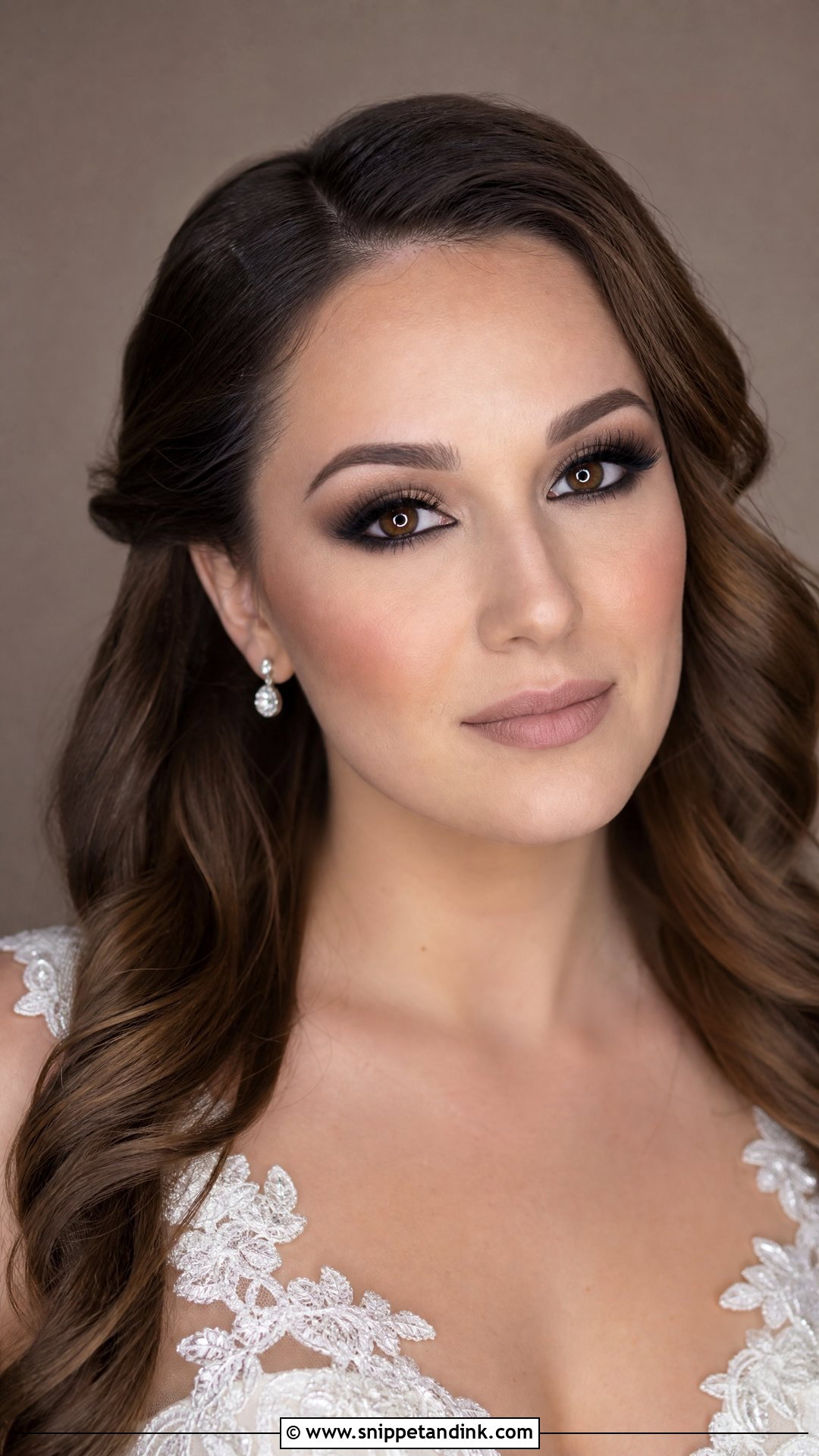
A smokey eye can still feel romantic, provided there’s no black on the lid. I build it with taupe, espresso and charcoal brown, keeping the deepest shade tight to the lash line and outer corner. Matte shadows are less forgiving than shimmer when you blend, so I work in small amounts and buff the edges until there’s no line where one colour stops. The rest of the face stays quiet: smooth matte skin, muted blush, a nude or pink-beige lip. Sleek buns, off-the-shoulder necklines and evening ceremonies go well with it.
5. Matte Nude Bridal Makeup
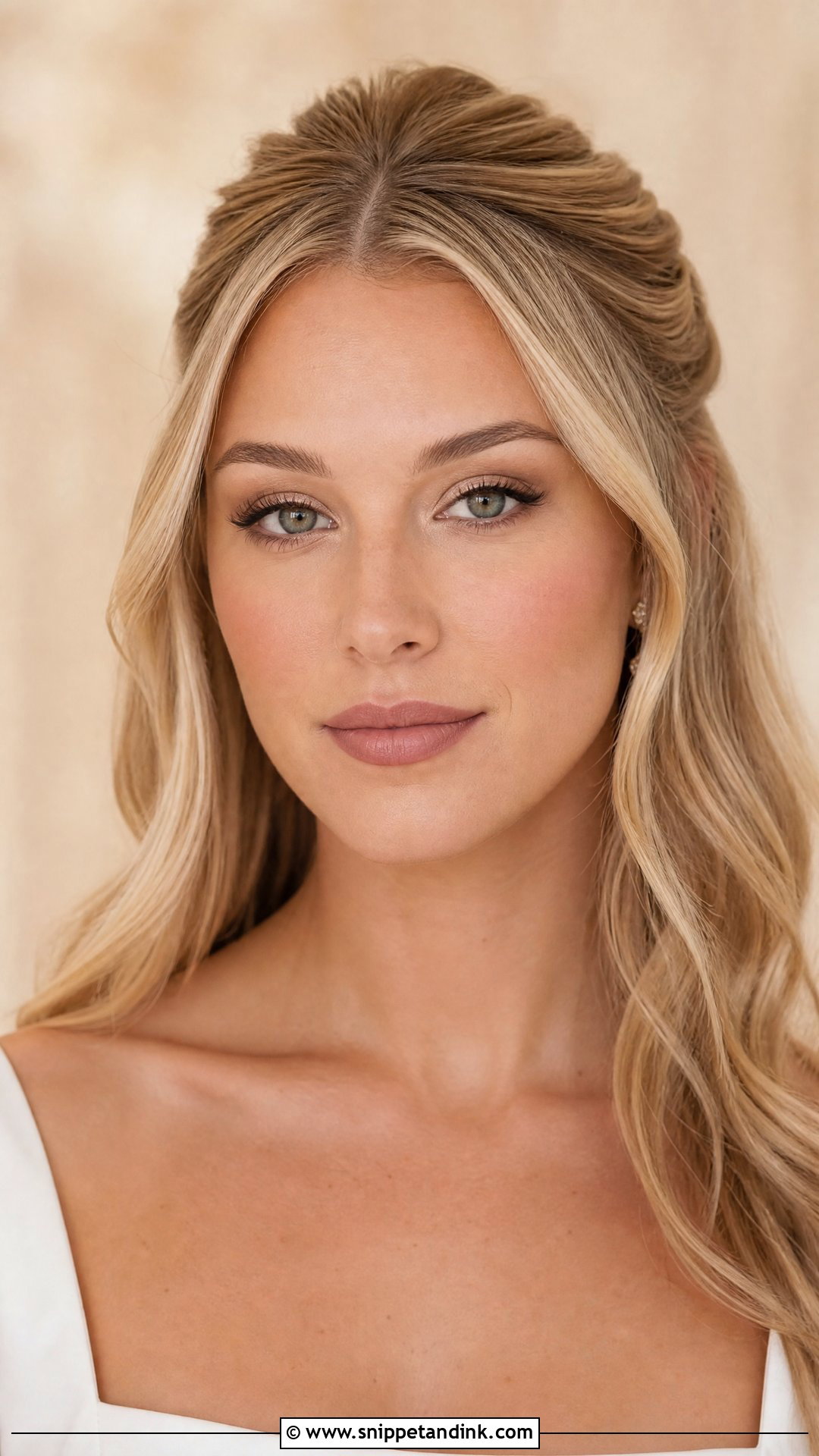
Nude only works if it’s the right nude for your skin. Get it wrong and the face looks grey or washed out in photos. Fair skin tends to suit pink-beige and soft rose nudes. Medium and olive skin carries caramel, peach-brown and warm beige well. Deep skin looks rich with cocoa, chestnut and warm brown lips. I always check a nude lip against the actual skin of the lips, not the back of the hand, because lip colour varies so much. Keep the complexion softly sculpted, the eyes in matte beige, tan and brown, and bring warmth back with bronzer and a muted blush.
6. Matte Pink Bridal Makeup
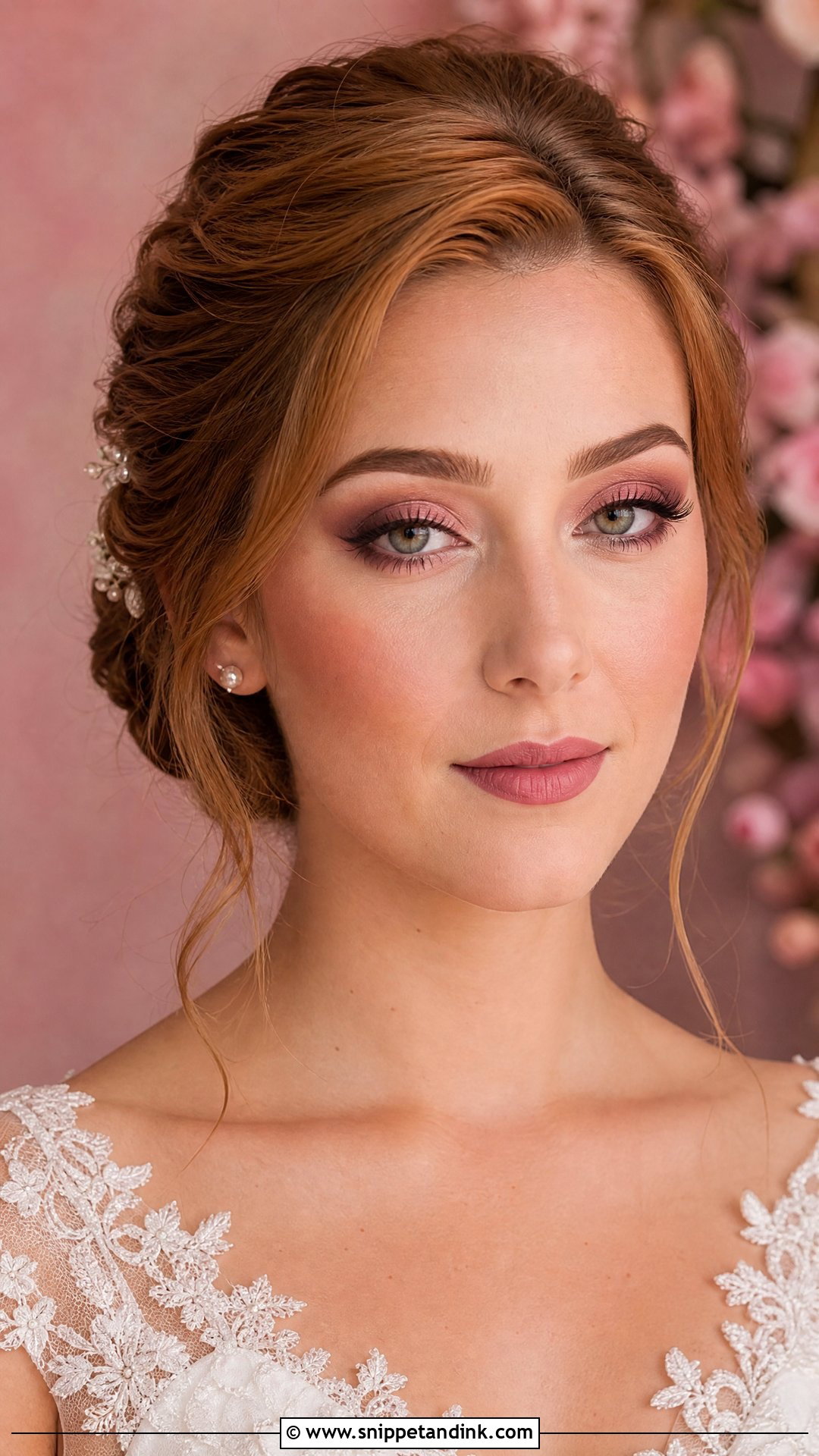
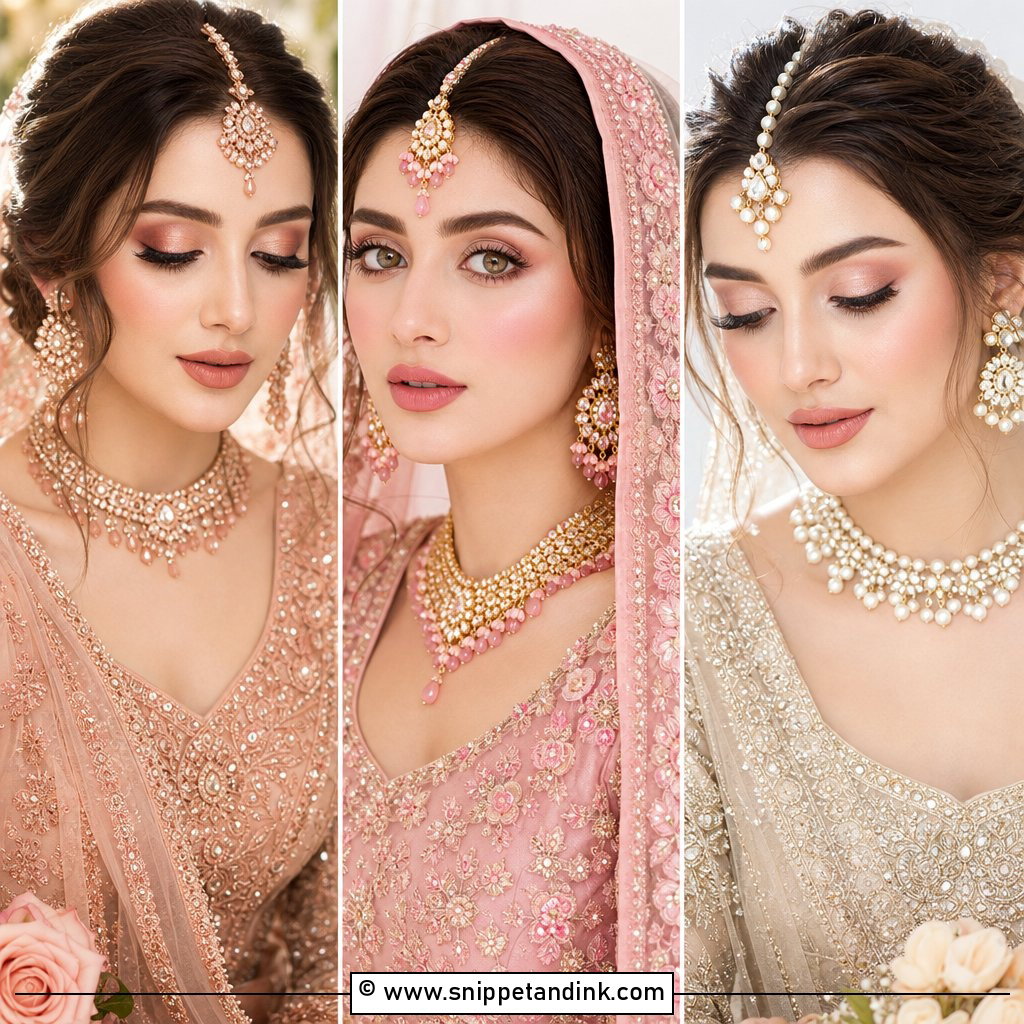
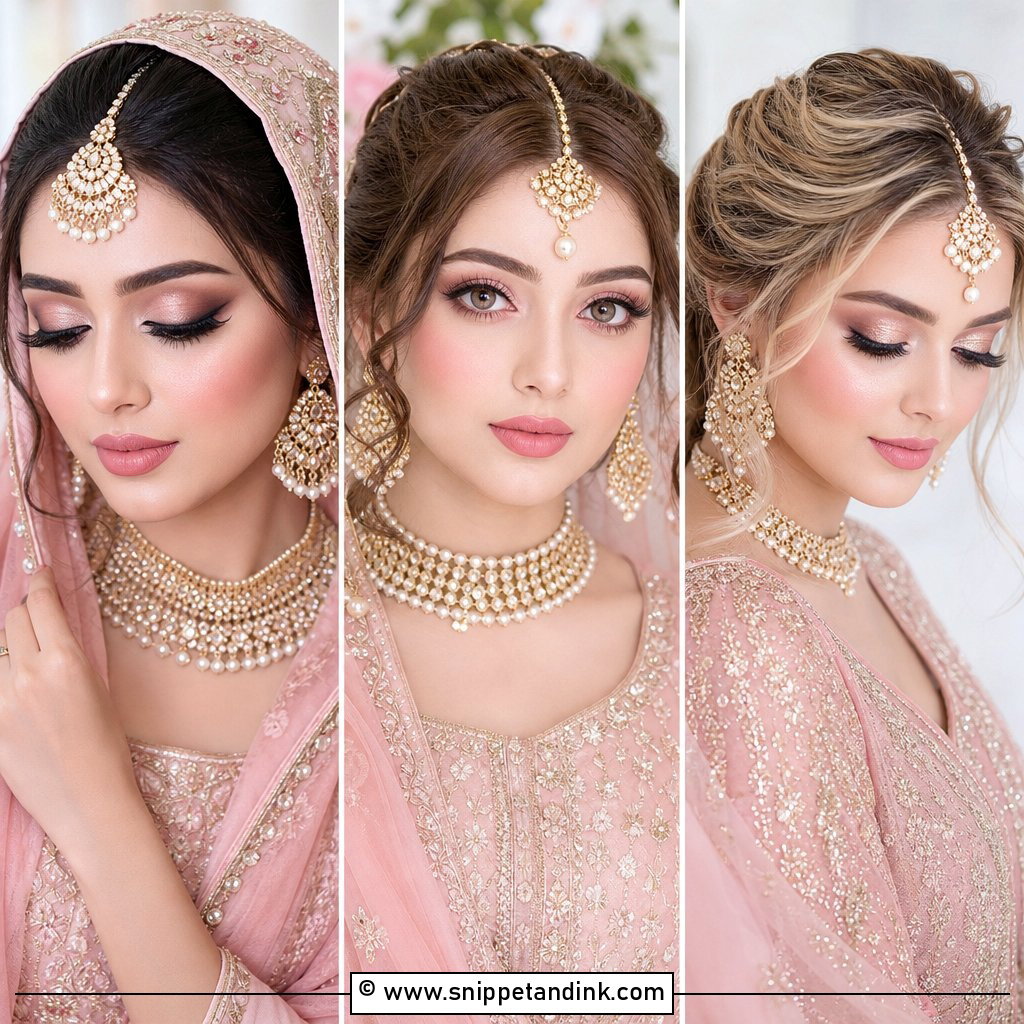
Pink without shimmer reads fresh rather than sugary, as long as the shade is dusty. Bright candy pink tends to look childish against white. I blend a matte rose across the lid and a deeper mauve through the crease for shape, then keep the liner thin and slightly lifted. A soft matte base, pink blush and a blurred rose lip tie it together. Spring weddings, florals and lace all suit it. On deeper skin tones, I swap in berry-rose and muted plum-pink, which give the same softness with proper definition instead of sitting chalky on the skin.
7. Matte Brown Bridal Makeup
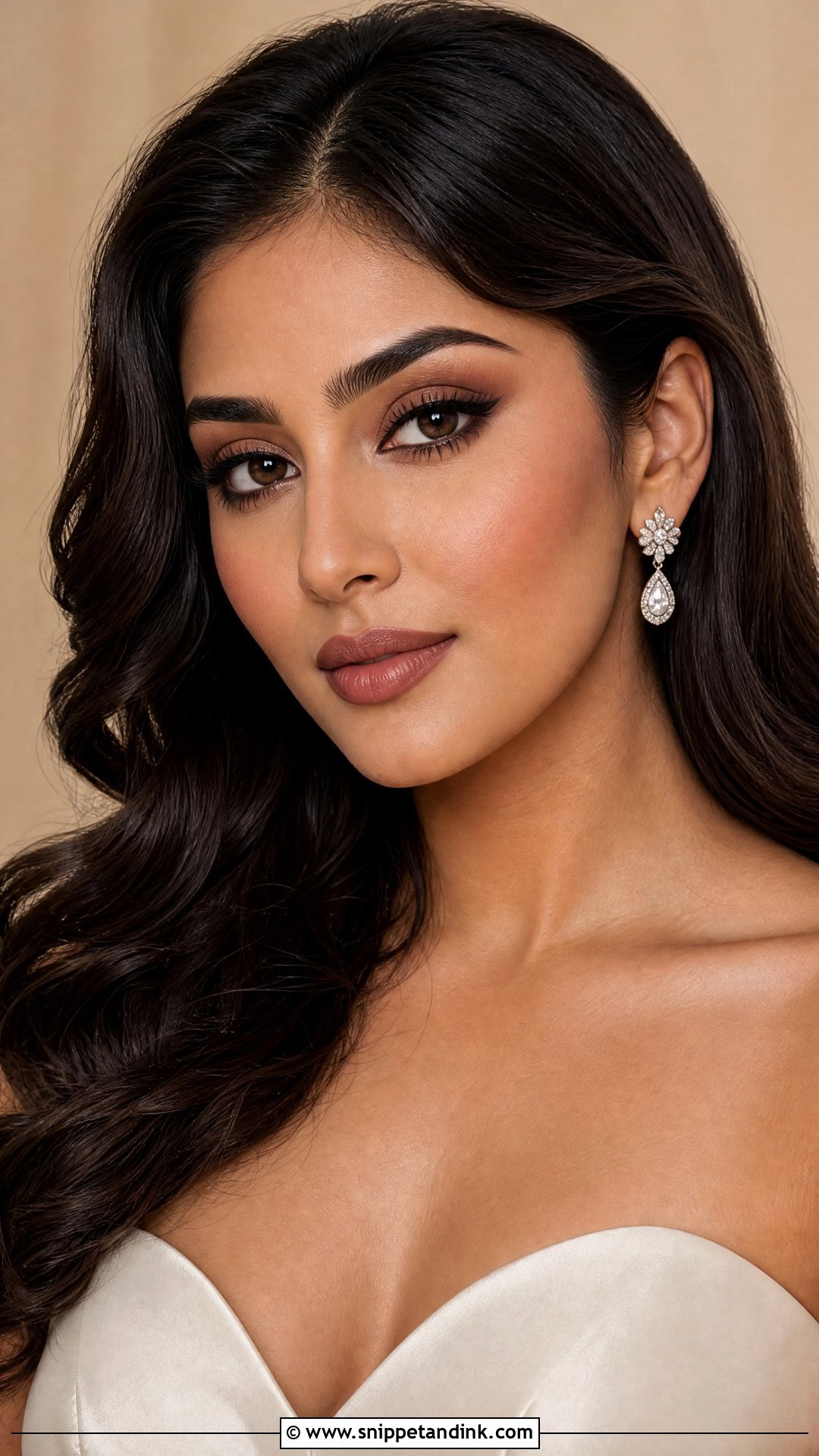
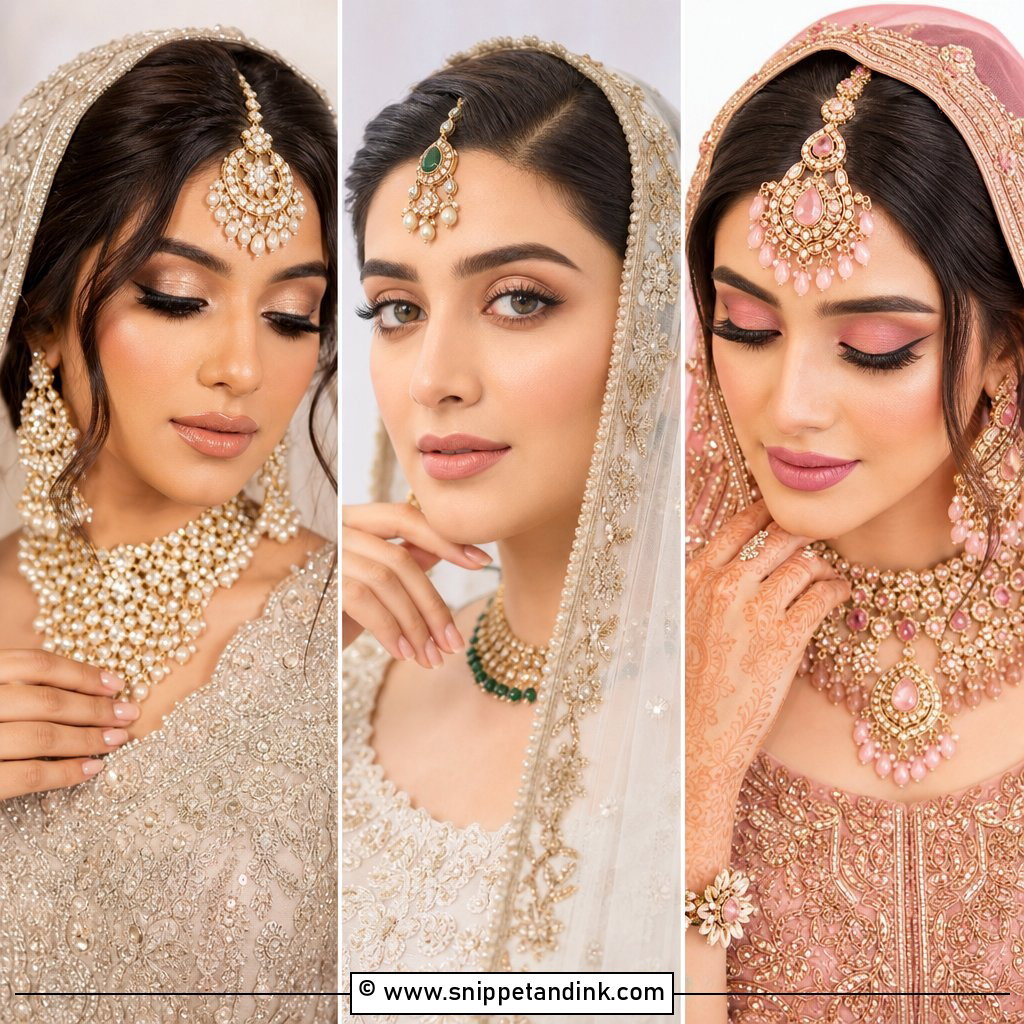
Brown is the most forgiving palette I own. Matte brown bridal makeup gives the eyes depth without the hardness of black, and it holds up in both daylight and flash. I build the eyes in camel, warm taupe, chocolate and espresso, then add a brown wing or a smudged liner. The skin stays velvety with warm bronzer, soft contour and a neutral blush, and the lip is beige-brown, rose-brown or mocha depending on your skin tone. Ivory dresses, champagne accessories and fall weddings all suit it, and it scales from soft to bold with one extra layer in the outer corner.
8. Matte Peach Bridal Makeup
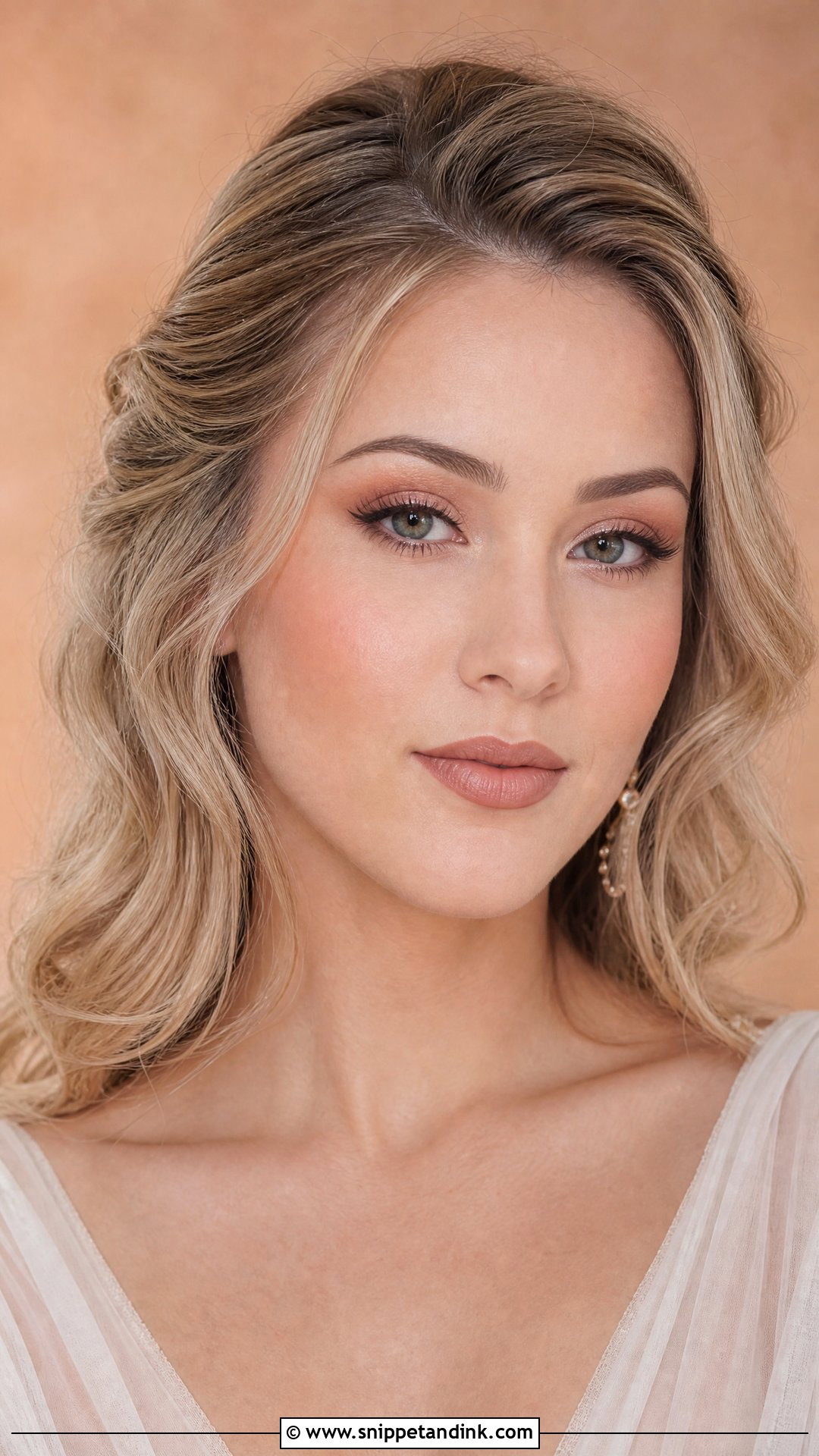
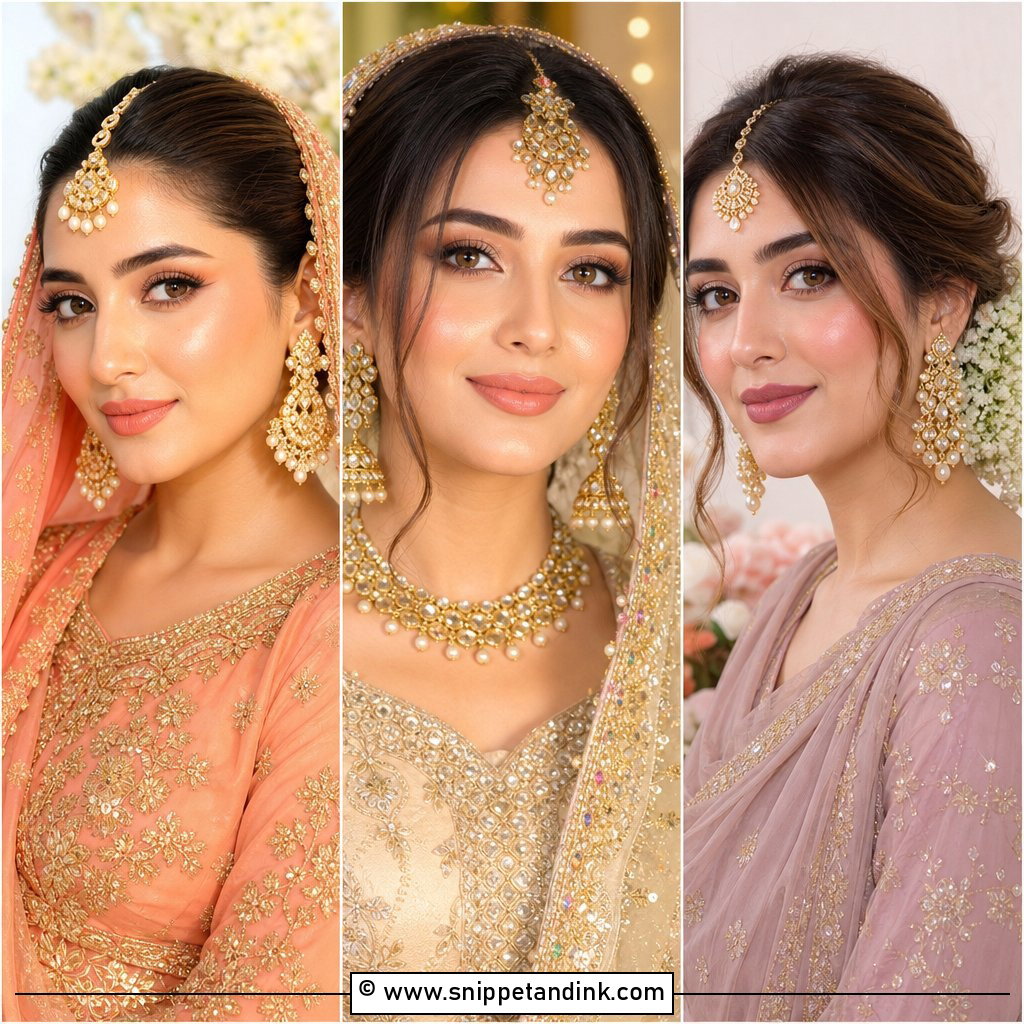
Peach lifts a tired face faster than almost any other colour, which is why I lean on it for early ceremonies and outdoor portraits. Matte peach-beige goes on the lid, soft brown in the crease, and a thin brown liner gives definition. A peach blush warms the cheeks while keeping the skin shine-free, and a peach nude or warm coral lip completes it. Deeper skin needs more saturation; burnt peach, terracotta-peach or apricot read correctly, where pale peach can turn ashy. It’s cheerful but still finished.
9. Matte Rose Bridal Makeup
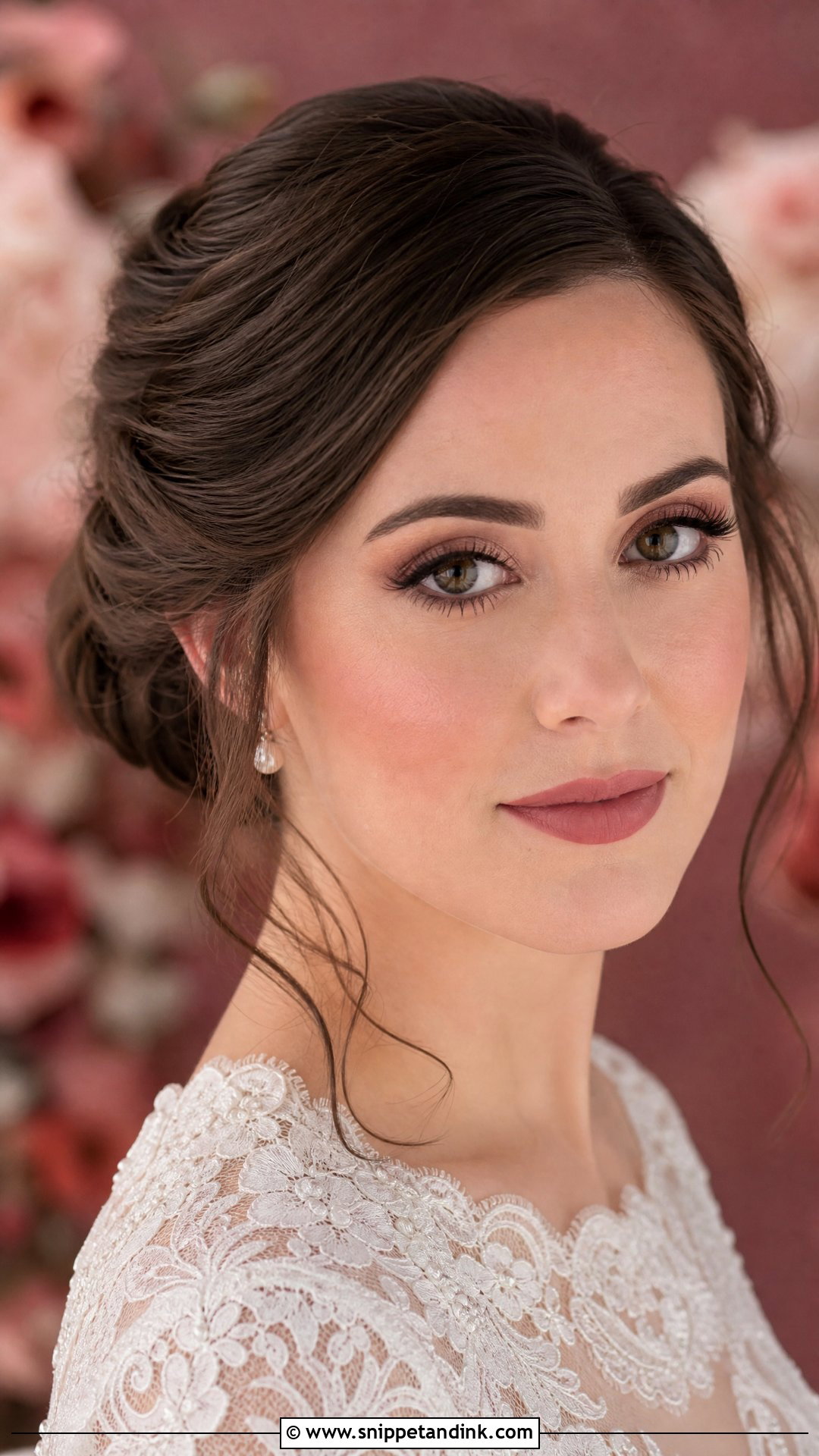
Rose sits between pink and mauve: a little deeper than one, softer than the other. I use a matte rose-brown across the lid and blend a deeper rose-taupe through the crease, with soft liner, fluttery lashes and well-shaped brows. The skin is satin-matte, with powder set only through the centre of the face so the cheeks keep some life. Repeating rose on cheeks and lips ties the face together. It pairs naturally with lace, pearls, soft updos and neutral bouquets, and it doesn’t date in photos.
10. Matte Mauve Bridal Makeup
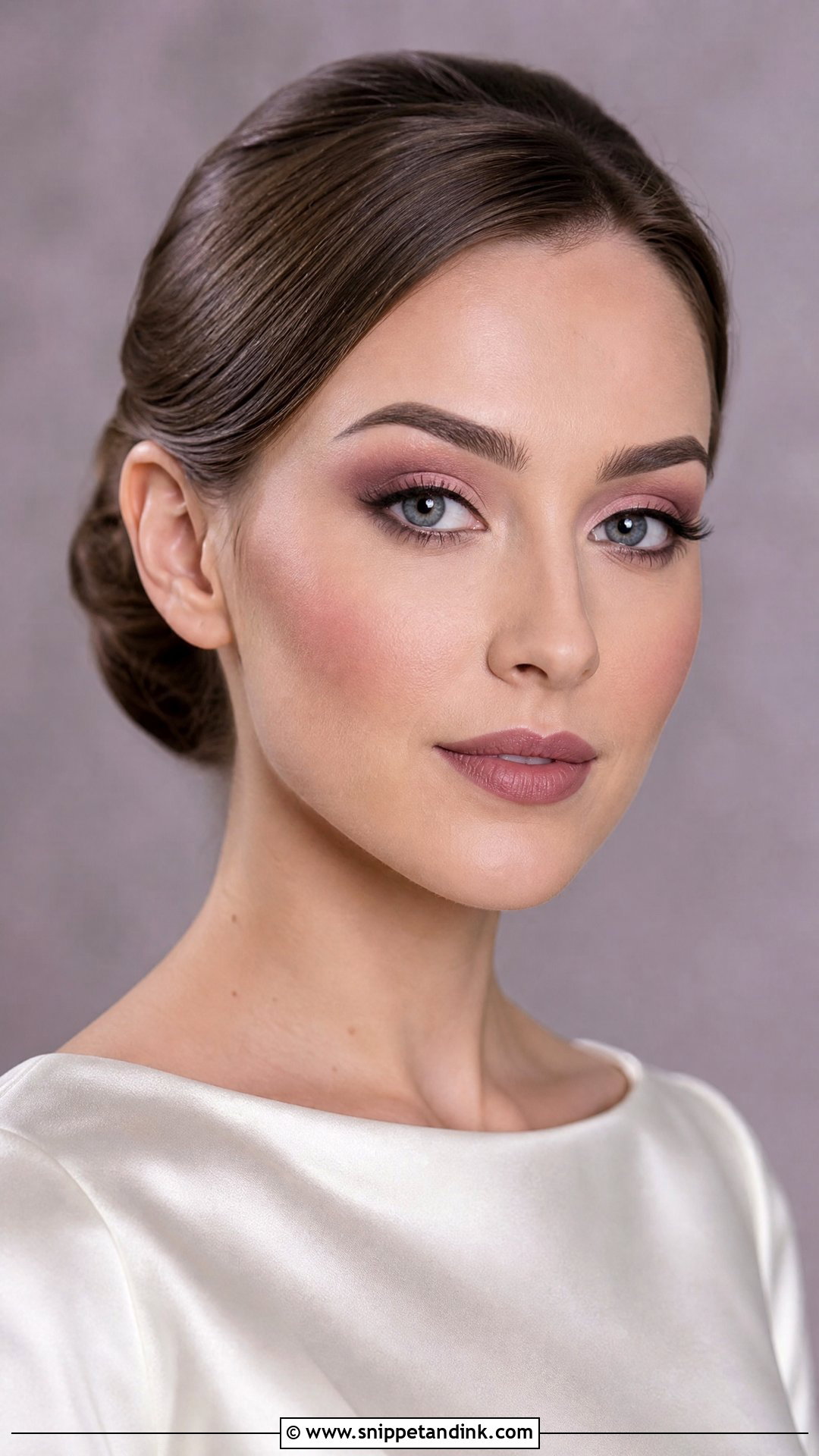
Mauve is my choice for cool-toned romance. On the eyes I use matte lavender-mauve, dusty plum, or a taupe-mauve, deepening the outer corner with a muted brown-plum. The skin stays velvety, and I pick a neutral blush rather than anything warm, since peach against mauve looks muddy. A matte mauve nude lip completes it quietly. It flatters winter weddings, silver jewellery and cool-toned dresses, and it’s especially good with blue, green, grey or hazel eyes. One caution: if your undertone is very warm, mauve can make you look tired, so test it in daylight first.
11. Matte Bronze Bridal Makeup
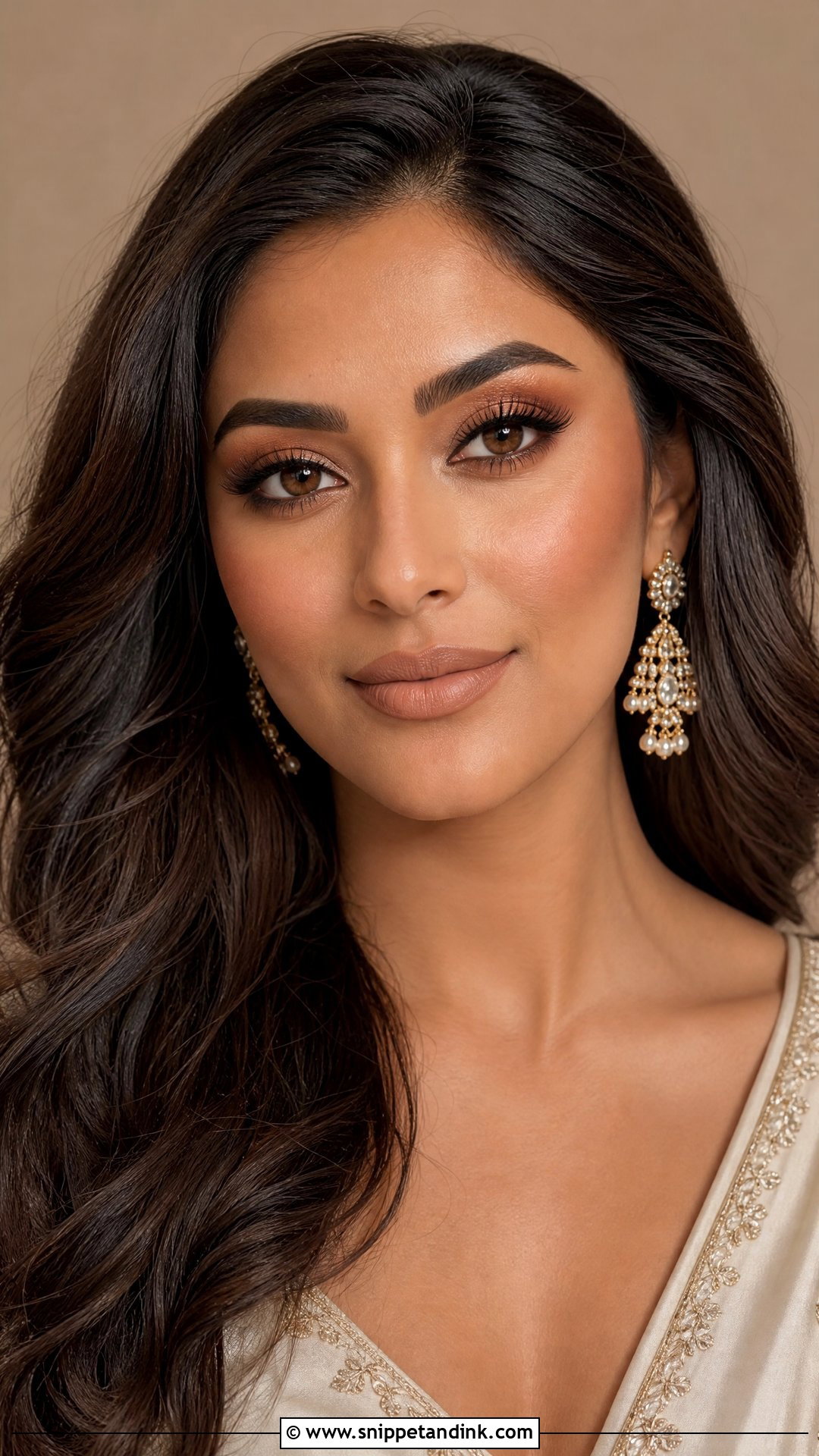
This is bronze without the sparkle. Instead of metallic shadow, I layer matte tan, caramel, cocoa and warm brown to build a soft bronzed eye that still looks smooth up close. Black-brown liner and full lashes give impact. Matte bronzer goes around the forehead, cheeks and jaw, where the sun would naturally catch, with a warm neutral blush. A caramel nude, peach-brown or cinnamon lip finishes it. Brides with golden undertones, beach venues and warm lighting suit it well. On very fair skin, I go lighter on the bronzer than you’d expect, because it builds fast in photos.
12. Matte Red Lip Bridal Makeup
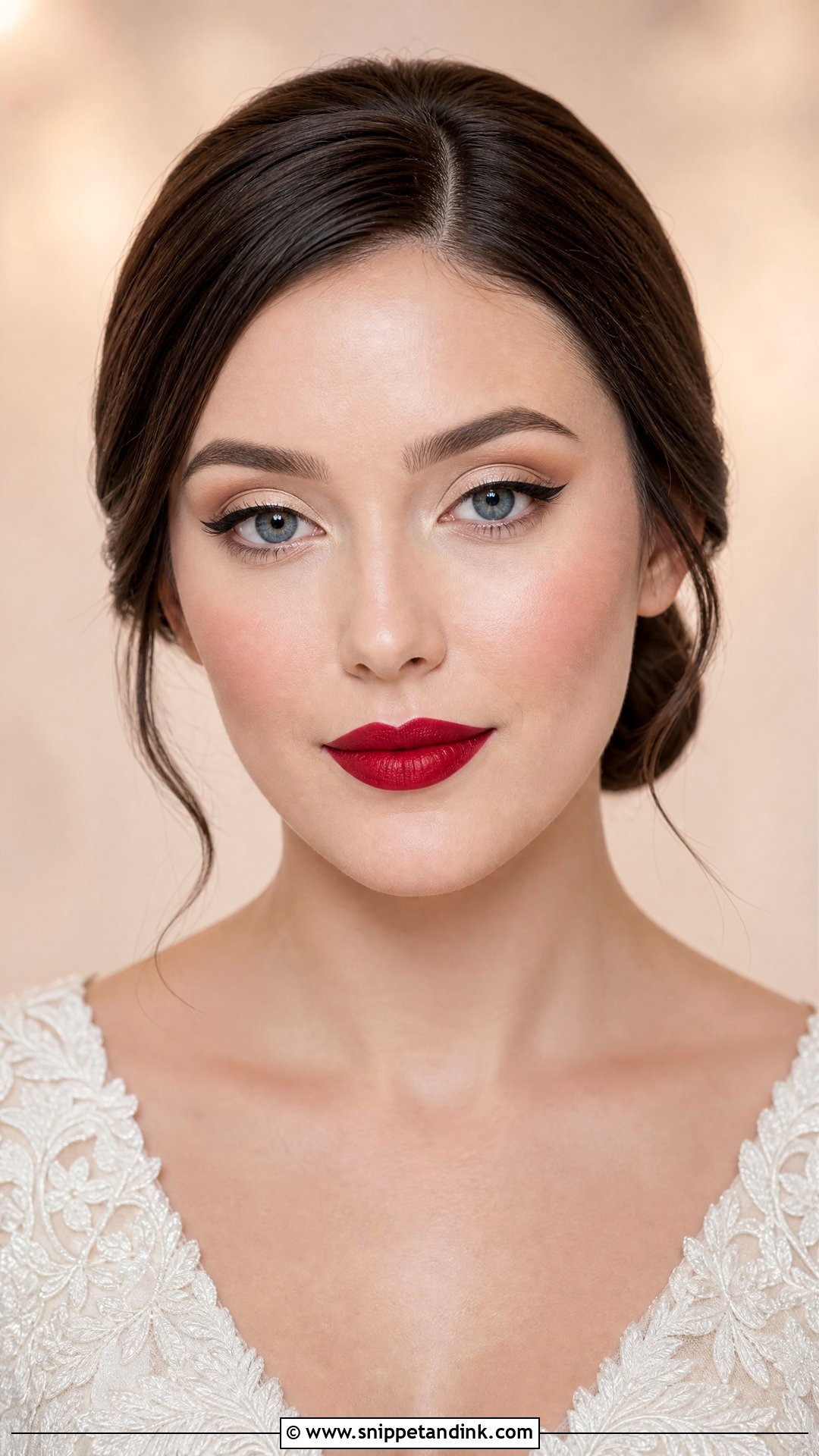
A matte red lip is the boldest choice on this list, and the most demanding to wear. The rest of the face has to step back: smooth skin, cream or beige on the lid, a soft brown crease, thin black liner, natural lashes and a neutral blush. Choose the red with care. Blue-reds read classic and make teeth look whiter, orange-reds feel warm, and deep reds turn dramatic. I line and fill the whole lip with pencil before the lipstick, which helps the colour last and keeps it from bleeding at the edges. Plan on a touch-up after dinner regardless.
13. Matte Winged Liner Bridal Makeup
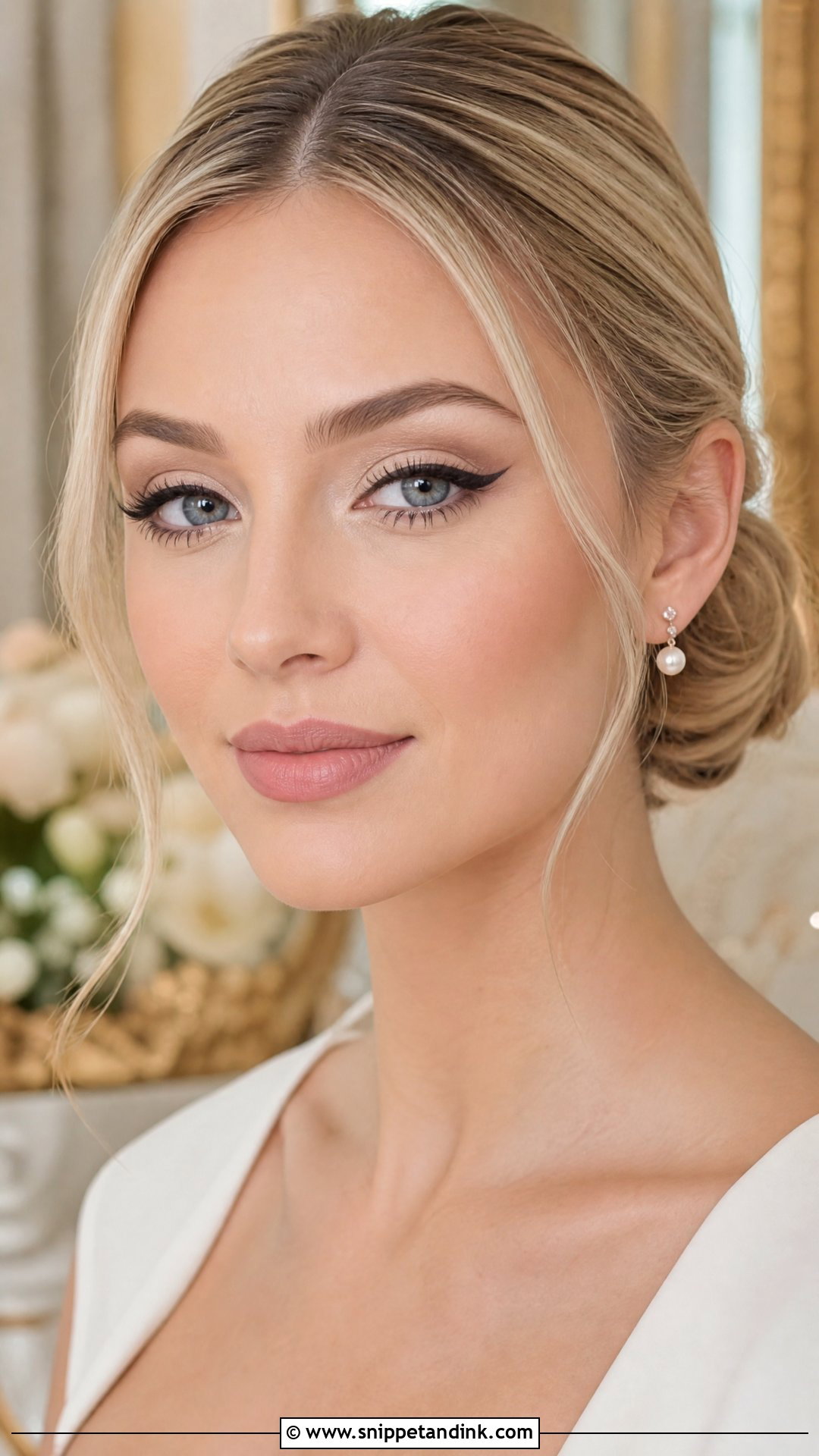
A wing does most of the work, so the rest stays neutral. I keep the base soft-matte with subtle contour and a natural flush, and the eyes in matte ivory, beige or taupe. The wing should follow the line of your lower lash line upward; drawing it too thick or too long tends to drag the eye down when you smile. I use a waterproof gel or liquid liner for a long day, then wispy lashes, brushed brows and a nude or rose lip. Sleek dresses, low buns and pearl earrings all suit it.
14. Matte Cut Crease Bridal Makeup
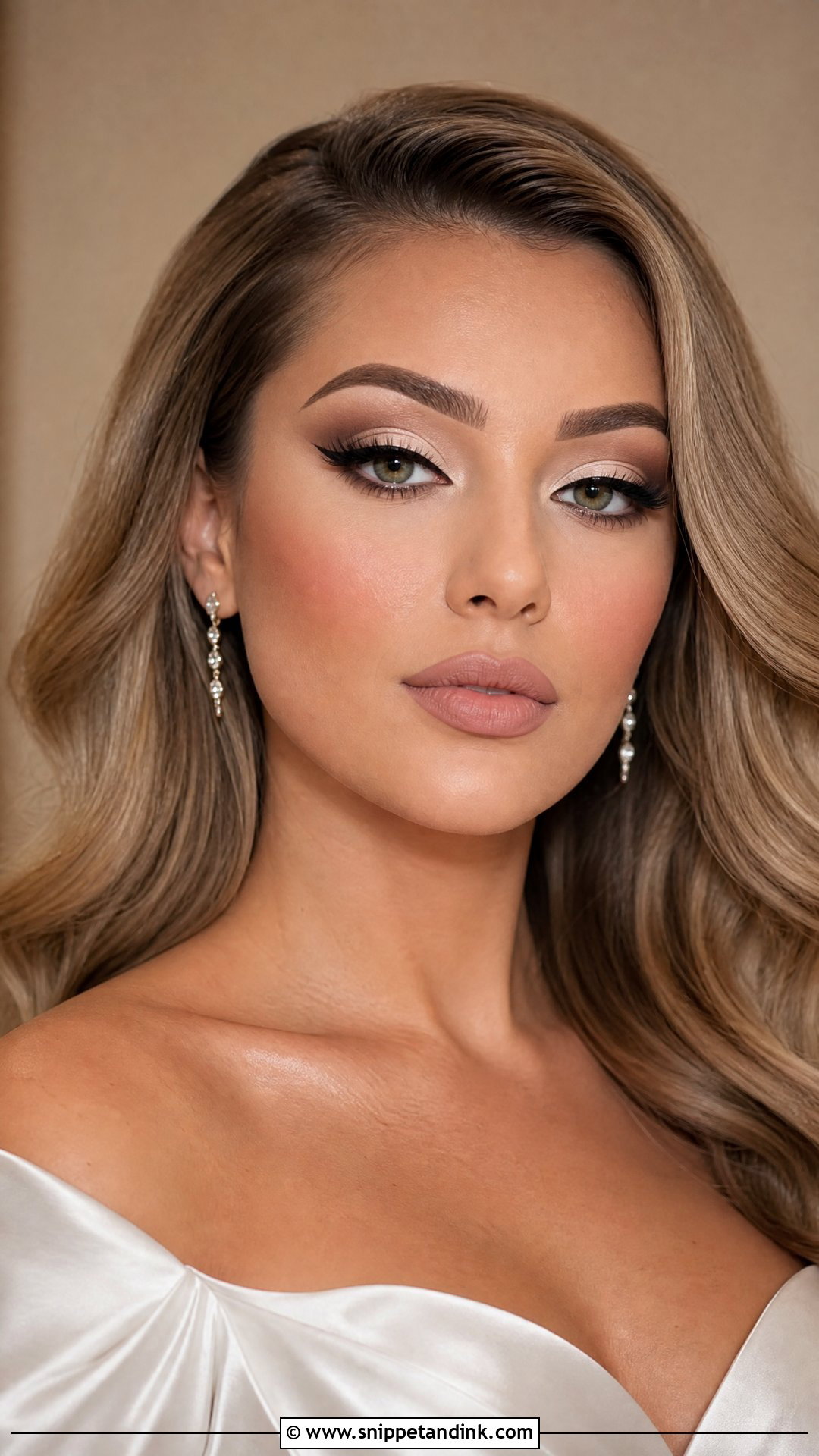
A cut crease gives the eyes clear shape, and it’s my go-to for hooded lids, where a normal blended crease disappears when the eyes are open. For a bride, I soften the classic version: beige, taupe and brown rather than harsh contrast. I define the crease with a matte medium brown, cut it cleanly with concealer, and set the lid with a pale matte shadow. A deeper outer corner, a thin wing and full lashes lift the eye. The lip stays neutral, otherwise the face gets busy.
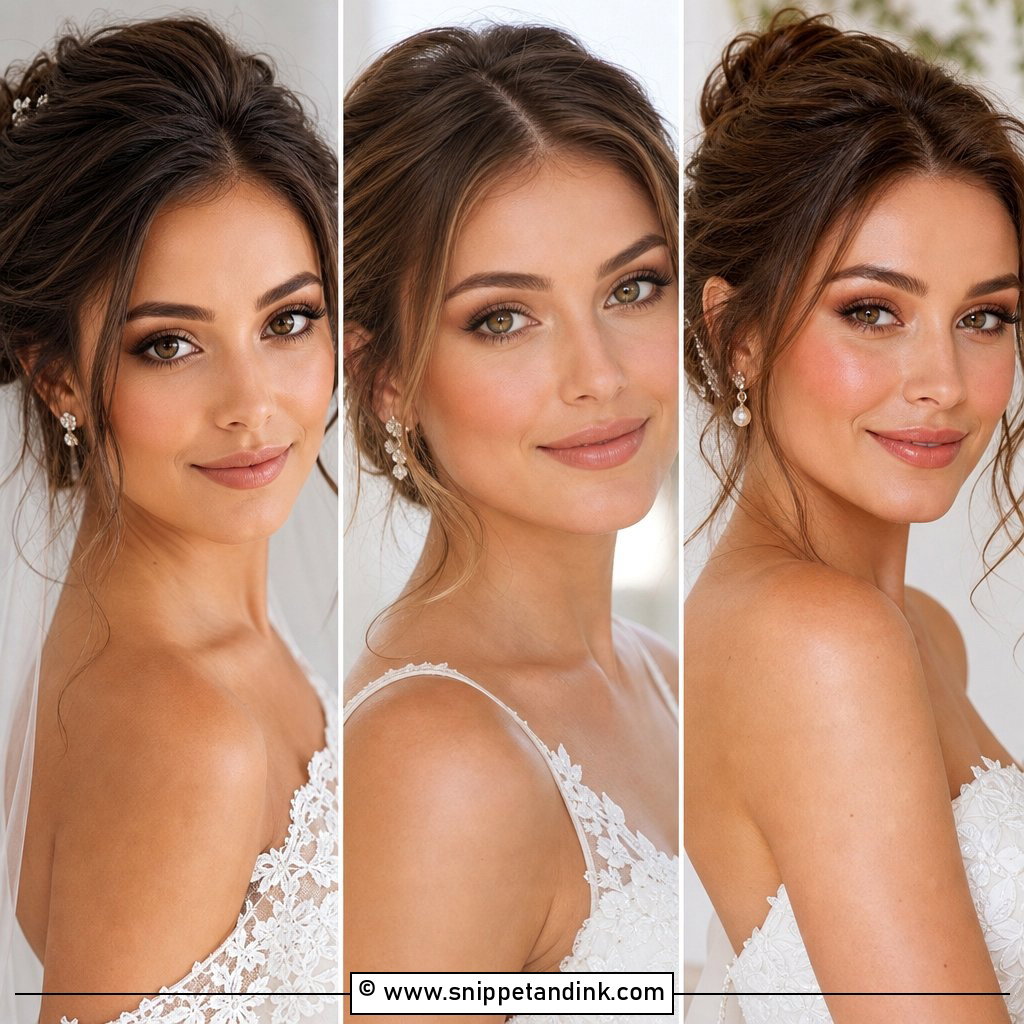
15. Matte Full Coverage Bridal Makeup
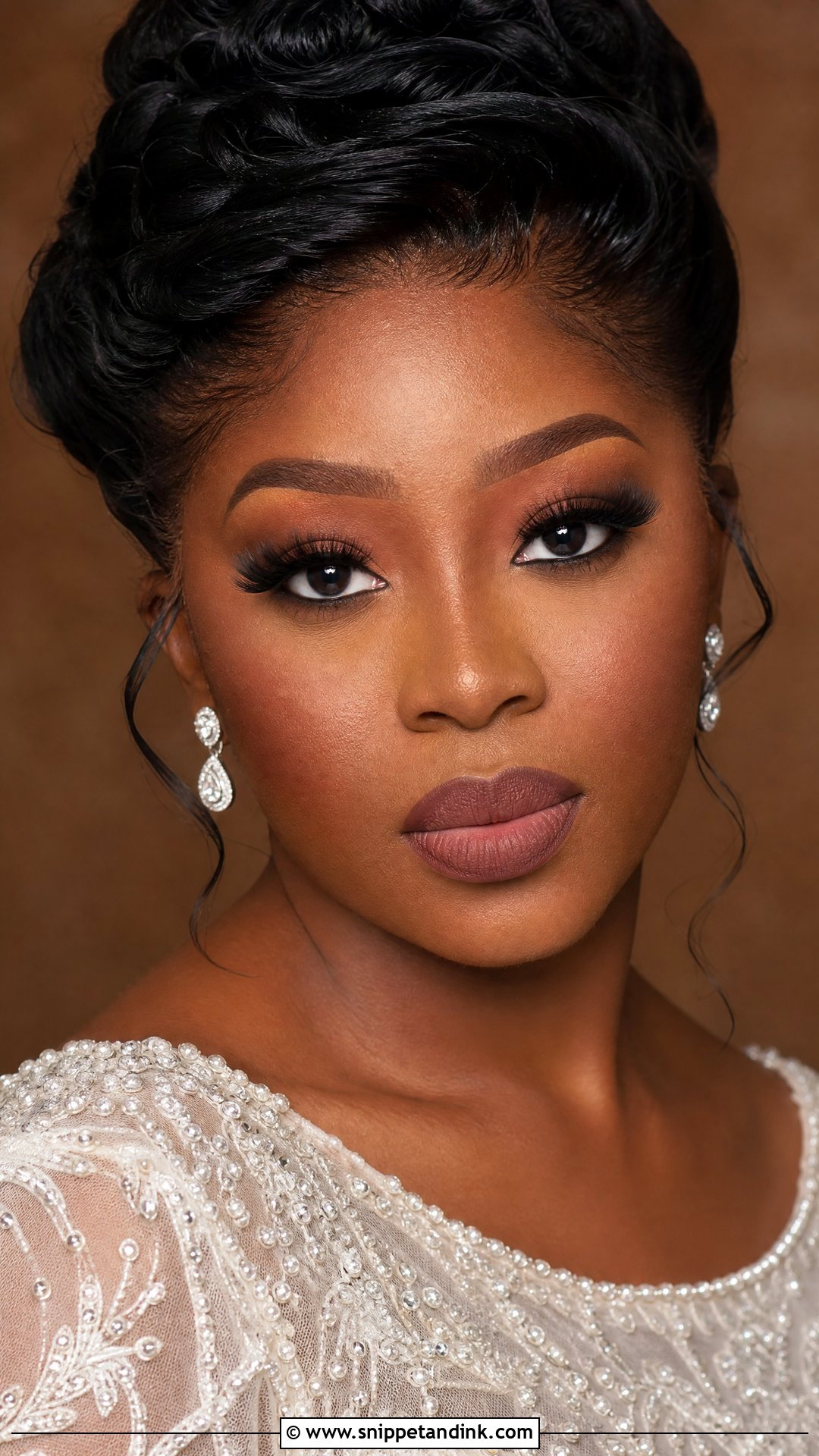
Full coverage lasts longest, but only when it’s applied thin. I prep with moisturiser and primer so the matte base doesn’t cling to dry patches, then build long-wear foundation in two or three light layers rather than one heavy pass. Targeted concealer, setting powder and setting spray lock it in. The eyes stay soft in browns, taupes or rose, with controlled contour, matte blush and a long-wear lip. It’s the strongest option for humid weather and long ceremonies. If it feels like a mask when you smile, there’s too much product, and the fix is less, not more powder.
16. Matte Bridal Makeup For Oily Skin
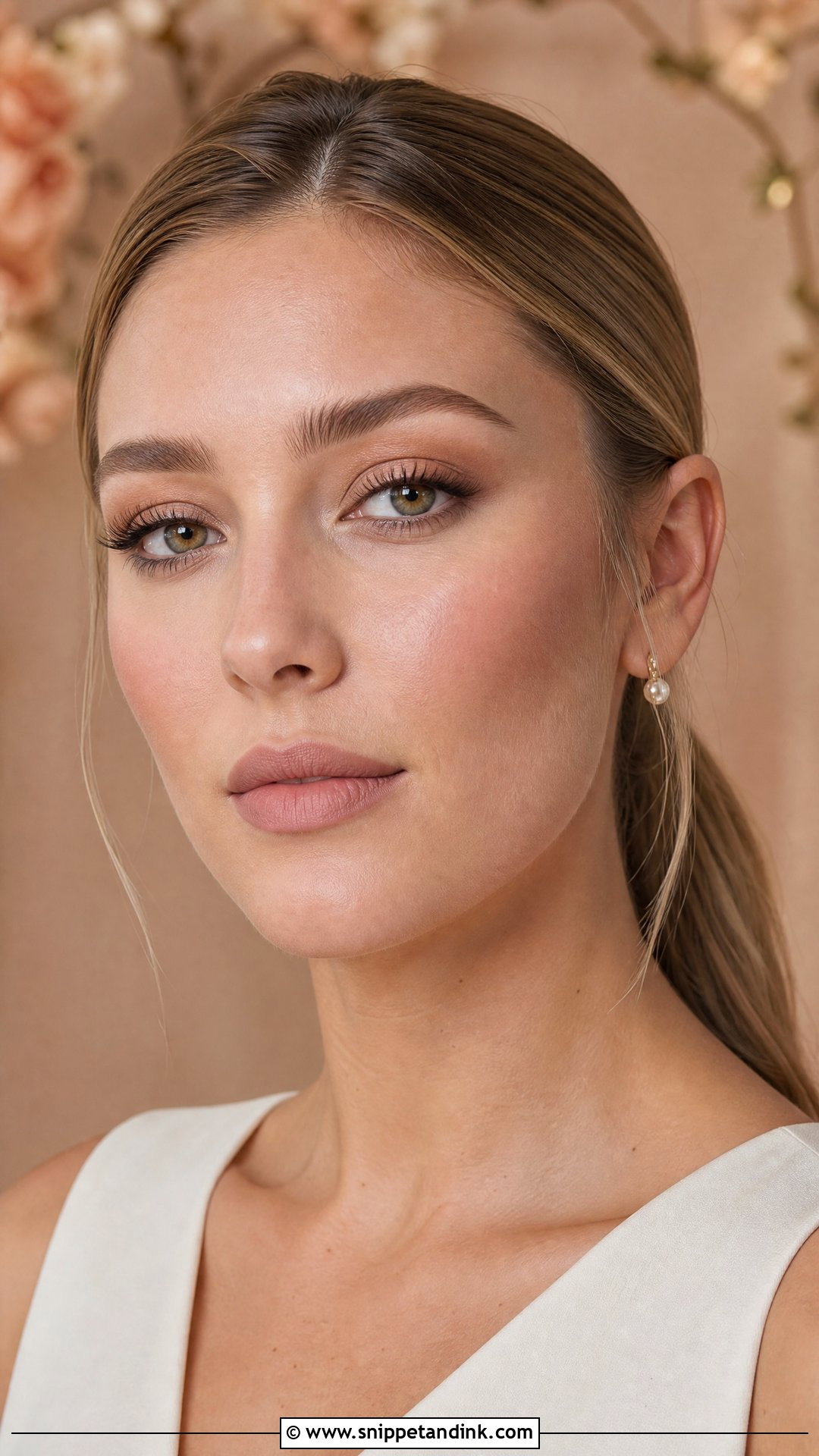
Oily skin needs smart prep, not more powder. I use lightweight skincare, an oil-controlling primer on the T-zone, and long-wear matte foundation in thin layers. Then I set only the areas that crease or shine, pressing powder in with a puff instead of sweeping it everywhere, which tends to look dry in photos by evening. Matte shadows, waterproof liner and tubing or waterproof mascara hold up better. A matte liquid lipstick or a soft matte bullet lasts through the day. Blotting papers go in the touch-up kit; blot first, then powder, never the other way round.
17. Matte Bridal Makeup For Brown Eyes
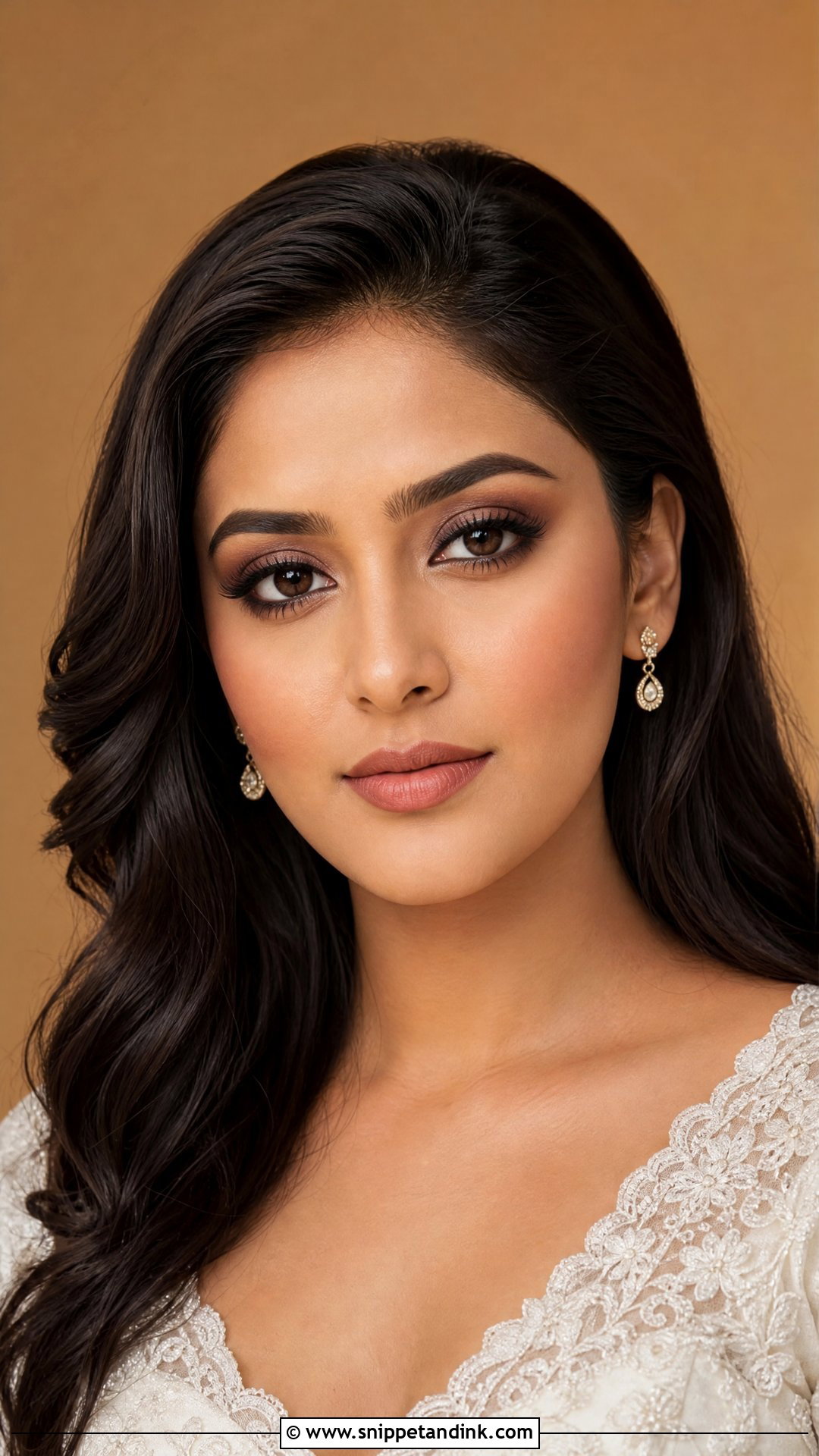
Brown eyes can wear almost anything, so I let the mood of the wedding decide. Matte champagne-beige, caramel, terracotta, espresso, plum-brown and deep chocolate all suit them. For a soft look, warm taupe on the lid and brown liner. For drama, deepen the outer corner with espresso and go fuller on lashes. The complexion stays velvety, with nude rose, peach-brown or cinnamon on the lips. Plum-brown in particular makes brown eyes appear rich and defined without any shimmer, and it’s a shade I’d suggest to brides who usually only wear brown.
18. Matte Bridal Makeup For Blue Eyes
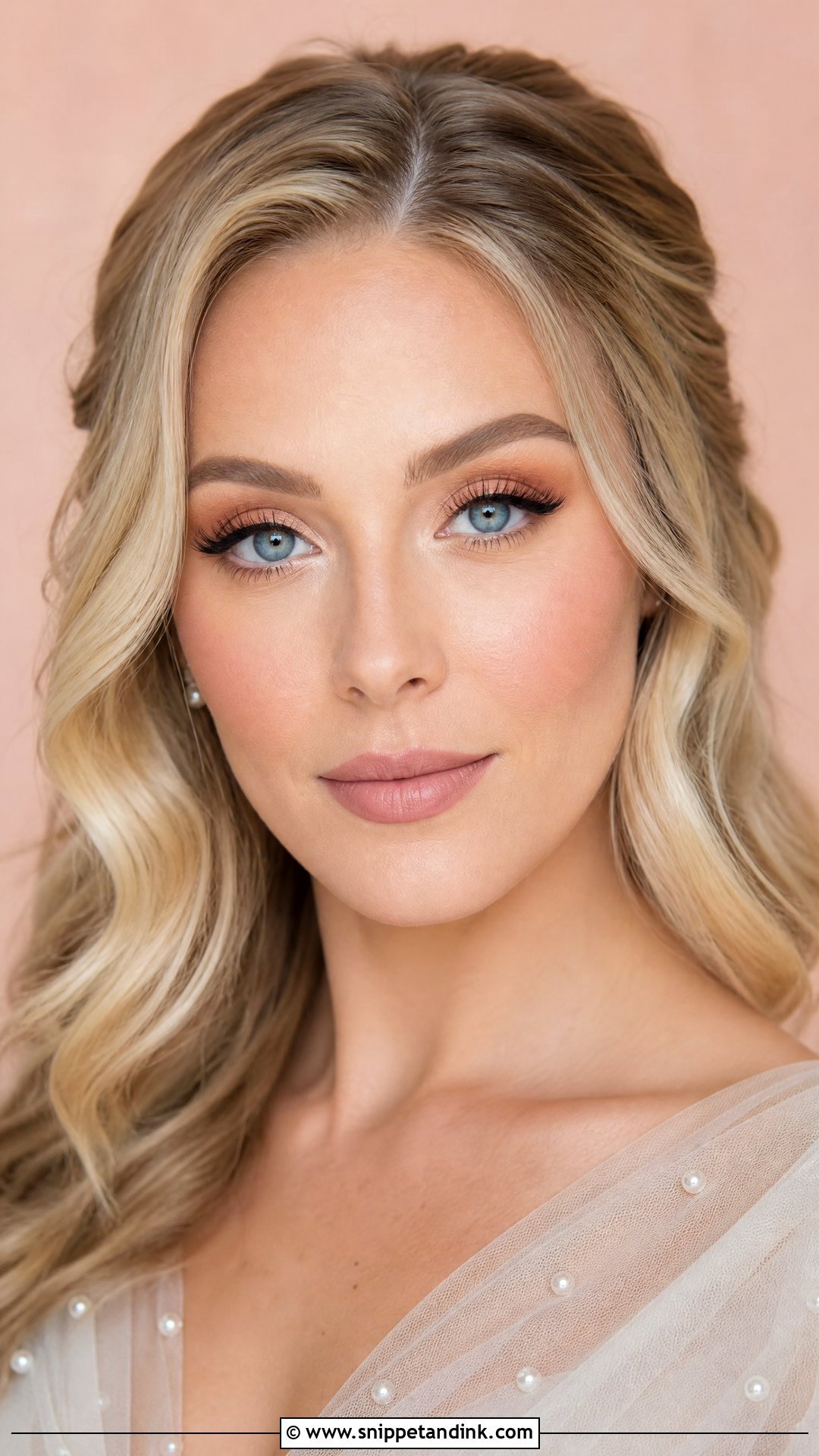
Warm neutrals are the reliable contrast for blue eyes. Soft peach, camel, taupe, warm brown and muted terracotta make blue eyes look brighter without overpowering them. I keep the lid light and blend warm brown through the crease, and use a brown wing instead of black, which can look harsh against fair skin. The skin is smooth with peach or soft rose blush, and the lip is nude-pink, peach nude or rose-beige. Ivory gowns and close-up portraits suit it, and it works whether your hair is blonde or brunette.
19. Matte Bridal Makeup For Green Eyes
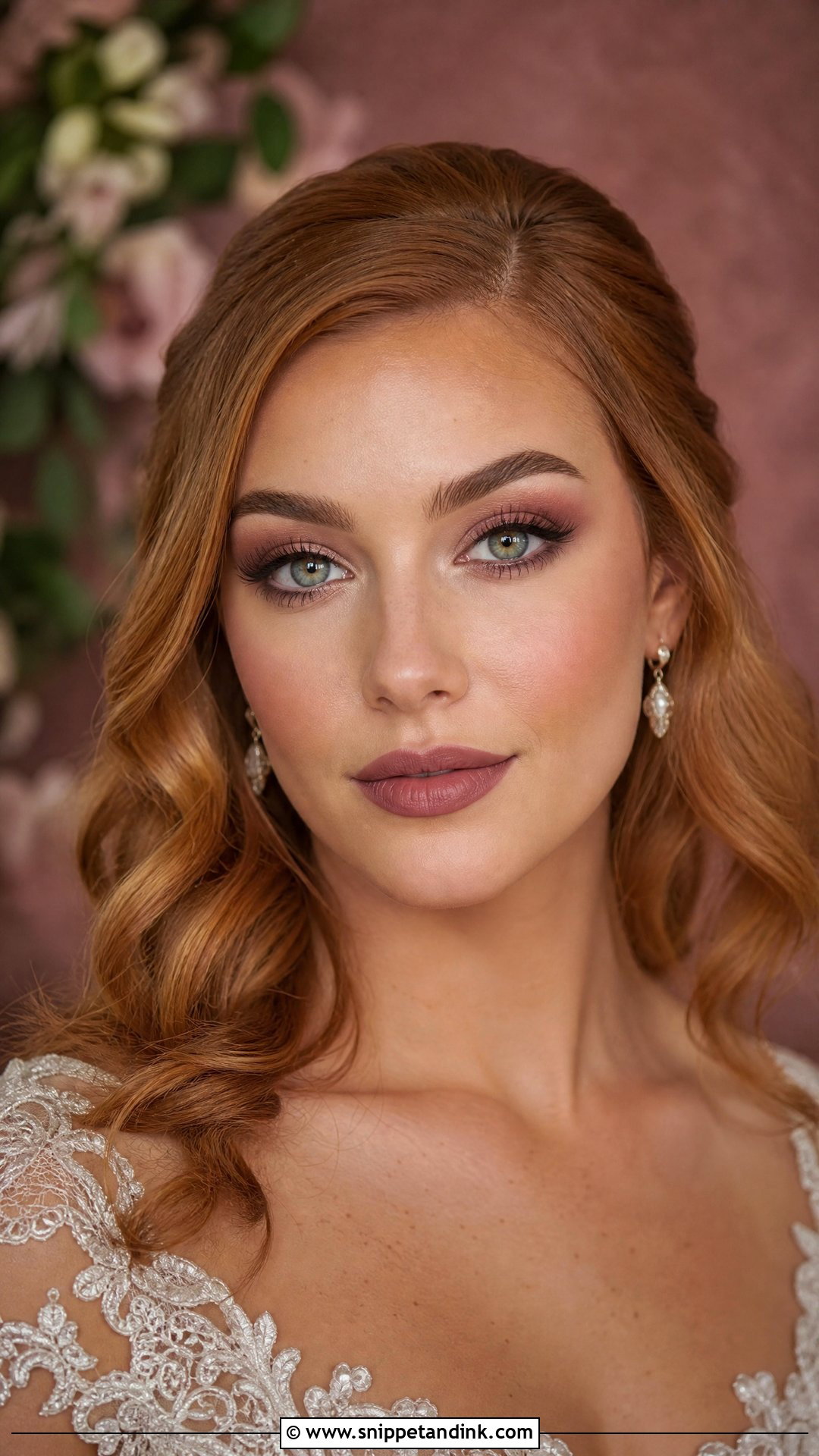
Green eyes come alive next to red-based neutrals: rose-brown, mauve, plum-taupe and warm brown. I put a soft matte rose on the lid, deepen the crease with muted plum-brown and keep a brown liner tight to the lashes. Lashes stay fluttery rather than heavy, so the eye colour is still visible from a few feet away. A smooth matte base, rose blush and a mauve nude lip complete it. Soft waves, romantic gowns and garden or estate weddings sit naturally with it.
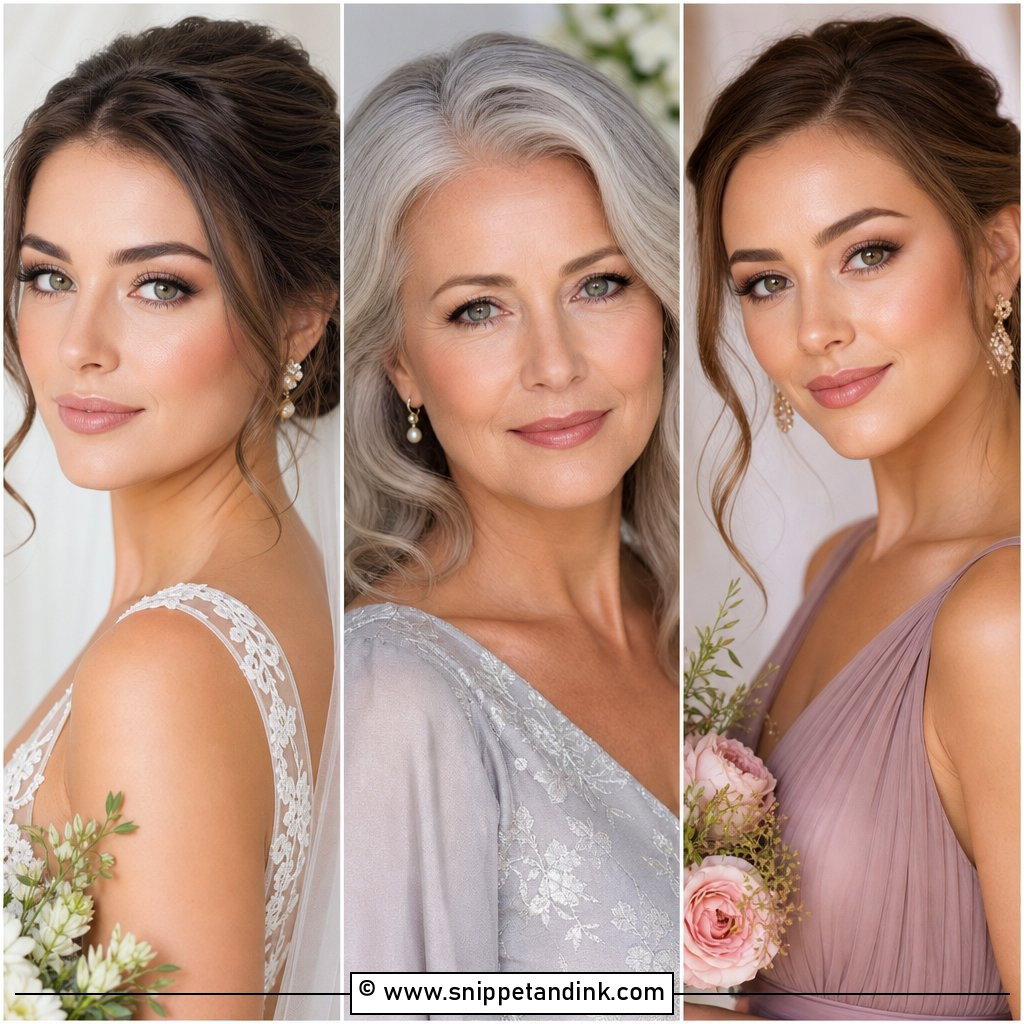
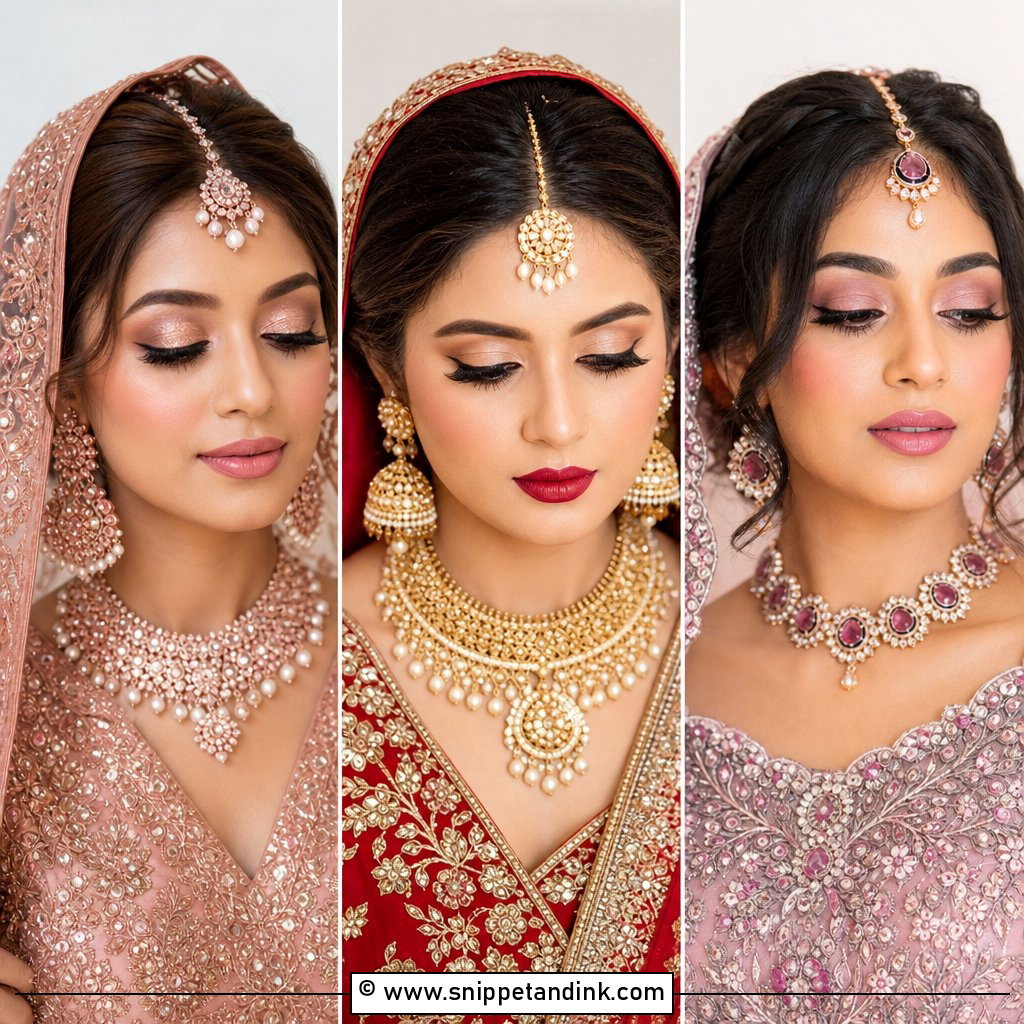
20. Classic Matte Bridal Makeup
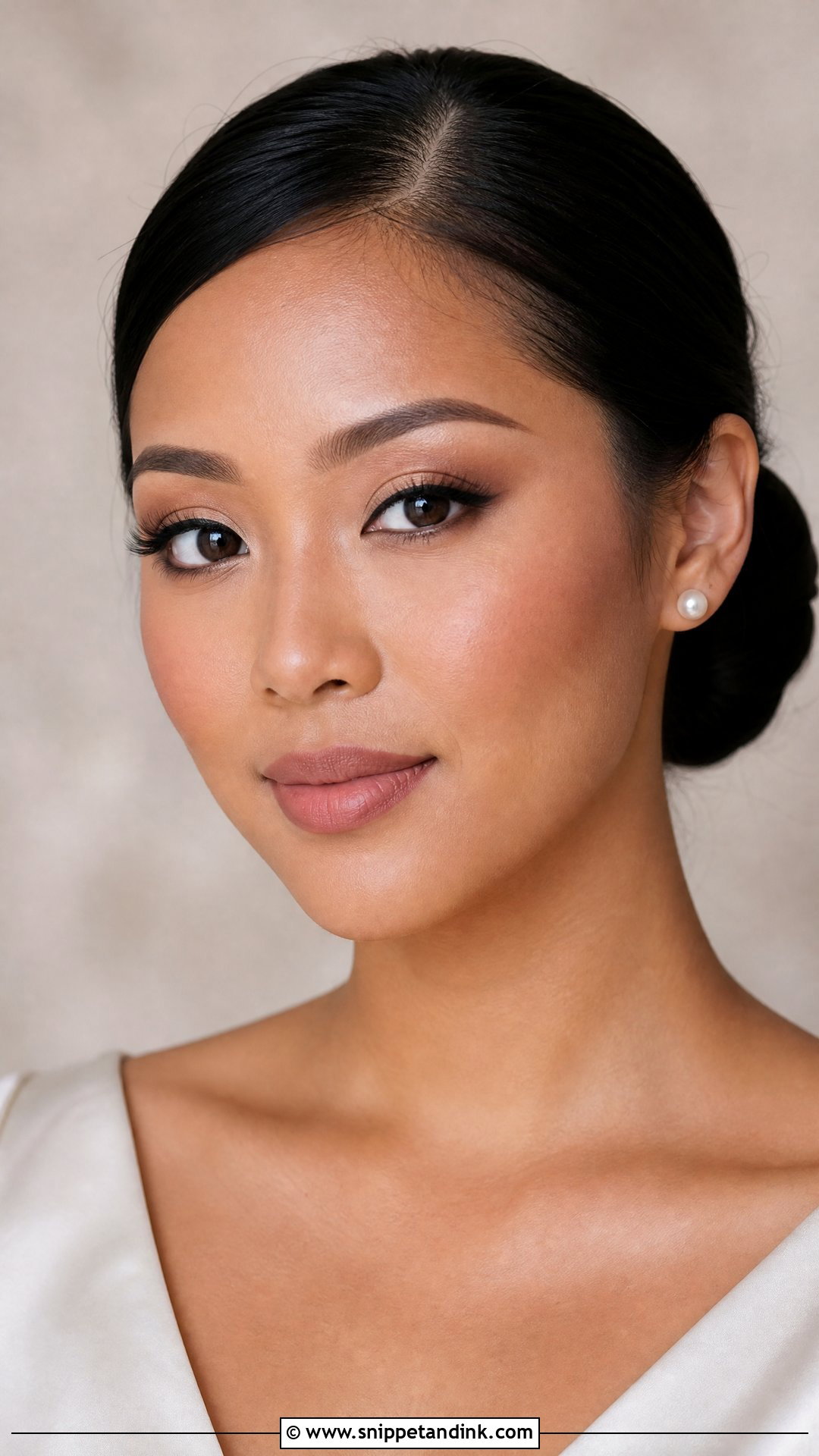
If you want one look that will still feel right in your photos decades from now, this is it. Smooth skin, softly defined eyes in ivory, beige, taupe and brown, a refined liner, natural-to-medium lashes and softly filled brows. The face is even and velvety, with light contour and a muted blush from the same colour family as the lip, which I keep to rose nude, beige pink or soft brown. It suits almost any dress, hairstyle, venue or season. Its strength is that nothing in it competes for attention.
Flash Photography and the White-Cast Problem
Some setting powders, especially very fine translucent ones, and some foundations with high mineral sunscreen can bounce flash back and leave a white or ghostly cast in photos. You won’t see it in the mirror. You’ll see it in the reception pictures taken with flash, often under the eyes where powder was baked heavily.
The fix is simple: test. At your trial, ask me or your artist to take a photo with your phone’s flash on before you leave. If there’s a cast, we switch powder or set more lightly. I’d also skip high-SPF base products on the day itself and wear a separate sunscreen underneath if you’ll be outdoors, letting it settle before makeup goes on.
Blot, Then Press: Keeping It Matte Past Dinner
Matte makeup doesn’t need many touch-ups, but layering fresh powder over oil is what makes it look cakey by night. Give your maid of honour these four things:
- Blotting papers, used first, pressed gently on the forehead, nose and chin.
- A small pressed powder and a velour puff for pressing, never a fluffy brush.
- Your exact lip colour and its liner, since matte lips wear off from the centre first.
- A few cotton buds for smudged liner or mascara after the speeches.
Thin Layers, Real Skin and a Day-Long Test
Good matte makeup is built in thin layers with soft colour and only as much powder as the skin really needs, so the face still moves and looks like skin. Soft glam, a smokey eye, a red lip or a natural finish can all be done matte; what matters is how it suits your features, your dress, the venue and how comfortable you feel wearing it for twelve hours. Book a trial, wear it for the rest of that day, and take photos in daylight, indoor light and with flash before you decide.
You'll Like These Ideas:


Leave a Reply