
Cocktail formal is the dress code guests ask me about most, because it straddles two categories. Cocktail attire generally sits between semiformal and formal, while formal pushes a step further and opens the door to ankle-length and floor-length dresses. A wedding that asks for both wants you in the overlap: a midi or ankle hem, a fabric with real weight, and tailoring that looks considered. The ceremony time, venue, season and any note on the invitation should settle the rest. Below are the outfits I’d put together for that overlap, from classic dresses to jumpsuits, separates, modest and size-inclusive options, each with the fit detail that makes it work.
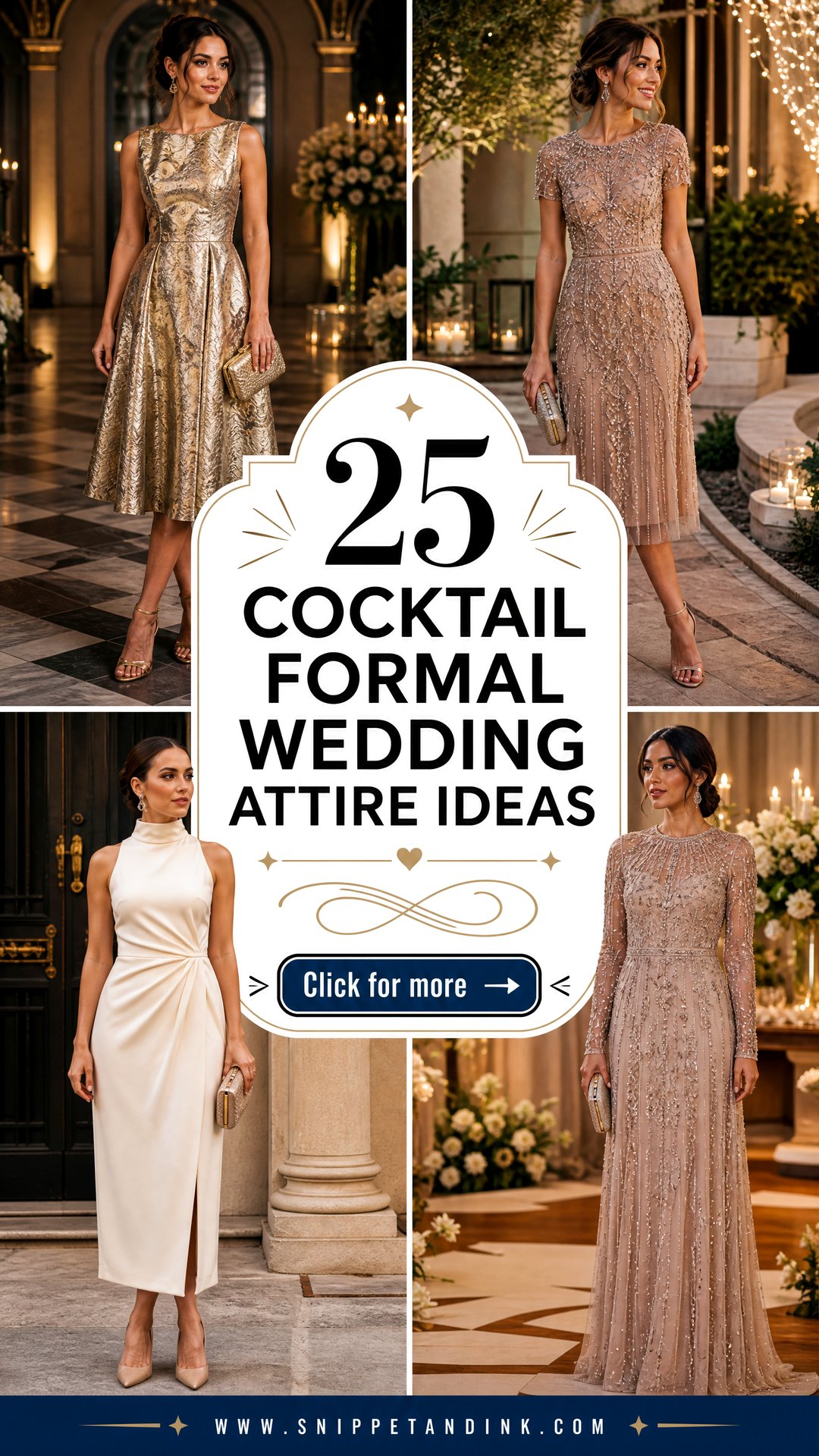
Where Cocktail Ends and Formal Begins
An invitation that says cocktail formal is asking for the upper end of cocktail, leaning further toward formal the later the evening runs. When I fit guests for it, three things separate the two codes more than any trend does.
Hem length
Cocktail sits between the knee and mid-calf. Formal allows ankle and floor length. In the overlap, a midi to ankle hem is the safest choice, and a floor-length gown only makes sense for an evening ceremony in a grand venue.
Fabric weight
Heavier, smoother fabrics read more formal: satin, crepe, velvet, jacquard. Thin jersey, linen and cotton read daytime, however they’re cut.
Trousers count, if they’re tailored
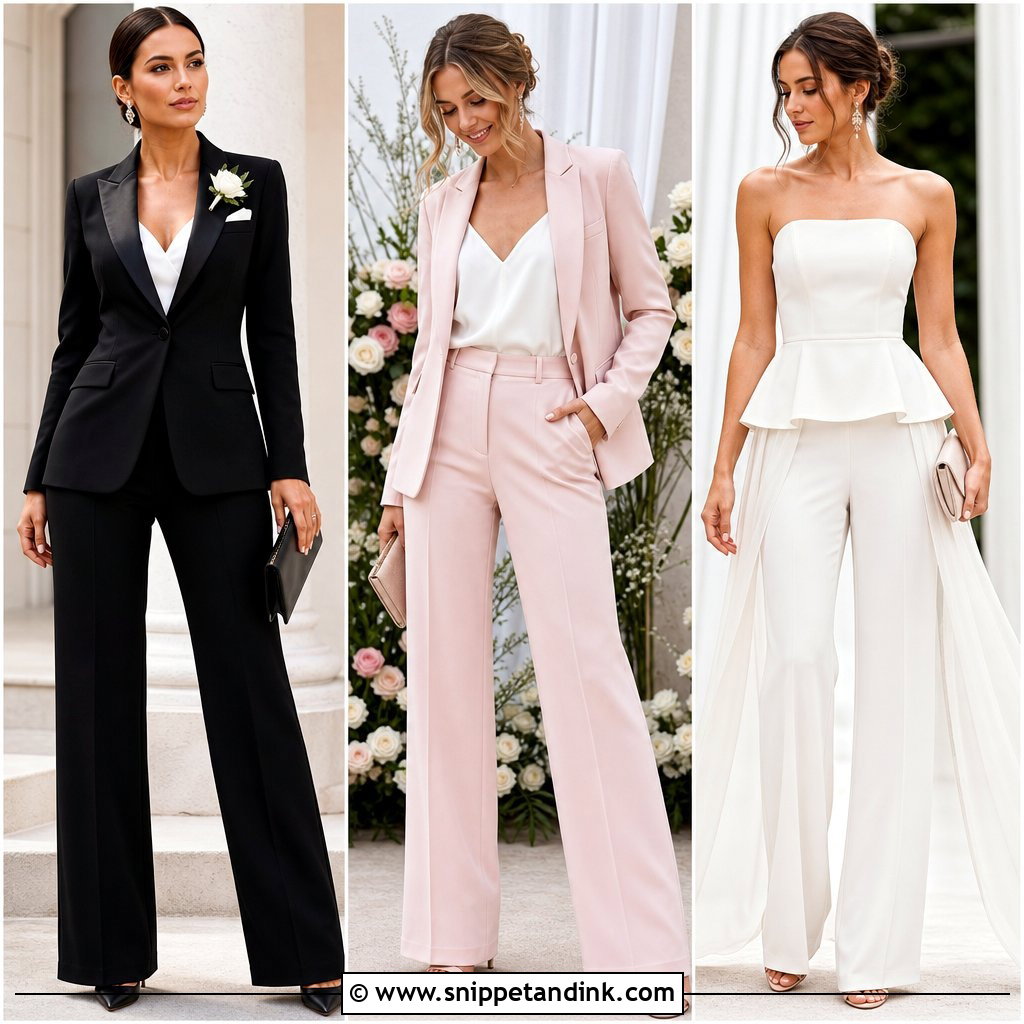
Jumpsuits and suits are entirely appropriate, but the trouser needs a precise hem, a sharp waist and a fabric that matches the code. A satin or crepe wide leg passes; a casual cropped trouser doesn’t. If you’re torn between two outfits, wear the dressier one. Being slightly overdressed is forgotten by the first course, while looking underdressed gets noticed all evening.
Covering Up for the Ceremony, Uncovering for the Party
Many ceremonies in churches, temples, mosques and gurdwaras expect covered shoulders or arms, and some ask for covered heads. The reception rarely has the same rules. Rather than buying two outfits, I plan one that converts:
- A cropped jacket or bolero that ends at the waist, so it doesn’t spoil the dress line while you wear it.
- A long chiffon or silk stole that can wrap the shoulders or drape over the head.
- A cape-sleeve dress, which covers the arms without any extra layer.
- Sheer long sleeves built into the dress, which count as coverage in most settings and stay cool.
If you’re unsure what’s expected, ask the couple or a family member a week or two ahead. It’s a common question, and far less awkward than being handed a shawl at the door.
1. Navy Satin Midi Cocktail Formal Wedding Attire
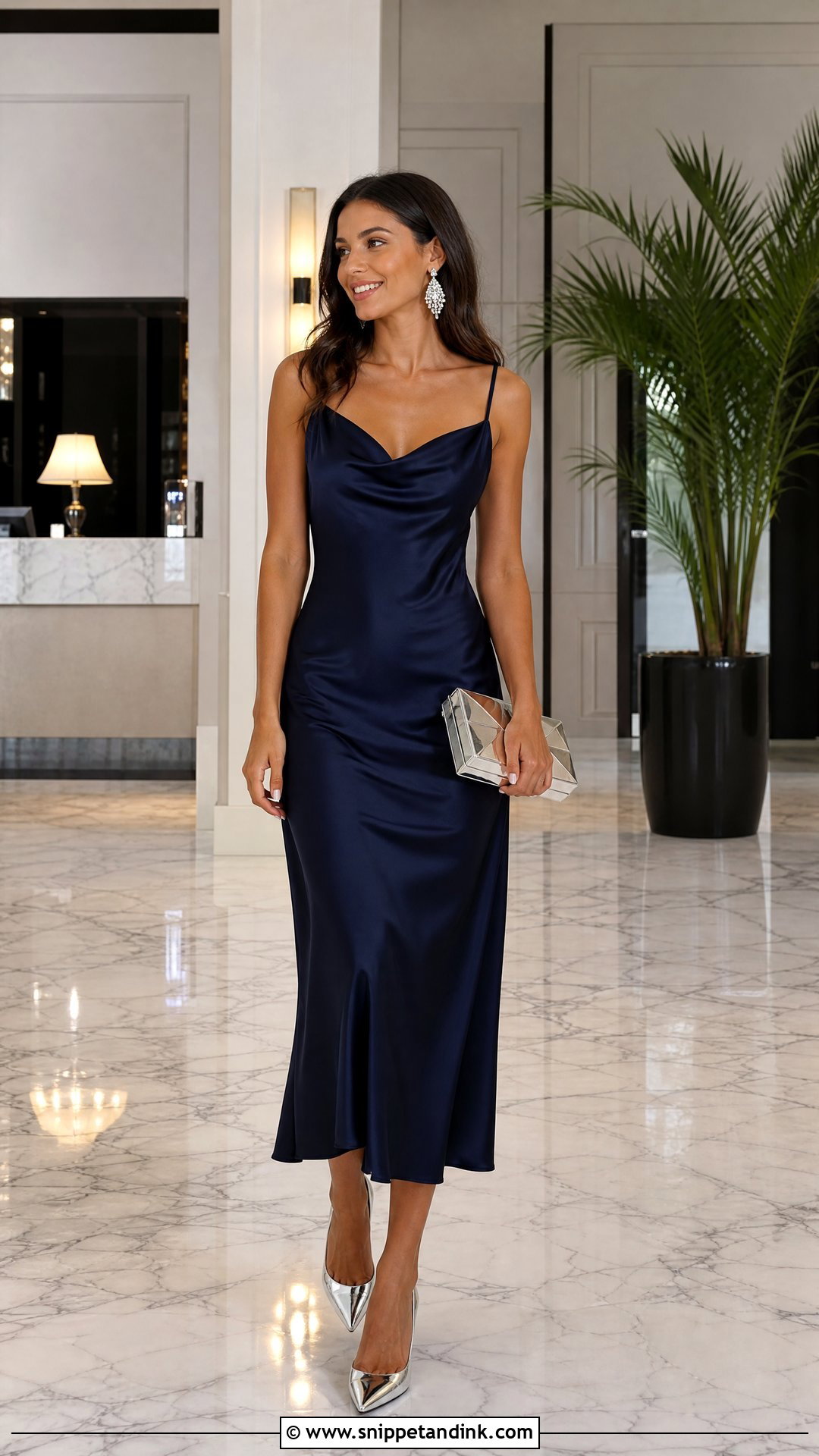
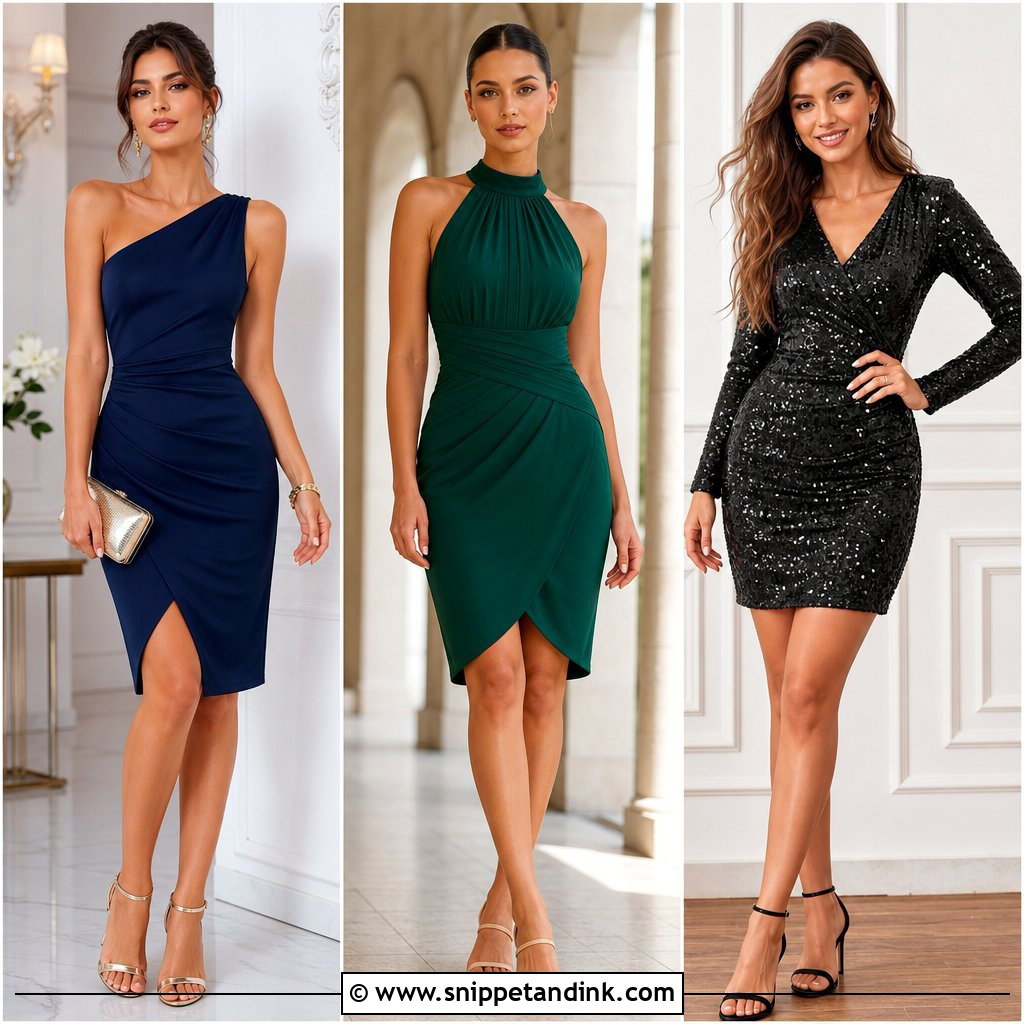
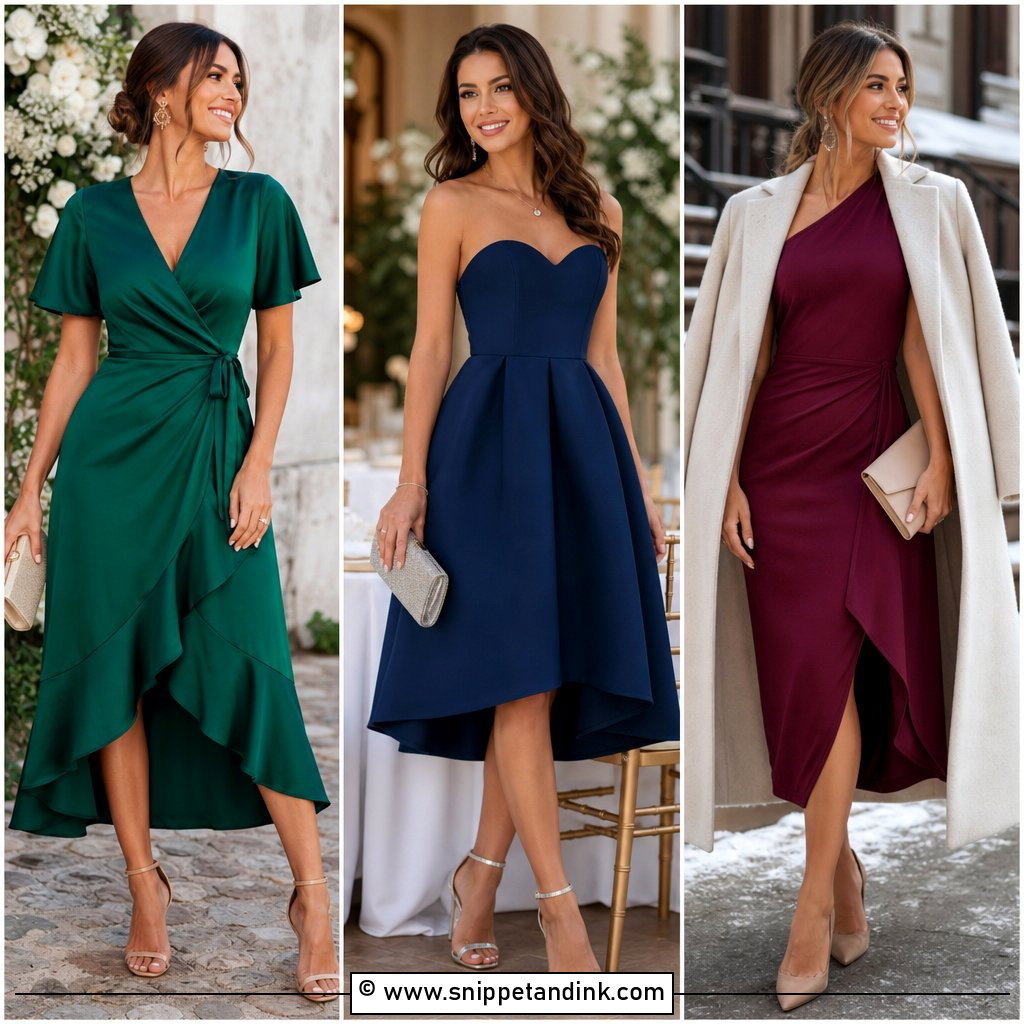
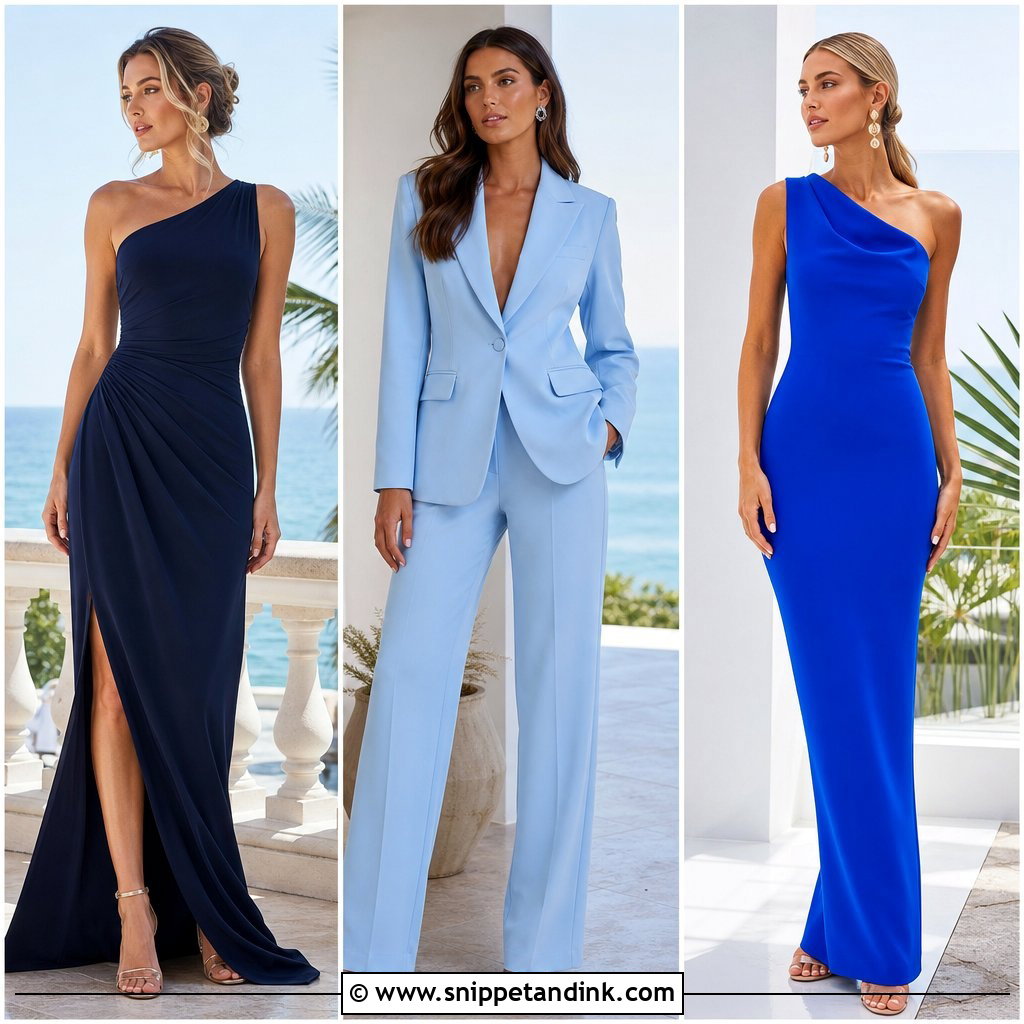
Navy satin is the safest place to start, as long as the cut does the work. Bias-cut, wrap or softly draped shapes skim the body; a tight satin sheath shows every line and crease. A high neck or a single shoulder gives the dress a point of interest so the accessories can stay simple: silver pointed pumps, a structured metallic clutch, small crystal earrings and one slim bracelet. In cool weather I’d layer a fitted navy blazer or a charcoal wrap. Softly defined eyes and a rose lip suit it, especially in hotel and banquet rooms where the lighting is warm and low.
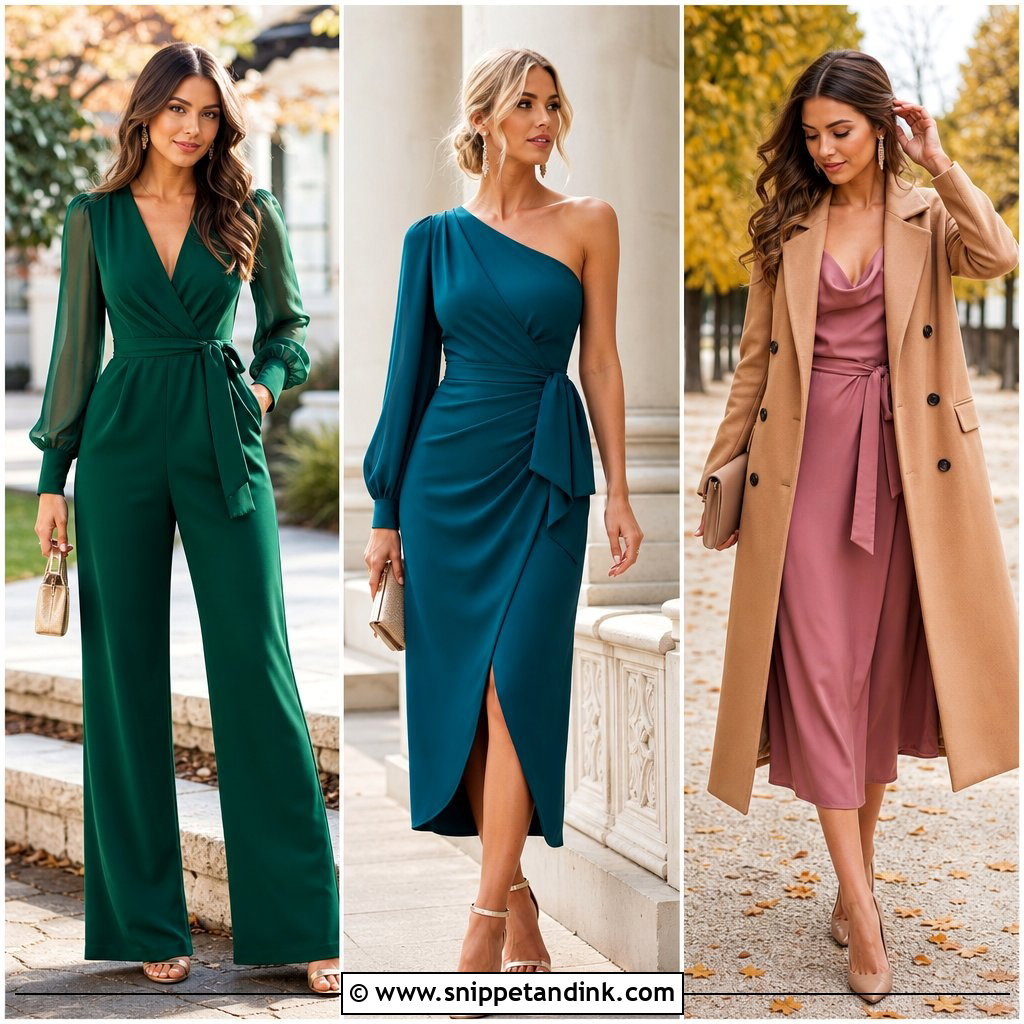
2. Emerald Green Wrap Dress Cocktail Formal Wedding Attire
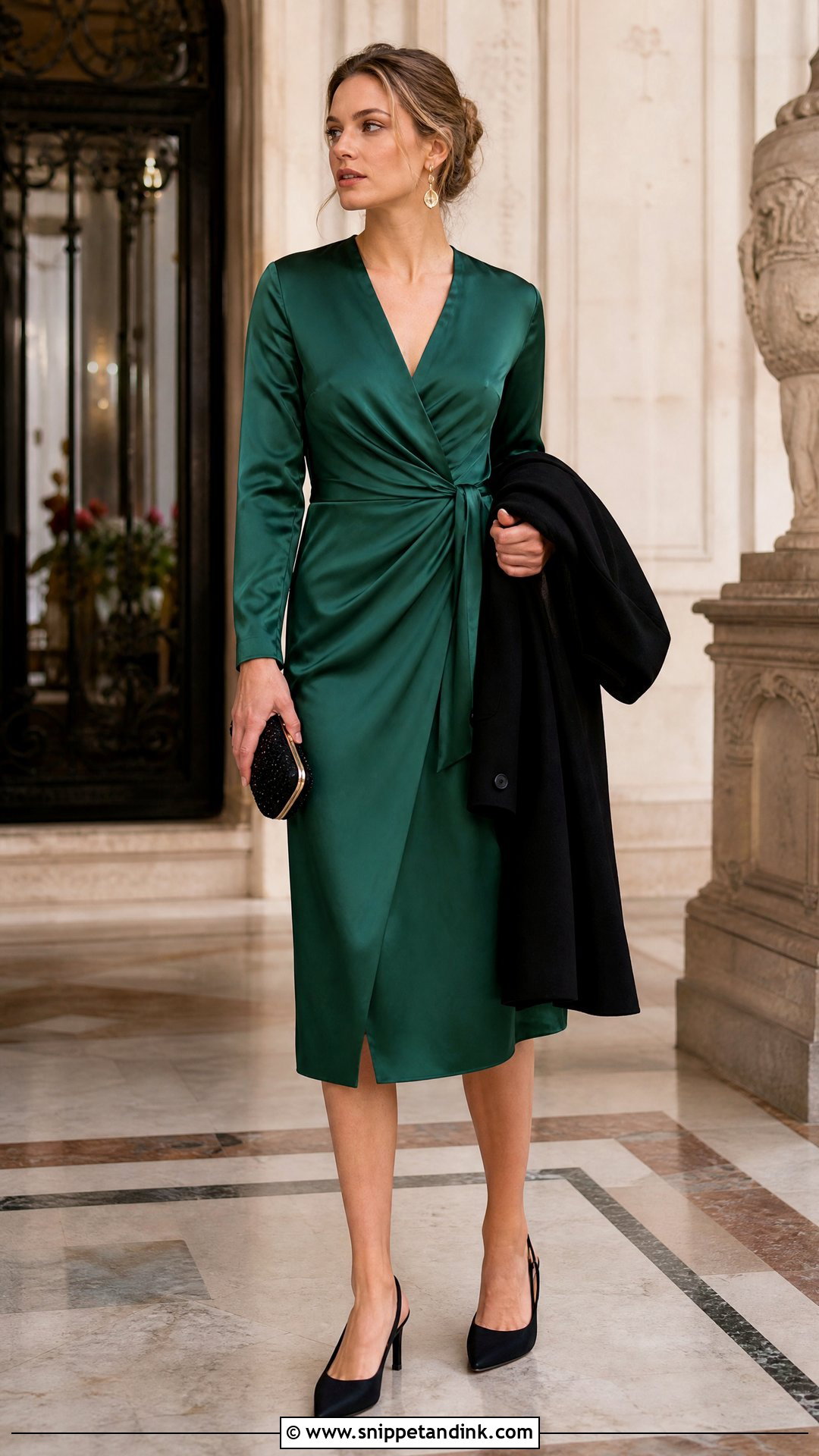
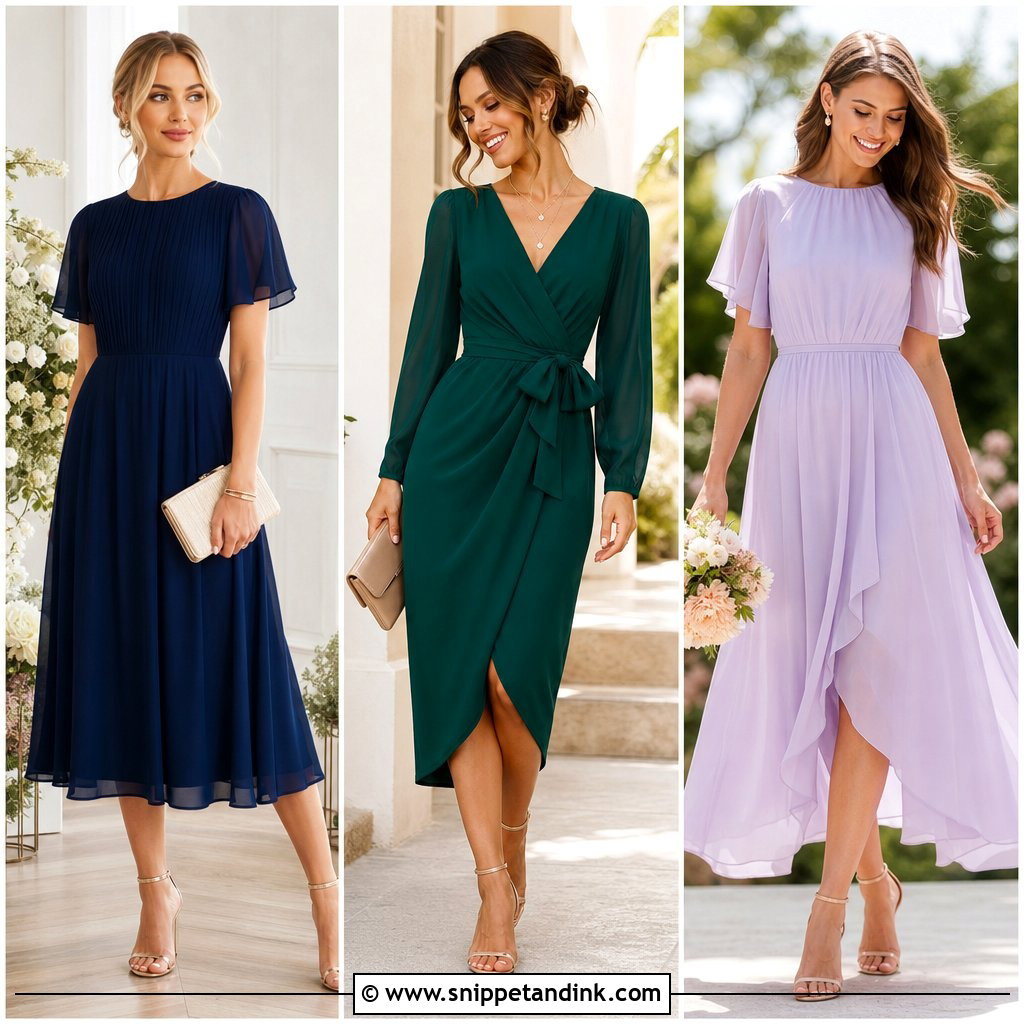
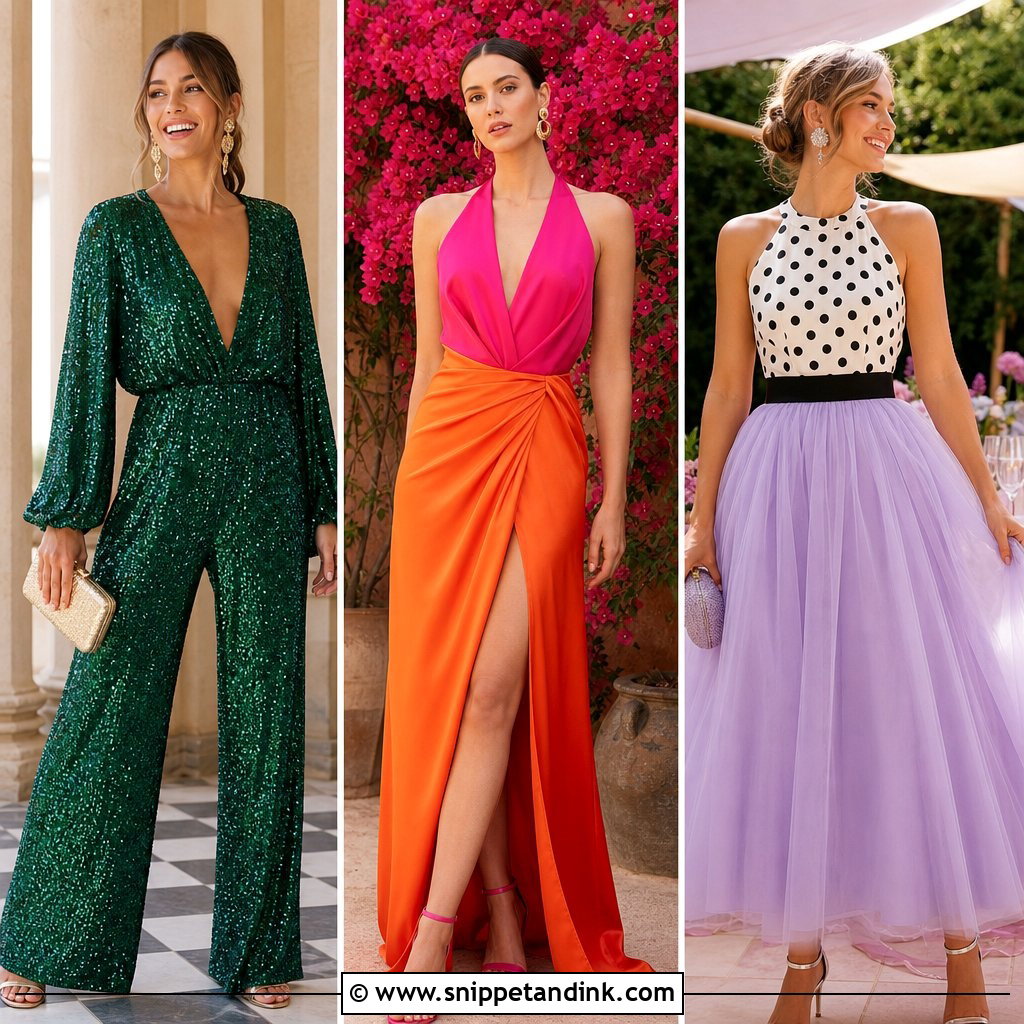
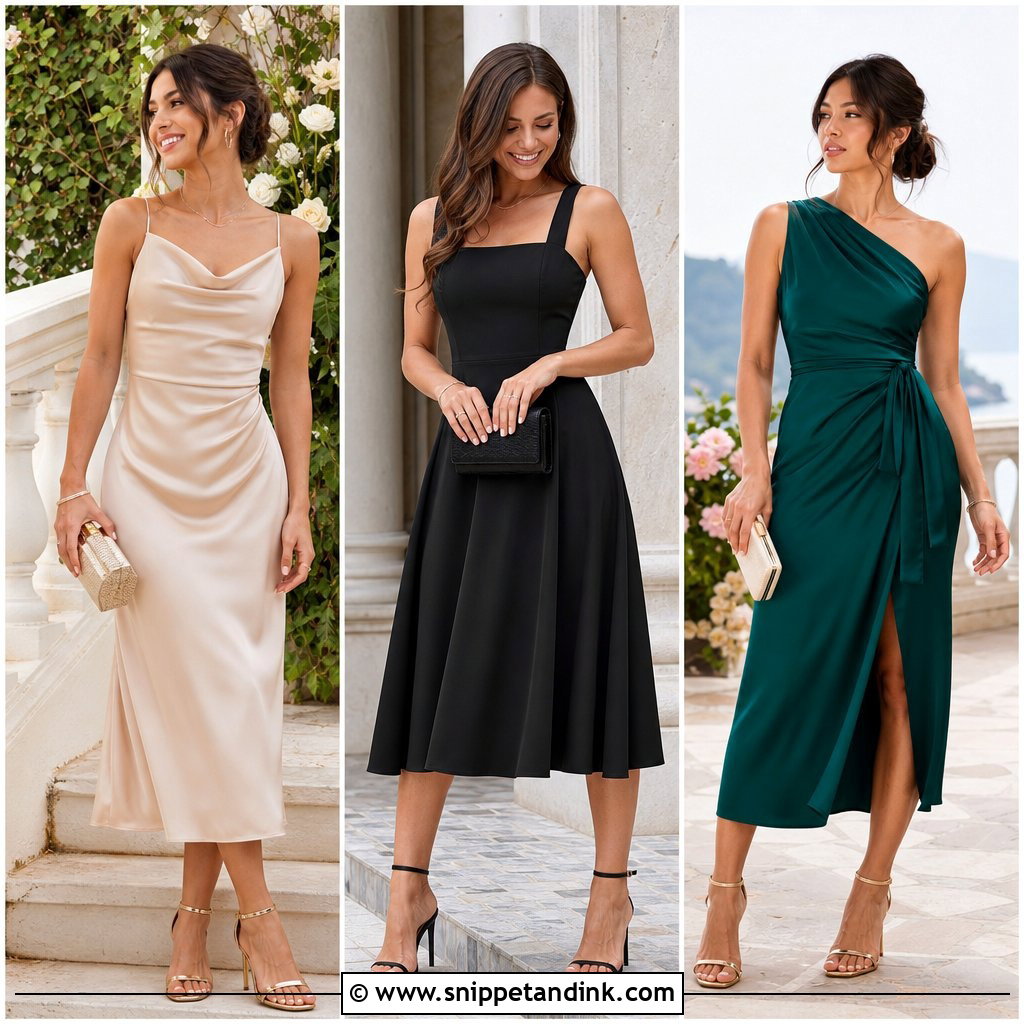
Emerald carries formality on its own, which is why I rarely add much to it. The wrap shape matters for comfort, because you can loosen the tie after dinner, and it suits most body shapes. Crepe or satin works for most of the year, velvet once it’s cold. I pair it with black slingbacks, a compact black clutch and gold drops. If the neckline plunges, a fine pendant fills the space better than a statement necklace, and a small pin at the crossover stops it opening when you bend. Add a tailored black coat for autumn arrivals, sweep the hair back and keep the makeup neutral for garden estates and candlelit rooms alike.
3. Black One-Shoulder Midi Cocktail Formal Wedding Attire
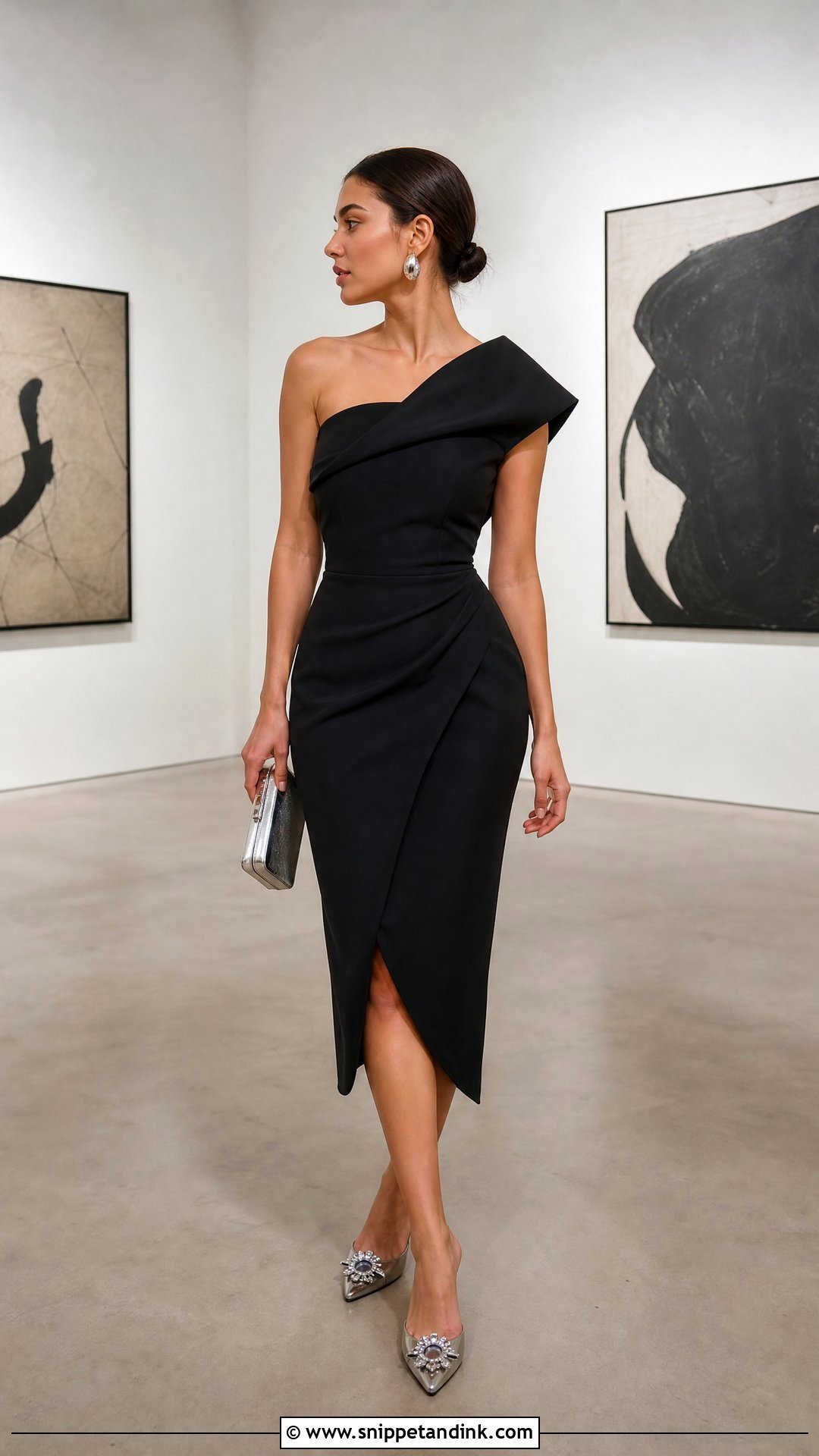
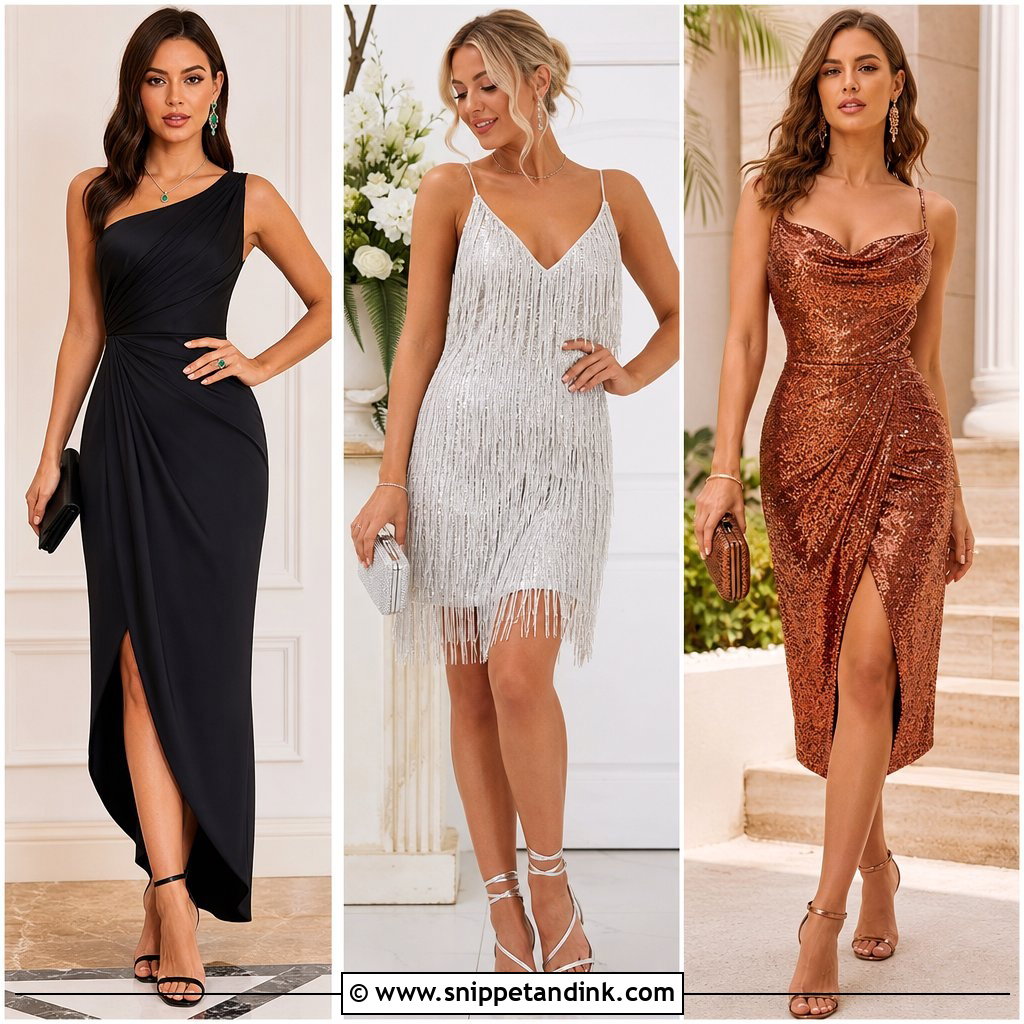
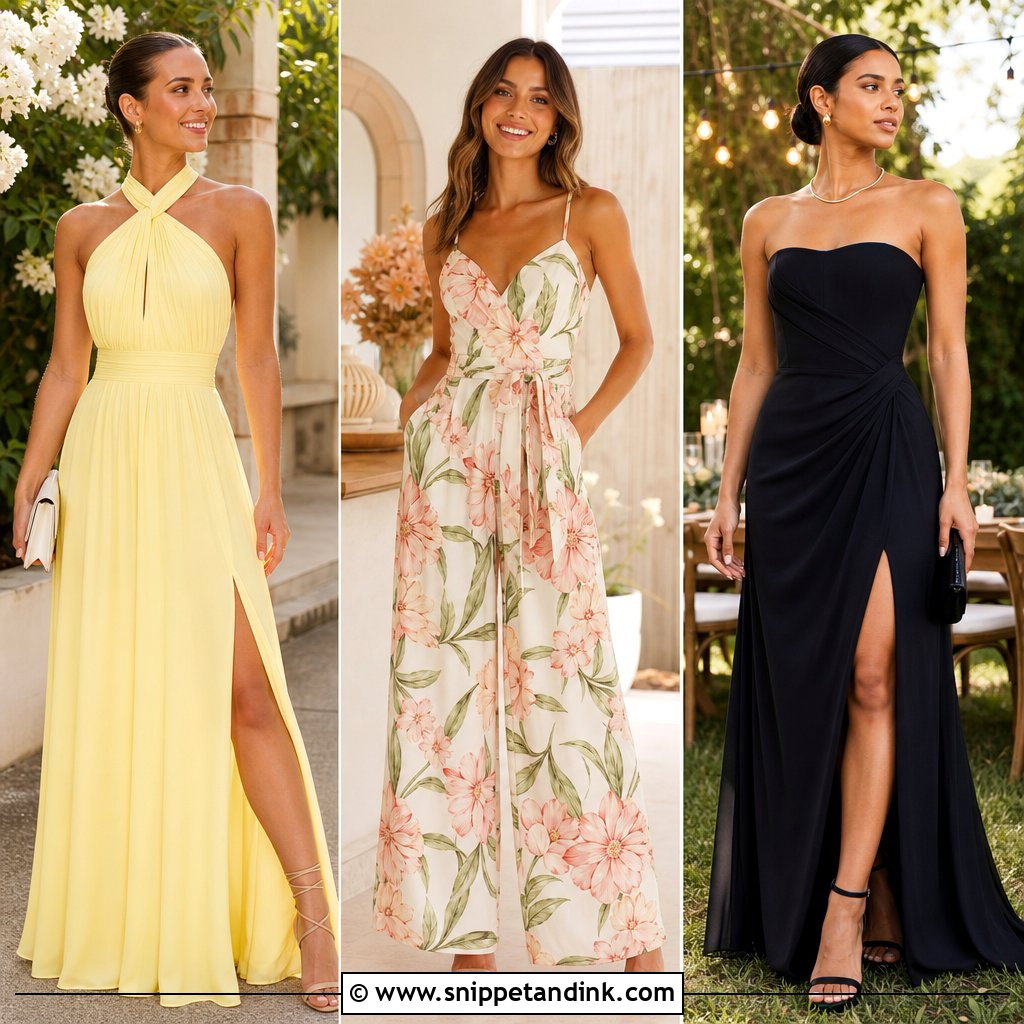
Black at a cocktail formal wedding needs one feature working hard so it doesn’t read as work clothes, and here that’s the asymmetric neckline. Structured crepe with a defined waist and a straight or softly flared skirt holds the diagonal line cleanly. Embellished kitten heels, a silver box clutch and sculptural earrings bring the celebration; skip the necklace entirely. A sleek low bun keeps the bare shoulder visible, and a berry lip adds controlled color. Galleries, rooftops, upscale restaurants and contemporary hotels suit it best.
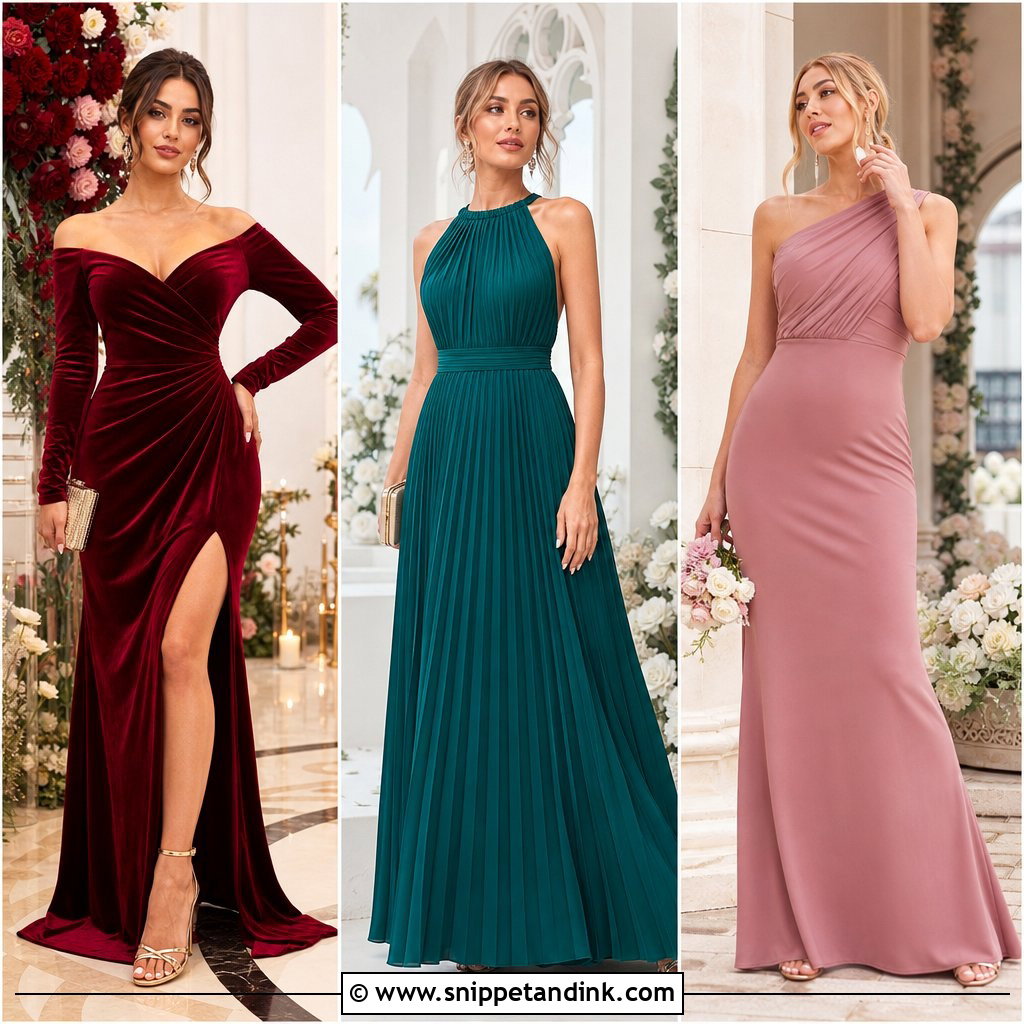
4. Burgundy Long-Sleeve Dress Cocktail Formal Wedding Attire
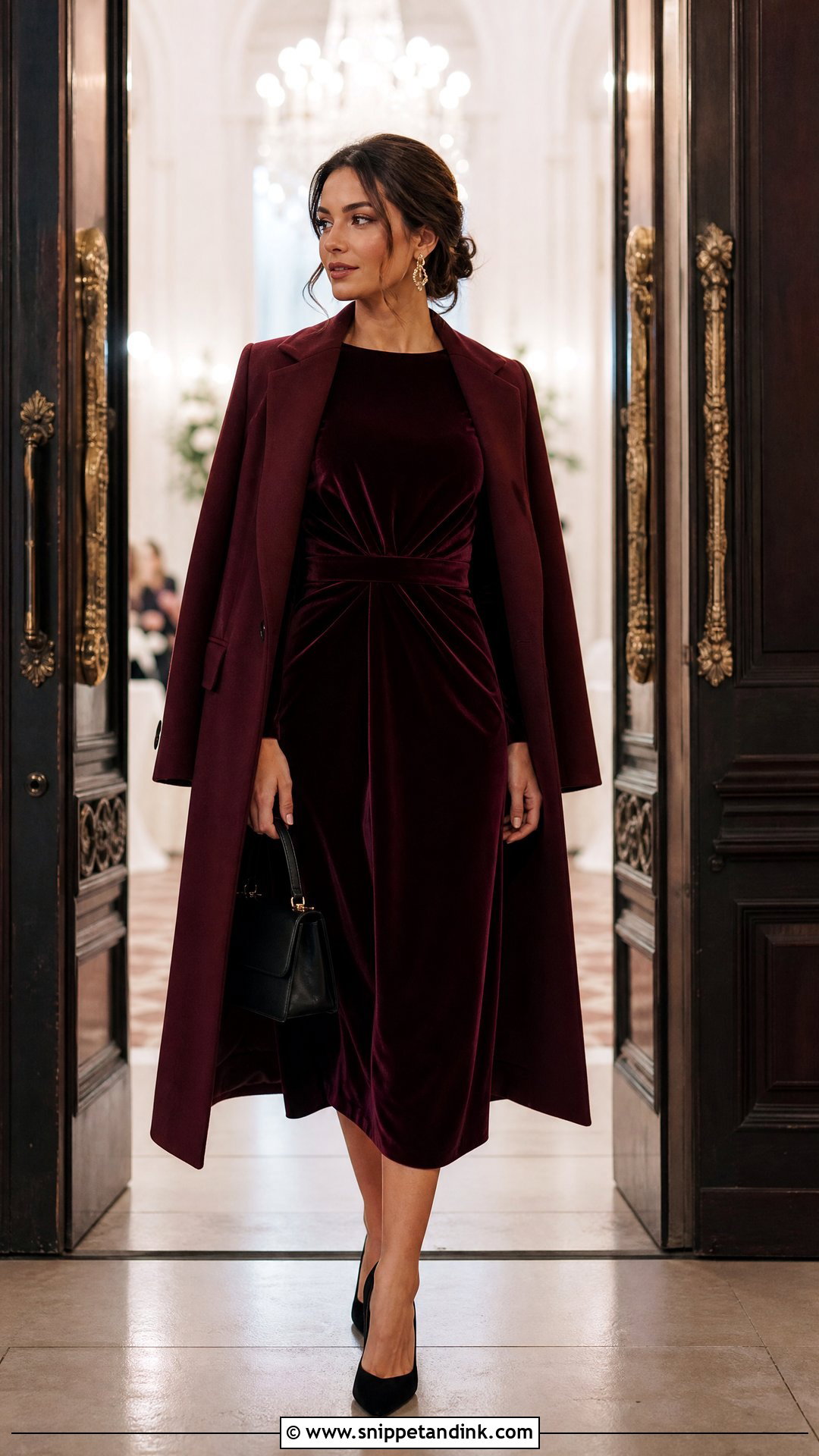
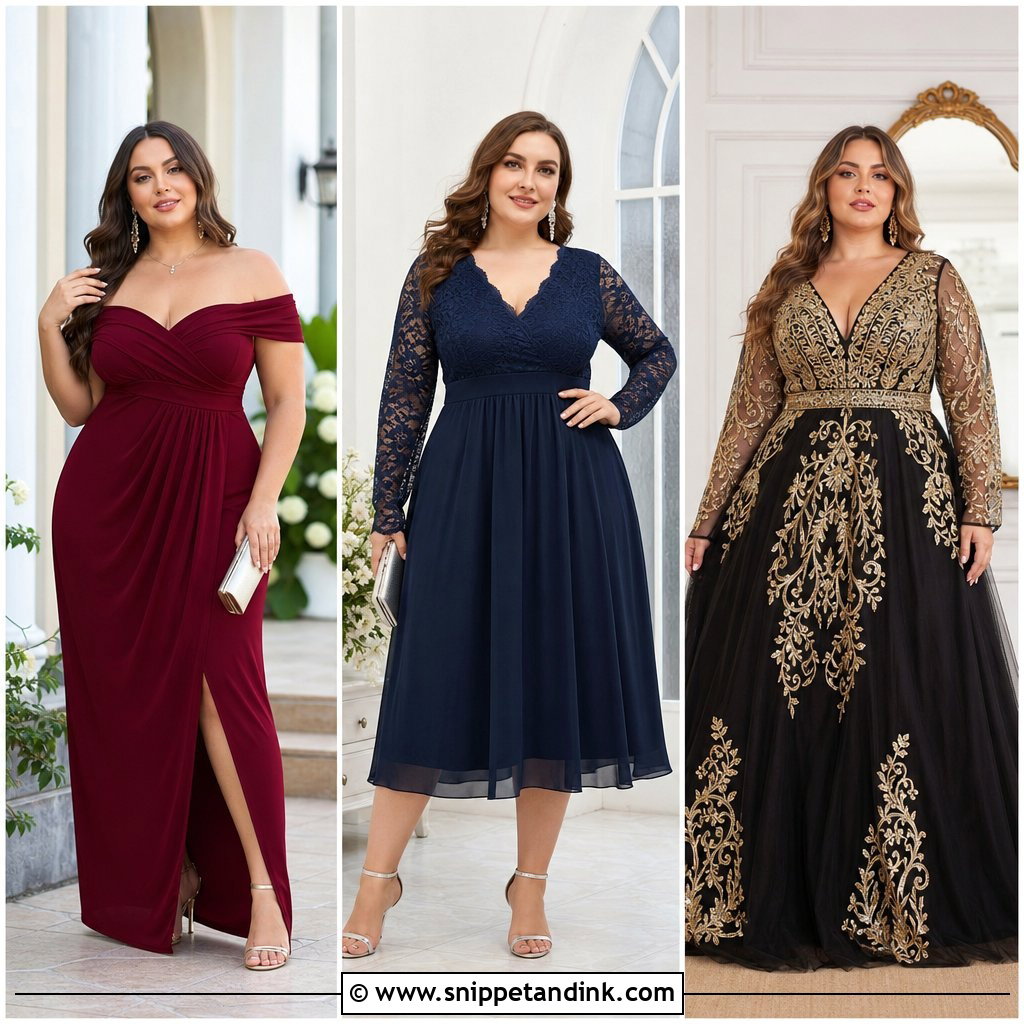
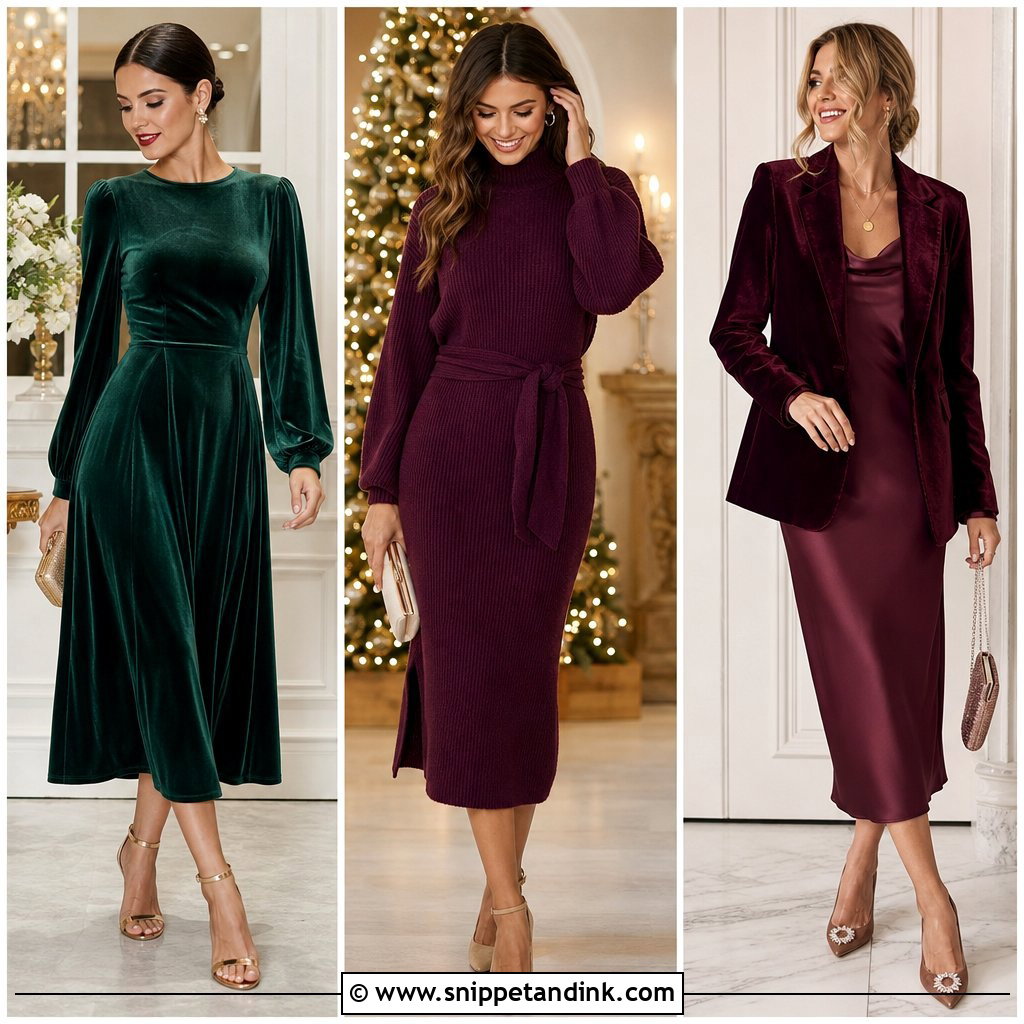
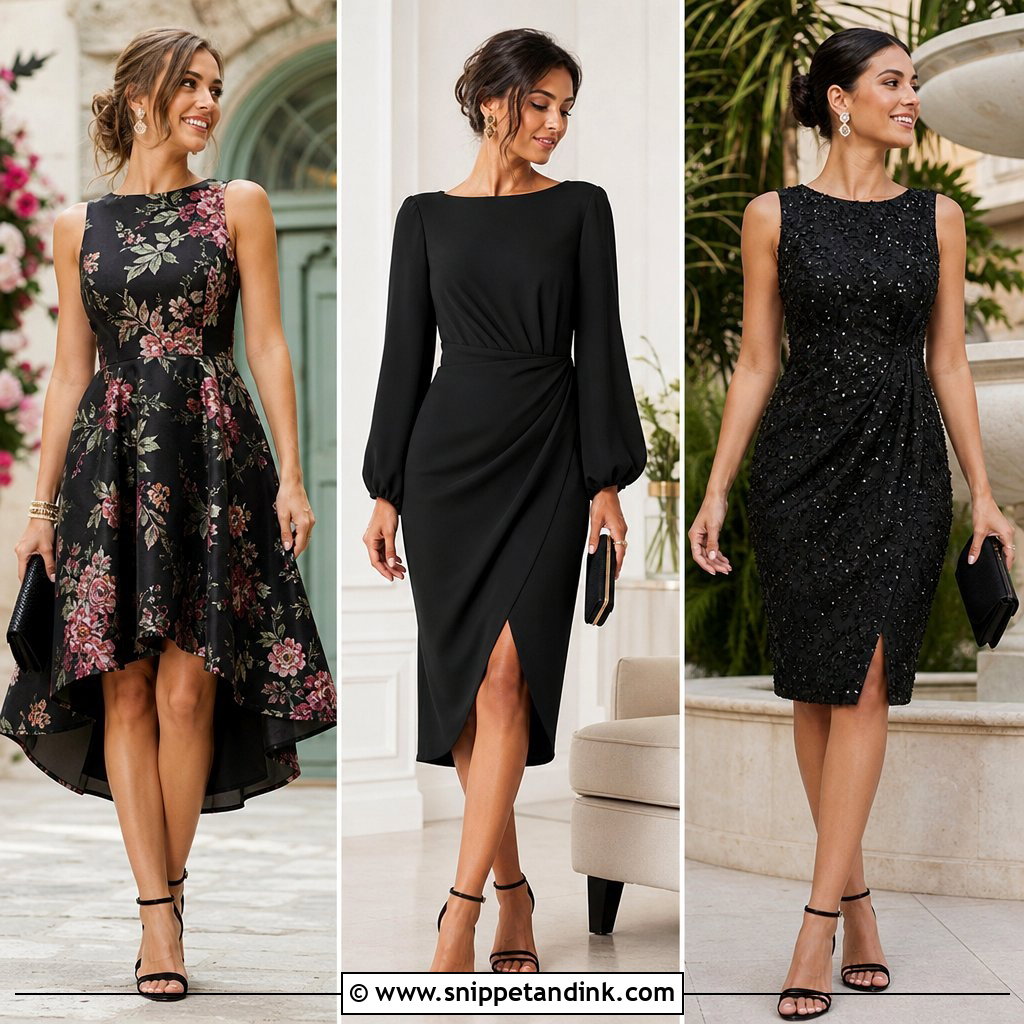
For cold-weather weddings I want warmth that doesn’t look bulky, and a long-sleeved burgundy midi in velvet, satin or heavy crepe manages both. A fitted bodice with a flowing skirt, a twisted waist or light ruching gives it shape. Black suede pumps, a small top-handle bag and antique-gold earrings suit the color, and sheer black tights are fine in midwinter if everything else stays polished. Wear a tailored wool coat for the journey, then a soft updo and plum lip. Velvet and suede both mark in rain, so carry the shoes in if the forecast is wet. Ballrooms, lodges and historic homes are its natural setting.
5. Floral Chiffon Midi Cocktail Formal Wedding Attire
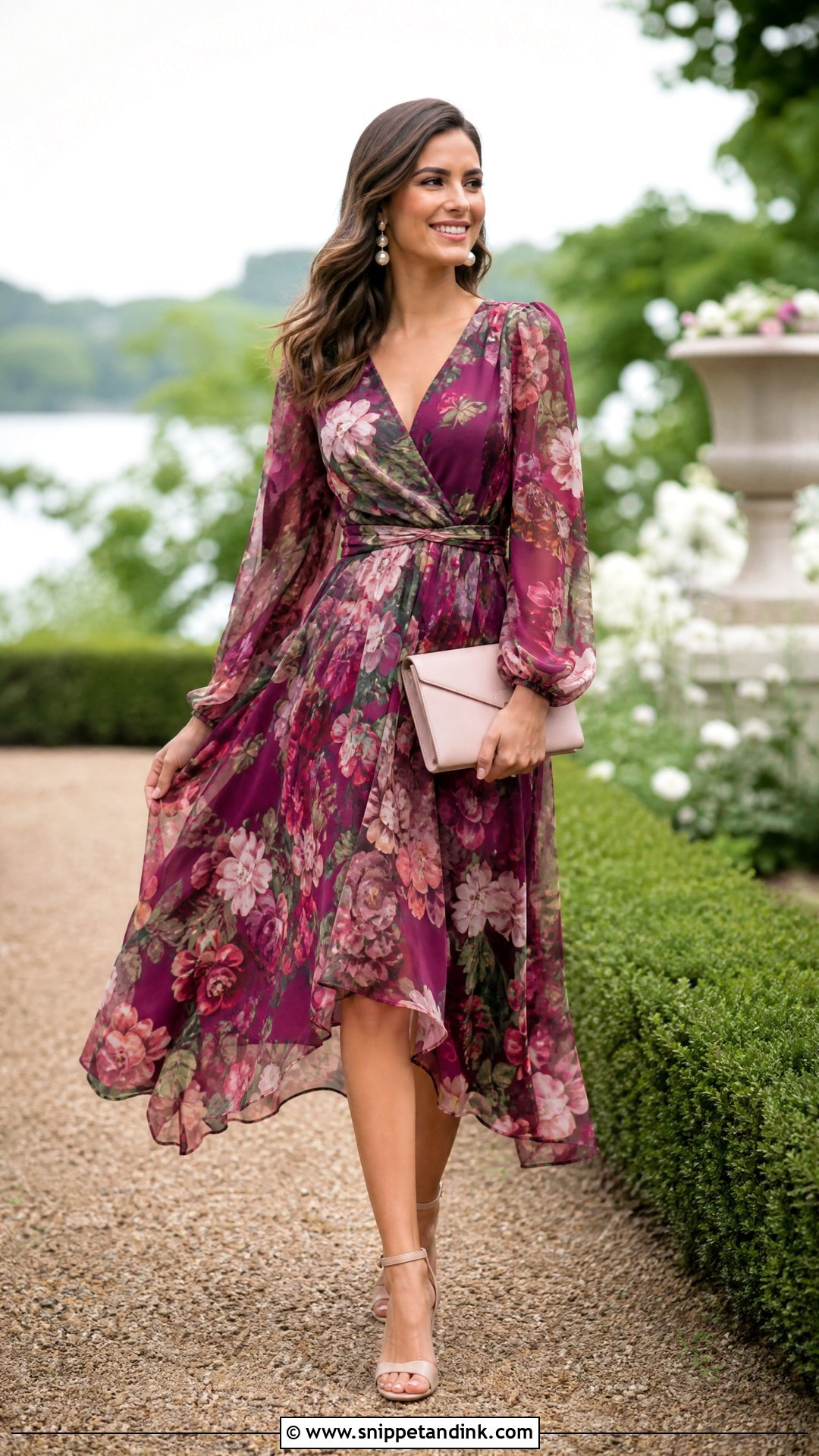
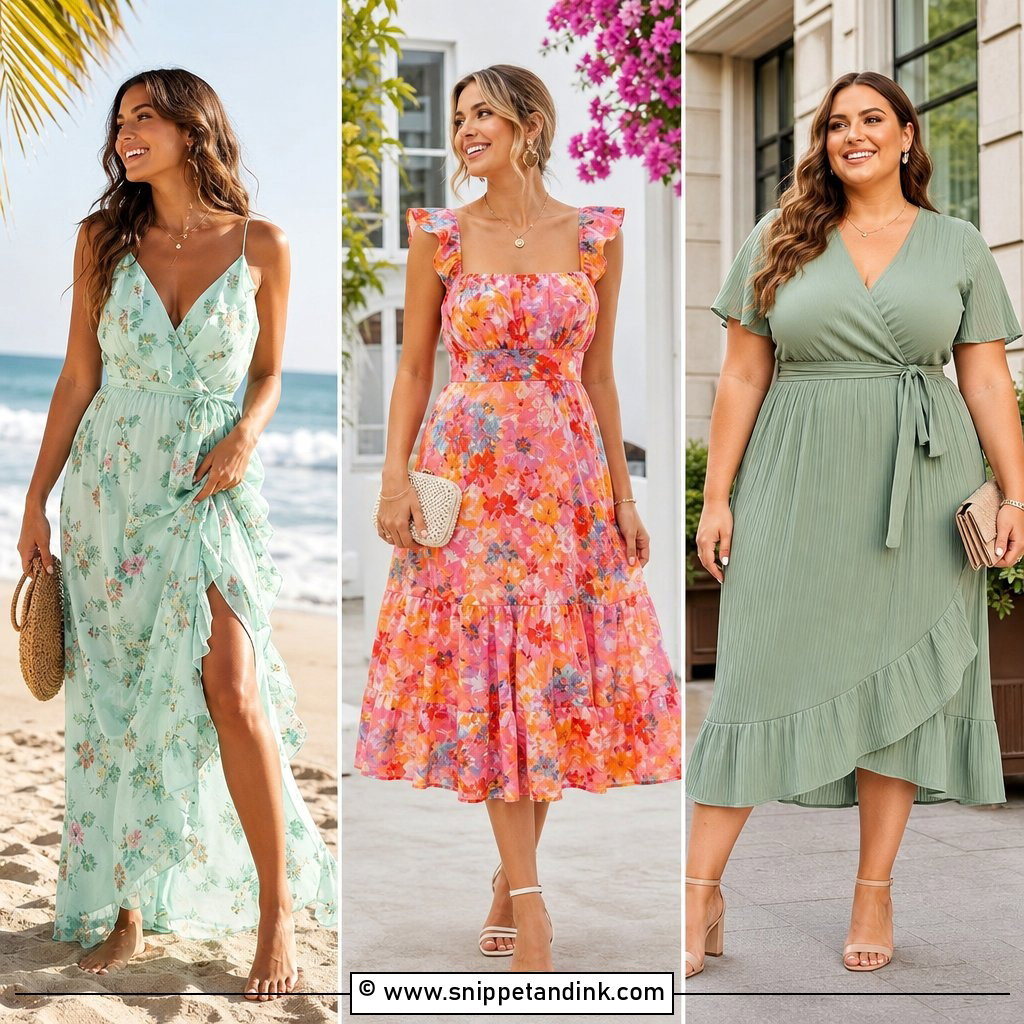
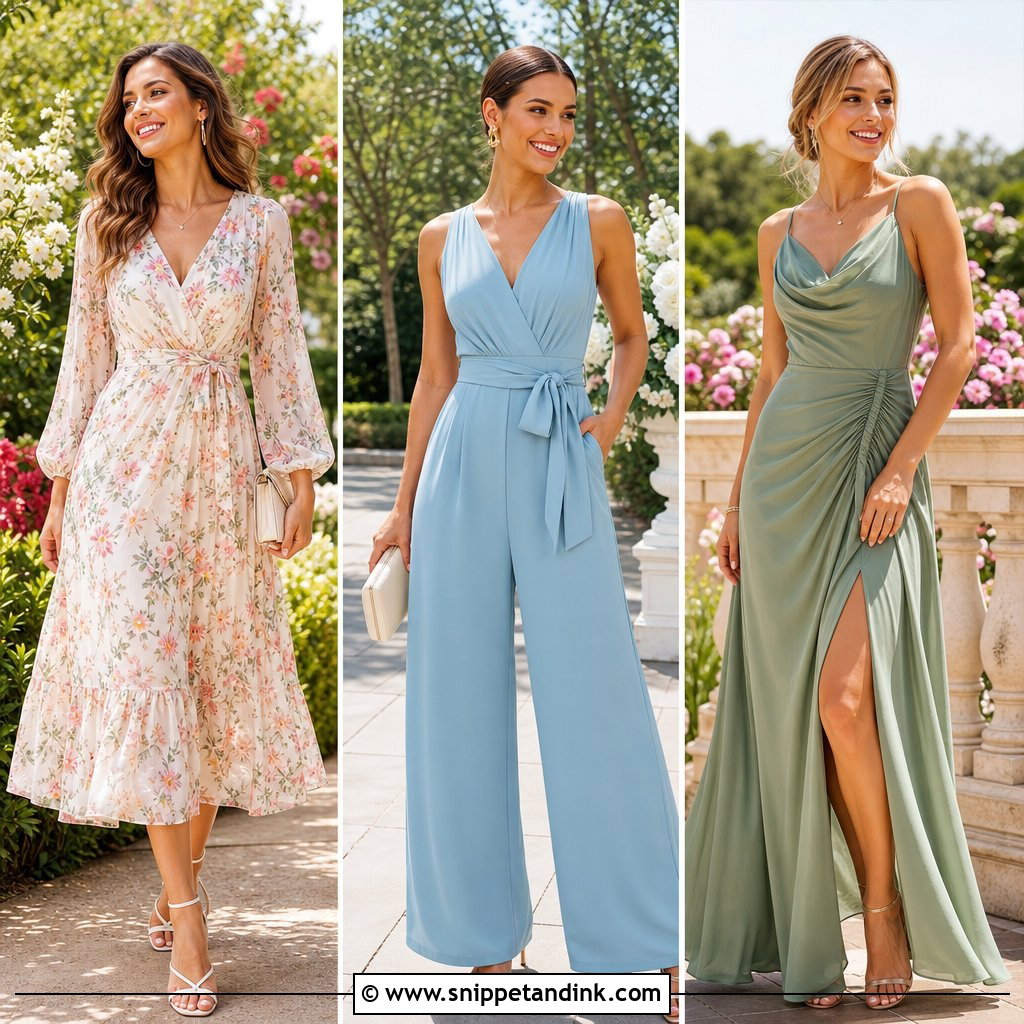
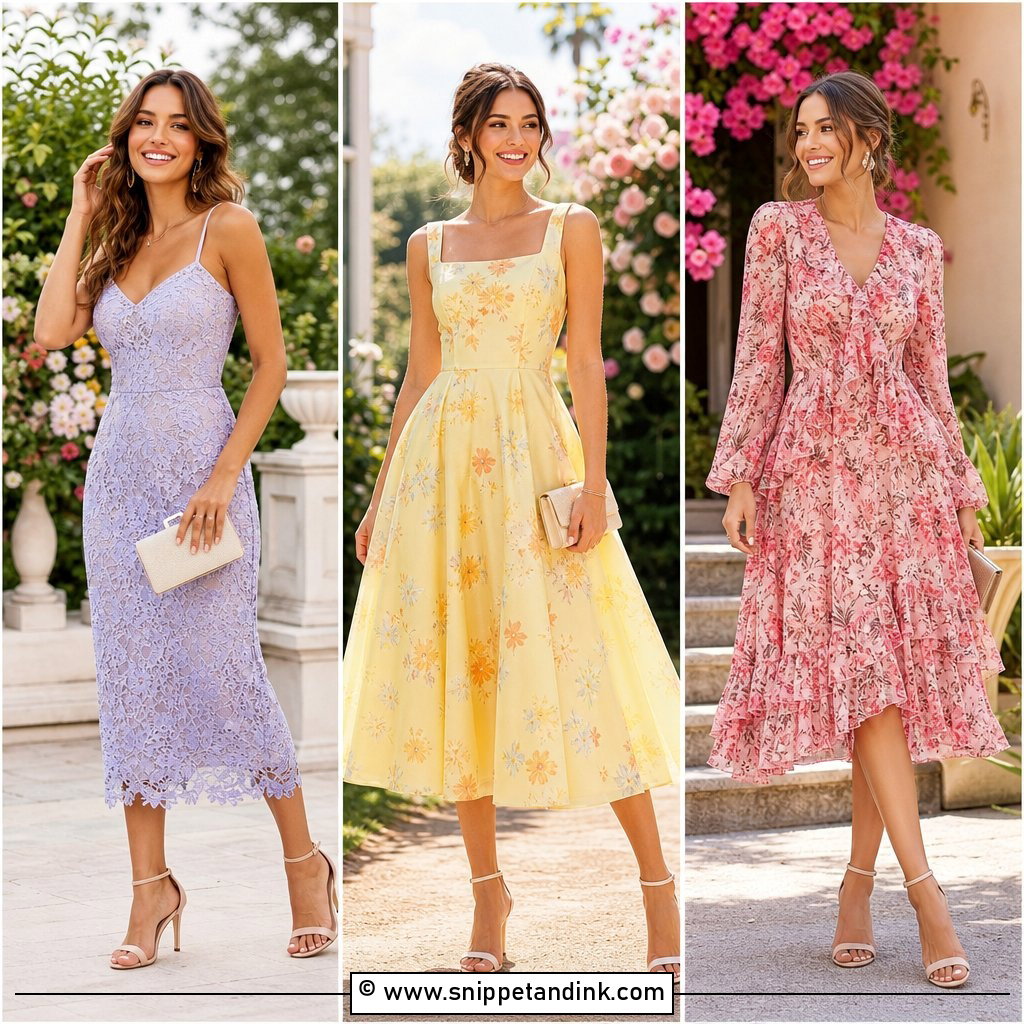
The rule I give every guest with a floral: look at the background, not the flowers. If the ground is mostly white or ivory, it reads bridal from across a lawn, so pick a print on a clear color. Chiffon moves well at spring and daytime weddings, and a fitted waist with a lined bodice stops it sliding into sundress territory. Nude block heels, a blush or sage clutch and small pearls are plenty, with a cropped jacket if you need coverage. A low chignon or smooth waves and natural makeup with a rosy lip finish it for gardens, conservatories and vineyards.
6. Cobalt Blue Pleated Dress Cocktail Formal Wedding Attire
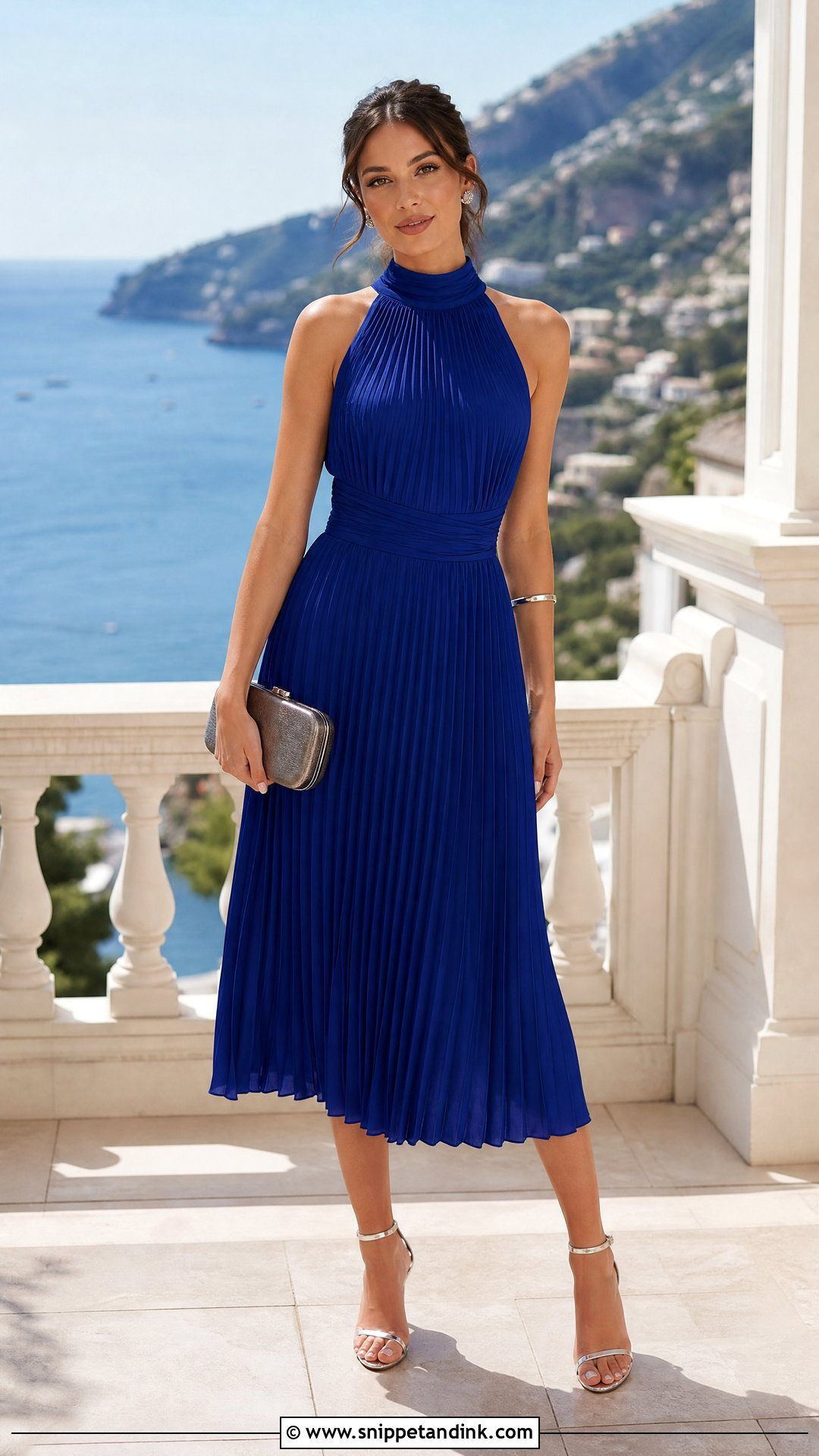
Cobalt is a confident color, and pleats keep it from looking flat. The fine folds catch light differently as you move, but they need a defined waistband or the dress turns shapeless. Sleeveless with a high neck suits warm weather; a draped sleeve gives more coverage. Cool blue wants cool metal, so I’d add silver sandals, a pewter clutch, crystal studs and one slim cuff, and leave everything else quiet. A smooth ponytail or polished shoulder-length waves suit city weddings, coastal venues and evening receptions where color is welcome but floor length isn’t required.
7. Plum Lace Midi Cocktail Formal Wedding Attire
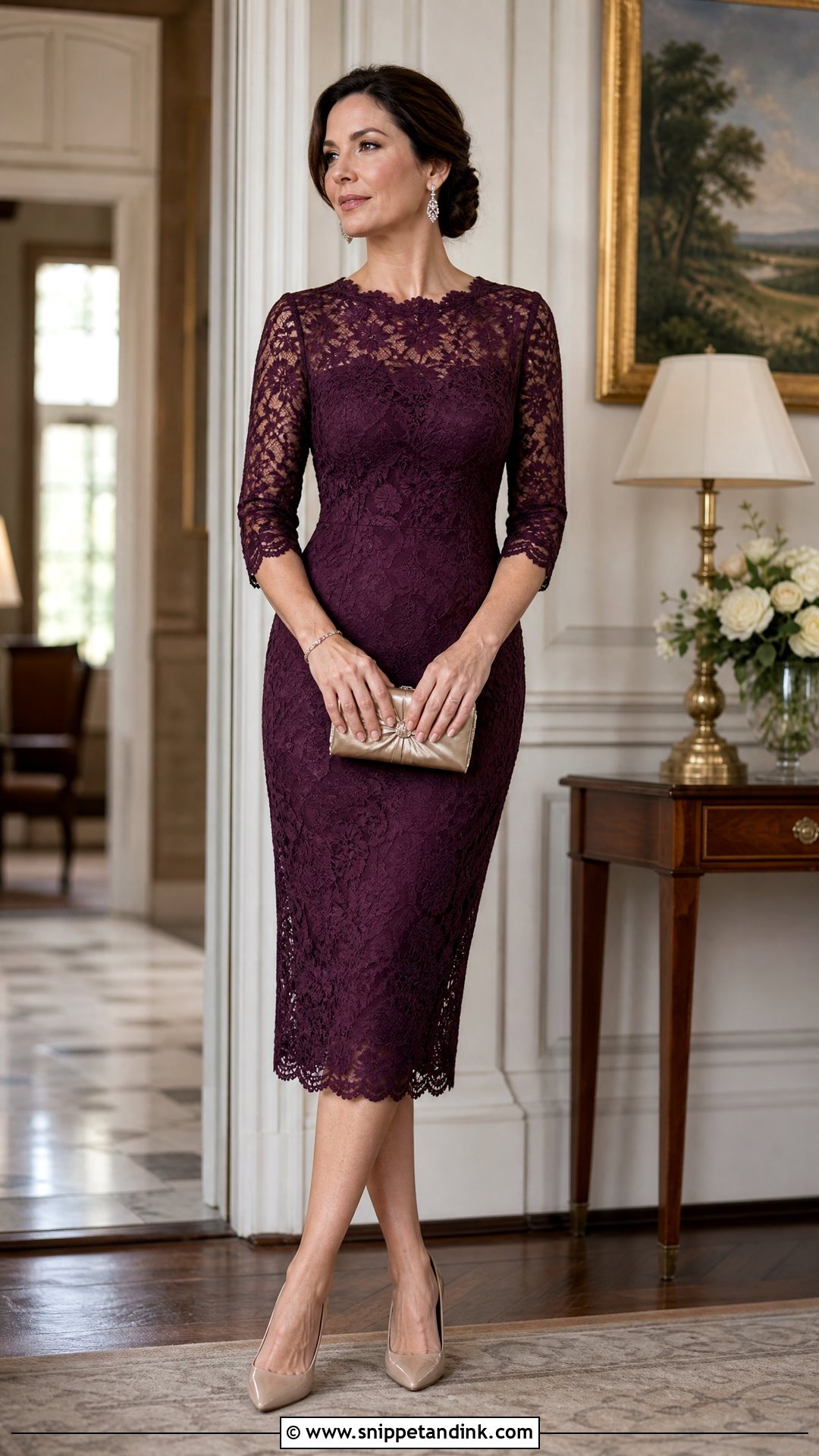
The lining is the first thing I check on any lace dress, because bright venue lighting and a camera flash will show exactly where it stops. Plum lace with a modest neckline and a softly fitted shape reads rich without competing with the bridal party, and scalloped sleeves or a scalloped hem give enough detail that jewelry can stay minimal. Champagne pumps, a satin clutch and simple drops suit it. Add a softly structured coat or wrap in winter, a low bun and balanced neutral makeup. Country estates, museums and traditional ballrooms suit it best.
8. Dusty Rose Draped Dress Cocktail Formal Wedding Attire
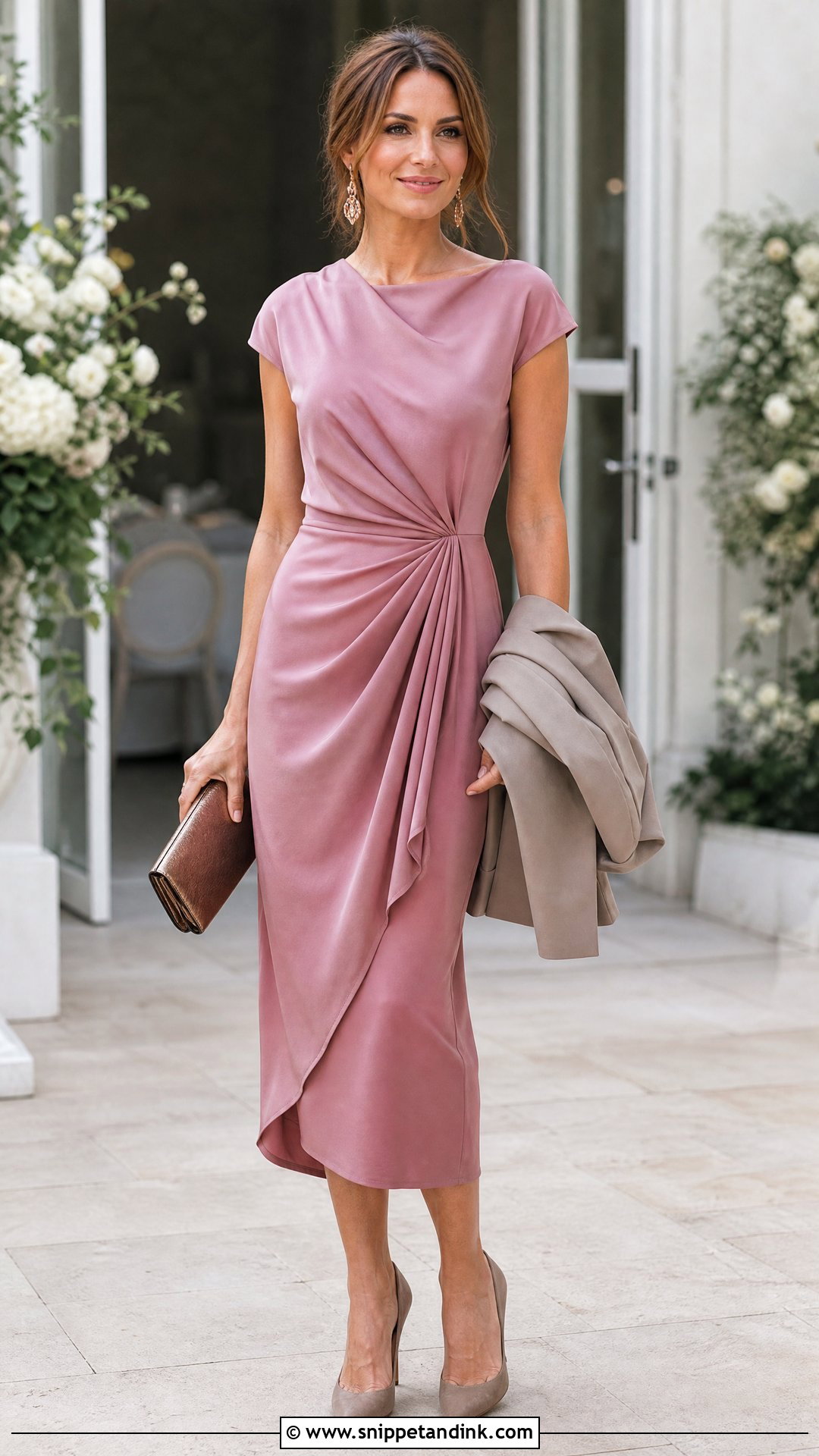
Dusty rose is pretty and risky in equal measure, since the palest pinks can read bridal in photos. I steer guests toward pinks with a mauve or brown undertone, which hold their color under flash. Draping at the waist, a softly pleated skirt or a cape sleeve gives the fabric somewhere to move. Taupe pointed heels, a bronze clutch and rose-gold earrings keep it warm, and a berry manicure adds contrast. Pack a tailored taupe jacket, not a cardigan, for a cool room. It flatters a wide range of ages at spring ceremonies, brunch weddings and indoor receptions.
9. Teal Halter Dress Cocktail Formal Wedding Attire
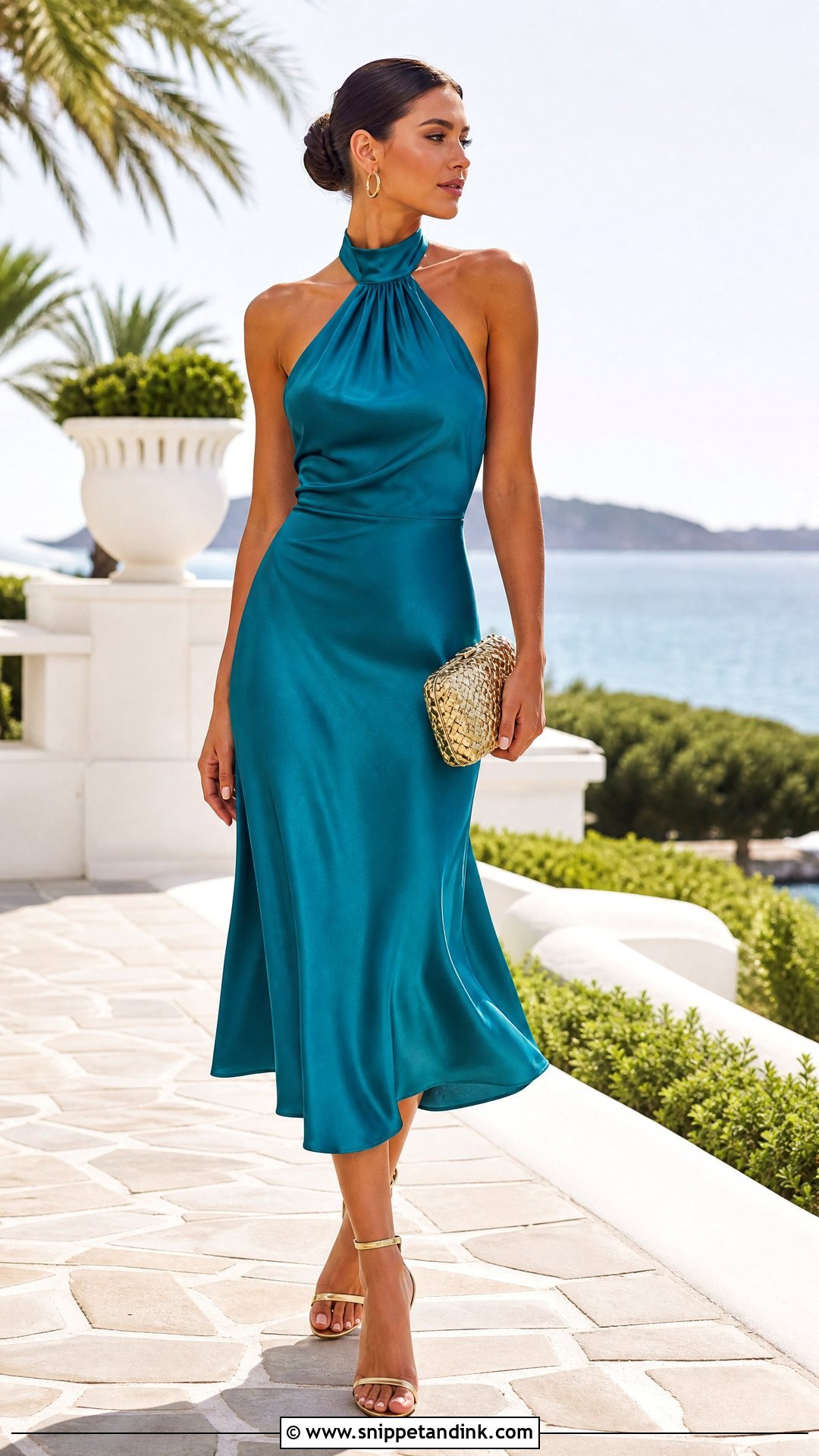
Halters frame the shoulders and suit warm weather, but they rely on a firm neck strap, so I have guests wear the dress for an hour at home before deciding. Teal in matte satin, crepe or fully lined chiffon looks refined; unlined chiffon goes sheer in sunshine. A fitted waist and gently flared skirt balance the bare shoulders. Gold strappy sandals, a woven metallic clutch and medium hoops work, with a cuff in place of a necklace. Put the hair up in a bun, braided updo or sleek ponytail so the neckline shows. It moves from an outdoor ceremony to an indoor reception without a change.
10. Chocolate Brown Column Dress Cocktail Formal Wedding Attire
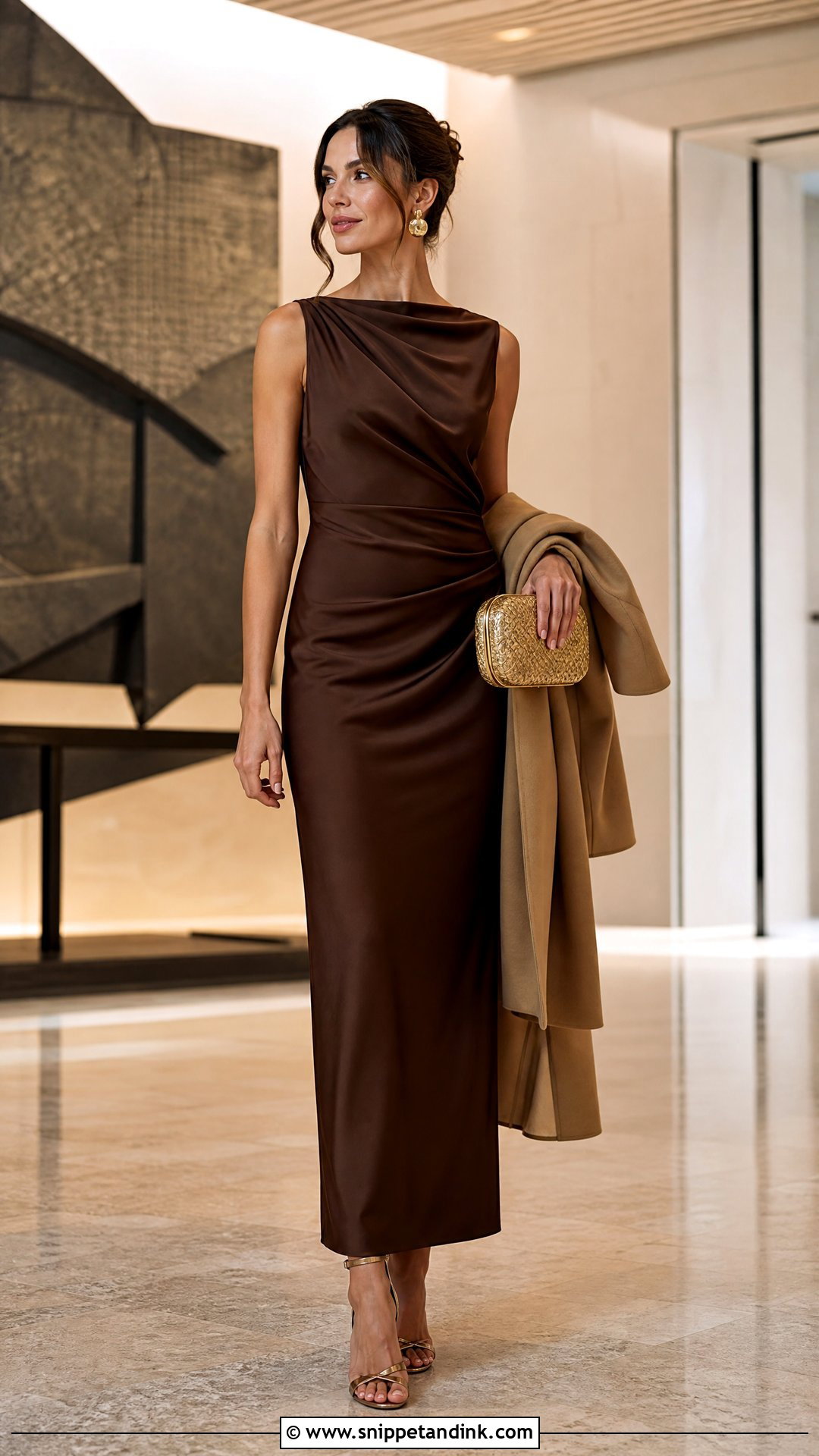
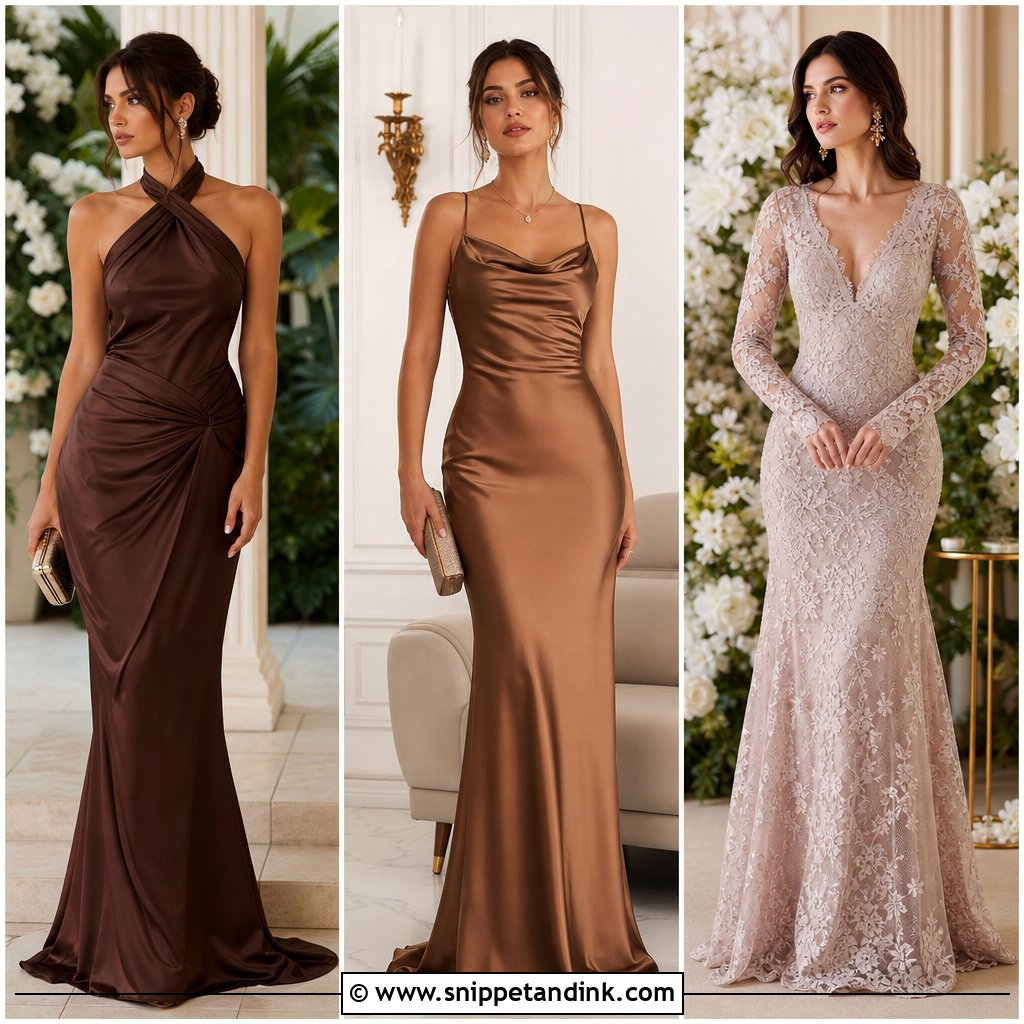
Brown is my favorite swap for black at an autumn wedding. It’s just as sophisticated and softer on most complexions. Satin or fluid crepe in a midi or ankle-length column, with light ruching, a draped neck or a waist seam, keeps the shape from looking plain. Warm metals brighten it: bronze sandals, a textured gold clutch, sculptural earrings. A camel coat works on cooler days, but I’d avoid pure cream outerwear, which can look bridal next to the couple. Bronzed makeup with smooth waves or a low ponytail suits minimalist venues, museums and evening ceremonies.
11. Red Off-the-Shoulder Dress Cocktail Formal Wedding Attire
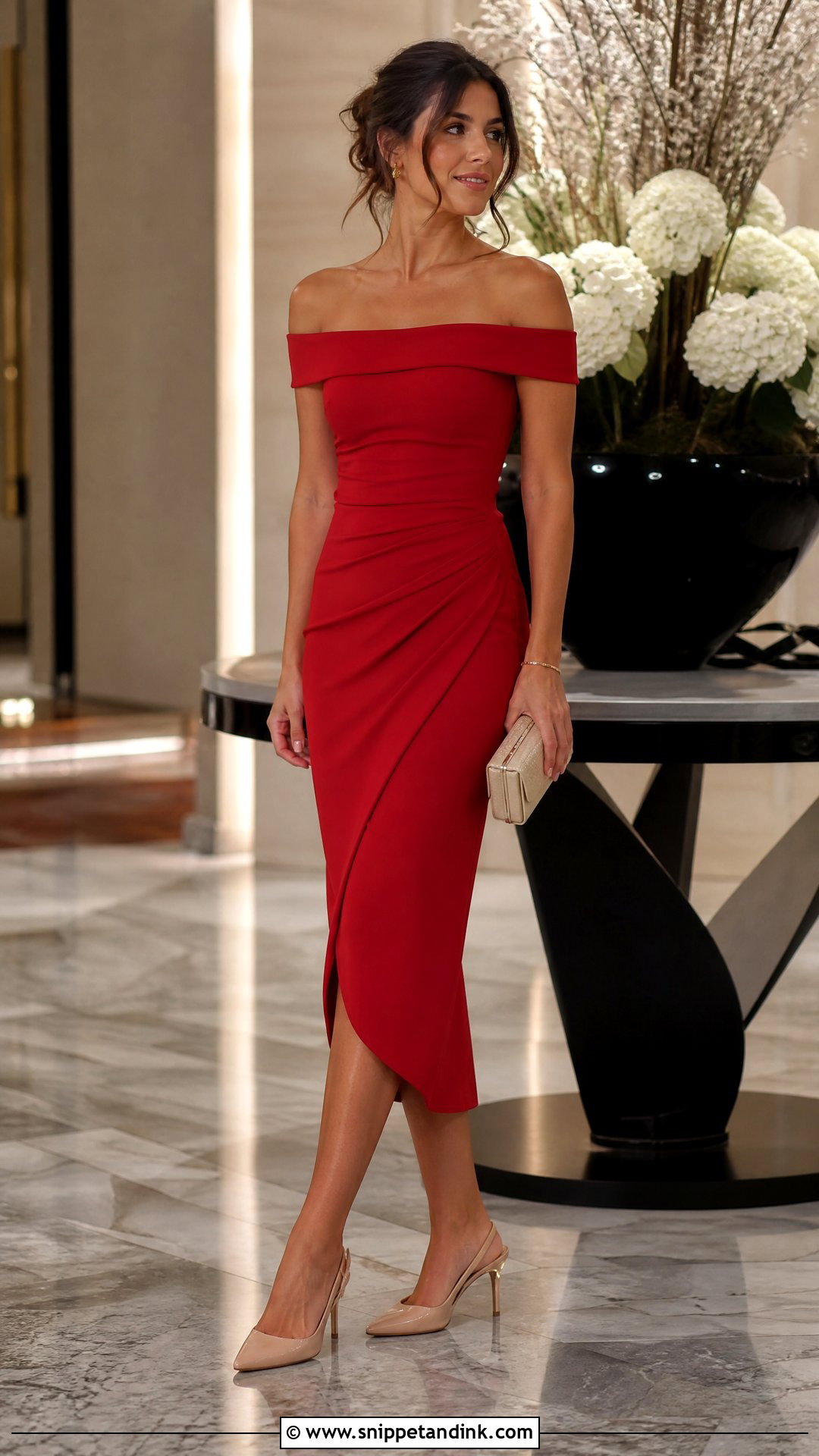
Can a guest wear red? Usually, yes, if the cut is elegant and the accessories stay quiet. The exception is a wedding in a tradition where red is the bride’s color, so check before you buy. Matte crepe is easier than shiny satin because it doesn’t throw glare in photographs. An off-the-shoulder midi with a fitted bodice and balanced skirt works; very tight cuts and lots of cutouts don’t. Nude slingbacks, a champagne clutch, small gold earrings and a delicate bracelet are enough. Smooth hair and neutral makeup let the fabric speak at ballrooms and city receptions.
12. Sage Green Cape Dress Cocktail Formal Wedding Attire
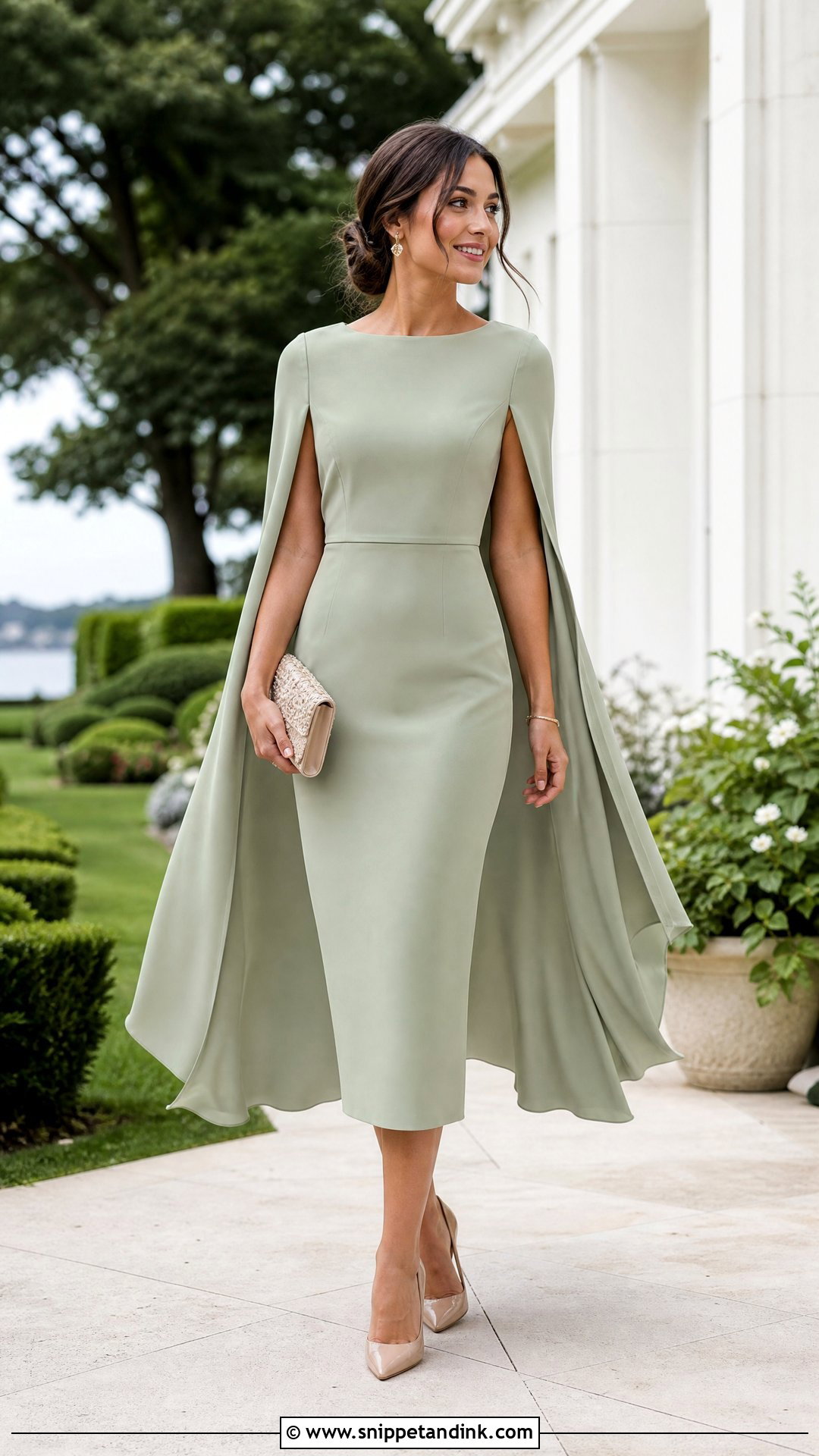
A cape gives arm coverage without a jacket, which is why I suggest it to guests who run warm but need covered shoulders. Look for smooth crepe with a fitted dress underneath and a lightweight cape falling from the shoulder seam; a heavy cape drags the neckline backward. Sage suits spring through early autumn. Champagne pumps, a beaded neutral clutch and delicate gold earrings are enough, since the cape already moves. A neat low bun stops hair catching in the fabric. Garden venues, country clubs and formal daytime ceremonies suit it.
13. Metallic Jacquard Dress Cocktail Formal Wedding Attire
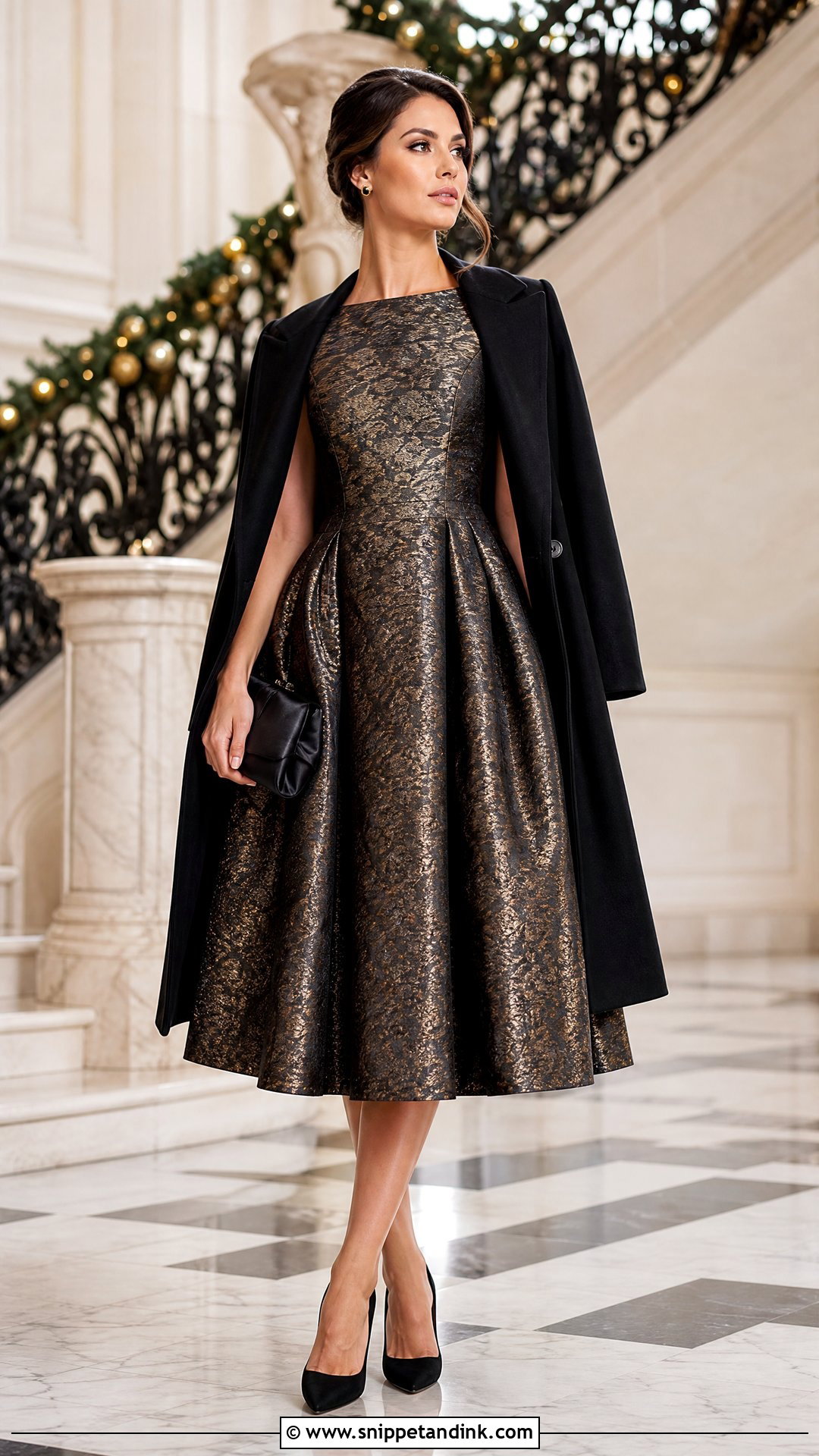
Jacquard is my answer when a guest wants sparkle without sequins. The metallic thread is woven into the cloth, so it glints rather than glitters, and it’s far more comfortable to sit in than a beaded dress. Choose a gold, pewter or bronze pattern on a dark base, cut fit-and-flare so the weight of the fabric has room in the skirt. One reflective element is enough, so pair it with plain black pumps, a small satin clutch and studs. A tailored black coat for a winter arrival, taken off indoors, completes it for grand hotels and historic mansions.
14. Satin Jumpsuit Cocktail Formal Wedding Attire
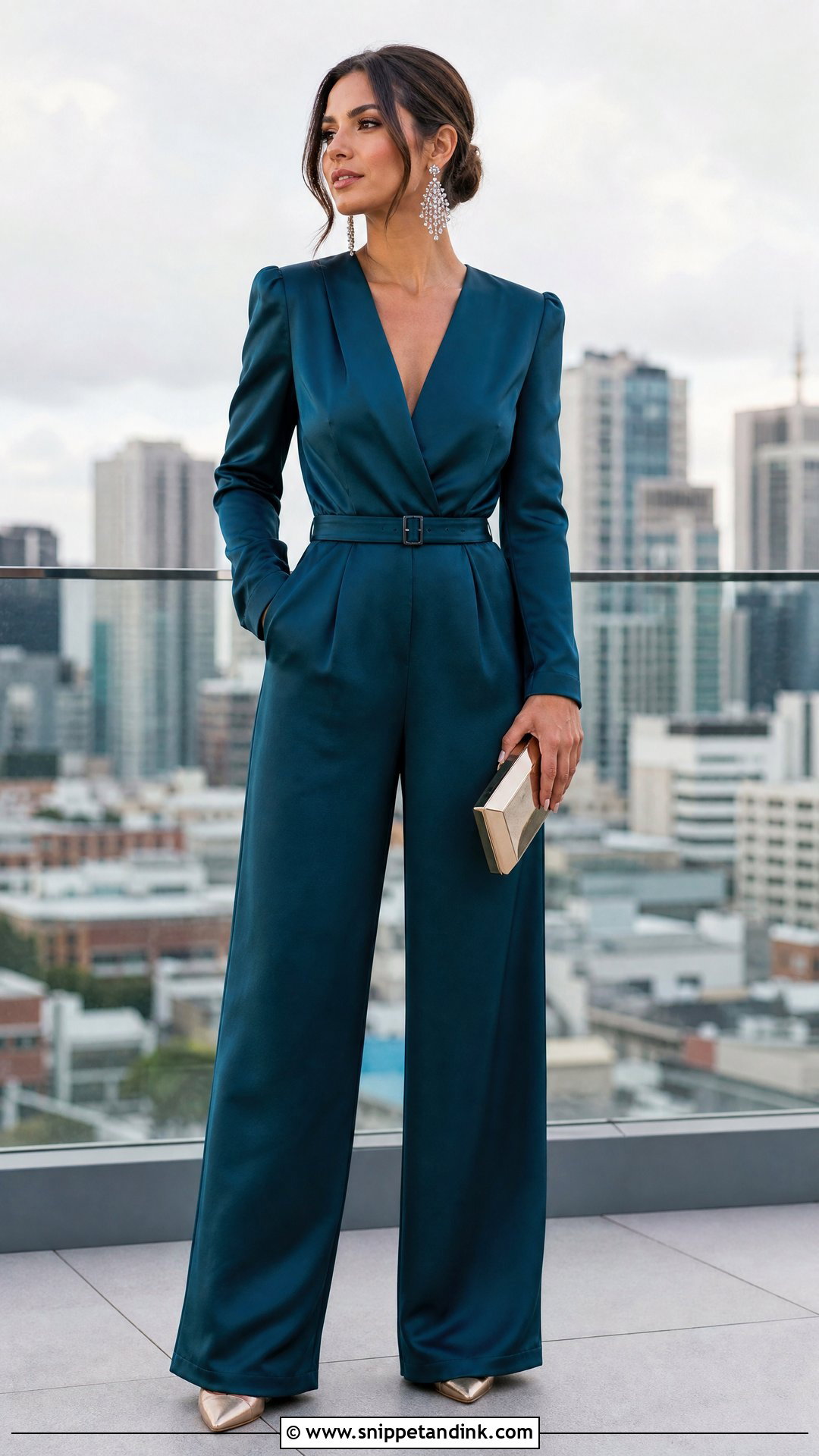
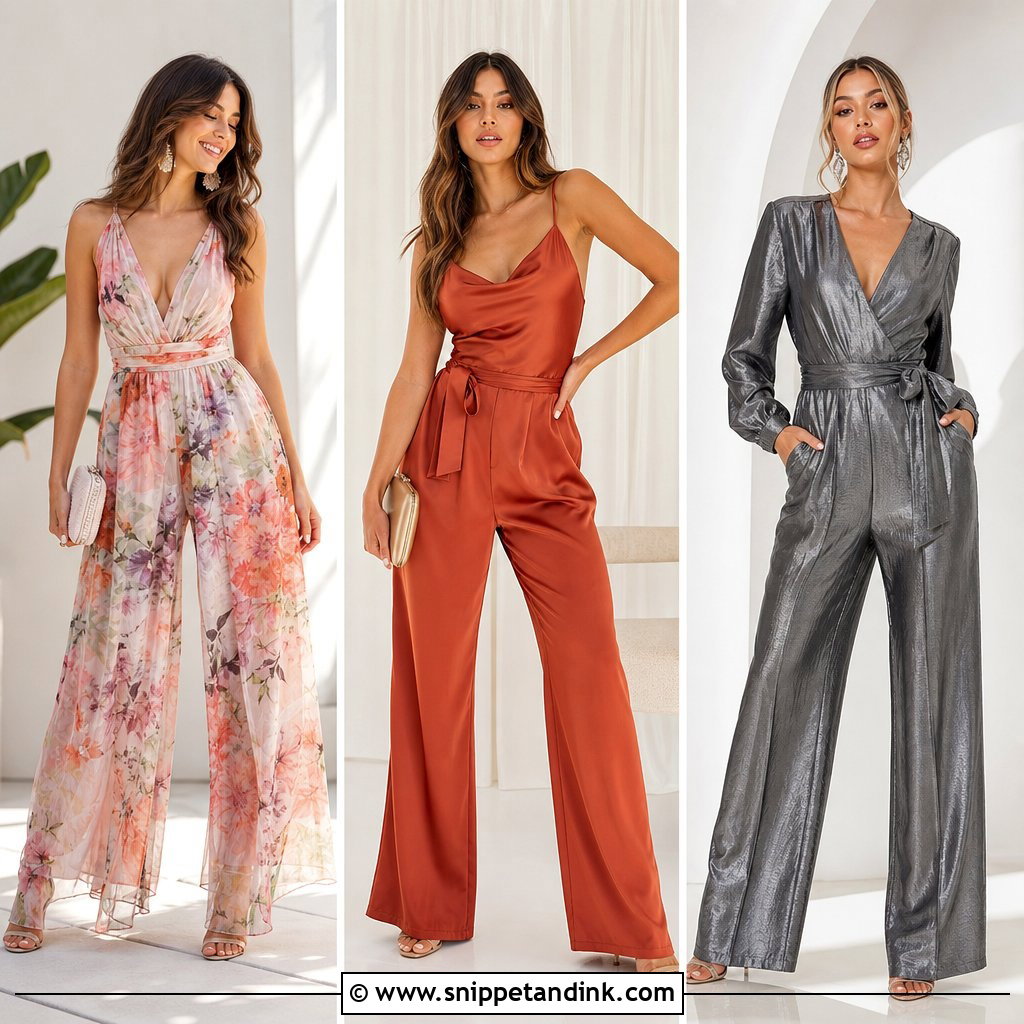
Jumpsuits live or die on two measurements: torso length and trouser hem. Too short in the torso and it pulls every time you sit; too long in the leg and you’ll tread on satin all night. A wide leg with a defined waist, structured shoulders and a secure neckline looks as formal as any dress in navy, forest green, burgundy or deep teal. Pointed heels lengthen the leg, and the hem should skim the shoe, not the floor. A compact metallic clutch and statement earrings finish it for rooftops, lofts and receptions with plenty of dancing. One honest downside: restroom trips take longer, so make sure you can reach the zip yourself.
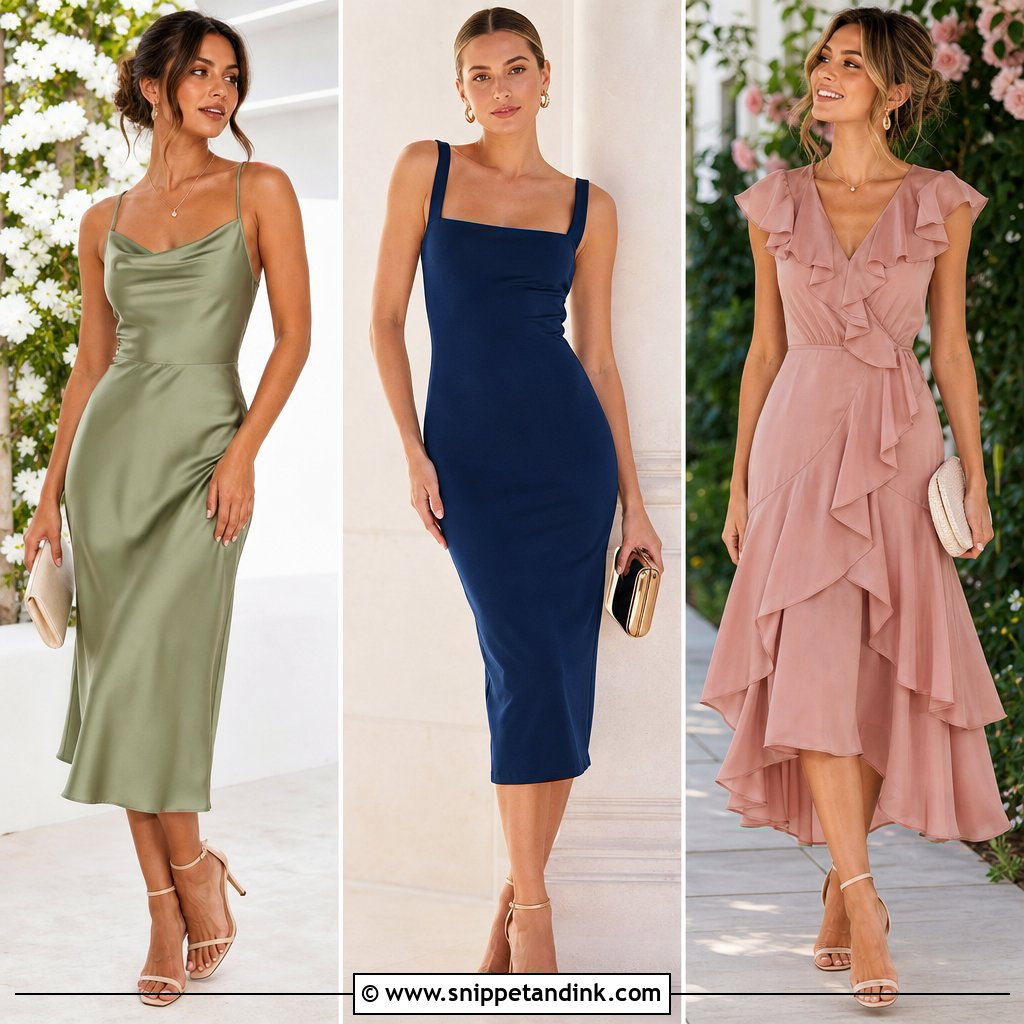
15. Black Wide-Leg Jumpsuit Cocktail Formal Wedding Attire
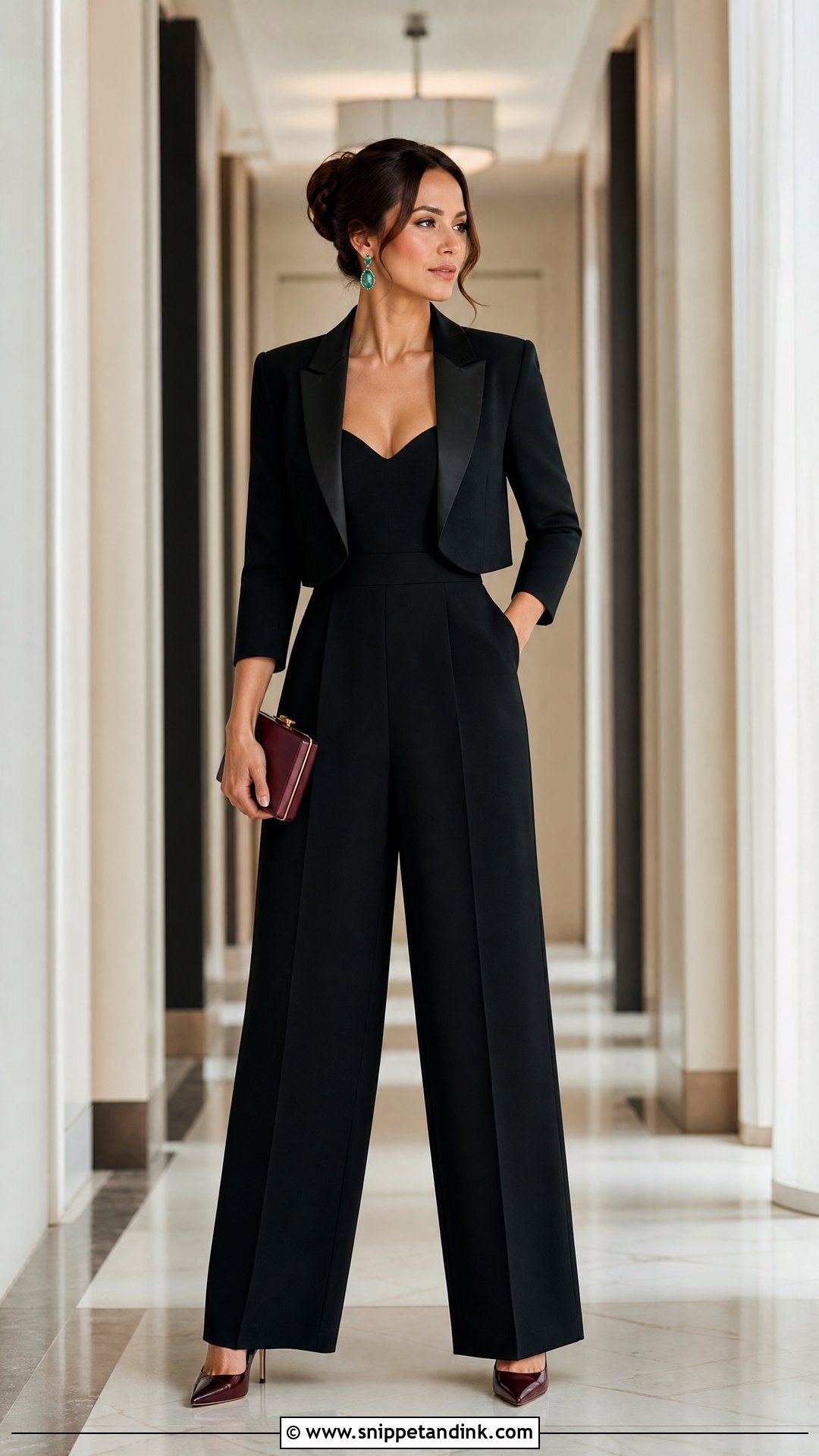
A black wide-leg jumpsuit suits guests who’d rather wear tailoring than a dress, and it’s where I bring in color through accessories: emerald earrings, a jewel-toned clutch or burgundy pointed heels. A fitted bodice, V-neck and trousers that fall cleanly from the waist give the cleanest line, and a satin belt or sculptural buckle makes it feel like evening wear. If you want a layer, a cropped tuxedo jacket that ends near the waist keeps the proportions, whereas a long blazer turns it into office wear. Get the hem exact and choose smooth underwear, since black crepe shows lines under strong light.
16. Tuxedo Blazer And Satin Skirt Cocktail Formal Wedding Attire
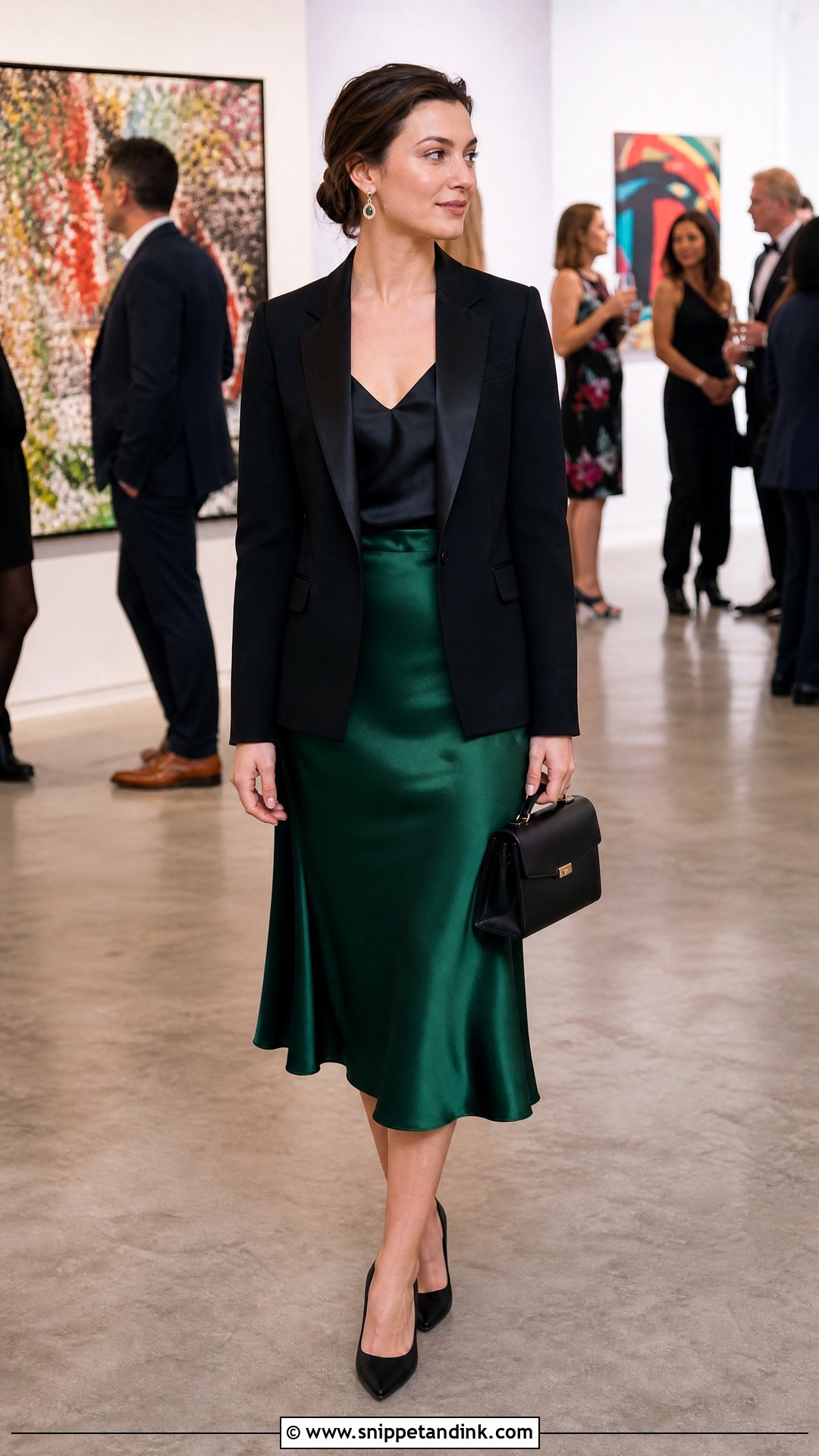
Separates meet this dress code only when each piece would look formal on its own. A fitted black tuxedo blazer over a jewel-toned satin midi skirt does that, with a silk camisole or draped sleeveless blouse underneath. Check the neckline with the jacket off, because it will come off once the dancing starts. The blazer should follow the waist rather than hang oversized, and the skirt should fall below the knee. Pointed pumps, a structured mini bag and drop earrings go with a sleek ponytail or side-parted waves. Autumn and winter weddings, galleries and restaurants suit it, and both pieces get worn again.
17. Velvet Pantsuit Cocktail Formal Wedding Attire
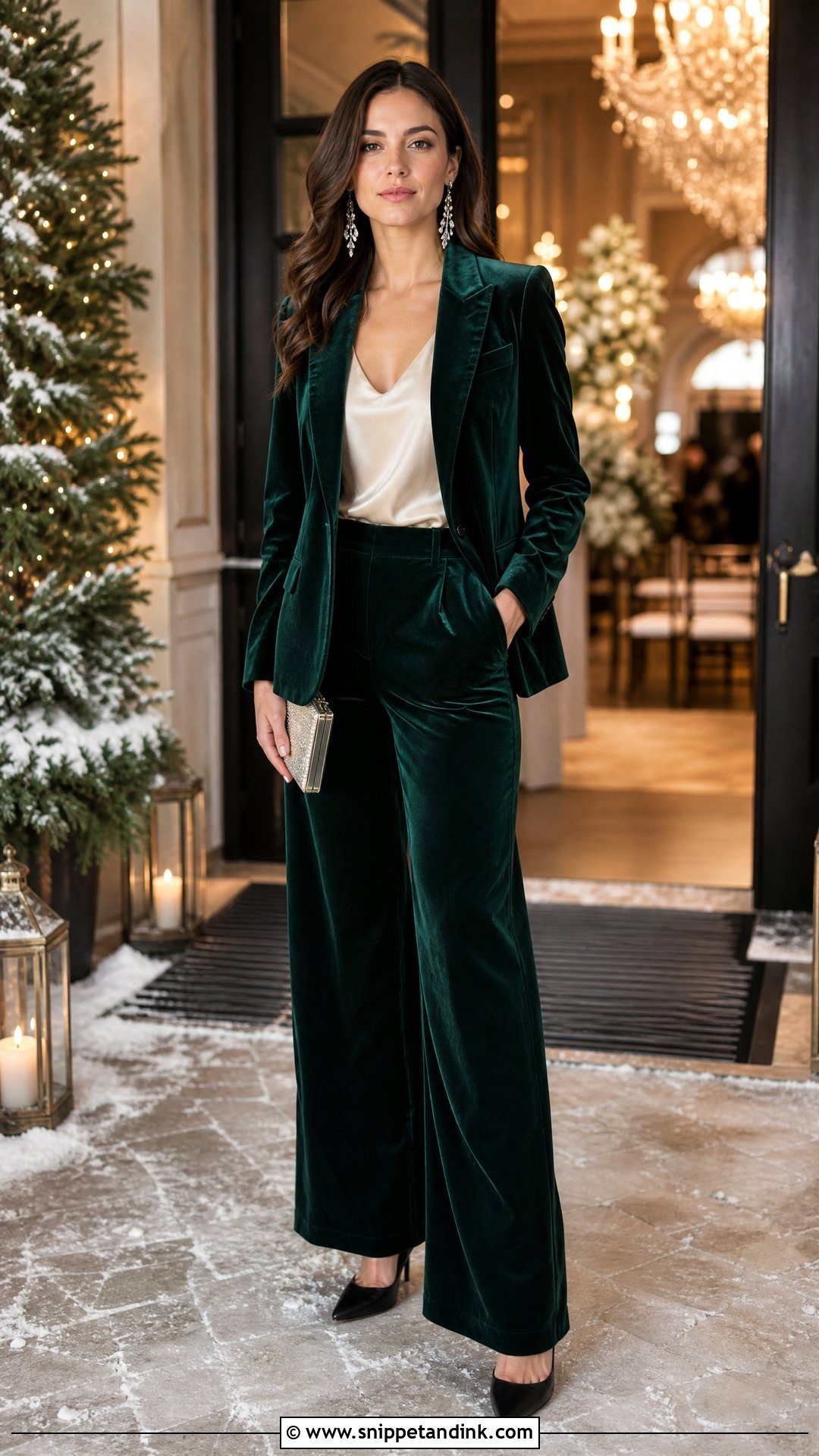
Velvet tailoring is the warmest formal outfit a guest can wear, and the one I recommend for midwinter weddings in old stone buildings. Choose a velvet pantsuit in midnight blue, deep plum or forest green, with a fitted blazer and fluid straight or wide-leg trousers. A satin shell underneath keeps it dressy; a cotton tee undoes it. A single-button blazer defines the waist. Since the suit is all texture, keep the accessories smooth: pointed pumps, a small metallic clutch, crystal earrings. Velvet crushes when folded, so hang it rather than packing it flat in a suitcase.
18. Beaded Midi Dress Cocktail Formal Wedding Attire
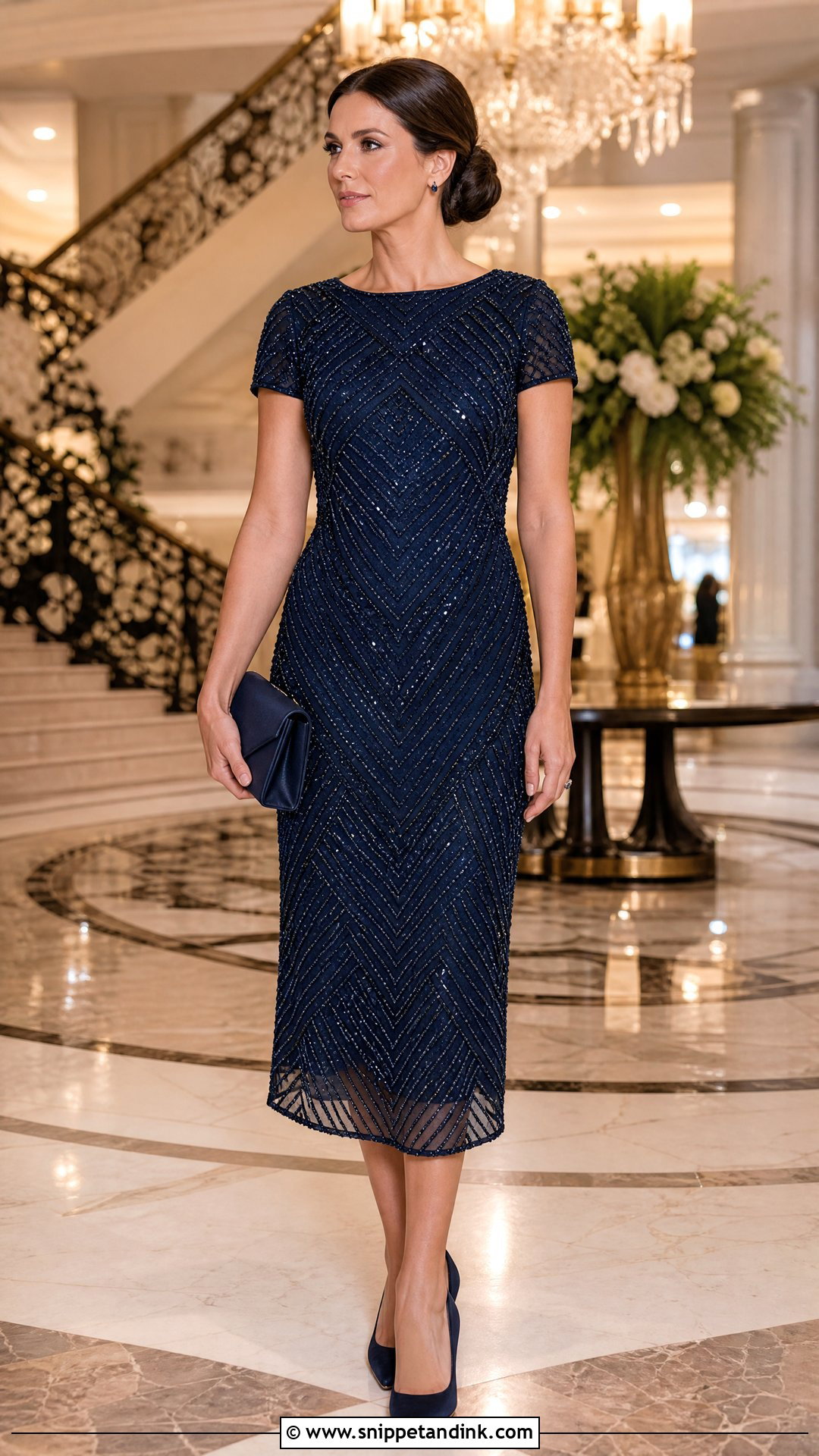
Beading sparkles at night more convincingly than sequins, but it’s heavy and it can scratch. I look for controlled embellishment, such as tonal beading, a geometric pattern or decorated sleeves, on a navy, charcoal, burgundy or muted metallic base. Before buying, run a hand along the inside seams and under the arms. Loose threads mean beads will drop through the evening, and an unlined bodice will chafe while you sit or dance. Simple satin pumps, a solid clutch and small earrings are all it needs, with a smooth updo. Ballrooms and grand evening receptions are where it belongs.
19. Asymmetrical Hem Dress Cocktail Formal Wedding Attire
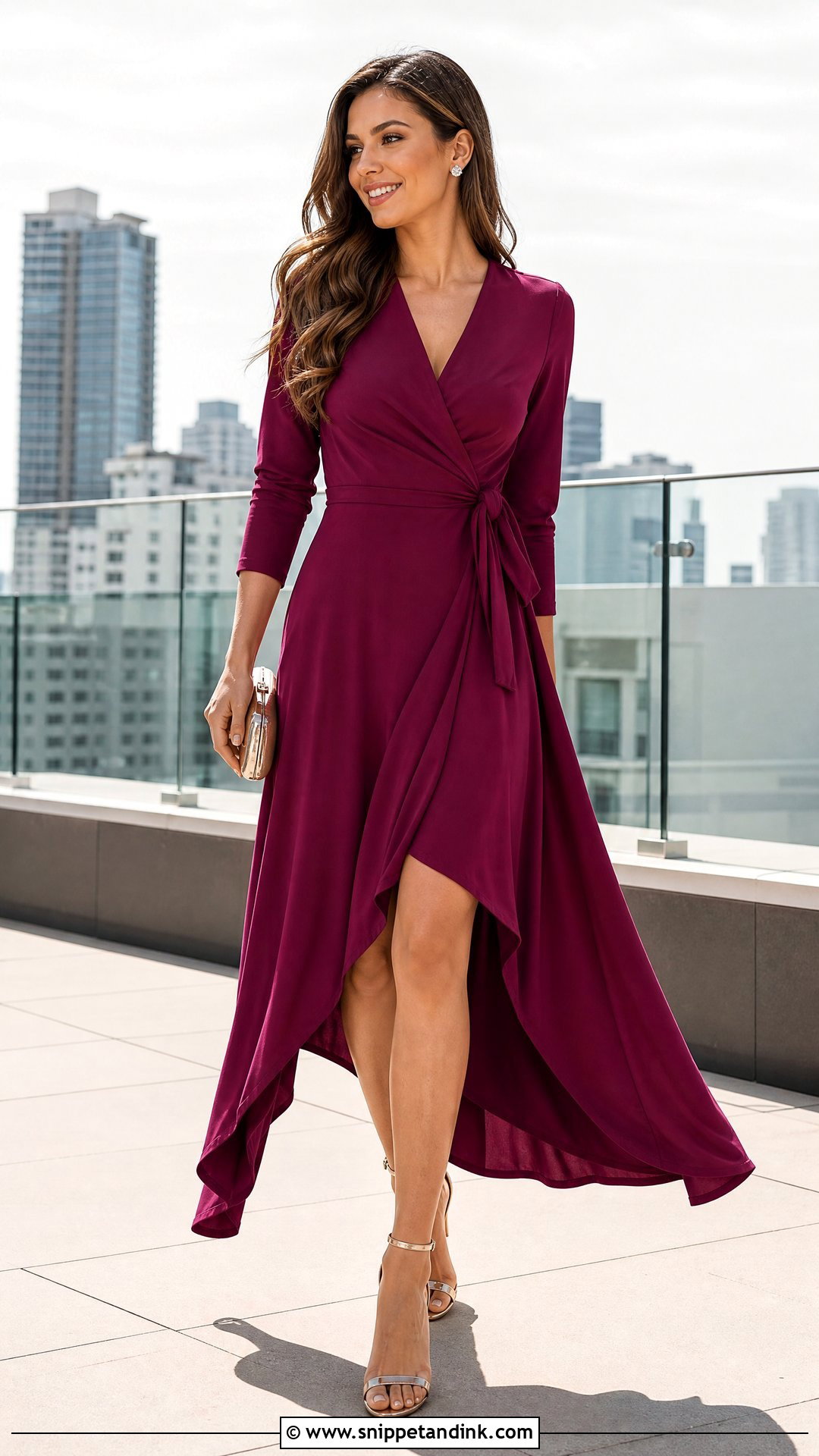
An asymmetric hem gives a cocktail dress movement with more coverage than a short party style. The best ones fall around the knee at the front and the calf or ankle at the back. Very short fronts are the problem, so sit down in the fitting room and check where the shortest point lands. A simple neckline keeps the focus on the hem. In a deep jewel tone, I’d add metallic ankle-strap heels, a hard-shell clutch and polished studs, plus a fitted wrap or cropped jacket for a cool ceremony. Rooftops, terraces and modern venues suit it.
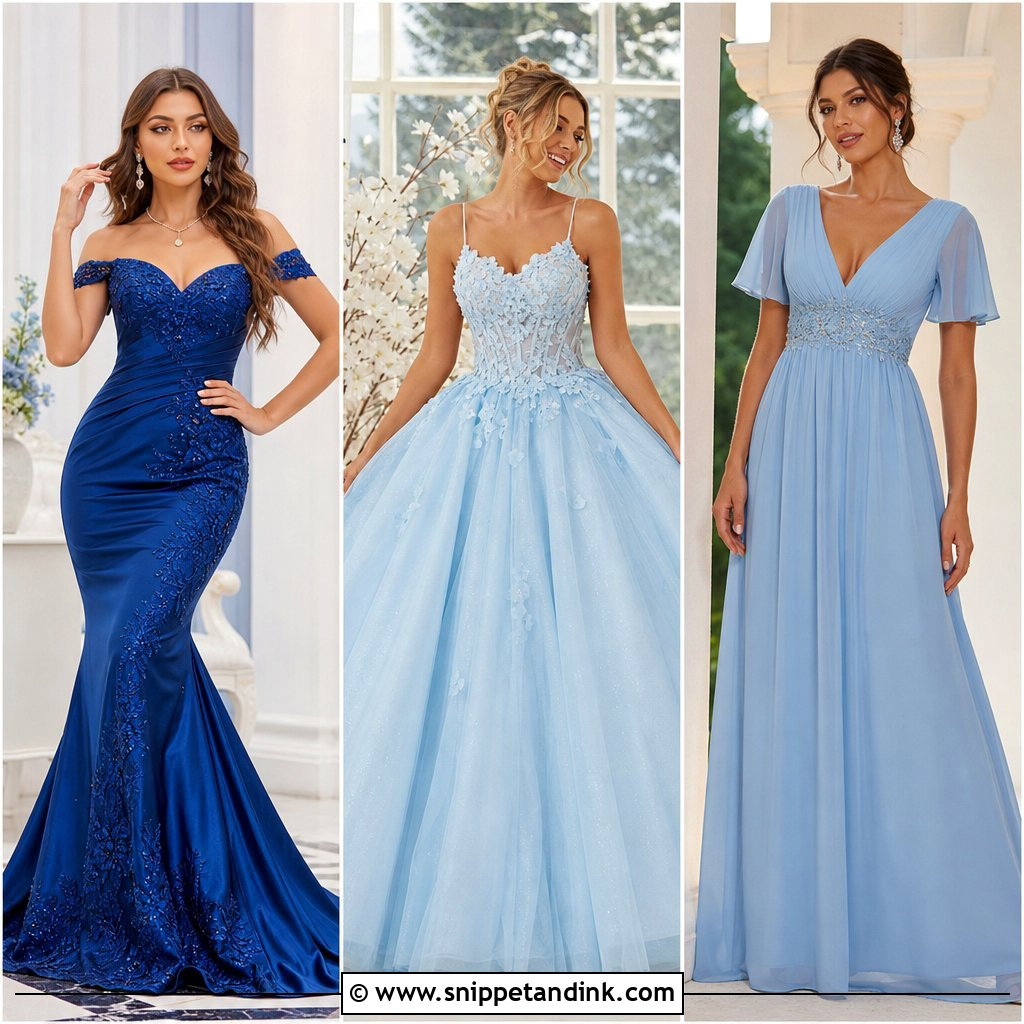
20. Long-Sleeve Floral Maxi Cocktail Formal Wedding Attire
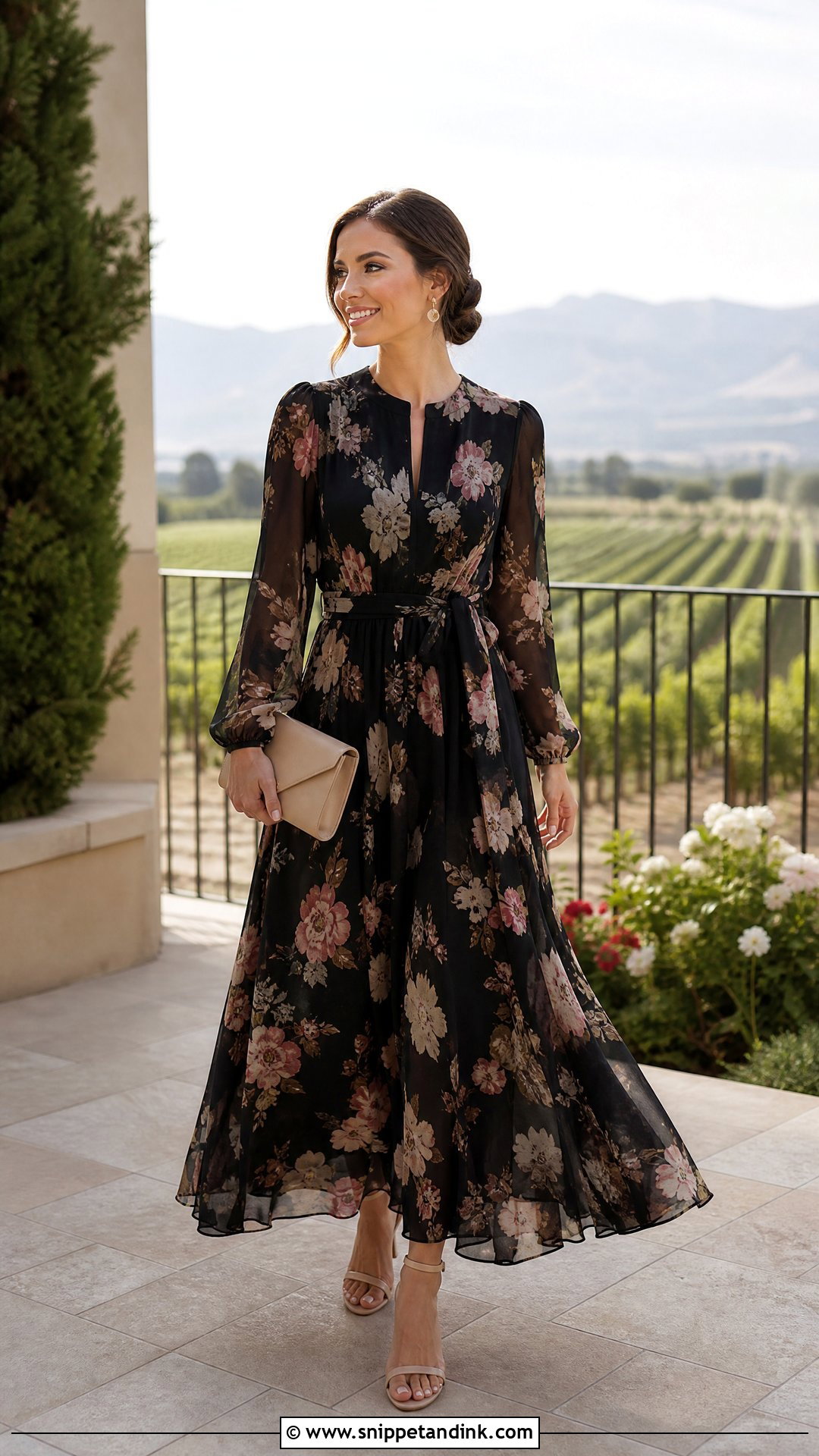
A long-sleeve floral maxi dress crosses into formal territory only when the print and fabric are serious enough. Chiffon, satin or georgette with a dark or saturated background and a restrained floral is the starting point; bright tropical prints look like a beach holiday. A defined waist and a hem lifted just off the floor stop it looking casual and keep you from stepping on it. Light, flowing sleeves prevent the full coverage from feeling heavy. Block-heel sandals, a solid clutch, earrings that pick out one shade from the print and a relaxed updo suit estates, vineyards and weddings that move between inside and out.
21. Ankle-Length Slip Dress Cocktail Formal Wedding Attire
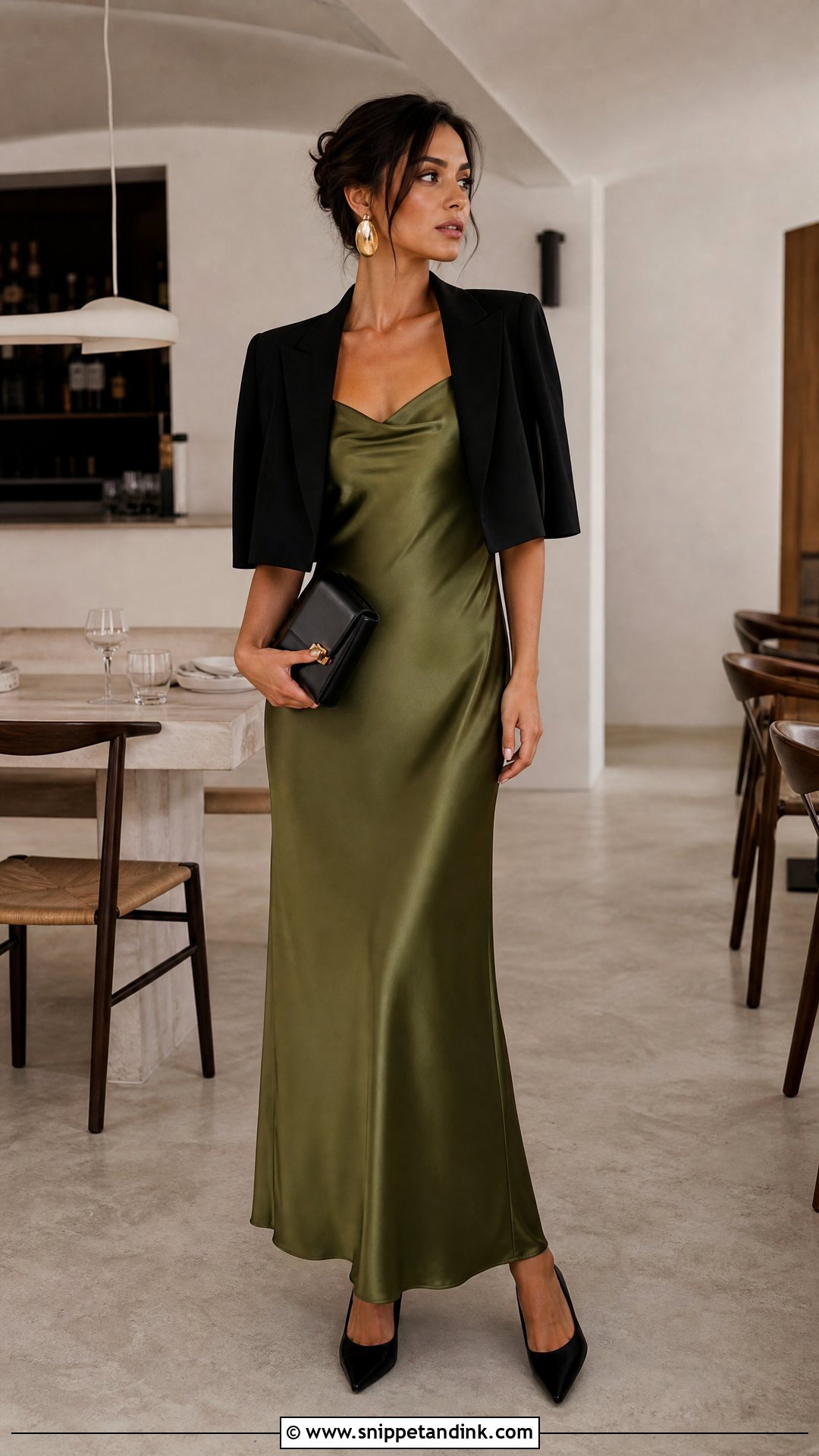
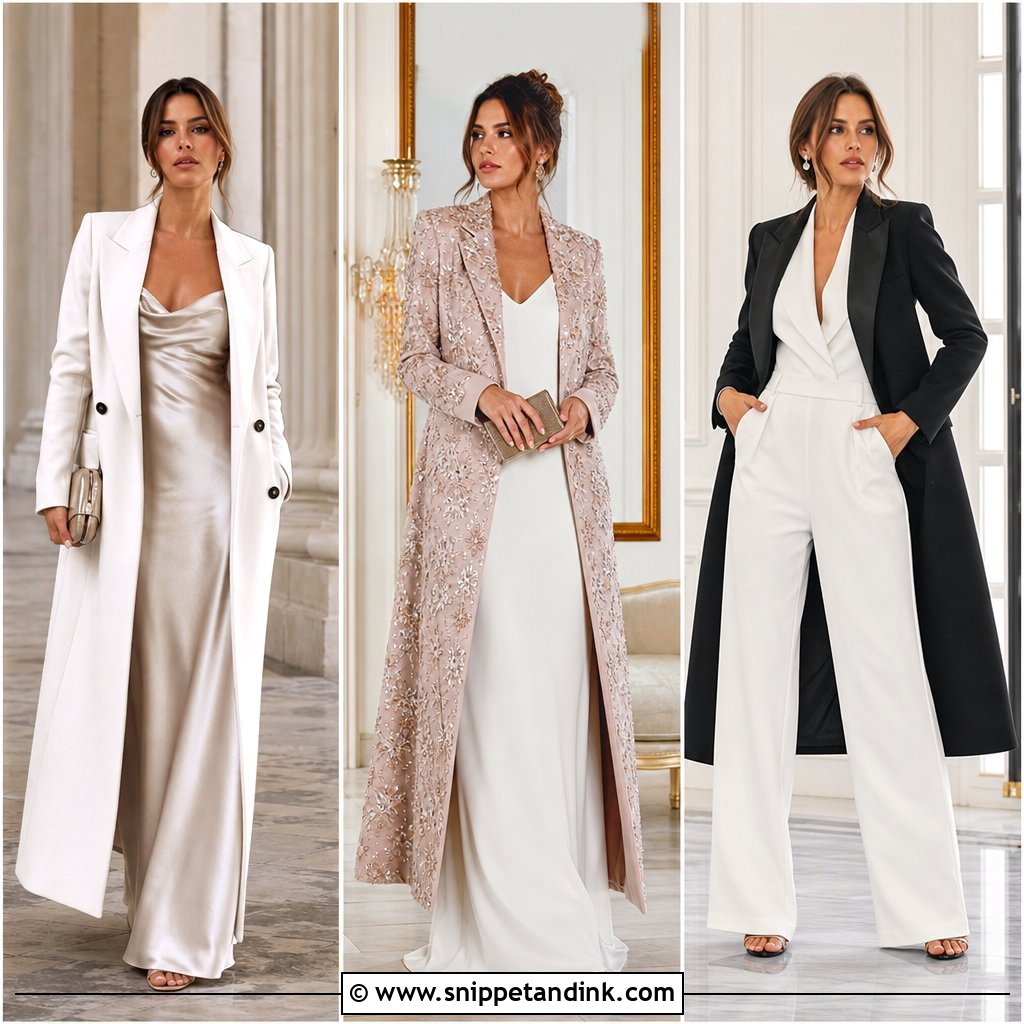
Of everything here, the ankle-length slip needs the most help to look like wedding wear. Substantial satin with a lined bodice, wider straps and a draped neckline is the minimum, because thin, shiny satin looks like nightwear under any light. A cropped tailored blazer, pointed heels and a structured clutch give it shape. Choose sculptural earrings or a single pendant, not both. Burgundy, navy, olive, teal or chocolate work far better than pale satin, which shows every water mark and can read bridal. A neat bun or smooth waves complete it for hotels, restaurants and gallery receptions.
22. High-Neck Crepe Dress Cocktail Formal Wedding Attire
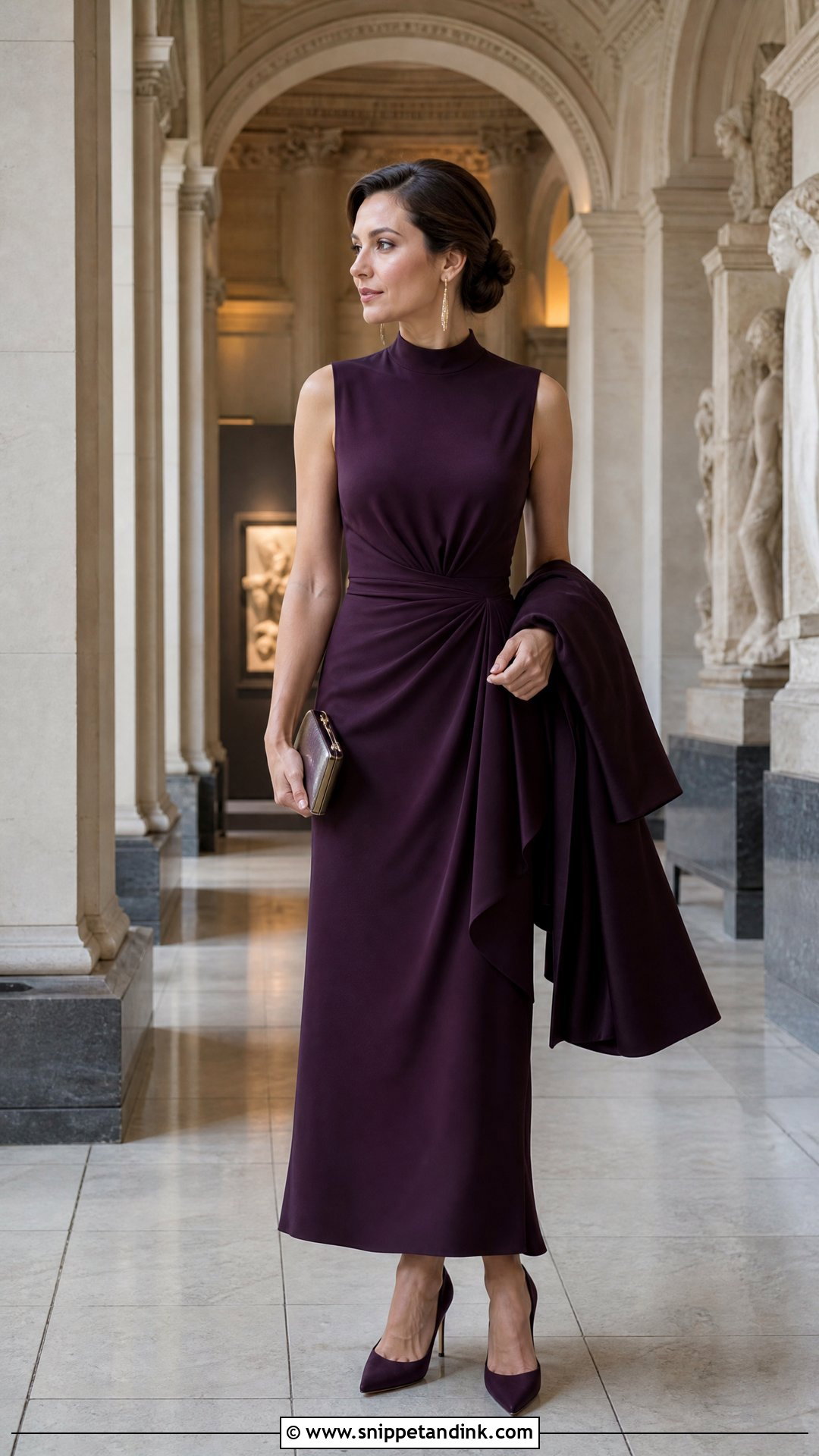
High necks suit guests who prefer coverage and clean lines, and crepe is the right fabric because it drapes without clinging. A midi or ankle length with light waist shaping, a softly gathered neck or draping across the bodice keeps it from looking severe. Deep blue, magenta, forest green and aubergine read formal without being predictable. Long earrings frame the face where a necklace would crowd the collar. Add slim-heeled pumps and an envelope clutch, plus a tailored coat or fitted jacket in colder months. Traditional ceremonies, country clubs and museums are where I’d send it, day or evening.
23. Plus-Size Ruched Midi Cocktail Formal Wedding Attire
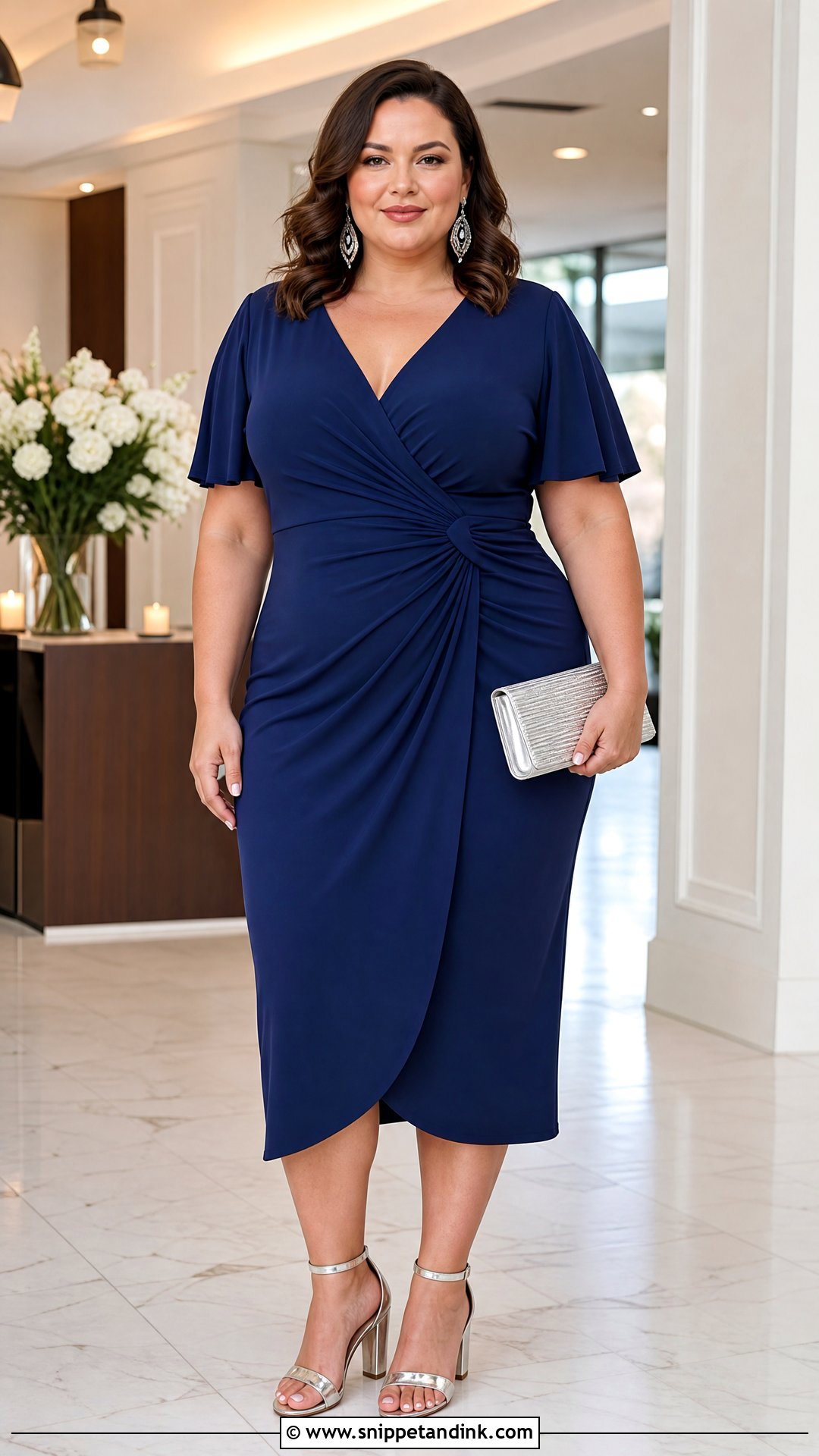
Ruching is a useful tool when it’s placed with intent. A ruched midi dress with gathering at the waist or along one side seam gives shape and stretch through a long meal, while ruching across the whole dress tends to add bulk and twist when you sit. A supportive V-neck, wrap bodice or square neckline defines the upper body. Stable block heels, a structured clutch and earrings scaled to the neckline finish it, and sapphire, ruby, emerald or amethyst crepe carries the dress code. Wear undergarments you’re comfortable in for eight hours rather than ones a rule says you need, and check the fit seated before you buy.
24. Petite Fit-And-Flare Cocktail Formal Wedding Attire
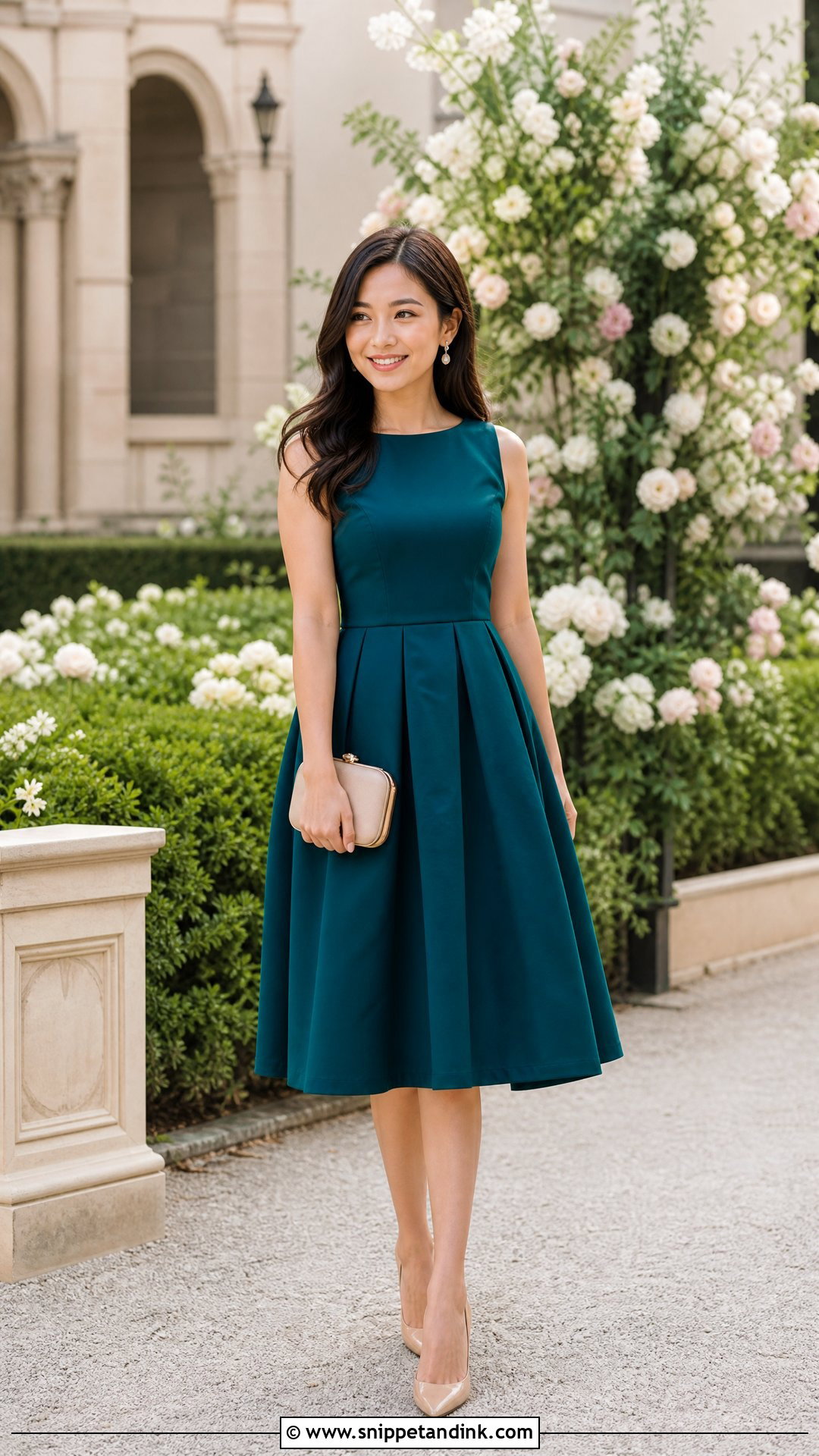
On a petite frame, the waist placement decides everything. A fit-and-flare midi works when the waist sits at your natural waist, the bodice is streamlined and the hem lands just below the knee or at mid-calf; a few extra centimeters of skirt quickly swamps you. Smaller prints, vertical seams and controlled pleating help. Pointed pumps close to your skin tone extend the leg, with a compact clutch and small drops. Spend the money on tailoring, because shortening the straps and hem can make an inexpensive dress look made for you. Afternoon ceremonies, garden weddings and hotel receptions all suit it.
25. Modest Embellished Maxi Cocktail Formal Wedding Attire
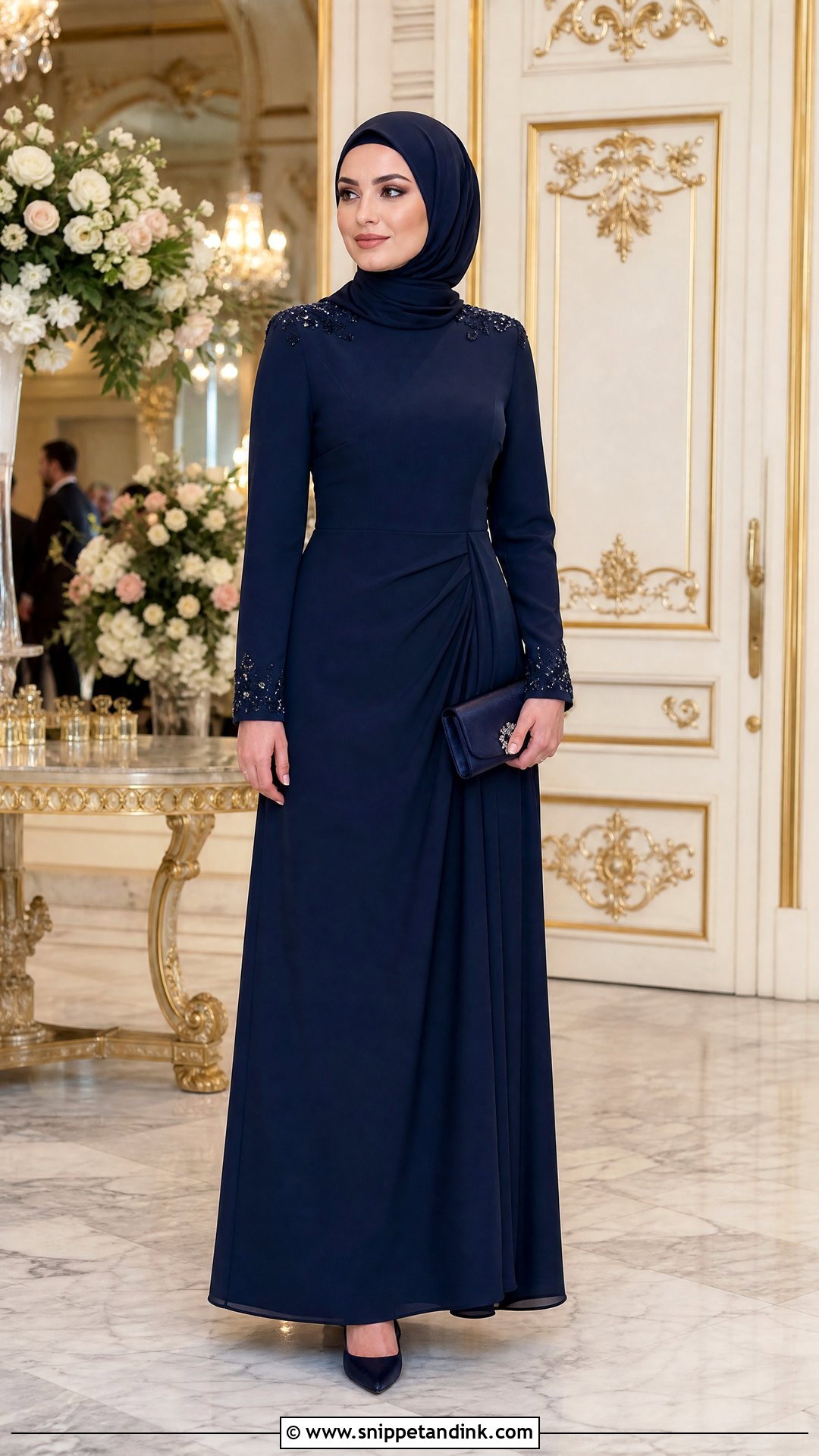
Modest dressing at a formal wedding is mostly about where the decoration goes. A maxi with long sleeves, a high or bateau neckline and a softly defined waist gives full coverage, and tonal beading at the cuffs, shoulders or upper bodice adds festivity without weighing down the whole dress. Closed-toe pumps, a satin clutch and simple earrings work. If you wear a headscarf, a solid chiffon or satin in a shade that complements the dress looks more considered than an exact match. Have the hem set with your shoes on so it clears the floor on stairs. Family weddings, evening receptions and grand venues all suit it.
Alterations That Make a Bought Outfit Look Made for You
Most of the outfits above look far more expensive after a tailor has spent half an hour on them. These are the changes I send guests for most often:
- Trouser hems on jumpsuits and pantsuits, done with the exact shoes you’ll wear. Change the heel height afterward and the line is gone.
- Shortened straps on slip and halter dresses, so the neckline stays put when you lean forward.
- A blazer taken in at the waist so it follows your shape instead of hanging straight.
- A maxi or ankle hem lifted so it clears the floor on stairs and the dance floor.
- A hidden snap or hook added to a wrap or crossover neckline.
Give yourself time. Many tailors ask for a couple of weeks, longer during the spring and summer wedding rush, and you’ll want one more fitting after the work to check it in your shoes. Beaded and sequined dresses are harder to alter, since the embellishment has to come off along the seam and be sewn back on, so buy those as close to your size as you can.
Dressed Right for the Toasts and the Dance Floor
A good cocktail formal outfit is mostly decided by fabric, proportion and restraint with accessories. Midi dresses are the dependable route, but ankle-length dresses, jumpsuits, pantsuits and well-matched separates belong here too. Let the invitation, venue, season and ceremony time steer you, and test the outfit seated and on the move before the tags come off. Your shoes need to last through the reception. Leave bridal shades, casual fabrics and anything distracting in the wardrobe, and wear the version of these looks that still feels like you once the formal photos are done.
You'll Like These Ideas:


Leave a Reply