
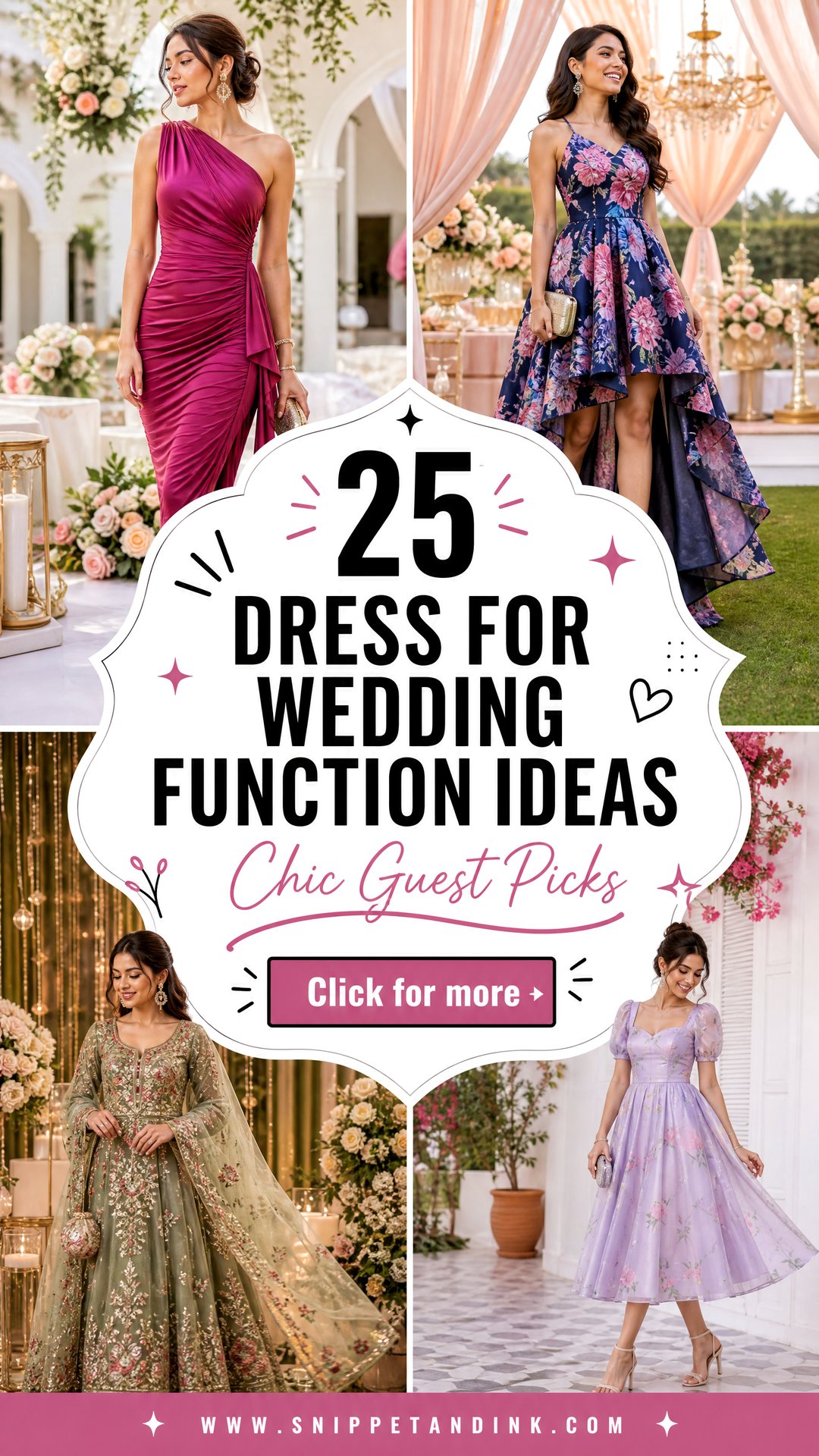
A wedding function can start at a two o’clock ceremony and end on a dance floor near midnight, and the dress has to survive all of it. When I style guests, the dress is only half the decision. The other half is how the fabric sits after hours in a chair, whether the hem clears the shoes, and what goes over your shoulders when the air conditioning kicks in. Satin midis, jewel tones and draped shapes are what guests are reaching for right now, mostly because they look dressed up without competing with the bride. Below are 25 dresses I’d happily put a guest in, with notes on who each one suits and where it tends to let people down.
Decoding the Invitation Wording Before You Buy Anything
The invitation tells you more than most guests realise. Time of day matters most: a ceremony in the early afternoon leans toward lighter fabrics and shorter hems, while anything starting in the evening allows satin, velvet and floor length. Venue comes next. A barn, a beach and a hotel ballroom ask for different shoes, never mind different dresses.
The wording, translated
- Black tie: floor length in a formal fabric. Even a very dressy cocktail dress is pushing it.
- Black tie optional or formal: a gown or a dressy midi both pass.
- Cocktail or semi-formal: knee to midi length in a polished fabric, so no cotton sundresses.
- Garden or daytime: lighter colours and block heels, and still no white.
- No dress code given: read the venue and the start time, and when in doubt, dress one step up.
When the wedding runs across several functions
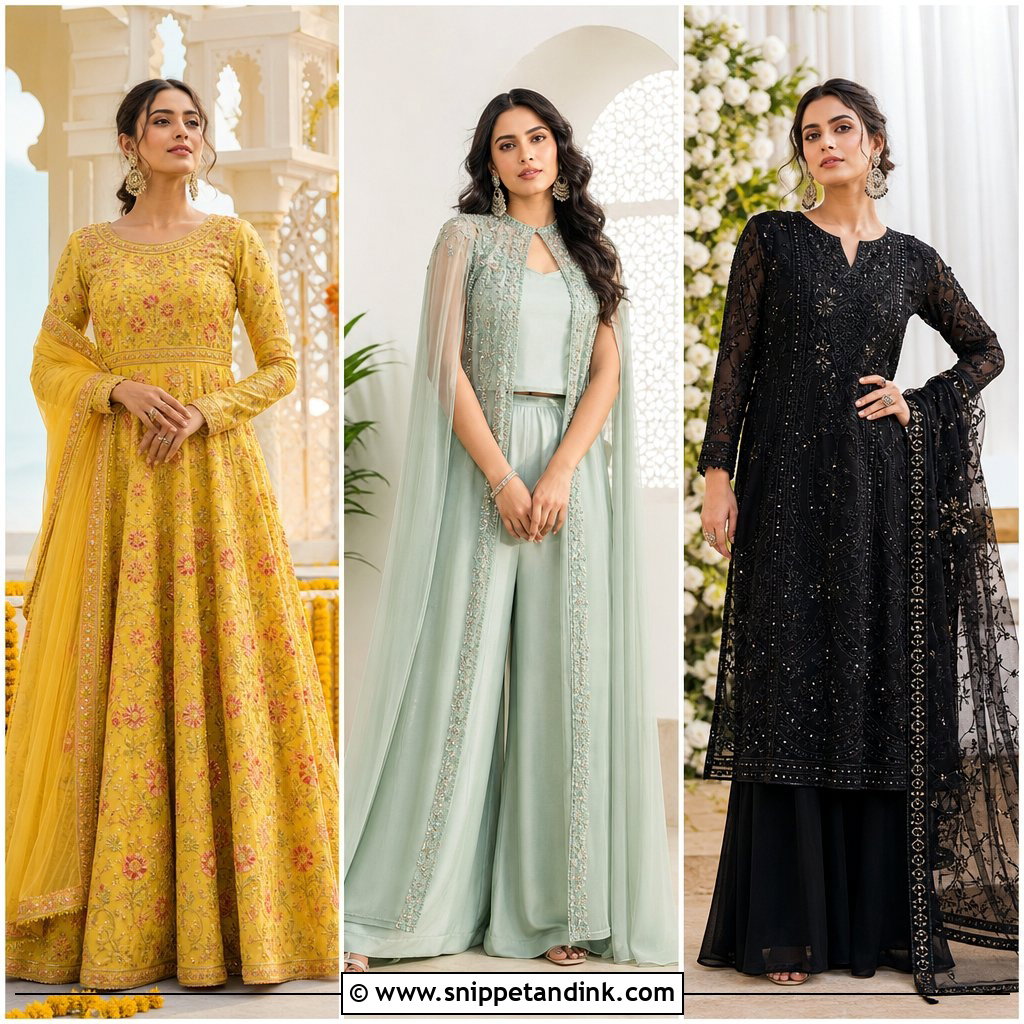
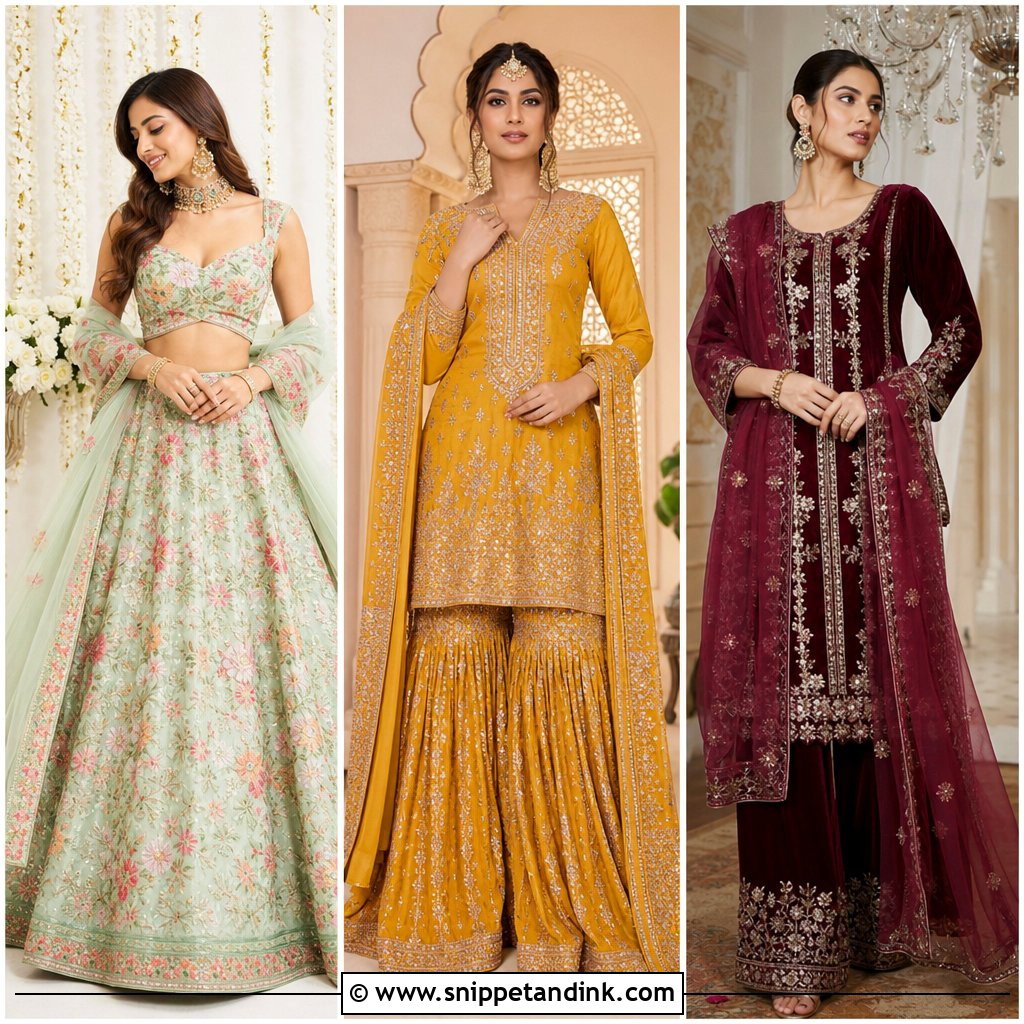
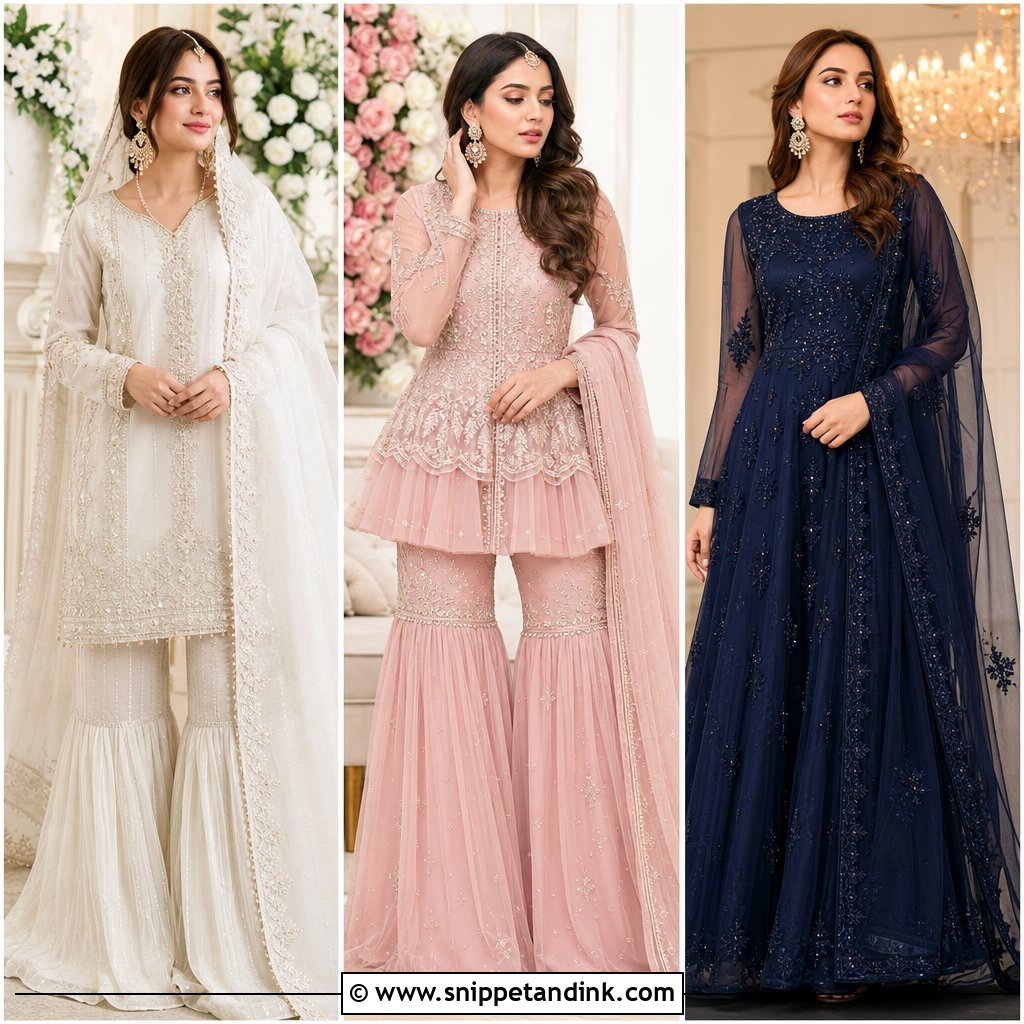
Weddings with a mehndi, sangeet, welcome dinner and ceremony spread over several days usually expect a different outfit for each. The pre-wedding events tend to welcome bright colour and embroidery, while the ceremony itself may call for covered shoulders. In some cultures red belongs to the bride and white is worn for mourning, so a quick message to the couple or a family member beats guessing. I’d much rather a guest ask than stand out for the wrong reason.
1. Satin Midi Dress for Wedding Function
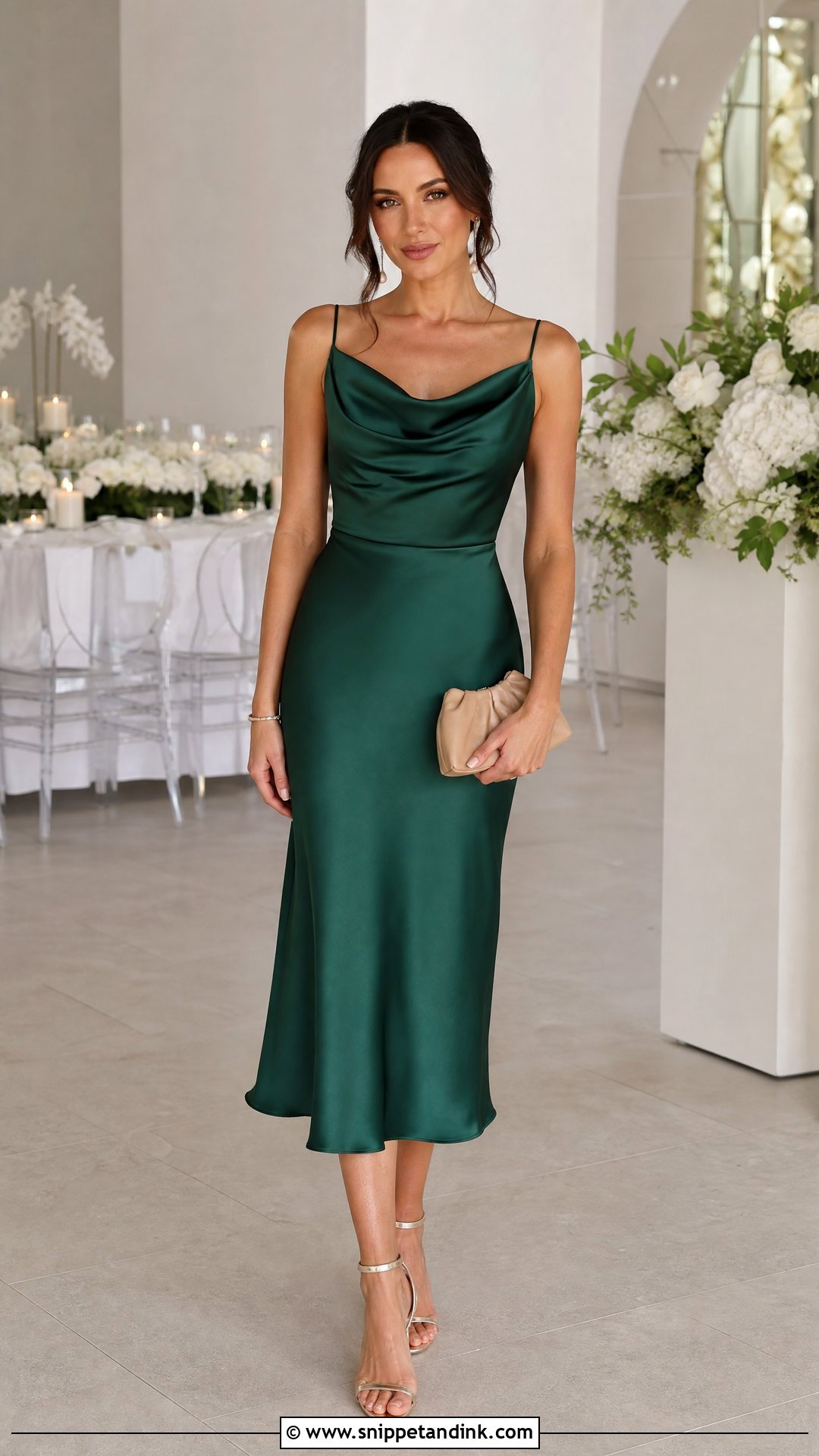
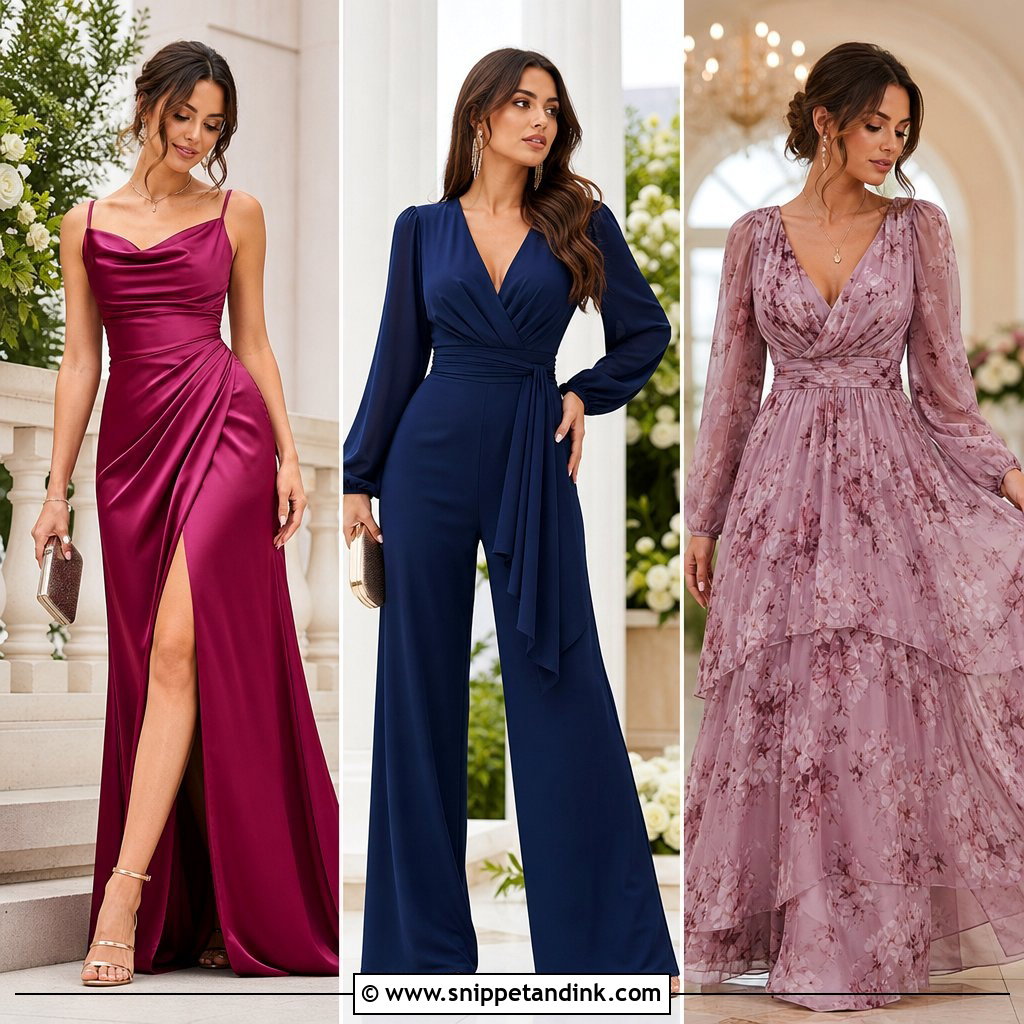
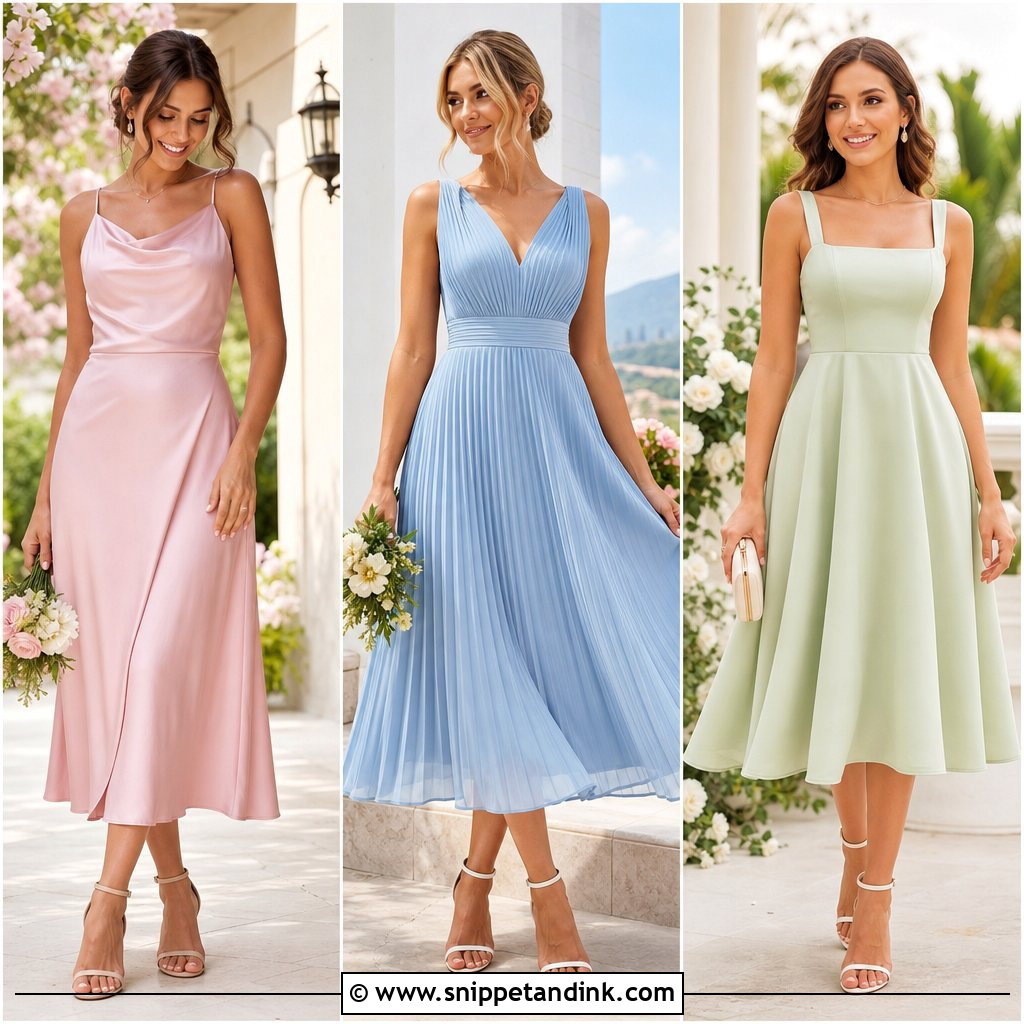
A satin midi dress is the dress I suggest most often to guests who want to look finished without much fuss. Go jewel-toned in the evening and toward sage or dusty blue in daylight. The catch with satin is that it shows everything: a lap crease after the ceremony, a water mark from a dropped glass. I look for a bias cut or a heavier satin with a little stretch, because thin polyester satin wrinkles the moment you sit. A cowl neck adds movement, and a cropped blazer covers you if the venue runs cold.
2. Floral Maxi Dress for Wedding Function
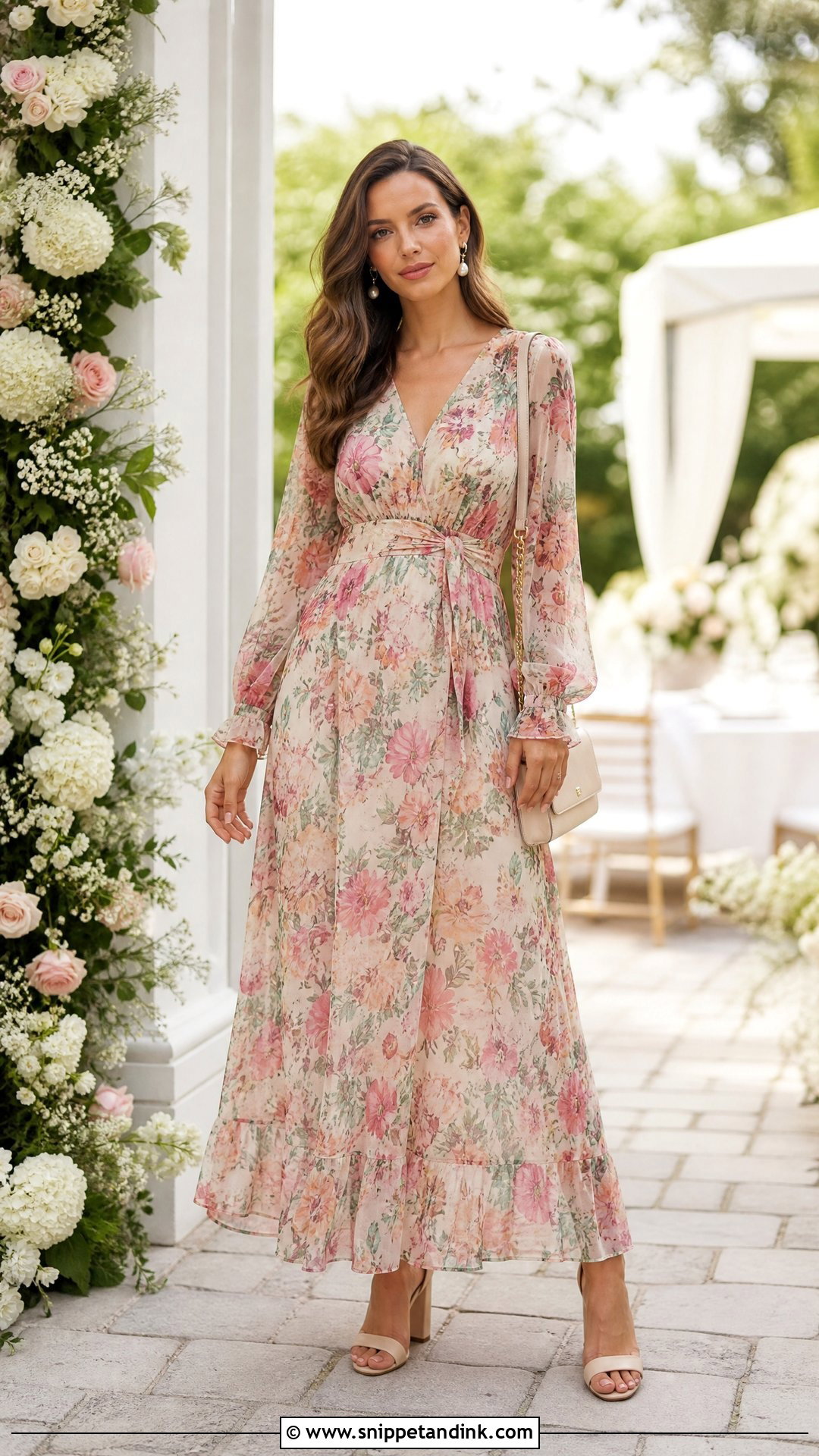
Garden ceremonies and spring daytime events are where a floral maxi earns its place. I steer guests to prints where no single colour shouts, since a high-contrast print can take over a group photo. Chiffon and georgette move well, but they need a waist seam or tie; without one, a long floaty dress can look like a nightgown in pictures. On grass, swap stilettos for block heels. A light shawl in your bag handles the temperature drop once the sun goes down.
3. Velvet Wrap Dress for Wedding Function
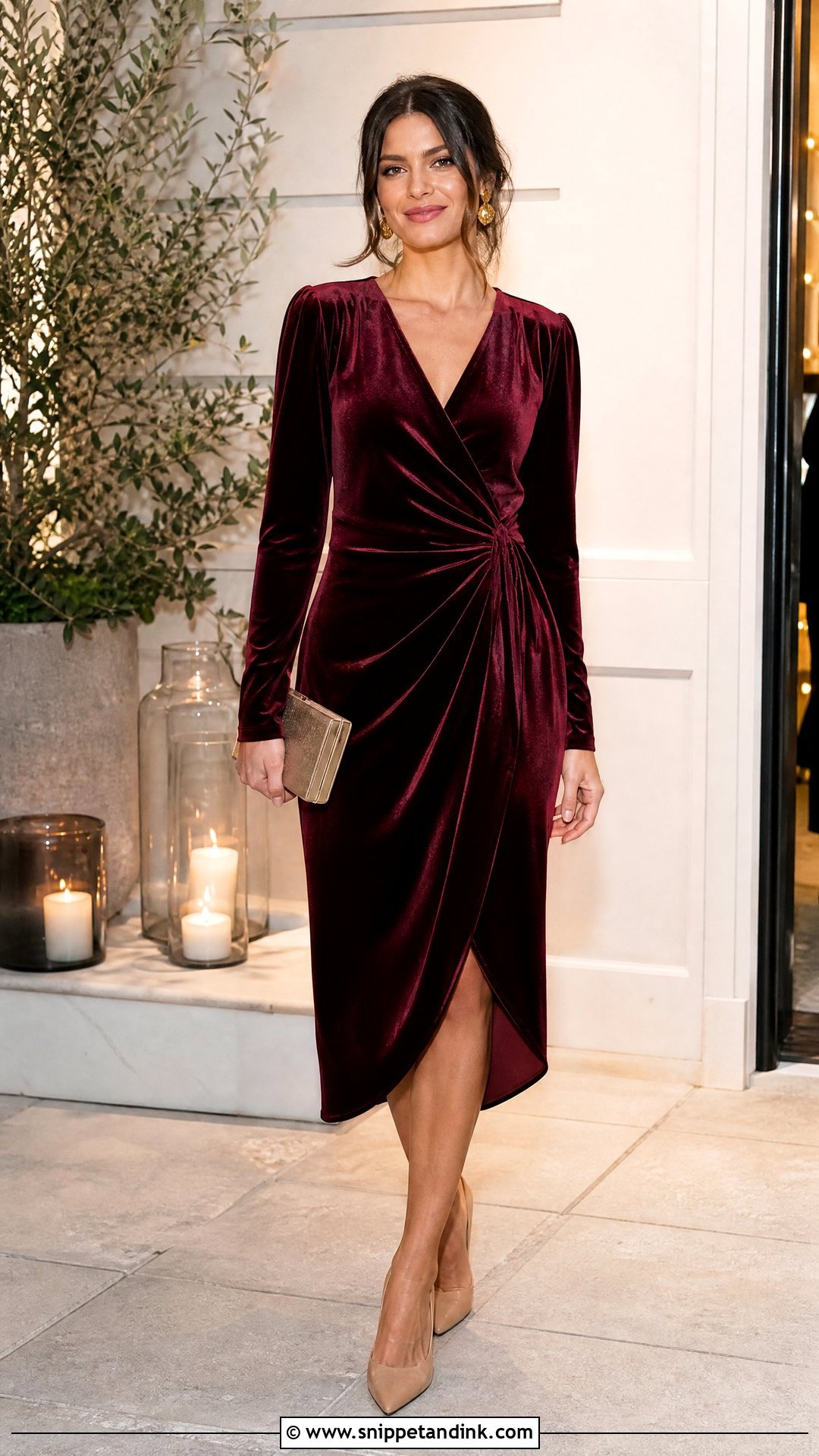
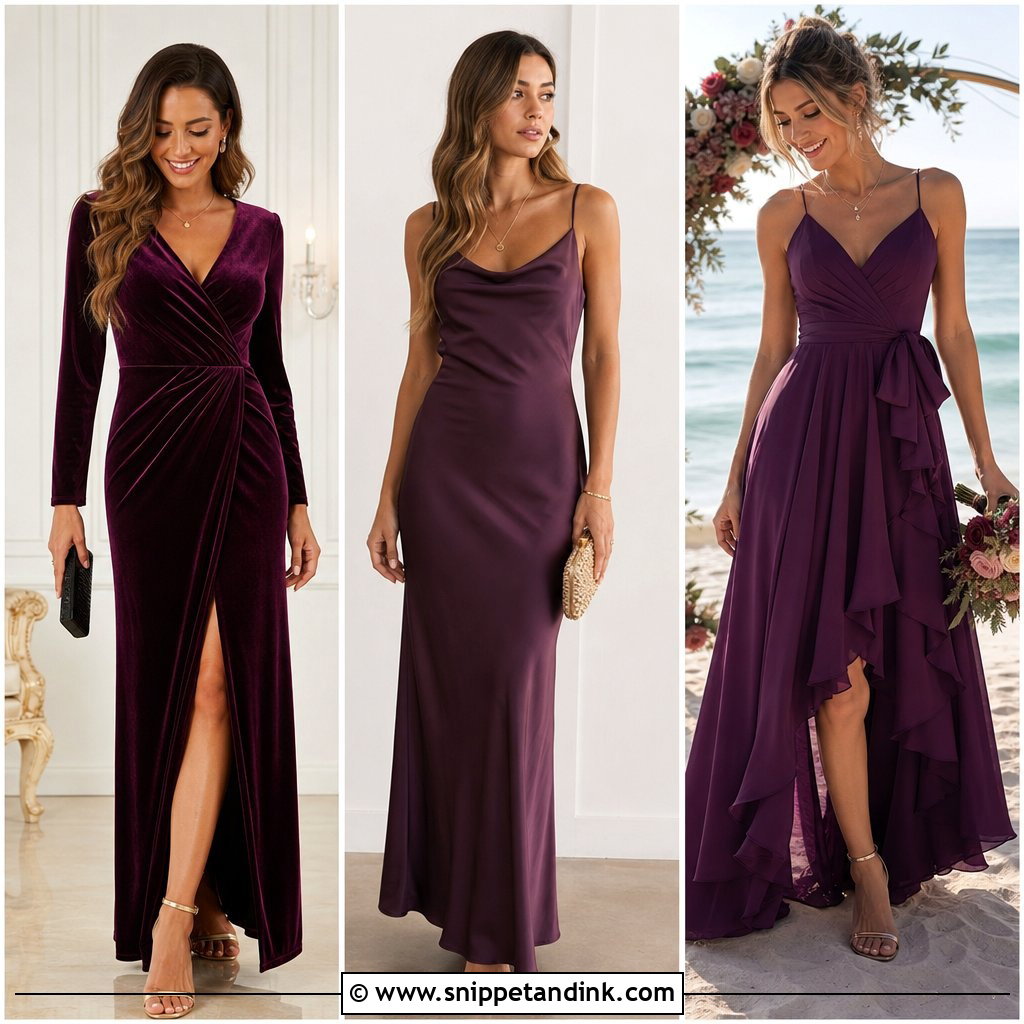
Velvet is my answer for winter functions and over-cooled ballrooms. The wrap closure lets you adjust the waist across a long dinner, which is kinder than a zip. One thing to know: velvet crushes wherever it’s pressed, so the back of the skirt can come out of a car ride with flattened patches. Hang it in a steamy bathroom before you leave and never iron it face down. Burgundy or forest green with pointed heels and plain earrings is all it needs; let the pile do the work.
4. A Line Midi Dress for Wedding Function
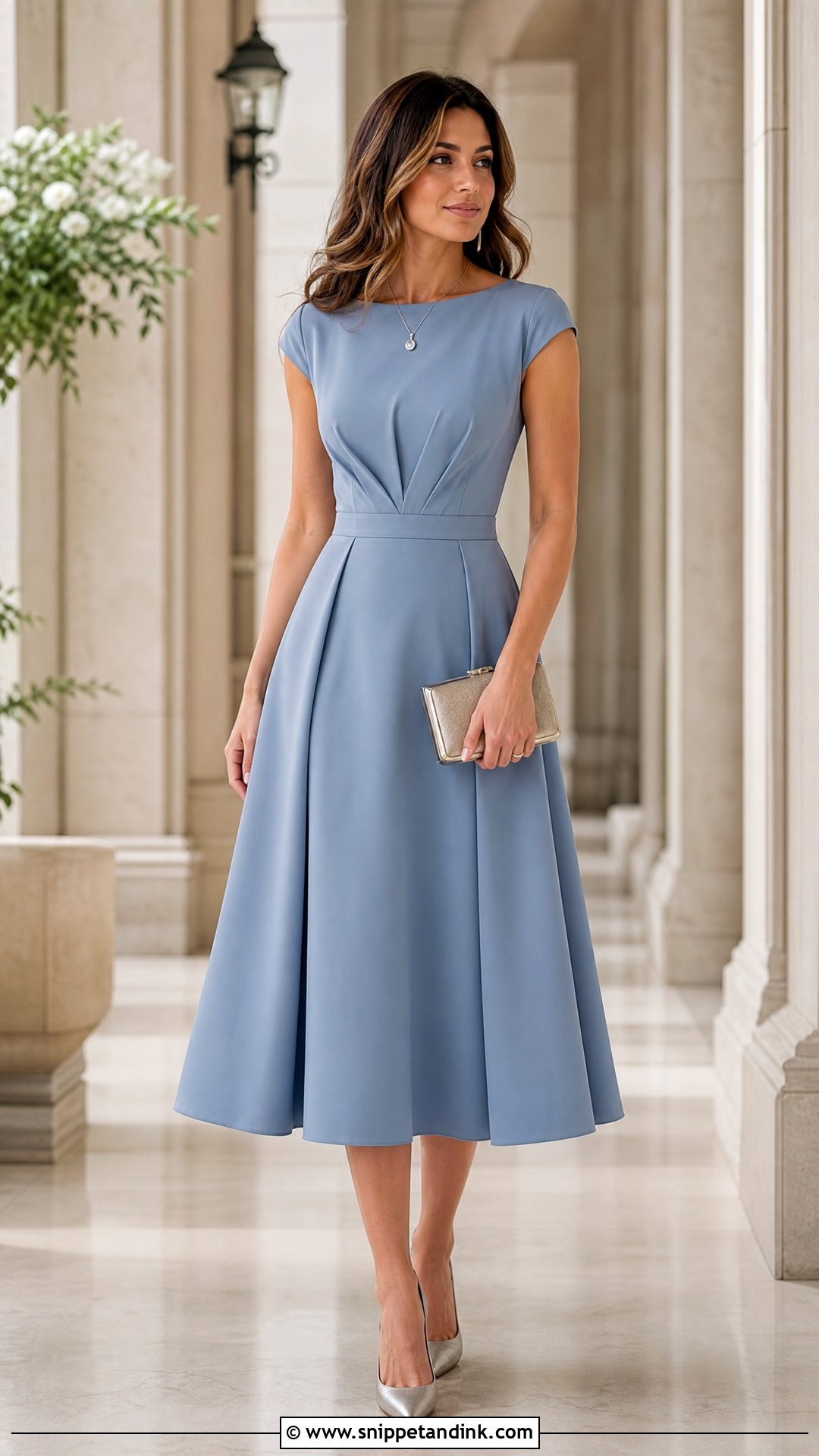
If you’re unsure what to wear, an A-line midi is the safest bet I know. The fitted top and flared skirt let you sit, eat and climb into a car without anything riding up. Crepe holds the shape best for daytime, and jacquard or satin pushes it toward evening. Where it goes wrong is length. A hem that lands mid-calf on a petite frame shortens the leg, so I’ll often take it up an inch and pair it with a pointed pump.
5. Pleated Chiffon Dress for Wedding Function
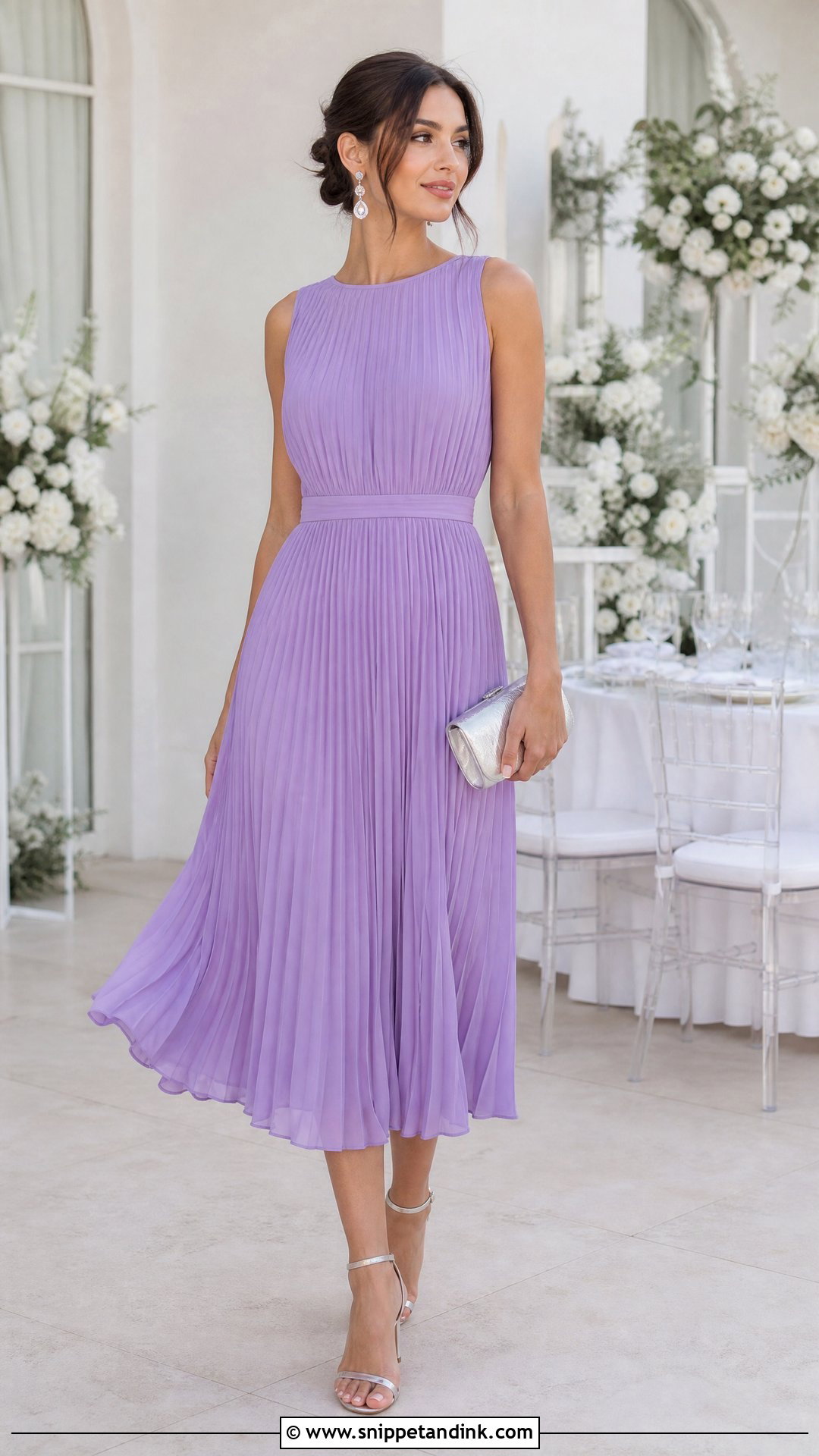
Pleated chiffon moves with every step, which is why it reads so well in candid shots. The pleats are also the weak point. Pressed pleats can relax in humidity, and a crossbody strap rubbing the same spot all day will flatten them and can snag the weave. Carry a clutch instead, and wear smooth nude underlayers, since sheer chiffon shows lines under a camera flash. Blush or seafoam suits daytime; midnight blue suits the evening.
6. One Shoulder Dress for Wedding Function
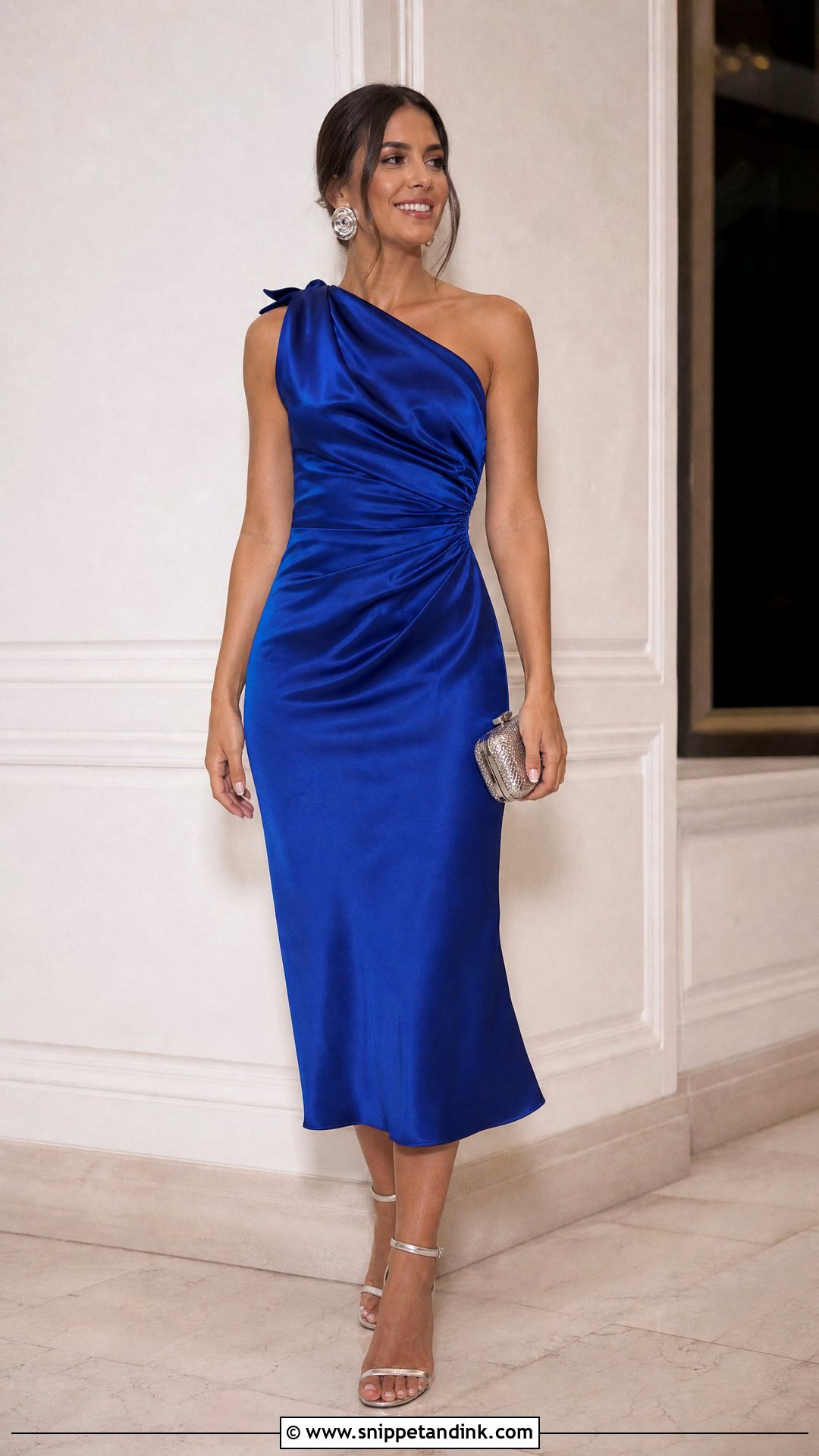
The asymmetric neckline already gives the eye somewhere to land, so I take the necklace off and keep the earrings. Fit matters more here than with most dresses. If the single strap isn’t snug, it slides toward the arm every time you raise a glass, so I check it by having the client lift both arms overhead in the fitting room. Crepe or stretch jersey stays put better than slippery satin. Cobalt or mocha with a sleek bun keeps it modern and well clear of the wedding party.
7. Long Sleeve Midi Dress for Wedding Function
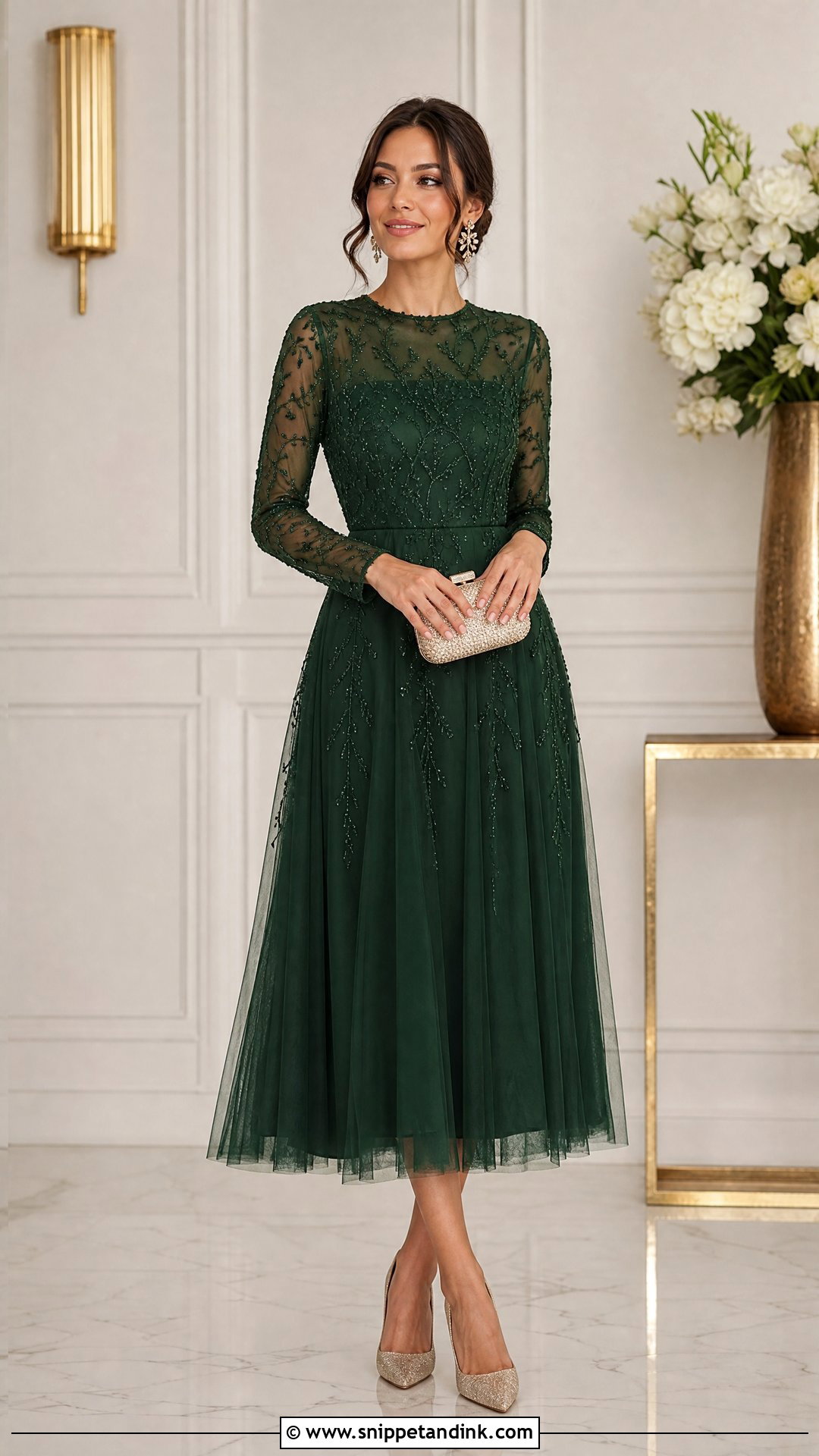
Sleeves solve two problems at once: cool venues and family functions where covered arms are expected. The trap is a fully lined sleeve in a heavy fabric that has you overheating by the speeches. Sheer mesh, lace or chiffon sleeves give coverage and still breathe. Check the armhole too. A high, narrow one lets you hug relatives without the whole bodice lifting. Navy and espresso both look current, and with lace I’d keep jewelry to a single piece.
8. Sequin Midi Dress for Wedding Function
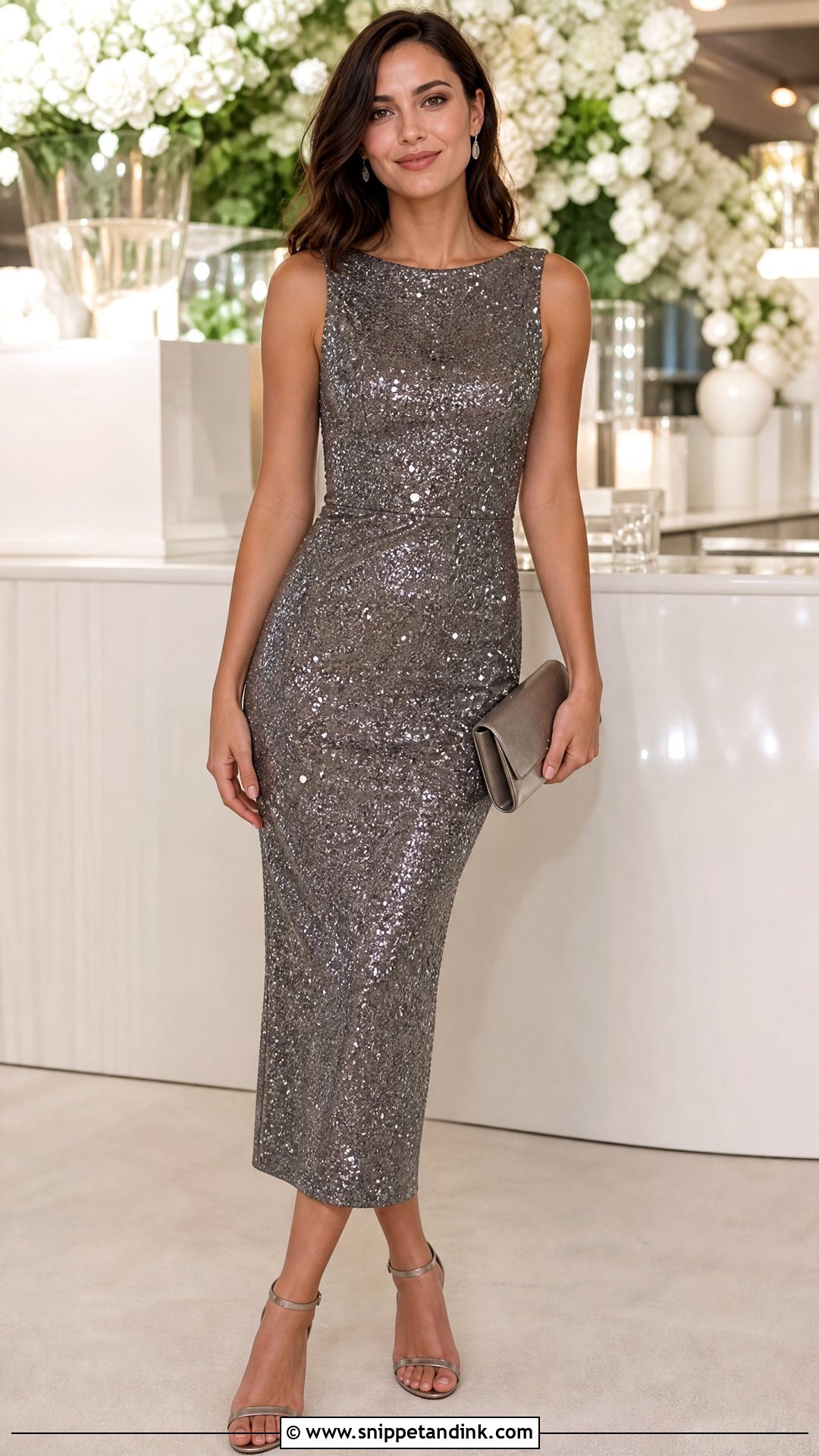
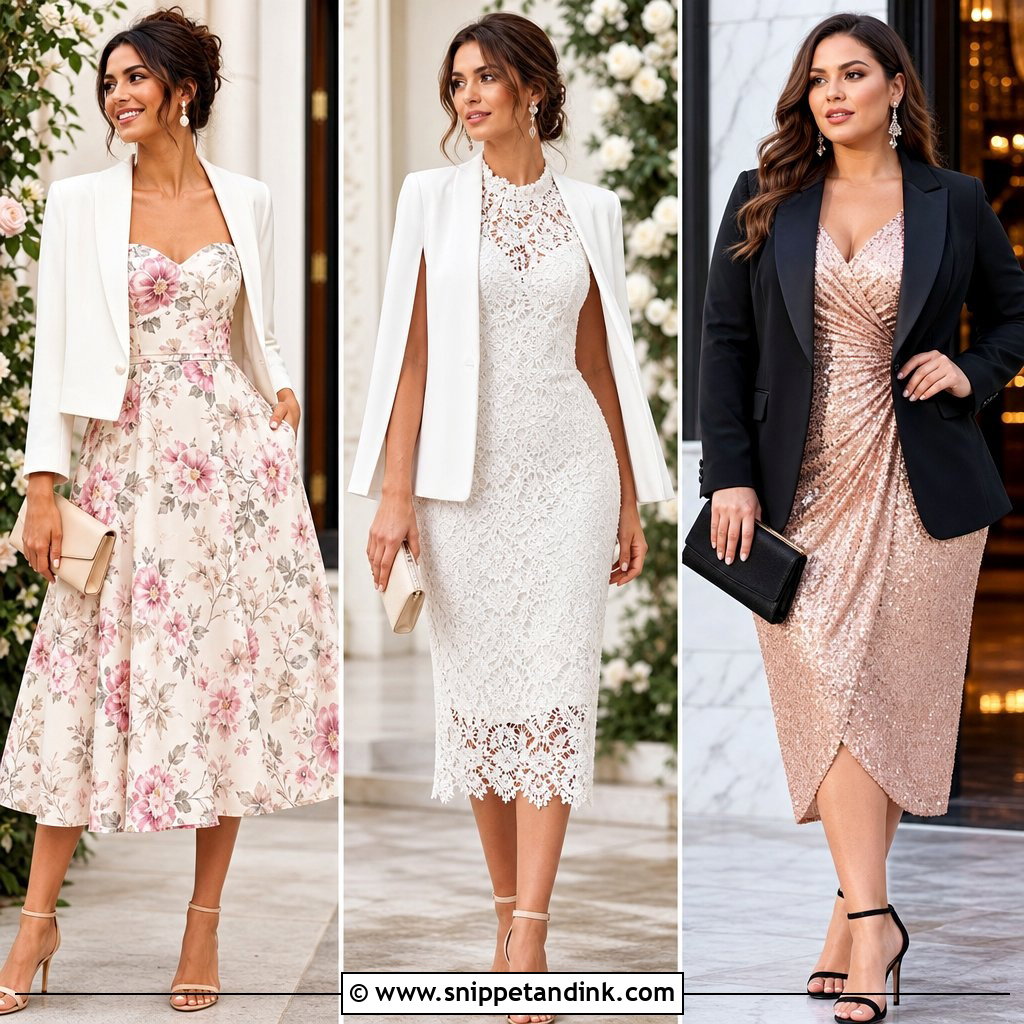
Sequins at a wedding are fine in the evening as long as the shape is simple. I lean toward muted metallics like champagne, pewter or bronze, which catch light without turning into a mirror under the photographer’s flash. A practical warning: sequins on the inner arm and side seam can scratch once you start dancing. Run your hand along the inside of the dress before buying and check that the lining covers the stitching. Skip big jewelry, because the dress is already reflecting everything in the room.
9. Halter Neck Dress for Wedding Function
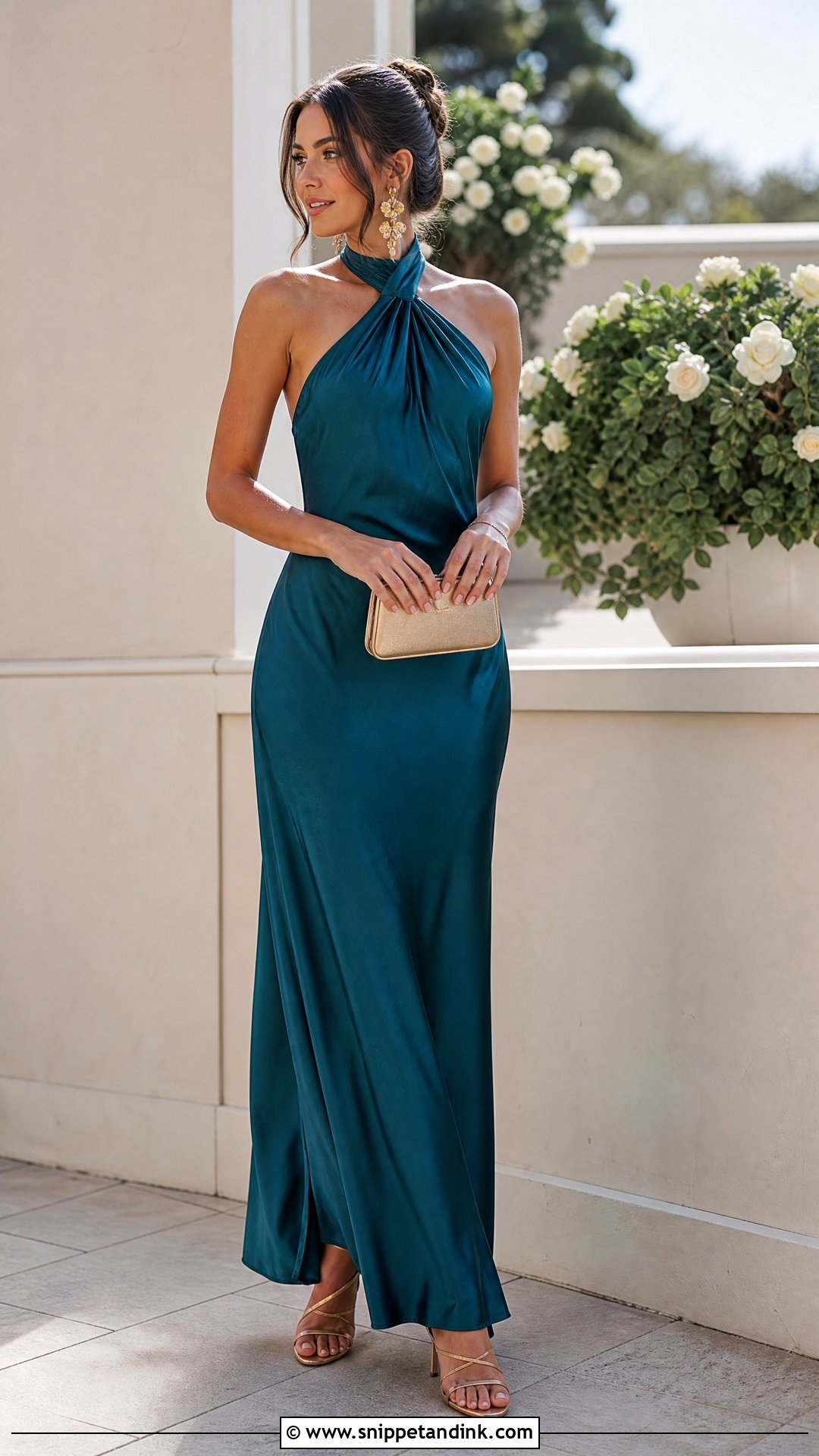
Halters suit warm weather and flatter strong shoulders. The tie or clasp at the neck carries some of the dress’s weight, so on a heavier satin maxi I look for a wide strap; a thin tie can leave a red mark on the neck by the end of the night. Statement earrings work here because the neckline already draws the eye upward. For daytime I’d try coral, teal, butter yellow or rose, then move to black or emerald for an evening reception.
10. Off Shoulder Dress for Wedding Function
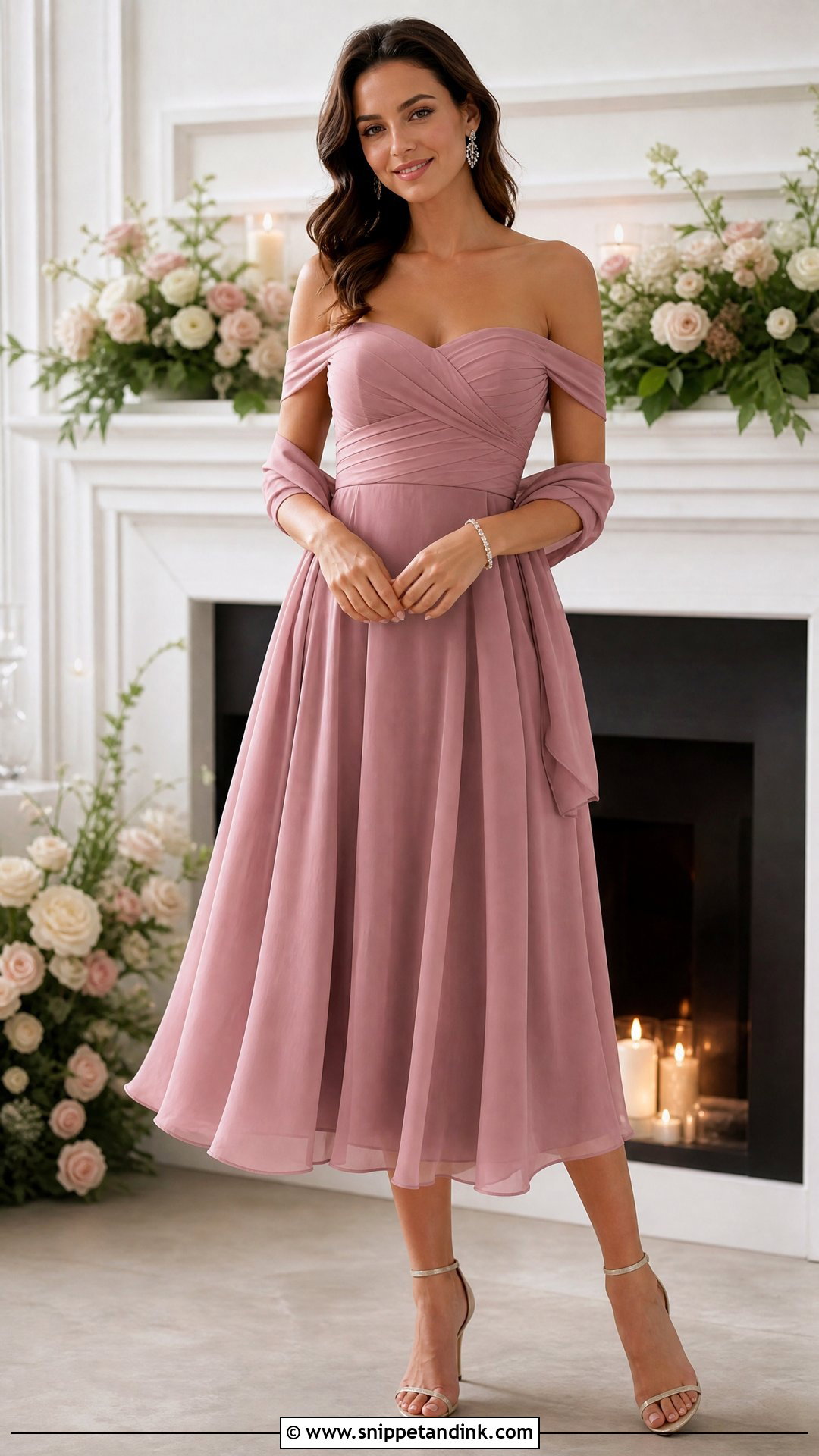
An off-shoulder neckline needs real structure underneath. Without boning or a silicone grip along the top edge, it creeps up toward your neck every time you lift your arms, and that’s the first thing I test. A midi or maxi length keeps it from reading as a party dress. If the ceremony is in a place of worship, bring a wrap for that part of the day. Dusty blue and olive are two colours I like on it.
11. Ruched Bodycon Dress for Wedding Function
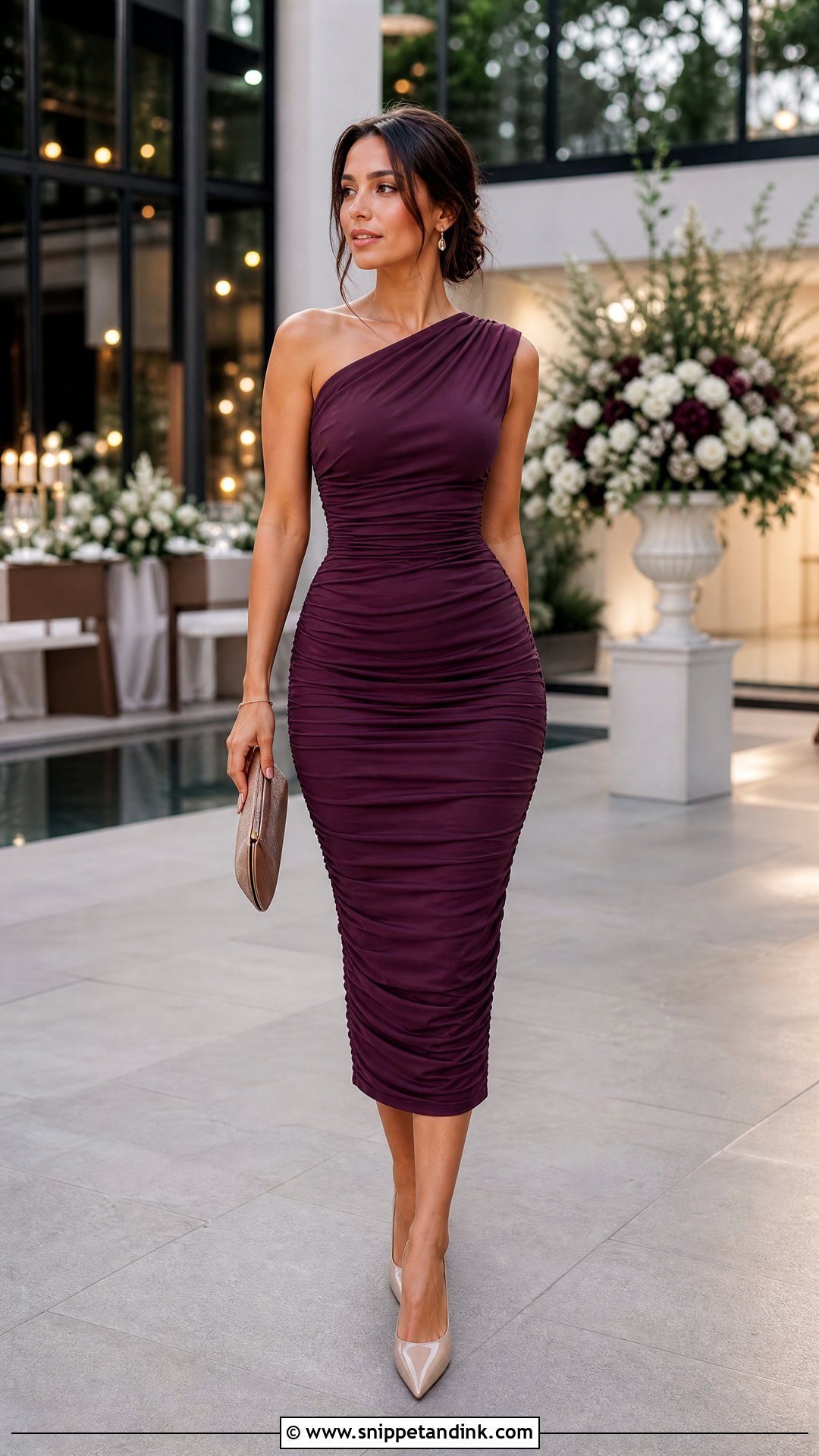
A ruched bodycon dress can be very flattering, but only if the fabric has enough body to smooth rather than cling. Thin jersey shows every line, while a double-layered stretch crepe or a mesh overlay does a much better job. Keep the hem at midi so you can sit through the ceremony without tugging at it. I’d only suggest this one for cocktail and evening functions where the dress code is relaxed about fitted shapes. Plum or forest green looks richer than black under reception lighting.
12. Tiered Maxi Dress for Wedding Function
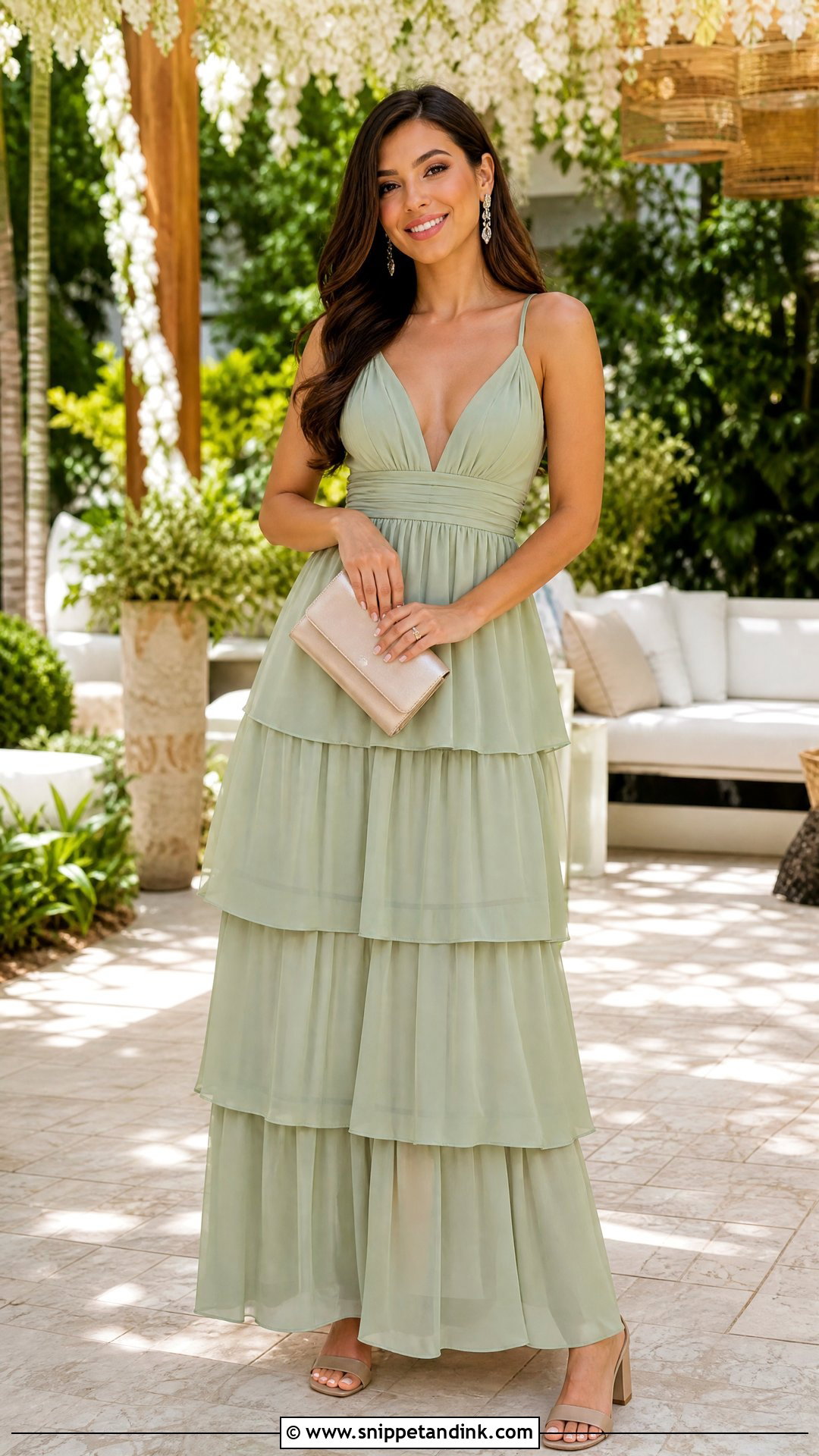
Tiered maxis are comfortable through the waist and hips, which matters when dinner runs long. Keep the fabric light. Heavy cotton tiers add weight with every layer, and by the bottom one the skirt swings like a bell. A floral print sits naturally in a garden, while a solid jewel tone looks more formal for an evening function. Wear block heels again, because tiered hems tend to catch on narrow stiletto heels on stairs.
13. Slip Dress for Wedding Function
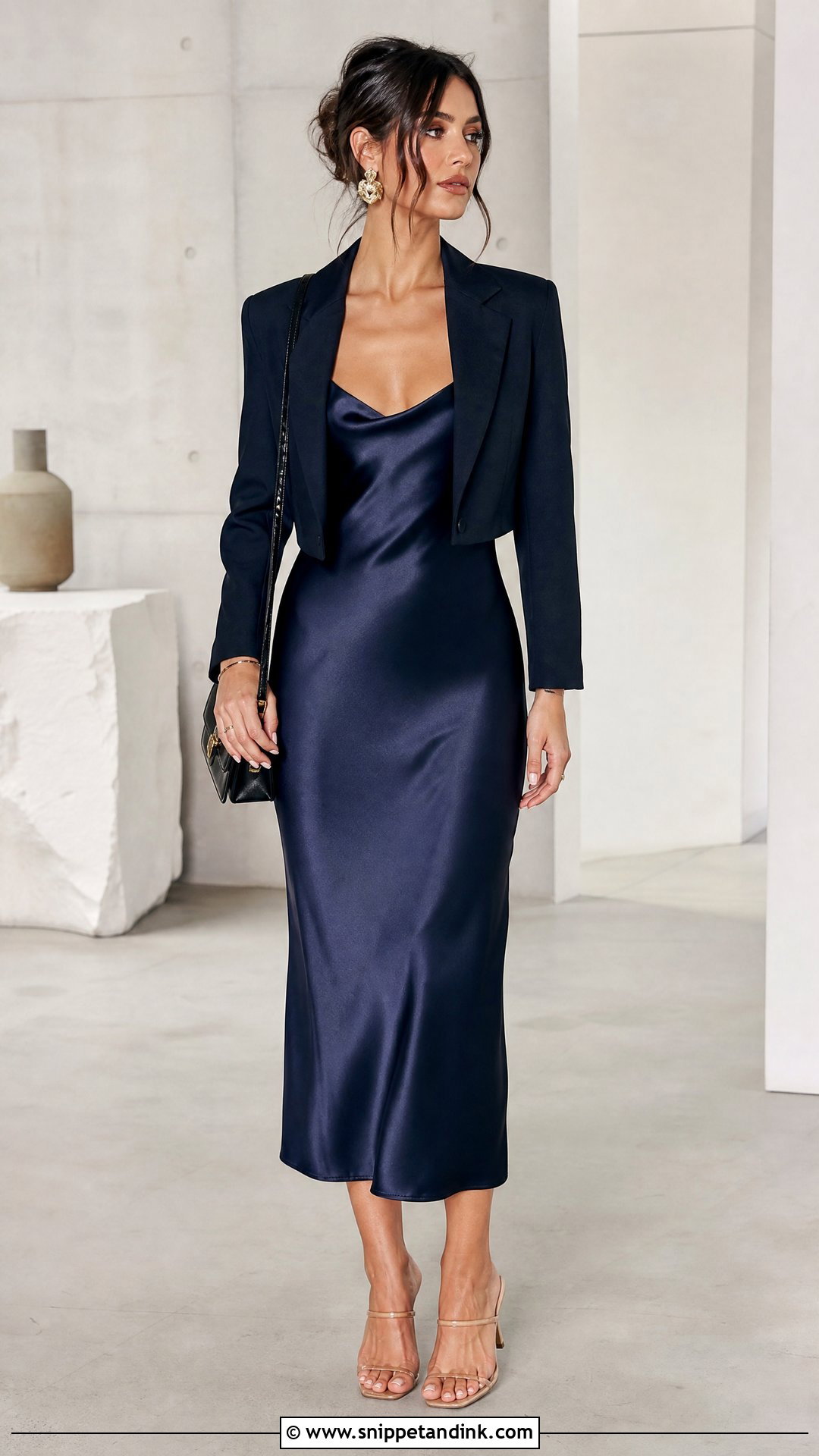
A slip dress is about as minimal as wedding dressing gets, and it lives or dies on fabric. Bias-cut satin skims the body and moves well, but it also clings with static and shows underwear lines, so I always fit it over the exact underlayers the client plans to wear. Midi or ankle length only. Sage or champagne beige for the day, plum at night. A tailored blazer over the shoulders makes it ceremony-appropriate, then comes off for the reception.
14. High Low Dress for Wedding Function
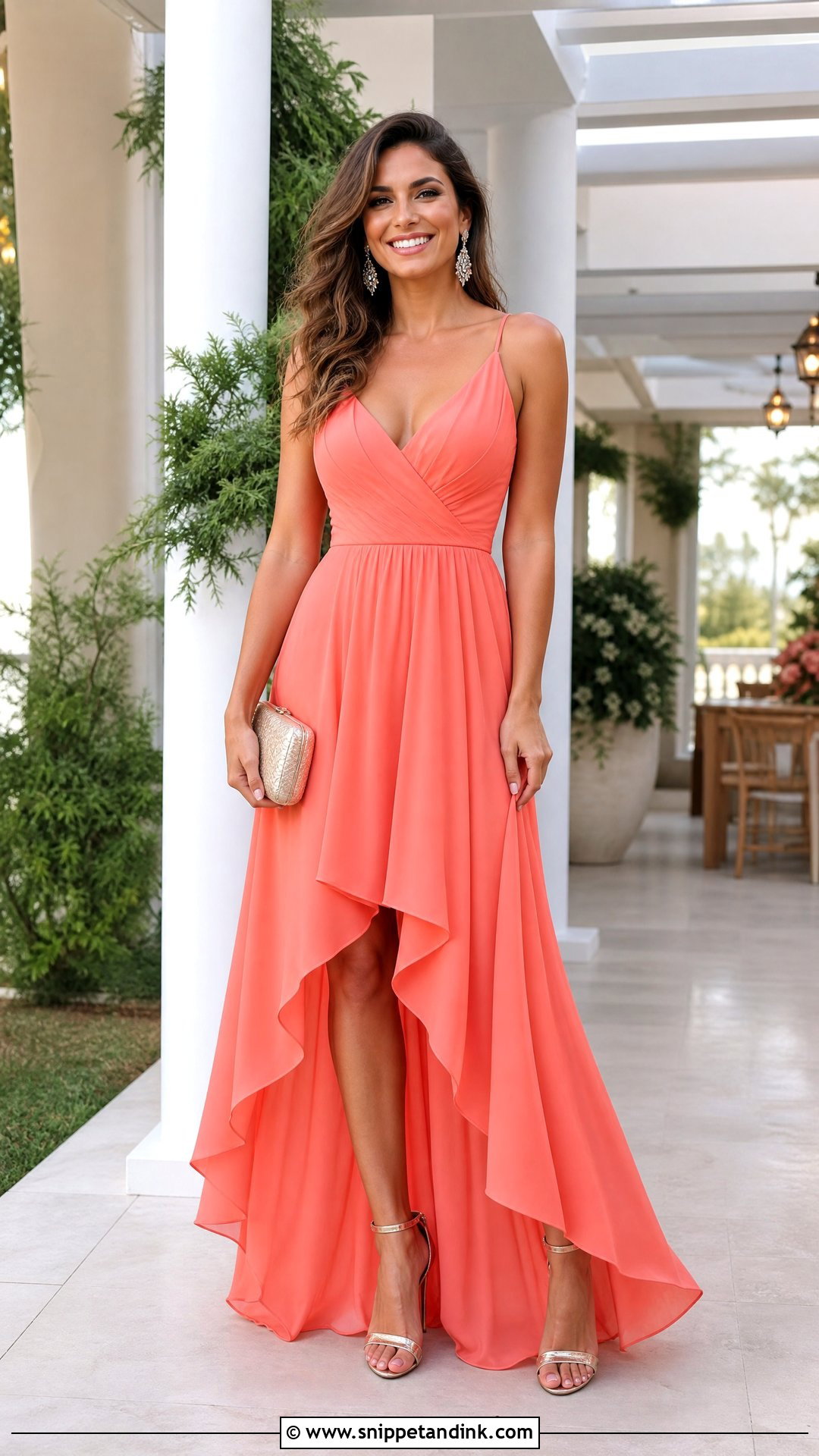
The high-low hem shows off your shoes and keeps the front clear of wet grass, which is why I like it outdoors. It needs a soft, fluid skirt; in a stiff fabric the dip at the back looks like a mistake. Since the shoes are on display, this is the dress to spend a little more on heels for. Keep the jewelry quiet and let the hem do the moving.
15. Lace Midi Dress for Wedding Function
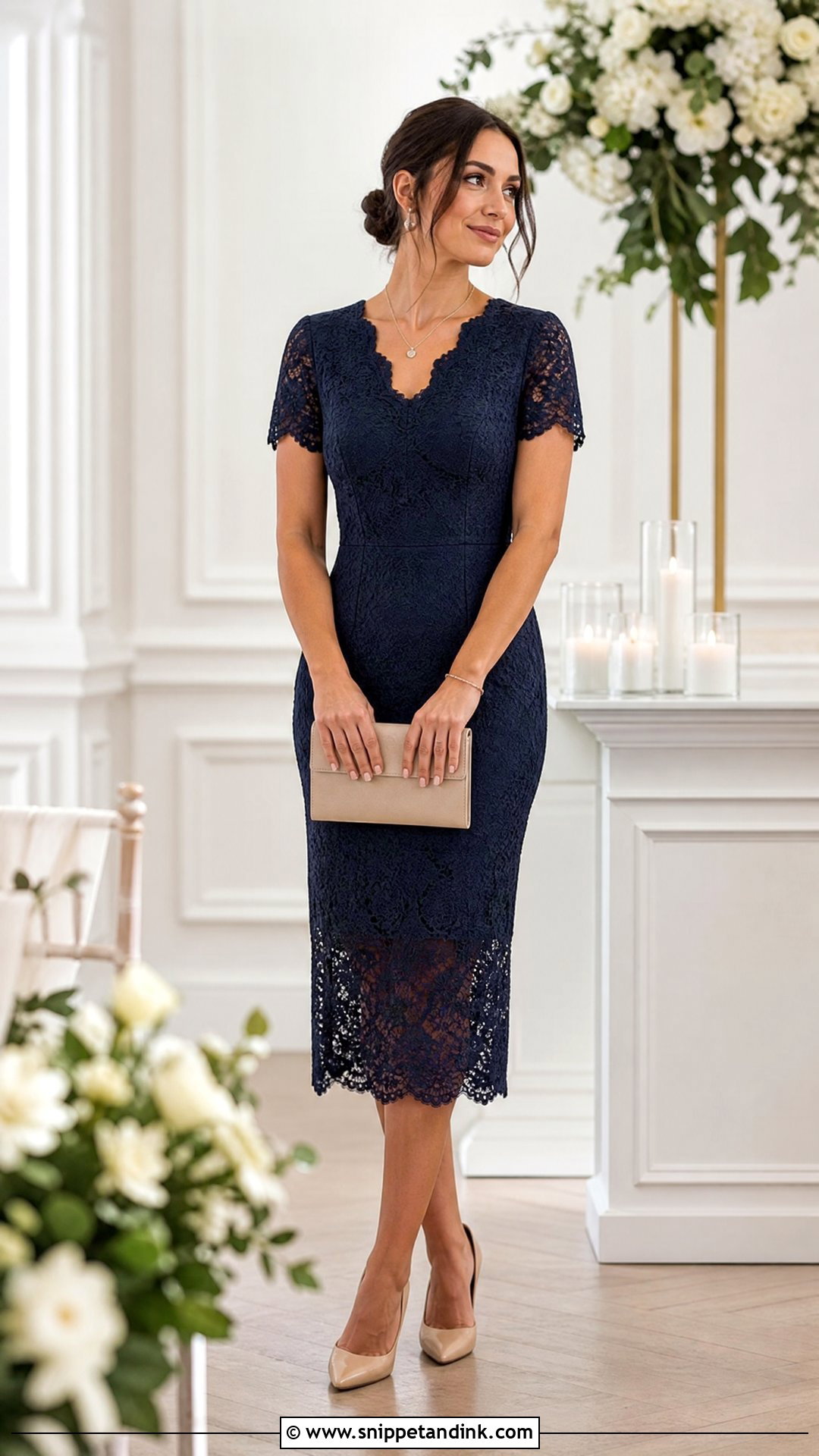
With lace, colour is the first thing I check. Lace in ivory, cream or pale champagne can read as bridal from across a room, so I point guests toward navy, mauve or teal. The second check is the lining. Unlined or skin-tone-lined lace can look sheer under flash photography in a way it never does in a shop mirror, so take a phone photo with the flash on in the fitting room. If the pattern is busy, wear plain heels and small earrings.
16. Cape Sleeve Dress for Wedding Function
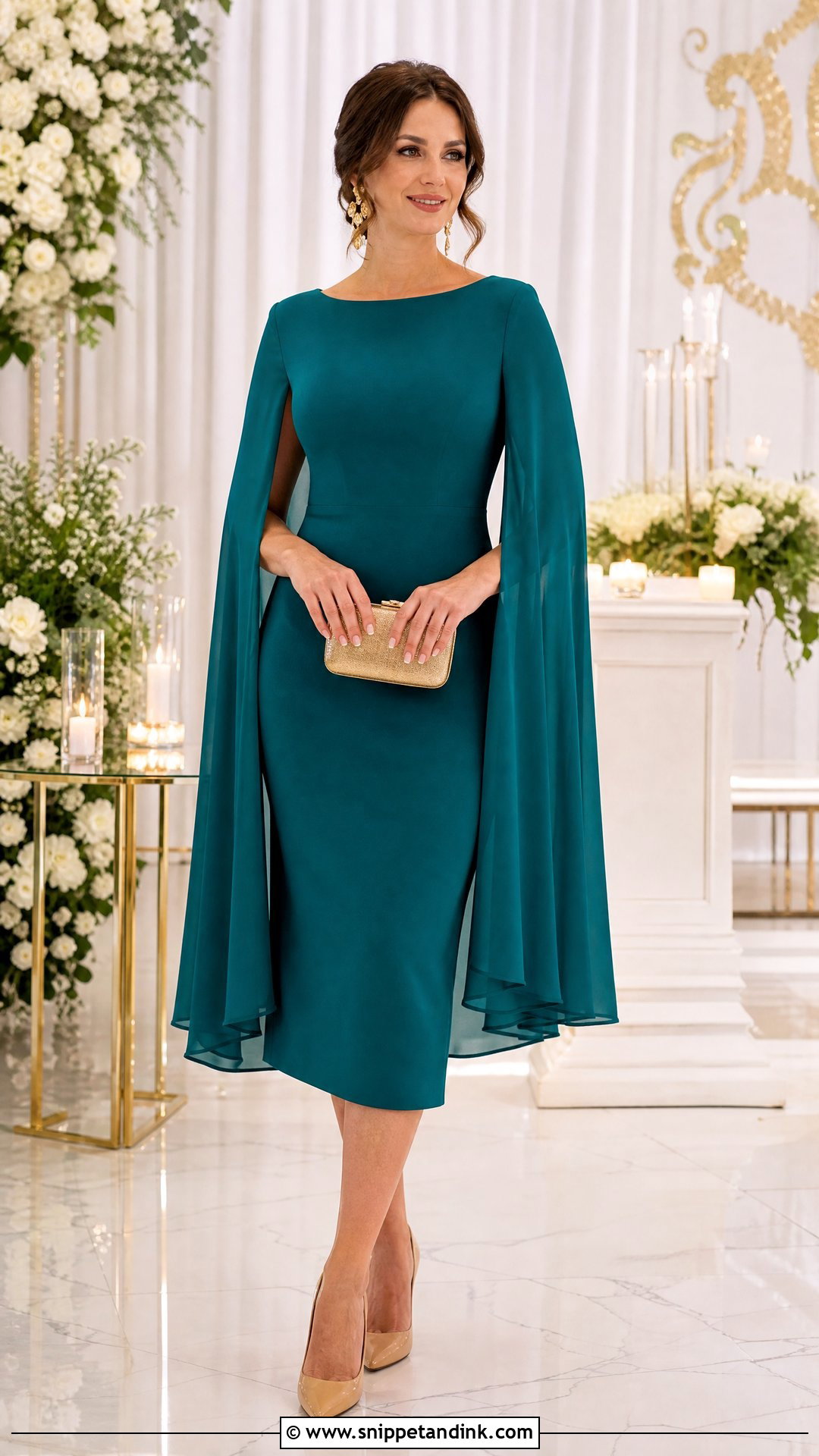
A cape sleeve covers the shoulders without you having to manage a shawl all day, which guests at religious ceremonies really appreciate. Crepe and chiffon let the cape float, while a stiff fabric makes it stand away from the arms. Check that you can reach forward at a dinner table, because some capes are stitched into the armhole and limit movement. With a high neckline, skip the necklace. Navy and slate blue are both easy shades to wear here.
17. Embroidered Dress for Wedding Function
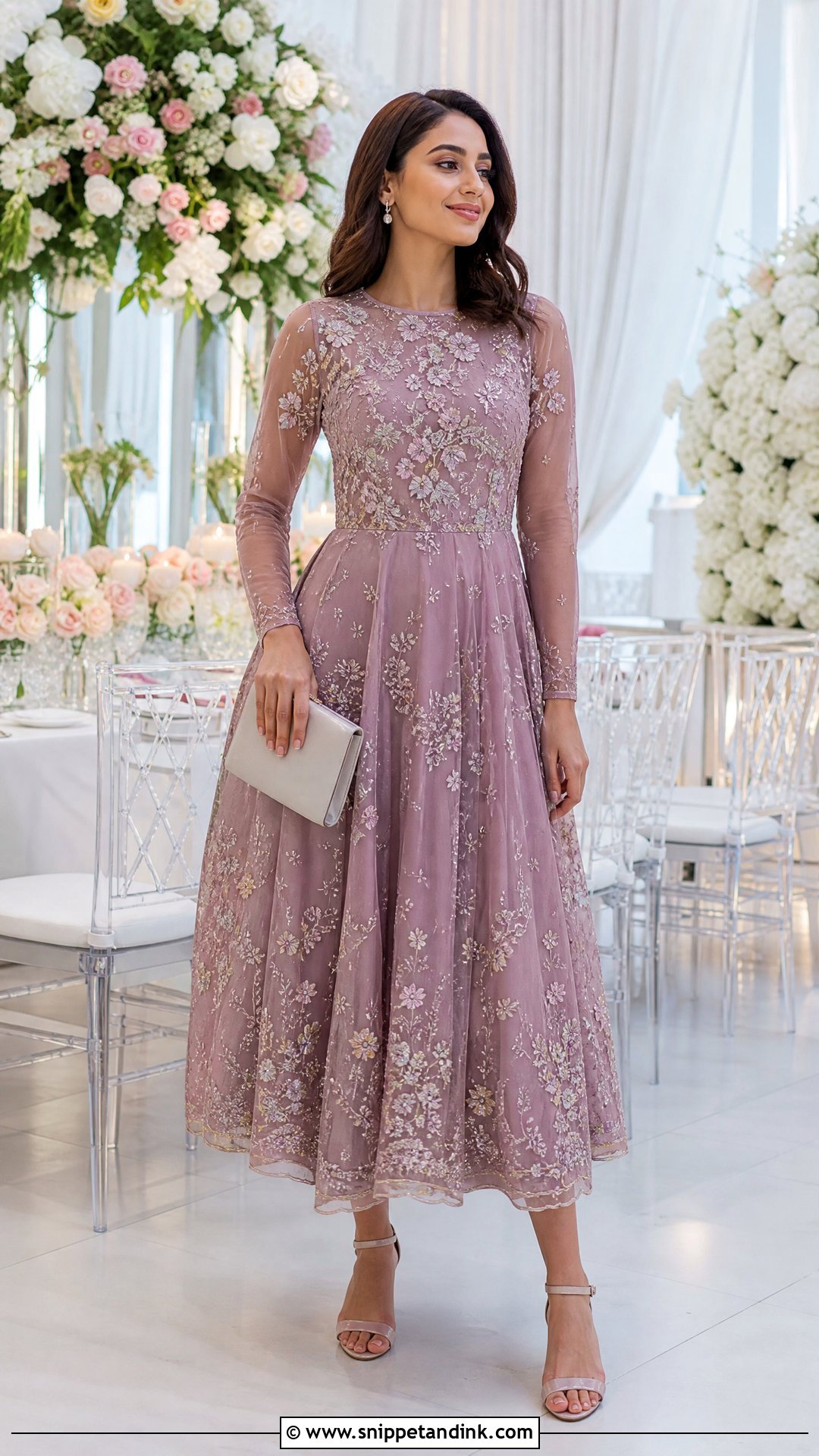
Embroidery does the decorating for you, so the accessories can stay plain. I look at where it sits. Work around the waist or bodice holds up well, but heavy embroidery along the hem can drag a lighter fabric down and fray if it brushes the floor. Metallic thread reads formal for evening; colourful floral thread feels right at daytime and festive functions like a mehndi or sangeet. Pull one colour from the embroidery for your shoes or bag.
18. Cutout Midi Dress for Wedding Function
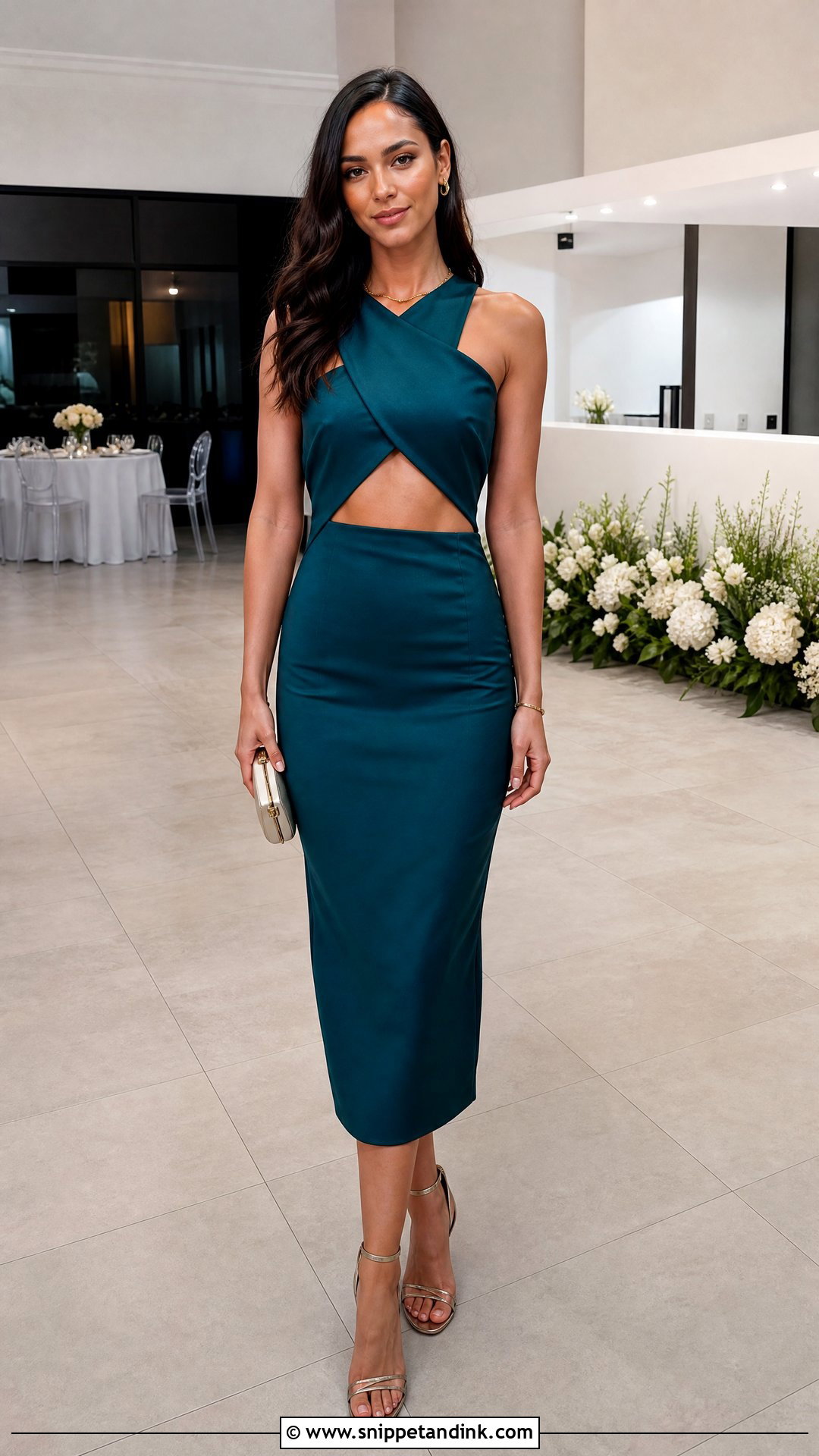
Cutouts can work at a wedding when they’re small and placed at the side or back. The test I use is the ceremony: if you’d feel self-conscious sitting near the couple’s grandparents, the cutout is too much. Crepe holds the edges of an opening flat, whereas thin jersey lets them gape when you sit. Save this one for evening receptions with a fashion-forward crowd. Cocoa or rust suits most skin tones.
19. Ruffle Hem Dress for Wedding Function
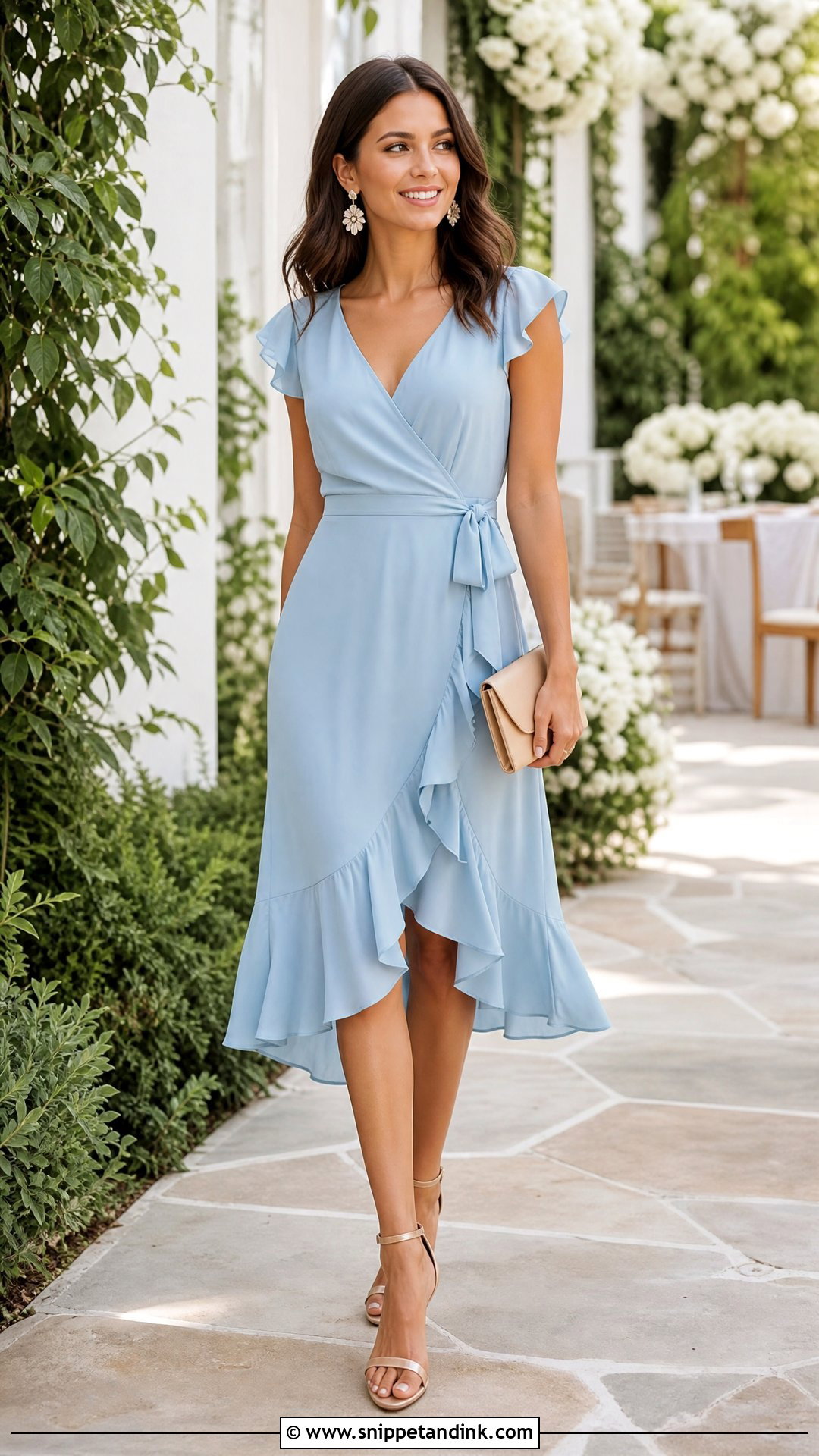
Ruffles look best when they frame one area, the hem or the sleeves, rather than covering the whole dress. A ruffled midi hem swings nicely as you cross a lawn. Light fabrics keep the ruffle soft; organza ruffles look crisp in the morning and can go limp by evening, especially in humidity. If the ruffles are big, keep the hair simple and the earrings small. I see this as a daytime and cocktail dress rather than a black-tie one.
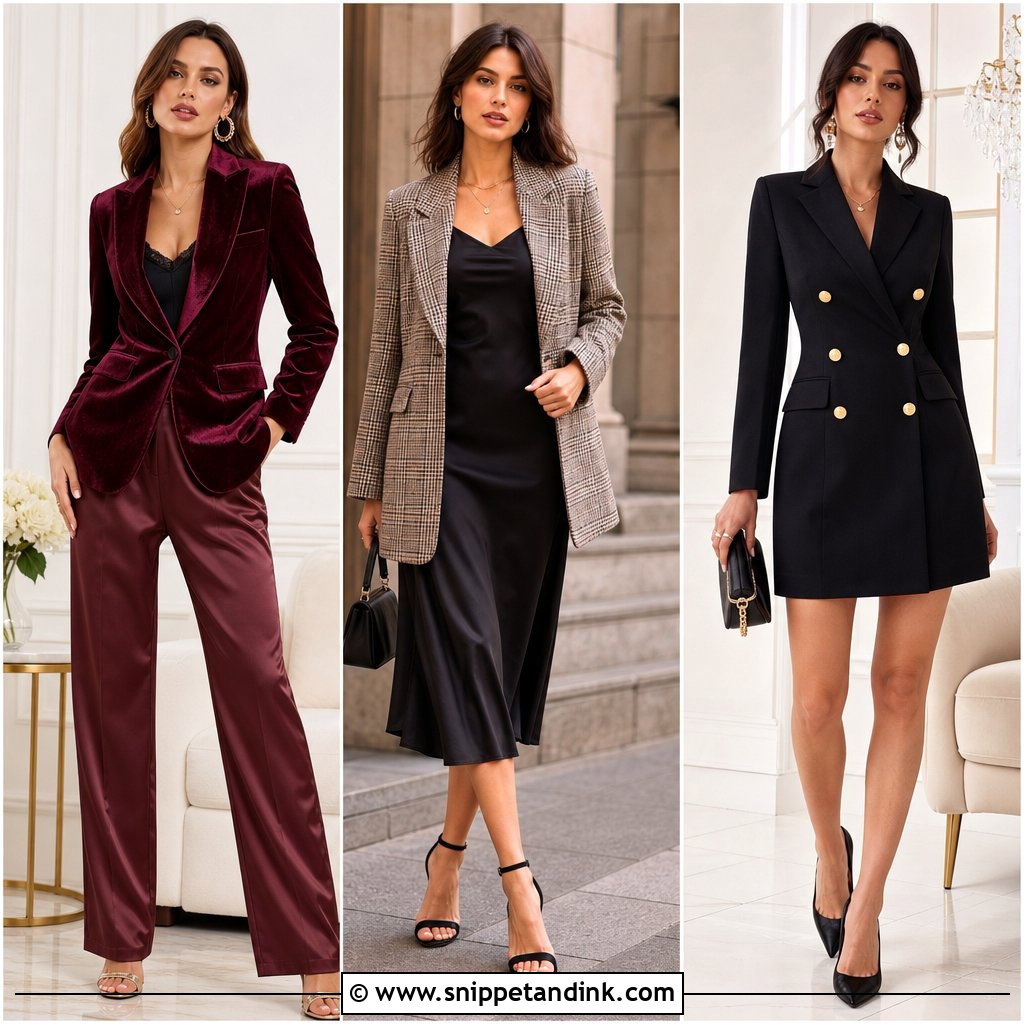
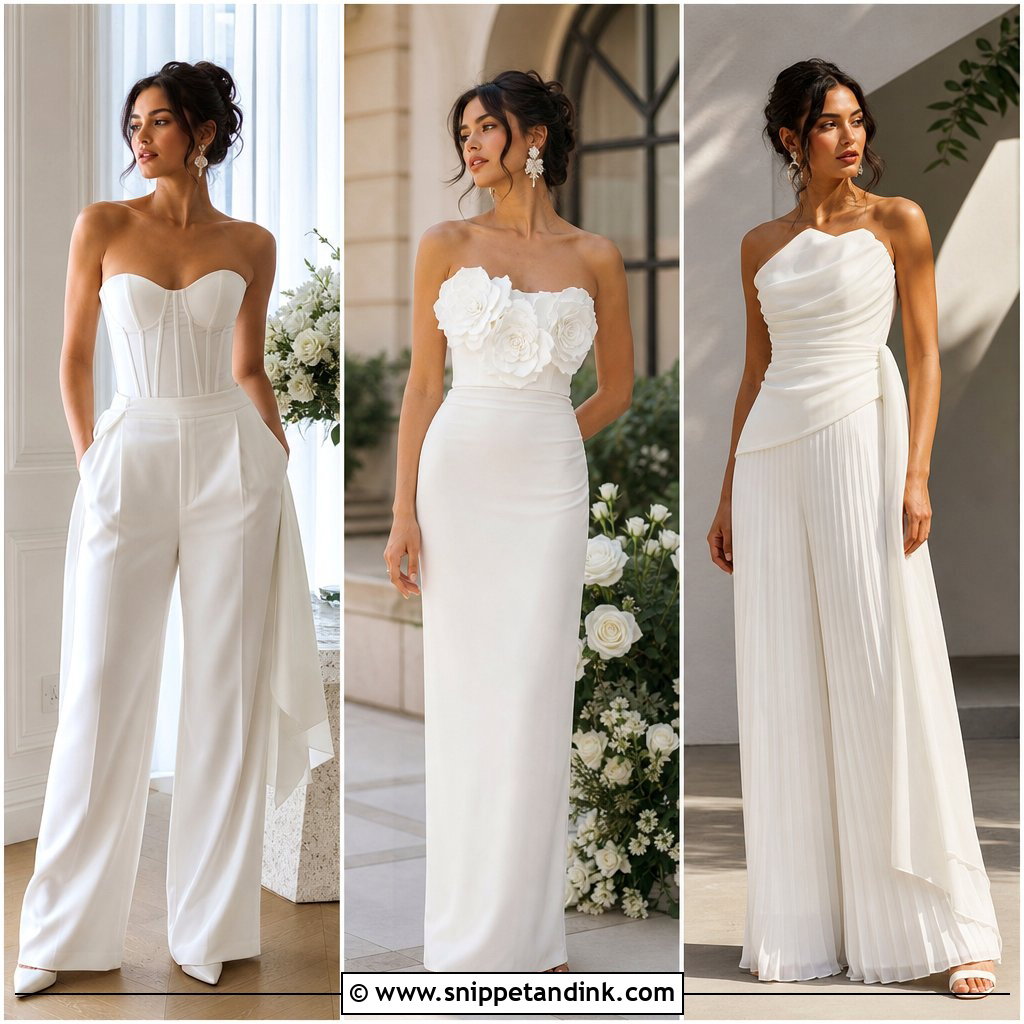
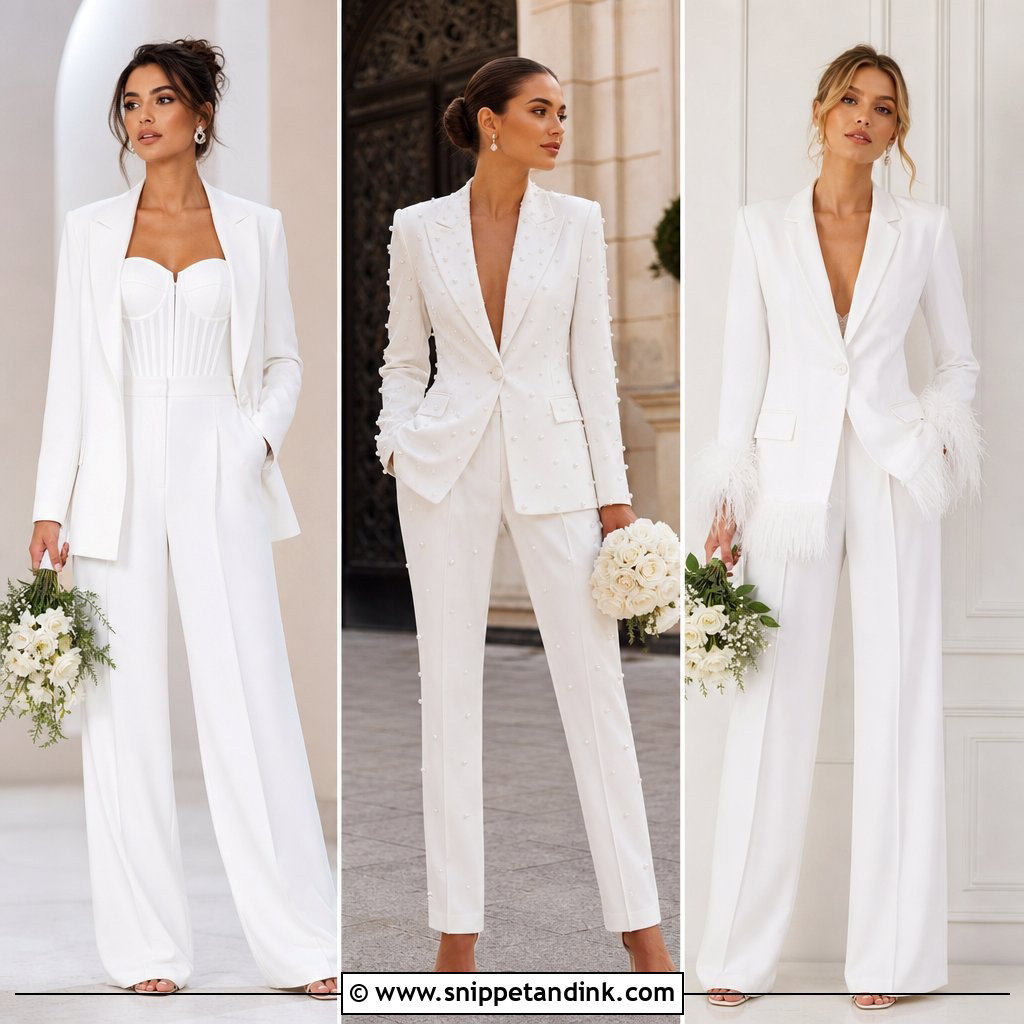
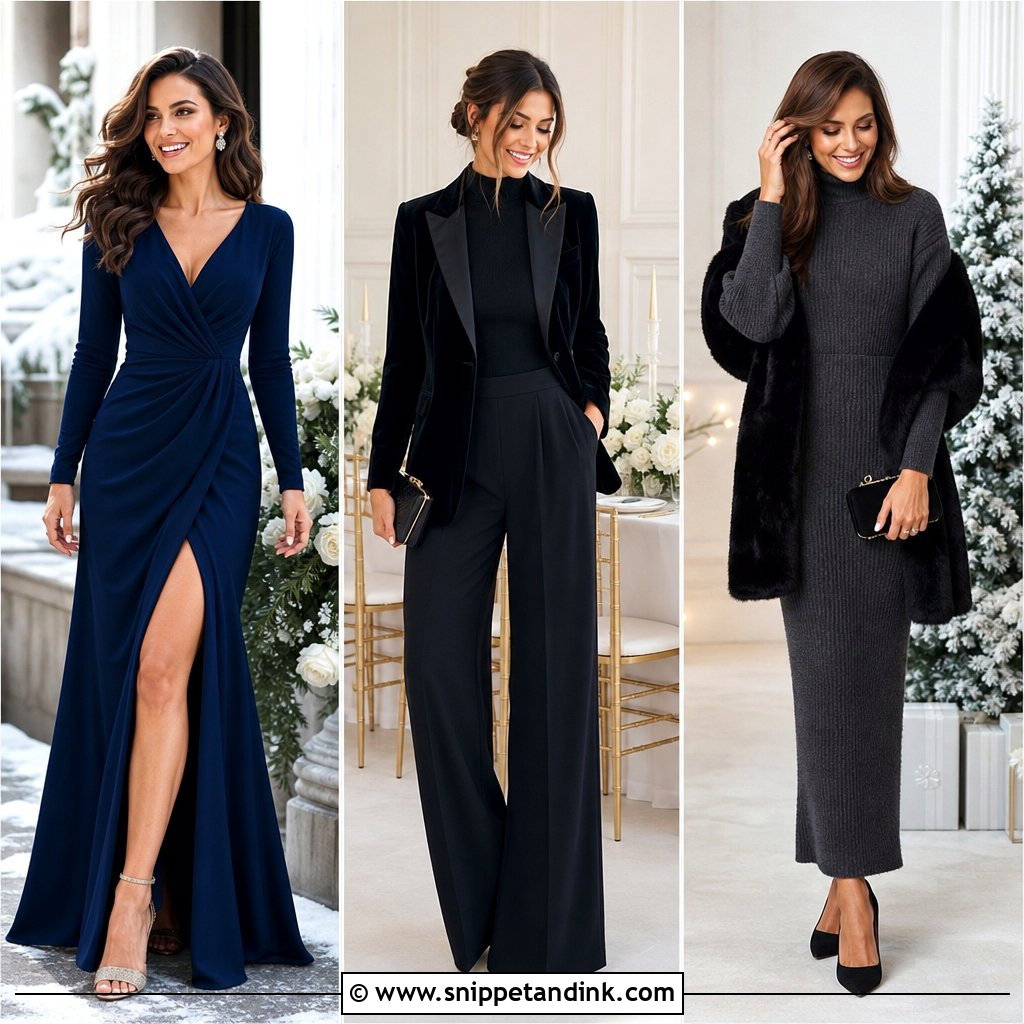
20. Black Tie Maxi Dress for Wedding Function
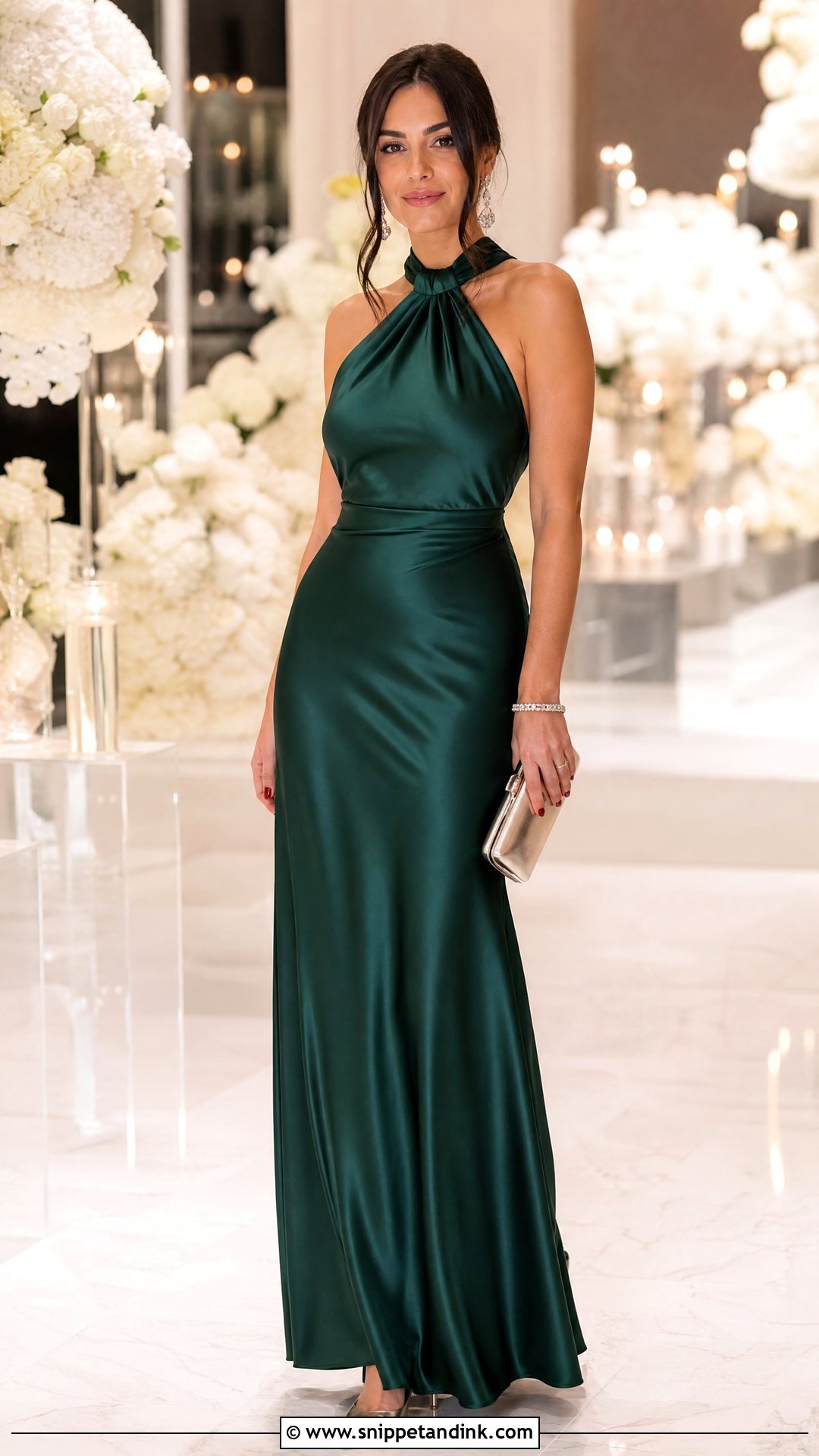
Black tie on an invitation means floor length, and I wouldn’t gamble with a midi. A simple column dress, draped gown or A-line maxi in satin, crepe or velvet reads formal without looking bridal. The detail people forget is hemming to the shoe. Take the exact heels to the alteration appointment, because a gown that’s half an inch too long gets stepped on all night and frays at the back. Deep emerald or burgundy with one statement earring is enough.
21. Cocktail Dress for Wedding Function
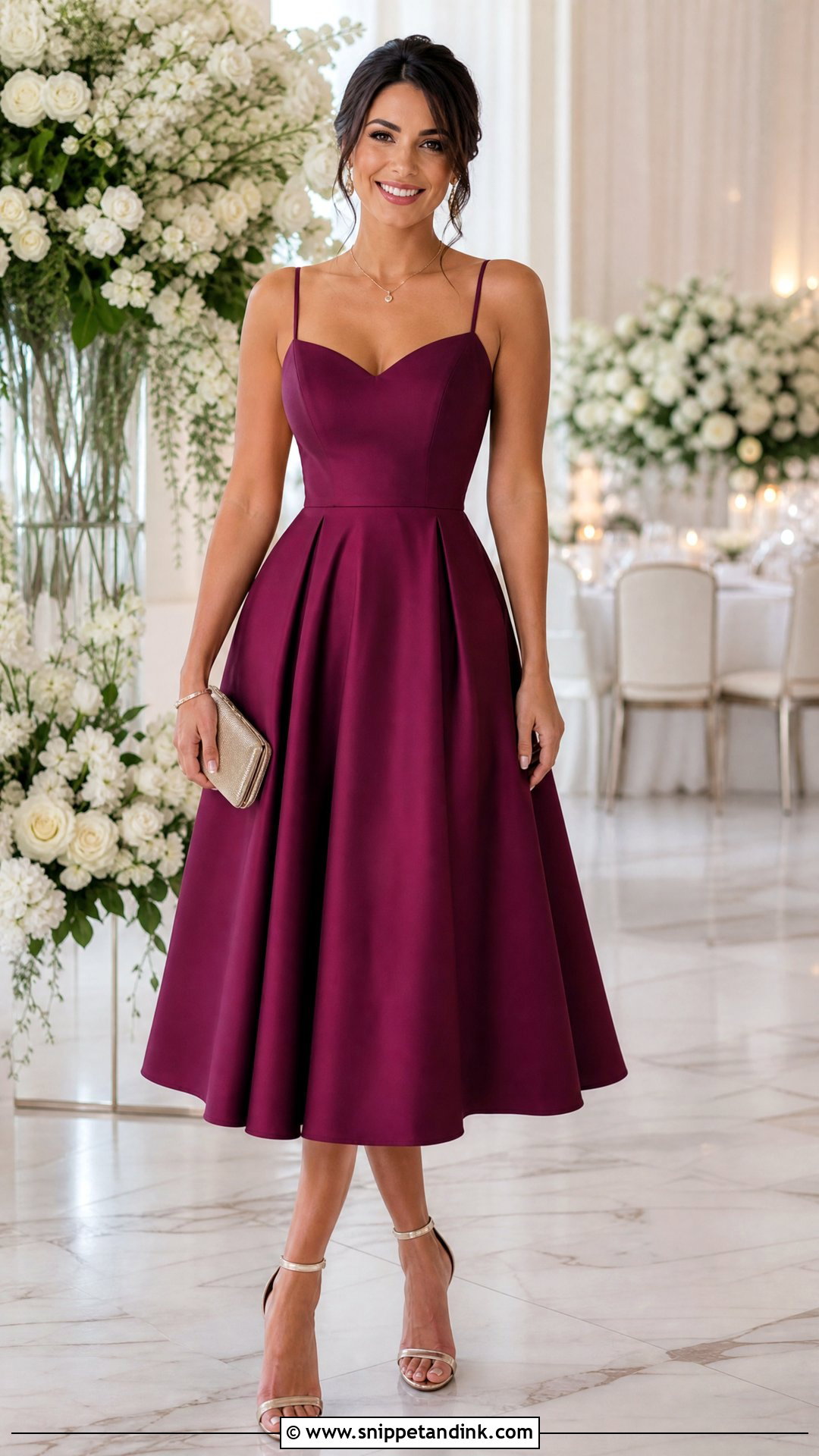
Cocktail or semi-formal attire sits in the gap between a gown and a day dress, and a knee-length or midi dress fills it neatly. Sheath, wrap and fit-and-flare cuts all qualify. My rule is one focal point: a strong colour, an interesting neckline or a textured fabric, but not all at once. Lighter prints suit daytime, and richer tones or a little shimmer suit the evening. A polished knit is underrated here because it packs without creasing.
22. Pastel Midi Dress for Wedding Function
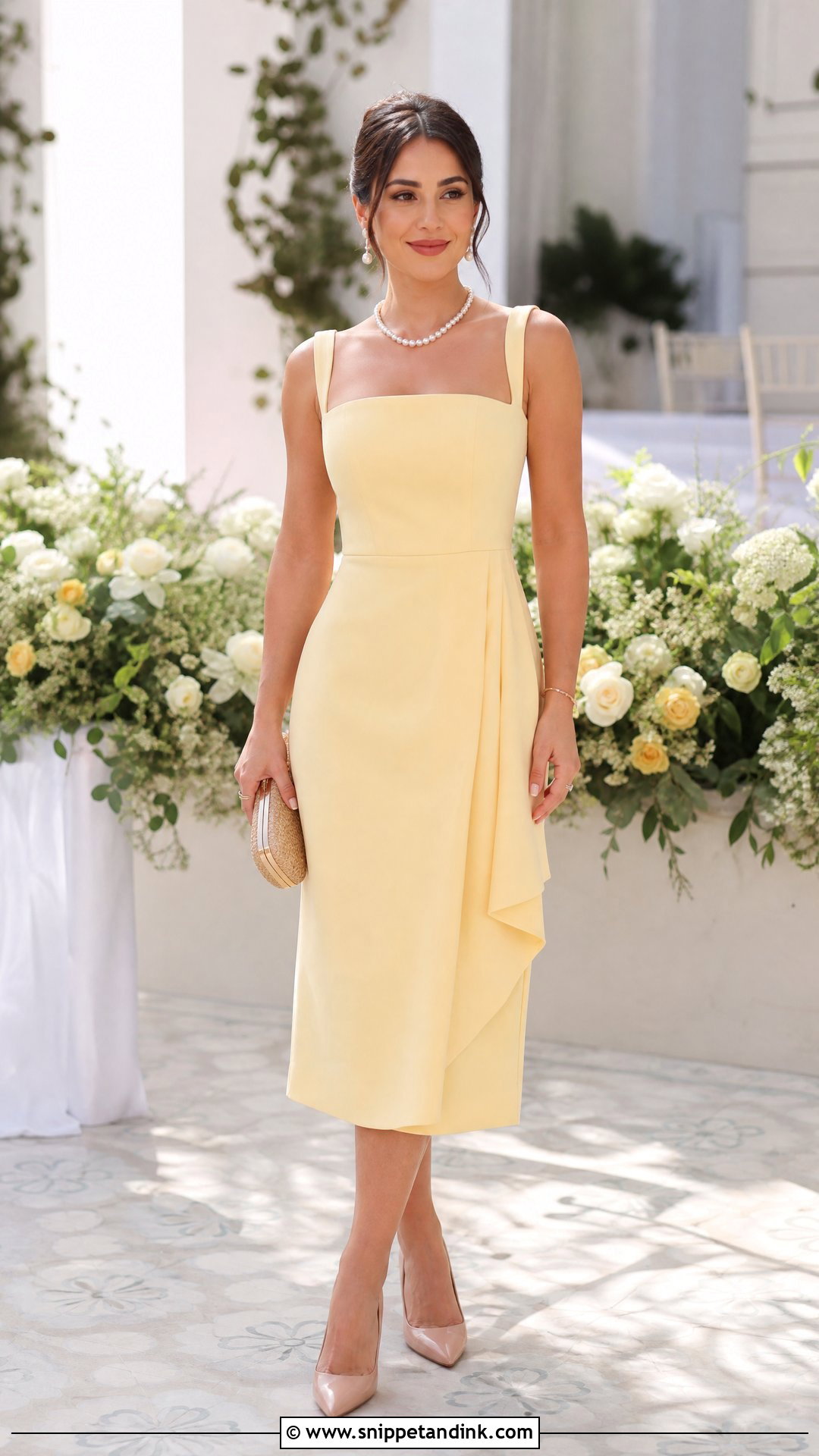
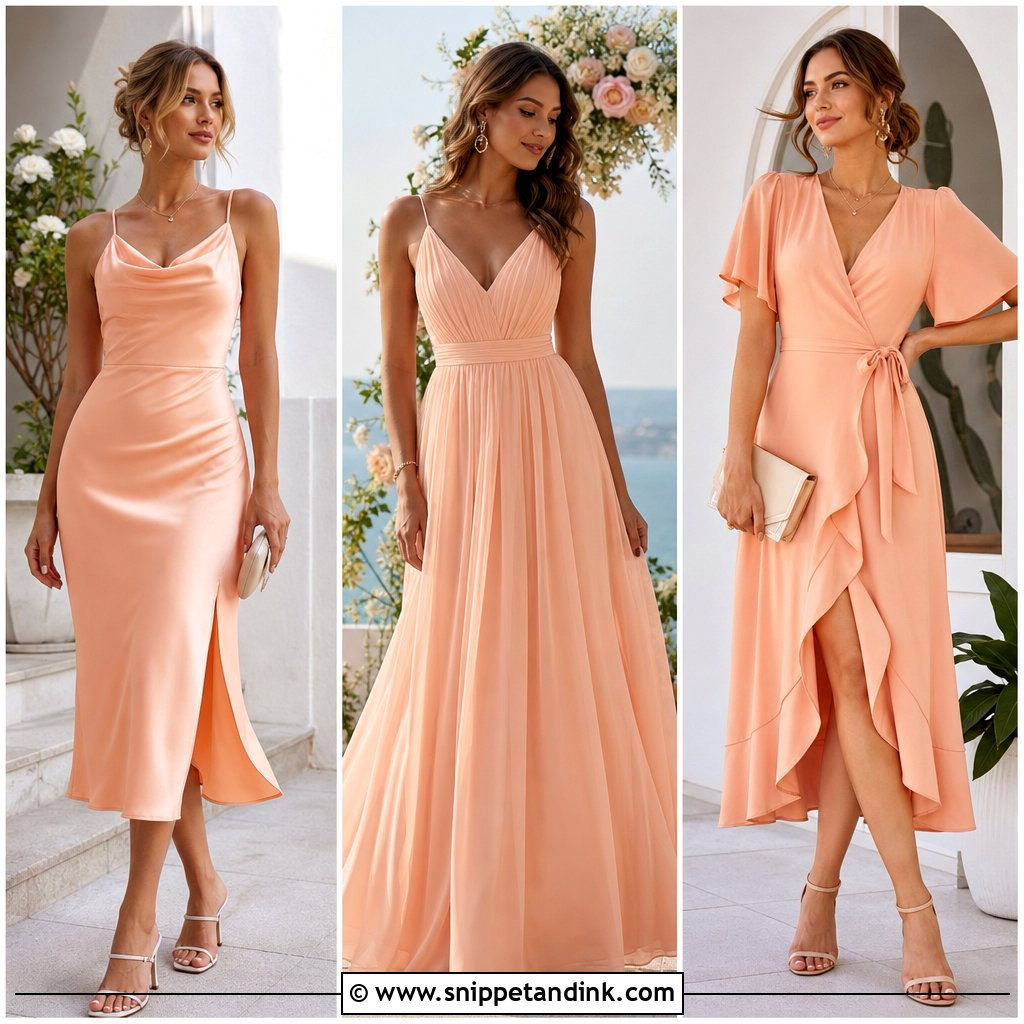
Pastels are daytime colours, and they look casual if the dress has no structure, so I look for something holding the shape: a fitted bodice, pleats or tailored seams. Shades like lilac, mint, powder blue, blush and peach feel fresh, but very pale blush and butter yellow can wash out in bright sun and drift toward white in photos. Hold the fabric against your face in daylight before buying. Pearls or fine gold finish it.
23. Jewel Tone Dress for Wedding Function
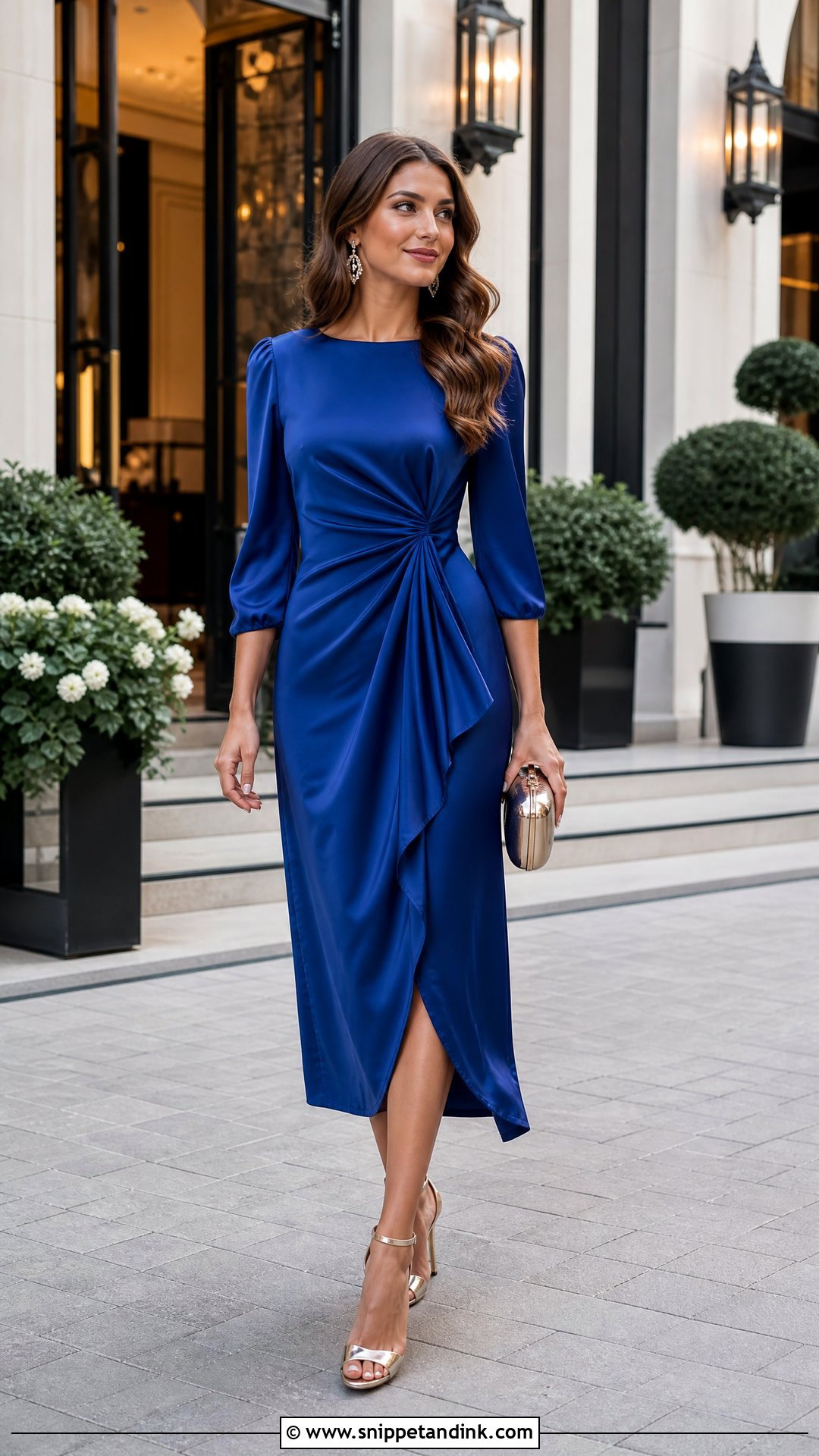
Jewel tones photograph well in almost any light, which is why I suggest them to guests who dislike being in pictures. Emerald, sapphire and deep teal suit a wide range of skin tones. Wear a midi for cocktail functions and floor length for formal ones. Satin makes the colour glow, while crepe and velvet absorb light and look deeper. A metallic heel and a black clutch are the only accessories it needs.
24. Printed Midi Dress for Wedding Function
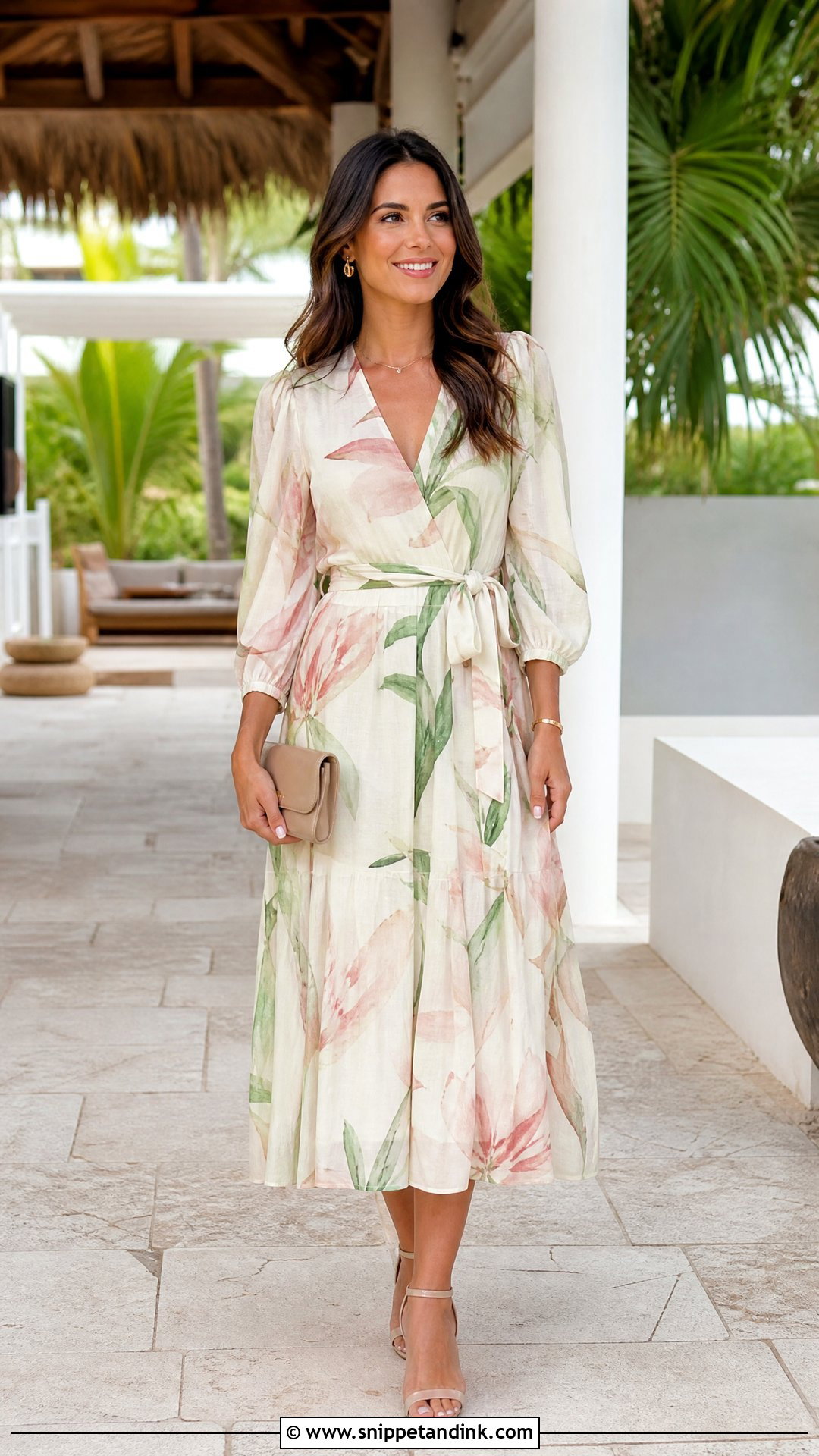
Prints are where guests most often misjudge formality. Watercolour florals, small botanicals and soft geometrics look dressed; large tropical prints or loud stripes tip toward holiday wear. A defined waist and a clean neckline help the print look intentional. Pick shoes or jewelry in one colour pulled from the pattern so the outfit hangs together. Resort venues and relaxed daytime functions are where a printed midi does best.
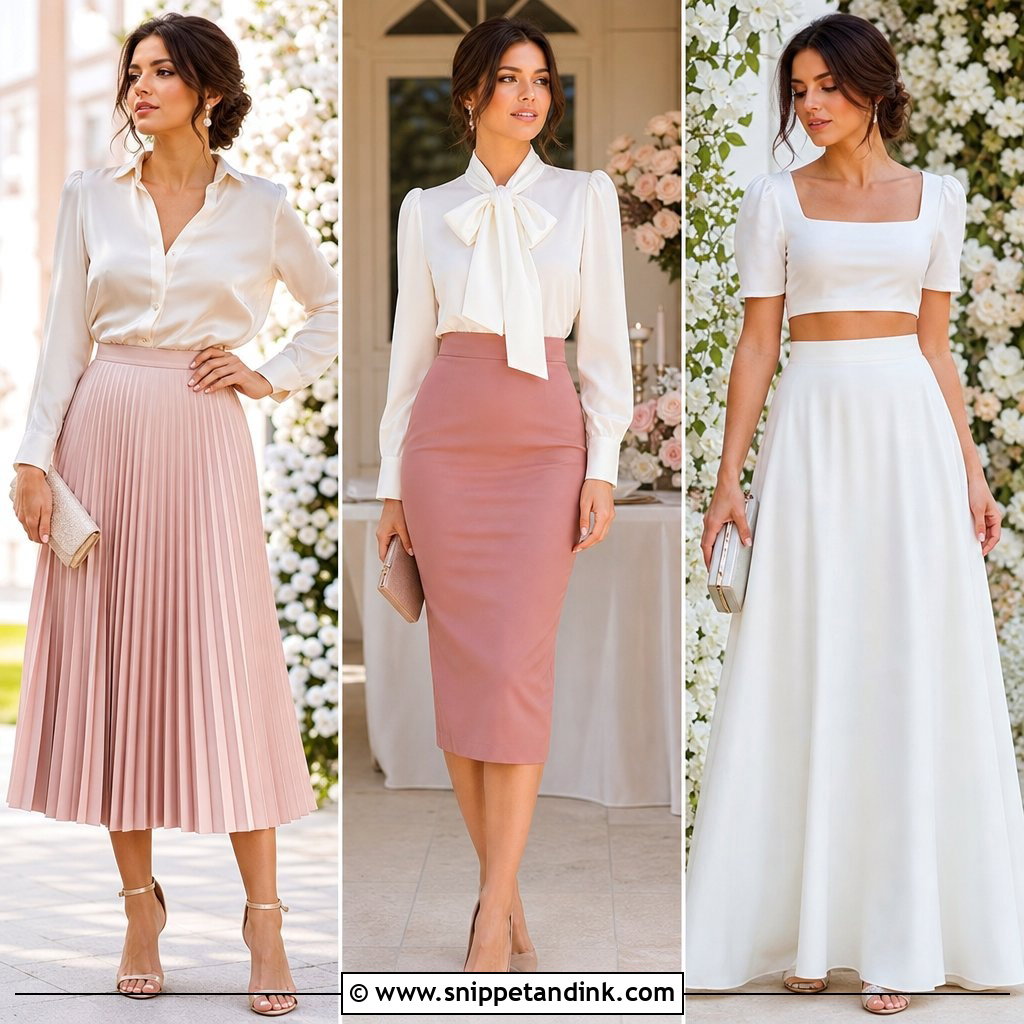
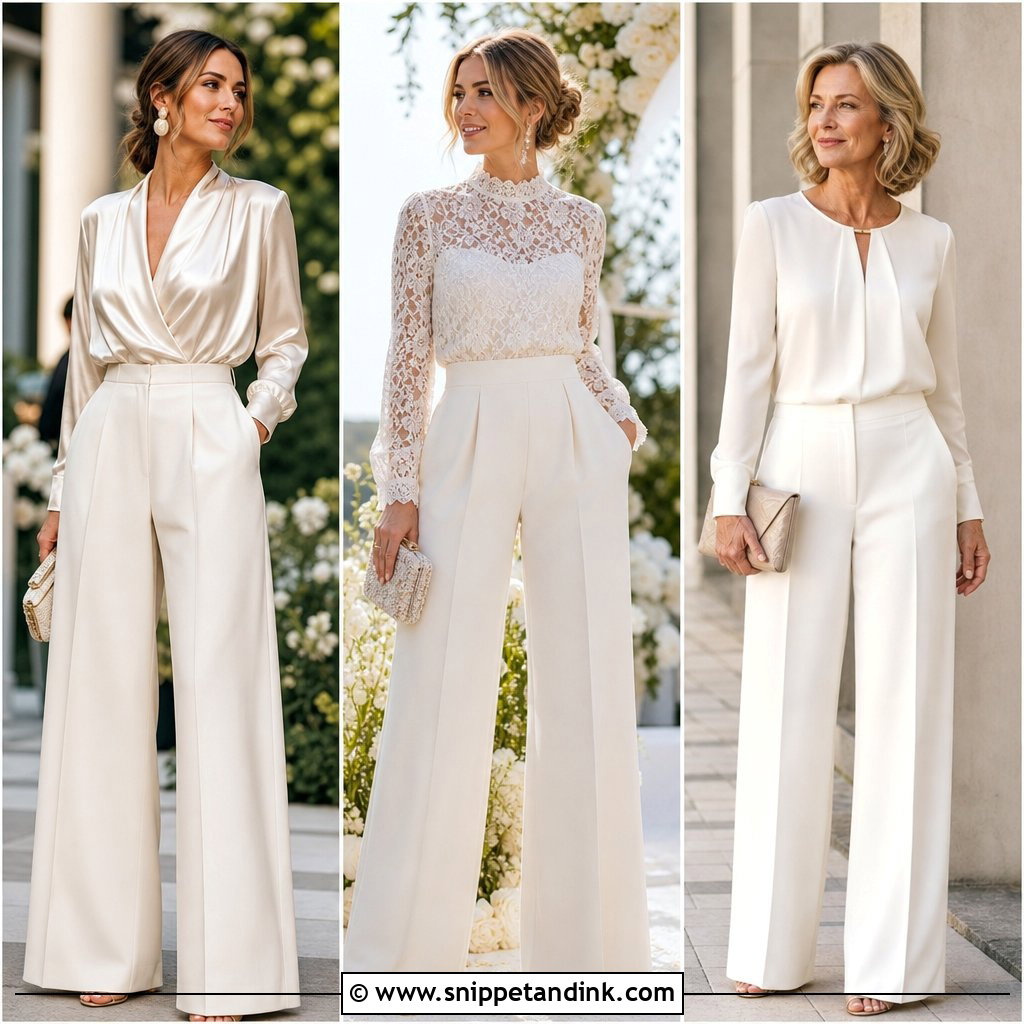
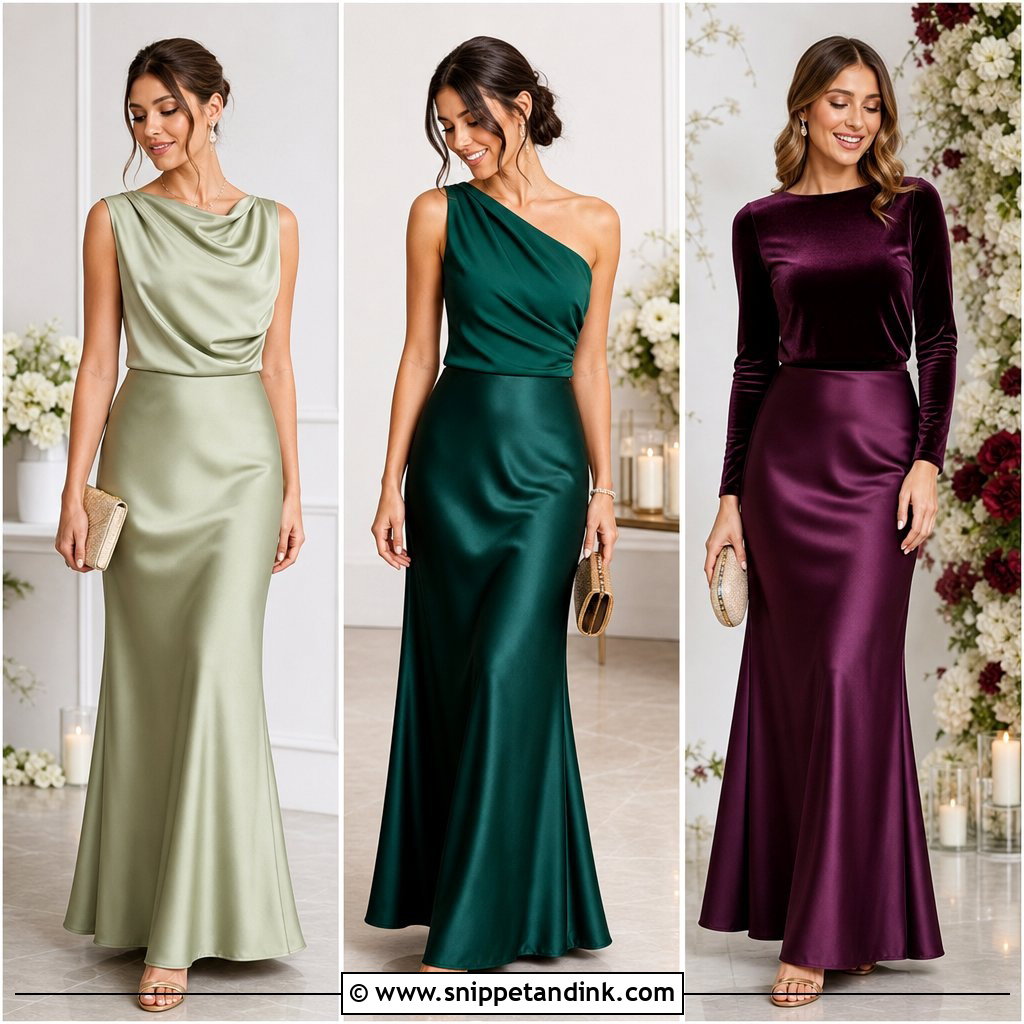
25. Draped Gown for Wedding Function
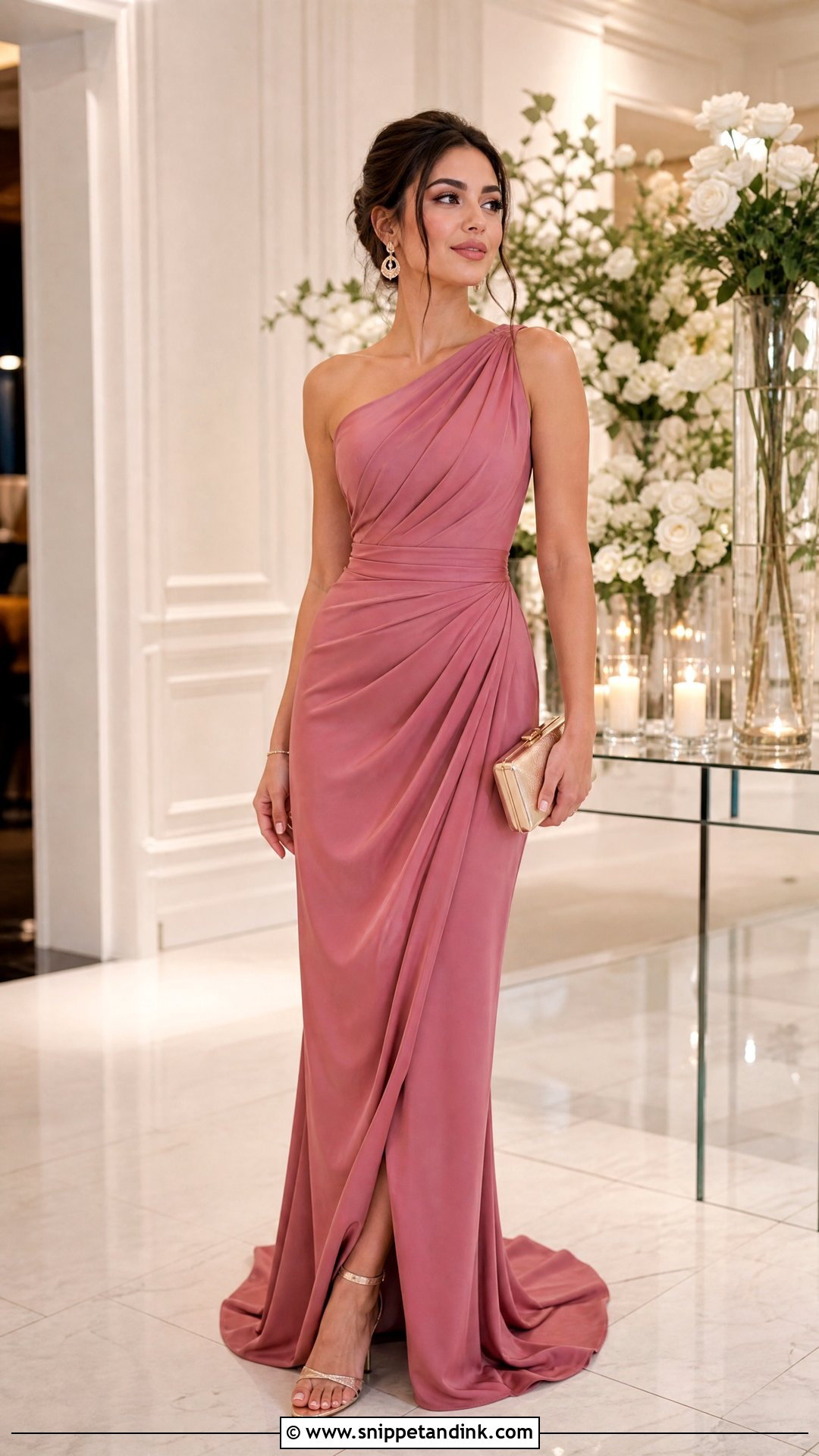
Draping creates shape without embellishment, so a draped gown looks formal while staying light to wear. Fabric weight decides whether it works. A good crepe or heavy jersey falls into soft folds; a thin fabric collapses and shows the stitching behind the drape. Charcoal and deep rose are both sophisticated choices. With an asymmetric neckline, keep jewelry to earrings. This is the gown I’d reach for at a formal evening reception.
How These Fabrics Hold Up After Eight Hours
A dress looks its best in the changing room and its worst at eleven at night. Knowing how each fabric ages over a long day is what lets me tell a guest which one to buy.
- Satin creases across the lap during the ceremony and shows water spots. A heavier satin with some stretch recovers better than thin polyester.
- Chiffon and georgette are forgiving to wear but snag on bag chains, bracelets and rough chair edges.
- Velvet stays warm and resists wrinkles, though it crushes where it’s pressed. Steam it; never iron the pile.
- Crepe is the most reliable over a long day. It hides creases and keeps its shape.
- Sequins scratch at the inner arm and can catch on a partner’s jacket while dancing.
- Jersey packs well and feels comfortable, but thin versions cling and show lines.
Sit, Reach and Climb Stairs in It First
Before the tags come off, I have every client run through the movements the day will ask of her. Do it in the shoes and underwear you’ll actually wear.
- Sit for five minutes, then stand and check the back of the skirt in a mirror.
- Raise both arms as if hugging someone taller than you. Nothing should slide or lift.
- Walk up and down a flight of stairs to see whether the hem clears your shoes.
- Take a flash photo on your phone to check for sheerness.
- Bend to pick something up from the floor and watch the neckline.
A tailor can usually fix hem length or a loose strap within a week or two, though it’s worth allowing longer in the busy summer months. A dress that fails the sit test is a fabric problem, and no alteration will change that.
Dressing for the Whole Day, Not Just the Photos
The outfit that works is the one that fits the dress code, the venue and the hours you’ll actually spend in it. Start with the invitation, rule out anything near bridal white, and then judge each dress by how it behaves when you sit, walk and dance, not by how it hangs on the rail. Midis, satin gowns, floral maxis, velvet wraps and jewel tones carry across the most occasions. Get the hem, the underlayers and the layer for the cold right, and the rest falls into place.
You'll Like These Ideas:


Leave a Reply