
Matching ivory to ivory is the easy part of choosing wedding shoes. The harder part is that your shoes decide your hem length, your posture in photos and how you’ll feel standing through a receiving line ten hours after you put them on. They have to suit the dress, the floor or ground you’ll be on, the weather and your own feet. Below are 25 complete outfits, from satin pumps and ballet flats to sneakers, boots and wedges, each styled head to toe with notes on where that shoe works and where I’d steer you away from it. Whatever you pick, wear it around the house for a few evenings and bring it to every fitting.
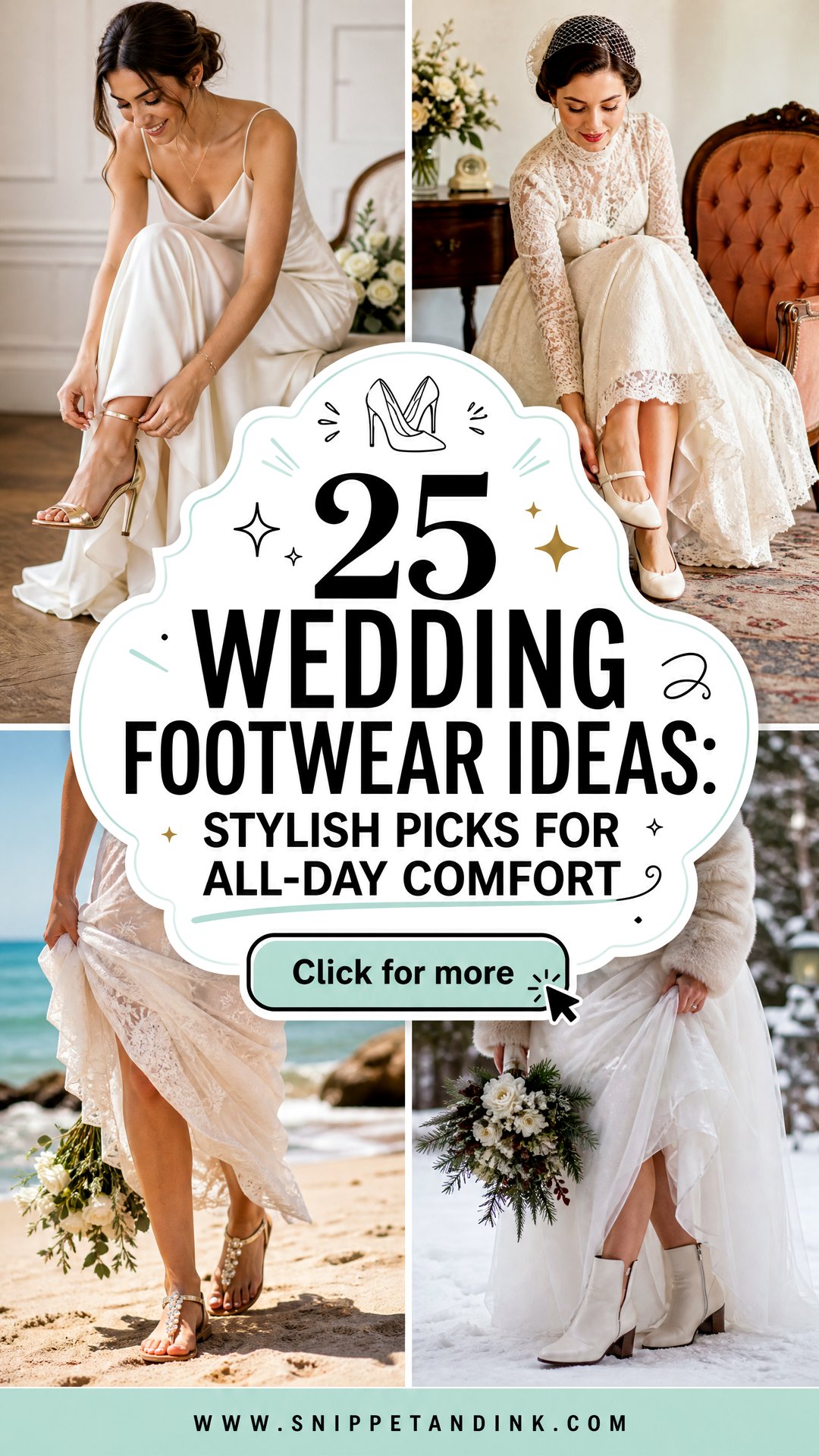
Shop in the Afternoon, Then Break Them In Slowly
Feet swell through the day, especially when you’re standing and it’s warm. A shoe that fits perfectly at ten in the morning can pinch by four, so I tell brides to try wedding shoes later in the day, ideally after a few hours on their feet. If you’re between sizes, the half size up with a grip pad usually wins.
Breaking them in is less about the shoe softening and more about finding the rub points early. Start with short stretches indoors and build up.
- Wear them for twenty minutes at home with thin socks, on a clean floor, so the soles stay unmarked.
- Increase to an hour while you cook or tidy, and note exactly where you feel pressure.
- Put a blister patch on those spots before the next session, and ask a cobbler about stretching any tight area.
- Lightly scuff the soles with fine sandpaper or add clear rubber grips, because brand-new soles are slick on polished floors.
- Do one full evening in them, standing and dancing, at least a week before the wedding.
Bring the final pair to your first fitting, not your last. Your seamstress sets the hem to that exact heel, and even half an inch of difference shows when you walk.
1. A-Line Wedding Dress With Satin Pumps
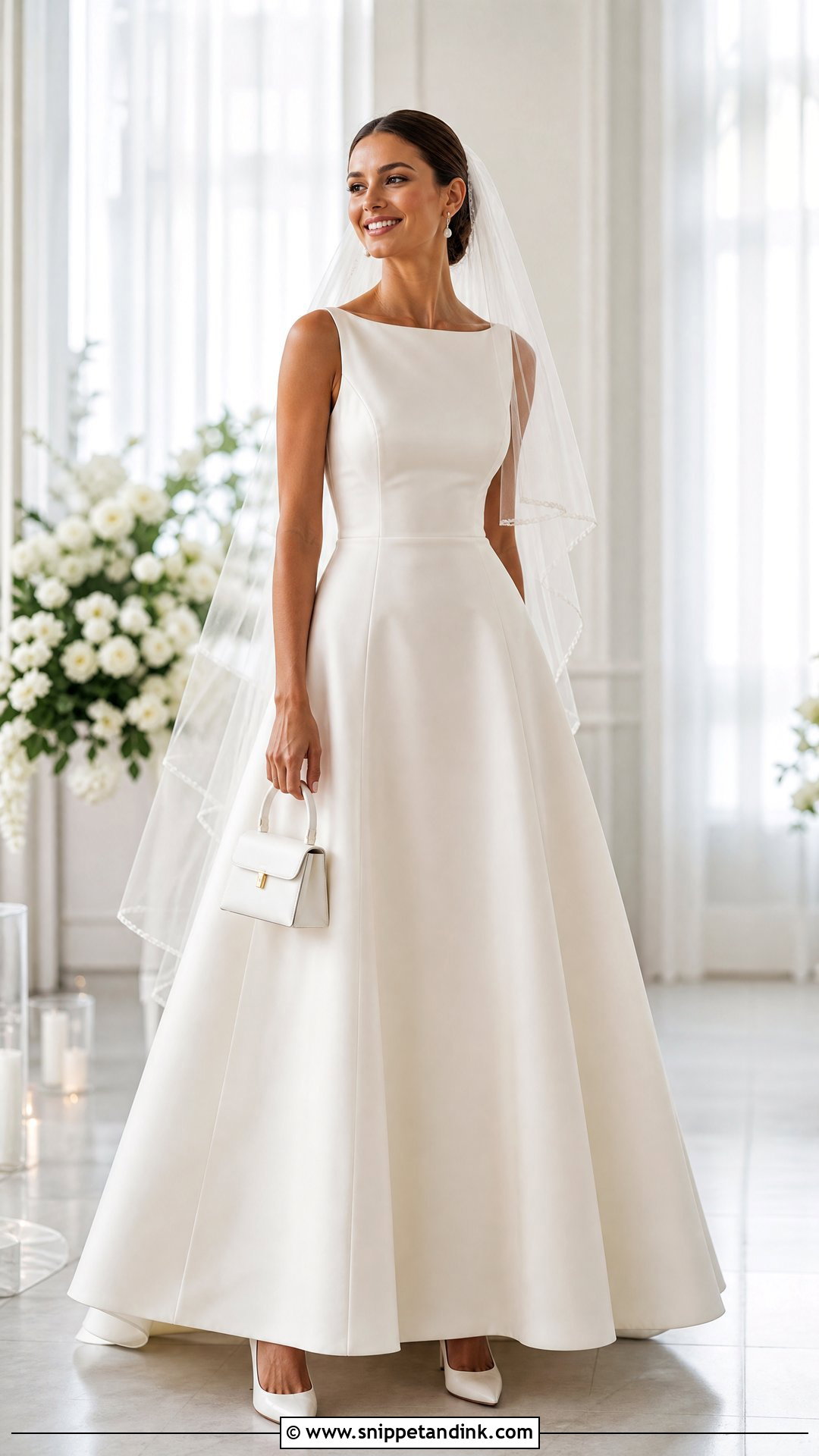
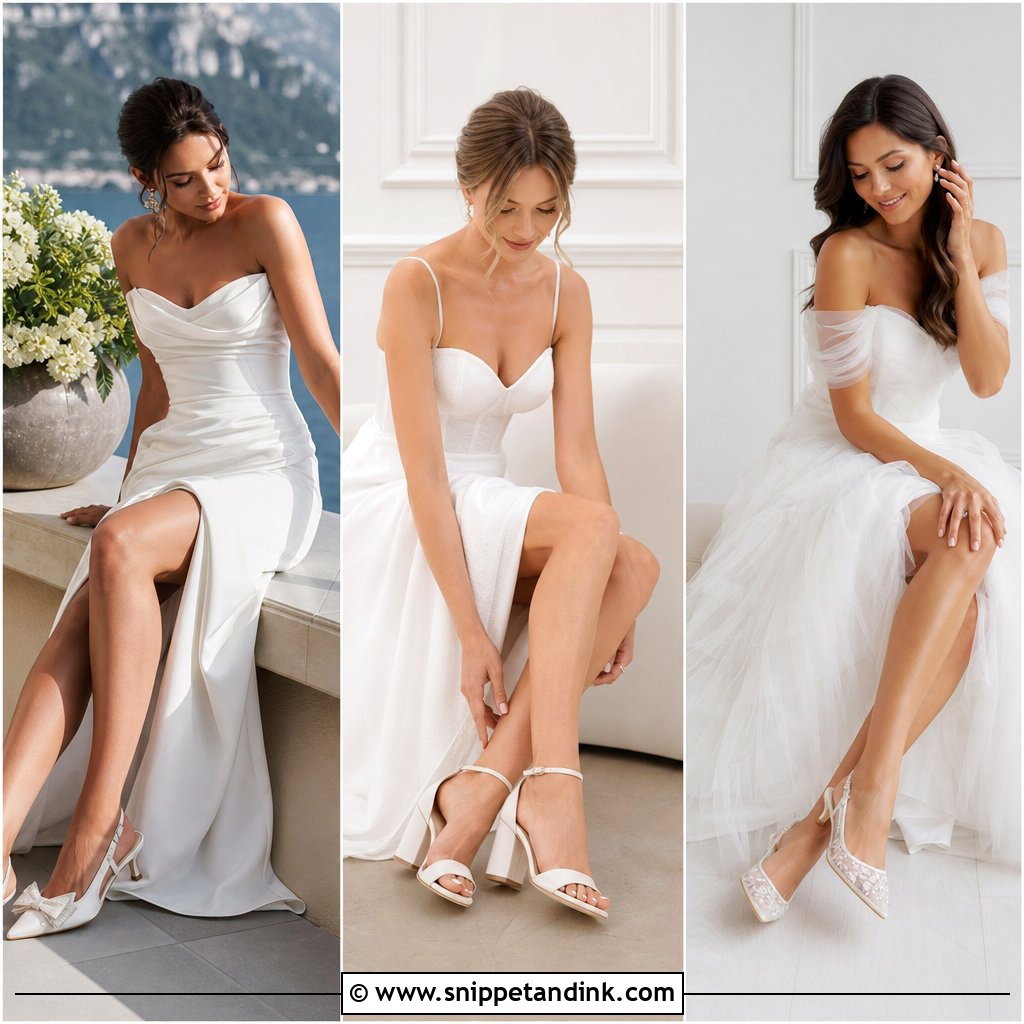
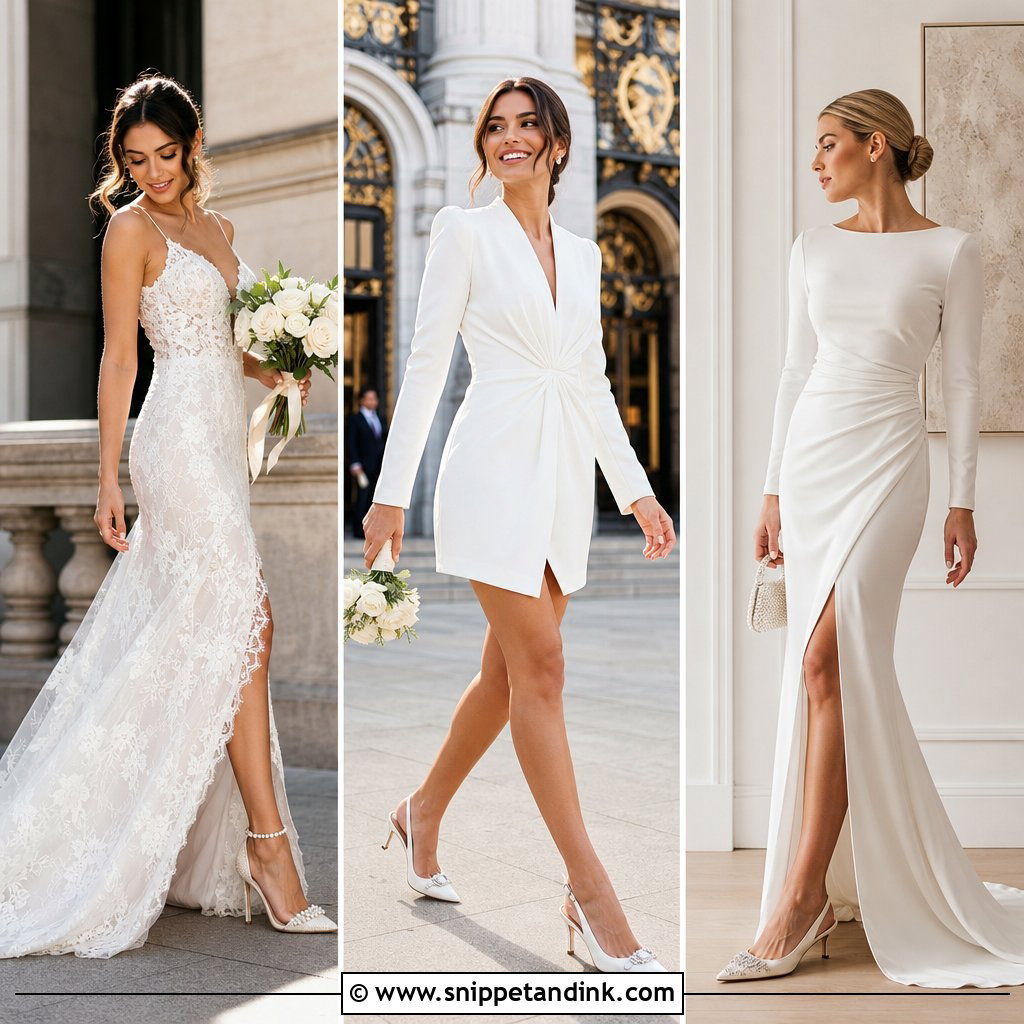
Satin pumps under an A-line are the classic for a reason: they disappear into the skirt and give you a clean line when the hem moves. Ivory, cream or soft white all work; they don’t need to match the gown exactly, since the skirt covers them most of the day. A pointed toe peeks out and lengthens the leg, a round toe feels more traditional. Pearl earrings, a fingertip veil and a small structured bag complete it. I’d keep the heel moderate and look for a padded insole with room across the ball of the foot, because that’s where pumps start to hurt first. Your seamstress has to hem the gown with these exact shoes on.
2. Lace Wedding Dress With Block Heels
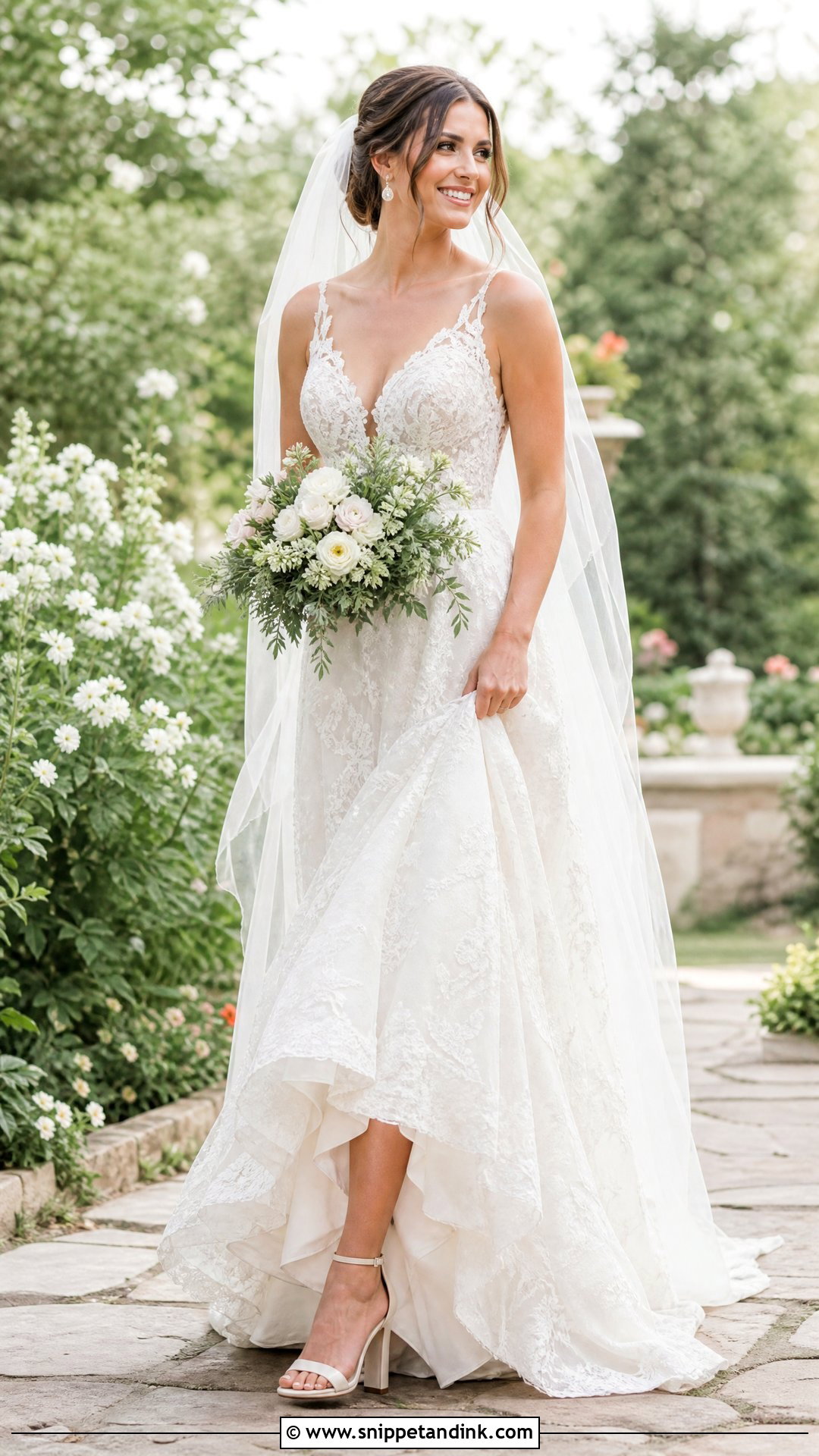
On grass, a thin heel sinks and a block heel spreads the load, which is the whole case for this pairing at a garden, courtyard or estate. A plain satin pair suits detailed lace, while a cleaner gown can take subtle pearl accents. Finish with a loose updo, small drops and a soft tulle veil. An ankle strap adds security, but feet swell over a long day, so fasten it with a finger’s room to spare. Test them on a lawn or uneven paving before you call them comfortable; carpet tells you very little.
3. Tea-Length Wedding Dress With Kitten Heels
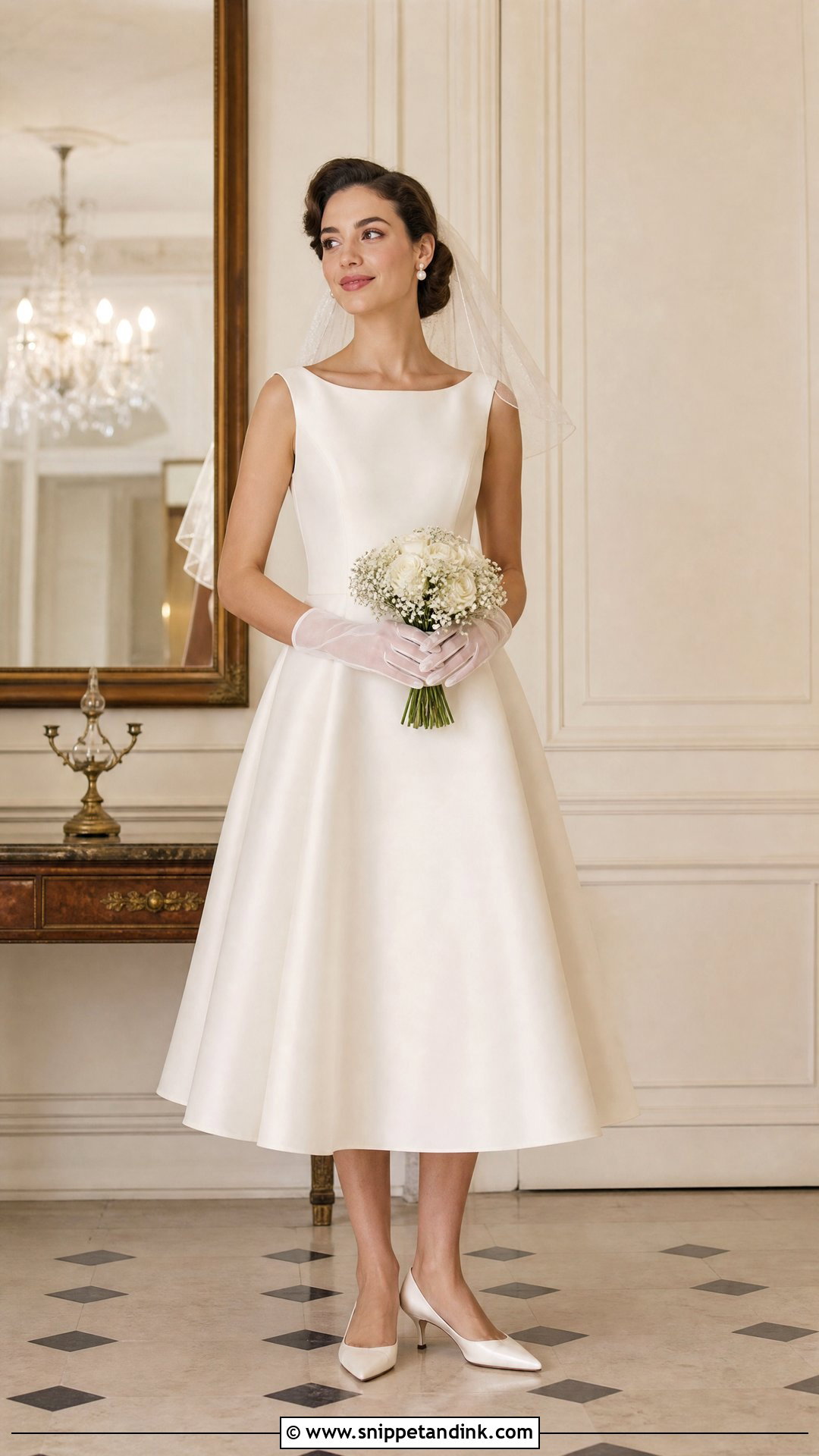
Tea length shows your shoes all day, so they need to look chosen. Kitten heels suit the proportions: a pointed or softly squared toe looks refined without much height. Ivory satin, pearl detail or a pale metallic you’ll wear again all work. A short veil, delicate gloves and a compact bouquet balance the vintage mood. The narrow heel belongs on smooth floors, firm patios and city venues, not soft lawns. Watch the sides of the shoe as you walk; if the opening gaps, your heel is lifting, and that becomes a blister by evening. One to two inches of heel gives lift you can stand in.
4. Minimalist Wedding Dress With Slingback Heels
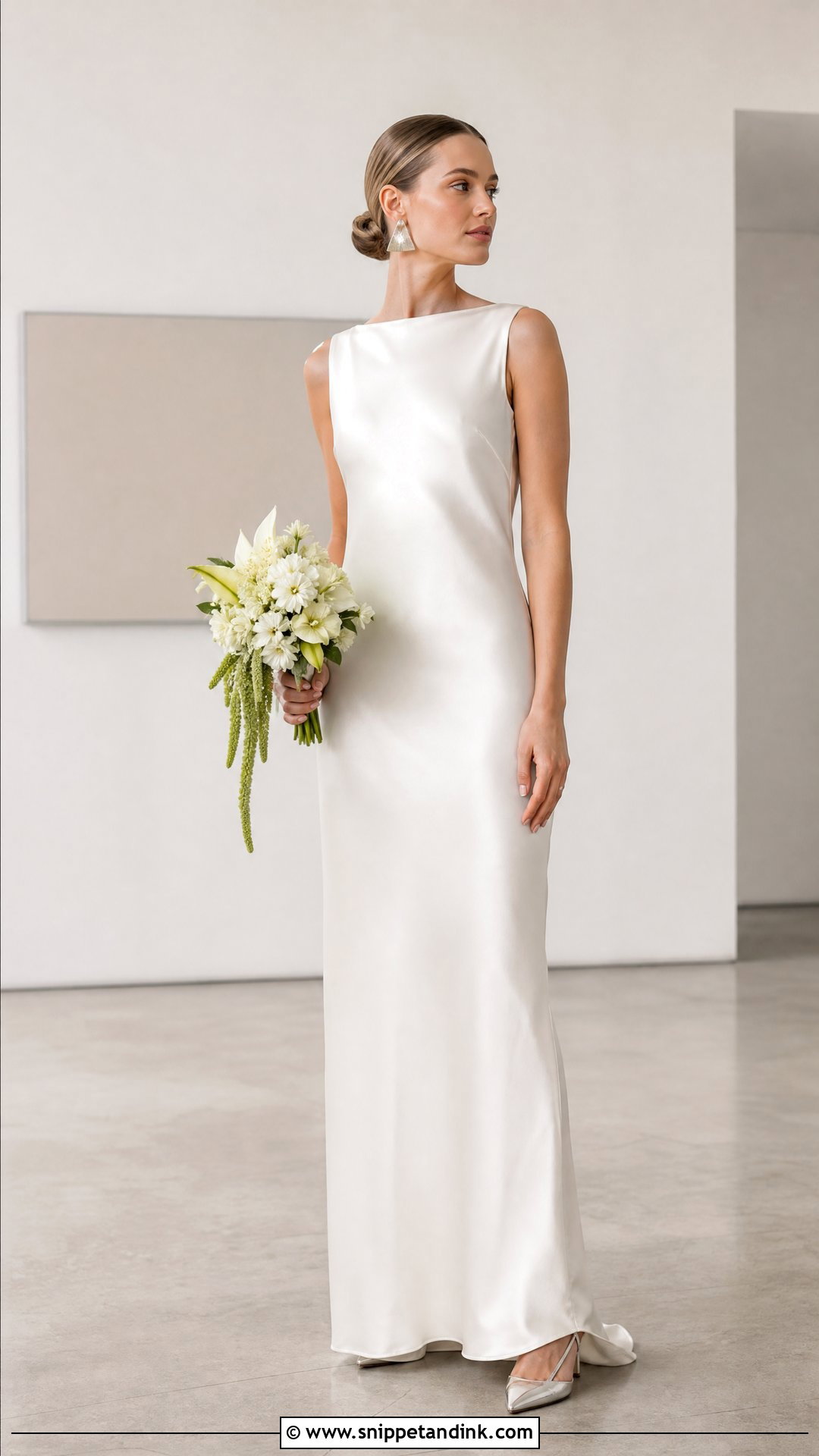
A plain column gown leaves room for the shoe to have some personality, so pointed slingback heels with a curved heel or a little embellishment suit it well. The open back feels lighter than a pump and fits spring and summer. Smooth leather, satin or a soft metallic can follow the fabric of the dress. Sculptural earrings, a low bun and a small, clean bouquet complete it. Slingbacks live or die on the strap: an adjustable buckle beats fixed elastic, which can stretch and start slipping down your heel by mid-afternoon.
5. Ball Gown Wedding Dress With Platform Heels
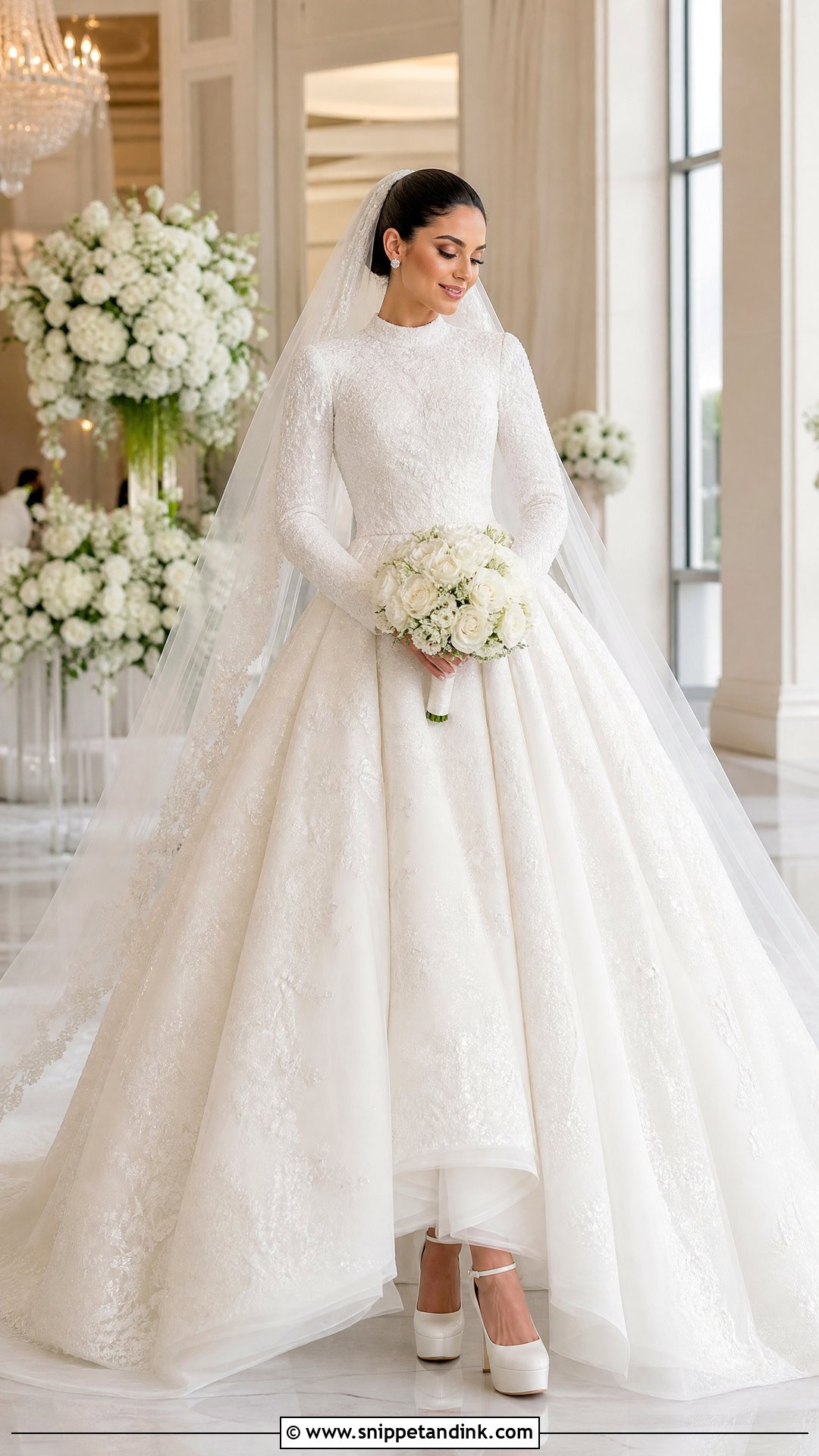
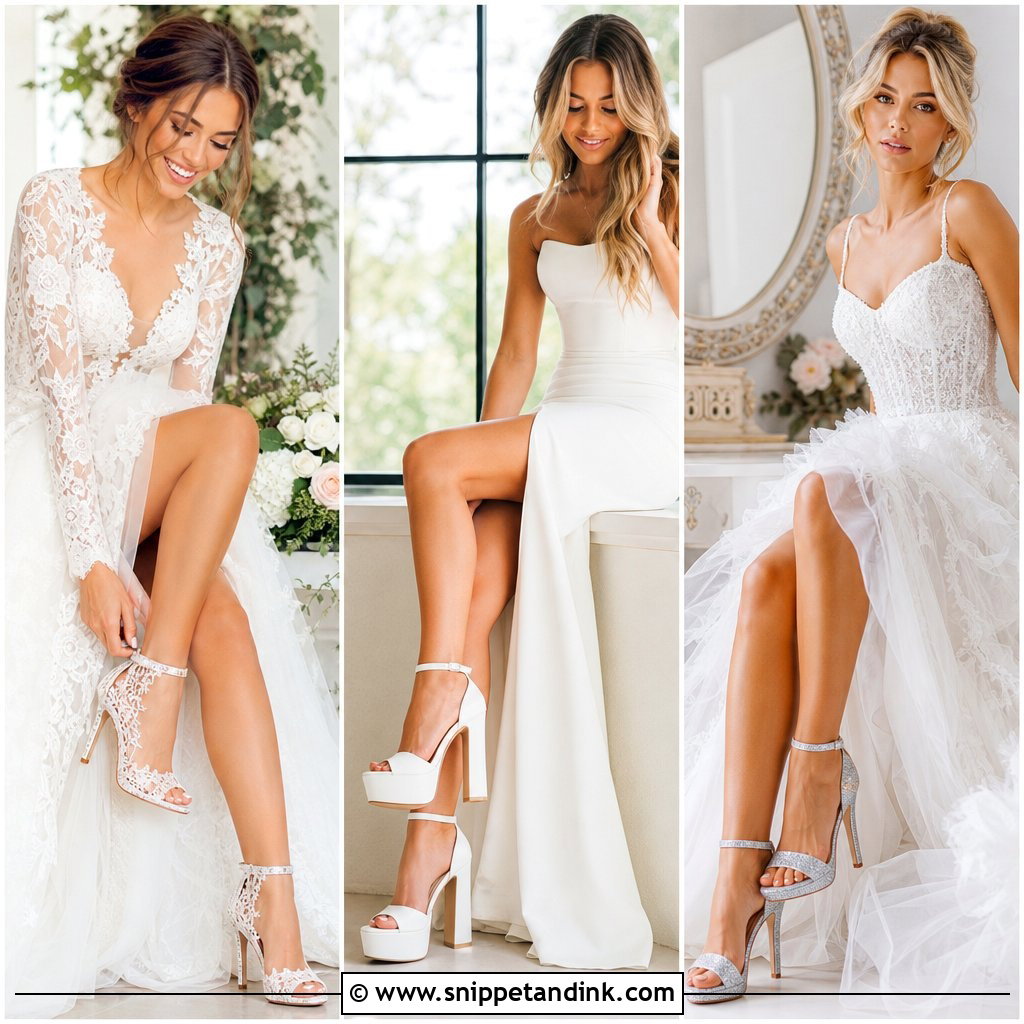
Platforms give real height under a ball gown while cutting the steep angle between heel and forefoot, which is why a five-inch platform can feel kinder than a four-inch stiletto. Choose a stable platform with a secure ankle strap, not a towering narrow design. The skirt may hide them, but they still set your posture and the finished hem. A cathedral veil, crystal studs and a bouquet scaled to the skirt work here. Practice turning, sitting and climbing steps in the whole outfit. Platforms are heavier than pumps, so compare weights in hand. If you’ll change shoes later, choose a reception pair with similar sole height or the hem will drag.
6. Pearl Wedding Dress With Pearl Heels
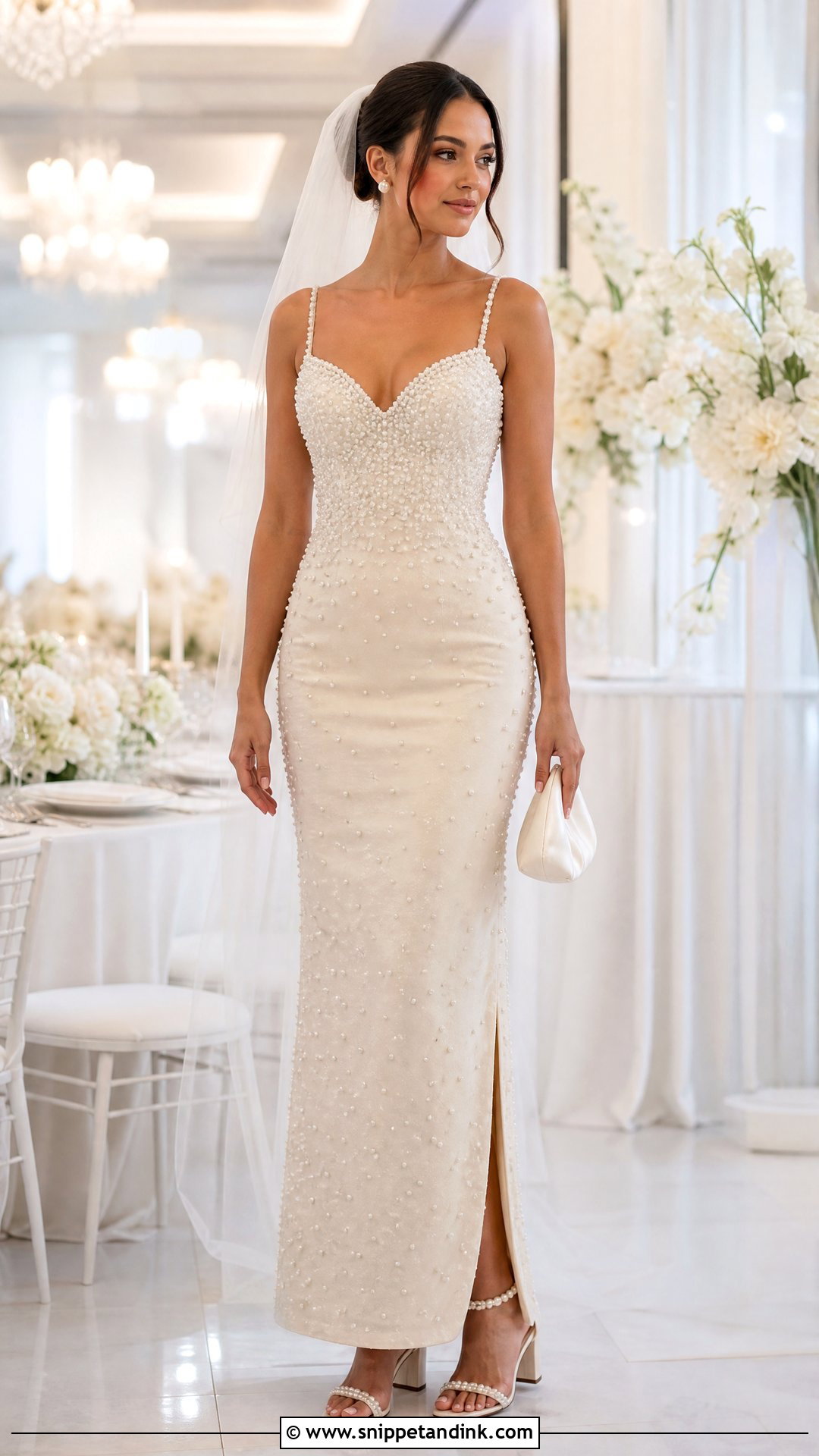
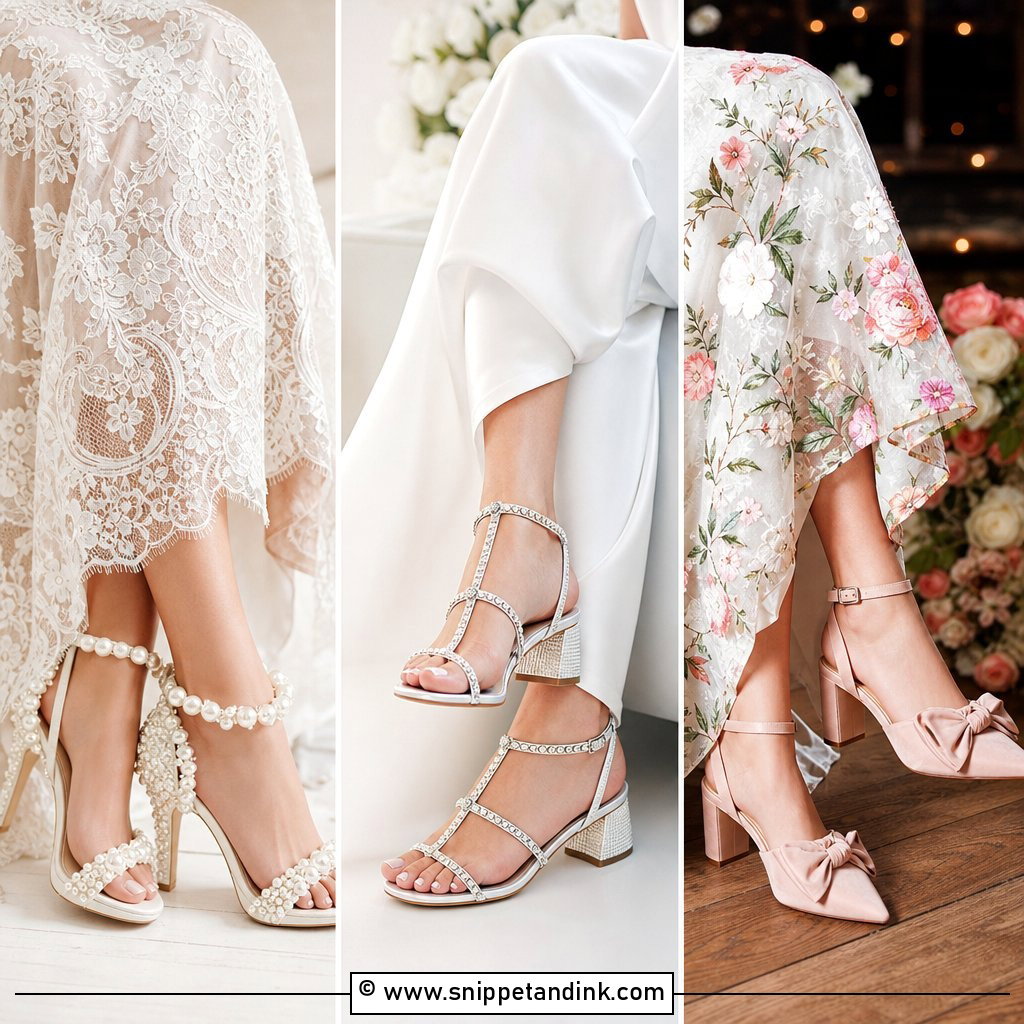
Pearl-trimmed heels repeat the texture of a pearl-embroidered gown without turning the outfit into a matching set. I like pearls on just one part of the shoe: the strap, the heel or the toe. A simple fitted dress can take heavily embellished shoes, while an ornate gown wants restraint. Pearl studs, a smooth veil and a satin clutch finish it. Run your hand over the decorations before you wear them with a delicate skirt; raised pearls at the toe can snag tulle every time you step. A block or kitten heel is the steadier choice.
7. Simple Wedding Dress With Crystal Sandals
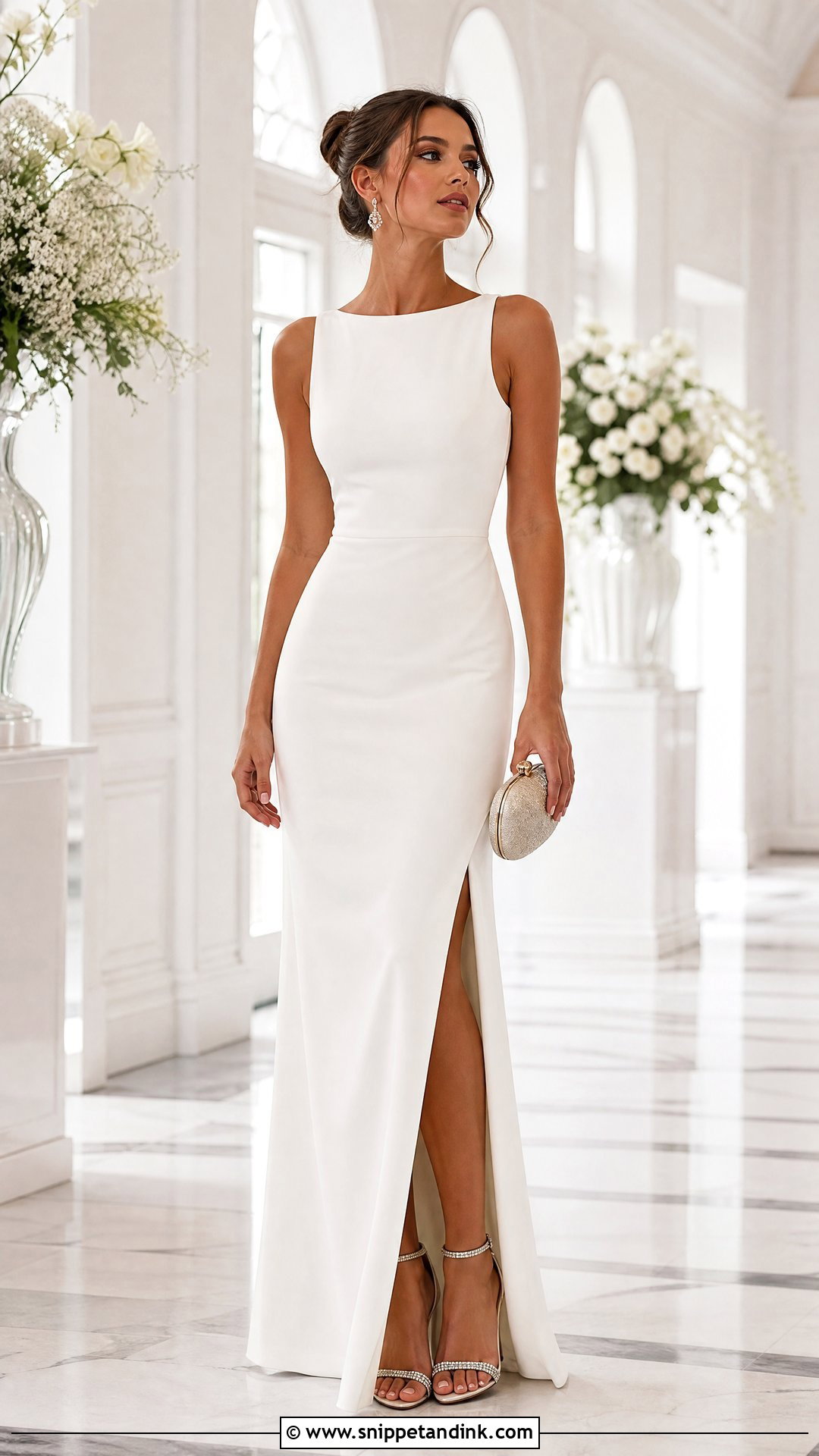
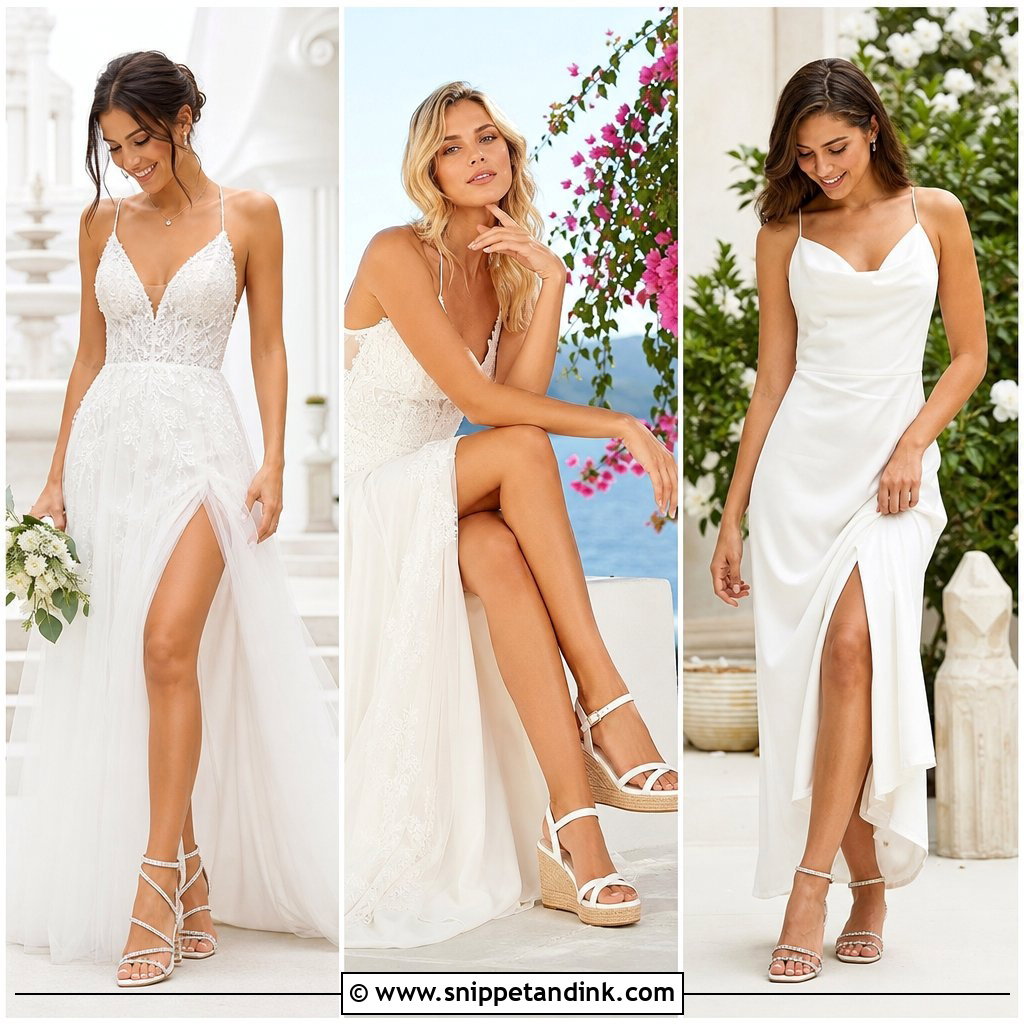
Crystal sandals add sparkle so the gown doesn’t have to, which suits plain crepe, satin or chiffon. The thing I check first is the underside of each strap: crystals set without a smooth lining scratch skin and catch the hem. Understated crystal earrings, a clean updo and a small evening bag keep the shoes as the focus. Open toes belong in mild weather on firm ground. If your foot slides forward and toes hang over the edge, a hidden gel pad under the ball of the foot usually fixes it.
8. Slip Wedding Dress With Metallic Heels
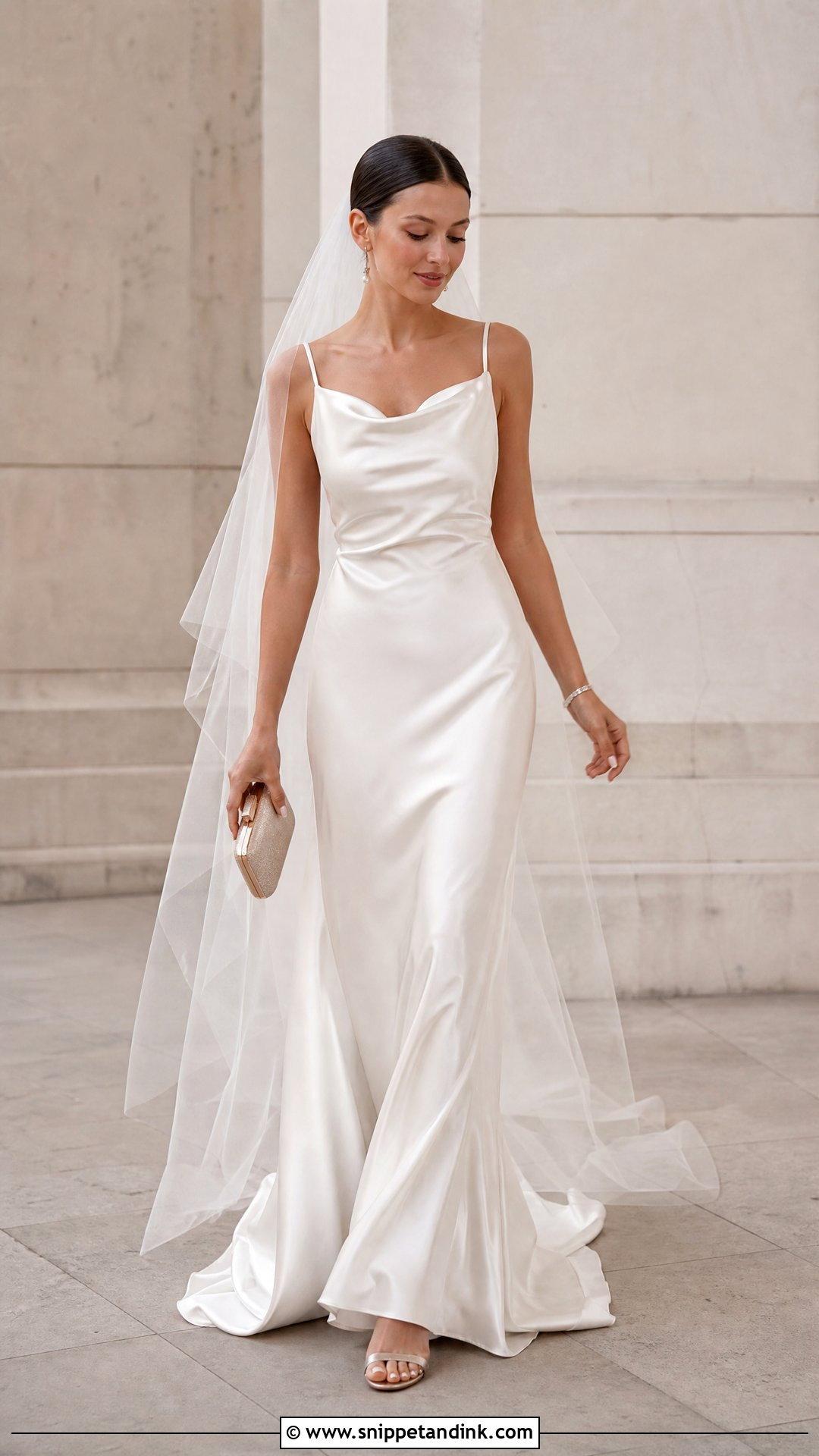
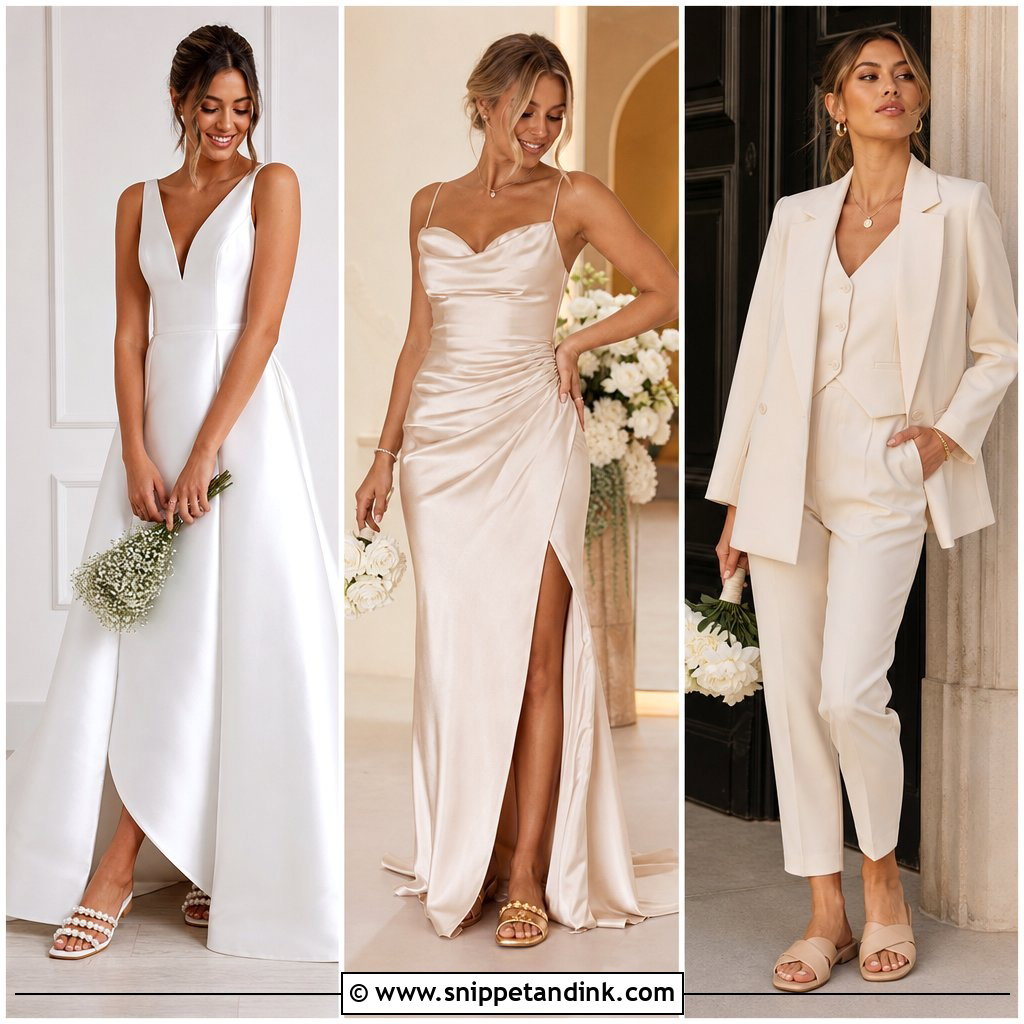
Metallic shoes act like jewelry under a fluid slip dress, and they’re a good escape when ivory feels predictable. Silver sits well with cool white fabric; champagne and muted gold sit better beside cream. A fine necklace, drop earrings and a softly draped veil complete it. Choose slim sandals for an indoor wedding or metallic block heels for more stability. If the dress already carries heavy beading, I’d pick a brushed metallic over mirror shine so the two don’t fight. You’ll get years of wear from these with cocktail dresses and tailored trousers.
9. Short Wedding Dress With Blue Heels
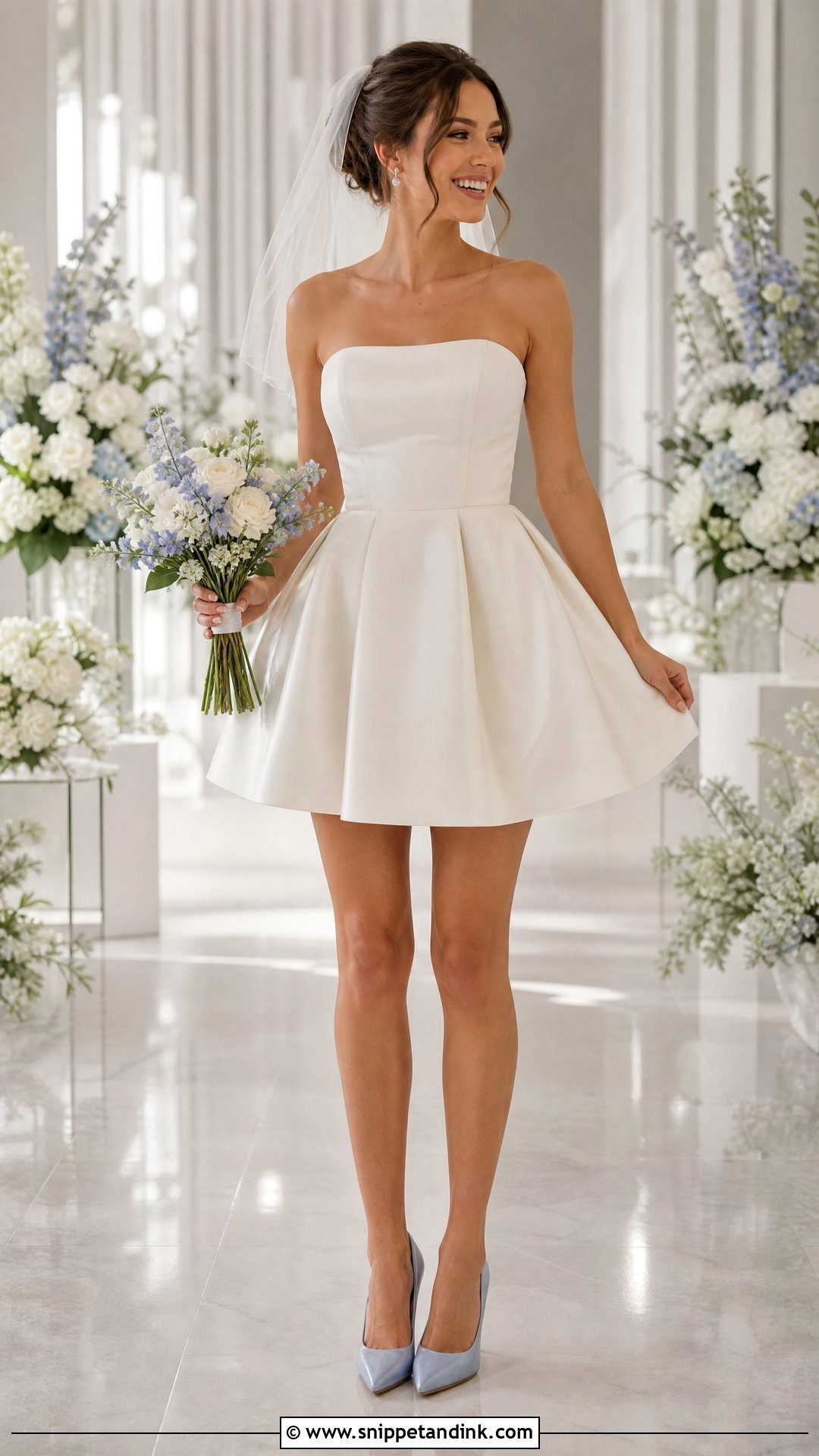
Blue shoes are the most practical way I know to carry “something blue”, because they don’t need explaining or pinning on. Under a short dress, powder blue looks delicate; navy, cobalt or turquoise make a stronger point. A pointed pump or ankle-strap sandal keeps it polished. Add pearl earrings, a short veil and a bouquet with a few small blue flowers or cool green foliage, and stop there; repeating the color once or twice is plenty. Since the shoes are visible all day, look at them in a mirror from the side and back, not just the front.
10. Modern Wedding Suit With White Stilettos
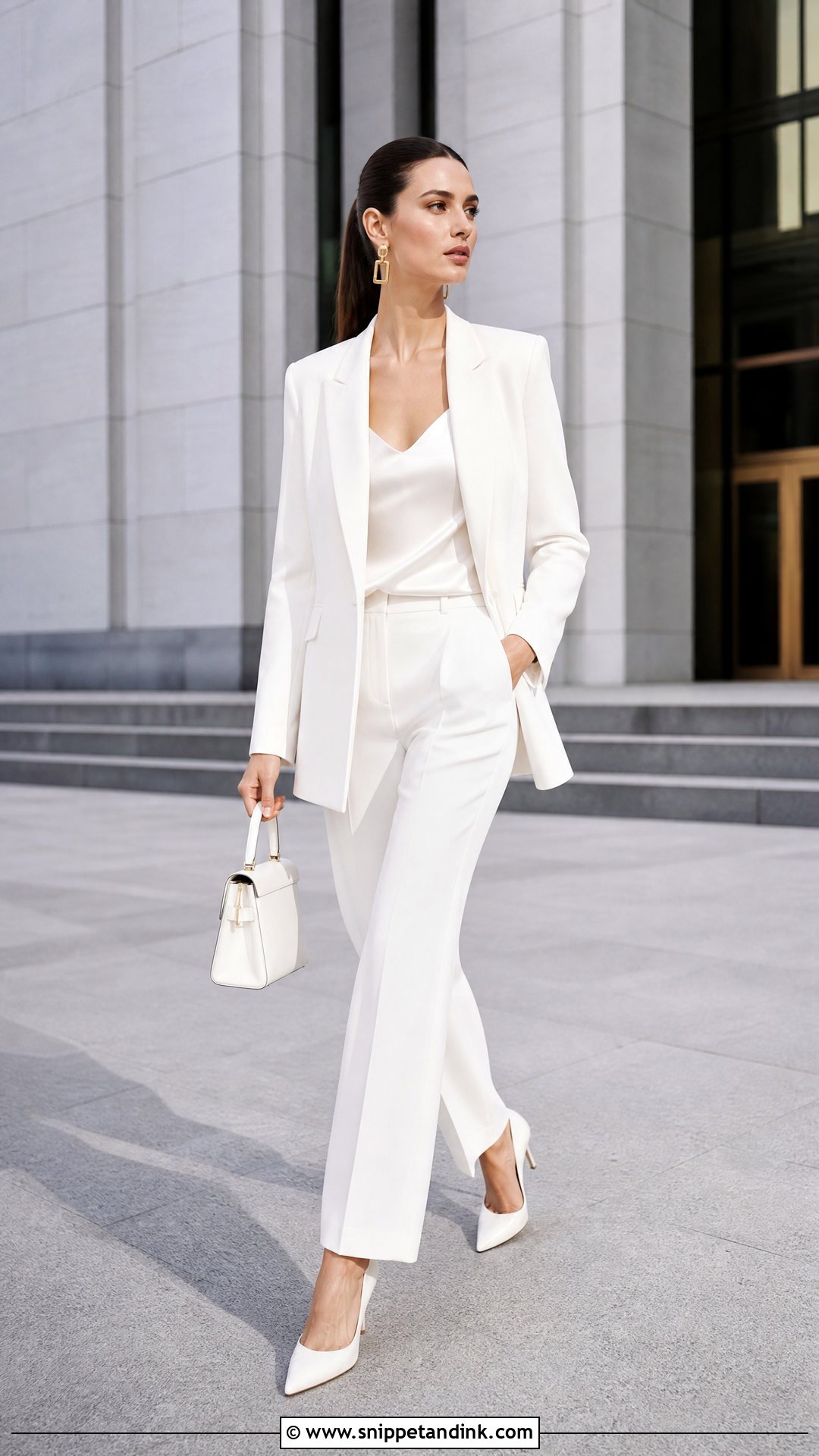
White stilettos sharpen a tailored white suit, but I’d only suggest them to a bride who already wears high, narrow heels with ease. Ankle-length trousers keep the shoe visible and stop the hem catching under the heel. A satin camisole or a corset-style top softens the tailoring. Finish with a small top-handle bag, geometric earrings and a sleek ponytail or bun. Look for a well-placed heel and a cushioned forefoot, and if the day involves a lot of walking, pack pointed flats in the same white.
11. Tulle Wedding Dress With Ballet Flats
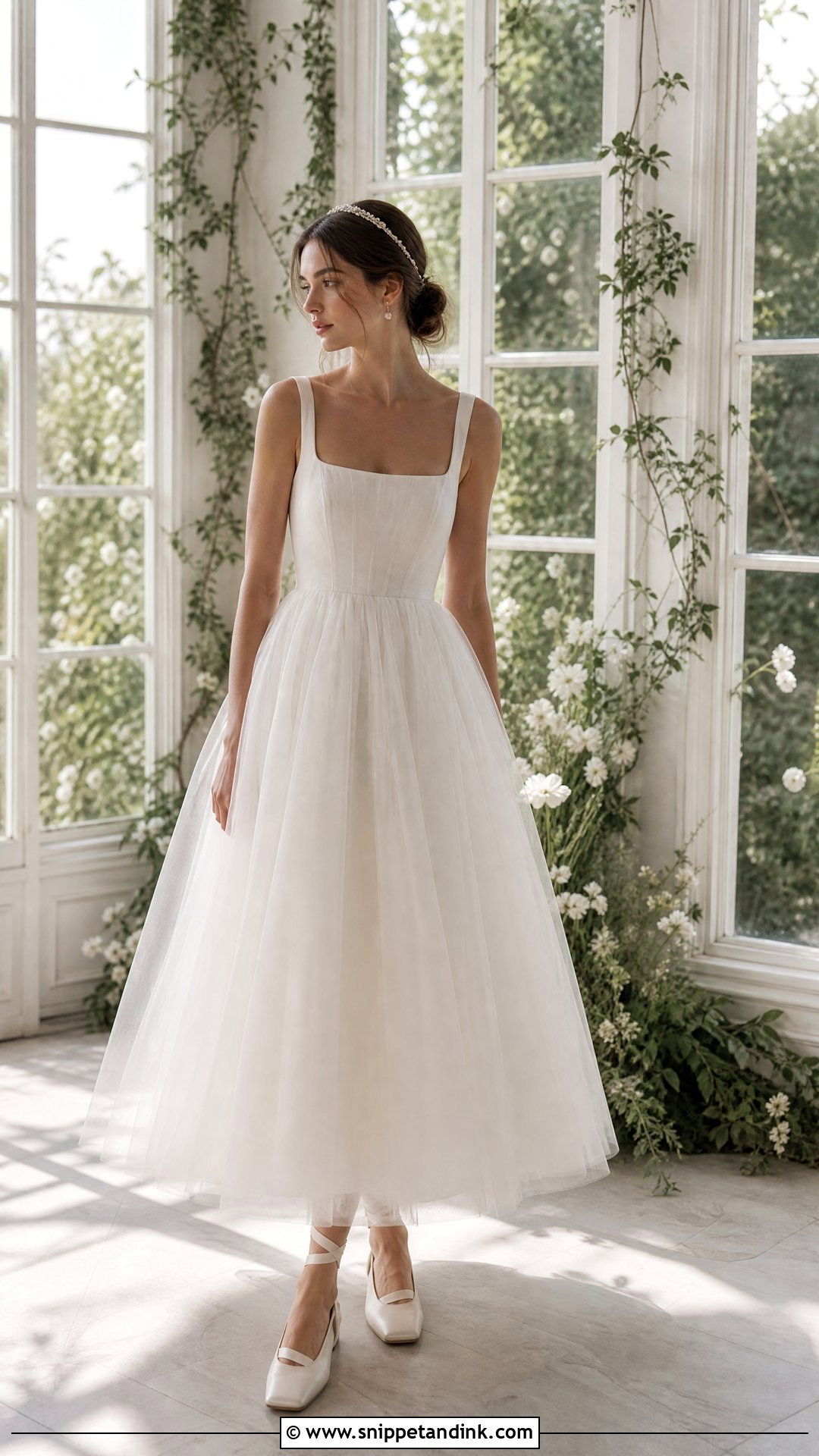
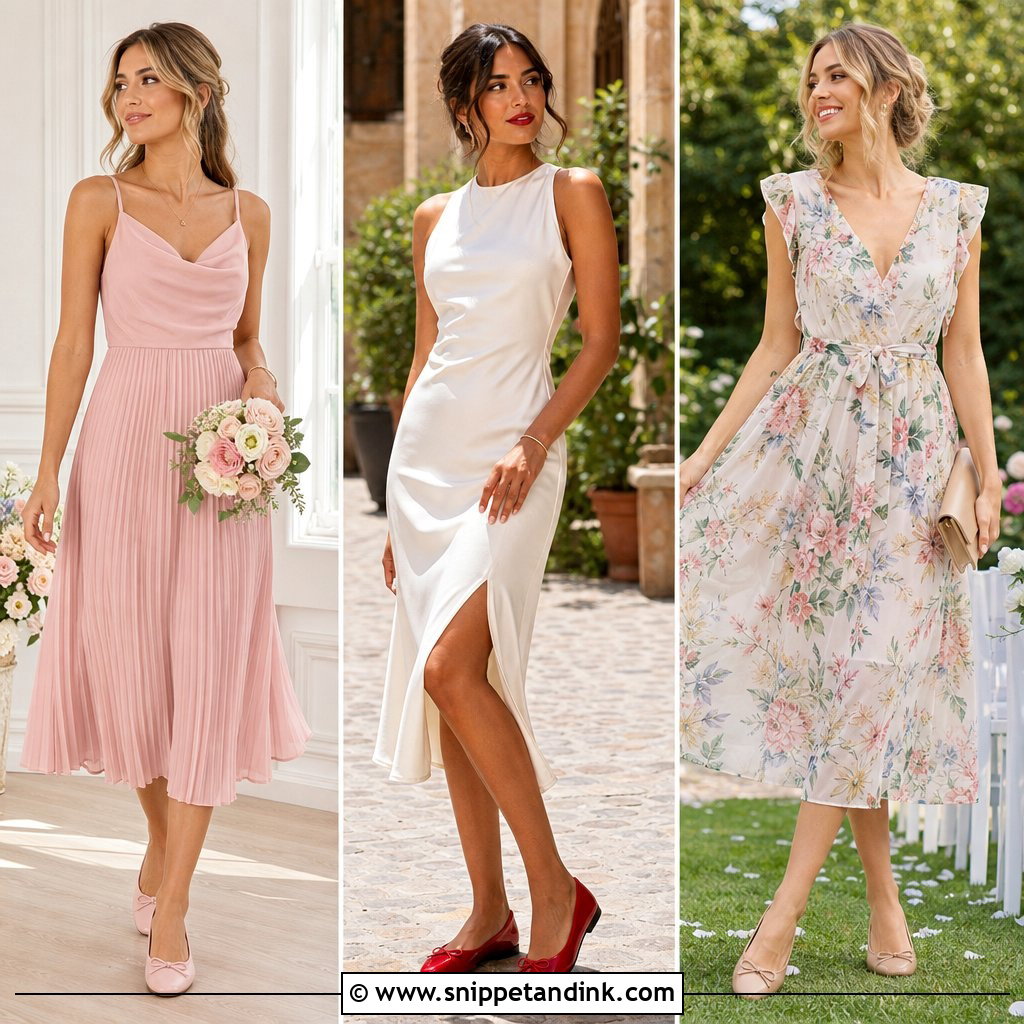
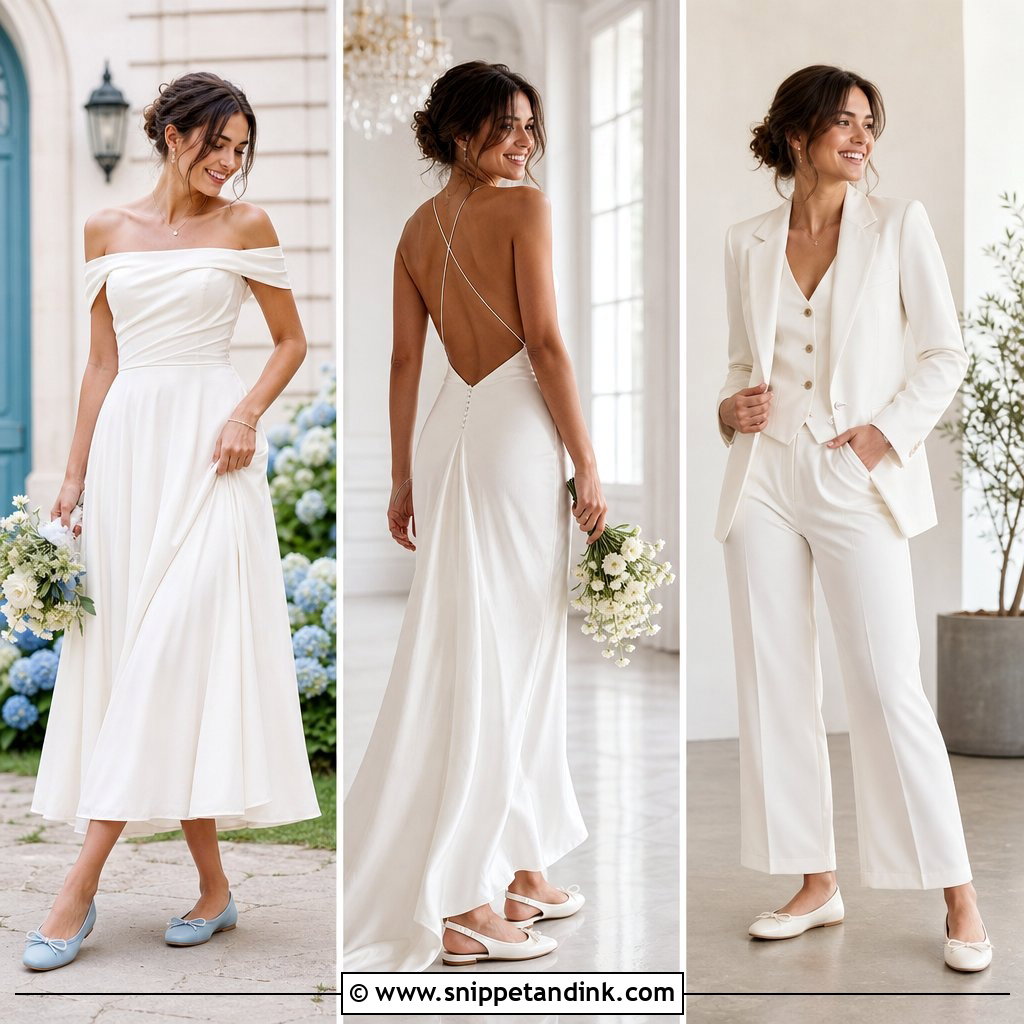
Soft ballet flats keep you grounded while a tulle skirt floats above them. Choose satin, mesh or leather with a real sole, not a thin slipper, which you’ll feel through every stone outside. Square or almond toes look current; ribbon ties look romantic. A delicate headband, small pearl earrings and a loose low bun suit the airy feel. Flats are a good call for taller brides, outdoor days and anyone who rarely wears heels. Check that the heel counter doesn’t rub, and remember they’ll change the gown’s finished length, so wear them to fittings from the start.
12. Vintage Wedding Dress With Mary Jane Flats
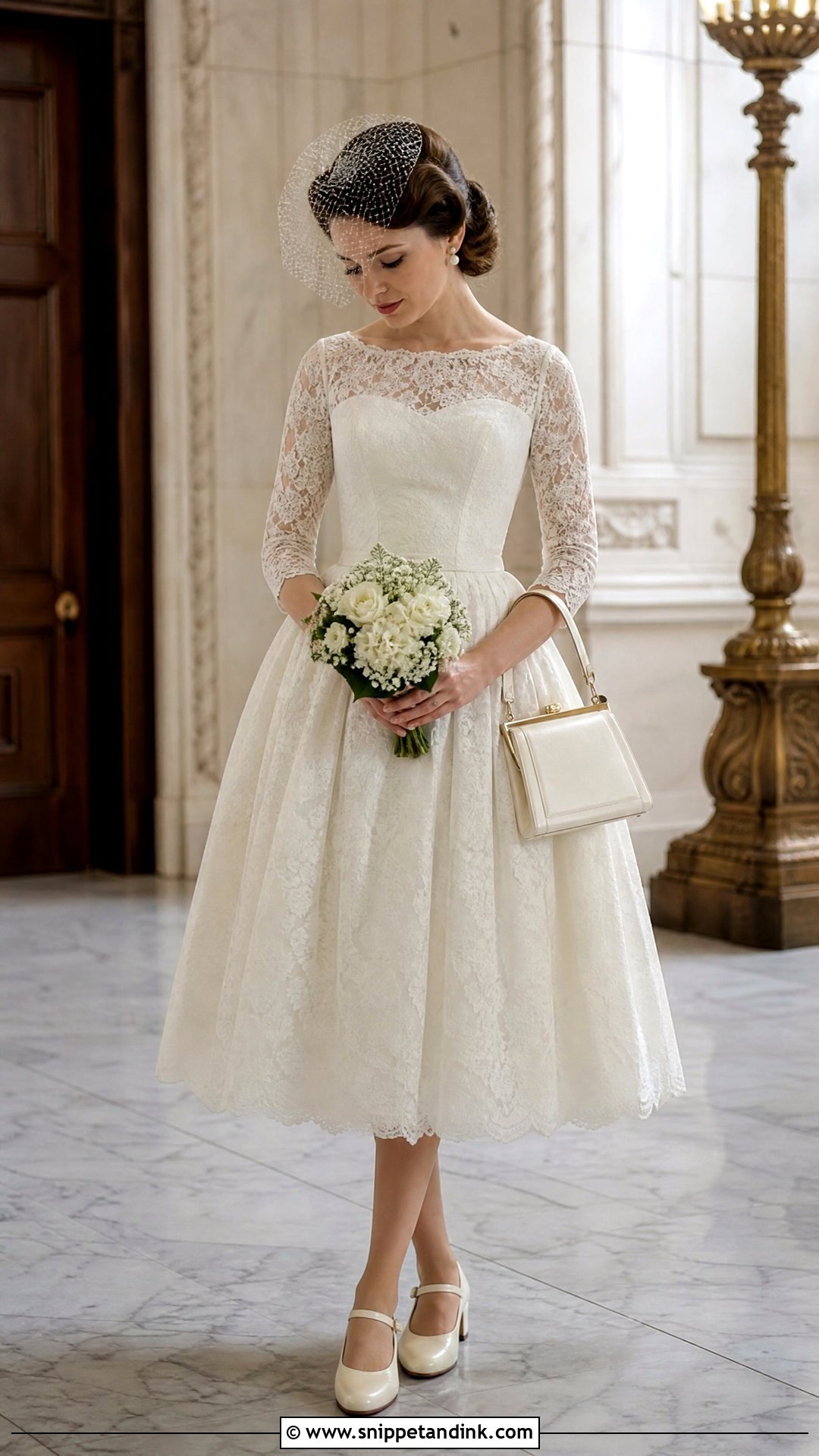
The instep strap is what makes Mary Janes more practical than plain ballet flats: your foot can’t slip out on the dance floor. They suit lace, tea-length and high-neck dresses, especially when the hem shows the ankle. Ivory satin looks traditional, patent looks polished and soft metallic leather looks modern. A birdcage veil, pearl studs and a small structured bag complete the vintage mood. A round toe leans retro; a square toe looks current. Fasten the strap one hole looser than feels right in the morning, since feet swell by evening.
13. Boho Wedding Dress With Embroidered Flats
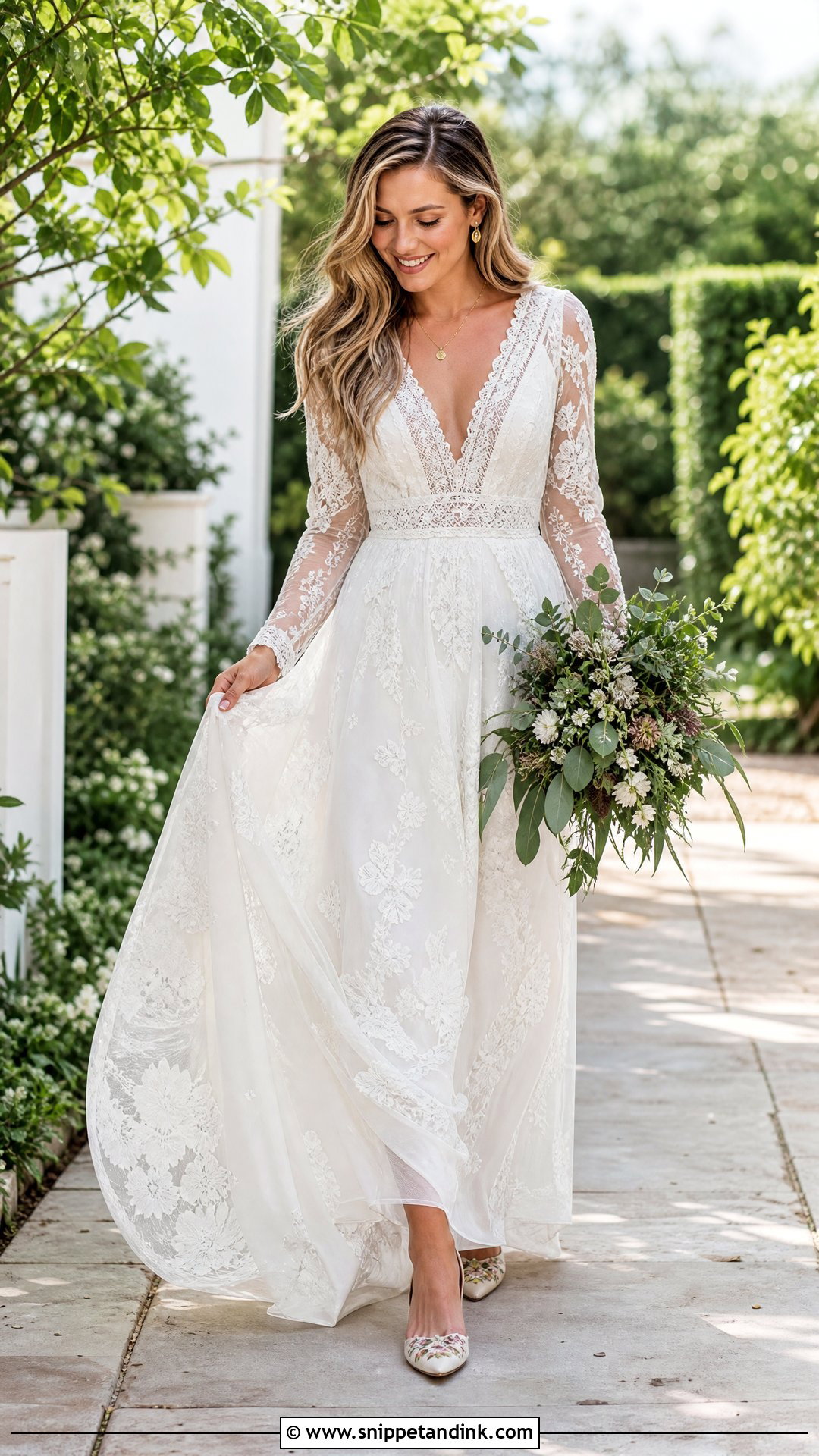
Embroidered flats bring a handmade feel to a boho dress. Look for florals, vines or beading that echo the lace without copying it. A pointed flat looks refined; a soft almond toe suits a relaxed outfit. Loose waves, delicate gold jewelry and a seasonal bouquet with lots of greenery complete it. These are made for woodland paths, gardens and informal rooms, but only if the soles grip. Mesh uppers soak through on wet ground, so if the forecast is unsettled I’d have a smooth leather pair as a backup. Keep the bag and jewelry quiet; the shoes are already busy.
14. Column Wedding Dress With Pointed Flats
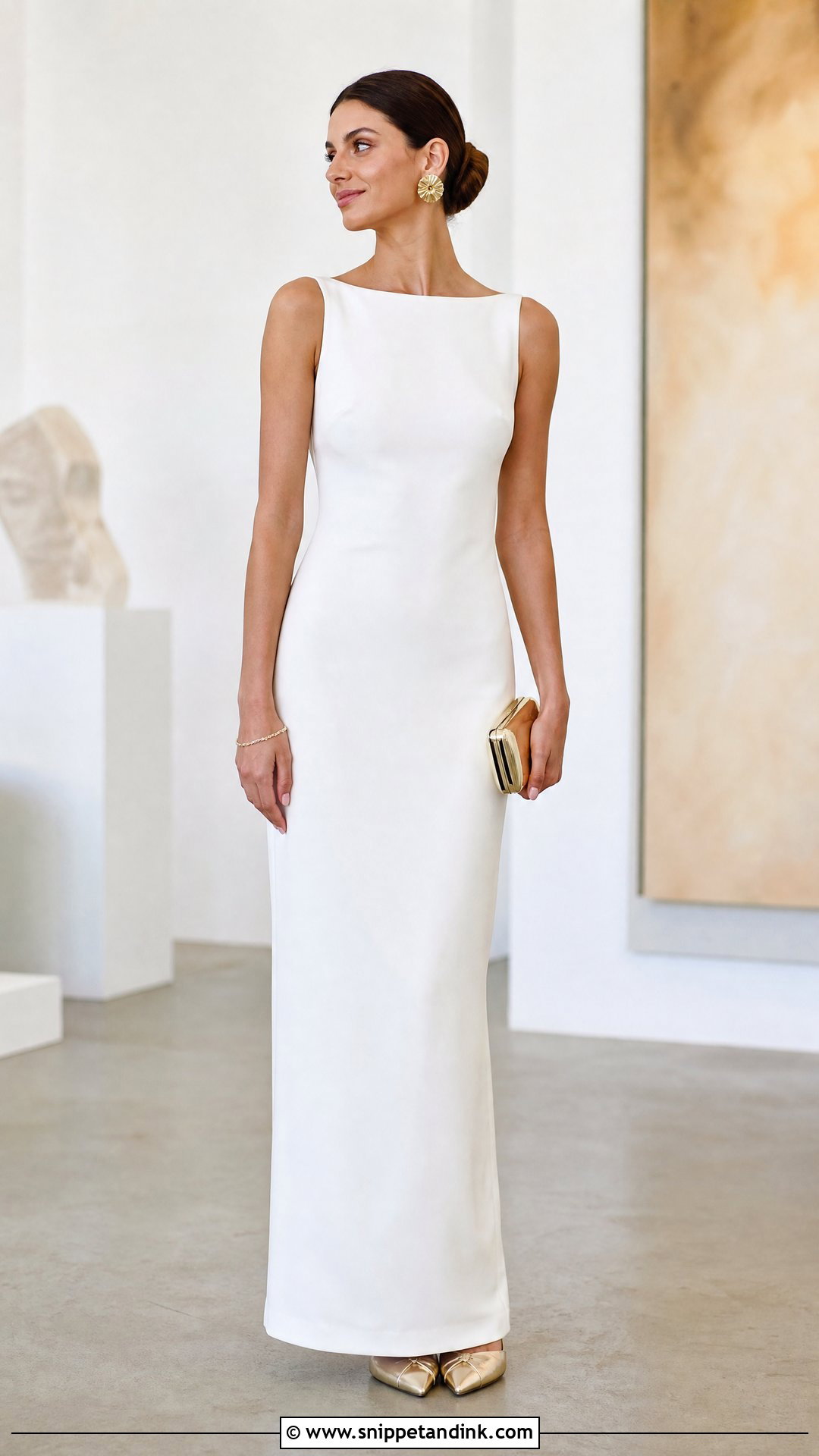
Pointed flats lengthen the line of a fitted column dress without adding height, which suits a courthouse, gallery or minimalist ceremony. Ivory leather, satin or a soft metallic all work with sculptural earrings and a sleek clutch. A long point looks elegant but can squash the toes or let the foot slide forward, so try half sizes and wide fits. Some flats hide a low wedge inside, which adds cushioning you’ll notice by the reception. Hem the dress just above the floor in these exact shoes.
15. Jumpsuit Wedding Outfit With Bridal Loafers
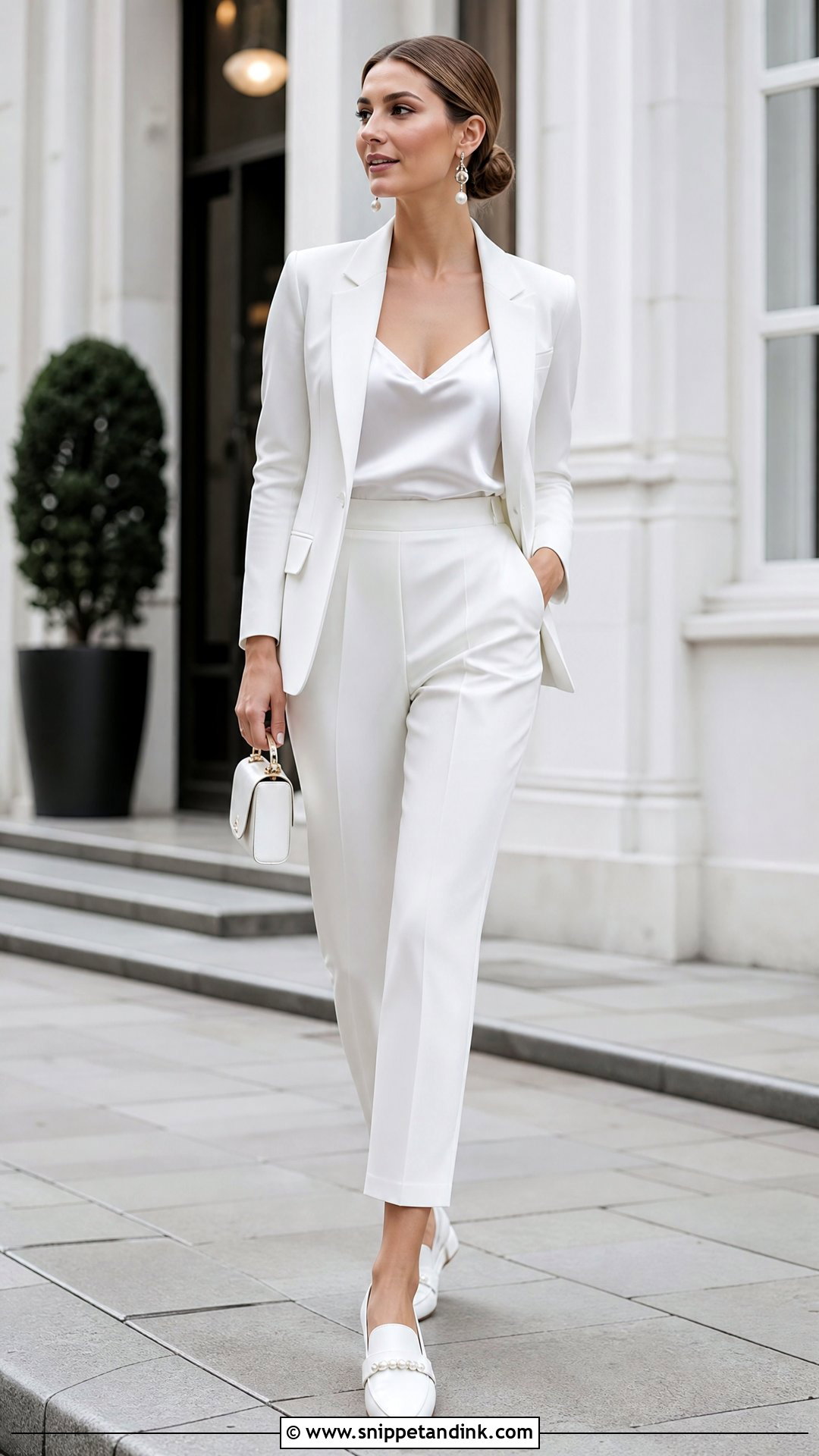
A white jumpsuit with polished loafers is a confident break from gown and heel. Pick sleek leather loafers with an almond toe, a low sole and refined hardware or pearl detail, not chunky workwear shapes. A tailored blazer, statement earrings and a structured mini bag complete it. Cropped or ankle-length legs keep the shoes visible and stop fabric bunching over the top of the foot. Loafers handle city walking and dancing well, but new leather is stiff, so break them in with thin no-show socks for a couple of weeks.
16. Reception Mini Dress With Bridal Sneakers
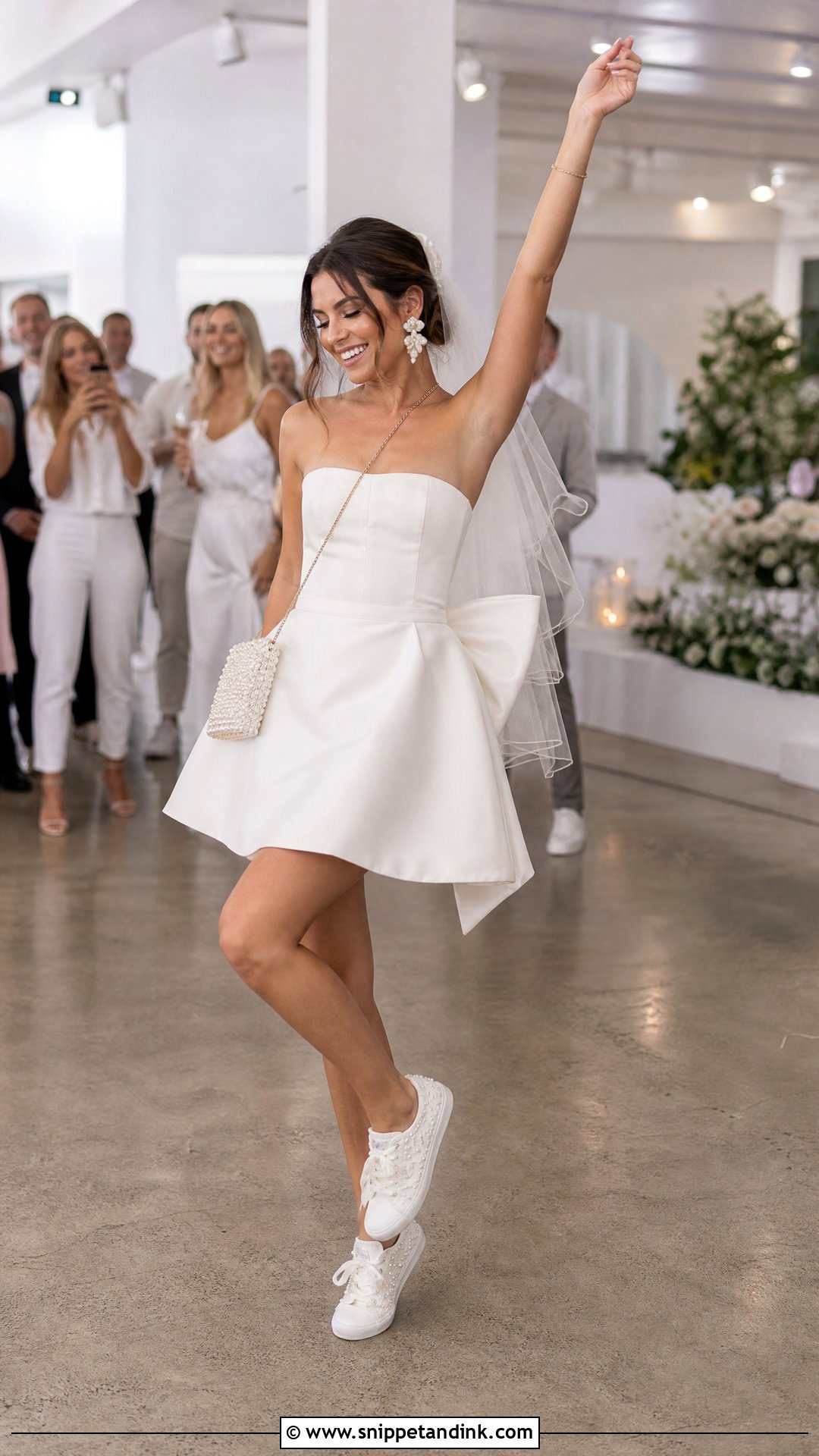
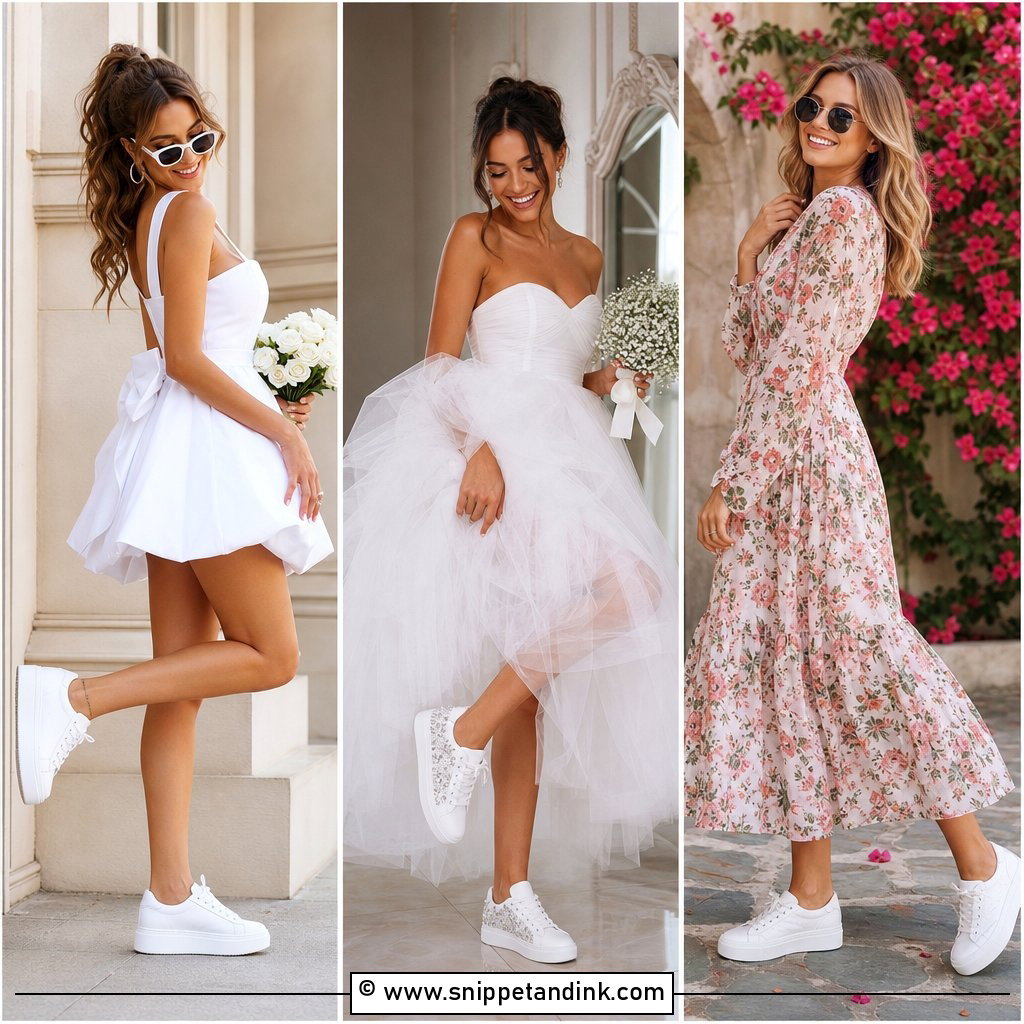
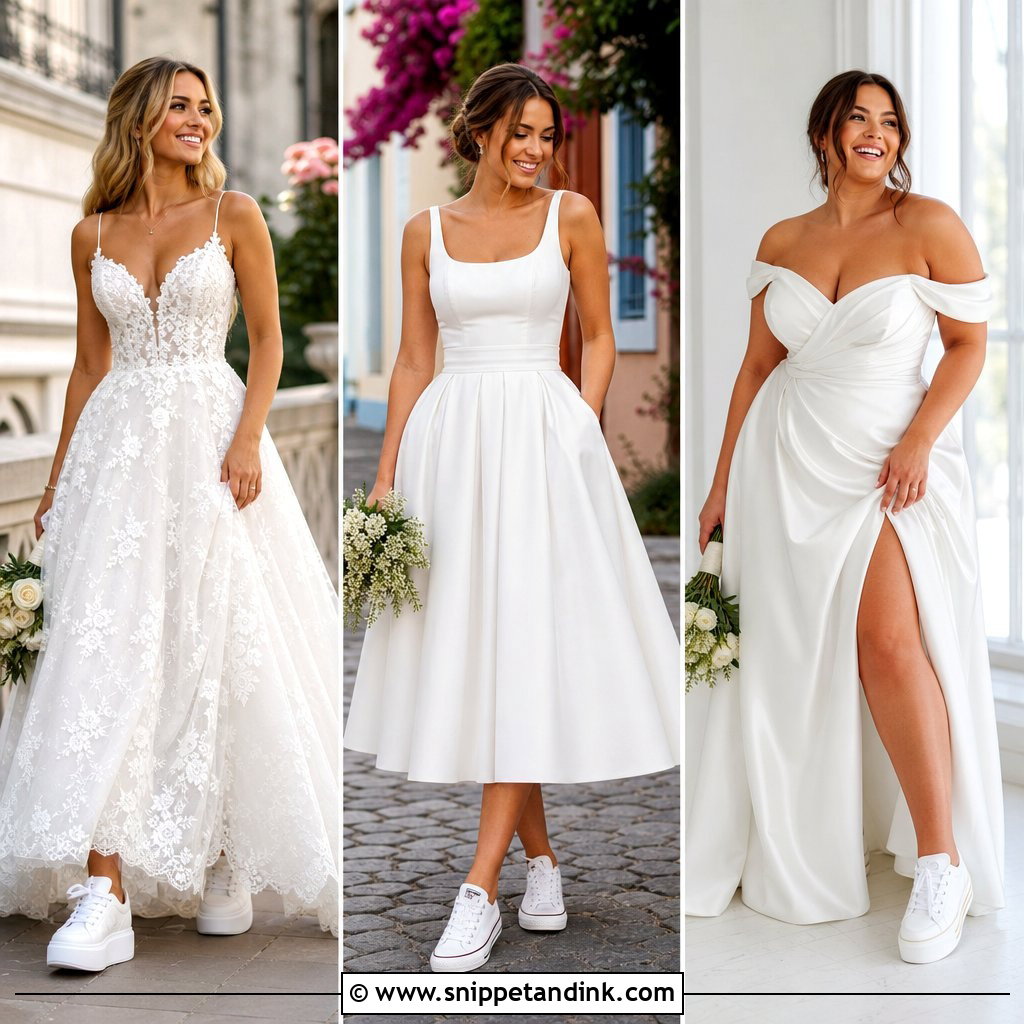
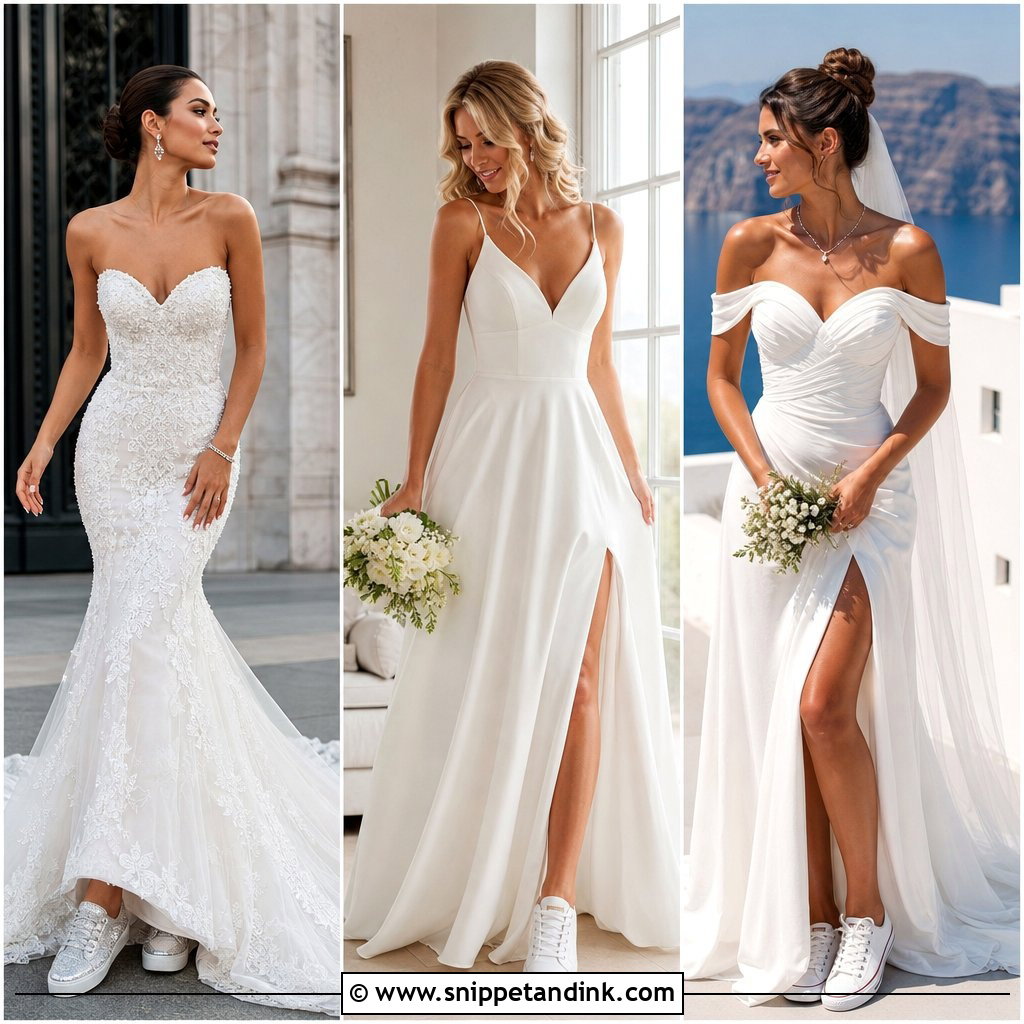
Switching into bridal sneakers with a reception mini is the change I suggest most often to brides who love to dance. White leather, satin or canvas, with pearl, crystal, lace or embroidered detail, keeps them bridal; a slim shape keeps them out of gym territory. Add statement earrings, a mini veil or bow and a small crossbody. Keep the soles unworn so they photograph crisp. A short dress has no hem to drag when you lose the heel height, which is half the appeal. Put blister patches on before the dancing starts, not after.
17. Wedding Gown With Platform Sneakers
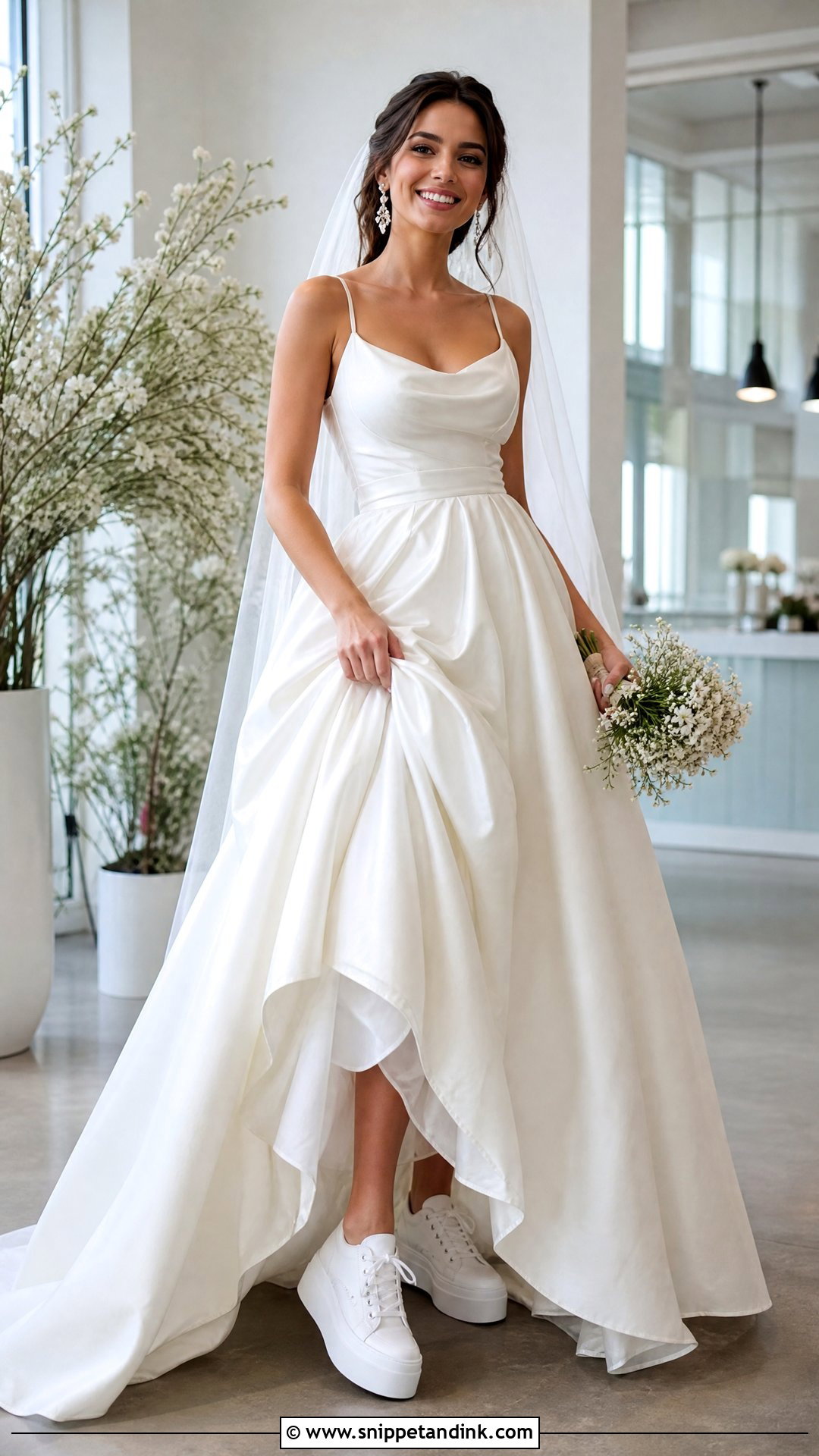
Platform sneakers give height and far more stability than most heels, and under a full-length gown nobody needs to know. Choose a clean white or ivory pair with a moderate platform, secure laces and some flex in the sole. Simple jewelry and a veil in keeping with the gown suit it. Wear them to the final fitting, since the platform sets the hem. Some platforms are heavy and rigid, so compare a few before buying, and skip the tallest ones if your venue has steep stairs.
18. Beach Wedding Dress With Flat Sandals
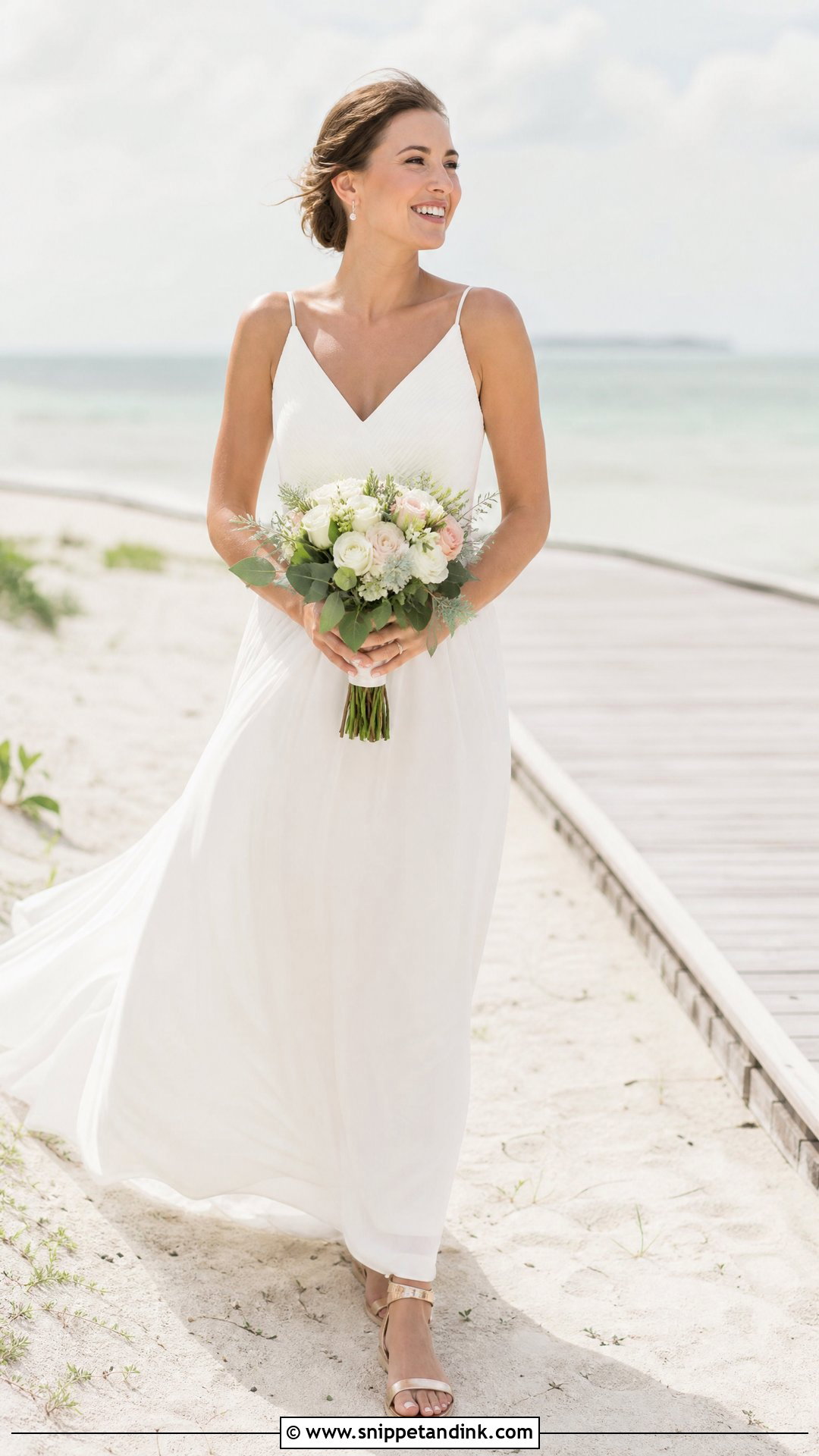
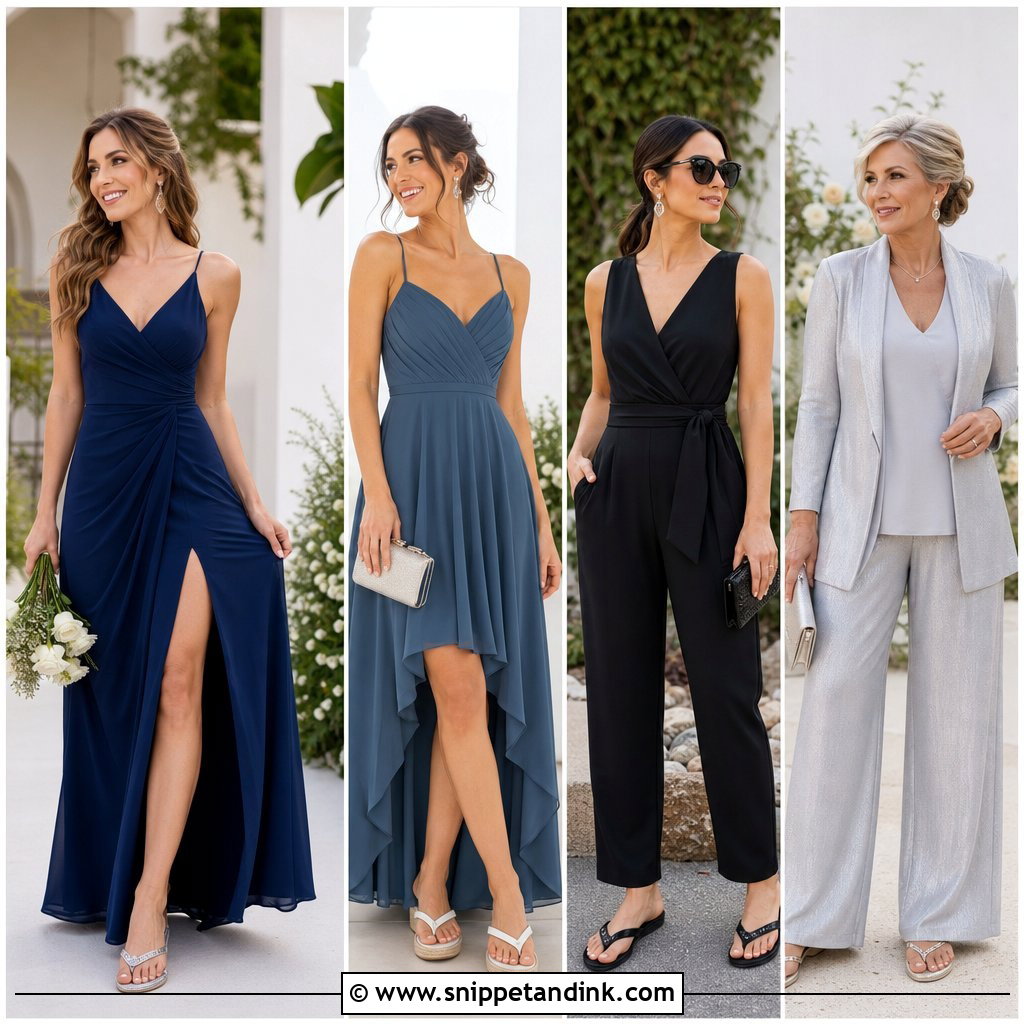
Narrow heels sink into sand within a step, so flat sandals are the honest choice for a beach ceremony. Pair them with chiffon, crepe or light lace that moves in the breeze. Secure ankle straps matter, and so does a sole with enough texture for wet boardwalks. Metallic leather, pearls or small crystals make them feel bridal. Small earrings, natural makeup and a soft gathered style complete the outfit. Avoid flip-flop shapes, which slide and slap with each step. A slightly raised sole also protects your feet from sand that’s been in the sun all afternoon.
19. Garden Wedding Dress With Espadrille Wedges
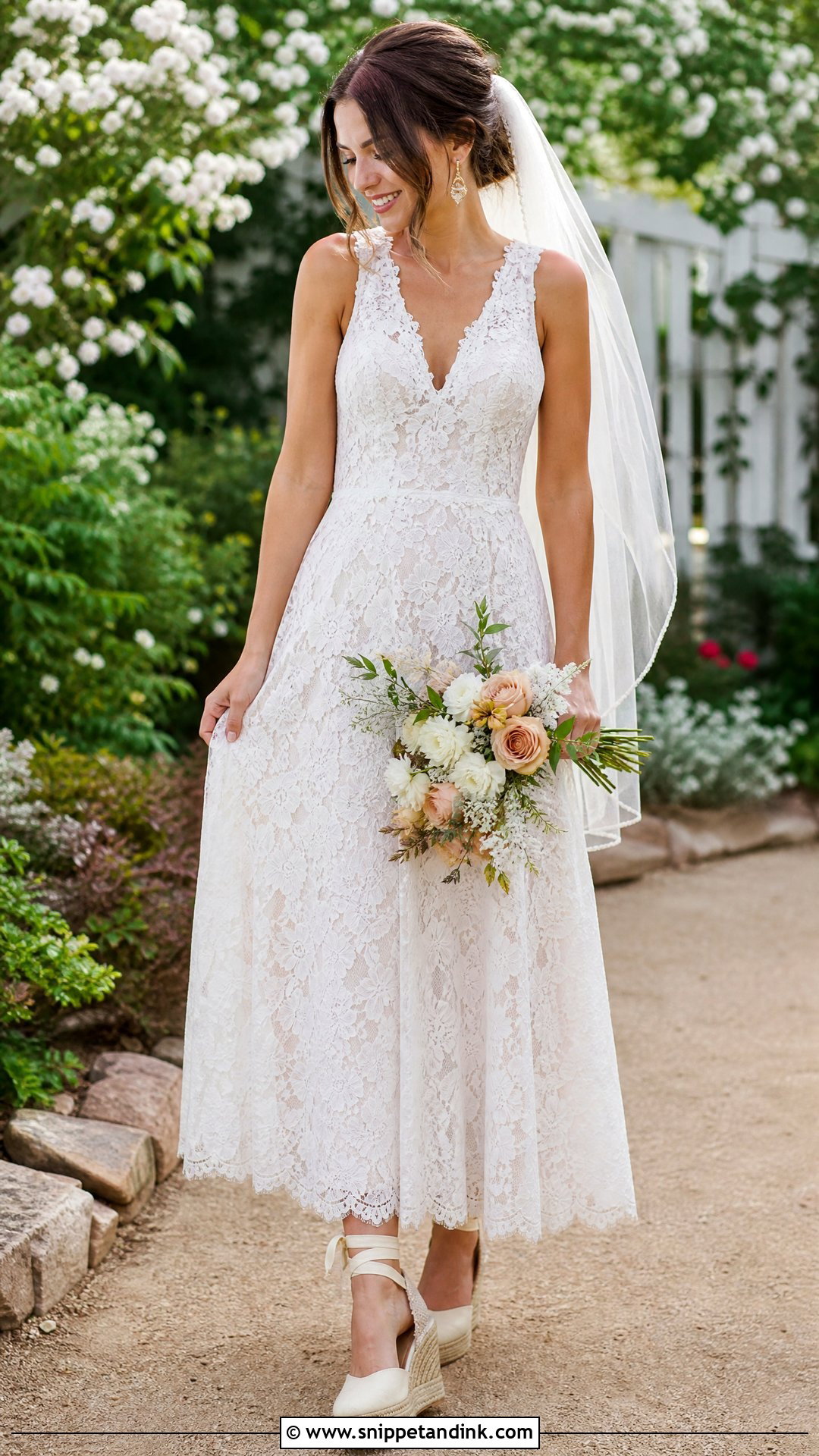
A woven wedge gives height on a broad base, which suits uneven garden lawns. Espadrille wedges in ivory or natural weave go well with floral lace, chiffon or a simple A-line. Soft gold jewelry, a fingertip veil and a bouquet of seasonal flowers suit the setting. Tie the ankle wrap firmly but not tight. Keep the wedge moderate on bumpy ground. Jute soles soak up water and can darken or warp, so check the forecast, avoid wet morning grass for portraits and keep a backup pair close by.
20. Outdoor Wedding Dress With Low Wedges
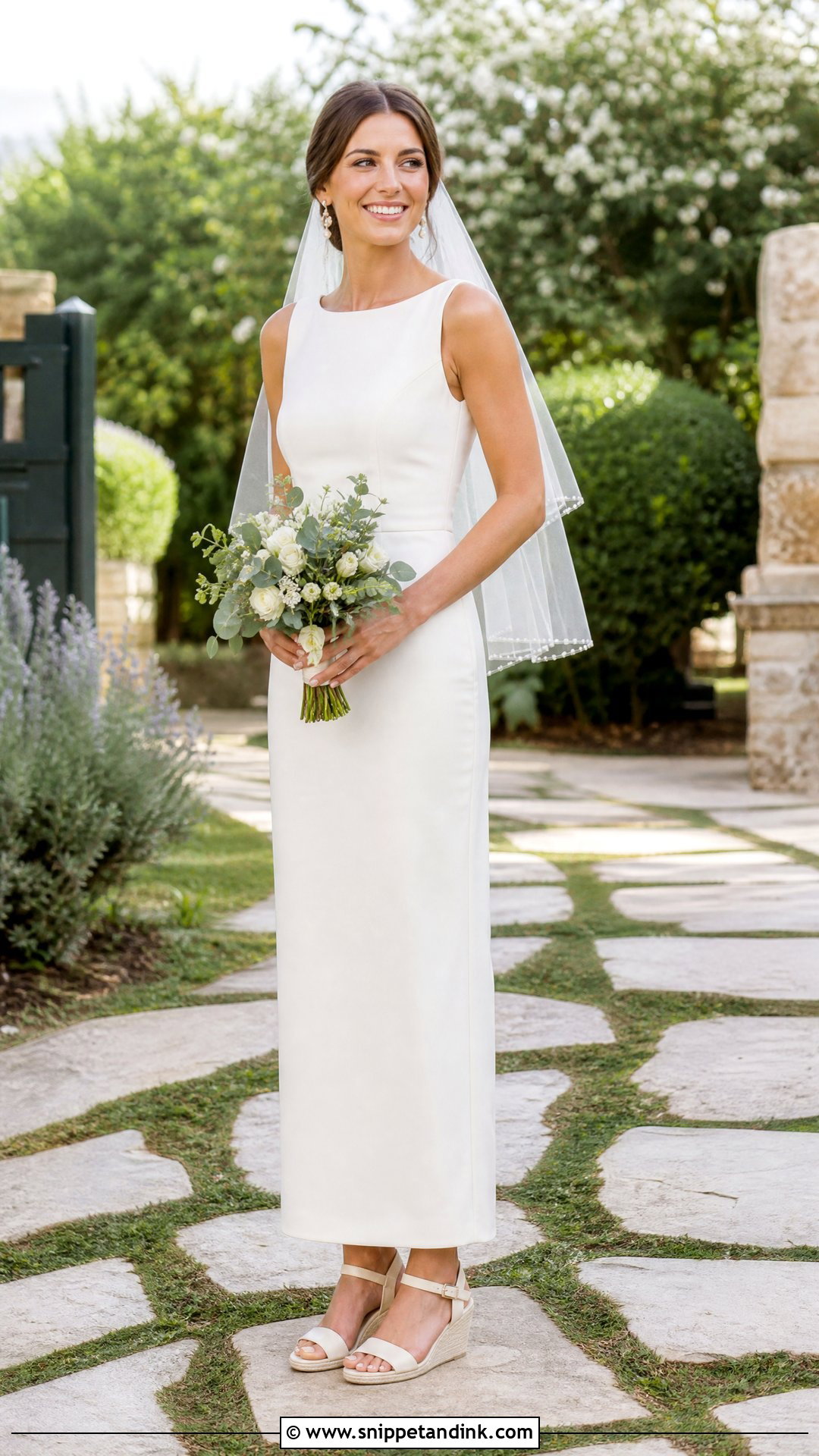
Low wedges are what I suggest to brides who want a little height but wobble in block heels or stilettos. They handle grass, gravel and stone paths with steady balance. Pair them with an A-line or sheath, delicate earrings and a light veil. Leather or satin uppers keep them formal; a roomy toe keeps them comfortable. Turn the shoe over before buying: a textured, flexible outsole grips far better than a smooth one. Practice on a slope and a few steps in the gown, because skirts hide the ground right in front of you.
21. Western Wedding Dress With Cowboy Boots
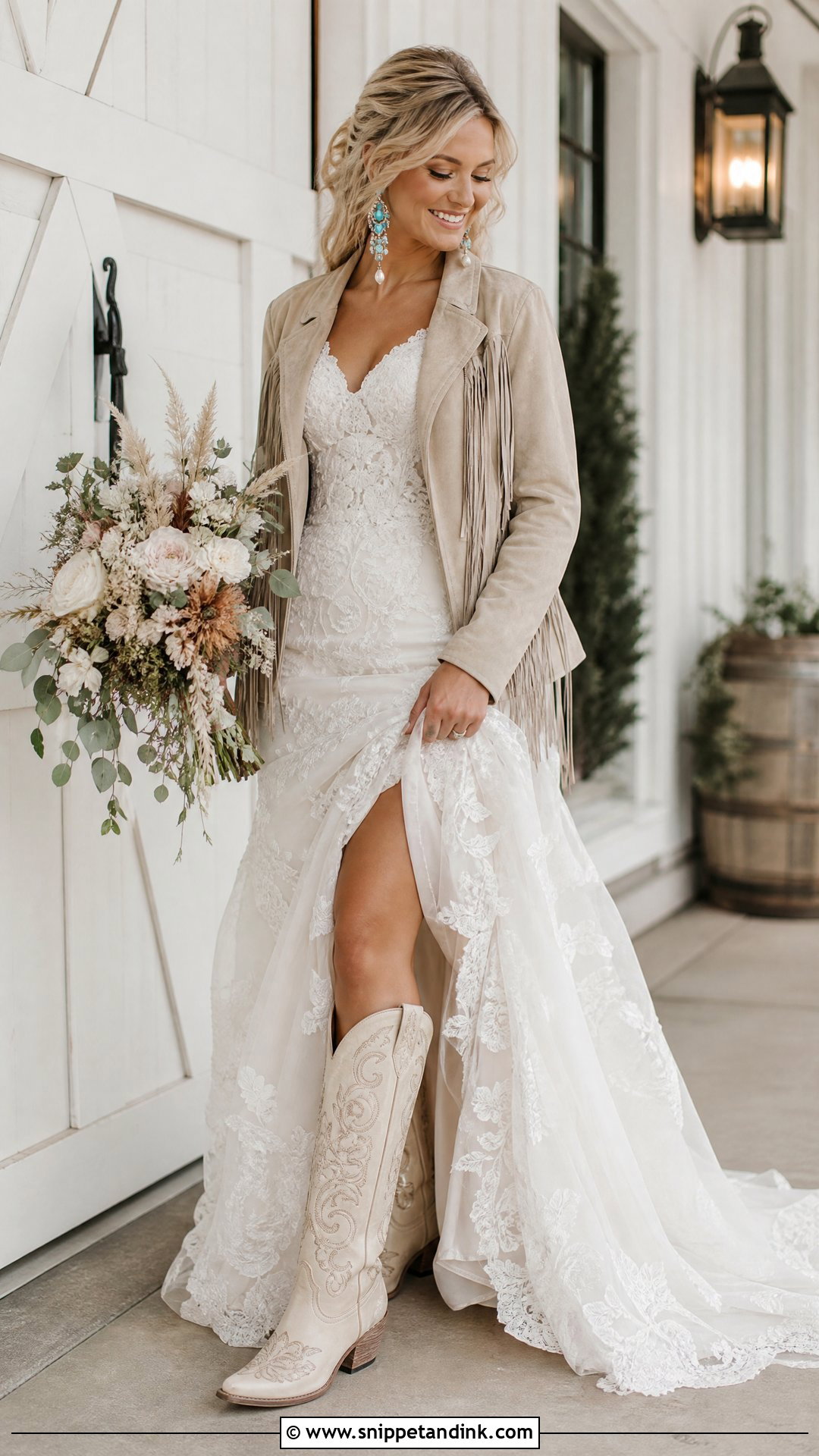
Cowboy boots anchor a Western wedding outfit and look best with lace, a short dress or a high-low hem that lets them show. White, ivory, tan or soft metallic with refined stitching reads bridal; very rugged boots read ranch work. Turquoise or pearl earrings, a textured bouquet and a denim or suede jacket for cool evenings round it out. Check the shaft around your calf, because a tight one catches the dress lining. Break them in for weeks with tall breathable socks. A low stacked heel copes with grass, packed earth and the dance floor.
22. Winter Wedding Dress With Ankle Boots
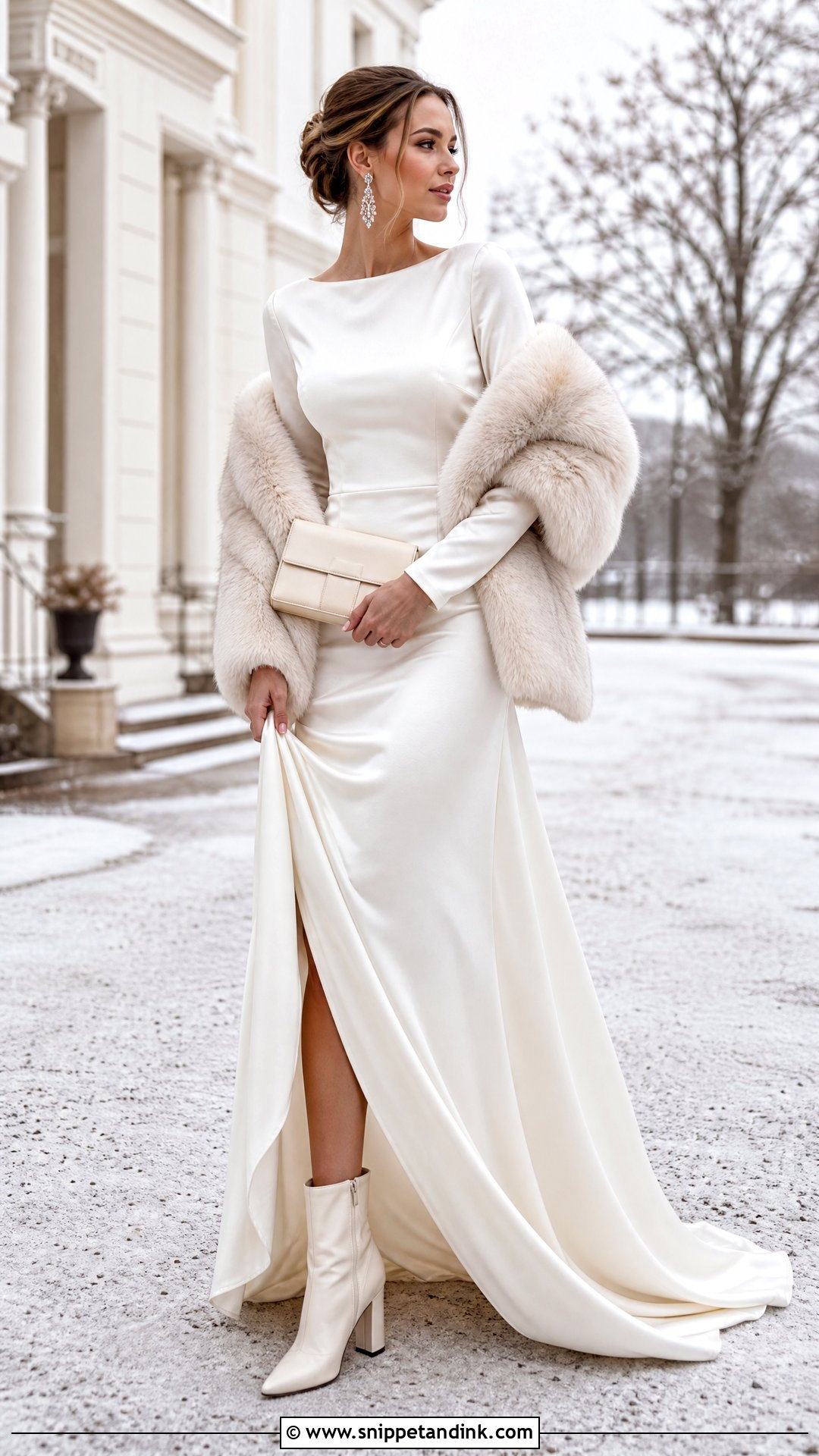
Ankle boots add warmth and structure under a winter dress without losing polish. Pointed ivory or cream boots suit a long-sleeve satin gown, fitted crepe or a lace A-line. A slim block heel is steady on frosty steps, and a side zip gives a cleaner line than laces. Crystal earrings, a faux-fur wrap and a structured clutch finish it. Sit and walk in them to check the opening doesn’t rub. If you waterproof suede or leather, test the spray on a hidden spot first since some products darken pale finishes. Choose soles with real grip; wet stone is slippery in any shoe.
23. Bridal Mini Dress With Knee-High Boots
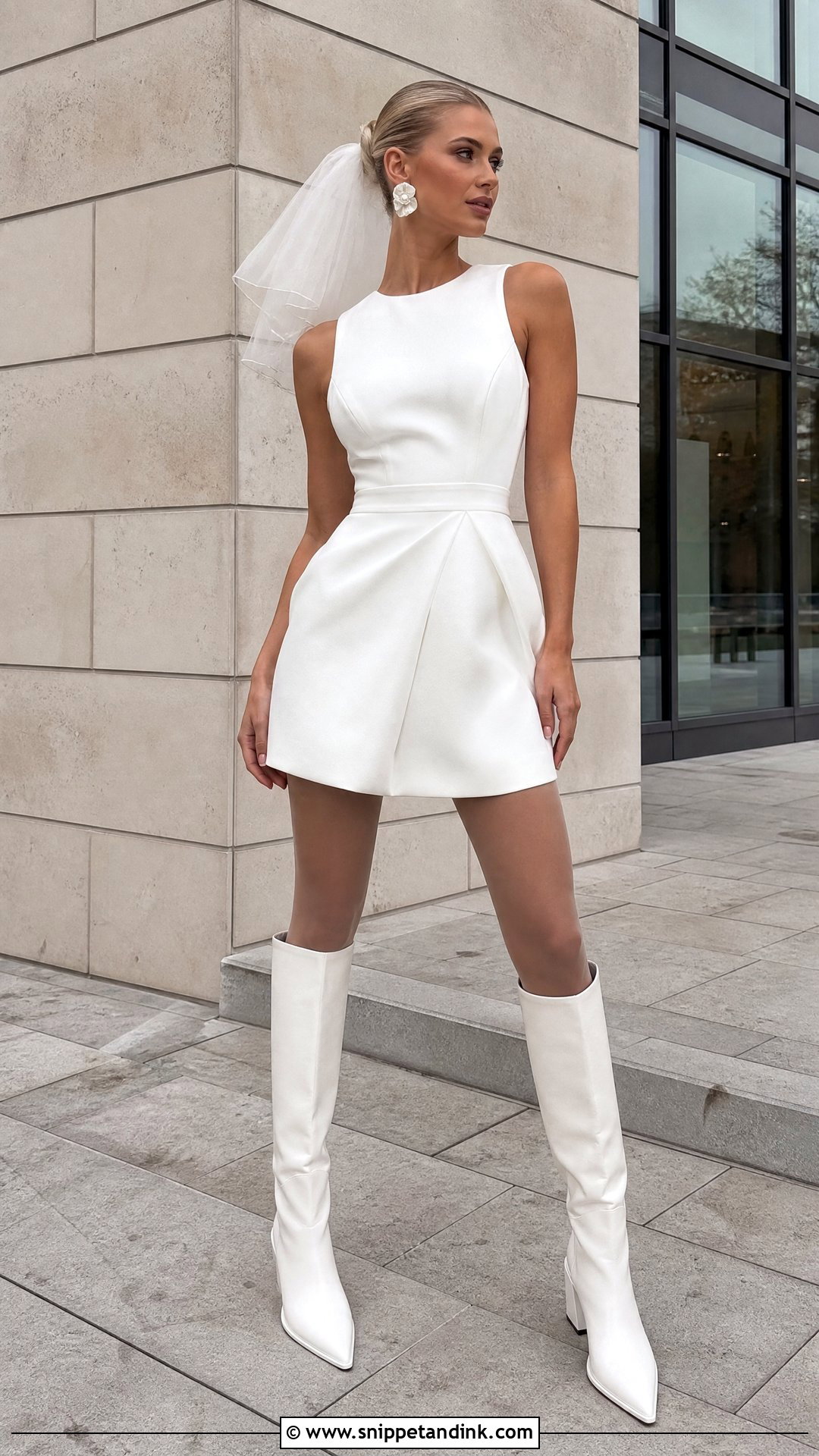
Knee-high boots and a bridal mini make a bold pairing for a city ceremony or a party-style reception. Sleek white leather with a pointed toe and a manageable block or kitten heel keeps it sharp. A fitted mini suits slim boots, a looser shift can take a slightly wider shaft. Sheer tights in cool weather, sculptural earrings and a short veil complete it. The gap between hem and boot top decides the proportions, so check it seated as well as standing; minis ride up when you sit. Keep the embellishment low, since the outfit already says a lot.
24. Lace Wedding Dress With Victorian Boots
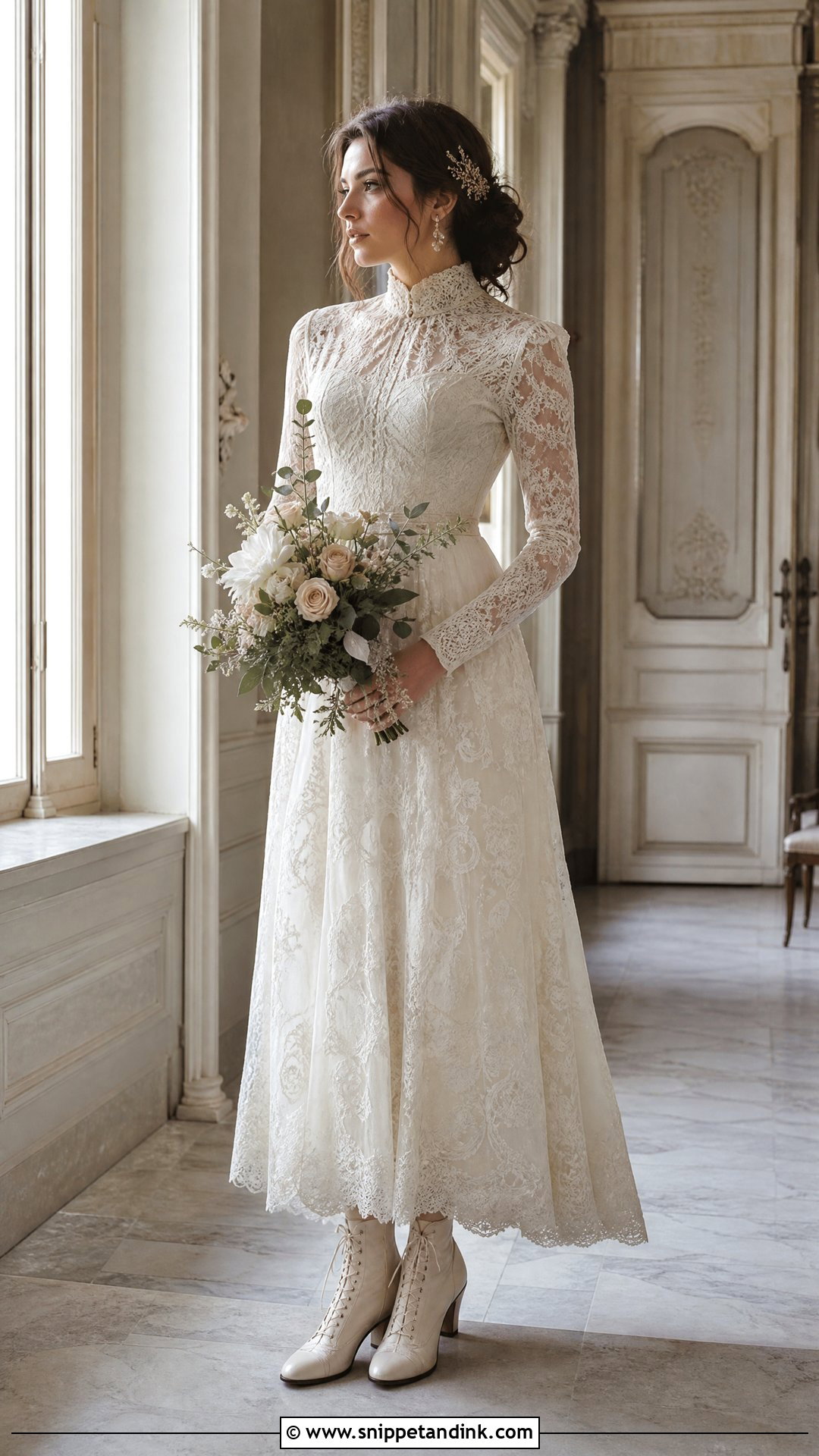
Lace-up Victorian boots suit romantic gowns with high necks, long sleeves or dense lace. Choose ivory with a pointed or almond toe, fine eyelets and a stable heel, and avoid chunky soles that look borrowed from another outfit. Pearl drops, a vintage-style comb and a soft bouquet complete it. Laces have one real advantage: you can loosen them as your feet swell. Tie them evenly before the ceremony and double-knot them, because nobody wants to kneel down in a gown to fix a lace. Wear smooth socks that stay below the shaft. They suit cool-weather dates and historic venues.
25. Two-Piece Wedding Outfit With Bridal Mules
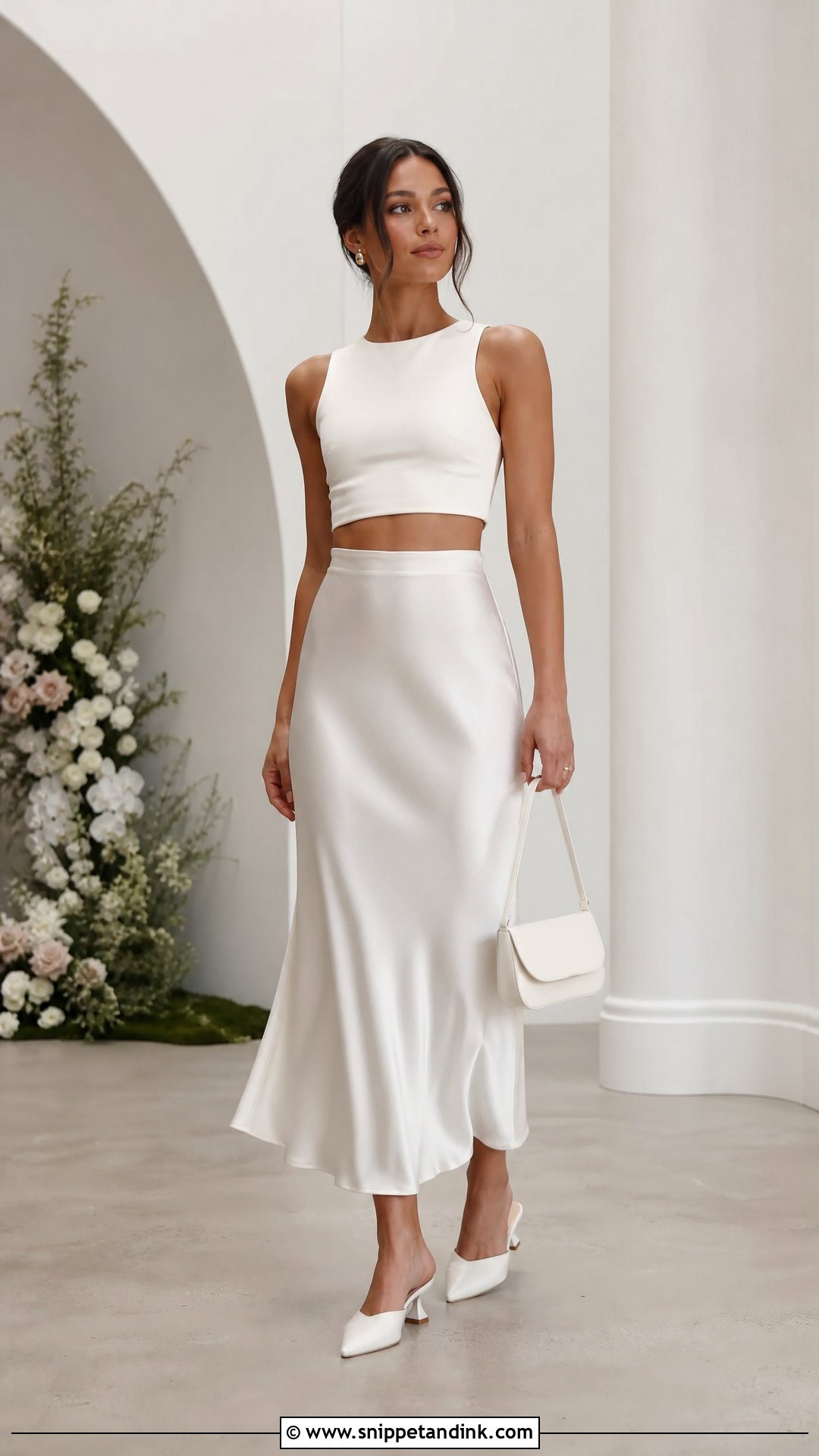
Mules finish a two-piece outfit cleanly, whether it’s a satin skirt, tailored trousers or a midi with a fitted top. Closed toes look polished; open toes suit warm days. A low sculptural heel adds interest without making them hard to walk in. Minimal earrings and a compact shoulder bag complete it. With no back strap, everything depends on the fit across the top of the foot, so if they slip with each step in the shop, they’ll slip more after hours of standing. Test them on the venue’s actual floor if you can; polished stone and mules are a risky pair. I’d keep them to indoor weddings with short walks.
Grass, Gravel, Sand or Marble? Read the Ground First
The ground you’ll stand on matters more than the dress when I’m narrowing down shoes. Walk the venue in your head, or better, in person, from the getting-ready room to the aisle, the photo spots and the dance floor. Most brides cross three or four different surfaces in one day.
- Lawn: block heels, wedges or flats. Clear heel protector caps slip over thinner heels and stop them sinking.
- Gravel: closed toes and a low, wide heel; stones scuff satin quickly and get into open sandals.
- Cobblestone and wooden decking: avoid narrow heels, which catch in the gaps between stones and boards.
- Polished marble or tile: grip matters more than height, so scuff or pad the soles.
- Sand: flat sandals or bare feet for the ceremony itself.
If you’re changing shoes halfway through
Decide when you’ll switch, usually after portraits or before the first dance, and give the second pair to one person to hold. Keep heel heights within about an inch of each other, or bustle the gown so a lower shoe doesn’t leave the hem dragging. Satin shoes mark easily from grass and rain, so a fabric protector spray tested on the inside of the heel first can save them, and a pair of plain flats in the car saves everyone.
Your Shoes Have to Last Until the Last Song
Good wedding shoes go unnoticed by you all day, and that’s the standard to aim for. Pumps, flats, boots, sneakers and venue-friendly sandals can all meet it if they fit the ground, the season and the dress length. Start with where you’ll be standing and how far you’ll walk, then choose a heel you already know you can handle rather than one you hope you’ll manage. Wear them to fittings, break them in slowly and pack a backup pair. Comfortable feet change everything about how you stand and move in photos.
You'll Like These Ideas:


Leave a Reply