
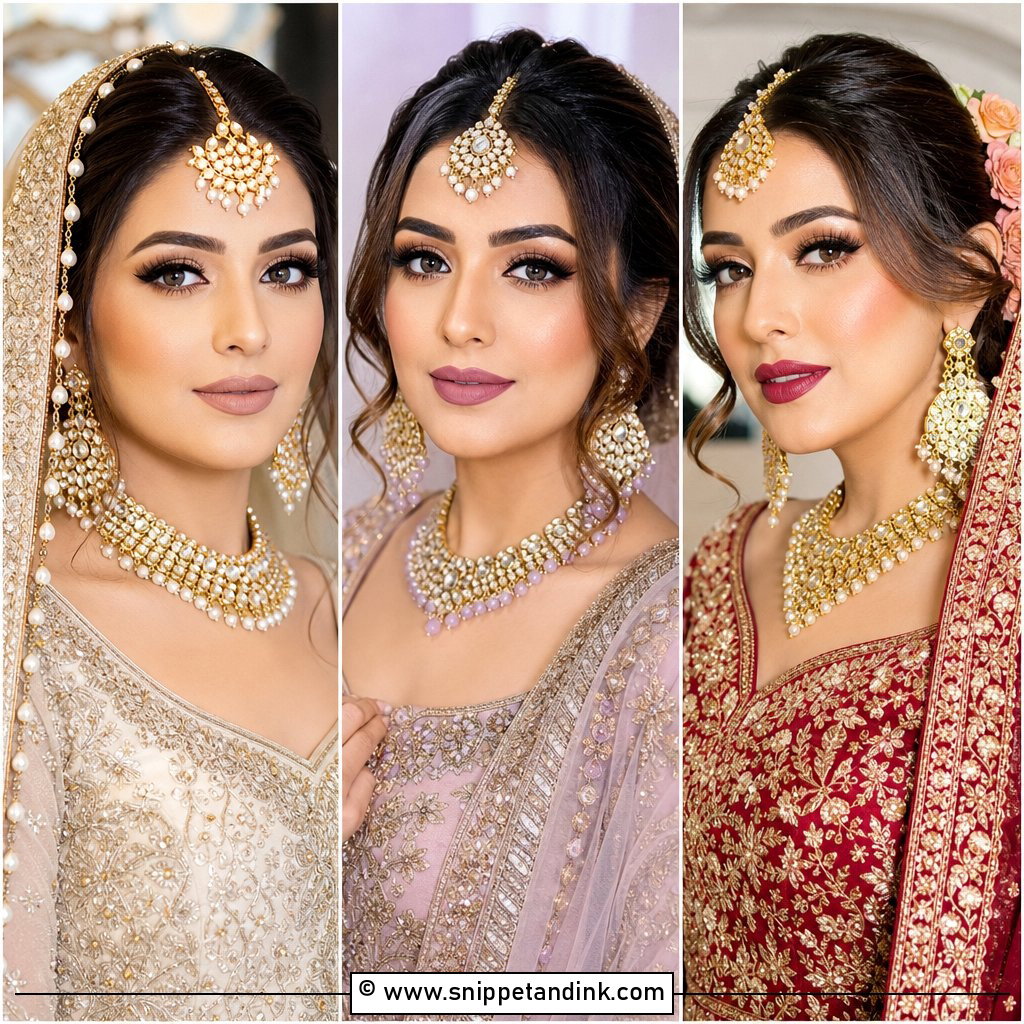
Most brides marrying in a church tell me the same thing at our first chat: they want to look like themselves, a little more polished, and nothing that would raise an eyebrow from the front pew. That’s a good brief. What I’m asked for most right now is radiant skin, soft glam eyes, defined but believable lashes, natural brows, a warm flush on the cheeks and a lip that survives vows, portraits and dinner. Below are twenty complete faces, from barely-there to bronzed glam, with the adjustments I make for different skin, eyes and gowns.
Weeks Out: Skin Prep That Shows Up in Close-Ups
Makeup sits on skin, and the condition of that skin decides how smooth your foundation looks at the altar. The work starts well before the wedding morning, and the rule I give everyone is simple: nothing new in the final weeks.
- No new retinoids, acids or peels in the last month. A reaction can take days to settle and flaking shows through foundation.
- Facials about a week or two before, not the day before, since extractions can leave marks.
- Brow shaping a few days out so any redness fades.
- A consistent moisturiser and SPF every day leading up to it.
- Plenty of water and sleep in the final week, which shows around the eyes more than anywhere.
If a breakout appears the week of the wedding, don’t pick it. I can cover a flat spot, but a scab or broken skin is far harder to hide.
1. Christian Bridal Soft Glam Makeup
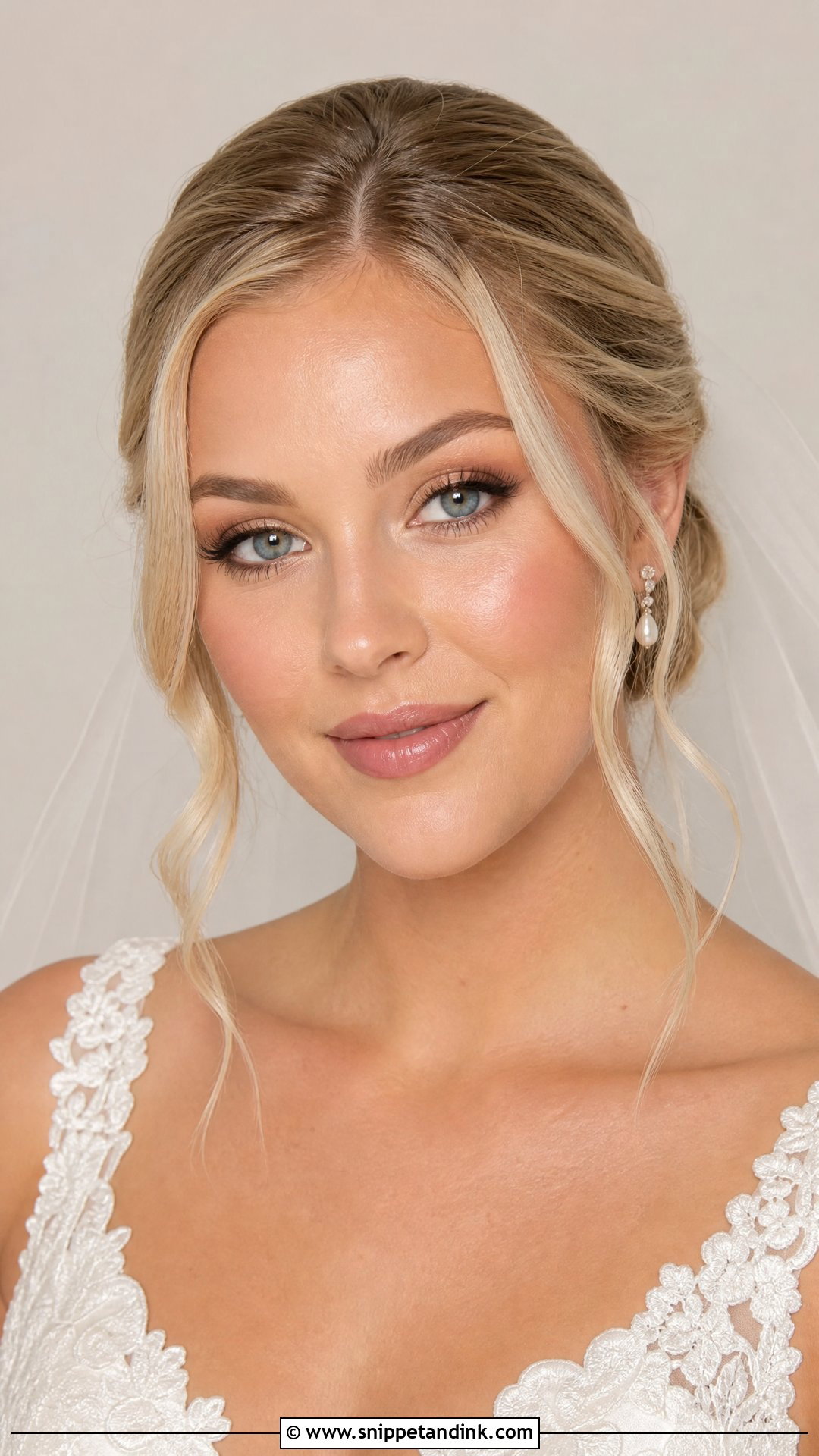
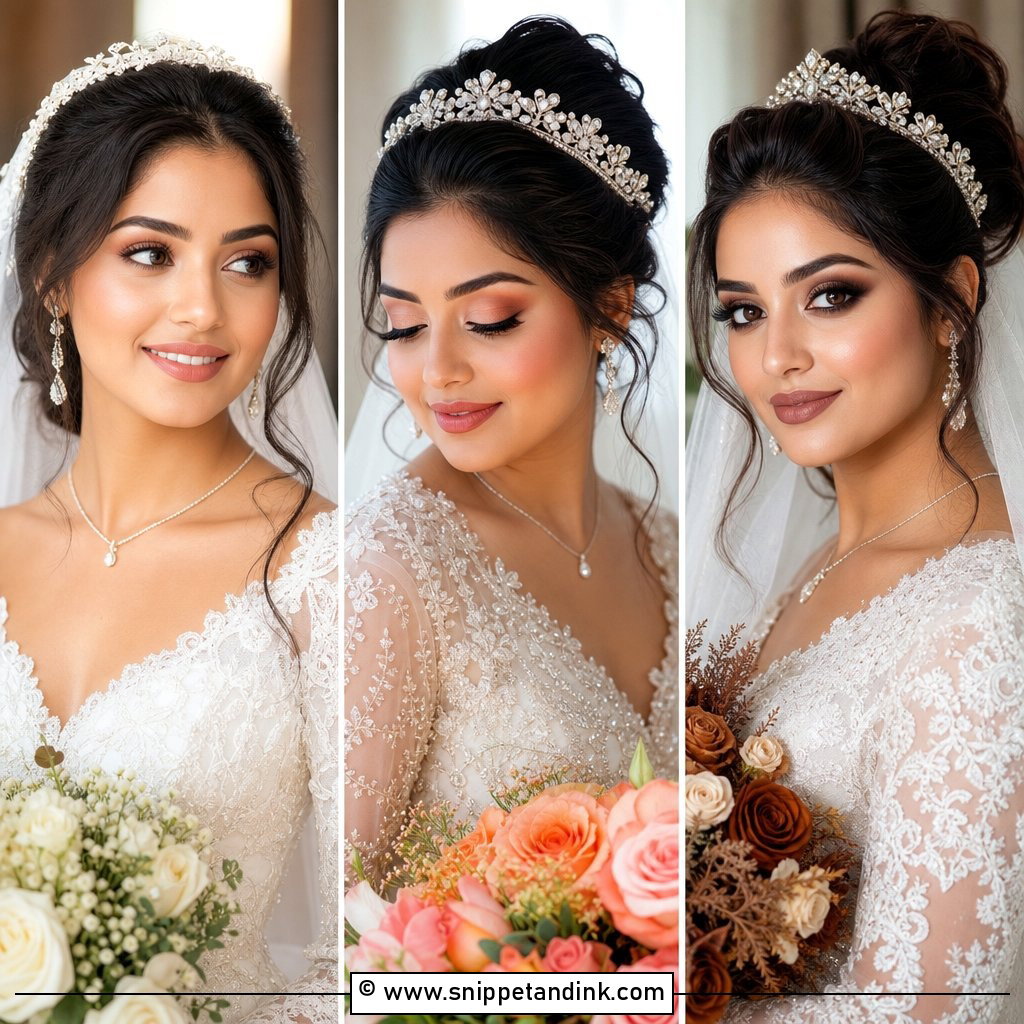
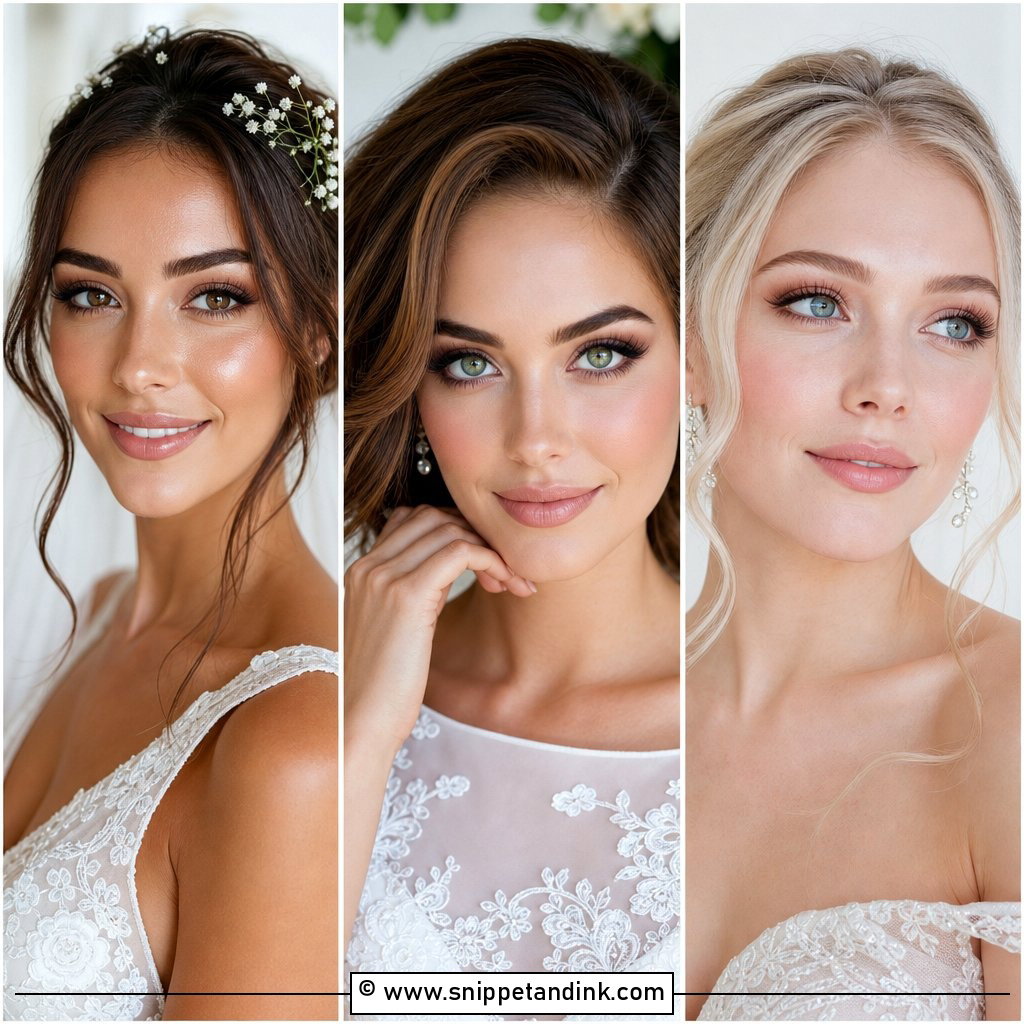
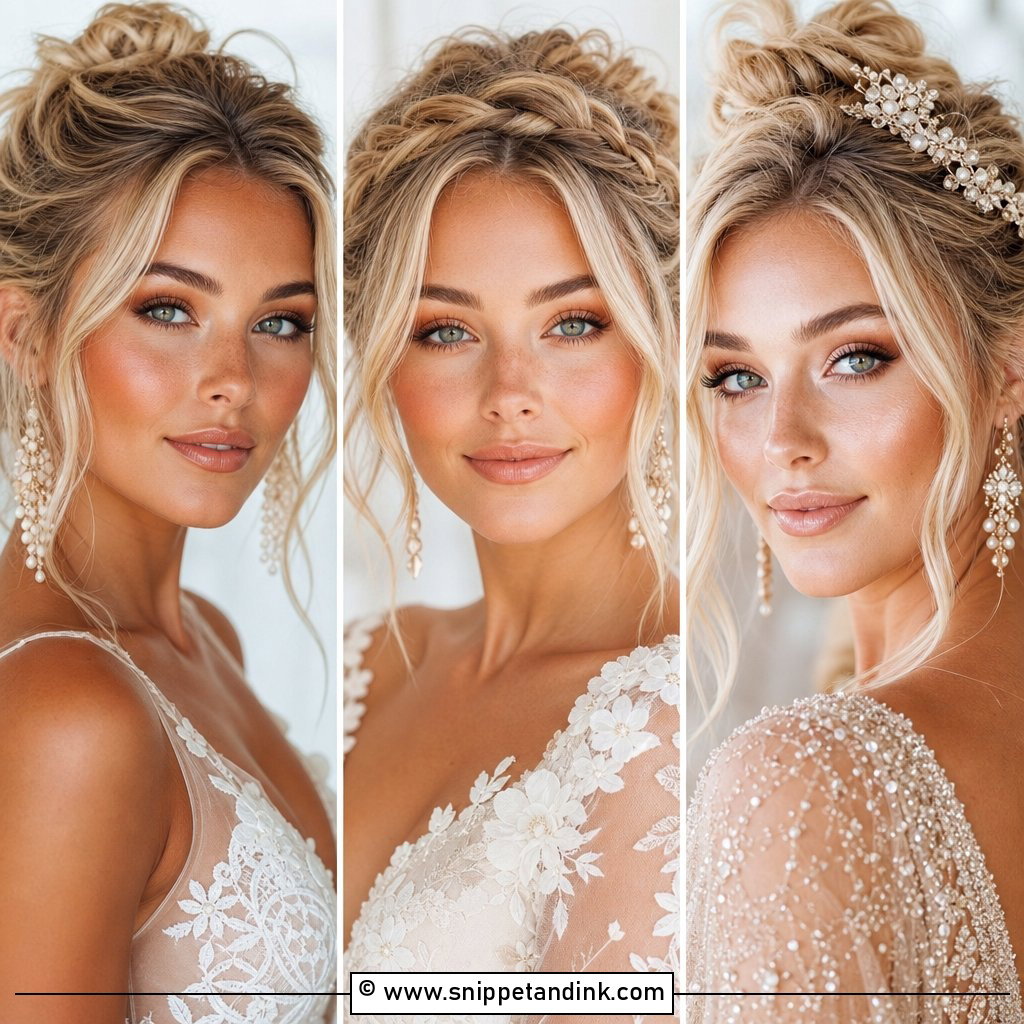
Soft glam is the face I’d recommend if you’re unsure, because it sits in the middle and is easy to dial up or down at the trial. I keep coverage medium and the finish satin, so skin still looks like skin. Warm neutral shadow, brown liner smudged into the lash line, fluttery lashes and brushed brows give definition without harshness. Peachy-pink blush and a champagne highlight add life. A rosy nude satin lip photographs well and doesn’t wear off unevenly the way gloss does, and the whole look sits easily with lace, a veil and pearls.
2. Christian Bridal Natural Makeup
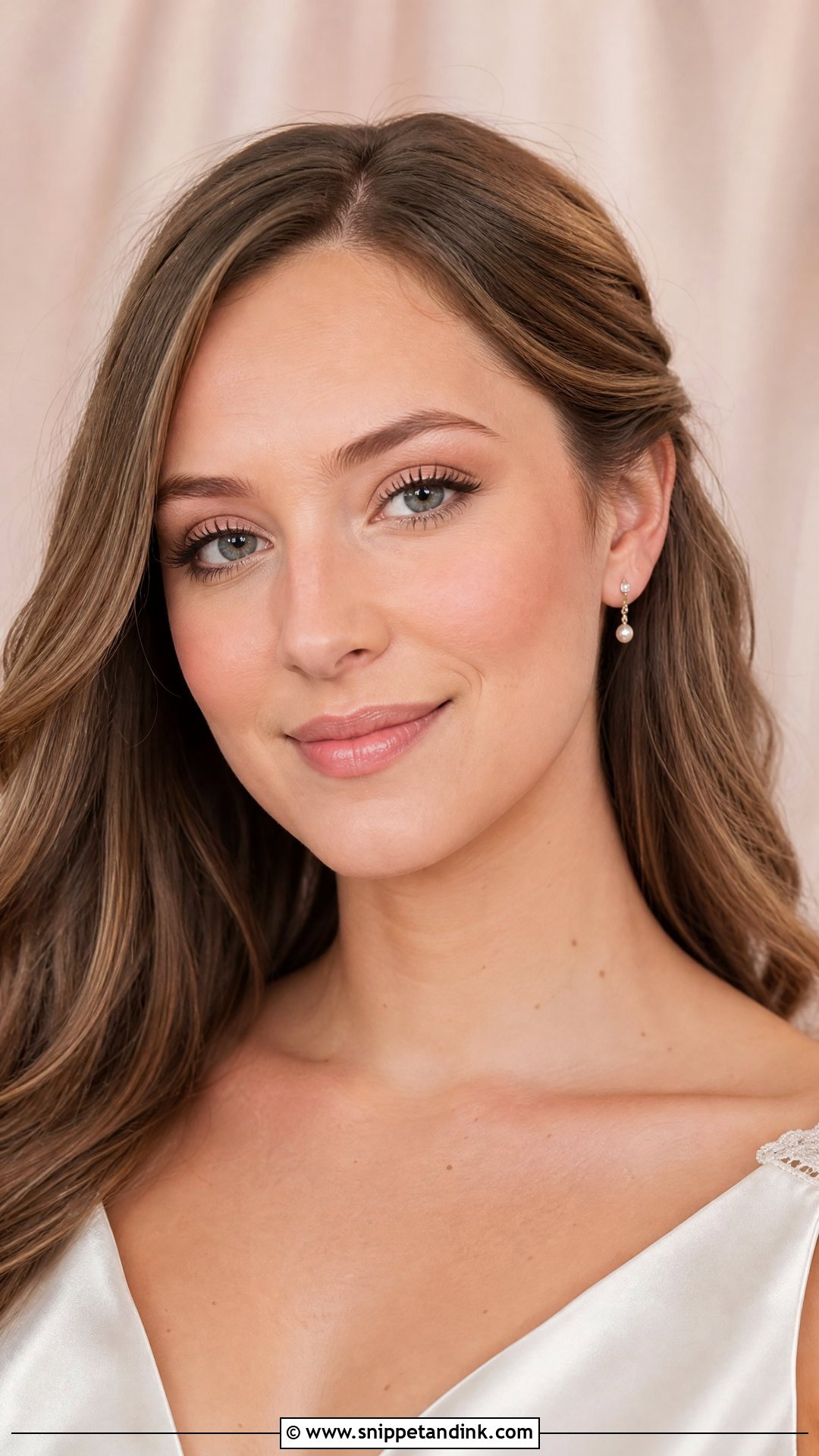
Natural makeup is the hardest to get right on camera. Too little and you look washed out in photos; too much and it stops being natural. I use a lightweight foundation only where it’s needed, spot-conceal, then cream blush for a skin-like finish. Beige or taupe on the lid, curled lashes, brown mascara and softly filled brows. A tinted balm or sheer pink lipstick. It’s well suited to a morning ceremony and outdoor portraits, and I’d still add a little more definition than you’d wear at home.
3. Christian Bridal Dewy Makeup
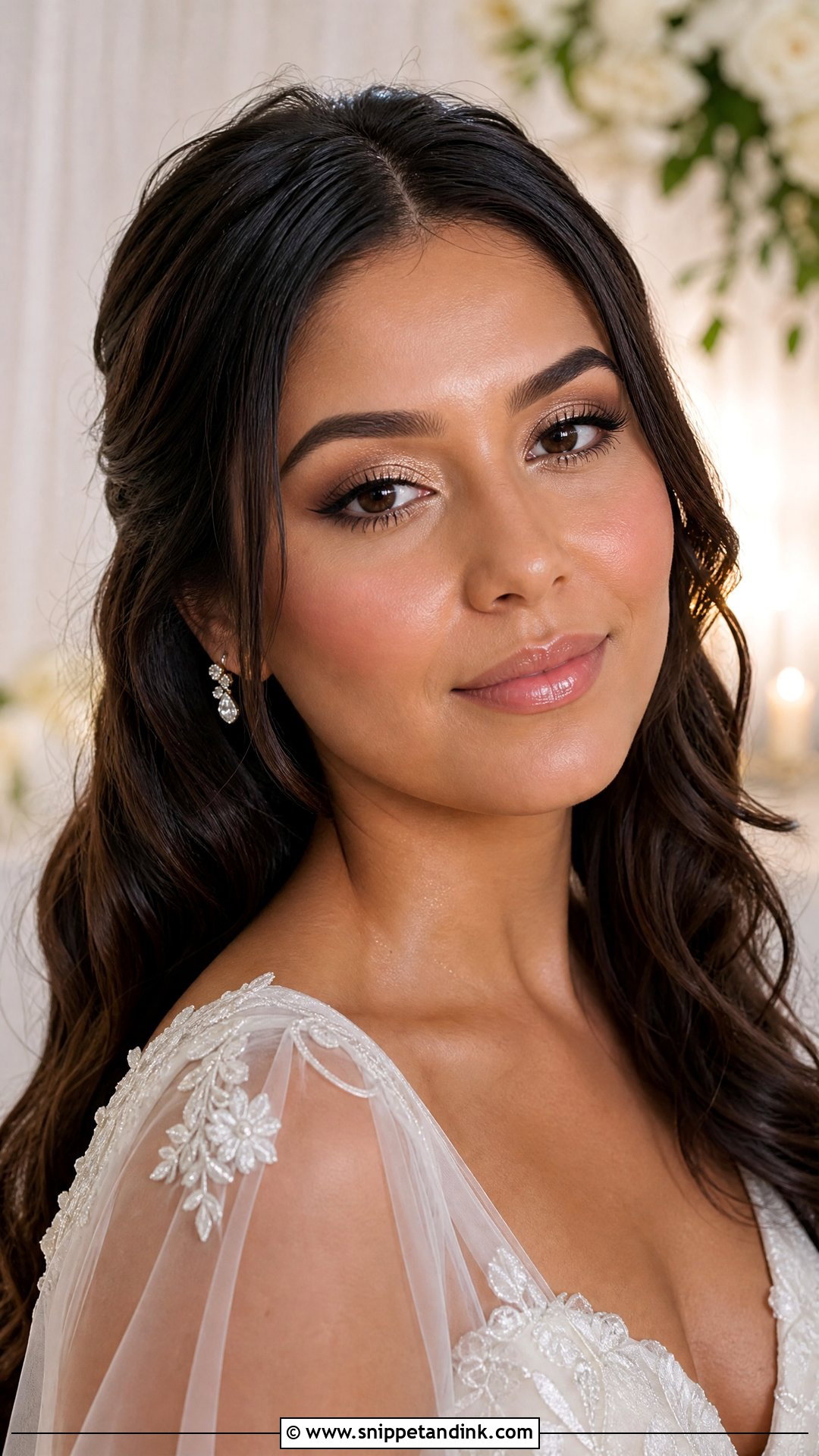
Glow without grease comes down to placement. I start with hydrated skin, use a luminous foundation or skin tint only where coverage is needed, and powder strictly through the T-zone. Cream blush in rose, peach or soft coral looks like a real flush. Champagne shimmer on the lids, soft brown in the crease, wispy lashes and fluffy but tidy brows. A glossy pink nude lip completes it. Spring and summer ceremonies suit it, though if your skin gets oily by midday, I’d swap the gloss for a satin lip and add a mattifying primer on the nose.
4. Christian Bridal Matte Makeup
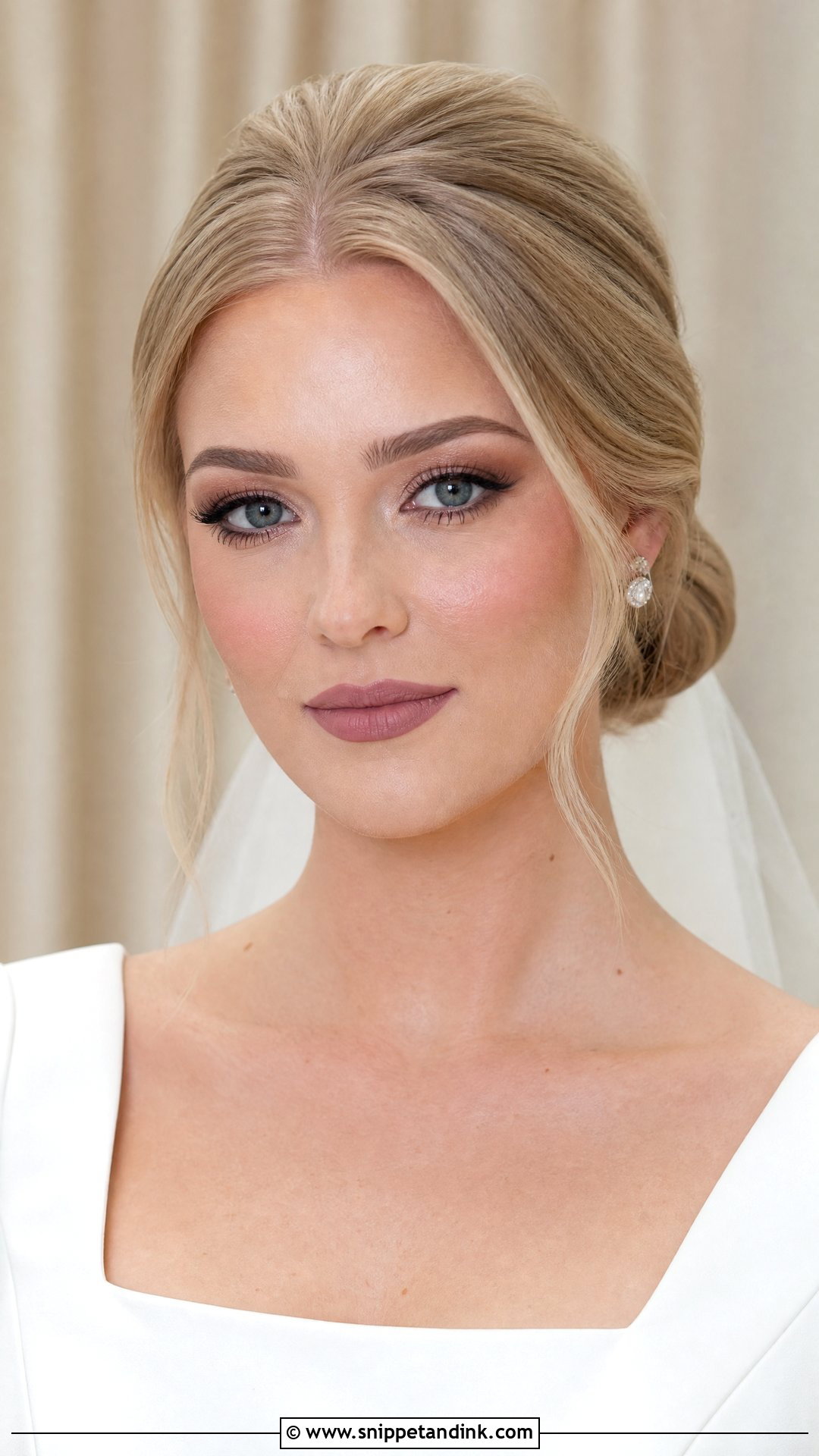
Good matte makeup looks blurred, not flat. I choose a long-wear foundation, set the centre of the face, and leave the outer cheeks slightly less powdered so they don’t look chalky. Dusty rose or warm peach blush brings freshness back. Matte taupe and brown on the eyes, black-brown liner for shape, and soft lashes instead of thick strips. A velvet nude or mauve lip finishes it. Oily and combination skin, warm churches and long ceremonies are where matte earns its place.
5. Christian Bridal Rose Gold Makeup
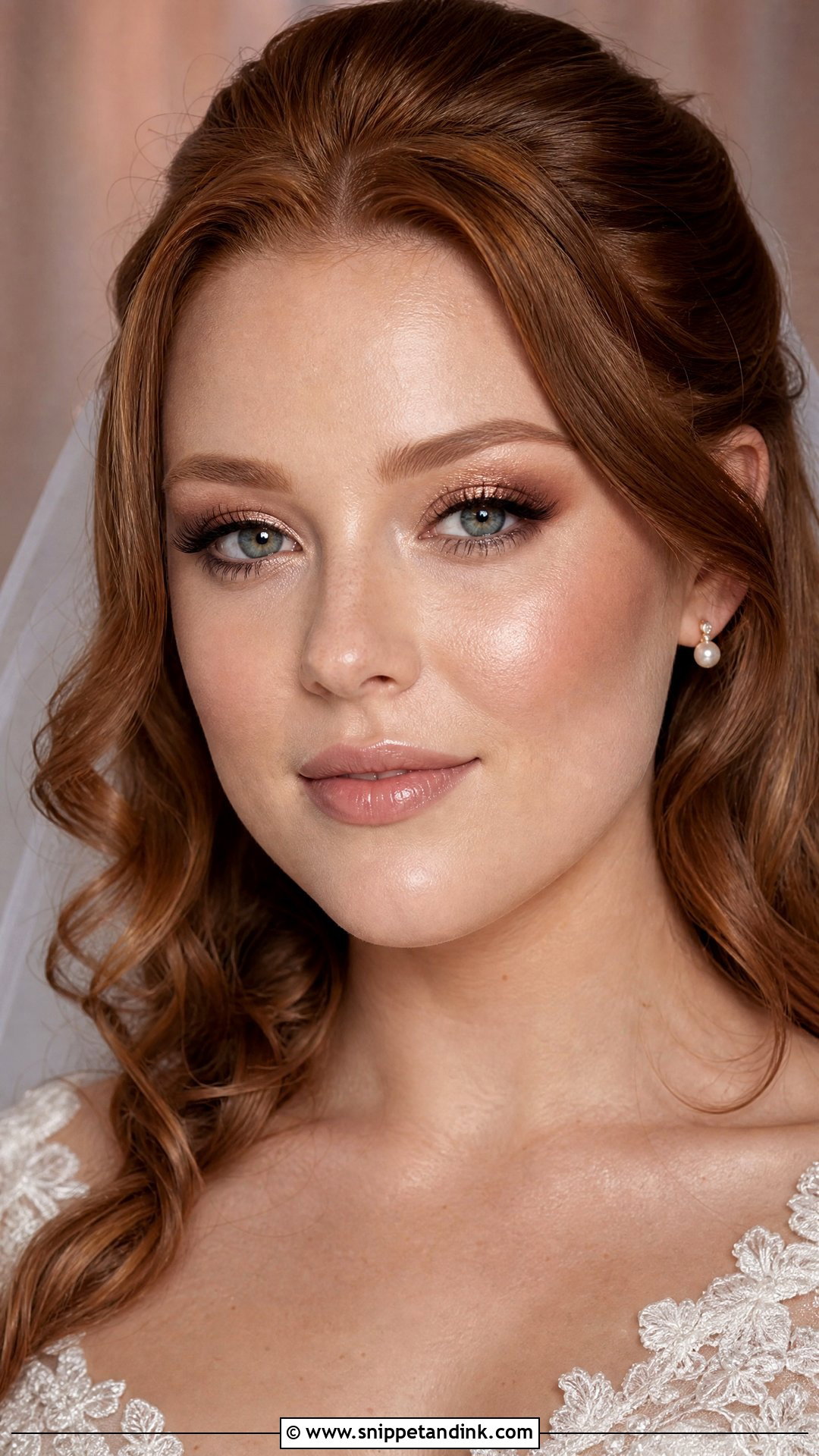
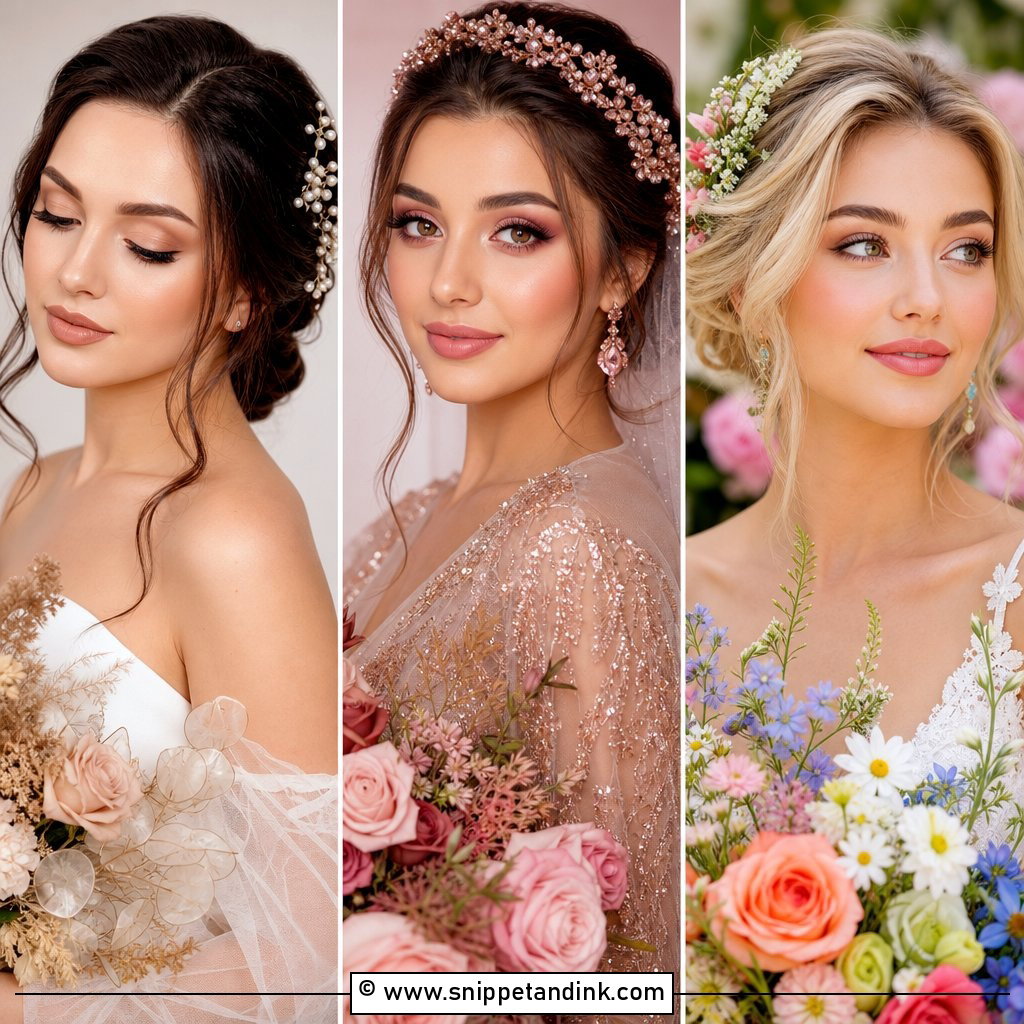
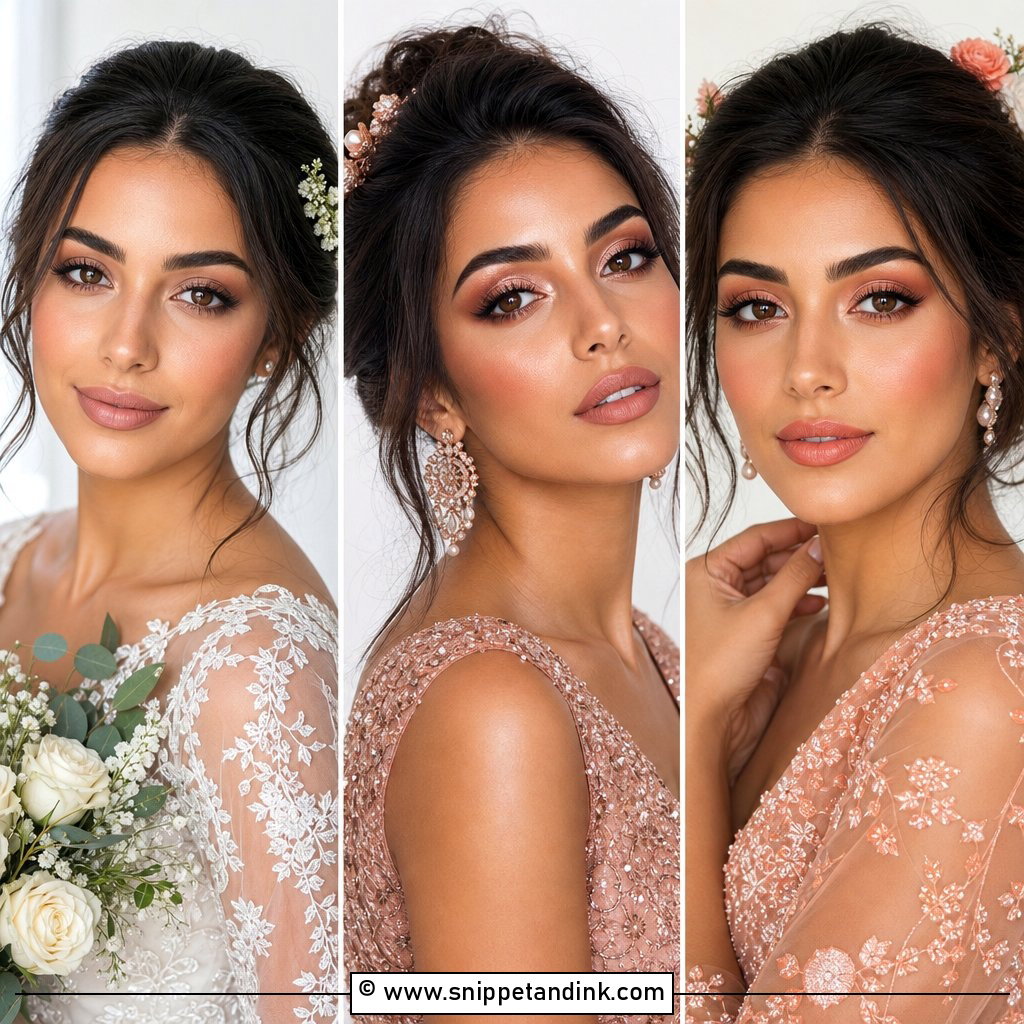
Rose gold on the lid gives sparkle that sits between pink and gold, so it suits a lot of skin tones. I press the shimmer on with a finger for maximum shine, blend warm brown into the crease and smudge a soft liner close to the lashes. Individual lashes give lift without bulk. The skin is satin or softly dewy, with rosy blush and a champagne-pink highlight. A pink nude or soft rose gloss keeps it cohesive. It pairs naturally with ivory gowns, blush flowers, gold jewellery and warm hair colours. On deeply hooded lids, the shimmer can get lost in the fold, so I place it slightly higher.
6. Christian Bridal Smokey Eye Makeup
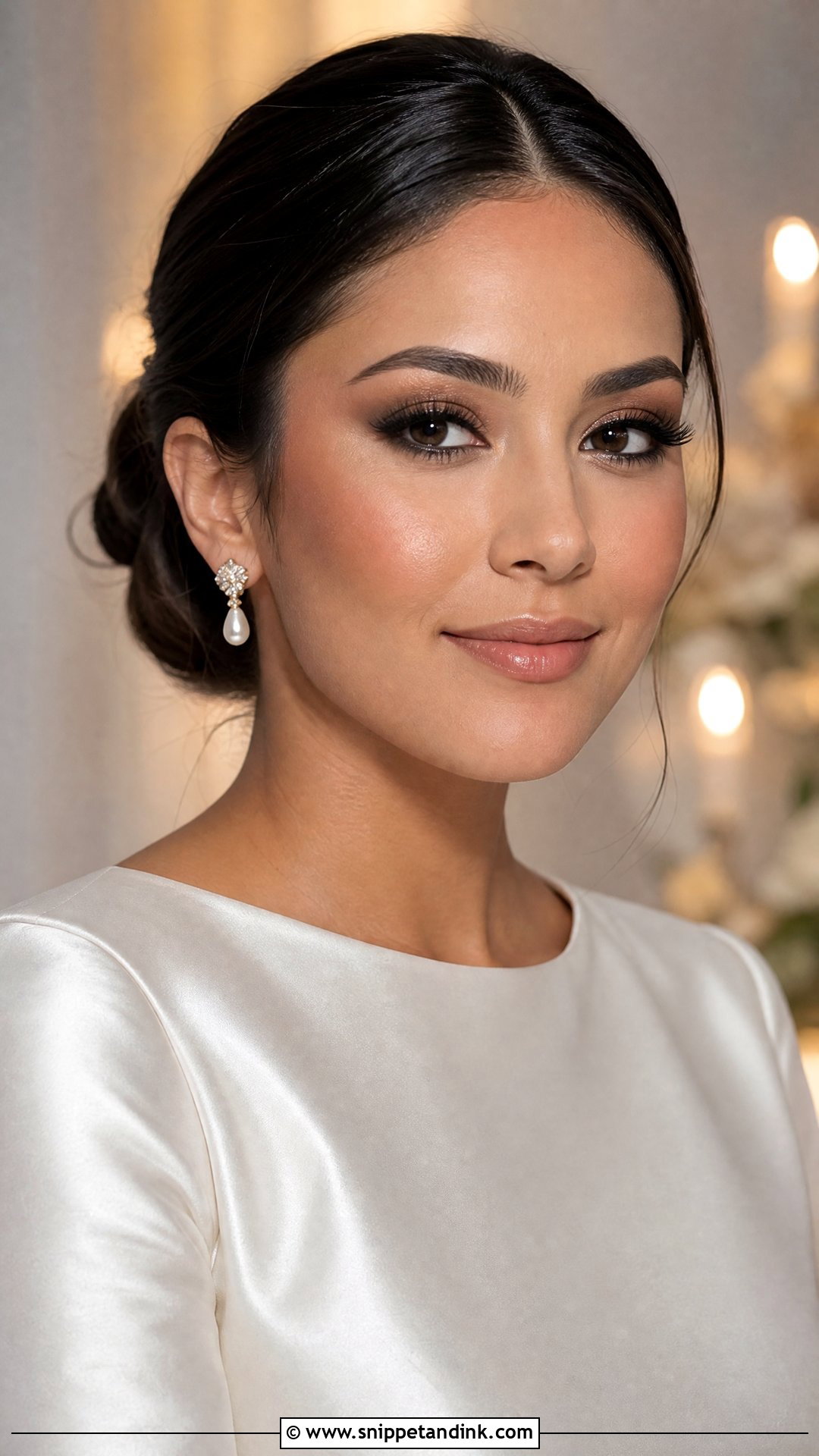
A smoky eye at a church wedding works when you swap black for taupe, bronze, espresso or soft charcoal. I place the deepest shade at the lash line and fade it upward, which lifts the eye instead of closing it. Skin stays clean, cheeks sculpted, lips nude or pink-beige, and blush soft so the whole face doesn’t get heavy. Evening weddings and formal gowns suit it best. Waterproof liner and mascara aren’t optional here; dark shadow plus tears is the combination that smudges fastest.
7. Christian Bridal Red Lip Makeup
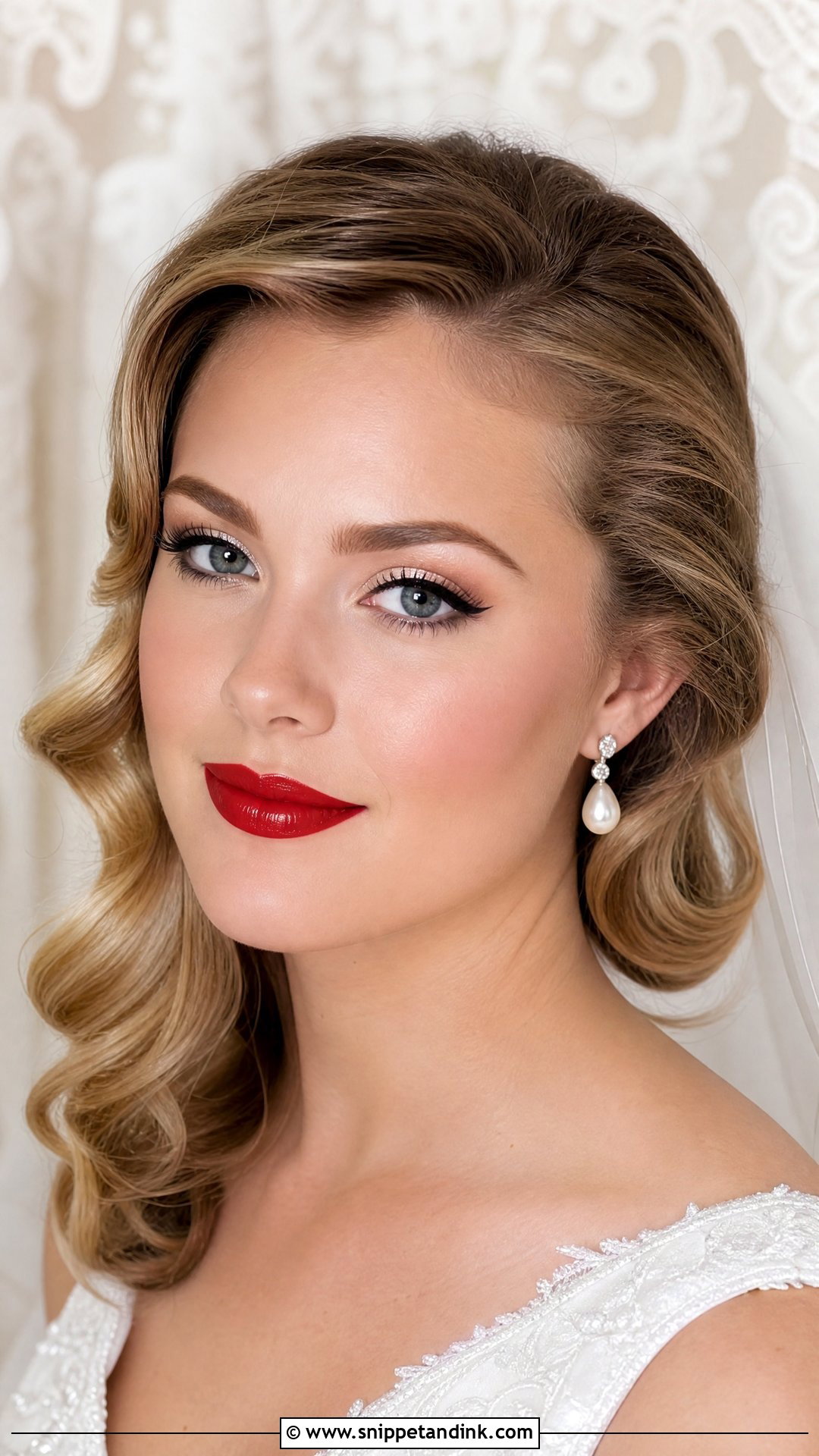
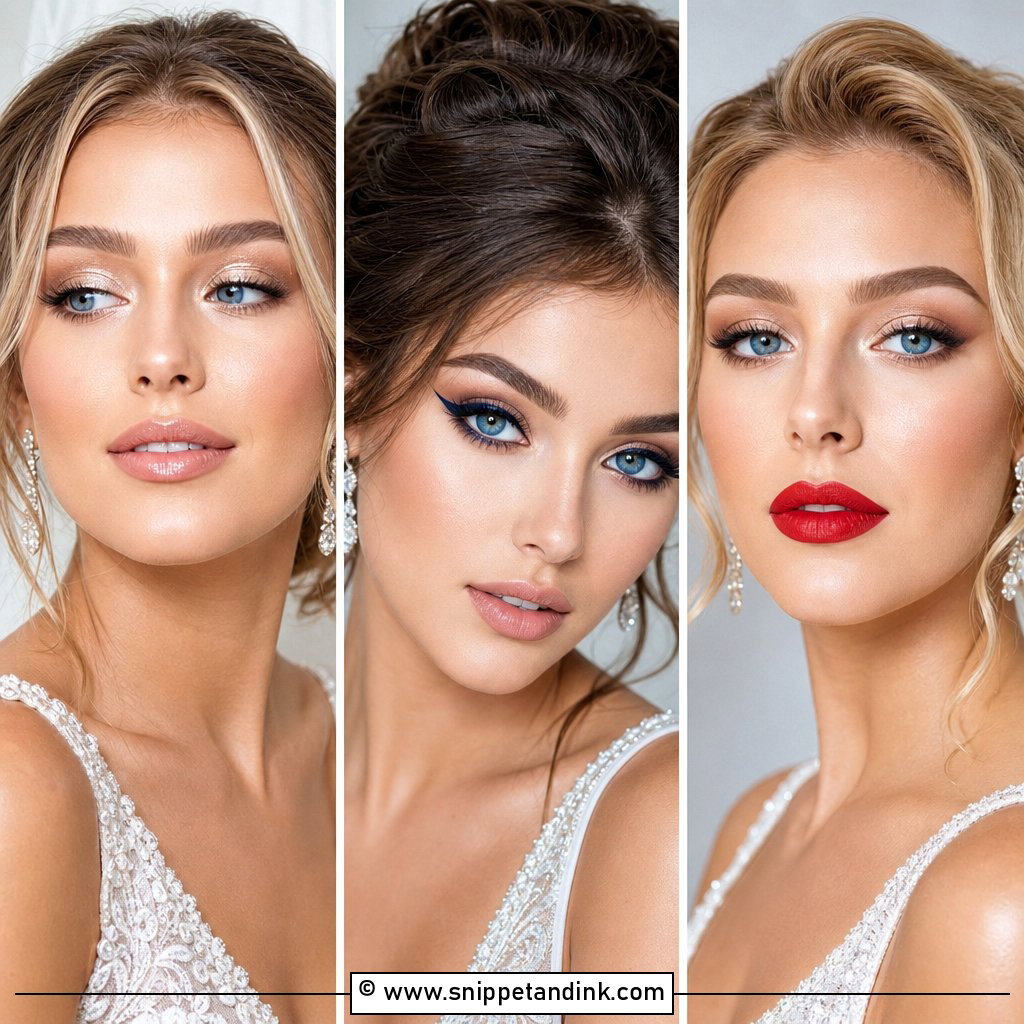
Red lips need the rest of the face to step back. I perfect the skin, add soft contour and natural blush, keep highlight controlled, then give the eyes champagne or beige shadow, a thin wing and defined lashes. Blue-reds look crisp on cool skin; brick and warm reds soften on warm skin. I line the whole lip, fill with a long-wear satin or matte and blot between layers. It’s a strong choice with a simple gown, a vintage-inspired veil and sleek hair, as long as you already like how you look in red.
8. Christian Bridal Pink Lip Makeup
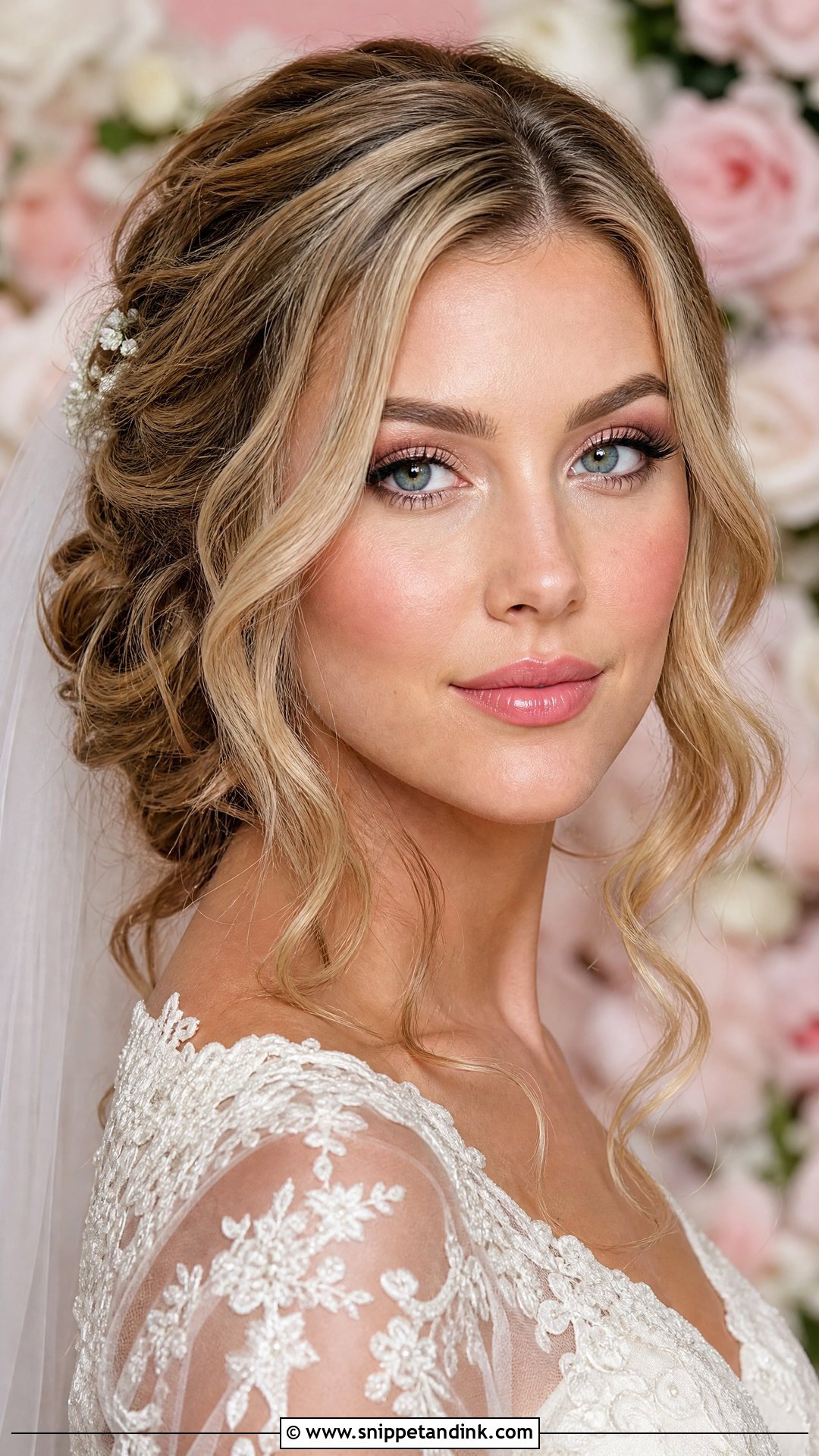
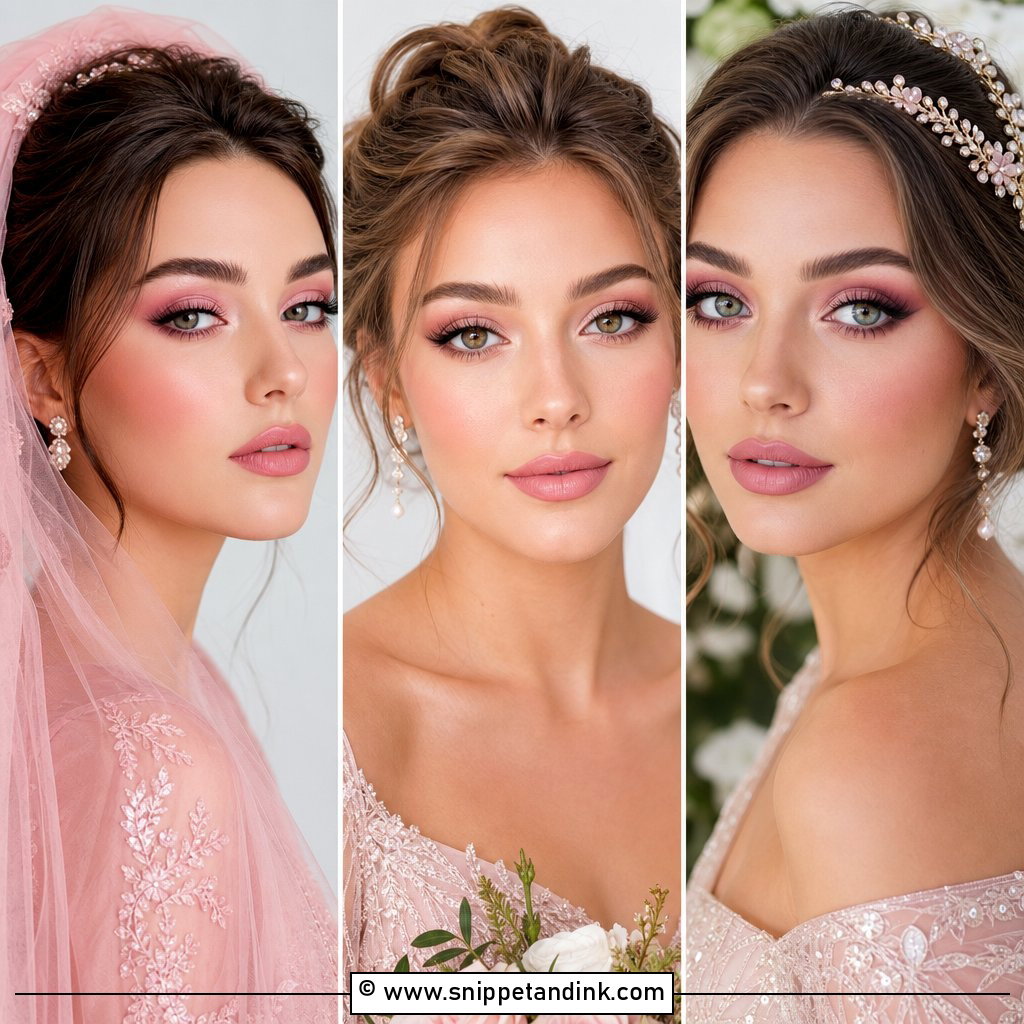
The trick with pink lips is avoiding anything that looks neon under flash. Soft rose, petal pink, dusty pink and pink-nude are the wearable range. I pair them with glowing skin, rosy blush and softly defined eyes, using a wash of champagne or light mauve on the lid. Brown liner looks gentler than black for daytime. Wispy lashes and brushed brows frame the face. Floral details, lace sleeves, soft curls and pearls all sit happily with it. Pink formulas tend to fade from the centre of the lip first, so I line and fill with a pencil underneath.
9. Christian Bridal Nude Lip Makeup
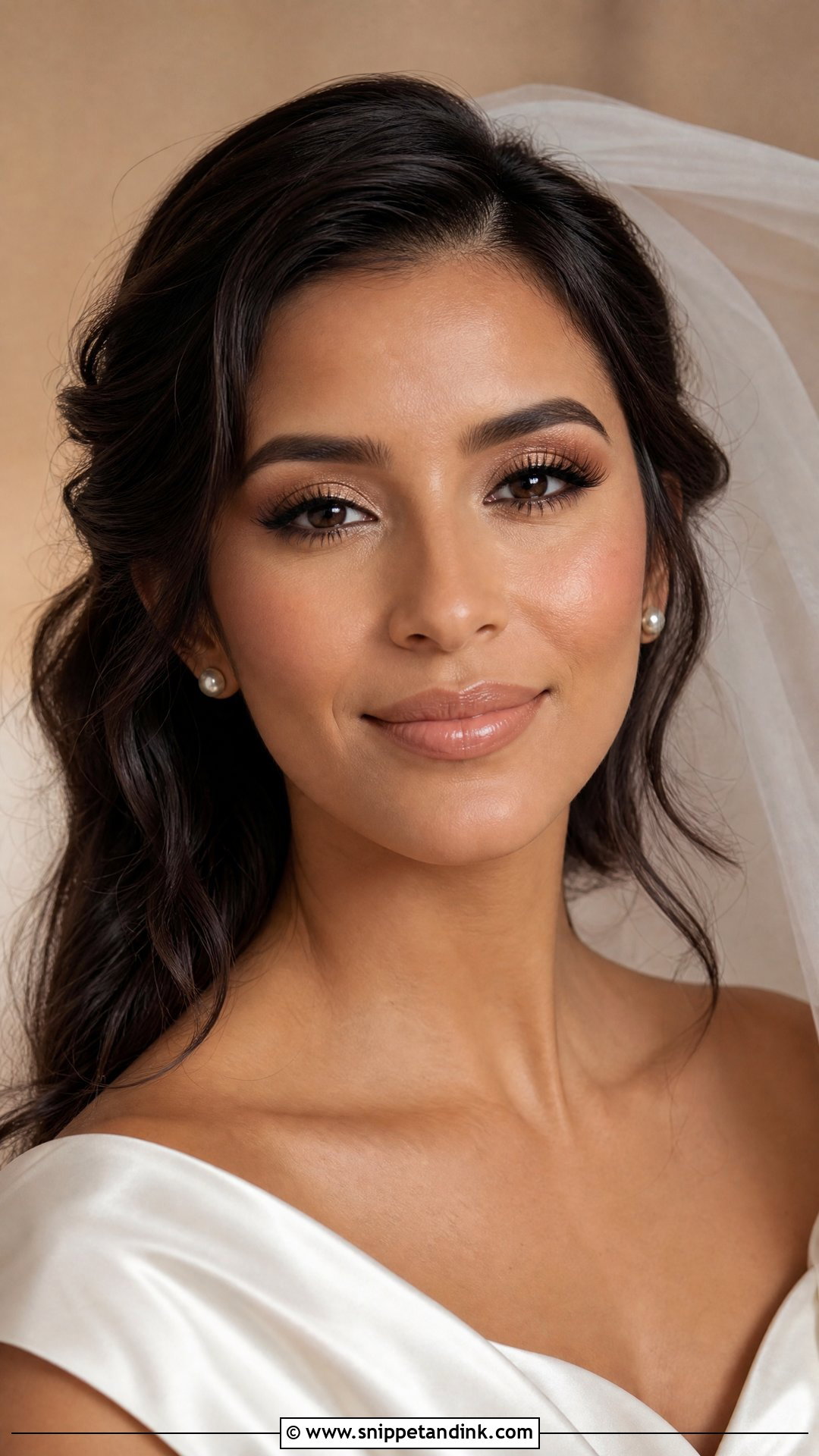
A nude lip hands the attention to your eyes, skin or dress. The bridal nude I choose is one shade deeper or warmer than your natural lip, never paler, otherwise it disappears in photos. Softly sculpted skin, warm blush and defined eyes stop the face from looking washed out. Brown smoky liner, champagne shimmer and full but natural lashes work well. On deeper skin tones, caramel, cocoa rose and warm brown nudes are rich and flattering. A satin or creamy finish keeps the lips soft, and it’s the easiest lip to refresh without a mirror.
10. Christian Bridal Bronze Makeup
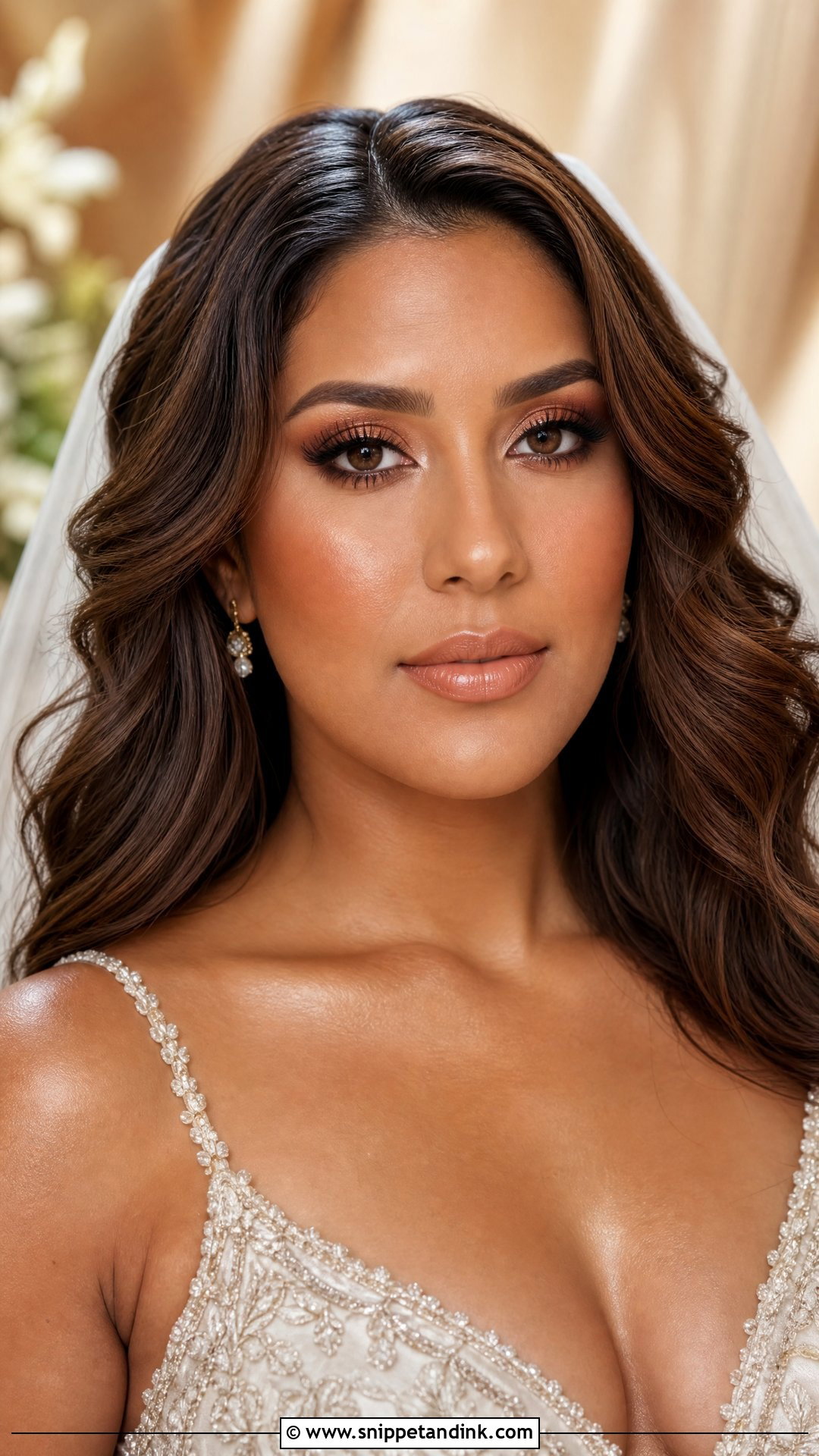
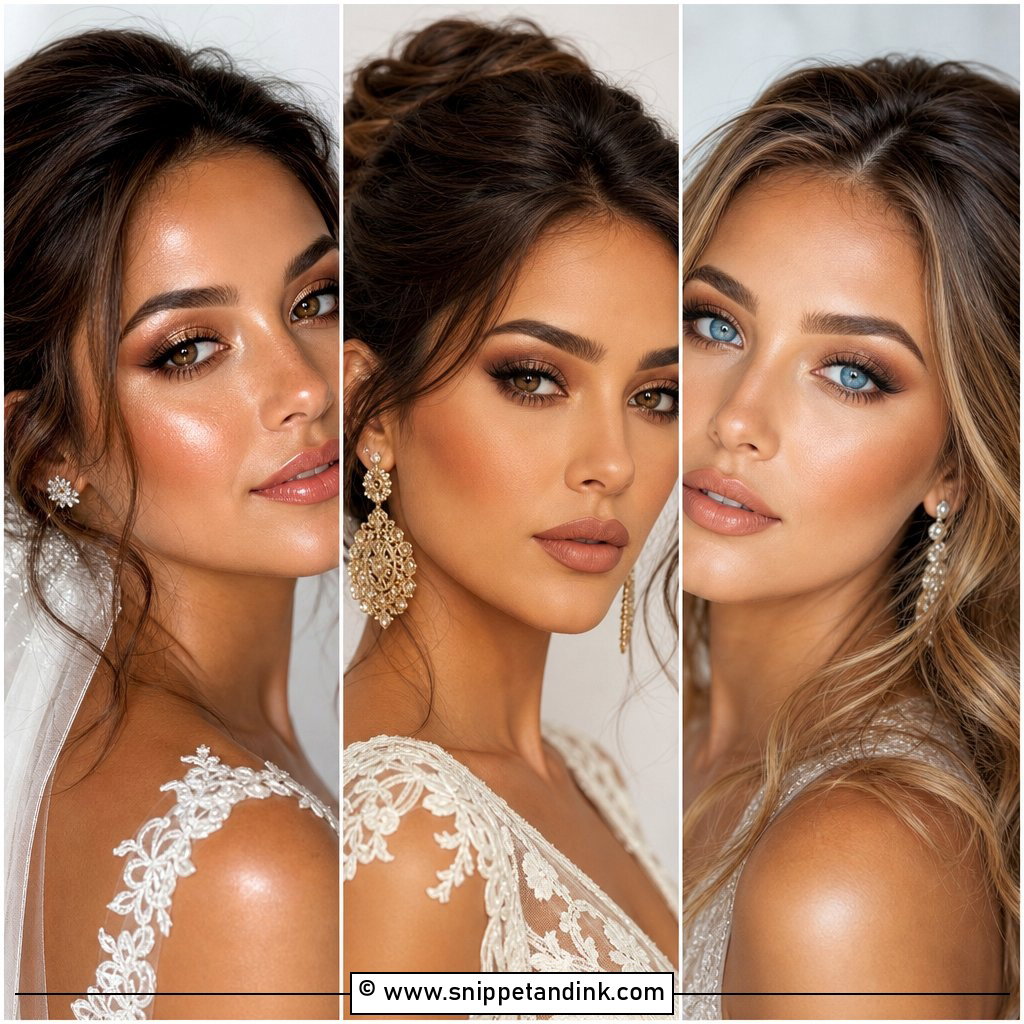
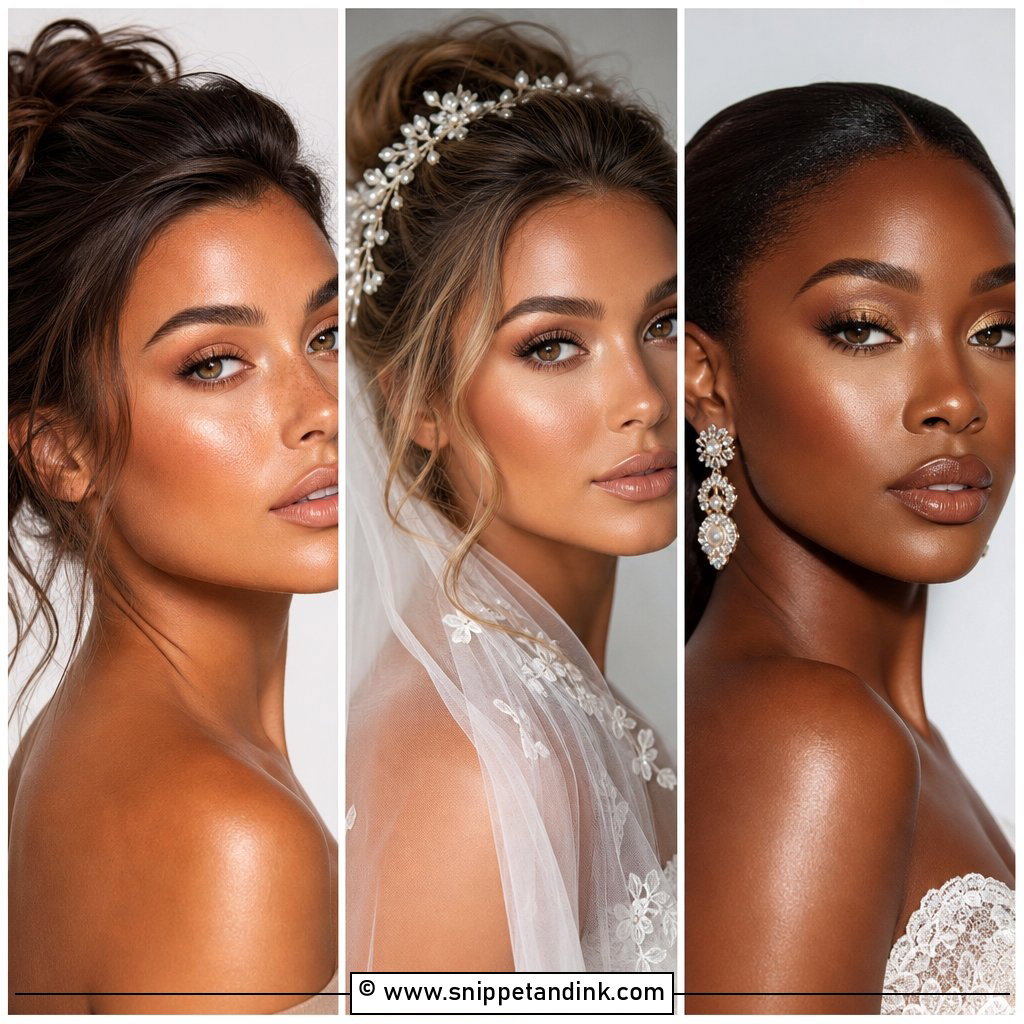
Bronze makeup should look like you’ve been somewhere sunny, not like a contour tutorial. I place bronzer around the forehead, cheekbones and jaw, then blend it down the neck so there’s no tide line at the dress. Bronze or copper on the lids, warm brown in the crease, soft liner. Peach or terracotta blush blends right into it, and a caramel nude, peach nude or warm rose lip finishes it. Ivory, champagne and off-white gowns are kinder to bronze than stark white. I keep the shimmer fine, since large particles look like glitter in flash.
11. Christian Bridal Peach Makeup
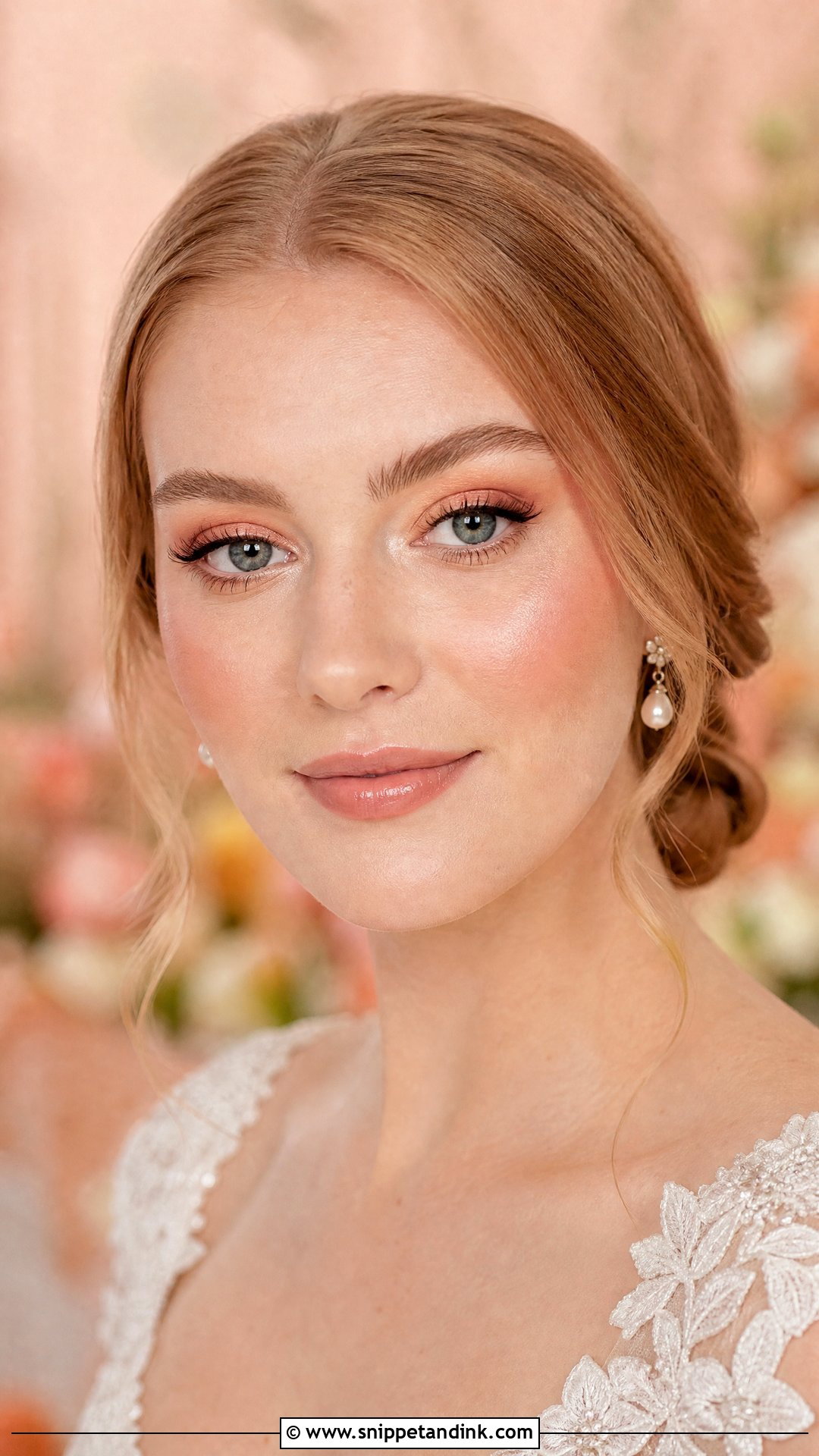
Peach brings warmth without needing strong contour or dark eyes. I use peach cream blush on the cheeks, apricot or champagne on the lids, and brown liner for gentle definition. The base is dewy or satin depending on your skin. A peach nude lipstick or gloss ties it together. The shade needs adjusting for each complexion: a pale apricot on fair skin, a deeper coral-peach on tan or deep skin, otherwise it either vanishes or looks chalky. It’s a natural fit for daytime weddings and garden portraits.
12. Christian Bridal Mauve Makeup
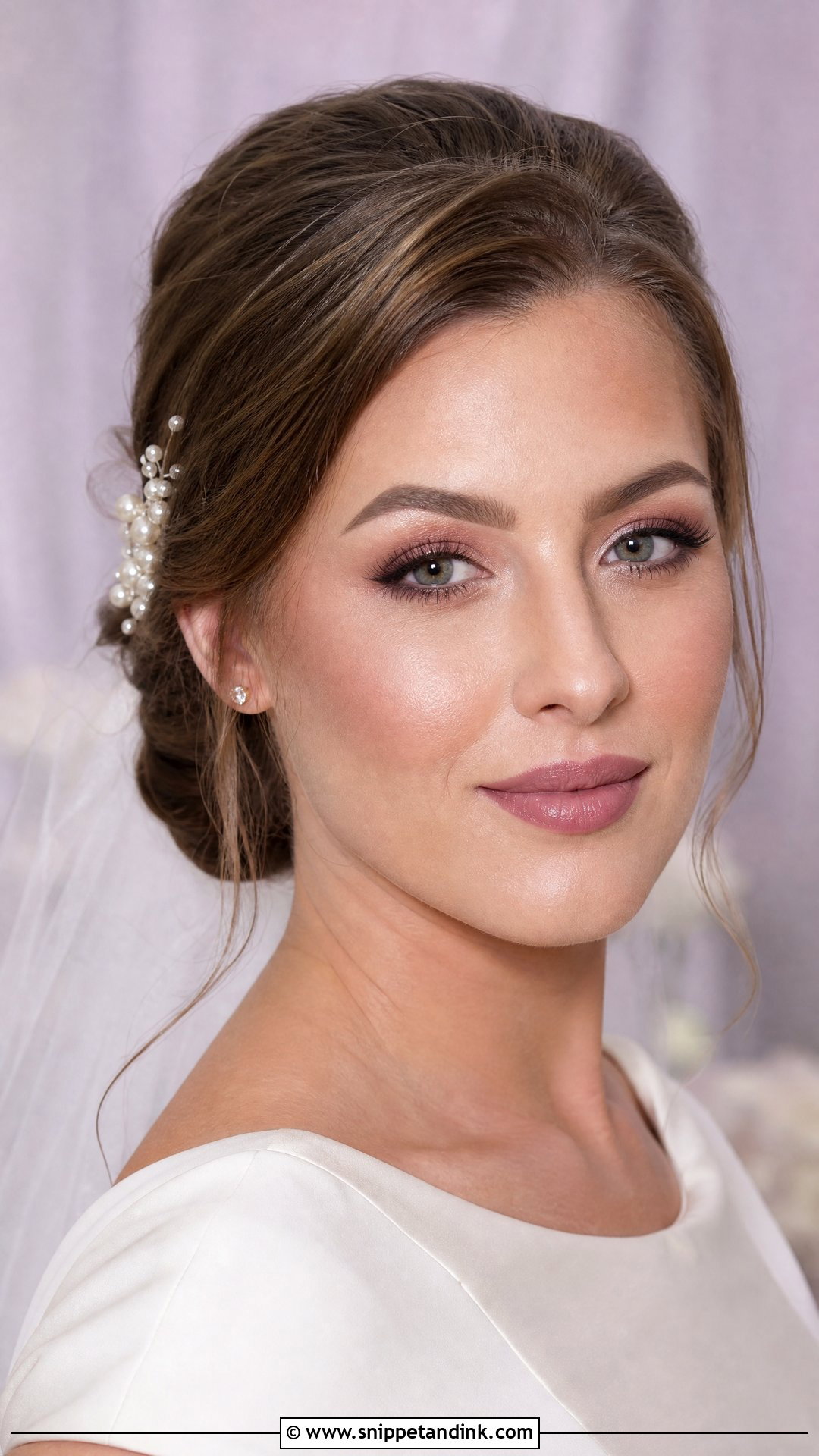
Mauve sits between pink, purple and brown, which is why it suits so many undertones. I use mauve-taupe on the lid, plum-brown close to the lashes and natural lashes for lift, then a muted mauve blush and satin mauve lip for a monochrome finish. Skin stays smooth with just enough highlight on the cheekbones. It’s good for autumn weddings and formal gowns, and for brides who look better in cool tones than in peach or bronze. On sallow skin, I add a little warmth to the blush so the face doesn’t look tired.
13. Christian Bridal Brown Smokey Makeup
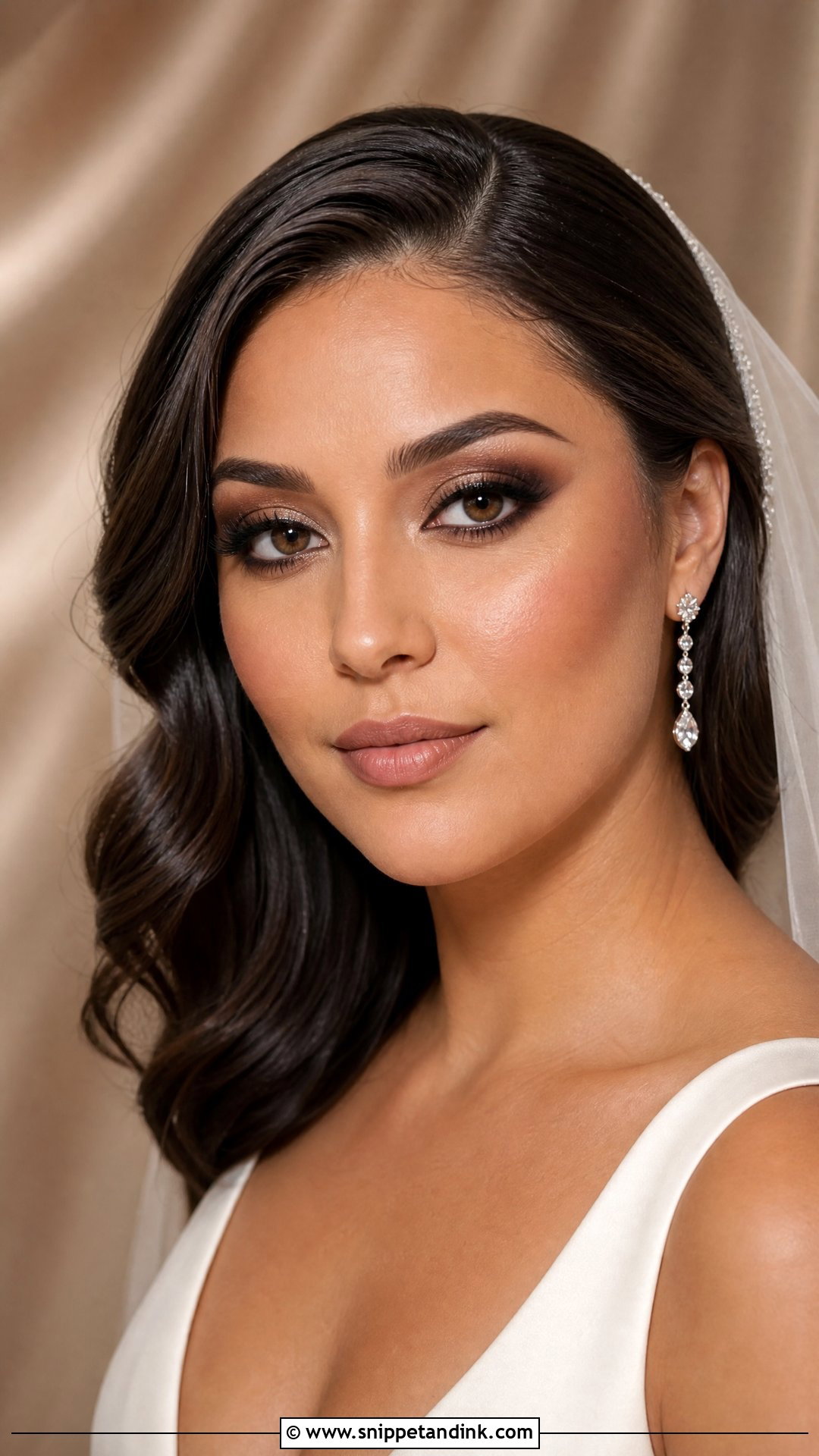
Christian bridal brown smokey makeup gives depth without the weight of black. Warm brown, chocolate, bronze or espresso, chosen by eye colour and skin tone. I blend until there’s no line where one shade ends, then add a thin dark brown liner and soft lashes. Clean skin, natural contour and warm rose or peach blush keep the balance, with a nude beige, caramel or pink-brown lip. It suits fitted gowns, sleek buns and evening receptions. For small or deep-set eyes, I keep the darkest shade to the outer third only.
14. Christian Bridal Winged Liner Makeup
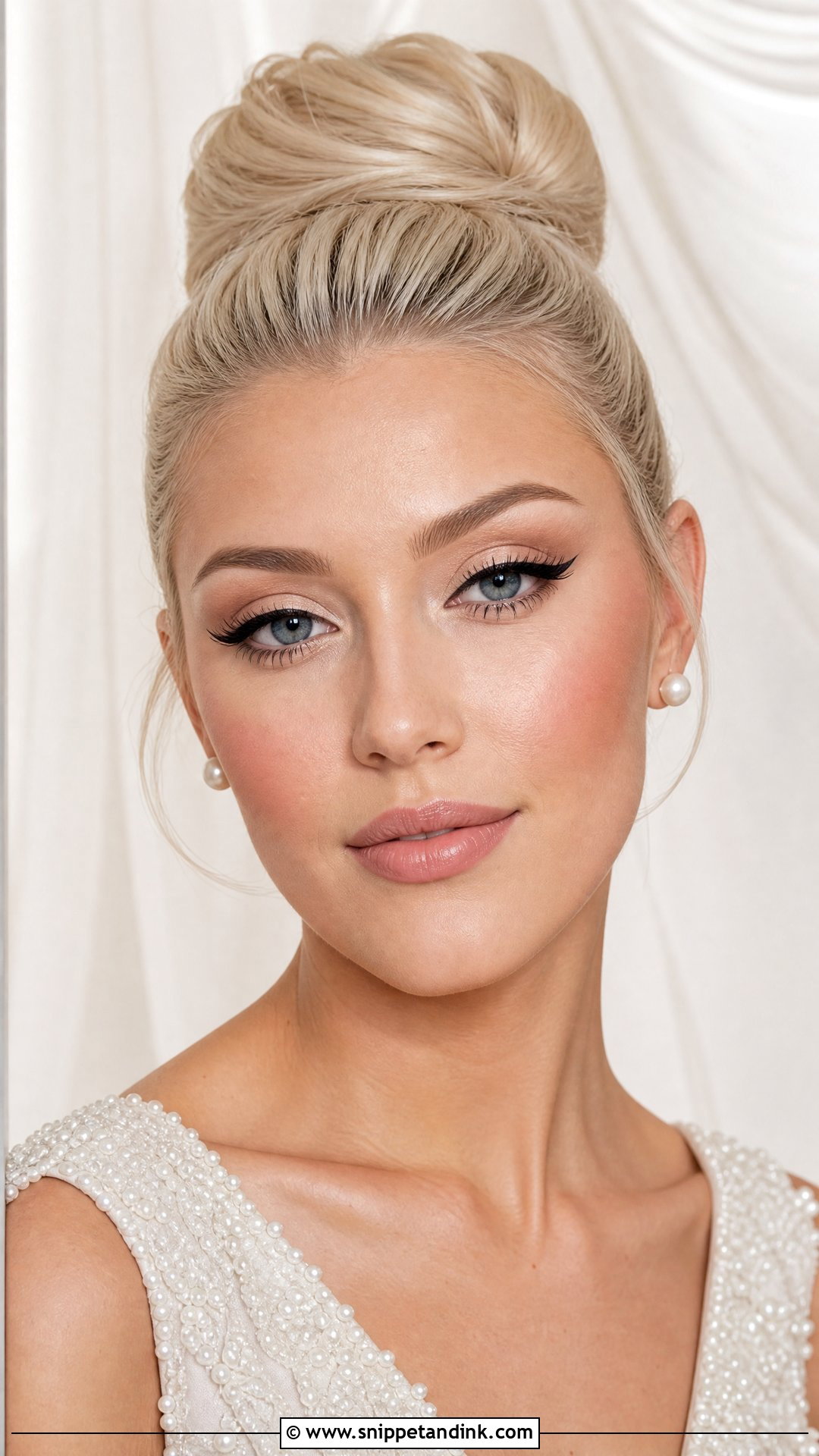
Christian bridal winged liner makeup is only as good as the wing’s shape. I draw it with the eyes open and looking straight ahead, follow the lower lash line upward, and stop it before it extends past the end of the brow. Skin is smooth and radiant without shine; lids are ivory, beige or champagne, with a light brown crease. Black is classic, dark brown softer. Lifted lashes, clean brows, rosy blush, and a pink nude or red lip finish it. Brides who like structure and symmetry tend to love this one.
15. Christian Bridal Classic Makeup
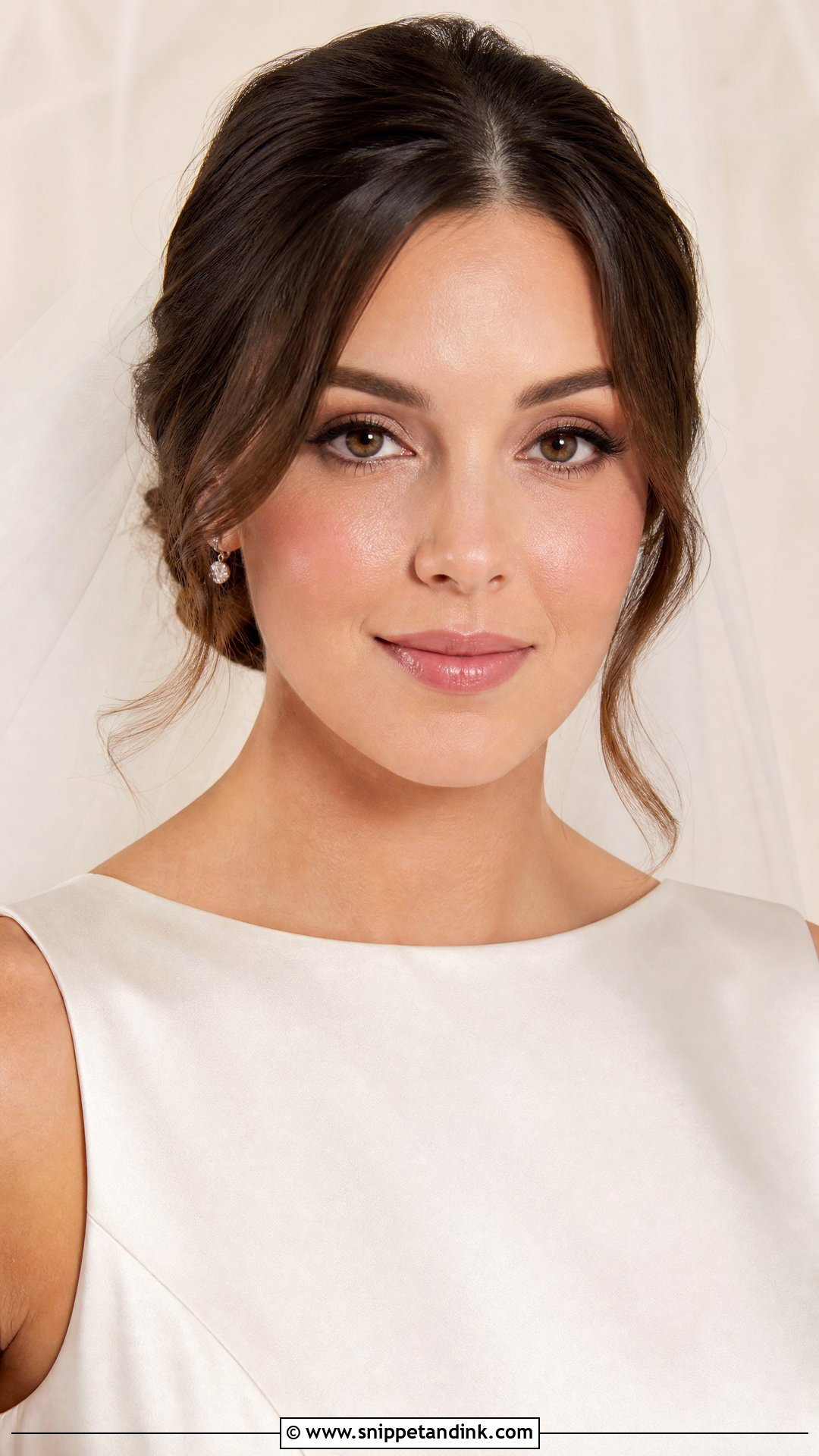
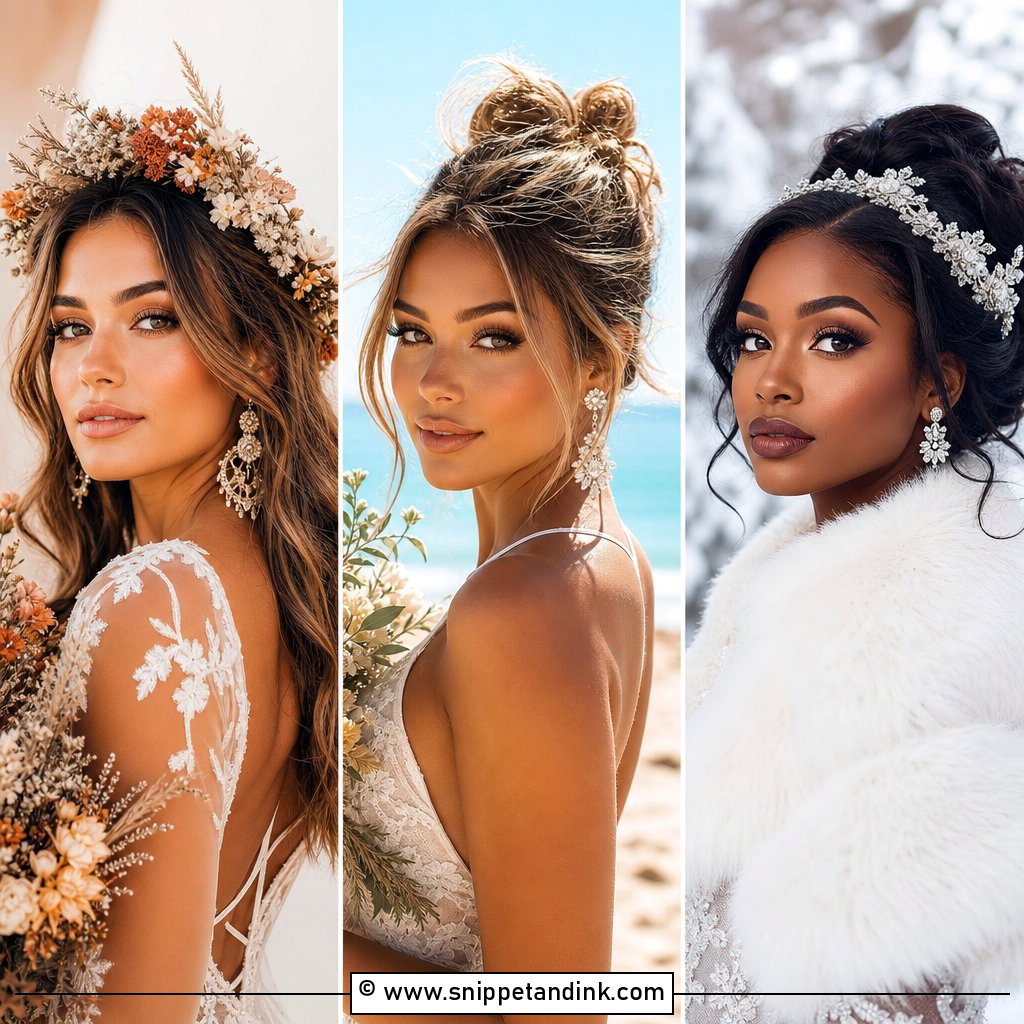
Classic makeup is a set of balanced decisions: perfected but natural skin, shaped brows, softly defined eyes and a flattering lip. Neutral shadow, subtle liner, soft lashes, pink or rose blush, and a satin rose, mauve or nude lip. I steer brides away from anything that dates quickly, like very sharp cut creases or bleached brows, if they want photos that age well. It works with almost every gown, veil and hairstyle. If you’re overwhelmed by choice, start here and adjust one feature at the trial.
16. Christian Bridal Full Glam Makeup
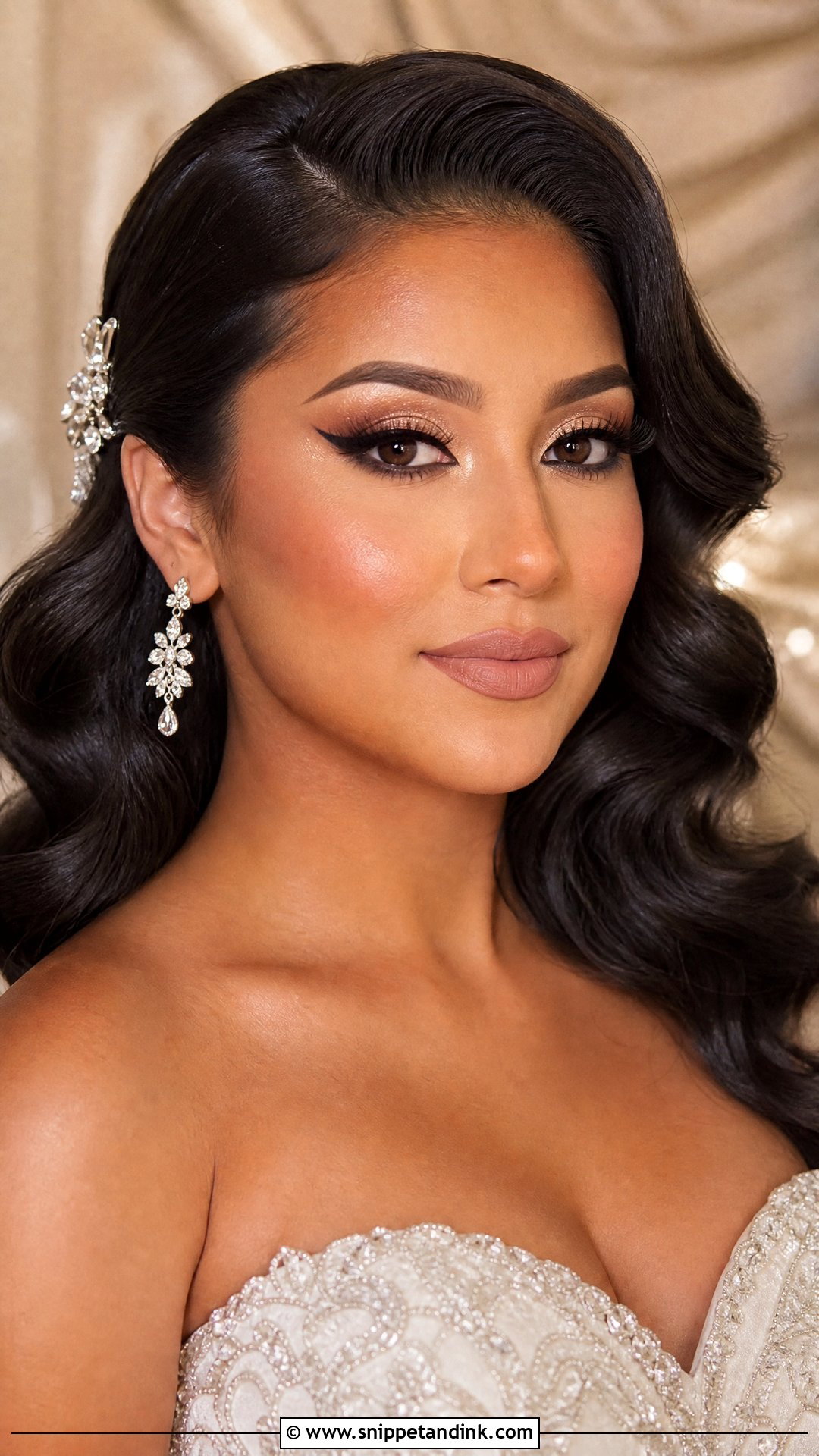
Full glam can be wedding-appropriate if the edges are soft. I build full coverage in thin layers, conceal precisely, contour gently and finish with a blurring powder. The eyes carry shimmer, a deeper crease, a wing and fuller lashes, with every edge blended and brows kept light at the front. A nude, rose or soft mauve lip usually balances it best. Evening weddings, grand ball gowns and brides who wear makeup often are the natural fit. The real test is comfort: if you keep touching your lashes during the trial, they’re too heavy for a long service.
17. Christian Bridal Minimal Makeup
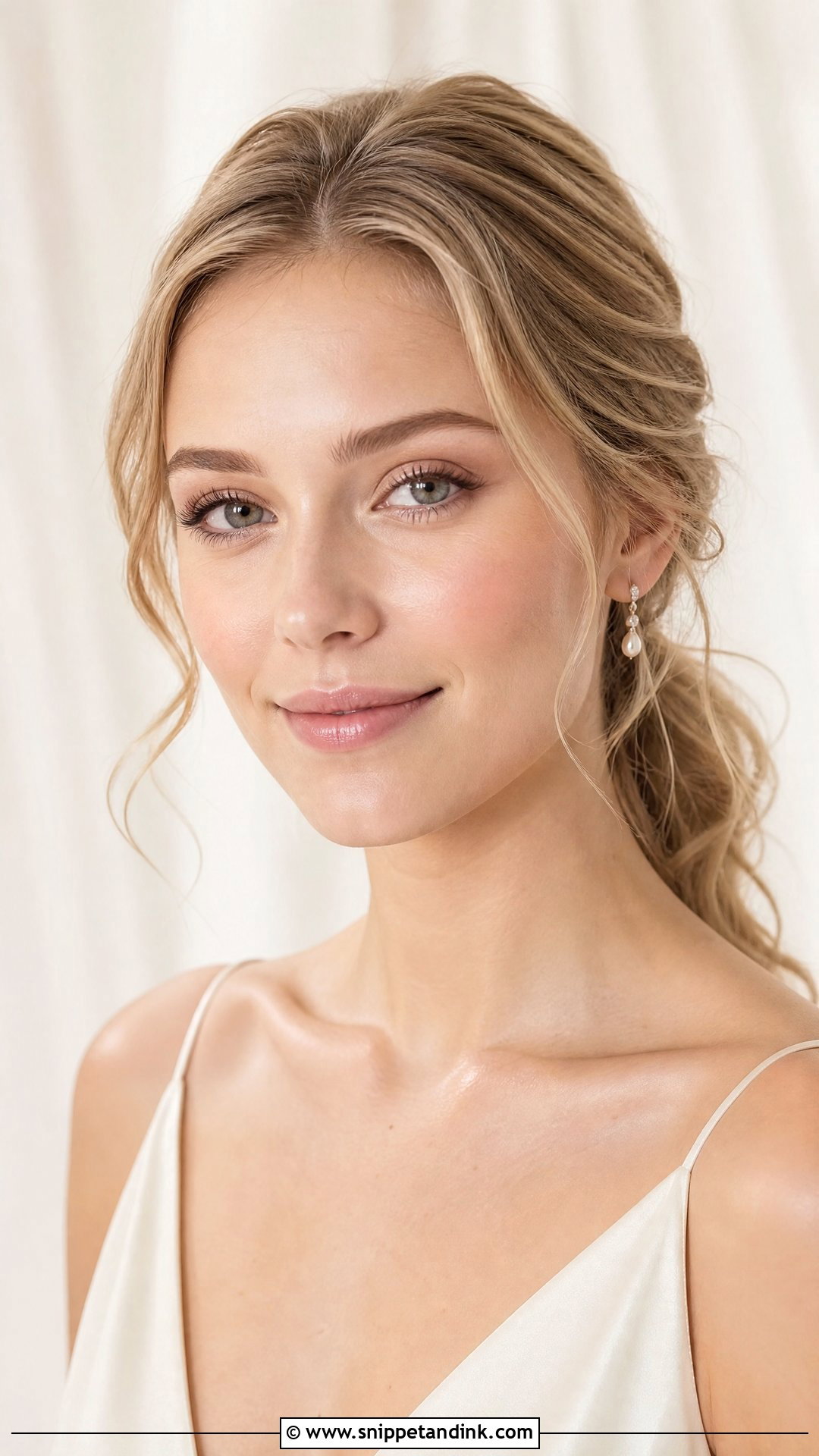
Minimal makeup is all about prep, because there’s nothing to hide behind. A sheer foundation or tinted moisturiser, concealer under the eyes, cream blush, clear or tinted brow gel and one coat of mascara. A soft balm, sheer rose tint or natural nude gloss on the lips, and beige on the lids or nothing. It’s right for brides who rarely wear makeup, simple gowns, short veils and outdoor portraits. I’d still set the concealer and the sides of the nose with a little powder, or they’ll fade before the ceremony ends.
18. Christian Bridal Glam Makeup For Dark Skin
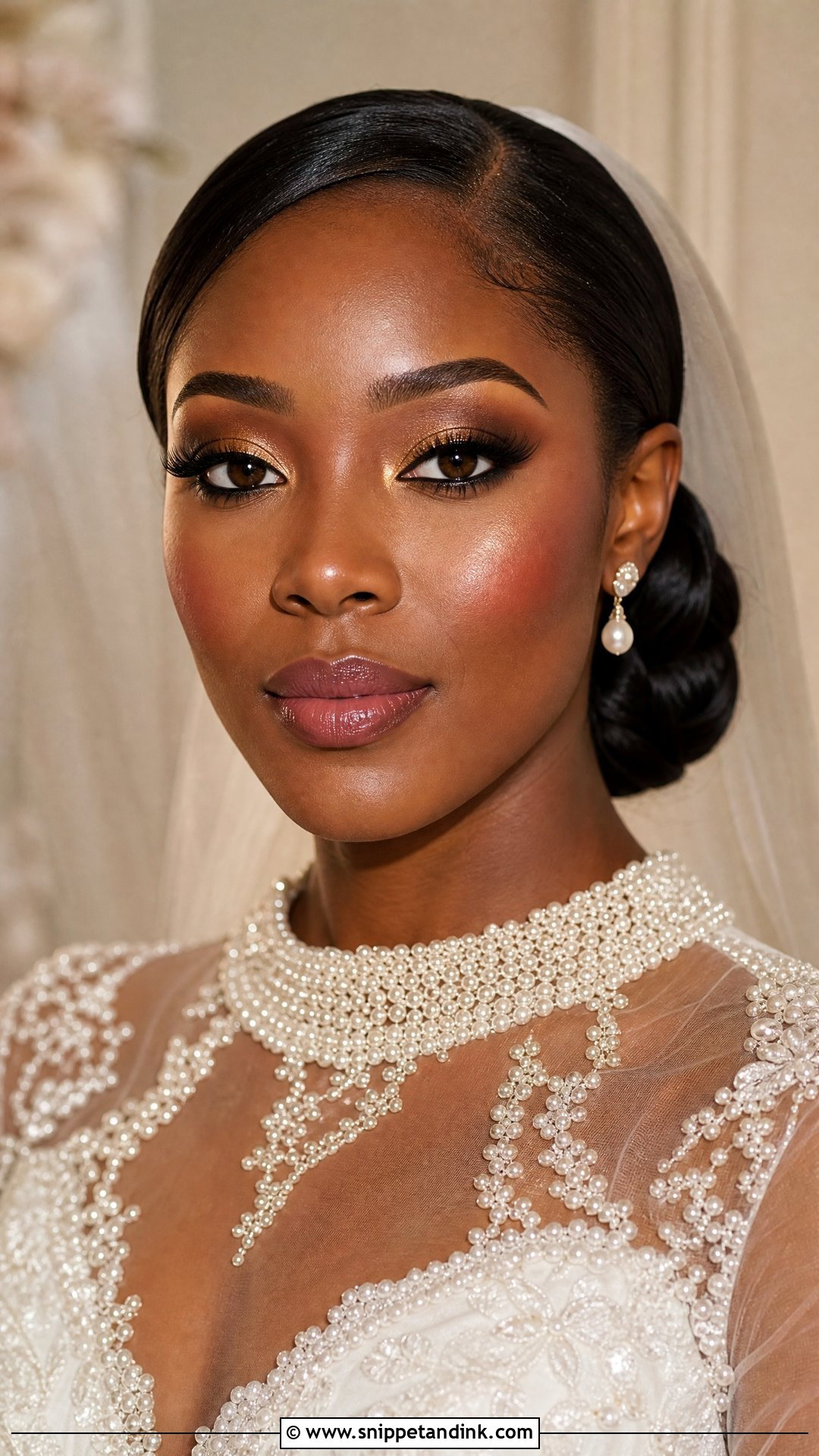
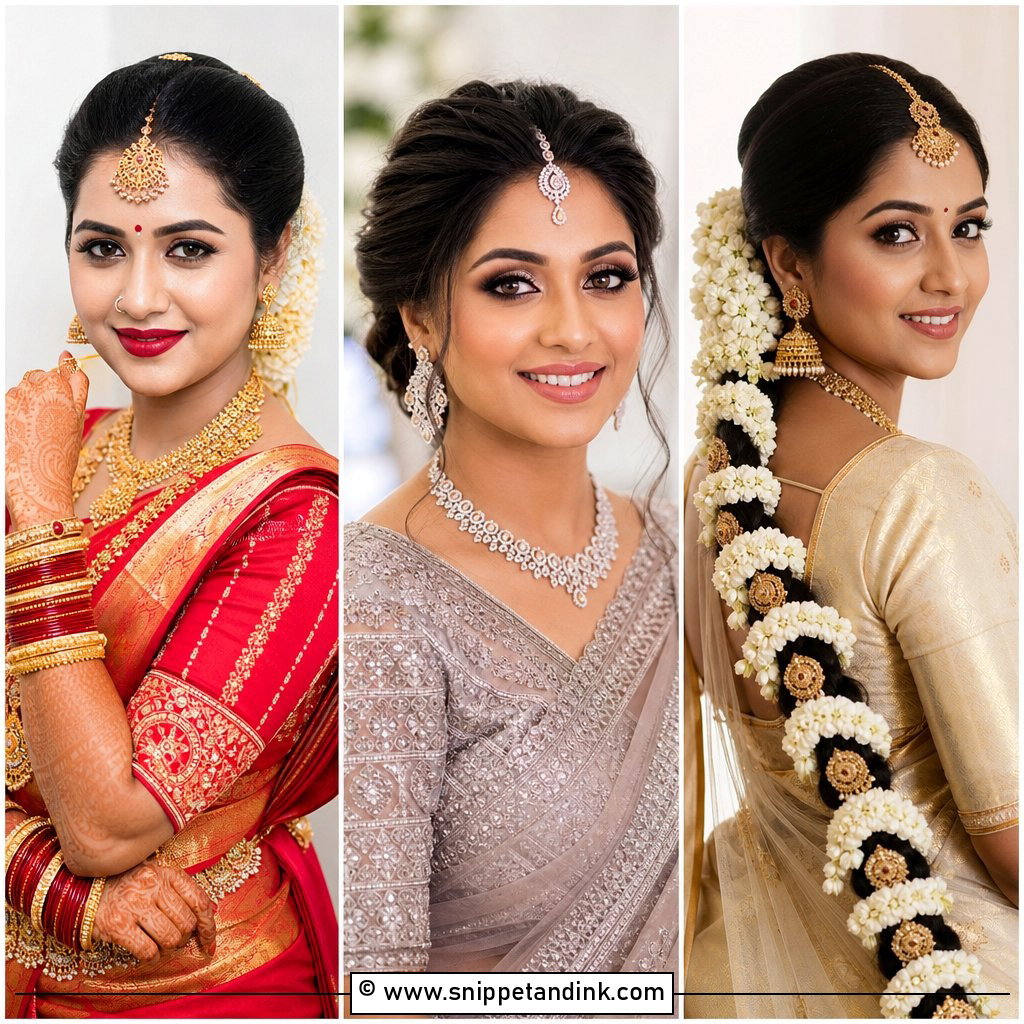
Christian bridal glam makeup for dark skin starts with a foundation that matches depth and undertone, and I often mix two shades because the forehead, centre and jaw can differ. I brighten the centre of the face with a concealer that’s a touch lighter, not grey or ashy. Gold, bronze, copper, plum and espresso shadows are rich on deep skin, with black or dark brown liner, full lashes and softly sculpted brows. Berry, terracotta, deep rose or warm coral blush gives life. Lips in cocoa nude, berry rose, brown-pink or deep red, and a golden highlight on the cheekbones. Avoid white-based setting powders, which can leave a grey cast in flash photos.
19. Christian Bridal Makeup For Blue Eyes
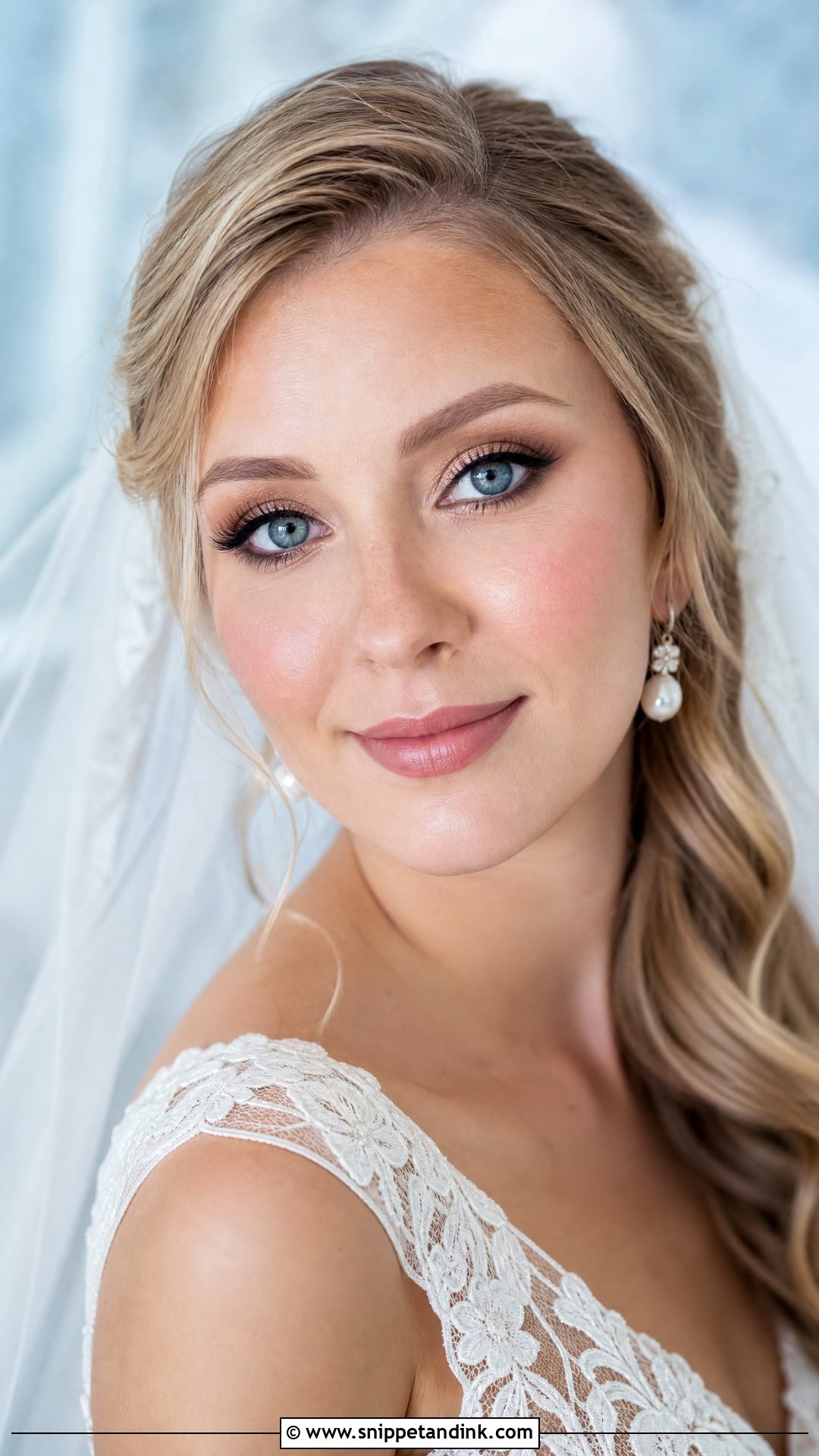
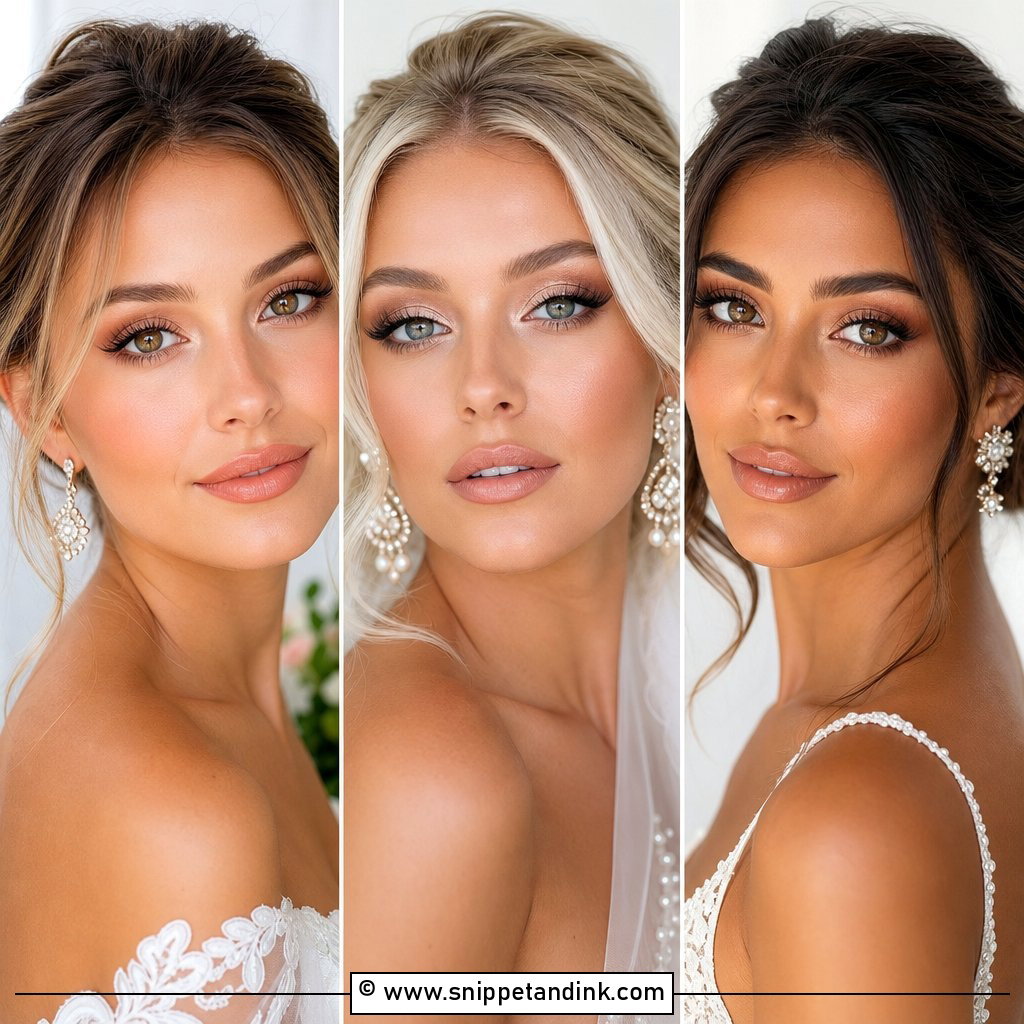
Warm shades make blue eyes look brighter because they sit opposite blue on the colour wheel. Brown, champagne, bronze, peach, taupe and rose gold all work. Brown liner often looks softer than black on fair skin. Fresh skin, pink or peach blush and a satin finish keep the face light, with a rose nude, pink beige or soft peach lip. I’d avoid icy silver or blue shadow, which competes with the iris rather than flattering it. Soft waves, lace and pearl earrings complete it.
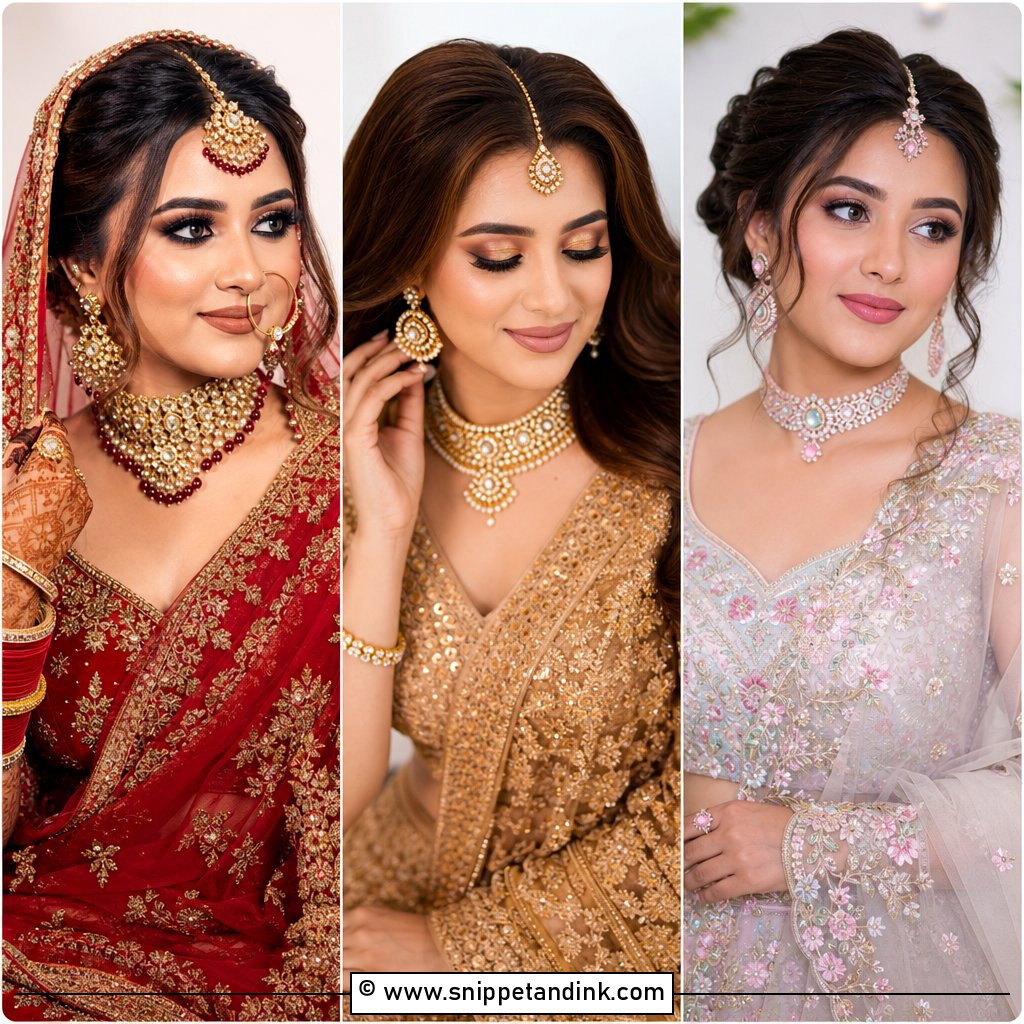
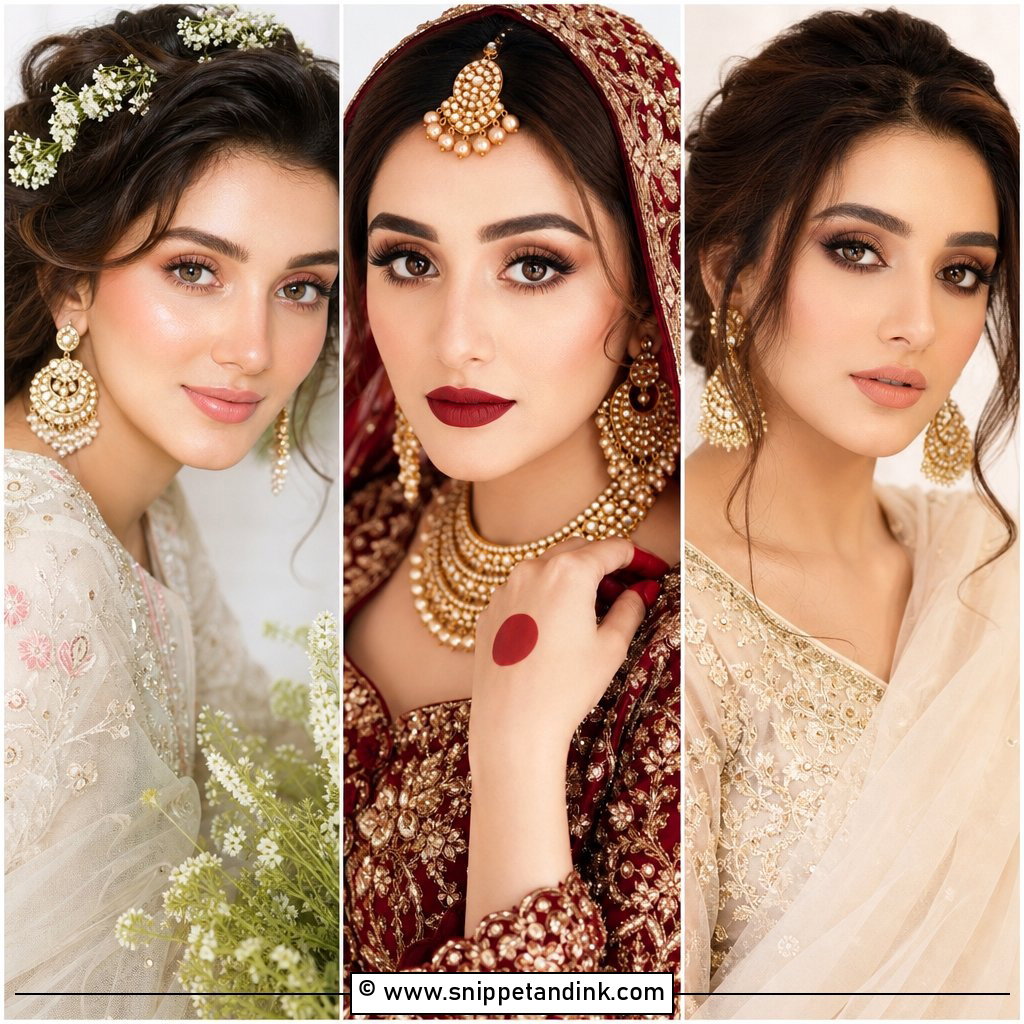
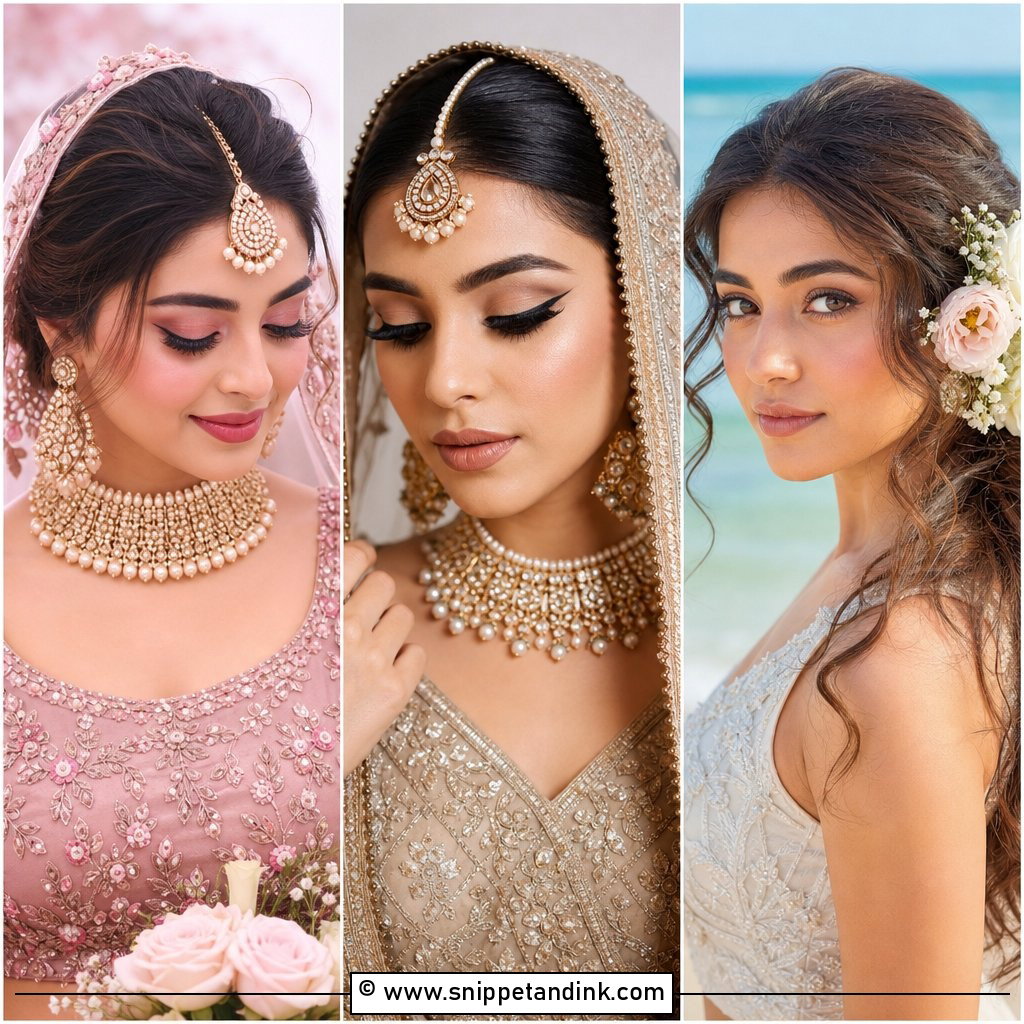
20. Christian Bridal Makeup For Brown Eyes
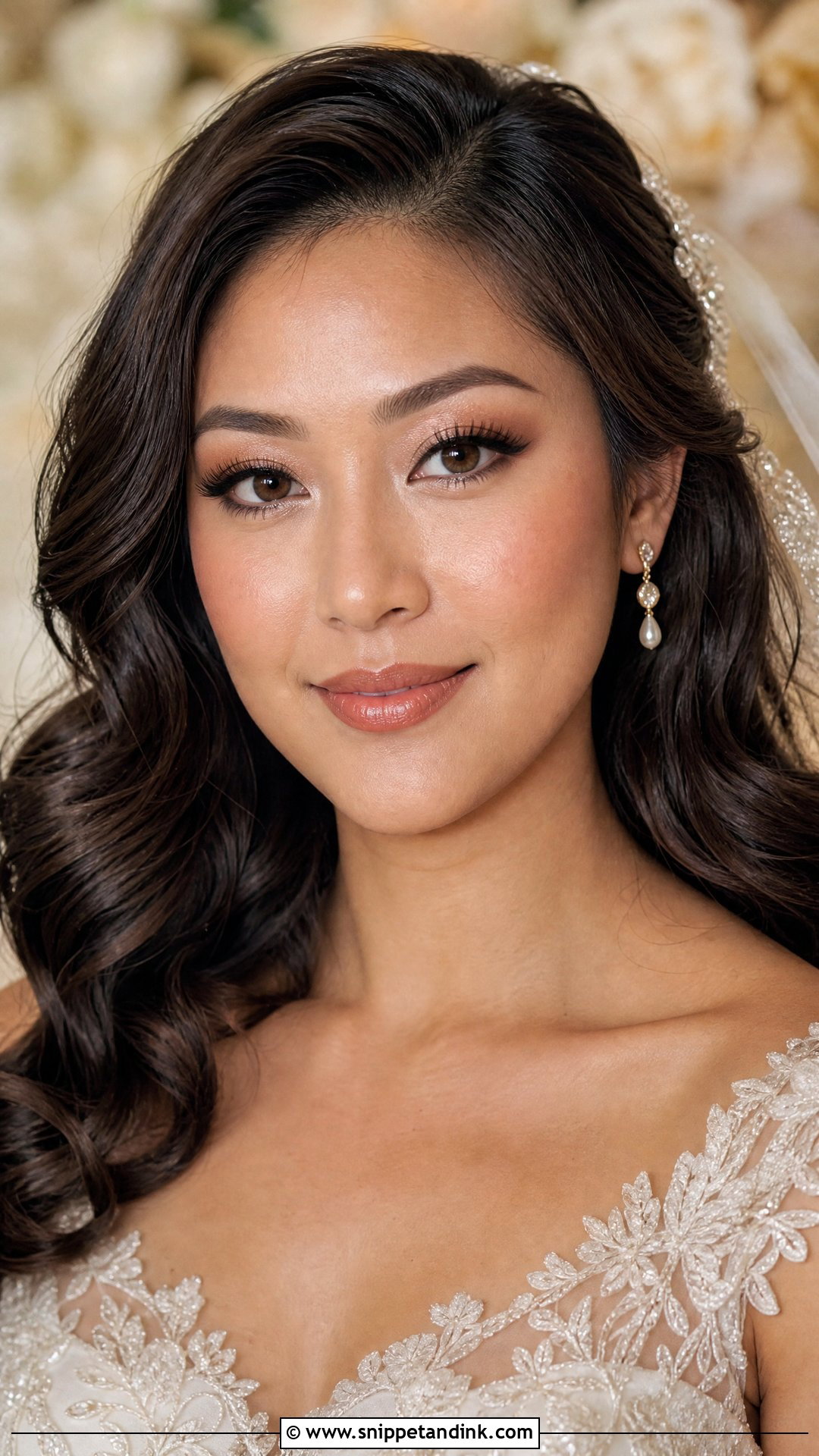
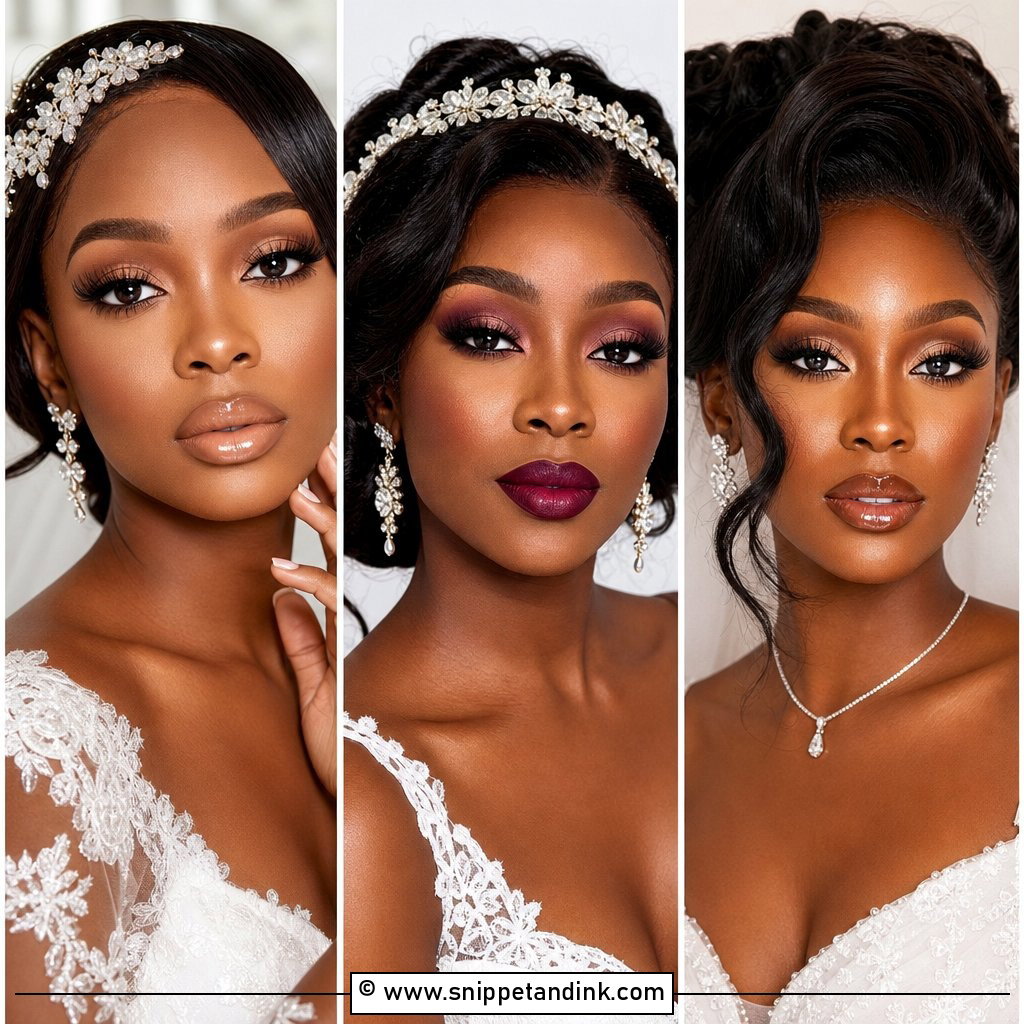
Brown eyes can wear almost anything, so I choose by the occasion and skin tone. For a classic bridal finish, champagne on the inner lid, bronze or taupe across, and deep brown liner close to the lashes. Plum, copper, gold, and rose shades bring out warmth in brown eyes, and plum in particular makes hazel flecks show. Radiant skin, soft blush and subtle contour. Nude rose, caramel, mauve or berry on the lips, depending on undertone. It’s an easy face to personalise at the trial.
A Touch-Up Plan From the Receiving Line to the First Dance
Church weddings often have a gap between the ceremony and the reception, plus a receiving line where you’ll be hugged and kissed on the cheek by everyone. Makeup that looked perfect at the altar will need a quick refresh, and planning when that happens is easier than reacting to it.
Three good moments to stop
- After the receiving line: blot the T-zone, check for lipstick on cheeks and re-line the lips.
- Before the reception entrance: press powder under the eyes and re-apply lip colour.
- Before the first dance or cake cutting: a final blot and a dab of concealer if needed.
What goes in the clutch
Your lipstick and liner, blotting papers, a small powder compact, cotton buds and a mini concealer. Skip anything that needs a brush. Give it to a bridesmaid or your mum, since you won’t be carrying a bag.
One habit I’d break before the day: rubbing your eyes or wiping tears sideways with a finger. Press a folded tissue gently under the lower lashes instead. It lifts the moisture without dragging liner and concealer with it, and it’s the single change that keeps eye makeup intact through an emotional ceremony and a long evening of photos.
What Your Trial Should Tell You Before the Service
Whichever face you lean toward, natural, matte, red lip, bronze or full glam, it should feel comfortable for a whole day and look like you. Long-wear products, waterproof eye makeup, a lip that suits you and a base matched to your skin type matter more than following a trend. A trial is where you find out how the shades photograph and how long they last on your skin. Wear it until evening, check it in daylight and indoors, and walk into the church already knowing what you’ll see in the mirror.
You'll Like These Ideas:


Leave a Reply