
South Asian bridal makeup has kept its signatures, kohl, gold shimmer, a strong lip, while the skin underneath has become lighter and more like real skin. What hasn’t changed is the job: the face has to hold its own against heavy jewellery, a rich outfit colour and very mixed lighting, from a sunlit mandap to a dim reception hall. I plan every bride’s face around four things before I think about trends: outfit colour, undertone, ceremony time and how much of the face the dupatta and jewellery will cover. Below are twenty South Asian bridal makeup looks, from classic red-lehenga glam to soft nikkah makeup and dewy reception skin, with the practical notes I’d give in the chair.
Foundation on Deep and Olive Skin Without the Grey Cast
Most of the bridal faces that go wrong in South Asian weddings go wrong at the base. Ashy, grey or chalky skin in photos usually comes from one of three things, and all three are avoidable.
- A shade matched on the jaw under shop lighting. I match on the jaw and the neck in daylight, and check it against the chest if the neckline is low.
- Pink correctors on brown skin. Peach, orange or brick tones cancel dark circles and pigmentation; pink sits on top and goes grey.
- Heavy SPF or silica-based setting powder under flash. Both can bounce the light back as a white cast, so I keep them off the wedding face.
If you’ve had haldi a day or two before, your skin may be slightly warmer and yellower than at your trial. I bring a shade either side of your match for that reason, and mix on the morning.
Olive skin has its own trap: foundations labelled neutral often lean pink on it. A shade with a slight green or golden base usually disappears better, and I’d rather blend two products than force one that’s nearly right.
1. Red Lehenga Bridal Makeup
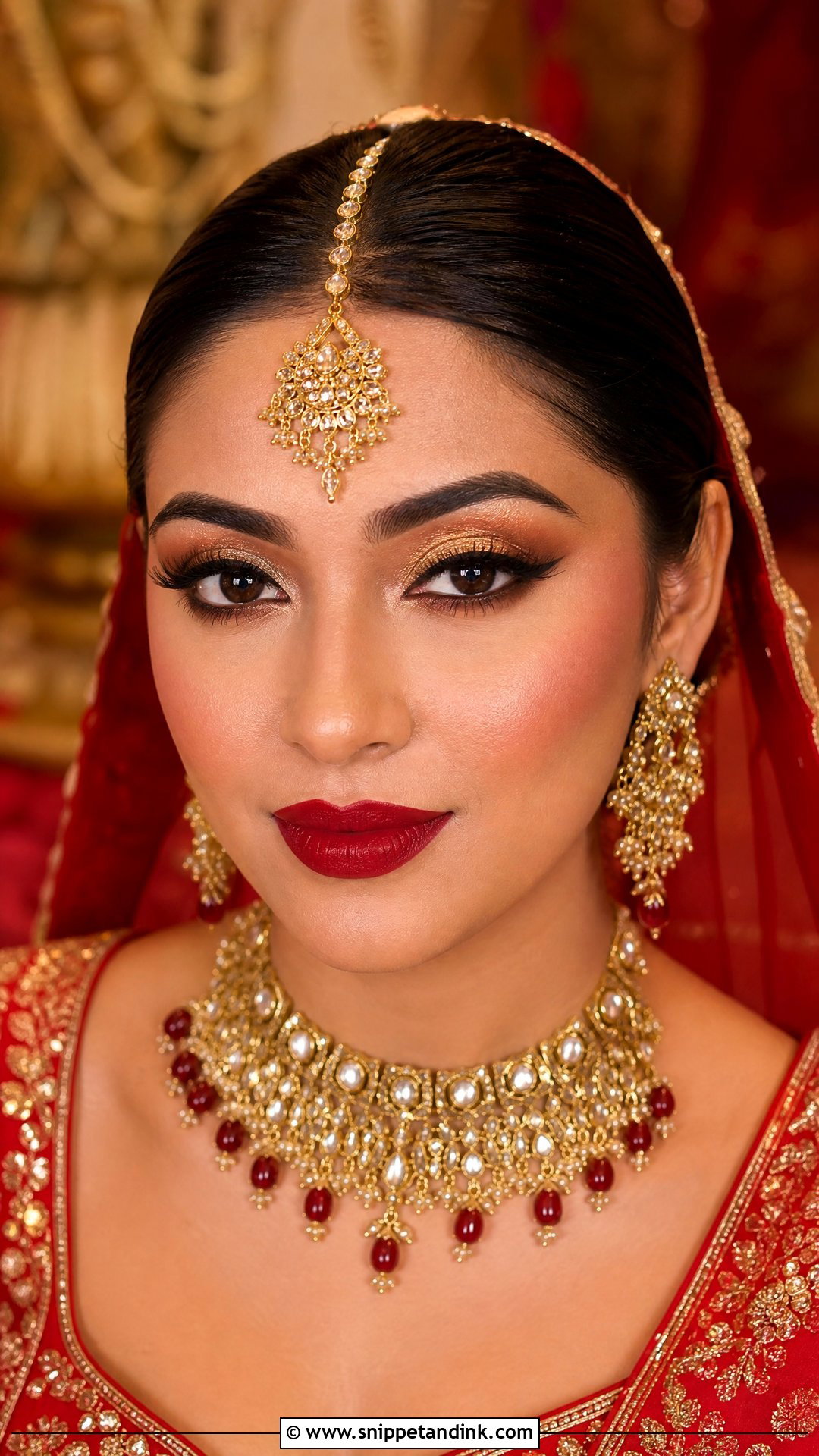
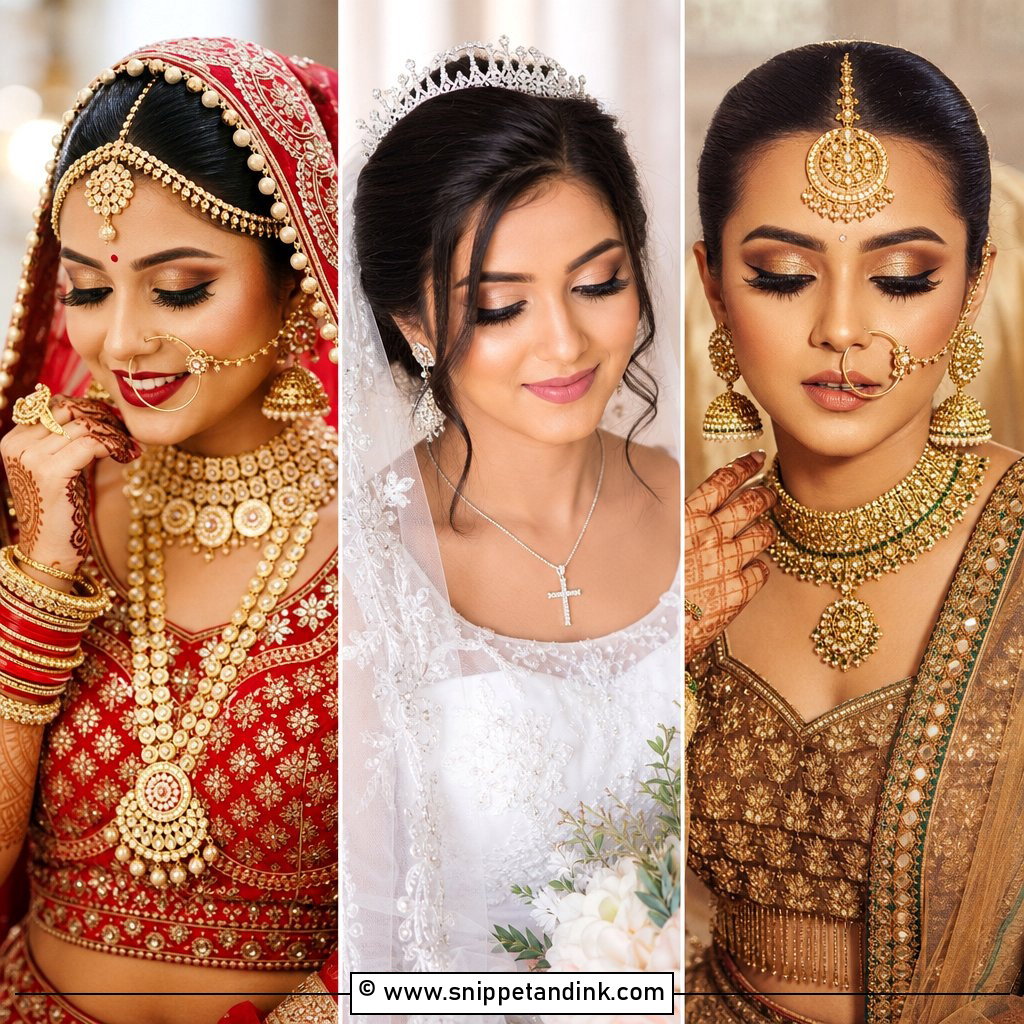
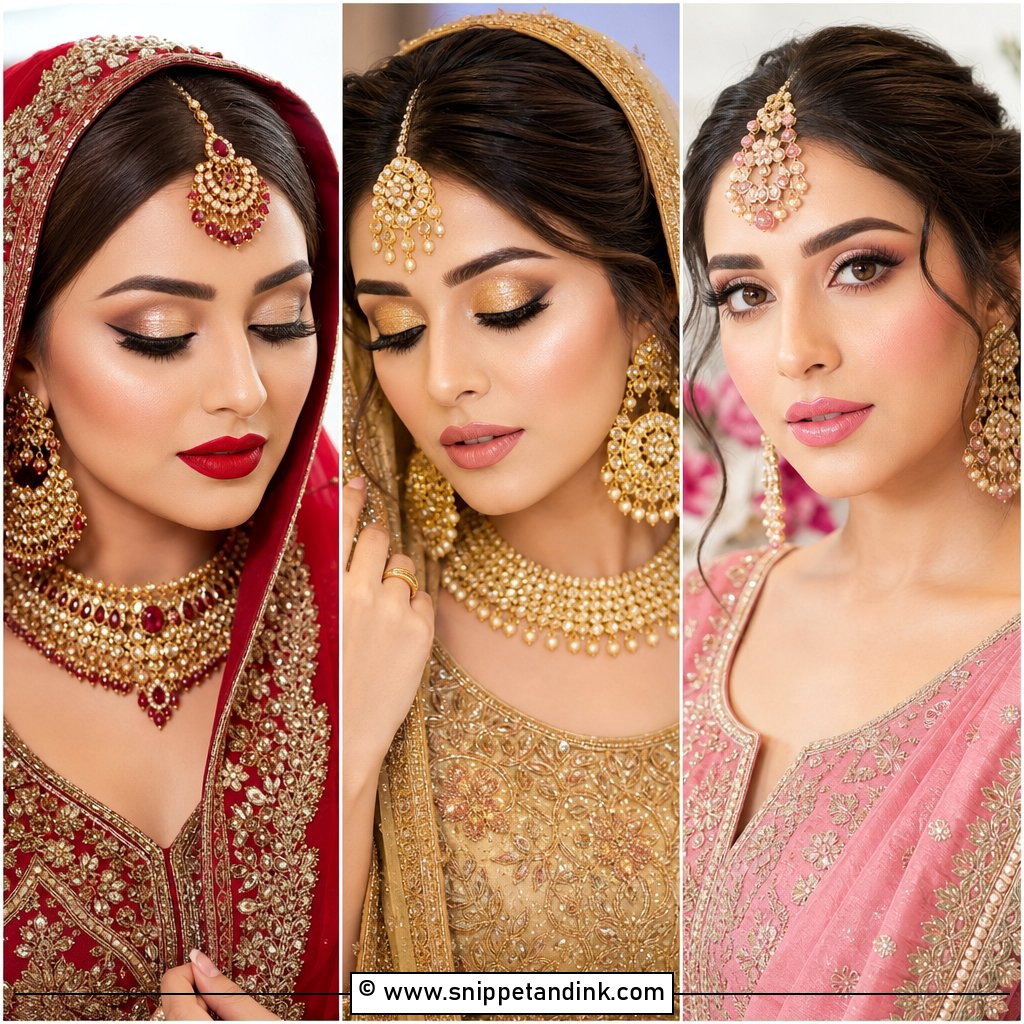
With a red lehenga, the danger is a face that disappears or one that fights the outfit. I build a long-wear satin base, colour-correct dark circles with peach or orange first (on deeper skin, a pink corrector goes grey), then sculpt lightly. Warm gold or bronze on the lid with brown in the crease and a clean black wing holds up under a heavy dupatta. Match the lip to the red of the fabric in daylight, not under the shop’s lights; a red that’s slightly too blue or too orange shows in every photo.
2. Soft Glam Indian Bridal Makeup
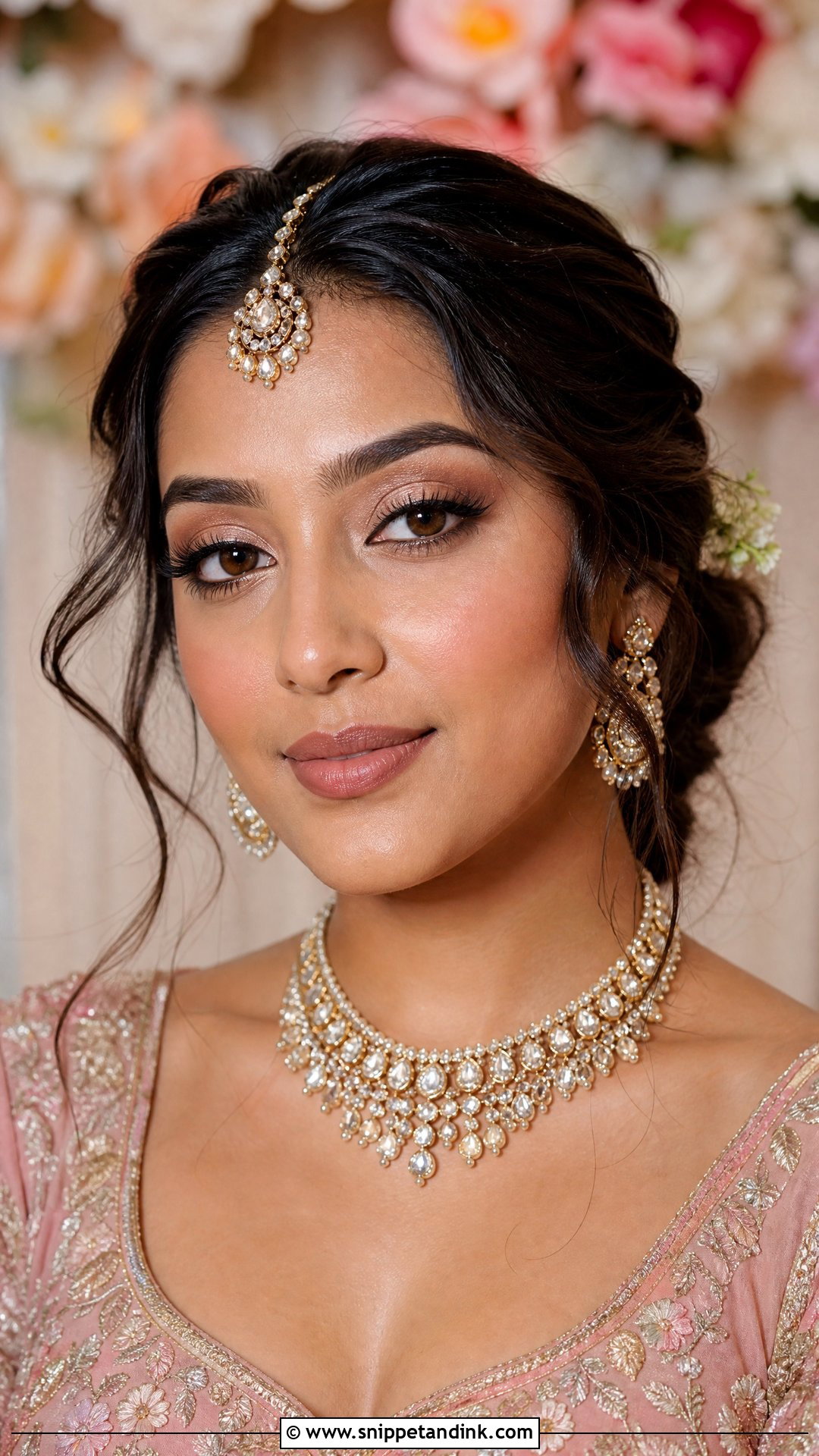
Soft glam means definition without the heavy finish. Skin stays smooth and lightly blurred, the eyes get champagne on the lid, matte brown in the crease, thin liner and wispy lashes, and bronzer plus a rose blush lifts the face instead of sharp contour. Nude pink, caramel or muted mauve lips go with pastels and traditional colours alike. My caution: soft glam can wash out in a big hall with mixed lighting, so I still define the lash line and brows more than looks natural in the mirror.
3. Pakistani Bridal Makeup
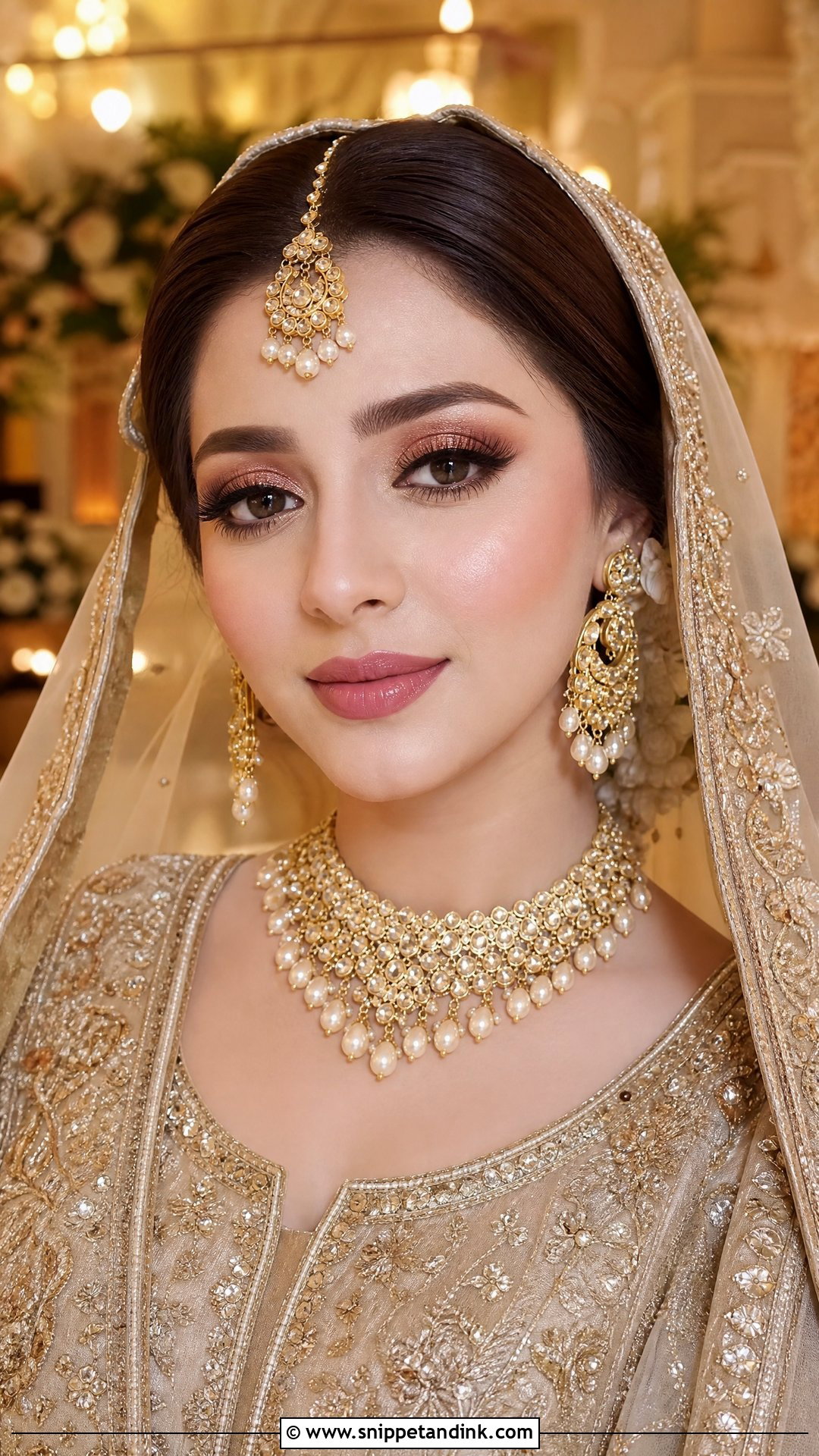
Pakistani weddings usually mean several looks over several days, so I treat the baraat and the walima as different faces. The baraat, often in red, takes the fuller version: smooth coverage, kohl along the lash line, taupe and bronze or rose gold blended out, fluttery lashes and a rose or berry lip. The walima, in lighter colours, gets the same base with softer eyes. Brows should look full but never blocky. Ghararas and shararas with heavily embroidered dupattas carry this richness well.
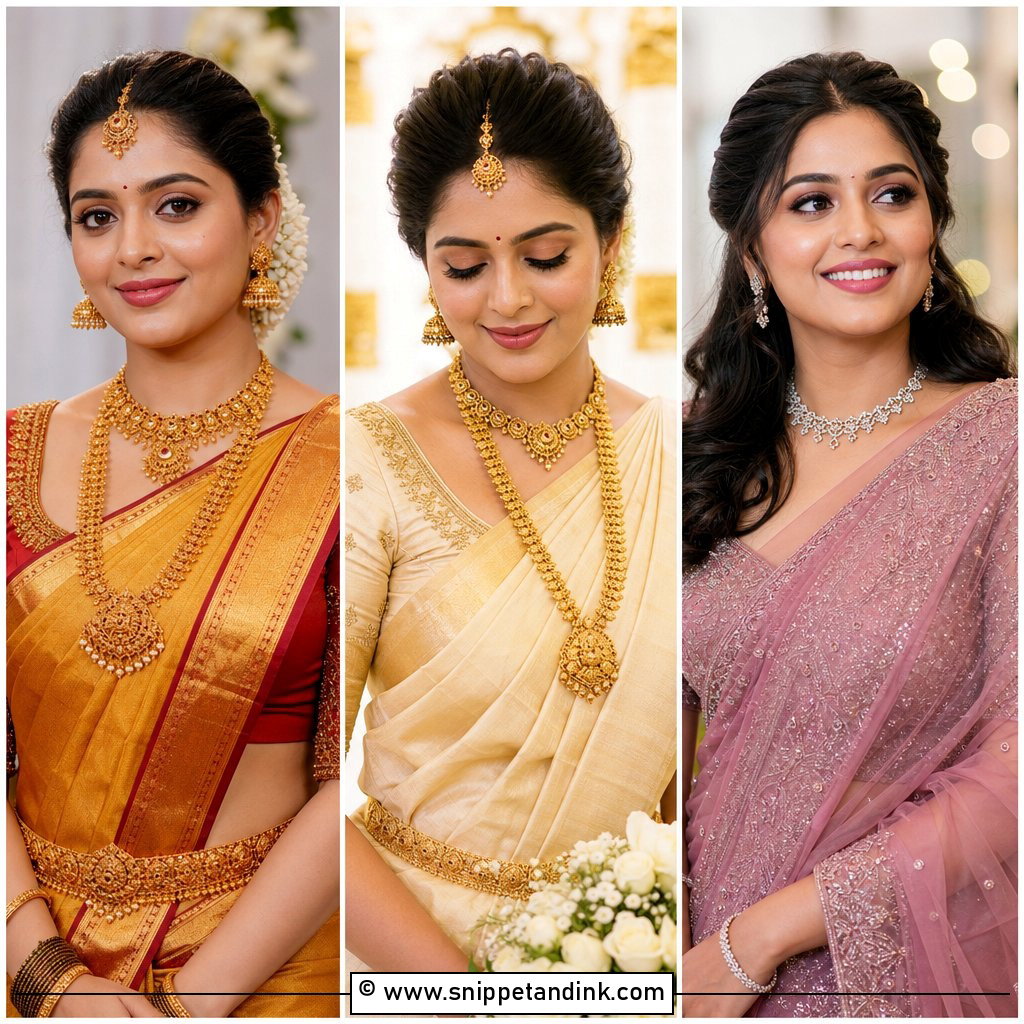
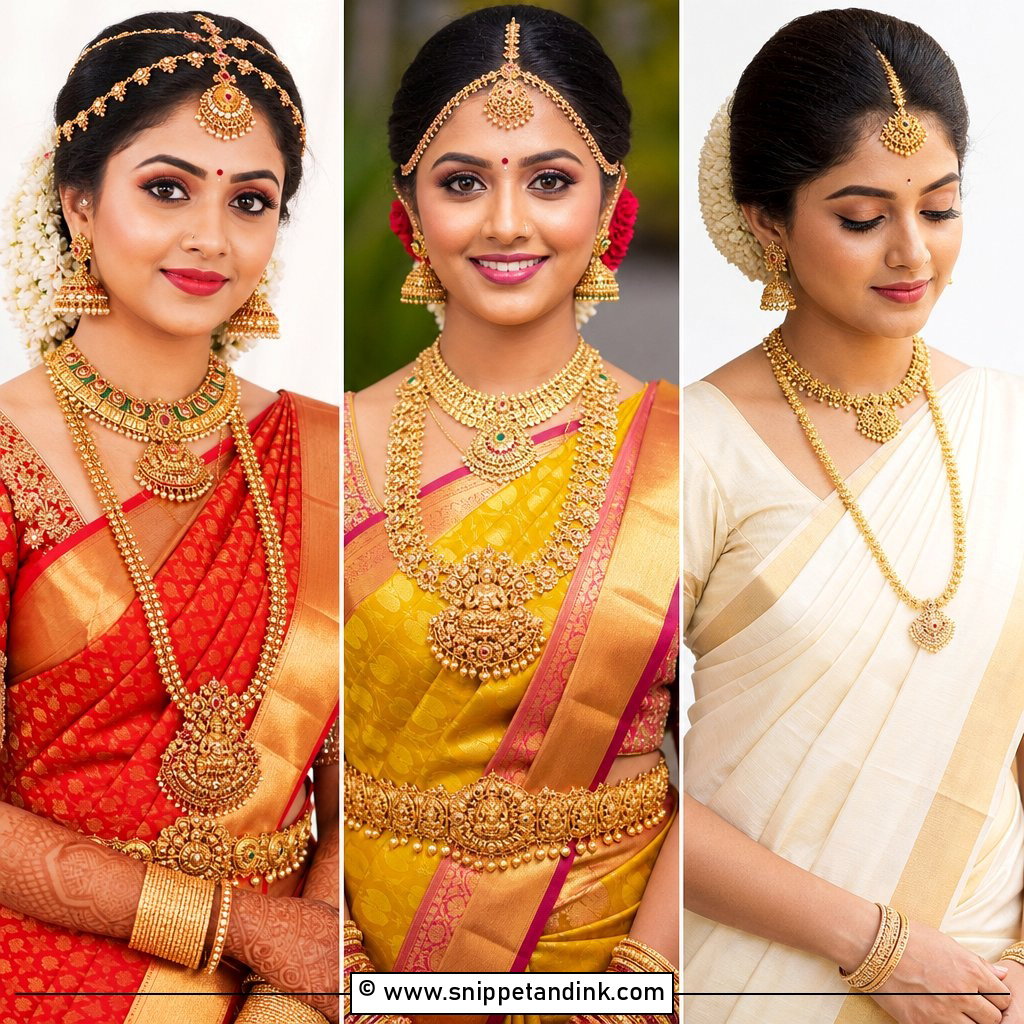
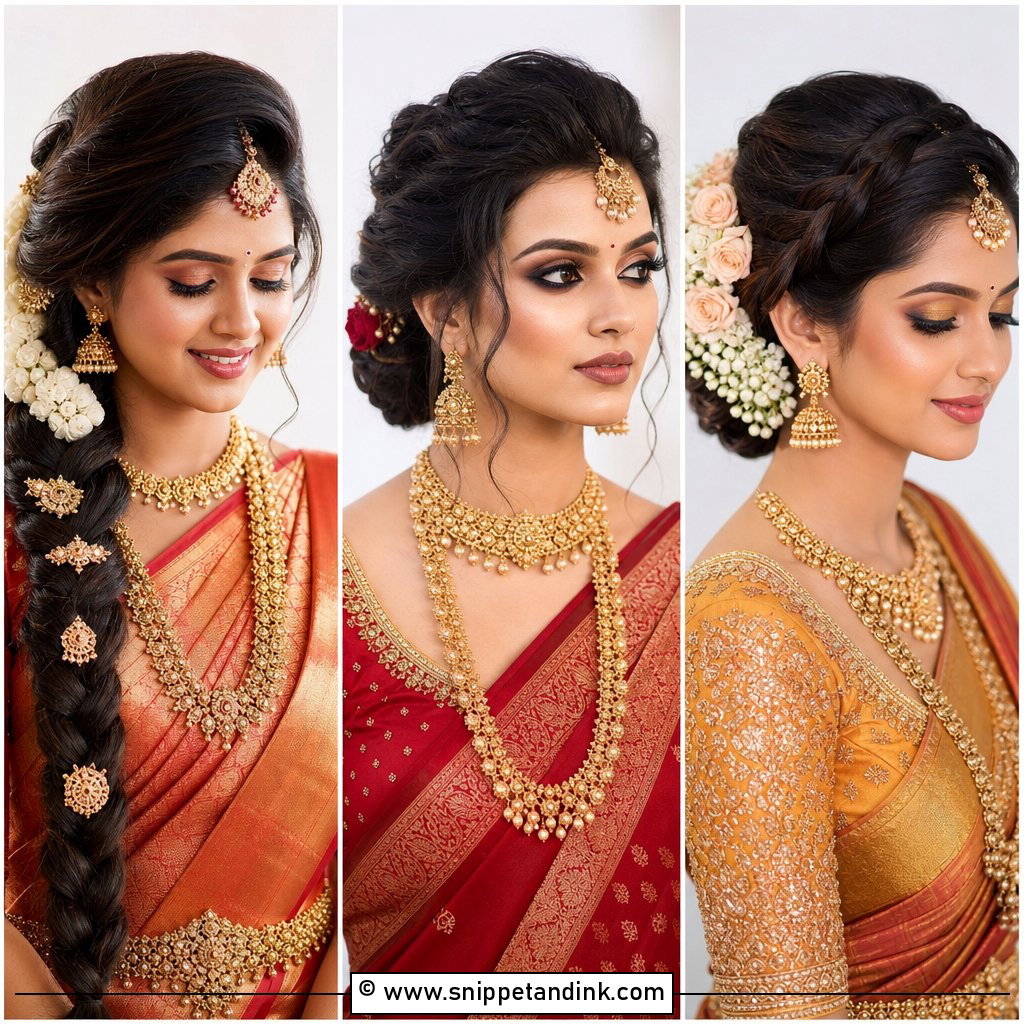
4. South Indian Bridal Makeup
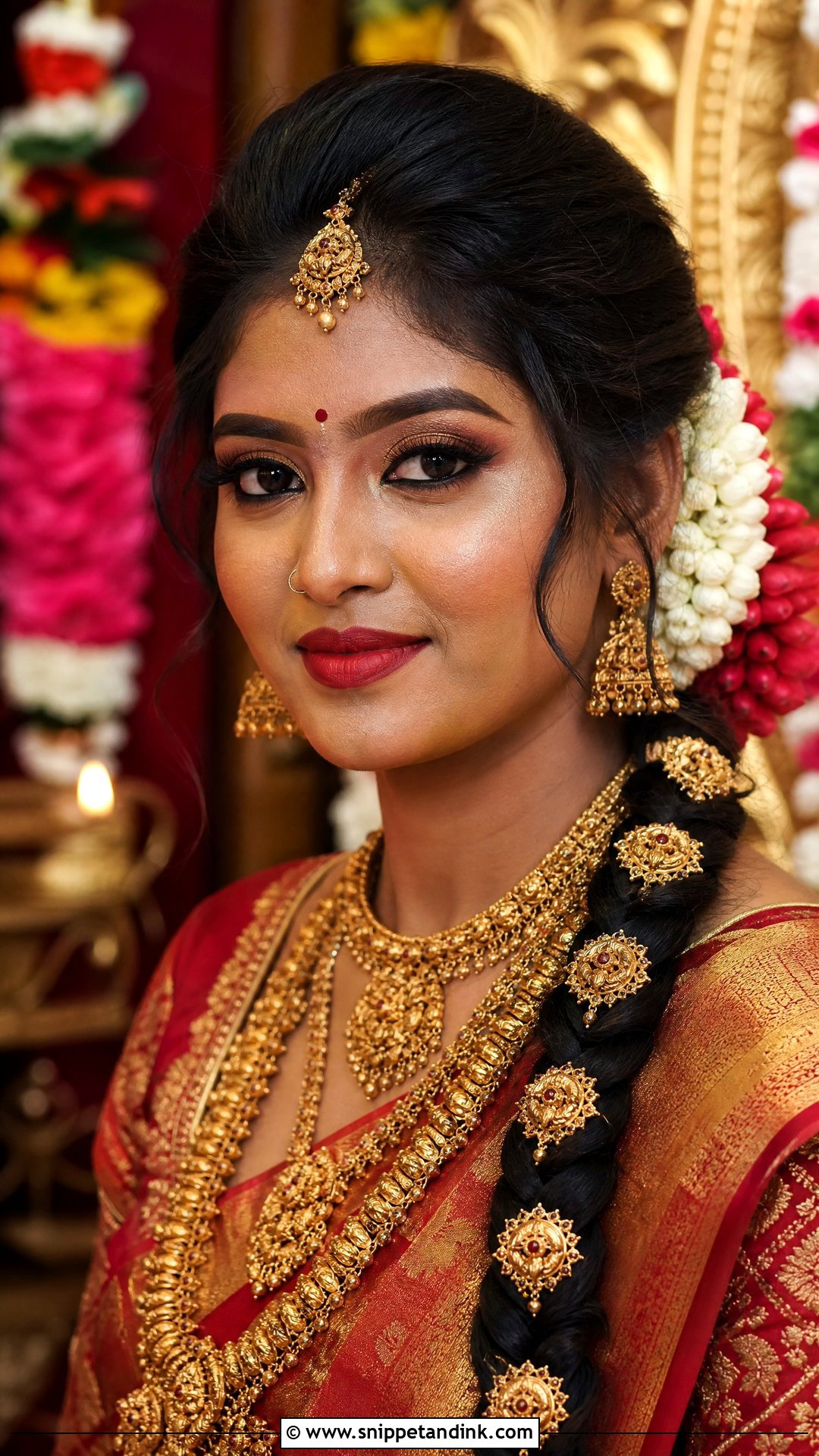
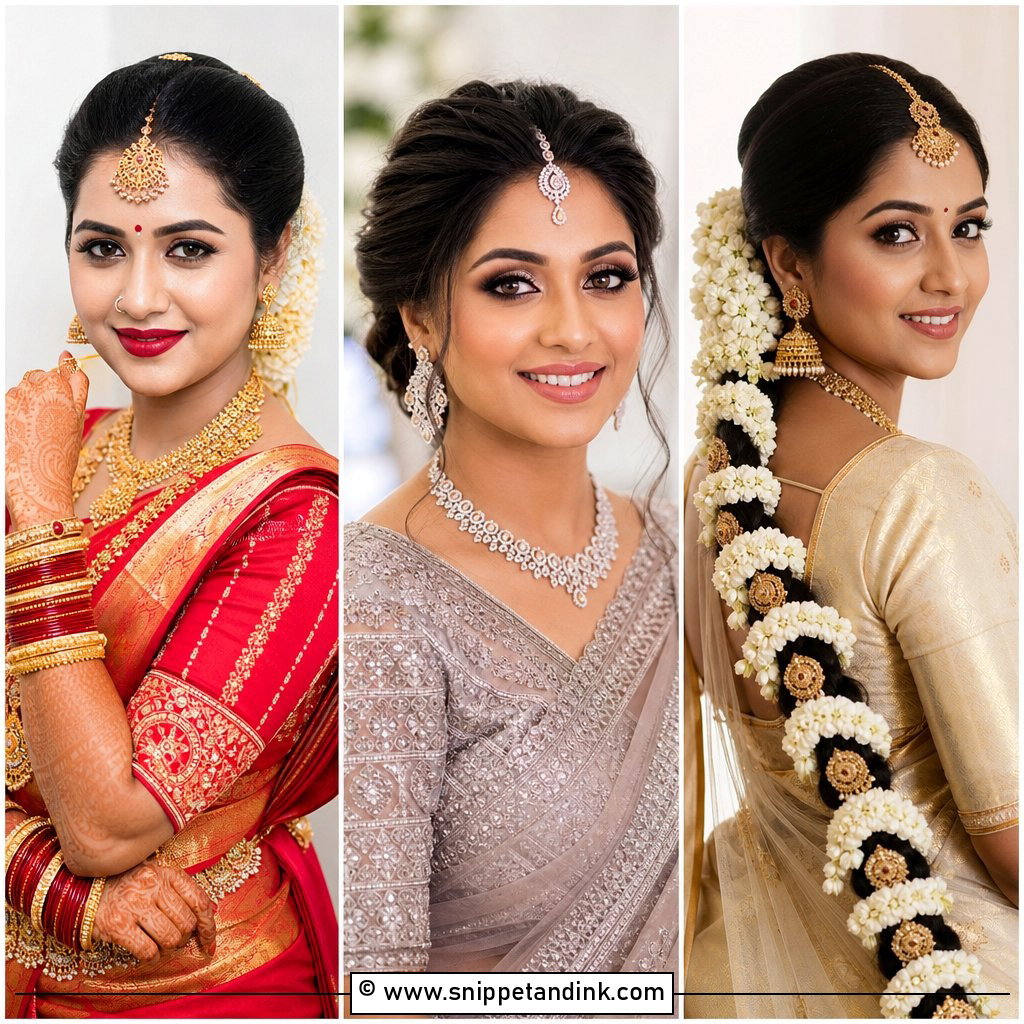
Silk sarees and gold temple jewellery need a face with warmth, so I avoid anything ashy. A satin-matte base controls shine under hot lights, and I set the T-zone well because early morning ceremonies in the south can be humid. Kohl, soft brown shadow and a touch of gold frame the eyes, with a small wing and full lashes. Coral, peach or rose blush adds life, and a red, brick or berry lip stands up to a Kanjeevaram’s deep colours. Keep highlighter to the high points only; temple gold already reflects plenty of light onto the face.
5. Bengali Bridal Makeup
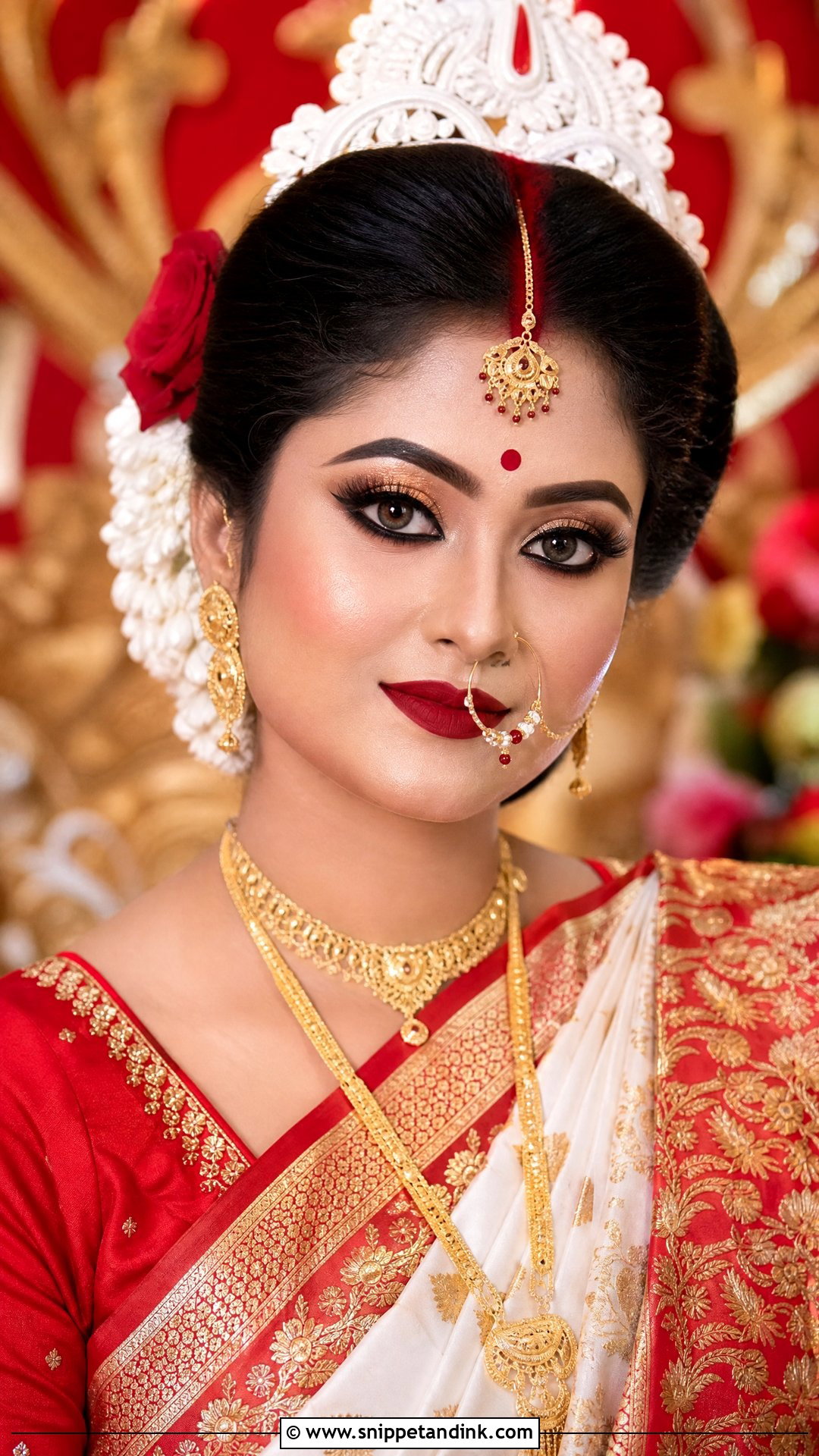
Bengali bridal makeup is built around expressive eyes and a strong red lip, framed by the chandan dots and alpona-style designs on the forehead. Because those designs need a clean canvas, I keep the forehead and brow area matte and plan the base before the artist doing the chandan starts. Gold shadow, black liner, kohl on the waterline and rounded lashes make the eyes big. I use a waterproof kajal and set it with dark shadow, because tears and humidity both move it. A crimson lip pairs naturally with a red and white saree.
6. Gujarati Bridal Makeup
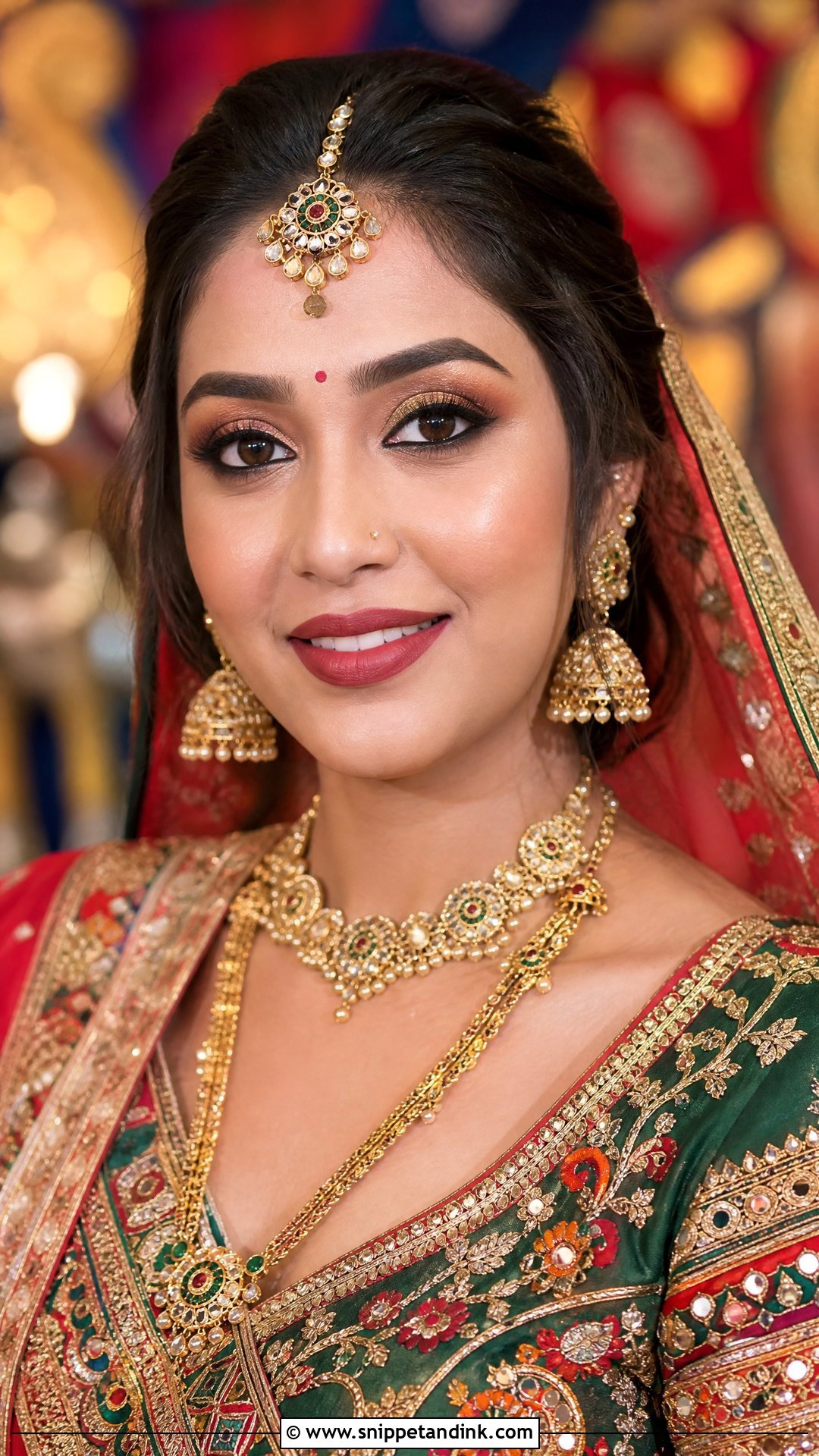
Gujarati bridal outfits like the panetar and gharchola bring red, white, green and gold together, so the face has to support a lot of colour without adding more. I lean on bronze or antique gold shadow, softly smoked brown liner and well-separated lashes. Satin skin with peachy blush and a light jawline contour keeps it fresh. Rosewood, warm red or terracotta pink suit the lip. Garba nights involve hours of dancing, so if you plan to dance in this look, tell your artist; I’d switch to a sweat-resistant base and more powder.
7. Punjabi Bridal Makeup
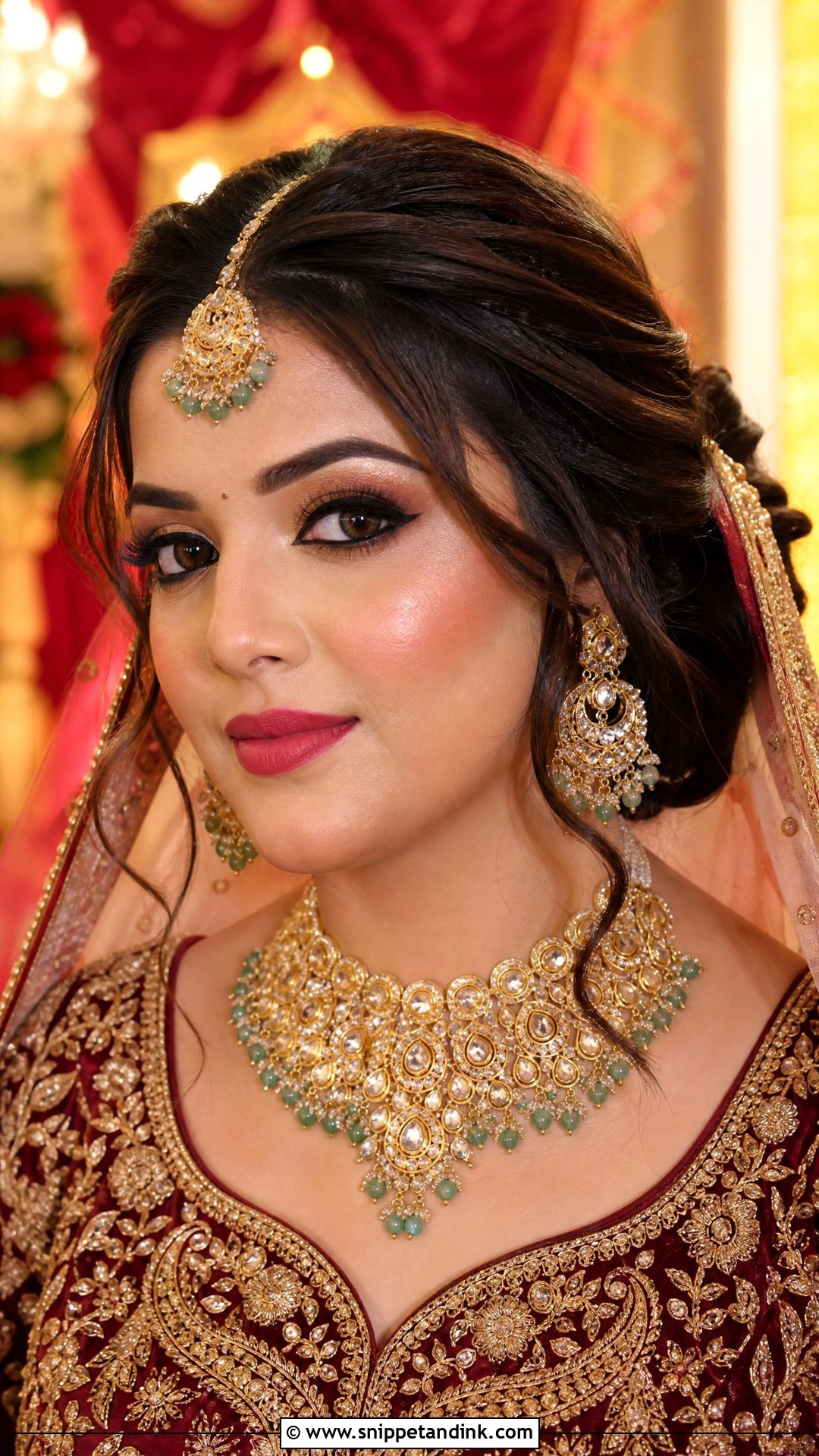
Punjabi bridal makeup can carry extra glam because the outfits and jewellery are bold. The base has to flex: long-wear foundation applied thin, so it moves with the face through laughing, hugging and bhangra. Bronze shimmer, deep brown in the crease, a black wing and full lashes lift the eyes. Warm contour, peachy pink blush and golden highlight finish the skin. Pink-red, berry or warm nude lips depend on the outfit. Watch the hands too: the chooda and kaleere sit next to the face in every photo, so wrist and hand skin tone should match the face.
8. Muslim Nikkah Bridal Makeup
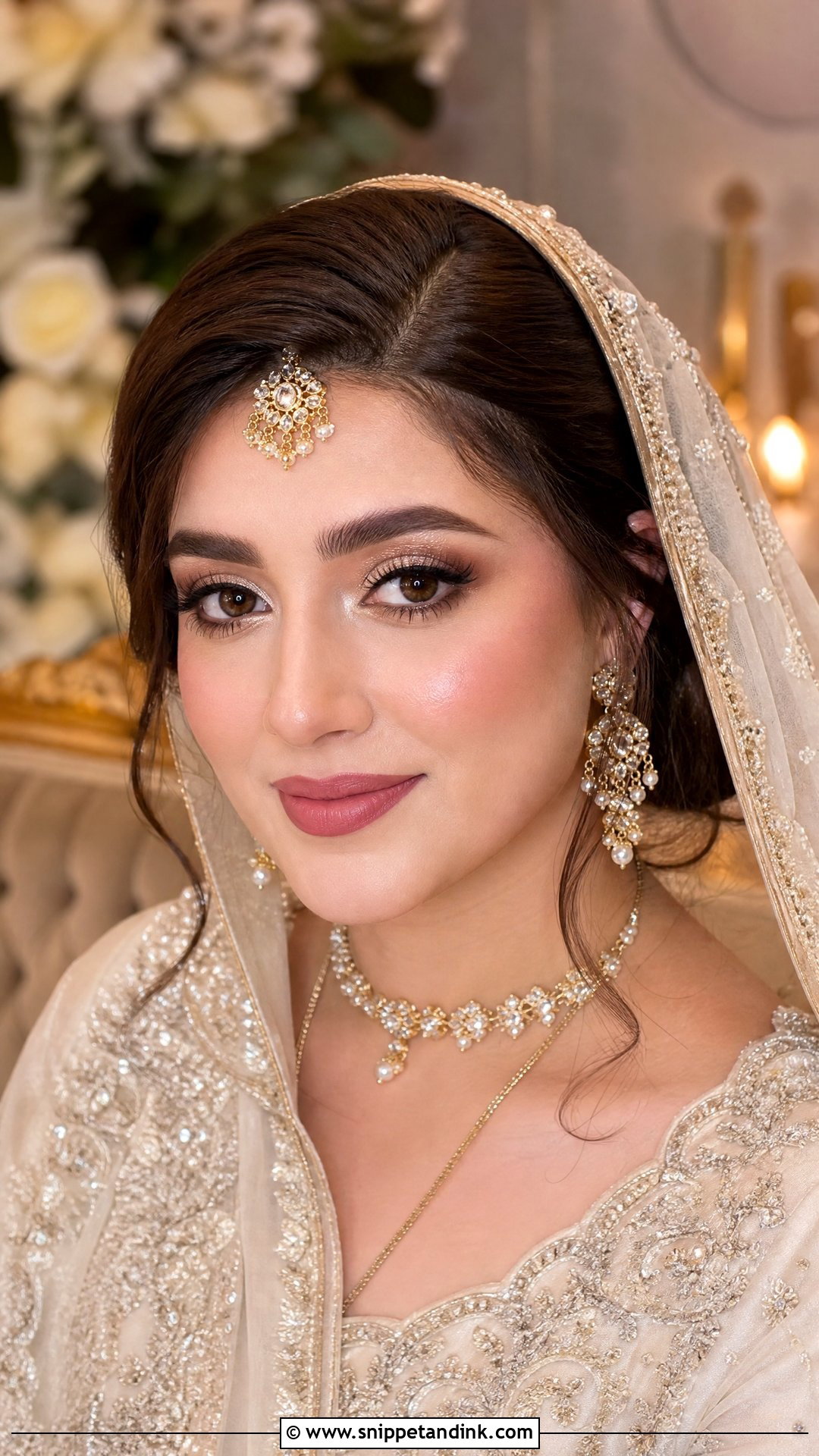
For a Muslim nikkah bridal makeup look, I start by asking how the head will be covered, because a dupatta draped over the hair frames the face closely and catches on anything sticky. A luminous base that looks fresh in natural light, soft taupe or champagne on the eyes and brown liner give gentle definition. If you want more drama, add a thin black line and wispy lashes. Airy pink or peach blush and a muted rose or mauve lip finish it, and the result stays modest and soft.
9. Sikh Bridal Makeup
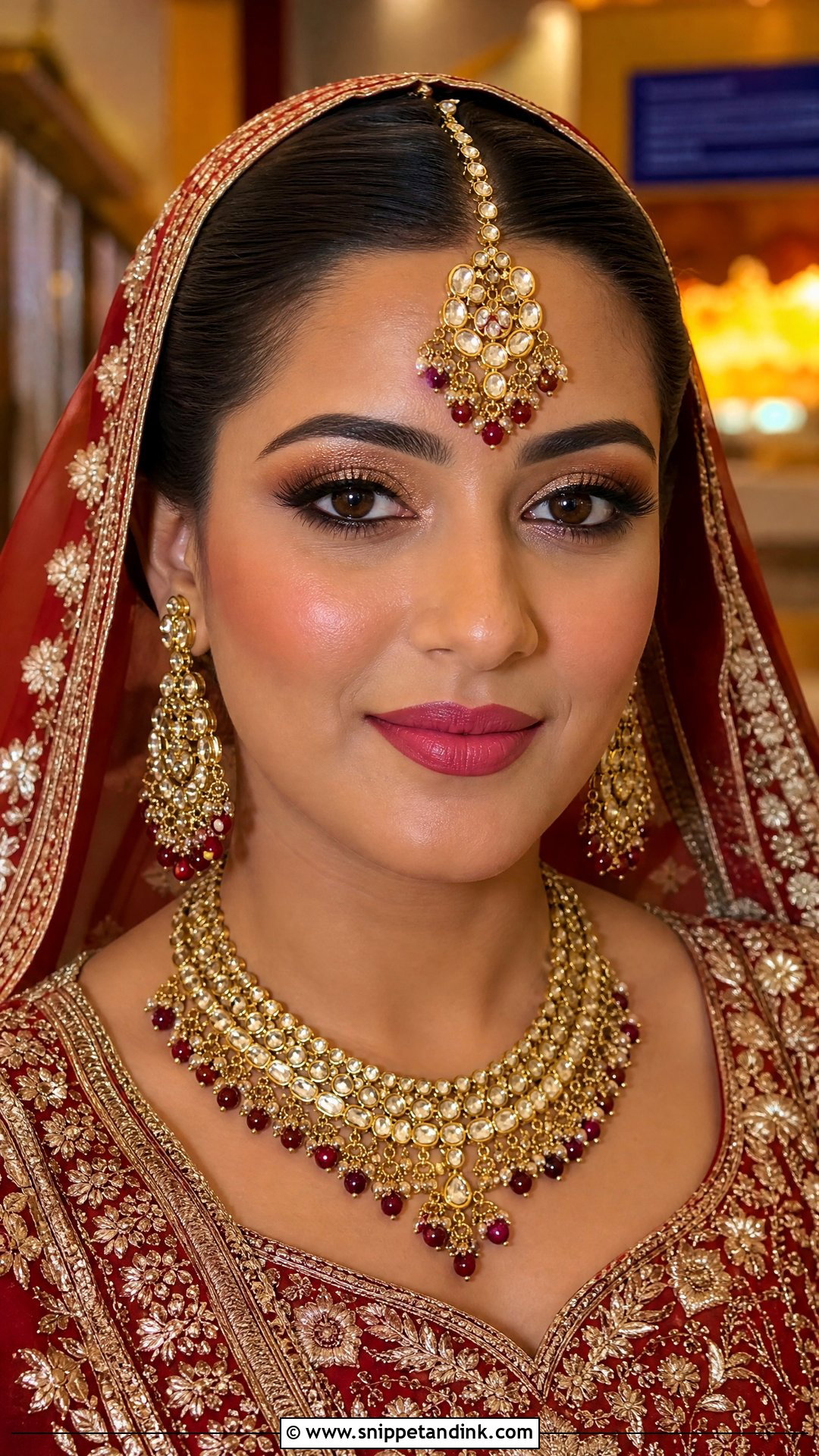
The Anand Karaj usually takes place in the morning, with the bride’s head covered and seated on the floor through the ceremony, so the face has to stay put for hours without a touch-up. The dupatta, often a phulkari, frames the face closely, which means brows, eyes and lips need clear definition. I use a satin foundation, warm bronzer and rose blush, gold or copper shimmer with brown depth and a black liner, and lashes that open the eyes without weighing them down. Rose-red, berry or soft brown-pink lips work with red, maroon, pink or ivory outfits. Highlighter stays controlled so the face doesn’t look shiny in gurdwara light.
10. Tamil Bridal Makeup
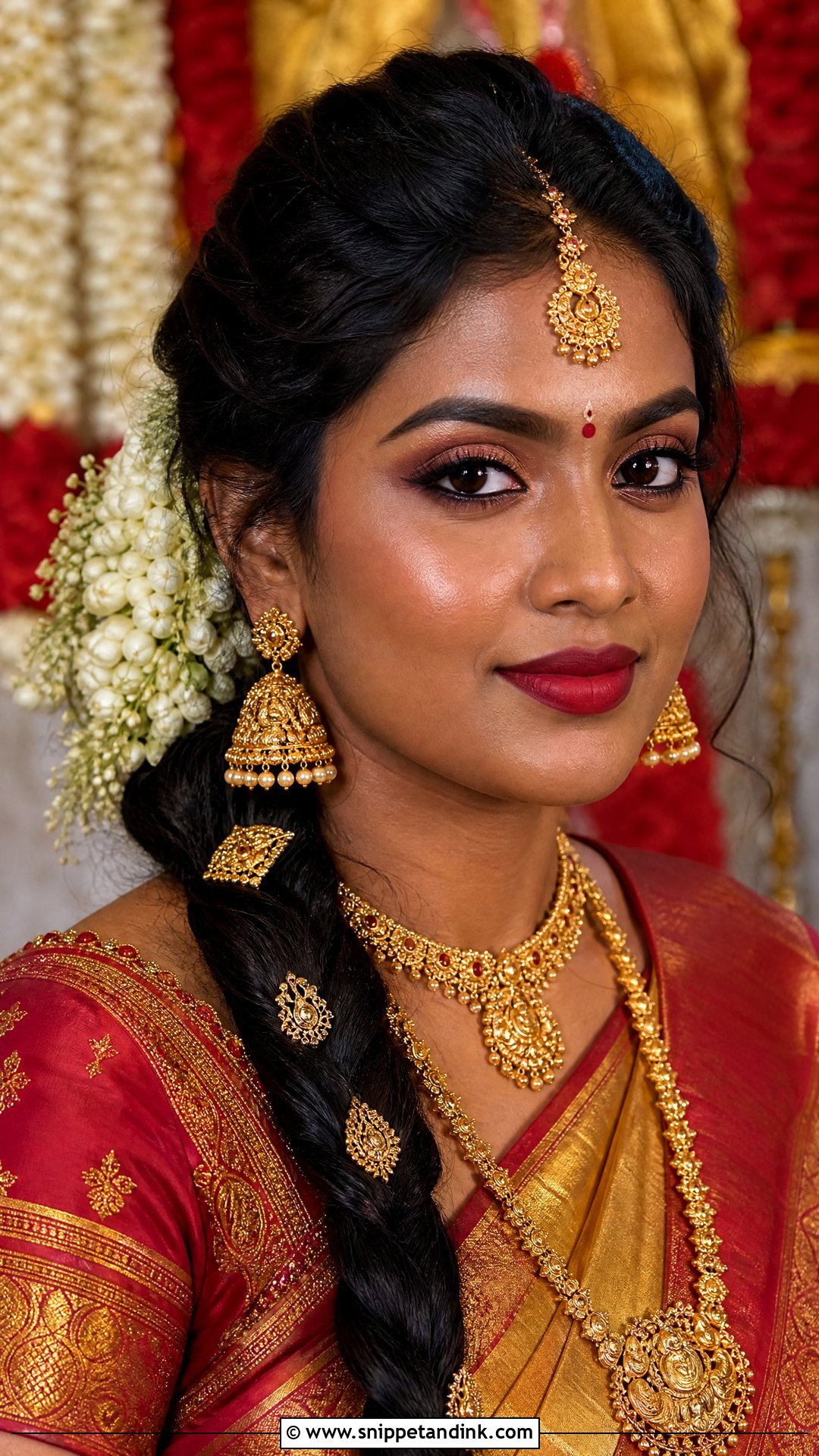
With temple jewellery and jasmine in the hair, the face needs to be even, warm and softly radiant rather than heavily sculpted. Warm brown, copper or gold on the lids, kohl and a defined lash line give depth, and a rounded eye shape looks classic next to traditional jewellery. Coral, peach or rose blush keeps the face fresh against gold. A deep red, brick or warm rose lip suits silk sarees. Fresh jasmine is fragrant but can irritate sensitive skin at the hairline, so I keep the garland off any freshly powdered neck area.
11. Kerala Bridal Makeup
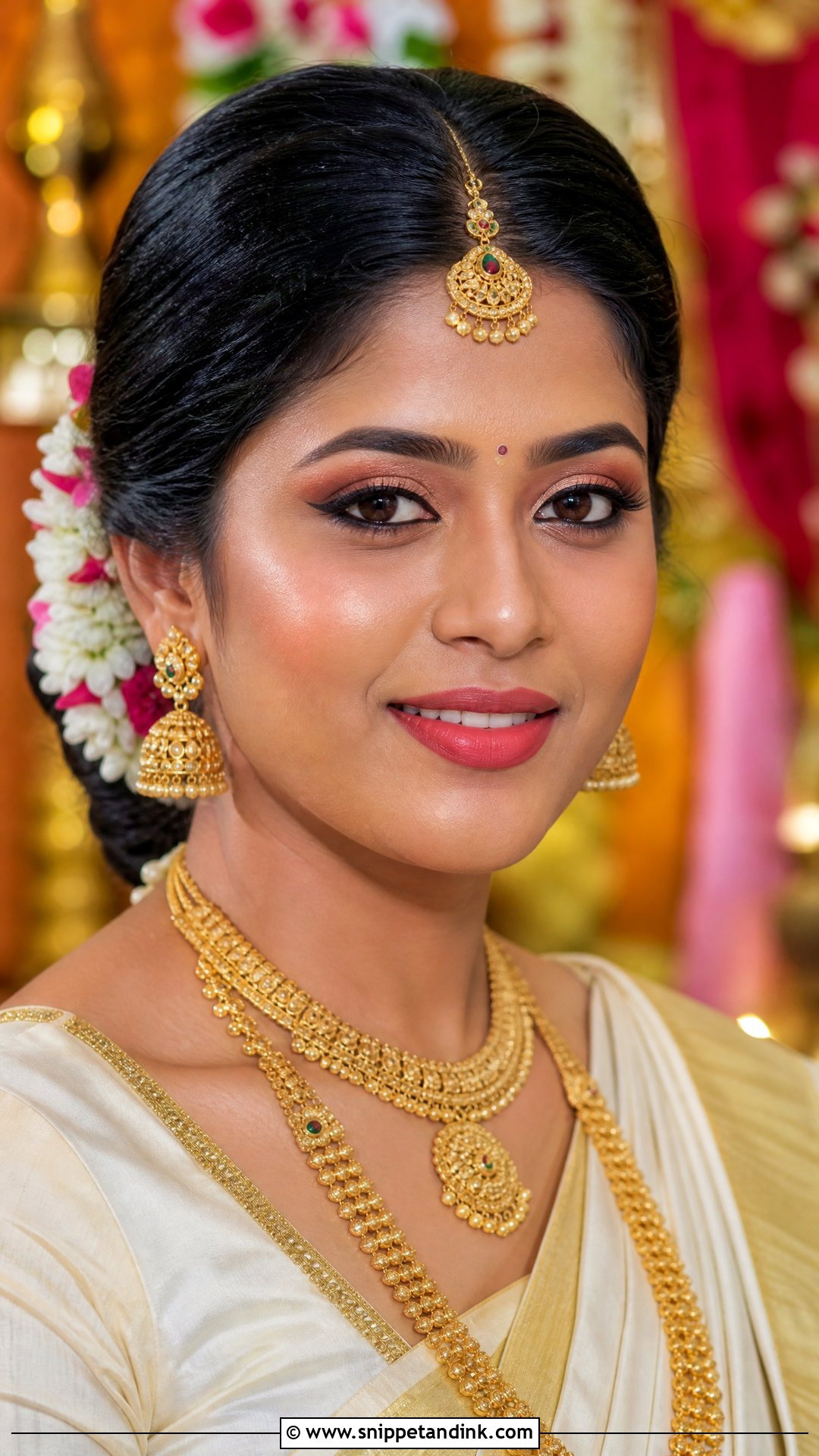
Kerala’s ivory and gold kasavu sarees are minimal, so heavy makeup looks out of place next to them. I keep a lightweight satin base that evens tone but lets skin show, soft gold shimmer on the lid with warm brown in the crease, and a brown or black liner. Dark smoky shadow fights with the simplicity of the saree, so I’d avoid it. Peach blush, subtle contour and a golden highlight carry it. Soft red, rose or peachy nude lips suit most undertones, and morning ceremonies in natural light reward this restraint.
12. Maharashtrian Bridal Makeup
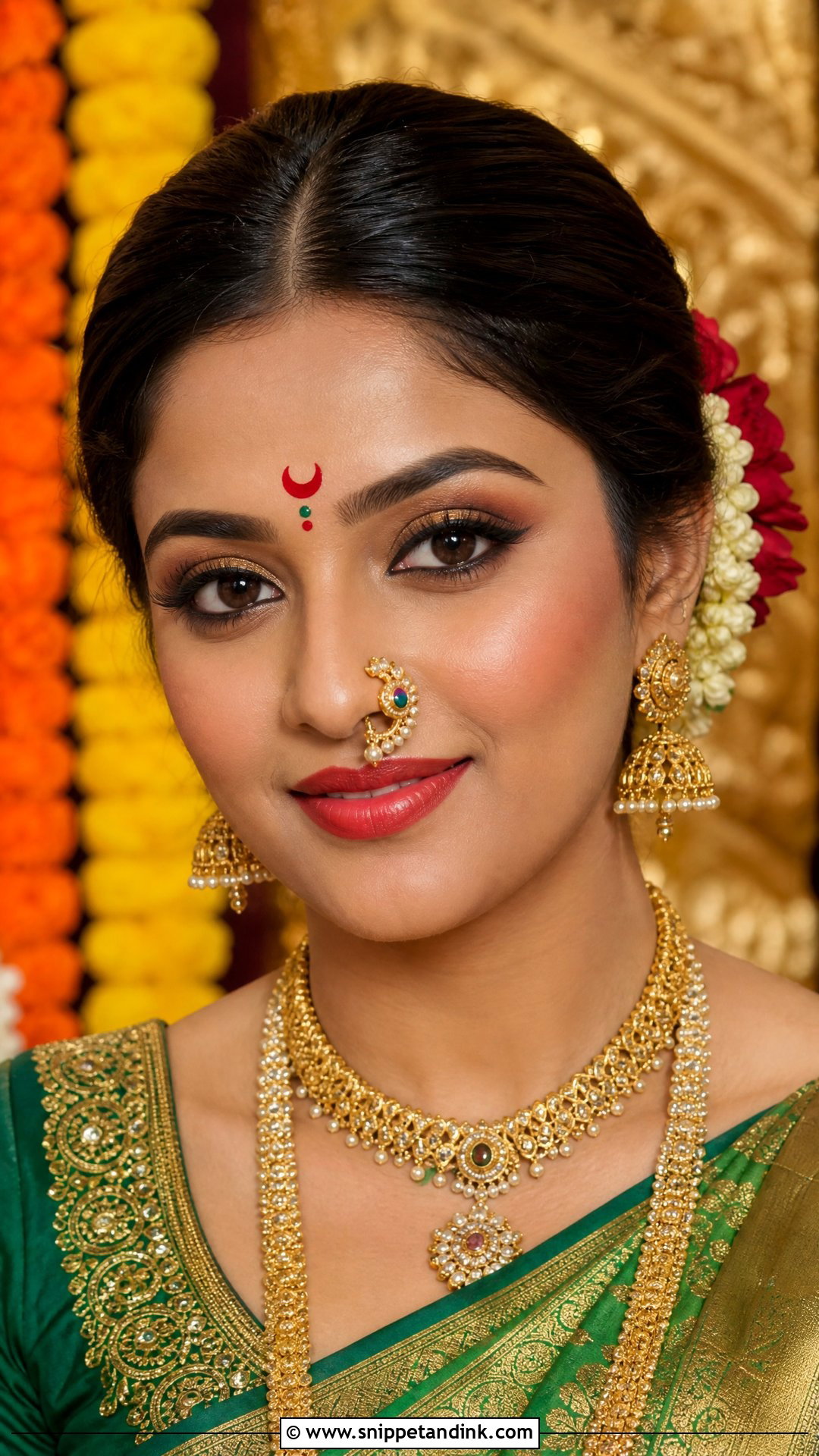
In Maharashtrian bridal makeup, the nath sits right over the lip corner, so I plan the lip around it. A long-wear liquid lip or a stain under the lipstick means the nath doesn’t drag colour across the cheek. The base is smooth matte or satin, warmed with bronzer and rose or peach blush. Gold shadow, brown crease, black liner and natural lashes keep the eyes balanced against the chandrakor bindi, with kohl softly on the lower lash line. Red, coral-red or rose suit green, yellow, red or orange navvari sarees.
13. Kashmiri Bridal Makeup
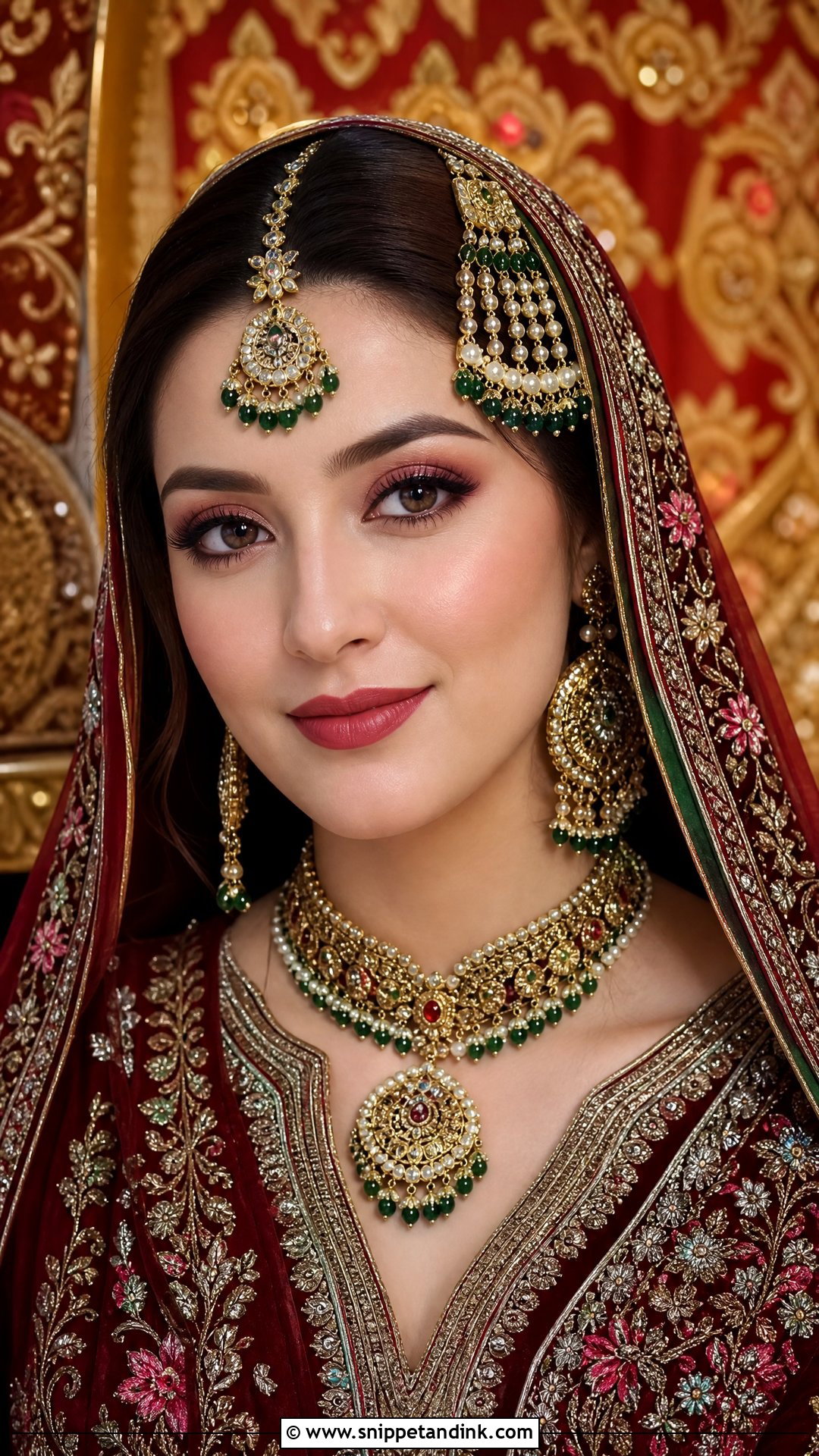
Kashmiri weddings often fall in cold, dry weather, and that changes the base. I hydrate properly first so the satin foundation doesn’t cling to dry patches, and I use cream products over powder where possible. Champagne, taupe, bronze or soft plum blended into a gentle smoky shape, black or brown liner and fluttery lashes give dimension. A cool rose, berry or mauve lip goes well with embroidered outfits and the traditional headpiece. Blush stays soft and lifted, with highlighter used lightly so the face doesn’t look greasy against heavy fabric.
14. Nepali Bridal Makeup
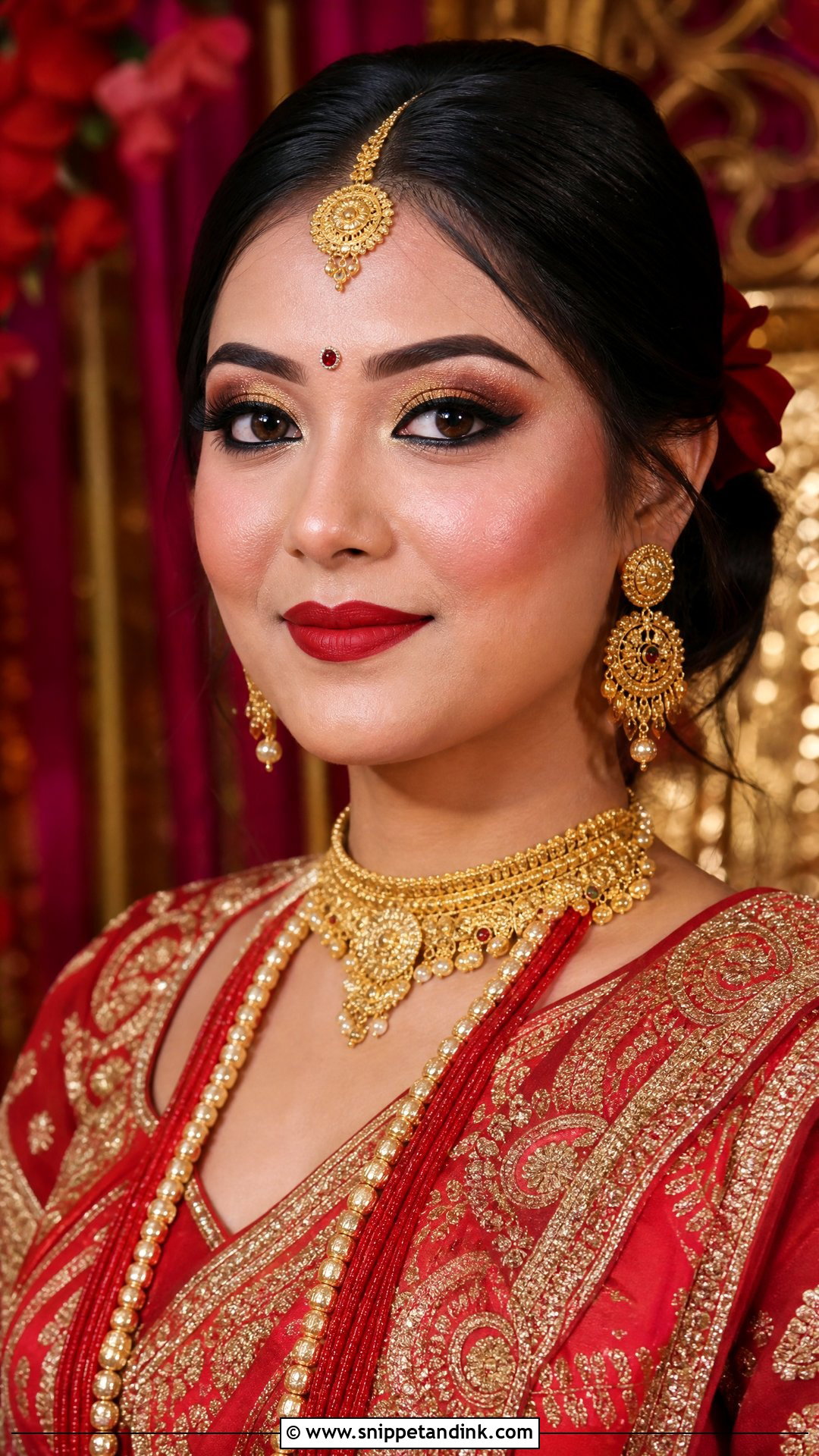
Nepali bridal makeup is usually paired with a red saree and gold jewellery, so the face needs enough colour to match without looking painted. A long-wear satin base, soft contour and rosy blush brighten the complexion. Gold shimmer, copper shadow, black liner and kohl frame the eyes, with lashes that add volume but keep the eyes open. A true red, rose-red or deep berry lip completes it. Many ceremonies move between indoor rituals and outdoor photos, so I check the face in daylight before the bride leaves the room.
15. Sri Lankan Bridal Makeup
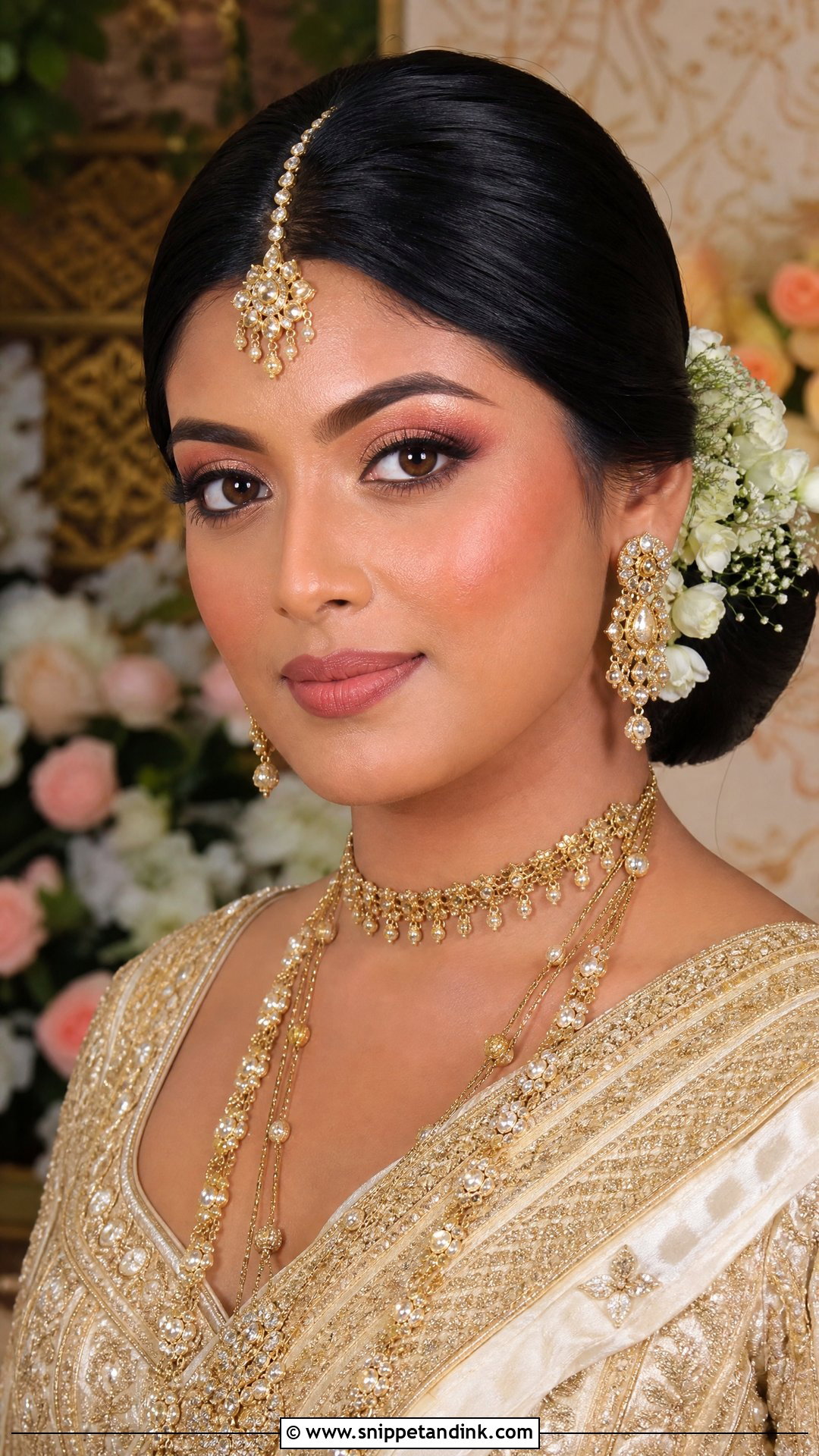
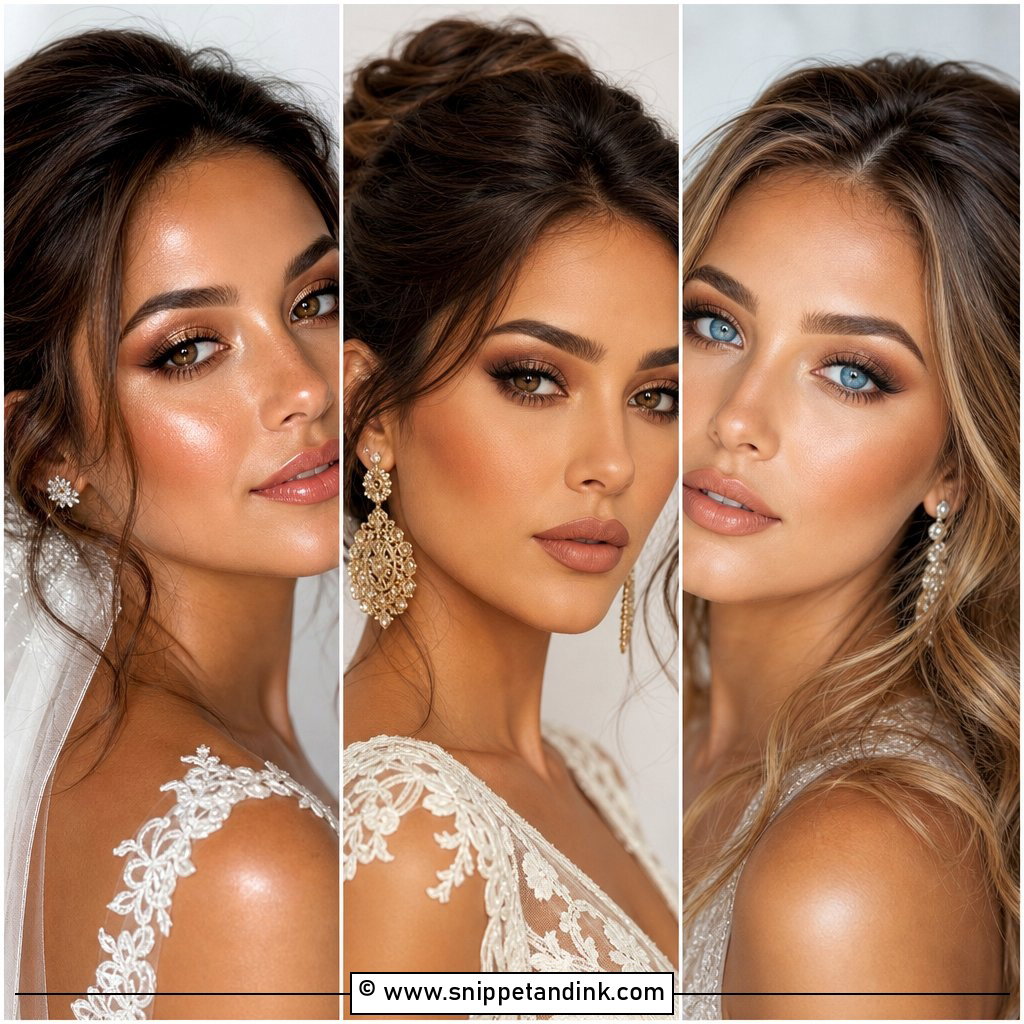
Sri Lankan brides, especially in a Kandyan saree, wear a lot of jewellery across the chest and neck, so I take the base down the neck and onto the chest where skin shows between pieces. Radiant satin skin with warmth through the cheeks, bronze or champagne shadow, precise liner and medium-volume lashes keep the face polished. Peach, coral or rose blush adds freshness. Warm nude, rose, berry or classic red lips depend on the outfit. Humidity is a constant, so I set the base well and give the bride blotting papers rather than more powder.
16. Bangladeshi Bridal Makeup
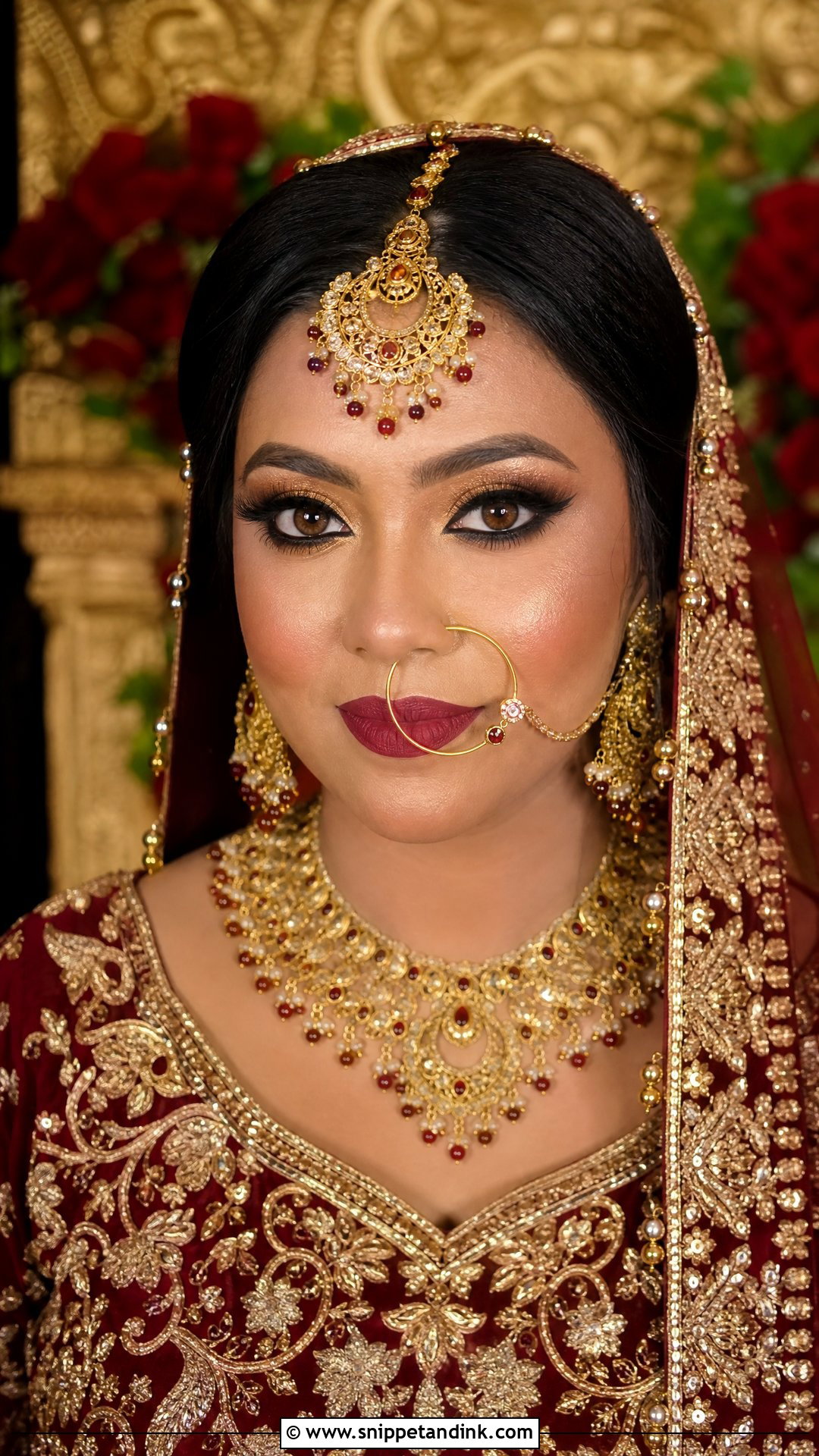
Bangladeshi bridal looks in red, maroon, gold or pink take warm shadow and a defined lip well. I use a medium-to-full coverage base with a soft matte finish, then contour and rose blush for shape. Gold shimmer on the lid, deep brown in the outer corners, black liner, kohl and lashes that are full but comfortable to wear all day give the eyes strength. A red, berry or deep rose lip finishes it, with clean, structured brows. Long ceremonies in humid weather are common, so every layer gets set as I go, not just at the end.
17. Pastel Lehenga Bridal Makeup
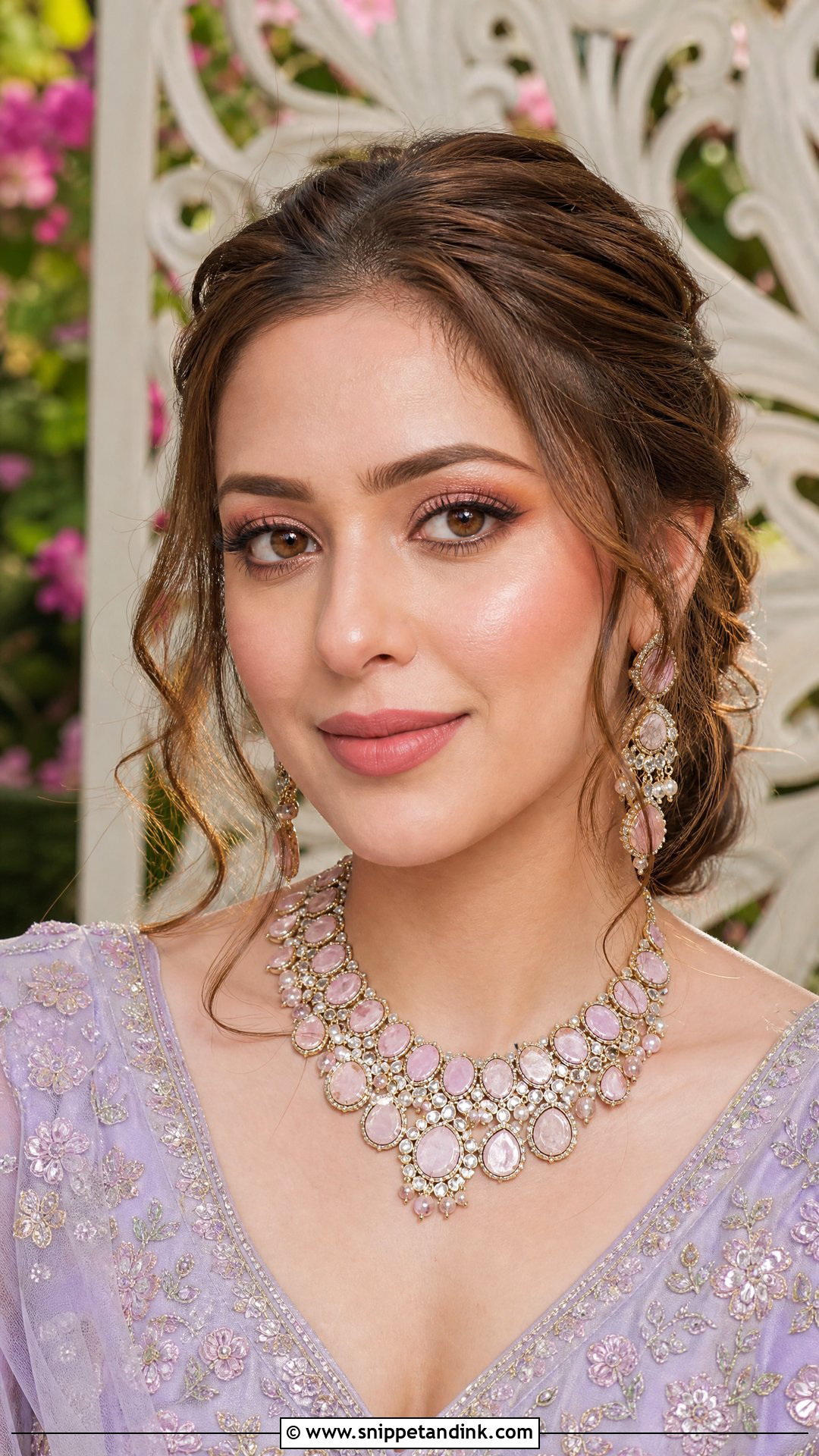
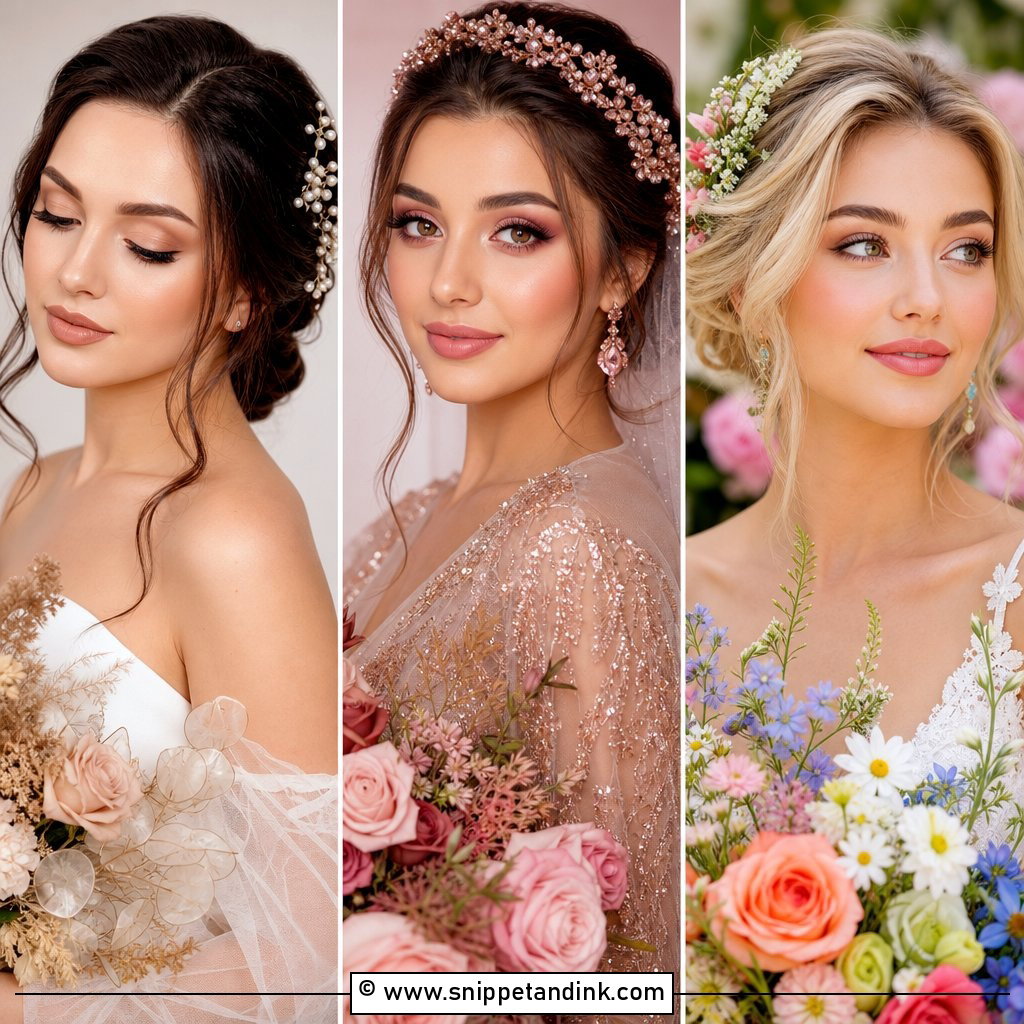
Pastel lehengas are softer than red or maroon, and the makeup should follow. I build glowing skin with cream blush and a champagne highlight, then rose gold, peach or light bronze on the eyes with brown liner and wispy lashes. Black, heavy shadow looks too harsh next to mint or powder blue in daylight; save that for an evening event. Pink nude, peach nude or soft mauve lips keep it balanced. Garden ceremonies and daytime pheras suit it. One check: pastels can make some undertones look sallow, so I test the blush against the actual fabric.
18. Gold Smokey Eye Bridal Makeup
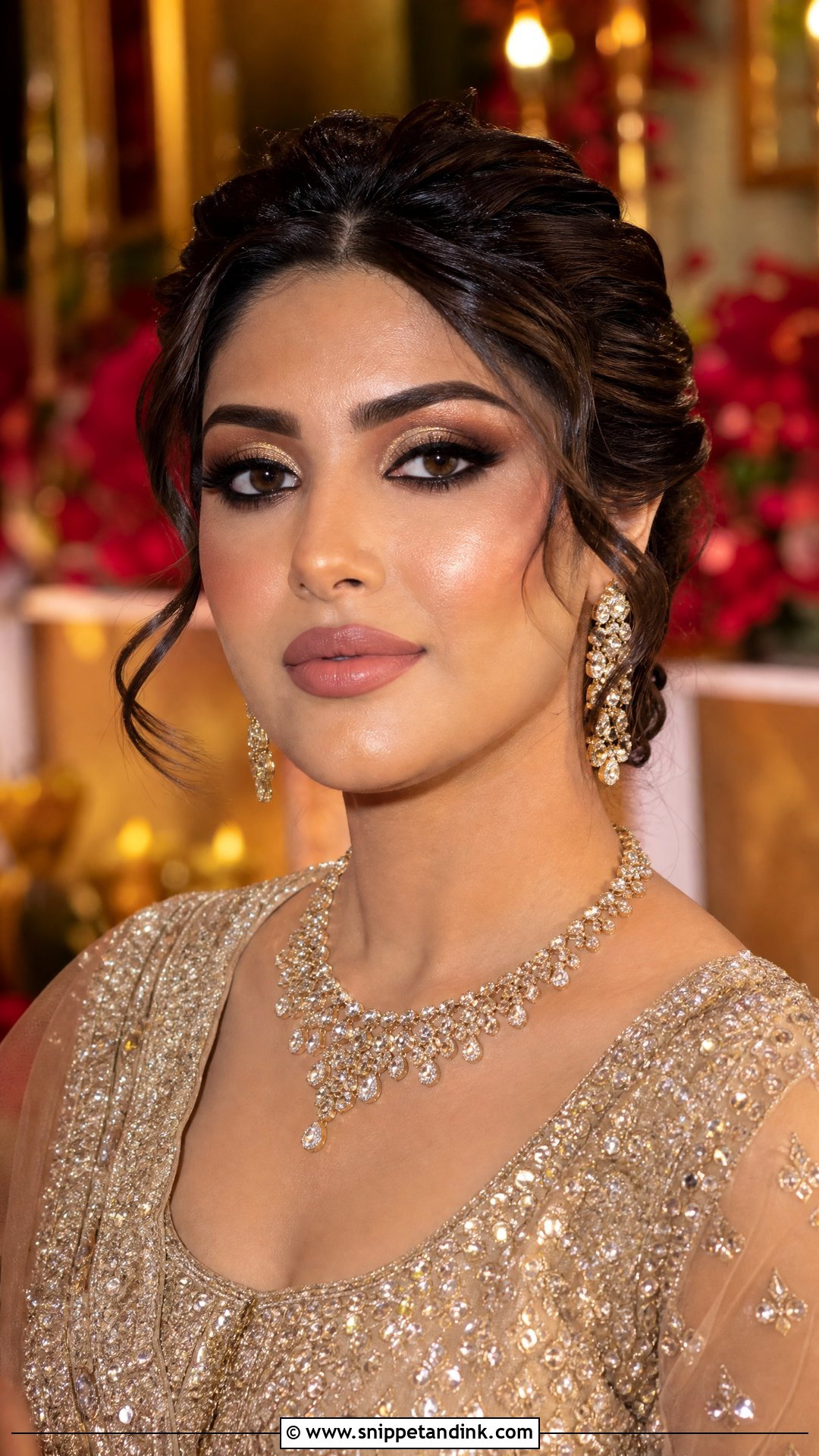
A gold smoky eye stays classic as long as the smoke is warm and blended, never harsh. Gold on the lid, bronze through the crease, deep brown in the outer corner, black liner close to the lashes and kohl for intensity. With that much on the eyes, I keep the skin sculpted and softly glowing with warm blush so the face doesn’t look flat. A nude rose, caramel pink or muted terracotta lip keeps the eyes the focus. Glitter fallout is the common mistake; I do the eyes before the base, so any fallout gets cleaned off the cheeks without disturbing foundation.
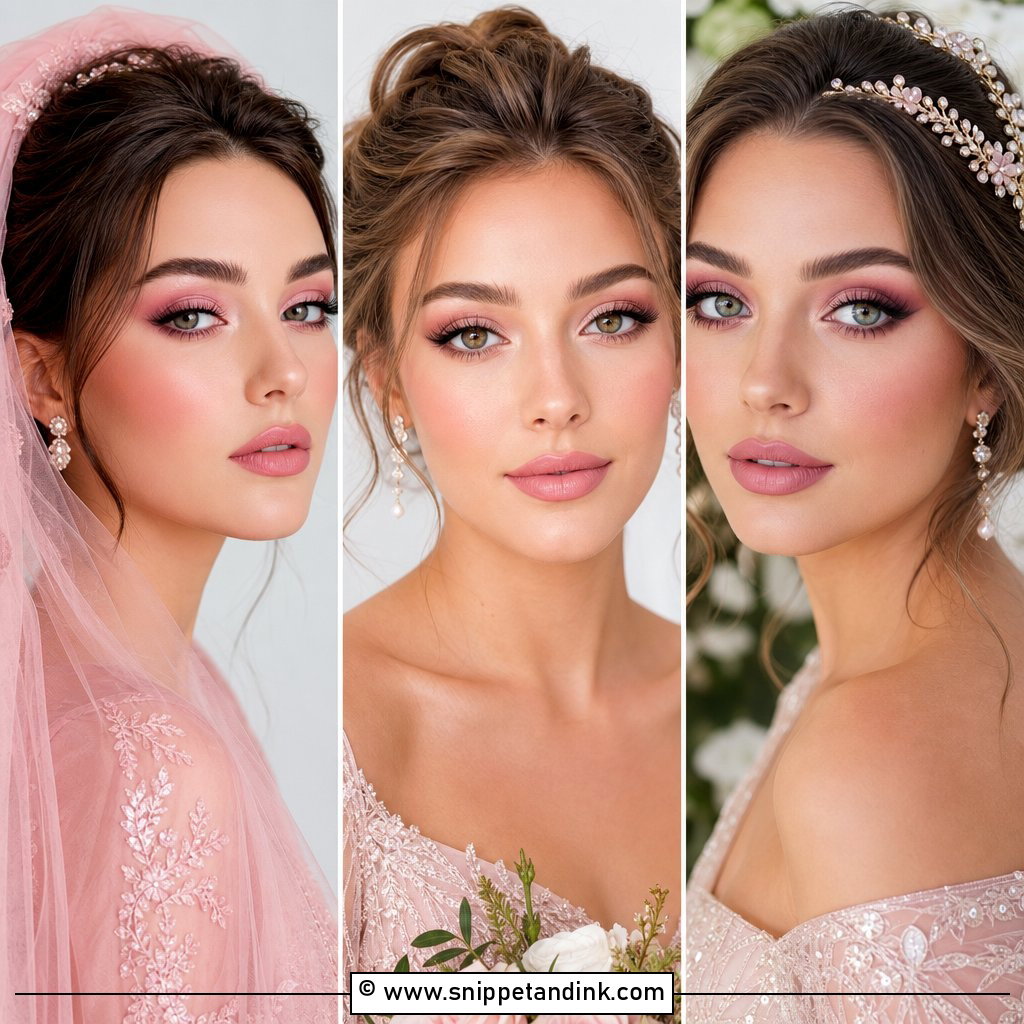
19. Dewy Reception Bridal Makeup
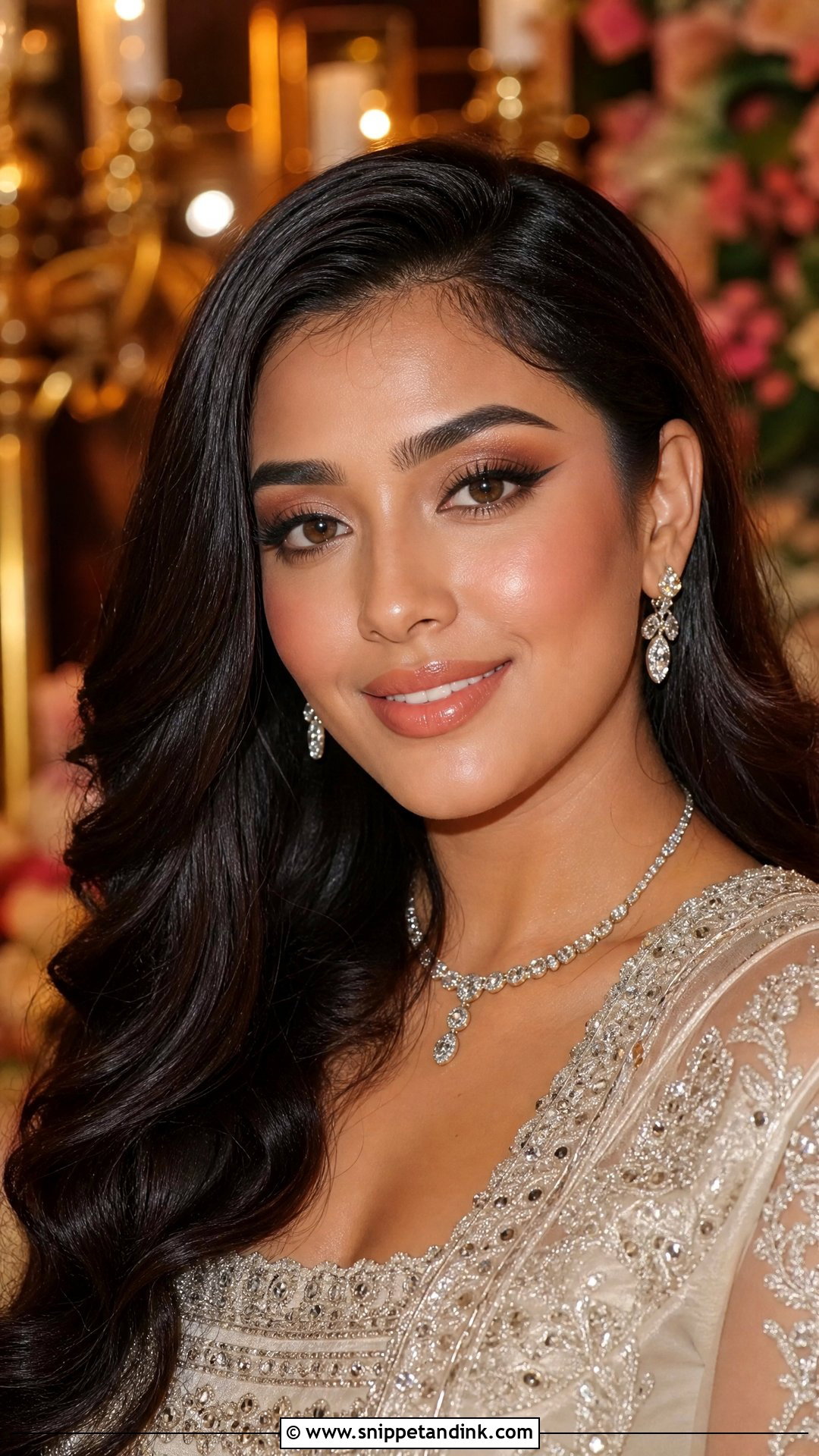
Dewy skin works at a reception only if the glow is placed, not spread everywhere. Hydrating prep, long-wear foundation, cream blush and powder only through the T-zone give radiance without shine. Soft bronze, champagne or rose shimmer, lifted liner and fluttery lashes keep the eyes light, and a glossy nude, rose or peach lip adds freshness. Highlighter goes on cheekbones, brow bone and inner corners. If you’re changing from the ceremony look, I don’t wipe the base off; I take back some matte powder with a damp sponge and layer cream on top, which is faster and kinder to skin.
20. Matte Bridal Makeup
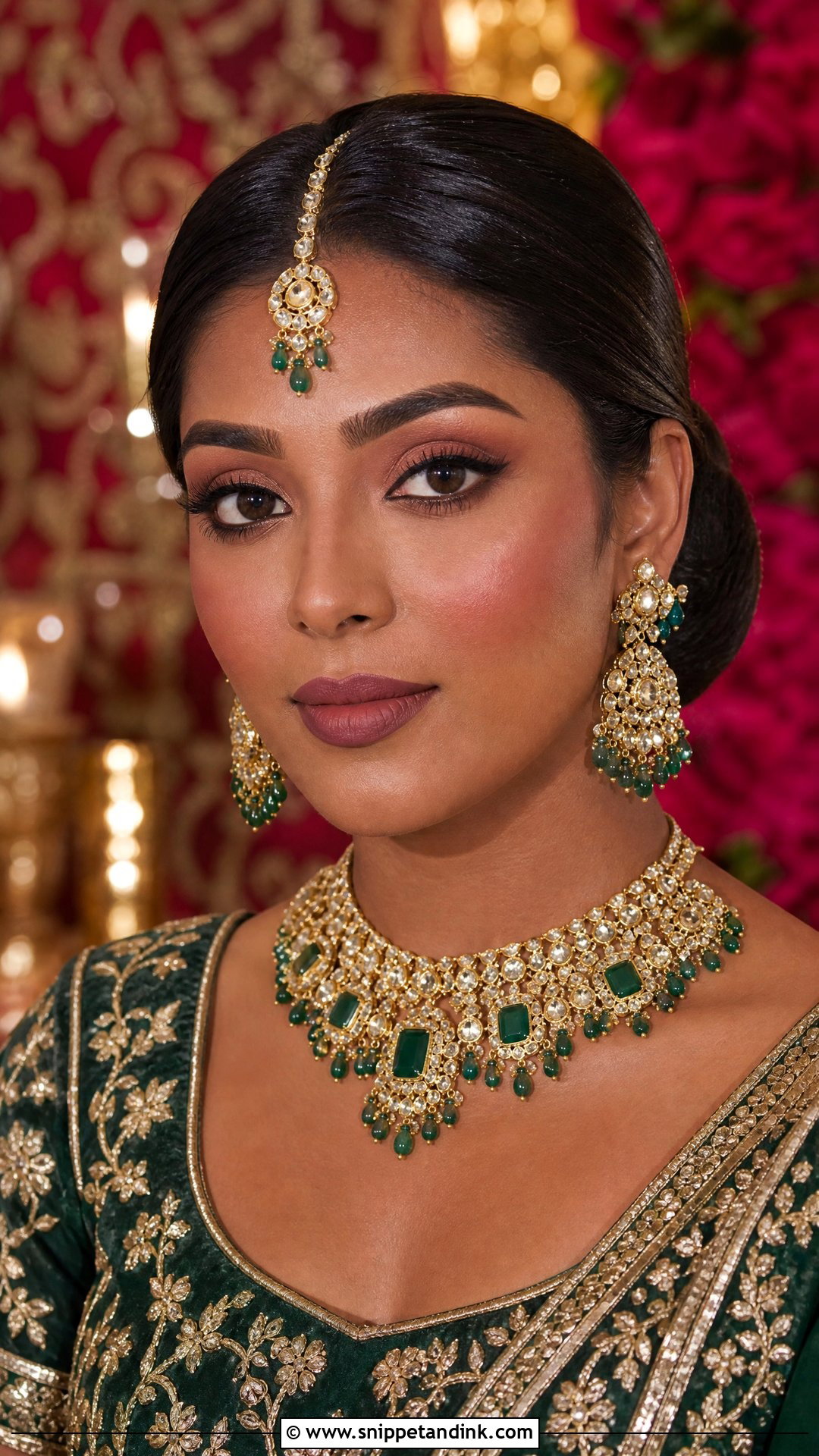
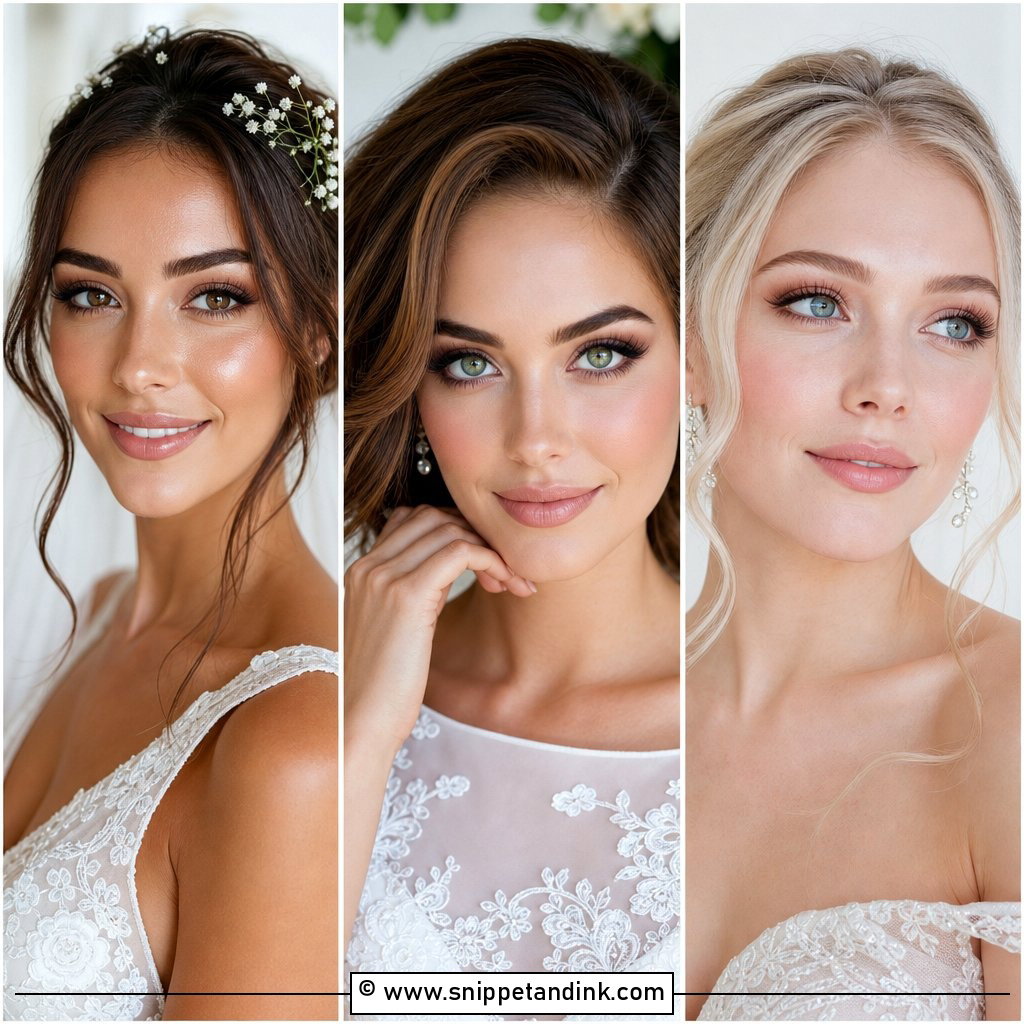
Matte makeup lasts through heat, dancing and long ceremonies, but there’s a fine line between matte and flat. Skin prep comes first, then long-wear foundation, concealer only where needed and finely milled powder through the centre of the face. Matte browns, taupes or warm terracotta shades add depth on the eyes, with black liner and lashes for definition. A velvet rose, red, mauve or nude brown lip suits it. I blend blush more generously than people expect, because matte skin needs colour to stay alive in photos.
Where the Nath, Tikka and Dupatta Rub Makeup Off
Bridal jewellery and fabric sit directly on the makeup, so I plan for contact points rather than hoping they’ll be fine.
- Nath: it brushes the upper lip and cheek. A lip stain under the lipstick and a setting spray across the cheek stop it dragging colour.
- Maang tikka and matha patti: they press on the forehead and hairline. I keep that area powdered and free of highlighter, which would slide.
- Dupatta: pinned near the brows and temples, it rubs eye makeup at the outer corners. I set the outer liner with shadow before it goes on.
- Heavy earrings: if they’re supported by a chain into the hair, the hairstylist and I agree who places them, so nobody leans on finished skin.
I always dress the bride in her jewellery and dupatta before the final powder and spray. That way I can fix what moved, rather than finding it in the photos a week later.
Step Outside During Your Trial Before You Decide
There’s no single South Asian bridal face. A red lehenga may call for classic gold eyes and a red lip, a nikkah bride may want soft rose glam, a reception can go dewy and a traditional saree look may need kohl and rich colour. The look that works is the one that fits your outfit, skin, ceremony time, jewellery and personality. Book a trial, wear a top in your outfit colour to it, and step outside to see the makeup in daylight before you decide. Then make sure it’s comfortable enough to cry in.
You'll Like These Ideas:


Leave a Reply