
Minimal bridal makeup is not the same as wearing very little. When I do a pared-back bridal face, I’m still building structure, just with fewer and thinner layers: skin that looks like skin, enough eye shape to register in photos, and a lip that brings color back to the face. What changes is the product. Sheer, long-wearing creams replace heavy powders, brown liner replaces black, and blush is matched to your own flush. Here are 20 ways I’d approach it, depending on your skin, the season and the setting.
The Less You Wear, the More Your Skin Shows
With full glam, foundation and powder cover a lot. A minimal face uses sheer layers that let your real skin through, so the weeks before the wedding matter more than the morning itself. This is what I ask of every bride who wants a lighter look.
- Don’t start new skincare, peels or facials in the last two weeks. A reaction or flaking is the hardest thing to hide under sheer makeup.
- Keep exfoliation gentle and stop a few days before. Dry patches show through tinted moisturizer far more than through full foundation.
- Have your brows shaped or tinted about a week ahead, not the day before, so any redness settles.
- If you self-tan, do the last application two or three days out and wear it to your trial. A sheer base can’t correct streaks.
- Bring your usual moisturizer to the trial and on the day, so your skin behaves the way it normally does.
1. Natural Bridal Makeup
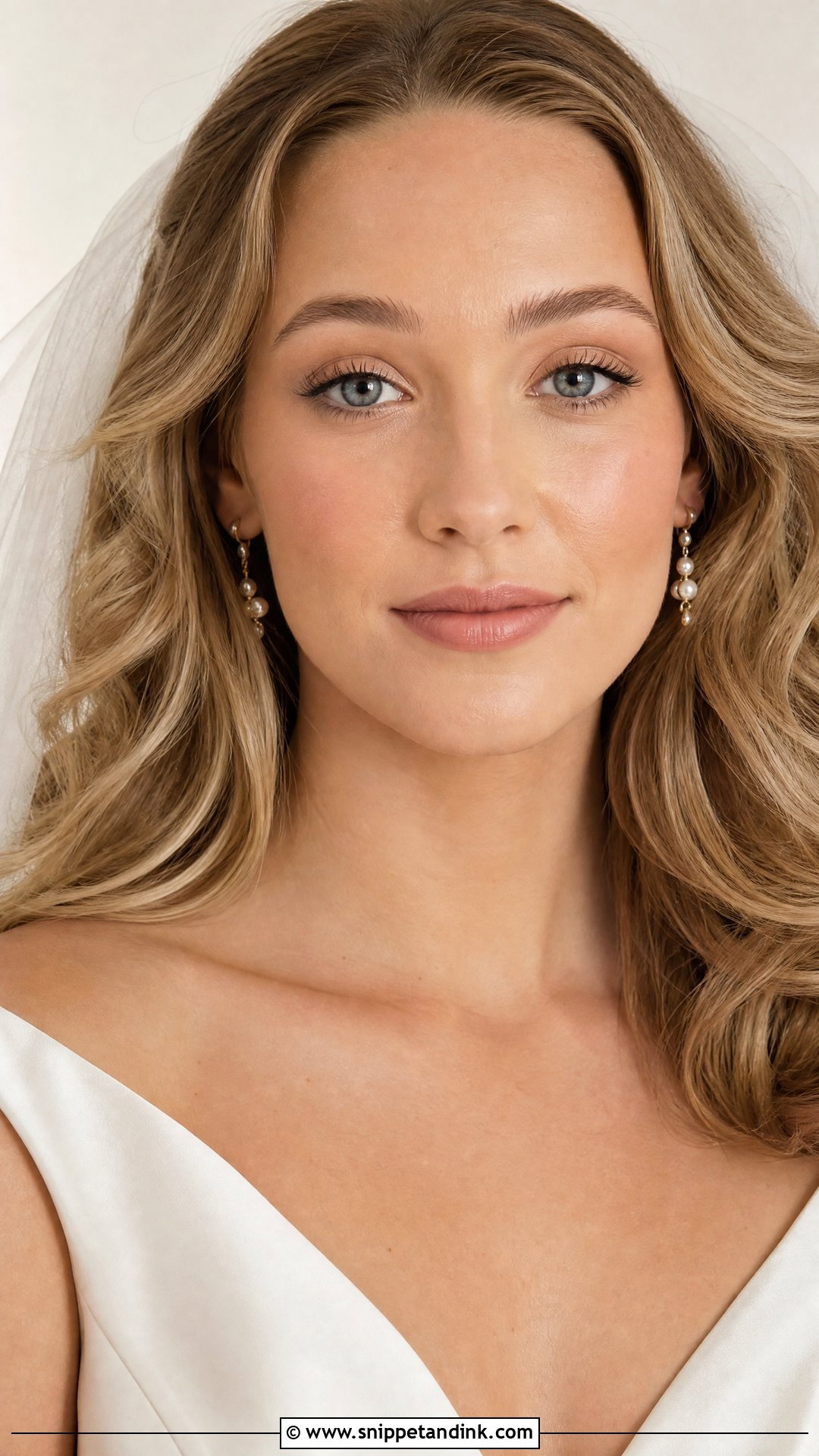
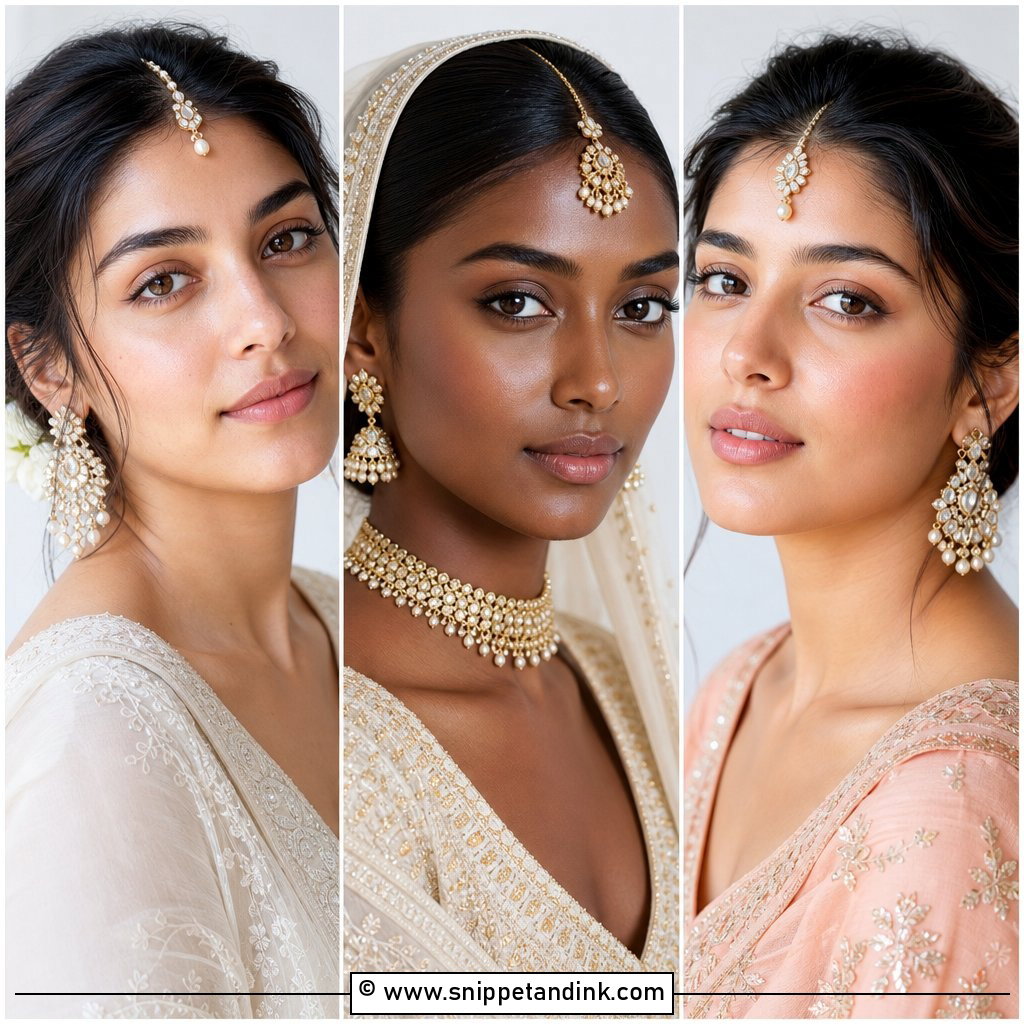
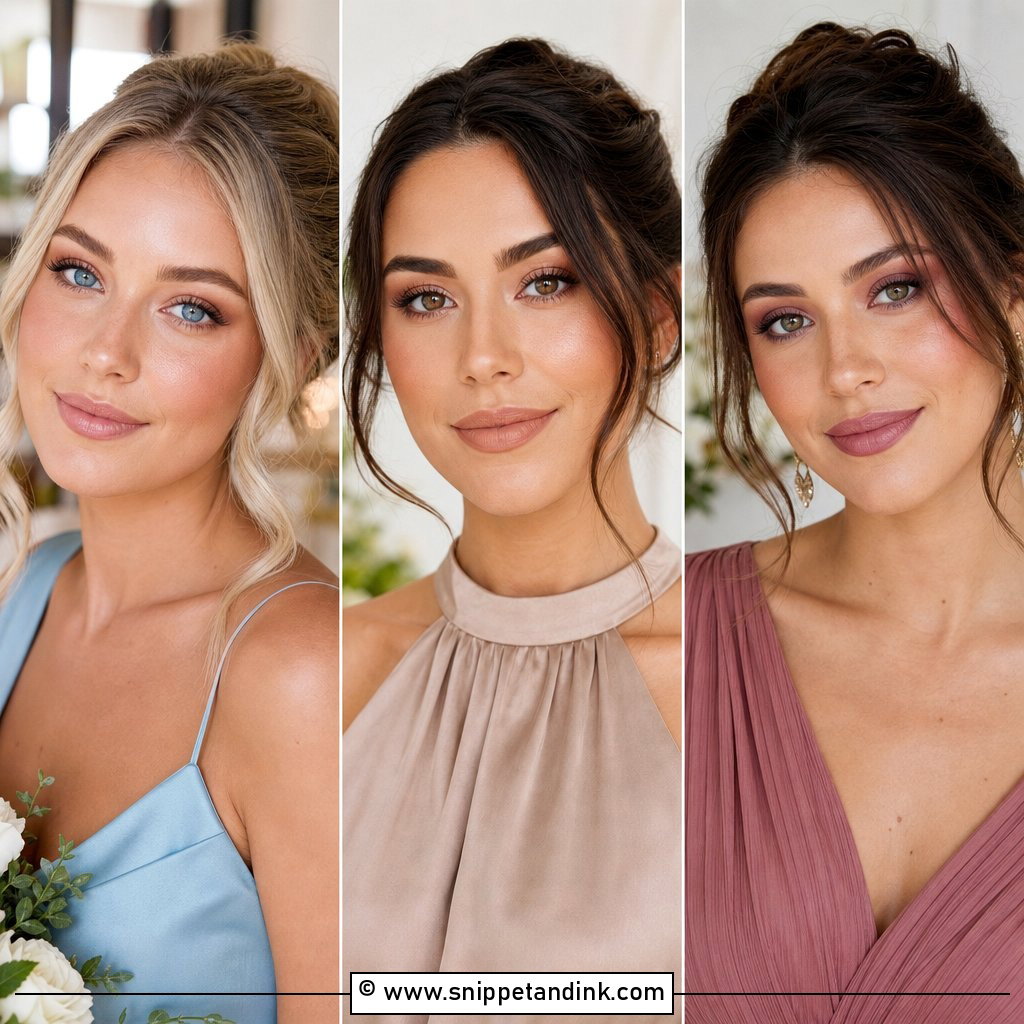
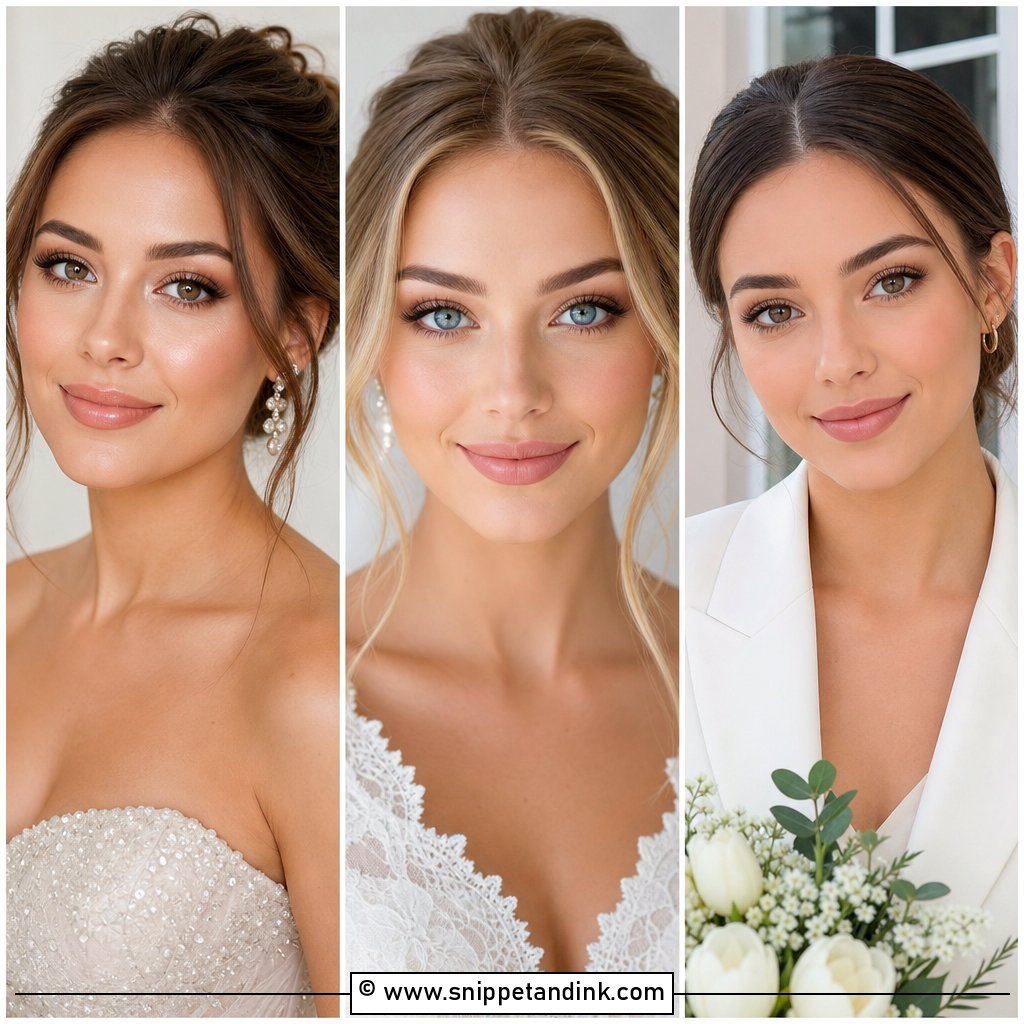
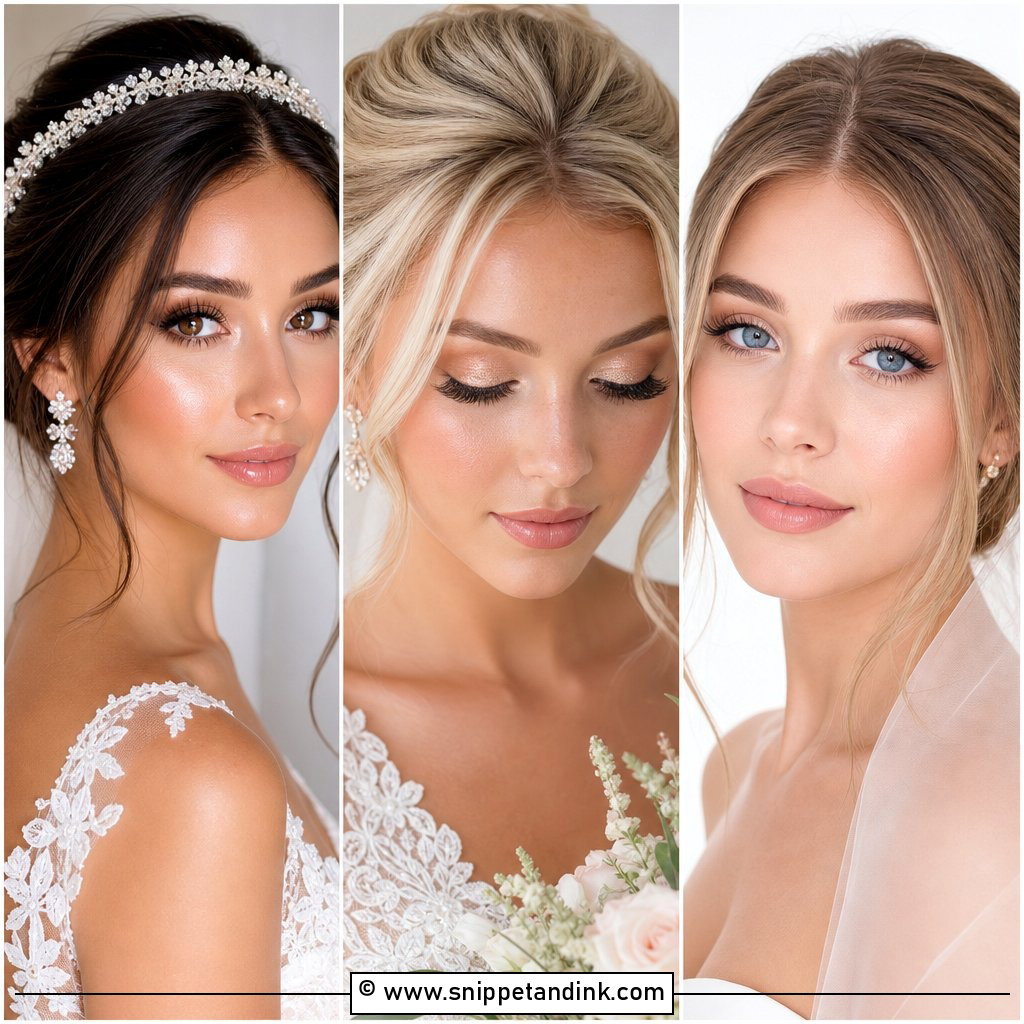
This is where most of my minimal brides start: even skin, gentle eye definition and a lip close to your own color. I use a lightweight foundation or skin tint and conceal only where needed, usually around the nose and under the eyes. A satin finish sits in the middle, fresh without turning shiny in photos. On the eyes, a taupe shadow and brown liner pressed into the lash line, not drawn on top, give shape that doesn’t read as makeup. Finish with a pink nude or rose lip. Brides who rarely wear makeup tend to feel most like themselves in this one.
2. Dewy Bridal Makeup
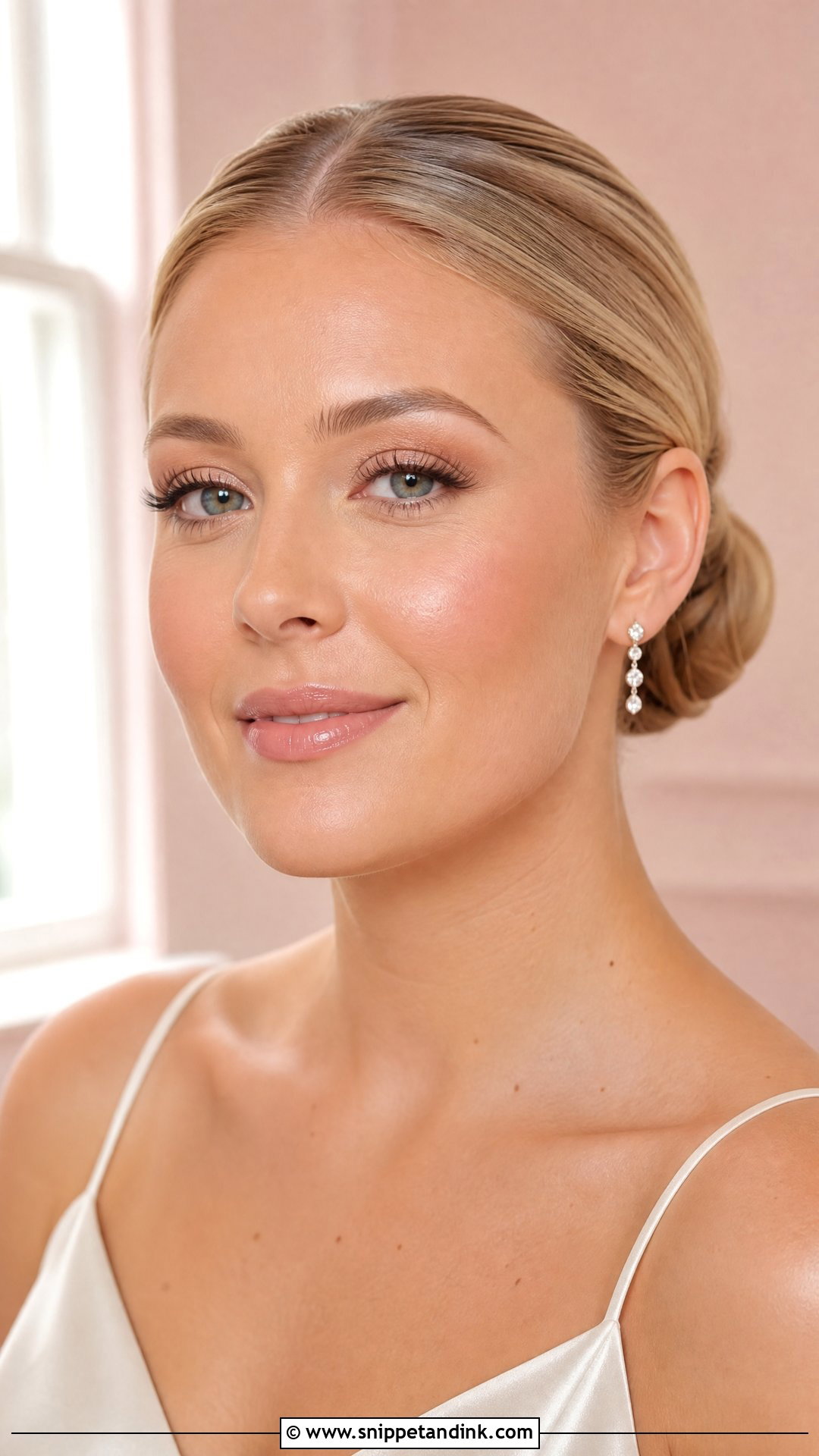
Dewy works when the radiance is controlled; oily is what happens when it isn’t. I prep with a hydrating serum and a luminous primer, then a light-to-medium base. Powder goes only through the center of the face, around the nose and under the eyes, so the high points stay luminous. Cream blush in pink, peach or mauve melts into dewy skin rather than sitting on top, which is why it looks like a real flush. I’d hesitate on this for very oily skin in a hot venue, because by the speeches it can tip into shine.
3. Soft Glam Bridal Makeup
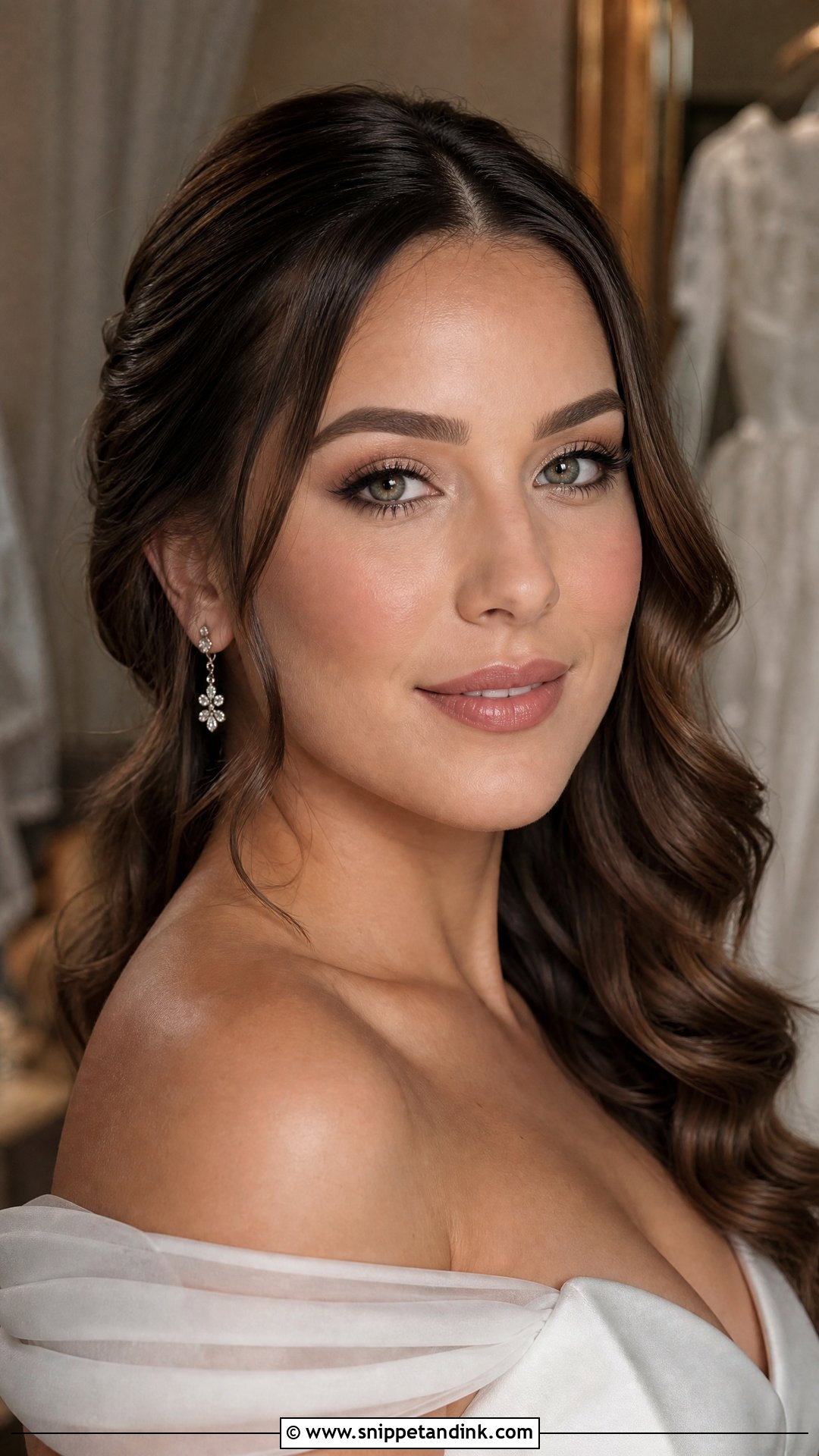
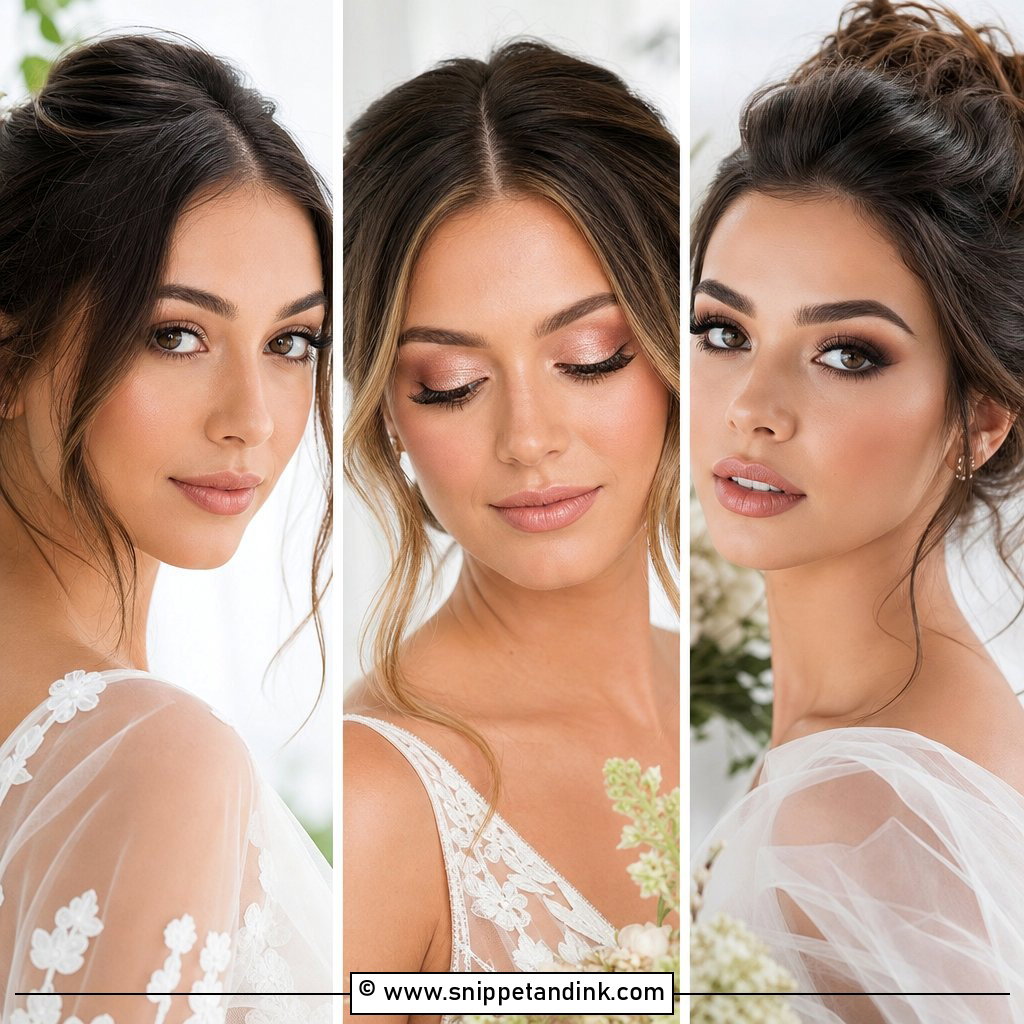
Soft glam is the minimal look with more structure for the camera. A satin base, subtle contour under the cheekbone and a soft-focus blush do the shaping. On the eyes I blend matte beige through the crease and press shimmer only onto the center of the lid, where it catches light without exaggerating texture. Brown eyeliner keeps it gentle, while individual lashes placed at the outer corners add lift without the obvious line of a strip lash. A nude rose liner and creamy lipstick finish it. If you want minimal makeup that still reads from the back of the room, this is the one.
4. Clean Girl Bridal Makeup
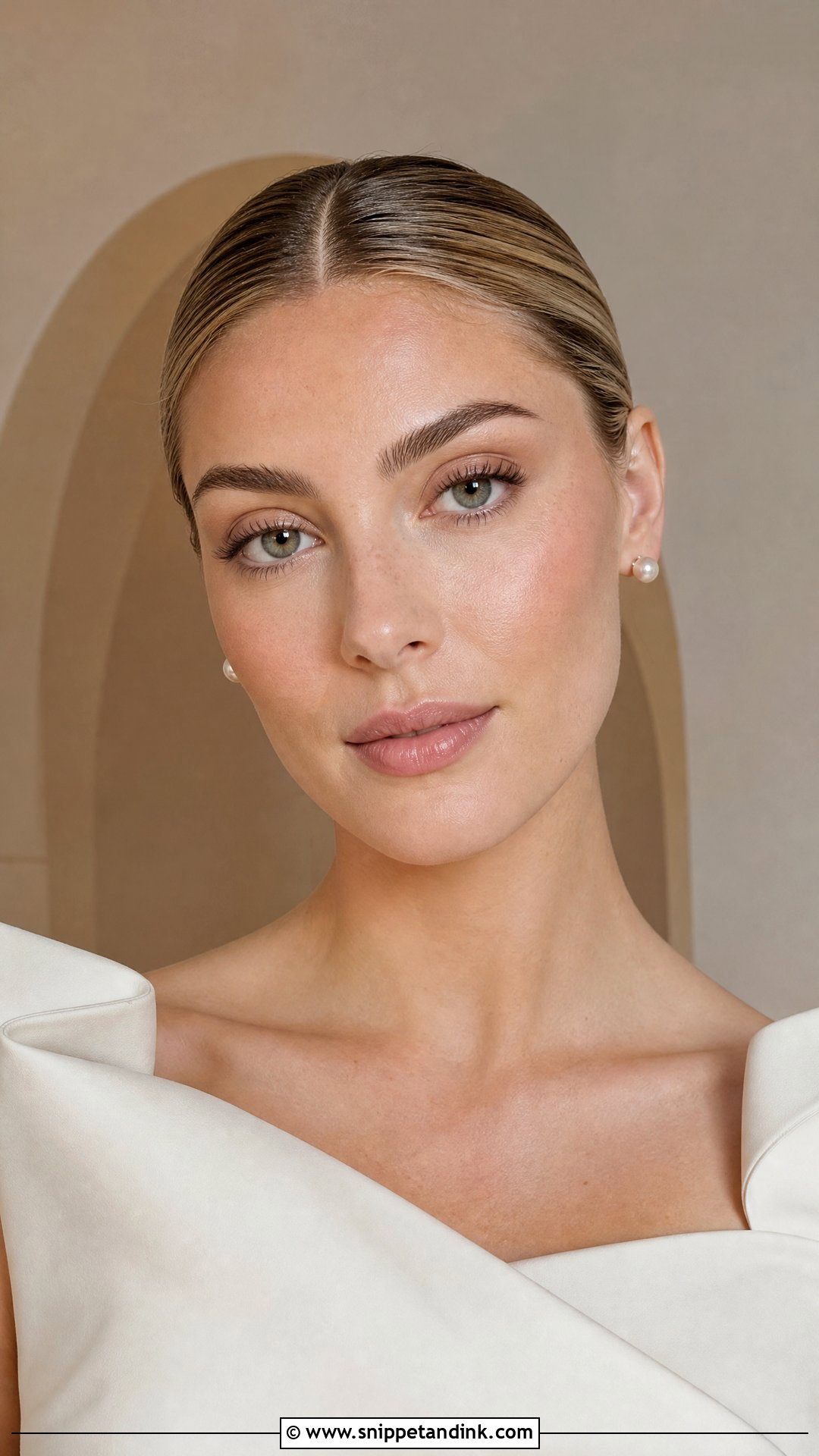
Clean girl bridal makeup is the skin-but-better face: groomed brows, glowing cheeks, soft lips. Skin prep carries the whole look here, because the base is sheer enough that dry patches show straight through. I use a sheer foundation, spot concealer, cream bronzer and cream blush, then brush the brows up with tinted gel. Curled lashes, mascara and a little brown liner keep the eyes simple. One caution: very sheer bases don’t hide redness or breakouts well, so if your skin is reactive I’d add coverage only where it’s needed rather than give up on the look.
5. No Makeup Bridal Makeup
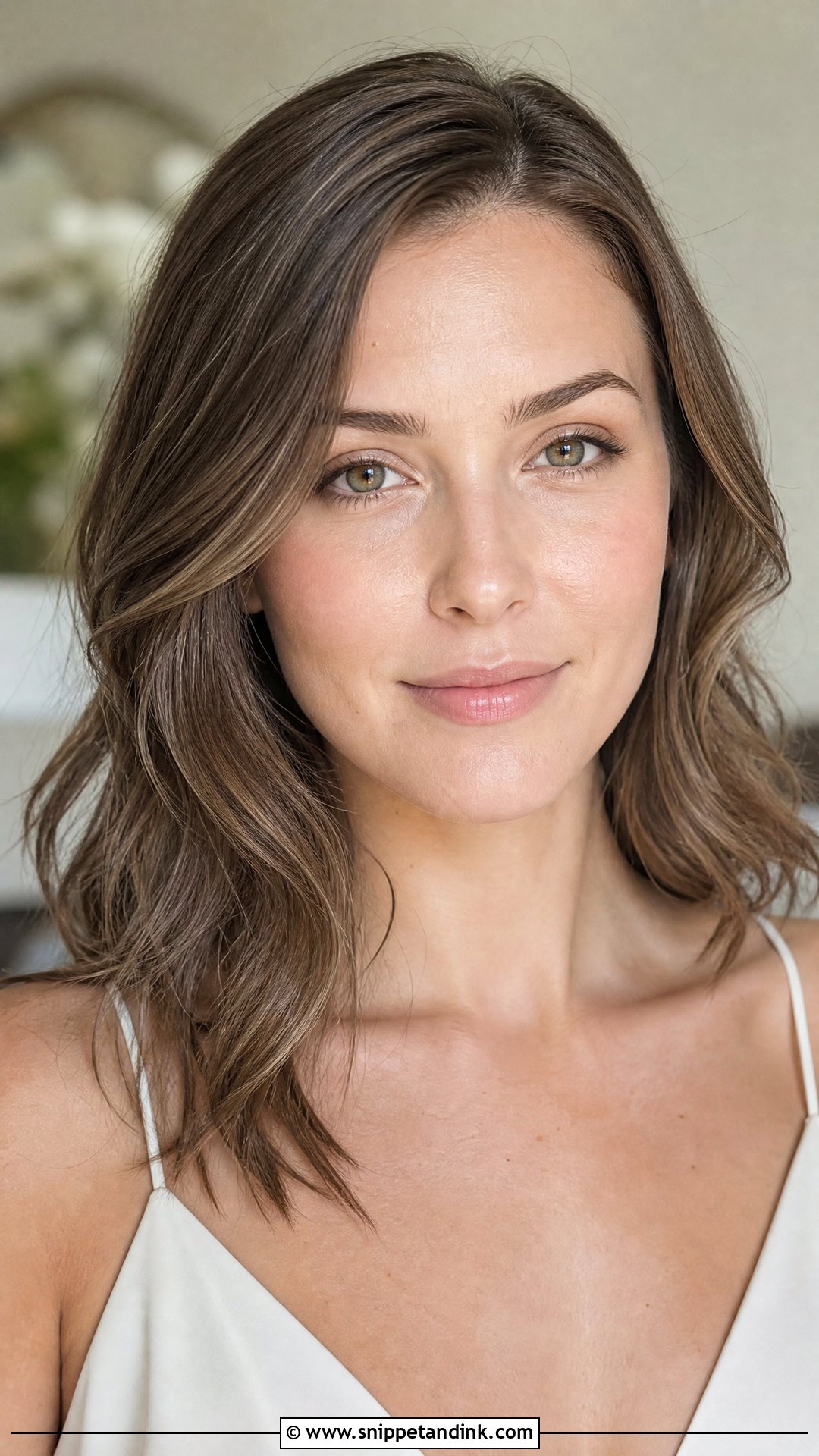
No-makeup makeup takes more planning than it looks. The base should be thin enough that freckles and some texture still show, with concealer only under the eyes, around redness or on blemishes. I skip powder shadow and press a nude cream shadow on with a fingertip. Tightlining the upper lashes with brown pencil makes them look thicker with no visible line at all. The blush copies your real flush, and the lip is your own color made smoother. Even so, I add a touch more blush than feels natural, because cameras flatten light makeup.
6. Glowy Bridal Makeup
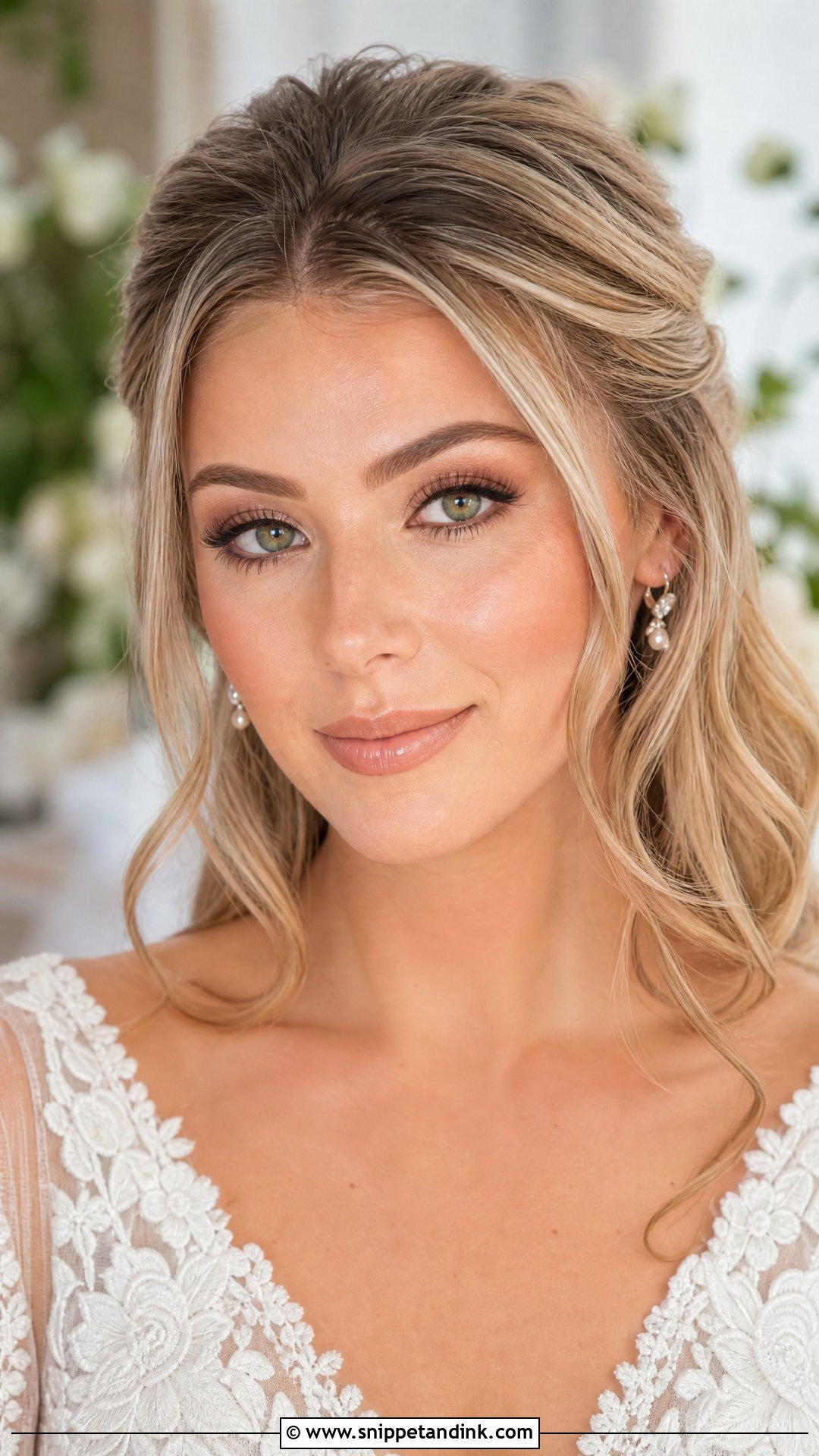
Glowy bridal makeup differs from full dewy because the glow is placed rather than spread all over. I start with a satin base and add cream highlighter only to the tops of the cheekbones, the brow bone and the inner corners. A light dusting of powder on the forehead and nose keeps the glow looking like light rather than grease in photos. A peachy cream blush adds warmth and soft brown shadow gives the eyes depth. Avoid highlighters with visible glitter particles; in close portraits they show up as specks.
7. Matte Minimal Bridal Makeup
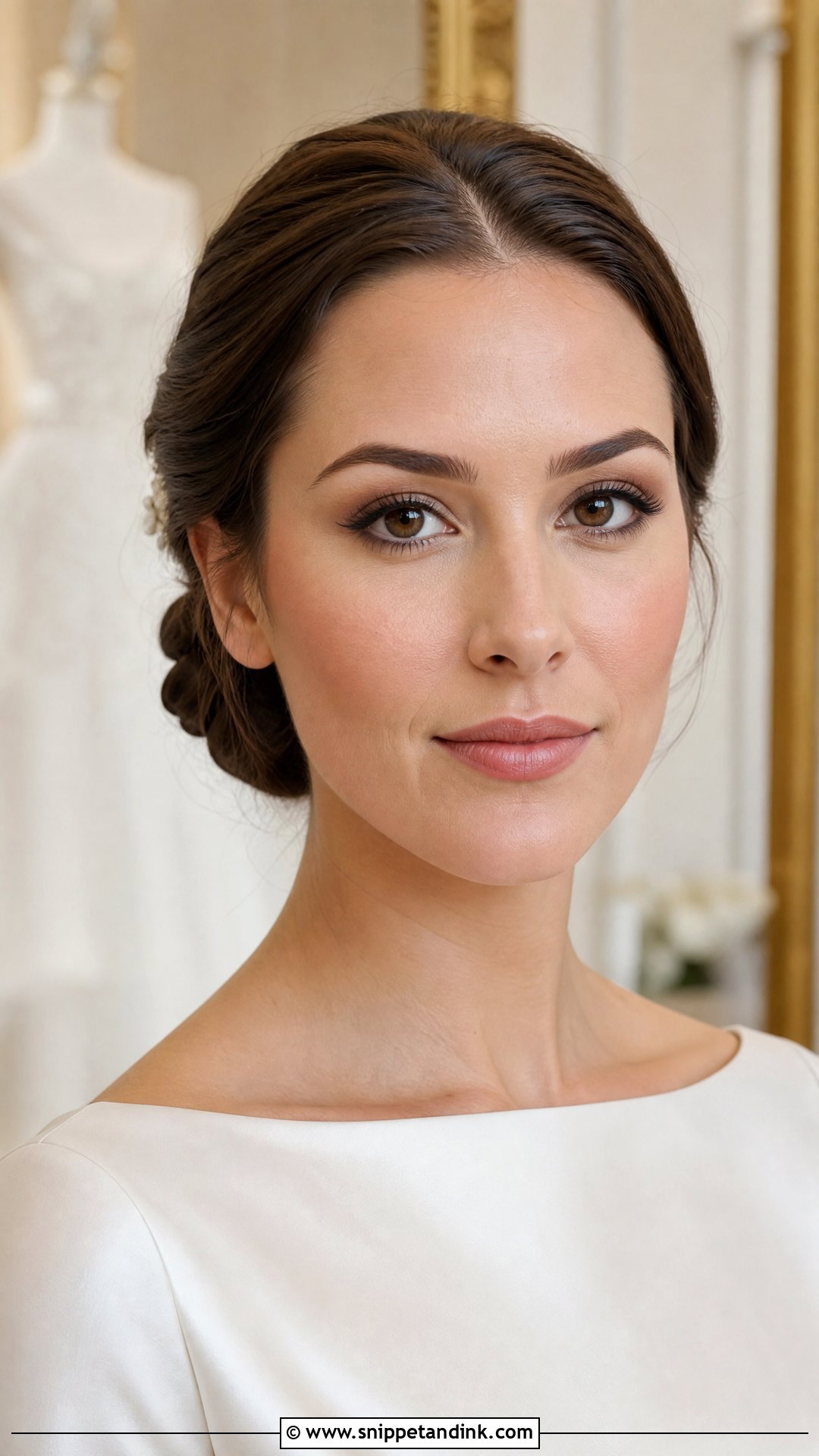
Matte suits warm weather, oily skin and long days, but laid on heavily it looks flat. Thin layers fix that. I use a natural matte foundation and set only where needed with a finely milled powder, keeping the cheeks slightly less matte so the face doesn’t look dusty. A muted rose or peach blush keeps life in it, with taupe shadow and clean mascara on the eyes. On dry or mature skin, full matte can settle into fine lines by mid-afternoon, so I’d choose satin there instead.
8. Pink Bridal Makeup
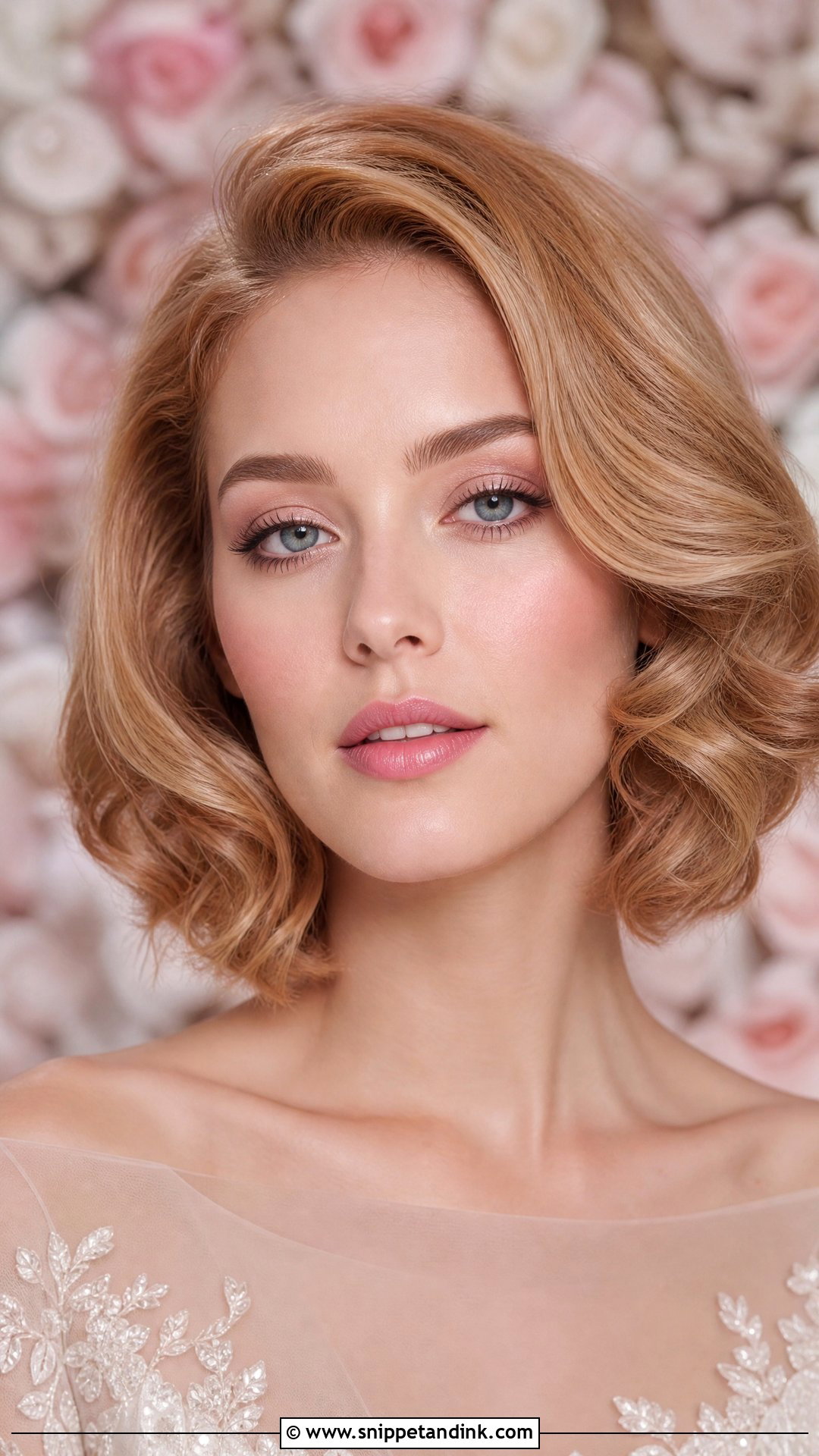
Pink stays romantic rather than sugary when every pink is sheer. I blend a cool pink or neutral rose blush high on the cheeks, a pale pink-beige on the lids and a soft brown in the crease. That brown matters more than it seems: pink shadow alone near the eye can make it look irritated or puffy. A rosy lip stain or satin lipstick adds the color. It’s especially flattering on fair to medium skin tones and next to delicate fabrics.
9. Peach Bridal Makeup
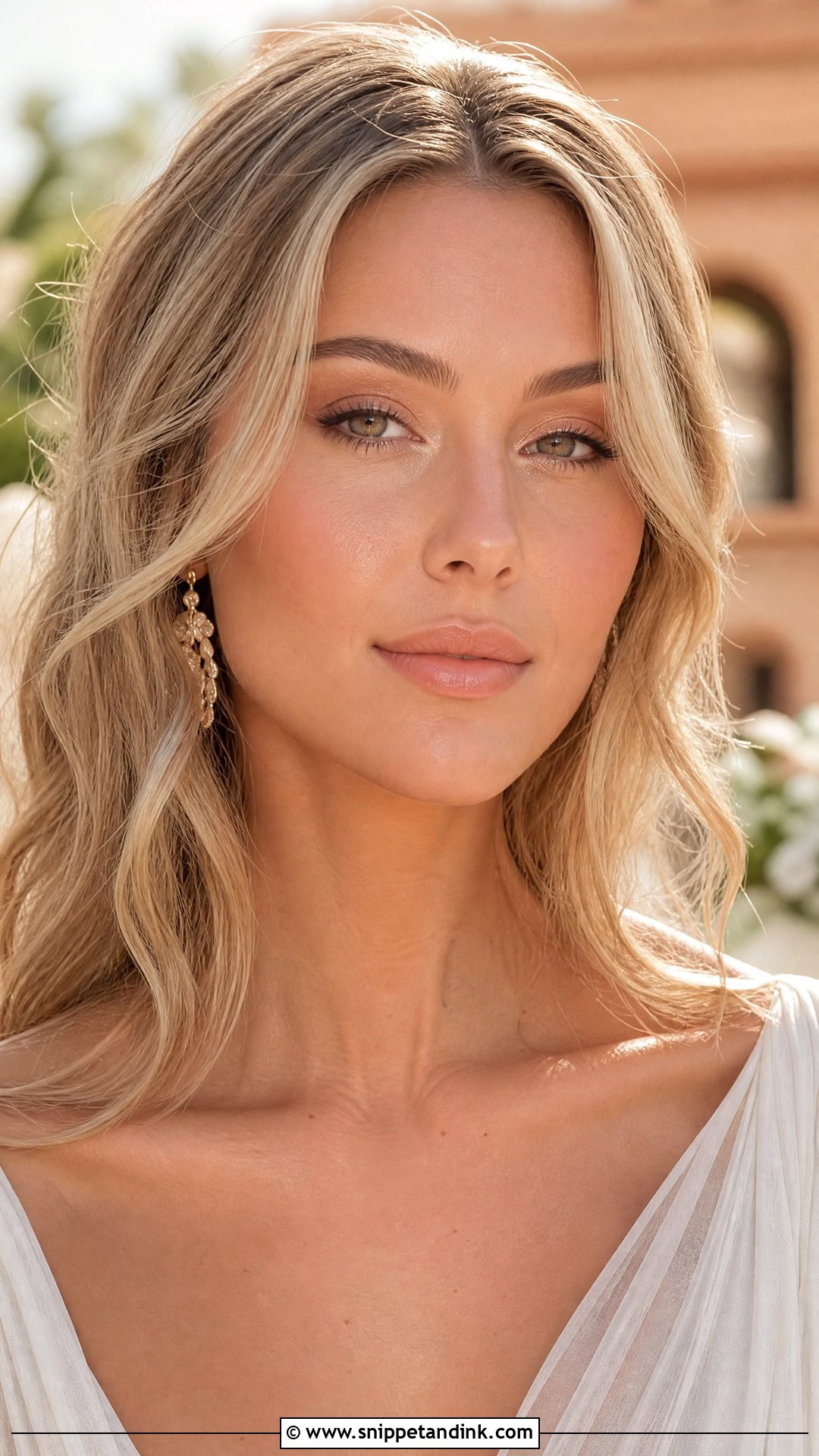
Peach flatters a wide range of undertones because it sits between pink and coral. A light, glowy base, peach cream blush across the cheeks and a touch of warm bronzer frame the face without harsh contour. Peach-beige or warm tan shadow with brown mascara looks softer than black around the eye. A peach nude lip in a balm or satin texture finishes it. On very fair, cool-toned skin, peach can turn slightly orange, so I’d test it beside a rose blush at your trial.
10. Rose Bridal Makeup
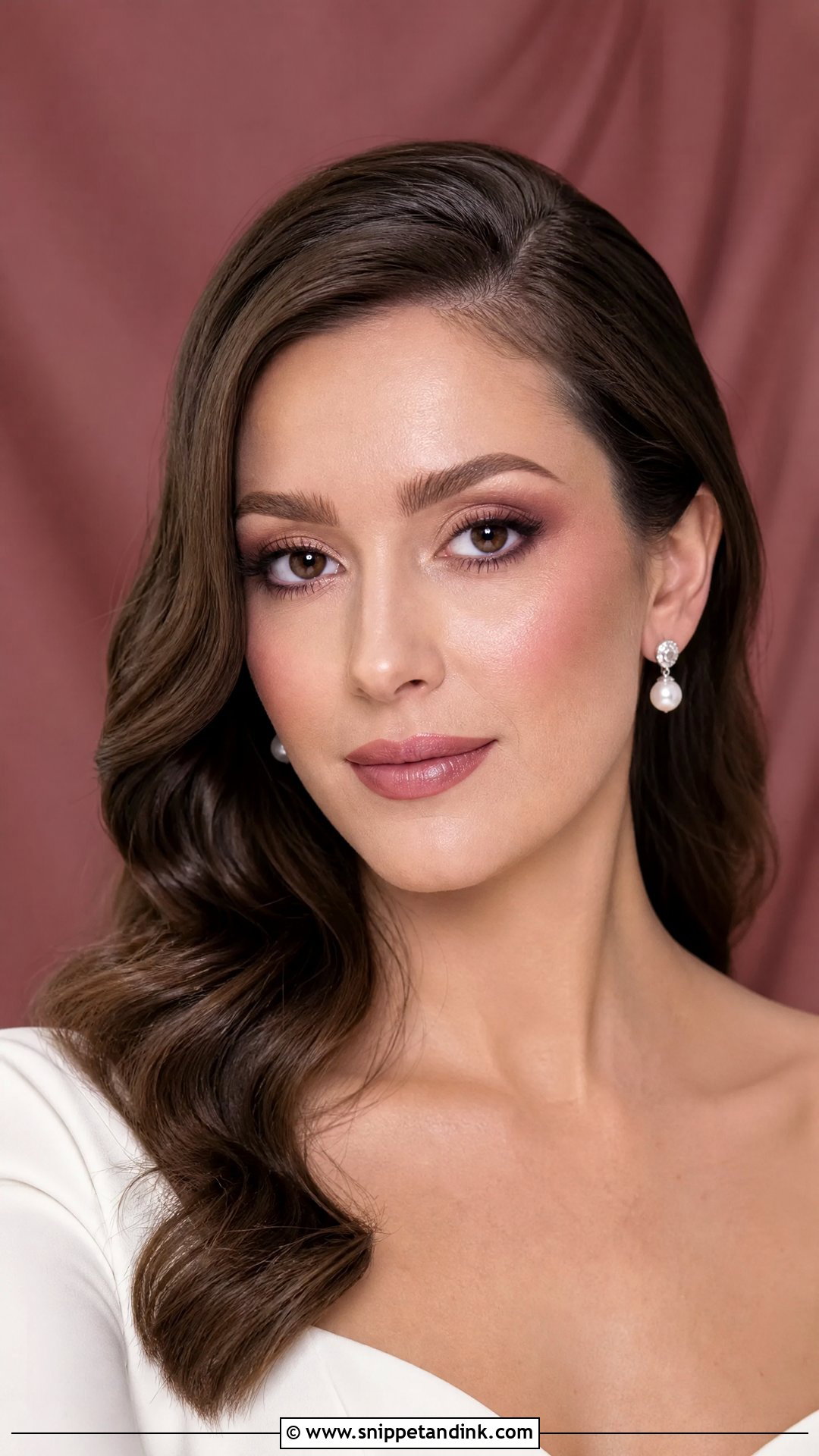
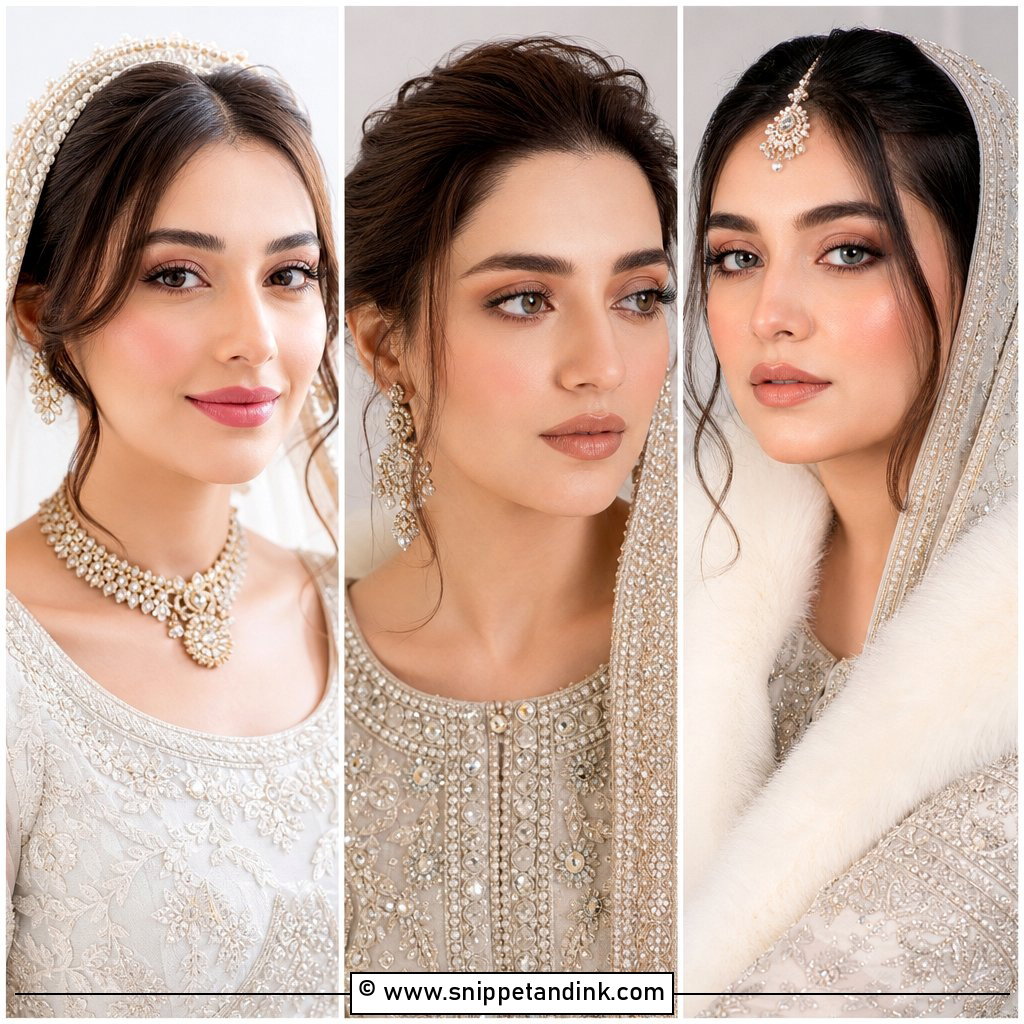
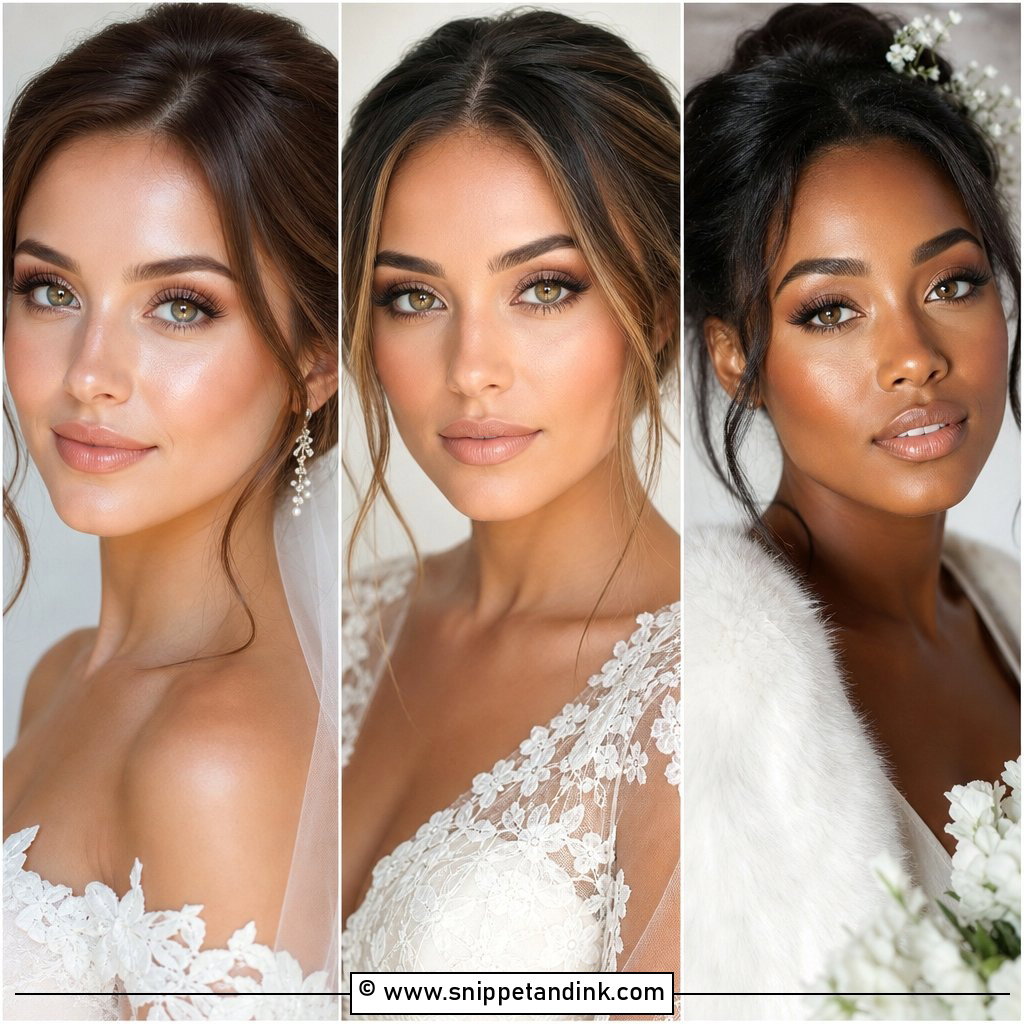
Rose doesn’t date, which is why I come back to it so often. The work is in matching the rose to your skin depth: soft dusty pink on fair skin, warmer rose on medium skin and berry rose on deep skin, where a pale rose often turns chalky. Keep the base skin-like, then use a rose cream blush and a muted rose-brown shadow with a defined but blended lash line. A rose nude lipstick finishes it, and it sits naturally with classic gowns and polished updos.
11. Nude Bridal Makeup
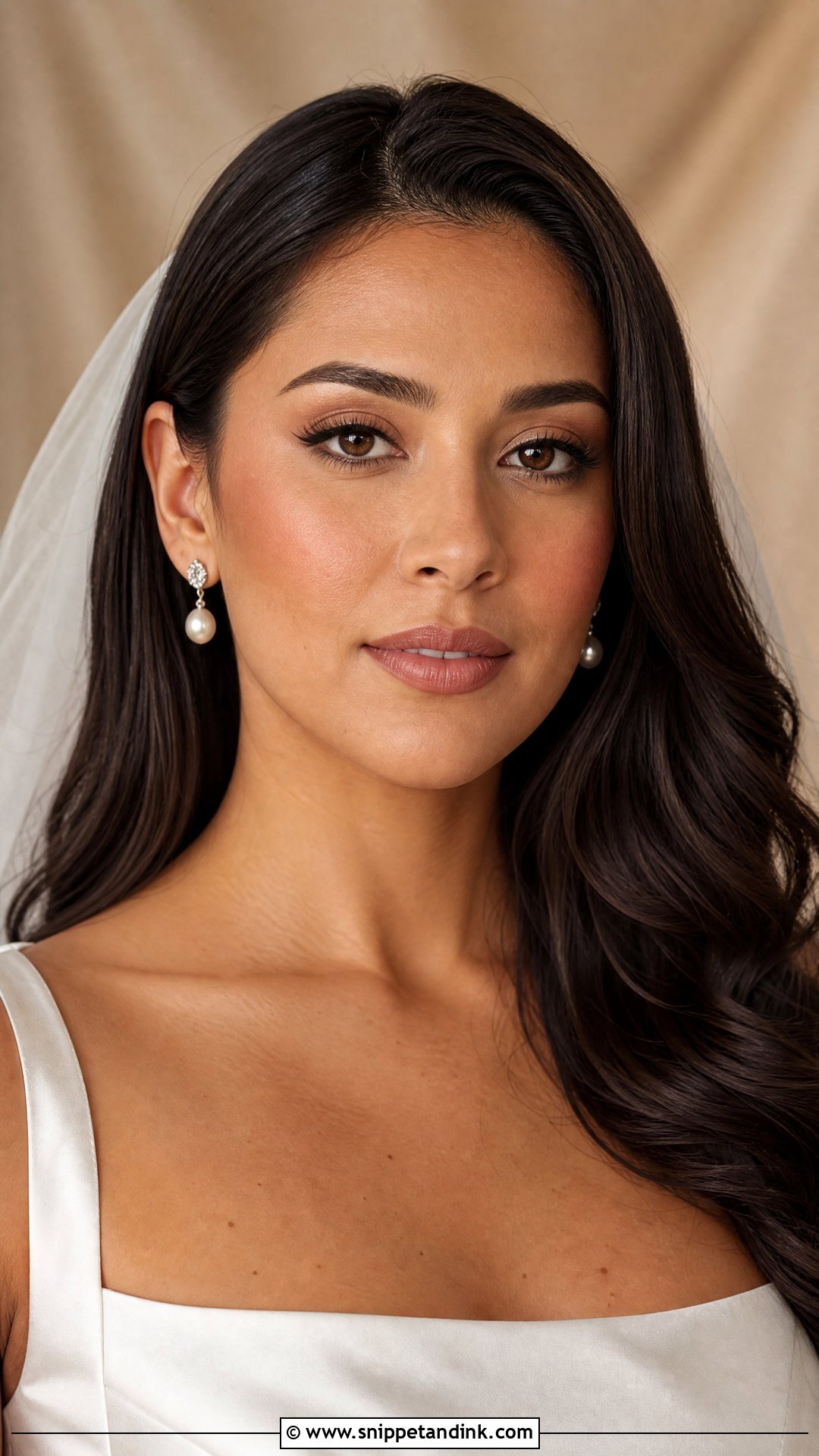
Nude makeup should never wash out the face, and the usual culprit is a lip lighter than your natural lips. Go one or two shades deeper instead. Every nude should match your undertone and depth, from the base and soft bronzer to a blush close to your real cheek color. Beige or caramel shadow with thin brown liner and well-separated lashes gives definition. I line the lips first with a pencil near your lip color, then add satin lipstick or balm, because liner is what keeps a nude lip visible in photos.
12. Brown Eyeliner Bridal Makeup
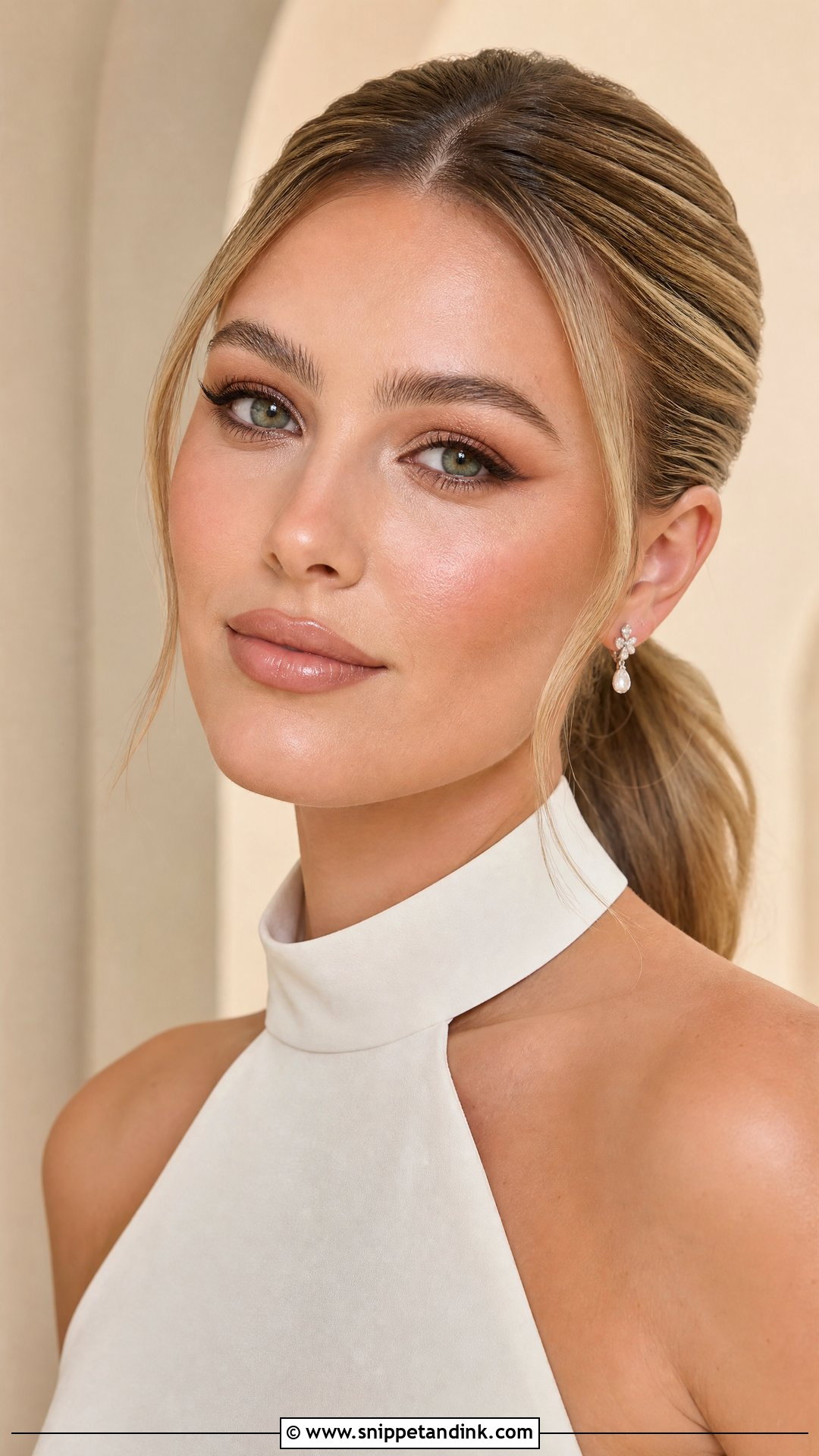
Brown liner gives the eyes shape with far less weight than black, which makes it my default for minimal brides. Over a neutral base in beige, taupe or champagne, I apply brown pencil or gel close to the upper lashes and smudge the edge with a small brush. A tiny wing is fine for lift if it stays thin. I set pencil liner by pressing a matching brown shadow over it, since creamy pencils can transfer into the crease on hooded eyes by evening.
13. Champagne Bridal Makeup
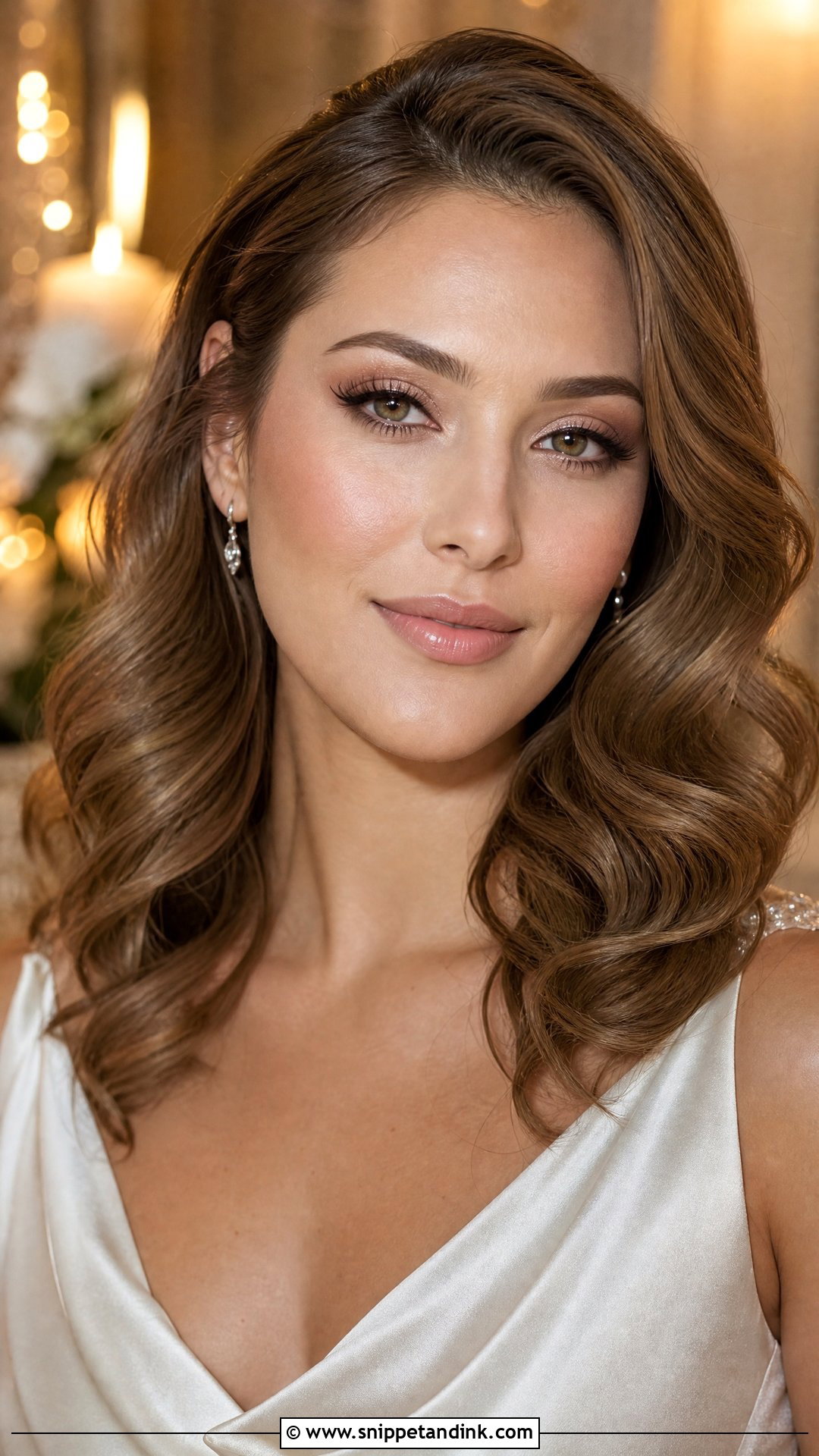
Champagne puts a soft glow around the eyes without glitter. I pat a sheer champagne cream or powder shadow onto the lids and blend a light brown through the crease. Cream shadows crease less when set with a translucent powder or a matching powder shade on top. The liner stays thin and brown, with soft mascara or individual lashes, and a subtle highlight on the cheekbones ties the skin to the eyes. Candlelit evening receptions show it off best.
14. Soft Brown Bridal Makeup
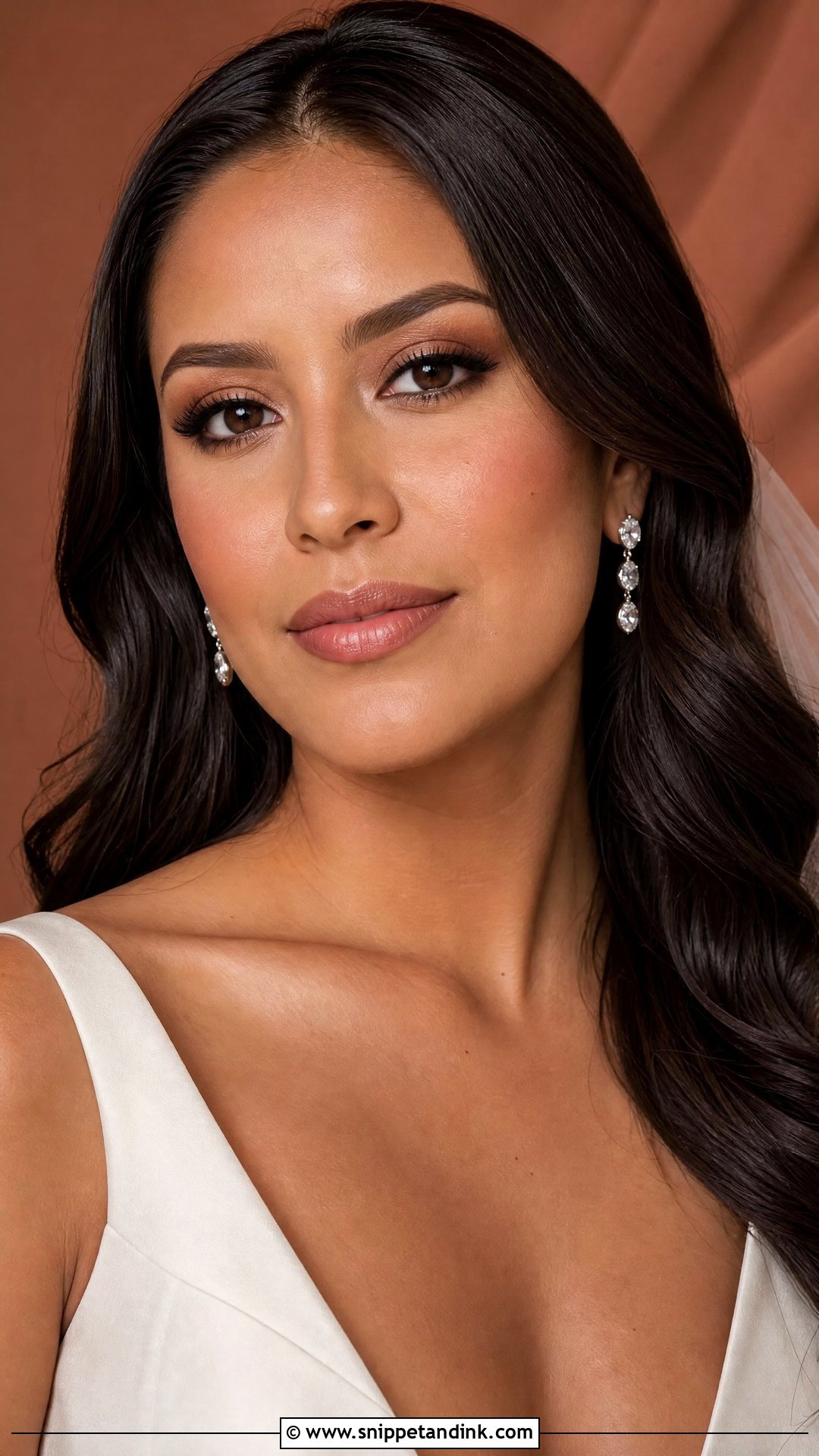
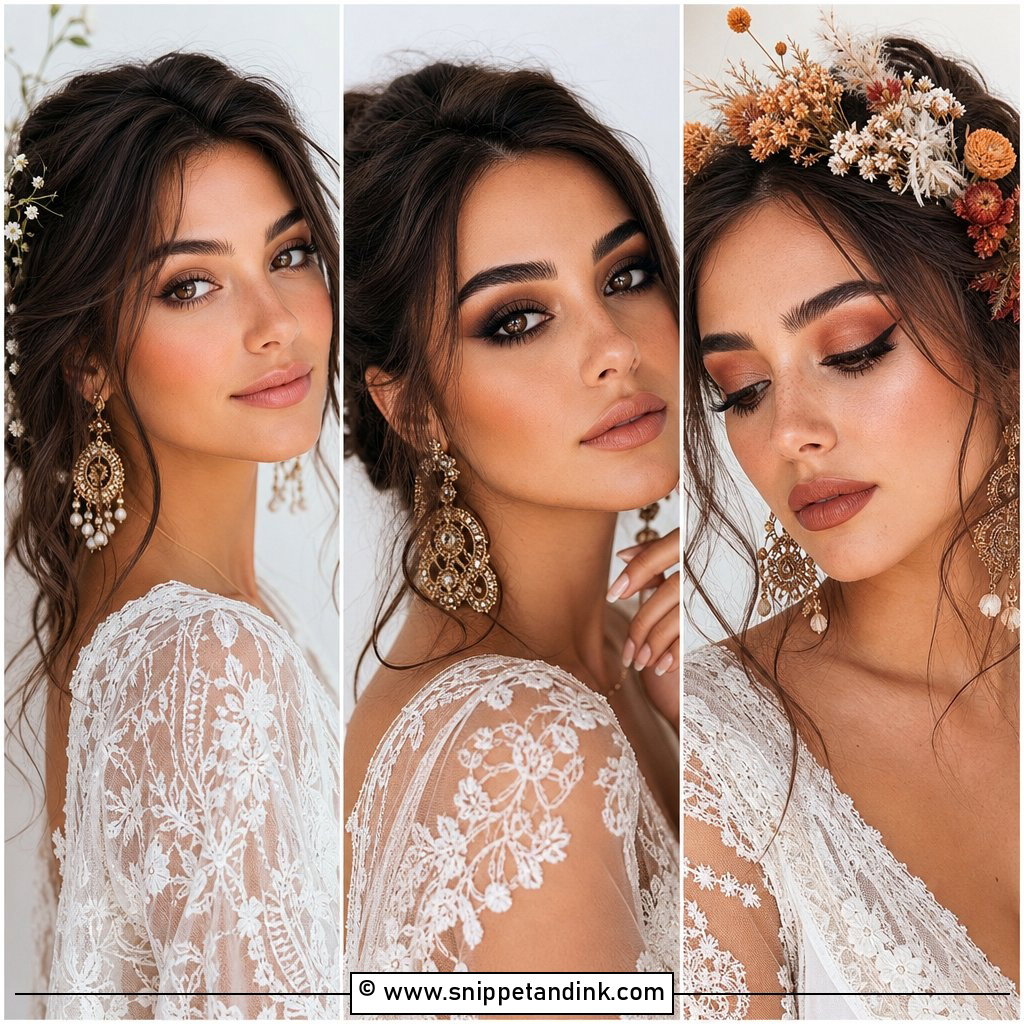
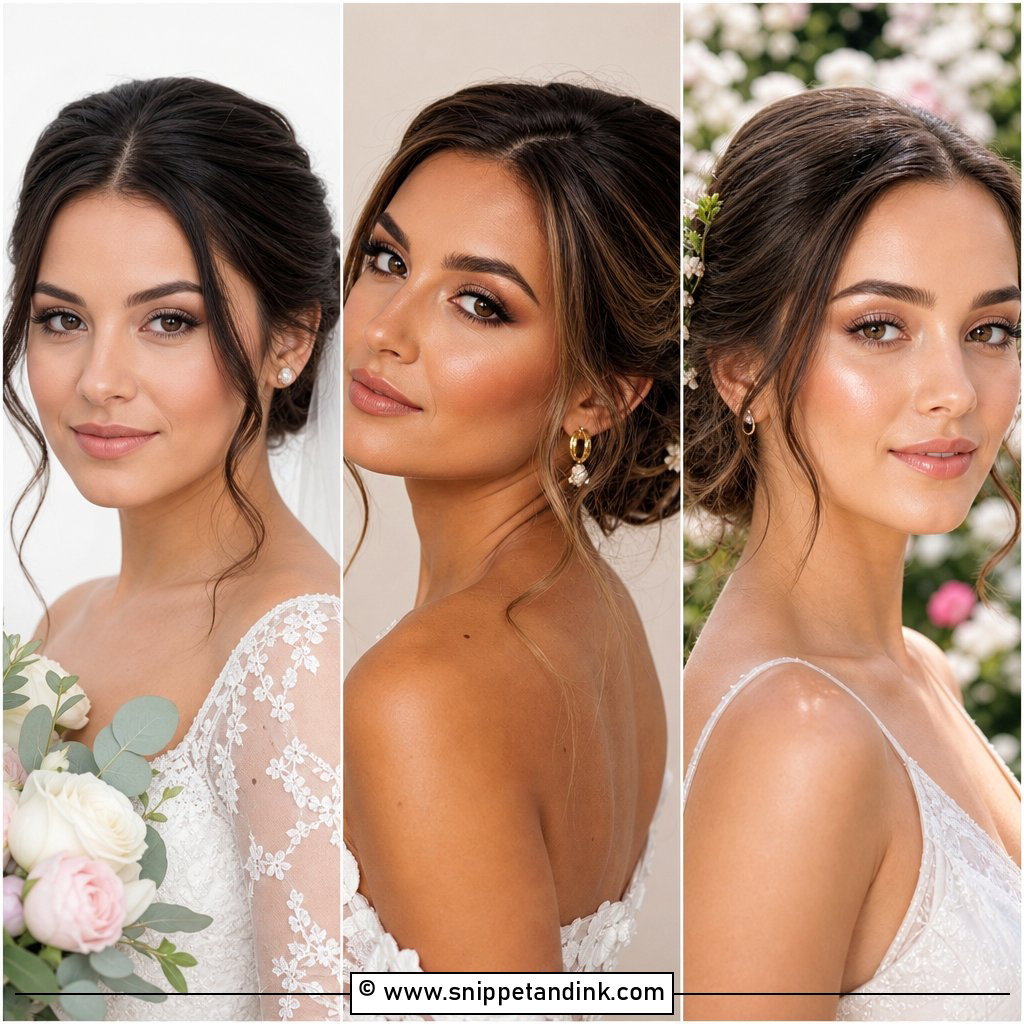
Soft brown feels warm and grounded, and it suits almost any eye color. A satin base, soft bronzer at the temples and cheeks, then warm brown or taupe shadow across the lids and into the crease. I keep the lower lash line very soft, since dark shadow under the eye makes it look heavy and can read as tiredness in daylight. Brown mascara or natural lashes finish the eyes, with a warm nude or caramel rose lip. It fits fall, courthouse and minimalist ceremonies easily.
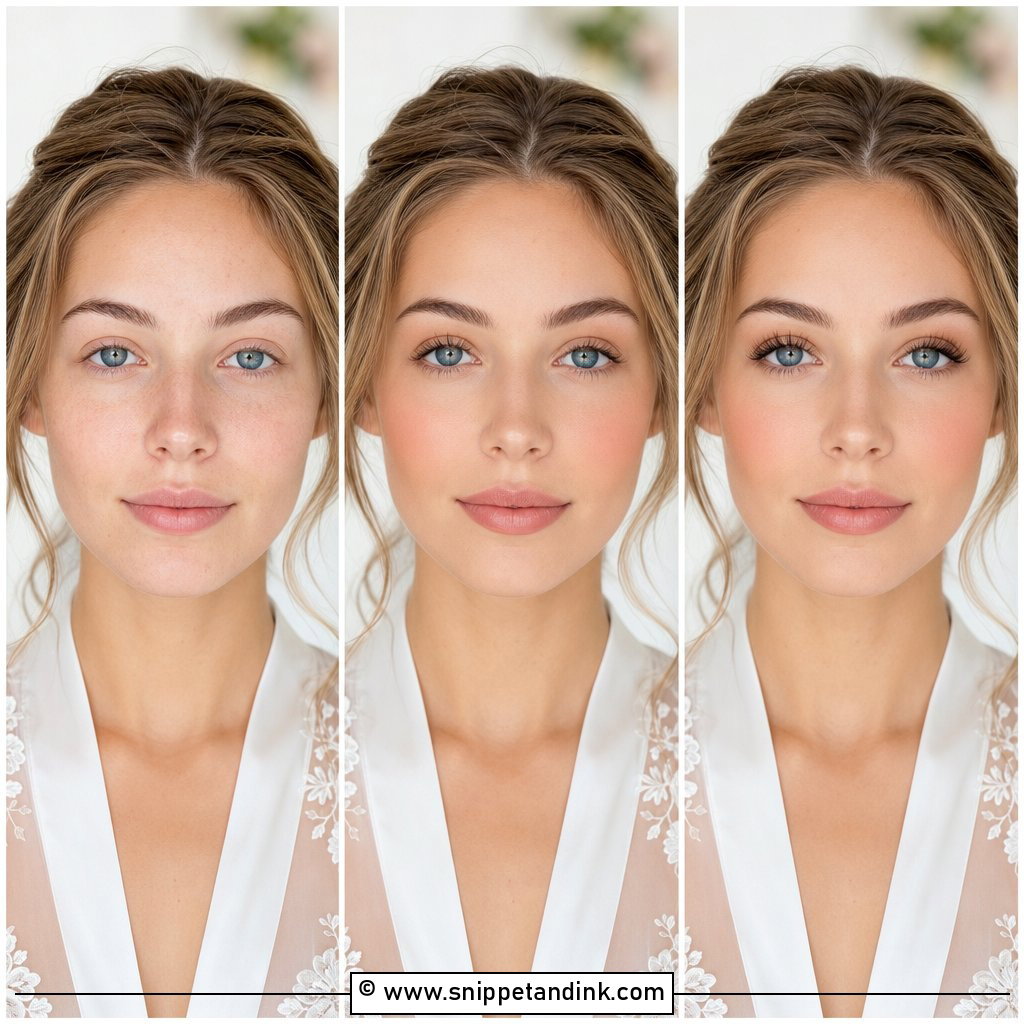
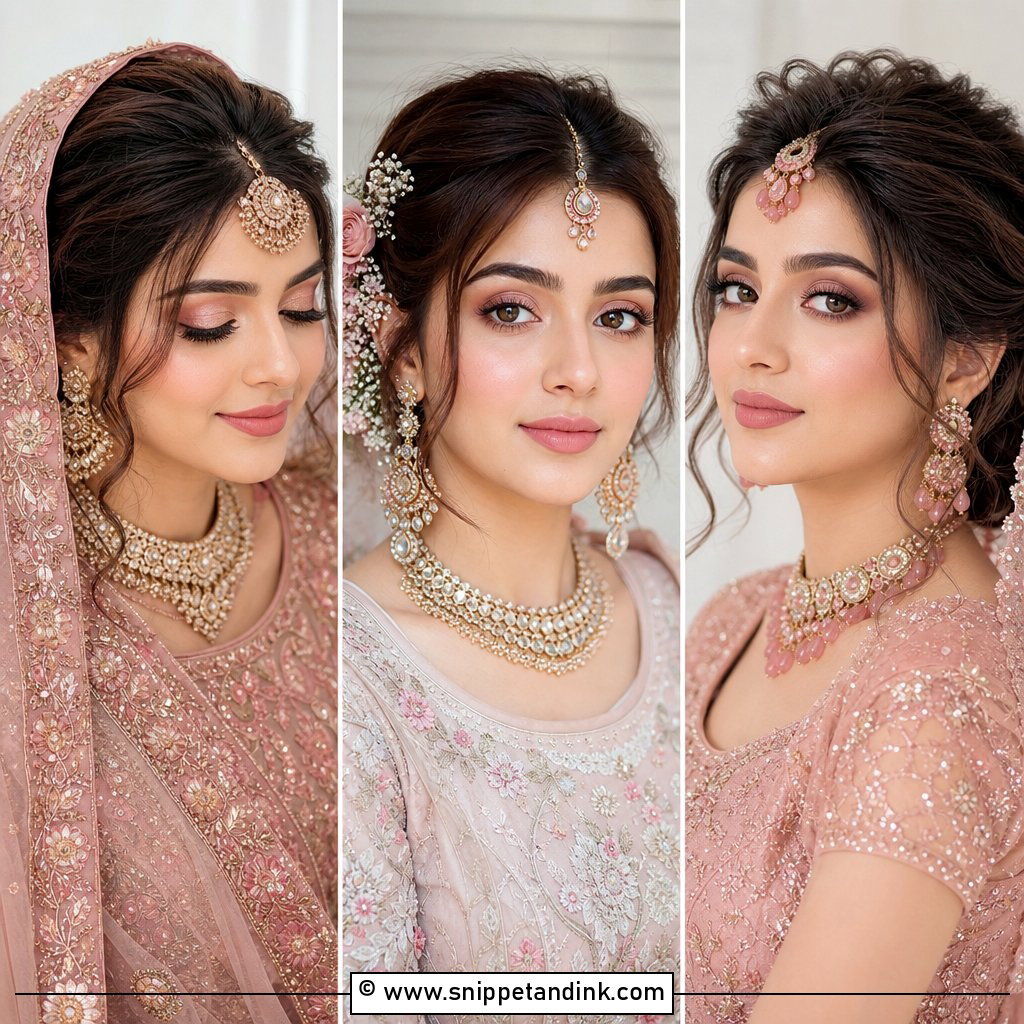
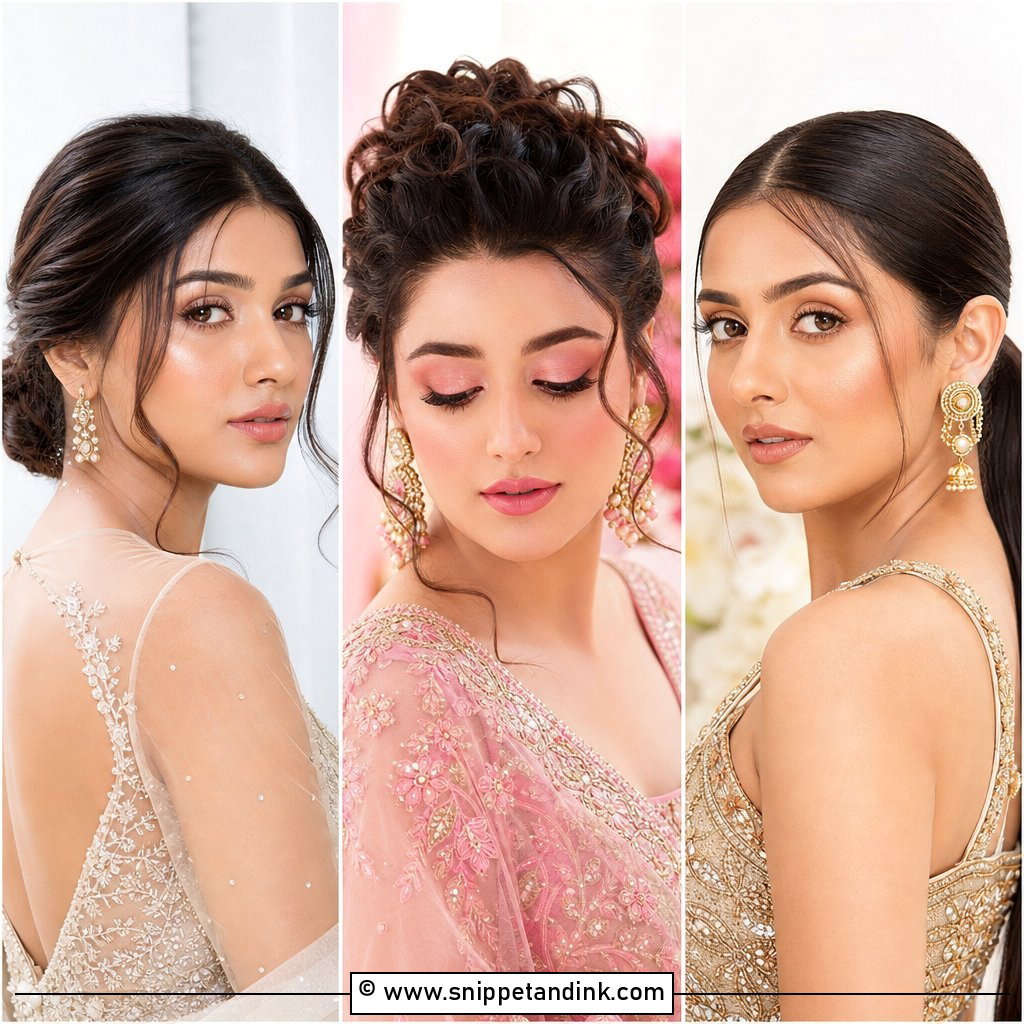
15. Blush Bridal Makeup
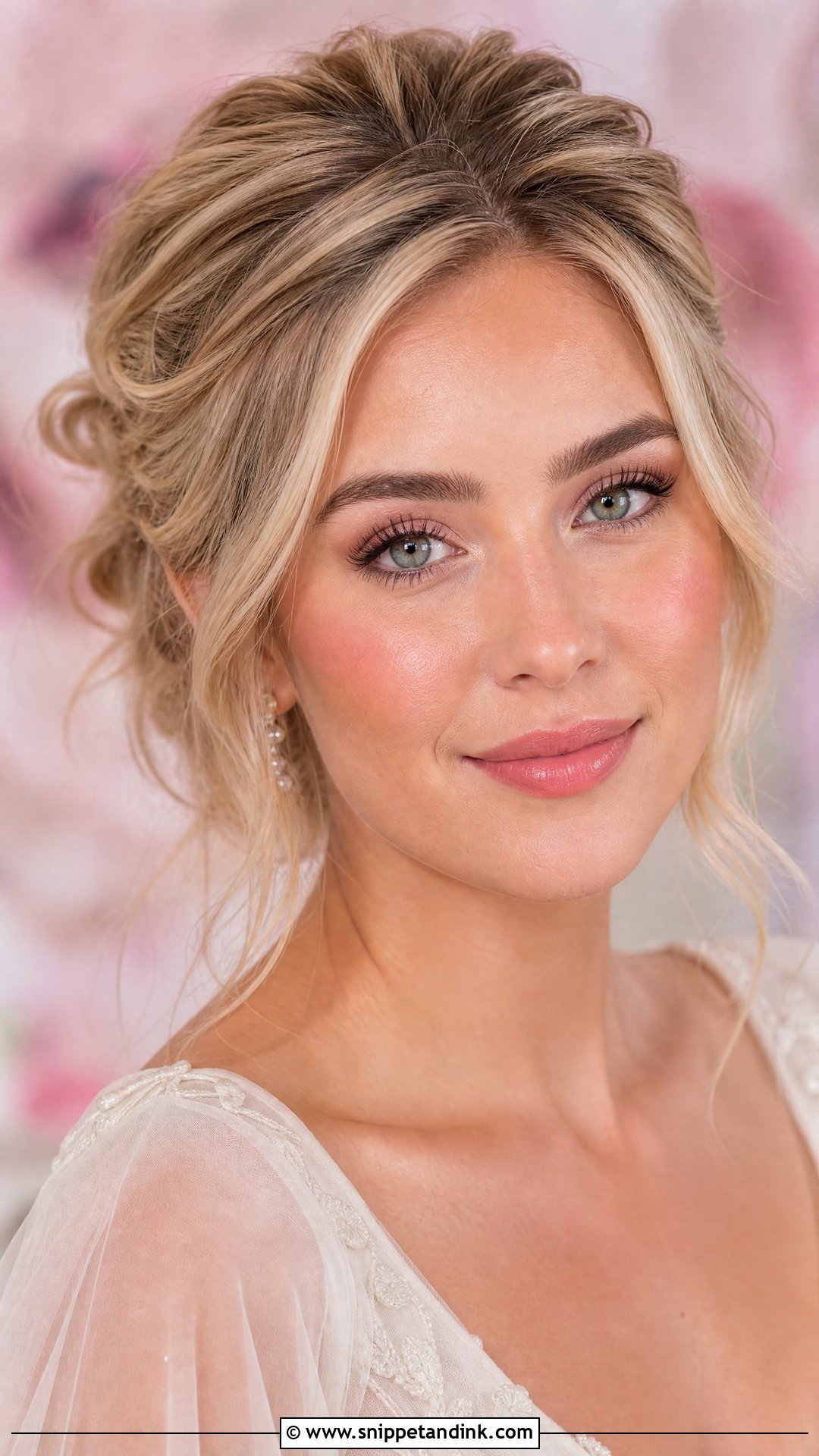
Here the cheeks lead. I build cream blush in thin layers on the apples and blend slightly upward toward the temple for lift, rather than placing one heavy layer. Keeping the eyes minimal, with nude shadow, brown liner and natural lashes, stops the face competing with itself. Brows should be softly groomed, not heavily filled. A matching lip tint ties the color together. Go one step brighter on the blush than you think, since it softens through the day and again in photos.
16. Satin Skin Bridal Makeup
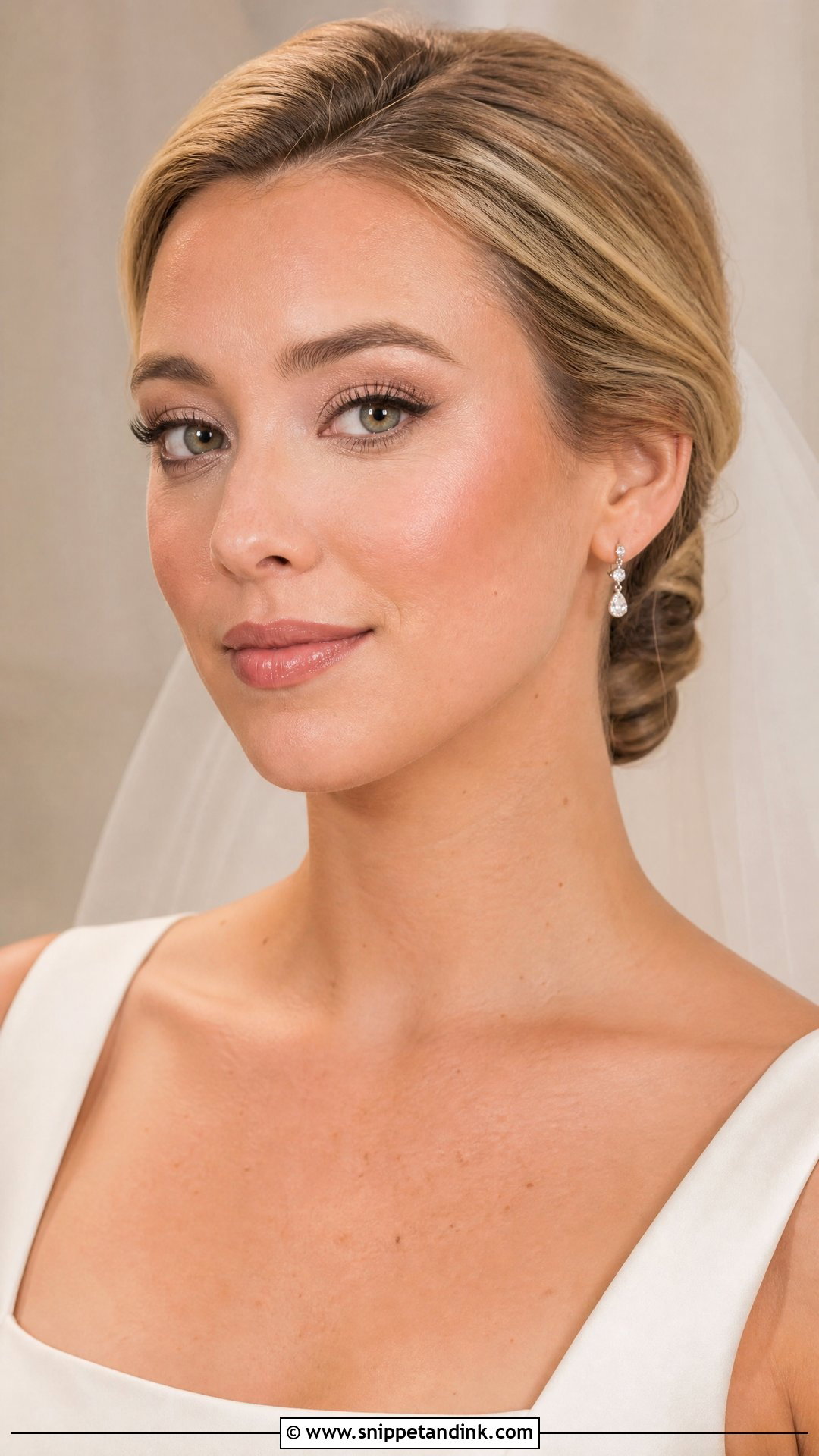
Satin skin is one of the most dependable finishes for photos because it sits between matte and dewy. I hydrate first, apply a long-wearing foundation with a natural finish, conceal where needed and set the T-zone lightly. Cream or powder blush both work if the finish is soft. Neutral shadow, clean liner and lifted lashes keep the eyes simple, with a satin nude rose lip. It survives hugs and happy tears better than most finishes, which is why I suggest it for long wedding days.
17. Courthouse Bridal Makeup
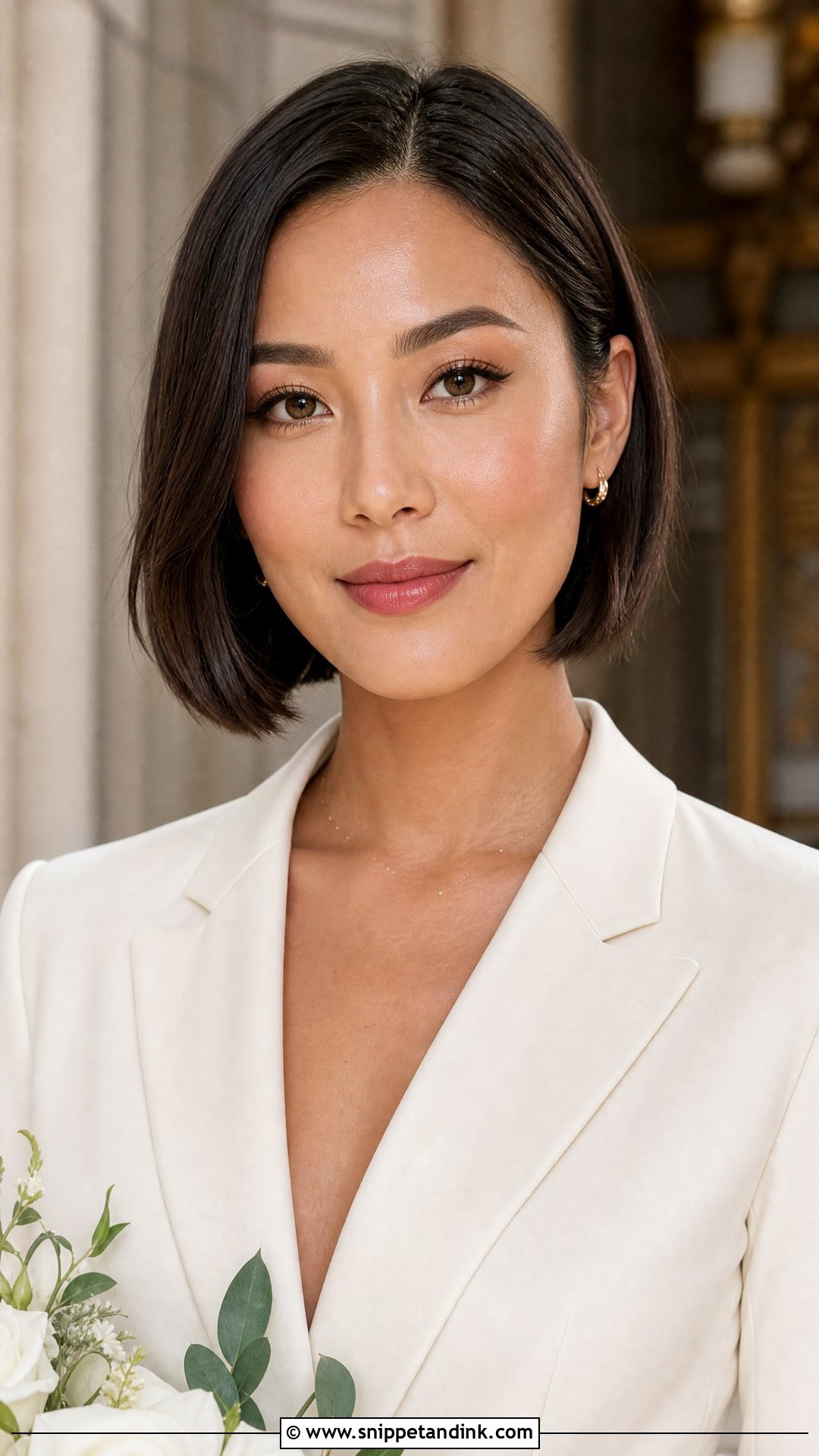
A courthouse ceremony is usually small and brightly lit, so your makeup is seen at conversation distance. That calls for a breathable base, natural brows and softly sculpted cheeks with a little cream bronzer. One neutral shadow, brown liner and mascara are enough on the eyes, with a nude pink, soft rose or sheer berry stain on the lips. It pairs well with tailored dresses and jumpsuits. Because it’s simple, you can touch it up yourself, which helps when there’s no artist with you at lunch afterward.
18. Beach Bridal Makeup
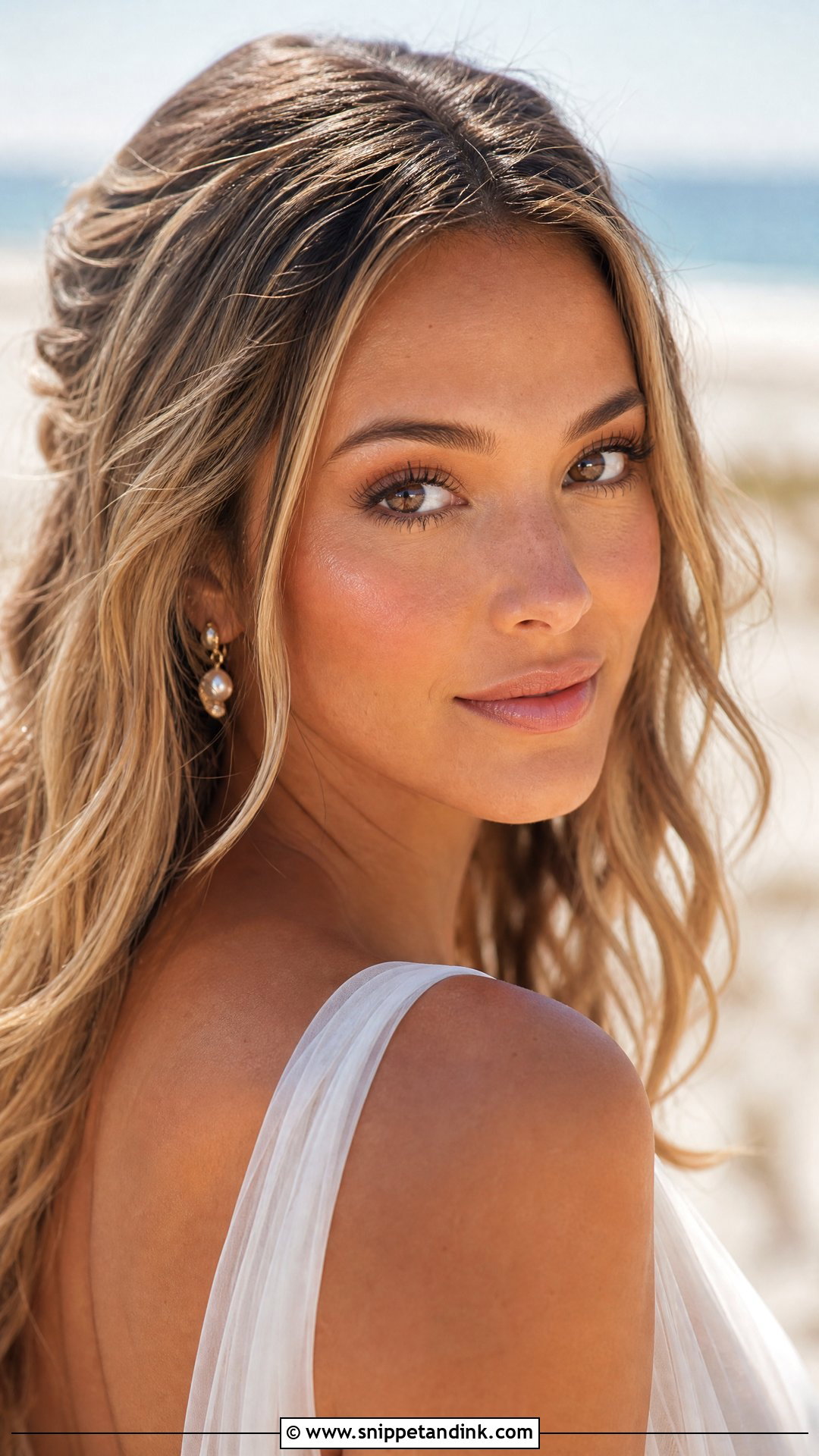
Beach makeup has to cope with heat, wind and bright sun. Heavy layers slide, so I use thin, long-wearing products: a tinted moisturizer or flexible foundation, set lightly where you get shiny. Cream bronzer and peach blush give a sun-warmed look, and waterproof brown mascara with soft bronze shadow keeps the eyes safe from sea spray. Skip sticky gloss in the wind, since your hair will stick to it, and choose a tinted balm or lip stain instead. Put your sunscreen on well before your artist arrives so it has time to settle.
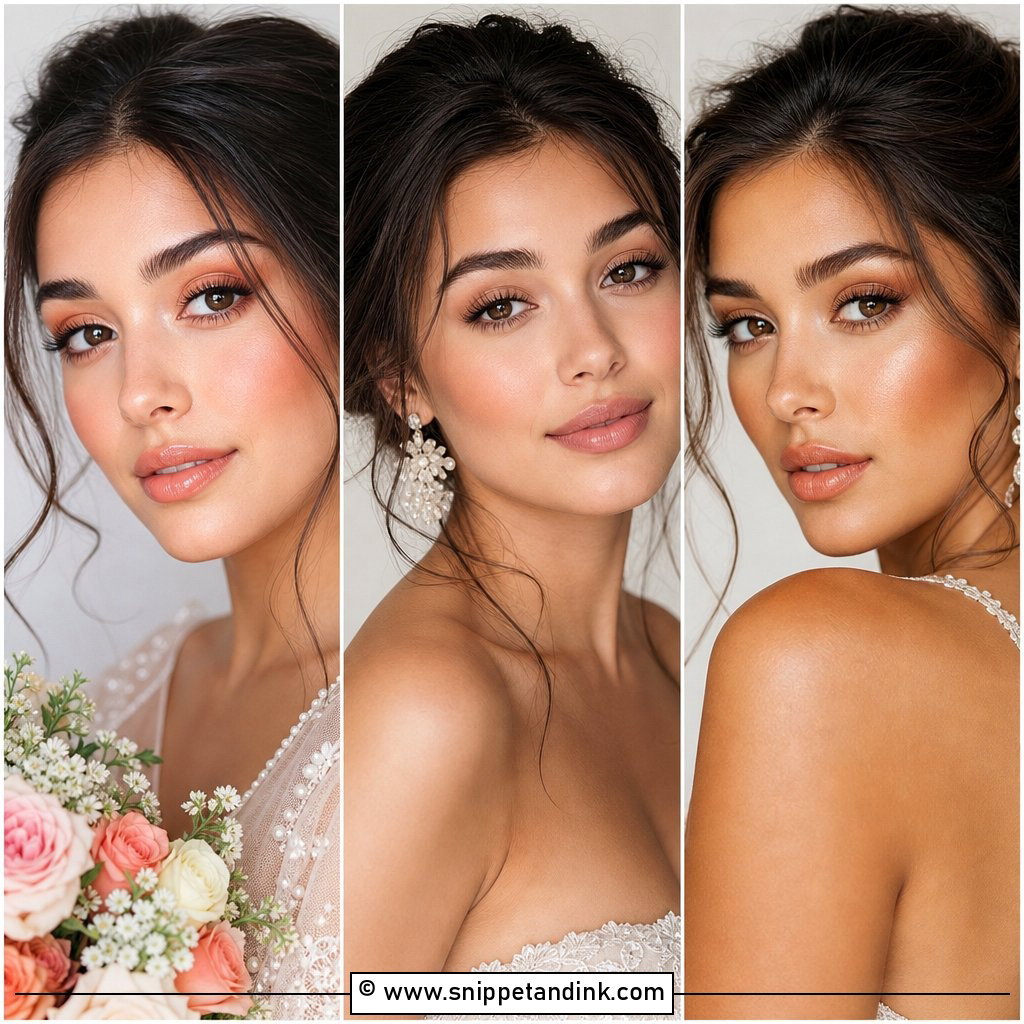
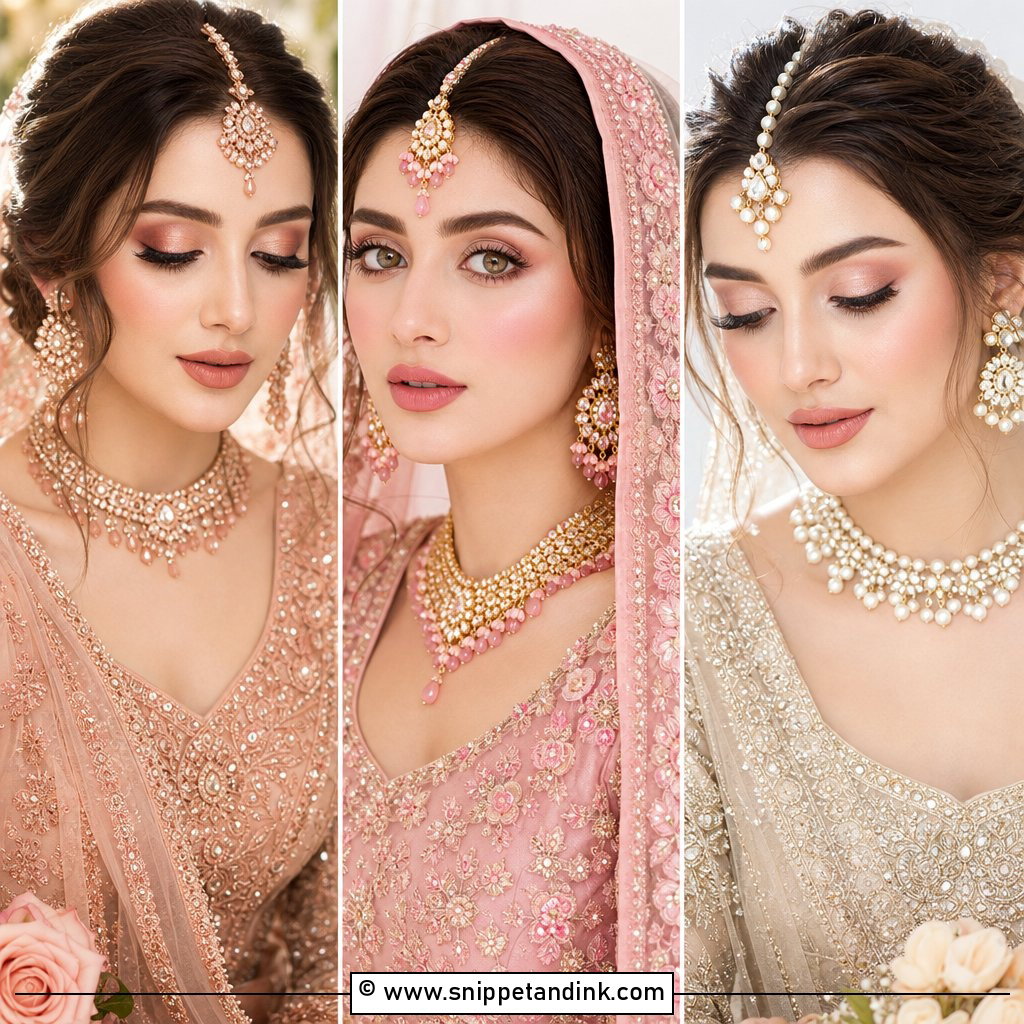
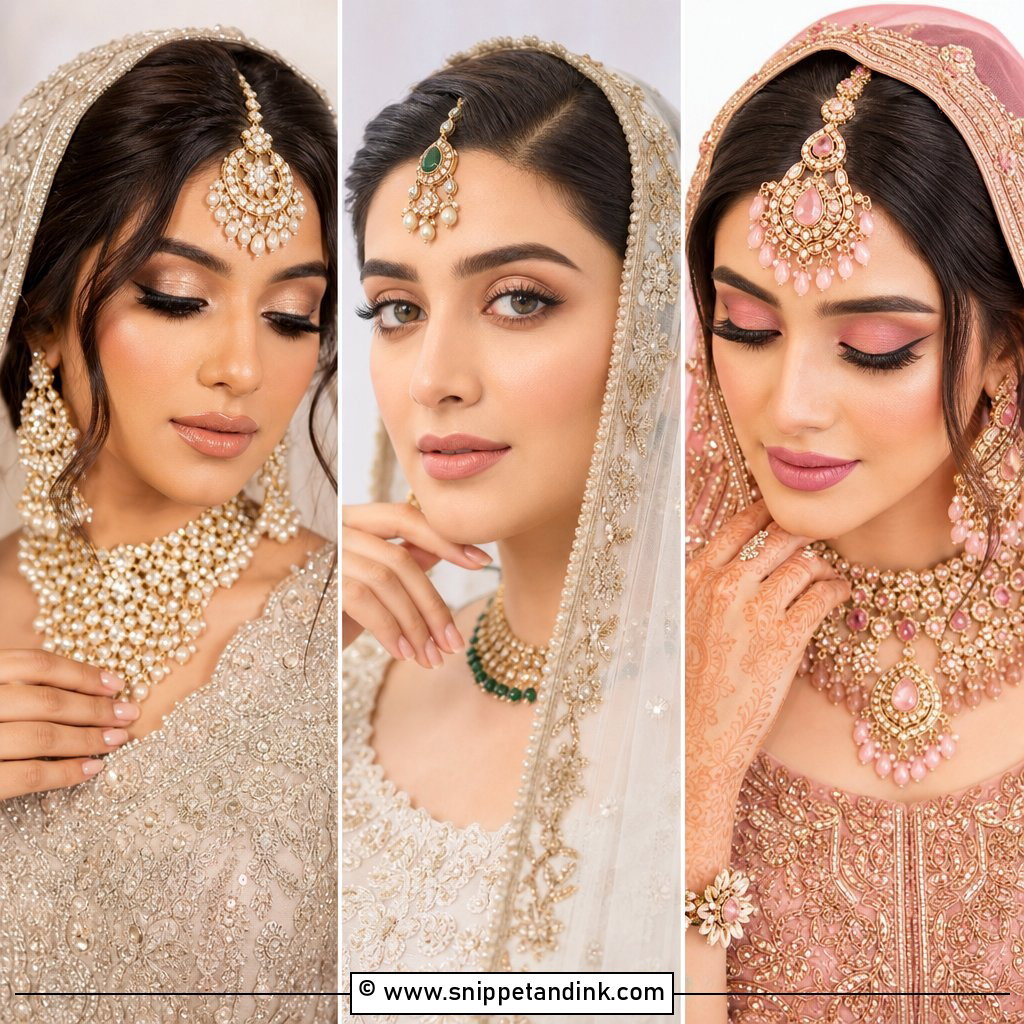
19. Summer Bridal Makeup
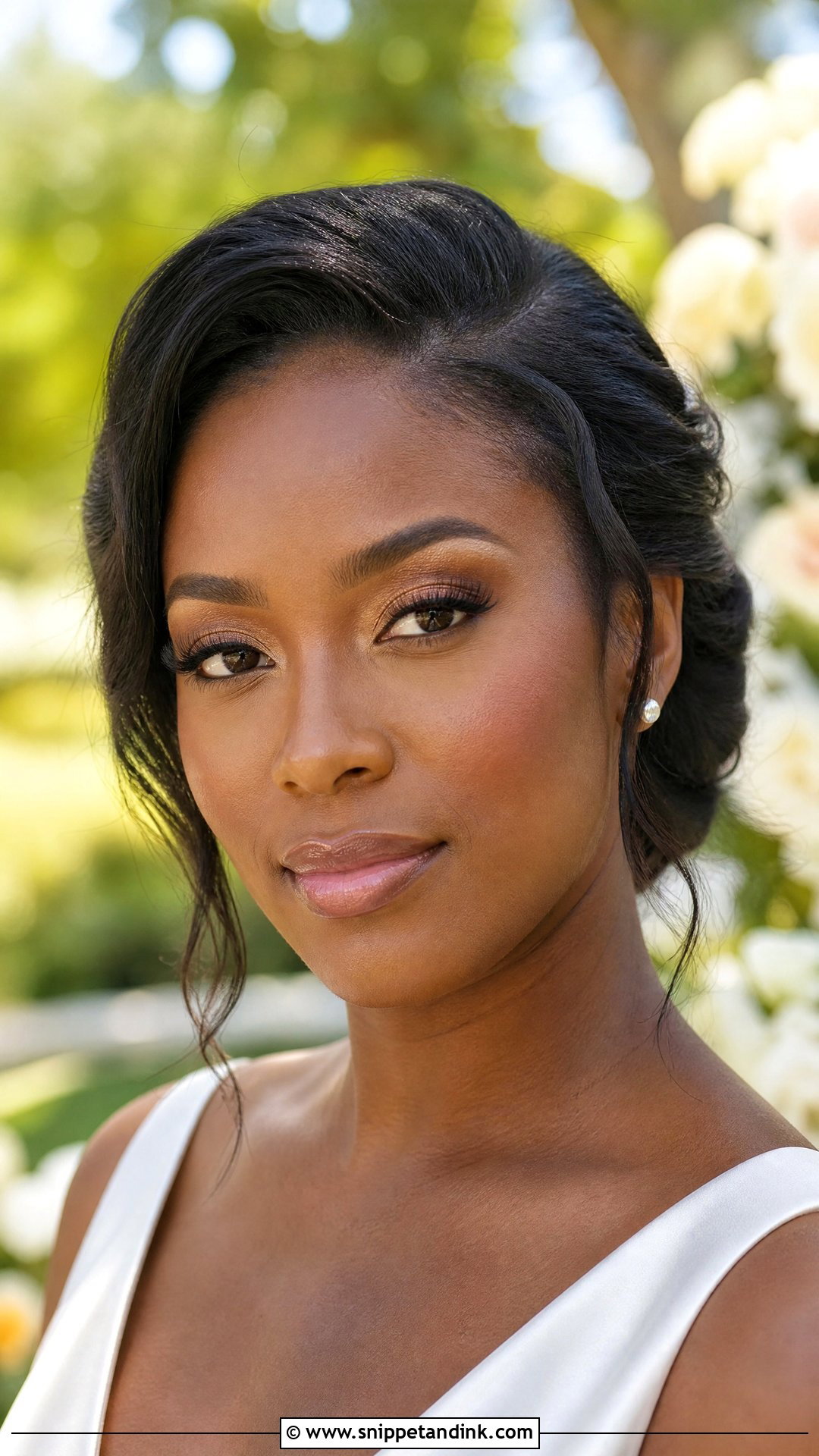
Summer makeup has to breathe and last. I start with lightweight prep and a gripping primer if your makeup tends to move, then a natural-finish foundation, spot concealing instead of layering. Powder goes through the center of the face, and a peach or warm pink blush keeps the cheeks bright. Sheer bronze shadow and waterproof mascara on the eyes. A nude lip stain outlasts creamy lipstick through heat and drinks, and a setting spray at the end helps everything stay put.
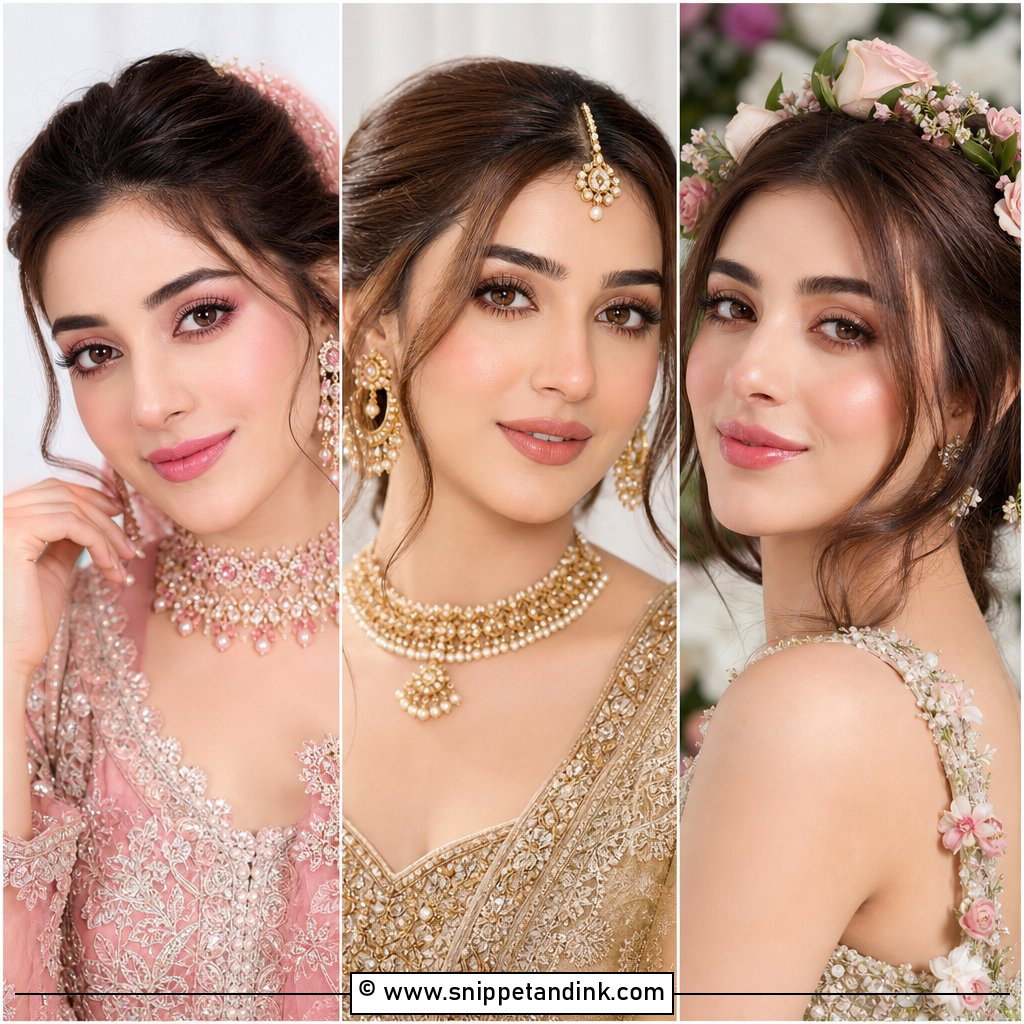
20. Winter Bridal Makeup
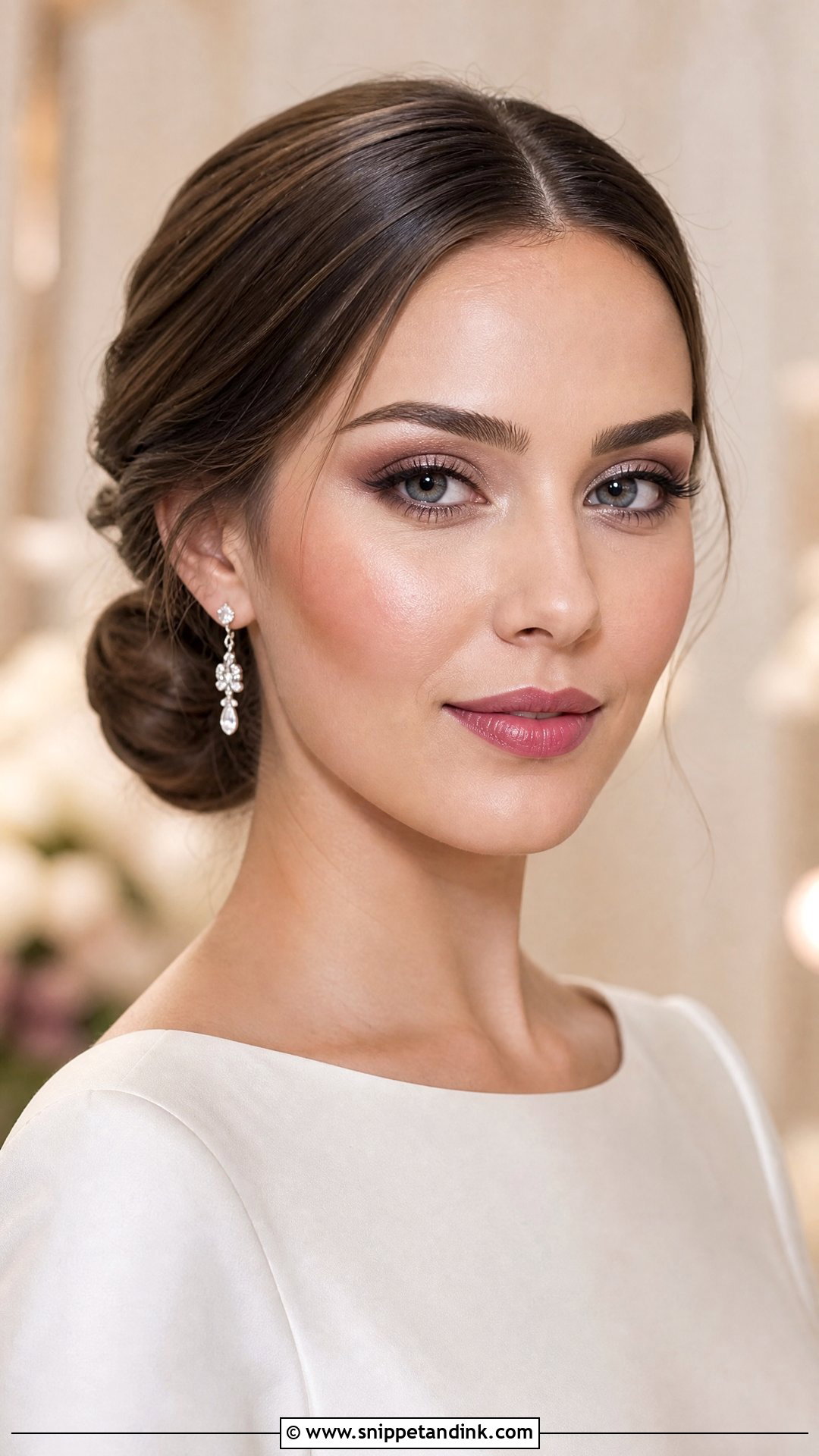
Winter bridal makeup can stay minimal with a little extra moisture. Cold air outside and heated rooms inside dry skin quickly, so I start with richer prep and a smooth satin base. Cream blush in rose, mauve or soft berry brings back the warmth cold air drains from the face. Taupe shadow, brown liner and fluttery lashes keep the eyes simple, and a satin rose lip or sheer berry stain feels seasonal without going bold. Highlight only where light naturally falls.
Will Light Makeup Actually Show Up in Photos?
Cameras flatten color. Makeup that looks right in the mirror can look washed out in portraits, especially in strong daylight or with flash. So for a minimal bridal face, I add slightly more definition than you’d wear on a normal day: a little more blush, a properly defined lash line and a lip liner under the balm. In person, it still looks natural.
Flash brings a second problem. Some setting powders and sunscreens heavy in mineral filters bounce flash back and leave a pale cast on the face. Take a flash photo on your phone at the trial; if your face looks whiter than your neck, swap the powder or sunscreen before the wedding.
If you cry during the vows
Minimal makeup actually copes with tears better than full glam, because there’s less to slide. Waterproof mascara on the lower lashes, or none at all there, saves most of the damage. Press a tissue under the eye rather than wiping across it, and your concealer will stay where it was put.
What goes in the touch-up pouch
- Blotting papers, rather than more powder
- Your lip color and the matching liner
- A cotton bud for smudged mascara
- A small cream blush to refresh your cheeks after the ceremony
Book the Trial in Daylight, Then Wear It All Day
Minimal makeup is about choosing the right details so you look clear and polished, not about wearing almost nothing. Thin layers, soft color and careful definition around the eyes, cheeks and lips do the work. Whichever direction you lean, from dewy to matte or pink to soft brown, the aim is balance. Book a trial, keep the makeup on for the rest of that day to see how it holds, and take photos both by a window and with flash. If you still like it at dinner, you’ve found your look.
You'll Like These Ideas:


Leave a Reply