
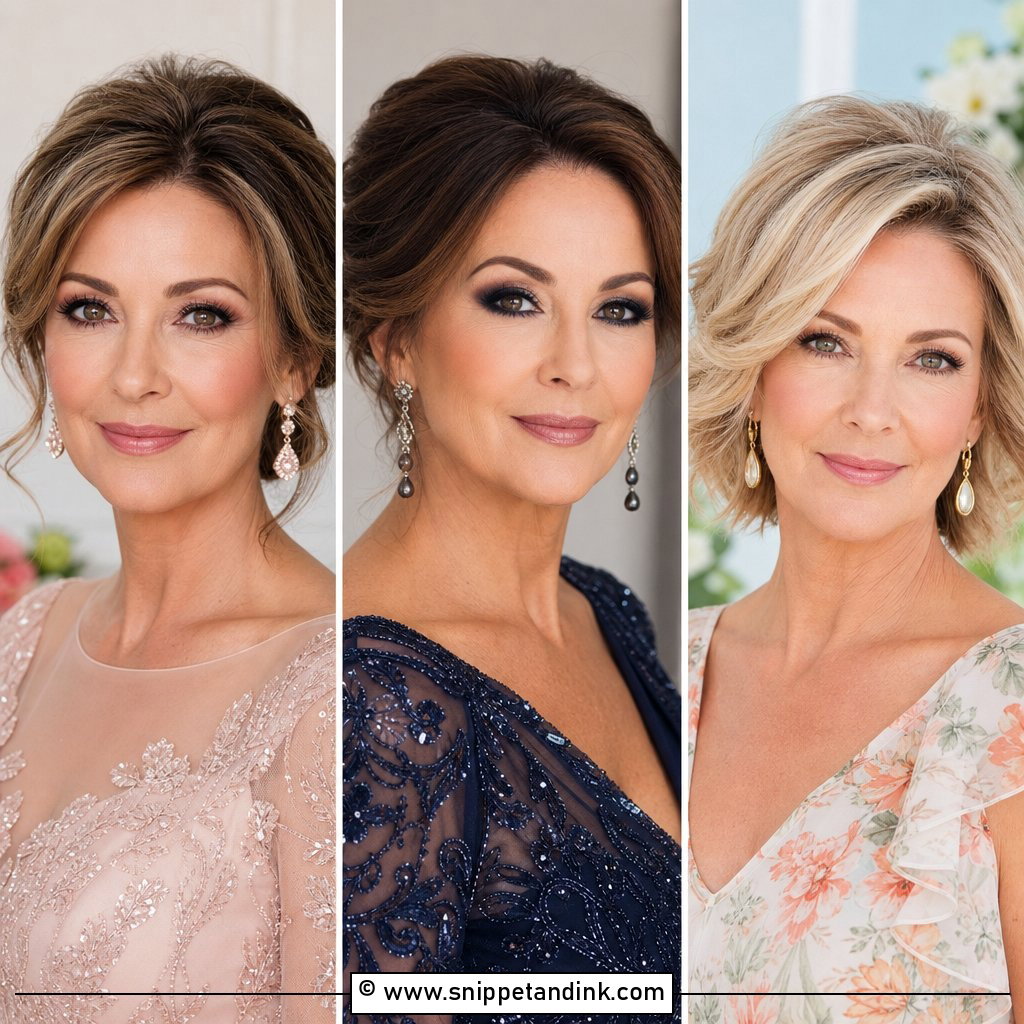
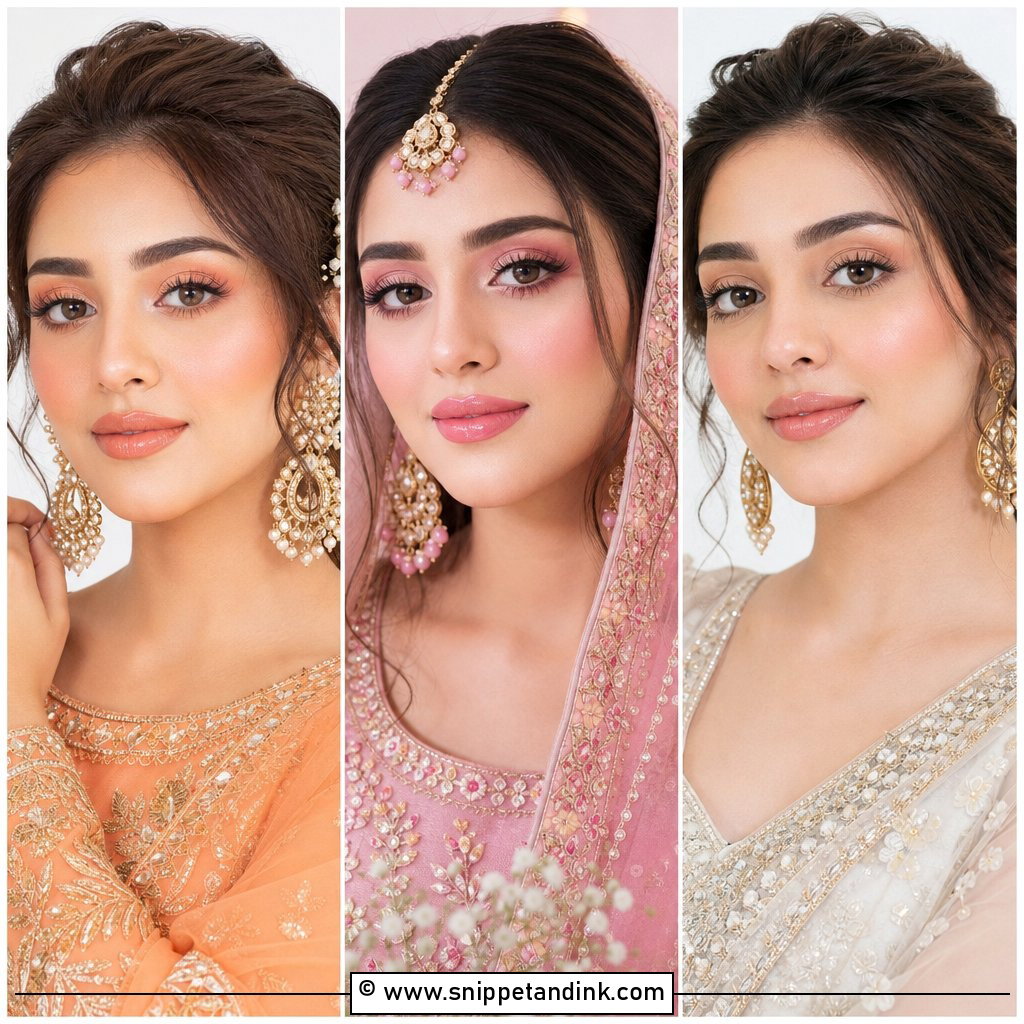
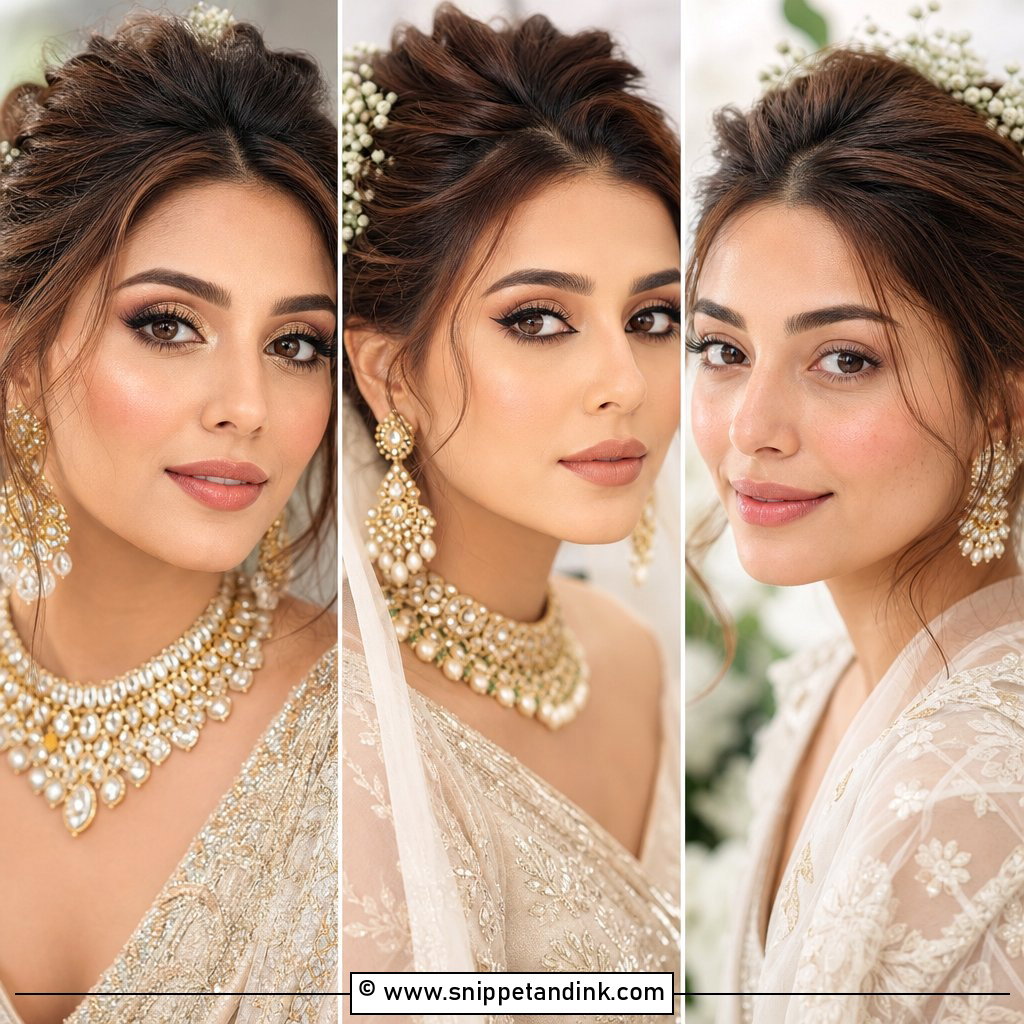
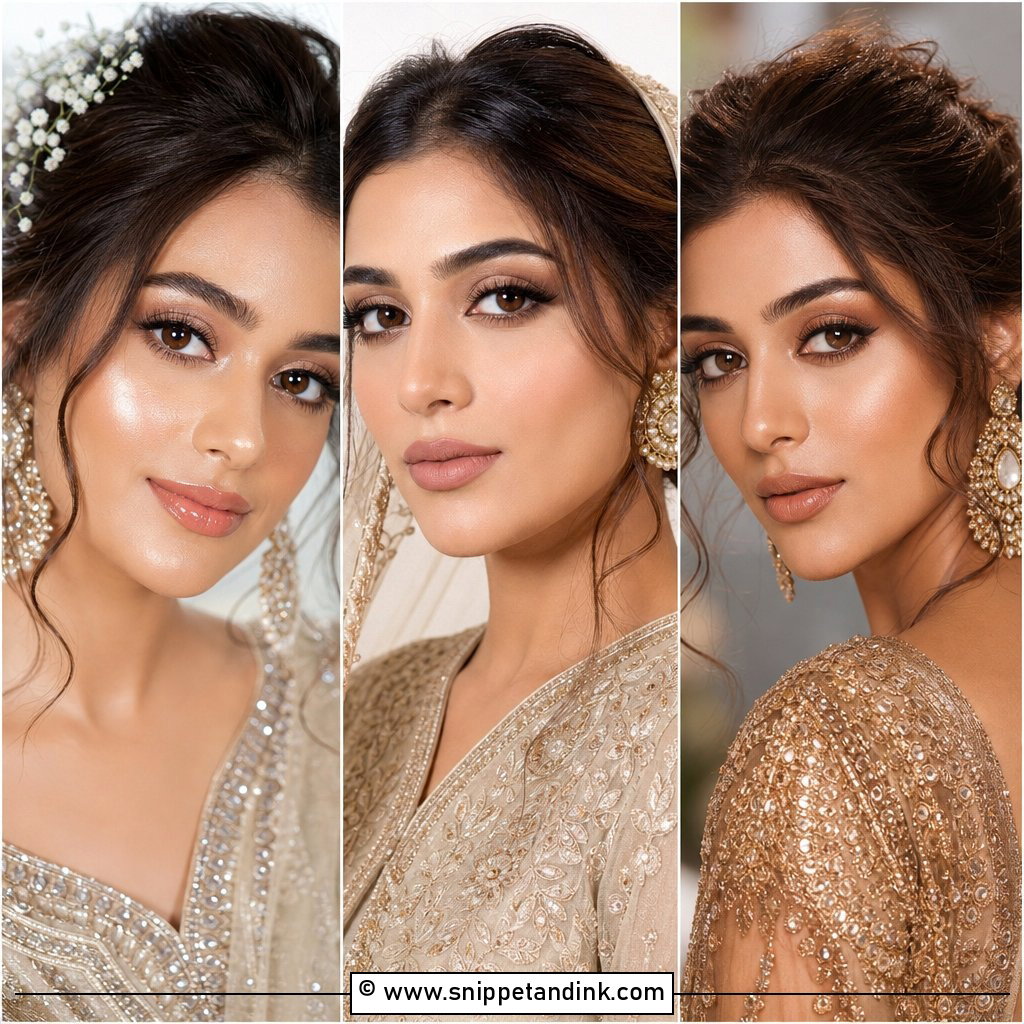
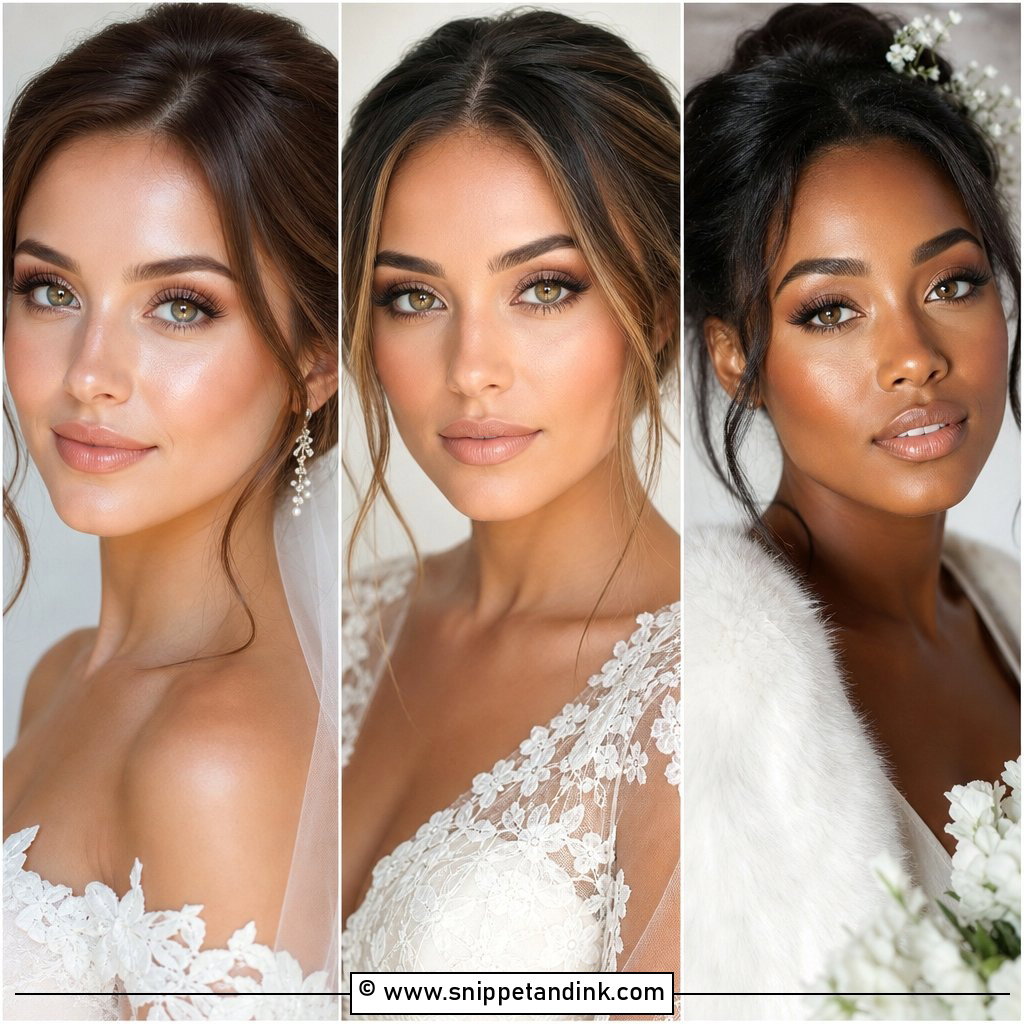
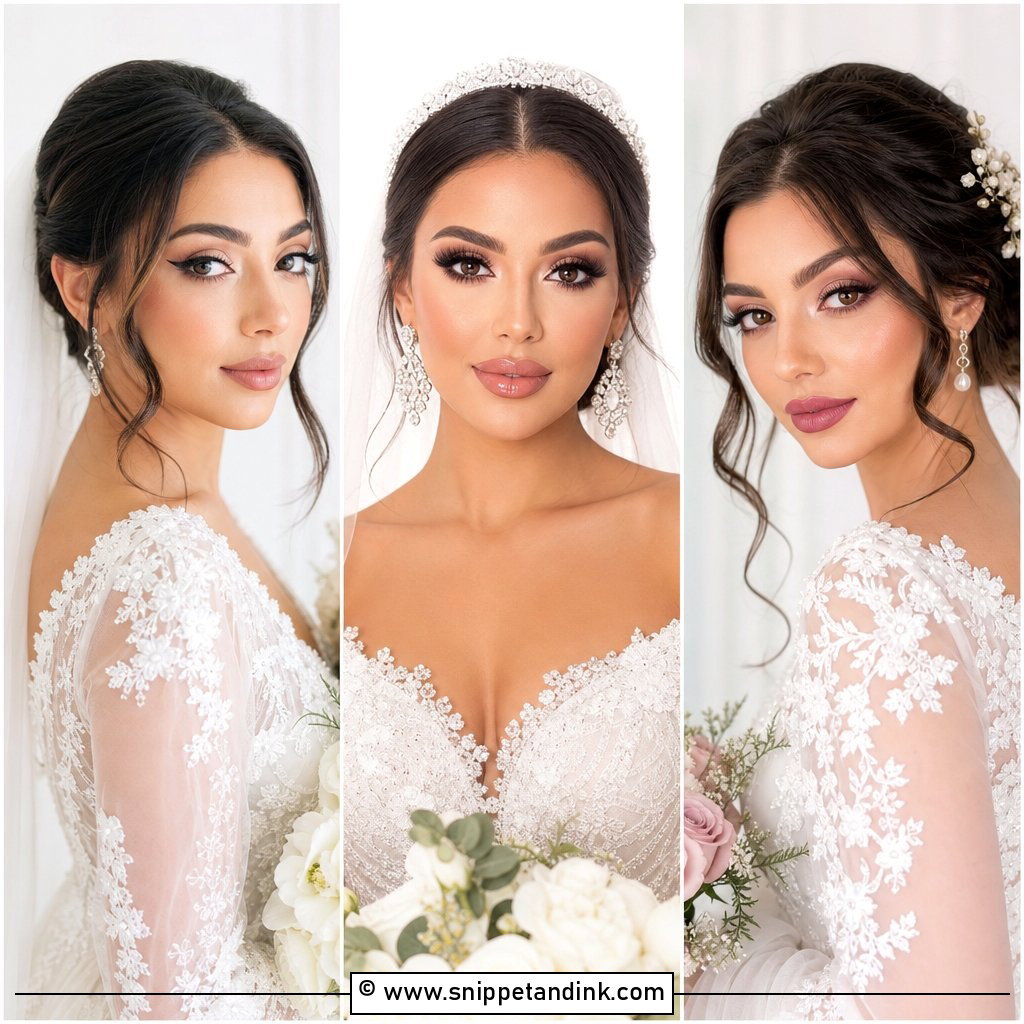
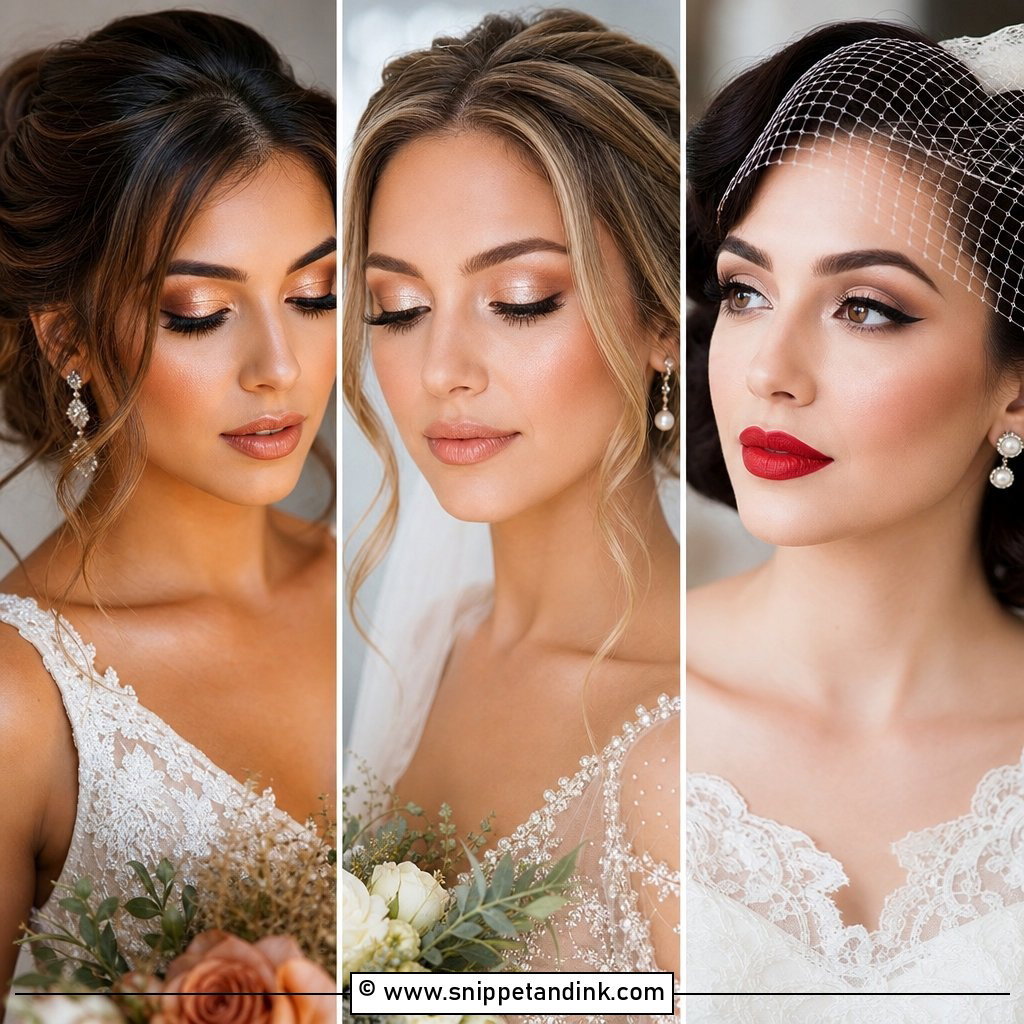
Light bridal makeup is the request I hear most often, and it’s also the one most often misunderstood. Light does not mean bare. A face with almost nothing on it can look washed out under a white veil and flat in flash photos, so the real work is in sheer layers that still hold structure: a thin base, cream blush set with a touch of powder, brown definition close to the lashes and a lip that lasts through dinner. The current mood leans toward skin that looks like skin, soft-matte or quietly glowing, with pink and peach cheeks, airy lashes and nude lips. Below are 25 versions I’d actually build, with notes on who each one suits and where it tends to go wrong.
Why a Light Face Can Vanish in Your Wedding Photos
Cameras flatten. The soft blush that looks right across a table often reads as nothing in a professional photo, especially under flash or in bright midday sun that washes out contrast. That’s why light bridal makeup is usually a touch stronger than your everyday version, even though it still looks like you in the mirror.
What I adjust is placement, not coverage:
- Brows get filled at the tails, where they naturally thin, because that’s the part that disappears first in pictures.
- Lashes get curled and coated right from the roots; a bare root line makes eyes look smaller next to a white dress.
- Blush goes on in two layers, a cream and then a matching powder, so it survives both the camera and the hours.
- Lips are lined in a shade close to your natural color, which keeps their shape visible in wide group shots.
I’m also careful with high-SPF foundations and heavy silica powders at receptions with a lot of flash. Some of them bounce the light back and leave a pale cast on the face, and nobody sees it until the gallery arrives.
1. Natural Light Bridal Makeup
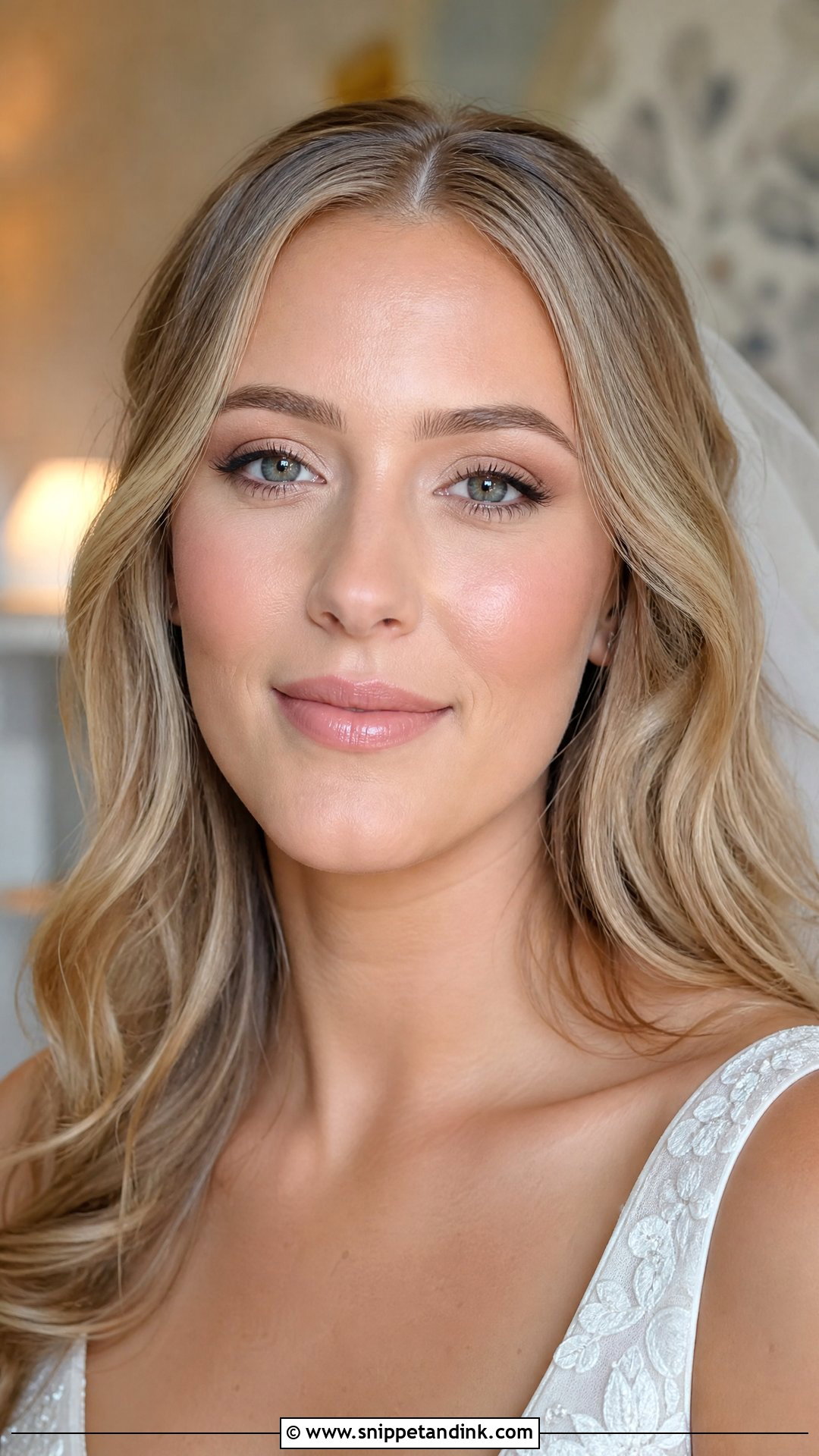
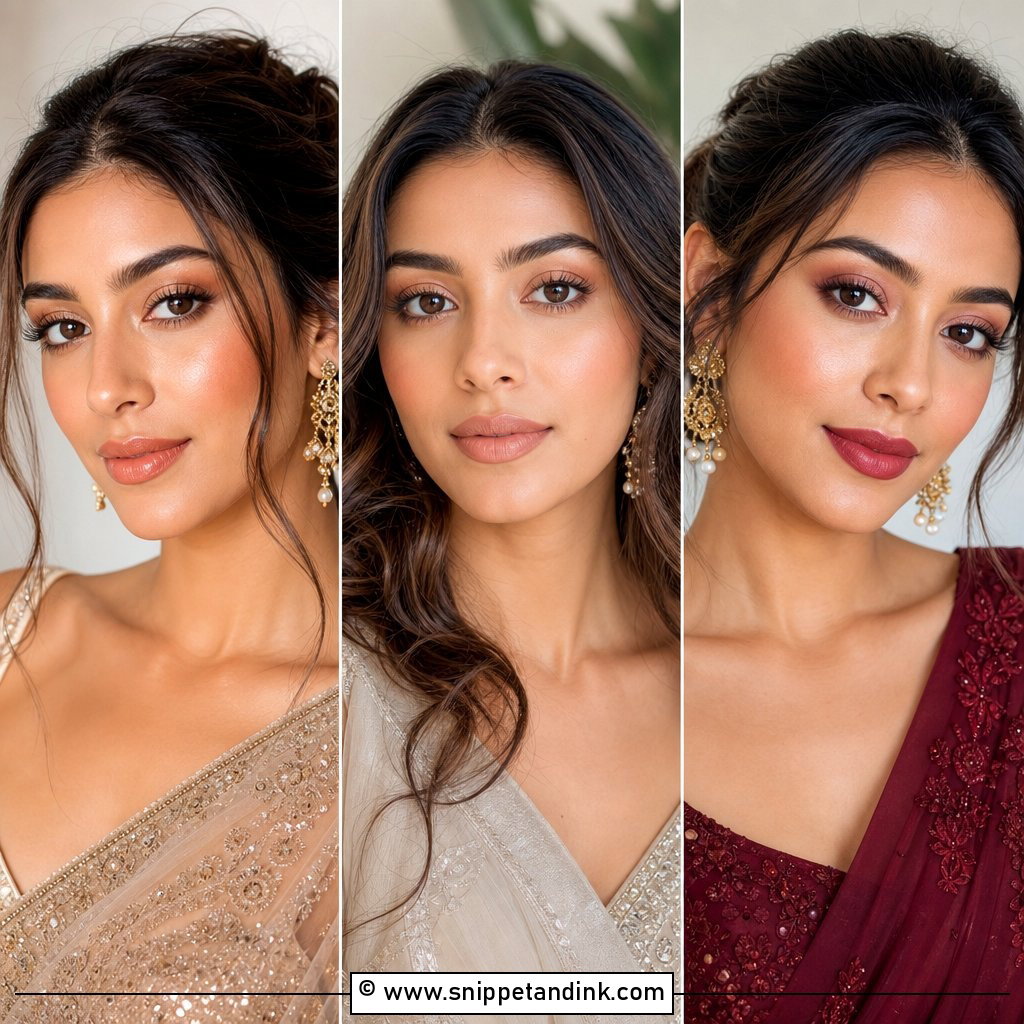
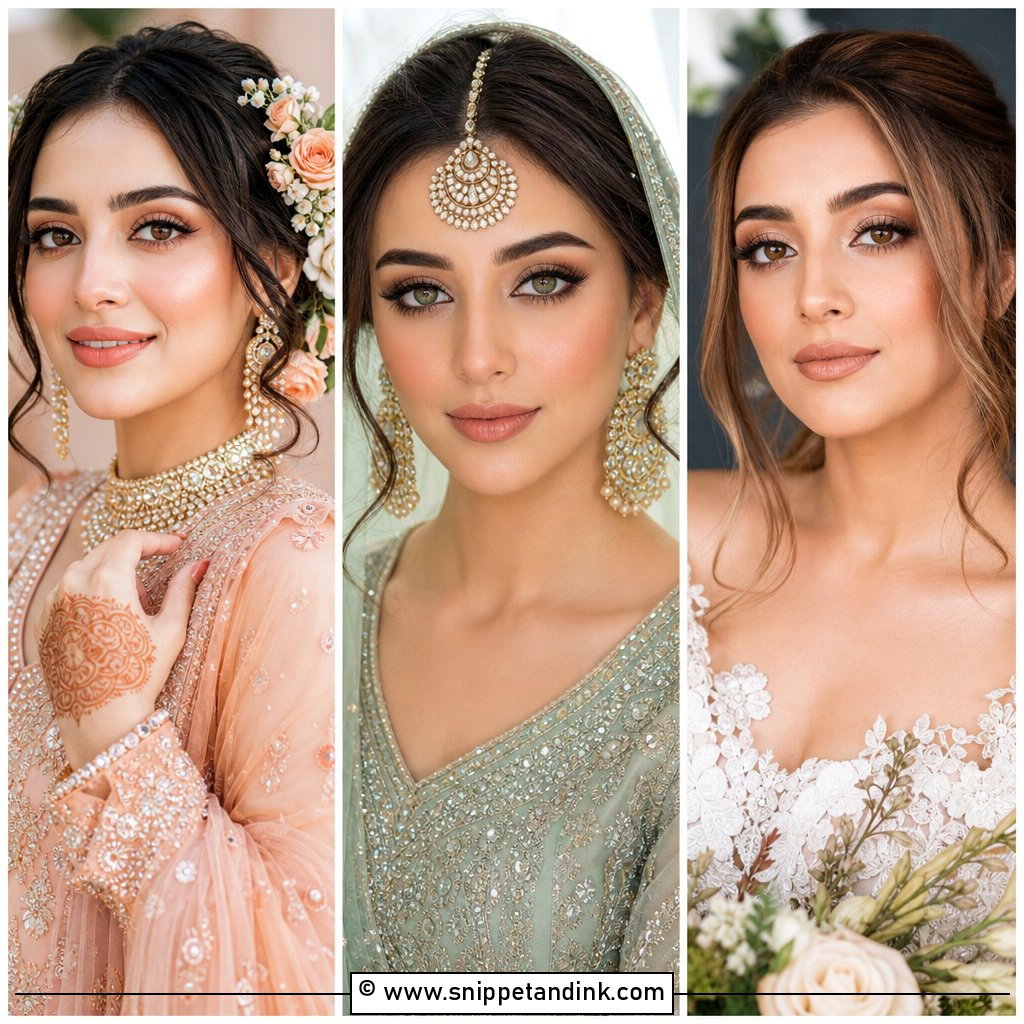
This is the version for someone who wears mascara and lip balm to work and nothing else. I start with skin prep and a sheer tint, then put concealer only where it’s needed, usually the sides of the nose and the inner under-eye. Cheeks get a peach or neutral pink cream blush. On the eyes I use taupe or soft brown and a thin brown liner pushed into the lash roots so it reads as shadow, not a line. Individual lashes look more natural than a full strip and still give lift in photos. A satin nude-pink lipstick or tinted balm finishes it. The usual risk is under-doing it: if your features vanish in the trial photos, add one more layer of brow and lash, not more foundation.
2. Dewy Light Bridal Makeup
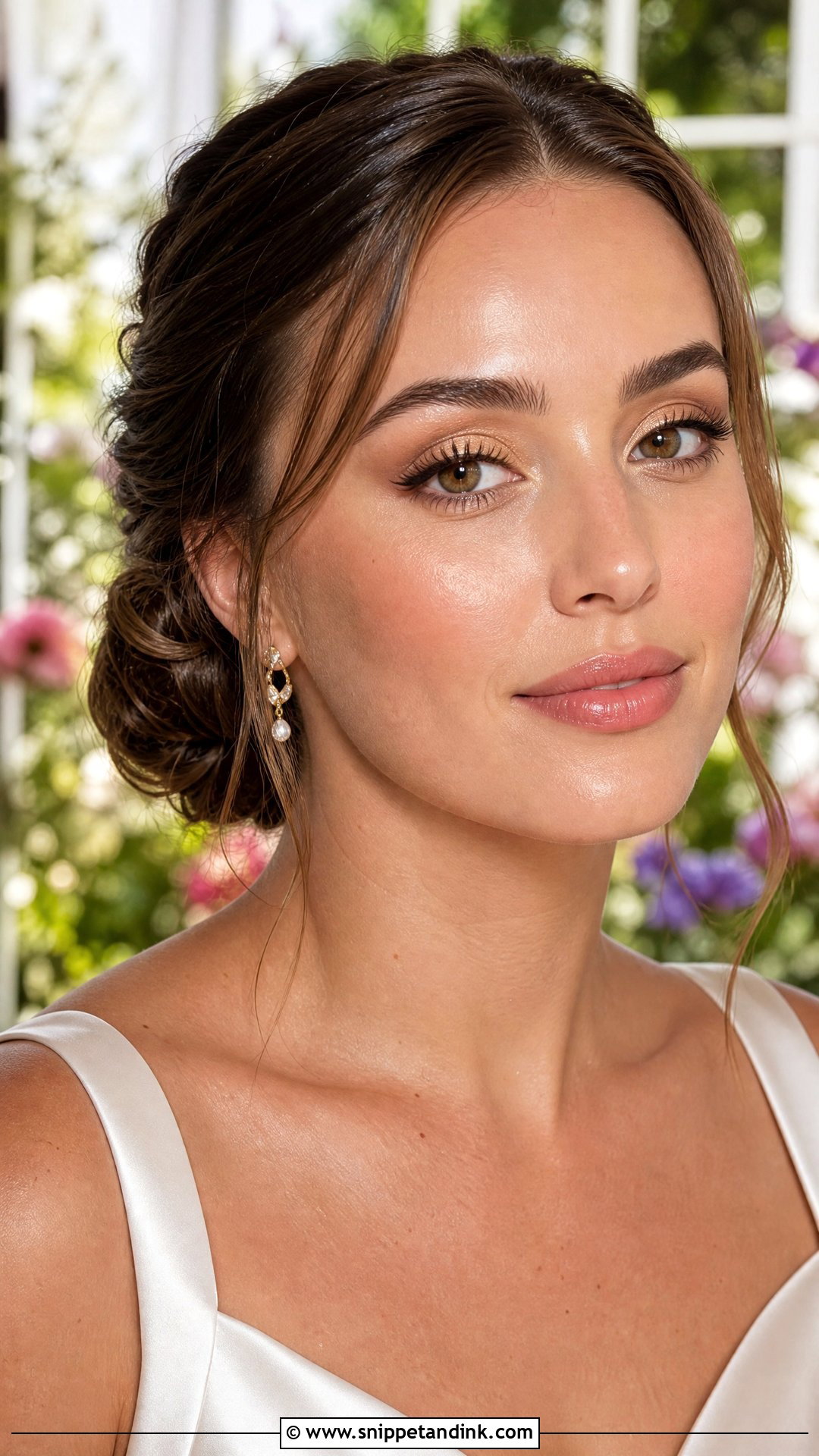
Controlled shine is the whole skill here. I use a luminous primer under a light foundation, then powder only the center panel: sides of the nose, chin and the space between the brows. Highlighter stays on the very top of the cheekbone; once it creeps toward the nose, it starts to look like oil by the second hour. Champagne shadow, curled lashes and feathered brows keep the eyes bright, and a peachy-pink blush adds warmth. A glossy nude or rose lip completes it. Daylight is kind to this finish. If your skin gets oily by lunchtime, I’d swap it for the soft matte version further down.
3. Soft Glam Light Bridal Makeup
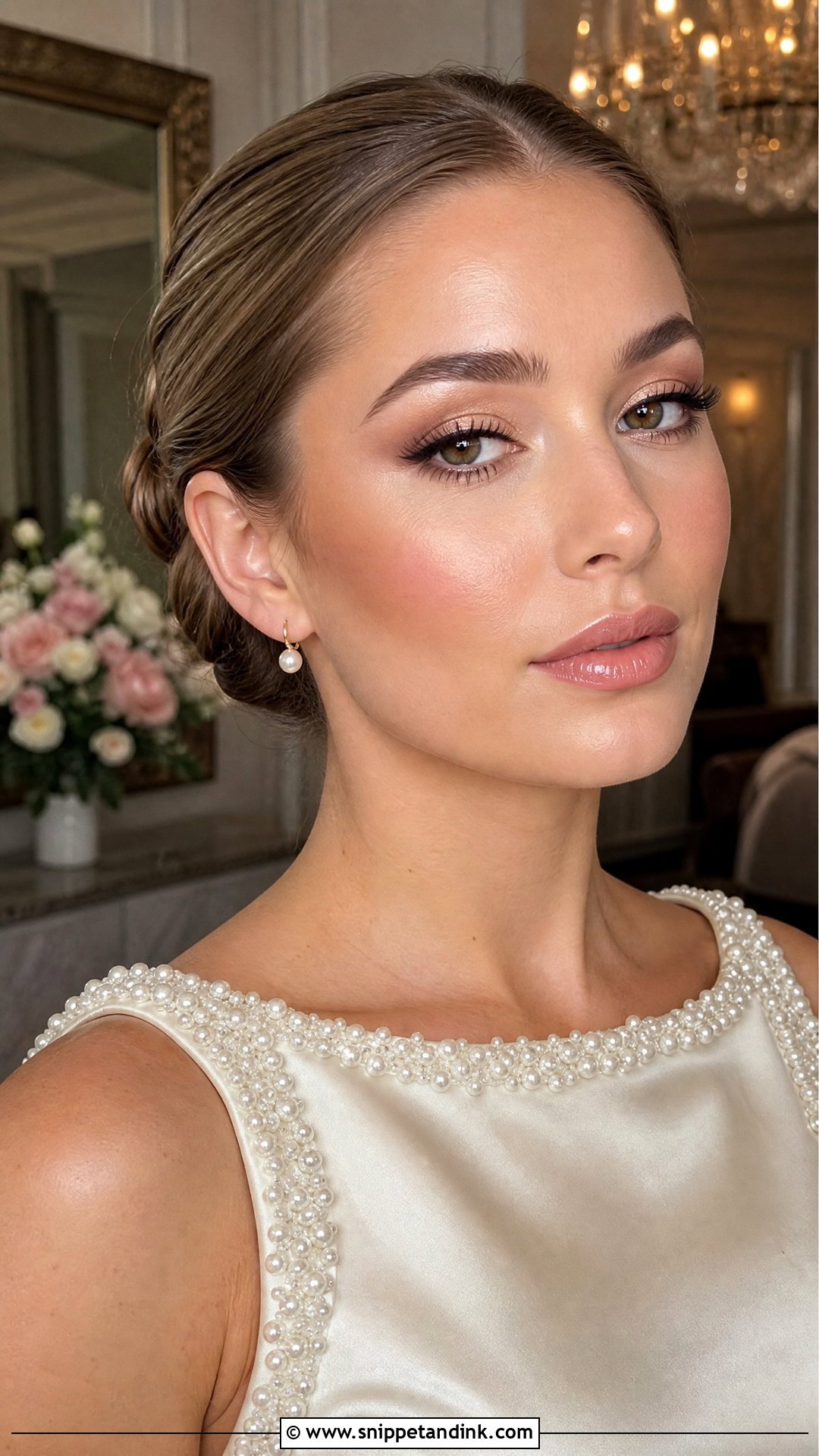
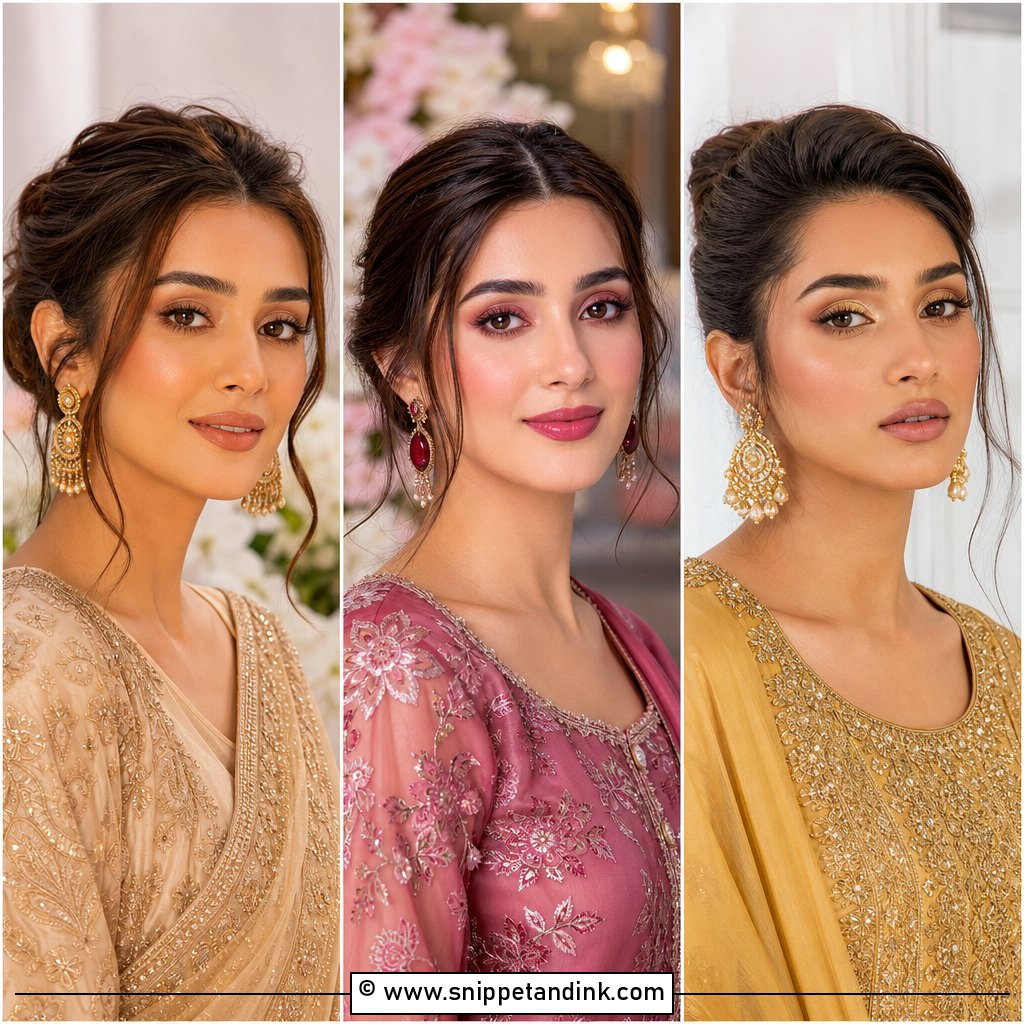
Think of this as the step up for brides who feel bare in a pure natural face but don’t want heavy glam. Coverage can go to medium where it’s needed, though I keep it thin across the cheeks so the skin still moves when you smile. A neutral brown goes through the crease, a soft shimmer sits on the center of the lid, and the liner gets diffused with a small brush. Fluffy lashes shape the eye without the weight of a dramatic strip. Rose or peach blush with a faint contour under the cheekbone, then a pinky nude satin lip. It holds up to close-up portraits better than most of the lighter looks here.
4. Pink Light Bridal Makeup
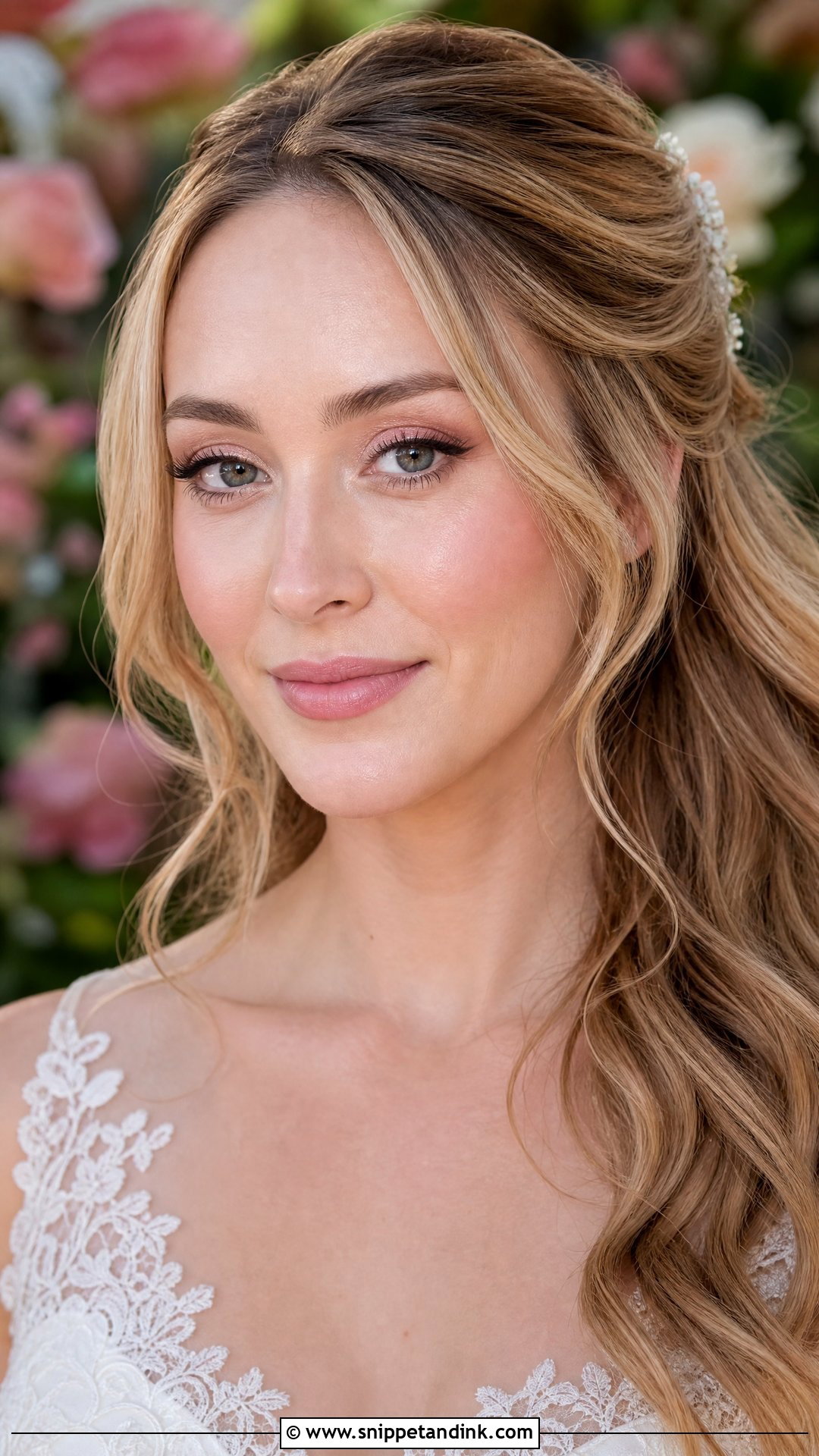
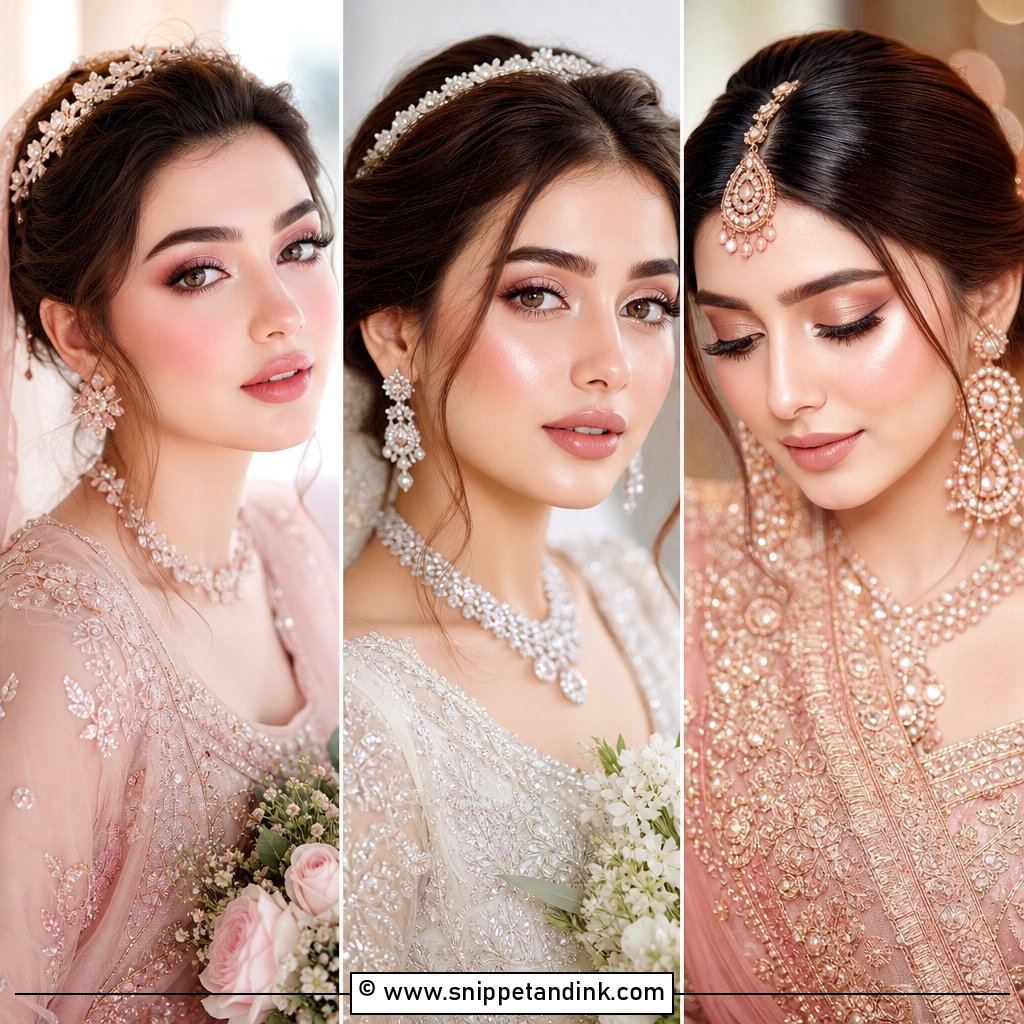
With pink, your undertone decides everything. On cool skin I reach for baby pink or rose; on warm skin those can look chalky, so I switch to peach-pink or coral-pink. The base stays clean with light foundation and a brightened under-eye. A pale pink or champagne shadow goes across the lid, with brown mascara for very fair lashes and soft black for everyone else. Placing the cream blush high, close to the cheekbone, gives lift rather than a flushed look. A rosy nude lip ties it together, and floral styling sits naturally beside it.
5. Peach Light Bridal Makeup
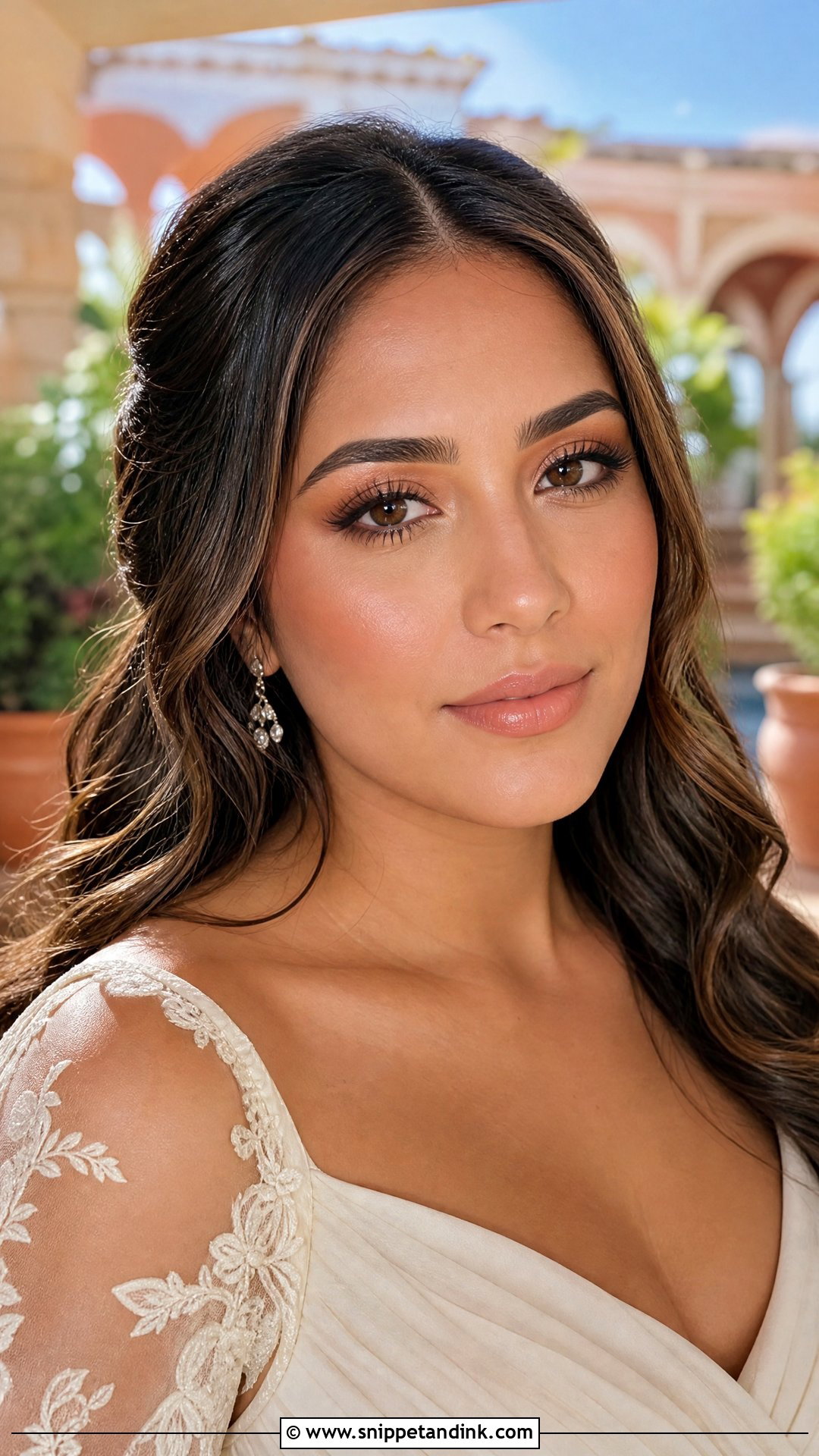
Peach is my safe pick when someone isn’t sure whether pink or bronze suits them, because it sits between the two and flatters a wide range of skin tones. I apply a sheer base, then sweep the blush across the apples and lightly back toward the temples. Eyes get soft champagne or a warm brown with a fine brown liner, plus natural lashes and brushed brows. A peach nude lipstick or gloss pulls the face together. It sits well next to ivory and champagne gowns. Against a stark optic white it can look slightly orange, so I test it at the trial with a swatch of your dress fabric held under the chin.
6. Brown Light Bridal Makeup
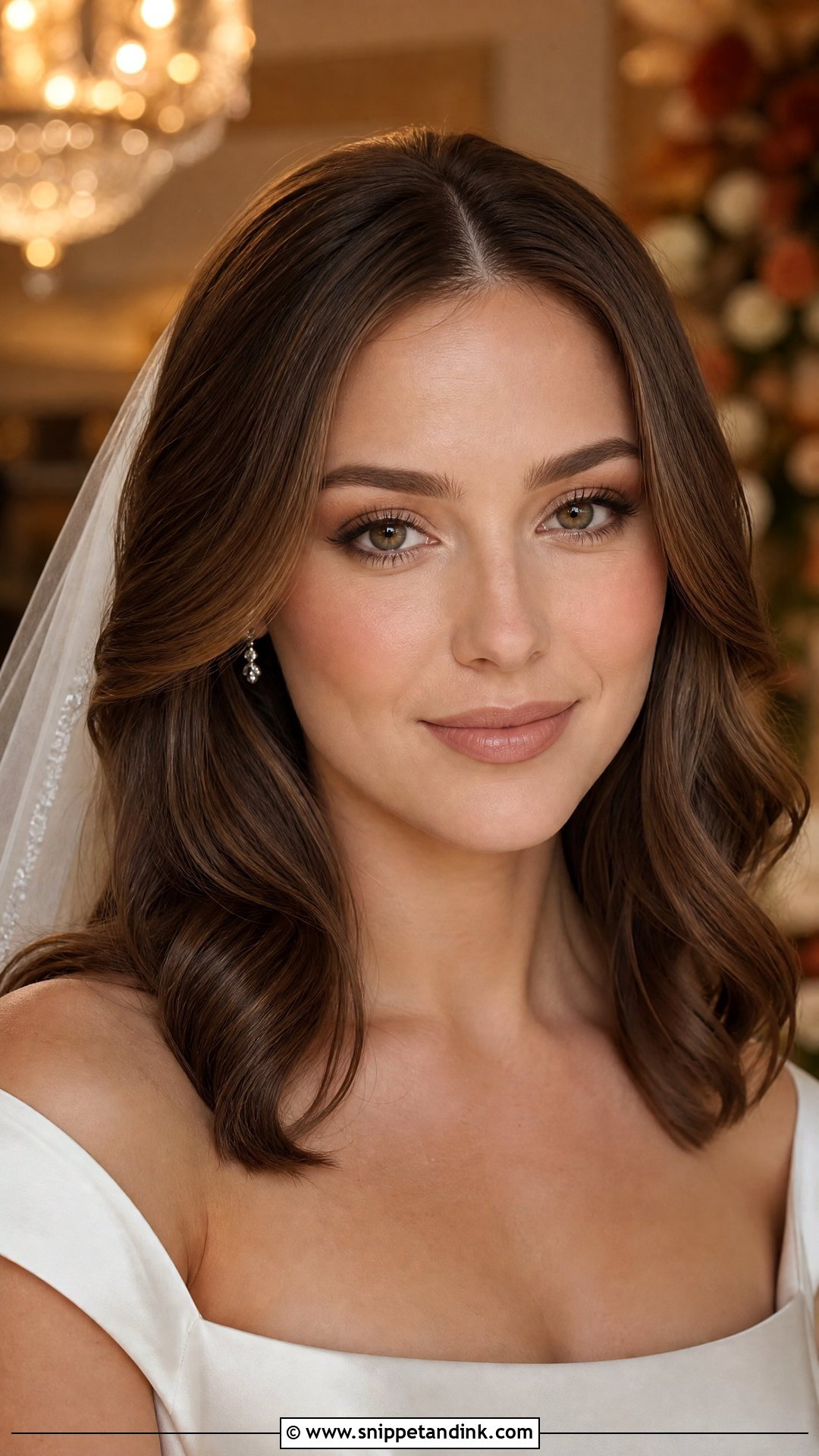
Brown gives definition without the hardness of black liner, which matters most on fair brows and light lashes. I keep the base natural and warm the face with a light bronzer. A light brown goes across the lid, a medium brown deepens the outer corner, and brown liner gets smudged right into the lash line. Lashes are lifted and separated, never clumped. For lips I’d pick beige-pink, caramel nude or rosy brown depending on your skin tone. It’s the look I find easiest to adjust at a trial, because you can deepen or soften one shade without rebuilding the whole eye.
7. Matte Light Bridal Makeup
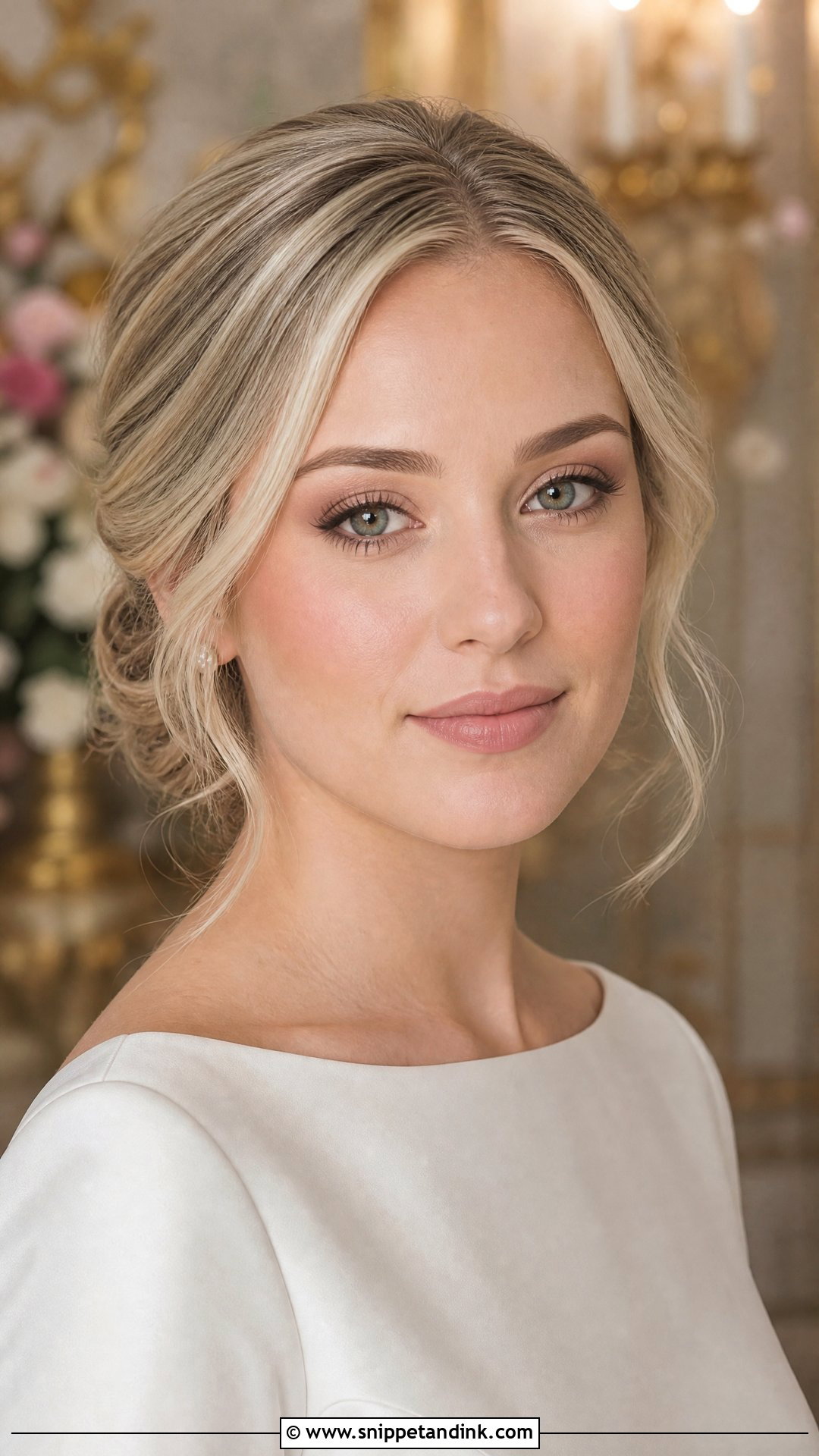
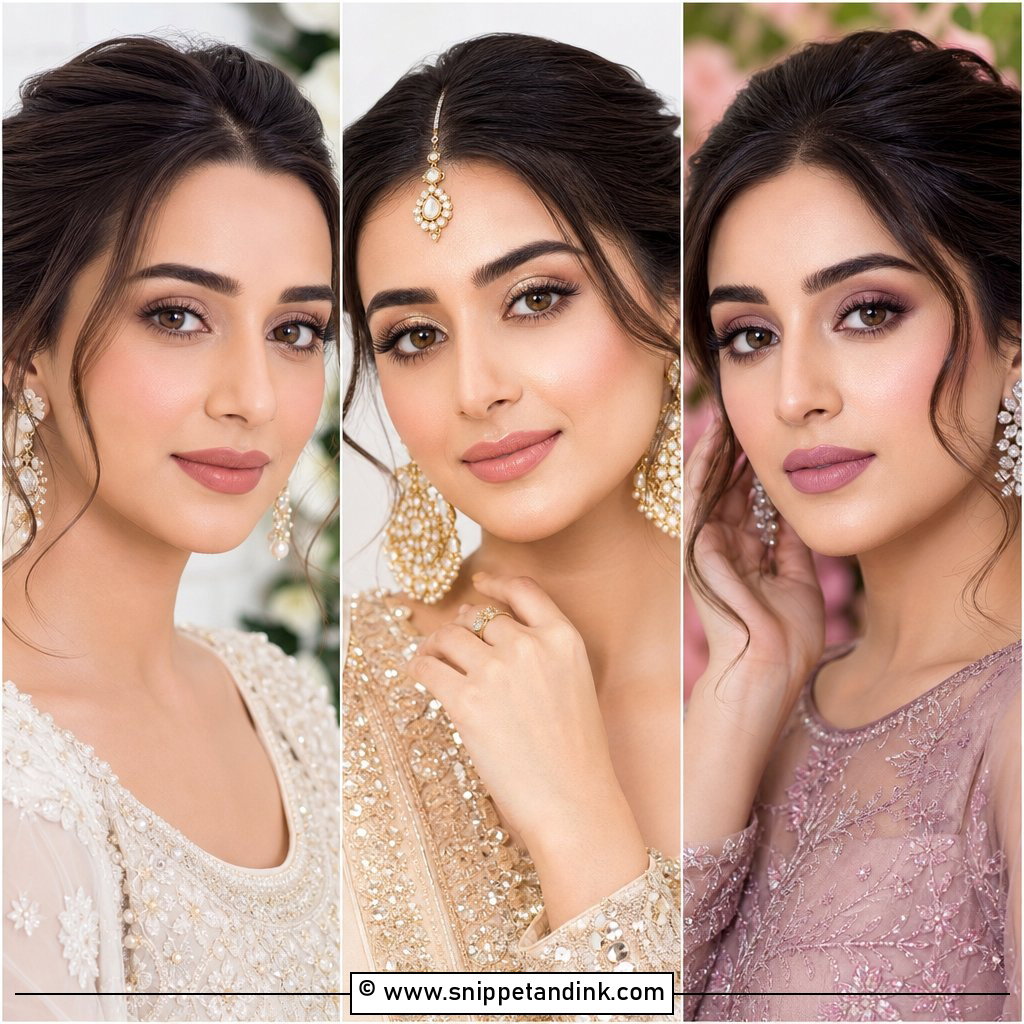
Matte doesn’t have to mean flat or dry; the difference is in how thin the layers are. I use a soft-matte foundation pressed in with a damp sponge, then bring the life back with cream or powder blush. A blurred rose cheek and a faint contour keep some dimension. Eyes get matte beige, taupe and soft brown with a thin liner, and I usually skip highlighter. A satin or soft-matte nude lip lasts through hugs and dinner. Oily skin and hot venues are where this earns its place. On very dry or mature skin I’d avoid it, because matte formulas settle into texture by mid-afternoon.
8. Glowy Light Bridal Makeup
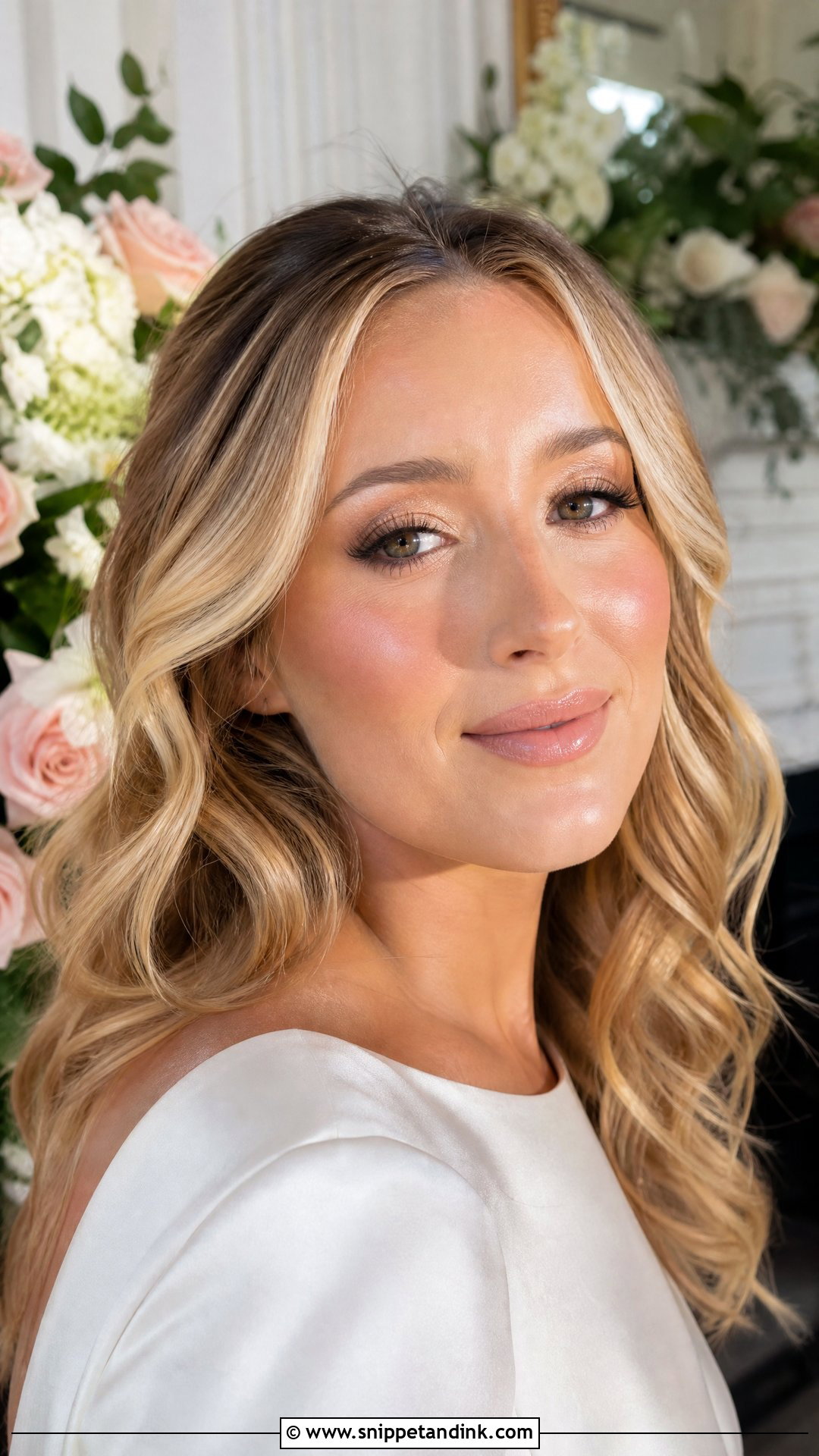
Radiance only looks good when it’s placed on purpose. Glowy light bridal makeup starts with a hydrating base and a light-reflecting foundation, then cream blush in pink, peach or rose. Highlighter goes sparingly on the cheekbones, inner corners and brow bones, and never on the forehead, which is where flash turns glow into shine. The eyes stay simple with champagne shimmer and soft brown definition. Brows are fluffy, not carved, and a glossy nude-pink lip finishes it. Soft waves and simple jewelry sit naturally with it.
9. Minimal Light Bridal Makeup
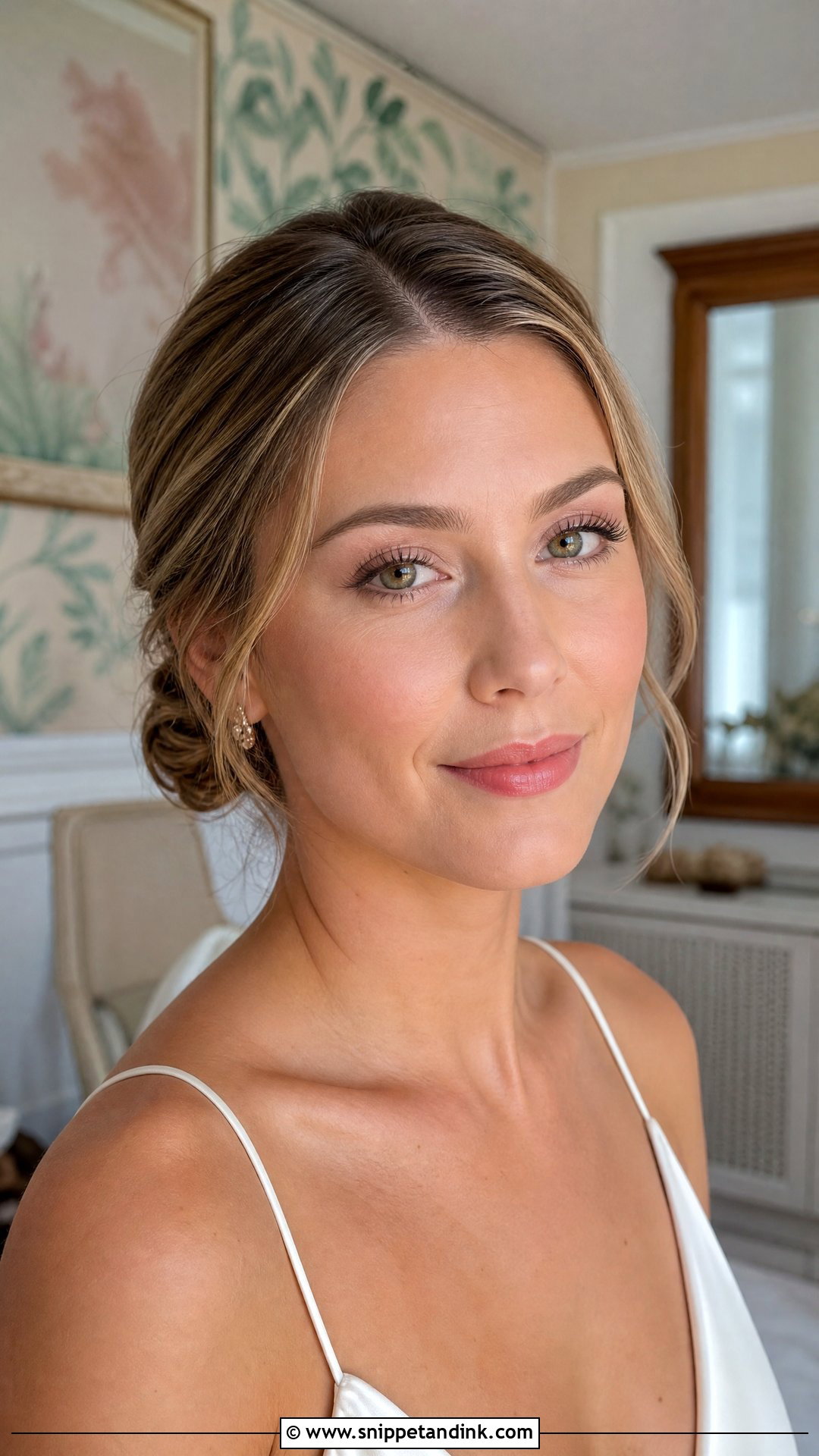
Some brides tell me at the consultation that a full face makes them feel like someone else. For them every product has to earn its place: skin tint, spot concealer, tinted brow gel, curled lashes and a wash of cream blush. A little bronzer is fine for warmth if it stays light. A cream shadow in beige or soft rose can define the lid in a minute with a fingertip, and a tinted balm close to your natural lip color completes it. The catch is that minimal makeup shows every patch of dry skin, so skin prep in the weeks before matters more here than with any other look on this list.
10. Classic Light Bridal Makeup
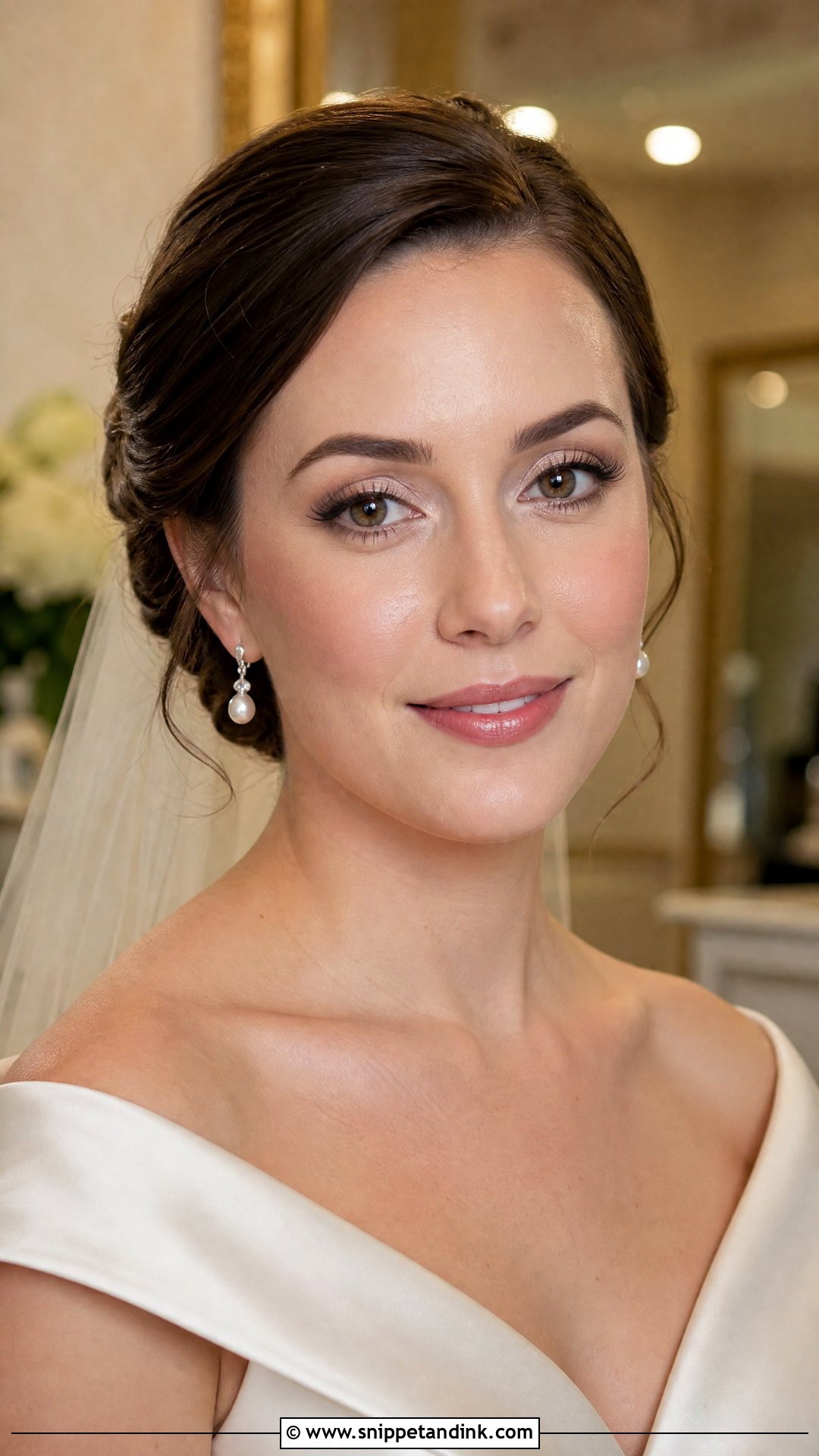
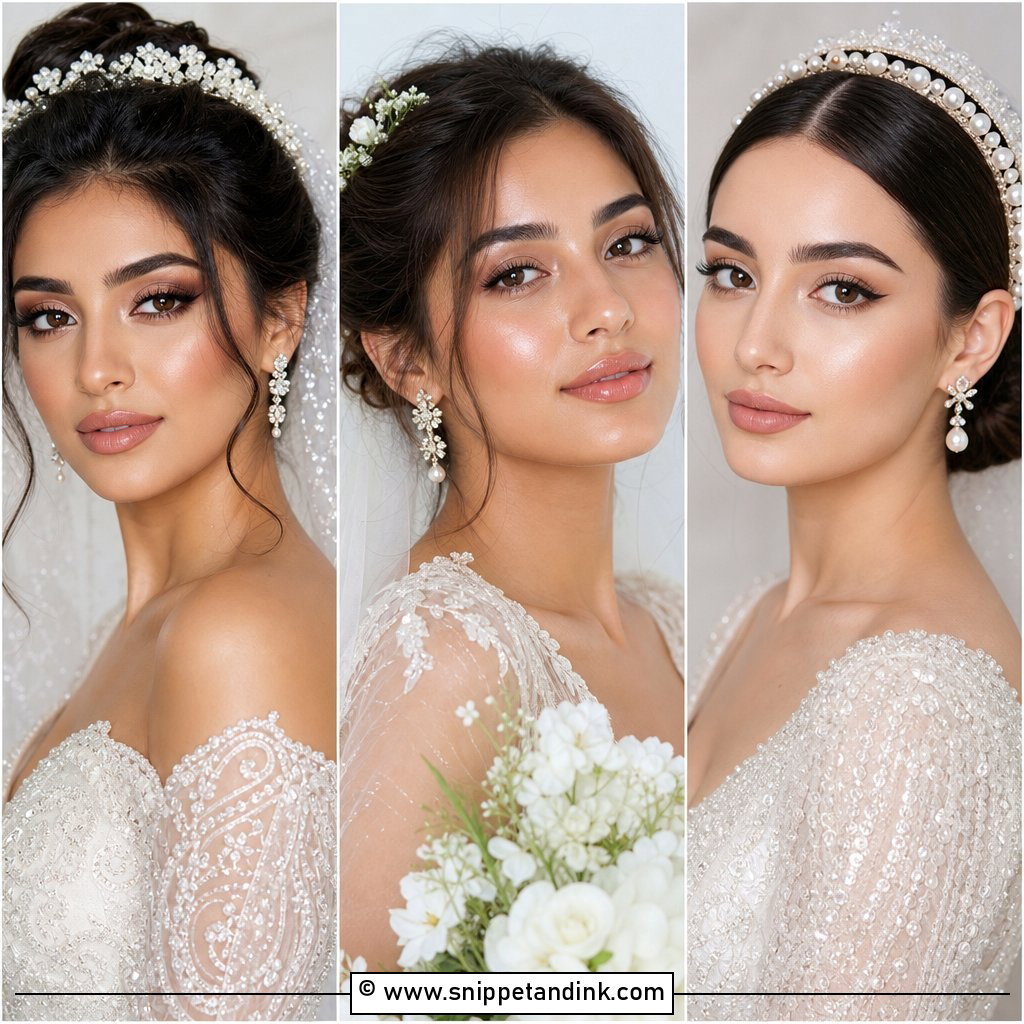
This is the face you’ll look at in your album years from now without wincing. The complexion is even and softly perfected, with natural blush and a touch of highlight. Eyes get neutral shadow, a thin liner and lifted lashes. I steer away from trend shapes here, such as very graphic liner or a bright inner-corner color, because those date fastest. A soft rose or beige nude lipstick keeps it elegant. Veils, pearls, sleek buns and traditional gowns all sit well with it, and it reads the same in posed portraits as it does in candids.
11. Rose Light Bridal Makeup
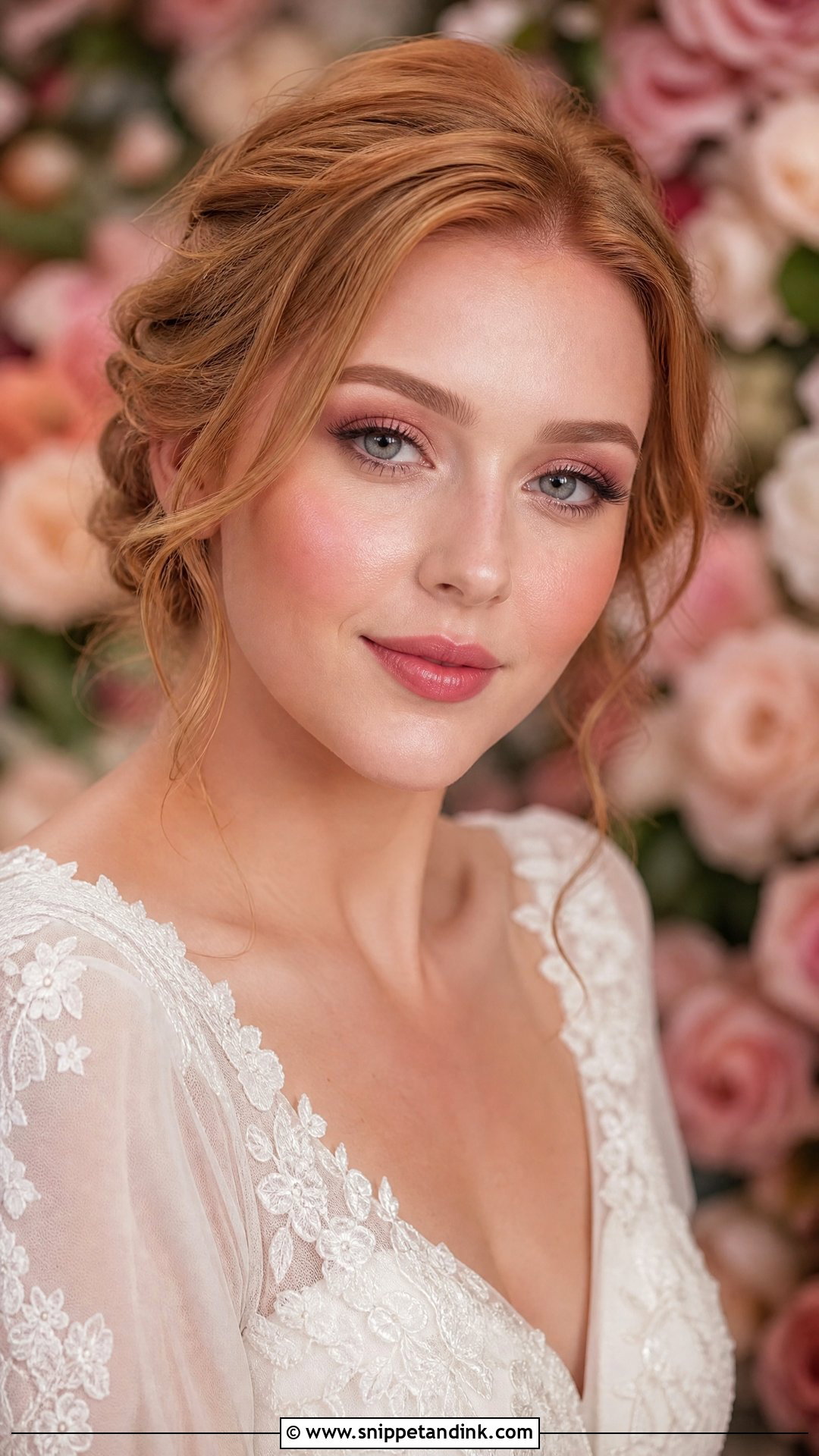
Rose sits slightly deeper and cooler than pink, so it adds color without reading bold. I keep the foundation natural and blend the rose blush until the edges disappear, since a hard edge shows clearly with this shade. Eyes get rose beige or mauve brown, with eyeliner held thin and close to the lashes. Individual or half lashes open the eye without weight. A rose nude lipstick in satin or creamy matte balances the face. If your bouquet is blush-toned, hold it up at the trial; too close a match can make the whole picture look monotone.
12. Bronze Light Bridal Makeup
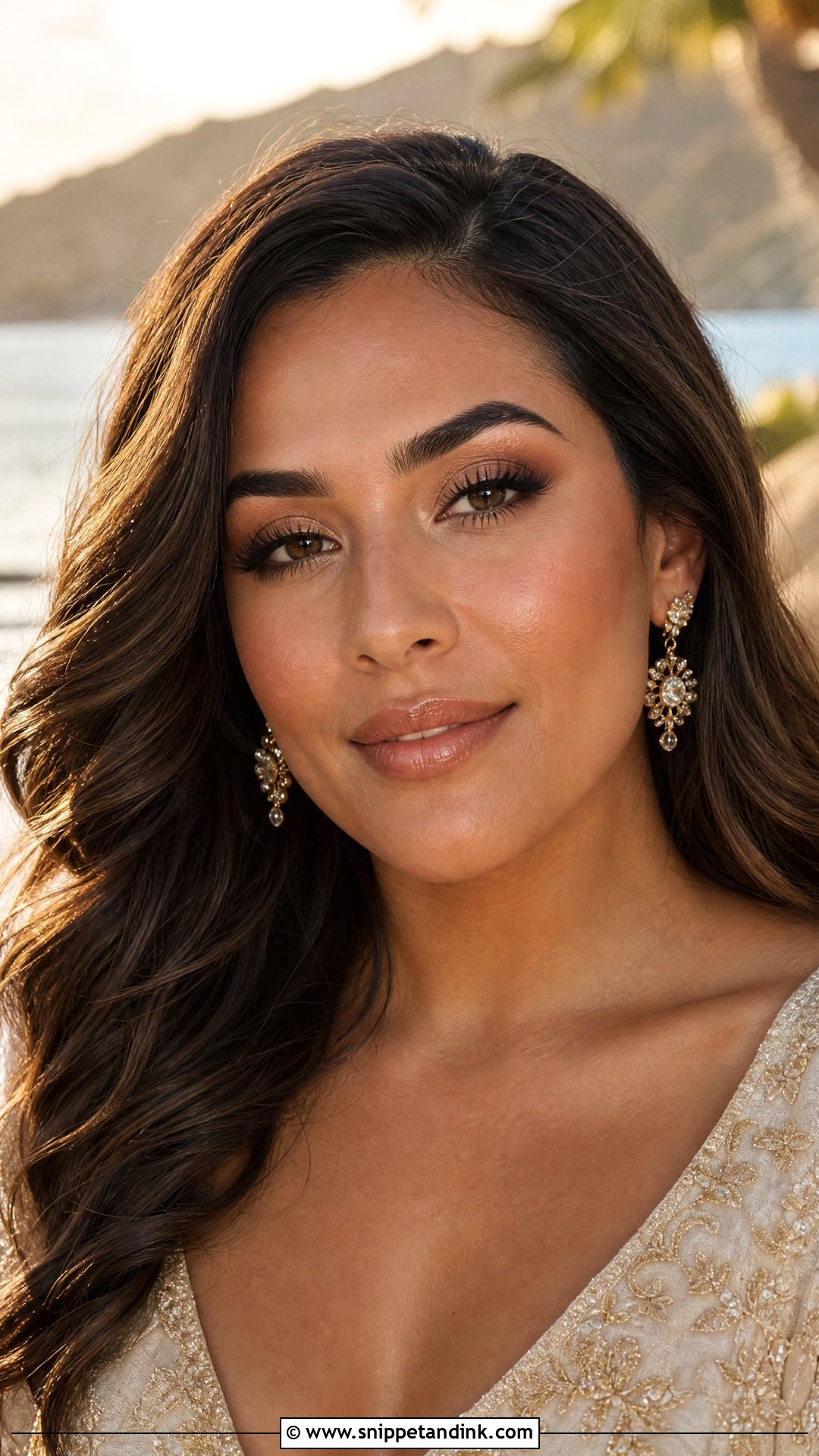
Bronze is easy to overdo, so I work in sheer tones rather than deep smoky shades. Bronzer goes where the sun would hit: temples, tops of the cheeks and along the jaw. A light bronze shimmer on the lid and soft brown in the crease give dimension, and I keep the lower lash line almost bare so the eye stays bright. Peach or warm nude blush and a caramel lip finish it. Golden-hour portraits are where it shines. Check that the bronzer matches your neck and chest too, because a strapless dress shows any line at the jaw.
13. Champagne Light Bridal Makeup
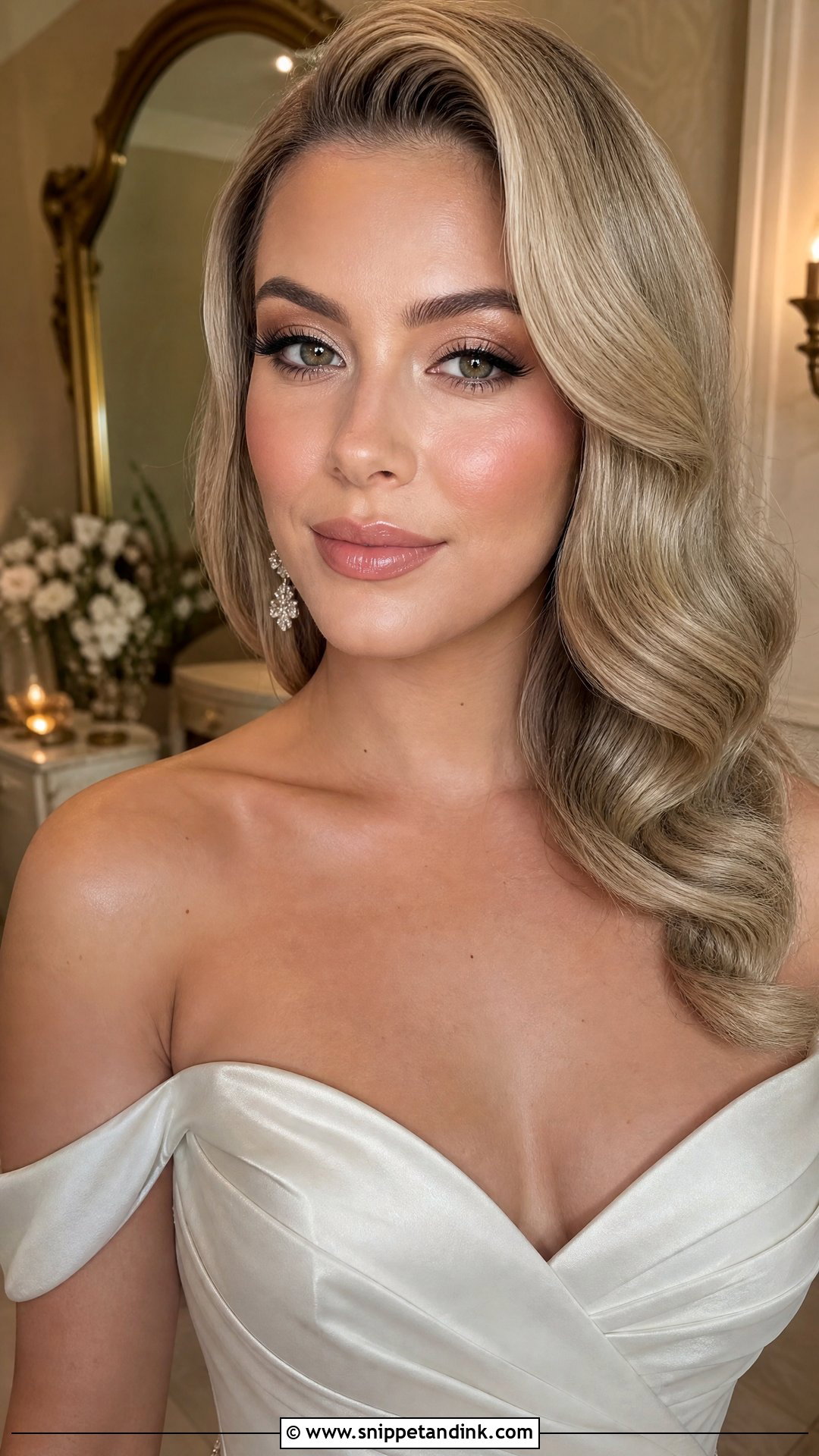
Champagne shimmer catches light without the grit of glitter, which is why I like it on a lid that will be photographed up close. I press it onto the center of the lids and inner corners with a fingertip, then blend soft taupe into the crease. Skin stays smooth with light foundation and a soft pink or peach blush, and a little highlight on the cheekbones echoes the eye. I use brown or dark brown liner rather than black. A nude-pink satin lip keeps the overall look clean. On hooded lids, keep the shimmer below the fold, or it disappears once your eyes are open.
14. Nude Light Bridal Makeup
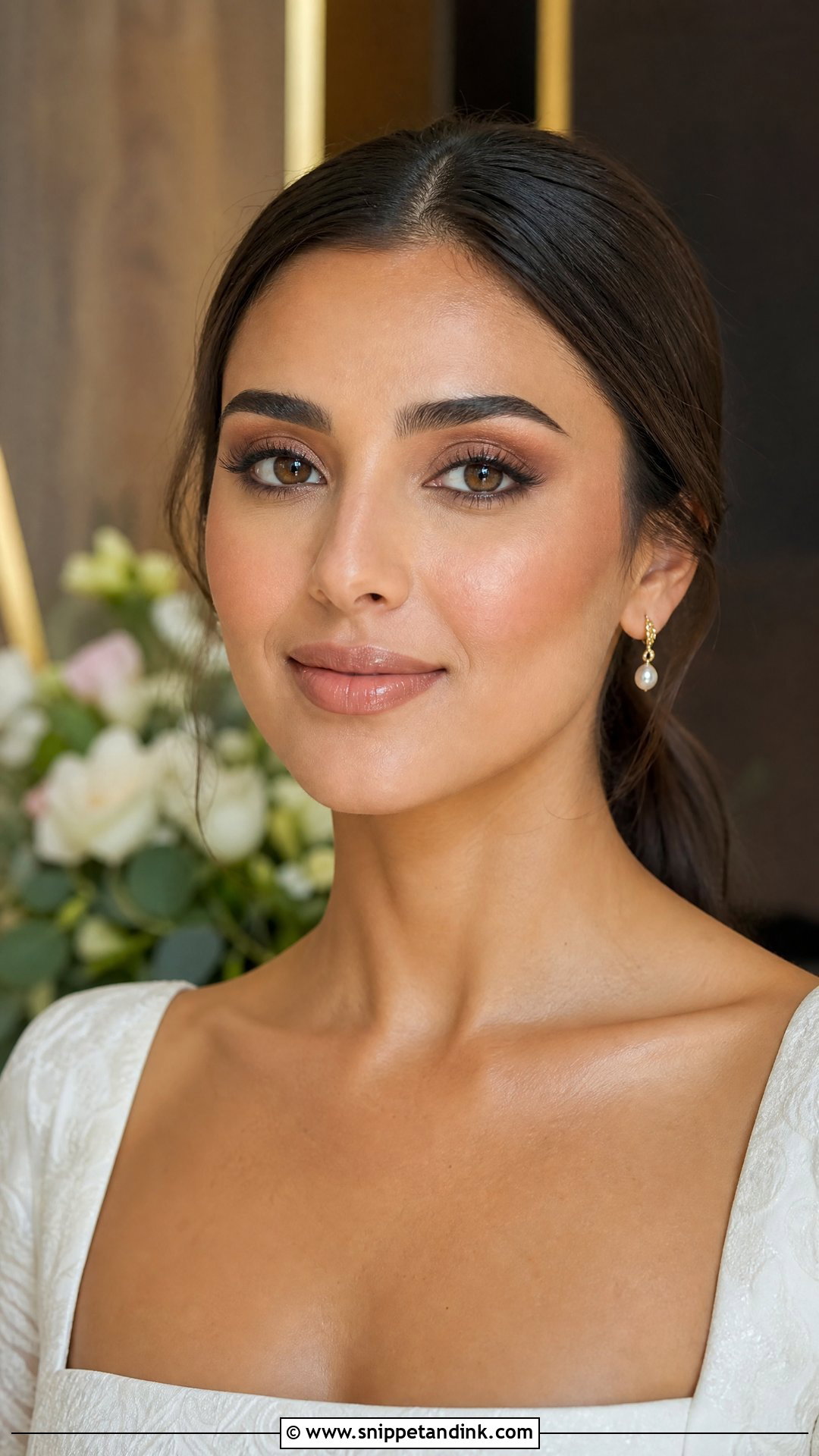
Nude is the trickiest lip color to get right, because the wrong one makes you look unwell. As a rough guide, fair skin suits pink nude, light skin beige rose, olive skin peach nude, and deeper skin caramel or cocoa nude. I keep the base natural and add soft blush so the face doesn’t look flat next to a pale lip. Neutral shadows, soft liner and separated lashes define the eyes. A lip liner close to your natural lip shade helps the lipstick last and stops it feathering. Test your nude with the dress on before deciding.
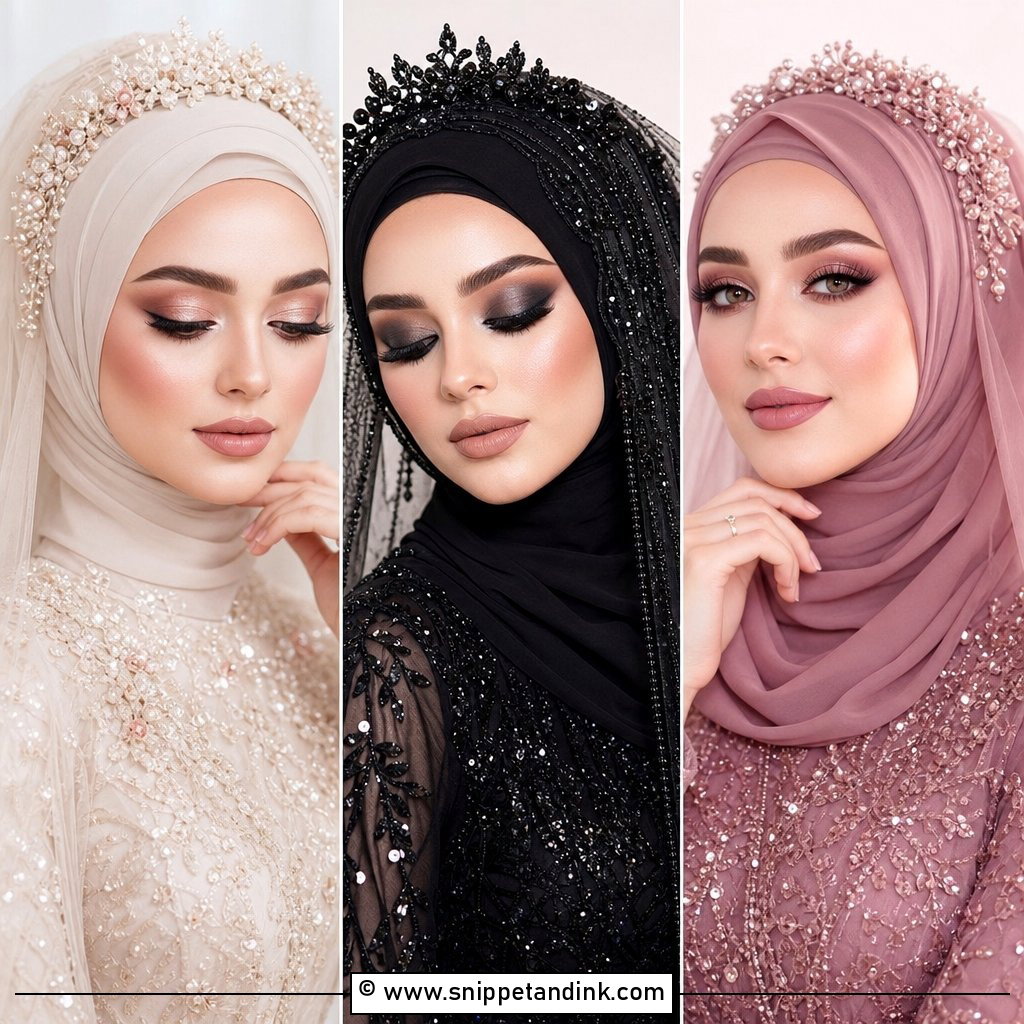
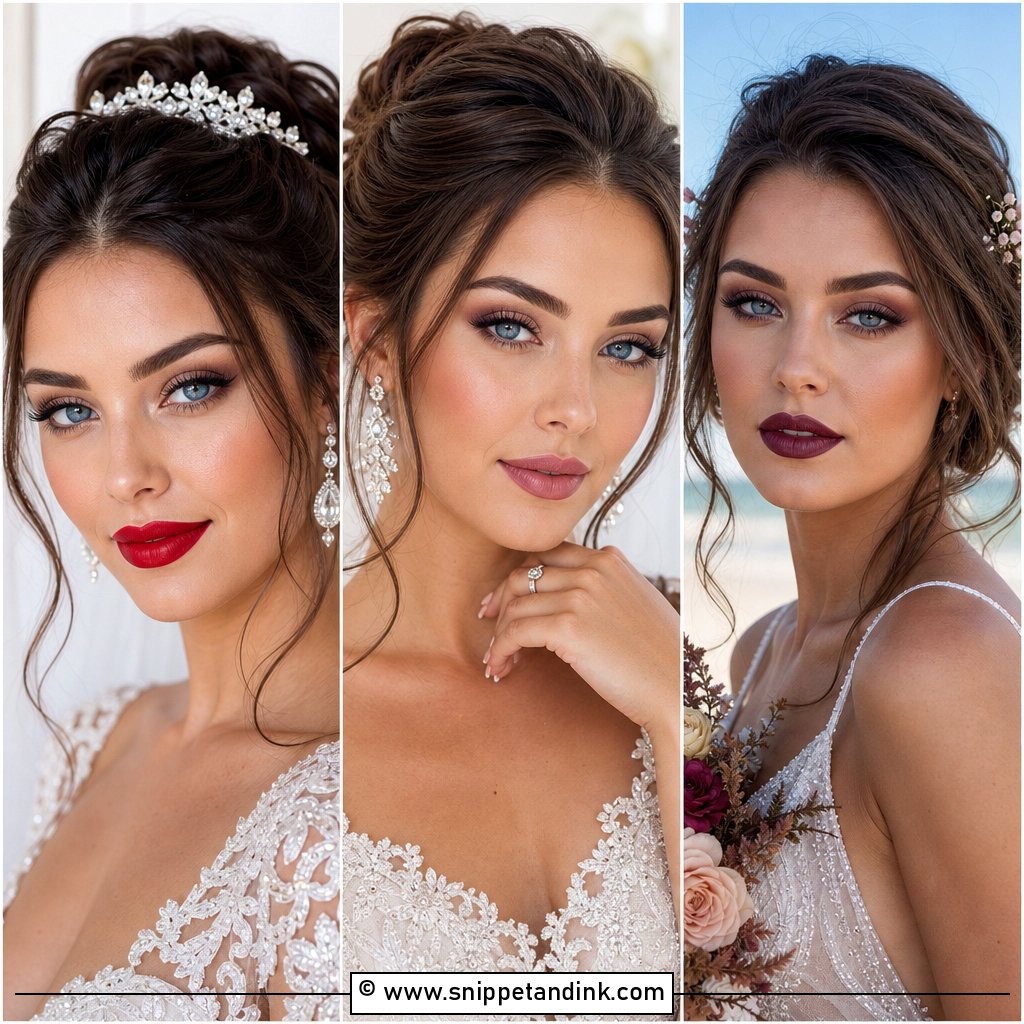
15. Blush Light Bridal Makeup
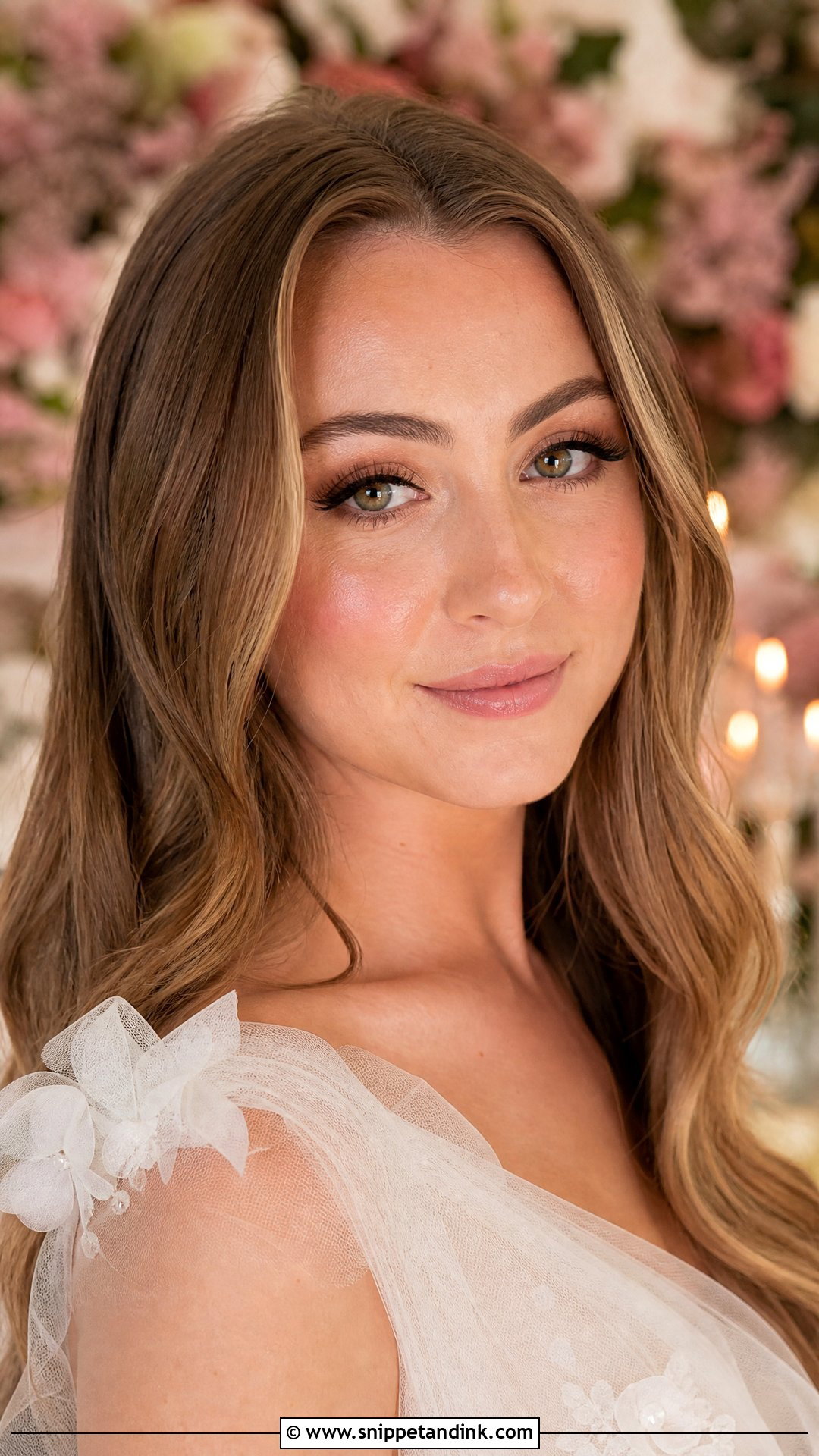
Here the cheeks carry the face and everything else stays quiet. I use a sheer base and blend the blush high, angled toward the temple, for lift. The shade comes from your skin tone, anywhere from pink to terracotta. Eyes get neutral shadow, soft lashes and brushed brows, and a matching lip tint ties it in. Keep blush away from the nose unless you want a very flushed effect, because in photos it can read as sunburn. I layer cream first, then a touch of powder in the same shade, so the color is still there at the speeches.
16. Soft Smokey Light Bridal Makeup
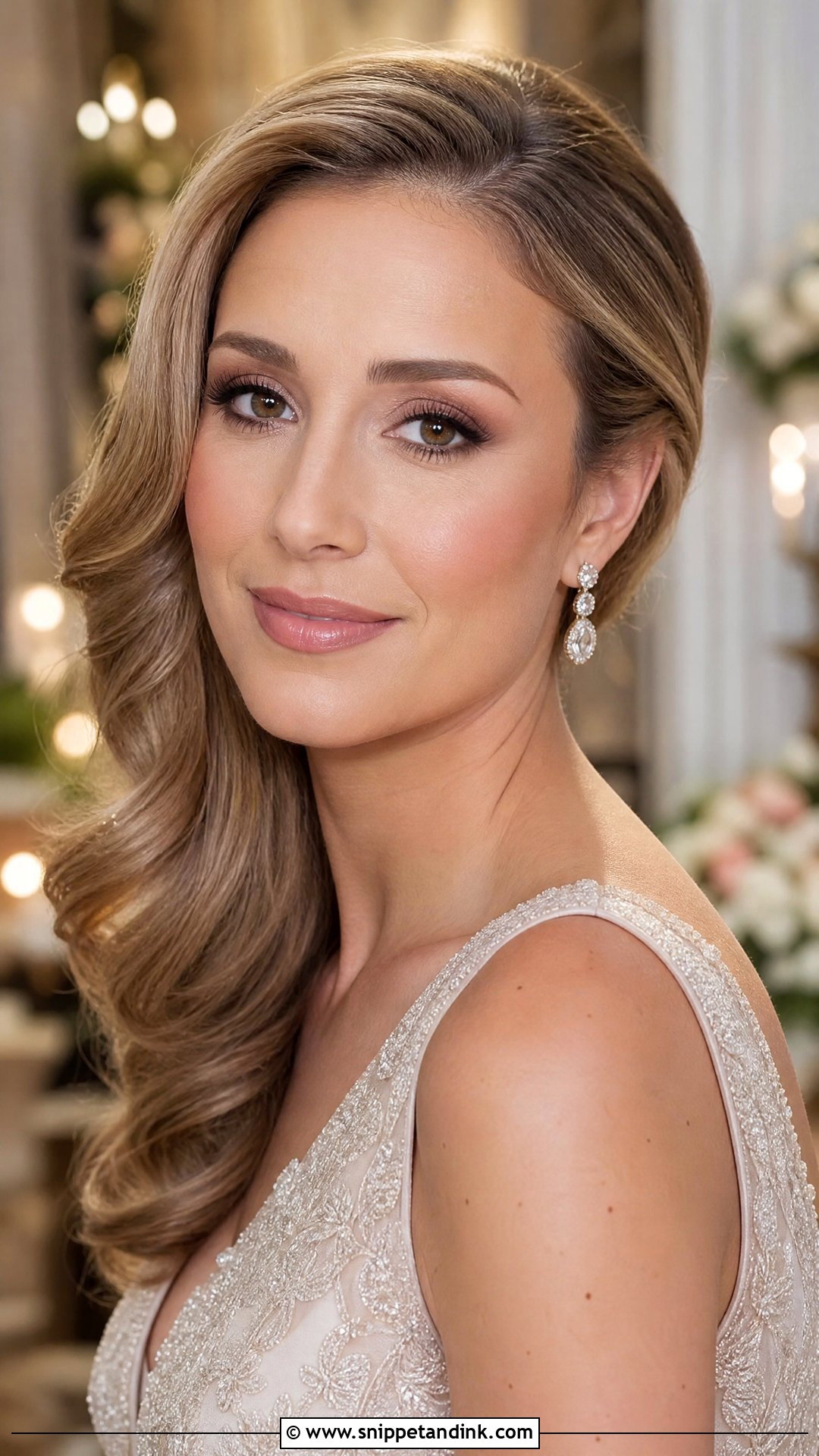
A smoky eye can be gentle if the shades are right. Soft smokey light bridal makeup uses taupe, mushroom brown or muted cocoa instead of black or charcoal, blended outward and up so the eye looks lifted rather than heavy. The liner is smudged, never sharp. The complexion stays fresh with natural coverage and soft blush, and a nude pink or soft brown lip balances the eyes. Evening receptions suit it best. One habit worth copying: I tap loose powder under the eyes before the shadow, so any fallout brushes away cleanly instead of staining the concealer.
17. Fresh Light Bridal Makeup
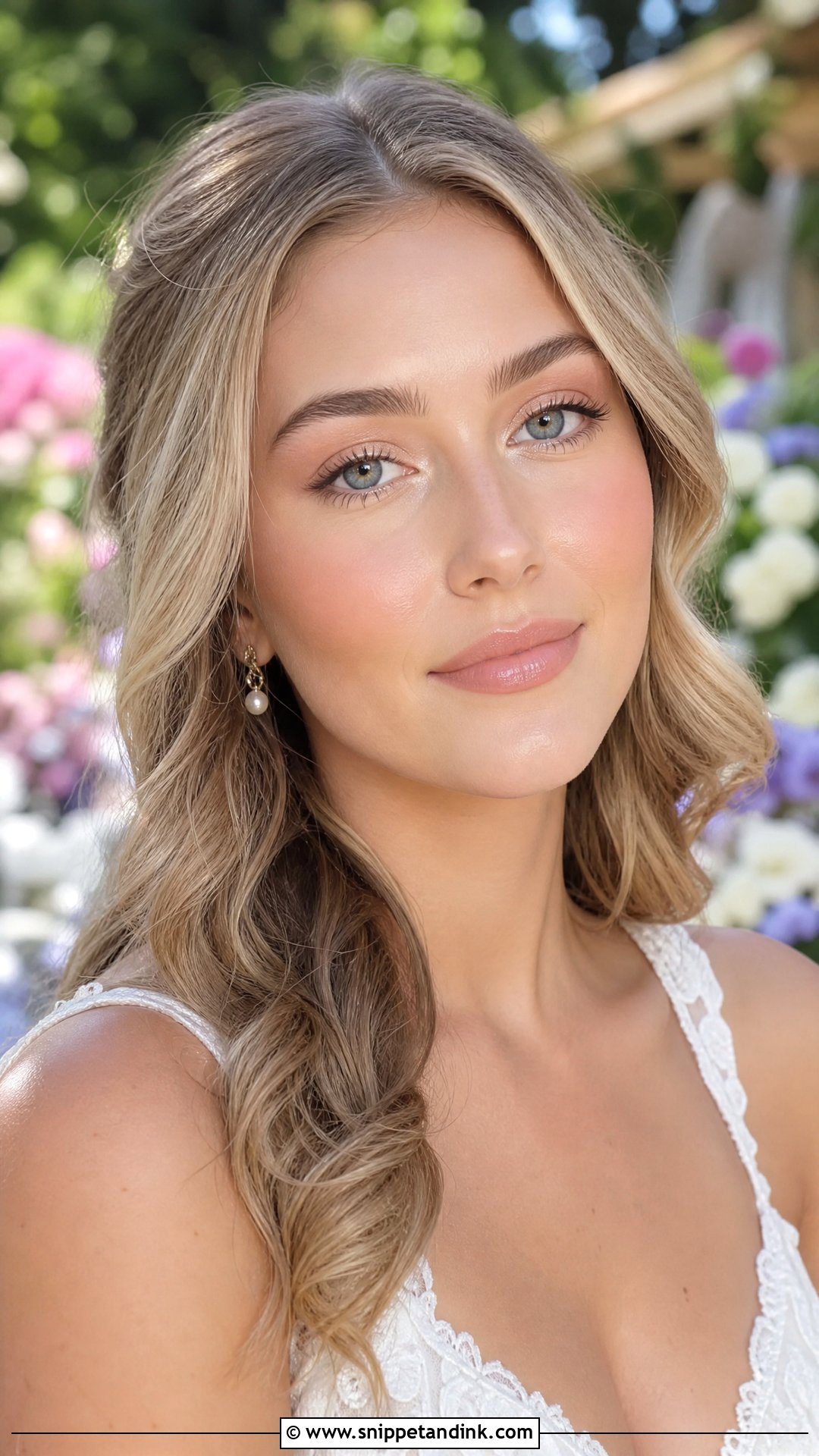
Morning ceremonies need a face that looks awake. Every layer stays thin: hydrated skin, a lightweight base that lets natural texture show, brightened under-eyes and curled lashes. A wash of beige or pale peach shadow, then a pink or coral cream blush. Brows are brushed up but not sculpted. A glossy pink nude lip keeps it lively. I set only the places that crease or shine, which keeps it comfortable through a long outdoor day.
18. Warm Light Bridal Makeup
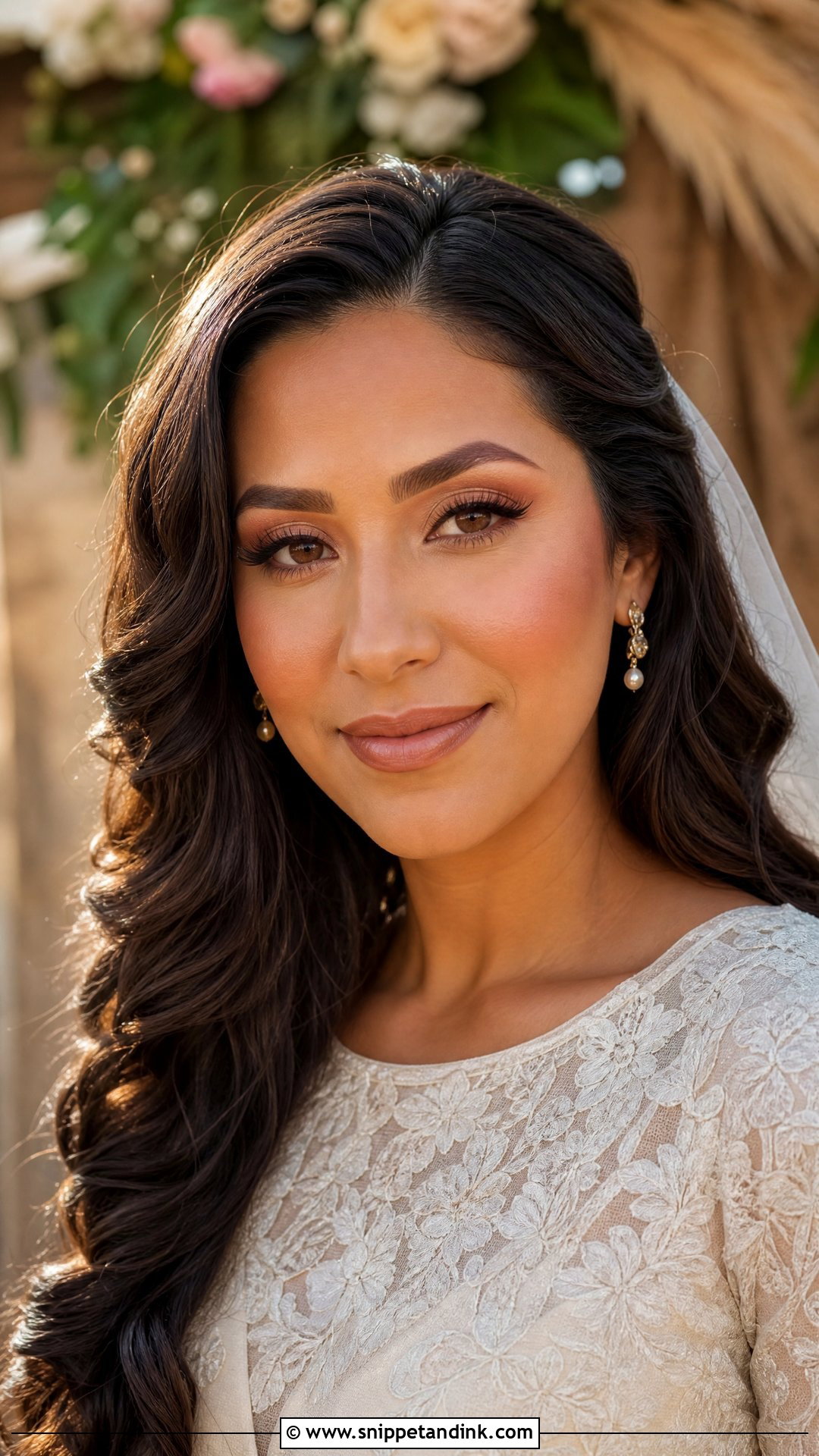
Warm tones make sense when your dress, hair or bouquet already has golden, ivory or earthy notes. I use soft warm browns on the eyes, a peach or apricot blush and a warm nude lip. The base can be natural or softly dewy depending on your skin. Bronzer goes on lightly around the edges of the face for warmth without obvious contour, and brown liner with fluttery lashes keeps the eyes defined. A quick test I use at consultations: if you feel better in gold jewelry than silver, this palette will usually suit you.
19. Cool Tone Light Bridal Makeup
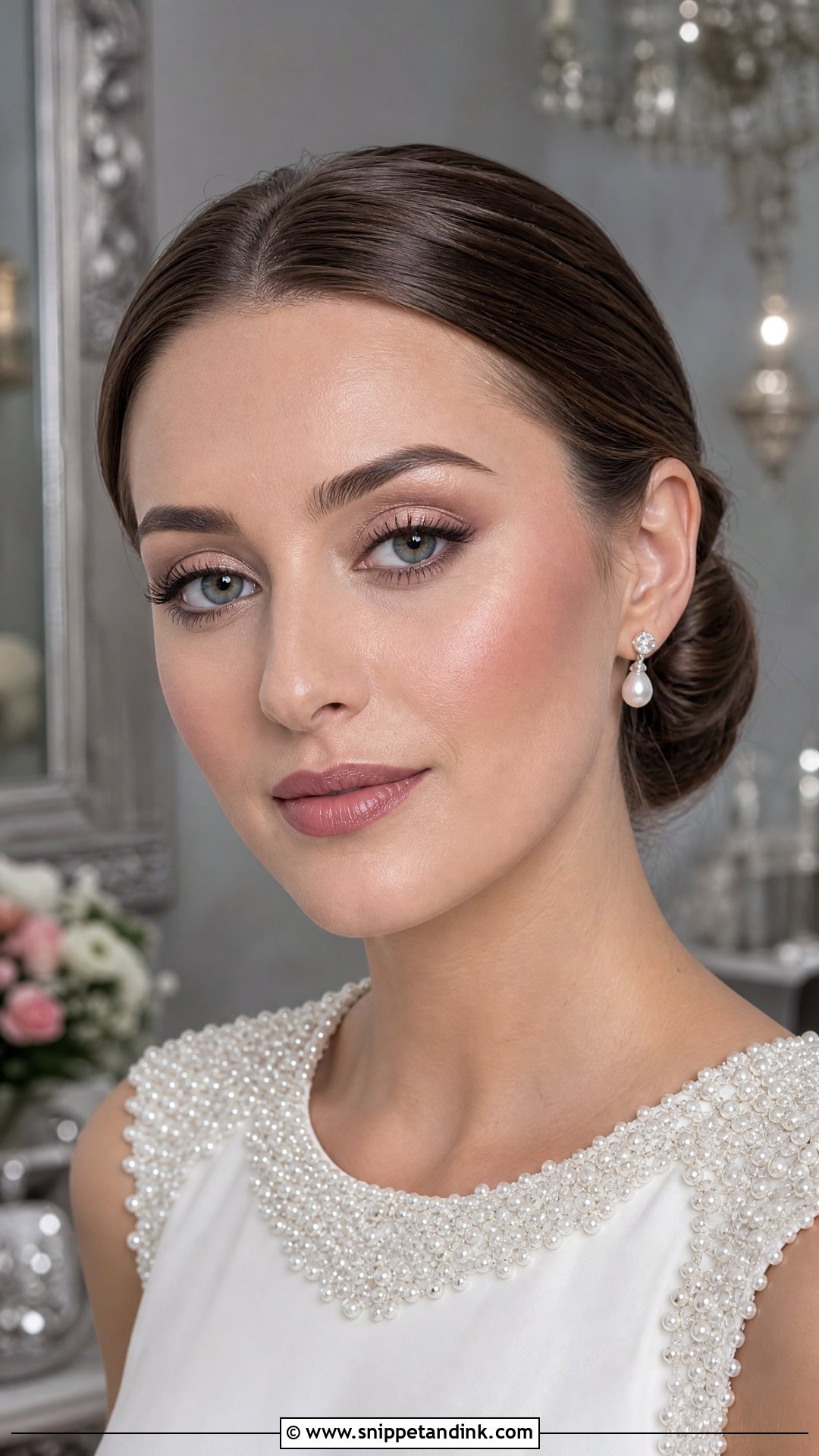
Rose, taupe, mauve and berry-pink are the building blocks here, with nothing golden in the mix. I keep the base neutral and use a cool pink or mauve blush. Taupe goes through the crease with a pearl or pale rose shimmer on the lid, and brown-black liner defines the lash line without the harshness of pure black. The lip is a rose or mauve nude. Cool tone light bridal makeup sits well with silver jewelry, bright white gowns and pearls. On warm, golden skin, mauve can turn grey in daylight, so I’d only pick it if those shades already flatter you day to day.
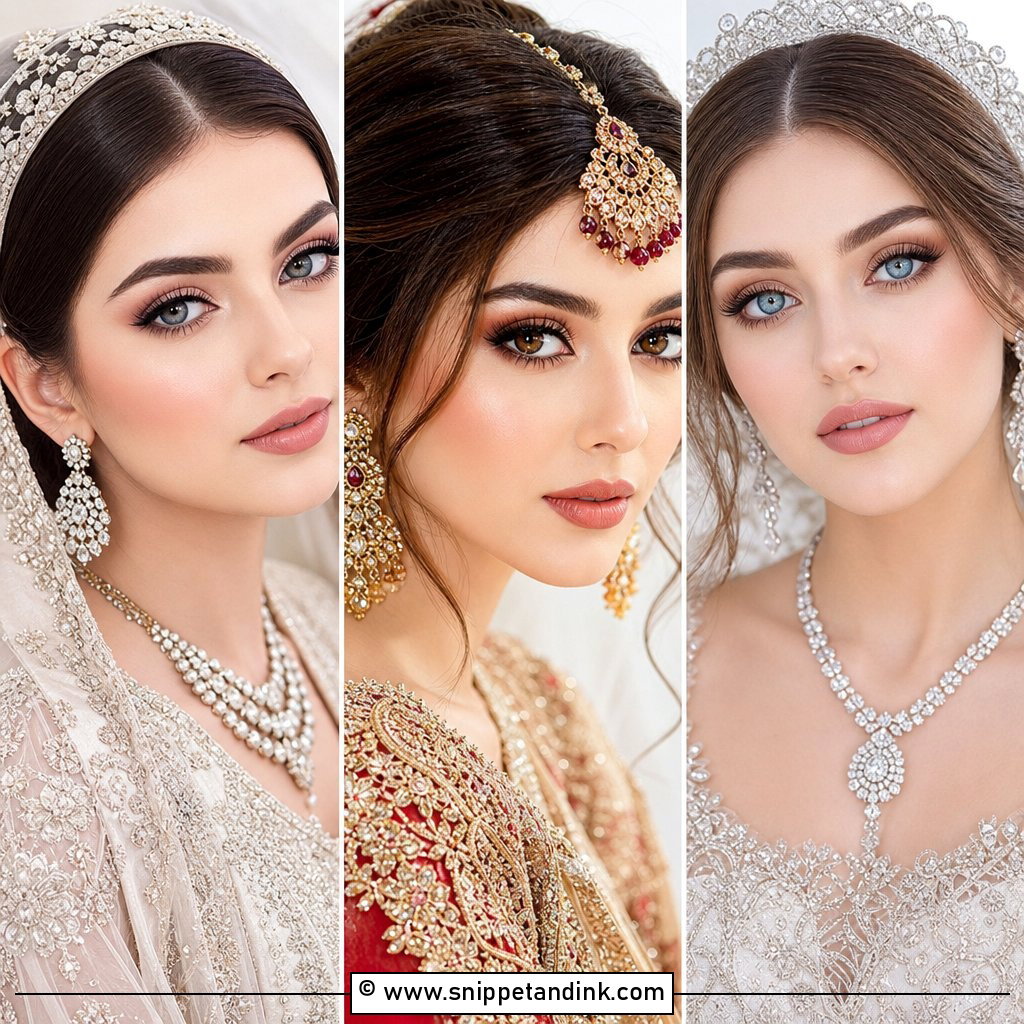
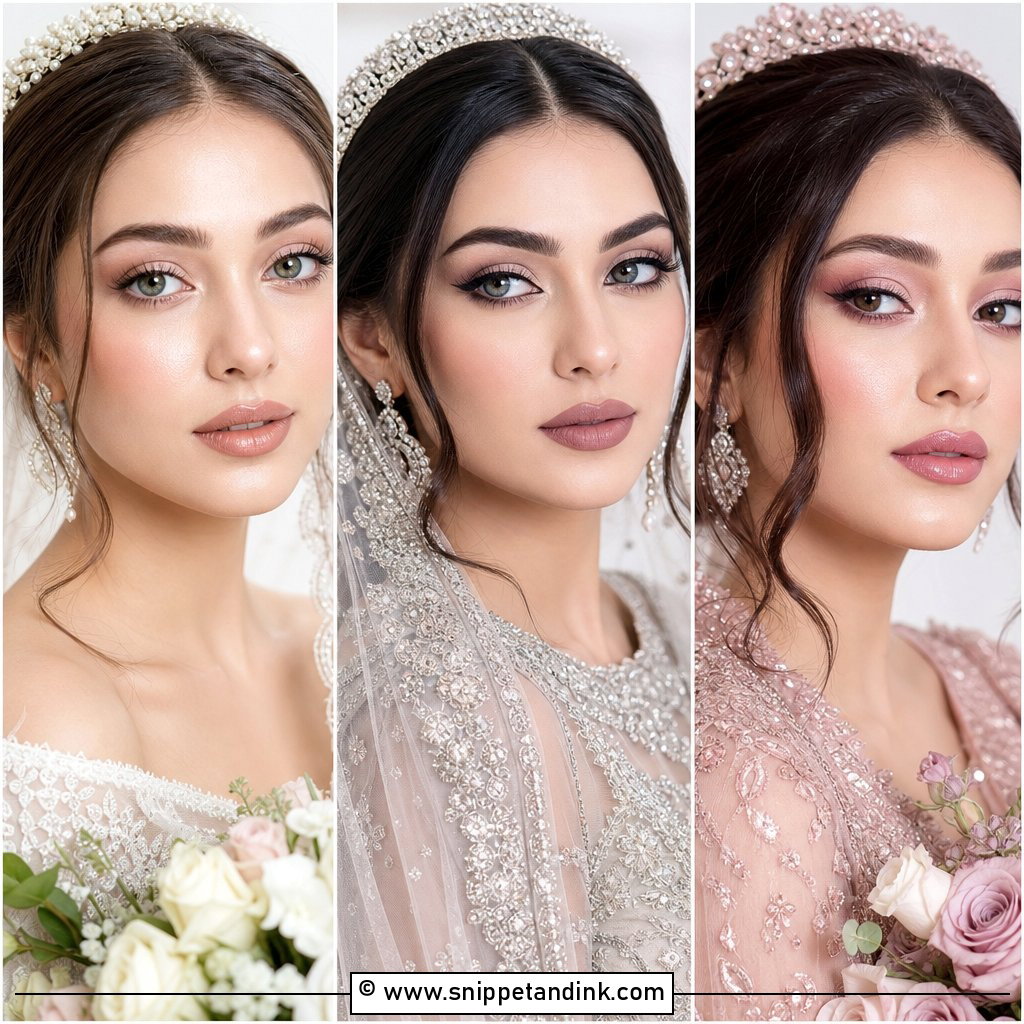
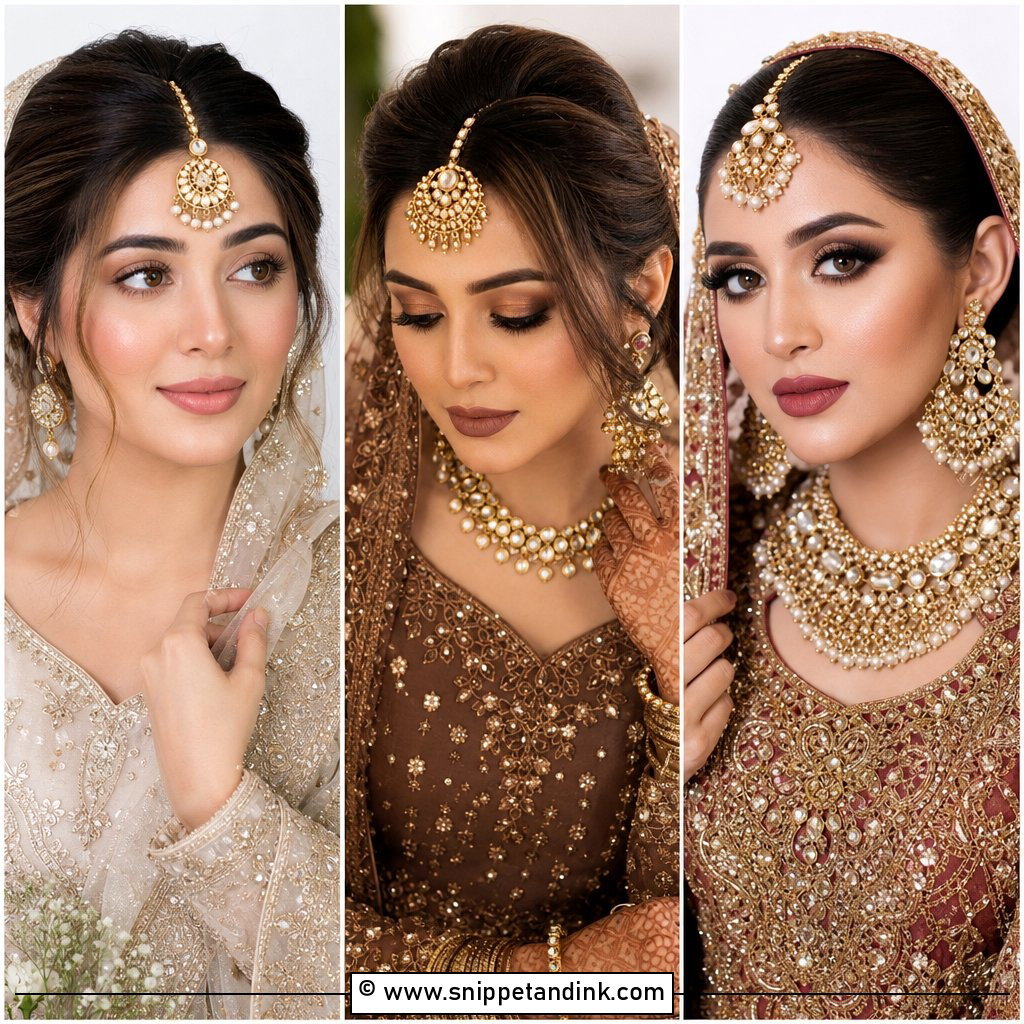
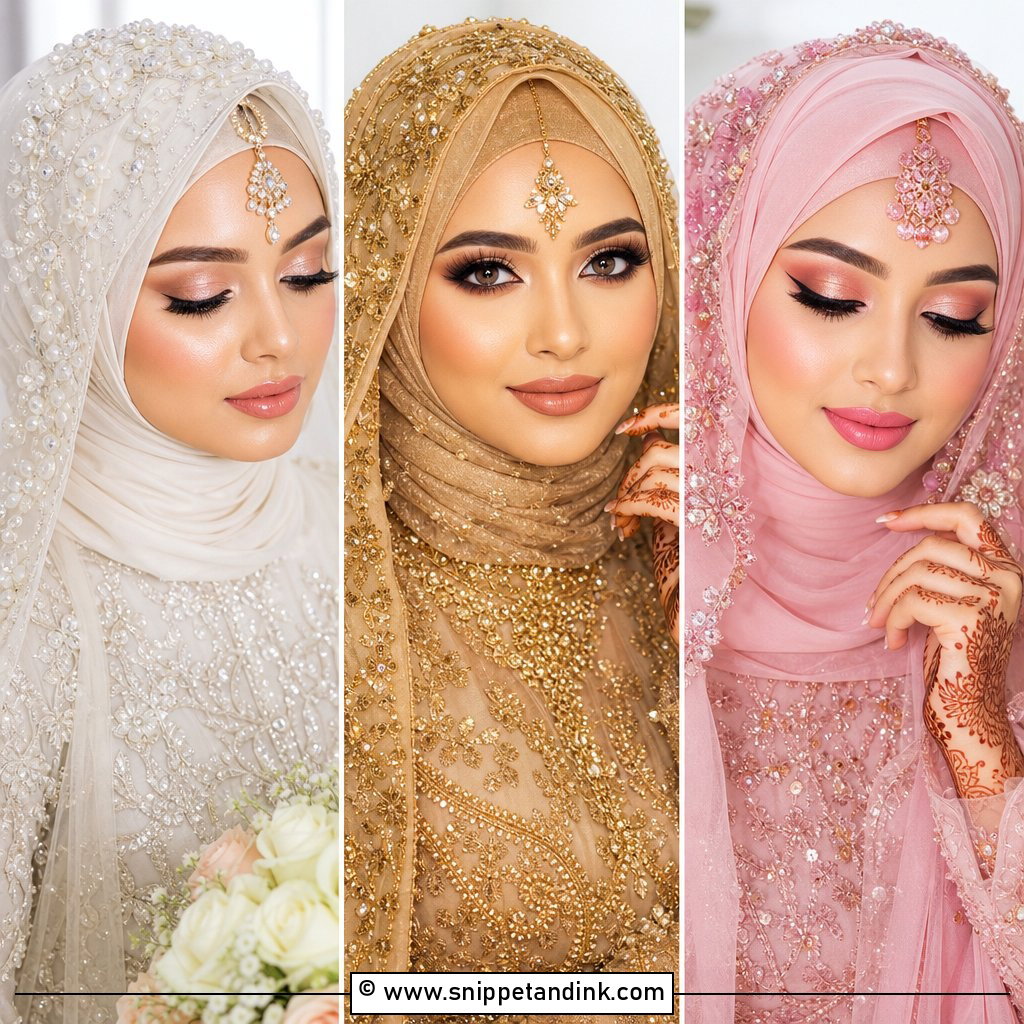
20. Beach Light Bridal Makeup
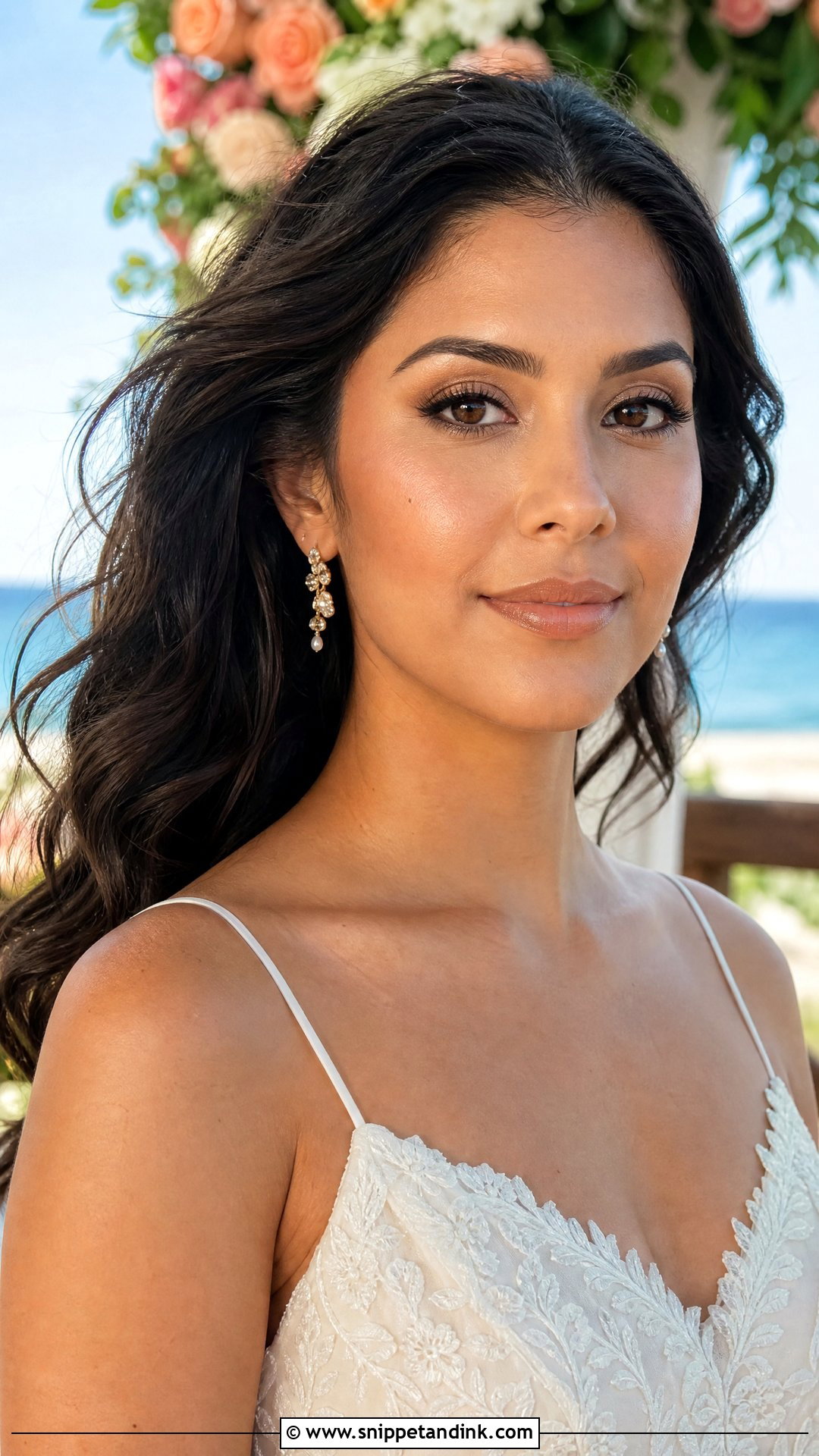
Heat, humidity and wind are what I plan around at the coast. A skin tint or a thin foundation layer holds up better than a thick base, which slides as soon as you sweat. Waterproof mascara, cream blush and a soft bronzer give sun-kissed warmth. Eyes stay simple with champagne or bronze shadow and soft brown liner. Skip heavy gloss if it’s windy, because hair sticks to it in every photo; a hydrating satin lip is safer. I finish with setting spray rather than lots of powder, since powder looks dusty in strong sun.
21. Garden Light Bridal Makeup
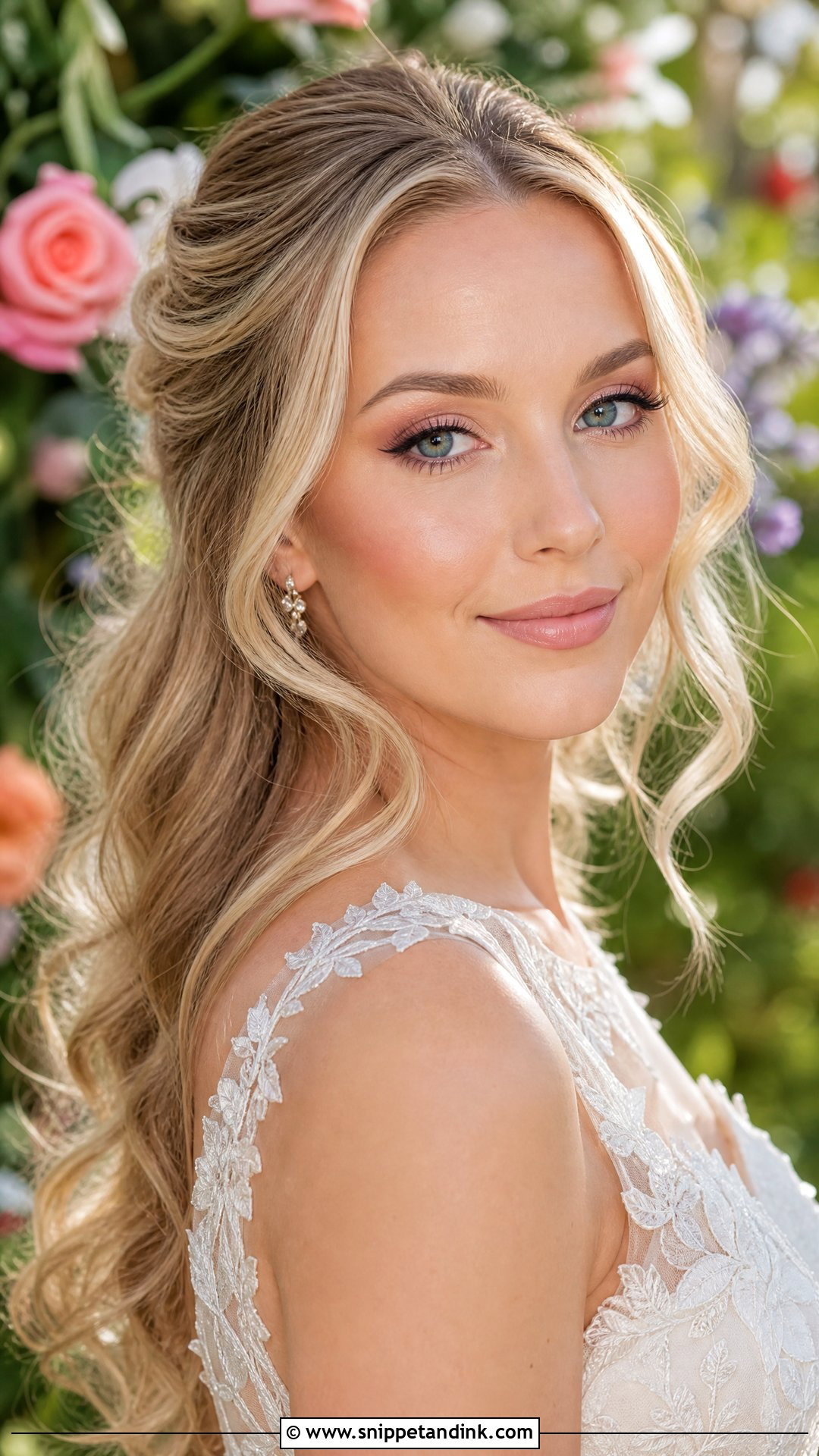
Against greenery, a face needs a little more warmth than you’d expect, because light reflecting off leaves and lawn can cast a slightly green tint onto the skin in shade. I start with a light base with a natural glow, then pink, peach or rose blush. Eyes go champagne or pale gold, with thin liner and fluttery lashes. A creamy rose lip completes it. Loose waves, floral hair pieces and lace all suit it. Keep it fresh rather than sugary: one pink element, not three.
22. Elegant Light Bridal Makeup
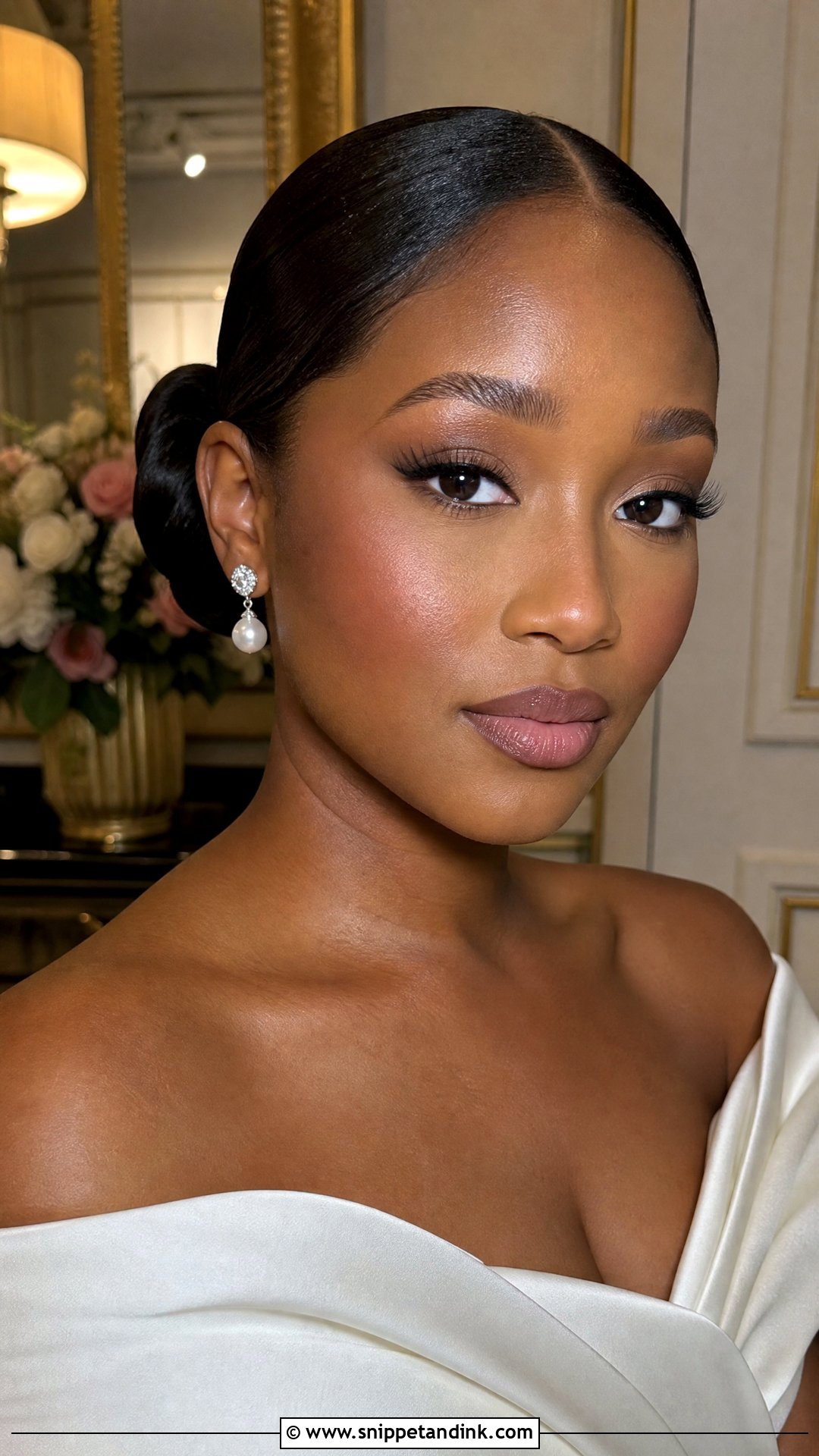
Formal weddings ask for polish without full glam, and the trick is restraint in every product. A satin foundation finish, softly sculpted cheeks and a controlled highlight. Neutral shadow, a delicate liner and natural lashes, with brows groomed but never harsh. A rose beige or muted pink lipstick, lined so it still has an edge at midnight. I avoid heavy contour on these brides because it looks muddy in daylight ceremony photos. Sleek buns, structured gowns and satin sit naturally with this restraint.
23. Soft Matte Light Bridal Makeup
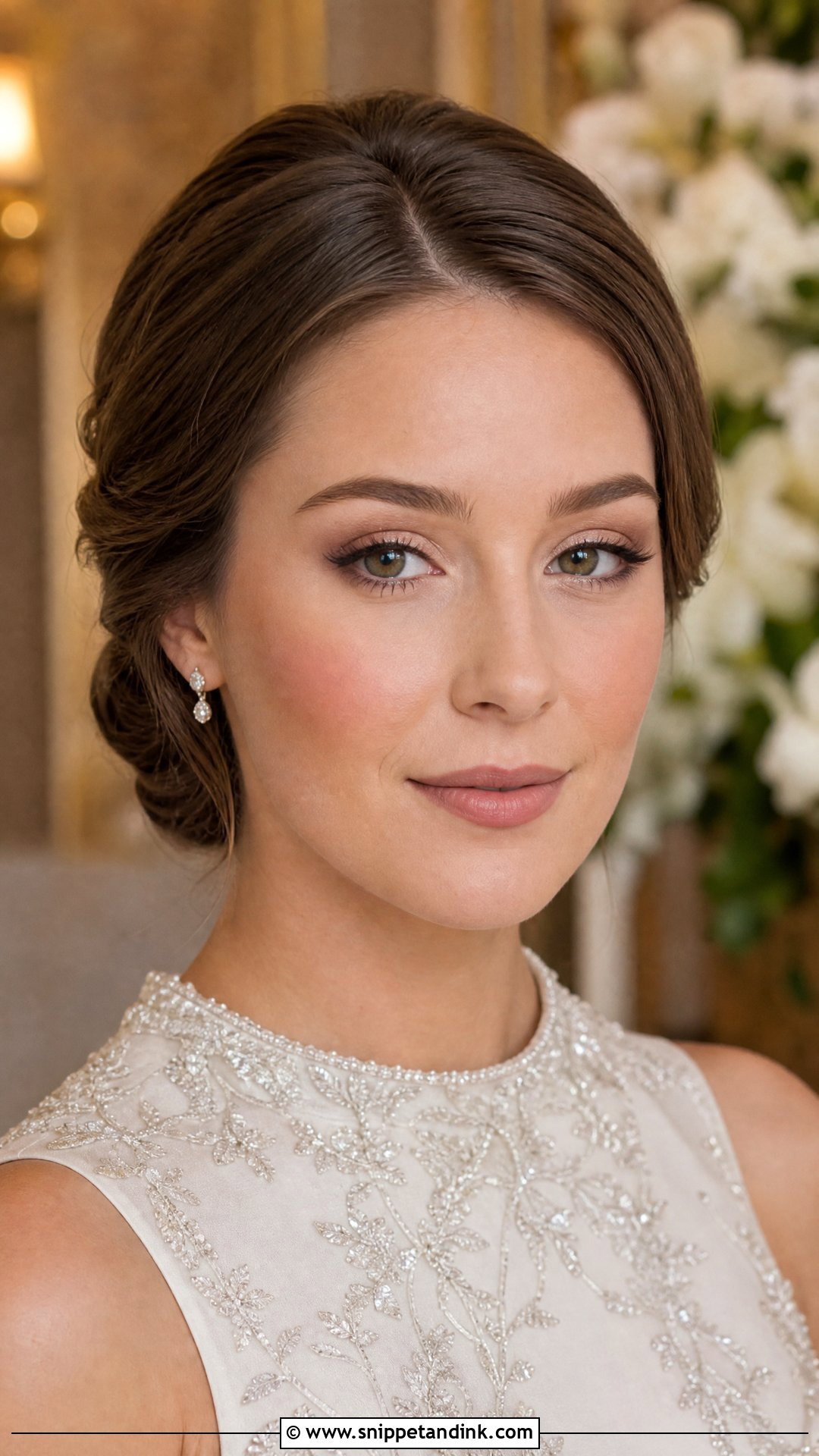
Somewhere between dewy and fully matte, this blurred finish is the one I reach for most on combination skin. A soft-focus primer and a thin layer of foundation go on first, then powder on the T-zone, sides of the nose and chin, leaving the cheeks natural. Powder blush in rose or soft berry gives a delicate flush. Matte taupe shadow, a few individual lashes and a blurred nude lip. It wears comfortably for a long day and doesn’t need constant blotting.
24. Light Bridal Makeup With Red Lip
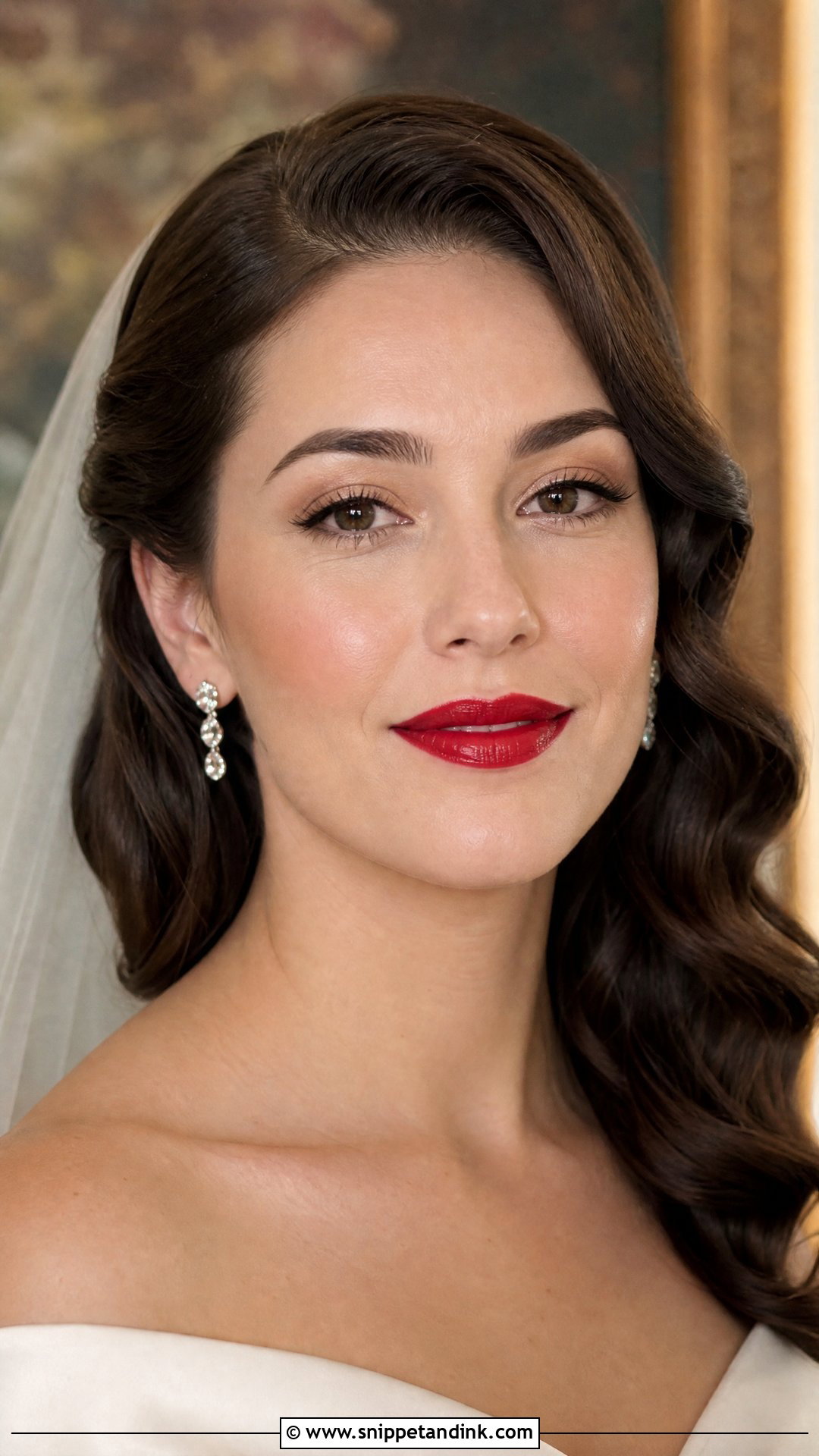
A red lip only stays light when everything else steps back. Pick a red for your undertone: blue-red for cool skin, brick or soft tomato for warm, and cherry tends to sit in between. The complexion stays fresh with natural coverage and a blush that doesn’t compete. Eyes get champagne shadow, thin liner and lifted lashes. I line the whole lip, fill it in with the liner, then apply a long-wearing satin or blurred matte red on top. That base is what stops it bleeding at the edges after a glass of wine. Very glossy reds need fixing every hour, so I’d skip them.
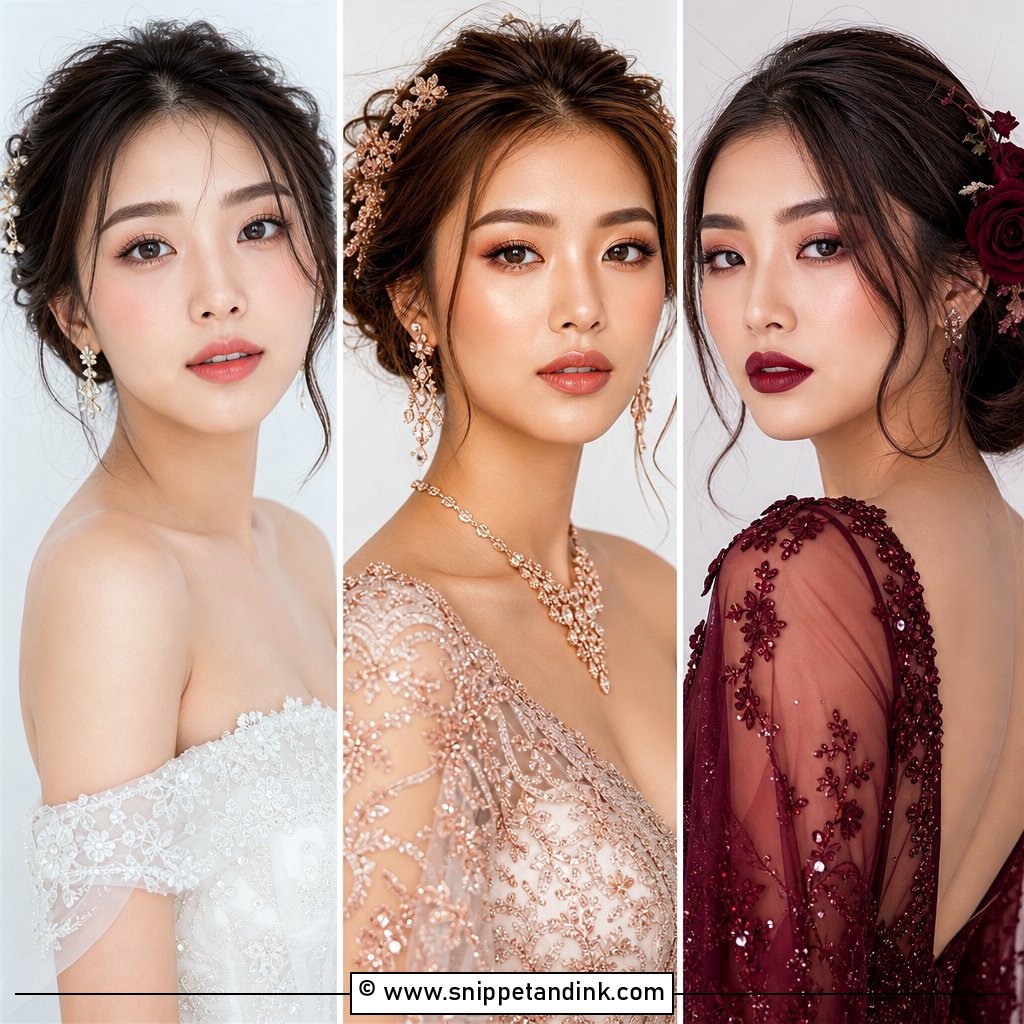
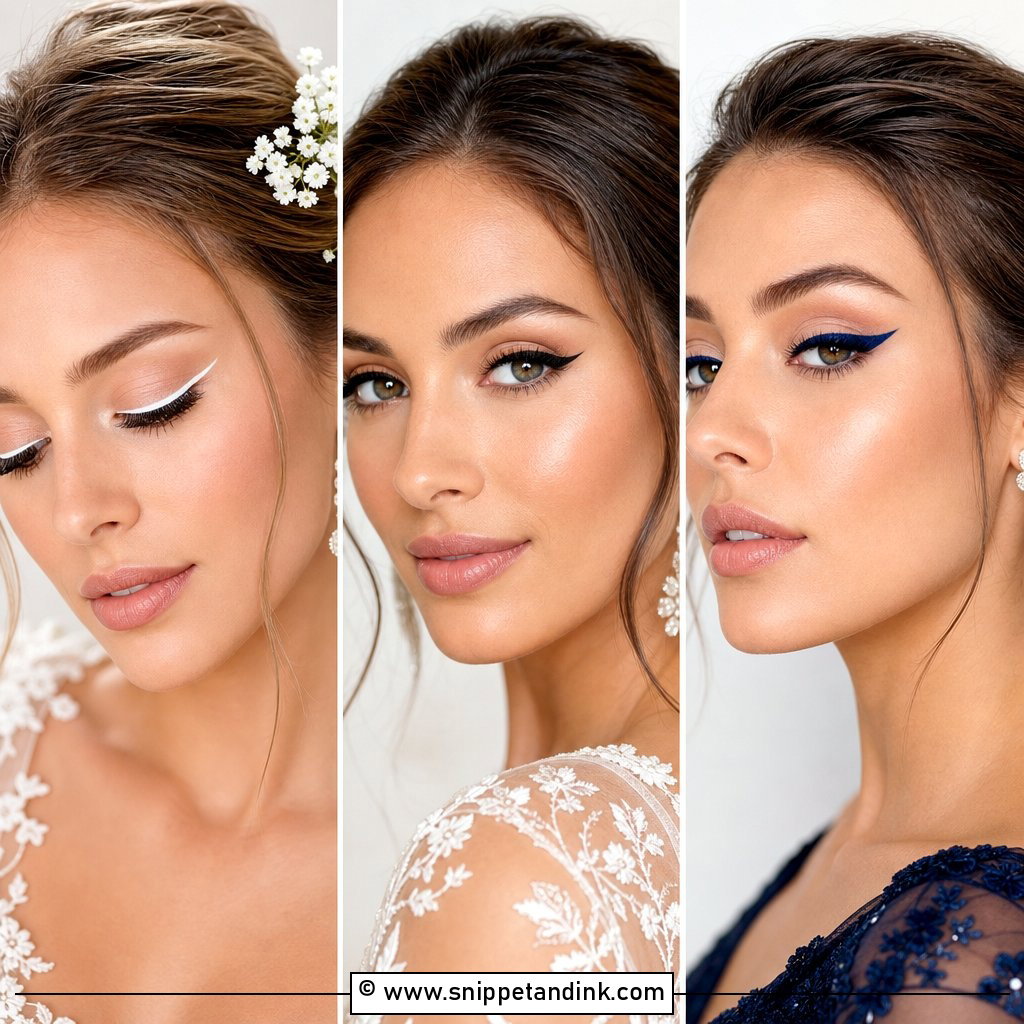
25. Light Bridal Makeup With Winged Liner
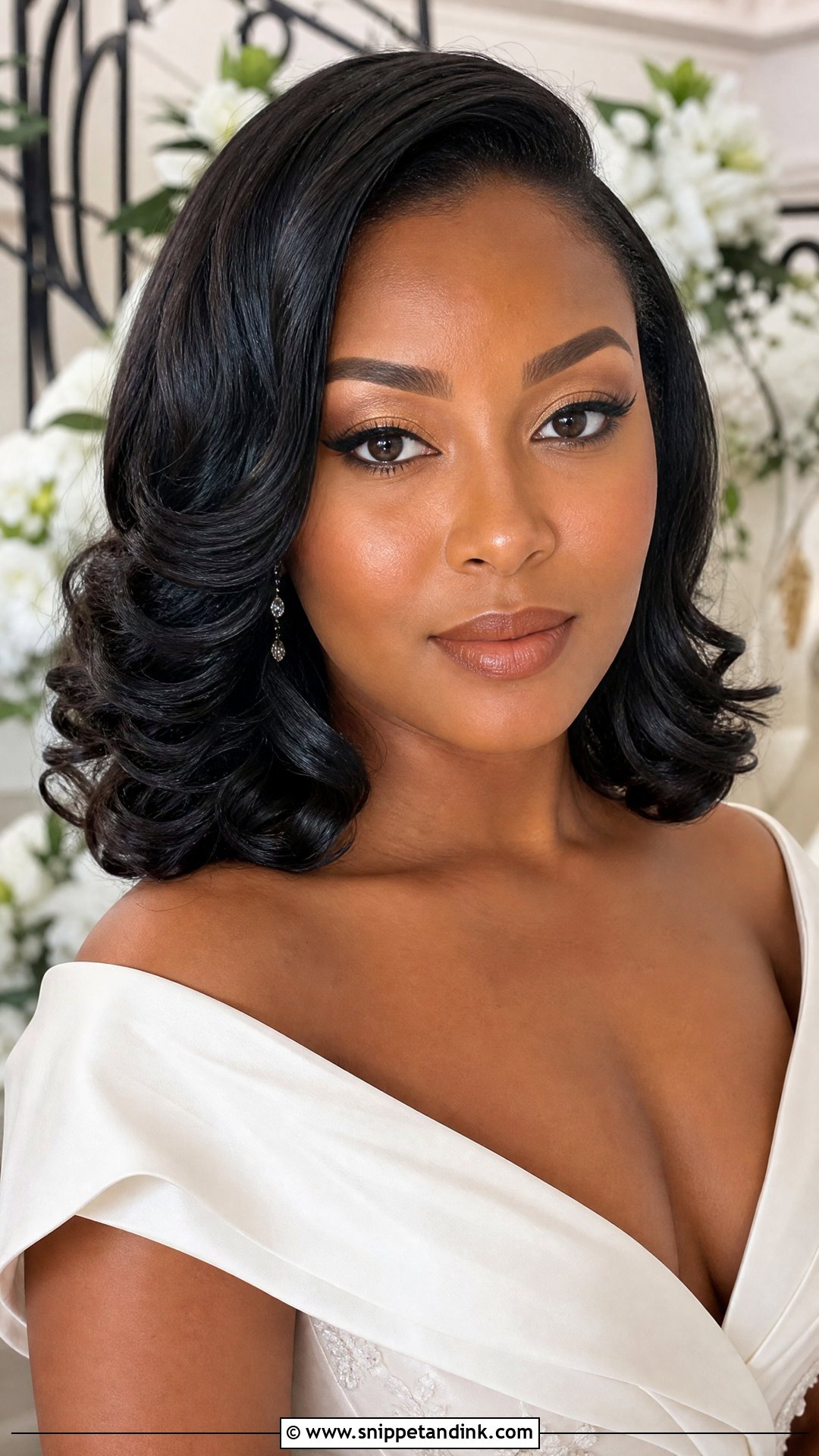
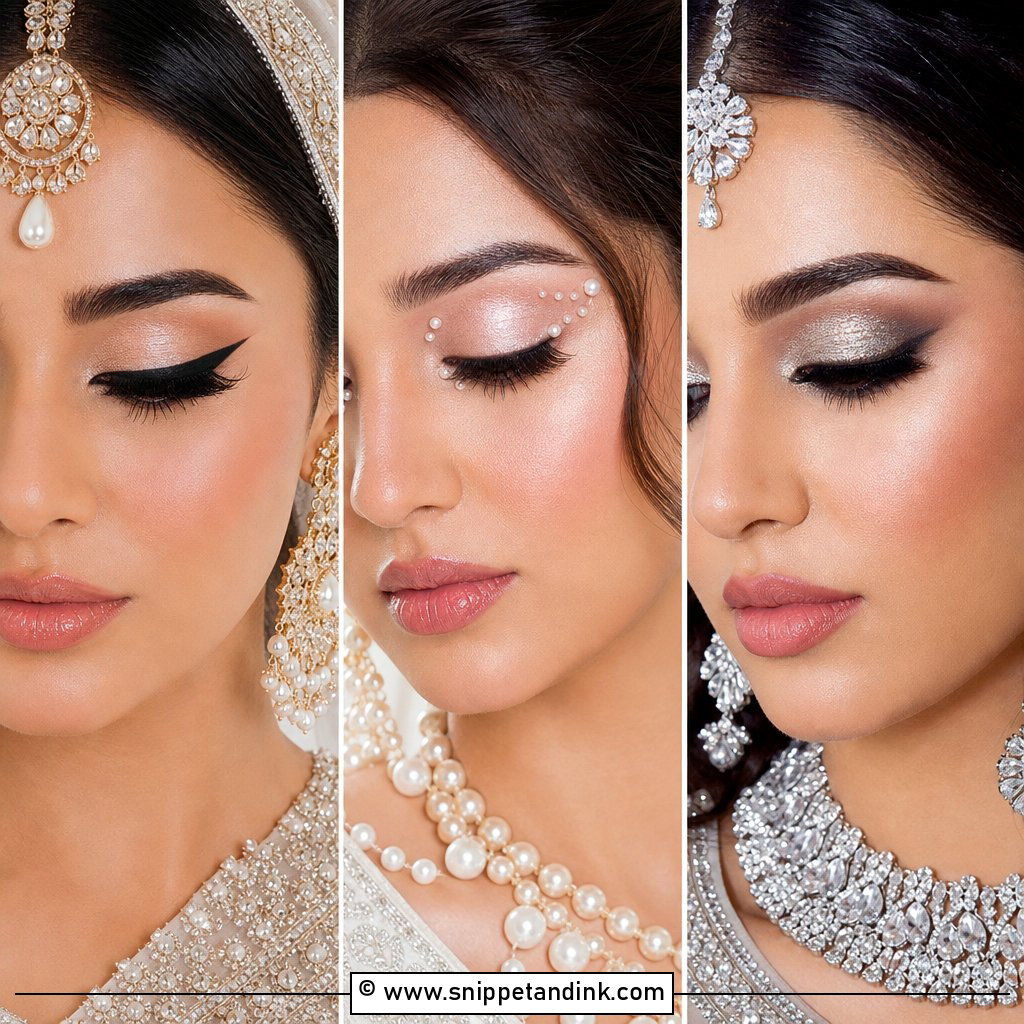
A thin, lifted flick adds structure while the rest of the face stays soft, and that balance is what keeps winged liner bridal rather than evening. I keep the base light, with soft blush and a nude or rose lip, so the liner is the one detail people notice. Lids get beige or pale taupe. Brown liner reads softer; black is more classic. I map the wing with your eyes open and looking straight ahead, because a wing drawn on a closed lid often kinks on hooded eyes. Individual lashes at the outer corner lengthen the shape. Vintage-minded brides tend to love it.
Bring Your Everyday Makeup Bag to the Trial
The most useful thing you can bring to a makeup trial is the makeup you actually wear. It shows me your comfort level, the shades you already reach for and the finish you like on your own skin. If you only ever wear tinted balm, I know a full strip lash will feel foreign by the second hour.
Answers I need from you before the day
- Does your skin get oily, dry or both by mid-afternoon? That decides dewy versus soft matte more than any inspiration photo.
- Are you likely to cry during the vows? Then waterproof mascara and less product on the lower lashes.
- Is the ceremony in full sun, under a tent or in a dim church? The light changes how much definition you need.
- Have you ever reacted to lash glue, fragrance or a particular skincare ingredient?
Wear the trial makeup for the rest of that day and take photos by a window, indoors and with your phone flash on. If it slips anywhere, tell your artist. Fixing that is exactly what the trial is for.
The Small Pouch Your Bridesmaid Should Carry
Light makeup needs less upkeep than full glam, but it isn’t zero. I send brides off with blotting papers, the exact lipstick and liner I used, and a small concealer for the sides of the nose, which is where sheer coverage wears through first. Blot before you powder; layering powder on top of oil is what turns a fresh base cakey by evening. Hand the pouch to a bridesmaid, since most gowns have nowhere to keep it.
Doing Less on Purpose, and Doing It Well
Light makeup is about fewer details, each one done properly. A sheer base, well-placed blush, gentle eye definition, a lip that suits your undertone and powder only where you need it will last the whole day. The right version for you depends on your skin, dress, venue and season, and on how you feel in your own face. Bring photos of full faces to your trial, not cropped eyes or lips, so your artist can see the finish you’re after.
You'll Like These Ideas:


Leave a Reply