
A wedding is a long day for hair. There’s the ceremony, a photo walk in whatever the weather is doing, a hot dinner room and then the dance floor, and a style has to hold through all of it while still letting you turn your head. The looks I’d point people toward right now are polished without being stiff: low buns that show the neckline, soft waves, braided updos that stay put, and ponytails with a hidden base. Every one of them works for a bride, a bridesmaid or a guest. What changes is the accessories, which I cover further down.
Guest, Bridesmaid or Bride? The Same Bun Reads Differently
Every style in this list can be worn by anyone at the wedding. What changes is the volume of the finishing touches, and that’s where guests sometimes get it wrong without meaning to.
As a guest
Keep accessories smaller than you’d choose as a bride. A single pearl pin or a ribbon is plenty. A cluster of white flowers, a sparkly comb tucked behind a bun, or anything that hangs down the back like tulle can read as bridal from across a room, and photos make that worse. Coloured flowers, gold or tortoiseshell clips and simple bows are safe.
As a bridesmaid
Ask the couple whether they want everyone matching or just coordinated. Identical buns look sharp in a line-up, but they’re hard on mixed lengths and textures. When I style a bridal party, I prefer a softer brief, such as “all hair off the left shoulder” or “everyone in a low style”, which lets each person wear a version that suits their hair and still looks planned.
As the bride
Build around the veil or headpiece first. Where it anchors decides whether you need a bun, a half-up section or a firm crown, and it’s much easier for me to plan backwards from that than to squeeze a veil into a finished style.
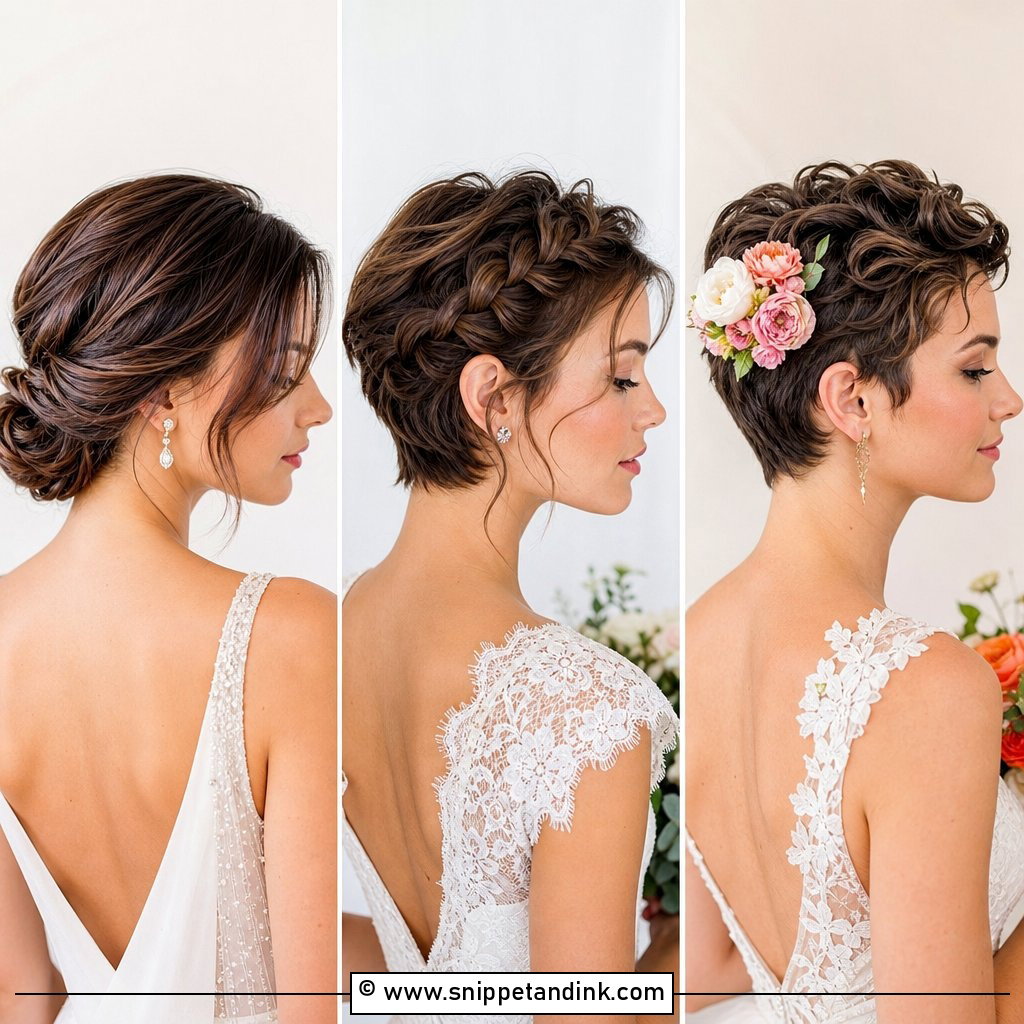
1. Low Chignon Wedding Hair
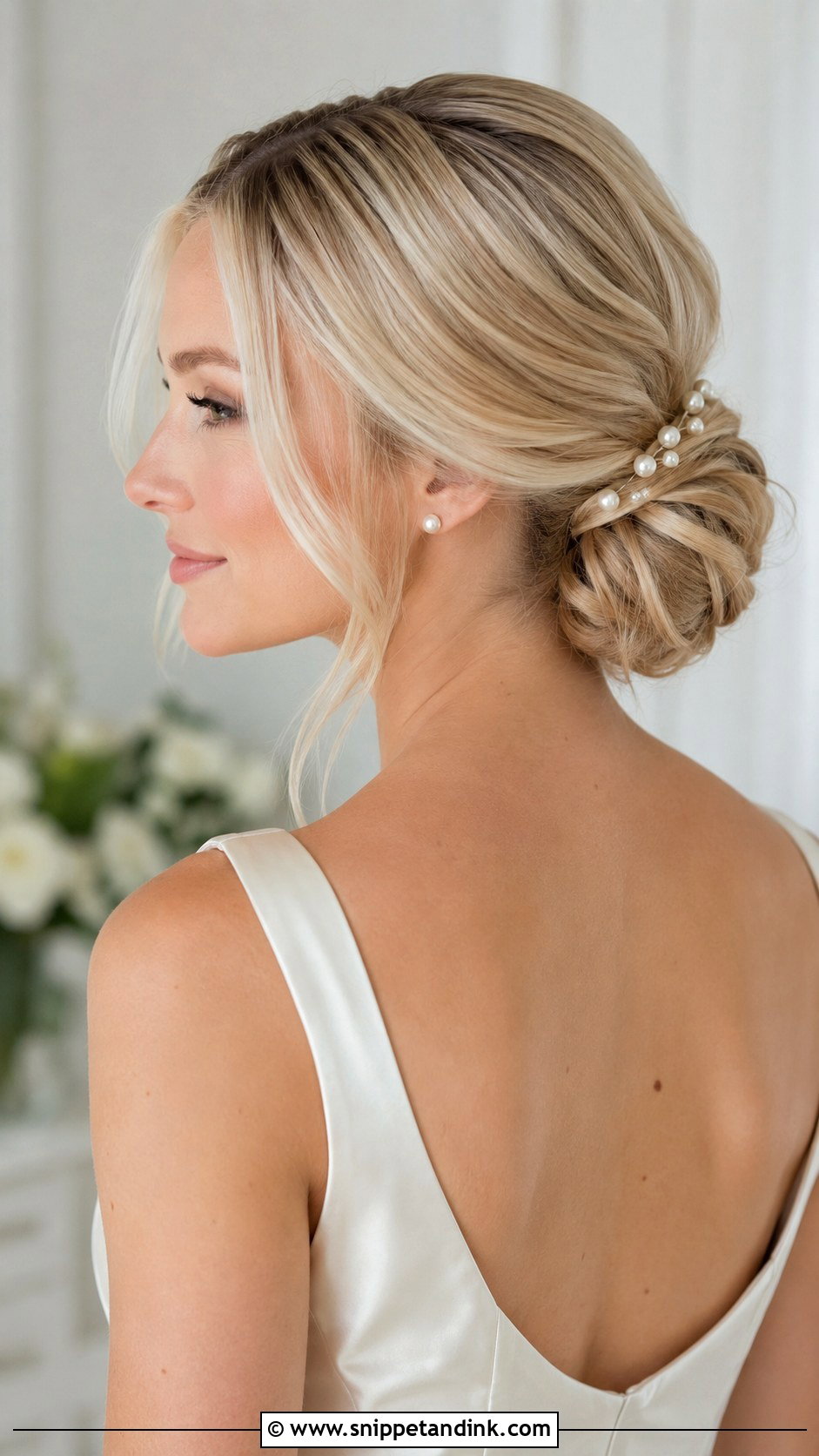
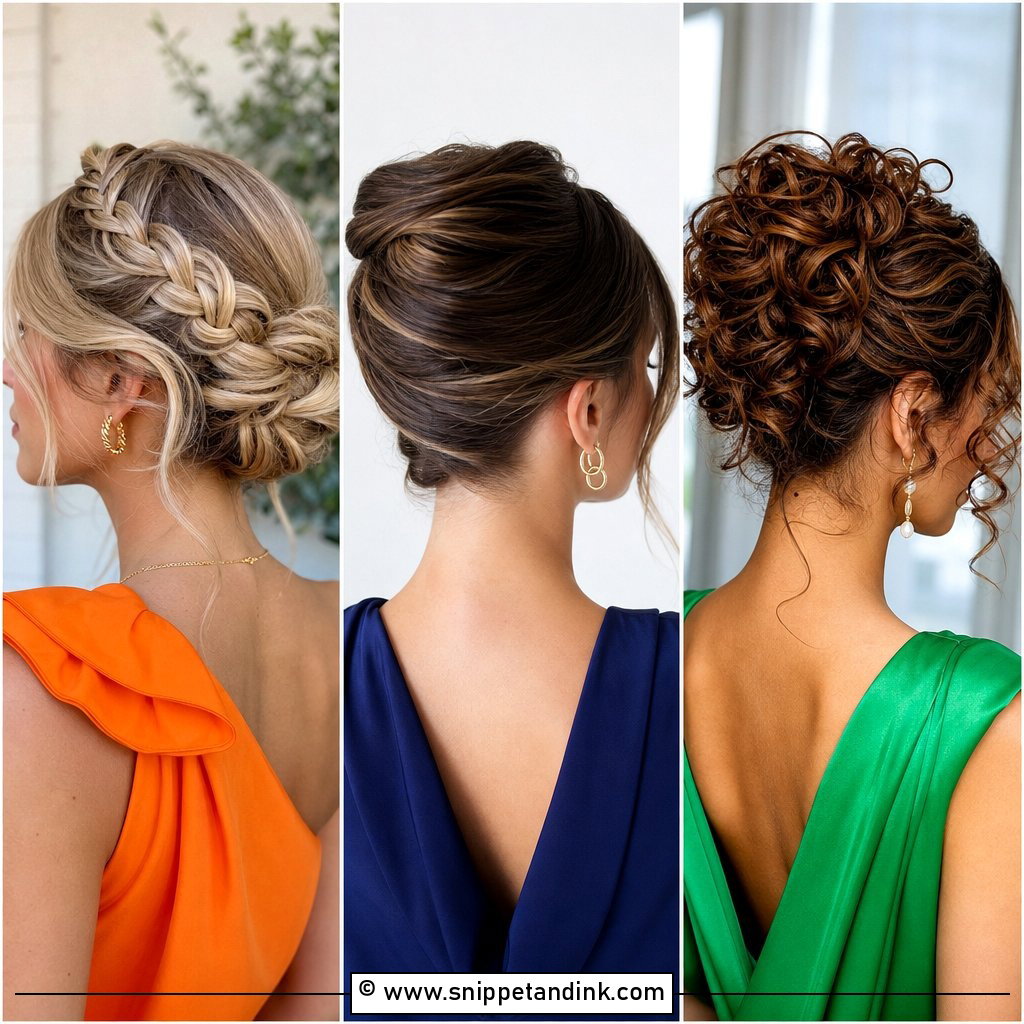
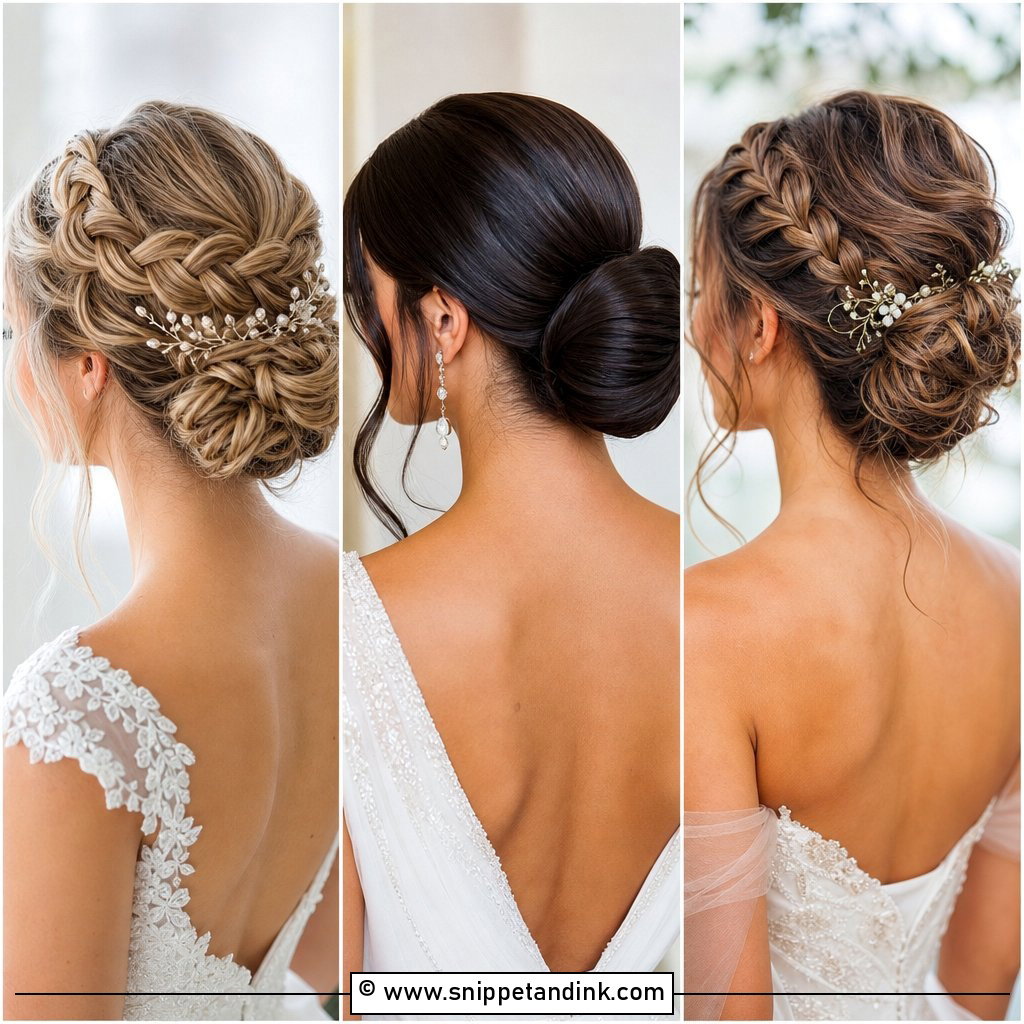
If I had to pick one style to see a bride through twelve hours, it would be the low chignon. Among wedding hair dos, it’s the one that looks right from the front, side and back, because the shape sits tight to the nape. Veils, open-back dresses, high necklines and statement earrings all work with it. Keep it smooth, or loosen it with your fingers for a softer shape. I test it by asking the client to turn her head fully both ways; if the pins pinch, I move them before she leaves the chair.
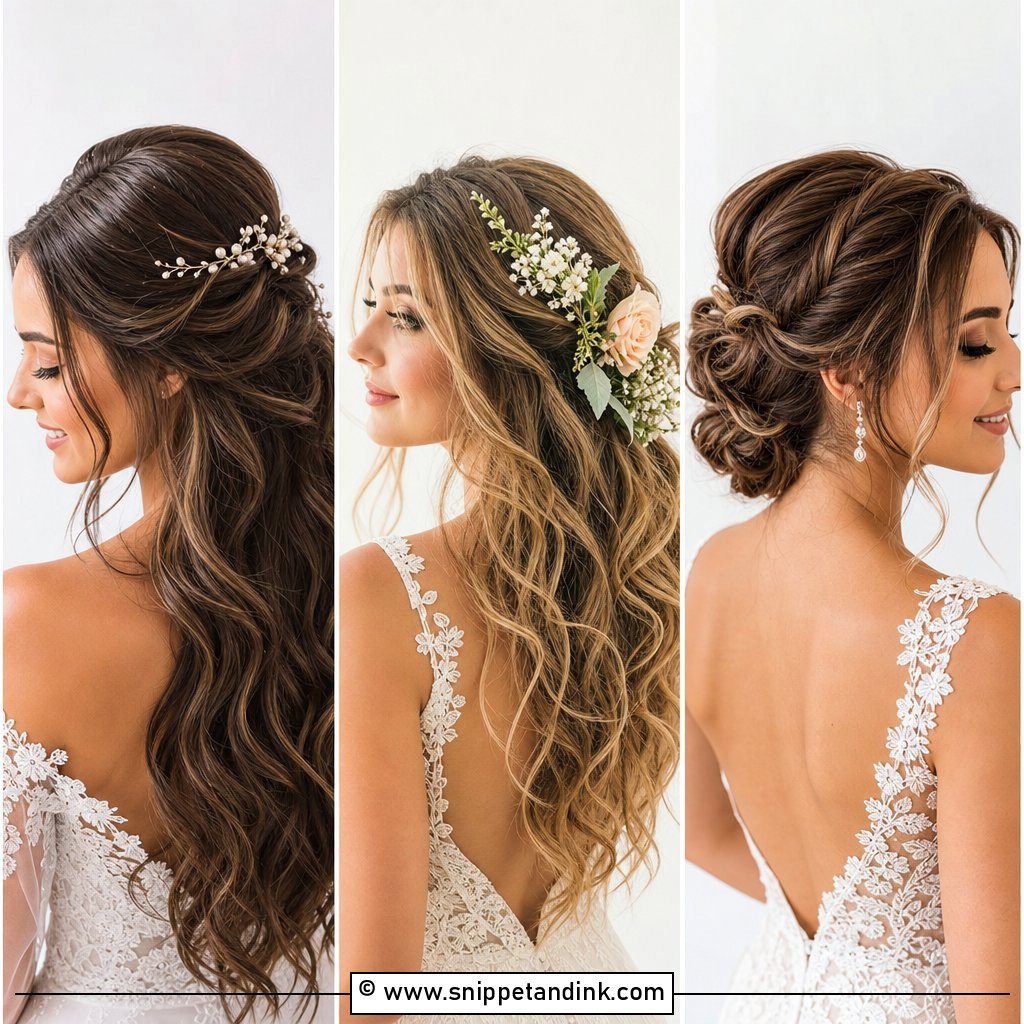
2. Hollywood Waves Wedding Hair
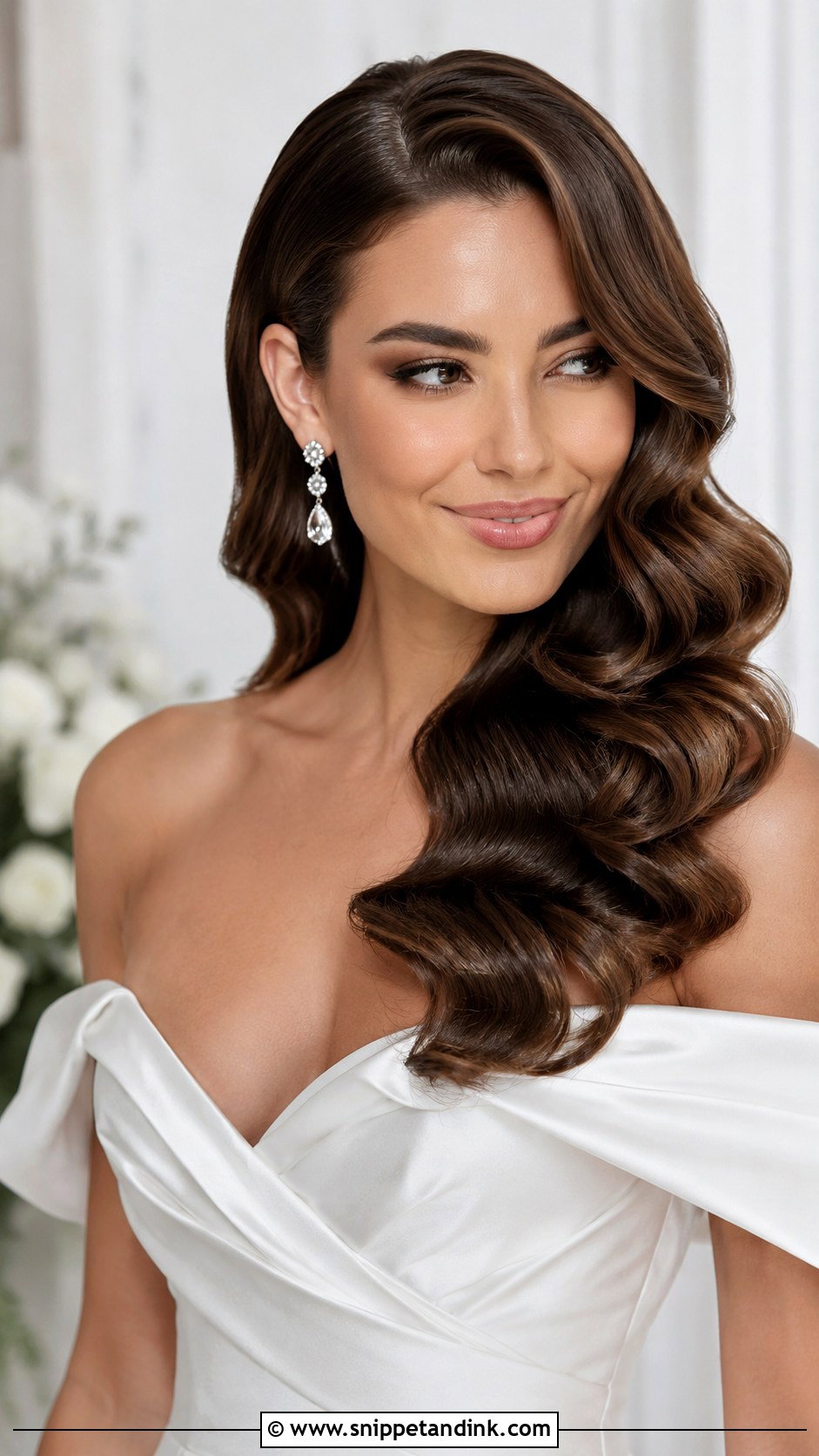
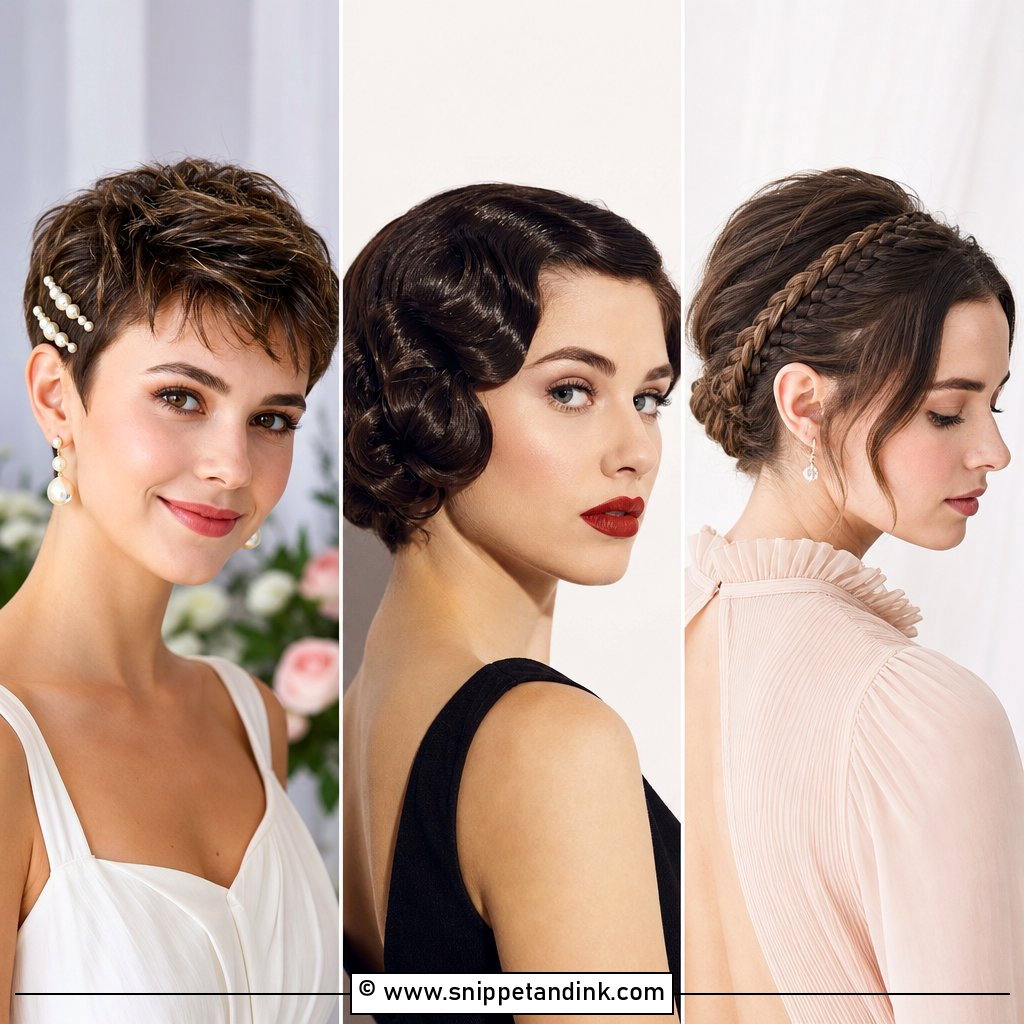
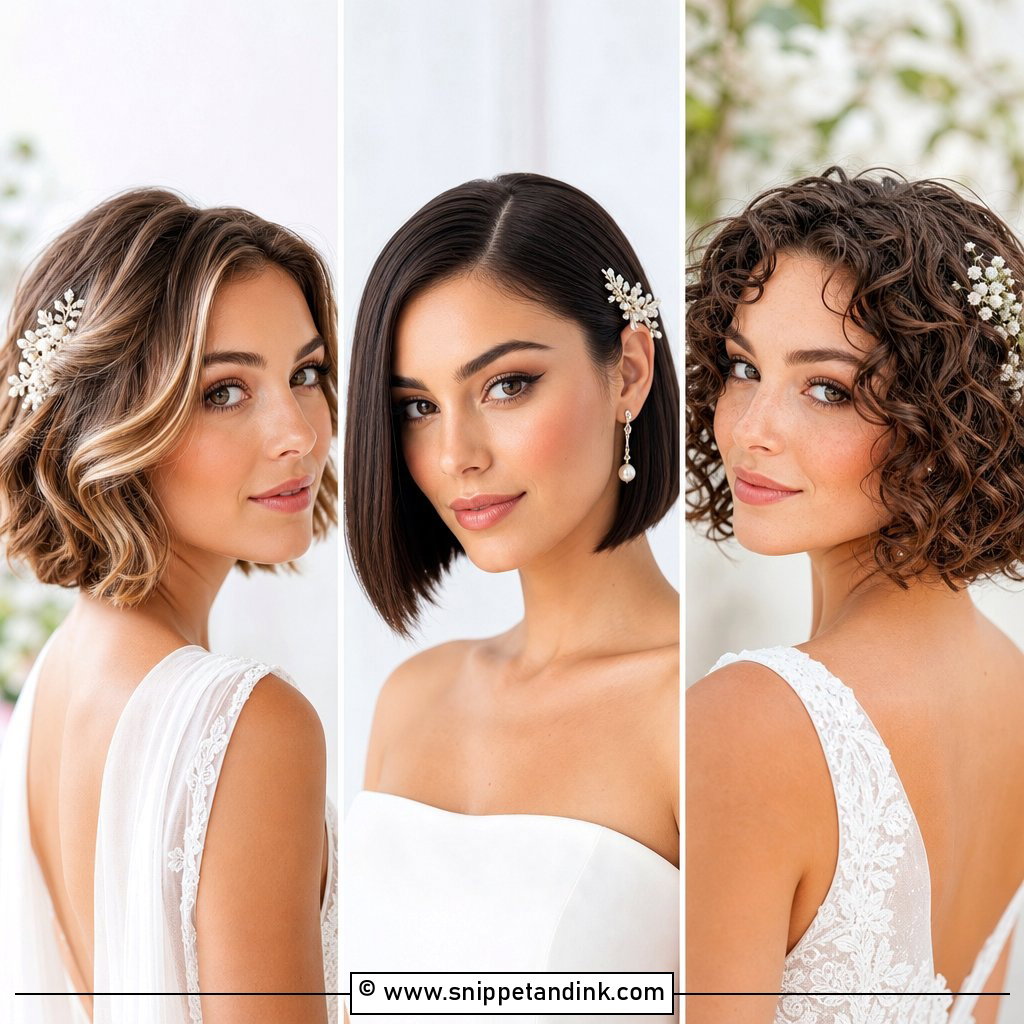
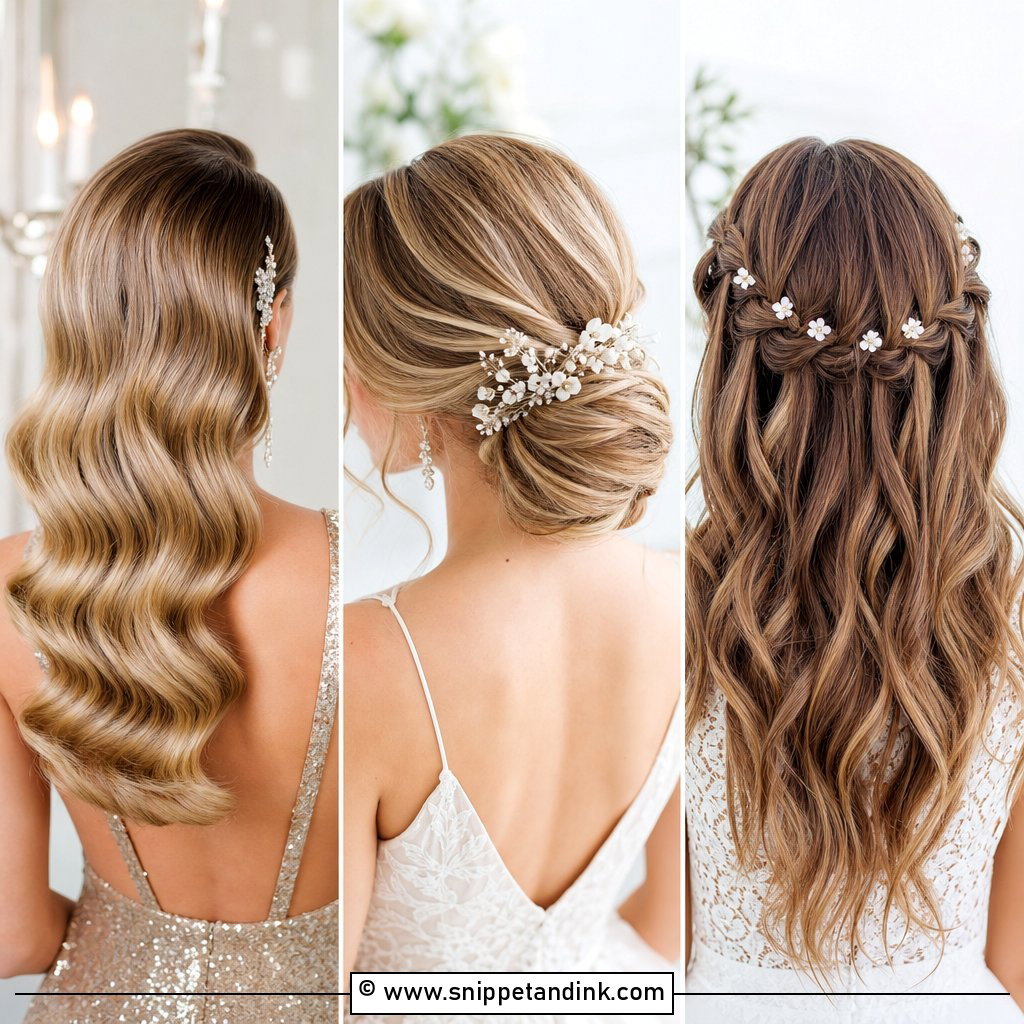
Hollywood waves are hair down at its most formal. The curls are all set in one direction, cooled, then brushed out until they merge into one sculpted ripple, with a side part or a clean middle part. Medium to long hair suits them, and extensions add fullness if yours is fine. Humidity is their enemy. For an outdoor wedding, I prep with a heat protectant that has some hold, and I’d ask your stylist what their plan is if the air turns damp. They should feel shiny and soft to touch, never crunchy.
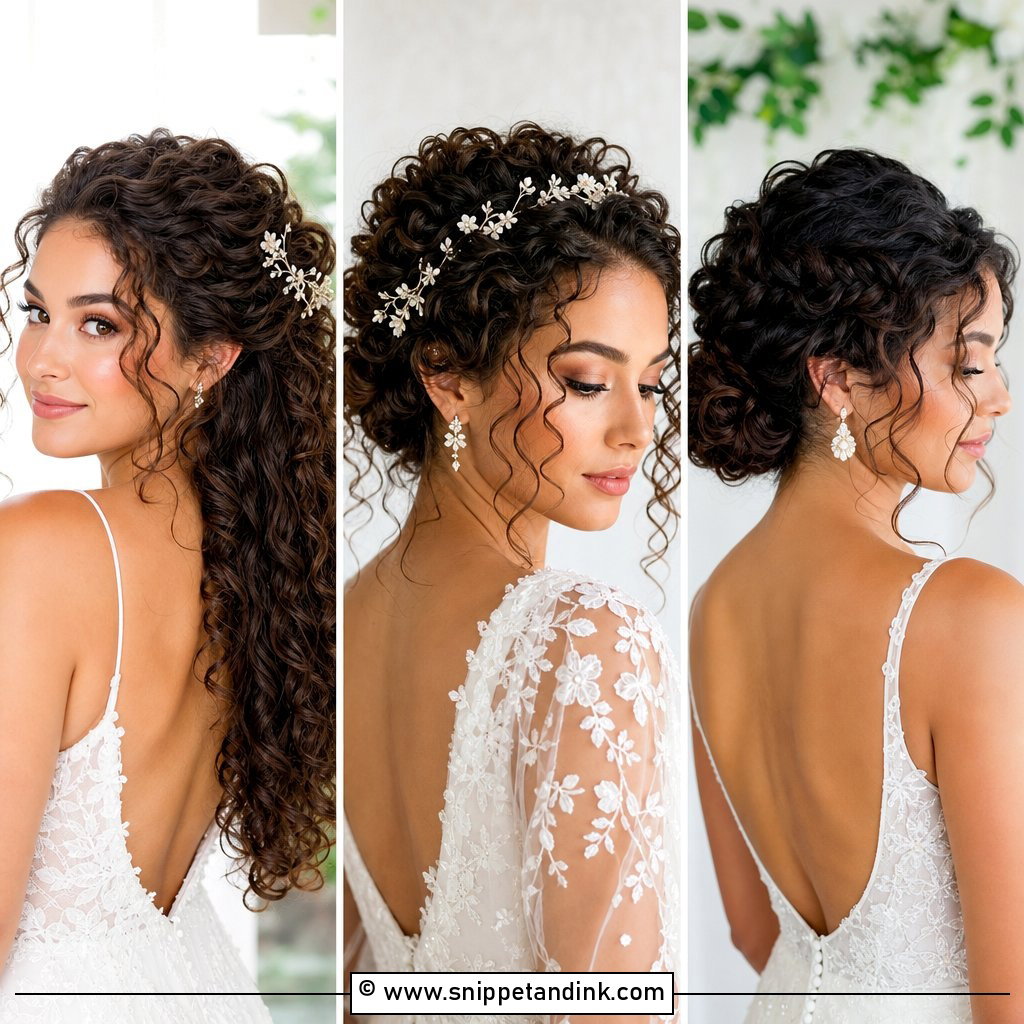
3. Half Up Half Down Wedding Hair
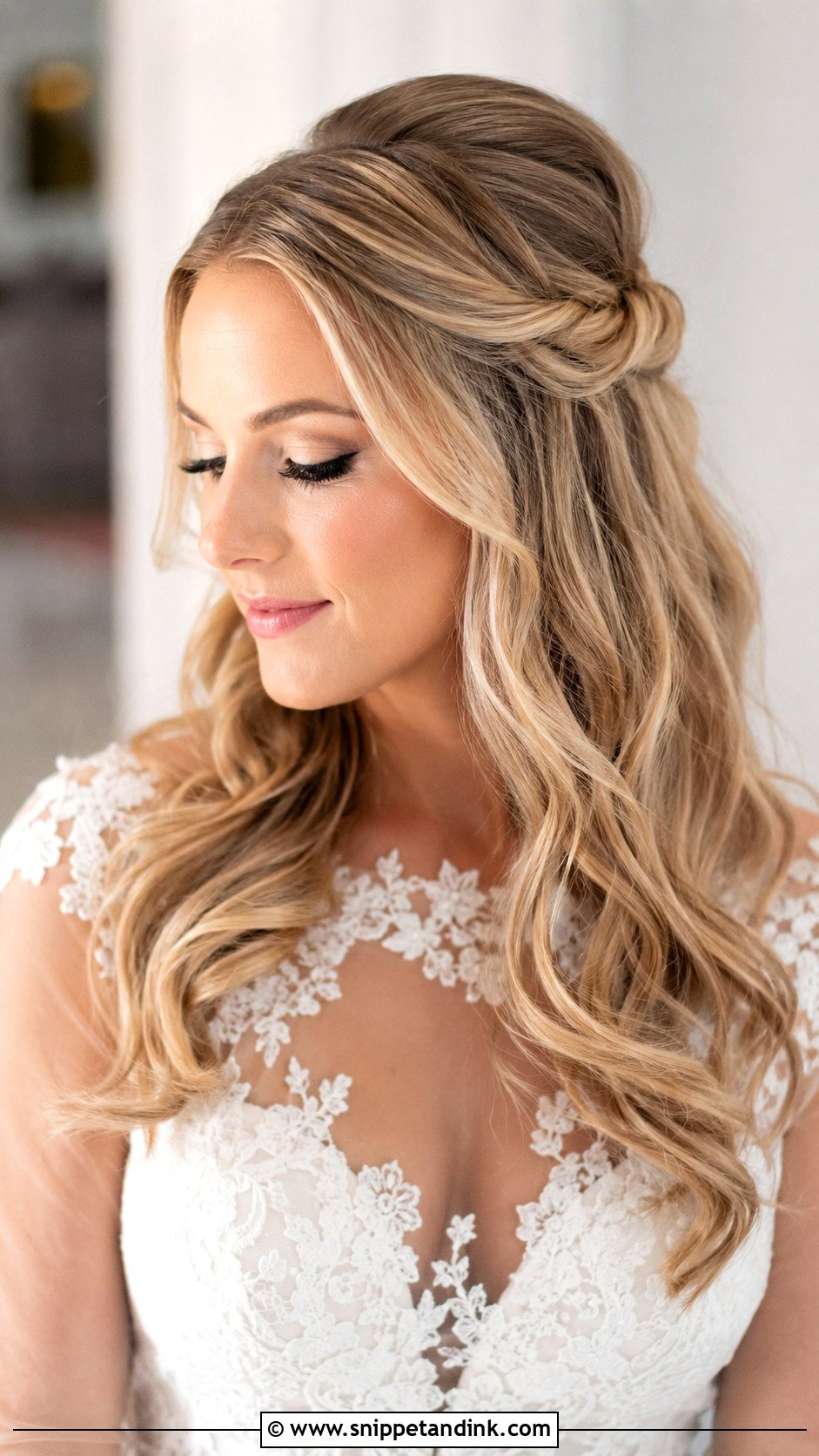
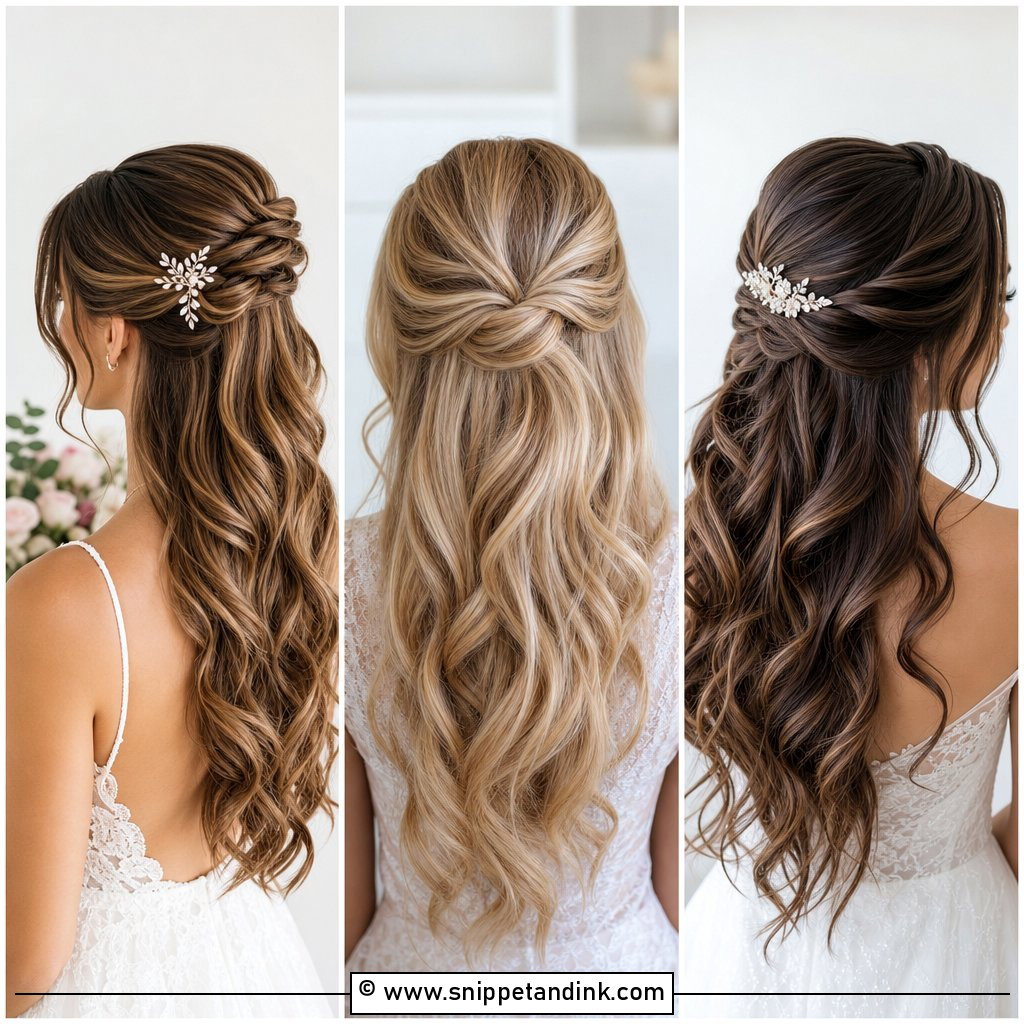
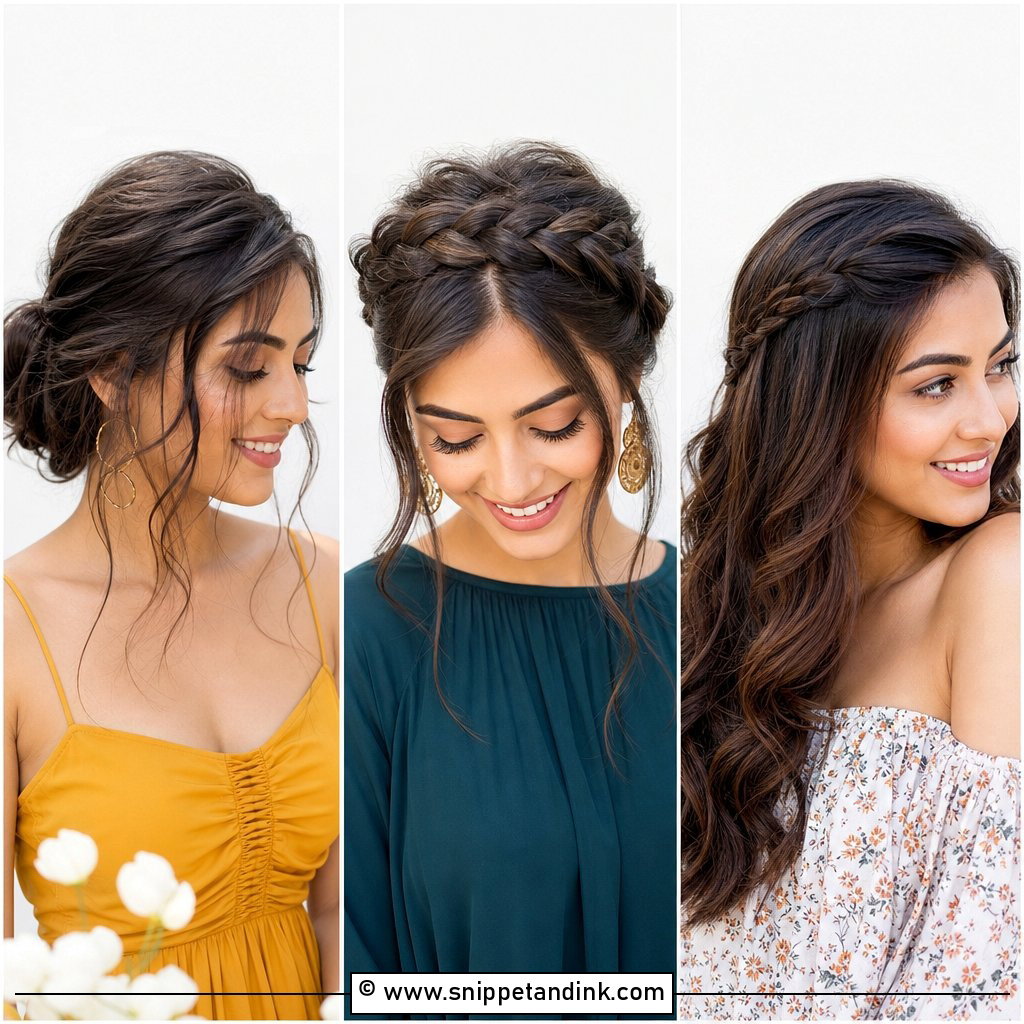
Half up, half down gives you loose hair with a little of an updo’s control. The top section clears your face; the lengths fall in curls, waves or smooth bends. A veil slides in just under the pinned section, which gives it a solid base. Strapless, sweetheart and off-the-shoulder dresses balance well with it, since the hair covers some of that open space. My one caution: lift the crown, but don’t tease it into a bump. Modern half-up has height you feel rather than see.
4. Sleek Low Bun Wedding Hair
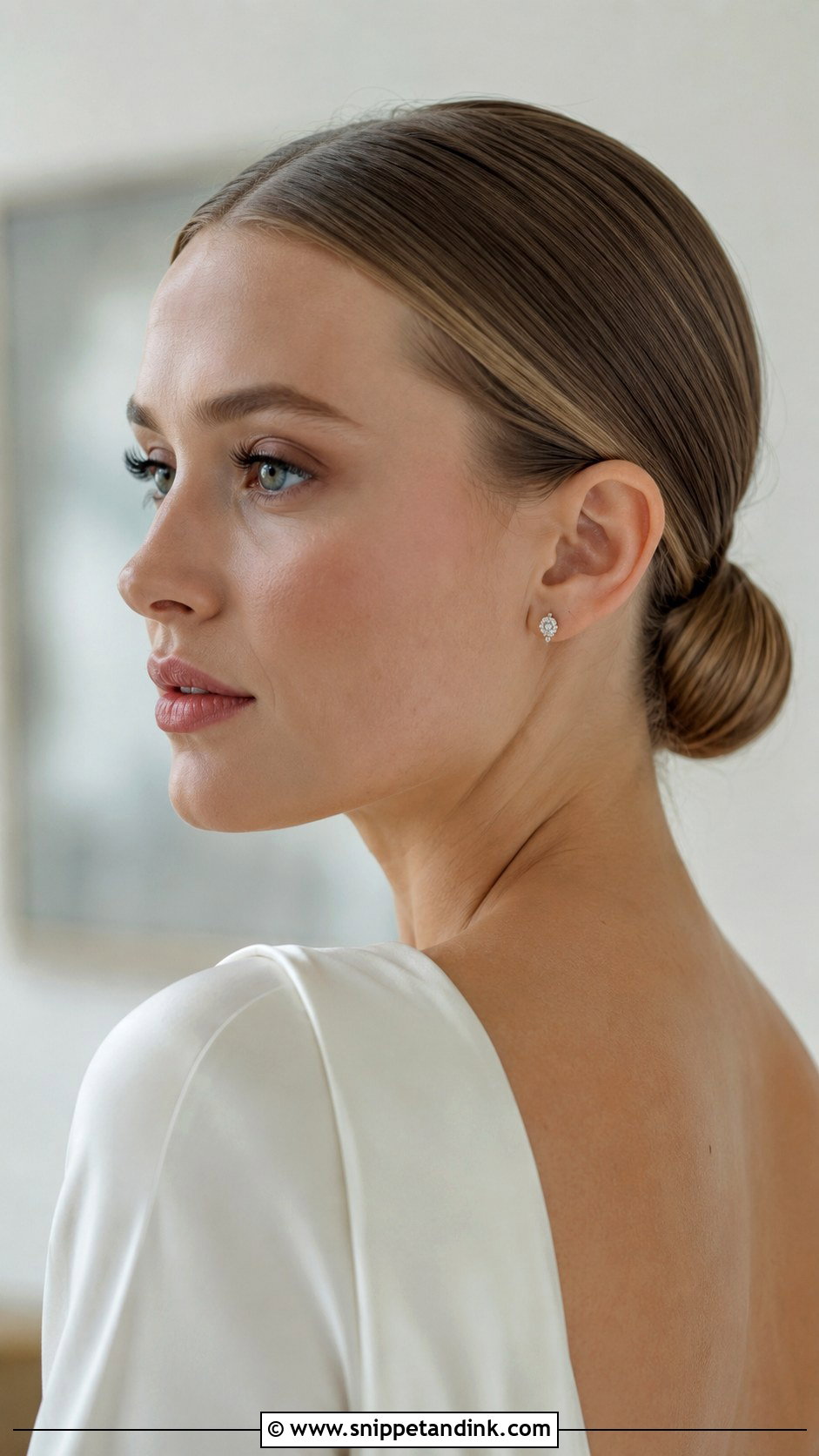
Sleek and low at the nape, this bun gives makeup, earrings and dress details the whole stage. Minimalist dresses, satin gowns, courthouse ceremonies and black-tie receptions all suit it. I part it center or to one side, smooth the hair close to the head with a firm brush, then wind it into a neat knot. Fewer loose pieces means less to fix during the day. To keep it from looking severe, I shape the bun to follow the curve of the head instead of sticking out like a doorknob.
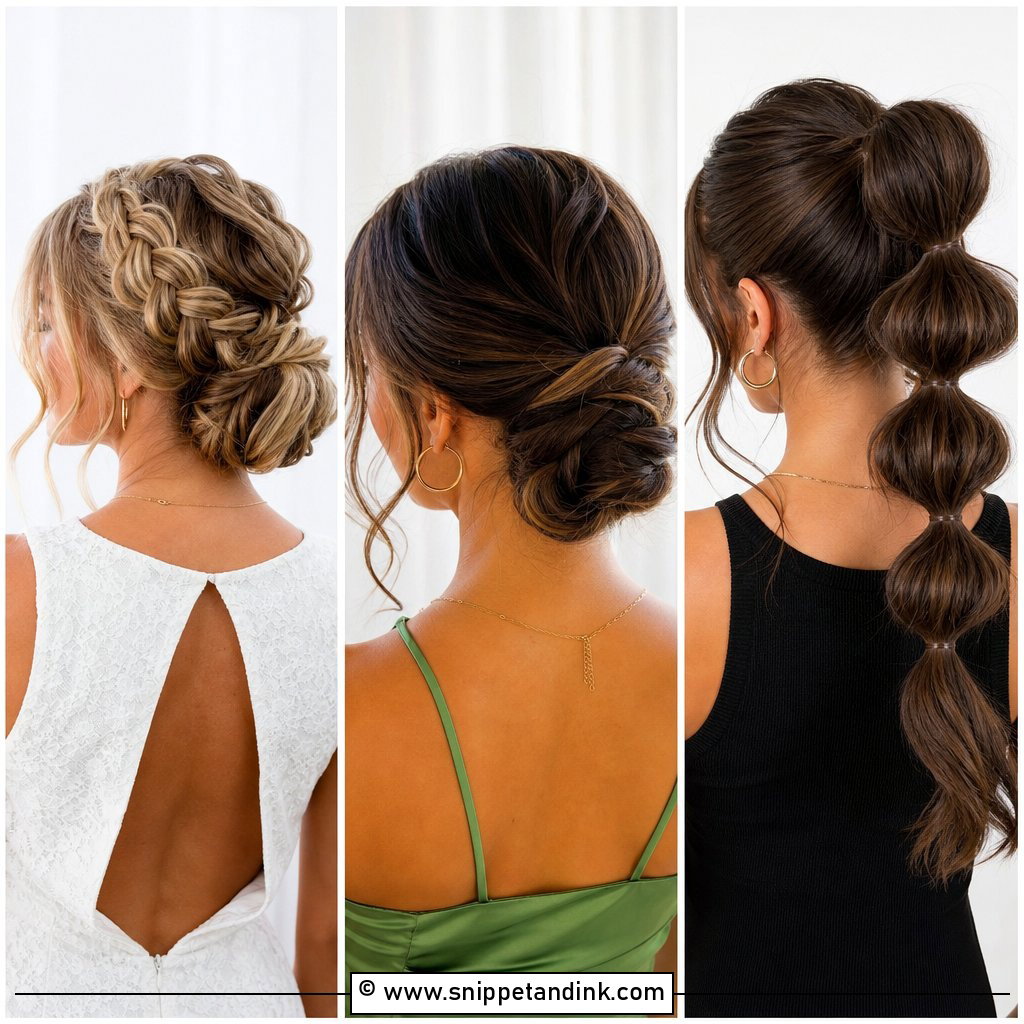
5. Textured Updo Wedding Hair
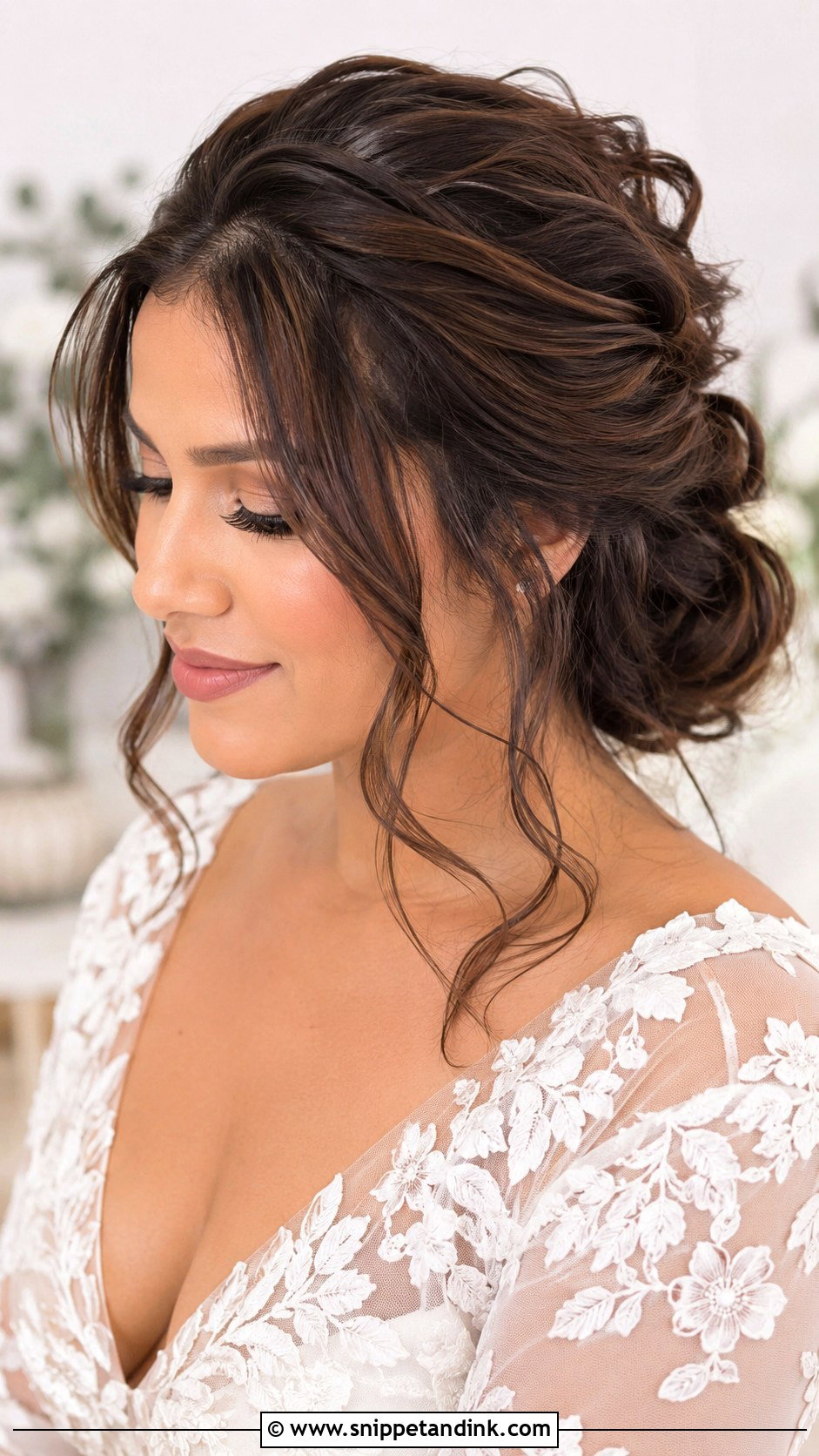
Most people don’t realize a textured updo can be the kinder option for both fine and thick hair. On fine hair, the bends and twists create volume that isn’t really there. On thick hair, breaking it into twisted sections stops a single heavy bun from dragging. It suits garden weddings, rustic venues and lace or floral dresses. The height can sit low, mid or slightly higher to match the dress. I keep a few soft pieces at the front, and I pin the main structure underneath much more firmly than it looks.
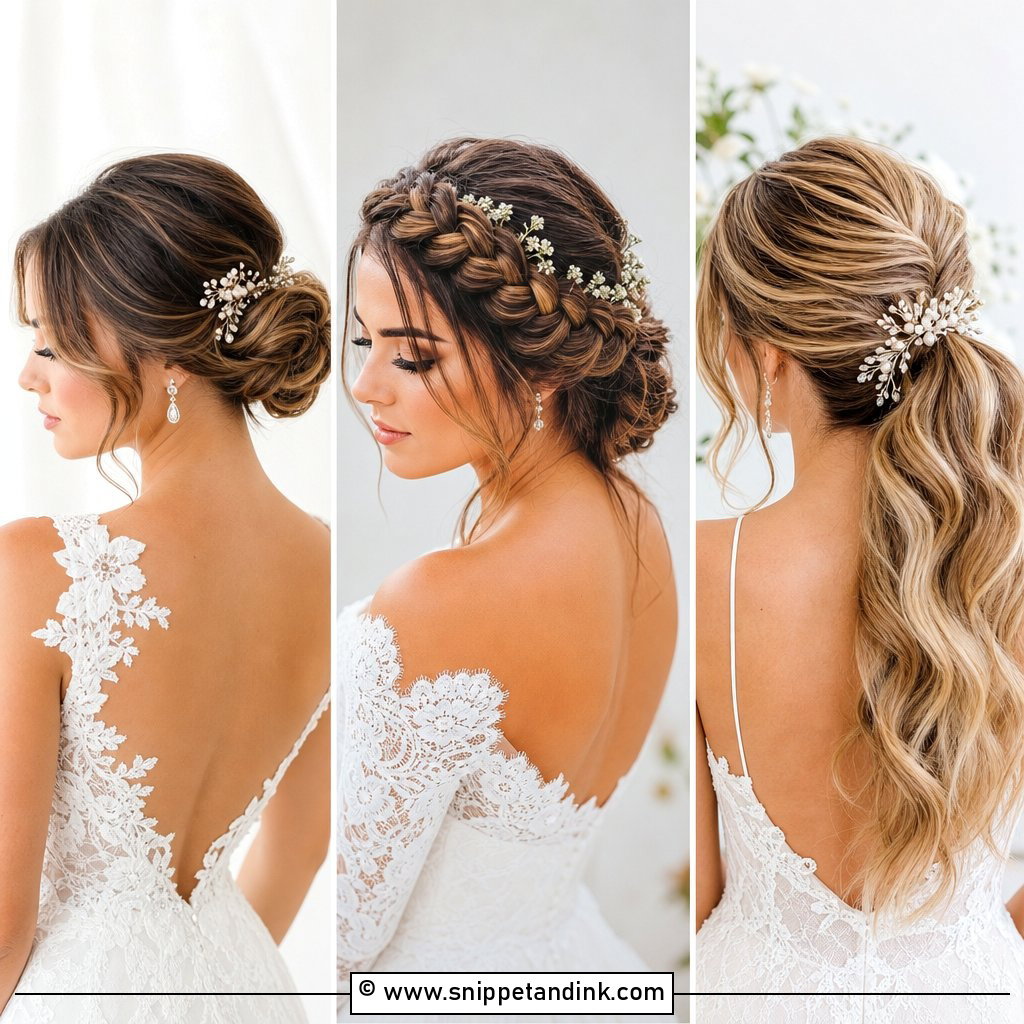
6. Braided Crown Wedding Hair
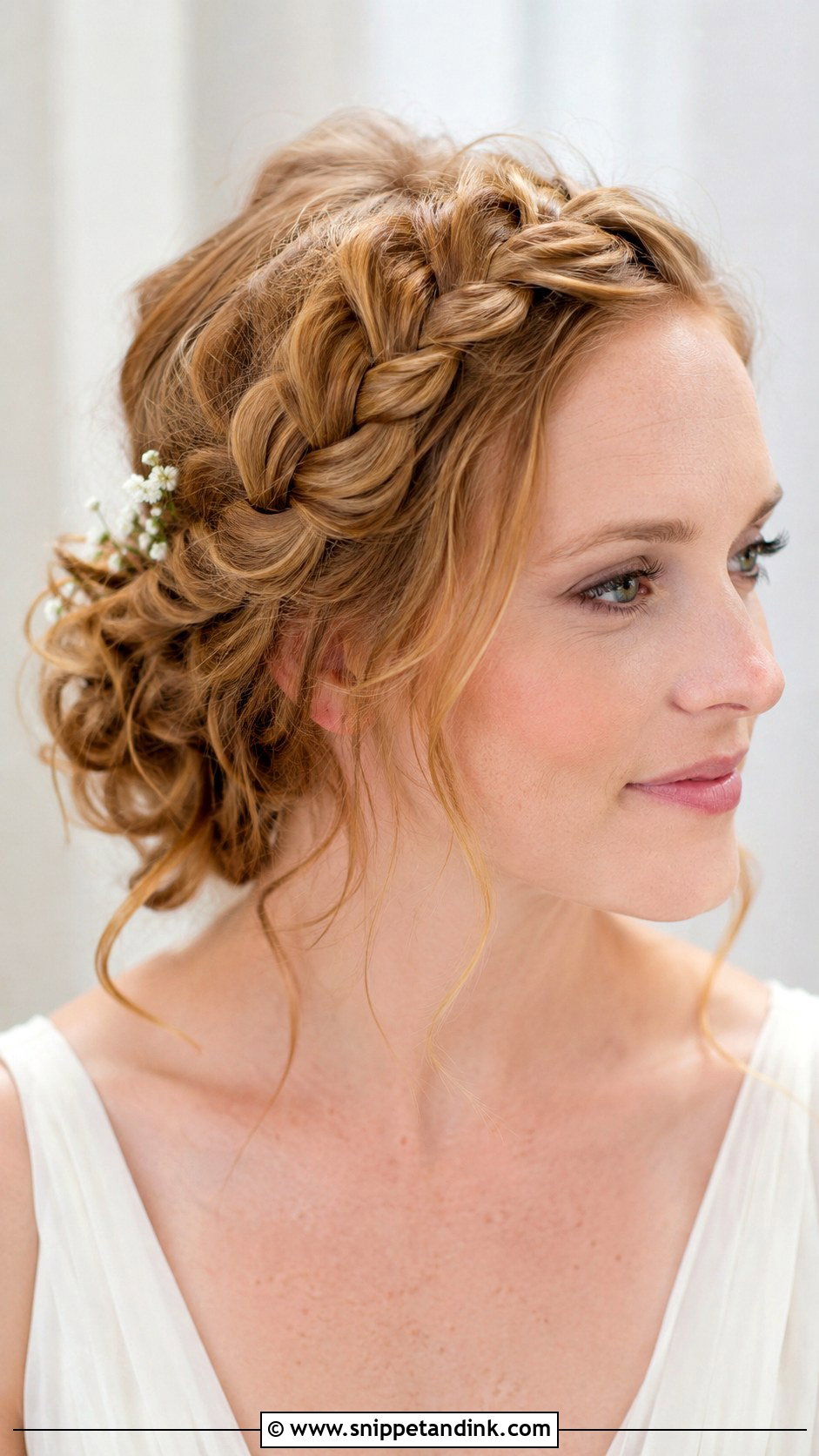
A braided crown keeps every front piece under control, which is why I like it for outdoor weddings where wind is a real risk. The braid wraps around the head or across the top, then blends into pinned curls, a bun or loose waves. Highlights and lowlights show off in it, since each twist of the braid catches a different tone. I gently widen the braid after it’s pinned, a step that turns a tight plait into a full one. No heavy accessories needed.
7. Side Swept Curls Wedding Hair
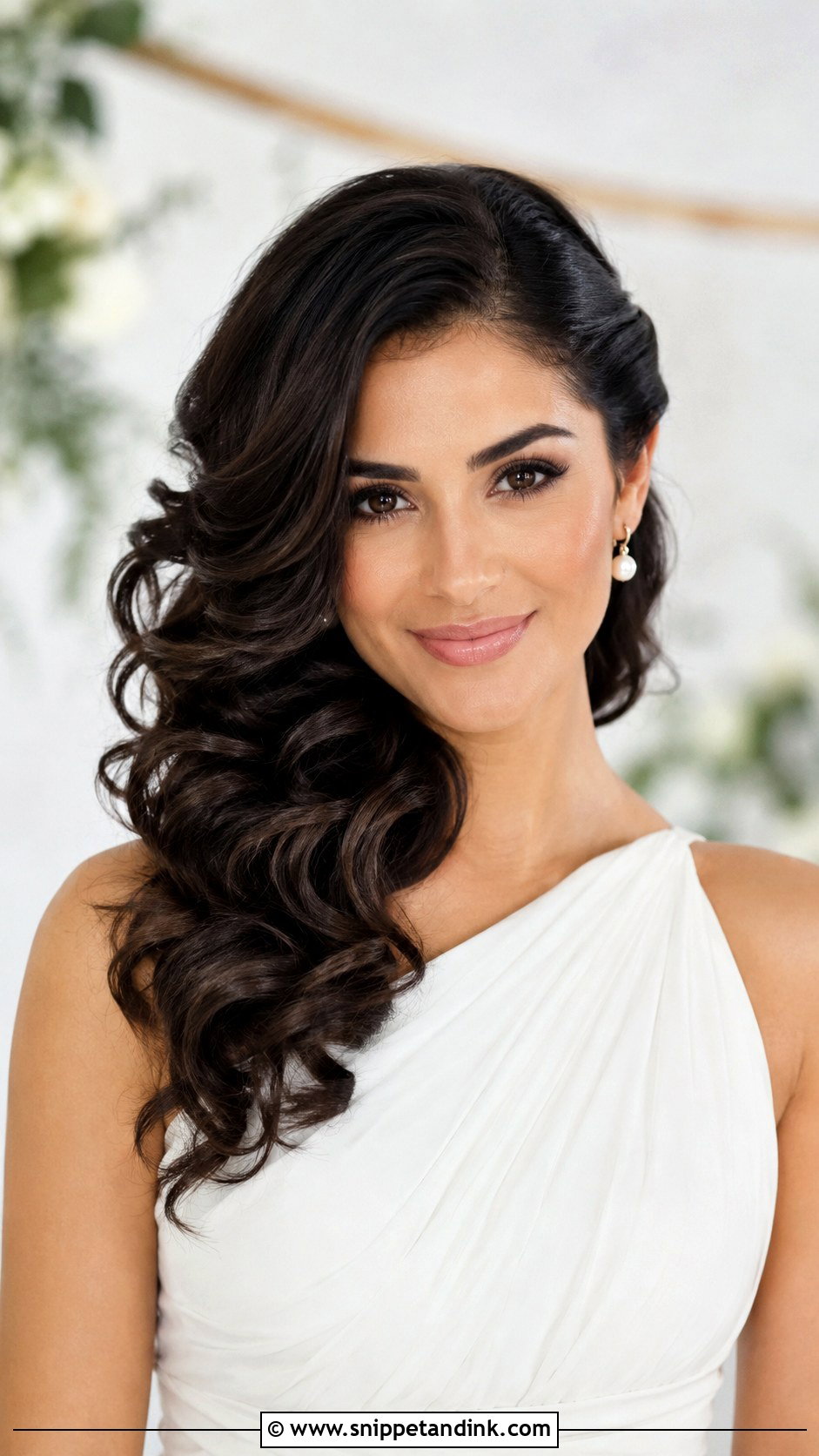
Side swept curls give long hair a deliberate shape rather than leaving it to fall however it likes. The curls are brushed together into one smooth mass, then pinned or tucked to one side, which shows off earrings, one-shoulder dresses and worked necklines. Brush them together; separate ringlets look dated. The pinned side is what fails. I anchor it with hidden grips first, crossed in pairs, and only then add any decorative clip, since a clip on its own just slides down.
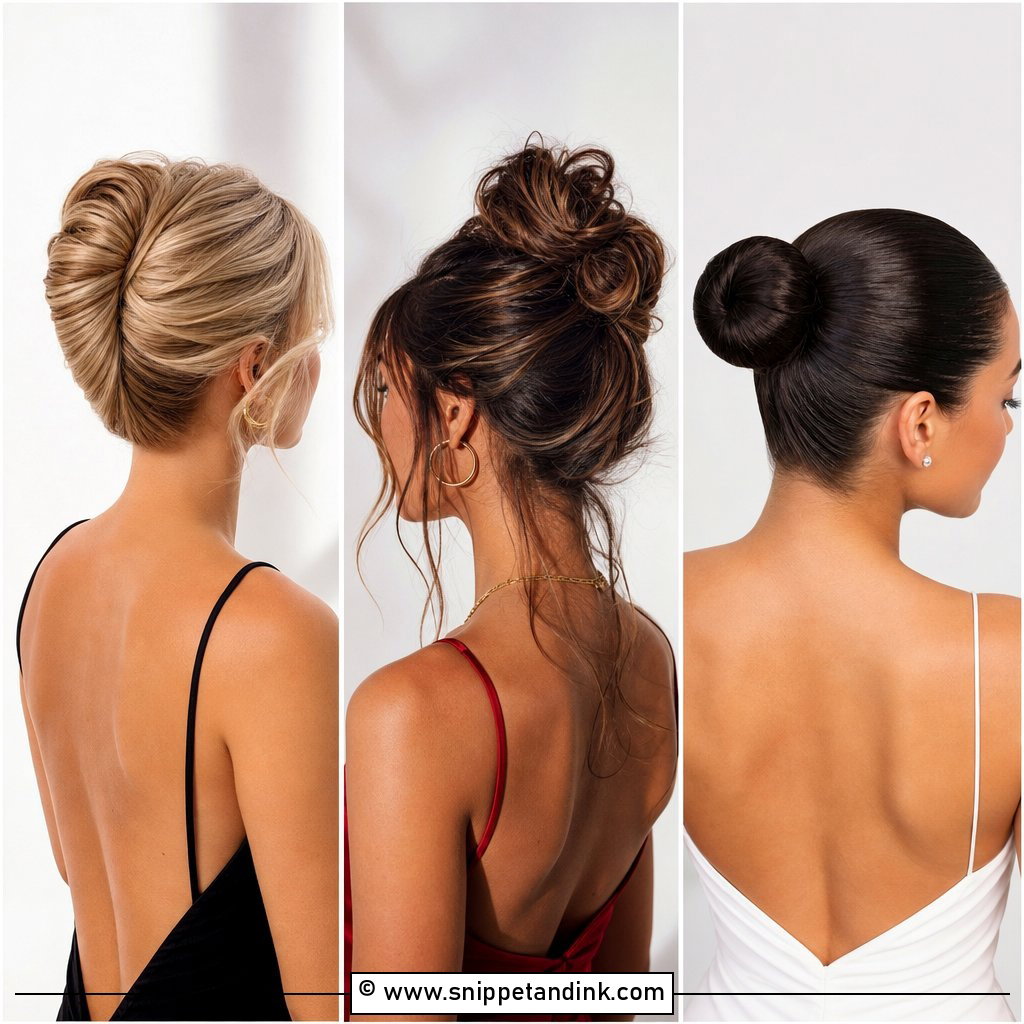
8. High Bun Wedding Hair
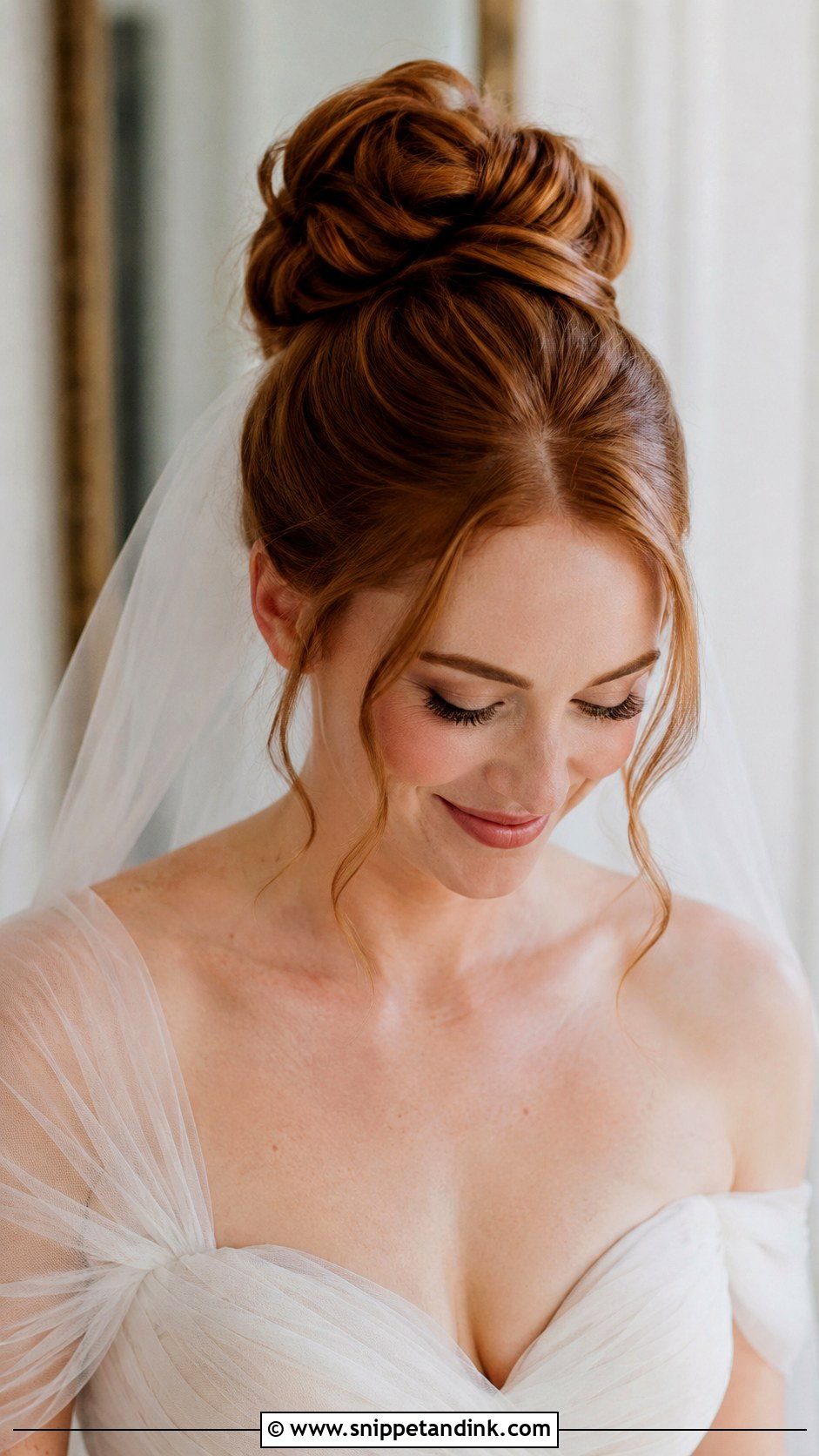
Height changes the whole posture of a look. A high bun shows the neck, shoulders and dress straps, balances dramatic veils, and has a lifting effect on the face. It can be a classic ballet bun, a softer romantic version, or something sleek with a clean center part. Here’s the thing I always check: tightness. A high bun pulled too firmly can give a headache by the speeches. I’d rather add a couple more pins than pull the ponytail base harder.
9. Low Ponytail Wedding Hair
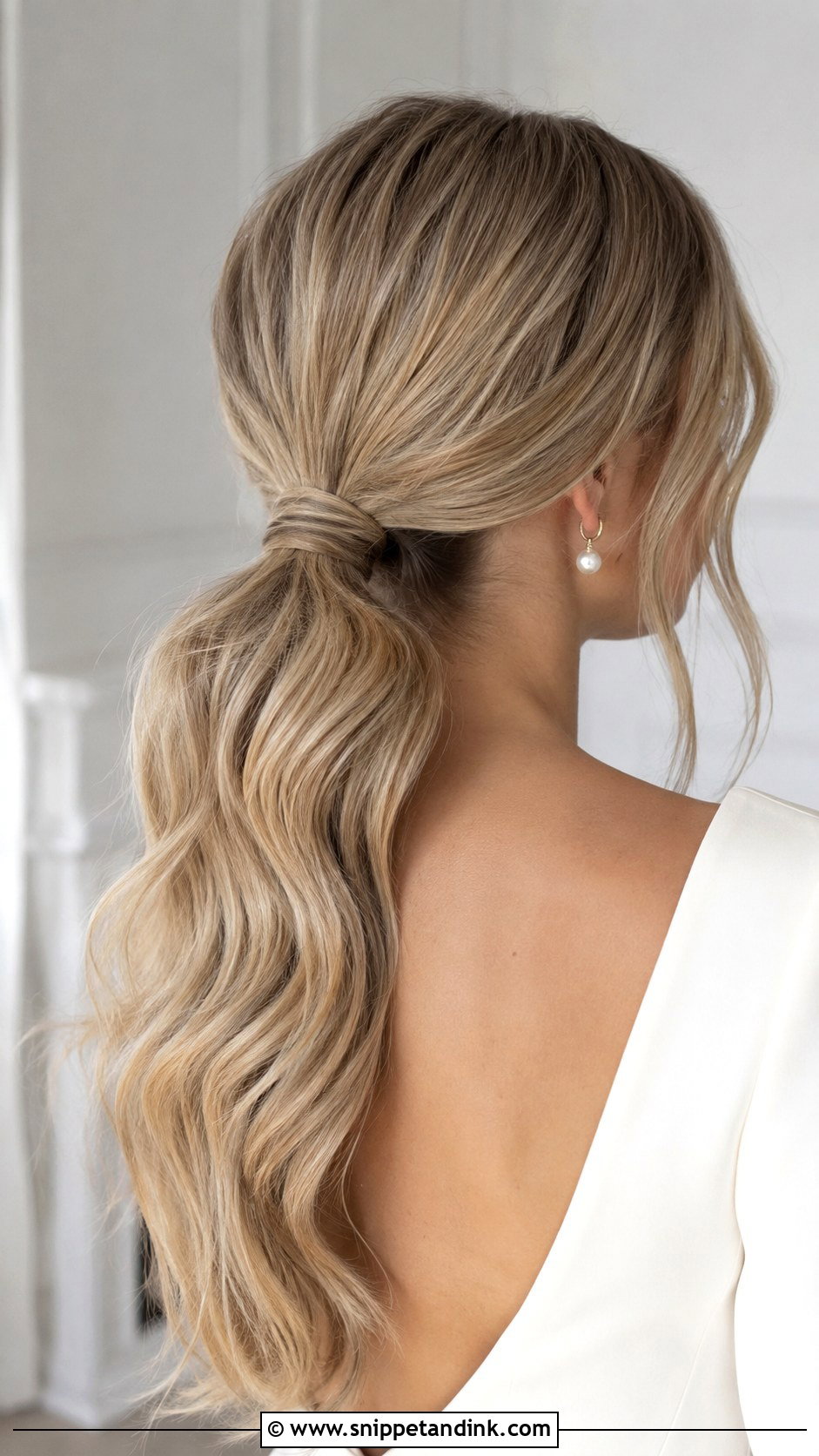
Low ponytails are easy to make modern. It sits at the nape or just above, with soft waves, smooth length or a wrapped section around the base. I recommend it to bridesmaids, guests, and brides who want something polished without feeling overdressed, and it pairs nicely with simple gowns, clean necklines and long veils. Finish is everything here: a smooth crown, movement through the length and no visible elastic. A pearl pin or a ribbon adds a touch more.
10. French Twist Wedding Hair
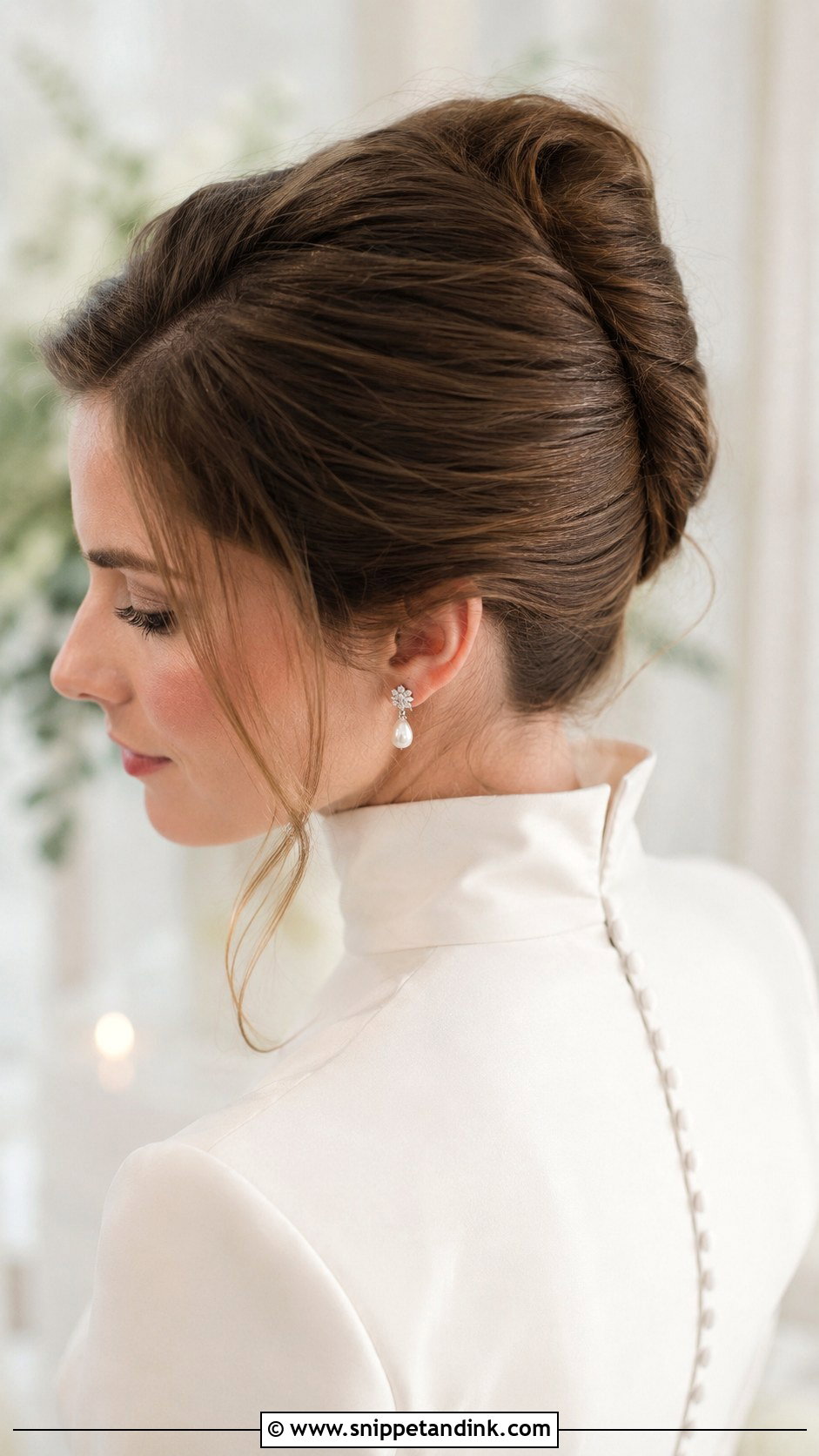
A French twist rolls the hair upward and inward into a vertical fold that looks graceful from the back and side. Formal weddings, vintage-inspired dresses and classic bridal looks suit it. It doesn’t need to be stiff anymore; soft texture and a few loose front pieces modernize it. Medium to long hair works best. Slippery hair is the real problem, since pins slide straight out of a smooth roll. I use a texture powder or prep spray first so the pins have something to grip.
11. Loose Waves Wedding Hair
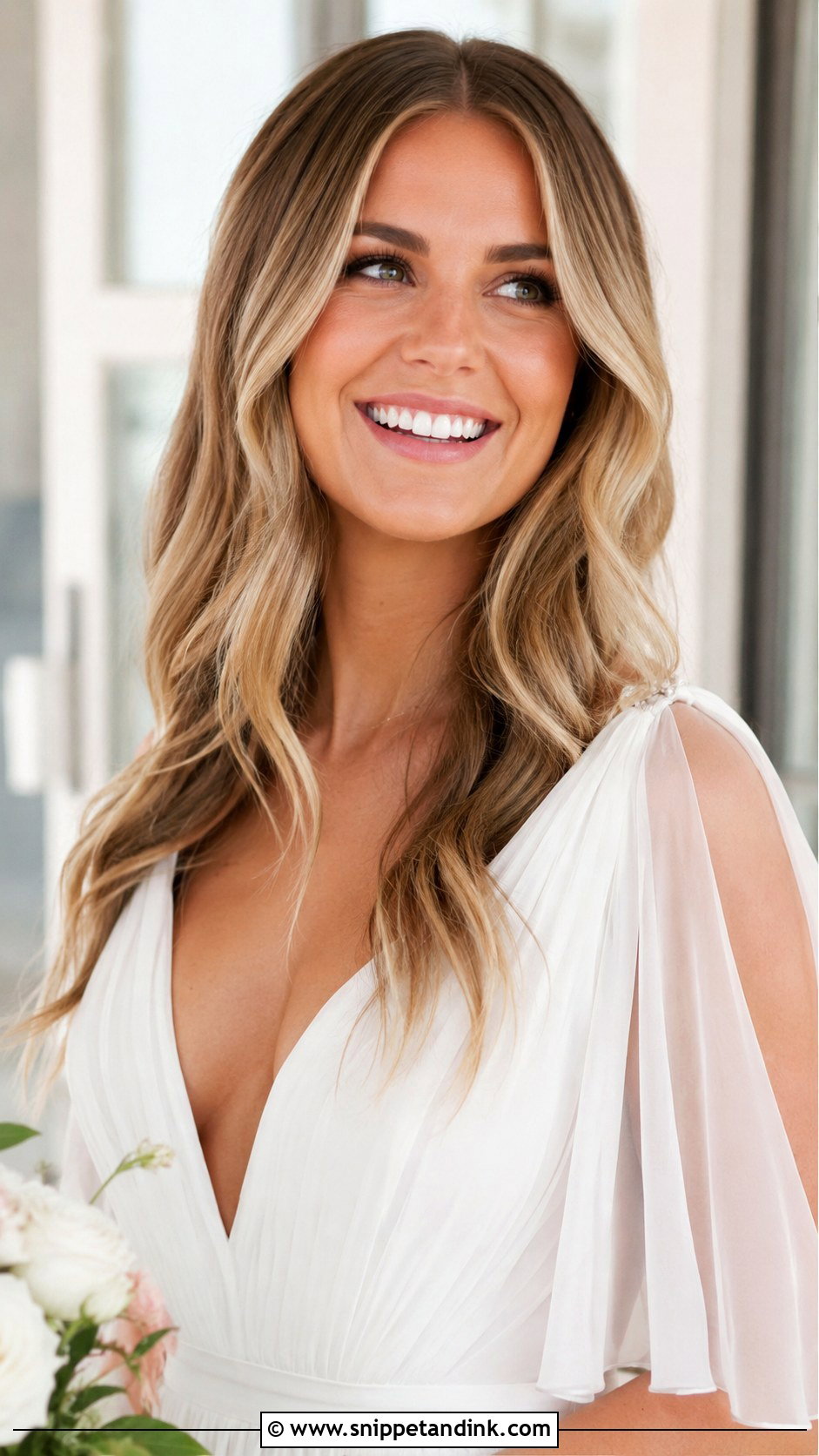
Loose waves are softer than Hollywood waves and far less structured than an updo, which suits relaxed weddings and beach ceremonies. They still need to look polished, not flat or frizzy, and they need enough shape to survive photos and dancing. A middle part looks modern; a side part softens. If your hair drops curls quickly, I curl tighter than the final look you want, let each curl cool completely, then brush it out. It’s a counterintuitive step that buys hours of hold.
12. Fishtail Braid Wedding Hair
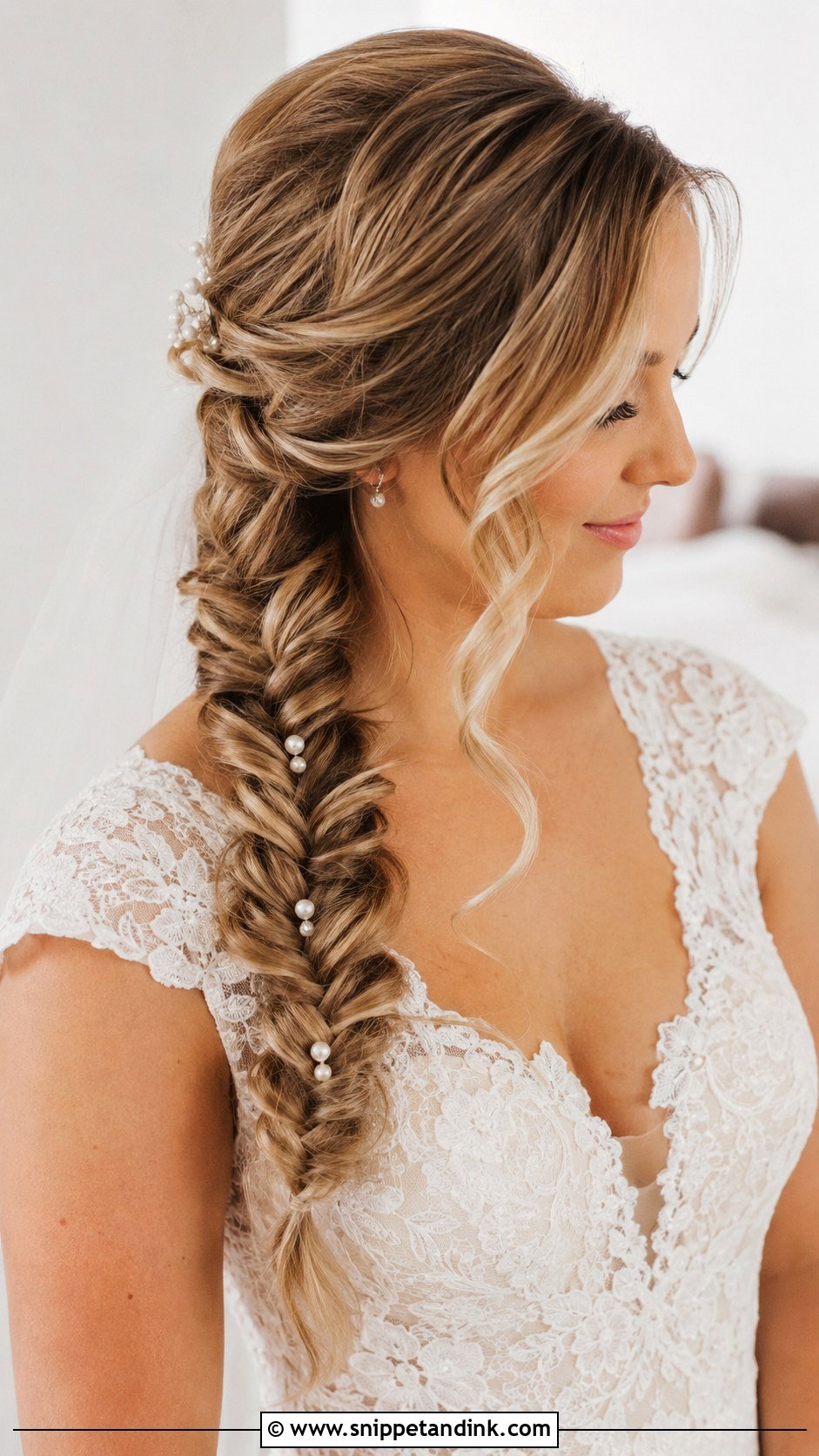
A fishtail braid is made from two sections instead of three, crossing small pieces from the outside each time, which is why its pattern looks so fine and woven. It needs length to show that pattern, so long hair suits it best. Wear it down the back, over one shoulder or worked into a low updo. Outdoors it keeps the hair gathered and controlled. I secure the end first, then gently loosen the braid for fullness. Small flowers or pearl pins sit easily in the weave.
13. Curly Updo Wedding Hair
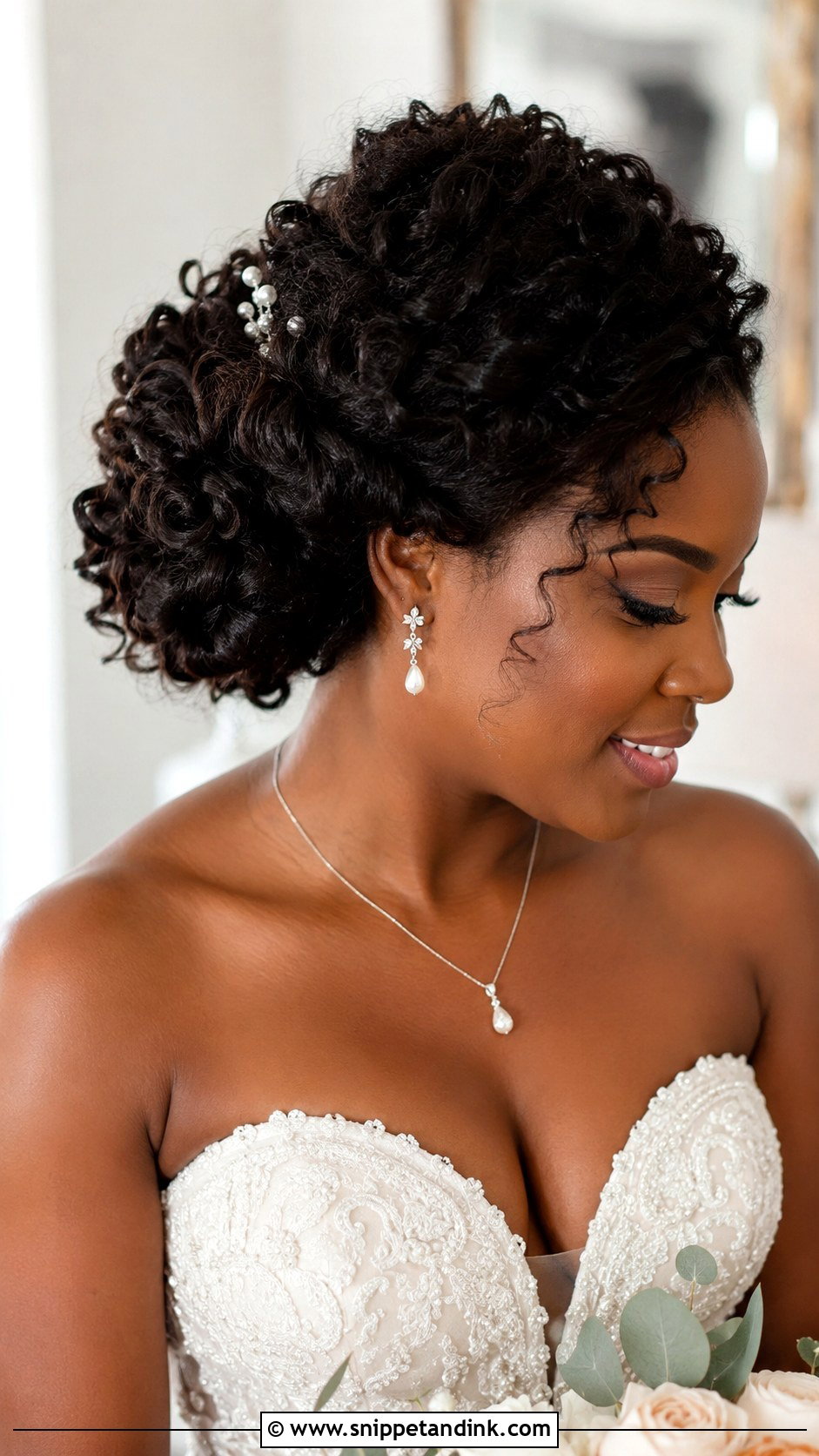
A curly updo puts your natural curl pattern front and center while lifting the hair off your neck. Rather than smoothing curls flat, I build the shape out of curl volume around the crown, sides and bun, low, high or slightly off-center to suit the dress. Definition depends on prep. Curl cream and gel go onto wet hair and the curls dry undisturbed, ideally the day before if your curls hold well overnight. I’d avoid brushing them at all on the day, since brushing turns definition into frizz.
14. Bubble Ponytail Wedding Hair
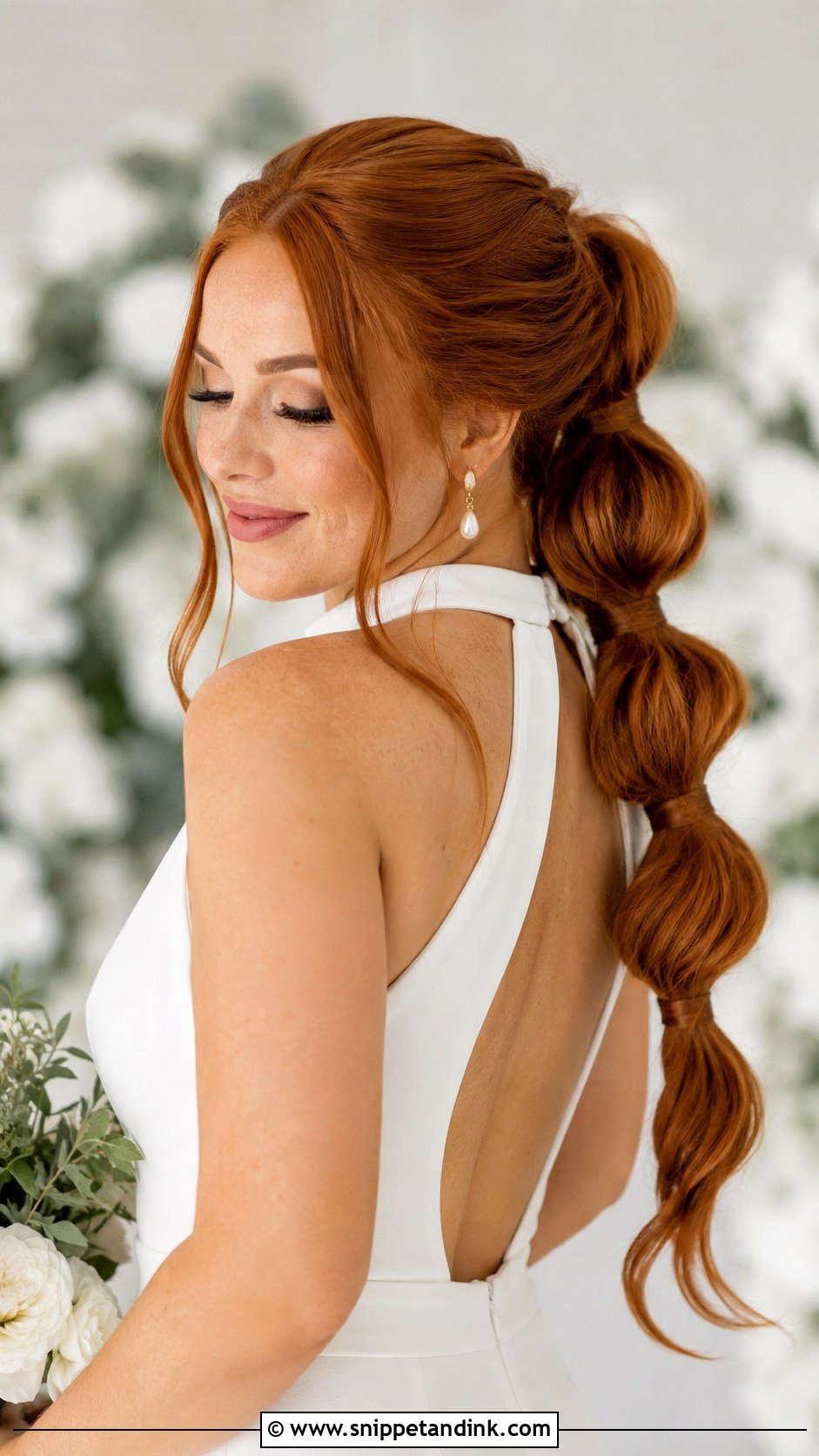
A bubble ponytail is a ponytail sectioned with small elastics down its length, with each section gently pulled wider to form rounded bubbles. It’s a fun, modern choice for bridesmaids, reception looks and brides who want something different from a bun. Long hair shows it best. The two details I watch: the base must be smooth, and every elastic should be hidden with a hair wrap or a tiny clear band. Pull the bubbles evenly, or they look lopsided from the side.
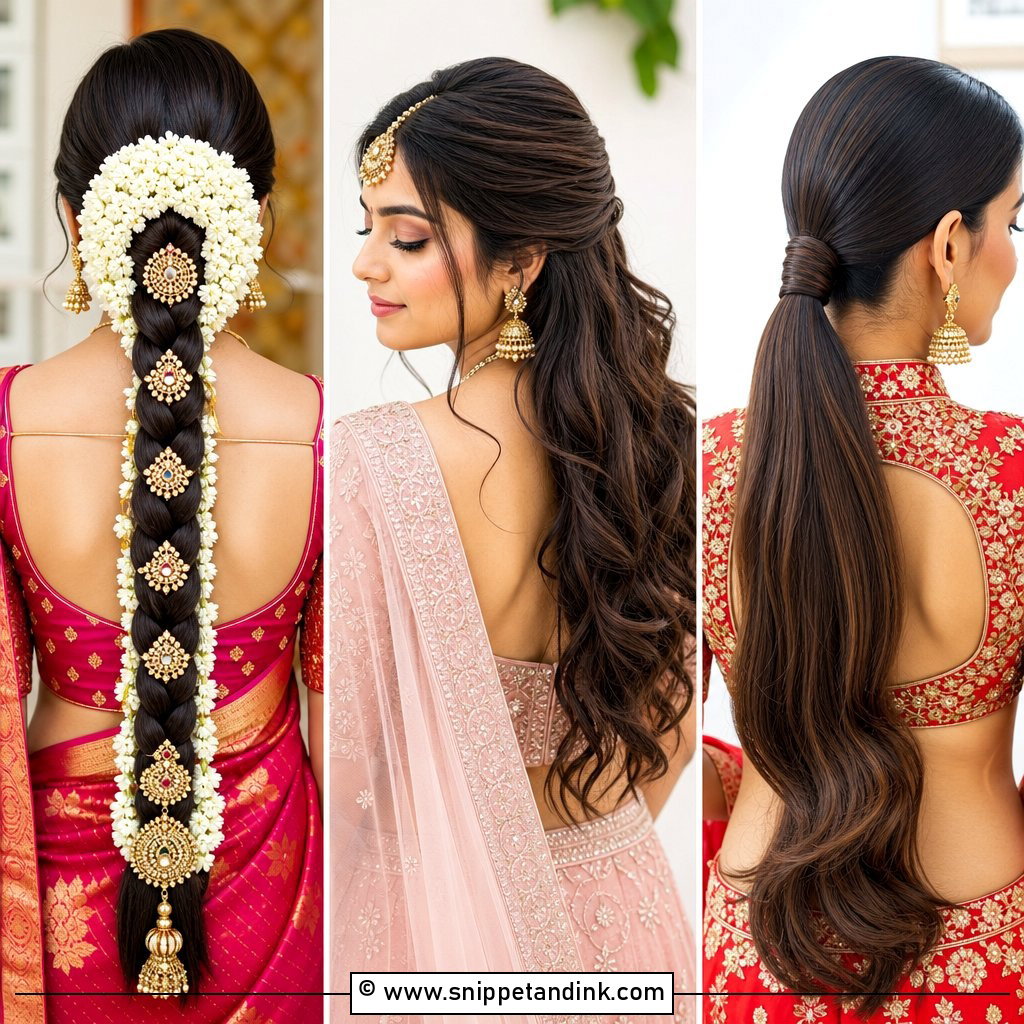
15. Twisted Bun Wedding Hair
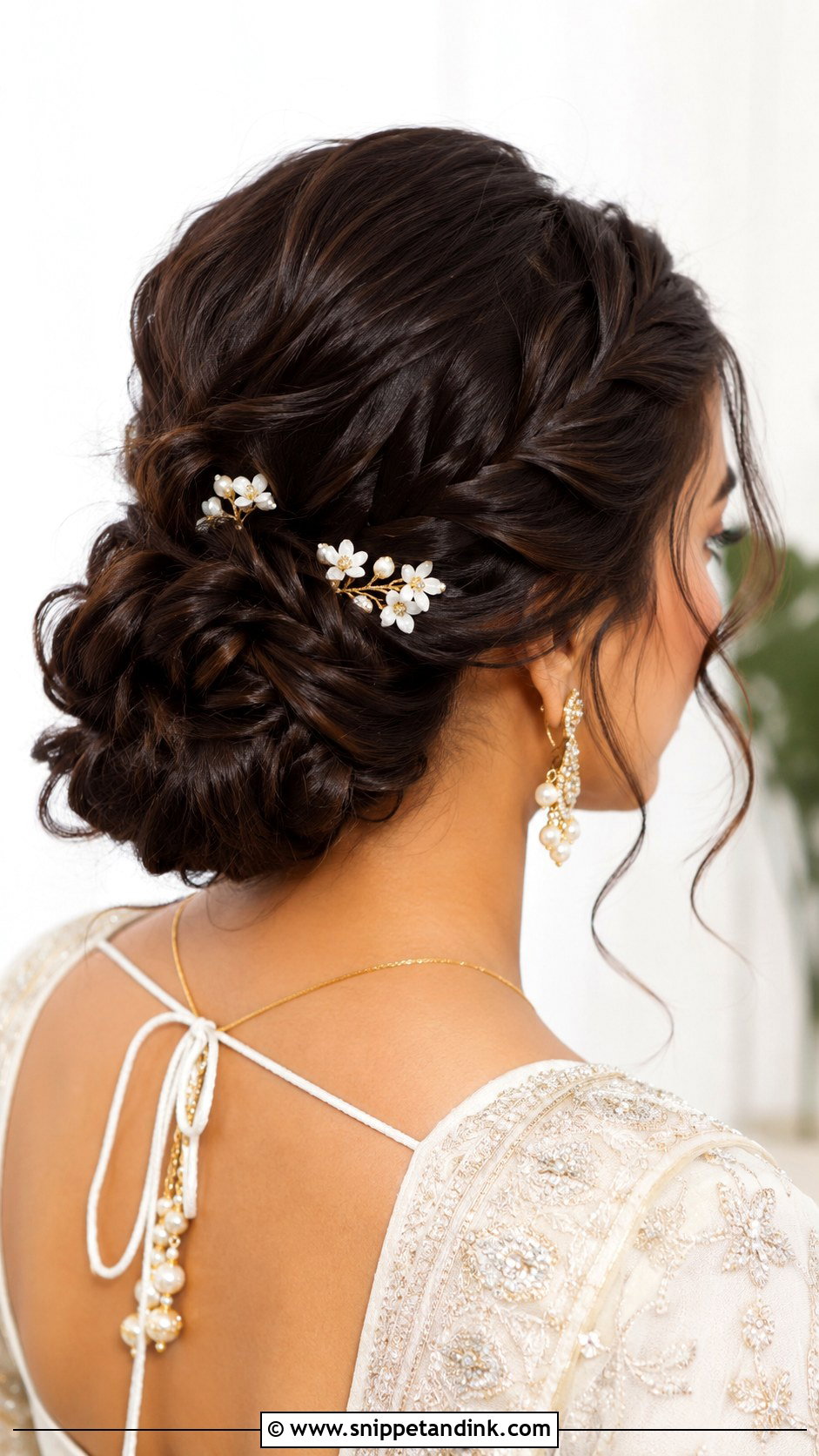
A twisted bun sits between a classic chignon and a textured updo. Sections of hair are twisted back and pinned into a low or mid bun, which gives detail without a heavy braided pattern. Accessories like veils, combs and pearl pins sit naturally in the grooves the twists create. Most hair types suit it because I can tighten the twists for smoothness or loosen them for volume. Keep the front softly lifted and the bun secure, and it’ll stay comfortable all day.
Hats, Fascinators and Head Coverings Change the Plan
Some weddings come with something on your head, and plenty of the styles above clash with it. Sorting this out early saves a lot of last-minute pinning in a car park.
- Fascinators and hatinators: these are traditionally worn to the right side, tilted slightly. A low chignon, sleek low bun or low ponytail gives the band or clip something smooth to sit against. High buns and braided crowns fight it.
- Wide-brimmed hats: the brim flattens anything above the ears, so keep volume at the nape. Soft waves can work, but they’ll be pressed at the top by the end of the day.
- Scarves and dupattas at religious ceremonies: some places of worship ask every guest to cover their head. A sleek low bun or twisted bun lets fabric drape evenly and stay on with a couple of discreet pins. Skip high buns and anything with sharp decorative clips that could snag fine fabric.
- Removing a hat mid-event: if you plan to take it off for the reception, avoid finger-pressed waves on the crown. A neat bun or twist still looks finished once the hat comes off.
If you’re not sure what’s expected, ask the couple or check the invitation details. When a client tells me a hat is involved, I want to see it at the trial, because the brim and band decide where I can put volume. It’s a small question, and far better than finding out at the door.
A Bun for the City, Waves for the Beach
Start with where you’ll be and what the weather will do. A sleek bun suits a modern city wedding; loose waves suit a beach. Braids, twists, chignons, ponytails and curls all work once they match your dress, venue, hair type and forecast. Save a few favorites and bring them to your trial, where a good stylist will adjust them to your face and texture rather than copying them. The test I’d use: will this style still look like you in the photos in fifteen years? If yes, you’ve got the right one.
You'll Like These Ideas:


Leave a Reply