
An outdoor ceremony asks two things of bridal hair at once: it has to look soft in daylight, and it has to stay together through wind, sun and a timeline that keeps you outside for hours. Those goals pull against each other. The more polished a style is, the more a breeze shows on it; the looser it is, the faster it falls. In my experience the answer is rarely a complicated style. It’s smart pinning hidden under texture, a few face-framing pieces that are allowed to move, and accessories that suit the setting. The fifteen looks here all start from that idea, and I’ve noted where each one is strong and where it’s fragile.
The Veil Problem at an Open-Air Ceremony
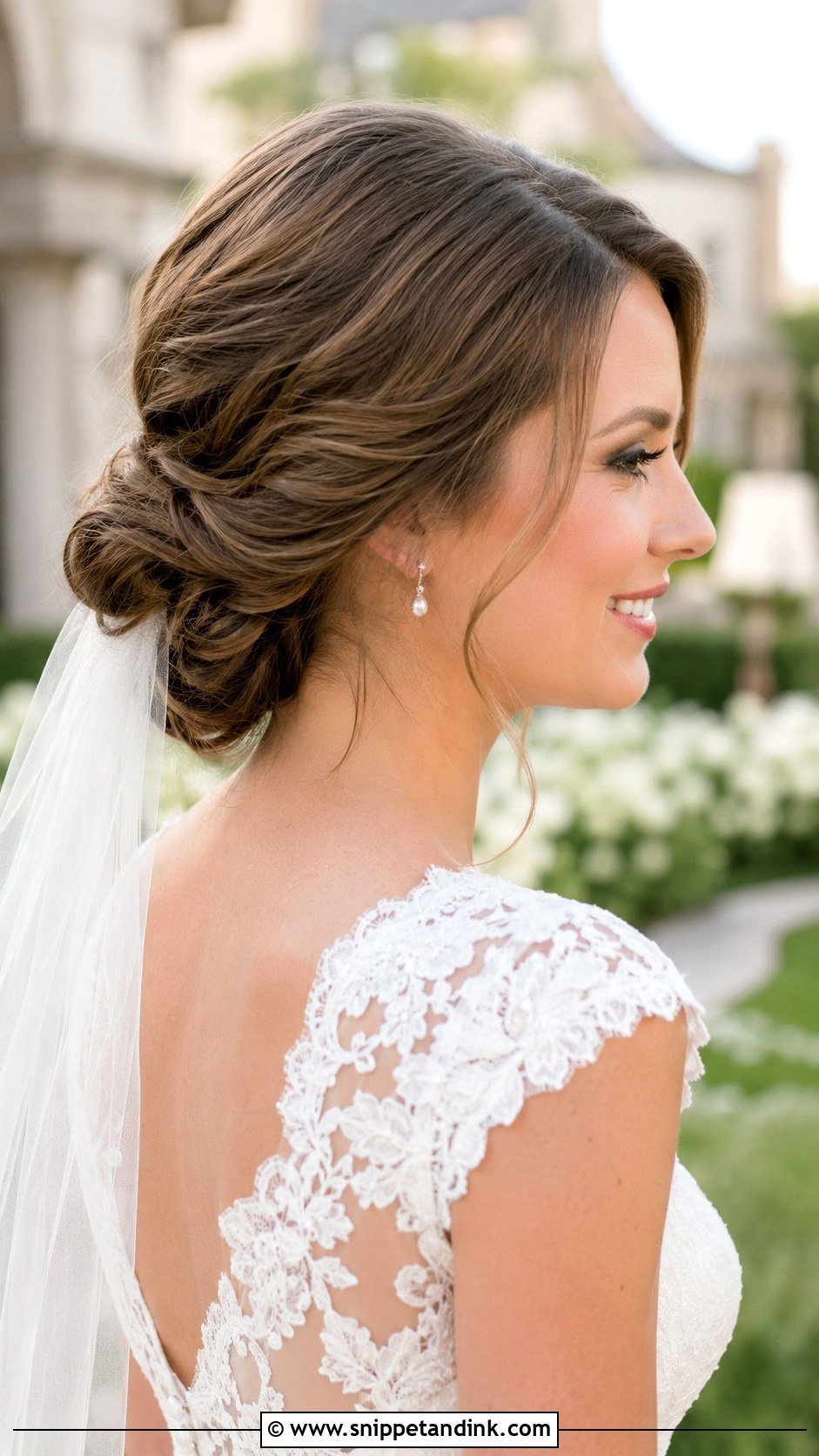
Outdoors, your veil decides more about your hairstyle than your dress does. A long tulle veil in a breeze behaves like a sail; it lifts, wraps around your face and pulls hard on whatever the comb is pinned into. A few things I always plan for:
- Place the comb low, at or under the bun, rather than at the crown. A low comb is closer to your centre of gravity and catches less wind.
- Anchor the comb into pinned hair, a braid or a bun, never into loose waves. Loose hair just lets it slide out.
- Ask your seamstress about small weights or a few beads sewn into the hem. They keep the edge down without being visible in photos.
- Consider a shorter length, like elbow or fingertip, if the venue is a cliff, beach or open field.
Plan for the veil to come off after the ceremony and portraits. Choose a style that still looks finished without it, and ask your stylist to show a bridesmaid how to remove the comb without tearing out pins.
1. Outdoor Wedding Loose Waves
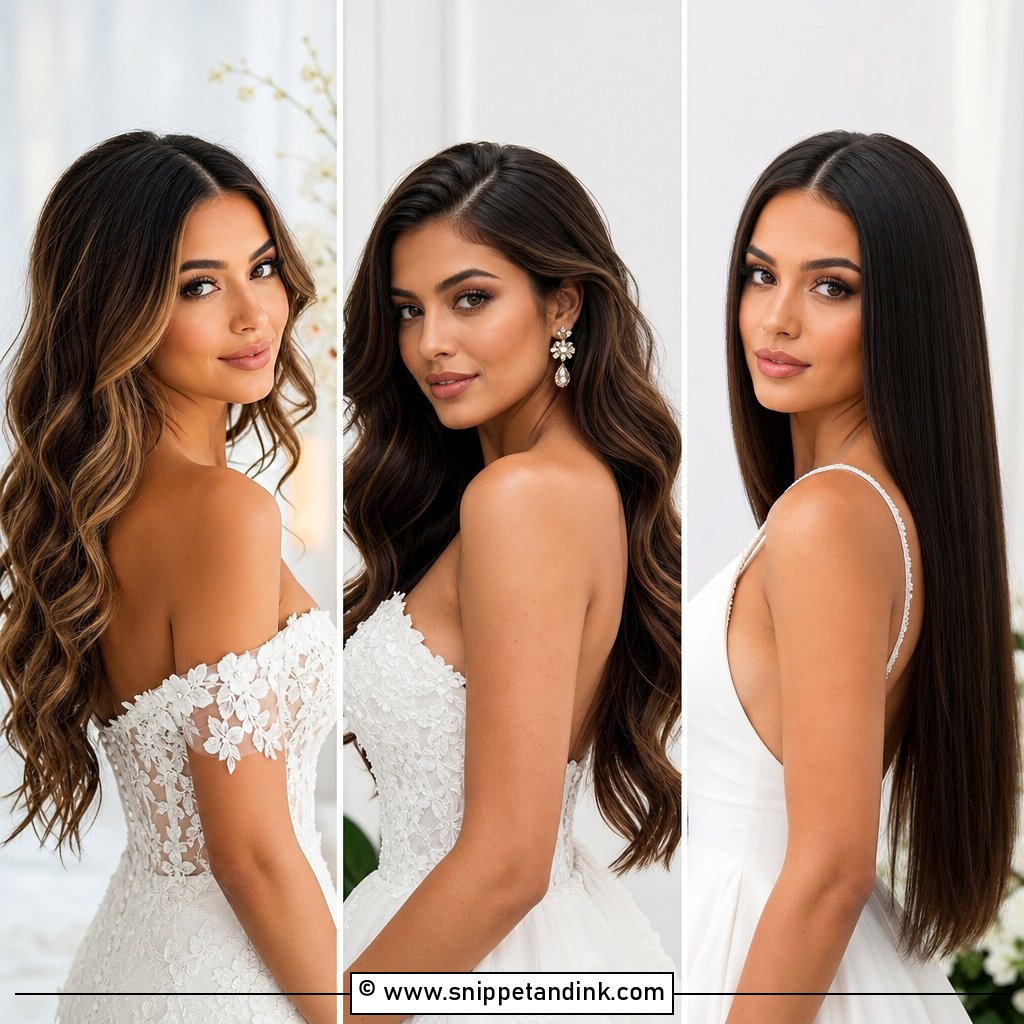
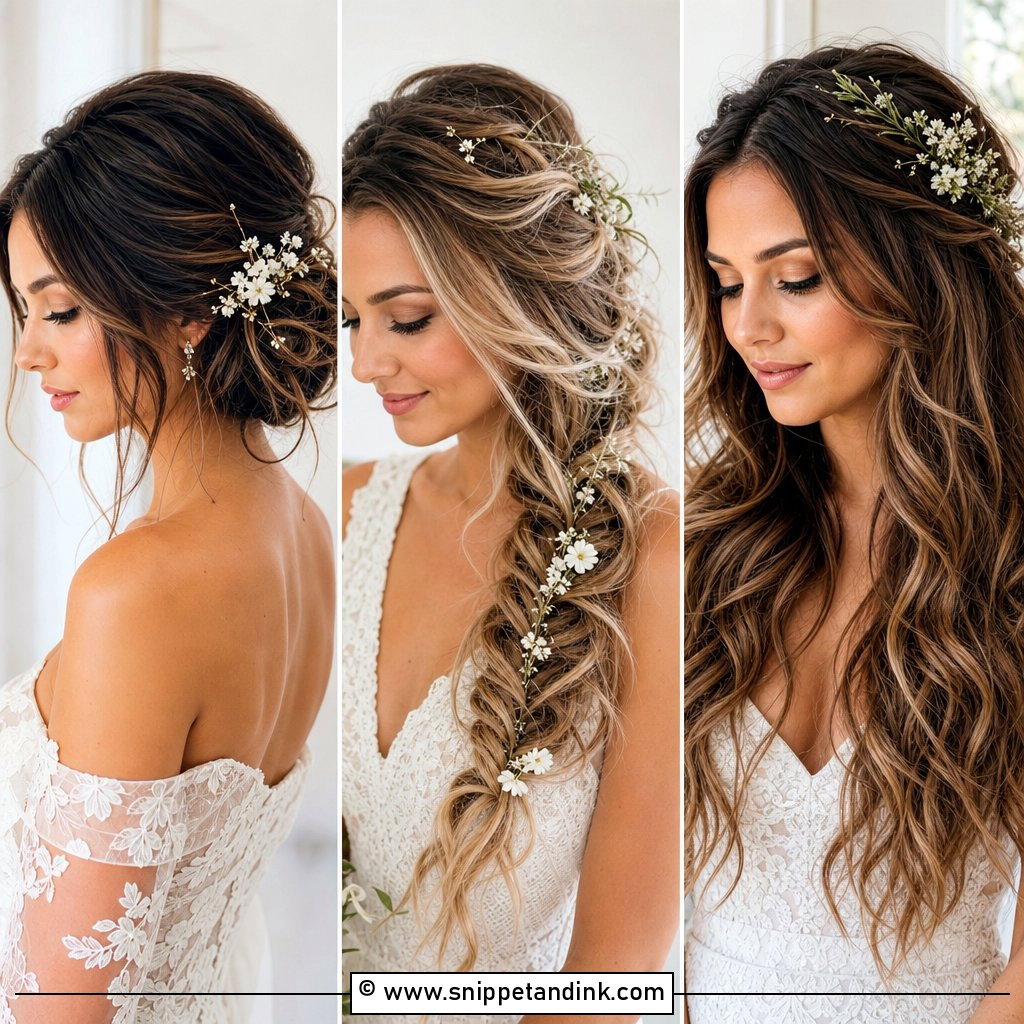
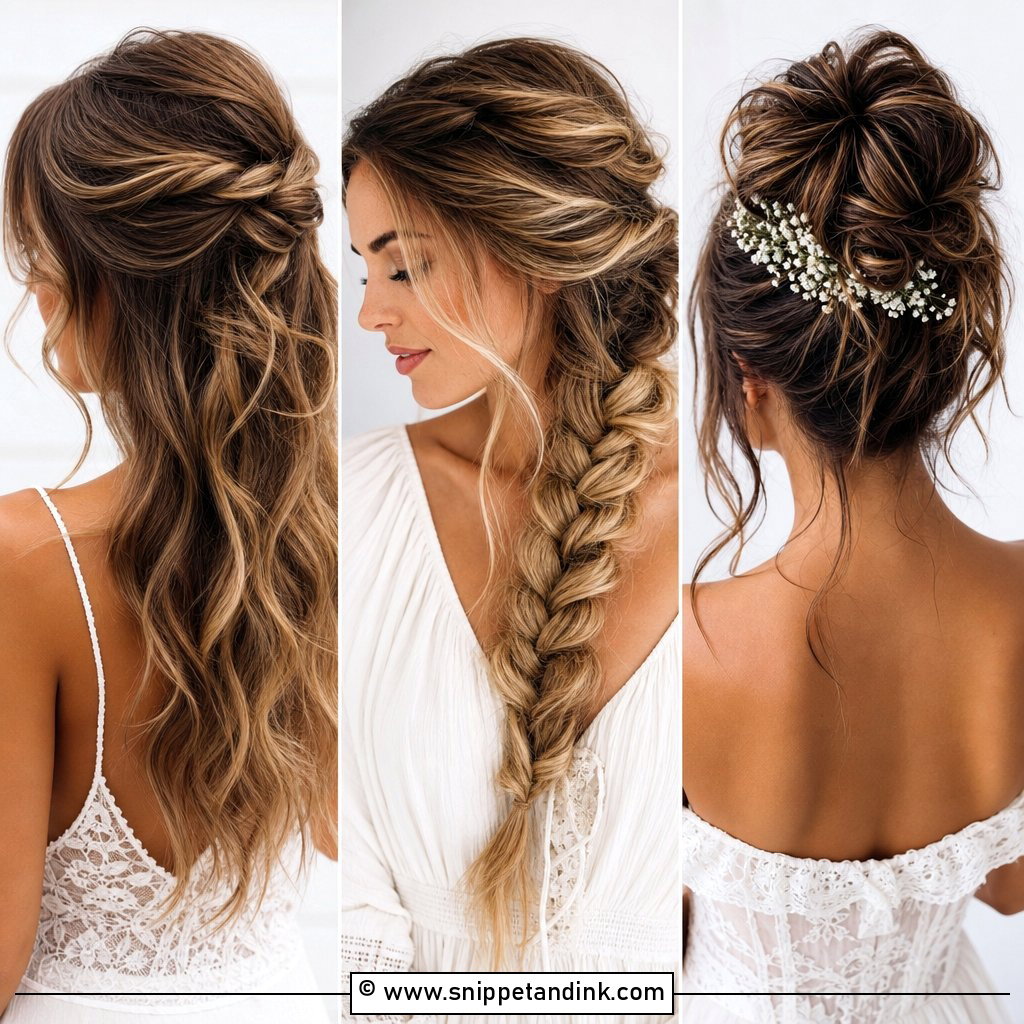
Loose waves are the look most outdoor brides ask for first, and the one I’m most careful with. They move nicely in a breeze, but heat and damp relax them steadily. I set each section on a curling iron, pin it to cool, and only brush out once the whole head is done, keeping the bends to the mid-lengths and ends with gentle lift at the crown. A flexible spray beats a strong one here, because stiff waves look crunchy in natural light. They suit simple veils, floral pins and off-the-shoulder gowns. If the forecast is windy, I’d add two hidden pins behind each ear to keep the front from blowing across your face.
2. Outdoor Wedding Half Up Half Down Hair
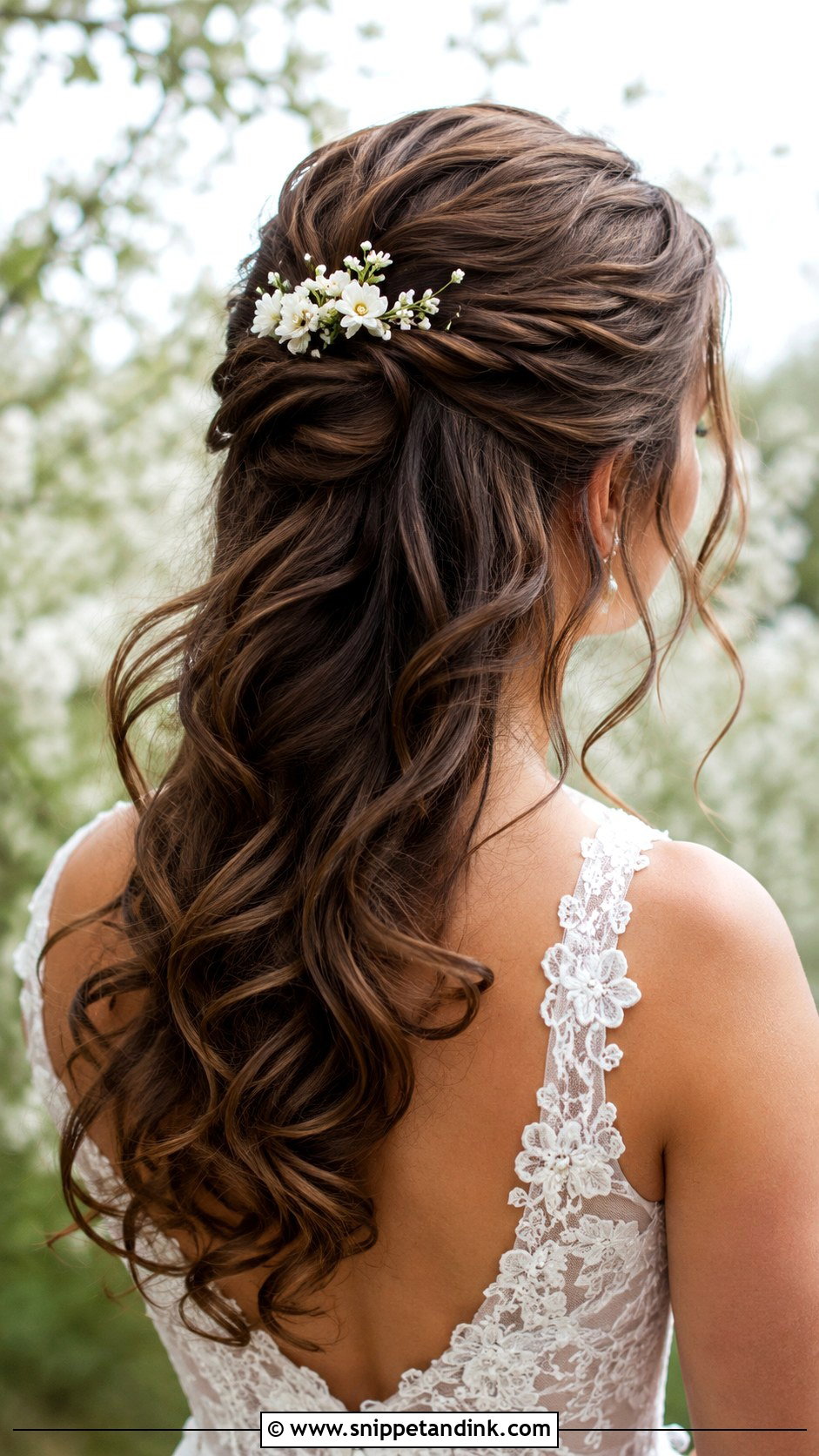
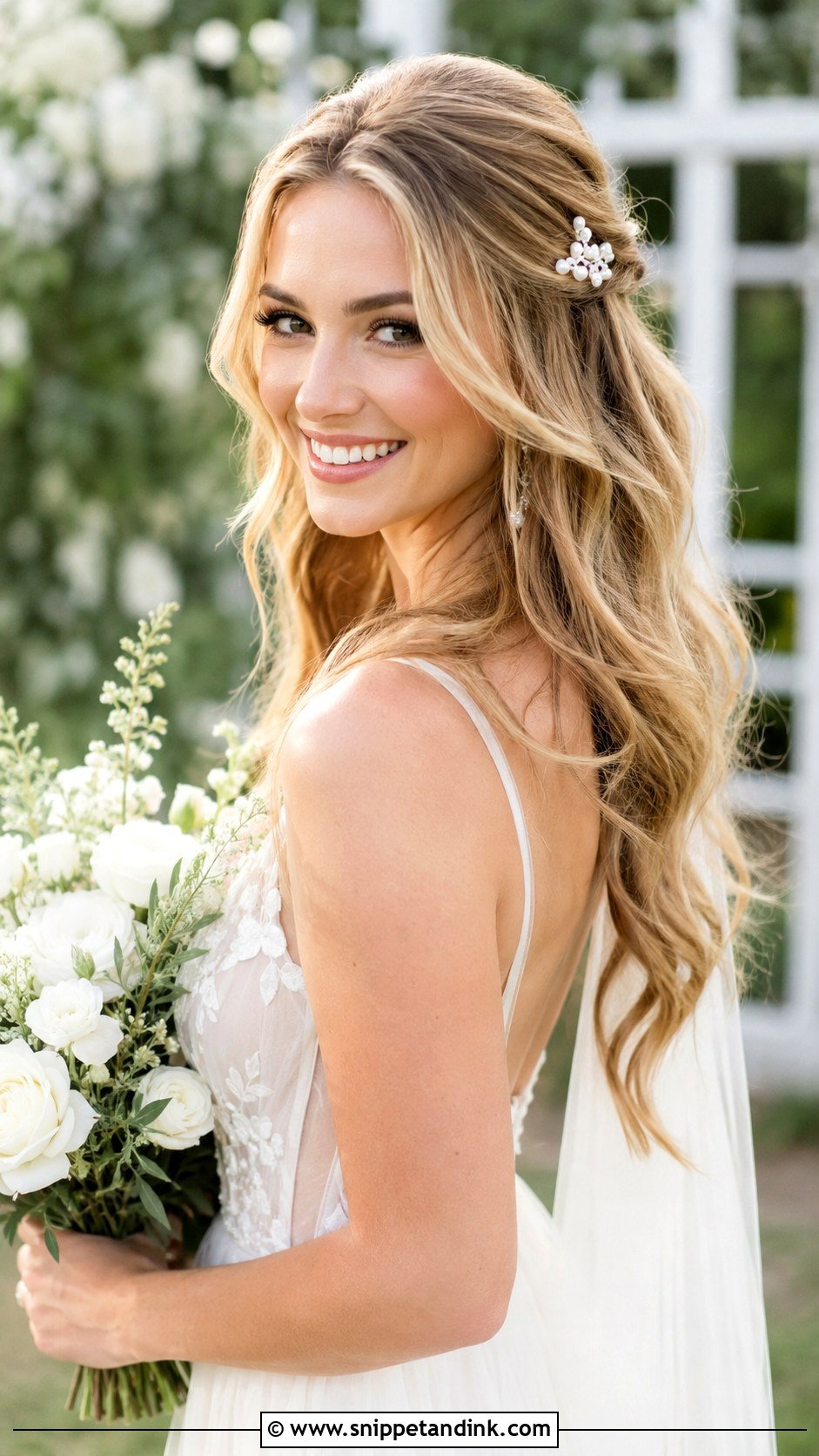
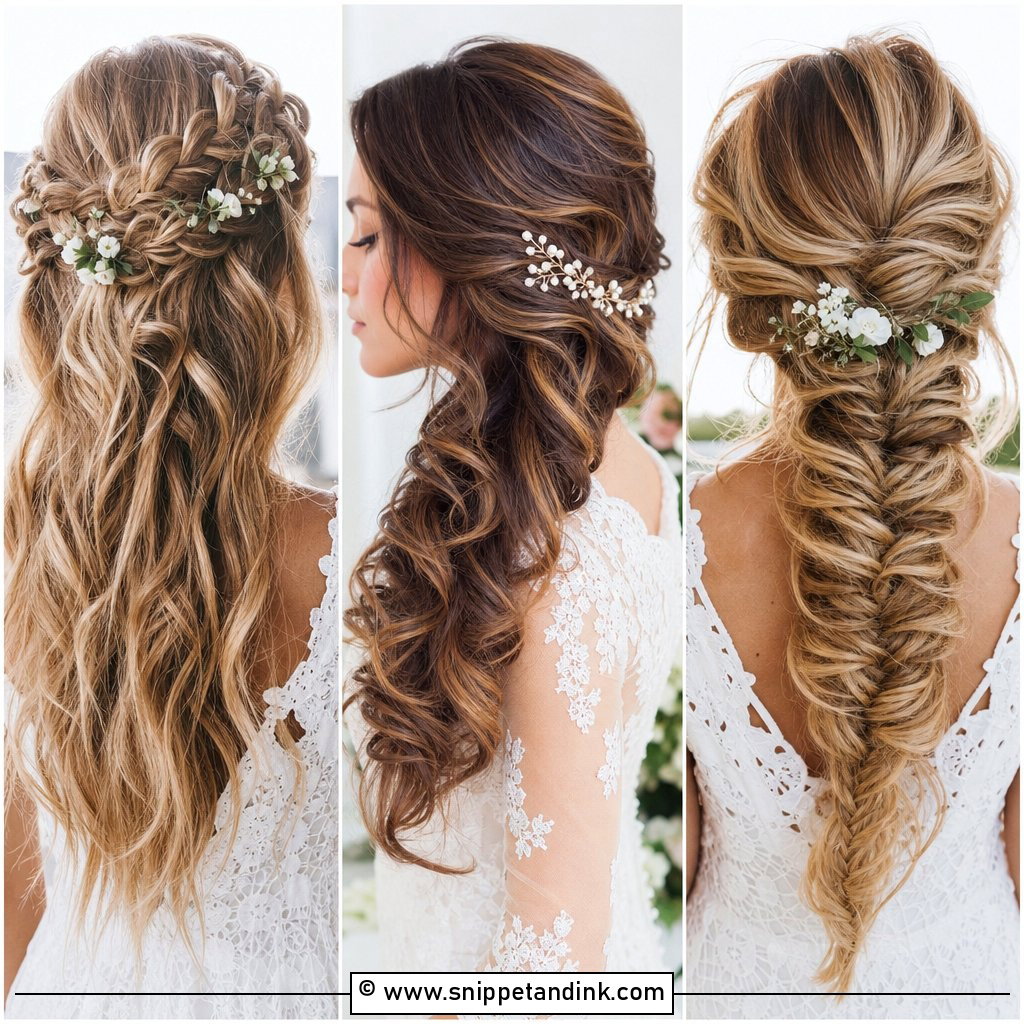
Half up solves the main outdoor complaint, which is hair across the face during the vows. The top section is pinned back and the lengths stay loose. Underneath, I tease the crown section lightly and lock it with crossed pins, so the half-up holds the veil comb as well. Curls, waves or sleek ends all work below. A small comb or a few flowers where the sections meet gives the photographer something to catch when you turn for the kiss. Brides with very fine hair should ask for a slim padding piece under the crown, since a breeze flattens it quickly.
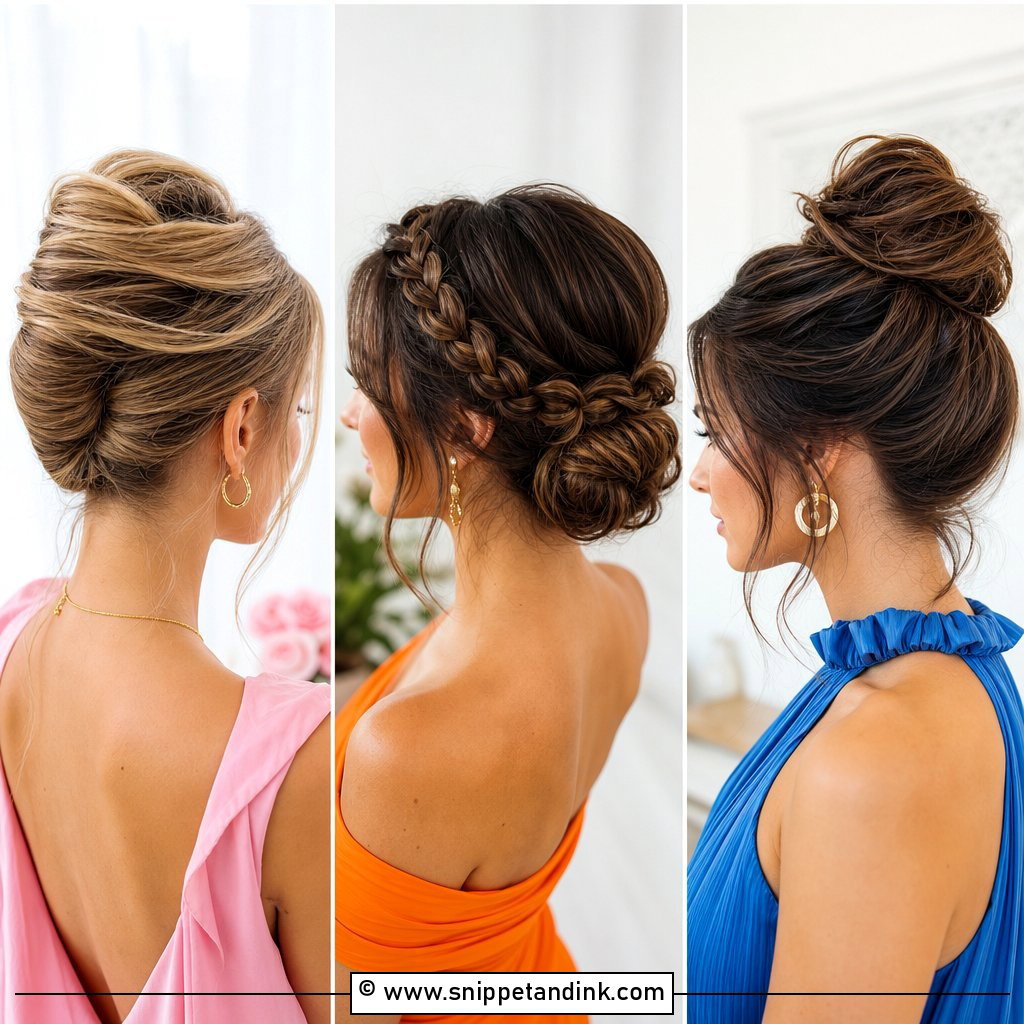
3. Outdoor Wedding Low Bun
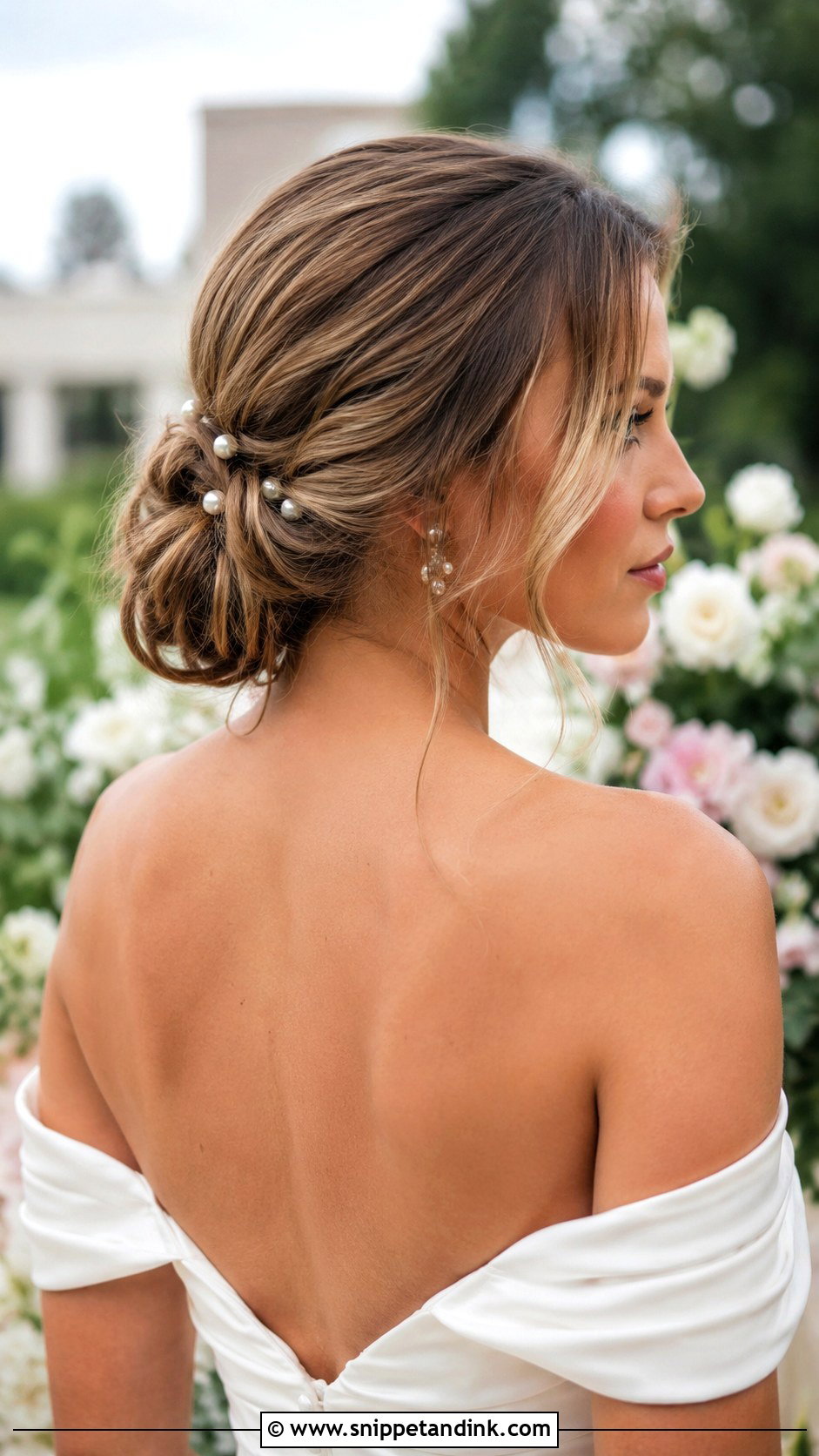
For a long day outside, I trust a low bun more than anything else. It sits at the nape, out of the wind, and holds a veil comb securely just above it. A textured version is the smarter choice outdoors, because small movements from wind or humidity blend into the texture instead of showing as flyaways on a smooth surface. Leave a few light pieces at the face. It works with open-back dresses, statement earrings and lace or beaded bodices. Whatever the finish, the bun should be pinned into a ponytail base or braid; a bun built on loose hair is the one that slides.
4. Outdoor Wedding Braided Crown
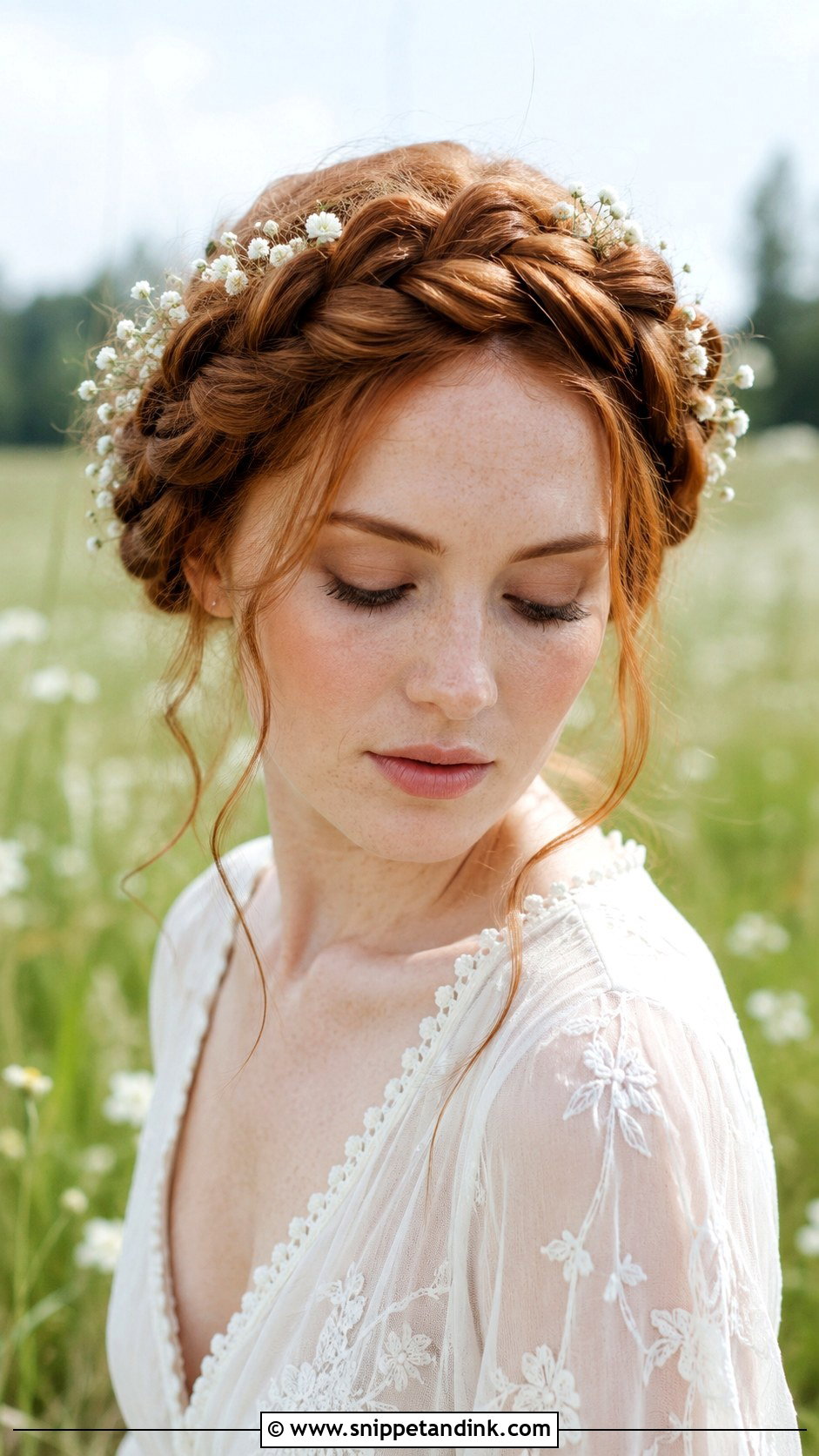
A braided crown is the most wind-proof of the long-hair styles, and it still has plenty of texture. The braid either wraps the head or crosses the top like a halo, and because pins grip plaits so well, anything you tuck in stays. Medium to long hair is needed; clip-in extensions can thicken a braid that looks thin. Tiny flowers, pearl pins or sprigs of greenery suit a garden setting. I’d mention one practical thing: a full crown braid makes it harder to anchor a long, heavy veil, so if you want a cathedral length, ask for a partial crown ending in a low bun.
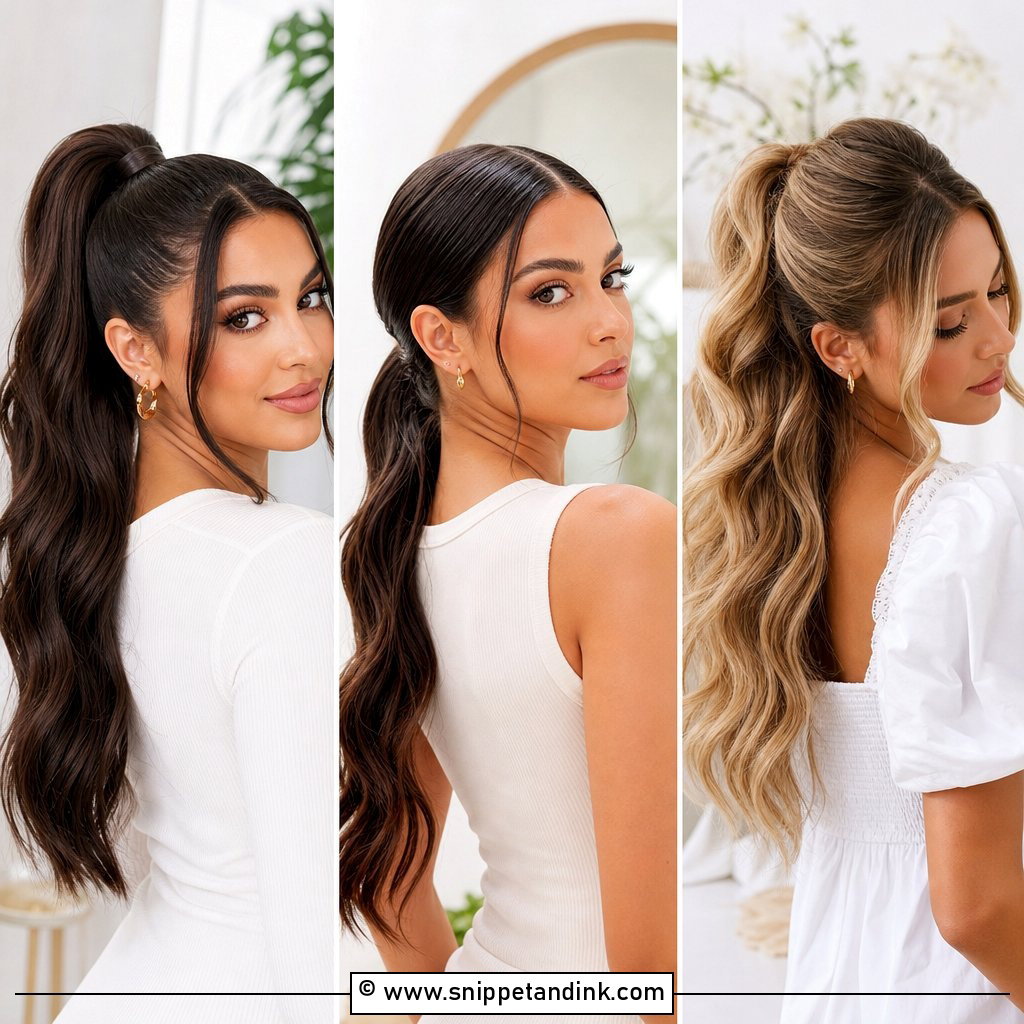
5. Outdoor Wedding Textured Ponytail
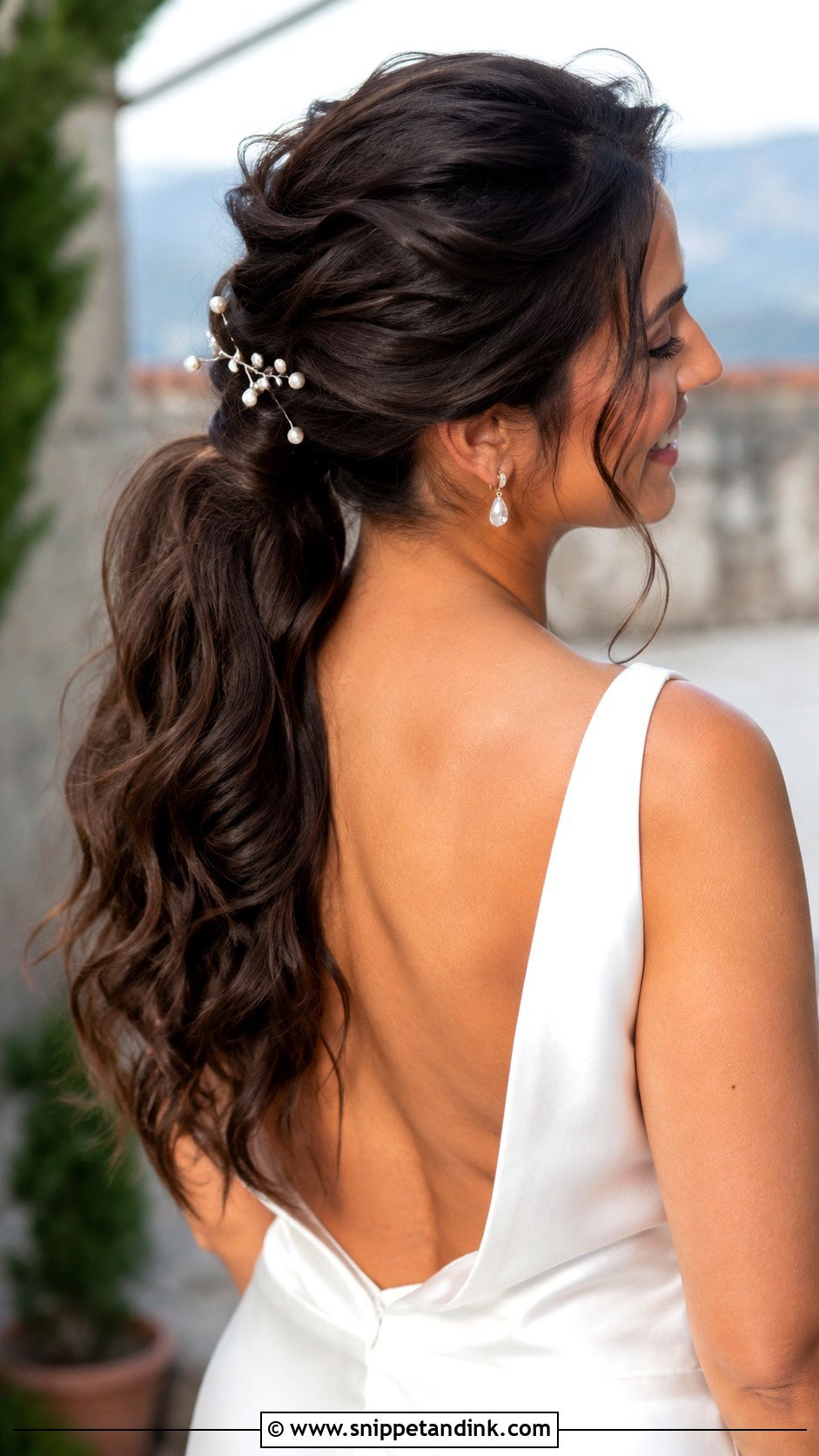
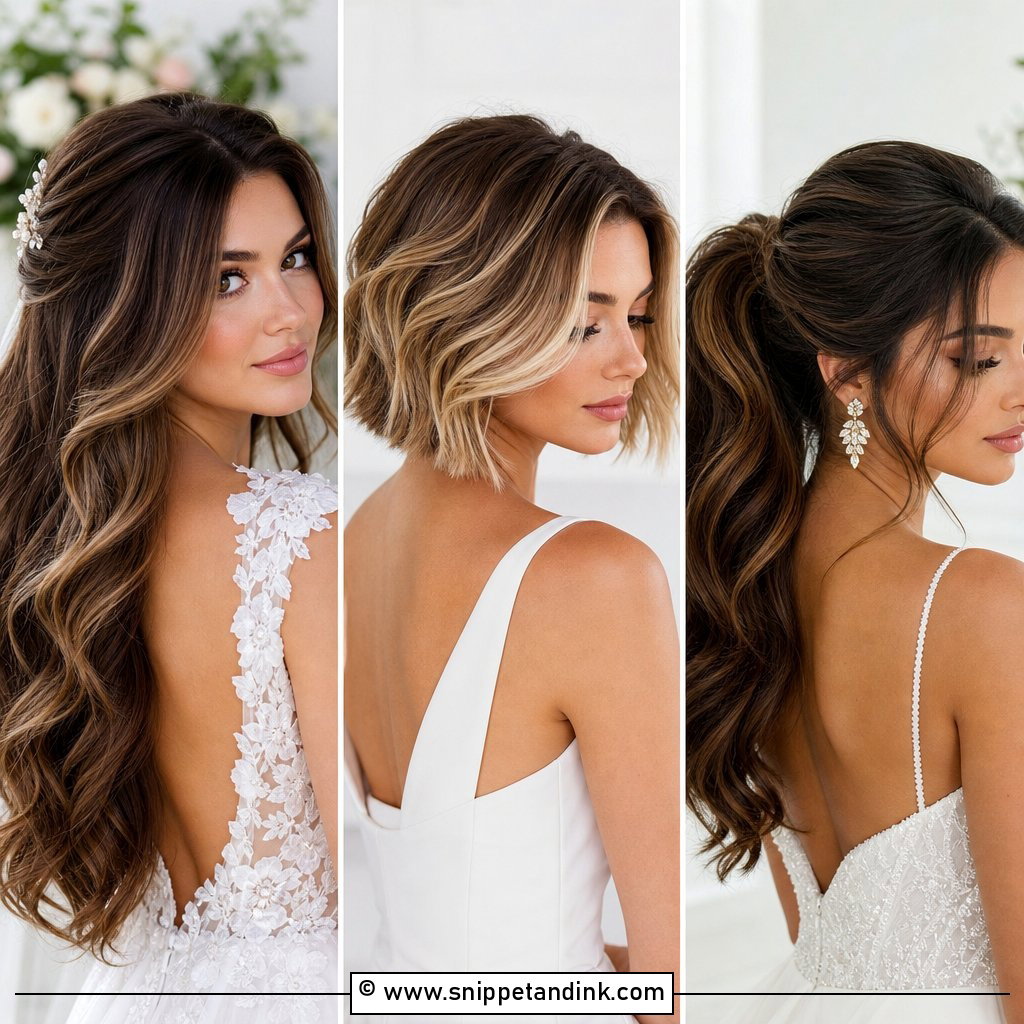
A textured ponytail is the modern bride’s answer to wind. It keeps everything gathered, yet loose waves through the length stop it feeling plain. The difference between bridal and gym is in the details: a wrapped base, a little lifted volume at the crown and a few face-framing strands. Mid or low height works with minimalist gowns, halter necklines and dramatic backs. It is comfortable for dancing, and if the waves flatten you can rebrush them in seconds. Add pearl pins or a bow at the base for a softer finish.
6. Outdoor Wedding Chignon
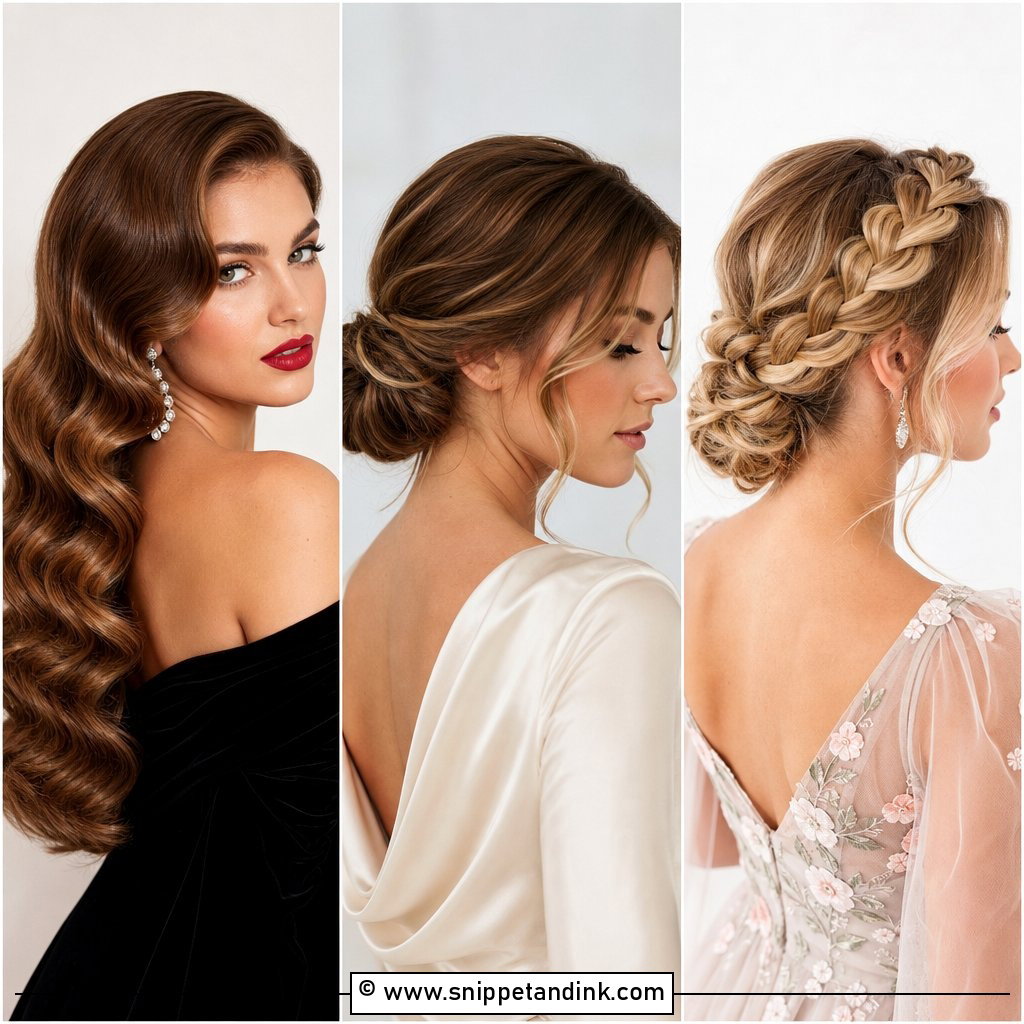
Classic, yes, but there’s a practical reason the chignon keeps coming back: it hides a lot of pins. A chignon sits low at the nape and can be sleek, twisted, knotted, or softly textured. Outdoors I lean toward a relaxed version with gentle volume, since a tight, glossy chignon shows every stray hair the breeze pulls out. It frames a veil, a hair comb and a clean neckline without competing with the dress. Have your stylist test the veil comb in it at the trial, as chignons vary a lot in how much hair they offer for anchoring.
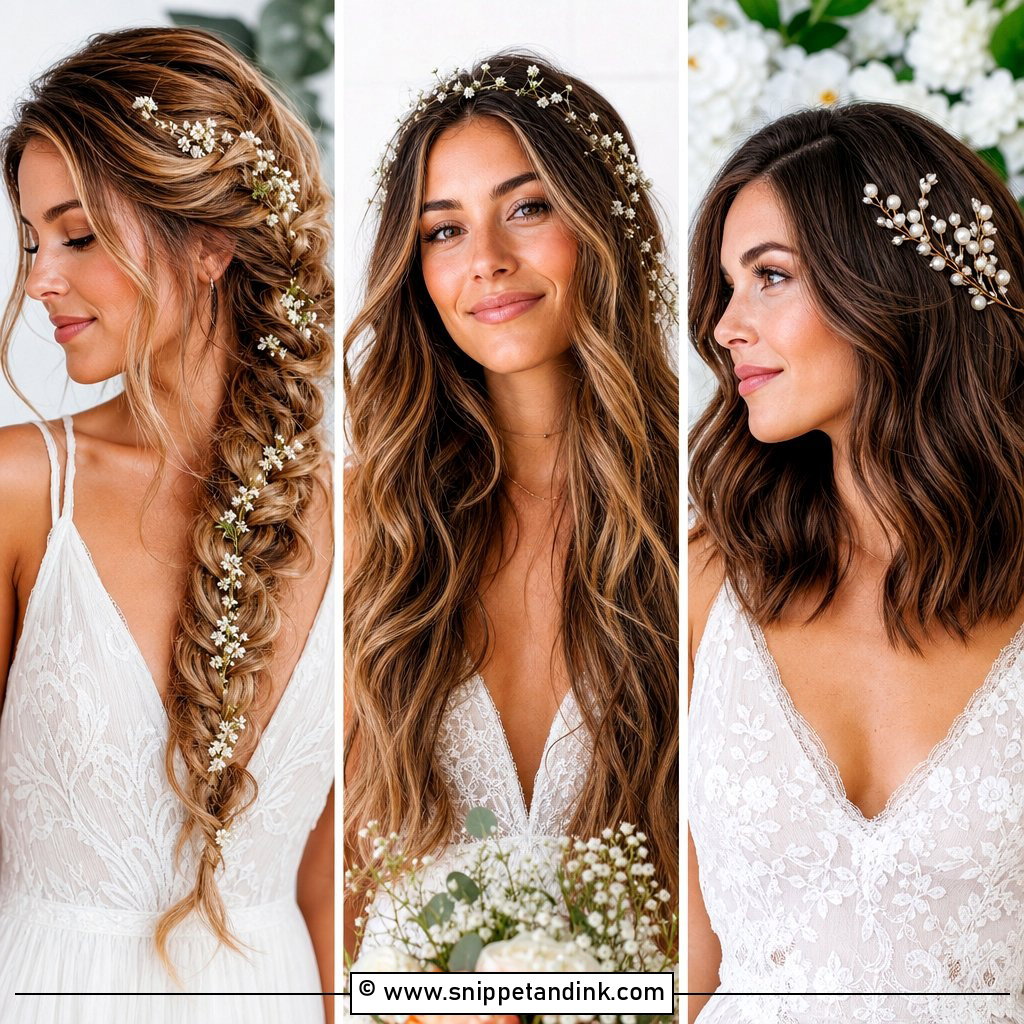
7. Outdoor Wedding Side Braid
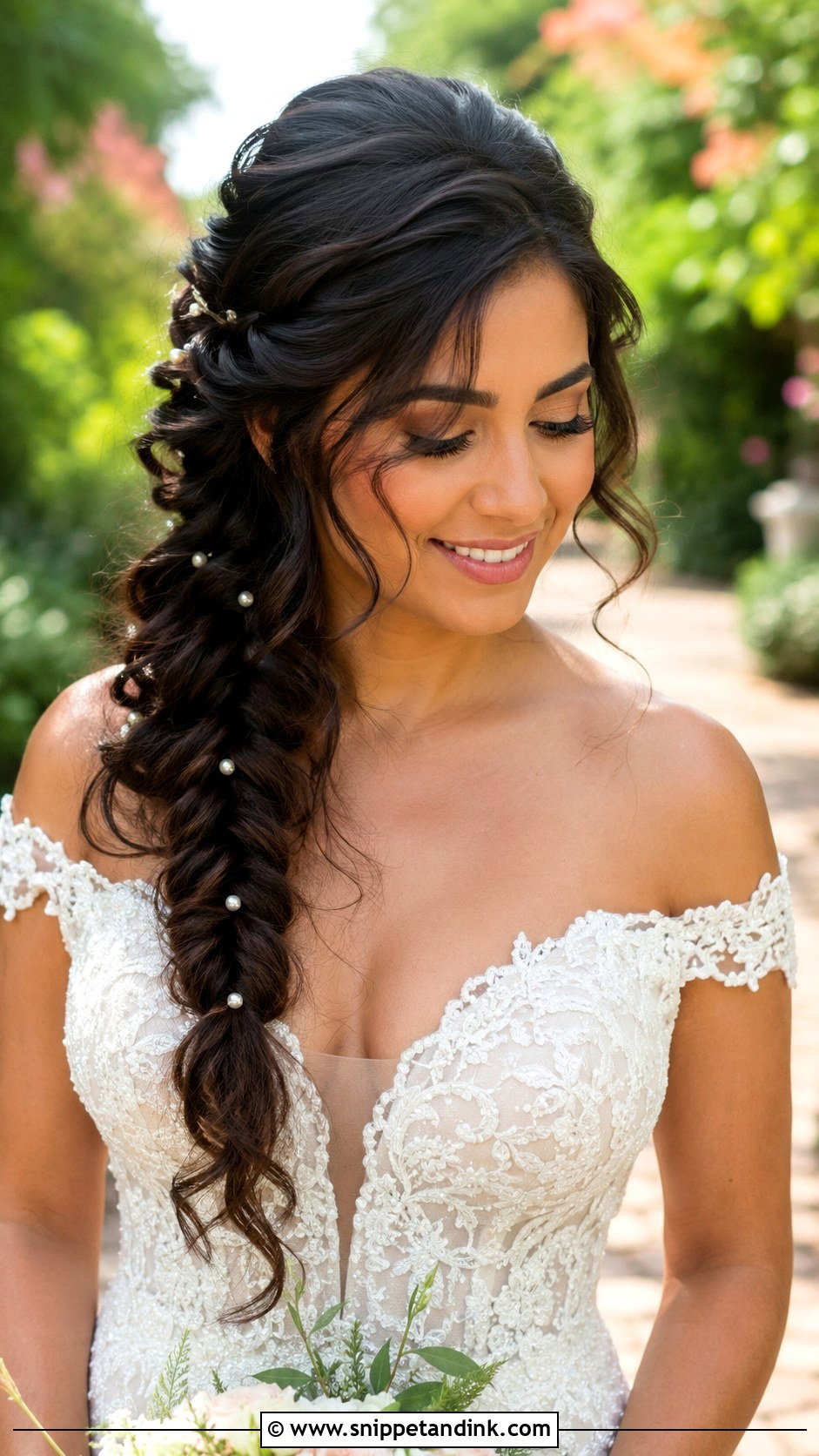
A side braid shows its detail in front-facing photos, which makes it worth it with a simple dress. It can be loose and textured, fishtail-style or pulled apart for fullness. Outdoors, it keeps the hair gathered while still showing length. Give the crown soft volume and leave a couple of pieces around the face. Blooms or pearl pins tucked along the braid add detail, though I keep them to one side of the plait so the shape still reads in pictures. If your veil attaches at the back, place it slightly off-centre toward the braid side.
8. Outdoor Wedding Hollywood Waves
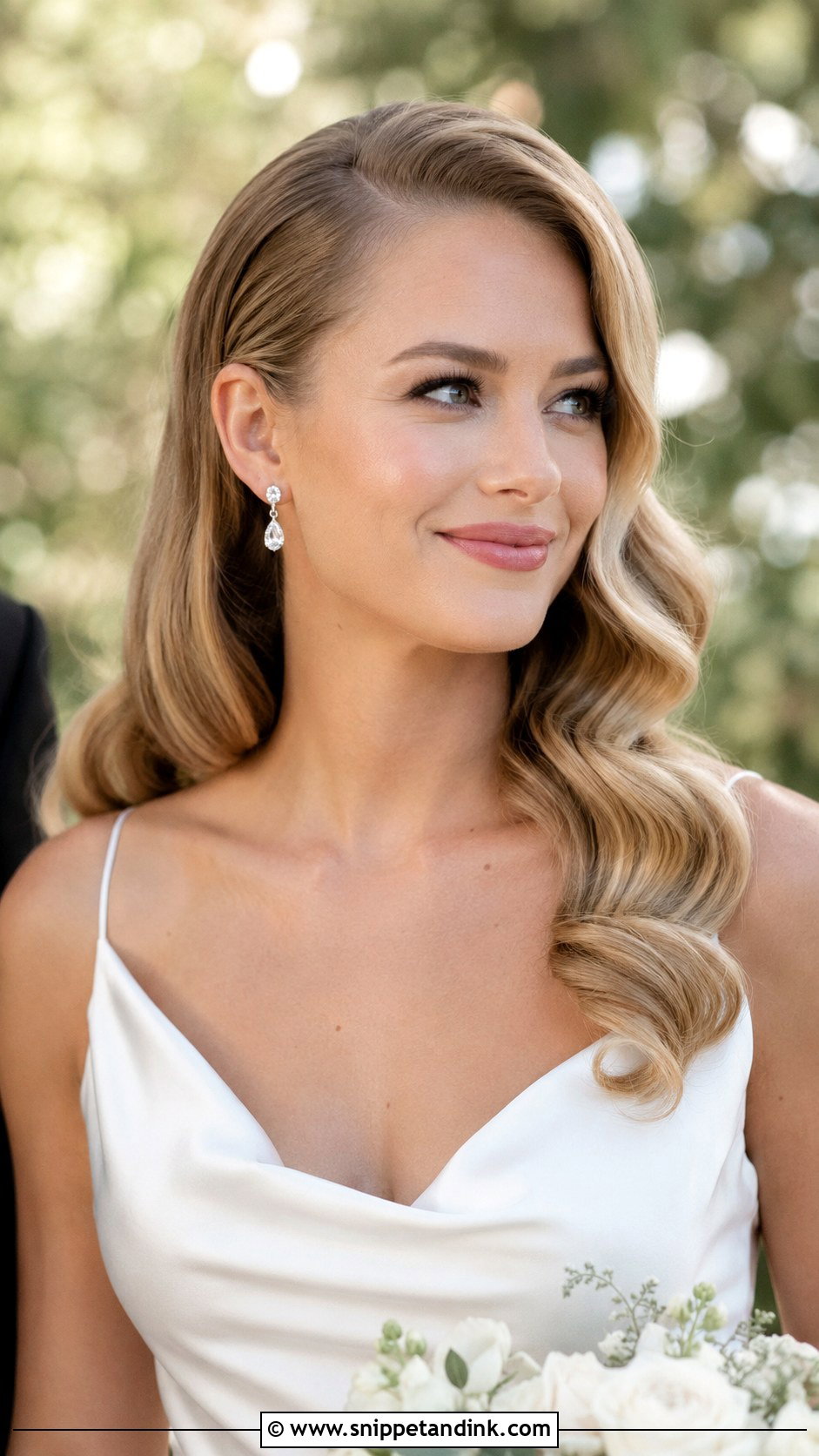
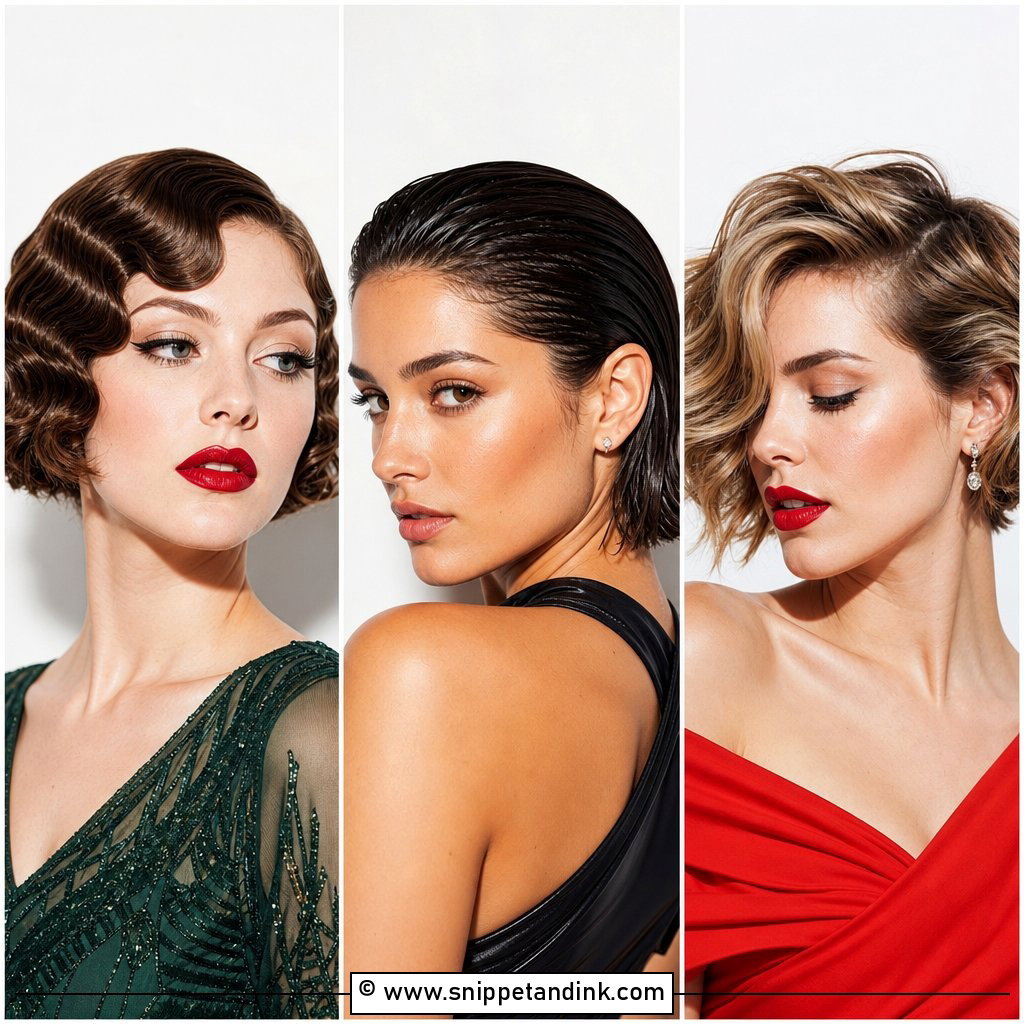
Hollywood waves are the most glamorous look on this list, and the most weather-sensitive. Each section is curled in the same direction and brushed into one smooth ripple, usually from a deep side part. That shape depends on everything lying in place, so wind breaks it and humidity softens it. I only recommend it outdoors for mild days, shaded ceremonies or a sheltered spot, with humidity-resistant spray and plenty of setting time. With satin gowns, vintage dresses and simple veils, it’s spectacular at golden hour, when low sun picks up the glossy ridges of the waves.
9. Outdoor Wedding Curly Updo
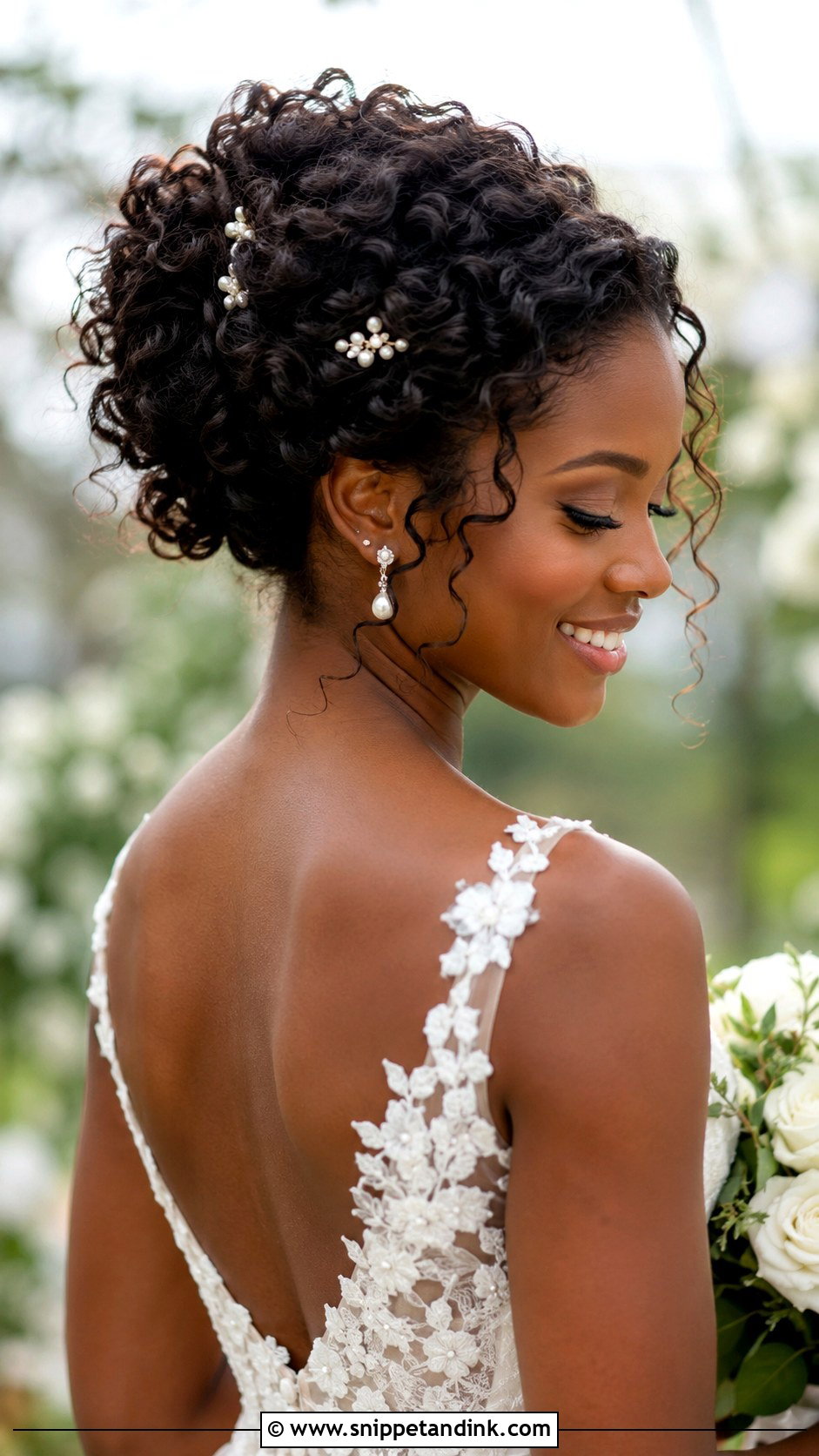
Curly and coily hair often handles an outdoor wedding better than straight hair, because humidity works with the texture rather than against it. A curly updo lifts and secures the curls without hiding them, whether that’s a soft bun, a gathered crown or a raised shape with tendrils around the face. Prep matters more than the pinning: a moisturising leave-in, a curl cream and a gel cast, dried fully before styling. I place a veil comb under the updo rather than on top so it doesn’t crush the curls. Floral pins and pearls sit naturally in the texture.
10. Outdoor Wedding Sleek Bun
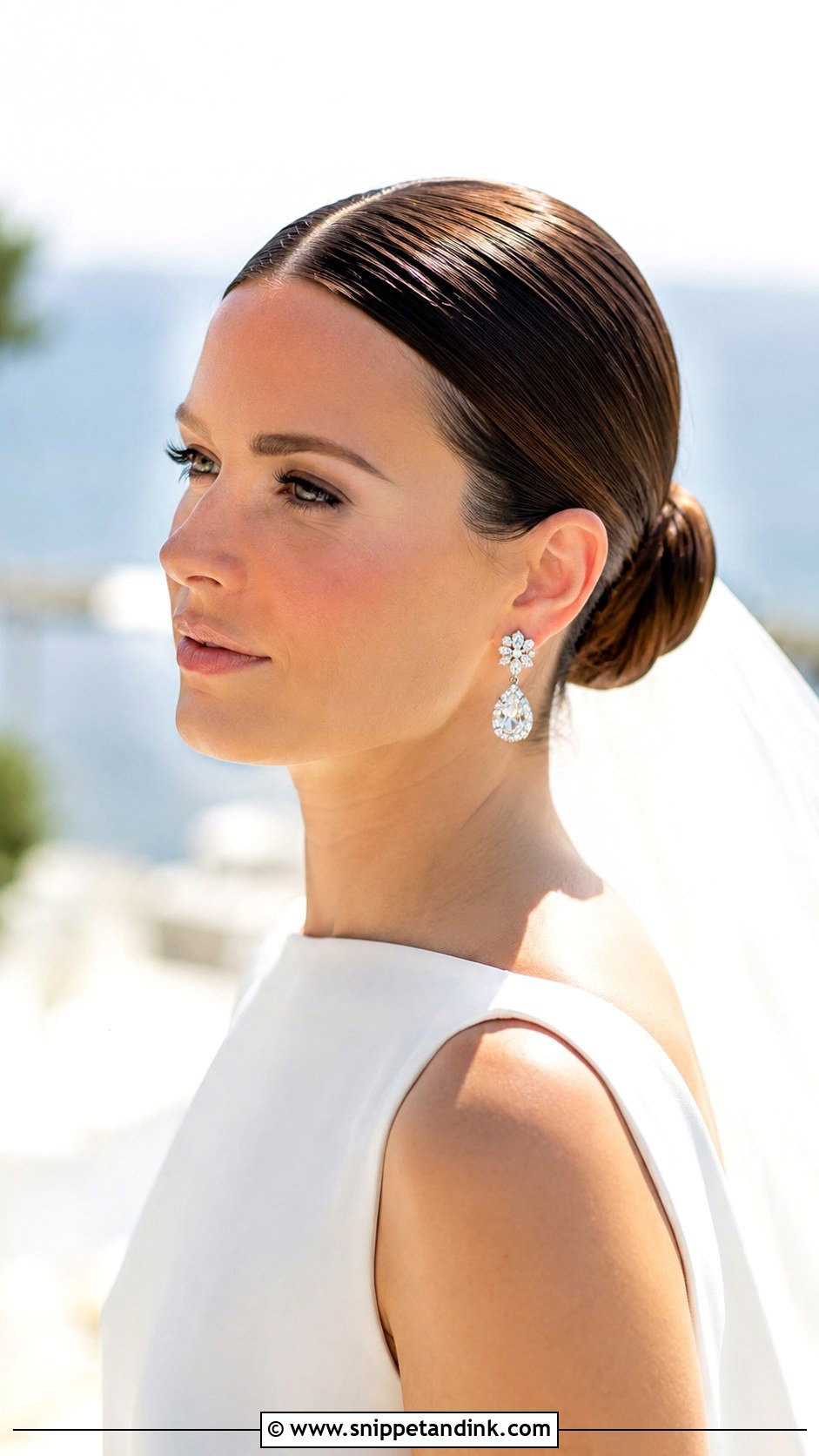
If there’s real wind in the forecast, the sleek bun is the safest bridal style there is. Nothing is loose to blow around. A middle part gives a fashion feel, a side part softens it, and the bun can sit low or mid-way up the back of the head depending on the dress and veil. It’s the cleanest frame for bold earrings, high necklines and strapless gowns. The trade-off is that it shows every flyaway in close-ups, so I finish with a shine spray and smooth the hairline with a little gel on a brush. Bring that brush for touch-ups.
11. Outdoor Wedding Boho Waves
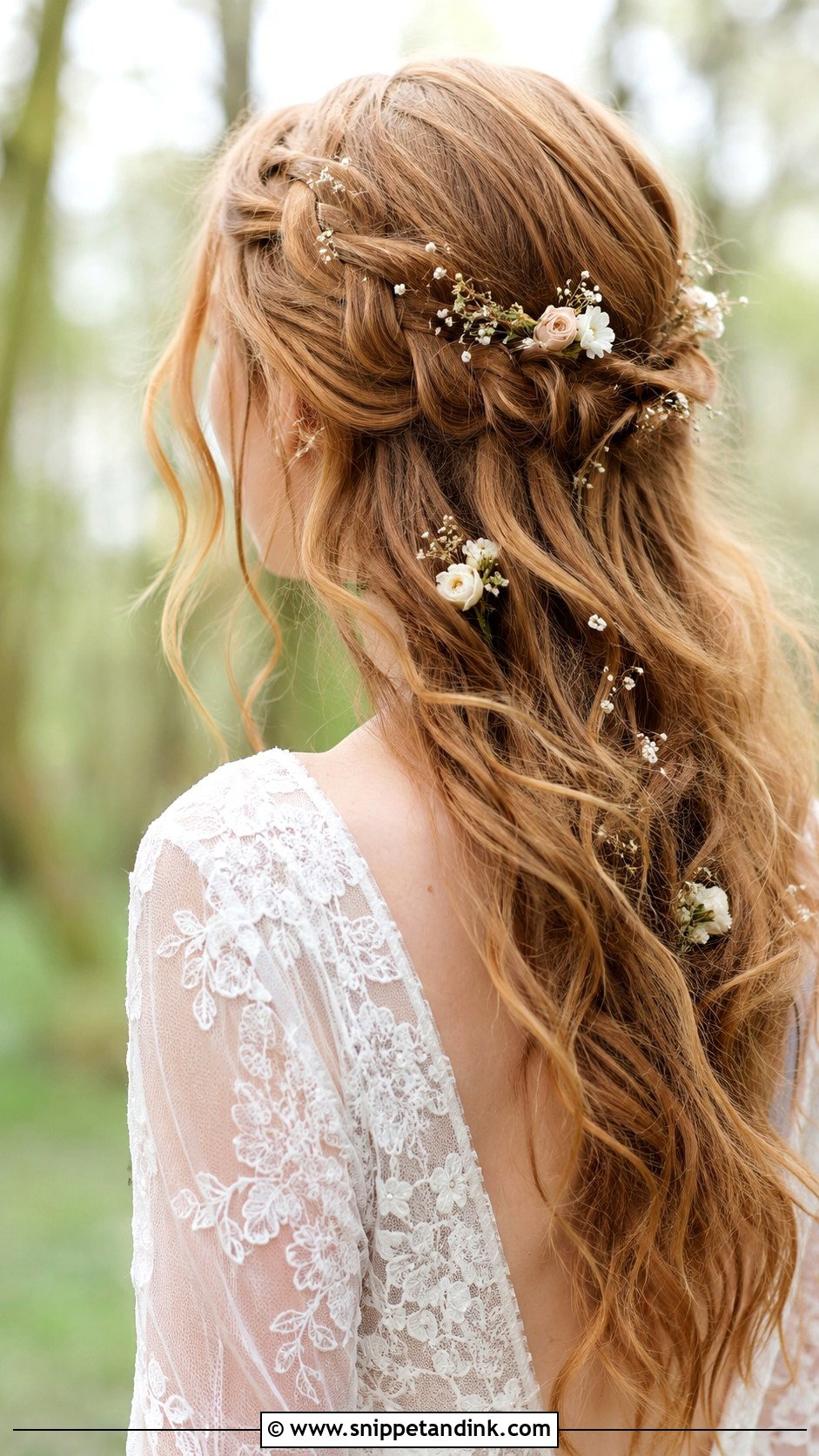
Boho waves are softer and messier than beach waves, with loose texture, face-framing pieces and a slightly undone finish. They go well with floral crowns, small pins or a few thin braids woven through. The mistake is leaving them completely loose with nothing holding them. I tuck a couple of hidden pins just behind the front sections, which keeps them from blowing into your mouth without changing the look. Garden, forest, backyard and destination ceremonies are where they feel most at home.
12. Outdoor Wedding French Twist
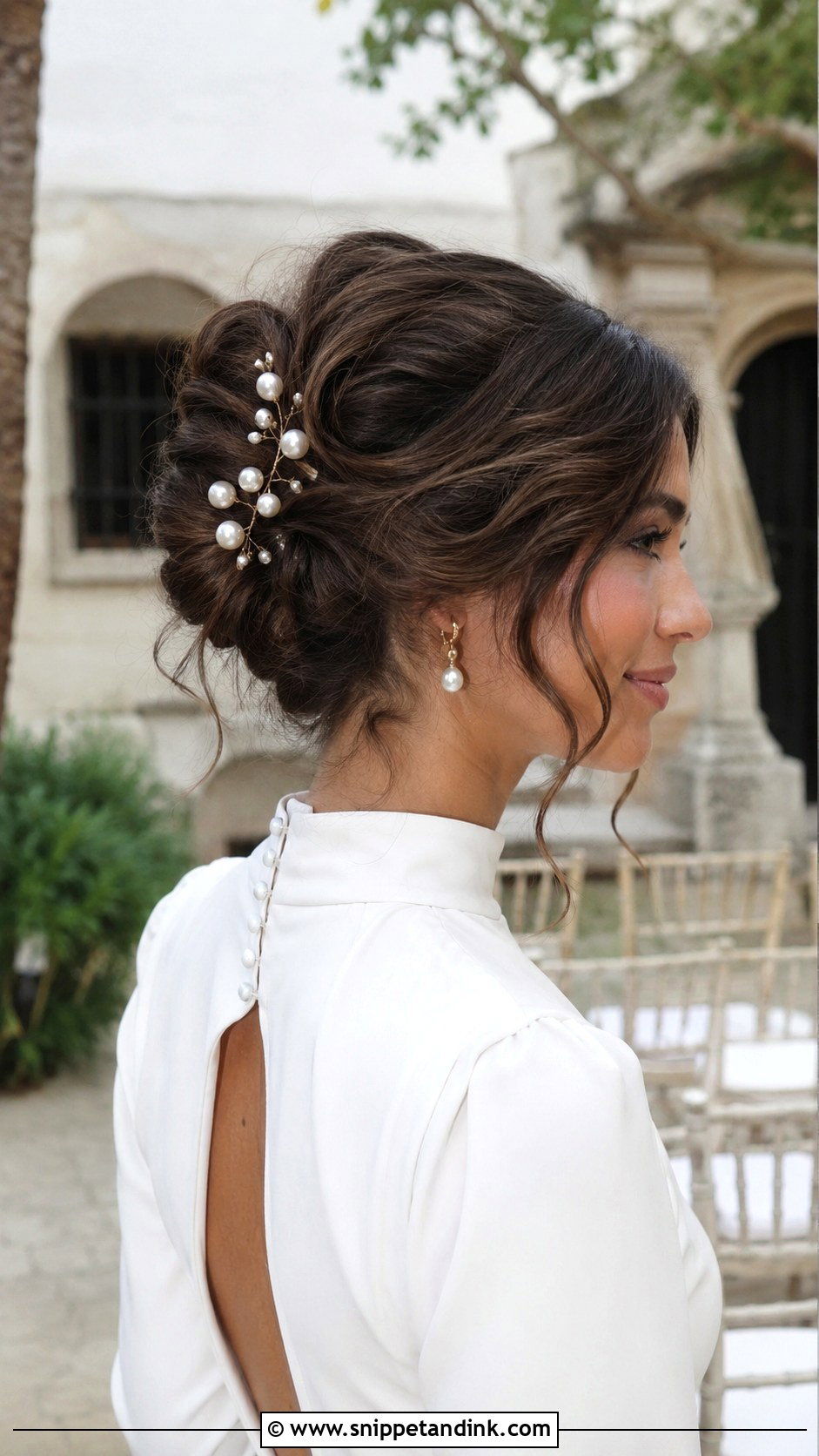
A French twist lifts all the hair off the neck in a single vertical roll, which makes it a good choice for a hot afternoon. It can be smooth and classic or loosened with texture for a modern feel. Leaving a few pieces at the face makes it less formal. Because the roll is pinned along a seam, it gives a clean place for sculptural pins, a pearl comb or a veil, and it suits high necklines and open backs. On slippery hair, prep with texture spray, or the twist slowly unrolls as the day goes on.
13. Outdoor Wedding Bubble Ponytail
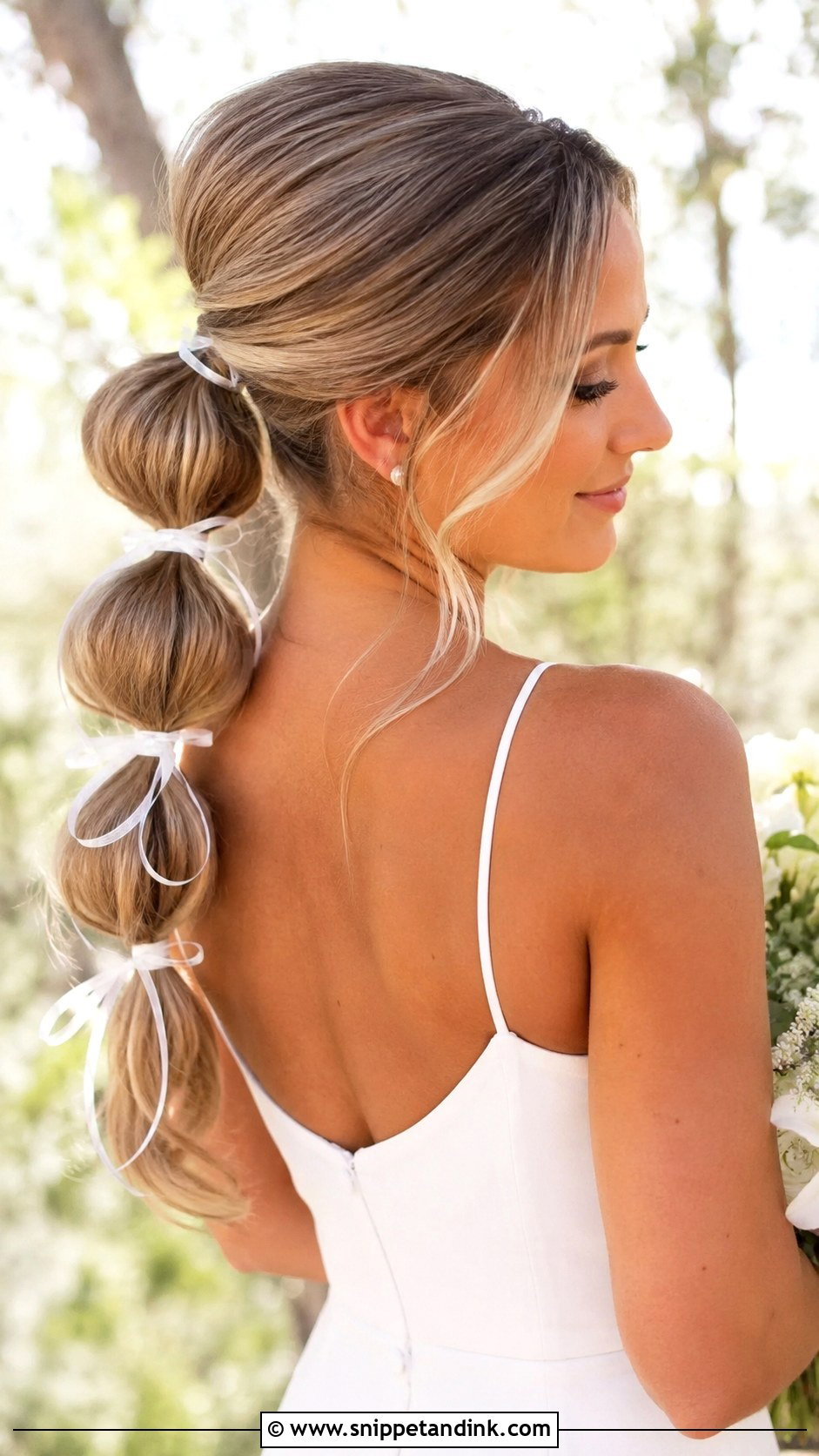
Styled as a bubble ponytail hair can look playful, but it is more practical than it seems. The ponytail is divided into rounded sections down the length, each held by its own elastic, so nothing can blow free. Smooth the crown for a modern finish or texture it for something softer. It needs long hair, or extensions blended in at the base. I hide each elastic with a strand of hair or a narrow ribbon, and gently pull each bubble wider so it doesn’t look tight. A simple gown and pearl details suit it.
14. Outdoor Wedding Short Hair
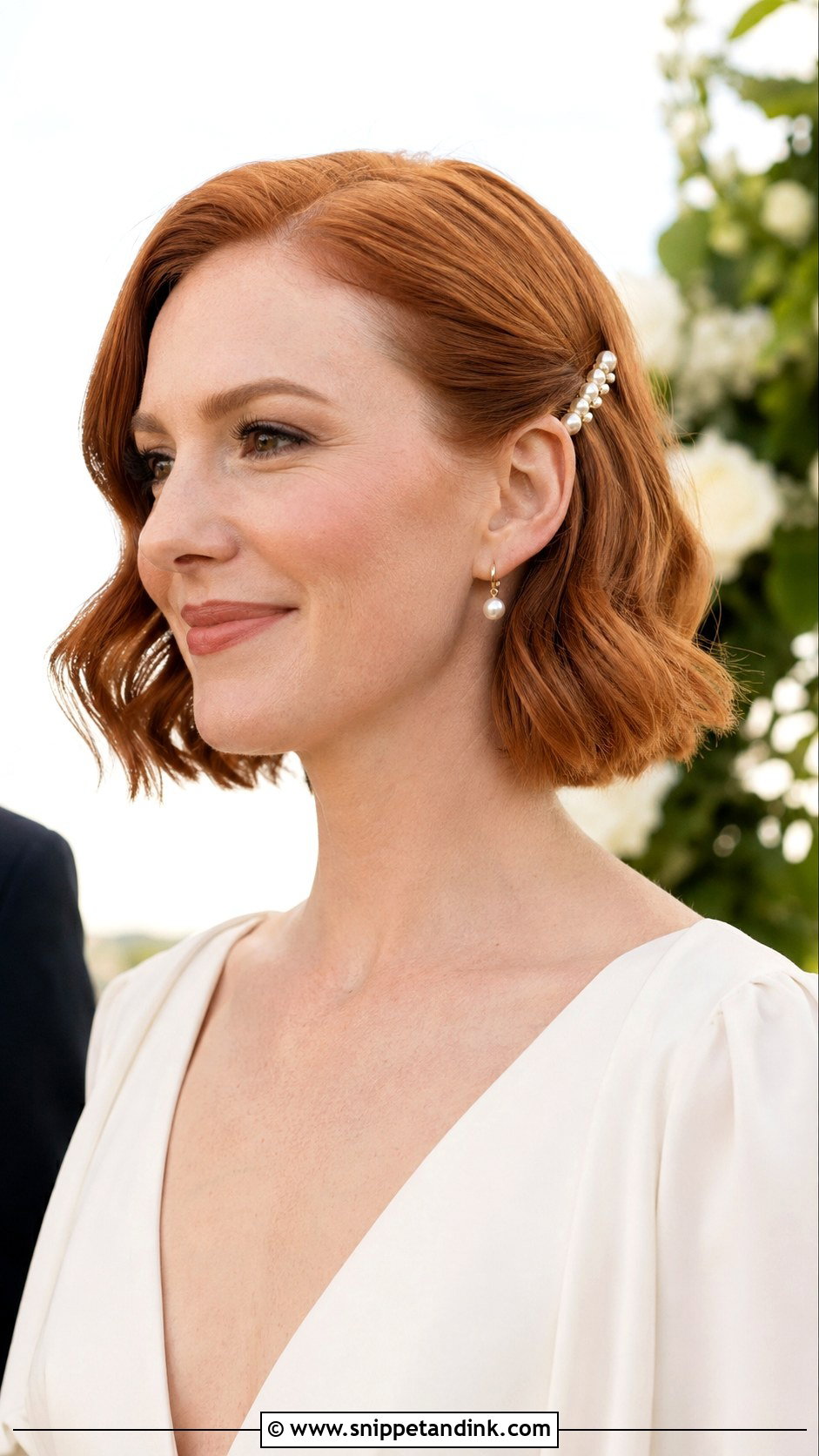
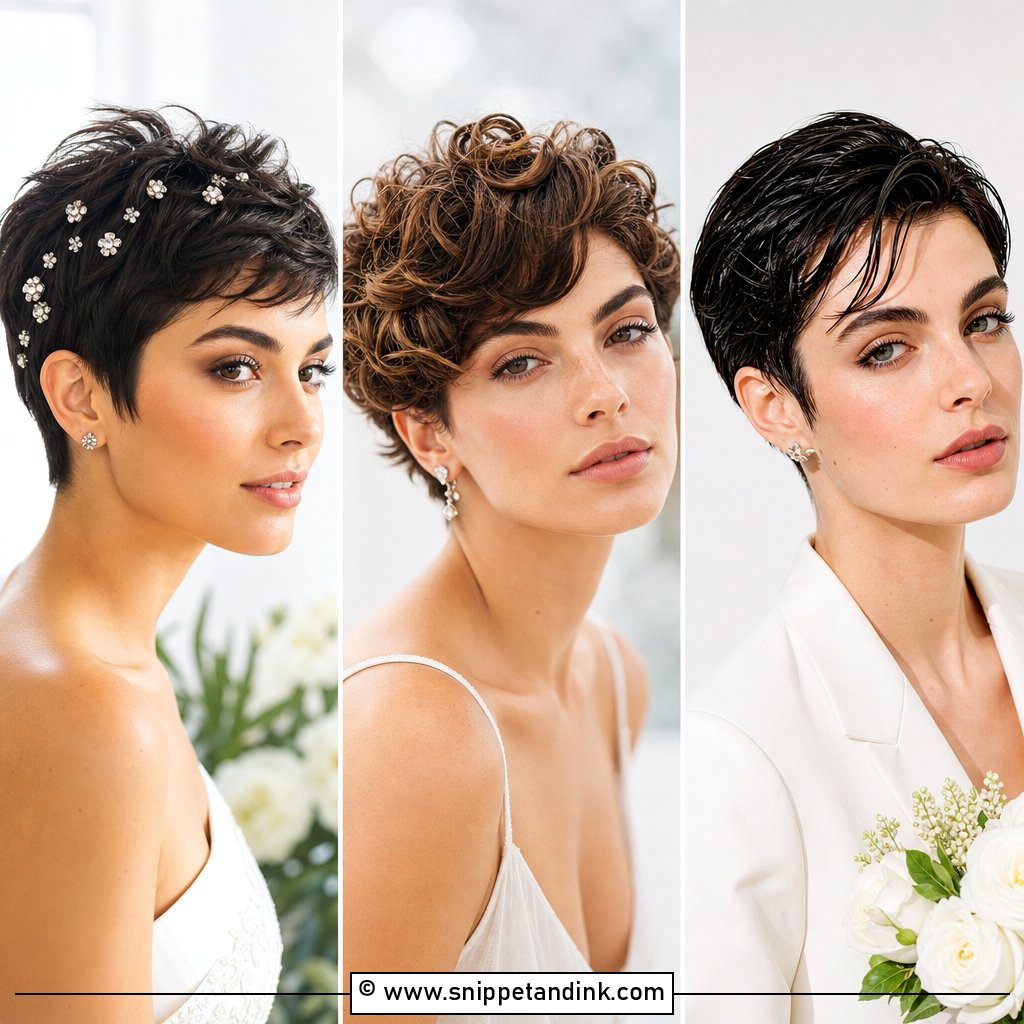
Short hair has a real advantage outside: it’s lighter, so it doesn’t drop in heat the way long curls do. A bob, lob, pixie or cropped cut can be waved, tucked, slicked or decorated to suit the dress. Soft waves bring romance; a sleek side part feels modern. A pearl clip, a mini comb, a headband or a few tiny flowers adds detail. The hardest part is the veil, since there’s little hair to grip, so I build a small anchor with a couple of crossed pins or a mini braid where the comb will sit.
15. Outdoor Wedding Hair With Flowers
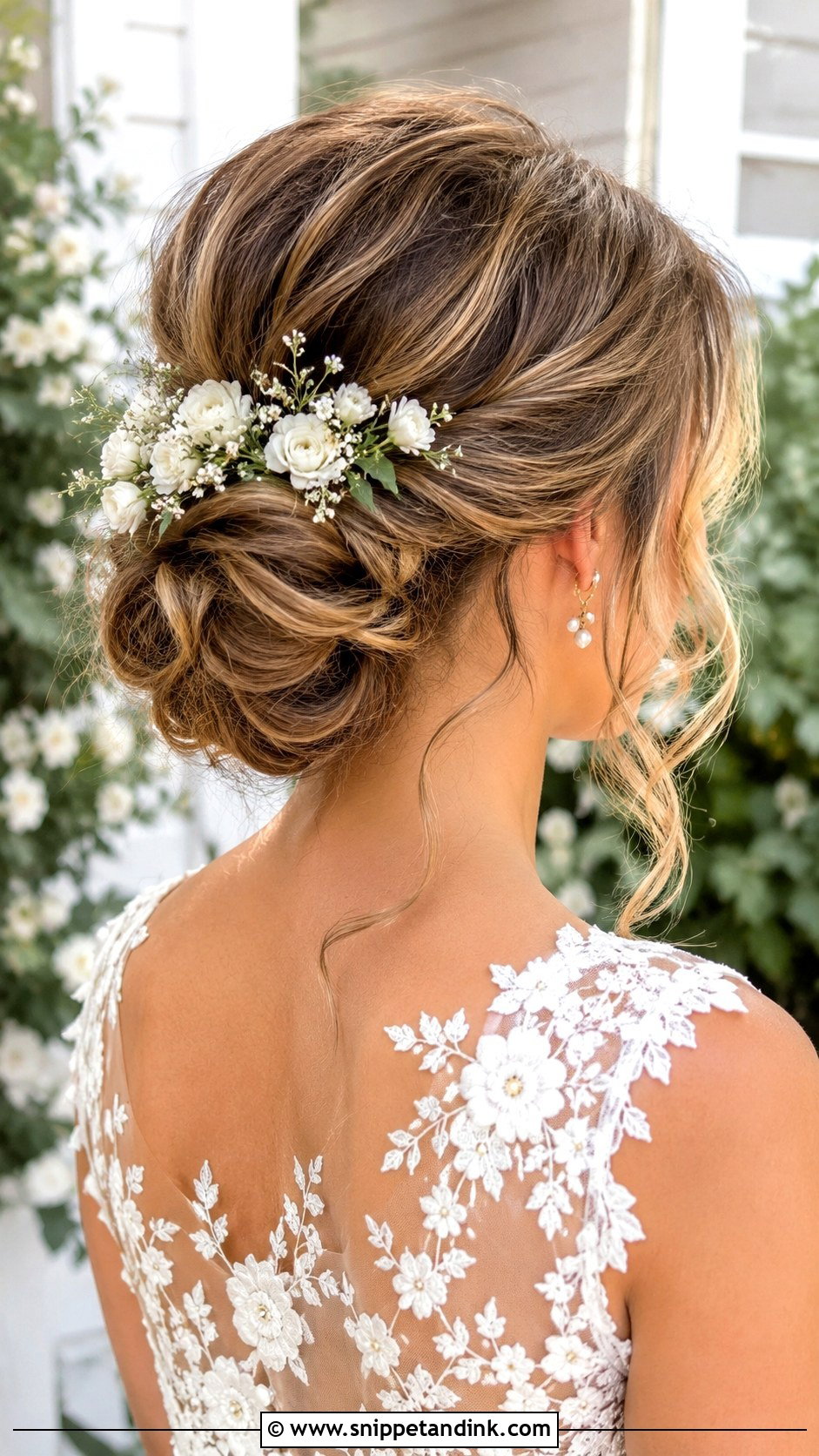
Flowers tie your hair to the setting, and they work in buns, braids, waves, ponytails or half-up looks. Choose blooms that are light, secure and sized to the style: tiny ones read well in braids, a single larger flower in a low bun. Fresh flowers wilt in direct sun, so ask your florist which varieties hold up out of water for several hours and to wire them for pinning. Coordinate with your stylist too, so the colours match the bouquet and the stems arrive on time. Garden, meadow, beach and backyard ceremonies suit this best.
Run Your Trial Outside, at Ceremony Hour
Most hair trials happen in a salon or a bright room with no breeze, which tells you very little about an outdoor wedding. Once the style is finished, take it outside.
Walk around for twenty or thirty minutes, ideally at the same time of day as your ceremony. Stand facing into the wind and away from it. Have someone take photos in open daylight from the front, side and back, because sun shows frizz and flat spots that indoor lighting hides. If you can, wear the style for the rest of the day and check it in the evening.
What you learn shapes the plan. If the front blew loose, ask for more anchoring there. If curls had relaxed by evening, ask about a firmer set or moving to half-up. If your scalp ached, the pins are too tight or the veil too heavy for that base. Changing these things at a trial is easy; on the wedding morning it isn’t.
Aisle to Golden Hour Without a Collapse
Outdoor wedding hair has to be comfortable and realistic for your weather, venue and texture. Windy forecast? Go for pinned waves, braids, buns or half-up. Hot or humid? An updo, a ponytail, a chignon or a sleek bun will last longer. If you love your hair down, choose waves with thorough prep and someone holding a touch-up kit. Bring inspiration photos, book a trial and test your accessories well before the day. Get the shape and hold right, and your hair will still look like itself in the last photo of the night.
You'll Like These Ideas:


Leave a Reply