
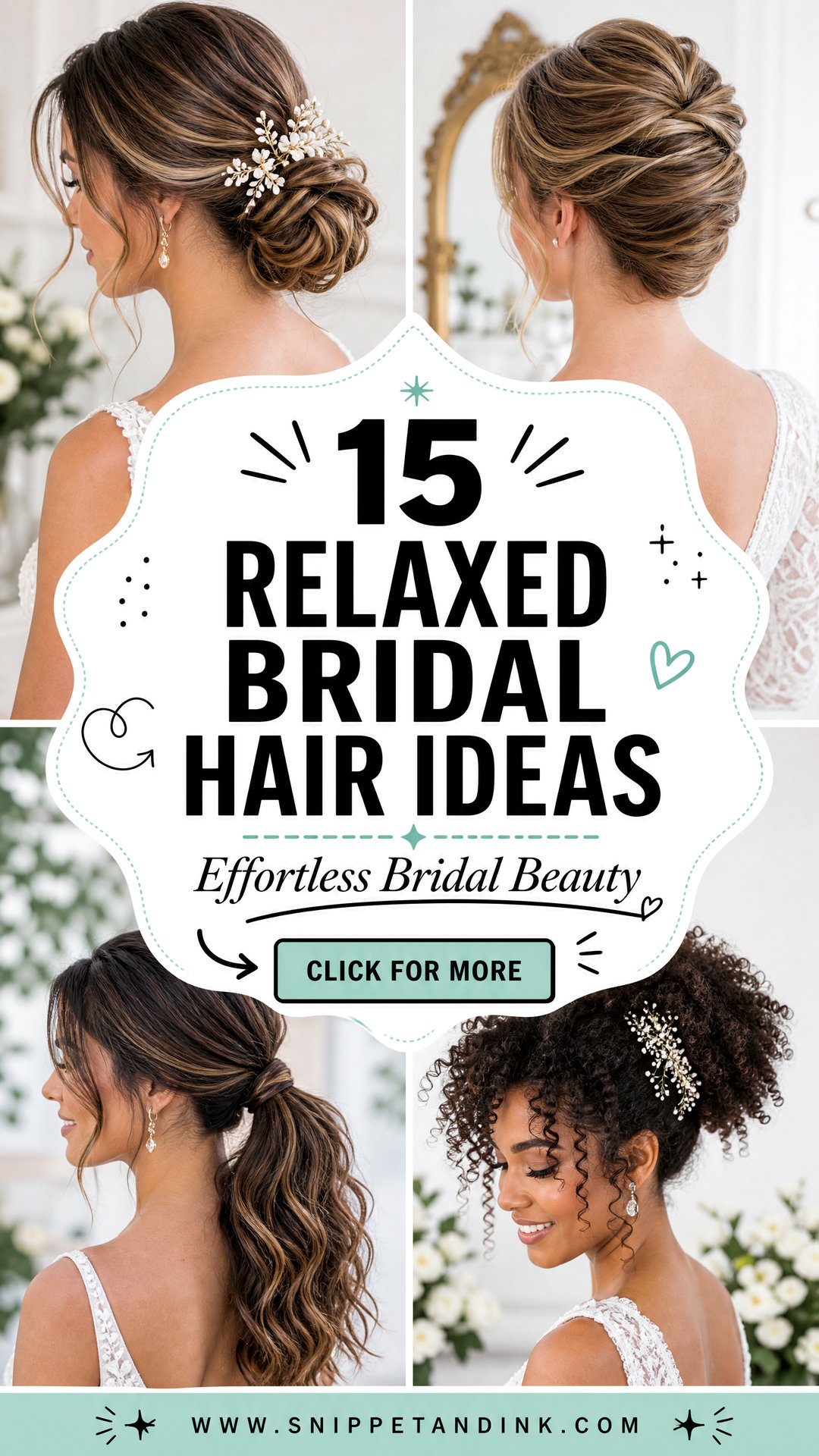
More brides now ask me for hair that looks like them on a good day: soft, touchable and not sprayed into place. That means low buns with loose pieces, brushed waves, natural curls, loose braids and half up styles that move. These suit garden and beach ceremonies, backyard parties, courthouse vows and relaxed indoor venues. Relaxed doesn’t mean low effort, though, and I’ll explain why below. Each look here is a dream from every angle only if it’s built to match your dress, your texture and how much you’ll move.
Loose-Looking Hair Is Built on a Hidden Frame
Here’s the trade secret about relaxed bridal hair: the softer it looks, the more structure is hidden inside. A tight, sleek bun holds by tension. A loose, airy bun has no tension to rely on, so I give it a firm base underneath and pin the soft pieces onto that.
That base might be a small ponytail, a hidden braid or a cluster of crossed pins. It’s invisible in photos, but it’s what lets loose pieces stay loose without collapsing. Waves work the same way: I set them with heat and let them cool so the shape is locked in, then brush them out to look casual.
What helps relaxed hair last
- Hair washed the day before, not the morning of, so it has some grip.
- A texture or volume spray before styling instead of heavy spray at the end.
- A trial that you wear for several hours, to see where it loosens first.
- Accepting that a relaxed style will soften by evening; a little drop is part of the look.
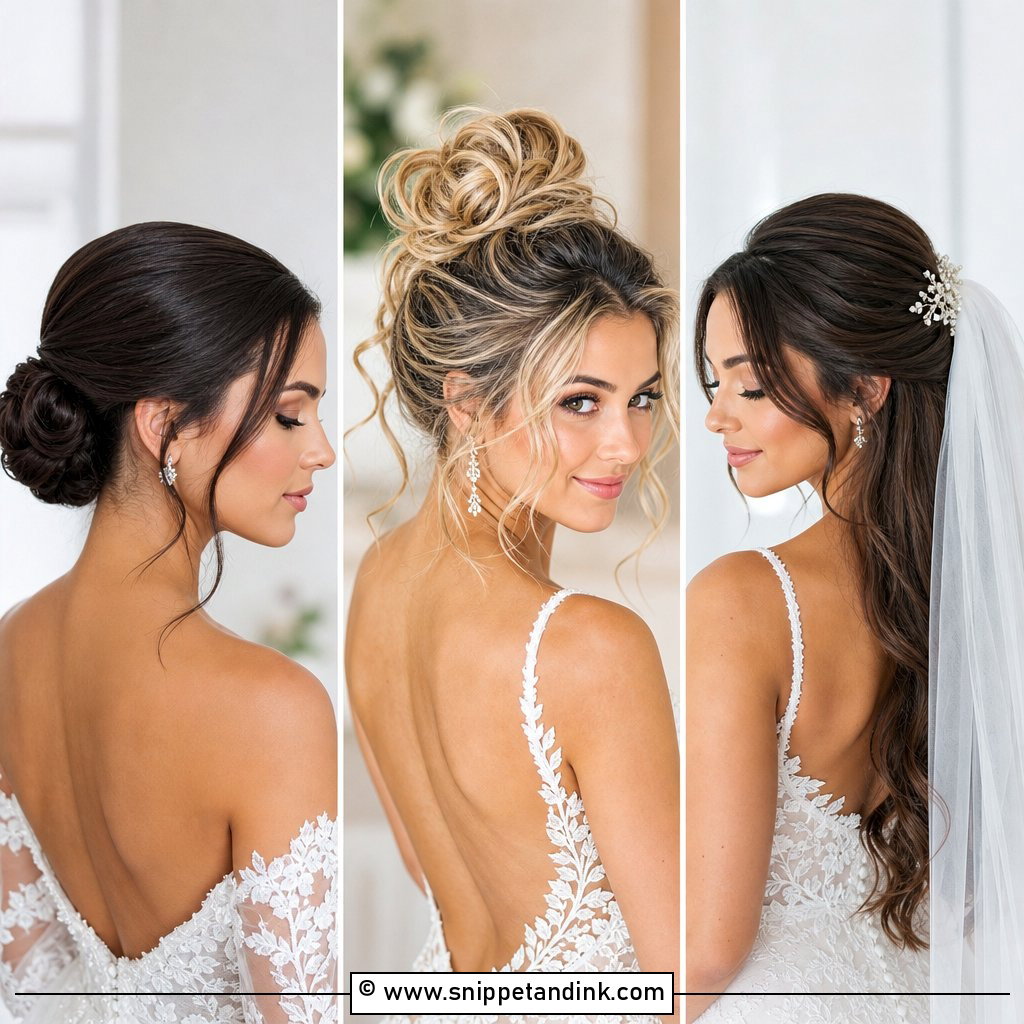
1. Relaxed Bridal Low Bun
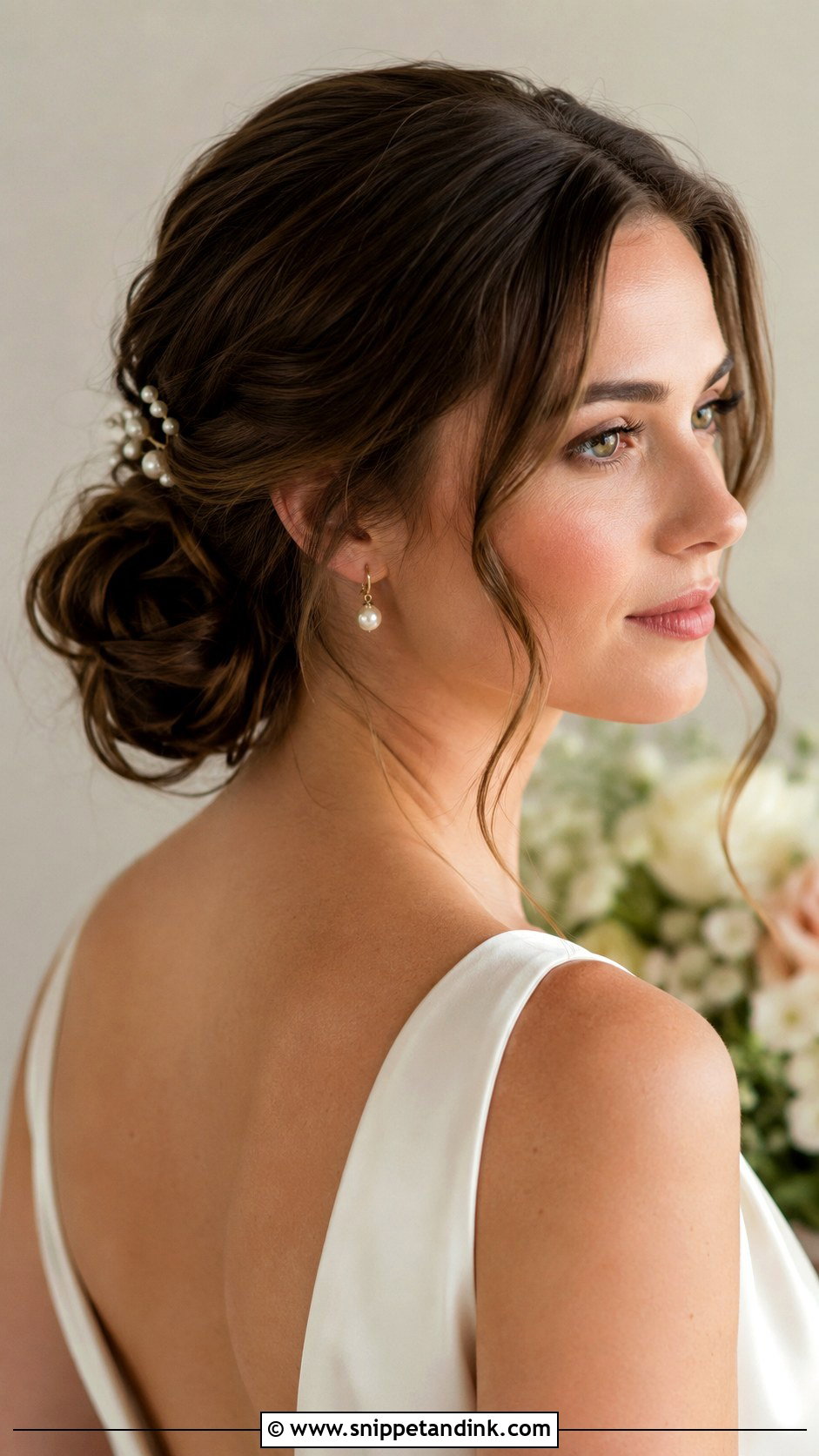
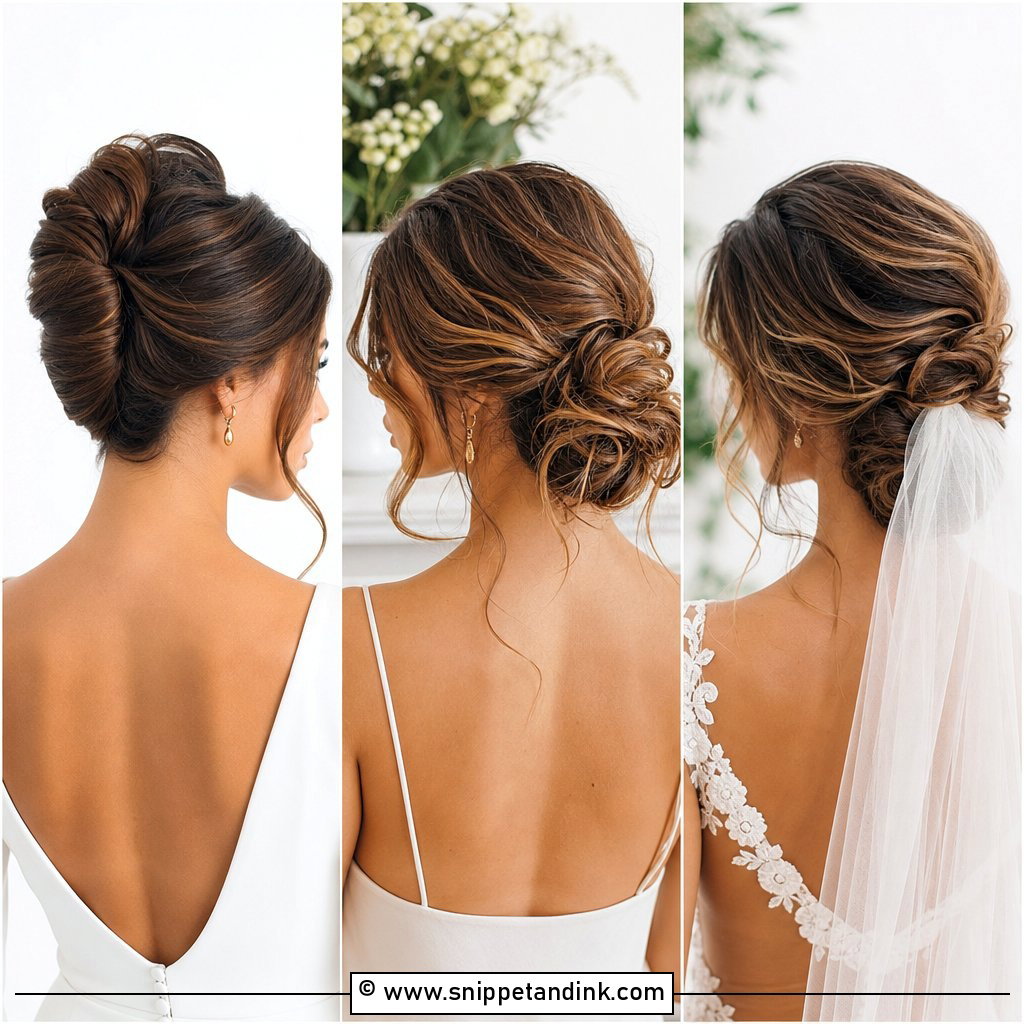
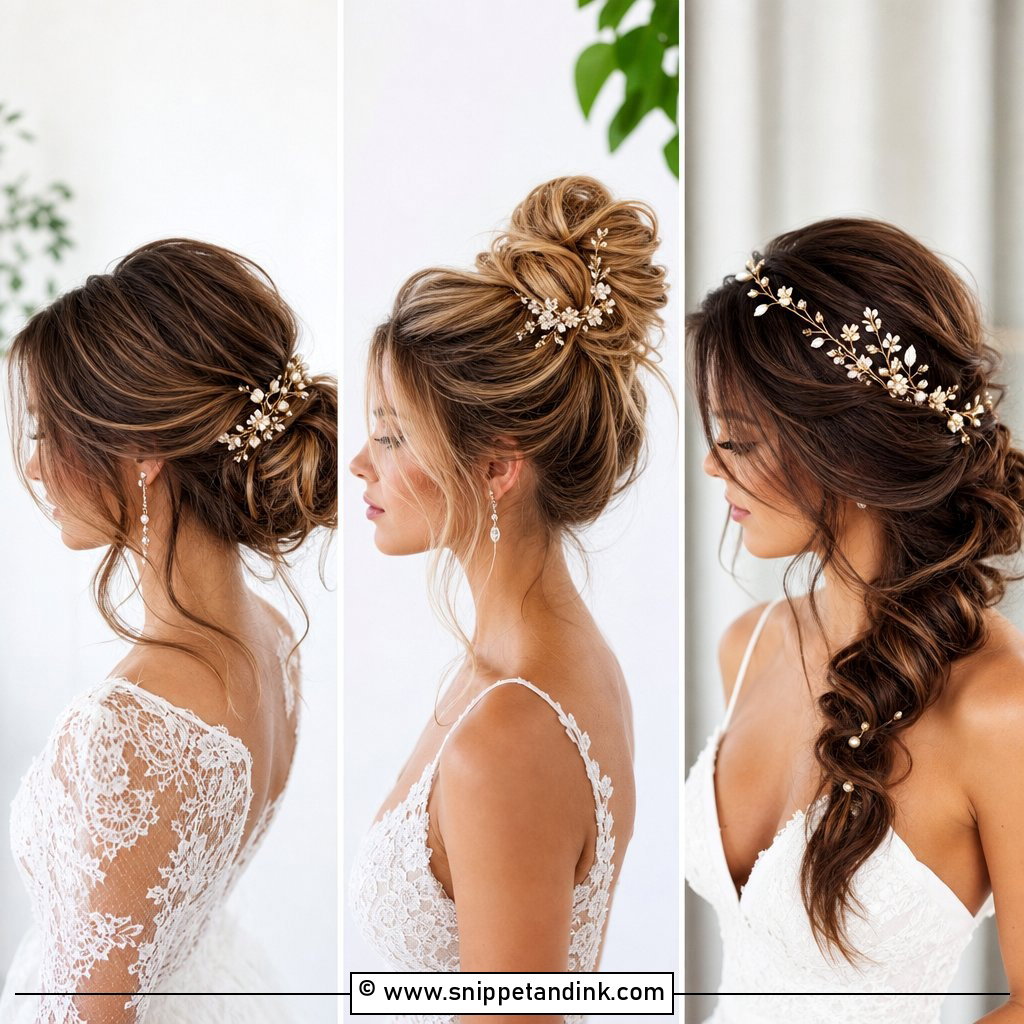
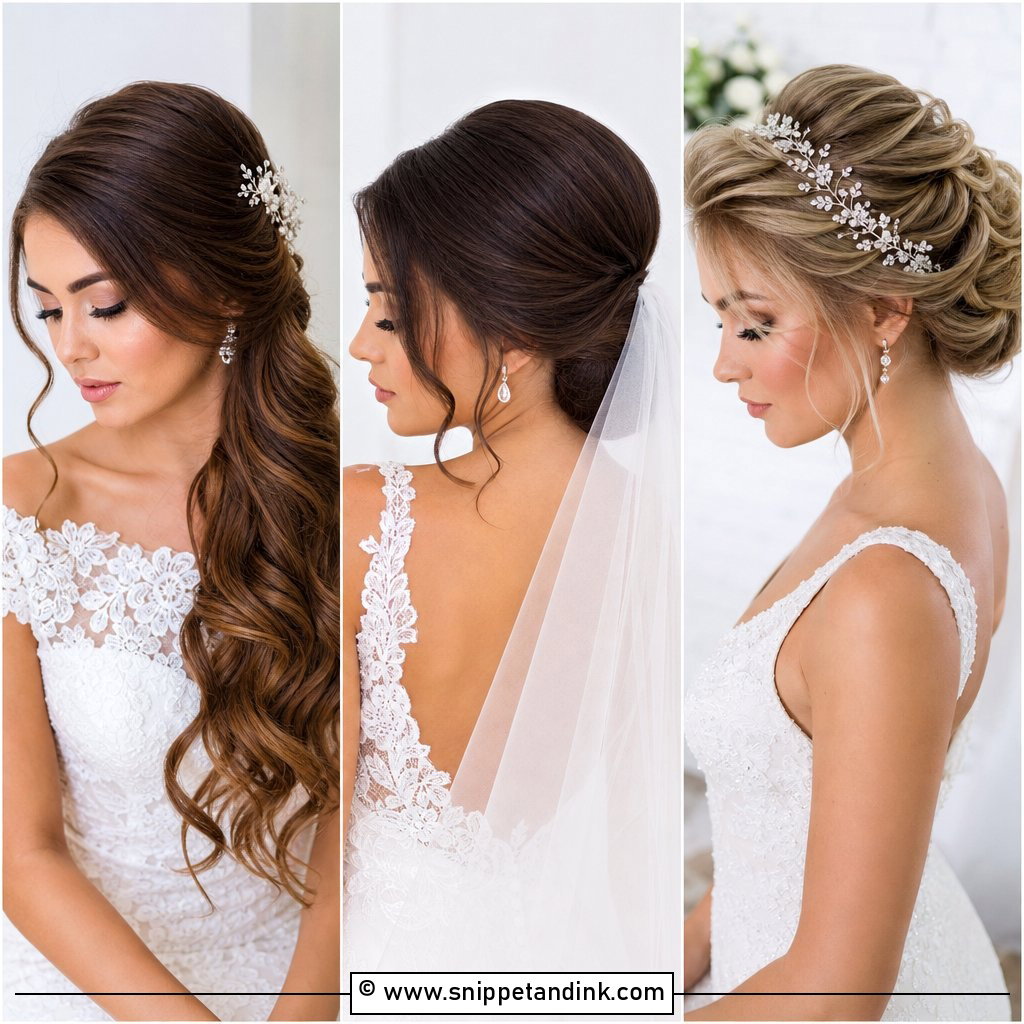
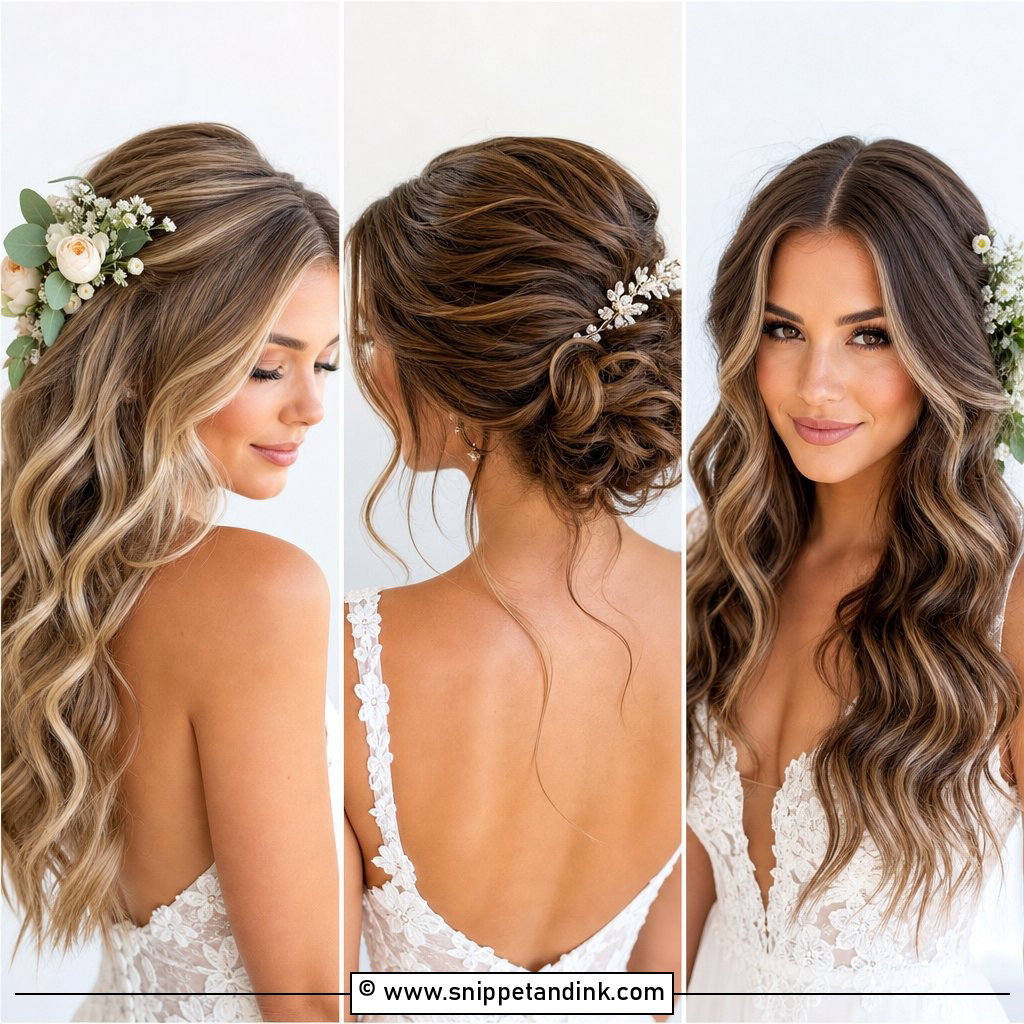
The relaxed low bun is the style I do most often, because it reads classic without feeling formal. It sits at the nape with soft lift at the crown and a few loose face-framing pieces. I build it from loose twists rather than one tight wrap, so it has movement but still grips the pins. A veil, pearl pins or a floral comb all work, as does nothing at all. With open necklines, lace and plain satin, it keeps everything in proportion.
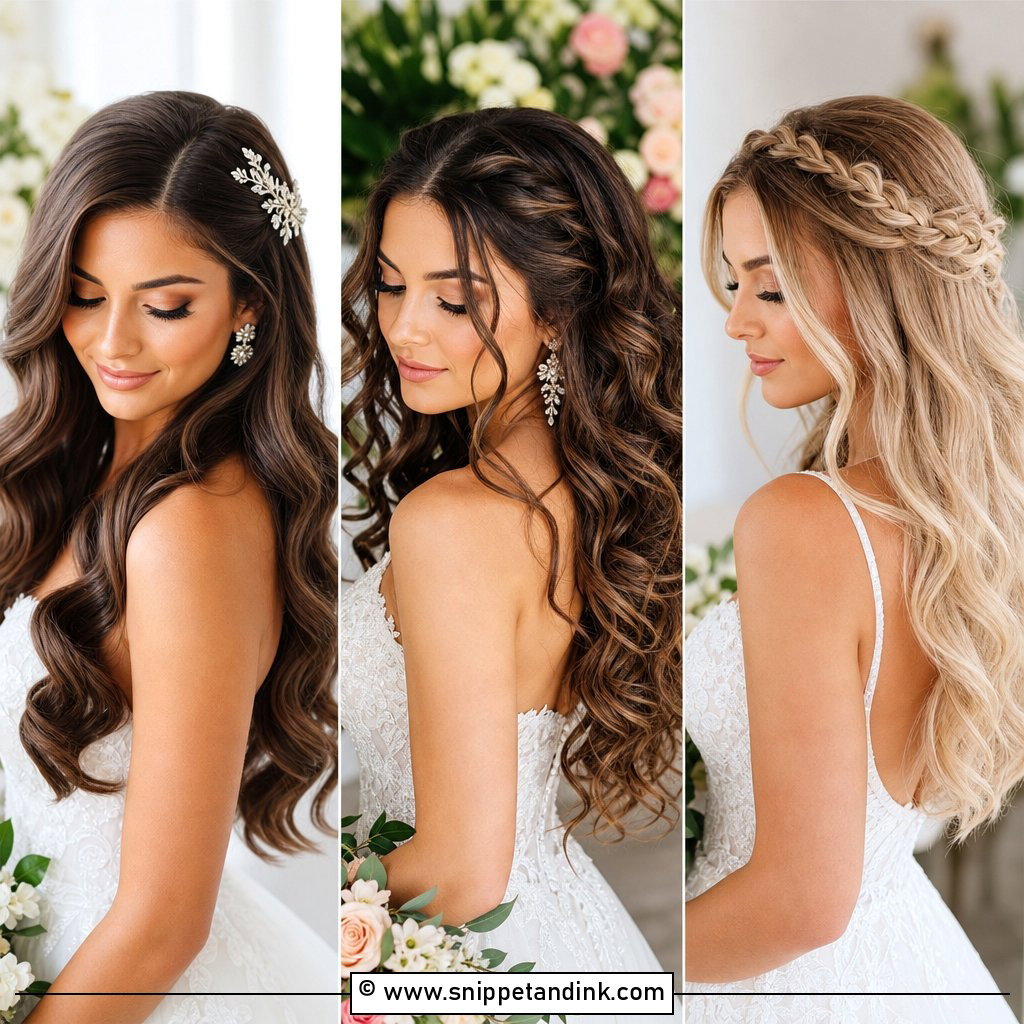
2. Relaxed Bridal Loose Waves
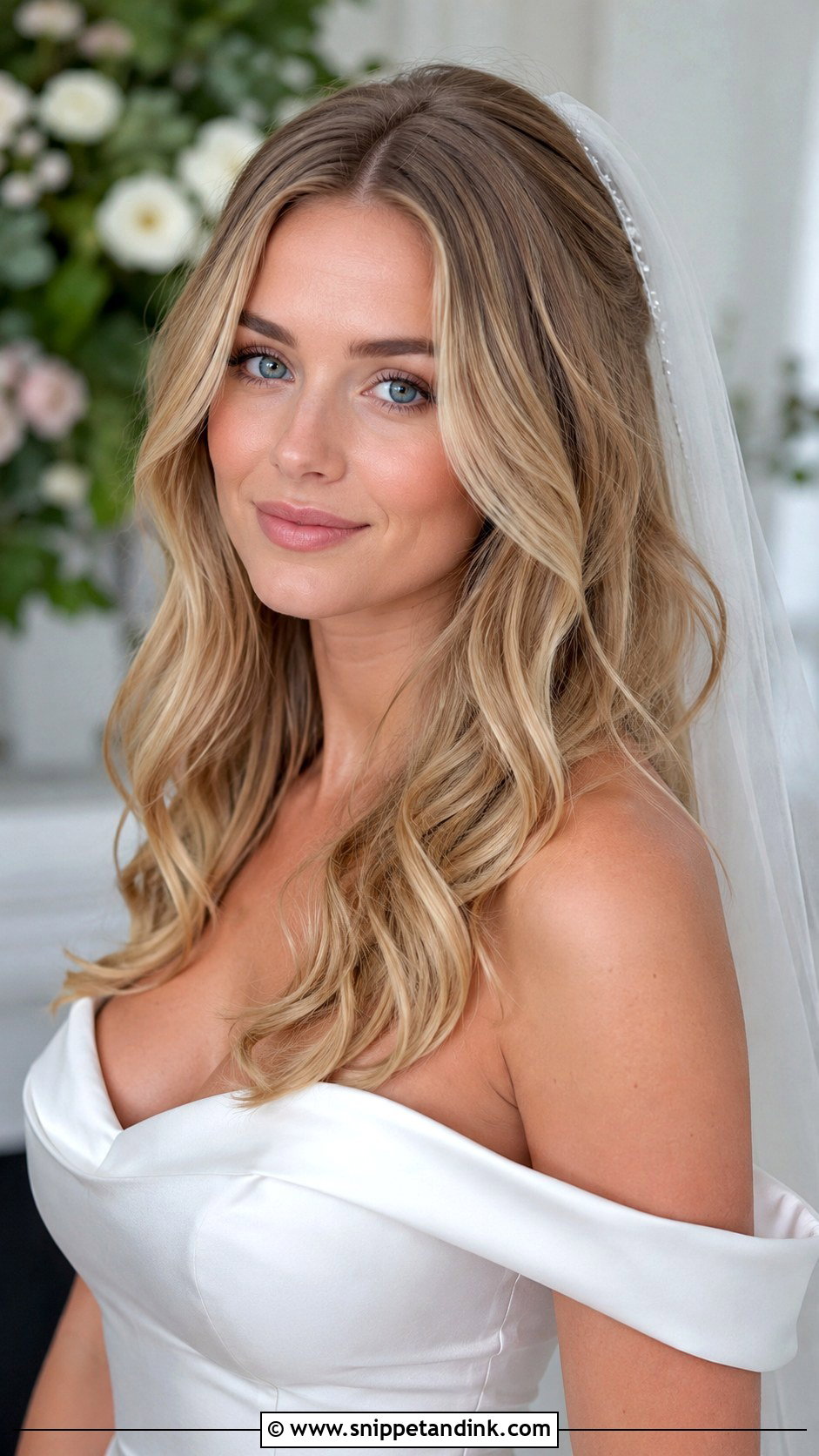
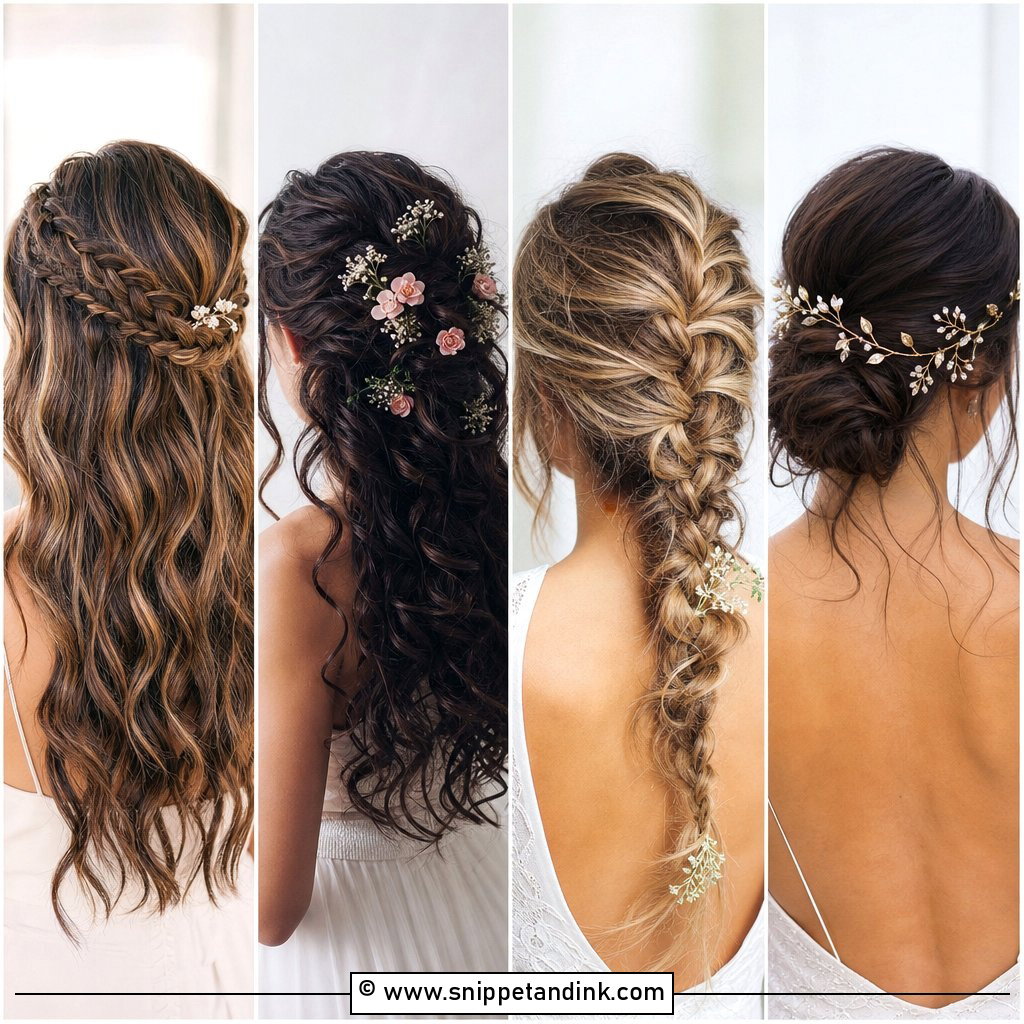
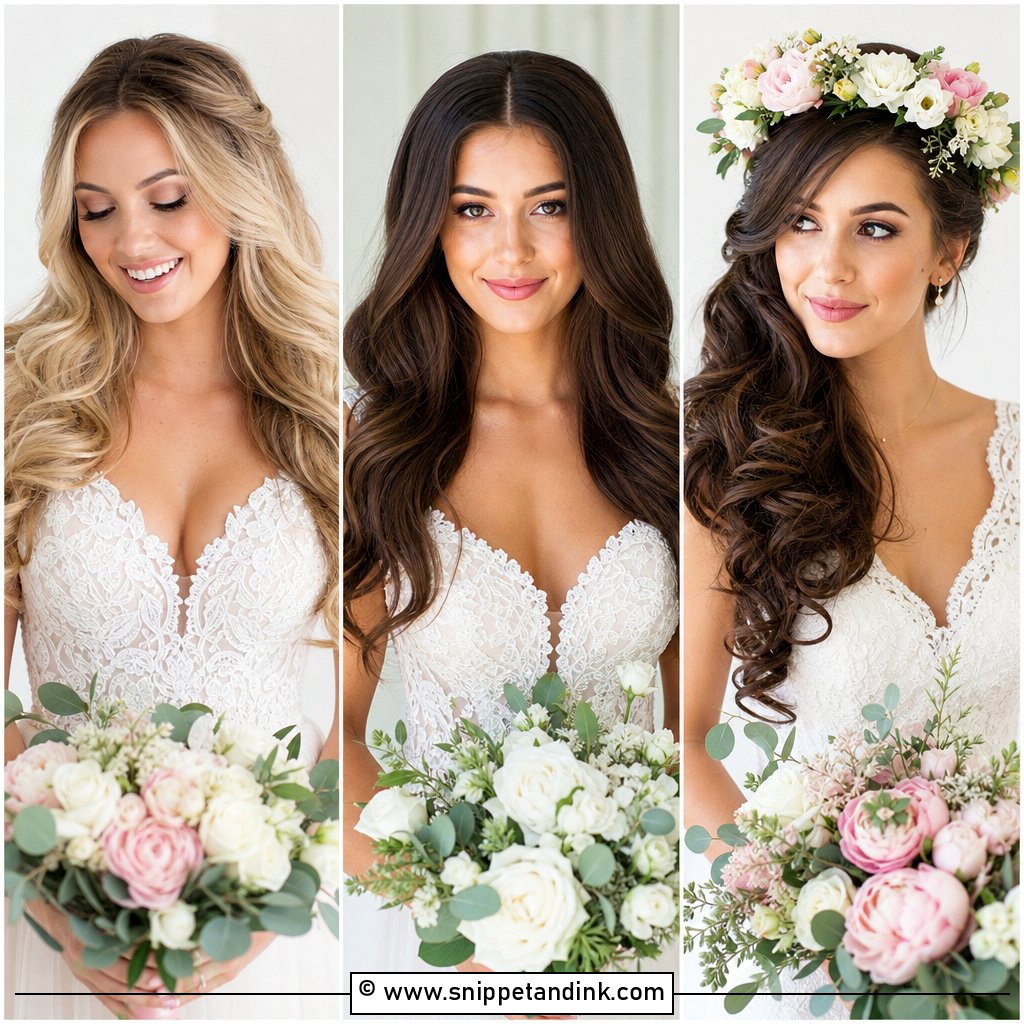
Loose waves only look easy. I curl in alternating directions, let them cool, then brush them out so they blend into one soft shape rather than separate ringlets. Long, medium, layered hair and longer bobs all take them. Center parts read modern; side parts soften the face. Outdoors I use a light hold so they stay touchable, but in high humidity, be prepared for them to relax into looser bends by evening. Simple veils, small clips and minimal dresses suit them well.
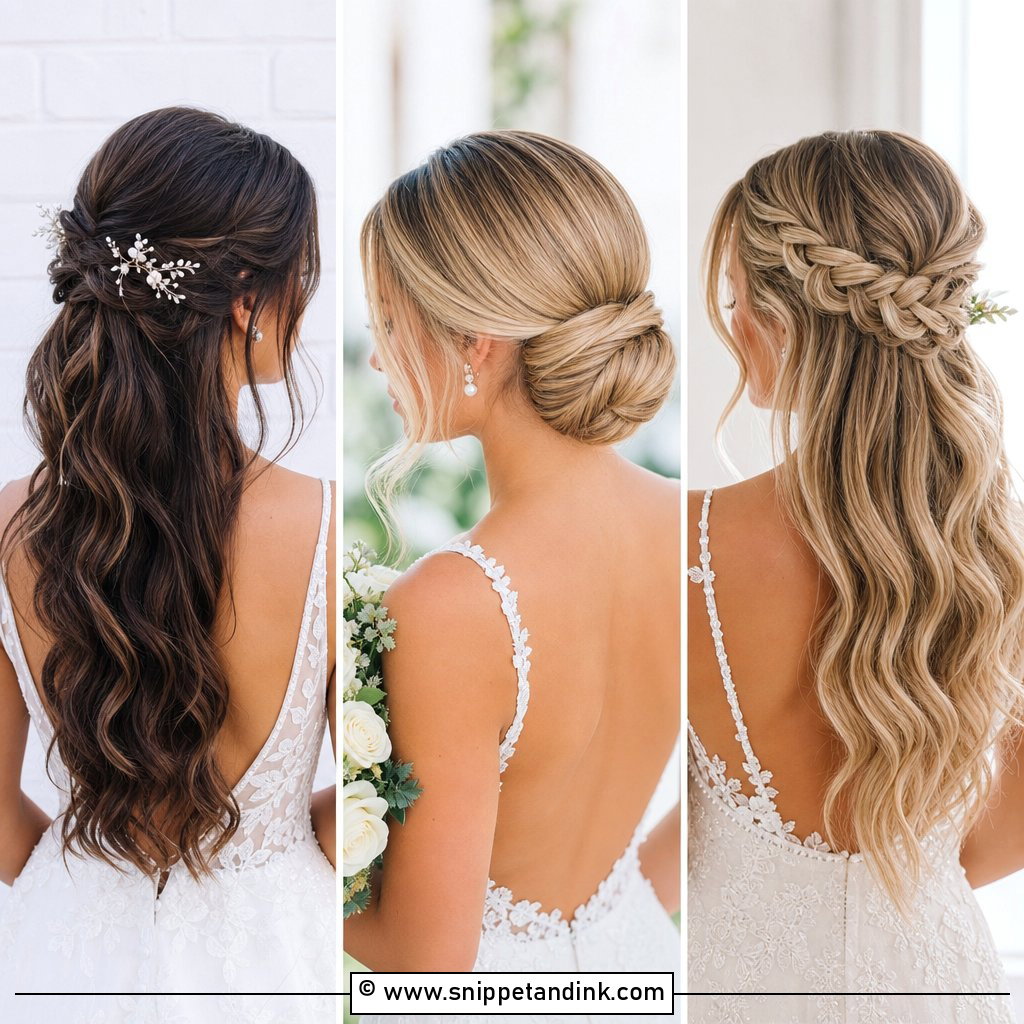
3. Relaxed Bridal Half Up Hair
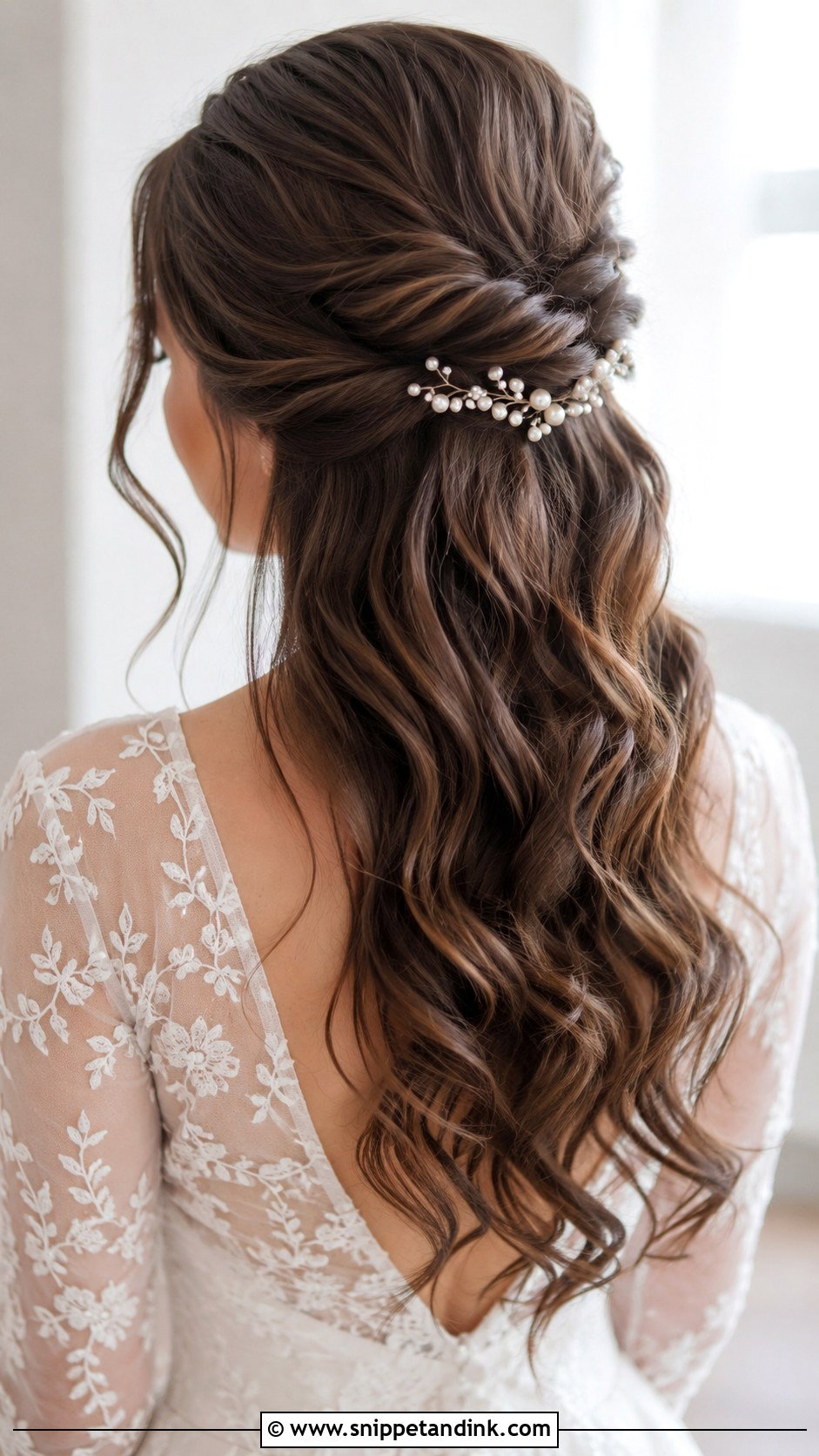
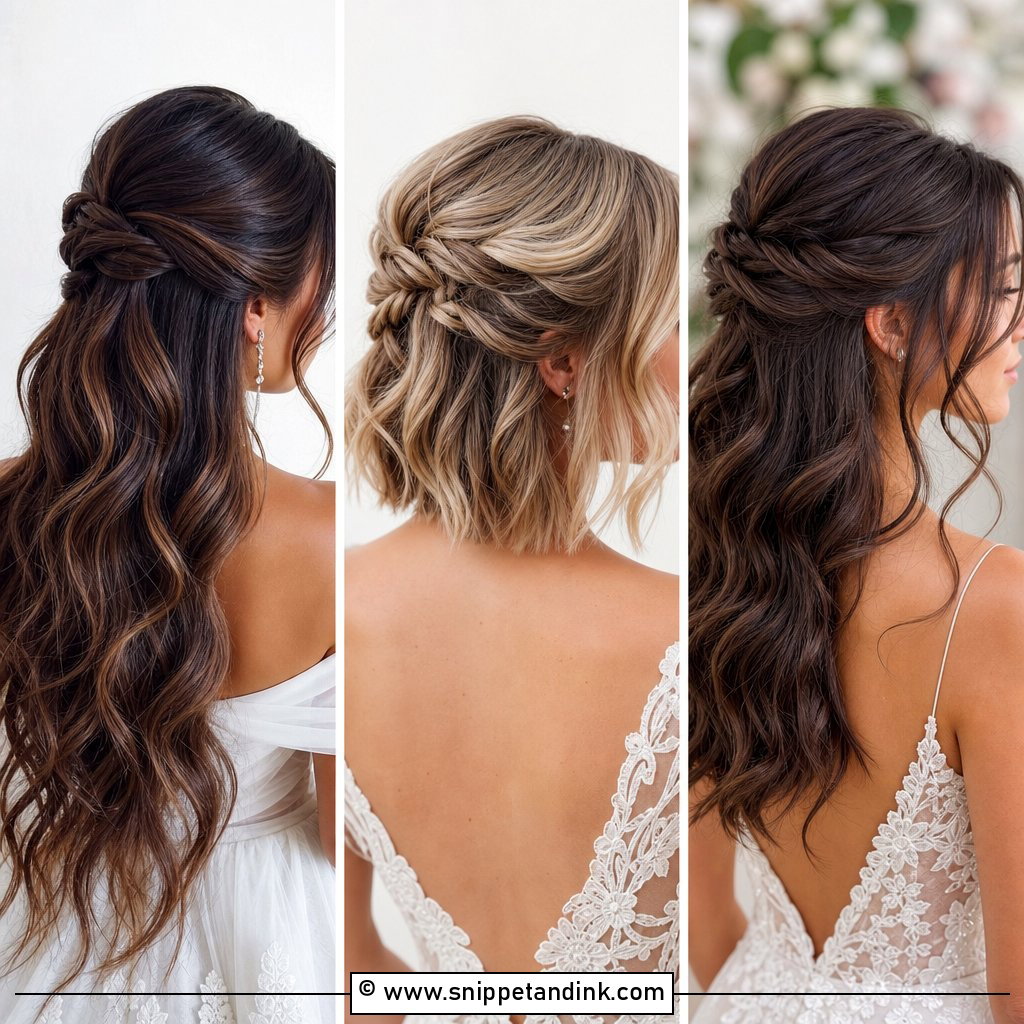
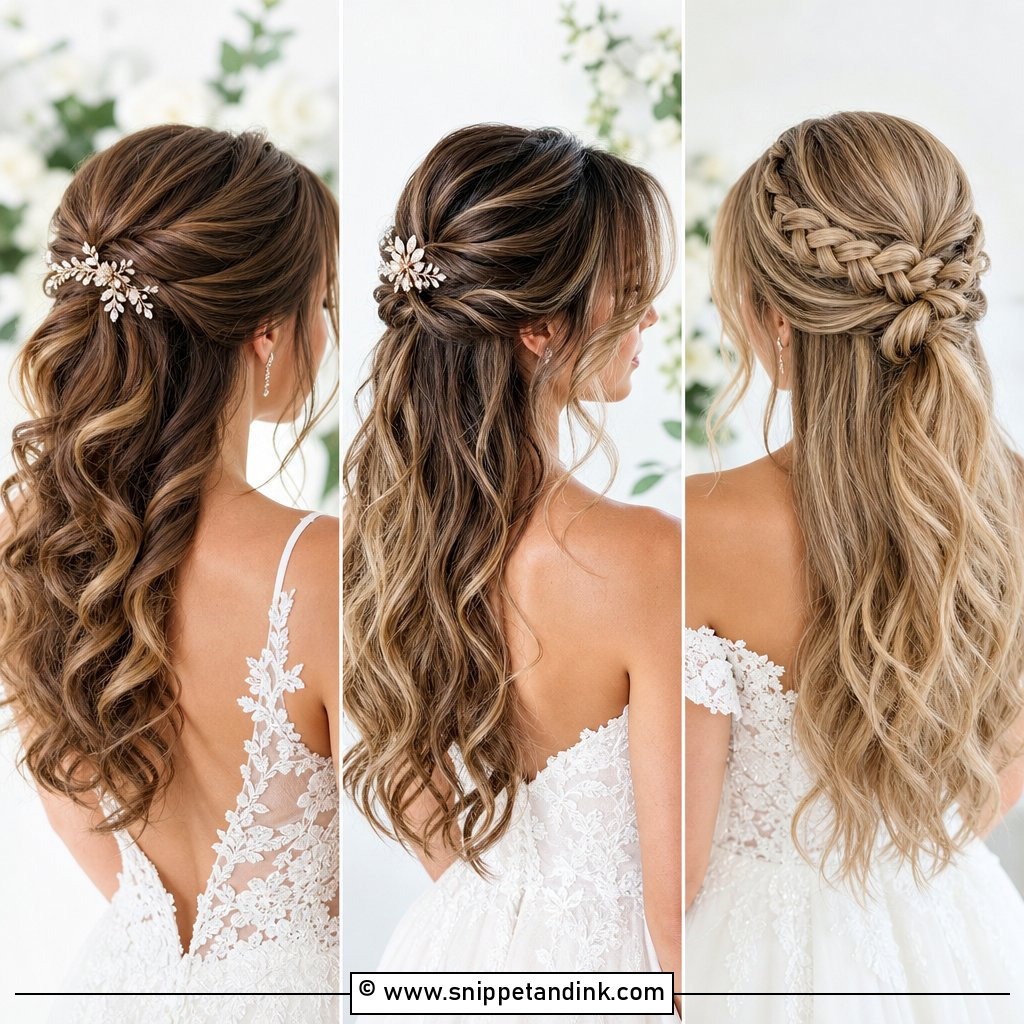
Half up is the halfway house: the top is pinned back lightly and the rest flows in waves or curls. Face open, length down. I secure the pinned part with crossed bobby pins under a small twist, since a lone clip tends to slip as hair warms up. Tiny braids, pearl pins or a soft bow make it personal. Keep the crown just lifted, never teased stiff, and the ends soft enough to touch.
4. Relaxed Bridal Textured Chignon
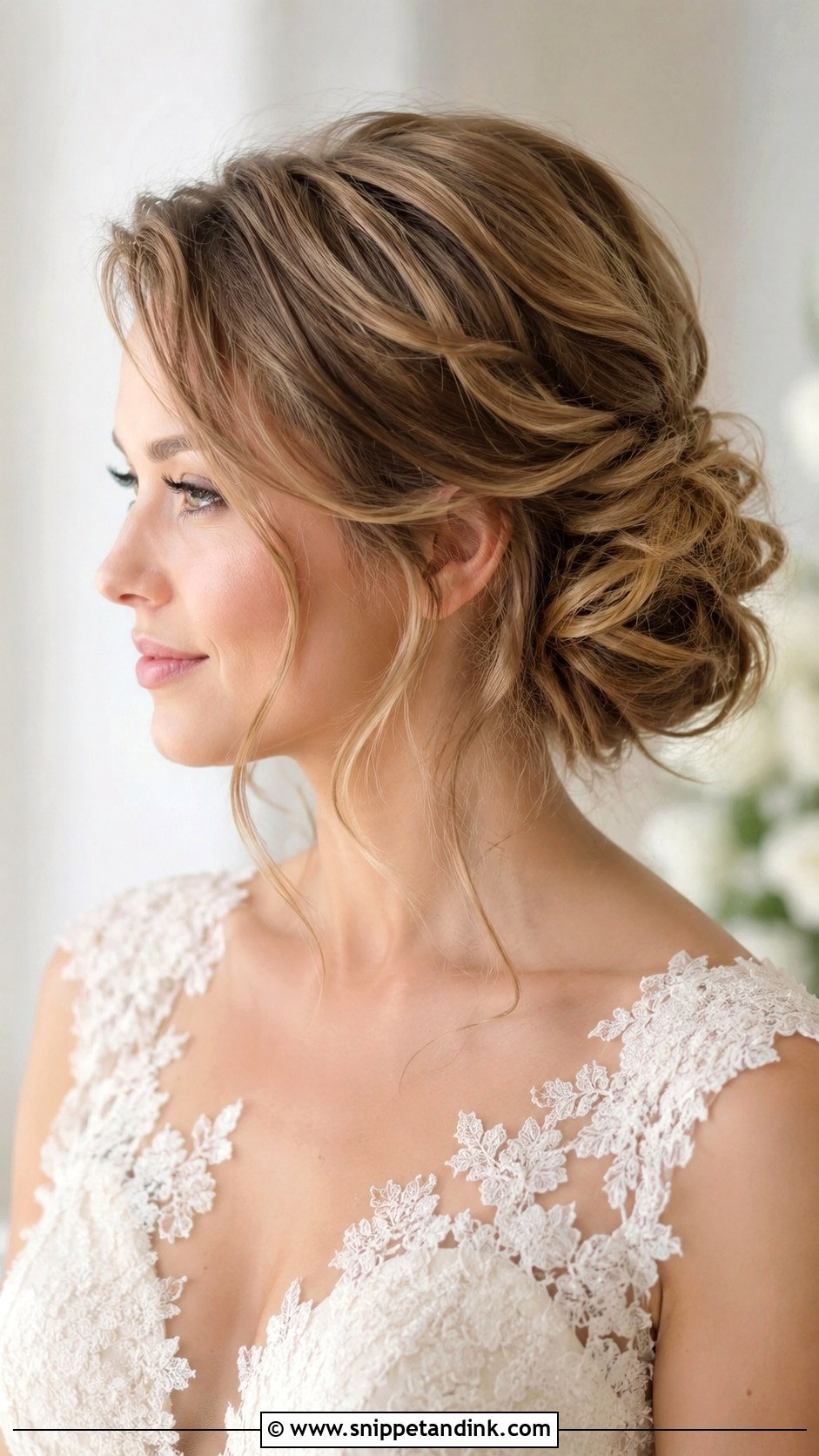
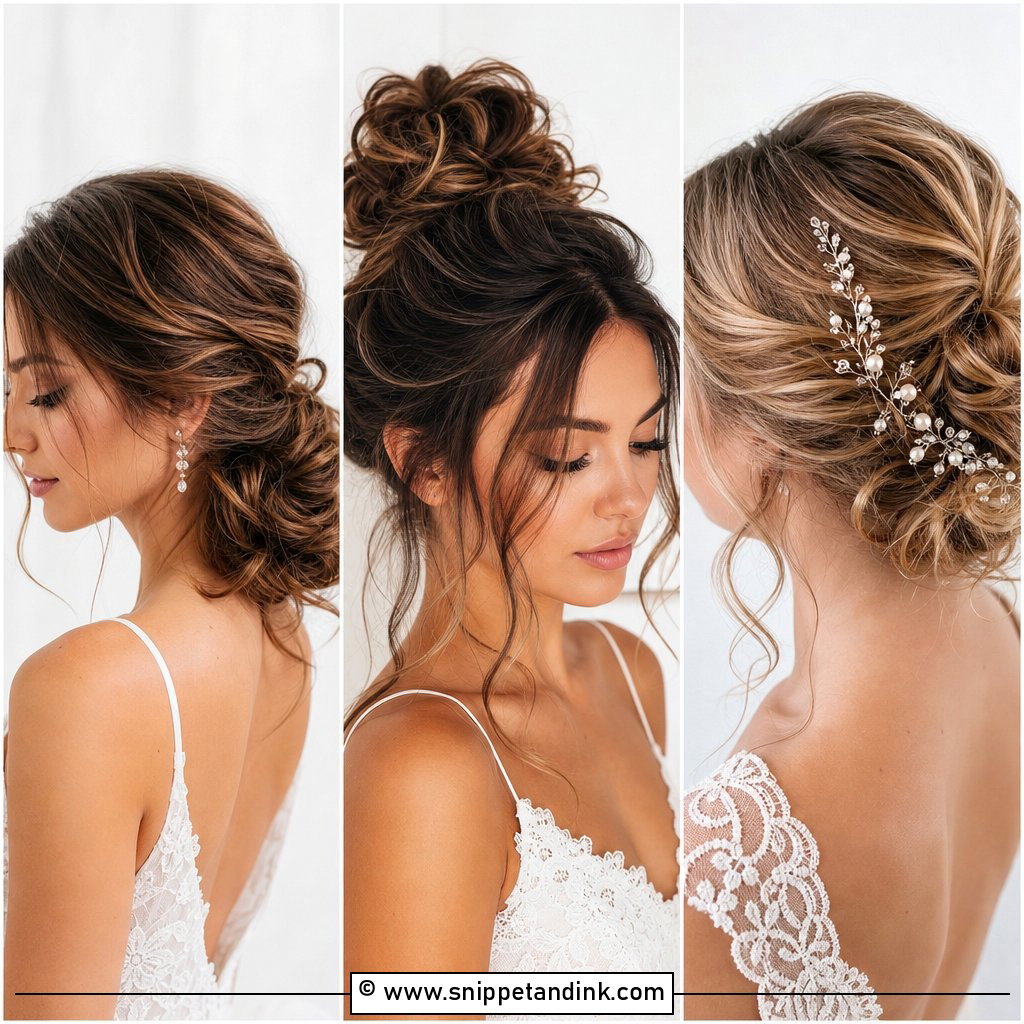
A textured chignon trades a smooth, sculpted surface for soft twists and some visible separation. It sits low, so it plays nicely with veils and detailed backs. Softness around the cheeks and jaw can be adjusted to the face, which is why it suits so many people. With fine hair I’ll add a small padding or a clip-in piece so the chignon has enough body to look full. Done well, it looks a little undone but won’t move an inch.
5. Relaxed Bridal Messy Bun
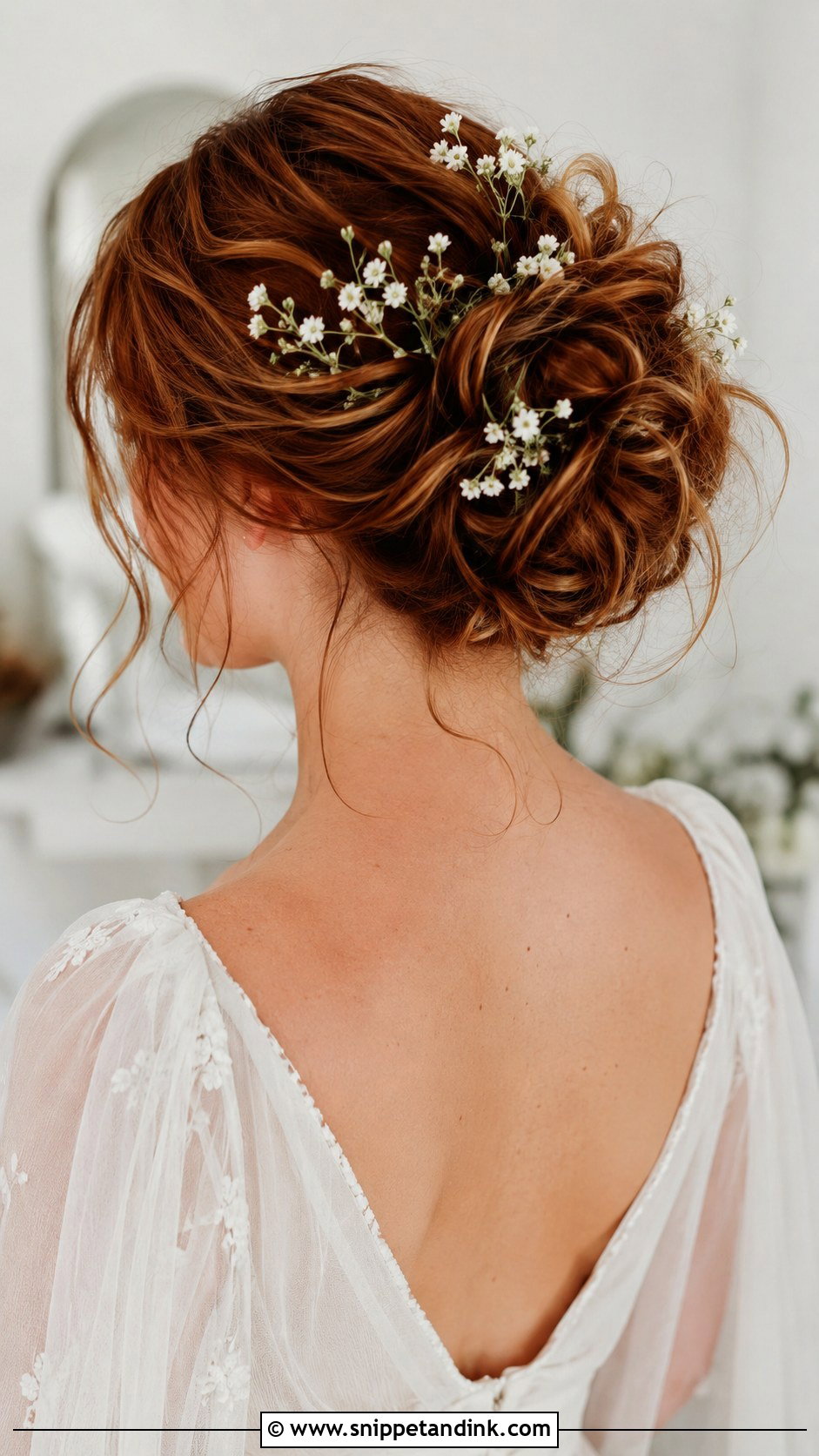
Messy bun is the most misunderstood request I get. The version that lasts has a firm base, pinned texture on top and a few loose tendrils, and looks balanced from every side. I build the base first, then loosen selected pieces for softness. It works for boho dresses, gardens, beaches and warm venues, and it’s comfortable for dancing. Small flowers, pearl pins or a simple veil add just enough detail.
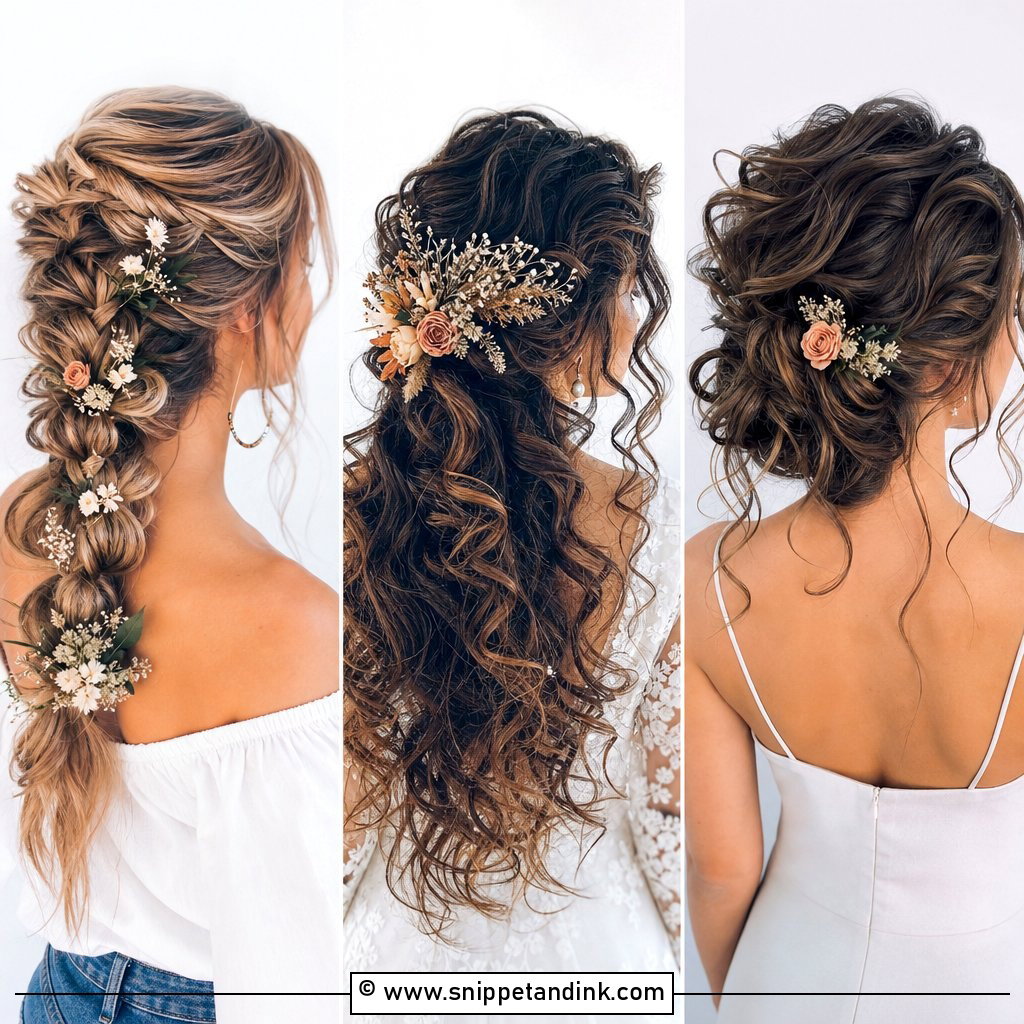
6. Relaxed Bridal Side Braid
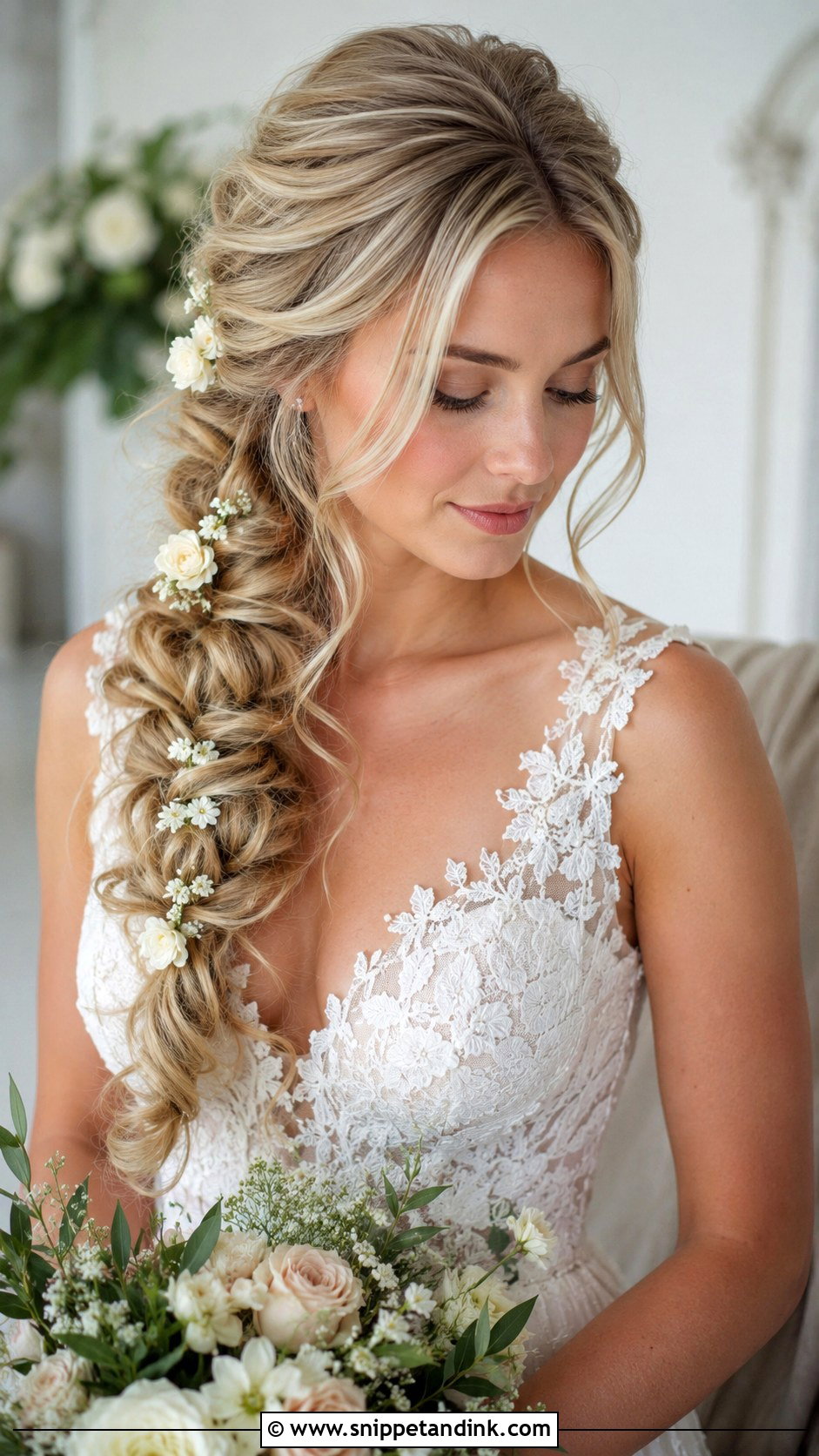
A side braid is at its best on long, thick, highlighted or naturally wavy textures, since all of those give the plait body and show color through it. I braid it loosely, then pull pieces out around the face and crown. Outdoors it keeps hair gathered against wind. Balayage looks especially good, as each section shows a different shade. Fine or short layered hair is harder; ends poke out along the braid, so I’d suggest a different style.
7. Relaxed Bridal French Twist
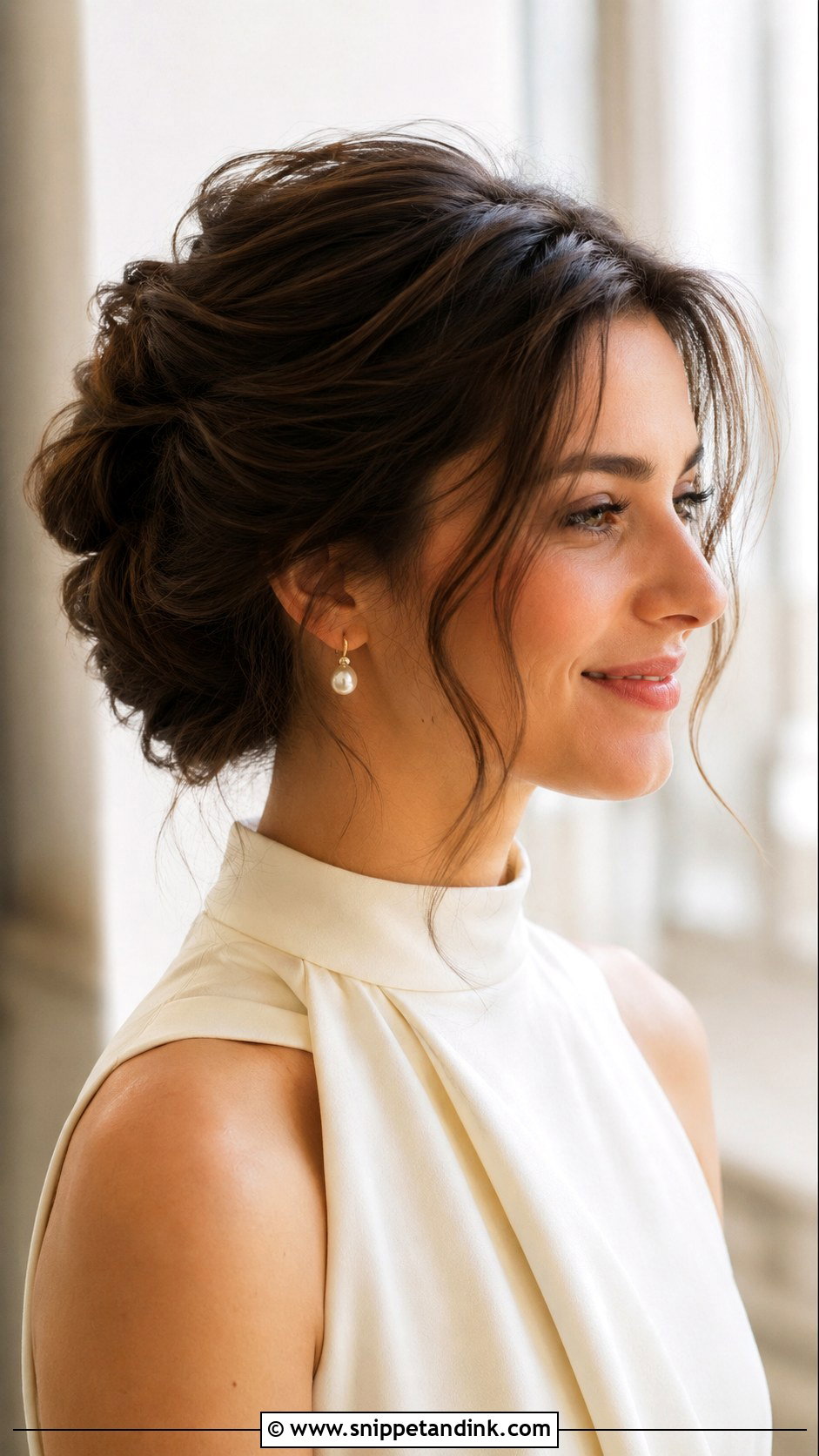
A relaxed French twist keeps the classic vertical shape but loosens the roll and leaves some pieces out. It suits brides who love classic style but hate a stiff head of hair. High neck gowns, strapless dresses, pearl earrings and clean makeup all work with it. Worn smooth, it’s minimal; tousled, it’s softer. I lock the twist with a row of hidden pins down the seam, so the surface can stay loose without the shape unrolling.
8. Relaxed Bridal Ponytail
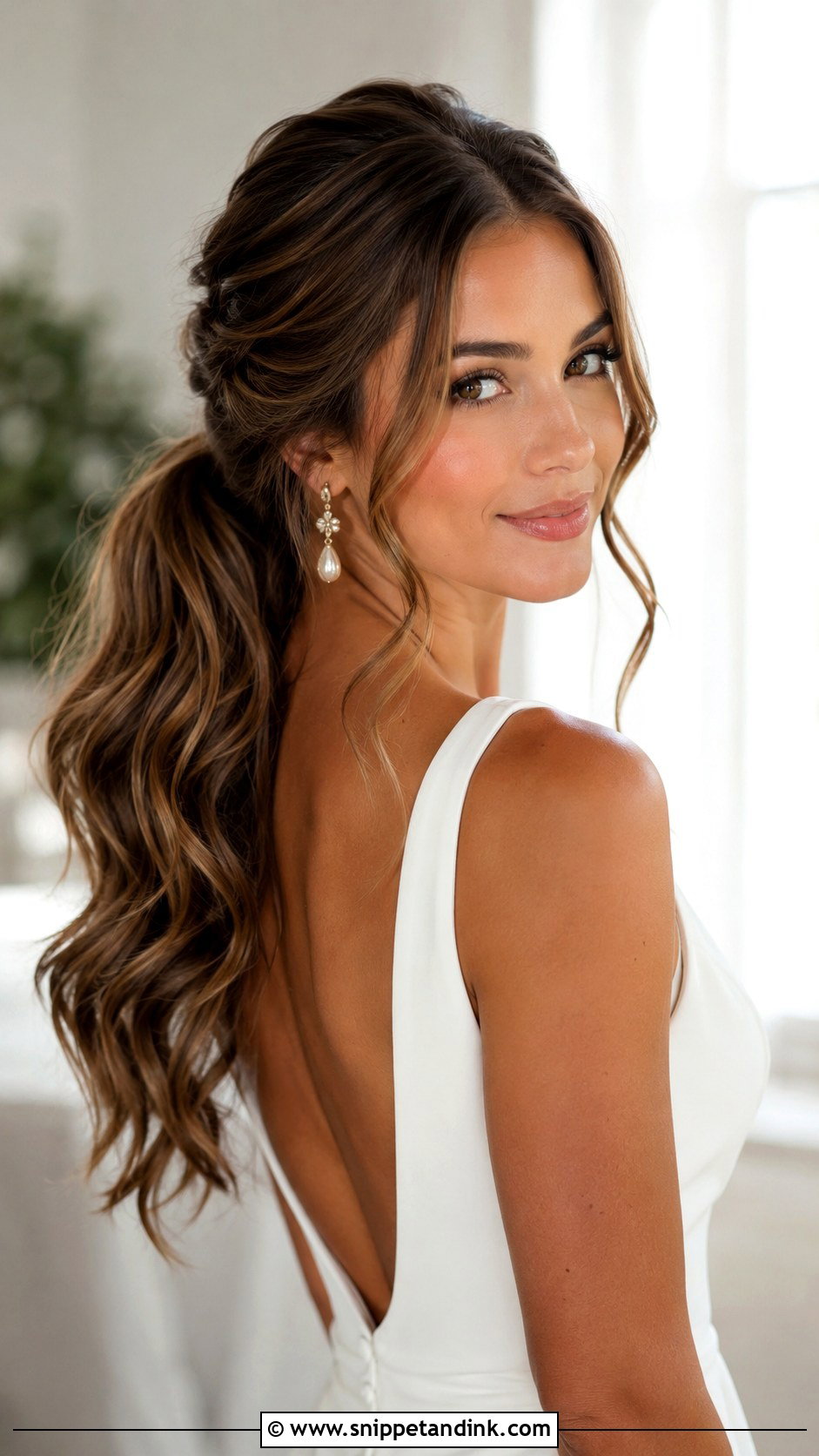
If you want hair off your neck but buns give you a headache, a ponytail is the answer. The bridal version has soft lift at the crown, polished waves through the tail and face-framing pieces. Low is graceful; mid-height is a bit livelier. Statement earrings and open backs show well. I wrap a strand around the base to hide the elastic. Heavy hair can pull, so I sometimes secure it with two elastics stacked close together.
9. Relaxed Bridal Boho Waves
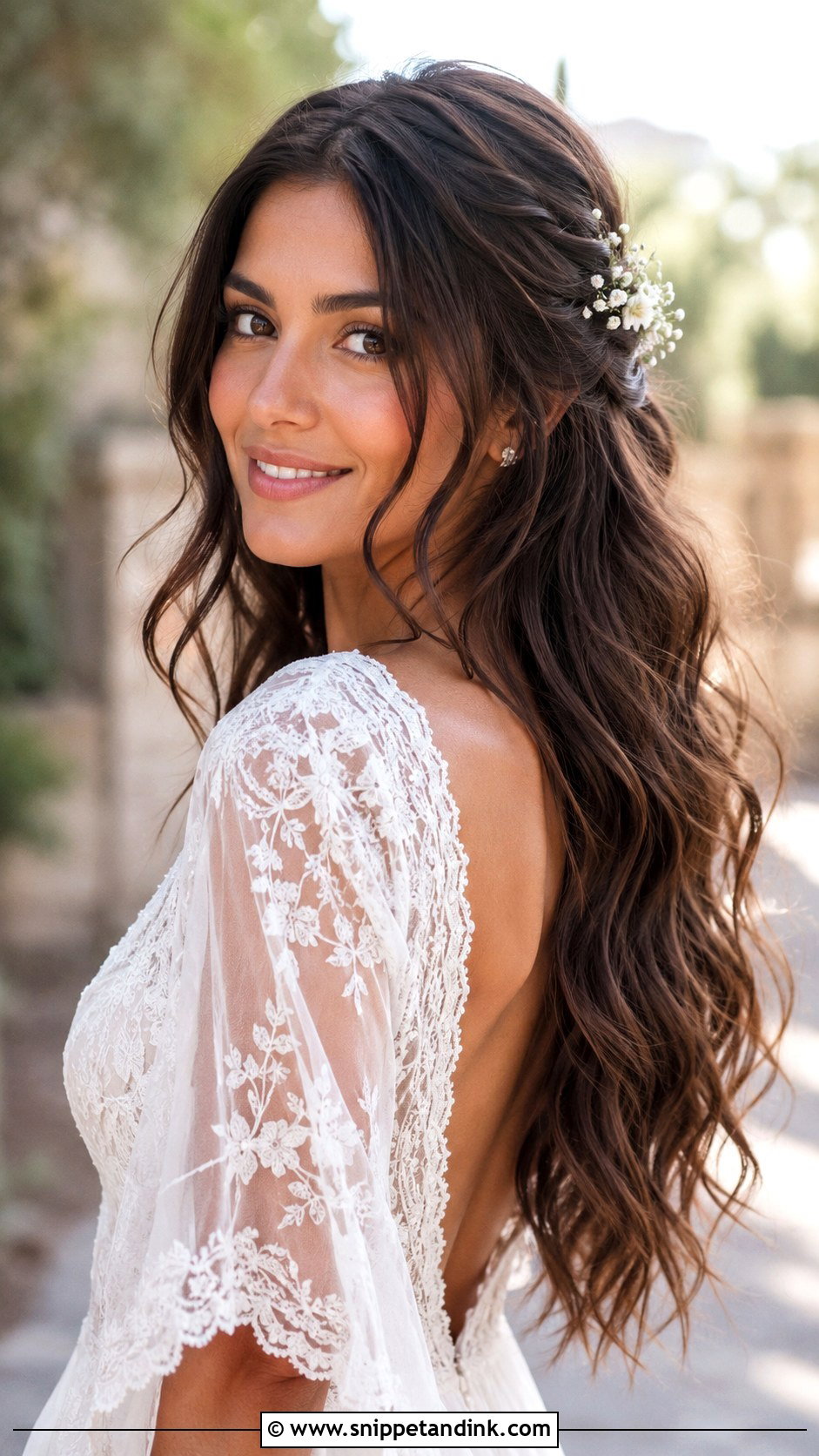
Boho waves are looser and less uniform than classic waves, with natural volume and a slightly undone shape. They suit layered, long and medium hair and give a carefree finish without looking unstyled. A flexible spray works better than strong hairspray, which turns them crunchy. Lace, outdoor venues and simple veils all fit. I define the front pieces a little more than the back so the face is framed in photos.
10. Relaxed Bridal Curly Updo
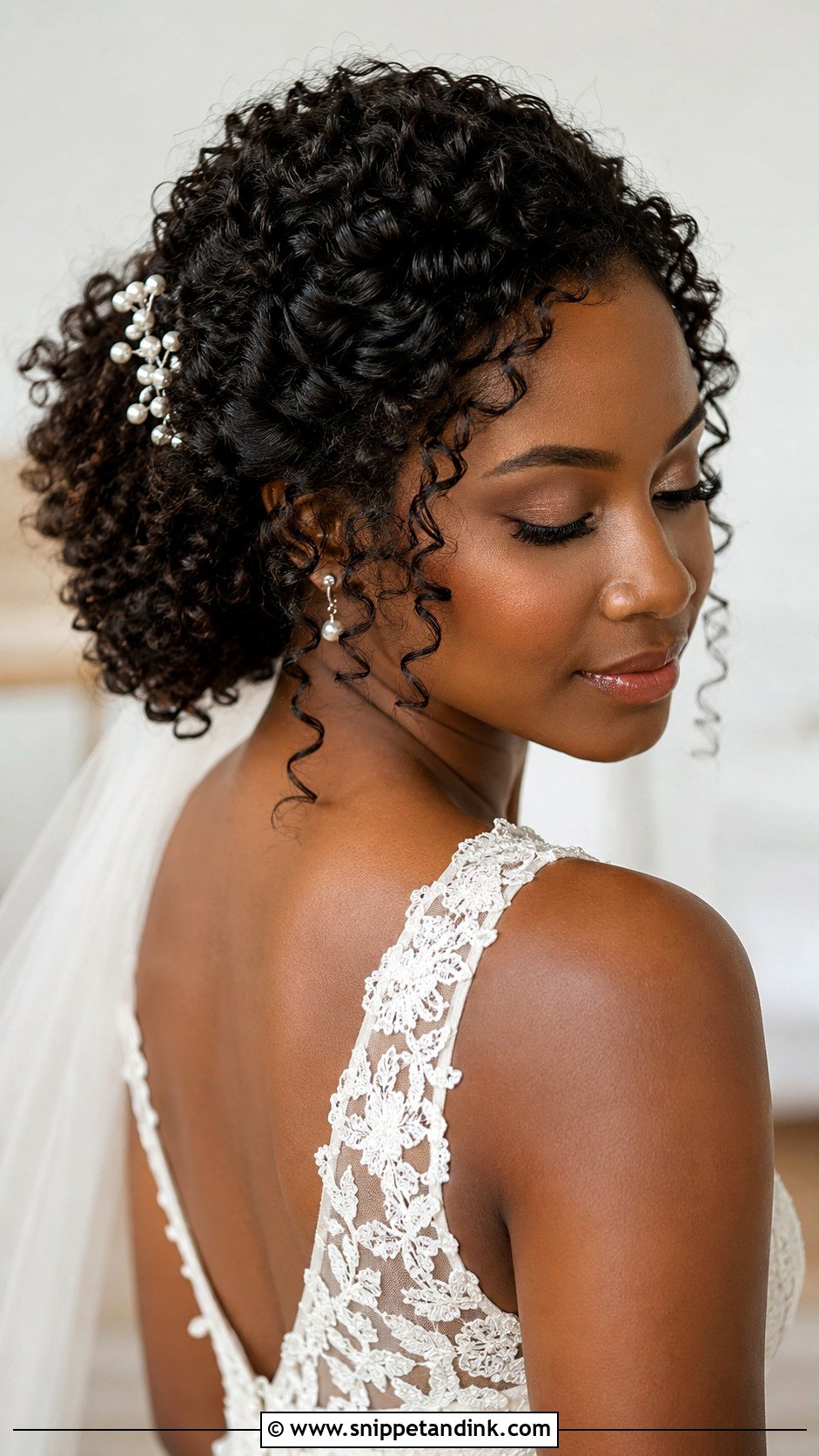
A curly updo should use the curl pattern rather than flatten it. I pin the curls loosely into a soft shape, leaving texture and movement visible, and let a few fall at the face or nape. It works for curly, coily, and wavy hair, and doesn’t need a smooth finish to look bridal. Prep is everything: moisturised, defined curls hold all day; dry curls frizz by the reception. Small pins or fresh flowers add detail without hiding the curls.
11. Relaxed Bridal Natural Curls
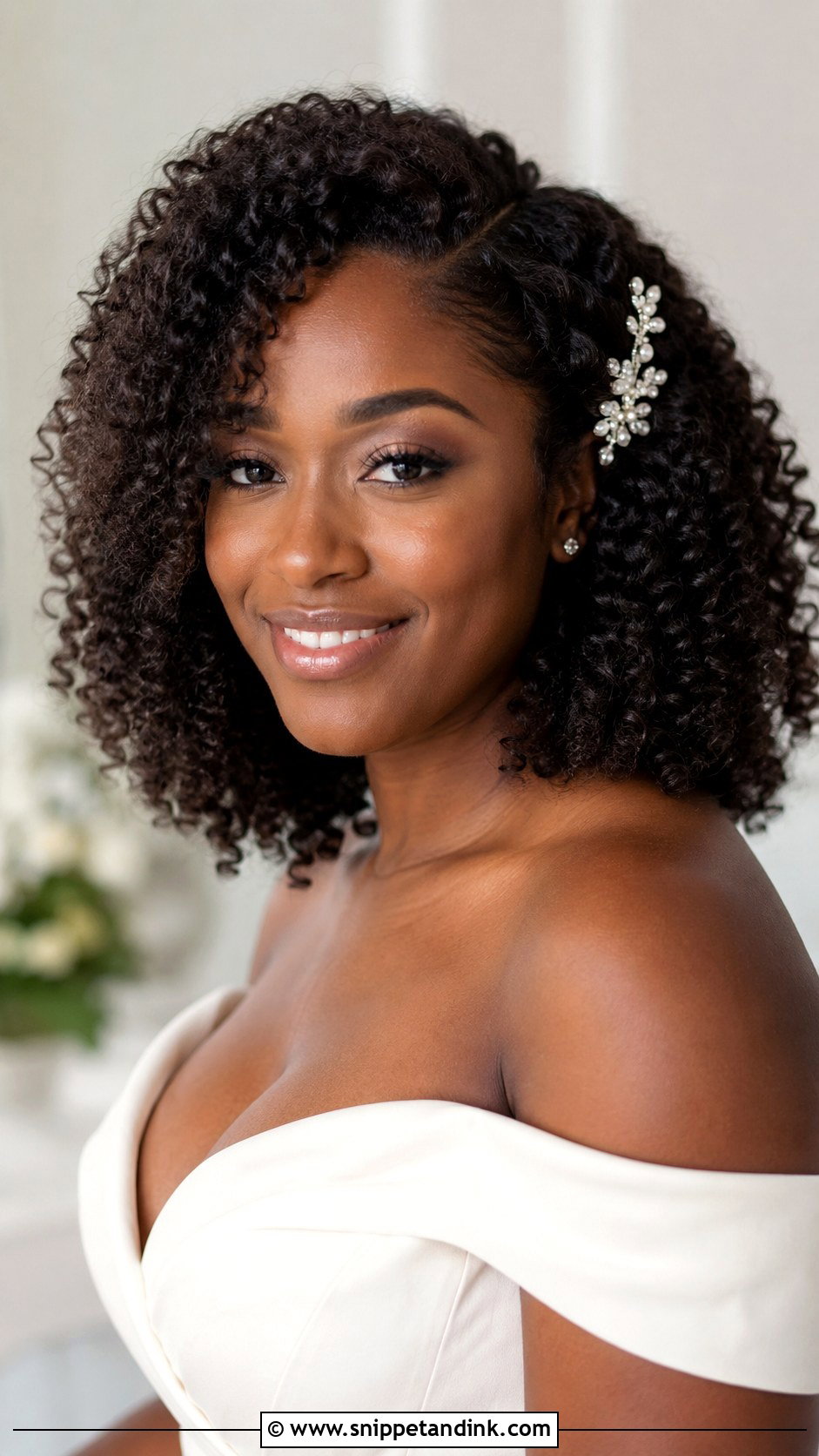
Natural curls worn down put your own pattern at the center. What makes them work on the day is weeks of care beforehand: regular moisture, a trim to remove dry ends and a stylist who knows curly hair. I’d look for one who cuts or styles curls dry or offers a curl consult. On the day, define with your usual products and keep frizz in check. A delicate clip, a veil or a single flower is enough.
12. Relaxed Bridal Low Ponytail
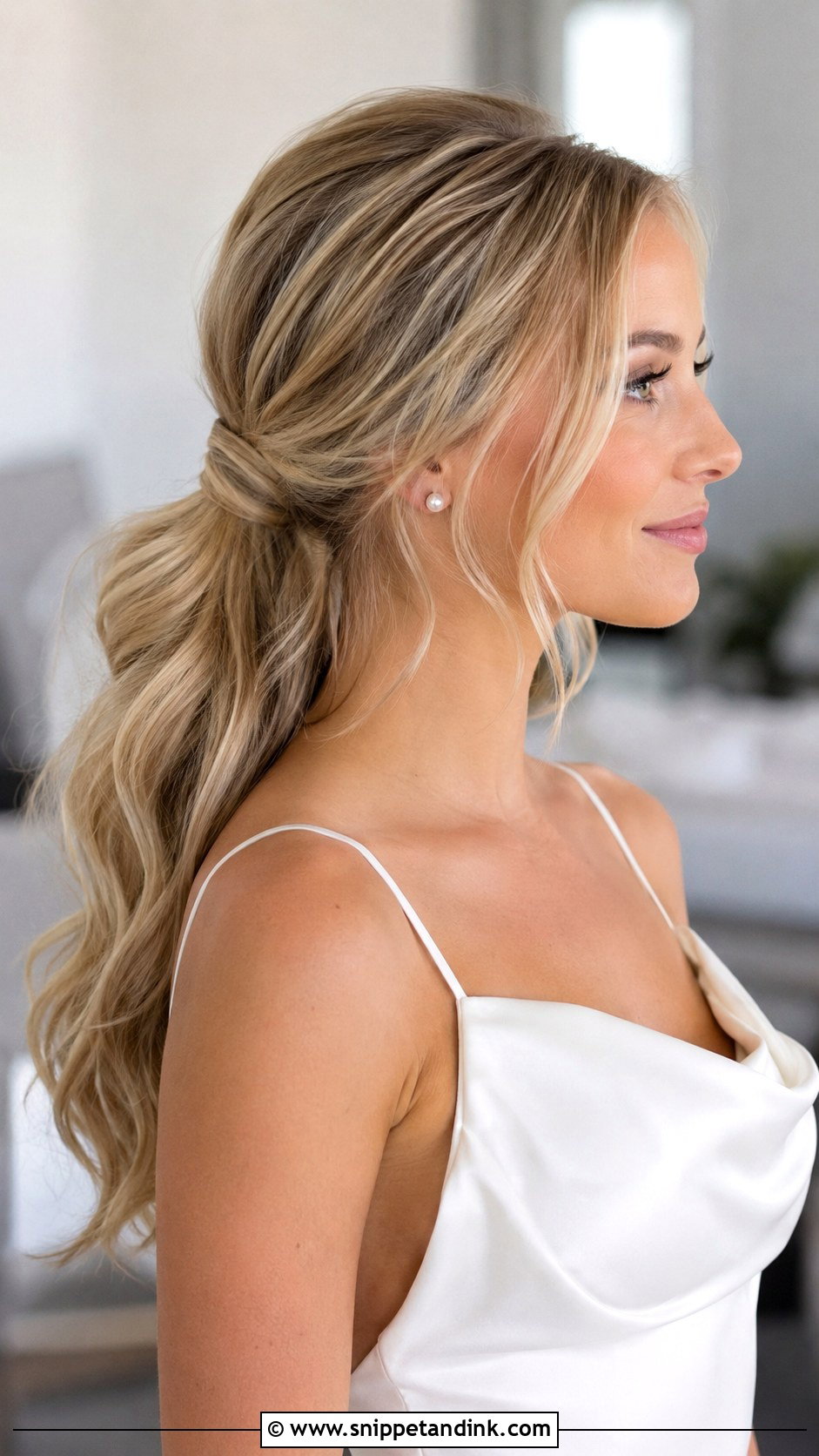
A low ponytail holds up in wind, humidity and dancing better than nearly any style that has hair down. It sits at the nape and suits waves, straight hair or loose curls, with a middle or side part and face-framing layers. It’s polished without the formality of a bun. For softness I add crown volume and leave a few loose pieces instead of pulling everything back tight. A ribbon or pearl band at the base adds a wedding touch.
13. Relaxed Bridal Braided Updo
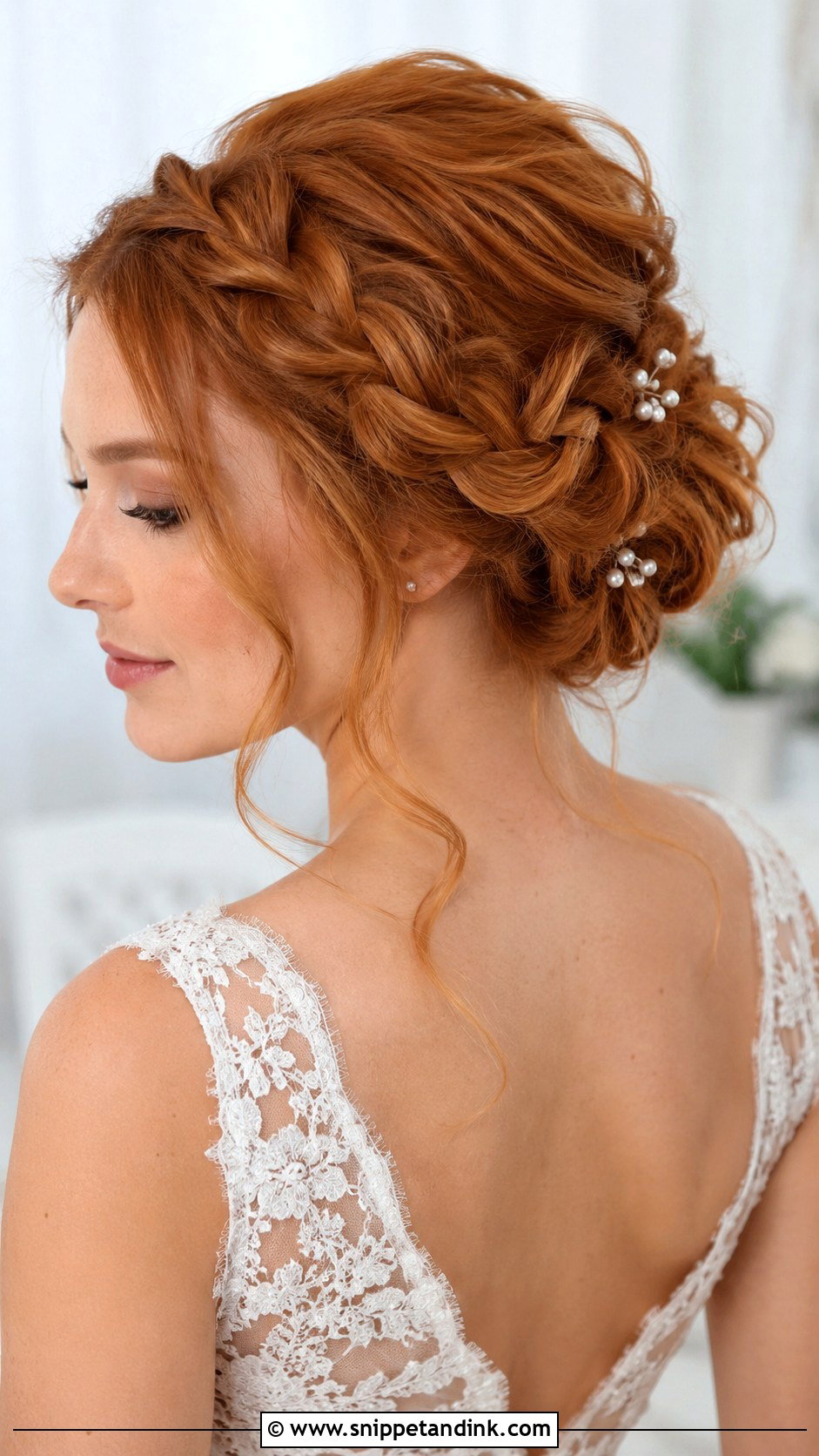
A braided updo adds detail at the back, which matters more than people think: guests see the back of your head through the entire ceremony. I weave the braid into a low bun, wrap it round the crown or tuck it into a soft chignon. It suits open necklines and simple silhouettes. Braids hold firmly, so it’s practical for long days. Loosen the braid a little after pinning. Pearl pins, tiny flowers or a delicate comb add a quiet bridal accent.
14. Relaxed Bridal Short Hair
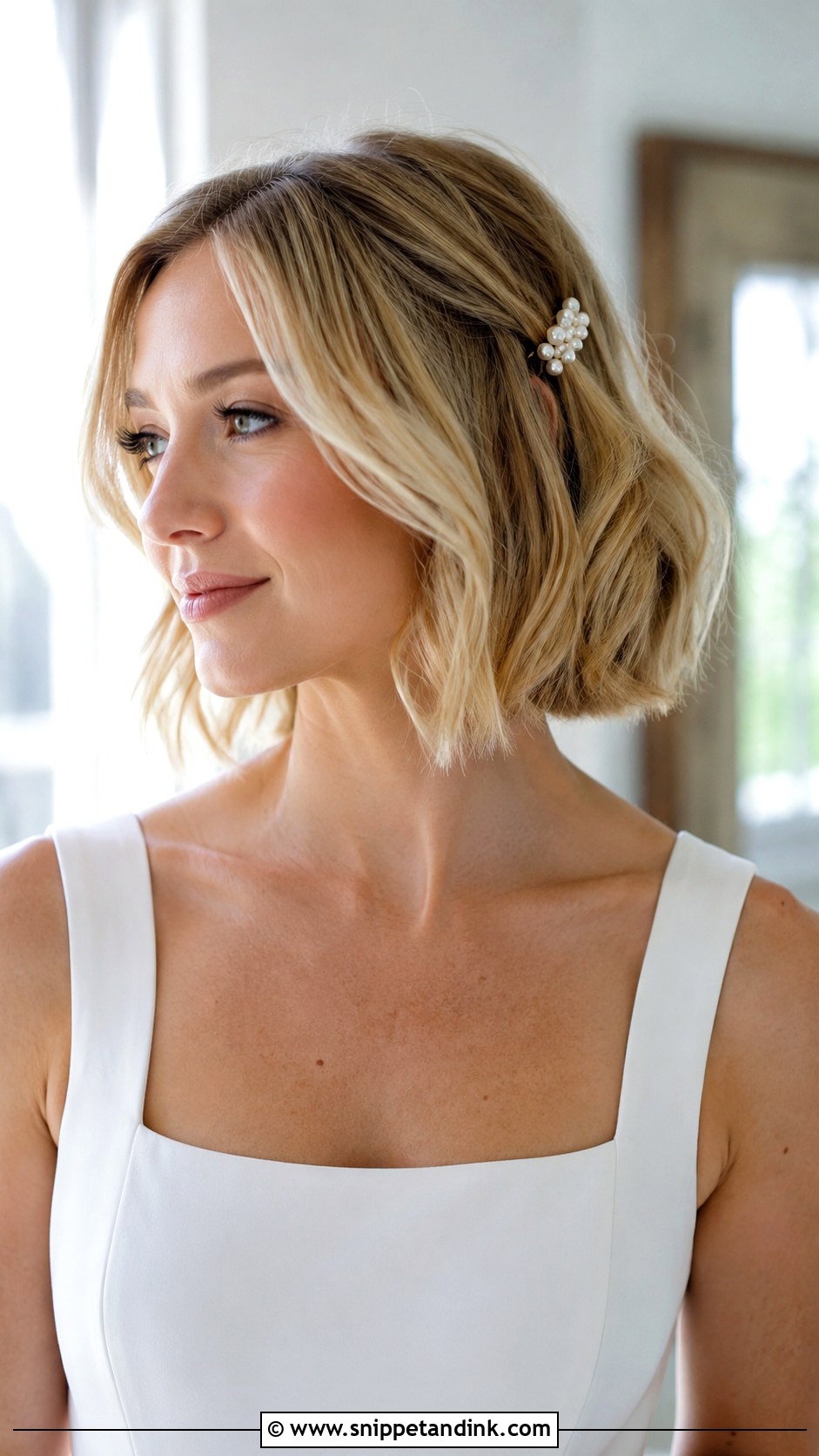
Short hair is easier to style relaxed than people expect, as there’s less weight pulling the shape down. A soft bob, wavy lob, cropped cut or textured pixie needs movement, shine and a little shape. I’d work with the cut rather than try to disguise it. Soft bends, side-swept pieces, a slim headband or a small pearl clip are enough. Face, earrings, neckline and dress all stay visible. Book your last trim about two weeks out.
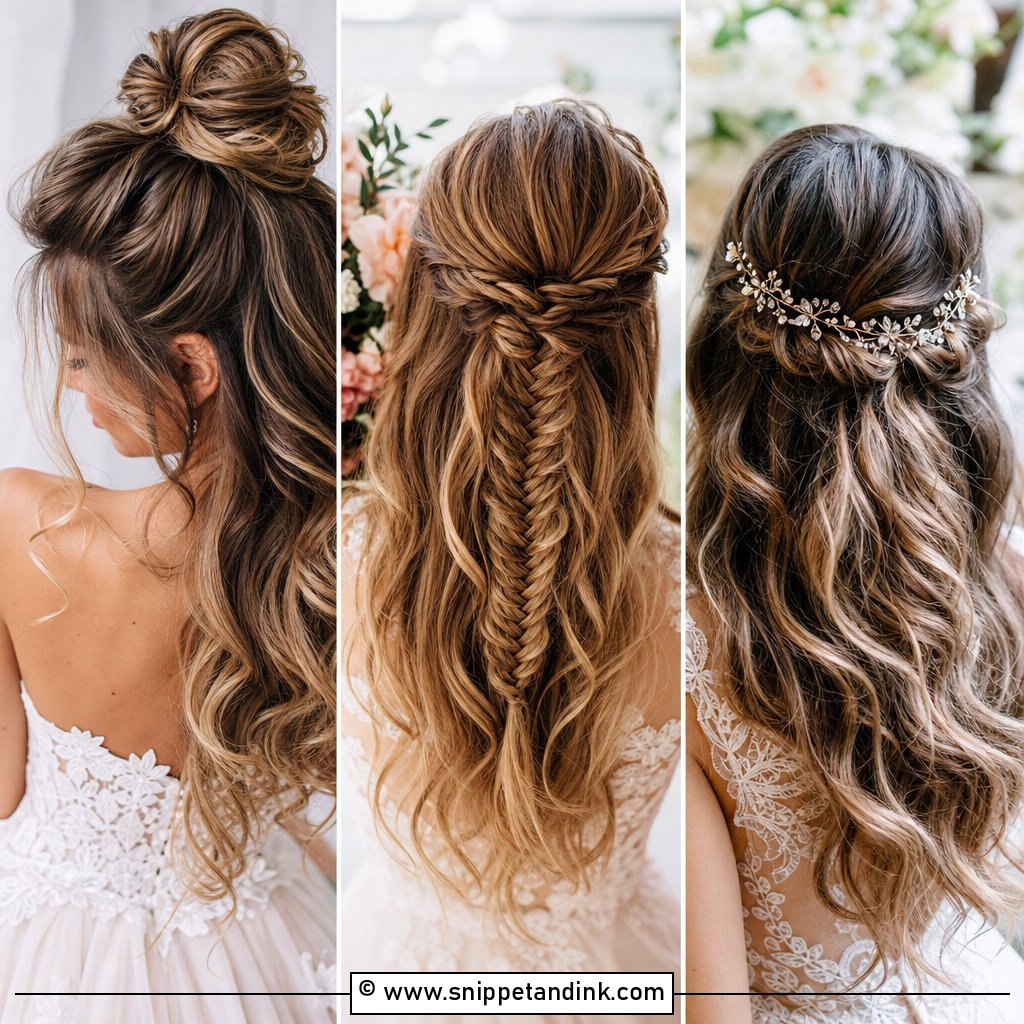
15. Relaxed Bridal Hair With Veil
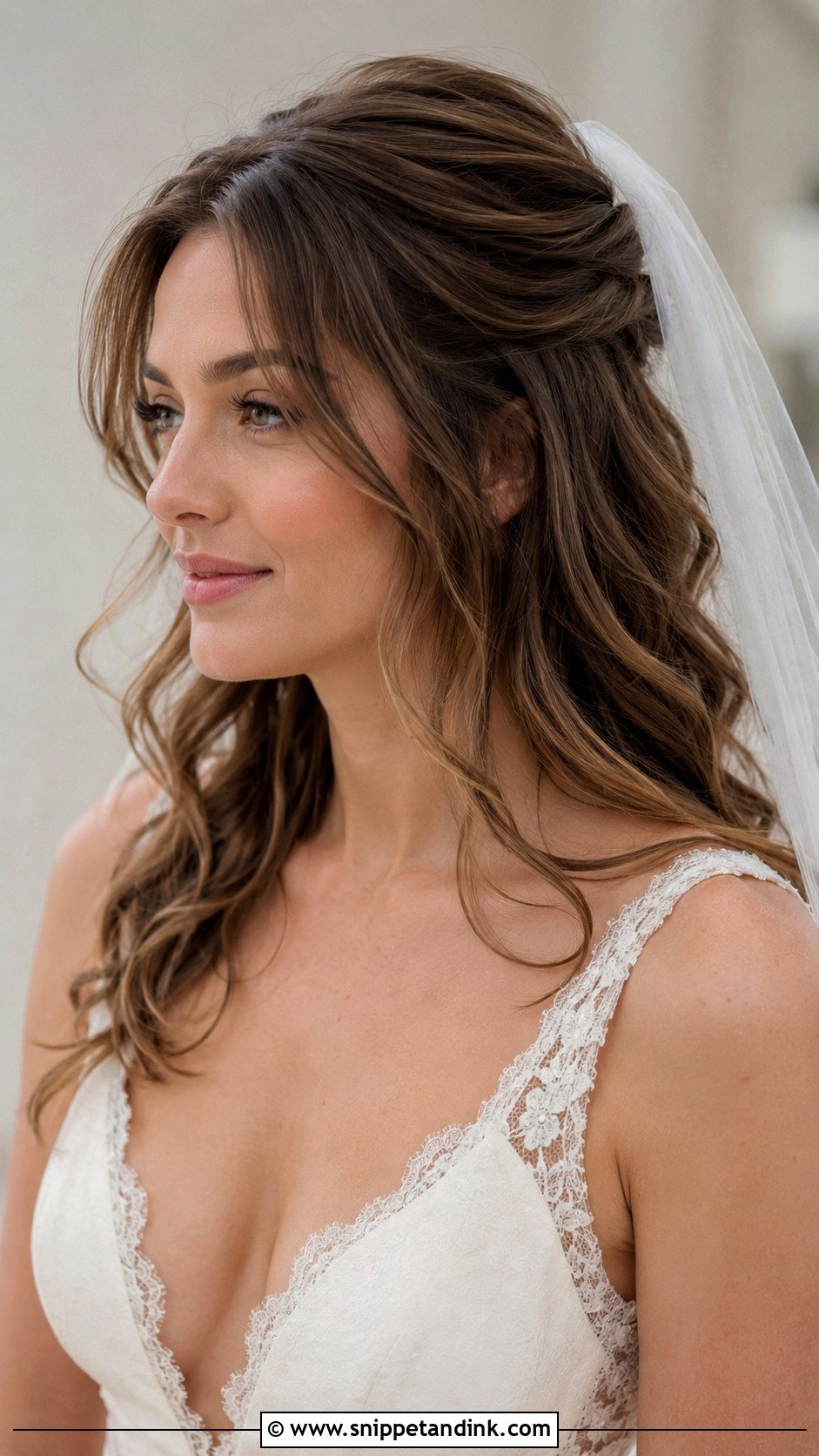
A veil needs something to anchor to, even in a relaxed style. Low buns, half up waves, soft chignons and loose curls all work; the veil can sit above the bun, under the crown or in a comb, depending on the shape. I put a hidden row of crossed pins where the comb goes, so the veil doesn’t drag the soft style flat. Keep hair loose around the face so the veil frames you. Taking it off later is easier with a relaxed style, and the hair stays intact.
Describing Relaxed Hair in Words a Stylist Understands
Relaxed, messy, undone, soft and natural mean different things to different people. One bride says messy and means a few face-framing strands; another means visible bumps and flyaways. The quickest way to get what you want is to describe it in specifics.
Also tell your stylist how you normally wear your hair. If you never wear it up, a full updo may feel strange all day even if it looks good. A half up style or loose waves might feel more like you, and that comfort shows in photos.
- Point to exactly what you like in each photo: the loose pieces at the face, the low placement, the volume at the crown.
- Show one photo of what you don’t want, too. It often says more than the ones you love.
- Say how much hair you want around your face, and whether you’ll tuck it behind your ears out of habit.
- Mention if you hate the feeling of hair on your neck or tightness at the scalp.
At the trial, look at the back with a hand mirror and move around. If anything pulls, feels heavy or keeps falling in your eyes, say so then, while there’s time to change it.
Comfort and Hold Can Live in the Same Hairstyle
Wedding hair doesn’t need to be stiff, heavy or complicated to look bridal. A soft low bun, loose waves, natural curls, a textured ponytail or a loose braid can be every bit as special as a formal updo. What decides it is your hair type, your neckline, venue, weather and how you want to feel while you move. Bring photos to your trial, tell your stylist honestly what you like and dislike, and pick the style that holds while still feeling like you.
You'll Like These Ideas:


Leave a Reply