
Most brides who sit in my chair now ask for the same feeling: hair that moves and that someone could touch without hitting a shell of spray. That is a reasonable ask, and a tricky one, because softness is the first thing a long day takes away. The fifteen styles below run from airy buns to brushed waves and loose curls, and they all take accessories well, from pearl pins to floral clips and veils. With each I’ve noted the hair it needs and the point where it usually gives up.
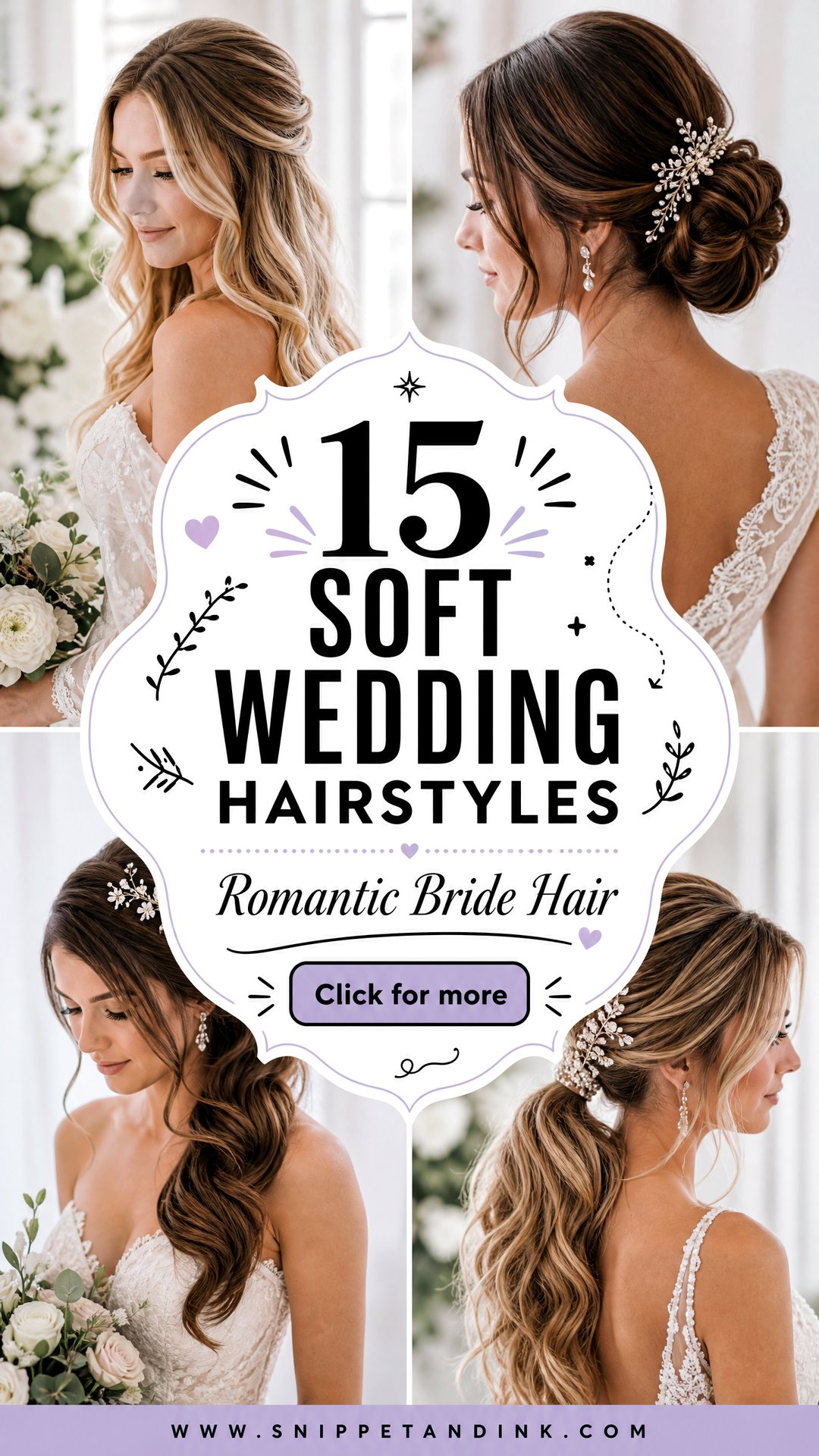
Cut, Colour and Wash Dates That Help Soft Hair Hold
A soft style is only as good as the hair it is built on, and a lot of that is set weeks before the wedding. I give my brides a rough calendar.
- Six to eight weeks out: last big change, whether that is a new cut or a significant colour change. Anything later and you have no time to fix it.
- Three to four weeks: any extensions should be colour-matched and in your hands for the trial.
- Two weeks: trim and gloss or toner. Freshly cut ends sit stiffly for a few days.
- Night before: wash and blow-dry for most hair types. Very oily or very fine hair may do better washed the same morning, which we decide at the trial.
- Wedding day: arrive with dry, product-free hair, unless your stylist asked for something else.
Skip deep conditioning masks in the last couple of days. They leave hair silky, which feels great and makes it slippery to pin, and curls drop out faster.
1. Soft Low Bridal Bun
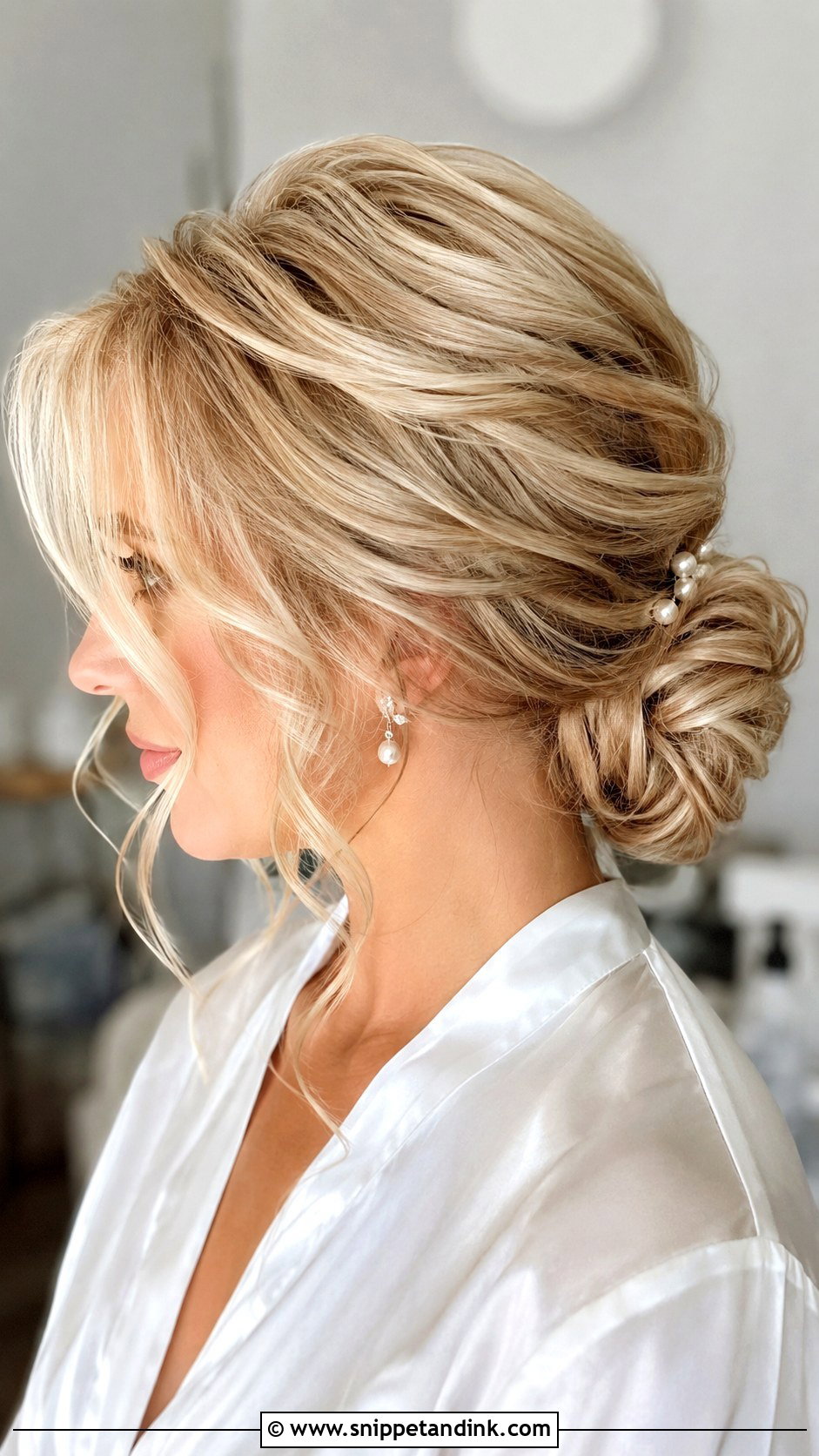
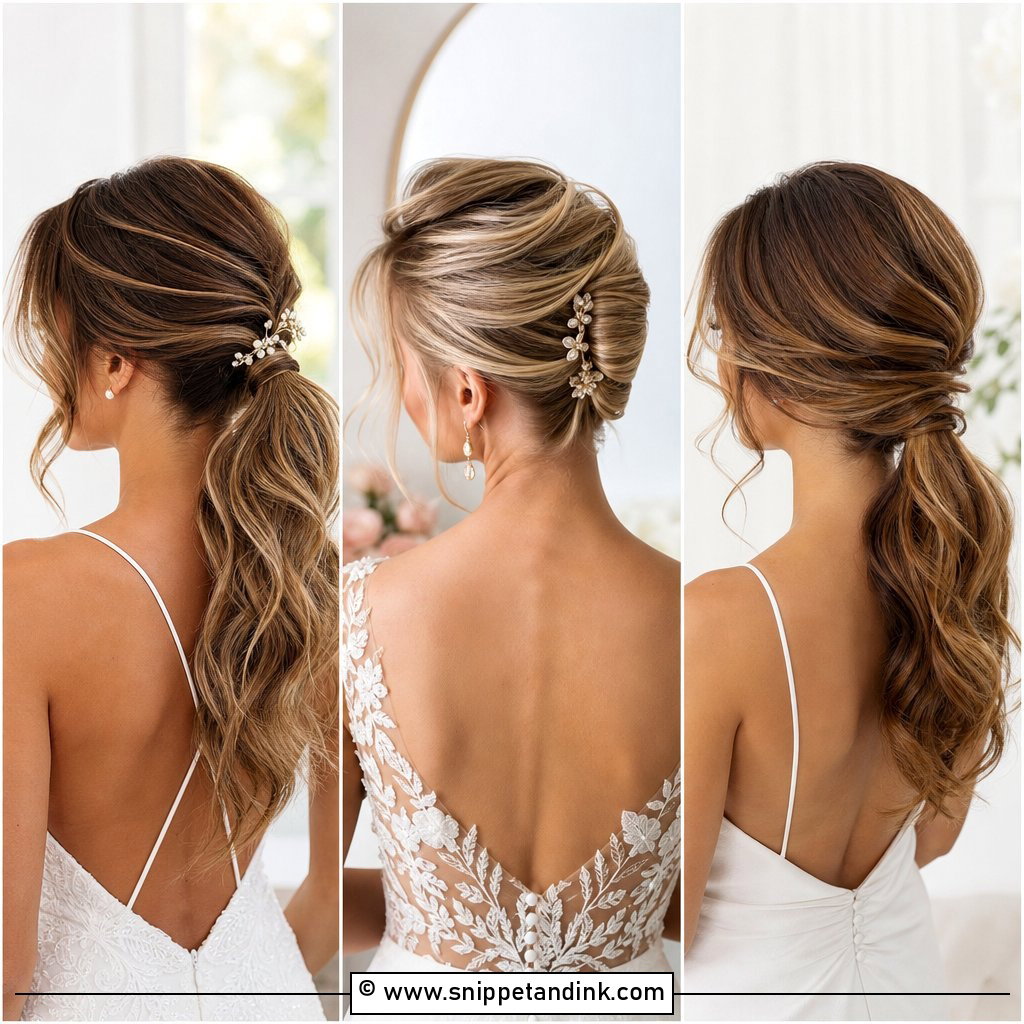
A low bun is the calmest choice on a busy day. Sitting at the nape, it stays out of the way of a veil comb and never presses against a chair back during dinner. The softness comes from what I leave out: a little lift at the crown pulled up with a tail comb, and a few curled pieces at the cheeks and jaw. The base inside the bun stays firm, though. I build it on a small ponytail so nothing loosens after the hugs.
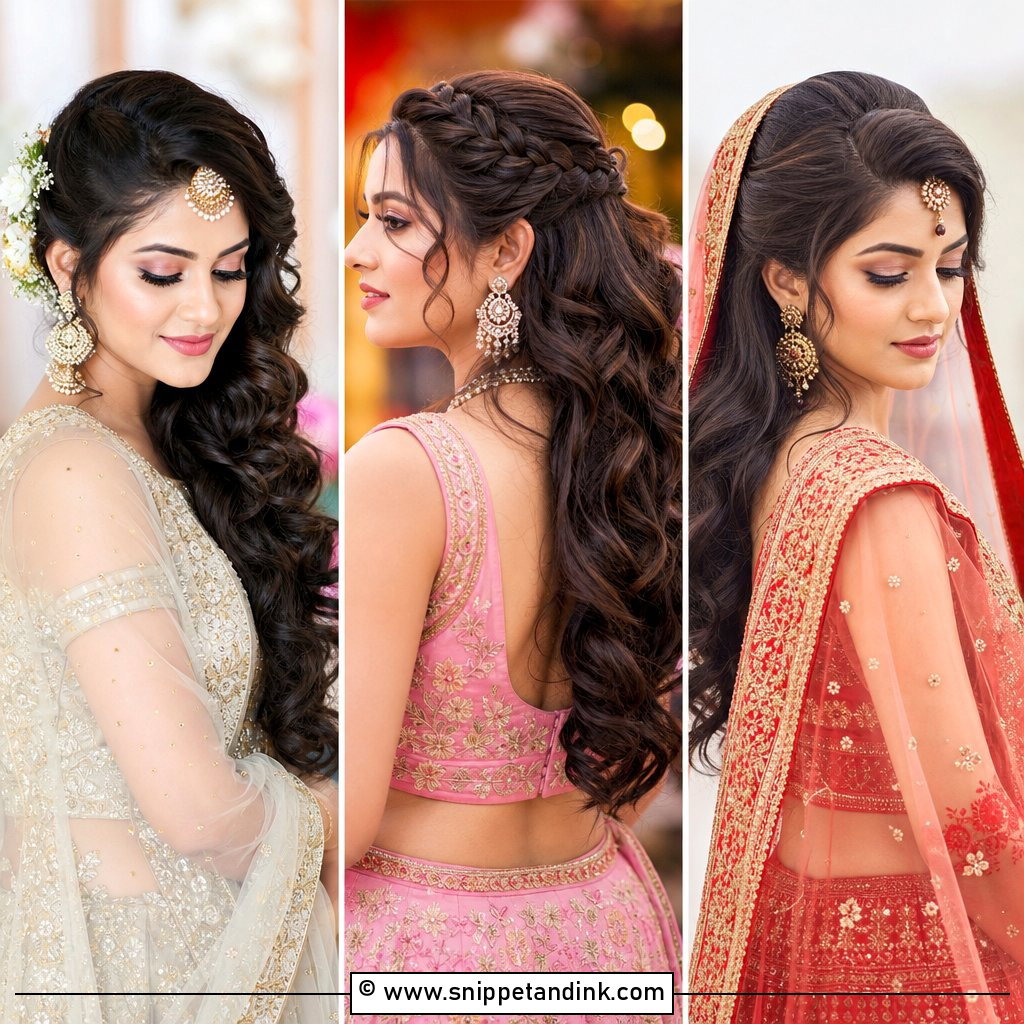
2. Soft Half Up Wedding Hair
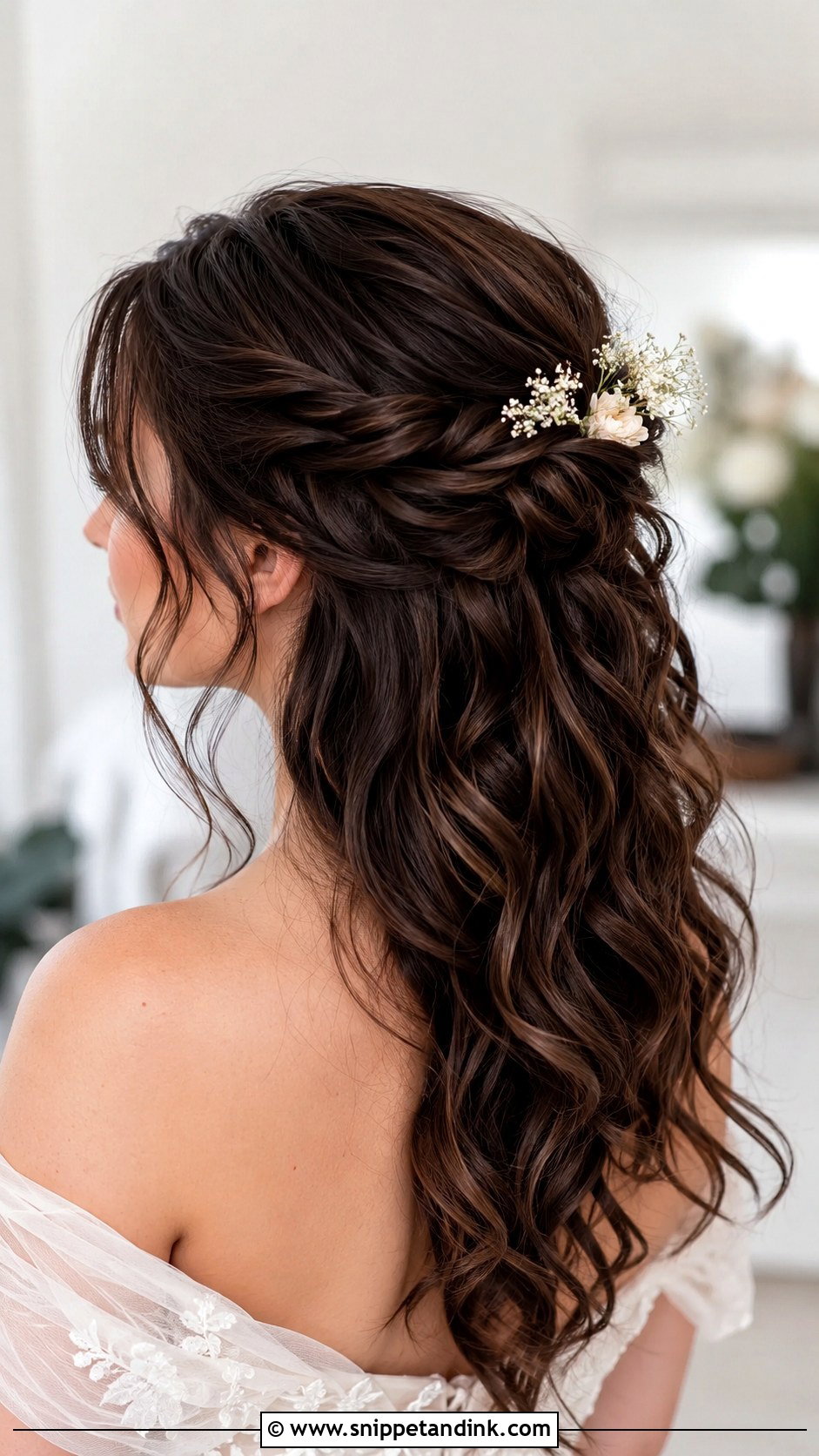
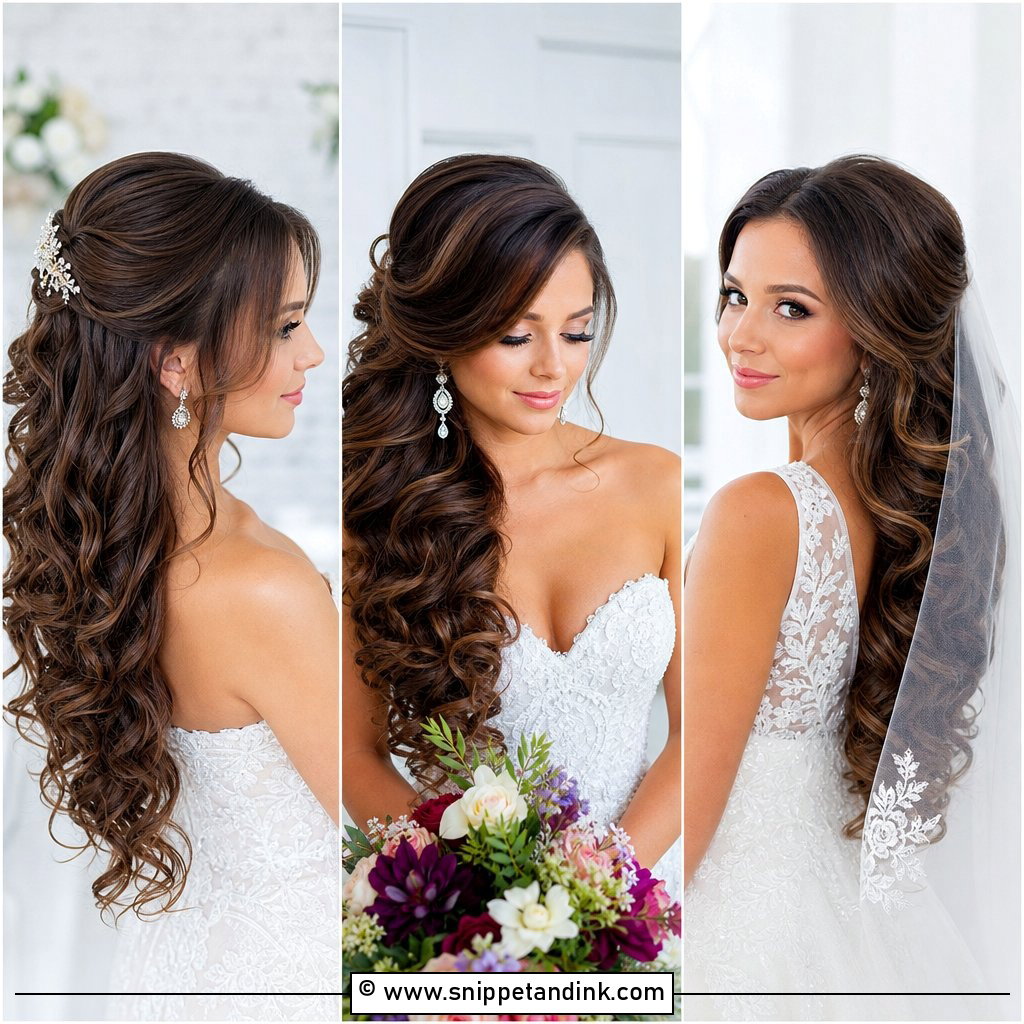
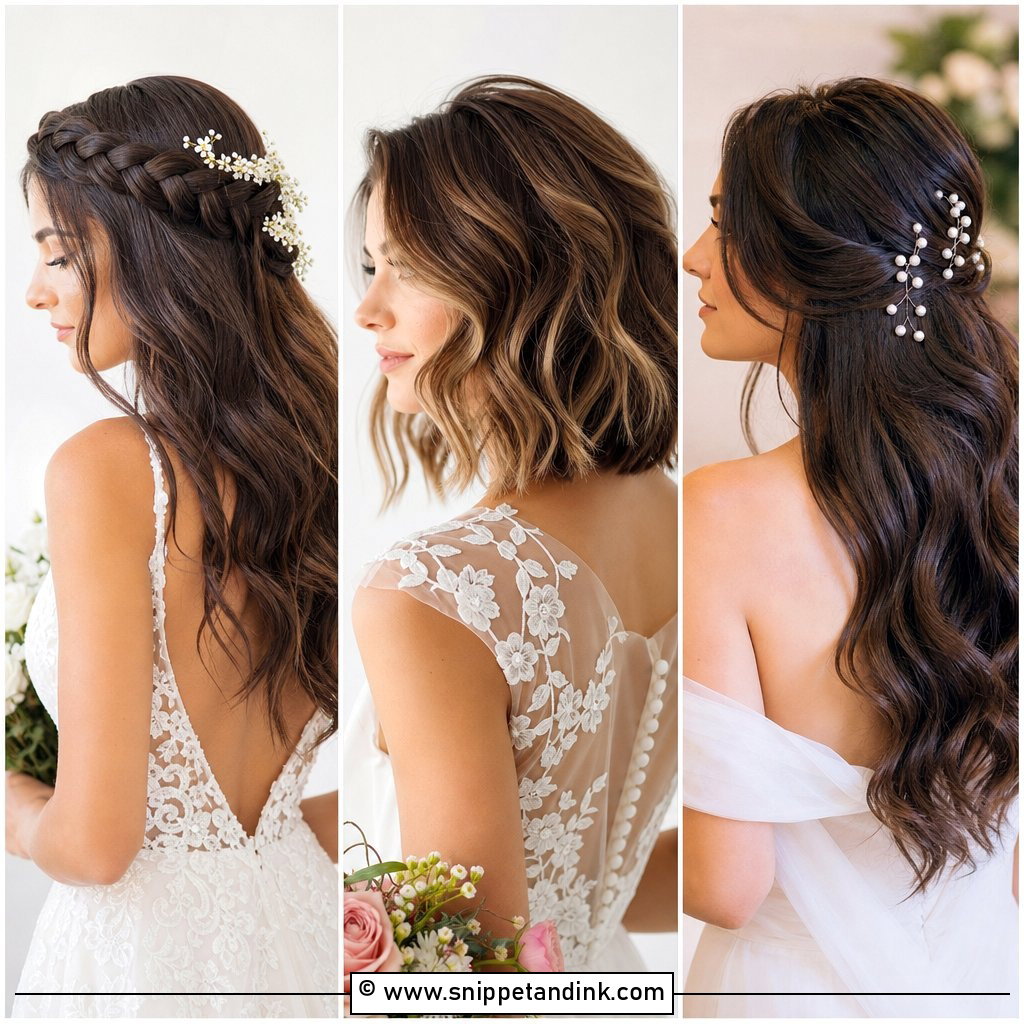
Half-up hair keeps the face clear while the length stays loose. The top section can be twisted or simply gathered, and how high I place it changes the whole look: high reads youthful, low near the occipital bone reads more grown-up. The loose lengths are the weak point. Waves on straight, fine hair can drop out by the first dance, so I set them in clips while you have your makeup done. A veil slots in under the gathered section with almost no extra work.
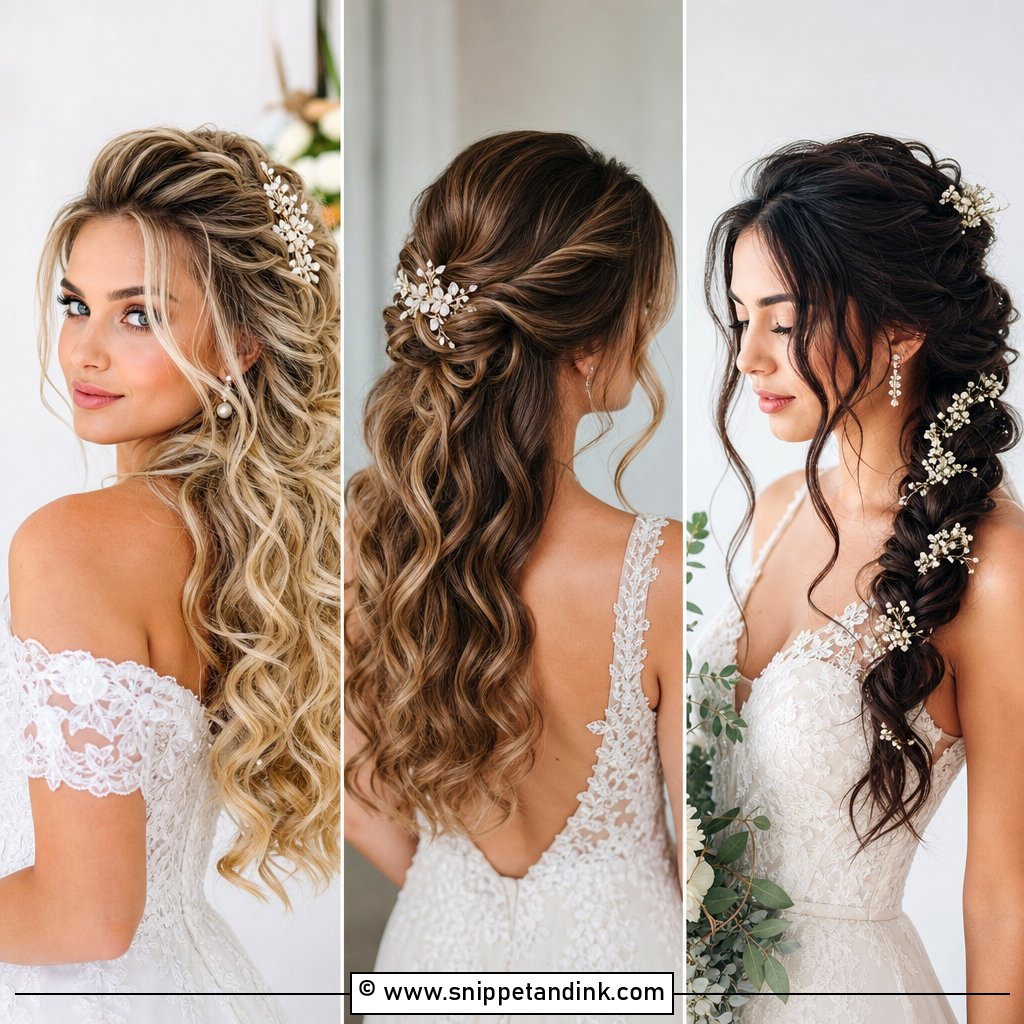
3. Soft Wedding Waves
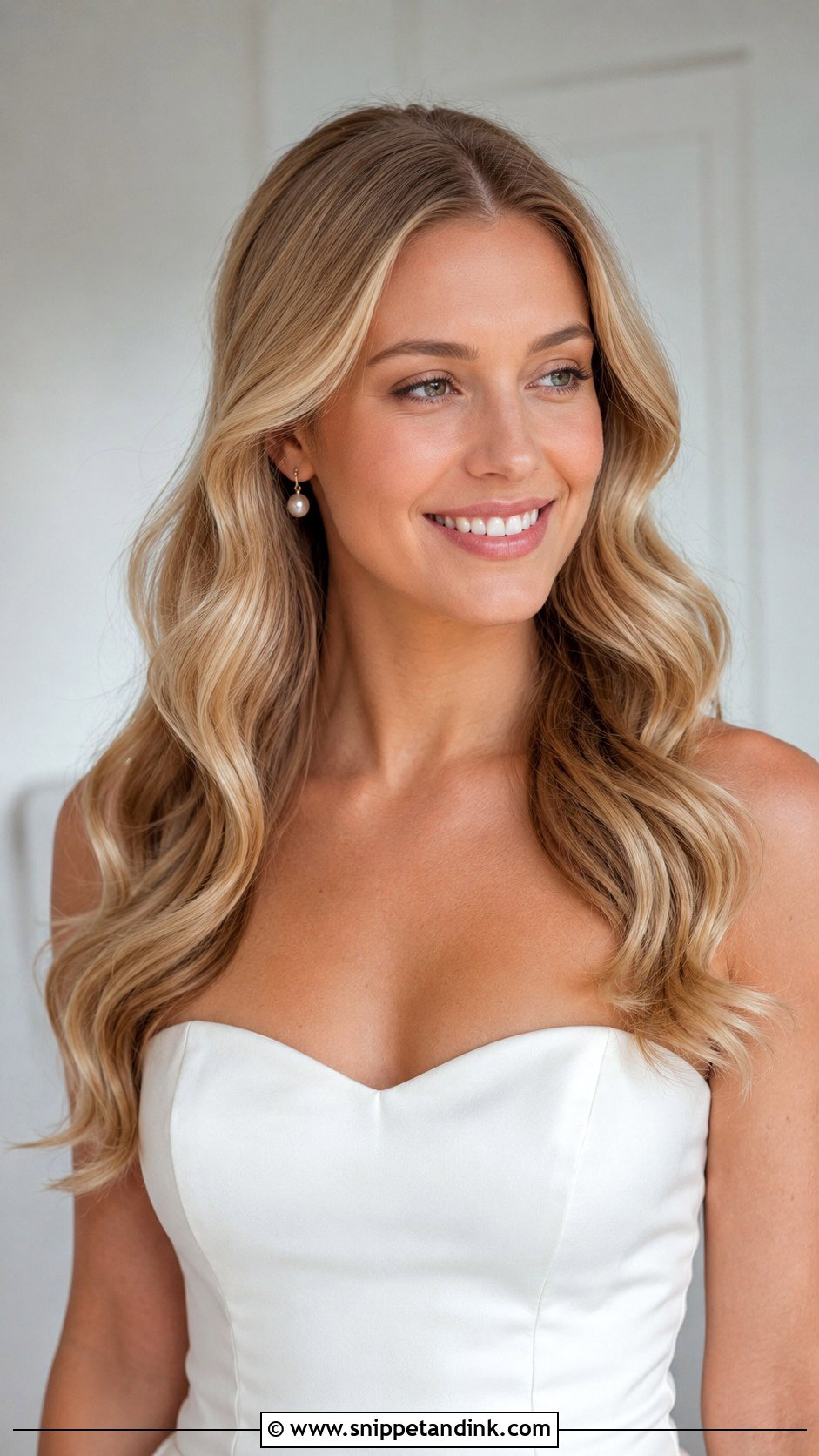
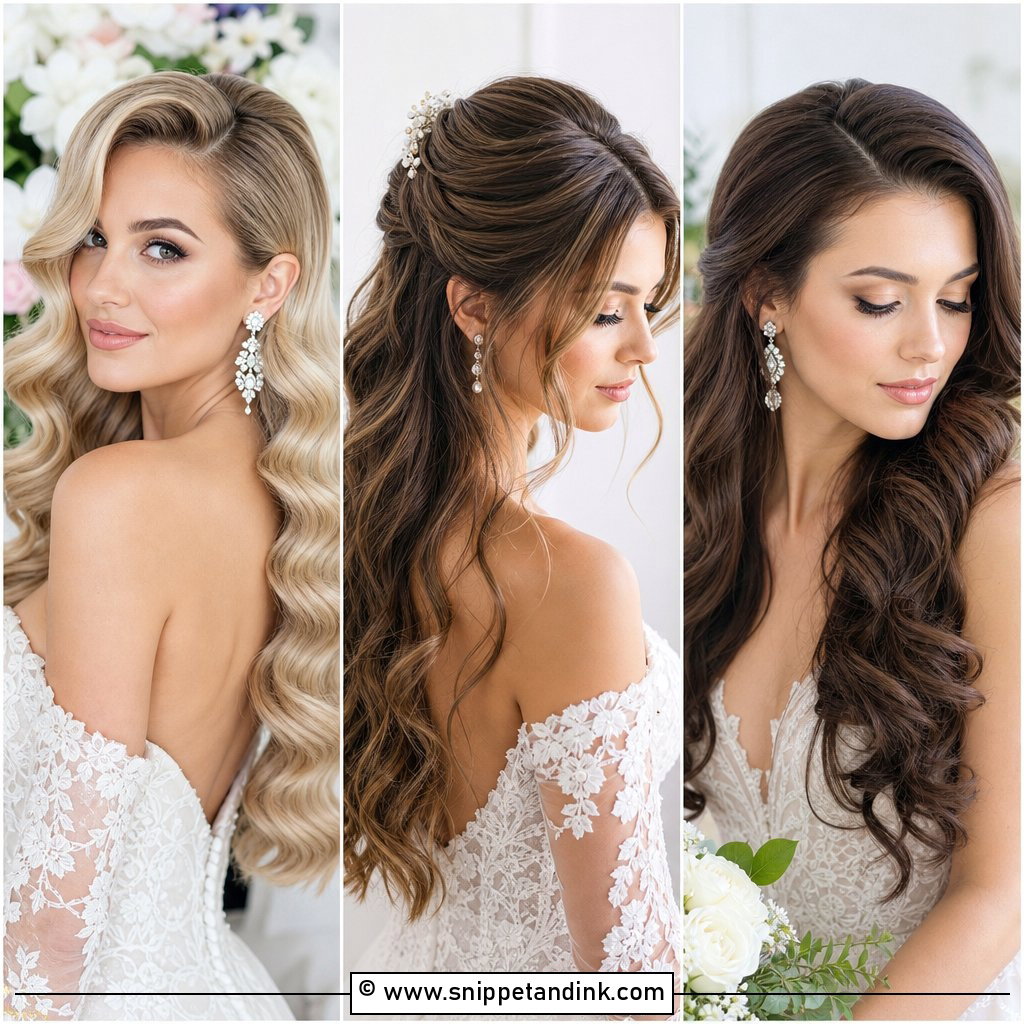
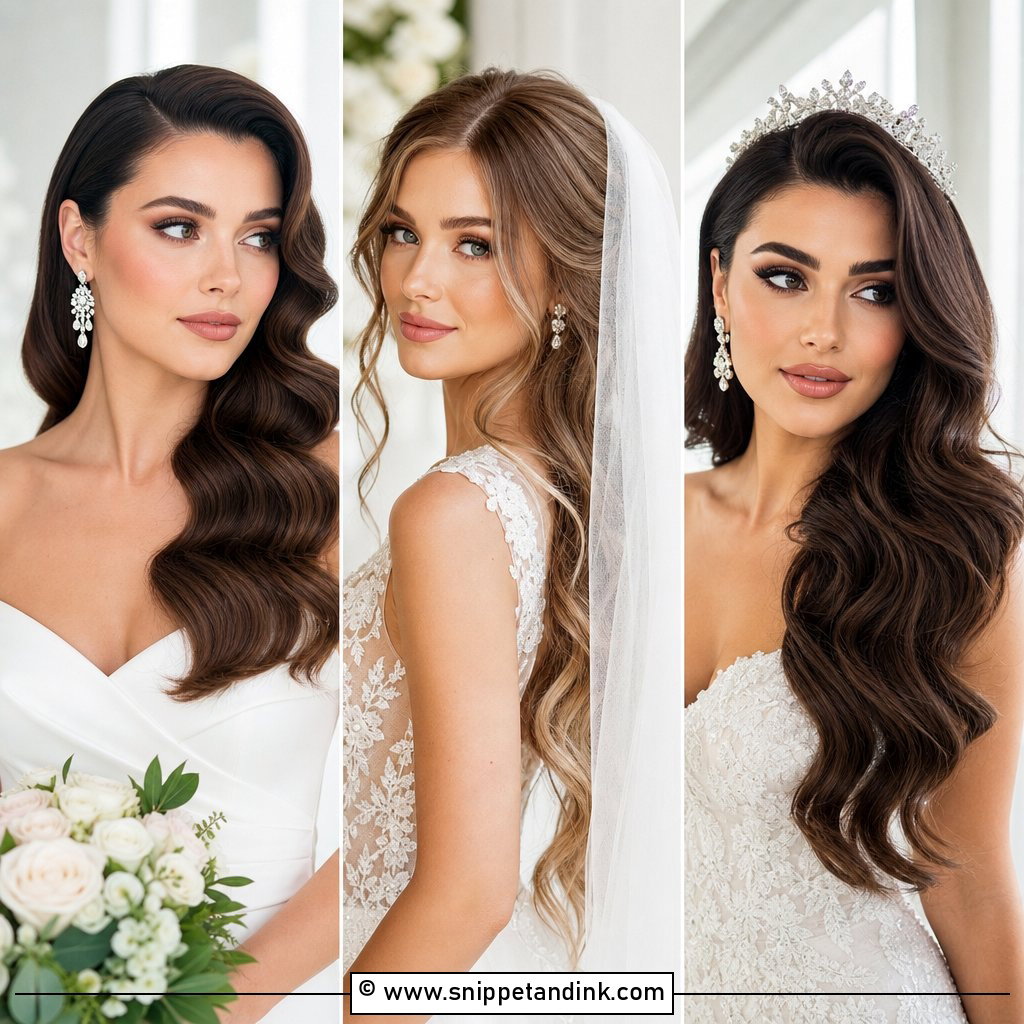
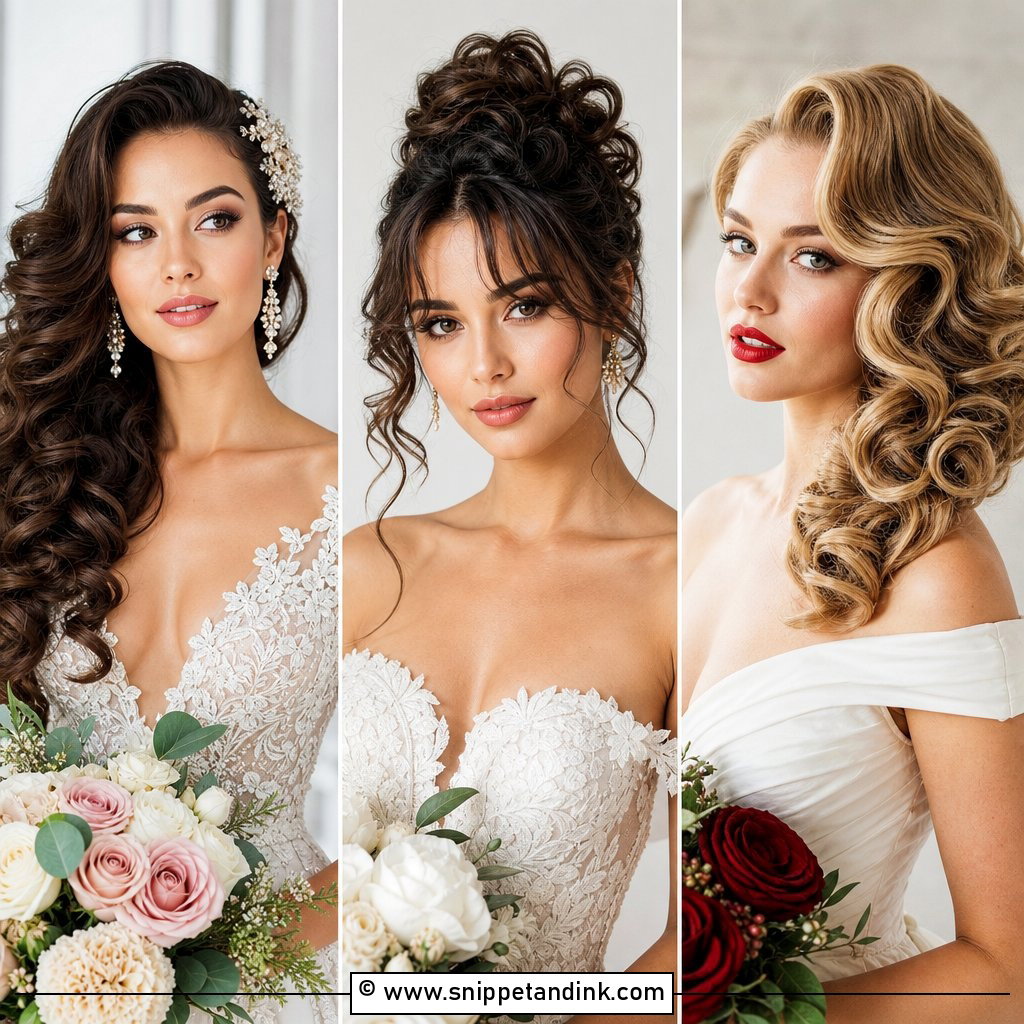
Waves are brushed-out curls, not curls left as they are. That brushing is what makes them look touchable, and it is also what loosens them, so I curl tighter than you’ll end up wearing them. With strapless gowns and off-the-shoulder dresses, the waves fill the space at the collarbones. A tucked front piece on one side stops hair from falling across your face when you look down at your vows. Expect a centre part to look more relaxed and a side part to look more dressed.
4. Soft Wedding Updo With Face Framing Pieces
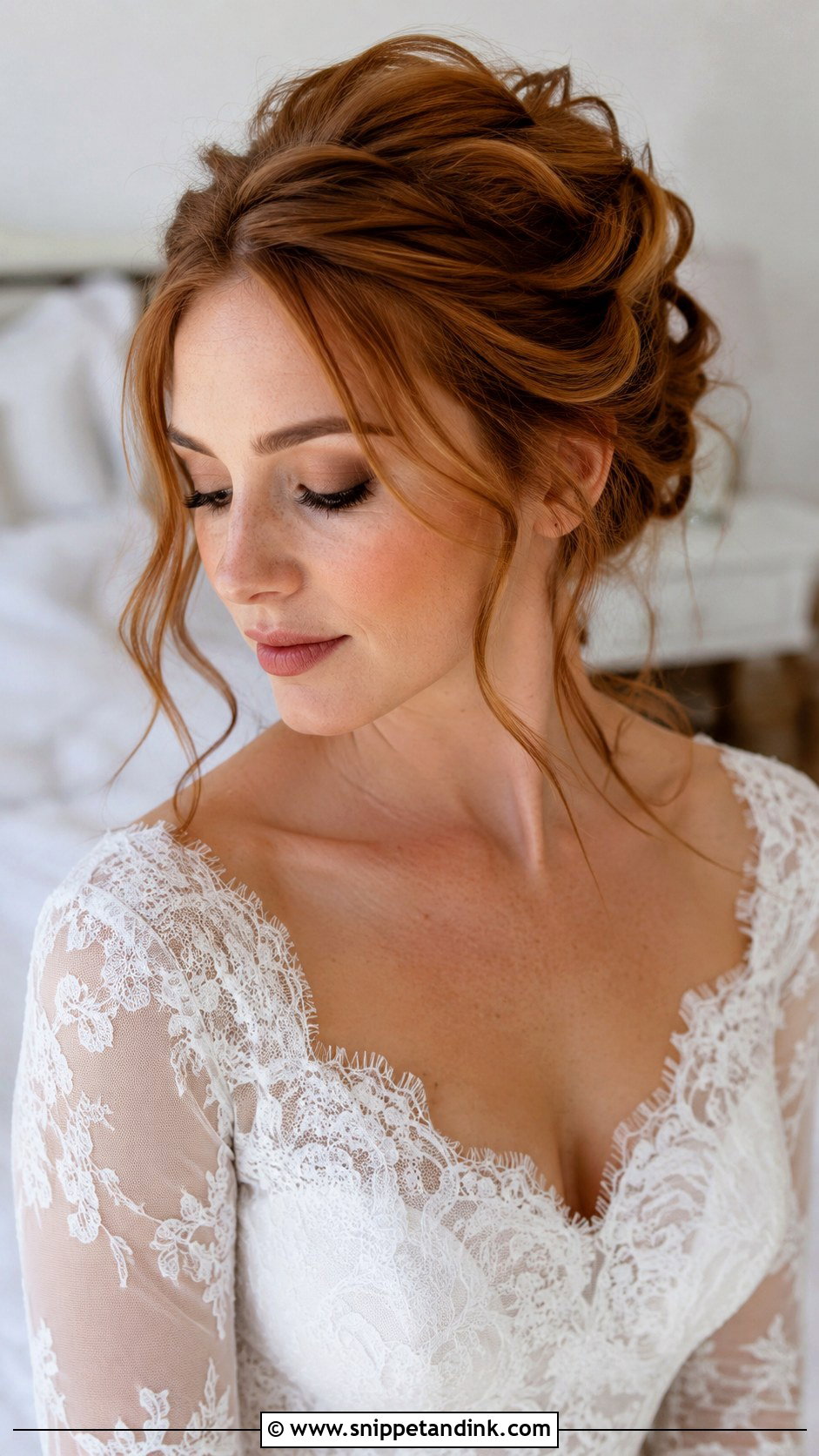
The face-framing pieces on an updo are fussier than the updo itself. Cut them too short or curl them toward the face and they end up in your eyes and lip gloss by noon. I curl them away from the face, set them, and leave them long enough to tuck behind an ear if the wind picks up. The back can be textured, twisted or gathered softly. In humid heat, an updo keeps hair off the neck, which is a real comfort, though the front pieces will relax first.
5. Soft Bridal Chignon
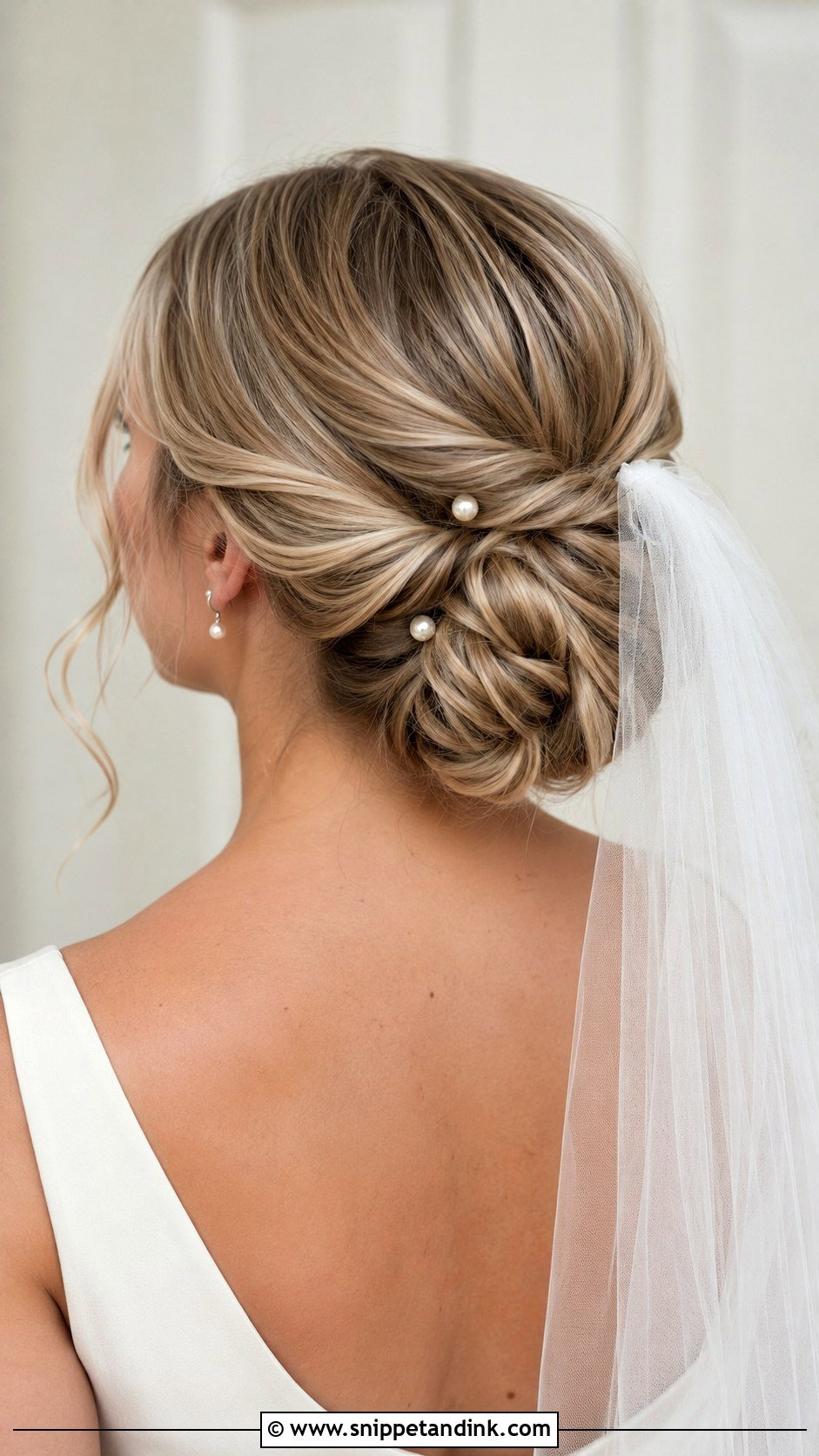
A soft chignon is a folded shape, not a wrapped coil, and that is where the relaxed look comes from. I roll sections under and pin them into each other at the nape, then loosen the edges by hand. It shows best from behind, which matters during the ceremony when guests mostly see the back of your head. Medium to long hair works on its own. Shorter or finer hair may need a few clip-ins tucked inside to give the fold some body.
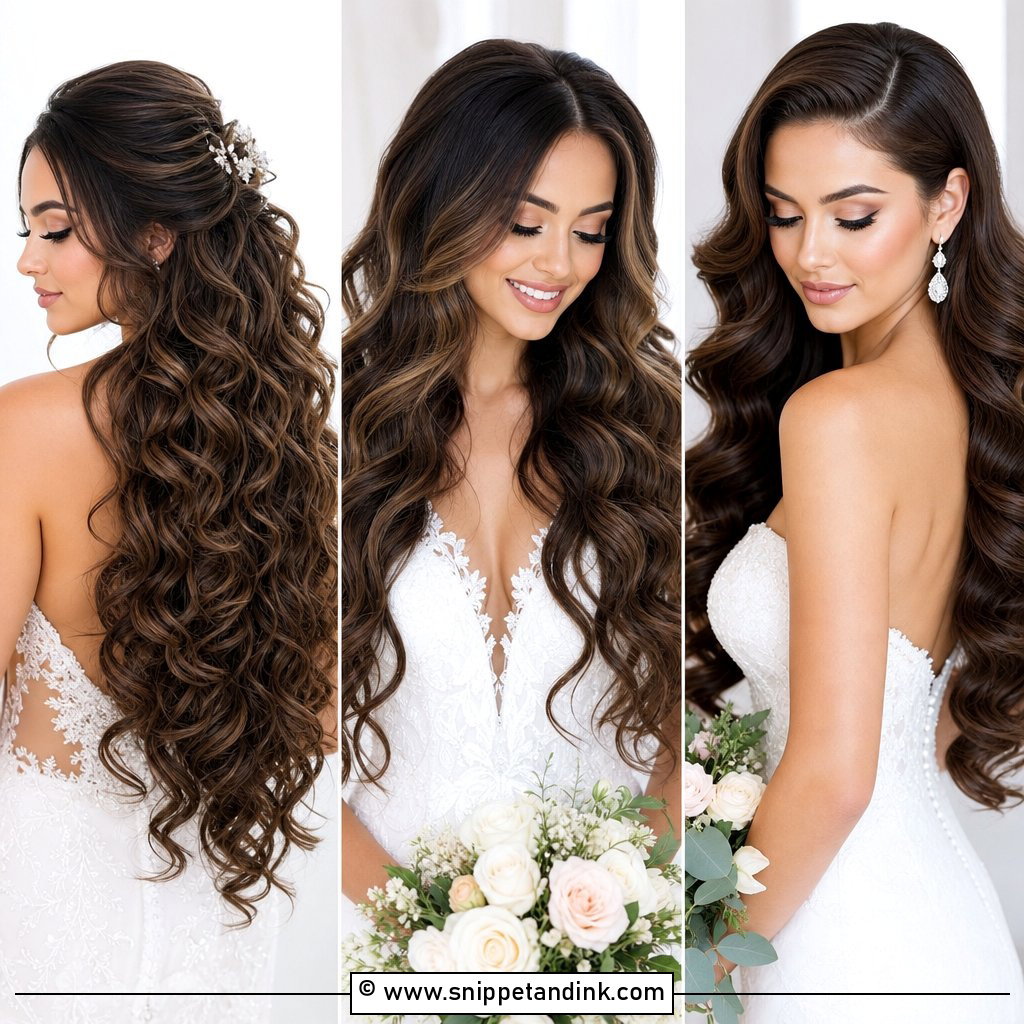
6. Soft Curly Wedding Hair
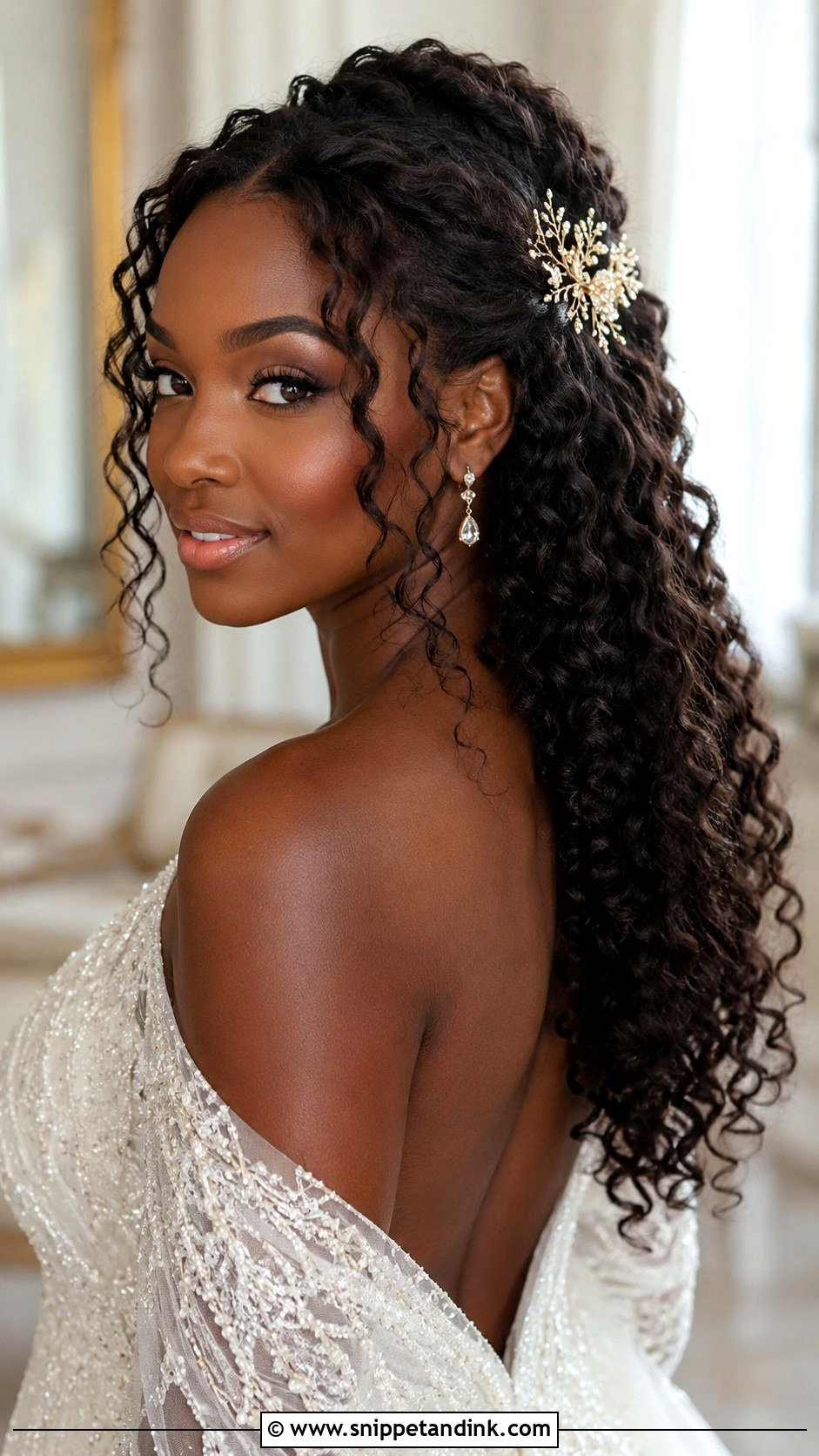
Curly hair has its own rules, and the first is that I do not brush it. I refresh the pattern with water and a curl cream, define a few strays around the face with a small iron or a finger coil, and diffuse anything that needs lift. Down, half-up and pinned to one side all suit curls. Humidity is the challenge, so I prefer a gel cast that is scrunched out later over a hairspray that dries stiff. Light headbands and veils grip curls easily.
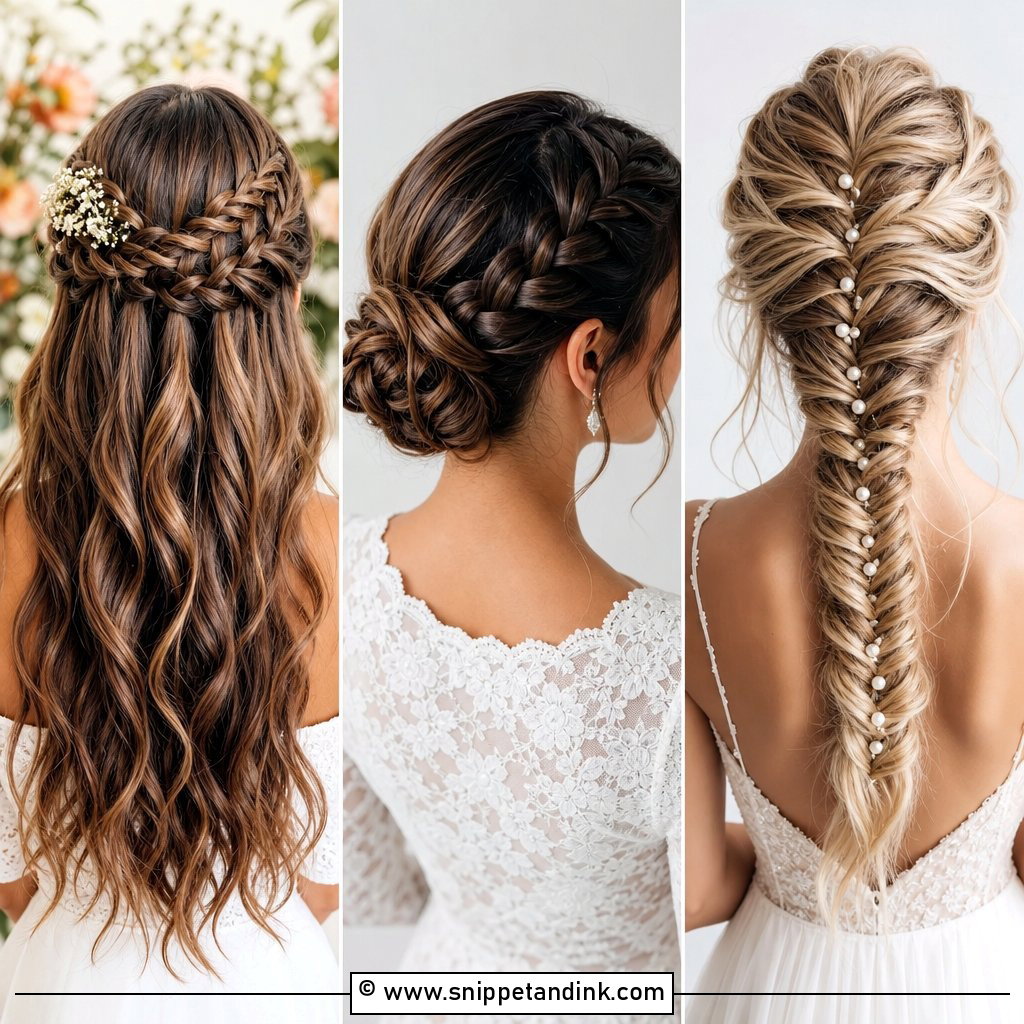
7. Soft Braided Wedding Updo
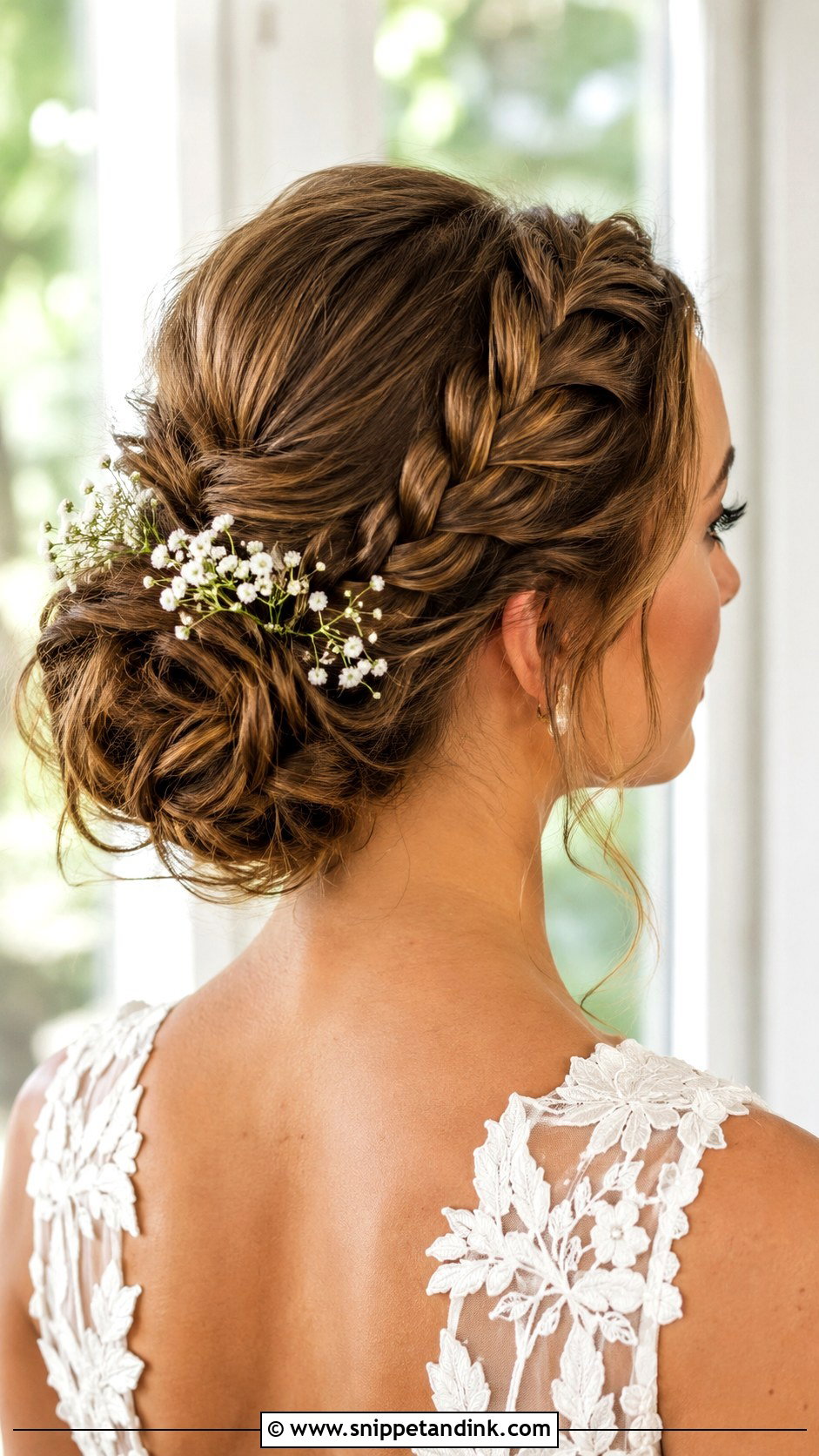
Braids give an updo a frame to hold onto. A braid that wraps into a low bun or across the crown acts like a built-in headband, and everything pinned around it stays in place longer. I braid on hair with some grip, then pancake the loops wider so it looks soft rather than tight. Fine hair needs care here: pulled too far, the braid shows gaps of scalp. Lace gowns and small floral pins pair well with it.
8. Soft Side Swept Wedding Hair
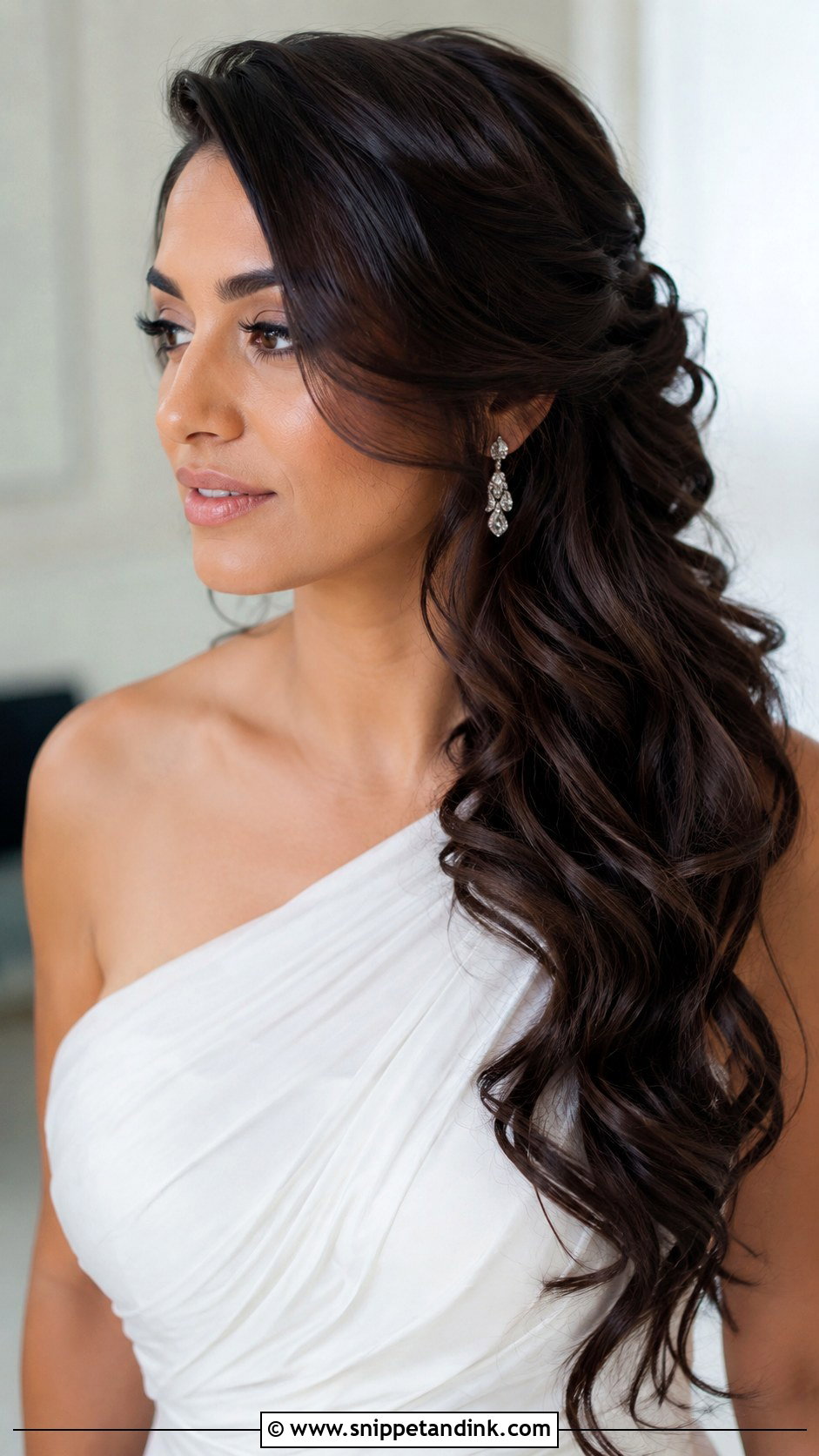
A side sweep looks like loose hair with a bit more shape. Everything moves to one side with waves cascading over the shoulder, and a hidden line of crossed pins behind the ear holds it. Skip that hidden structure and the hair slides back to centre within an hour. One-shoulder gowns and statement earrings on the open side are made for this. I check it from both sides at a trial, since the bare side shows any pins.
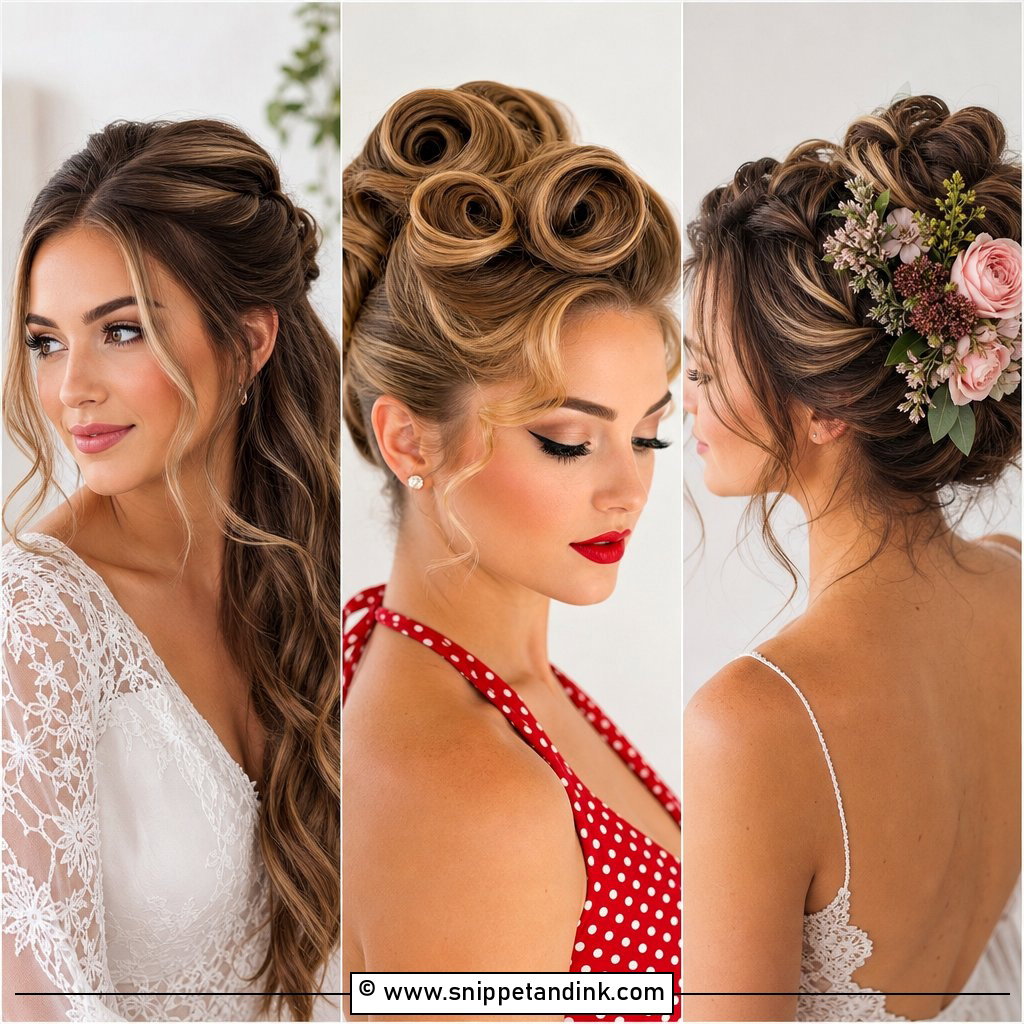
9. Soft Messy Bridal Bun
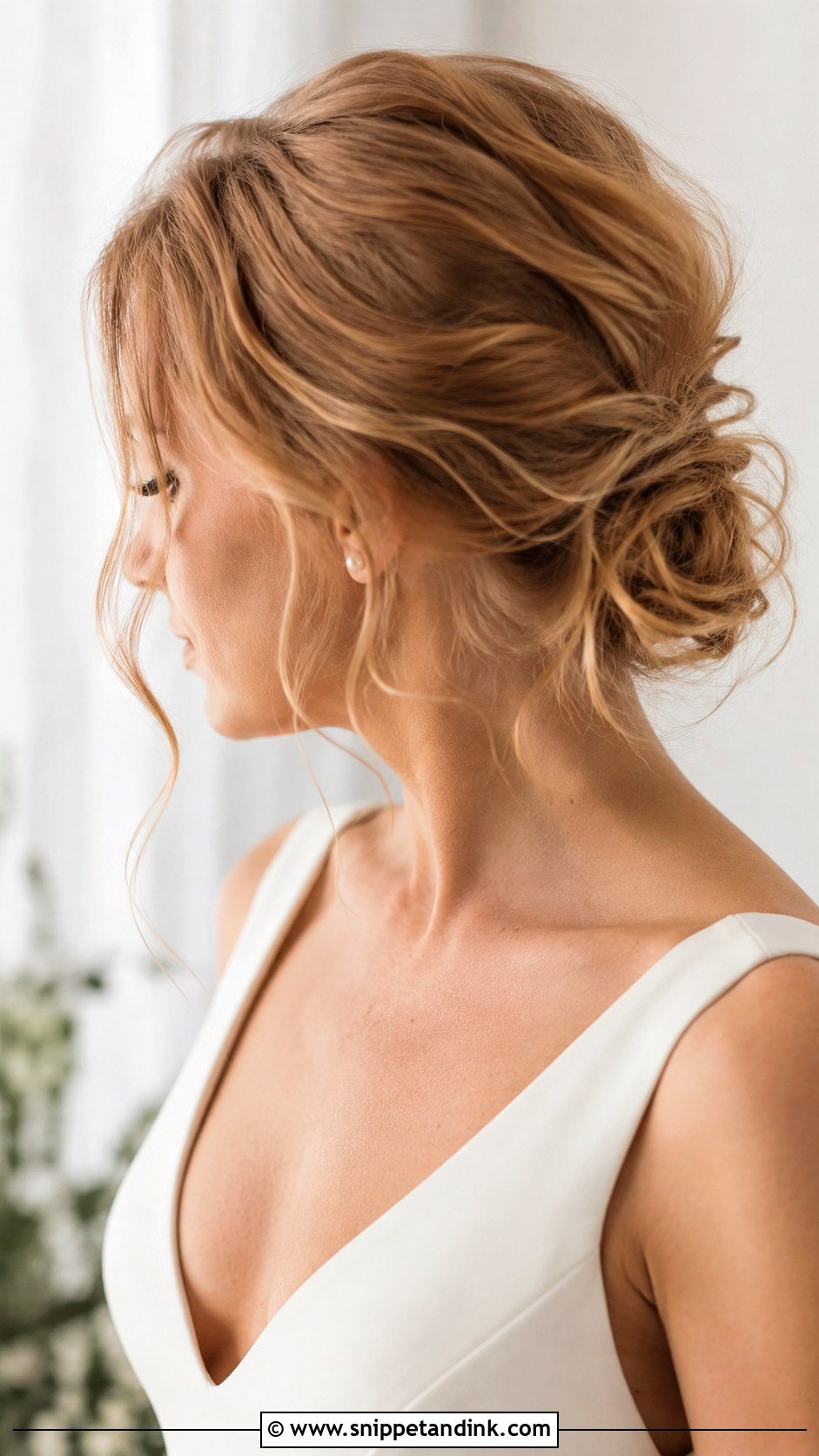
A messy bun is the forgiving one: if a piece falls out at the reception, it looks like it was always meant to. That said, it has to look planned in the morning. I curl first, gather the hair loosely, and pin it in loops so the texture shows. Rustic and beach venues suit it, as do minimalist gowns. I place it lower for a long veil and slightly higher for a shorter one.
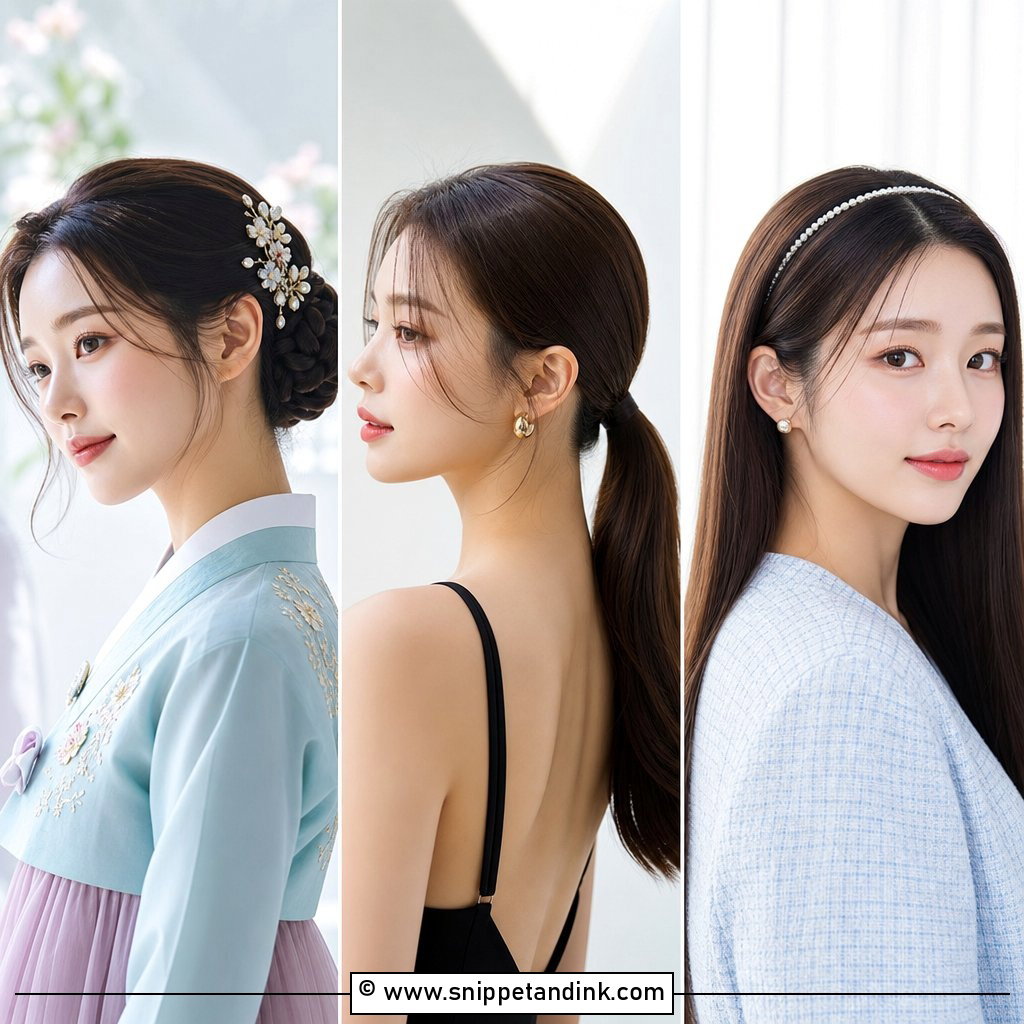
10. Soft Ponytail Wedding Hair
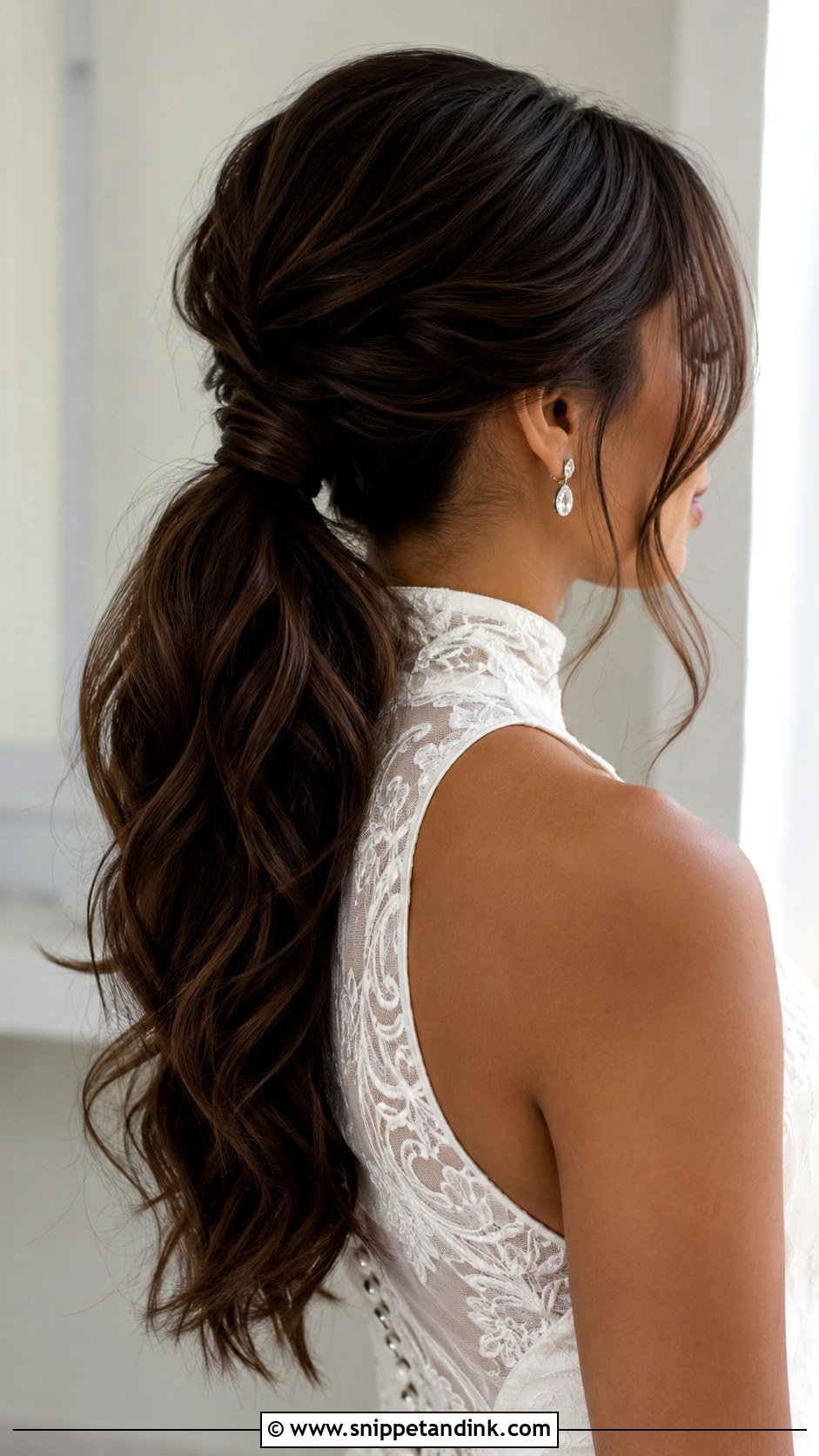
Soft ponytail wedding hair is a modern choice, and it has a practical side: no hair falls forward when you sign the register or dance. I set the base low or at mid-height, wrap a strand of hair around the elastic, and curl the length. Without crown volume and a couple of face pieces, it slides toward gym ponytail. High-neck gowns and open backs both suit it. A ribbon tied at the base adds a sweet detail.
11. Soft Wedding Hair With Veil
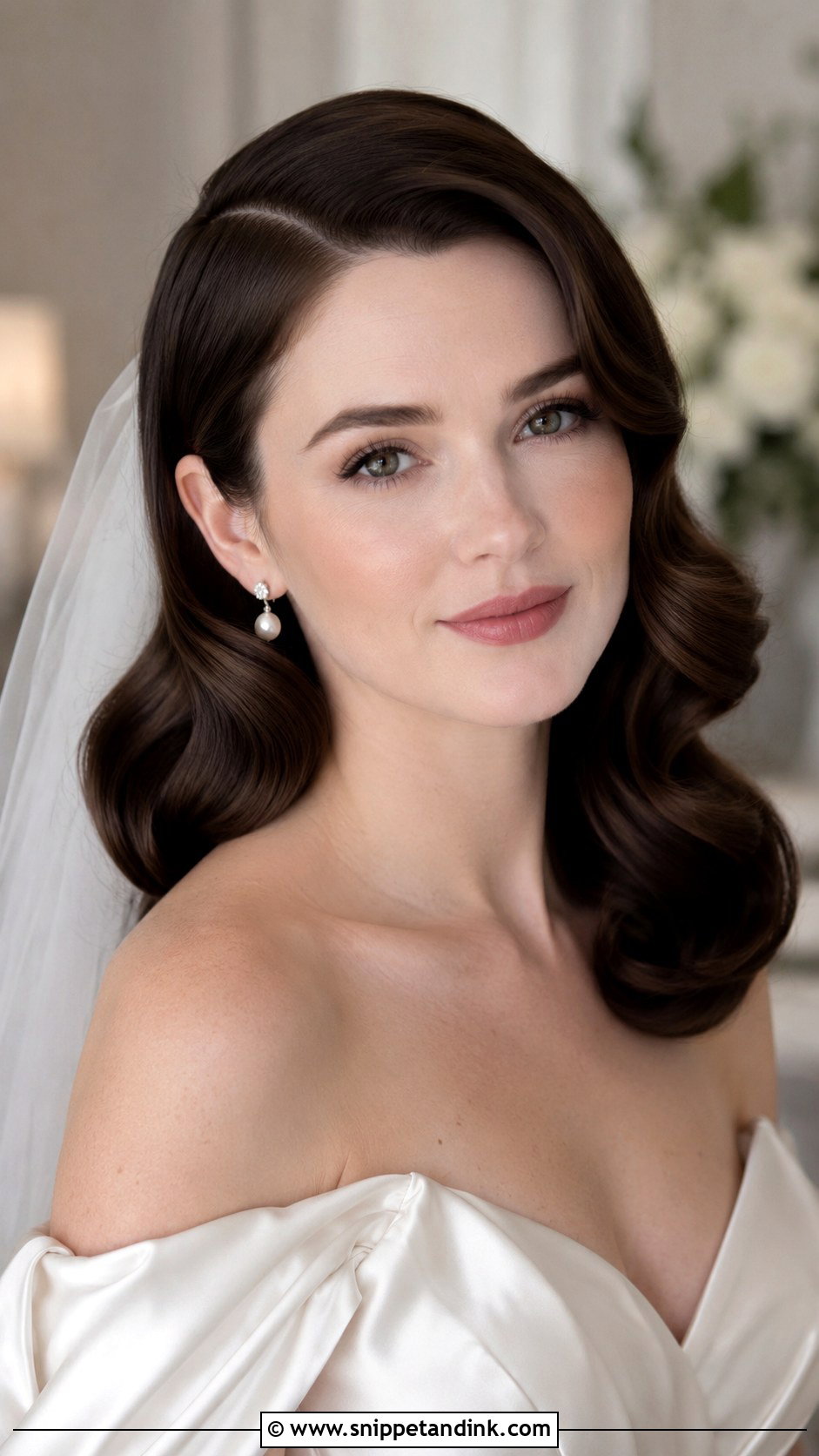
A veil changes how a style is built, so I plan for it from the start. Low buns, chignons and soft updos give the comb a firm base to grip. Half-up waves can carry a veil too, but the pinned section must be strong. The hair should still look finished once the veil comes off for the reception, and that is the part people forget. Bring the actual veil to the trial; lightweight tulle and heavy lace pull very differently.
12. Soft Wedding Hair With Flowers
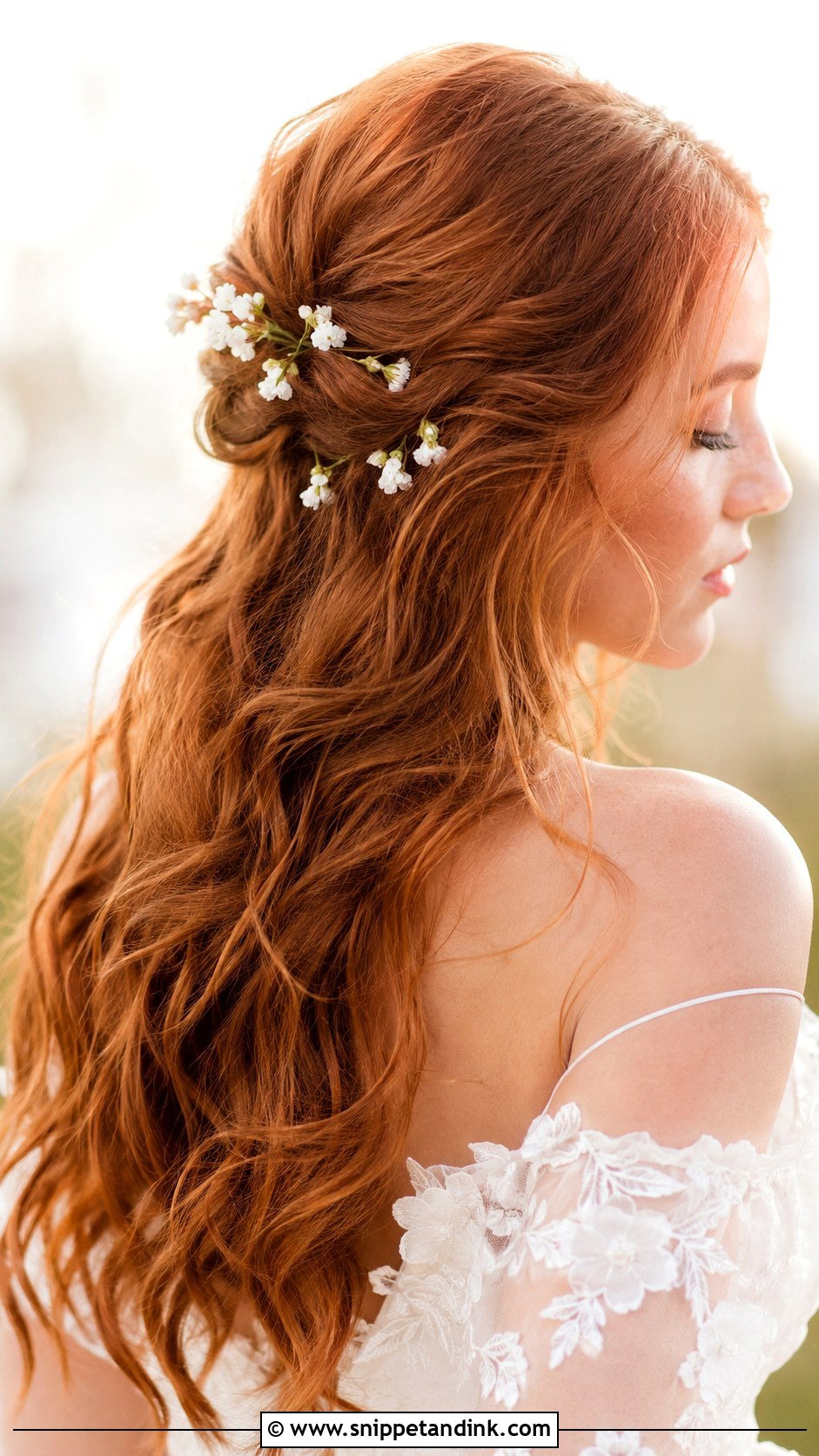
Flowers in soft hair look best small and placed with intent. A few sprigs in a low bun or along a braid read fresher than a big cluster. The trouble is that fresh blooms wilt against a warm head, especially in summer. Spray roses, waxflower and baby’s breath last; gardenias and peonies brown at the edges quickly. Ask your florist to wire pieces for hair and deliver them in a cool box, and I add them just before you walk out.
13. Soft Vintage Wedding Hair
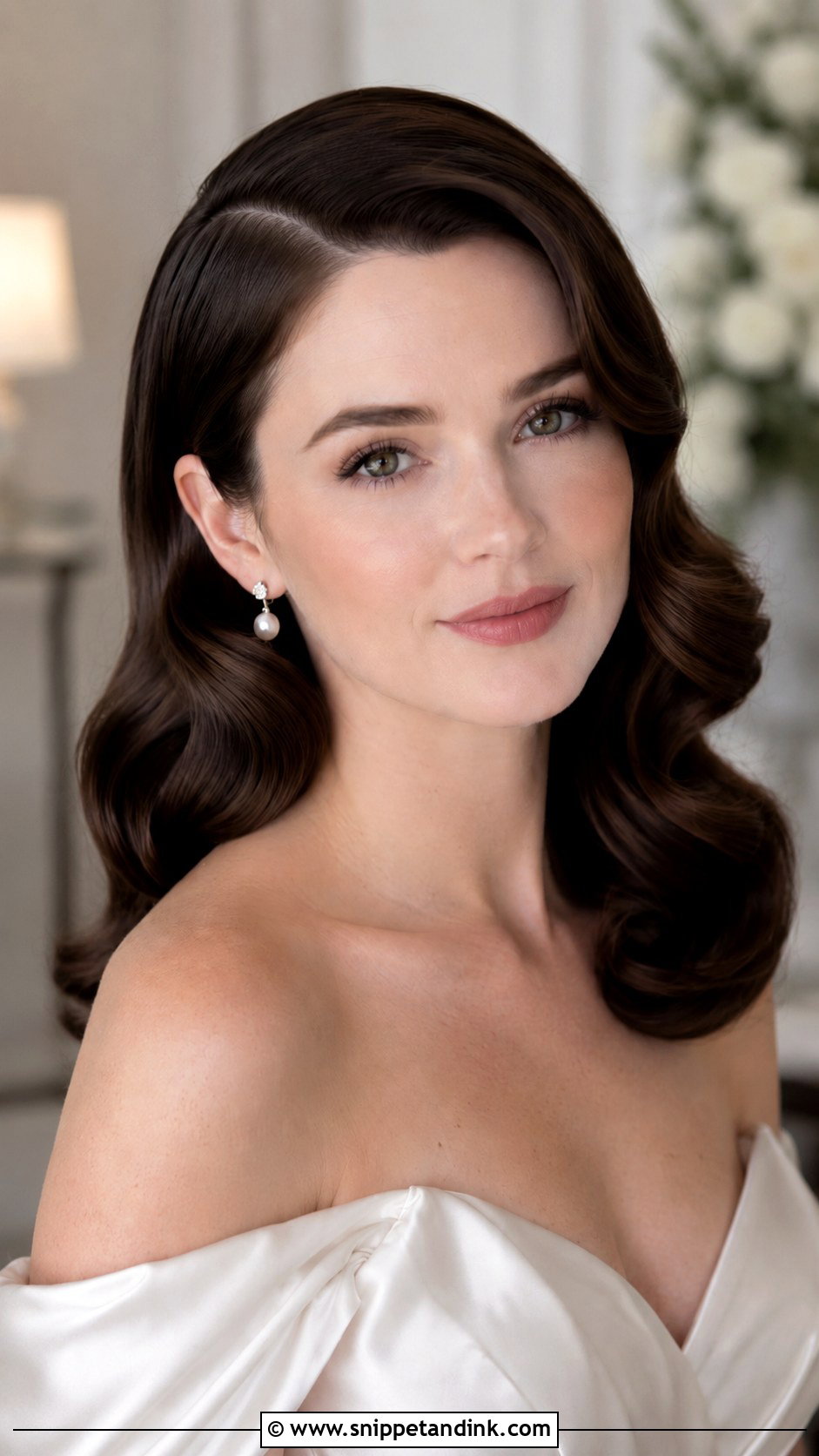
Vintage waves are smoother and more sculpted than beach waves, set in one direction and brushed into a soft ripple. I curl, pin each curl to cool, then brush and shape with clips that come out before photos. The finish should be glossy; too much spray kills that shine. A deep side part brings the old-Hollywood mood. Red lips and satin gowns pair naturally, and the shape tends to age well in photos because it doesn’t follow a passing trend.
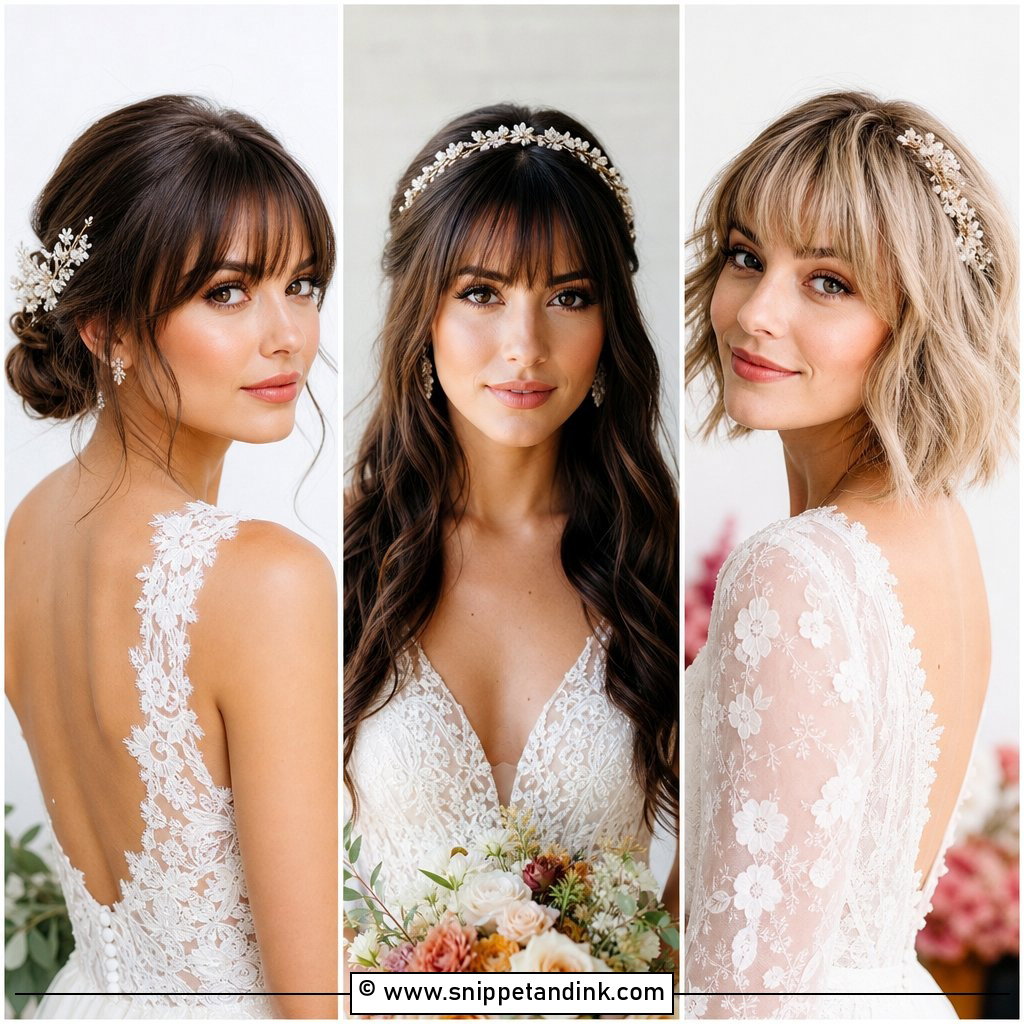
14. Soft Wedding Hair For Short Hair
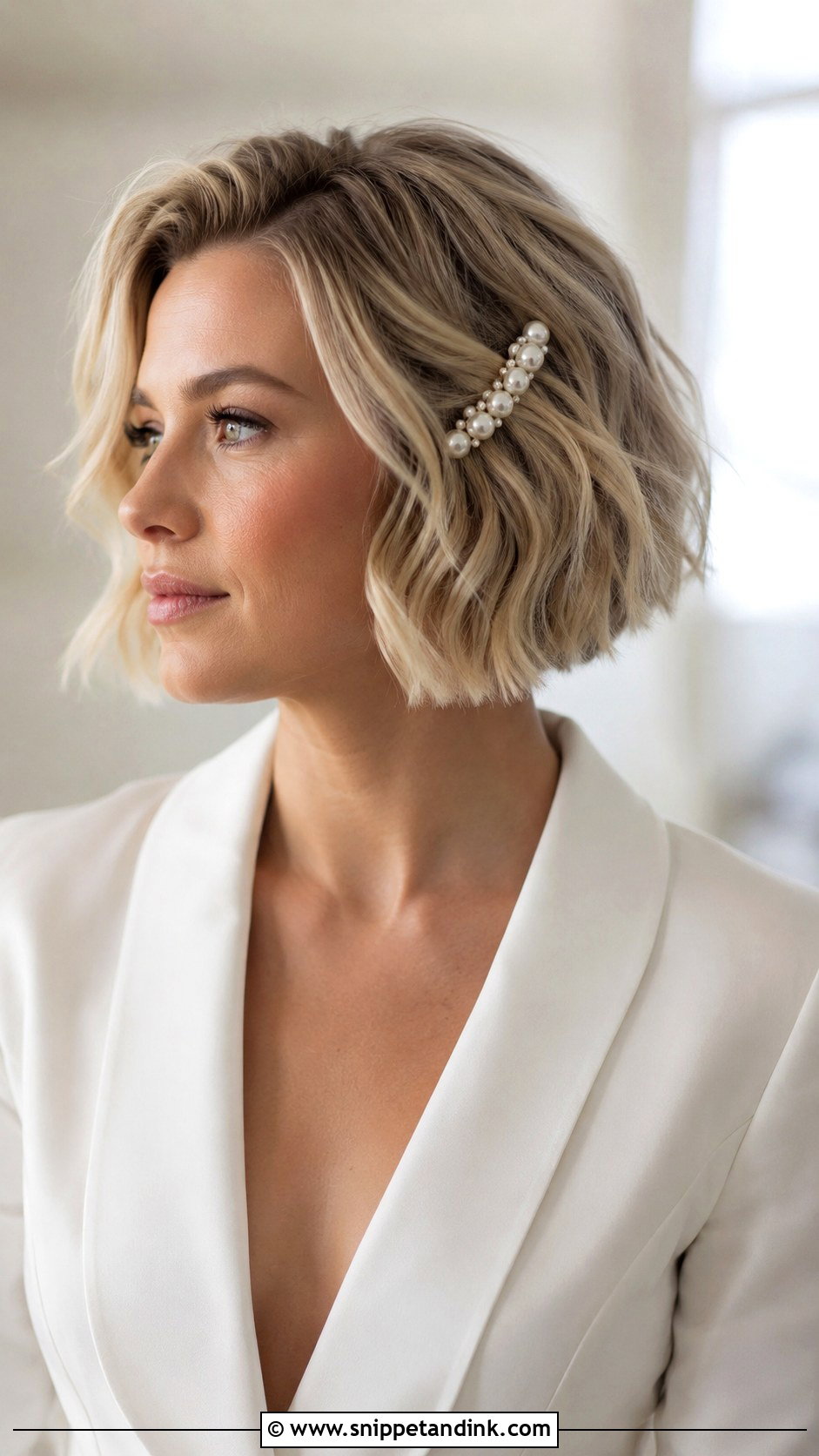
Short hair takes a soft finish well when I work with the cut rather than against it. A bob, lob, pixie or short layers can carry gentle bends, smooth volume or a tucked side. I flat-iron loose waves into a bob and pin one side back with a decorative clip; a pixie gets texture and a small pearl pin. Get the last trim two weeks before, not the day before, so the line has softened. Short styles also hold better, with no weight to pull them down.

15. Soft Wedding Hair For Long Hair
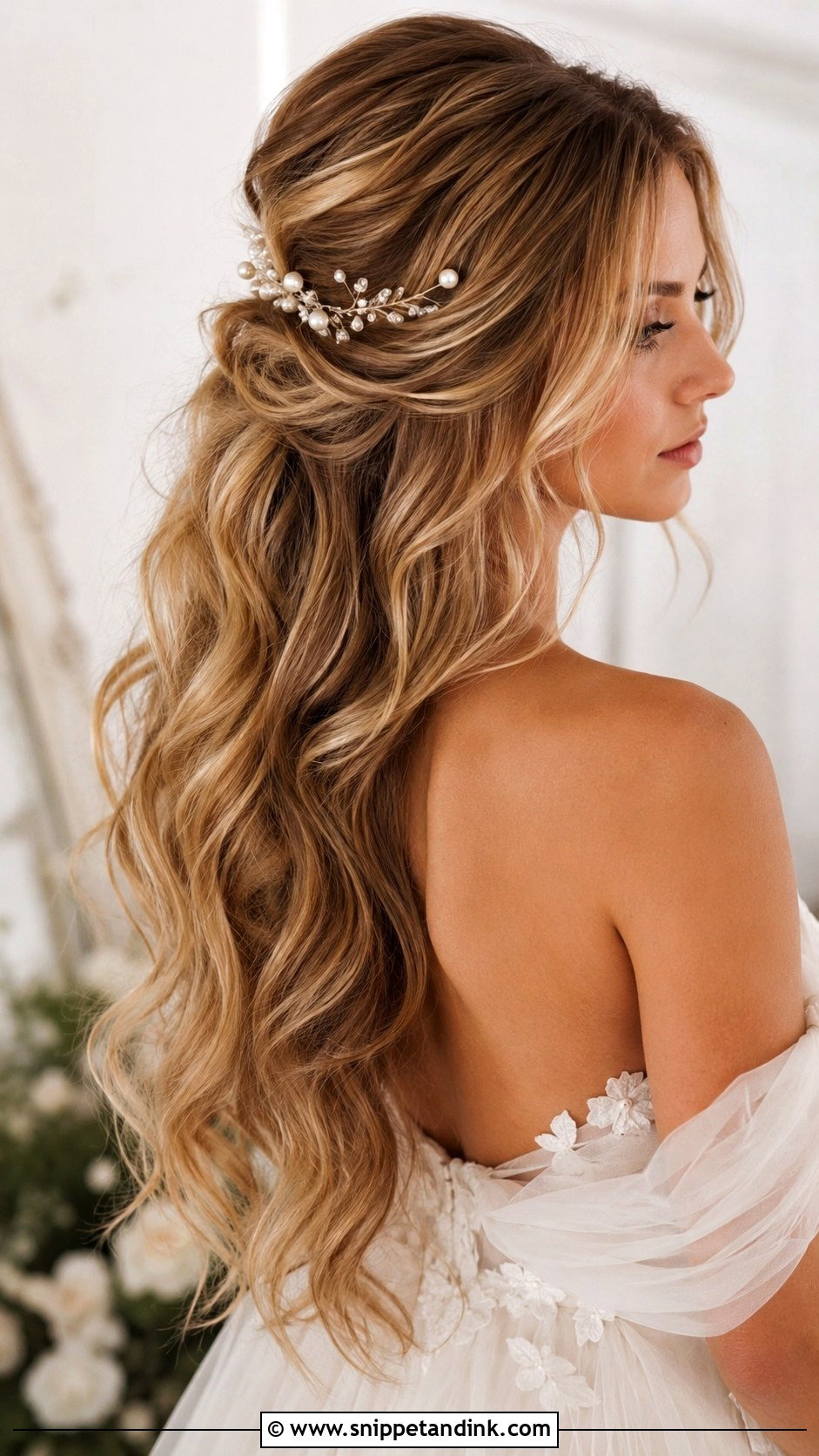
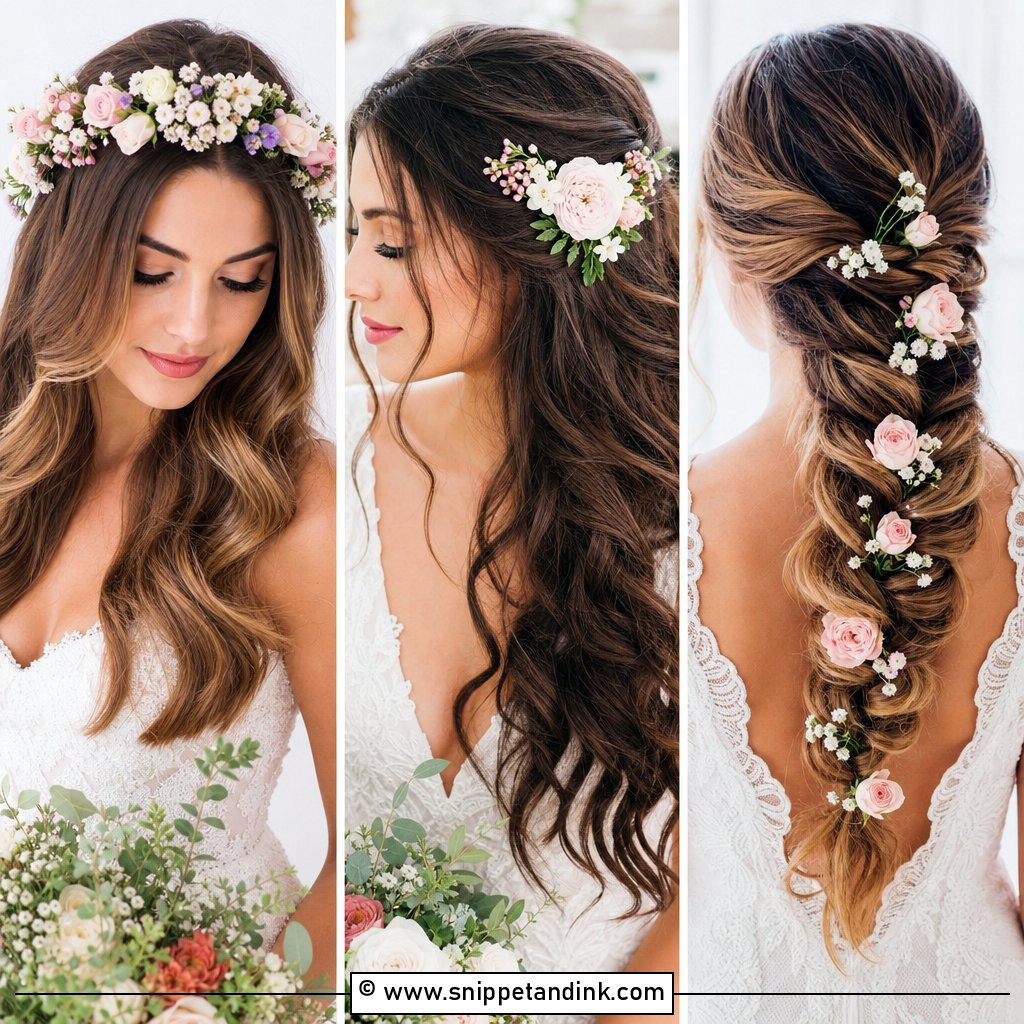
Long hair offers the most choice and the most problems. Weight drags curls out faster than on medium hair, so sectioning and setting time matter more. Layers help it hold movement. Hair vines, pearl pins and combs all sit nicely in long hair, and a veil gives it a soft frame. For very long or fine hair, extensions for fullness also add grip, which helps waves hold longer.
Wear Your Trial Hair Home and Watch It
The trial is a test, not a preview. The style looks perfect when I finish it; what you need to know is how it looks after six hours. I ask brides to wear the trial style for the rest of the day and take a photo every couple of hours in daylight.
Notice which pieces come down first, whether the bun has tilted, and whether anything is pinching. If you feel a pin pressing behind your ear after two hours, it will hurt by the reception. Take a photo of the back too, as that is what guests see during the ceremony.
Then send your stylist the photos and notes. A wave that fell flat suggests more setting time or a different product; a sore spot means a pin needs moving. These small changes are far easier to make after a trial than on the morning itself, when the schedule is tight and everyone is watching the clock.
If you can, repeat the test on a warm or damp day. Hair that behaves in a dry salon can act very differently outdoors, and knowing that early lets us choose a firmer base instead of hoping for good weather.
Soft Is a Finish, Not a Lack of Structure
These styles look easy because the structure is hidden: bases, crossed pins, set curls, loosened at the very end. Which one is yours comes down to your dress, the length and texture of your hair, your venue and the weather. Bring your favourites to the trial and be honest with your stylist about how much hold you want and how much you’ll tolerate. Hair that moves well in photos and still feels like your own is the one to book.
You'll Like These Ideas:


Leave a Reply