
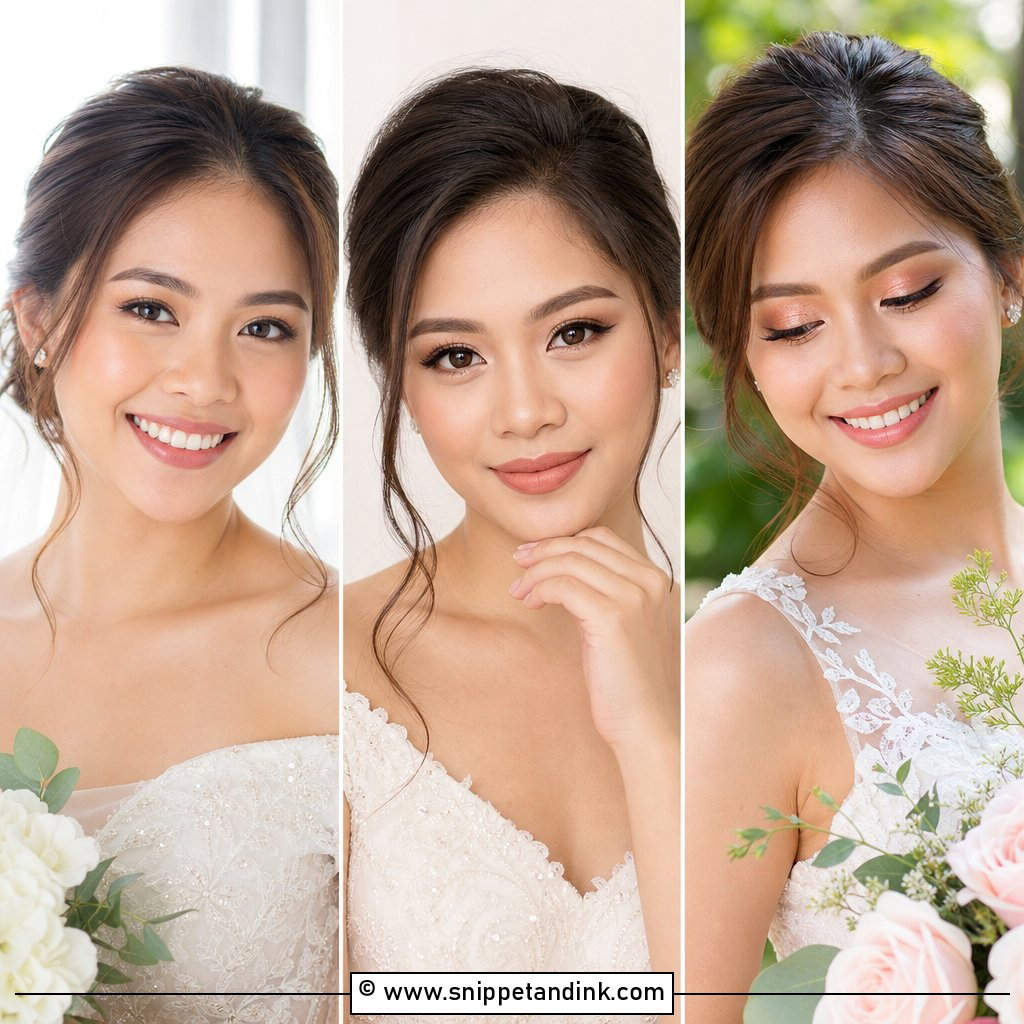
No single face covers Asian brides, and I’d be wary of any artist who offers one. A Korean-inspired look of soft skin, blurred blush and a tinted lip has almost nothing in common, technically, with a South Asian bridal face built to hold up under heavy jewelry, embroidered fabric and hours of flash. Chinese, Vietnamese, Japanese, Filipino and mixed-heritage brides often wear two looks in one day, one for a traditional ceremony and another for the reception. What every version shares is the work underneath: a foundation that matches your real undertone, eye placement that suits your lid shape and a base that survives the day. The twenty looks below run from barely there to full glam, with notes on how I’d approach each one.
Why Does Bridal Foundation Turn Grey on Golden Skin?
I wish more brides asked this before the trial. Many Asian skin tones carry a yellow or olive undertone, and a foundation built on a pink base sits on top of it and reads grey or ashy, especially in photographs. The opposite mistake, going too yellow, makes skin look sallow beside a white gown.
How I test a shade
- I swatch three shades in stripes along the jawline, never on the hand.
- I check the neck and chest as well, since necklines and blouse cuts leave them on show.
- I look at the stripes by a window in daylight, then take a flash photo on a phone.
- I ask what you’ll wear. A red outfit warms the face up; an ivory gown cools it down.
Flashback is the second trap. Sunscreens high in zinc oxide or titanium dioxide, and setting powders heavy in silica, can bounce camera flash and leave a white cast that looks fine in the mirror. For the wedding day I keep SPF out of the face base and finishing powder off the under-eyes. If you’re outdoors, wear sunscreen on your shoulders and arms instead.
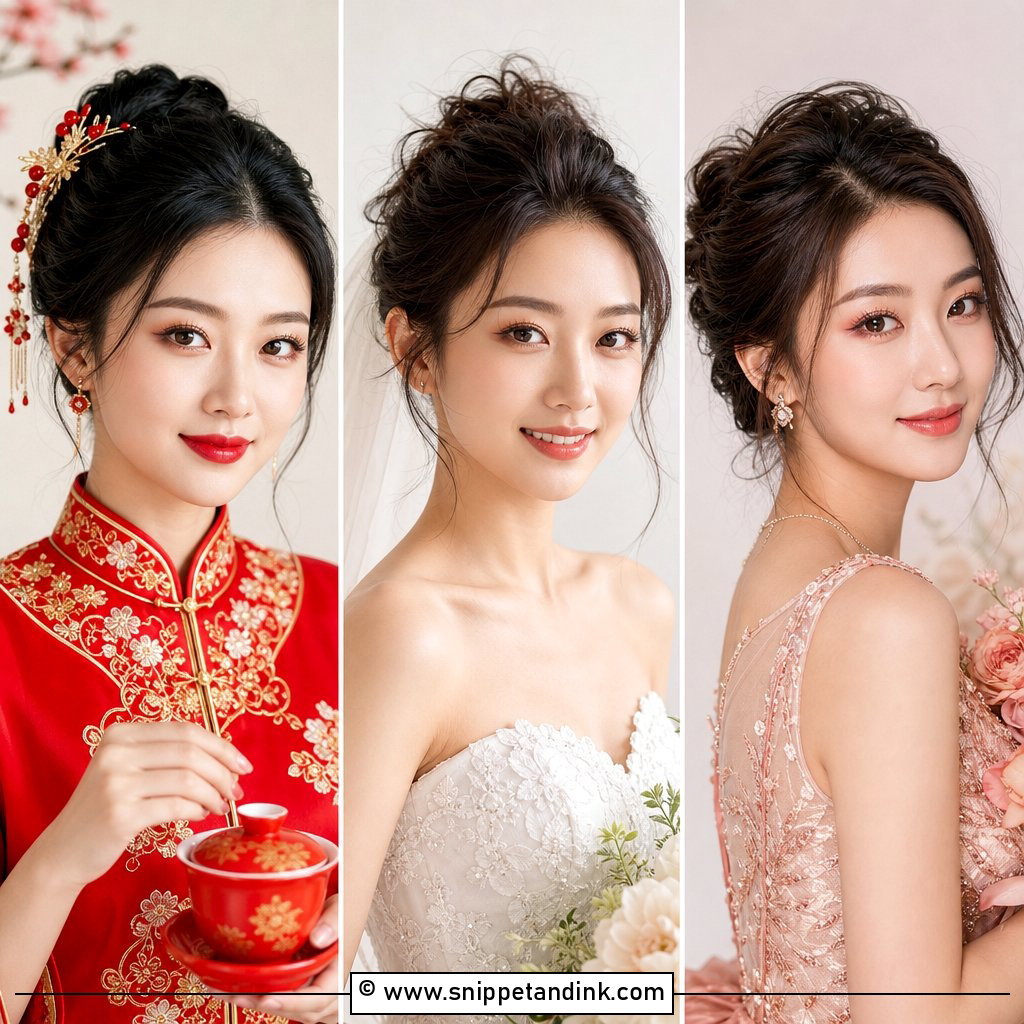
1. Korean Bridal Makeup
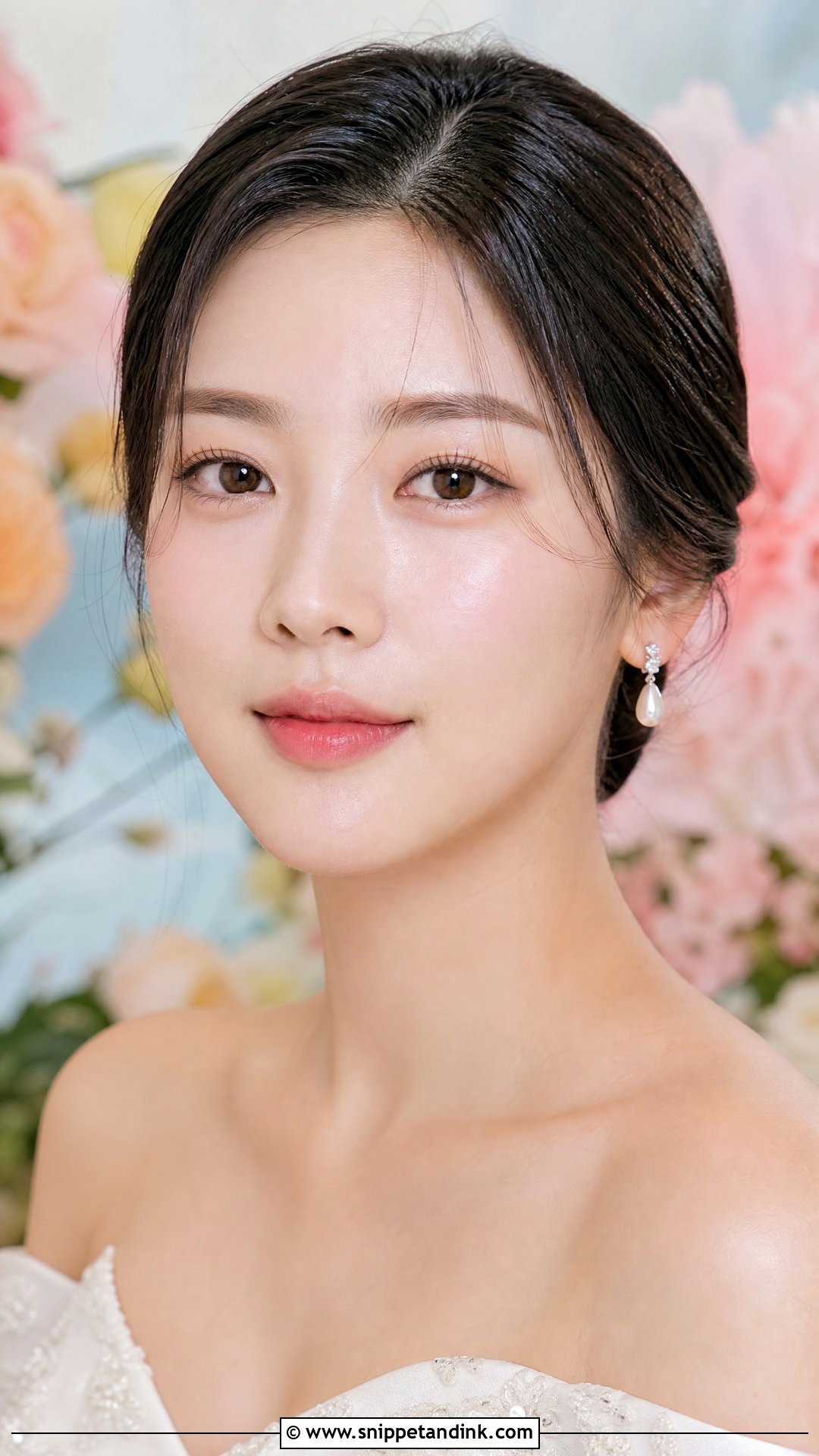
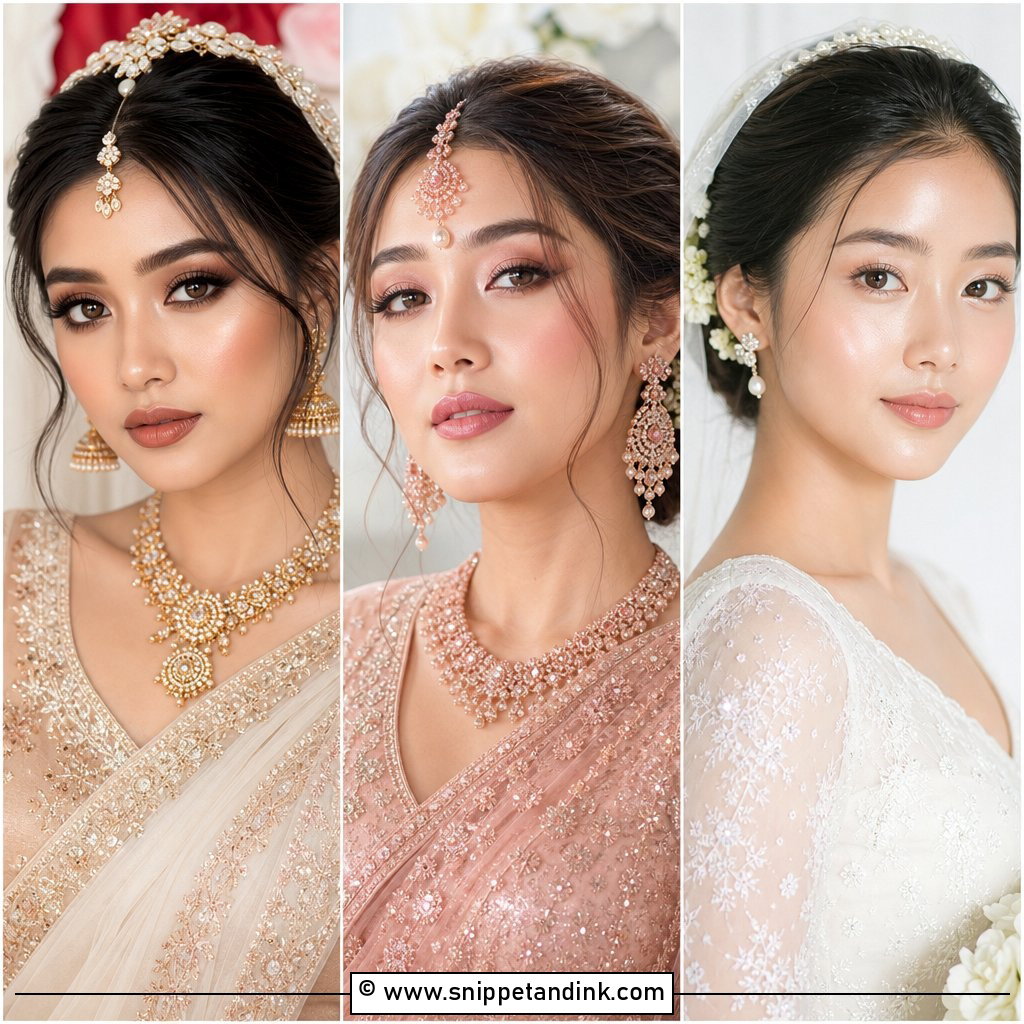
The skin does the talking in a Korean bridal look, so that’s where I spend most of my time. I use a lightweight foundation, precise concealer and a satin glow rather than wet shine. The eyes stay quiet with beige or muted peach shadow, a liner tight to the lashes and wispy clusters that open the eye without announcing themselves. Brows are softly filled and slightly straight, which reads younger than a high arch. Rosy blush sits high on the cheeks, and the lip is a pink tint dabbed into the center and pressed outward with a fingertip. It sits naturally with simple gowns, hanbok-inspired details and clean hairstyles. On very oily skin I’d set more than this look usually allows, because the soft glow turns slick by the reception.
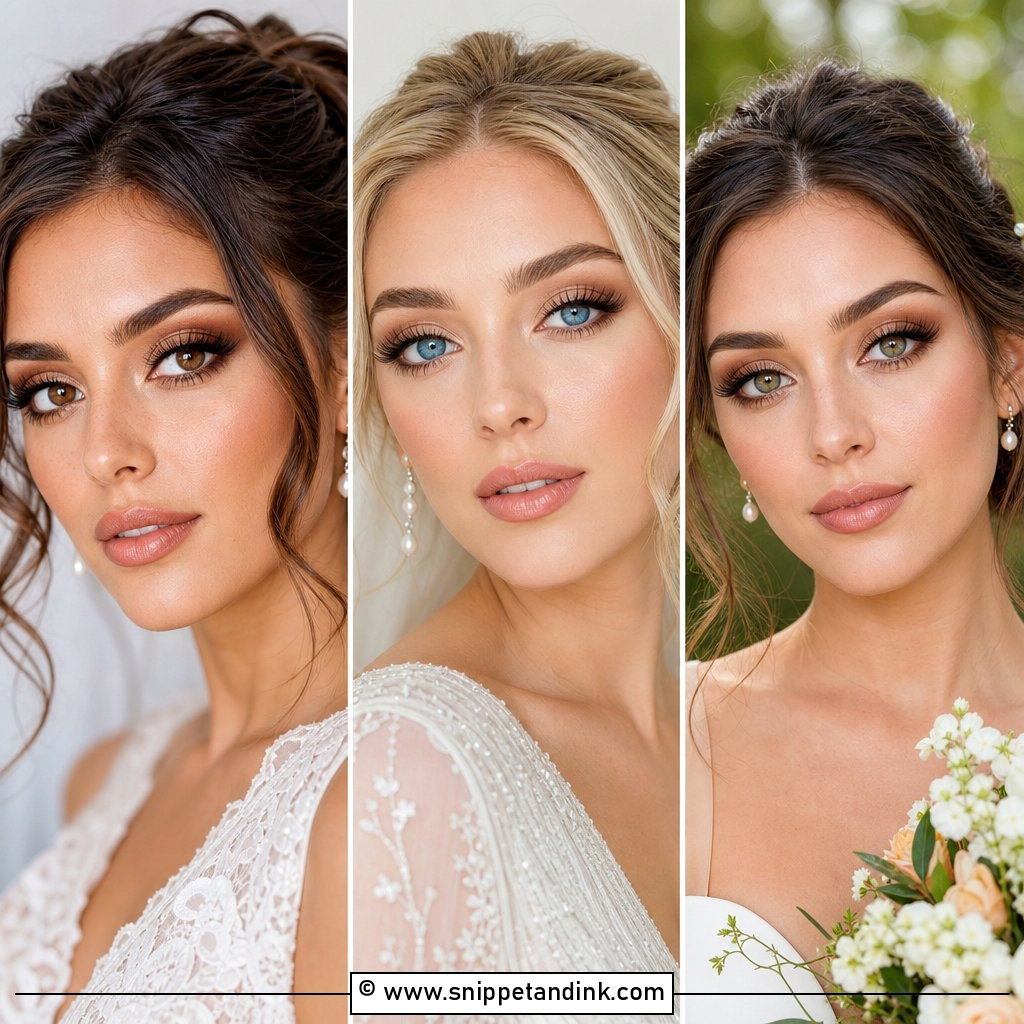
2. Soft Glam Asian Bridal Makeup
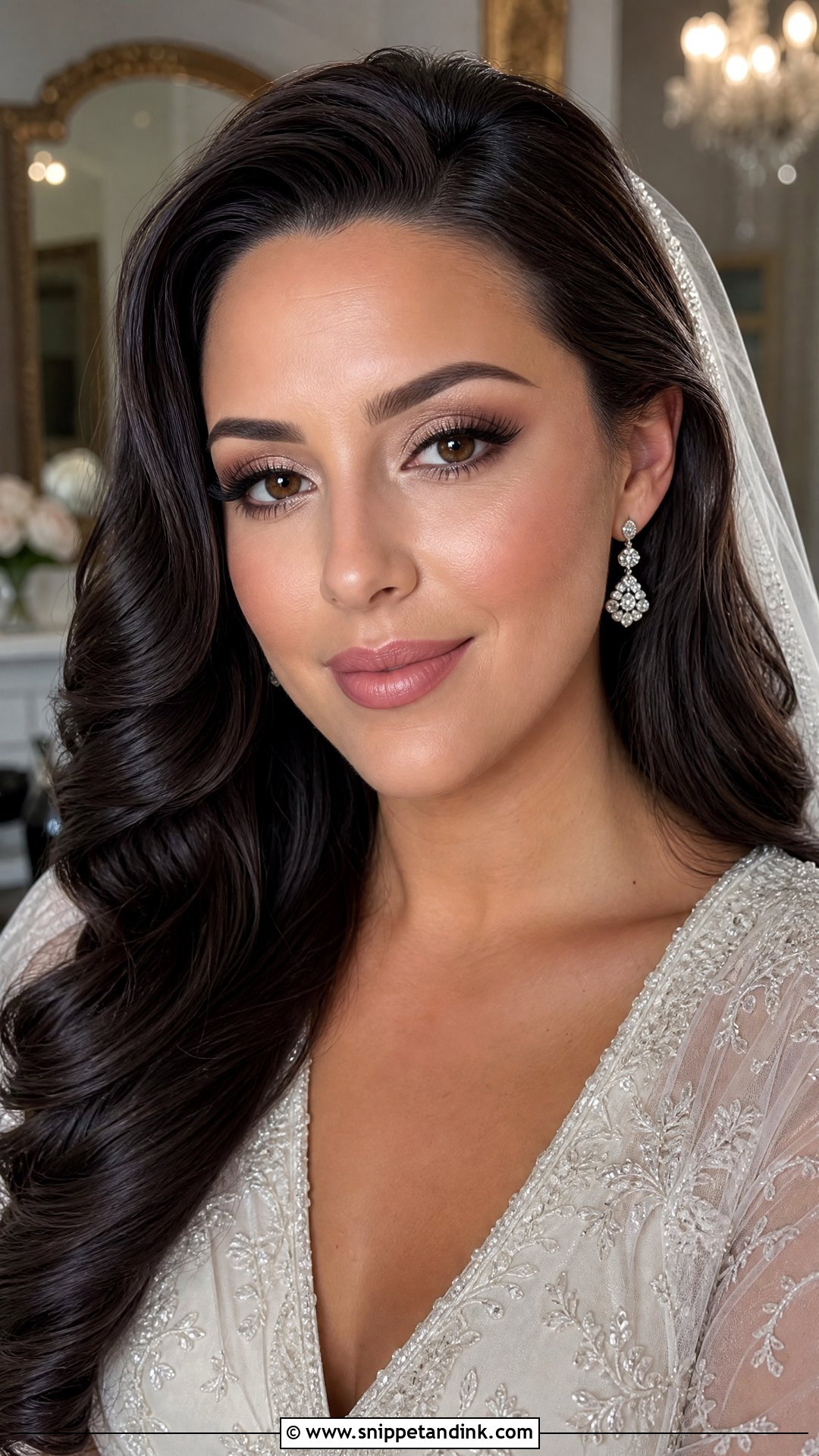
Soft glam gives more definition than natural makeup while still reading gently in person. I start with a satin base that controls shine but keeps the skin alive, then warm brown through the crease, a deeper brown at the lash line and a little shimmer at the center of the lid. On monolids and hooded eyes, placement changes everything. I take the darkest shade slightly above the natural fold, checking with your eyes open, so it actually shows in photos. Lifted lashes, softly sculpted cheeks and a nude rose lipstick complete it. If you’re nervous about bold color, start here.
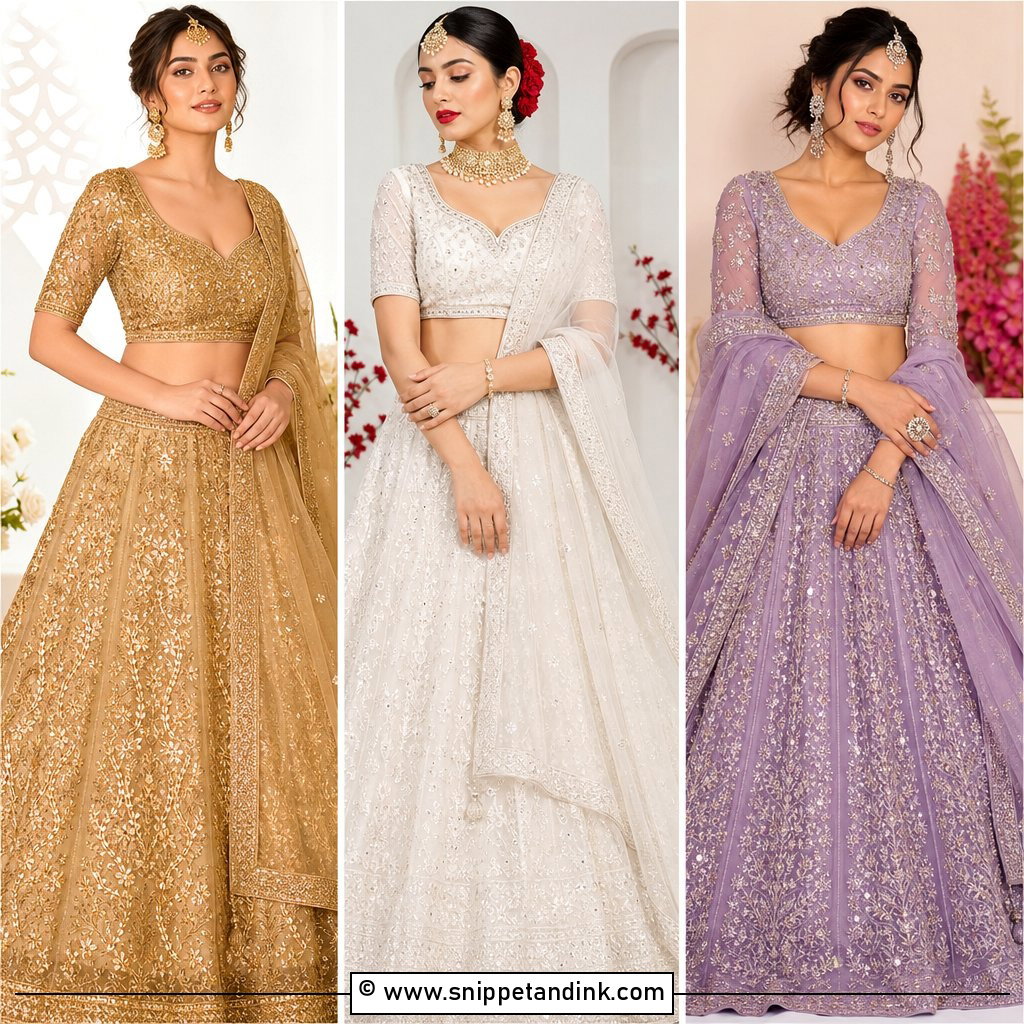
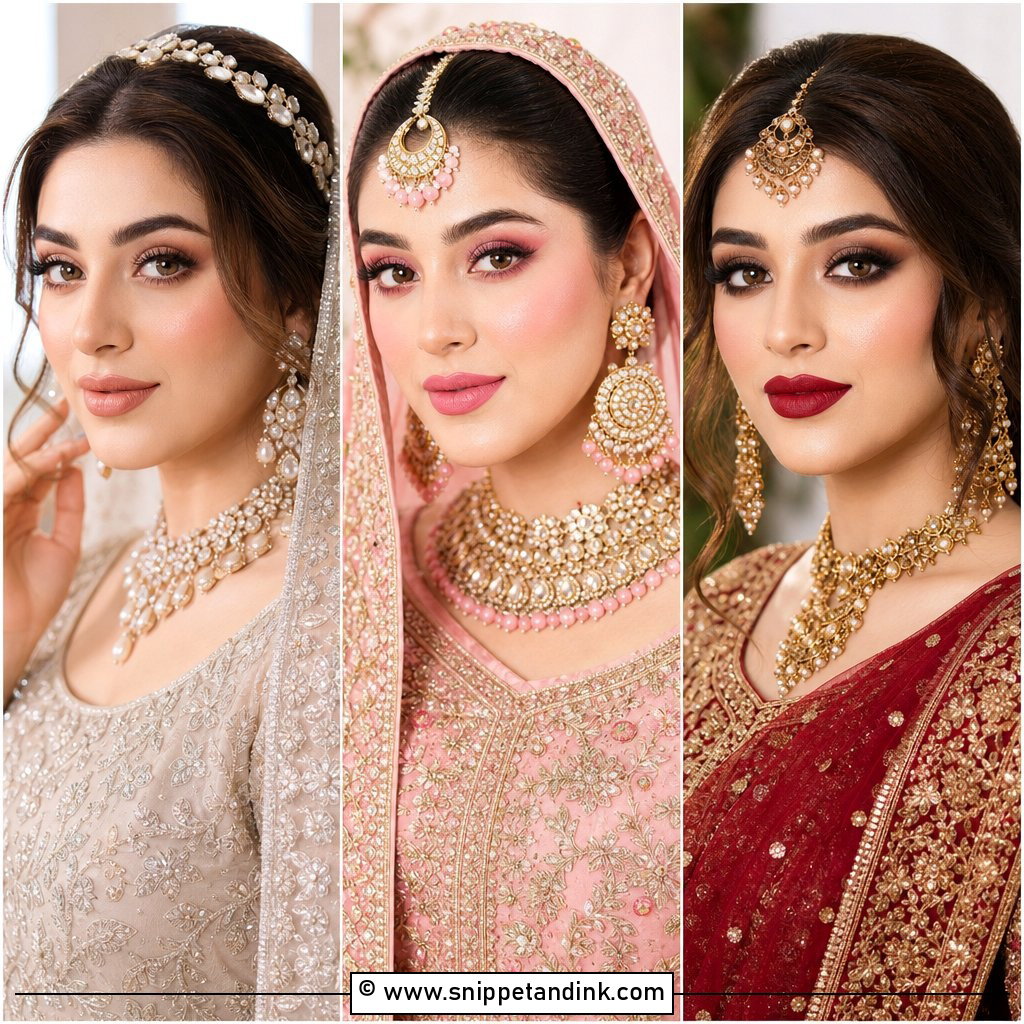
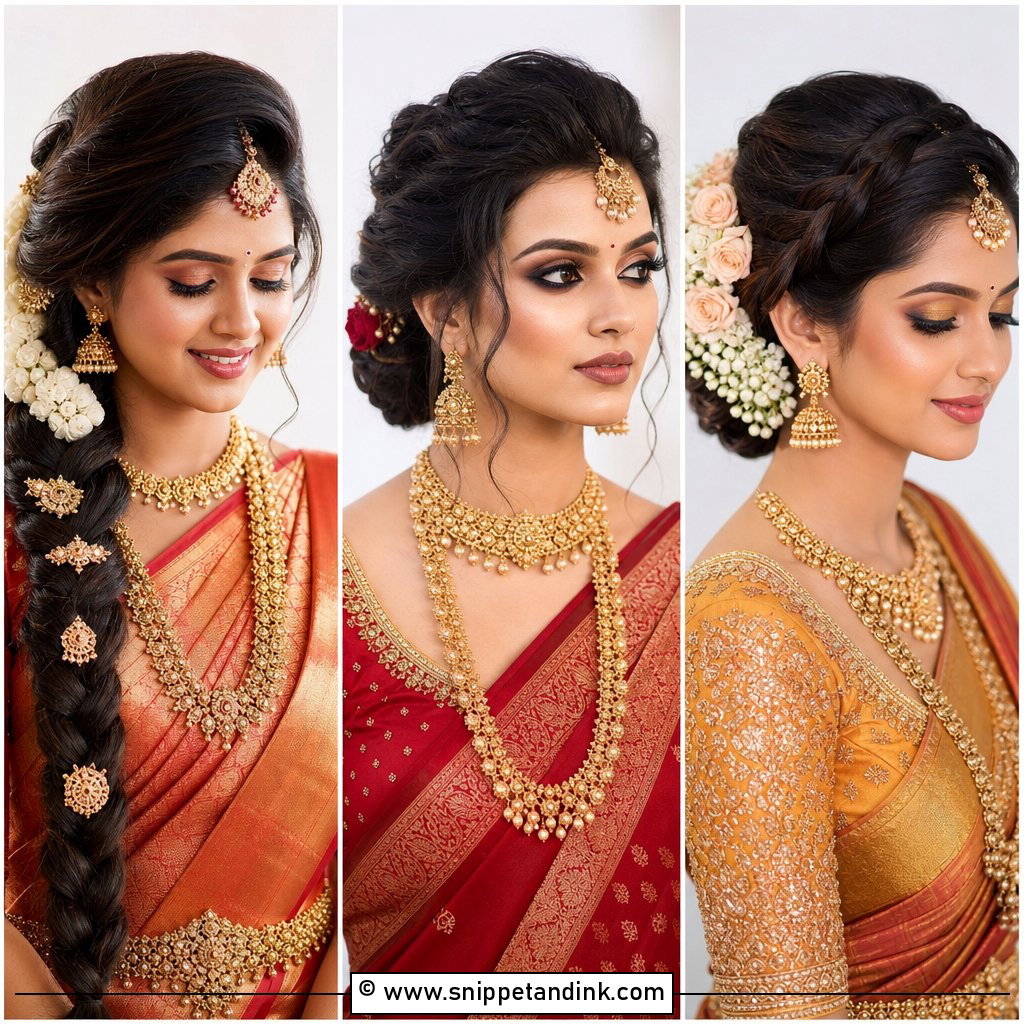
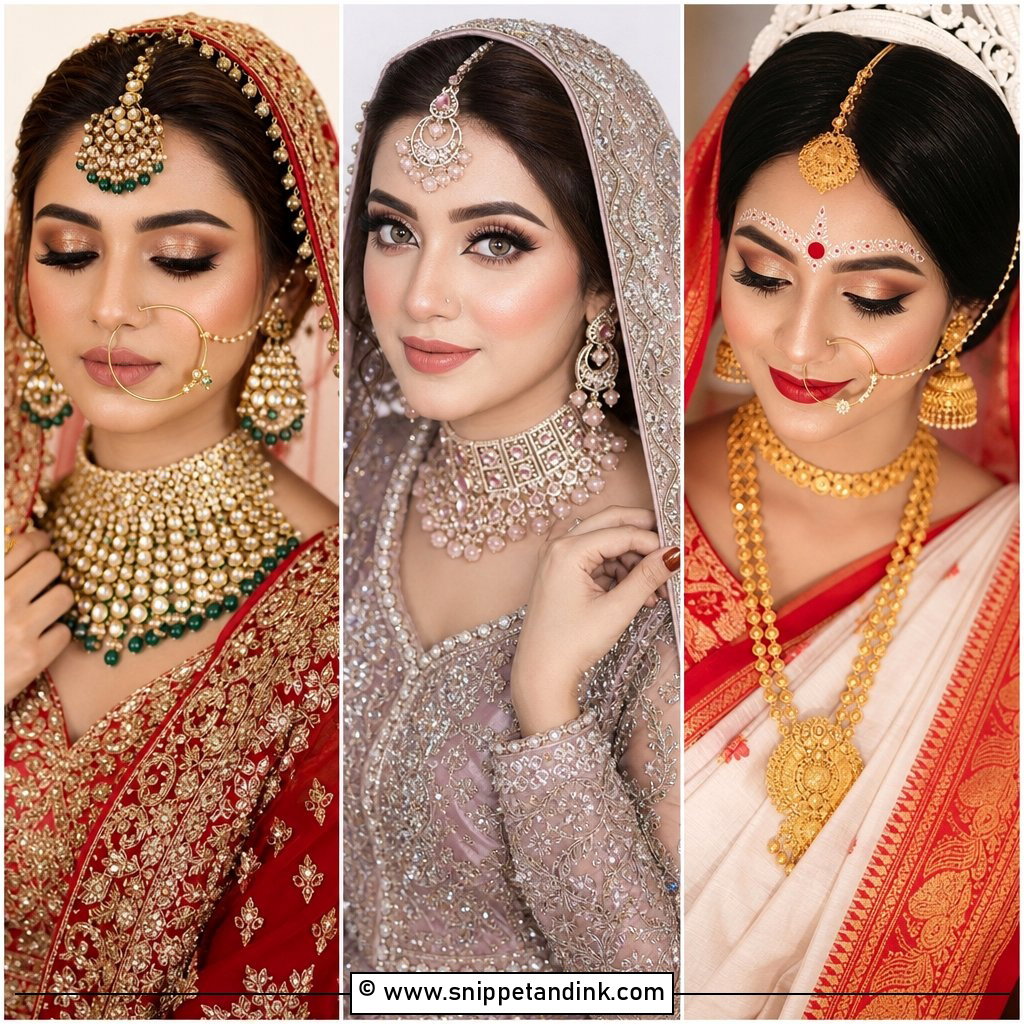
3. South Asian Bridal Makeup
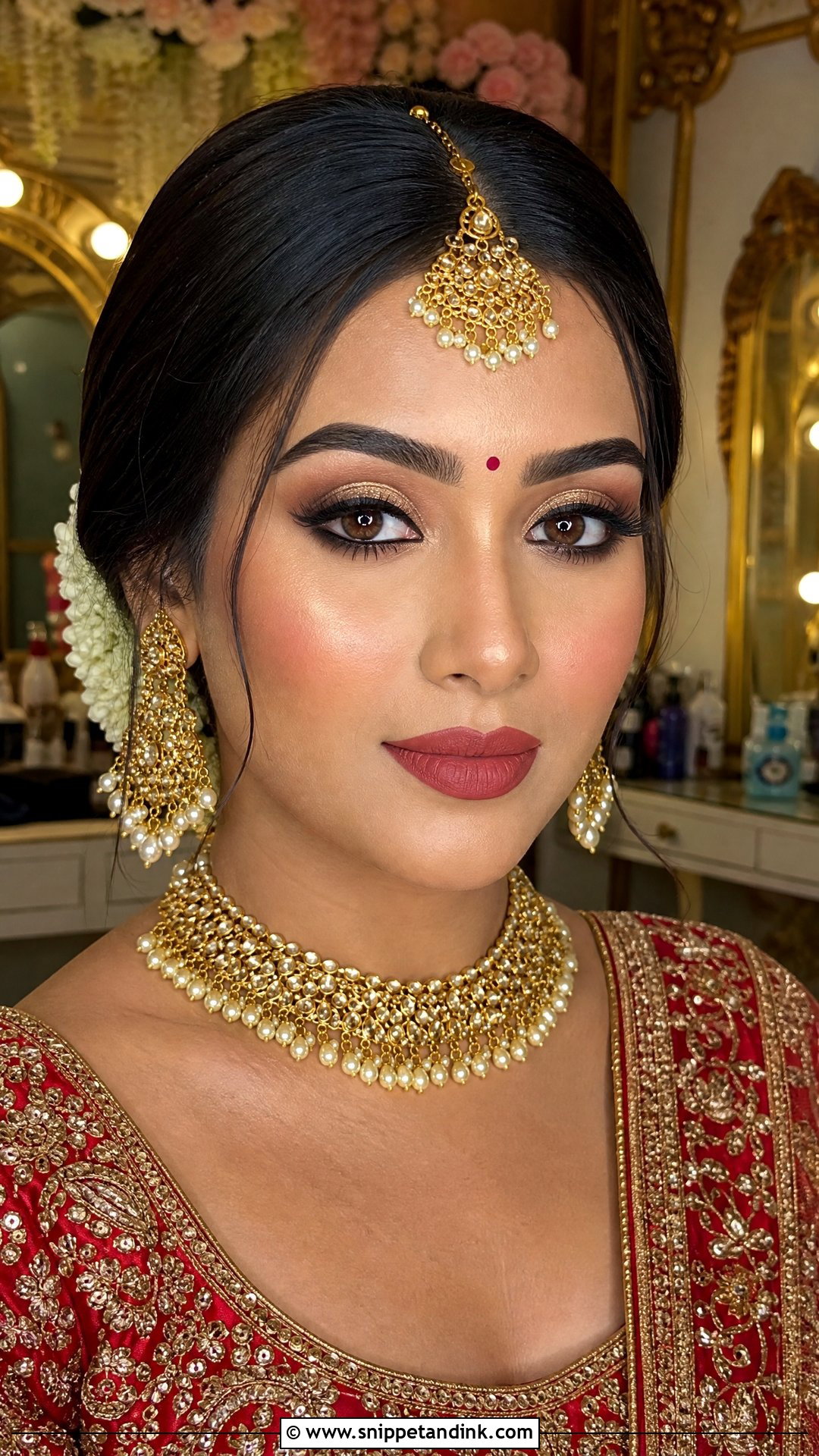
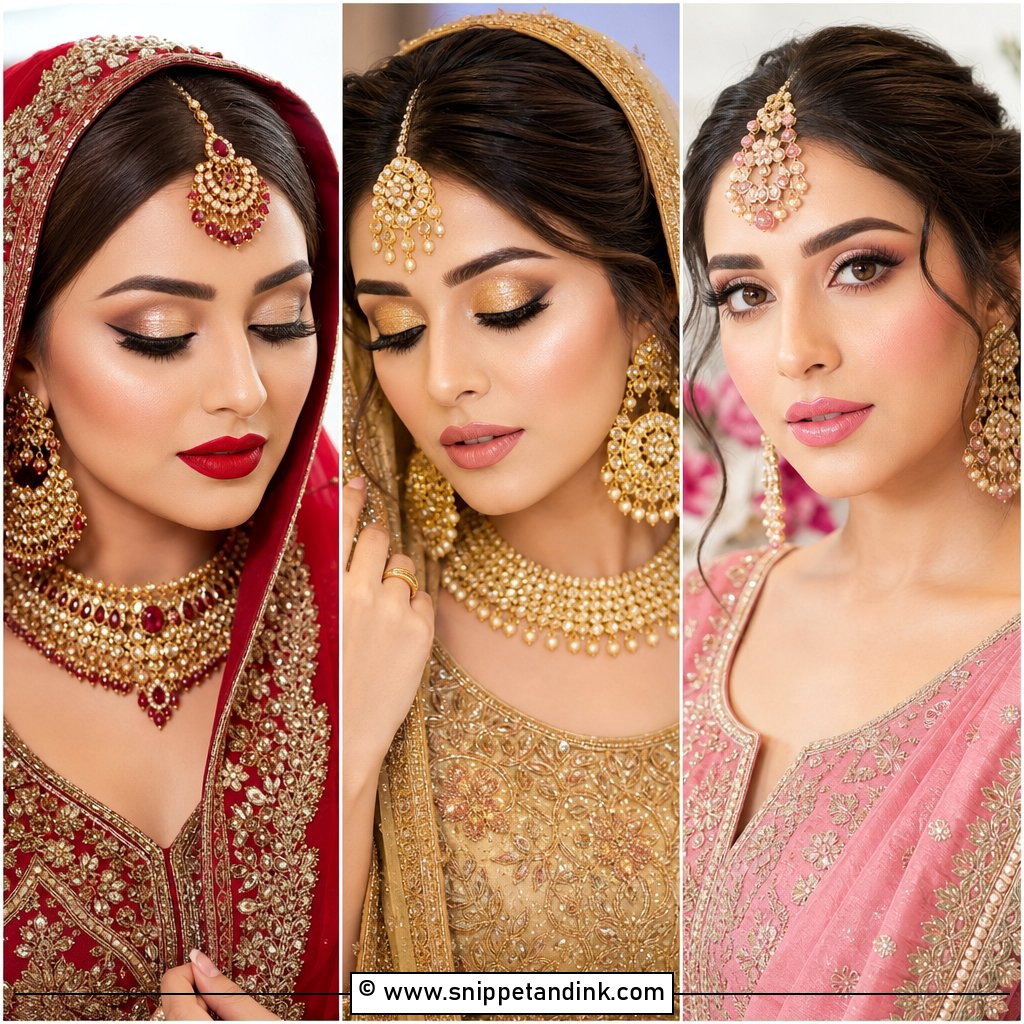
South Asian bridal makeup has to stand up to long ceremonies, bright outfits, heavy jewelry and flash, often across several events. The base must be long-wear and must match your true skin tone; a bride two shades lighter than her neck is the most common thing I see go wrong. I pick the eyeshadow to answer the outfit, gold or copper against red and maroon, rose or bronze with ivory and pastels. Gel liner, a softly smoked lower lash line and full lashes you can still blink under give the eyes weight. Warm bronzer, peachy blush and careful highlight sculpt the cheeks, and the lip moves from rose to classic red with the outfit. A dupatta frames the face heavily, so I always check the finished look with it on before you leave my chair.
4. Chinese Bridal Makeup
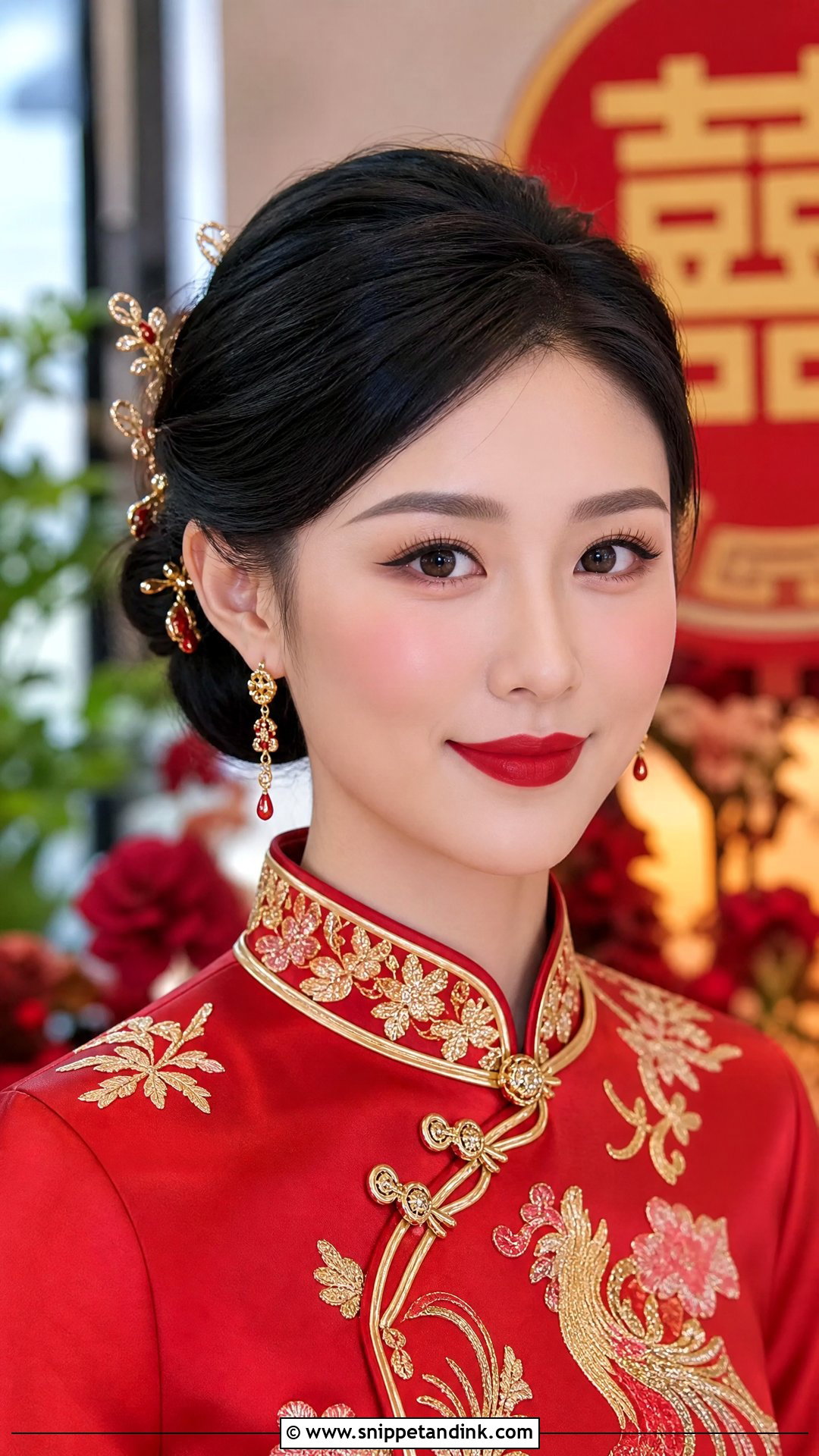
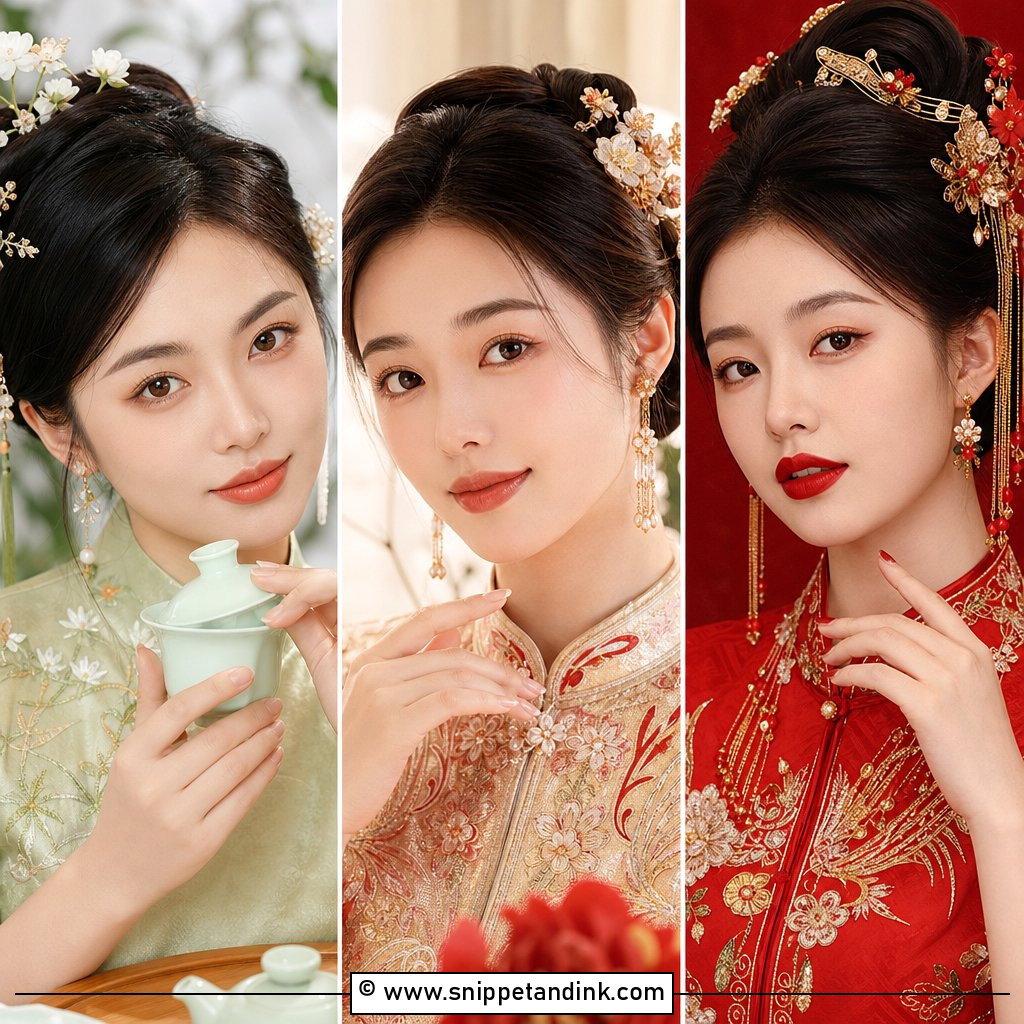
Chinese bridal makeup usually has to sit beside red, whether a qipao, a tea ceremony outfit or embroidered gold accents, and often a white gown later on. I keep the complexion smooth and semi-matte, because shiny skin next to bright red fabric photographs oily. Champagne or soft taupe shadow, a precise black or deep brown liner and lifted lashes define the eyes. Brows look neat with a soft arch or a tapered tail. A red lip is classic here, and I match it to undertone: blue-red, tomato or brick. Soft blush matters more than brides expect, since red clothing makes bare cheeks look flat by contrast.
5. Japanese Bridal Makeup
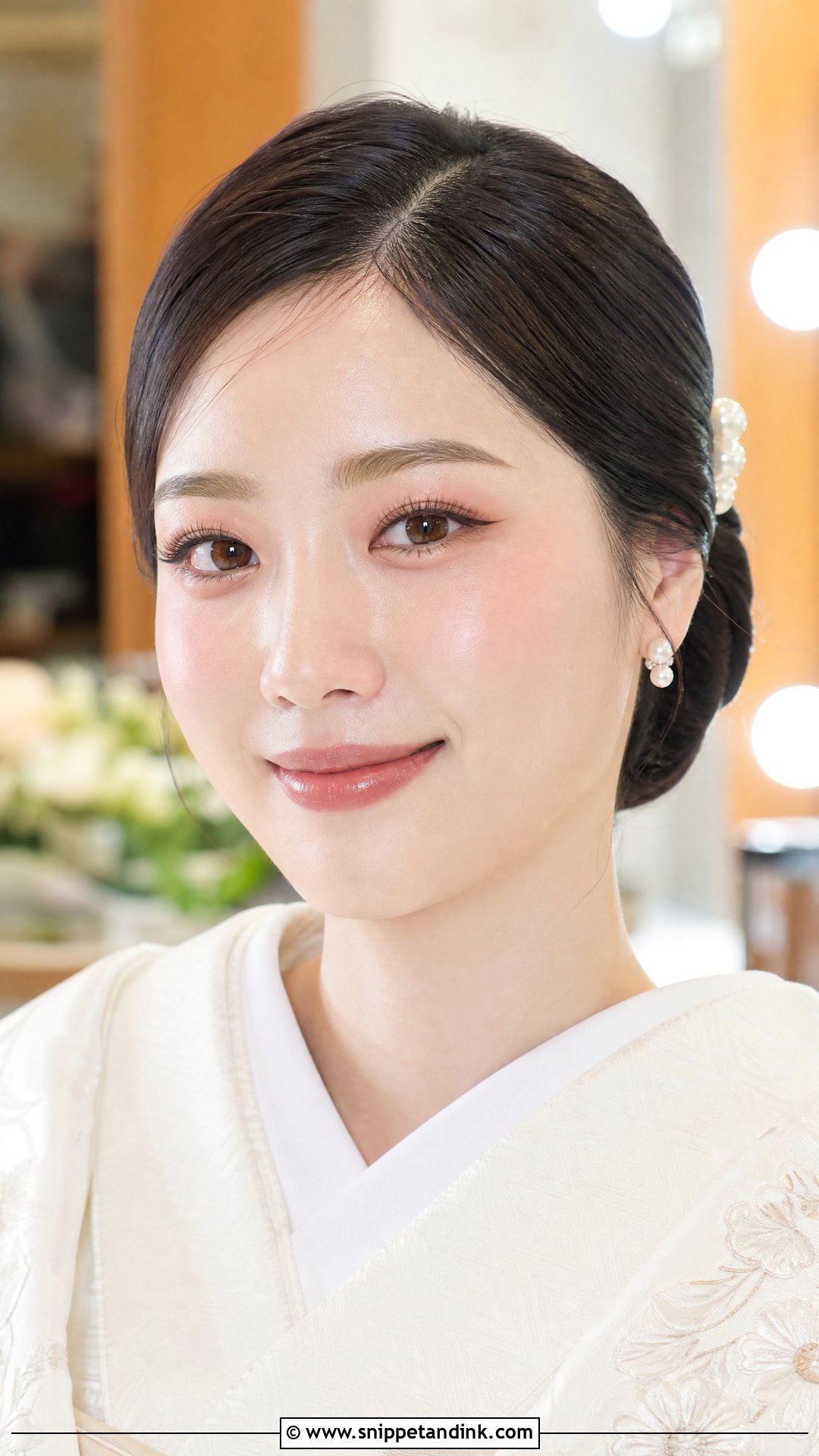
Japanese bridal makeup is about restraint. I build a smooth, luminous base and powder only where it’s needed, then use soft beige or light brown shadow with a thin liner that follows the eye’s own shape. Fluttery lashes add definition without weight. Blush goes softly across the upper cheeks, and the lip is a muted pink. The risk with a sheer look is under-eye darkness showing through, so I correct it with a peach corrector before concealer, or the eyes look tired in close-ups. Minimalist gowns, kimono-inspired ceremony details, pearls and sleek hair all suit it.
6. Filipino Bridal Makeup
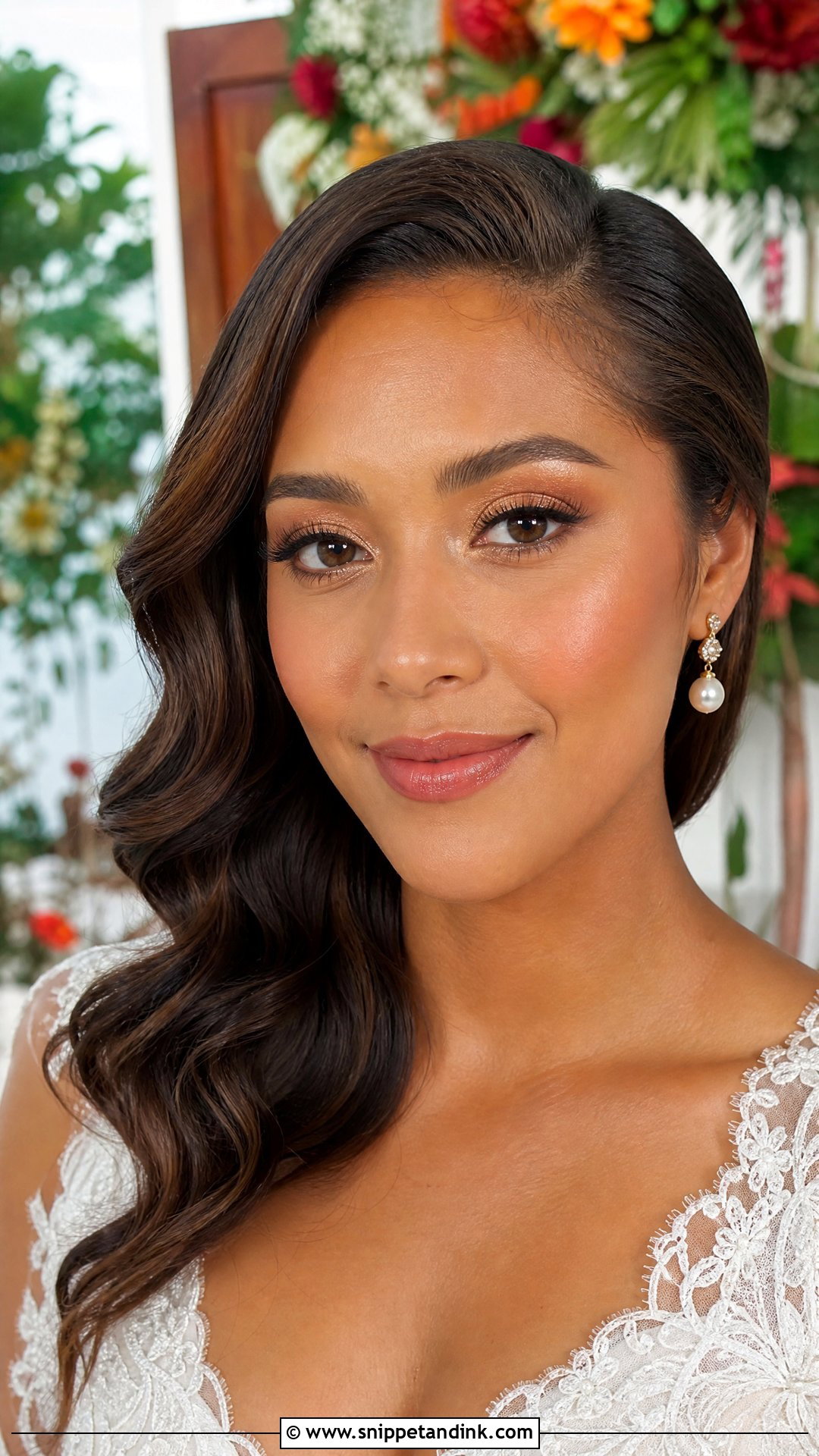
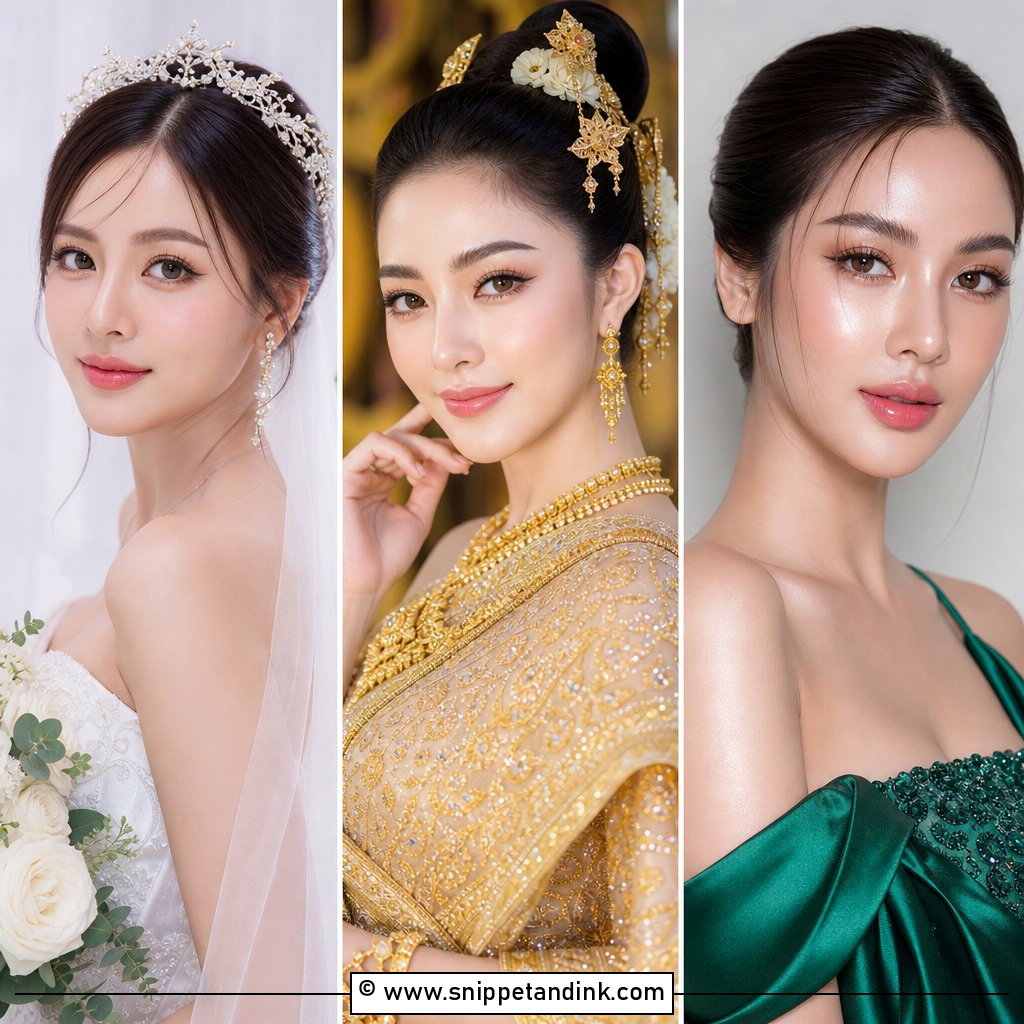
Filipino weddings often mean humidity and long receptions, so I plan the base around heat first. A medium-to-full coverage foundation handles that, but it still has to look like skin, so I press it in with a damp sponge rather than stacking layers. Golden beige or soft cocoa shadow brings out brown eyes, framed by lifted liner, curled lashes and feathered brows. Bronzer warms the face, coral blush adds life and a rosy brown lip keeps it bridal. Garden ceremonies, hotel ballrooms, beach receptions and church portraits all suit it. Carry blotting papers, because in tropical heat powder alone can’t keep up.
7. Vietnamese Bridal Makeup
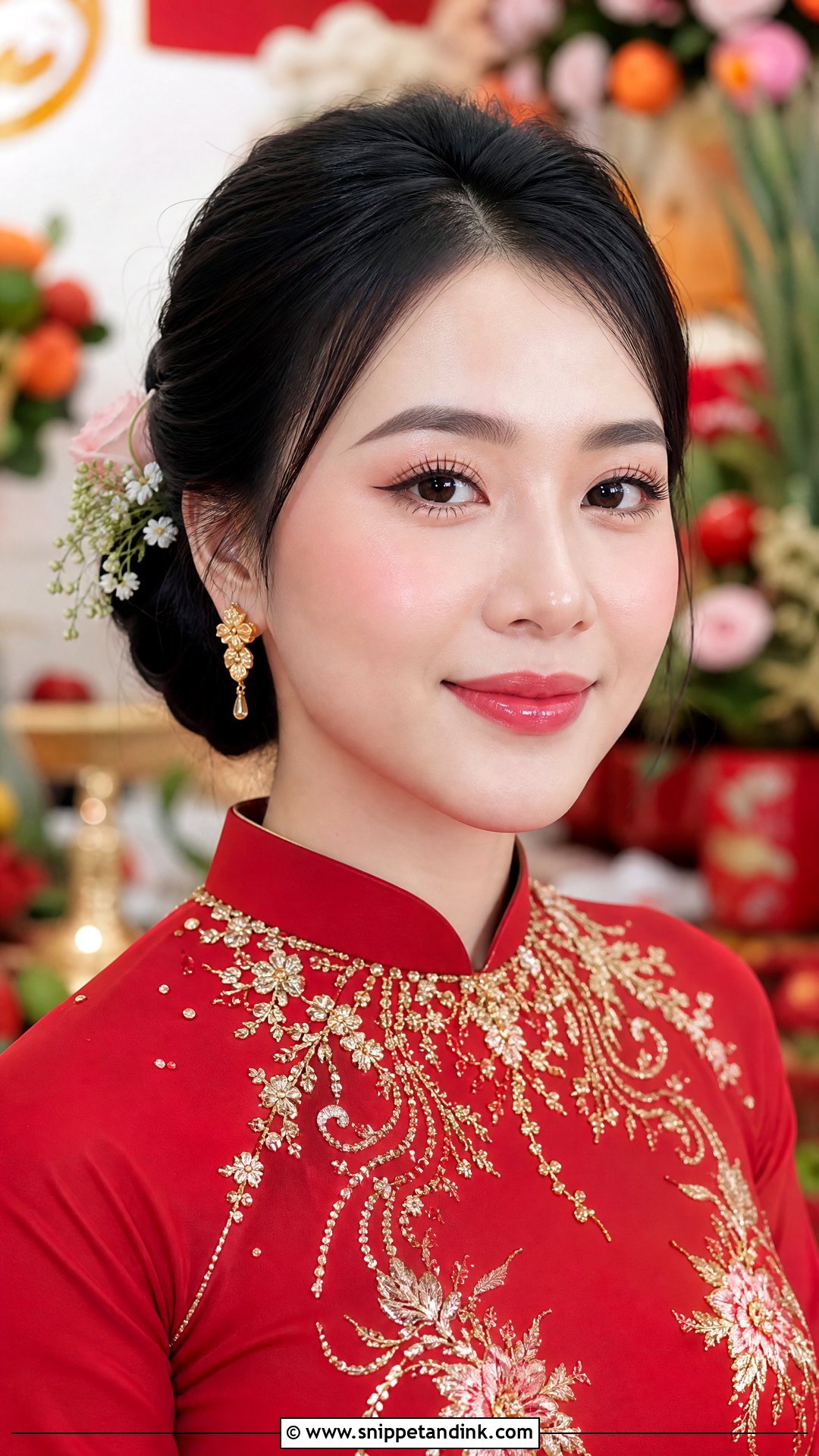
Paired with an áo dài or a modern dress, Vietnamese bridal makeup leans refined and fresh. The base is even and lightly radiant. I use soft rose or warm brown shadow with a clean wing that lifts the outer corner a little, and keep the lower lash line lightly defined rather than smoky, which can drag the eye down in close-ups. Peach-pink blush brightens the face, and a glossy rose lip keeps it young. The áo dài collar sits close under the jaw, so I blend foundation well down the neck; any edge shows against the fabric. Tea ceremonies and family portraits suit this look especially well.
8. Indian Bridal Makeup
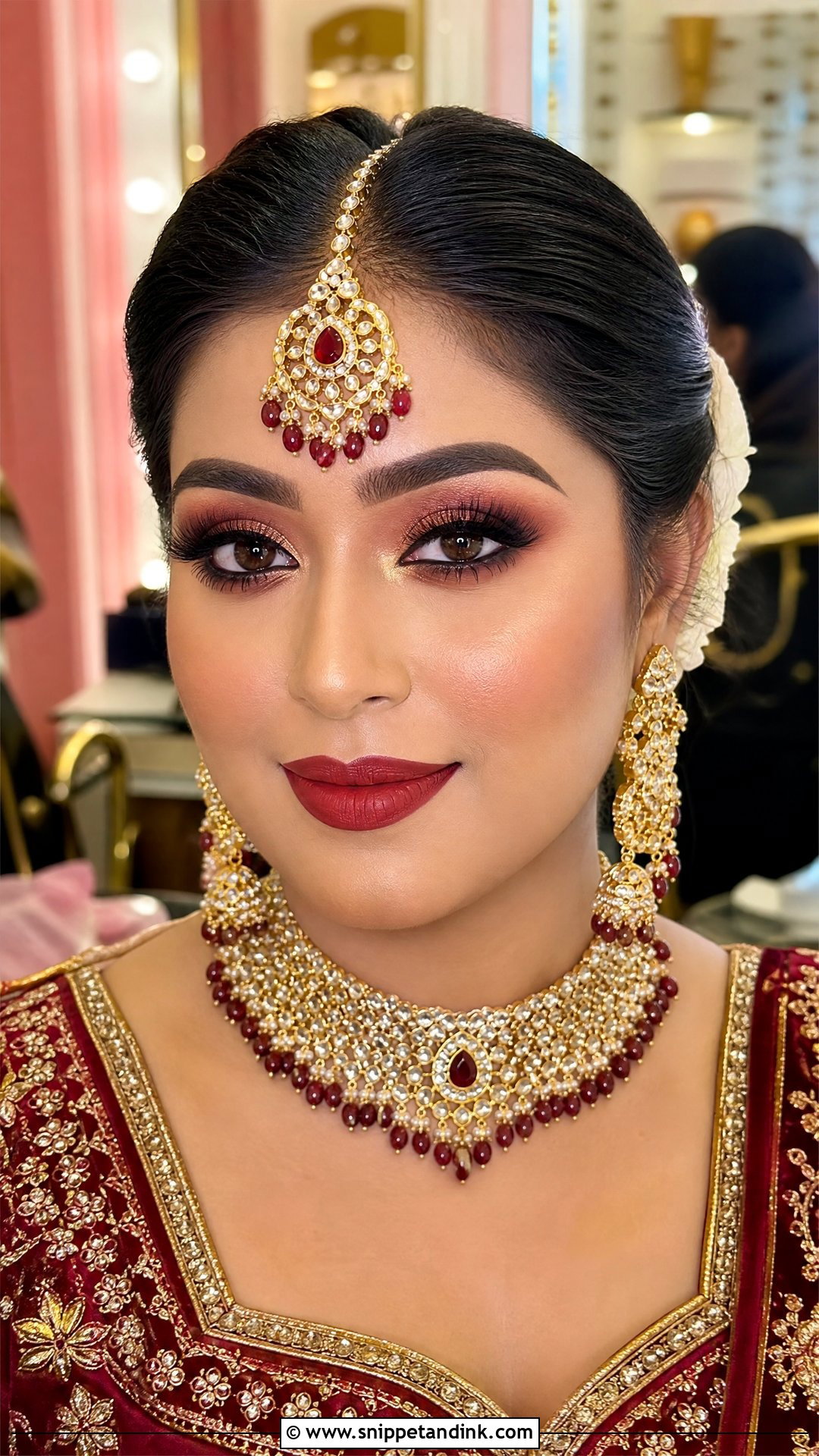
Indian bridal looks carry rich color, strong eyes and a great deal of camera time. I start with a long-lasting, sweat-resistant base matched to the neck and chest as well as the face, because a deep blouse neckline exposes any mismatch. Gold, copper, burgundy and deep rose shadows all sit well against traditional outfits. Black or brown liner defines the upper lash line, and I choose lashes that lift rather than weigh the eye down, since a heavy strip starts to feel like a burden by the second hour of rituals. Bronzer, warm blush and glow on the high points sculpt the face, finished with a brick or red lip. I set in thin layers between steps instead of all at the end, which holds up far better through a long ceremony.
9. Pakistani Bridal Makeup
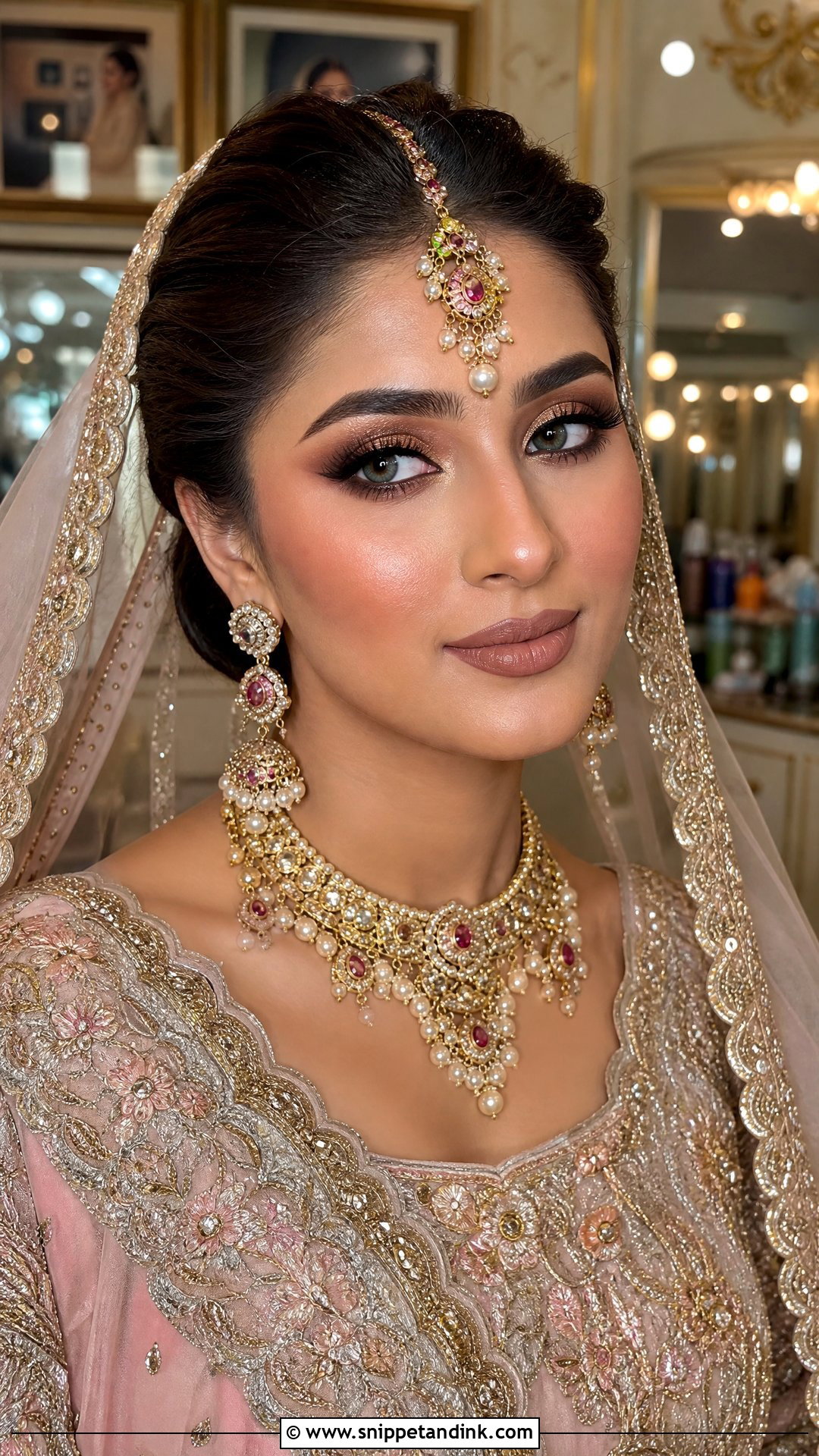
Pakistani bridal makeup usually blends soft glam with rich traditional detail, and it needs enough structure to stay visible under heavily embroidered outfits, dupattas and jewelry. I use a matte or satin base, then warm contour blended until no line is left. Antique gold or mauve shadow with softly smoked liner and full lashes gives the eyes depth. Brows should be defined but never blocky. Blush in rose or terracotta adds warmth, and the lip can run from nude brown to deep berry. A matha patti or tikka rests on the forehead and hairline, so I set that area well and check it after the jewelry is pinned, because metal rubbing on fresh foundation leaves a mark.
10. Thai Bridal Makeup
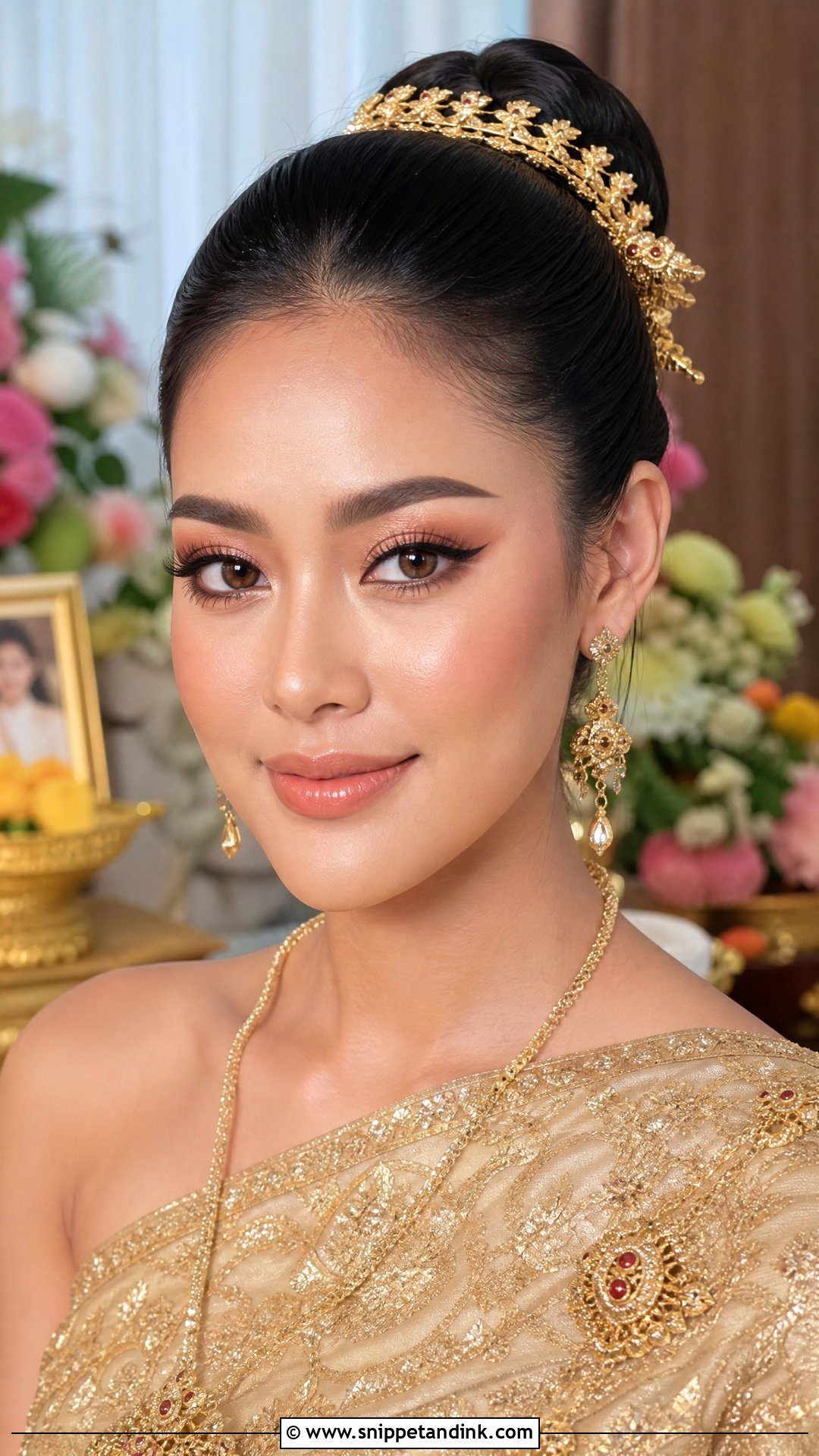
Thai bridal makeup tends to show off glowing skin and softly sculpted features. The complexion should look smooth and warm without turning oily, which in tropical heat means a light hand with cream products. Peach or soft bronze shadow brightens the eyes, with a fine wing and separated lashes. On hooded or monolid eyes I take the shadow a little higher, so it stays visible once the eyes are open. Warm coral blush and soft bronzer add dimension, and a peachy nude lip keeps it fresh. Gold jewelry and silk outfits suit it, and so does a modern dress.
11. Asian Bridal Makeup For Hooded Eyes
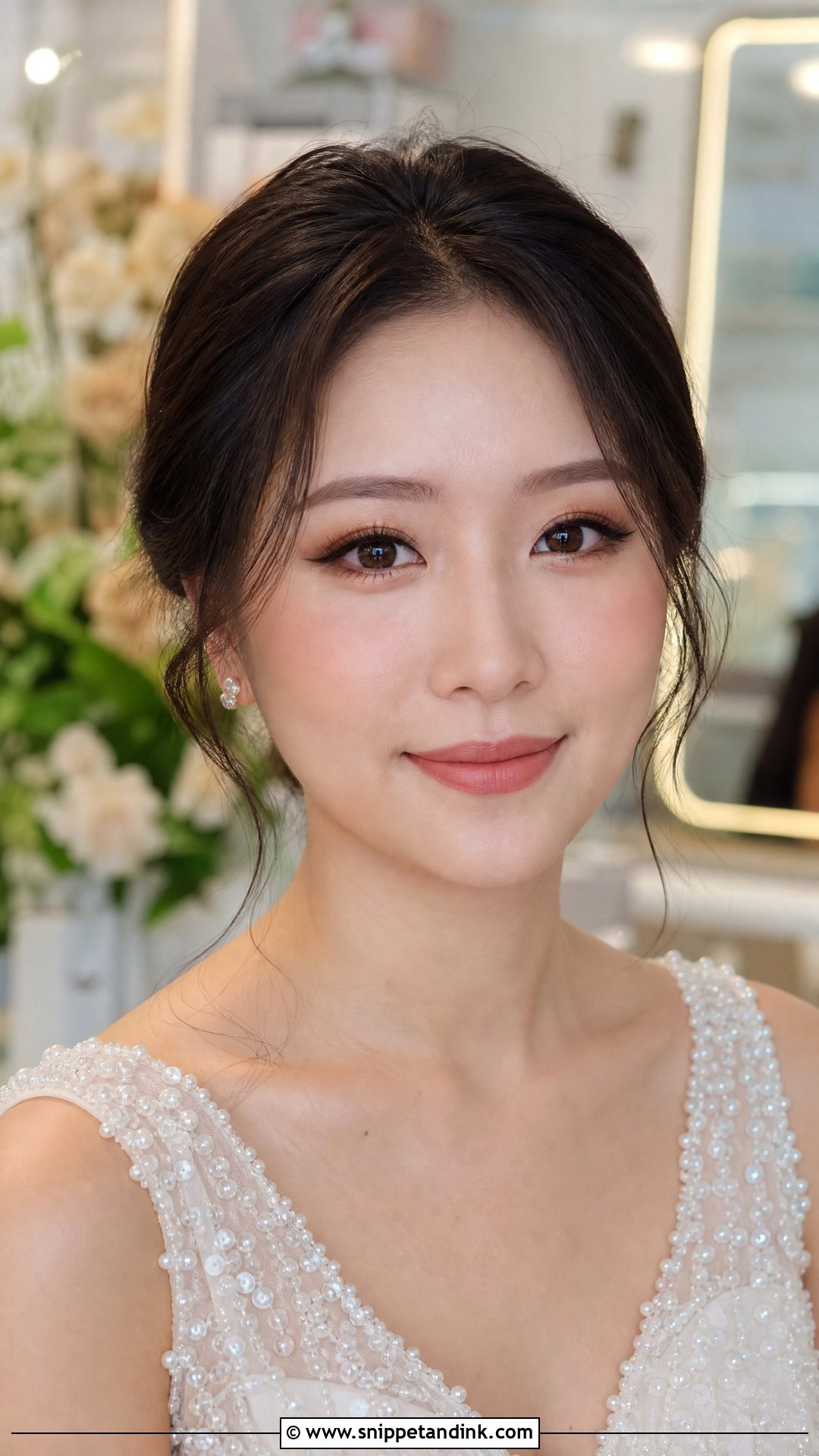
Asian bridal makeup for hooded eyes lives or dies on placement. If I blend the transition shade into the natural crease, it disappears as soon as the eyes open, so I take it slightly higher. Matte taupe or rose brown creates shape, and shimmer goes only where it won’t transfer onto the fold above. I tightline the upper lash line and keep the wing thin at the inner corner, thicker toward the outer edge. Individual or half lashes flatter more than heavy strips, which rest on the hood and push it down. Use waterproof liner and mascara here, because hooded lids touch the lash line all day and print color upward. Soft contour, fresh blush and a nude rose lip keep the face balanced.
12. Asian Bridal Makeup For Monolids
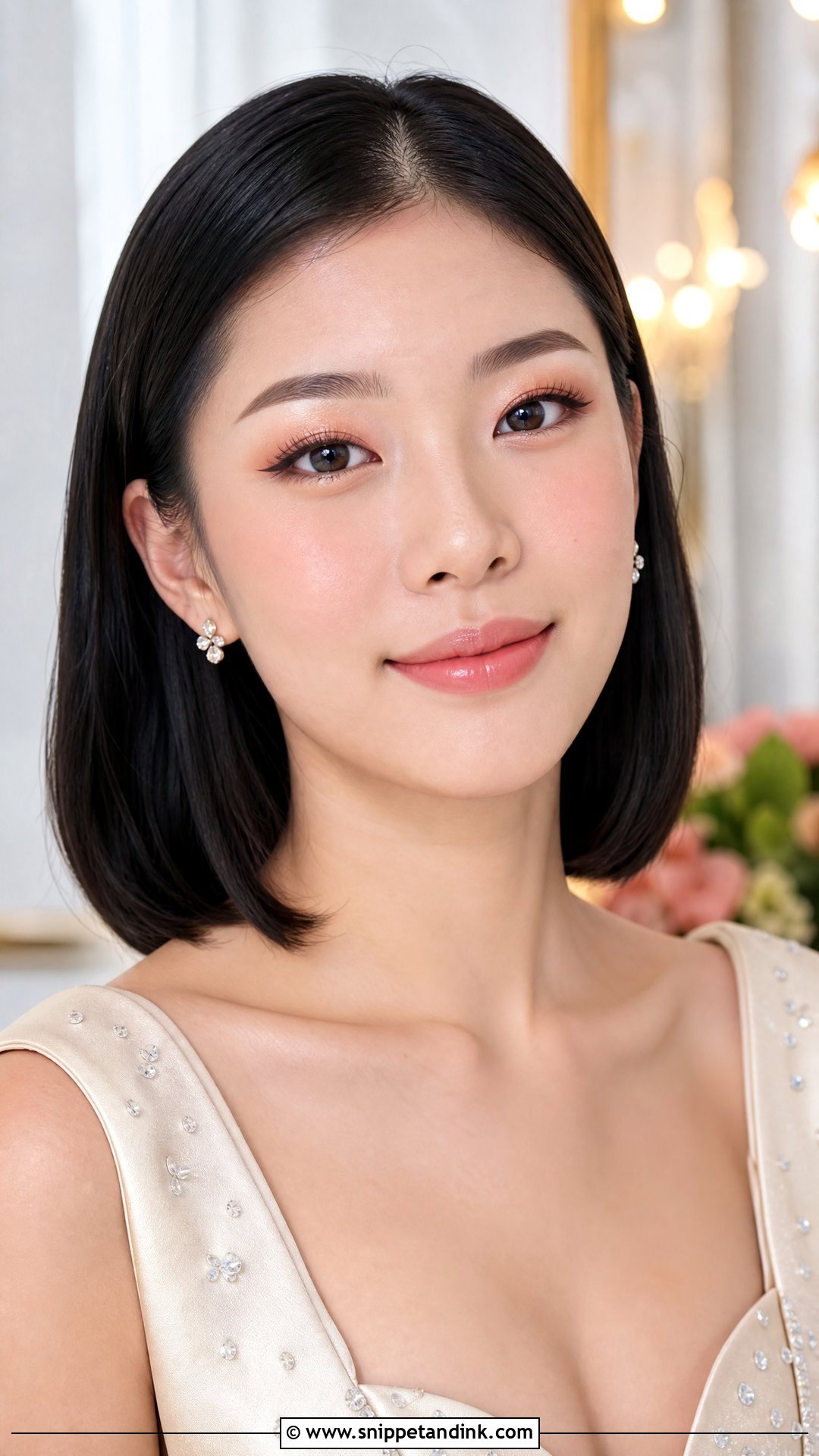
A monolid doesn’t need a fake crease drawn onto it, and I’d talk you out of one. I use a gradient instead: the deepest color right at the lashes, fading upward into softer tones, so the eye has dimension when it’s open. Champagne, rose gold or soft brown all work. Waterproof liner sits close to the lash line and extends slightly outward for lift. Straight lashes need a careful curl and usually a waterproof mascara to hold it, and I pick lightweight falsies that don’t cover the lid. Blush goes high on the cheeks, with a glossy pink lip to finish.
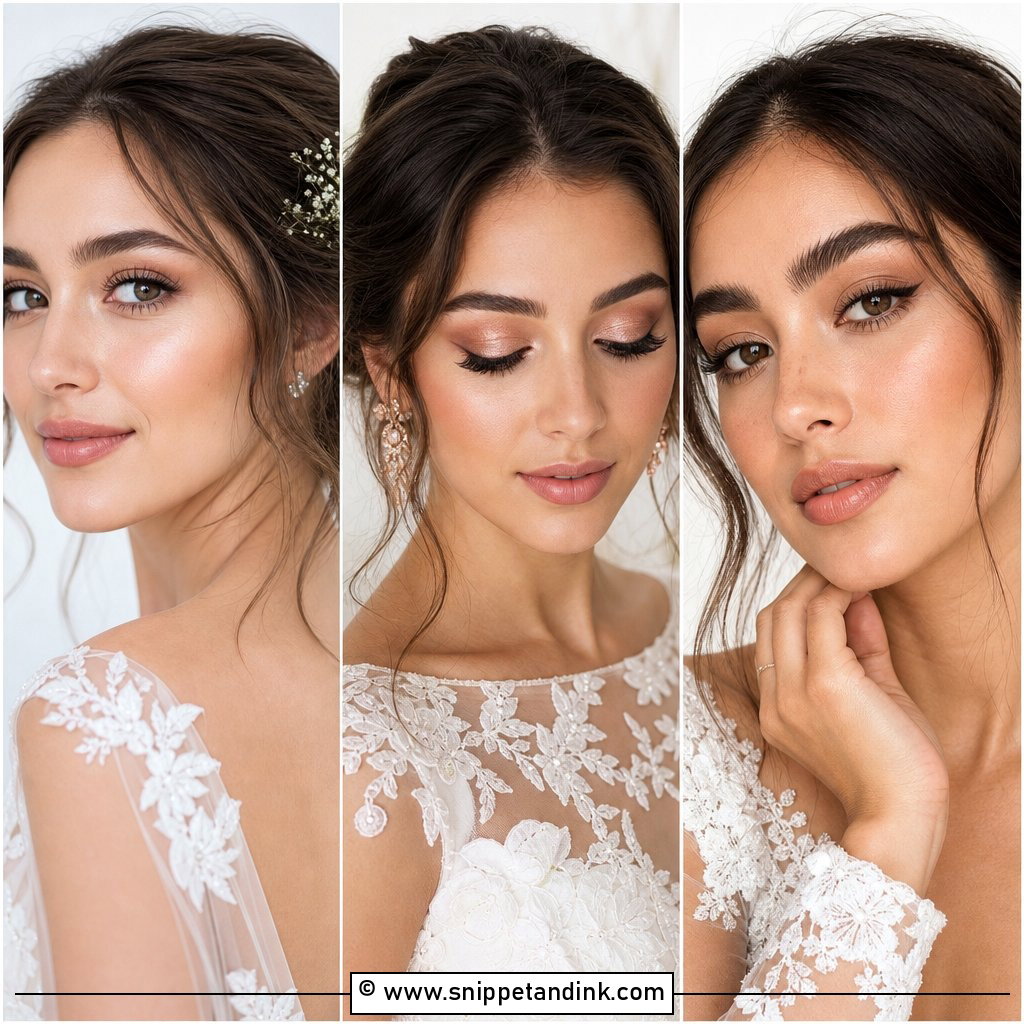
13. Natural Asian Bridal Makeup
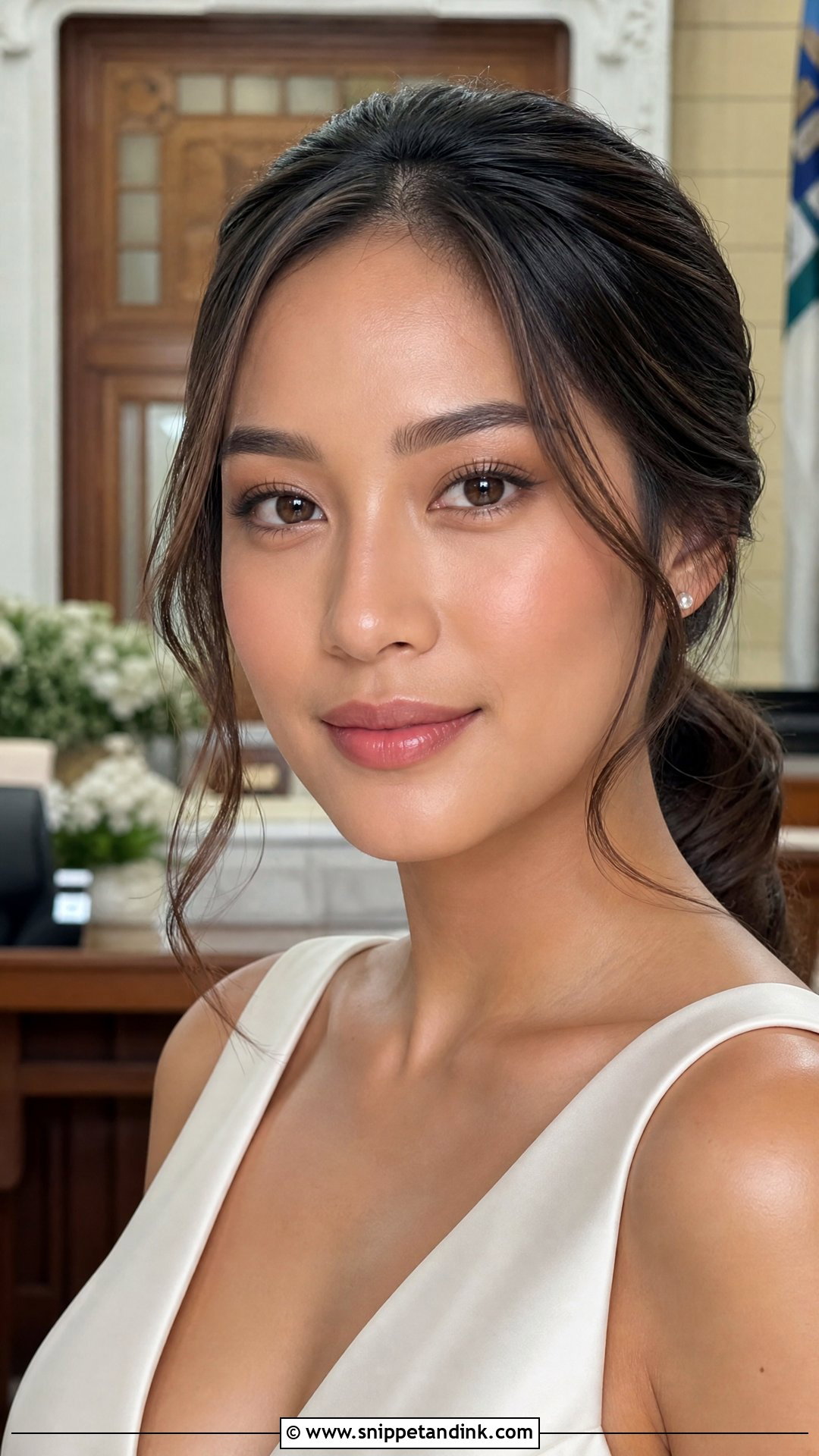
Natural makeup should leave you looking like yourself, only more polished. It isn’t bare skin; it’s a refined version of your everyday face that still reads in photos. I use sheer-to-medium foundation, spot conceal and set only the center of the face. Soft brown liner, neutral matte shadow, curled lashes and gently filled brows define the eyes, and cream blush gives a healthy flush. The lip can be a tinted balm or a rose stain. Even here I’d use waterproof mascara, because one emotional moment undoes an unprotected natural look faster than any other. Courthouse weddings, small ceremonies and daytime receptions suit it best.
14. Dewy Asian Bridal Makeup
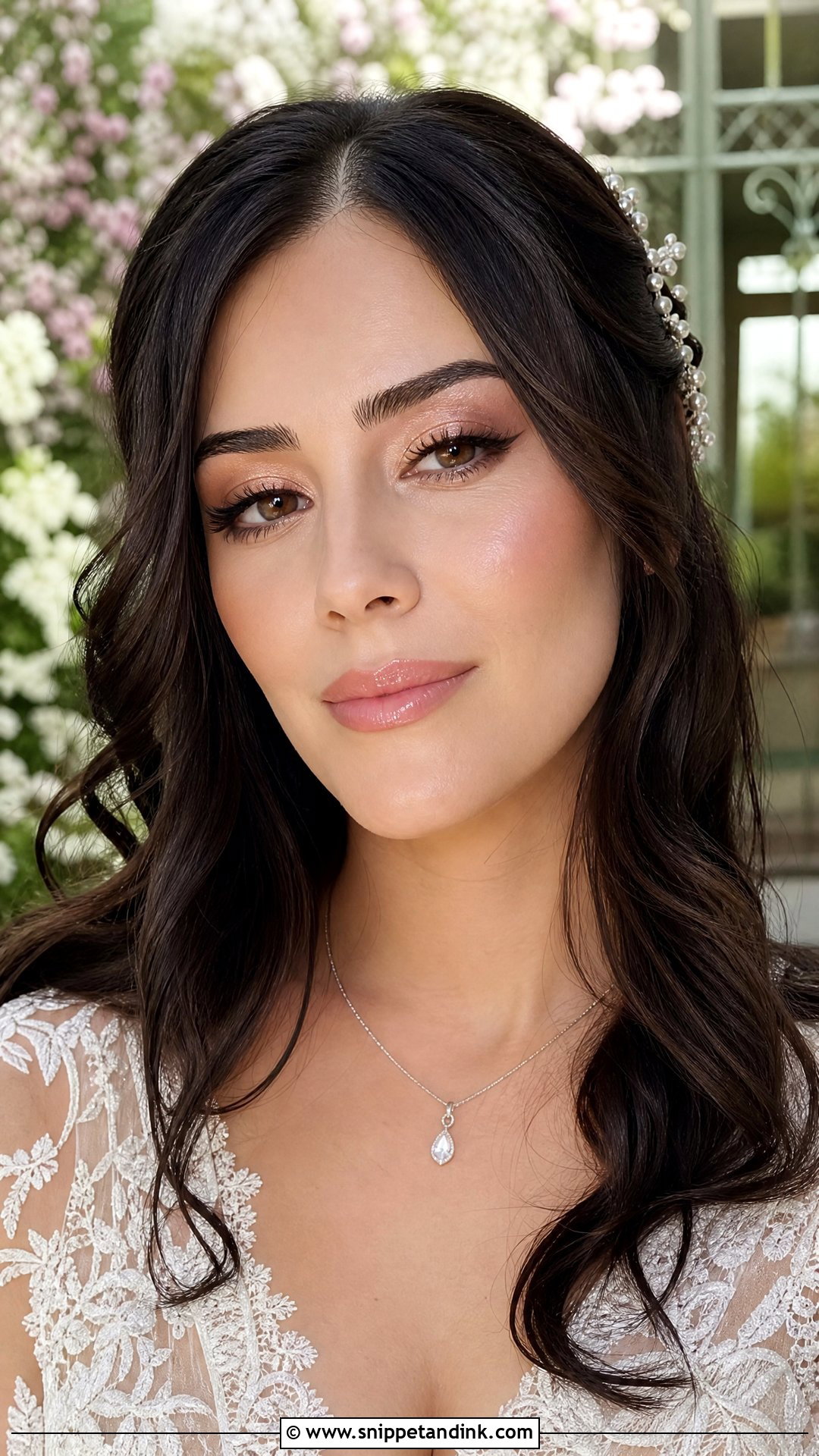
Dewy skin needs smart placement to last. I keep the glow on the cheekbones, the bridge of the nose and the inner corners, and stay away from shine at the sides of the nose, the forehead and the chin, where oil arrives on its own by mid-afternoon. A lightweight satin foundation, cream blush and a liquid highlight build a soft glass-skin effect. Champagne shimmer on the eyes, thin liner and wispy lashes keep it light, with a glossy pink lip. If your skin runs oily, I’d move you to a satin base with highlight instead. Spring weddings and garden venues suit the dewy version best.
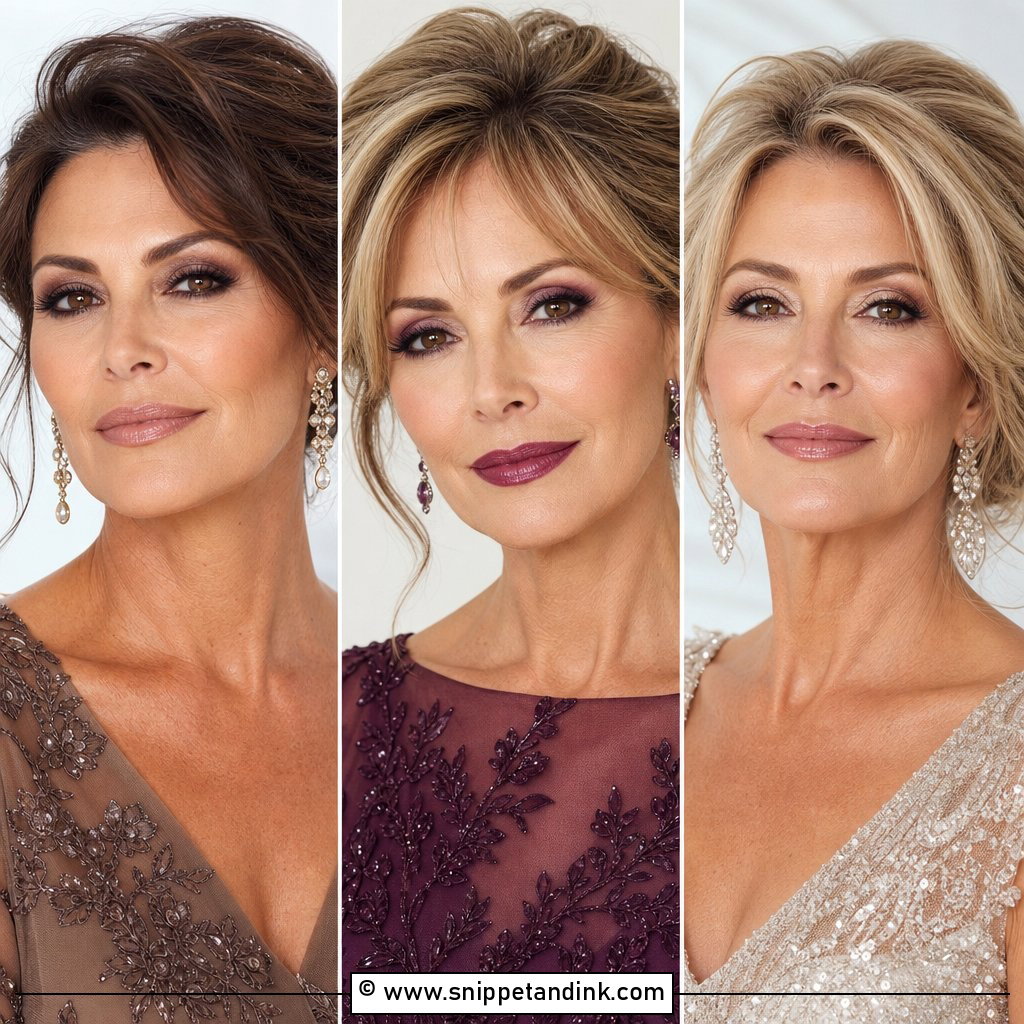
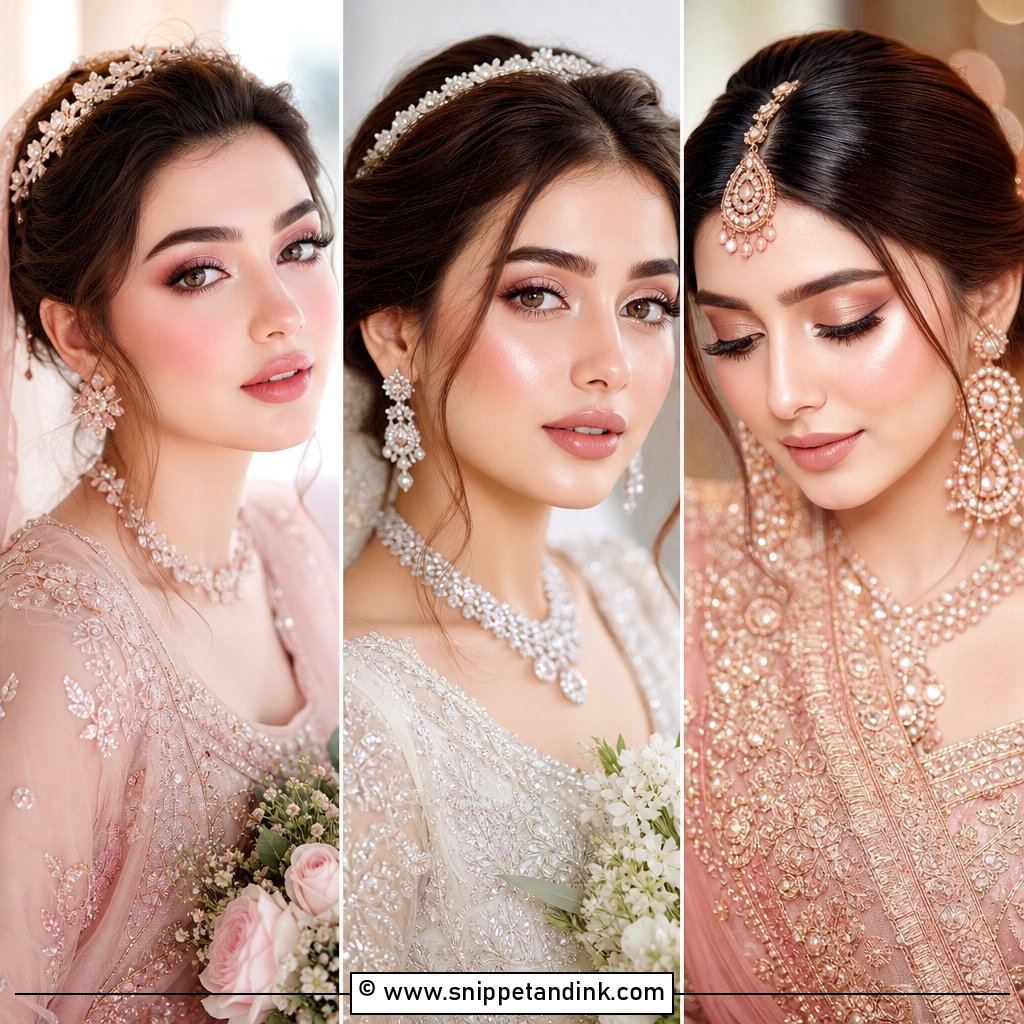
15. Matte Asian Bridal Makeup
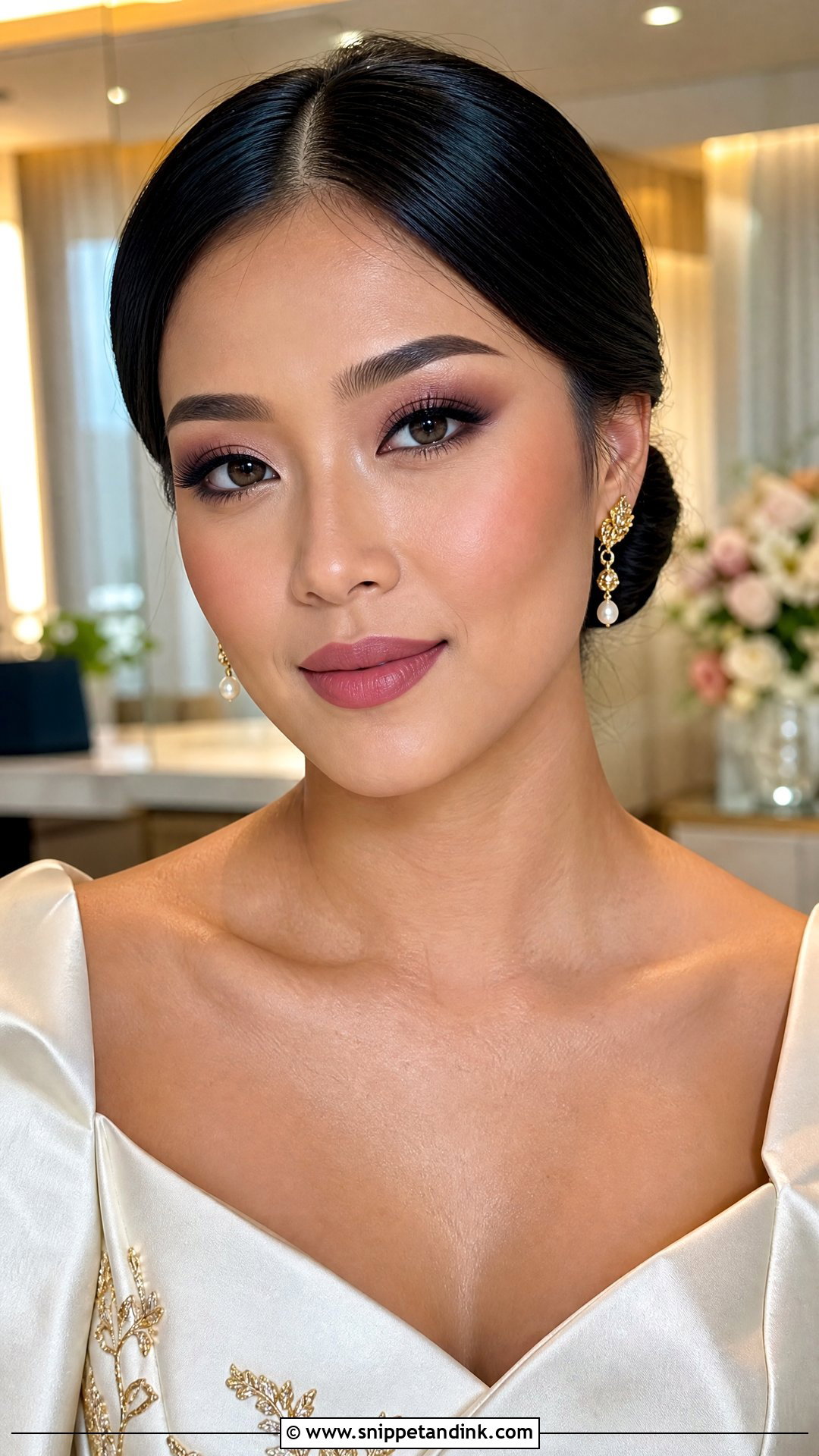
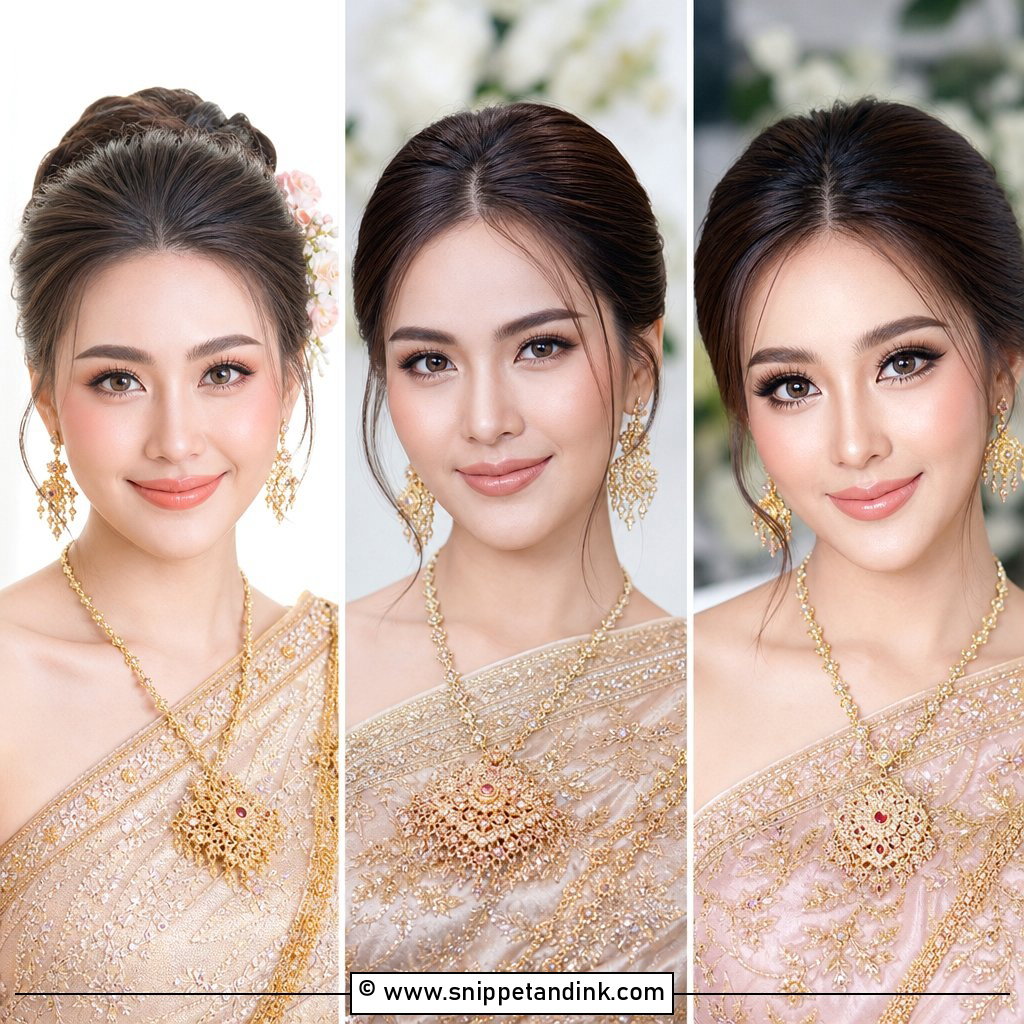
Matte is my pick for humid climates and long ceremonies, provided it’s built so it doesn’t look flat. A hydrating primer goes on first, then long-wear foundation in thin layers. I set the T-zone and anywhere that creases, but leave the cheeks softly blurred. Matte taupe, mocha or plum shadow defines the eyes without shimmer, with waterproof liner, securely glued lashes and softly carved brows. A satin-matte lipstick in rose brown or berry finishes it. I avoid heavy silica powder under the eyes, because it can flash back white in flash photography.
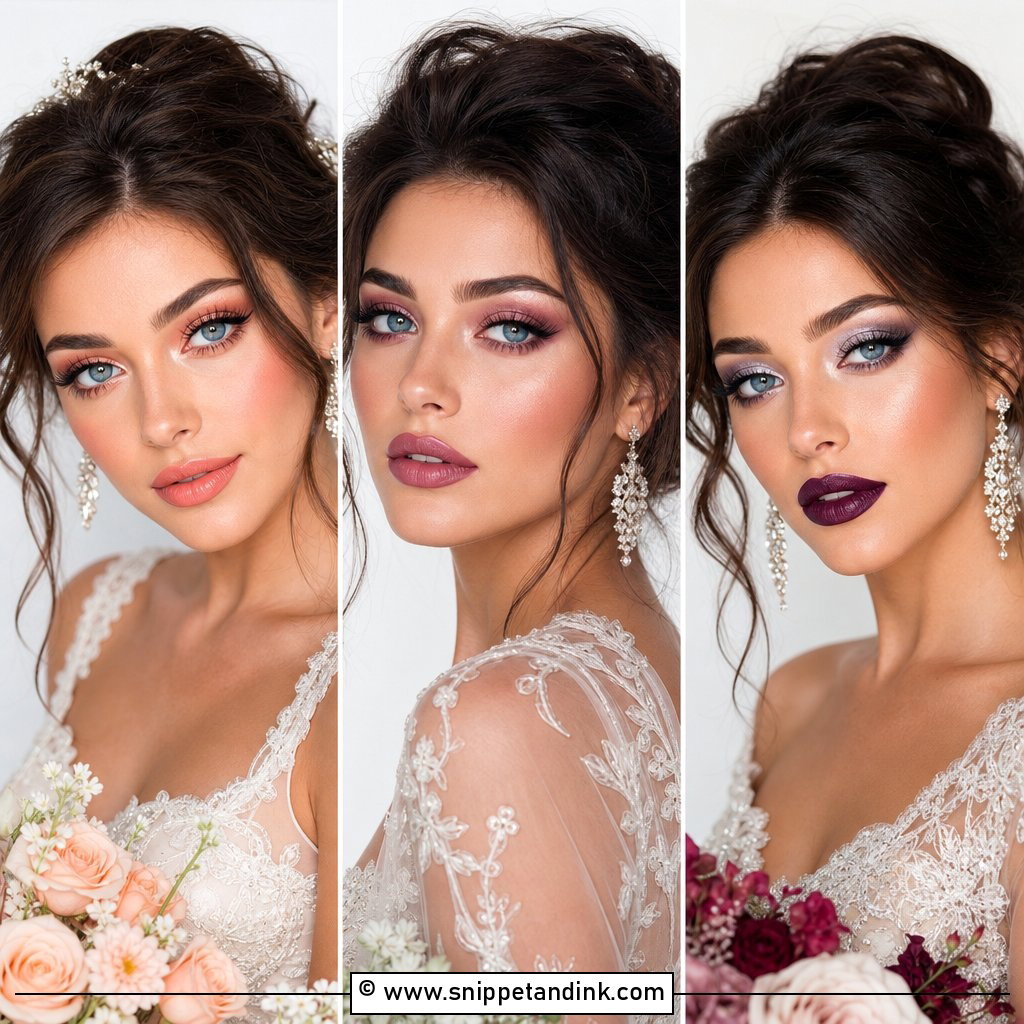
16. Red Lip Asian Bridal Makeup
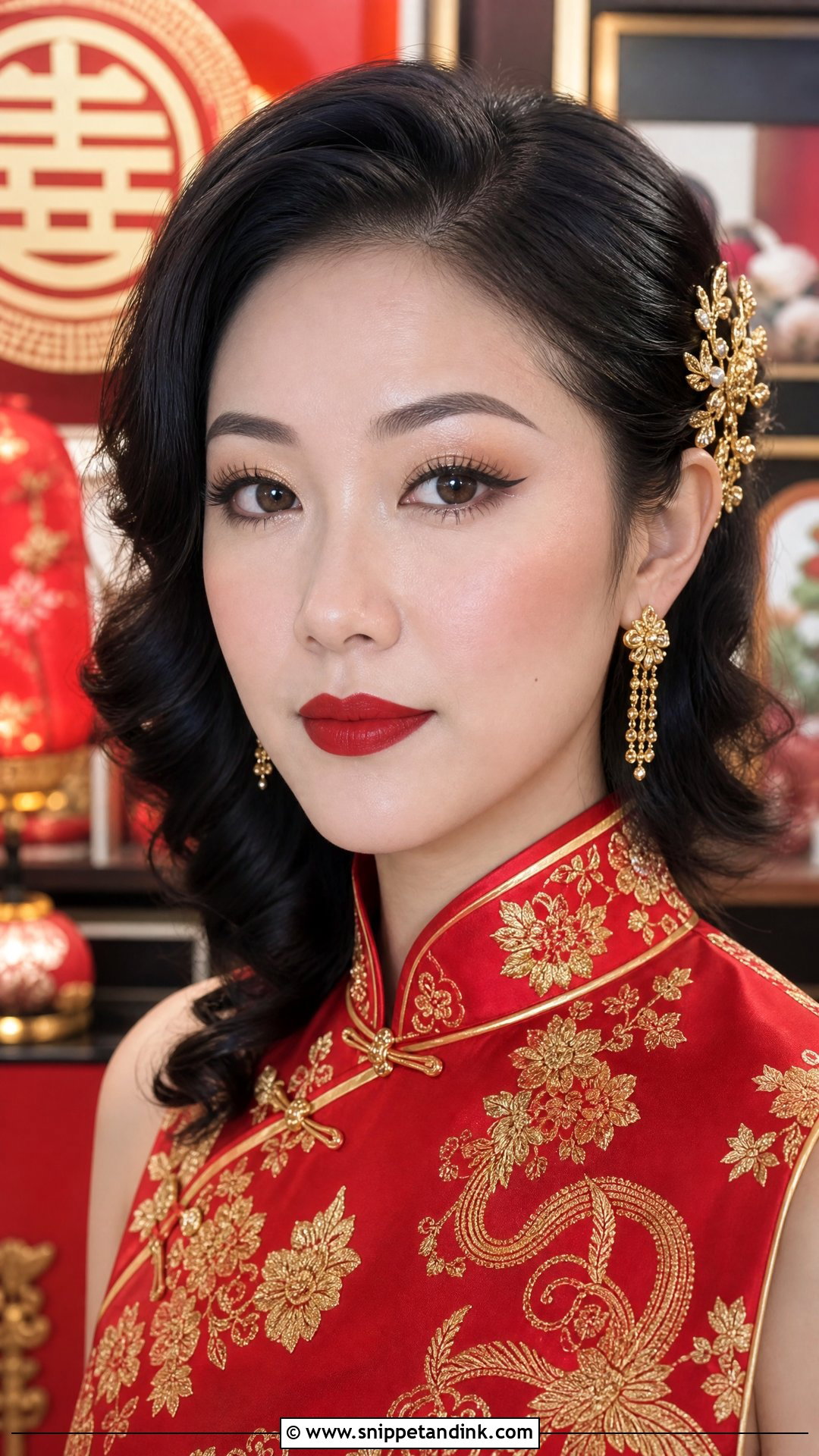
A red lip only looks classic when the rest of the face steps back. I choose the red by undertone: blue-red on fair and cool skin, tomato red on warm skin and brick red on tan to deep complexions. The base is polished and the eyes are clean, with neutral shadow, precise liner and lifted lashes. If every feature is turned up to the same intensity, the face looks heavy, so I pick one lead and let the rest support it. Blush should connect to the lip, in rose or muted berry. Line the whole lip and blot between layers, and you’ll get through the tea pouring without a smudge. Red outfits and reception gowns suit it too.
17. Gold Asian Bridal Makeup
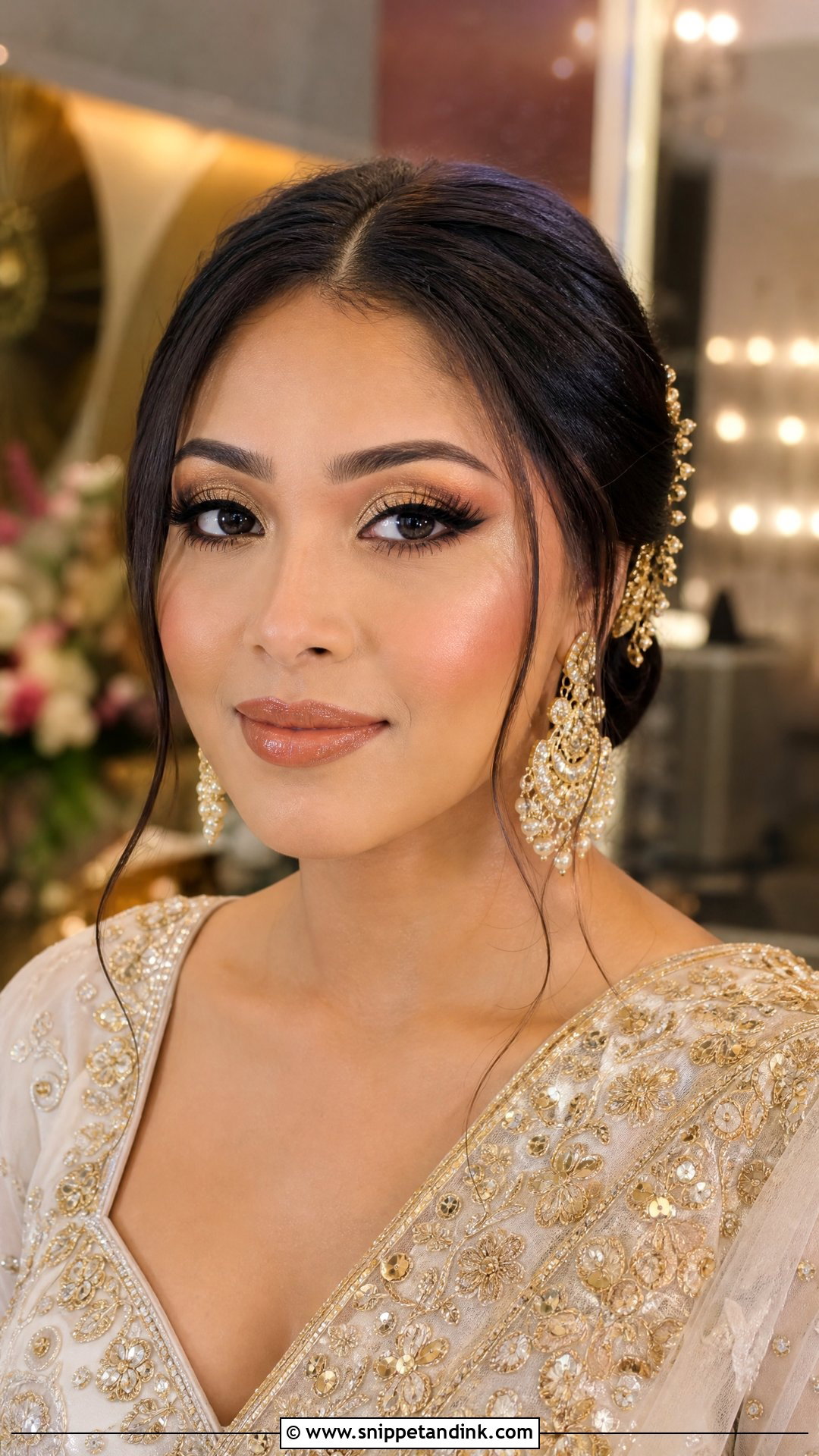
Gold adds warmth and ceremony detail without feeling dated, as long as it’s a fine metallic rather than chunky glitter. I put soft or antique gold on the lid and blend bronze into the outer corner for depth. Brown or black liner defines the lash line, and lashes lift the eye. The skin is smooth and softly sculpted with terracotta blush, and the lip stays caramel so the eyes lead. Metallic particles drift onto the cheeks during application, so I do the eyes first and hold a shield underneath while I work. Gold jewelry, embroidered outfits and warm lighting suit it most.
18. Smokey Eye Asian Bridal Makeup
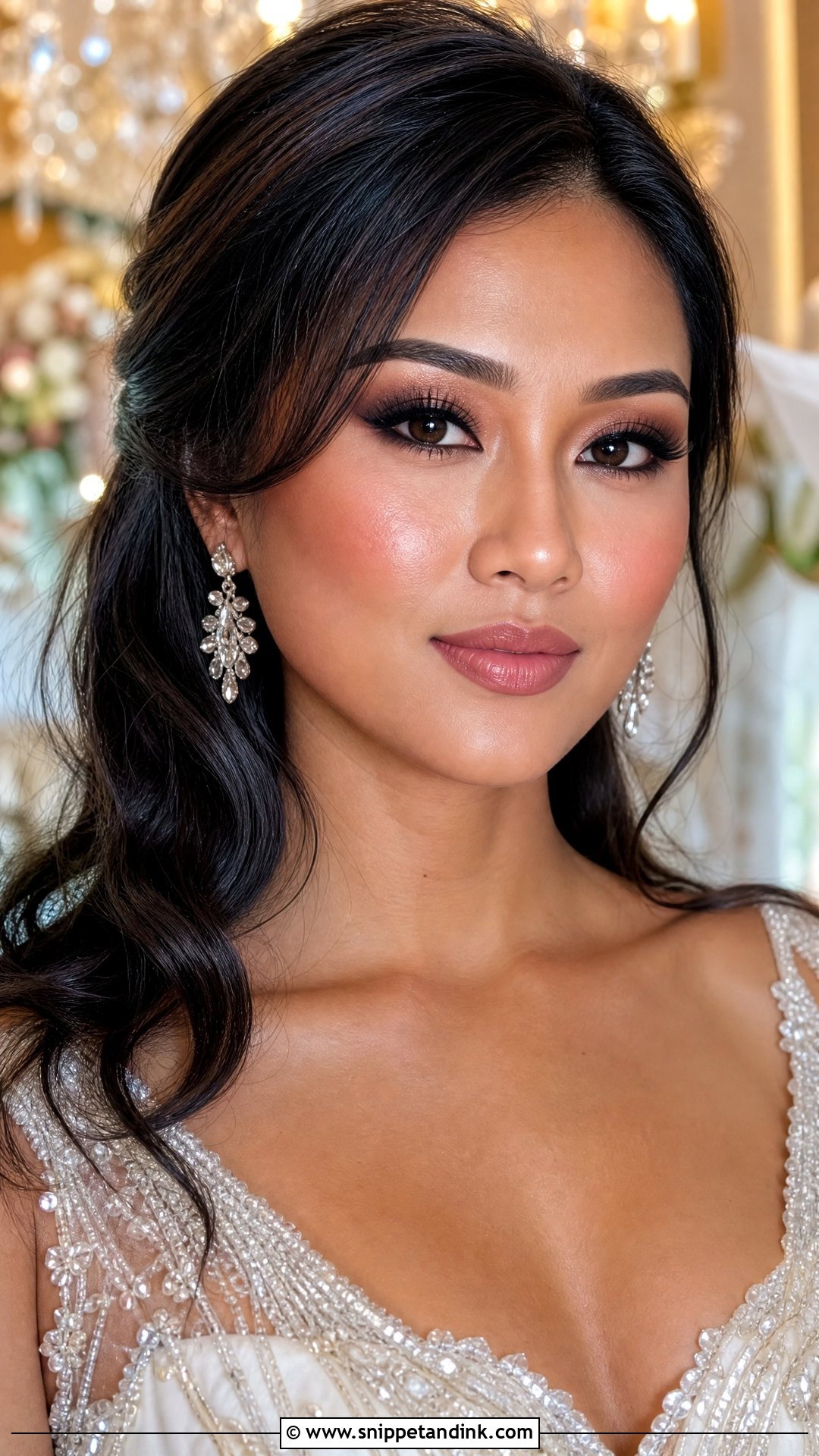
Smokey eye Asian bridal makeup can still look bridal if it’s blended softly and shaped to your eyes. Rather than plain black, I use espresso, plum or charcoal brown. The deepest shade stays close to the lashes and fades upward gradually, so the eye looks lifted instead of closed off. That matters most on monolids, where heavy color across the whole lid makes the eye look smaller. A little shimmer on the center of the lid keeps it bright, and a smooth base, subtle contour and a muted mauve lip complete the face. Evening receptions and formal ballrooms suit it best.
19. Pink Asian Bridal Makeup
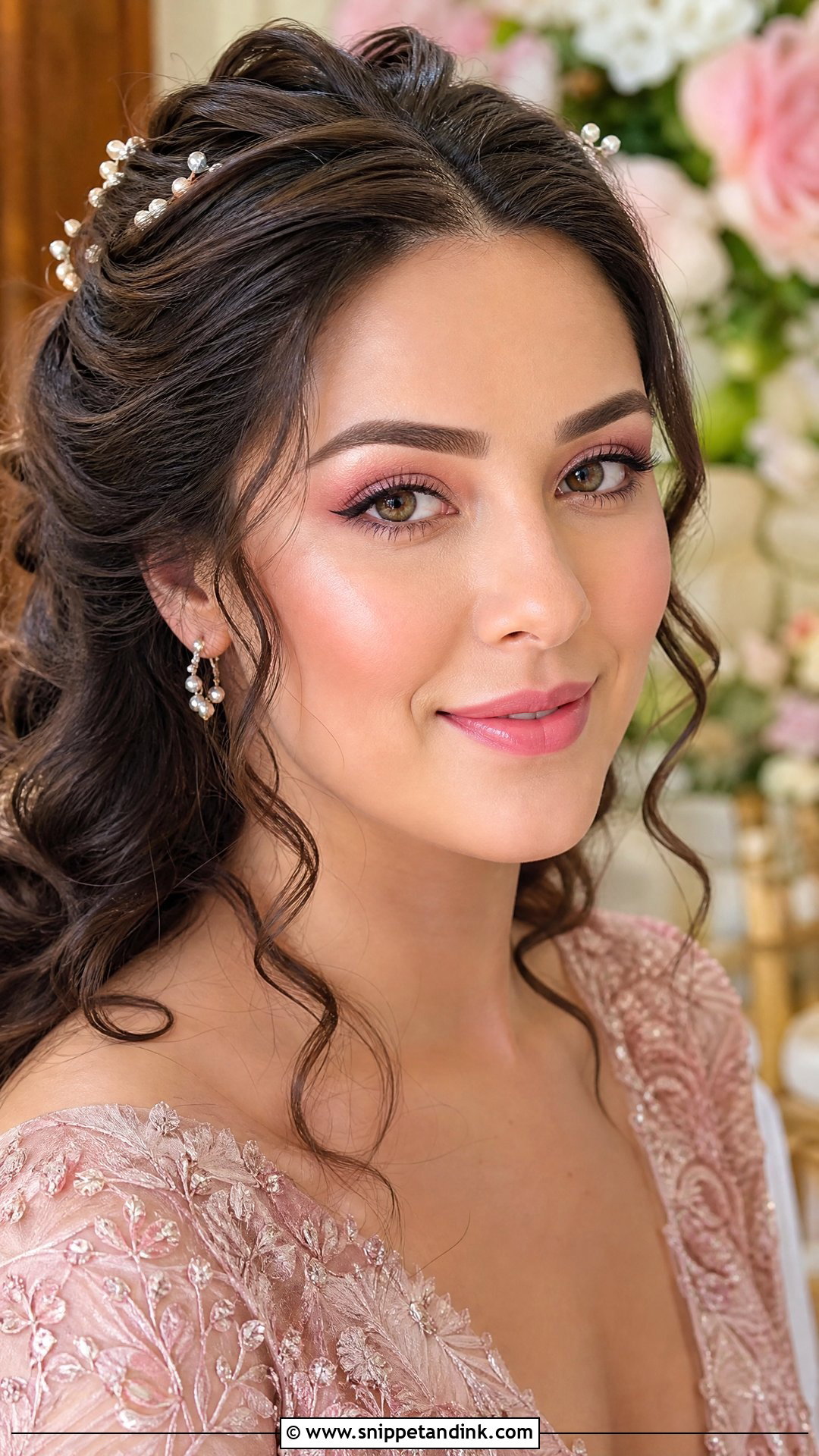
Pink flatters almost everyone, provided the depth is right. Fair and light skin can wear baby pink or petal tones. Medium and olive skin usually look best in warm pink or muted coral pink. Tan and deep skin carry raspberry or rosewood well. I use pink on the eyes, cheeks and lips for a monochrome effect, but vary the depth between them so the face keeps dimension. Pink shadow pressed right against the lashes can make eyes look tired or irritated, so I keep a thin brown liner between the two. Blush gowns and pastel outfits suit it.
20. Reception Asian Bridal Makeup
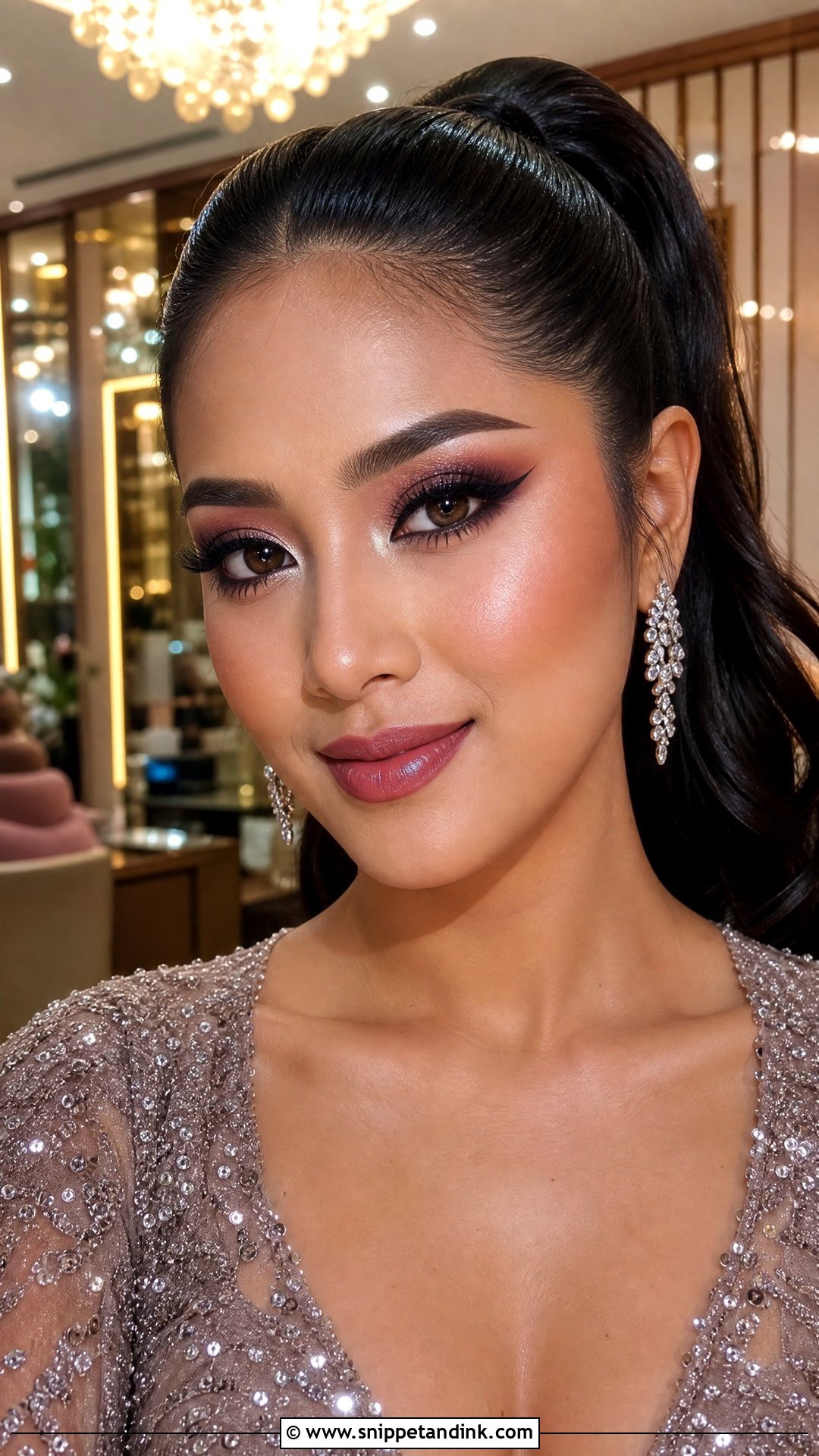
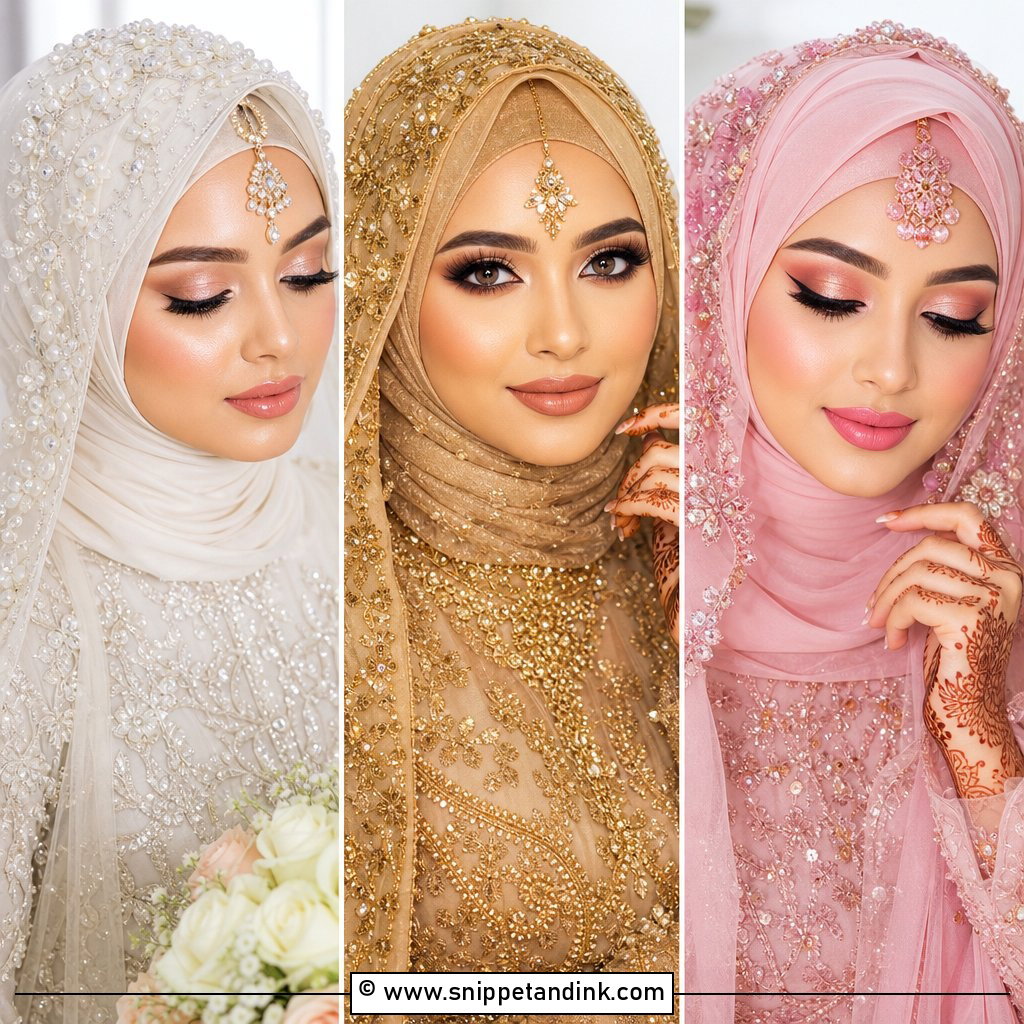
Reception makeup can go more glamorous than the ceremony face, especially with an outfit change. I don’t start over. I build on the base you’re already wearing: more depth on the eyes with bronze or plum, a slightly stronger wing, fuller lashes and a brighter inner corner for low lighting. Cheeks get layered blush and a touch more glow, and the lip moves to whatever the second outfit needs. Strategic powder and setting spray keep it easy to touch up through dancing and flash.
From Ceremony Red to Reception Gown Without Starting Over
Many of my Asian brides wear two or three outfits in one day: a tea ceremony qipao and a gown, or a South Asian wedding followed by a reception look. Washing the face and starting again eats an hour and irritates the skin, so I plan the second look as an addition to the first.
- Build the morning base to last the full day, in thin layers set between steps.
- Keep the ceremony eyes one step softer than you want them at night, so deepening them later is simple.
- Wear a ceremony lip that comes off cleanly with balm. Stains fight whatever color goes on next.
- Blot and re-mist the skin before adding anything, rather than pressing powder onto oil.
- Change lashes only if the first pair has lifted, because gluing over old adhesive makes the band lumpy.
- Allow twenty to thirty minutes for the makeup change, separate from the hair change.
If you’re booking an artist to stay for the change, confirm the hours in writing. Between ceremonies, the schedule usually slips rather than shrinks.
Your Eyes, Your Undertone, Your Ceremony
There’s no fixed formula for Asian bridal makeup. The right face depends on your eye shape, undertone, outfits, ceremony and how much makeup you’re comfortable wearing. Some brides feel best in soft Korean-inspired skin with gentle color. Others want South Asian glam, a red lip, gold eyes or a matte finish built to last. Book a trial, photograph it in daylight and with flash, and keep it on for a few hours. If it still feels like you when you look at those photos the next morning, you’ve found your look.
You'll Like These Ideas:


Leave a Reply