
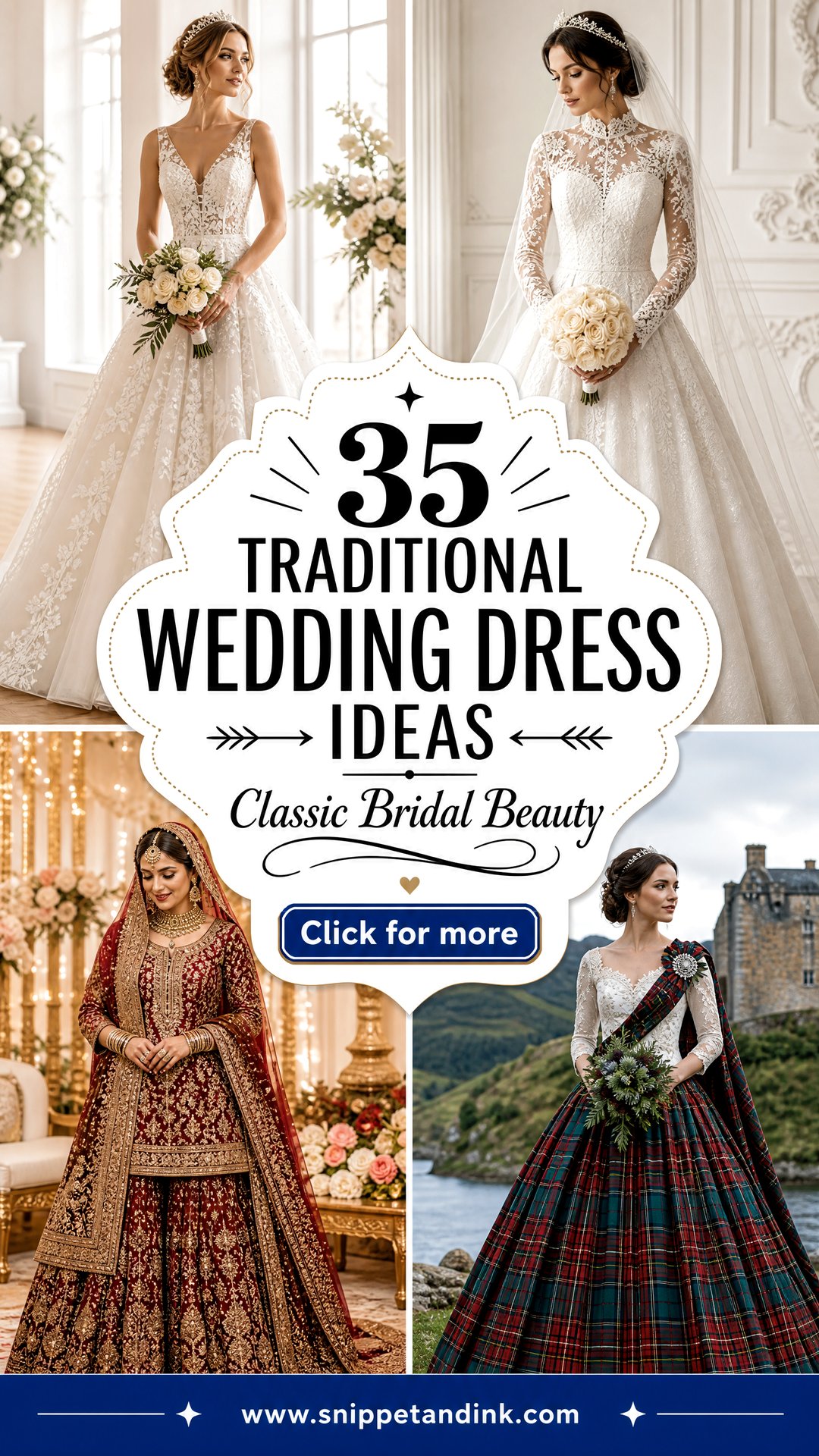
Traditional bridal dress means something different in every family I dress. For one bride it is a lace gown and a long veil; for another it is a red lehenga, a Korean hanbok, a Vietnamese áo dài, a Chinese qipao, or a plain satin gown carried by her grandmother’s jewelry. What they share is weight, history and a lot of fabric to manage, so I always style the whole outfit at once: shoes, underpinnings, headpiece and the way you will sit, kneel or bow during the ceremony. The looks below cover Western, South Asian, East Asian, African and Middle Eastern traditions, with the practical notes I give at fittings.
Fittings That Account for Bowing, Kneeling and Ten Hours of Wear
Traditional dress is often made to order or altered heavily, so the calendar matters. For a Western gown, most boutiques ask you to order six to nine months ahead, and alterations usually begin about two to three months before the wedding. Lehengas, custom qipaos and hand-embroidered pieces can take as long or longer, especially when the embroidery is done by hand. Timelines vary a lot by maker, so ask yours directly.
At each fitting, bring the exact shoes, underwear and any heavy jewelry you plan to wear. Then I ask brides to do the things the ceremony requires, not just stand in front of a mirror:
- Sit on a low chair and stand up again without help.
- Kneel or bow if your ceremony includes a tea service, paebaek or prayers.
- Raise both arms as if hugging someone tall.
- Walk a few steps backward, the way you will when turning from the altar or stage.
- Hold a bouquet or a mock one for five minutes to feel the sleeves and shoulders.
Anything that pinches, rides up or slips during those tests will be worse by evening. Your final fitting should be about two weeks before the wedding, and that is also when whoever is helping you dress should learn the bustle, the corset lacing or the dupatta pinning.
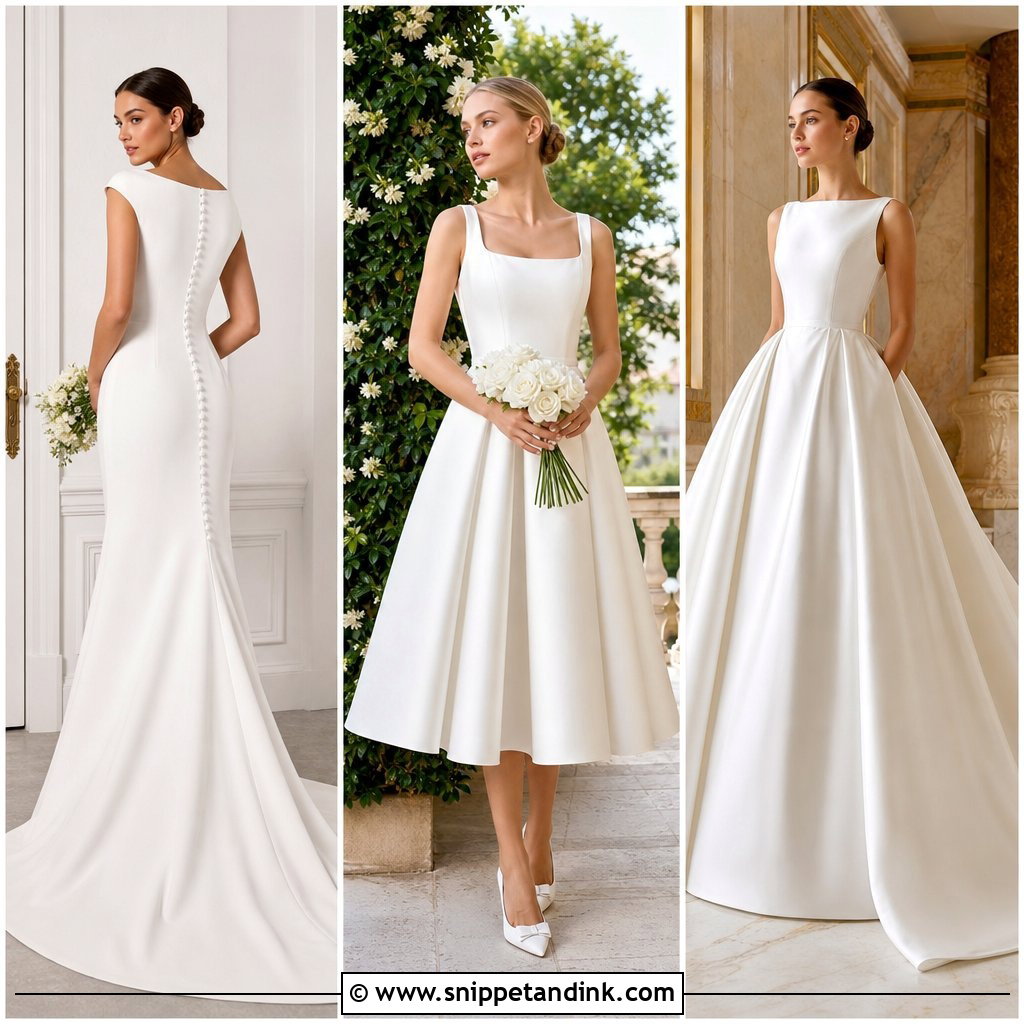
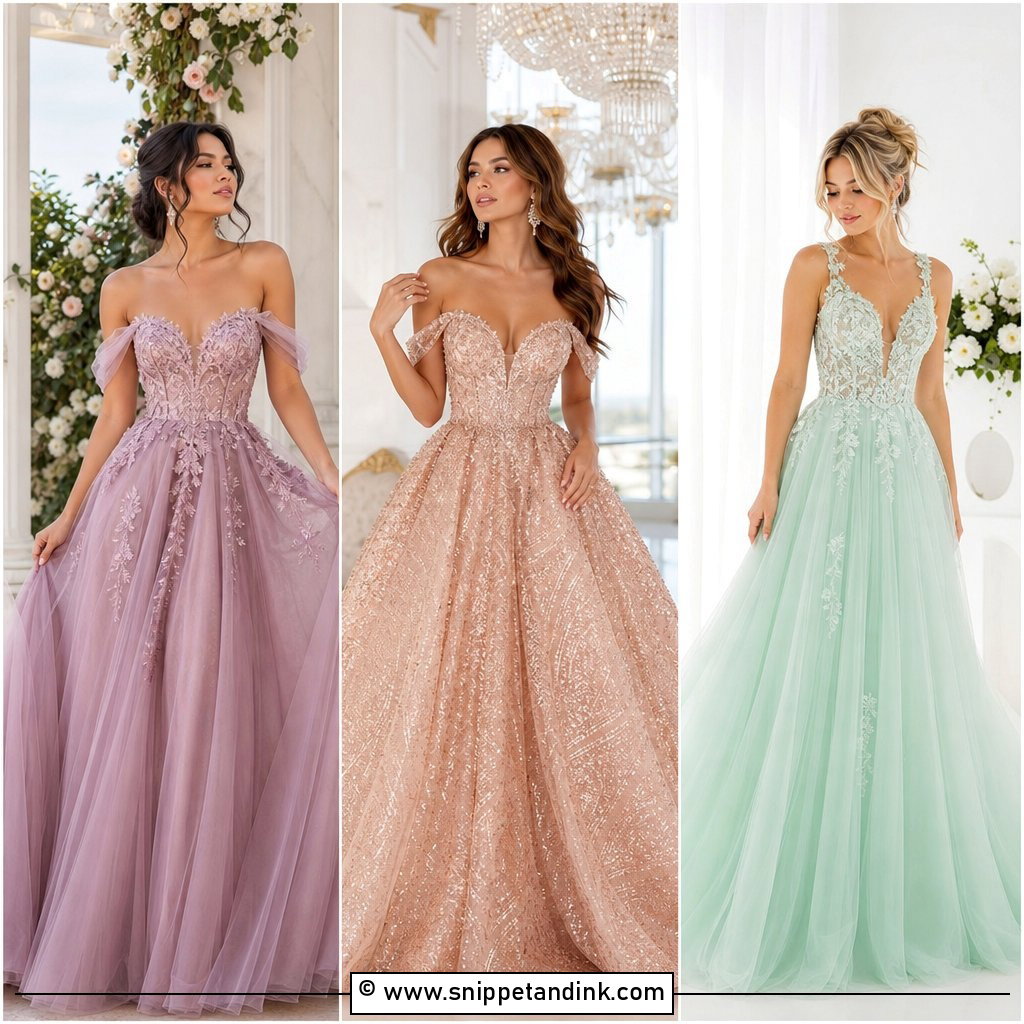
1. Traditional Ball Gown Wedding Dress
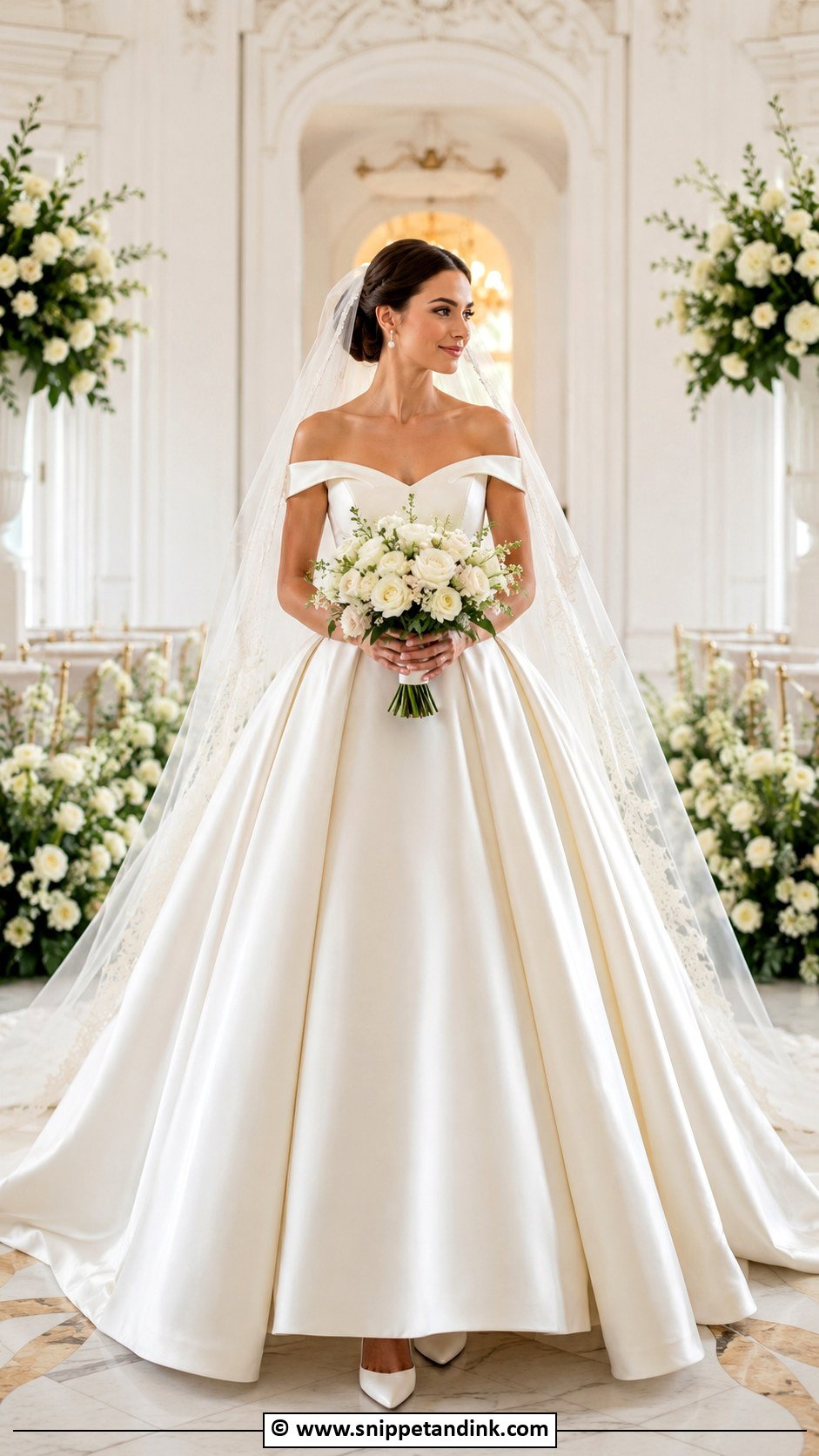
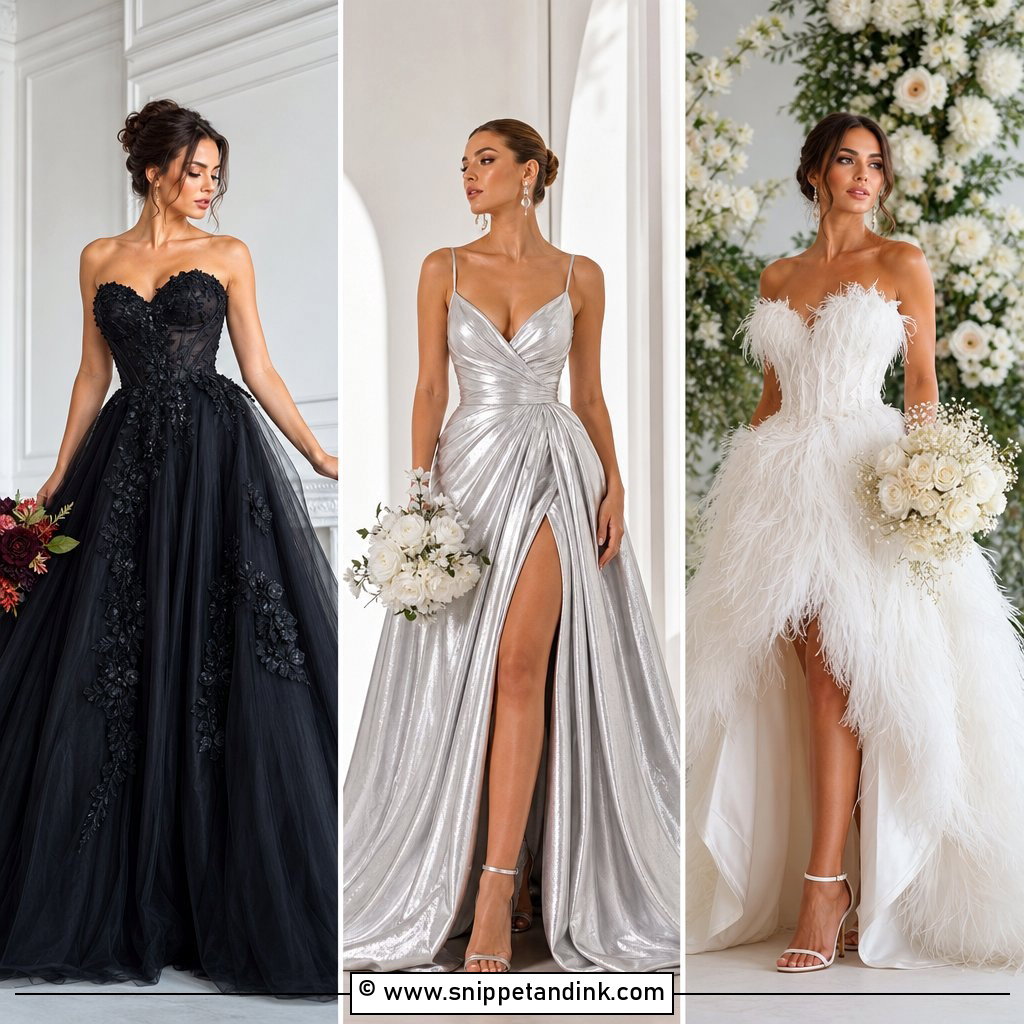
The ball gown is still the shape most people picture, and the one that needs the most planning underneath. A full skirt sits on layers of tulle or a hoop, so walk in it with your real shoes before the hem is cut. Mikado and duchess satin hold the volume on their own; organza and lace look lighter but crush more when you sit. I pair it with a cathedral veil, pearl studs and a low bun, and keep the bouquet compact because a big round bouquet against a big round skirt reads as one shapeless mass in photos.
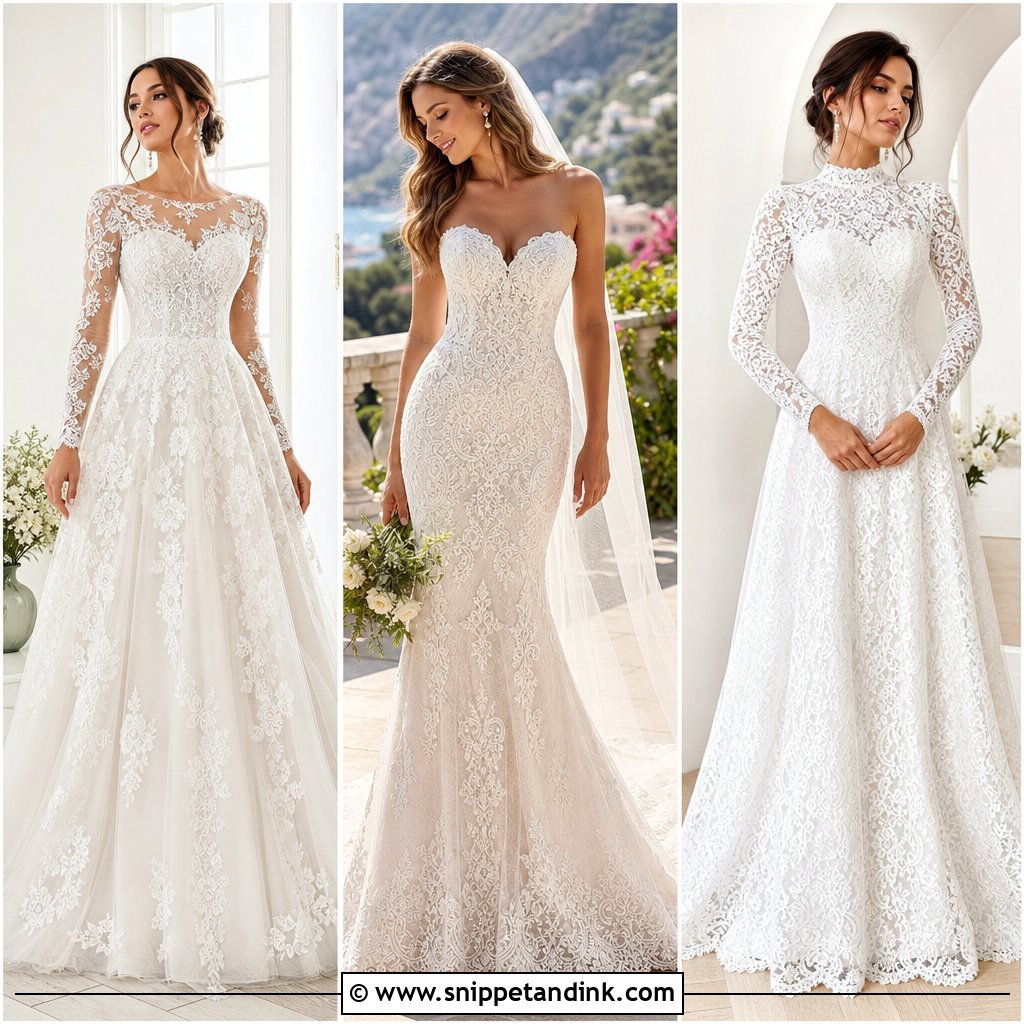
2. Traditional Lace Wedding Dress
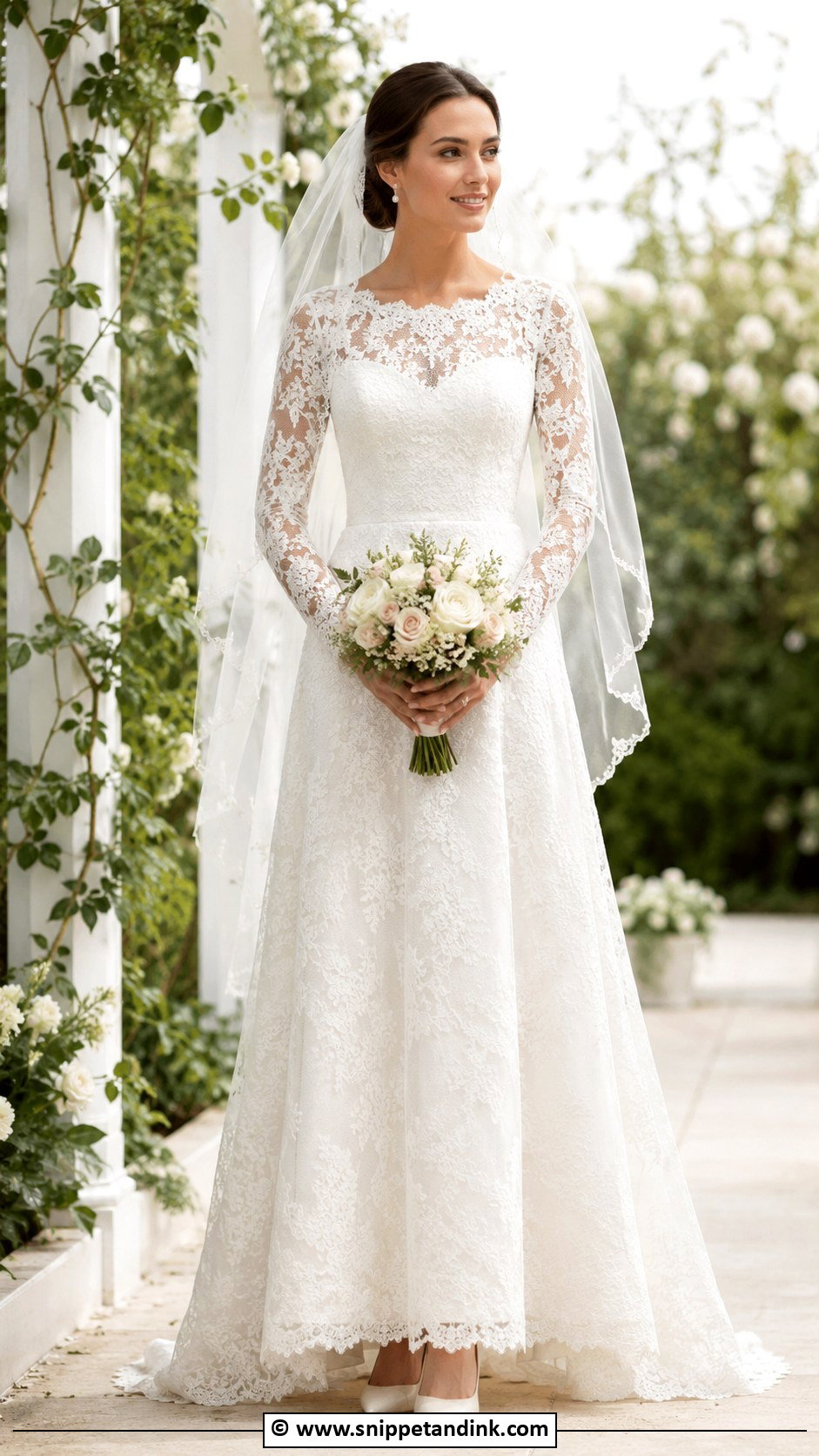
Lace gives a dress texture that shows in close-ups without adding sparkle. The thing I check first is the lining color: the same ivory lace looks crisp over ivory, warmer over champagne, and nearly nude over a skin-toned lining, so hold swatches up to your face in daylight. Allover lace on a fitted A-line is the classic version. Appliqué on tulle is lighter and cooler to wear, though the edges of each motif can catch on bracelets and bouquet wire, so keep jewelry smooth near the sleeves.
3. Traditional A Line Wedding Dress
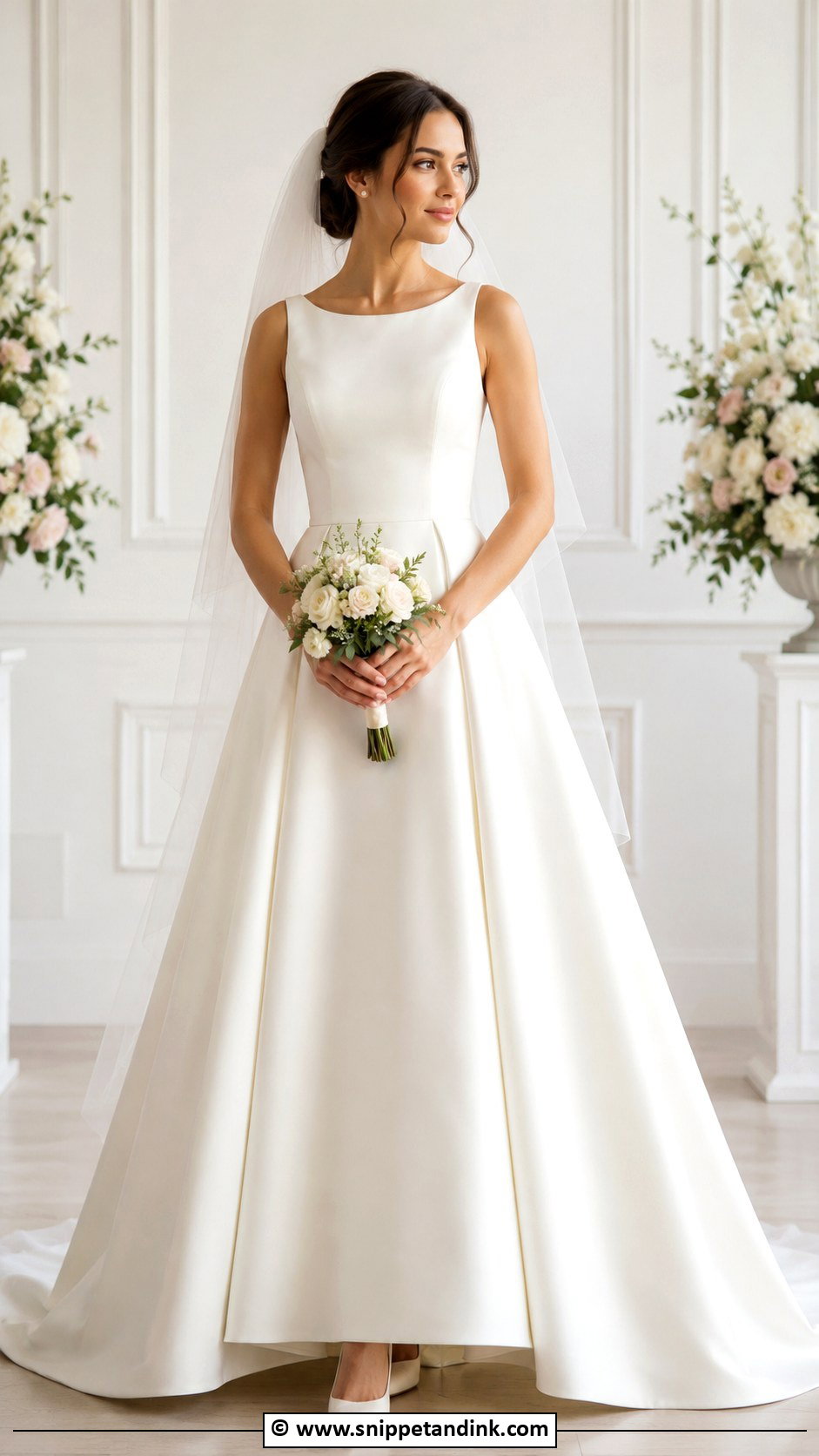
An A-line is the shape I reach for when a bride isn’t sure, because it nips in at the waist and skims past the hips instead of clinging. It suits most figures and most venues. A structured bodice with a satin skirt looks clean; tulle and lace soften it. Style it simply with a fingertip veil, pumps and small pearls. One practical point: an A-line lets you climb steps and get in and out of cars without a helper, which matters more on the day than it seems at the boutique. Embroidered initials inside the lining are a quiet way to add family meaning.
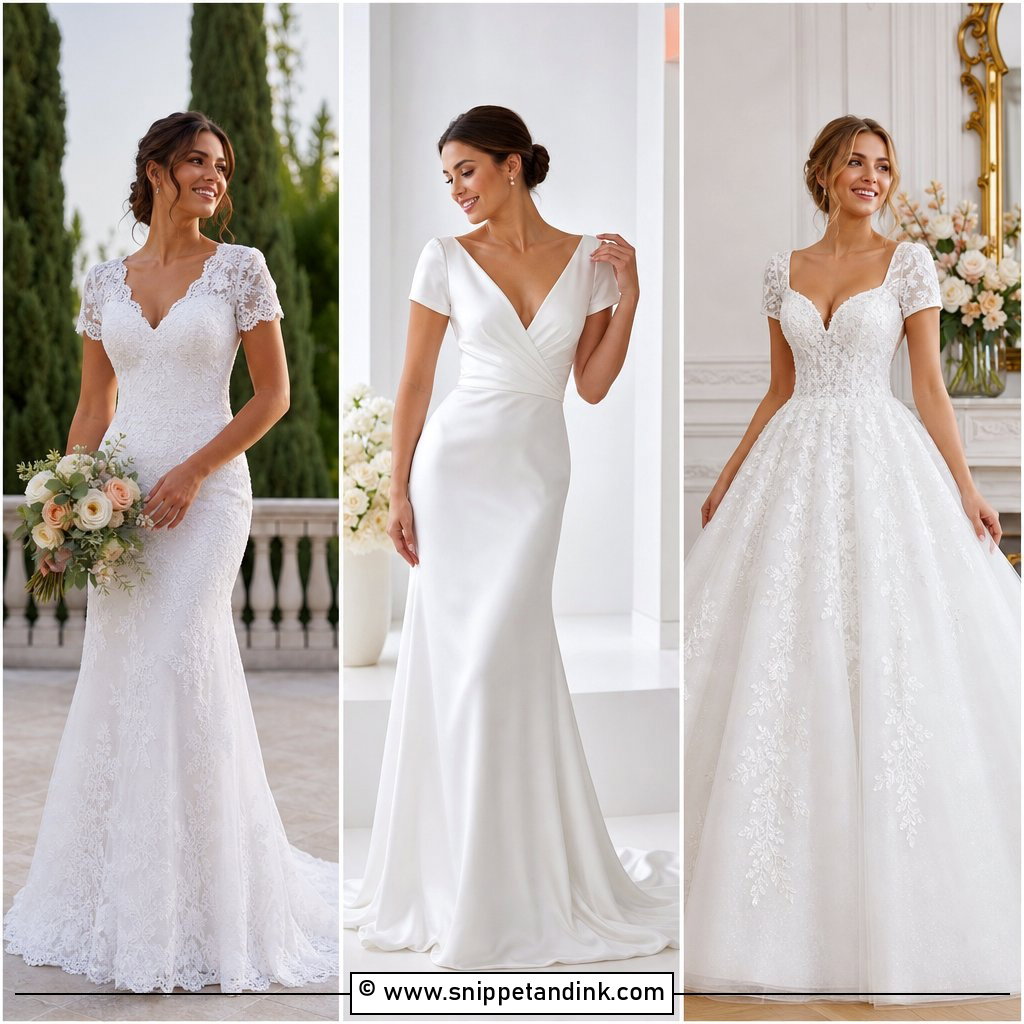
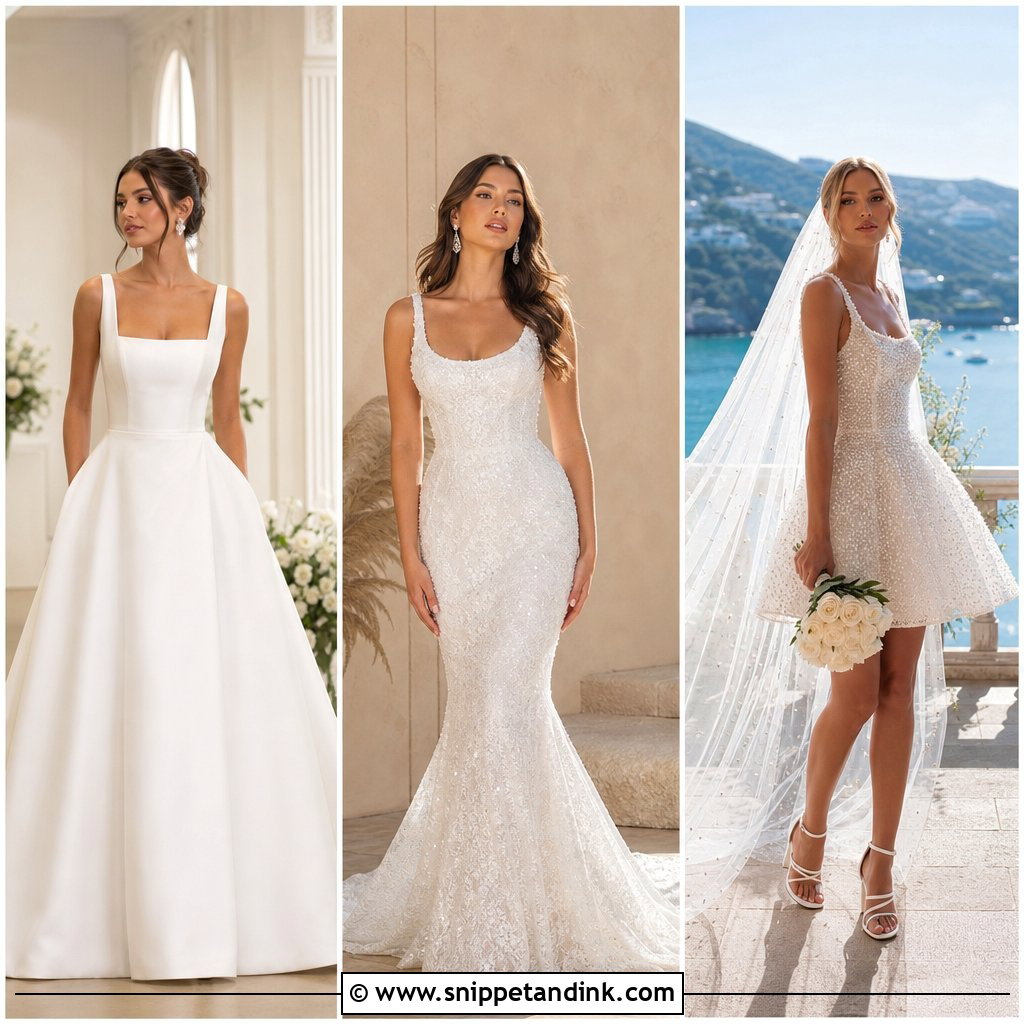
4. Traditional Satin Wedding Dress
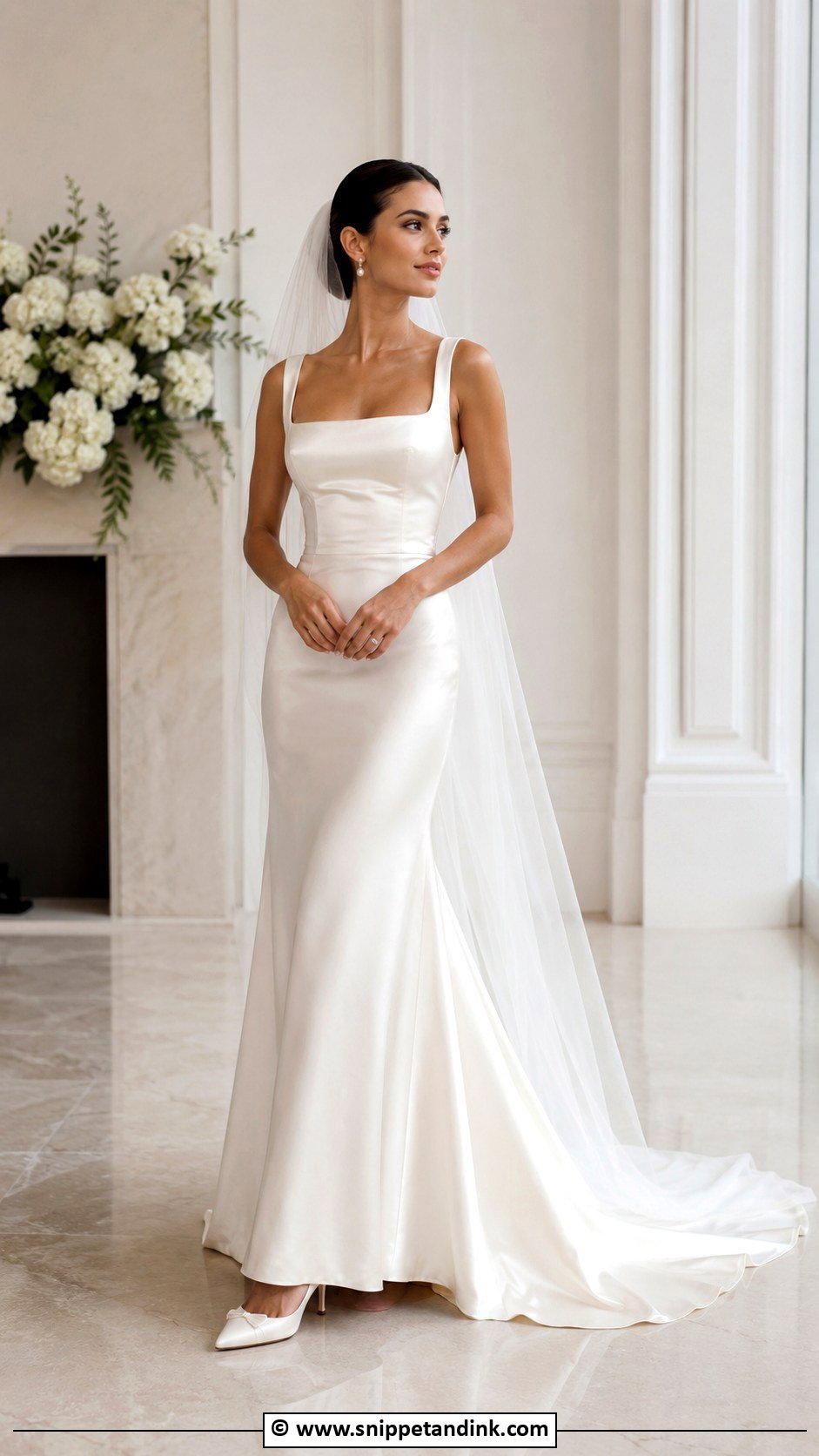
Satin is the fabric that shows everything, which is why it looks so expensive when it is done well. Clean seams and a fitted waist matter more here than any embellishment. Bateau and square necklines suit it best. My warning to every satin bride: it creases where you sit, so a car ride to the ceremony leaves lines across the lap, and a heavier duchess satin recovers far better than a thin charmeuse. Steam the dress on the morning, ride with the skirt spread behind you, and add interest with a crystal comb or gloves if the gown is very plain.
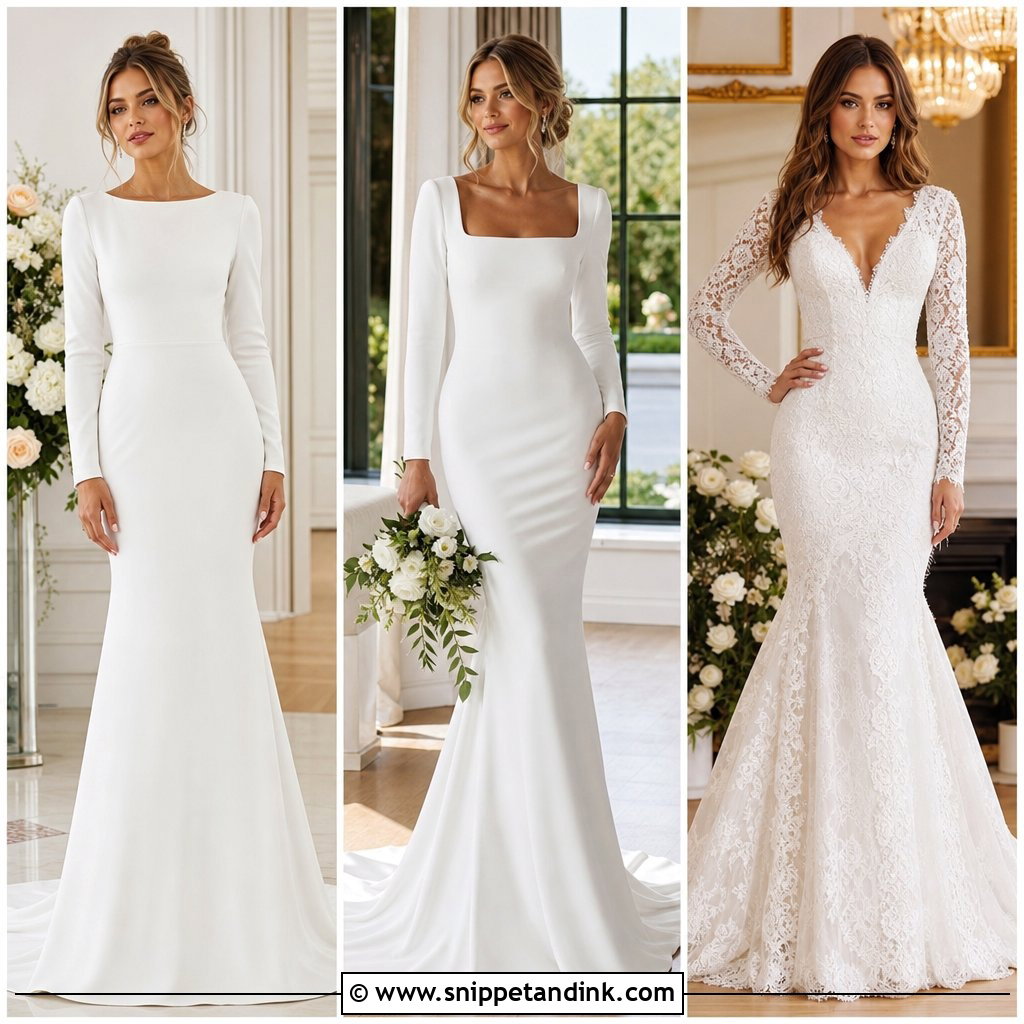
5. Traditional Long Sleeve Wedding Dress
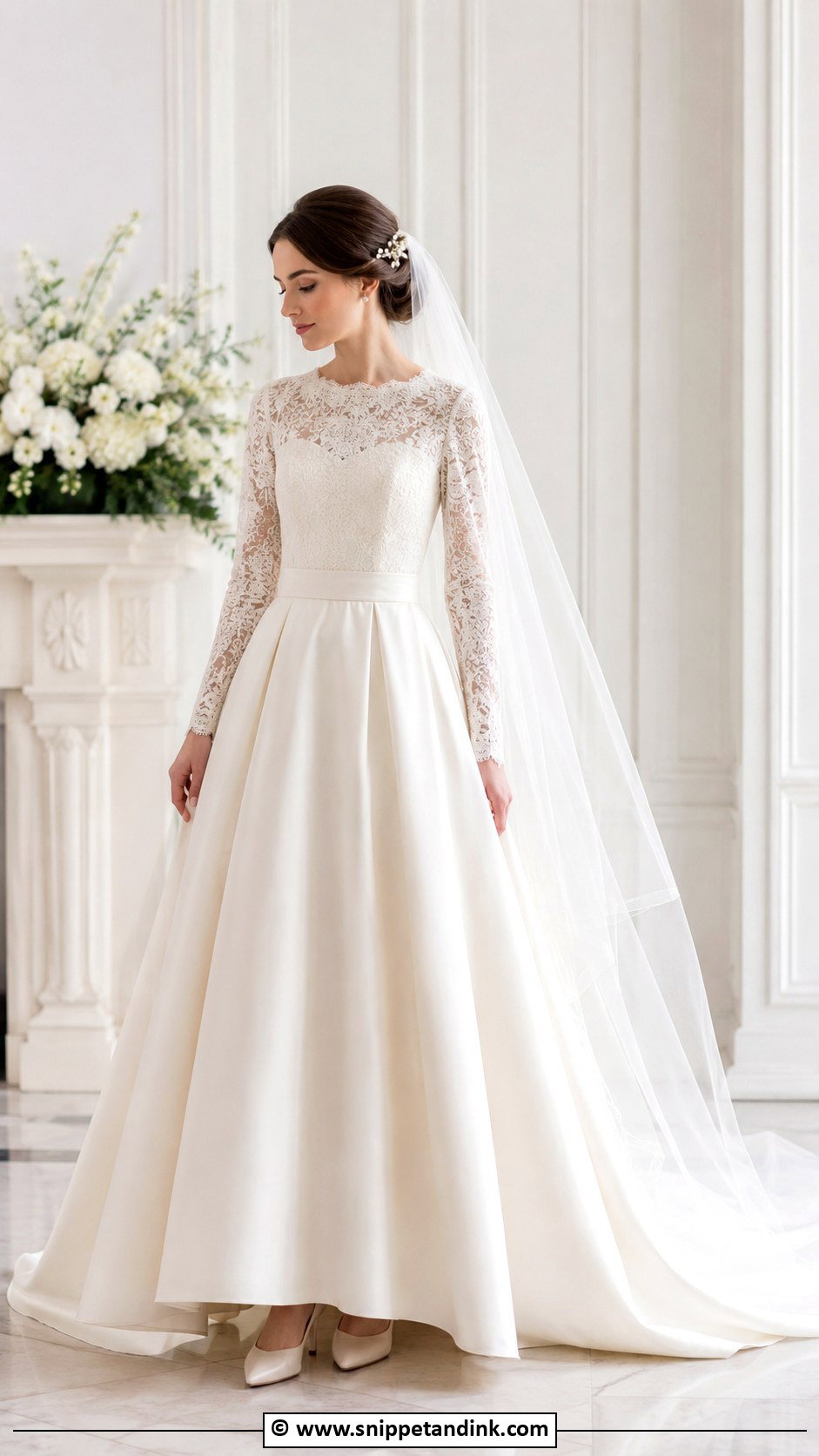
Long sleeves give coverage and a formal line, and they are the first thing I fit, not the last. Have your seamstress check the sleeve with your arms raised and bent, as if hugging someone or holding a bouquet, because a sleeve that looks perfect hanging straight can pull at the shoulder seam all evening. Lace sleeves feel lighter; lined satin or crepe sleeves with buttons at the wrist look more formal. A low chignon keeps the shoulders and sleeve cap visible, and a veil with matching lace edge ties the whole thing together.
6. Traditional High Neck Wedding Dress
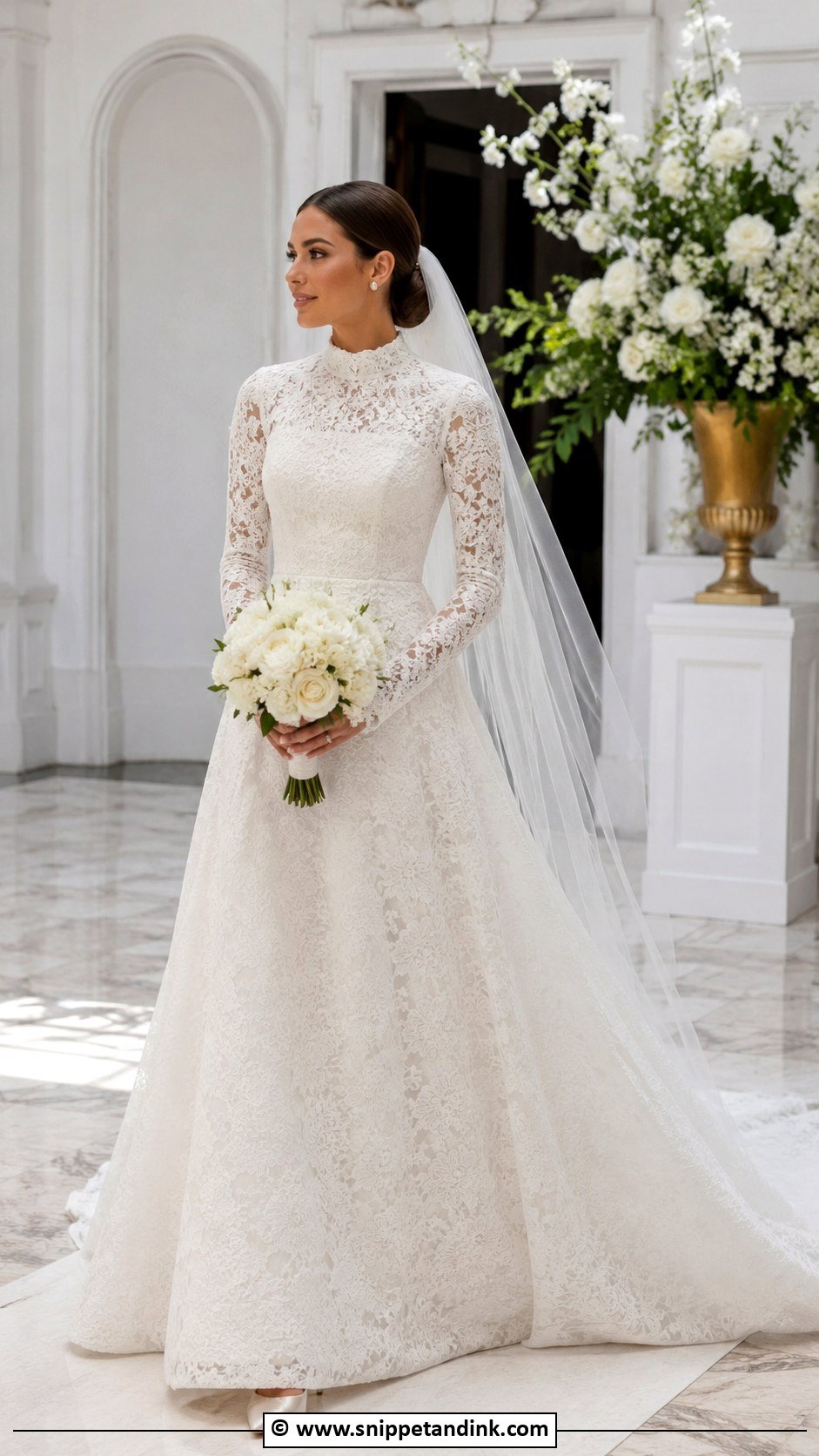
High necklines look regal, but they change everything about the accessories. Skip the necklace entirely, choose small earrings, and lift the hair off the collar so the neckline has room. Lace high necks have a vintage feel; satin or crepe looks cleaner. Sit down in it at your fitting and turn your head both ways. If the collar presses on your throat when seated, ask for it to be eased a little, because you will spend hours at dinner and on photos. Place the veil comb low at the back so it doesn’t fight the collar.
7. Traditional Corset Wedding Dress
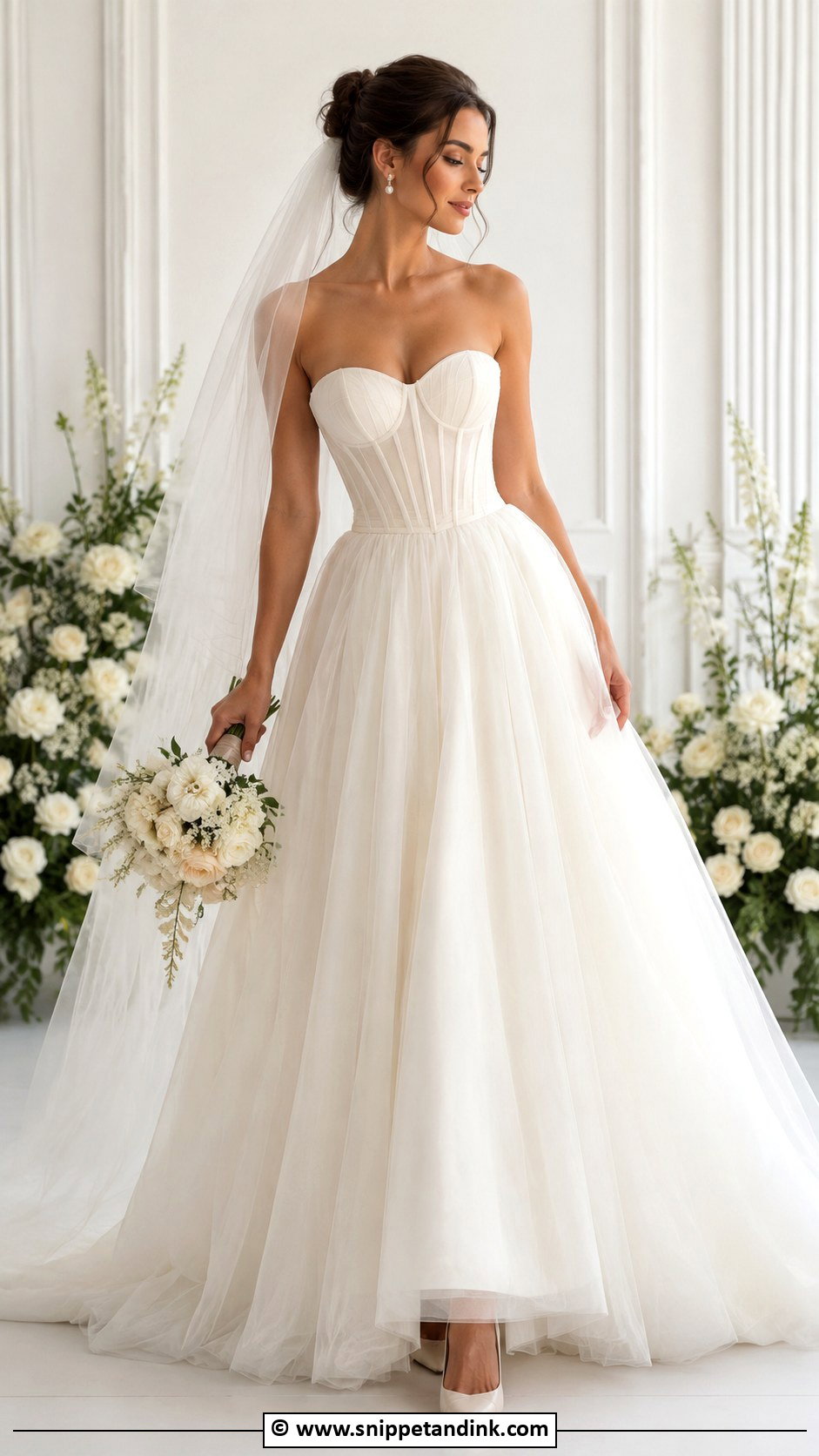
A corset bodice gives real support, which is why brides who dislike strapless bras often love it. The boning should shape you without showing as ridges through the fabric; I run my hand down the side seams at fittings to feel for any bone pressing out. Lace and satin both work, over an A-line or full skirt. Lace the back yourself at least once before the day, or have your helper practice, since a corset laced unevenly sits crooked. When the bodice is detailed, I keep the earrings and veil plain.
8. Traditional Off Shoulder Wedding Dress
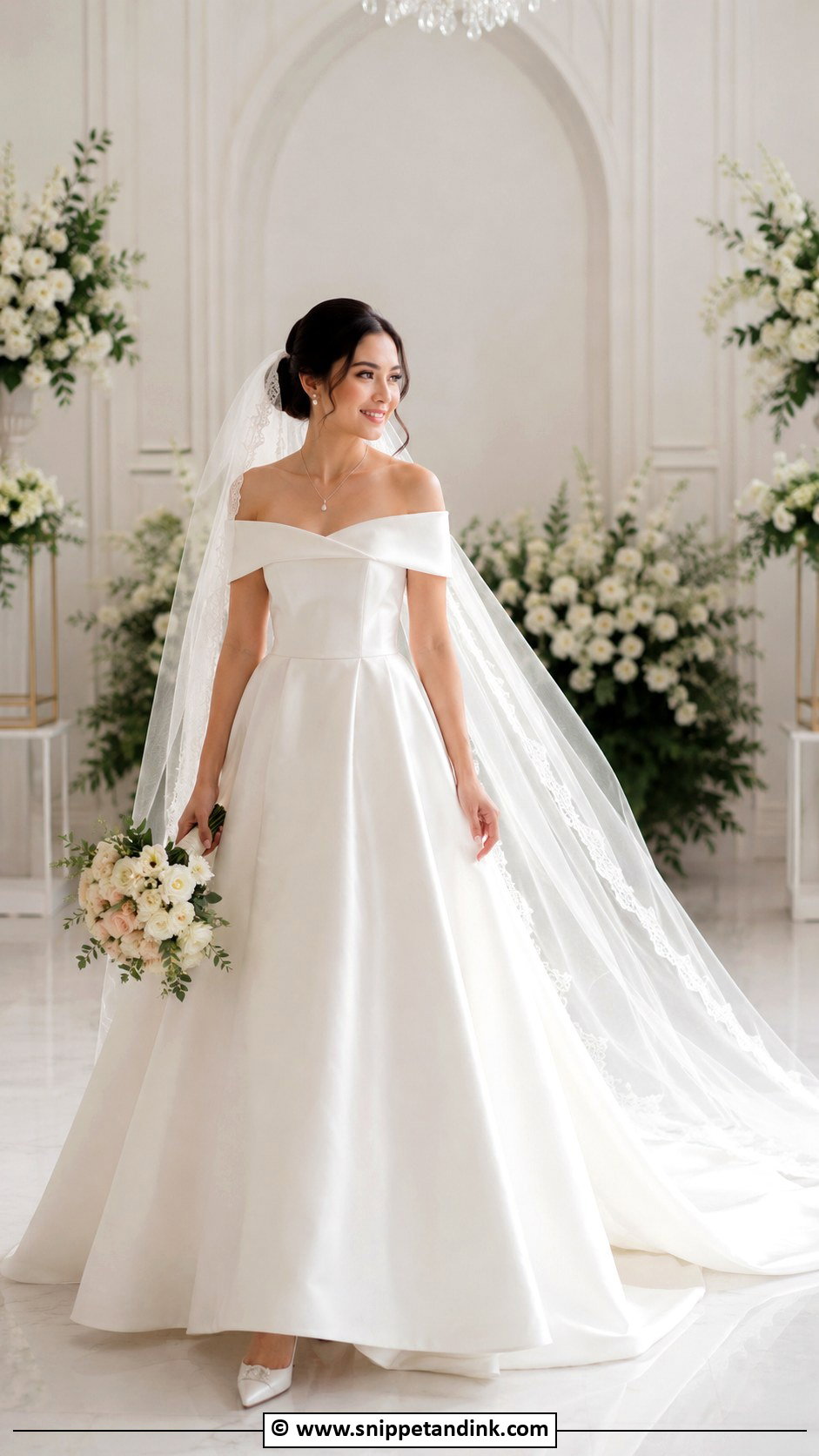
An off-shoulder neckline shows the collarbones without much skin, and that balance is why it reads as traditional rather than daring. Fit is the whole story here. The band across the arms must be snug enough to stay put when you lift your bouquet, yet loose enough that you can raise your arms to shoulder height for a hug. Draped sleeves feel softer; structured satin folds look more formal. An updo keeps the neckline visible, and a fine necklace sits better than a heavy one on bare skin.
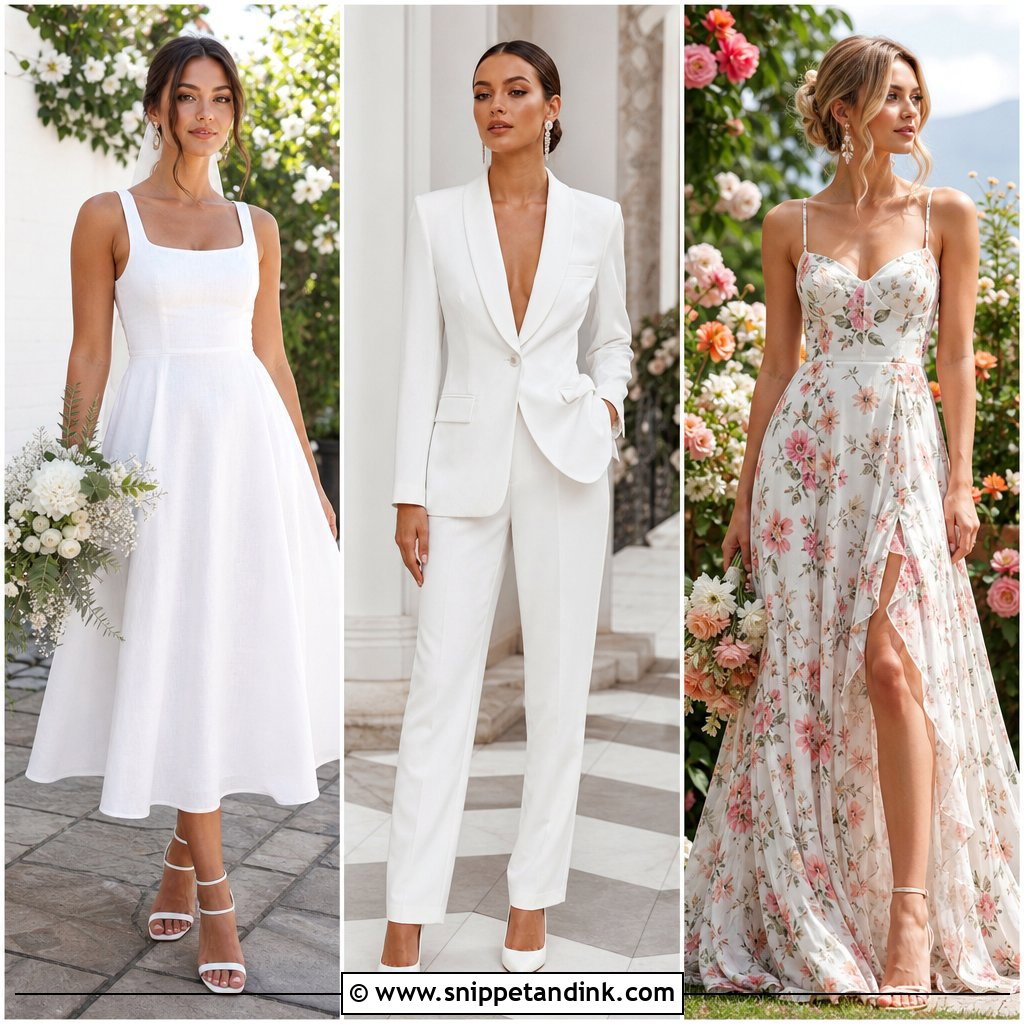
9. Traditional Tea Length Wedding Dress
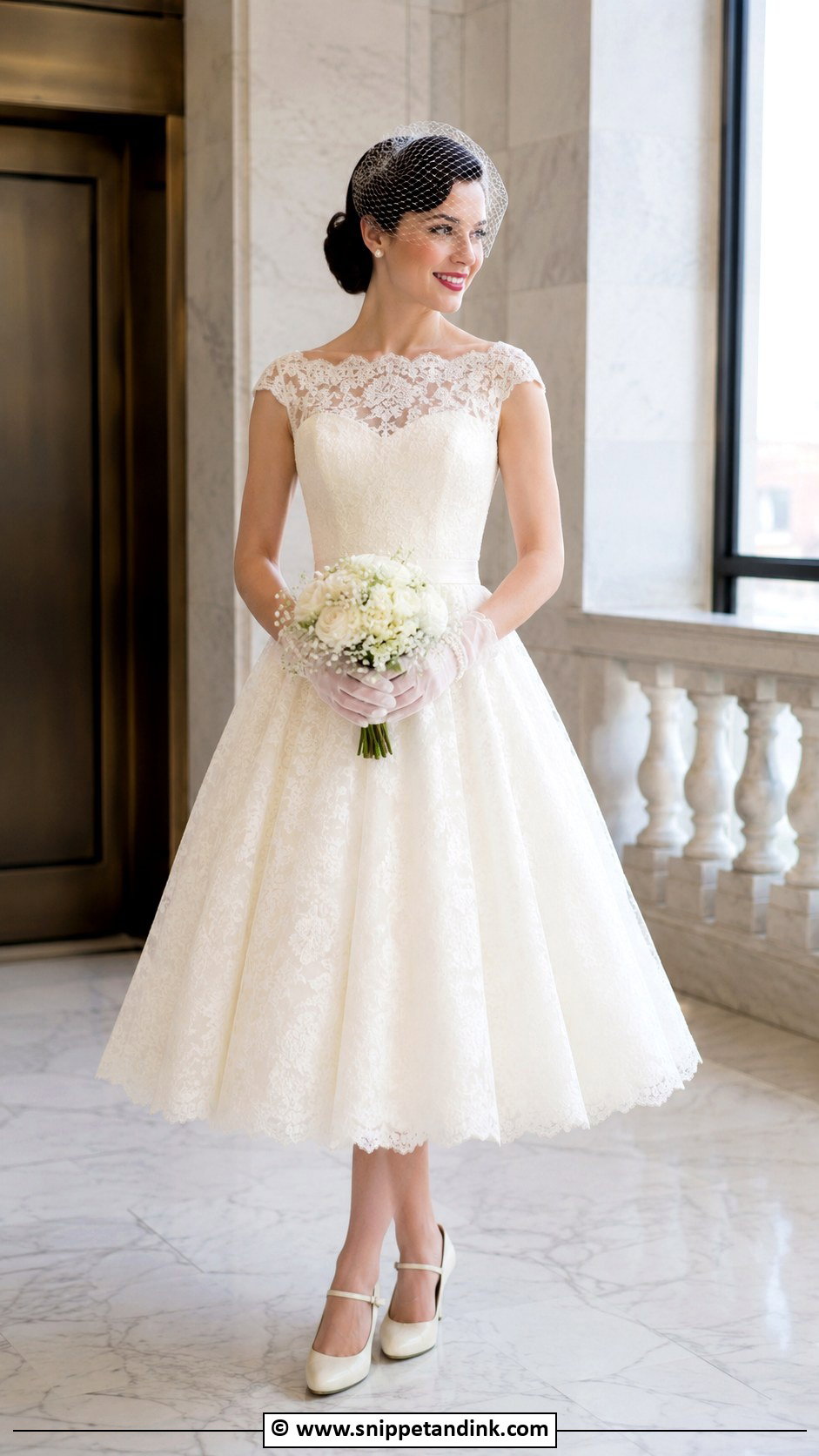
Tea length is my answer for courthouse ceremonies, garden parties and small receptions where a train would just collect grass. It falls somewhere between knee and ankle, so the shoes become half the outfit: satin Mary Janes, ivory pumps or embellished block heels. Bring the actual shoes to the hemming appointment, because a half-inch change in heel height moves where the hem hits the calf. A birdcage or shoulder-length veil keeps the proportion right, and short gloves give it that mid-century feel without looking like a costume.
10. Traditional Cathedral Veil Wedding Dress
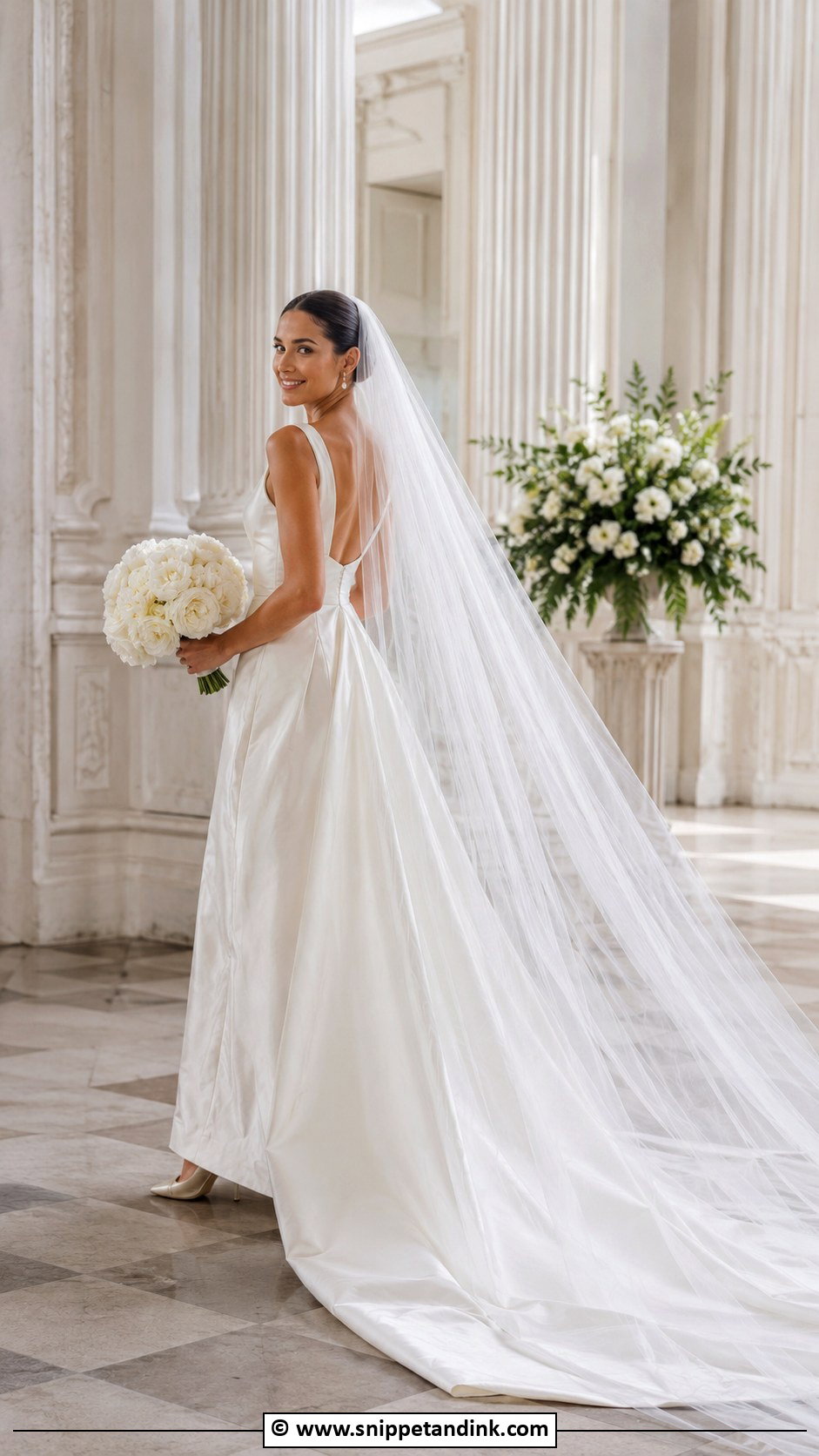
Here the veil, not the gown, makes the entrance. A cathedral length trails well past the hem, so the dress beneath can be very simple: a satin sheath, a lace A-line or a classic ball gown. The weight of that much tulle pulls backward on the head, which is why I always ask the hairstylist to anchor the comb into a secure updo or a braided base rather than loose waves. Match lace trim to lace gowns and use a raw or plain edge on clean ones. Someone in the party needs to know how to lift and spread it for the processional.
11. Traditional Mantilla Veil Wedding Dress
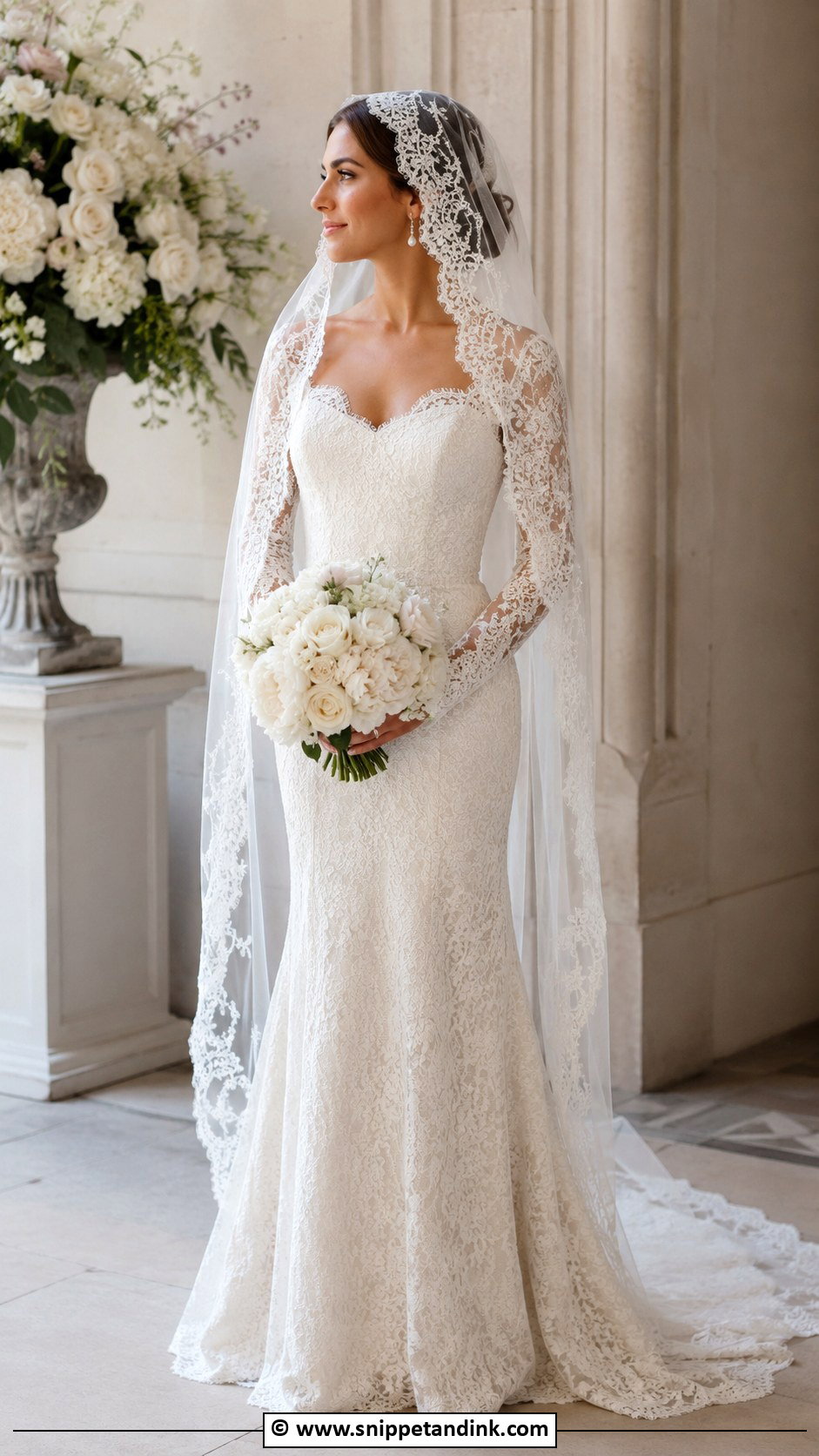
The mantilla comes from Spanish and Latin traditions, and its scalloped lace edge frames the face like nothing else. It sits flat over the crown or is held by a comb set high on the head, which means the hair underneath should be smooth and low. Pair it with a plain gown, ideally a fitted lace dress, a satin A-line or a modest long-sleeved silhouette. Skip big necklaces. Ask about the lace weight before buying, since a heavy Chantilly border can slide forward in wind, and clear clips hidden under the comb help it stay put.
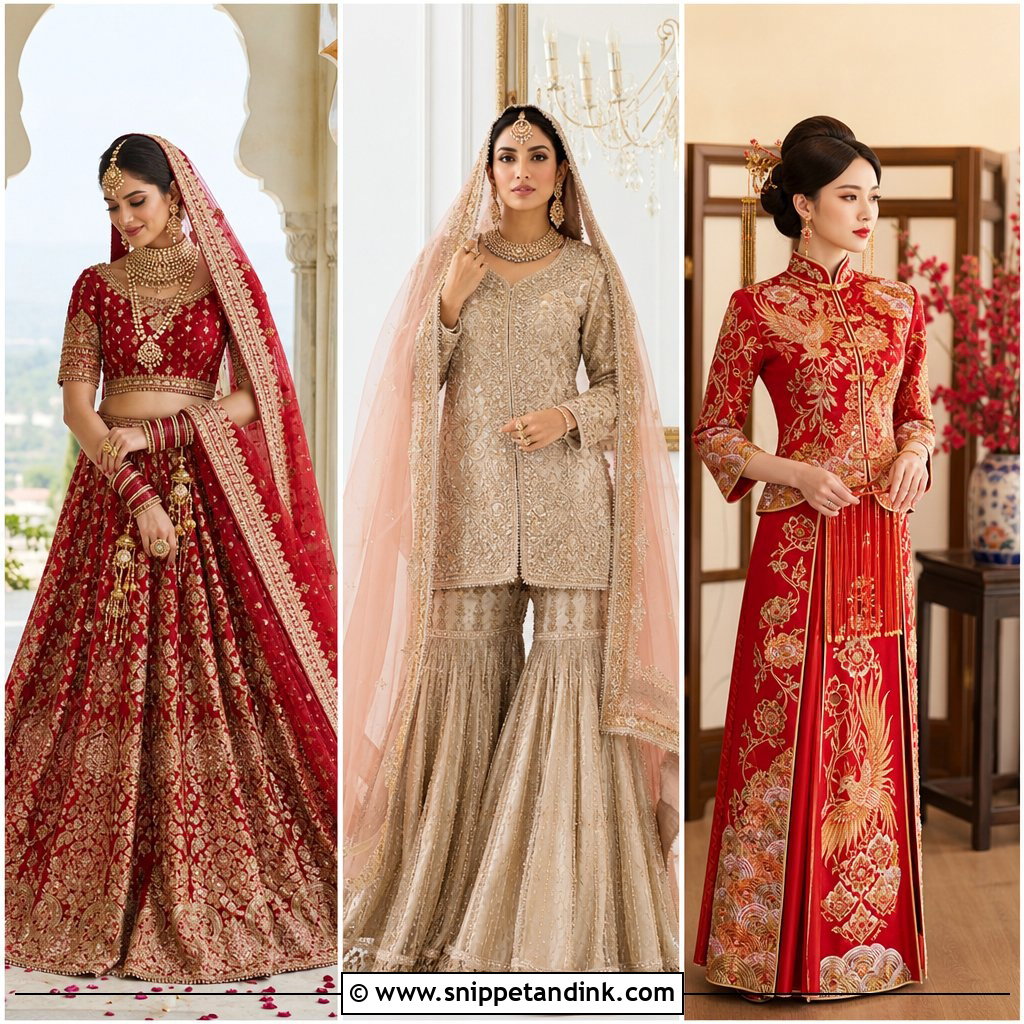
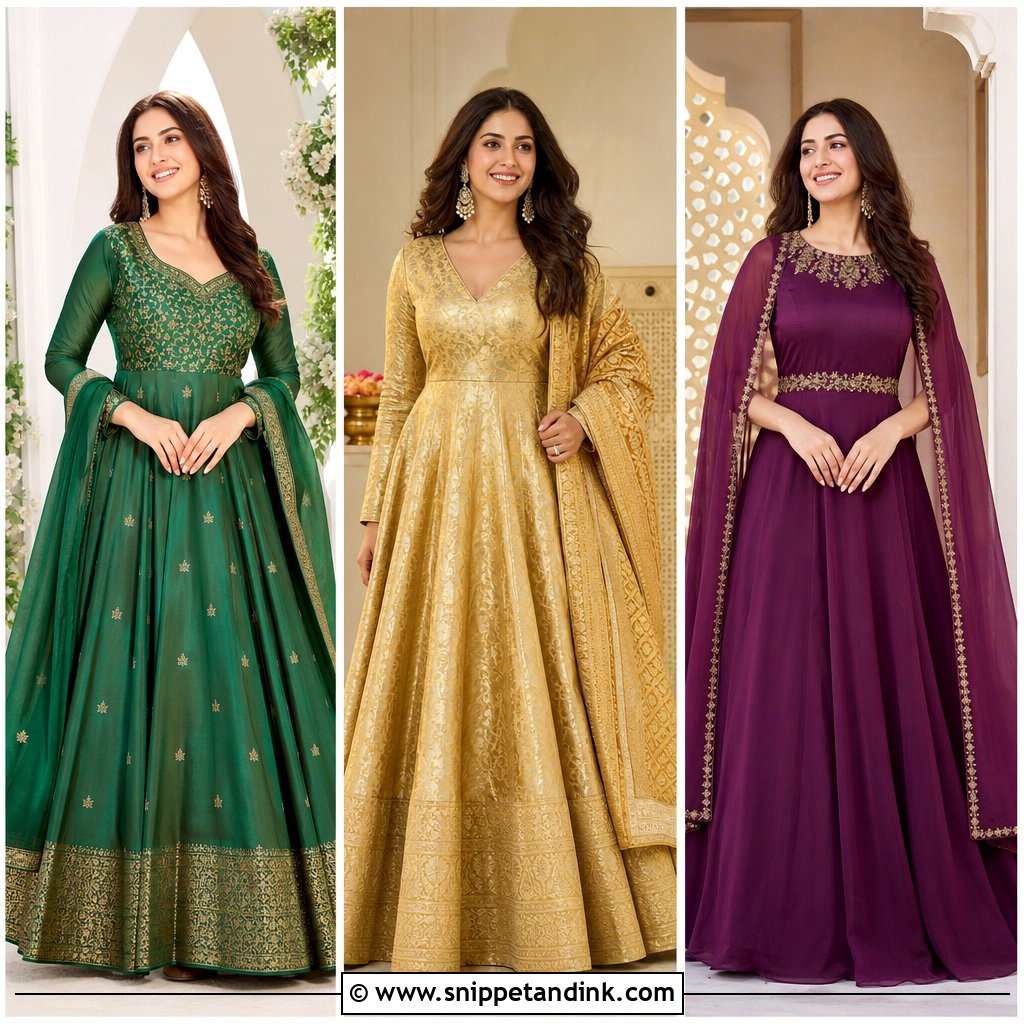
12. Traditional Indian Red Lehenga Wedding Dress
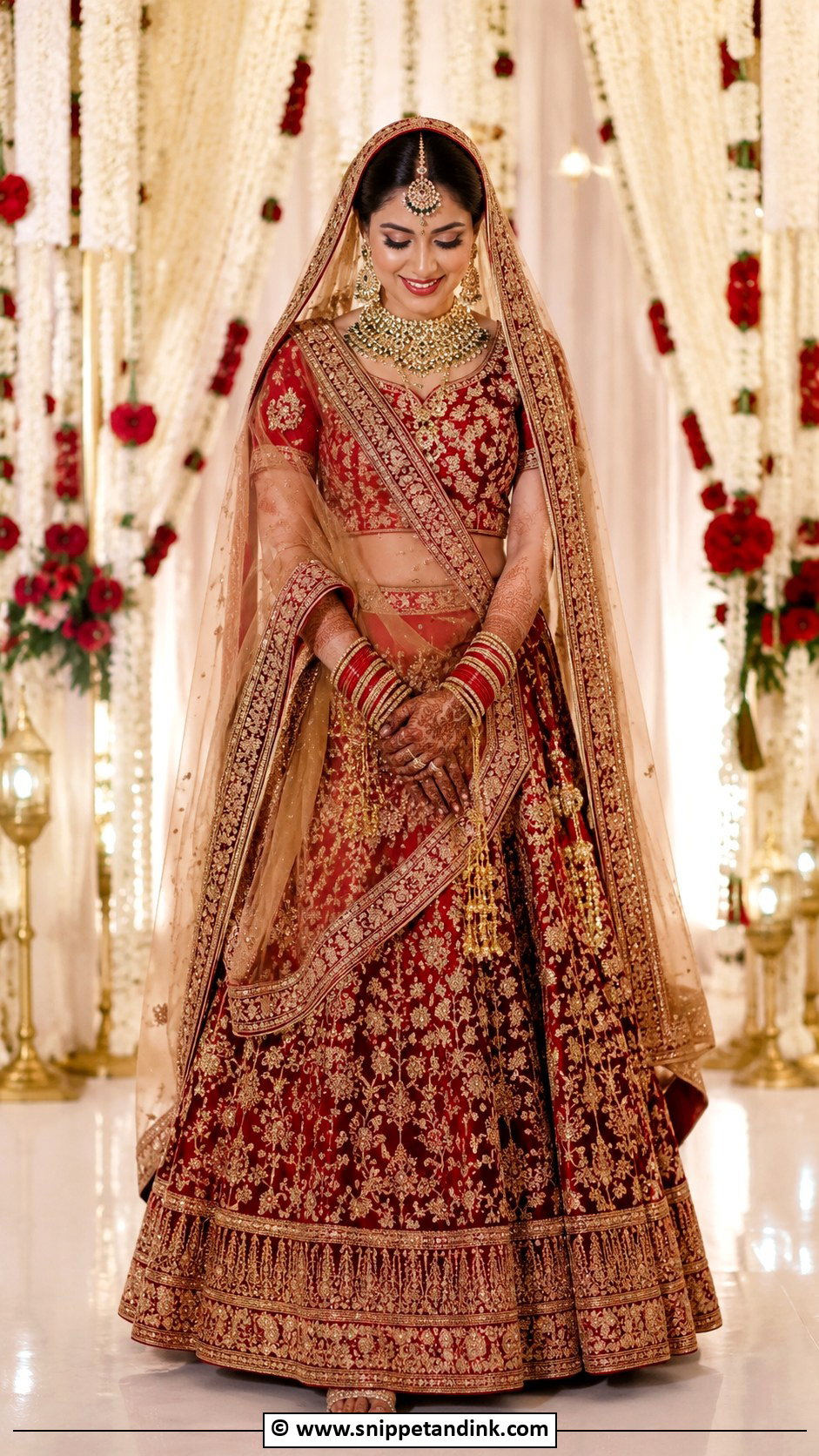
A red bridal lehenga is heavier than most brides expect. Between the embroidered skirt, its can-can layer and the dupatta, the full outfit can weigh several kilograms, so I always do a fitting with the jewelry on and a full walk across the room. Red, maroon and deep crimson with gold work remain the classic palette. Decide in advance whether the dupatta goes over the head for the ceremony and then across the shoulder later, and have it pinned in two places to the blouse and hair. Flat, padded juttis or low heels will save your feet by the reception.
13. Traditional Indian Sari Wedding Dress
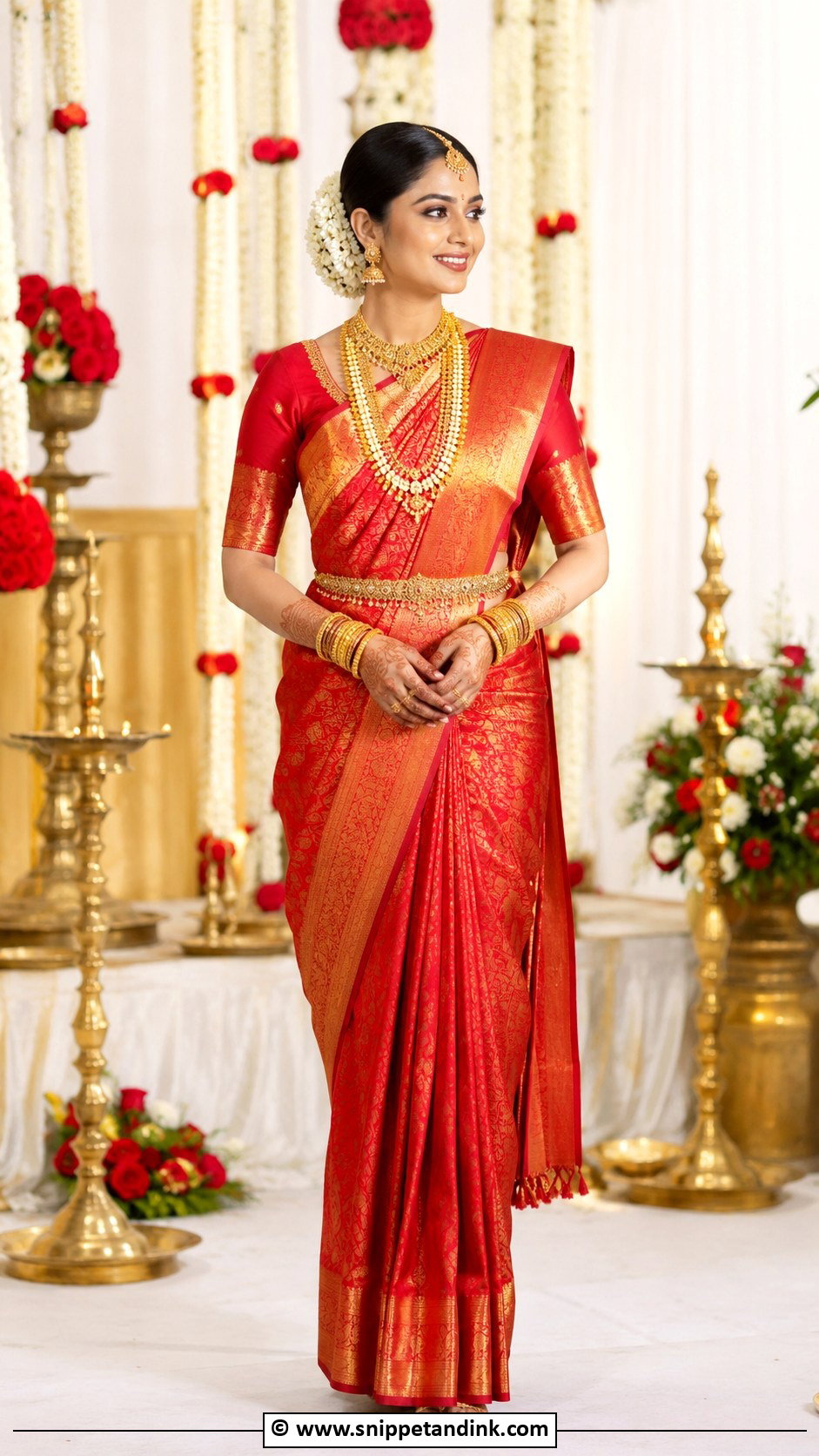
A bridal sari is draped on you, not put on, and the drape is where it succeeds or fails. Silk and brocade hold sharp pleats and look formal; chiffon and georgette fall softer and feel cooler in warm weather. Red, gold, ivory, green and pink are worn depending on region and family. I book a dedicated draper for the morning, and I ask for the petticoat drawstring tied firmly, since a loose petticoat is what makes pleats slip by evening. The blouse must be fitted with the jewelry on, because heavy necklaces sit lower on a loose neckline.
14. Traditional Pakistani Bridal Sharara Dress
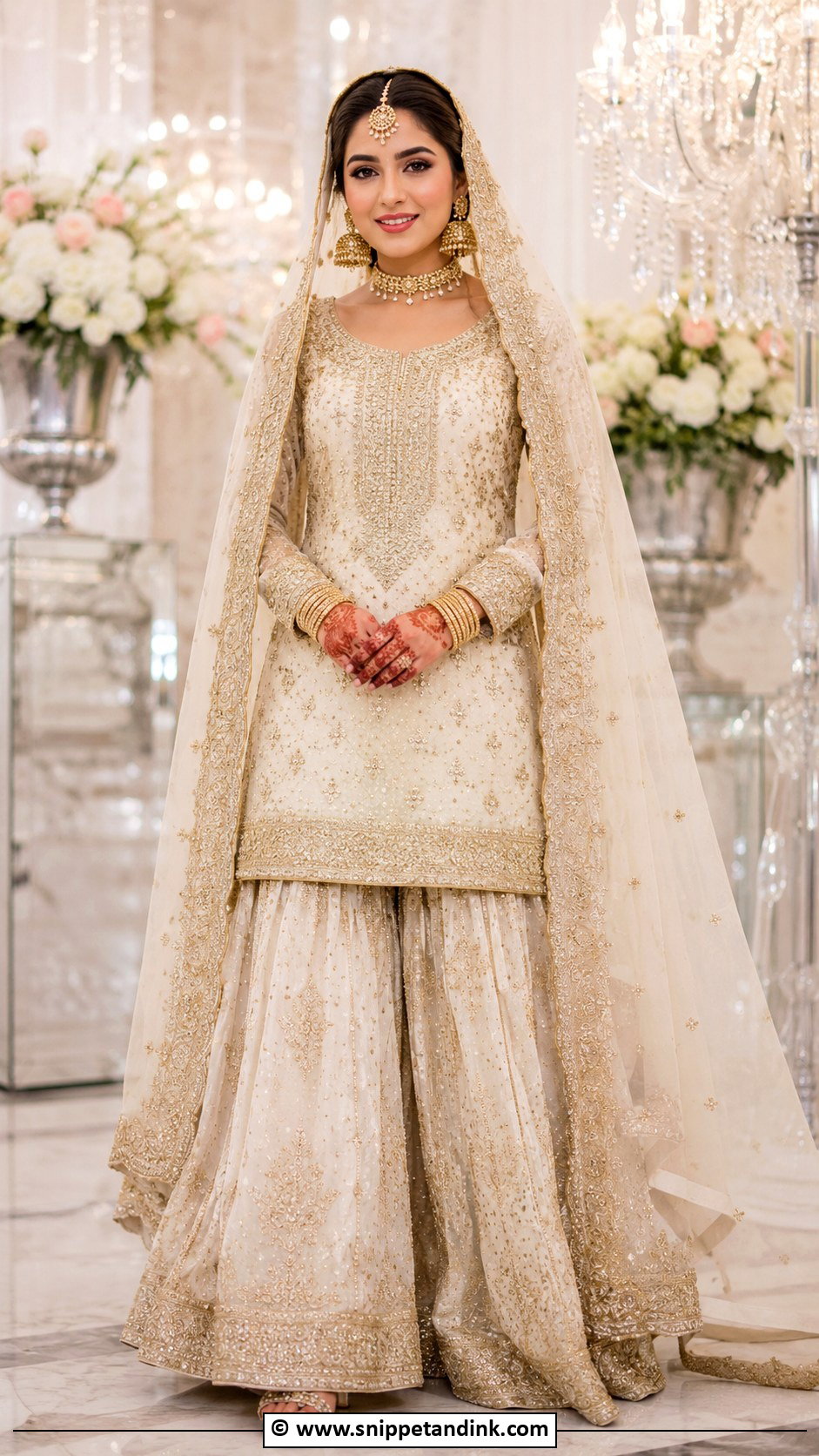
Sharara pants flare from the waist and move with every step, which brides who dislike skirts appreciate. The outfit pairs a short or mid-length kameez with the sharara and a dupatta, usually in silk, organza, jamawar or net with zardozi, threadwork or mirror detail. The tailoring point I watch most is the sharara length: it should just brush the top of your heel, because a hem that drags gets stepped on during the pheras or stairs. Jhumkas and a choker or layered necklace finish it, and the dupatta over the head keeps the ceremony feel.
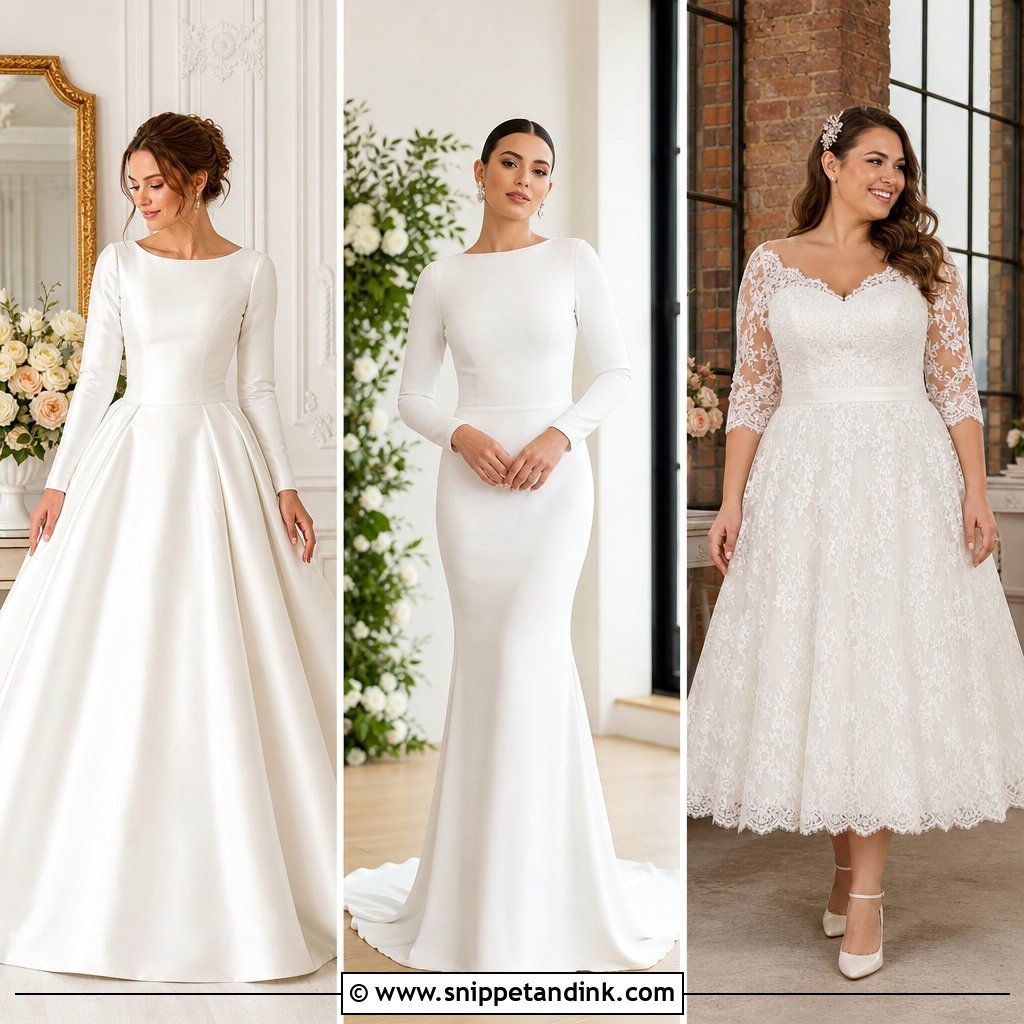
15. Traditional Pakistani Bridal Gharara Dress
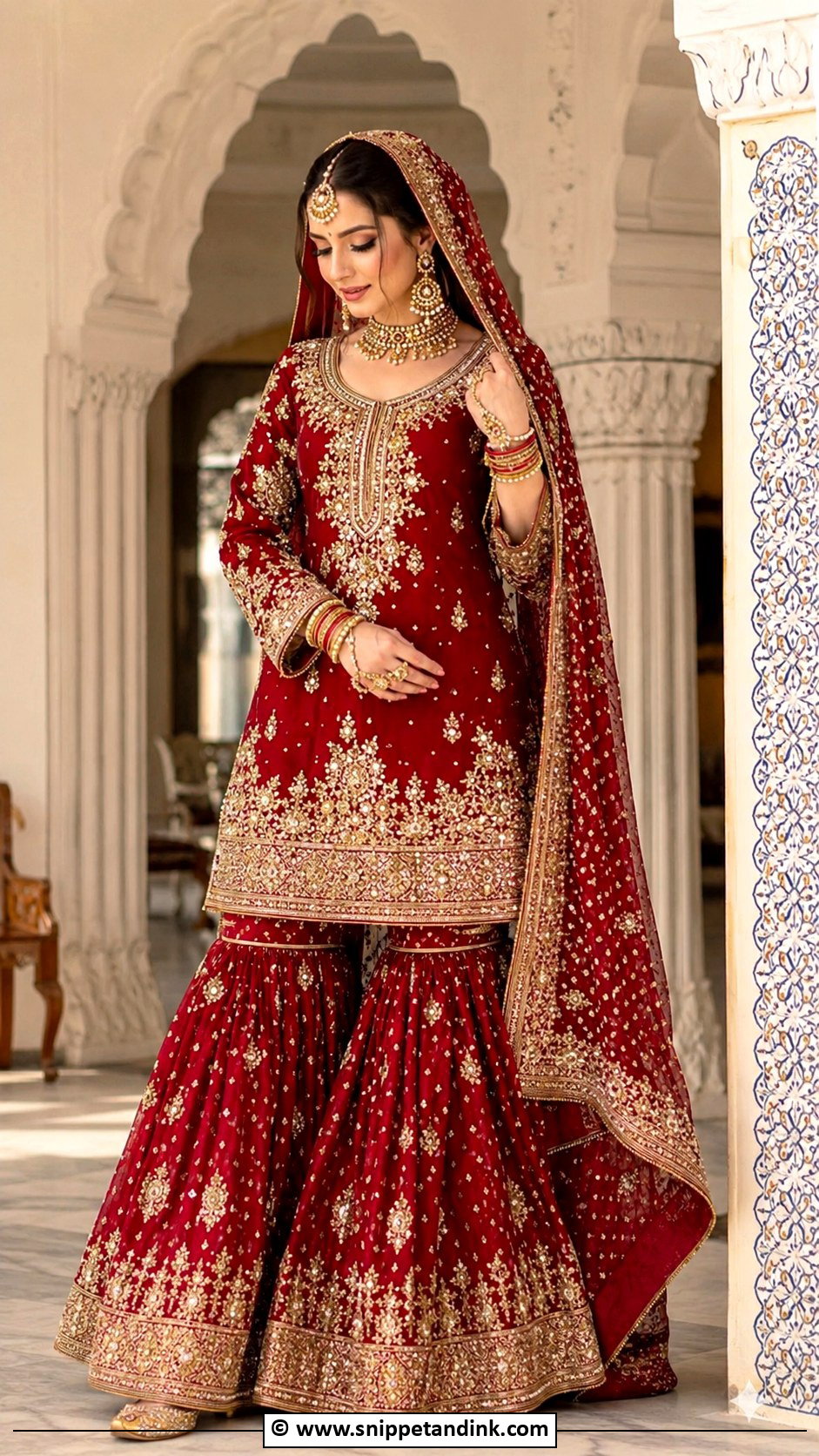
The gharara is fitted to the knee, then bursts into volume from a gathered band, usually embellished, at that point. That knee seam is the detail to get right. If it sits too high, the flare starts mid-thigh and the line looks short; too low, and walking gets awkward. Deep red, antique gold, rust, ivory and rose are traditional choices. Keep the kameez fitted so the volume stays below the knee, add the tikka, earrings, necklace and bangles, and secure the dupatta well because you will be managing a lot of fabric at once.
16. Traditional Chinese Qipao Wedding Dress
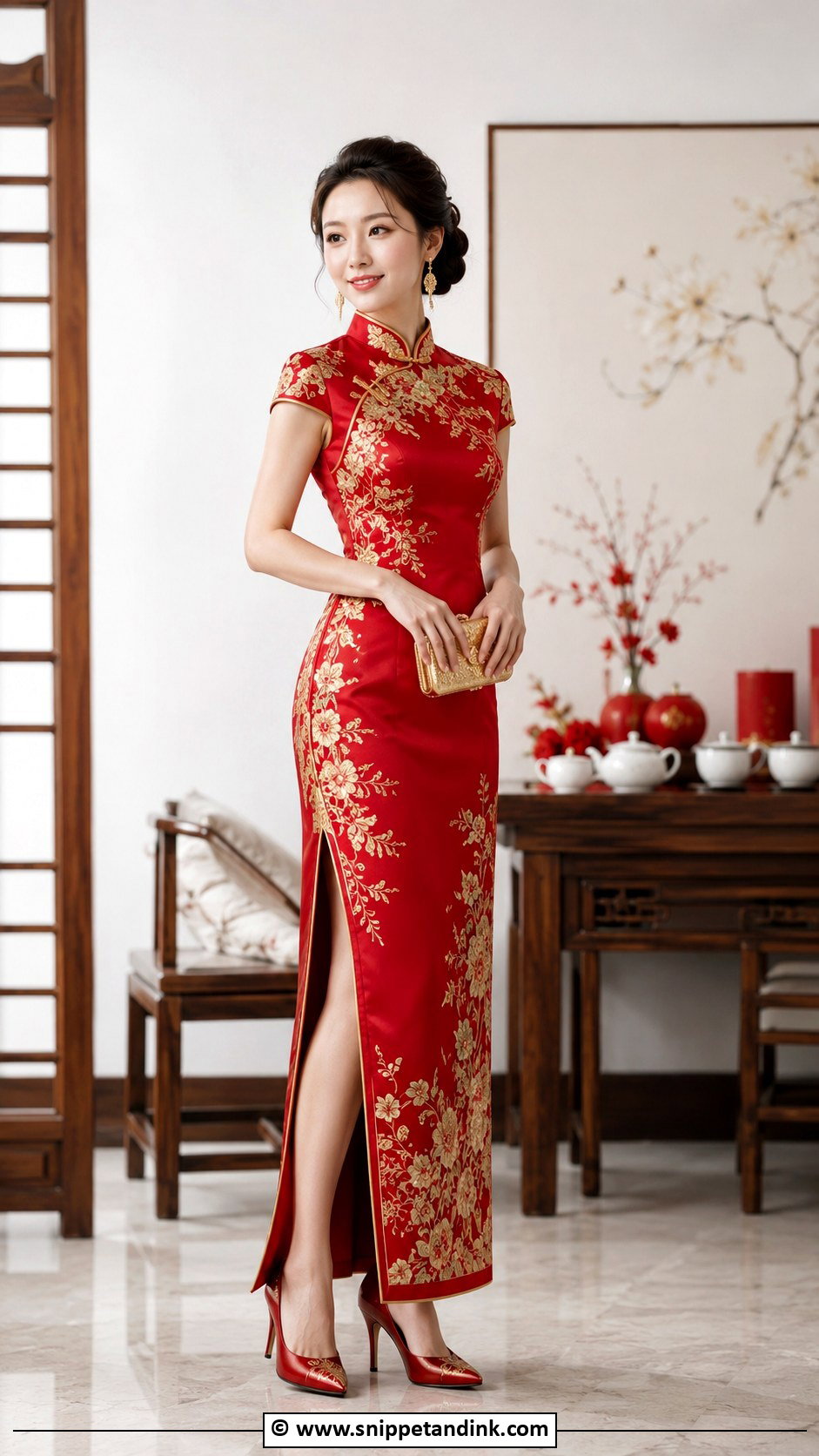
A qipao is all about fit, more than any other dress here. The high mandarin collar, side slit and frog closures sit close to the body, so a tailor should take measurements seated as well as standing. Red with gold embroidery, phoenix motifs or brocade is the most recognized bridal version. Many brides wear it for the tea ceremony or reception entrance and change for the rest. Check the slit height when you sit and kneel to serve tea; a slit that looks modest standing can open more than you would like on a low stool.
17. Traditional Chinese Xiuhe Wedding Dress
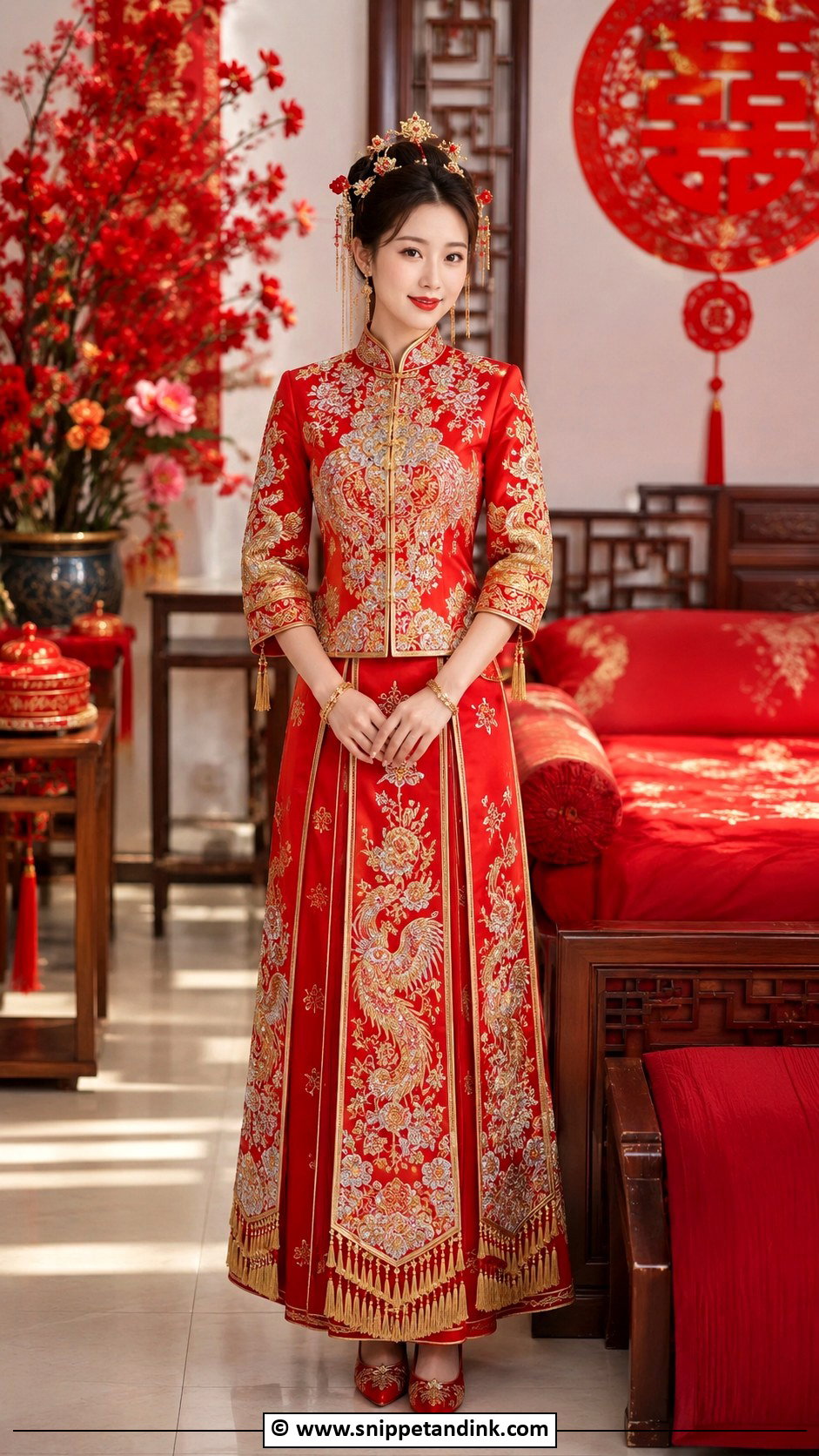
The Xiuhe is a two-piece set, a red jacket and skirt worked in gold thread with dragons, phoenixes or happiness symbols. That heavy embroidery stiffens the fabric, so the jacket should be fitted with enough ease across the back to bow and pour tea without strain. It actually moves better than most long gowns because the skirt is separate. Red or gold embroidered shoes and gold jewelry keep it coordinated; makeup should stay refined, since the garment already carries a lot of detail. Ask how the gold thread is backed, as rough backing scratches the inside of the arms.
18. Traditional Korean Hanbok Wedding Dress
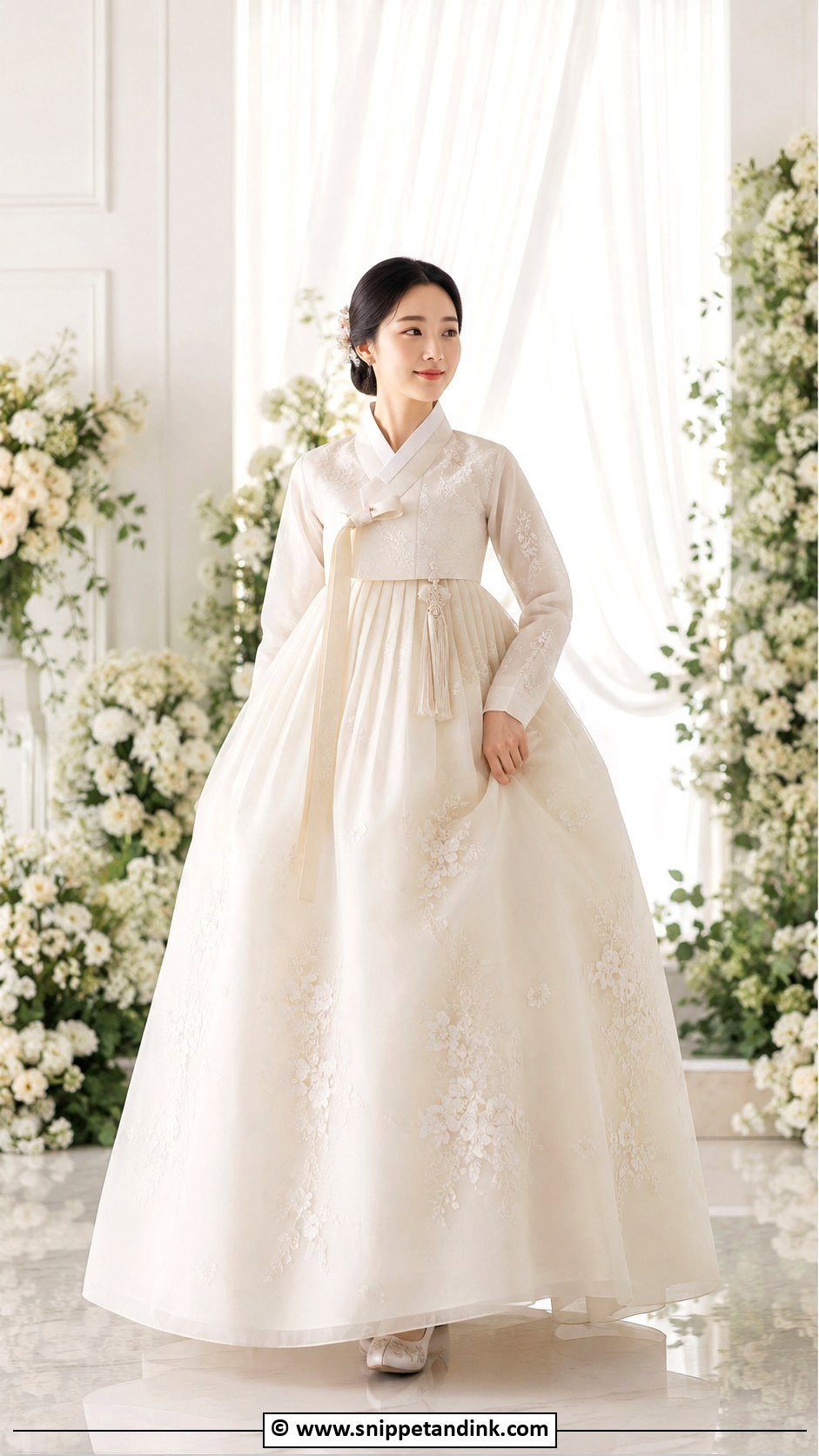
A traditional Korean hanbok wedding dress is built from a short jacket, the jeogori, and a full, high-waisted skirt called the chima. Because the chima ties high above the waist and falls straight down, it hides the body’s shape, so brides choose it for comfort as much as meaning. Bridal versions use silk with embroidery or a soft sheen. Many brides wear it for the paebaek with their new family, others choose a modern cut for the whole day. Keep jewelry minimal and the hair smooth, and practice the deep bows in it before the day.
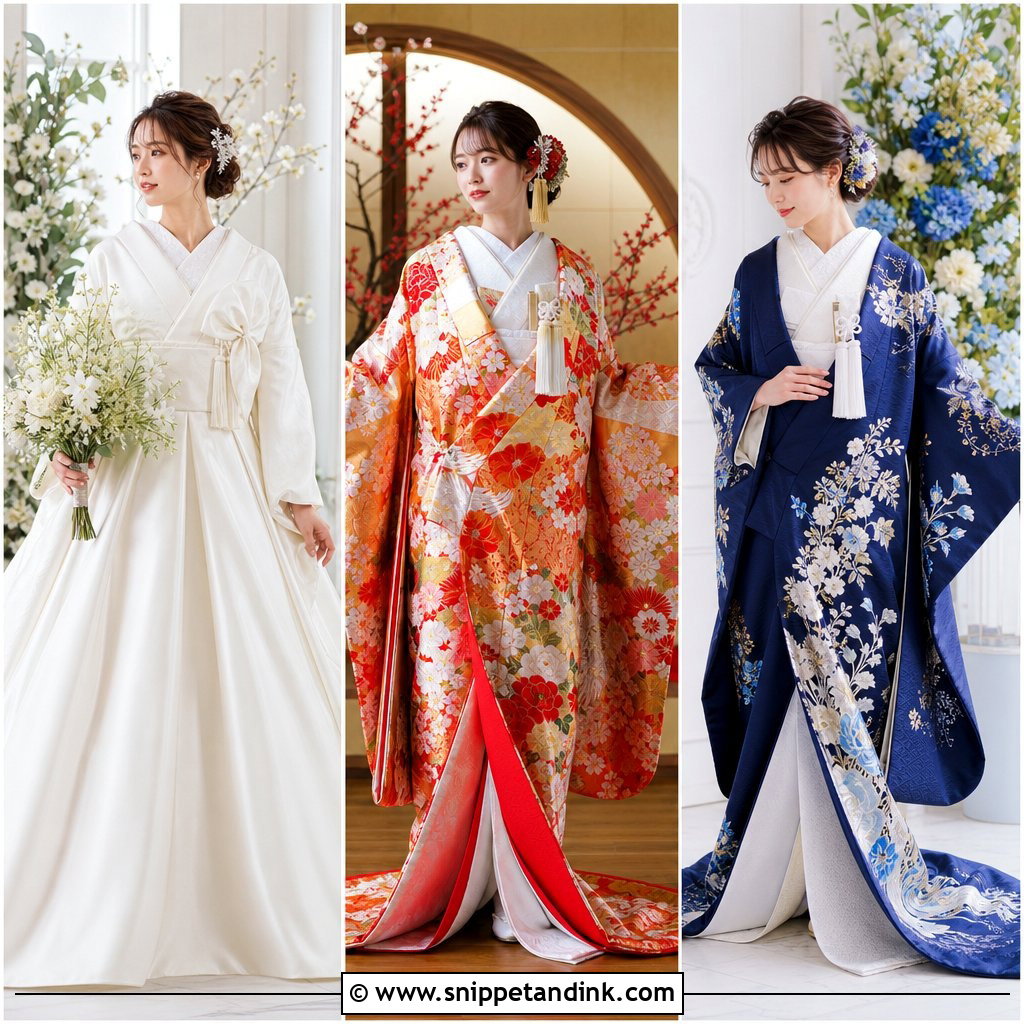
19. Traditional Japanese Shiromuku Wedding Dress
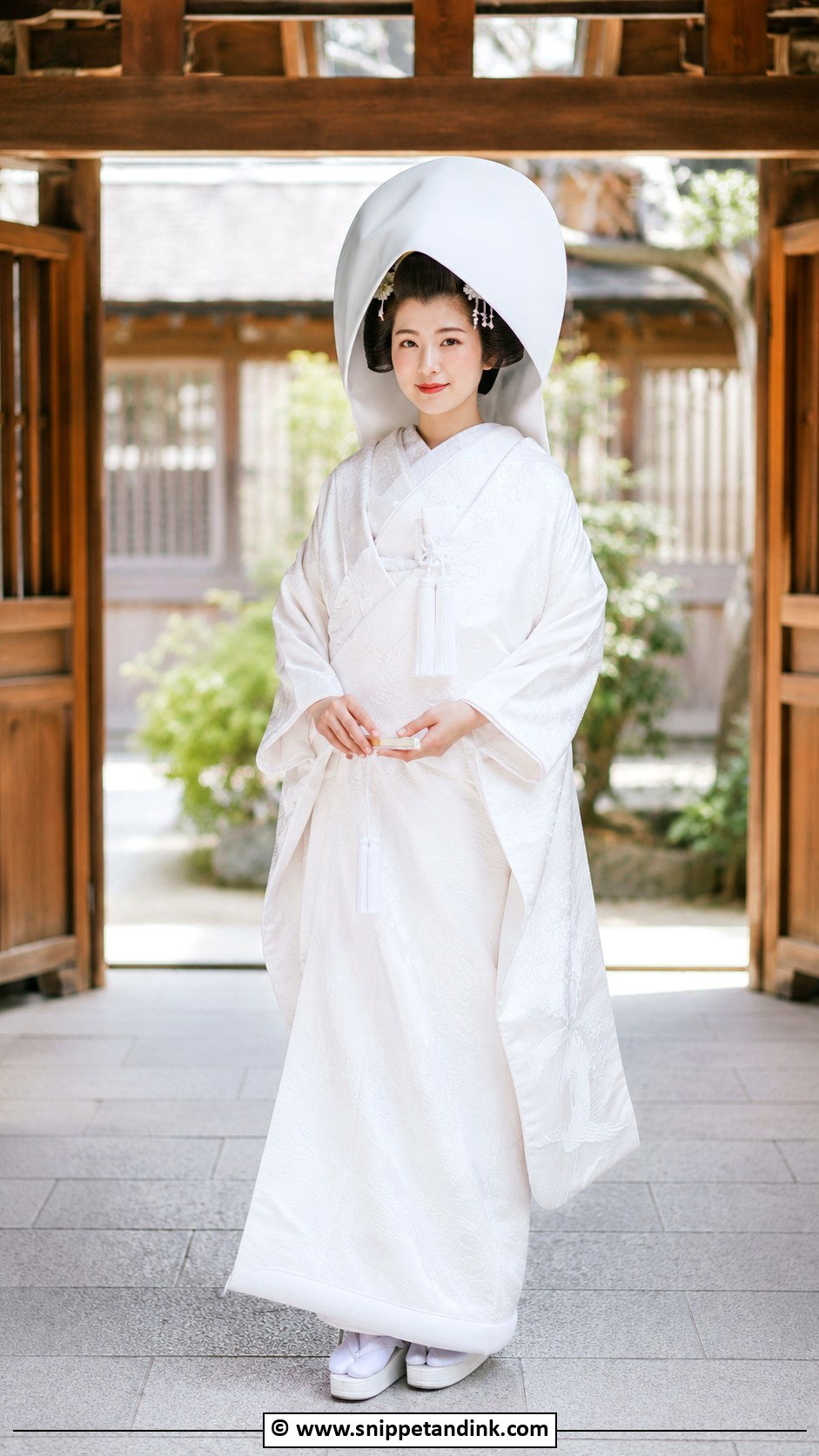
Shiromuku is the all-white kimono ensemble worn at Shinto ceremonies, layered under a white outer robe with the traditional headwear. It is not something to put on alone: dressing a bride in a shiromuku takes a trained kitsuke dresser and a good amount of time, so book them early and build that into the morning schedule. The layers hold the body upright and make sitting slow. Makeup stays subtle and footwear white. Because the palette is all white, the texture of the silk brocade is what the camera picks up, so ask your photographer for side light.
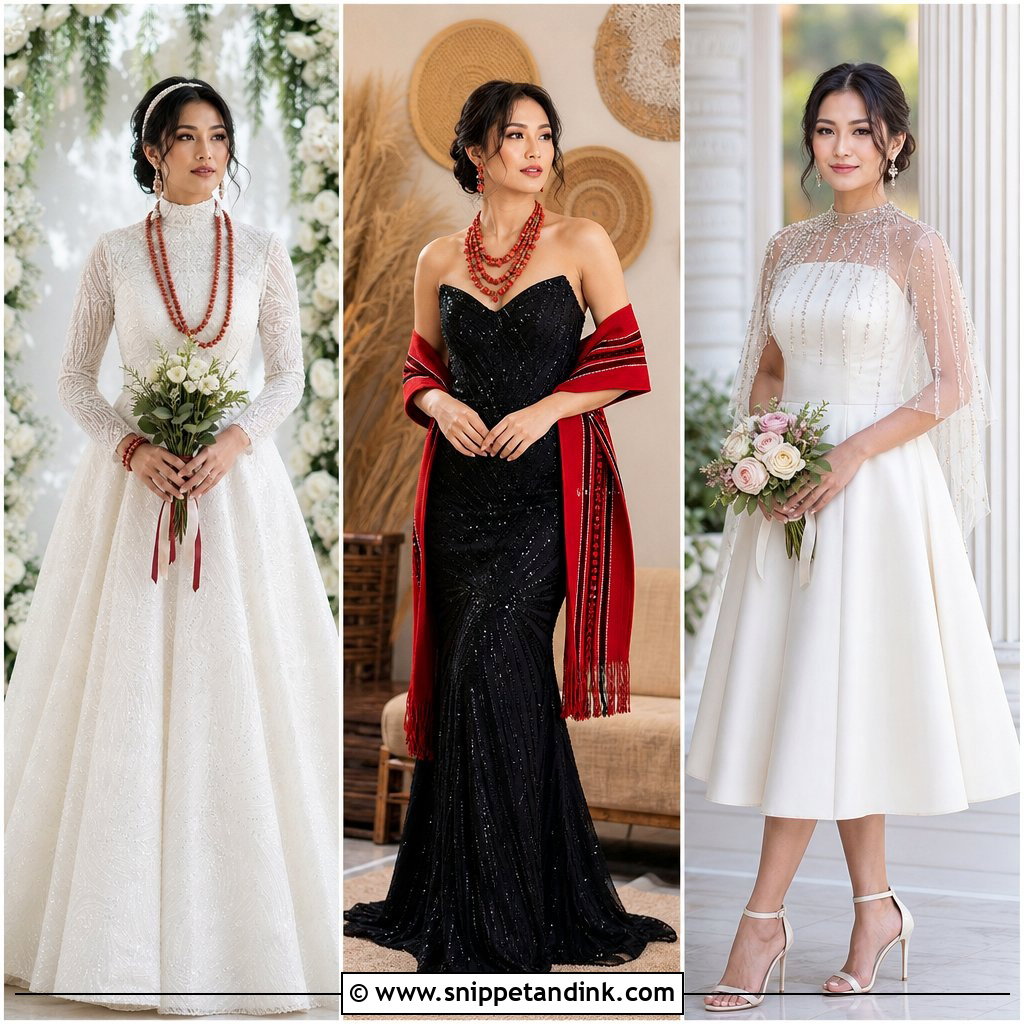

20. Traditional Japanese Uchikake Wedding Dress
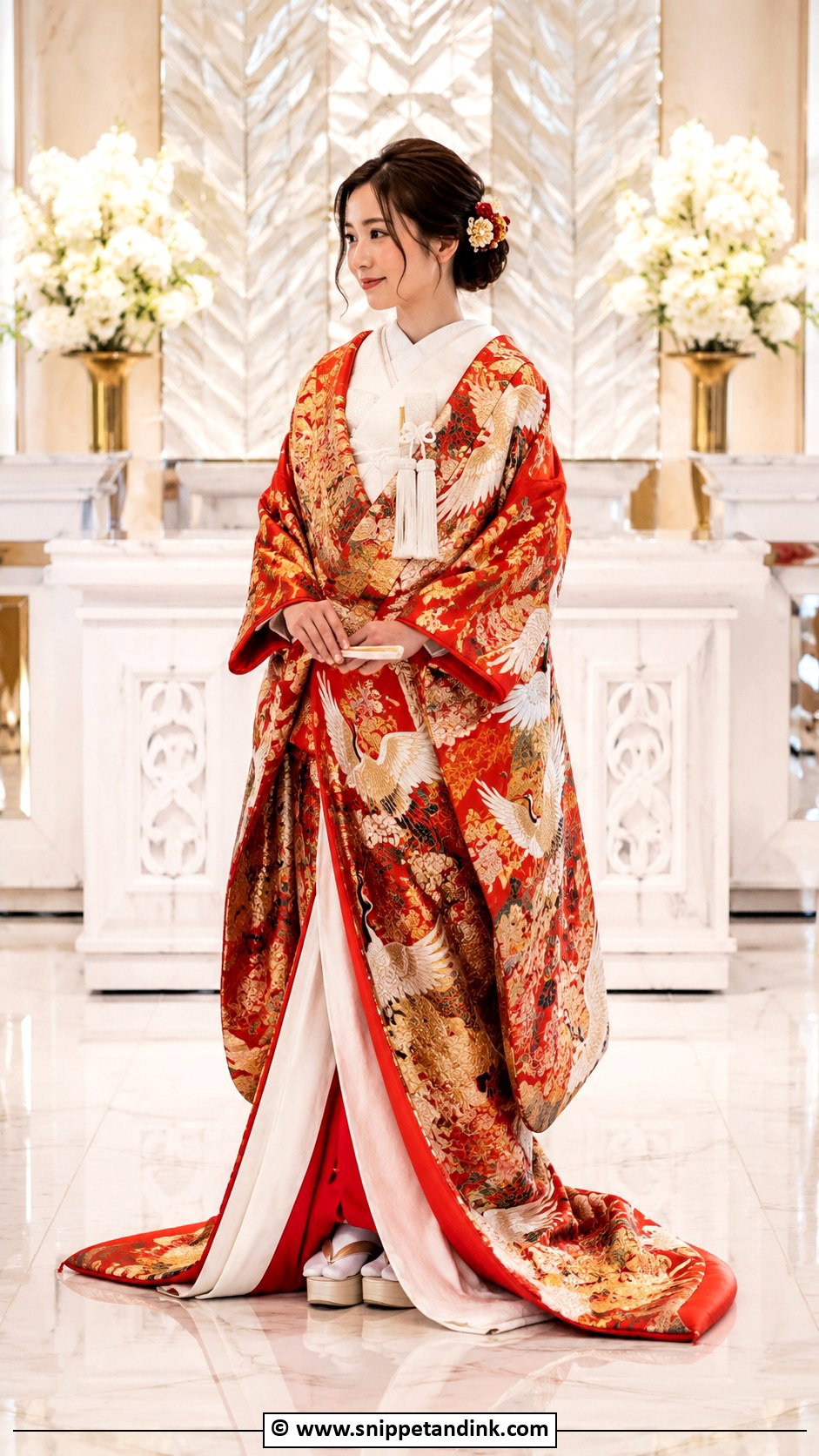
A traditional Japanese uchikake wedding dress is the heavily decorated outer robe worn over a kimono, often red or gold with cranes and flowers. It is padded at the hem so it trails and sweeps, and it is worn open rather than tied. That weight means you walk slowly and carefully, with the robe held at the front edge. The inner layers should be coordinated but quiet. Many brides change into it after a shiromuku ceremony. Choose motifs with intent, since cranes, pine and plum blossoms each carry their own meaning.
21. Traditional Vietnamese Ao Dai Wedding Dress
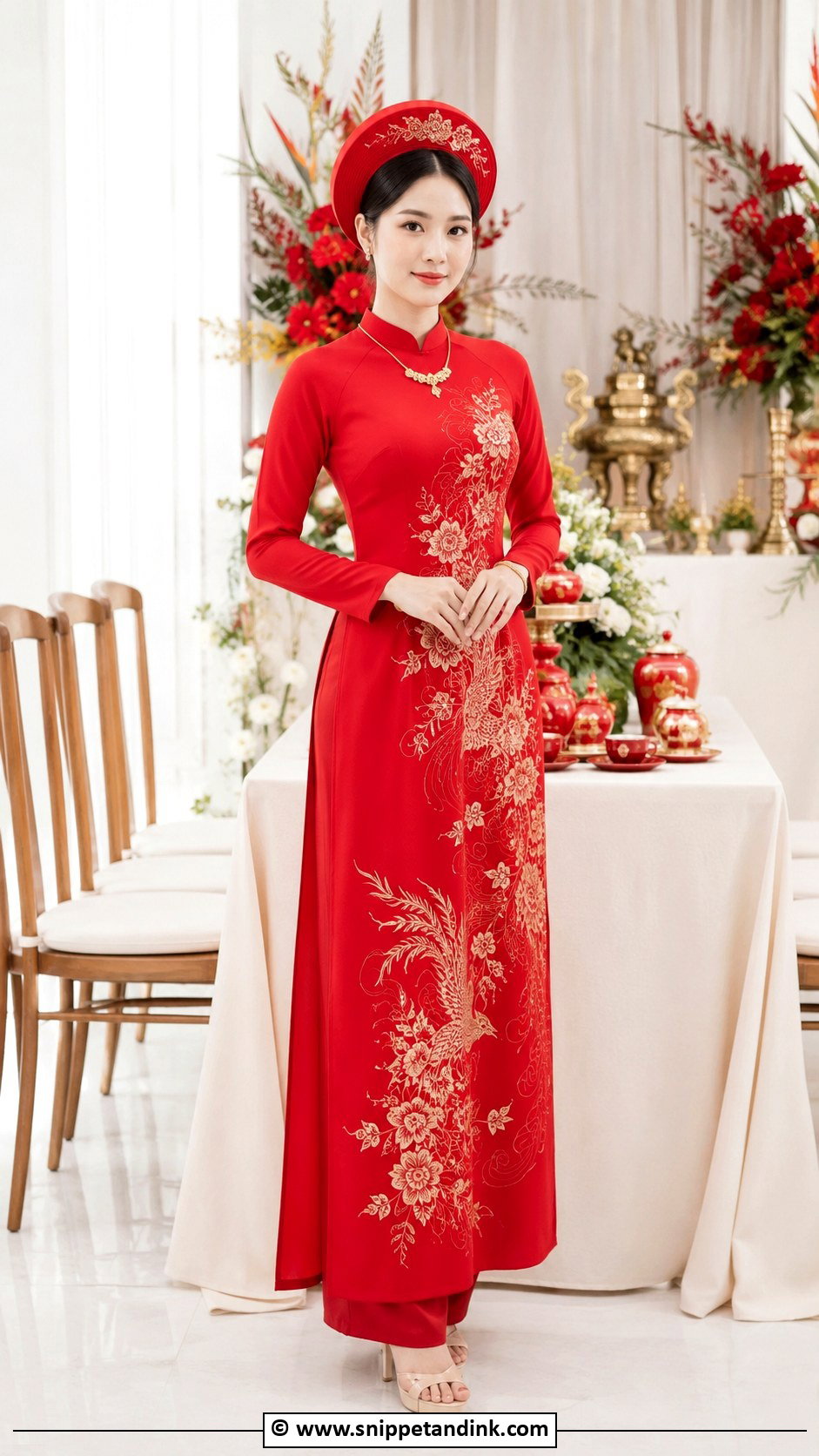
The áo dài flatters almost everyone because the long fitted tunic draws one unbroken line from shoulder to ankle. It is worn over pants with side slits, often with the round khăn đóng headpiece, in red, gold, white or pastel. Fit across the bust and underarm is what I check: the tunic is cut close, and if the armhole is too tight you cannot lift your arms to adjust the headpiece. Pick a brocade or silk with enough body to hold the slits flat. Sleek hair and delicate jewelry let the silhouette do the talking.
22. Traditional Thai Wedding Dress
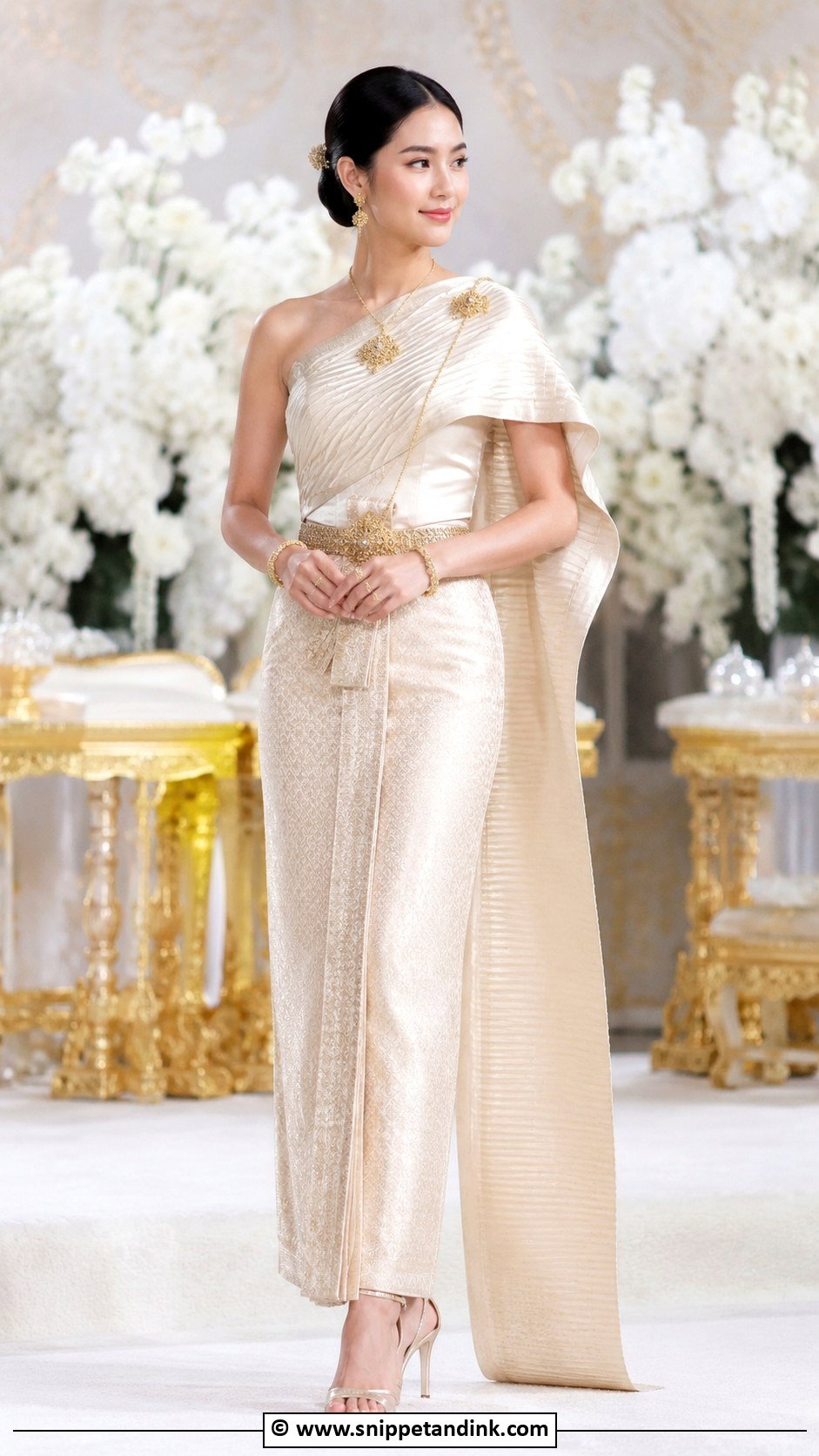
Thai bridal dress is draped silk, typically a fitted or wrapped bodice, a long skirt and a sash, the sabai, crossing one shoulder. Woven Thai silk has a two-tone shimmer that shifts with the light, so view fabric in both daylight and evening light before committing. Gold, ivory, blush and champagne suit it. The sabai is pinned at the shoulder and waist, and I add an extra hidden pin at the back because the drape tends to slide forward when you bow. A sleek updo and gold jewelry keep the shoulder line clear.
23. Traditional Filipino Terno Wedding Dress
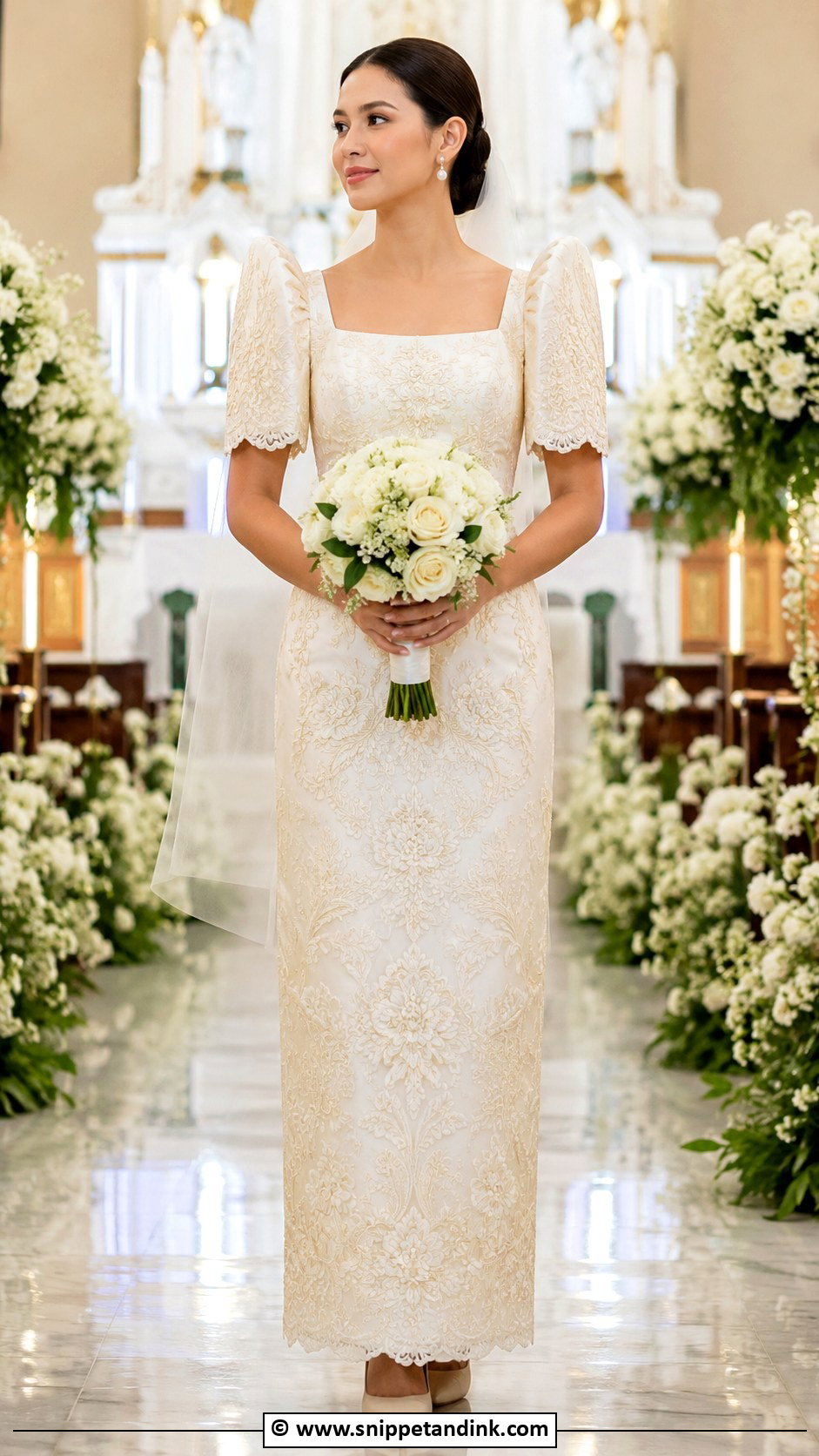
A traditional Filipino terno wedding dress is defined by its butterfly sleeves, which stand up from the shoulder. Those sleeves are stiffened, traditionally with piña or an interfaced fabric, so they need gentle handling and should travel on a padded hanger, never folded in a bag. Ivory, piña-inspired cloth, lace and embroidered organza are the usual choices. Keep necklaces off, since they crowd the sleeves, and wear a neat bun. In warm climates I steer brides to lighter fabric under the sleeves so the bodice doesn’t trap heat.
24. Traditional Mexican Wedding Dress
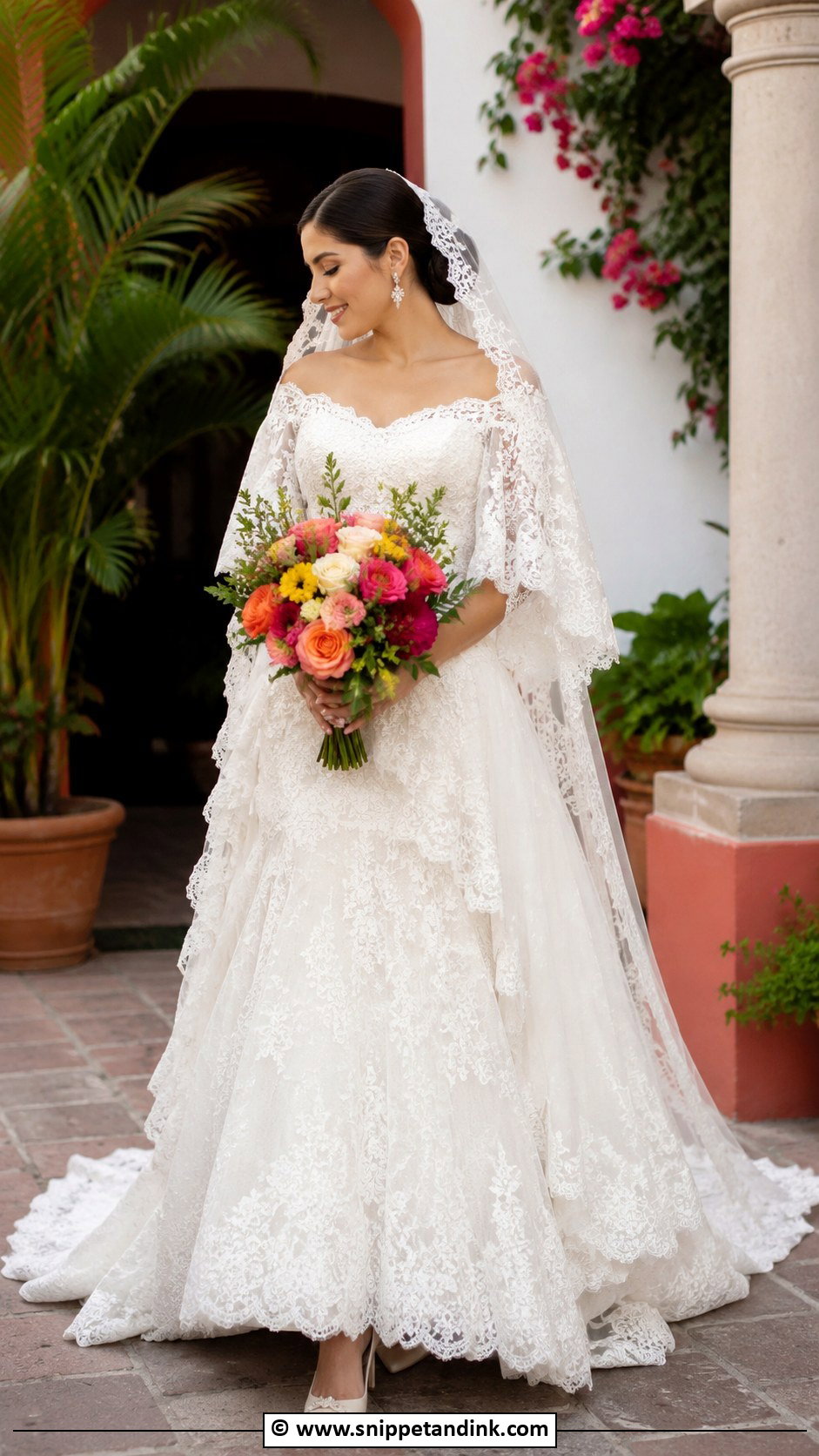
Mexican bridal style changes a great deal by region and family, from lace-heavy gowns with a mantilla to dresses with bright embroidered flowers. White and ivory are common, while colored stitching adds heritage. The line I watch is between meaningful and costume-like: one area of embroidery, at the yoke, hem or sleeves, usually looks better than embroidery everywhere. Repeat one or two thread colors in the bouquet or a sash so it looks planned. A low bun and delicate earrings leave room for the veil and the needlework.

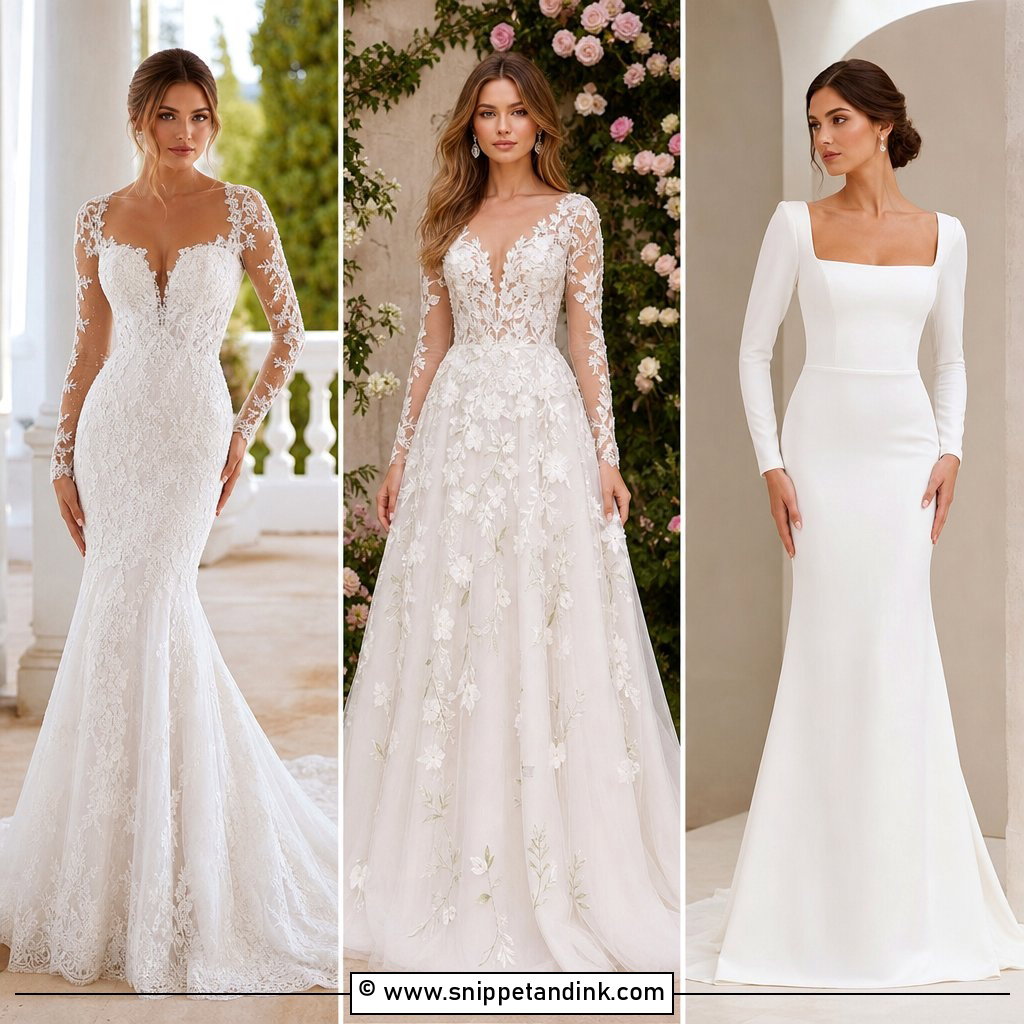


25. Traditional Scottish Tartan Wedding Dress
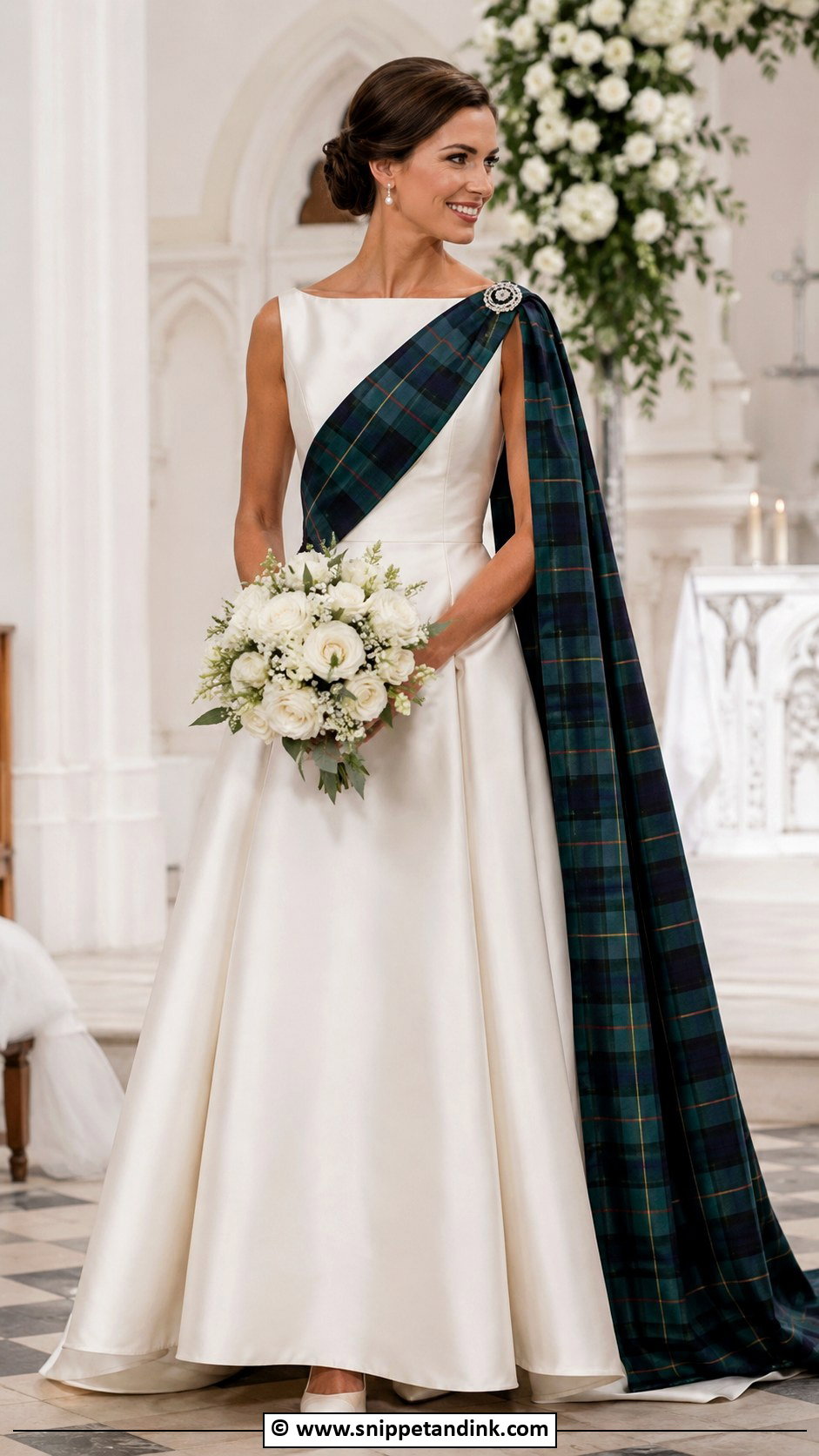
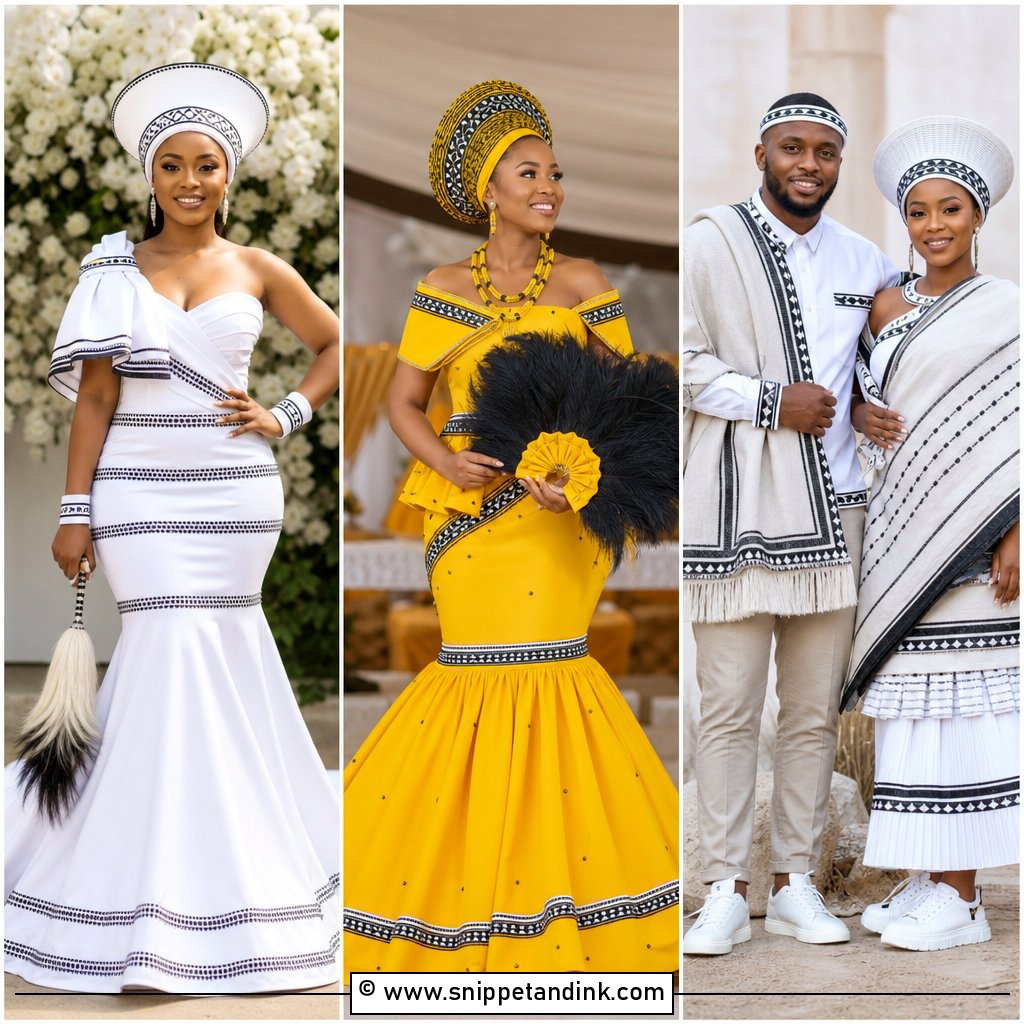
Tartan usually enters as an accent rather than the whole dress: a sash, a cape, a waistband or a panel in the train, worn over a classic white gown. If your family has its own tartan, order the cloth early, because specific setts are often woven to order and can take weeks. A satin or crepe gown makes the best base since a smooth surface lets the pattern stand out. Pin a sash at the shoulder with a brooch, and keep everything else plain. Bold tartan plus a busy lace dress is too much pattern for one outfit.
26. Traditional Irish Lace Wedding Dress
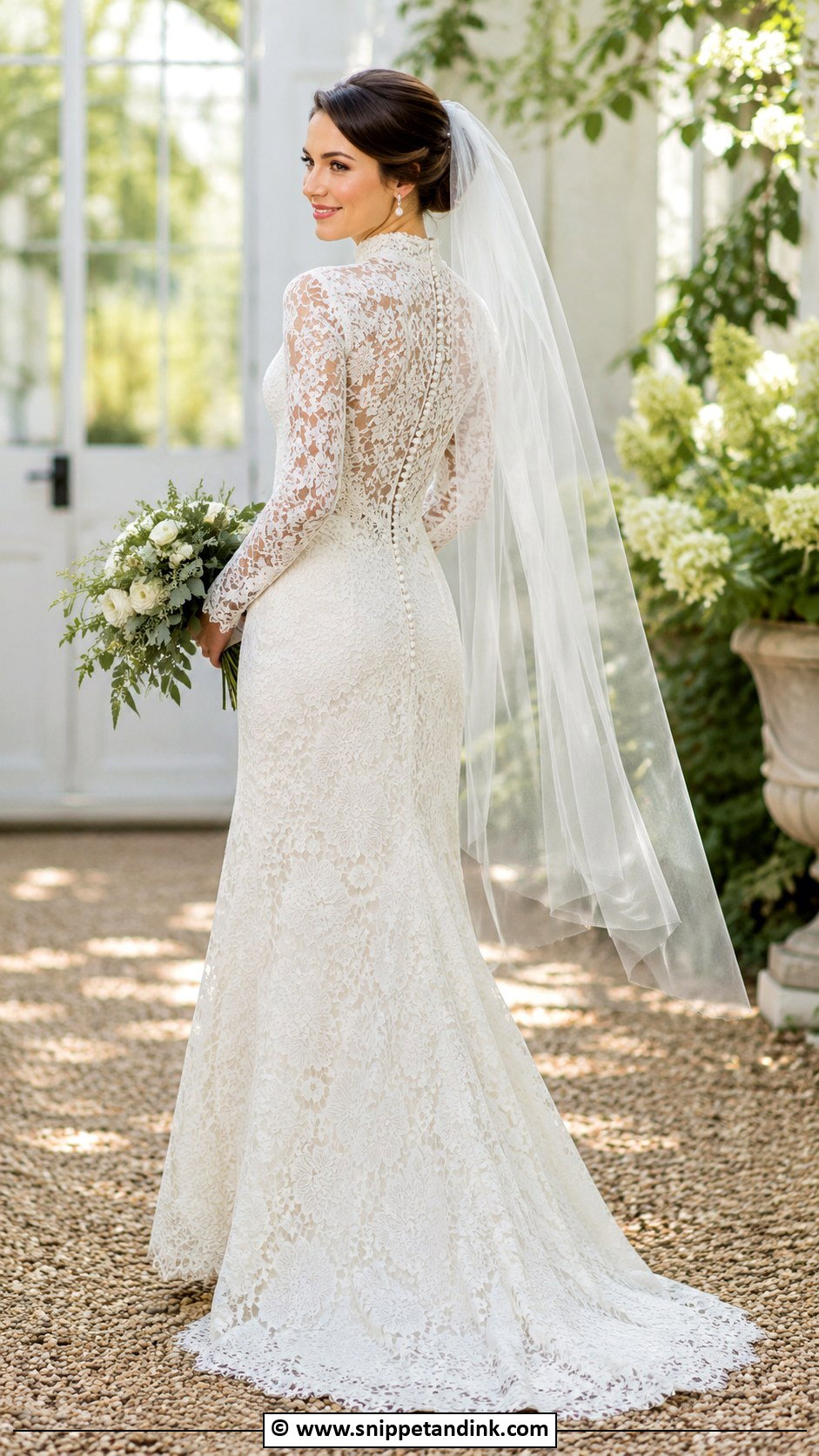
Irish lace, especially crochet-style lace with its raised motifs, has more depth than machine lace and shows best in an A-line or sheath where the fabric lies flat enough to see. Long sleeves, high necklines and scalloped hems all suit it, as do covered buttons for a vintage feel. Real heirloom lace is fragile, so if you are adding a family piece, have a seamstress back it with fine tulle before it is sewn on. Pair it with pearls, a soft veil and a bouquet of simple greenery. Loose waves or a low bun keep the hair from looking stiff.
27. Traditional Greek Bridal Dress
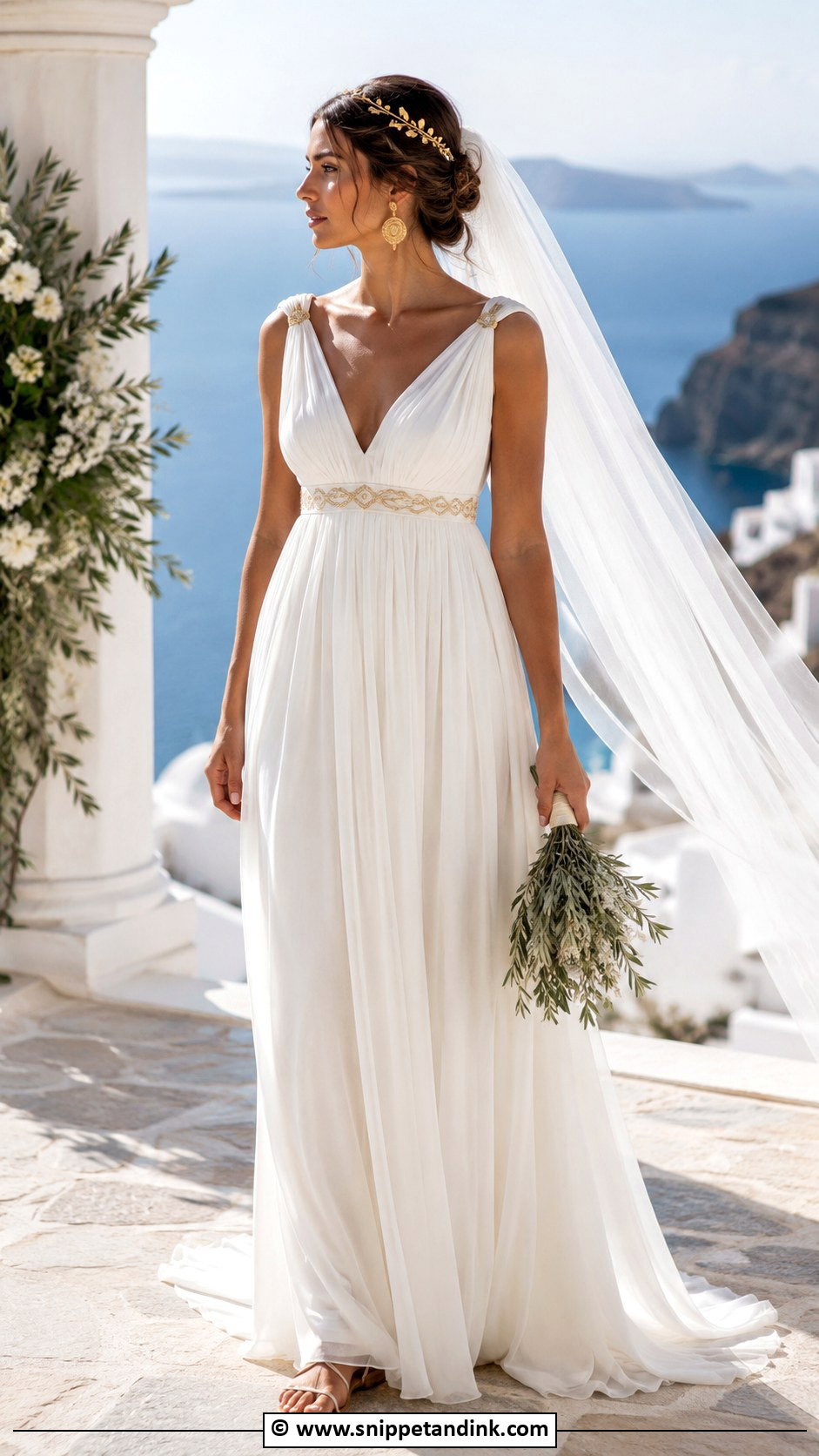
Greek bridal style today leans toward draped column and empire-waist gowns in soft pleated chiffon, silk or crepe, with gold rather than silver accents. A gold hair vine and flat sandals or low heels finish it. This is the most forgiving shape on this list for heat, because the fabric floats away from the body. My only caution is metallic overload. One gold element at the hair and one at the ears is enough; add a belt and cuffs too, and the look tips into costume. Chiffon wrinkles less in travel than silk, useful for island weddings.
28. Traditional Nigerian Bridal Wrapper Dress
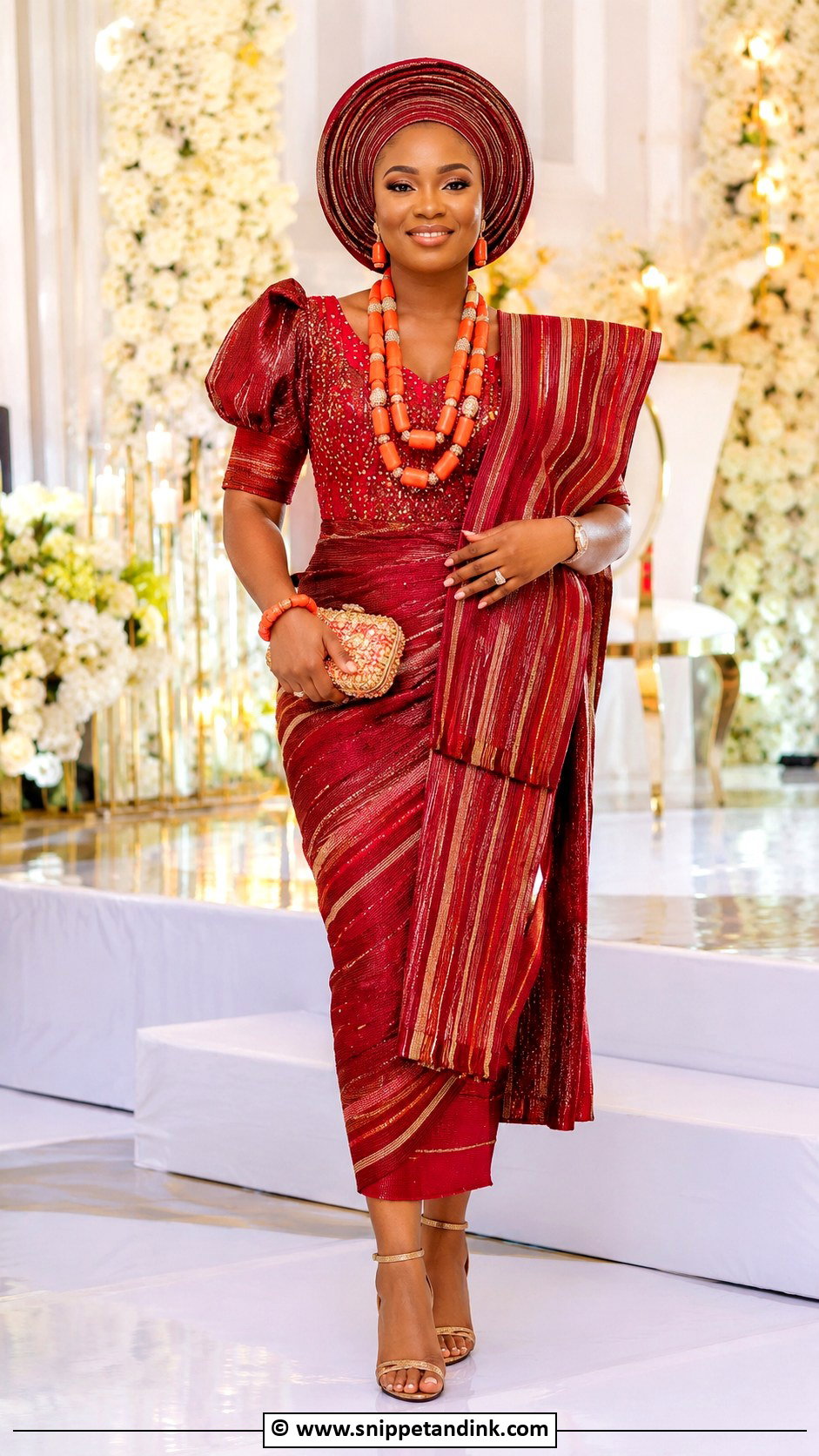
A traditional Nigerian bridal wrapper dress is built from several pieces: blouse, wrapper, gele headwrap, beads and shoes, usually in lace, aso oke or silk. Everything must be coordinated, since the gele, fabric, jewelry and makeup are seen as one look. The gele is tied by a specialist on the morning, and it is tied tight, so book them after your makeup is finished but before photos start. Have the wrapper sewn with a hidden fastening rather than relying on tucks alone; a tucked wrapper loosens once you start dancing.
29. Traditional Ghanaian Kente Wedding Dress
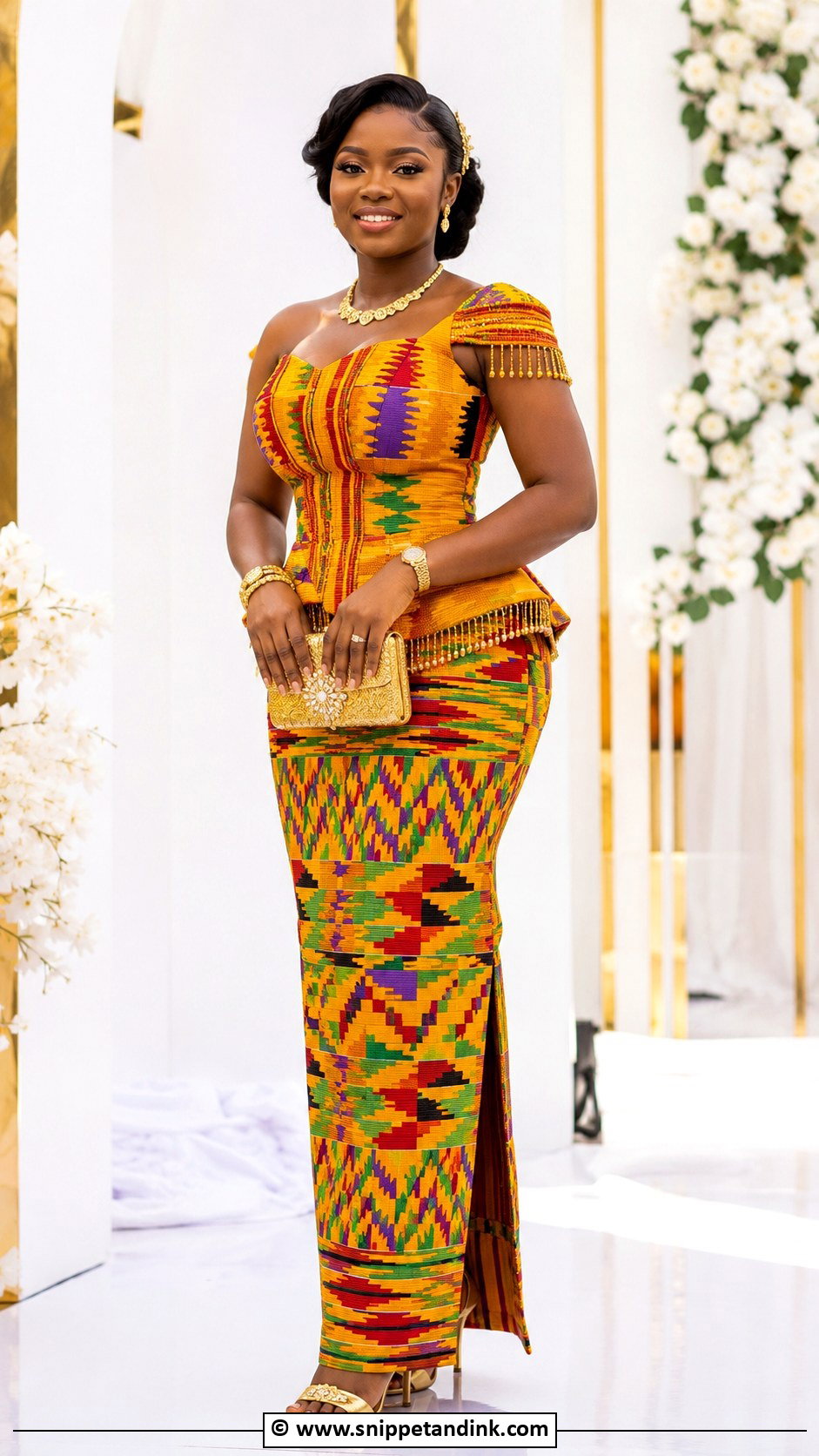
Kente’s woven strips carry their own patterns and color meanings, so the cut should show off the cloth rather than chop it up. A full kente gown makes a bold statement; using kente for the bodice panels, sleeves or train over a plainer base gives a lighter effect. Because kente is woven in narrow strips sewn together, it is stiffer than most dress fabrics, and fitted pieces need a good lining to stop the seams rubbing. Gold jewelry, a coordinated headwrap and matching heels complete it. Ask the weaver about each pattern’s name before you choose.
30. Traditional Ethiopian Habesha Wedding Dress
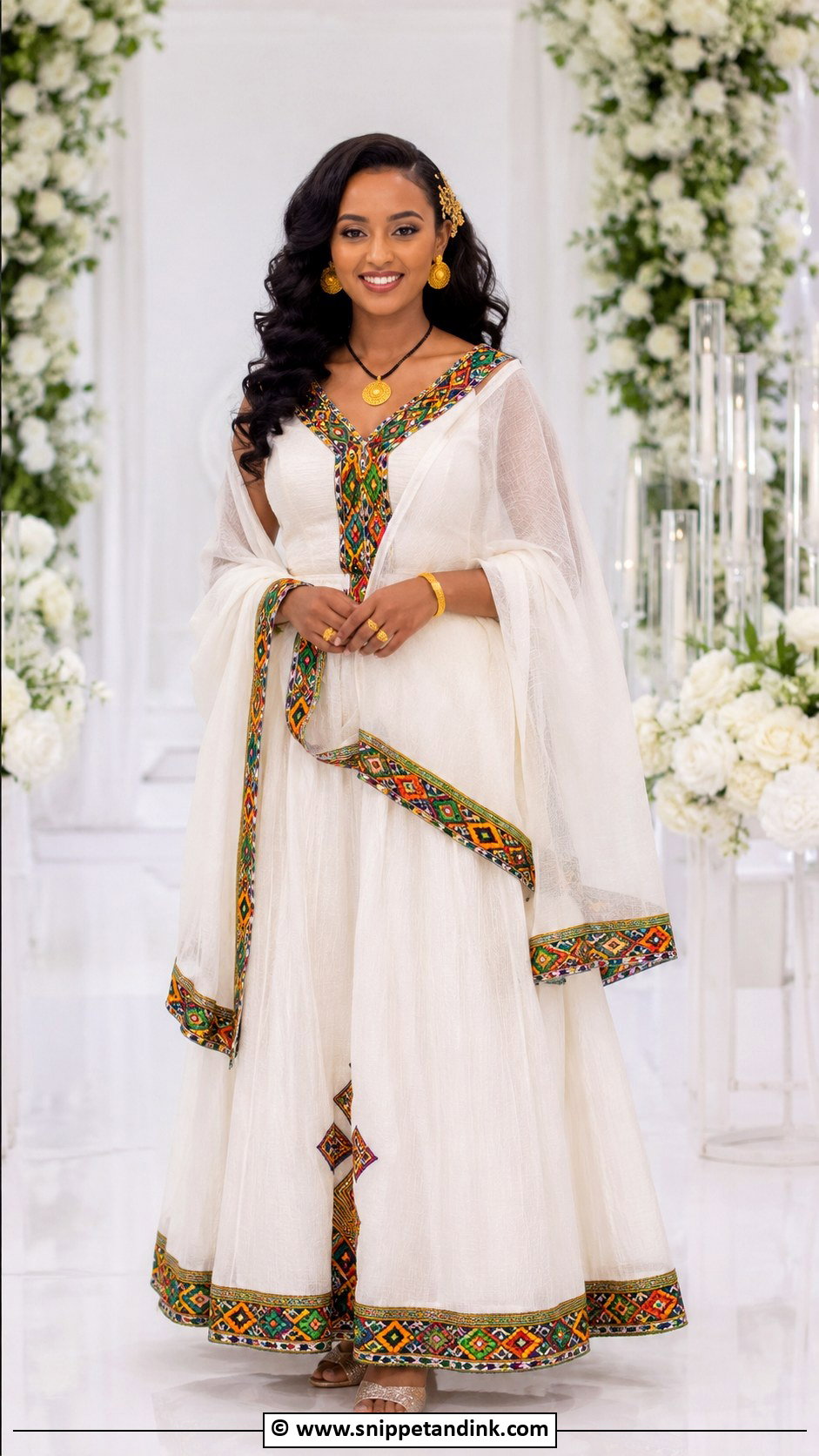
The Habesha kemis is a long white or ivory cotton dress with a woven border, the tibeb, in color along the hem, cuffs and front. It is often worn with a netela shawl. Hand-woven cotton breathes well in heat but does wrinkle, so pack it rolled in tissue and steam on the day. The tibeb is the point of interest, so I match jewelry and bouquet tones to one color from the border. Gold jewelry, simple flats or heels, and soft curls or an updo keep it graceful. Hand-washing later protects the woven trim.
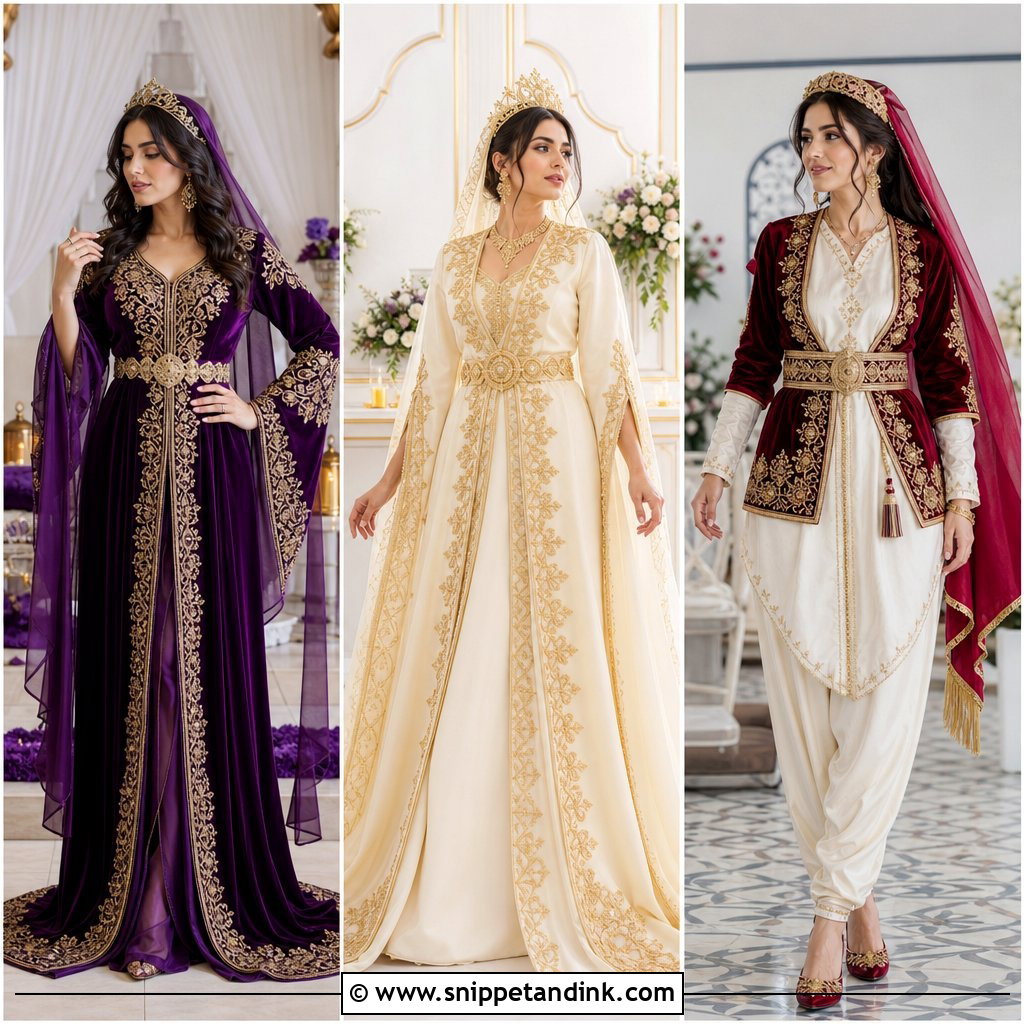
31. Traditional Moroccan Kaftan Wedding Dress
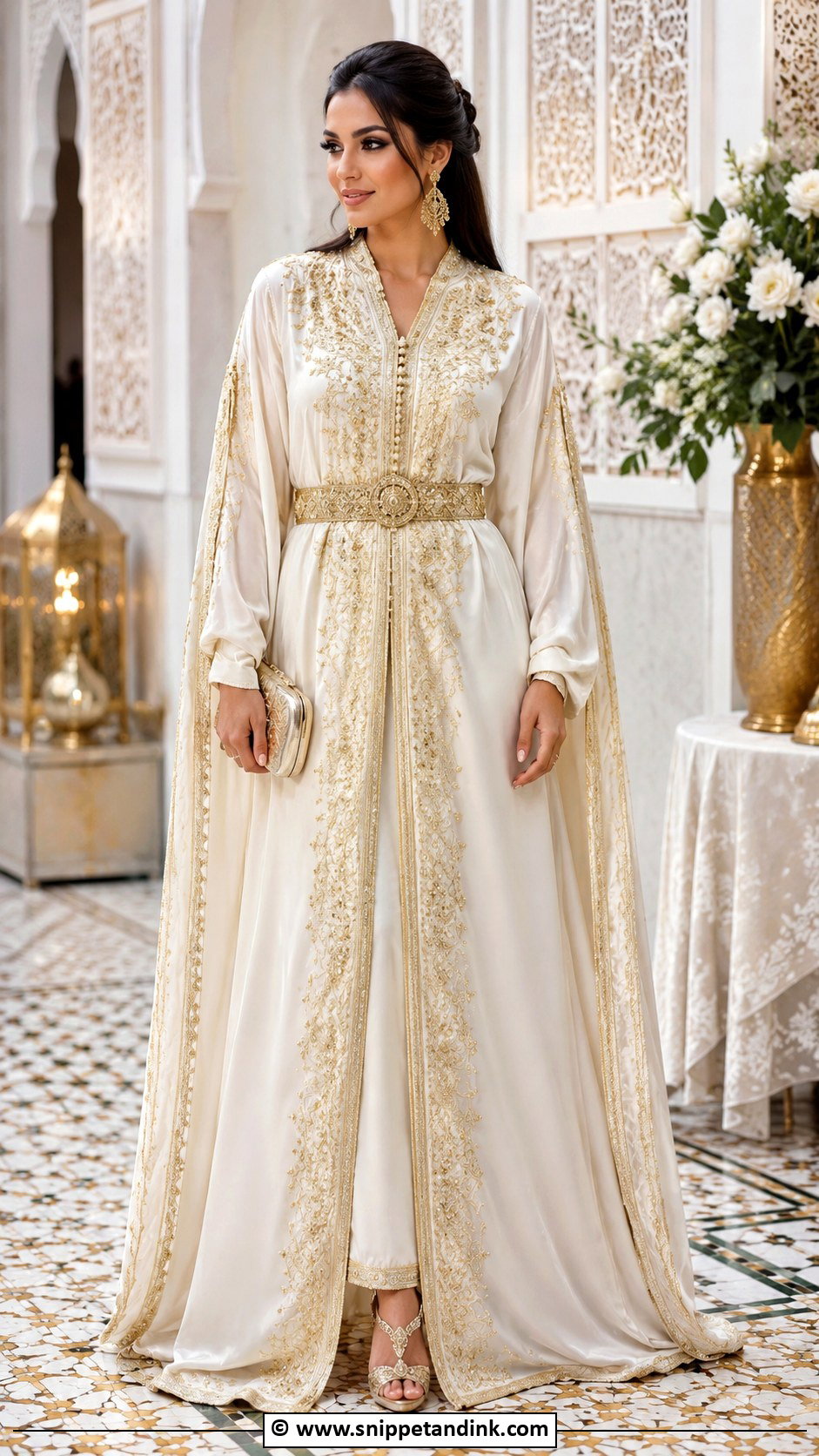
A Moroccan kaftan flows from shoulder to floor, and the belt, the mdamma, is what turns it bridal. It cinches the waist and supplies the structure the loose kaftan lacks, so try the kaftan and belt together at every fitting. Embroidery, beading and metallic thread are common in white, gold, emerald, red or royal blue. Many brides wear several kaftans over the course of the celebration, so plan jewelry that works across more than one color. A heavy embroidered kaftan is warm; for summer, ask for a lighter lining or chiffon outer layer.
32. Traditional Turkish Bindalli Wedding Dress
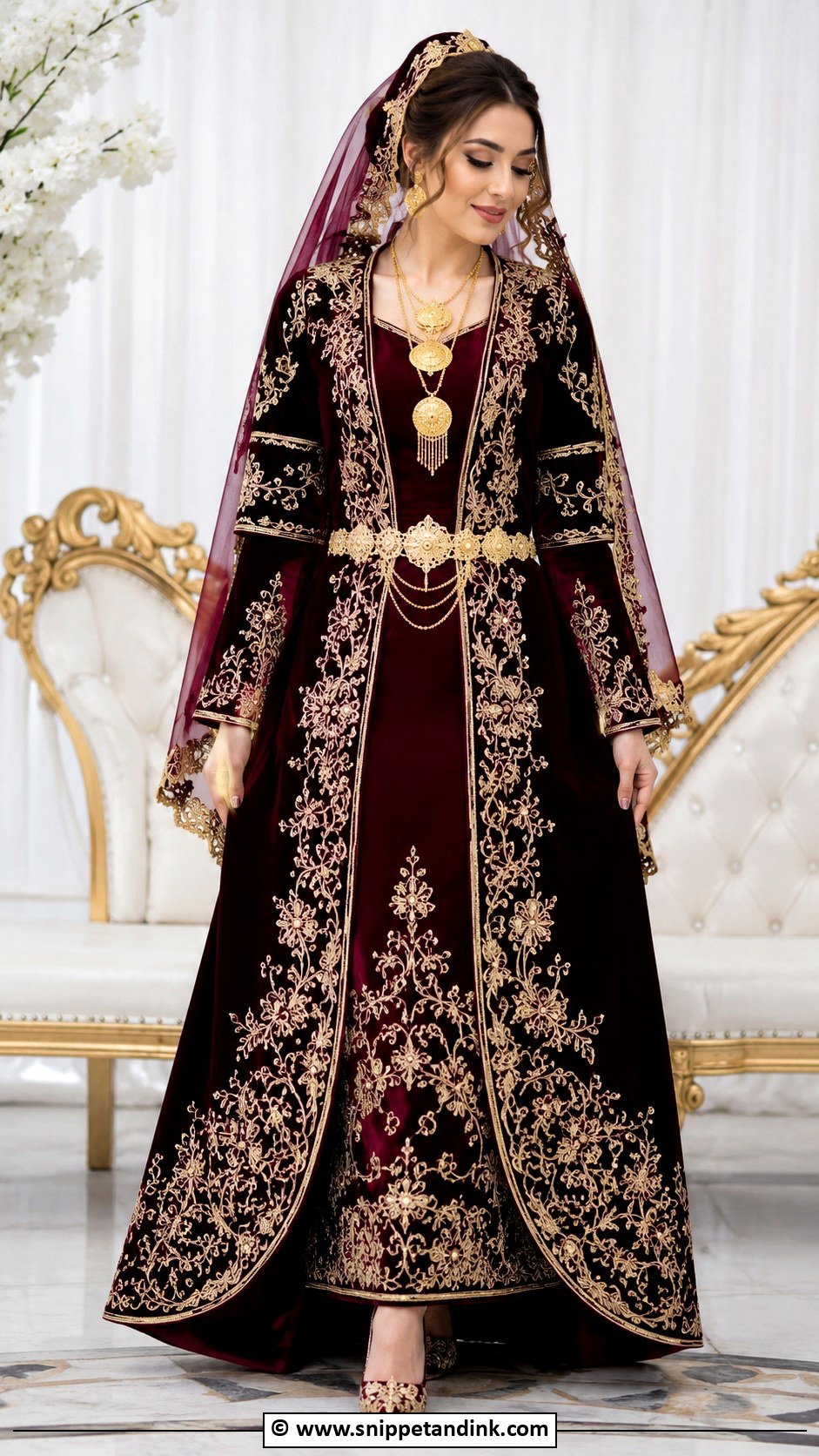
A traditional Turkish bindalli wedding dress is a long velvet robe heavily embroidered in gold, worn most often for the henna night. Deep red, burgundy, green and navy are the usual colors. Velvet marks easily, so avoid pressing it with an iron, steam from inside instead, and hang it rather than fold it. Because the robe and embroidery are already rich, I keep jewelry to gold earrings and maybe a headpiece. Try sitting cross-legged or on a low cushion in it, since henna nights often have the bride seated low.
33. Traditional Persian Bridal Dress
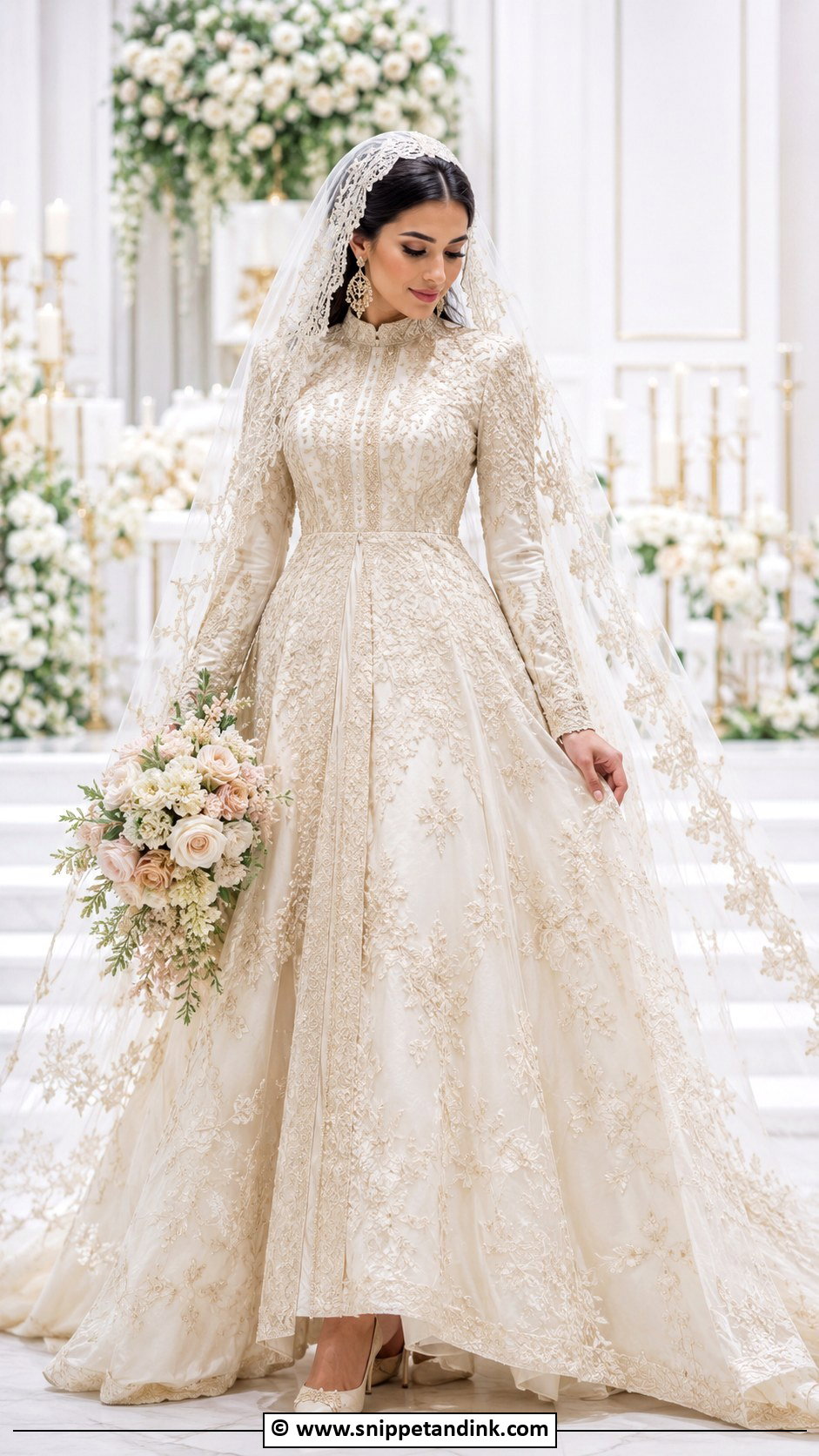
Persian bridal dress today is usually a white or ivory gown with delicate embroidery, lace, pearls or long sleeves, carried by family jewelry and the sofreh aghd ceremony around it. The bride sits for much of that ceremony, often with a lace cloth held overhead, so I fit the skirt with the bride seated to make sure it falls neatly around her. Paisley-inspired embroidery or ornate heirloom jewelry adds cultural detail. Keep the hair soft or in an updo that won’t be crushed by the canopy being held above. Gentle bouquet tones suit the setting.
34. Traditional Western White Wedding Dress
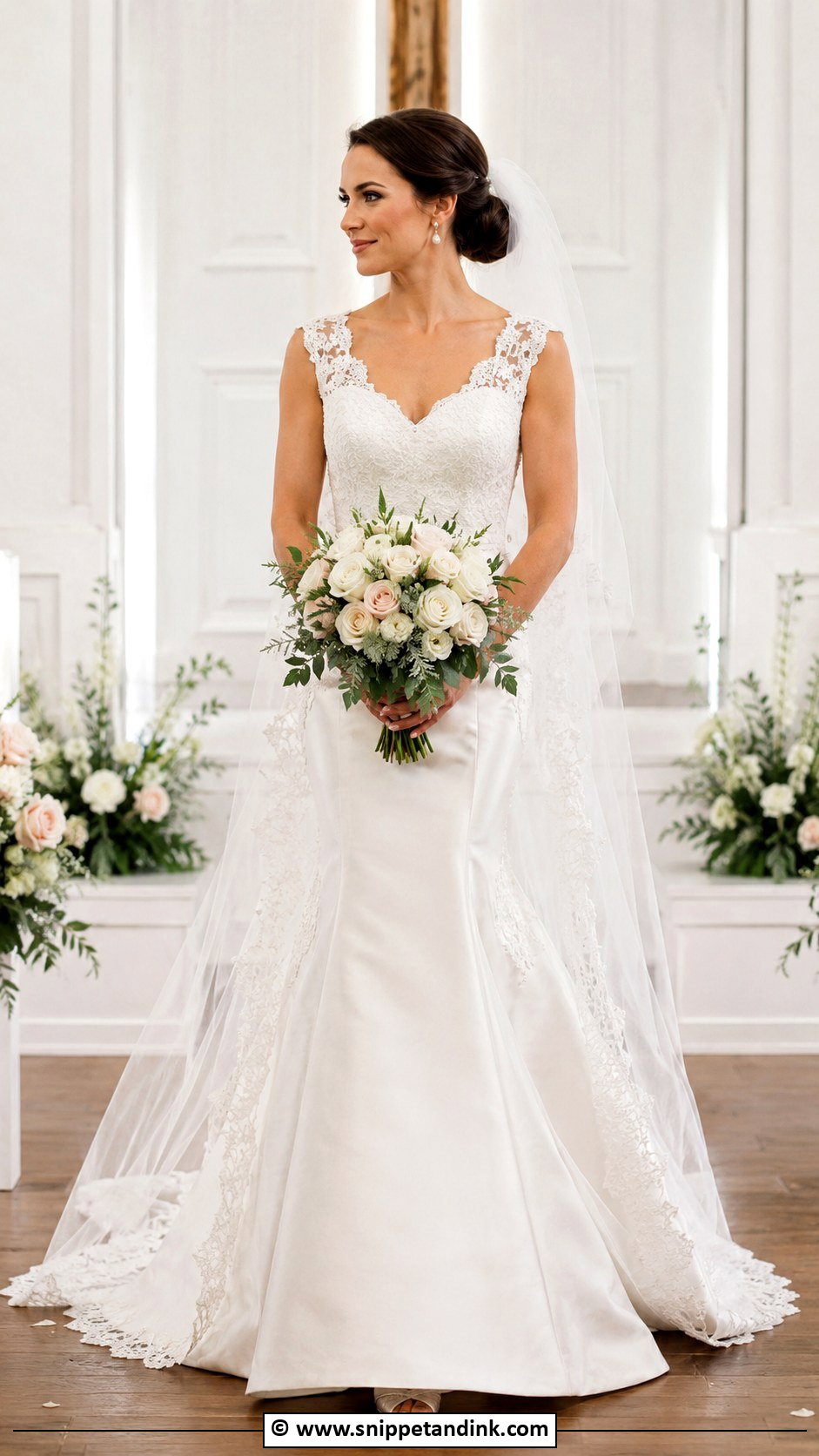
The white gown with a veil is what many brides picture first, and it comes in ball gown, A-line, sheath or fit-and-flare shapes. Fabric decides the mood more than the silhouette does: lace reads romantic, satin polished, tulle soft, crepe sharp. White versus ivory is worth testing against your skin, since bright white can look grey next to warm skin tones in photographs. Pick a hairstyle for the neckline, not the other way round. For personal meaning, borrow a family veil or carry a small heirloom pinned inside the bouquet wrap.
35. Traditional Vintage Wedding Dress
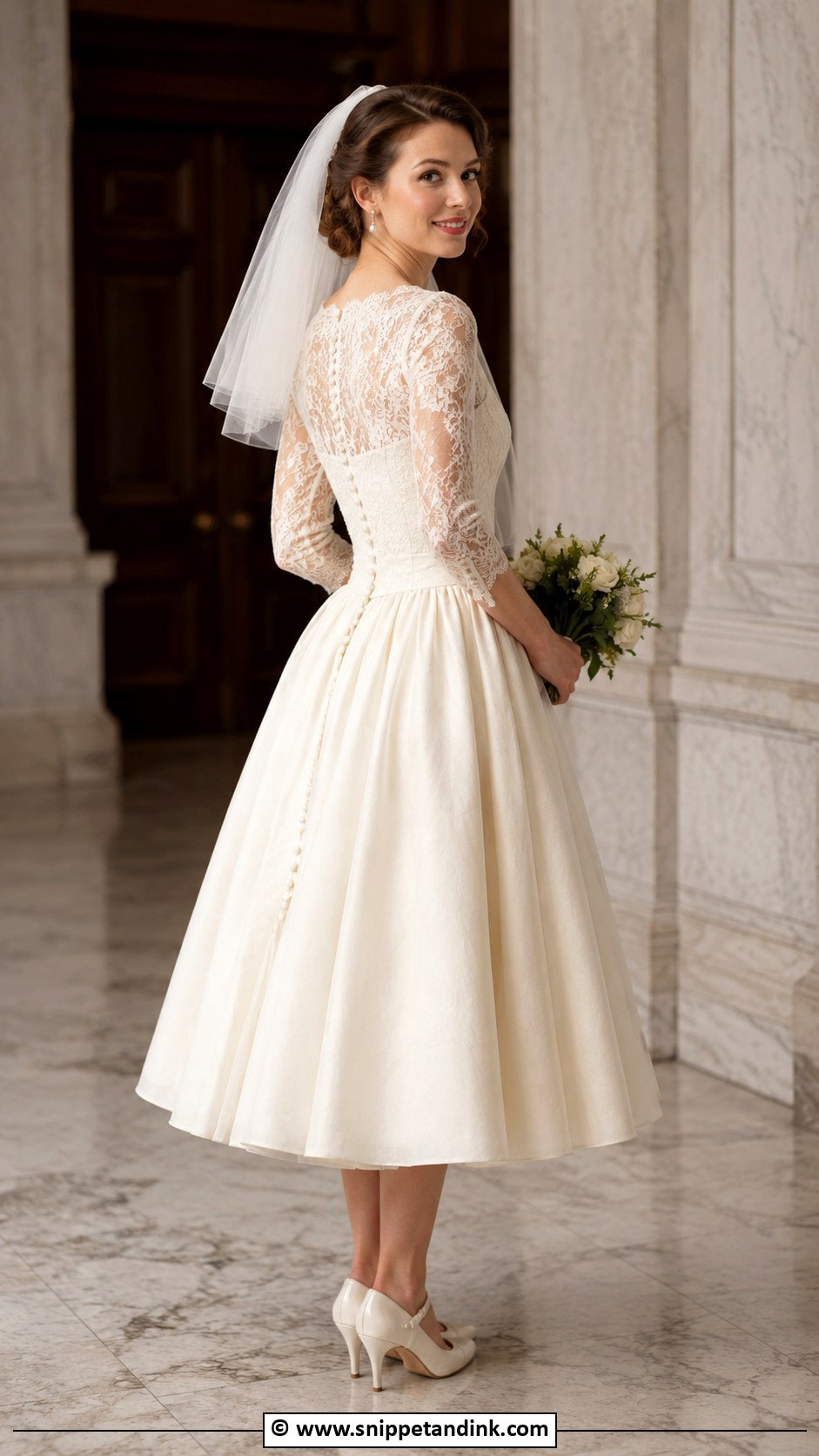
A vintage dress might be a true period gown, a restored family dress or a new design with old details like satin buttons, lace sleeves and a high neck. With genuinely old dresses, sizing has changed over the decades and fabrics can be weak along seams, so get alterations started early, ideally with a seamstress who handles older garments. Try the dress on for a full hour to see whether underarm seams hold. Accessories from the same era look most convincing: a birdcage veil with a 1950s dress, long pearls with a 1920s drop waist.
Planning a Change Between a Ceremony Outfit and a Reception Look
Many of the outfits above are worn as one of two or three looks: a qipao for the tea ceremony and a gown for dinner, a shiromuku followed by an uchikake, or a kaftan for each part of the evening. Changes take longer than couples budget for. Getting out of a laced or heavily pinned outfit and into another, then adjusting hair and jewelry, usually needs twenty to forty minutes and at least one helper who has practiced.
Choose a hairstyle that suits both outfits, or plan a small change, such as moving the veil comb or adding a hairpiece, rather than a full restyle. Pack the second outfit with its own shoes, pins and jewelry in one labelled bag, and give that bag to one named person. Schedule the change during a natural pause, such as cocktail hour, so guests aren’t waiting.
Caring for Heirloom Lace, Silk and Velvet Before You Wear Them
Family pieces need attention months before the wedding, not weeks. Old silk and lace yellow with age and can split along fold lines, so unpack them early and look closely at the seams, underarms and hem. If cleaning is needed, take the piece to a cleaner who handles bridal or antique textiles and ask them to test a hidden spot first.
- Velvet: steam only, from the inside, and never press it flat.
- Gold embroidery and zari: keep away from perfume and hairspray, which can tarnish metallic thread.
- Old lace: have weak areas backed with fine tulle instead of being darned.
- After the wedding: store flat or rolled in acid-free tissue, away from light, not in a plastic garment bag.
Dressing for the Ceremony You’re Actually Having
Every outfit here, from a white satin gown to a lehenga, hanbok, áo dài, kaftan, sari, qipao or a tartan sash, works only when the whole look is planned together: veil, shoes, jewelry, hair and what the ceremony asks of your body. Start from your family’s traditions and the shape of your day, then try things on and sit down in them. The right one is the dress you forget you are wearing by the time the music starts.
You'll Like These Ideas:






Leave a Reply