
Most brides who ask me for clean makeup are really asking for one thing: to look rested and like themselves in photos they’ll keep for decades. That comes down to skin that looks like skin, a little shape around the eyes and colour in the right places. It does not come from using less product at random. The 25 looks below each solve a slightly different problem, from shine control to sparse brows to a long day in the sun, and I’ve written down how I’d actually build each one.
Ceremony Light Changes Which of These Looks Works
The same face can look very different in a church, a garden at noon and a barn lit with string lights. Before I decide on a finish, I ask what time the ceremony is and where the portraits will be taken.
Bright midday sun outdoors
Overhead sun casts shadows under the eyes and makes shine obvious. I use a slightly brighter under-eye concealer and keep the T-zone well set. Satin or matte holds up better than full dewy.
Indoor venues and churches
Warm indoor bulbs wash colour out, so blush and lip need a little more depth than looks right in a bathroom mirror. A very sheer look can fade to nothing in a dim room.
Evening receptions and golden hour
Low warm light flatters glow and champagne lids. This is where a dewy finish earns its keep. Just keep an eye on the forehead and nose under flash as the evening gets warmer.
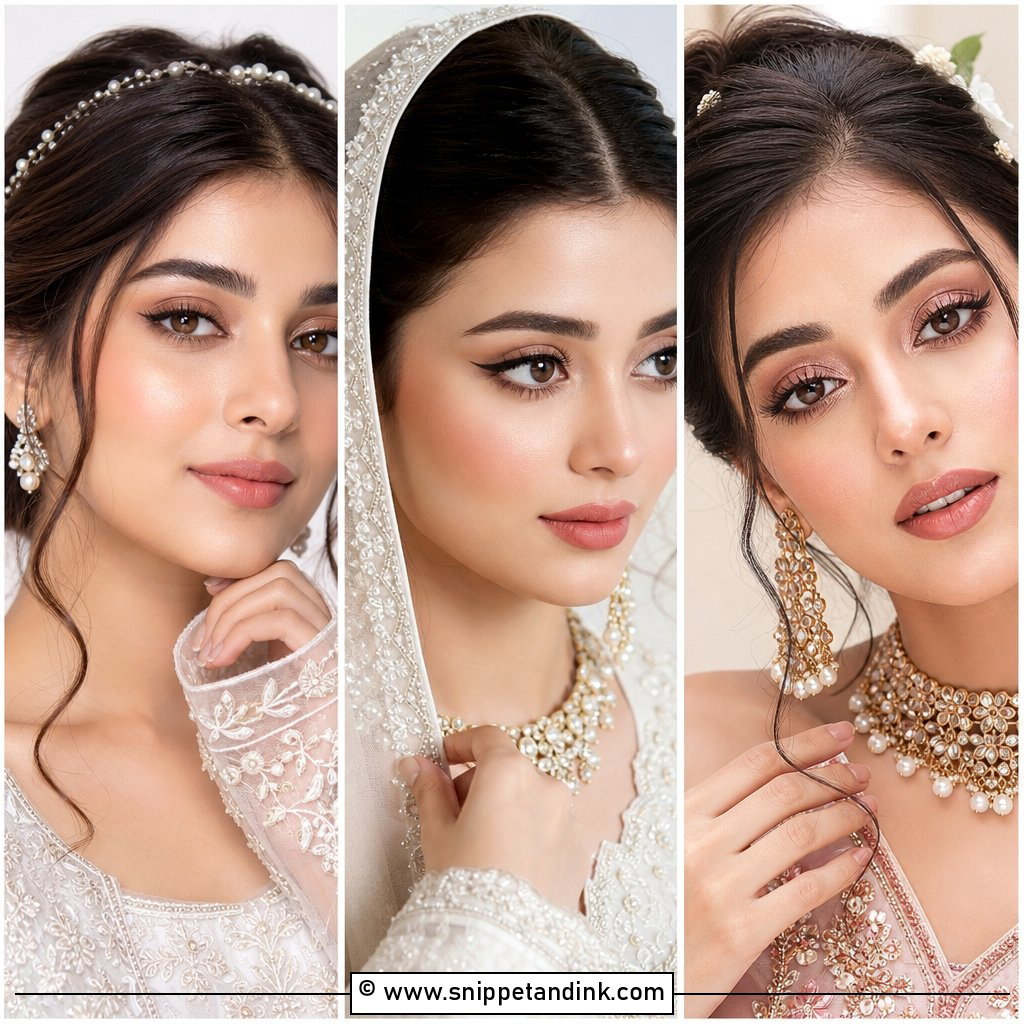
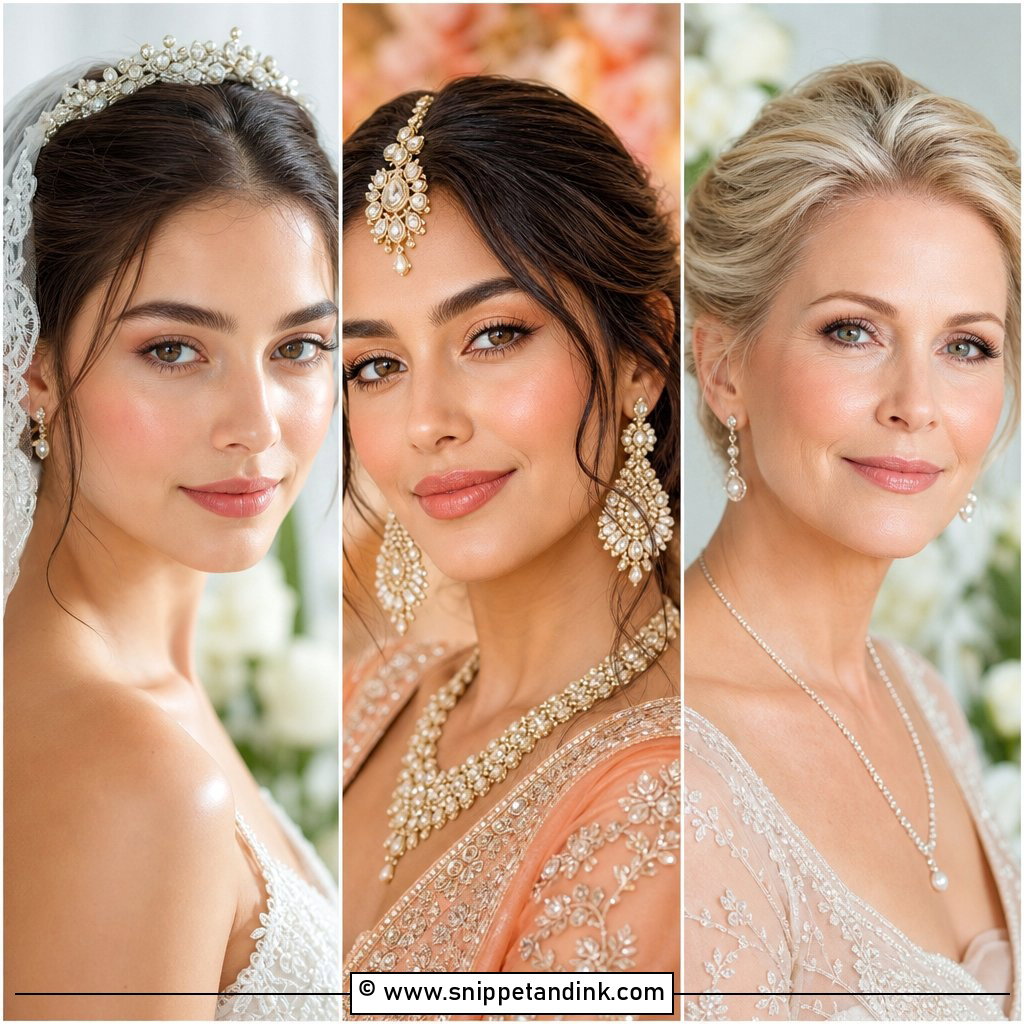
1. Natural Wedding Makeup
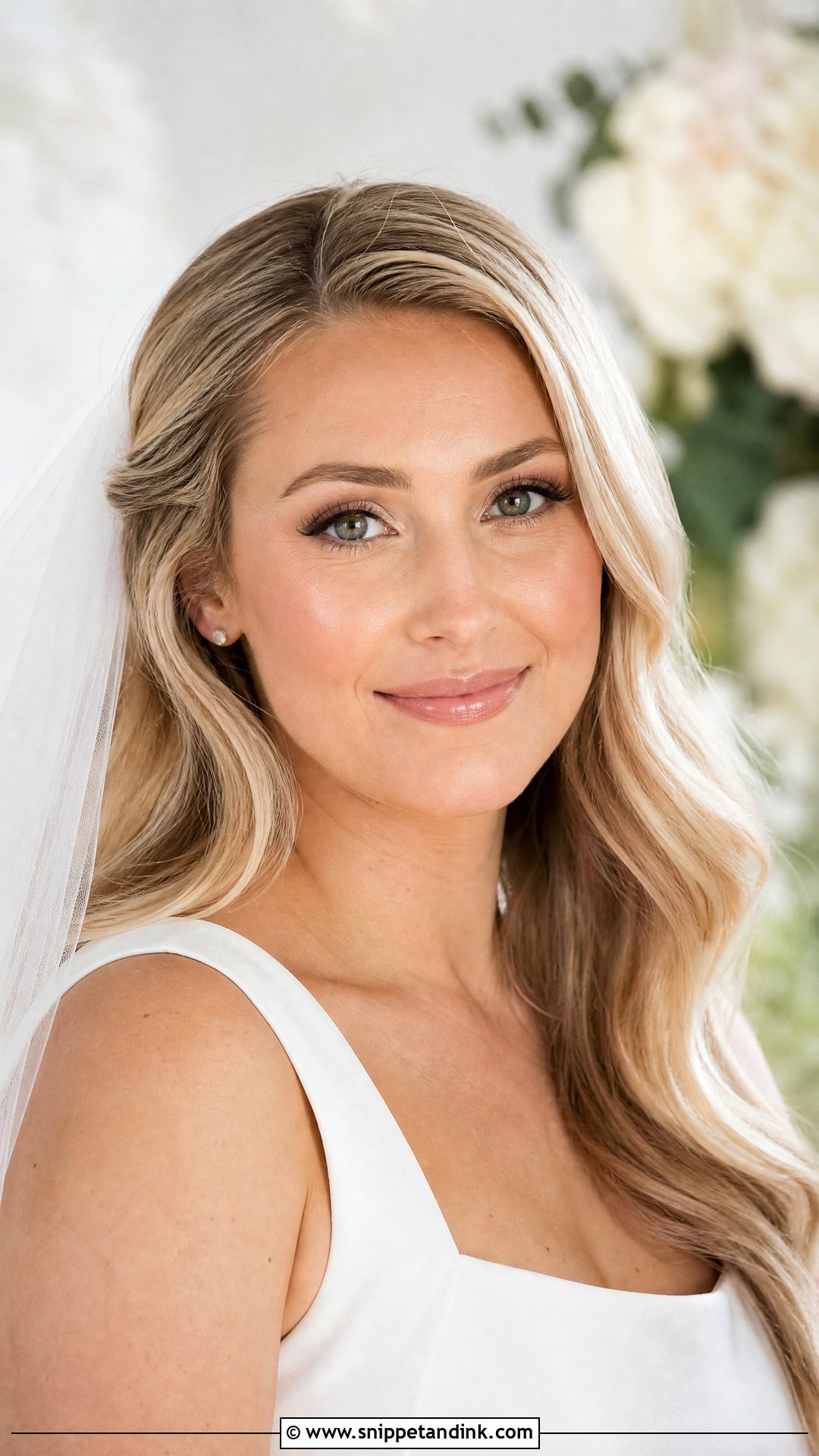
My natural look begins with moisturiser and a few minutes’ wait, because a skin tint slides around on skin that’s still absorbing cream. Then the tint goes only where tone is uneven, with concealer under the eyes, around the nose and on any redness. I leave freckles or natural texture showing if the bride likes them, and most do once they see it in a photo. Cream blush, matte taupe on the lid and brown liner pressed into the lash roots finish the eyes. A satin pink-nude lip is comfortable enough to forget about.
2. Soft Glam Wedding Makeup
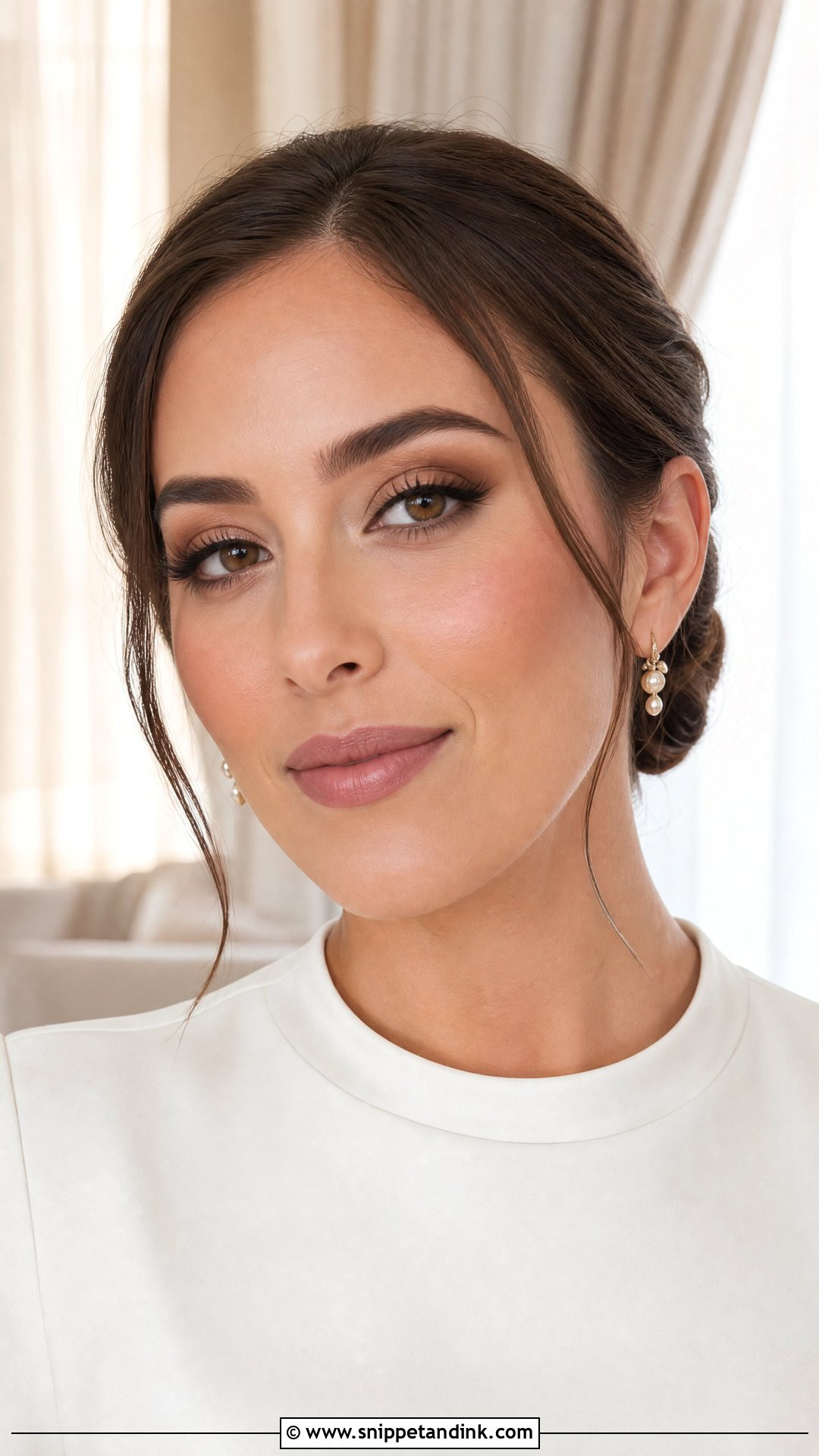
Soft glam is a step up in structure, and it’s the look I recommend when a bride worries about disappearing in photos. Medium coverage with a satin finish, a contour that’s blended until you only notice the cheekbone, and a champagne highlight on the top of the cheek give the face shape for the camera. On the eyes I use warm brown with a lightly smoked liner and individual lashes clustered toward the outer corner. Black liner I only use if she already wears it daily; on a bride who doesn’t, it makes her look like someone else.
3. Dewy Wedding Makeup
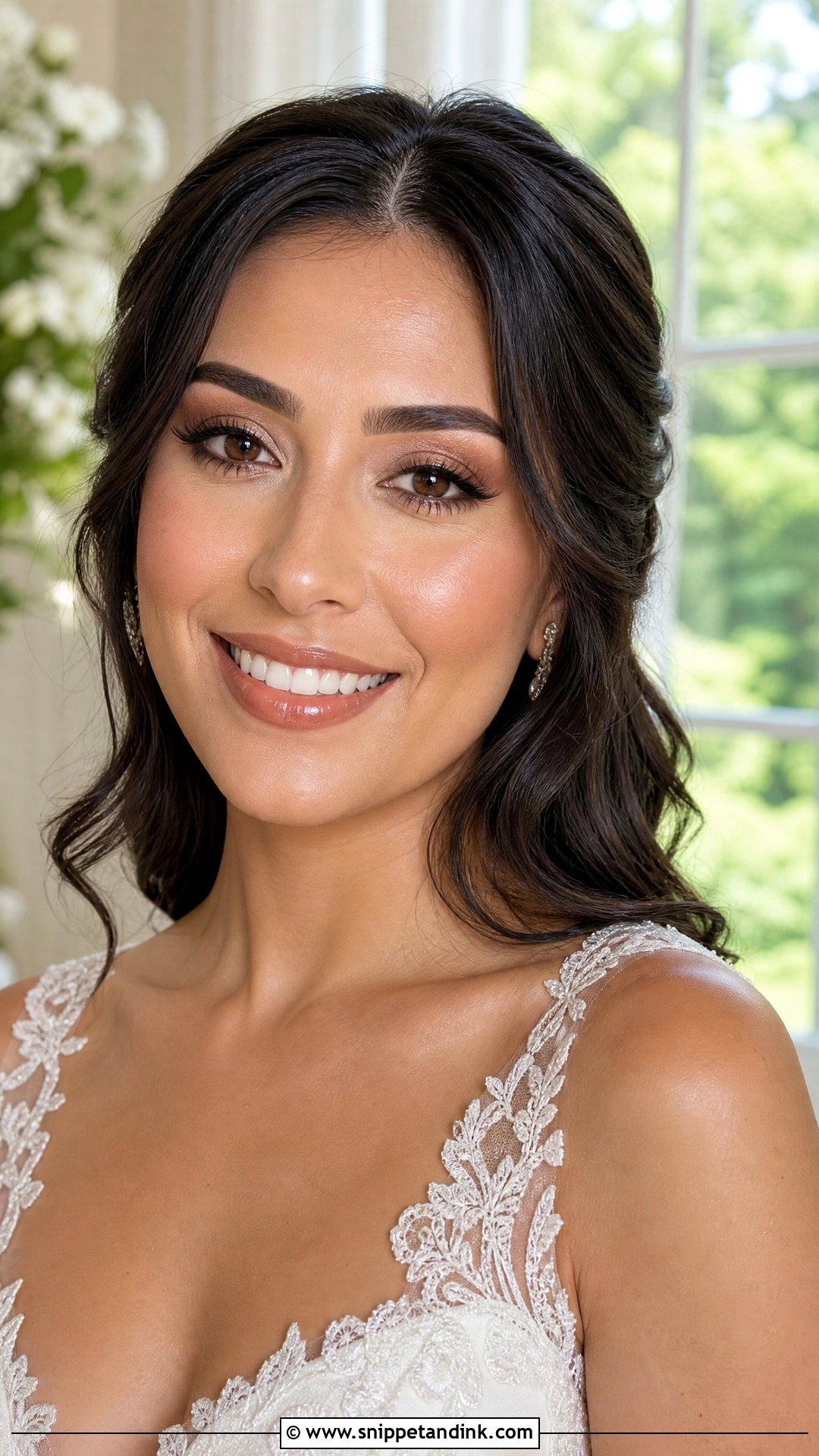
Glow without grease is a placement job. A luminous primer goes on the high points only, the foundation is flexible enough to move with the face, and I set the T-zone, under the eyes and the smile lines. The cheeks stay unpowdered, with cream blush and a liquid highlight on top. What I check at the trial is how fast her skin produces oil: on very oily skin, dewy makeup can turn shiny within a couple of hours, and I’d rather move her to a satin finish than spend the reception blotting.
4. Matte Wedding Makeup
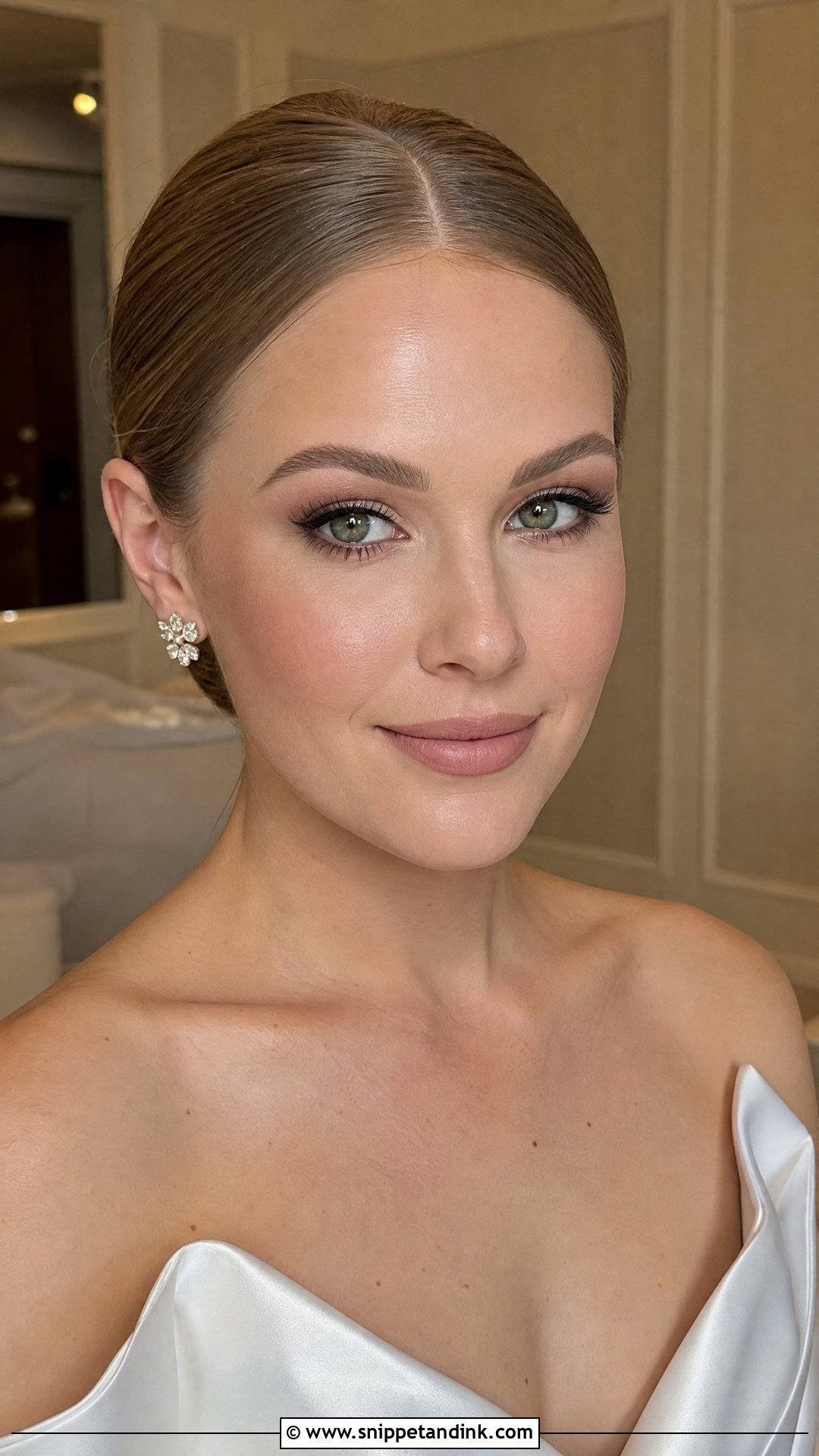
Done properly, matte skin is soft, not powdery, and it’s what I reach for with oily skin, humid weather or a ceremony outdoors in summer. A gripping primer goes first, then a long-wear foundation matched to the neck and chest rather than the face, since that’s where a colour mismatch shows in photos. I apply it in thin layers and spot-conceal instead of adding a third coat. Matte bronzer and a muted blush keep the face from looking flat. Dry skin is the exception: matte formulas sit in every flake, so I’d steer those brides elsewhere.
5. Clean Girl Wedding Makeup
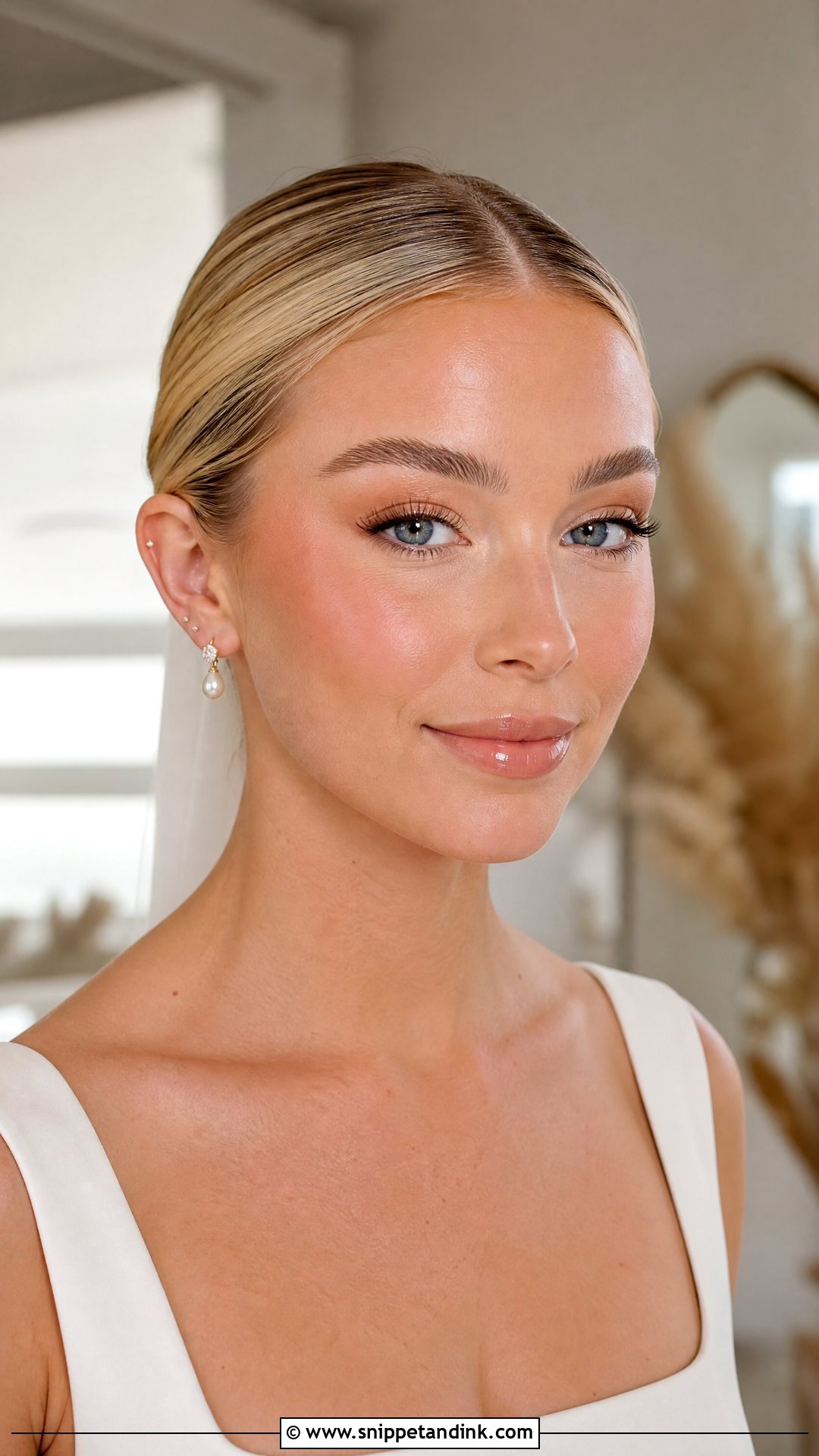
Clean girl wedding makeup is all about grooming: brushed-up brows, even skin and a slick lip. I use a sheer foundation, targeted concealer and a cream bronzer warmed in at the temples and cheeks, then set brows upward with a tinted gel. A tiny smudge of brown liner on the outer third of the upper lash line gives the eyes shape without looking made up. The lip oil is where it can go wrong; it migrates in warm weather, so I line underneath with a pencil close to the natural lip. It suits sleek hair and pared-back dresses.
6. Minimal Wedding Makeup
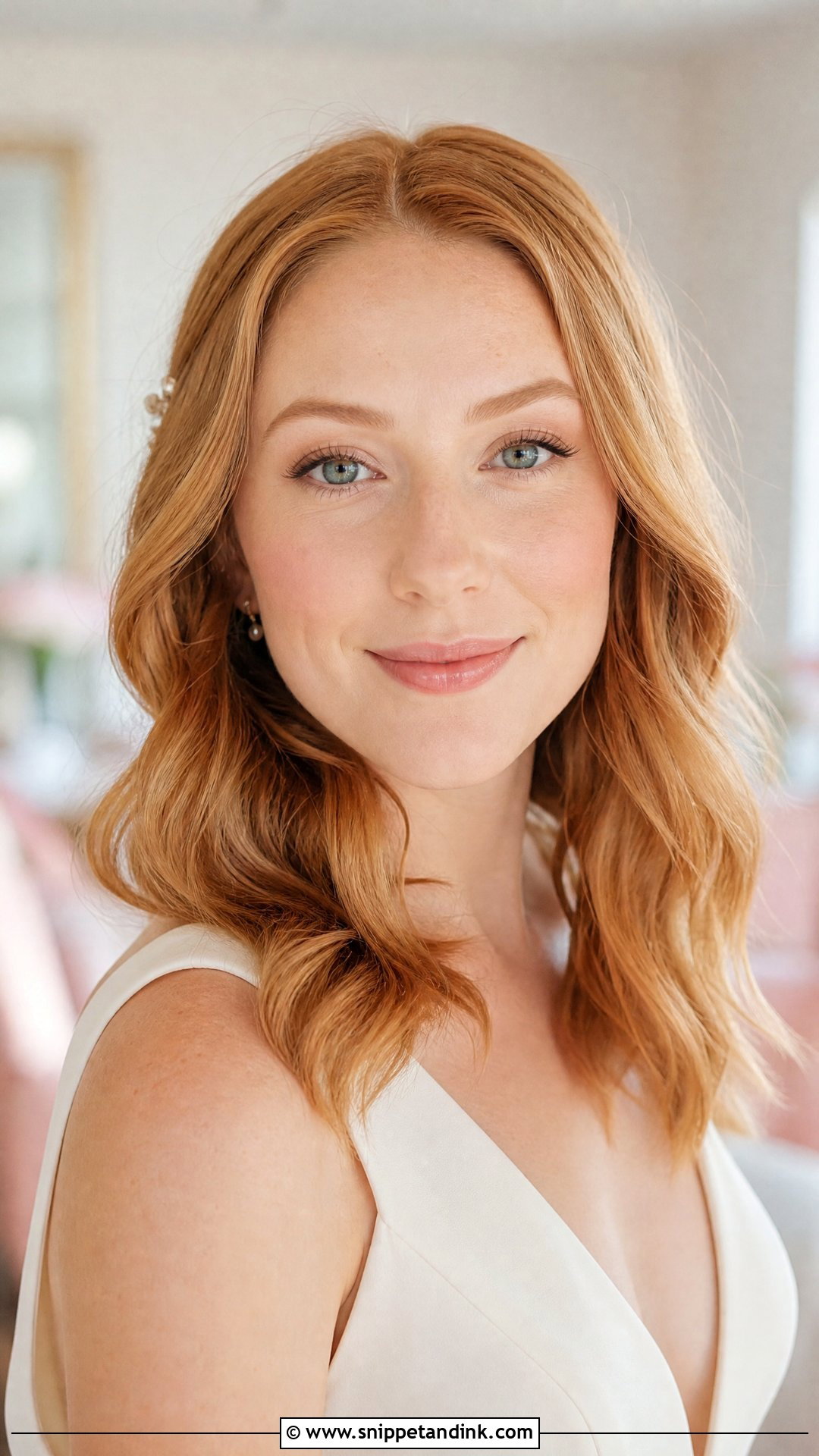
Brides who rarely wear makeup often feel masked by anything more than this. I keep it to a breathable base, concealer only where the skin needs correcting and a sheer wash of cream blush. One neutral shadow across the lid, curled lashes and waterproof mascara are enough for the eyes. Brows get filled only where they’re sparse. My one warning: don’t let anyone talk you into lash strips on the day if you’ve never worn them. They feel heavy, and you’ll be touching your eyes all afternoon.
7. Glowy Wedding Makeup
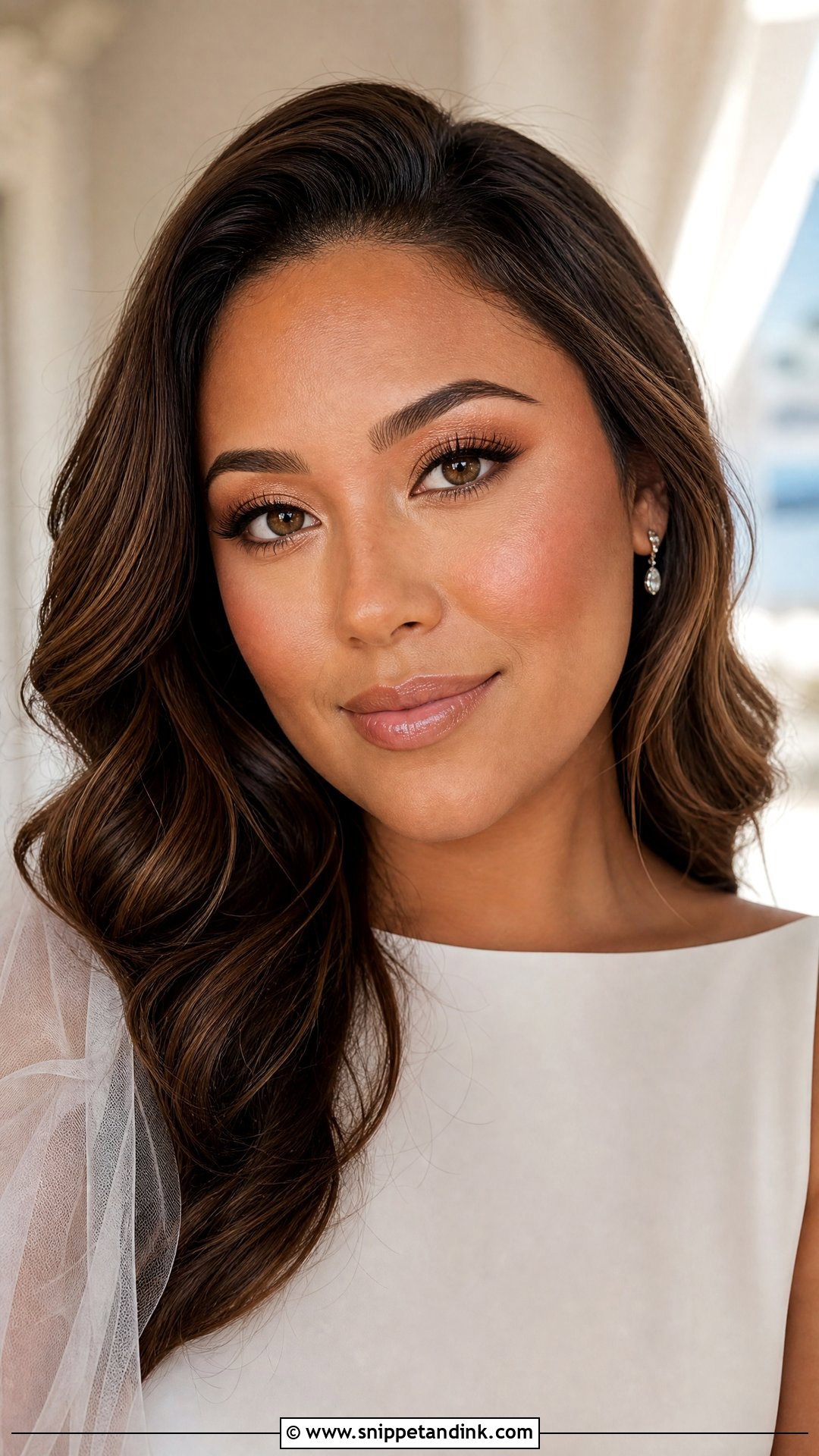
Glow is built in layers, and the order matters. I start on well-moisturised skin, put a radiant primer under a natural-finish foundation, then add cream bronzer, liquid blush and a subtle highlight on the cheekbones and inner corners. Powder goes only where makeup tends to move, mostly around the nose. Soft bronze shadow on the lids keeps the eyes bright. If a bride has rosacea or visible texture, I tone the highlighter down; light picks out bumps.
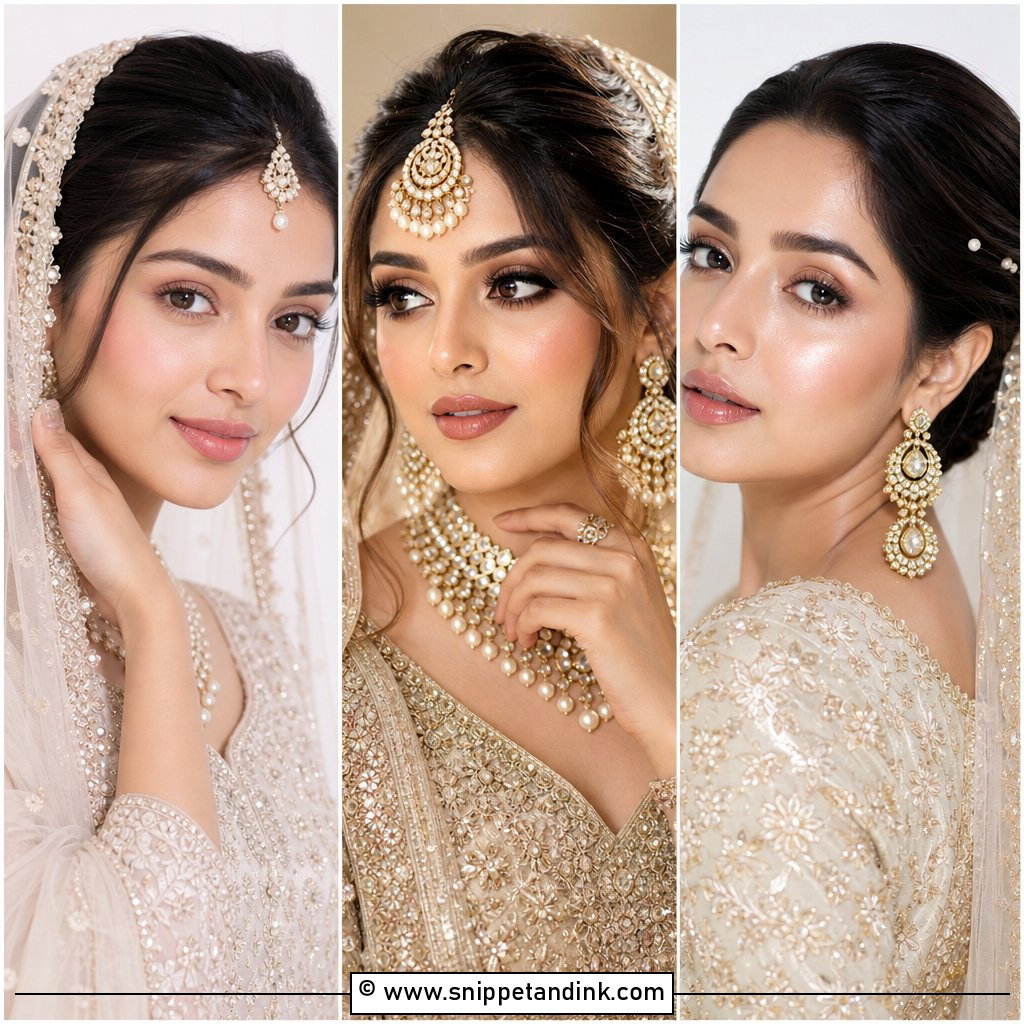
8. Nude Wedding Makeup
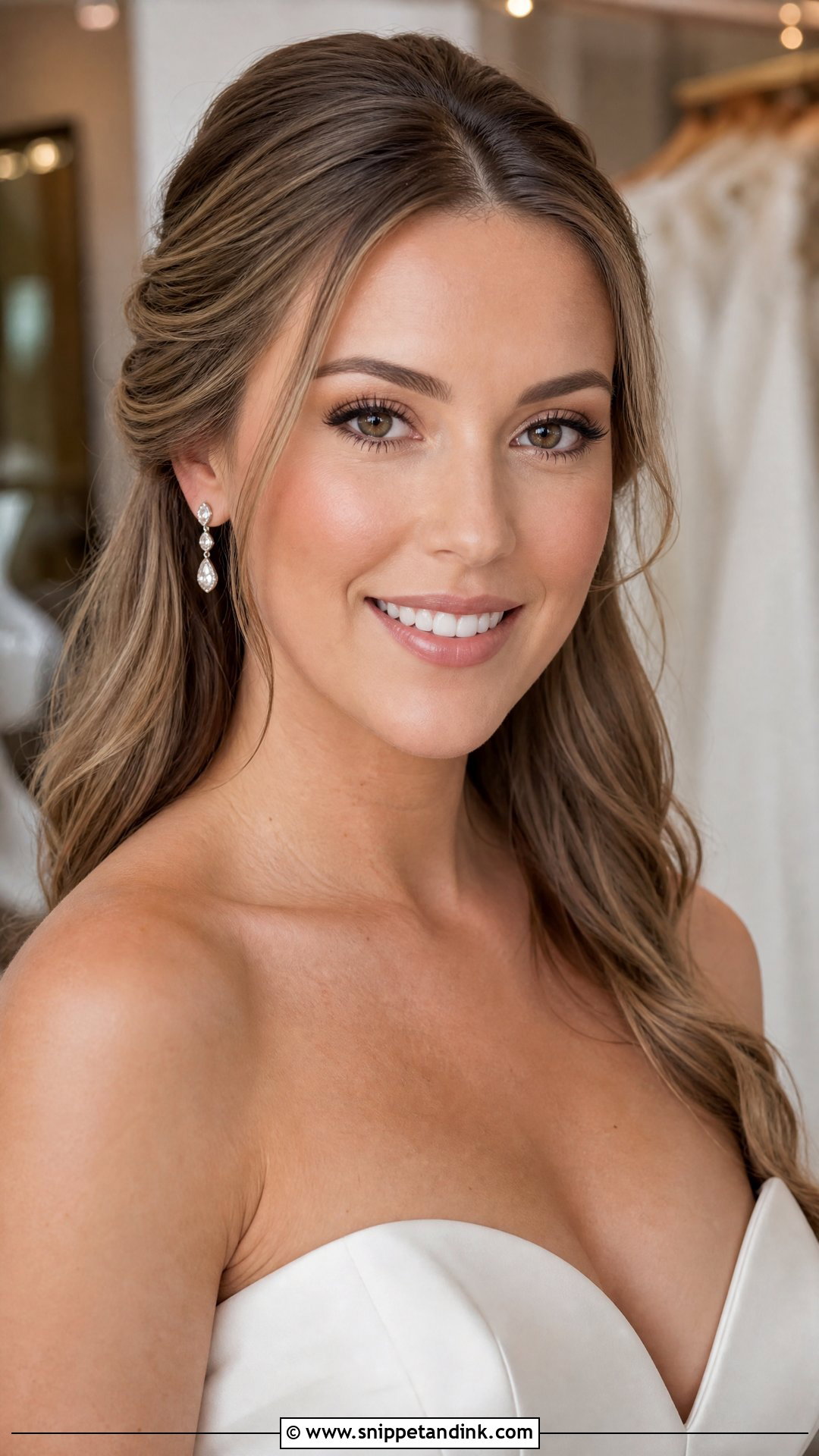
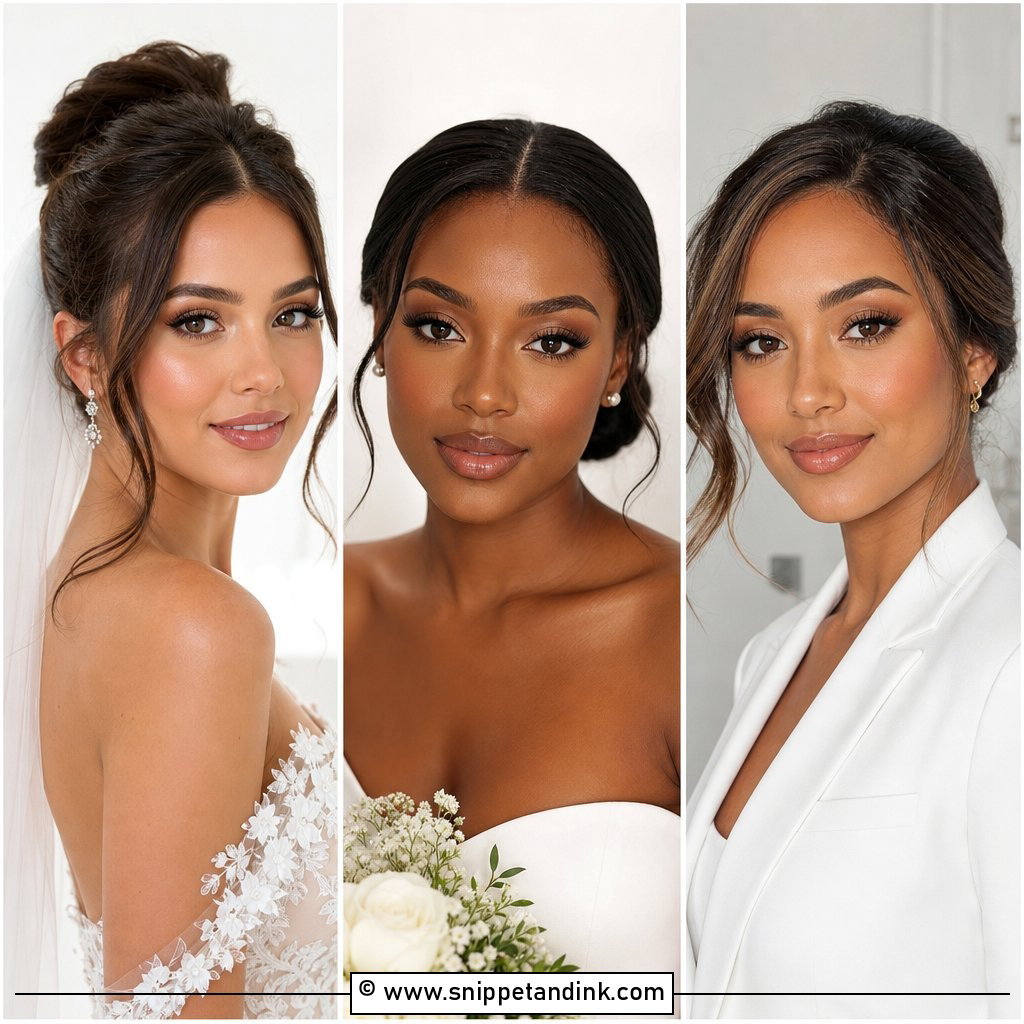
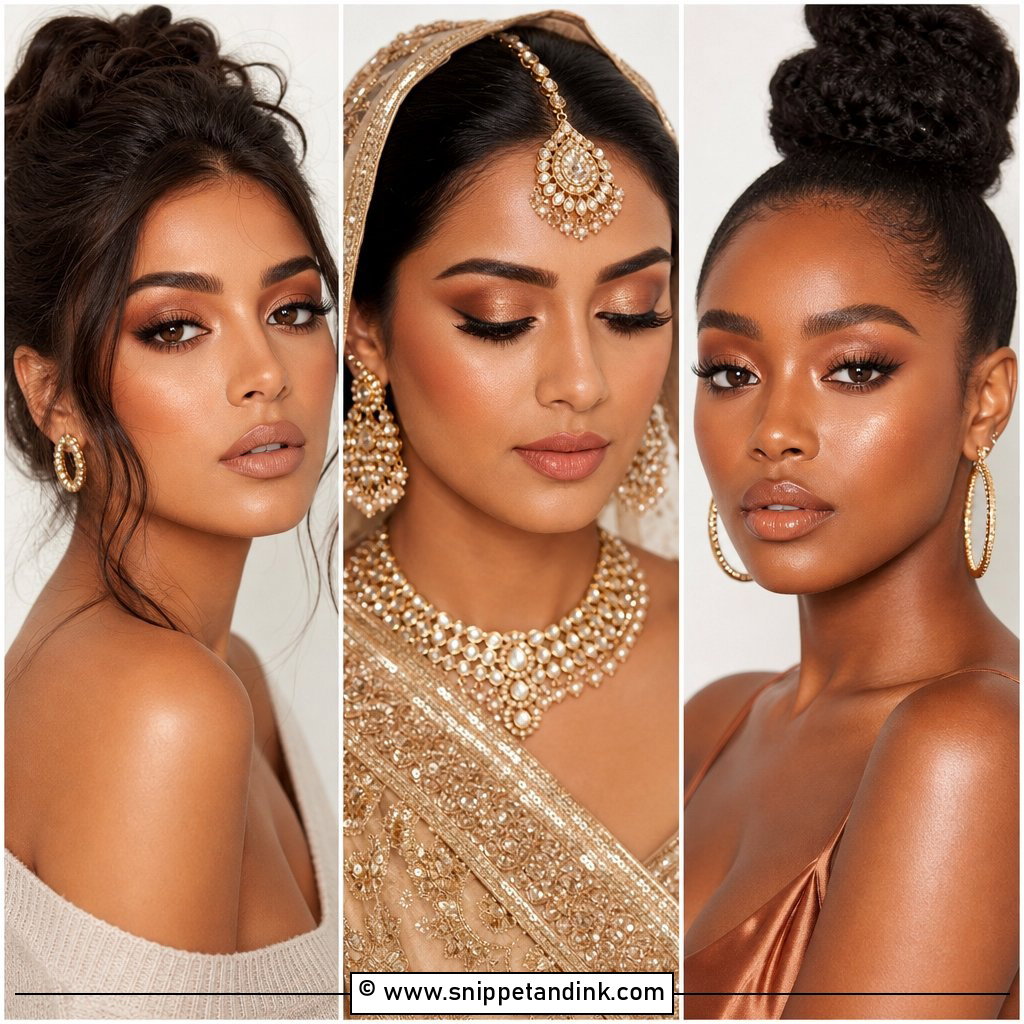
The mistake with nude makeup is treating ‘nude’ as one colour. On fair skin I use pink-beige, on medium and olive skin caramel or rosy beige, and on deep skin warm rose, mocha or cocoa. A nude chosen too pale for the complexion turns the lips grey and the whole face flat. Keep the base satin, add bronzer and blush for dimension, and define the eyes with neutral brown. The lip liner should match the natural lip edge so the shape still reads from across a room.
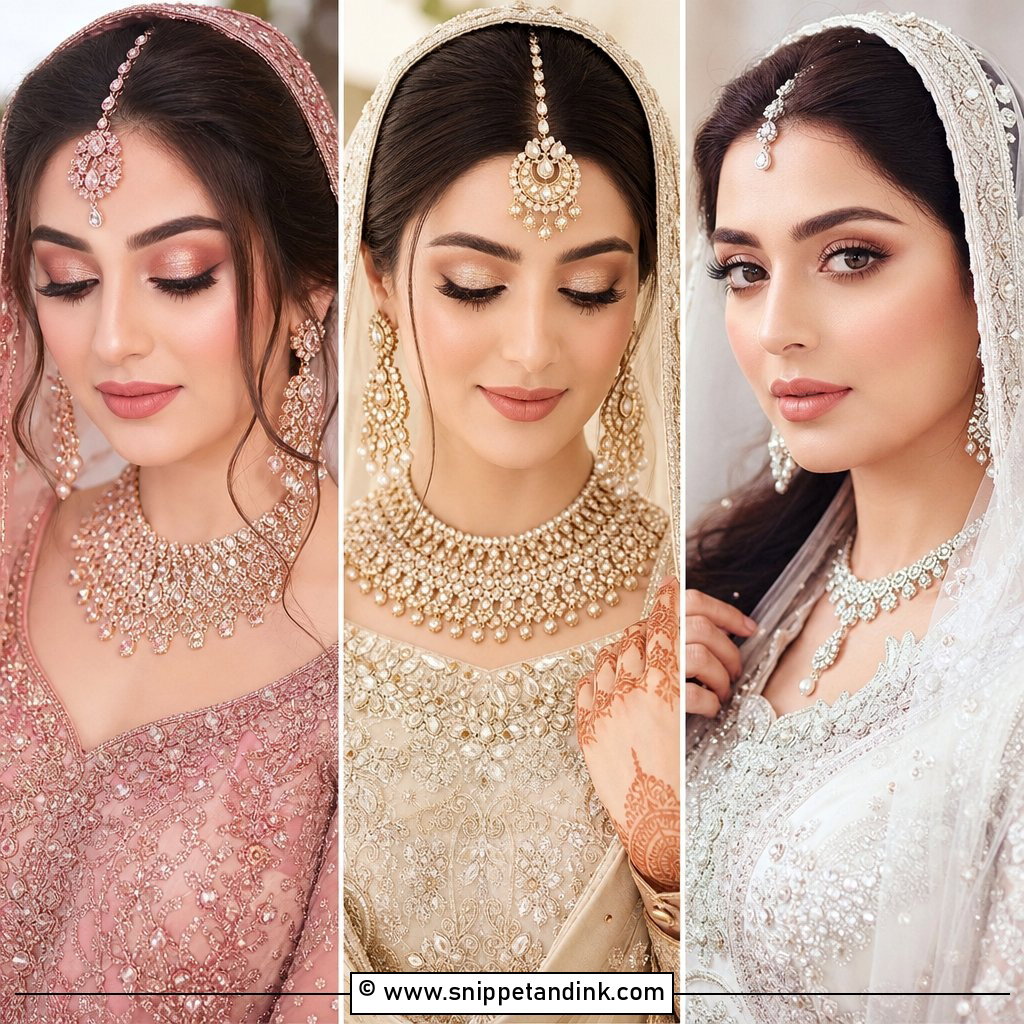
9. Pink Wedding Makeup
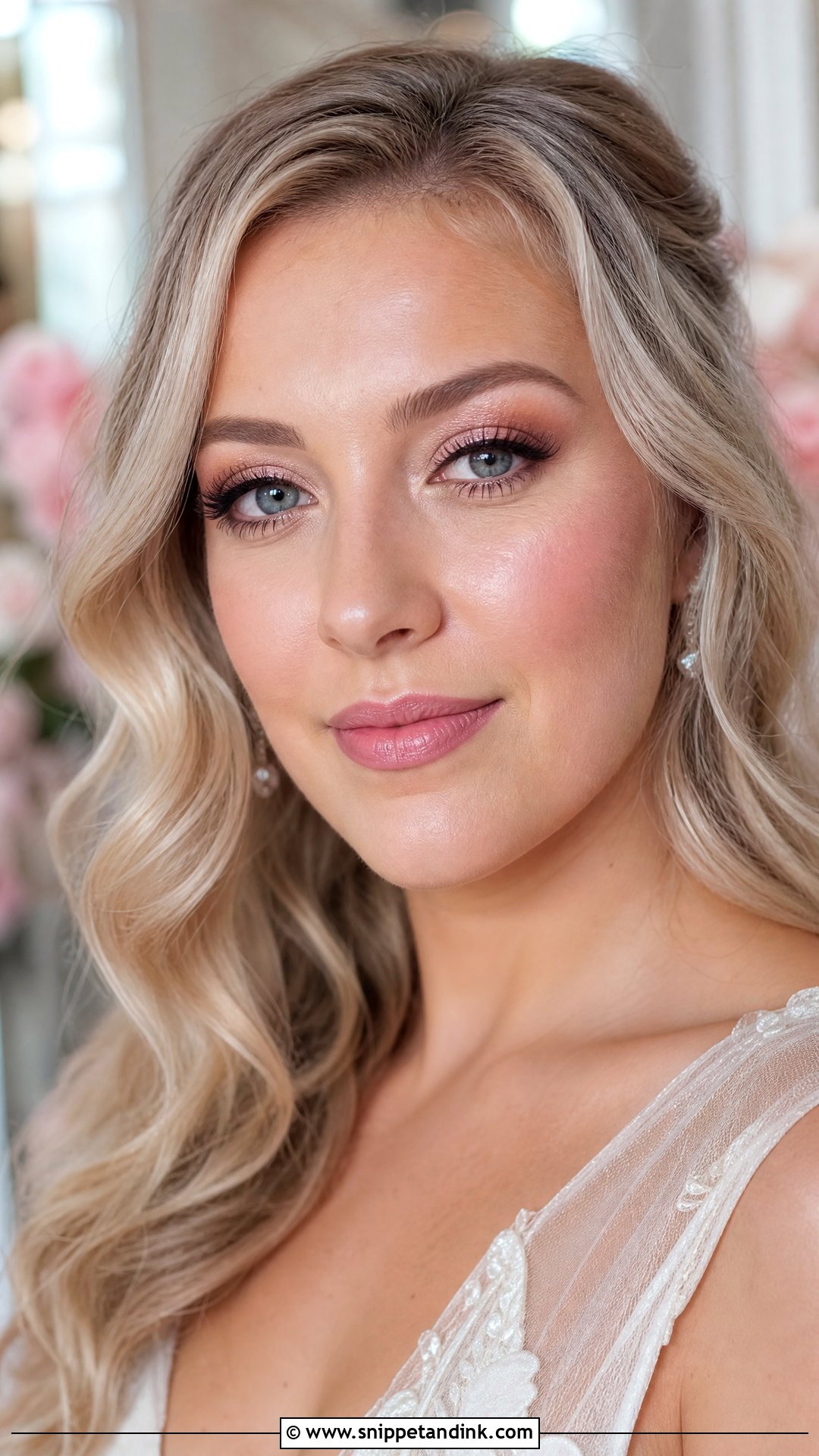
I match pink to undertone, not to the dress. Cool undertones look fresh in rose, mauve, and petal pink, while warm undertones suit peach-pink or coral-pink. Blush is blended high on the cheek for lift. On the eyes, a pale pink shimmer or matte rose shadow works if it’s balanced with brown liner, since pink alone around the eye can look sore or tired in close-ups. I avoid frosty pinks entirely; they date photos faster than anything else. Finish with a satin pink lip.
10. Peach Wedding Makeup
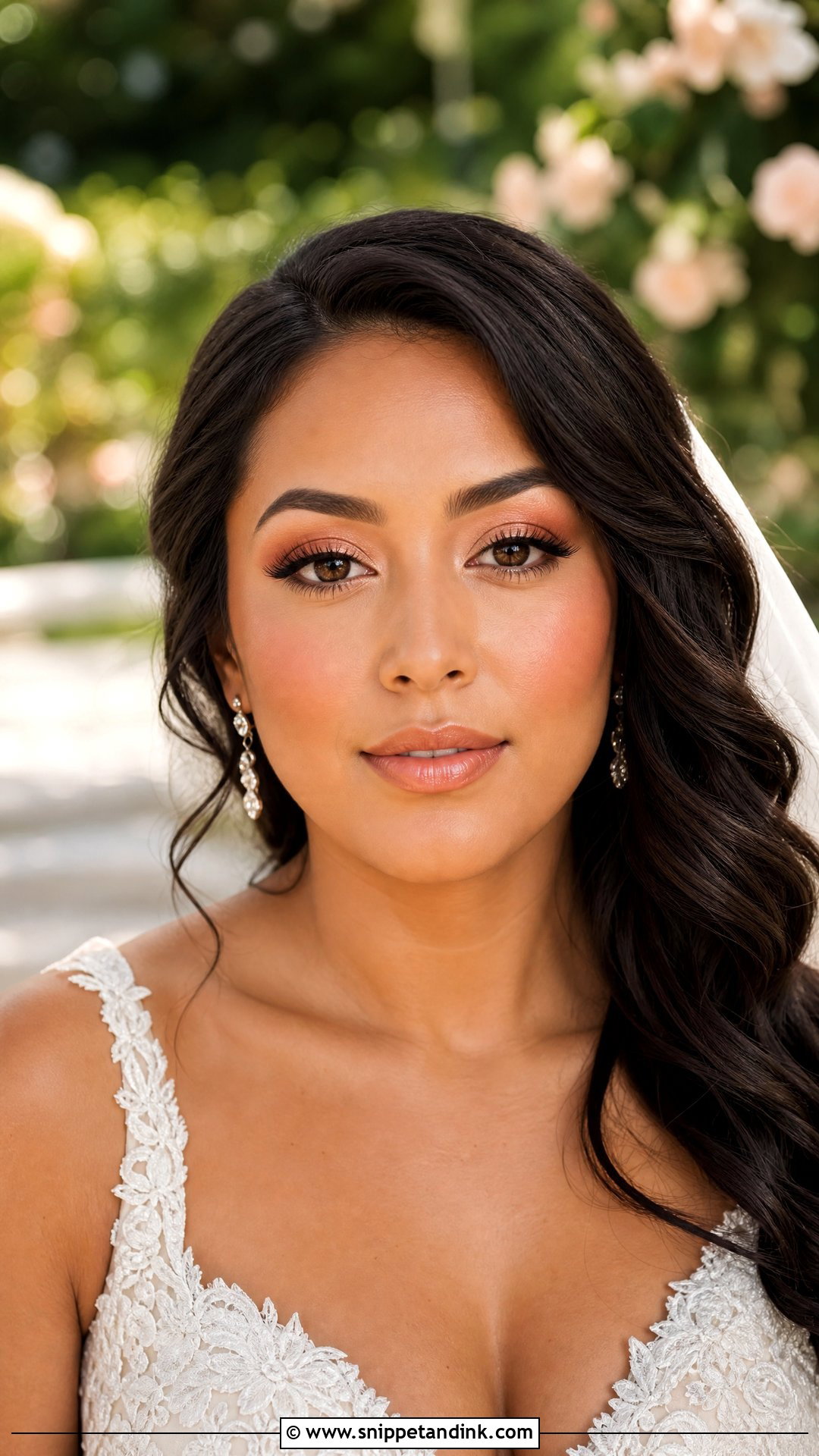
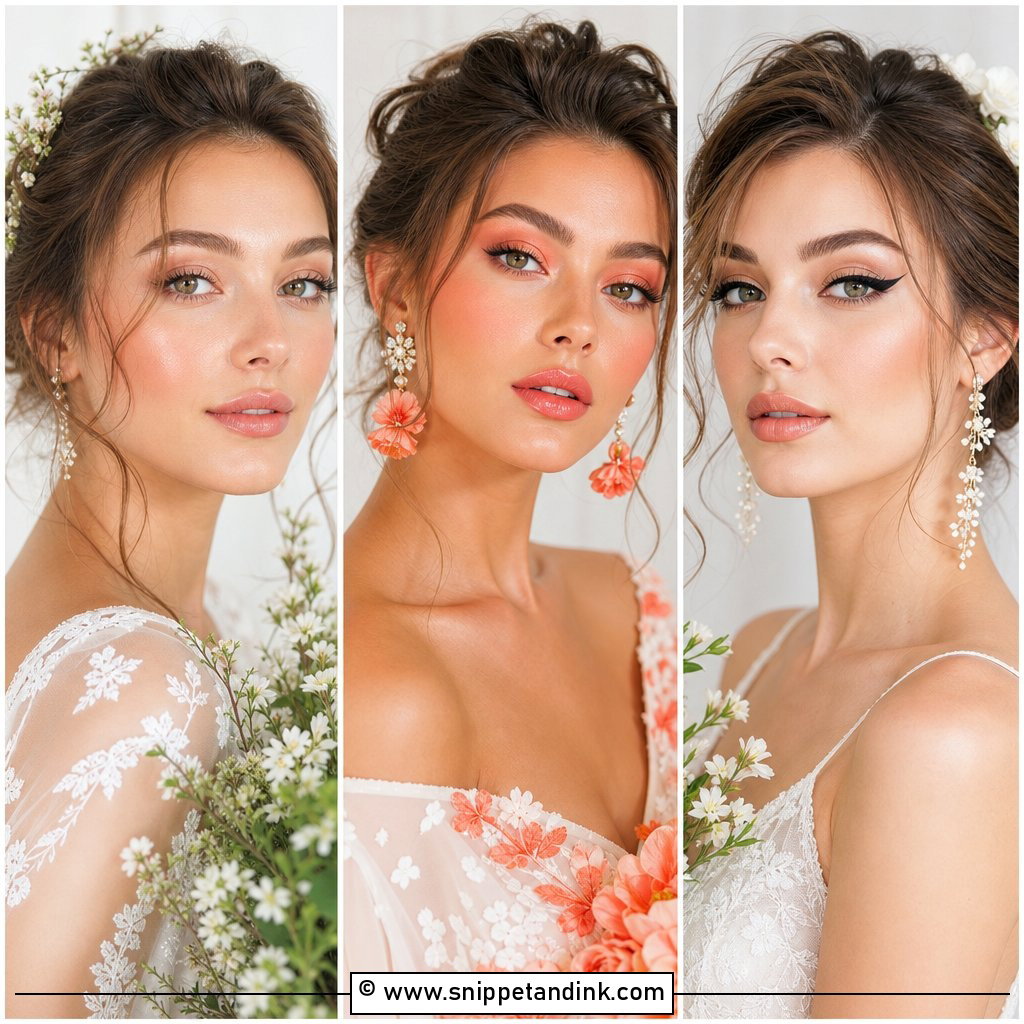
Peach is cheerful and forgiving, and it works especially well outdoors in spring and summer. A satin base and soft golden bronzer warm the complexion first, then peach cream blush goes on the apples and is blended up toward the temples. On the lids I use peach-beige or warm champagne with brown liner. The trick to stopping it going orange is keeping the eye and lip a shade more neutral than the cheek. It sits naturally next to ivory gowns and gold jewellery.
11. Rose Wedding Makeup
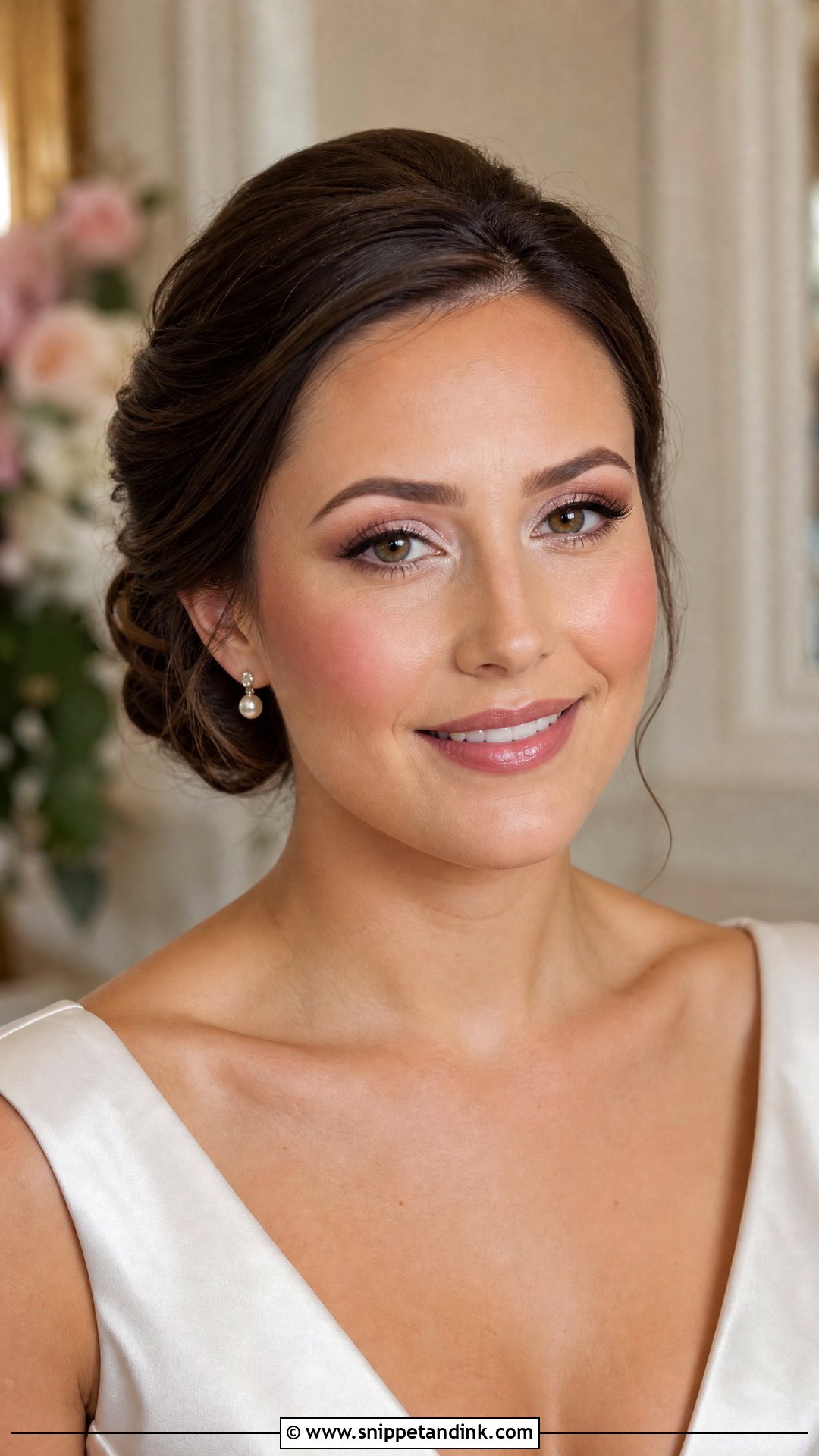
Rose is pink’s slightly more grown-up sister, with a little brown in it, which is why it holds up so well on camera. I use a natural foundation in satin or soft matte and a rose blush placed where she flushes naturally. Dusty rose on the lid with taupe in the crease, a thin brown liner and wispy lashes keep the eye lifted. A muted rose satin lipstick finishes it. Before any rose goes on, I correct redness around the nose and chin, otherwise the colour amplifies it.
12. Brown Wedding Makeup
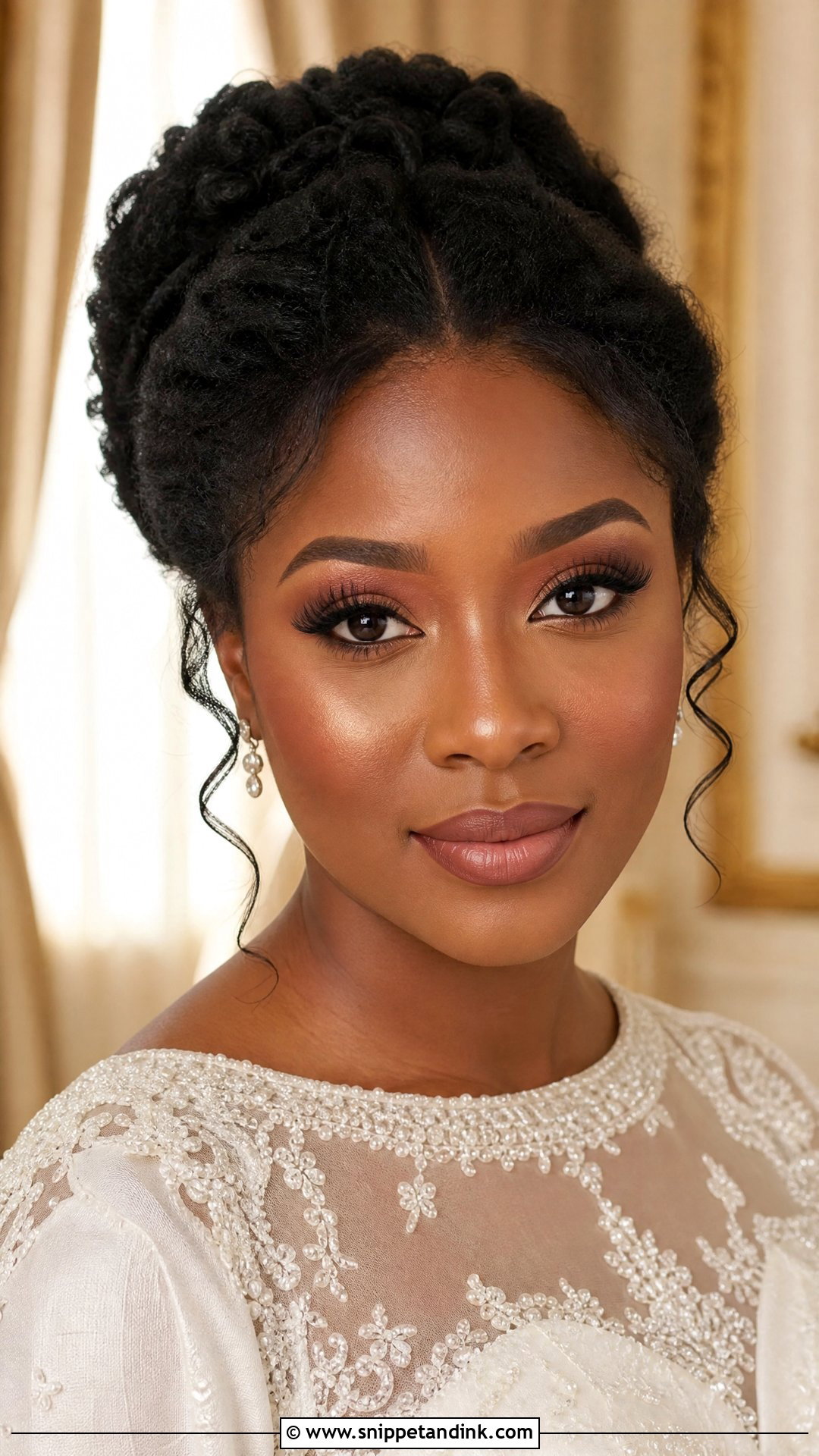
Brown makeup is the closest thing to a universal option on this list; it suits almost every eye colour and skin tone. I keep blush soft so the browns lead, then build the eye in three tones: beige across the lid, warm brown through the crease and a deeper brown hugging the lash line. Espresso or chocolate liner replaces black. Lips go caramel, rose-brown or cocoa depending on depth of skin. On fair brides with cool undertones, I pick browns with a grey or taupe base so they don’t look muddy.
13. Champagne Wedding Makeup
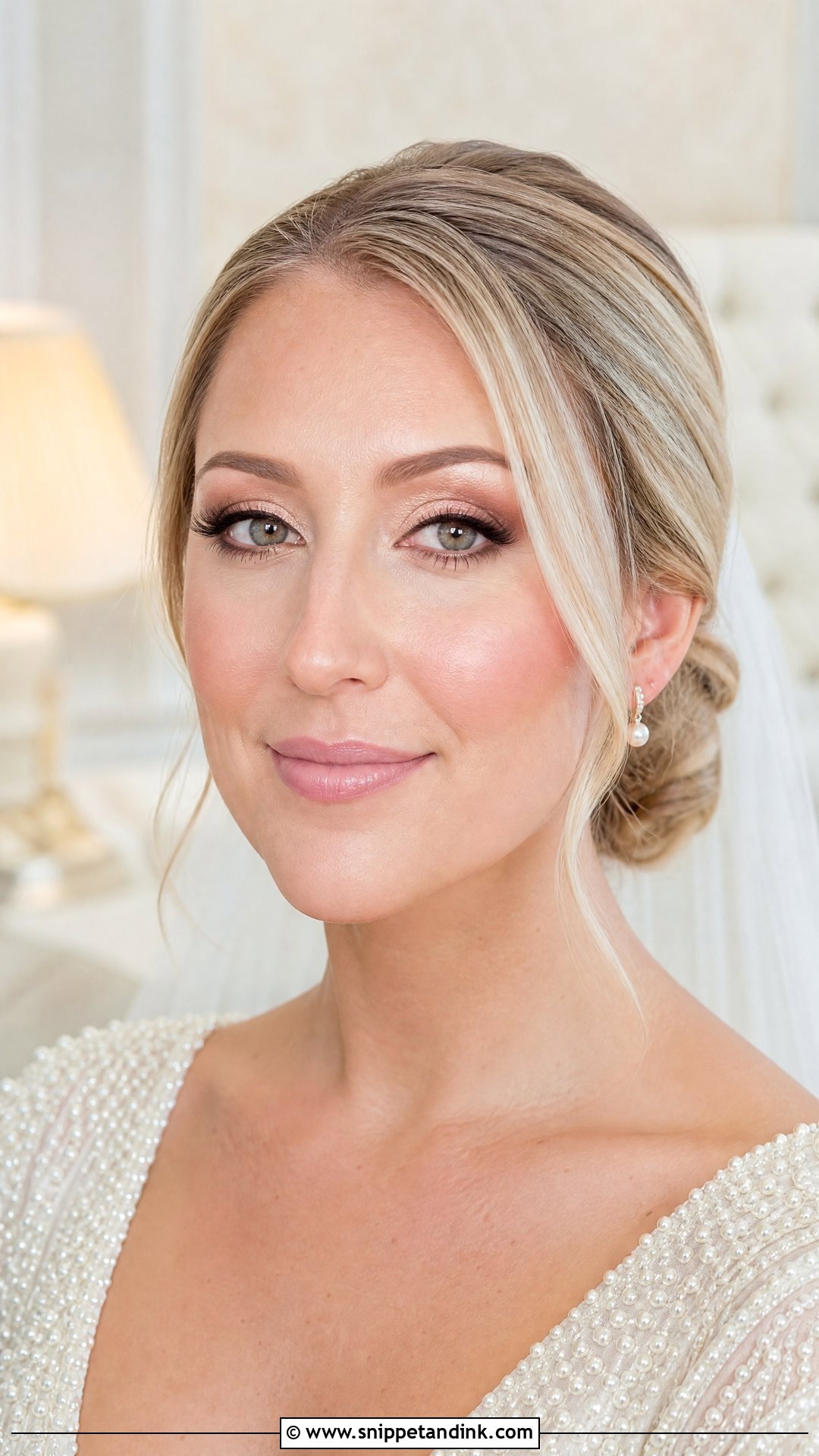
Champagne brightens the eye without obvious sparkle. Natural coverage with a satin finish, a neutral blush and a touch of bronzer give the face shape. On the lids, I press champagne shimmer onto the centre and inner corners with a fingertip, then blend matte taupe into the crease. Brown liner goes close to the upper lashes, and waterproof mascara keeps the lift through any crying. A nude-pink or beige-rose lip balances it. Pearls and classic gowns pair well with this one.
14. Bronzed Wedding Makeup
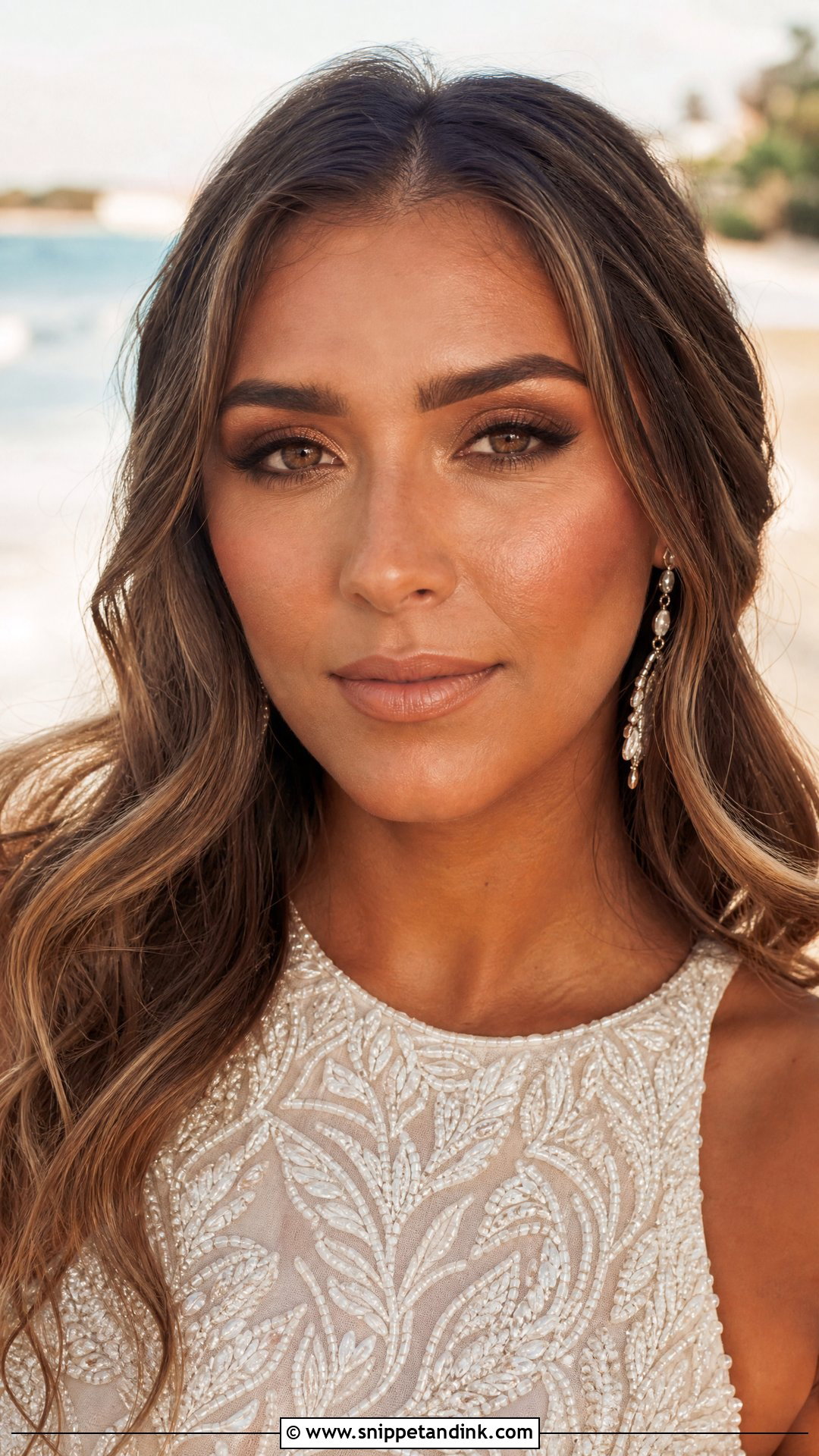
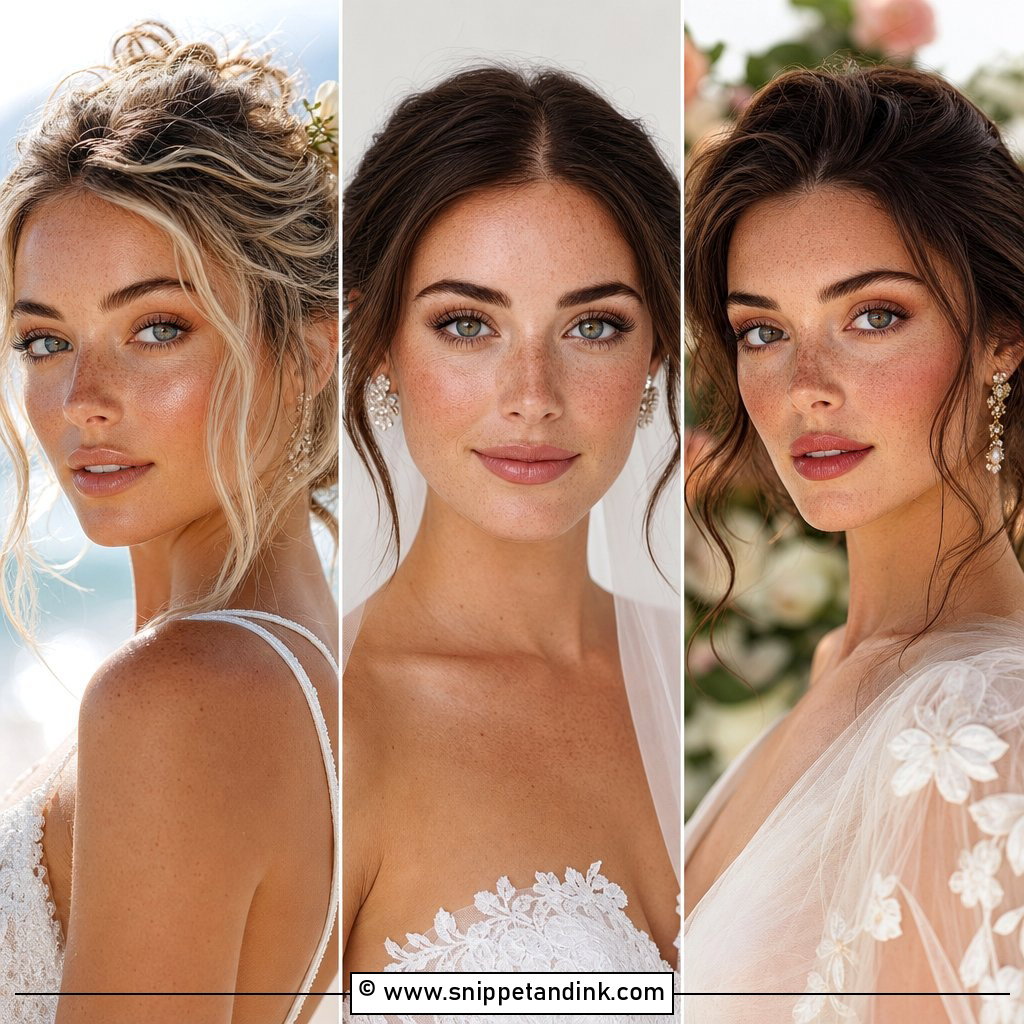
Bronzed wedding makeup looks real only when bronzer goes where the sun would land: the temples, the top of the cheekbones, the bridge of the nose and lightly along the jaw. I keep foundation lightweight and stay away from cool contour shades, which turn muddy on top of bronzer. Terracotta or rose-brown blush adds life, and the eyes get bronze and tan shadows with a smudged brown liner. Blend bronzer down the neck and onto the shoulders if the dress is strapless. Golden-hour portraits and beach ceremonies are where this shines.
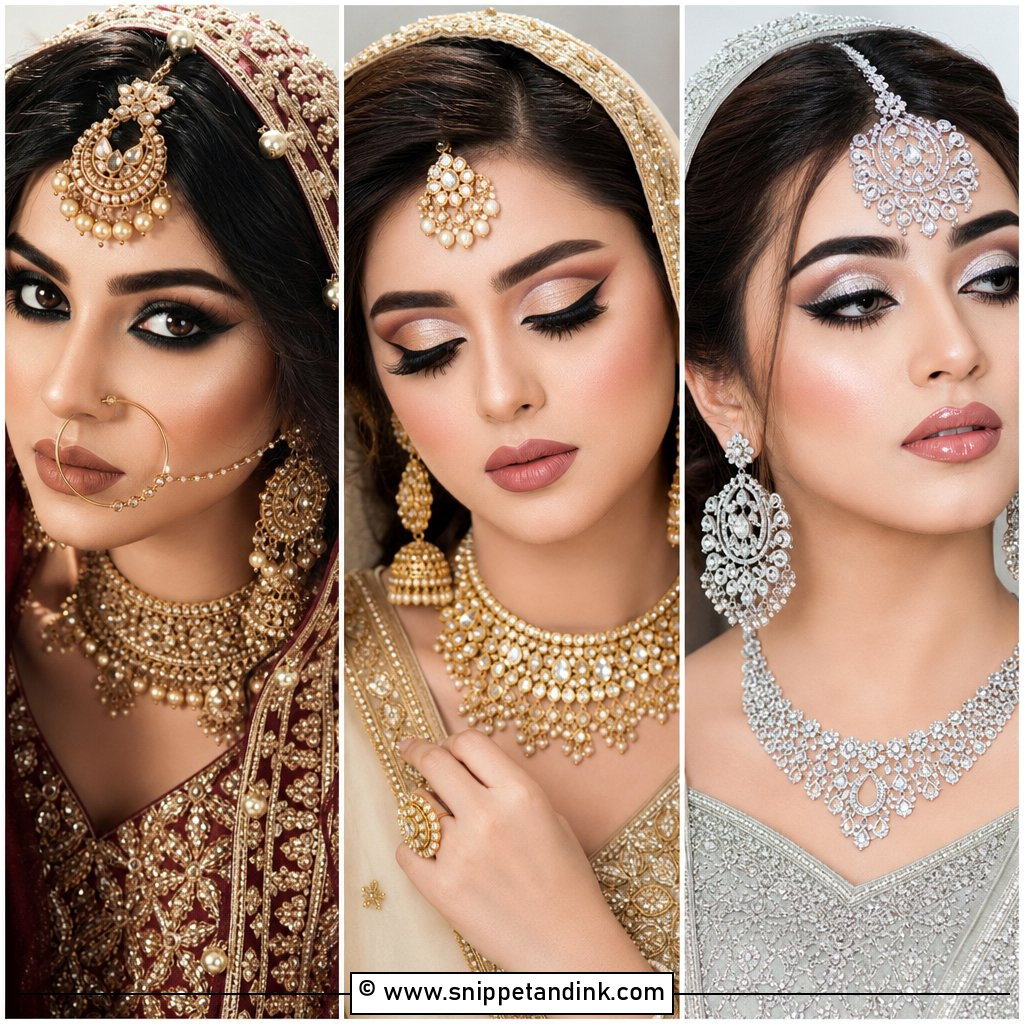
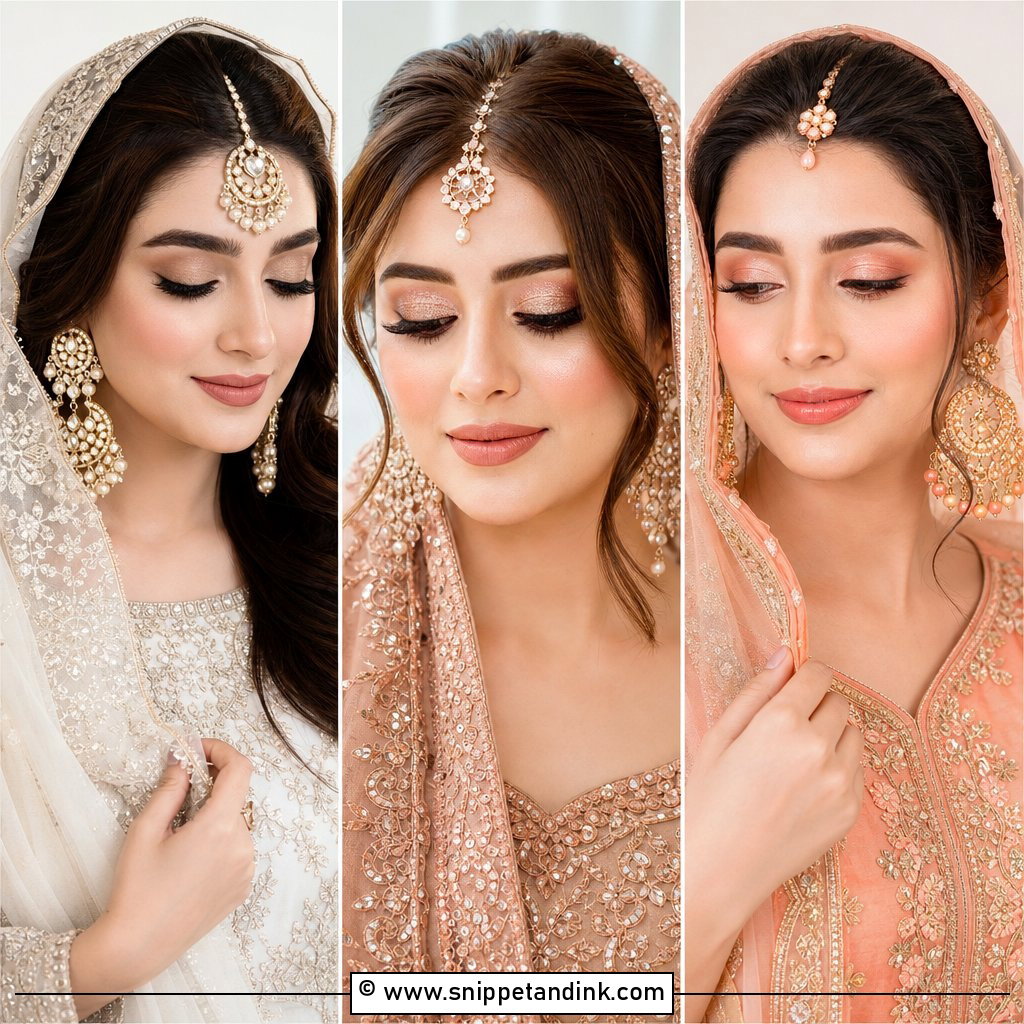
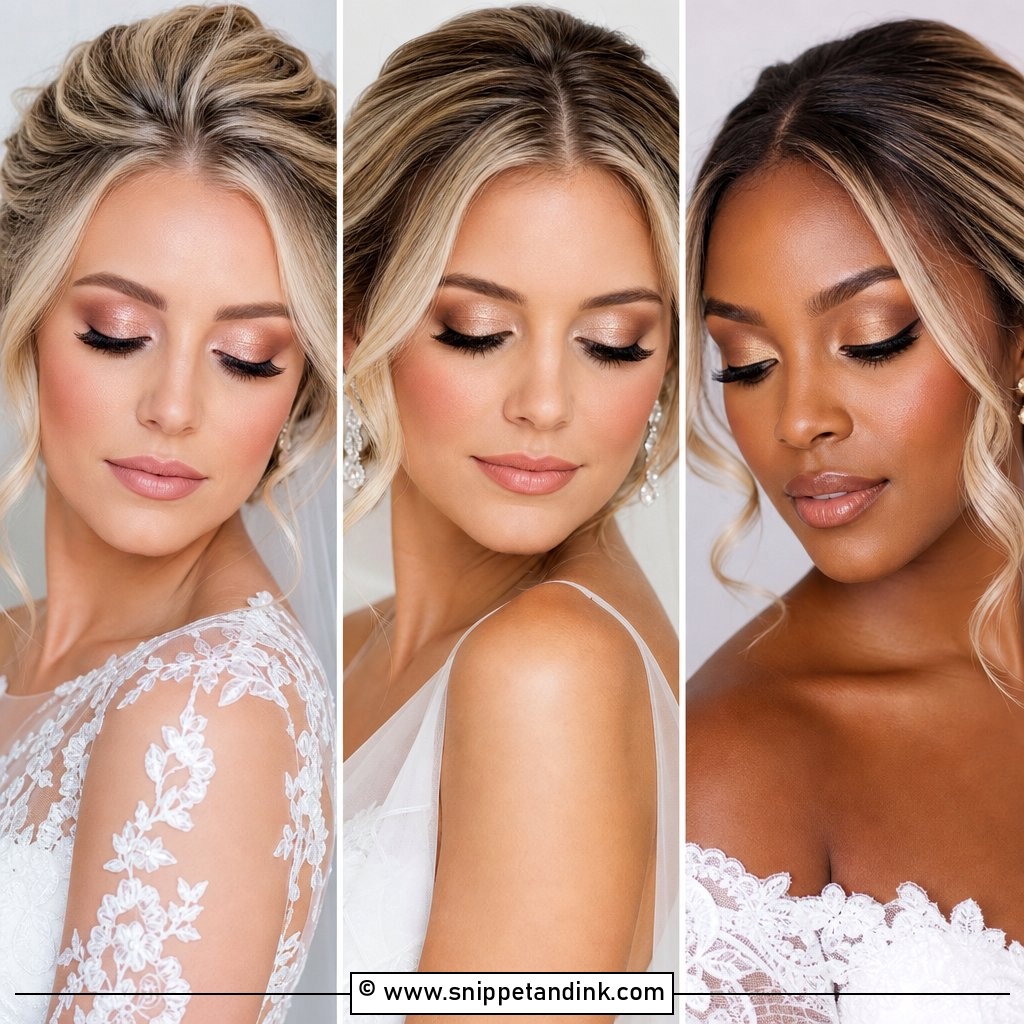
15. Fresh Wedding Makeup
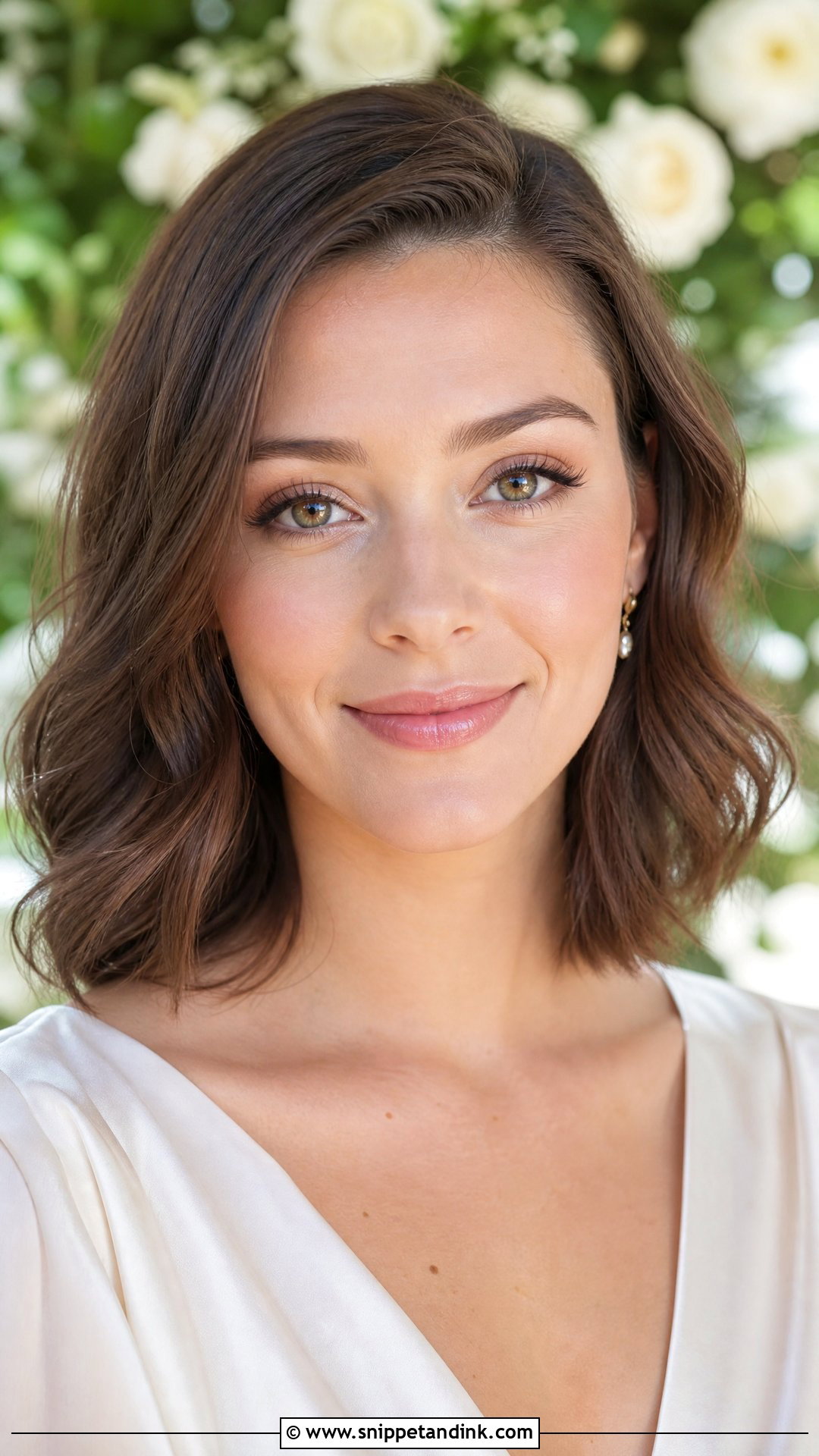
For a daytime garden wedding, this is usually my starting point. A hydrating base and a skin tint even things out without full coverage, and a brightening concealer goes only under the eyes. Cream blush in pink, peach or apricot wakes the face up. The eyes get a single wash of beige or soft gold, curled lashes and waterproof mascara. Liner is optional; a tiny bit at the outer corner is enough. A rosy balm finishes it. Brides with dark circles may need more coverage under the eyes than this look implies, so I adjust there first.
16. Classic Wedding Makeup
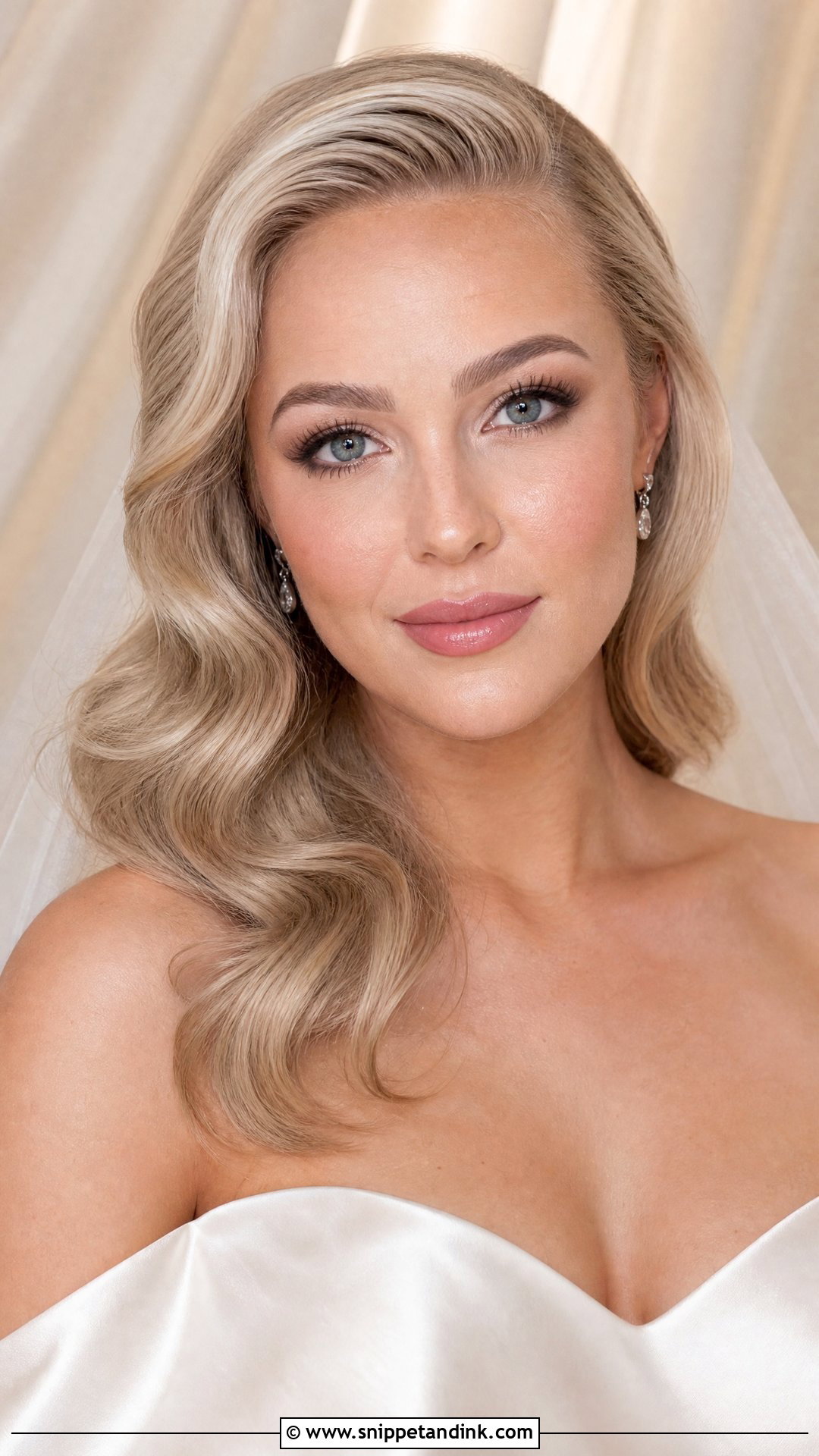
Classic makeup avoids trends on purpose, so the photos don’t look tied to a particular year. It’s medium coverage, satin finish, neutral bronzer for gentle structure and a pink or rose blush. The eyes are defined but not dramatic: taupe shadow, a thin brown or soft black liner and natural lashes. Brows are shaped, never blocked in. A pink nude, rose or soft berry lip gives colour. It works across most dress styles and seasons, which is why I suggest it when a bride can’t decide.
17. Elegant Wedding Makeup
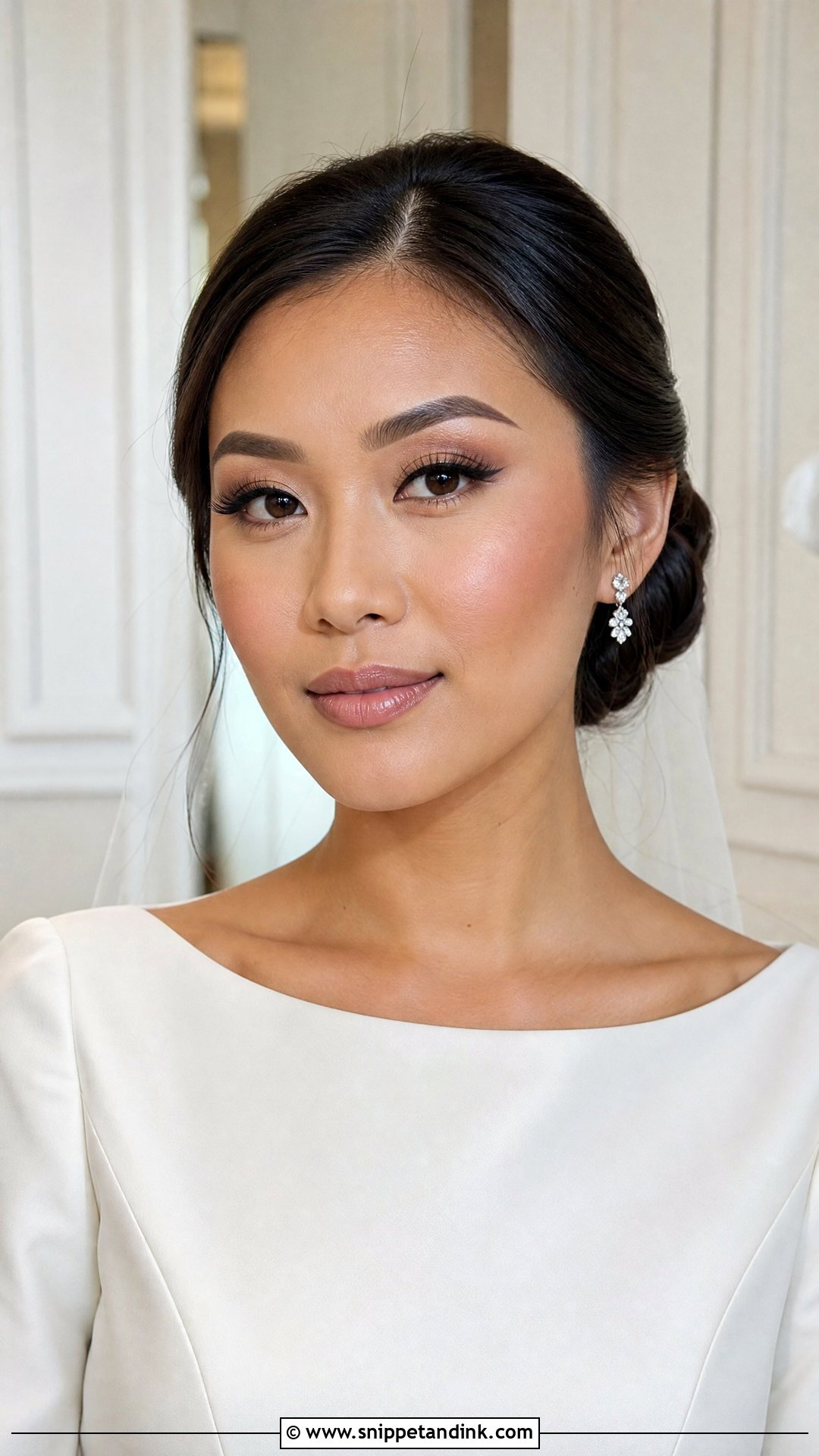
This is the polished, formal end of clean makeup. The complexion needs to look perfected, so I take extra time blending foundation into the hairline, under the jaw and down the neck, the places a camera catches when the bride turns her head. Contour is placed only where her bone structure already shapes the face. Matte beige, taupe and brown sculpt the eyes, and a small lifted liner elongates them. I choose lashes for length, not bulk. A satin rose or mauve nude lip suits structured gowns, low buns and black-tie venues.
18. Romantic Wedding Makeup
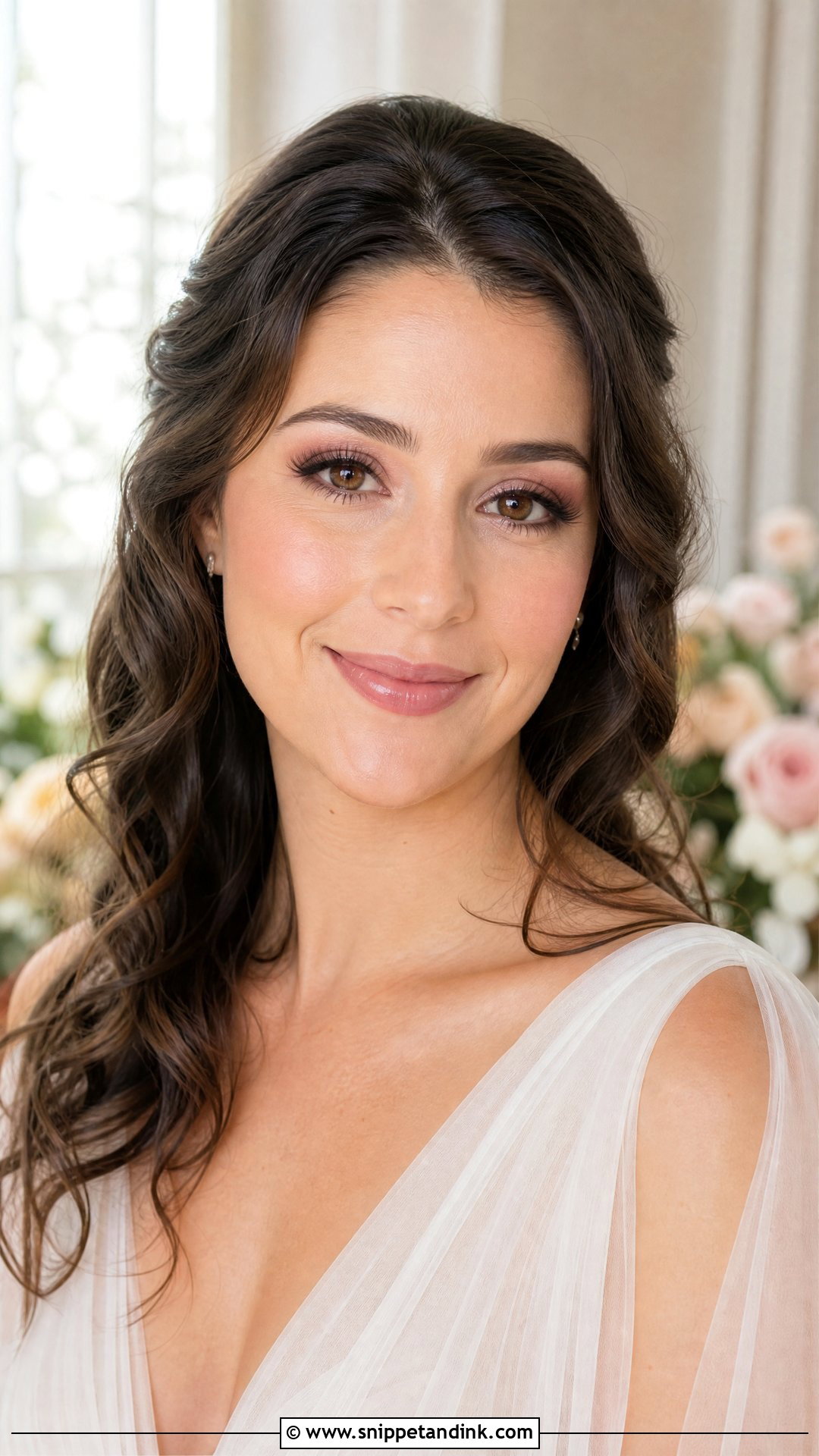
Romantic makeup is about blurred edges, so nothing should have a visible line. I use a radiant foundation and blend cream blush generously across the cheeks, then soften the edges with a clean sponge. Soft matte shadow on the eyes gets a touch of shimmer on the centre of the lid only. Brown liner, wispy lashes and softly filled brows keep it defined enough for photos. Cream blush can fade faster than powder, so for long days I tap a matching powder blush over it to lock it in.
19. Simple Wedding Makeup
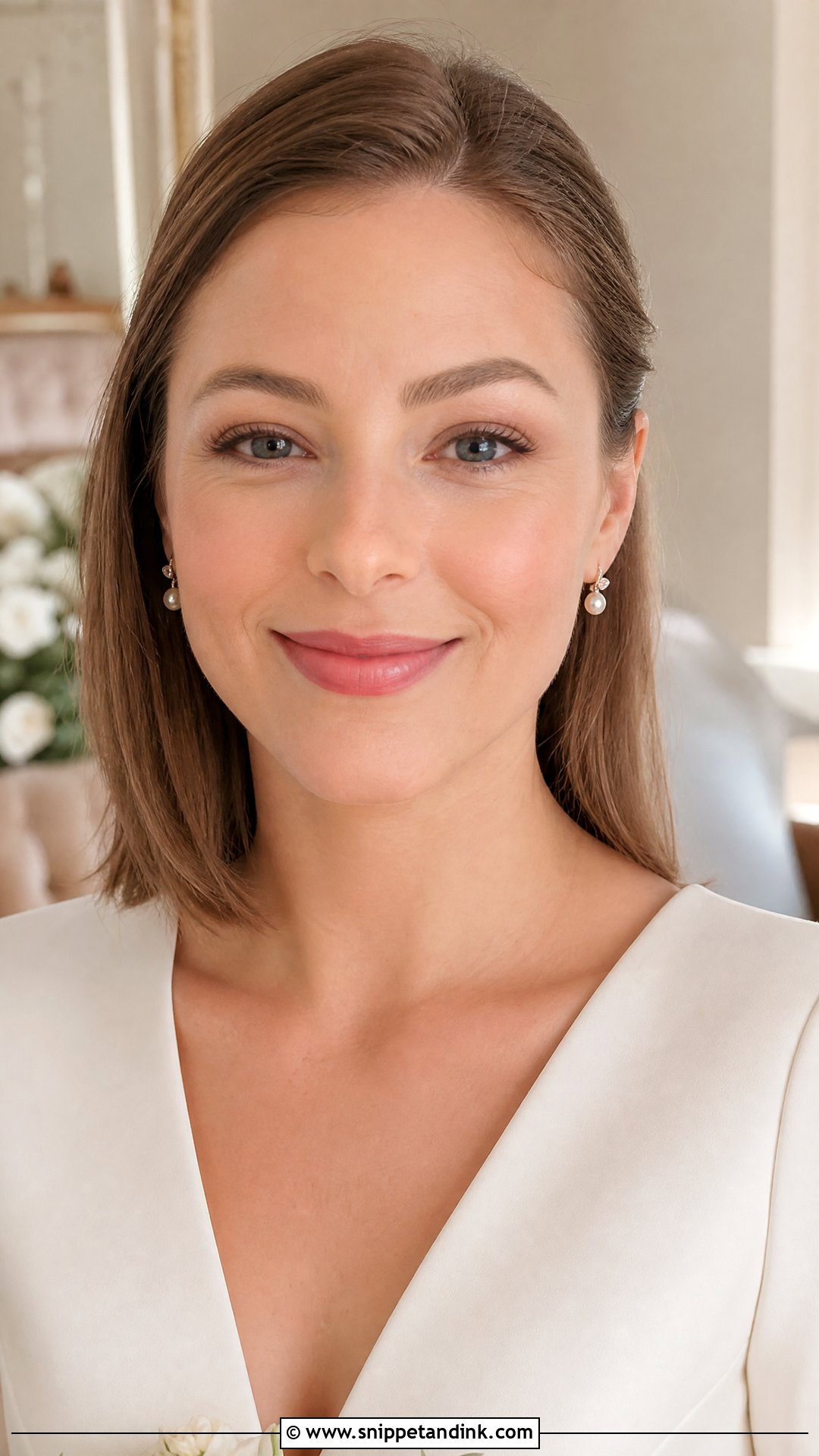
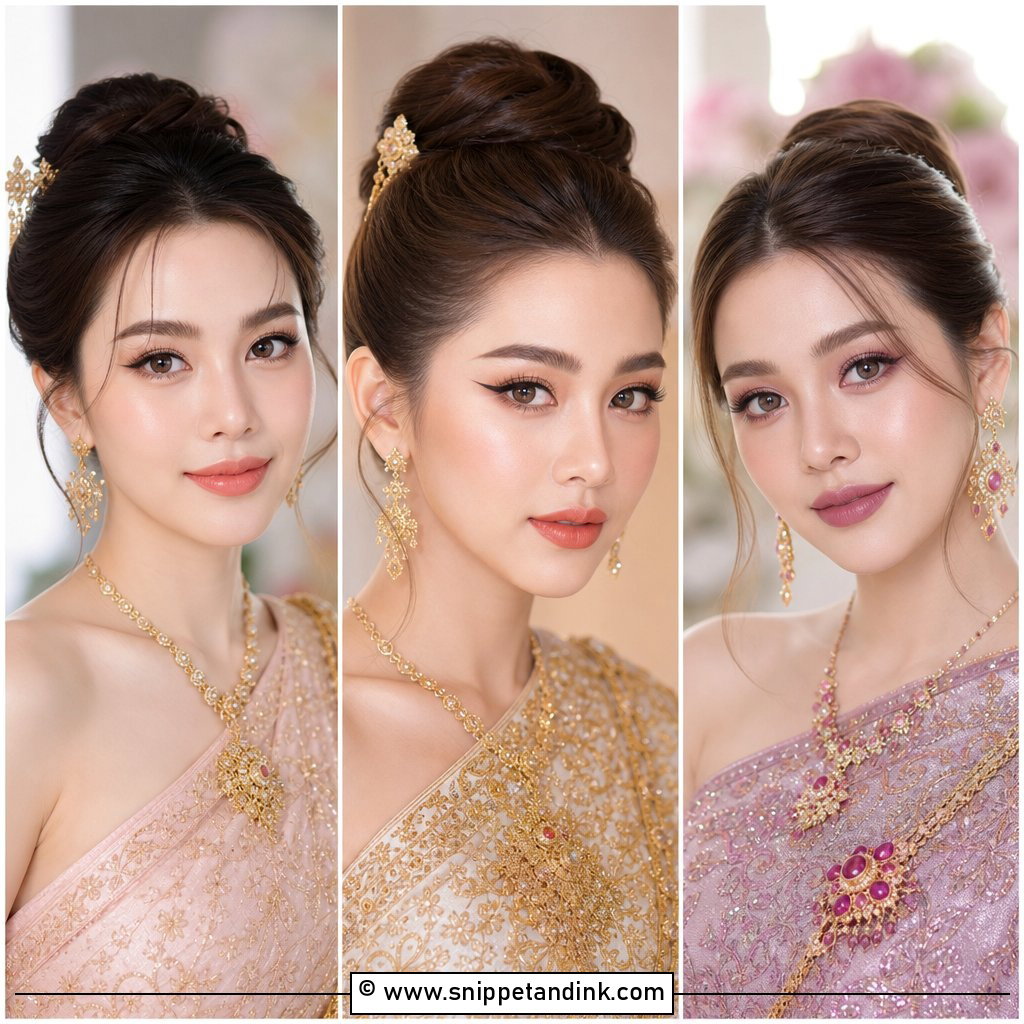
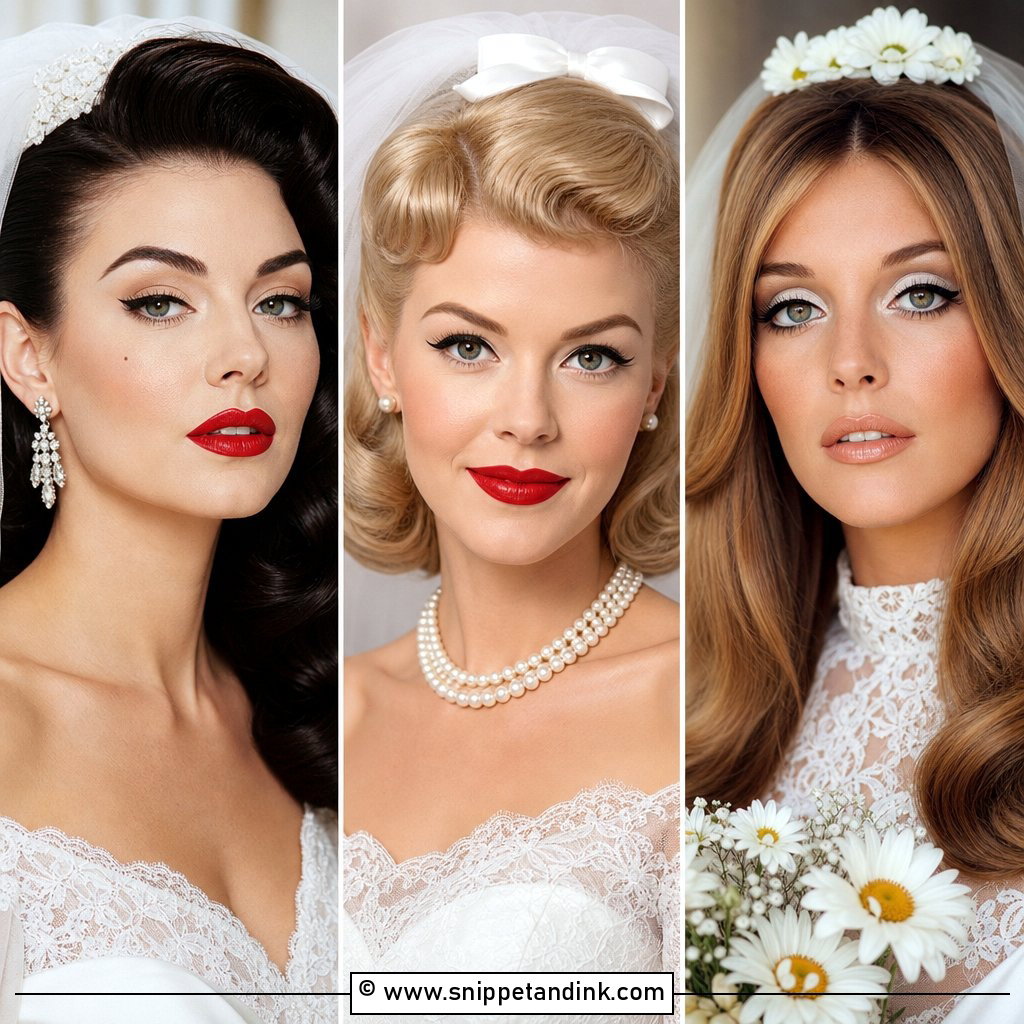
If you’re doing your own makeup, keep it to a handful of steps you can repeat without thinking on a nervous morning. Use a foundation you already trust rather than buying something new for the day. Set it lightly with powder, blend one neutral eyeshadow, then add mascara, brow gel and a brown pencil if you need a bit more definition. A cream blush can double as lip colour for a very small kit. Practise the full routine at least twice before the wedding, once in the same light you’ll be getting ready in.
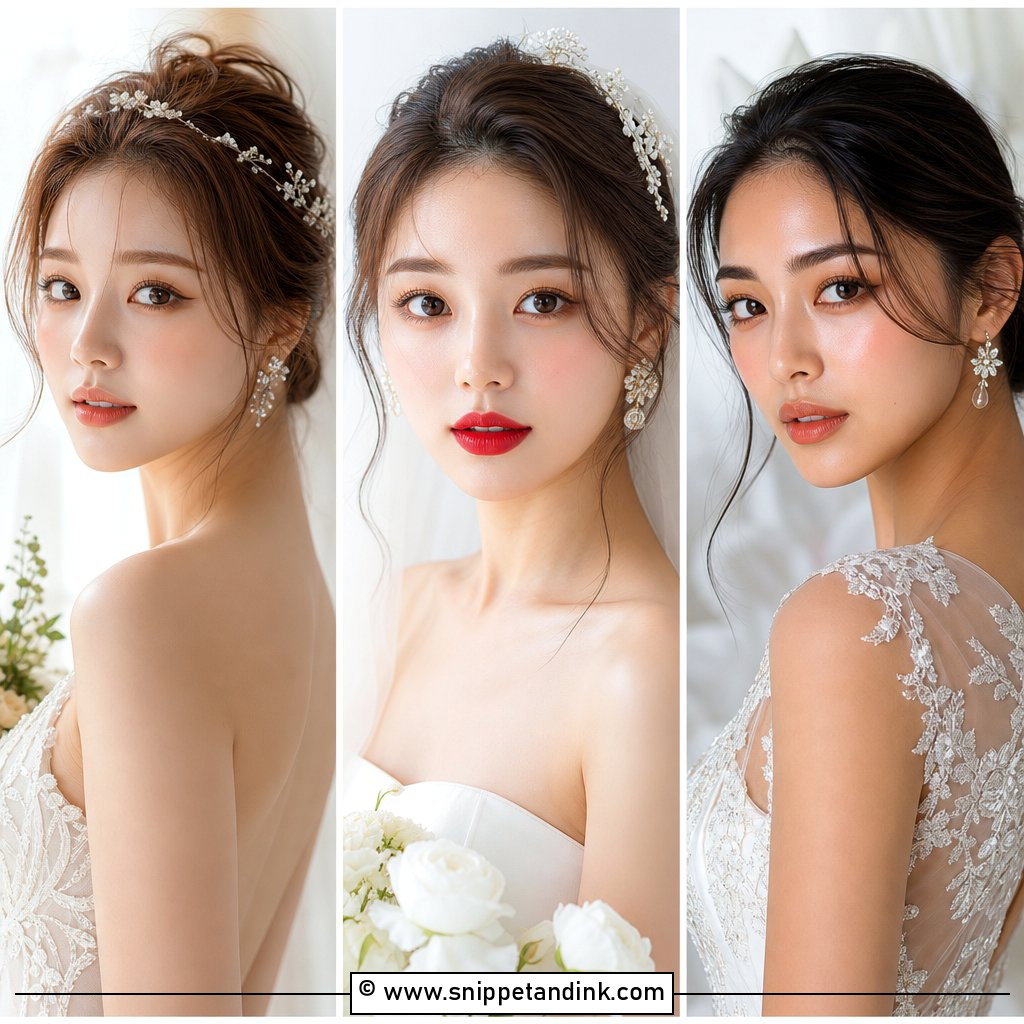
20. Satin Skin Wedding Makeup
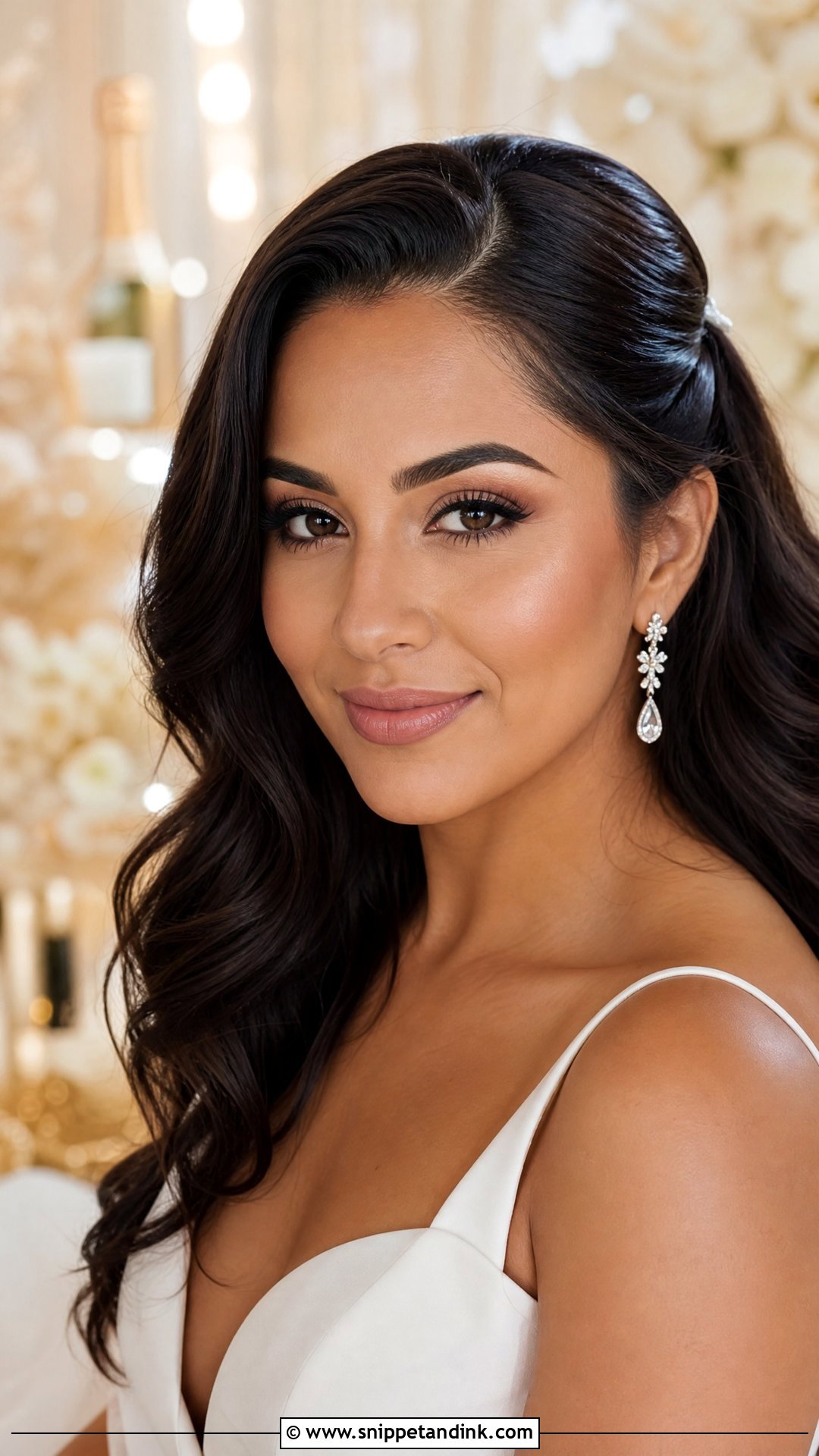
Satin skin is the finish I’d choose for most brides on a long day. Prep is split: moisturiser where the skin is dry, a mattifying primer where it gets oily. A natural-finish foundation goes on in thin layers, the centre of the face is set and the cheeks stay softly radiant. Highlight should look like healthy skin, not metal, so I use a cream rather than a powder with large shimmer. Neutral eyes and a satin nude or rose lip keep everything in the same register.
21. Soft Smokey Wedding Makeup
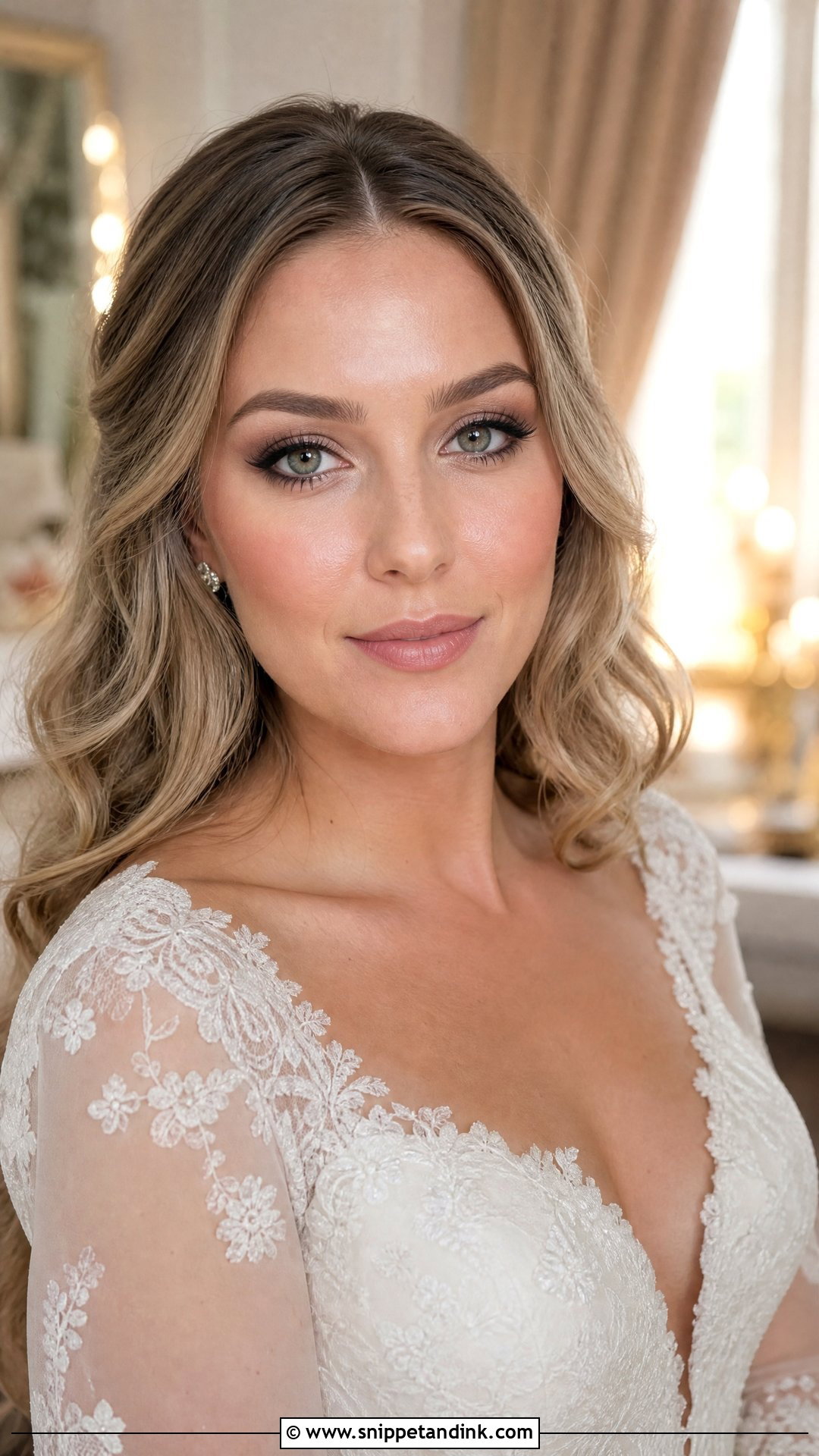
Soft smokey wedding makeup gives more eye definition while staying in the clean family. I build it in brown, taupe, bronze or soft charcoal, keeping the deepest shade nearest the lashes and blending upward until there’s no visible edge. Smudged liner works better here than a drawn line. The rest of the face stays quiet: satin skin, natural blush, no heavy contour. One thing I always check is the lower lash line after an hour, because dark shadow there migrates under the eye as the day warms up.
22. Soft Wing Wedding Makeup
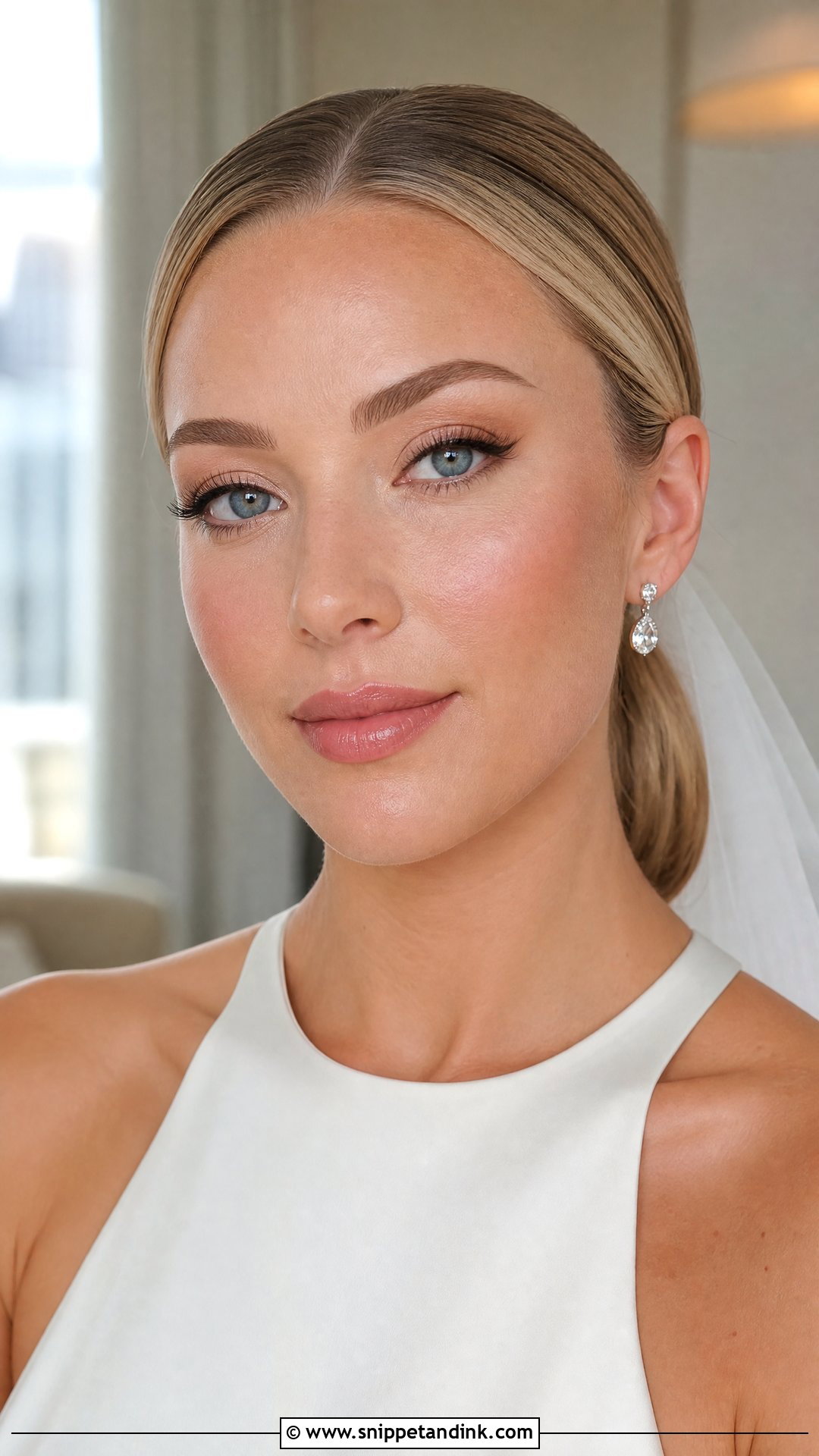
The wing here is thin and angled, then blurred with a small brush so it melts into the lashes instead of sitting on top of them. I use brown, espresso or soft black, and I draw it with the bride’s eyes open and looking ahead; a wing that looks right on a closed lid can fold into a crease once the eye opens. Neutral shadow, natural brows and lengthening mascara keep it understated. A nude-pink or peach lip keeps the attention on the eyes.
23. Monochrome Wedding Makeup
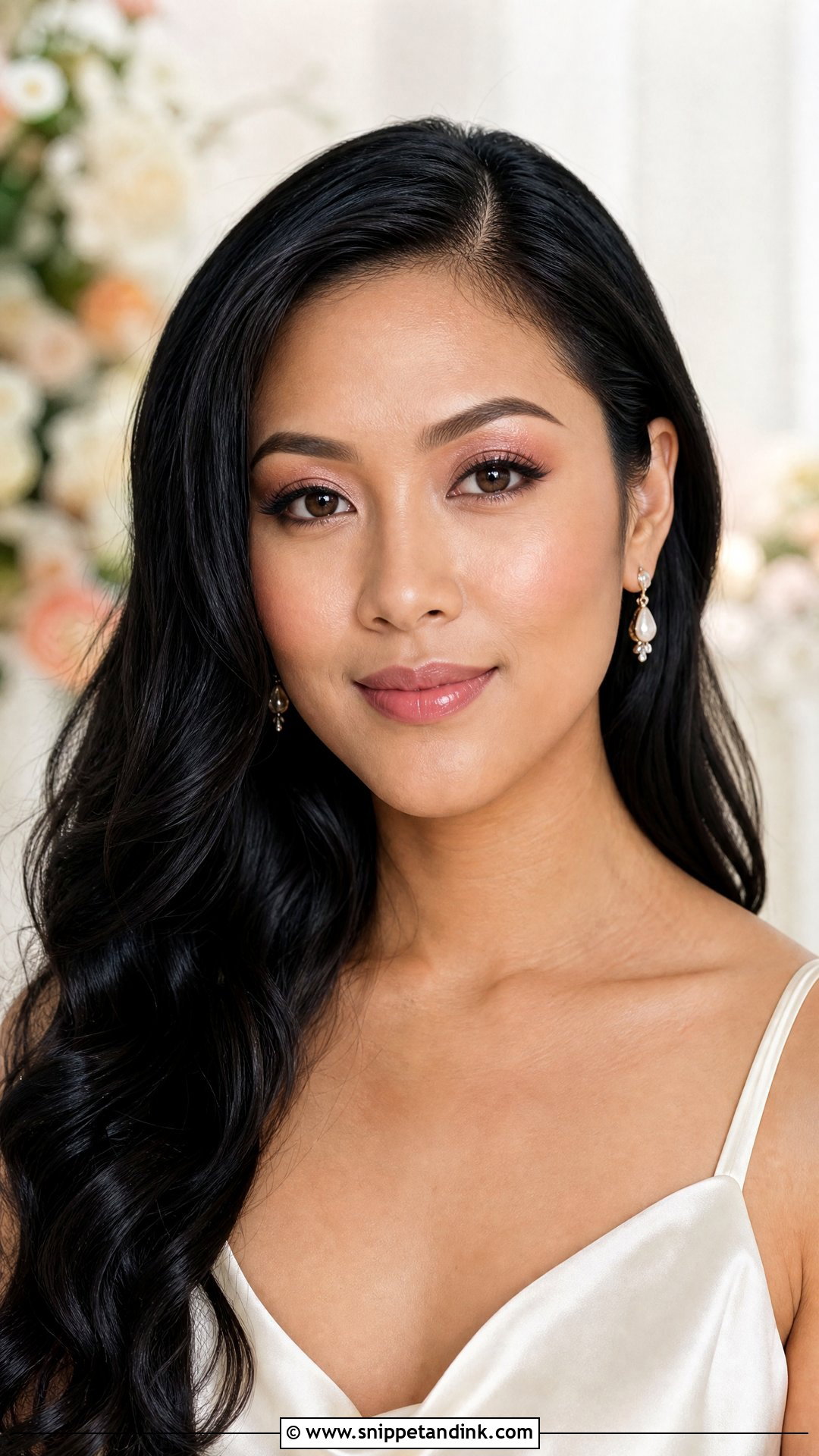
Monochrome wedding makeup uses one colour family across eyes, cheeks and lips, which is the simplest way I know to make a face look finished. Pick the family by skin tone: peach and caramel on warm skin, rose and mauve on cool, berry-brown on deeper complexions. The cheek carries the most colour, the eyes a lighter wash and the lips a shade in between. It’s also practical: one cream product can cover all three in a pinch for touch-ups.
24. Soft Blush Wedding Makeup
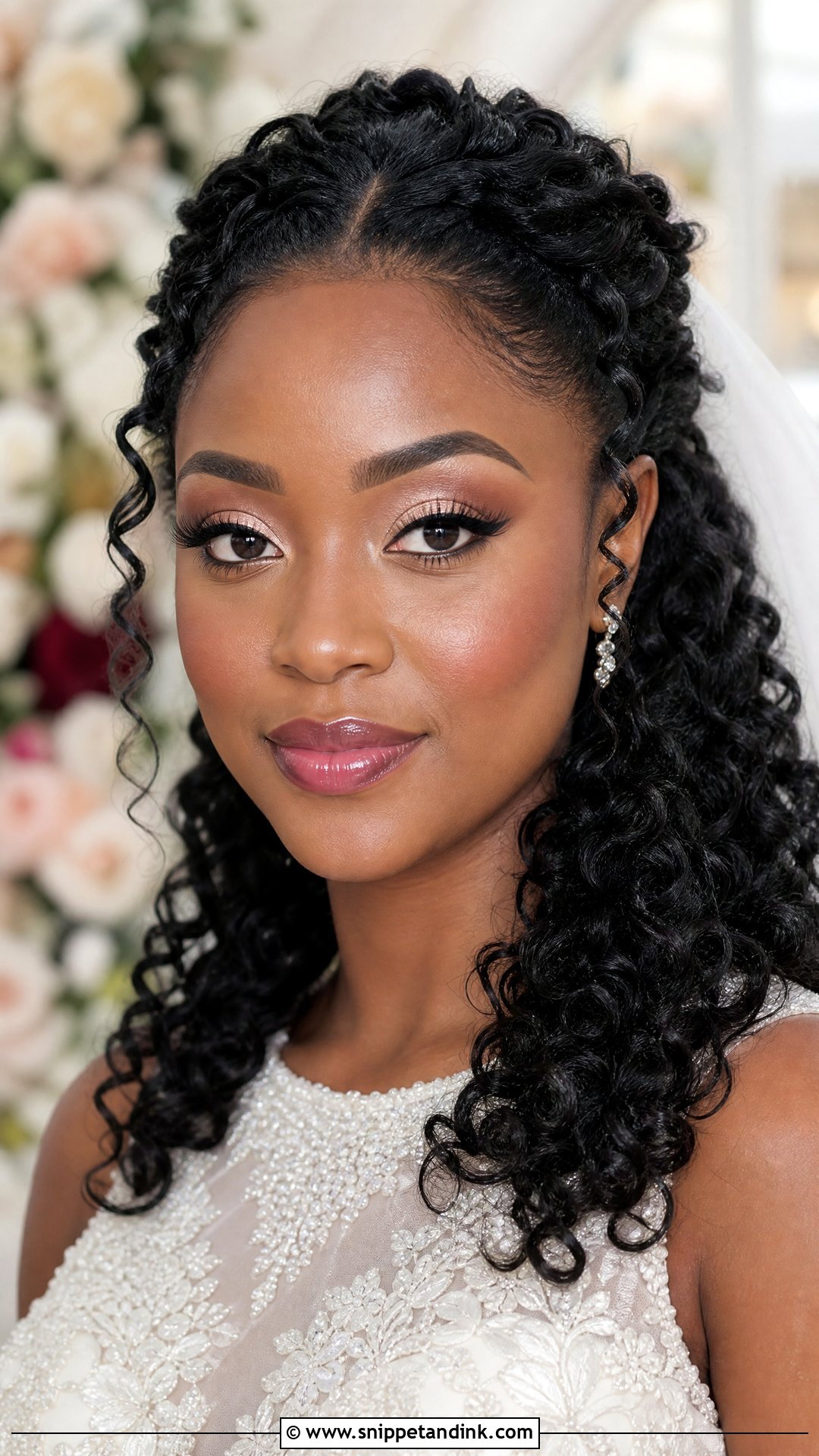
Here the cheeks do the talking and everything else stays quiet. I brighten the under-eyes first, otherwise blush can sit next to dark circles and make the face look flushed and tired at once. Cream blush goes high on the cheek and is blended toward the temples. Shade depends on skin tone: pink or rose on fair, peach on warm medium skin, berry on deep. Eyes stay simple with beige shadow and curled lashes, and the lip is a sheer shade that matches the blush.
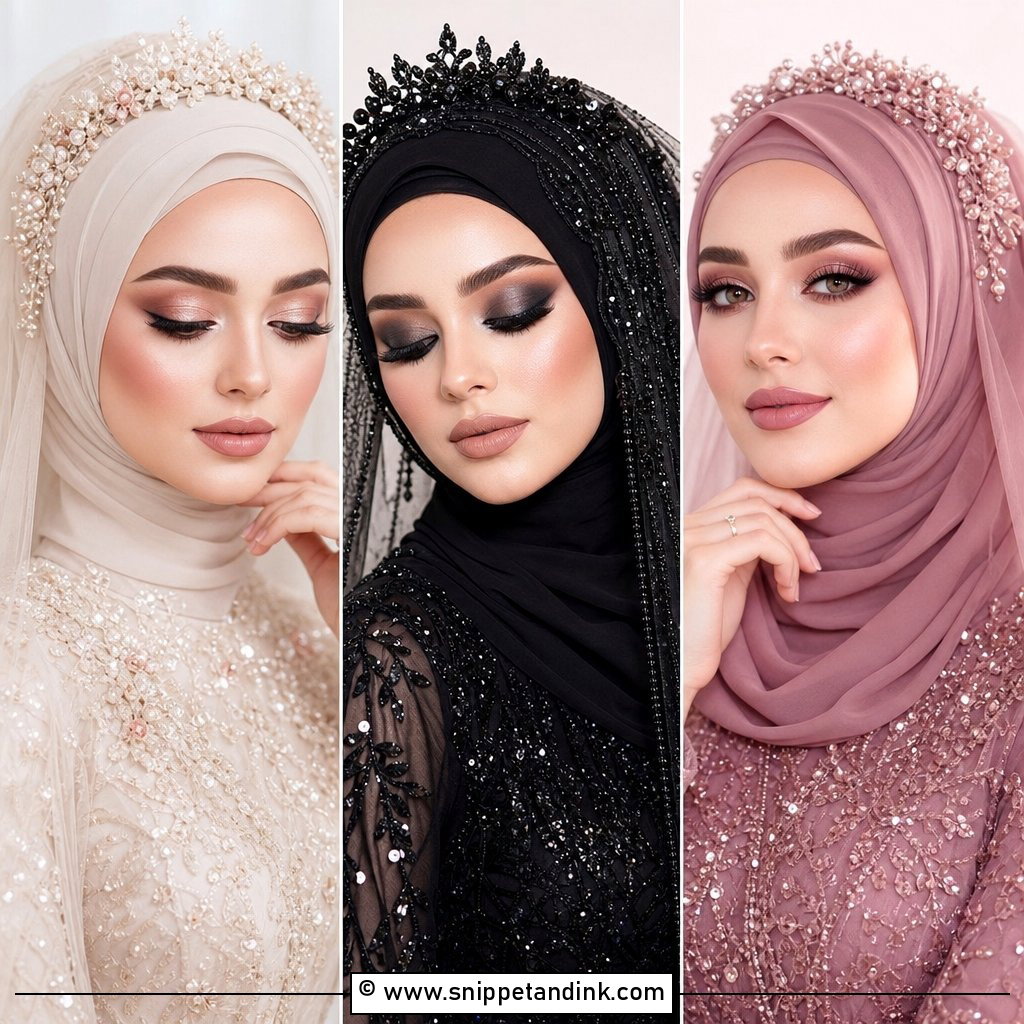
25. Glossy Lip Wedding Makeup
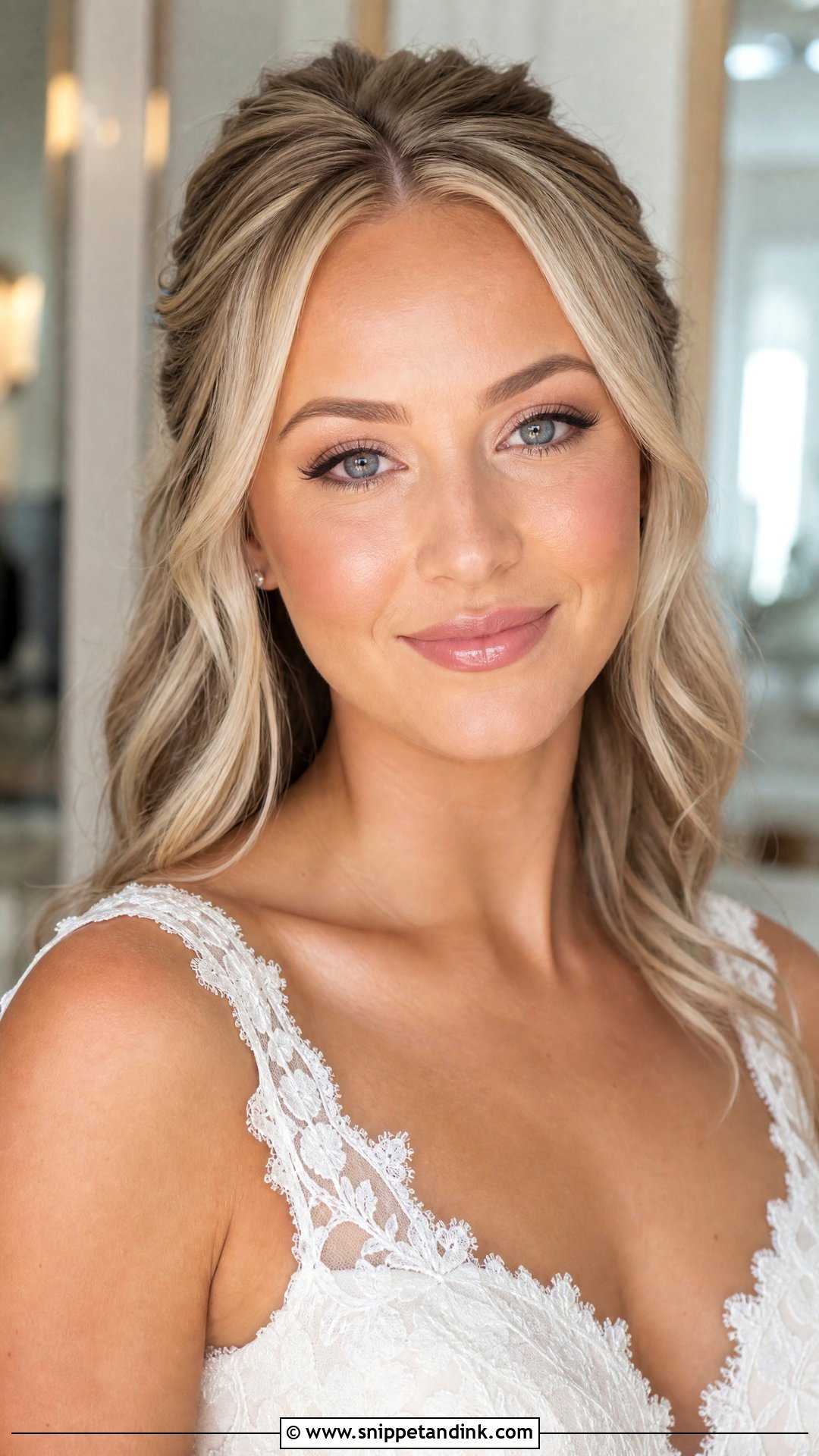
Gloss on its own disappears by the end of the ceremony. I build it over a liner and a lipstick in a similar shade so there’s colour underneath when the shine wears off, and I put the gloss only on the centre of the lips. Choose a non-sticky gloss or a lip oil. With so much shine on the lips, I keep the rest of the face satin, not dewy. Waterproof mascara and a thin lash line stop the eyes from fading next to a strong lip. Pop the same gloss in your bag; you’ll reapply it at least twice.
When Your Skin Misbehaves the Morning Of
Something unexpected usually happens with skin in the final days, and a clean look has less coverage to hide it. None of these are reasons to panic or switch to heavy makeup.
- A new spot: don’t pick it. I colour-correct redness with a tiny amount of green or peach corrector, then press a thick concealer over just that spot with a small brush, and set it with powder.
- Puffy eyes after little sleep: a cold compress or chilled spoons for a few minutes before I start makes a visible difference. Then I keep shimmer off the lower lid.
- Dry, flaky patches from nerves or travel: a gentle wipe with a damp cloth and a rich moisturiser left on a few minutes. I’ll switch to a more hydrating base if needed.
- Redness from crying before the ceremony: wait, cool the face, then add a light layer of foundation only where it’s red.
Tell your artist about any of these when you sit down, not halfway through. It’s much easier to plan around a breakout than to cover it at the last minute.
Your Trial Settles More Than Any Photo Here
Clean makeup isn’t less effort, it’s effort spent in different places: on prep, on placement and on matching colour to your undertone. Pick a finish that suits your skin and the length of your day, then one feature you want people to notice. At the trial, test wear time, take flash photos and check how the lip feels after a meal. Change one or two things if needed rather than starting over. You should look the same in the last photo of the night as you did in the first.
You'll Like These Ideas:


Leave a Reply