
Most grooms who sit in my chair start with the same sentence: “I don’t want to look like I’m wearing makeup.” Good, because that’s not the job. Groom makeup is about looking rested and even-toned in photos that will be zoomed into for years, without anyone in the room noticing a thing. In practice that means skin prep, shine control, a little coverage only where it’s needed, tidy brows, comfortable lips and well-kept facial hair. A typical kit includes a light primer, a corrector, spot concealer, a skin tint or sheer foundation, a soft bronzer, beard grooming and a setting powder. Below are 25 approaches for different skin types, weddings and settings, with what I actually do for each.
A Short Trial for a Groom Who Has Never Worn Foundation
Most grooms skip the trial and meet their makeup artist on the wedding morning. I’d push back on that. A trial doesn’t need to be long, often less than half an hour, and it removes the worry that he’ll look painted.
- I match the shade on the jaw in daylight, not on the hand or cheek, since that’s where the base meets the neck.
- I take photos with and without flash. Flash shows shine and any powder that’s too light.
- We test any product on a patch of skin first if he’s sensitive or has never worn makeup.
- He wears it for a few hours and tells me if anything feels heavy, itchy or tight.
Skin prep starts weeks before. A simple routine of cleanser, moisturizer and daily sunscreen does more than any product on the day. What I ask grooms to avoid in the final week: a first-ever facial, chemical peels, new skincare products and a first-time beard wax. Any of these can leave redness or breakouts that take days to calm down.
1. Natural Groom Makeup
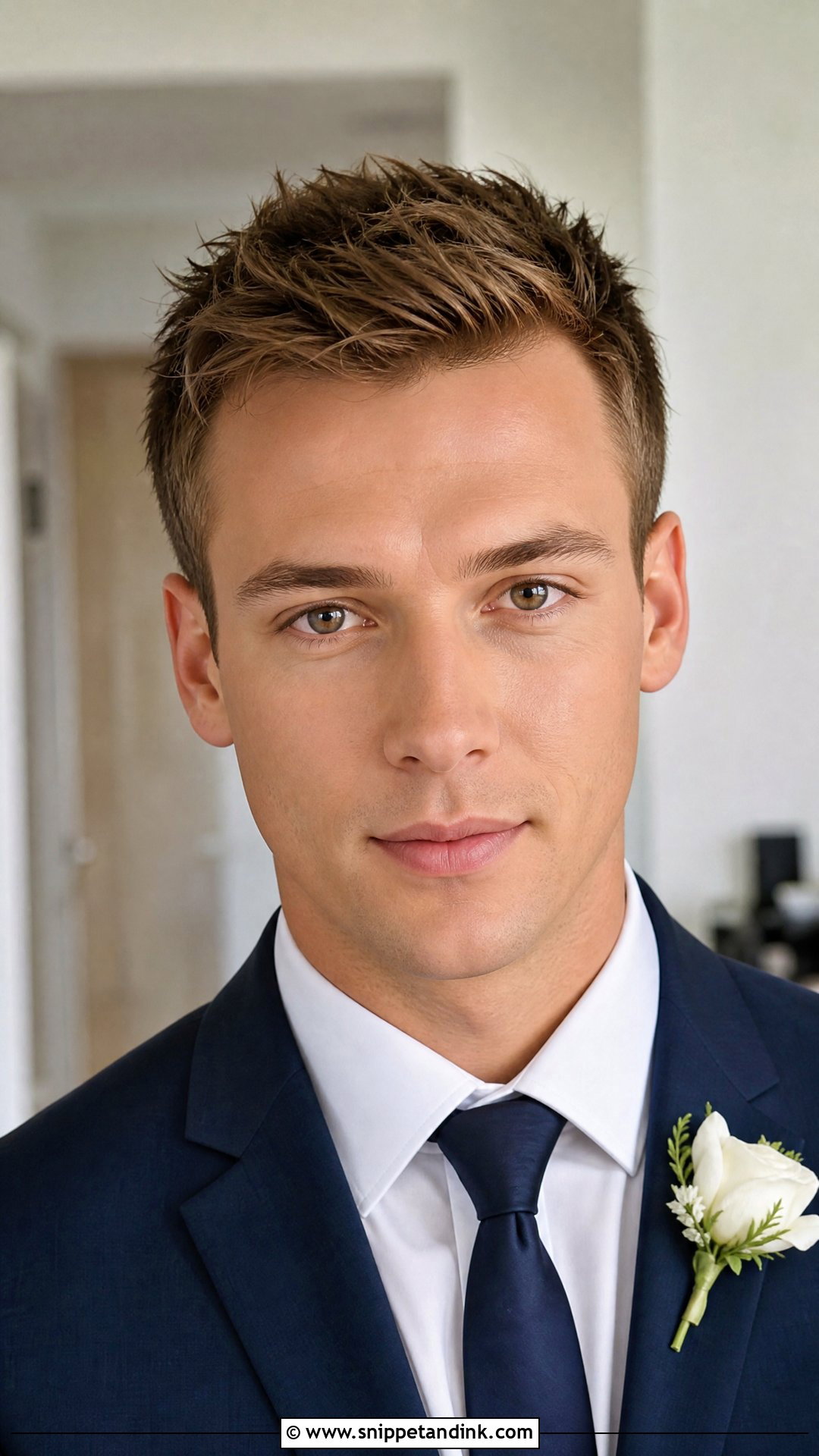
This is where I start almost every groom. A skin tint or sheer foundation goes on only where the skin needs evening out, usually the center of the face. Redness around the nose, shadows under the eyes and the odd blemish get a thin layer of concealer. Brows are brushed into shape with clear gel and lips get a matte balm so they look smooth, not glossy. A little translucent powder on the forehead, nose and chin handles flash shine. I check the result by standing back a few feet, because if I can see the makeup at conversation distance, there’s too much. It suits a clean shave, light stubble or a trimmed beard equally.
2. Matte Groom Makeup
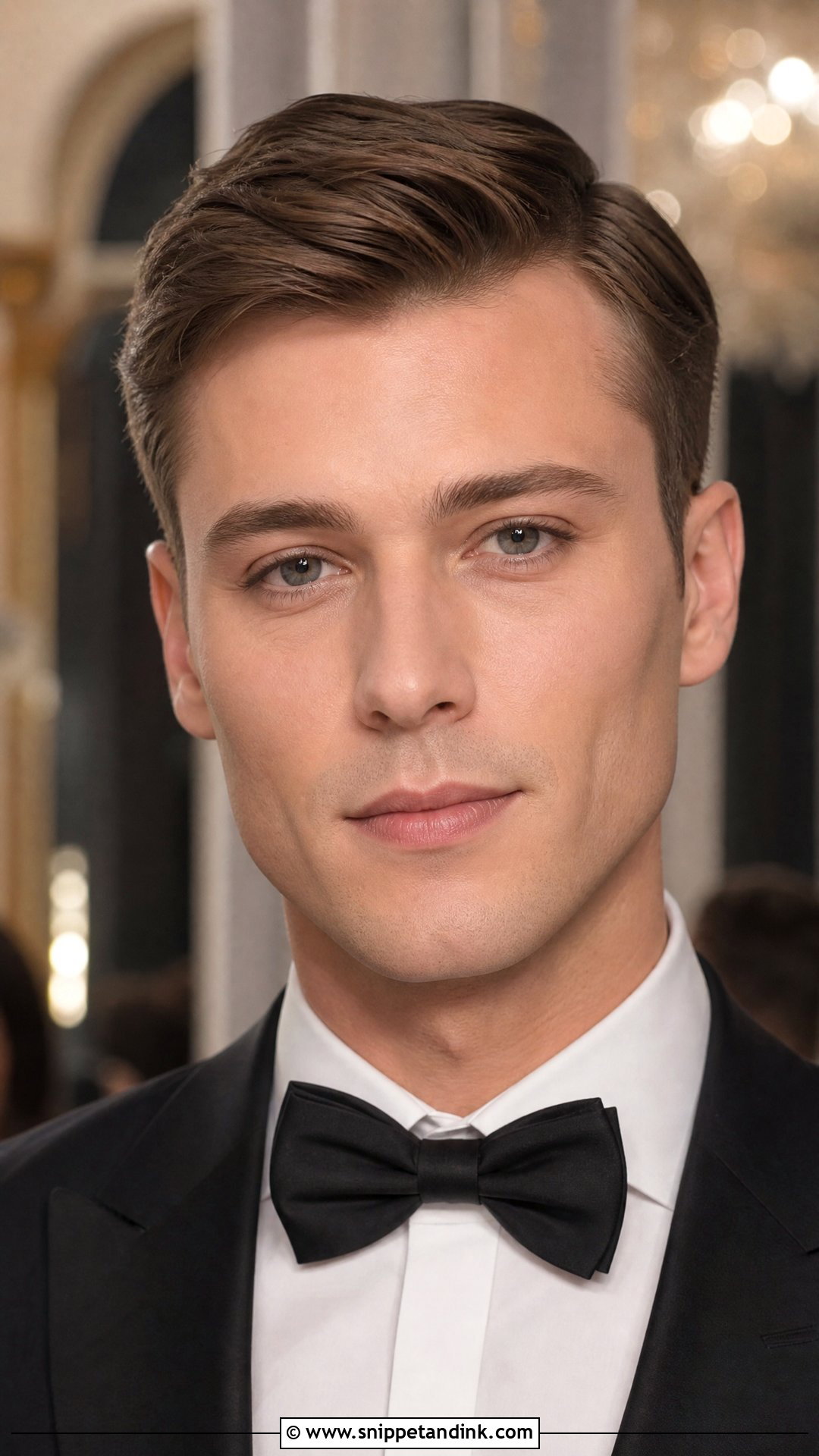
Matte doesn’t mean flat or dry; it means shine is under control. It’s what I reach for with oily skin, warm weather, long ceremonies and weddings with a lot of photography. An oil-control primer goes on the T-zone only, then a thin layer of long-wear foundation or tinted moisturizer, with concealer just where it’s needed. Powder under the eyes, around the nose and across the forehead keeps the skin smooth. I skip contour and shimmer entirely and use a soft bronzer at the temples and jaw for structure instead. Clear brow gel, hydrated lips and a long-wear setting spray finish it.
3. Dewy Groom Makeup
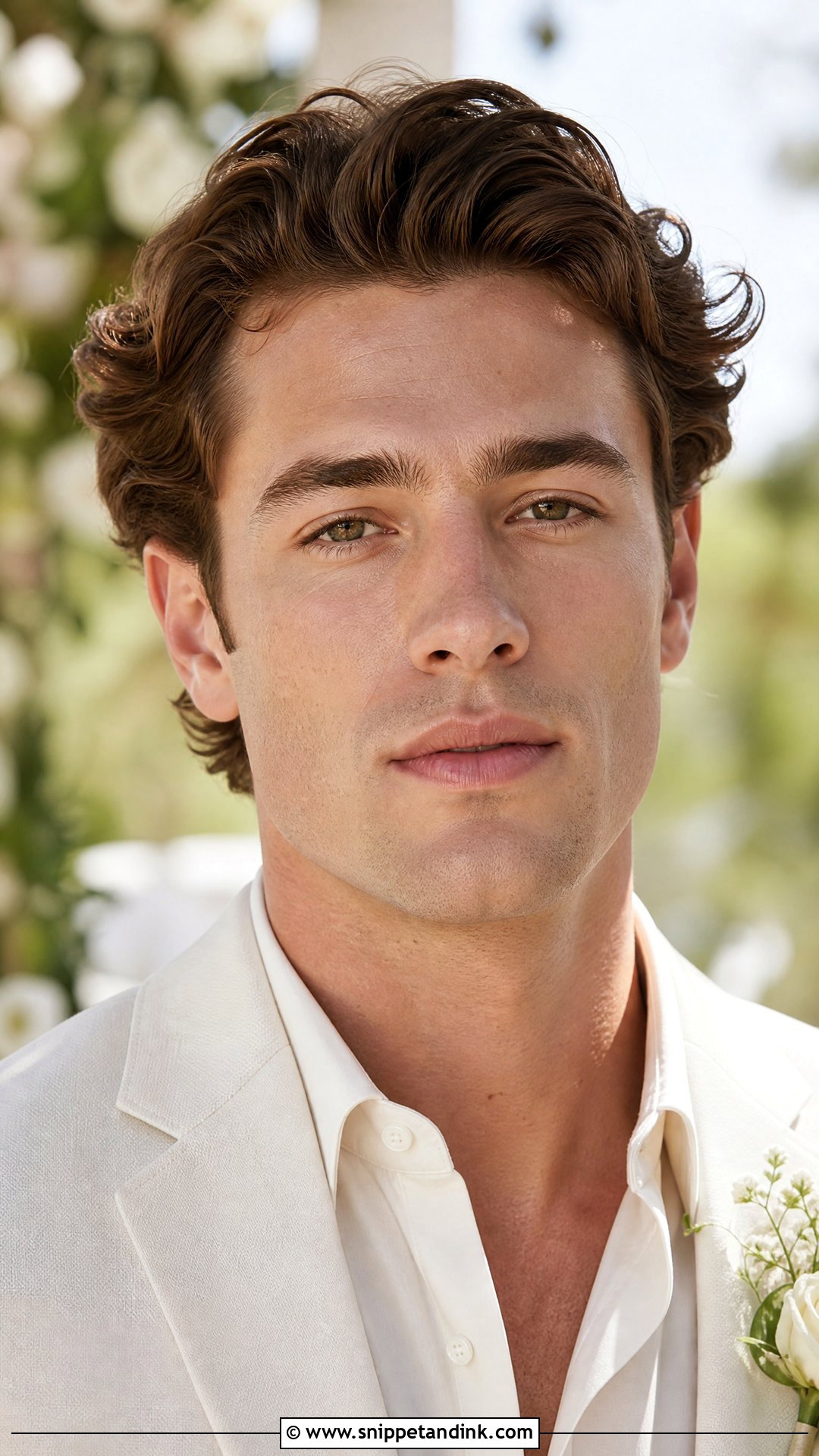
Dewy skin looks healthy rather than greasy only when the shine is placed deliberately. It suits dry, normal or mature skin best, and daytime weddings with soft light. The prep does most of the work: a hydrating moisturizer, then a light luminous primer, then a sheer foundation or skin tint that lets real skin show. Concealer goes under the eyes and over redness only. I let the glow stay on the cheekbones but powder the middle of the forehead and the sides of the nose, since shine there reads as sweat in photos.
4. HD Groom Makeup
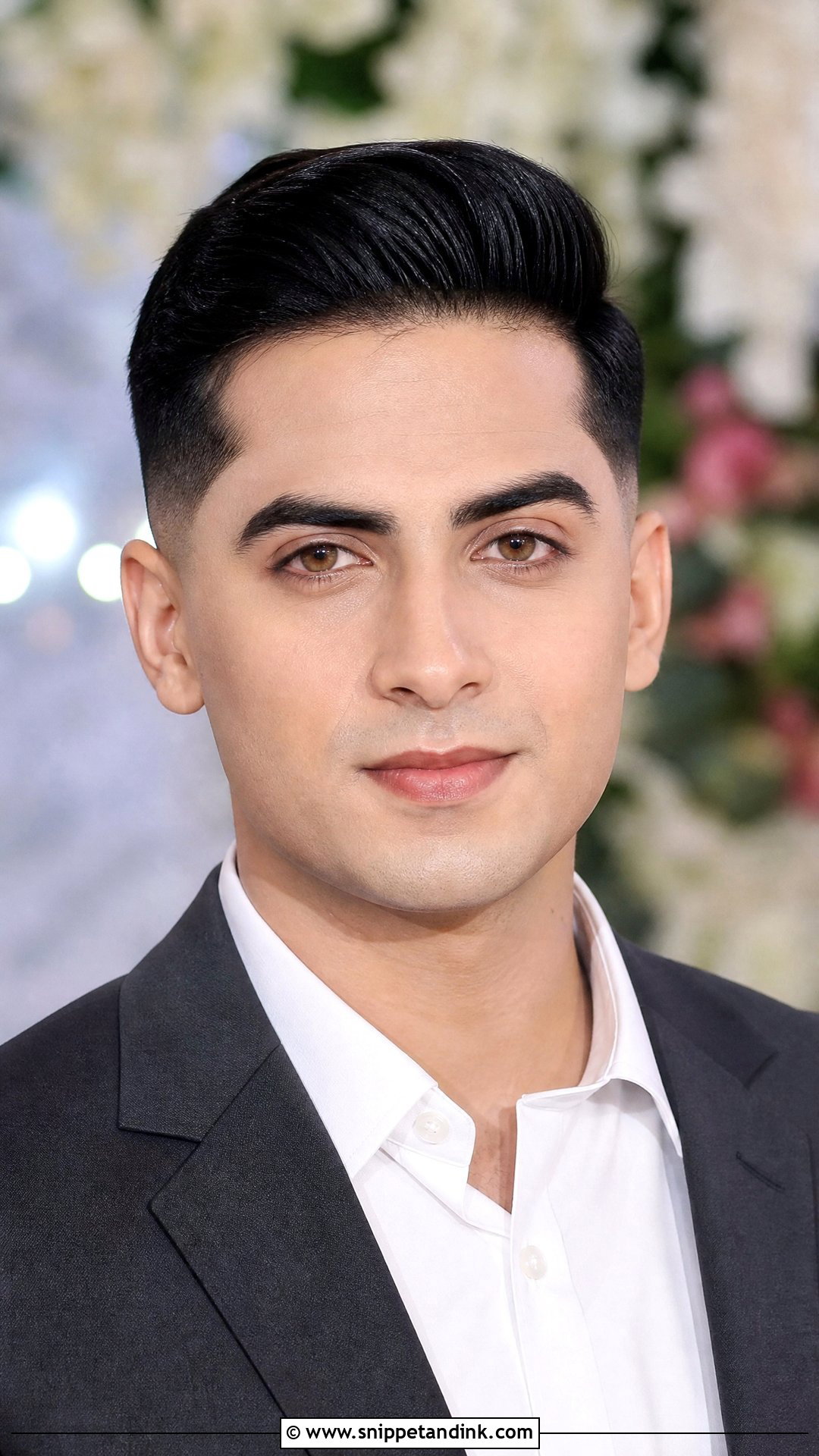
HD makeup is built for high-definition cameras and close-up portraits: smooth on screen, nearly invisible in person. It’s thin layers of primer, color corrector, light foundation and setting powder, and everything depends on blending. Edges along the beard line, jaw, hairline and neck show up fast on video, so I blend down past the jaw and check each edge from the side with my phone camera. A small amount of peach or orange corrector handles dark circles depending on skin depth, followed by concealer and a light set. It suits formal weddings, professional video and anyone who knows the photographer will shoot close.
5. No Makeup Groom Makeup
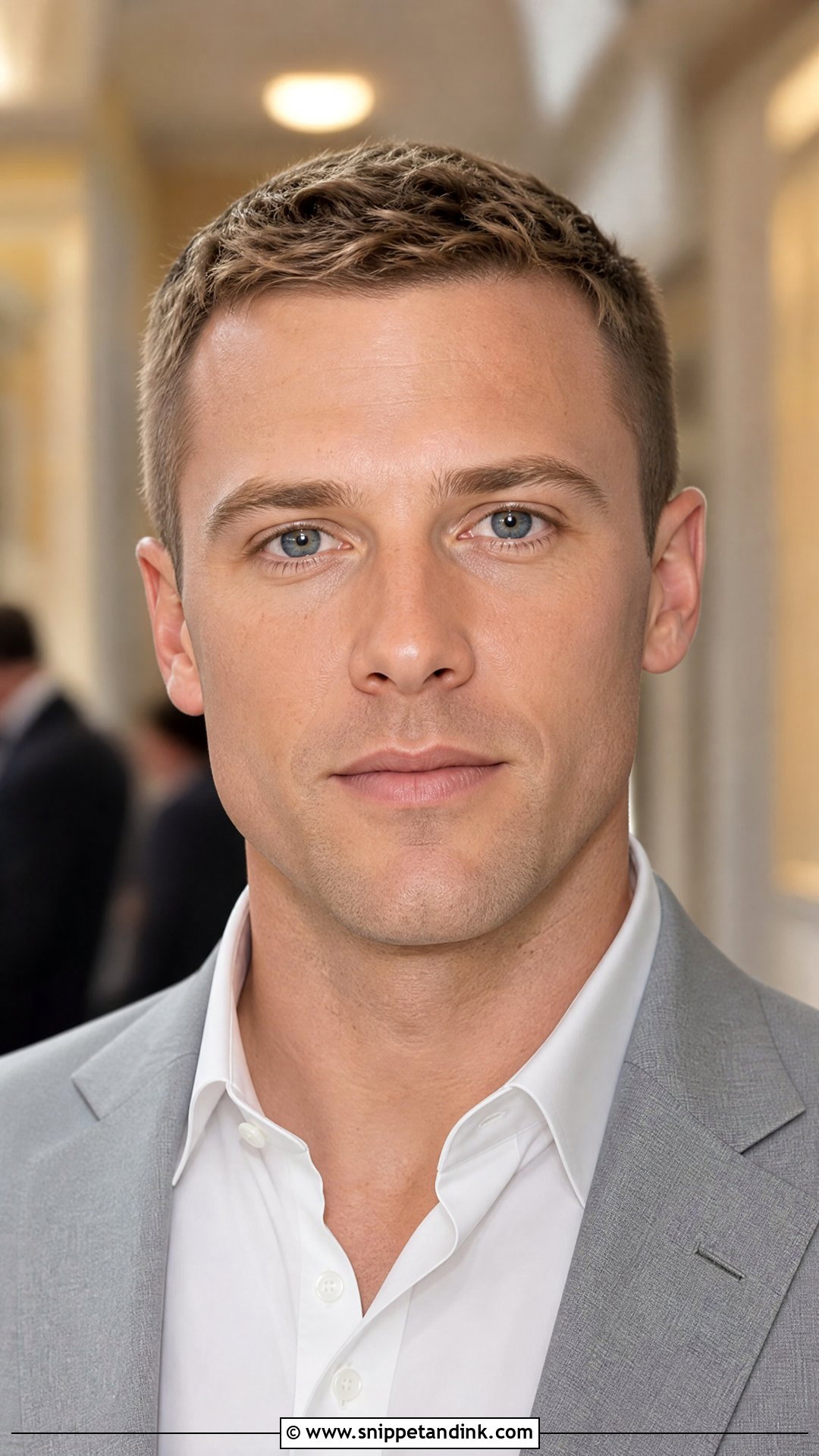
For a nervous groom, I treat this as grooming with a little help. Everything is sheer and placed for a reason. A blurring primer softens pores and a tinted moisturizer evens the tone without hiding texture. Concealer goes only on dark circles, breakouts or redness. Brows are brushed up, stray hairs trimmed, and clear gel added if they don’t stay. A tiny amount of cream bronzer can warm the face, blended until it disappears. Shine-control powder and an unscented balm finish it. If he can’t tell what I did when he looks in the mirror, I’ve done it right.
6. Groom Makeup For Oily Skin
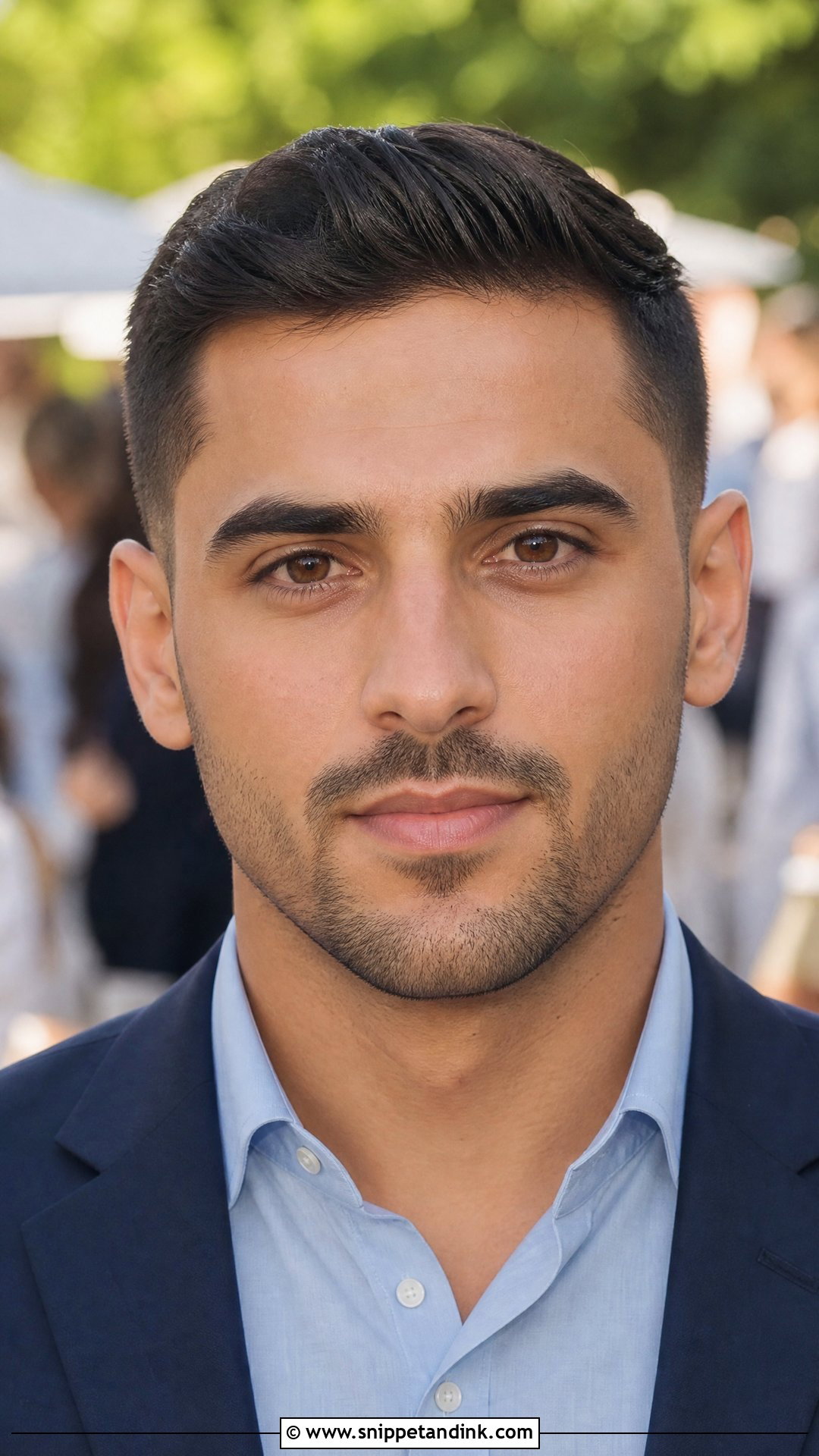
Oily skin still needs moisturizer. Skipping it often makes the skin look shinier by midday, so I use a light, non-greasy one and follow with a mattifying primer on the forehead, nose and chin. An oil-free foundation or skin tint in thin layers, then concealer only on spots, is far better than full coverage everywhere, which slides on oily skin. I press translucent powder into oily areas with a puff instead of sweeping it with a big brush, because pressed powder lasts longer. Blotting papers handle touch-ups without adding texture. Matte lip balm, no highlighter.
7. Groom Makeup For Dry Skin
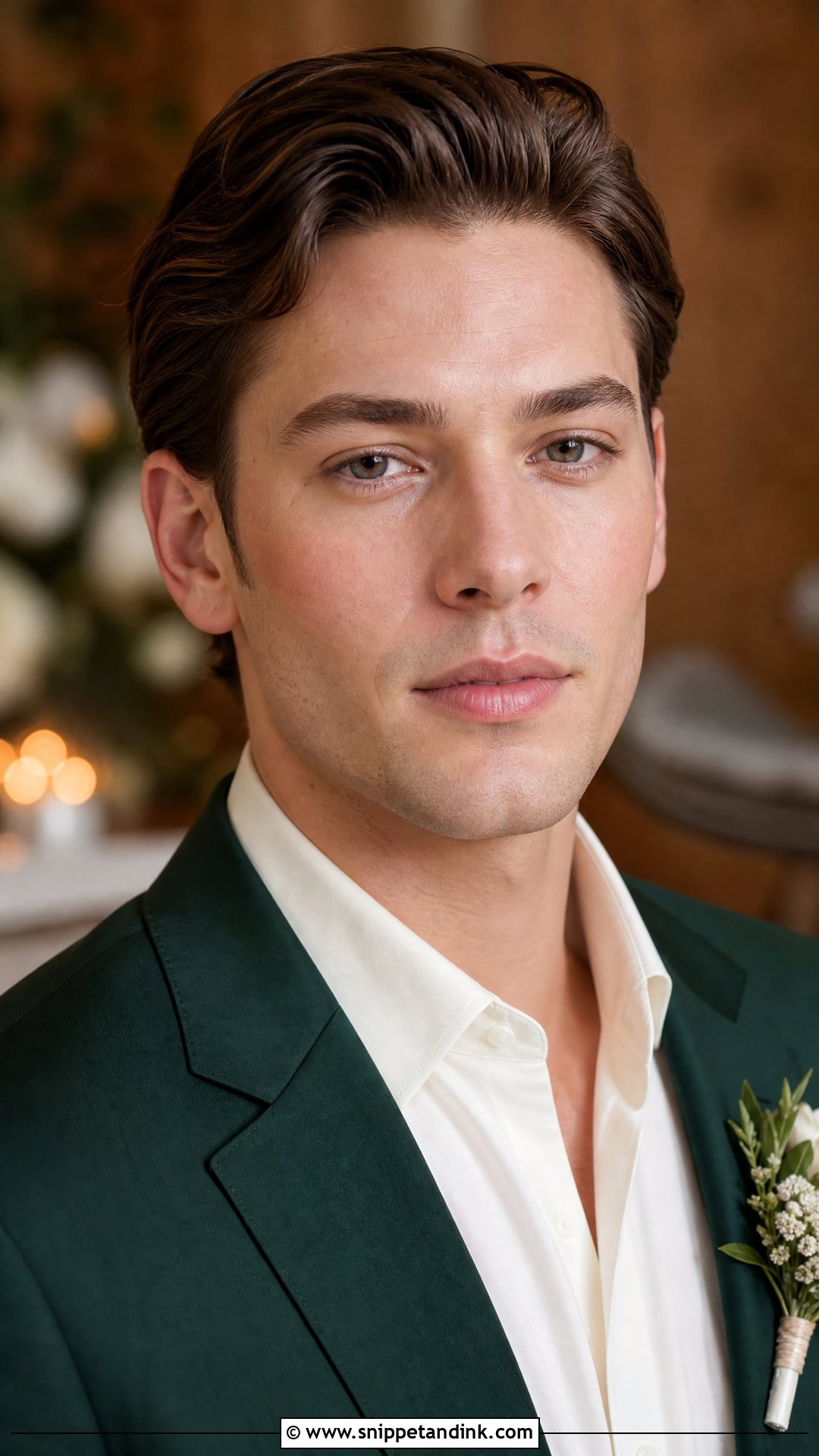
Dry skin shows every flake under makeup if it isn’t prepared well, so hydration comes first: a rich but fast-absorbing moisturizer, then a hydrating primer that helps the base sit evenly. A serum foundation, skin tint or light cream base is kinder than a heavy matte formula. Creamy concealer used sparingly under the eyes avoids creasing. A cream bronzer gives warmth, and a little balm on the lips. I powder only where makeup tends to move, under the eyes and around the nose, and leave the rest of the face alone so it stays soft.
8. Groom Makeup With Beard
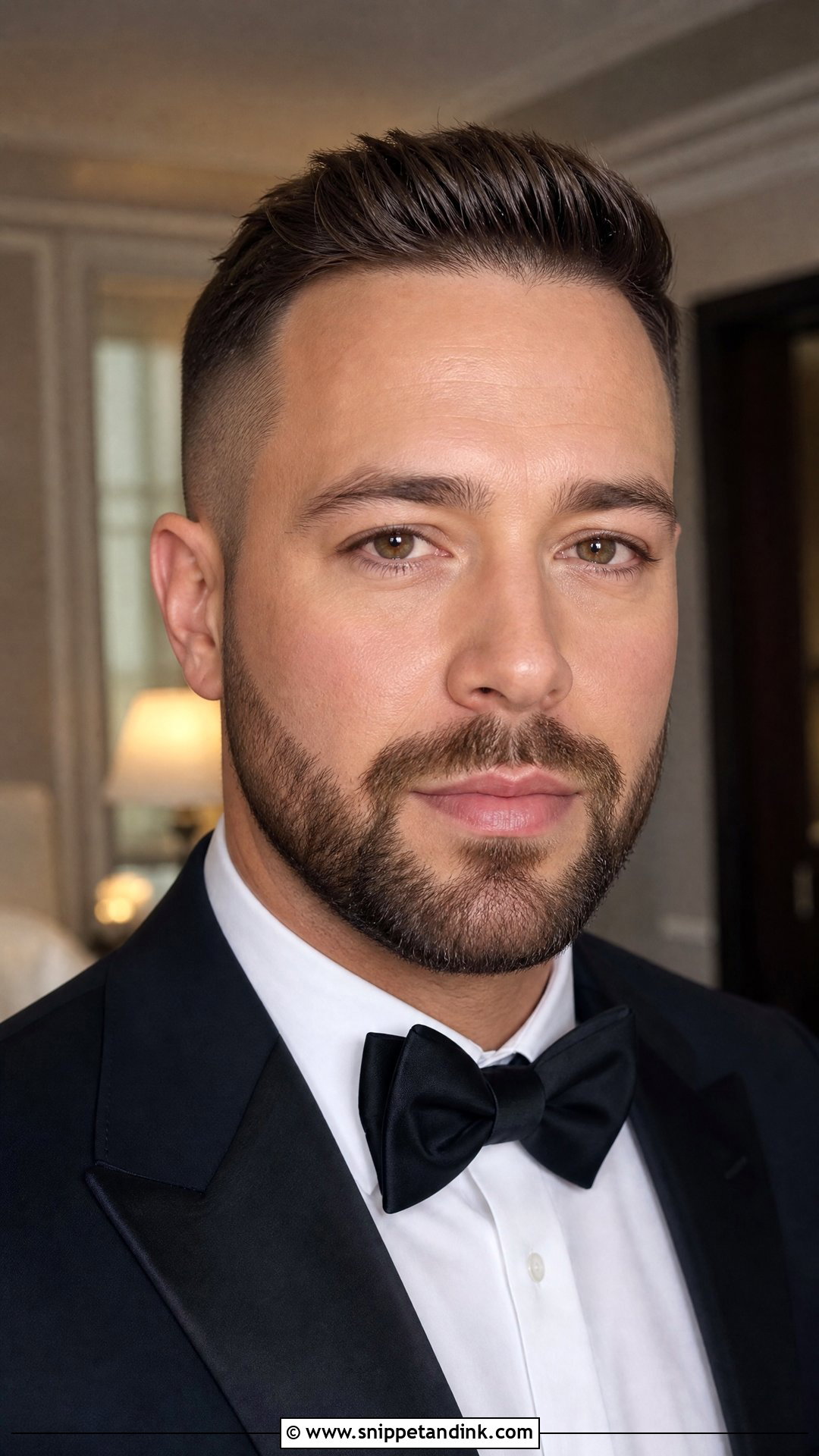
A beard changes how I apply everything. Skin above it should look even while the beard stays clean and natural. I use light coverage on the cheeks, forehead and under-eyes, then blend toward the beard line with a damp sponge or a small brush, stopping just short of the hair. Foundation dragged into a beard looks dusty and patchy, and it’s hard to get out. Sparse areas can be softly filled with a beard pencil or tinted balm in short, hair-like strokes. Have the edges trimmed a day or two before, and use matte powder around the nose and forehead for shine.
9. Clean Shave Groom Makeup
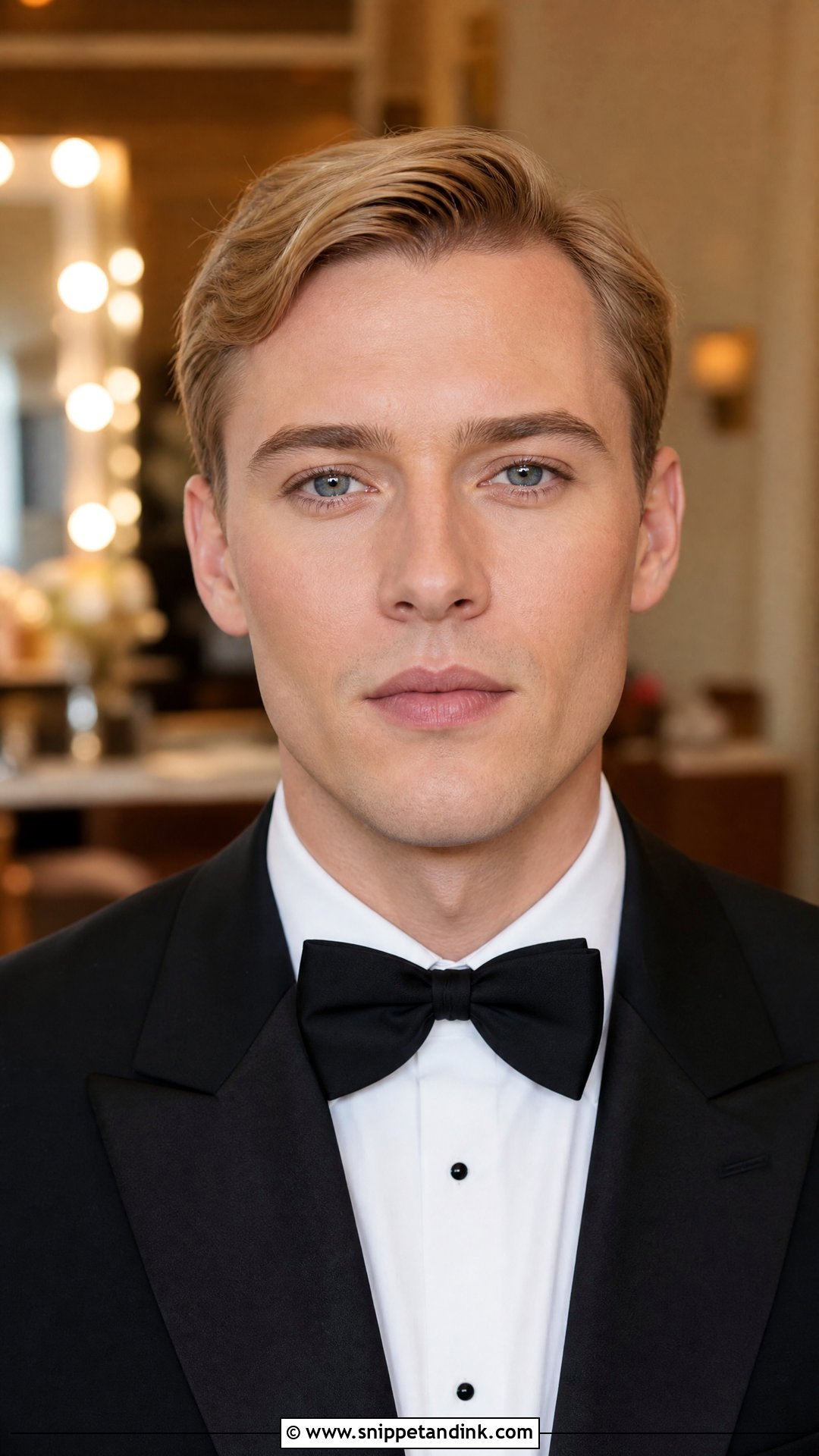
Without facial hair to frame the face, the skin and jawline carry the whole look. Shave early enough for redness to settle, ideally a few hours before makeup, or the night before if your skin reacts. I use a soothing moisturizer and a touch of green corrector only if irritation is visible. Sheer foundation goes across the face and is blended down onto the neck. A soft matte bronzer under the cheekbones and along the jaw gives shape without looking sculpted. Brushed brows with clear gel and a natural balm finish it.
10. Groom Makeup With Stubble
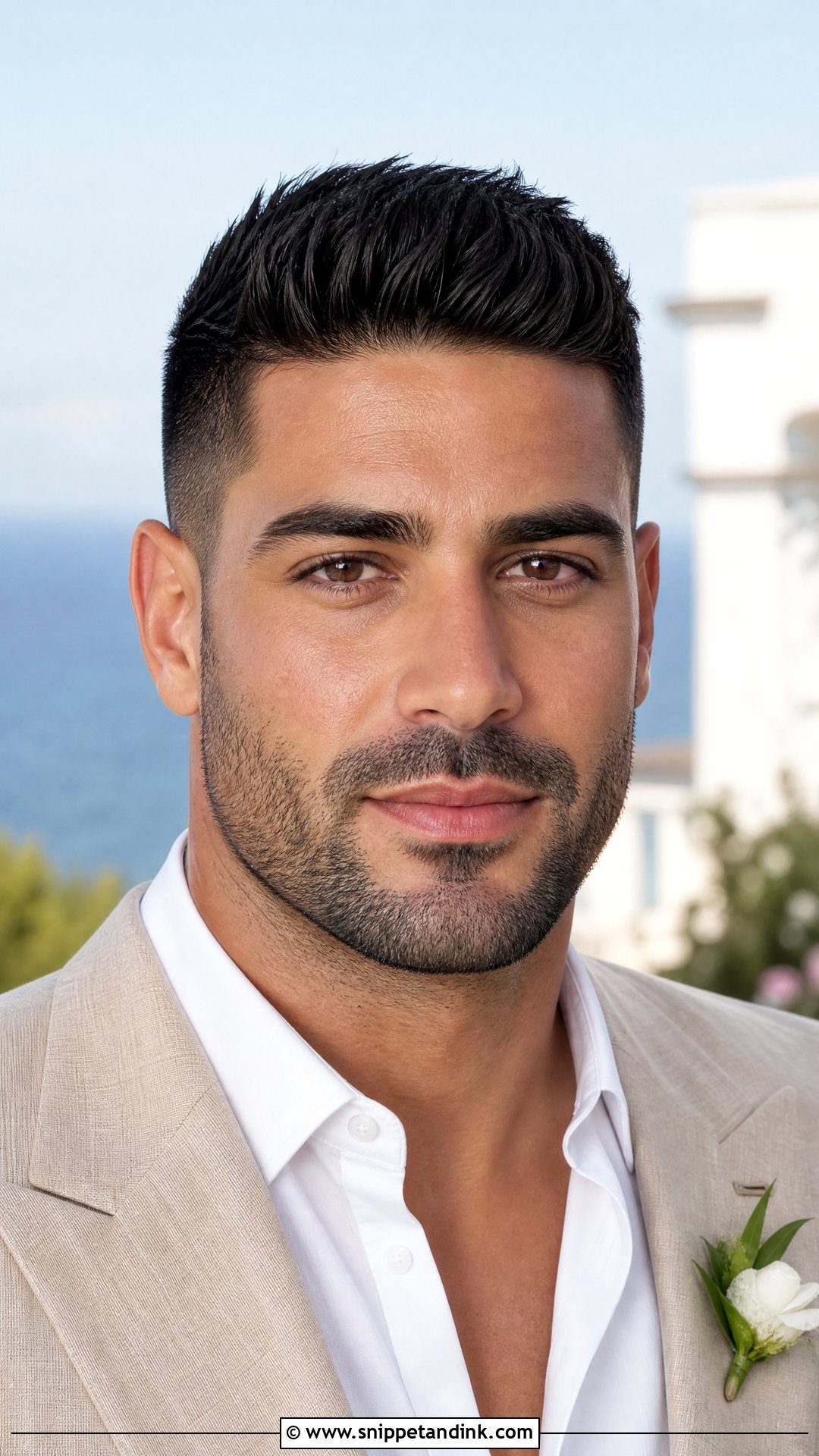
Stubble traps product, so I keep the coverage thin and stay out of it. A light base goes on the upper cheeks, forehead, nose and under-eyes, blended with a damp sponge toward the stubble. Marks or redness are concealed only where needed. A quick brow groom and a natural lip balm keep it clean. If the stubble grows in unevenly, have it shaped before the day; makeup can’t fix grooming. A satin-matte finish usually looks best here, controlling shine while keeping skin real.
11. Groom Makeup For Dark Circles
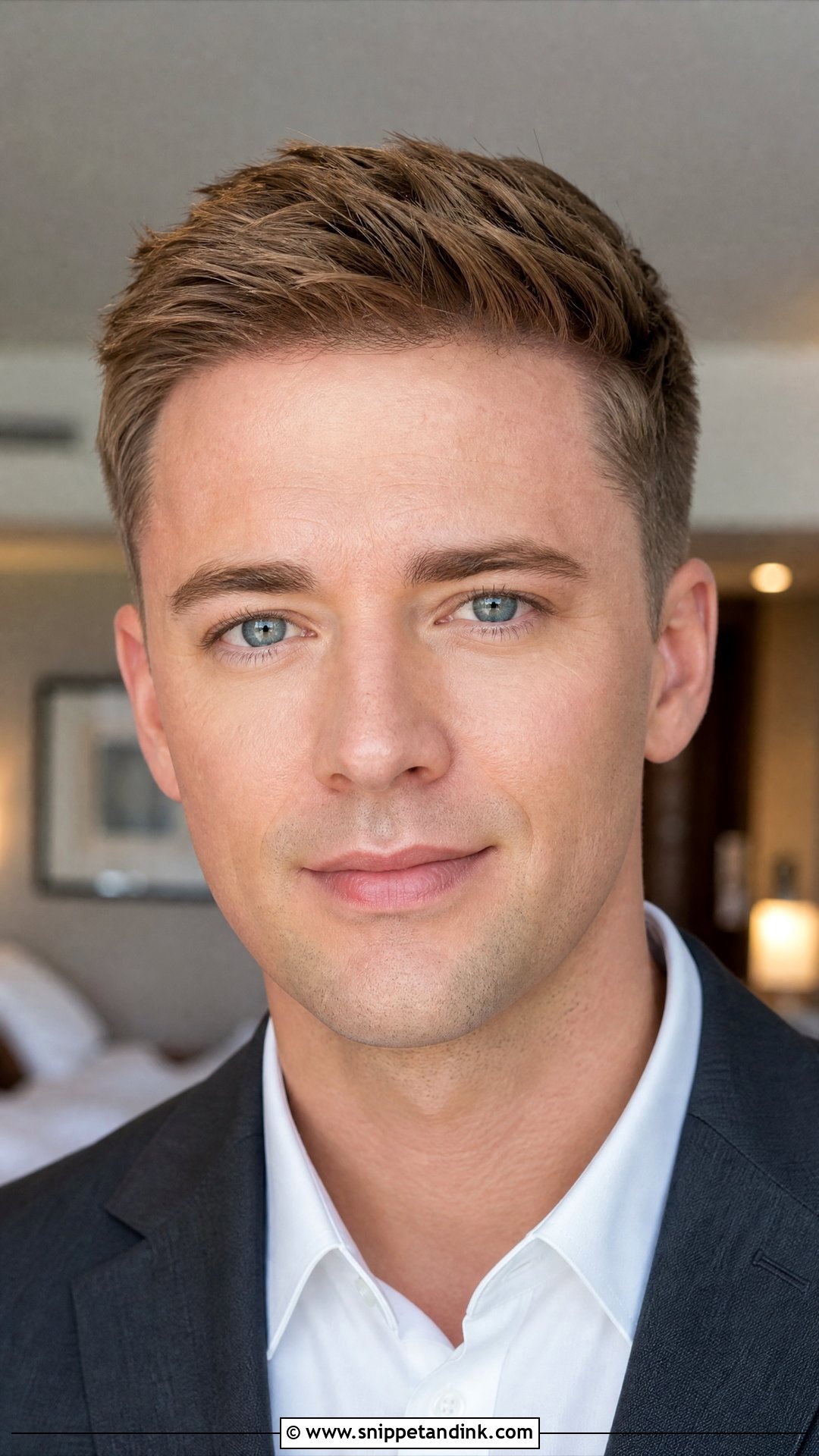
Dark circles are the most common thing grooms ask me to fix, usually after travel, late nights and the rehearsal dinner. I start with a little eye cream, but only a little, since too much makes concealer slide. Then a peach, salmon or orange corrector chosen by skin depth: lighter skin needs peach, deeper skin needs orange. A thin layer of concealer that matches the face goes over it, blended softly and set with the smallest amount of powder. The rest of the face just gets tinted moisturizer and shine control.
12. Groom Makeup For Acne Marks
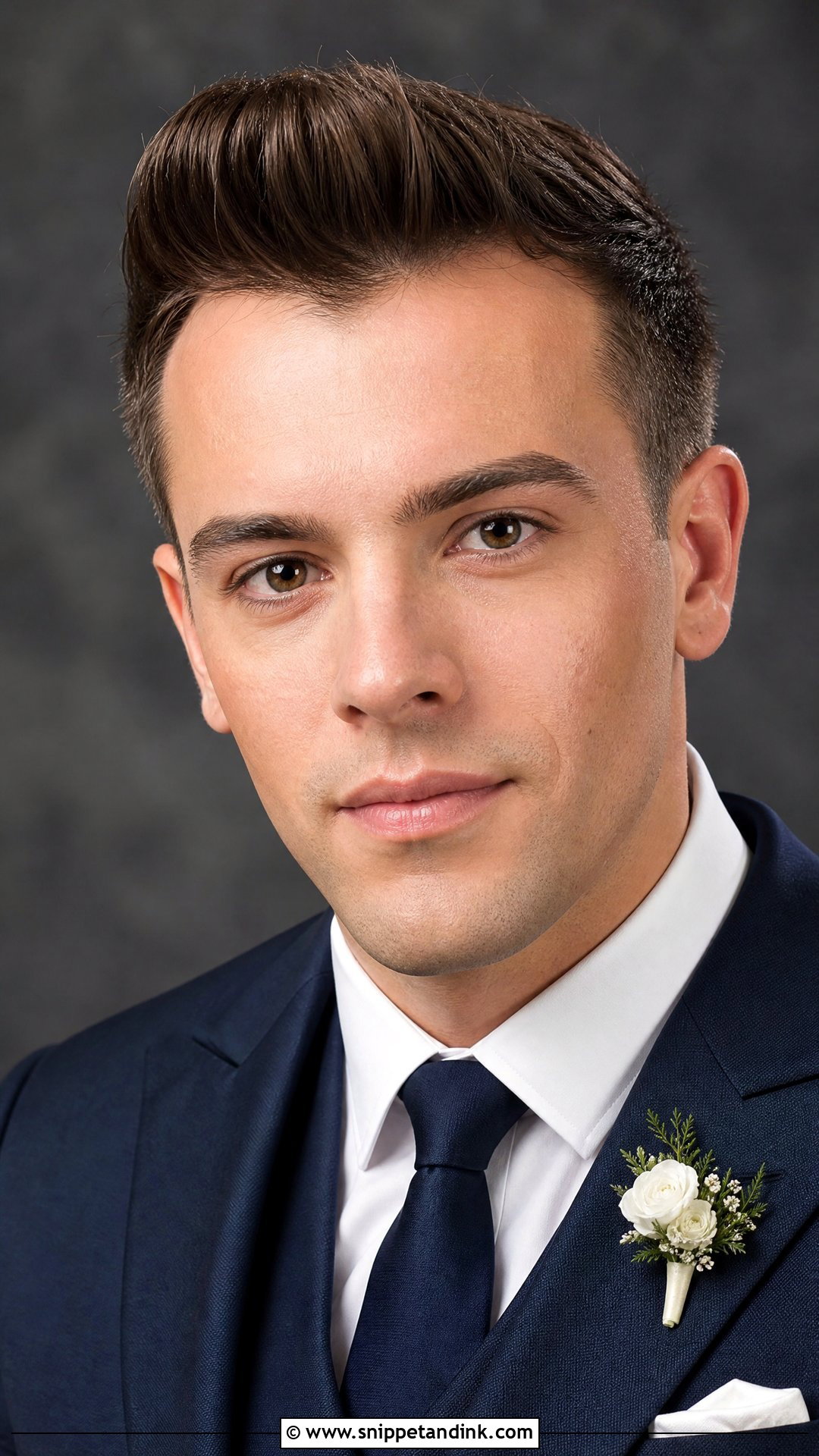
Acne marks need targeted coverage, not a mask. I use a smoothing primer and a natural matte base, then a small brush to place concealer directly on marks, scars or active blemishes. Letting the concealer sit for a few seconds before blending the edges gives better coverage without caking. Only the concealed spots get powder. Shiny products over textured skin make bumps more visible, so I avoid them there. Active breakouts shouldn’t be squeezed in the days before, since a picked spot is harder to cover than an untouched one.
13. Groom Makeup For Redness
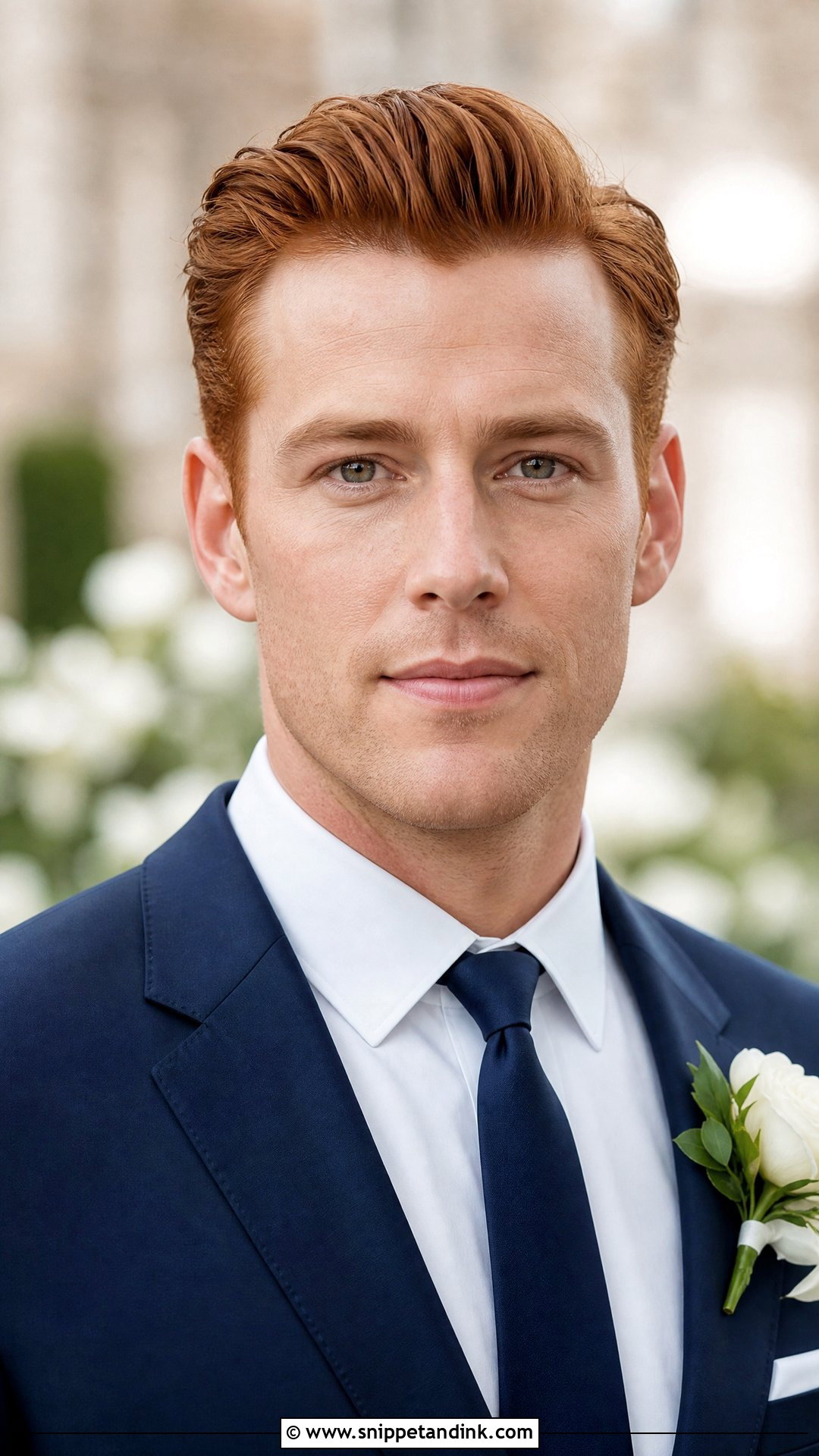
Redness tends to collect around the nose, cheeks, chin and freshly shaved areas. A tiny amount of green corrector neutralizes it, but too much turns grey, so I tap it on and blend it completely. A sheer foundation or tinted moisturizer that matches the neck goes over it, with concealer only where redness still shows. I powder the center of the face, especially for grooms who flush when they’re nervous or warm, and keep bronzer light around the outer face. Sensitive skin, outdoor weddings and close-up photography all benefit from this approach.
14. Groom Makeup For Outdoor Wedding
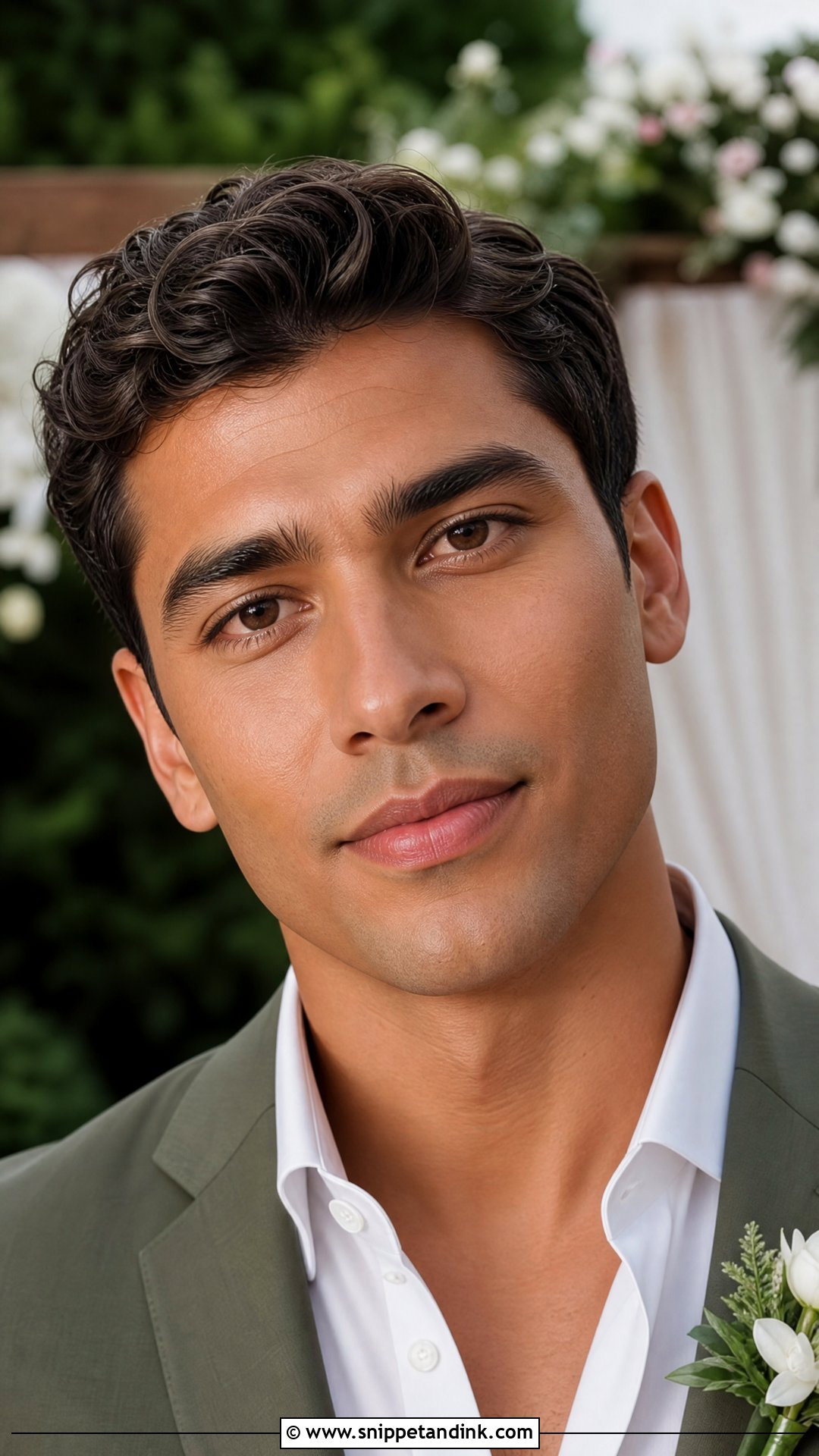
Sun, heat, wind and constant movement are hard on makeup, so I keep the finish natural matte or satin. For a daytime ceremony, sunscreen goes on first, given a few minutes to settle, then a gripping primer. A long-wear skin tint or light foundation gives coverage without weight. Under-eyes and redness get concealed, then the T-zone is set with powder. Clear brow gel and a natural lip balm finish it. I avoid any visible shimmer, because direct sunlight makes it look several times stronger than it did indoors.
15. Groom Makeup For Beach Wedding
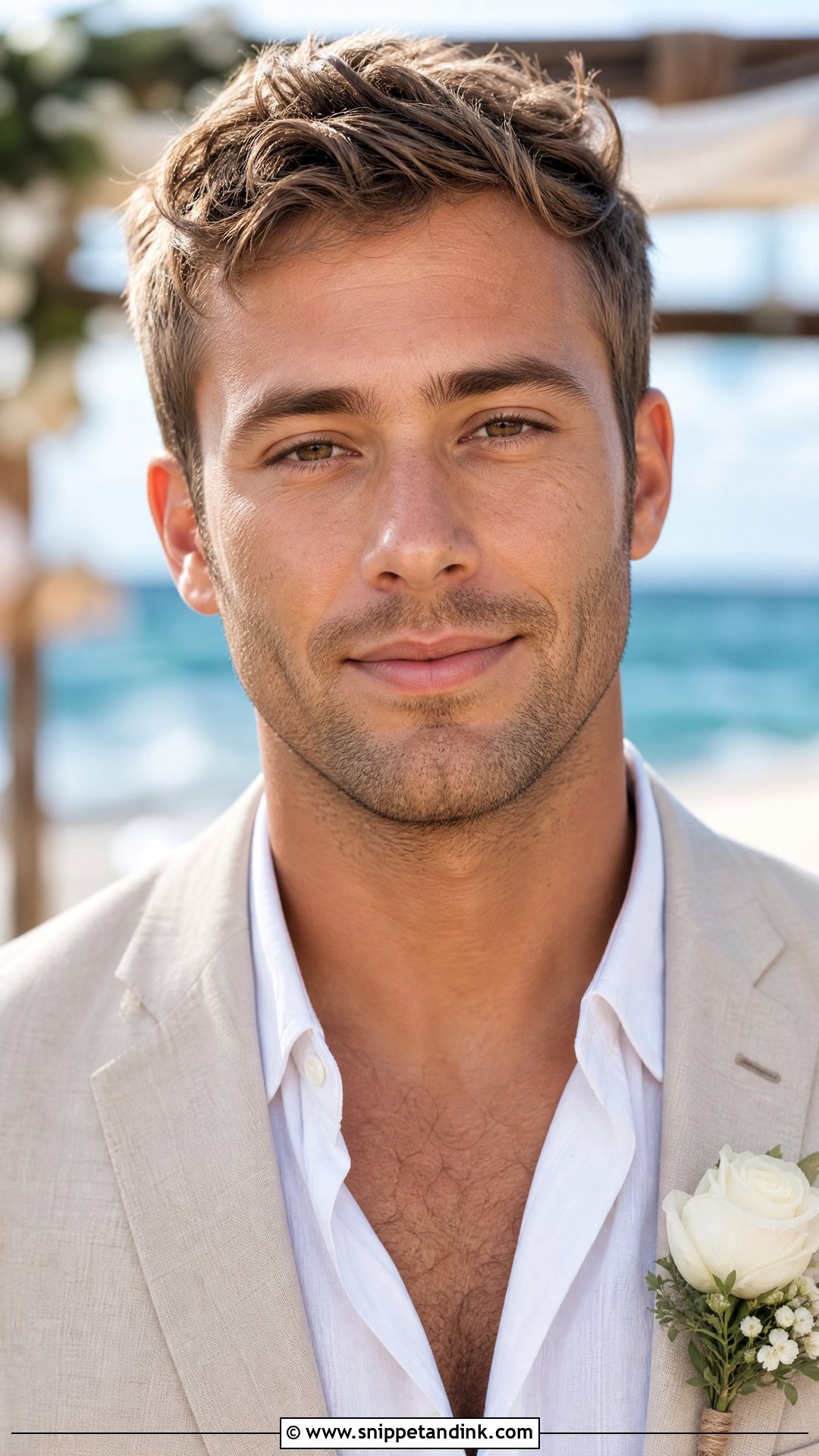
Humidity, sun and sea air break down heavy products, so beach makeup has to be thin. Light moisturizer and sunscreen first, then a water-resistant primer. I use a sheer, long-wear base that evens the tone while freckles and texture still show through. Concealer goes only under the eyes and on redness. The nose, forehead and upper lip shine fastest, so those get powder. A touch of bronzer adds warmth that fits a beach setting, and clear balm keeps lips conditioned. Be ready to blot often; the sea breeze helps, but sweat will come anyway.
16. Groom Makeup For Summer Wedding
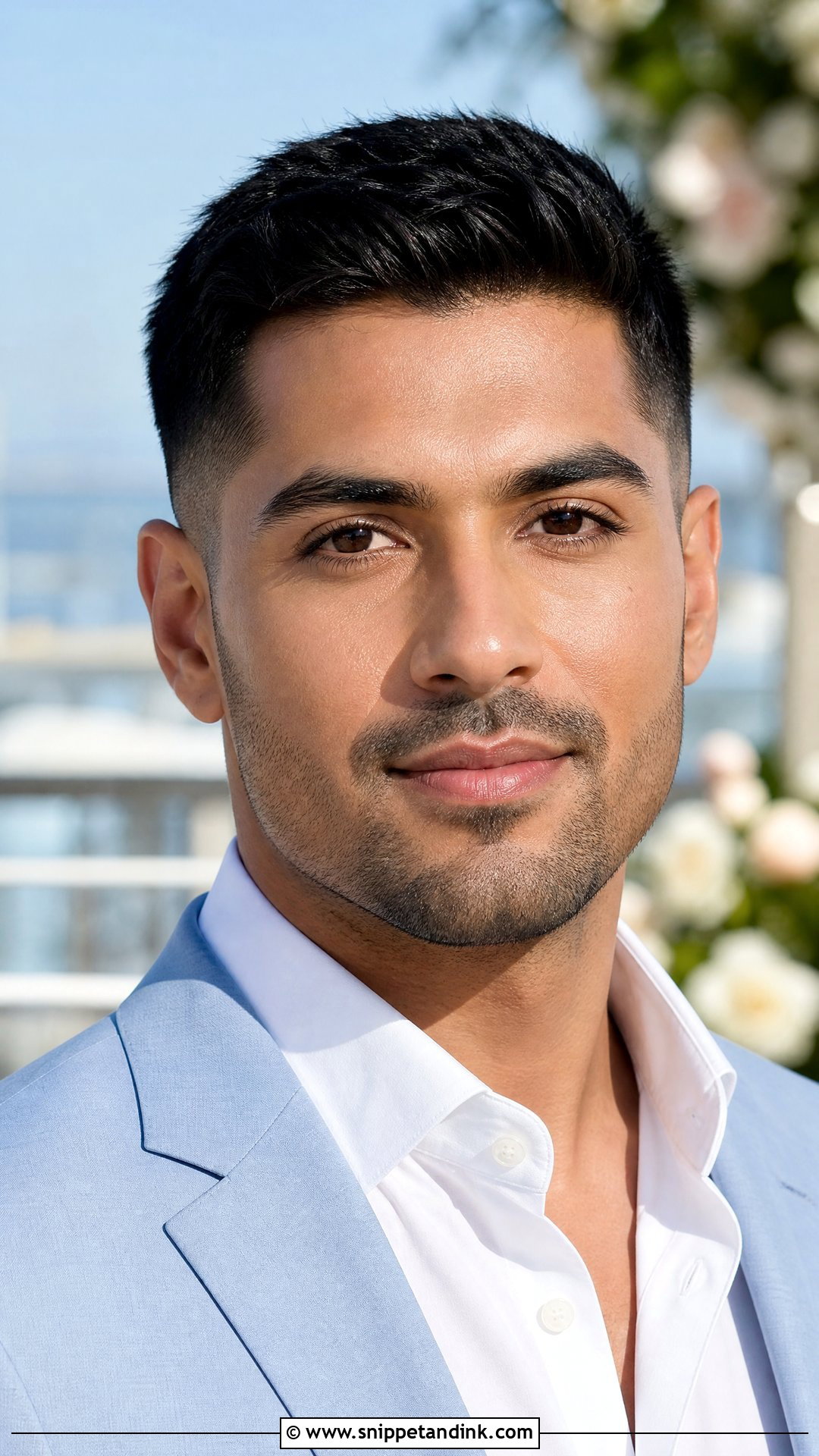
In summer, the base needs to survive sweat as much as it needs to look good. I keep skincare light, use a mattifying primer around the T-zone, and apply a transfer-resistant foundation or tinted moisturizer in thin layers. Creamy concealer under the eyes, lightly powdered, lasts longer. Bronzer gives a sun-warmed look without contour. Clear brow gel, matte balm and setting spray finish it, and blotting papers stay nearby. For June, July and August weddings, I’d also suggest a cool room for getting ready; makeup applied to warm, flushed skin starts slipping before the ceremony.
17. Groom Makeup For Winter Wedding
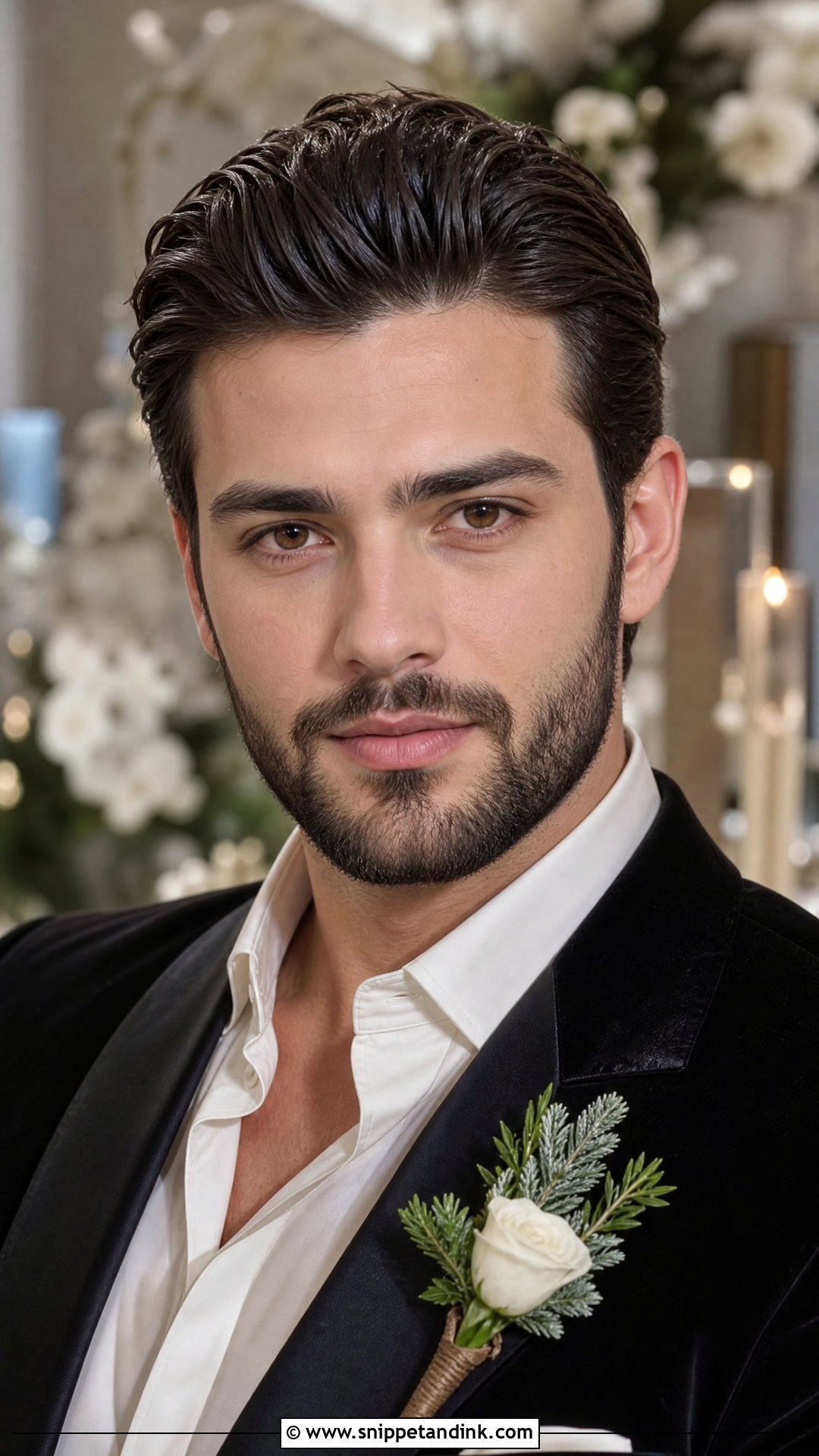
Cold air outside and dry heating inside leave skin dull and flaky, so I hydrate before anything else: moisturizer, lip balm and a smoothing primer. A satin foundation or skin tint gives the face life without shine. Concealer goes under the eyes and around the nose, where cold weather makes redness more obvious. Light powder only where needed. A soft bronzer keeps the face from looking washed out under winter light. Brows groomed, lips in a non-glossy balm. This pairs well with dark suits, velvet jackets and formal indoor venues.
18. Groom Makeup For Black Tie Wedding
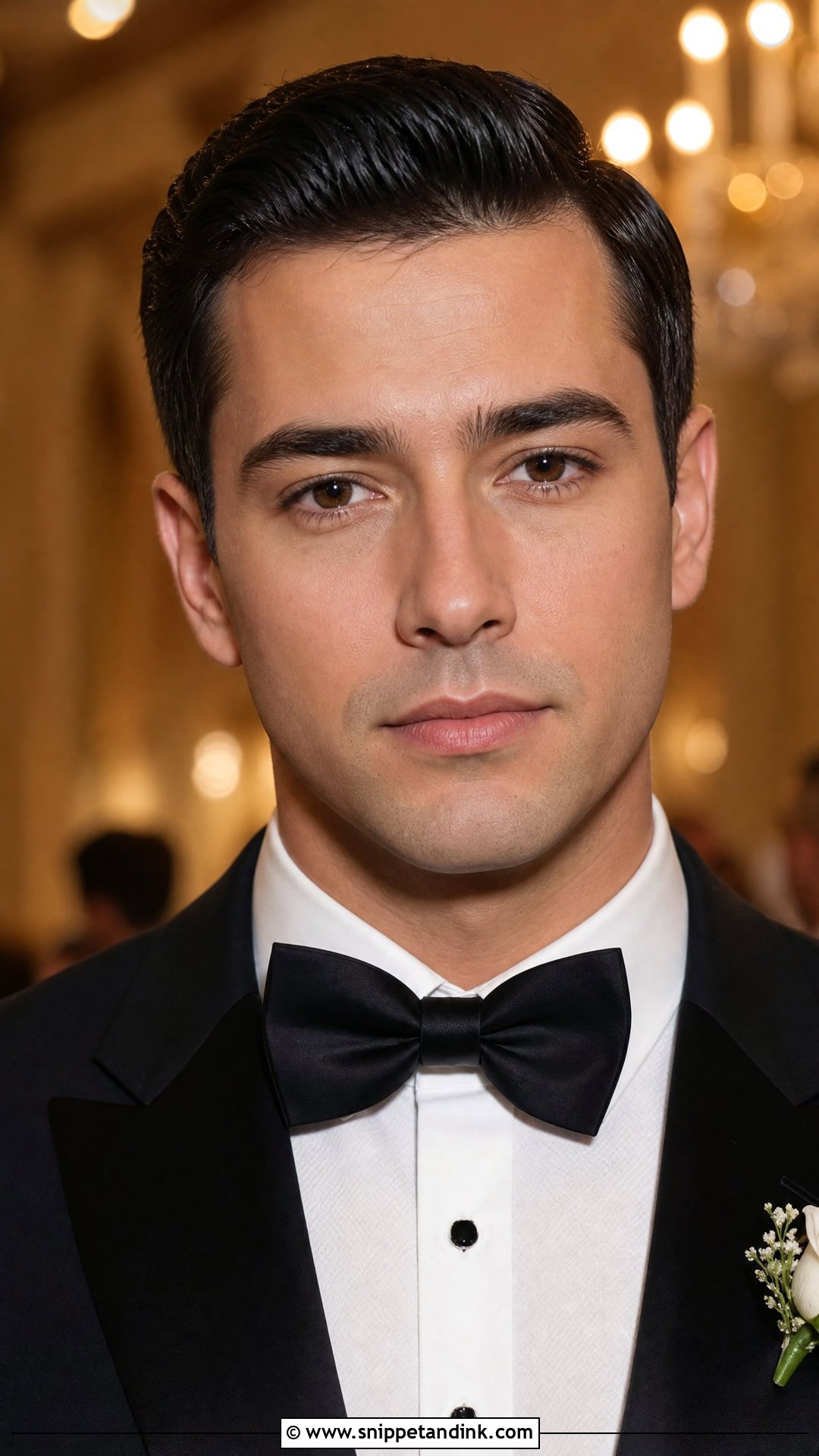
A tuxedo frames the face so precisely that skin needs the same level of finish. I use a blurring primer, a medium-light foundation and precise concealer under the eyes and around the nose. Subtle matte bronzer at the temples, cheekbones and jaw brings back the shape that flash photography flattens. Brows clean but not filled in heavily. Black-tie receptions often mean flash photography in dim rooms, so I powder the center of the face carefully. Lips smooth with a clear matte balm. It’s strong enough for evening light without ever looking done.
19. Groom Makeup For Indian Wedding
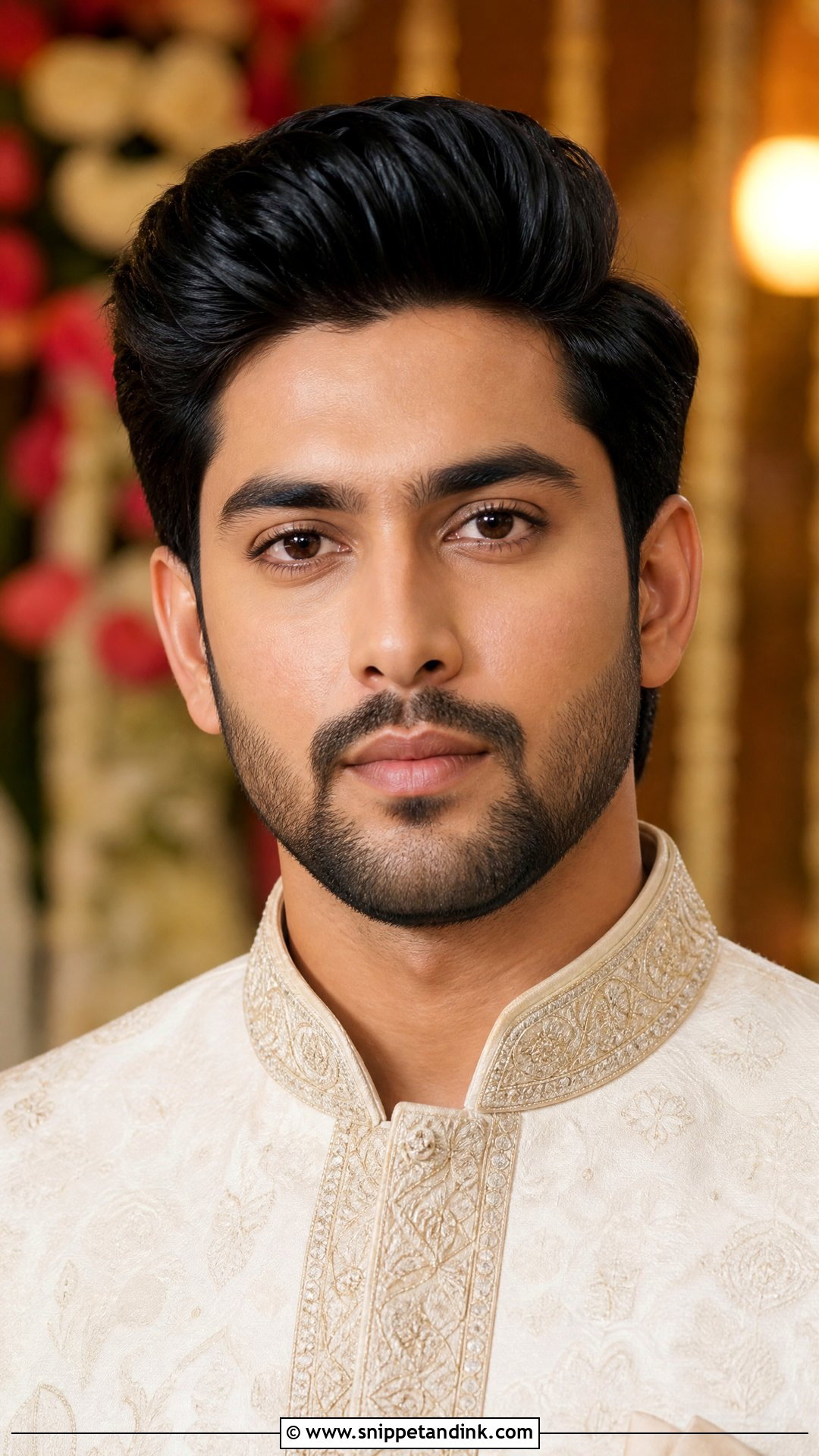
Indian weddings mean long ceremonies across several days, bright outfits, warm stage lighting and a huge number of photos, so wear time matters most. I use a long-wear primer and a light foundation matched to both face and neck, since a mismatch is very visible against a high collar. Under-eye shadows look deeper under stage lighting, so I correct them carefully. Soft matte bronzer or contour defines the face, which helps next to a sherwani, bandhgala or richly embellished outfit. Set well but avoid a dry, powdery finish. A cleanly groomed beard or mustache and a natural balm complete it. For multi-day weddings, I’d plan a simpler version for daytime events and save the full routine for the main ceremony.
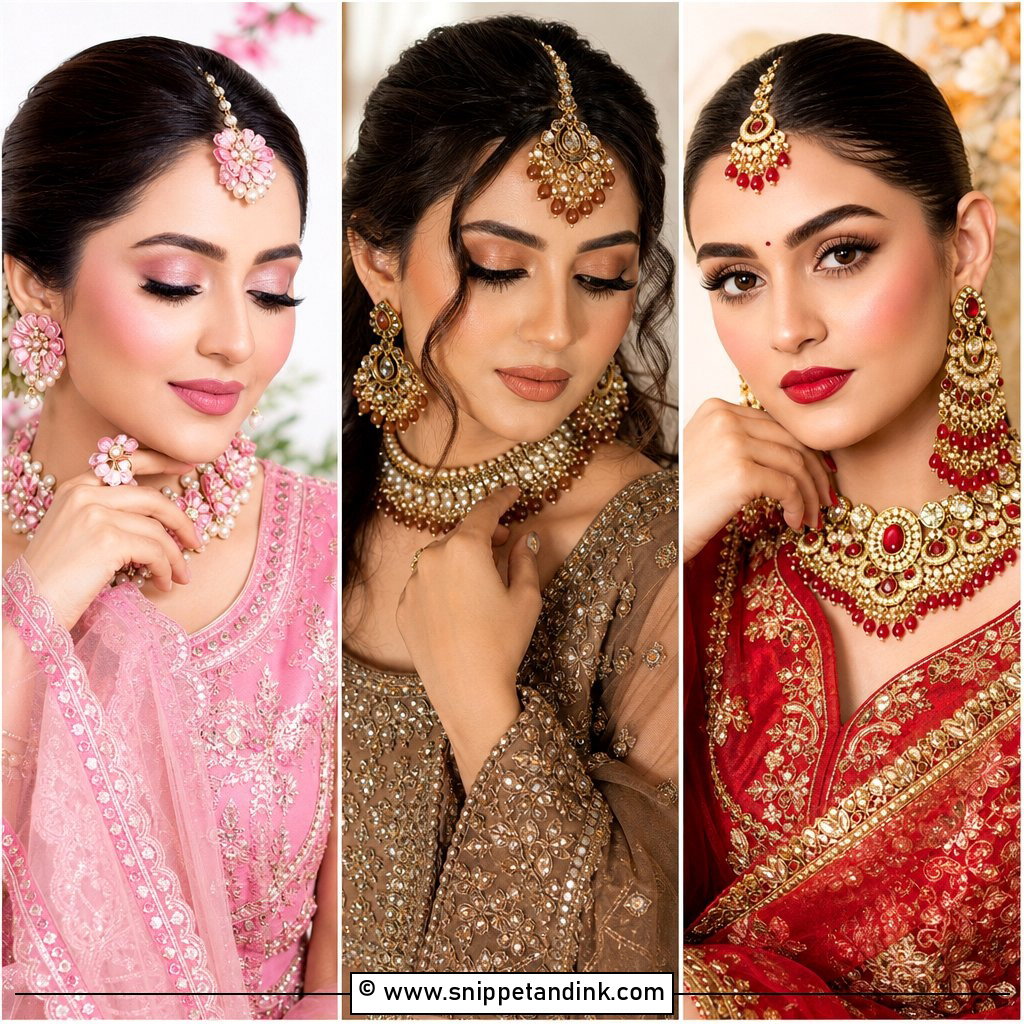
20. Groom Makeup For Asian Groom
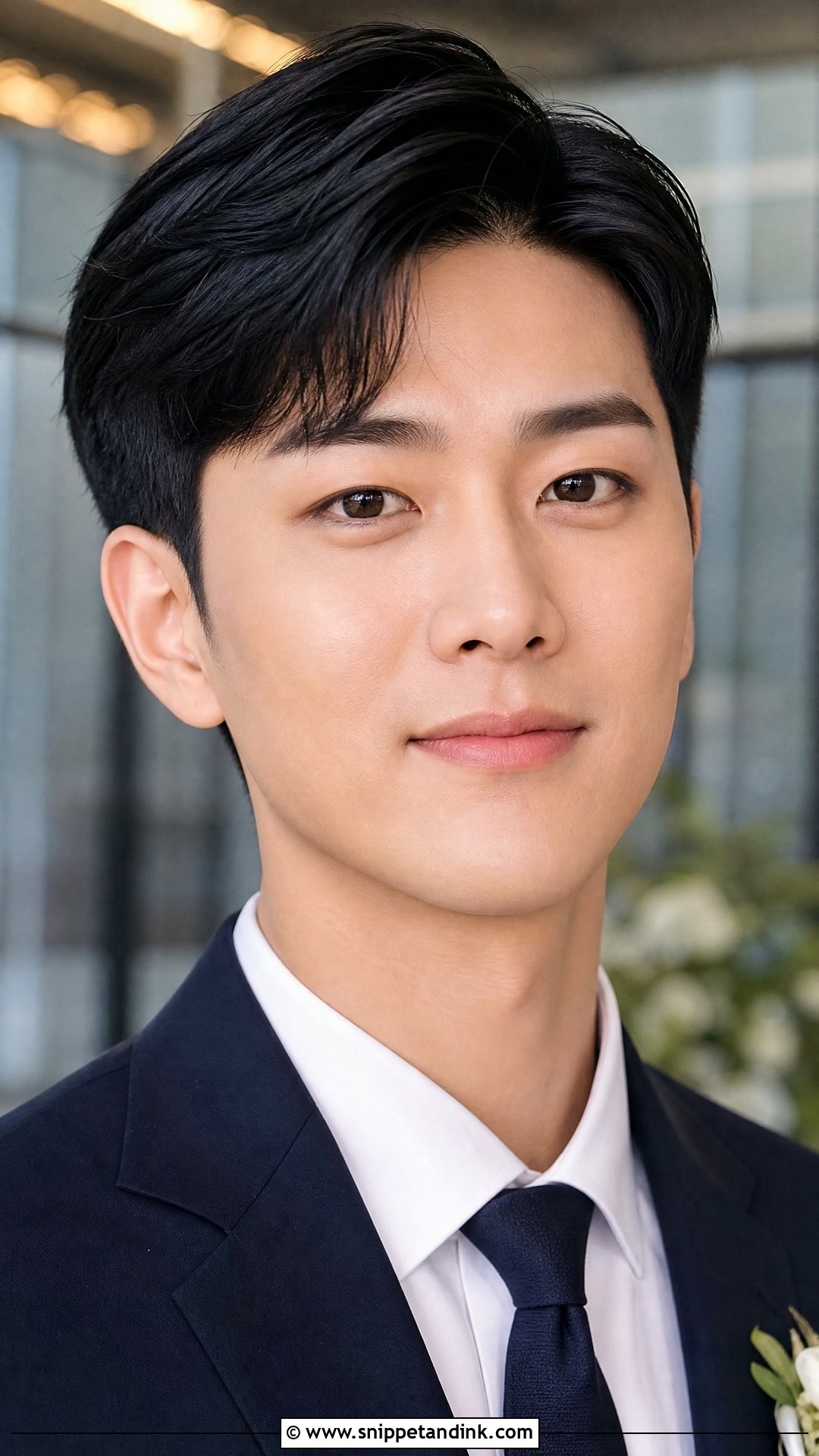
Even tone and smooth texture are usually the focus, with definition kept natural. The base has to match the undertone closely, which can be fair, light, golden, olive or tan, and I swatch along the jaw in daylight before deciding. A thin layer of skin tint or foundation evens out redness. Under-eye brightening helps the face look awake, but a concealer that’s too light leaves a grey or ashy patch. Brows can be brushed and lightly filled while keeping their natural shape. Soft contour at the jaw and temples adds dimension, the T-zone gets powder, and the cheeks stay skin-like.
21. Groom Makeup For Black Groom
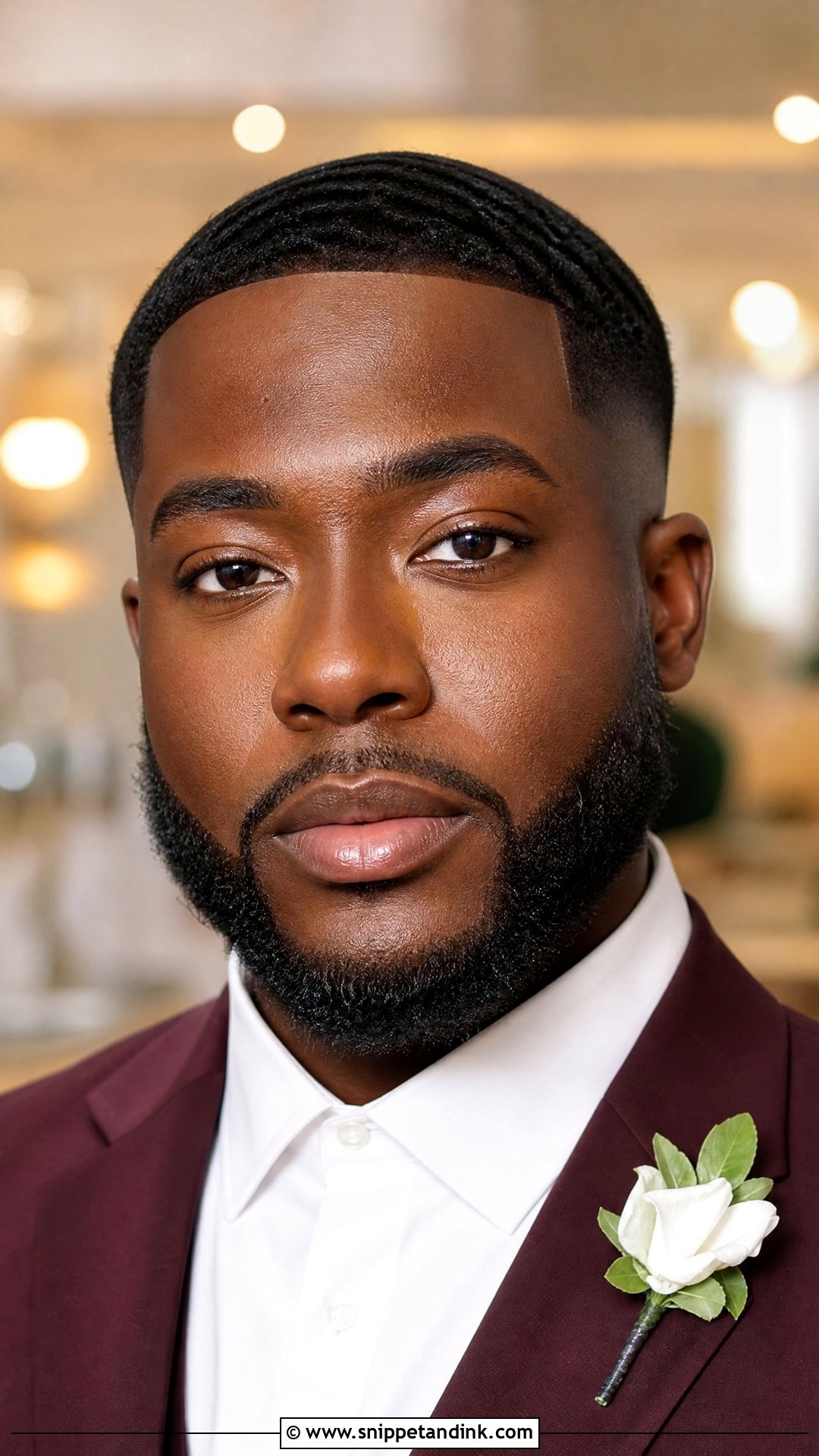
Deep skin should look rich and warm, never flat or ashy. Shade matching matters most at the center of the face and along the jaw, where many skin tones are a little different from the cheeks, so I sometimes use two foundation shades. A hydrating or satin primer goes first, then light foundation only where needed. An orange or red-orange corrector handles deeper under-eye darkness or hyperpigmentation before concealer. Many white or translucent powders leave a grey cast on deep skin under flash, so I use a finely milled powder made for deeper tones. A little golden warmth on the high points looks healthy, while shine stays controlled in the T-zone.
22. Groom Makeup For Fair Skin
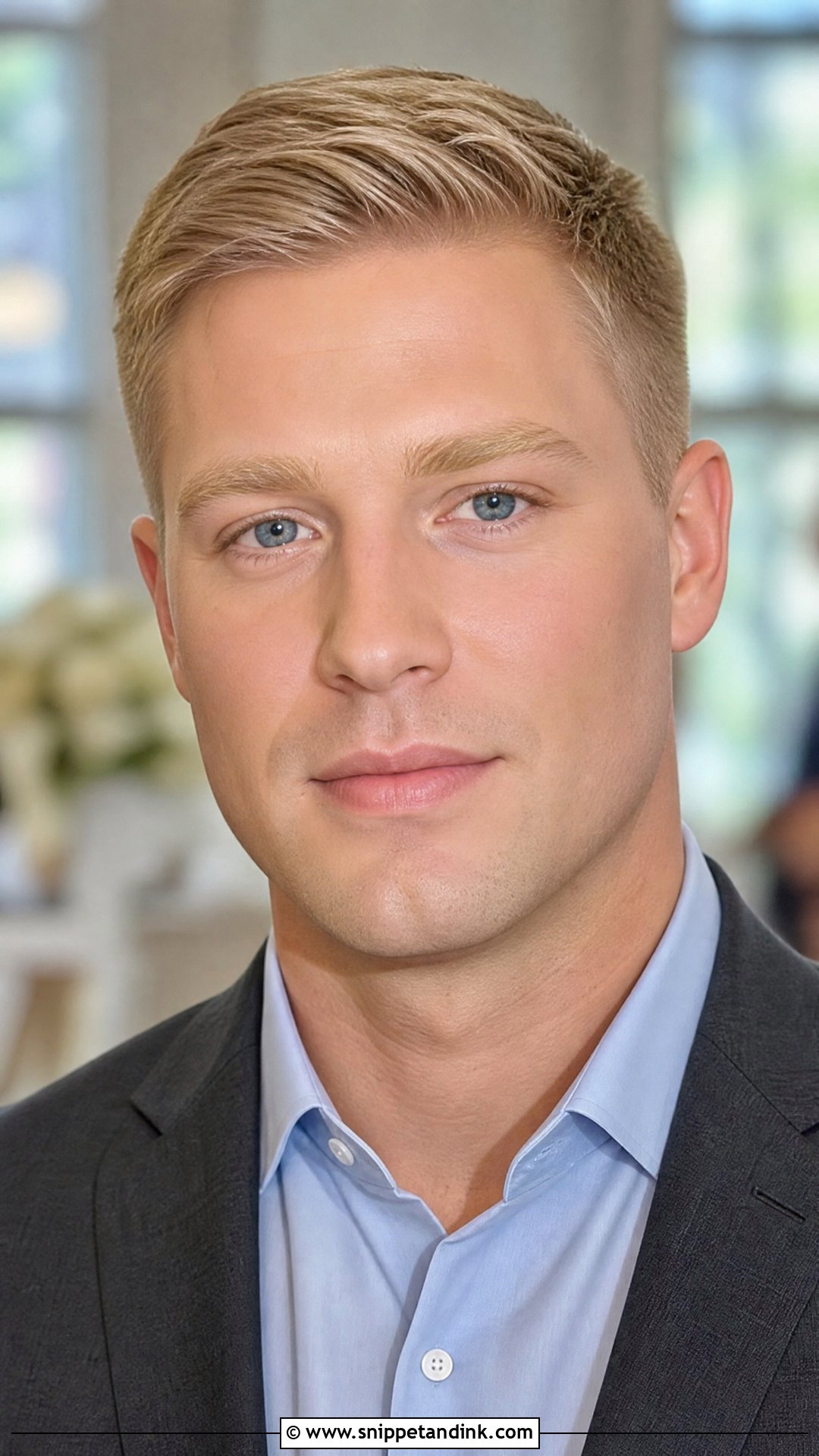
Fair skin shows redness, razor irritation and under-eye color easily. I start with calming skincare and a primer suited to the skin type, then a sheer foundation with the right undertone so the face doesn’t look pink, yellow or paler than the neck. A touch of green corrector helps around the nose or cheeks, and peach corrector brightens bluish under-eyes. Bronzer stays light and neutral; an orange bronzer is the quickest way to make fair skin look fake. A little powder on the T-zone, clear brow gel and lip balm finish it.
23. Groom Makeup For Tan Skin
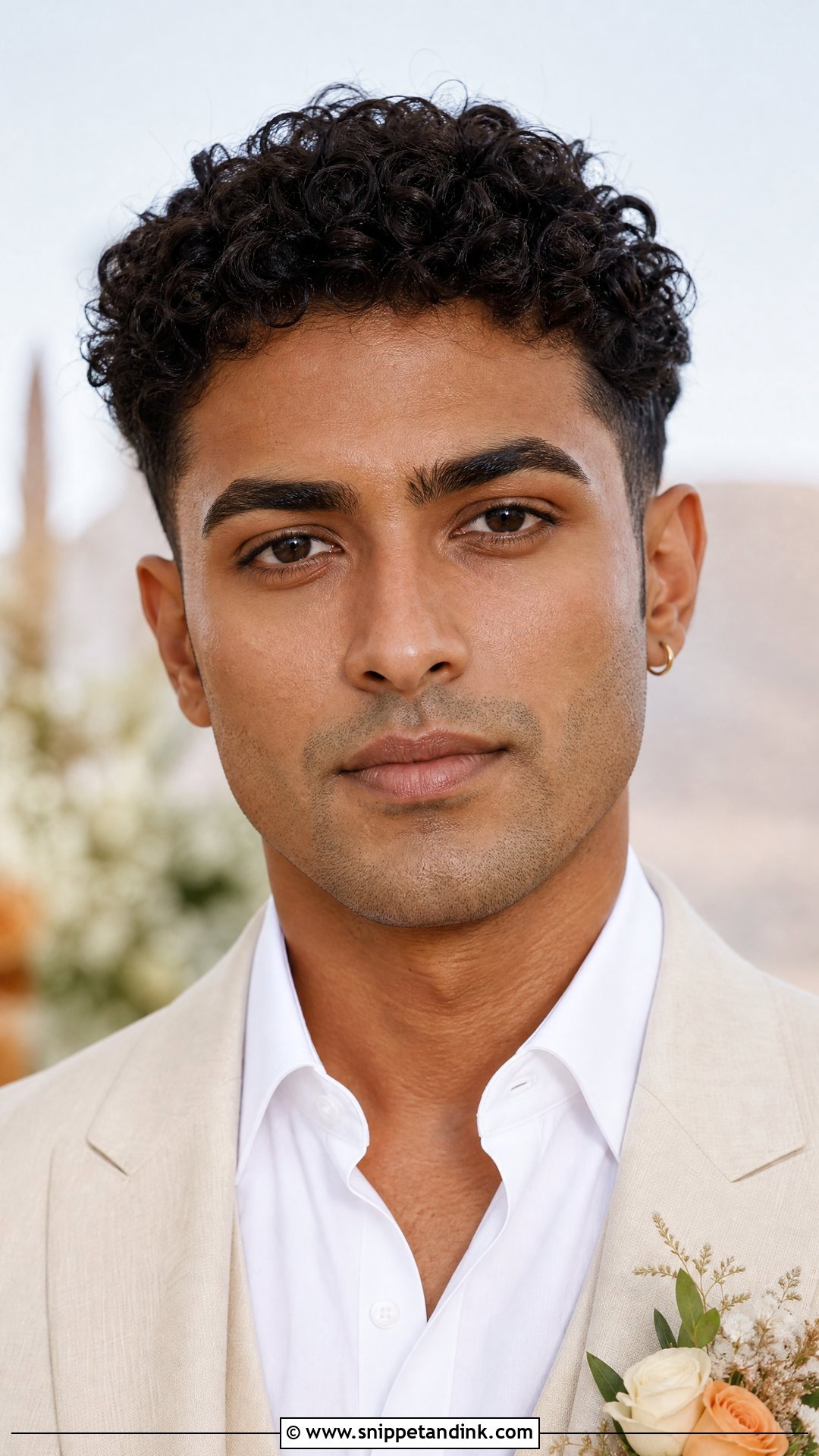
Tan skin needs a base that keeps its warmth while evening out patchy areas. I match foundation to the natural depth near the neck and jaw, using a light formula or tinted moisturizer so the skin doesn’t look covered. Peach, orange or golden corrector brightens the under-eyes depending on undertone. Soft matte bronzer defines the cheekbones and jaw without harsh lines. Powder that’s too pale gives a chalky finish, so I use a tinted setting powder on the T-zone. Clear brow gel, neat facial hair and moisturized lips complete it.
24. Groom Makeup For Mature Skin
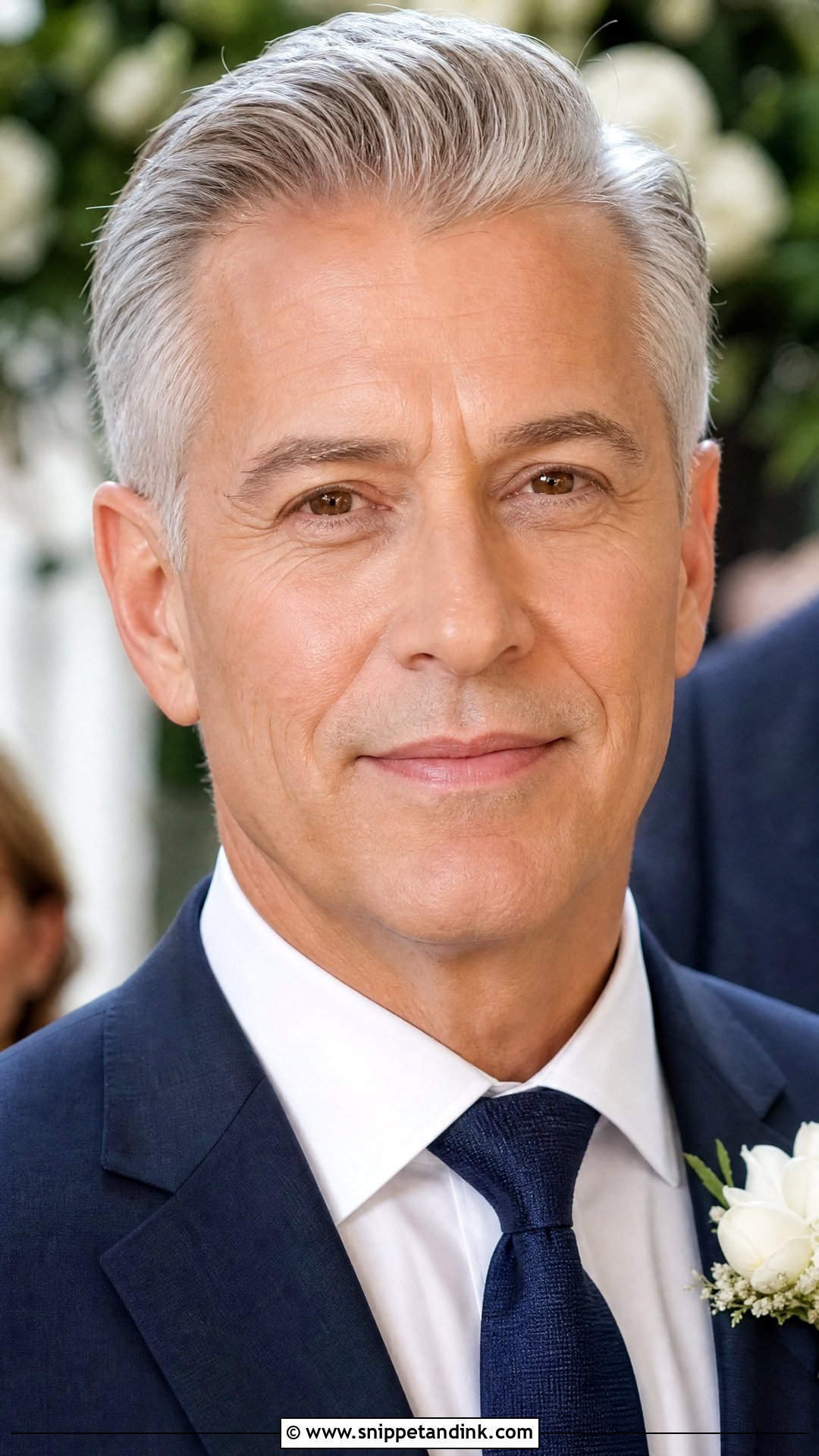
Mature skin needs softening and hydration, and the main enemy is product settling into lines. Heavy matte foundation exaggerates texture, so I choose a flexible skin tint or satin base. Moisturizer and a smoothing primer go on first, especially around the eyes and smile lines. Concealer is used lightly and only where needed; thin layers under the eyes crease far less. Cream or powder bronzer on the outer face adds warmth. Powder goes only on the T-zone. Brows trimmed and brushed upward look lifted, and a comfortable lip balm finishes it.
25. Groom Makeup For Reception
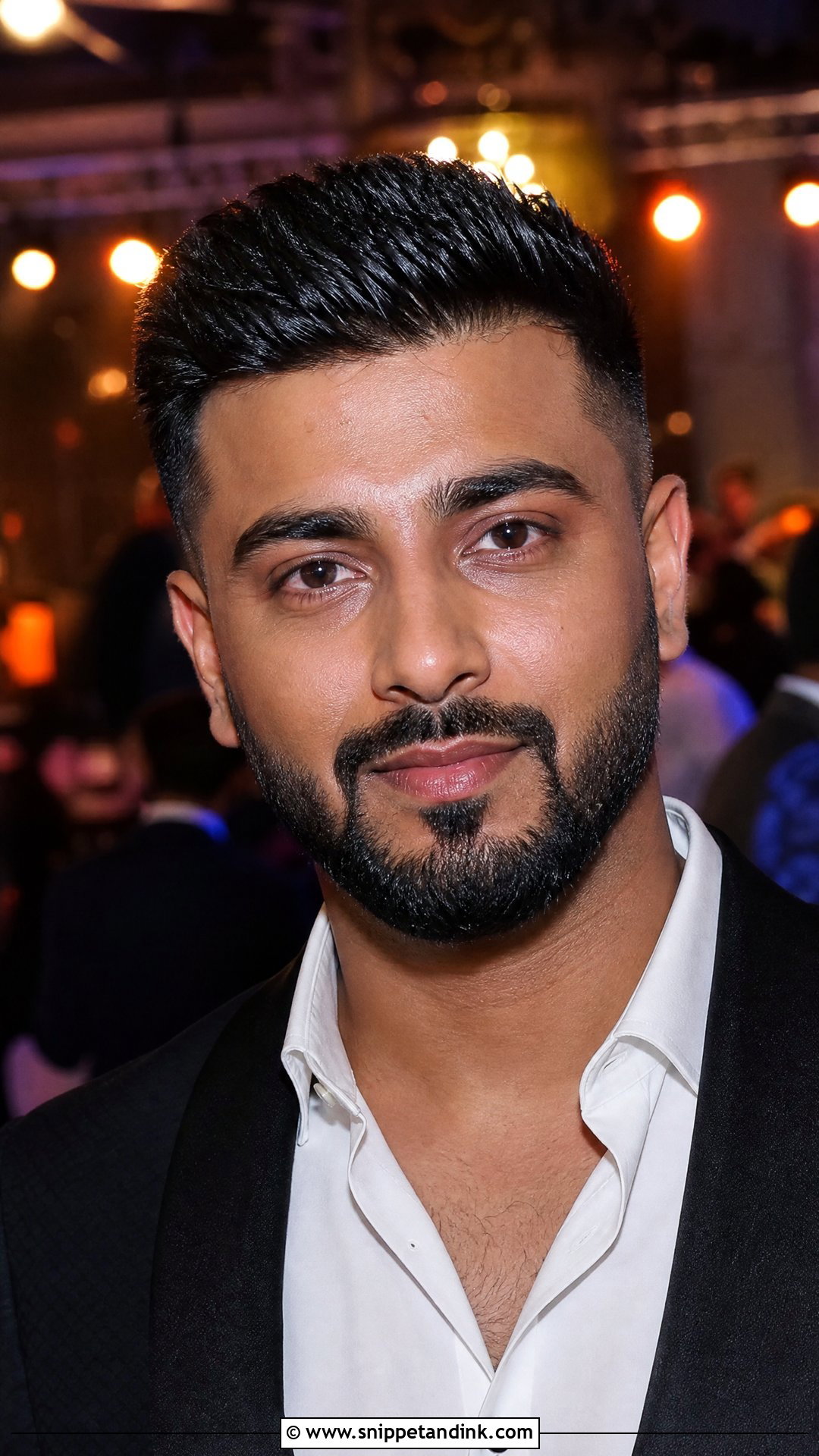
By the reception, makeup has been through hours of hugs and heat, so I plan a quick refresh before the evening photos. Blot the skin first, never wipe, then touch up concealer and powder only where needed. A satin-matte foundation keeps things smooth. Bronzer at the temples and jaw brings back structure that dim, warm lighting tends to flatten. If there’s a beard, clean the beard line of any residue. Brushed brows, hydrated but not shiny lips, and a mist of setting spray carry it through the dancing.
A Pocket Kit, and Keeping Foundation Off a White Collar
Grooms don’t carry a clutch, so everything for touch-ups has to fit in an inside jacket pocket or go with the best man. I keep it to four things.
- Blotting papers. Press them on the forehead and nose, don’t rub.
- A small pressed powder in his shade, with a puff rather than a brush.
- An unscented, non-glossy lip balm.
- A small beard comb if he has facial hair.
Collars, lapels and the bride’s dress
Foundation on a white shirt collar is the most common groom makeup complaint. I either do makeup after the shirt is on, with a tissue tucked around the collar while I work, or I have him put the shirt on carefully over his head with a scarf covering his face. Set the jawline and neck well with powder, since that’s where transfer happens. The same setting step protects the bride’s dress during hugs and slow dances, which matters a lot more when it’s ivory silk.
Looking Rested, Not Made Up
Good groom makeup is the kind nobody mentions. It doesn’t need heavy coverage or color, just careful prep, the right shade, controlled shine, brighter under-eyes, neat brows, groomed facial hair and comfortable lips. Skin type, location, weather and outfit decide the details; natural, matte, dewy, HD and beard-friendly approaches all work with a light hand. If you take one thing from this, book a short trial, wear it for a few hours and look at photos of it in daylight and with flash. Then you’ll know you’ll look like yourself on the day.
You'll Like These Ideas:


Leave a Reply