
A black tie wedding changes what counts as finished hair. Beachy waves that look right at a garden party can read as unfinished next to a floor-length gown and a tuxedo, and a ballroom under candlelight shows every flyaway. What I aim for at evening weddings is shine, a clear shape and enough hold to survive a long dinner and a dance floor. That’s why glossy chignons, sculpted waves, French twists, sleek buns and polished half-up styles keep turning up. Below are fifteen options for gowns, formal jumpsuits and evening dresses, with notes on which hair types and necklines each one suits.
Candlelight, Flash and the Finish an Evening Dress Code Expects
Black tie sits a step below white tie and a clear step above cocktail attire. For hair, that means a finished look rather than a particular style. Up, down or half up are all fine. What looks out of place is anything that seems unplanned: air-dried texture, a clip grabbed at the last minute, a ponytail with a bump at the crown.
It also usually means evening light. Ballrooms, candles and a photographer’s flash pick up shine and expose frizz more than daylight does. At an evening wedding I use more smoothing product and a final mist of shine spray than I would for a noon ceremony, and I check the hairline under the brightest light in the room before anyone leaves the chair.
1. Black Tie Low Chignon
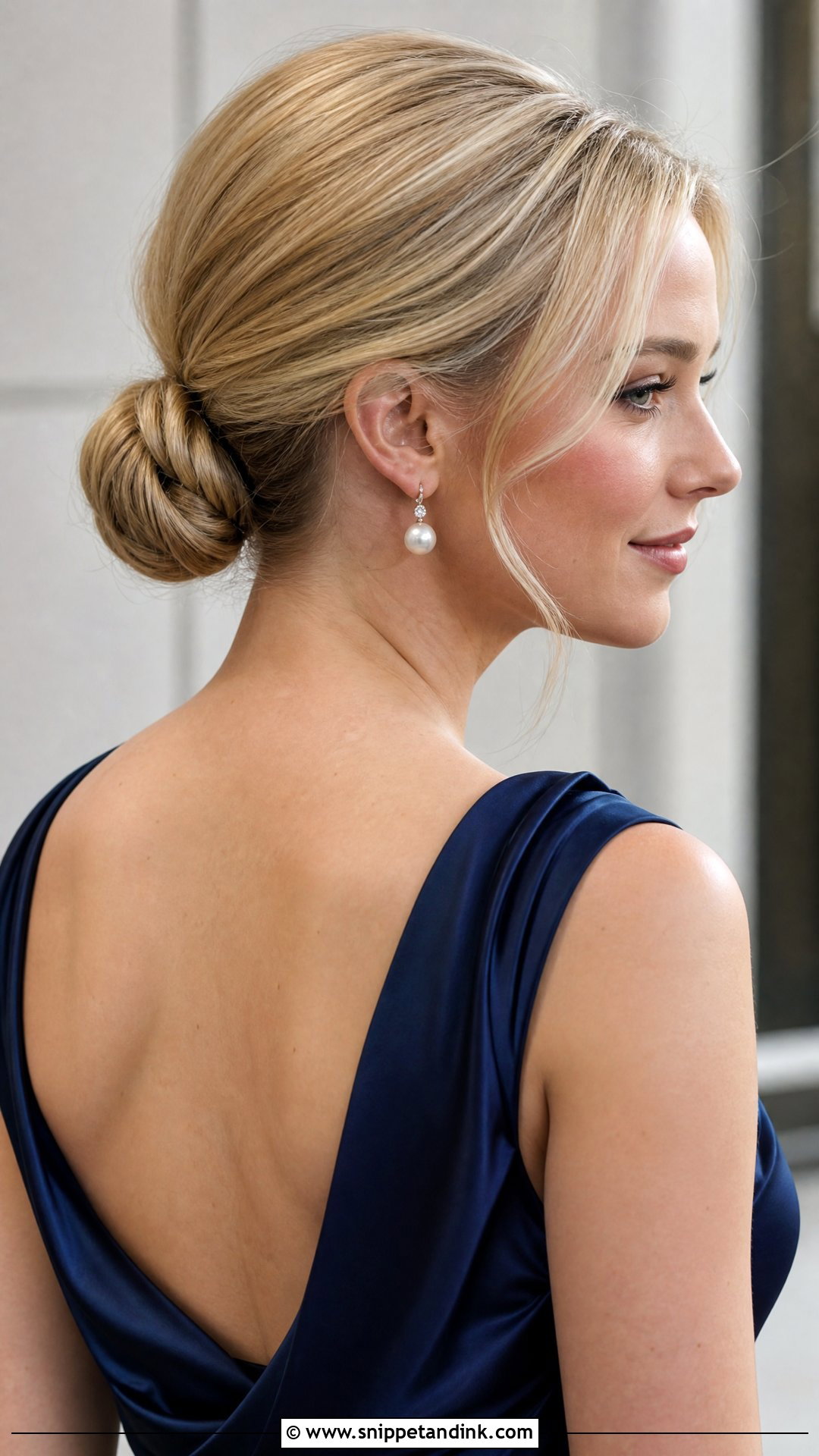
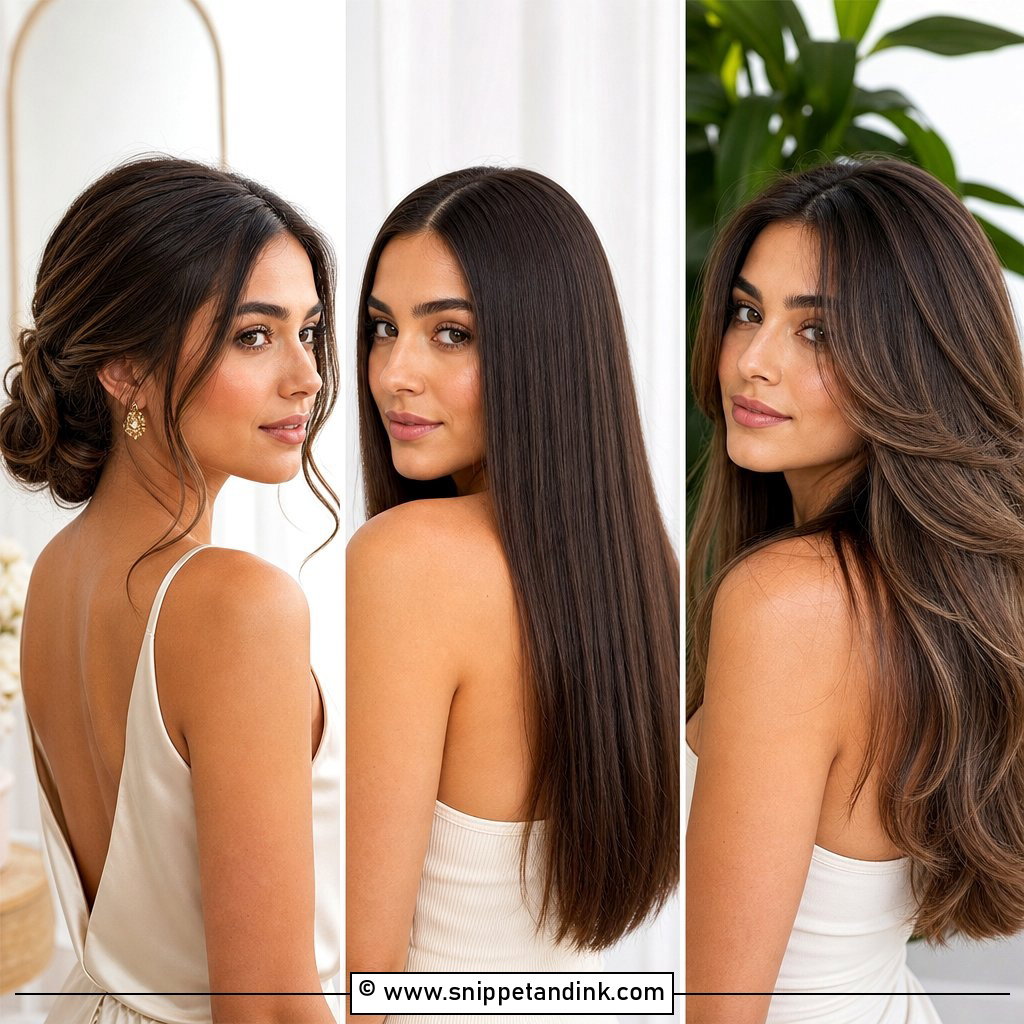
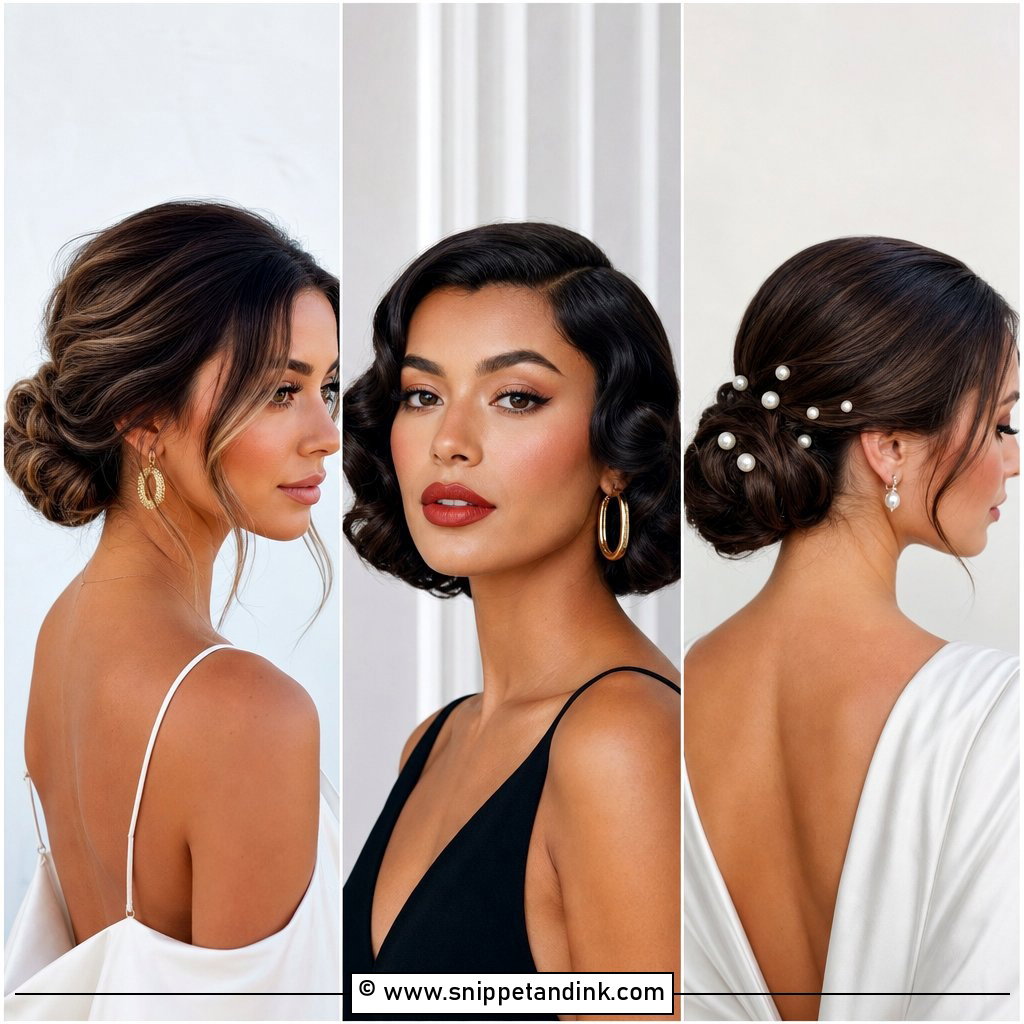
If a client can’t decide, the low chignon is where I start, because it’s the hardest style to get wrong at a formal wedding. Sitting at the nape, it works with strapless, off-the-shoulder and high necklines alike and leaves the ears clear for statement earrings. Flat-at-the-crown hair needs a little backcombing at the root before I gather it, or the chignon looks heavy against a flat top. I lock it with crossed pins rather than a straight row, mist with a flexible spray and finish with shine. Smooth reads classic; a few loose pieces at the face soften it.
2. Black Tie Hollywood Waves
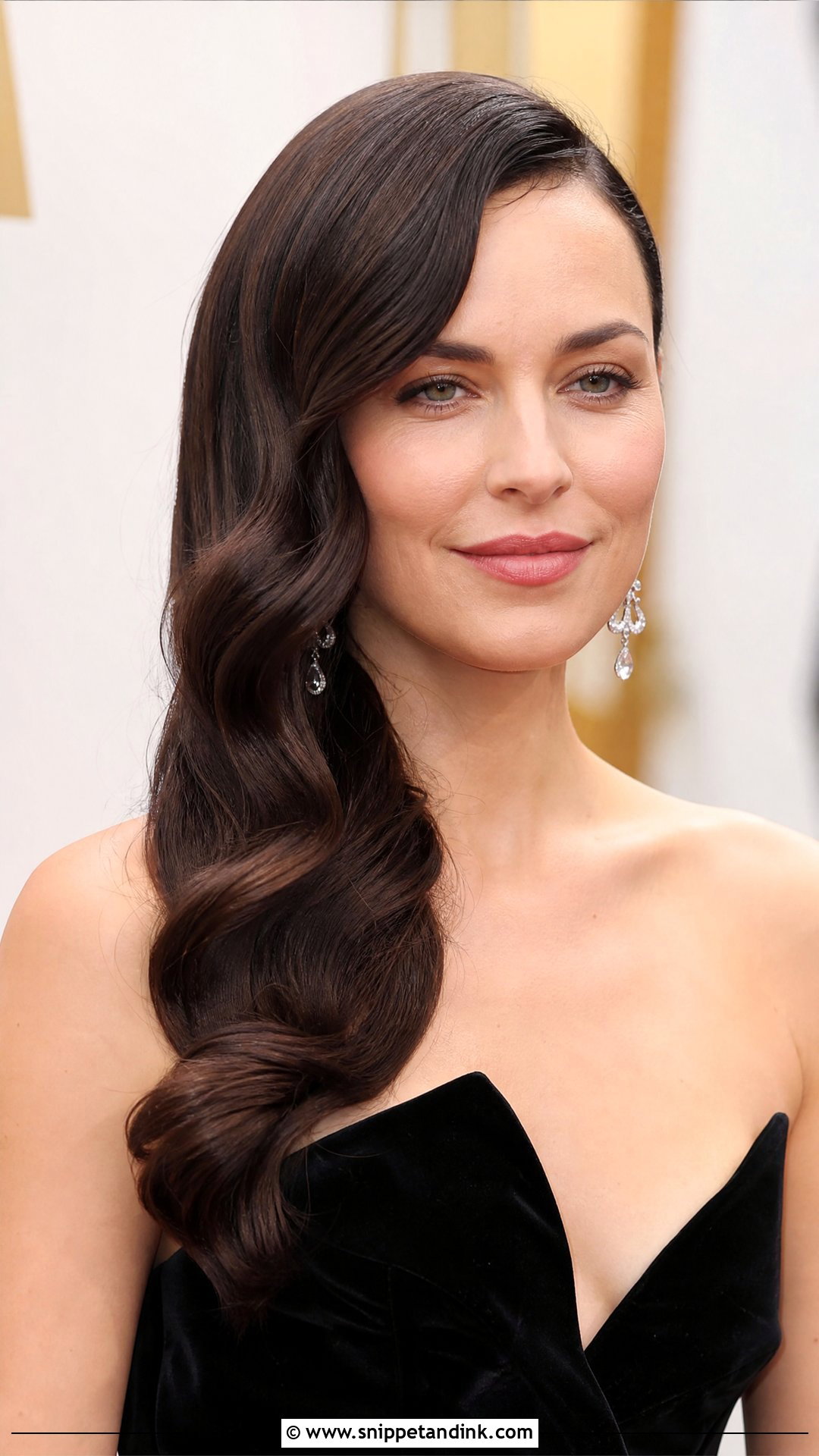
Black tie Hollywood waves depend on uniformity. Every curl has to go in the same direction and be the same size, then get pinned while it cools and brushed out into one continuous S-shape. Skip the cooling and the pattern collapses before dinner. A deep side part and a satin gown suit them; heavy accessories fight them. They need medium to long hair with some weight, since very fine or heavily layered hair breaks the wave into separate pieces. I’d book a professional for these if it’s your first time.
3. Black Tie Sleek Bun
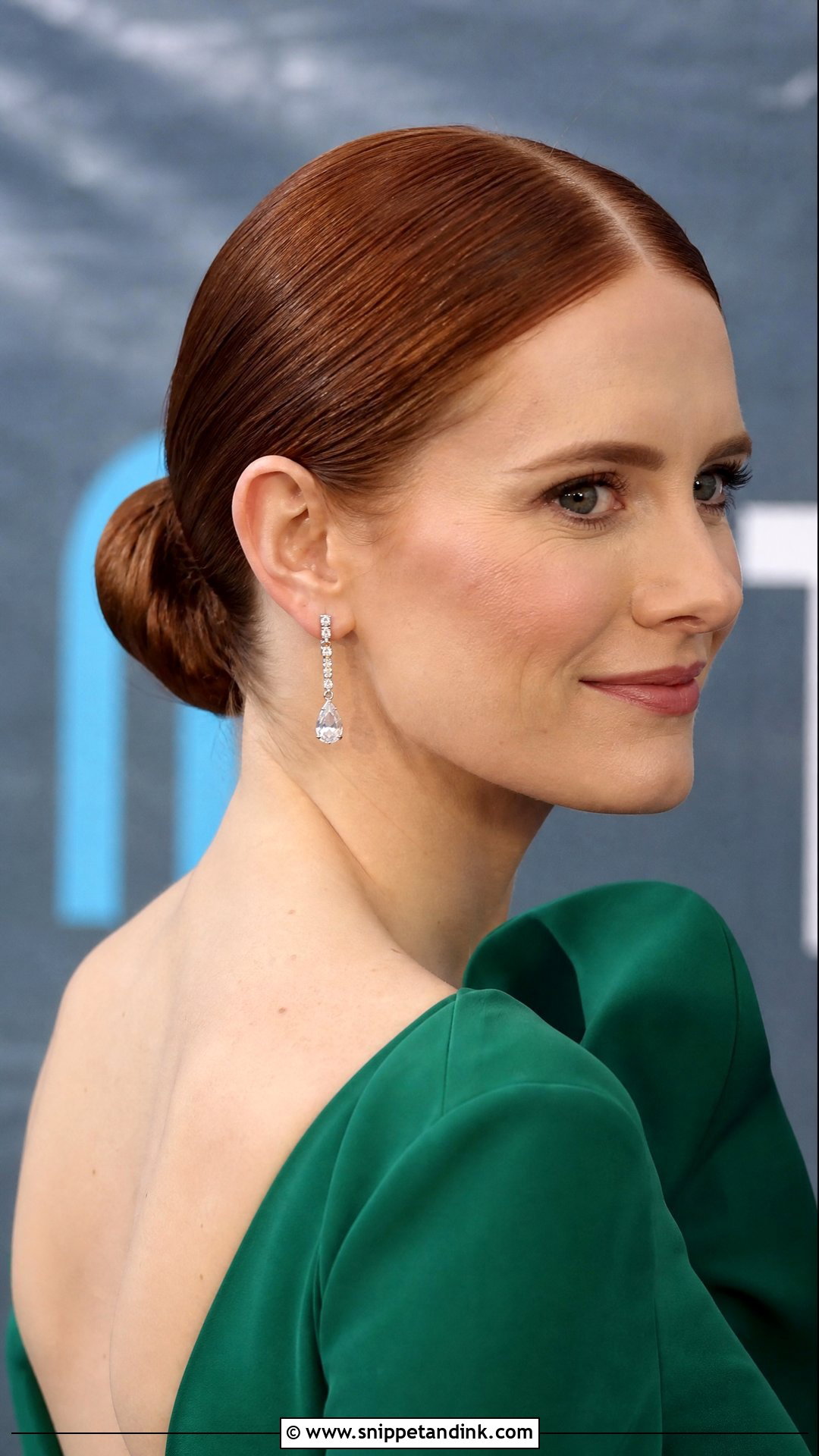
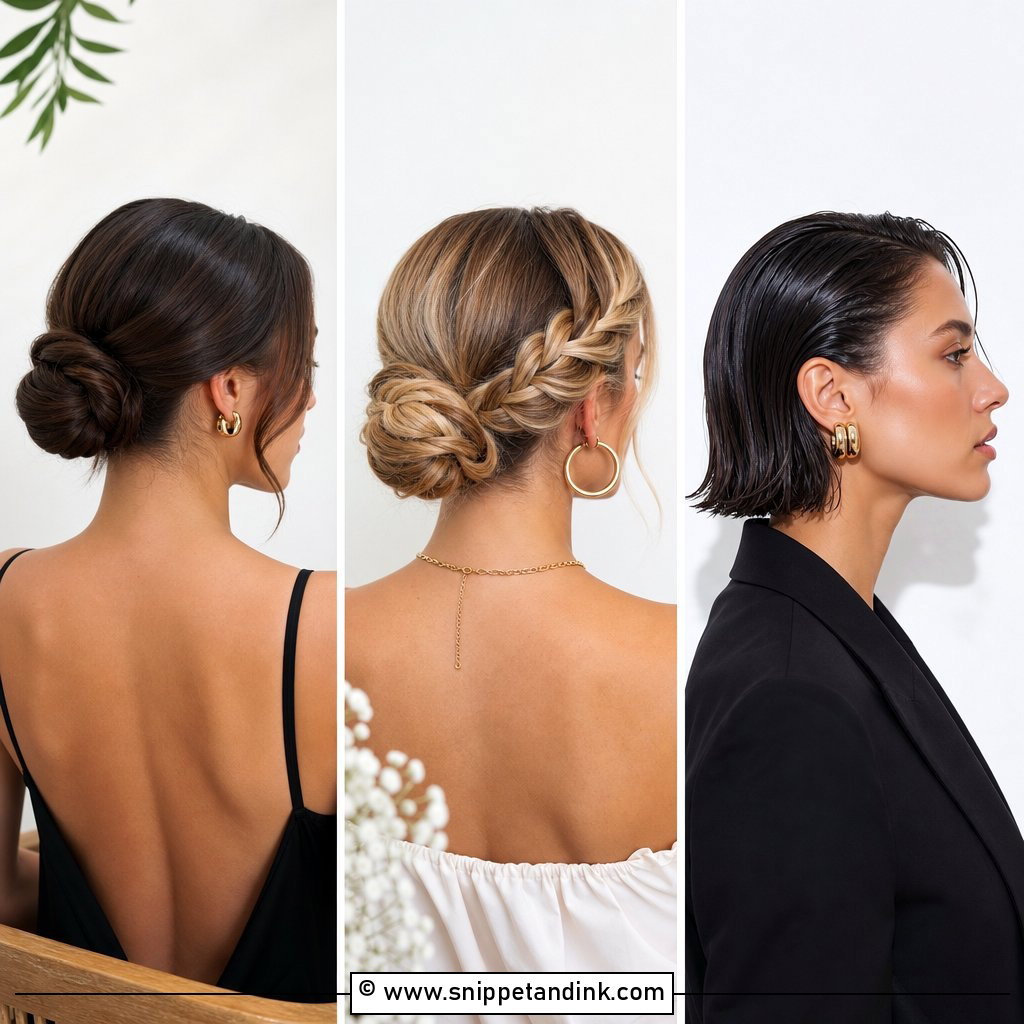
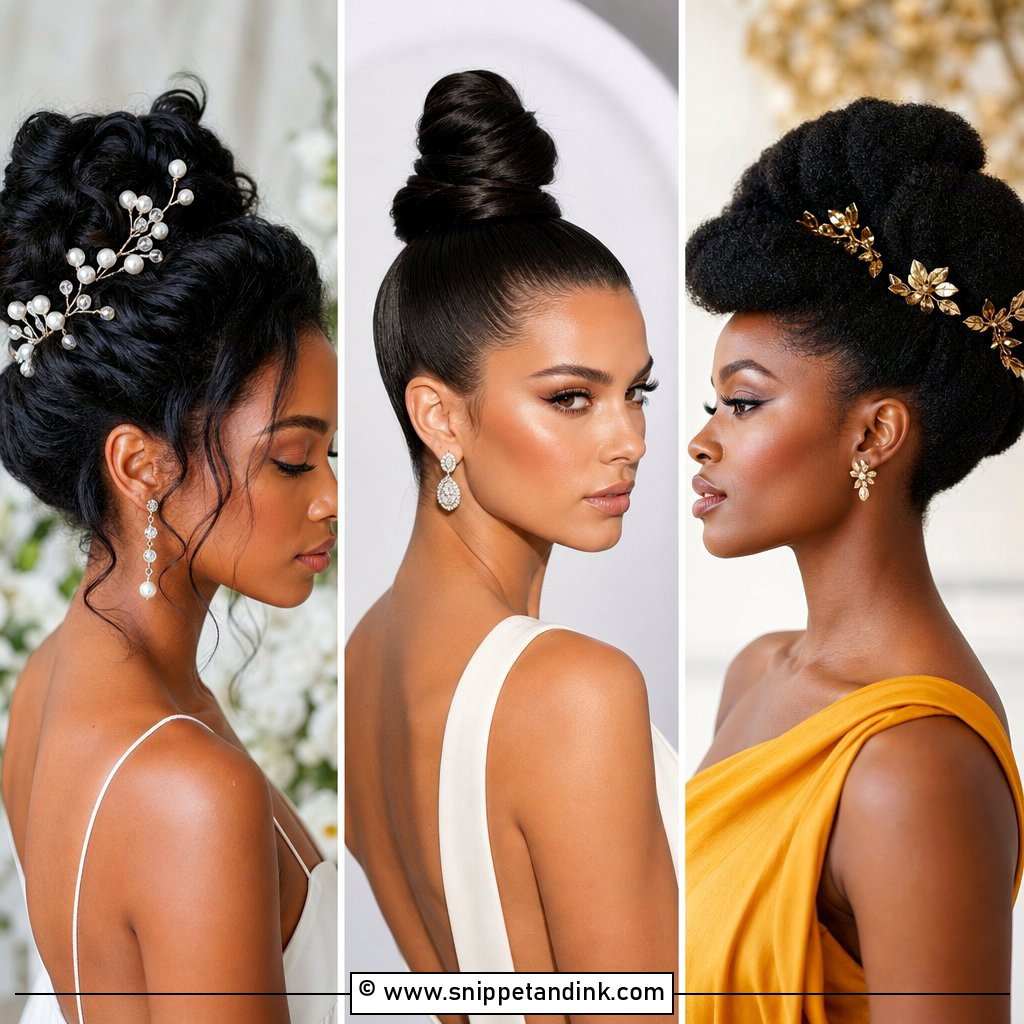
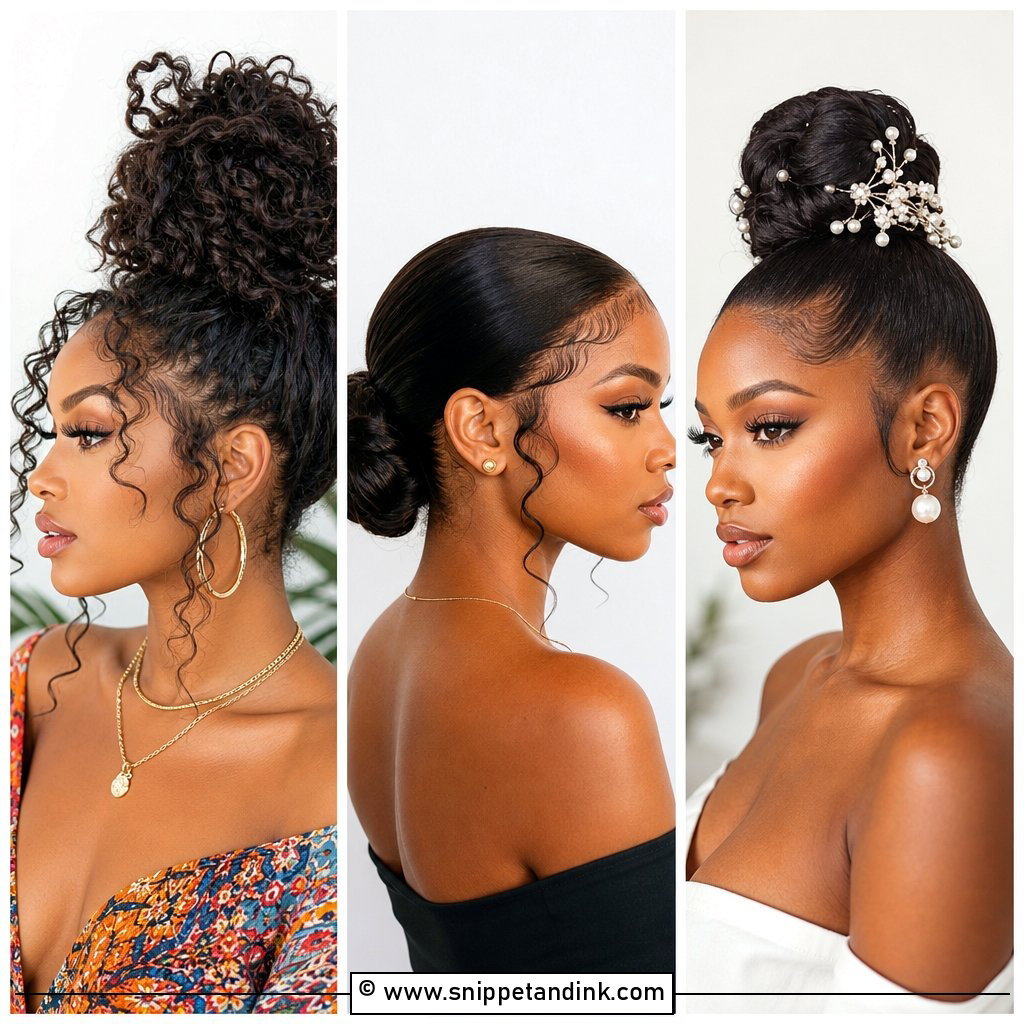
A sleek bun is the cleanest option here, and it suits high necks, open backs, structured gowns and big earrings because nothing distracts from the face and shoulders. Whether to use a center part, a side part or brush it straight back depends on your face shape, so I try at least two at a trial. Smoothing cream at the hairline, a firm elastic, then the bun pinned low or at mid-height. It’s my first suggestion for humid evenings. The one caution: very tight sleek styles pull on fragile edges, so ask for a smooth finish rather than a scraped one.
4. Black Tie French Twist
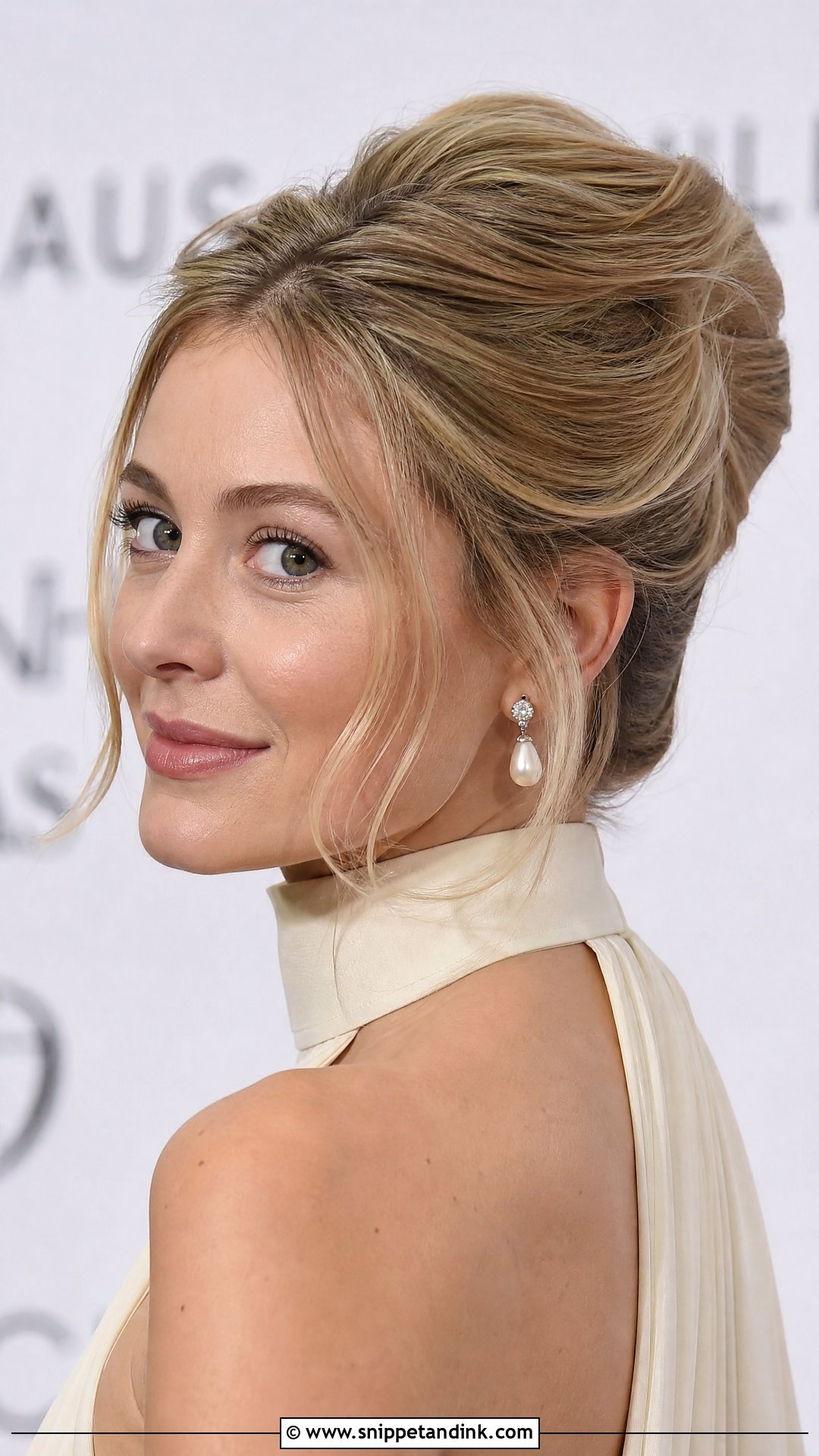
A French twist lifts the hair into a vertical roll at the back of the head, and the profile it gives is what makes it look formal. Boat necks, halters and square necklines frame it best. How I build it depends on the hair: fine hair needs texturizing spray before the twist so the pins have grip, while thick hair needs to be sectioned and pinned in stages, or the roll bulges. A few face-framing pieces at the cheekbone keep it from looking severe. It’s hard to do on yourself, because the seam is behind you.
5. Black Tie Half Up Half Down Hair
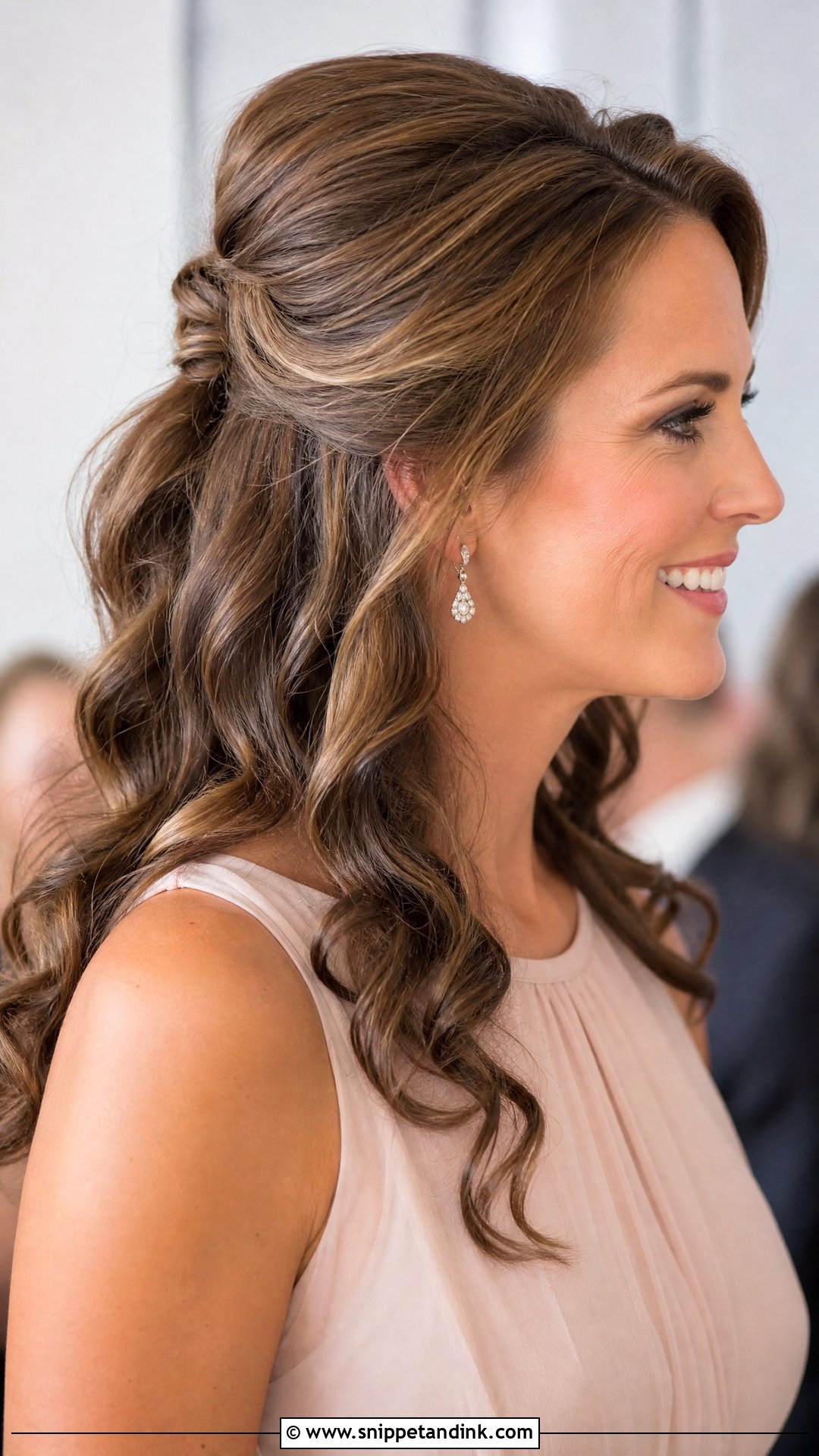
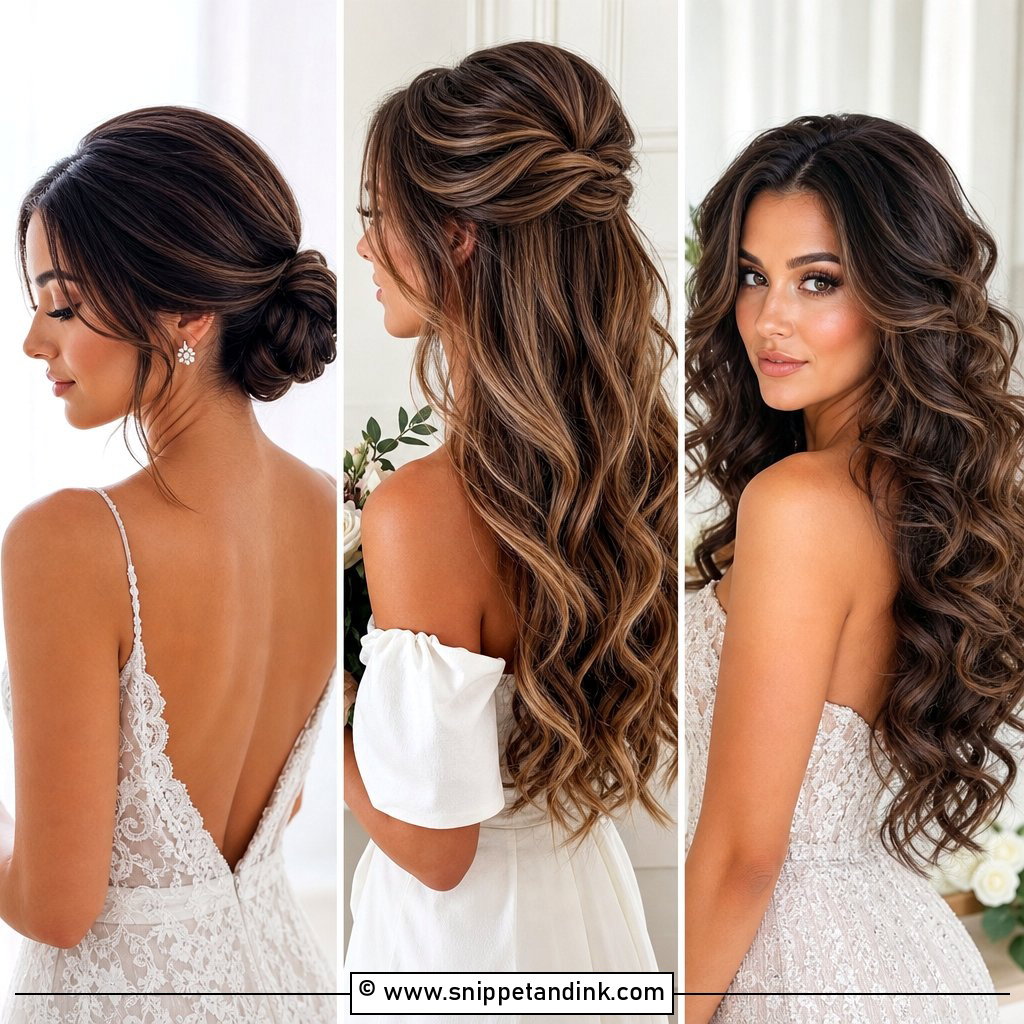
Half up, half down gives you loose hair with the crown held back securely. The top can be lifted, twisted, braided or pinned, with the rest in polished curls or waves, and it sits well with sweetheart and V-necks. To keep it in evening territory, the lengths have to look deliberate: glossy, set curls rather than casual texture. Medium to long hair suits it. I’d skip large accessories and use small pins that disappear into the crown section, because at black tie the finish is what reads as formal.
6. Black Tie Textured Updo
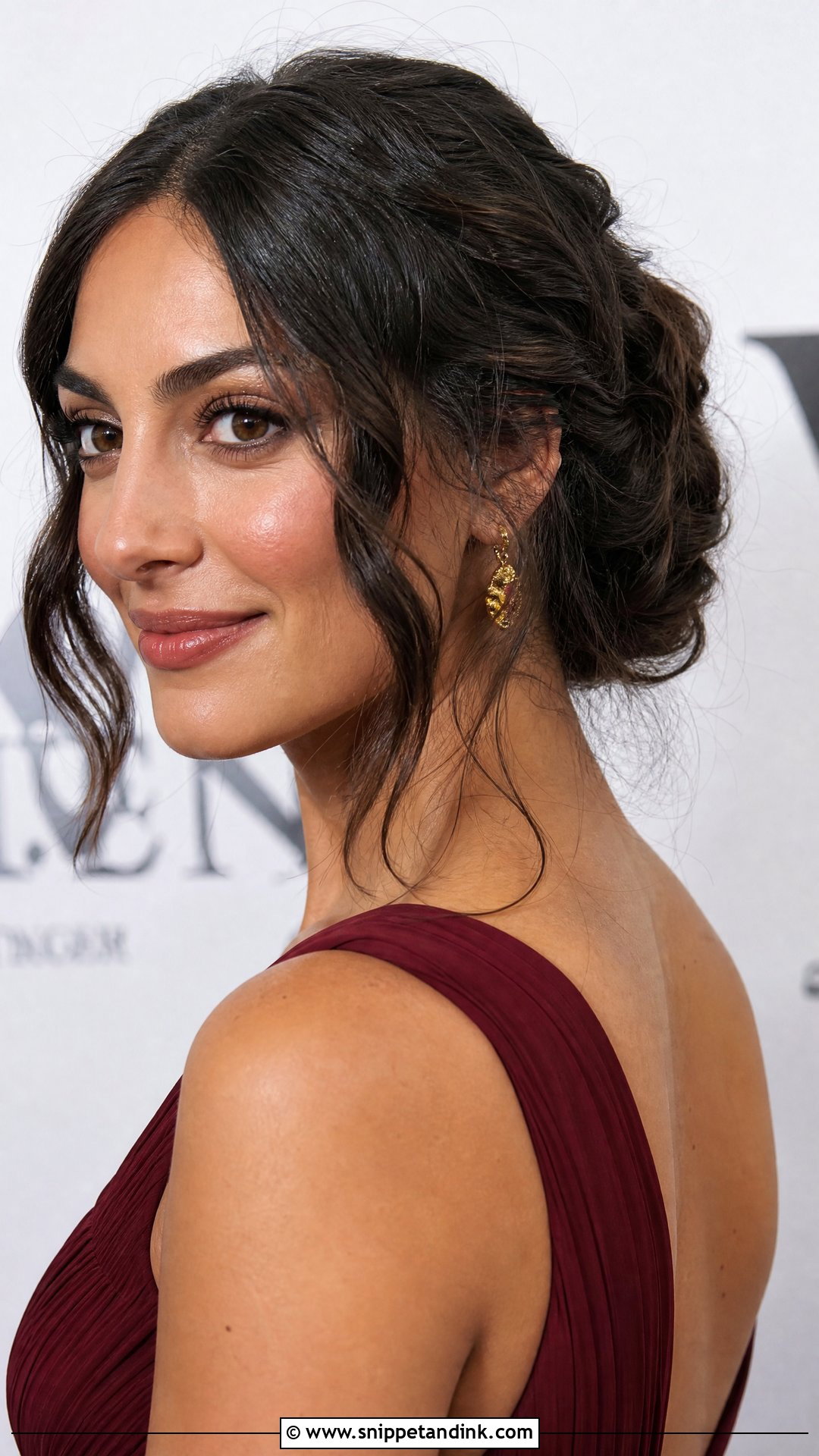
A textured updo is curled, loosened by hand and pinned into a shape with depth, so it looks softer than a bun while still getting hair off the shoulders. Layered hair actually does well here, as shorter pieces can be tucked into the design instead of escaping. The difference between textured and messy is control. I pull the curls apart deliberately, piece by piece, and check the balance from the front, the side and the back before setting it with spray. Face-framing pieces should be curled, not simply left hanging.
7. Black Tie Side Swept Curls
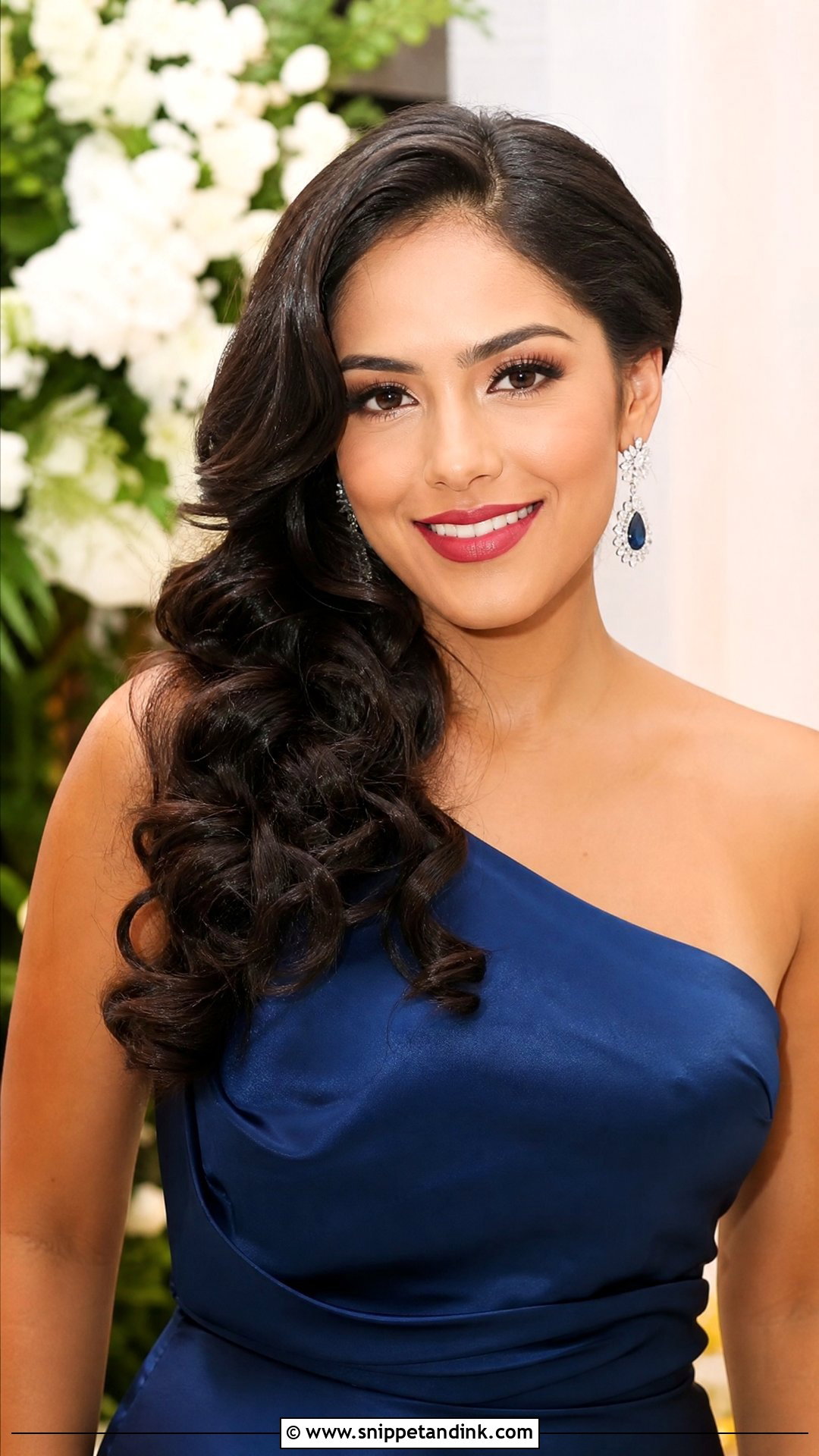
Side swept curls give red-carpet drama without a full updo: hair curled, brushed smooth and gathered over one shoulder, with the other side pinned firmly behind the ear. One-shoulder and strapless gowns frame it well. The pinned side is the weak point, especially with thick or heavy hair, since all the weight pulls away from it. I anchor that side with a small hidden braid or a row of crossed pins rather than a single comb. Shine spray and a light curl cream keep the curls glossy into the evening.
8. Black Tie Braided Updo
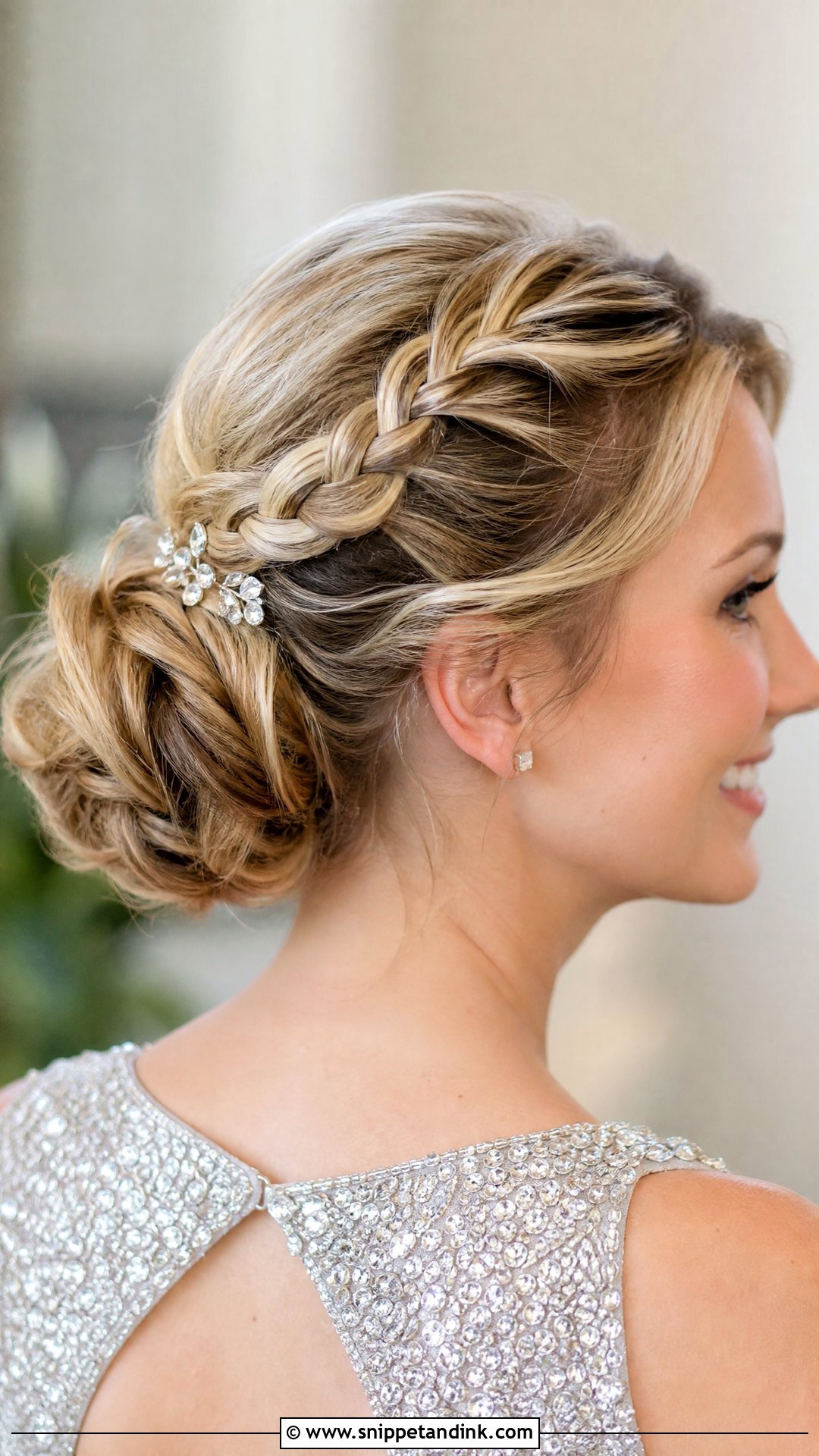
Braids in a formal updo work as structure as much as decoration. A braid wrapped into a low bun, crossed over the crown or blended into a twist at the back gives the pins something to lock into, which is why I like it for long hair, outdoor ceremonies and warm rooms. For black tie, the braid needs to be tidy and even. Loose, pulled-apart festival braiding looks too casual next to a tuxedo. Smooth face-framing strands and a little shine keep it refined.
9. Black Tie High Bun
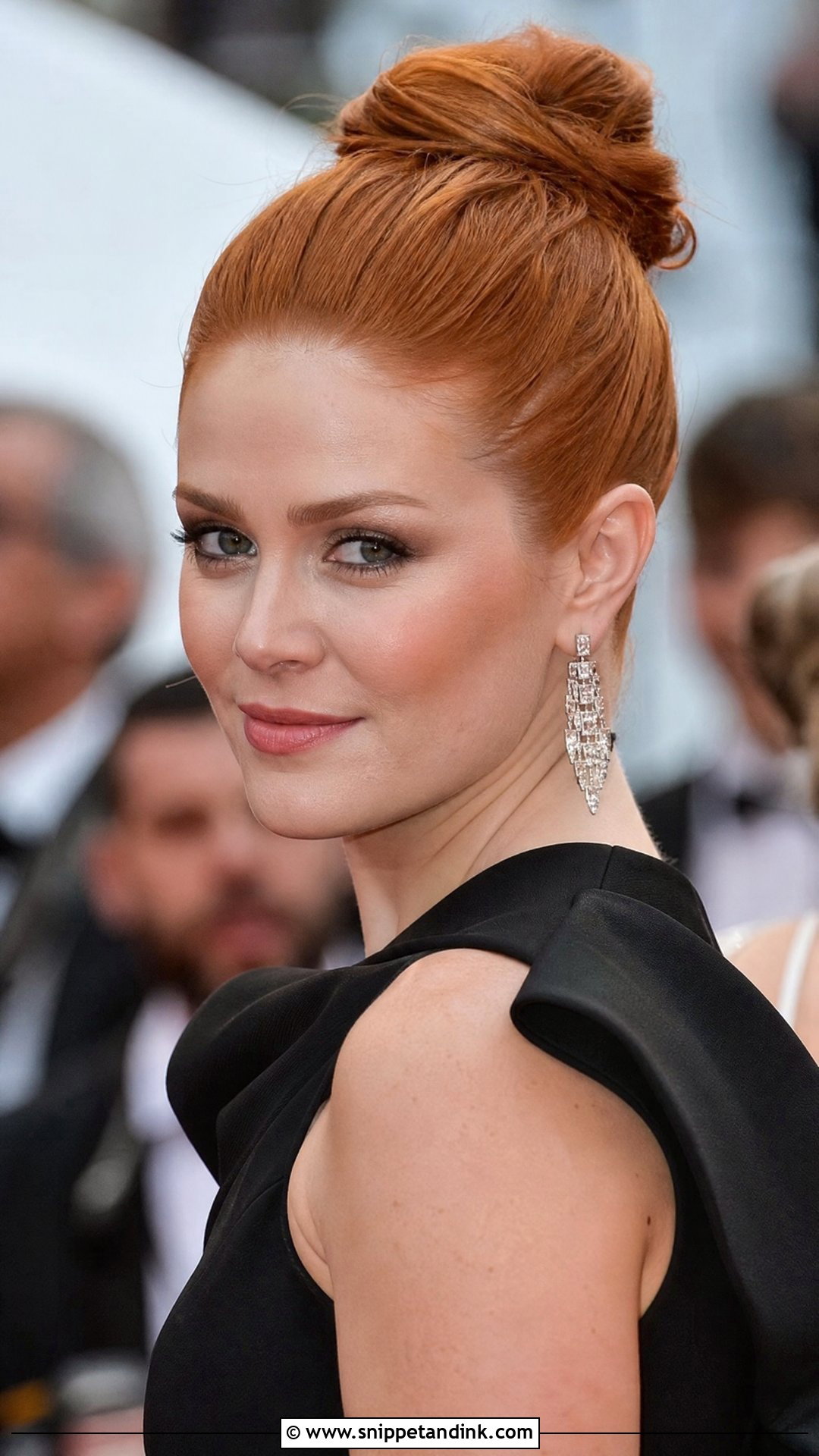
A high bun lifts the face and clears the neck completely, which suits high necklines, dramatic shoulders and detailed backs. Placement is everything with this one. Sitting right on top of the head it reads casual, close to a gym bun; I place it on the crown, just behind where a headband would sit, which looks polished. It can be smooth, softly textured or twisted. Long, thick hair gets heavy up there, so I build it over a small base and use strong pins. A veil or a few pins can go in beneath it.
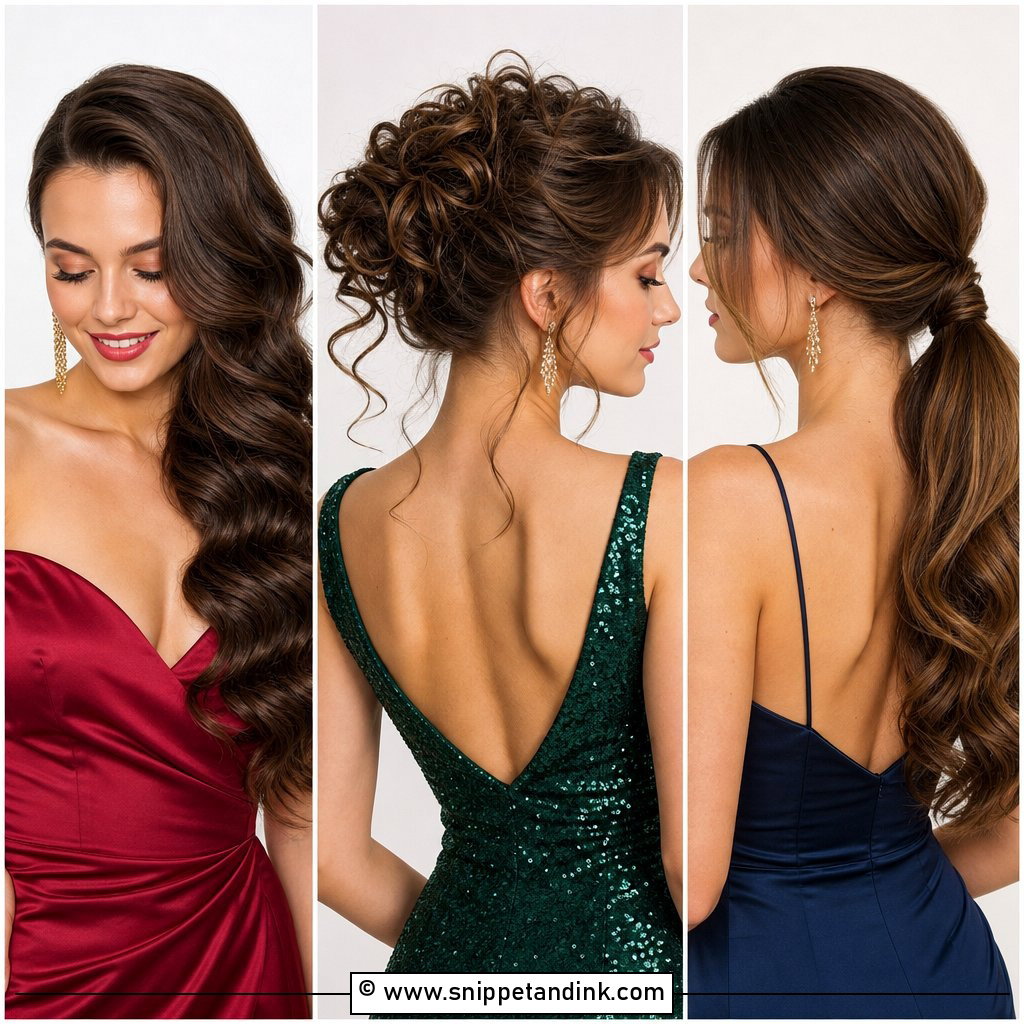
10. Black Tie Soft Waves
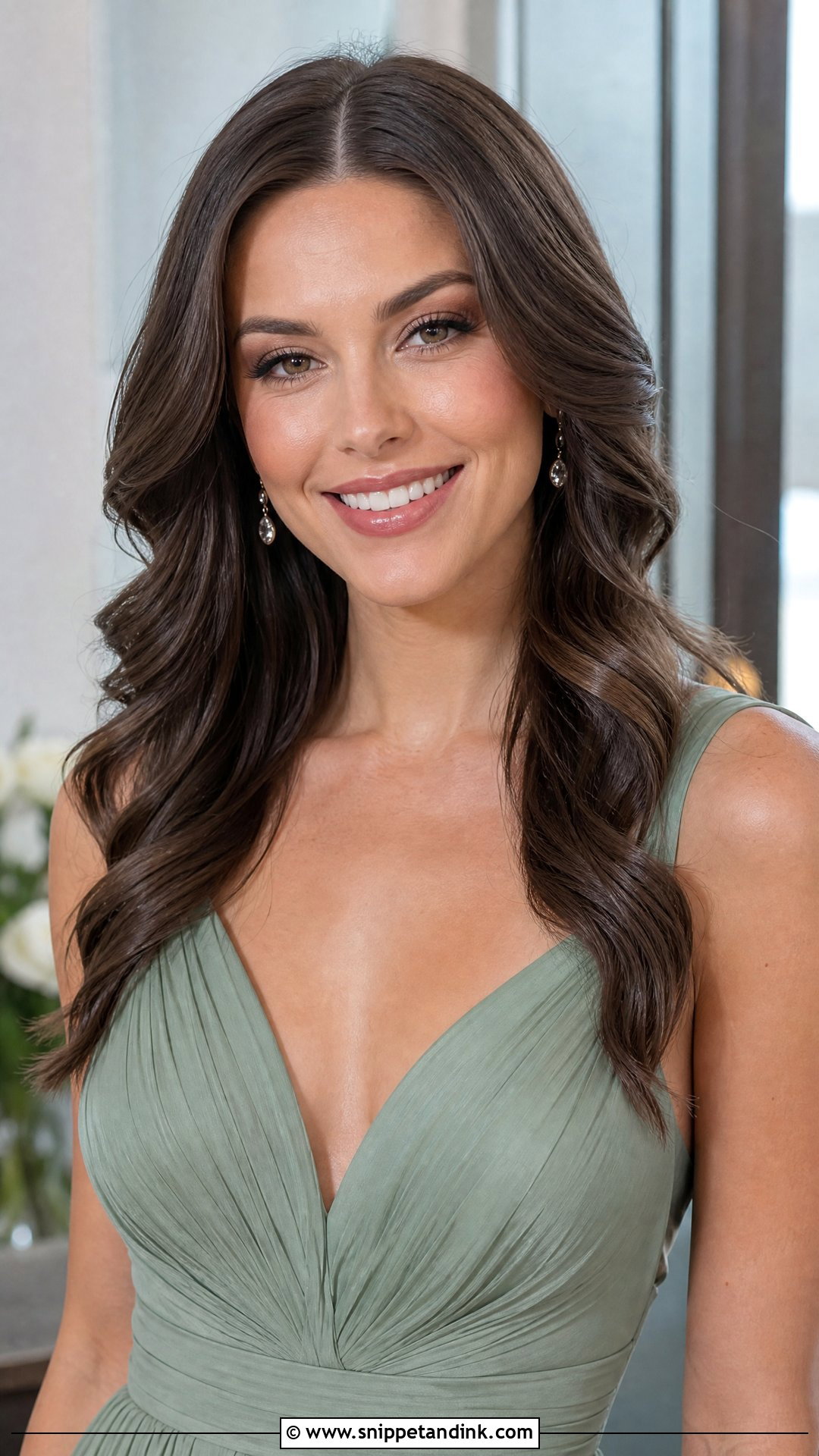
Hair worn down can absolutely be black tie, but only with polish. The line between casual and formal waves is shine and shape: the curls should look set and smooth, not beachy. I use a heat protectant, curl in sections, pin each curl to set, then brush through lightly. Medium and long hair with layers around the face move best. A middle part looks modern, a side part more classic. If your hair drops curl quickly, a setting mousse at the roots before drying buys you hours.
11. Black Tie Ponytail
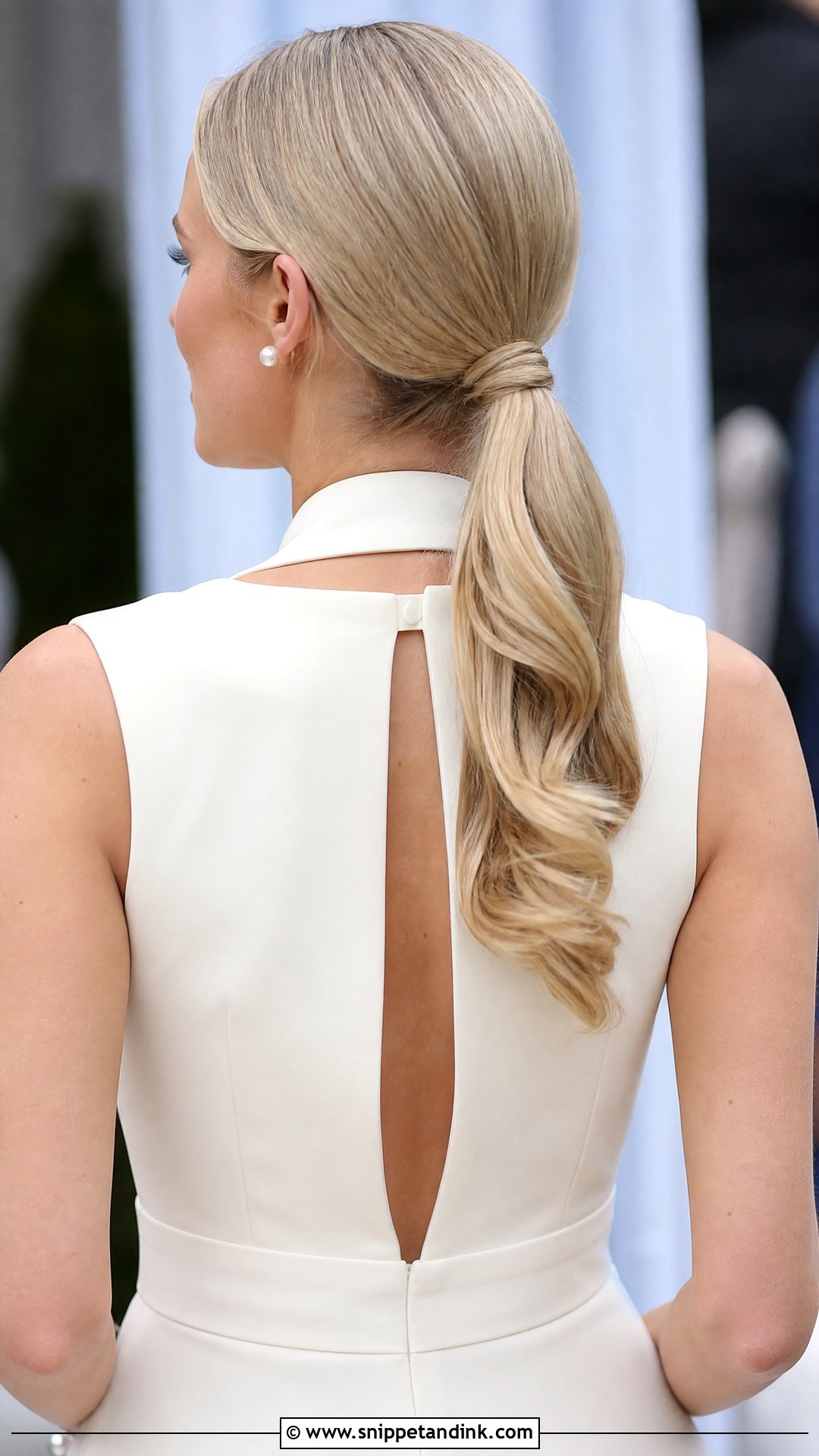
A ponytail looks formal once the crown is smooth, the lengths are full and the elastic is hidden under a wrapped section of hair. That wrap is the single detail that changes it from everyday to evening. Long and layered hair suit it, and bold necklines pair well with it. Low feels classic; mid-height looks fresher. Flyaways are what give a ponytail away at night, so I go over the crown with a toothbrush and a little gel, then secure the elastic with two pins crossed underneath so it can’t slide during dancing.
12. Black Tie Short Bob Hair
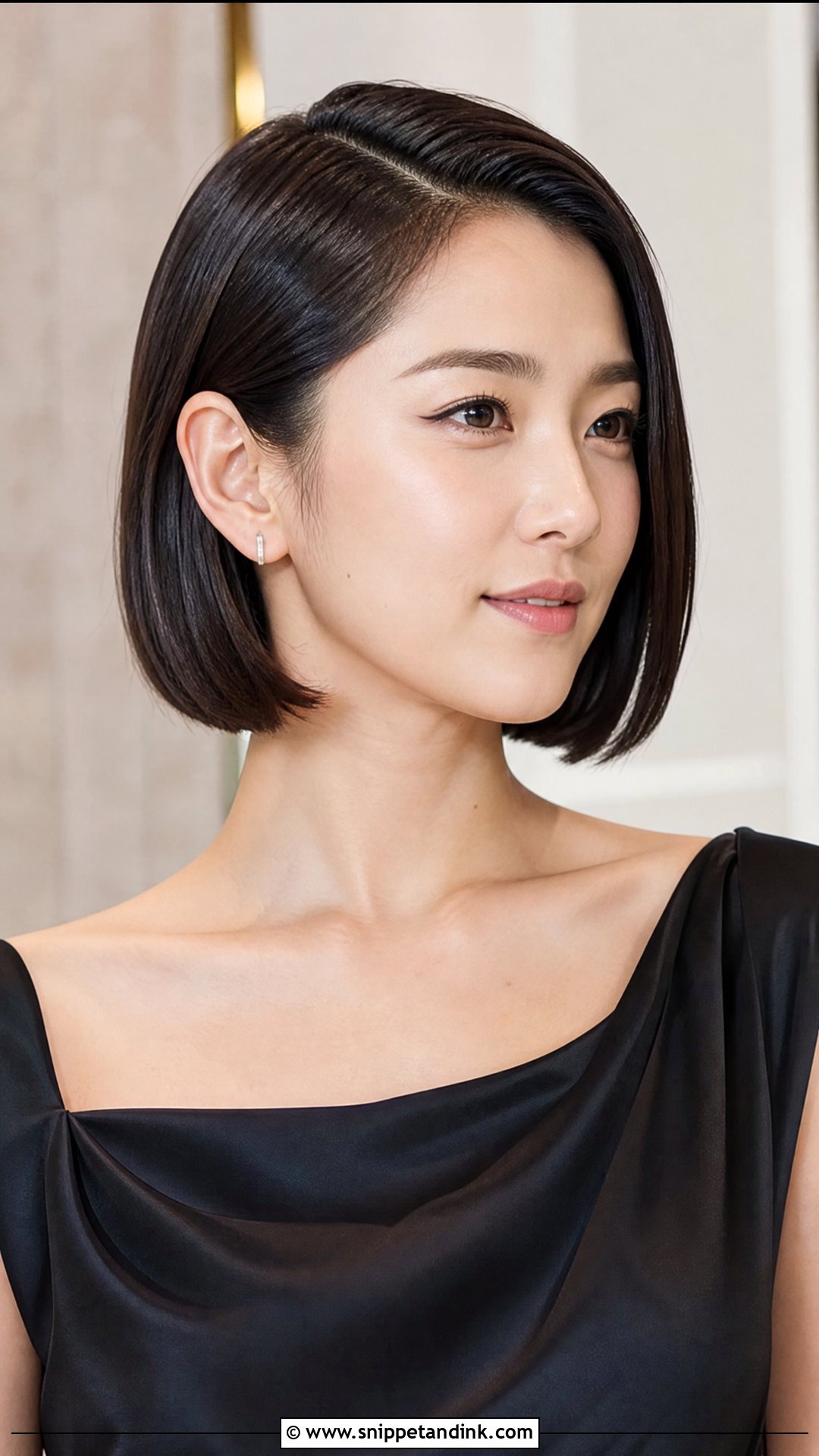
A bob can look as formal as an updo with shine and a deliberate shape. A smooth blowout, a tucked side part or a sculpted wave turns a chin-length or jaw-length bob into evening hair quickly. Fine bobs need root lift and a soft bend at the ends, or they lie flat against the jaw. Thick bobs puff out at the sides, so smoothing cream goes on before drying, not after. Simple gowns and pearl earrings suit it, because the cut is already framing the face.
13. Black Tie Pixie Hair
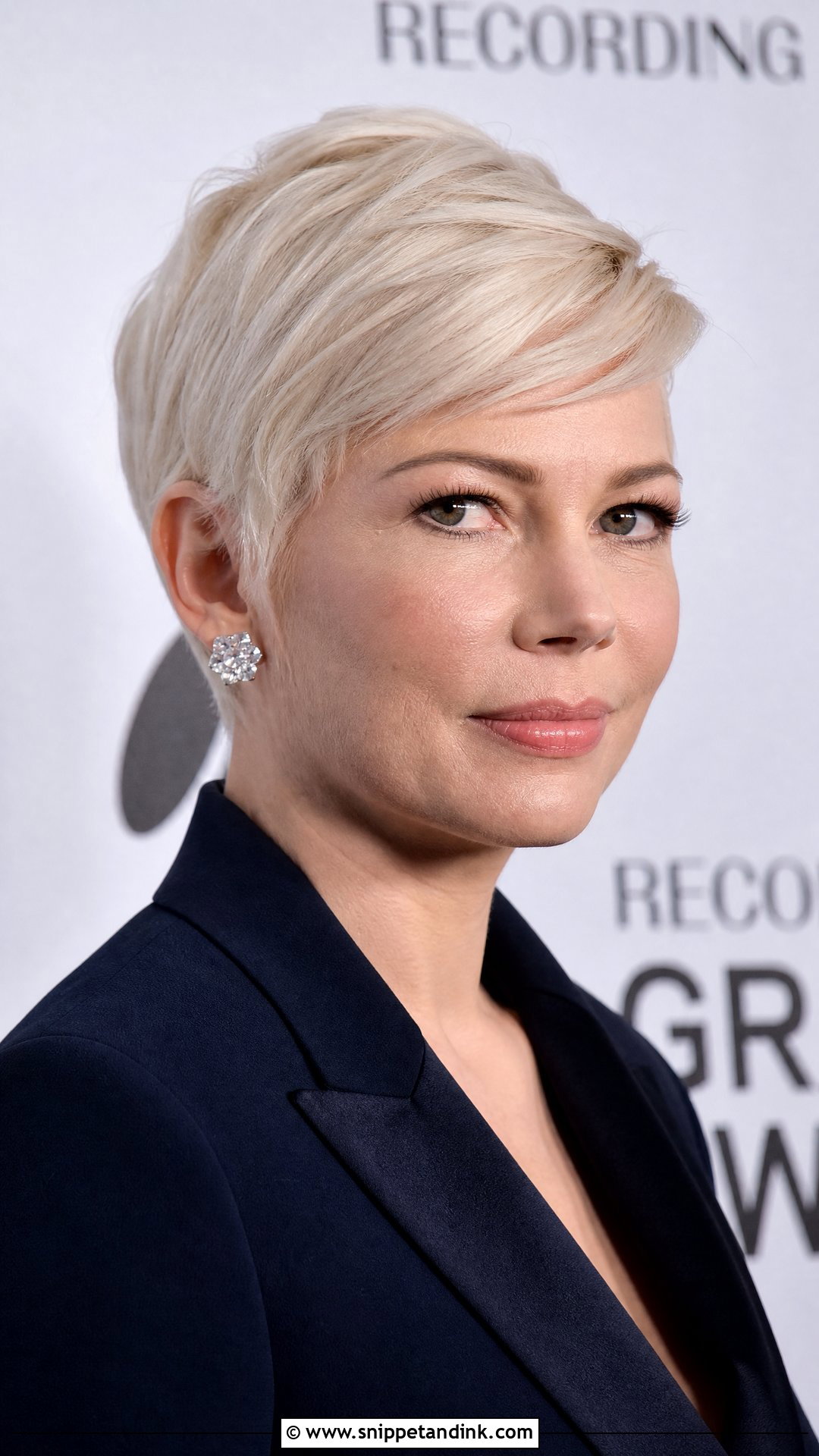
Black tie pixie hair lives on shape and shine. Smooth sides, soft volume on top and a fringe styled to flatter the face look elegant; a tousled, undone finish doesn’t fit the dress code. A polished side sweep, sculpted texture or a brushed-back shape all work. I use a small amount of pomade or cream, warmed between the fingers, because too much makes short hair look wet and heavy under flash. If you need a trim, get it about a week before so the lines aren’t harsh in photos.
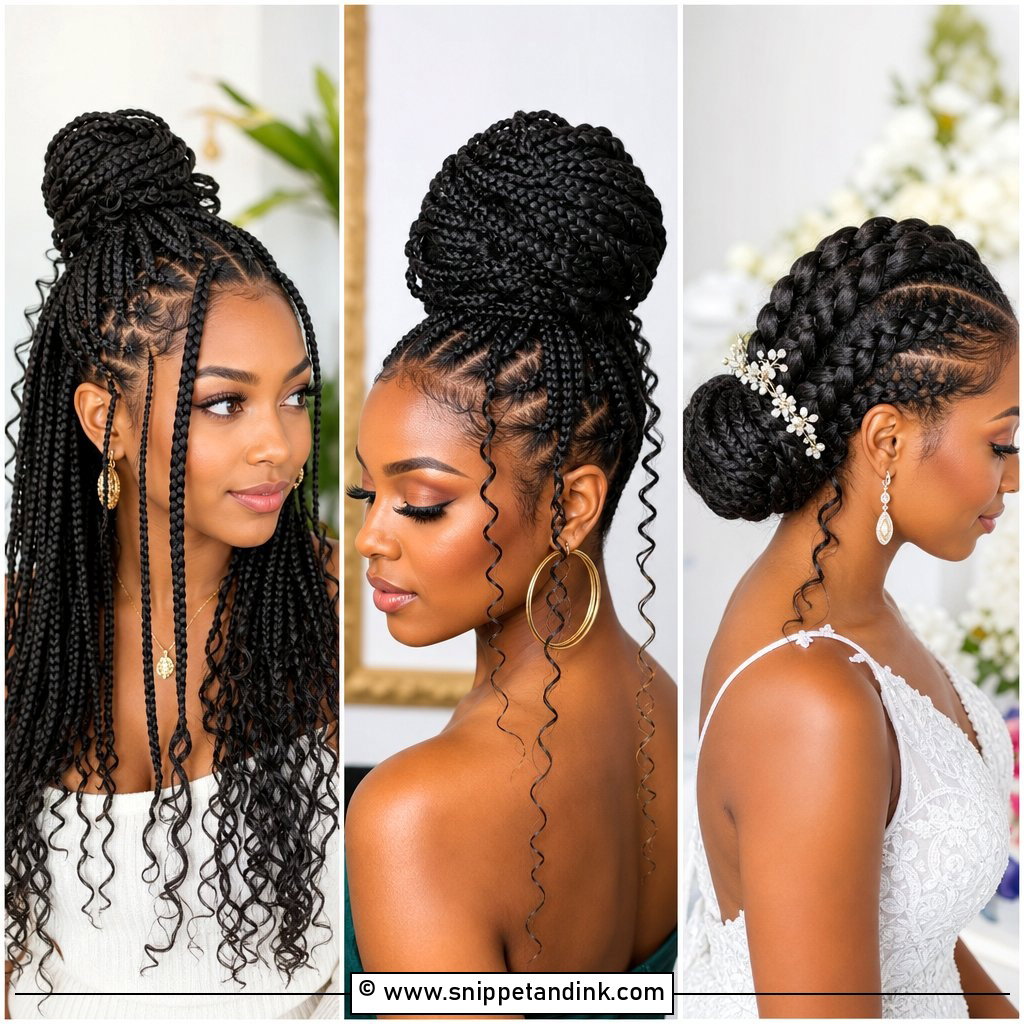
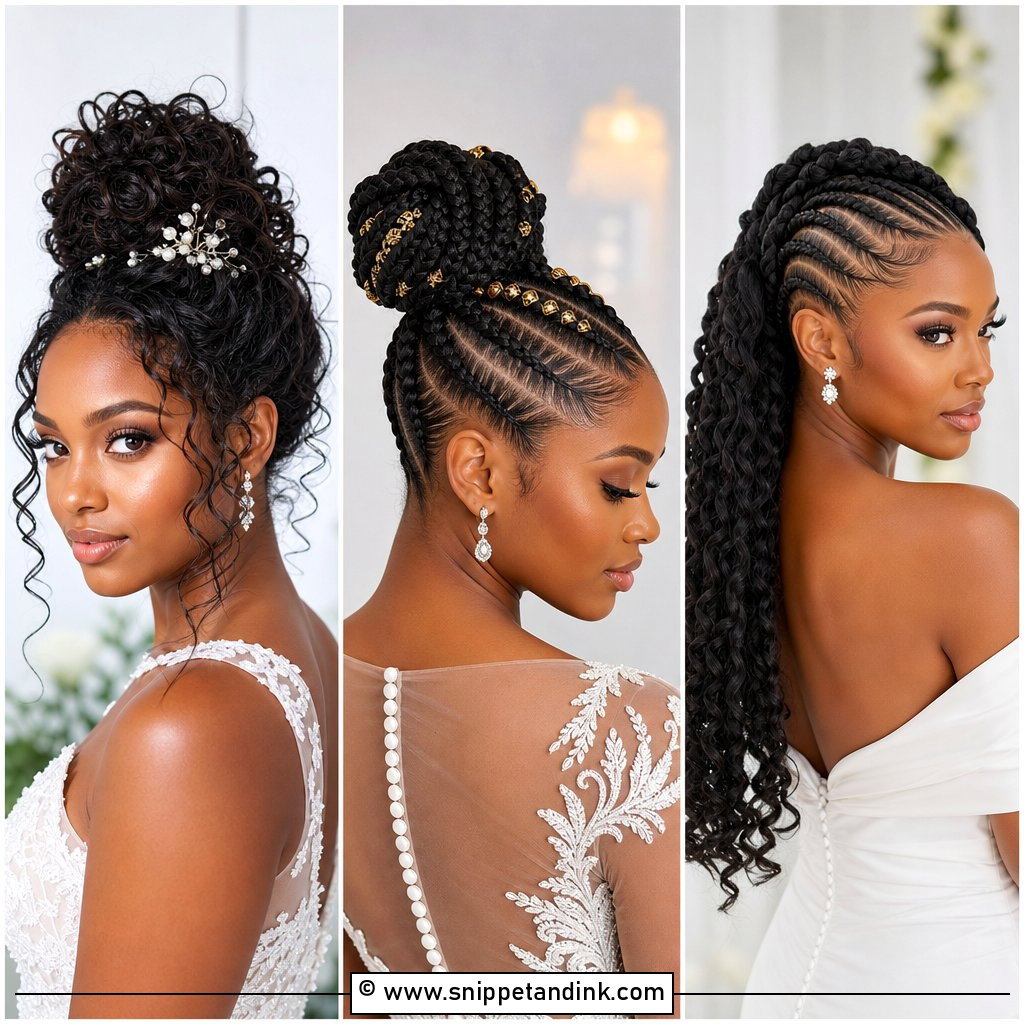
14. Black Tie Natural Hair Updo
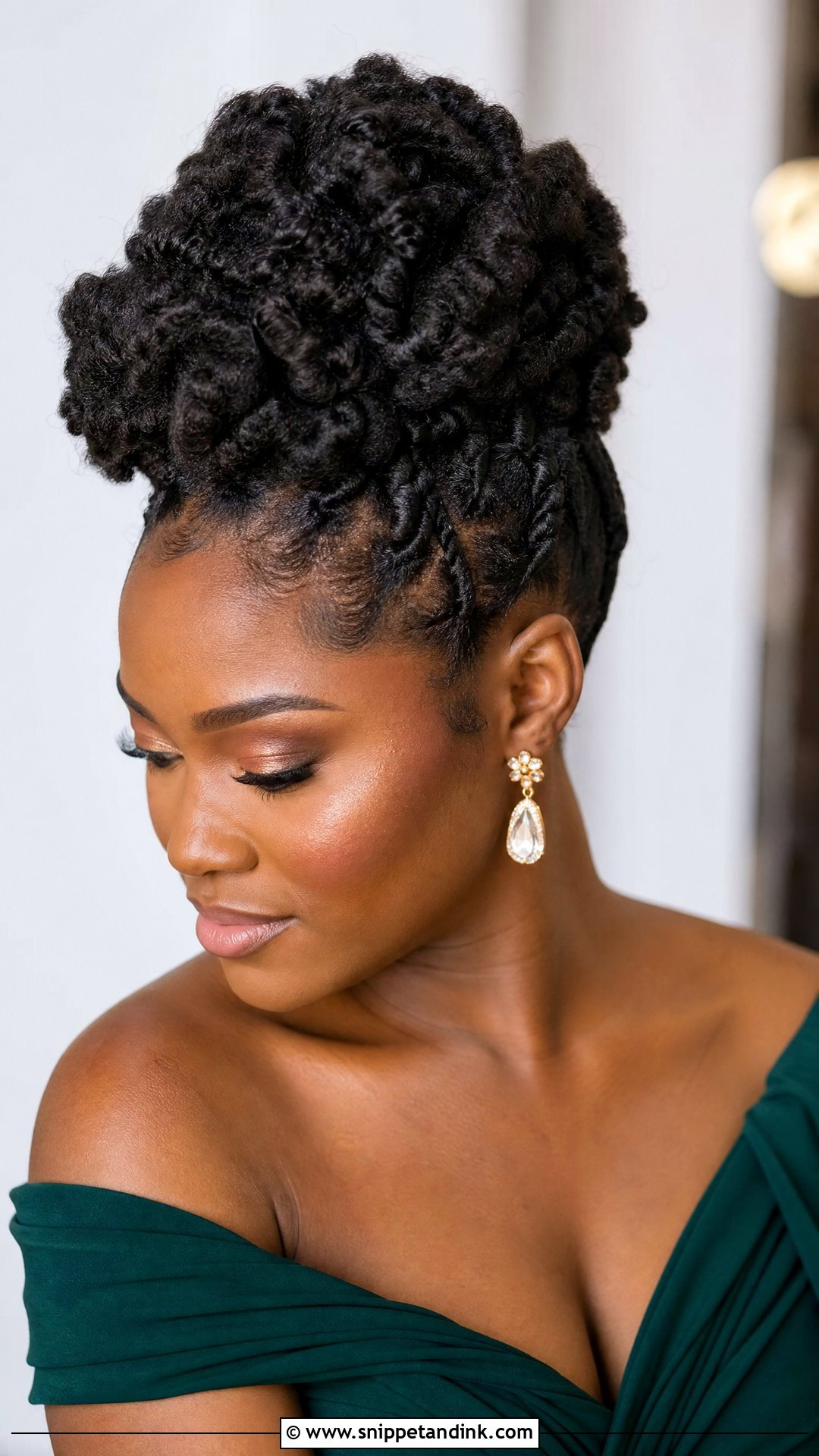
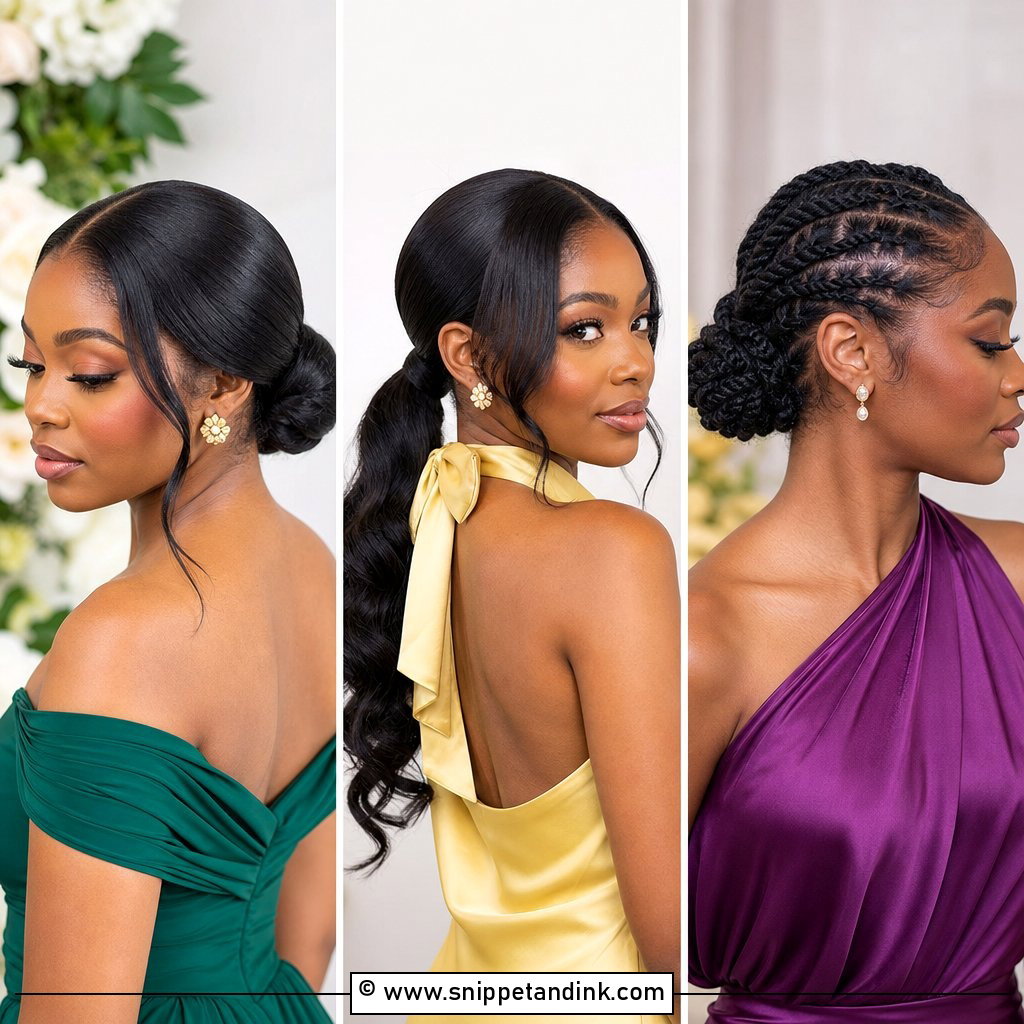
A natural hair updo keeps the texture and adds formal structure. Coils, curls, twists or stretched hair can be gathered into a low bun, a high puff updo, a flat twist crown or a sculpted pinned shape. Moisture and hold have to be balanced: I prep with a hydrating leave-in, then use a styler that supports definition without leaving a cast. Smooth the edges if you like, but gently. The volume and the visible pattern are what give this one its presence, so accessories can stay minimal.
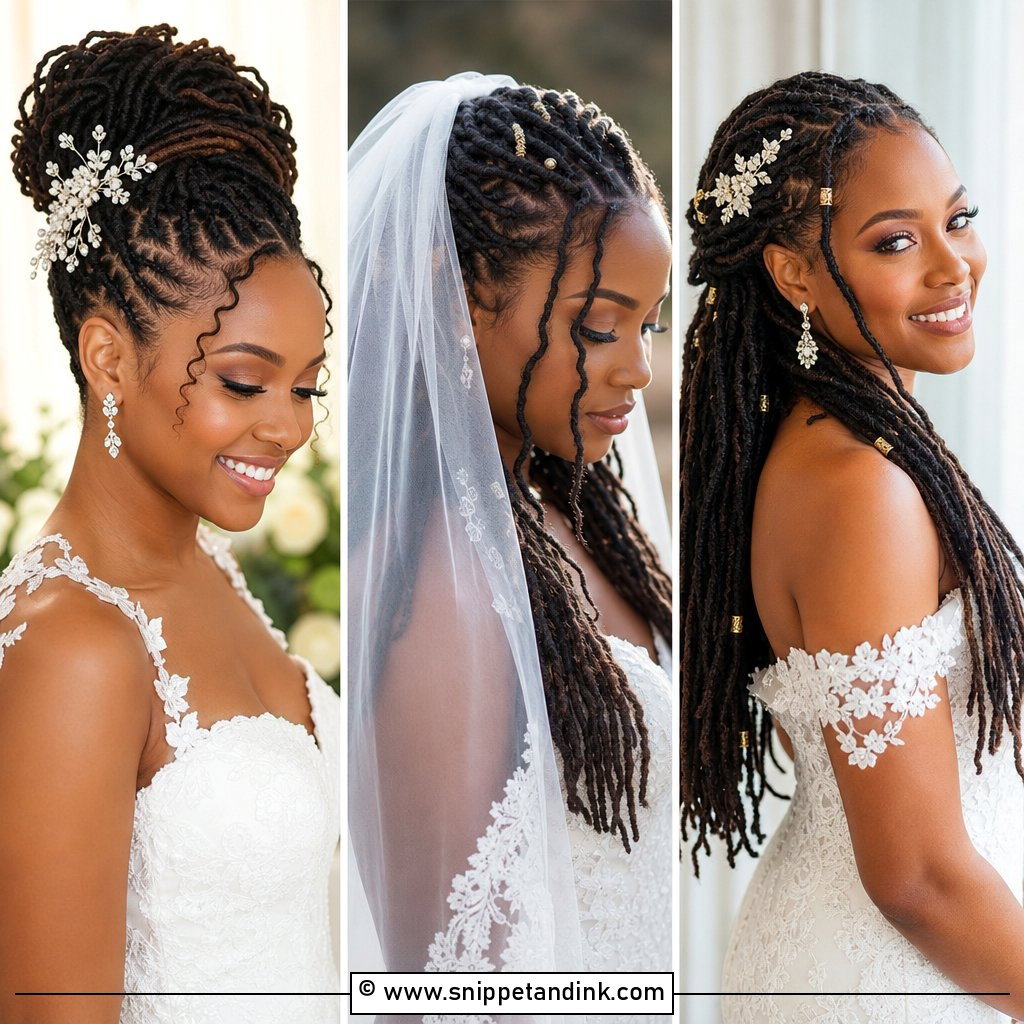
15. Black Tie Long Curls
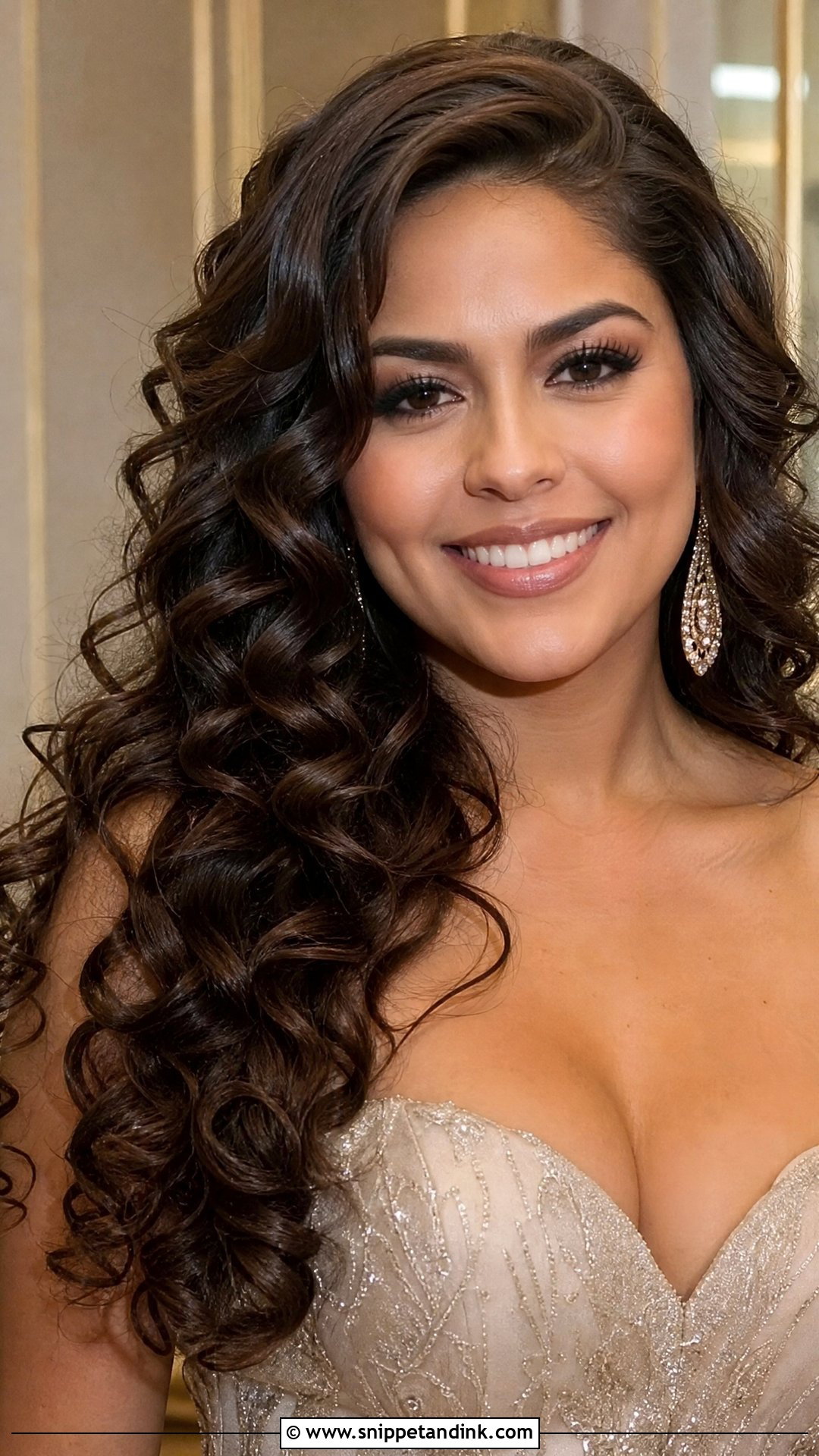
Long curls look formal when they’re defined, shiny and clearly set. Layers help a lot, because one-length long hair weighs the curls down until they drop into waves by mid-evening. A side part adds drama, a center part looks softer. My routine is a setting product, curling in small sections and letting each curl cool fully, pinned, before touching it. Brushing hot curls is the most common reason they fall. Finish with a flexible spray so the hair still moves.
Salon Appointment or Your Own Bathroom Mirror?
Guests and family often do their own hair for formal weddings, and several styles here are manageable at home with practice: the sleek bun, the low ponytail, half up waves and a polished bob. I’d hand the French twist, sculpted Hollywood waves and a textured updo to a professional, because the back is hard to see and the shape needs to be even.
If you book a salon on the day of an evening ceremony, these small things make a real difference:
- Book as late as you sensibly can. A style finished at ten in the morning has worked hard by a nine o’clock first dance.
- Wear a button-front top so you can change without pulling anything over your head.
- Bring your earrings and a photo of the neckline. The right updo height depends on both.
- Ask which pins are holding the shape, so you know which ones not to pull out later.
- Carry six bobby pins, a travel hairspray and a fine-tooth comb for flyaways.
Hair Jewelry That Doesn’t Compete With the Bride
Formal weddings invite sparkle, but guests have an unspoken line. A jeweled barrette, a slim velvet bow or a few pearl pins tucked into a chignon all look right. A full tiara, a large white floral comb or anything that trails like a veil can look bridal in photos, so leave those to the bride unless she’s asked the party to wear them. One statement piece, in the hair or at the ears, looks more expensive than both at once.
Polish Counts for More Than Height
Black tie hair is less about any one style than about finish: shine, a clean shape, nothing that looks accidental. A low chignon, sleek bun, French twist or textured updo will read as formal in any room. Hollywood waves, soft curls and half-up hair work when you want movement. Short bobs, pixies, ponytails and natural hair updos hold their own once they’re properly polished. Check the forecast, your neckline and how late the party runs, then do one practice run in the actual outfit. It’s the cheapest insurance you’ll buy for the night.
You'll Like These Ideas:


Leave a Reply