
Who Ann Lowe Was, and Why Her Name Went Missing
Ann Lowe was born in Alabama in 1898 into a family of dressmakers. Her mother and grandmother sewed gowns for well-off women in the South, and she learned the trade at their side, including the fabric flowers that later became her signature. As a teenager she finished a commission herself after her mother died, which tells you how early her skills were trusted.
She trained at a design school in New York, where she was made to study apart from the white students, then built her name in Tampa before moving back to New York. For decades she dressed some of the wealthiest families in the country. Her name rarely appeared on the label or in the papers, so many of her gowns were credited to the houses and stores that sold them.
As someone who styles brides for a living, what strikes me most is how practical her genius was. Her gowns look romantic, but they were engineered to be worn for hours, danced in and photographed from every side. The dresses below are worth studying for that reason as much as for their beauty.
1. Jacqueline Kennedy Wedding Dress
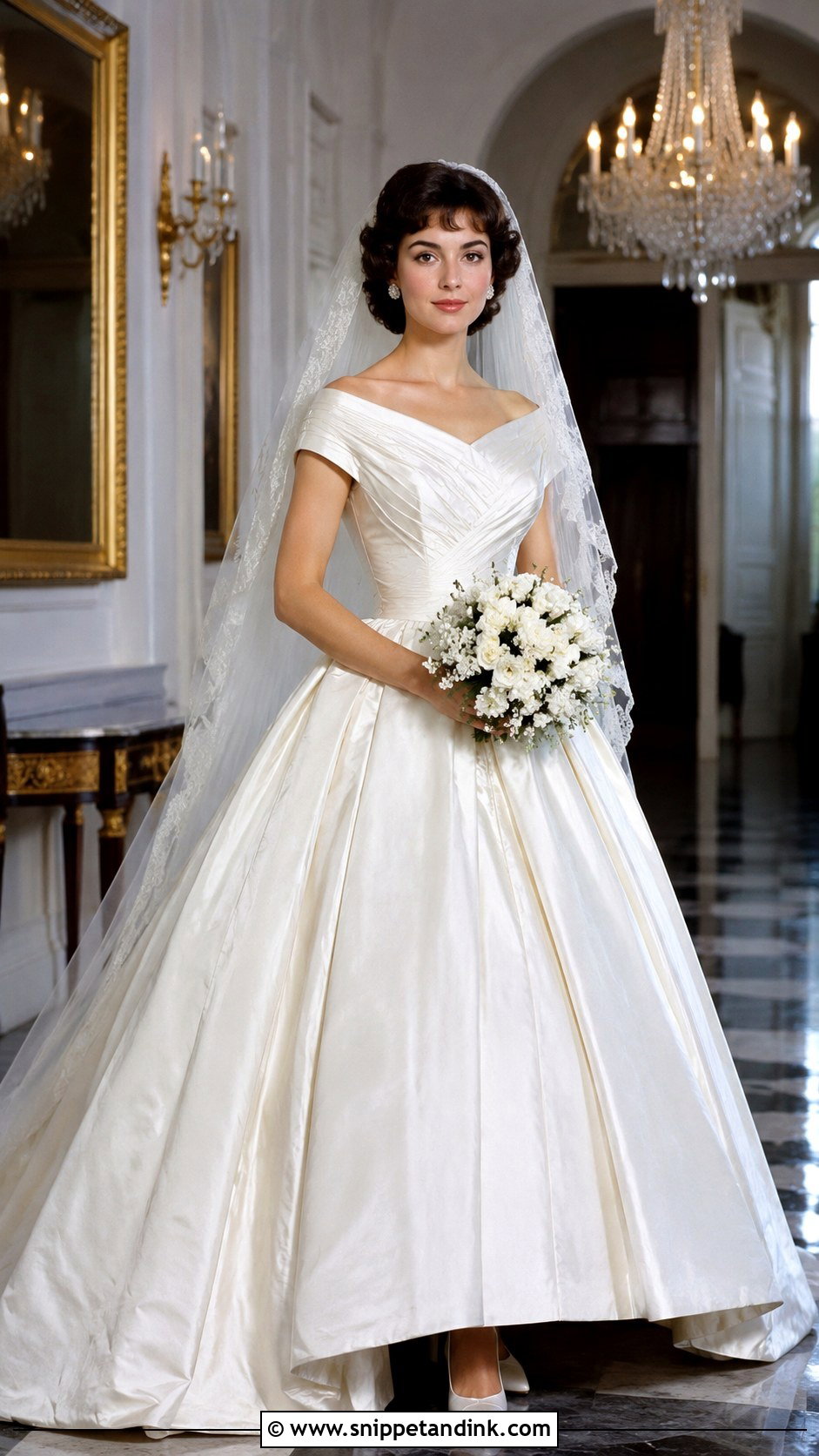
Jacqueline Bouvier’s 1953 wedding gown is Ann Lowe’s best-known work, made for her marriage to John F. Kennedy. It was ivory silk taffeta with a portrait neckline, a fitted pleated bodice and a huge skirt dotted with circular rosettes. Taffeta is stiff and noisy, which is exactly why it holds a skirt that full without collapsing, and it also creases sharply, so a gown like this needs careful handling right up to the aisle. Ten days before the wedding a burst pipe ruined the gown and several attendants’ dresses. Lowe and her team remade them in time and took a heavy financial loss. The press of the day barely credited her, yet the dress shows her gift for grand scale held together by precise structure.
2. Jacqueline Kennedy Bridesmaid Dress
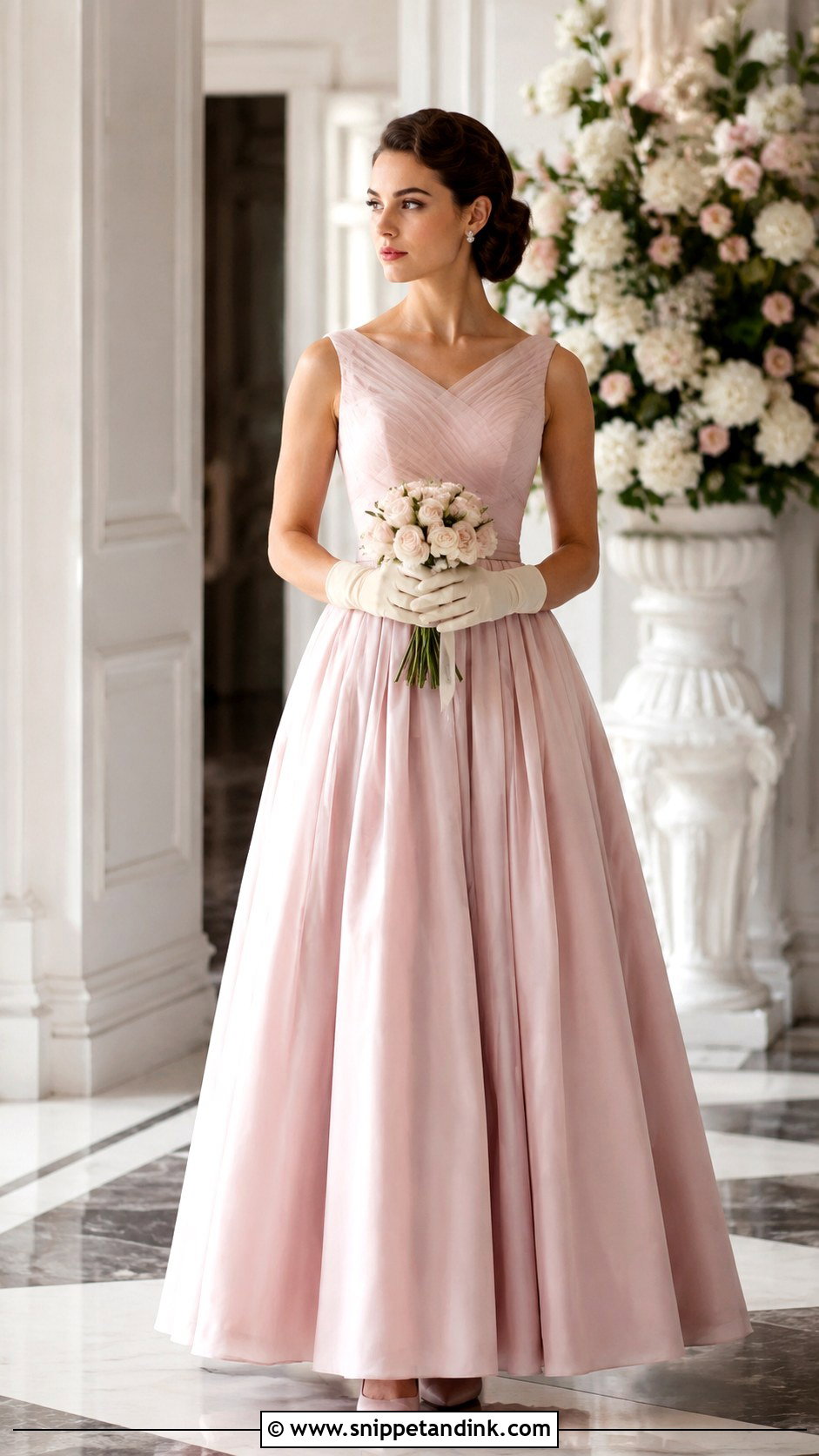
Lowe also dressed Jacqueline Bouvier’s attendants, and those gowns were designed as a set around the bride. Softly colored fabric, defined waists, fitted bodices and full skirts echoed the bridal gown without competing with it. When the flood hit, the bridesmaid dresses were remade alongside the wedding dress. Seeing the whole party together shows her real strength: building a collection, not just one hero piece. Anyone styling attendants in this spirit today should keep the silhouette shared and vary only color or neckline. Gloves, simple jewelry, neat hairstyles and delicate pumps finish a faithful version.
3. Olivia de Havilland Oscar Dress
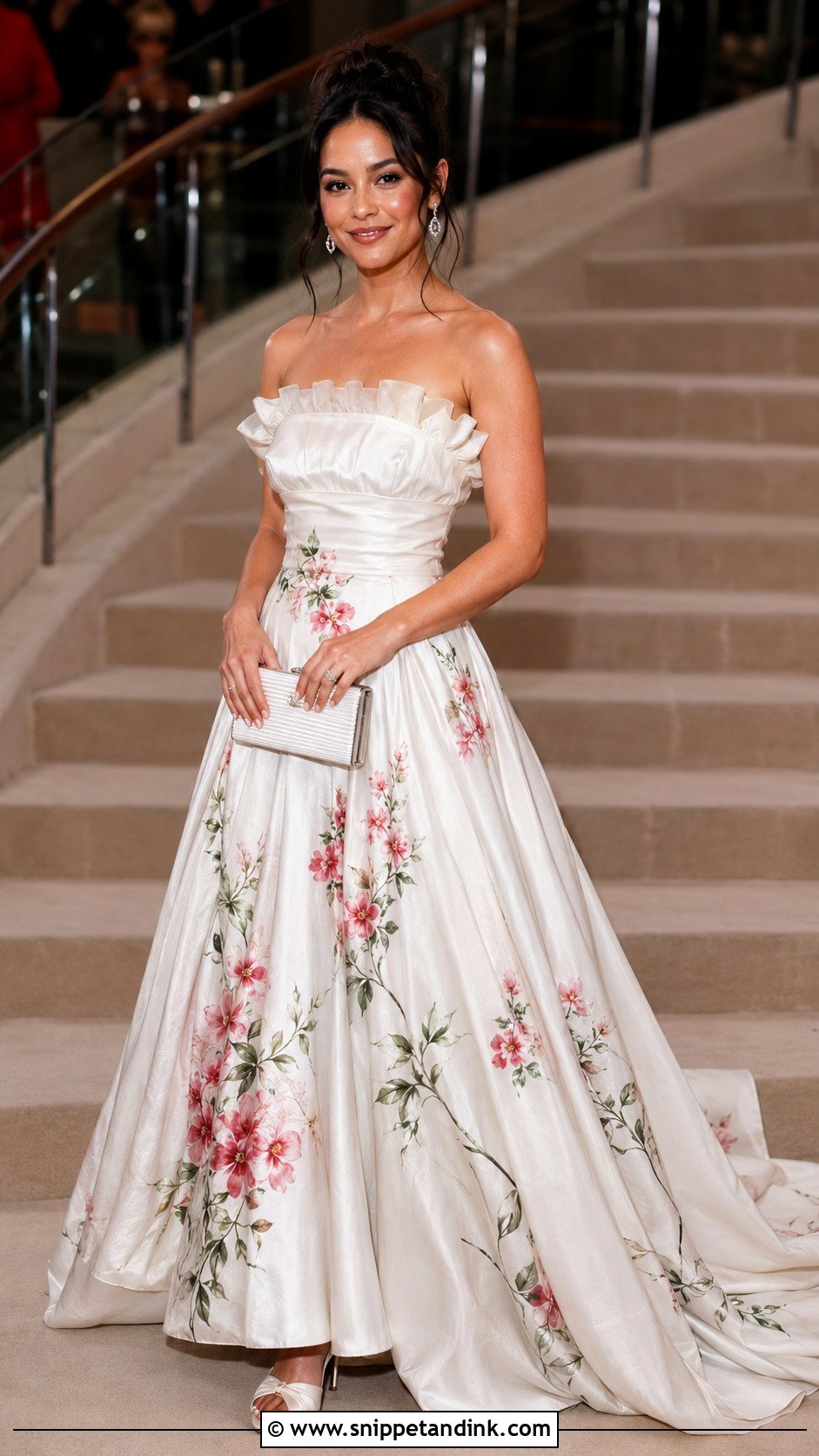
Hand-painted flowers set Olivia de Havilland’s Oscar gown apart from the other formal dresses of its night. She wore it to accept Best Actress for To Each His Own. Lowe made it while working for Sonia Gowns: a ruffled strapless neckline, a tightly defined waist and a sweeping skirt. Painted decoration on fabric is less forgiving than appliqué because there is no undoing a brushstroke, and the paint must stay flexible enough not to crack as the skirt moves. The fashion house took the credit at the time. A modern take needs only pointed satin pumps, small gemstone earrings, a structured evening bag and soft hair.
4. American Beauty Dress
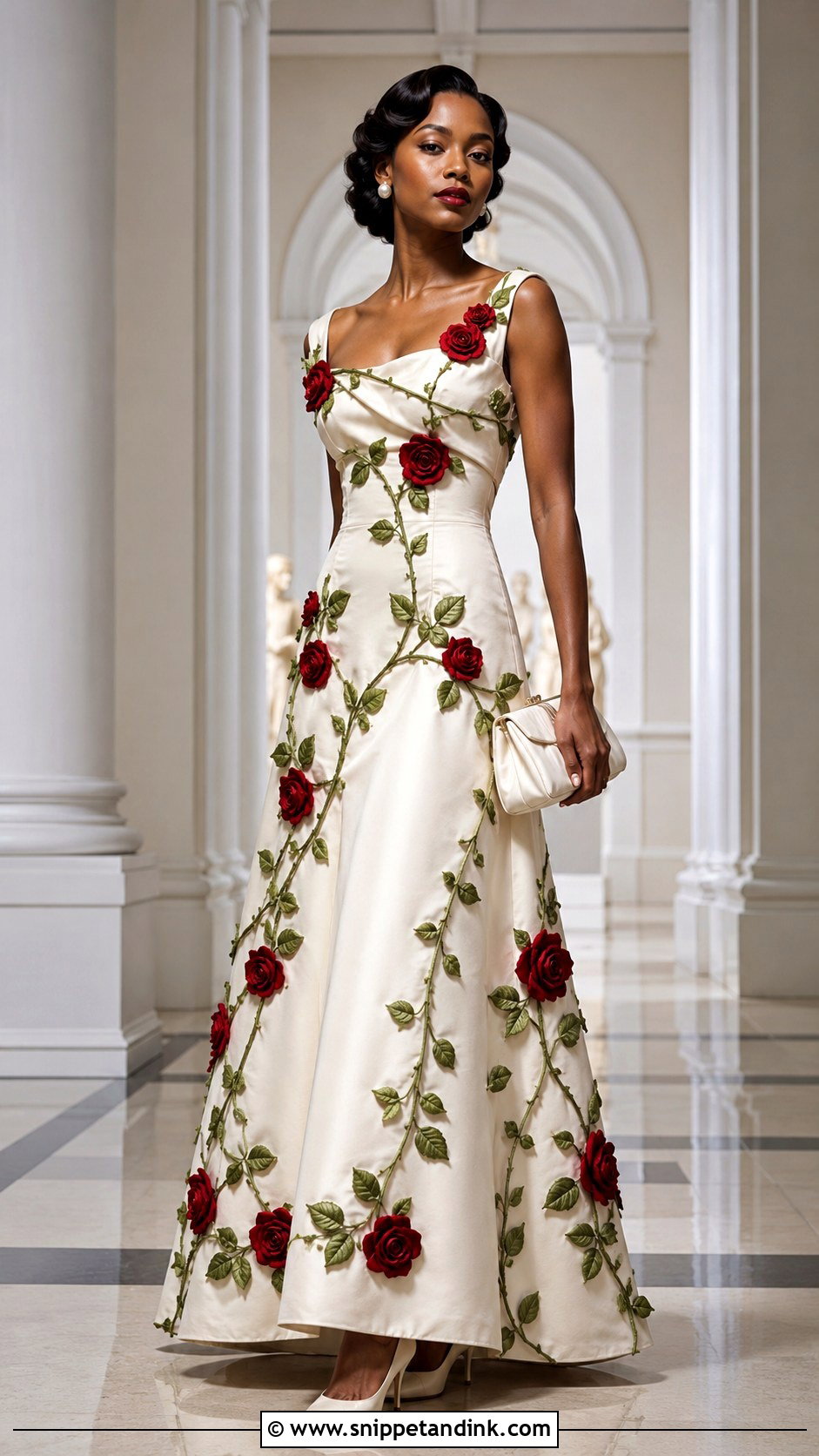
Of everything that survives, the American Beauty dress shows her love of flowers most clearly. Vines, handmade leaves and dimensional fabric roses climb across an ivory base. She treated flowers as sculpture rather than print, and their placement follows the body, so they shape the figure as much as decorate it. That is harder than it looks: every rose adds weight, and a heavy cluster in the wrong spot drags a bodice out of line. Pearl earrings, ivory evening shoes, a small satin bag and restrained makeup keep the handwork in charge.
5. Jane Tanner Trimingham Wedding Dress
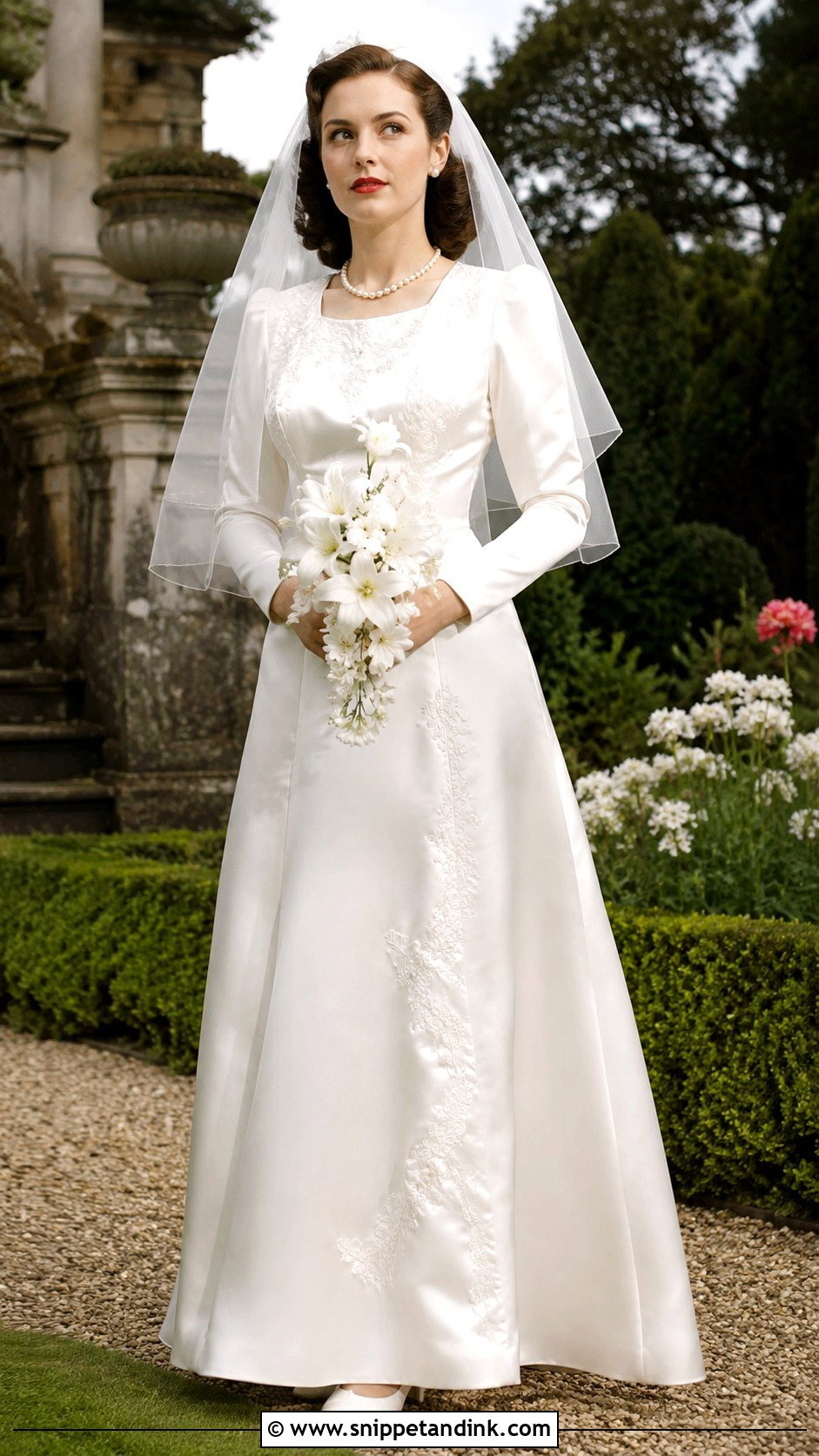
Personal meaning was built right into the 1941 wedding dress for Jane Tanner Trimingham. Structured shoulders, a controlled waist and a gently widening A-line skirt are typical of early-1940s fashion, while handmade Bermuda lilies point to the bride’s family ties to the island. With wartime limits on luxury textiles, Lowe used cellulose acetate instead of silk satin. Acetate takes dye and drapes well but marks easily under a hot iron, so working it to couture standard takes a light hand. A fingertip veil, closed pumps, pearls and a neat bouquet suit a period-inspired version.
6. Florance Trevor Wedding Dress
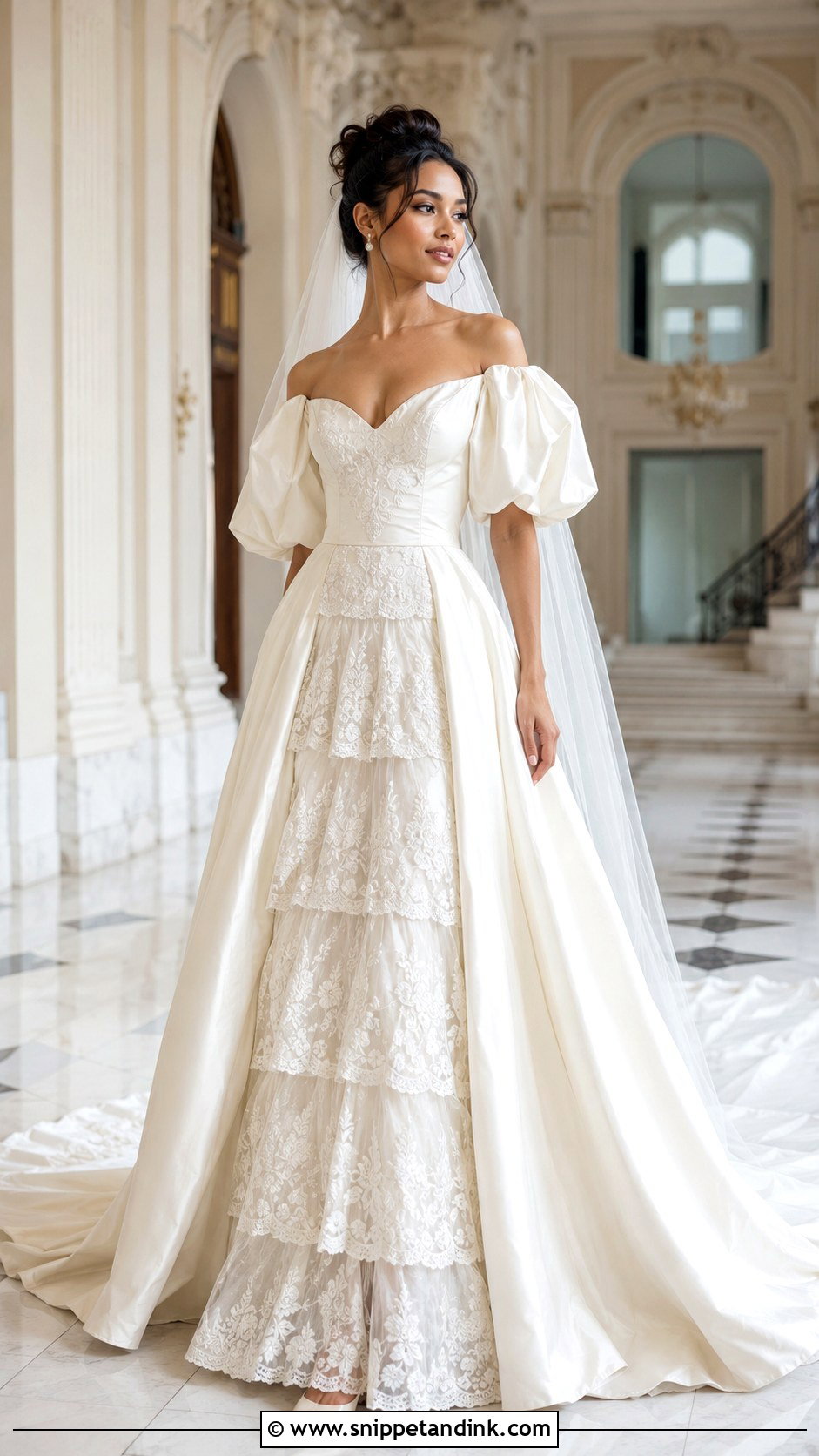
Layered lace gives the 1951 wedding dress for Florance Colgate Rumbough Trevor real depth. The ivory silk satin gown has a sweetheart neckline, off-shoulder puff sleeves, a fitted natural waist and a full skirt sweeping into a long train. Seven tiers of floral lace run down the front panel, and lace flowers seem to flutter on the bodice. Hidden wire holds the shoulder lace up. I point to this detail whenever a bride wants floating lace sleeves today, because without some hidden support they simply droop. A long veil, ivory pumps, pearl drops and a compact bouquet would complete it.
7. Nina Auchincloss Debutante Dress
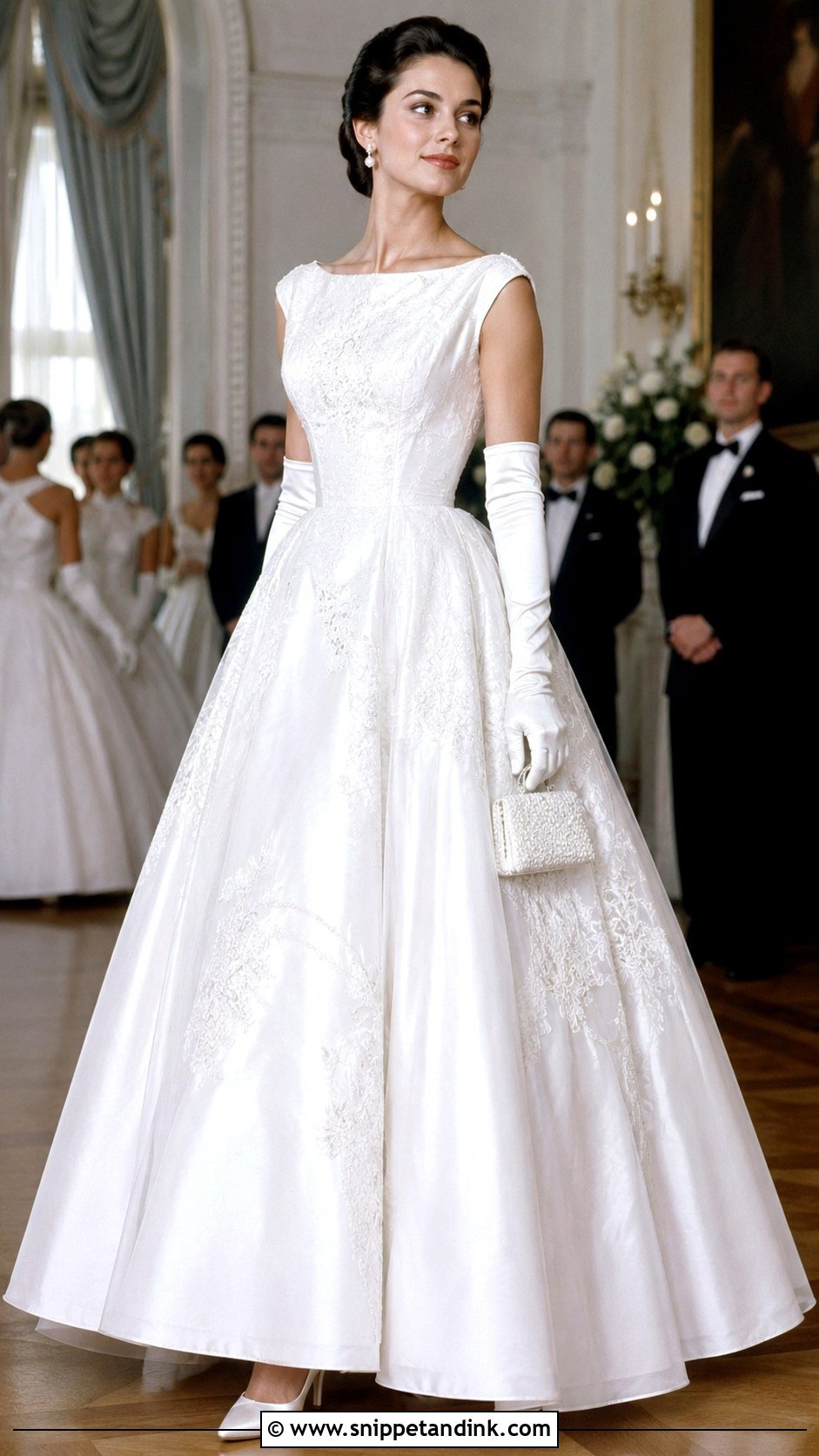
Debutante gowns had to look young, formal and distinct under ballroom lights, and Lowe knew how to hit all three. Nina Auchincloss, Jacqueline Bouvier’s stepsister, wore one of her gowns when she came out in 1955, and the dress was photographed for the fashion pages that year. The Auchincloss women turned to Lowe again and again for milestone clothes. Her debutante designs kept a fitted torso, a natural waist and a generous floor-length skirt, with hand-finished details giving each girl something of her own inside strict dress rules. Long white gloves, quiet jewelry, formal pumps and a small evening bag complete the look.
8. Ann Lowe Gasparilla Court Gown
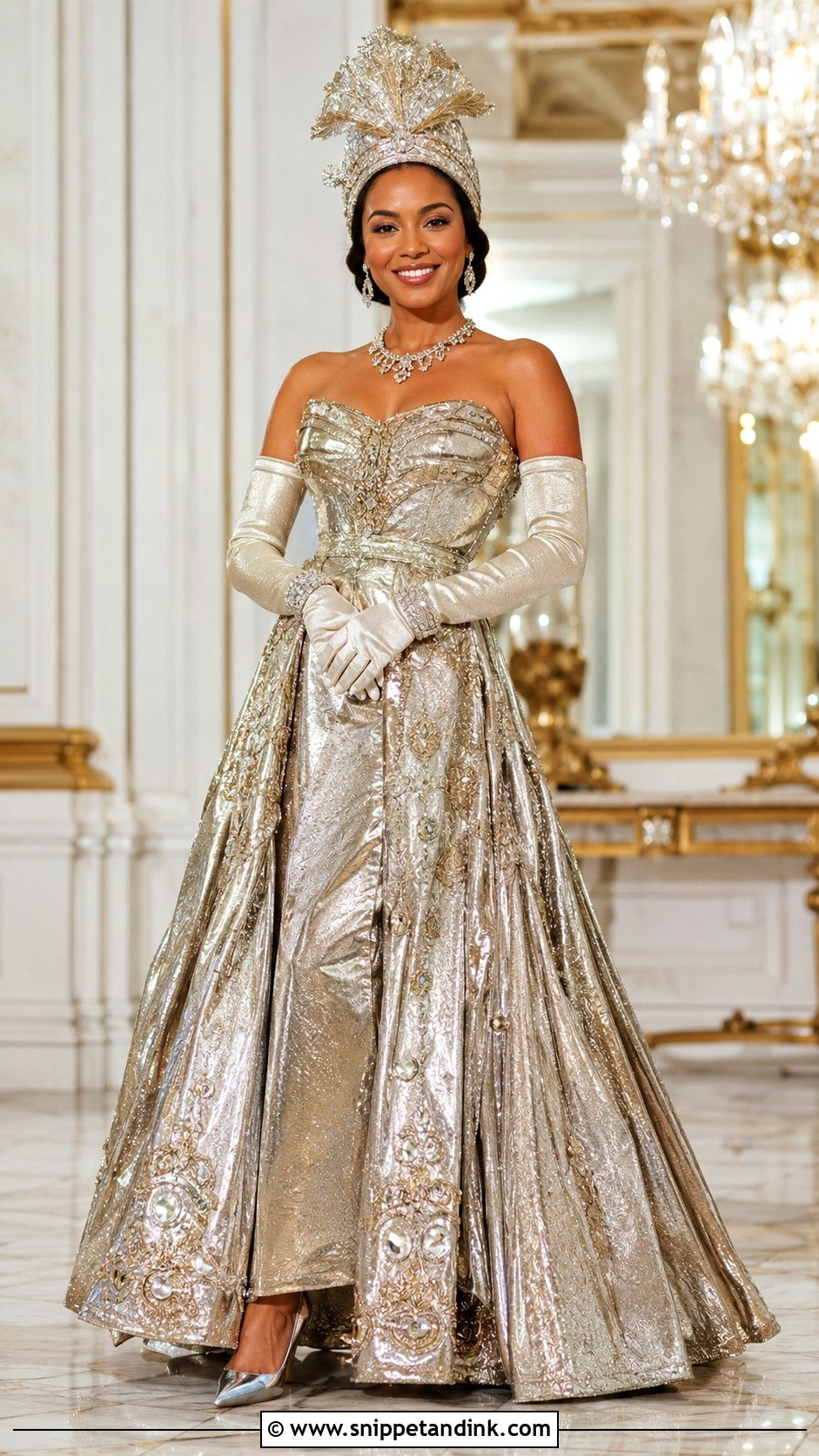
Long before New York, Lowe made elaborate costumes for Tampa’s Gasparilla festivities. From the mid-1920s to the end of that decade, she dressed members of the festival’s mock royal court in metallic lamé, shimmering spangles and heavy ornament. Theatrical clothes like these teach a dressmaker about weight and movement fast, since a beaded train that is badly balanced pulls the wearer backward with every step. These gowns look nothing like her later floral work, but they built the technical confidence behind it. A Gasparilla-inspired outfit needs metallic shoes, long gloves, a structured headpiece and careful jewelry.
9. Ann Lowe 1920s Beaded Evening Dress
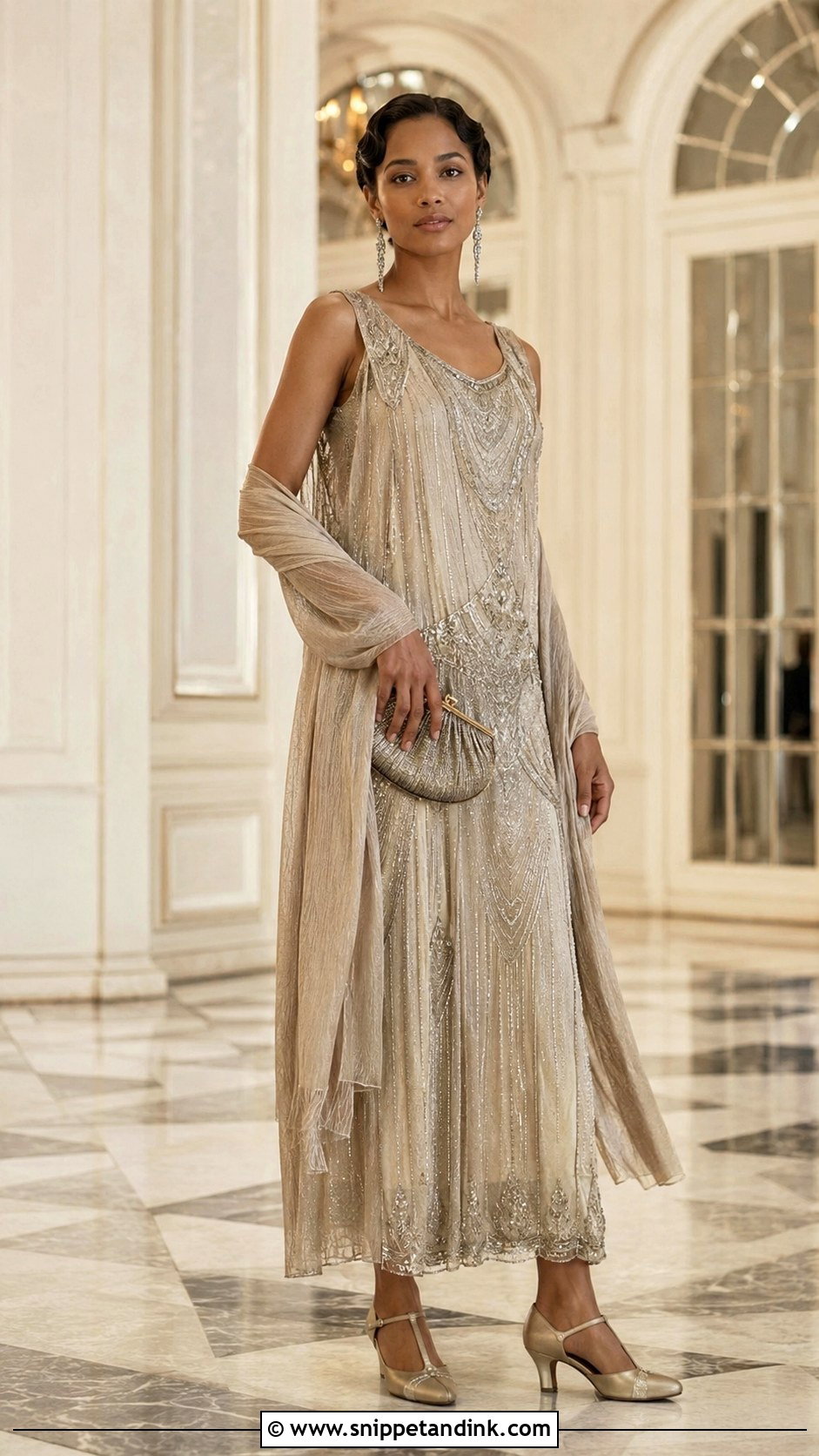
During her Florida years Lowe made beaded and embellished evening dresses for Tampa’s big social events. They carried the decorative energy of the 1920s while keeping the fit of custom work. Beads and metallic accents catch light as the fabric swings, but they also weigh down light silk, so the beading has to be planned around the cut rather than added after. For a period look, add low evening shoes, a small clasp bag, long earrings and a simple wrap. These dresses matter because they prove she was never limited to the big sculpted skirts of her later career.
10. Ann Lowe 1956 Silk Evening Dress
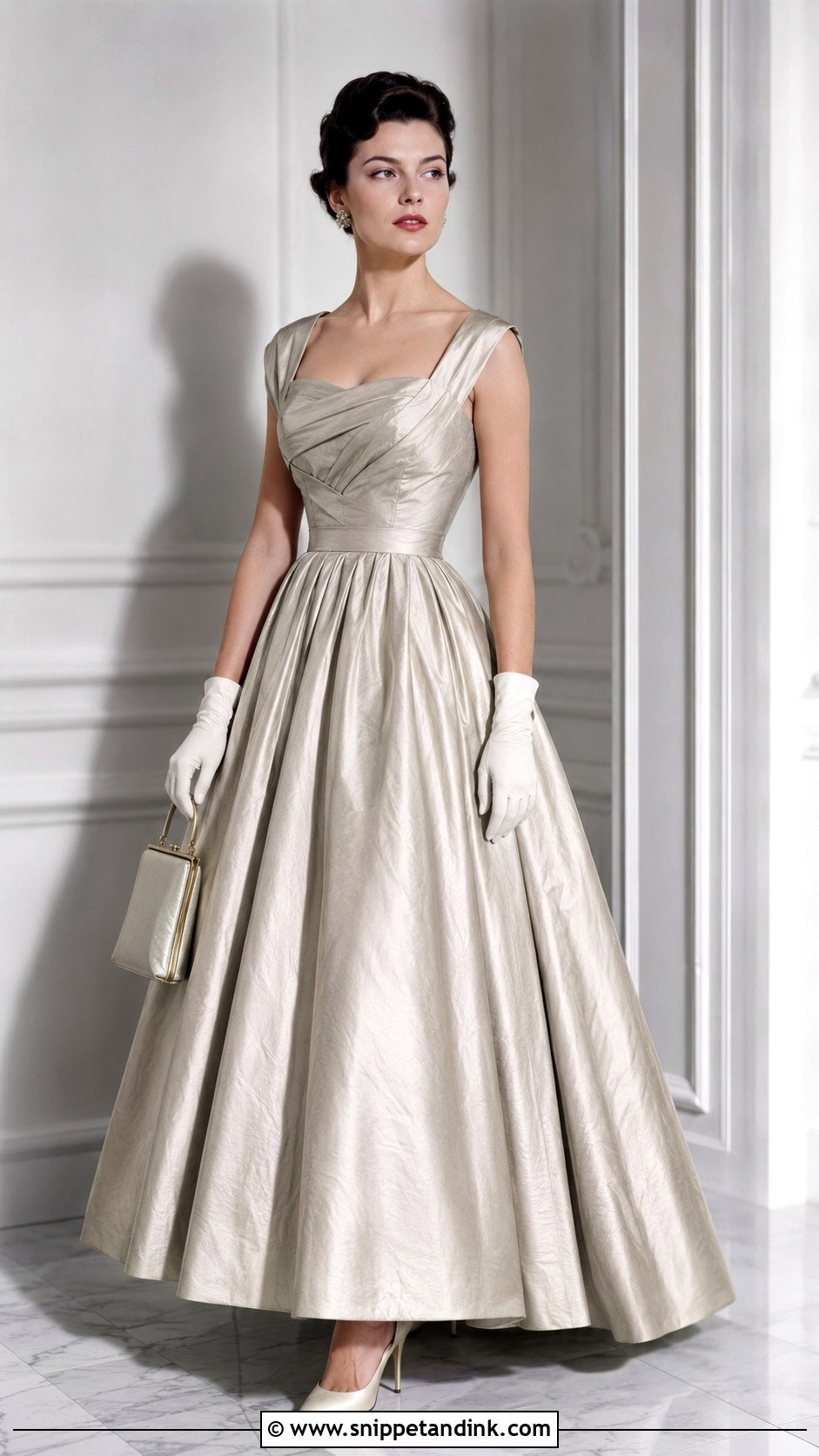
This 1956 dress in silk and polyester comes from the peak of her New York career, when she ran salons in fashionable Manhattan locations. Her evening dresses were built from the inside out, with built-in support, padding and secure waist stays. A waist stay is a simple grosgrain band that fastens snugly at the waist inside the dress, taking the weight of the skirt so the bodice does not slide down, and it is still the first thing I check on any strapless gown. Pointed pumps, short gloves, a compact frame bag and restrained jewelry complete a mid-century look built on proportion, not excess.
11. Ann Lowe 1956 Beaded Evening Dress
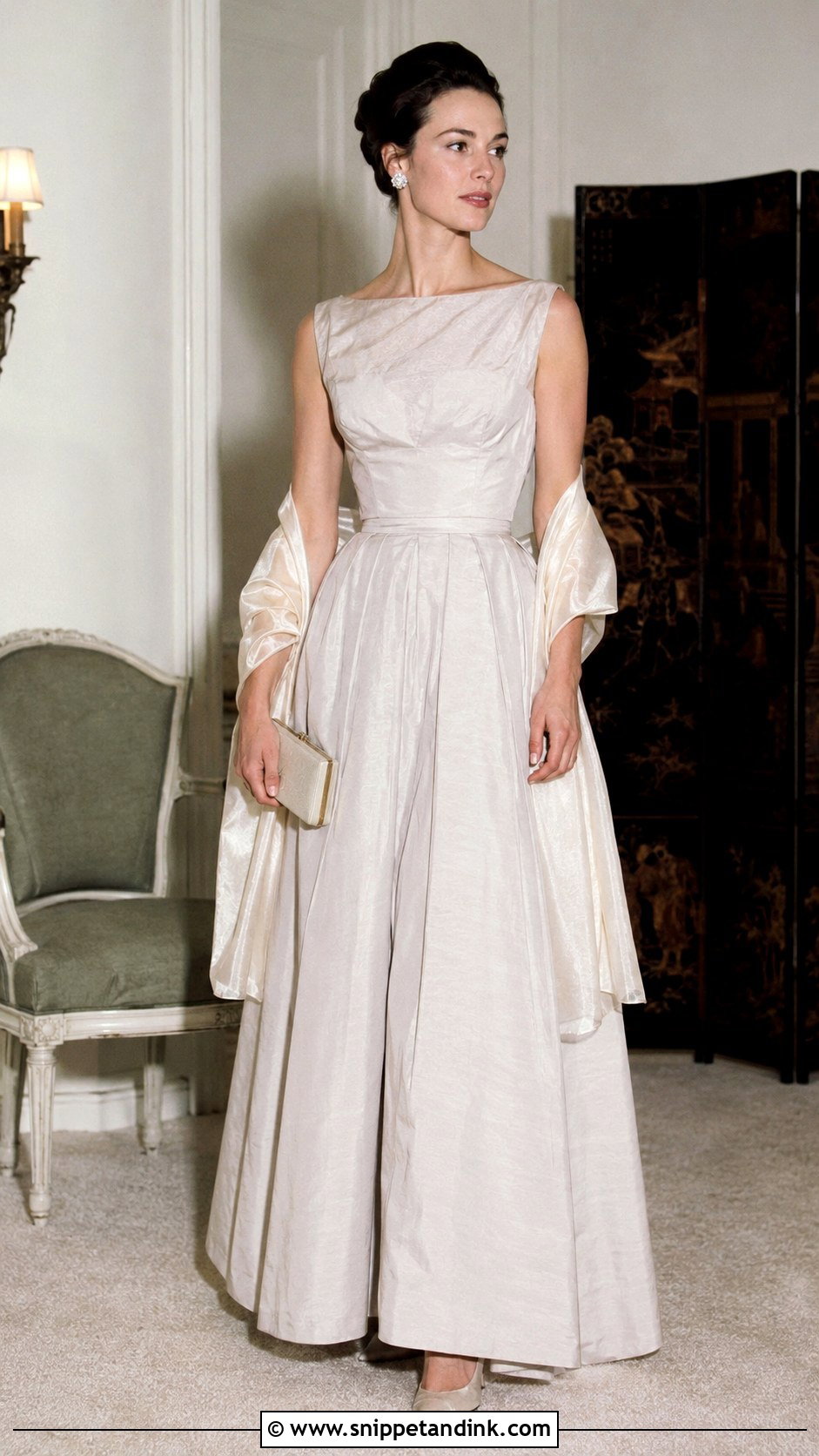
Glass beading lights up another 1956 evening dress, made in silk, cotton, glass and synthetic fiber. Beads are heavy, and on a formal dress their weight can stretch fabric or pull a seam out of line, so the embellishment has to be planned with the structure underneath. Lowe’s training let her carry that weight while keeping the silhouette clean. Keep everything else minimal: satin pumps, small earrings, one bracelet and a plain clutch. Her handmade flowers get the attention, but beads and controlled sparkle were just as much part of her vocabulary.
12. Ann Lowe 1960 Metallic Evening Dress
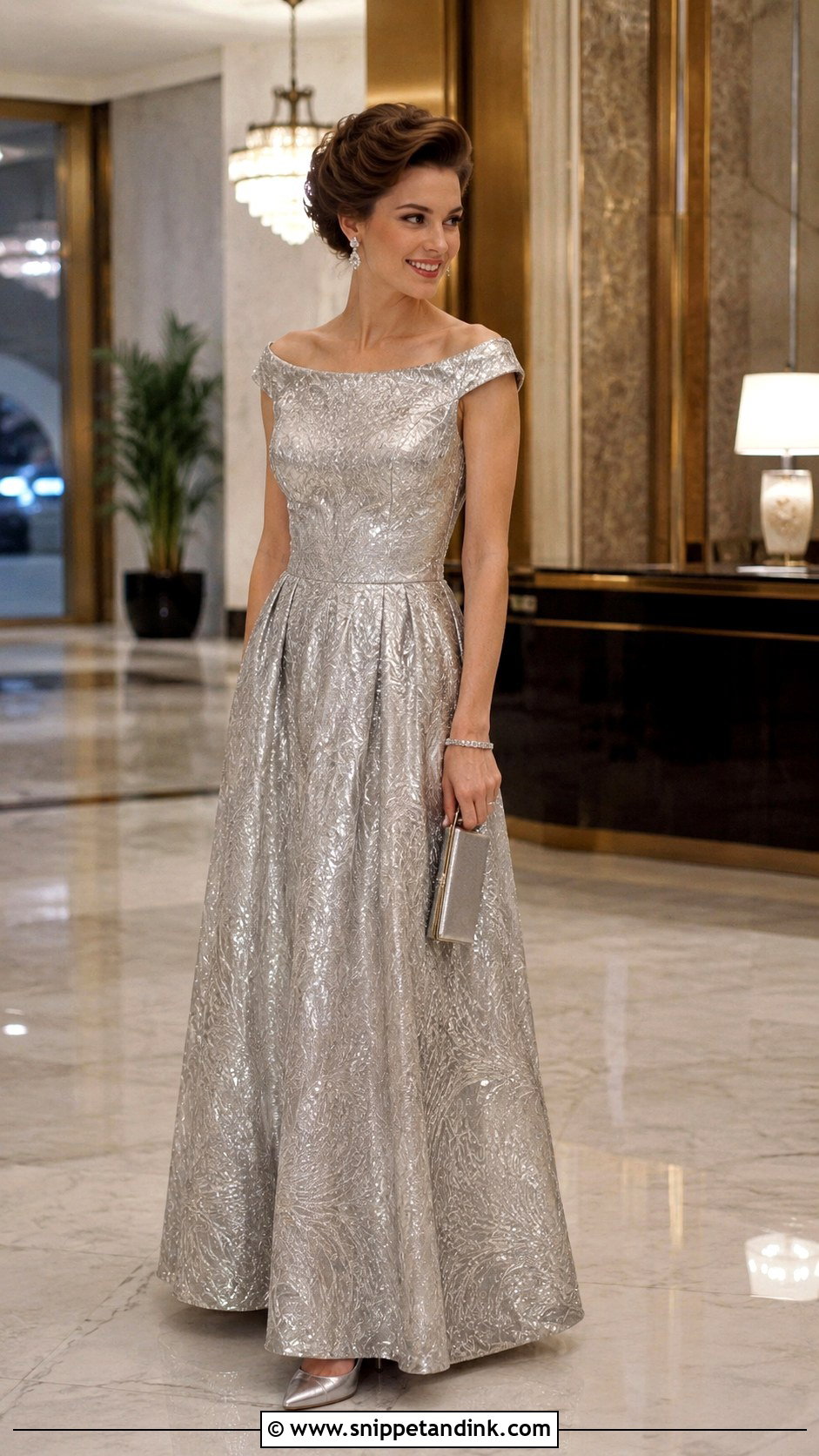
Metallic thread gives this circa-1960 dress of nylon, silk and metallic fiber a soft glow. It sits at a turning point, when formal dresses still wanted structure but lighter synthetic fabrics were spreading fast. Lowe used the new materials without giving up her careful shaping. Metallic textiles can feel scratchy against skin, which is one reason a good lining matters so much on dresses like this. Style it with metallic pumps, a slim evening bag, small crystal earrings and neat hair, and skip heavy accessories that fight the reflective surface.
13. Ann Lowe Saks Fifth Avenue Dress
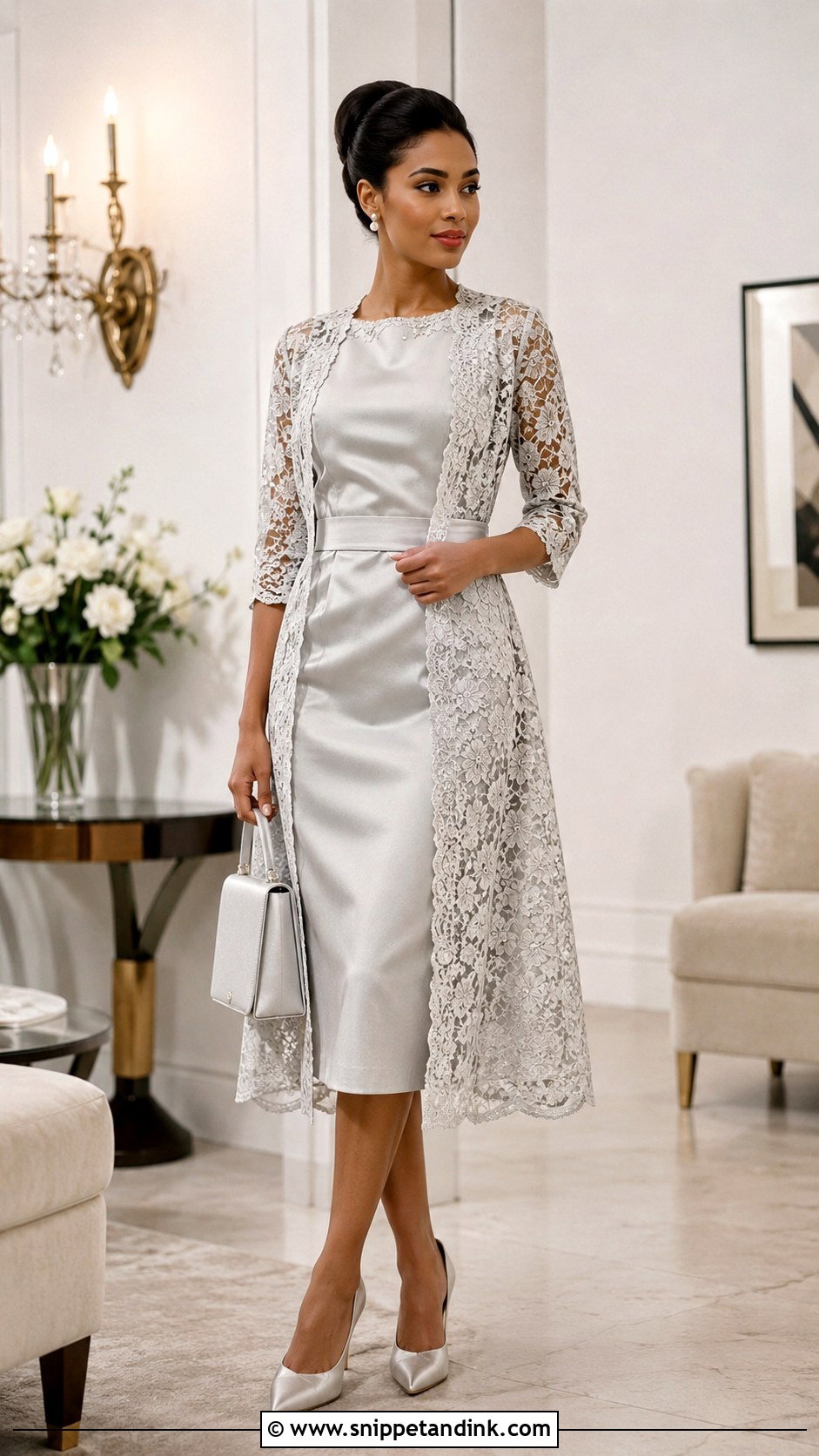
Her work for the Saks Fifth Avenue custom salon is an important and complicated chapter. One silk evening dress from about 1960 to 1962 is linked to the store. Lowe’s name was not on the garments made there, yet her construction habits have helped experts identify her hand. That is something I find fascinating: a dressmaker’s inside seams, stays and finishing are almost like handwriting. Pair a structured floor-length gown with pointed evening shoes, fine gloves, a small jeweled bag and classic earrings for the full effect.
14. Ann Lowe 1962 Nylon Silk Dress
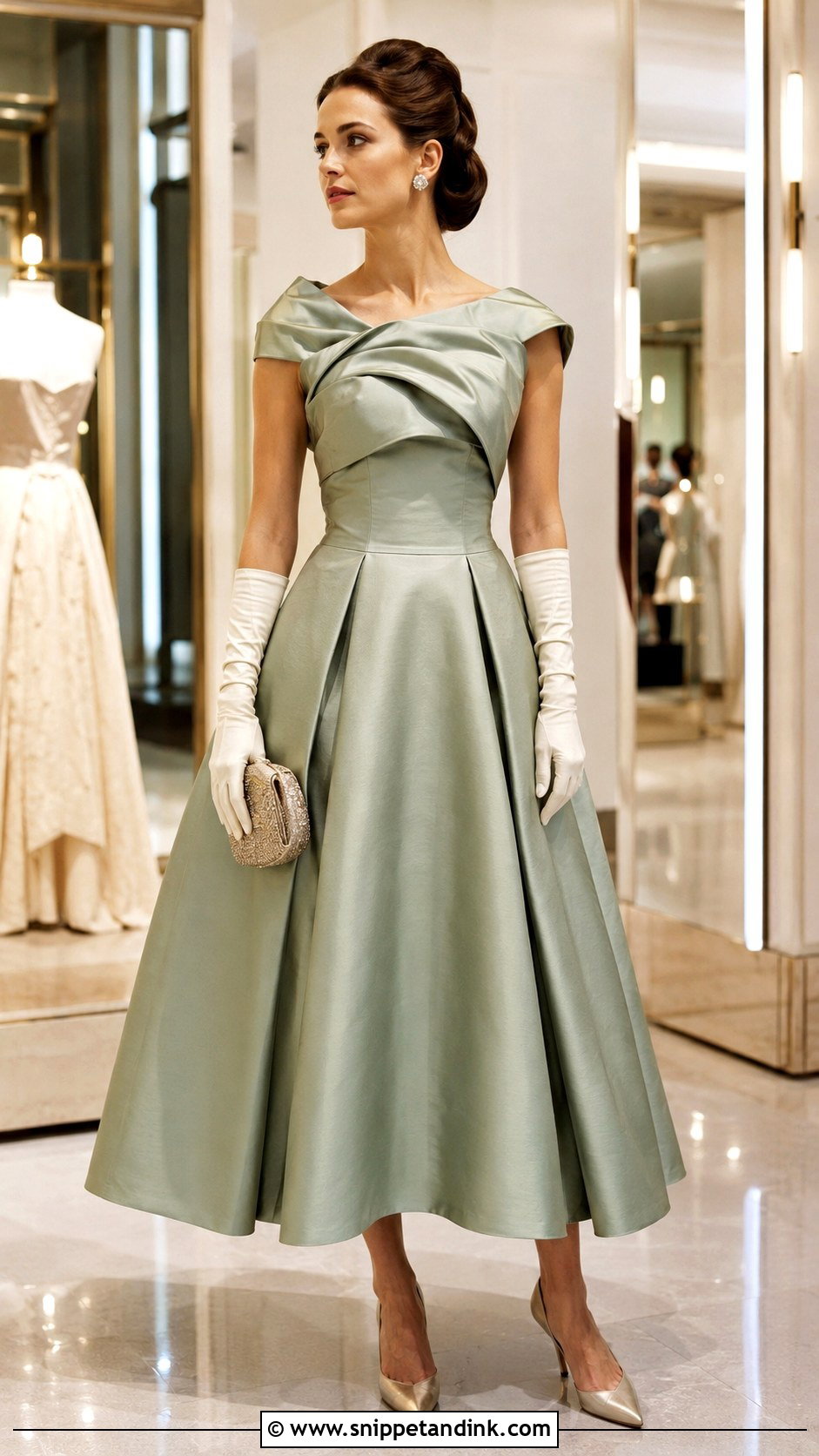
By 1962 Lowe was facing serious health and money problems, yet she kept producing evening dresses with sophisticated shapes. This surviving gown combines nylon and silk for both lightness and body. She knew a gown had to flatter in motion, sit well in photographs and stay secure for hours, and those demands drove everything from the inner support to the skirt construction. Today you could wear it with refined pumps, a narrow clutch, small sparkling studs and a light wrap. Keep the accessories spare so the proportion and fabric lead.
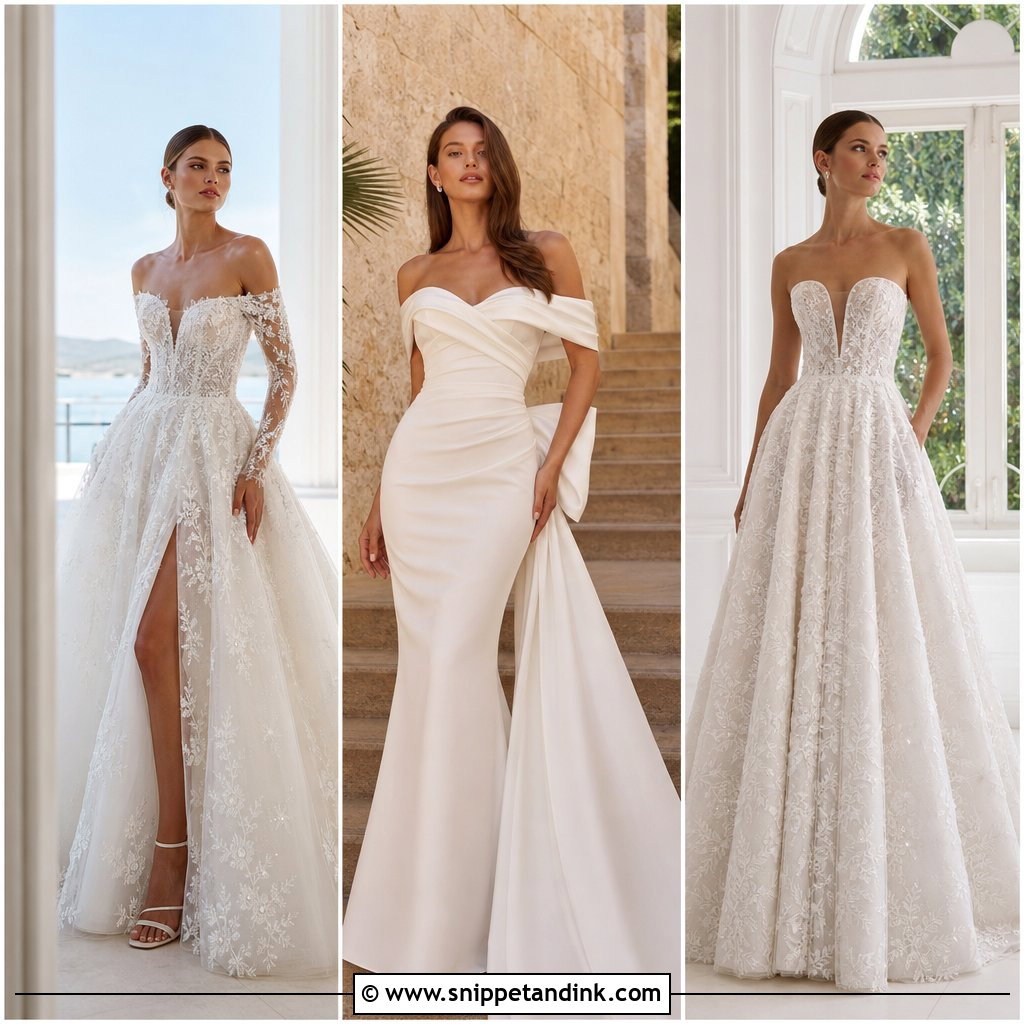
15. Ann Lowe Satin Lace Evening Ensemble
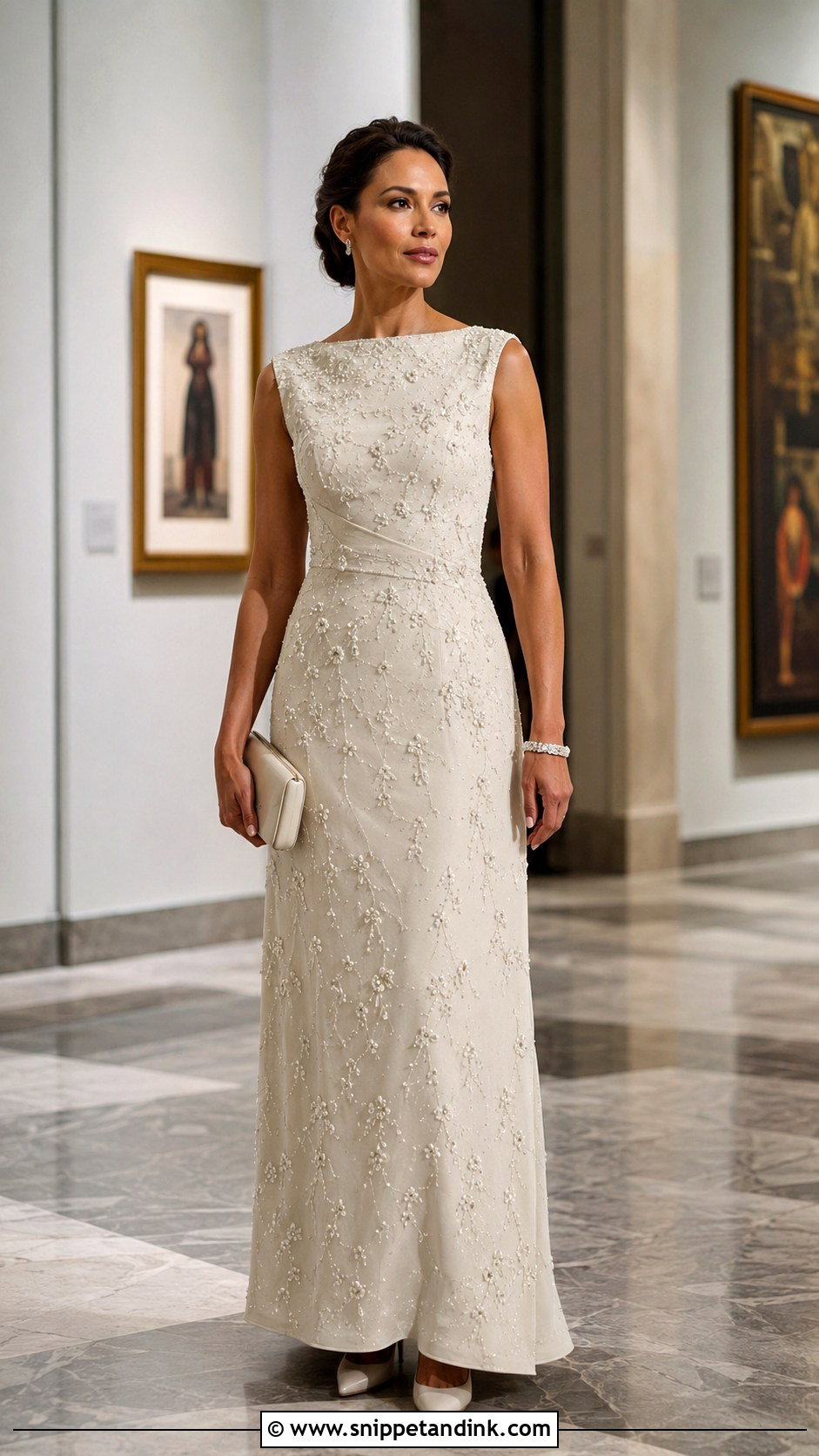
Instead of a single gown, this satin and lace evening ensemble from around 1966 is a coordinated set, produced in connection with A. F. Chantilly. Lowe was still dressing debutantes and private clients then. Separate pieces gave the wearer flexibility while still reading as one outfit. Satin brings smooth structure; lace adds pattern and softness. Pairing them takes thought, because satin shows every pucker where lace is stitched onto it. Pointed satin shoes, pearl earrings, a compact bag and neat hair would complete it, and the set shows a side of her talent that grand ball gowns tend to hide.
16. Ann Lowe White Floral Dress
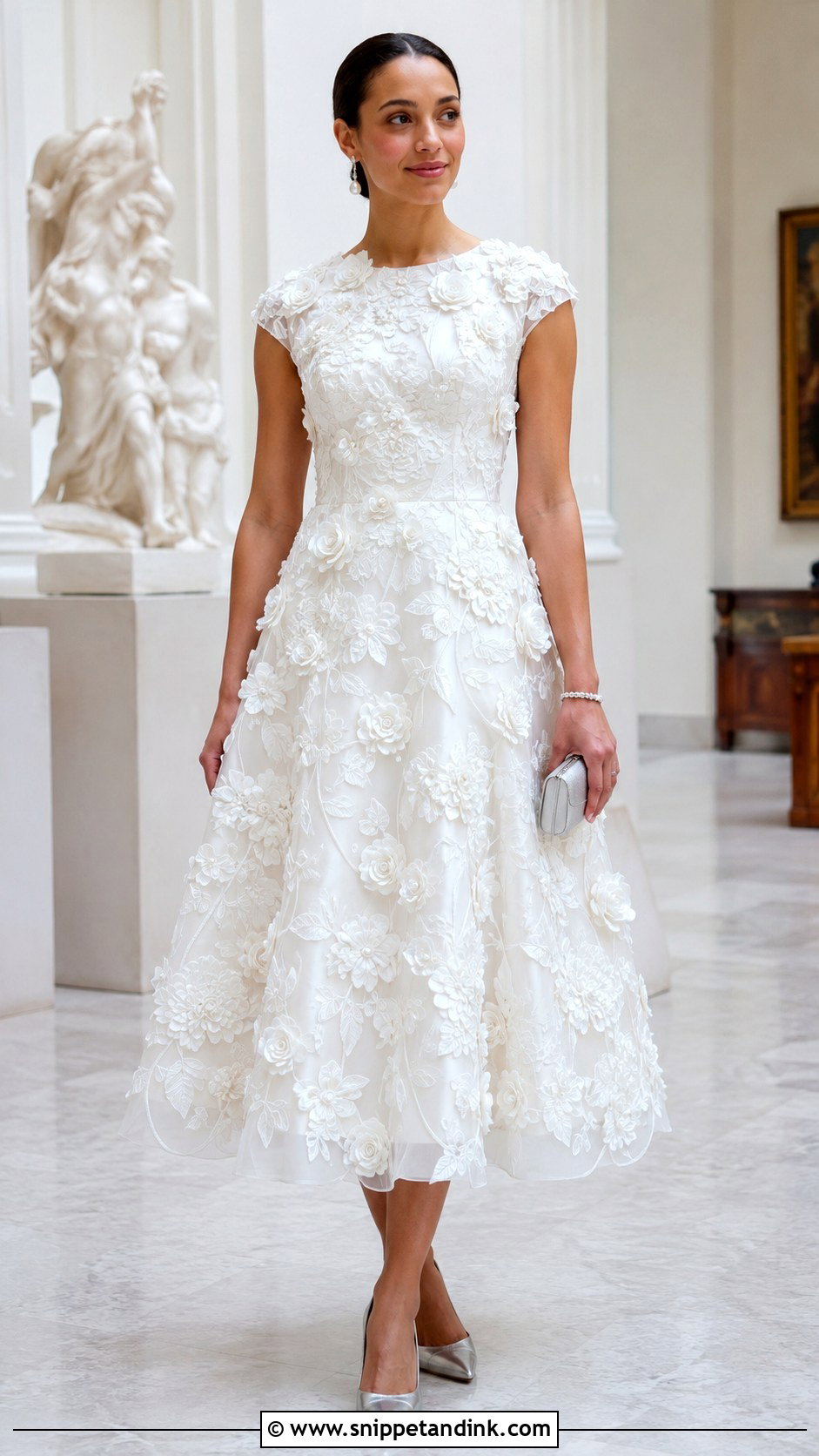
White flowers on white fabric sound plain, yet in this 1966 to 1967 dress they create the richest texture in the collection. Roses, chrysanthemums, leaves and other blossoms wind across white satin and chiffon. Because everything shares one color, shadow and depth define each bloom. Tone-on-tone work like this is what I suggest to brides who want handmade flowers on a gown without the dress looking busy. White or silver pumps, small pearls, a satin clutch and an understated bracelet are all it needs.
17. Polly Carver Debutante Dress
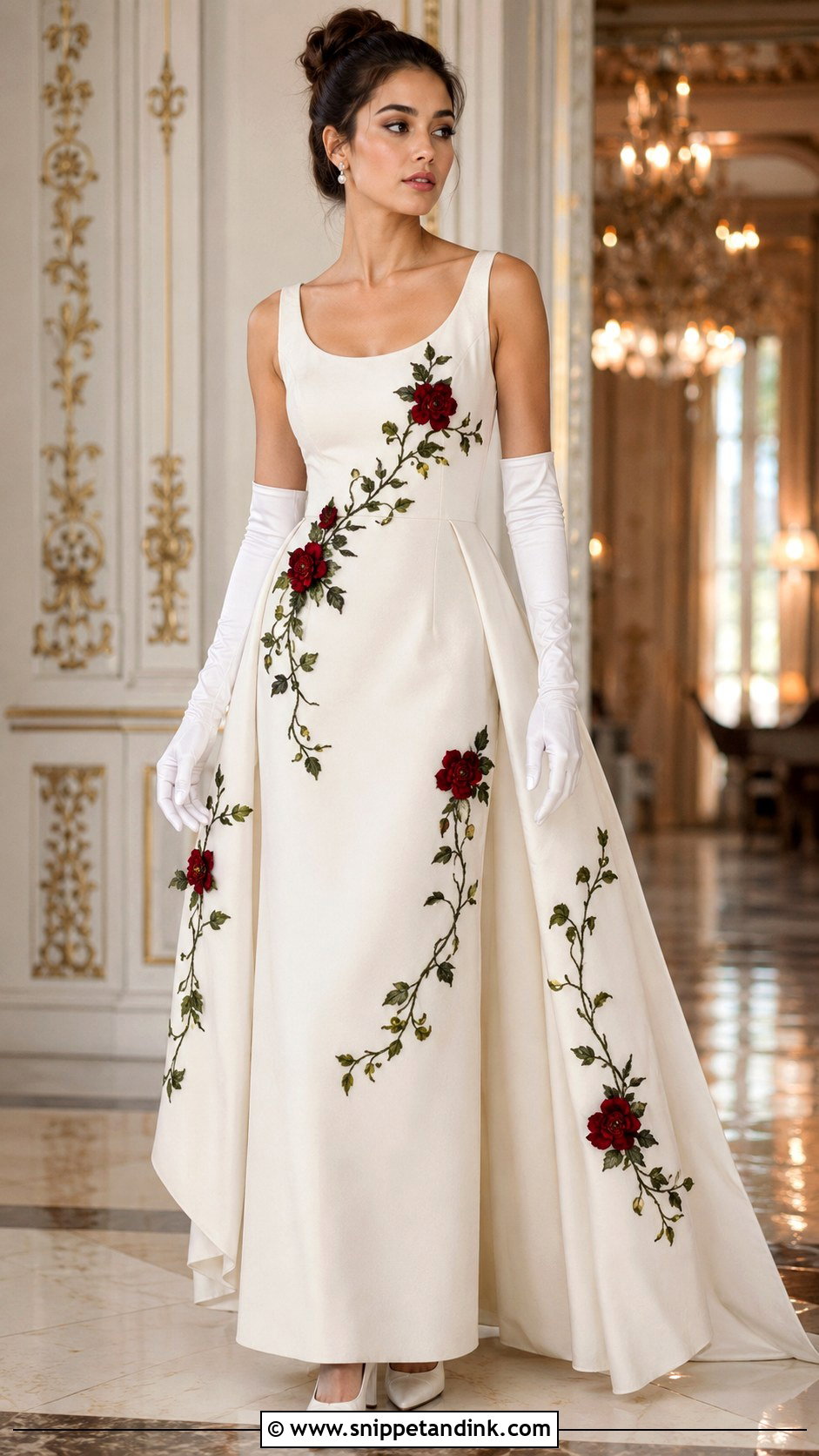
Red velvet roses on off-white make the 1967 debutante dress for Polly Carver one of her most striking. It is sleeveless and floor length, with a scooped neckline, a supported bodice and an A-line skirt. Green silk vines and leaves run across the body and down two floating back panels, with large velvet blooms on the back and smaller buds on the vines. Three gold-colored butterflies are hidden on the slip, a private detail visible only as the wearer moved. Long white gloves, satin pumps, pearl earrings and a small structured bag complete it.
18. Ann Lowe 1968 Evening Dress
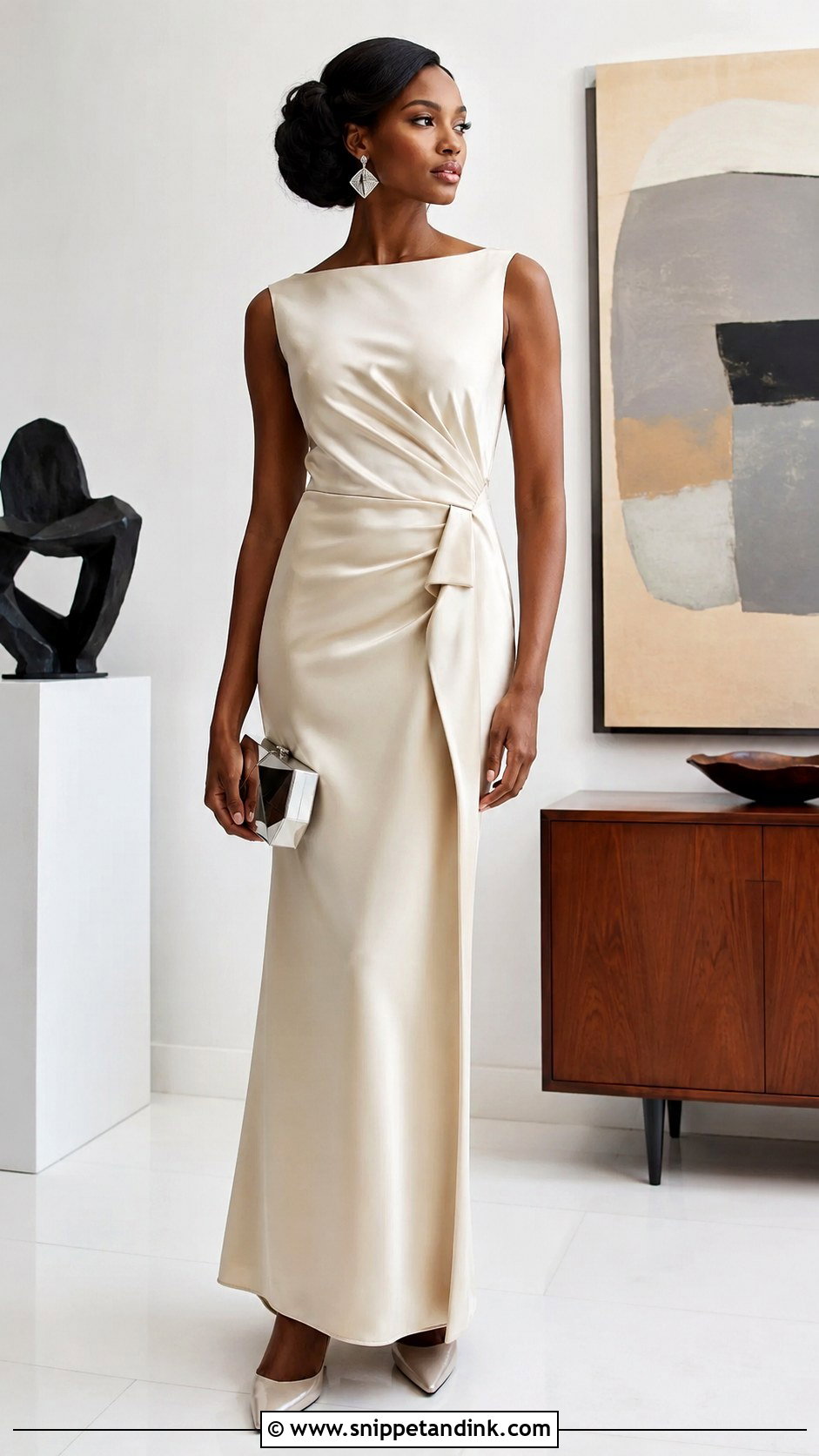
Simpler shapes were taking over formal fashion by the late 1960s, and this circa-1968 dress comes from the last productive phase of her career. Clients who wanted personal service and exact fit still came to her. Her later dresses show adjusted proportions and newer materials sitting on construction methods refined over decades. For a late-1960s look, add low pointed pumps, a small geometric clutch, sculptural earrings and a smooth updo. Cleaner accessories nod to the decade while keeping the dress formal, and the gown is a reminder that her career ran well past the 1940s and 1950s.
19. Ann Lowe Cotton Nylon Dress
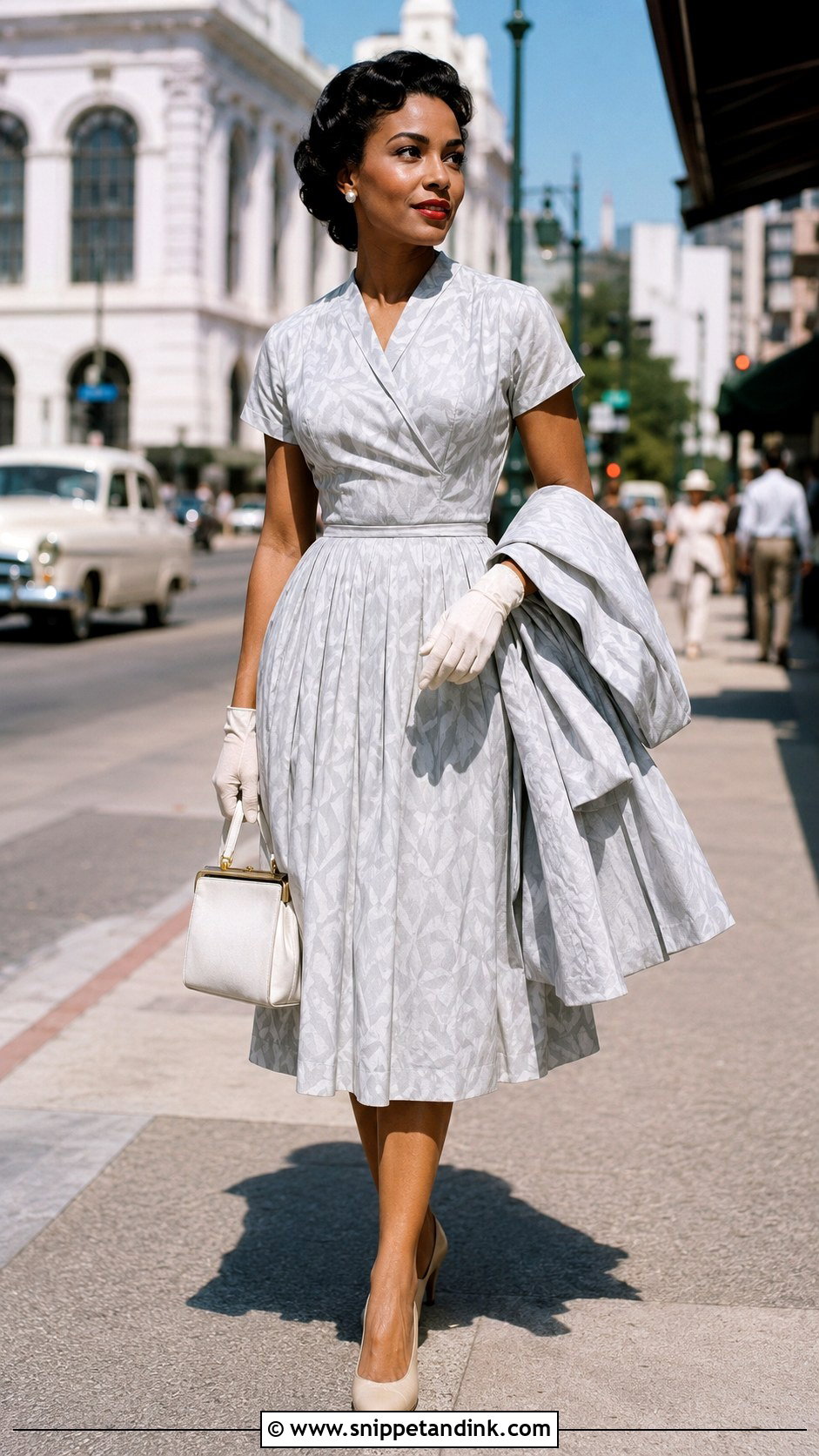
Not every Lowe dress was a ceremonial gown. This cotton and nylon dress from about 1956 suited daytime events and warm weather, and lighter fabric did not mean ordinary construction. She gave it the same attention to proportion, fit and finishing as her evening work. Cotton blends are easier to wear than taffeta but show a poor seam immediately, so clean inner finishing matters more, not less. Closed pumps, a top-handle bag, short gloves, pearl studs and a light tailored coat capture the polished mid-century daytime look.
20. Ann Lowe Fabric Flower Ball Gown
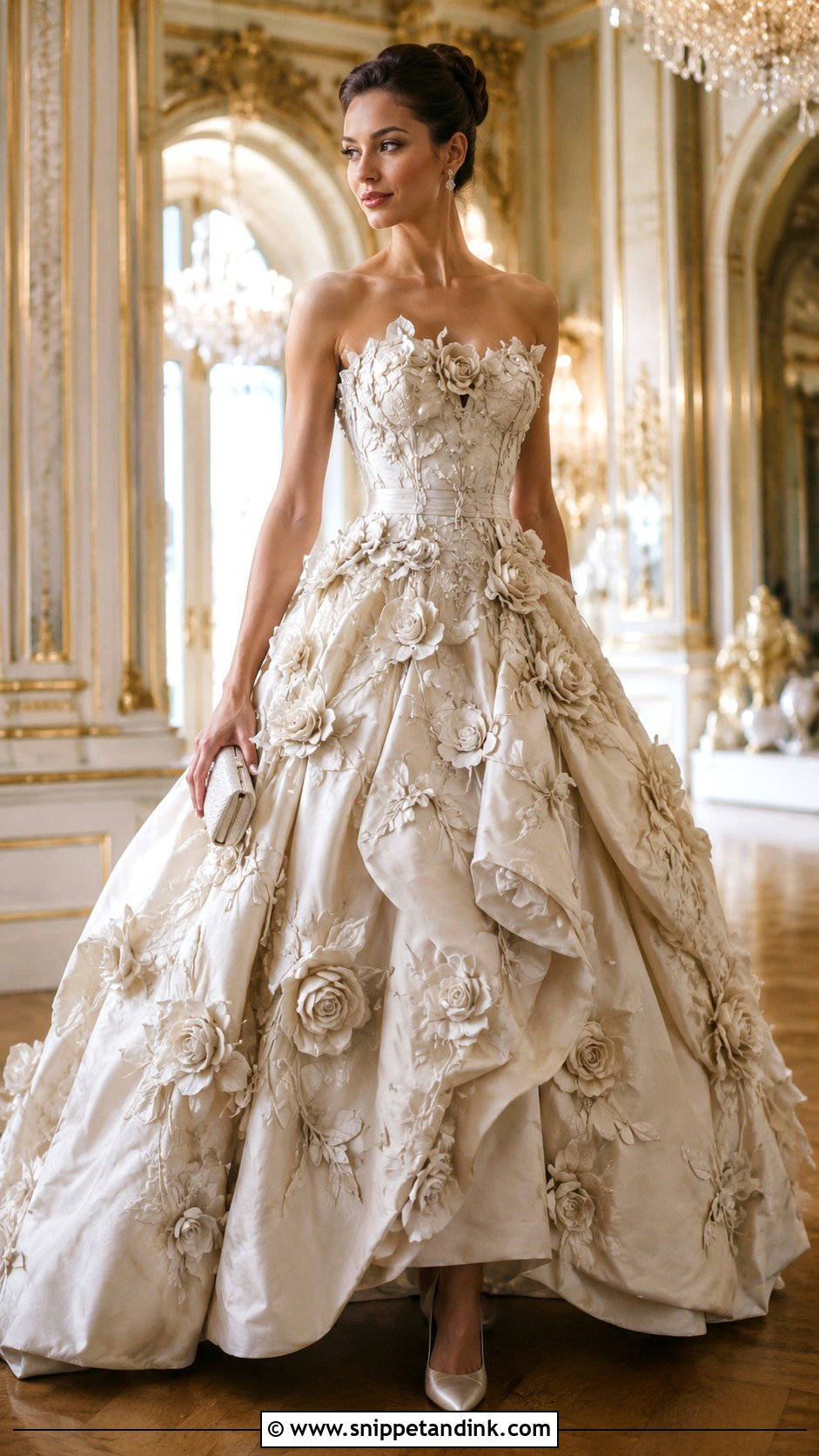
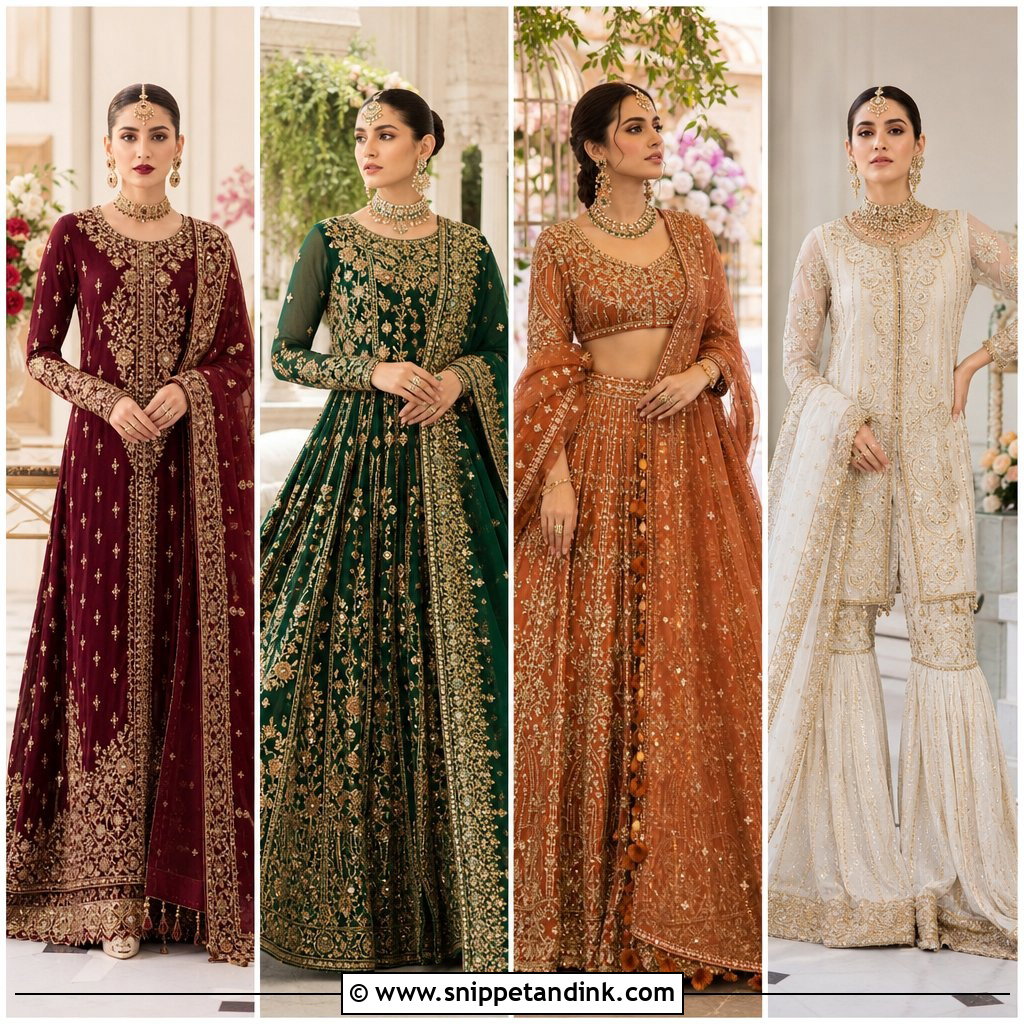
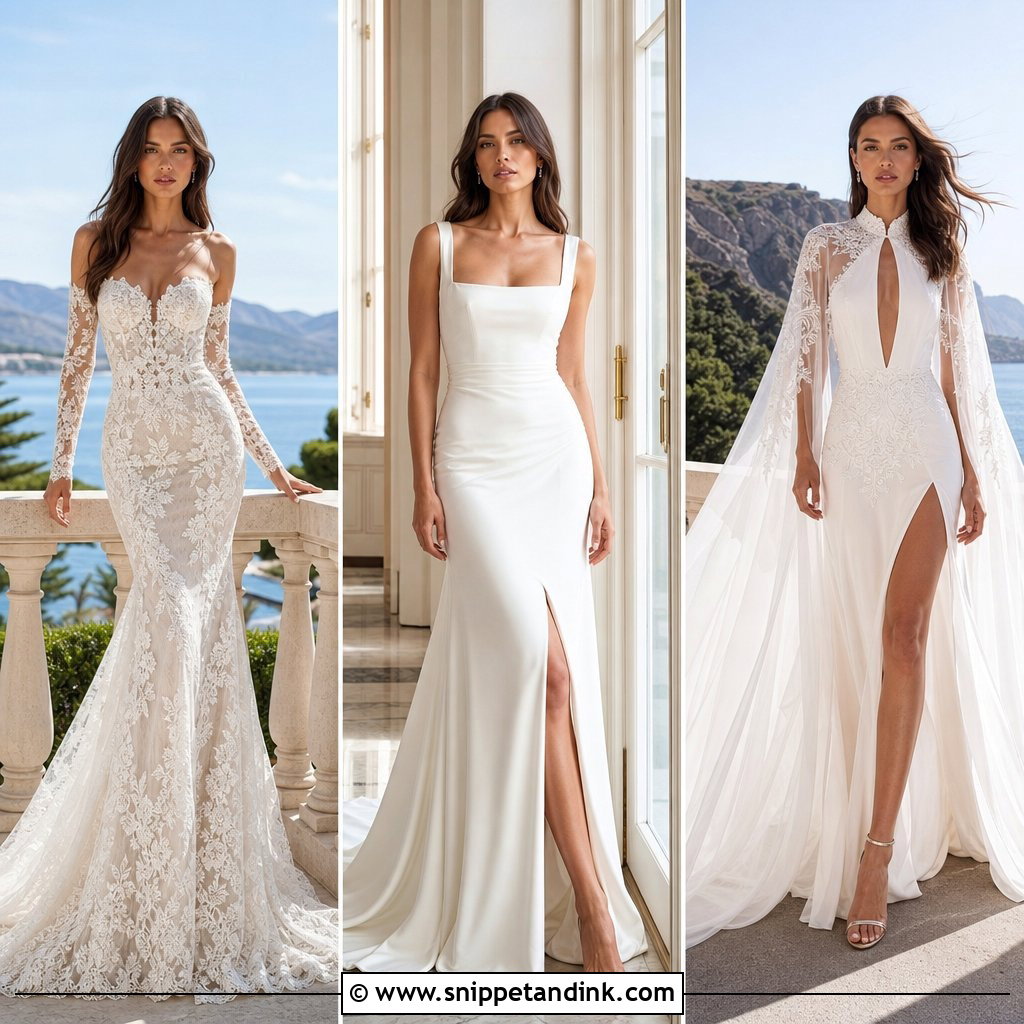
A full ball gown covered in placed fabric flowers sums up her style better than anything. She started making blossoms from scraps as a child and turned that into a couture signature. Roses, lilies, leaves, buds and vines ran across bodices, skirts, waists and trains, and their placement guided the eye and moved as the wearer walked. Each bloom is cut, shaped and stitched by hand, which is why a gown like this takes so long to make even now. Simple satin pumps, a small evening bag, delicate earrings and restrained hair accessories keep attention on the flowers.
Asking a Dressmaker for a Gown in Her Spirit
Brides often bring me a photo of the Kennedy gown and ask for something similar. It can be done, but it helps to know which parts of her work carry the look and which parts take time.
Silk taffeta and its quirks
Taffeta gives that crisp, full skirt and a soft rustle when you walk. It also creases hard and shows water marks, so it should be steamed on the day and kept away from spilled drinks. If you want the shape with less fuss, a heavier silk faille or mikado is more forgiving.
Structure you never see
Ask for a waist stay, a boned inner bodice and horsehair braid at the hem. These are the hidden details that let a portrait neckline or a strapless top stay put, and that keep a big skirt standing out without a heavy petticoat.
Handmade flowers take time
Each fabric rose is cut, folded and stitched by hand. A few clusters at the waist or neckline give the feeling without the cost of covering a whole skirt. Leave plenty of lead time for custom work, ideally six months or more, and ask to see a sample flower in your fabric before the rest are made.
Her Name Belongs on the Label Now
Ann Lowe was far more than one famous commission. Her wedding gowns carried personal symbols and serious structure; her debutante dresses balanced youth and confidence; her evening work showed command of fabric flowers, lace, beads, metallic thread and internal support. Even her quieter pieces carry the precision of custom couture. She adapted across several decades for clients who expected original, flawless work. Her surviving gowns, now kept in museum collections, restore the authorship that the press of her own time so often left out.
You'll Like These Ideas:


Leave a Reply