
What separates a designer gown from a good copy is mostly invisible from across the room. It’s in the inner corsetry, the way lace is matched across a seam, how a hem is weighted, how much of the finishing was done by hand. Those details decide how a dress feels at hour eight, not just how it looks in the first photo. Designer bridal now covers everything from lace and basque waists to sculptural ball gowns, slips, capes, bows, appliqué, minis and reception looks. For each of the thirty below I’ve added what I check at an appointment and the styling choices that keep the whole look together.
Turning a Gown Inside Out at the Appointment
A designer price tag pays for things you can’t see in a mirror. At any appointment I ask the consultant if I can turn the bodice and the hem over, and most good salons are happy to let you. Here is what I look for.
- Boning and a waist stay inside the bodice. A gown that holds itself up at the waist feels lighter and stays put through dancing.
- Lace matched across the seams, with motifs hand-cut and overlapped instead of sliced by a straight seam.
- A finished hem with horsehair braid or a weighted edge on structured skirts, which keeps the hem from collapsing.
- Linings in a breathable fabric. Silk or a good-quality lining is far more comfortable over a long day than a cheap polyester one.
- Secure beading, sewn in short sections so one broken thread doesn’t shed a whole row.
None of this means a less expensive gown is wrong. But if you are paying for a designer name, these are the details that should justify it.
1. Lace Designer Wedding Dress
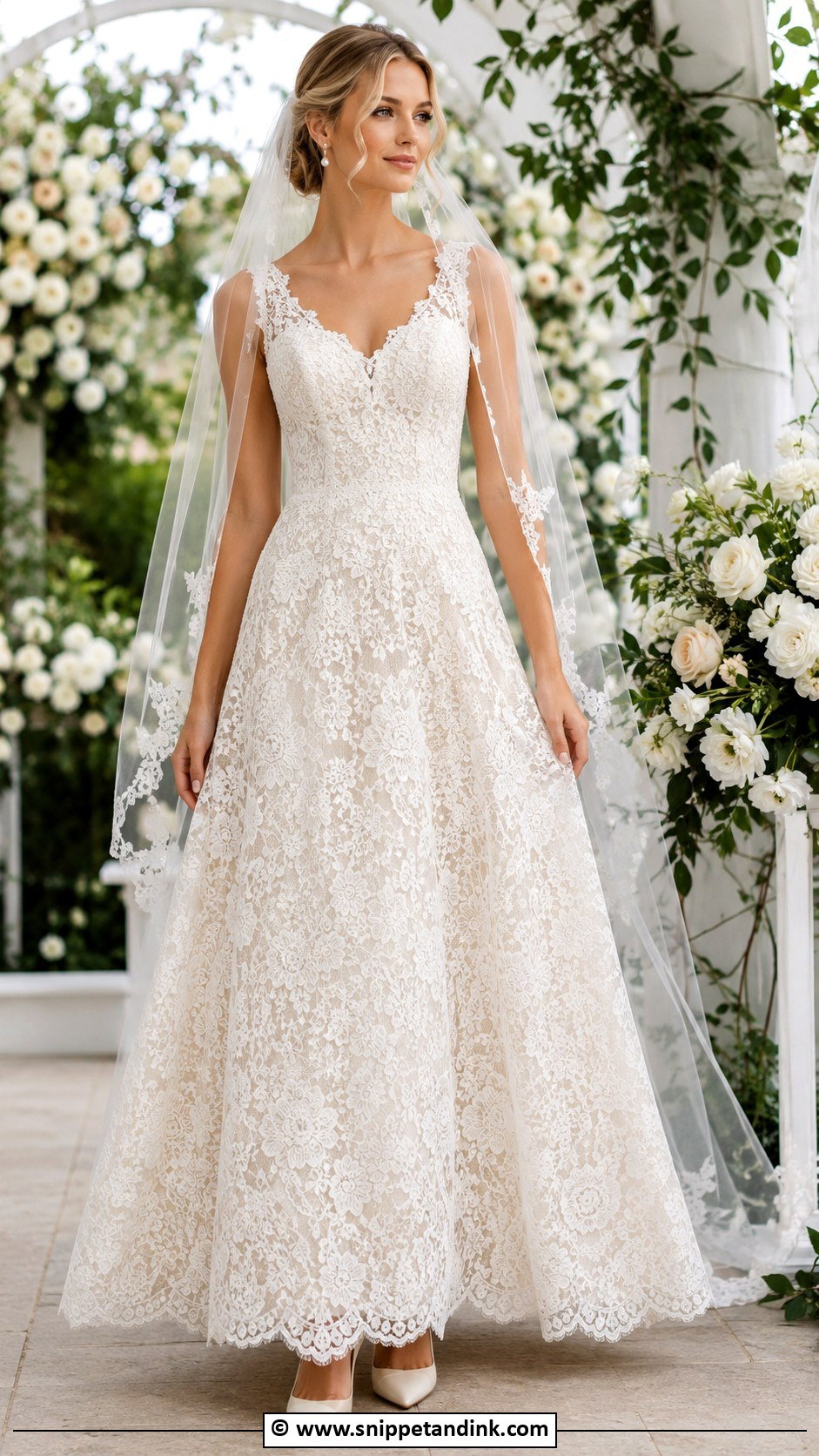
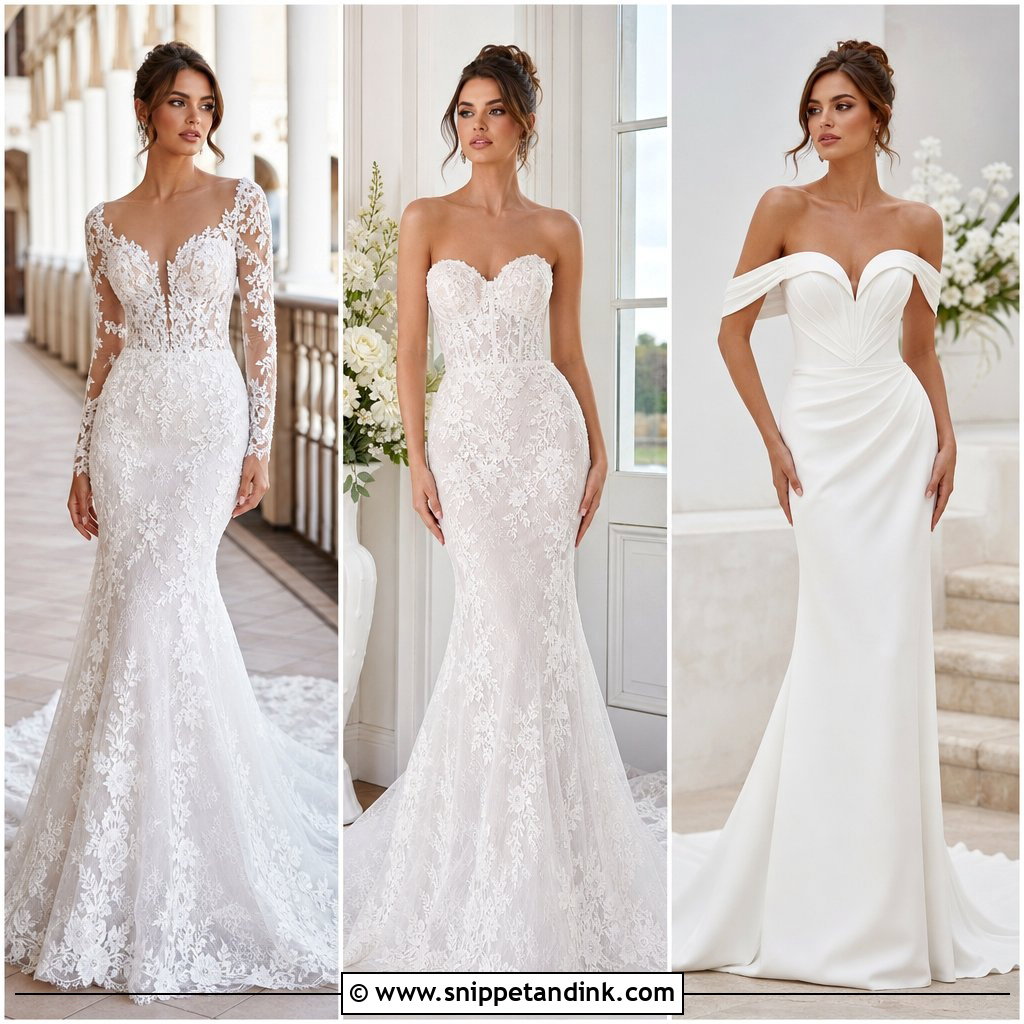
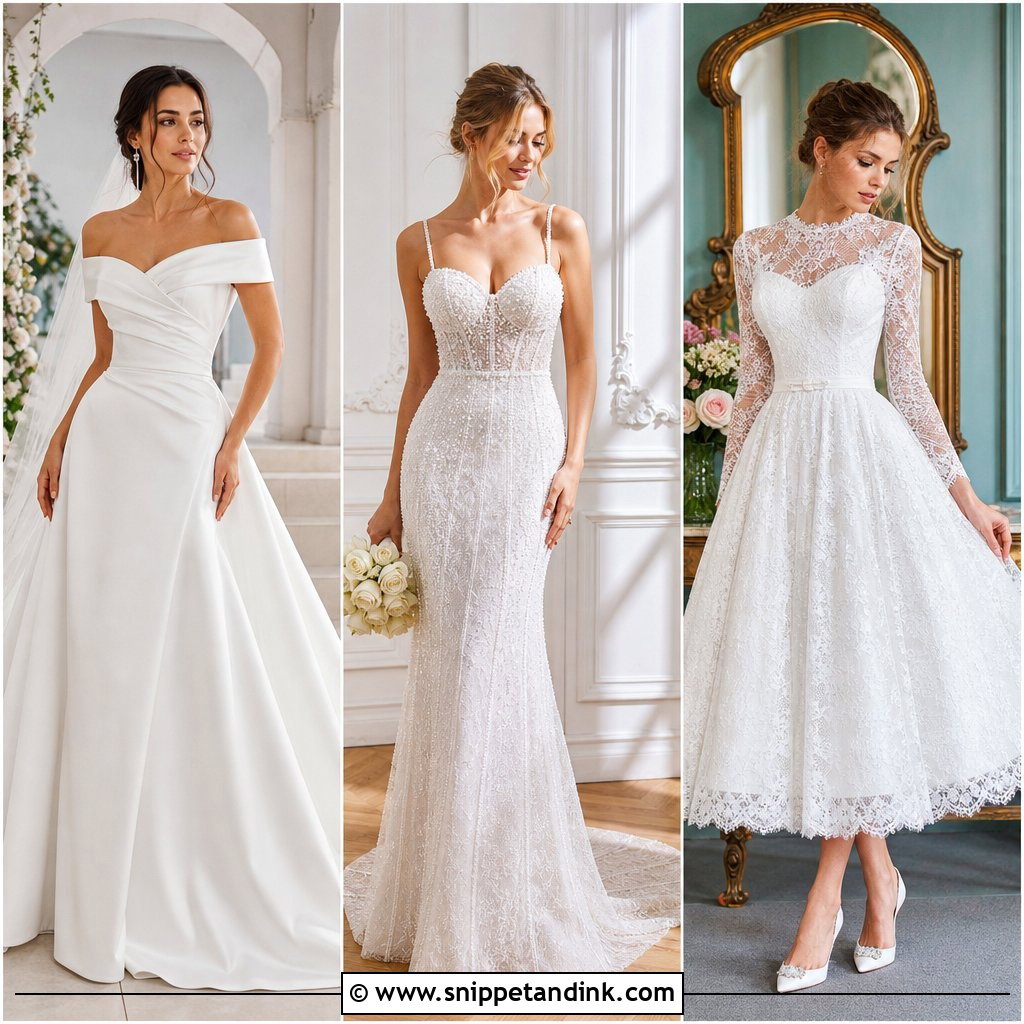
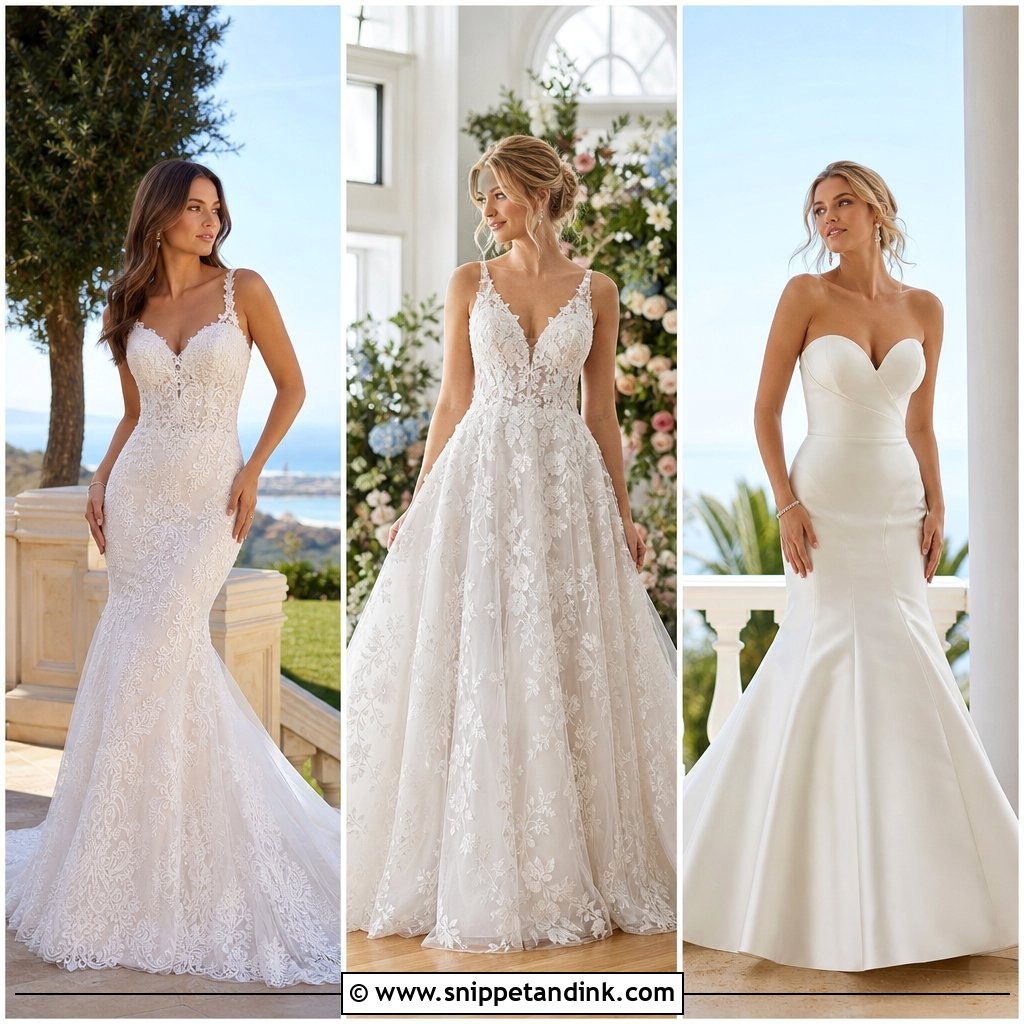
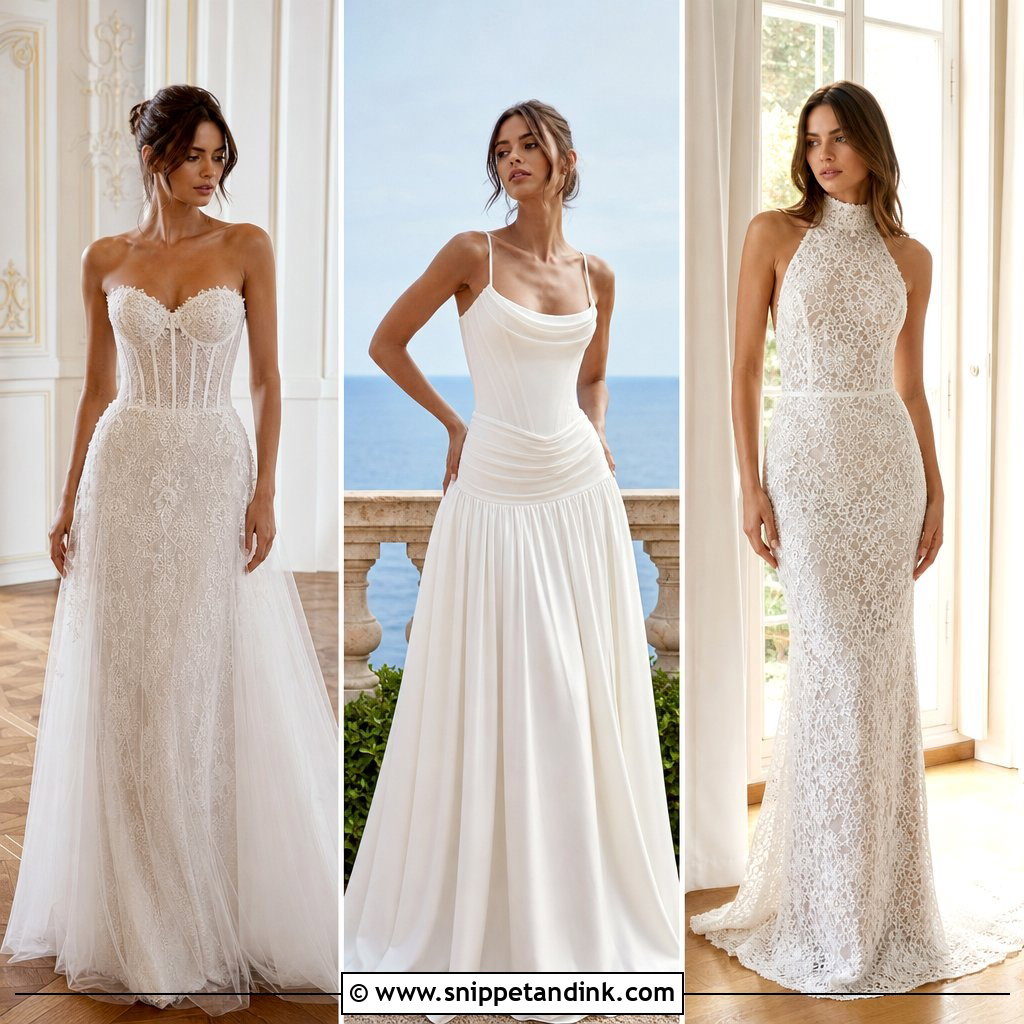
Lace is where designer quality shows most clearly. On a well-made gown, the motifs are cut around and overlapped at the seams so the pattern runs unbroken; on a cheaper one, a straight seam slices straight through the flowers. Soft floral lace, corded lace or fine allover lace over a fitted bodice and a skirt that moves are the options. Pearl earrings, sheer pointed heels and a plain veil leave the texture alone. Garden weddings, estates and indoor ceremonies all suit it; keep jewelry fine so the lace stays first.
2. Satin Ball Gown Designer Wedding Dress
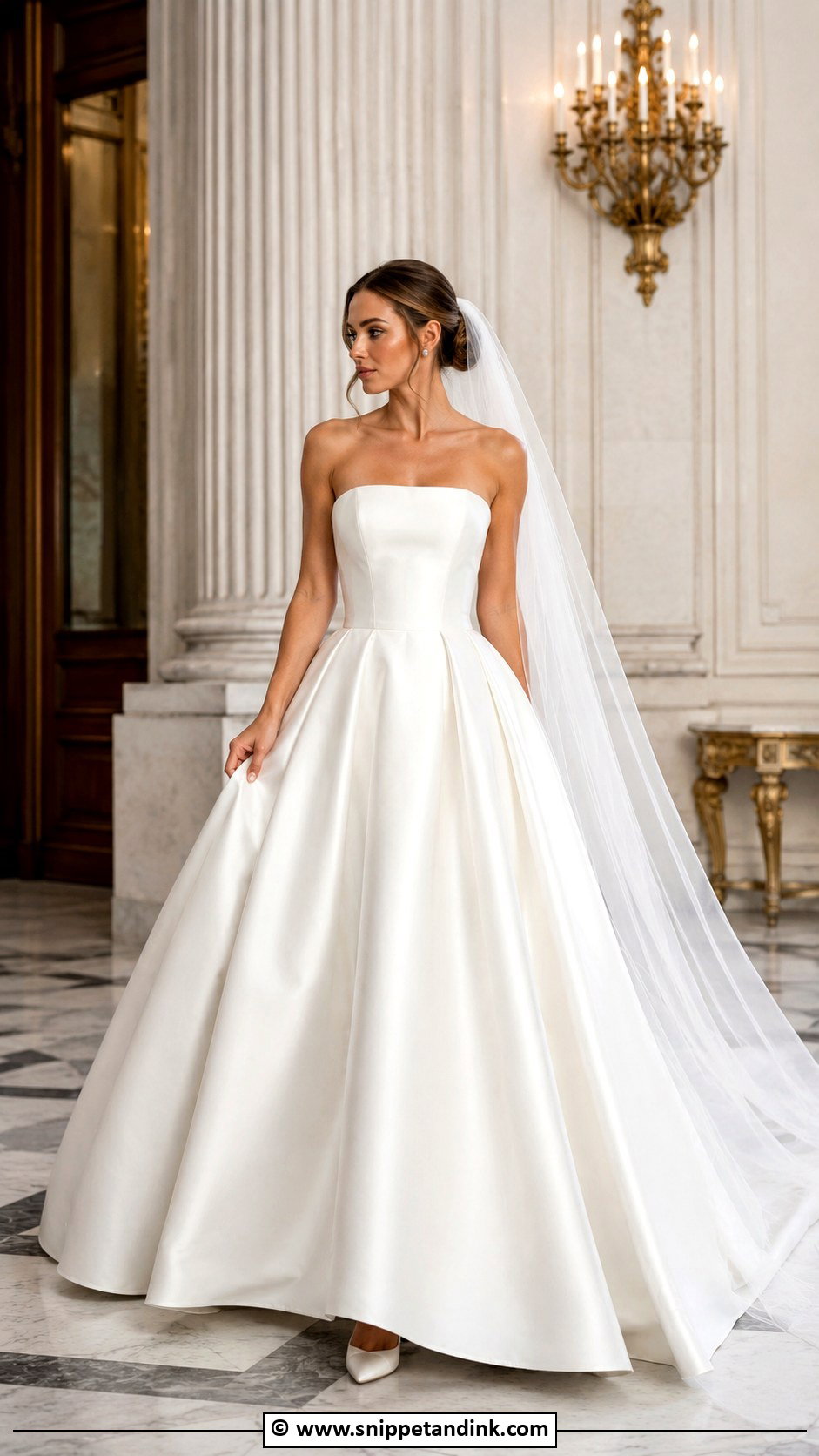
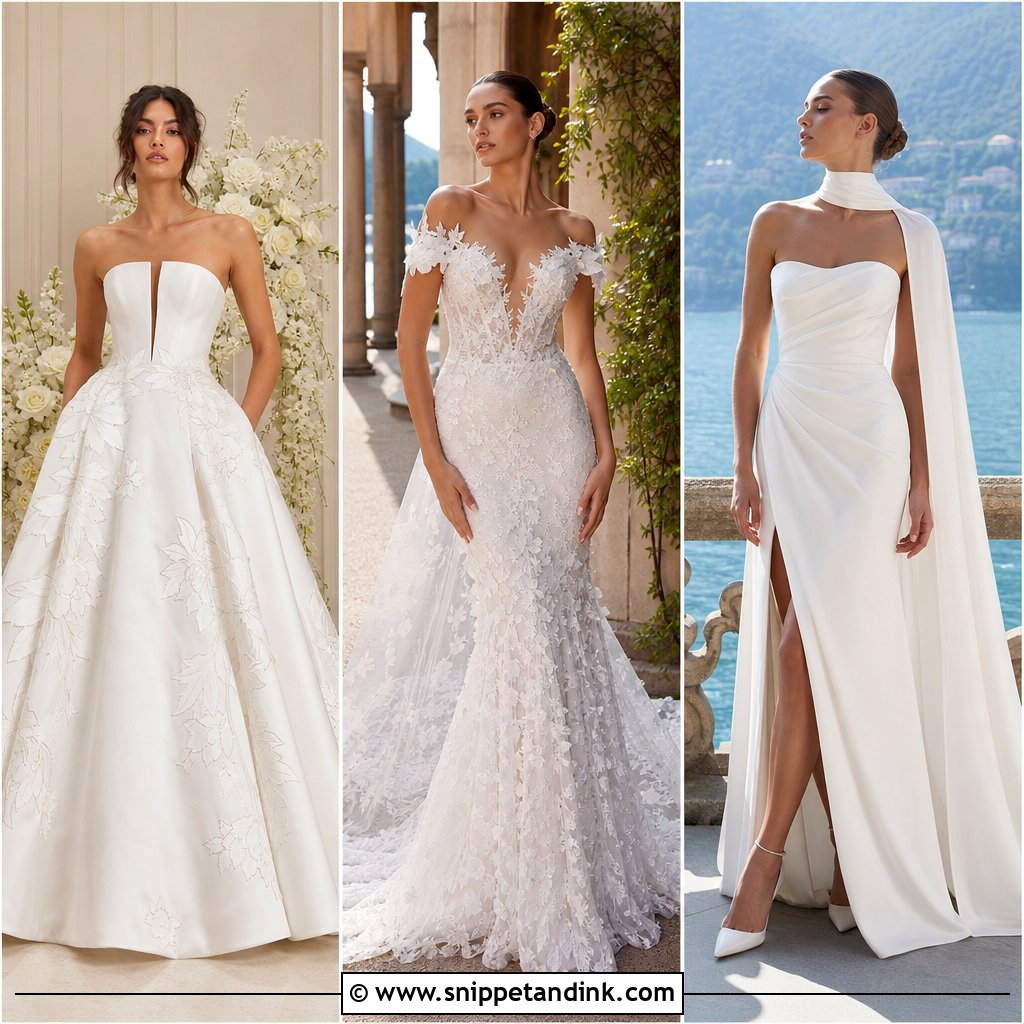
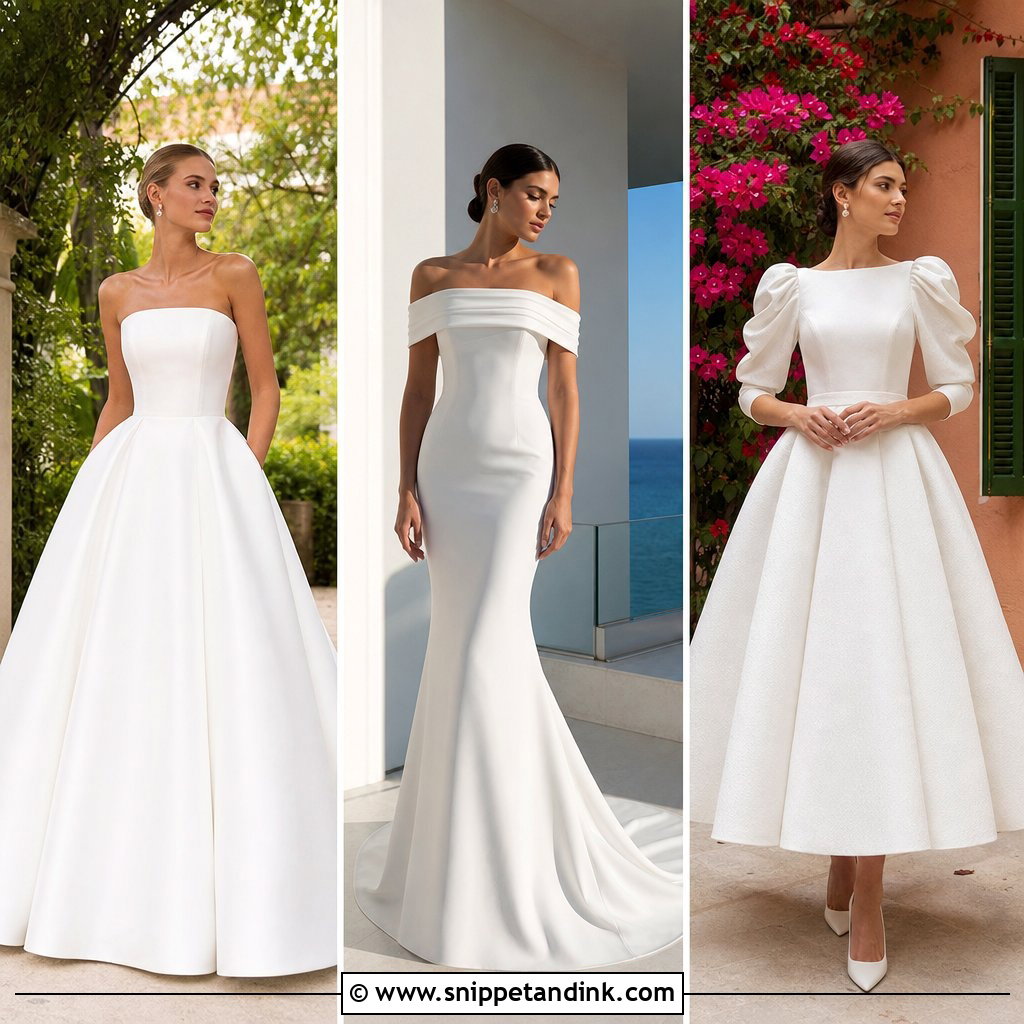
A satin ball gown relies on structure instead of decoration, so the construction has to be excellent. Heavy duchess or mikado satin holds the skirt’s volume with layers of crinoline or tulle underneath; I lift the skirt at fittings to see how it’s built. A defined waist and fitted bodice give the silhouette. Crystal studs, a cathedral veil and ivory satin pumps coordinate the look. With a strapless neckline, a fine tennis necklace or a bare neck both work. A polished bun balances the width of the skirt.
3. Basque Waist Designer Wedding Dress
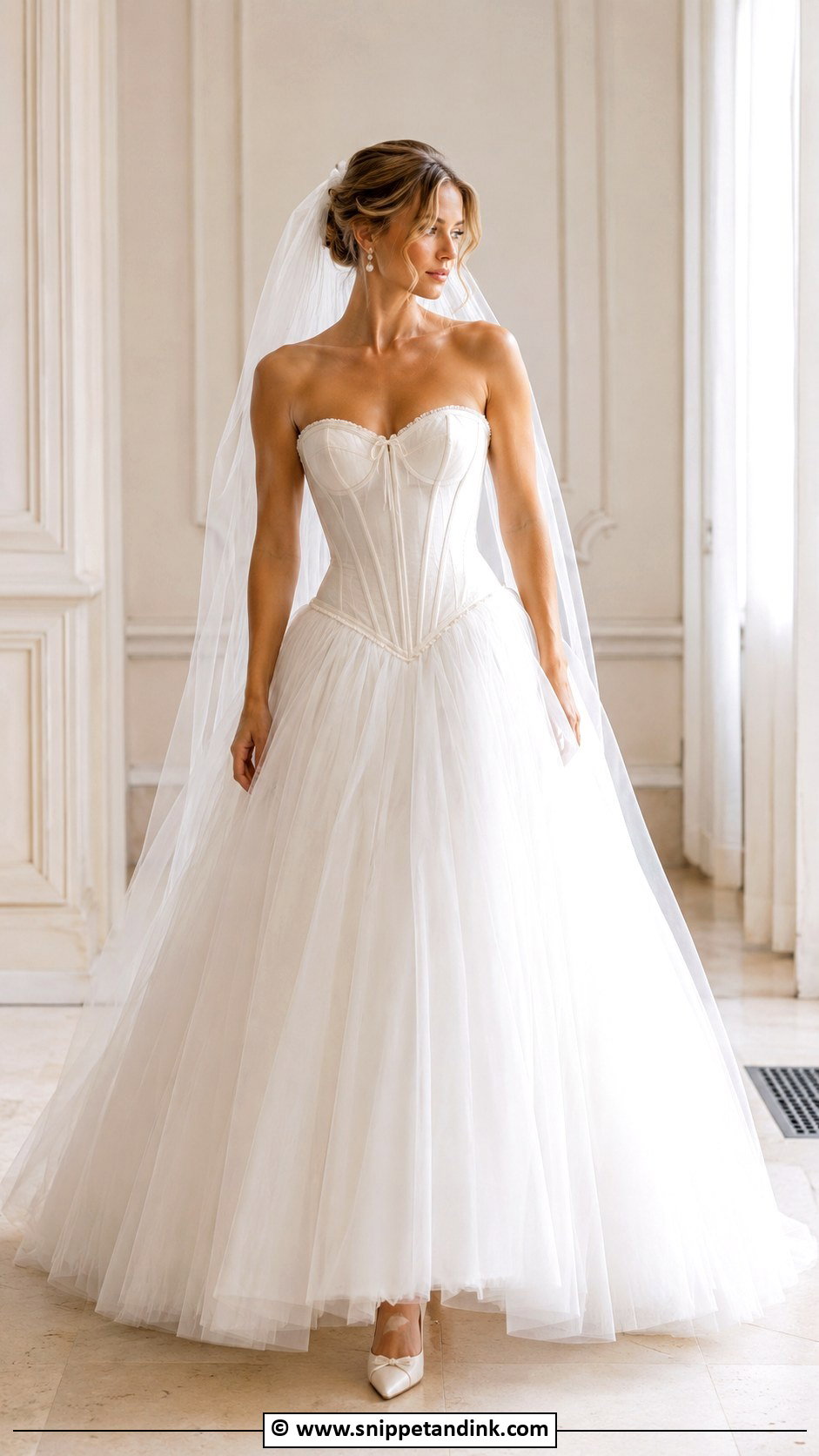
The basque waist dips into a V or U below the natural waist, lengthening the torso. It reads vintage without looking dated, and it’s flattering on many figures, though on a very short torso I sometimes suggest a shallower dip so the legs don’t shorten. It pairs well with corset boning or with smooth mikado or silk. Over a full tulle or satin skirt, add soft pointed heels and drop earrings. The waistline is the interest, so keep the rest simple: a soft veil, low bun and natural makeup.
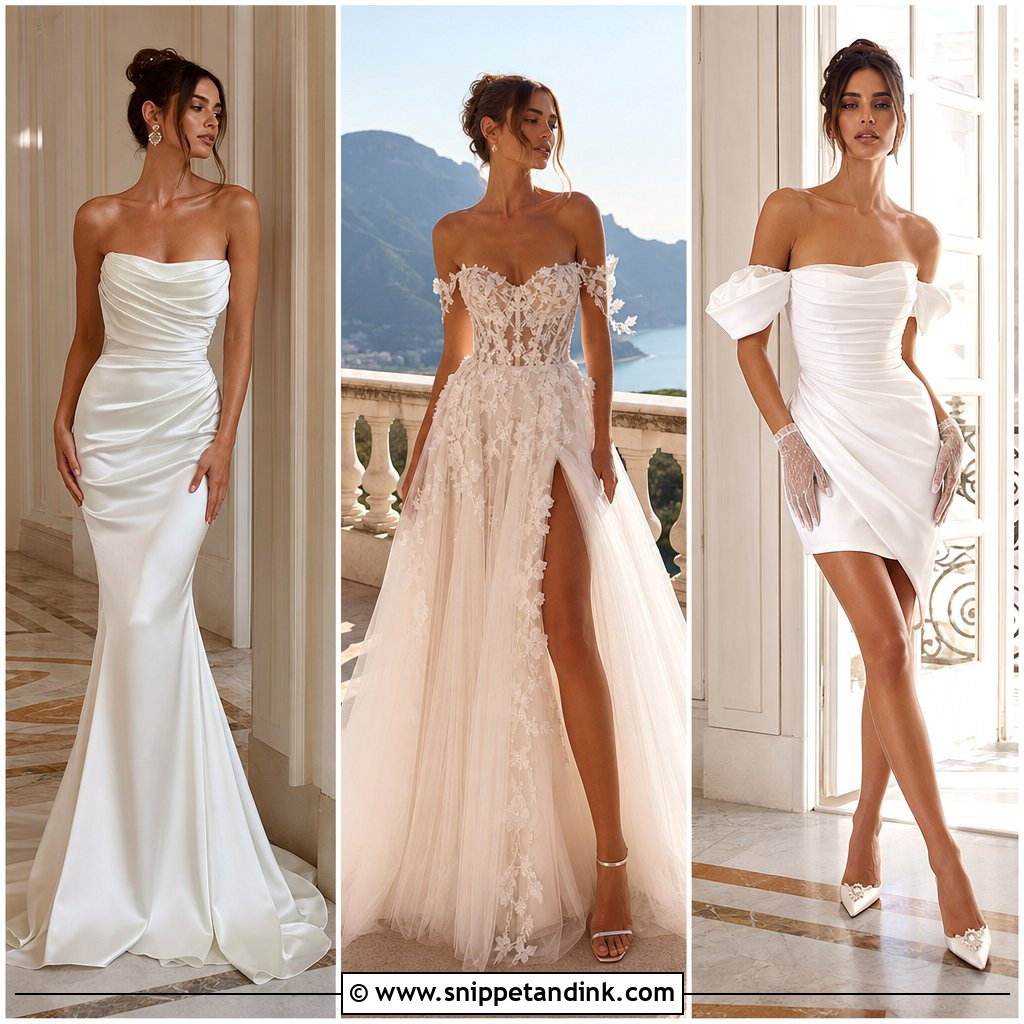
4. Strapless Designer Wedding Dress
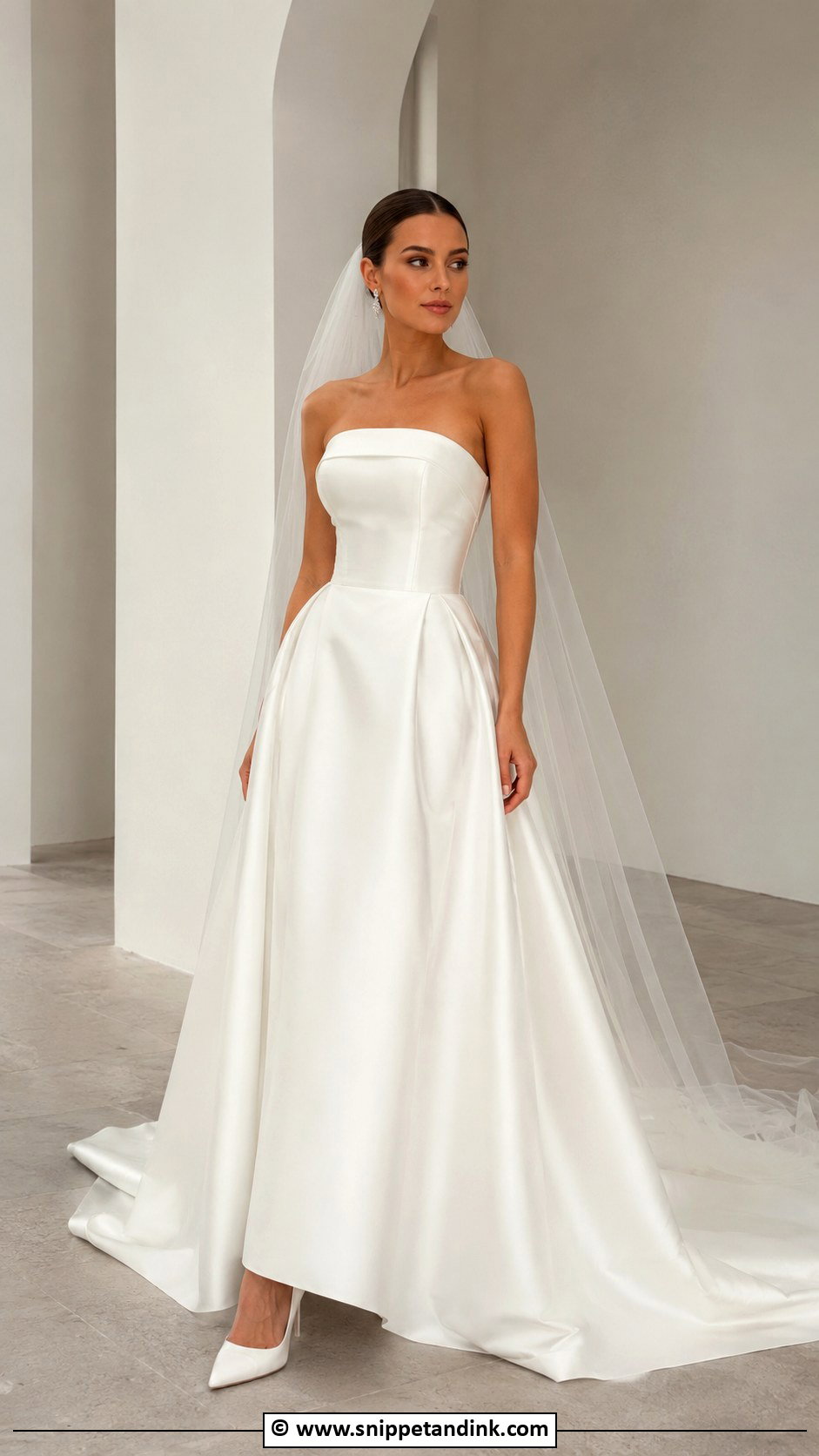
Strapless stays popular because it changes completely with the skirt: sleek over a column, formal over a ball gown. The fit is non-negotiable. A good strapless bodice is held up by an internal waist stay and boning, so it grips at the waist, not the bust, and I want to see the bride lift both arms without the top edge moving. Long pearl earrings, a smooth veil and block heels or satin pumps finish it. A soft updo or side-parted waves suit the open shoulders, and a tailored wrap or removable bolero handles cooler weather.
5. Long Sleeve Designer Wedding Dress
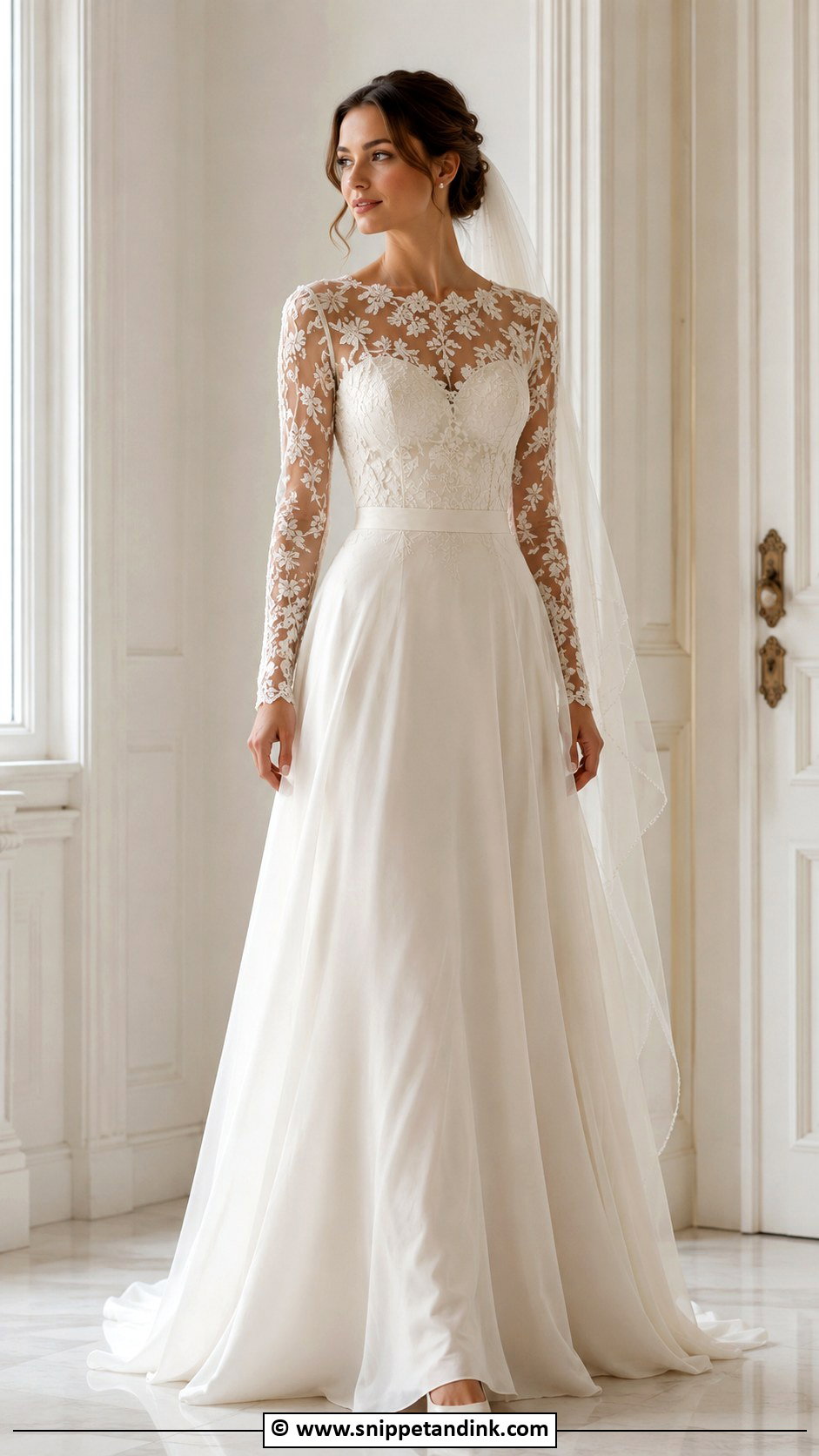
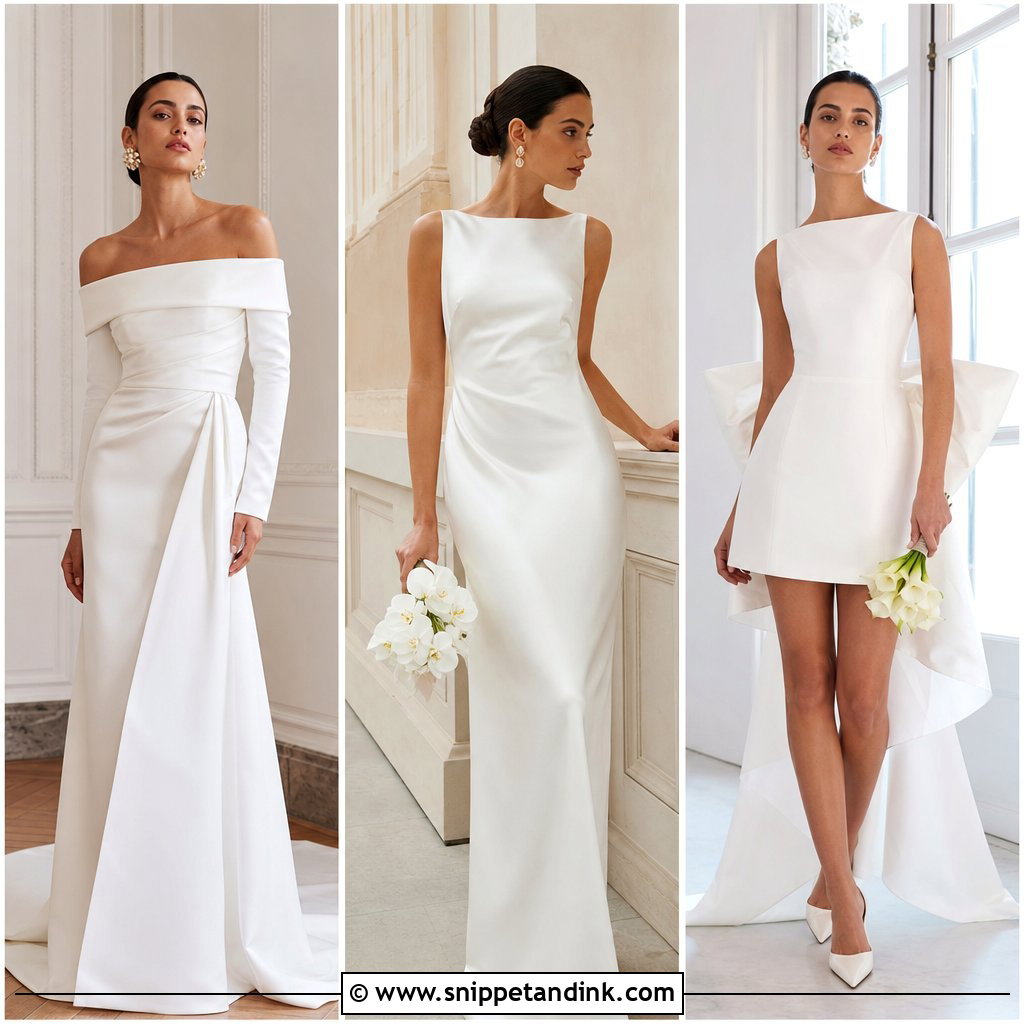
Sleeves change how a gown moves more than any other detail. Sheer lace is softest, satin is clean and crepe is modern and smooth. The thing I test at every fitting is the arm lift: a designer sleeve should be cut with enough ease at the armhole that you can raise your arms for a hug without the bodice riding up. Closed-toe heels, pearl studs and a low chignon keep it refined. With a high neckline, skip the necklace. A long veil adds movement without fighting the sleeves.
6. Off Shoulder Designer Wedding Dress
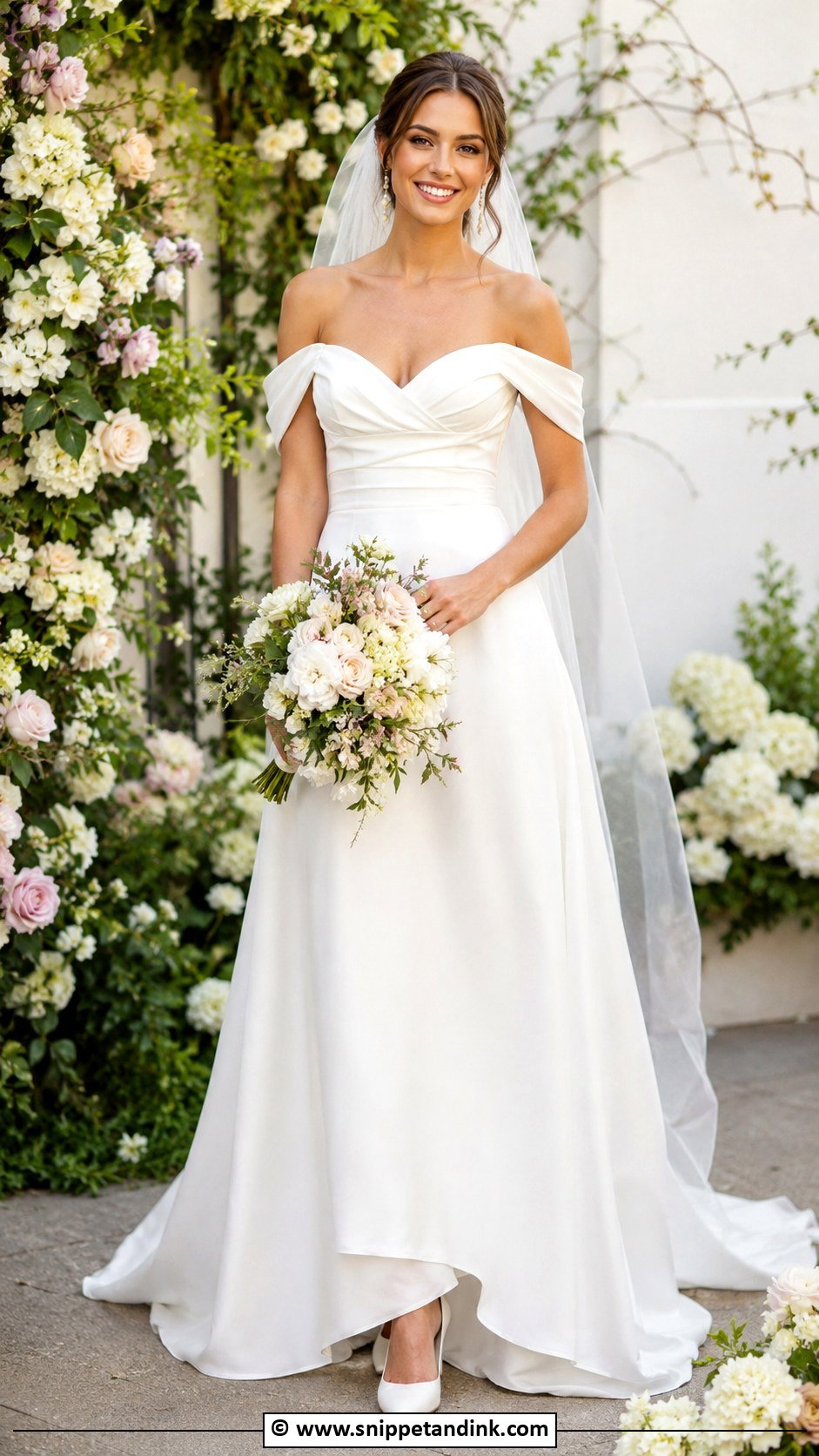
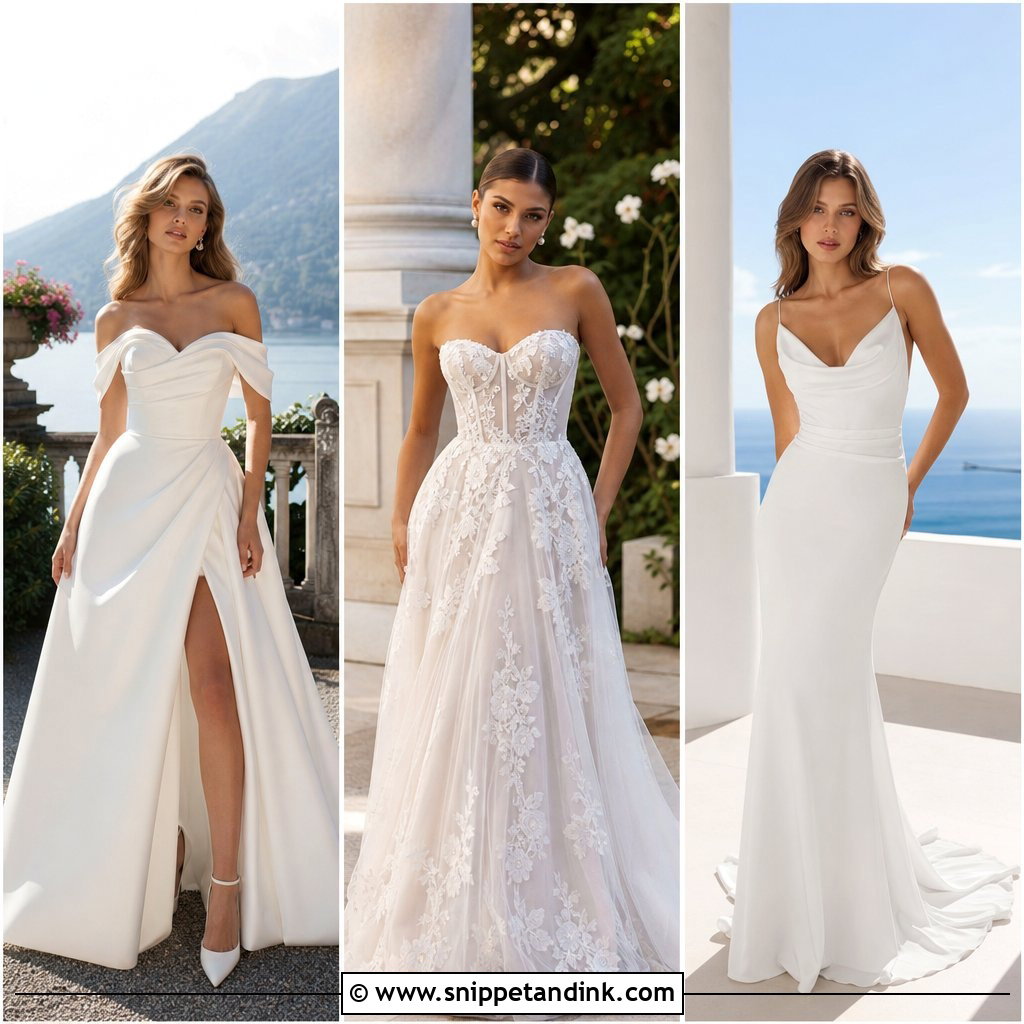
Off-shoulder necklines show the collarbones and frame the face, and they’re at their best with soft waves, a neat bun or a half-up style. A fitted bodice over an A-line feels classic; an off-shoulder mermaid is more dramatic. The neckline band is the part I check hardest, because if it isn’t anchored with boning or a hidden elastic it creeps up every time you move your arms. Pearl drops, satin heels and a veil tucked low at the back complete it. Skip bulky necklaces; the neckline is the feature in spring, summer and formal garden settings.
7. Mermaid Designer Wedding Dress
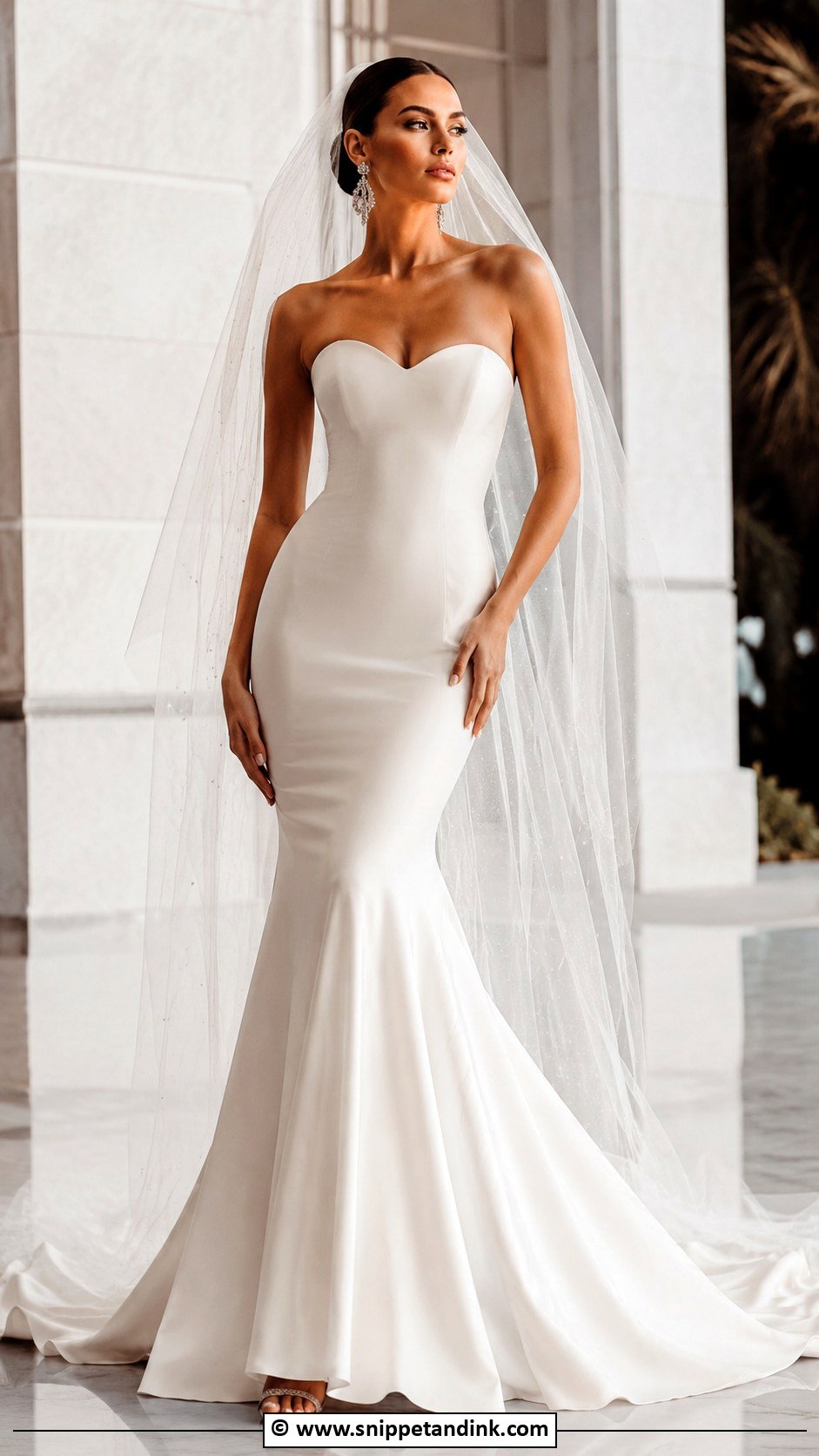
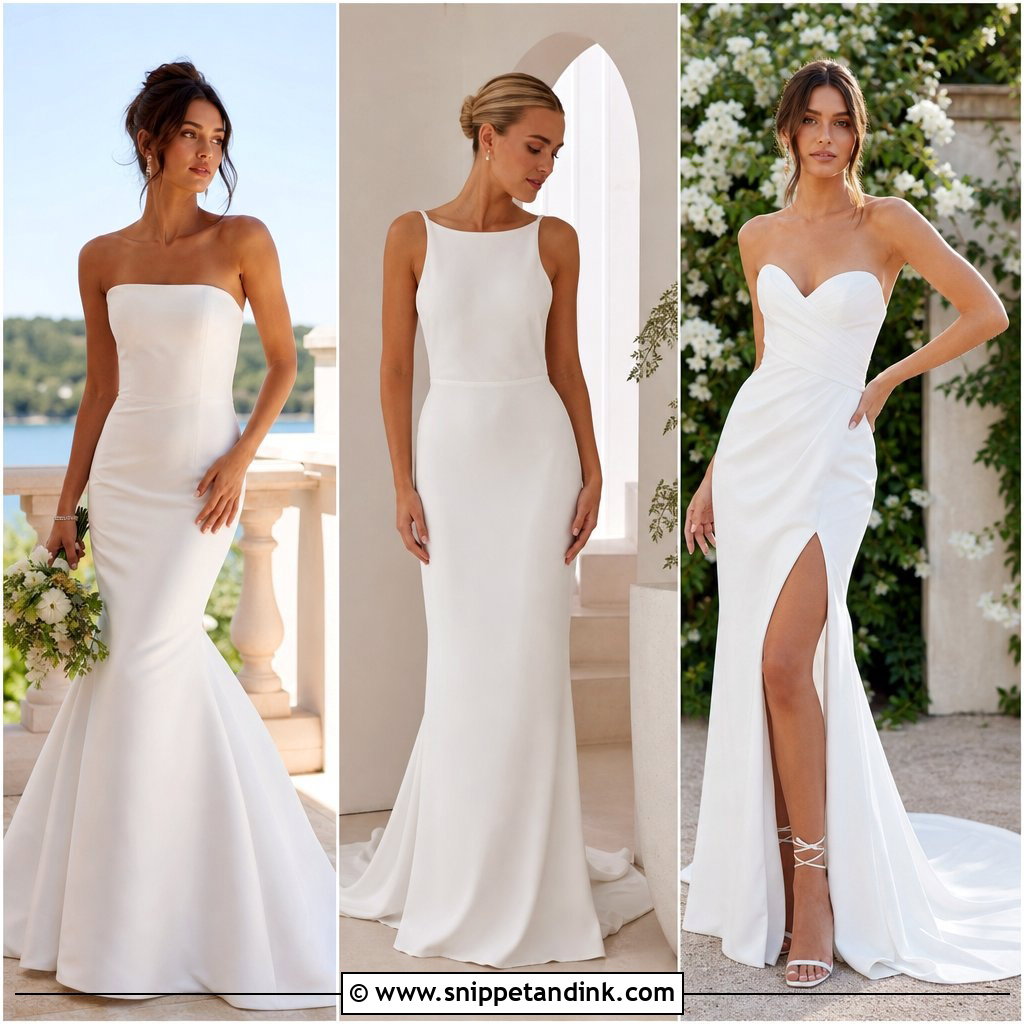
Mermaid gowns fit closely to the knee and then flare, which gives a sculpted outline and real drama when you walk. Crepe is sleek and modern, lace romantic and satin glamorous. The flare point is everything: set too high and you can’t take a normal step; set at or just below the knee and you can walk, sit and climb stairs. I always ask a mermaid bride to sit on a low chair at the fitting. Heels that support your posture, statement earrings and a smooth veil that falls behind the flare finish it.
8. A Line Designer Wedding Dress
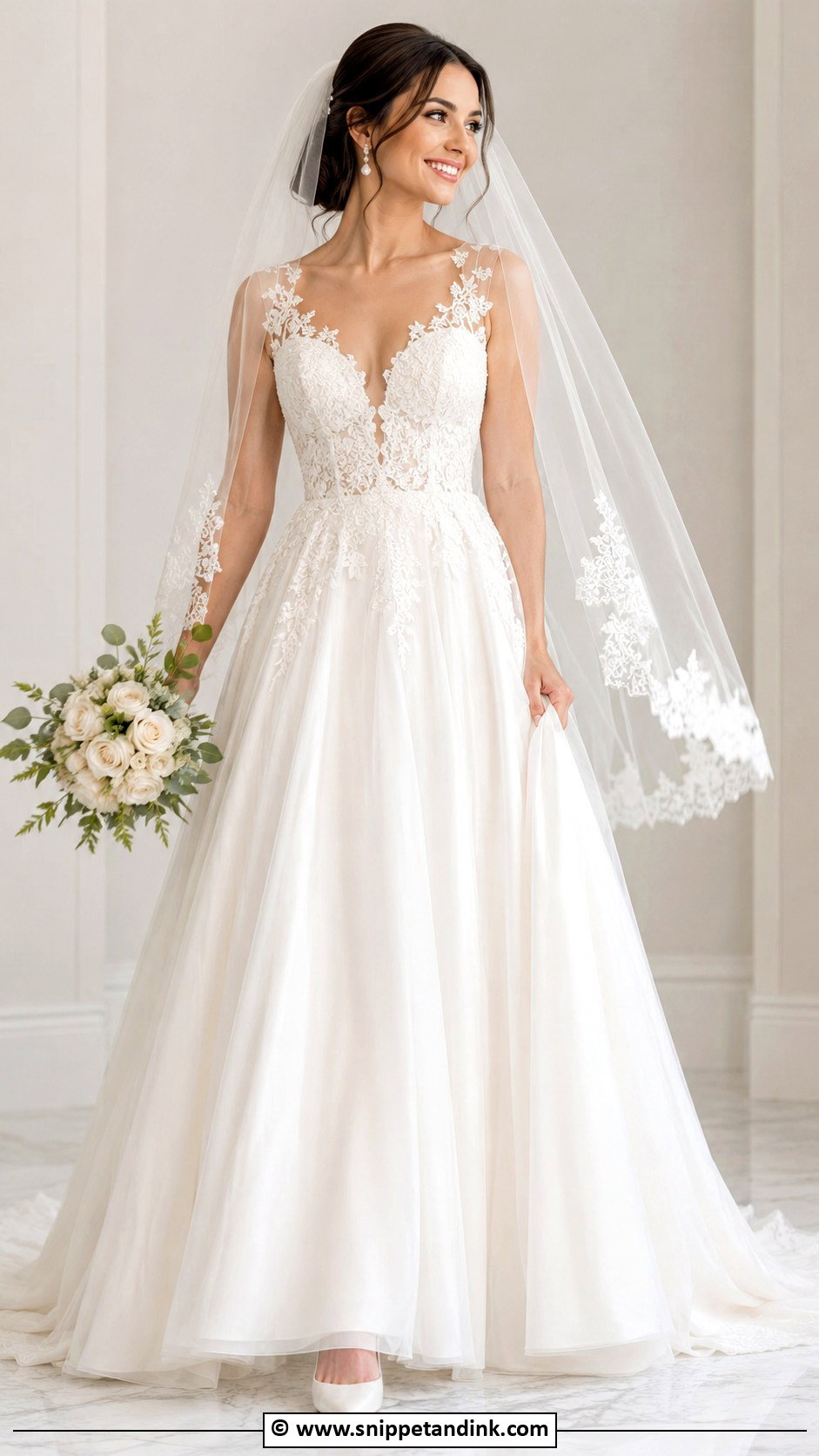
A-line is the silhouette I recommend most often, because the fitted bodice and gradually widening skirt flatter nearly every figure without restricting movement. Lace makes it romantic; plain satin makes it clean and modern. Classic heels, a fingertip veil and fine earrings complete it. A narrow belt can add waist definition, but I keep it subtle or it starts to cut the line in half. It’s a silhouette that suits most venues and seasons.
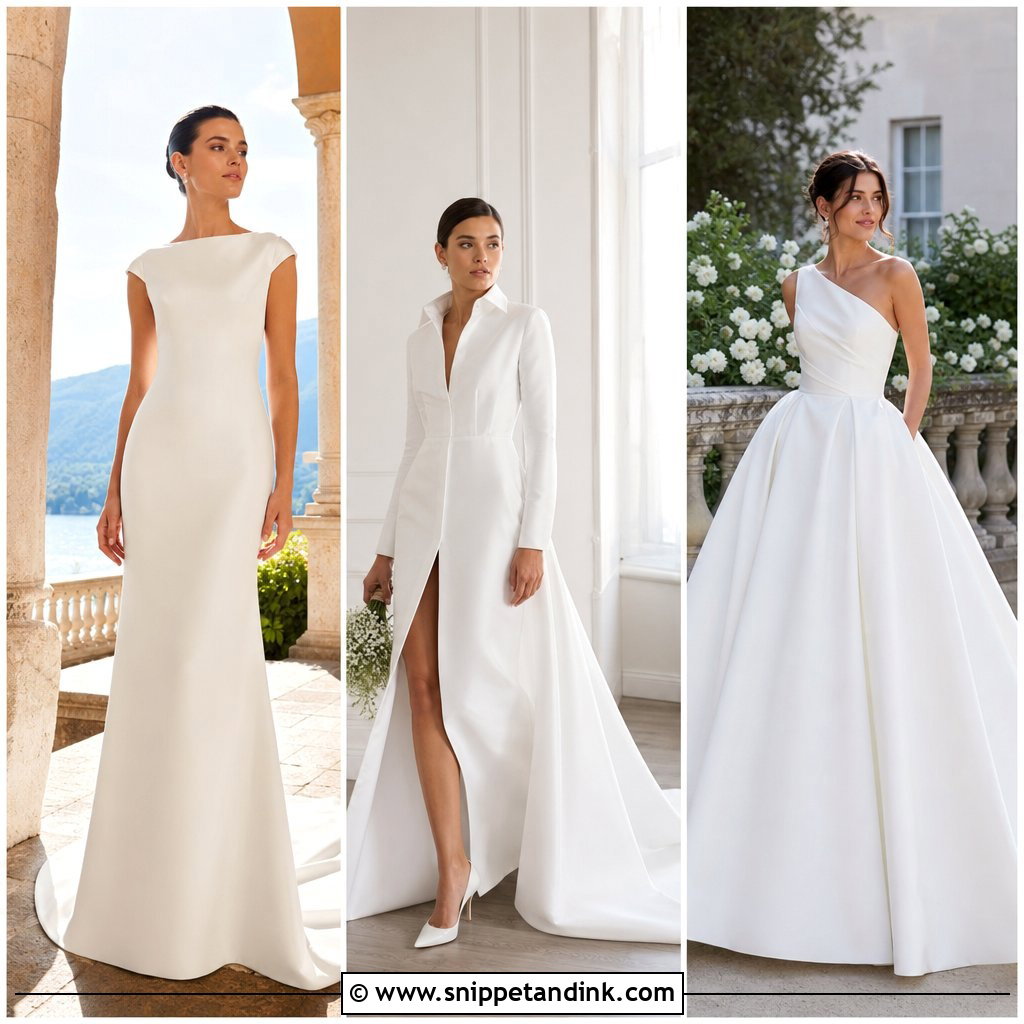
9. Minimalist Designer Wedding Dress
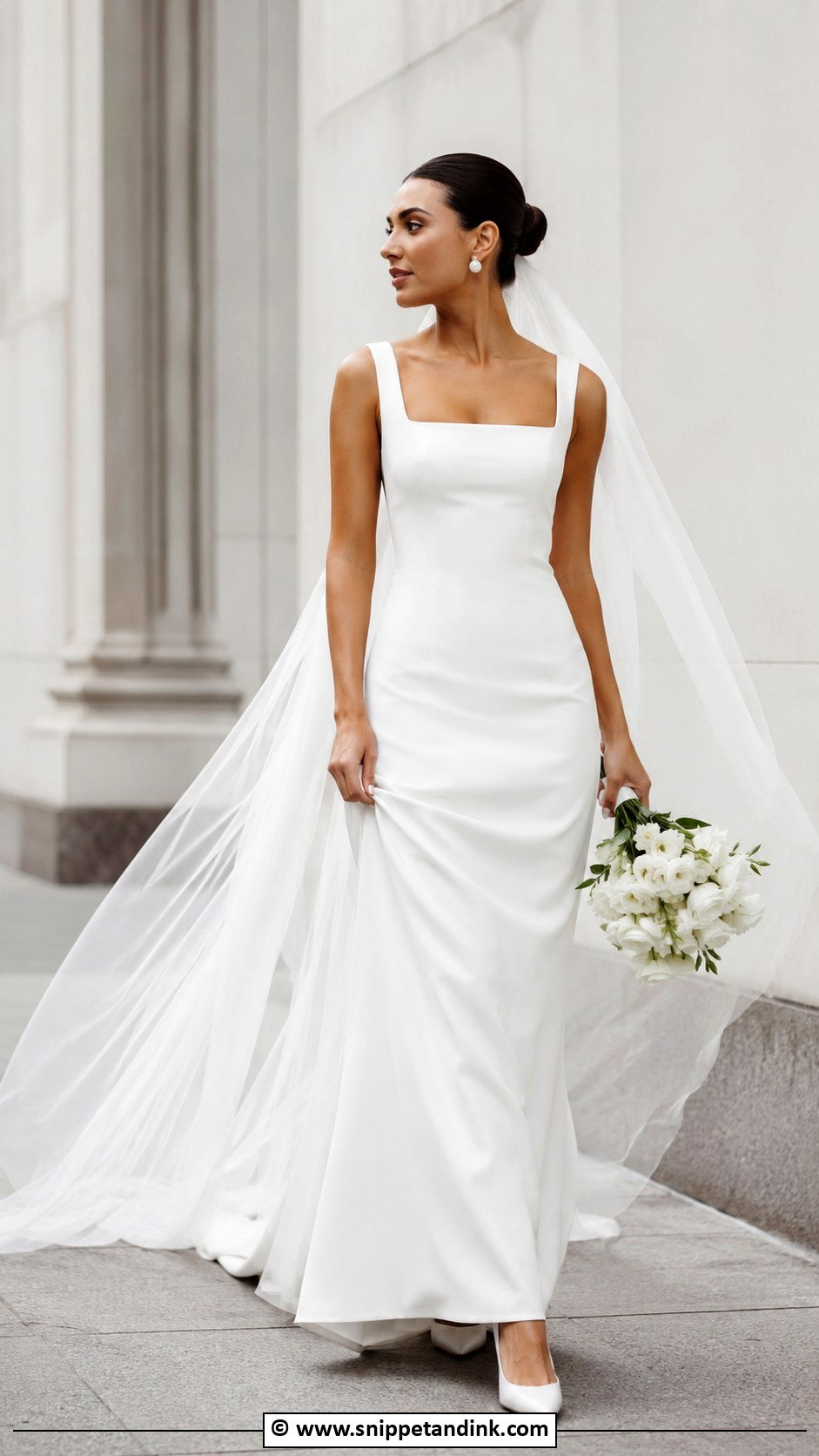
Minimal gowns put the most pressure on tailoring because there’s nothing to hide behind. A square-neck crepe gown, a silk column dress or a satin sheath can look extraordinary, or ordinary, depending entirely on the fit. I check minimal gowns under bright side light, where any pull at a seam or ripple at a zip shows immediately. Sleek hair, pearl or diamond studs, white pointed heels and a small structured bag for later suit it. A long plain veil adds ceremony drama without changing the mood.
10. Floral Applique Designer Wedding Dress
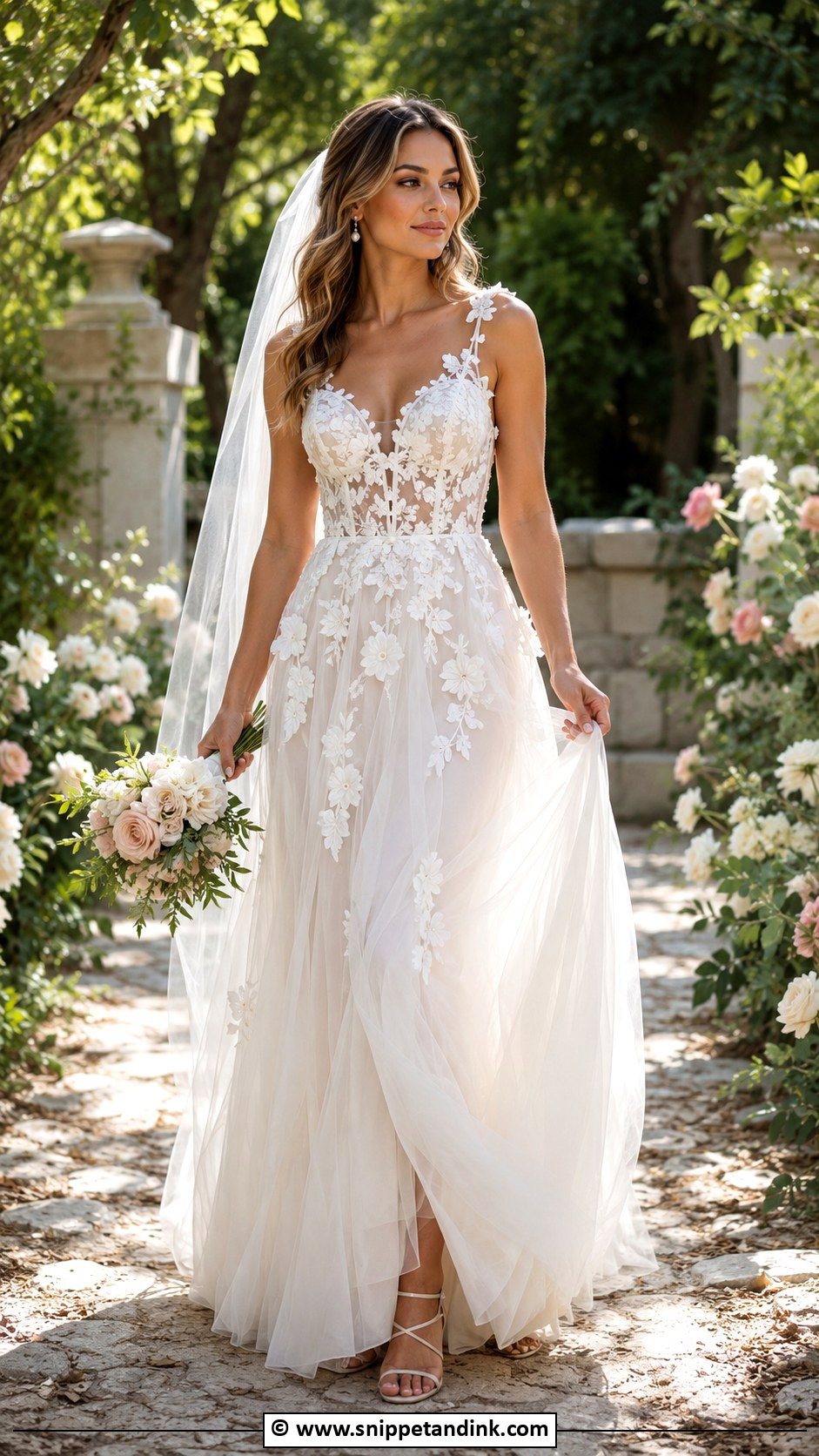
Floral appliqué adds dimension and texture. Three-dimensional flowers, embroidered petals or scattered motifs give a gown an artistic, handmade quality, especially in gardens and outdoor ceremonies in spring and summer. Raised flowers catch on a heavily trimmed veil edge, so I pair them with a sheer, plain-cut veil. Simple shoes and jewelry, pearl studs and barely-there sandals keep the balance. Blush makeup and loose waves suit the romance of it.
11. Bow Designer Wedding Dress
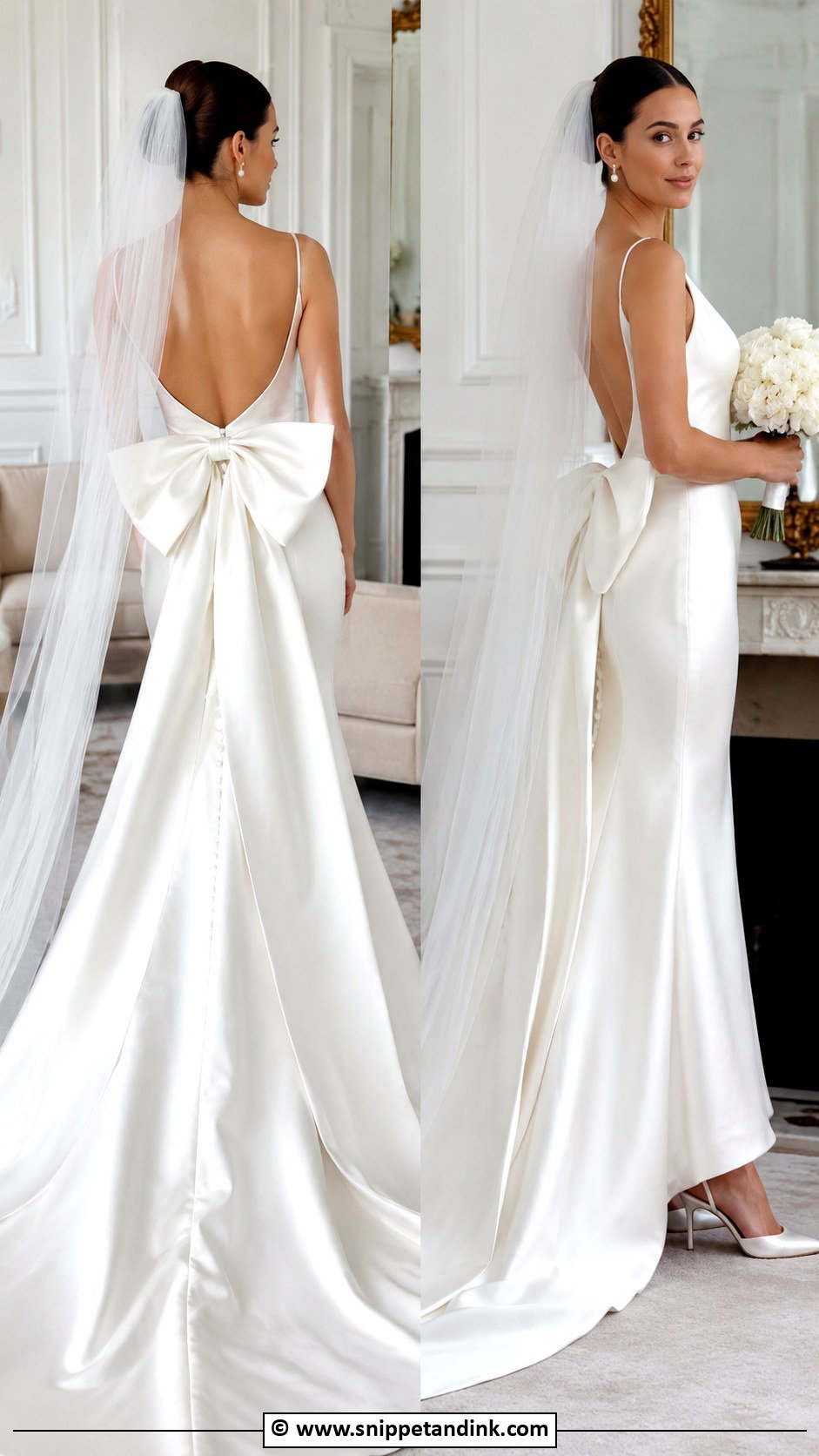
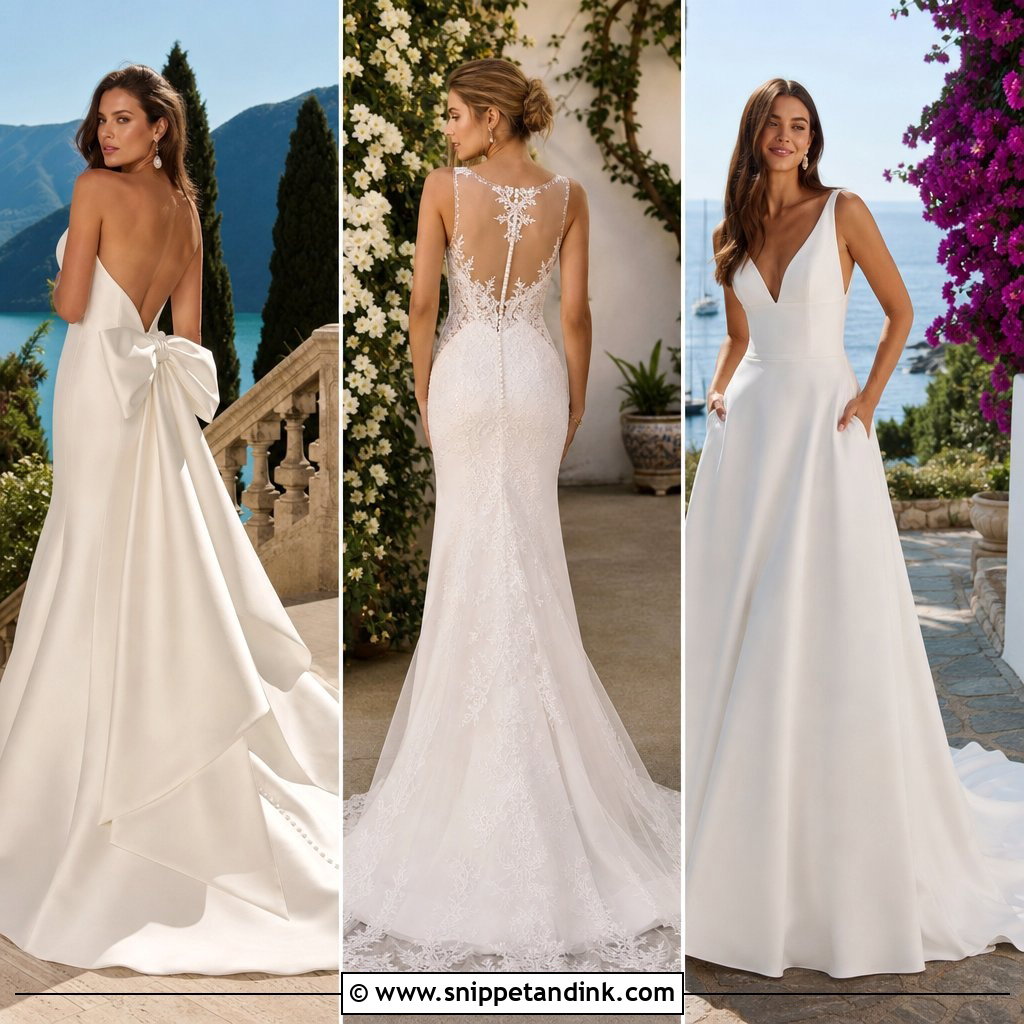
Bows can sit at the back of the waist, on a shoulder, at the neckline or as a detachable train. A large back bow on a clean satin gown adds interest without any extra decoration. The construction detail I look at is the interfacing inside the bow, since without it a big satin bow wilts by the reception. Simple pearl earrings, sleek heels and a smooth veil that leaves the bow visible complete it. With an oversized bow, keep the hair neat and off the back.
12. Corset Designer Wedding Dress
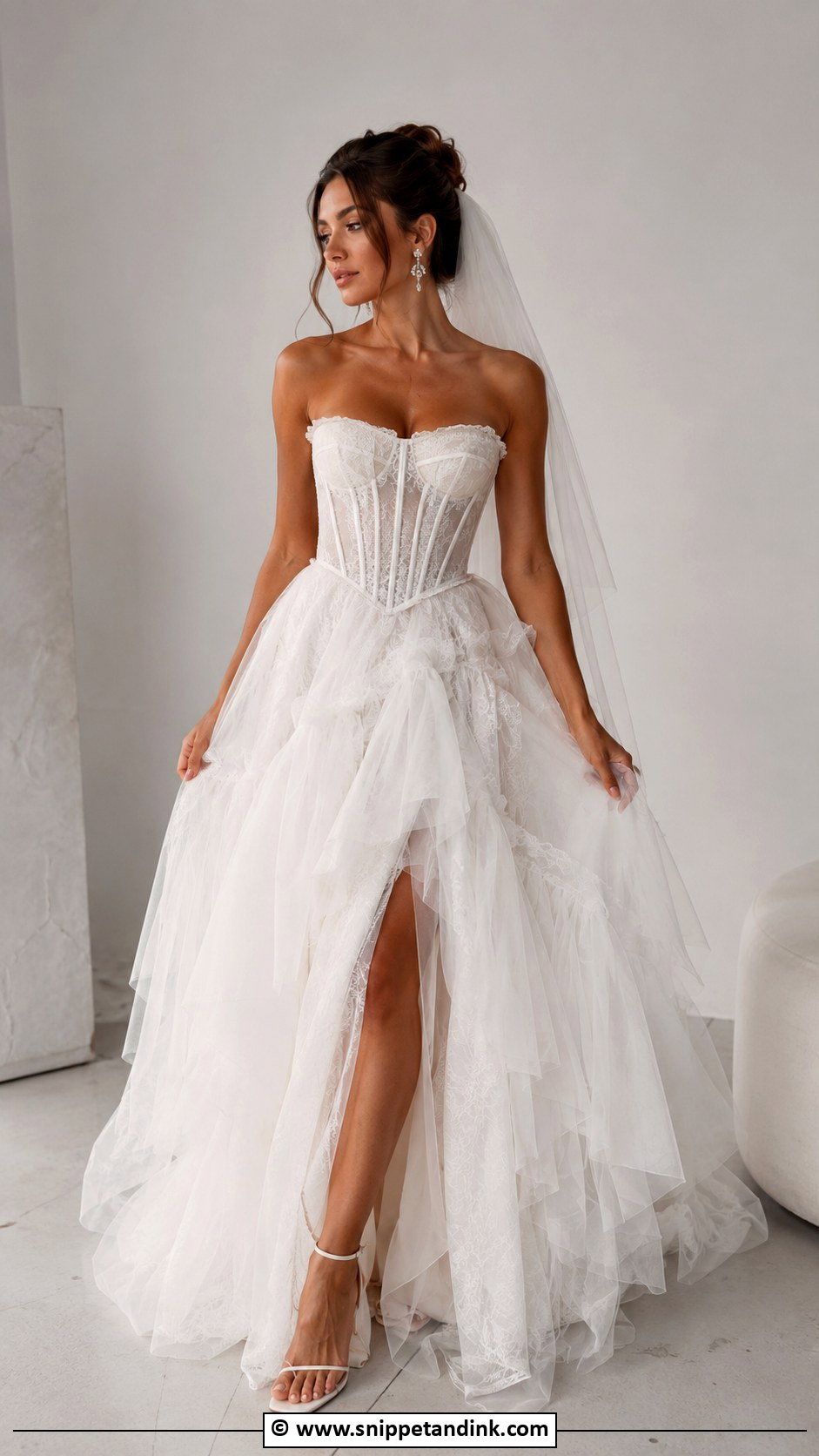
A designer corset is built with spiral or flexible steel boning and a proper waist tape, which is why it shapes without pinching when it’s fitted well. It reads romantic in lace, modern in satin and dramatic over full tulle. Comfort is the test: the bodice should support without biting at the ribs when you sit and breathe deeply. With a visible corset, keep accessories refined: fine earrings, a soft veil and heels matched to the gown’s tone. A corset with a basque waist or draped skirt pushes it more fashion-forward.
13. Tulle Designer Wedding Dress
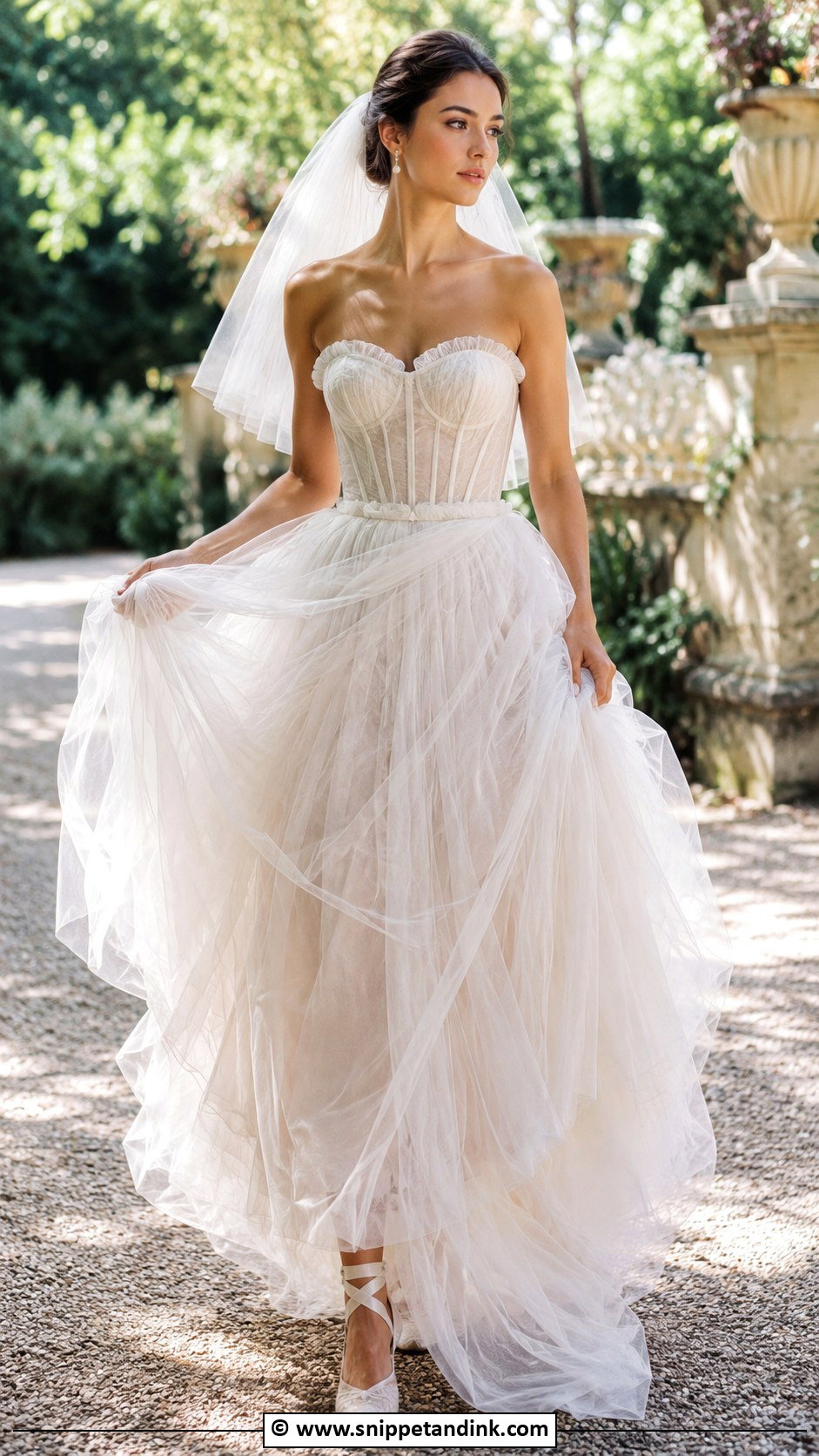
Tulle gives volume with almost no weight. Layered over a fitted bodice, a full tulle skirt feels romantic; a slimmer overlay feels understated. Fine silk tulle drapes softer than nylon tulle but is more delicate and snags easily, so I warn brides to keep rough bracelets and beaded bags away from the skirt. Ballet-style heels, pearl earrings and a veil that matches the skirt’s softness complete it. Tulle comes alive in motion, which makes it ideal for walking portraits and outdoor settings.
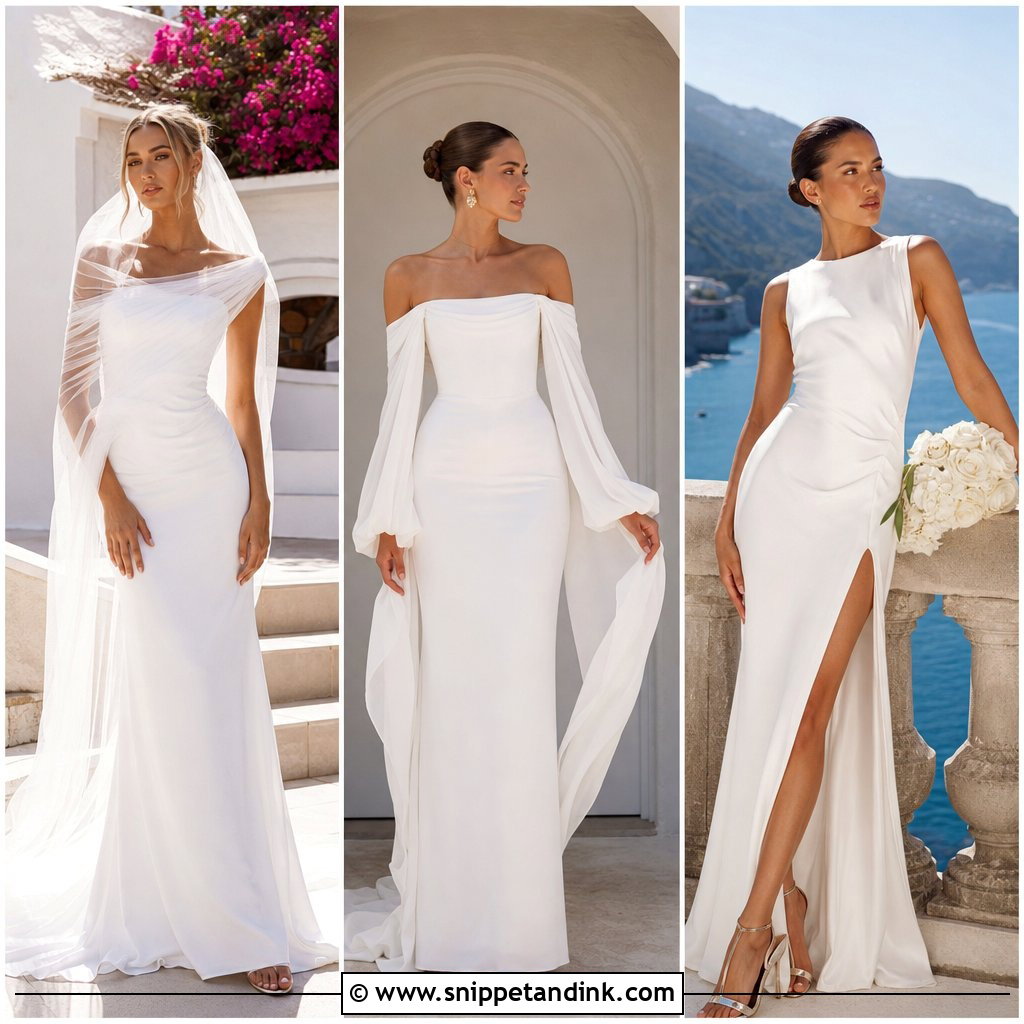
14. Silk Slip Designer Wedding Dress
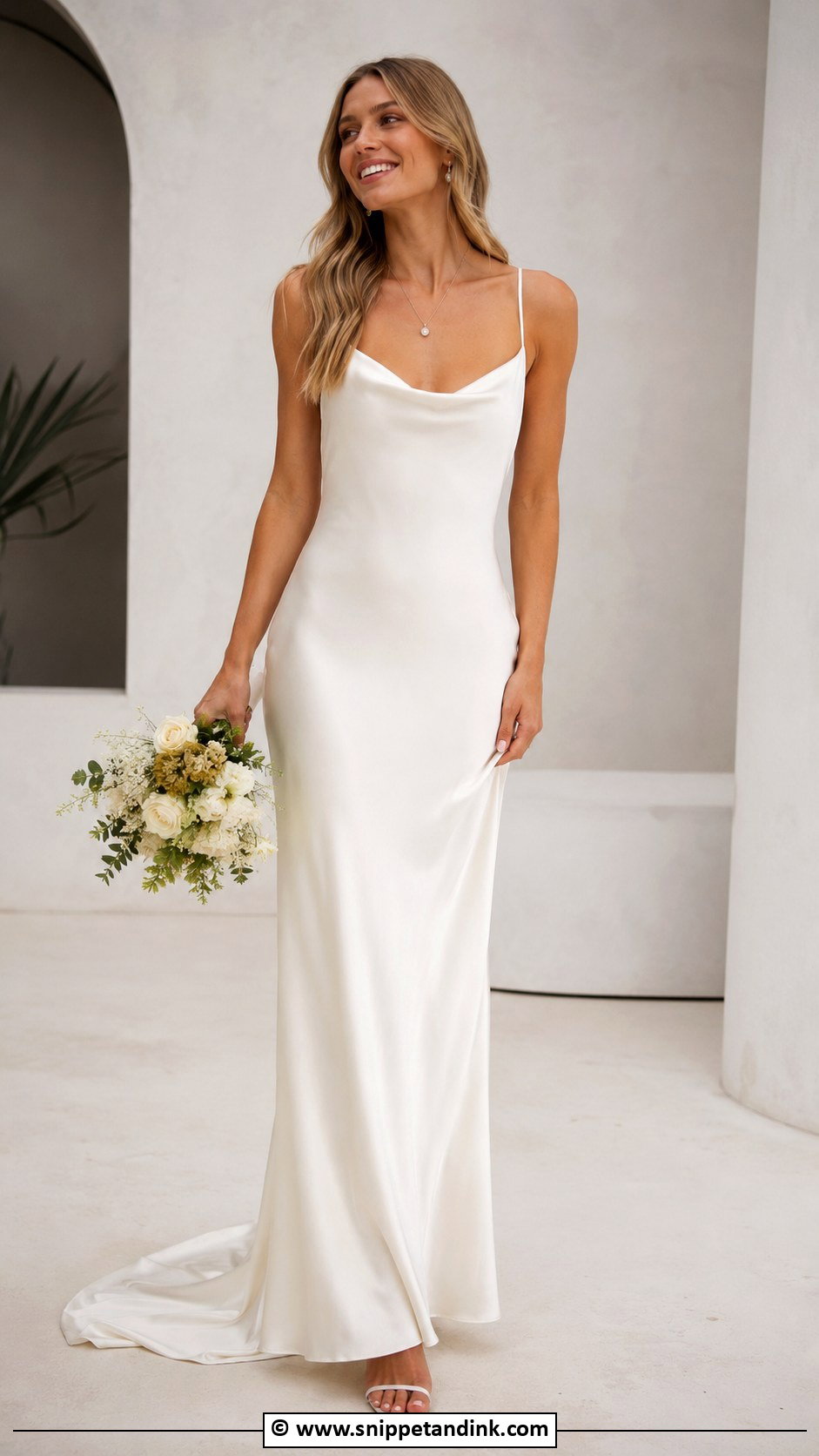
A silk slip is the simplest shape here and the hardest to make well. Cut on the bias, silk drapes and moves with the body, but it also shows every line beneath it, so undergarments matter as much as the dress. It suits beach weddings, city weddings, elopements and modern receptions. Strappy sandals, a fine pendant and small drop earrings keep the look clean, with a soft updo or smooth waves. A sheer cape or tailored blazer adds coverage for part of the day.
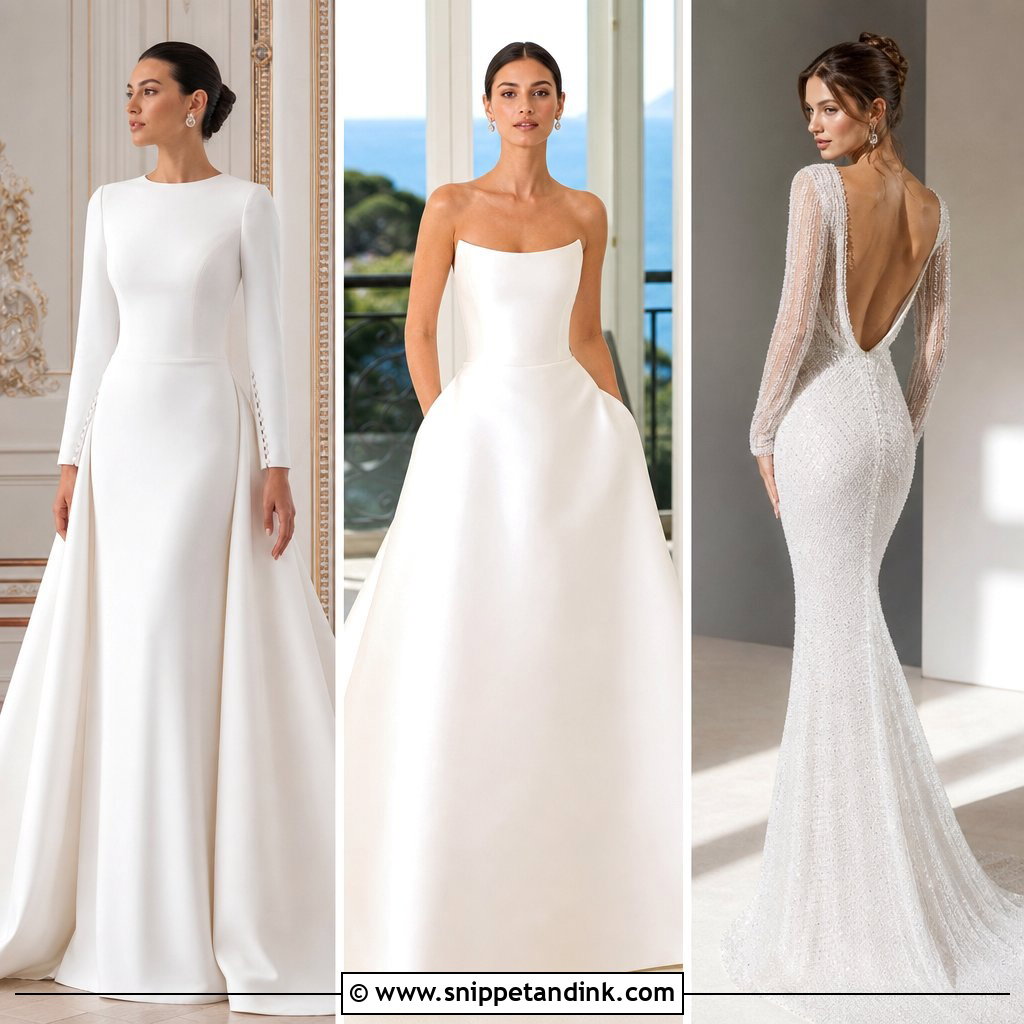
15. Beaded Designer Wedding Dress
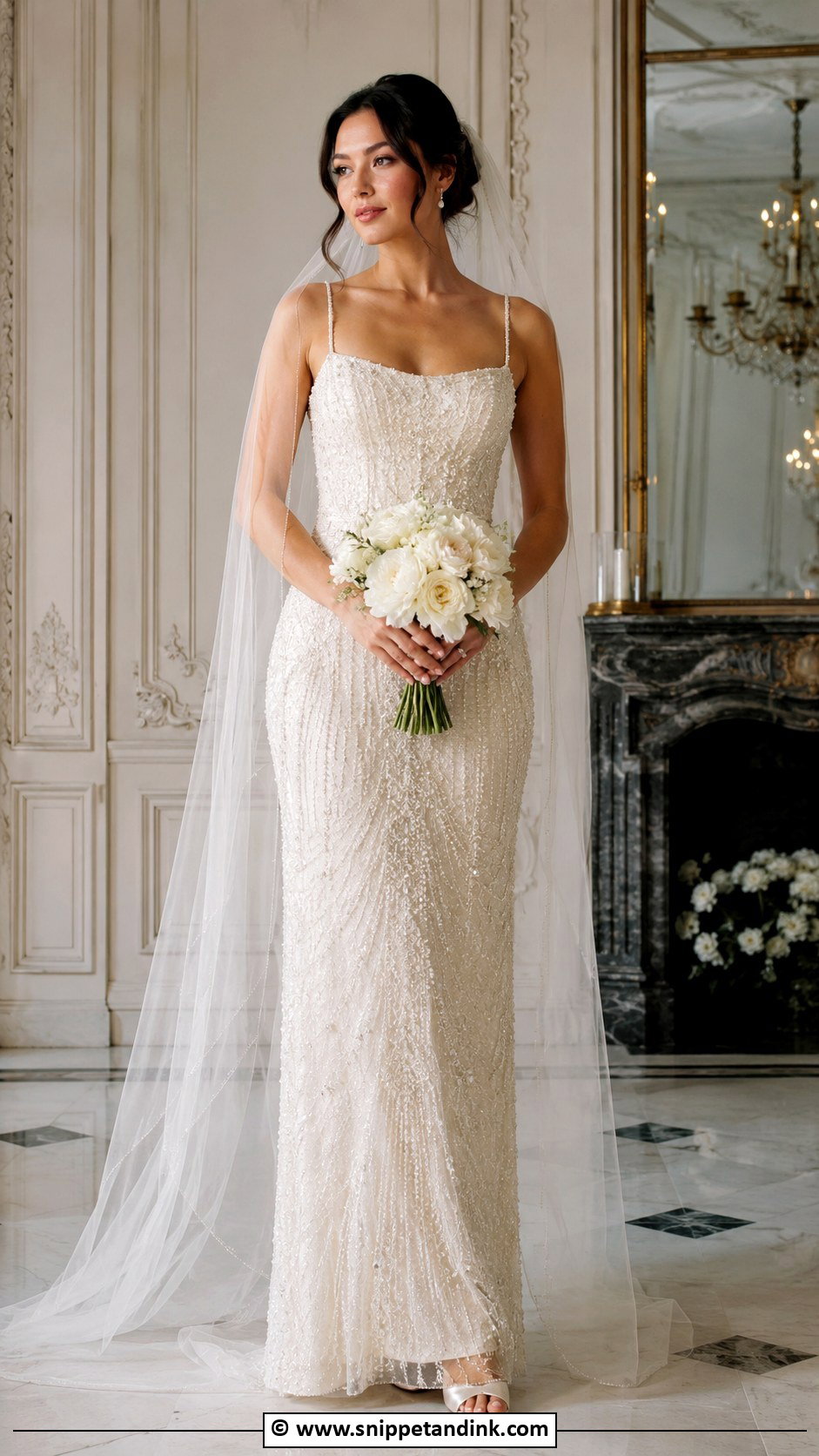
Beading reads refined when it’s placed with restraint: delicate pearls, crystal embroidery or subtle shimmer across the bodice and skirt. Hand-beaded gowns are heavy, and the weight pulls on the fabric, so I check that the bodice is stabilized and the beading is secured in sections, so a snapped thread doesn’t unravel a whole line. Satin heels, simple earrings and a clean veil are enough. With heavy beading, skip bold necklaces and keep the neckline visible. Beading comes alive under evening light, in fitted, A-line or column shapes.
16. High Neck Designer Wedding Dress
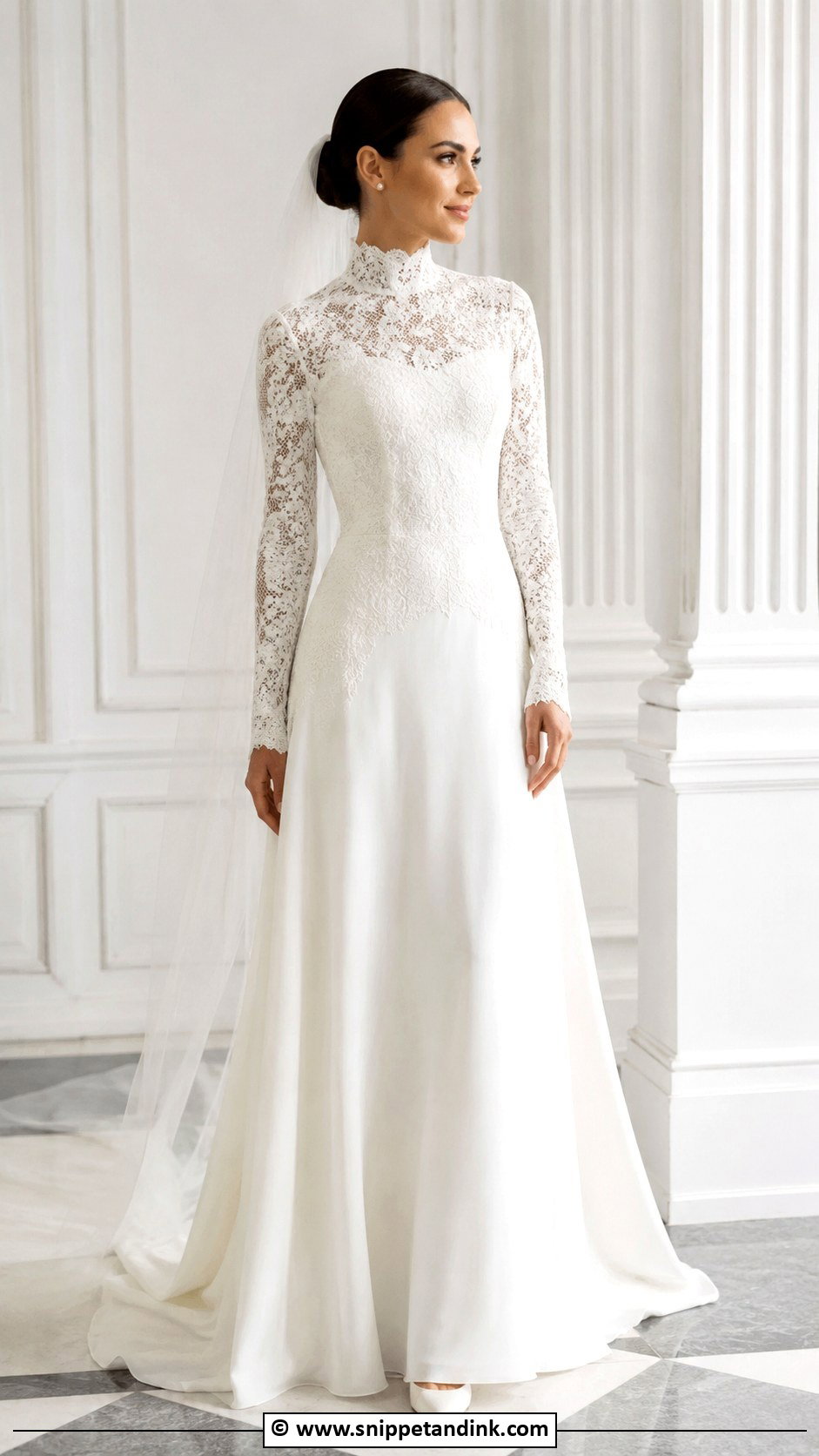
High necklines feel refined and modern, and lace, crepe, satin or sheer embellished fabric each give a different mood. Because the chest is covered, earrings become the main accessory: pearl studs, sculptural drops or small diamonds. I check the fit across the shoulders and the back of the neck, as a high neck that’s slightly too tight is tiring by evening. A sleek bun, closed-toe heels and a veil attached below the crown complete it for formal venues and cooler seasons.
17. Square Neck Designer Wedding Dress
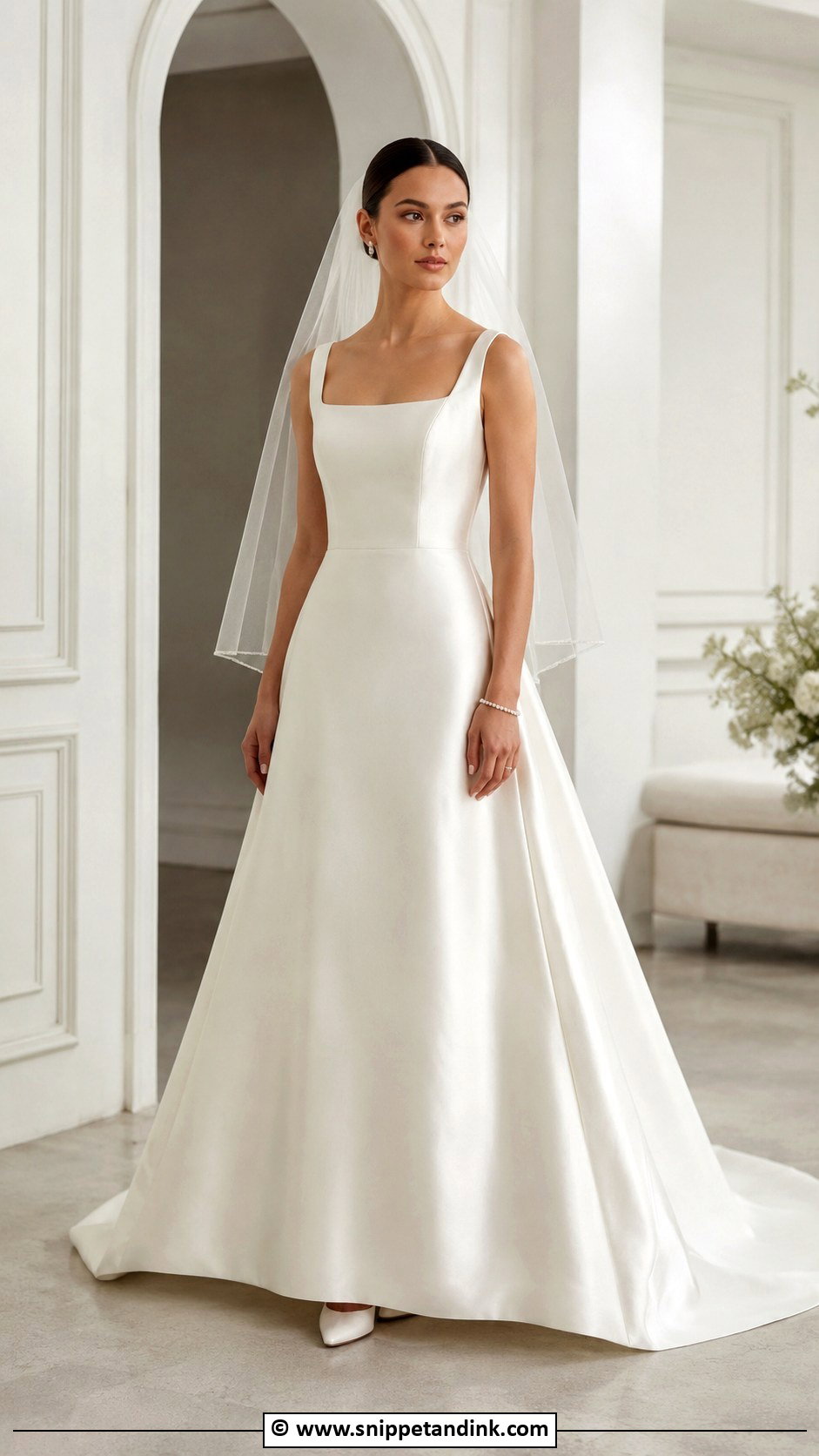
A square neckline frames the collarbones with a soft vintage edge and suits fitted, A-line and ball gown shapes. Pearl earrings, a fine bracelet and satin pumps complete the outfit, with a low bun or tucked waves. On a minimal gown a thin necklace can work; lace or beaded versions usually need nothing. The corners of the neckline should lie flat when you lean forward; if they gape, the side seams need taking in. It gives structure without going strapless.
18. Drop Waist Designer Wedding Dress
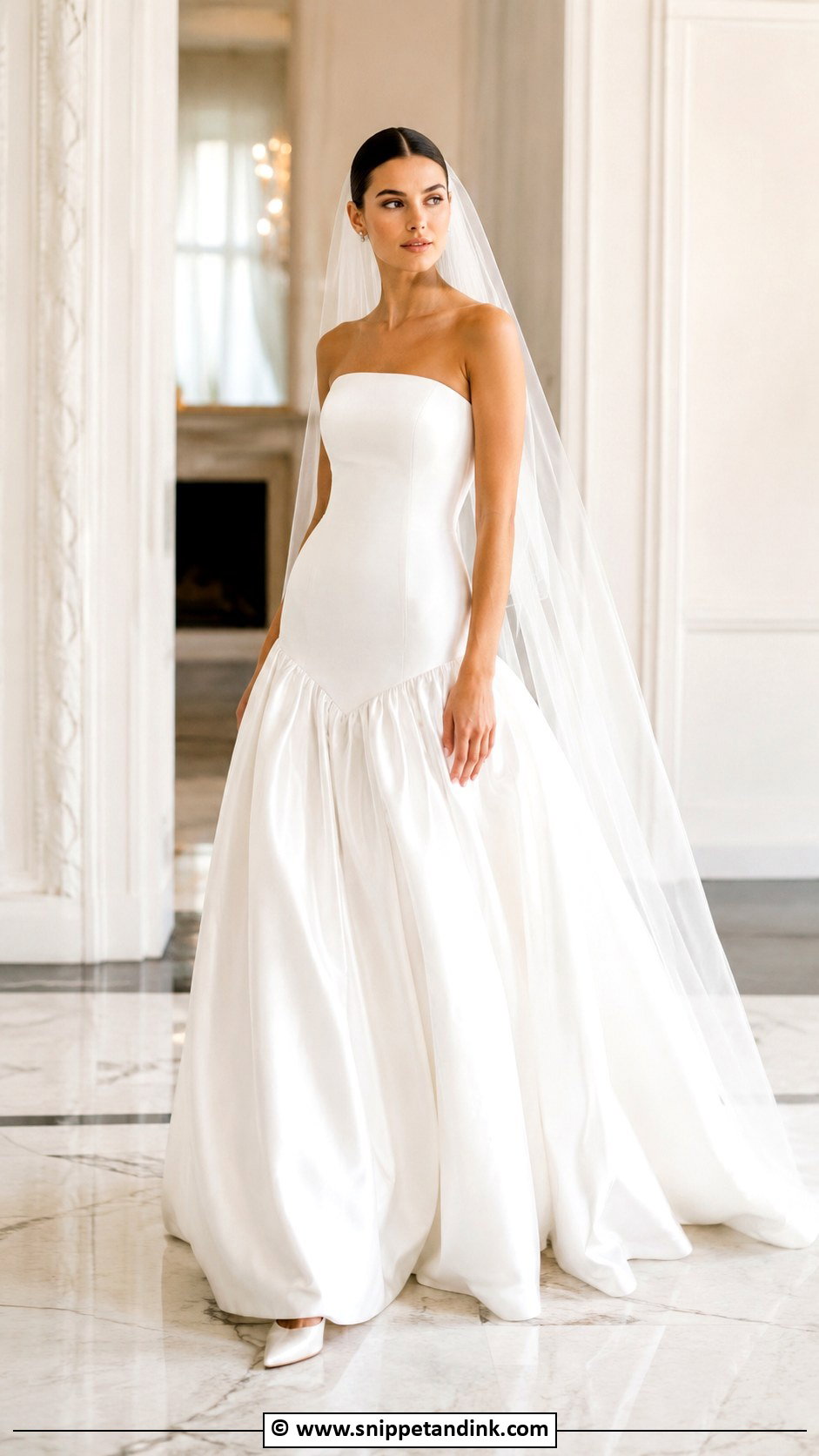
A drop waist designer wedding dress moves the seam below the natural waist, lengthening the torso before the skirt breaks into fullness. It looks dramatic over a full skirt, soft tulle layers or sculptural satin. This shape needs a reasonably long torso to read well; on shorter torsos I raise the drop a little so the skirt doesn’t begin too low. Pointed heels, a sheer veil and minimal jewelry keep the waistline as the focus. It reads modern or vintage depending on fabric and neckline.
19. Cape Designer Wedding Dress
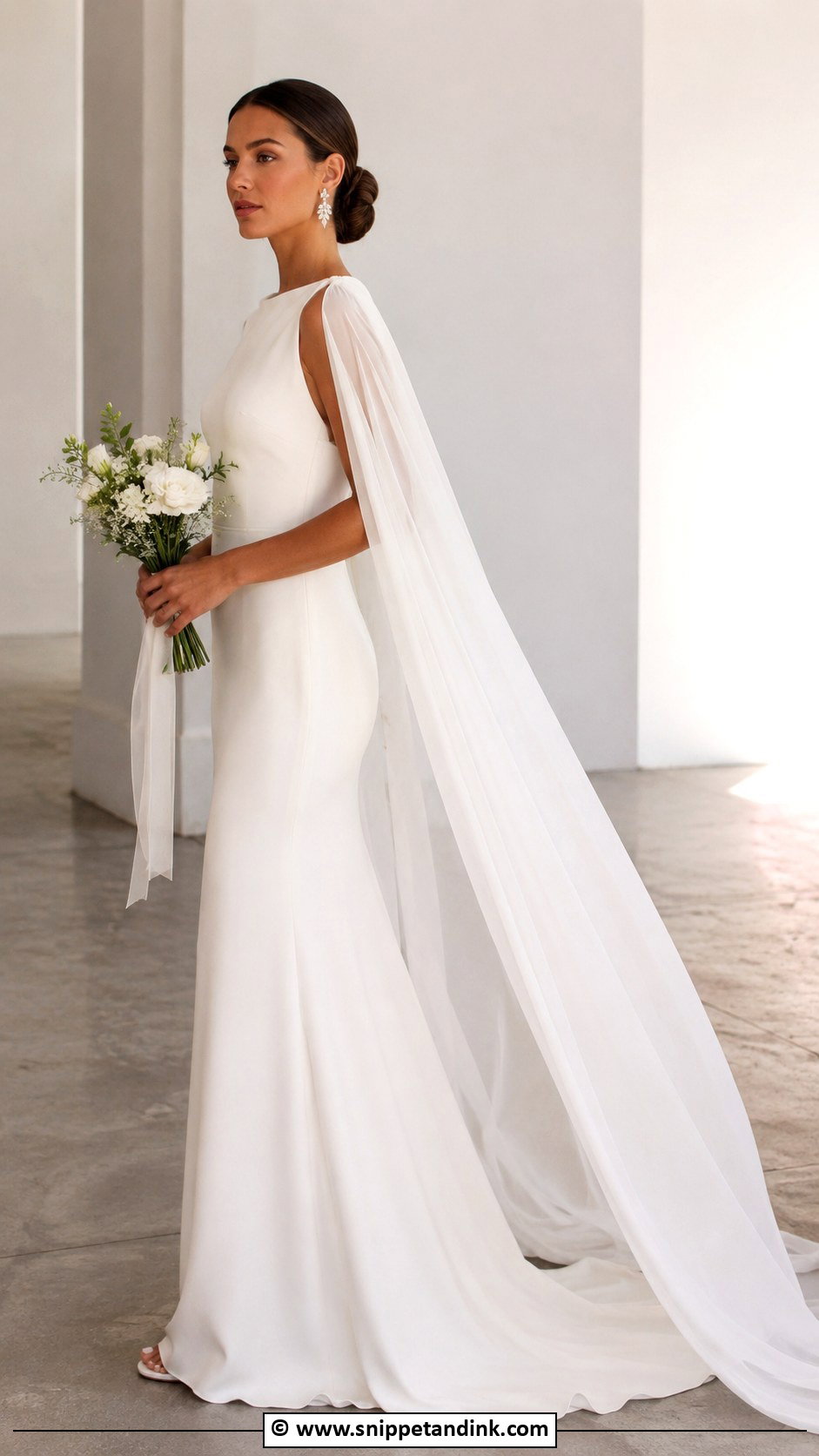
Capes give the drama of a veil from the shoulders, and they read particularly well from the back and side during the ceremony. Sheer, lace-trimmed, embroidered or soft tulle versions all work. A cape over fitted crepe feels modern; over lace, romantic. I check how the cape attaches, whether snaps, hooks or stitched, because a removable cape makes the reception much easier. Simple heels, clean earrings and neat hair let the fabric flow without catching.
20. Tea Length Designer Wedding Dress
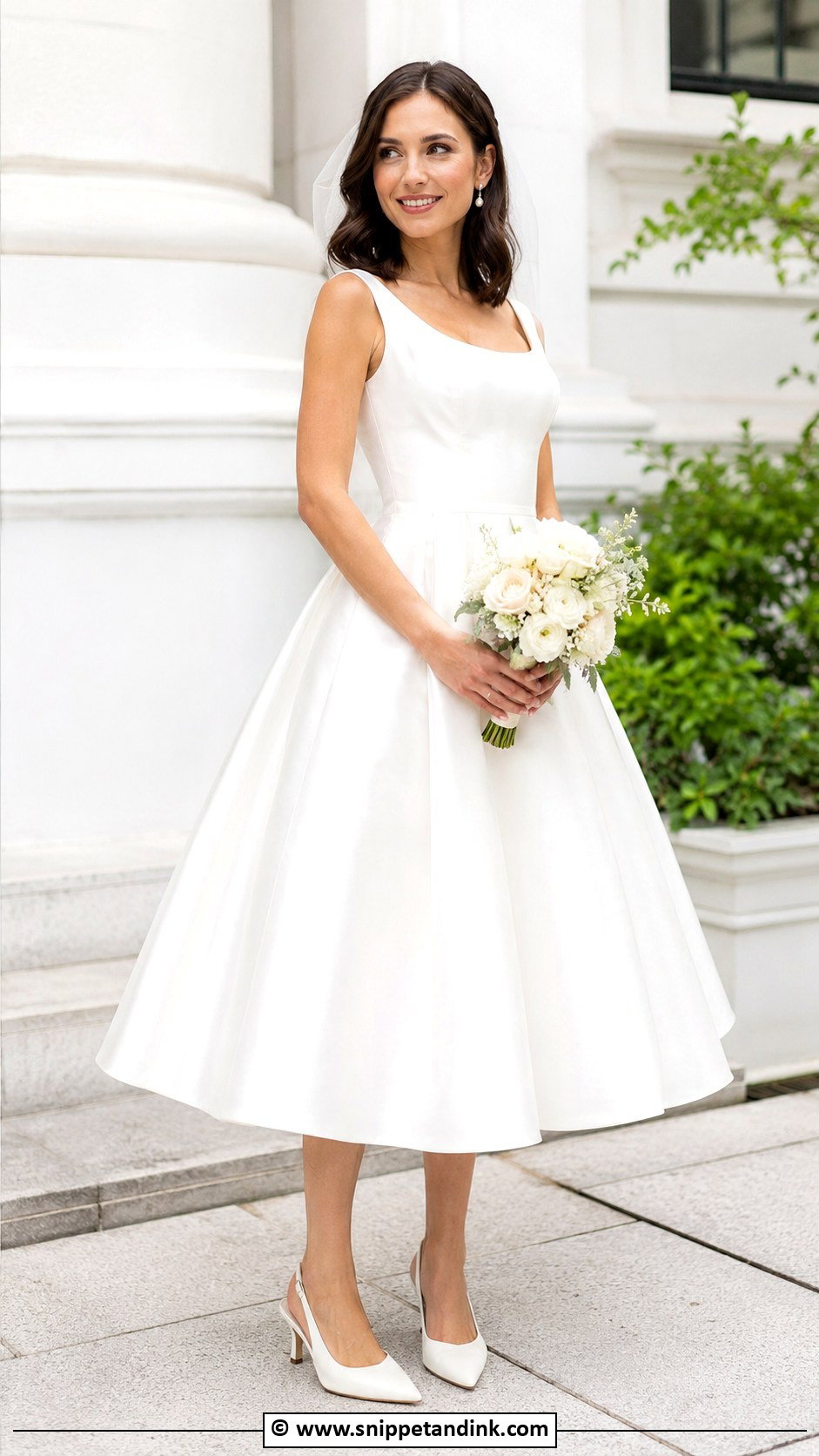
Tea length falls between knee and ankle, so the shoes are part of the look; it’s a good excuse for beautiful shoes. Pointed pumps, slingbacks or embellished heels, pearl earrings and a short veil complete it. A full tea-length skirt feels vintage; simple satin feels modern. It suits courthouse weddings, garden celebrations and receptions with dancing. I set the hem with the shoes on, since an inch higher or lower can change how the calf looks.
21. Mini Designer Wedding Dress
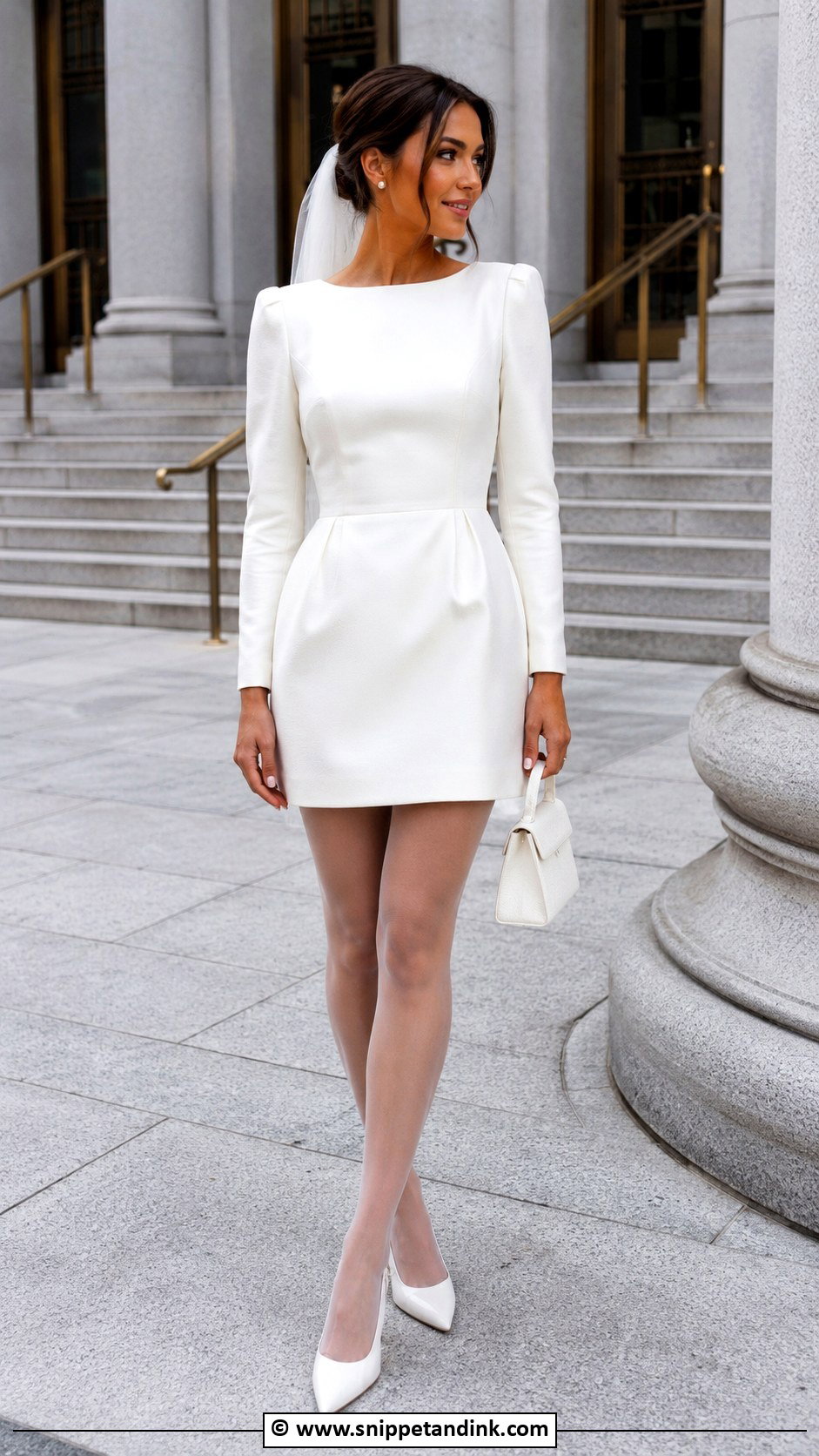
A mini designer wedding dress works for courthouse ceremonies, after-parties and modern receptions, and it needs polished accessories to read bridal. White slingbacks, pearl studs, sheer tights if needed and a small top-handle bag are my usual pairing. A bow, feather trim, lace sleeves or satin finish keeps it from looking casual. With a short hem, I balance the proportion with a higher neckline or long sleeves. It also makes an easy second dress after a formal ceremony gown.
22. Two Piece Designer Wedding Dress
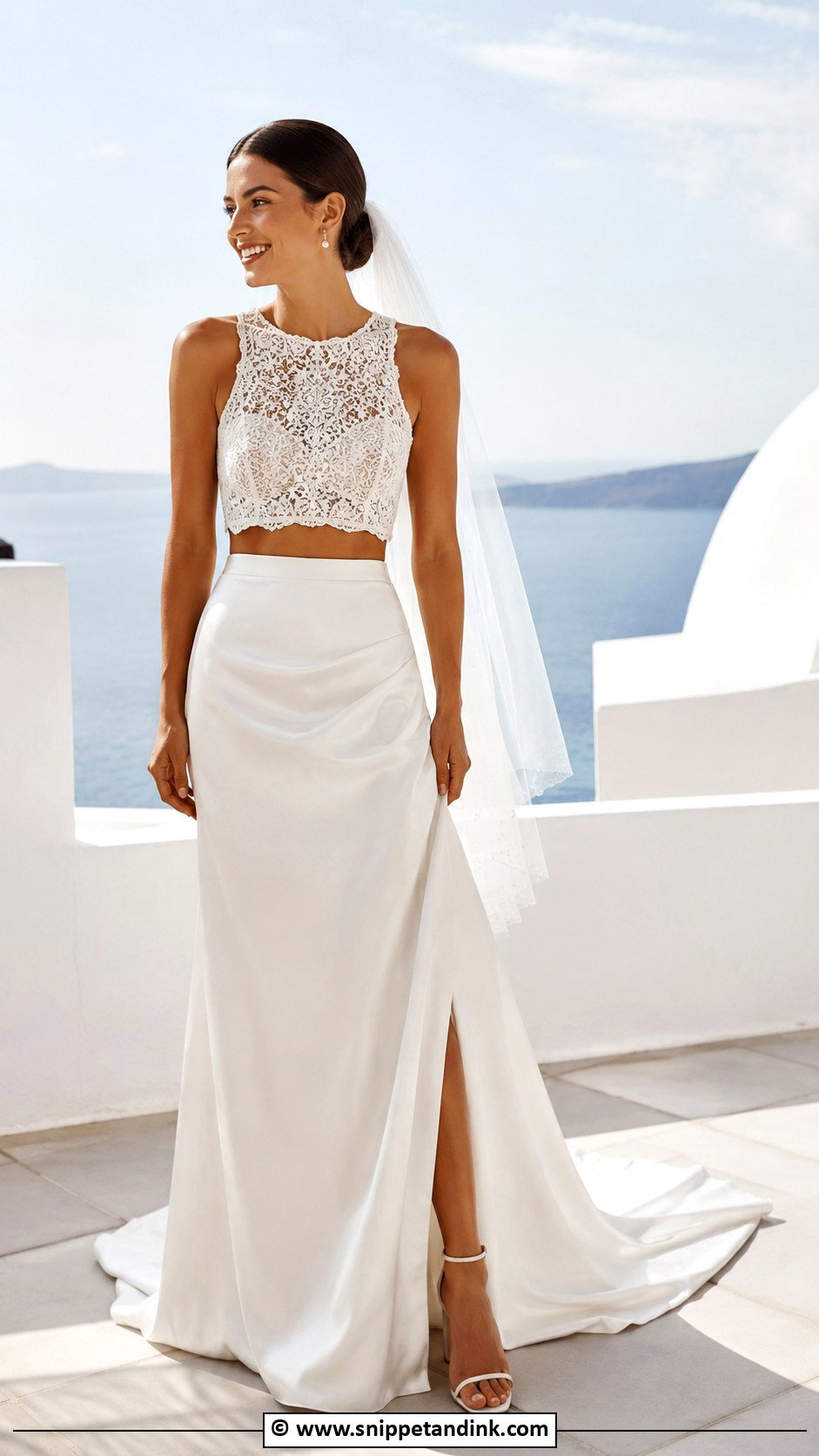
Two-piece looks give more flexibility and still feel special: a bridal crop top with a full skirt, a corset with a satin skirt, or a lace blouse with a tailored maxi skirt. Both pieces have to look intentional in fabric, color and proportion, so I insist they’re cut from the same bolt or at least matched in daylight. Delicate heels, simple earrings and a veil that ties the pieces together complete it. Two pieces suit modern venues and destination weddings, and they’re easier to rewear separately.
23. Sheath Designer Wedding Dress
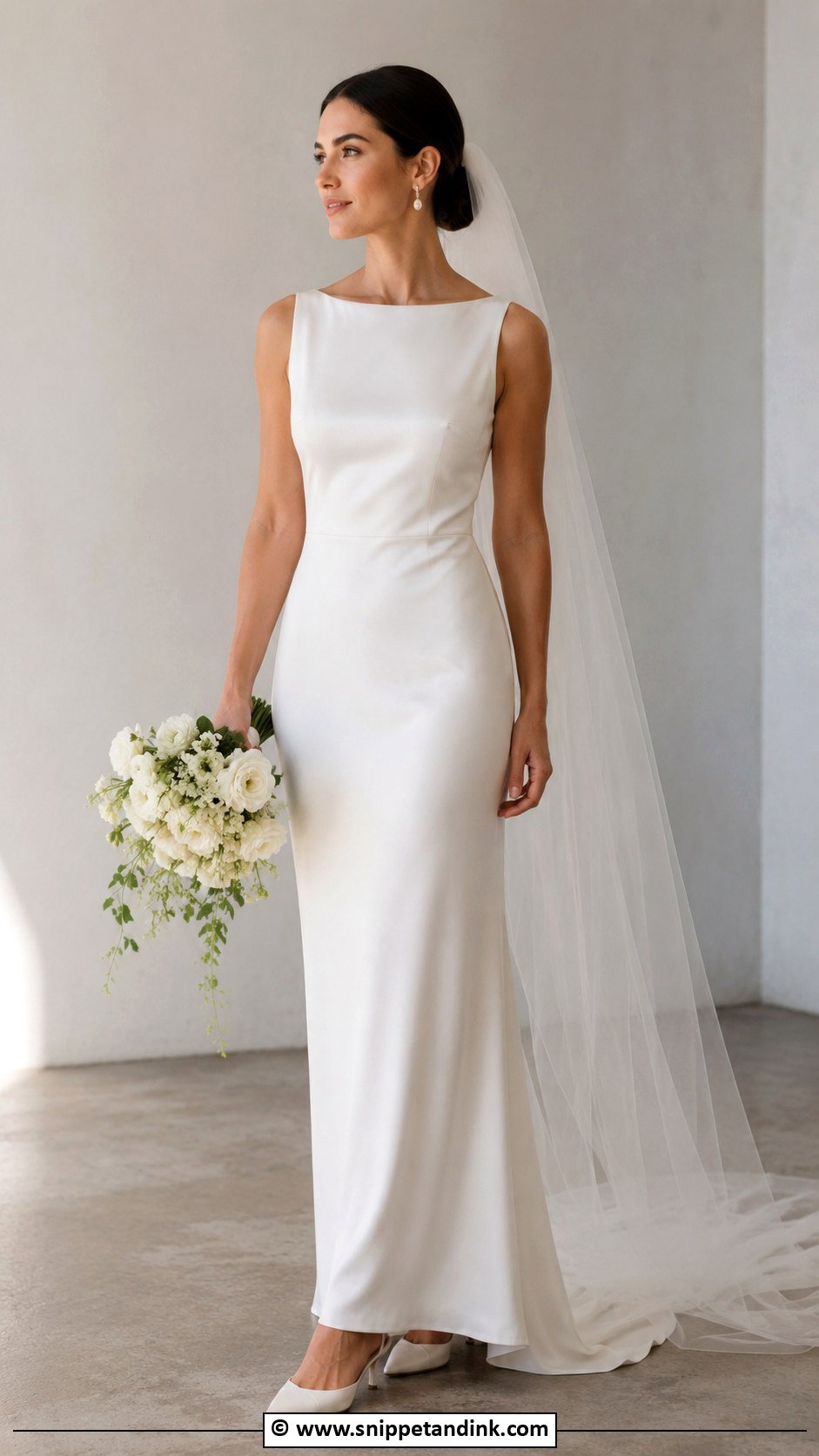
A sheath follows the body in a narrow line without the mermaid’s flare, which gives elegance without volume. Crepe, silk, lace and satin all suit it. It’s easy to move in, which makes it practical for small venues, beaches and city weddings. Low heels or sleek sandals, a long veil and refined earrings finish it. On a plain sheath, a dramatic veil or sculptural earrings adds the interest. Check the walking ease at the hem; a sheath without a kick pleat or slit can shorten your stride.
24. One Shoulder Designer Wedding Dress
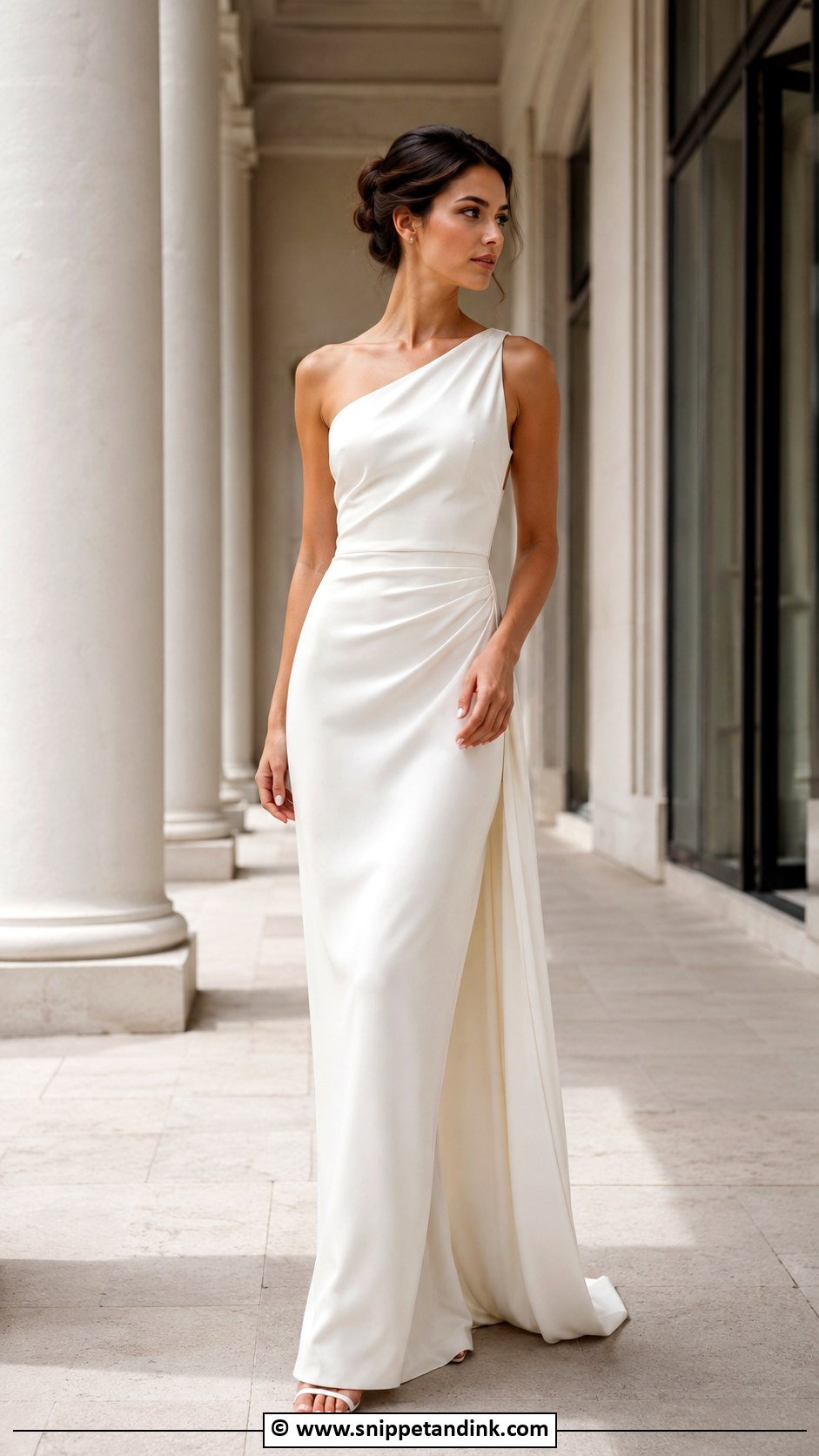
One shoulder gives an asymmetrical, modern line, so the rest of the look can stay clean: a sleek column skirt, a soft draped bodice or fitted crepe. One statement earring or small matching studs, strappy heels and a smooth clutch for the reception suit it. Pull the hair away from the neckline in a bun or polished ponytail. The single strap carries more of the bodice than you’d think, so I make sure there’s internal support on the bare side too. It reads especially clean in minimal fabrics.
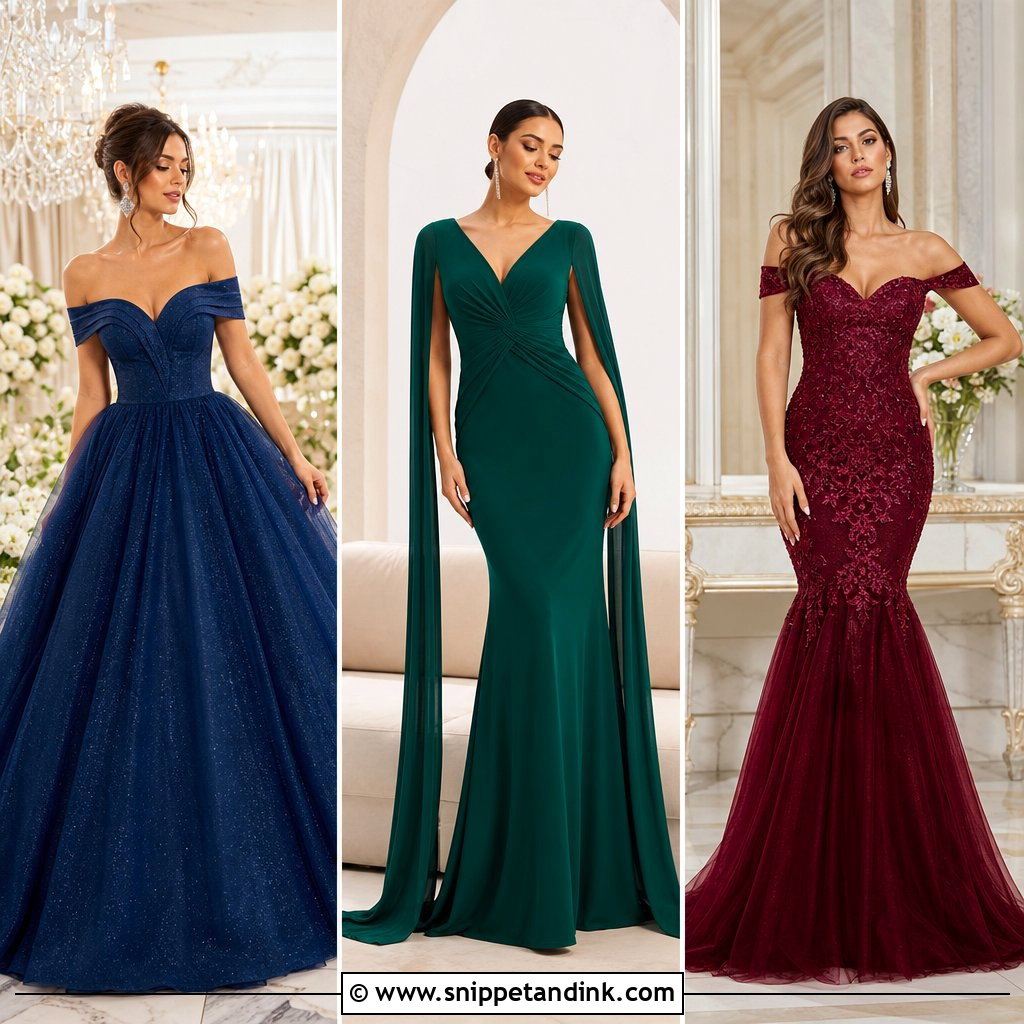
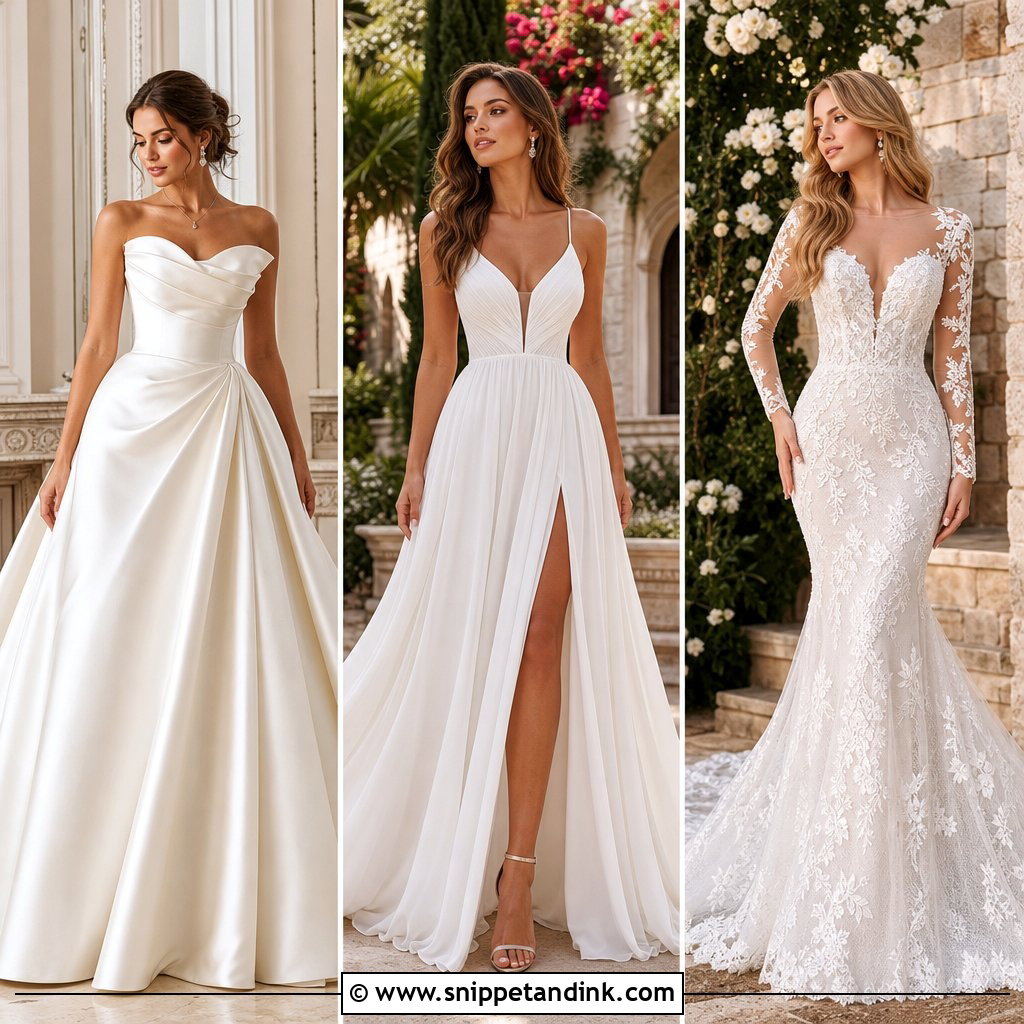
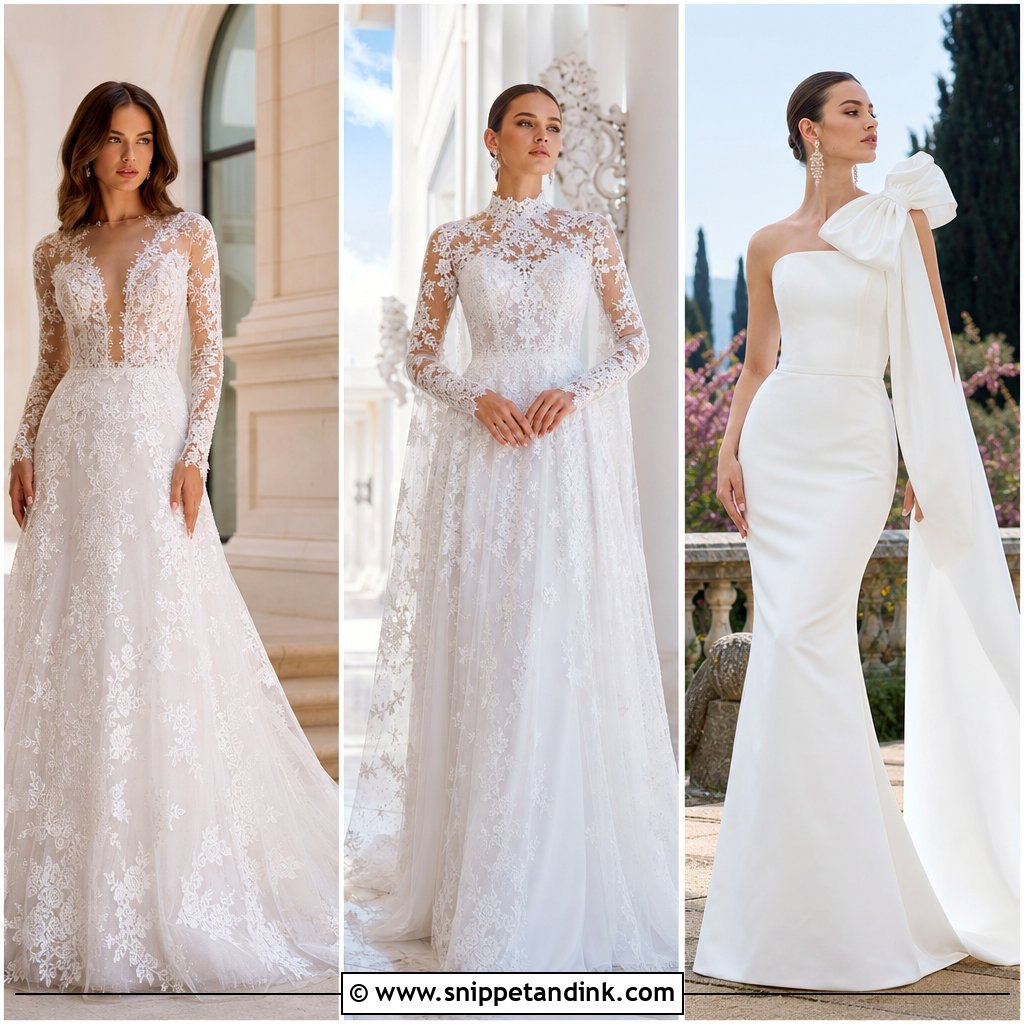
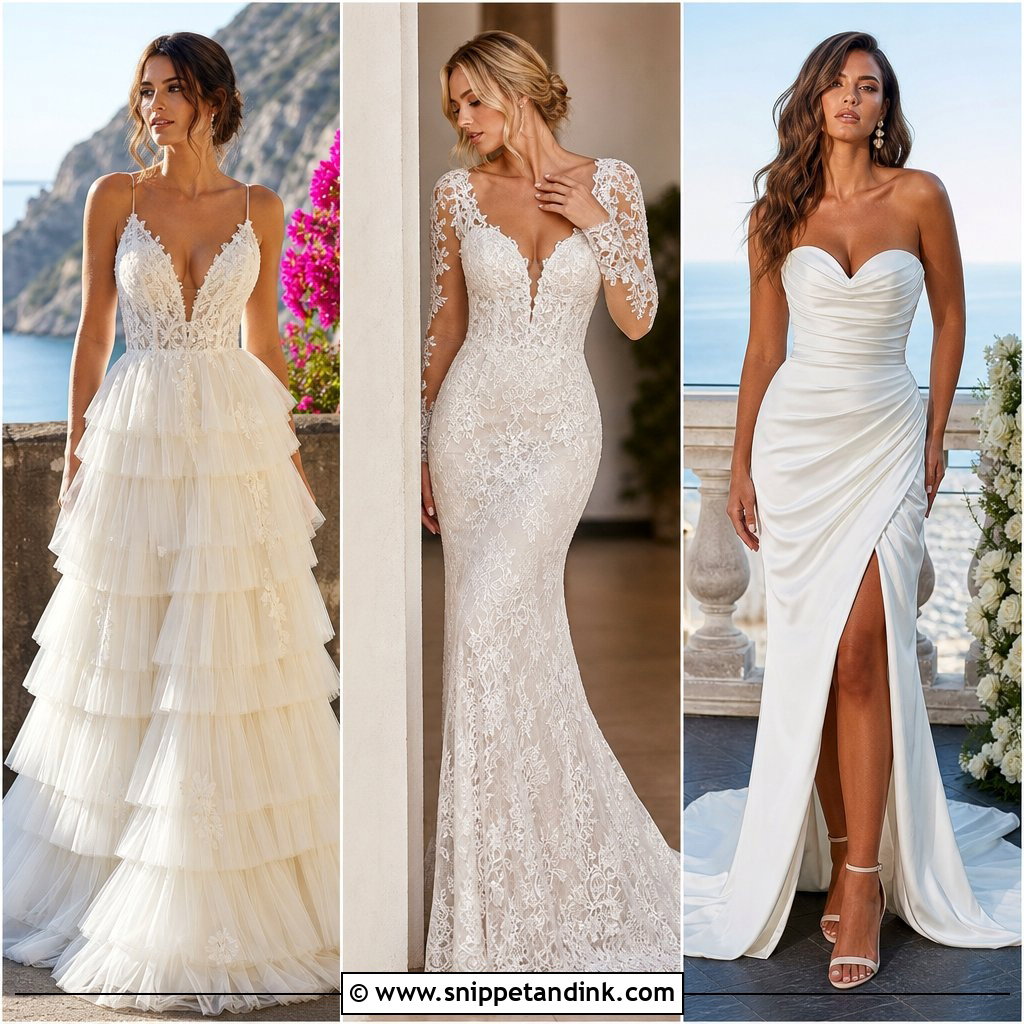
25. Vintage Inspired Designer Wedding Dress
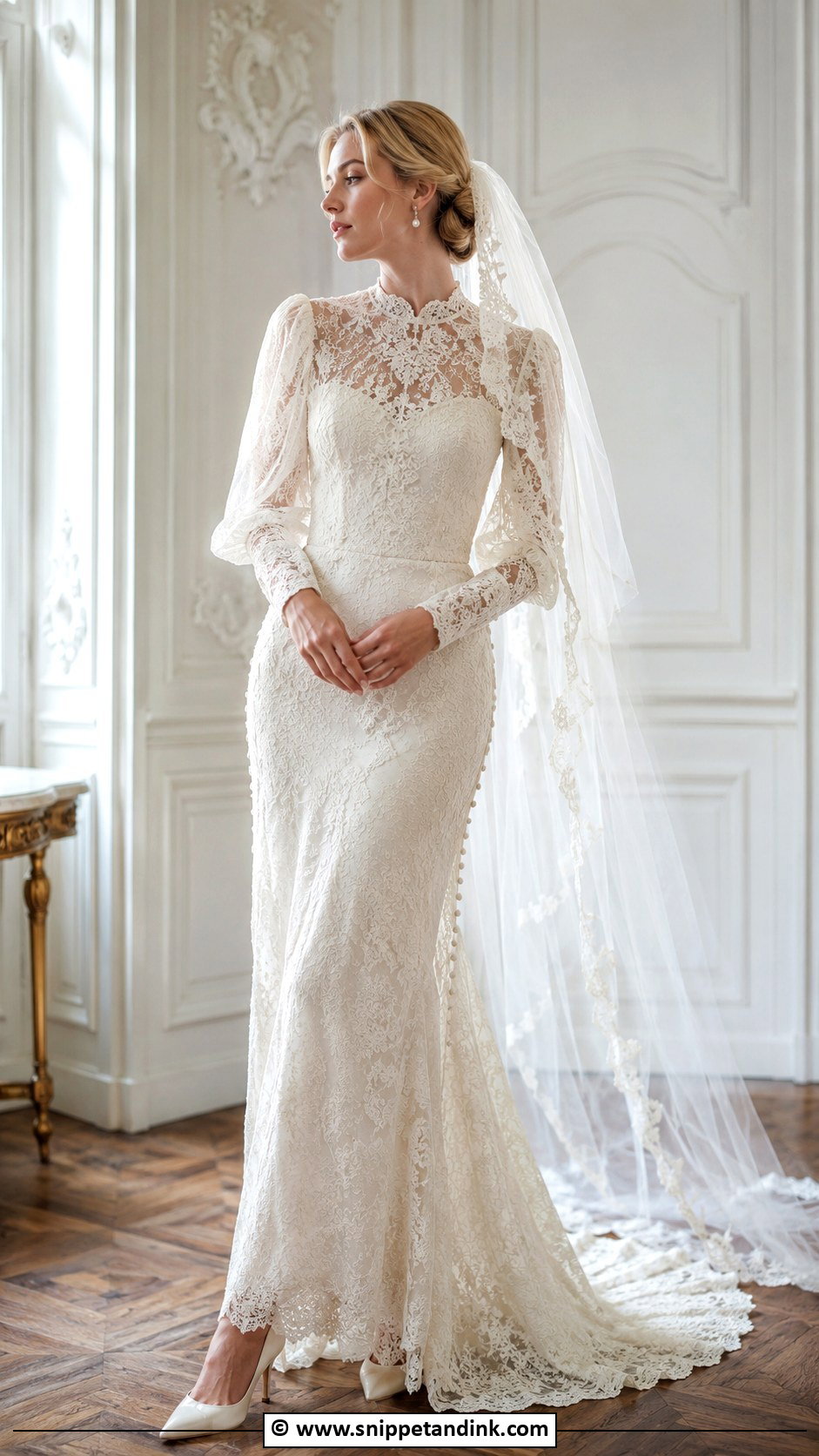
Vintage-inspired gowns work best when you choose one or two references and style them cleanly: lace sleeves, pearl or satin-covered buttons, drop waists, tea-length hems or soft corset details. The aim is character, not costume. Covered buttons down the back look lovely and take time to fasten, so assign someone with patience and a crochet hook. Ivory heels, pearl earrings, a soft veil and classic makeup finish it. Finger waves can work, but loose waves or a low bun often feel more current.
26. Boho Designer Wedding Dress
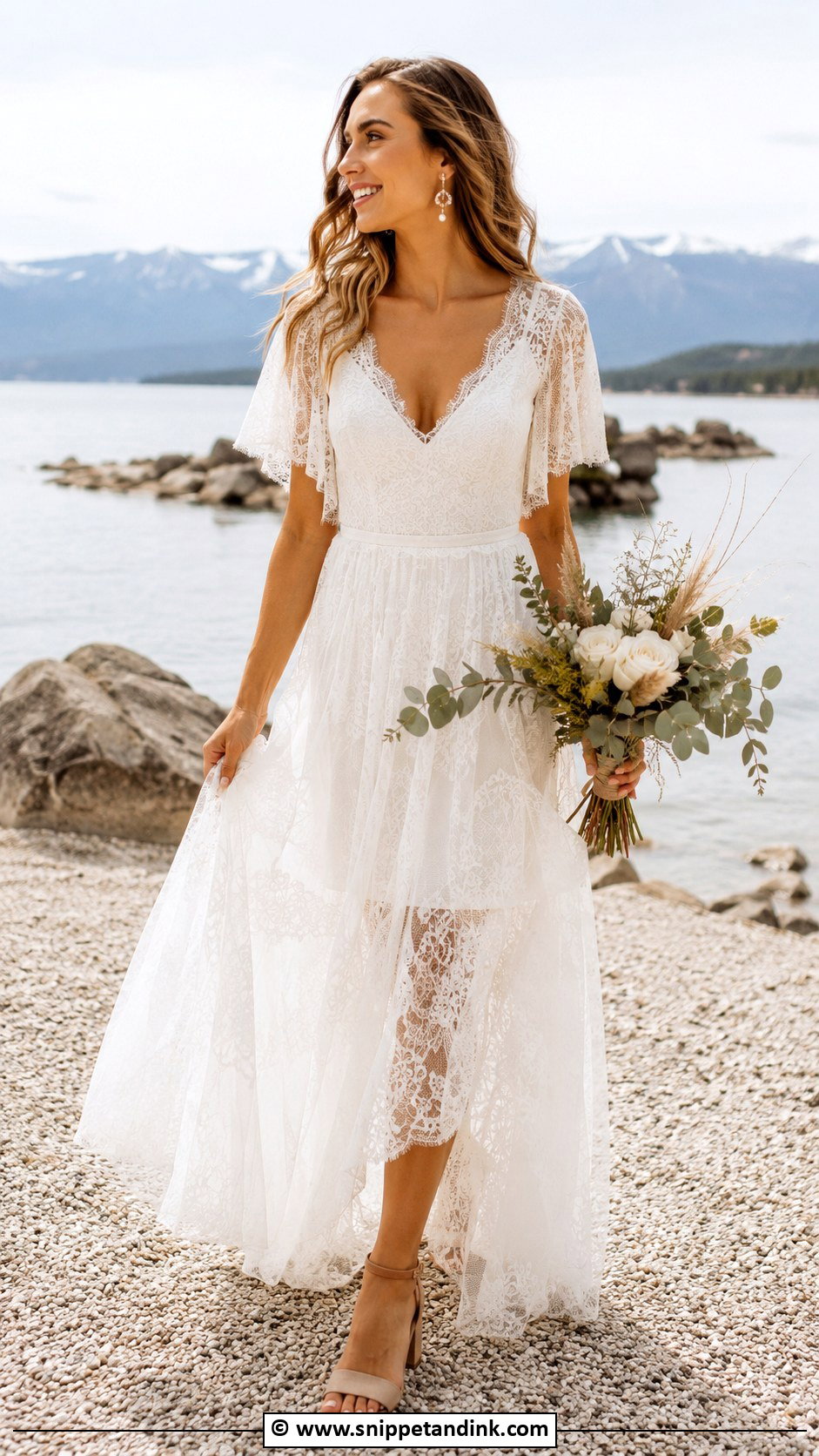
Boho gowns feel relaxed and artistic: soft lace, crochet-style texture, flutter sleeves, open backs and flowing skirts. The difference between boho and casual is quality, so look for well-finished lace and a properly lined skirt. Block-heel sandals, delicate earrings and loose waves or a low braid suit it, with a subtle floral pin if you like. Ivory, cream, champagne or pale blush keep the palette soft for outdoor venues, beaches, mountains and warm-weather weddings.
27. Black Designer Wedding Dress
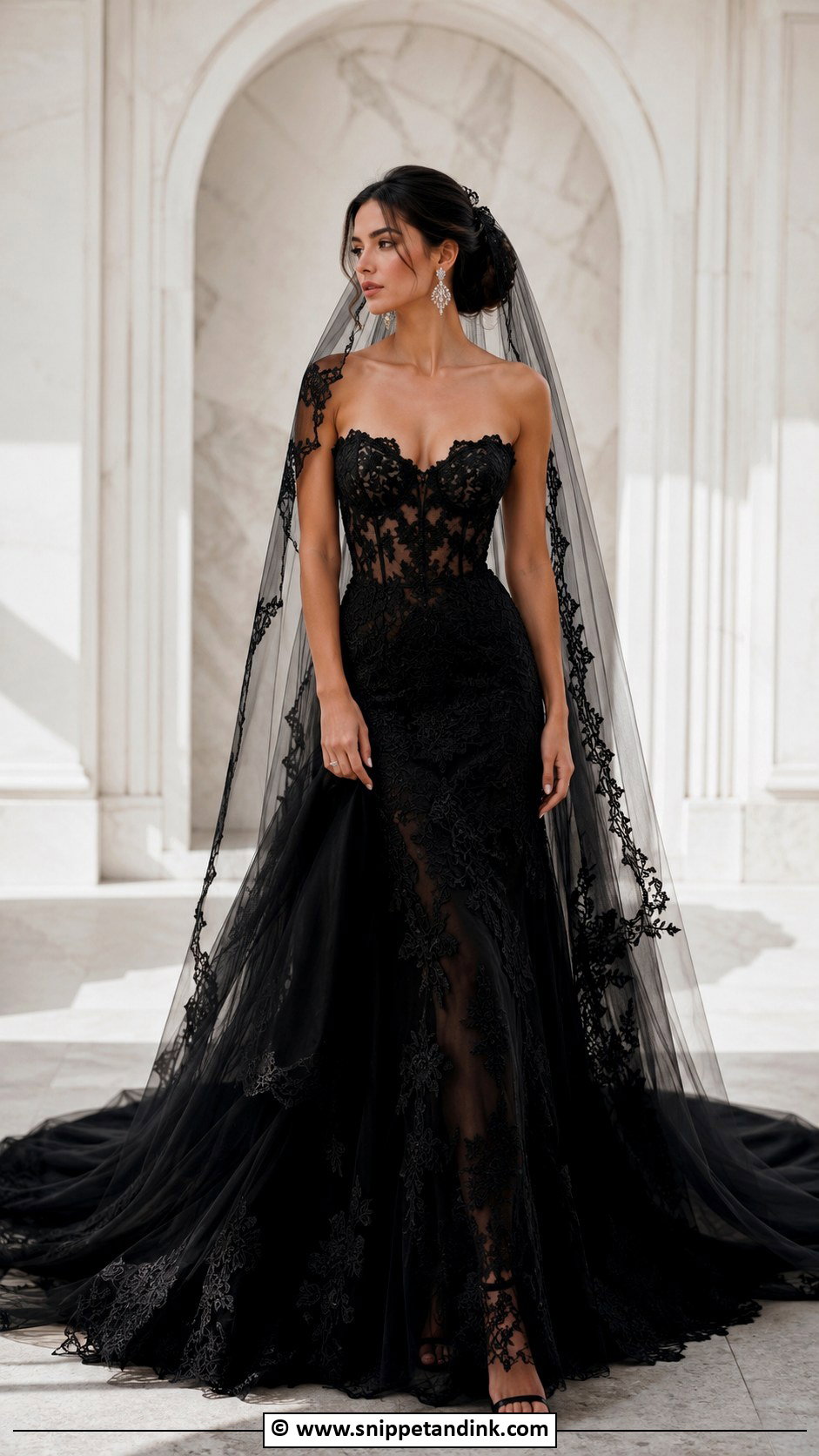
Black is a deliberate choice, and it works only when the whole outfit commits to it. Black lace, satin, tulle or velvet by season and venue; black or metallic heels; crystal earrings; a sheer veil in black or ivory for contrast. Makeup stays polished with soft skin, defined eyes and a neutral lip. It suits evening weddings and formal celebrations. I always suggest talking it over with family early, since black still carries different meanings in different cultures. If full black feels too strong, an ivory gown with black bows, embroidery or trim gives the edge.
28. Blush Designer Wedding Dress
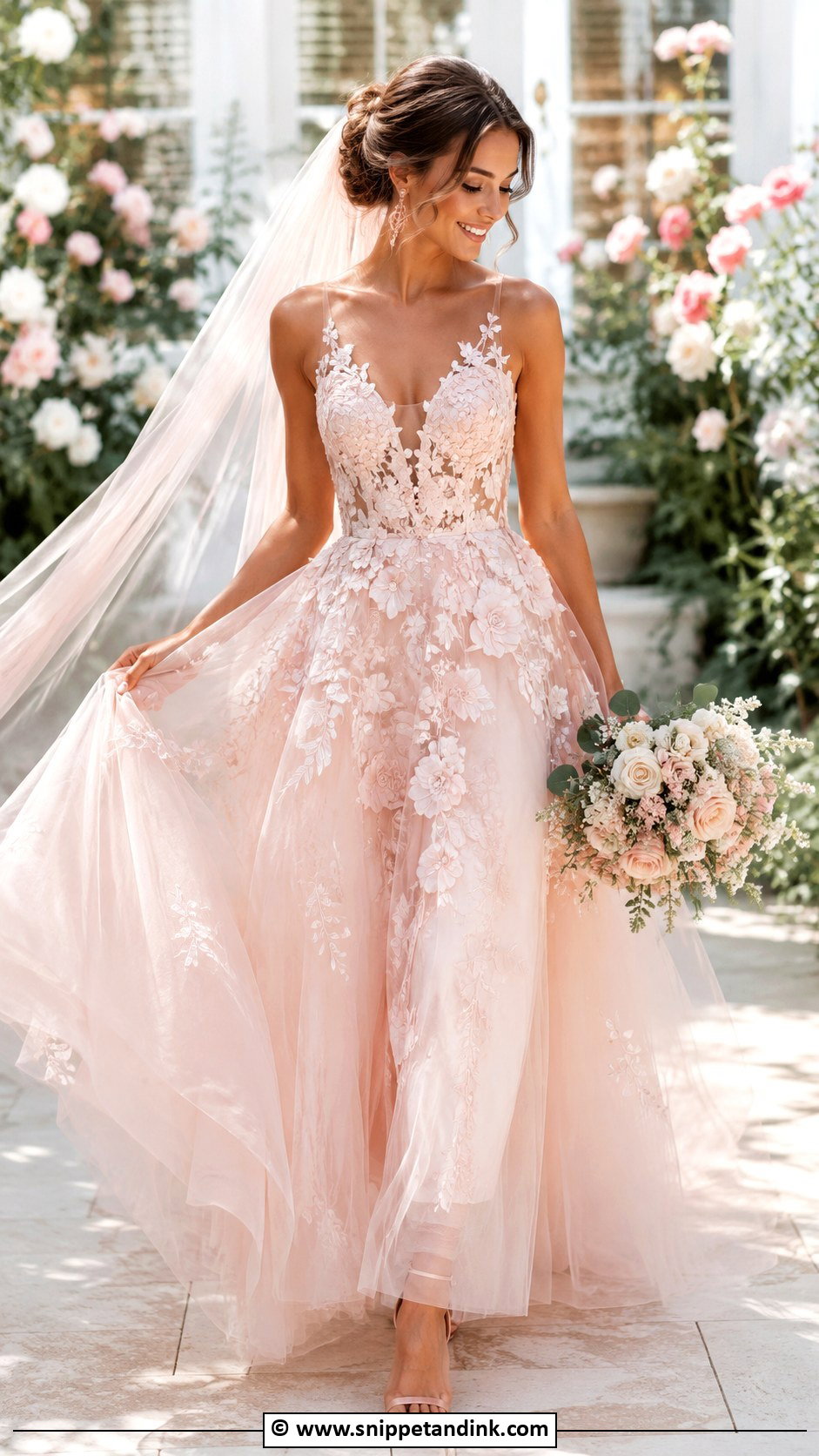
Blush adds a whisper of color. Pale pink, nude blush and rose-tinted ivory suit many skin tones while still reading bridal, in tulle, lace, appliqué or beading. Undertone is the key: I hold the fabric next to the face in daylight, because a cool pink can look grey on warm skin and a peachy blush can look sallow on cool skin. Ivory or champagne heels, rose-gold jewelry and a veil that matches the gown’s undertone complete it. Keep makeup fresh with soft pink cheeks.
29. Reception Designer Wedding Dress
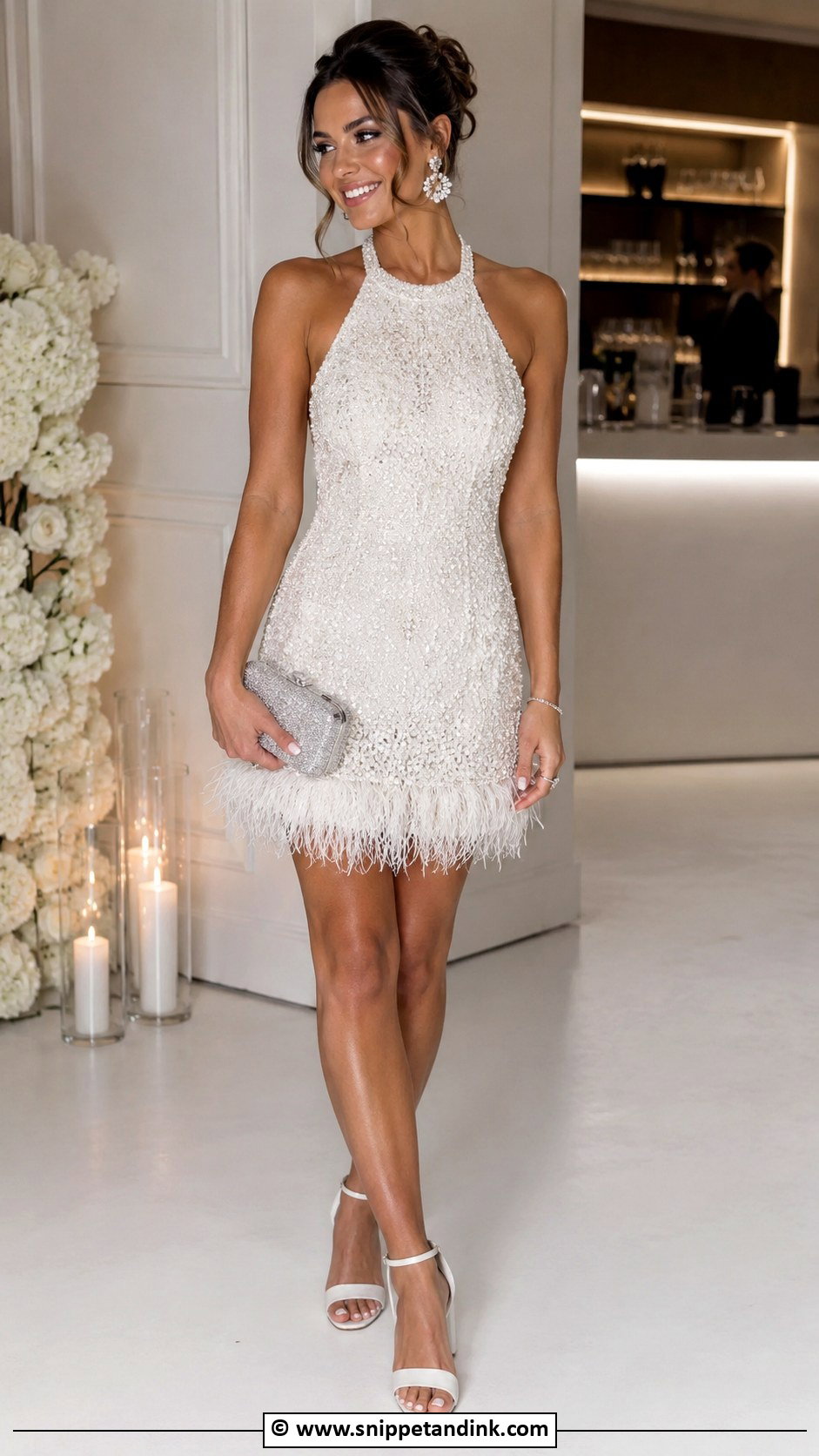
A reception dress lets you dance, walk and mingle after the ceremony. A mini, midi, slip, feather-trimmed gown or embellished column all work. I’d choose one with a different mood from the ceremony gown, sleek satin after lace or a mini after a ball gown, so it feels like a second moment rather than a smaller copy. Comfortable heels, sparkly earrings and a small clutch complete it. Plan where you’ll change and who will help with buttons and hair before the evening.
30. Couture Designer Wedding Dress
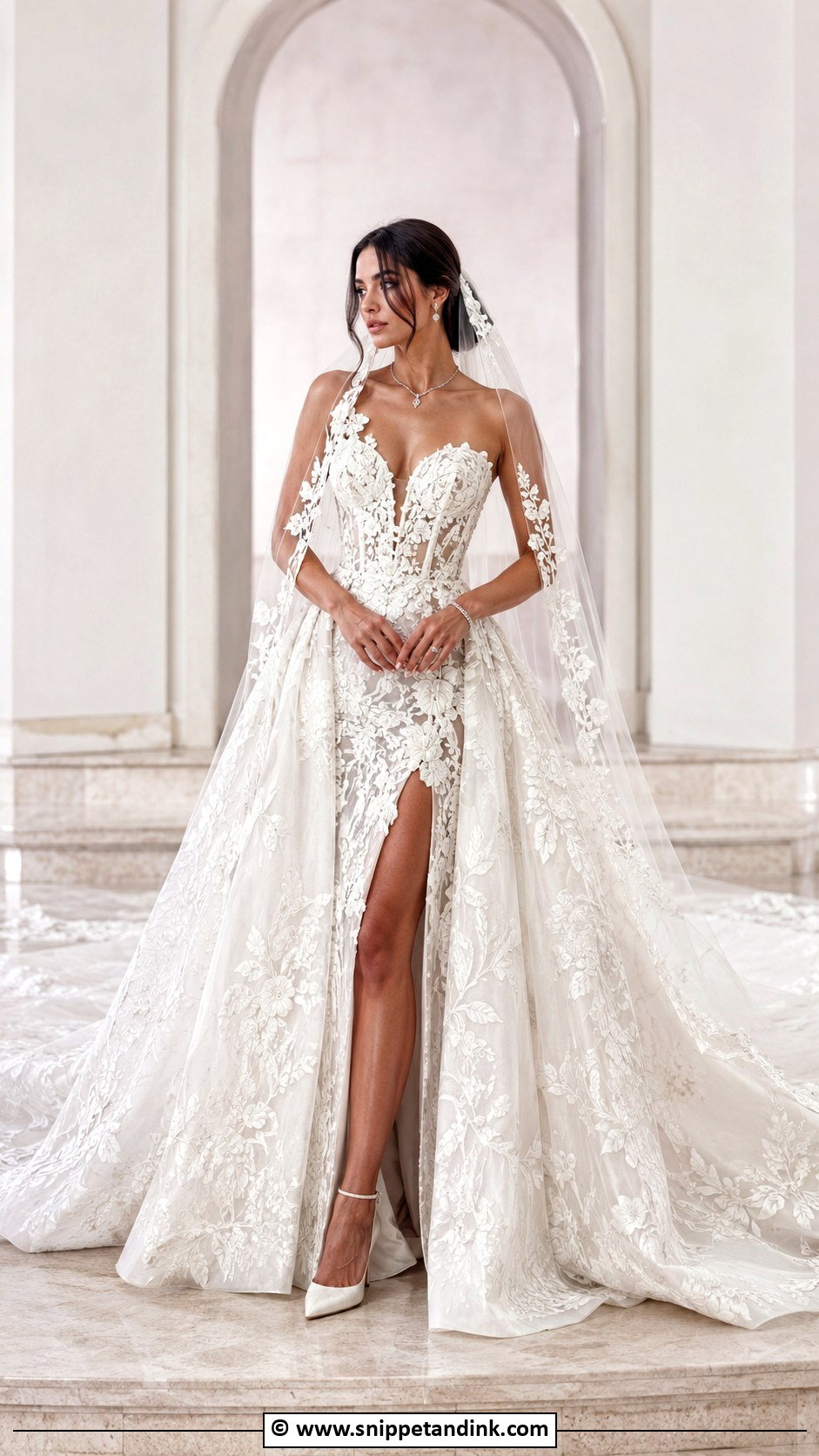
A couture designer wedding dress is built to your exact measurements, often with custom embroidery, hand-applied lace, sculptural draping or a dramatic train. That process needs several fittings, starting with a toile, a mock-up in plain fabric used to perfect the pattern before the real cloth is cut. Clear communication with the atelier matters more than anything. Refined shoes, fine jewelry and a veil designed to the gown’s proportions support it, with hair and makeup echoing its mood.
Sample Sizes, Trunk Shows and the Order Date
Most bridal salons carry samples in a limited size range, so you may try on a gown that’s too big or too small and have it clipped to show the line. That’s normal. Your gown is then ordered to your measurements, and designer gowns are commonly made over several months. I’d start shopping around nine to twelve months out if you have a particular designer in mind, so there’s time for production and alterations.
Trunk shows, where a salon brings in a designer’s full collection for a few days, let you see more styles and colors than the salon usually holds, and sometimes include ordering incentives. They book up quickly, so ask your salon about upcoming dates early.
Preserving Silk and Hand Beading After the Wedding
A designer gown deserves proper care once the day is over. I recommend having it professionally cleaned by a specialist within a few weeks, even if it looks clean. Champagne, sweat and sugary drinks can be invisible on ivory and turn brown with time.
- Store it in an acid-free box or a breathable cotton garment bag, never in the plastic it came home in.
- Keep it somewhere cool, dark and dry. Attics and basements swing in temperature and humidity.
- Don’t hang heavy beaded or ball gowns long term; the weight stretches the shoulders. Fold with acid-free tissue between layers.
- Check on it once a year and refold along different lines to avoid permanent creases.
The Gown Is Only Half the Look
From quiet minimal gowns to full couture, a designer dress gives you a lot of ways to be yourself on the day. Match it to the venue, the season and how comfortable you need to be. Lace, satin, bows, capes, corsets and appliqué all earn their place when they support the full outfit. Shoes, jewelry, veil, hair and above all fit matter as much as the label. Look inside the gown as carefully as at the front, and the whole look will hold together from the first look to the last dance.
You'll Like These Ideas:


Leave a Reply