
A civil ceremony moves fast. You queue, you sign, you say a few words in a small room, and then you’re out on the steps for photos and off to lunch. The dress has to cope with all of it: hallways, security lines, a bench in a waiting area and a restaurant chair. That’s why I dress courthouse brides differently from ballroom brides, with hems that clear the floor, fabrics that don’t crease in the queue and shoes you can stand in for an hour. Below are twenty outfits I’d happily send someone to the clerk’s office in, from satin midis and lace tea-length to blazer dresses and soft color, with the practical notes I’d give at a fitting.
Clerk’s Office Lighting and the White You Pick
Most civil ceremony rooms are lit by overhead ceiling panels, not soft window light. That flat, cool light is hard on bright optic white, which can take on a slightly blue cast, and on glossy fabrics, which pick up hot spots across the bust and hips.
This is why I often steer courthouse brides toward ivory, soft white or champagne, and toward matte crepe or a low-sheen satin. If you love a particular dress, take a phone photo of it under the ceiling lights in the shop and again by a window. The difference tells you a lot.
- Matte fabrics photograph more evenly under overhead light than shiny ones.
- Warmer whites flatter most skin tones in small rooms with no daylight.
- Plan a few portraits outside afterward, where natural light does the work.
Makeup matters here too. Ceiling lights pick up shine on the forehead and nose far more than daylight does, so I always suggest a blotting paper or a little powder in the bag. A quick check in the hallway before you’re called in takes ten seconds and saves you from a glossy forehead in the signing photos.
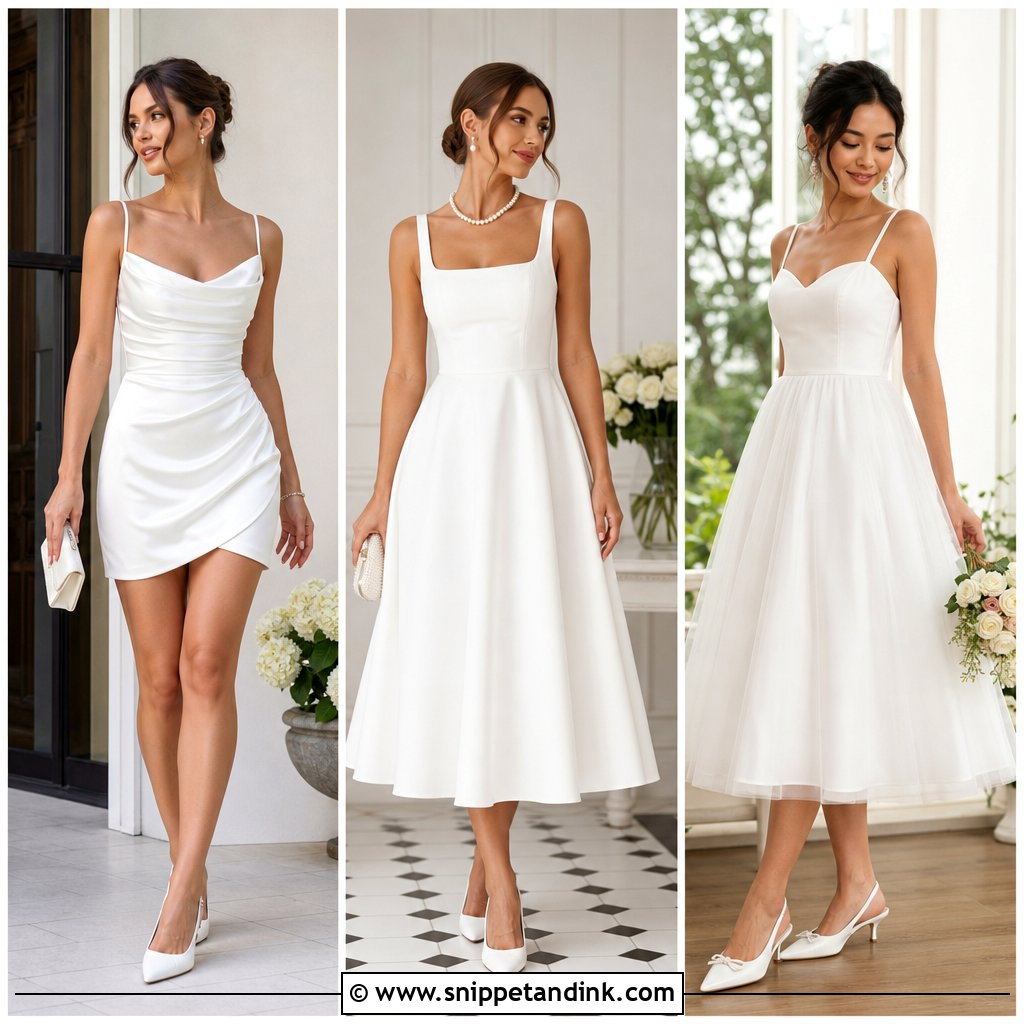
1. White Satin Midi Wedding Dress
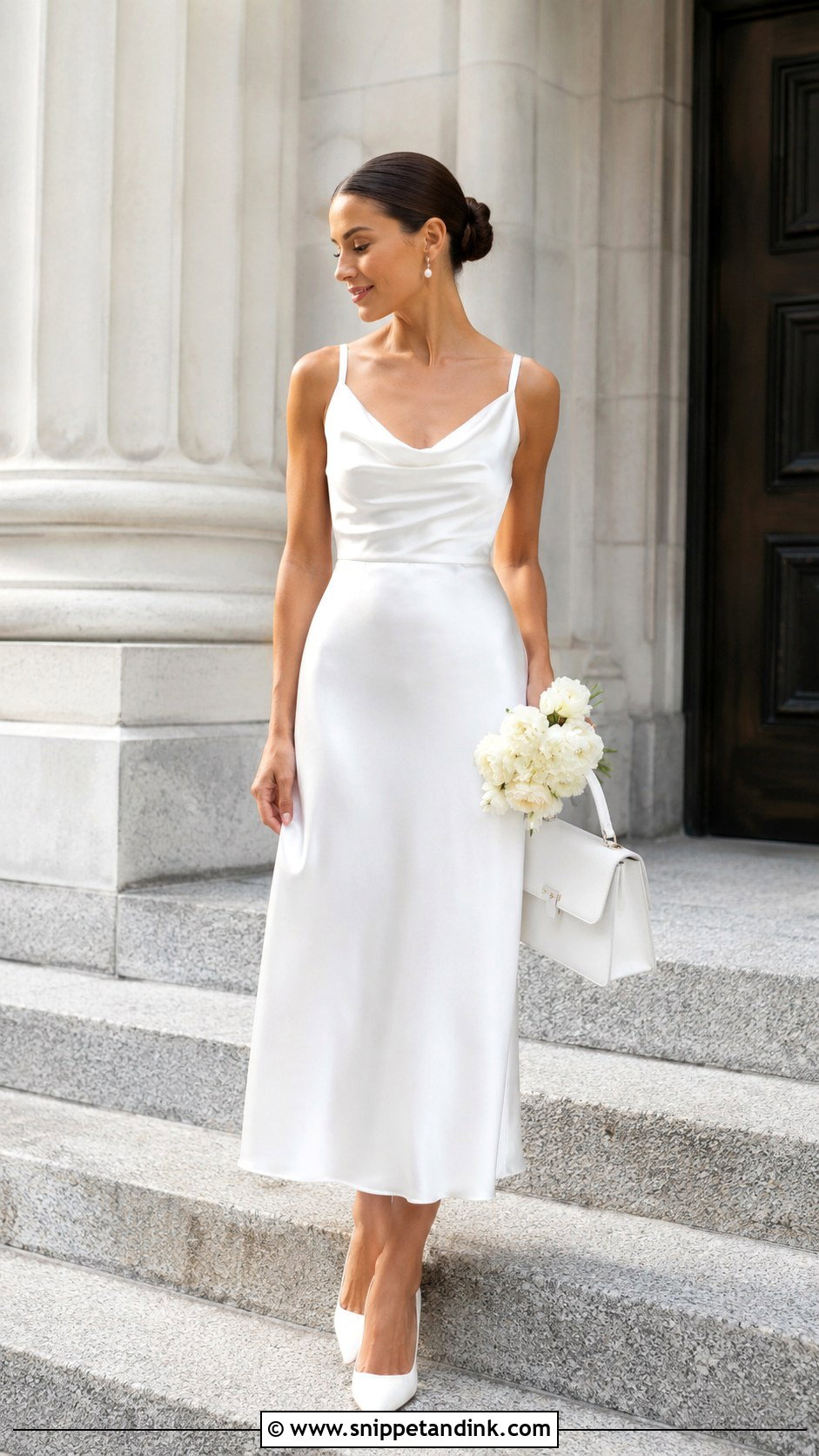
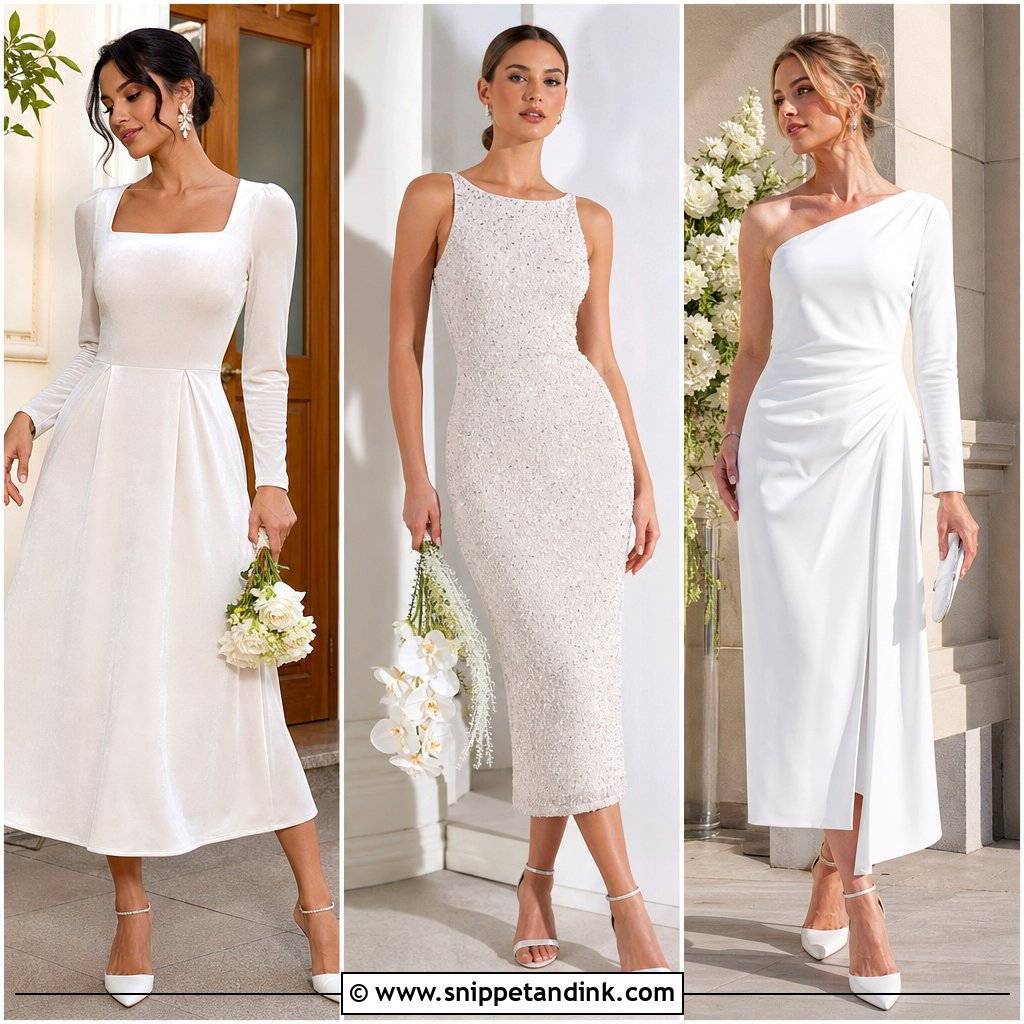
Satin midis are the dress I’m asked about most for courthouse weddings, and the fabric choice is where they succeed or fail. Thin, shiny satin clings at the hip and shows every crease from the car, so I look for a heavier satin with a little structure, a fitted waist and a modest side slit for walking. A cowl or square neckline both suit it. Sit down in it before you buy; it should skim, not pull. Pointed ivory pumps, pearl drops and a top-handle bag keep it classic, and a cropped cream jacket covers you on a cold morning. A smooth low bun and a small white bouquet finish it.
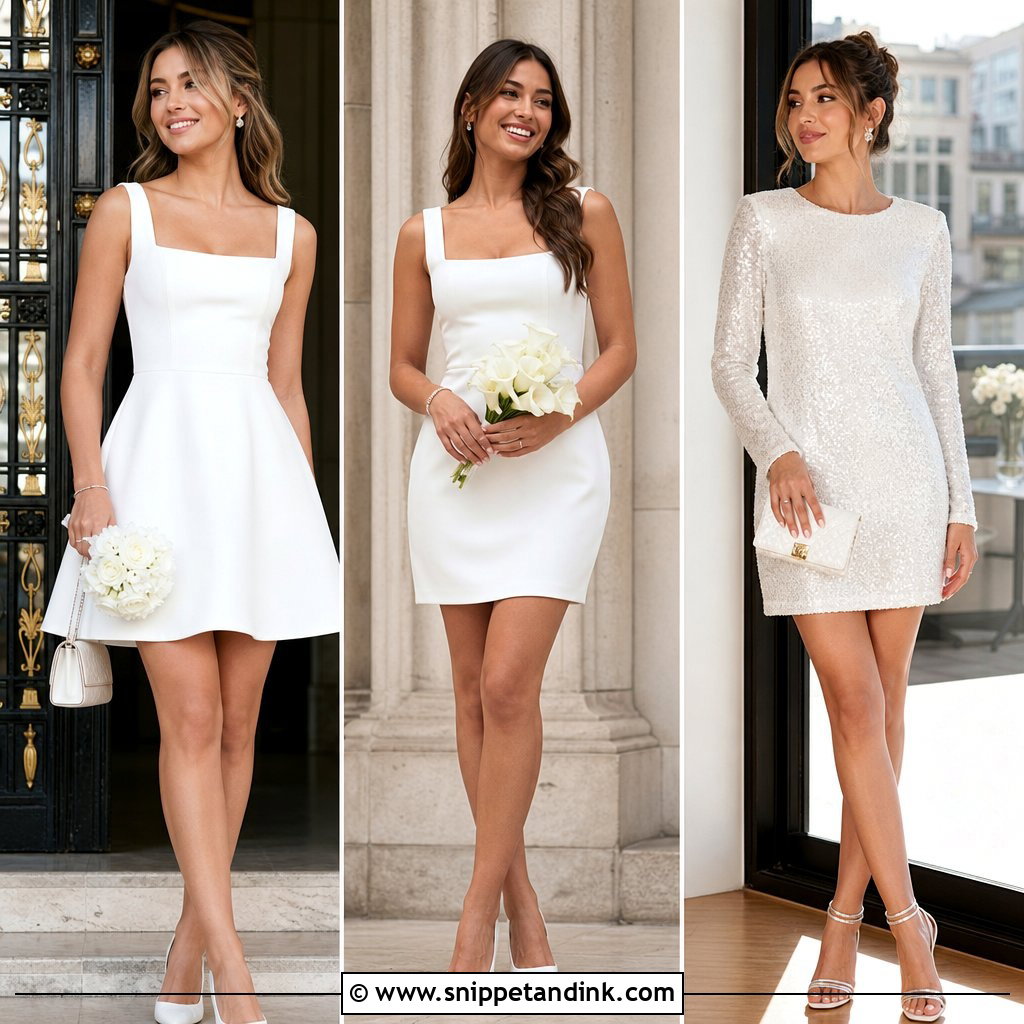
2. Long Sleeve Mini Wedding Dress
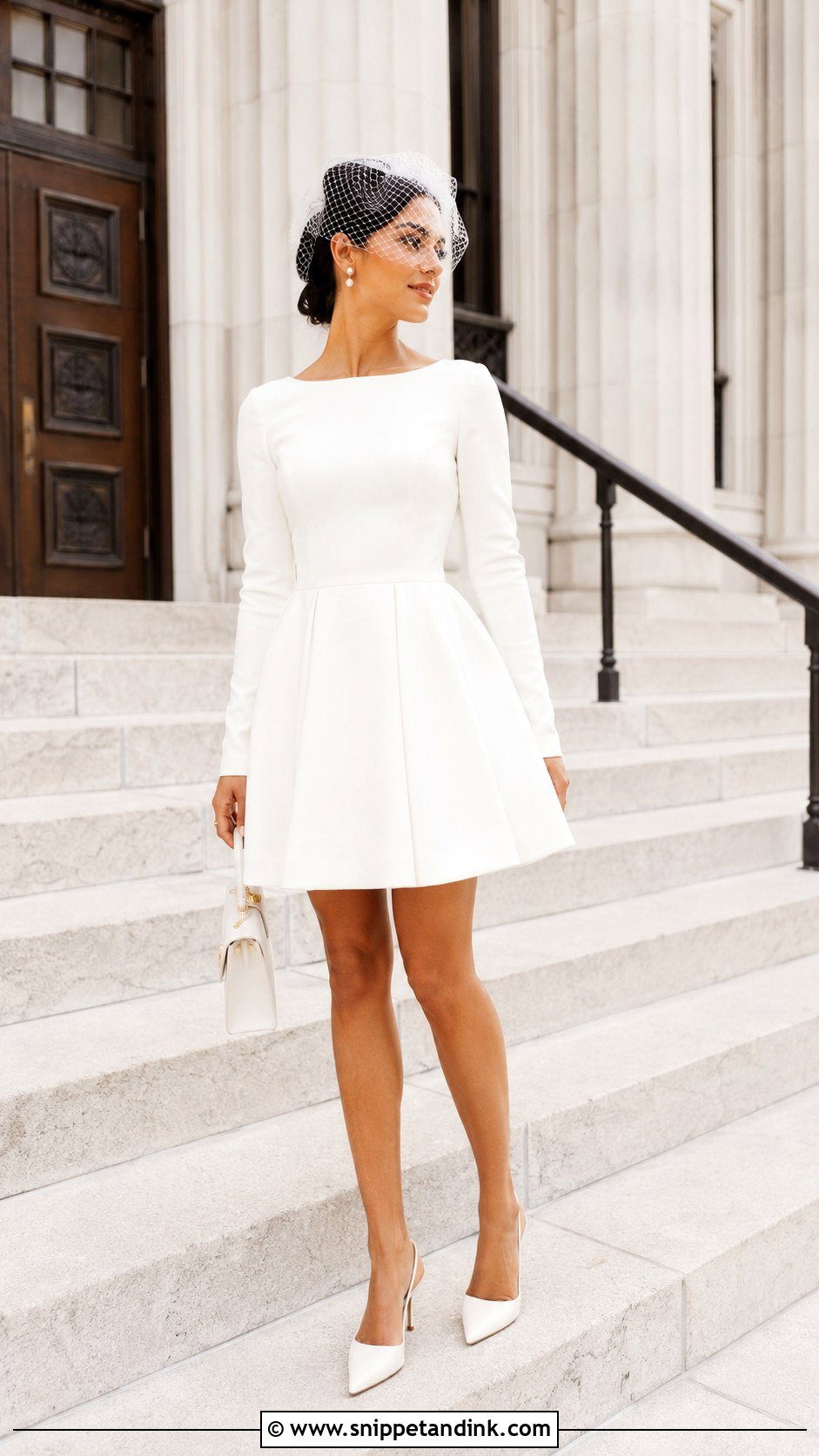
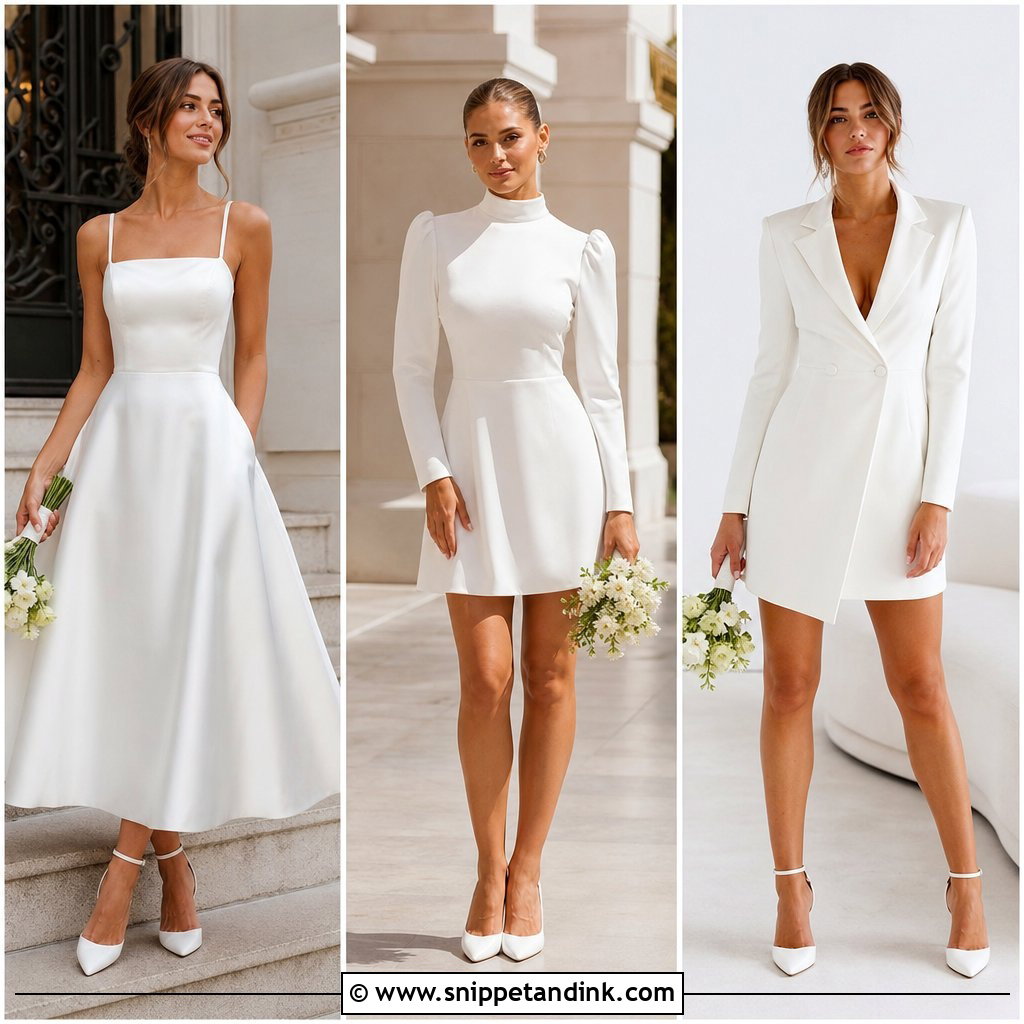
Short and sleeved is a smart combination for a quick ceremony. The sleeves make a mini feel bridal rather than party, and the length means nothing drags on courthouse stairs. I’d pick ivory crepe with a fitted bodice and a slightly flared skirt, since crepe stays smooth after sitting. Sheer sleeves, covered buttons or a small cuff detail add enough character. Closed-toe slingbacks or pointed flats balance the short hem better than strappy sandals. Pearl studs, a structured mini bag and a birdcage veil or bow complete it. In cold weather, semi-sheer tights look neat and nobody will notice them in photos.
3. Lace Tea Length Wedding Dress
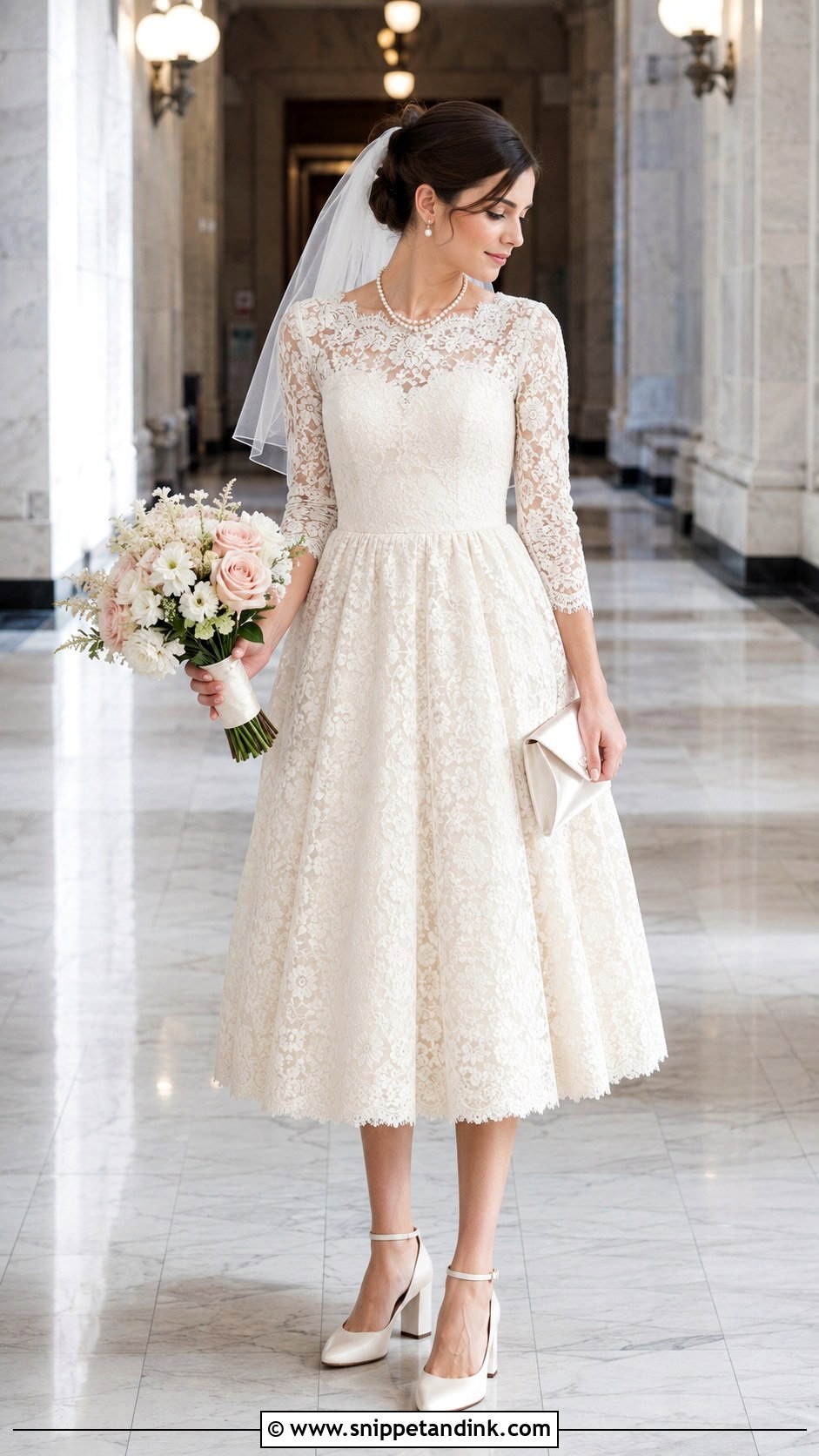
Tea-length lace is about as close to a vintage bridal look as a civil ceremony gets. What I check first is the lining: unlined floral lace can look see-through in camera flash, so the bodice should be fully lined. A natural waist and a gently full skirt ending between knee and ankle let you walk freely, and short sleeves or scalloped edges suit daytime. Your shoes show at this length, so ivory block heels are worth choosing carefully. Pearl earrings, a fine bracelet and a satin clutch, then either a fingertip veil or a floral comb. Soft waves and a bouquet in white, blush and pale green round it off.
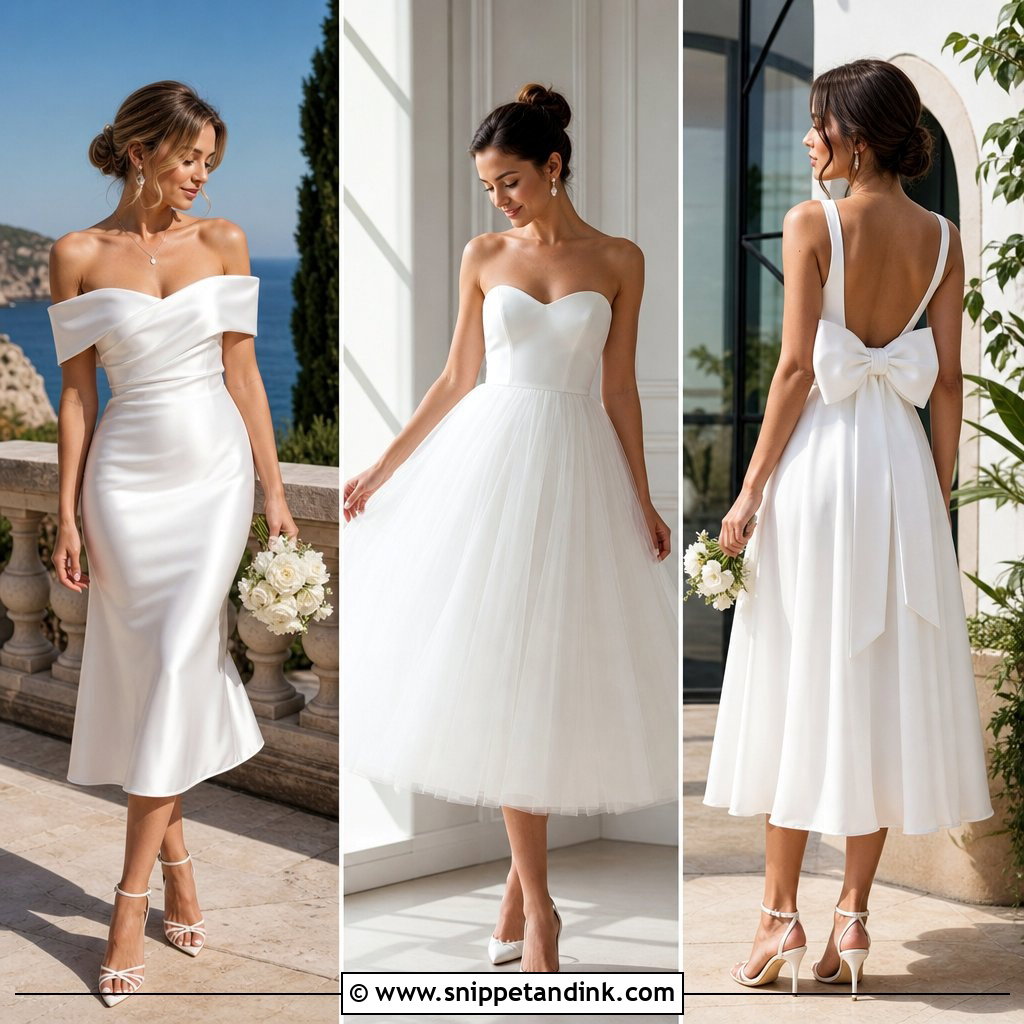
4. Off Shoulder Midi Wedding Dress
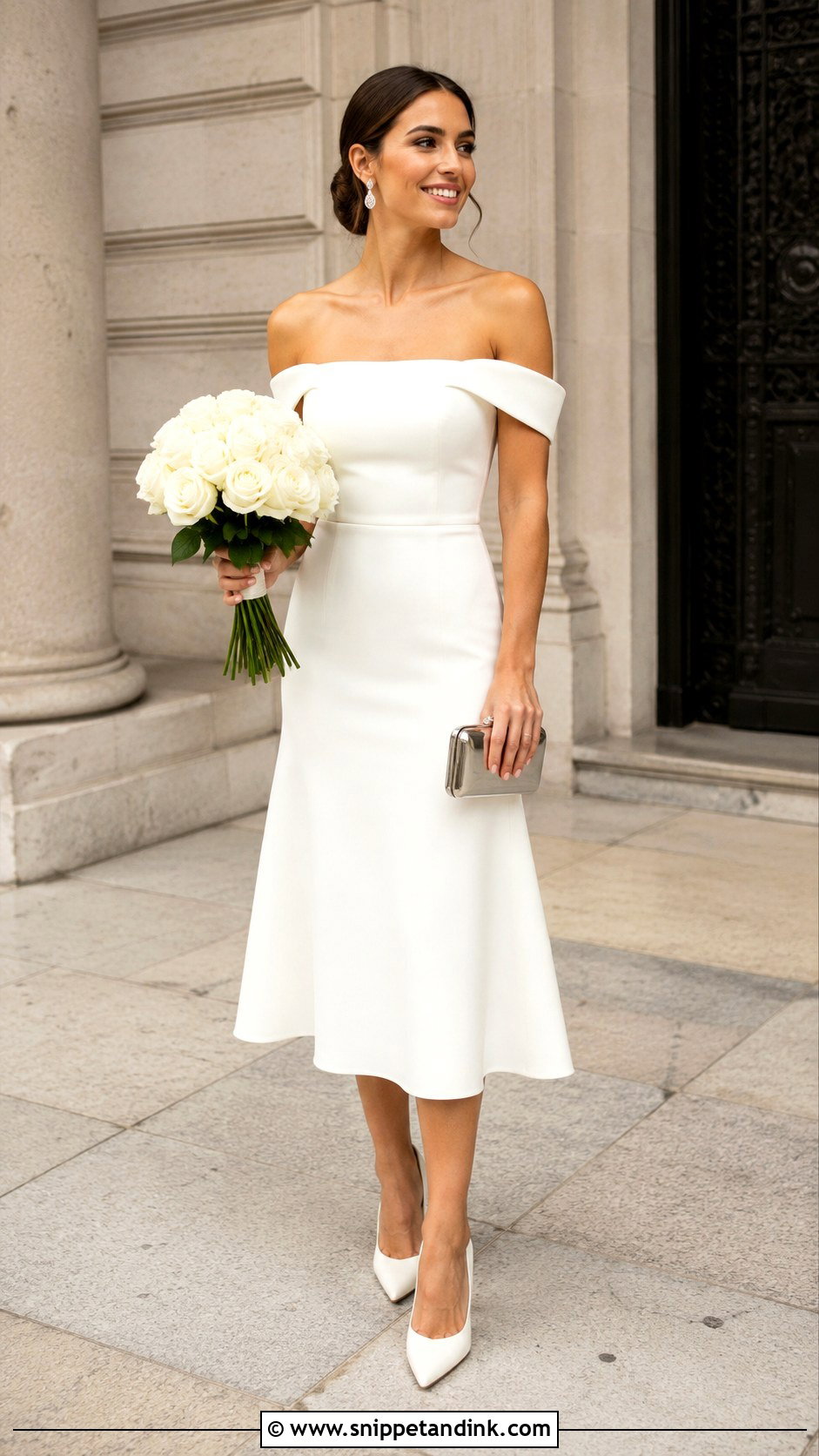
Off-shoulder necklines need a fabric with some backbone. In thin jersey they slide down every time you lift your arms to sign; in structured crepe or heavier satin, with silicone grip tape along the inside edge, they stay put. A fitted bodice over a straight or softly flared skirt keeps it sophisticated. Pointed pumps, crystal earrings and a slim metallic clutch suit it, though I’d switch to kitten heels if you’ll be walking around outside for portraits. A low chignon or swept-back ponytail shows off the shoulders. Statement earrings usually make a necklace unnecessary. White roses or calla lilies keep the bouquet clean.
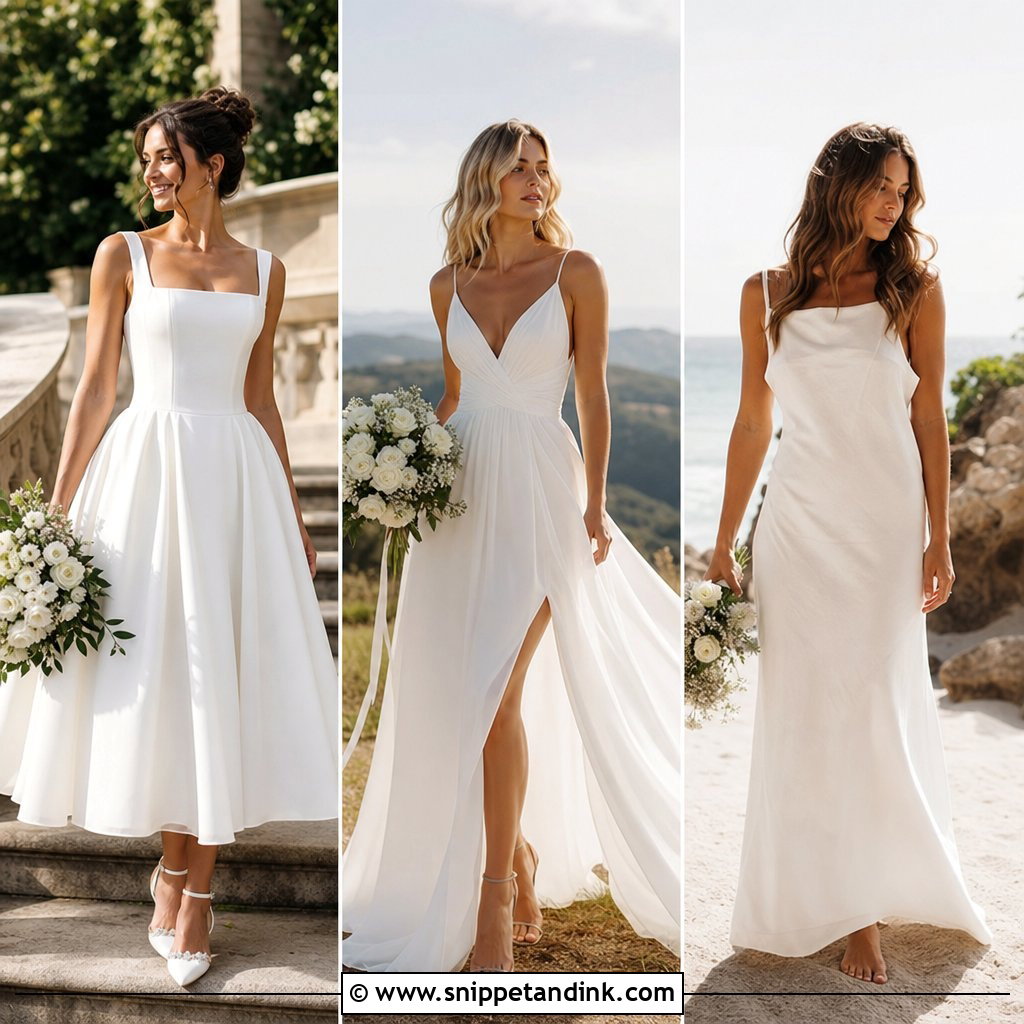
5. Square Neck A Line Wedding Dress
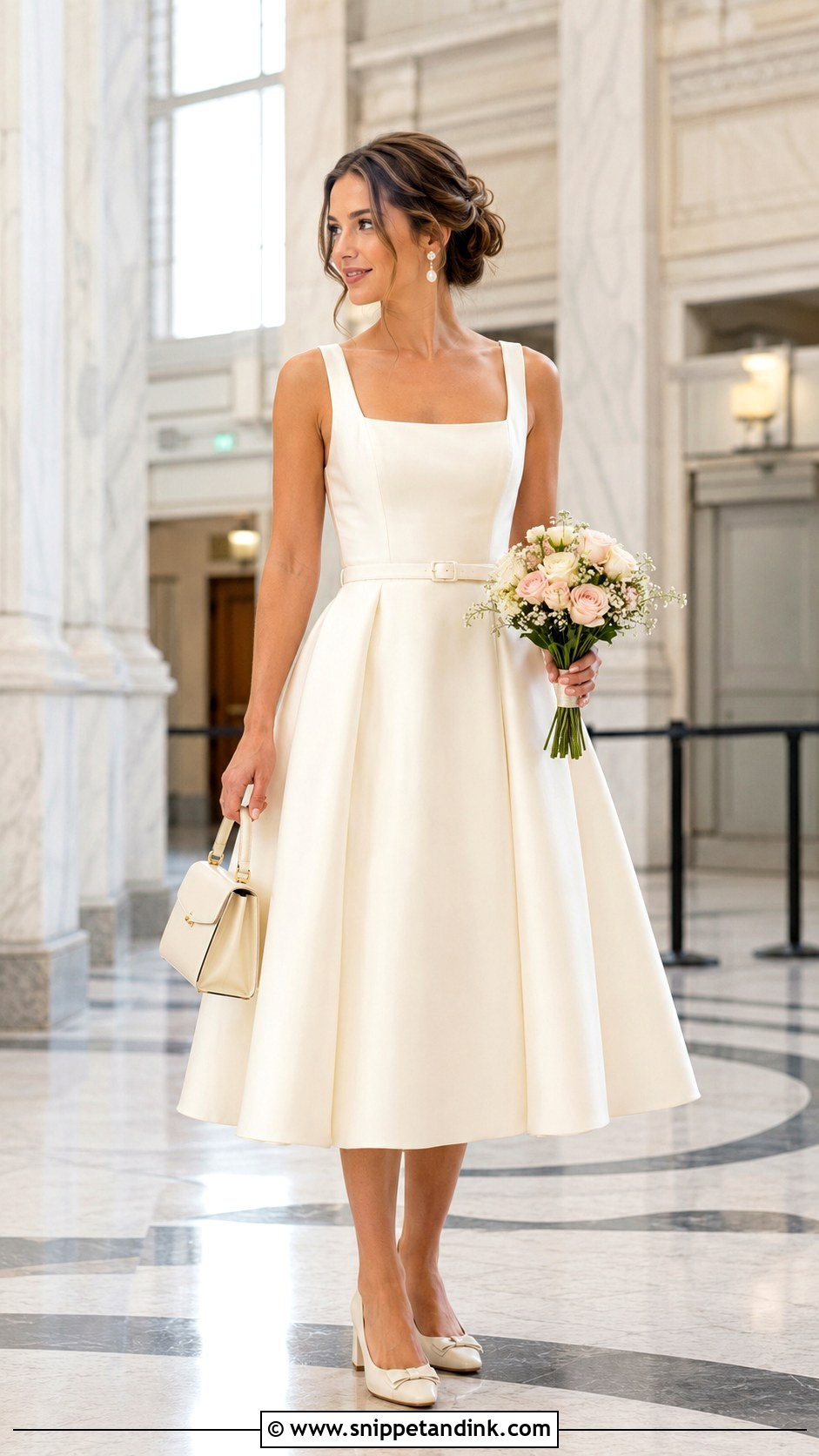
Wide straps are the underrated part of this dress. They let you wear your normal supportive bra, which matters more than people admit on a long day. The square neckline frames the collarbone, and the fitted top over a gently widening skirt balances most figures. Ivory mikado holds the A-line shape best; crepe and matte satin are softer. Knee or midi length both work. If the dress is very plain, a narrow belt adds definition. Low block heels, pearl-and-gold earrings, a structured handbag, a soft updo and a compact seasonal bouquet complete a look that’s easy to manage in a crowded corridor.
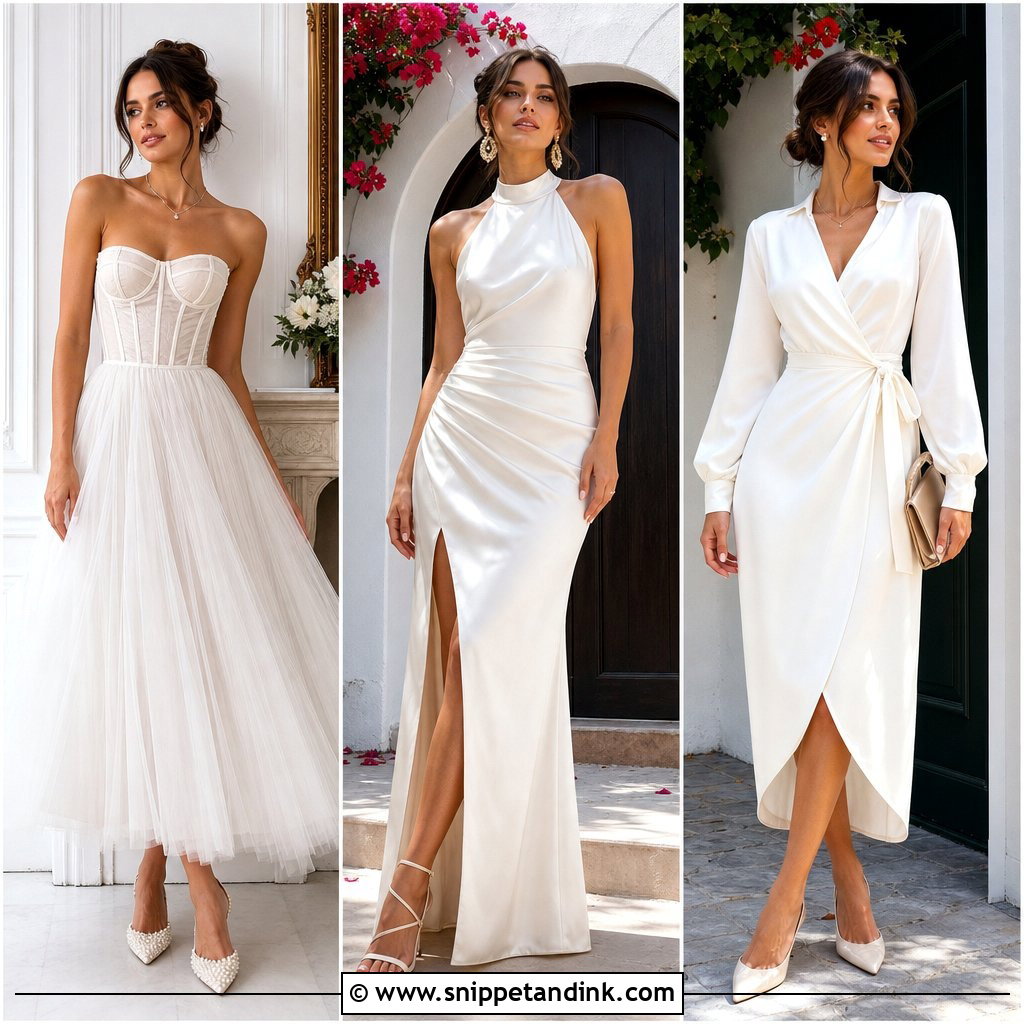
6. White Wrap Midi Wedding Dress
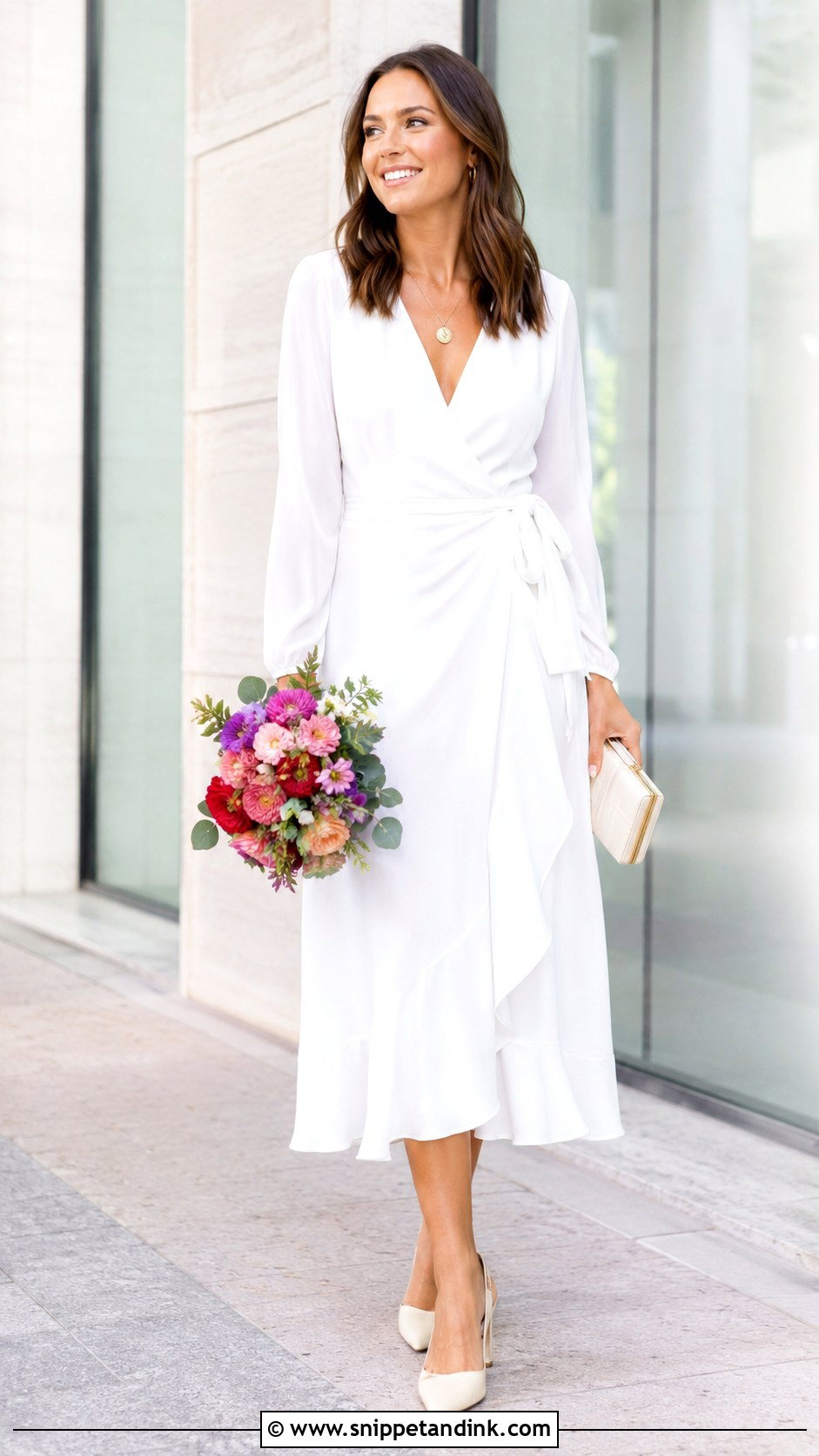
A wrap dress adjusts to you, which makes it a forgiving choice if your fitting window is short. Look for a true wrap or a well-made faux-wrap with a moderate V and a defined waist. Here’s the trouble spot: wrap necklines open when you lean forward, and you will lean forward to sign the register. A strip of fashion tape at the neckline or a discreet snap sewn in by a tailor solves it. Crepe or jersey moves easily. Ivory slingbacks or low block sandals by season, a pendant necklace, small hoops and a structured clutch. Loose waves and a colorful bouquet give it warmth.
7. Satin Slip Wedding Dress With Blazer
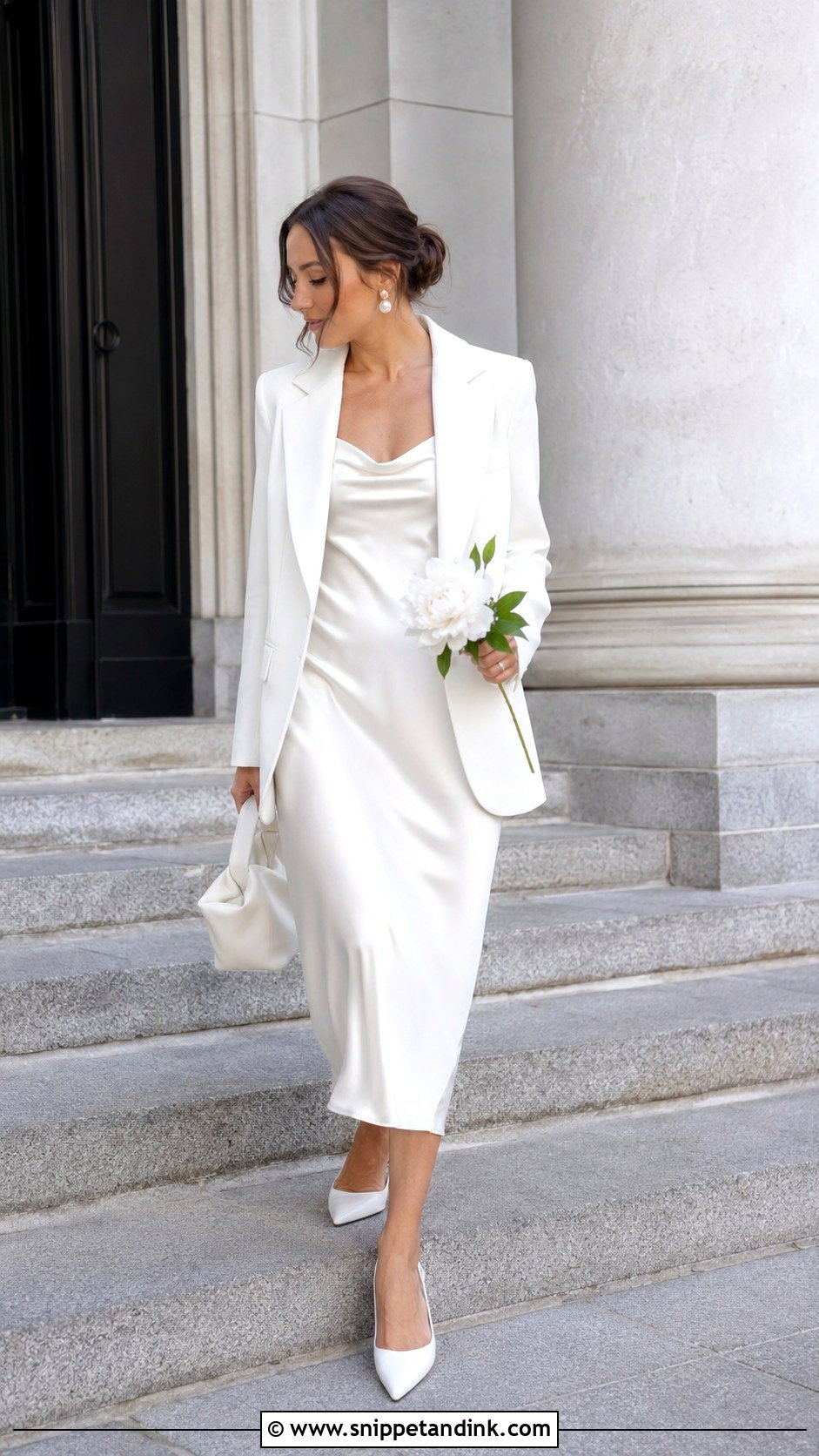
This pairing gives you two outfits for the price of one: blazer on for the ceremony and the walk outside, off for portraits and lunch. Choose a bias-cut midi in white, ivory or soft champagne that’s fully lined and doesn’t pull across the hips, then a clean white blazer ending near the hip or waist. Bias-cut satin shows every line, so I insist on smooth, no-line underwear and often have the straps shortened slightly so the neckline sits right. Pointed kitten heels, a small leather bag and sculptural gold or pearl earrings suit it. A smooth bun and a single-flower bouquet keep the line clean.
8. Puff Sleeve Mini Wedding Dress
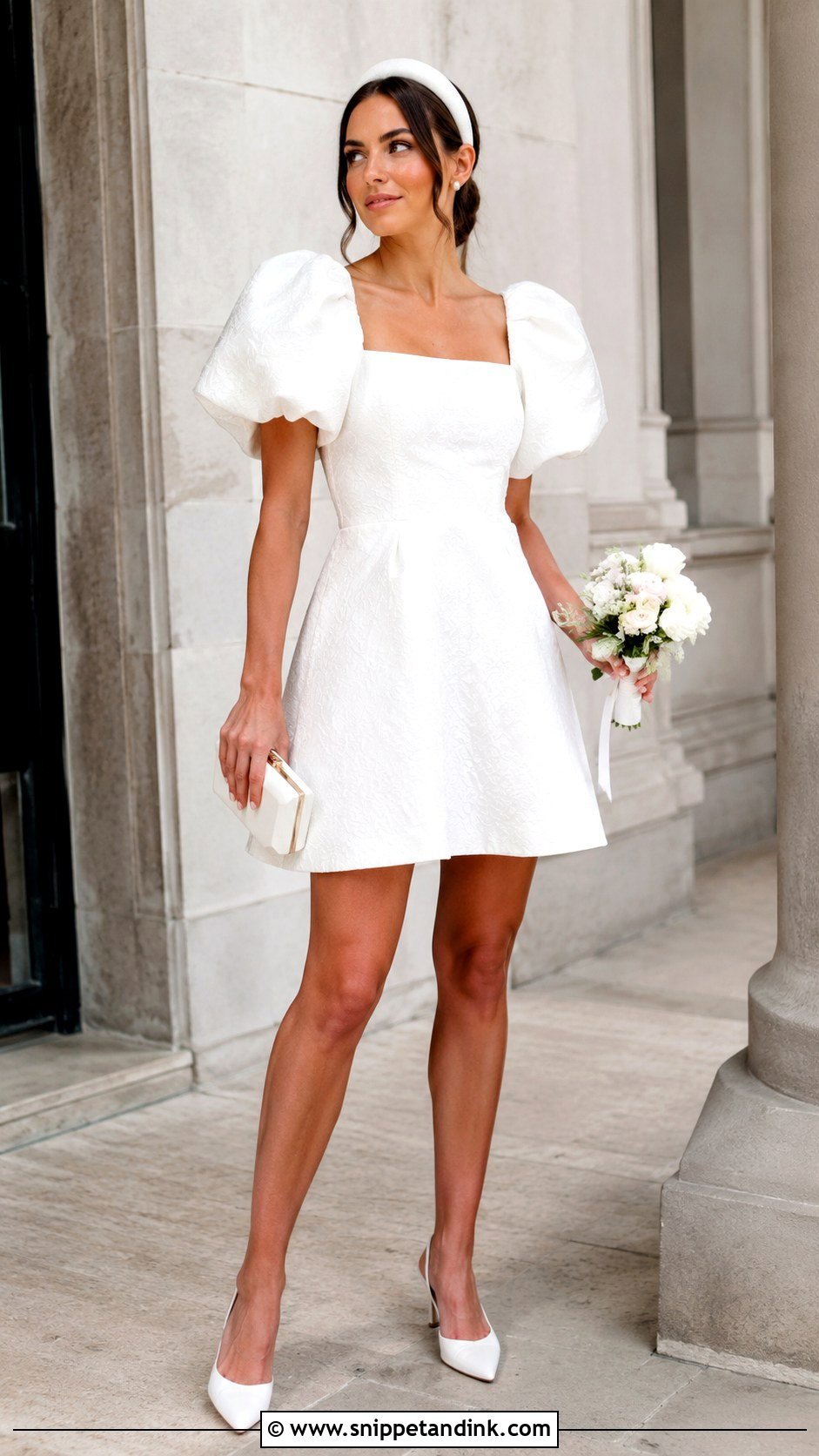
Volume at the shoulder is the whole point of a puff sleeve mini wedding dress, so everything else should stay quiet: a fitted waist and a clean skirt. Crisp cotton, jacquard or structured satin hold the sleeve shape; soft fabrics collapse within an hour. One honest caveat: big sleeves can look bulky under a coat on a cold day, so plan for a cape or carry your coat. Pointed slingbacks or low platforms, pearl studs, a slim bracelet and a box clutch are plenty. A short veil or a wide satin headband, a neat ponytail, and a petite bouquet of rounded flowers echo the sleeves.
9. High Neck Column Wedding Dress
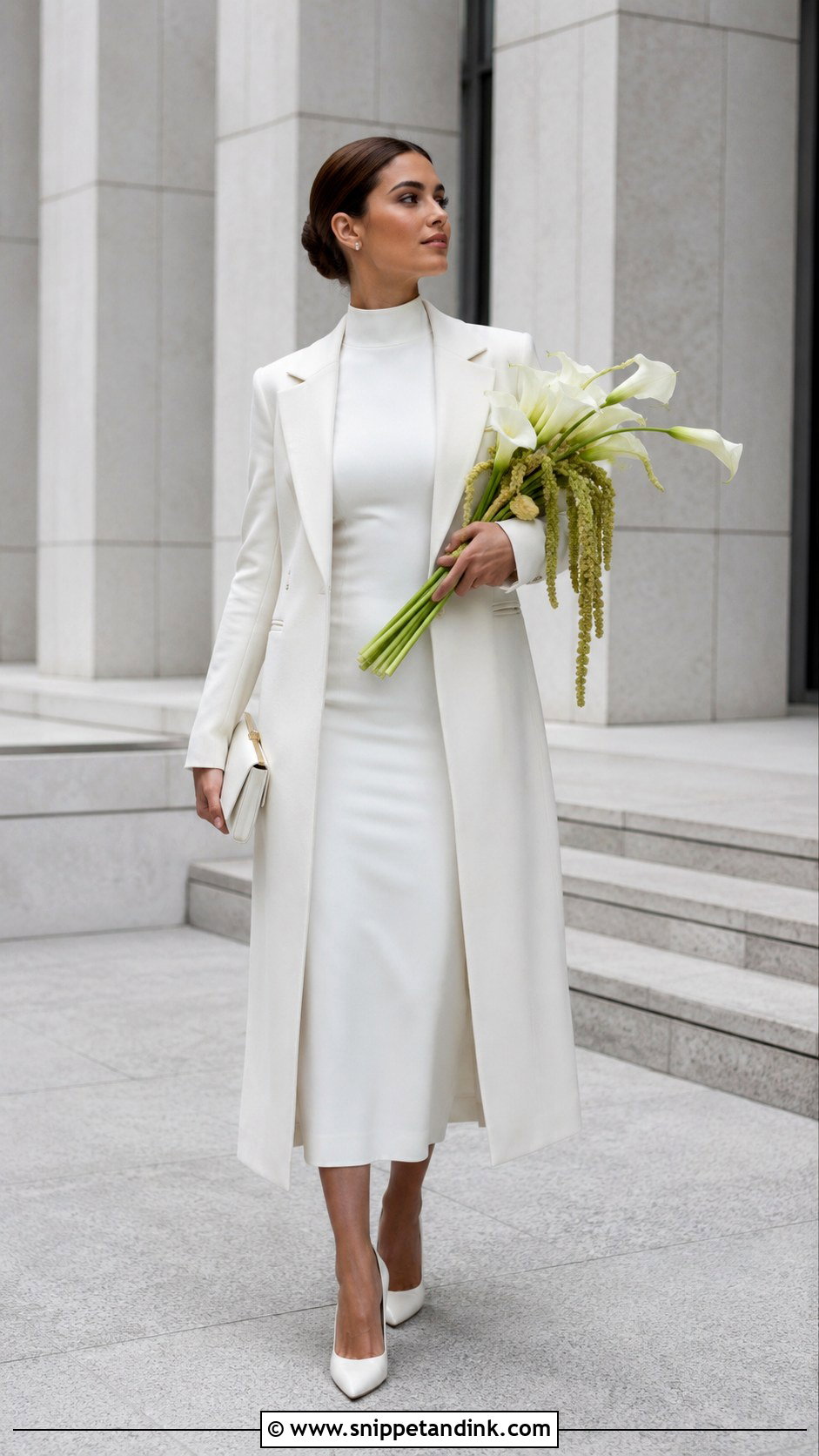
Minimalist brides tend to love a high-neck column, and it rewards good tailoring more than any other dress here. Fit through the shoulders, waist and hips has to be precise, since there’s no volume to hide anything. Matte crepe looks modern; fluid satin moves more softly. Make sure there’s a back slit, because a narrow column and courthouse steps don’t mix without one. Pointed heels, sleek studs and a narrow clutch suit it, with hair up or pulled back to balance the covered neckline. In winter, a long tailored coat keeps you warm without hiding the shape. Finish with a small architectural bouquet.
10. Pleated Midi Wedding Dress
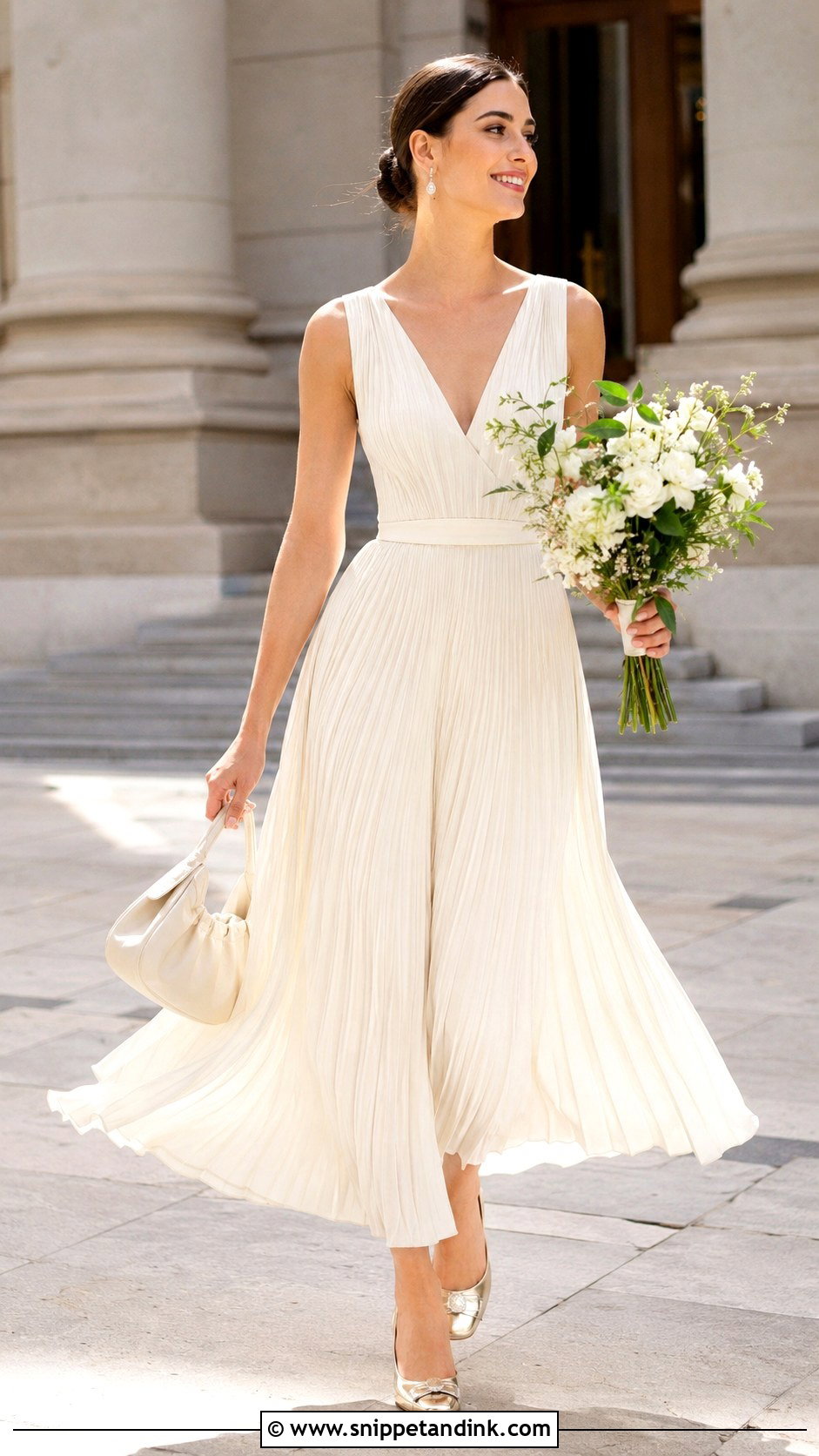
Pleats give you movement without a petticoat. An ivory midi with a fitted bodice and a light pleated skirt to mid-calf swings when you walk and stays comfortable for a whole day out. A V-neck, halter or gathered neckline balances the flowing hem. One thing to know: knife pleats can open up and lose their crispness after sitting, so give the skirt a light steam just before you leave home and avoid sitting in the car on a crumpled hem. Low metallic sandals or ivory block heels show nicely as the skirt moves. A fine bracelet, drop earrings, a polished ponytail and an airy white and green bouquet suit it.
11. White Blazer Wedding Dress
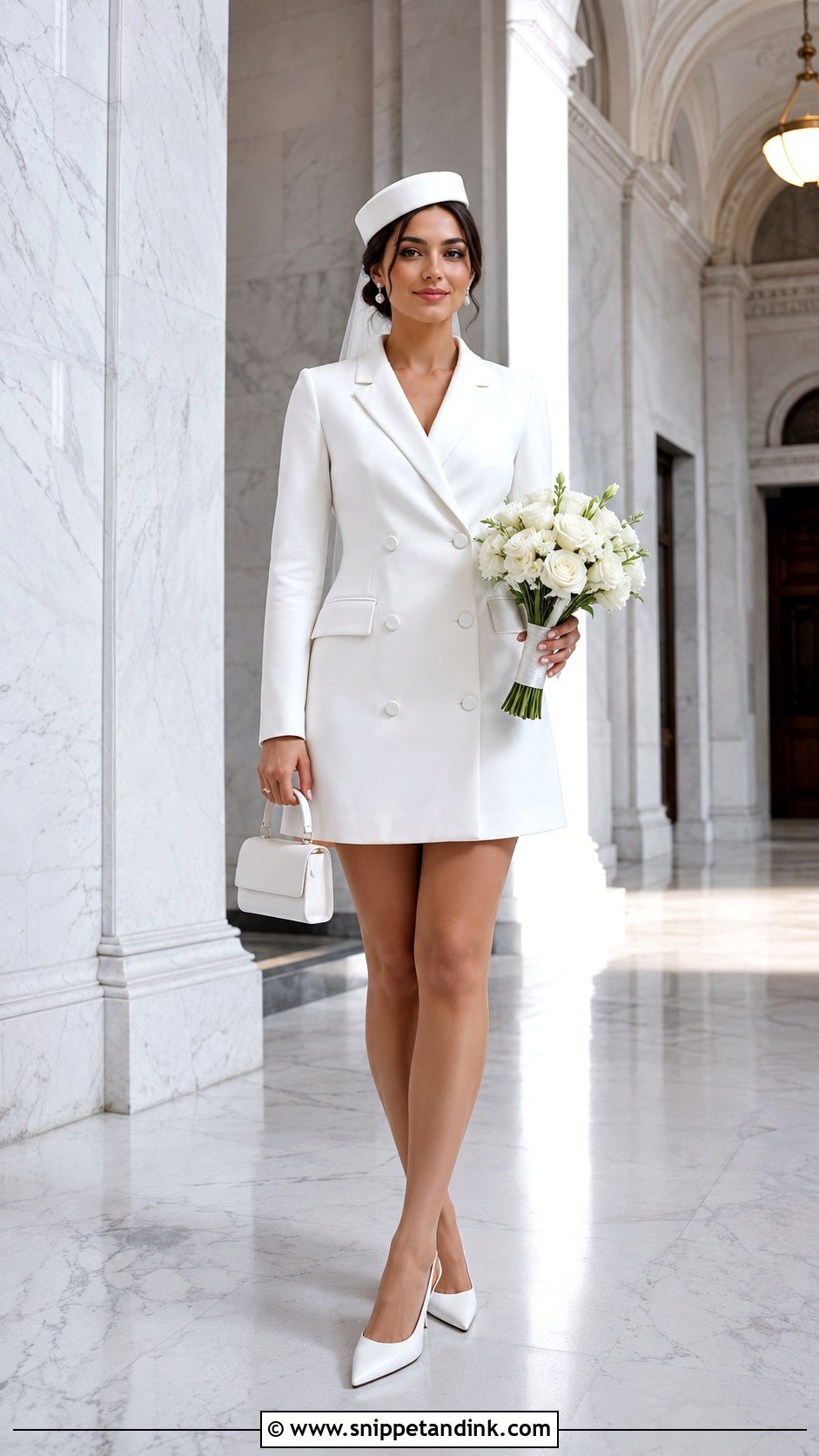
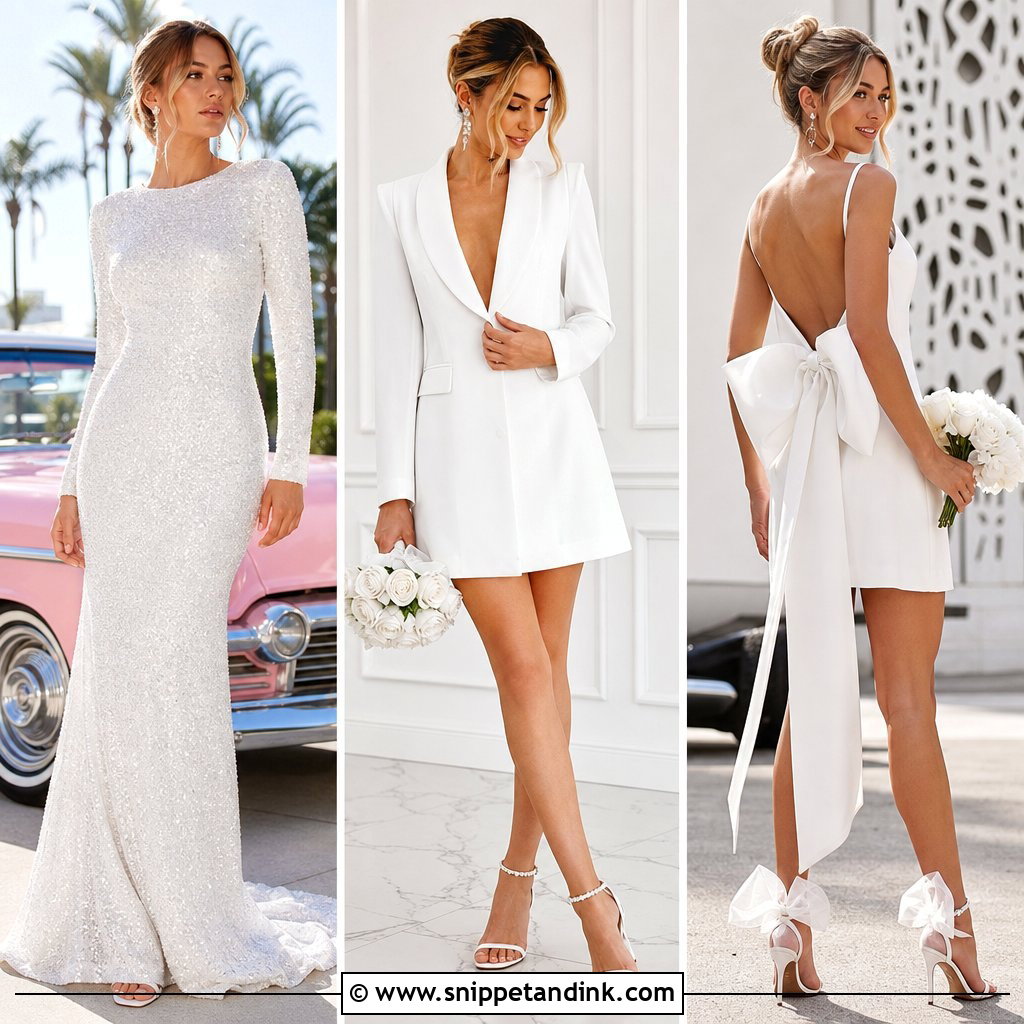
Sharp tailoring suits brides who feel more themselves in a suit than a gown. A white blazer dress works best double-breasted or wrap-front with a secure closure and a proper lining, because unlined white suiting fabric can show what’s underneath. The hem should sit just above the knee or at midi. Pointed slingbacks, sheer neutral hosiery if you like, and a compact top-handle bag. Pick one statement, pearls or a bold cuff, not both. A detachable veil, structured headband or small pillbox hat adds a clear bridal signal. A sleek bun or smooth waves and a simple white bouquet keep it monochrome.
12. White Shirt Midi Wedding Dress
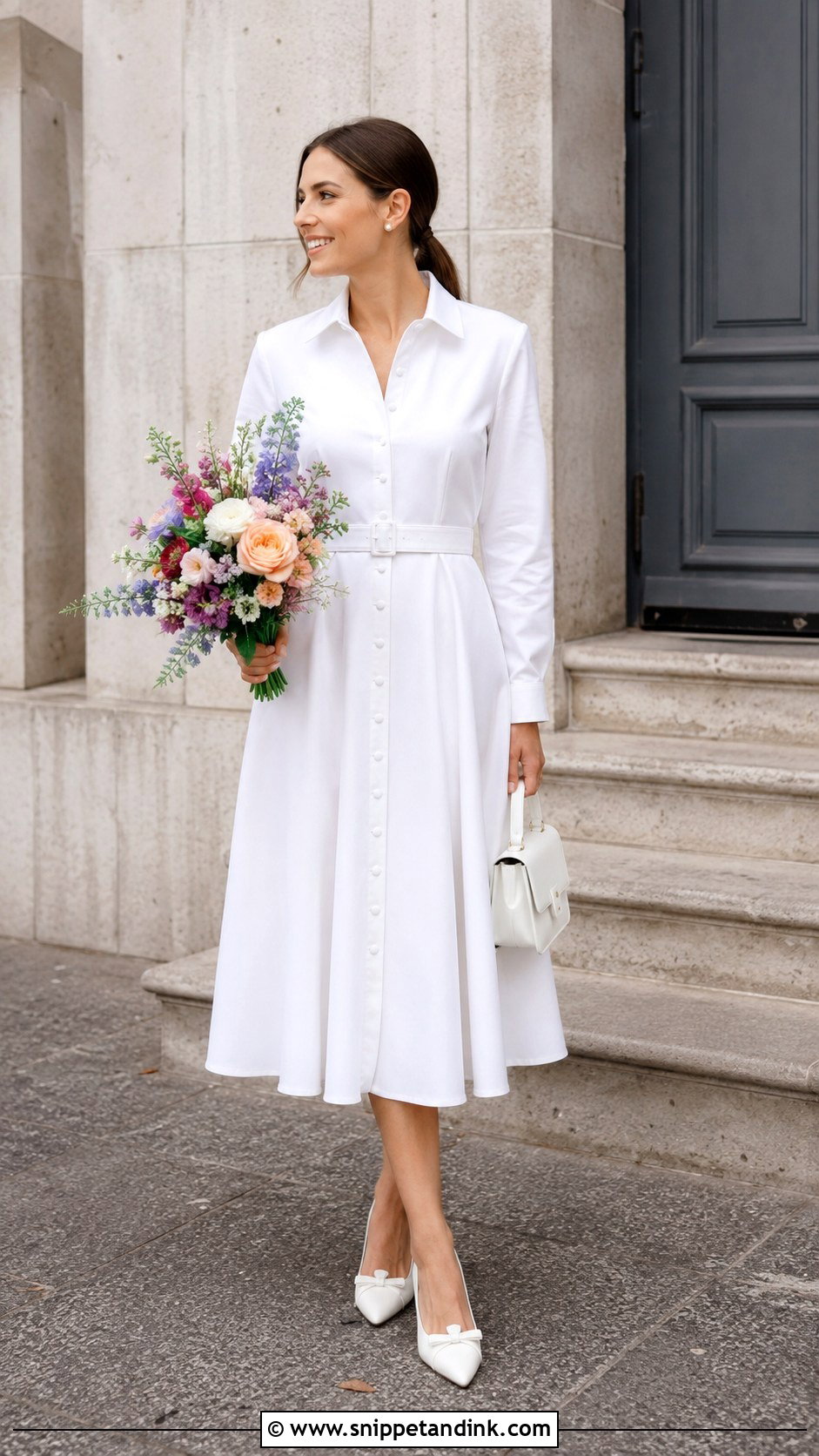
Relaxed brides who still want to look put together usually end up loving a white shirt midi dress. Look for a fitted or belted waist, covered buttons and a softly flared skirt. Cotton poplin is cool in summer but creases quickly, so if you’ll be sitting a lot before the ceremony, crepe or satin will look fresher by the time you’re called in. Check the button placket doesn’t gape at the bust when you sit. Pointed ballet flats, low pumps or slingbacks, pearl studs, a structured bag and a narrow belt if one isn’t included. A low ponytail and a colorful seasonal bouquet add personality.
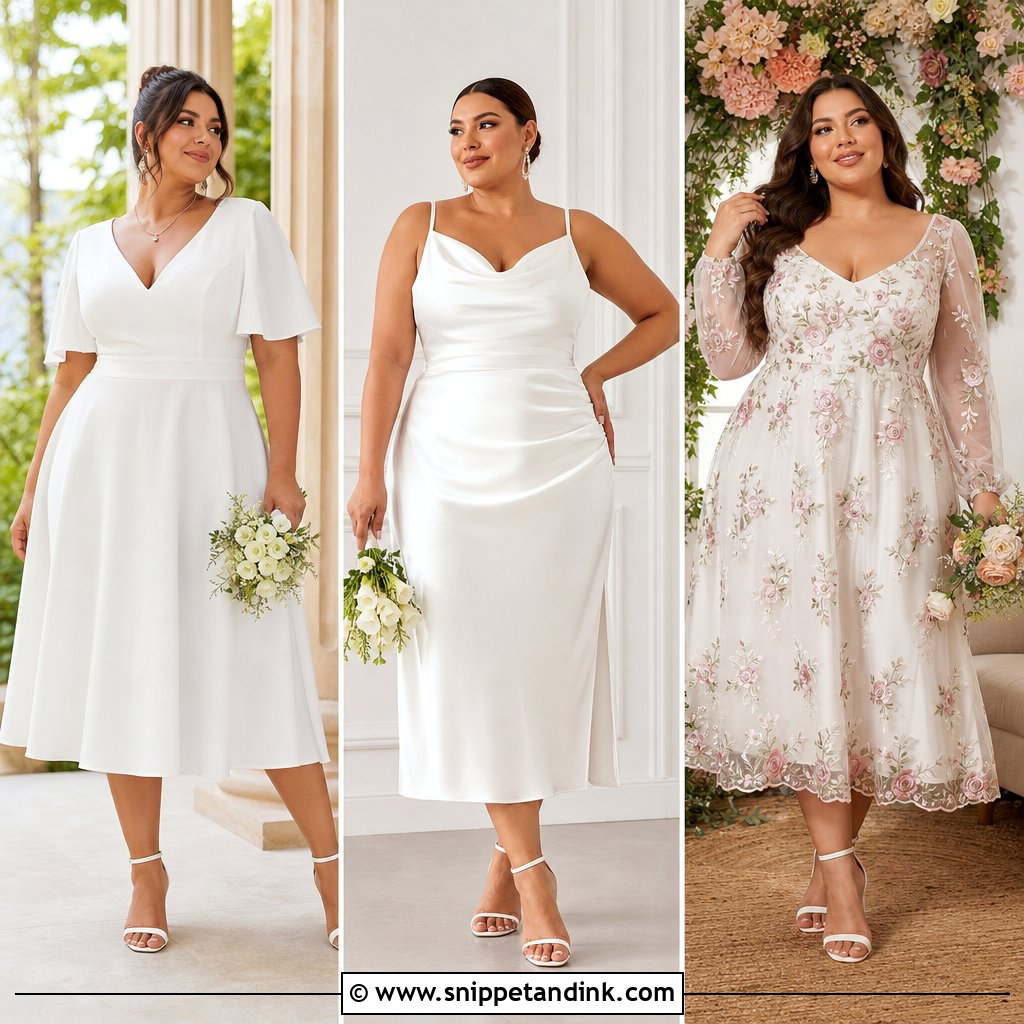
13. Floral Embroidered Midi Wedding Dress
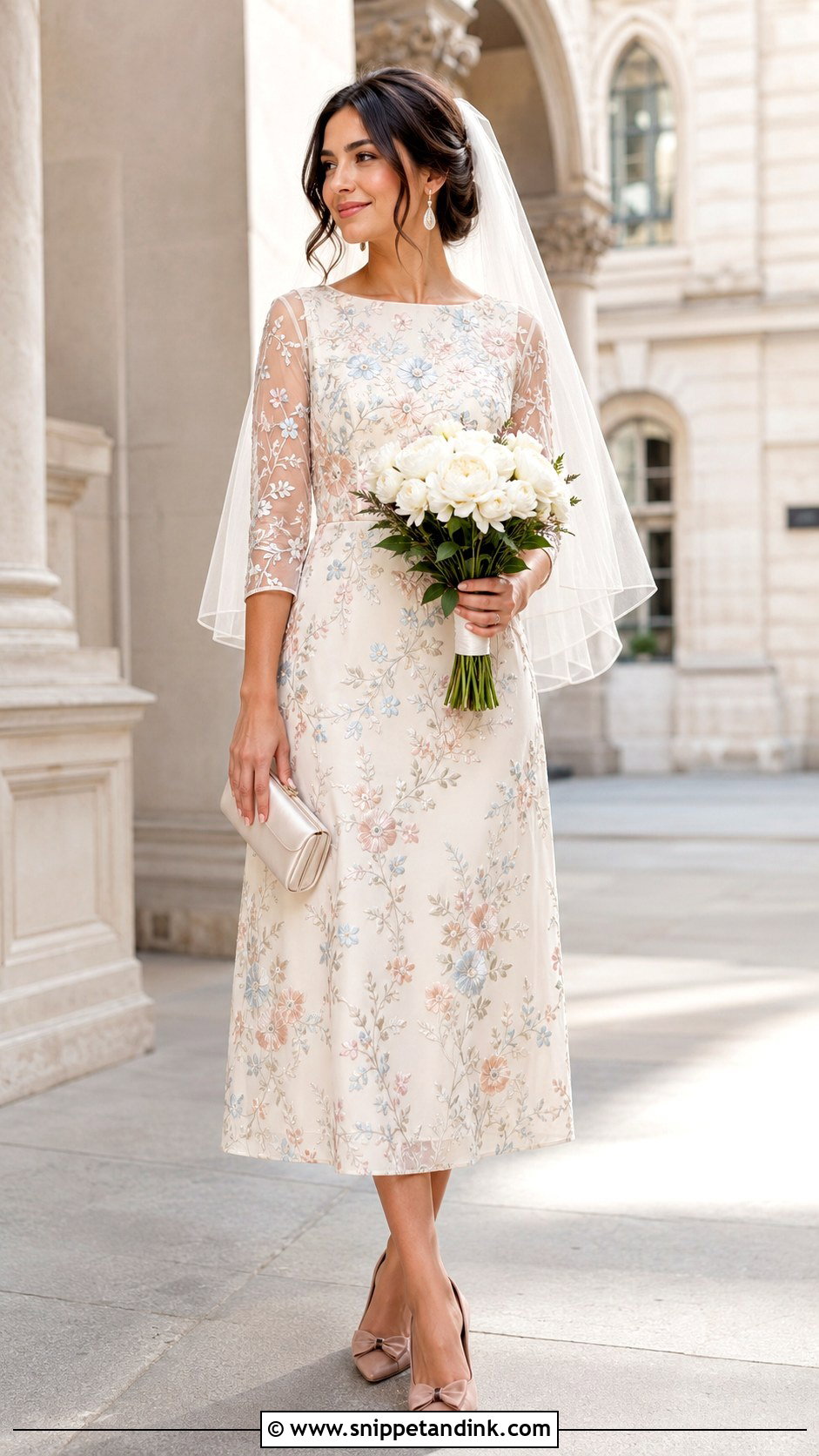
Embroidery is a nice way to move past plain white without going full color. Choose a sheer overlay with a secure lining and embroidery in white, ivory, blush or pale blue. Keep the neckline simple and the waist defined so the decoration has room. I like picking up one color from the embroidery in the earrings; it connects everything quietly. Neutral block heels and a small satin clutch. Skip a heavily trimmed veil and wear a plain fingertip veil or a subtle comb instead. Soft curls and a bouquet with only a few flower varieties suit spring and summer ceremonies.
14. Champagne Satin Wedding Dress
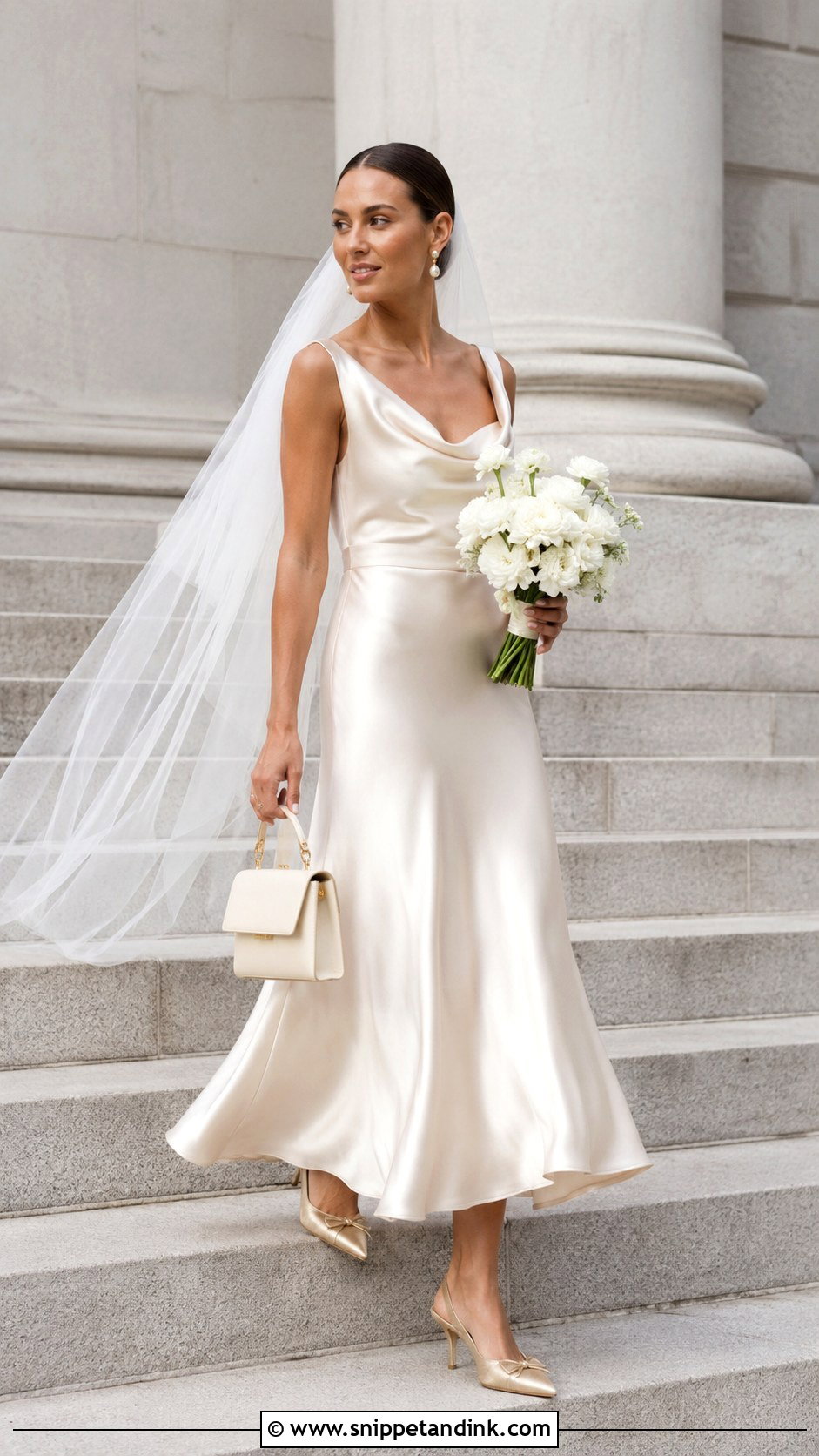
Champagne is kinder than bright white to most skin tones, especially under indoor lighting. A midi or ankle-length satin with a draped neckline, fitted waist and fluid skirt reads clearly as bridal while feeling warmer. It pairs best with gold: metallic slingbacks, small gold-and-pearl earrings and a cream structured bag. A sheer ivory veil adds gentle contrast. The fabric needs care. Champagne satin shows water marks and creases, so steam it carefully the morning of and keep drinks well away until after the photos. Soft waves or a clean low bun, with white flowers and pale greenery.
15. Pale Blue Midi Wedding Dress
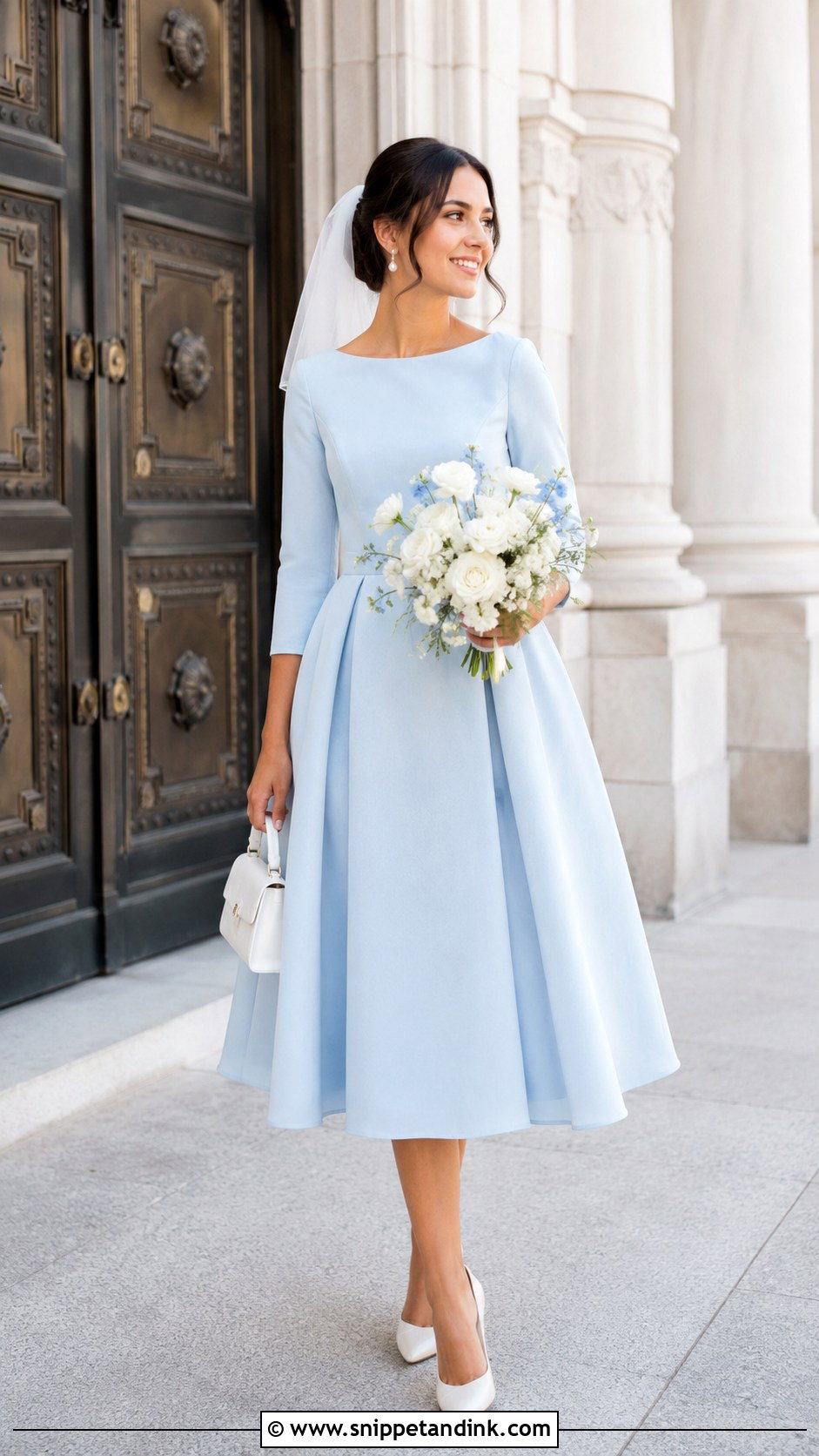
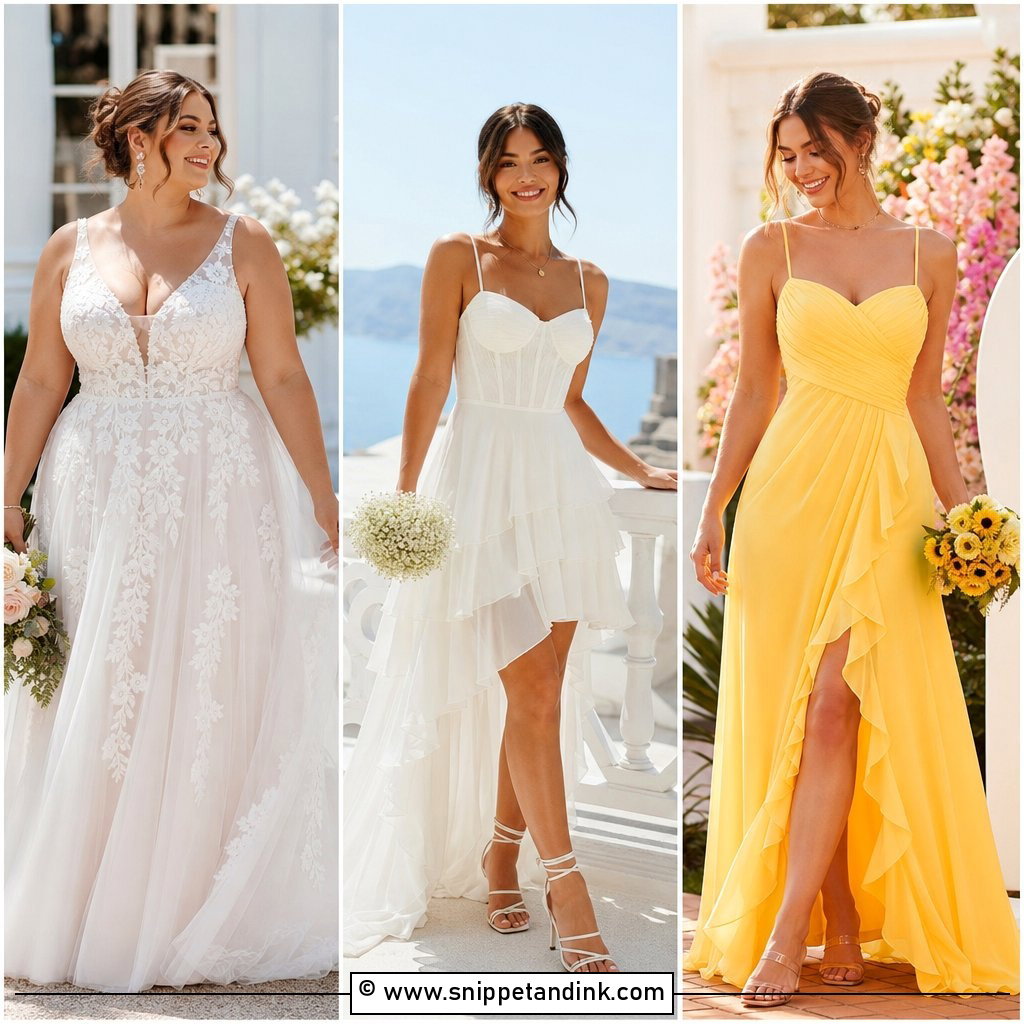
Pale blue is the color I suggest to brides who want to rewear their dress afterward. Powder blue crepe, satin or jacquard with a fitted bodice and a clean A-line looks bridal once you add white or ivory accessories: ivory pumps, pearl drops and a small white bag. A short veil or a simple bow at the back of the hair signals the occasion. Blue can look grey under some indoor lighting, so check the shade by a window and under ceiling lights before committing. A bouquet of white flowers with a few blue accents keeps it coordinated without matching too closely. Keep makeup soft.
16. Long Sleeve Maxi Wedding Dress
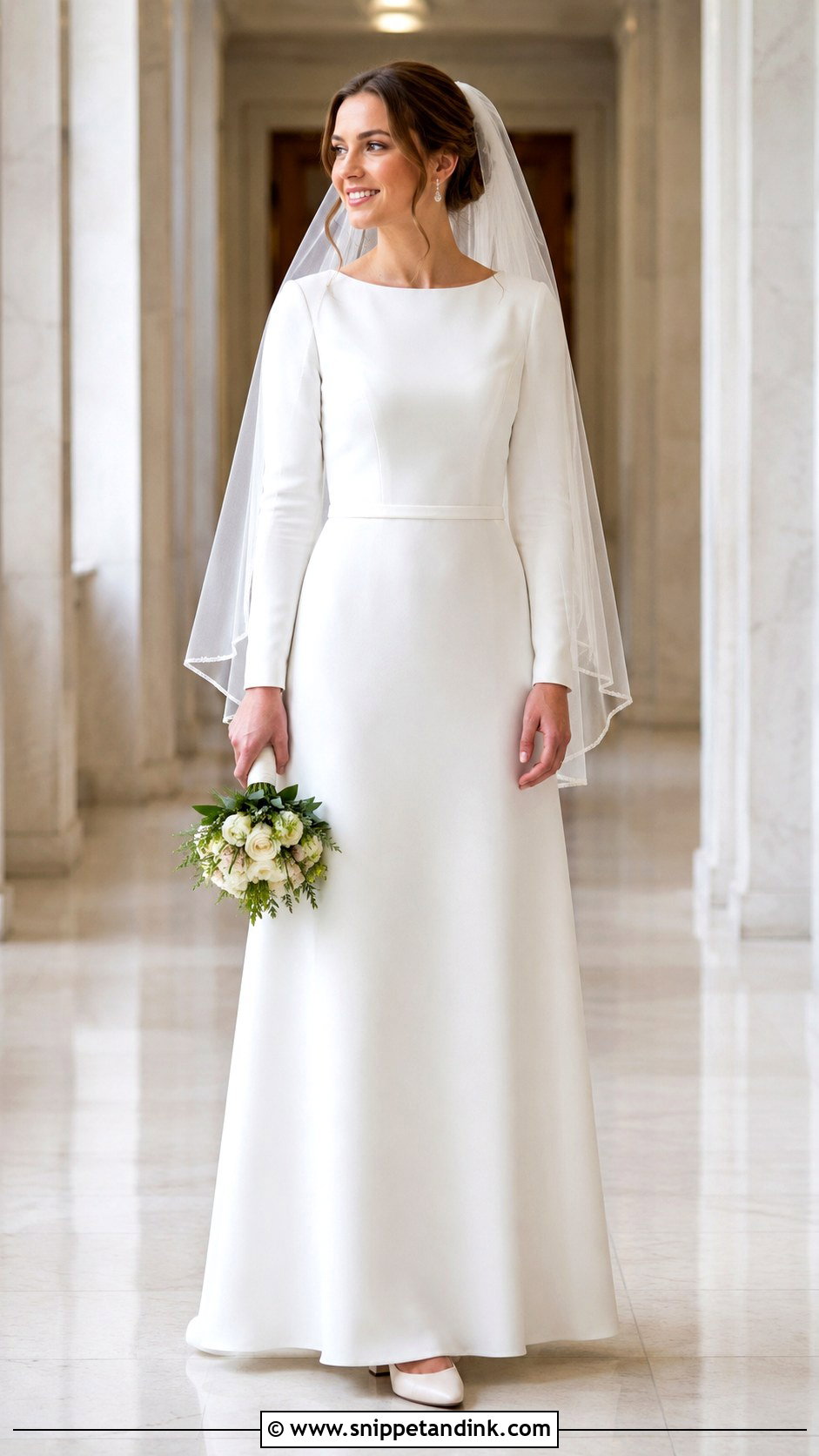
Floor length is possible at the courthouse if the hem is right. It should barely clear your shoes, so have it marked with the exact pair you’ll wear, otherwise you’ll be stepping on it on every stair. A slim A-line or column in light crepe, chiffon or satin with long sleeves feels formal without a big skirt or train. Block heels or pointed flats hide underneath. A chapel veil is too much to manage in a small room; shoulder or fingertip length is easier. Drop earrings, a small clutch, a narrow belt if needed, a low bun and a compact white bouquet complete it for cooler months.
17. Cape Sleeve Midi Wedding Dress
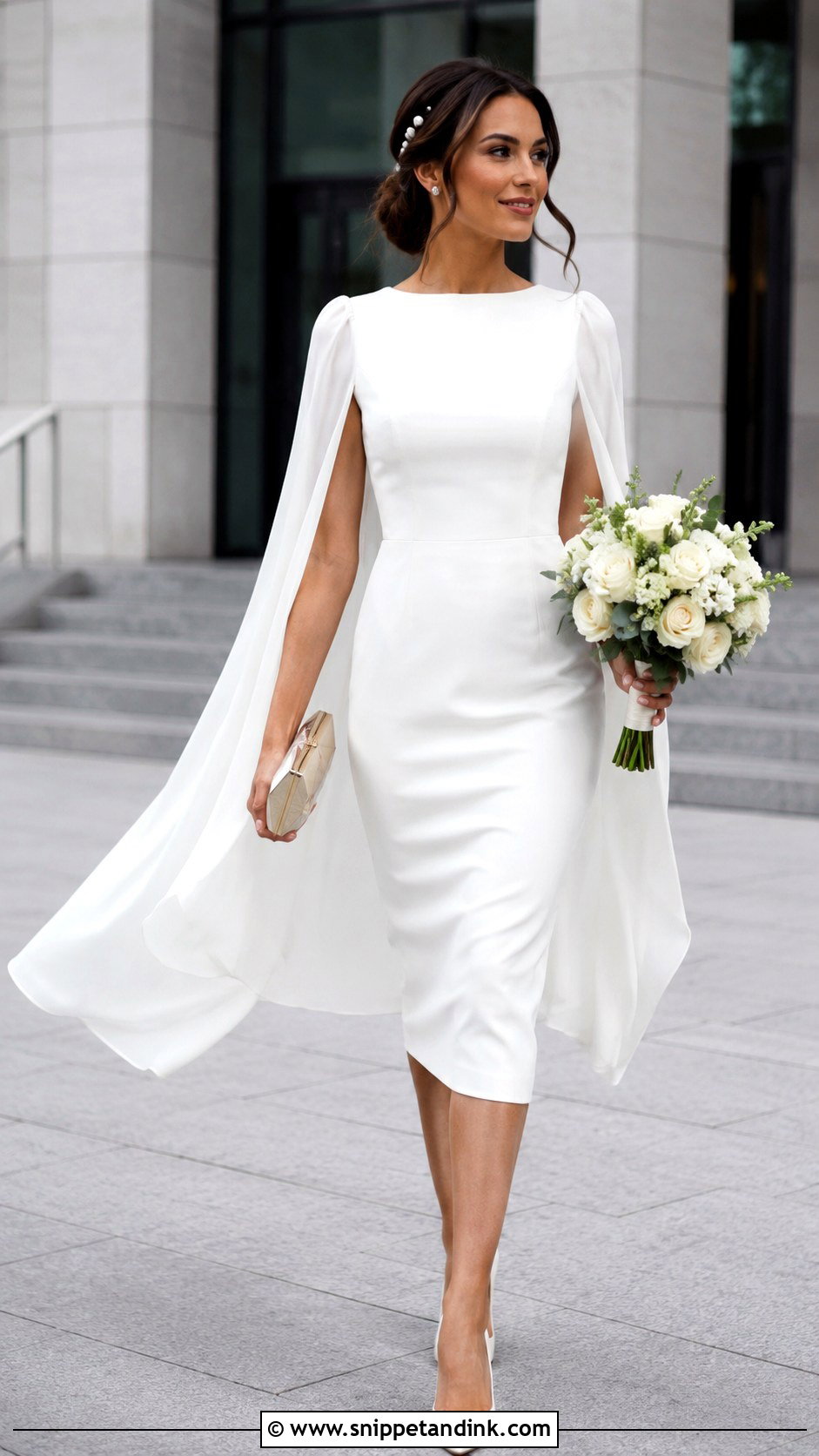
Capes do the work of a veil and a statement necklace in one. A clean sheath or gently flared silhouette with panels falling from the shoulders moves well in light crepe or chiffon. Because the cape frames the upper body, I’d leave off a necklace entirely and skip a short veil, which only fights the shoulder line; a decorative comb or pearl pins look better. Simple pointed pumps, crystal studs and a small metallic clutch suit it. A polished updo keeps hair off the cape. Ask your photographer for a few walking shots outside, since a cape only really shows itself in motion.
18. Peplum Midi Wedding Dress
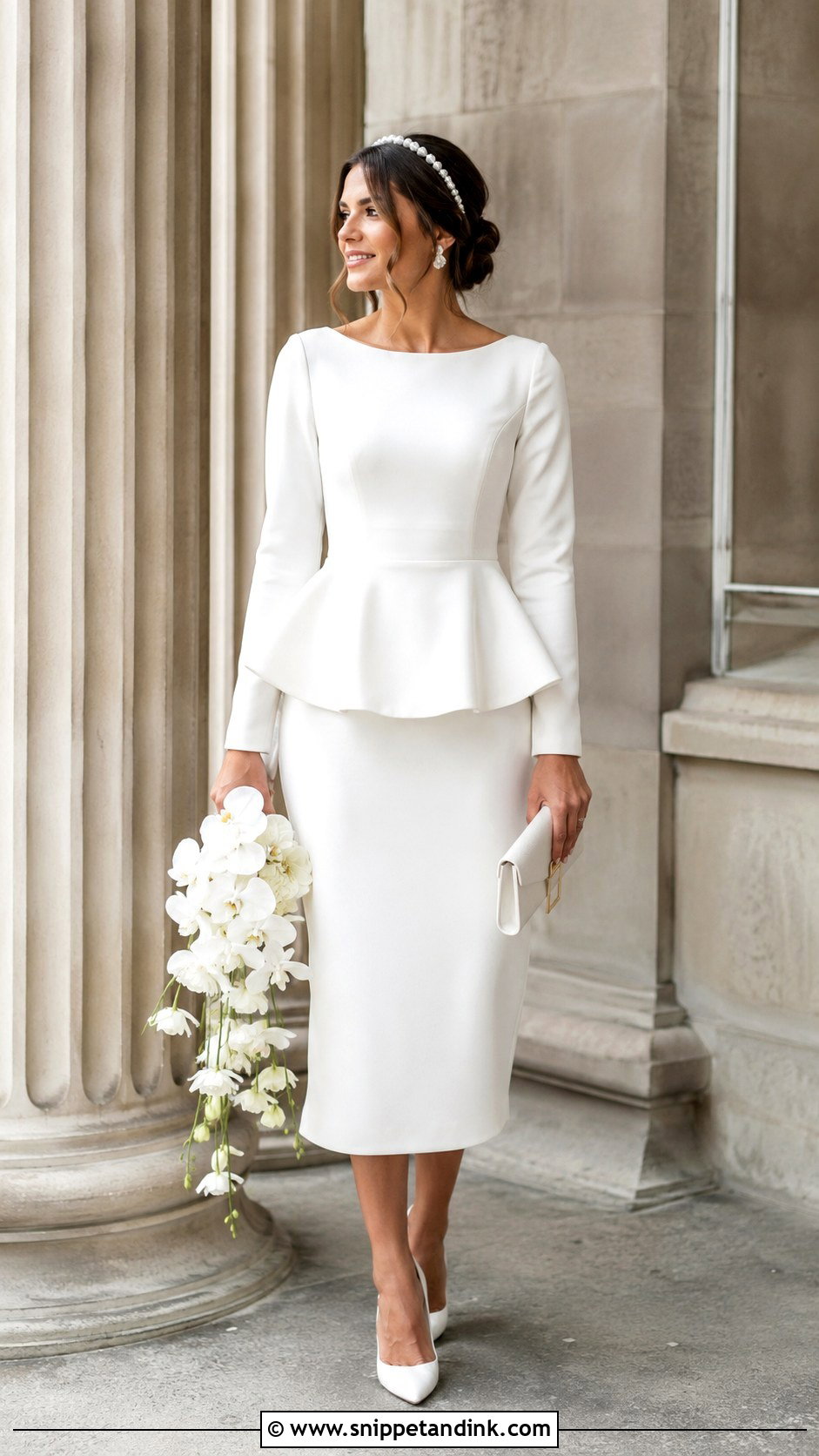
The trick with a peplum midi wedding dress is restraint. A small, neat peplum on a fitted sheath defines the waist; an oversized ruffle adds bulk at the hip and can look dated. Crepe or structured satin holds the shape best. Pointed heels, a slim envelope clutch and small statement earrings suit it, and I’d keep bracelets minimal. A shoulder-length veil softens the tailoring, or try a pearl headband for something more modern. Hair swept back or in smooth waves, with a bouquet of long, clean stems, keeps the vintage-inspired line feeling current.
19. Plus Size Fit And Flare Wedding Dress
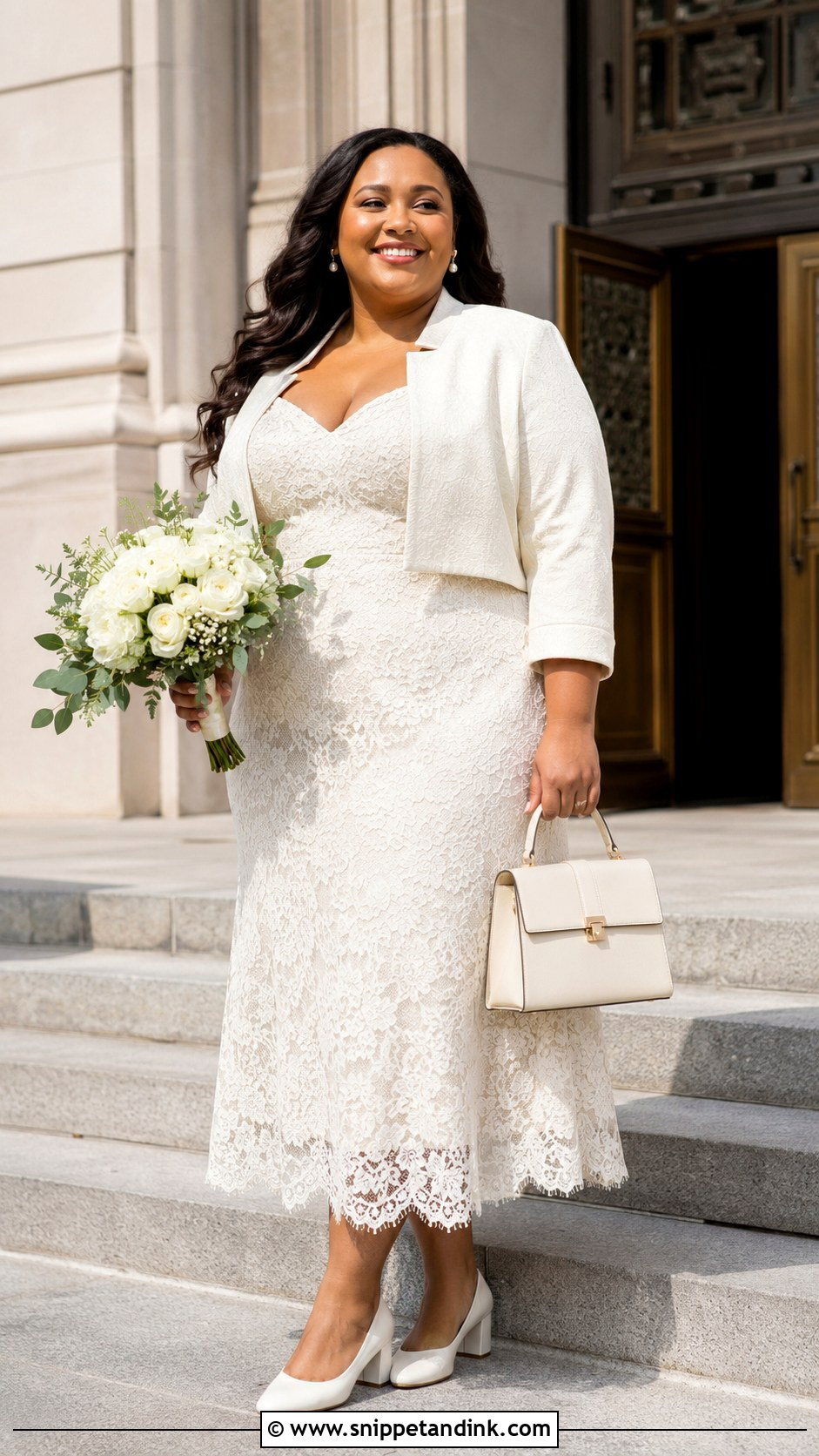
Fit-and-flare works on plus-size brides when the foundations are right. I look for supportive straps or sleeves, a structured bodice and a skirt that moves freely from the waist or upper hip. Buy for your widest measurement and tailor everything else in; it’s far easier to take a dress in than to let it out. Stretch crepe, lined lace and heavier satin all give a smooth finish. Low block heels, pearl earrings and a medium structured bag keep proportions balanced, and a cropped jacket adds coverage without hiding the waist. A soft updo and a medium bouquet complete it.
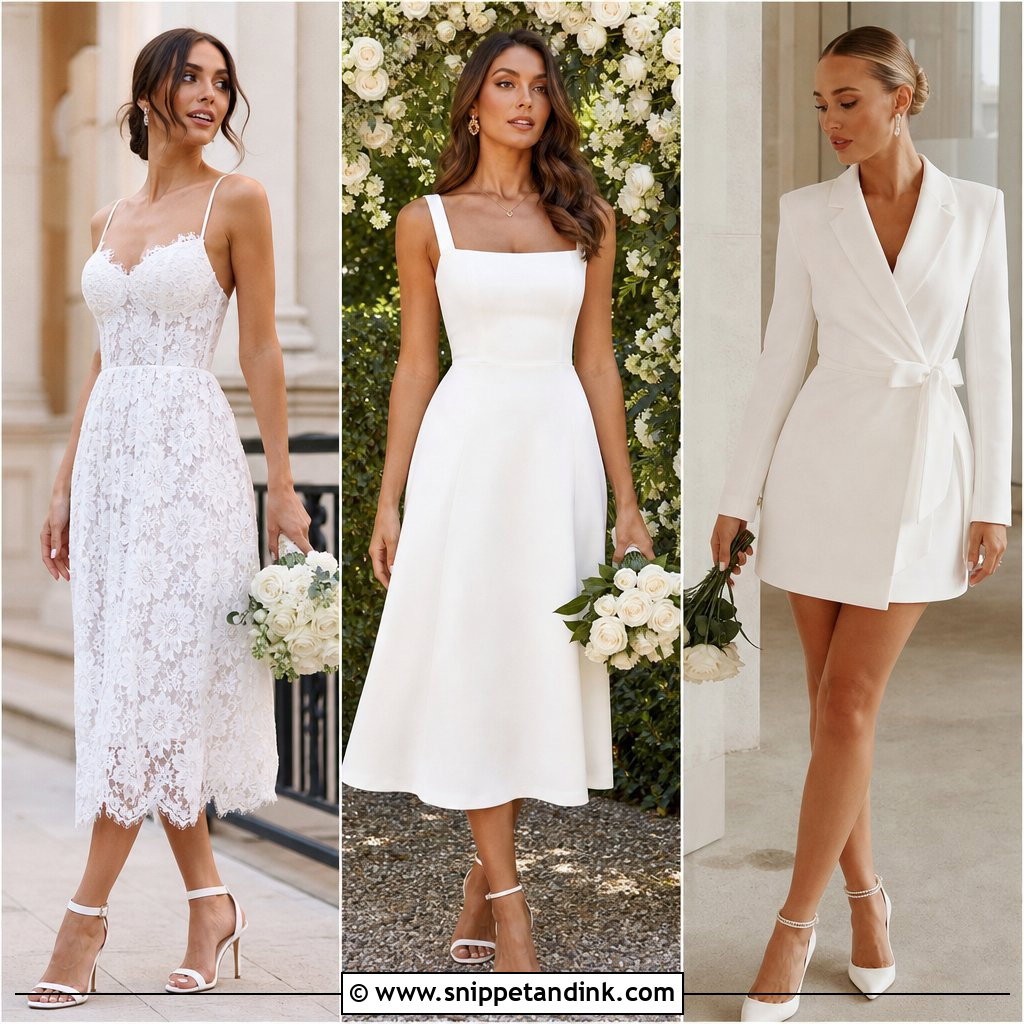

20. Maternity Empire Waist Wedding Dress
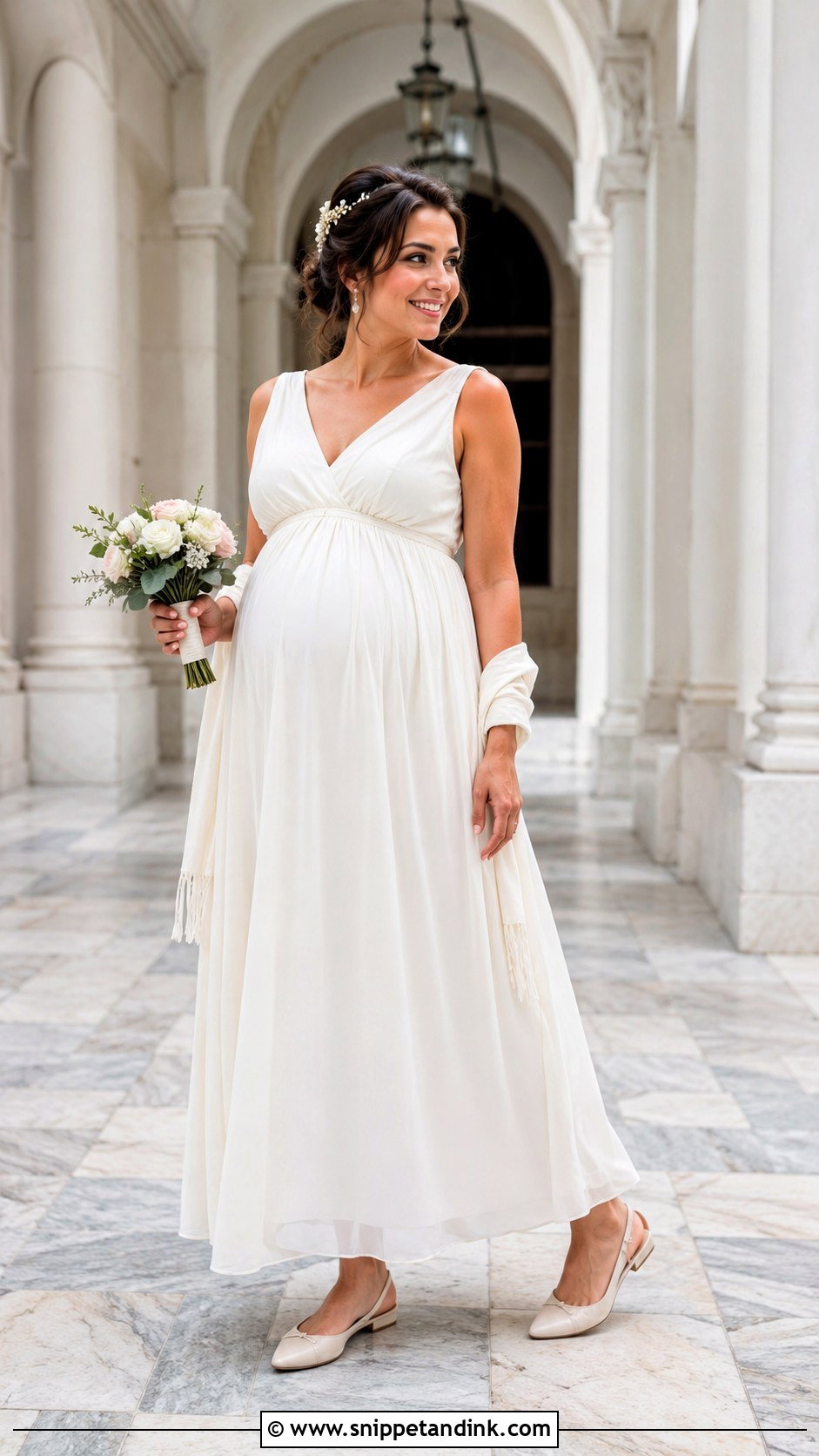
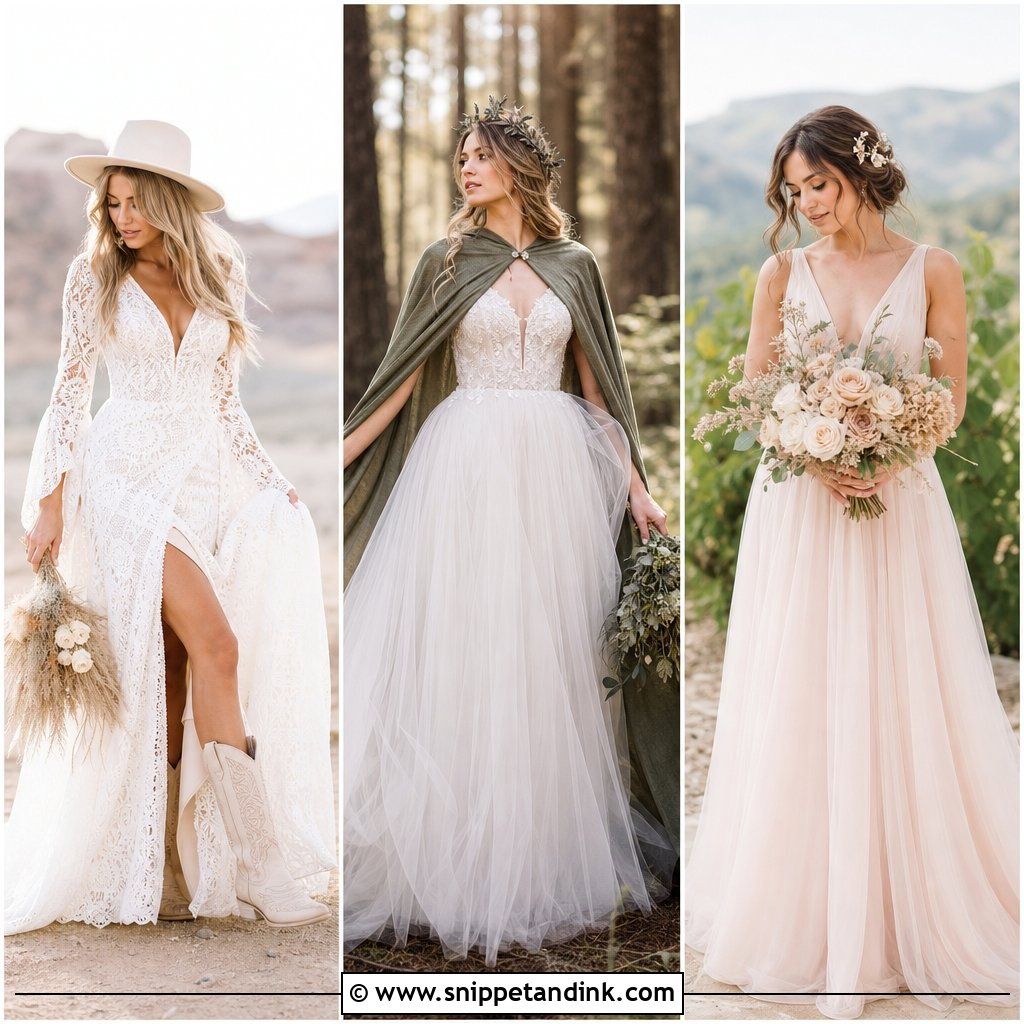
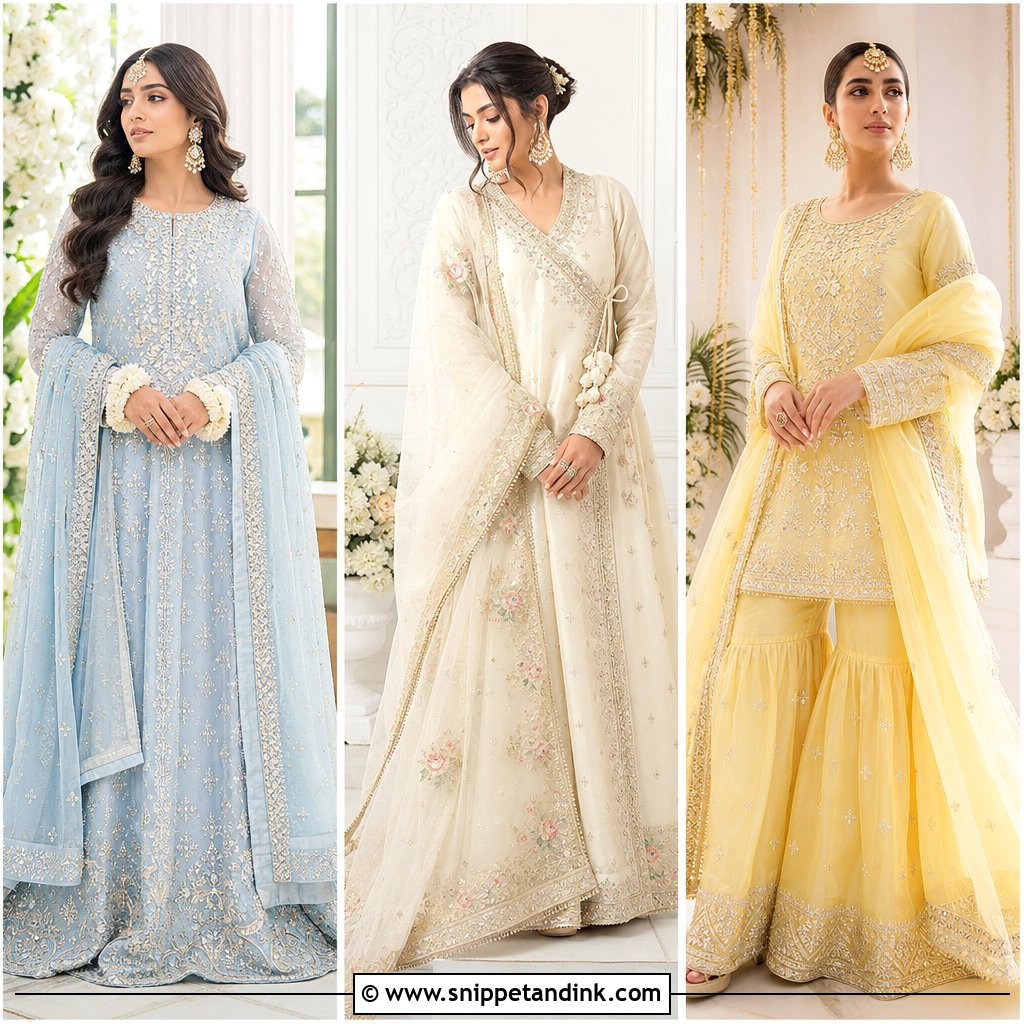
Pregnancy changes week to week, so an empire waist wedding dress is often the most sensible courthouse choice. The waistline sits under the bust and the skirt falls freely from there. Soft crepe, stretch lace or lined chiffon drape without restriction. Leave the final fitting as close to the date as your tailor allows, as the bust and bump can change in a fortnight. Supportive sleeves or wide straps help during a long day. Cushioned flats or low block heels, delicate earrings, a small bag and a light wrap for temperature changes. A floral comb can replace a veil. Add a small bouquet.
Buying Ready-to-Wear on a Short Timeline
Many courthouse weddings are planned in weeks, not months, and that changes how you shop. Ready-to-wear and bridal-collection midis from regular retailers ship quickly, while made-to-order bridal gowns often take months. If your date is close, buy from somewhere with a clear return policy and order two sizes if the store allows it.
Book a tailor the day you order. Even a quick hem or strap adjustment needs a little time, and a good alterations shop can be busy. Bring your shoes and undergarments to the appointment so the hem and neckline are set for what you’ll actually wear.
A bag big enough for the paperwork
Small clutches look sweet in photos, but you’ll probably need ID and whatever documents your local office asked you to bring. Check what’s required ahead of time, then choose a structured bag that holds them flat without folding. Hand it to a witness during the vows so your hands are free for the rings.
Steps, Signatures and a Lunch Afterward
Picture the whole day before you choose: the security line, the wait, the signing, the steps outside and the meal afterward. A courthouse ceremony doesn’t limit your style. A satin midi, lace tea-length, tailored blazer dress, soft color or maternity silhouette can all look bridal there. What matters is fit, a hem you can manage and shoes that cope with the walking. A small bouquet, a bag that actually holds what you need, delicate jewelry and one hair detail finish the outfit. Wear the dress that lets you stop thinking about the dress, so your attention stays on the vows.
You'll Like These Ideas:


Leave a Reply