
A Nikah outfit sits in a different place from the baraat lehenga. It is worn for the religious ceremony, often at home or in a mosque hall, in front of the closest family, and the bride usually wants it to feel calm rather than loud. That is why I see so much ivory, gold, blush, champagne, mint, silver and peach, with fine handwork and a dupatta that can be worn over the head without slipping. Heavy is not the goal. Fabric, fit, embroidery and jewelry carry it. Below are 25 Nikah outfits for Pakistani brides, from gharara and sharara to pishwas, lehenga, saree and covered gowns, with styling notes from fittings.
Ordering Handwork Early Enough for the Nikah
Zardozi, dabka, gota and pearl work are done by hand, and good karigars are fully booked in wedding season. If you are ordering made-to-measure, start several months ahead, and earlier still if the Nikah falls in the busy winter months. Ready-to-wear pieces still need alterations, which take time once embroidery is involved because seams cannot simply be taken in through heavy work.
- Settle the silhouette first, then the colour. A gharara and a pishwas need very different amounts of fabric and embroidery.
- Ask for a fabric swatch and view it in daylight and under warm bulbs, since pastels and golds shift a lot between the two.
- Ask how the dupatta will be finished. Its border weight decides whether it stays over your head or slides off.
- Book at least two fittings, the last one close enough to the date that weight changes are caught.
- Collect the outfit with time to spare, so there is room to fix a hem or loose thread.
1. Ivory Nikah Gharara Dress
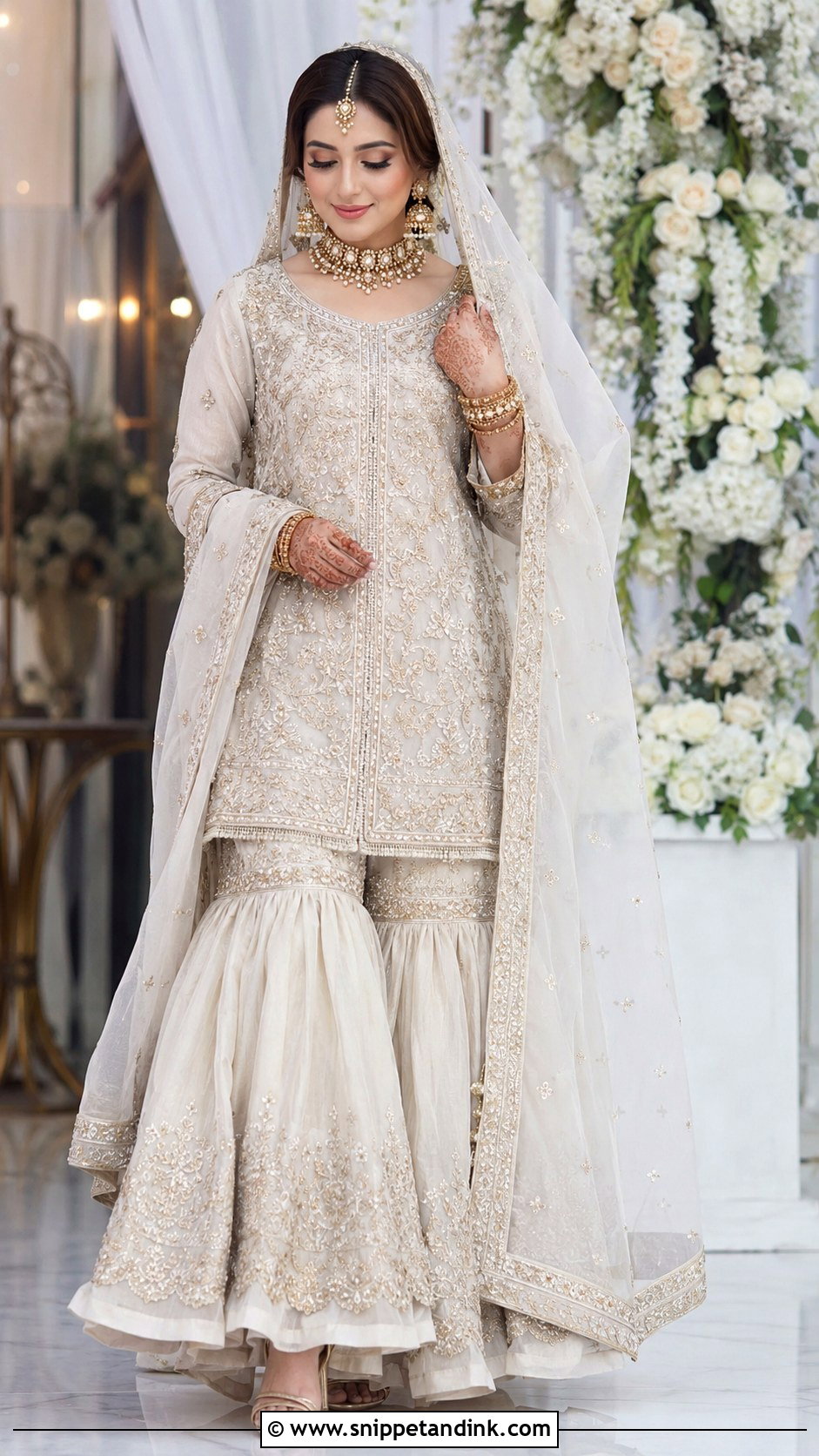
Ivory with a gharara is the Nikah outfit I am asked for most, and it wears well because the colour stays soft beside family in photos. A short or mid-length kameez in zardozi, pearls, dabka or threadwork sits over a flared gharara; the joint at the knee, where the gota band runs, should sit exactly at your knee or the whole shape looks off. A sheer scalloped dupatta frames the face. Keep jewelry to a polki choker, small jhumkas and a maang tikka, with nude or gold heels under the hem.
2. White Nikah Lehenga Dress
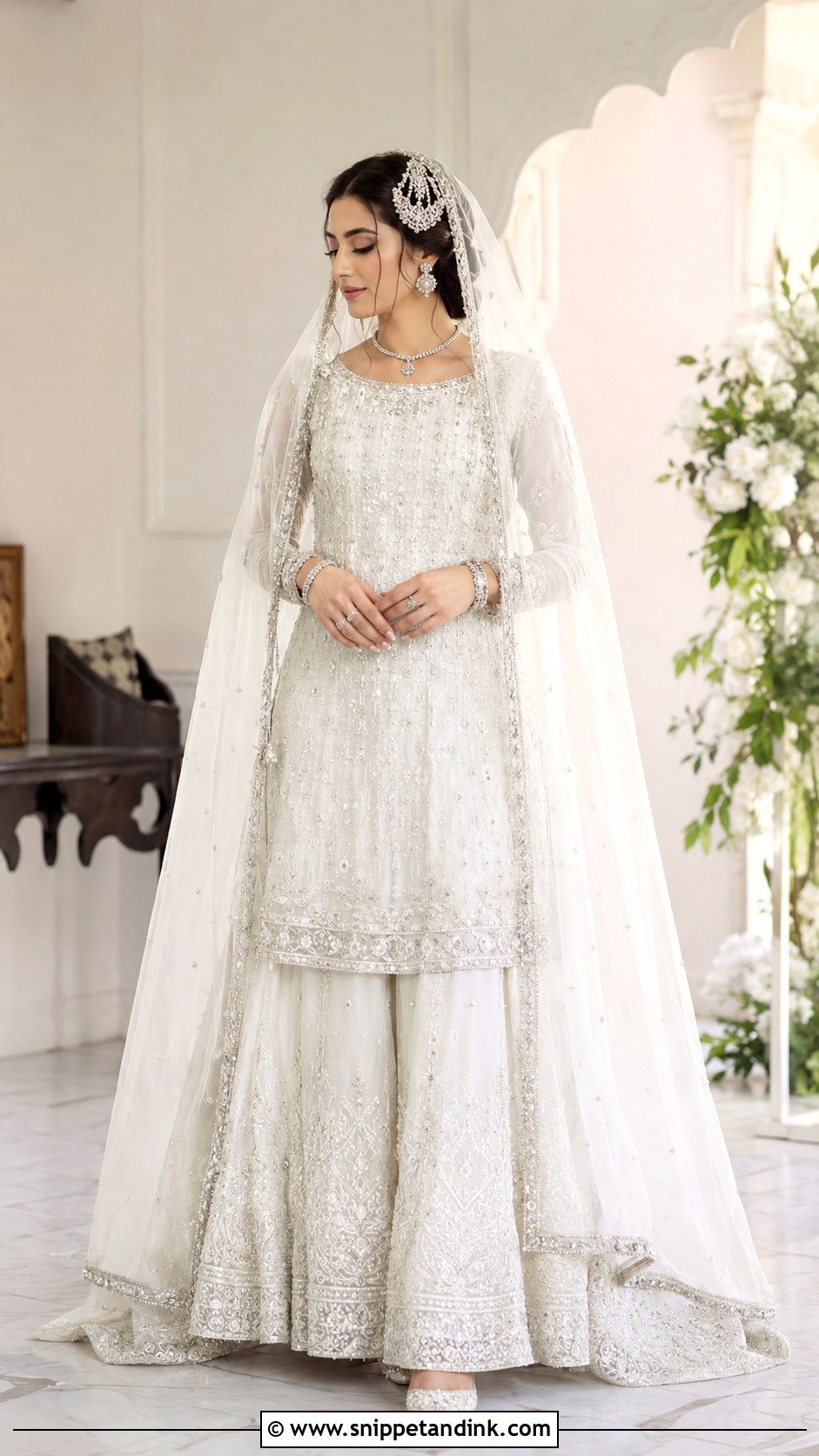
White lehenga reads clean and serene. Choose a lightly worked long shirt or choli with a high-waisted lehenga that flares softly rather than standing out stiffly. Silver, pearl or antique gold embroidery keeps it rich. My caution with white: it shows makeup and mehndi transfer instantly, so I ask brides to dress last and keep a white cloth over the lap while henna dries on any final touch-ups. A white net dupatta with fine edging over the head, crystal bangles, a small passa and white heels or embroidered khussas suit a daytime Nikah.
3. Gold Nikah Sharara Dress
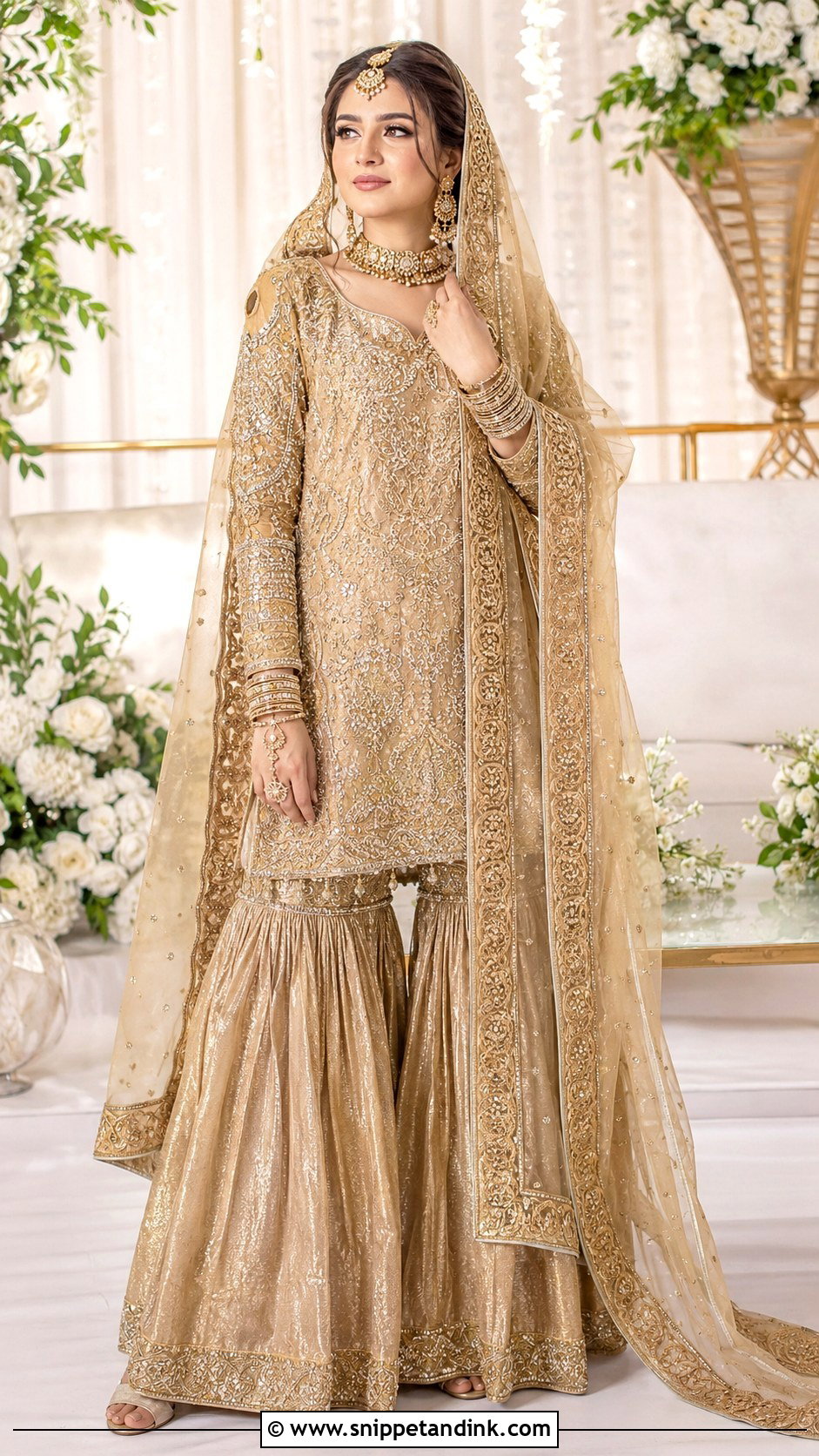
Gold gives a regal look without a bright colour. A champagne-gold kameez with hand embroidery over a flowing sharara catches indoor light softly, which is why I like it for hall ceremonies. The dupatta can carry a heavier border and sit over the head. Gold fabric can look brassy under cool white lights, so I check it under the actual venue lighting if possible. Kundan jewelry, stacked bangles, gold heels, soft brown eyes and a nude pink lip keep it in balance.
4. Pastel Pink Nikah Pishwas Dress
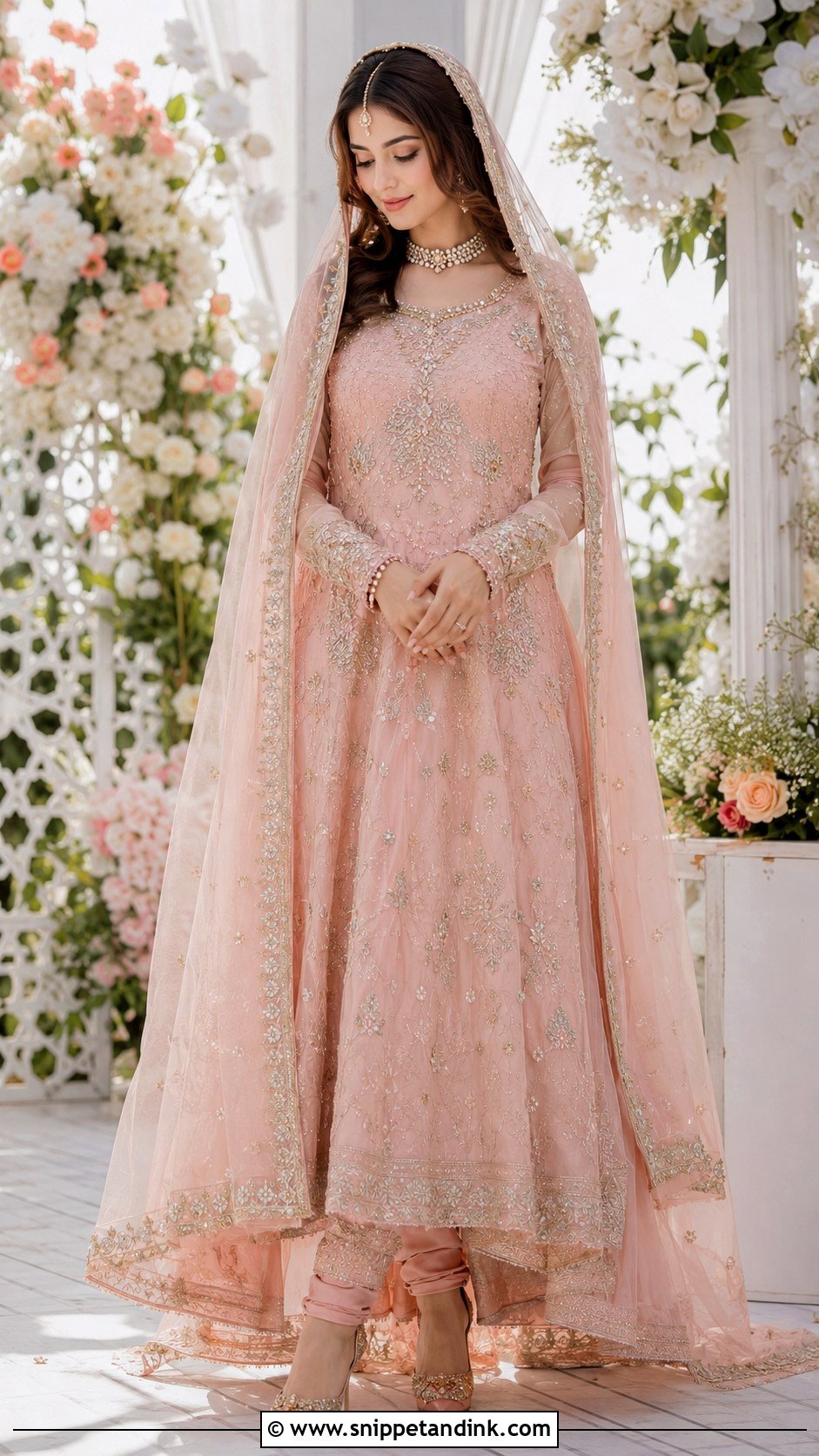
Pastel pink in a pishwas reads romantic while staying clearly Pakistani. The long flowing cut skims the waist, so it suits many figures. Fine gota, resham, sequins or pearls on bodice and sleeves give enough detail. Underneath, choose churidar for a slimmer line or a light lehenga for volume. A pishwas has a lot of fabric in the skirt panels, so I check the weight at the shoulders; a well-made one has the bodice lined firmly enough to carry it. Add a pink dupatta with gold edging, pearl jewelry, a small tikka and embellished heels.
5. Champagne Nikah Maxi Dress
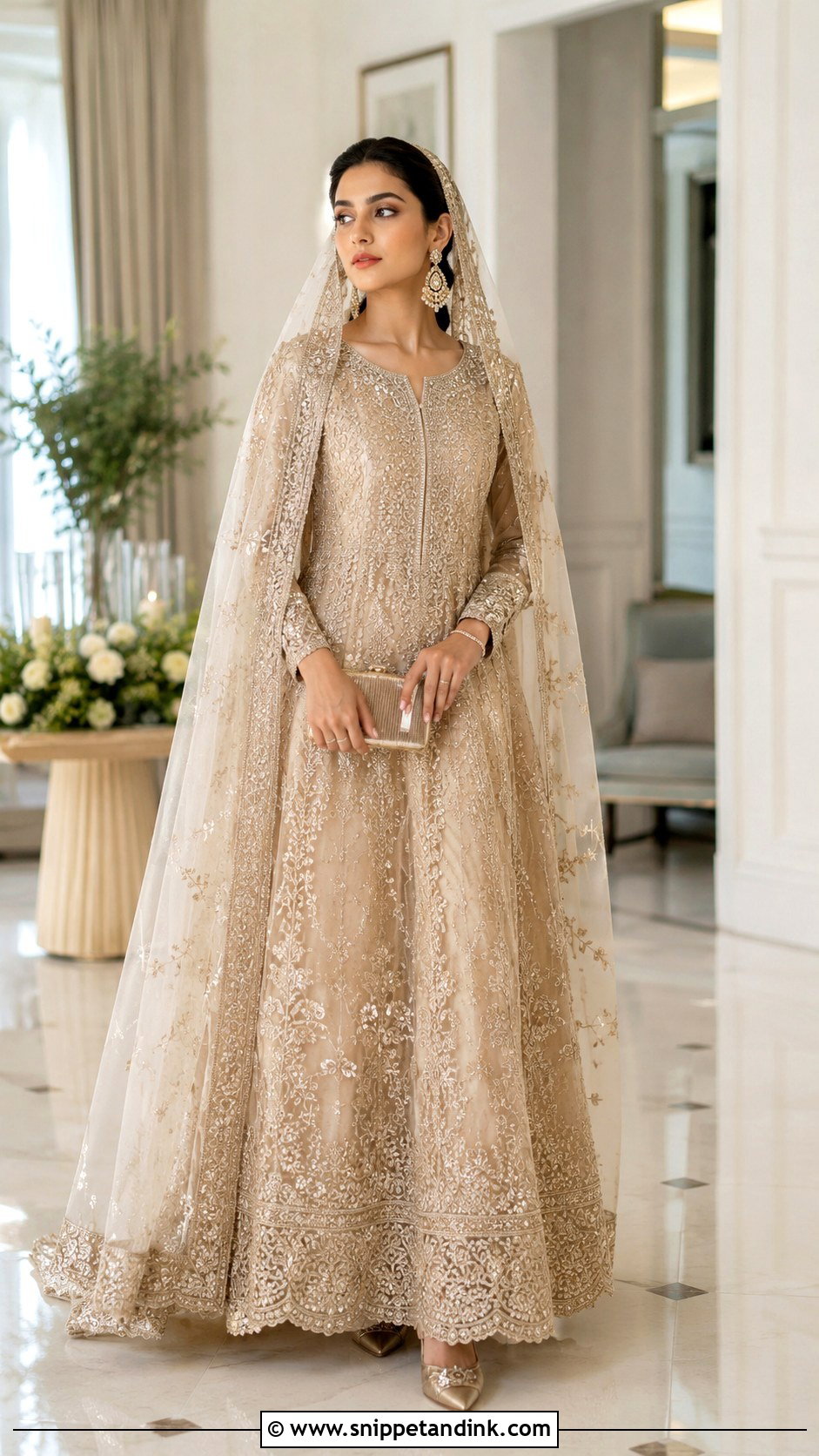
A champagne maxi dress keeps things simple: one piece, no separate lehenga or gharara to manage. I suggest a long A-line or softly flared maxi with hand embroidery at the neckline, sleeves and hem. The colour sits between ivory and gold and suits most skin tones in daylight. A net dupatta in champagne, ivory or pale gold goes over the head for the ceremony. Sleek kundan earrings, a bracelet and pointed heels finish it, and it carries easily at small ceremonies.
6. Mint Green Nikah Lehenga Dress
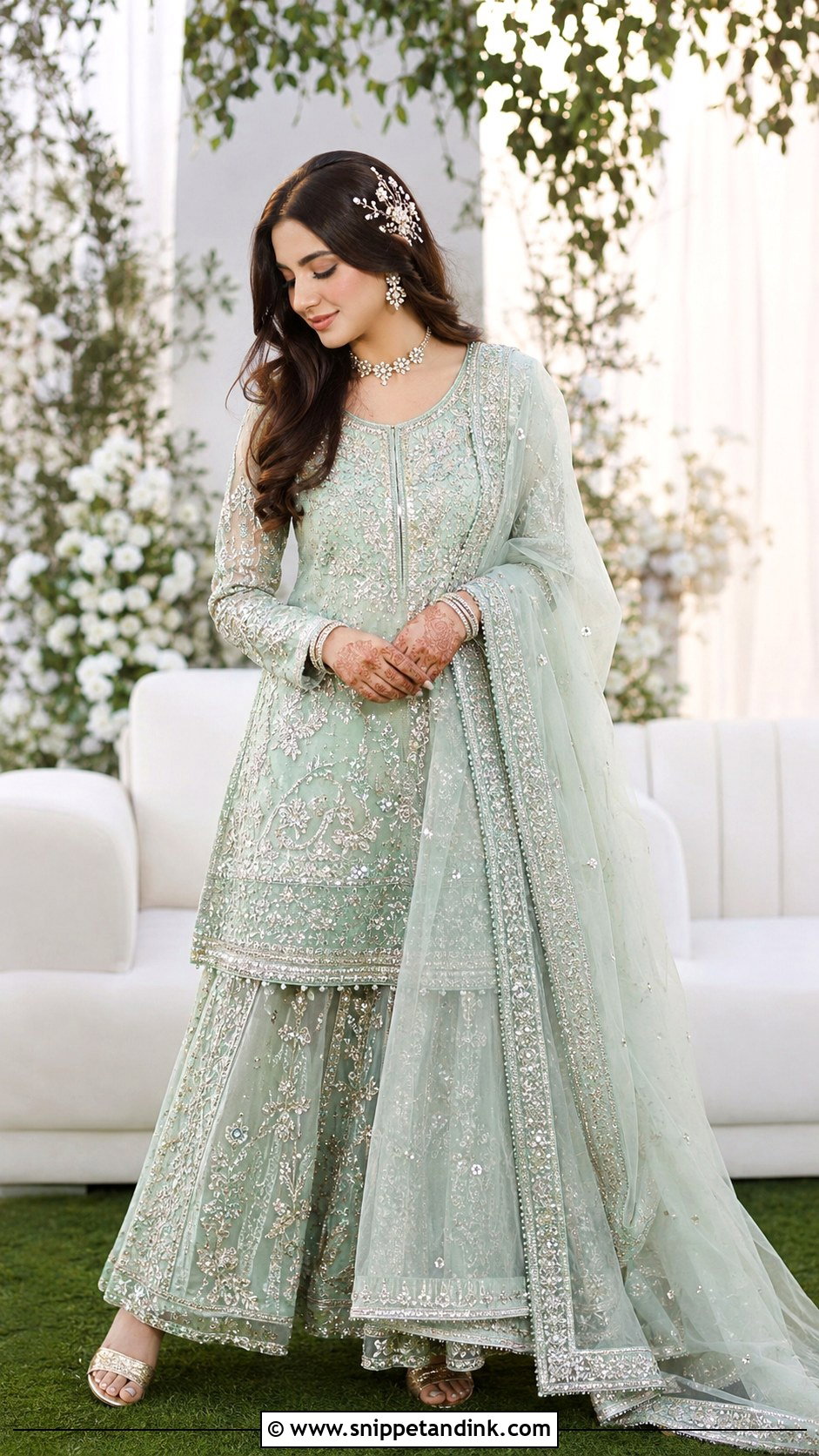
Mint feels fresh while staying traditional. A mint lehenga with silver or gold embroidery gives a cool-toned bridal look; pair it with a long shirt or a covered choli depending on family expectations. Mint can wash out very fair skin in flat indoor light, so I balance it with a little more warmth in the blush. A sheer dupatta with sequin spray and borders, silver jewelry, pearl accents and silver, ivory or pale gold heels keep it light, and it suits garden and daytime ceremonies.
7. Beige Nikah Anarkali Dress
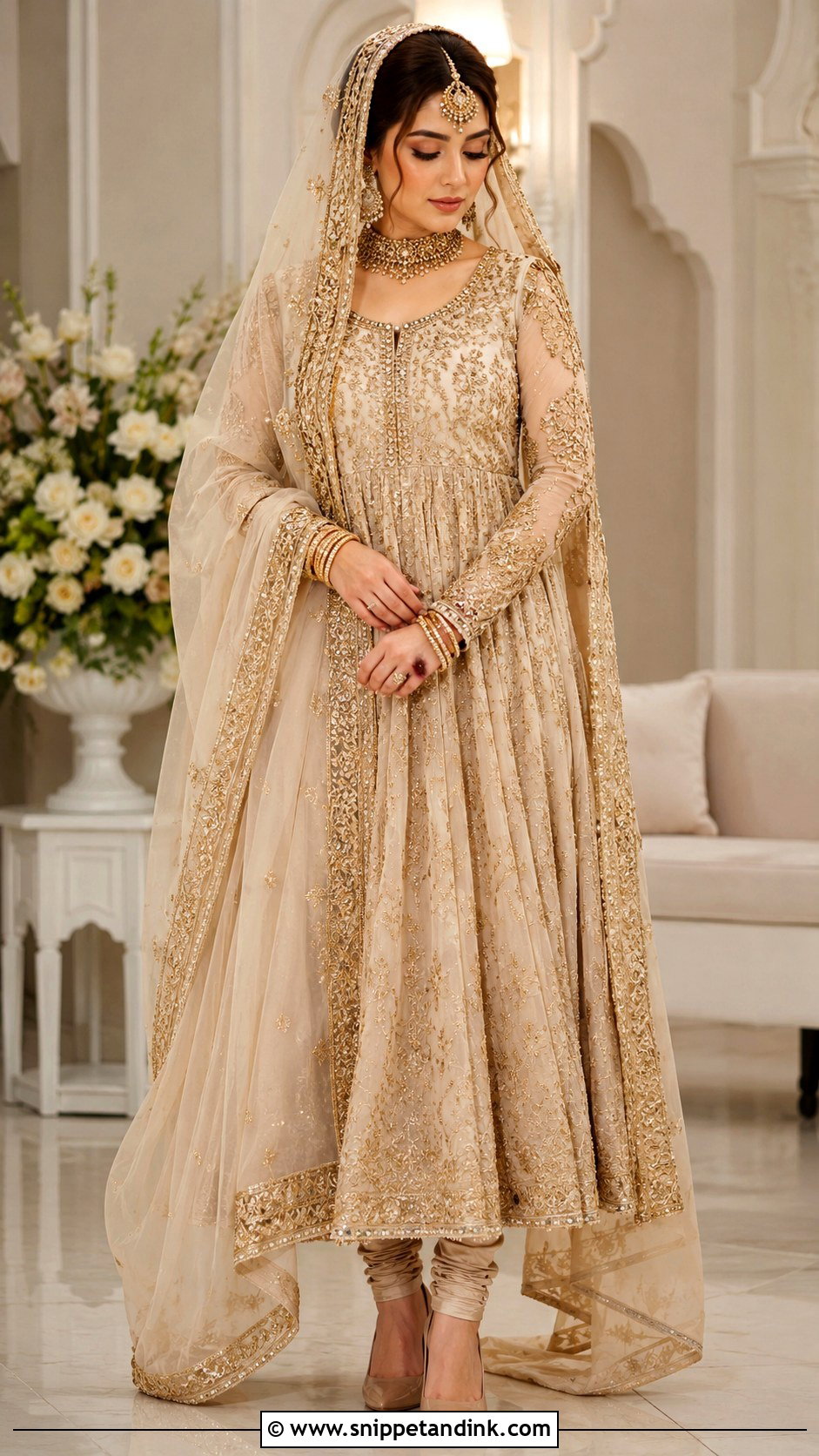
Beige in an Anarkali is understated and comfortable. The long flared cut gives a graceful shape and moves freely; antique gold embroidery, mirror work or pearl detailing adds the festive touch. Churidar underneath and a matching dupatta over the head complete the traditional layers. Because beige is so soft, I let the jewelry and makeup carry more: a statement jhumar, a delicate choker, matching bangles, defined eyes and a rose lip. It suits brides who want a covered, traditional look.
8. Silver Nikah Gown Dress
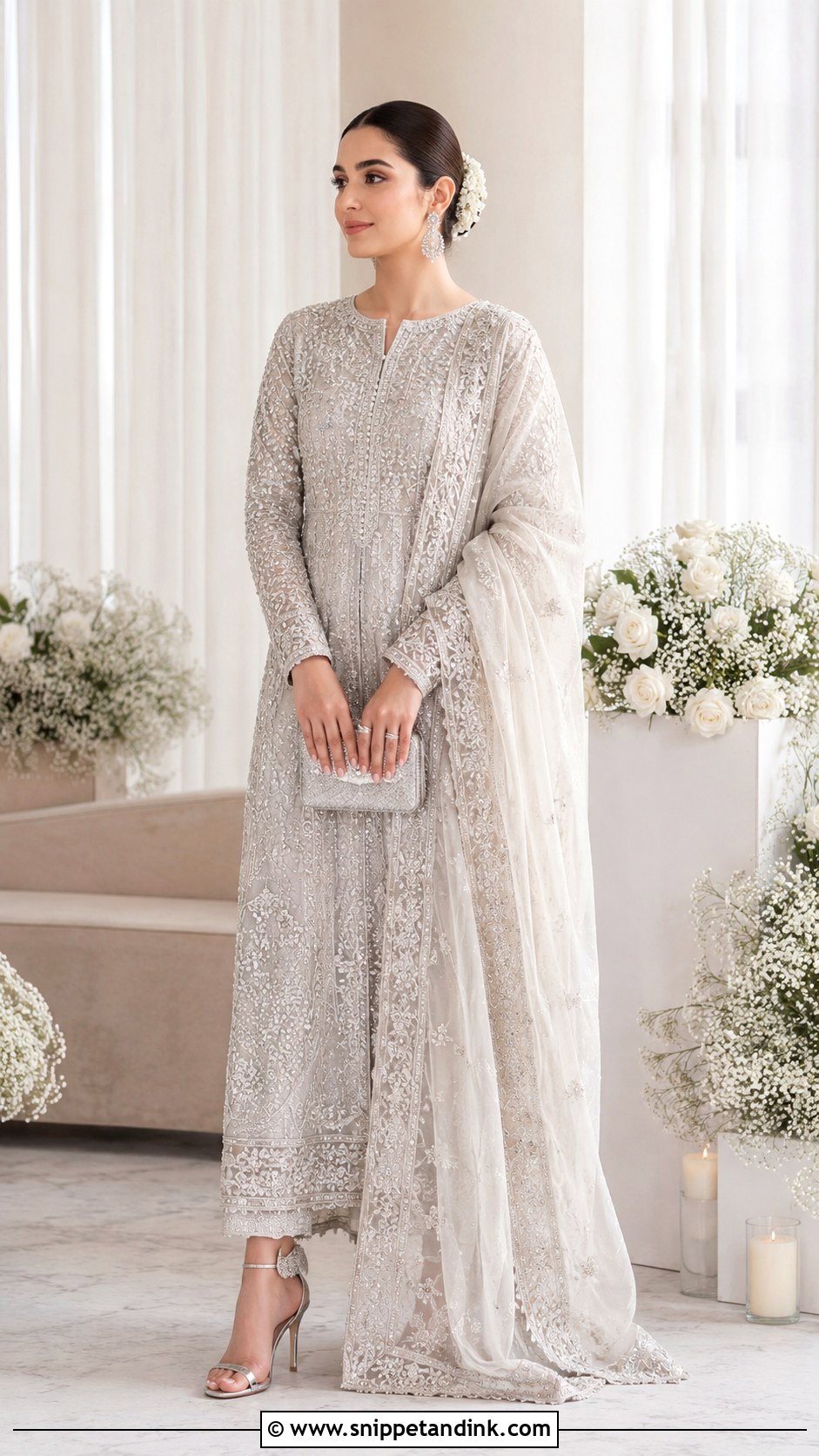
Silver in a gown gives a modern Nikah look that stays covered. Full length, long sleeves, a defined waist and crystal, pearl or thread embroidery are the base. The cut should not be tight; a religious ceremony means sitting, bending to sign and greeting elders, and a closely fitted gown fights all of that. An ivory or matching dupatta softens it and makes it read Pakistani. Silver heels, crystal earrings, a sleek clutch and a low bun under the dupatta complete it.
9. Peach Nikah Sharara Dress
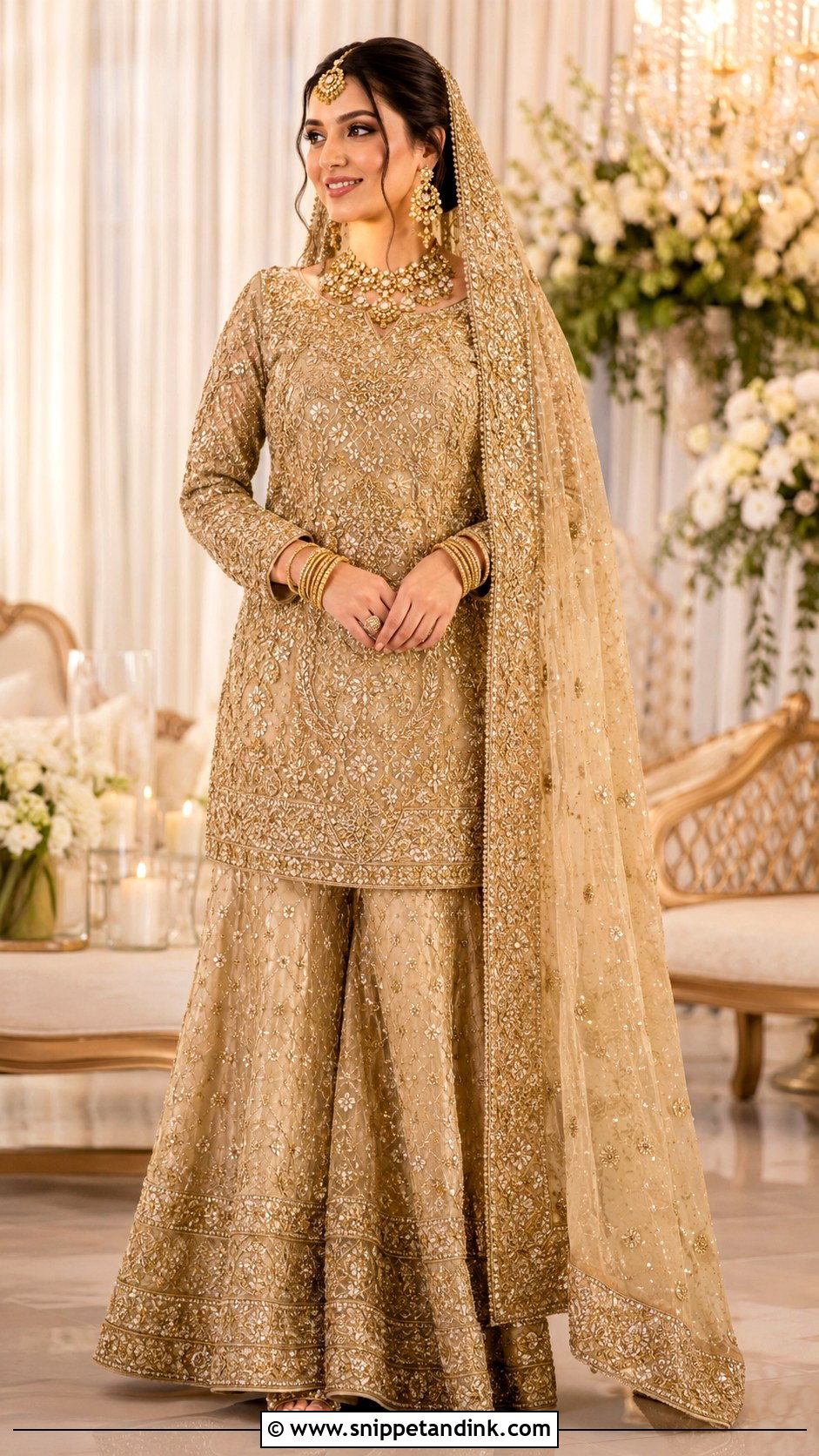
Peach is kind to most skin tones in daylight, which is why I suggest it for morning and afternoon ceremonies. A short embellished shirt over a flared sharara, with a dupatta that has a defined border, keeps the proportions right. Gold, pearl or light copper embroidery adds depth without weight. Kundan earrings, a small tikka and peach-toned makeup tie it together, with khussas for a home Nikah or gold heels for a hall.
10. Powder Blue Nikah Pishwas Dress
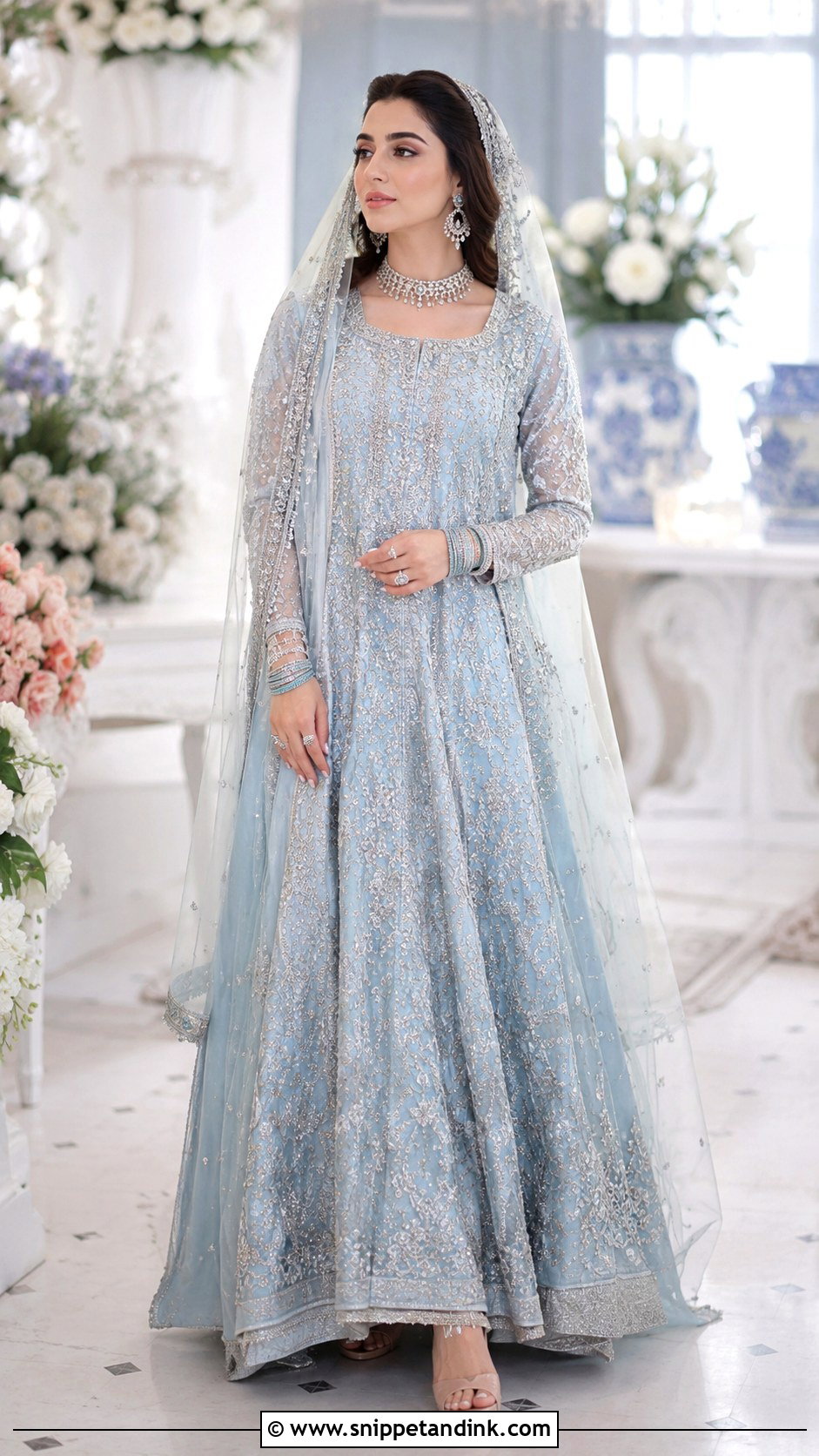
Powder blue is the colour I offer brides who want something different from ivory and pink but still delicate. With silver embroidery or pearls it looks calm and slightly modern. A pishwas with a fitted bodice and flowing skirt gives shape, and a matching dupatta with a fine border keeps it unified. Pale blue can look grey in dim rooms, so it is better in bright indoor or outdoor settings. Silver jewelry, crystal bangles and light blue or nude heels finish it.
11. Rose Gold Nikah Lehenga Dress
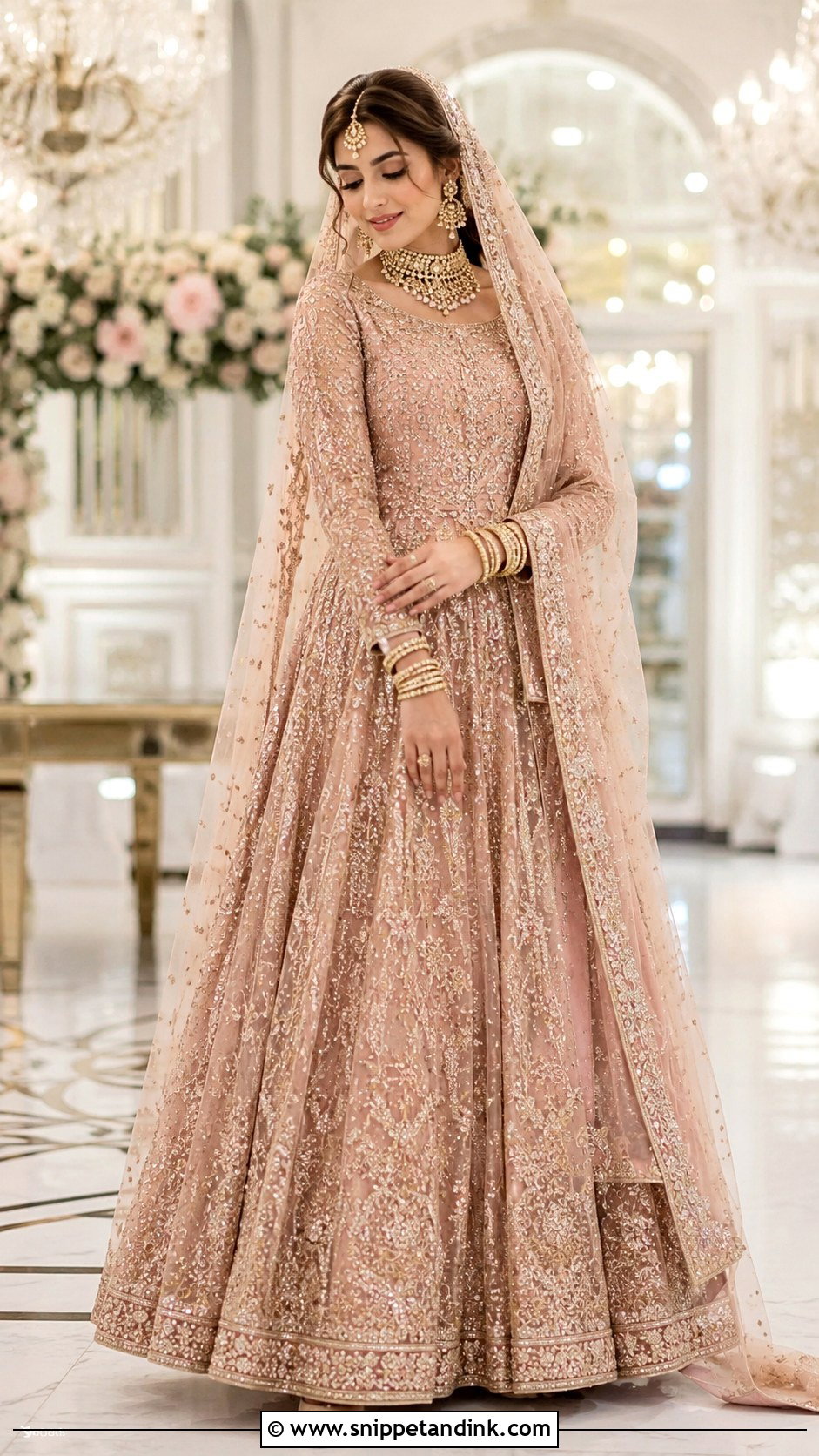
Rose gold sits between traditional gold and modern blush. A lehenga in fine sequin, zari or dabka work over a covered blouse or long shirt looks warm and festive. Draping a matching dupatta over the head frames the face classically. The embroidery decides the jewelry: gold, polki or pearl, whichever matches the thread. Sequin-heavy rose gold sparkles on camera but can feel scratchy on the inner arms, so I check that sleeves are lined. Nude heels and soft glam makeup suit it, especially if you want warmth without red or maroon.
12. Cream Nikah Saree Dress
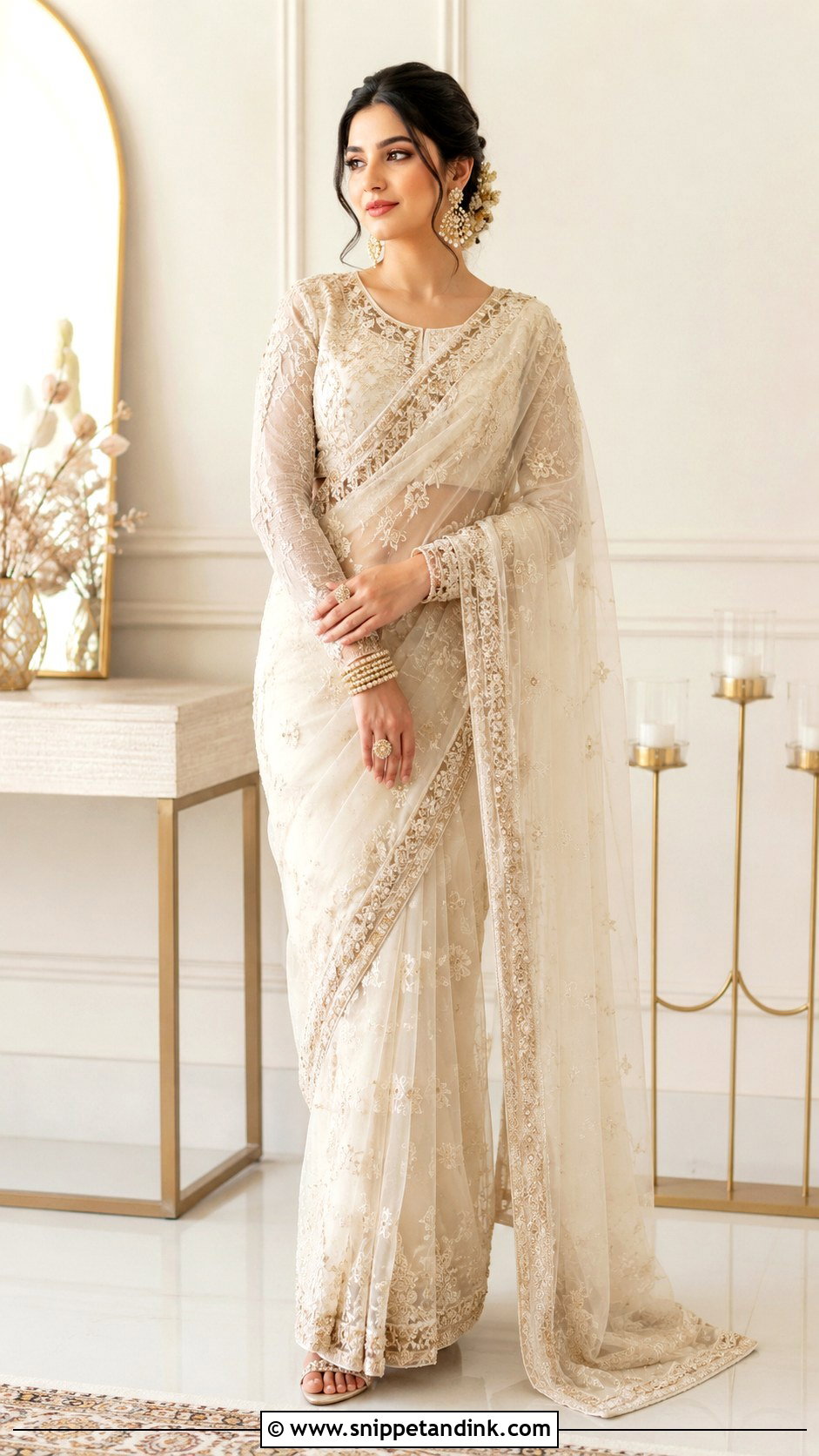
A cream saree gives a refined, slightly mature Nikah look. Silk, organza or chiffon with gold or pearl embroidery along the border works well, with a covered blouse and long sleeves. I pin the pallu at the shoulder and at the waist so it does not slide while you sit and sign. If your family prefers full head coverage, add a separate dupatta, since a saree pallu alone rarely stays over the head for long. Kundan earrings, bangles and elegant heels suit it, with a sleek bun or soft waves.
13. Off White Nikah Farshi Gharara Dress
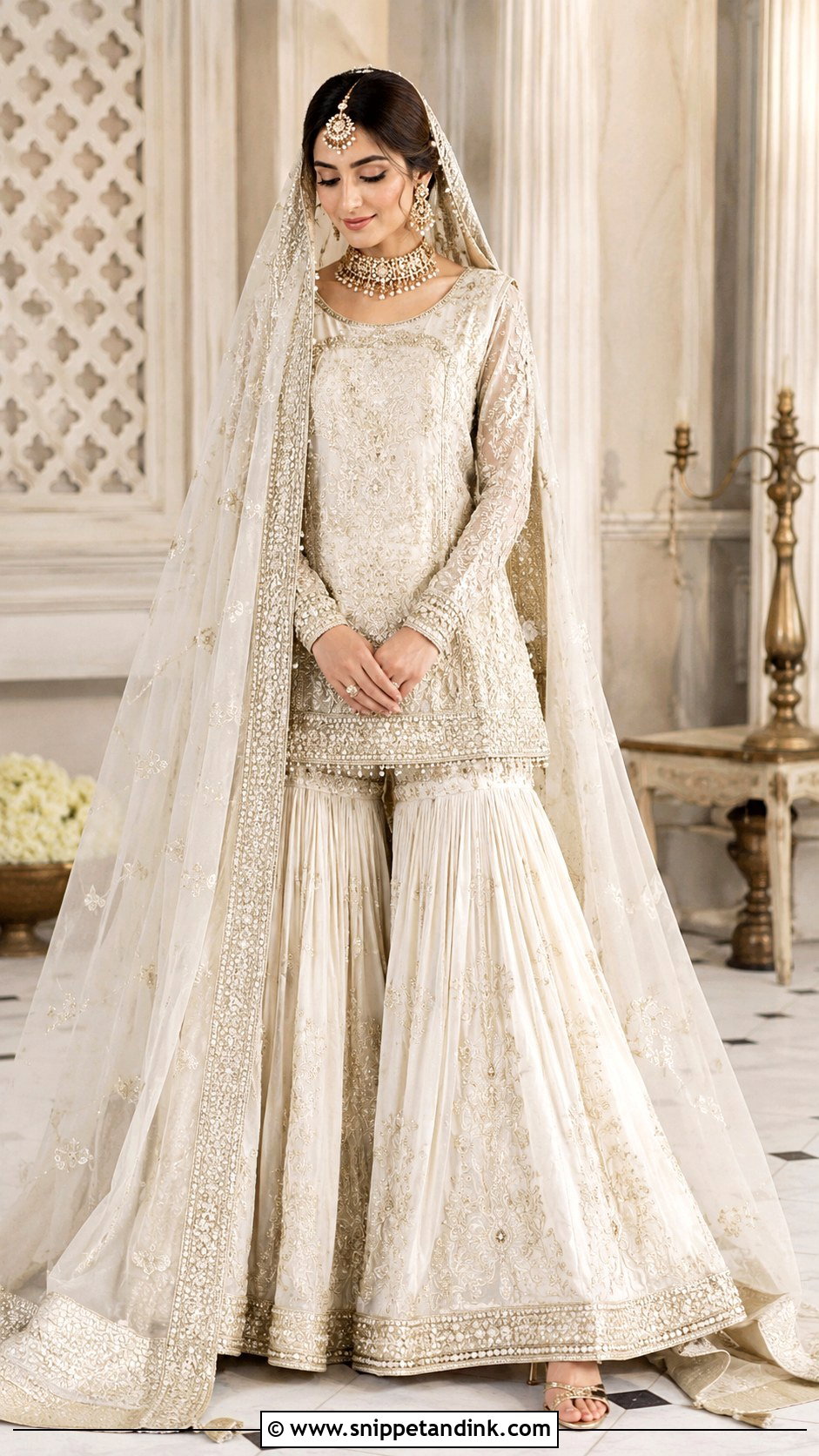
An off-white farshi gharara is a royal choice with deep roots. The long trailing flare gives it grandeur, and off-white keeps it soft enough for the Nikah. Pair a heavily bordered gharara with a short shirt and a dupatta that balances the volume. Walking in a farshi takes practice: you lift the front slightly and step forward, never back, so I ask brides to rehearse at home in the shoes they will wear. Keep jewelry balanced with a choker, earrings and tikka, and choose heels you can trust.
14. Blush Nikah Long Shirt Dress
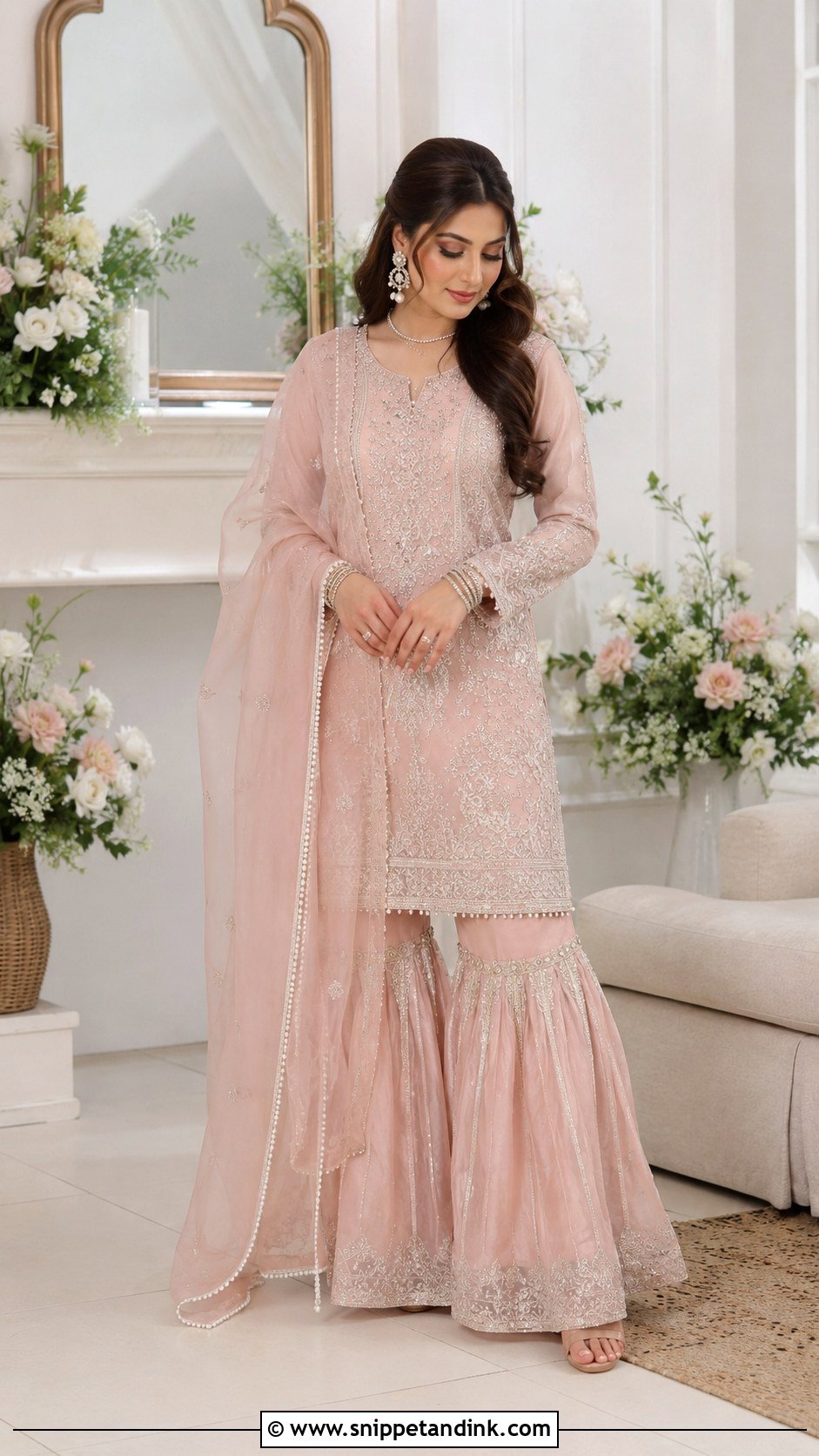
Blush in a long shirt is simple and covered. A straight or slightly flared shirt with embroidery at the neckline, sleeves and hem pairs with cigarette pants for a modern look, a slim sharara for more movement or a light lehenga for formality. A blush dupatta with pearl edging adds softness. This is the outfit I suggest for small Nikahs at home, because you can sit on floor cushions or a low sofa comfortably. Pearl earrings, a delicate necklace and nude heels complete it.
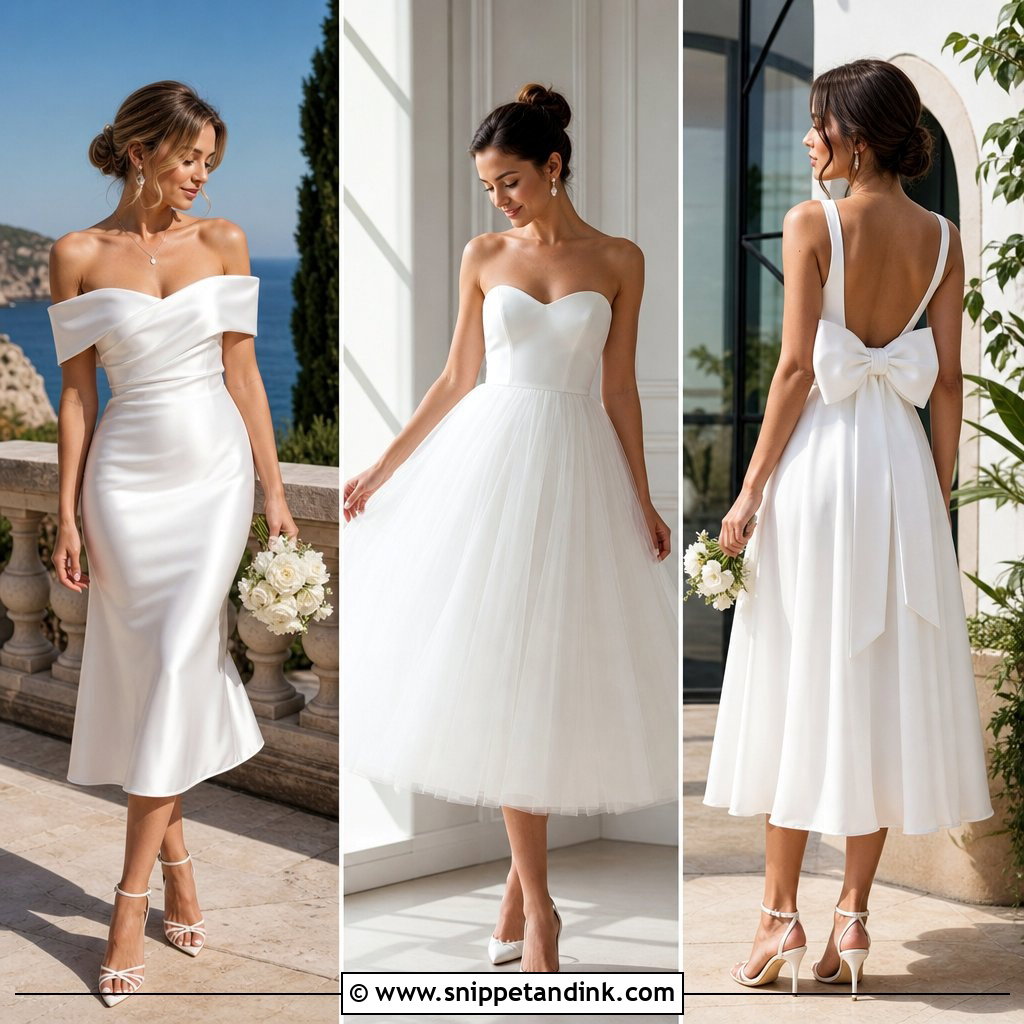

15. Lilac Nikah Maxi Dress
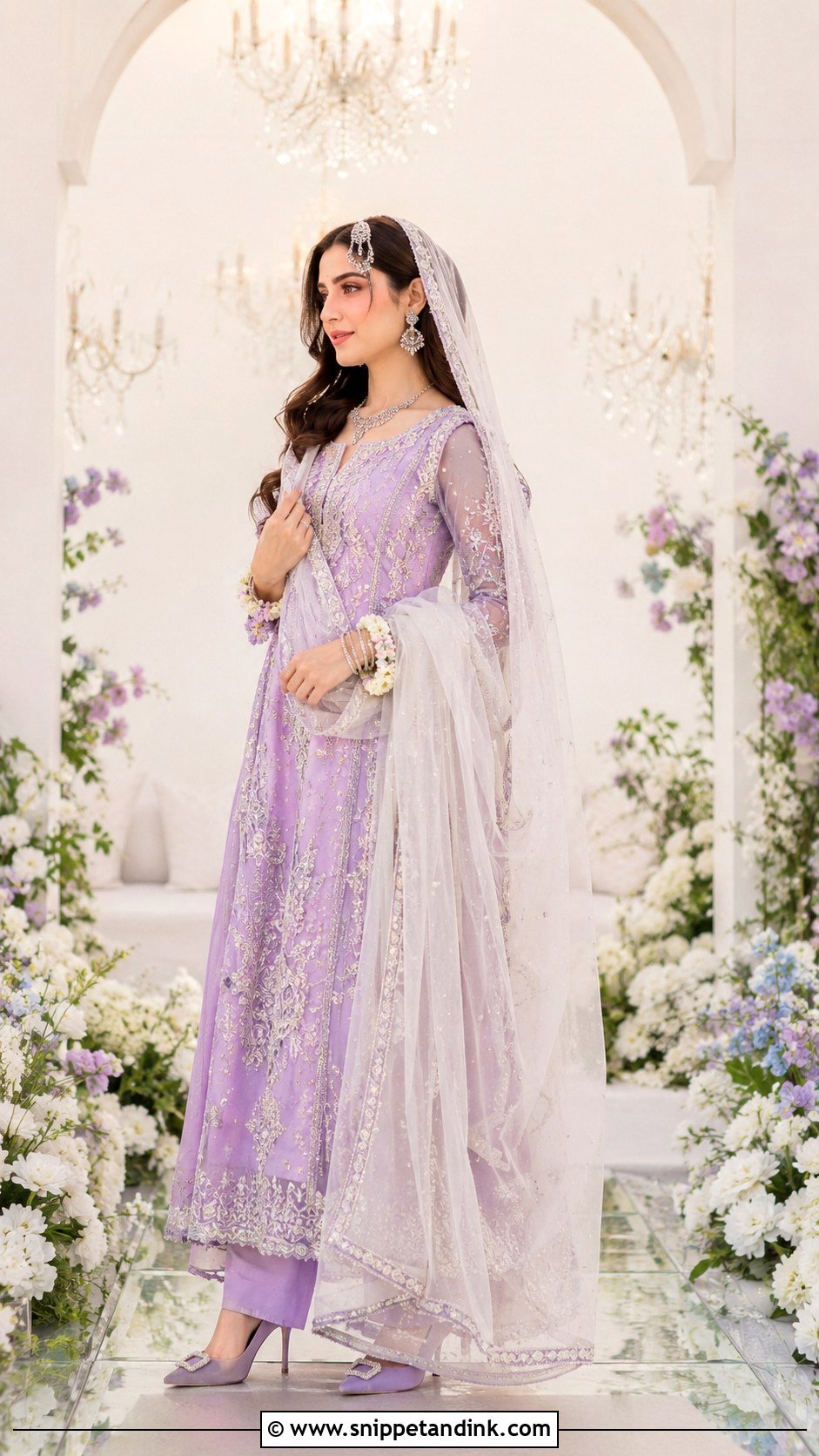
Lilac feels fresh and distinct while staying gentle. A full-length maxi with fine silver embroidery, pearls or subtle sequins, long sleeves and a covered neckline gives the ceremony look. Pair it with a sheer lilac or ivory dupatta and silver accessories. Lilac shifts a lot between daylight and warm indoor bulbs, from cool to almost pink, so view the fabric in both before ordering. Soft pink makeup, defined lashes and silver, nude or pale lavender heels finish it.
16. Ivory Nikah Angrakha Dress
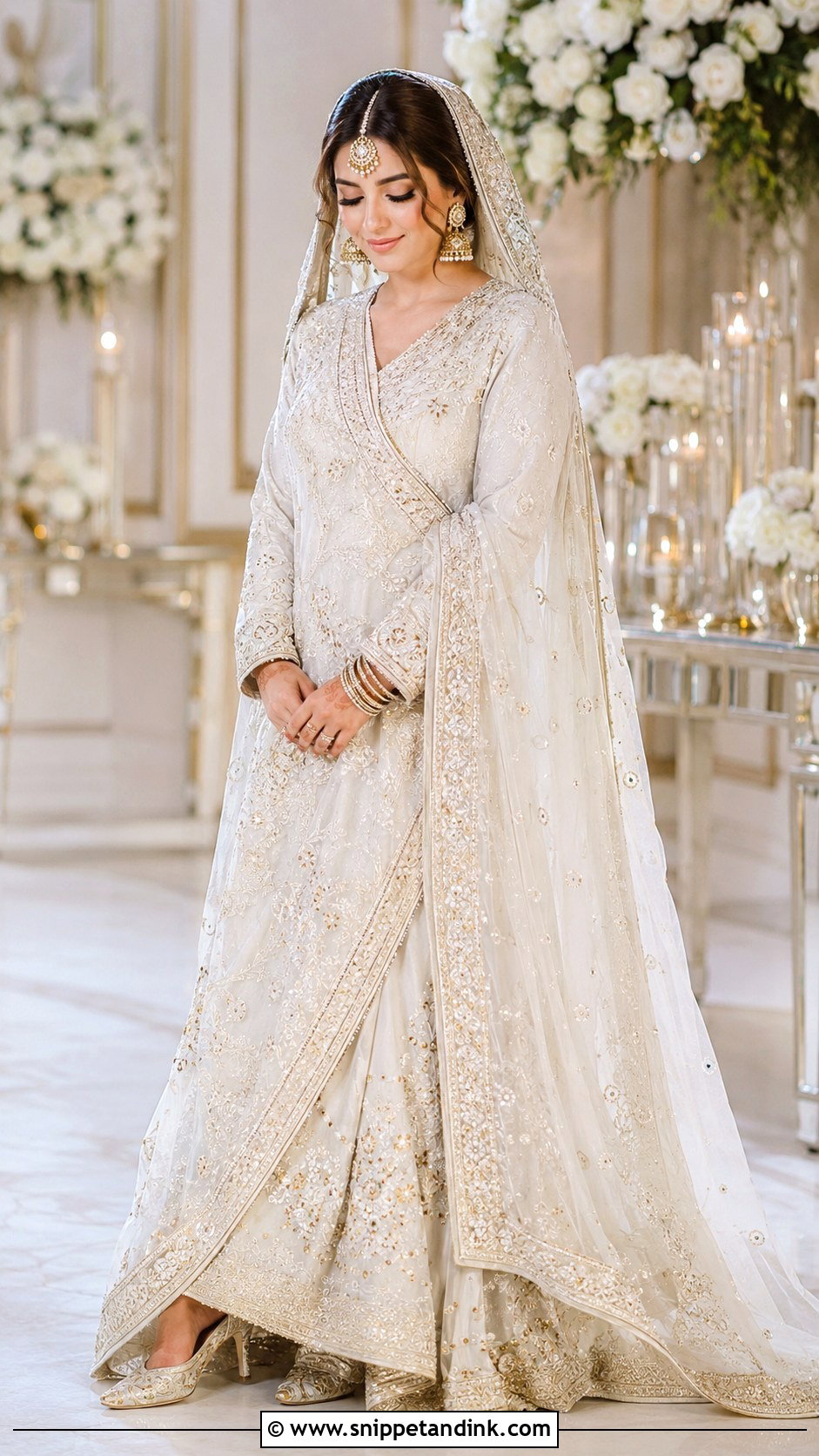
An ivory angrakha dress uses the overlapping front panel as its decoration, so it needs less embroidery to look finished. Gold gota, threadwork or pearl borders give a ceremonial edge. Underneath, a flowing lehenga, straight pants or churidar all work depending on the length of the angrakha. The overlap must be tacked inside with a hook or snap; otherwise it opens when you lean forward. Drape the dupatta over the head or one shoulder and add jhumkas, bangles and embroidered heels.
17. Pistachio Green Nikah Gharara Dress
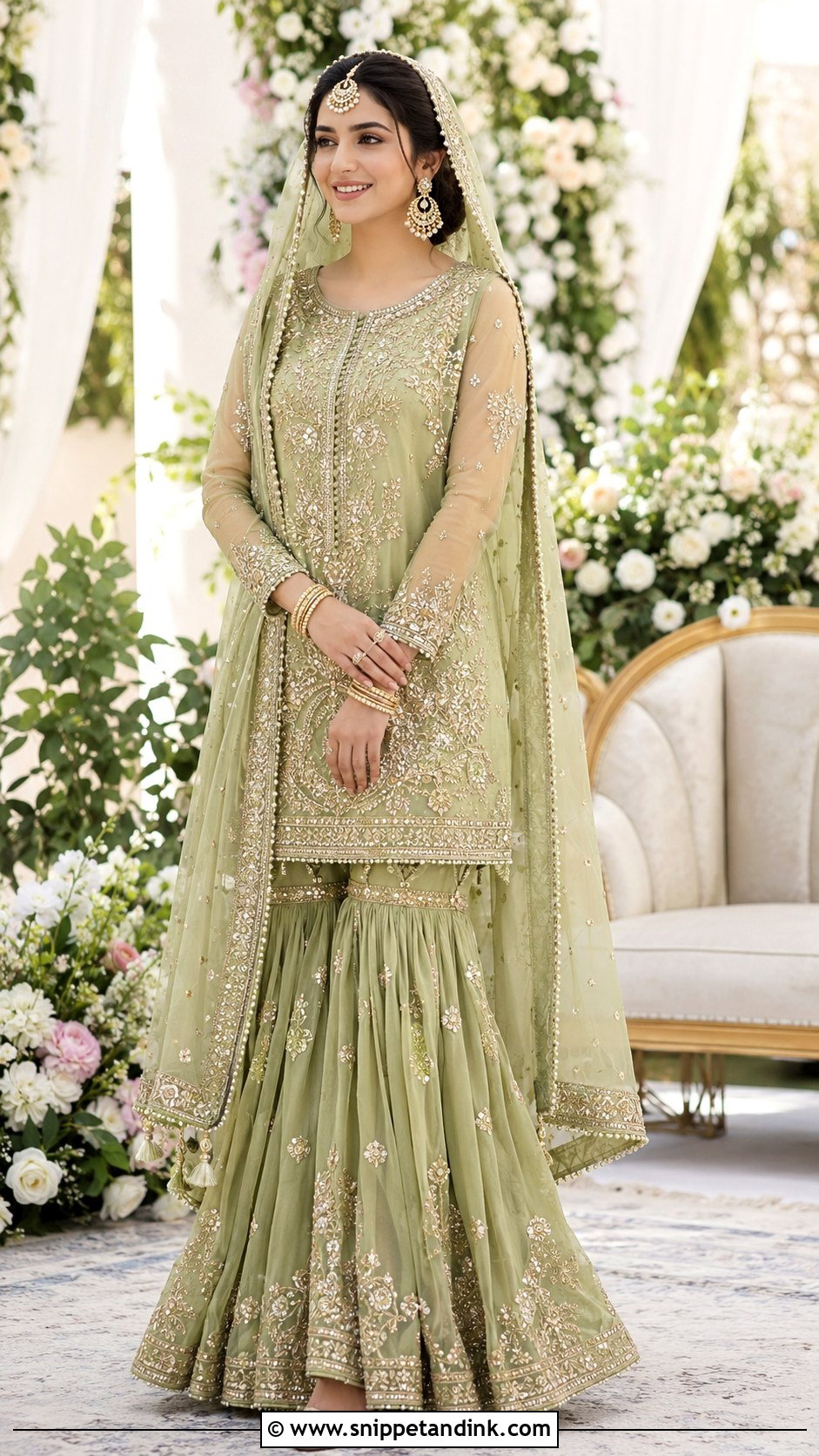
Pistachio is softer than mint and warmer, which suits brides who want colour that stays calm. A gharara with a short embroidered shirt keeps the traditional balance. Gold, pearl or light silver thread all suit it. Choose a dupatta with light embellishment and a heavier border to frame the outfit. Polki earrings, a passa and gold or pearl bangles go well with it, as do ivory or gold heels. It looks best in daylight, at spring and summer ceremonies.
18. Ivory Nikah Hijab Dress
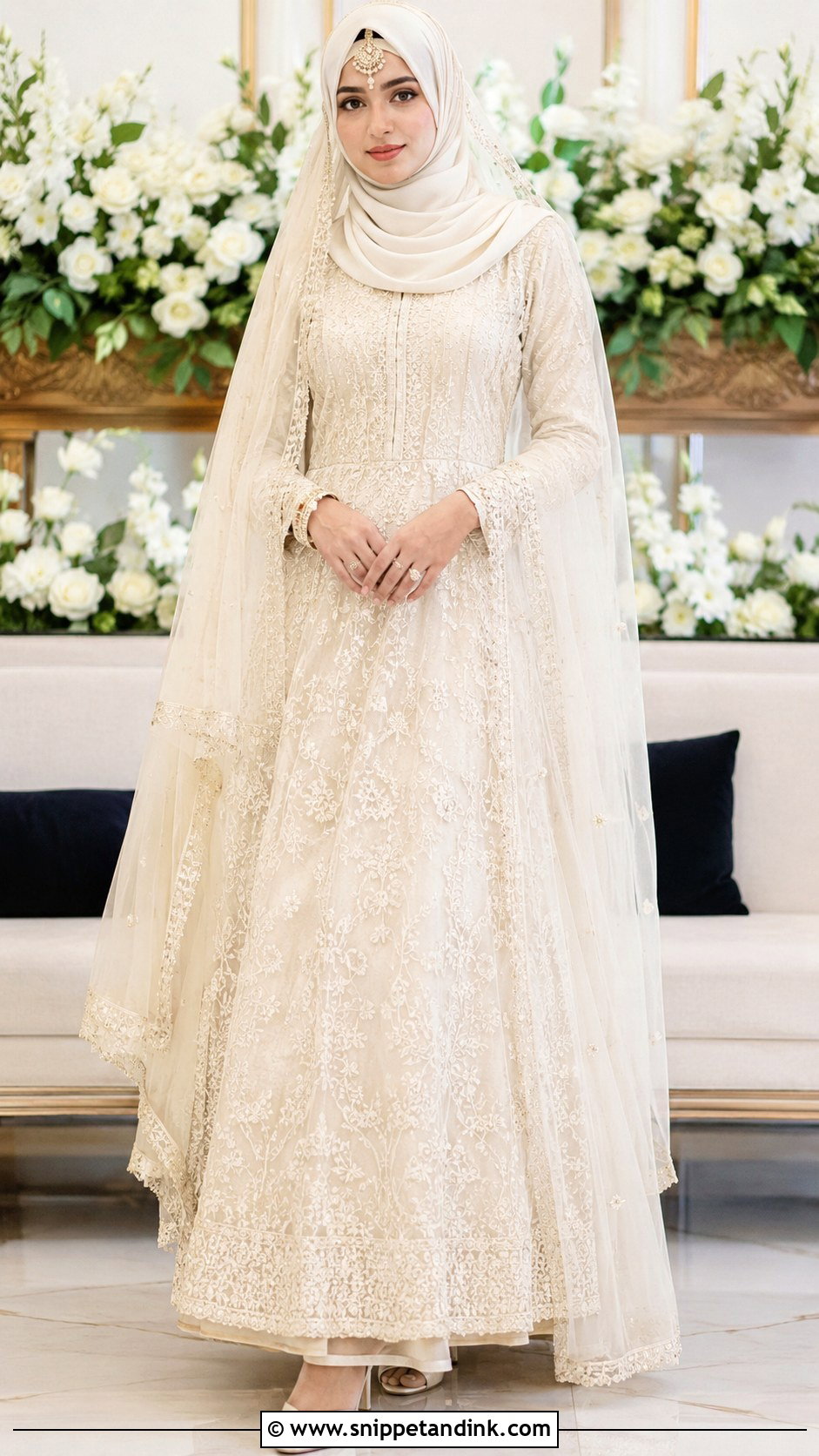
An ivory hijab Nikah dress needs the hijab treated as part of the outfit, not added at the end. Choose a long gown, pishwas or maxi with full sleeves and soft embroidery. The hijab in chiffon, silk or net should sit smoothly around the face; I use an underscarf cap and a few straight pins rather than one large brooch, which tends to pull the fabric. A second embellished dupatta can go over the head or shoulders. Pin the tikka through the hijab carefully, choose comfortable heels and keep makeup fresh and defined.
19. Golden Beige Nikah Lehenga Dress
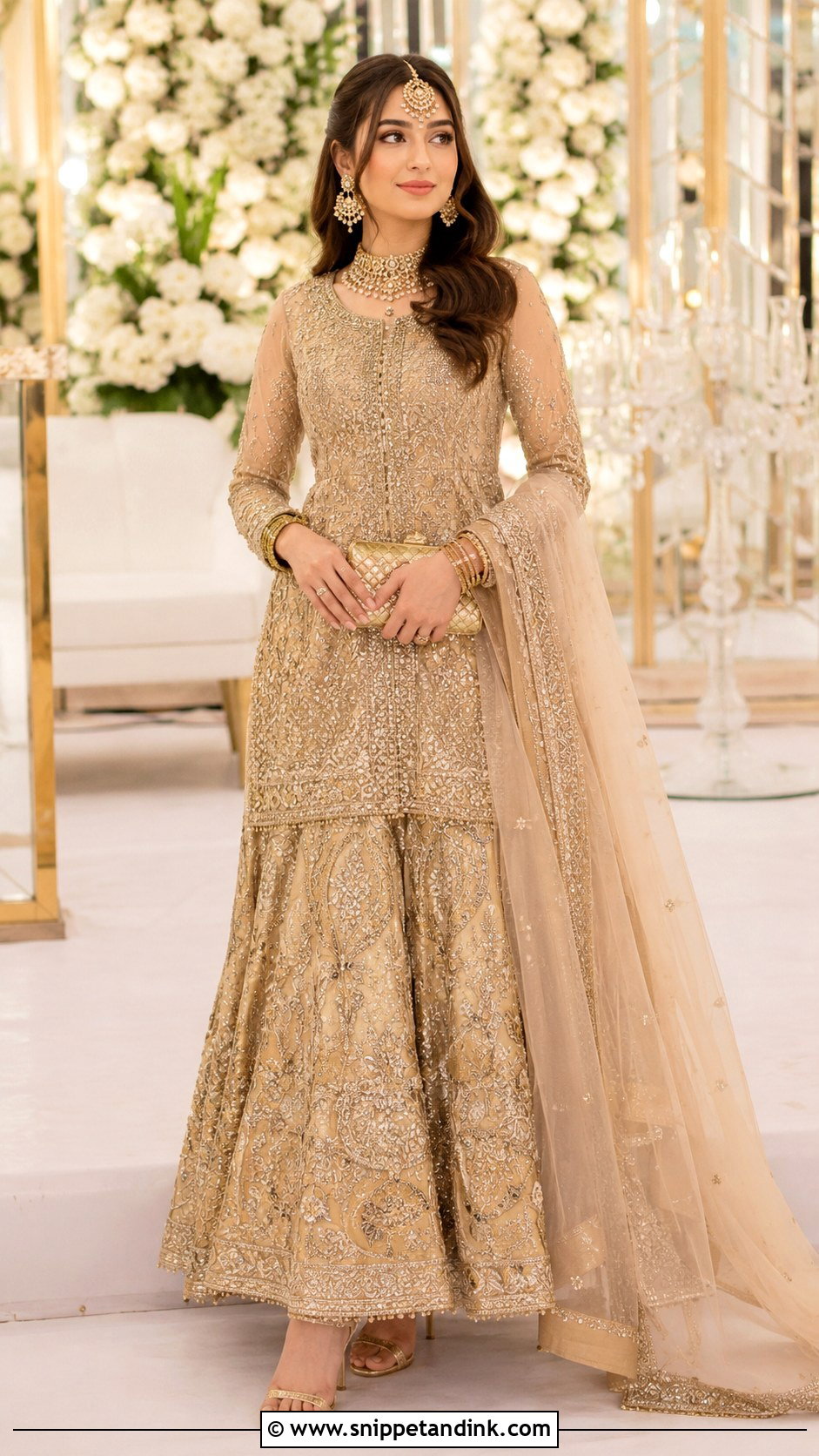
Golden beige gives a neutral with a warm glow, and it works with both antique and modern jewelry. A hand-embroidered lehenga with a structured blouse or long shirt and a soft bordered dupatta can be styled lightly for a simple Nikah or dressed up with layered jewelry. That flexibility is useful if your Nikah and reception fall on the same day. Gold heels, bangles, a clutch, warm makeup with soft contour and a rose lip complete it.
20. Pearl White Nikah Pishwas Dress
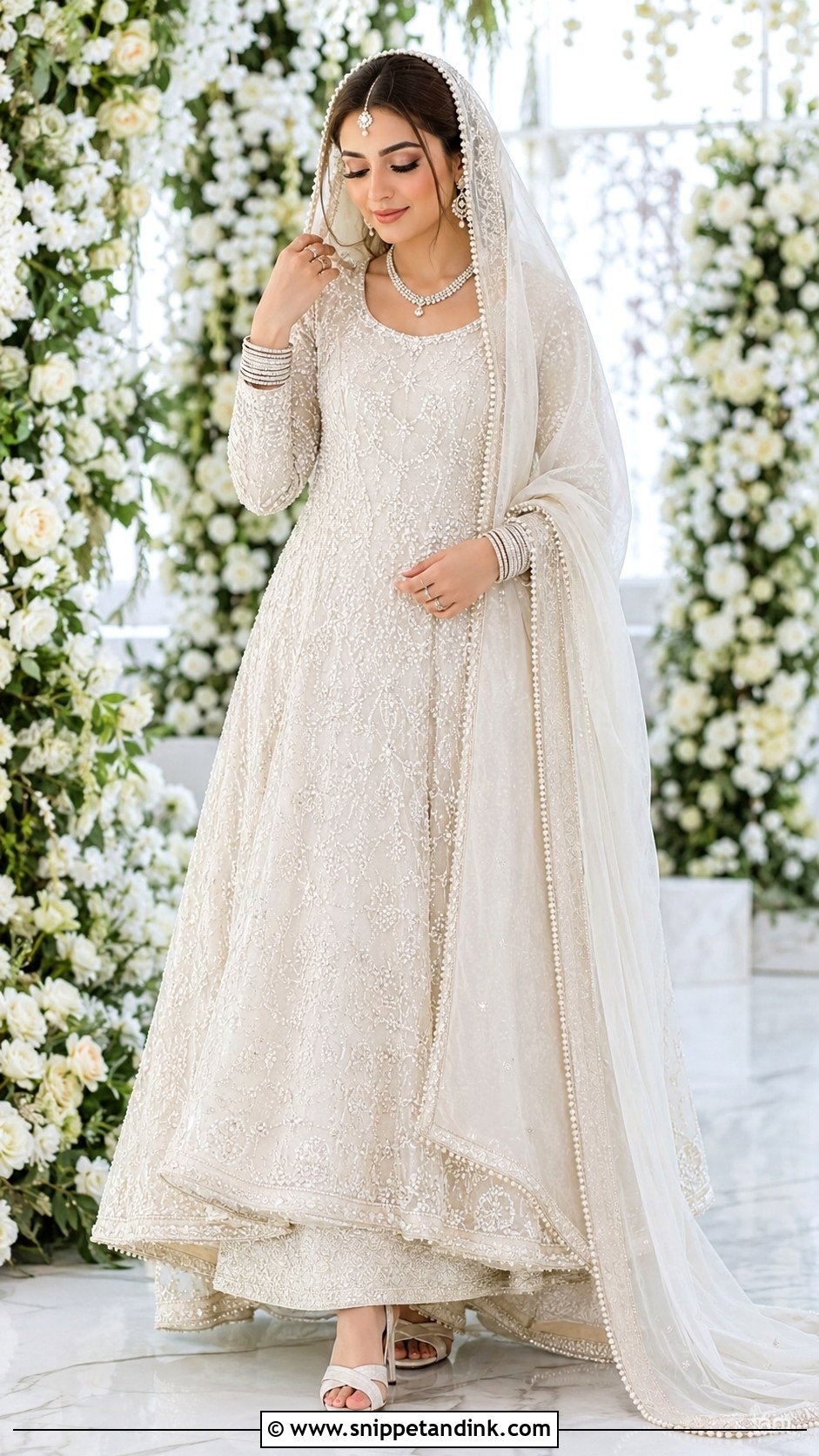
Pearl embroidery on white gives texture rather than shine, which suits a ceremonial pishwas. A fitted bodice, full sleeves and a wide hem balance the flow; churidar or a light lehenga goes underneath. Pearls are heavy, though, and a heavily pearled bodice drags on fine net, so I check that the work is backed with a firm lining. A sheer dupatta with pearl edging, pearl jewelry, silver bangles, ivory heels and luminous makeup complete a romantic white Nikah outfit.
21. Soft Yellow Nikah Sharara Dress
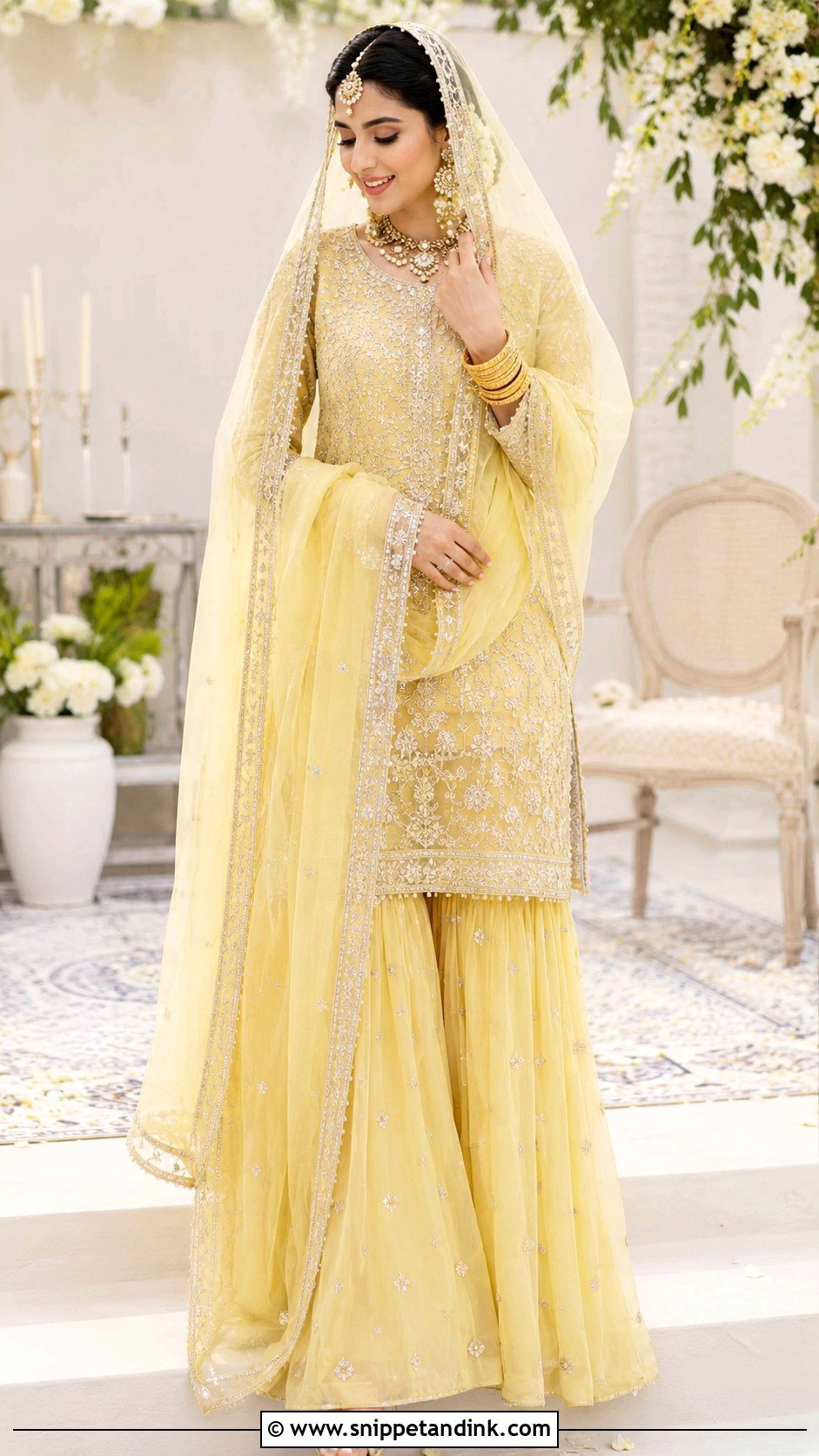
Soft yellow is cheerful without being bold, especially with white, gold or pearl embroidery. A short or mid-length shirt, a flowing sharara and a sheer dupatta make the base. Yellow can cast onto the skin under the chin in photos, so I keep the neckline embroidery in white or gold to break it up. Kundan jewelry, gold bangles, nude or gold heels, peach blush and defined eyes finish it, and it suits daytime ceremonies and family gatherings.
22. Dusty Pink Nikah Gown Dress
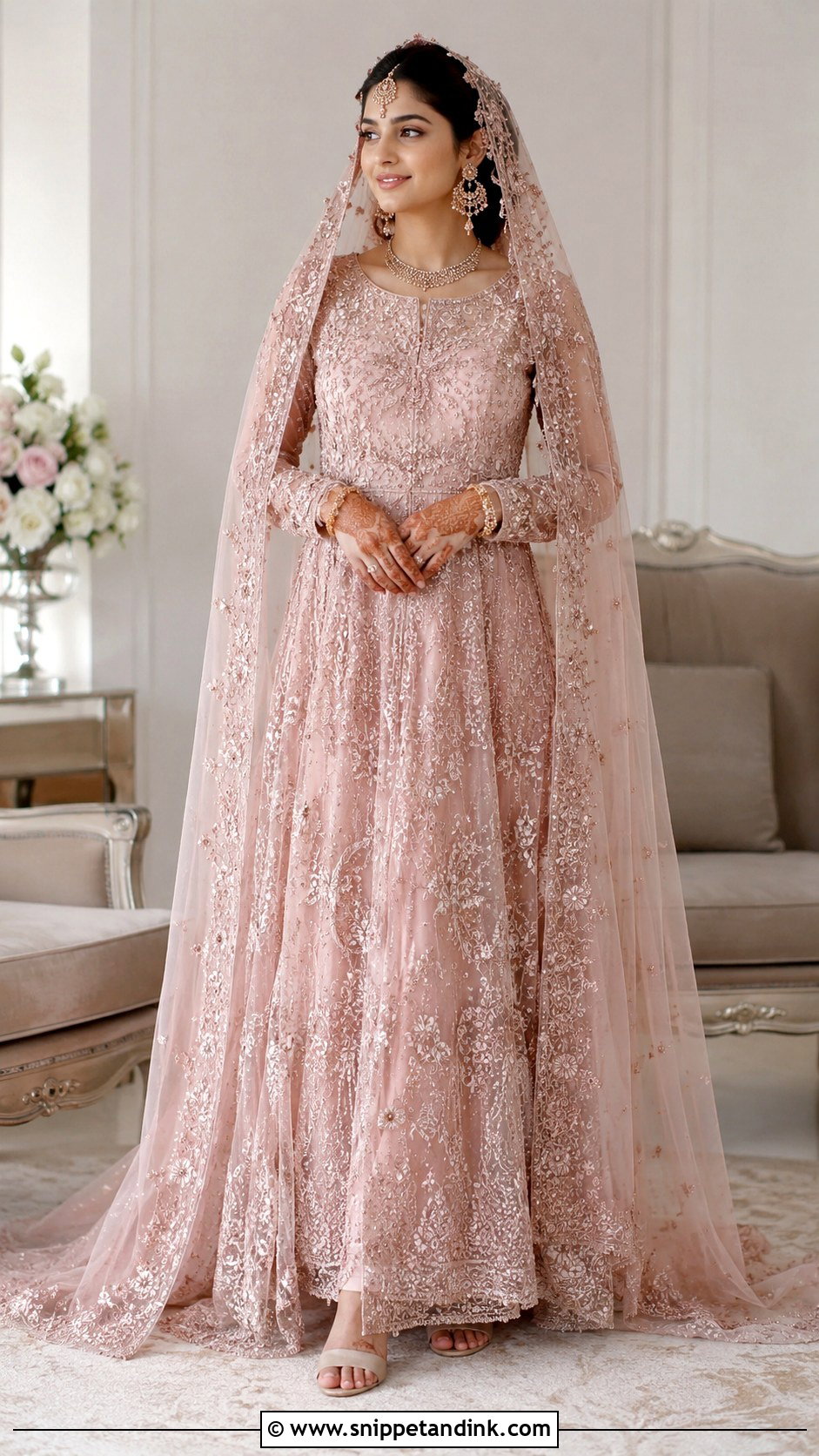
Dusty pink in a gown pairs a modern shape with a traditional dupatta. Full length, long sleeves, a gentle flare and embroidery around the bodice and cuffs give a polished look. The dupatta goes over the head for the Nikah and moves to the shoulders for photos afterwards, so I pin it in two places that can be undone without wrecking the hair. Rose gold or pearl jewelry and nude heels suit it, with a low bun, soft waves or covered styling.
23. Classic Red Nikah Lehenga Dress
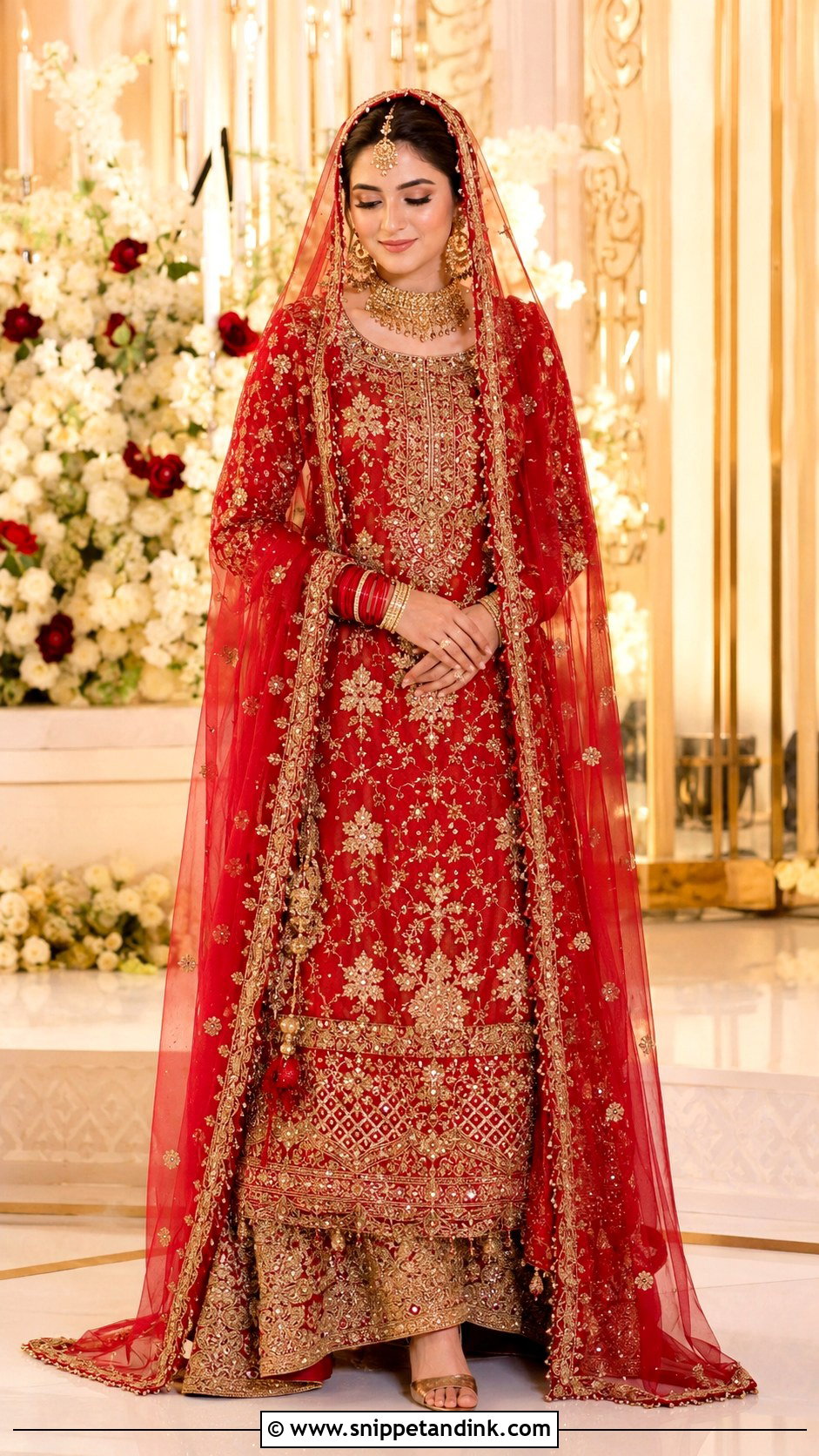
Some brides still want red for the Nikah, and it can work. Keep it ceremony-appropriate with a softer red and balanced embroidery rather than full heavy coverage. A long shirt or covered blouse and a dupatta worn over the head keep it traditional. I usually suggest saving the darkest, heaviest red for the baraat, so the two outfits do not look like repeats in the album. Gold jewelry, bangles and traditional heels suit it, with refined makeup. It looks especially rich at evening ceremonies.
24. Ivory And Gold Nikah Dress
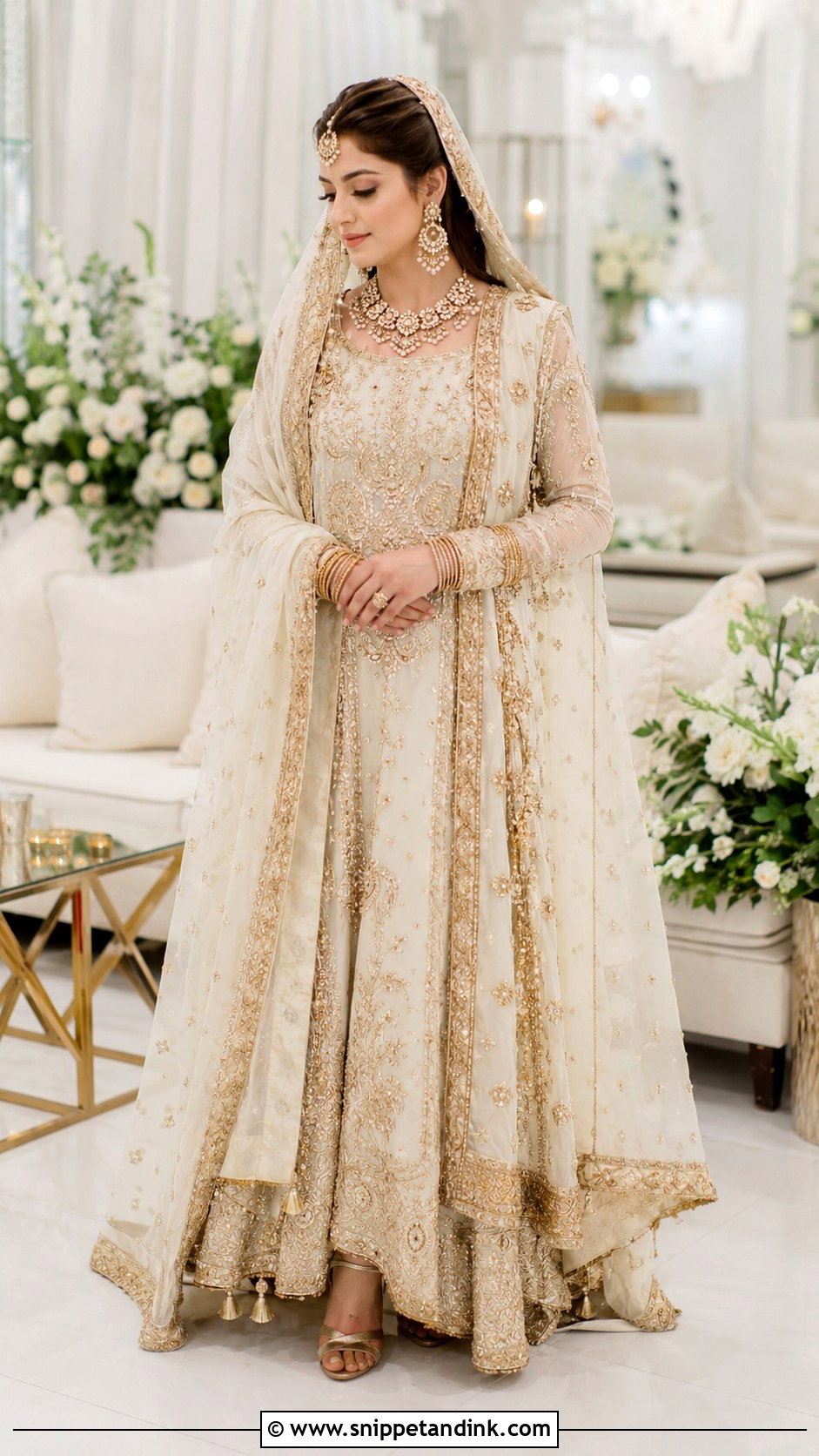
Ivory and gold is the safest and most enduring pairing for a Pakistani Nikah: a soft base with gold embroidery for richness. It works in lehenga, gharara, pishwas, maxi or long shirt with sharara. Pick one main shape and keep the styling consistent, with a matching dupatta, gold heels and kundan jewelry, plus a tikka and bangles. It also takes family jewelry well, which is often why brides choose it. Home ceremony or large hall, it fits the setting.
25. Pastel Bridal Nikah Dress
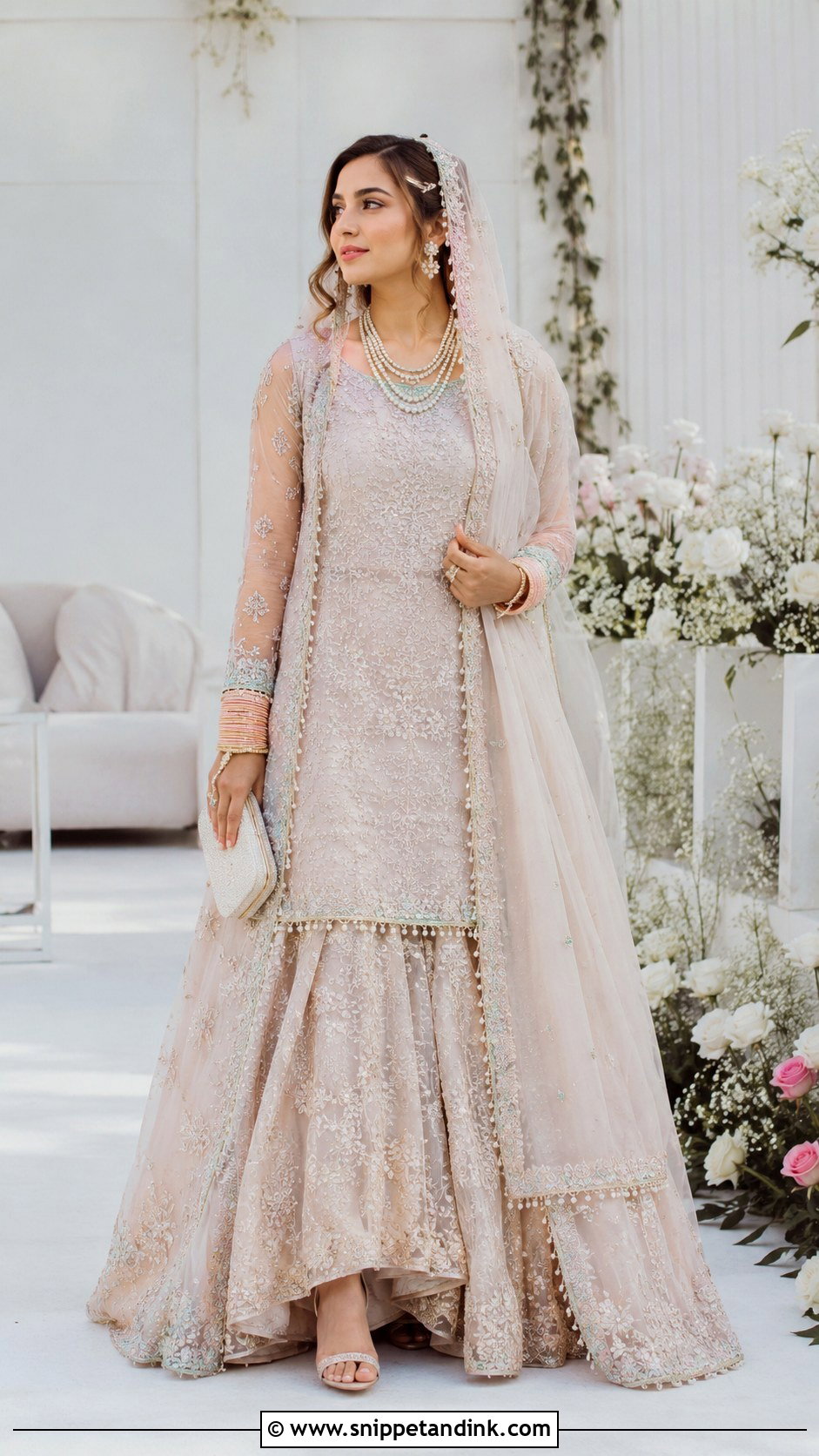
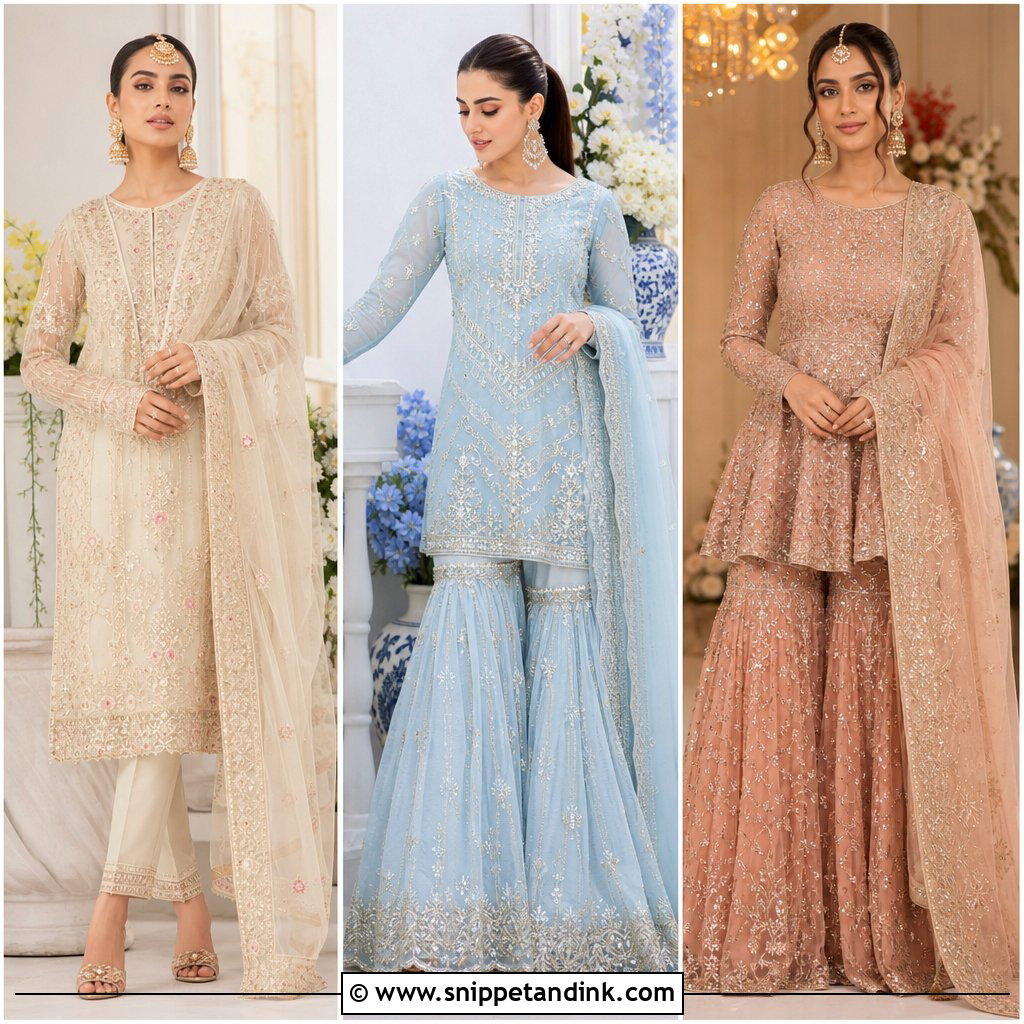
Blush, mint, powder blue, lilac, peach and pistachio all suit Pakistani bridalwear, and pastels look their best in daylight and bright photography. Pick the silhouette for comfort, whether pishwas, lehenga, gharara, sharara or gown, then let fine embroidery, pearl work and soft metallic thread make it bridal. Pastels pick up marks quickly, so I keep a stain pen and white chalk in the kit. A matching dupatta, delicate jewelry and elegant heels complete a dreamy Nikah outfit that stays respectful of the ceremony.
Sitting Through the Ceremony in Comfort
A Nikah involves more sitting than people expect: waiting for the maulvi, the ijab o qubool, signing the nikahnama and then greeting elders one by one. A gharara or farshi gharara pools around you on the floor and needs smoothing before you stand; ask someone close to do it so you do not step on the hem. Heavy dupattas pull the head back over time, so I set them with pins anchored into the bun or a hidden band rather than only into the hair at the crown.
Keep a small kit nearby: safety pins in two sizes, bobby pins, tissues, a stain pen, a little thread in the outfit colour and a pair of flat khussas for moving between rooms. Ask the photographer to capture the signing from a slight angle, because looking straight down at a table rarely flatters anyone.
Storing an Embroidered Outfit After the Wedding
Metallic zari and dabka tarnish when exposed to damp and plastic. Air the outfit for a day, then wrap it in a clean cotton or muslin cloth rather than a plastic garment bag. Fold the heavy pieces with tissue in the folds, keep perfume away from the embroidery, and refold it along different lines every few months so the creases do not set or split the fabric. For stains, go to a dry cleaner who handles bridalwear and point out every mark.
Dressing for the Moment You Say Qubool Hai
Colour and embroidery matter, but a Nikah outfit is mostly judged by how it feels while you sit, sign and receive duas from your family. Gharara, pishwas, lehenga, covered gown or sharara can all be right. Ivory and gold remain classic; pastels, silver, champagne and blush feel fresh. Think about the venue, family customs, how the dupatta will be draped, the jewelry, the shoes and the photos, then choose the outfit that lets you forget about it once the ceremony begins.
You'll Like These Ideas:


Leave a Reply