
Having spent a lot of time on the shop floor helping brides into gowns, I can tell you that the boutiques people recommend are rarely the ones with the most stock. They’re the ones with a clear idea of who walks through the door. The concepts below are practical boutique models for different budgets, bodies, tastes and ways of shopping. Some specialise in a particular kind of gown; others stand out through private appointments, inclusive sizing, customisation, rentals or same-day purchase. The right one depends on local demand, the space you can afford, the suppliers who’ll work with you and the price point you can sustain. Read each one with a specific bride in mind and ask whether she lives near you.
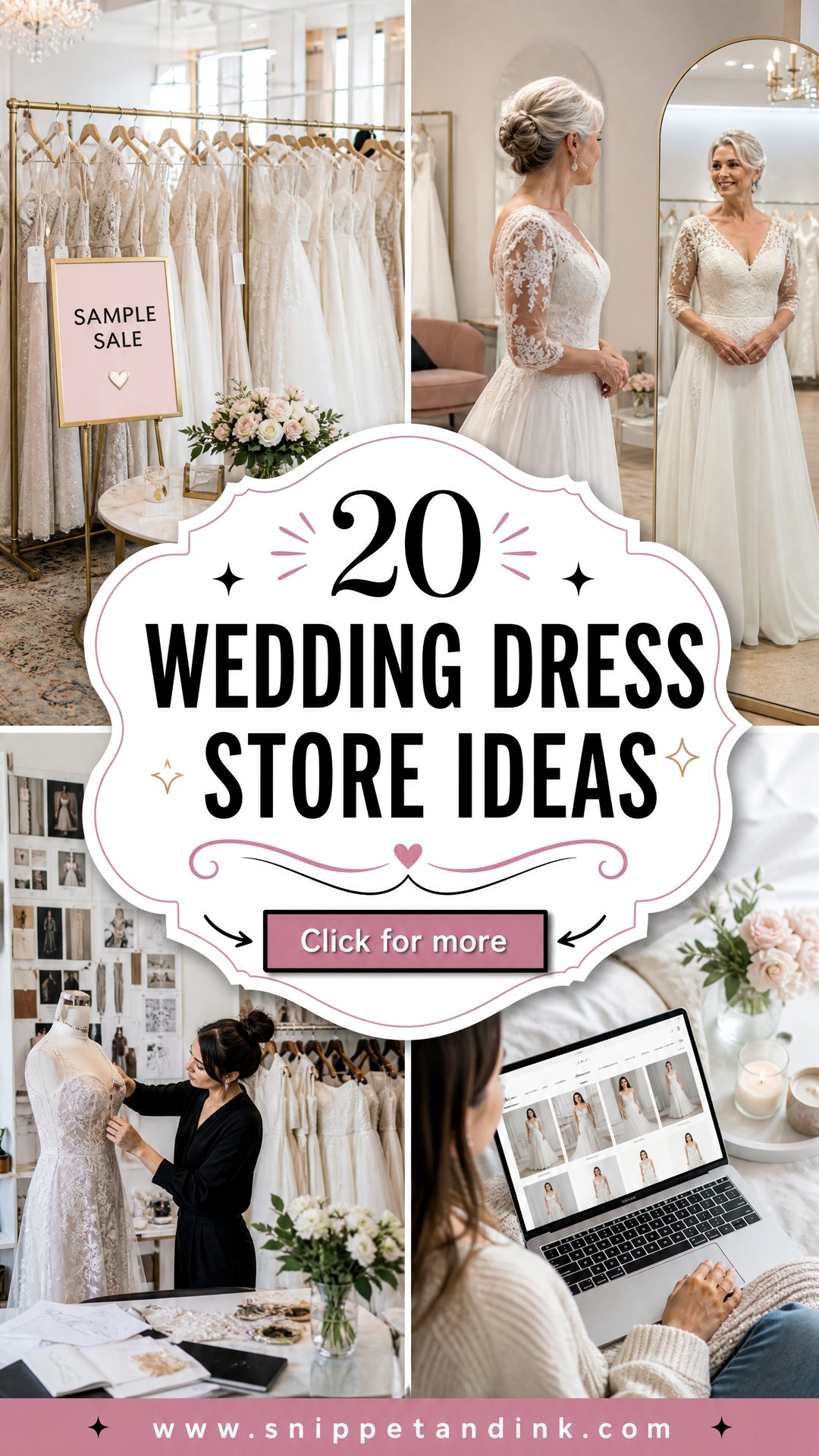
Spotting the Gap in Your Local Bridal Market
Picking a concept from a list is easy. Proving that brides near you want it takes some legwork, and I’d do all of it before signing a lease.
- Book appointments at the bridal shops within an hour’s drive, as a customer. Note sample sizes, price ranges, how long you waited and what the stylist couldn’t offer.
- Read their reviews and look for the complaints that repeat: no samples over a certain size, pushy upselling, alteration delays, nothing under a certain budget. Repeated complaints point straight at an opening.
- Talk to local seamstresses. They see every gown from every shop and know which problems keep coming back.
- Ask wedding planners and venue coordinators what their couples struggle to find. Modest gowns, plus-size samples and last-minute dresses come up often.
- Check your space against the concept. A ball gown store needs wide aisles and high ceilings; a minimalist or online-first model can start far smaller.
If two shops nearby already do luxury well, a third luxury store fights for the same brides. A gap nobody serves, even a narrow one, is a far stronger start.
1. Luxury Wedding Dress Store
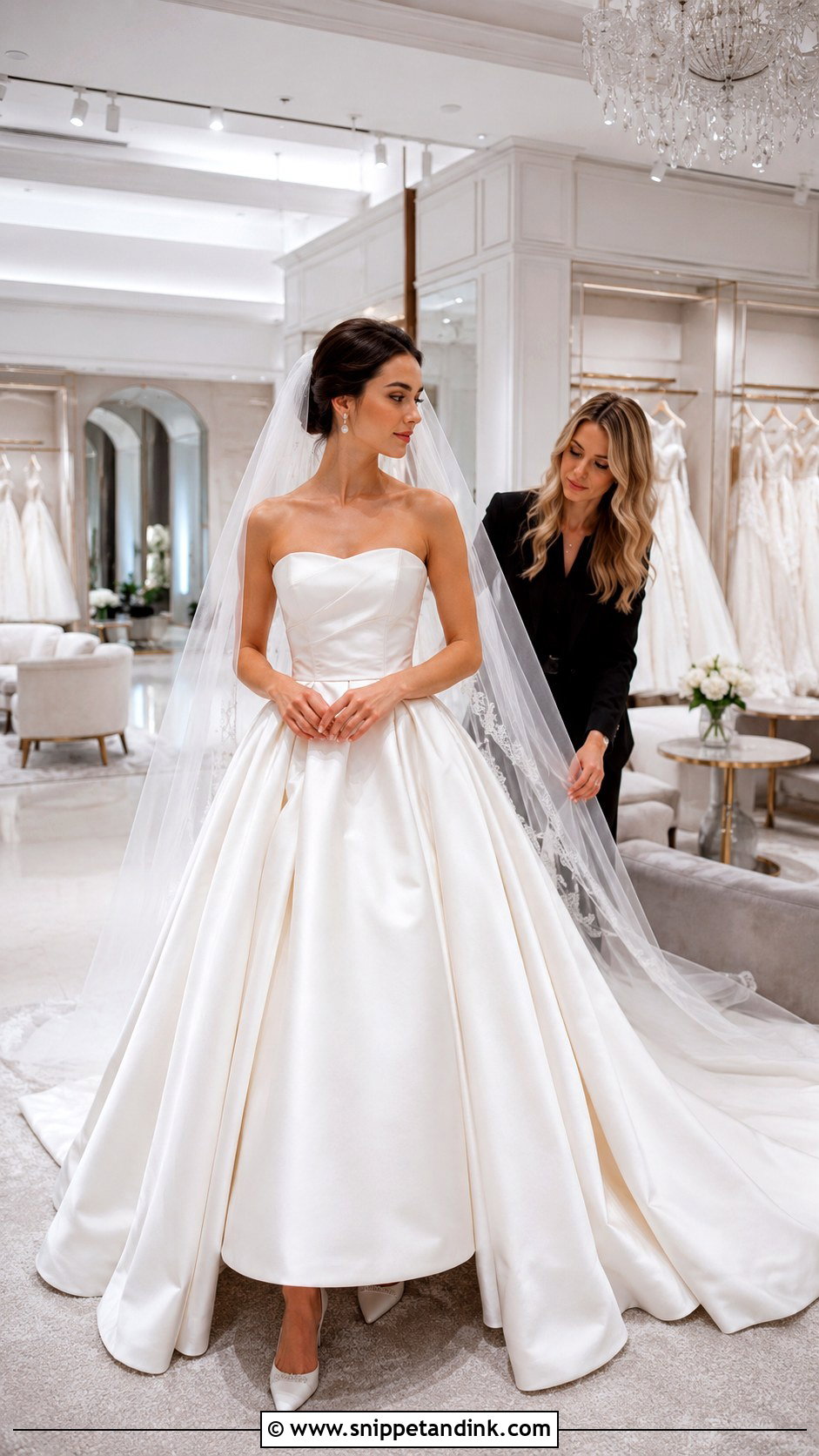
A luxury store sells the appointment as much as the gown. Carry designer pieces with real differences in construction and silhouette rather than ten versions of the same lace A-line. Private fitting suites with a large mirror, a proper seat for her guests and good lighting from the front, not just overhead, do more for the atmosphere than any chandelier. Book longer sessions and send a short questionnaire beforehand so the stylist can pull gowns before she arrives. Accessory styling and alteration coordination belong in the price. Market through editorial photography, designer events and genuine follow-ups, but keep the tone warm; brides walk out of places that make them feel judged.
2. Affordable Wedding Dress Store
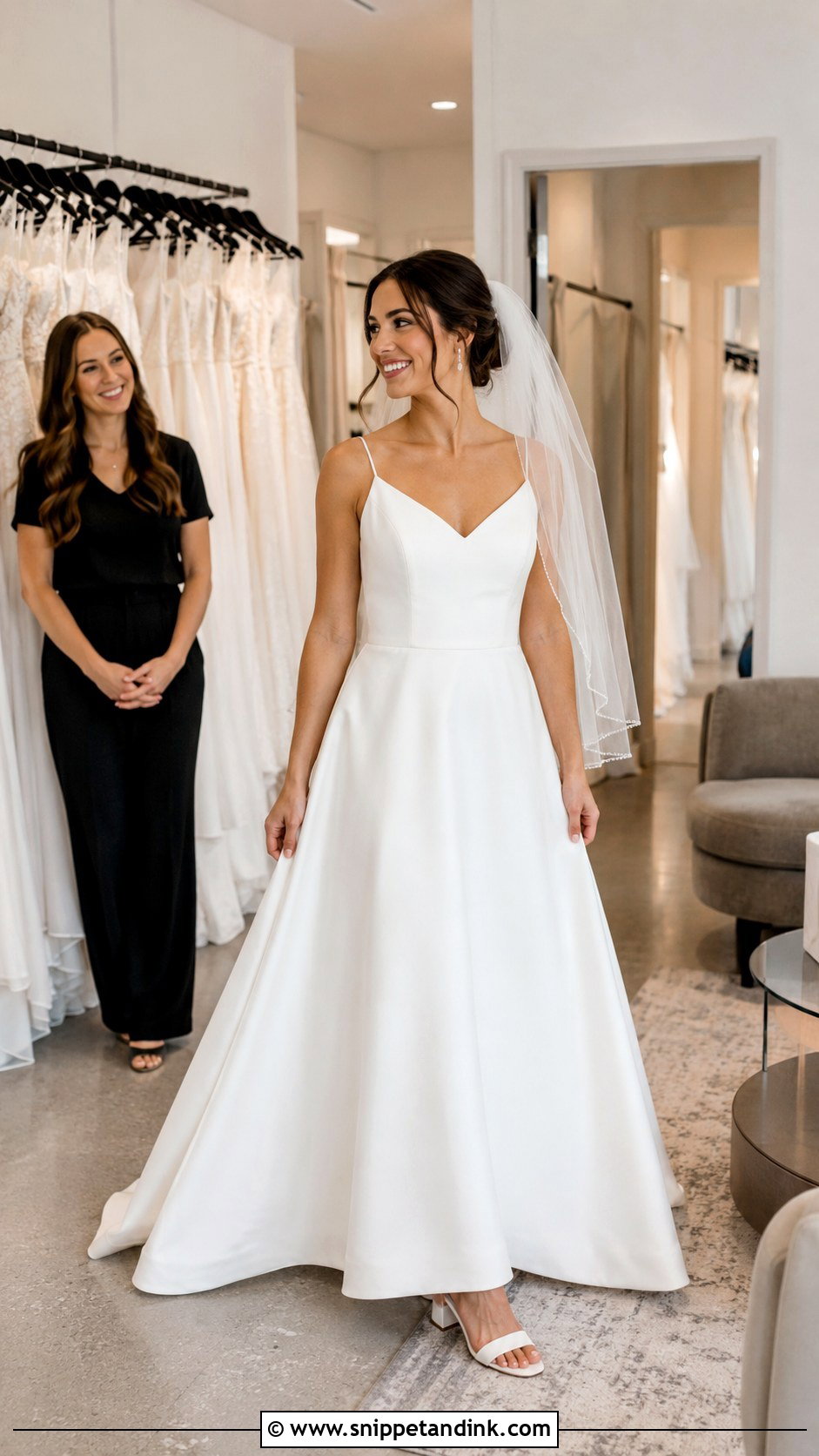
Budget brides can tell instantly when a shop treats them as second-class. An affordable store works when prices are shown openly by category, so nobody falls in love with something she can’t buy. Stock versatile silhouettes, lighter fabrics and a few embellished pieces at each price step. A package with gown, veil, garment bag and basic hem is easy to understand. The stylist’s job is to learn the total budget, alterations included, and never pull above it. I’d also publish honest alteration cost ranges online, because that surprise is what sours a cheap dress most often.
3. Plus Size Wedding Dress Store
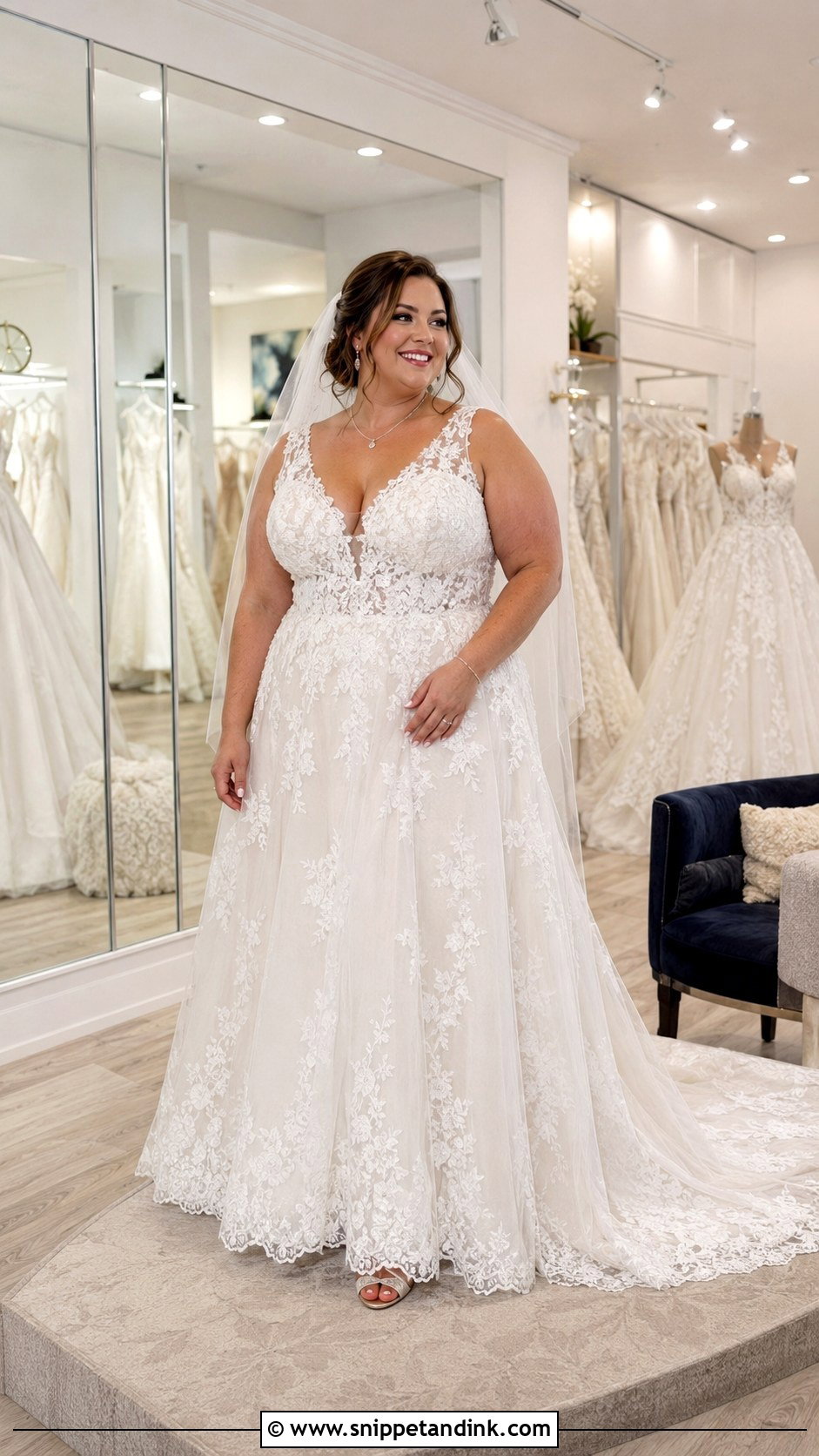
Imagine a bride pulling on a sample that actually zips. That single moment is the whole case for a plus-size store. Carry a meaningful run of sizes in each silhouette, not three token samples at the end of a rack: structured ball gowns, A-lines, fitted designs, supportive strapless bodices and sleeves. Fitting rooms need room for two people to work, sturdy seating and a solid platform. Staff should understand bust support, internal corsetry and how to talk about fit without apologising for a body. Show real brides of different shapes in your marketing, and partner with a seamstress who regularly alters plus-size bridalwear, since grading a bodice up is a skill in itself.
4. Sustainable Wedding Dress Store
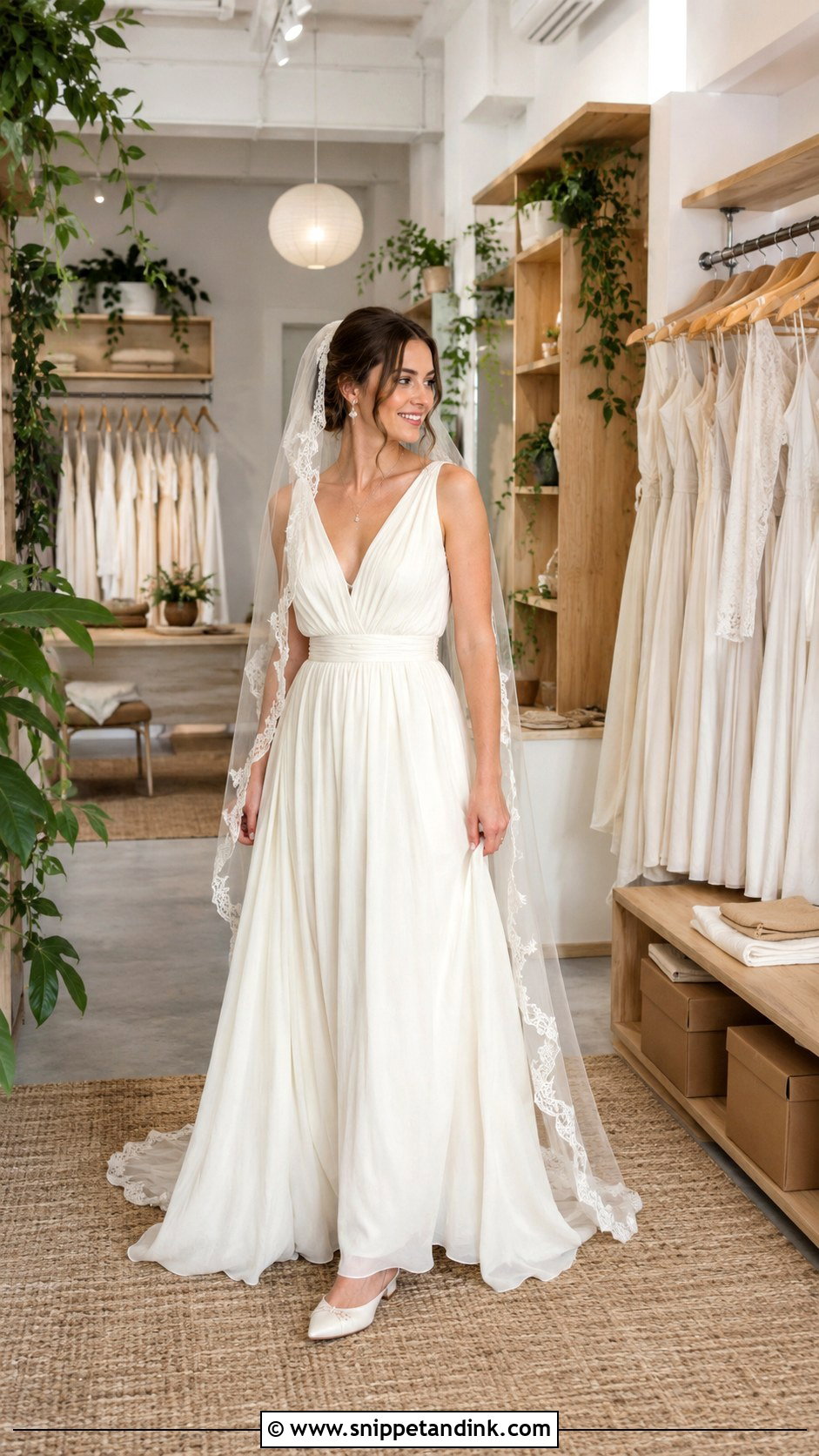
Sustainable bridal lives or dies on honesty. Stock lower-impact fabrics, locally made gowns, vintage and resale, and designs that can be altered or reworked later, then explain each label’s production plainly instead of leaning on vague green claims. Reusable garment bags, digital receipts and tight inventory planning are easy wins. Secondhand fixtures and an uncluttered floor fit the concept. The services are where it gets interesting: resale after the wedding, cleaning, redesign consultations and donation. Show brides how to compare fibre, construction and shipping distance so they can judge for themselves.
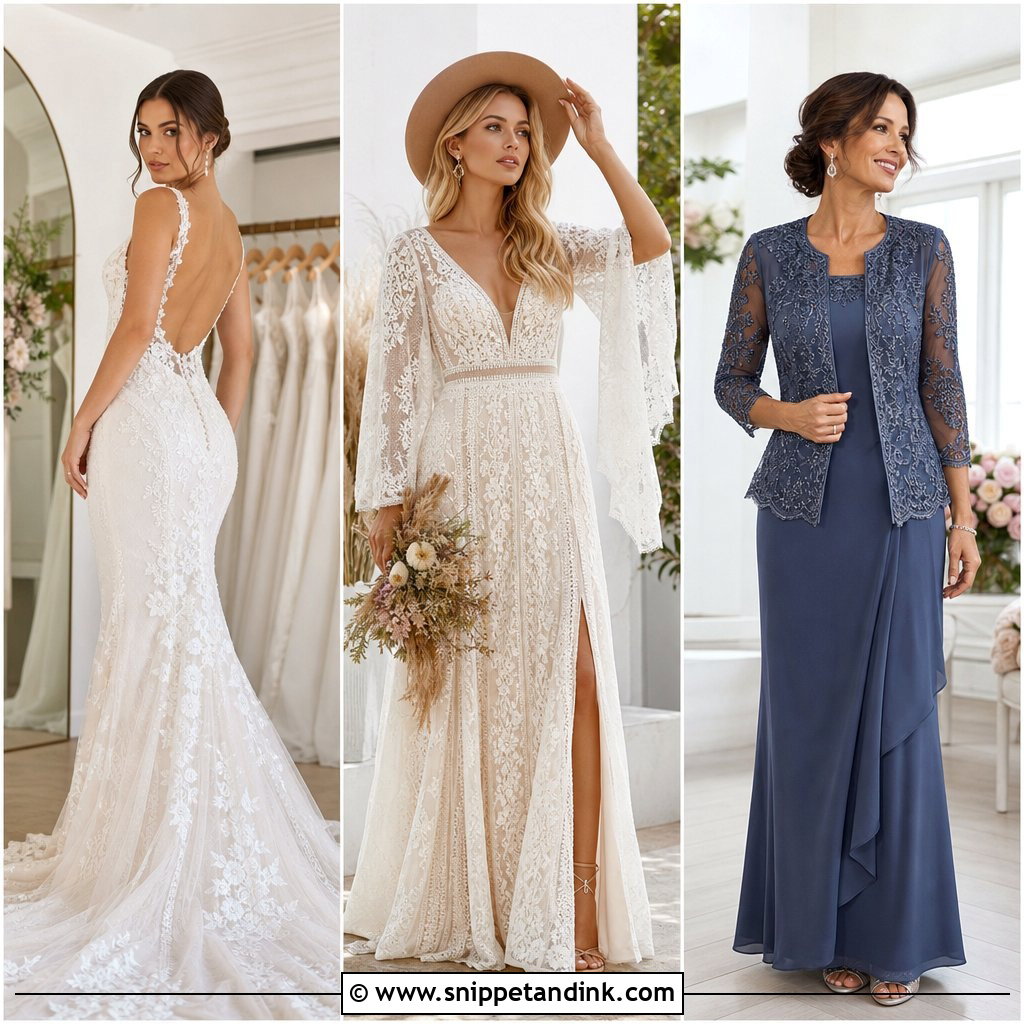
5. Vintage Wedding Dress Store
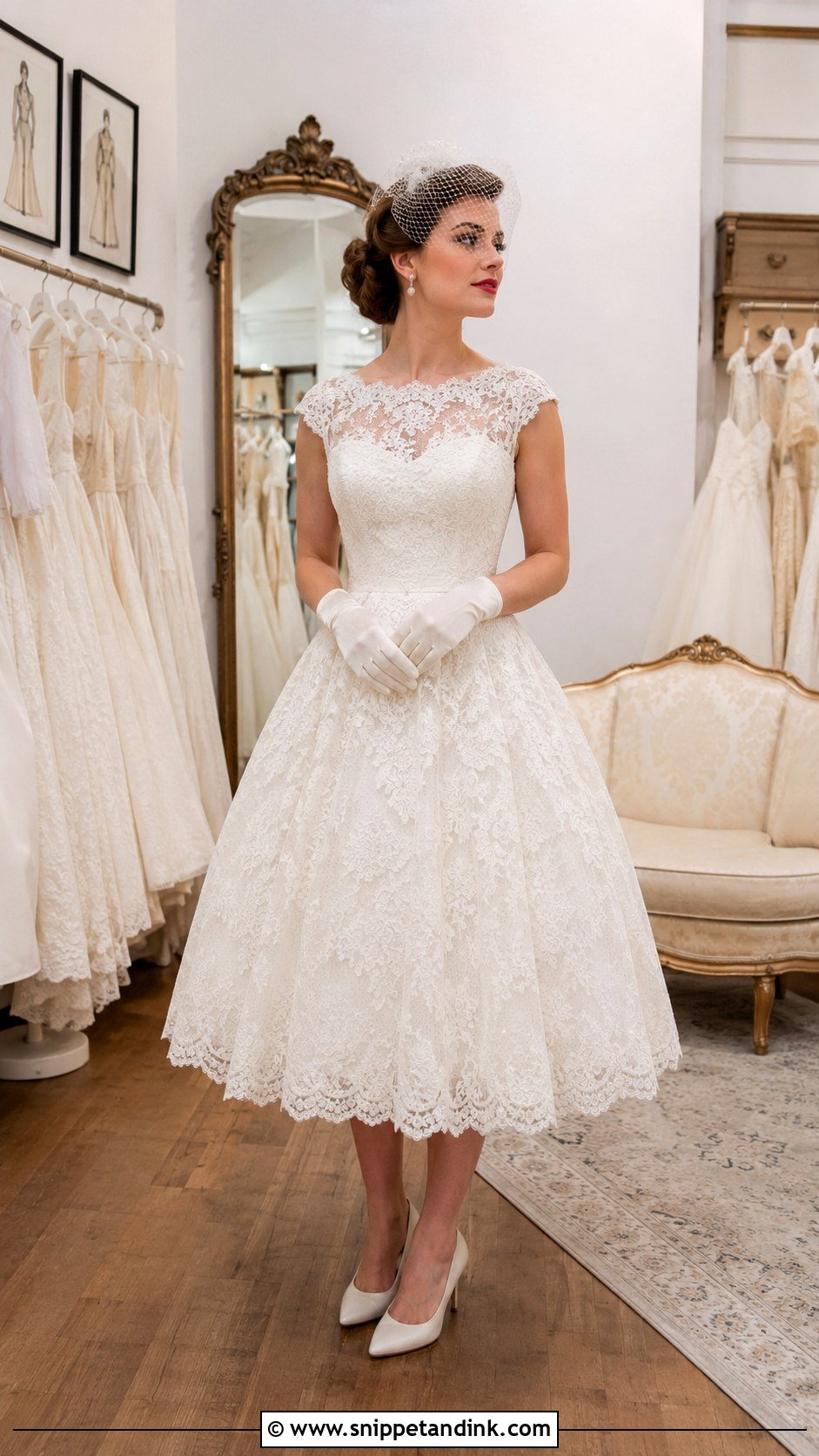
Vintage stock has instant character, all that lace, satin and beading, and real fragility to match. Inspect every original gown in daylight before it hits the rail, because old silk can split along a fold and yellowing often hides under the arms and along the hem. Build the rail from originals, vintage-inspired new dresses and restored pieces, sorted by era or size so browsing doesn’t overwhelm. Give written notes on condition, cleaning and storage, and find a seamstress who has handled old textiles; ordinary alteration methods can tear them. Period veils, gloves and shoes help, but mix in modern accessories so the bride doesn’t look like a costume. A short story card for each one-off gown makes it memorable.
6. Minimalist Wedding Dress Store
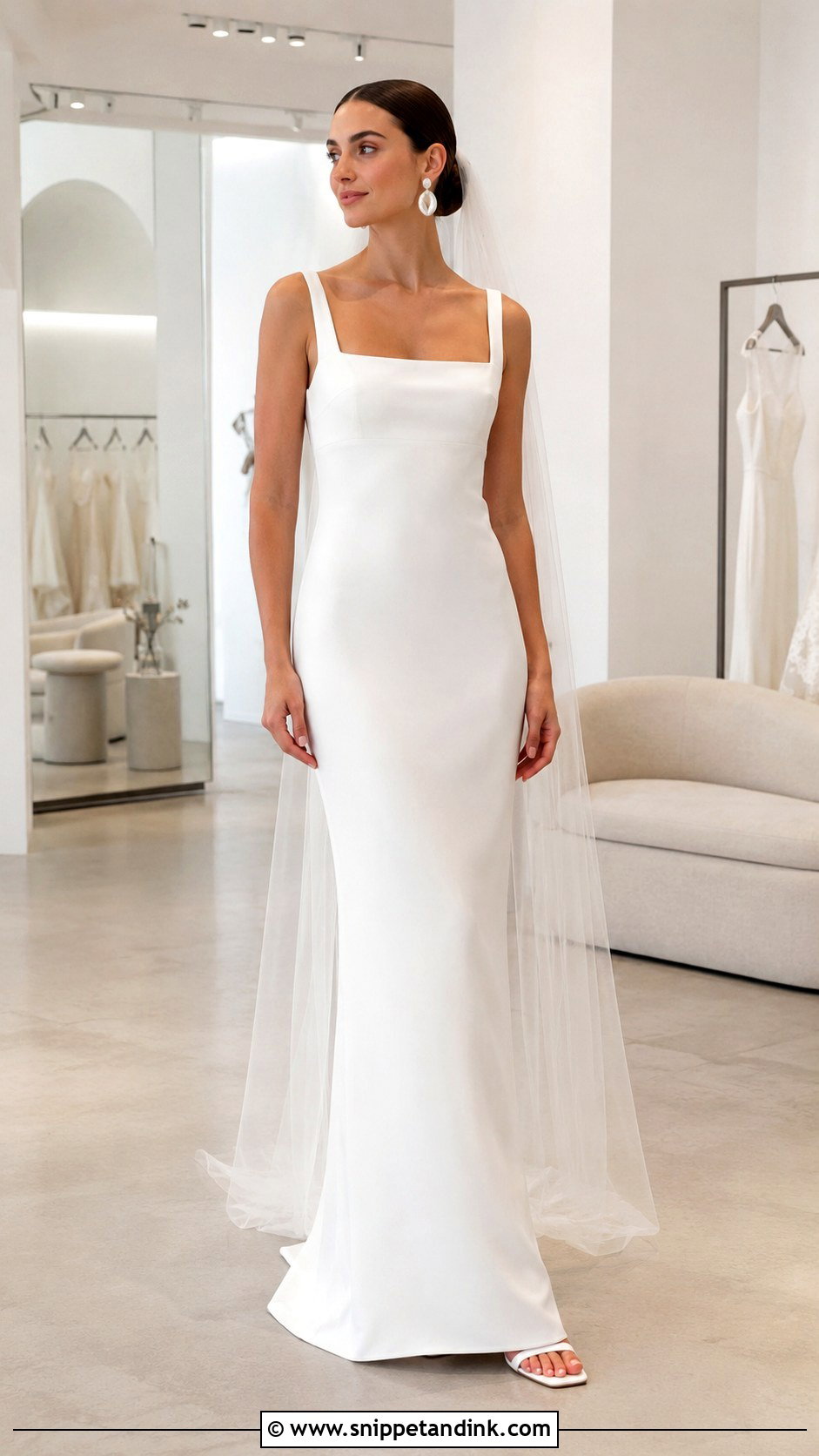
Could a quieter room lead to better decisions? In my experience, often yes. A minimalist store edits hard: column dresses, structured A-lines, slip gowns, modern separates and a few understated ball gowns, hung with space between them so construction and fabric quality can be seen. Bright, neutral lighting matters more here than anywhere, since smooth crepe and satin show every flaw. Calm, well-prepared appointments suit this bride. Sculptural earrings, a streamlined veil and refined shoes complete the look. Customers who hate crowded racks and heavy embellishment will find you, and they tend to know what they want.
7. Boho Wedding Dress Store
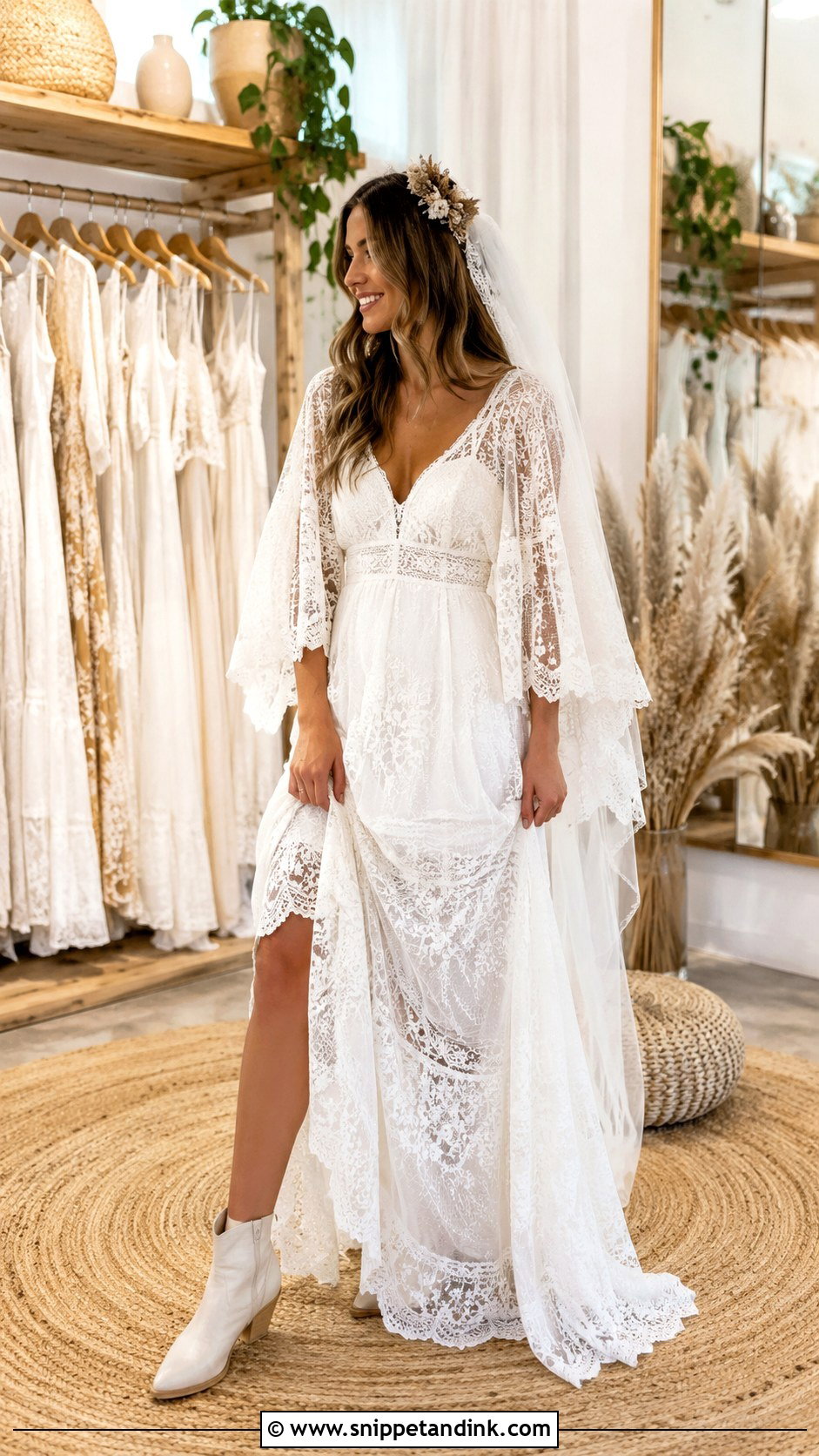
A boho store sells soft lace, airy skirts and relaxed sleeves, but the stylist has to think about the ground. These brides often marry in fields, forests or on sand, so I always ask about terrain before suggesting a train or a fabric; chiffon catches on bark, heavy lace drags in mud. Stock flowing A-lines, crochet lace, low backs and two-piece sets, with textured veils, floral hairpieces, boots and sandals alongside. Pale wood, woven textures and greenery set the mood, but too many rustic props crowd the gowns. Outdoor and garden photography sells the concept, and solid guidance on alterations and care keeps it credible.
8. Modest Wedding Dress Store
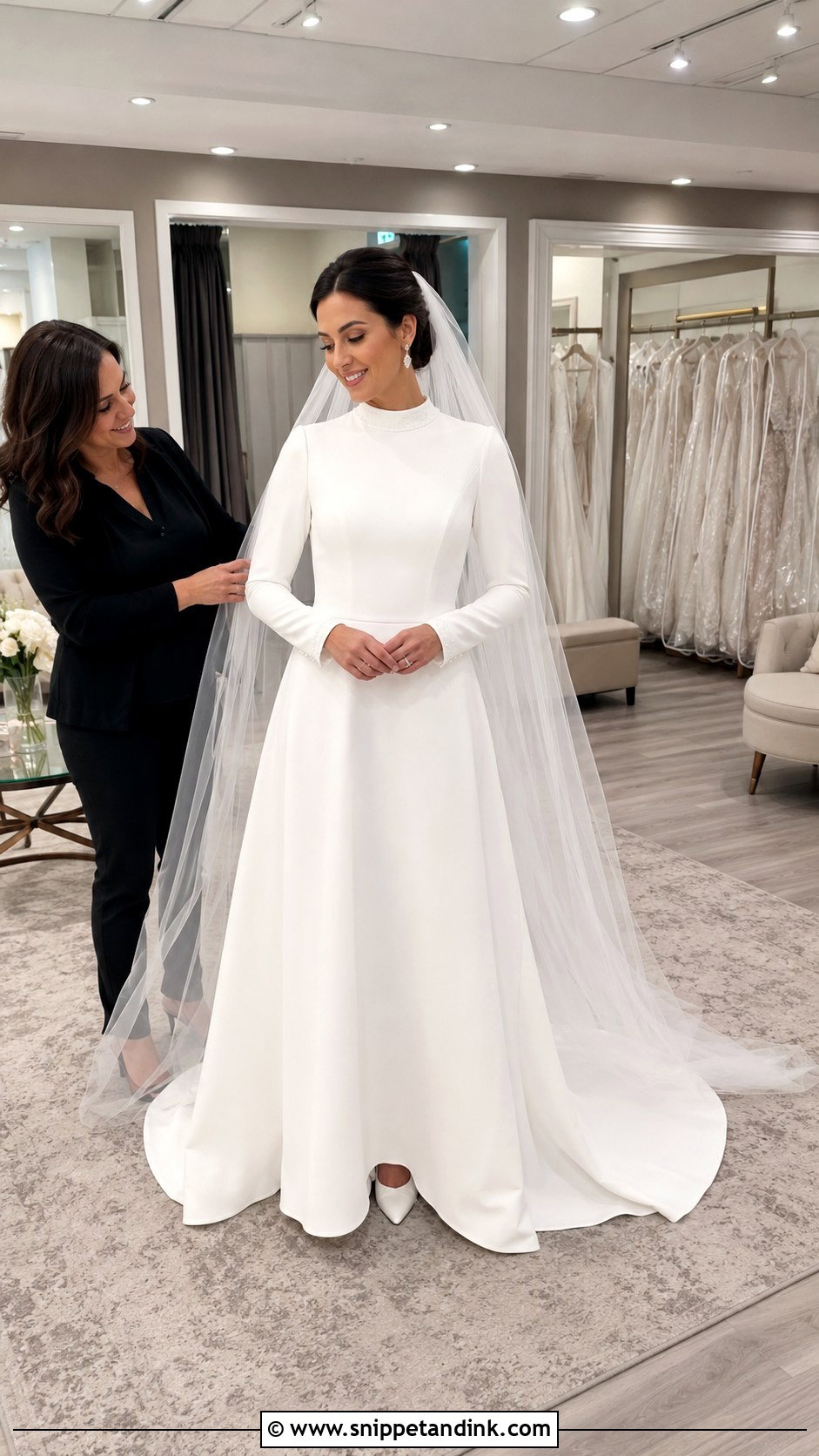
Modest brides are often shown a handful of dated gowns with a bolero thrown on top. A dedicated modest store fixes that by carrying higher necklines, lined bodices, full backs, longer sleeves and skirts that still move, across simple, romantic, glamorous and traditional styles. Private appointments let a bride talk about personal, cultural or religious requirements comfortably. Offer underskirts, detachable sleeves, jackets, veils and custom lining, and build relationships with designers and seamstresses so additions like a lined illusion neckline become routine rather than a gamble. Online, show the back, sleeve and neckline clearly; that’s what this customer checks first.
9. Custom Wedding Dress Atelier
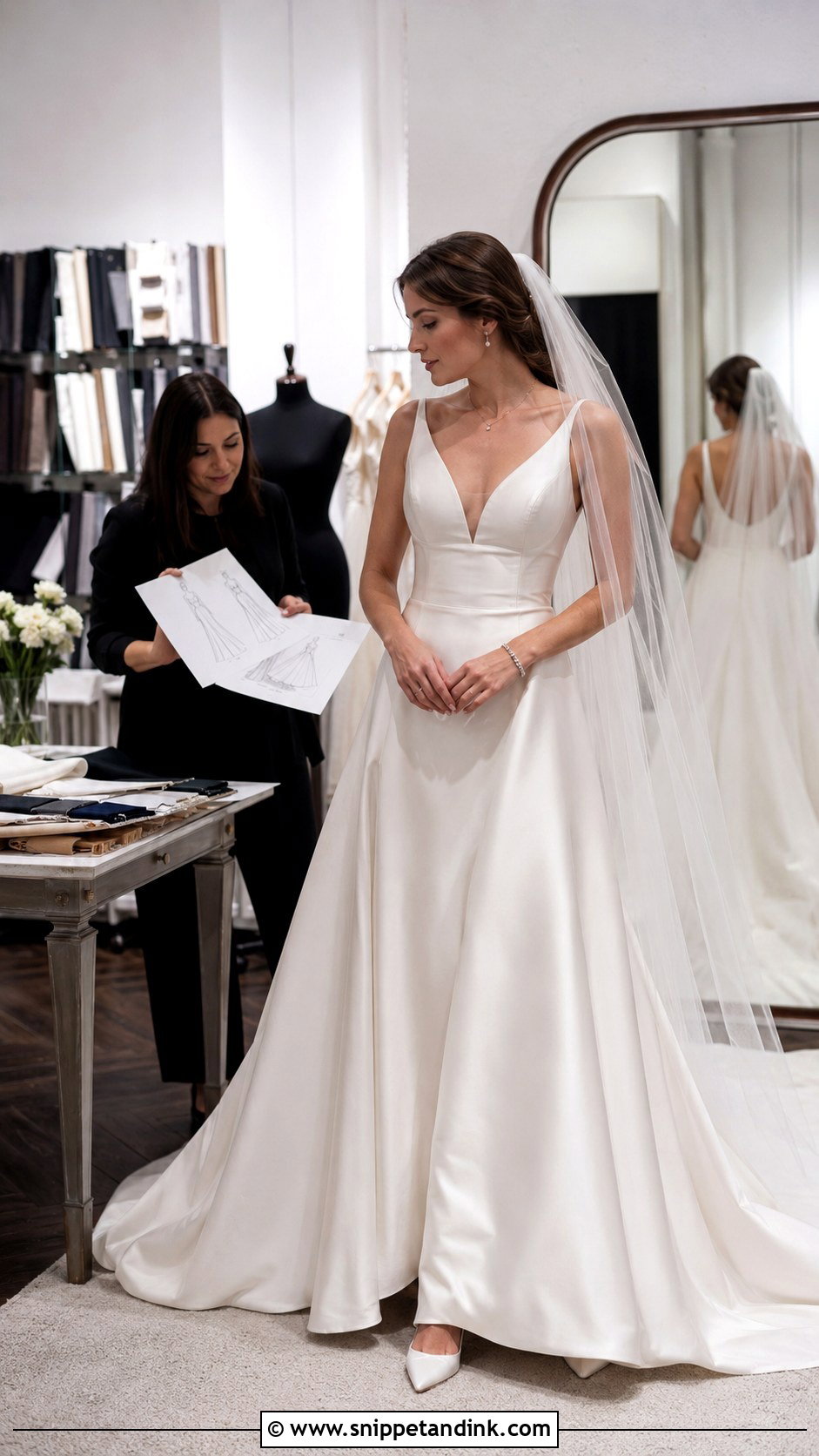
Sketches, swatches and fittings are the product inside a custom wedding dress atelier. It serves the bride who can’t find the right mix of shape, fabric and detail in any collection. Write the process down: consultation, design sign-off, measurements, fabric choice, a toile fitting, further fittings, staged payments, delivery. Be clear about which changes are still possible once fabric is cut, because that is where most disputes start. Show finished samples that prove your technical range. With permission, photograph each stage; brides love seeing the work, and it’s honest marketing.
10. Off The Rack Wedding Dress Store
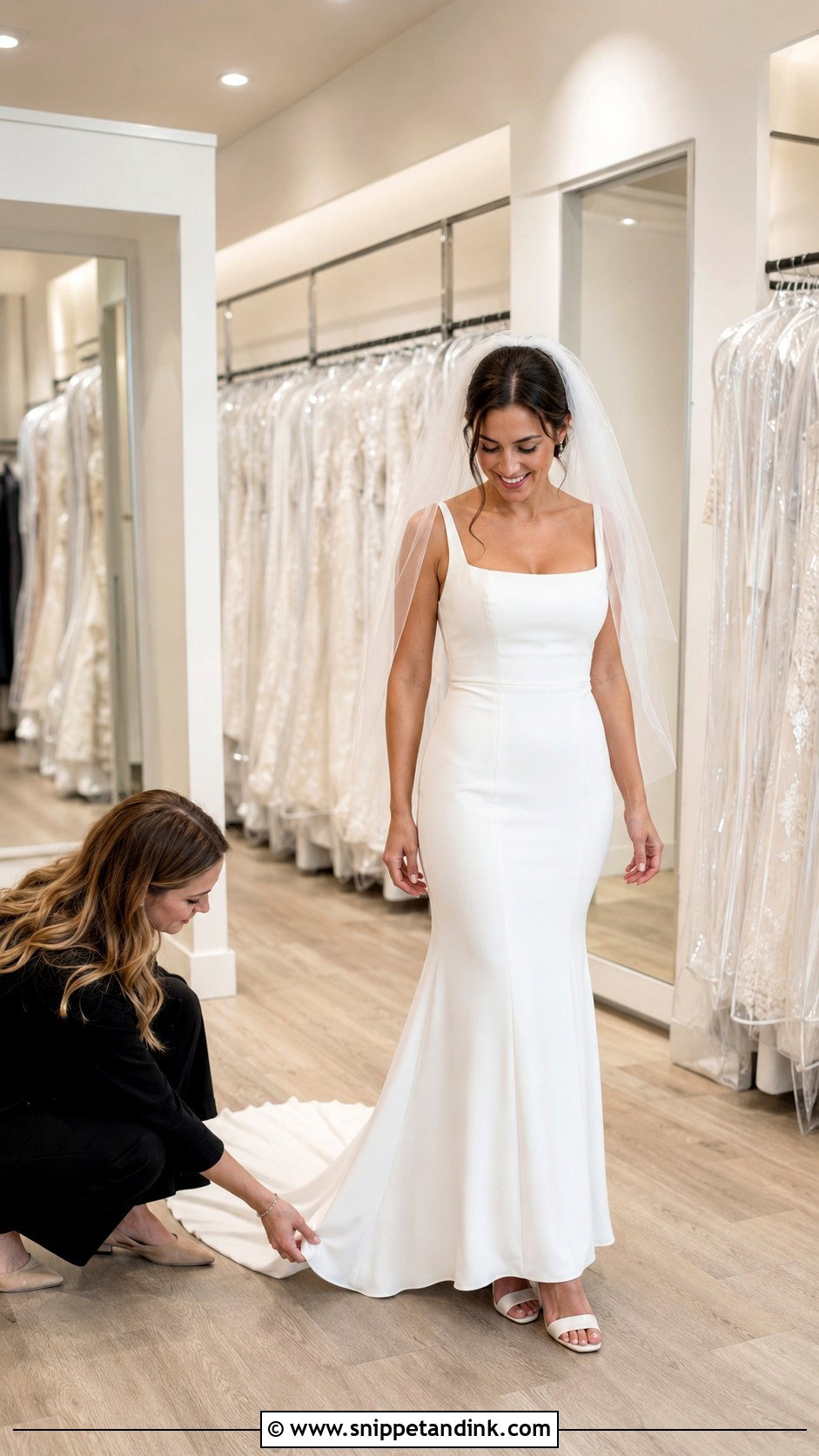
When the wedding is weeks away, off-the-rack offers certainty. Every gown on the floor should be buyable today, with size, price and condition clearly marked. Stock a real spread of silhouettes and sizes, not a rail of disconnected leftovers. Stylists need to judge quickly whether a dress can be altered within the bride’s timeline; taking in a side seam is quick, moving a dropped waist is not. A priority alteration partner is worth more to this concept than extra stock. Send each gown home in a proper bag with written care notes, and post current inventory online so appointments start focused.
11. Sample Sale Wedding Dress Store
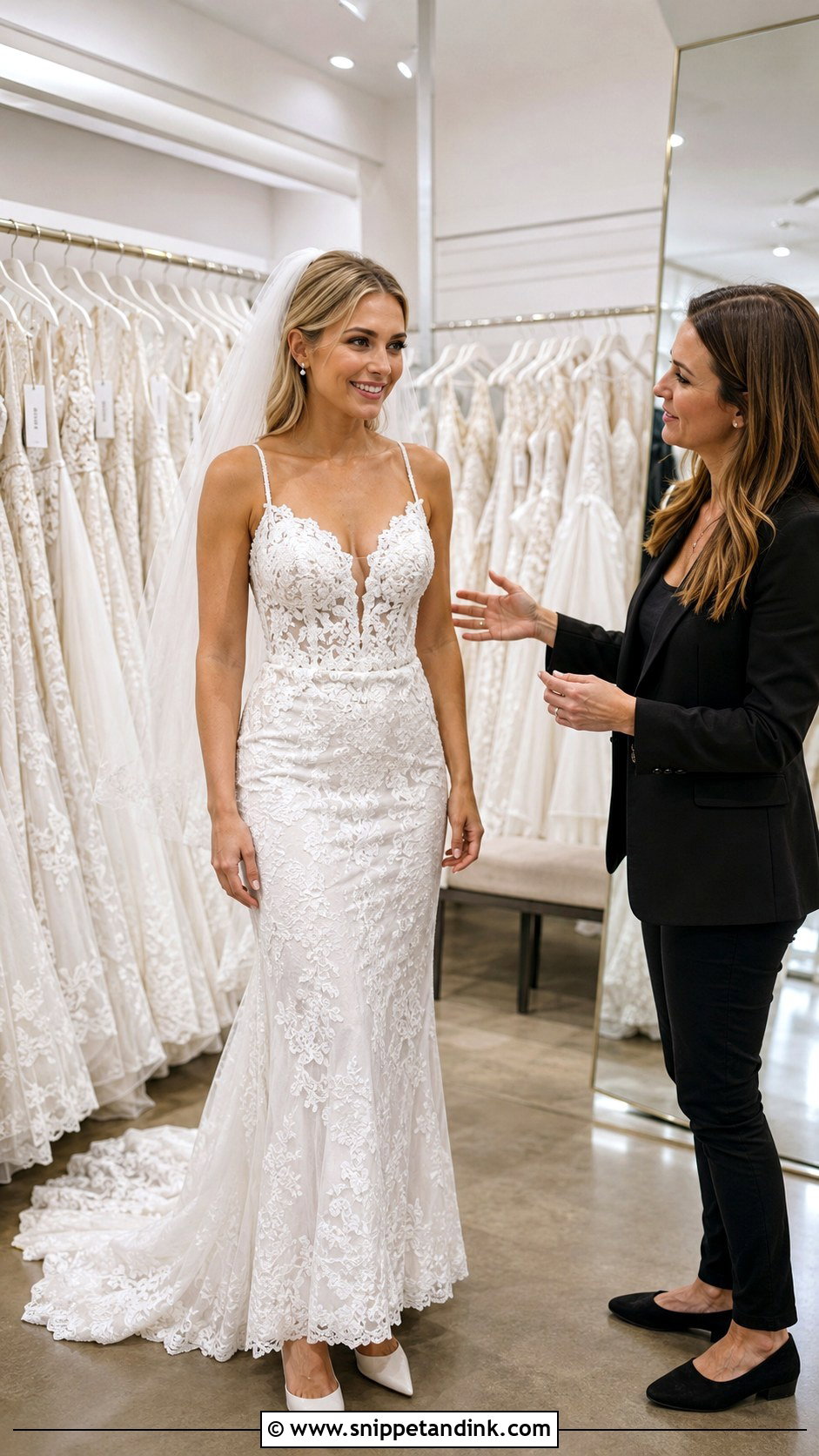
A sample sale wedding dress store turns discounted designer stock into an organised shopping trip. Source showroom samples, discontinued styles, cancelled orders and boutique overstock, then inspect every piece under bright light. Samples have been tried on many times, so look for makeup on necklines, broken zips, missing beads and grey hems, and disclose each one in writing. Group by size and price, and give brides a well-lit room to examine fabric themselves. A quick seamstress check before purchase saves heartbreak, since sales are usually final. Done well, it feels like finding treasure rather than digging through a bargain bin.
12. Destination Wedding Dress Store
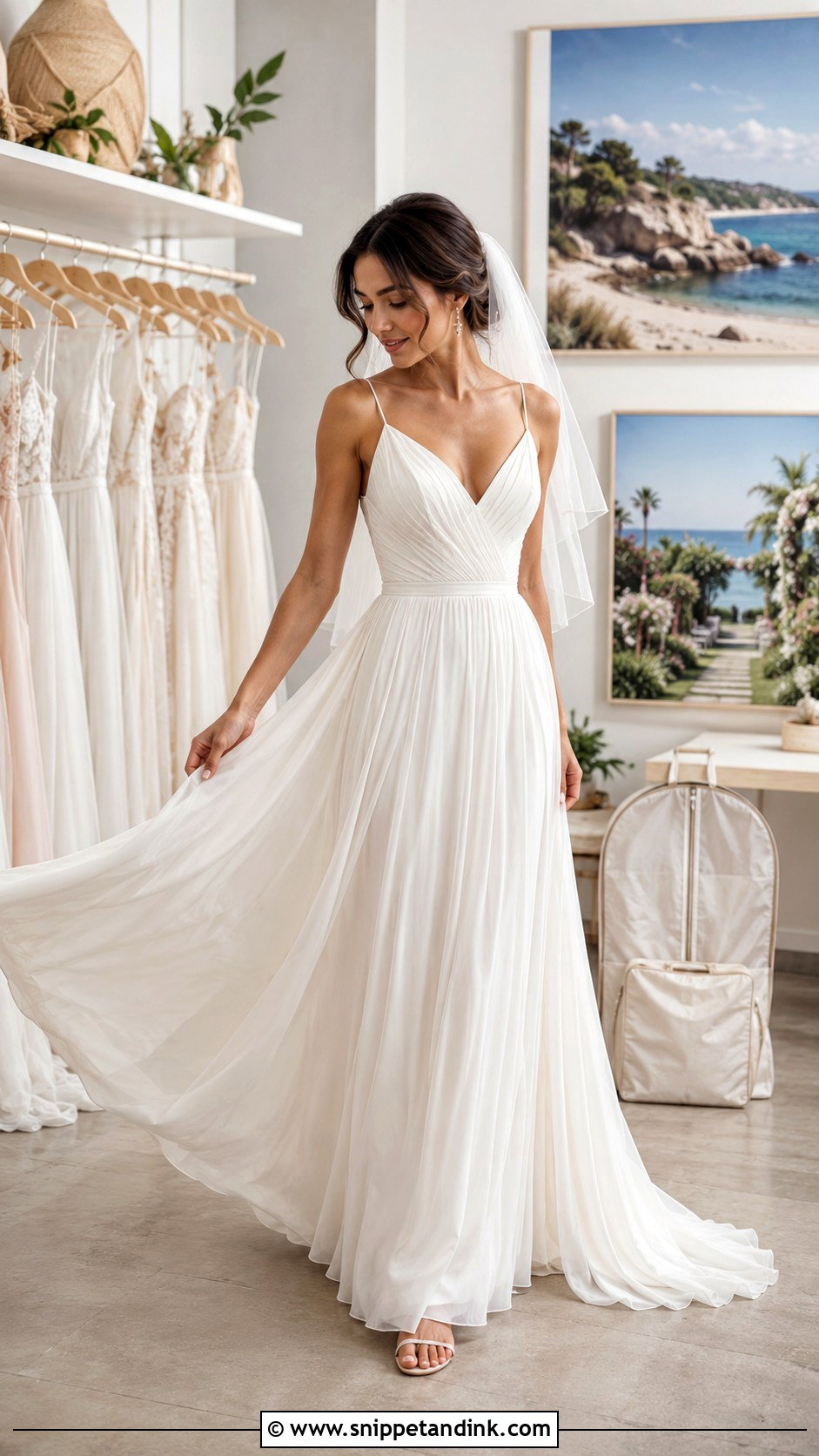
Travel, climate and movement should drive every recommendation in a destination store. Lightweight gowns, packable fabrics, shorter trains and convertible designs suit coast, garden, mountain and city settings. Crepe and soft tulle travel well; structured mikado and heavy satin crease and need professional steaming on arrival. Stylists should ask about flights, ceremony surfaces, temperature and any local dress expectations before pulling anything. Offer a packing demonstration, a travel garment bag and steaming instructions, and explain how to carry a gown on a plane. Comfortable heels, flats, removable overskirts and light wraps complete the edit.
13. Petite Wedding Dress Store
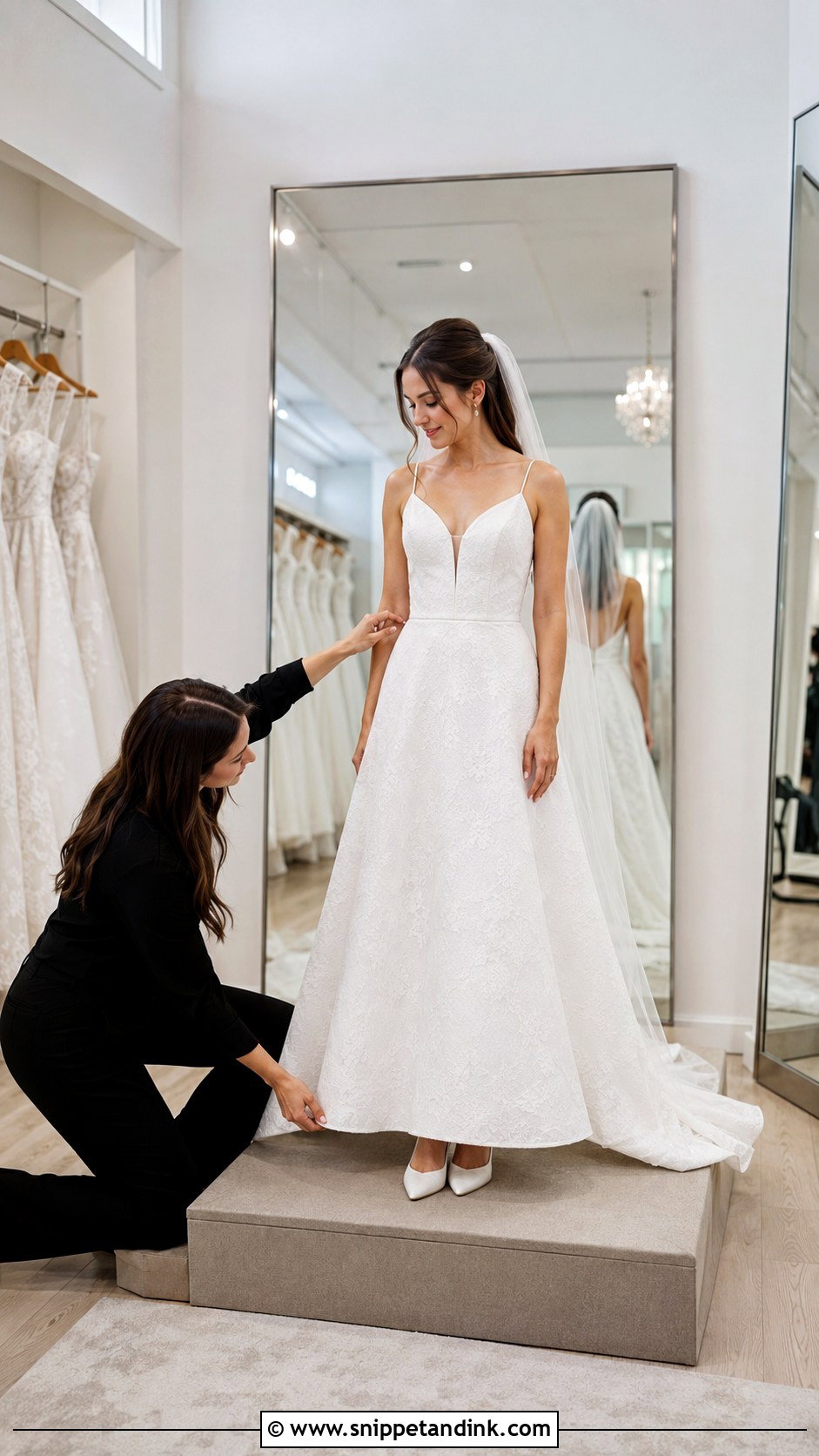
A petite store solves a problem standard samples create: on a shorter bride, waistlines sit low, necklines plunge and lace motifs get cut off at the hem. Look for collections cut in petite proportions, with adaptable bodices and manageable skirt volume, including fitted gowns, soft A-lines, short dresses and scaled-down ball gowns. Stylists should understand how waist placement, neckline depth and embellishment scale change the picture. Shortening a hem with horsehair braid or a lace border is skilled work, so partner with a seamstress who does it often. Size your platforms and mirrors to suit, and show genuine petite brides in your marketing.
14. Mature Bride Wedding Dress Store
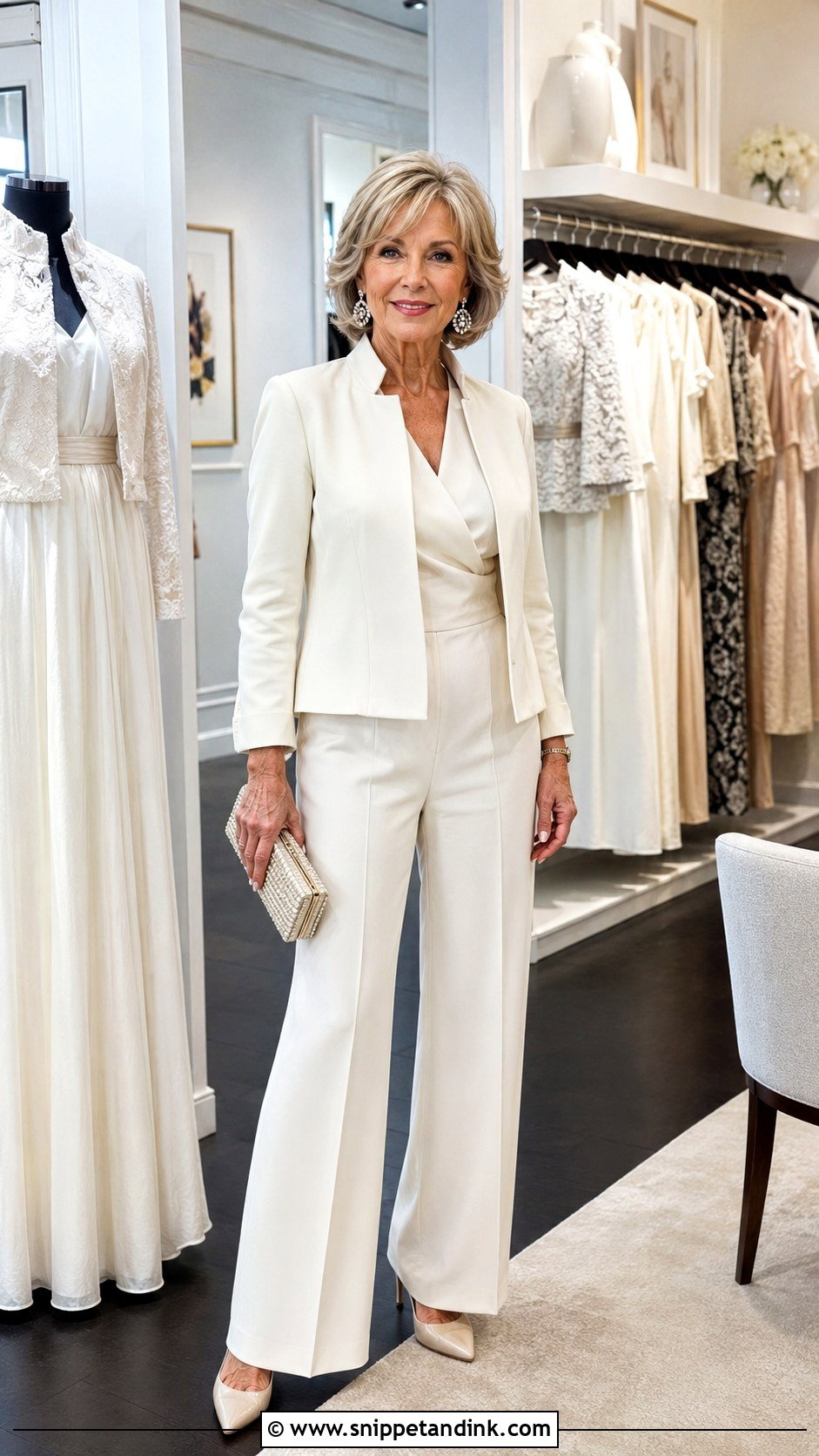
Older brides are tired of being steered toward jackets they didn’t ask for. A store for mature brides offers refined gowns, tailored suits, jumpsuits, separates, tea-length dresses and evening-style silhouettes, with a range of sleeve lengths and supportive bodices, and never assumes more coverage is wanted. Calm private fittings suit this shopper. Stylists should ask about taste, venue, comfort and formality rather than applying age rules. Structured jackets, soft wraps, modern veils and statement earrings round it out, and marketing should show women of many ages and styles.
15. Reception Wedding Dress Store
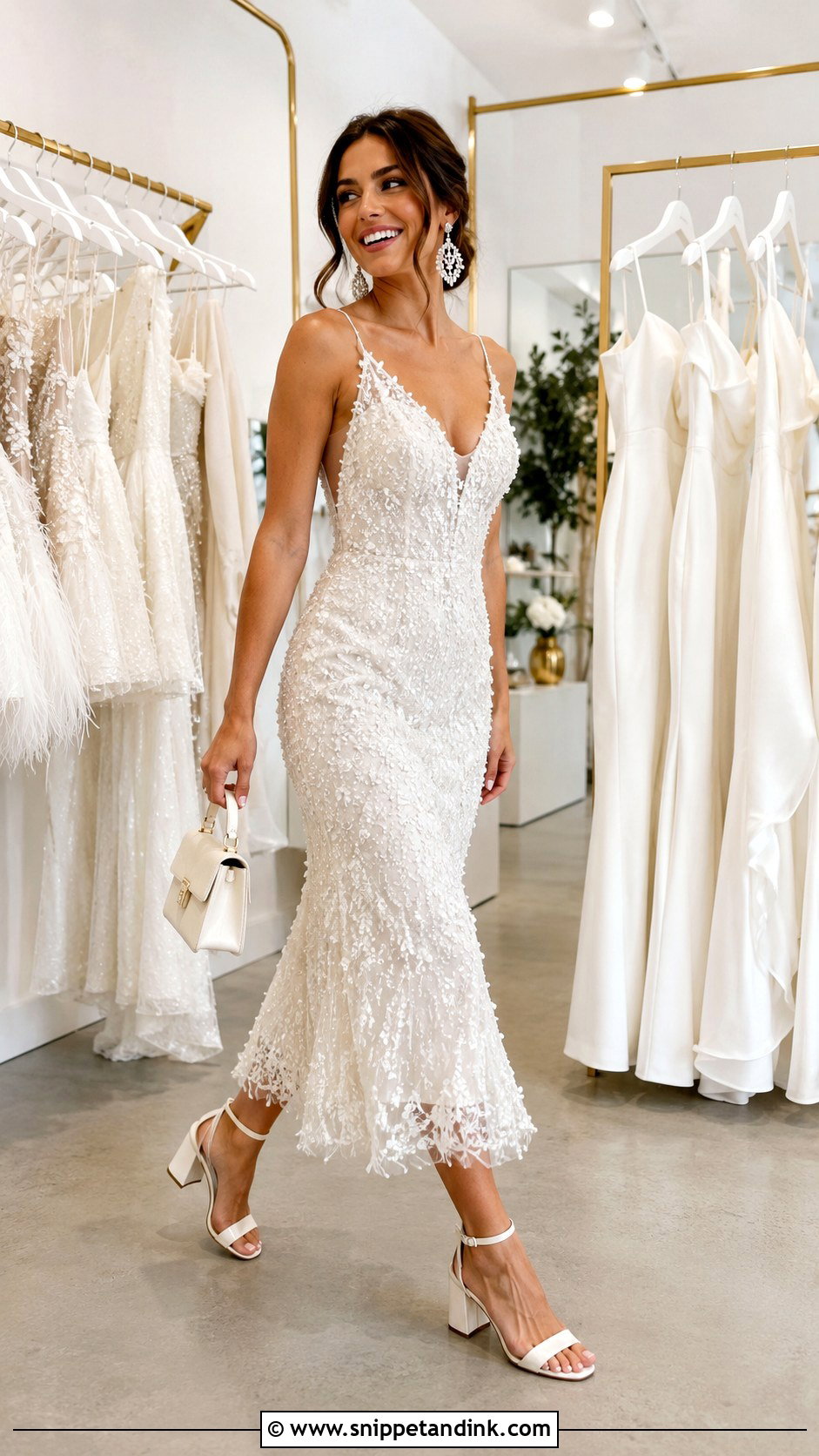
Plenty of brides now plan an outfit change, and a reception store builds its entire stock around it: minis, midis, sleek jumpsuits, embellished designs, satin separates and light full-length gowns. Each piece needs to survive dancing, so check that it can be sat in, twirled in and walked in on a crowded floor. Shoes, small bags, hair accessories and detachable elements make a full second look. I’d invite brides to bring photos of their ceremony gown so the change feels connected. Reception outfits are often bought late, so be upfront about order times and alteration slots.
16. Designer Wedding Dress Store
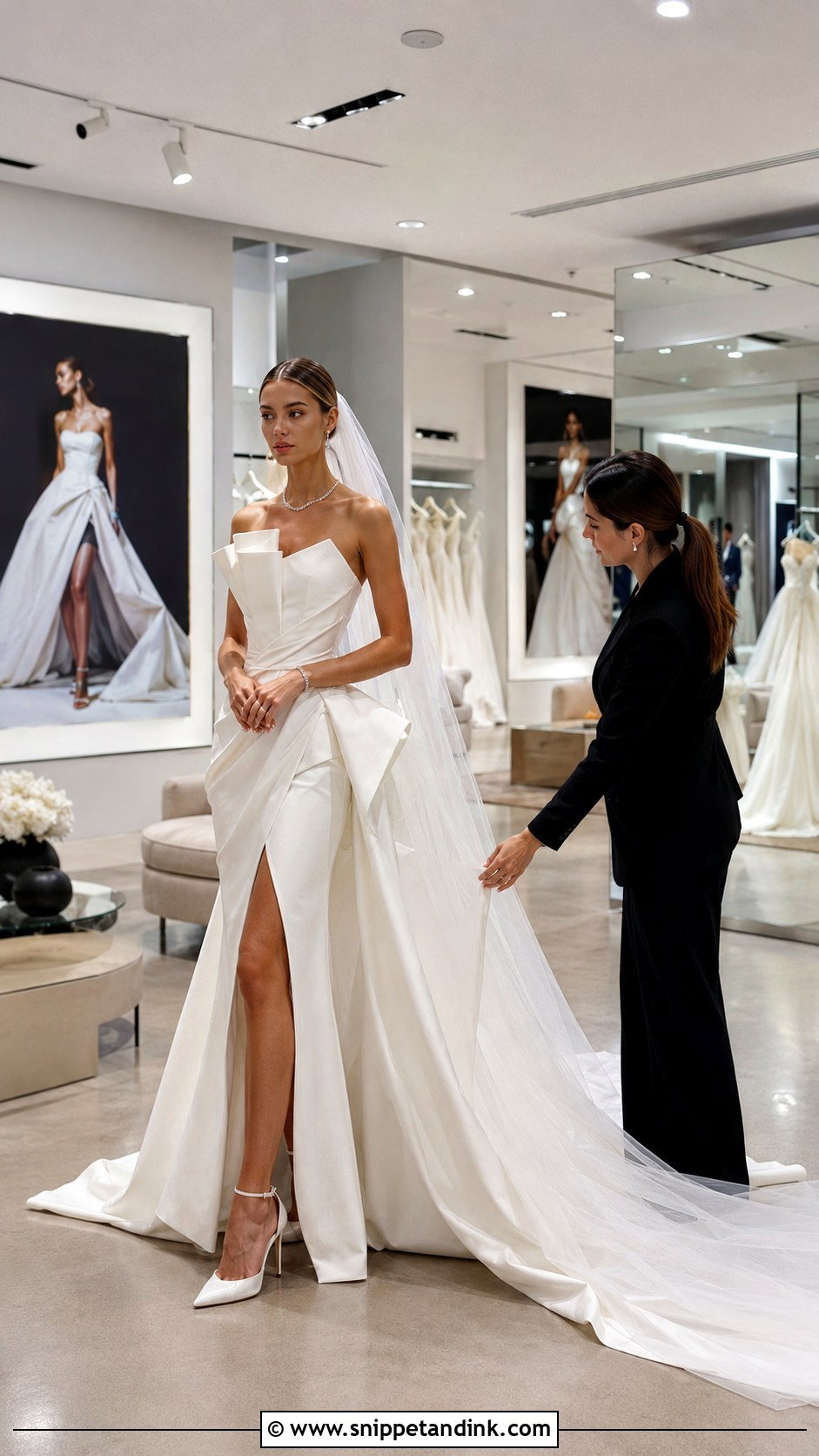
A designer store should feel like a well-edited fashion collection. Select brands with complementary aesthetics, reliable production and clear differences between them; three labels making near-identical gowns just confuses the bride. Organise by designer or silhouette, and train stylists to explain fabric, construction, customisation and delivery. Trunk shows give access to a bigger range for a weekend and create a reason to book. Give every customer written details on measurements, deposit, estimated arrival and who pays for alterations. Exclusivity only works when the service behind it is consistent and approachable.
17. Local Designer Wedding Dress Store
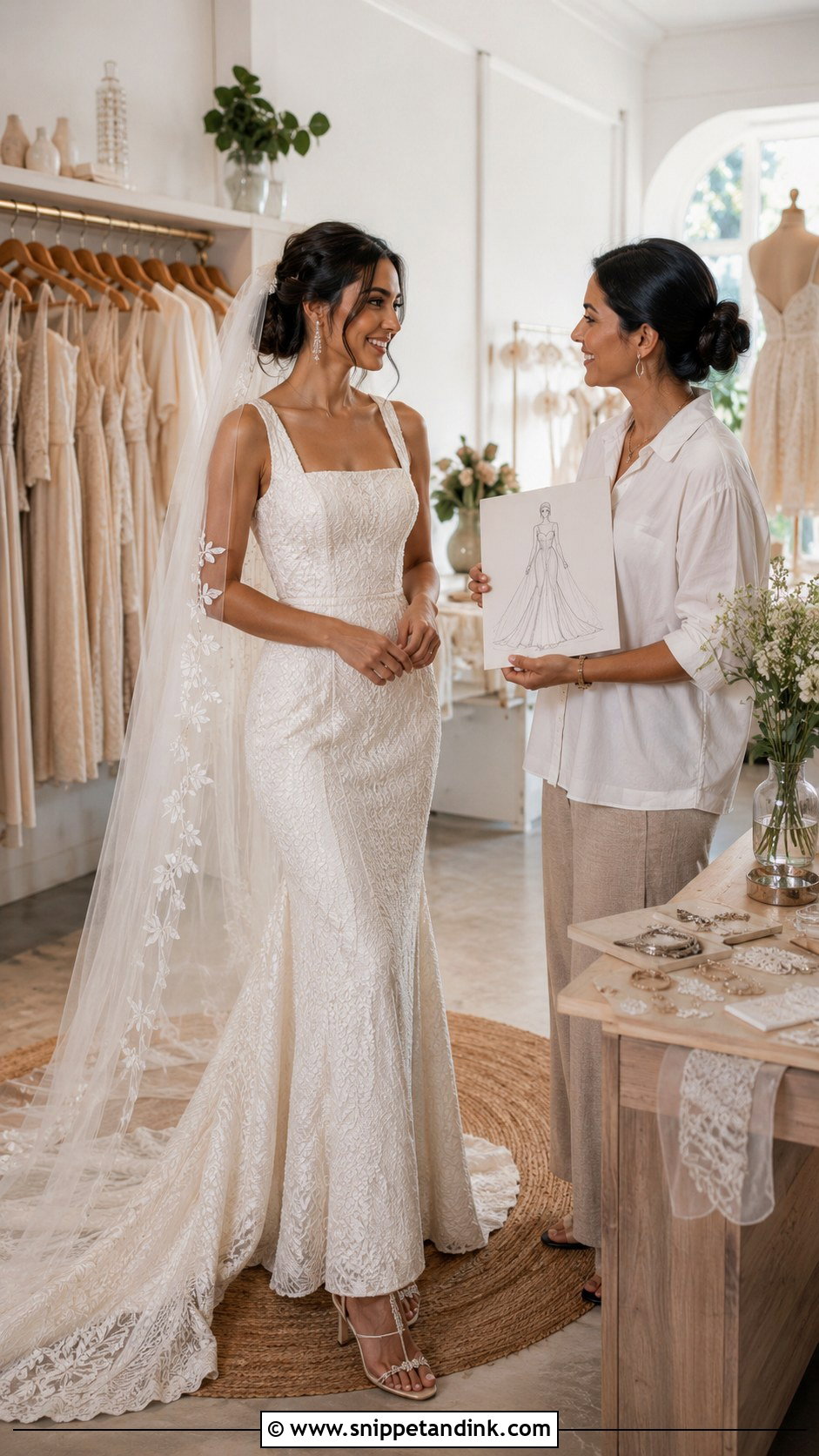
A local designer store connects brides with the makers in their own region. Build the rail around independent labels, small studios and locally made accessories, and introduce each designer through sketches, fabric stories and plain production information. Scheduled designer consultations make it personal. Stock might include made-to-order gowns, customisable separates, veils, jewellery and reception dresses. Small studios can be stretched by a busy season, so put samples, payments, delivery dates and quality checks in written agreements. Collaborating with local photographers, florists and venues widens your reach, and a consistent shop look keeps several designers from feeling like a market stall.
18. Wedding Dress Rental Store
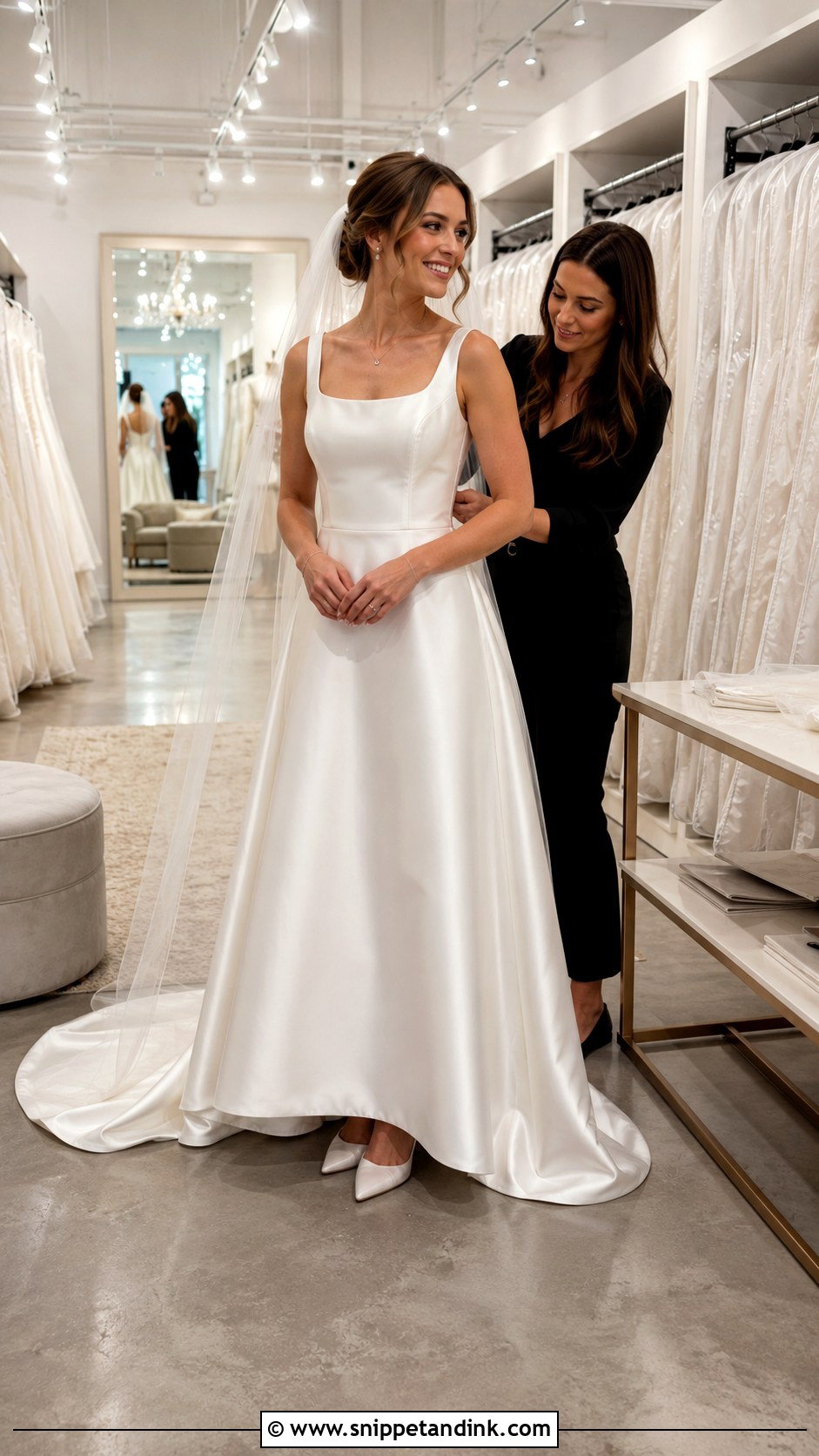
Rental suits brides who want the gown for a day, not a lifetime. Package it clearly: price, fitting, cleaning, pickup and return dates, deposit, damage policy and optional accessories. Choose durable, well-constructed gowns that survive repeated professional cleaning; delicate silk and heavily beaded tulle wear out quickly in rental. Track every dress by size, condition, booking and maintenance history, and keep a backup ready in case one comes back damaged. Alterations should be reversible, so tacking and temporary hems instead of cutting. Presented well, renting feels like a smart choice, never a lesser one.
19. Online Wedding Dress Showroom
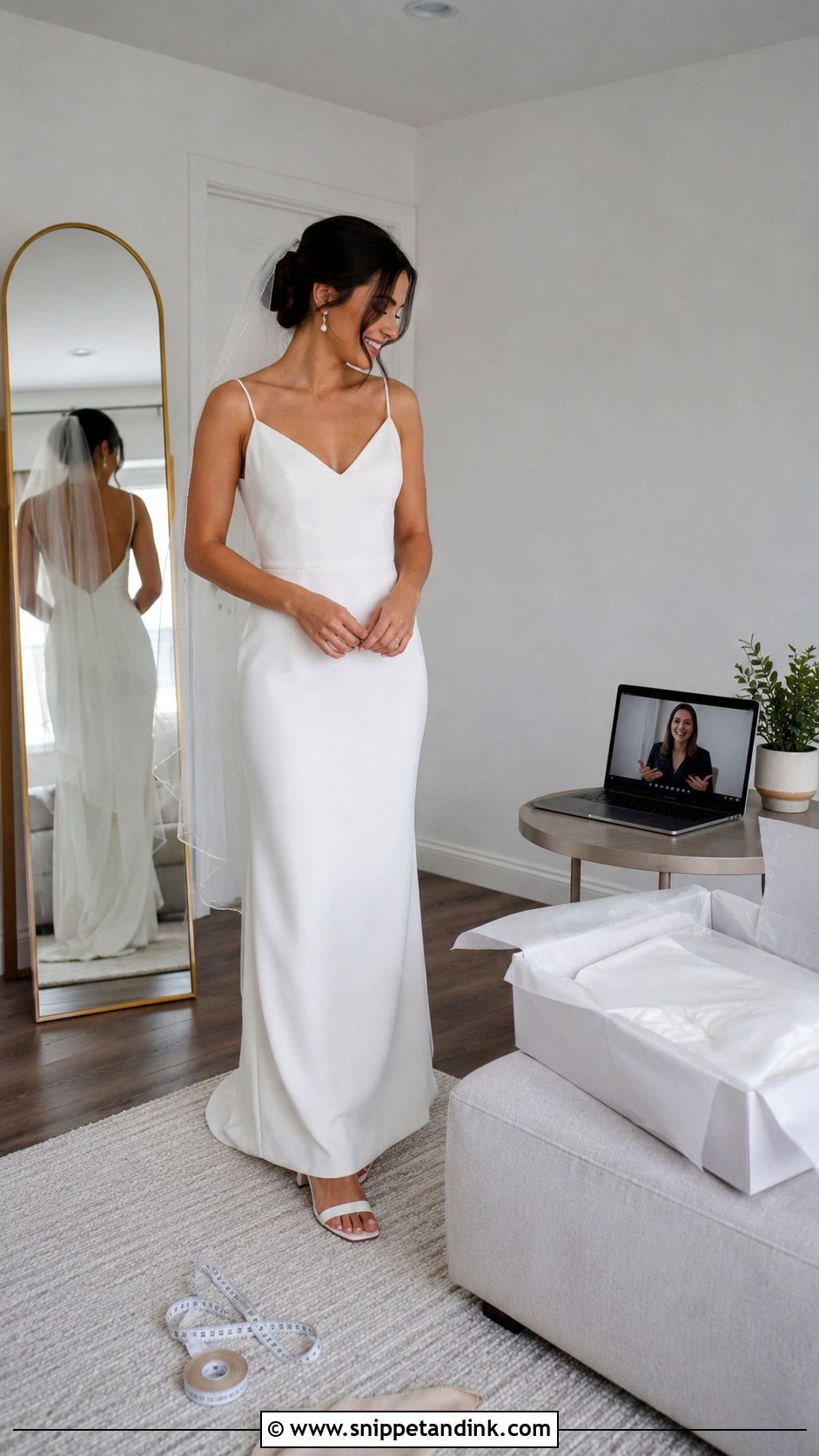
An online showroom blends convenience with styling support, but photography has to do the job a fitting room does. Show several angles, fabric close-ups, size information, prices and realistic delivery times. Virtual consultations help brides compare silhouettes before ordering, and a home try-on scheme can work with clear handling and return rules. Add measurement videos, fit notes and access to a stylist by chat or video. A small appointment-only space helps customers who need to feel the fabric. Protect stock with strong packaging and tracking, and keep image editing light, since a smoothed photo hides exactly the fit detail a bride needs to see.
20. All In One Bridal Store
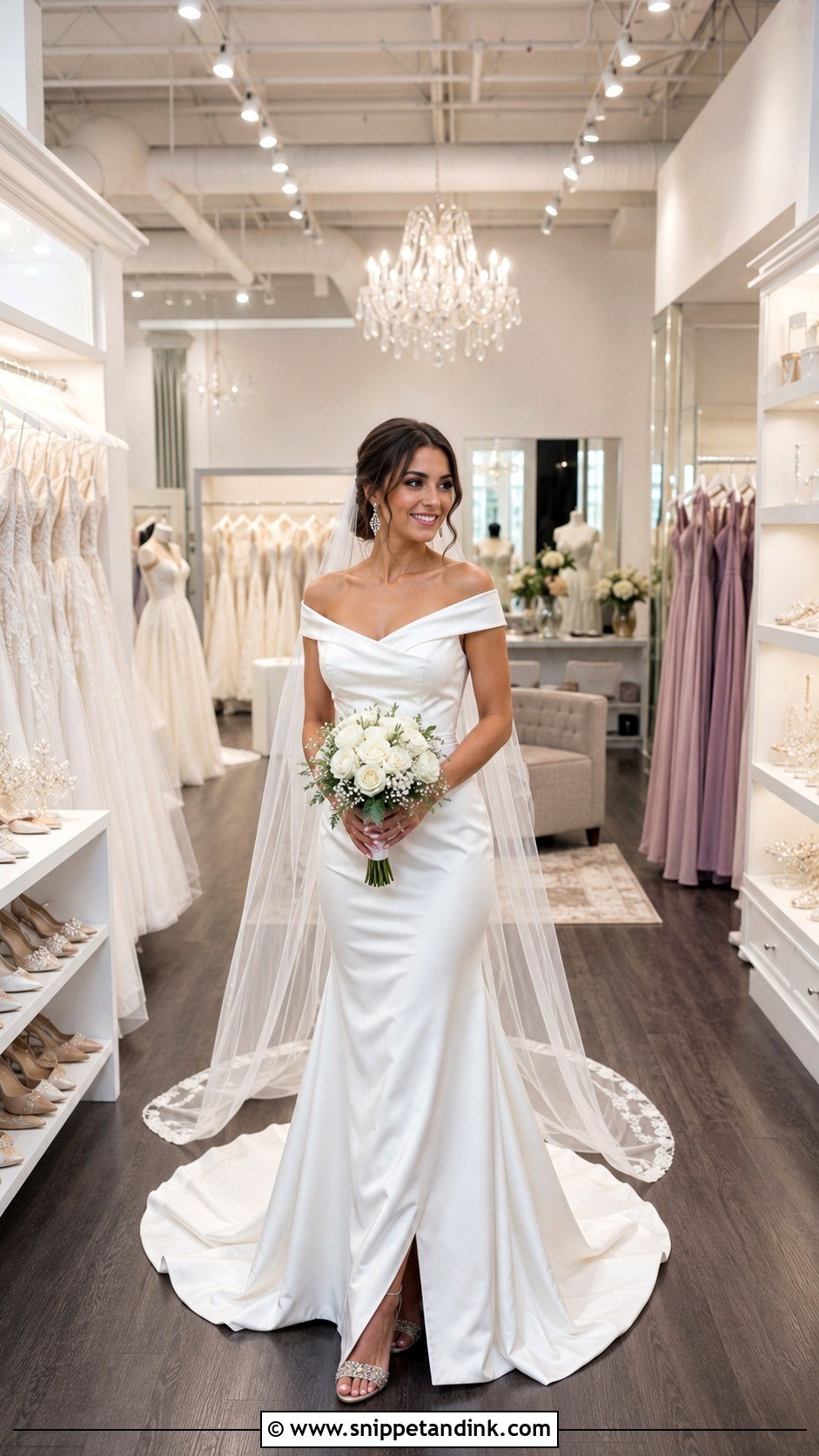
An all-in-one store gathers related shopping under one roof: gowns, veils, shoes, jewellery, shapewear, reception looks, bridesmaid dresses and some outfits for the wider wedding party, with alteration coordination and gown preservation on top. Clear departments stop it feeling chaotic. The risk is that the bride gets processed like a general retail customer, so protect her private fitting. Keep appointment notes tracking purchases, sizes, deadlines and anything still outstanding. Bundles bring people back, as long as pricing stays transparent and every department is staffed by someone who knows it.
How Sample Stock and Customer Orders Actually Work
New owners are often surprised by how bridal buying works. With most established labels, you don’t stock gowns to sell. You buy a set of samples for brides to try, and each bride’s dress is then ordered in her size from the designer.
Samples Are the Big Upfront Cost
Many designers ask a new stockist to buy a minimum number of samples each season, and those samples are bought outright. They wear out fast with constant try-ons, so plan to refresh and eventually sell them off. That’s exactly why sample sales exist. Terms vary a lot between labels, so get them in writing before you commit to one.
Customer Orders Take Months
Made-to-order gowns commonly take several months to arrive, and rush production usually costs extra. Shops typically take a sizeable deposit at order, often around half, with the balance on arrival. Write the estimated delivery date, the size chosen against her measurements and the alteration policy on every order form, and have her sign it. Bridal shop disputes so often come down to a size or a date nobody wrote down.
Alterations Can Make or Break You
Brides judge the whole shop by how the dress fits on the day. Whether you run a workroom in-house or partner with one, agree on turnaround times for peak season, when every wedding in town needs a hem in the same few weeks.
Which Bride Are You Opening the Doors For?
Every concept above can work, but only with one recognisable specialty, dependable service, sensible inventory and a fitting room people enjoy being in. Before committing, study the brides near you, the boutiques already serving them, supplier terms and real running costs. Decide exactly which bride you’re building for and shape everything around her, from the website to the final pickup. A focused store can always widen later; a muddled one is very hard to market. Inclusive sizing, custom design, rentals or luxury appointments all succeed on the same basis: a clear, respectful process that genuinely helps her find the dress.


Leave a Reply