
Brides often call me months after the wedding with the same question: the dress is hanging in the spare room, so now what? It cost a lot, someone made it by hand, and it holds the whole day, which is why deciding feels heavier than it should. The options run from keeping it exactly as it is to helping another bride, earning some money back, or cutting it into something you’ll use. Whatever you lean toward, do two things first: arrange professional cleaning and photograph the gown from every side. Then weigh its condition, your storage space, what it might resell for and which details you’d miss. No answer is wrong; the right one fits your home and your feelings.

The Stains You Can’t See Yet
Before you decide anything, get the gown cleaned within a few weeks of the wedding. Champagne, white wine, cake frosting and even sweat dry clear on ivory fabric, so the dress looks fine when you hang it up. Over the following months those sugars and body oils oxidize and turn yellow or brown, and by then they’re much harder to lift. I’ve seen that happen to gowns that looked spotless after the reception.
When you drop it off, point out anything you remember: the hem that dragged across a lawn, a toast that splashed, the underarms. A good bridal cleaner will check hidden areas anyway, but your notes help. Ask whether they test beading and glued appliques before cleaning, since some adhesives and sequins don’t survive solvents.
1. Preserve Your Wedding Dress
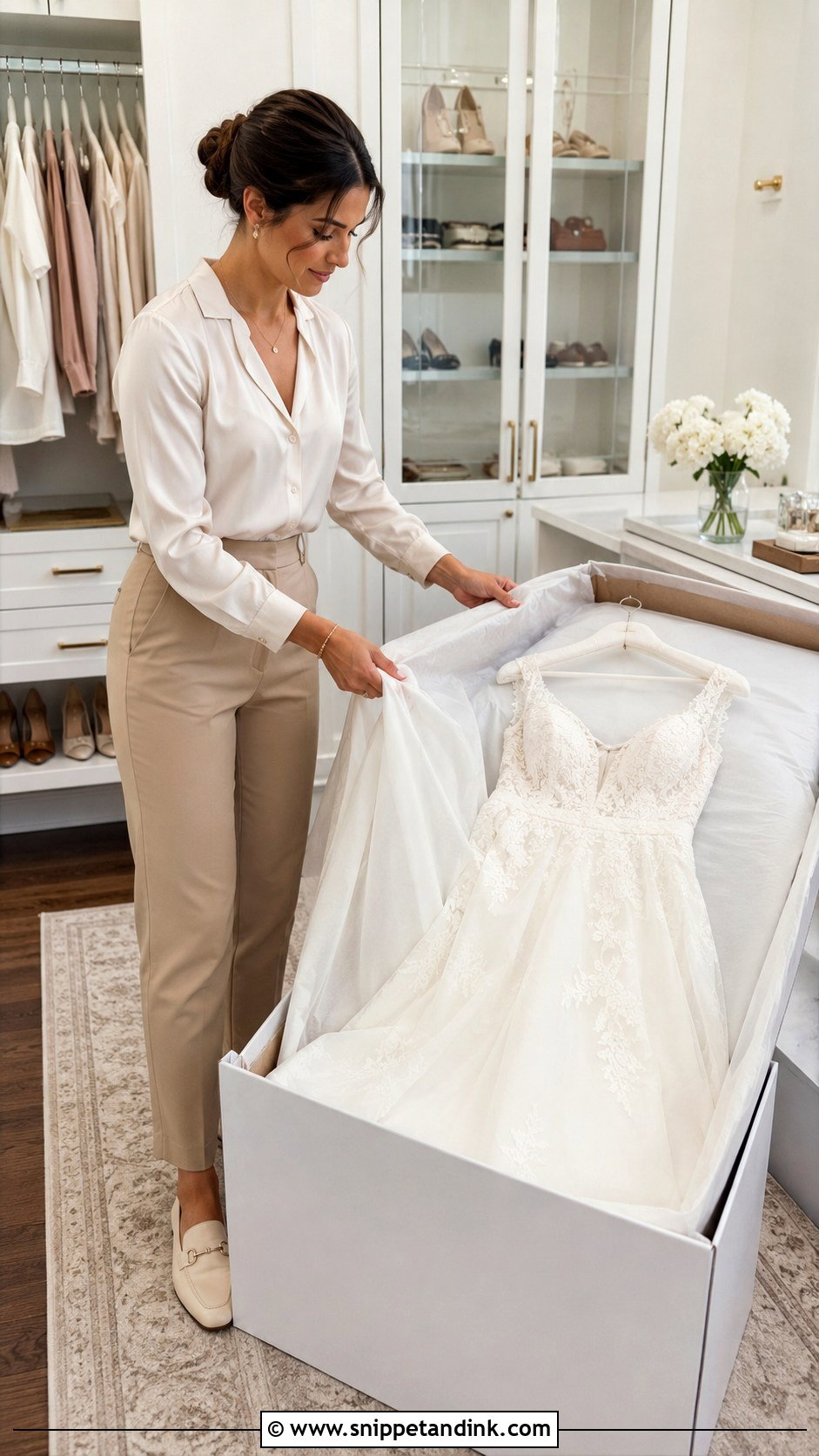
Preservation keeps the dress as it is while you decide everything else. I send clients to a cleaner who handles bridal work regularly, because lace, beading and glued appliques need a gentler process than a standard dry clean. Ask three things: is cleaning included, what materials go into the box, and can you open it to check the gown? A sealed box you can never inspect is one I’d avoid. Acid-free tissue and an acid-free or archival box are the standard. Store it somewhere cool, dry and dark, which rules out the attic, the basement and the closet next to the bathroom. For heirloom gowns and heavy handwork, this is money well spent.
2. Sell Your Wedding Dress Online
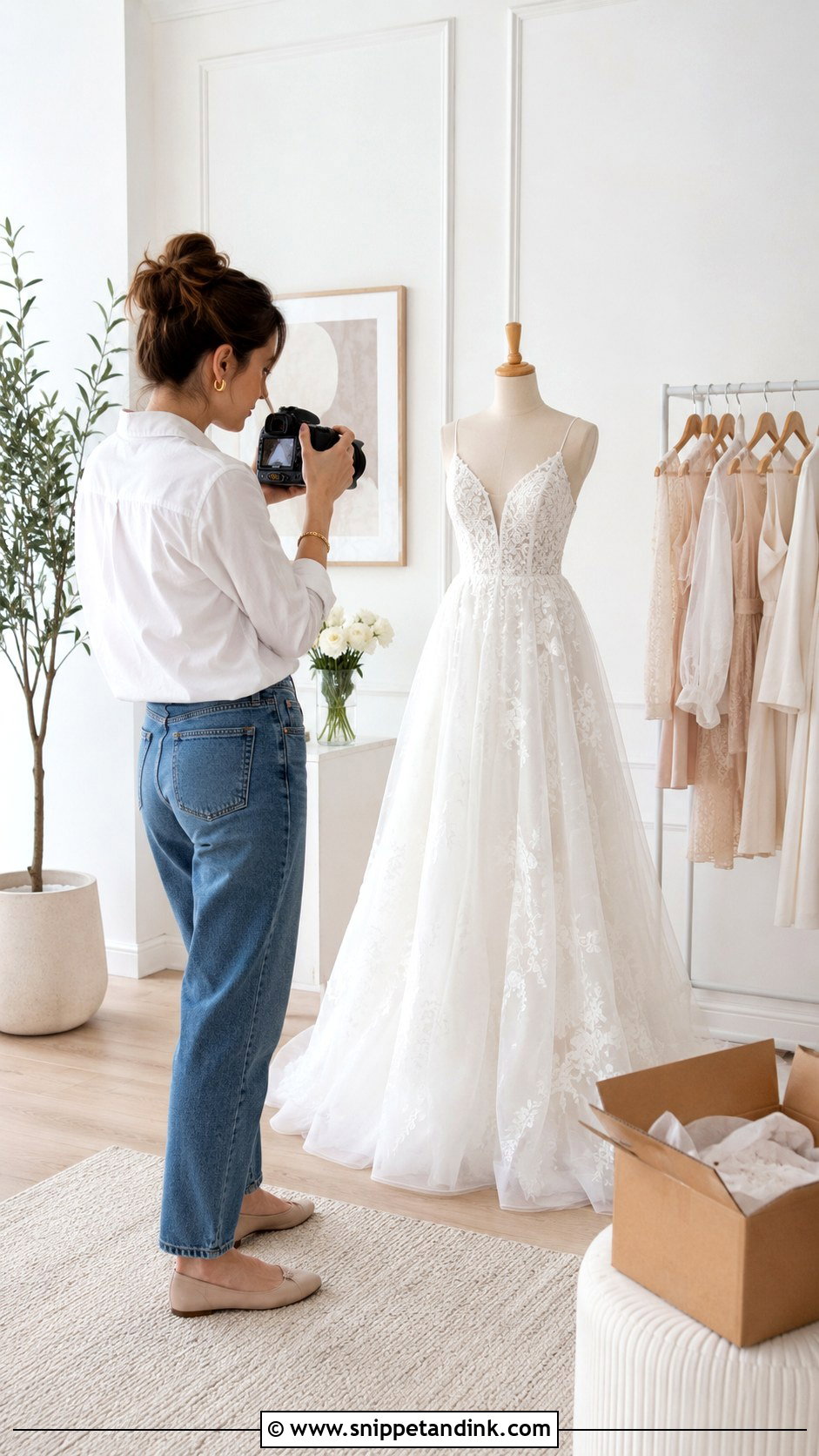
Selling recovers part of the cost and gives another bride a designer gown at a lower price. Do it promptly, since styles date and resale value drops with every season. Clean the dress, gather the receipt and alteration notes, and photograph the front, back, train, bodice and embellishments in daylight. Buyers need the designer, the labeled size, real measurements (bust, waist, hips and hollow-to-hem), fabric, condition, original price and every permanent change. Bridal sizes run small, so measurements matter far more than the number on the label. Be upfront about stains, loose beads or a shortened hem. Compare similar listings before pricing, include detachable belts or overskirts, use secure payment and pack it well.
3. Consign Your Wedding Dress
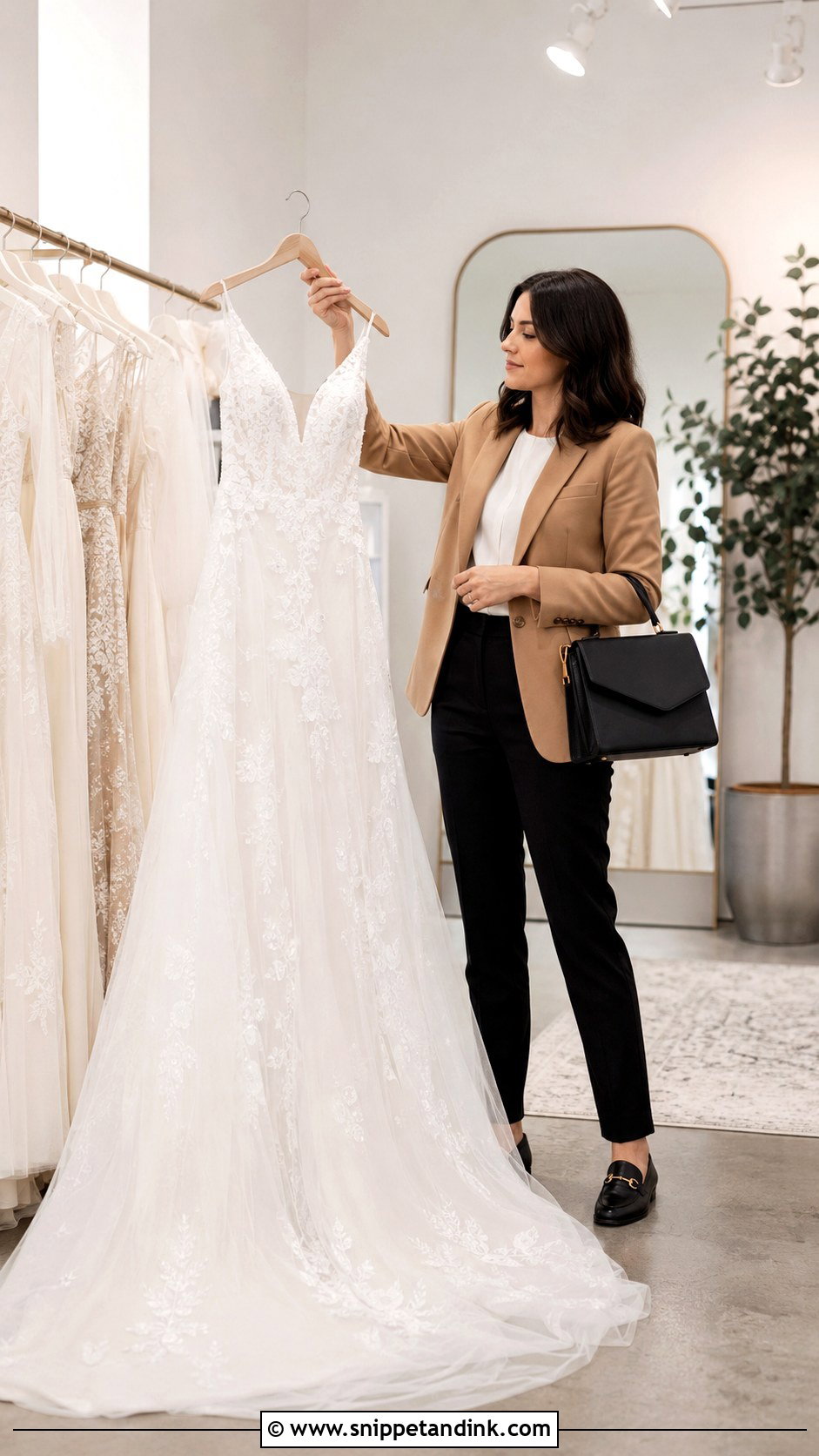
A consignment boutique takes the selling off your hands. The shop photographs, displays and markets the gown, then keeps a share of the sale. That suits brides who are short on time or don’t want to handle messages from strangers. Call several shops, because they vary on which designers, ages, sizes and conditions they’ll accept. My list of questions: commission, contract length, cleaning requirements, markdown schedule, insurance while it’s in the shop, and what happens if it doesn’t sell. Bring the receipt, garment bag, detachable sleeves and matching accessories. You’ll usually net less than a private sale, but you trade that for far less hassle.
4. Donate Your Wedding Dress to a Bride
Donating to another bride lets the gown be worn as intended, by someone who might not otherwise afford it. Bridal charities, community groups and nonprofit resale programs accept gently worn dresses, though each has its own rules on age, size, condition and style, so read the current requirements before you ship anything. Clean the dress if they ask, empty the pockets and garment bag, and pack every detachable piece together. A note on the alterations helps the next bride’s seamstress. If letting go feels hard, I suggest snipping a small square of lining or a spare lace offcut from inside a seam allowance first; it won’t show and you keep a piece.
5. Donate Your Wedding Dress for Fundraising
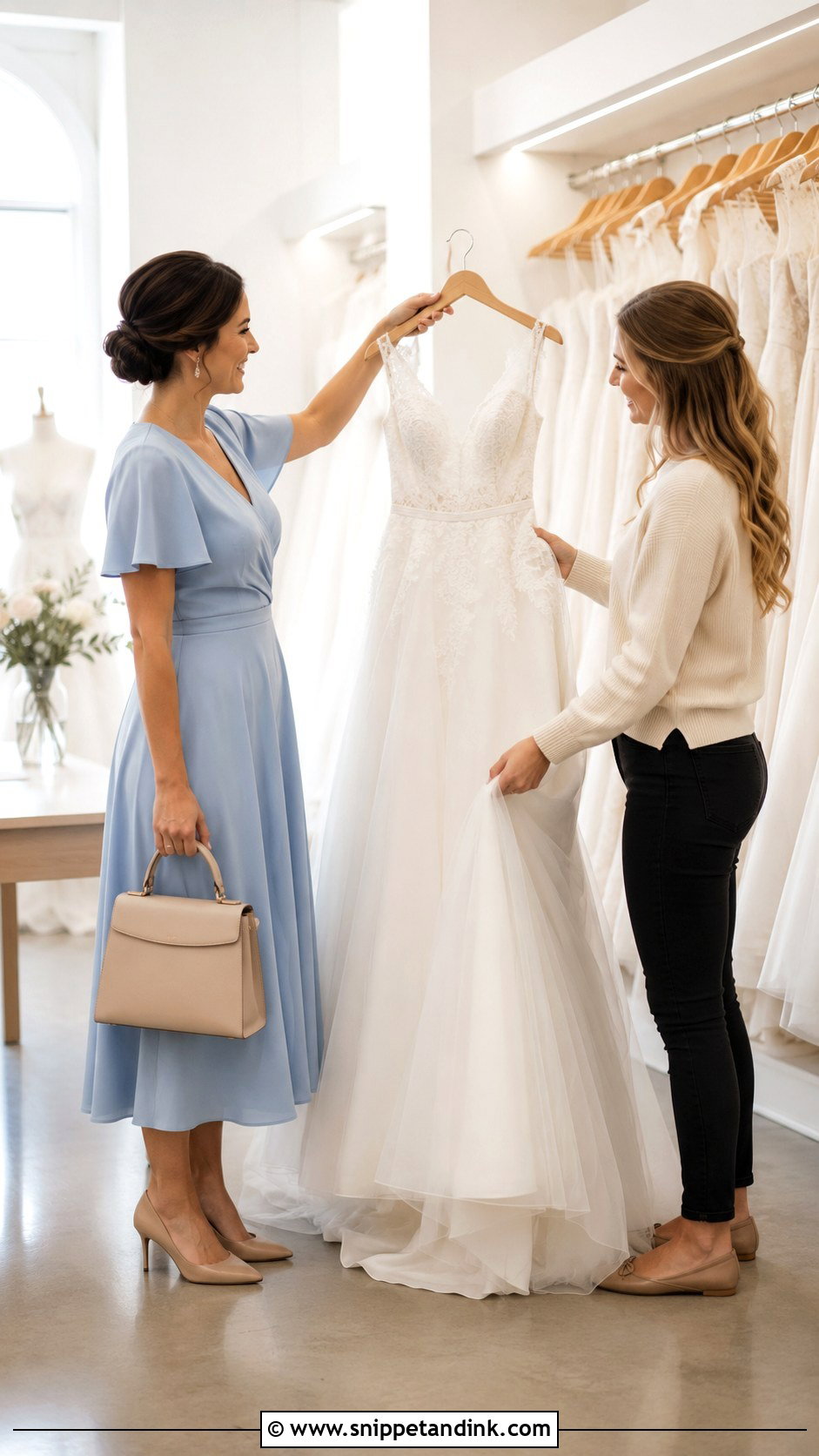
Some nonprofit bridal shops resell donated gowns and send the proceeds to community programs. Your dress funds work you care about instead of sitting in a box. Look into how each organization spends its revenue, then confirm what it accepts and how to ship. Clean, wearable gowns sell best, and a complete package with the designer name, size, purchase date, alteration history and every matching piece helps the shop price it. Ask for a donation receipt if one is offered, and talk to a tax professional about whether a deduction applies to you. The gown finds a new wearer and the sale pays for something that matters.
6. Pass Down Your Wedding Dress
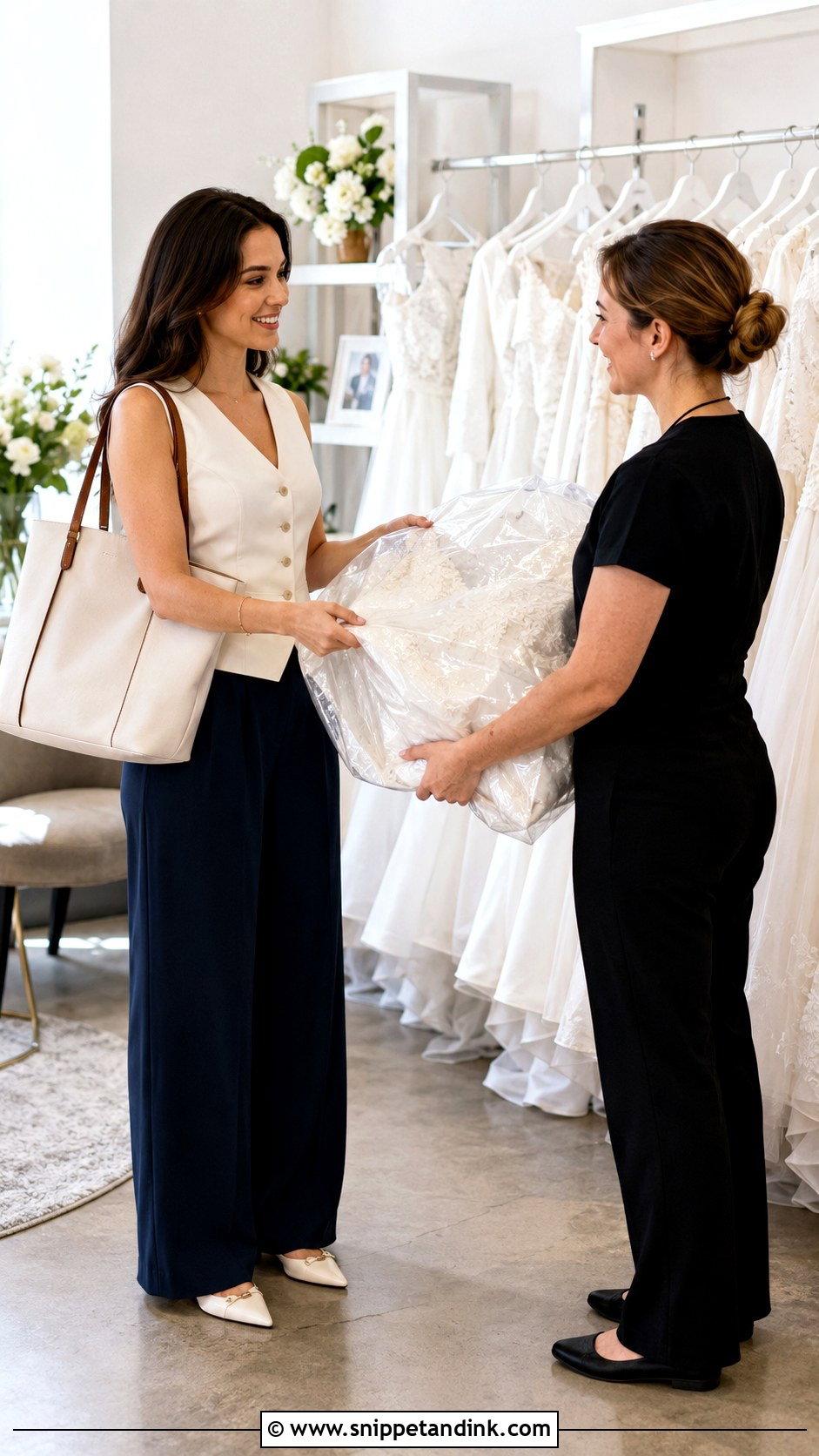
Handing a dress down works best when it comes with no strings attached. A daughter, niece or sister may want the whole gown, just the veil, or one section built into a new design, and I always advise brides to make all three equally welcome. Have it cleaned and preserved before storing it for years, because stains left now will be far worse when someone opens the box in two decades. Tuck a written note inside with the designer, wedding date, alterations and a few memories. Then present it as an available heirloom rather than an expectation. Tastes, sizes and wedding plans change, and a dress offered freely is more likely to be worn.
7. Rewear Your Wedding Dress for Photos
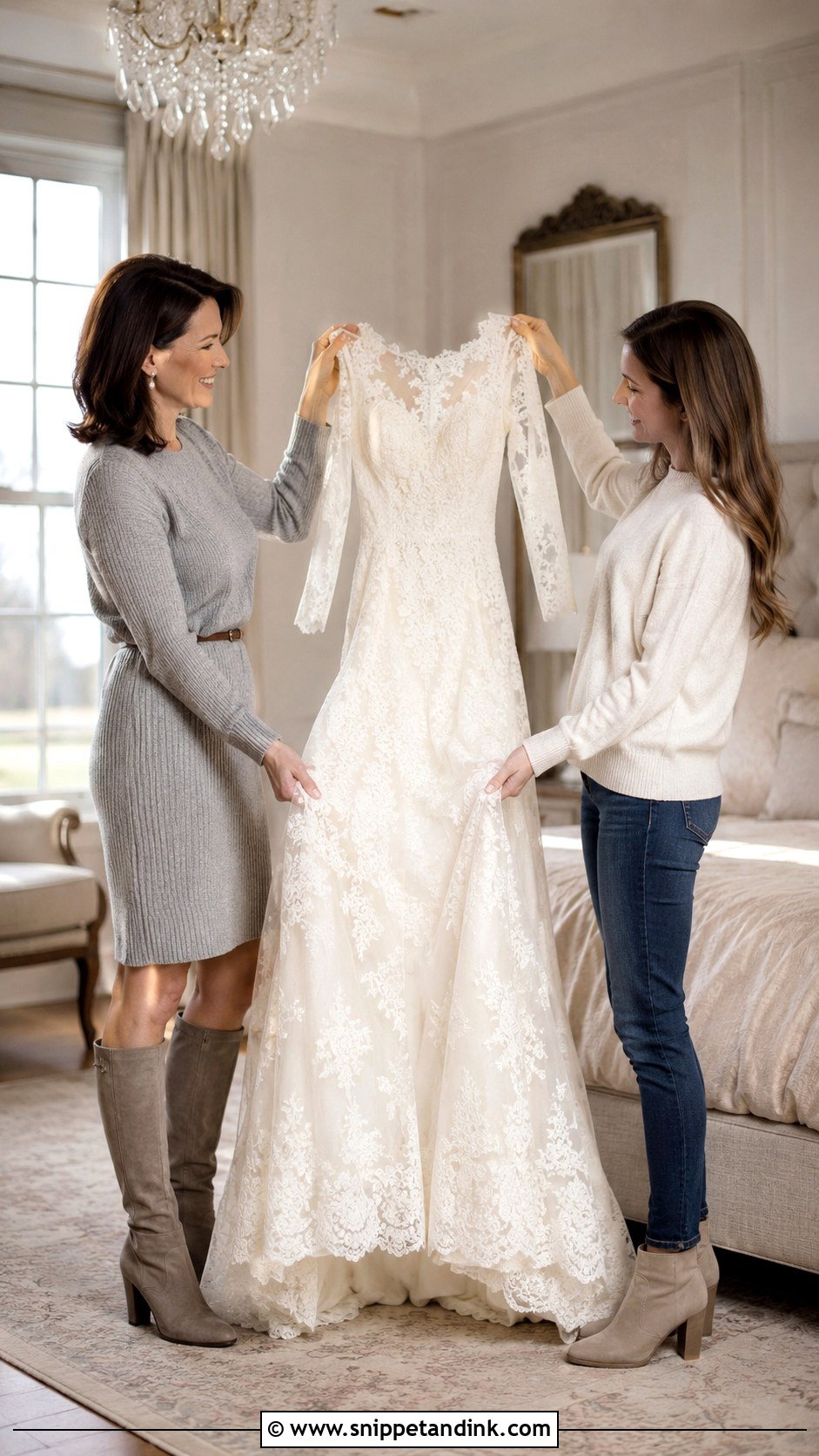
An anniversary or travel shoot in the gown is one of my favorite ideas on this list, because you finally get to wear it without a schedule. Change the styling so the photos don’t repeat your album: hair worn differently, bright shoes, a denim or tailored jacket, jewelry instead of the veil. A beach, a studio or a favorite city street will feel nothing like your venue. Plan cleaning before and after. Sand works into lace and beading and saltwater leaves tide marks on silk, so if the shoot is near the sea, accept that the hem will need attention afterward.
8. Shorten Your Wedding Dress
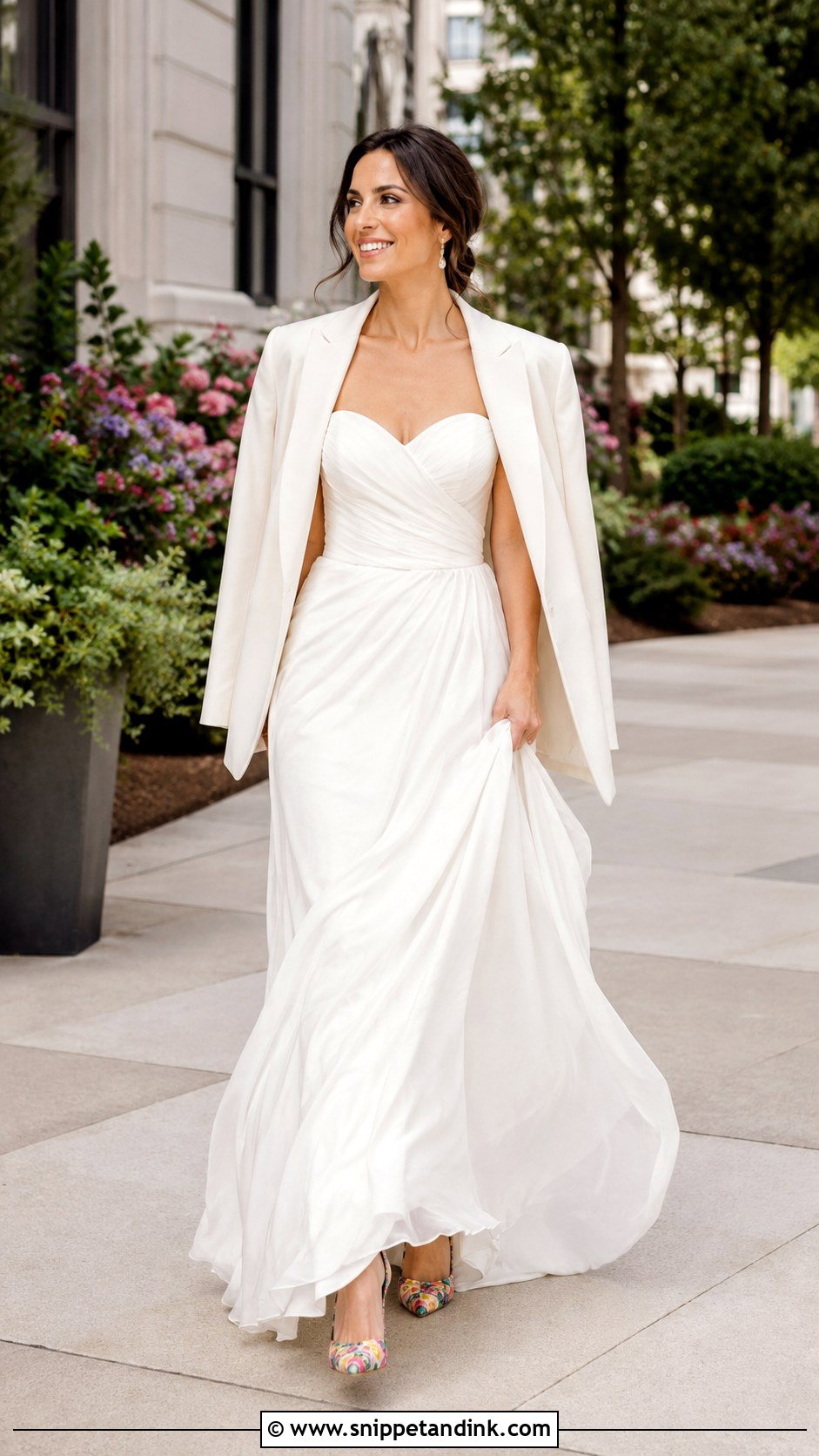
Shortening is the alteration I see work most often. Clean satin sheaths, fitted lace and structured bodices adapt best; huge tulle skirts get complicated, because there are many layers to re-hem. Ask the tailor to pin a few lengths, midi, knee and above, and look at each in the shoes you’ll actually wear before anyone cuts. The train can go, heavy layers can be thinned, the neckline adjusted or straps added. Lace with a scalloped hem is worth a conversation, since a good seamstress can lift the scallop and reapply it to the new hem rather than lose it. Keep every offcut for keepsakes later. Bright heels and a small bag make it an anniversary dress.
9. Dye Your Wedding Dress
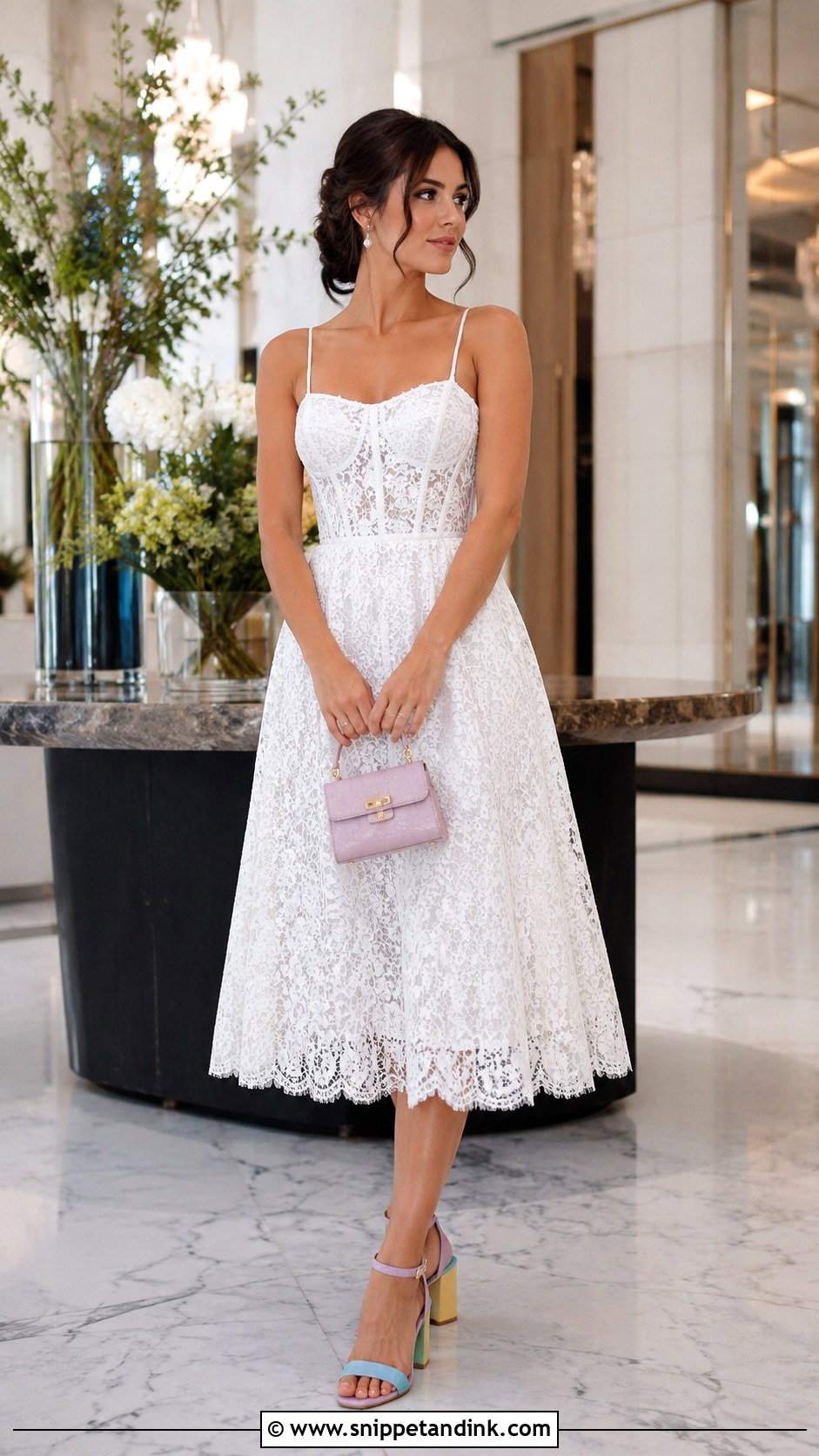
Dyeing gives a plain gown a completely new life, but it’s the riskiest option here. Natural fibers like silk and cotton take dye well, while polyester barely takes it at all with standard dyes, and the thread, lining, lace and appliques may each come out a different shade. That’s why I’d never attempt it at home on an irreplaceable dress. A professional dyer should test a hidden seam allowance first and tell you honestly how the fabric will behave. Soft blue, blush, black and navy are common choices. Expect some unevenness on mixed materials. Choose this only if you’re happy for the white to be gone for good.
10. Turn Your Wedding Dress Into a Jumpsuit
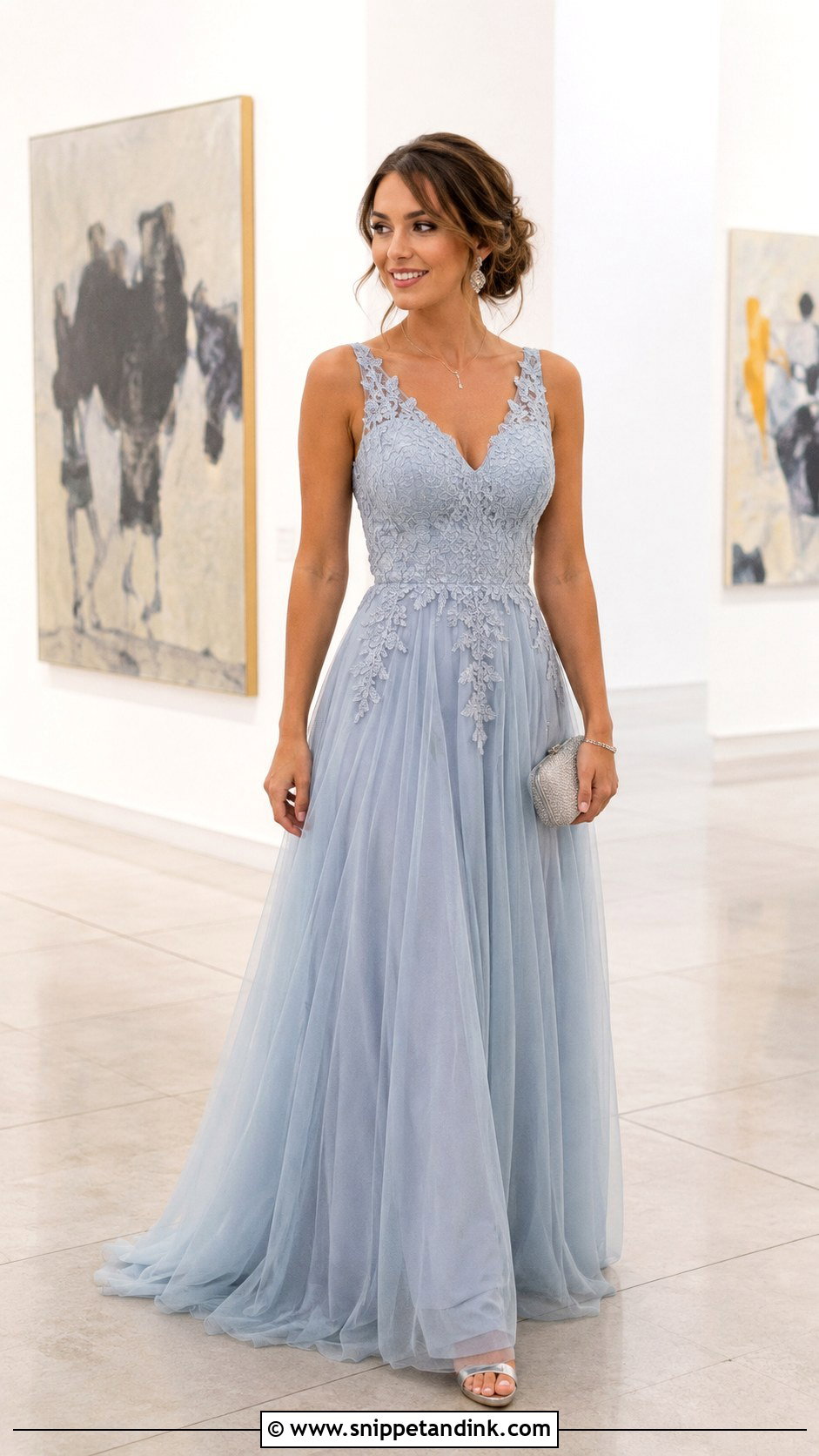
Turning a gown into a jumpsuit is real redesign, not alteration, so the maker matters more than the idea. Look for a designer or skilled seamstress who drafts patterns and handles bridal fabric. The bodice often becomes the top, and skirt fabric forms wide-leg trousers, a sash or a detachable overskirt; lace, buttons and beading can be moved to sit as deliberate accents. Ask for sketches before a single cut, and ask whether extra matching fabric will be needed. A fitted mermaid skirt often doesn’t hold enough yardage for two full trouser legs. Pointed heels or flats and a structured clutch finish it.
11. Turn Your Wedding Dress Into a Two-Piece Set
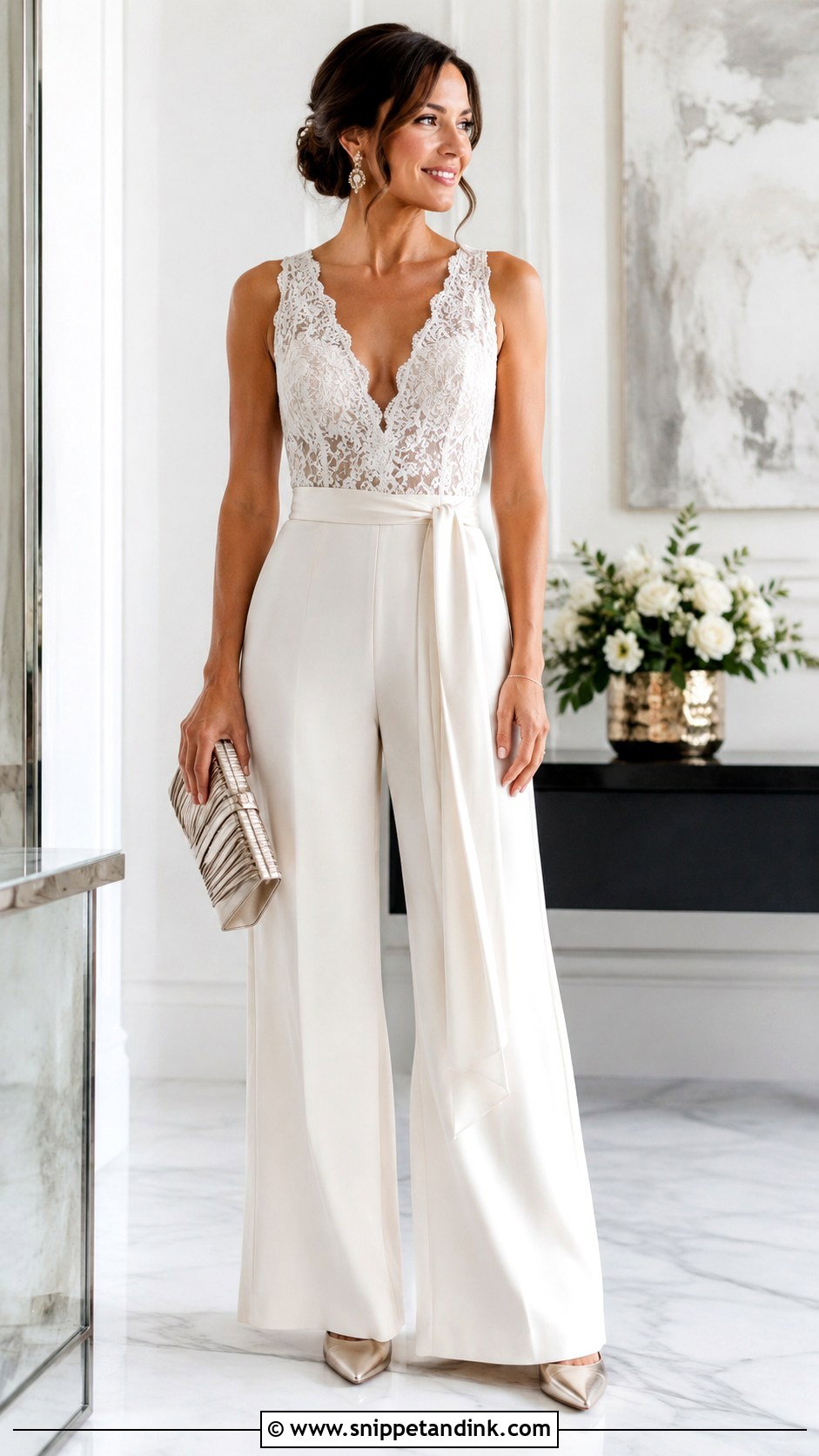
Separating a gown into a top and skirt gives you two pieces to style in different ways. A seamstress separates the bodice from the skirt, finishes each edge and adds secure closures. If your dress has a clear waist seam, it’s usually a straightforward job; a princess-seamed gown with no waist seam is much harder. Ask her to keep special buttons, lace edges and appliques. The top looks good with tailored trousers or a colored midi skirt, and the bridal skirt pairs with a fine knit or a silk blouse. Worn together with sleek heels, it’s a polished matching set; worn apart, the pieces just quietly nod to the original gown.
12. Make a Robe From Your Wedding Dress
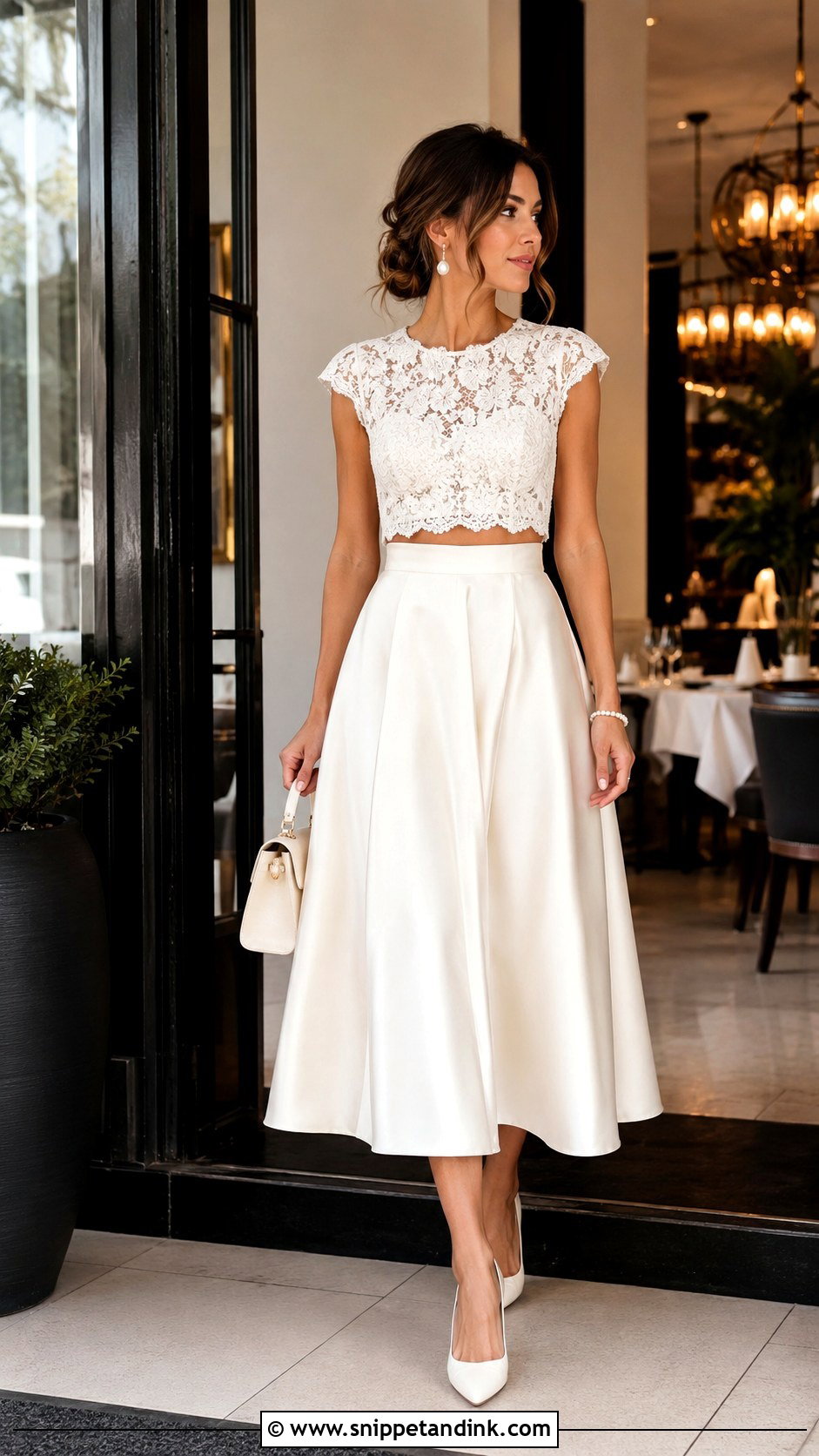
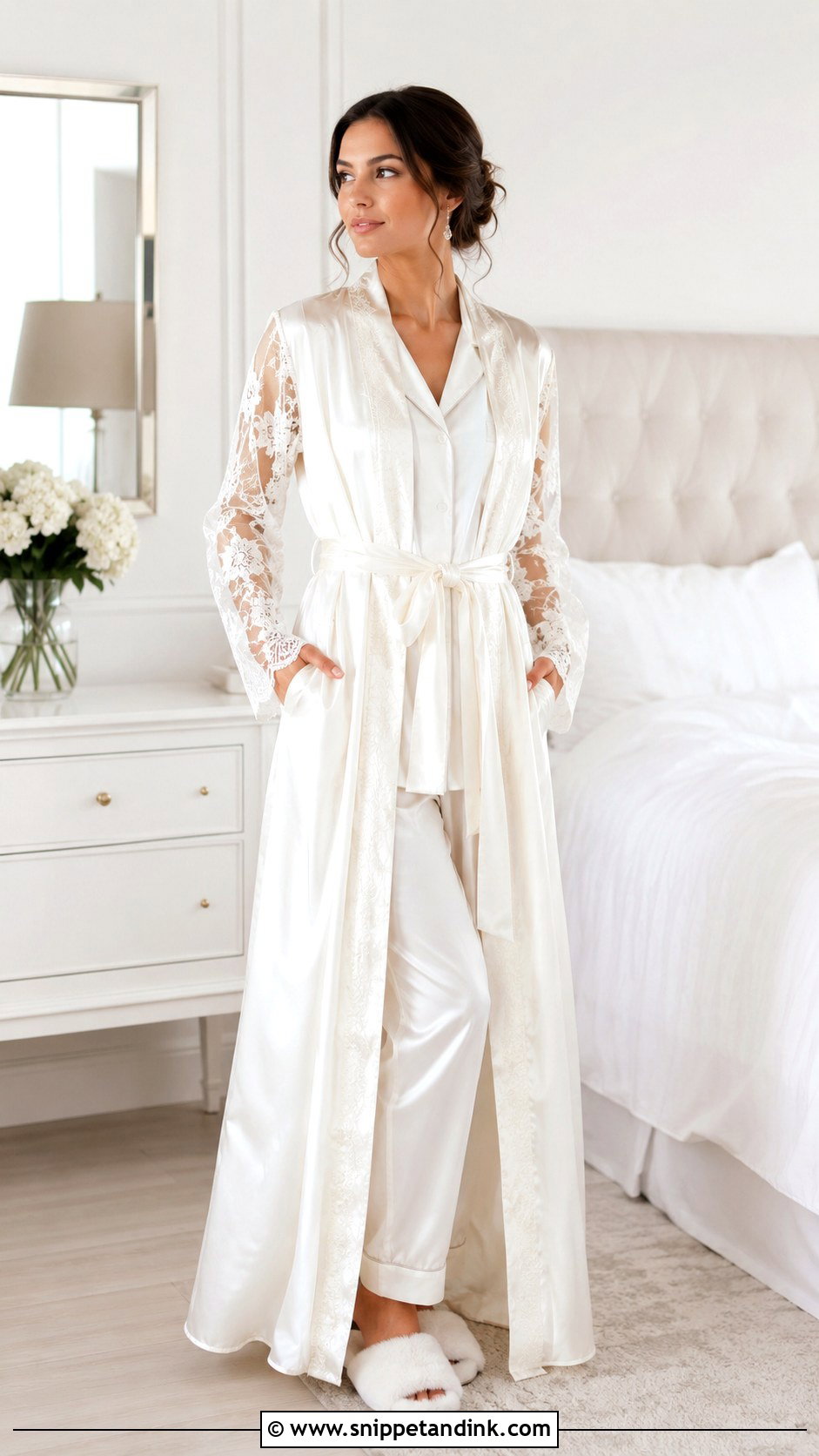
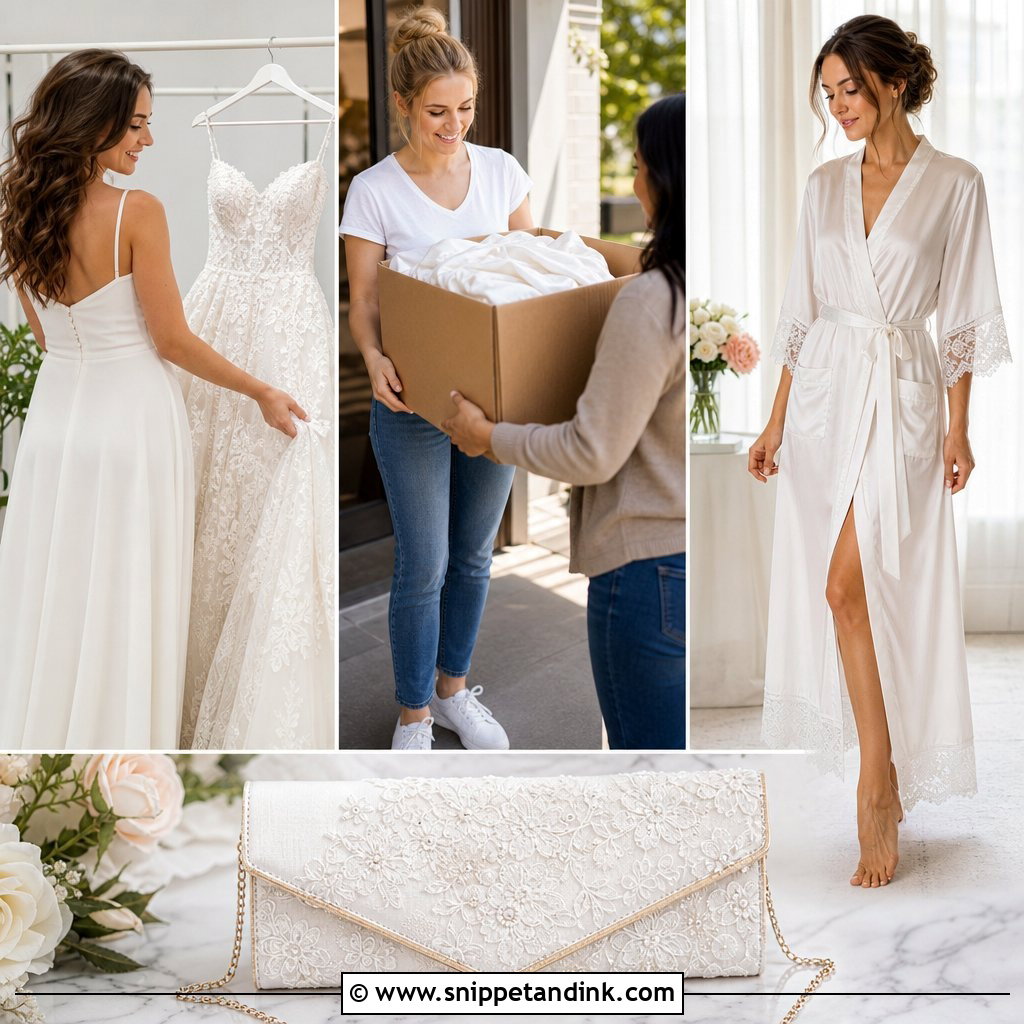
A robe is one of the most practical reuses. Soft satin, silk, lace and lightweight lining can be cut into a beautiful robe: skirt panels for the body, lace for sleeves or trim, fabric ties for a belt. It only works if the gown has enough drapey fabric; a dress built mostly from stiff tulle and crinoline won’t give you much to use. Ask for French or bound seams so it survives wear and gentle washing. I like the idea of wearing it while getting ready for an anniversary dinner or a family wedding. And it takes up a fraction of the space of a full gown.
13. Make a Child’s Heirloom Outfit
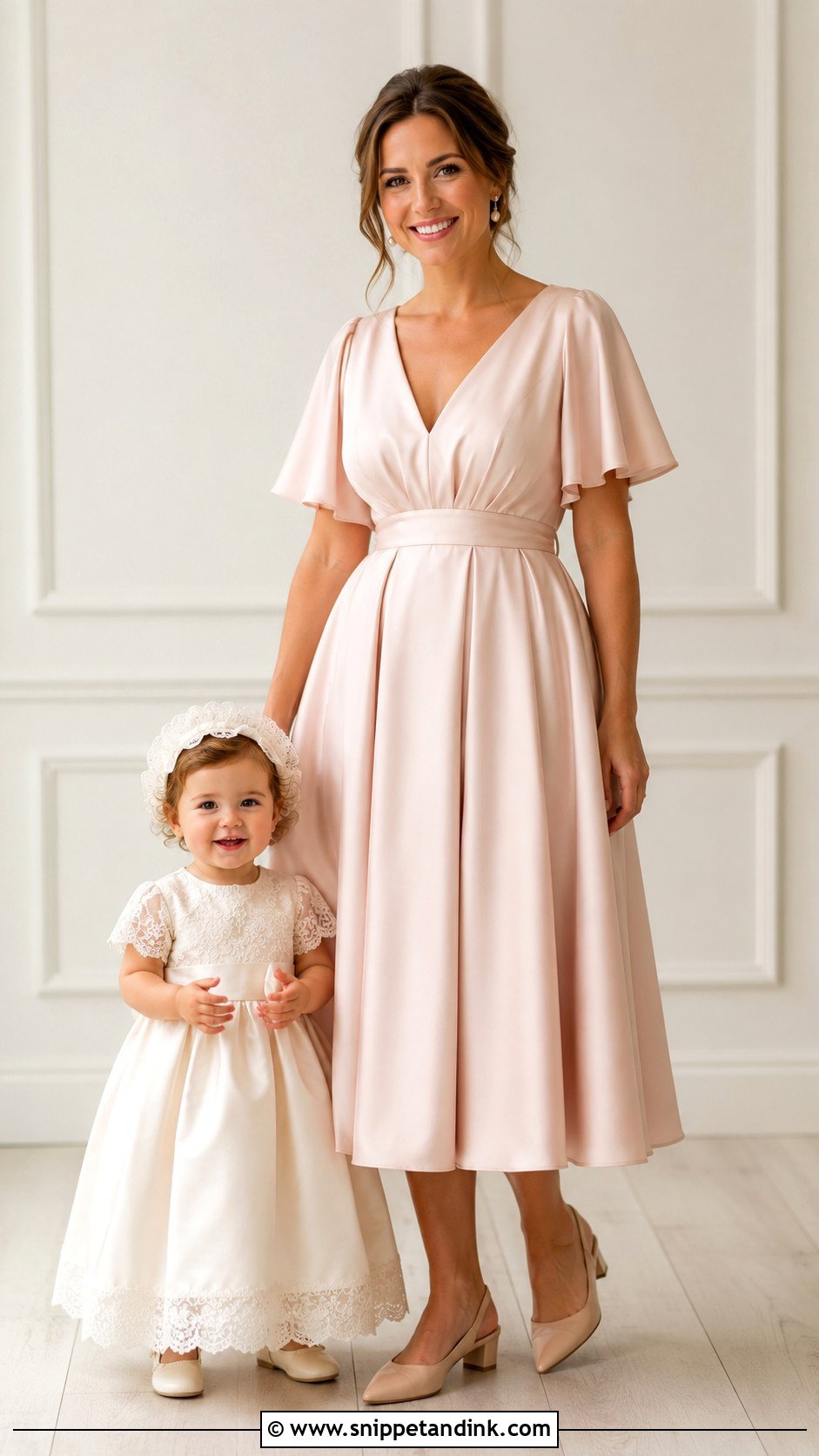
A child’s heirloom piece can be a christening gown, a flower girl dress, a small vest, a bow tie or a bonnet for a sibling set. Satin makes a smooth base, and small amounts of lace or beading carry the meaning. I’d look for a maker who sews both bridal fabric and children’s clothes, since comfort and safe construction come first. For babies and toddlers, leave off anything that could come loose and be swallowed: beads, sequins, small buttons. Save extra fabric for letting it out later. Worn for a portrait, birthday or naming day, it becomes a second heirloom with its own photographs.
14. Make a Wedding Dress Quilt
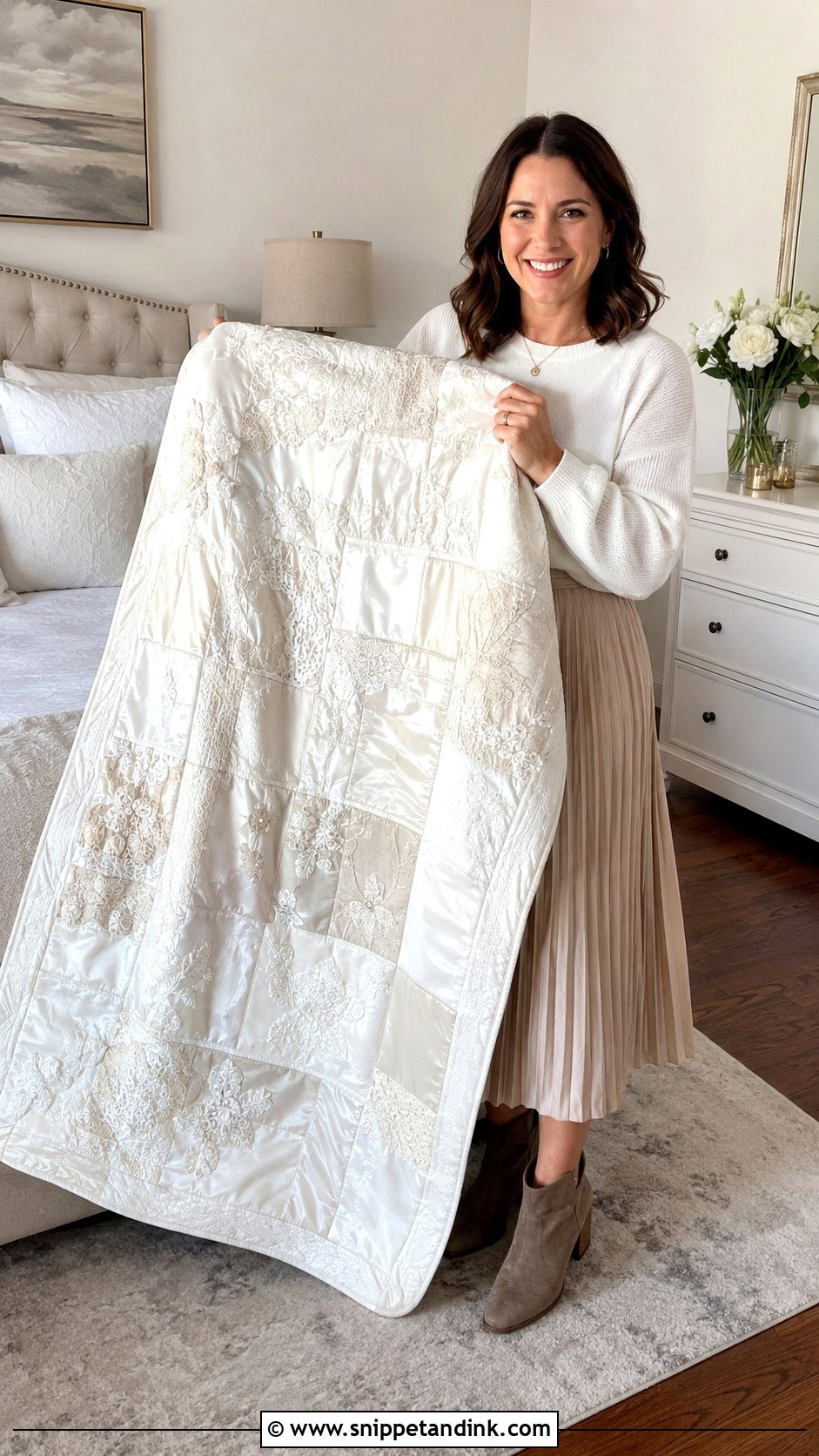
A memory quilt lets you show several parts of the dress at once. Satin, lace, lining, tulle, buttons and appliques can all be pieced onto a stable cotton backing. Bridal fabrics stretch, fray and slide under a needle, so an experienced memory-quilt maker will usually handle them better than a first-time quilter; she’ll often back slippery satin with a fusible stabilizer first. Discuss size, layout and whether to include fabric from a veil, bridesmaid dress or your partner’s suit. Place beaded and raised sections where nobody lies on them. Drape it across a bed, hang it on a ladder or fold it into an acid-free box.
15. Make Wedding Dress Pillows
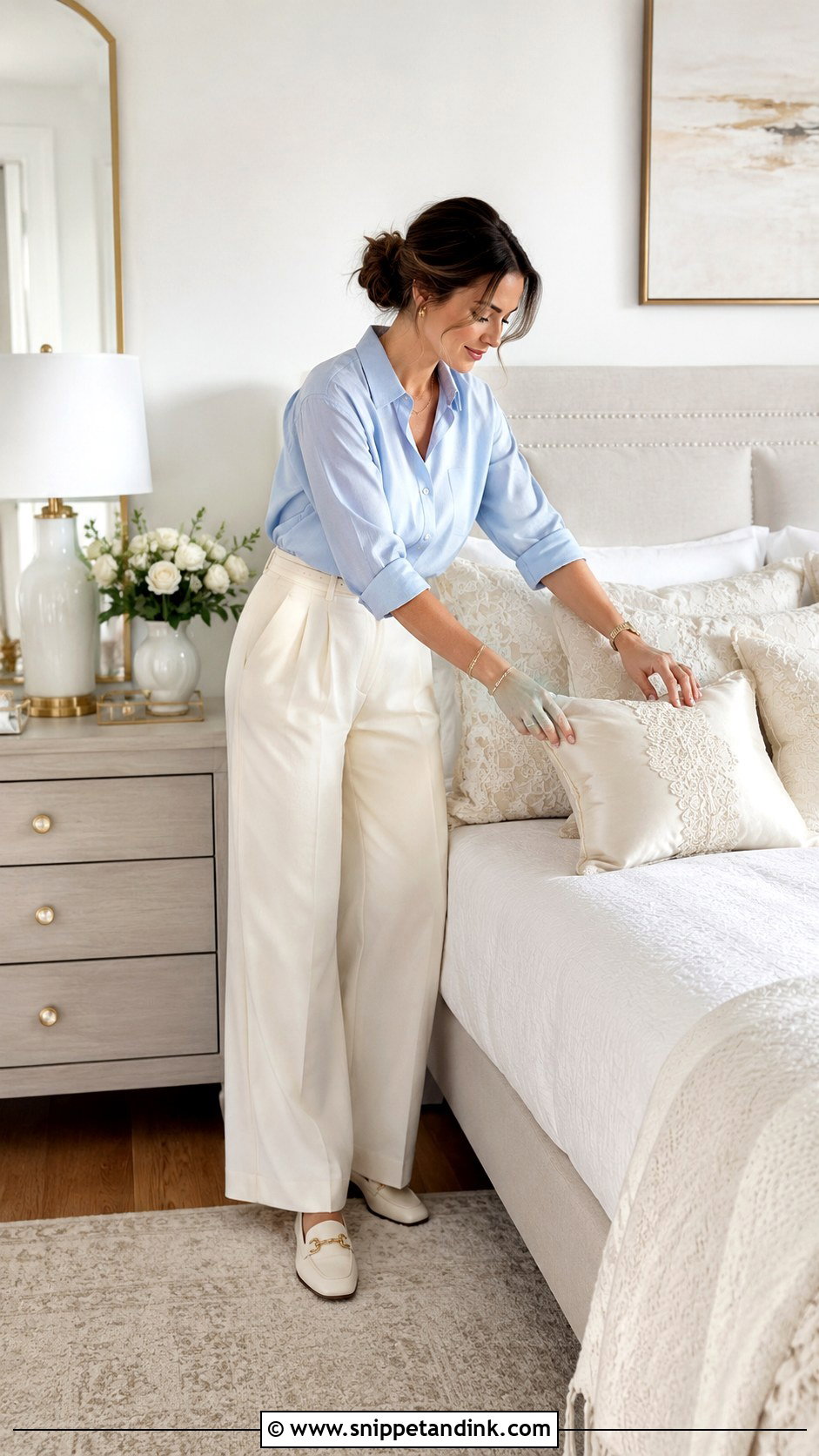
Pillows are the most manageable reuse for a small budget. One embroidered panel, a lace applique, a row of covered buttons, pleating or a piece of the train makes the front, with plain lining or a neutral fabric on the back so the detail stands out. Ask for a concealed zip and a removable insert so the cover can be stored flat and cleaned. A large pillow suits a bedroom; smaller ones make thoughtful gifts for mothers and grandmothers. Keep heavily beaded covers somewhere they won’t be leaned on, since beads snag on knitwear and loosen with use.
16. Frame Your Wedding Dress Details
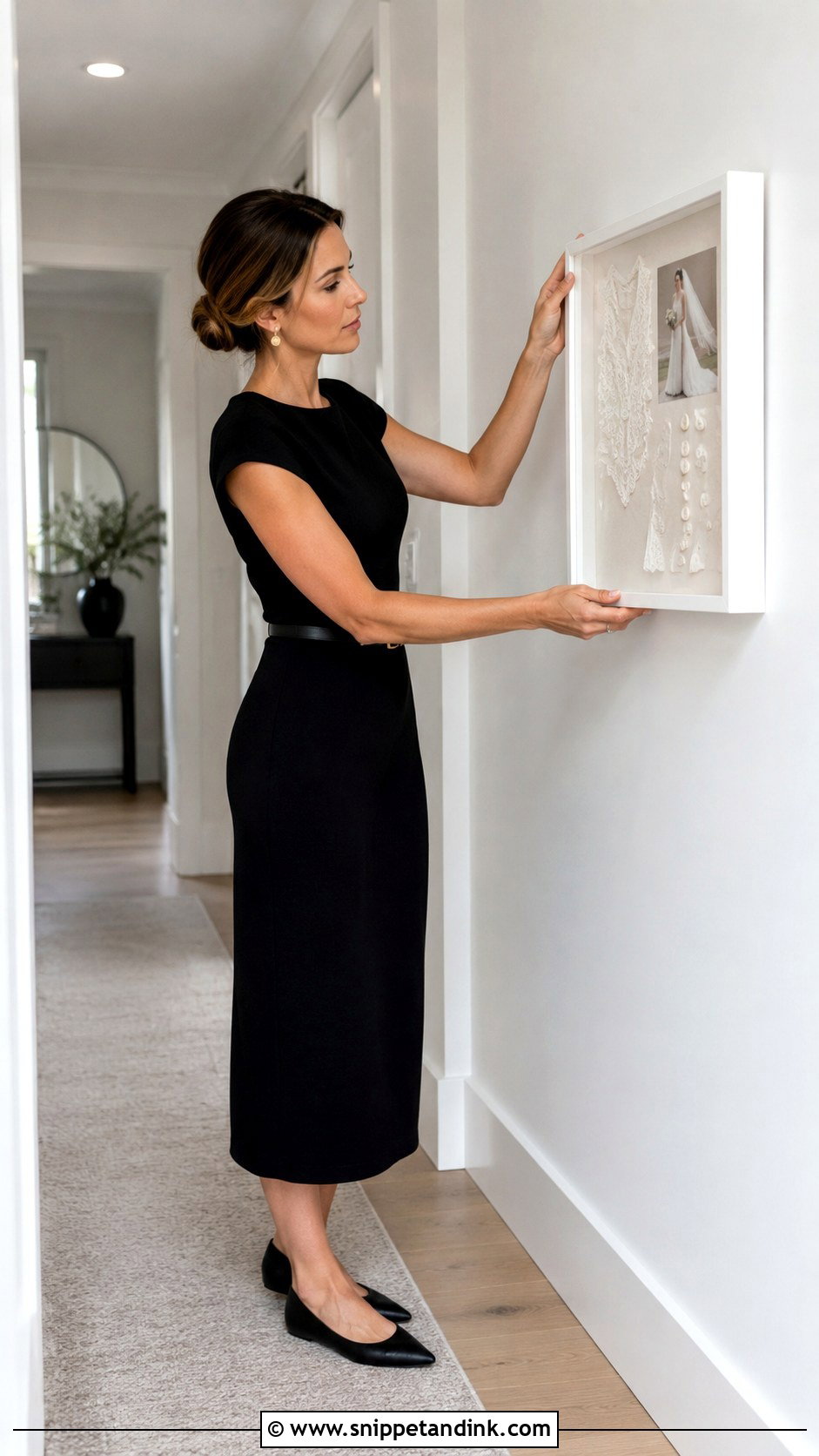
A shadow box turns one favorite section into wall art. Pick a detail people will recognize from your photos: the lace neckline, the buttoned back, a beaded waistband, an embroidered hem. Add a photo, the invitation, a scrap of veil or a note if you want a fuller display. I always ask for archival backing and UV-filtering glass, because ivory silk yellows and lace browns in sunlight. A good framer stitches or pins fabric to the mount rather than gluing it, so the piece stays removable. Hang it away from direct sun and damp, in a bedroom, dressing room or hallway, where you’ll see it far more than a boxed dress.
17. Make a Wedding Dress Clutch
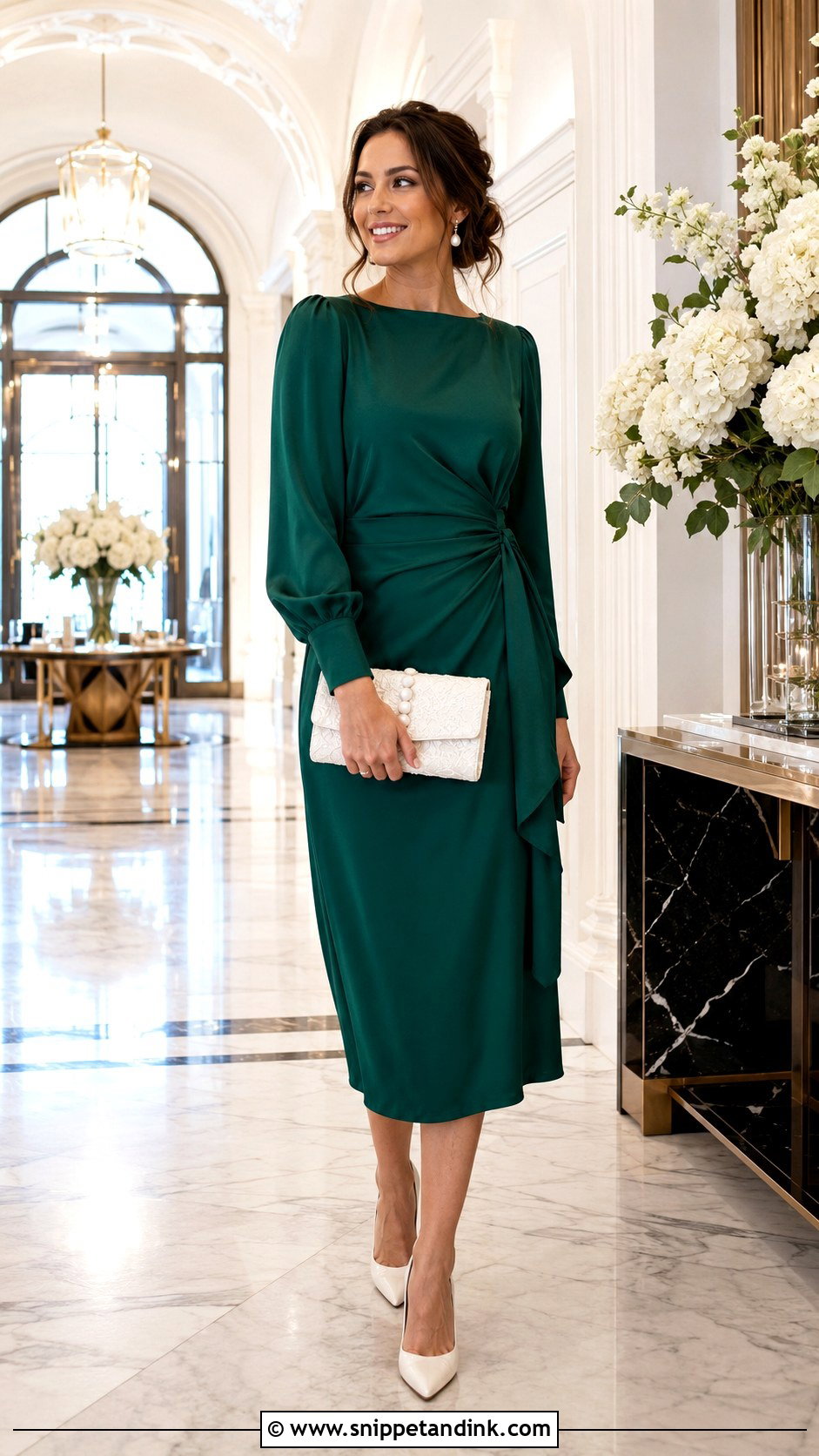
A clutch uses only a small piece of fabric and goes everywhere with you. Structured satin, mikado, brocade or beaded lace works well for the outside, with smoother lining inside. Ask the maker to work in one meaningful element: a row of buttons, an applique, some beadwork or a strip of the waistband. Soft lace on its own won’t hold a shape, so it needs to be laid over a firmer base fabric. A proper metal frame, zip or magnetic clasp makes it usable rather than decorative, and a removable chain lets you wear it on the shoulder. Carry it with a jumpsuit, a midi dress or an evening suit.
18. Make Jewelry From Wedding Dress Beading

Pearls, crystals, beads, buttons and small embroidered motifs from the gown can be remade into earrings, a pendant, a bracelet, a brooch, a hairpin or matching gifts for the women in your family. Before anything is unpicked, photograph where each embellishment sits and decide whether the rest of the dress stays intact. Many bridal pearls are coated glass or plastic, which chips with daily wear, so ask the jeweler how the pieces will be set and protected. Paired with a plain blouse or a black dress, the bridal details show clearly. It uses almost no fabric and leaves the gown nearly untouched.
19. Make Wedding Dress Table Linens
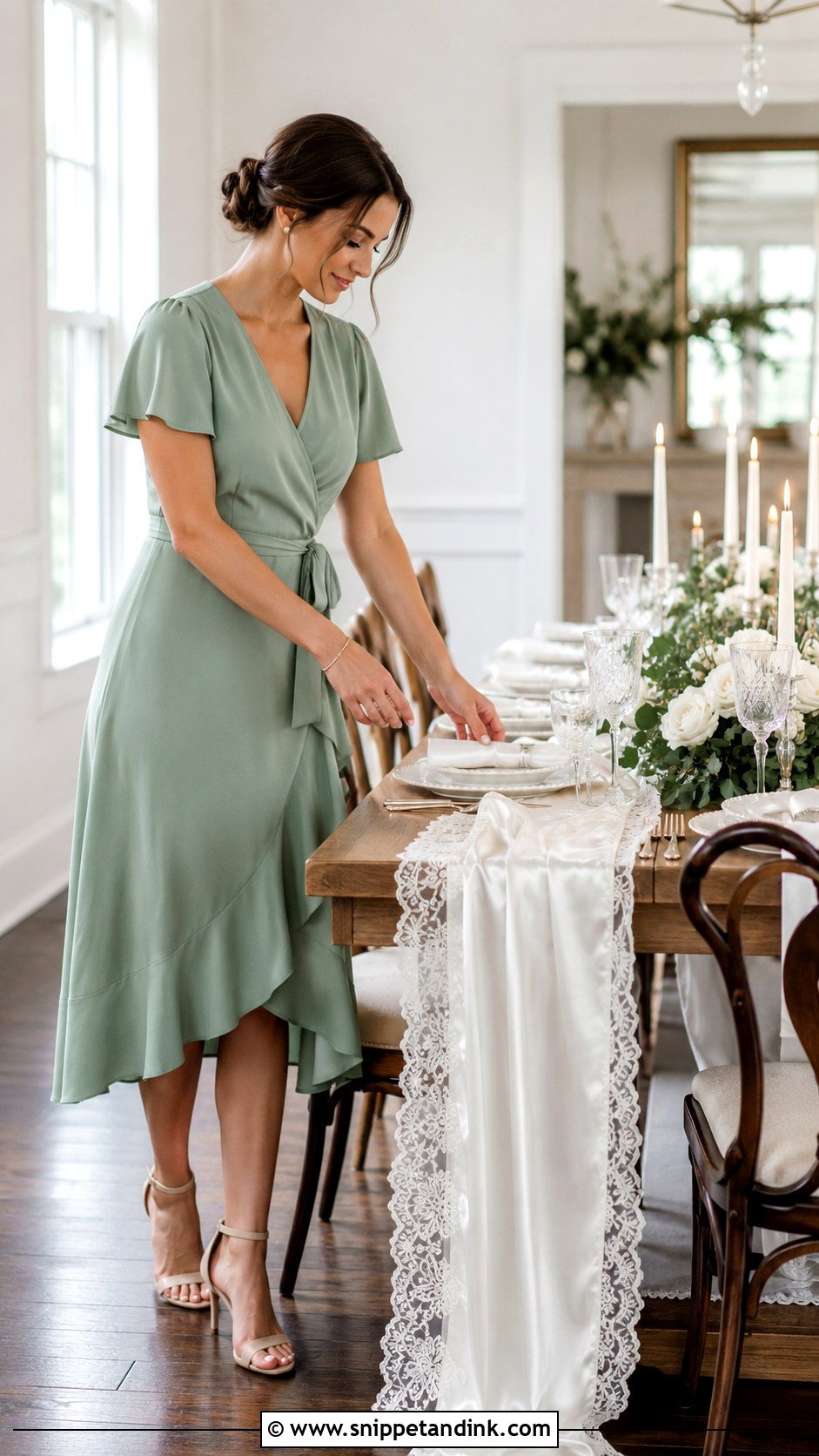
Big, plain skirt panels can become table linens for celebrations at home: a runner, placemats, napkin trims or an overlay. Be realistic about fabric. Lace edging on sturdy linen survives regular washing, but satin is better as a runner you spot-clean than as napkins that go through the machine every week. Ask a professional to stabilize fragile areas and finish every edge. Bring them out for anniversaries and milestone dinners, then store them flat between acid-free tissue. White dishes, clear glass and simple flowers let the fabric be the focus.
20. Lend Your Wedding Dress
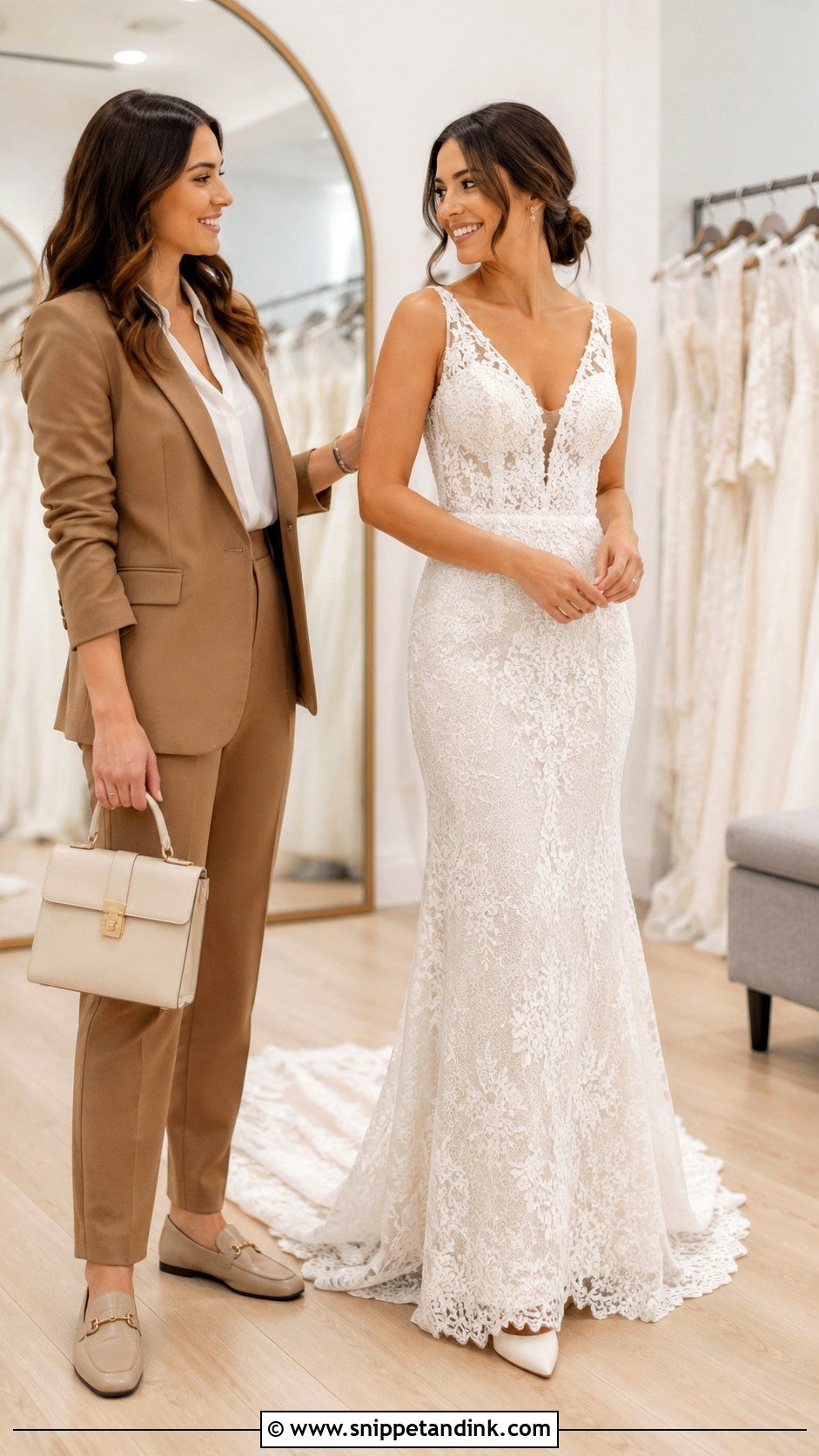
Lending is the middle ground when you aren’t ready to sell or cut. A trusted friend, relative or community member wears it, and you keep it. The conversation I’d insist on happens before any alterations: hems, taking in and structural changes can be hard or impossible to undo, so agree in writing what’s allowed. The same note should cover cleaning, transport, damage, return date and which accessories go with it. Have the borrower try it on with her actual shoes and underwear well ahead. Professional cleaning afterward gets it ready for storage or the next wearer, and some families turn this into a lovely shared tradition.
Which Gowns Can Be Cut and Which Fight Back
Not every dress suits every idea above, and I’d rather a bride hear that before a seamstress cuts. Here’s how I size up a gown for reuse.
- Silk and silk satin: the most versatile. It takes dye, drapes into robes and clutches, and sews cleanly.
- Polyester satin: sews well but barely takes standard dyes. Good for pillows, clutches and two-piece conversions.
- Tulle and organza ball gowns: lots of fabric but little of it usable for clothing. Better for veils, frames or quilt accents.
- Heavily beaded lace: every cut sheds beads, so plan small keepsakes around motifs rather than big redesigns.
- Mermaid and fitted sheaths: less yardage than you’d think. Check there’s enough fabric before promising anyone a jumpsuit.
If It’s Staying in Your Closet for Now
Plenty of brides keep the dress at home while they decide, and that’s fine with a few precautions. Take it out of the plastic dry-cleaning bag; plastic traps moisture and can yellow fabric over time. A breathable cotton garment bag is much better. Heavy gowns shouldn’t hang by their shoulders for years, because the weight of the skirt stretches the bodice, so use the inner hanging loops or store it folded flat in an acid-free box, padding the folds with acid-free tissue. Refold it every year or so along different lines, so permanent creases don’t set.
There’s No Deadline on Deciding
Deciding a dress’s future mixes practical questions with emotional ones. You can keep it whole, sell or donate it, share it with someone you love, or turn its fabric into something that fits your life now. Clean it first, then think about space, budget, attachment and how comfortable you are with permanent changes. If you’re unsure, preserve it and revisit the question in a year or two. There’s no deadline. A gown can keep its meaning in many forms, and the only real mistake is leaving it forgotten in a plastic bag.
You'll Like These Ideas:




Leave a Reply