
A wedding gown holds a surprising amount of good fabric, along with lace, buttons and handwork that took someone hours. Left in a box, it does nothing. You can turn it into clothing, accessories, things for the home or meaningful family keepsakes, or pass it on whole through donation or resale. Get it cleaned first: spilled champagne and sugary drinks dry invisible and then brown with age, and the hem is usually the worst. Before anyone cuts, decide which parts you love most, the lace sleeves, the beading, the buttons or the train, because those are what every project below is built around.

Reading the Label and the Seams Before Anything Gets Cut
When a bride brings me a gown to rework, I spend the first few minutes turning it inside out. Three things there decide which projects are realistic.
The fiber content
The care label inside the side seam lists the fabric. Polyester satin and tulle are durable and sew easily but resist dye. Silk dyes well and drapes beautifully in a robe, but it marks with water and frays when cut. If the label is gone, a dry cleaner can usually tell you.
How much usable fabric there is
A ball gown skirt and train can hold several meters of fabric, while a slip dress has very little. Count the layers too: the outer satin or lace is what you’ll want, and the lining and netting underneath are often only good for backing. A jumpsuit or two-piece needs a big, unbroken panel, so a heavily seamed skirt may only yield pillows and accessories.
Damage and discoloration
Look at the hem, underarms and bodice edge under daylight. Yellowing from age and old spills often won’t fully lift, so plan your project around the clean sections and let the stained parts go to linings or the bin.
1. Turn a Wedding Dress Into a Cocktail Dress
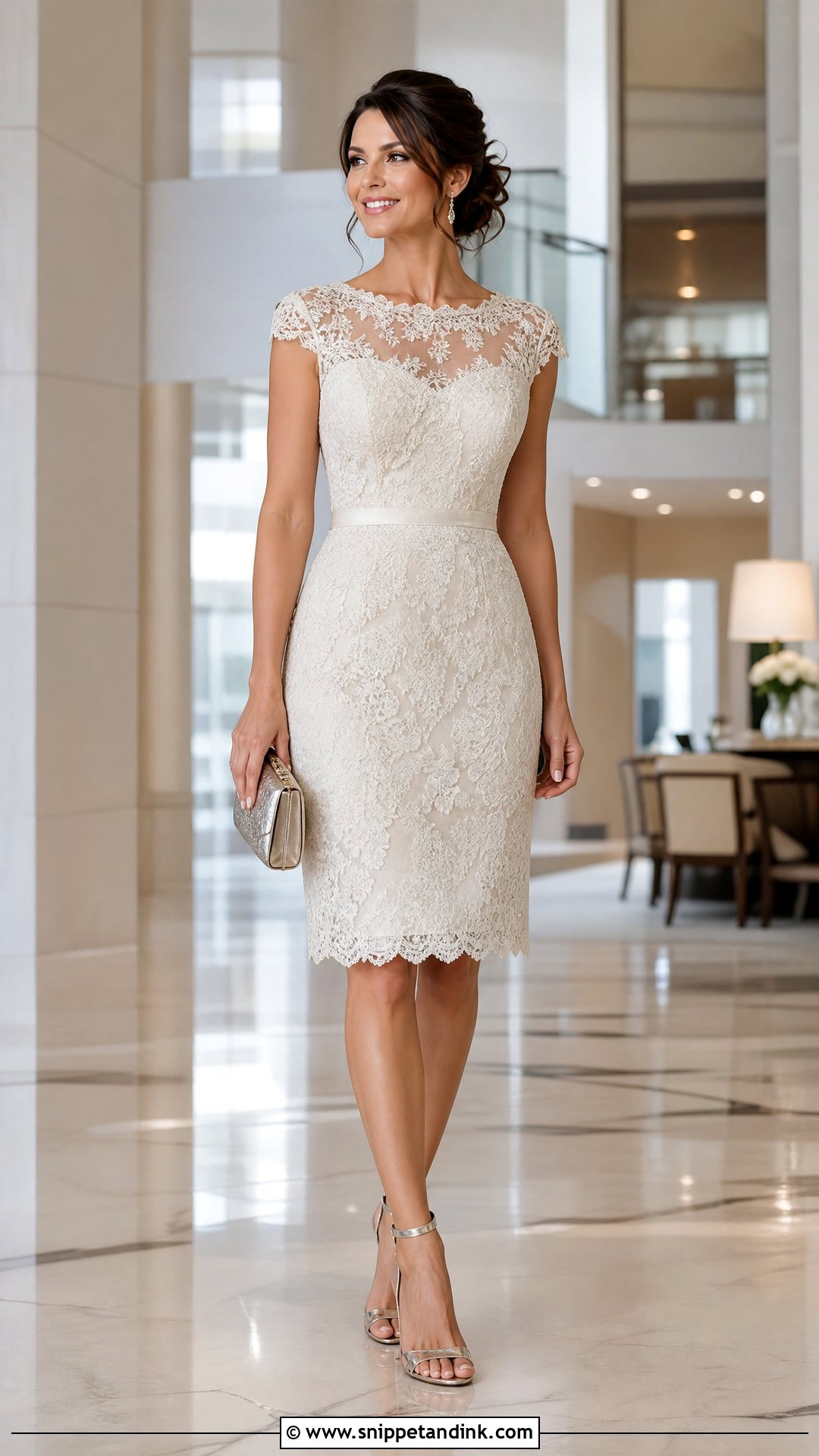
Shortening is the most wearable route, and the one I’d try first if you liked the bodice. A seamstress removes the train, raises the hem to knee or midi, and takes out a few skirt layers so it stops looking like a gown. Keep the fitted bodice or lace neckline if they still suit you. A cropped blazer, metallic heels, a small clutch and fine earrings make it a cocktail outfit. If it still reads bridal, swap pearl buttons, cut away the veil-like tulle or add a narrow colored belt. Structured satin turns into a crisp occasion dress; soft lace stays romantic. Ask the tailor to hand back every usable scrap.
2. Dye a Wedding Dress Into an Evening Gown
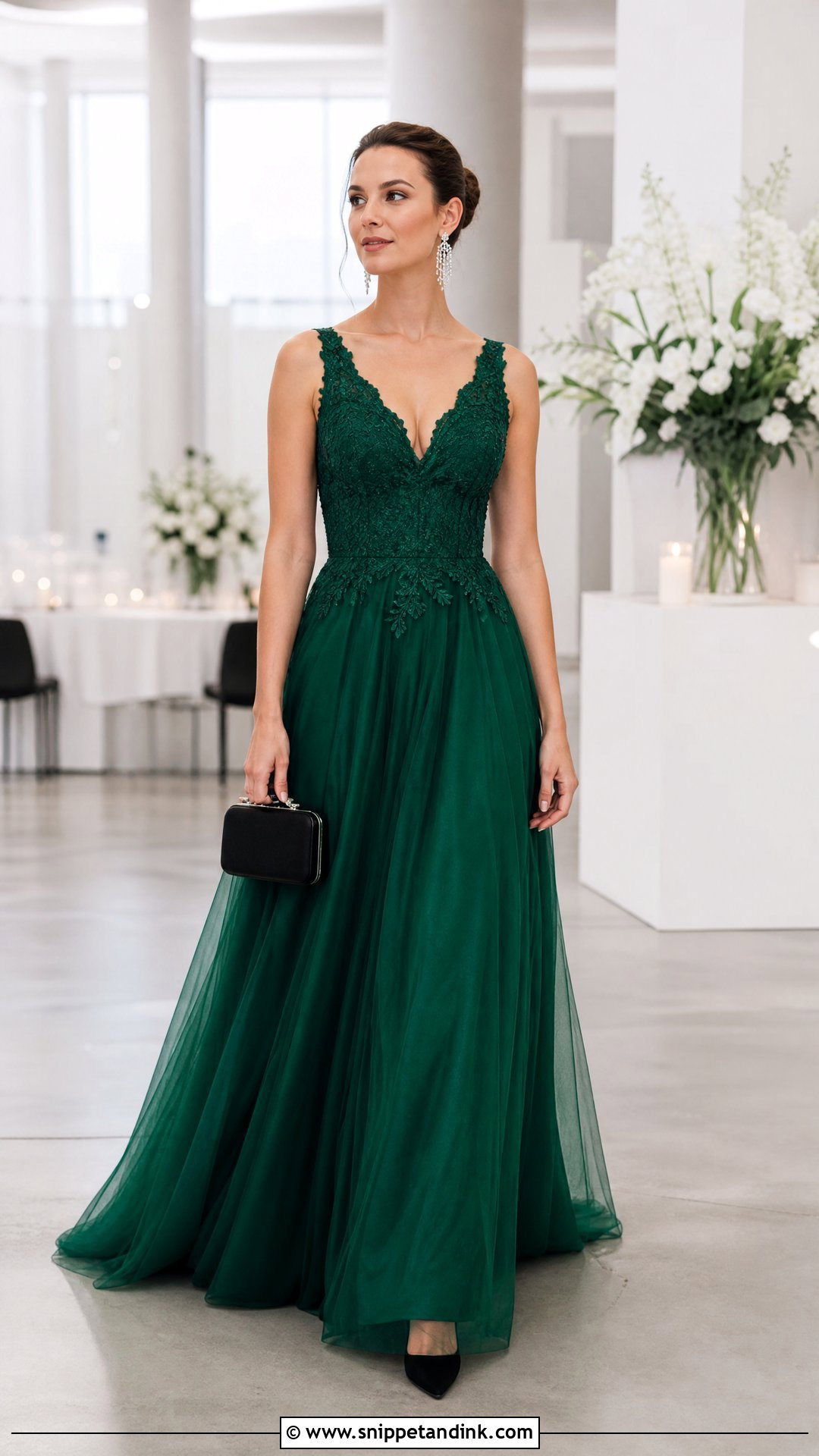
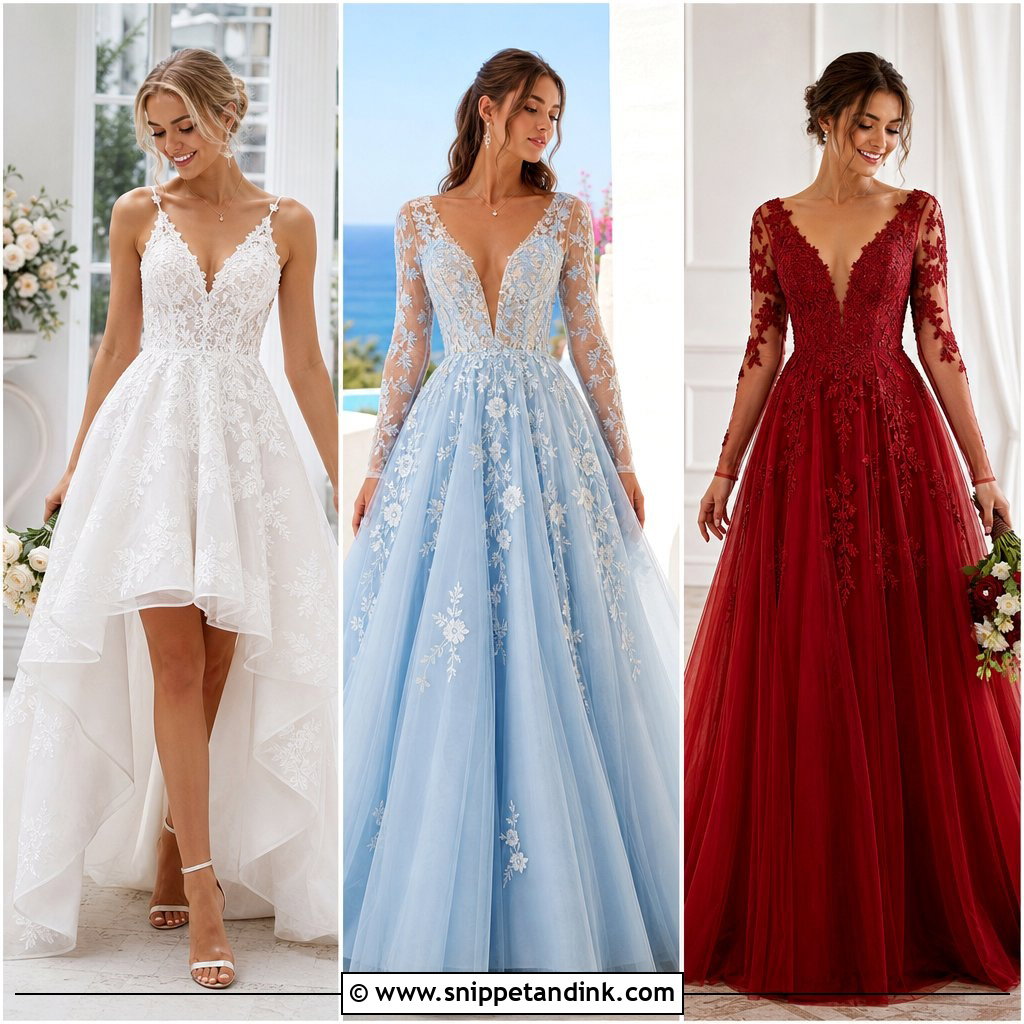
Dyeing changes a white gown’s identity entirely, into navy, emerald, burgundy, black or soft blue. The part that trips people up is fiber. Most modern gowns are polyester, which barely takes ordinary household dyes, while silk, cotton and nylon do; and the thread is often polyester even when the fabric isn’t, so seams can stay pale. Find out what your dress is made of before choosing a method. For an expensive or layered dress, a professional garment dyer is the safer bet. I always ask them to test on a scrap from inside a seam first. Removing the train or reshaping the neckline makes the dyed dress more useful, and sleek heels with a structured bag finish it.
3. Turn a Wedding Dress Into a Jumpsuit
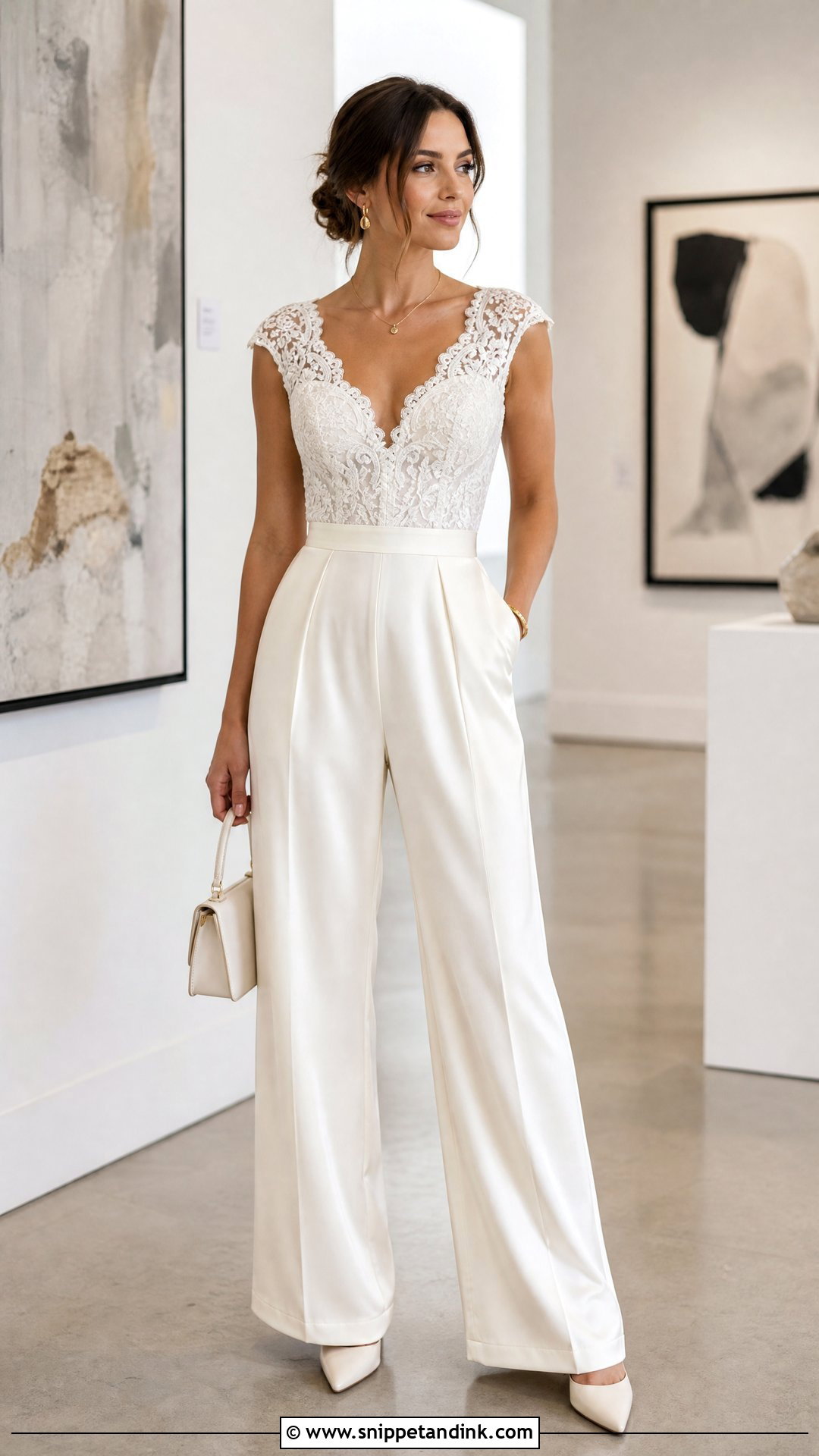
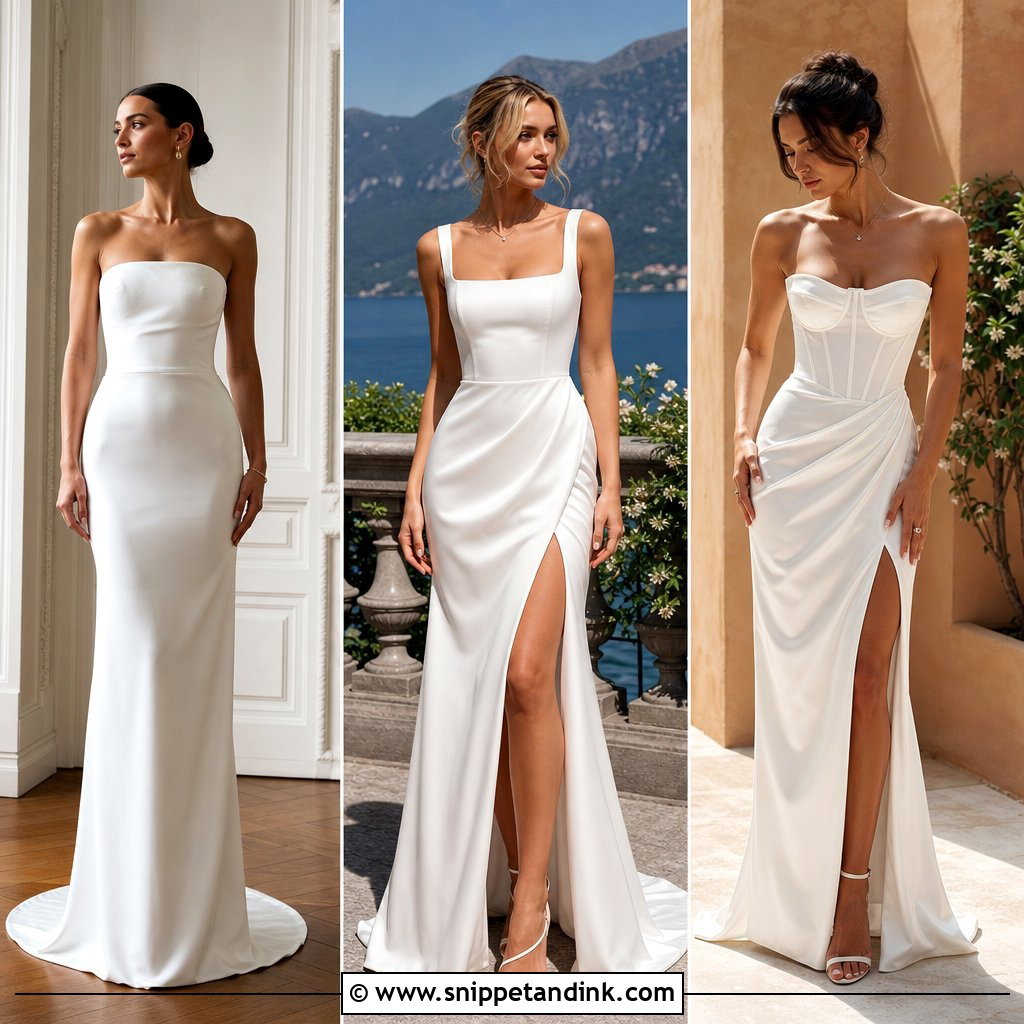
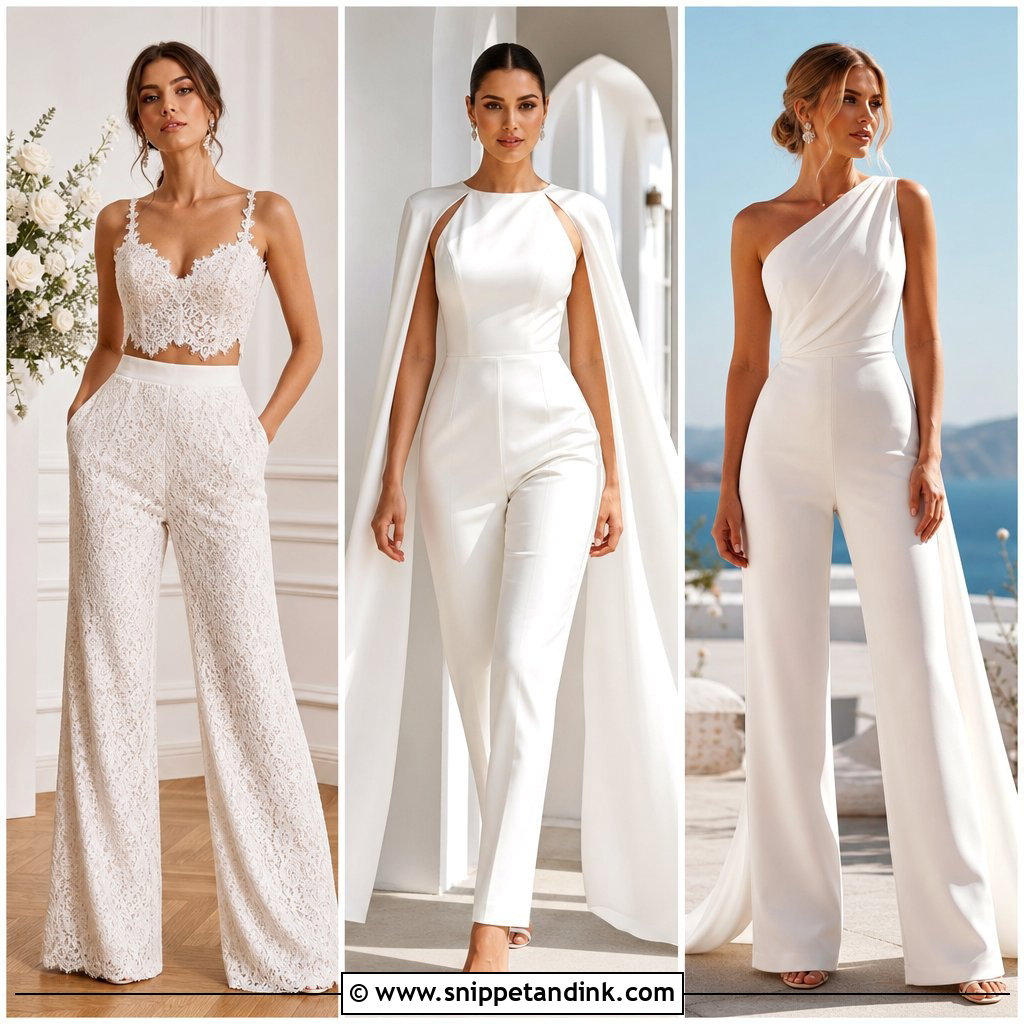
A structured bodice can become the top of an elegant jumpsuit. A skilled dressmaker keeps the original bodice and cuts wide-leg trousers from the skirt satin; if there isn’t enough of it, matching crepe or silk trousers fill in. Corseted, sleeveless, halter and square-neck gowns convert best. This is pattern cutting from scratch, with the boned bodice re-attached to a new waist, so I’d only hand it to someone who reconstructs formalwear, not a standard alterations shop. Removing extra beading cleans it up, while one lace panel keeps the memory. Pointed pumps, a compact bag and modern gold or silver jewelry complete it.
4. Turn Wedding Dress Lace Into a Top and Trousers Outfit
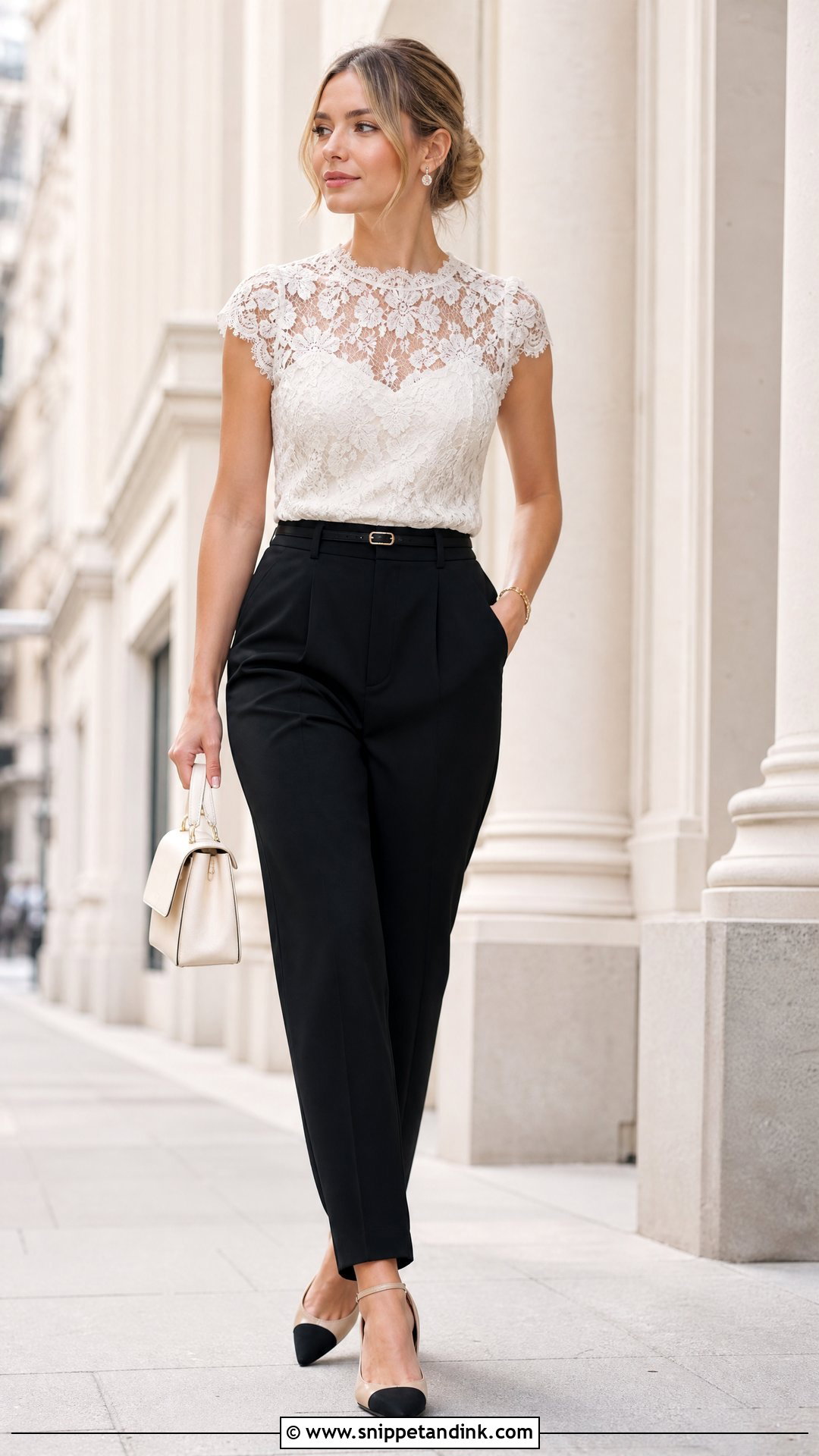
Lace is the most precious part of many gowns, and it doesn’t have to stay in a box. The bodice, sleeves or overlay can become a fitted blouse, a sleeveless shell or a cropped top, paired with high-waisted tailored trousers in ivory, black or navy. Lace is cut around its motifs rather than in straight lines, which is why reshaping it takes skill; a good seamstress overlaps the motifs so no seam shows. Sheer lace is easier to wear with a nude or cream lining. Simplify the neckline or remove heavy appliqués if it still looks bridal. Slingbacks, a structured bag and simple jewelry make it right for anniversary dinners and family occasions.
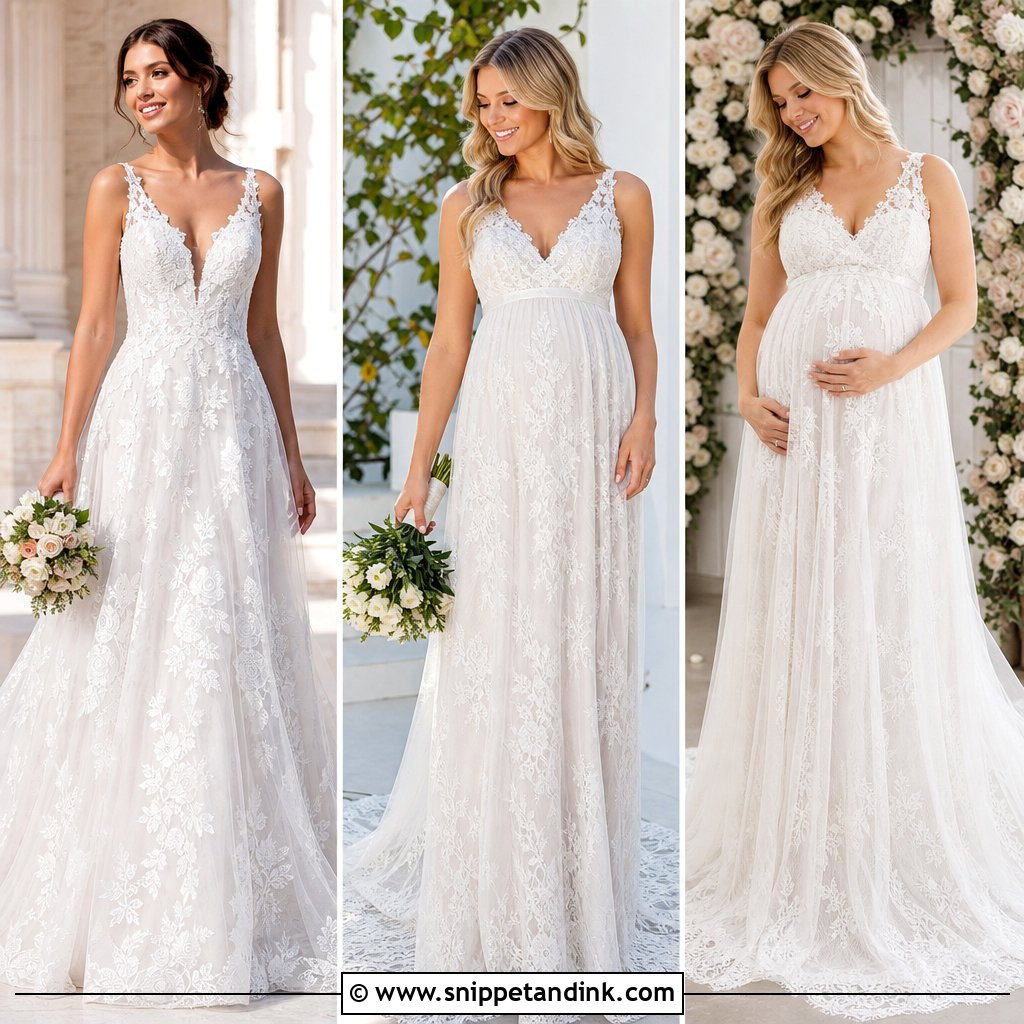
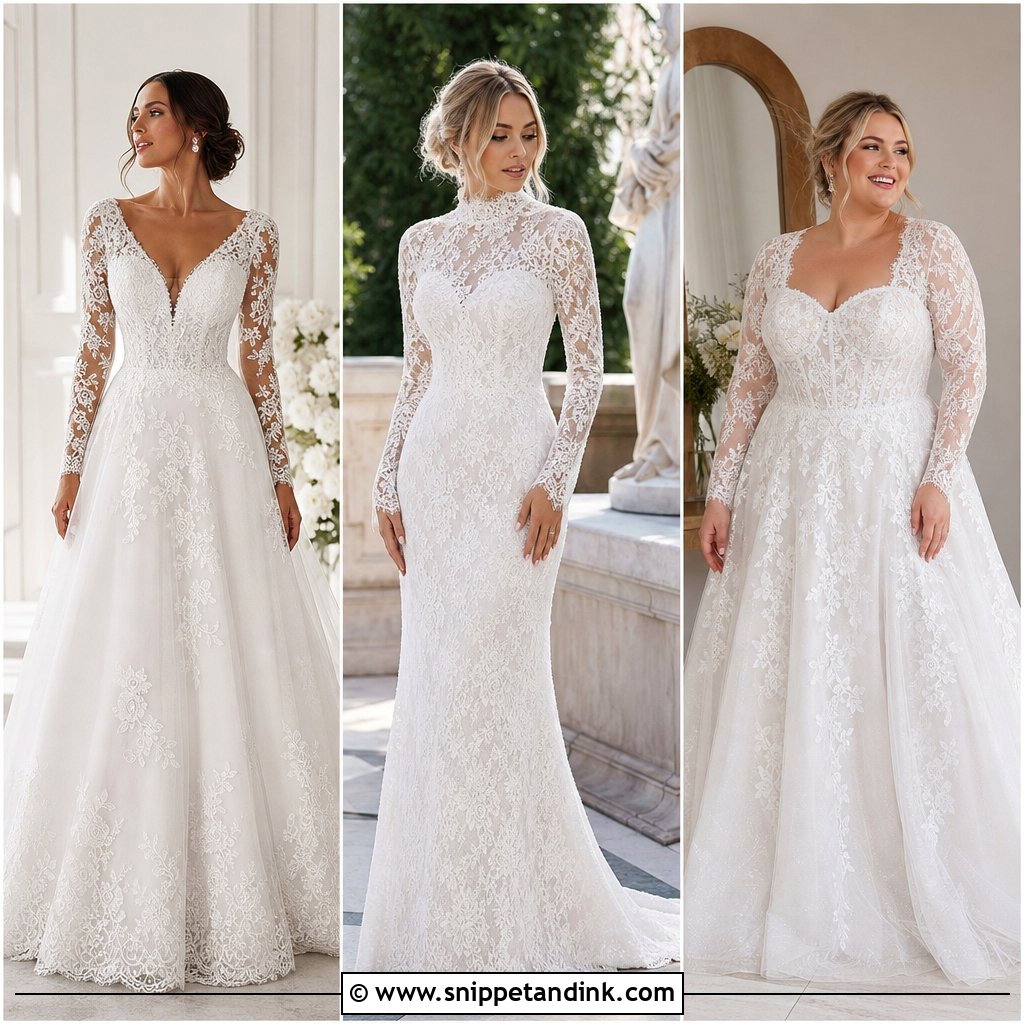
5. Turn a Wedding Dress Skirt Into a Midi Skirt Outfit
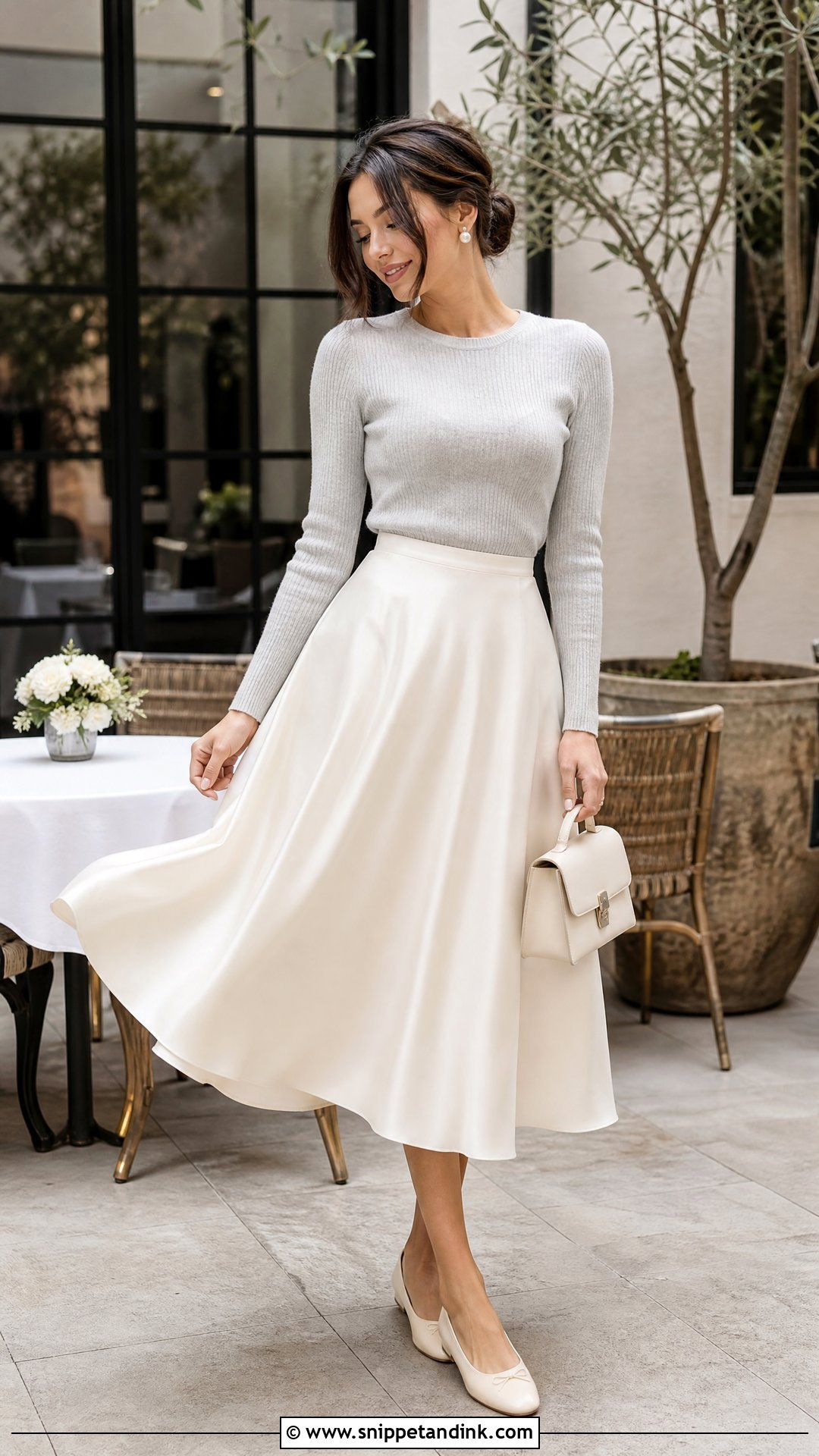
A full bridal skirt becomes a midi skirt once the train and extra volume come off. Satin gives a smooth line; tulle gives a softer, more playful one. Wear it with a fitted knit, a cropped cardigan or a plain button-down, with ballet flats by day or low heels at night. If the waistband is heavily beaded, I’d cover it with a clean satin band, since beads at the waist are uncomfortable when you sit down. Pockets can be added if the fabric allows. Save the removed lace for a matching clutch or hair piece.
6. Turn a Wedding Dress Into a Two-Piece Set
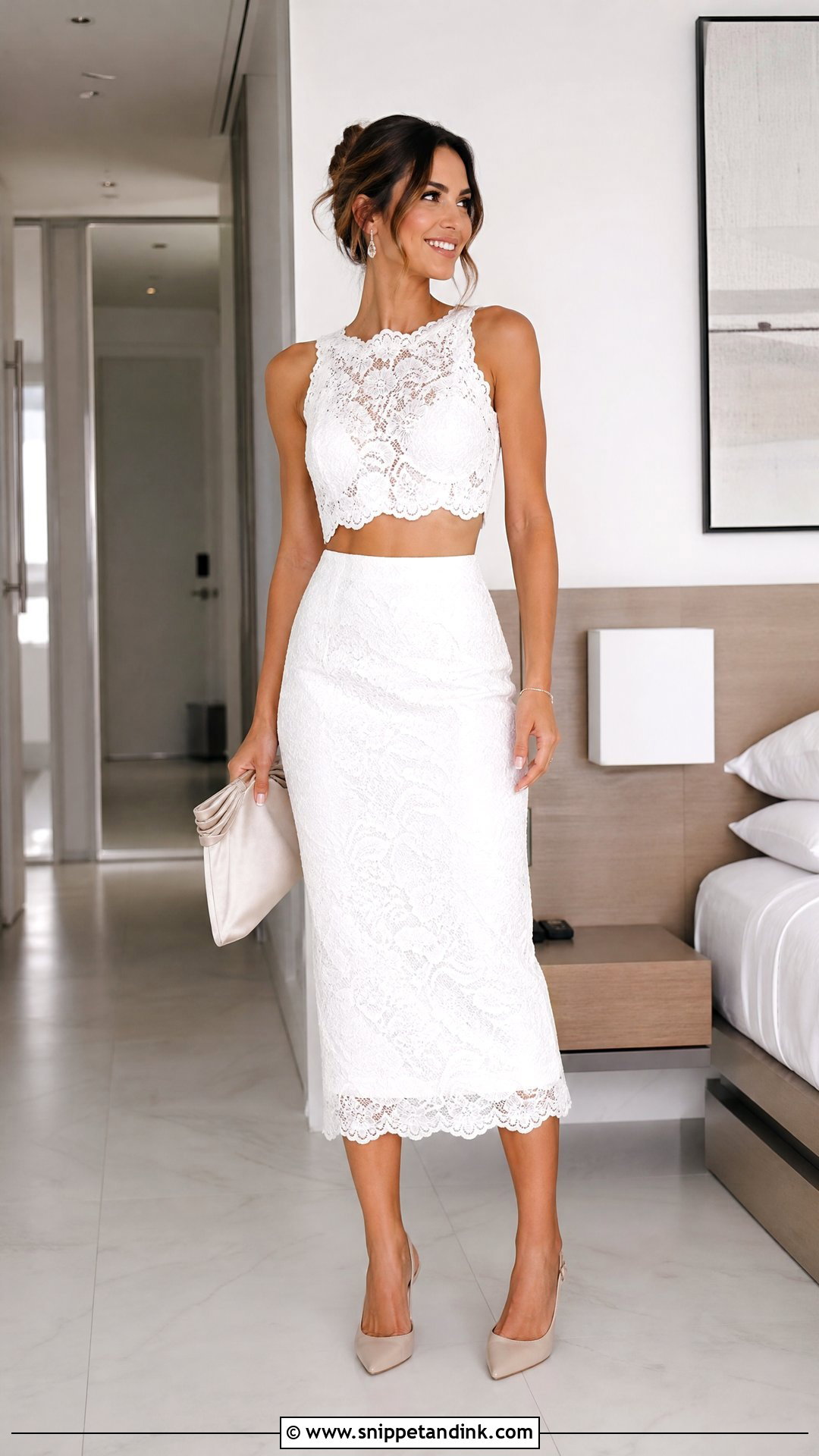
Splitting a gown into a top and skirt gives the fabric the most possible outings. The bodice becomes a fitted top, and the lower part a midi, maxi or flared skirt. Together, with sleek heels and a small bag, they read as one outfit; apart, the top goes with tailored trousers and the skirt with a cashmere sweater. Dresses with a defined waist seam are the easy ones, because the cut follows an existing line. Where there’s no seam, a tailor has to add new waistbands, closures and finished edges so both pieces look intentional rather than chopped.
7. Turn a Wedding Dress Into a Special Occasion Dress
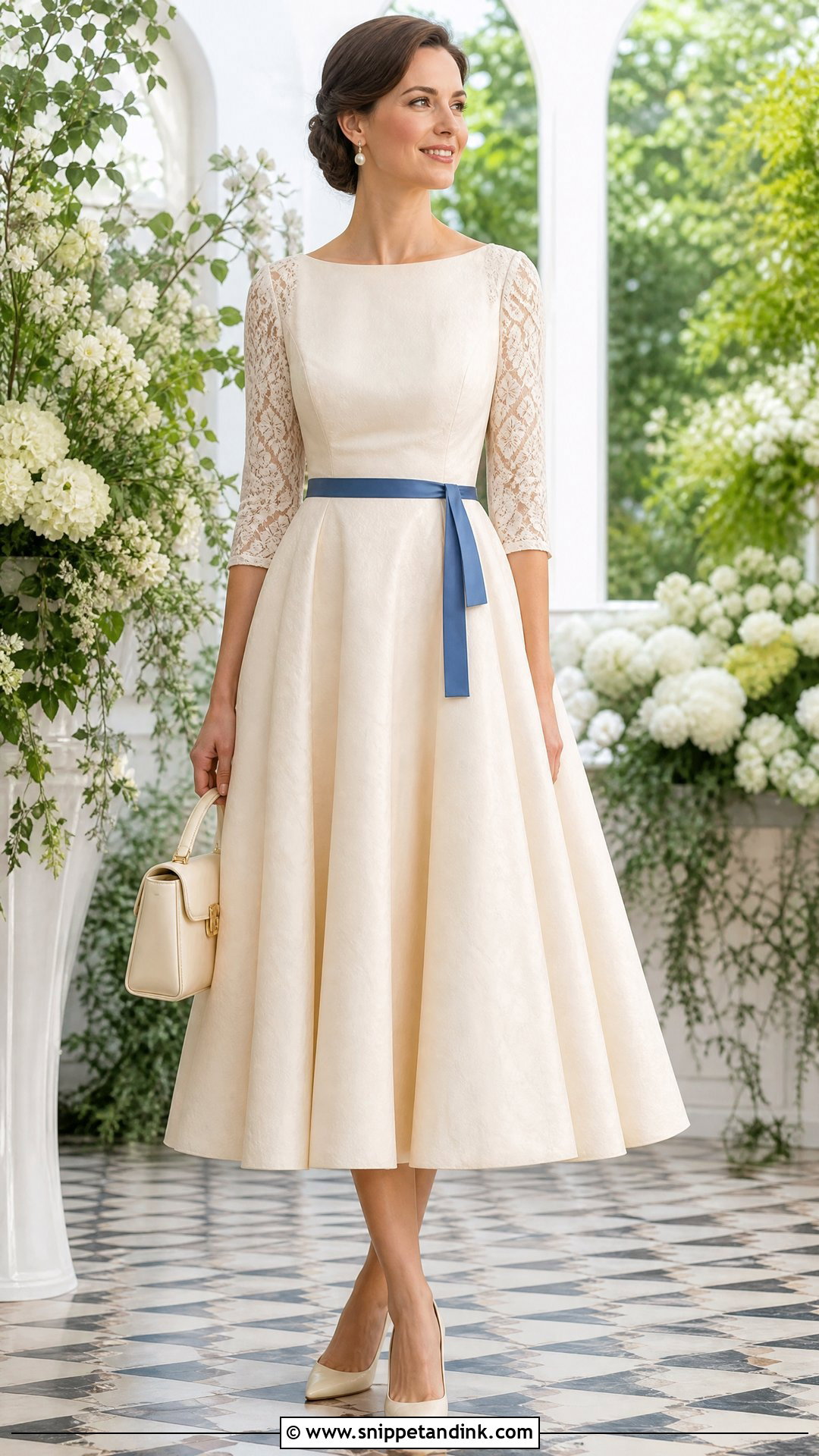
Not every recycled gown needs a big redesign. Taking off the train, reducing the skirt and toning down the embellishment can be enough to create a new occasion dress. You might shorten long sleeves, change a high neckline or add a contrasting sash. Tea length looks classic with pumps, a small top-handle bag and pearl or crystal earrings; a clean midi hem with minimal accessories looks more current. Slip, column and A-line dresses are the simplest to restyle because they have fewer internal layers. Anything structural, like moving a boned seam, belongs with an experienced seamstress.
8. Turn a Wedding Dress Into a Getting-Ready Robe
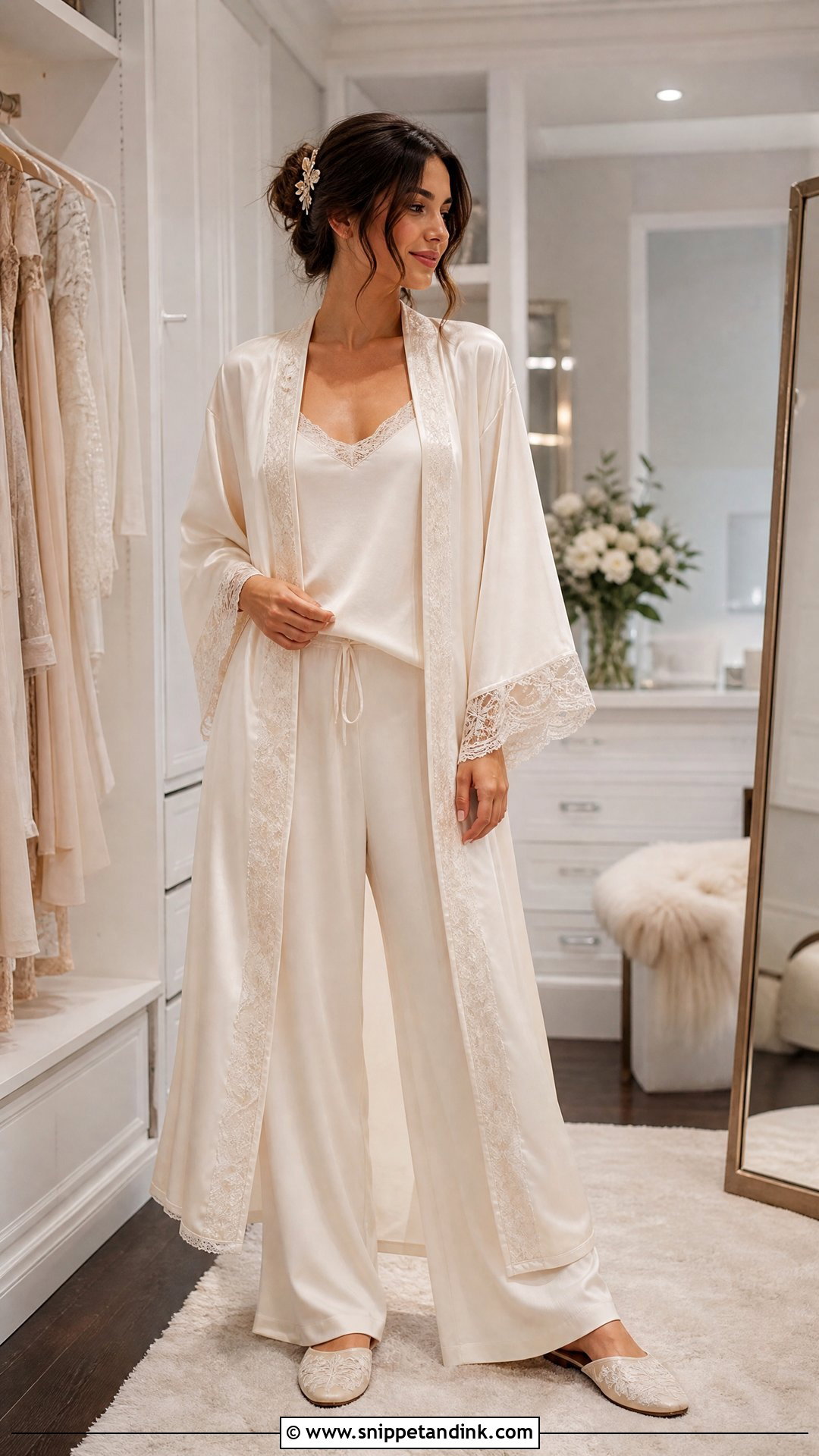
Soft satin, silk or light lace can become an elegant getting-ready robe. The skirt panels make the body, and decorative trim moves to the sleeves, neckline or belt. Stiff netting and boned sections won’t drape, so they’re left out. I like personal embroidery tucked inside the collar rather than across the back, where it stays private. Wear it over a matching lounge set on future celebration mornings, or just on slow weekends. Of all the wearable projects, this is one you’ll actually reach for often, and it folds small for storage.
9. Turn a Wedding Dress Into a Christening Gown
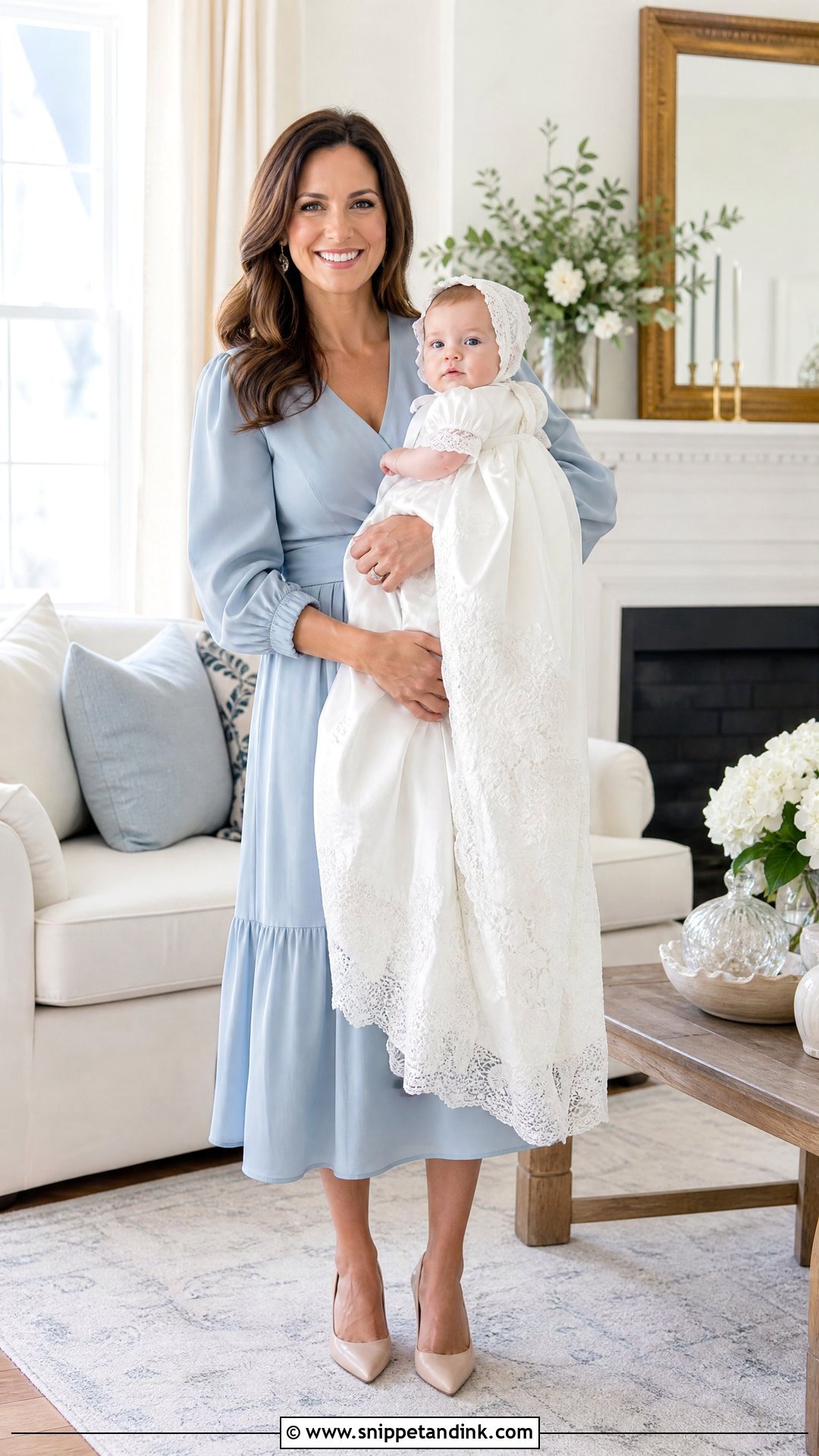
A wedding dress can supply fabric for a small heirloom christening gown. Satin, lace, covered buttons and embroidered panels are scaled down, keeping details people will recognize from the original. Ask the maker to line it softly and keep beads well away from the neck and hands, since babies chew on whatever they can reach. Leftover pieces can make a bonnet, small shoes or a blanket. Store the set in acid-free tissue in a breathable box between uses. Photograph the new gown beside a picture of the original dress so the story stays with it.
10. Turn a Wedding Dress Into a Flower Girl Dress
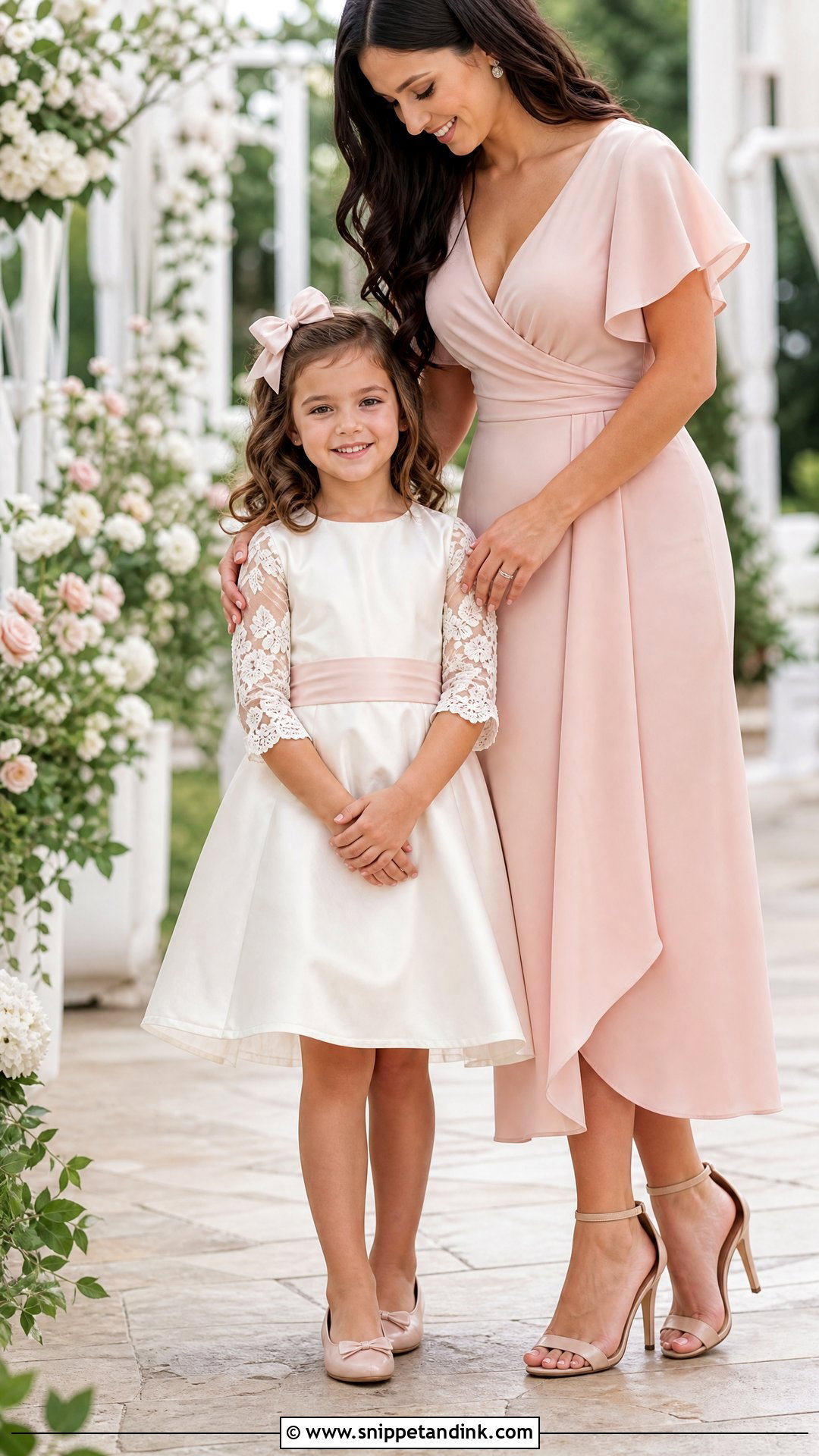
A flower girl dress carries the memory into another family wedding. The satin skirt forms the dress, and lace from the sleeves or train trims the neckline and waist. Choose an age-appropriate silhouette with a soft lining, secure closures and room to move; children sit on floors and climb chairs. Heavy beadwork scratches and catches on furniture, so I’d leave it off. If several children may wear it over the years, ask for a deep hem allowance and an adjustable sash. Ballet flats, a small hair bow and a light cardigan finish it. Floral appliqués and scalloped lace are the easiest details to reuse.
11. Turn a Wedding Dress Into a Memory Quilt
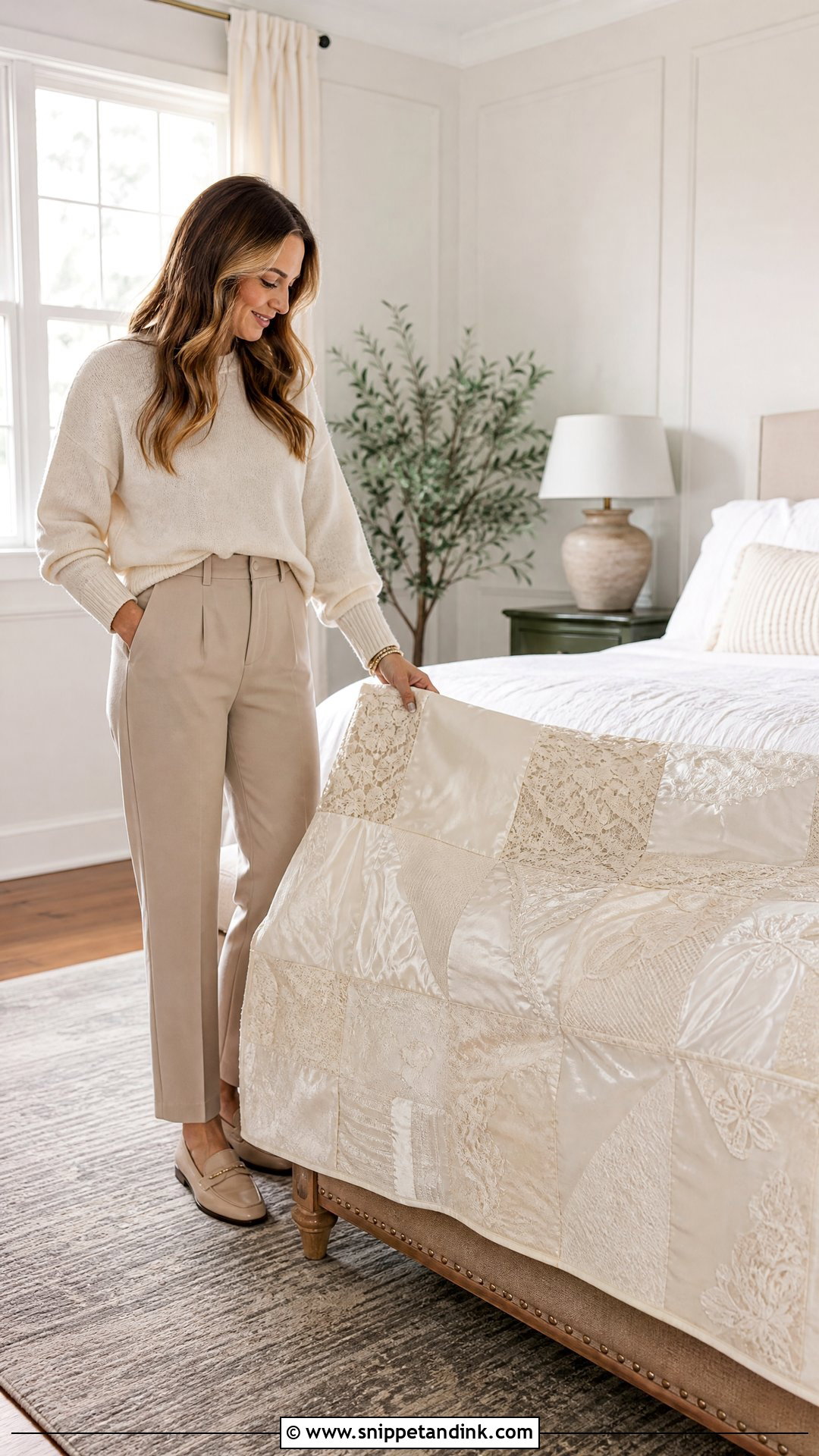
A memory quilt lets you keep many parts of the dress at once. Satin, lace, tulle, buttons and embroidered sections are arranged in blocks, with lining fabric used to calm the busier pieces. Lace and tulle can’t take the tension of quilting alone, so they need a stable backing fabric behind them. A neutral cotton border makes the quilt sturdier. Add an embroidered date, initials or a small pocket for a note if you’d like. If you plan to use it rather than display it, ask for a washable backing, and lay it on a guest-room bench between anniversaries.
12. Turn a Wedding Dress Into Decorative Pillows
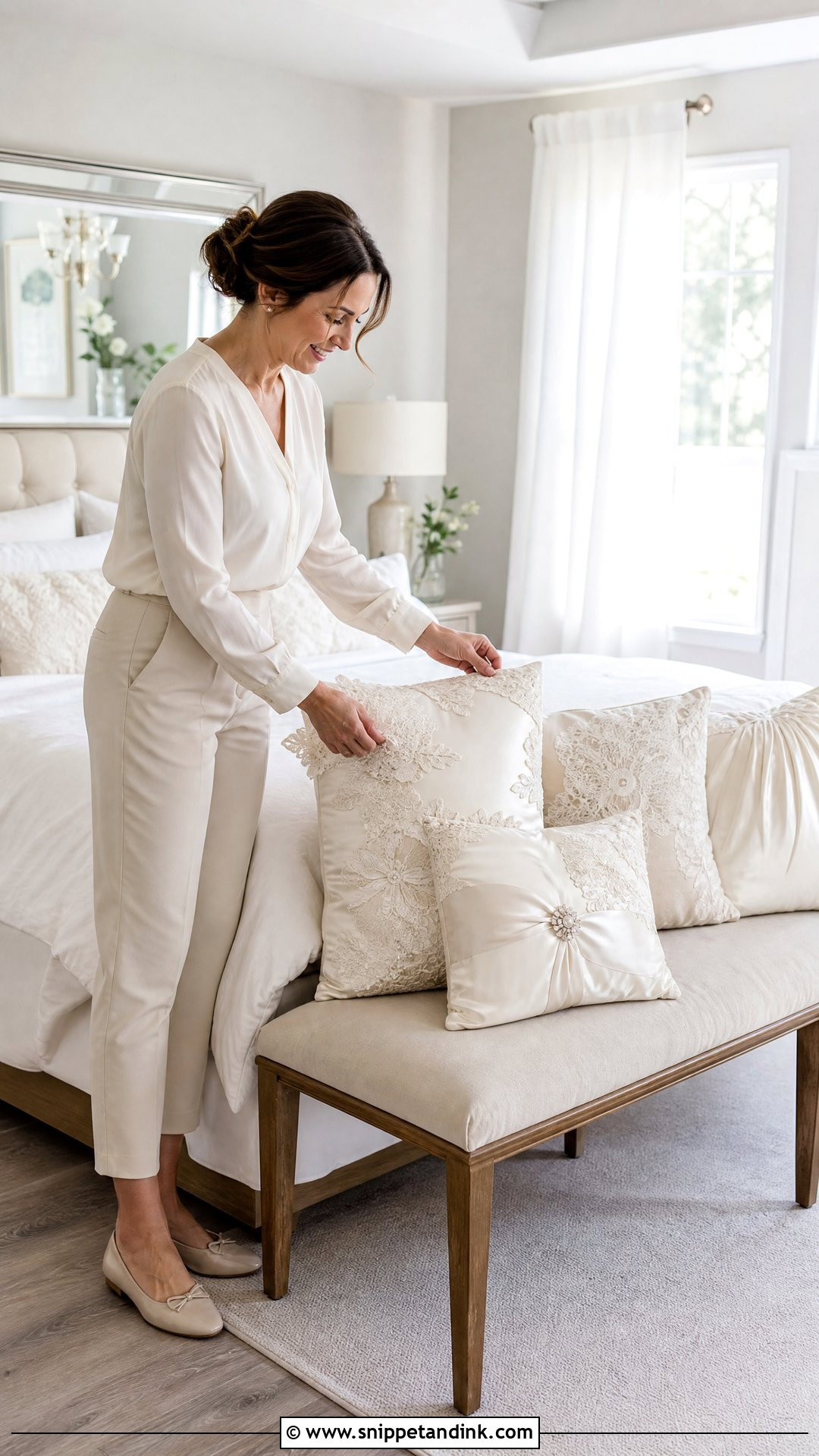
Pillows are an easy way to display bridal fabric. Satin makes the covers, lace goes over the top, and covered buttons become closures. One pillow can carry the bodice appliqué, another a pleated piece of skirt. I’d always choose removable covers over stuffed ones; they store flat and can be cleaned gently. Pick inserts that fill without stretching the seams, and place any sentimental embroidery at the center rather than near an edge where hands rub it. Neutral bedding and a light throw let the details show.
13. Turn Wedding Dress Fabric Into Framed Wall Art
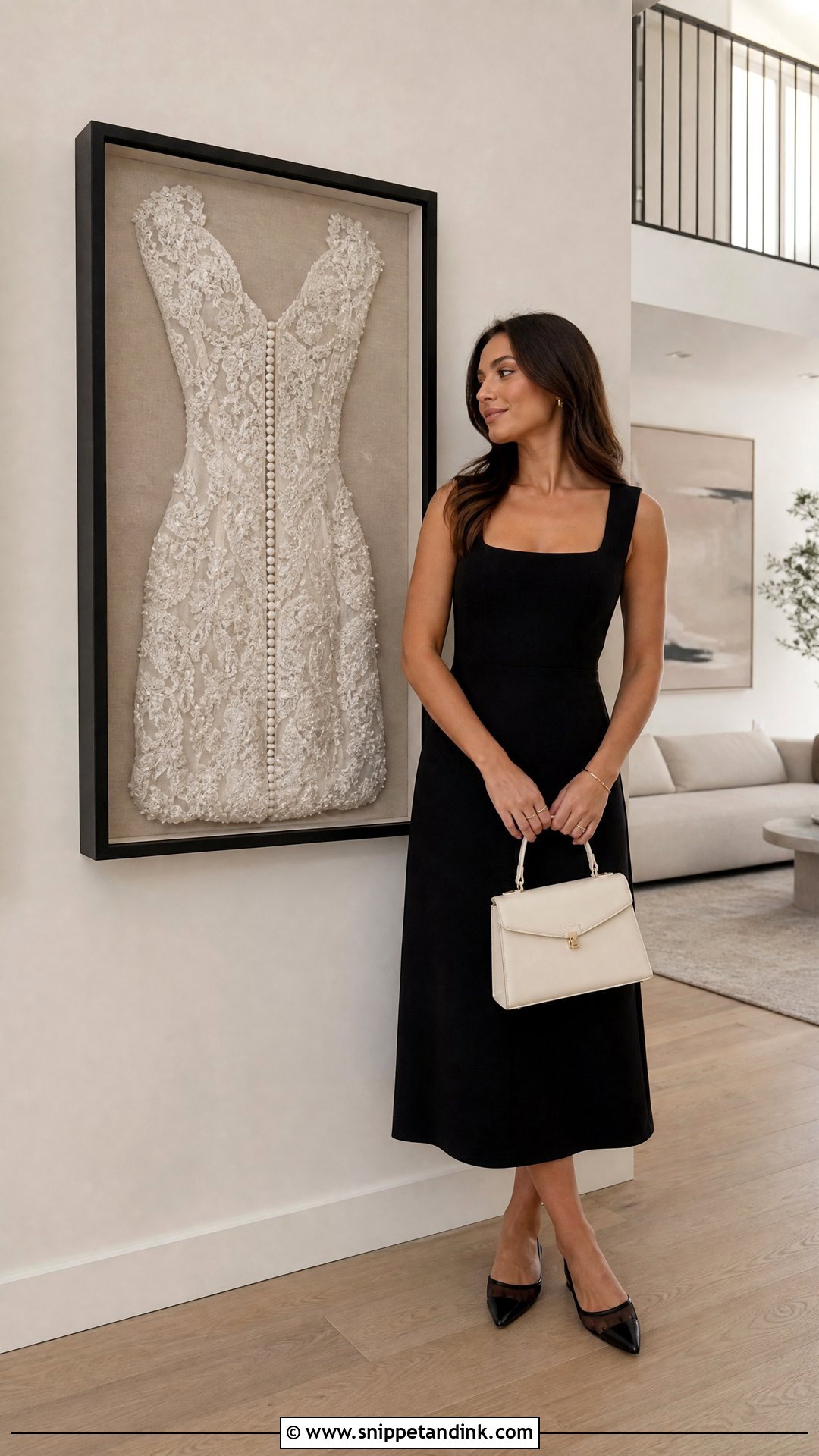
The most intricate piece of your gown can become framed textile art: a lace panel, a beaded neckline, a row of covered buttons or a motif from the train, mounted on acid-free backing in a deep frame. One clear focal detail looks better than a crowded collage. A shadow box can also hold a photo, the invitation or a fabric flower beside it. I’d use UV-filtering glass if you can, and hang it away from direct sun and damp walls, because light yellows white fabric faster than anything. This is the best option when most of the gown is damaged but one section is still lovely.
14. Turn a Wedding Dress Into a Clutch Bag
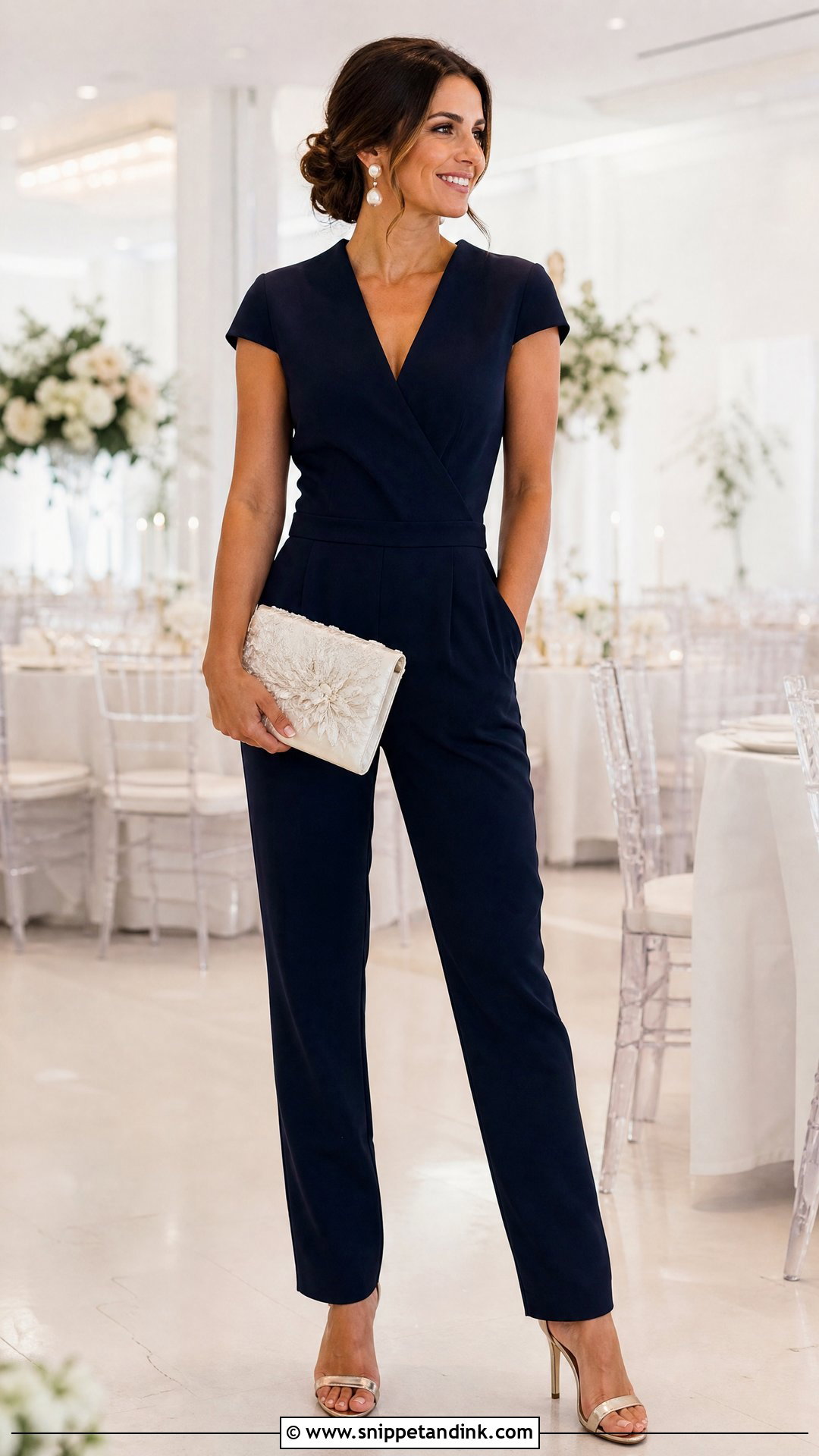
A clutch needs very little fabric, so it’s the project for keeping most of the gown intact. Satin covers the frame, and lace or beadwork makes the front panel. Ask for a sturdy lining, a secure clasp and an optional wrist strap. A covered button from the dress makes a nicer closure than new hardware. Delicate fabric needs interfacing behind it, or it will crumple at the corners, so a bag maker is worth paying for. Carry it with a tailored jumpsuit or a midi dress and neutral or metallic shoes, and store it in a breathable dust bag.
15. Turn Wedding Dress Lace Into Hair Accessories
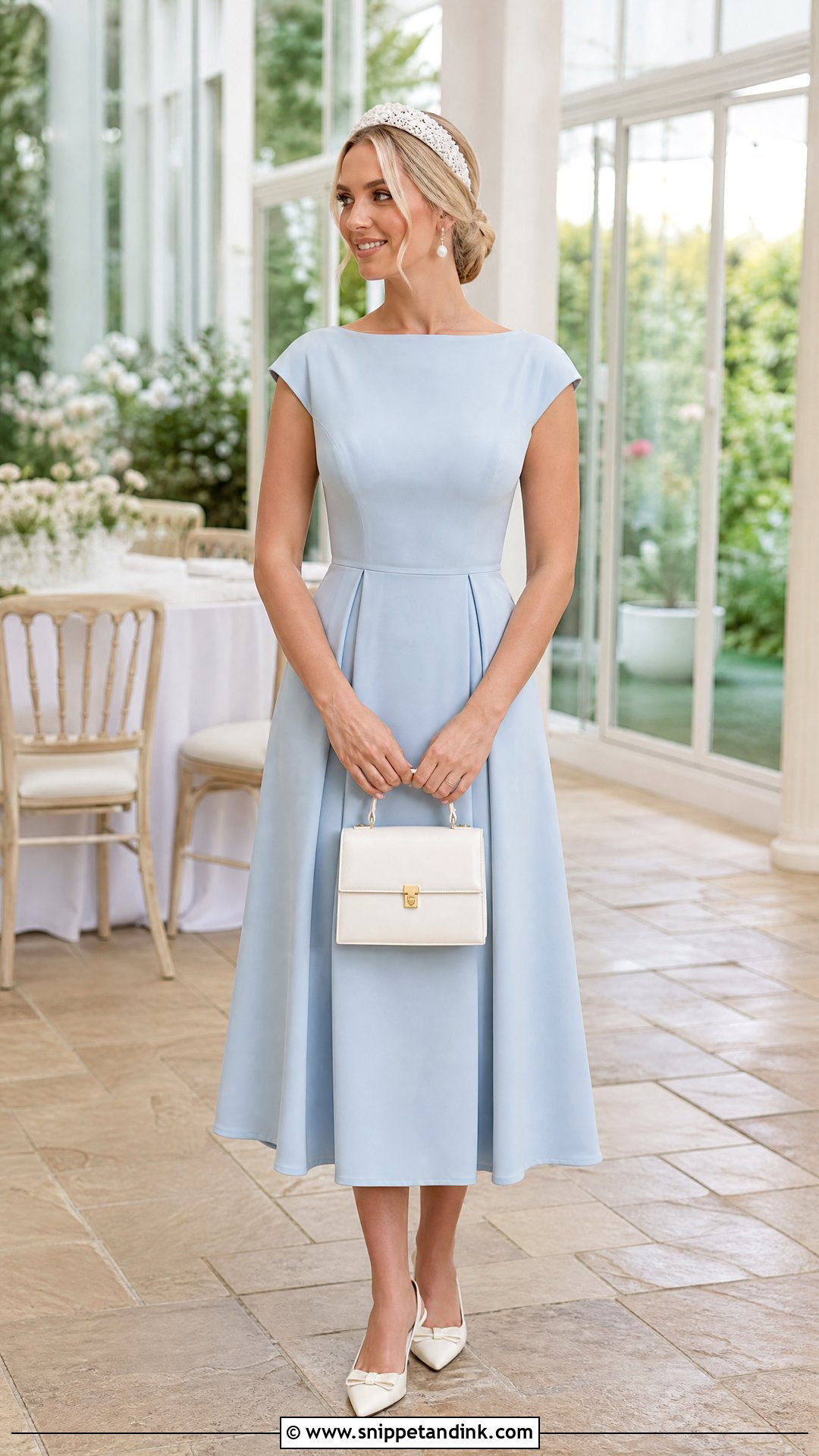
Small lace sections make a headband, comb, bow, barrette or a set of decorative pins. Choose light appliqués from the sleeves or bodice and remove any heavy beads. Mount the lace on a comfortable base that matches your hair color. A lace headband with a sleek midi dress and low heels looks polished, and a small comb suits an anniversary outfit without seeming bridal. Old lace tears when stretched, so I reinforce fragile areas with matching tulle before any comb teeth, clips or elastic go on. Use leftover pearls sparingly.
16. Turn a Wedding Dress Into a Keepsake Teddy Bear
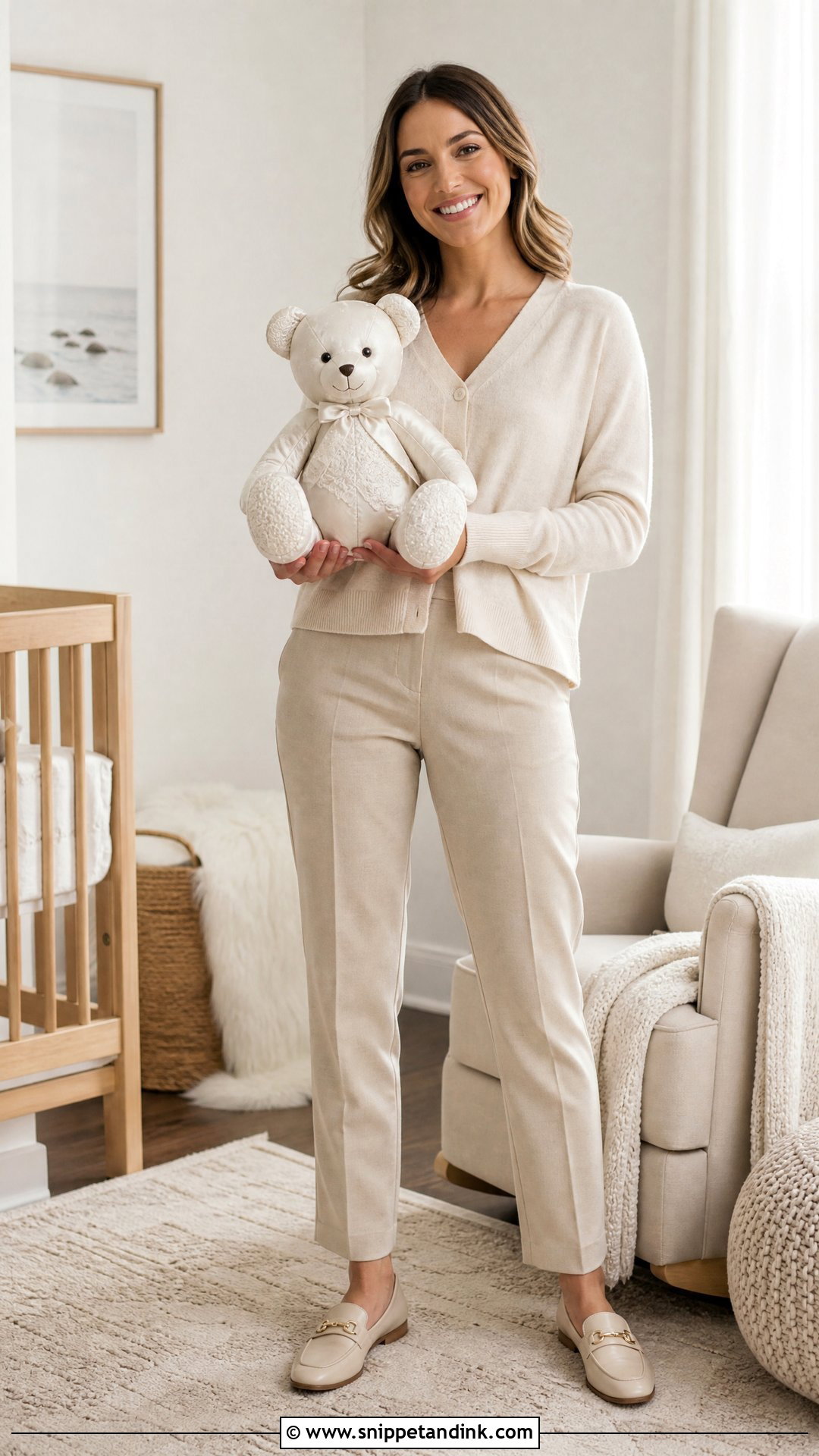
A keepsake bear turns familiar fabric into something to sit on a shelf. Satin makes the body; lace, buttons, ribbon or embroidery decorate the ears, paws or a little outfit. Fine fabric needs a stable backing so the bear holds its shape. If any beads go on, it’s a display piece, not a toy for small children; beads and buttons are choking hazards. A fabric tag with names and the date adds a personal touch. Ask for the scraps back, since small pieces still make ornaments, bookmarks or patches.
17. Turn a Wedding Dress Into a Table Runner
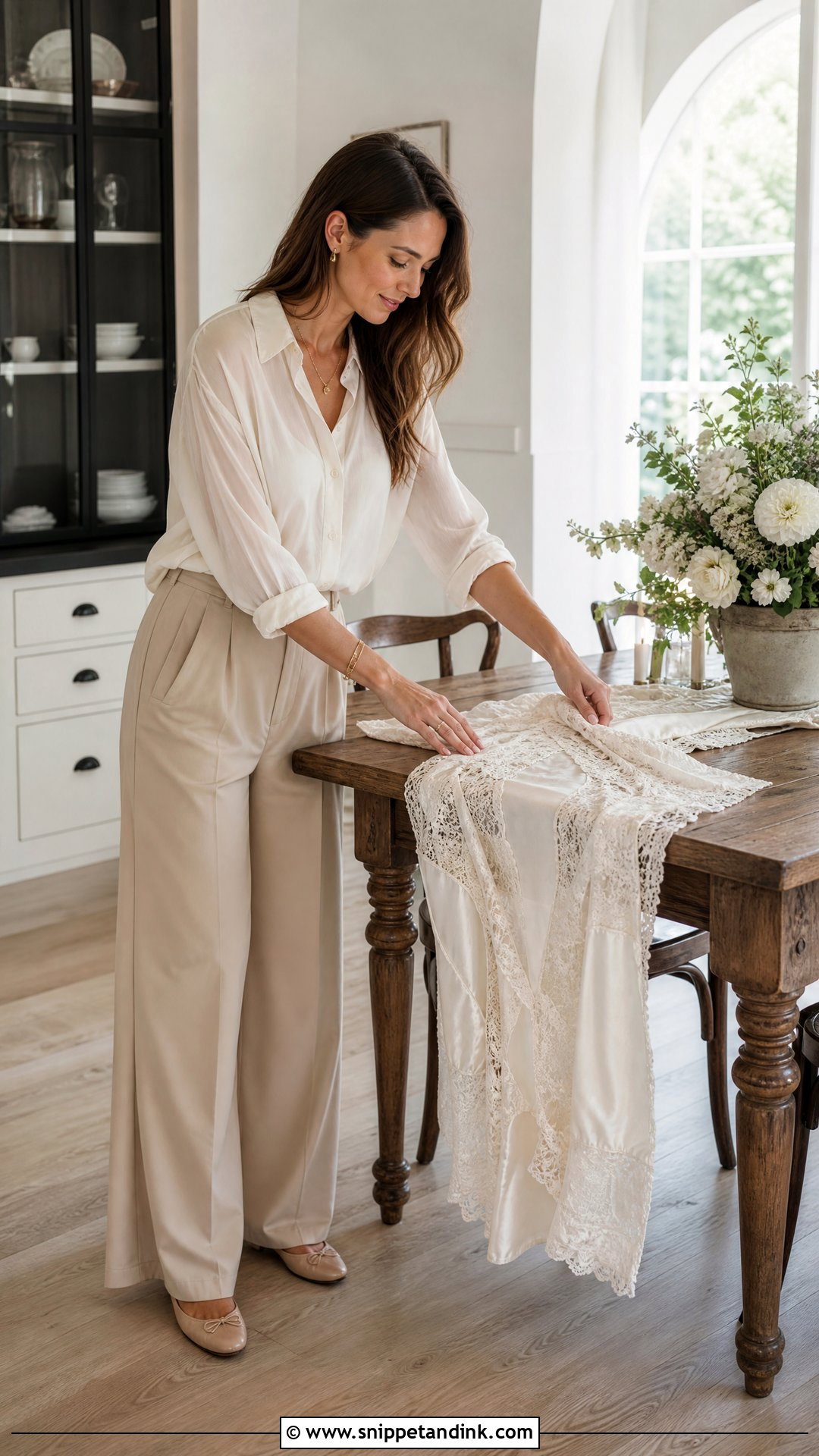
Long skirt panels and trains make a formal table runner. Cut away the damaged hem, square the edges and add a lining to protect the original fabric. Lace over satin gives a layered look, or an embroidered train panel can stay whole at the center. Save it for anniversary dinners and family celebrations rather than everyday meals. Keep hot dishes, candles and red wine off it; I’d lay a clear protective layer underneath anything that could spill. Simple white dishes and modest flowers keep the attention on the fabric.
18. Turn Wedding Dress Fabric Into a Bouquet Wrap
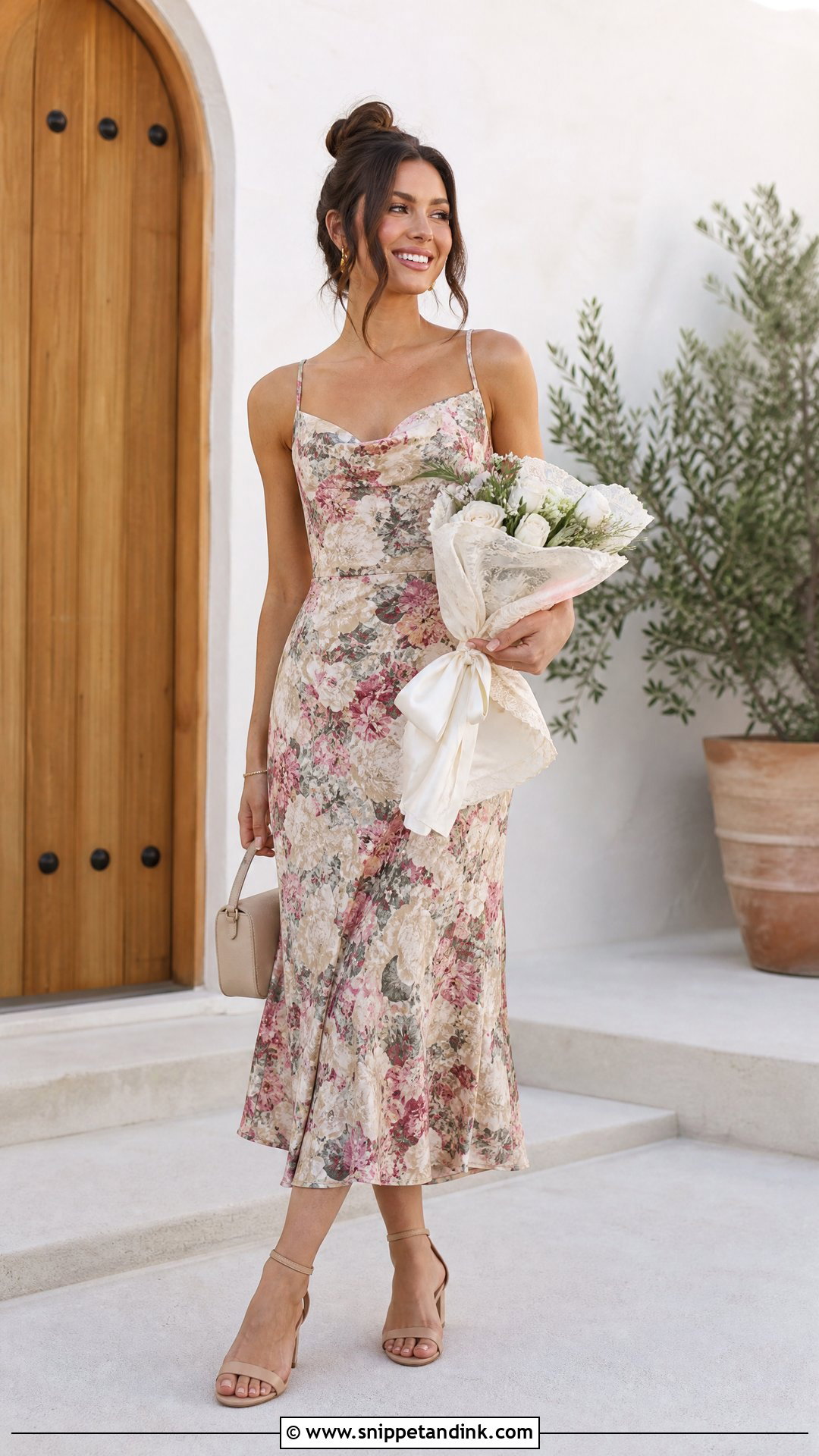
A narrow strip of satin or lace can wrap the bouquet at another family wedding. Take it from a hidden area, like inside the train or an inner layer, if you want the gown to stay mostly intact. Finish the edges, wrap it over sturdy ribbon so it doesn’t stretch under the stems, and fasten it with covered buttons, snaps or a small pin. It’s a quiet way to share your dress with a daughter, sister or close friend without asking anyone to wear it. Mention it to the florist ahead of time so they leave enough bare stem for it.
19. Donate a Wedding Dress to Another Bride
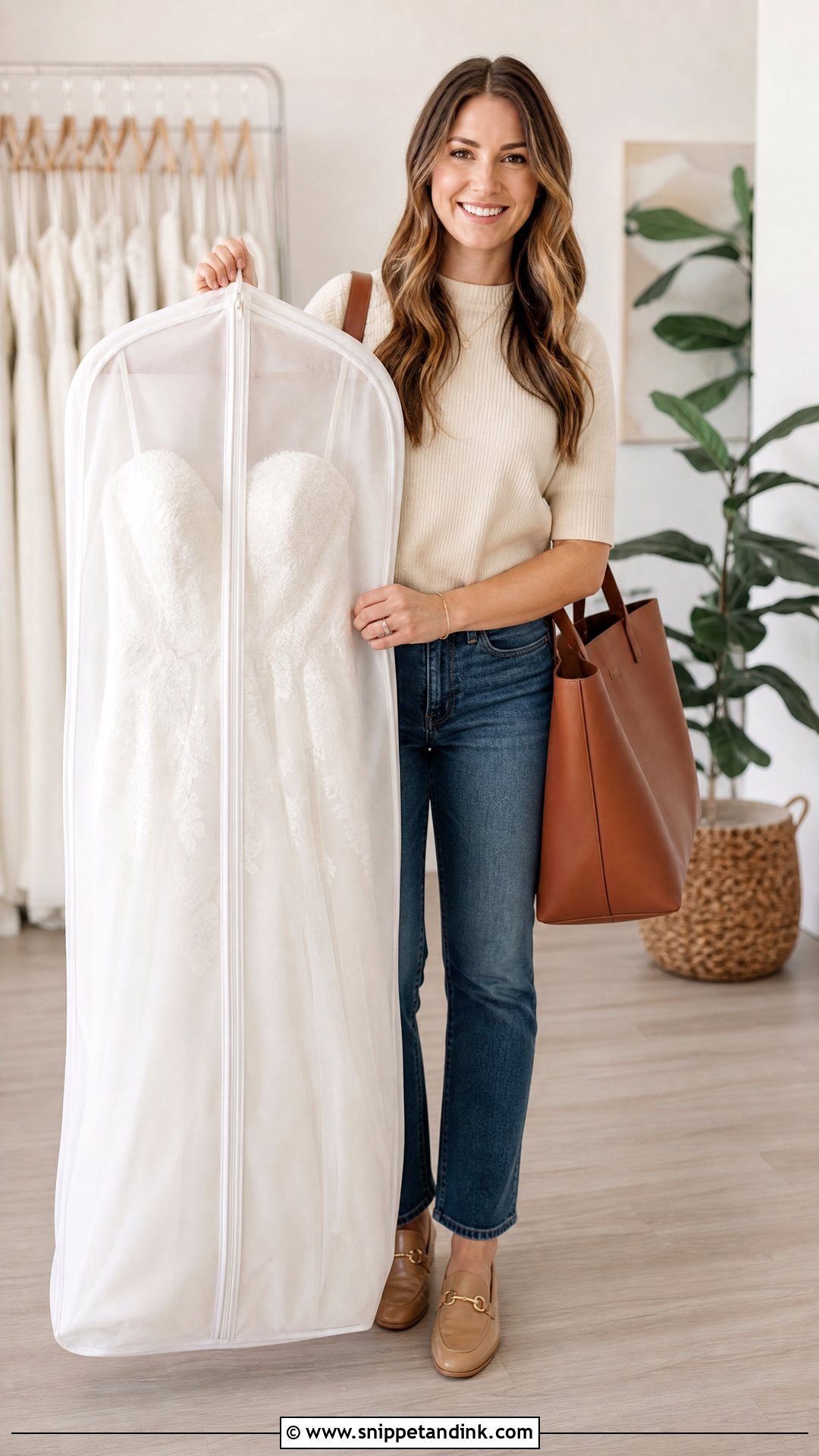
Donating keeps the dress whole and lets someone else wear it. Have it professionally cleaned, then check the zipper, buttons, seams, lining and hem. Include detachable straps, spare beads or other original pieces if you still have them. Contact charities, community groups, formalwear programs or bridal shops before you go, because what they accept varies. Pack it in a breathable garment bag with honest notes on size, alterations, condition and fabric. The label size stops being accurate once a bodice has been taken in, so I’d give real measurements instead.
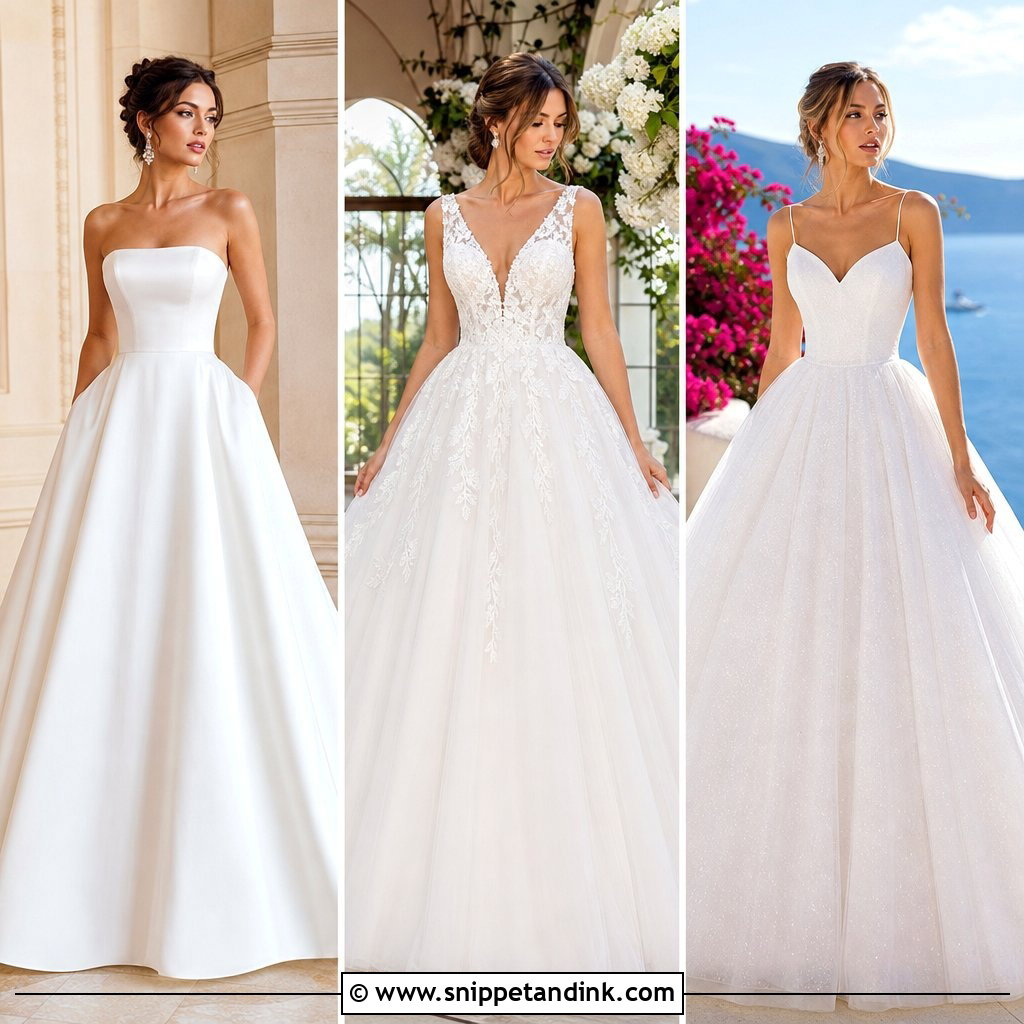
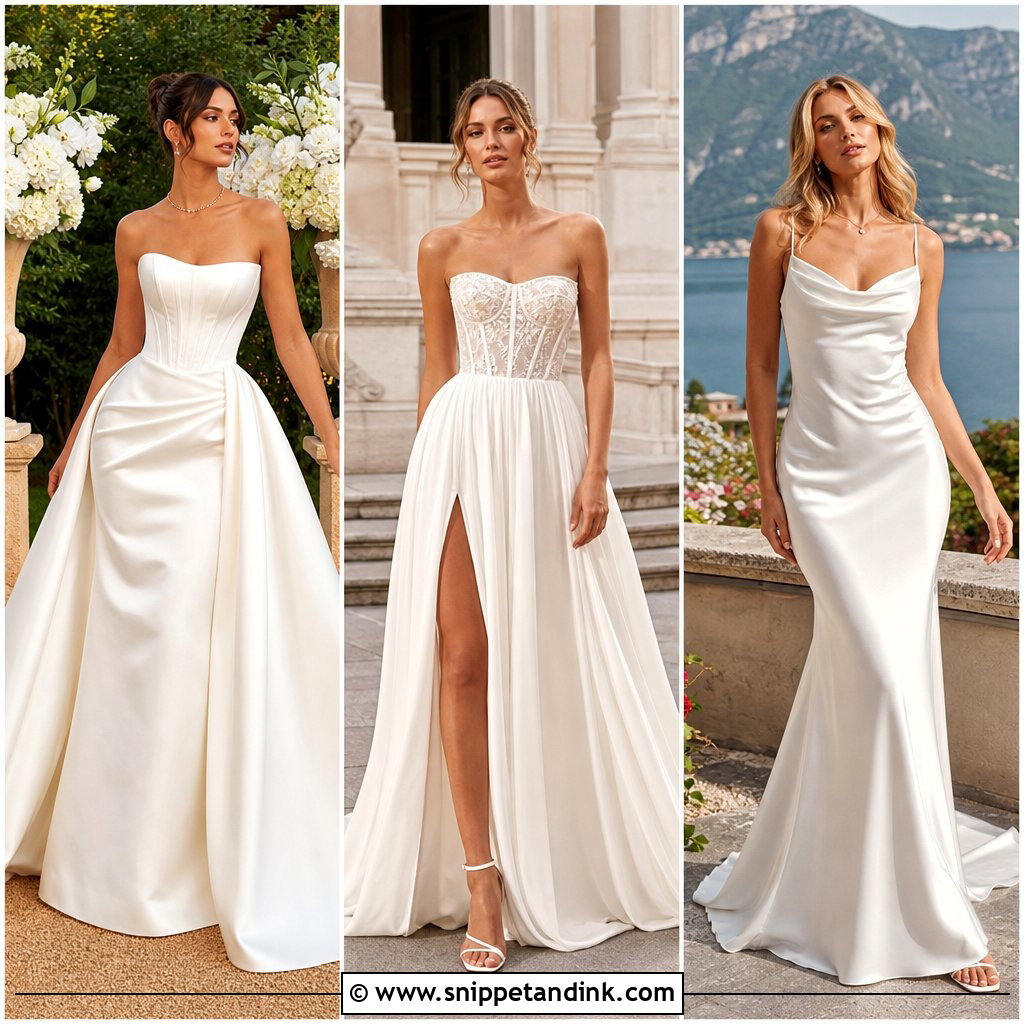
20. Sell a Wedding Dress for Rewear
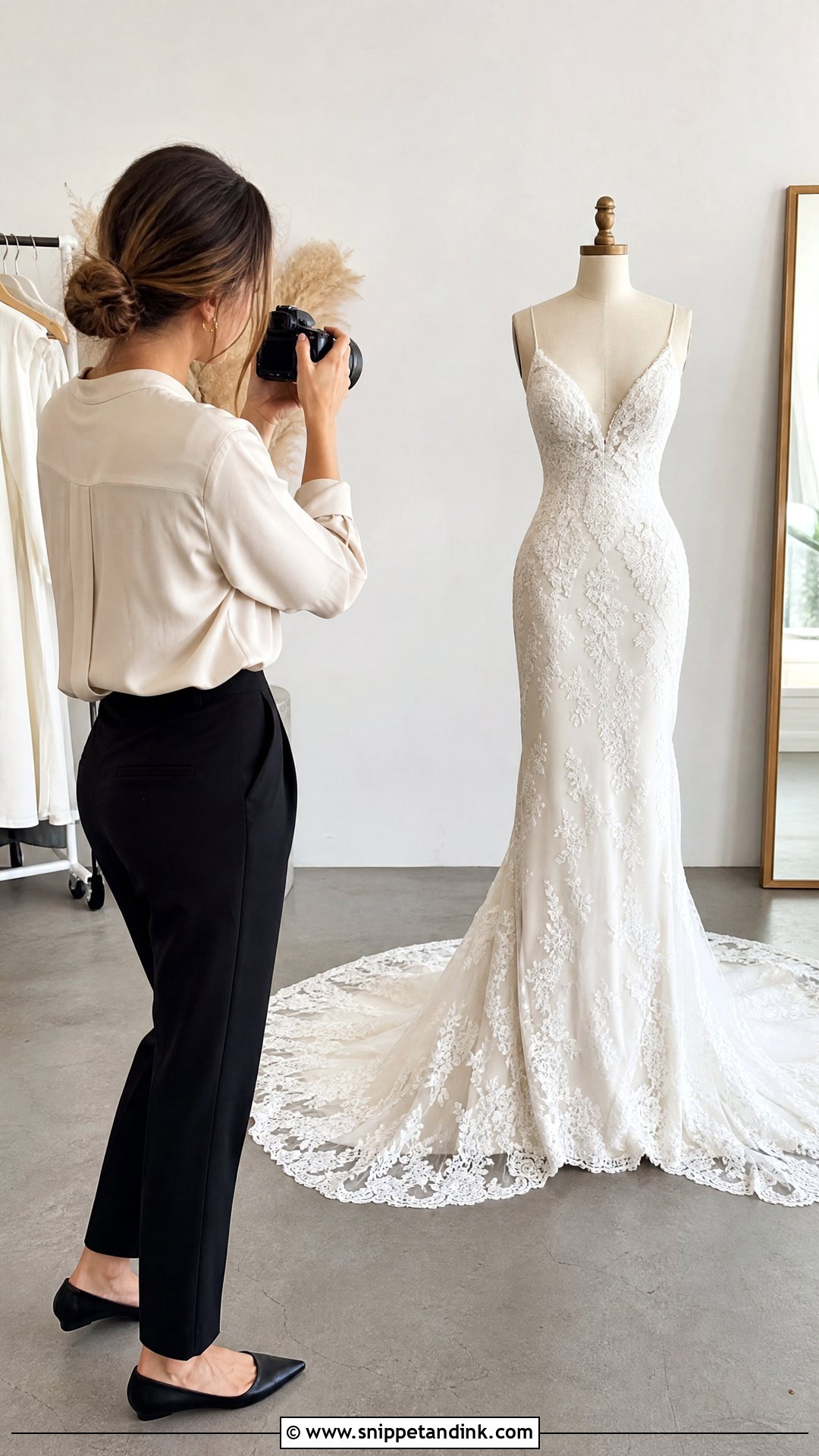
Selling keeps the gown in circulation and returns some of the cost. Clean it, find the receipt and designer details, and photograph the front, back, train, bodice and any flaws in bright daylight. List the original size plus your current bust, waist, hip and length measurements after alterations. Say whether fabric was cut away or left in the seams; a buyer’s seamstress can only let a dress out if there’s seam allowance to use. Include accessories only when their condition is clear. Price it on age, condition, designer and demand rather than what it meant to you, then pack it in acid-free tissue and a sturdy box.
What a Seamstress Needs From You to Quote Fairly
Reworking a gown is closer to making a new garment than altering one, so quotes vary a lot and depend on the hours involved. You’ll get a more accurate one if you arrive prepared.
- Bring the cleaned dress, not one fresh from storage, so they can see the real condition.
- Bring pictures of the finished piece you have in mind, plus the outfit or room it will live with.
- Mark the details you want kept, with safety pins or tape tags, so nothing precious is cut by accident.
- Ask whether they will unpick seams, which saves fabric but takes longer, or cut beside them.
- Agree in writing that all leftover fabric, buttons and beads come back to you.
- Ask about the timeline. Reconstruction projects are often slotted around wedding-season alterations, so allow several weeks, and longer in spring and summer.
If you’re torn between projects, I’d start with the one that uses the least fabric. A clutch or framed panel leaves the rest of the gown free for a bigger idea later, but once a skirt is cut into trousers there’s no going back.
Cut Last, After You Know What the Dress Is Made Of
The right second life for a gown depends on its condition, fabric, construction and what it means to you. A simple dress can become a cocktail dress, a dyed evening gown or a two-piece set. Lace and satin can turn into accessories, children’s clothes, quilts, pillows or framed art. If cutting it feels wrong, donation or resale lets someone wear it whole. Clean and inspect it before you decide, save the details you love before any major work, and pay for a professional when the job involves dye, fitted clothing or delicate beadwork. Done with care, a once-worn gown can stay useful and personal for years.
You'll Like These Ideas:



Leave a Reply