
Once the wedding is over, the gown usually goes into a box at the back of a wardrobe and stays there. It doesn’t have to. Lace, satin, tulle, beadwork, a row of covered buttons or a long train can each become something you hold, use, wear or hand on. Some brides preserve the whole dress untouched; others are happy to cut it up for a quilt, a pillow or a piece of jewelry. Which way you go depends on the fabric, on how you feel about scissors near your gown, and on whether you want it on display or simply safe. Below are 25 creative ways to honor your gown, with notes from the fitting room on what each one asks of the dress.
Clean the Gown Before Anyone Picks Up Scissors
Nearly every wedding dress comes home with marks you can’t see yet. Champagne, white wine, frosting and sweat dry clear, then oxidize into brown spots over the following months, and once they’ve set they’re very hard to lift. That’s why I tell brides to get the gown professionally cleaned within a few weeks of the wedding, before it’s stored and before any keepsake project starts.
Ask the cleaner to point out any spots they couldn’t remove. Those areas are exactly the ones to cut away if you’re turning the dress into smaller pieces. Hem dirt, grass on the train and makeup on the neckline are the usual suspects.
Photograph It First
Before the first cut, hang the clean dress and take photos of the front, back, sleeves, buttons and lace close up. Once it’s in pieces you can’t go back, and those images become part of the keepsake too. Note the fabric content from the care label as well. Silk, polyester satin and nylon tulle each behave differently under an iron, with glue and with dye, and any maker you hire will ask.
1. Wedding Dress Memory Quilt
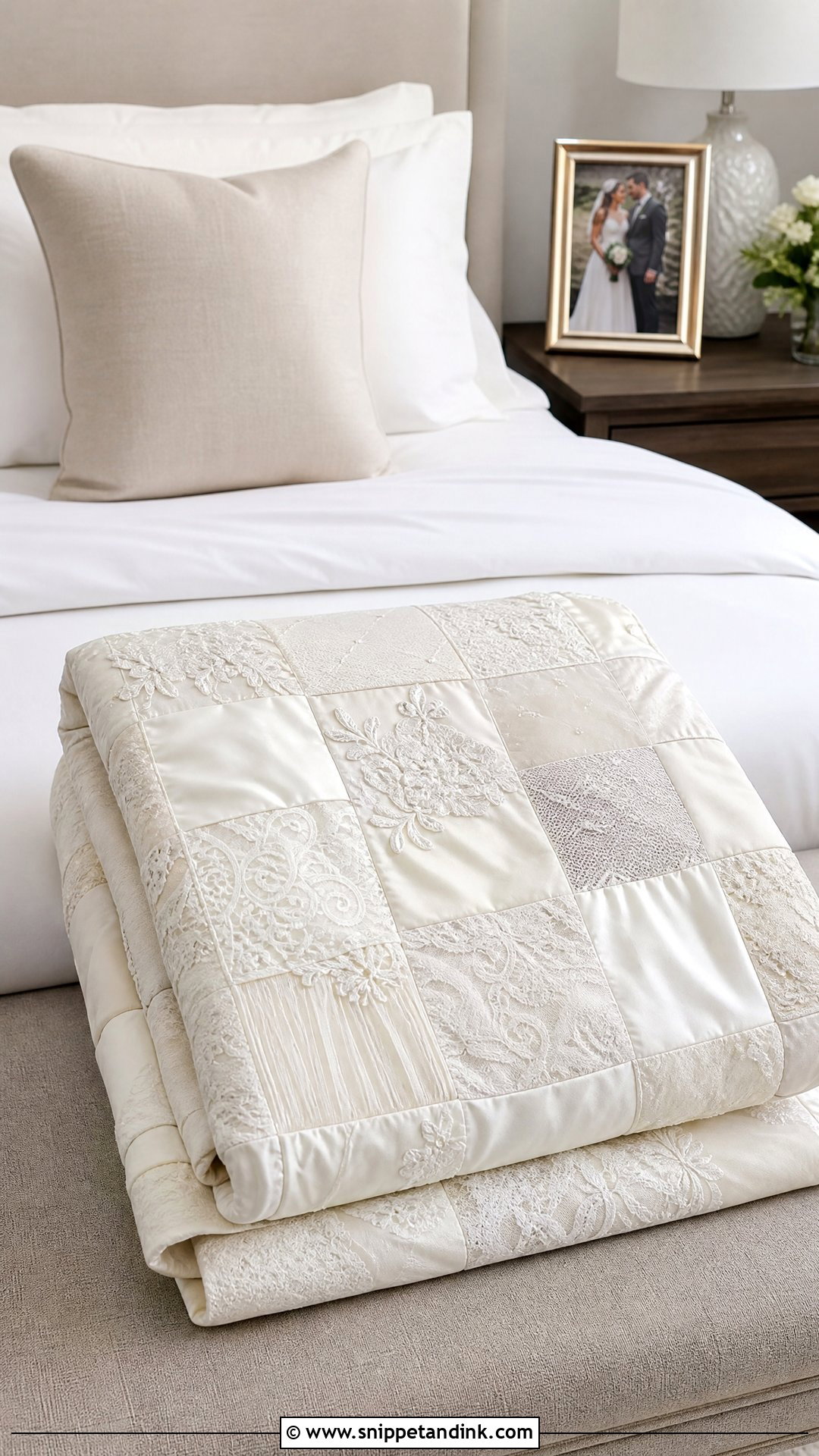
Long skirts and trains hold the most usable fabric, which is why a wedding dress memory quilt is often where brides start. Satin panels, lace appliqués, tulle and even the lining can all be cut into squares. Slippery satin and loose-weave lace need a lightweight fusible interfacing on the back before they’re quilted, otherwise they stretch out of square as they’re sewn. You can keep it ivory-on-ivory or mix in a veil scrap, bouquet ribbon or fabric from a parent’s garment. Then actually use it at the end of the bed.
2. Wedding Dress Shadow Box
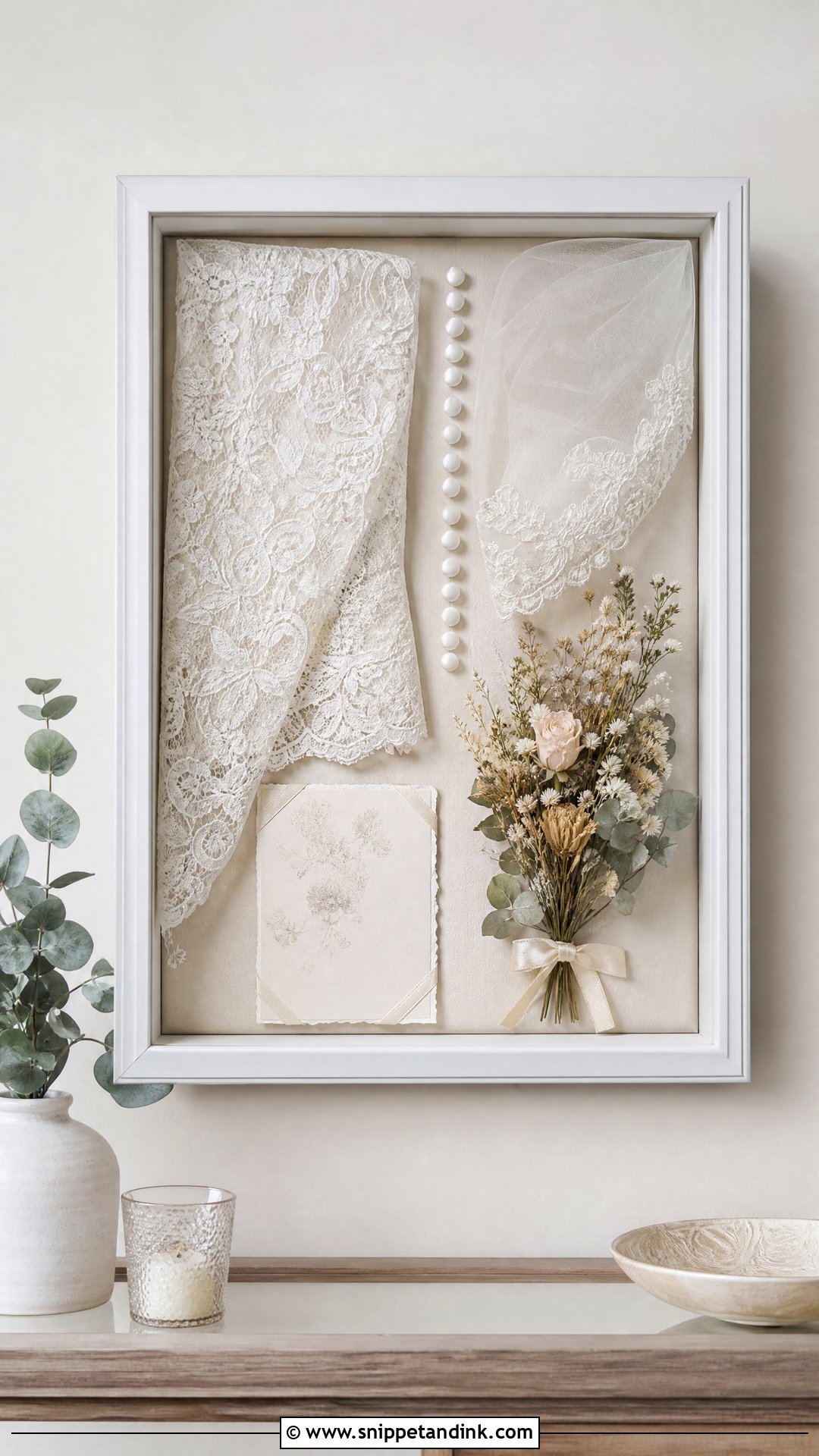
Framing lets you keep the best details on show without boxing up the whole gown. A wedding dress shadow box can hold lace, buttons, a strip of beading, veil fabric, the invitation, vows, dried flowers or a photo. Two things decide how long it lasts: acid-free backing so the fabric doesn’t yellow where it touches the board, and UV-filtering glass, because ivory silk fades on a sunny wall within a few years. Hang it out of direct light anyway. Natural wood or a plain white frame suits most rooms.
3. Wedding Dress Ring Bearer Pillow
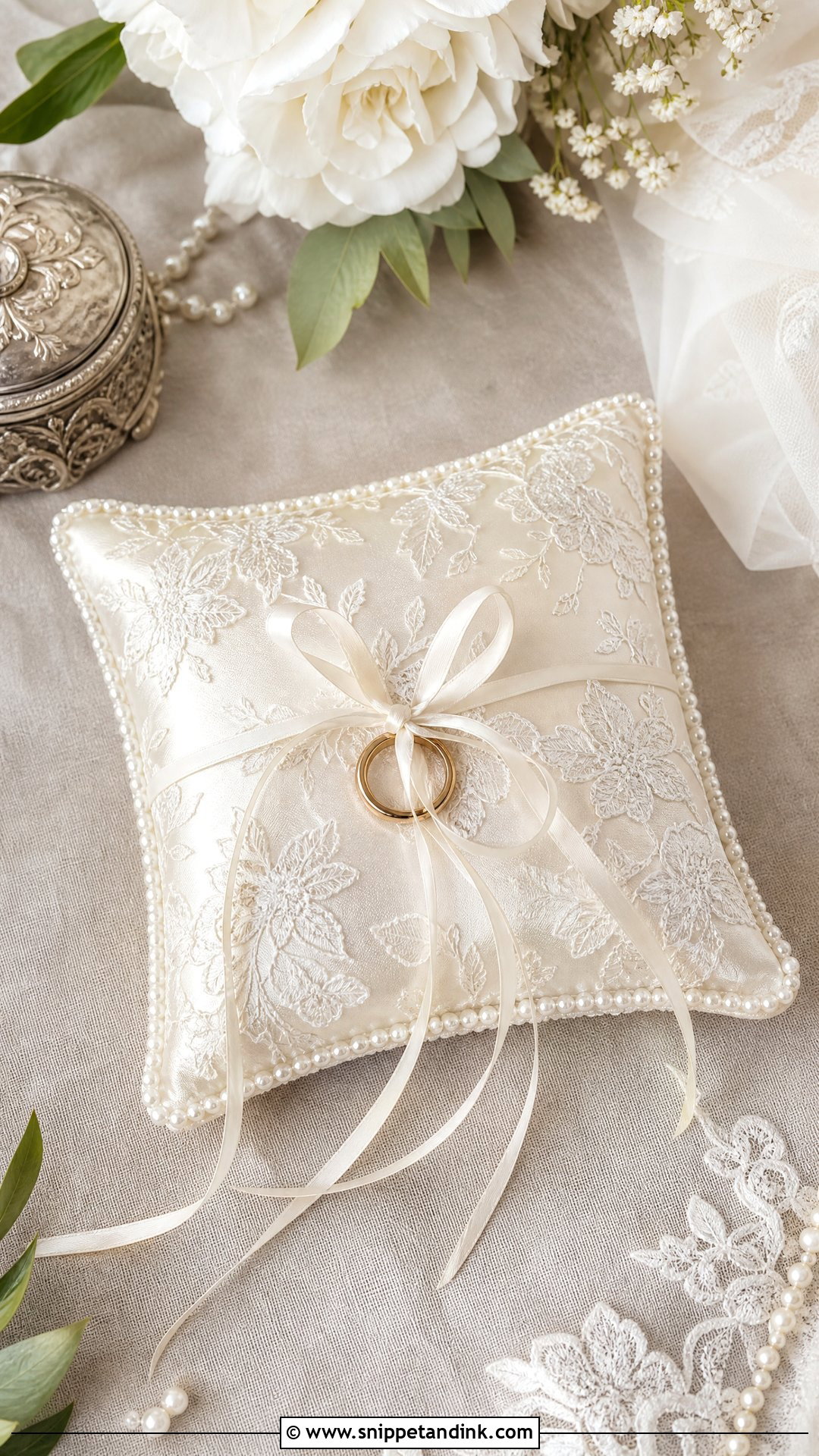
Ring pillows take a surprisingly small amount of fabric, so you can make one and still keep most of the dress intact. A square of bodice satin, lace or embroidered organza is enough. I’d make the ribbon ties from fresh ribbon rather than dress fabric, because ties get tugged and the dress satin will fray at the knot. Pearl trim or a small monogram finishes it. Put it away with the hope that a sibling, a niece or your own child carries it down an aisle years from now.
4. Wedding Dress Handkerchief
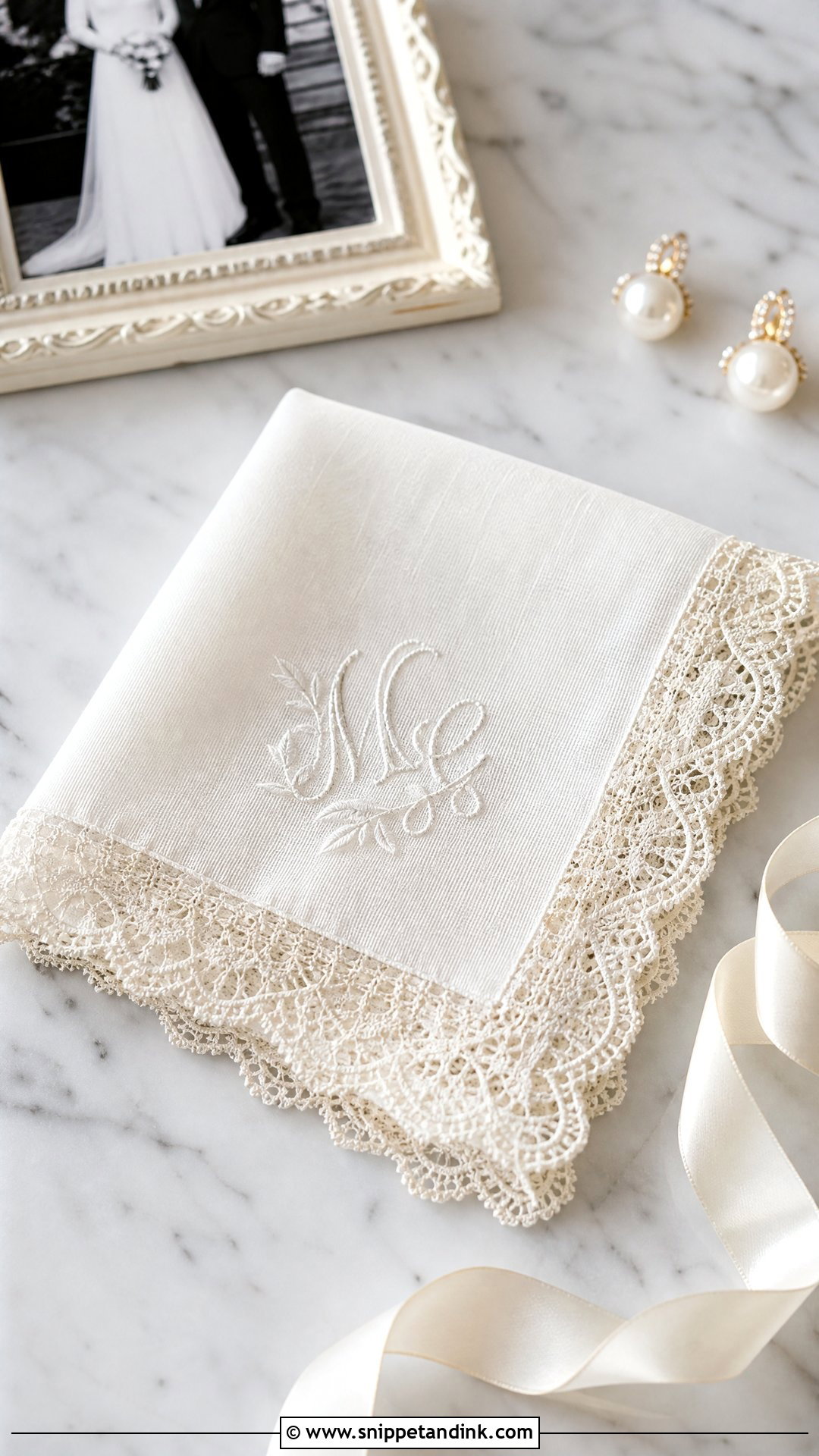
For the smallest possible cut, a handkerchief is ideal. The gown’s cotton or silk lining makes the best base because it’s soft and washable, with a strip of lace edging or tulle added around the border. A tiny blue stitch in one corner can serve as “something blue.” Embroidered initials or the date make it personal. It’s a natural gift for a daughter, a sister or your mother, and it’s small enough to carry in a pocket at future milestones.
5. Wedding Dress Keepsake Pillow
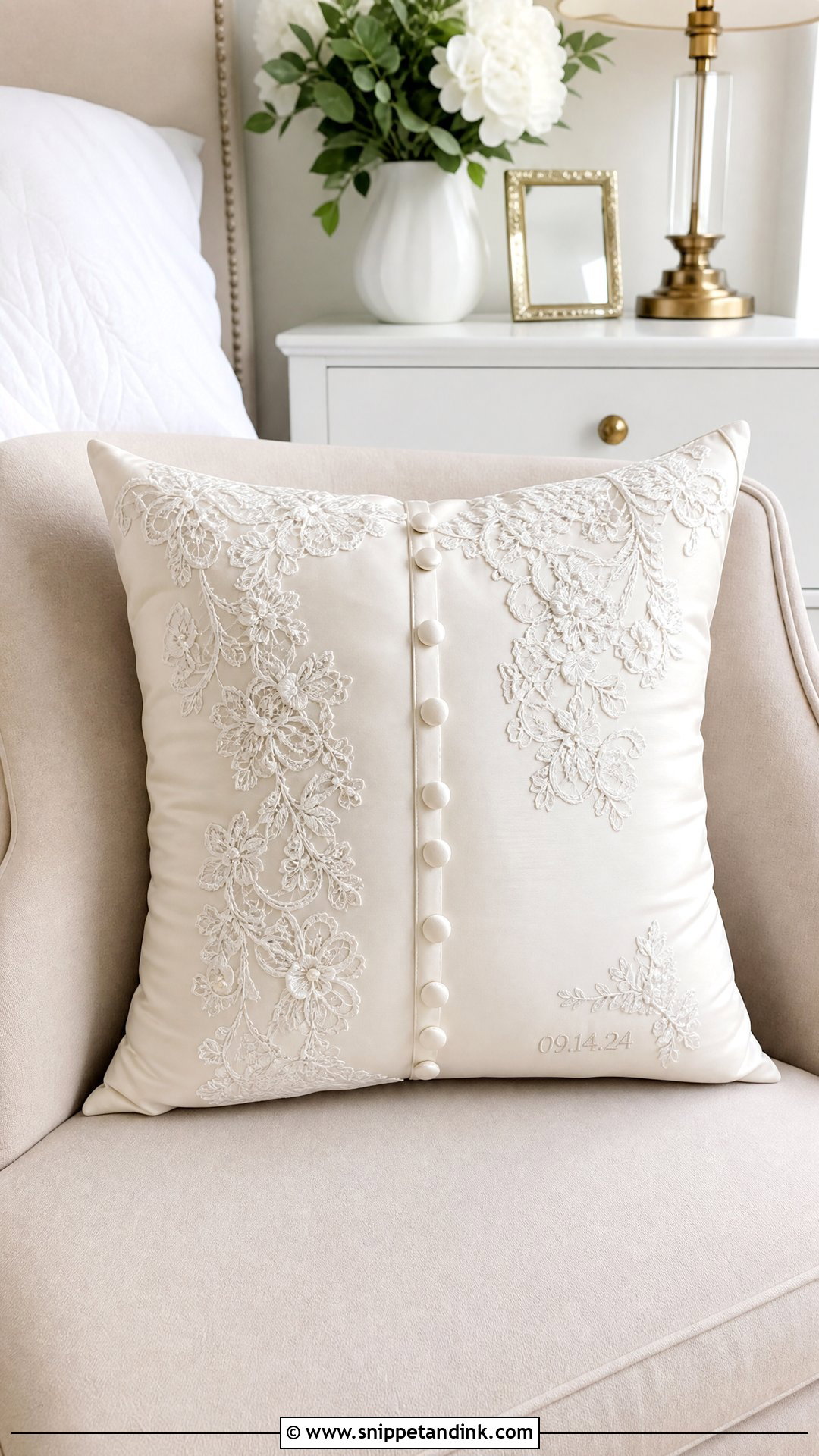
Throw pillows are one of the few keepsakes people actually use every day. Skirt or train fabric goes on the front, and a plain sturdy backing takes the wear. Lace and beadwork can sit at the center, though I keep beads off any surface you’ll lean against, since they pull threads loose quickly. Add your names, the date or a patch of veil. A bedroom bench or reading chair is a better home than the sofa, where pillows get thrown around.
6. Wedding Dress Christmas Ornament Alternative
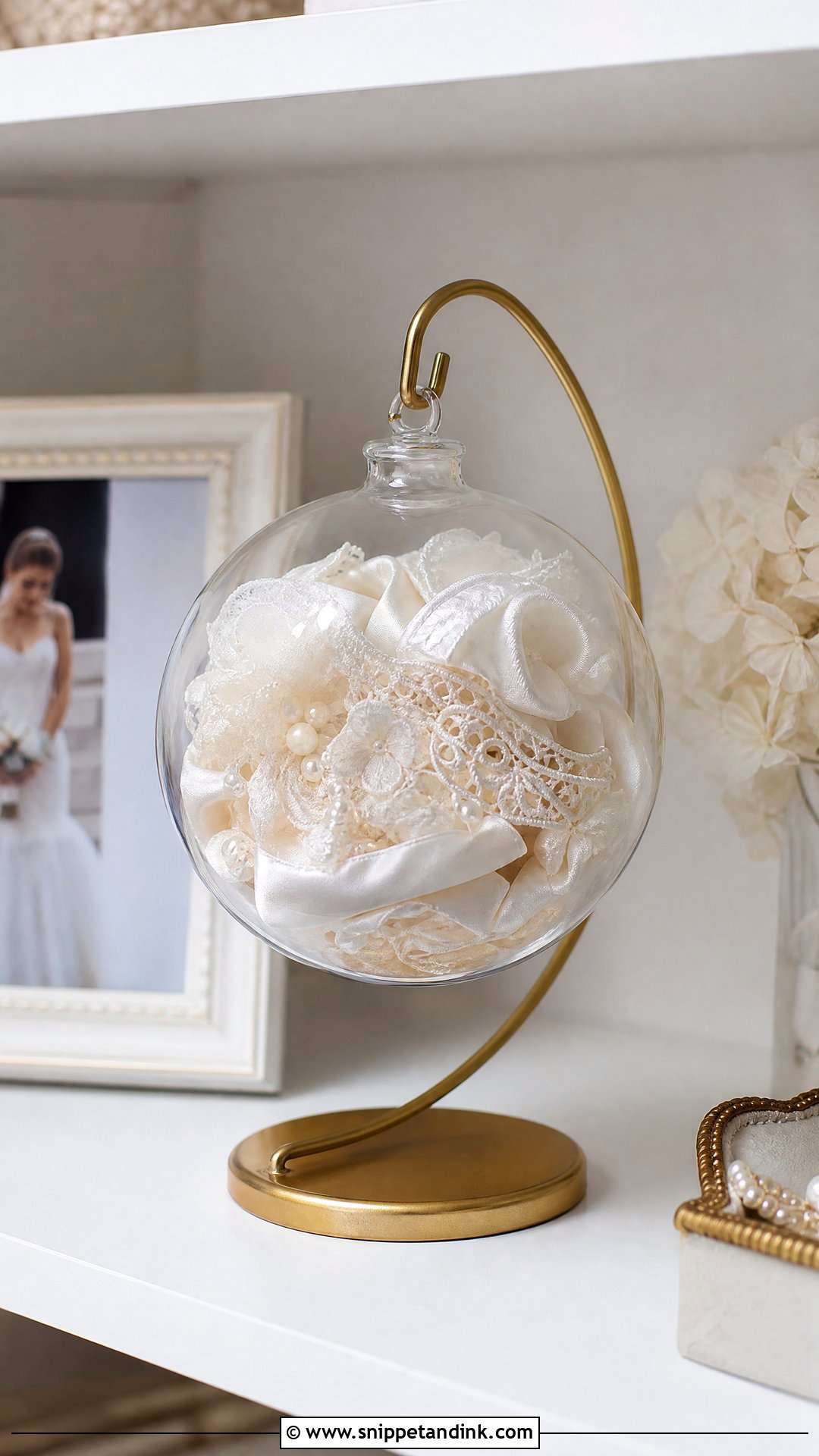
You don’t need a Christmas tree for this one. Lace, satin scraps, pearls or a beaded appliqué can go inside a clear glass globe, an acrylic shape or a small padded fabric heart, then hang on a stand or sit in a memory cabinet year-round. It’s the best use for the tiny offcuts left over from bigger projects. Glass globes trap moisture, so make sure the fabric is completely dry and clean before it goes in. A small tag with your names makes it a thoughtful gift for grandparents.
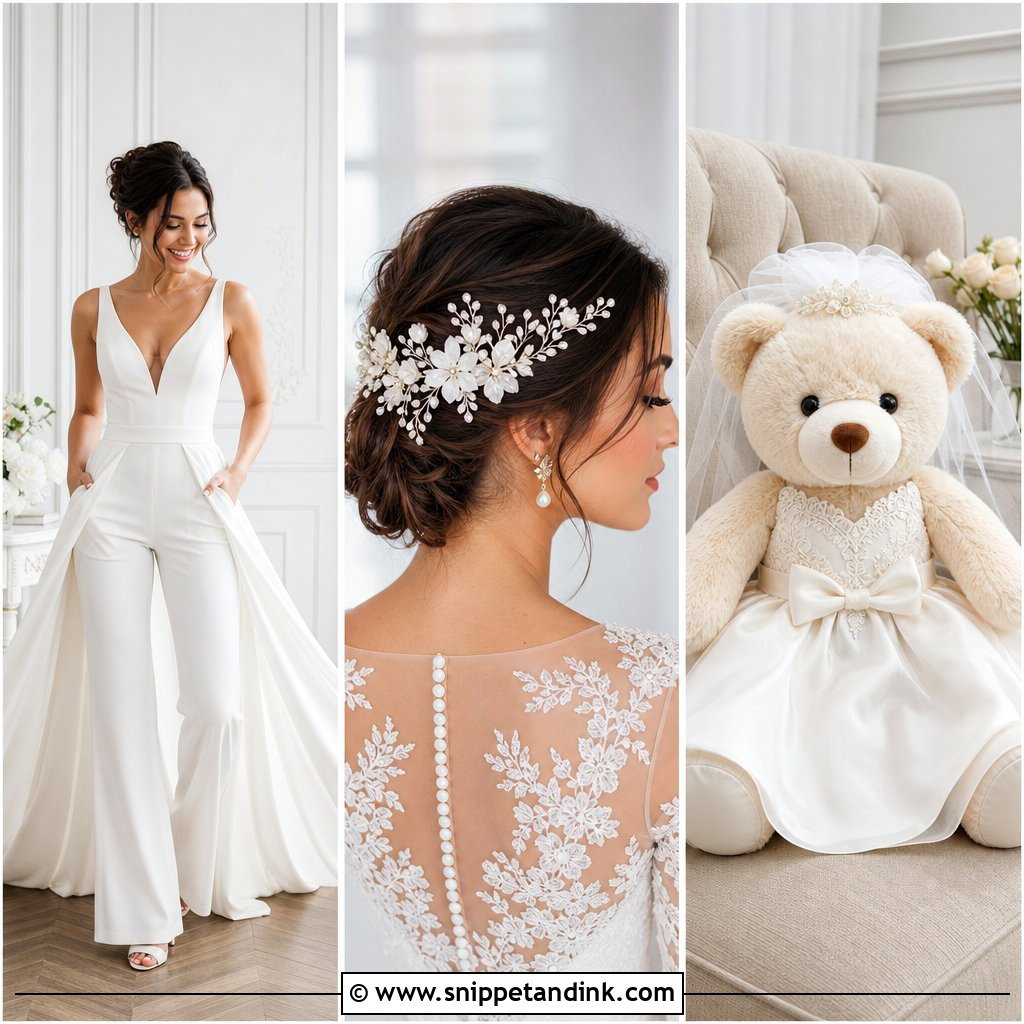
7. Wedding Dress Teddy Bear
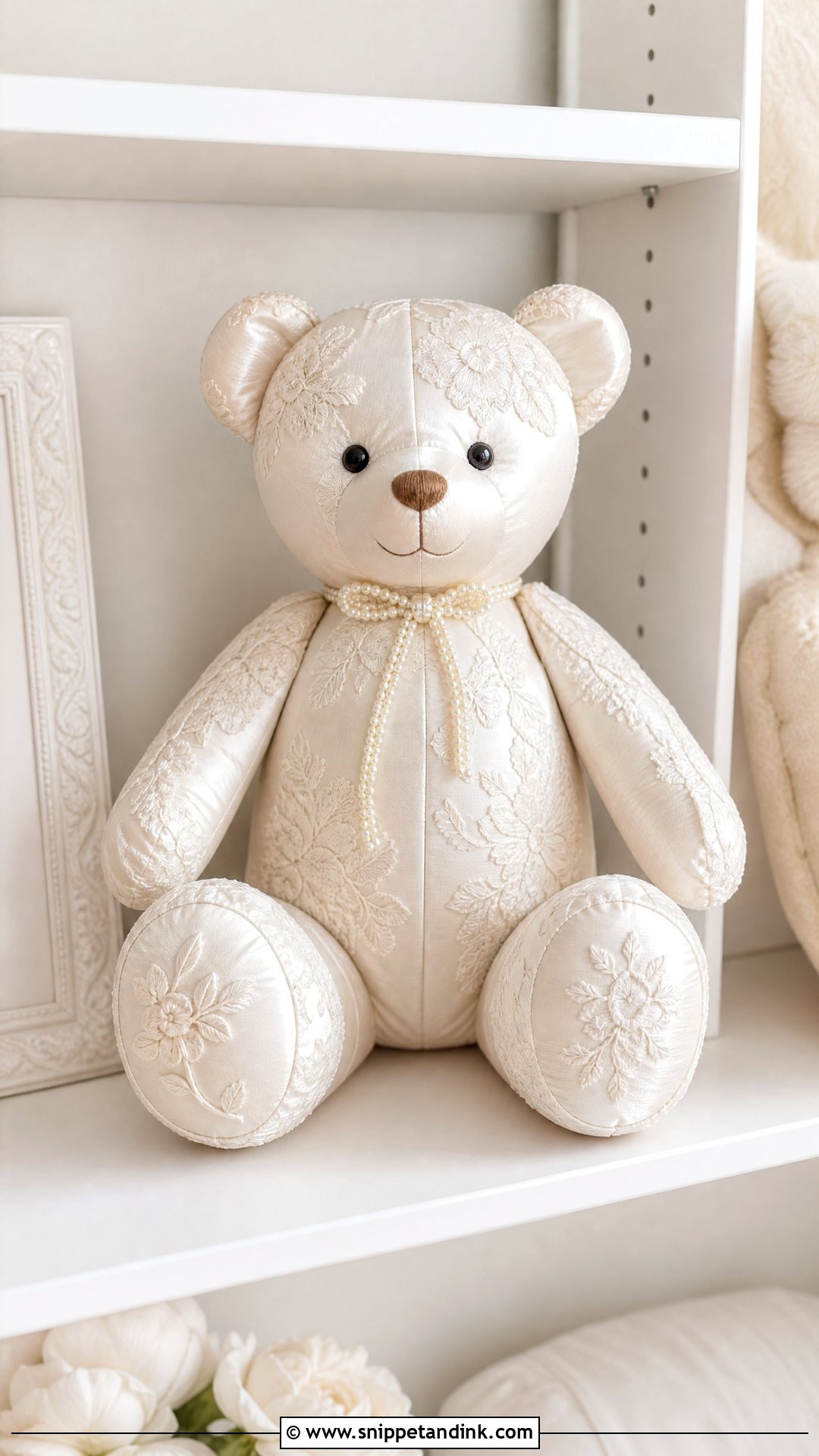
Bears made from bridal fabric need a maker who’s done it before, because satin and lace aren’t designed to be stuffed and stretched. A good one will back the dress fabric with a stable cotton so the bear keeps its shape. Details like a bow, pearl buttons, a mini veil or the date stitched on a foot make it yours. Many brides keep one for a future child’s nursery shelf. If it’s going to a small child, ask for safety eyes and no loose pearls.
8. Wedding Dress Jewelry
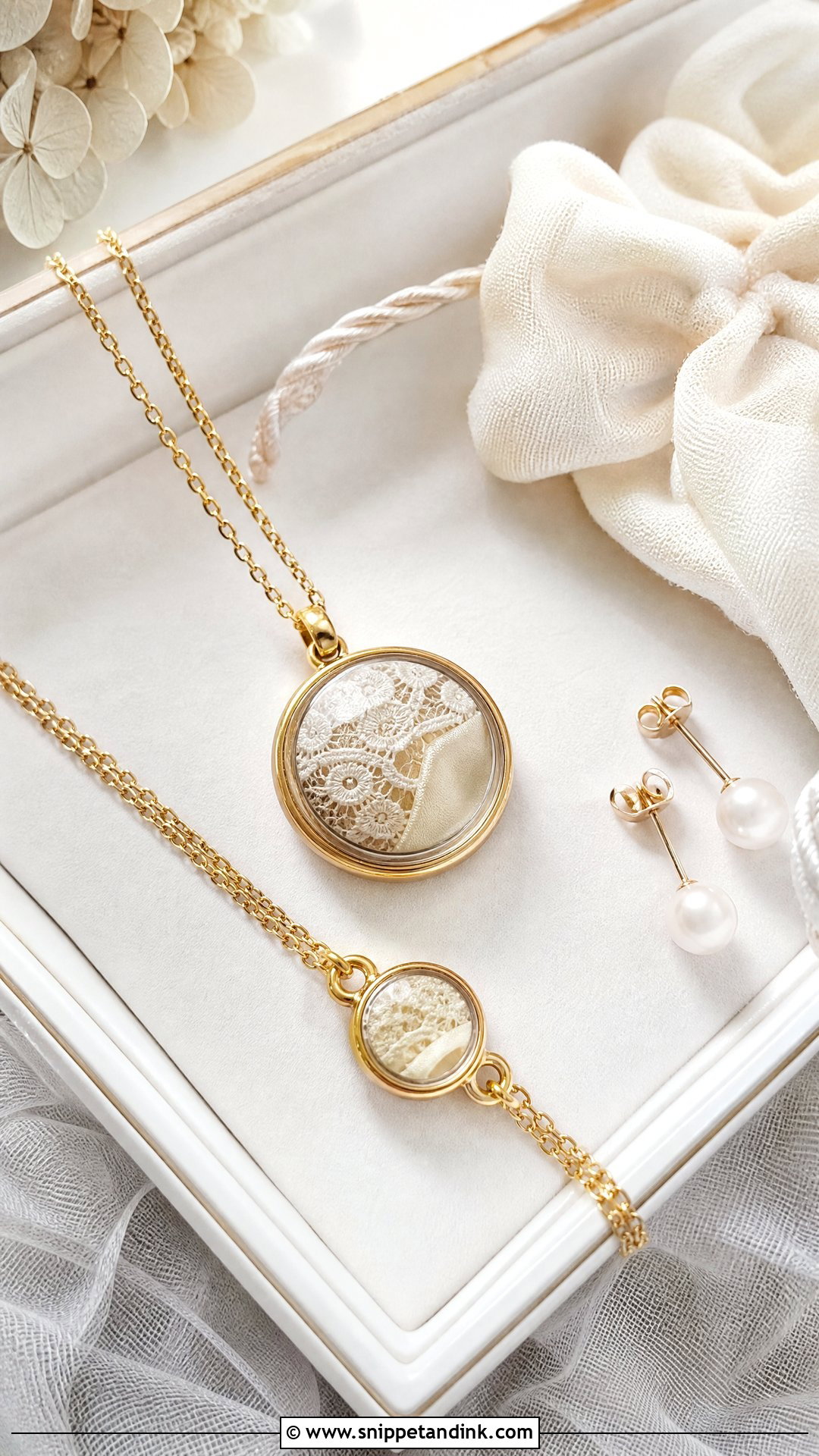
Jewelry is the only keepsake here that leaves the house with you. A few threads, a scrap of lace or a single bead from the gown can be sealed into a pendant, locket, charm, ring or earrings. Resin holds fabric permanently but can slightly darken pale silk, while glass-fronted lockets keep the fabric’s true color. Pick the metal you already wear daily, gold, silver or rose gold, so it doesn’t sit in a drawer. They make a quiet gift for a mother or sister too.
9. Wedding Dress Clutch Bag
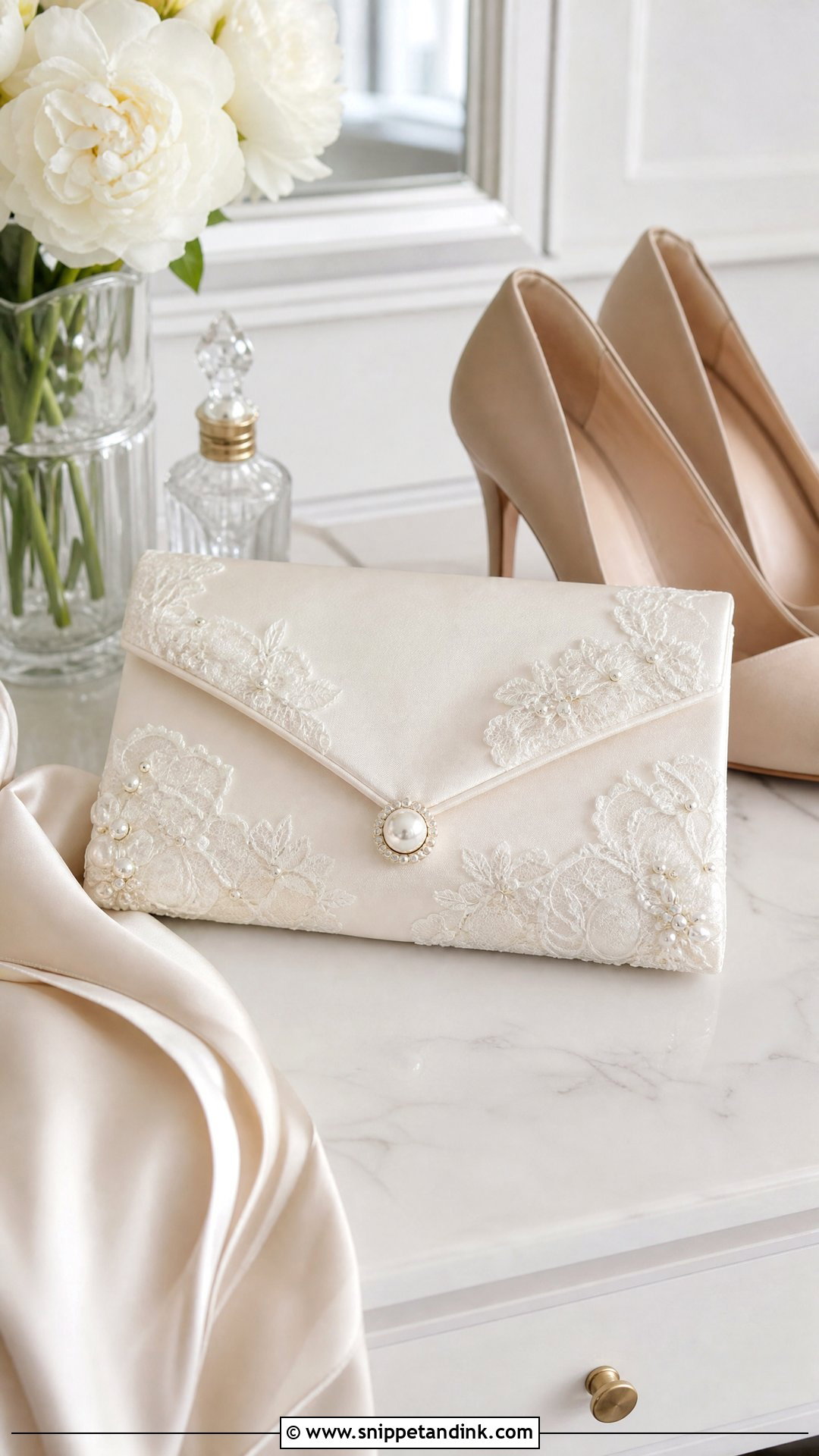
Structured bodice fabric and stiff satin make good clutch bags because they already hold a shape. An envelope clutch looks modern; a framed clasp feels vintage. Thin chiffon or soft lace needs a firm interlining before it can become a bag, so tell the maker what the dress is made of before they quote. Lining it with veil tulle adds a hidden detail. Carry it to anniversaries and formal dinners, or pass it on to a future bride.
10. Wedding Dress Bridal Robe
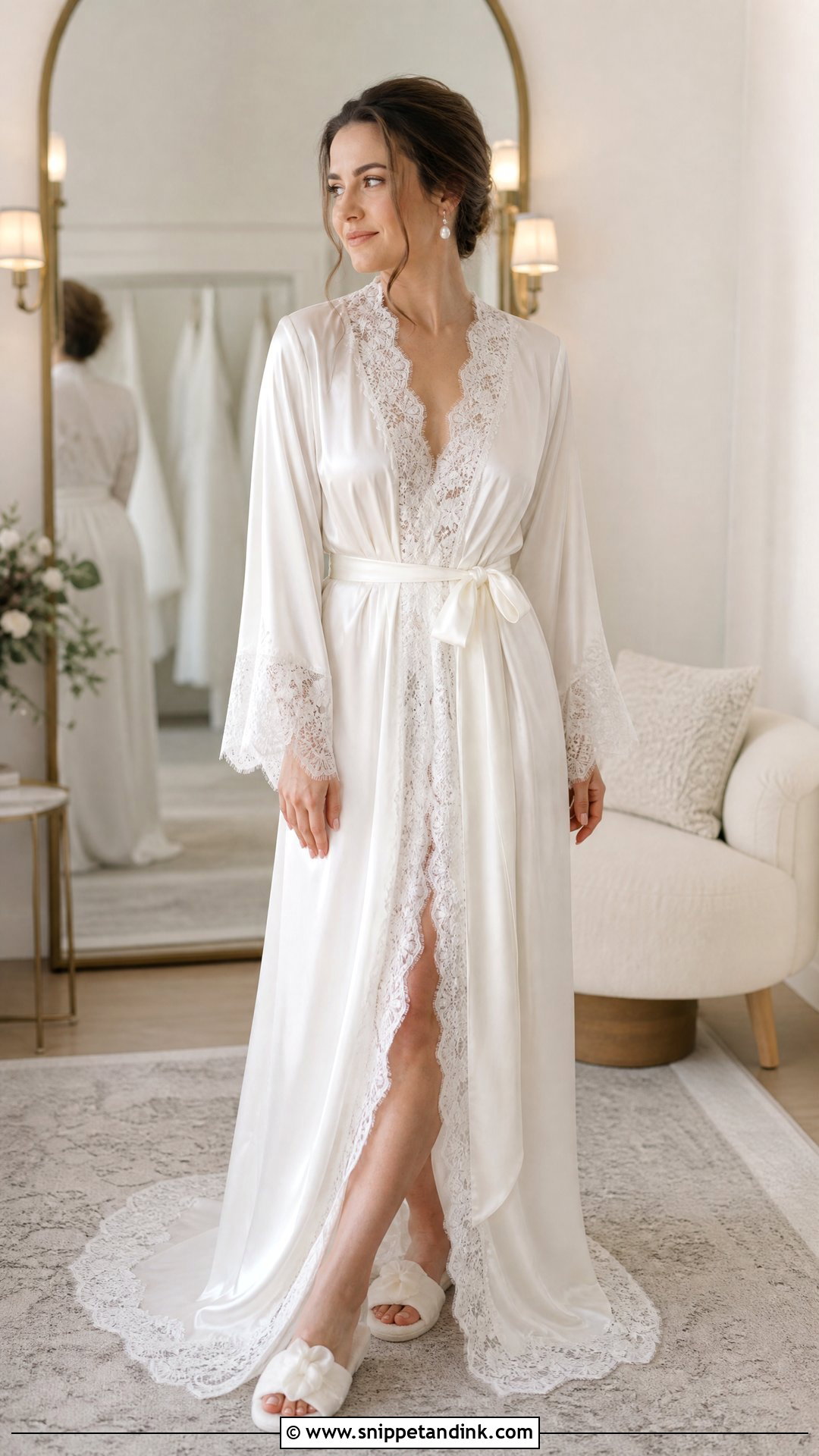
Robes need flowing fabric and quite a lot of it, so they suit silk, satin and chiffon gowns with full skirts rather than fitted mermaid styles. Heavily boned bodices aren’t much use here; the bones leave stitch lines and the panels are too narrow. Lace from the sleeves or bodice can trim the cuffs, neckline or belt. It’s lovely for anniversary mornings or a future getting-ready photo for a sister. Expect it to feel more like lingerie than loungewear.
11. Wedding Dress Christening Gown
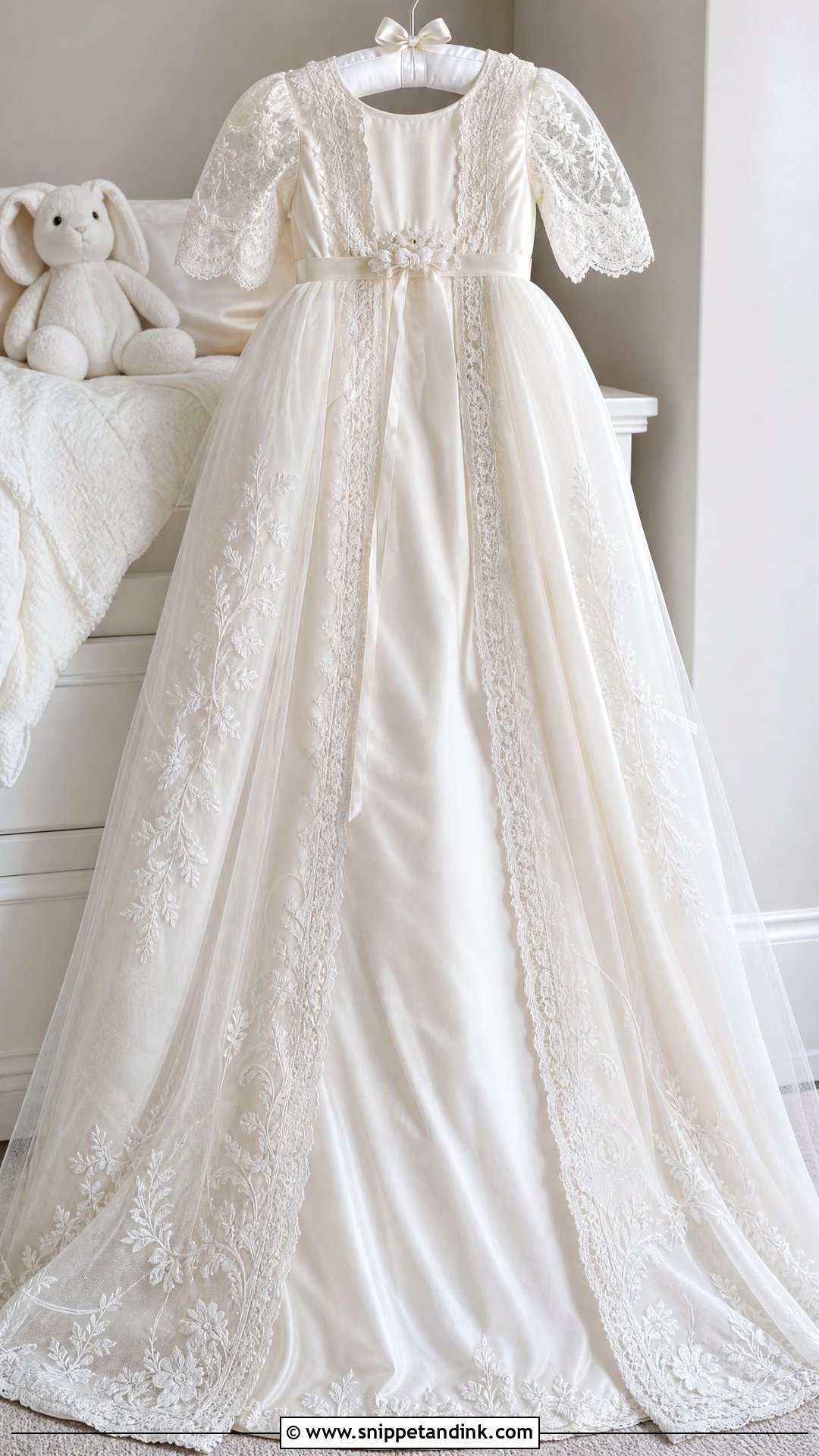
Christening gowns are one of the oldest ways of carrying a wedding dress forward. Skirt satin, lace, tulle or embroidered panels can become the skirt, sleeves, a bonnet or trim. If your family doesn’t christen babies, the same garment works for a naming ceremony or newborn portraits. Baby skin is sensitive, so I’d always have the maker line it with soft cotton and keep beading and scratchy lace away from the neck and wrists. Choose a seamstress who has handled delicate silks before.
12. Wedding Dress Baby Blanket
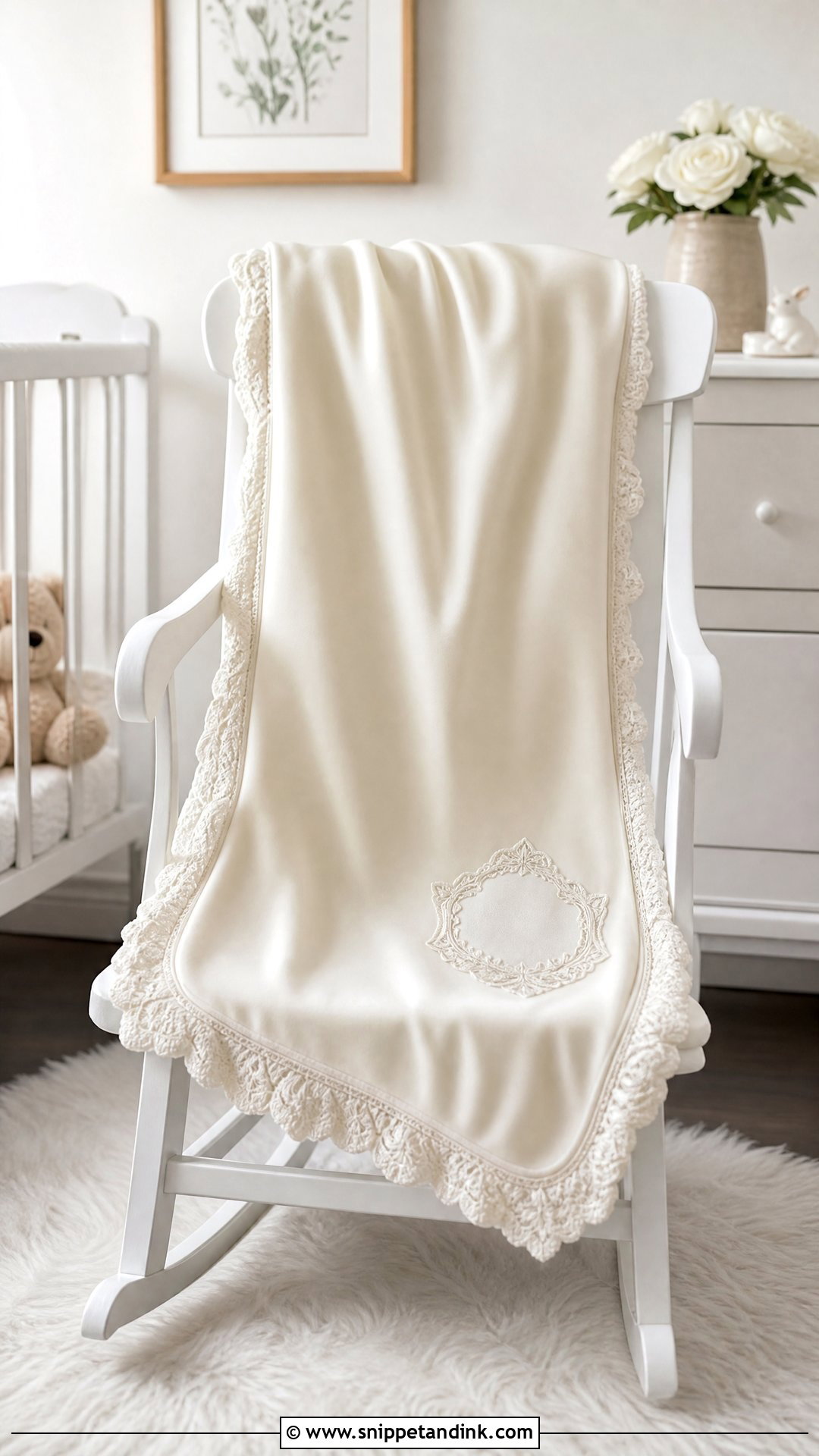
Blankets are easier to use than a christening gown and can take larger sections of the skirt without becoming fragile. The front can feature satin, lace or embroidery, with cotton, muslin or plush on the back. A patch with the wedding date, family name or initials makes it personal. For safety, keep beads, sequins and any loose embellishment to a corner border that’s for display, never where a baby can chew it. It’s a meaningful gift for future children or grandchildren.
13. Wedding Dress Veil Keepsake
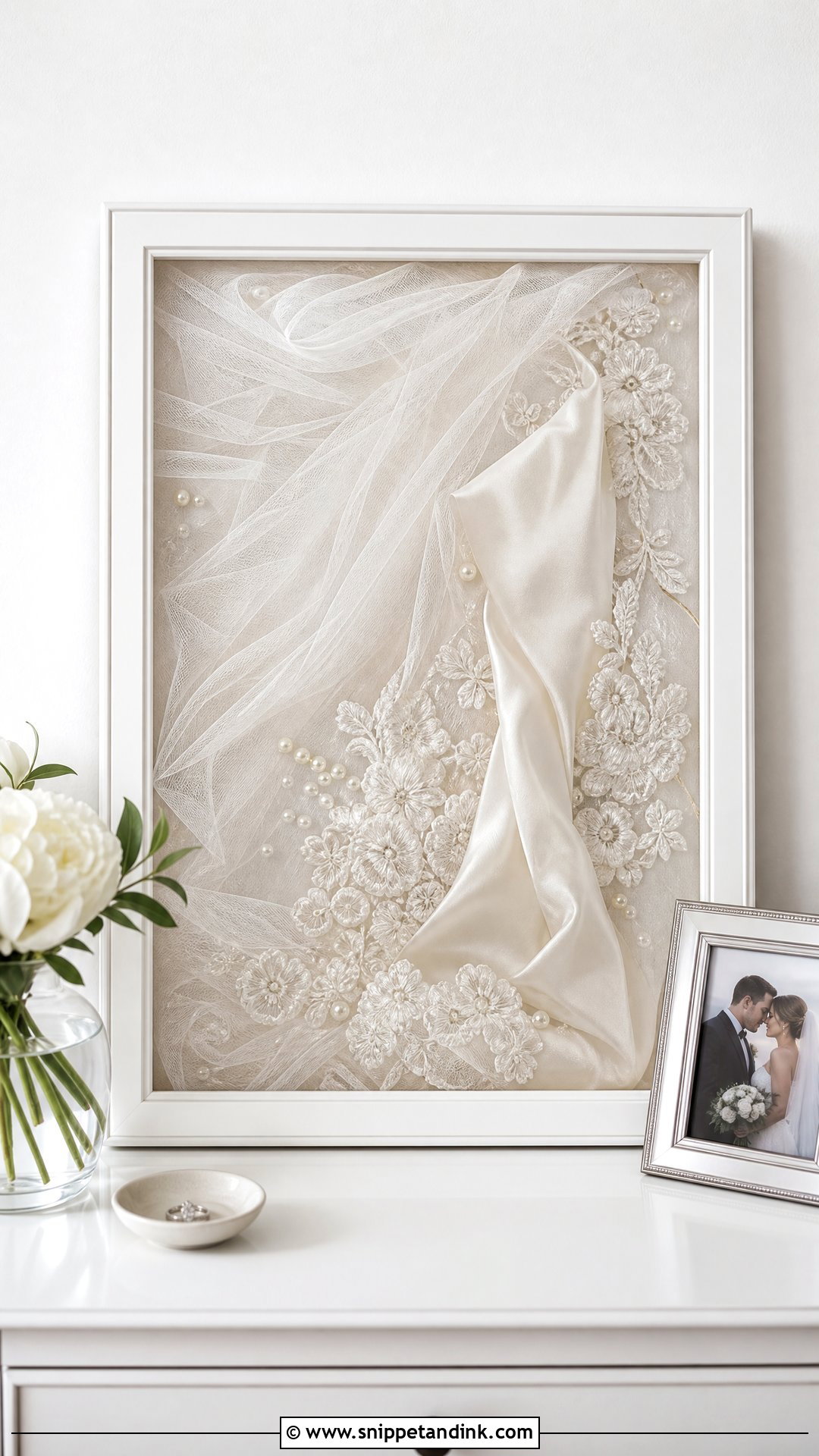
Veils are often harder to store than the dress, because tulle crushes and creases permanently if folded tightly. Pairing a piece of veil with dress fabric solves that. Use it in a frame, a pillow, a handkerchief, a hair bow or a jewelry pouch. Tulle softens heavier satin or crepe nicely. If you’d rather keep the veil whole as a future “something borrowed,” roll it around acid-free tissue instead of folding it and stitch a small dress scrap discreetly inside the edge.
14. Wedding Dress Bouquet Wrap
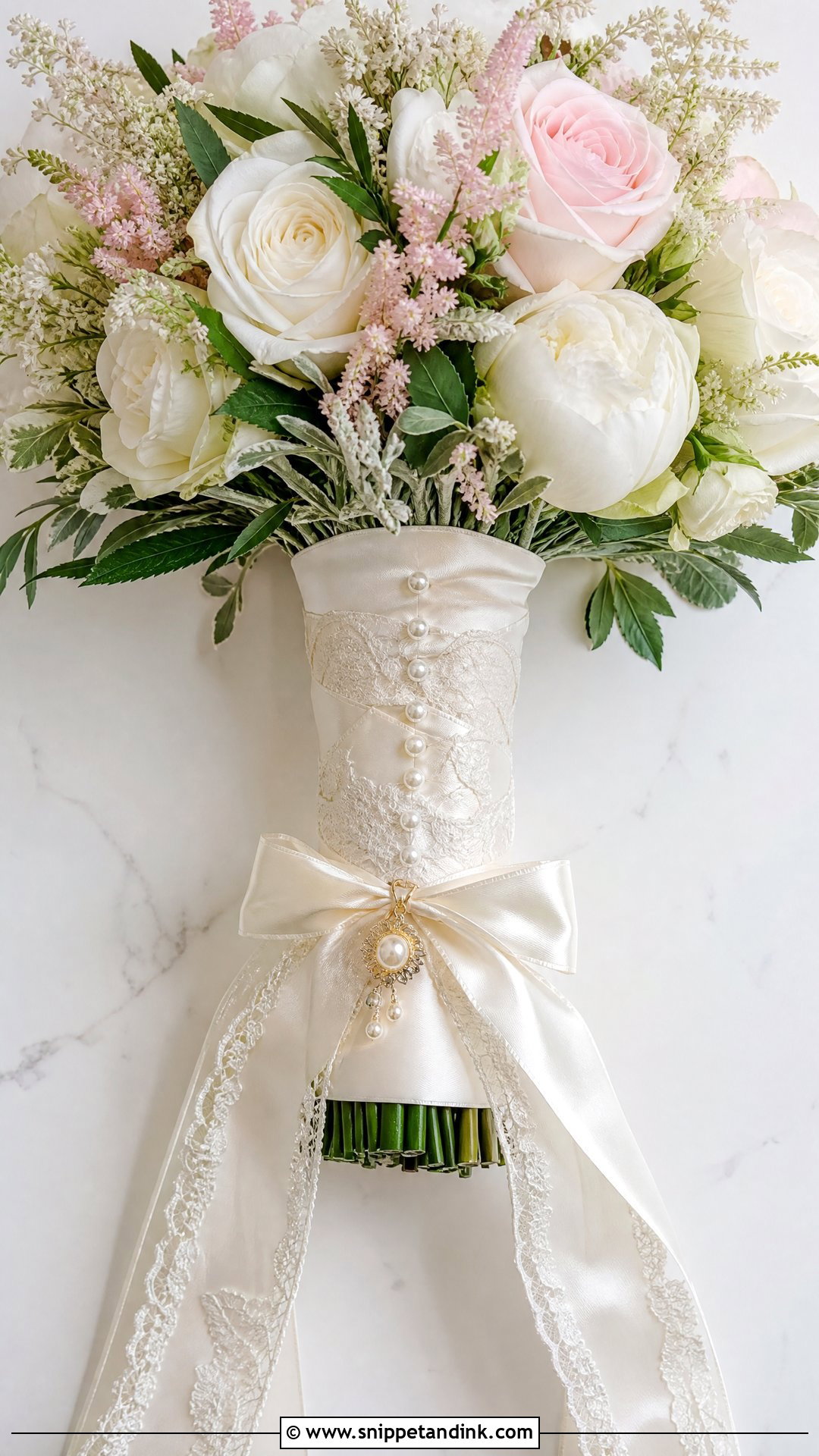
Bouquet wraps take a single strip of satin, lace or embroidered fabric from the dress, wound around the stems and held with pearl pins, ribbon or a brooch. Lace wraps best when it’s backed with a ribbon underneath, since stems and floral tape snag open lace. Add a charm, monogram or tiny photo locket for more meaning. A daughter, sister or close friend can carry it at her own wedding. Afterward, unwrap it from the flowers promptly, because sap and water stain quickly.
15. Wedding Dress Framed Fabric Art
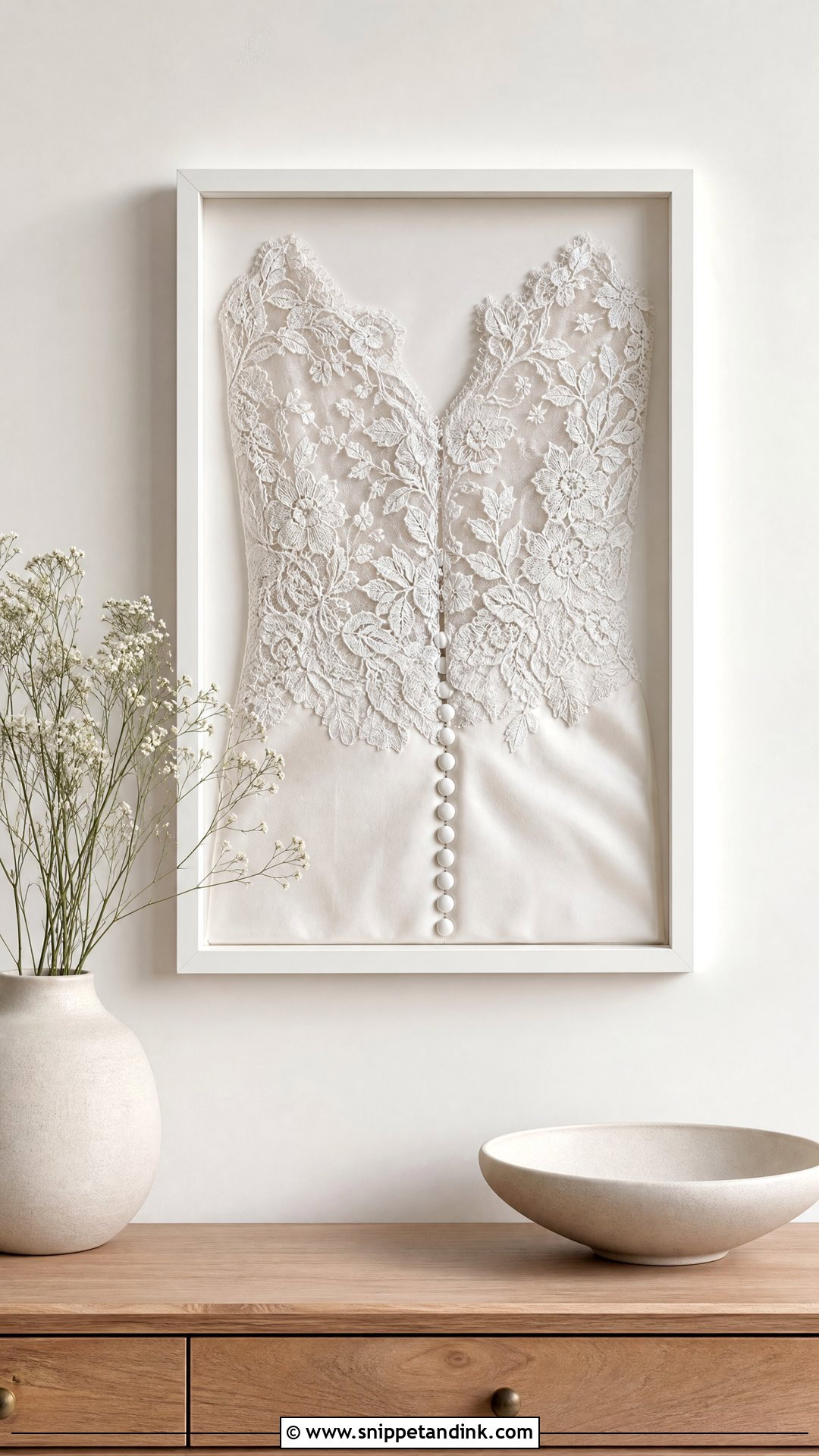
A single strong section of the gown can hang on the wall as framed fabric art. Unlike a shadow box crammed with objects, this one is about one piece: bodice lace, a beaded appliqué from the train, or a satin panel with buttons. I’d have it stitched to the backing with a few invisible tacks rather than glued, so it can come back out if you ever change your mind. A simple mat keeps it clean and uncluttered. Choose a frame finish that suits the room.
16. Wedding Dress Photo Album Cover
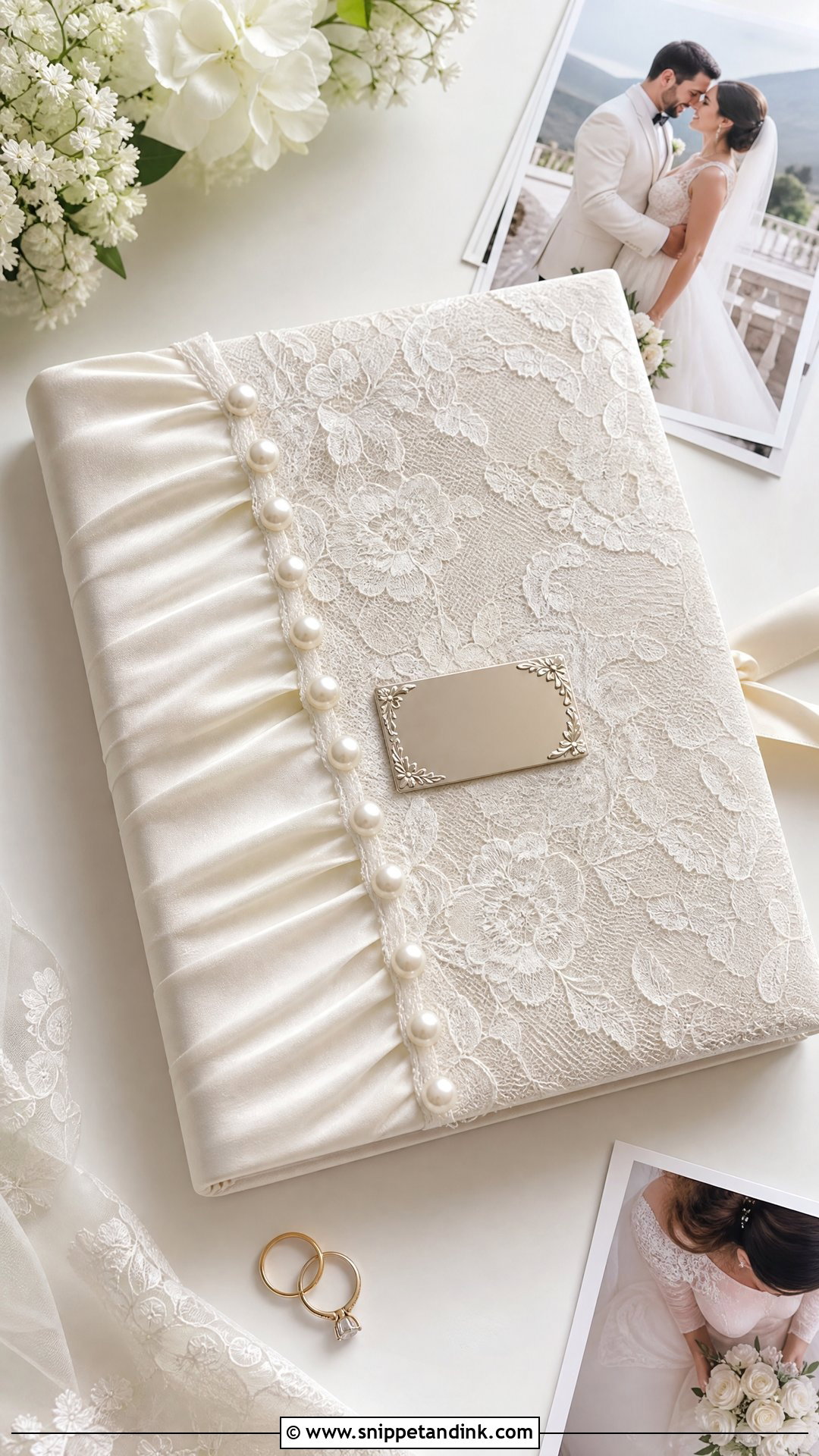
Covering an album in dress fabric puts the photos and the gown in one place. Custom albums, scrapbooks, vow books and guest books can all take it. Lace over satin, buttons and ribbon can decorate the front, though I’d avoid raised beading on the spine where the book rubs on the shelf. An engraved nameplate or embroidered date finishes it. Couples who print their photos get the most from this. The texture under your hand changes how you look at the pictures.
17. Wedding Dress Table Runner
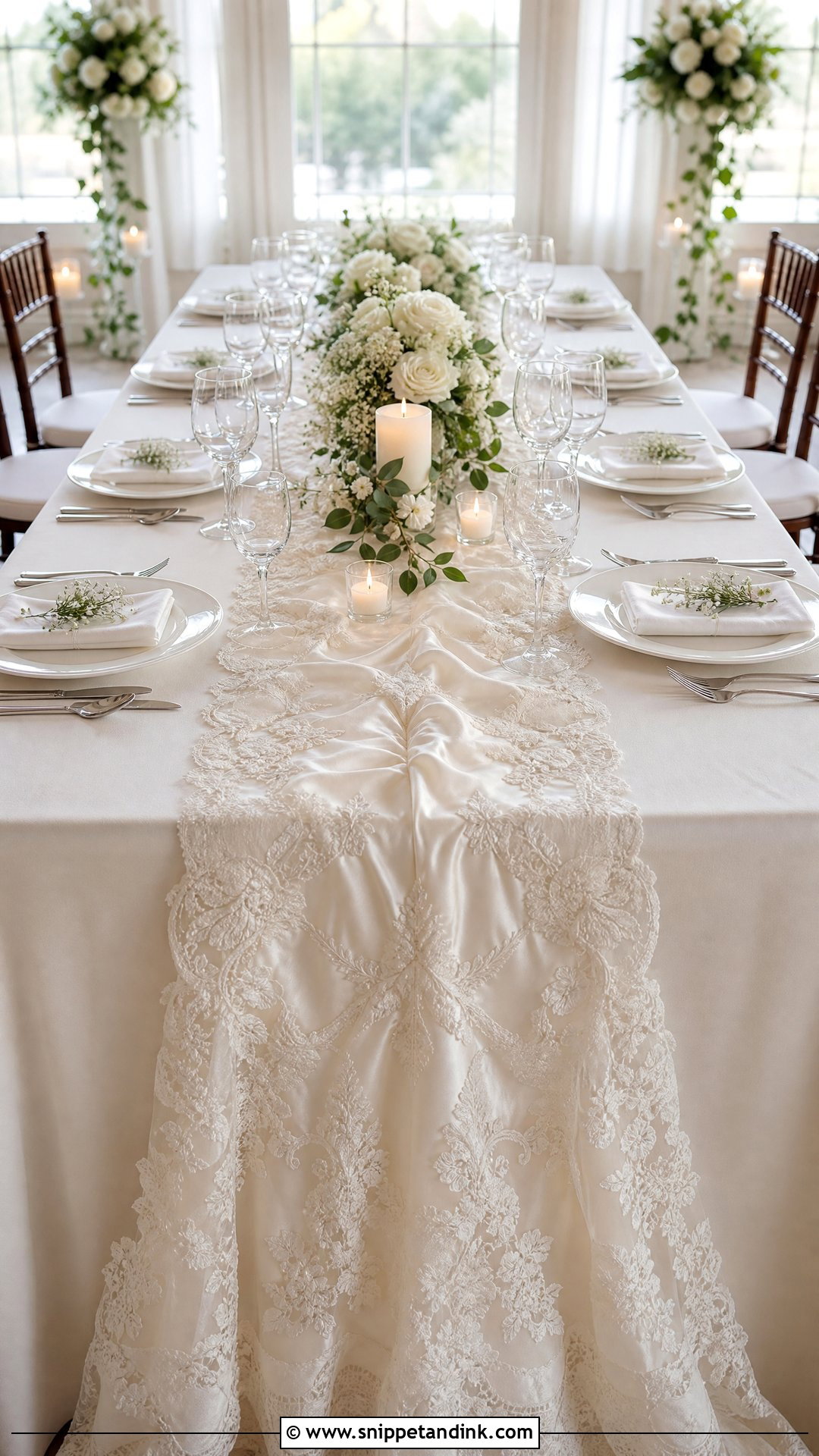
Trains are long, straight and often unused fabric, so they can become a table runner with very little cutting. Layer the lace, tulle or skirt fabric over a plain cotton runner for support. Keep embellishments flat so plates and vases sit level. The real trade-off is spills: wine and gravy will find it, and silk satin doesn’t wash well, so it suits careful anniversary dinners, showers or vow renewals more than everyday meals. It’s a way of bringing the dress out each year.
18. Wedding Dress Fabric Bookmark
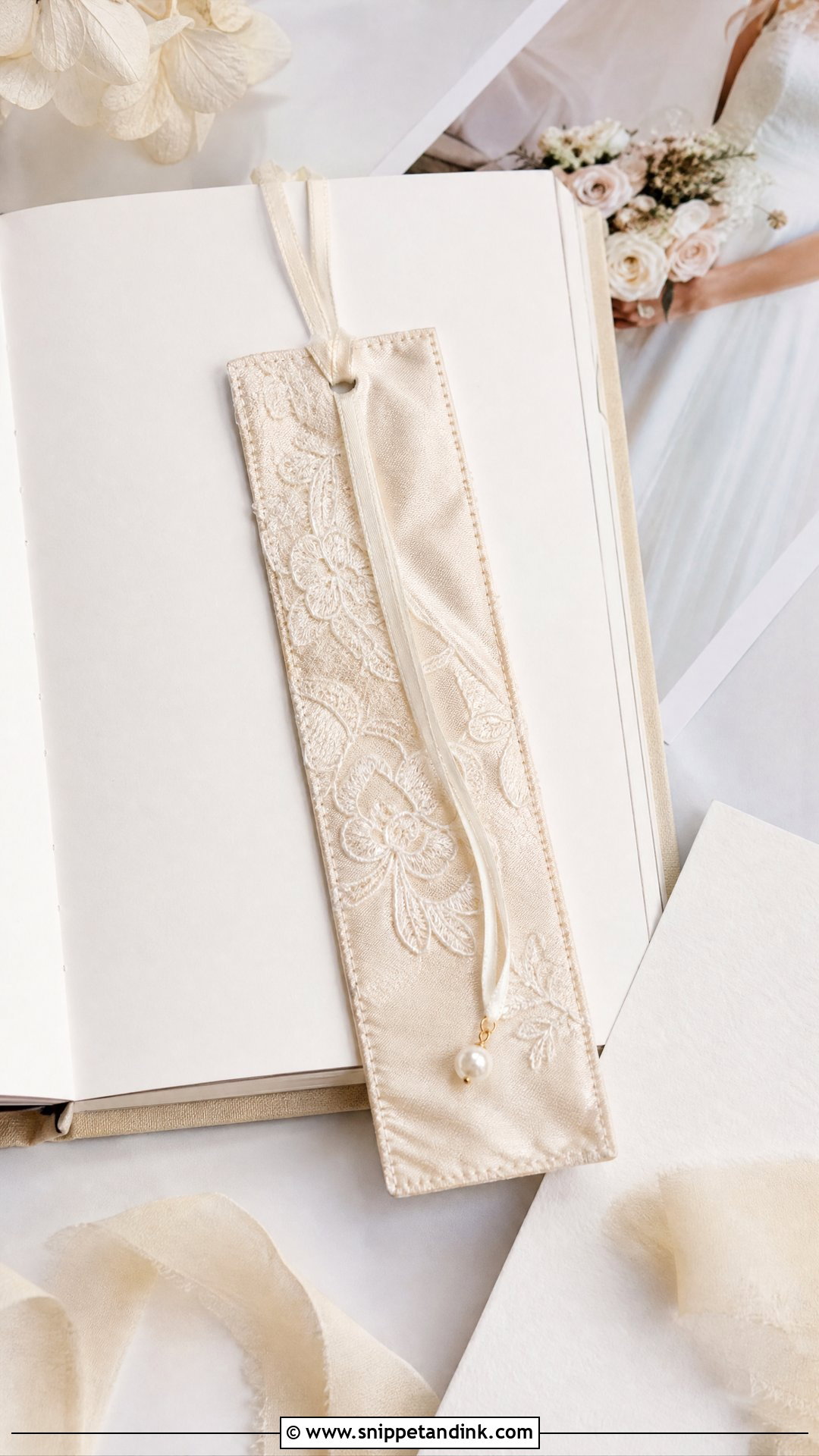
Bookmarks use almost nothing, so you can make several from one narrow strip of satin, lace or embroidery. Stitched onto a firm backing and finished with ribbon or a tassel, they stay flat between pages. Initials, a date or a tiny charm give them a personal detail, but keep anything raised small or it dents the paper. Readers and journal keepers love them. They also make simple thank-you gifts for parents or bridesmaids.
19. Wedding Dress Hair Accessories
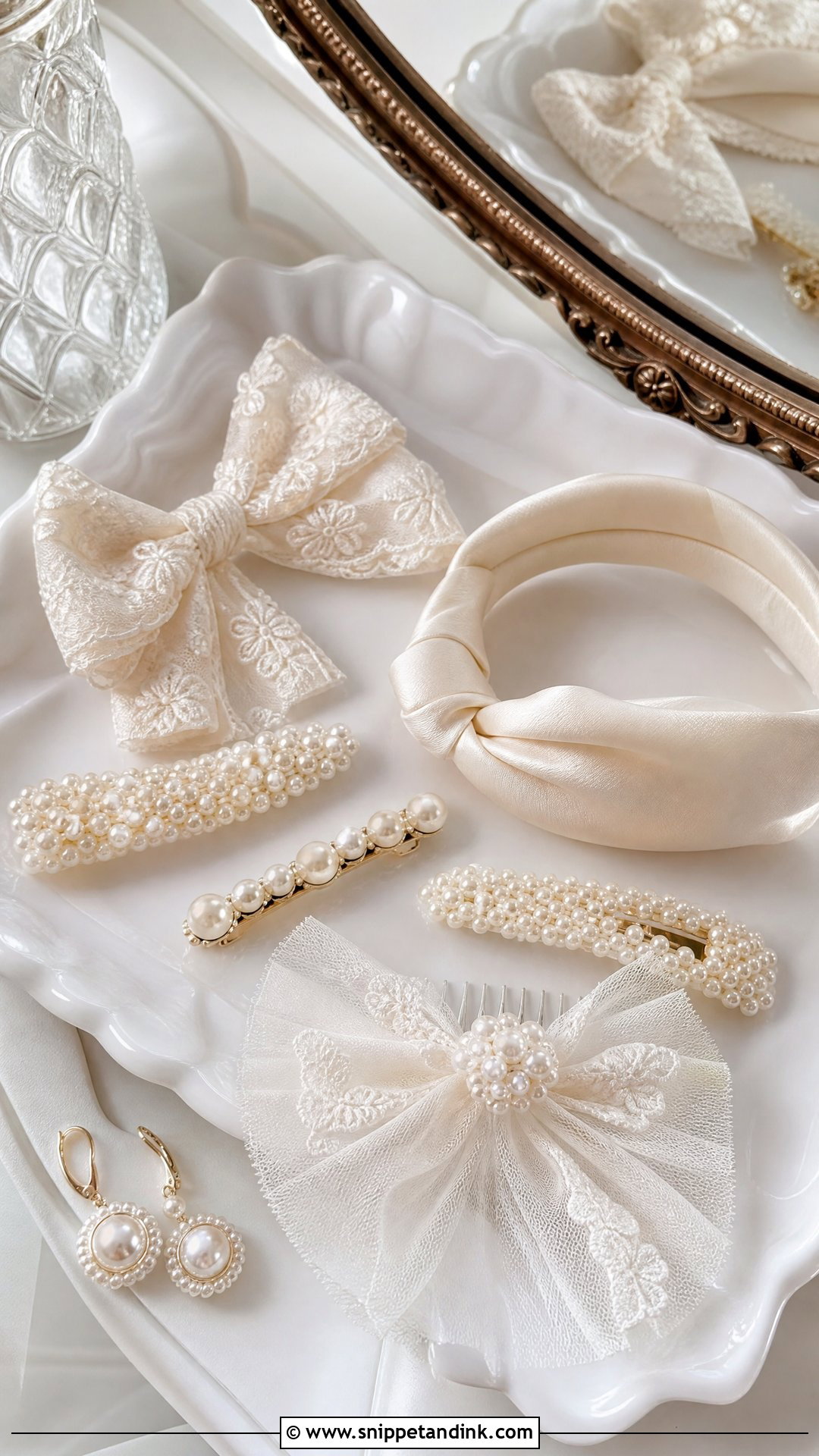
Hair accessories are the clever answer when your dress has pretty details but not enough clean fabric for a bigger project. Lace, tulle, beads, pearls or satin can become bows, barrettes, combs, scrunchies, headbands or floral clips. I’d hand-sew everything onto the base rather than gluing, because hot glue lets go under the warmth of a hairdryer. A small lace bow reads romantic; a pearl comb more polished. Pass one to another bride as her “something old”.
20. Wedding Dress Doll Outfit
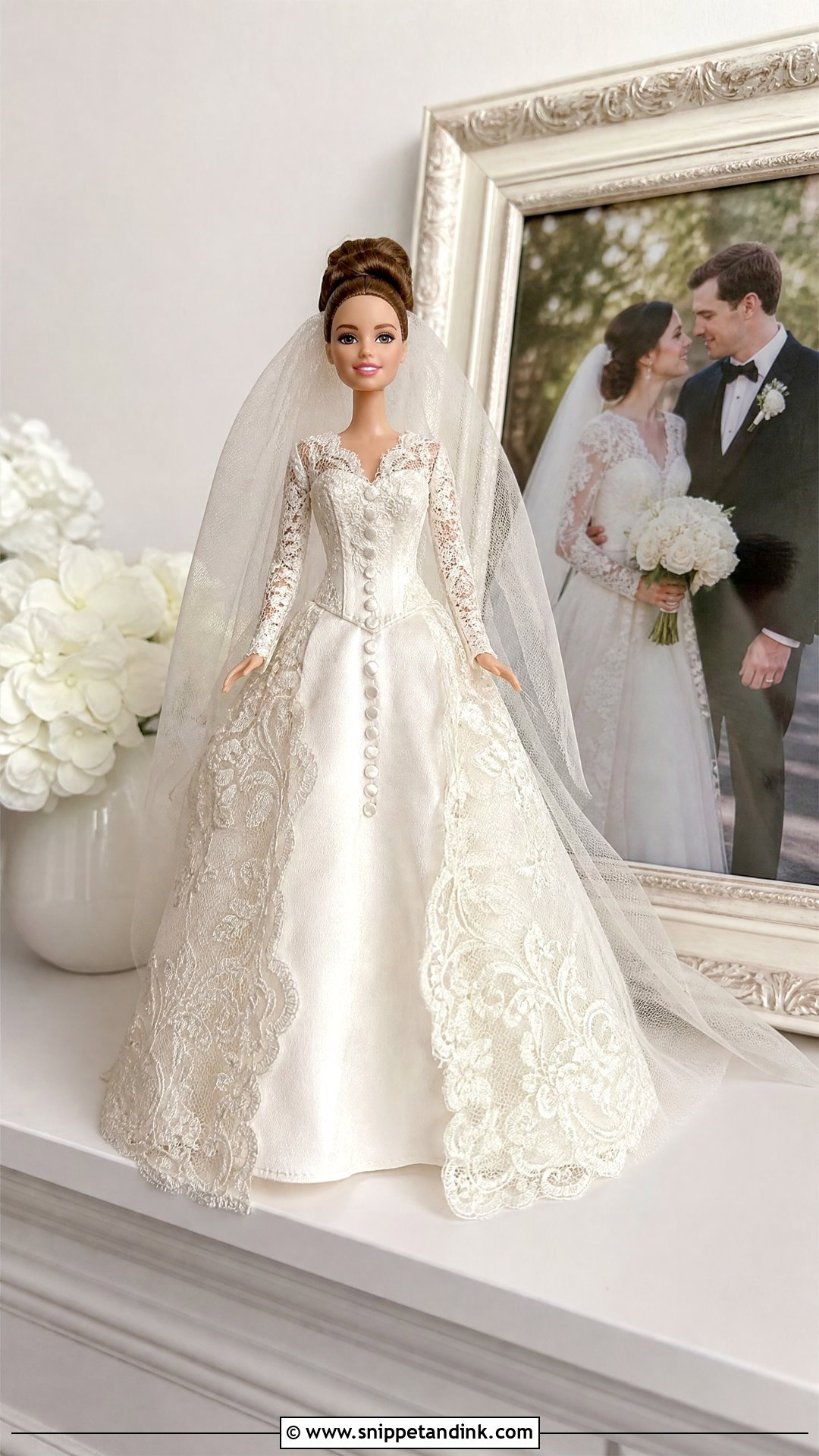
Miniature versions of your gown let you keep its shape without storing the full dress. A seamstress can use small pieces of satin, lace, tulle and trim to dress a keepsake doll, a memory bear or a display figure. Scale is the tricky part: full-size lace motifs look enormous on a small doll, so ask the maker to pick the smallest repeat in your lace. Tiny details like a veil, sash, button row or lace sleeves make it recognizable. It’s heirloom decor that’s easy to pass down.
21. Wedding Dress Anniversary Dress
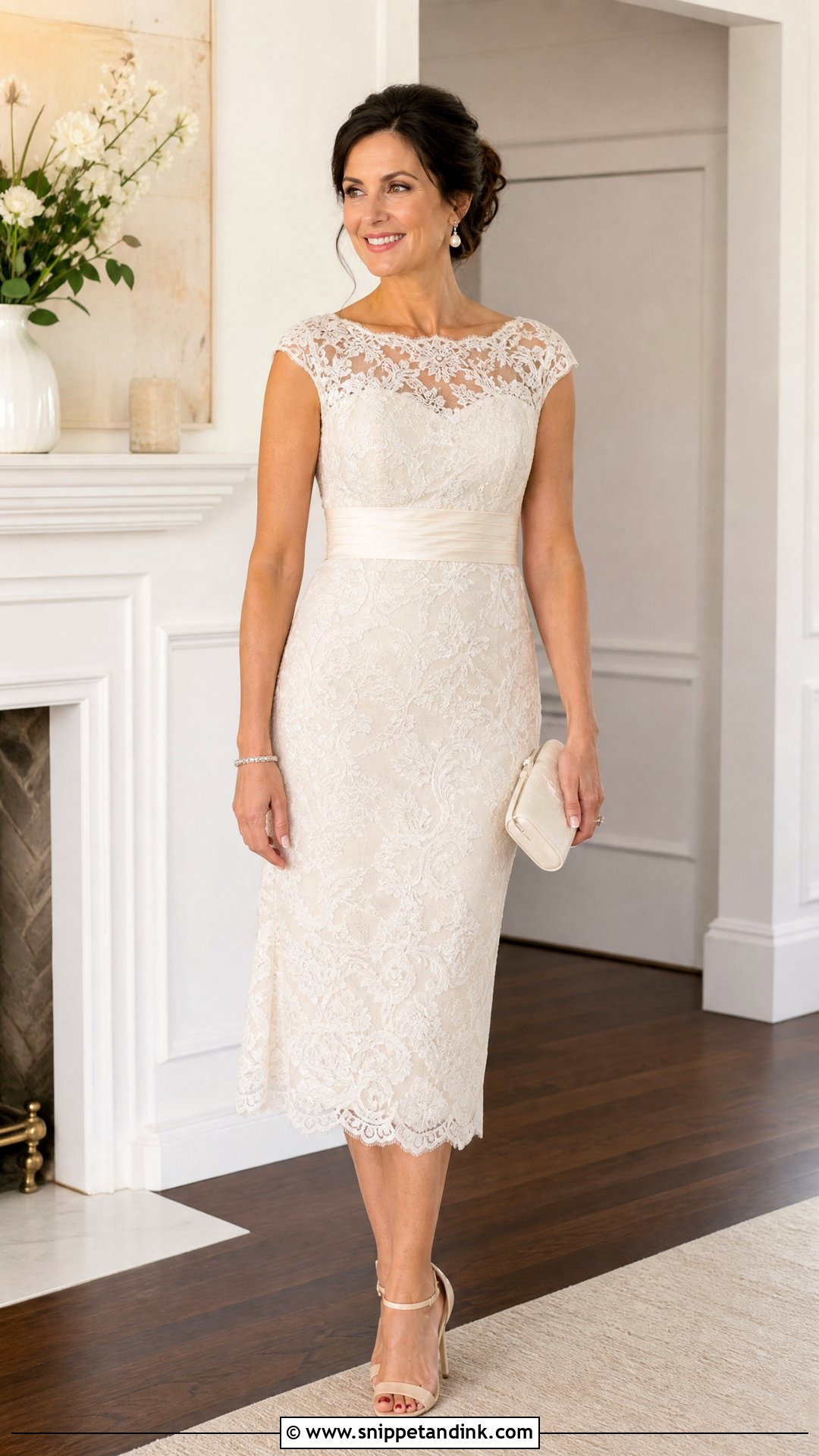
Restyling is the biggest change on this list, and also the one that gets the dress worn again. A tailor can shorten, simplify, reshape or dye the gown into a cocktail dress, midi dress, a skirt set or a top. Silk dyes well; polyester satin often won’t take dye evenly, so check the fabric label before you dream in color. Keep the lace sleeves, satin bodice or beaded waist and lose the train. Wear it out on your anniversary.
22. Wedding Dress Jewelry Pouch
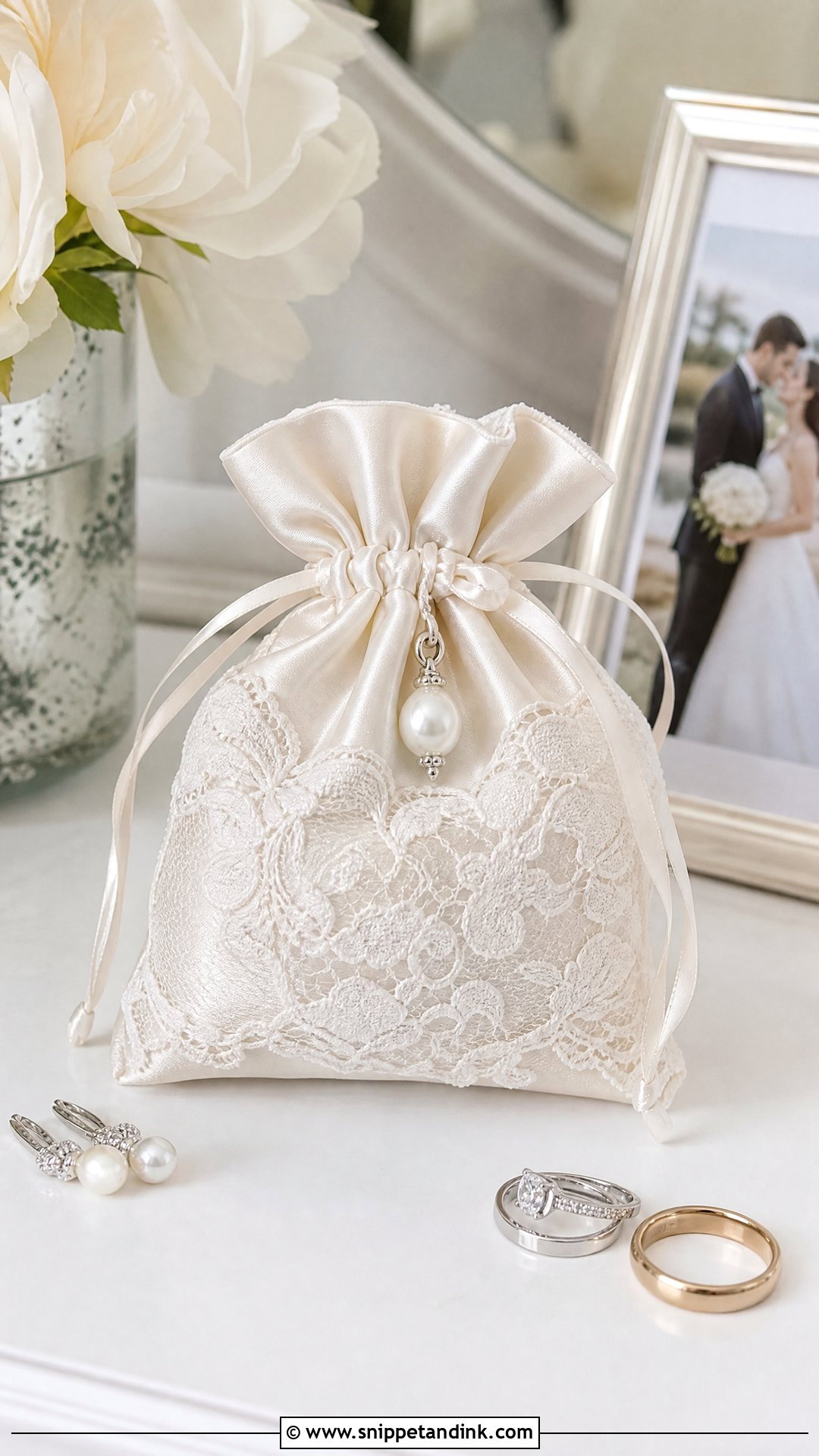
Drawstring pouches are small, practical and fit in a drawer or a suitcase. Satin, silk, lining, lace or tulle from the gown works; I’d line a lace pouch with the gown’s satin so earring posts don’t poke through the holes. Ribbon ties and a small monogram, pearl bead or charm finish it. It’s handy for keeping your rings safe at a vow renewal or on an anniversary trip. Small, daily-use projects like this keep the dress’s texture close by.
23. Wedding Dress Button Keepsake
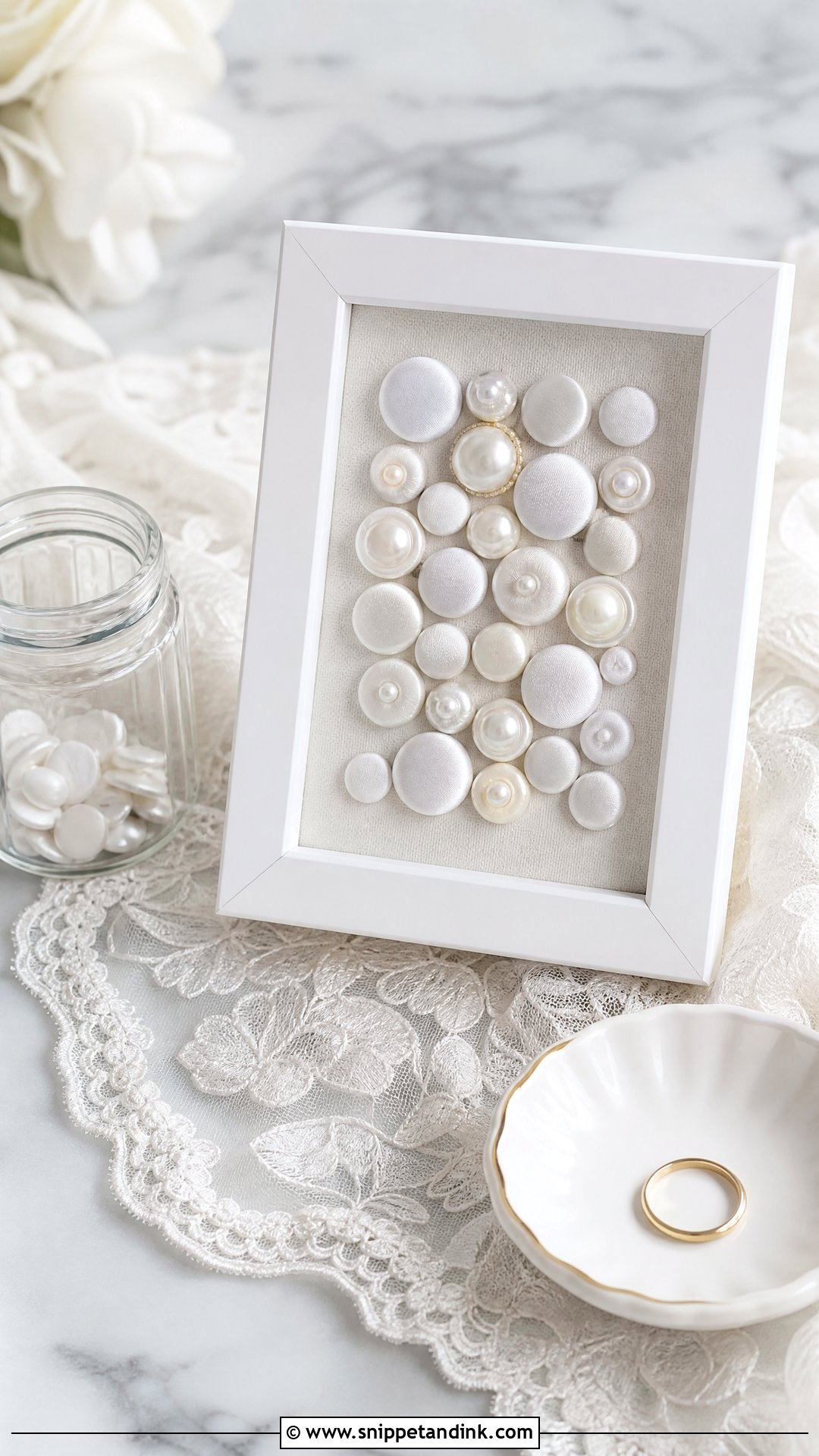
If your gown had a row of covered buttons, pearl buttons or decorative closures, they’re the easiest part to keep. Snip each one off with a little thread tail rather than cutting the fabric, and the dress can still be preserved. Buttons can go in a frame, on a pillow, onto a bracelet, inside a locket or onto a bouquet wrap. A small glass jar with a dated tag is the simplest option of all. They’re durable and pass down easily.
24. Wedding Dress Keepsake Box
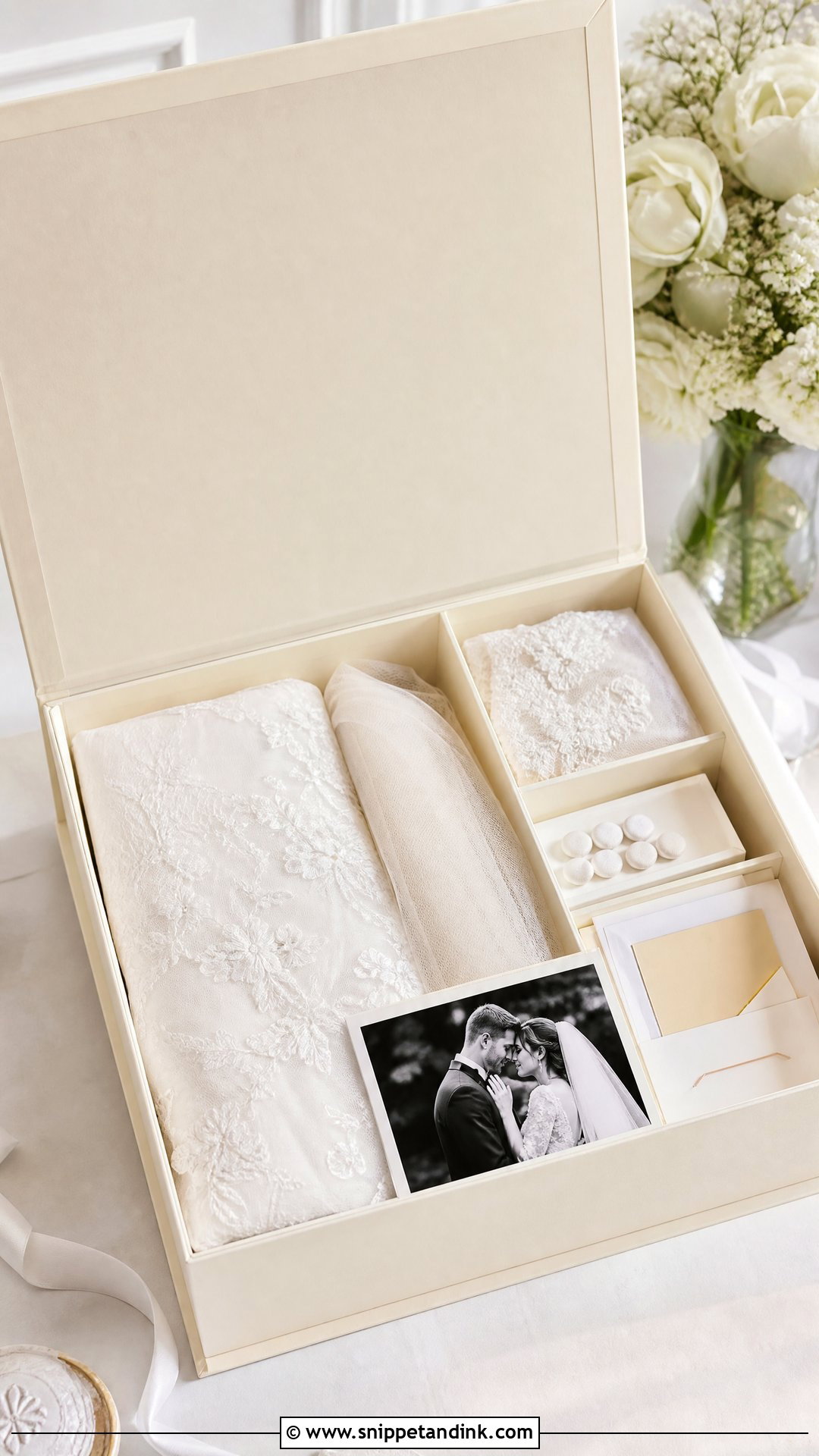
For brides who aren’t ready to cut anything, a proper box is the keepsake. Use an acid-free preservation box for long-term storage of the whole gown. Pad every fold with acid-free tissue so the fabric doesn’t develop permanent creases, and never store it in plastic, which traps moisture and yellows silk. Keep the box in a closet inside the house, away from attics, basements and heat. Smaller items like lace scraps, buttons, vows and photos suit a lined memory box with labeled compartments.
25. Wedding Dress Pocket Square
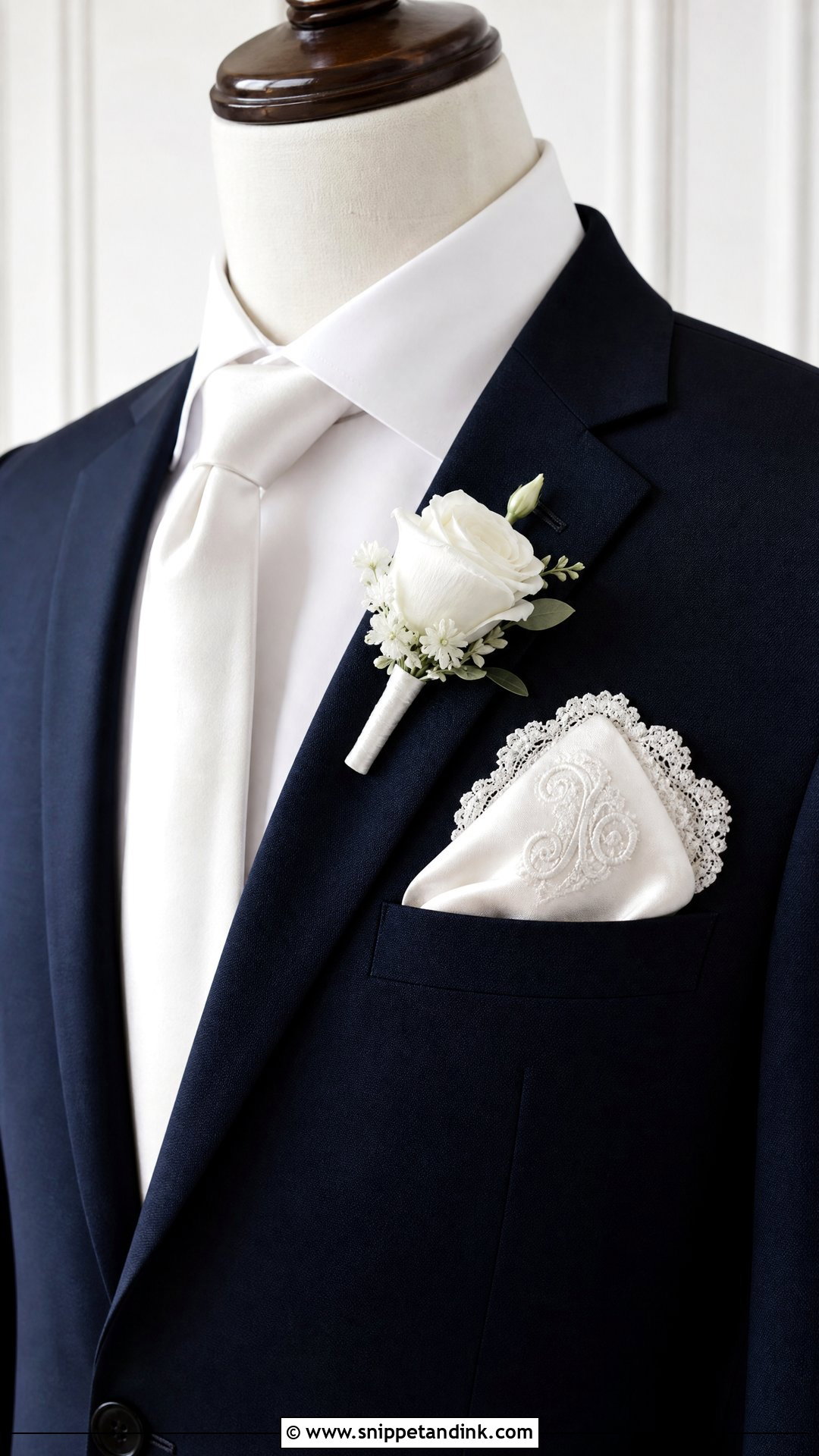
Pocket squares turn a piece of the gown into something a spouse, father, son or brother can wear. Silk, satin, lining or lace sewn with a hand-rolled edge looks properly tailored. Thin lining fabric is often the better choice here, since thick satin makes a bulky lump in a jacket pocket. Subtle embroidered initials or a date add meaning. Tucked into a suit at a family wedding, it becomes a quiet tribute that nobody else needs to notice.
How Much Fabric Is Really in Your Dress
Brides tend to overestimate how much usable fabric a gown holds. A fitted bodice is cut into narrow shaped panels full of seams and boning channels, so it gives you small pieces at best. The skirt and train hold the generous, straight lengths. Before you promise everyone a keepsake, lay the dress out with your seamstress and plan it like a pattern:
- Skirt and train panels go to the large projects first: a quilt, a blanket, a robe or a table runner.
- Bodice lace and appliqués go to frames, pillows and album covers, where a small motif can stand alone.
- Lining becomes handkerchiefs, pocket squares and pouches, since it’s soft and often washable.
- Buttons, beads and loose trim go to jewelry, ornaments and bookmarks.
Some fabrics resist this. Beaded tulle sheds beads along every cut edge unless each thread is secured, and loosely woven silk frays the moment it’s handled. Ask the maker to return every offcut with the finished pieces, and keep one uncut section of the dress aside. Years later, someone may want it for a project you haven’t thought of.
Keep One Piece of the Dress Uncut
Start with how you feel about changing the gown. Some brides want the whole dress preserved; others find more meaning in a quilt, a pillow, a piece of jewelry or an album cover they see often. Before anything is cut, photograph the gown inside and out, check fragile areas, and work with a cleaner, seamstress or preservation specialist you trust. If there’s enough fabric, you can do several small projects from one dress. However you split it, each piece will carry a memory of the day you wore it.
You'll Like These Ideas:


Leave a Reply