
Dressing a baby for a wedding is a different job from dressing anyone else in the party. She will sit, crawl, nap, get passed between relatives and probably spit up on someone’s shoulder, and the outfit has to cope with all of it. When I put together a baby’s look for a wedding, I start with the lining and the closure, then the color, and only then the pretty part. Puff sleeves, lace bodices, tulle skirts, satin bows, smocking and soft ivory are all doing well right now, and each one behaves differently on a child who can’t tell you it itches. Below are the dresses I’d consider, flower girl or tiny guest, with notes on what I’d watch for in each.
Sizing a Baby’s Dress for the Wedding Date, Not for Today
Babies grow faster than any alteration schedule. If the wedding is three months away, I never buy the size she fits now. Most baby sizing runs by age band, but chest and length matter more than the label, especially if she’s in nappies under a fitted bodice. I measure her chest under the arms and from shoulder to where she sits, then add room for growth and for a full nappy.
- Buy for the age she’ll be on the day, and if she falls between sizes, go up. A slightly big dress can be taken in at the back seam; a small one can’t be let out much.
- Do a try-on around two to three weeks before the wedding, wearing the actual nappy, tights and shoes she’ll have on.
- Sit her down in it. A bodice that looks fine standing can pinch at the waist once she’s seated or folded into a car seat.
- Check the closure from a parent’s point of view. A zip or a few snaps at the back is far quicker than twelve fabric-covered buttons during a nappy change.
- Wash and dry anything cotton before the final fitting, because cotton can shrink a little the first time.
I’d also order early. Many children’s occasionwear makers sew to order and need several weeks, and shipping can add more, so leaving it to the last month limits you to whatever’s in stock.
1. Ivory Tulle Baby Girl Wedding Dress
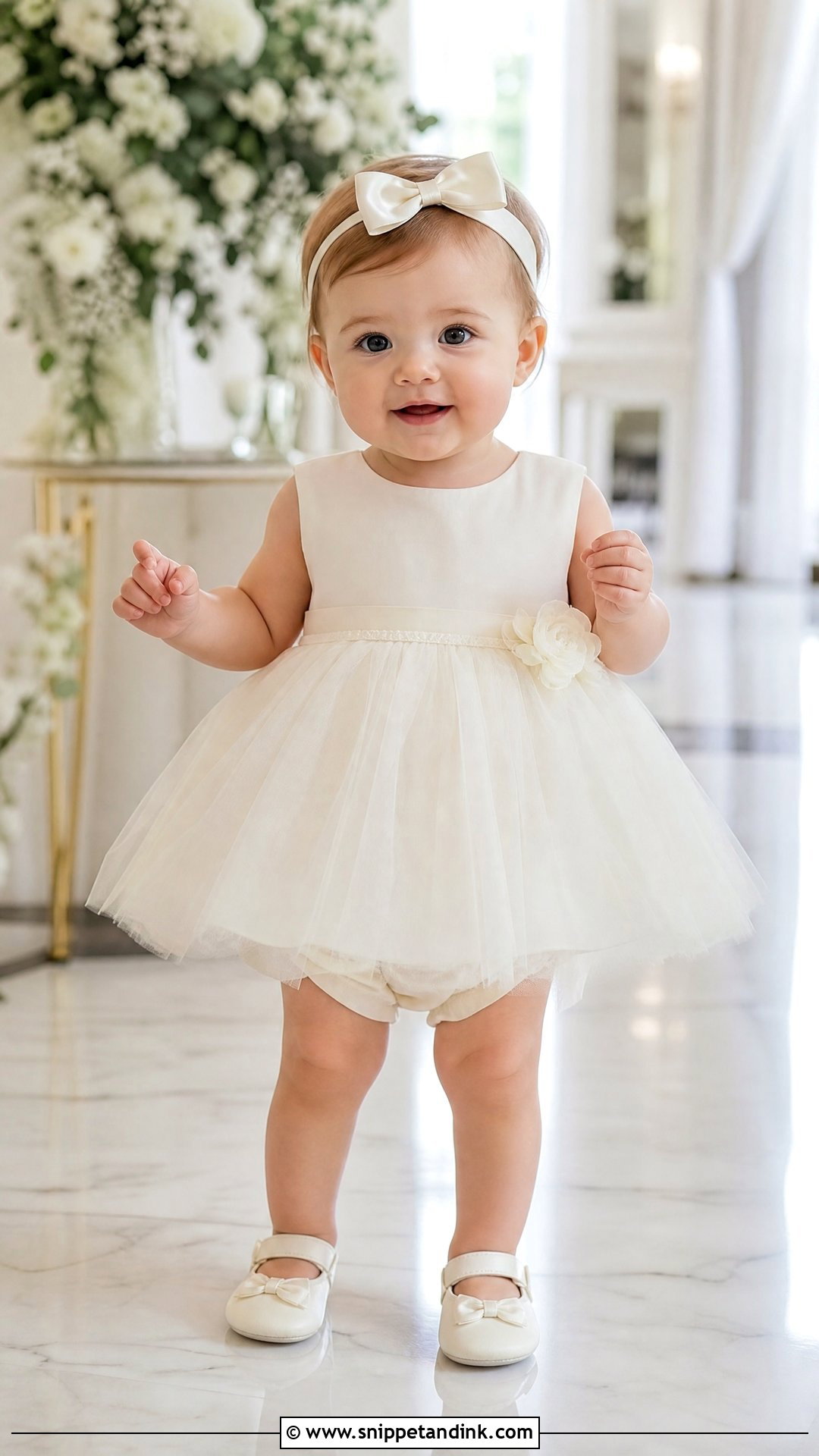
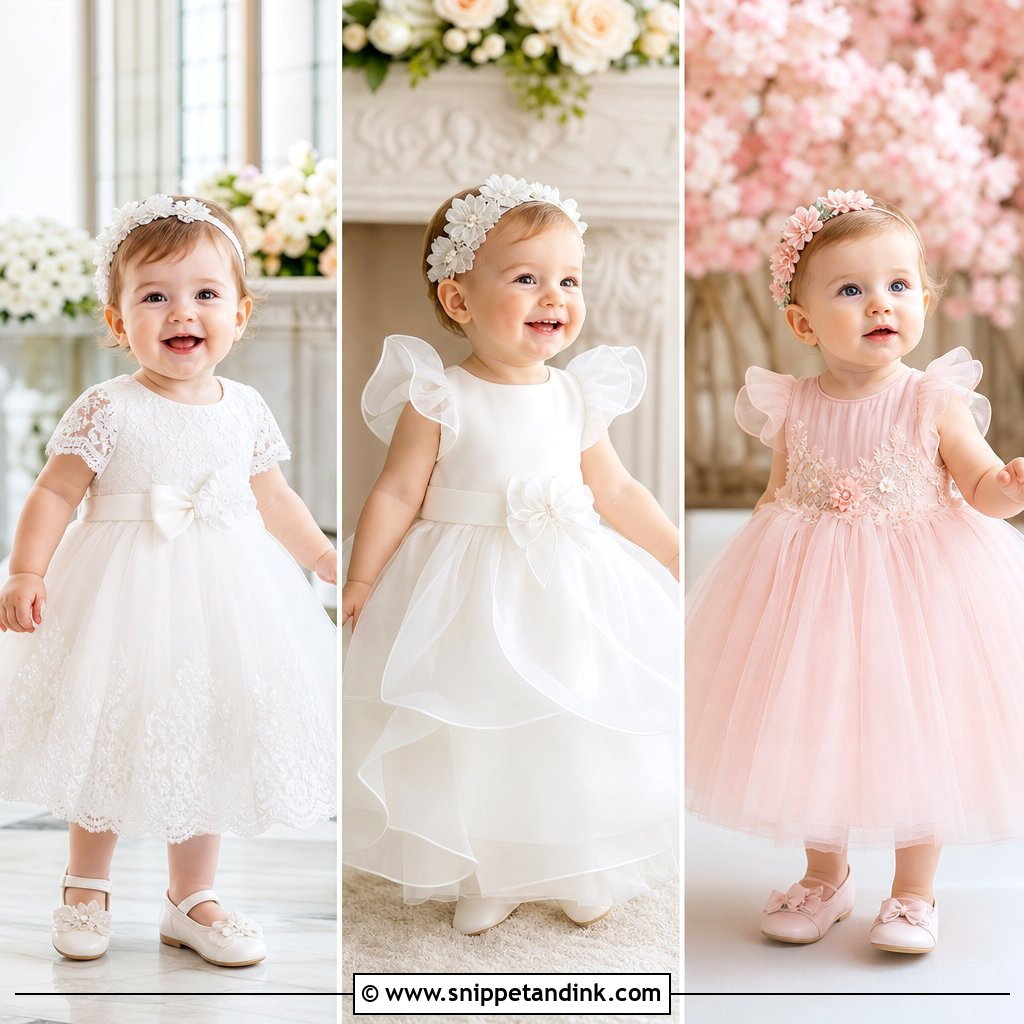
An ivory tulle baby girl wedding dress is the safest formal choice, and ivory is kinder than pure white beside most bridal gowns, which are rarely true white themselves. The thing I check first is the bodice lining: tulle seams can feel like fine sandpaper against a baby’s chest, so I want cotton between the two. Sleeveless works for summer, and a tiny cardigan sorts out a cold church. Keep the skirt at tea or ankle length. Anything longer gets caught under her knees the moment she tries to crawl, and then she’s stuck and cross.
2. Lace Baby Girl Flower Girl Dress
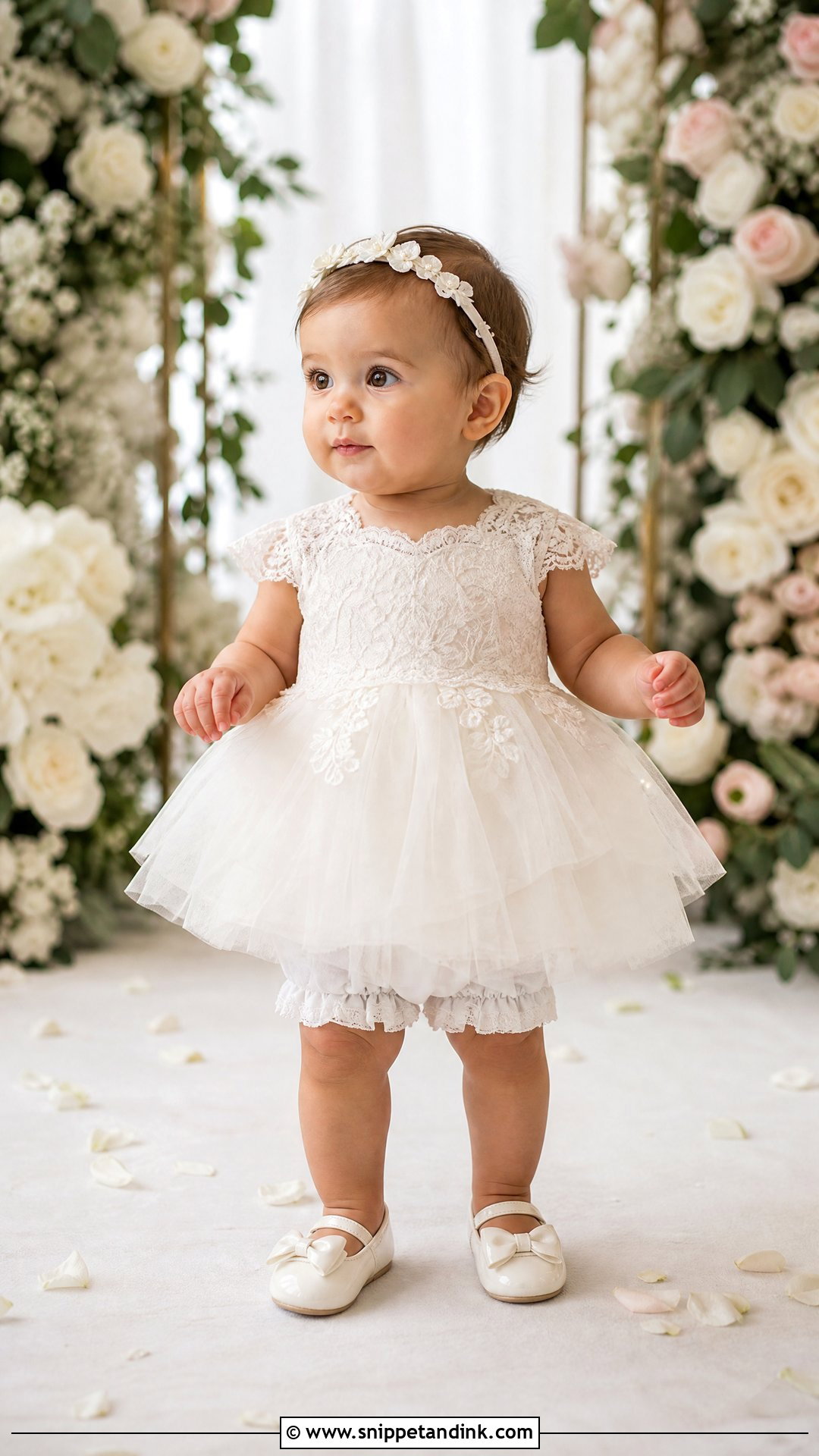
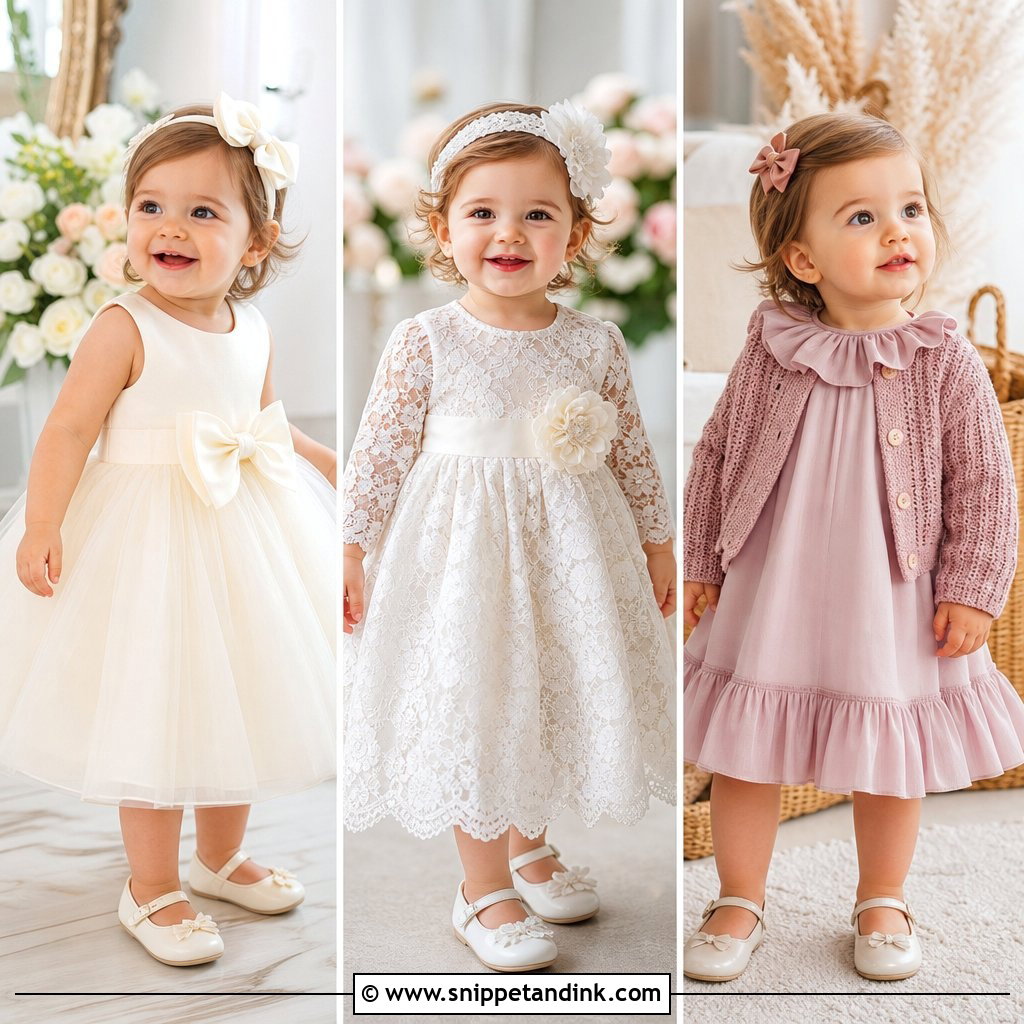
Lace does the decorating for you, which is useful on a baby who pulls off every clip you give her. The catch is texture. Corded and guipure lace can be stiff at the edges, so I run a finger along the neckline and the inside of the sleeves before I say yes to any lace dress. A soft cotton underlayer there is non-negotiable. A fitted lace top over a light tulle or organza skirt keeps the weight low, and ivory bloomers underneath save you worrying about how she’s sitting in every photo.
3. White Satin Baby Girl Wedding Dress
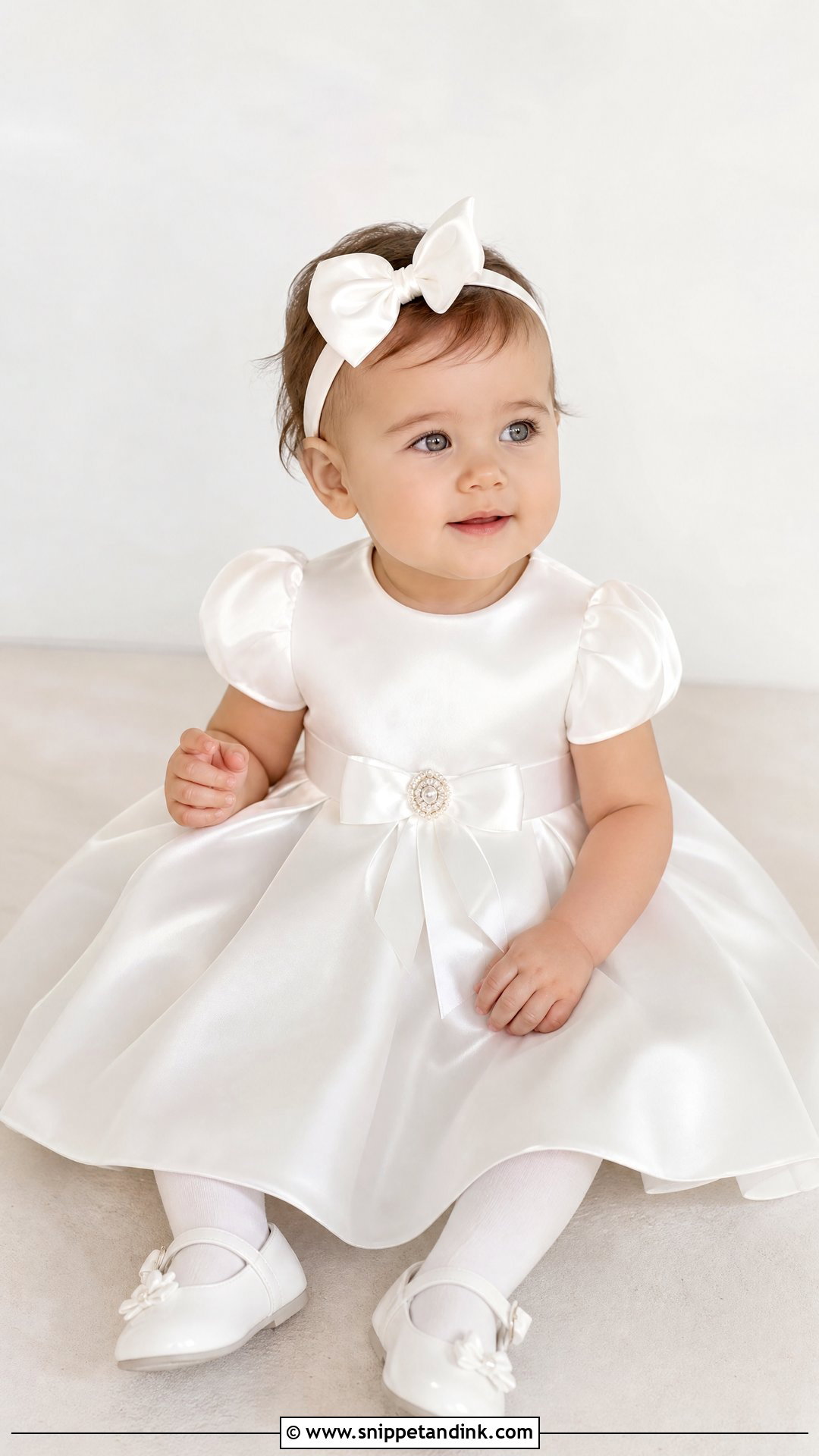
Satin reads as polished from across a room, so a white satin dress suits a formal indoor reception. I’d avoid heavy duchess satin on a baby. It’s warm, it holds every crease from the car seat, and it shows drool marks as darker patches. Go for a lighter satin with a soft lining, and choose covered back buttons or a hidden zip rather than a long row of tiny loops that someone has to fasten while she wriggles. A short puff sleeve and full skirt keep it age-appropriate, and white tights help if the venue runs cool.
4. Blush Pink Baby Girl Wedding Dress
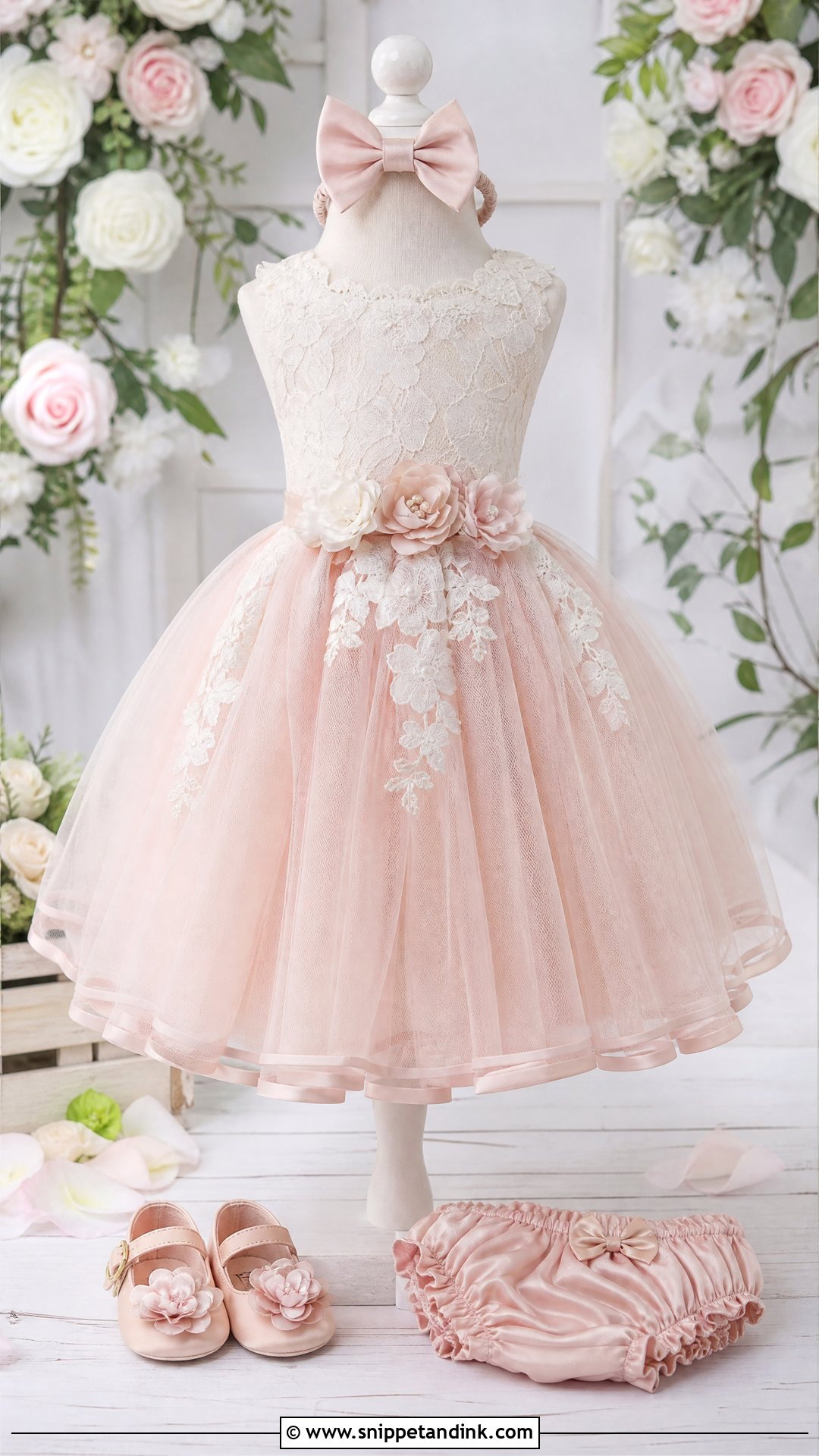
Blush is my default when a baby is a guest rather than in the bridal party, because nobody will mistake her for a mini bride. It sits well with roses, peonies and most pastel bridesmaid colors. A blush tulle skirt with an ivory lace bodice is the combination I see work most often. One warning: blush varies a lot between brands, from almost-beige to bubblegum, so hold the dress up next to a bridesmaid swatch in daylight before you commit. Keep the accessories plain and let the color do its job.
5. Champagne Baby Girl Wedding Dress
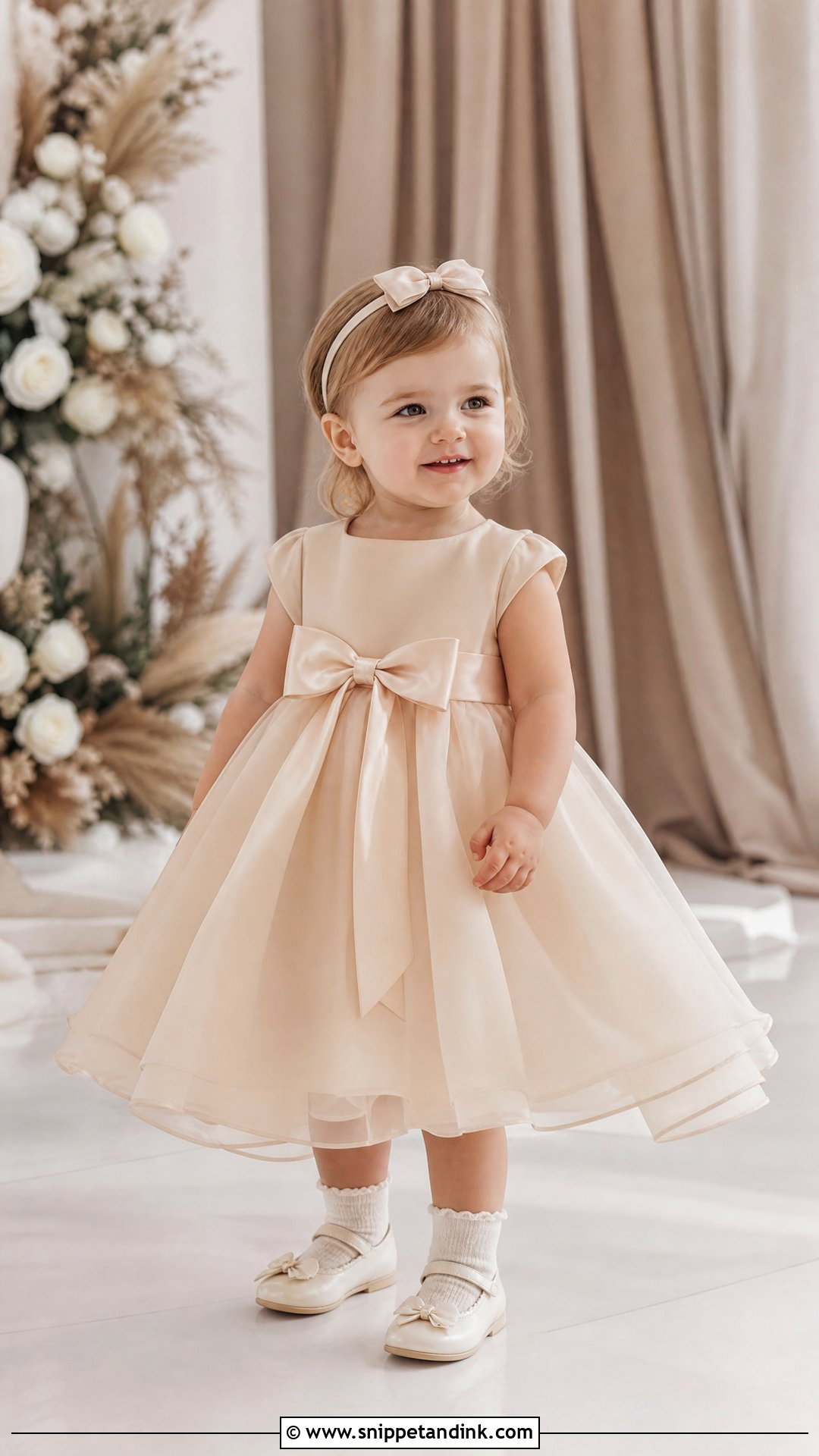
Champagne suits neutral palettes and warm wood venues, and it’s flattering on babies with rosy or olive skin where stark white can make them look washed out. Shimmer is where I get cautious. Glitter that’s printed or glued on sheds onto hands and then into mouths, so I only use champagne dresses where the sheen comes from the weave of the satin or organza. A champagne sash defines the waist without adding bulk. Ivory socks and cream shoes finish it, and it glows in late-afternoon outdoor light.
6. Puff Sleeve Baby Girl Wedding Dress
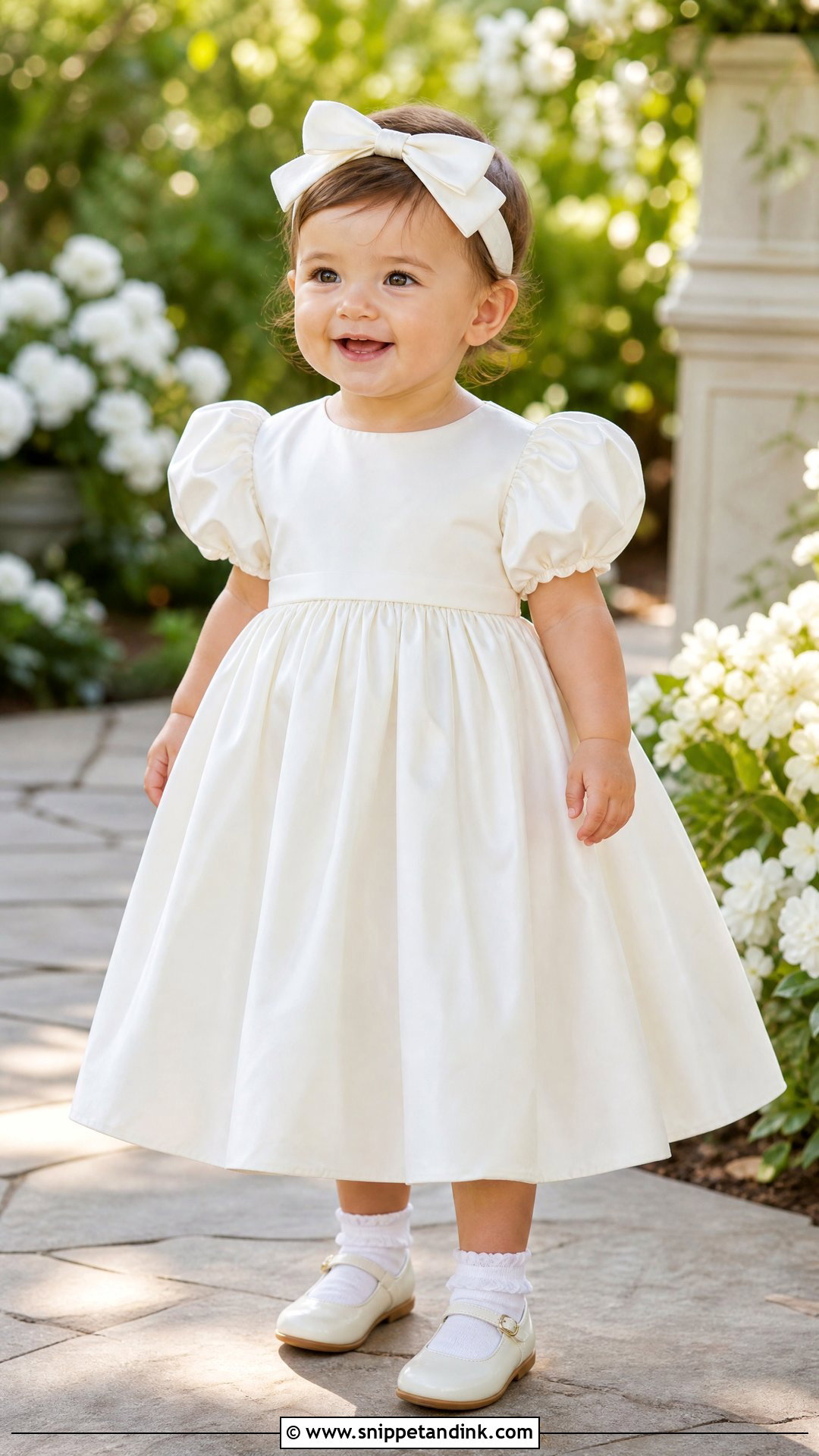
Puff sleeves give a baby a vintage outline without needing a big skirt, which is handy because a big skirt is the first thing that gets in the way. The puff sleeve baby girl wedding dress I’d choose has sleeves in cotton sateen or soft organza rather than stiff net, and an elastic band at the arm that leaves a finger’s width of room. Tight sleeve elastic leaves red marks after a few hours and you won’t notice until she’s grizzling. A square or round neckline keeps it balanced, and it suits garden and estate weddings well.
7. Smocked Baby Girl Wedding Dress
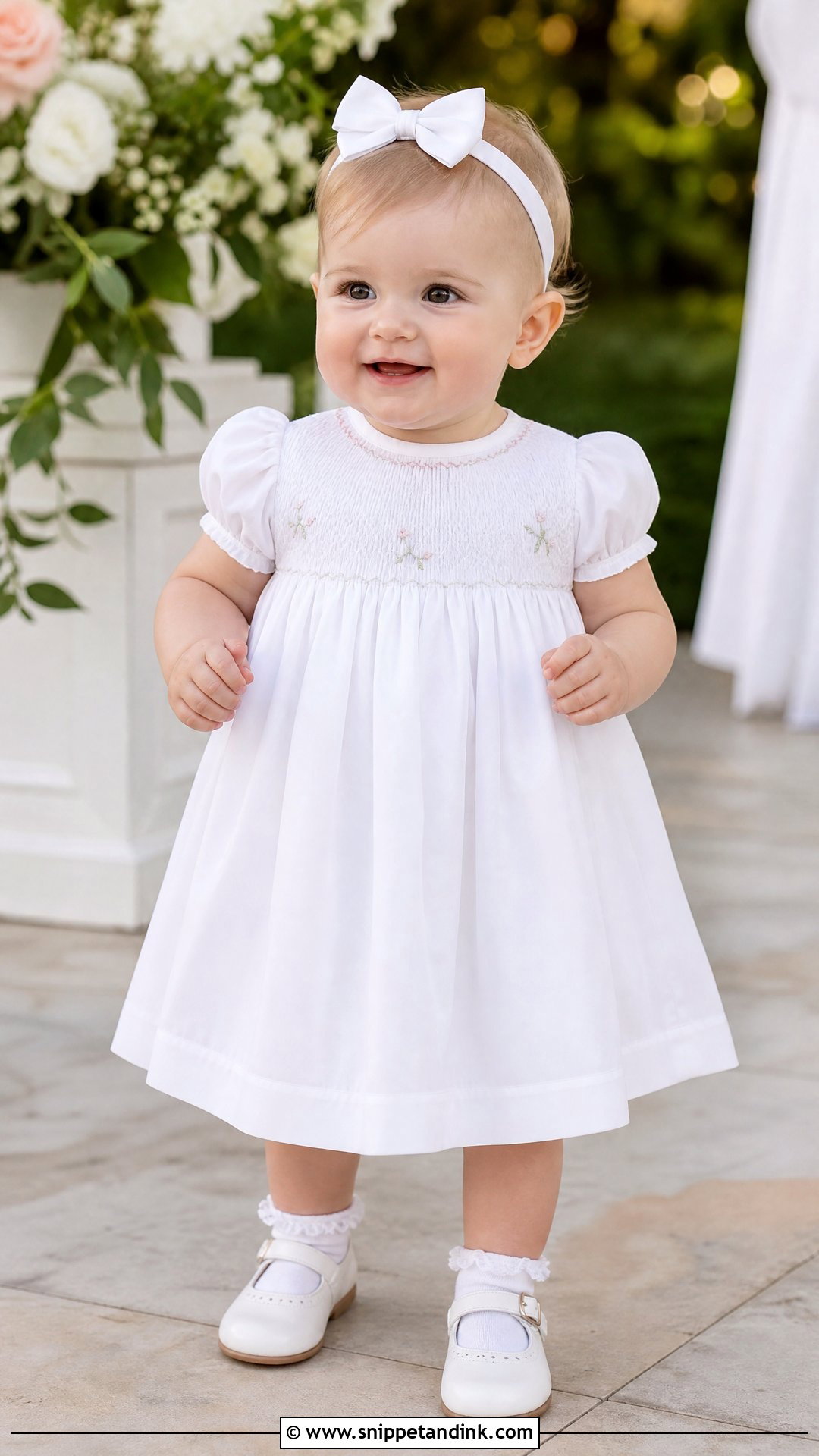
If I had to pick one style for a baby who’ll be on someone’s hip for eight hours, it would be smocking. The gathered panel stretches as she breathes, feeds and gets squashed in a hug, so it never digs in. White or ivory with a little hand embroidery looks traditional rather than stiff. Most smocked dresses are cotton or cotton blend, which breathes far better than polyester satin on a hot day. They also wash well, so this is the dress most likely to survive for a younger cousin.
8. 3D Floral Baby Girl Wedding Dress
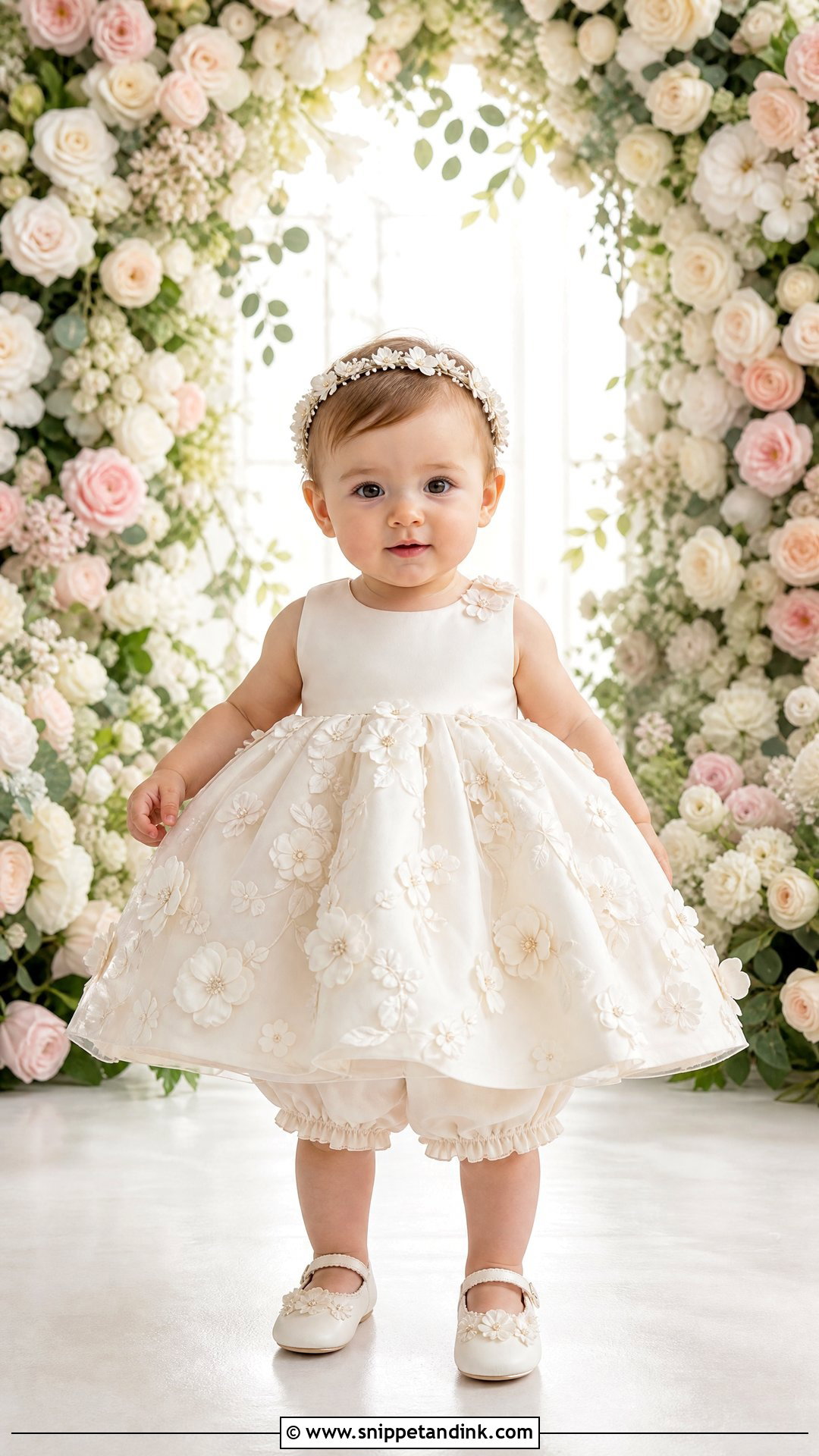
Three-dimensional flowers look sweet in close-ups, but babies pull at anything they can grip. I only use 3D floral dresses when the petals sit on the skirt, below where her hands naturally rest, and never around the neckline. Give each flower a gentle tug before the wedding. If the thread at the center is loose, a quick stitch now is much better than a petal found in her mouth later. White, blush or champagne bases keep it wedding-appropriate, and I’d skip a floral headband here so the dress isn’t fighting with it.
9. Long Sleeve Baby Girl Wedding Dress
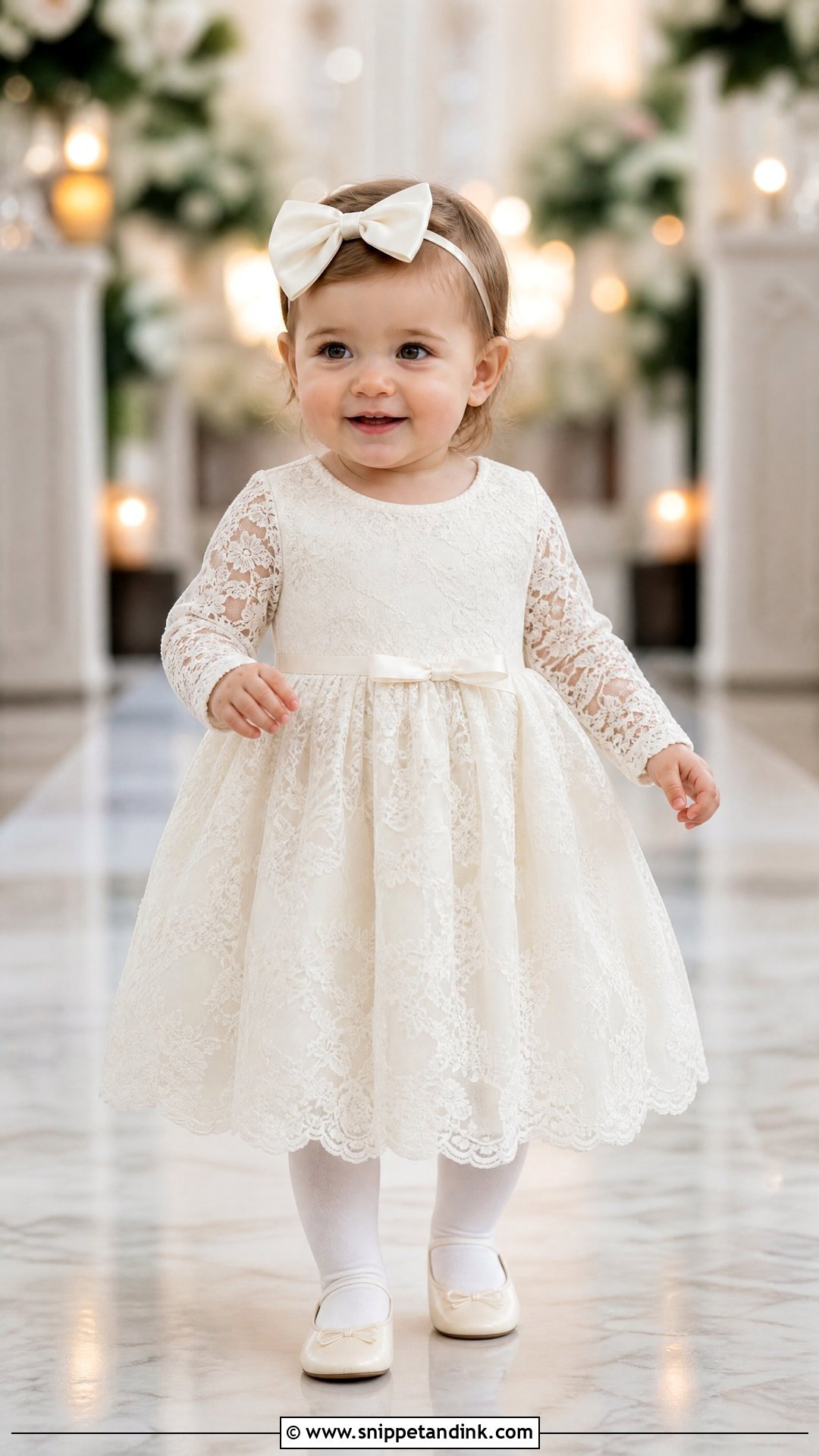
For autumn, winter or a venue where the air conditioning is set for adults in suits, long sleeves solve a lot. Soft lace or cotton sleeves are fine; sheer tulle sleeves look delicate but give almost no warmth. Check the cuffs. A tight or scratchy cuff is the most common reason a baby starts rubbing her wrists and fussing during the ceremony. White tights and ivory ballet-style shoes complete it, and since she’s already covered you won’t be peeling cardigans on and off for every family photo.
10. Short Sleeve Baby Girl Wedding Dress
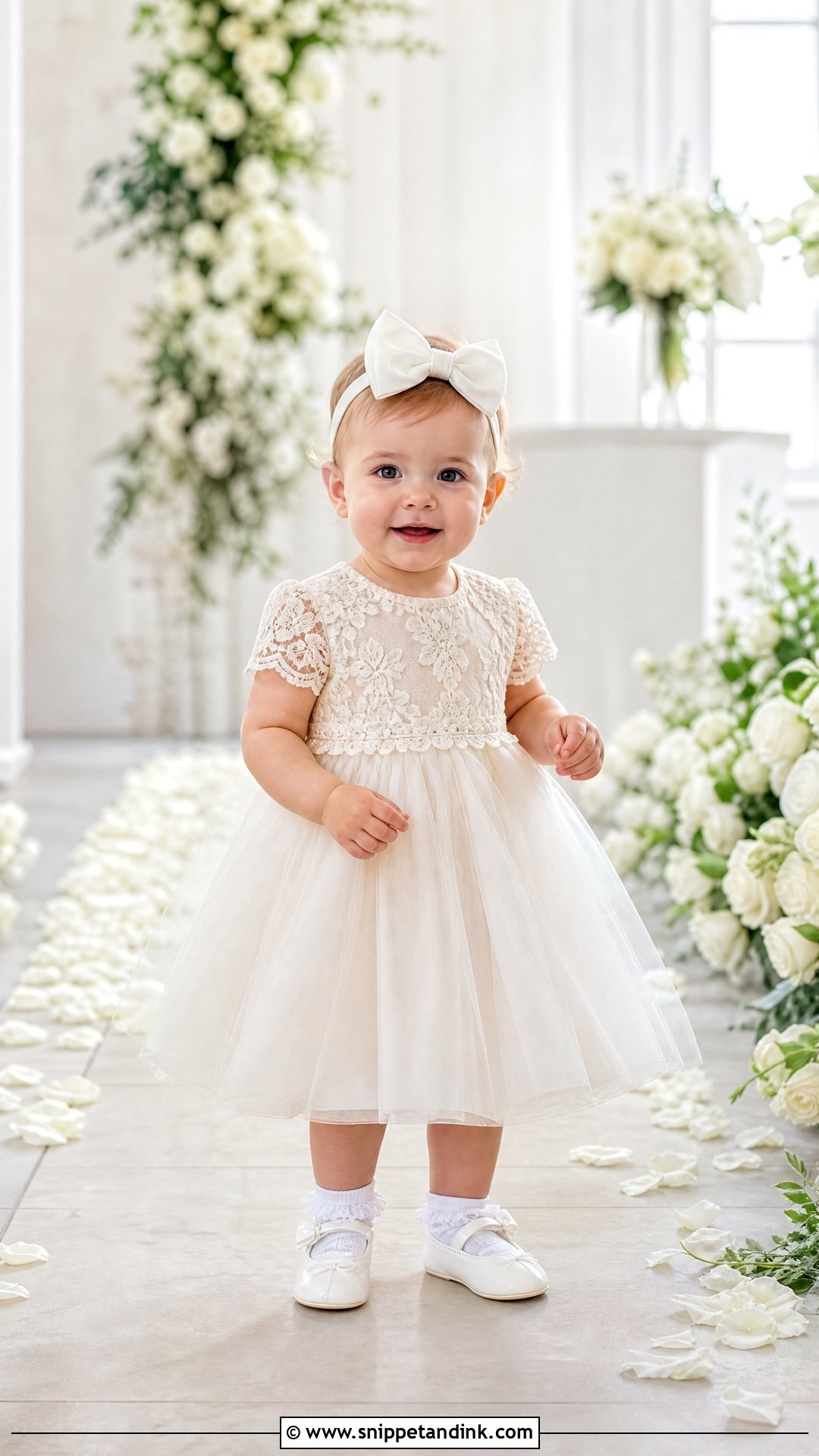
Short sleeves are my pick when the baby will mostly be held, because they leave her arms free to grab and cling without fabric bunching under the parent’s arm. They also let heat escape in spring and summer. A lace bodice with a soft tulle skirt is the familiar pairing, though cotton sateen is easier to wash. Match the bow headband to the dress rather than the bridesmaids. Carry a light cardigan but don’t put it on until she actually feels cool.
11. Baby Girl Wedding Dress With Bow
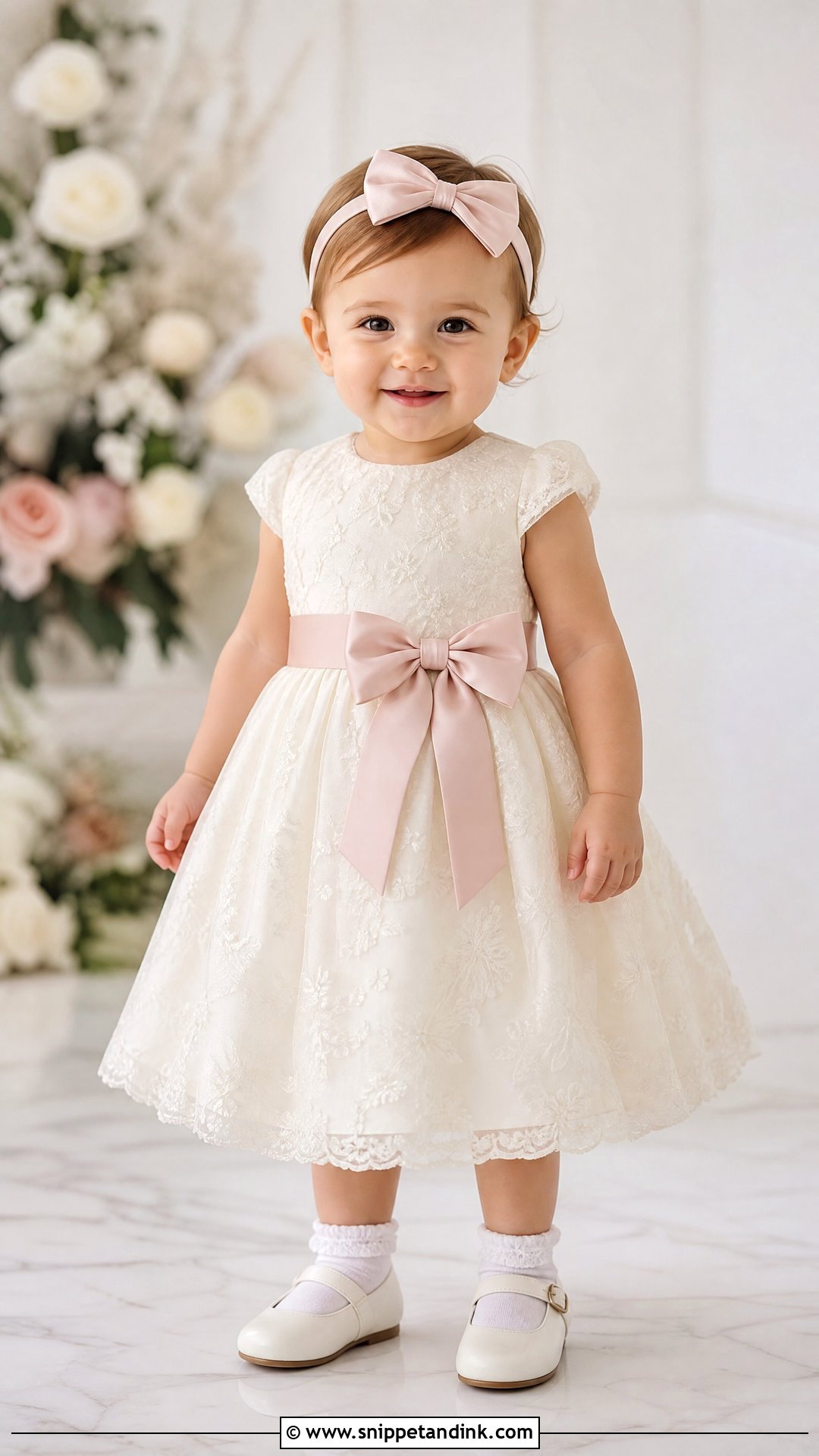
A bow is the cheapest way to tie a baby into the wedding colors: an ivory dress with a sash in champagne, blush, sage or dusty blue. Where it sits matters. A big back bow photographs well when she’s standing or held upright, but it’s lumpy when she’s in a car seat, a high chair or lying down for a nappy change. I prefer a flatter bow at the waist or one that clips off. Keep everything else plain so the bow stays the one detail people notice.
12. Baby Girl Wedding Dress With Tutu Skirt
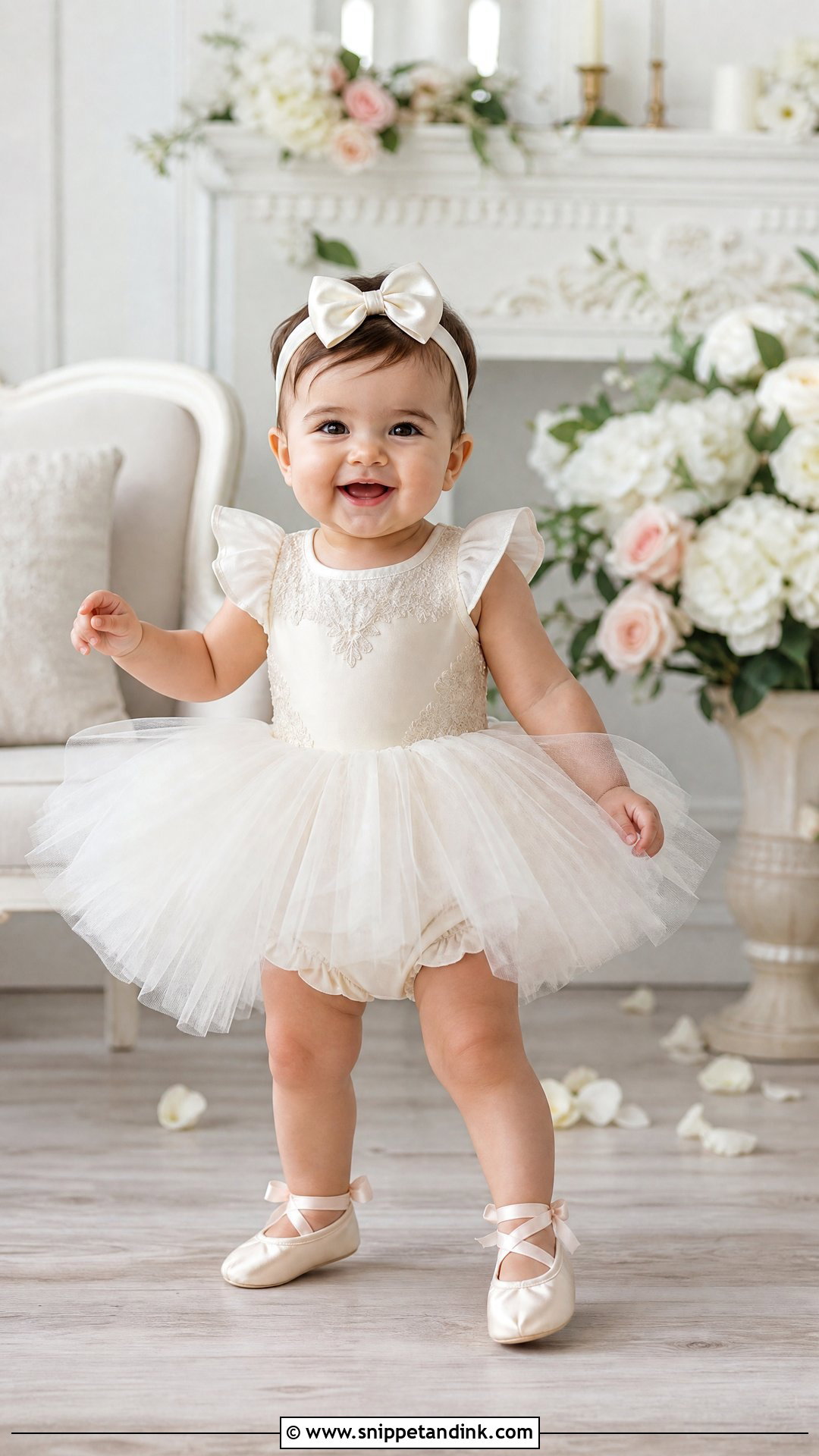
Tutu skirts are playful and great for photos, but cheap net is scratchy against bare legs. Squeeze a handful before buying: good tulle collapses softly, poor tulle crunches. A bodysuit top with a tutu attached is the easiest version for infants because nothing rides up and the poppers make changes quicker. I treat this as a portrait and reception outfit rather than an all-day one. If she’s going to nap in the pram, have a softer romper ready to switch into.
13. Organza Baby Girl Wedding Dress
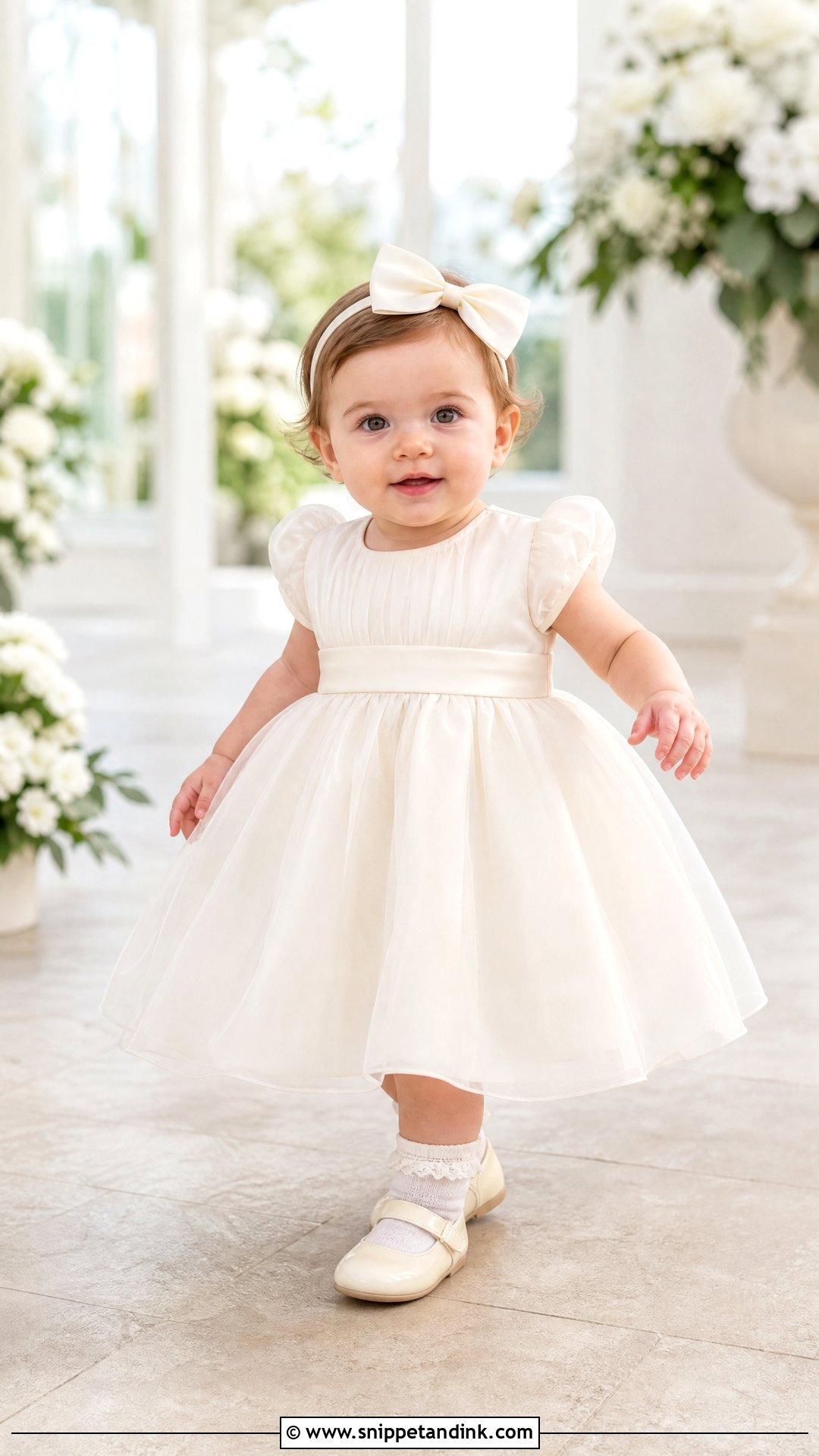
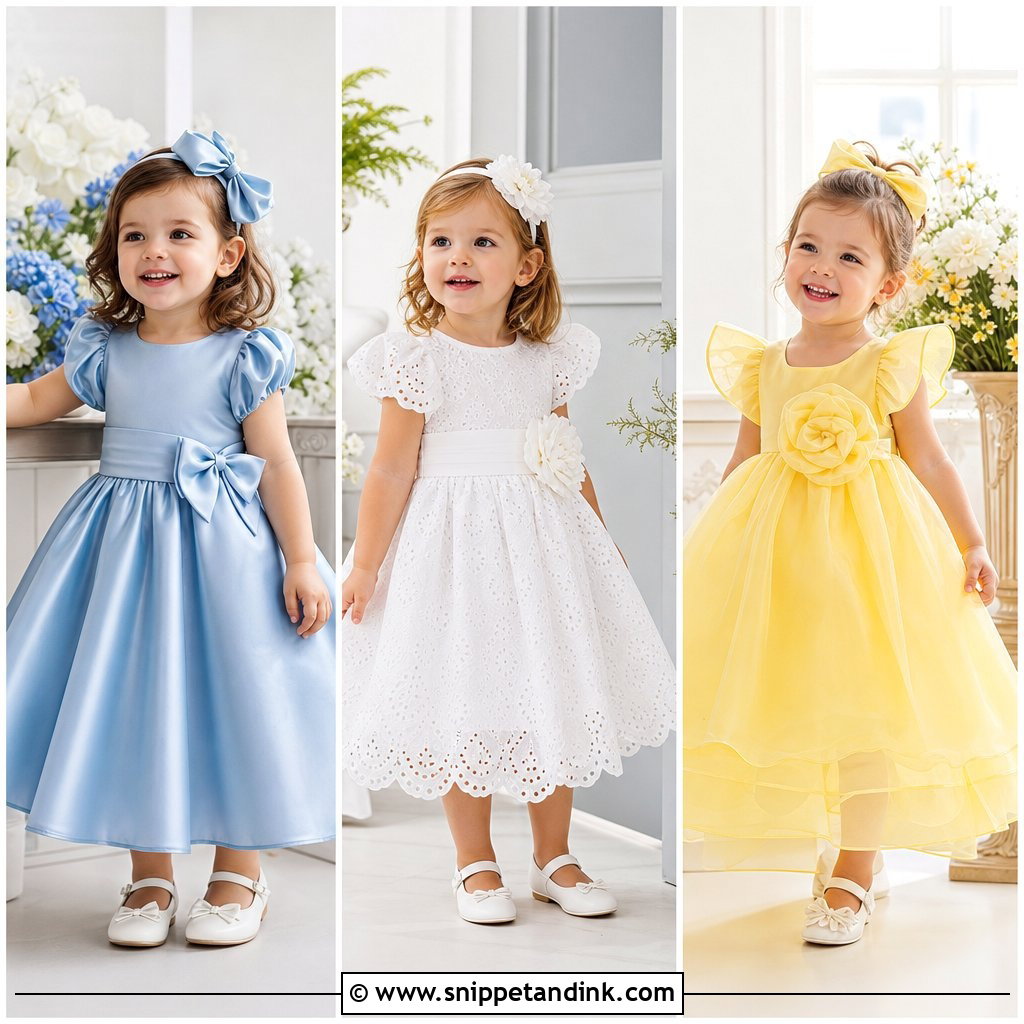
Organza holds its shape without layers, which means a full-looking skirt that doesn’t weigh much. That suits warm daytime weddings. The downside is the seams: organza frays and its seam allowances are often scratchy, so look inside at the armholes before anything else. A simple organza skirt on a satin waistband is the version I’d pick. Ivory, blush, butter and dusty blue all look good in it, and it catches daylight well in outdoor shots.
14. Chiffon Baby Girl Wedding Dress
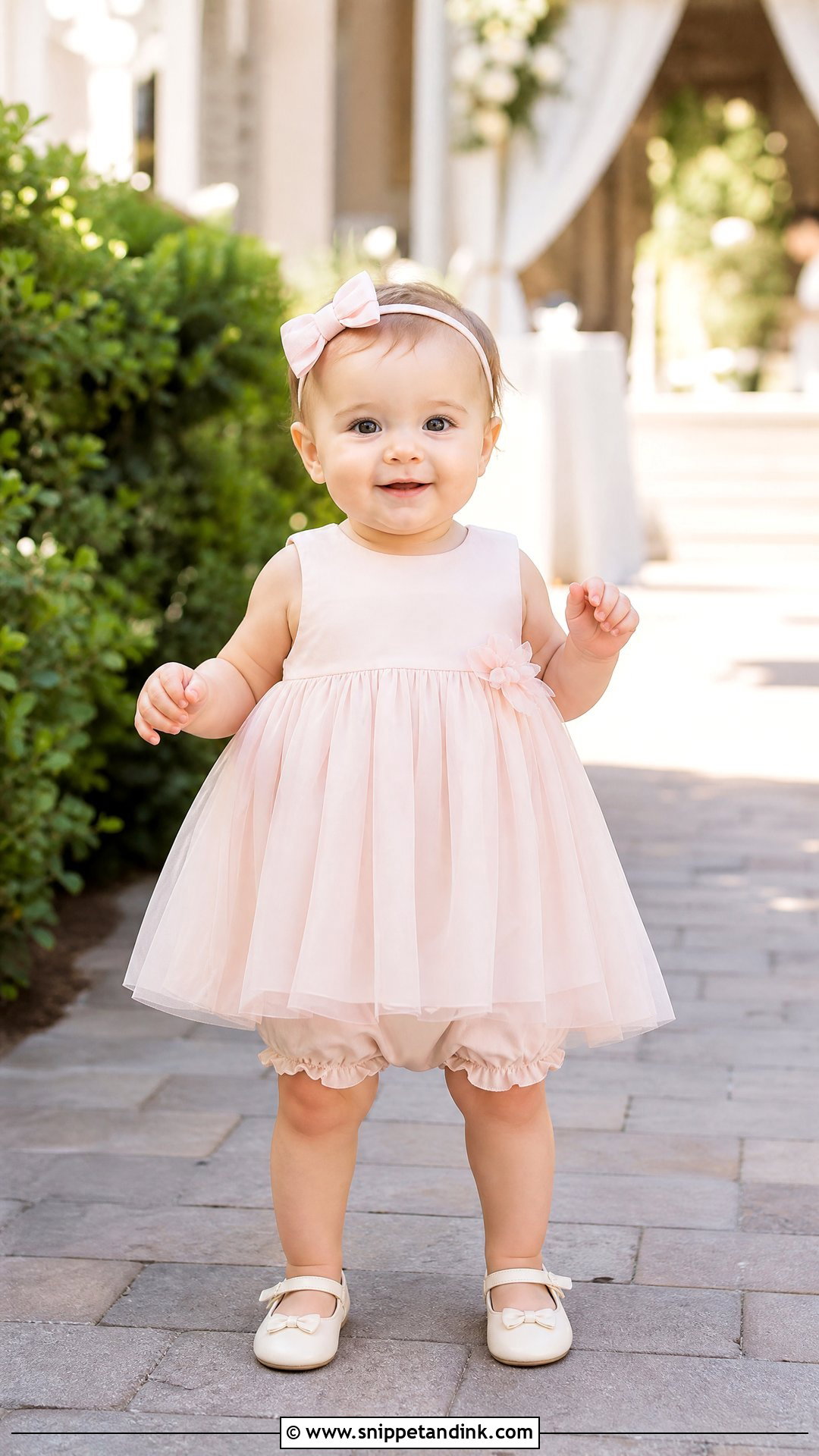
Chiffon drapes instead of standing out, so a chiffon dress has far less volume than tulle. That helps babies who get cross when a skirt balloons up into their face every time they sit down. Beach and garden weddings suit it well. Make sure the lining is breathable cotton and the bodice doesn’t slide off one shoulder. A pastel chiffon dress in blush, lavender, sage or ivory links neatly to the bridesmaids, and soft sandals or crib shoes keep it relaxed.
15. Vintage Baby Girl Wedding Dress
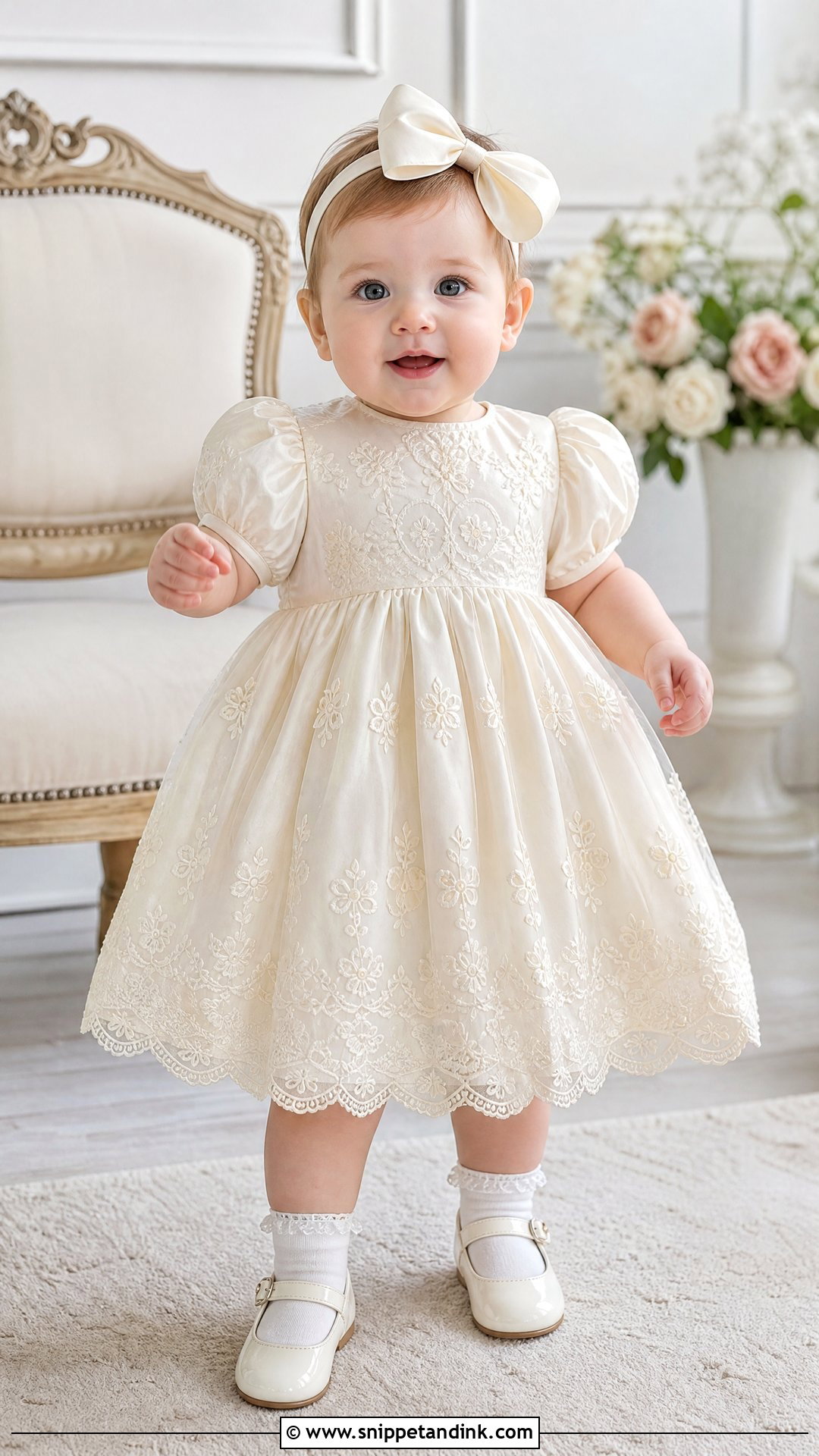
Vintage dresses are the ones families keep. I look for smocking, scalloped hems, hand embroidery or cotton sateen, and I avoid anything that’s actually old unless it has been checked over, because decades-old lace becomes brittle and buttons loosen. Ivory, cream and soft white suit the style best. White socks, traditional Mary Janes and a bonnet or satin bow finish it. This works especially well at family weddings where old photos are on display and someone will want a matching shot.
16. Boho Baby Girl Wedding Dress
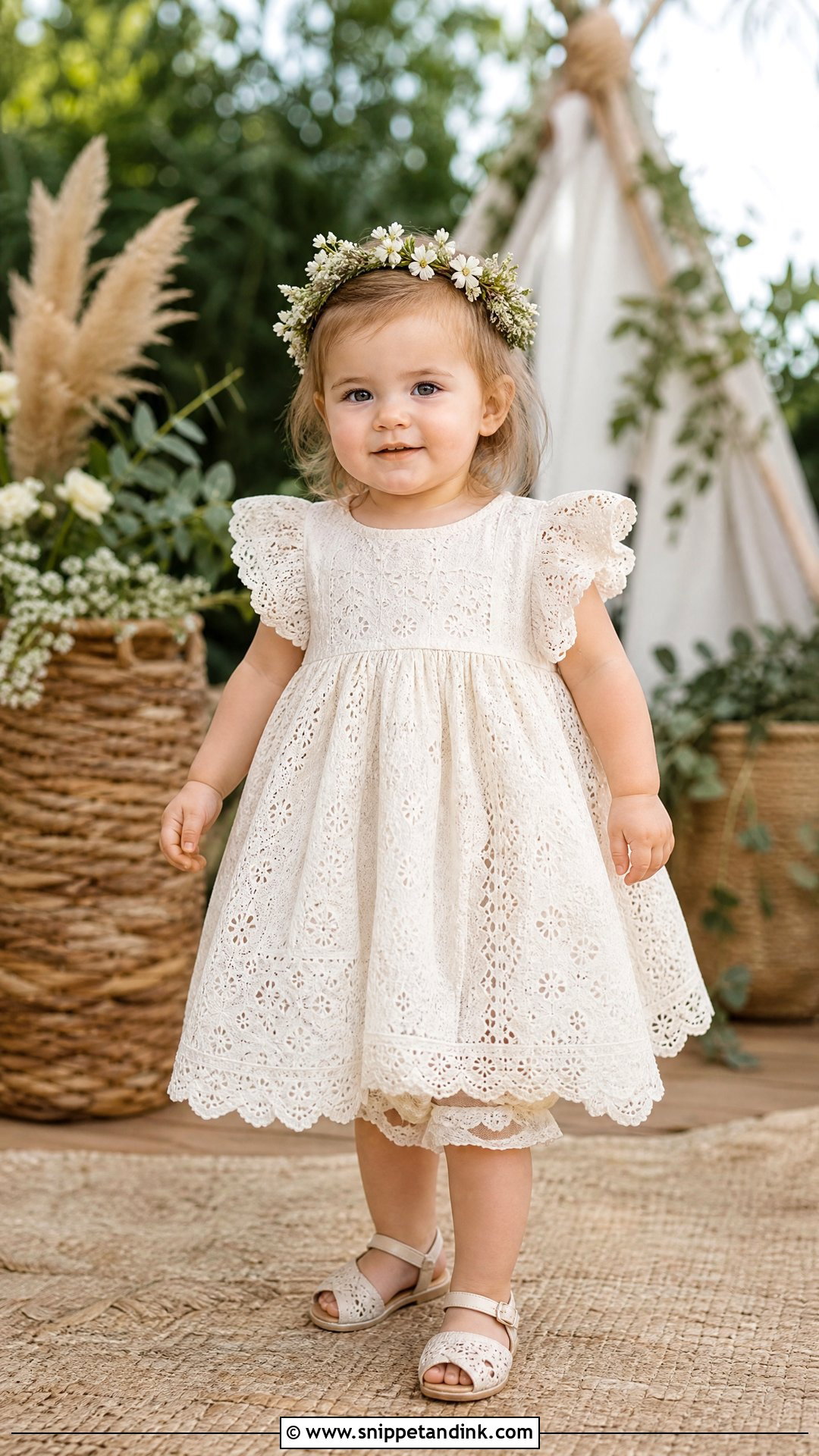
A boho dress should look relaxed, so I avoid anything with a structured bodice and choose soft cotton lace, crochet-inspired trims, flutter sleeves or an empire waist. Ivory and cream are the base, with a little beige, blush or sage if you want it. Flower crowns are the risk here. Wired crowns can poke, so on an infant I use a soft elastic band with fabric flowers, never fresh blooms she can pull apart. Leave off beads and dangly pieces entirely.
17. Princess Baby Girl Wedding Dress
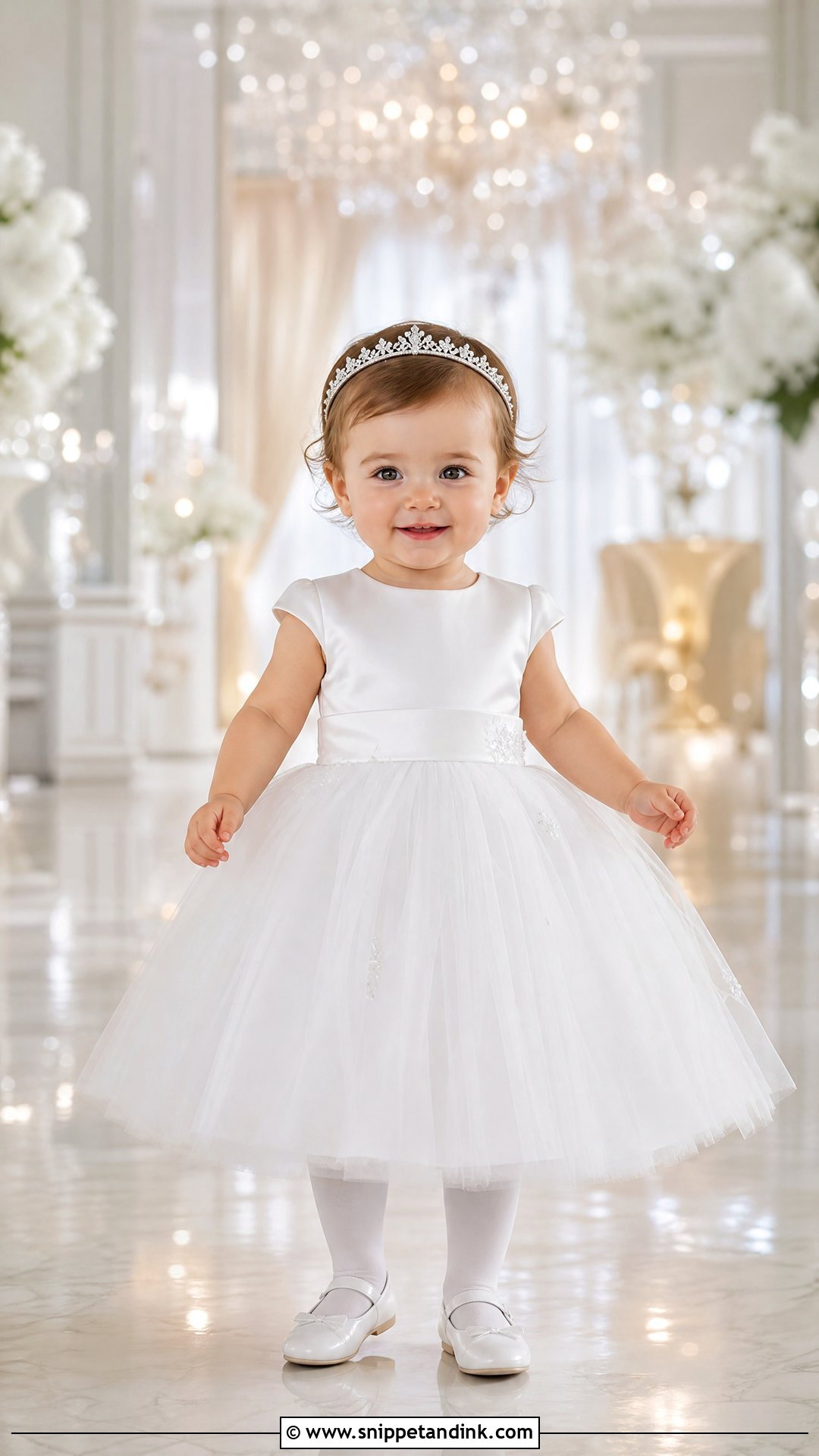
Formal families often want a princess dress, and I understand why. The difficulty is that the classic shape relies on a stiff bodice, and a baby can’t sit comfortably in a boned top. Ask for a satin bodice that’s lined but unboned, with layers of soft tulle doing the work in the skirt. Sit the dress down on a bed and see whether the skirt pushes up past the waist; if it does, she’ll be battling it all evening. Tiaras are a no for babies. A soft headband gives the same idea safely, and a backup romper is worth packing.
18. Simple Baby Girl Wedding Dress
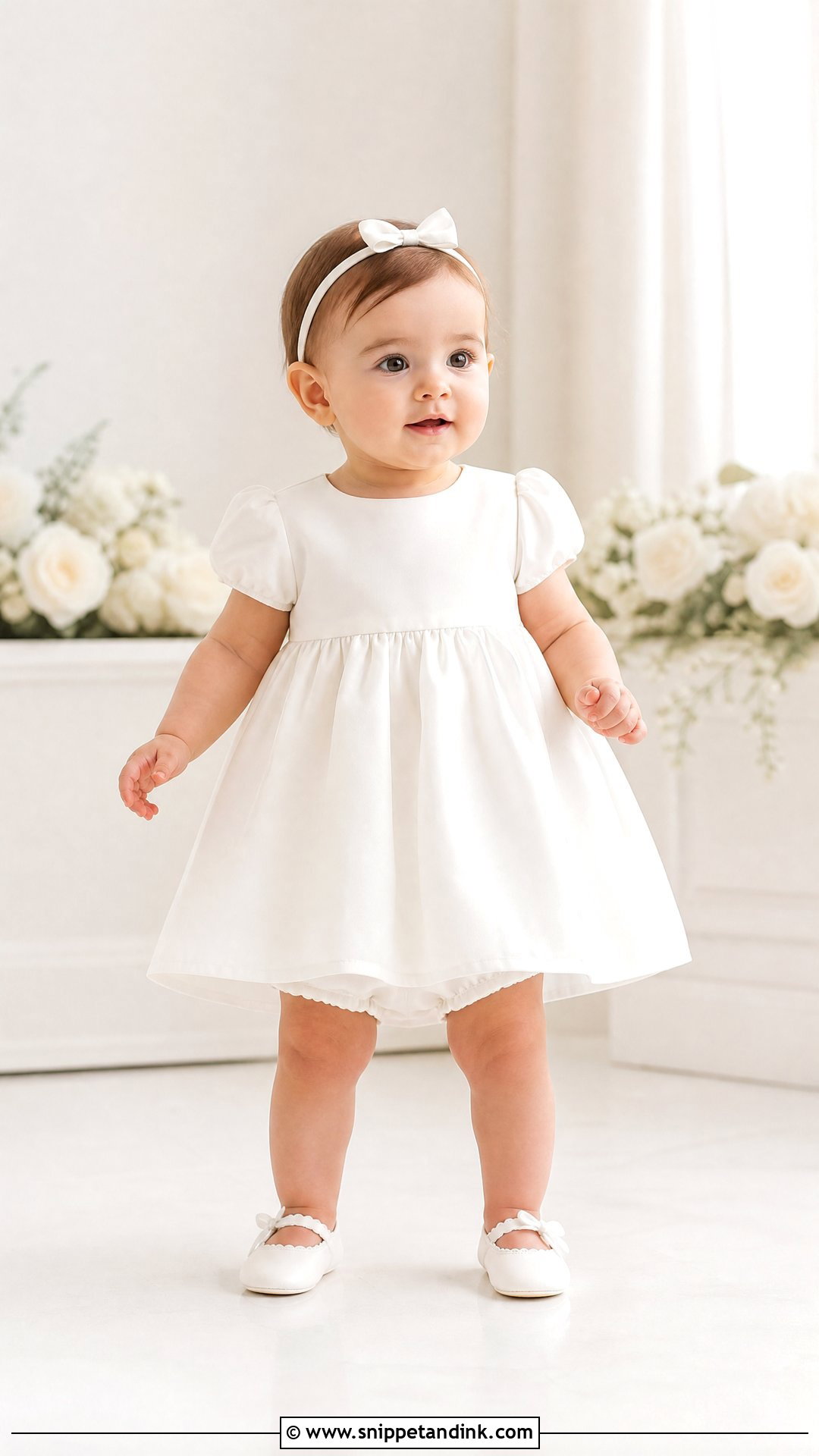
Plain dresses are underrated. A clean ivory cotton, satin or soft tulle dress keeps the attention on her face, which is what you’ll want to see in the photos twenty years from now. It suits minimalist and modern venues, packs into a small bag without crushing badly and is far less likely to bother her. If you want a link to the wedding palette, add a sash in the accent color and stop there.
19. Embroidered Baby Girl Wedding Dress
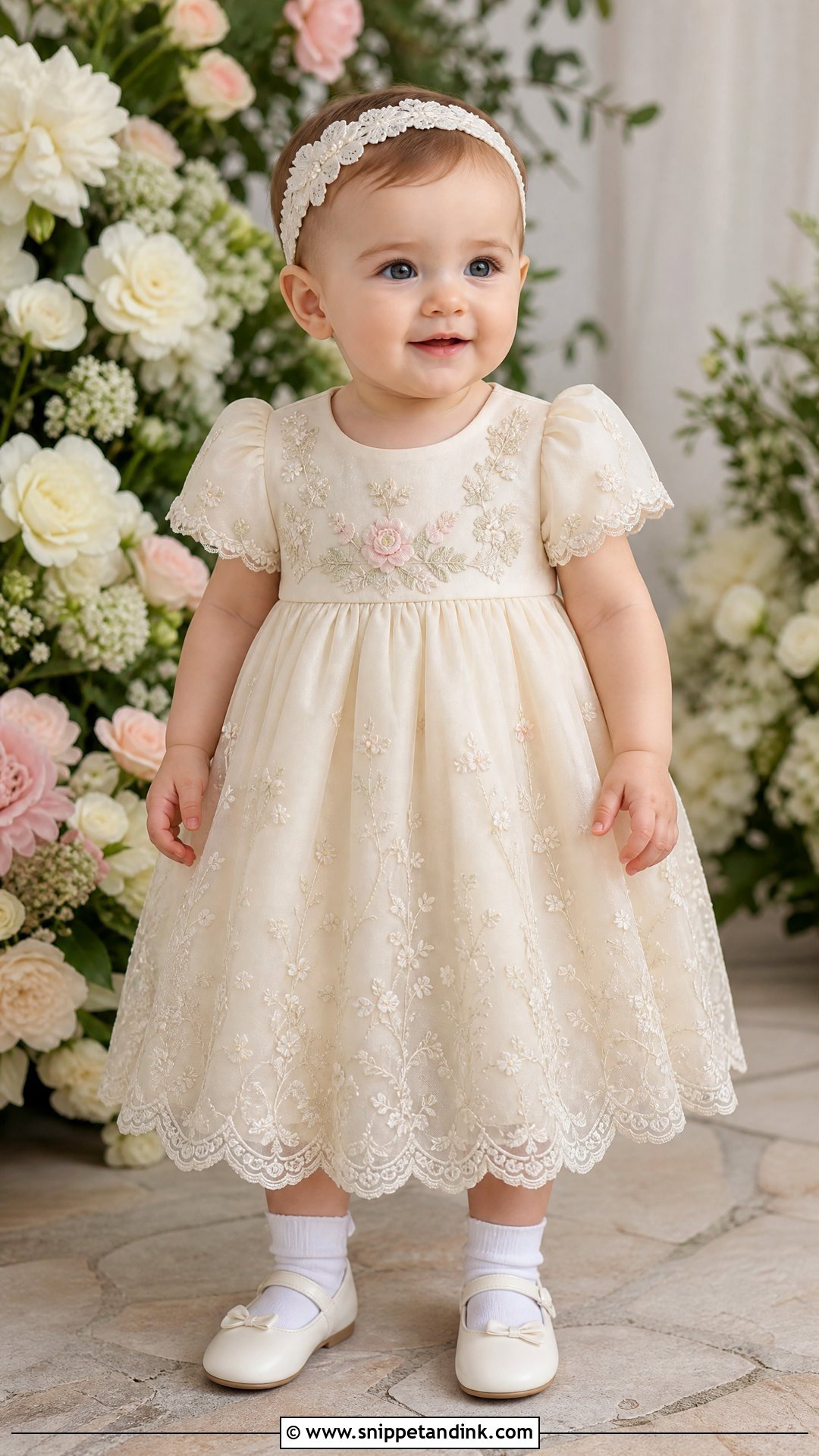
Embroidery adds detail without the glitter or glued trims I try to avoid on babies. Tiny florals, scalloped edges and tone-on-tone stitching all work. The inside is what you need to check, because embroidery leaves knots and thread ends on the reverse; a lined bodice covers them, an unlined one doesn’t. Ivory on ivory reads classic, while pastel thread suits a garden palette. I like picking one thread color for the headband so the outfit feels planned.
20. Pastel Baby Girl Wedding Dress
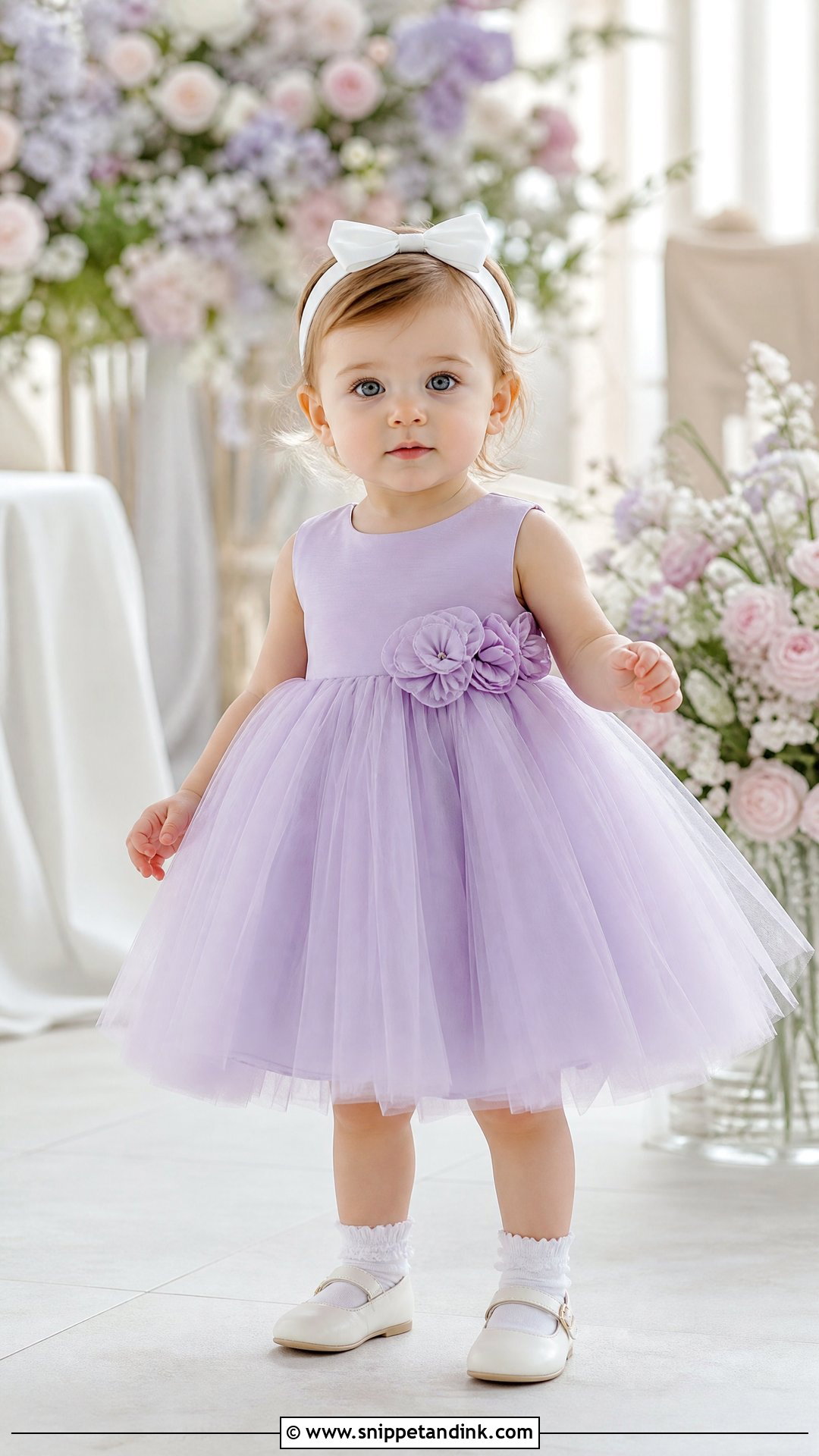
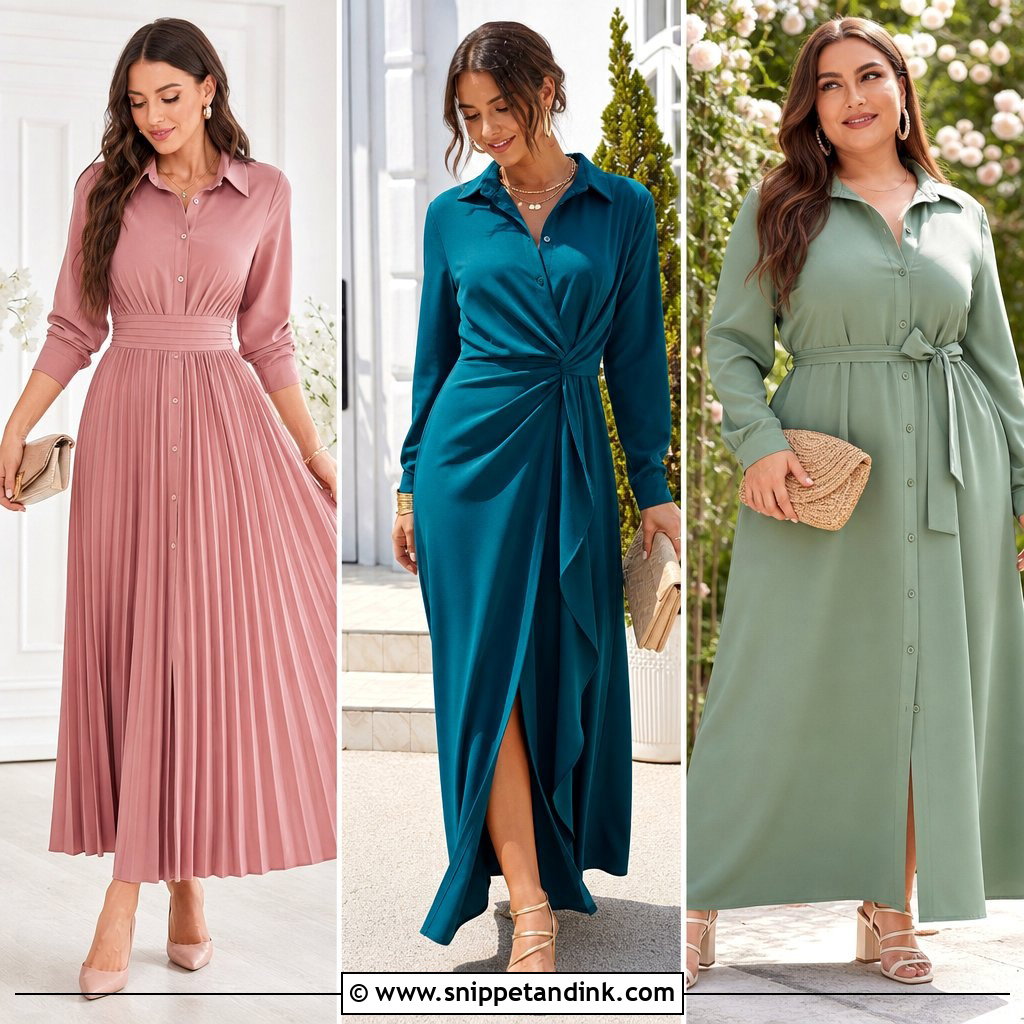
A pastel dress links a baby to a soft palette without matching the bridesmaids too literally. Blush, lavender, mint, butter yellow, powder blue and sage all photograph gently. I keep to one pastel per outfit and everything else neutral: lavender tulle with ivory shoes and a white bow, or sage with cream socks. Butter yellow and mint can look washed out under warm indoor lighting, so for an evening reception the deeper pastels hold up better.
21. Floral Baby Girl Wedding Dress
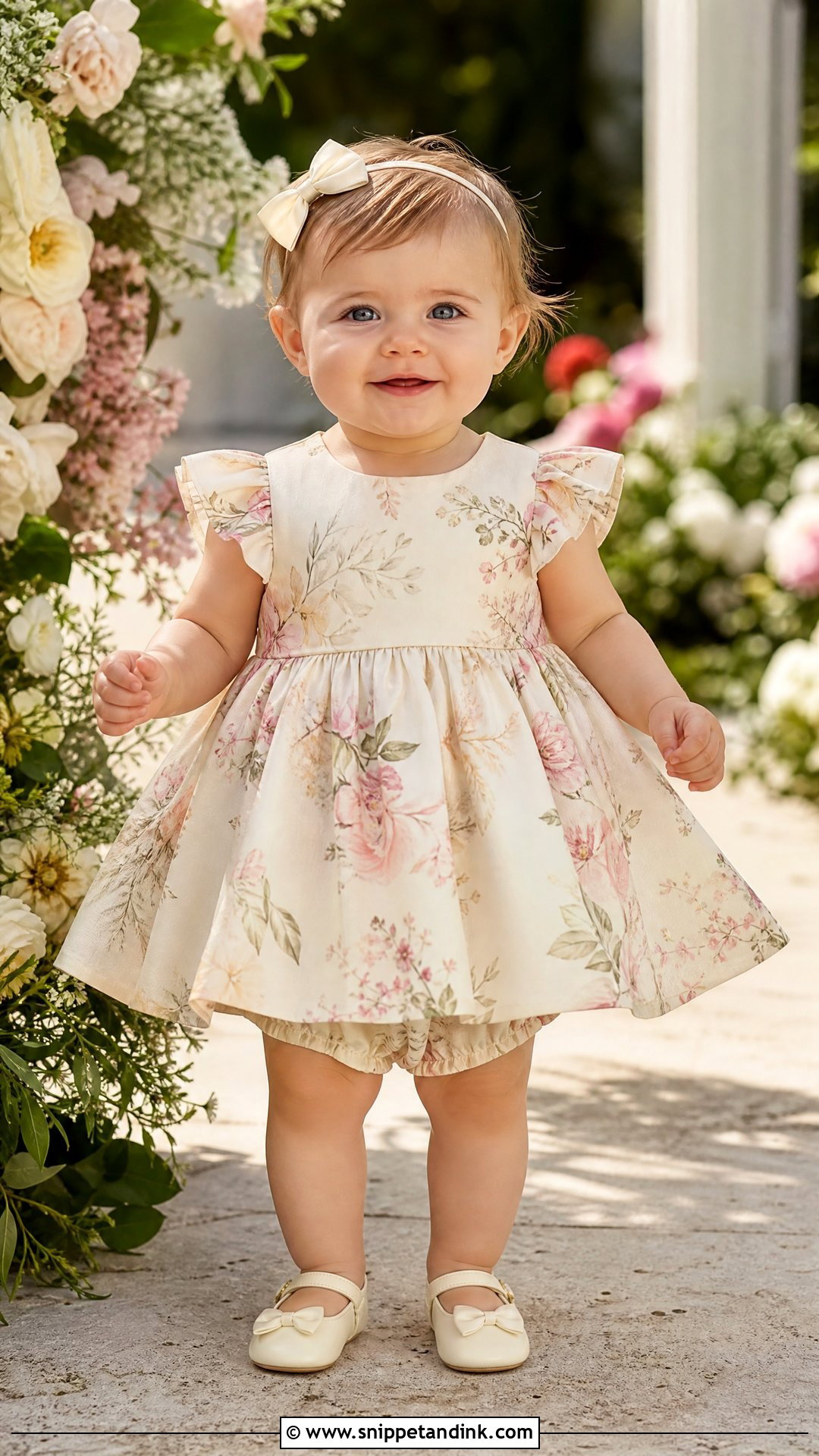
Printed florals are lighter and softer than appliqué, which makes them easier for young babies. Small ditsy prints read traditional; watercolor prints read modern. An ivory background keeps the dress from overpowering the wedding colors, and it’s also more forgiving of a food mark than a dark print is. If the print is busy, leave off extra accessories. It’s a cheerful choice for outdoor and colorful weddings.
22. Dusty Blue Baby Girl Wedding Dress
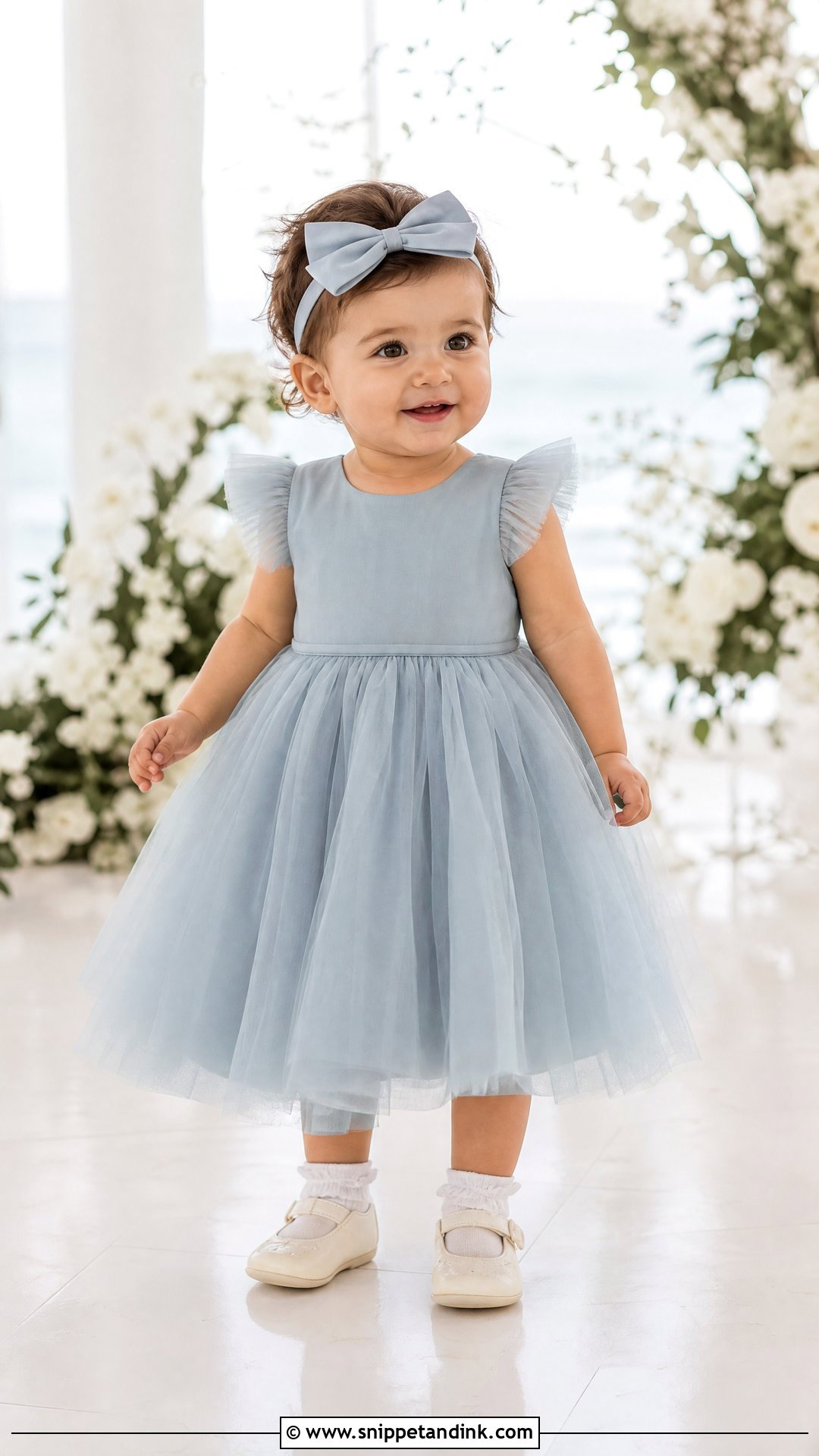
Dusty blue is calmer than bright blue and much easier to photograph. It suits coastal weddings and palettes with ivory, greenery and silver. Choose a muted, slightly grey blue in tulle, chiffon or satin, and avoid anything with a lot of sheen, which can look almost turquoise in flash photos. This is also my suggestion for families who want the baby formal but definitely not in white. A blue bow and ivory shoes are all it needs.
23. Sage Green Baby Girl Wedding Dress
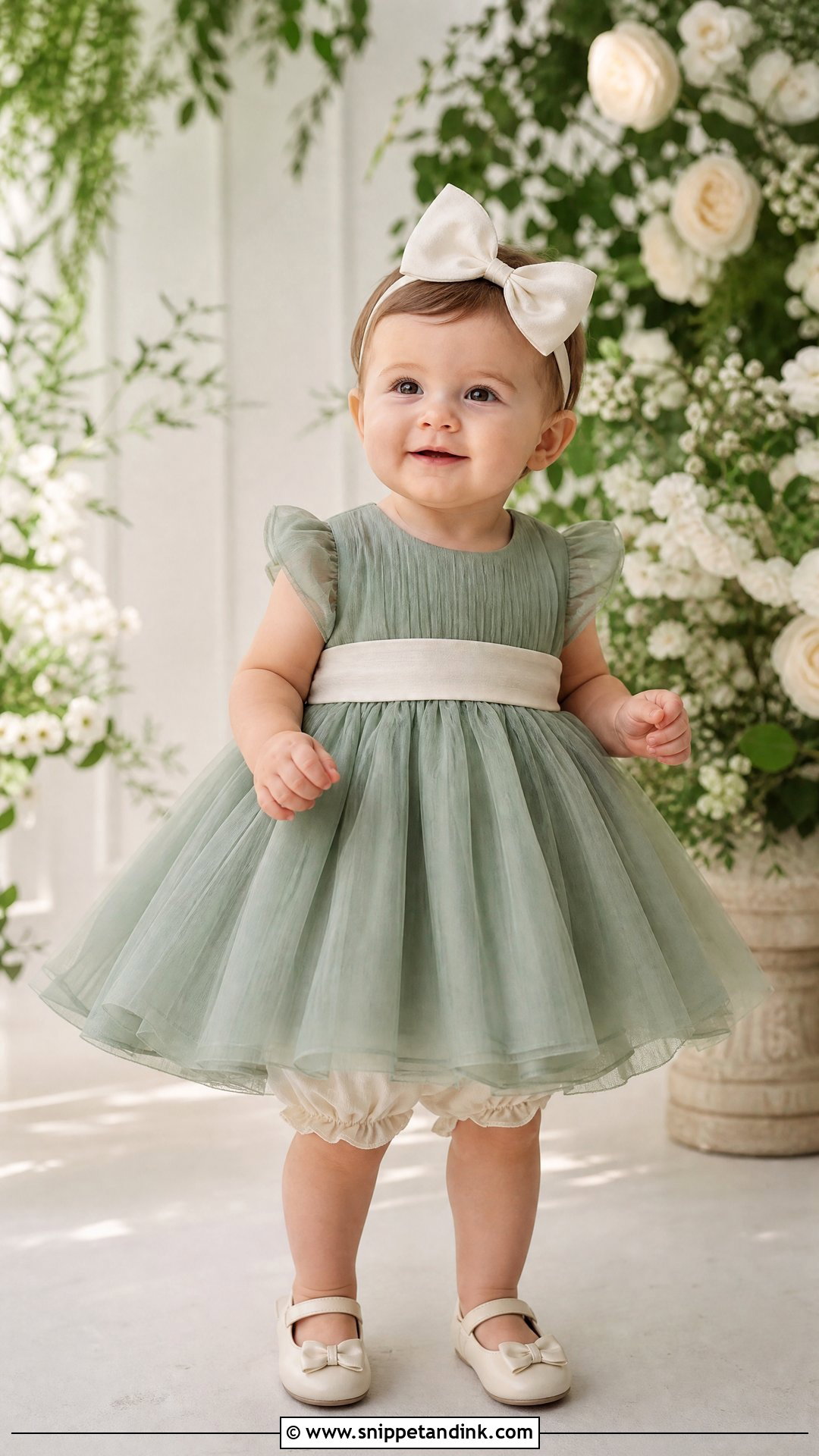
Sage suits garden and outdoor weddings and sits well next to ivory, cream, blush and eucalyptus. A sage tulle or chiffon dress with an ivory sash is the version I’d go for. Because it’s clearly a color, it never reads as a miniature bridal gown, which makes it a sensible choice for a baby who’s simply a guest. Match the shade to the bridesmaids in daylight if they’re also in green, since sage varies a great deal from grey to almost mint.
24. Baby Girl Wedding Dress With Cardigan
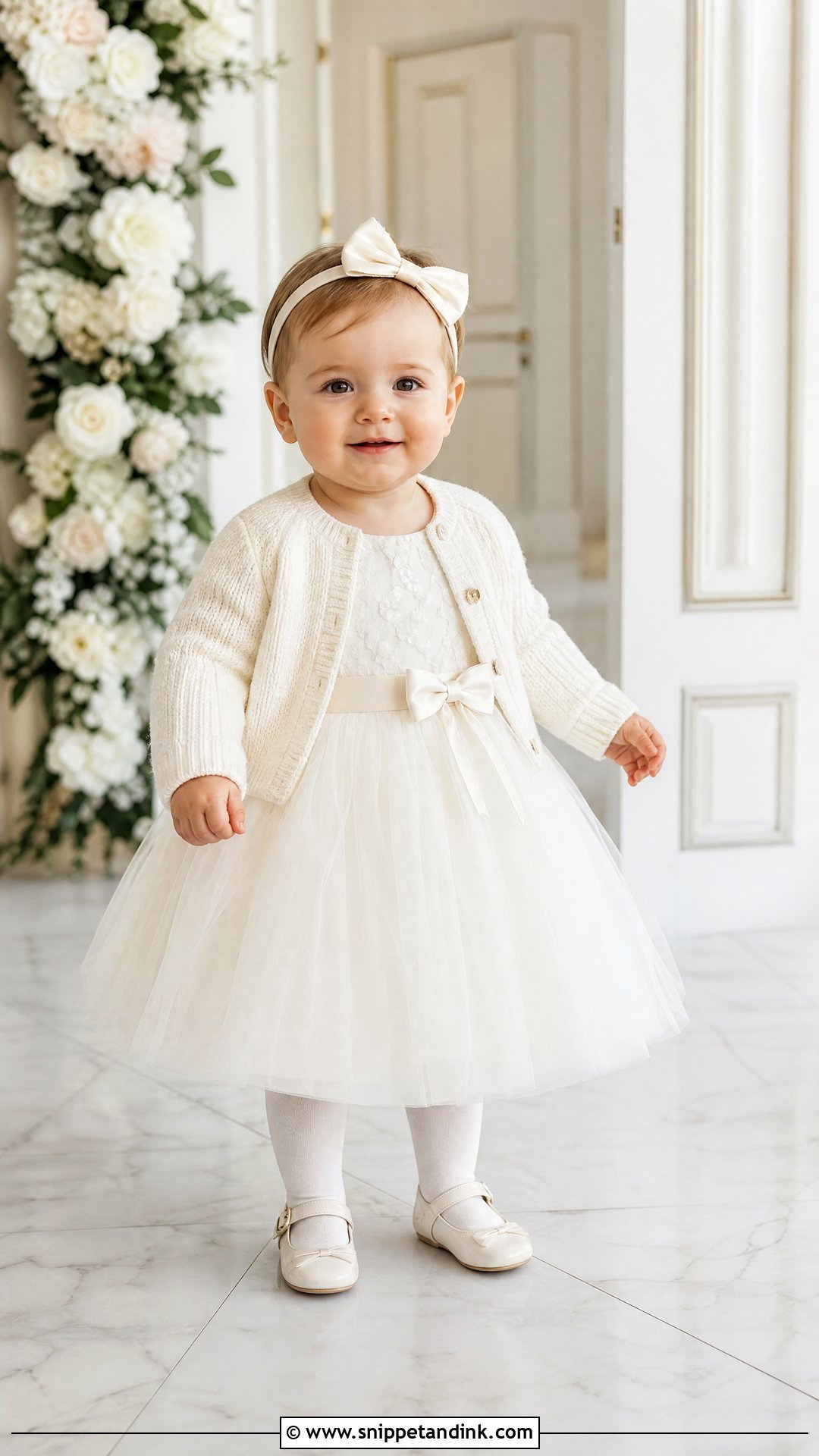
A dress plus cardigan handles venues that move between a cool church, a sunny garden and a warm marquee. Start with a sleeveless or short-sleeve ivory dress, then add a soft knit in white, cream, blush or the accent color. I look for a cardigan with snap or ribbon fastenings rather than small shank buttons, which come loose and are a choking risk. Keep it light enough to fold into a bag. It’s especially handy for autumn weddings and for babies who spend most of the day in someone’s arms.
25. Baby Girl Wedding Dress With Bonnet
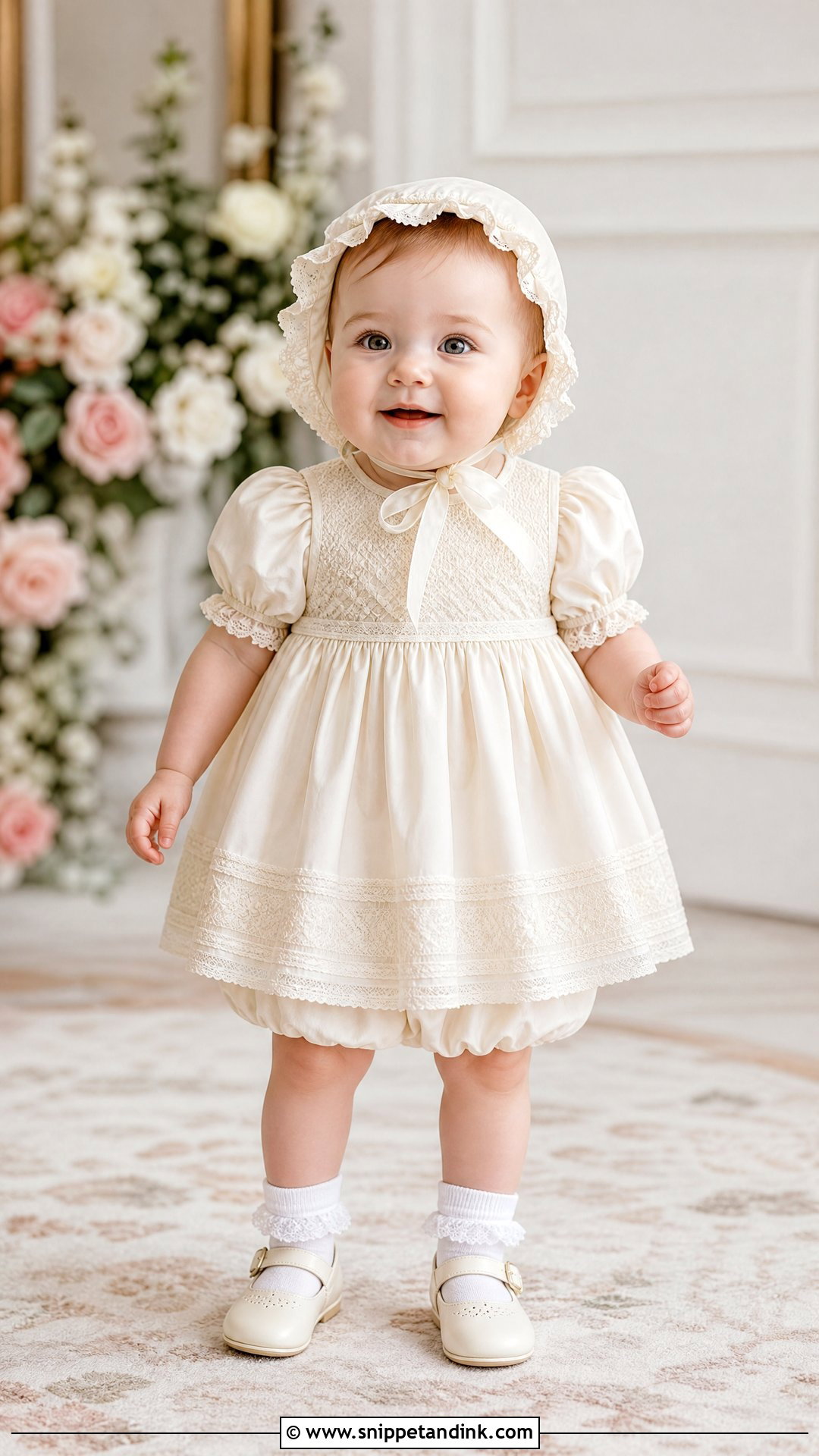
Bonnets suit young infants more than toddlers, who usually pull them straight off. They pair naturally with vintage, smocked, embroidered or lace dresses, and they shade a small head from bright light during outdoor photos. The tie is what I check. It should sit loosely under the chin, never snug, and the bonnet should come off the moment she’s put down to sleep. Ivory cotton or lace-trimmed linen is softer than satin-edged versions. Keep the dress simple so the bonnet is the focus.
Spit-Up, Grass Stains and the Bag That Rescues the Outfit
Something will land on the dress. I plan for it rather than hope it won’t happen. The aim is to get her through the ceremony and the portraits looking fresh, then let the evening be as relaxed as it needs to be.
- A muslin cloth for every adult who’ll hold her, so drool lands on cotton instead of satin.
- A plain bib for feeds, and a feed done before the dress goes on if timing allows.
- Baby wipes plus a small pack of plain water wipes. Rub stains gently from the outside in; scrubbing tulle pulls the threads.
- A spare pair of tights and bloomers, because those take the brunt of crawling.
- A soft romper or sleepsuit in a neutral color for after the portraits. Nobody minds once the formal photos are done.
Washing and Storing a Dress You’d Like to Pass Down
Treat stains within a day if you can. Milk and food are protein stains and set with heat, so rinse them in cool water first and keep anything warm well away until they’re out. Cotton and smocked dresses usually handwash fine on a gentle cycle. Satin, organza and anything with appliqué or beading I’d hand to a dry cleaner who’s happy to work on delicate childrenswear.
For storage, the dress needs to be completely clean, because invisible sugar and milk marks turn yellow over the years. Fold it with acid-free tissue in the creases, put it in a cotton bag or acid-free box rather than plastic, and keep it somewhere cool and dark. Unfold and refold it once a year so the creases don’t become permanent lines.
Comfort First, Then the Pretty Details
Start with the weather, the venue and how she’ll spend the day, and the choice narrows itself. Soft linings, easy closures, breathable fabric and accessories she can’t pull apart matter more than any trend. Ivory tulle, lace, satin, smocking, puff sleeves, pastels and small bows can all work once you’ve checked the inside of the dress as carefully as the outside. Add shoes, bloomers, tights, a cardigan or a bonnet as the day needs. If she’s comfortable, she’ll be happy, and that’s what shows up in the photographs.
You'll Like These Ideas:


Leave a Reply