
An aesthetic is just a set of decisions made once, so you don’t have to make them two hundred times. When a couple arrives with a clear direction, I can choose linens, candle height, flower varieties and even the font on the table numbers in an afternoon; without one, every vendor guesses and the room ends up looking like five weddings at once. The looks gathering momentum right now lean on deliberate color, natural materials and rooms that feel lived in rather than staged. Below are twenty-five directions, from garden to all white, with the details that actually make each one read in the room and in photos.
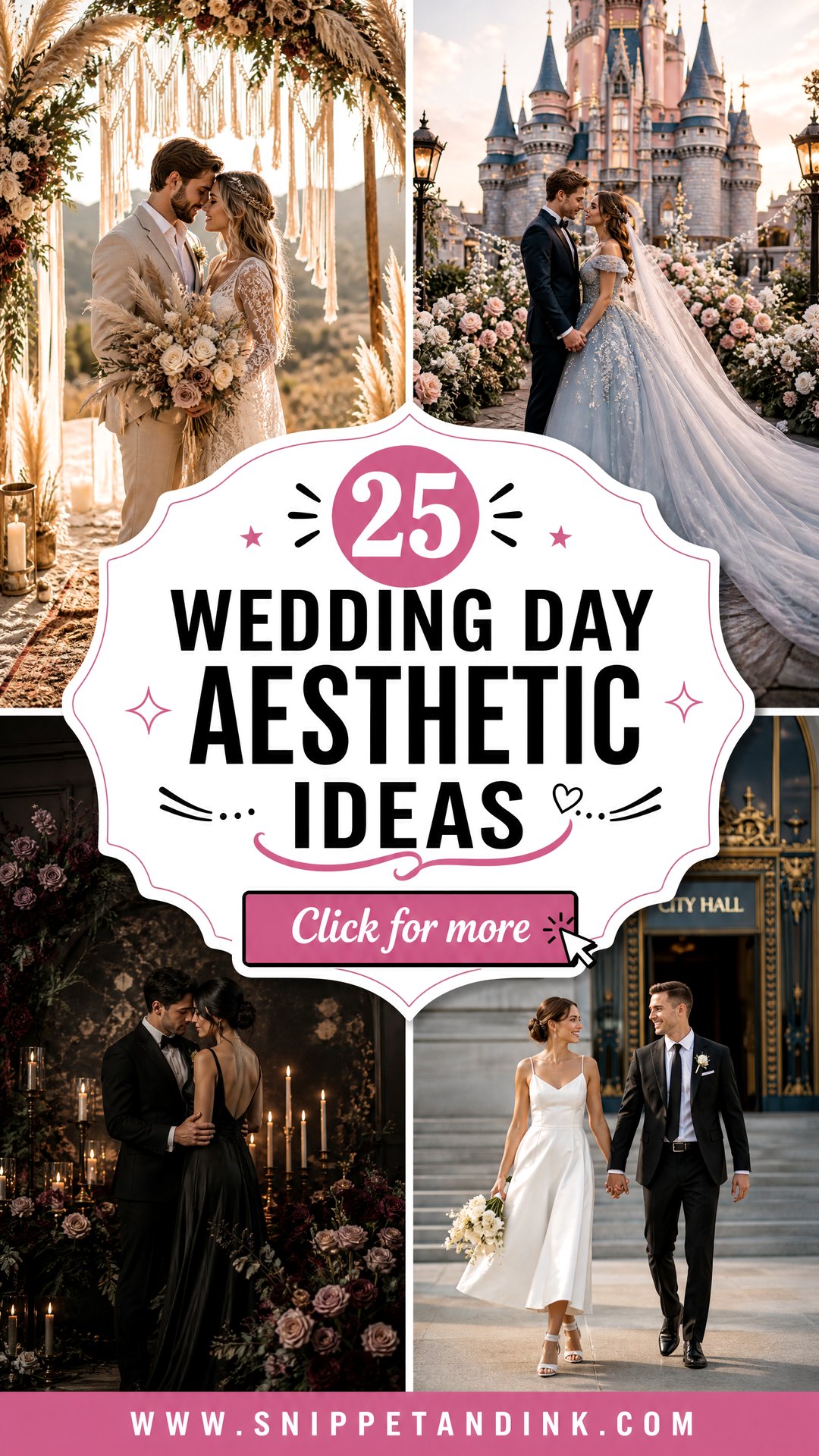
Turning a Mood Board Into a Brief Vendors Can Build
Most couples show me a board of eighty pinned images, and half of them contradict each other. A board that big tells a florist almost nothing. Before you contact anyone, cut it down to about ten pictures and be able to say why each one is there.
- Name the palette with physical samples: a fabric swatch, a paint chip or a ribbon. Screens shift color, and dusty blue on your phone is a different blue on mine.
- Choose one material that repeats everywhere, such as brass, linen, rattan or glass. Repetition is what makes a room feel designed.
- Write down the venue facts that limit you: ceiling height, whether open flames are allowed, what time the sun sets, what can’t be covered.
- Add three pictures of what you don’t want. These save more back-and-forth than anything else on the board.
Send the same short brief to every vendor. When the florist, the rental company and the stationer work from one page, the details line up without you chasing them.
1. Garden Wedding Aesthetic
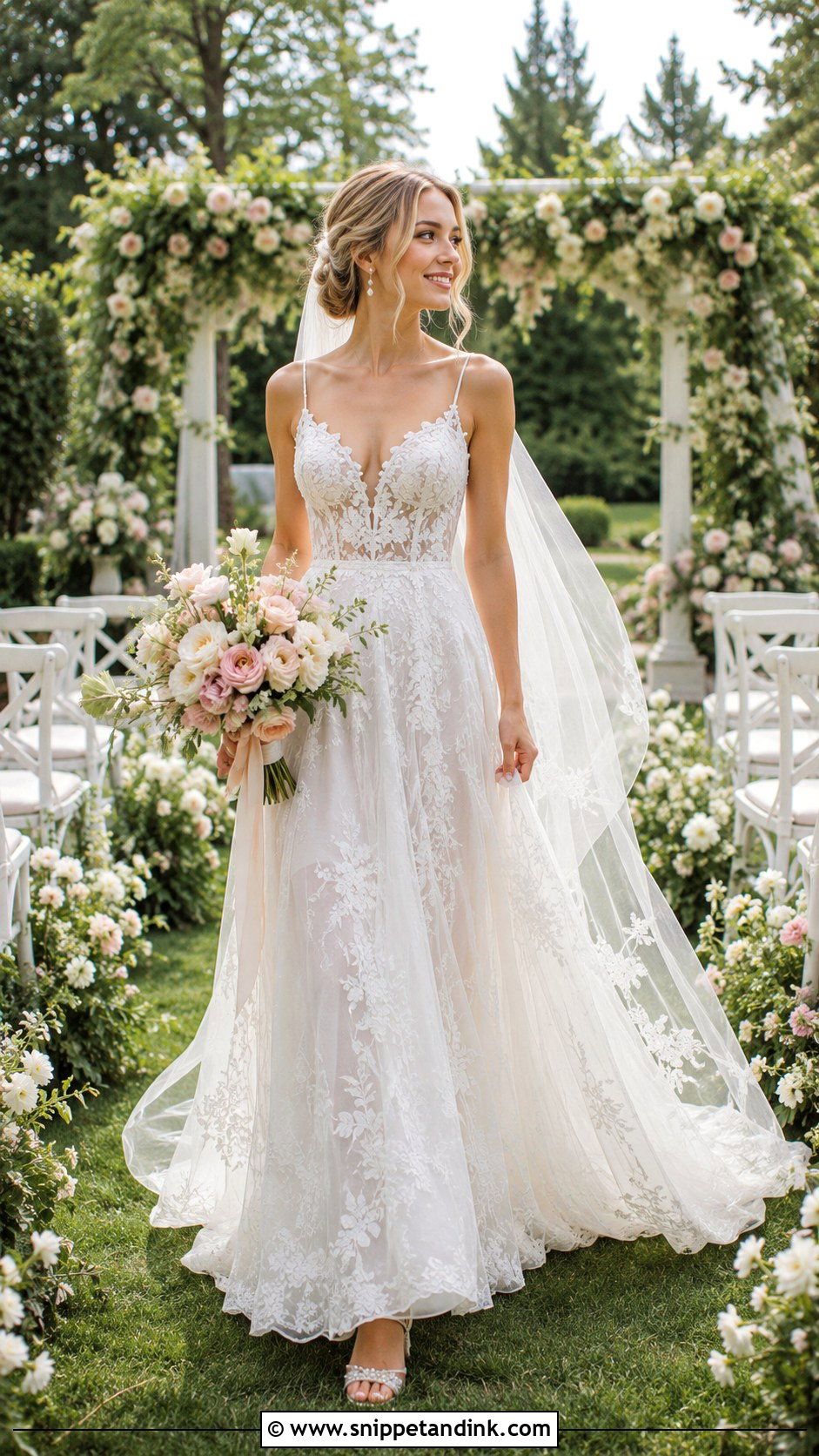
Garden weddings live or die by flower placement. I build the aisle so blooms look as if they grew there: clusters at the base of a few chairs rather than identical arrangements on every row. Sage, blush, butter yellow or dusty blue suit the bridesmaids, and a lace or simple satin gown sits naturally among the greenery. On tables I keep florals low with taper candles and glass so guests can talk across them. Spring and early summer give you the widest choice of flowers, and the soft afternoon light does half the work.
2. Modern Minimalist Wedding Aesthetic
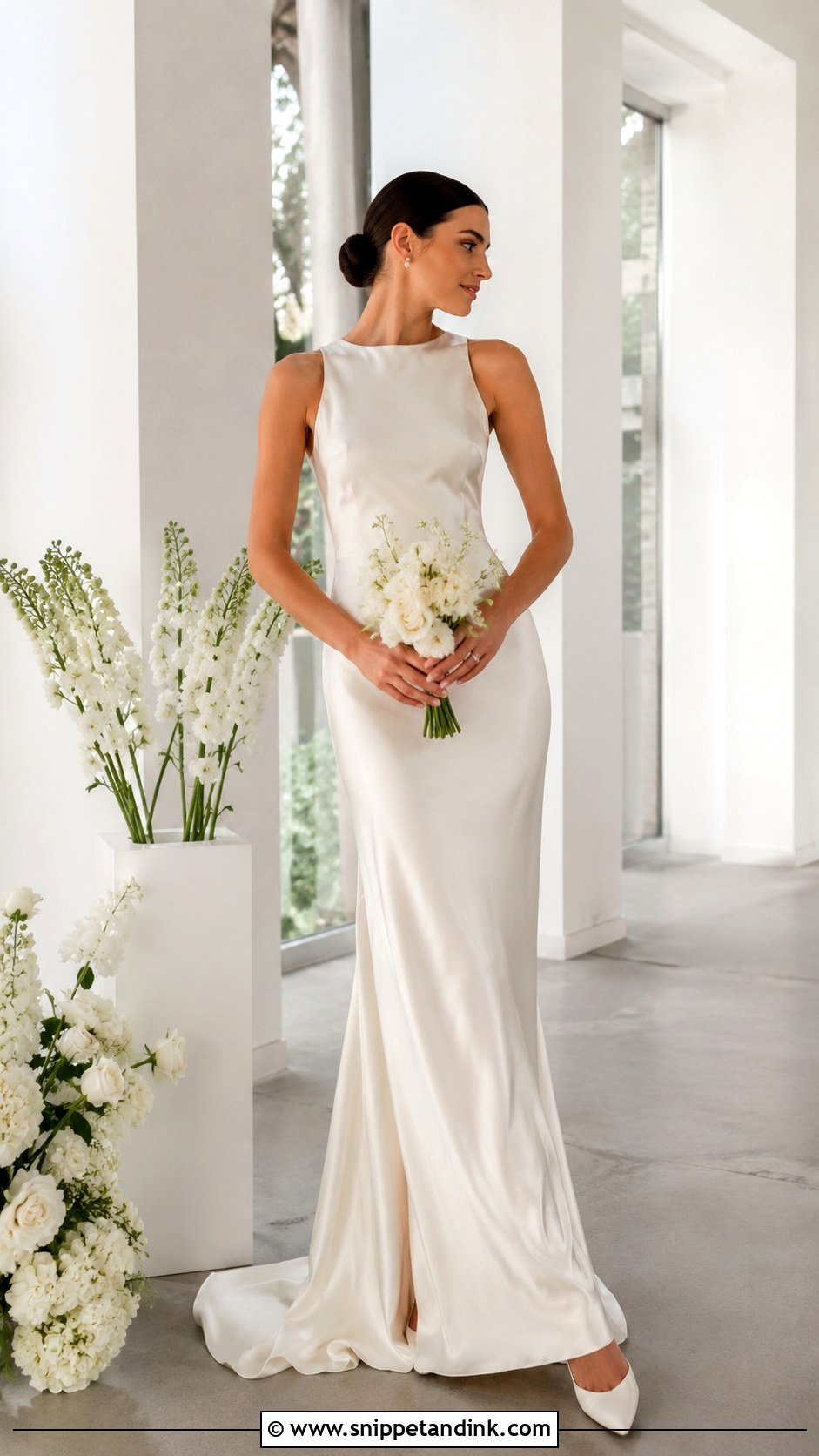
Minimalism is the hardest look to fake, because there’s nothing to hide behind. Every visible object has to be good: the linen pressed, the chair consistent, the signage aligned. I usually start with ivory, black or soft beige, then let one sculptural flower installation carry the room. A structured gown with smooth fabric and a sharp black tux match that discipline. Give the tables real breathing room, too; spacing is part of the design here, not wasted space.
3. Coastal Wedding Aesthetic
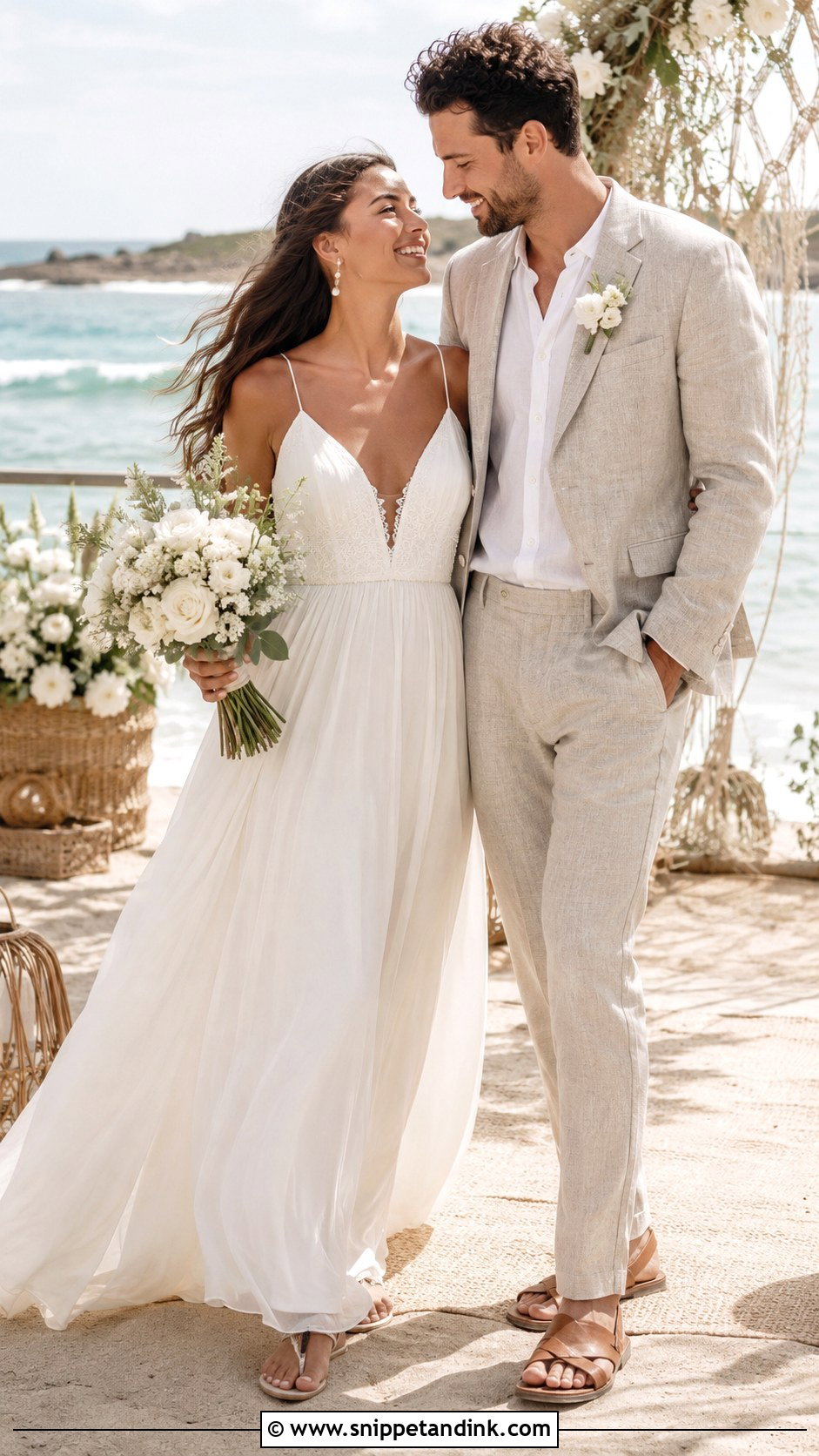
A coastal wedding aesthetic works when it borrows from the shoreline without turning into a seashell gift shop. Soft blue, sand, seafoam and ivory carry the palette; woven chargers and gauzy fabric bring texture. Wind is my first concern on any waterfront: tall arrangements tip, loose petals blow across the aisle and lightweight menus fly, so I weight everything and keep the ceremony setup low so the view does the work. A flowing gown, pearl earrings and block heels that won’t sink in sand suit the bride; a linen suit in beige or light gray suits the groom.
4. Old Money Wedding Aesthetic
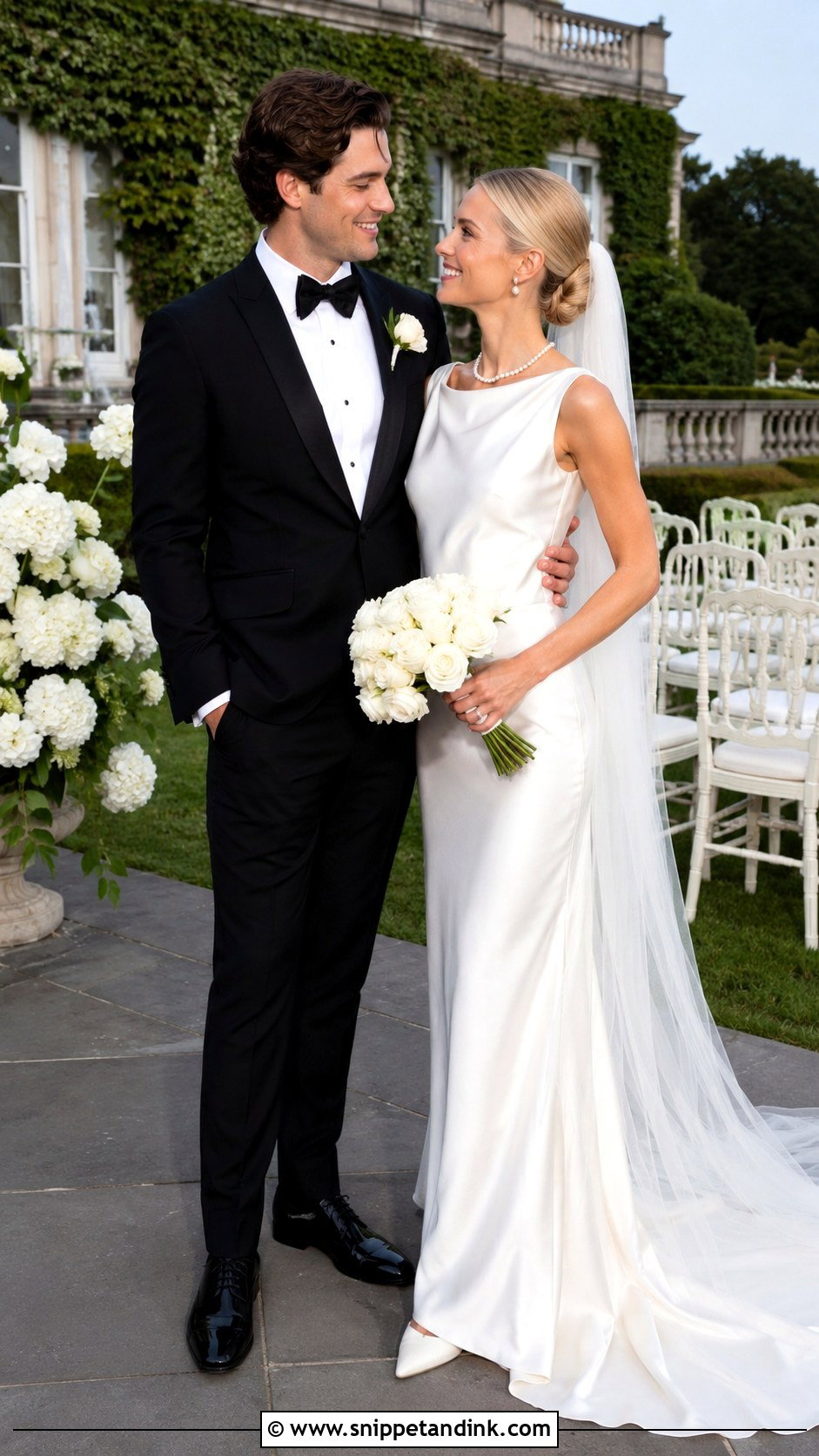
Old money style is restraint with good materials. Ivory, navy, deep green and soft gold, white roses, silver flatware and monogrammed stationery all signal tradition without shouting. The bride’s silk gown, long veil and pearls echo the same idea. What gives this look away when it fails is anything that looks new and shiny, so I’d choose real candles over LED ones and heavy linen over polyester. Estates, private clubs and historic hotels already provide half the effect.
5. Romantic Pink Wedding Aesthetic
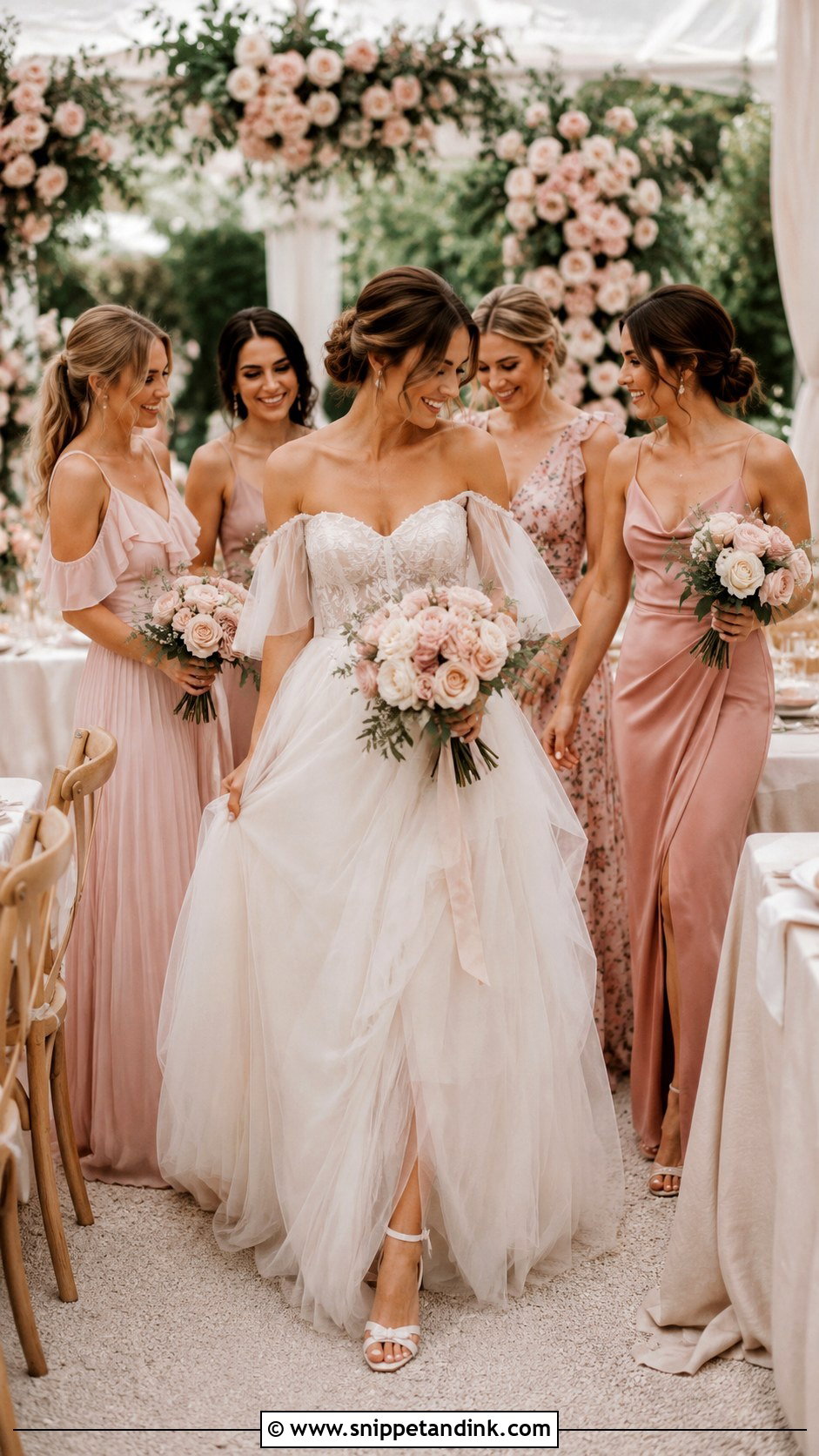
Pink is easy to overdo, and one flat shade quickly reads as a baby shower. I layer blush, mauve, dusty rose and ivory, then ground the palette with taupe, cream or a muted green so it feels adult. Mismatched pink bridesmaid dresses help the depth. Garden roses, floating candles and sheer fabric make the tables glow. One warning from setup nights: warm amber uplighting turns blush toward peach, so ask your lighting team for a neutral white if the pinks matter to you.
6. Black And White Wedding Aesthetic
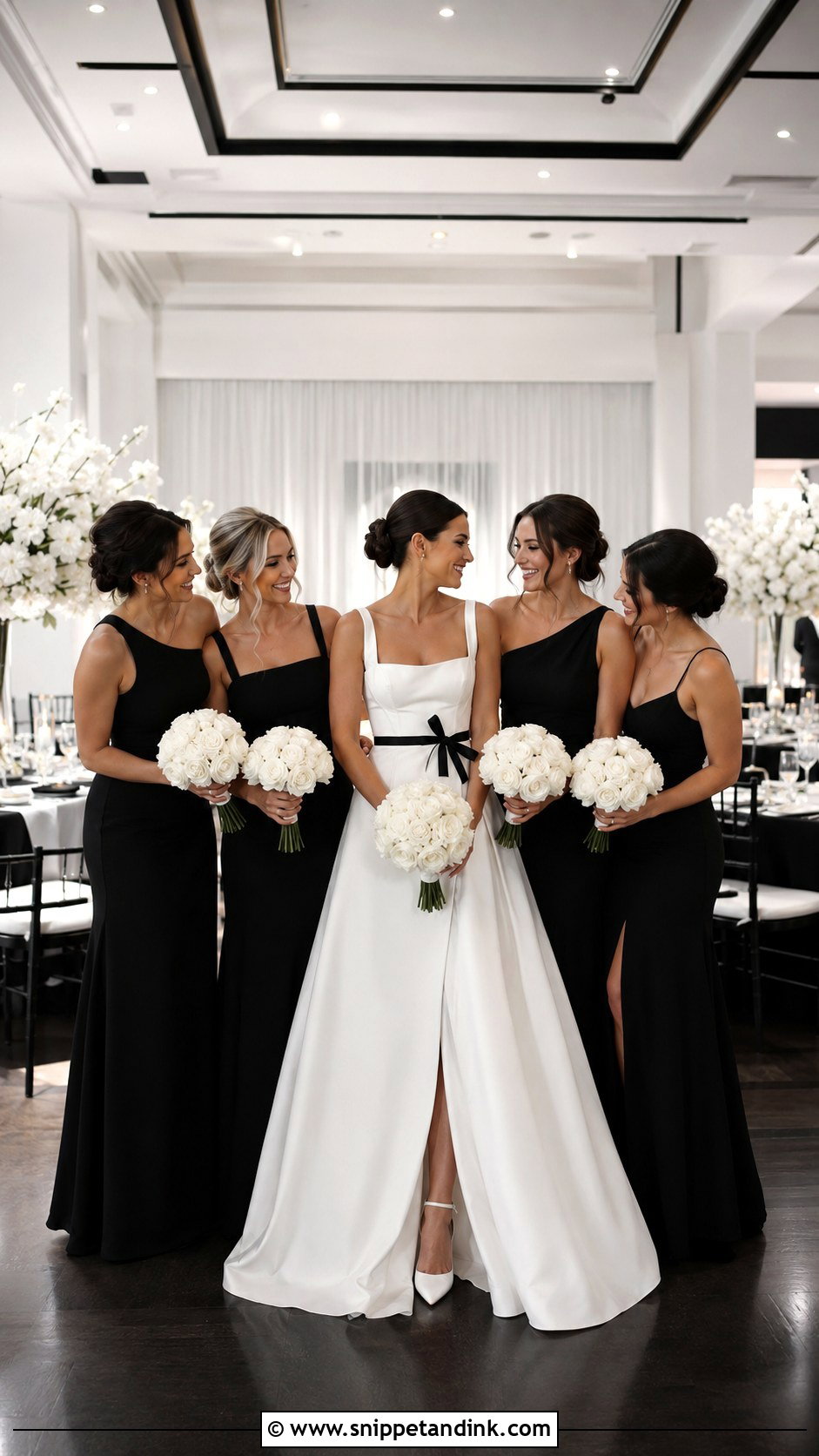
Black and white is the most forgiving palette I design, because contrast does the work. A sleek white gown, a classic tux and bridesmaids in black make every photo graphic. On the tables I use crisp white blooms, black accents and plenty of candlelight. The risk is flatness, so I bring in texture through satin, velvet, glass and layered linens. It’s at its strongest at night in hotels and ballrooms.
7. Rustic Barn Wedding Aesthetic
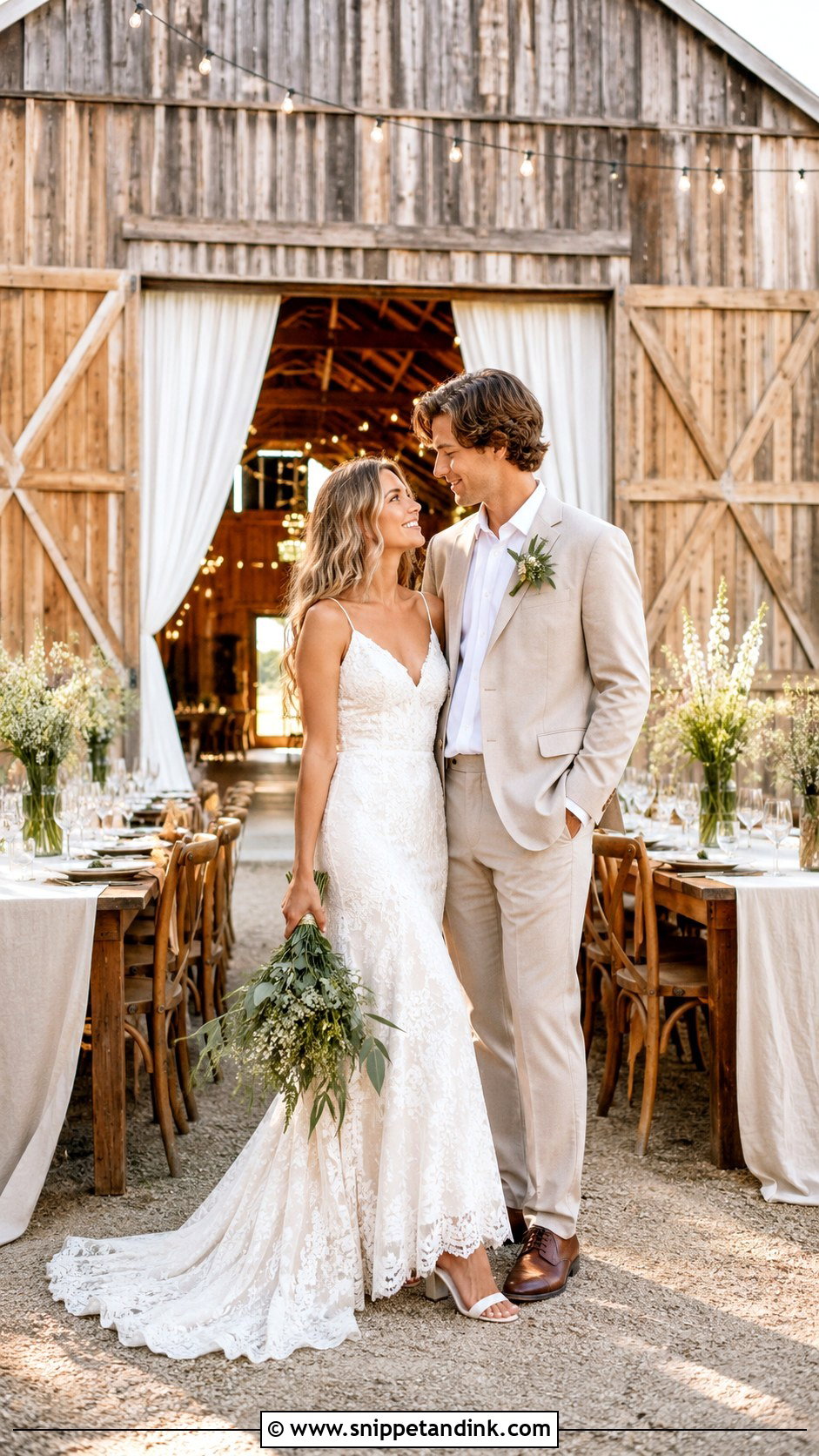
Barns come with a lot of character already, and the mistake I see most is piling on more: burlap, mason jars and chalkboards on every surface. Choose a few natural textures and style them properly. Wood tables with linen runners, loose greenery and neutral flowers under warm candlelight do enough. A lace gown with boots or block heels handles the floor, and a tan or dark green suit sits well against the timber. Check whether the barn has heating or fans before you decide on fabrics.
8. Italian Wedding Aesthetic
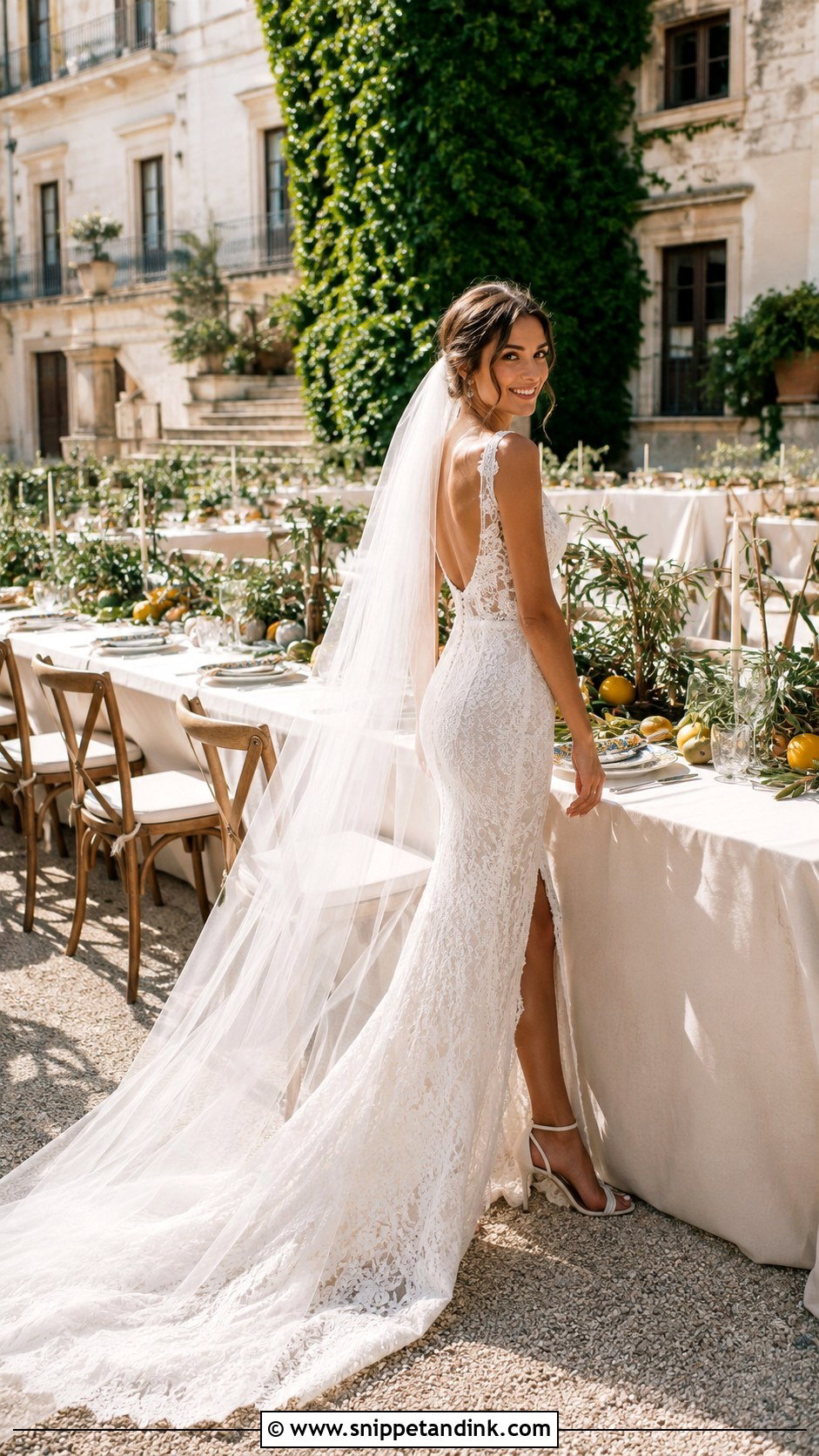
Italian style is about abundance at a long table. Citrus, olive green, terracotta and cream look sunlit; patterned plates and fruit centerpieces make the table feel generous. I like long family-style tables because they change how the evening feels, with people passing dishes and leaning in. Real lemons and olive branches hold up well outdoors, which is a practical bonus on a hot day. A fitted lace or off-shoulder gown and a cream or tan suit complete it at a venue with stone or garden walls.
9. French Wedding Aesthetic
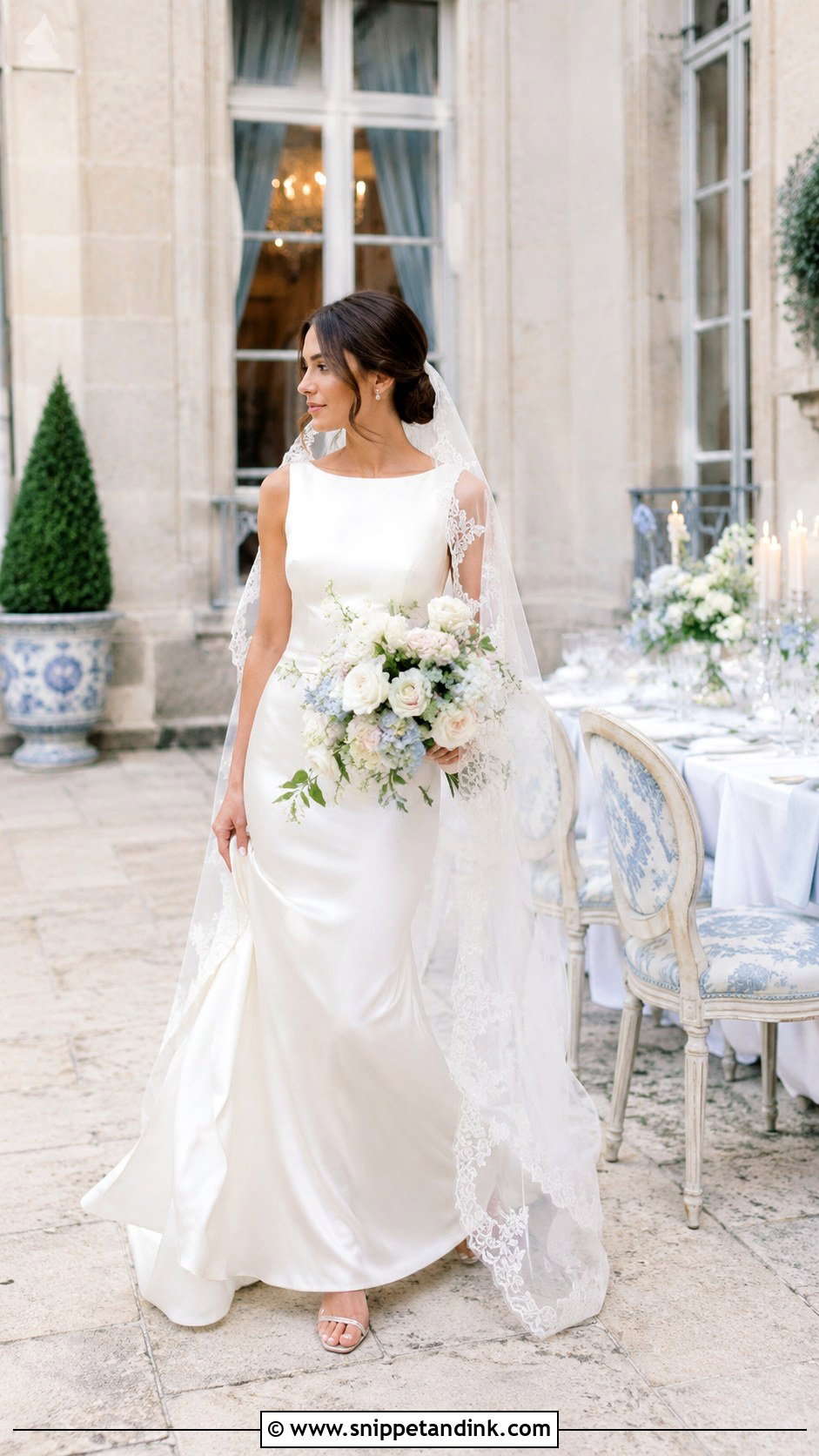
The French look depends on a little imperfection. I aim for garden flowers that look picked that morning, antique-style plates that don’t all match and candles that drip slightly. Ivory, soft blue, dusty rose and gray keep it hushed. A simple silk gown or a delicate long-sleeve dress with a low bun suits it. The moment everything is too symmetrical, it stops feeling French and starts feeling like a hotel banquet.
10. Boho Wedding Aesthetic
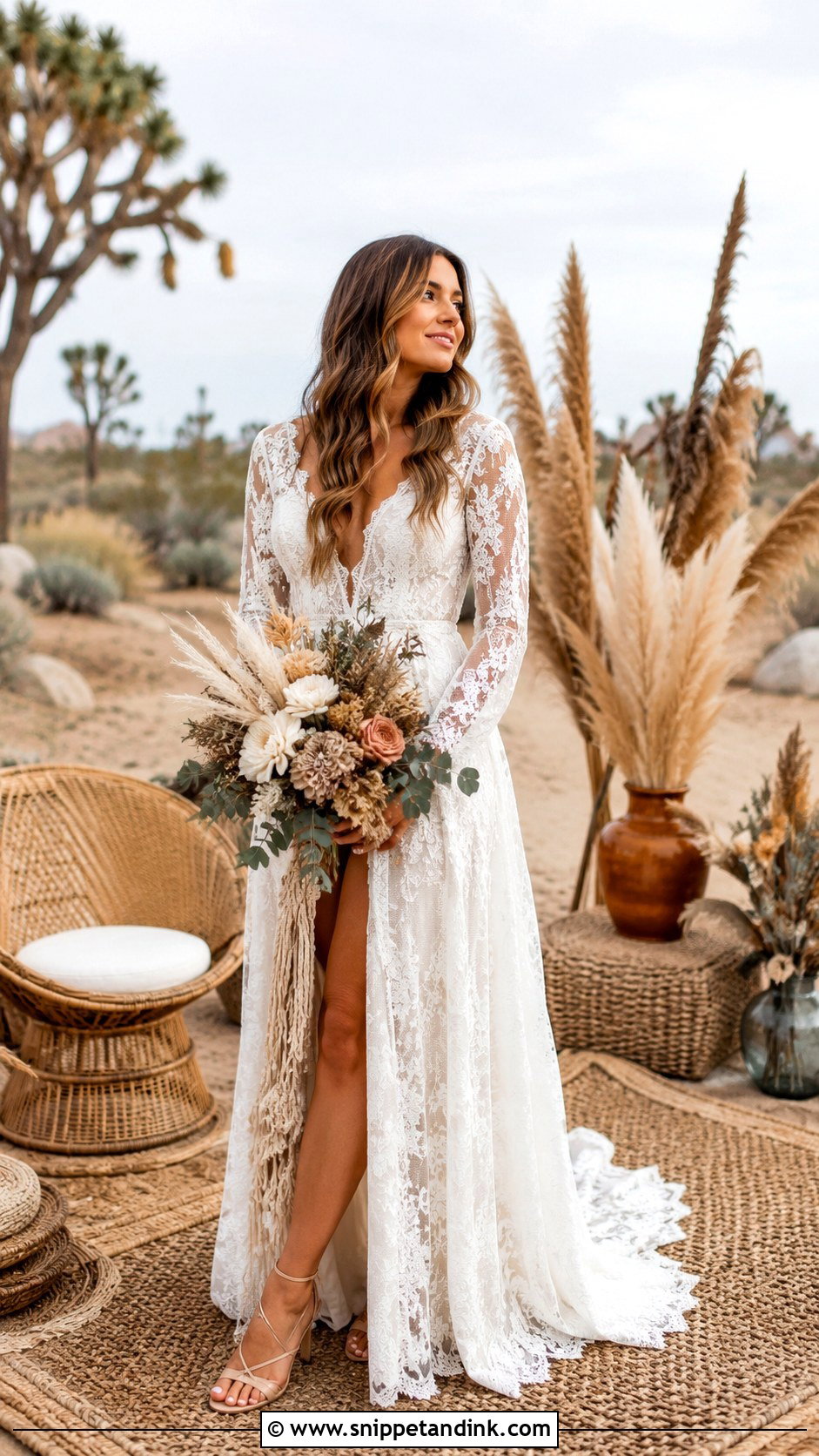
Boho runs on warm neutrals and texture: rust, clay, cream and sage with pampas grass, woven rugs and rattan chairs. Dried flowers dominate a lot of these weddings, and I’d always mix in fresh stems; an all-dried table can look dusty up close. Lounge areas with low seating give guests a reason to linger. Lace, flowing sleeves and loose curls suit the bride. Desert and outdoor venues fit, though dried pampas sheds badly in wind, so ask your florist to spray it with a fixative.
11. Vintage Wedding Aesthetic
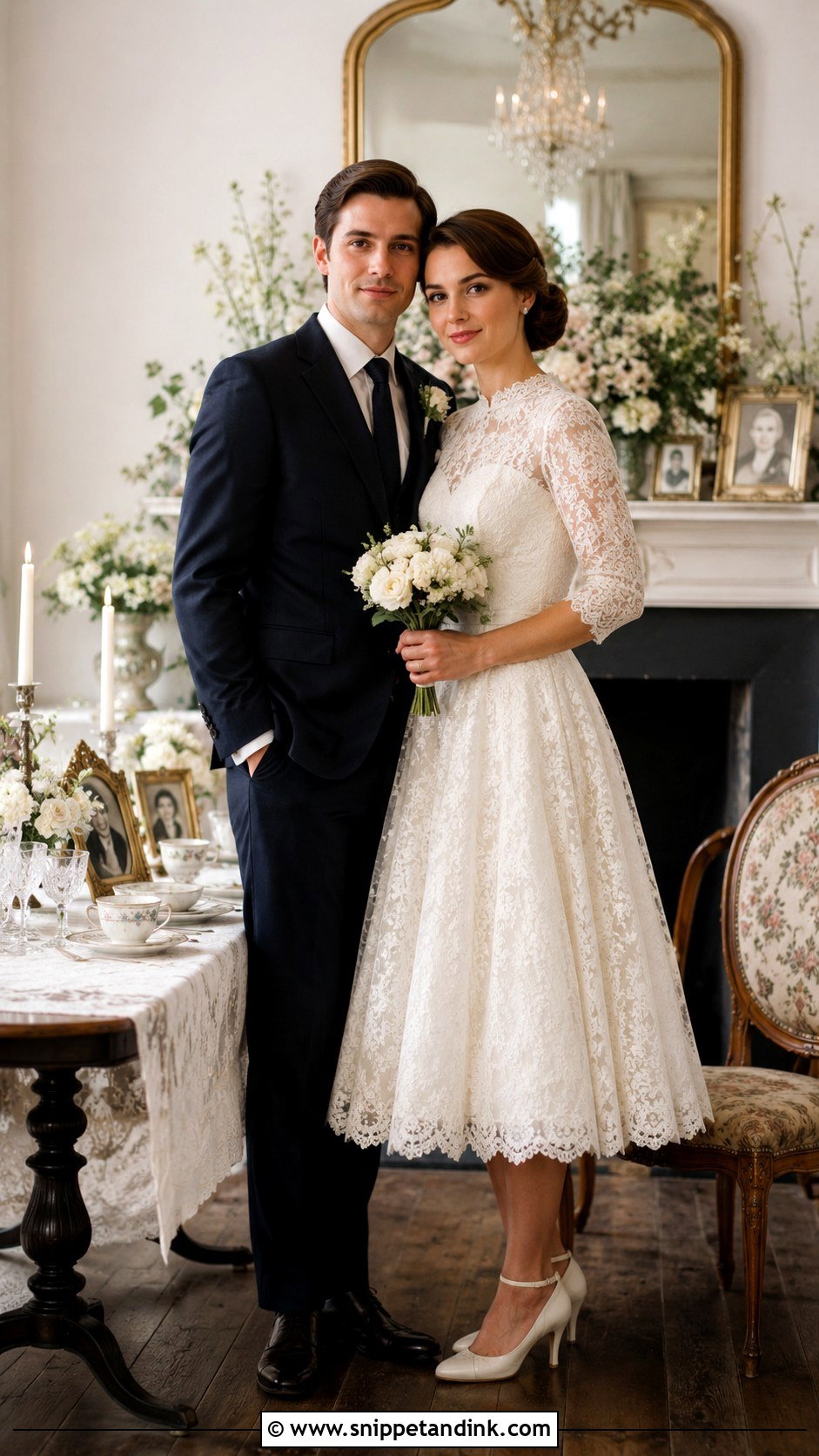
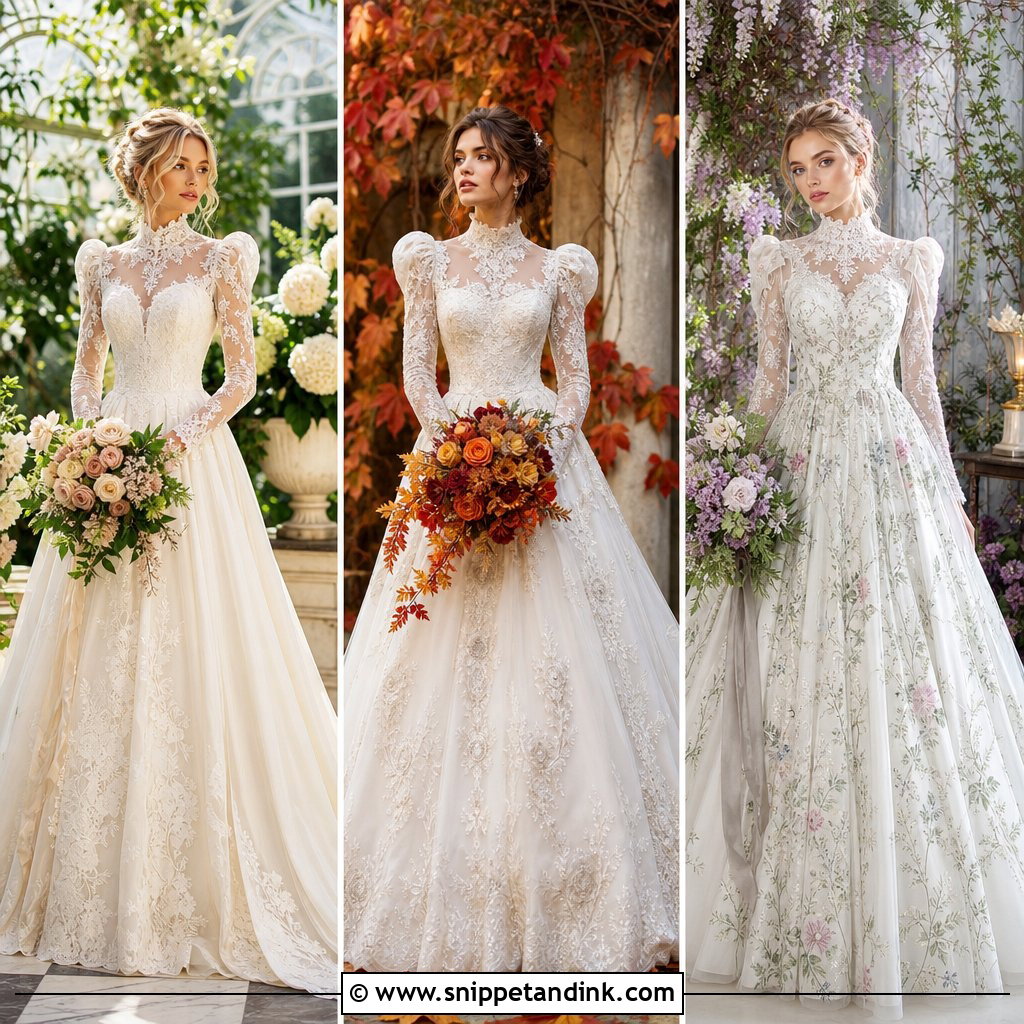
Vintage works best when the old pieces are real and few. Framed family photographs, patterned china and a lace or tea-length gown with heirloom jewelry carry the nostalgia. Ivory, dusty blue, mauve and faded green keep it soft. Mixing rented vintage china with modern glassware stops the room from feeling like a theme party. Ask relatives early about borrowing items, because finding enough matching vintage pieces can take months.
12. Pearl Wedding Aesthetic
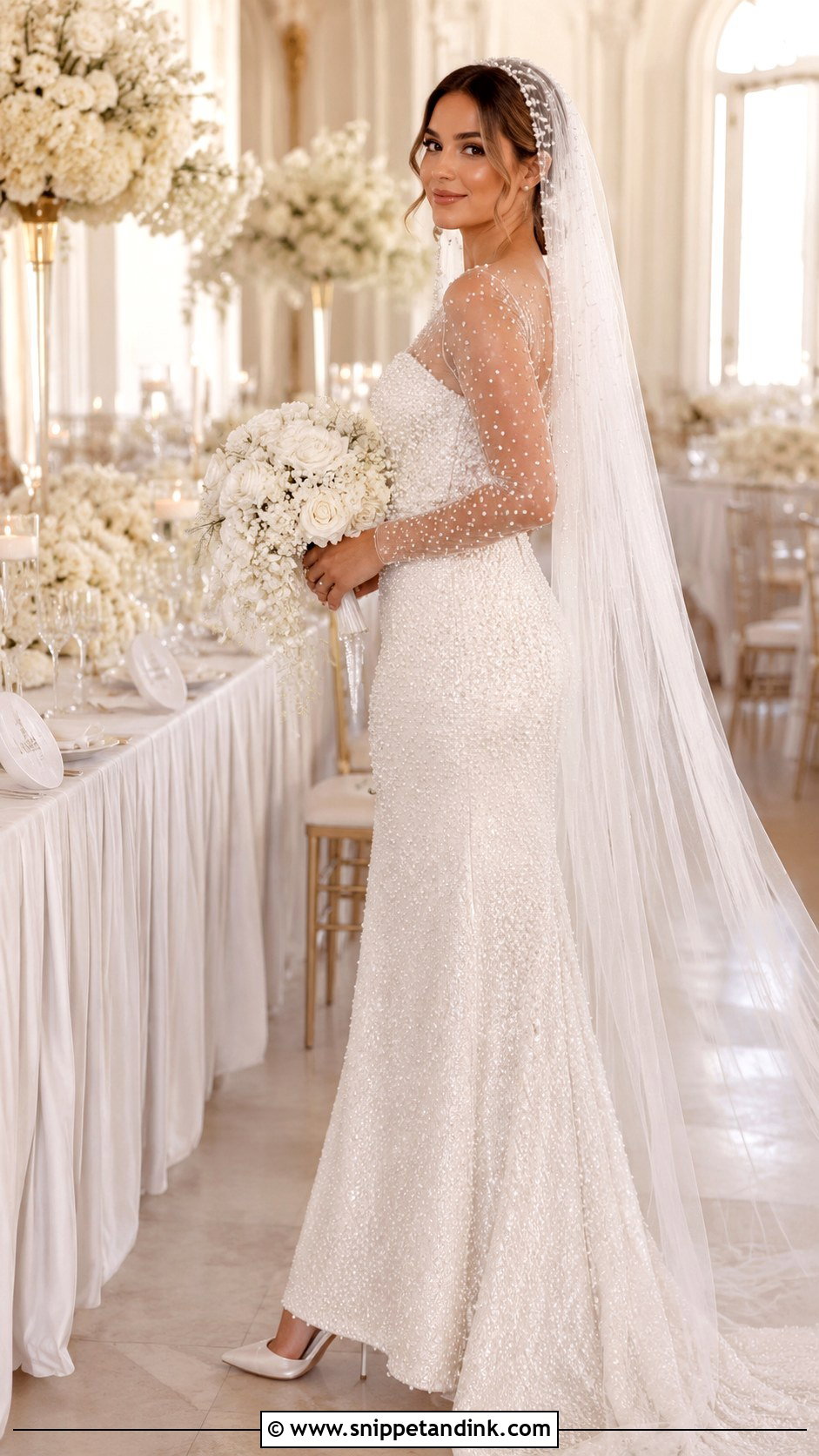
A pearl wedding aesthetic is a texture, not a color, so it needs a light palette to show up. I use it quietly: a pearl-trim veil, pearl earrings, mother-of-pearl place cards, creamy flowers and candle glow. Bridesmaids in ivory, blush, silver or pale blue satin catch the sheen. Glue-on pearl decor shows its seams in close-up photos, so look for stitched or wired pieces. Indoors and on the coast both suit it.
13. Cottagecore Wedding Aesthetic
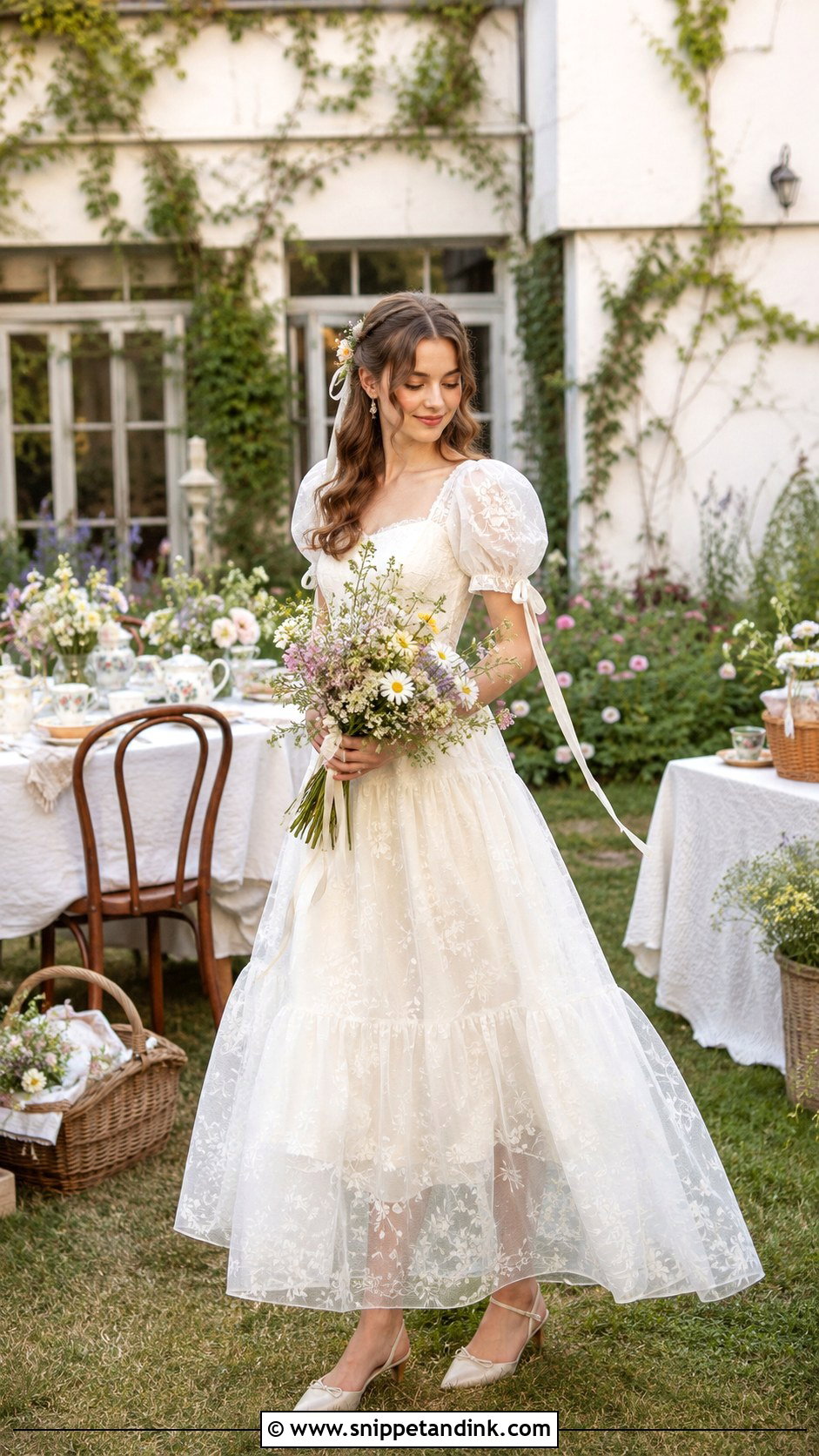
Cottagecore is countryside sweetness, and it’s easy to slide into clutter. Wildflowers, baskets, floral prints and small cakes are the vocabulary; a puff-sleeve gown or embroidered dress suits the bride, and mismatched pastels suit the bridesmaids. I edit hard here: meadow flowers in a few vessels and handwritten-style stationery, not a basket on every surface. Wildflowers wilt faster than cultivated stems, so they should be arranged the day before at most and kept out of direct sun. Backyards and farm venues fit it naturally.
14. Editorial Wedding Aesthetic
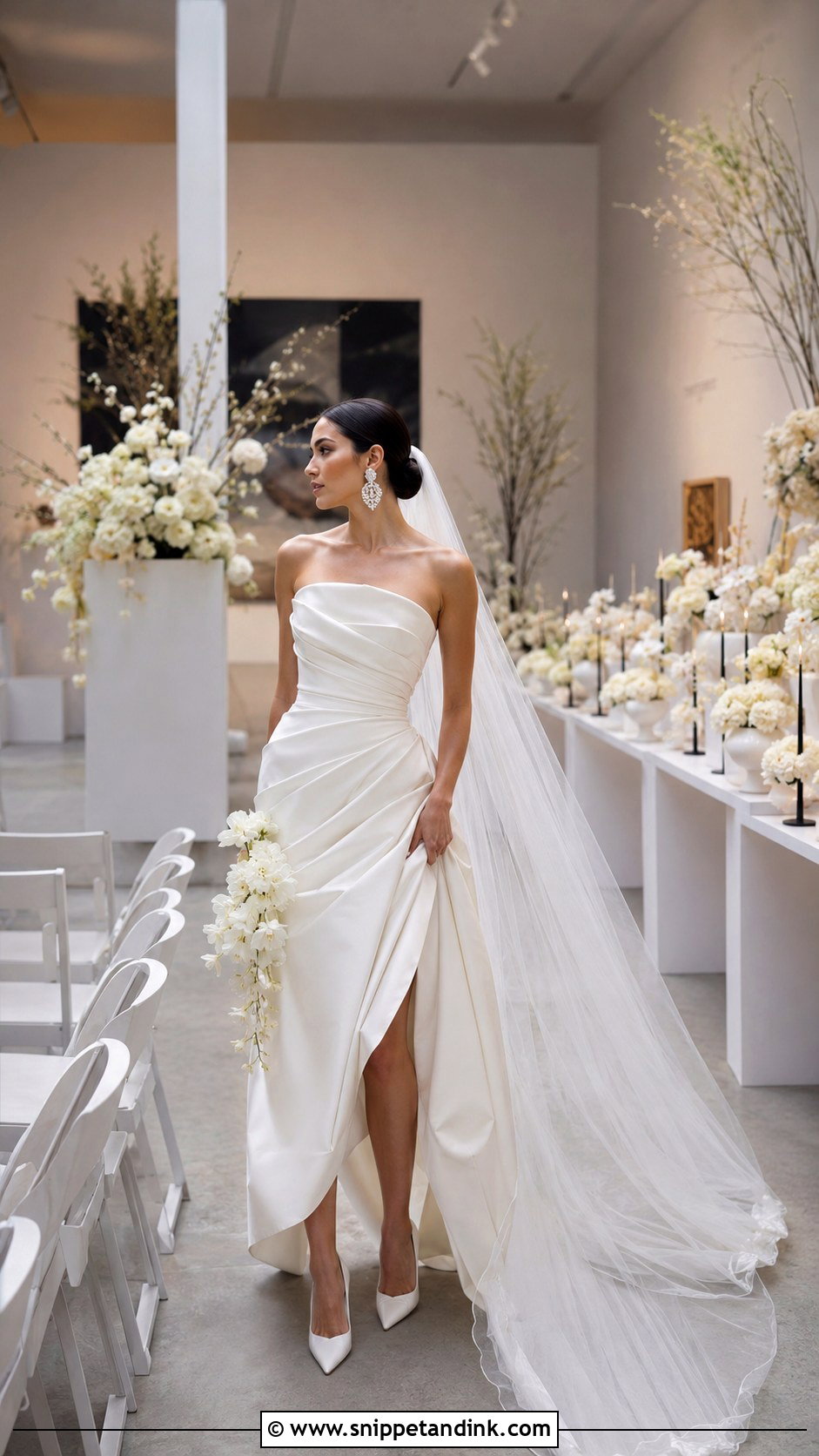
Editorial weddings are designed for the camera. Instead of many small details, I build a few big moments: one installation of statement florals, unusual seating, an artistic table. A sculptural gown, gloves or a sleek second look match the energy, as does a velvet jacket or monochrome suit. Lighting matters most, so I plan it with the photographer before the florist starts. Galleries, rooftops and modern hotels give the clean backdrops this needs.
15. Fairytale Wedding Aesthetic
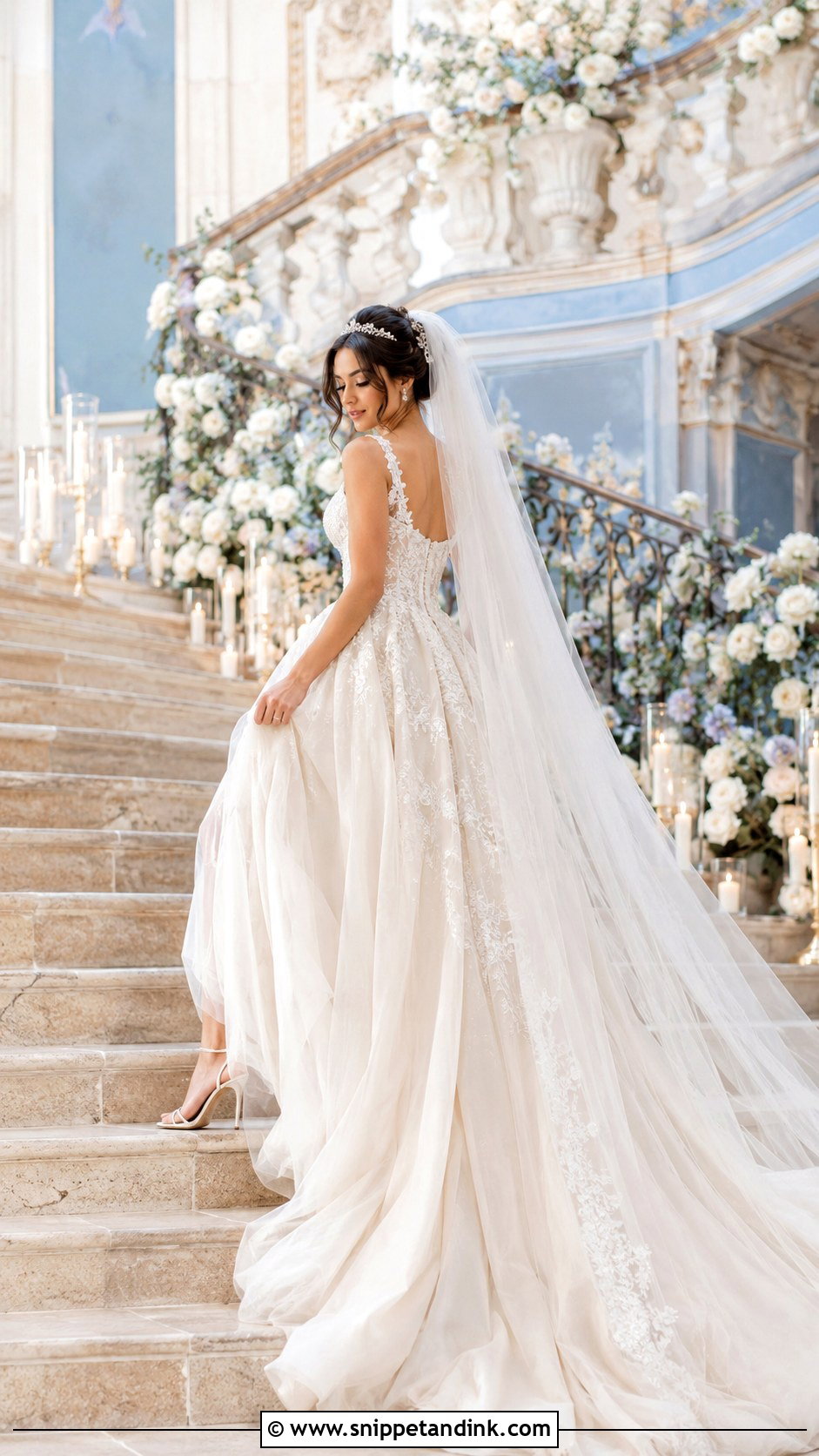
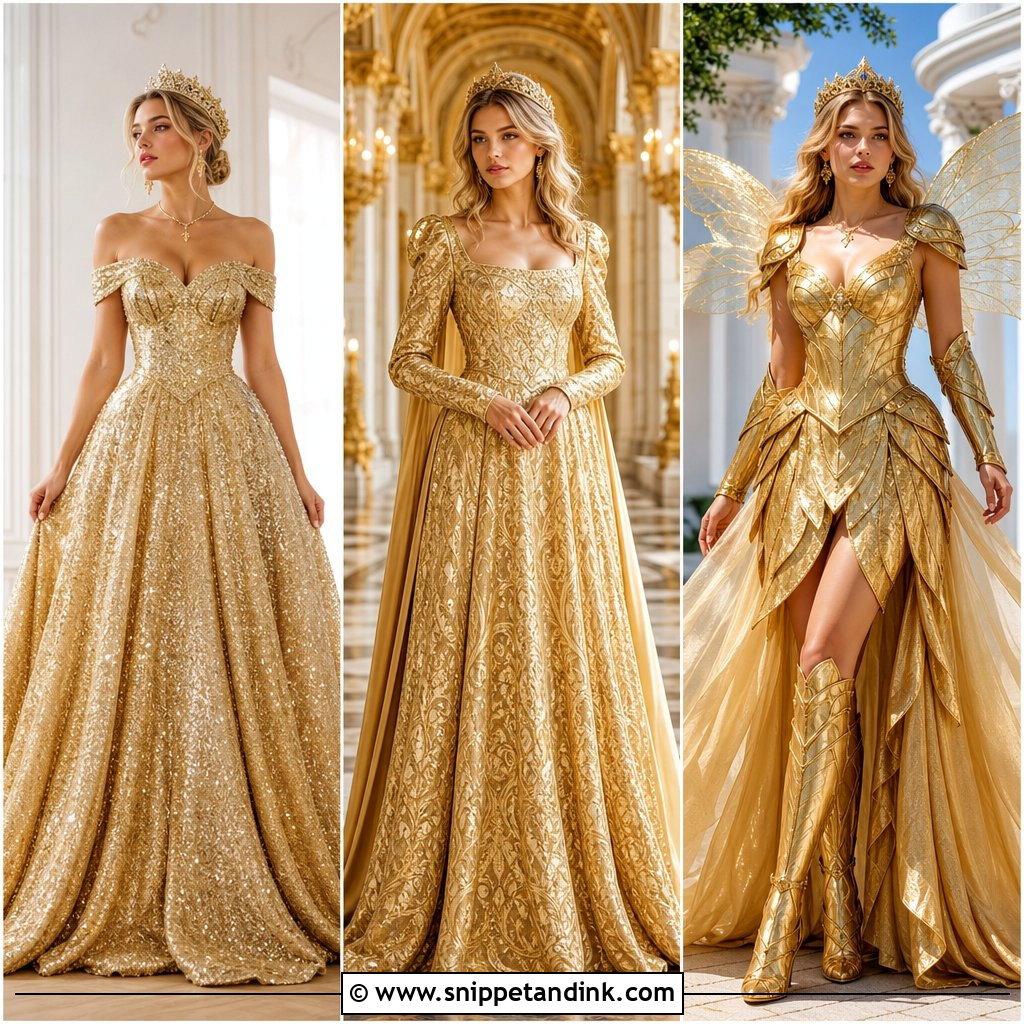
Fairytale weddings need scale: full florals, a big arch, candlelit aisles and a grand staircase if the venue has one. Ivory, blush, pale blue or soft gold keep it refined rather than sugary. A ball gown with a cathedral veil and a classic tux suit the setting. Hundreds of candles create the glow, but many historic venues allow only enclosed flames, so check the rules before you commit to that candlelit aisle. Castles, estates and ballrooms carry it best.
16. Desert Wedding Aesthetic
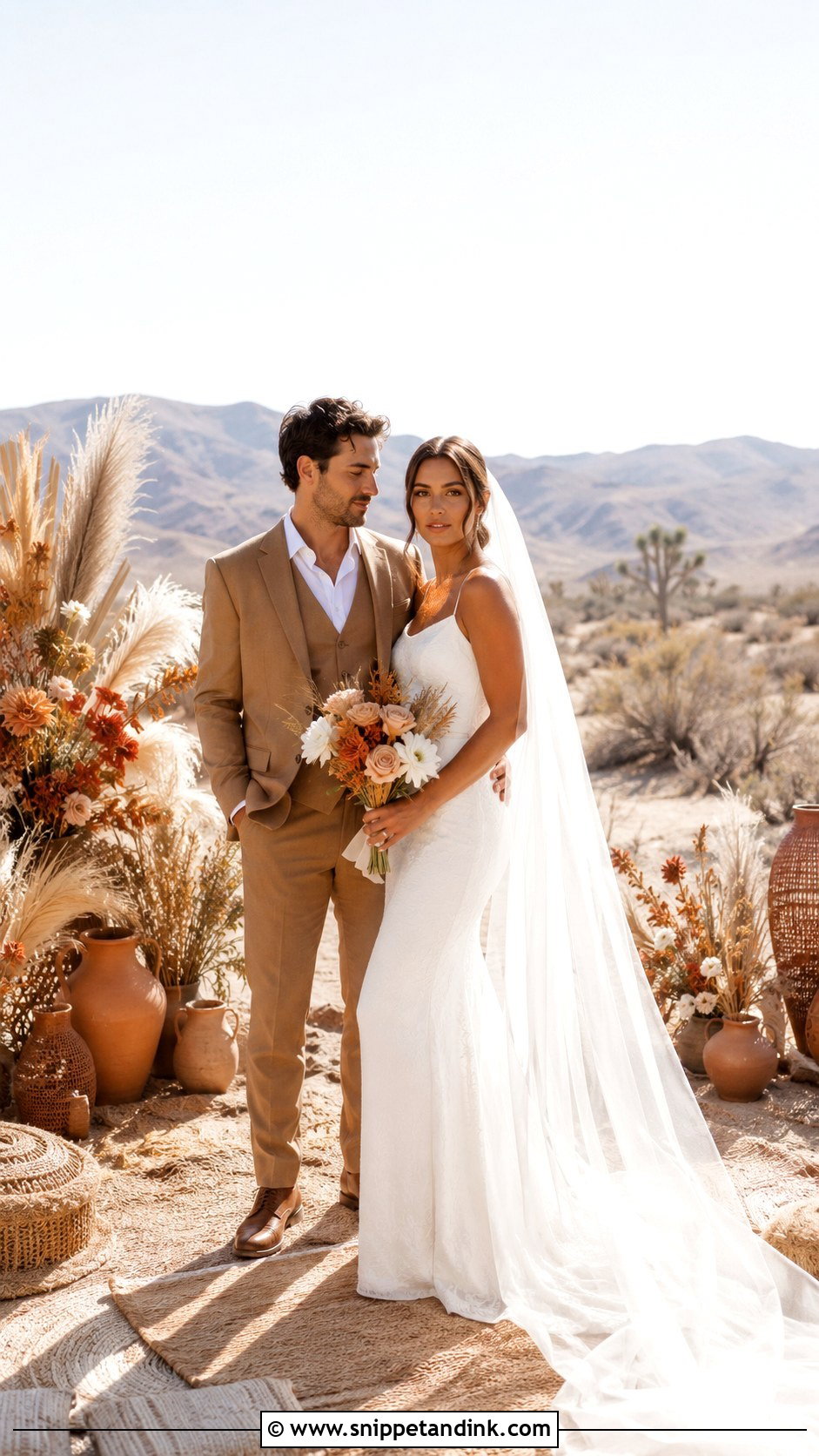
Desert design should stay low and open so the landscape remains the backdrop. Sand, clay, rust and soft peach with dried grasses, ceramics and wooden tables suit the setting. Heat is the practical issue: many fresh flowers wilt in hours of dry sun, so I lean on sturdy stems and dried material and schedule the ceremony near sunset. A simple fitted gown and a camel or light gray suit keep everyone cooler.
17. Tropical Wedding Aesthetic
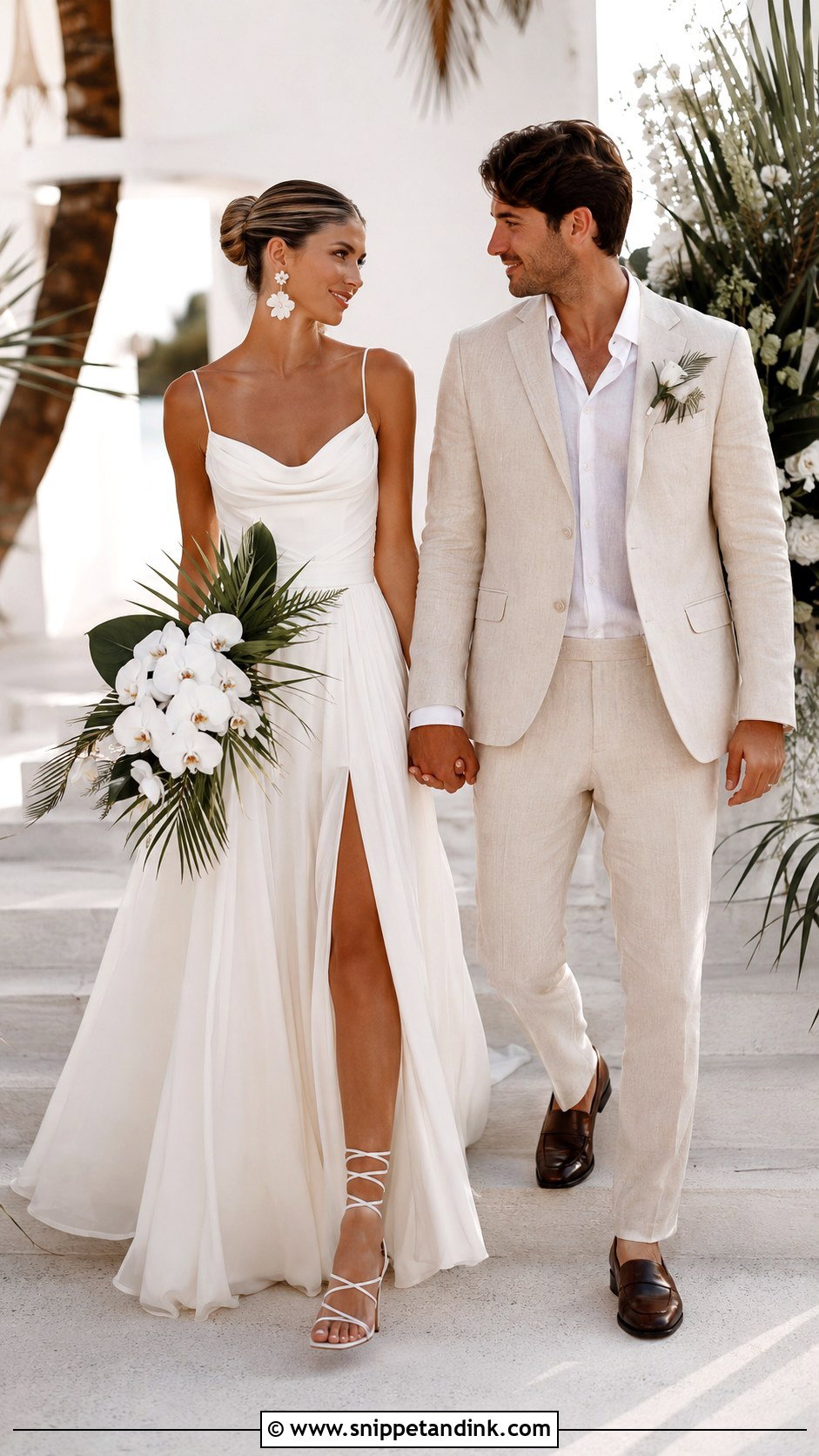
Tropical works when you choose a focused palette, such as white, palm green, coral and soft yellow, instead of every bright color at once. Orchids and big leaves carry the look and handle humidity better than delicate garden roses. Breathable fabrics are essential: a lightweight gown and a linen suit in beige or white. Woven details and fruit accents keep tables relaxed. Resorts and destination weddings suit it.
18. Moody Wedding Aesthetic
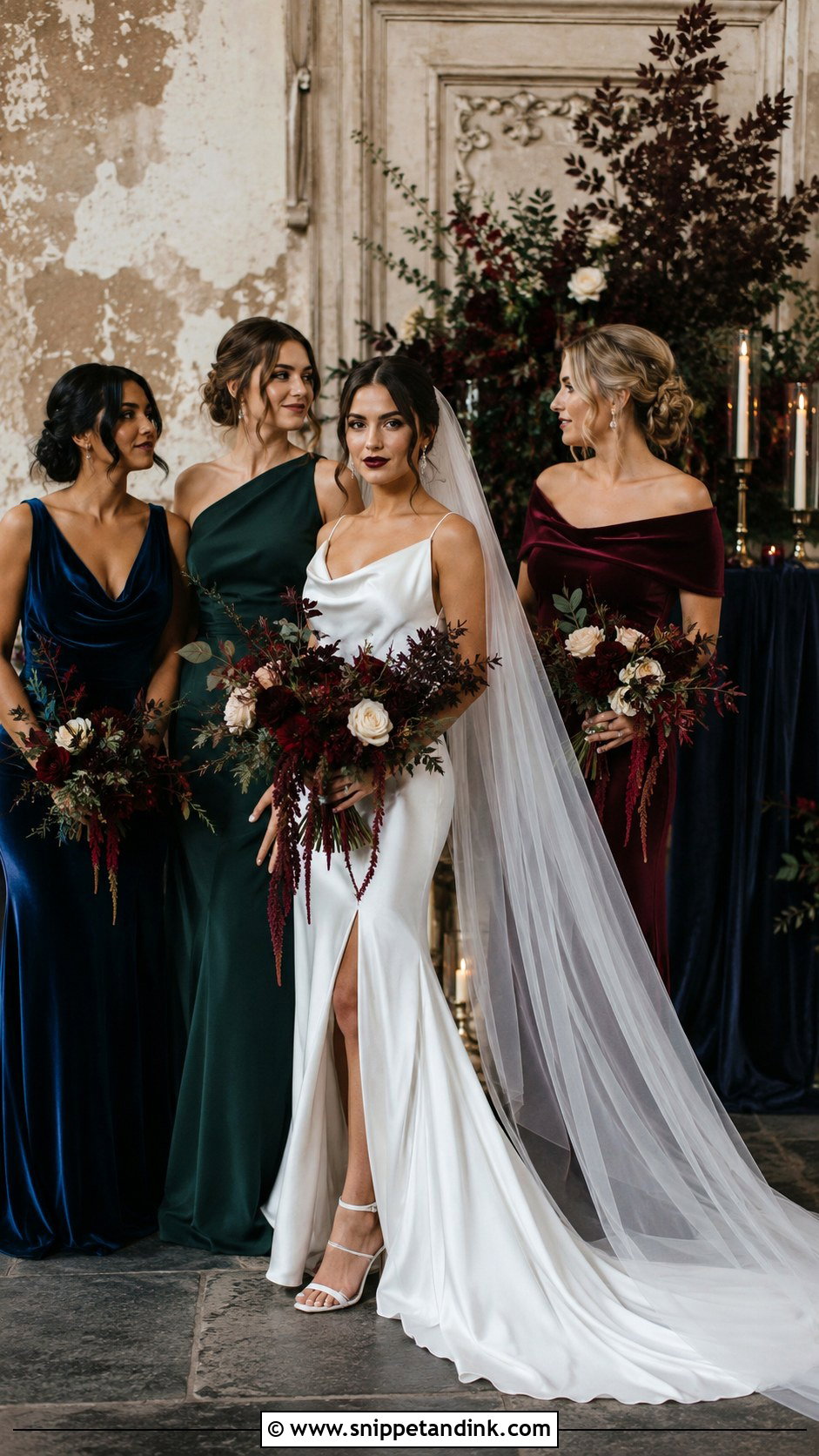
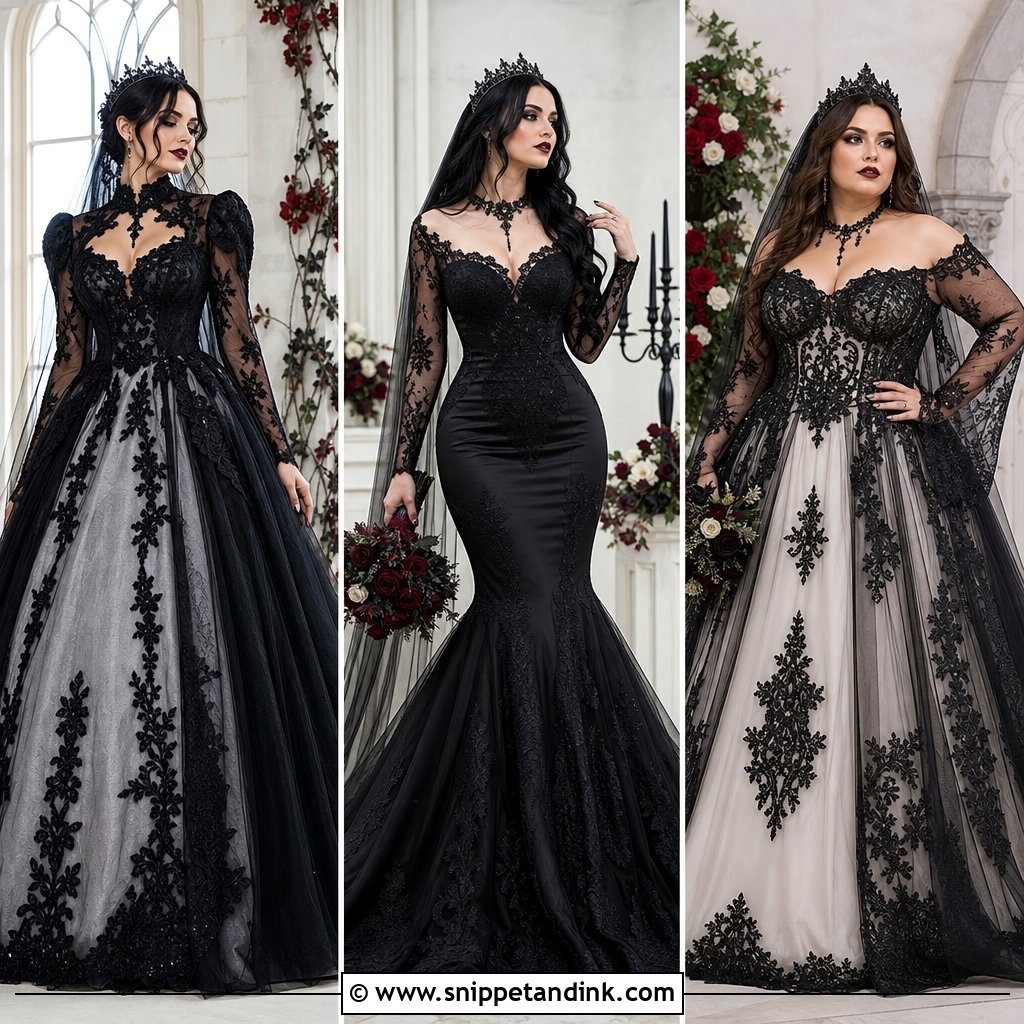
A moody wedding aesthetic uses burgundy, plum, forest green and antique gold for drama. The trap is darkness: deep flowers and dark linens absorb light, and the room turns gloomy in photos. I double the candles I’d use for a light palette and add pin-spotting on the centerpieces. Jewel-tone bridesmaid dresses, a satin gown and a velvet jacket complete it. It belongs in fall and winter, at historic venues and after dark.
19. Pastel Wedding Aesthetic
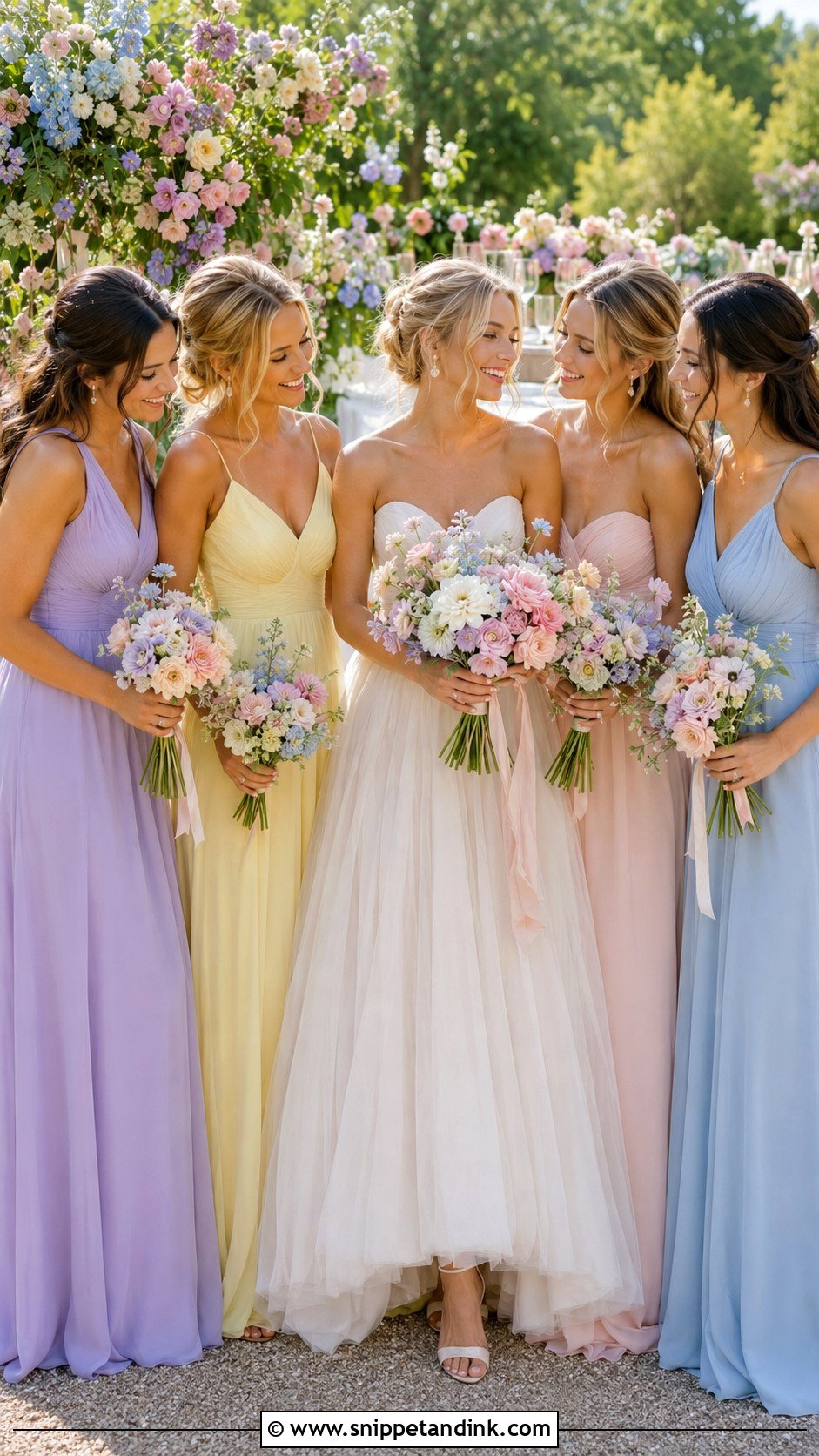
Pastels stay modern when you layer several soft shades on a neutral base: lavender, butter yellow, powder blue and mint over ivory. One flat pastel looks dated quickly. Mismatched bridesmaid dresses keep it airy, and spring florals with glassware finish the tables. Daytime light suits pastels best; under warm evening lighting they lose contrast, so schedule key photos earlier.
20. Luxury Ballroom Wedding Aesthetic
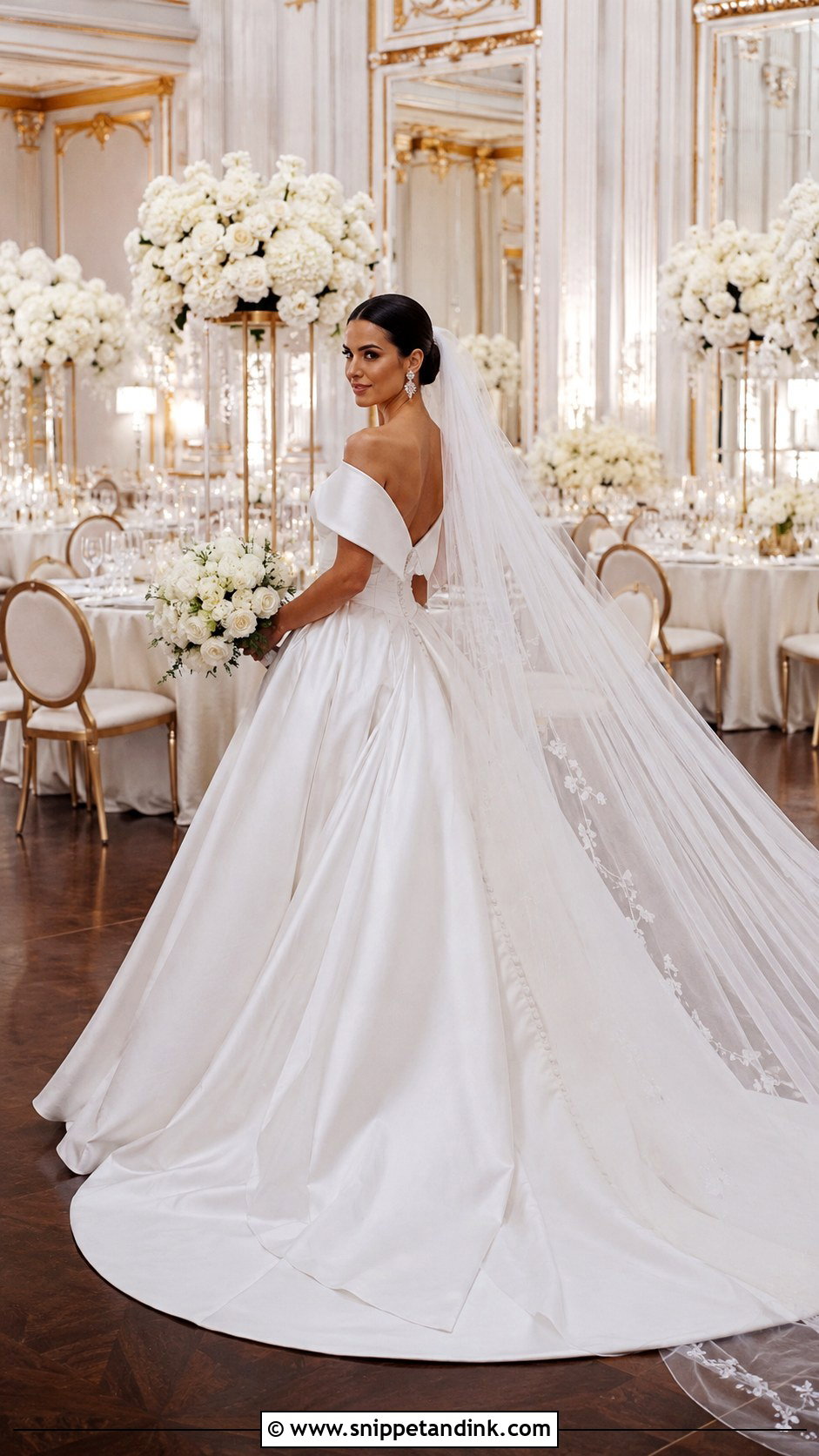
Ballrooms are big, so scale is the whole challenge. Short centerpieces vanish in a high-ceilinged room, which is why I use tall arrangements on raised stands that keep the sightline clear across the table. A dramatic gown, long veil and tux or perfectly tailored suit suit the formality. Ivory and gold or black and white keep the palette refined. Symmetry, height and light make the room feel finished; filling every surface doesn’t.
21. Backyard Wedding Aesthetic
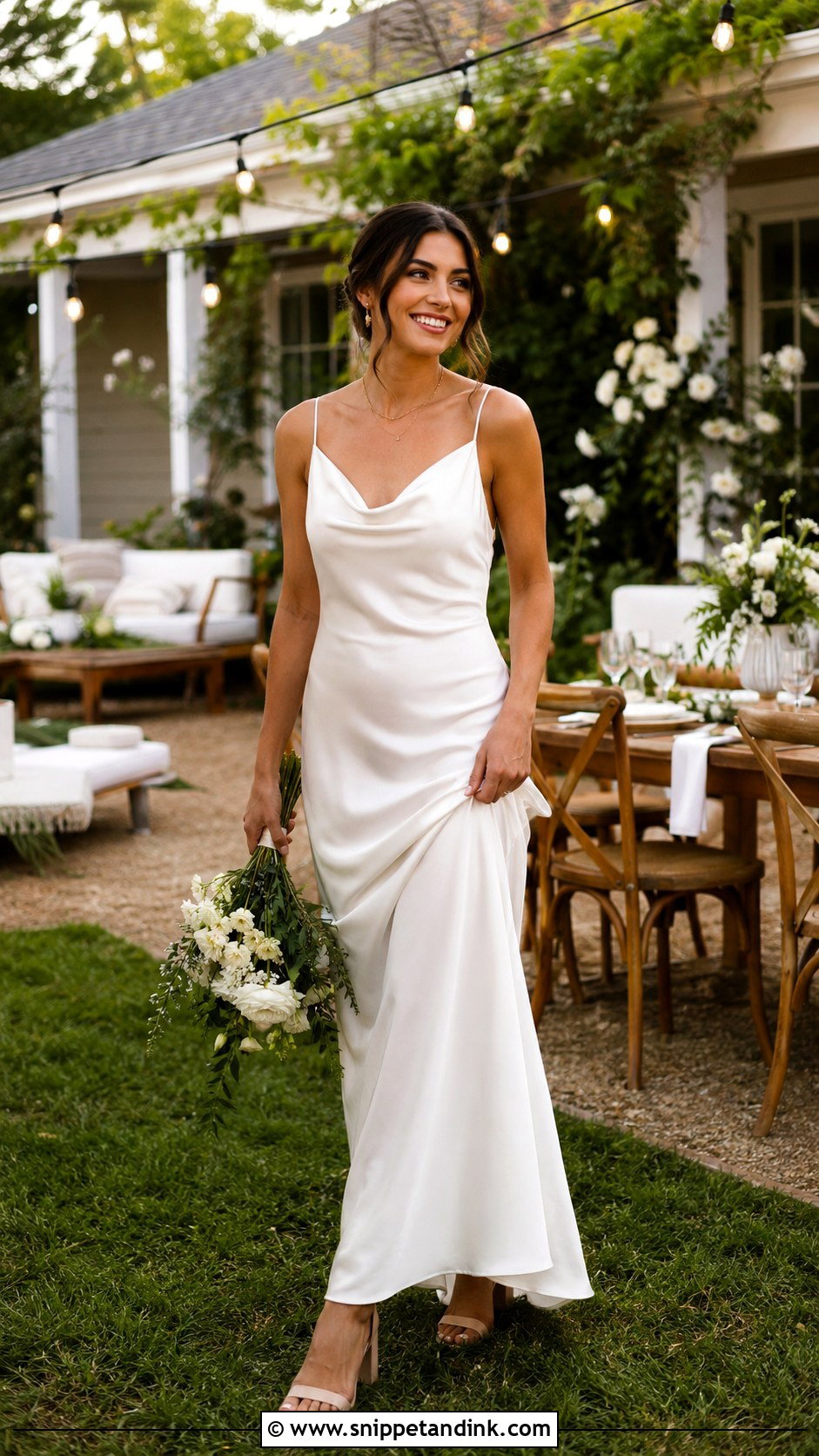
A backyard wedding looks intentional when it has a clear palette and defined zones for the ceremony, dinner and dancing. String lighting, garden flowers, wood tables and comfortable seating do most of the work. Plan the boring parts with the same care: power for the band, restroom rental and a rain plan, because a backyard has none of a venue’s infrastructure. Dress formality is open: a relaxed gown, chic midi or satin dress all suit it.
22. City Hall Wedding Aesthetic
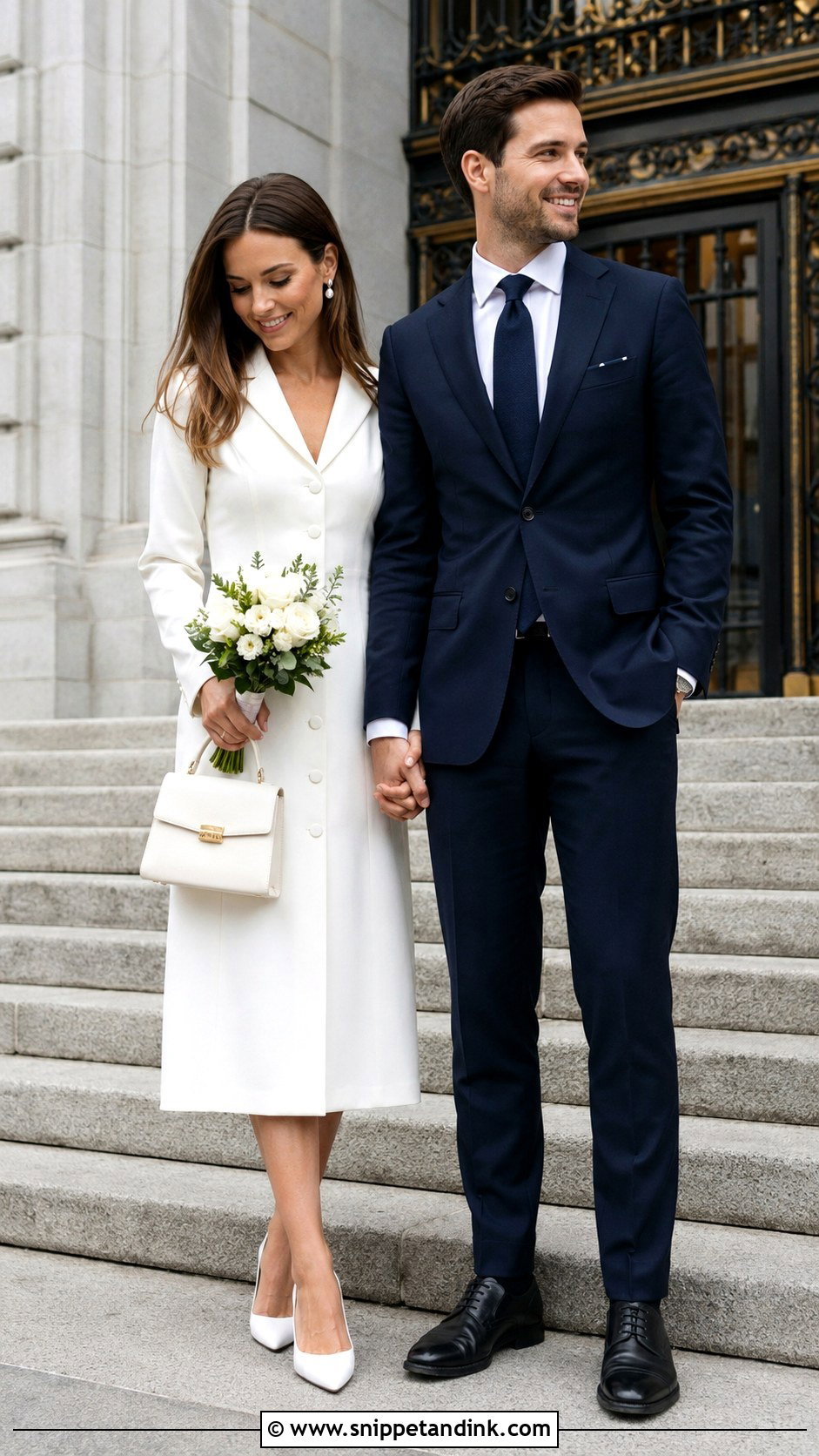
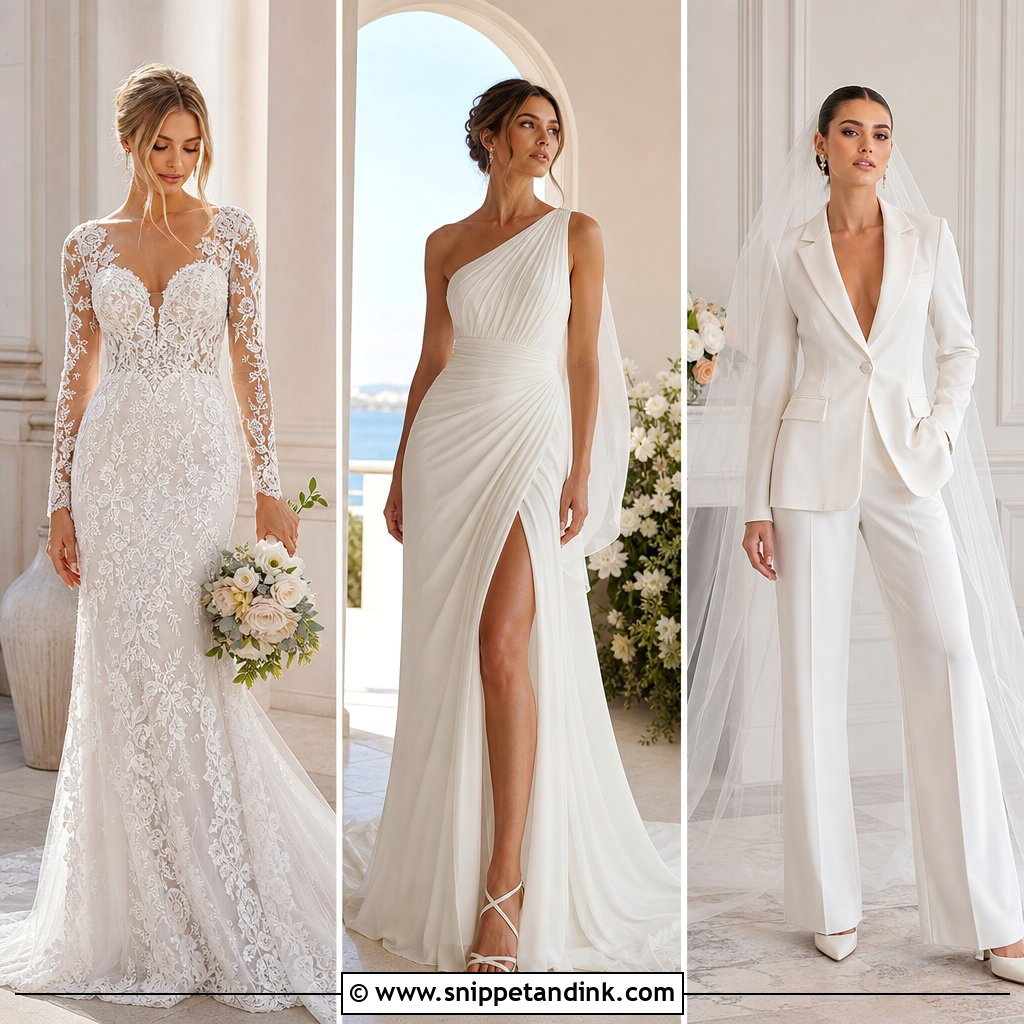
City hall weddings are about tailoring rather than decor. A mini, sleek midi, bridal suit or column gown with pointed heels, a small bouquet and a structured bag carries the style. Many civic buildings don’t allow decorations at all, so the bouquet and outfits are the design. After the ceremony, the city does the rest: portraits on steps, sidewalks or in a bright café. It’s confident and practical with no venue needed.
23. Mountain Wedding Aesthetic
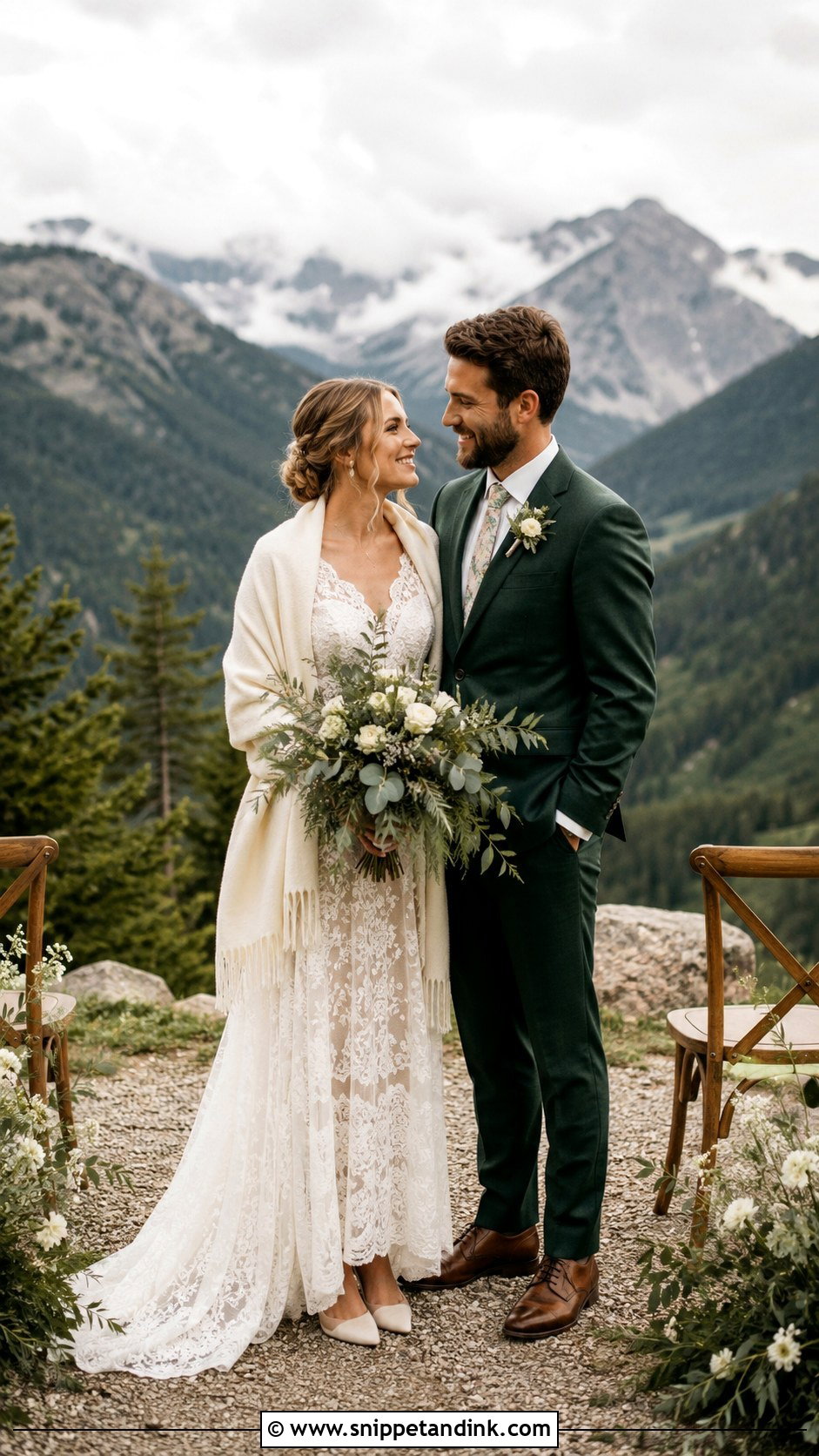
In the mountains, let the landscape lead and keep installations from blocking the view. Evergreen, stone gray, ivory and warm brown sit naturally. Weather turns fast at altitude, so I plan a covered fallback and warm layers: a long-sleeve gown, satin with a wrap and practical shoes for trail photos. Natural wood, greenery and cozy textiles finish the tables. Lodges and overlooks suit it.
24. Colorful Wedding Aesthetic
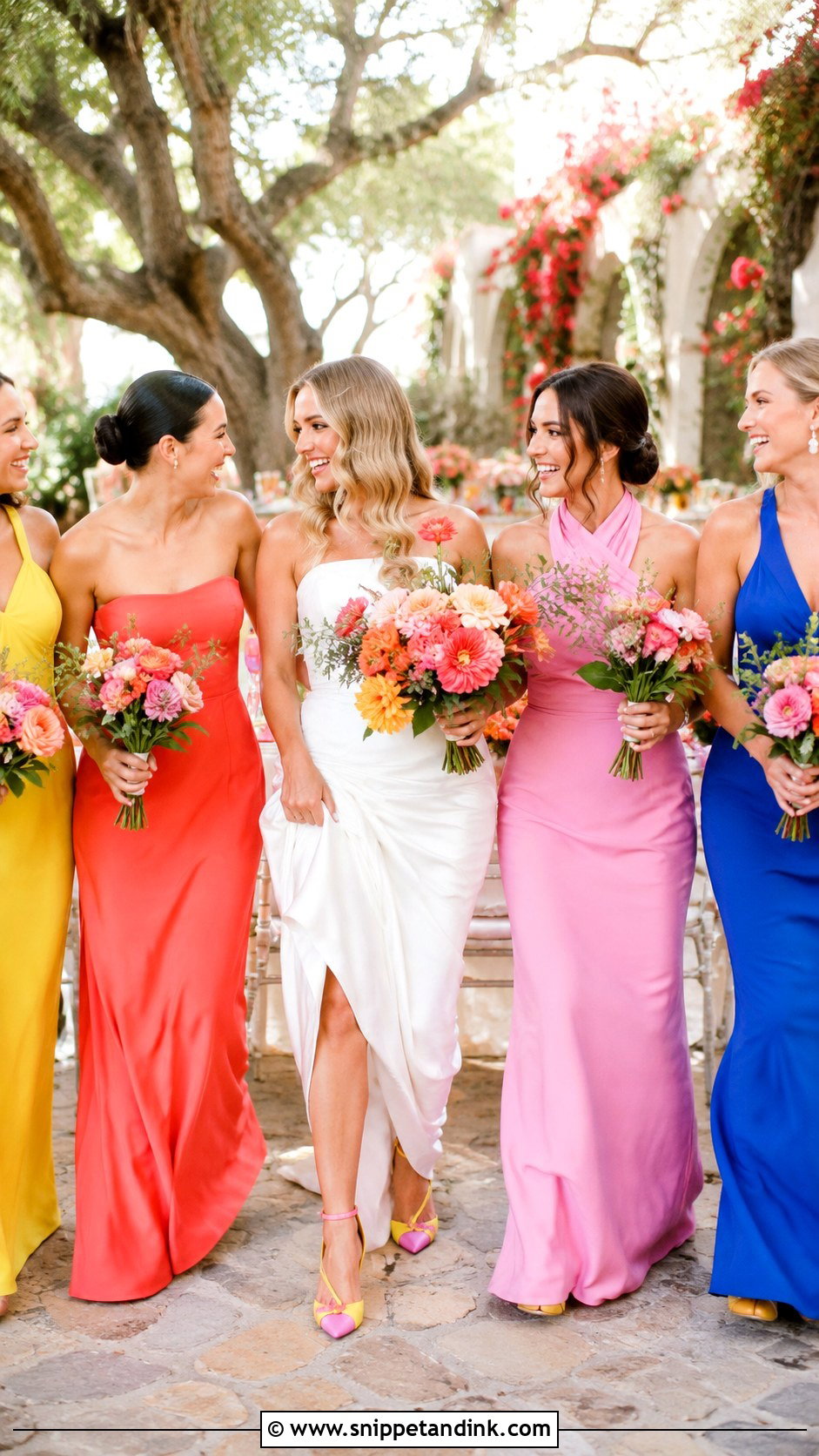
Color looks sophisticated when it’s controlled. I pick two or three bright shades, say coral and cobalt with fresh green, on a neutral base, and repeat them across the flowers, glassware and stationery. Random brights look accidental. The bride can keep her gown classic and bring color through shoes, the bouquet or reception accessories, while bridesmaids wear coordinated mixed shades. Bold table accents complete it.
25. All White Wedding Aesthetic
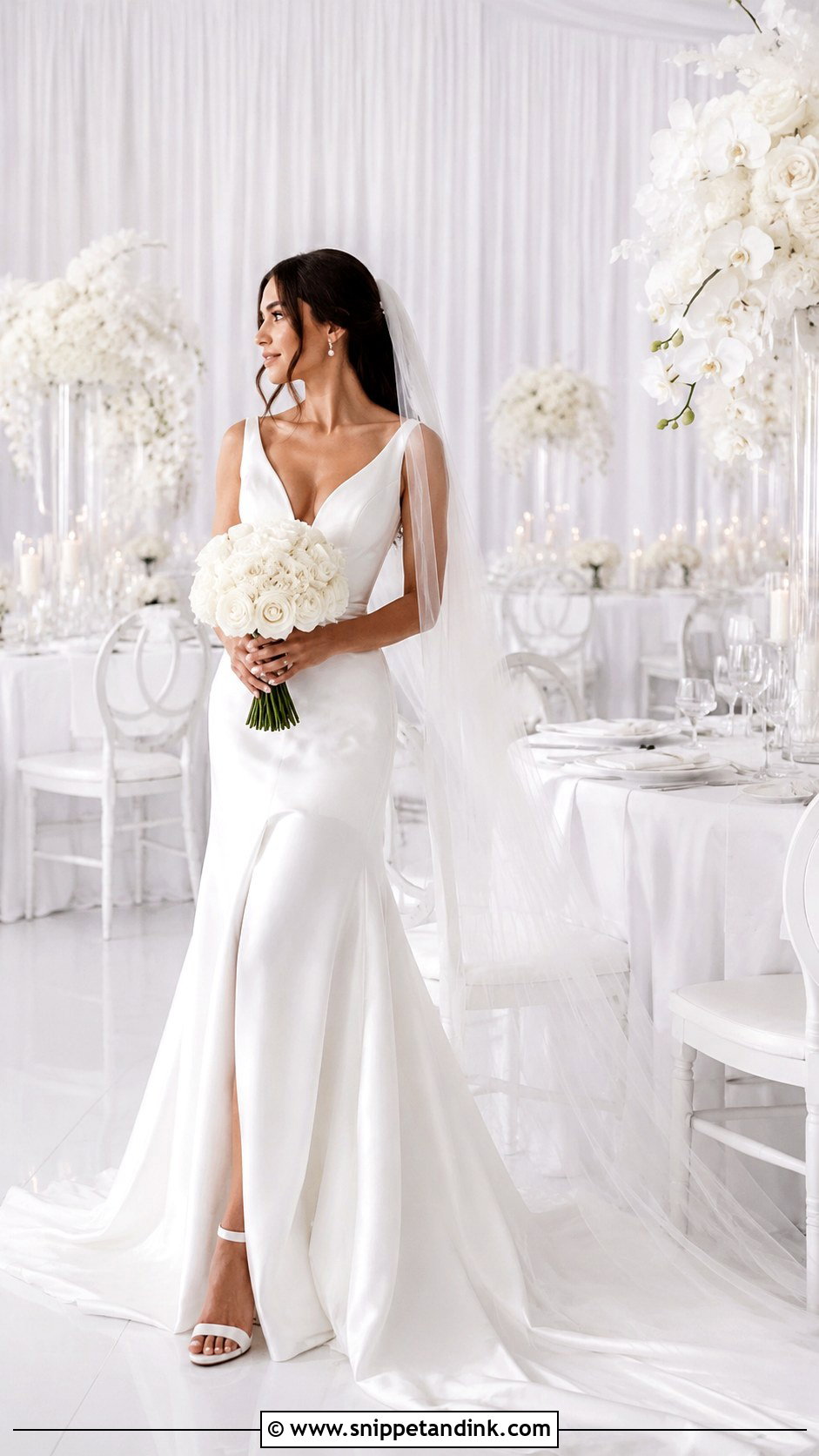
All white depends on texture, because one color without contrast looks flat. I mix white roses and orchids with linen, silk, glass and ceramic, then add candlelight to give the whites some warmth. Check that your whites agree: a cool white linen beside ivory flowers can make the flowers look dirty. Bridesmaids in white or ivory with slightly different shapes look refined, and the groom can wear black for contrast or a white dinner jacket. It suits almost any venue.
Your Colors Will Change After Sunset
Most receptions run into the evening, and artificial light rewrites a palette. Amber uplighting warms everything: blush leans peach, lavender goes gray, and pale blue can almost disappear. Deep colors like burgundy and navy absorb light and read as black in the back half of the room.
I ask for a lighting test at the venue at the same hour as the reception, with a sample centerpiece and a linen swatch on a table. Ten minutes of looking will tell you whether to adjust the bulbs, add candles or shift a shade. Also ask the photographer how they light the dance floor, since flash flattens texture differently from candlelight.
Where the Decor Budget Shows
Guests notice what sits at eye level and what’s in front of them for hours: the table, the chairs and the backdrop behind the couple. I’d put money there before cocktail hour signage or an entrance piece people walk past in seconds.
- Move the ceremony arch or aisle flowers to the reception so they work twice.
- Rent upgraded linens before adding more flowers; a good tablecloth changes a whole room.
- Use candles generously. They’re cheap per table and do more for mood than almost anything else.
- Keep centerpieces either below chin height or well above eye level, so people can still see each other.
Start From the Feeling You Want Guests to Remember
A strong direction makes dozens of decisions easier, from the dress and suits to linens, candles and the photography mood. You don’t need to copy one look exactly. A garden ceremony can pair with old money fashion, and a city hall look can have editorial portraits. Decide how you want the evening to feel, write it down in a sentence, and test every purchase against that sentence.
You'll Like These Ideas:


Leave a Reply