
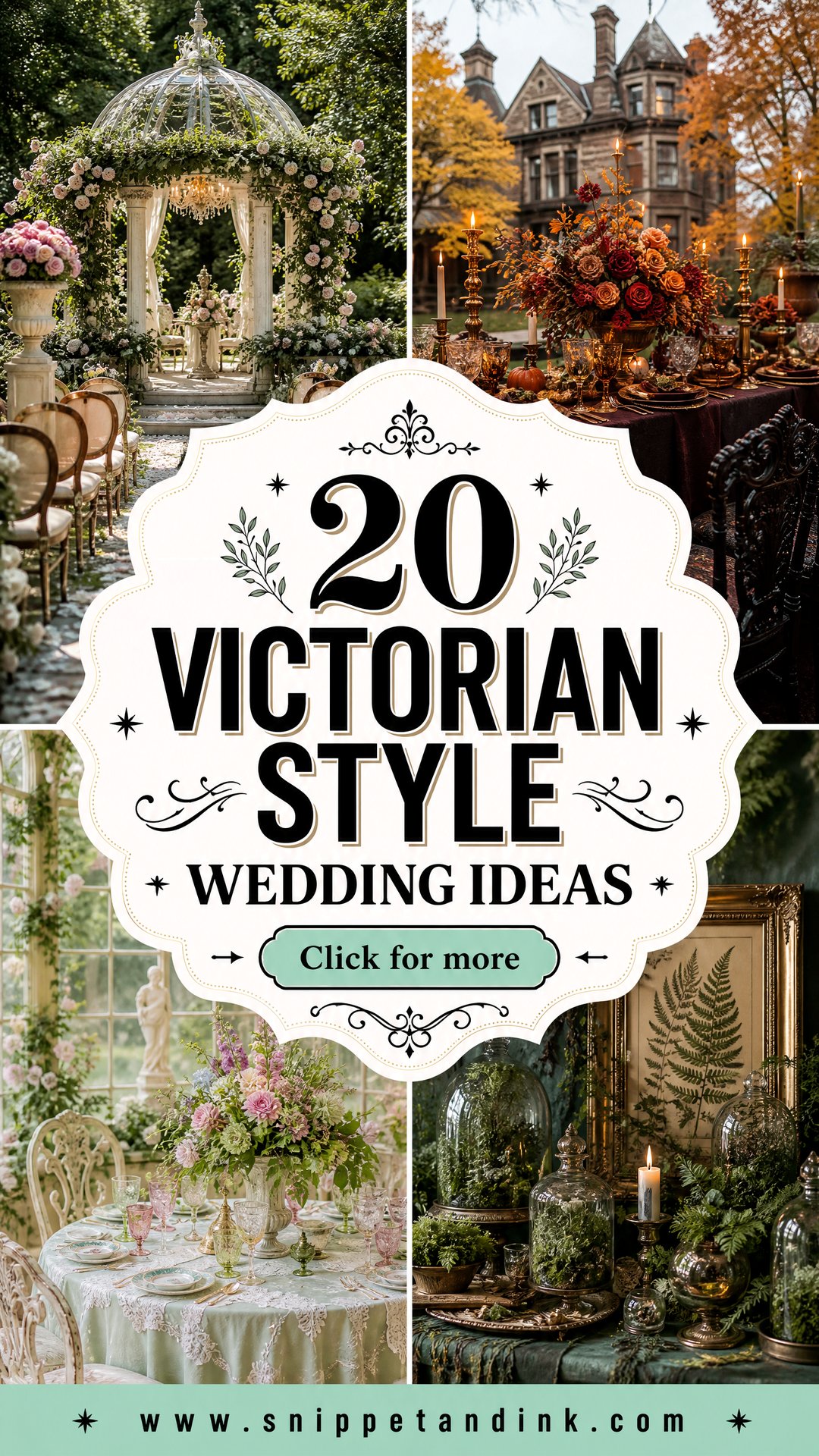
Victorian styling is one of the themes I’m asked for most, and it goes wrong in one predictable way: too many props. The era gave us lace, velvet, botanical prints, carved wood, copperplate handwriting and towering flowers, but a room holding all of them at once starts to look like a costume shop. My first question to any couple is which mood they’re after, a soft garden, a darker Gothic evening or something cleaner with a modern edge. Once that’s settled, I repeat its colors and materials from the invitation to the cake and leave plain wall space around the statement pieces. The ideas below range from manor houses and glass conservatories to dinners for twelve, and each one is built as a complete look you can borrow from.
Which Decade of Victoria’s Reign Are You Borrowing From?
Queen Victoria reigned for more than sixty years, and the fashions changed a lot in that time. When a couple tells me they want a Victorian wedding, I show them a few silhouettes from across the period, because each points the decor in a different direction.
- Early Victorian (1840s to 1850s): the Queen’s own wedding made the white gown fashionable, with lace, orange blossom and a fitted bodice over a full, bell-shaped skirt. Soft, romantic and floral, this is the root of most garden and lace themes.
- Mid Victorian (1860s to 1870s): wide skirts, then the first bustles, rich colors and heavier furnishings. This is where velvet, deep reds and dark carved wood come from.
- Late Victorian (1880s to 1890s): structured bodices, high necks and, by the 1890s, puffed upper sleeves. It reads crisp and tailored, and suits modern or black-and-gold schemes.
Nobody needs to be historically exact. Knowing which end of the period you love simply stops a bustle gown from ending up in a room styled for the 1840s, and it gives your florist, baker and stationer a shared picture to work from.
1. Victorian Manor Wedding
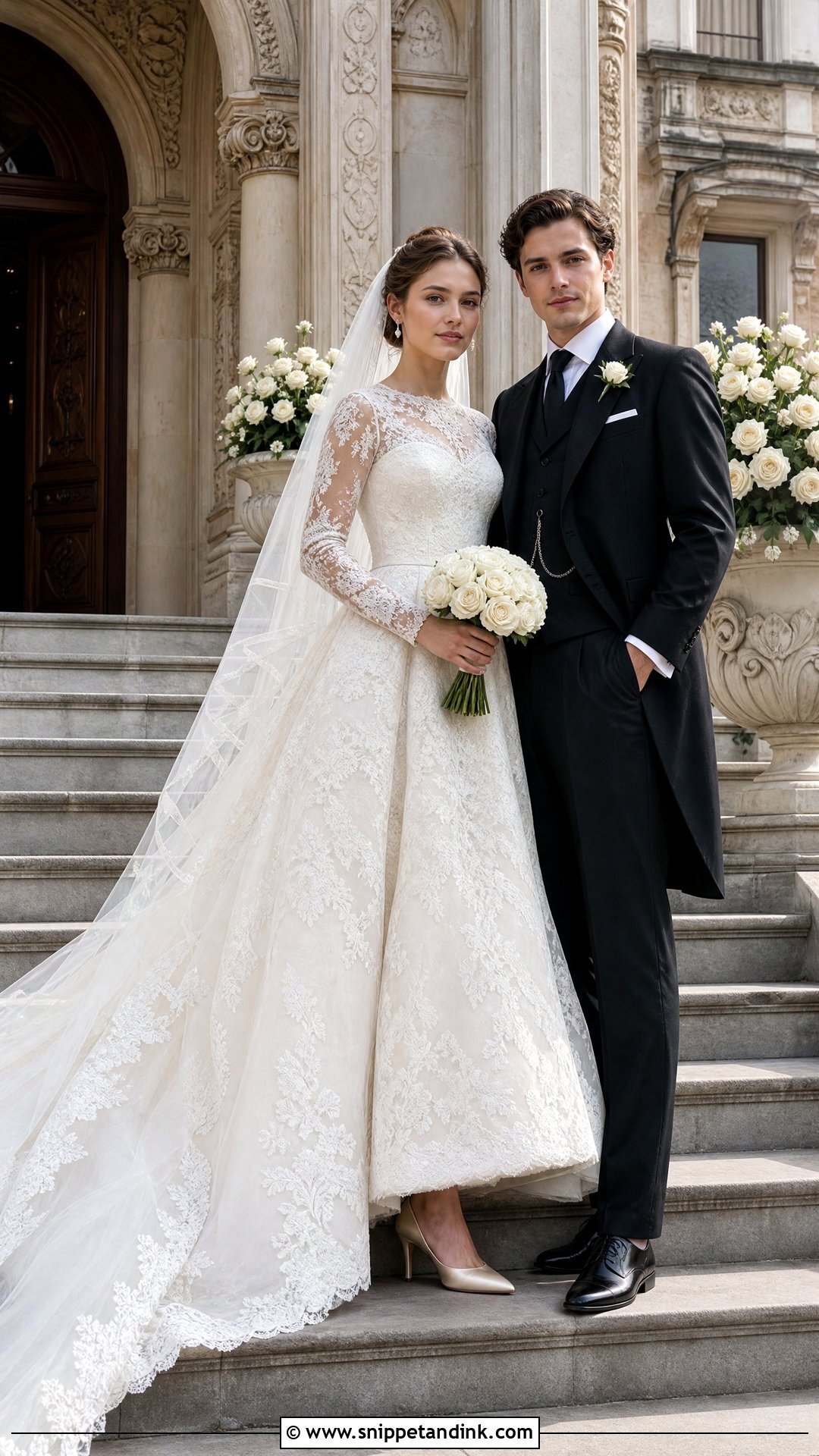
A manor does half of my job before I arrive. Carved woodwork, a sweeping staircase and tall windows are already the decor, so I spend the budget on flowers and lighting rather than backdrops. A structured lace gown with long sleeves, pearl earrings, a cathedral veil and satin heels suits the scale of those rooms, and a tailcoat-style suit with a waistcoat keeps the groom in the same century. For the ceremony I use urns of roses, delphiniums and trailing greenery, because an urn sits at the right height against wood paneling. Dinner gets ivory linens, gold-rimmed china, taper candles and handwritten place cards, with a tiered white cake in piped detail. The one thing I police hard is equipment: speaker stands, extension cords and DJ booths get draped or moved behind a door, or they end up in every wide shot of the staircase.
2. Victorian Garden Wedding
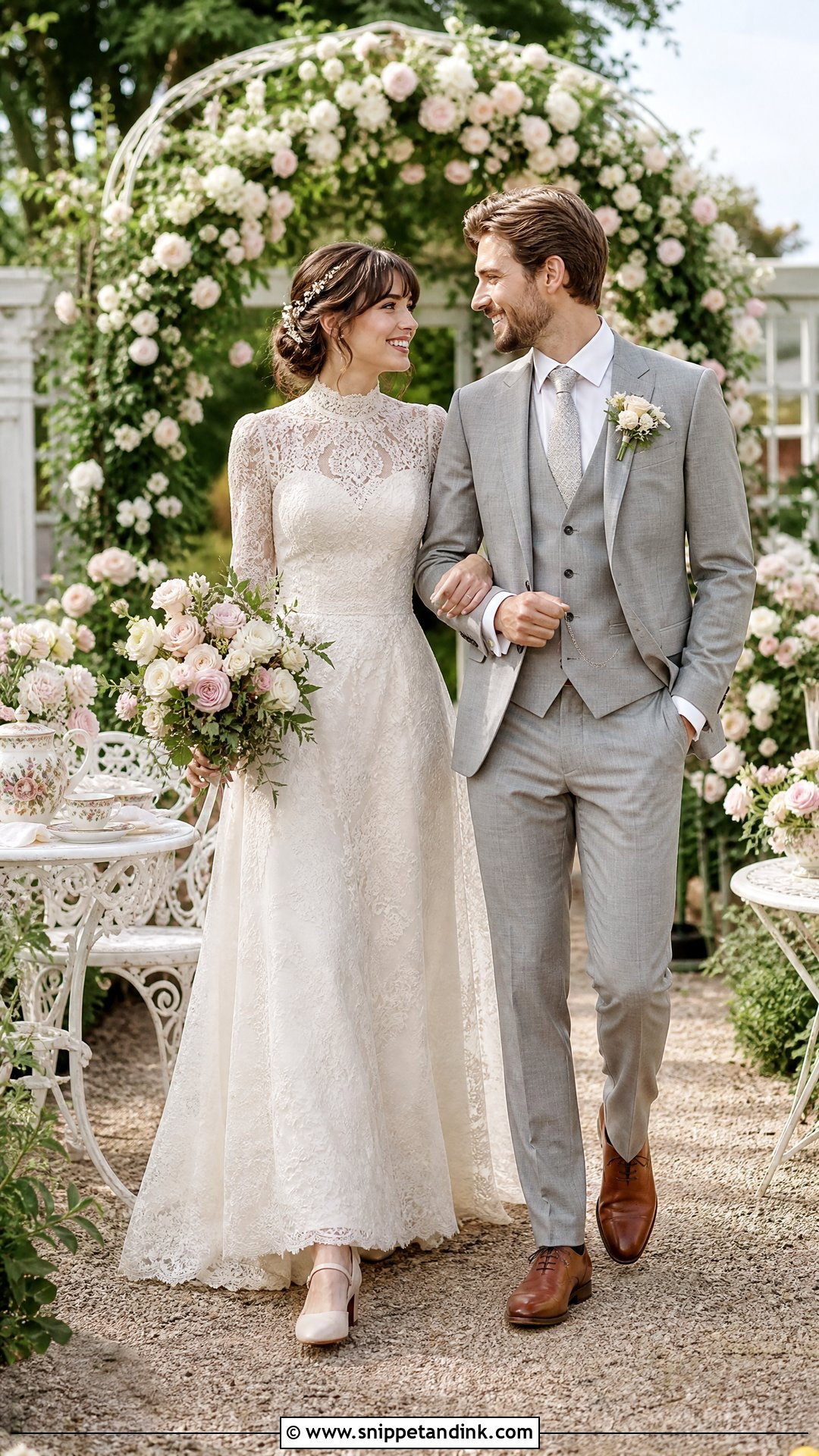
Gardens soften the period, and that’s the reason I like them for couples who find formal Victorian rooms a bit stiff. Put the ceremony under a floral arch near rose bushes, climbing vines or an old tree that gives natural shade. An ivory lace A-line gown with a sheer high neck, low block heels and a loose updo set with pearl pins will cope with lawn far better than a stiletto. A light gray three-piece suit with a floral tie and brown shoes suits the daylight. I carry the garden indoors with botanical invitations, mismatched floral china and centerpieces in antique-style silver, kept to pale pink, cream, lavender and sage. Croquet, parasols and a shaded lounge give guests somewhere to go between courses, which matters more on grass than people expect.
3. Victorian Gothic Wedding
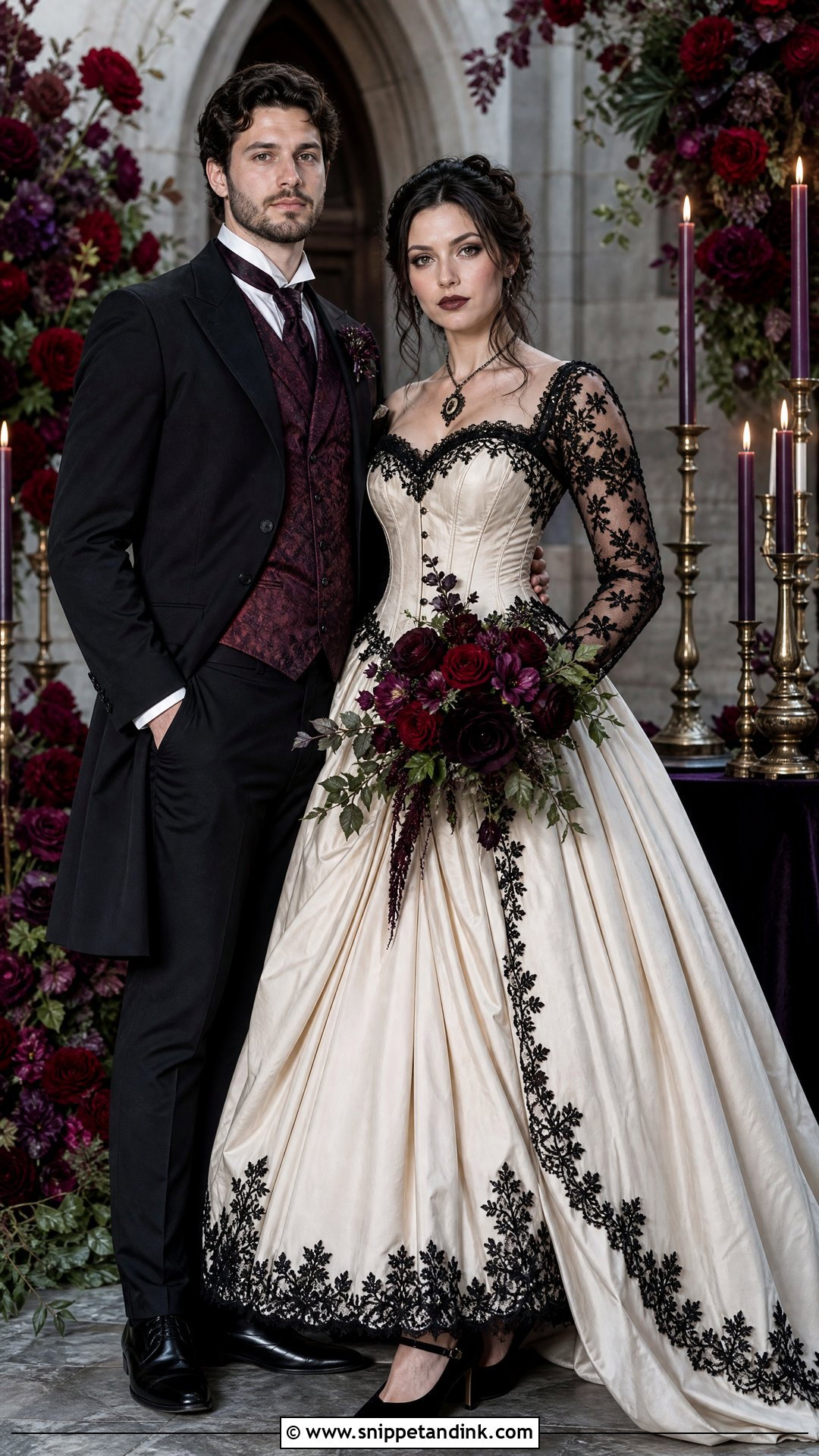
Gothic Victorian depends on texture and depth, and a flat modern ballroom can’t supply either. I scout stone mansions, old theaters, historic hotels or woodland estates with real shadows in them. The bride might wear a black or ivory corset-inspired gown with lace sleeves and a full skirt, finished with velvet heels and an antique-style pendant, while the groom wears black with a patterned waistcoat and a burgundy tie. My florals here are deep red roses, plum ranunculus, dark foliage and amaranthus spilling over the edges. Black tapers, brass candlesticks and velvet runners carry the reception. Here’s the catch with dark palettes: under evening light they turn into one muddy shape, so I always break them with ivory linen and clear glass, and I pick one or two Gothic motifs rather than dressing every surface.
4. Victorian Royal Wedding
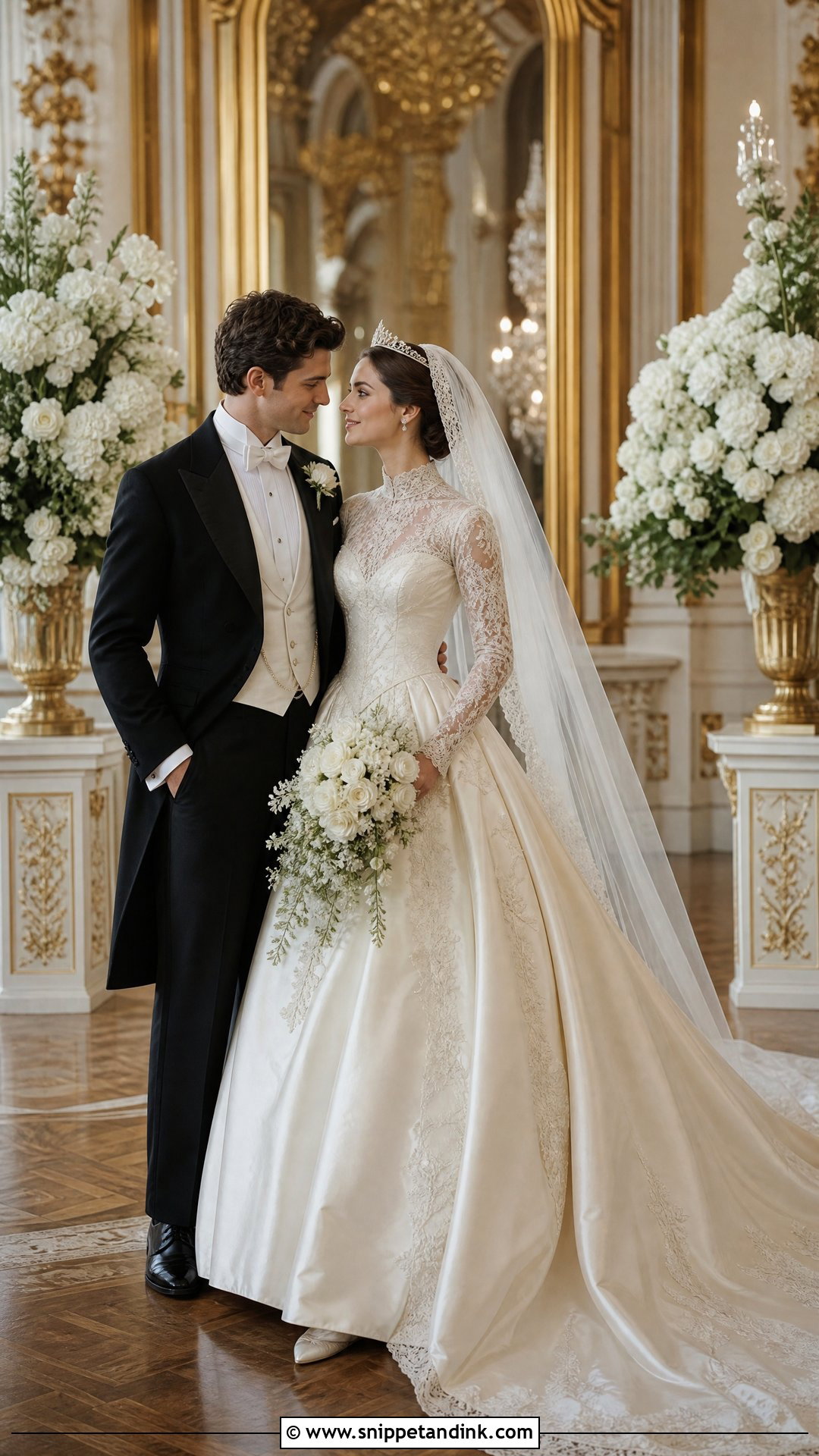
Grandeur reads through proportion, and a ballroom with high ceilings lets me go tall without the arrangements crowding guests. I keep the palette to white, gold and one jewel tone. The bride’s gown has a fitted bodice, long lace sleeves, a sweeping train and a dramatic veil, with a small tiara, drop earrings and pointed satin heels. Formal black tailoring with a white waistcoat and a pocket watch suits the groom. Tall arrangements of white roses and orchids frame the aisle; gold chairs, embroidered linens, crystal-style glassware and monogrammed menus fill the dinner. A multi-tier cake with white piping and restrained gold gives the room its vertical anchor. If the budget forces a choice, I’d rather do fewer, taller pieces than scatter small embellishments everywhere.
5. Victorian Tea Party Wedding
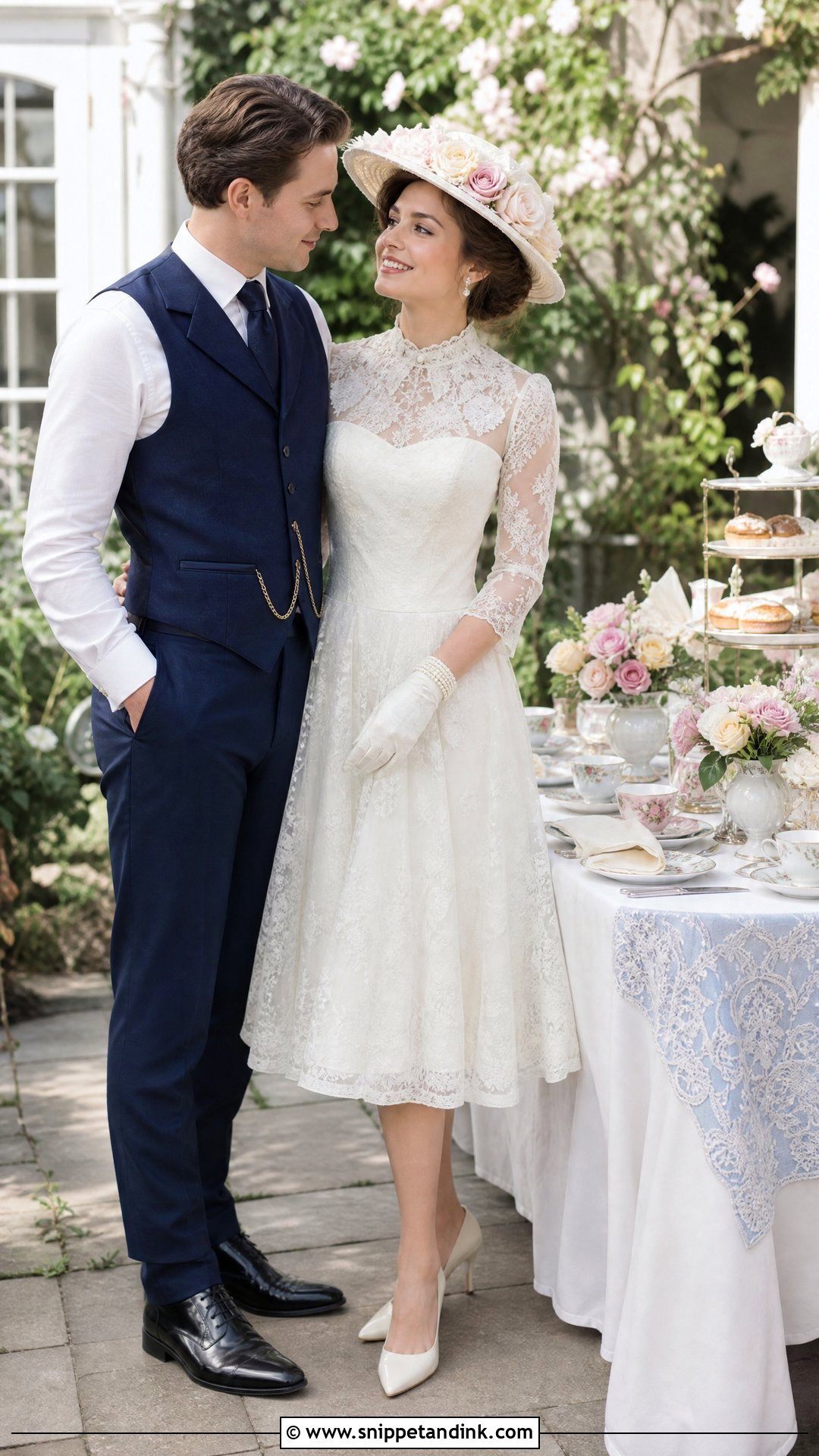
Afternoon tea is the Victorian format I recommend most for small daytime weddings, because the menu itself becomes the decor. Round tables in a garden, a conservatory or a bright dining room keep conversation easy. A tea-length lace dress with a fitted waist, pearl-button gloves, a small hat or floral comb and ivory pumps looks right at that hour; for the groom, a navy or charcoal waistcoat ensemble is formal without feeling heavy in daylight. Tiered stands of finger sandwiches, scones, small cakes and fruit pastries need room, so I plan table sizes around the stands first and the flowers second. Floral china, silver-toned flatware and compact rose posies finish it, and menus printed like calling cards double as keepsakes. Offer several teas, coffee and a sparkling nonalcoholic option so nobody is stuck.
6. Victorian Conservatory Wedding
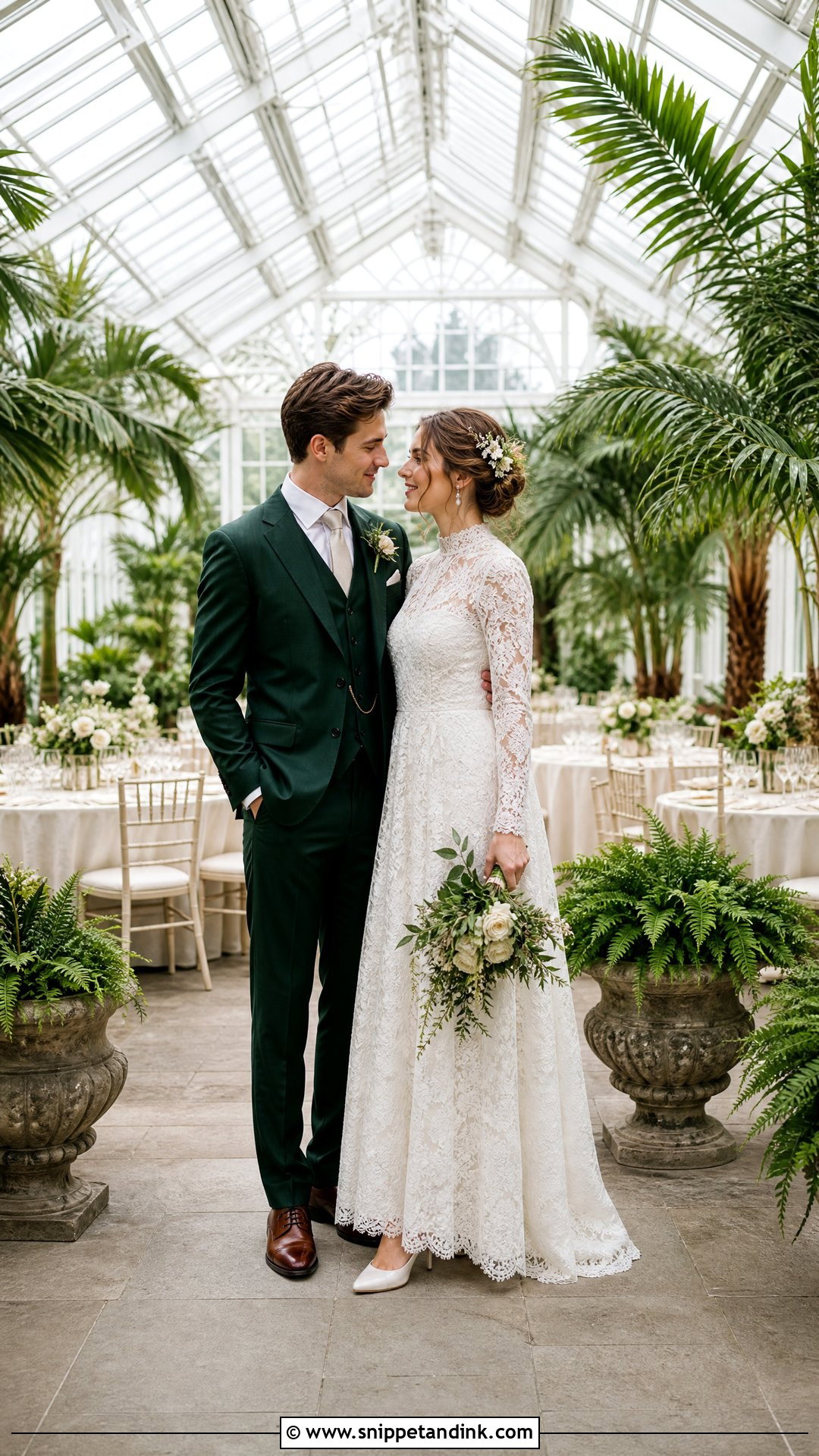
Glass rooms are gorgeous and hot. Before I design anything for a conservatory I ask what the room reads in degrees at three in the afternoon, because sun through glass can wilt flowers and guests in an hour. The good news is the plants do the decorating: palms, ferns and vines shape the backdrop, so I repeat that foliage in smaller arrangements instead of bringing in masses of blooms. A lightweight lace gown with a high neck, fitted sleeves and a skirt that moves easily is sensible here, with pearl earrings, a botanical hairpiece and closed-toe heels for the tile. A deep green or taupe suit with a matching waistcoat sits well against the leaves. Stone urns, botanical sketches, green glass and cream linens finish the room, and a white cake with sugar leaves suits it, provided it isn’t displayed in direct sun.
7. Victorian Library Wedding
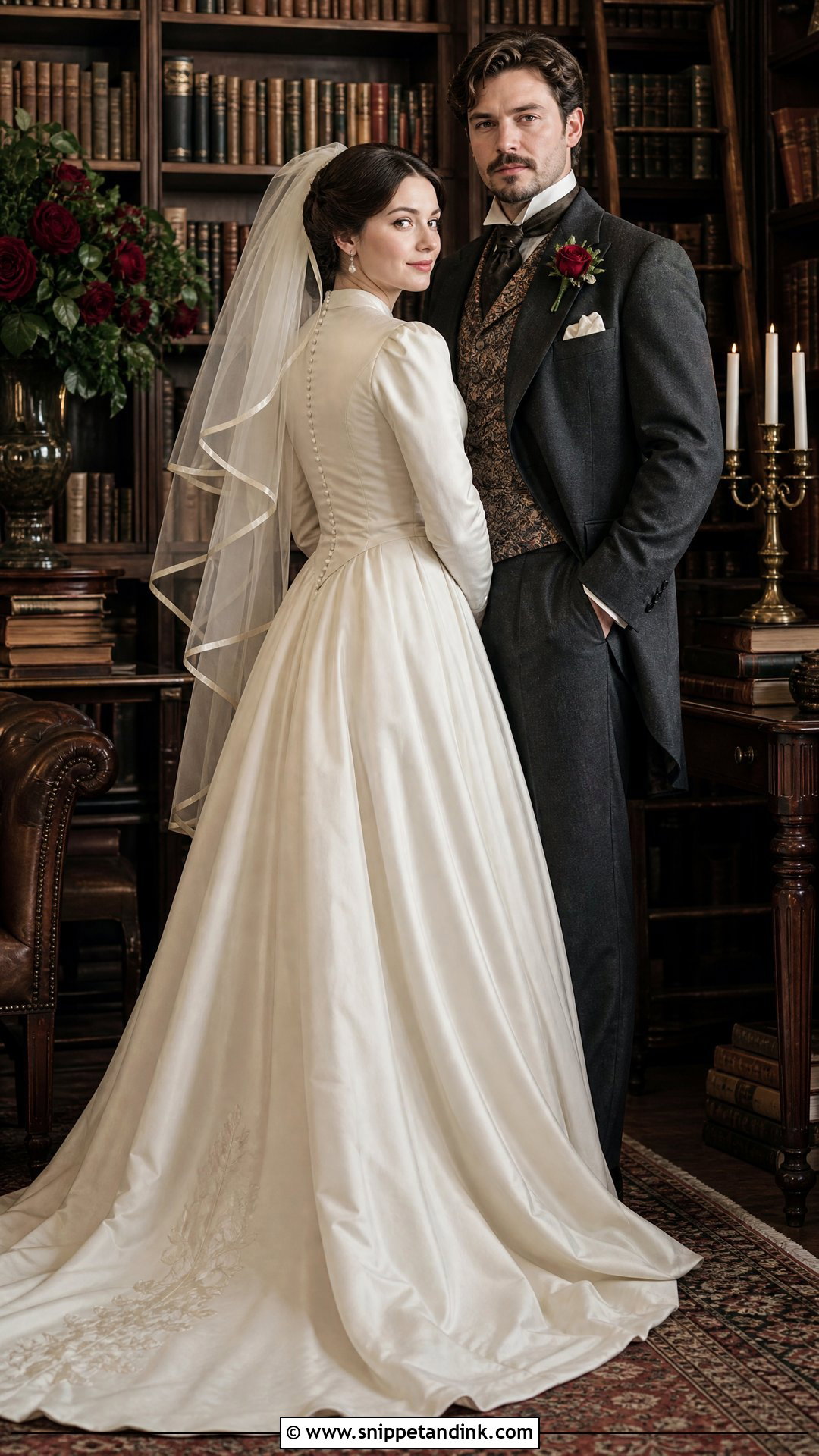
A library wedding works when the room is small enough to feel private. Literary venues, private clubs and historic homes with built-in shelving all qualify. The bride in a long-sleeve ivory gown with a buttoned back, velvet shoes, pearl earrings and a ribbon-edged veil, and the groom in dark brown or charcoal with a patterned waistcoat, both read well against wood spines. I use old books as centerpiece risers, but only ones I’ve bought for the purpose; venue books stay on their shelves, and candles never sit on paper. Roses, brass candlesticks and framed table numbers go on top. Bookplate-style invitations introduce the idea quietly, and a guest-book table with good paper and fountain-style pens gives people something to linger over. Libraries are dark, so I plan discreet extra lighting with the photographer before the day.
8. Victorian Winter Wedding
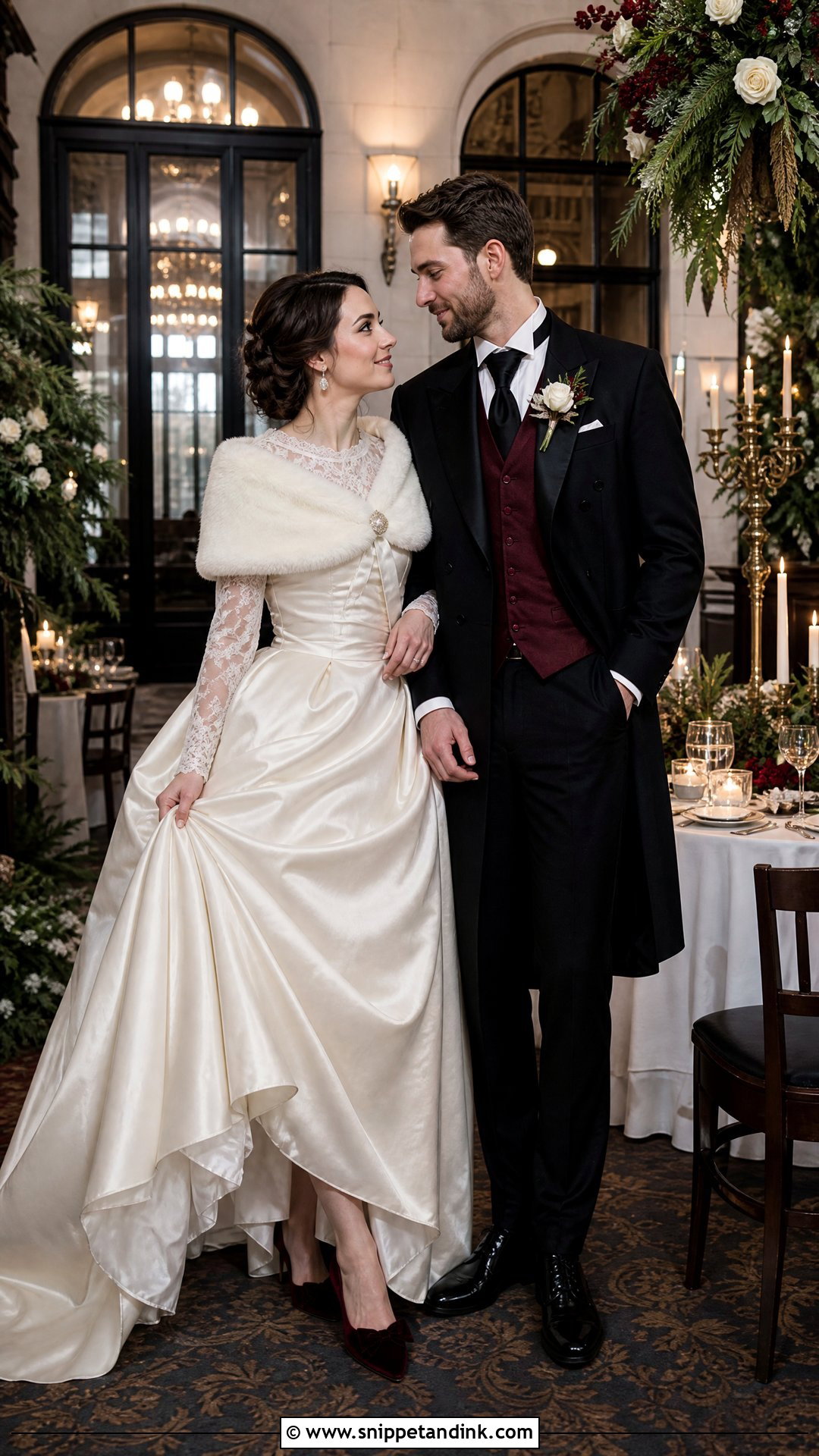
Winter Victorian should feel like stepping in from the cold, which means the design starts with fireplaces. I look for manors, historic hotels or ballrooms where a fire can actually be lit, then build warmth around it with velvet tablecloths, candlelight and metallic place settings. A satin ball gown with lace sleeves and a high neck, a faux-fur wrap for outdoor photographs, pearl drops and closed-toe velvet heels keep the bride comfortable. The groom in a black tuxedo or tailcoat-style suit with a burgundy waistcoat matches the depth of the room. Florals mix evergreens, white roses, anemones and deep red; I skip the novelty seasonal props. Serve hearty food and warm nonalcoholic drinks, and staff the coat area properly, since a queue of guests holding wet coats undoes the mood fast.
9. Victorian Fall Wedding
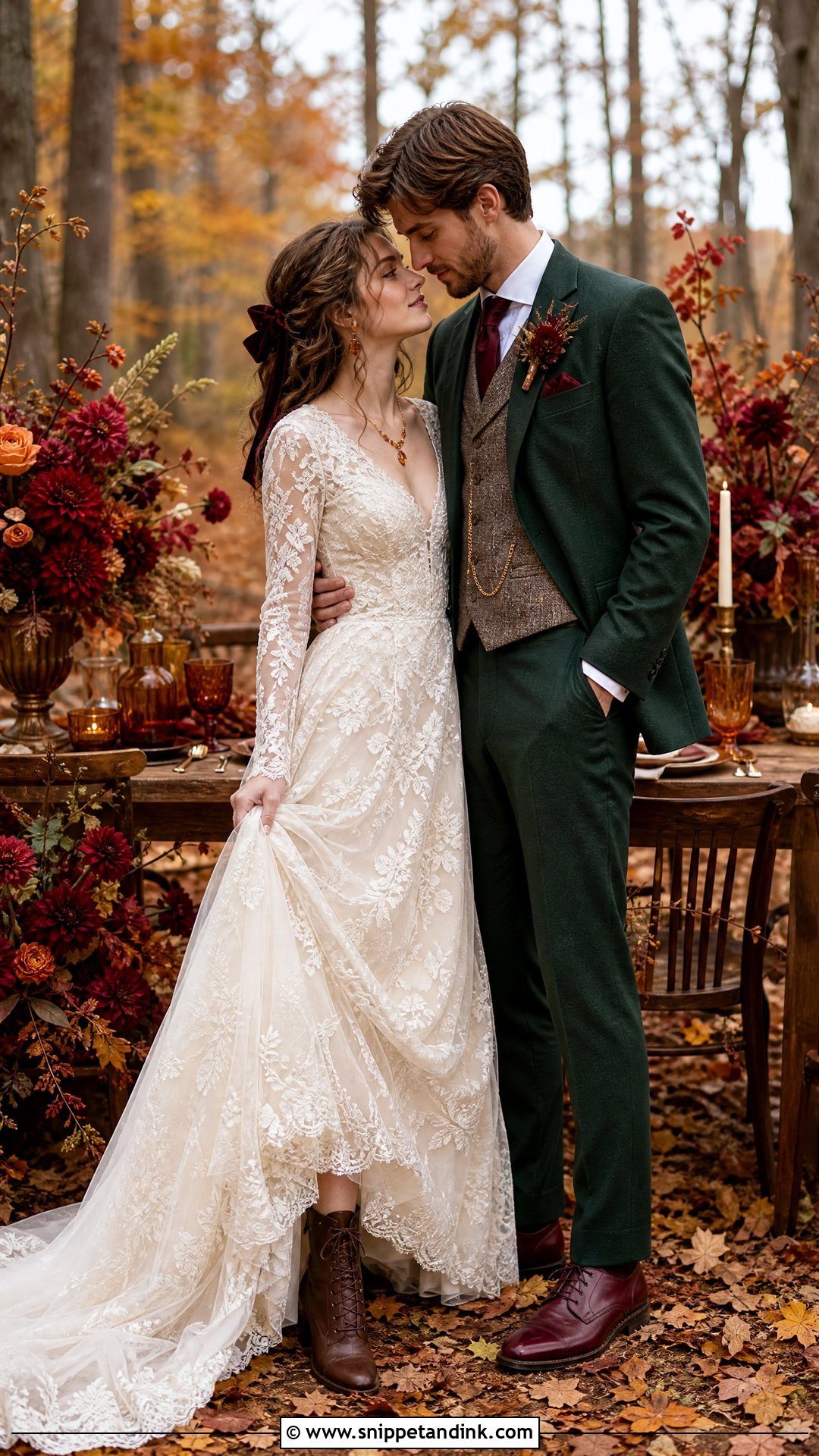
Autumn gives me the richest Victorian palette: rust, burgundy, forest green and antique gold. Estate lawns, orchards, historic inns and wood-paneled halls all hold it. An ivory gown with embroidered lace, fitted sleeves and a sweeping skirt, finished with amber-toned jewelry, a velvet ribbon and brown or ivory boots, handles uneven ground and cooler evenings. The groom can wear dark green with a tweed waistcoat and oxblood shoes. In the flowers I mix dahlias, garden roses, berries and turning foliage in brass vessels; dahlias bruise easily, so I order them a little open and keep them cool until setup. Wooden tables layered with gauzy runners, patterned plates and amber glass carry the look, and an ivory cake decorated with piped garlands and pressed florals ties it together. Pumpkins, if used at all, belong outside the door.
10. Victorian Spring Wedding
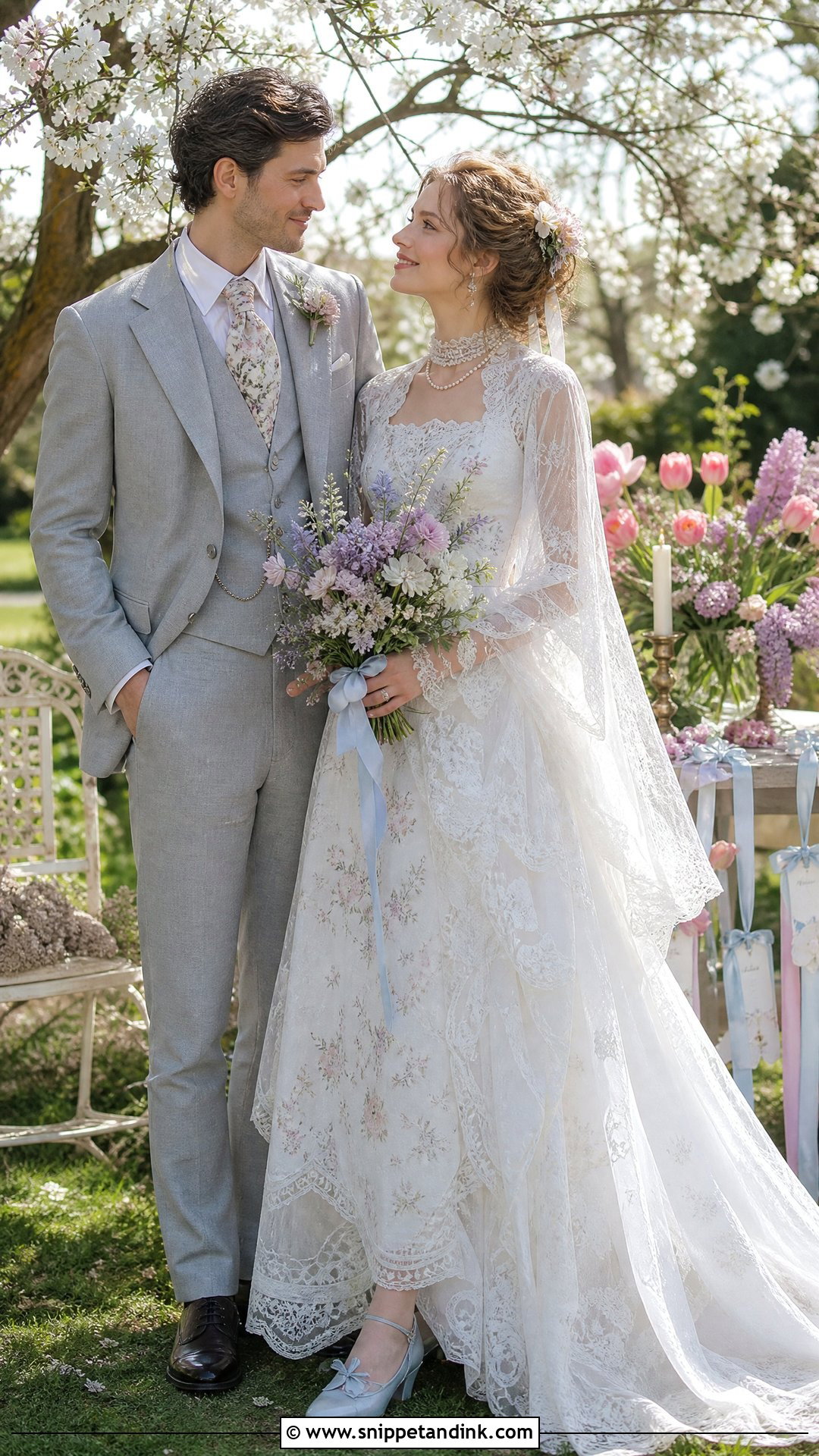
Spring flowers do most of the Victorian work for you. Tulips, sweet peas, ranunculus and lilac in pastel shades, with trailing greenery, can fill a greenhouse or a light-filled mansion without any extra props. I’d pair a floral lace gown with a fitted bodice and flowing sleeves with pearls and pale blue shoes, and put the groom in light gray with a soft pink waistcoat or a botanical tie. Floral-print stationery, ribbon place cards and pressed-flower favors repeat the season on paper. I keep the linens plain, since patterned cloth under patterned arrangements turns into noise in photos. Spring also brings sudden rain and soft lawns, so a covered ceremony option and solid walkways are part of the design, not an afterthought.
11. Victorian Summer Wedding
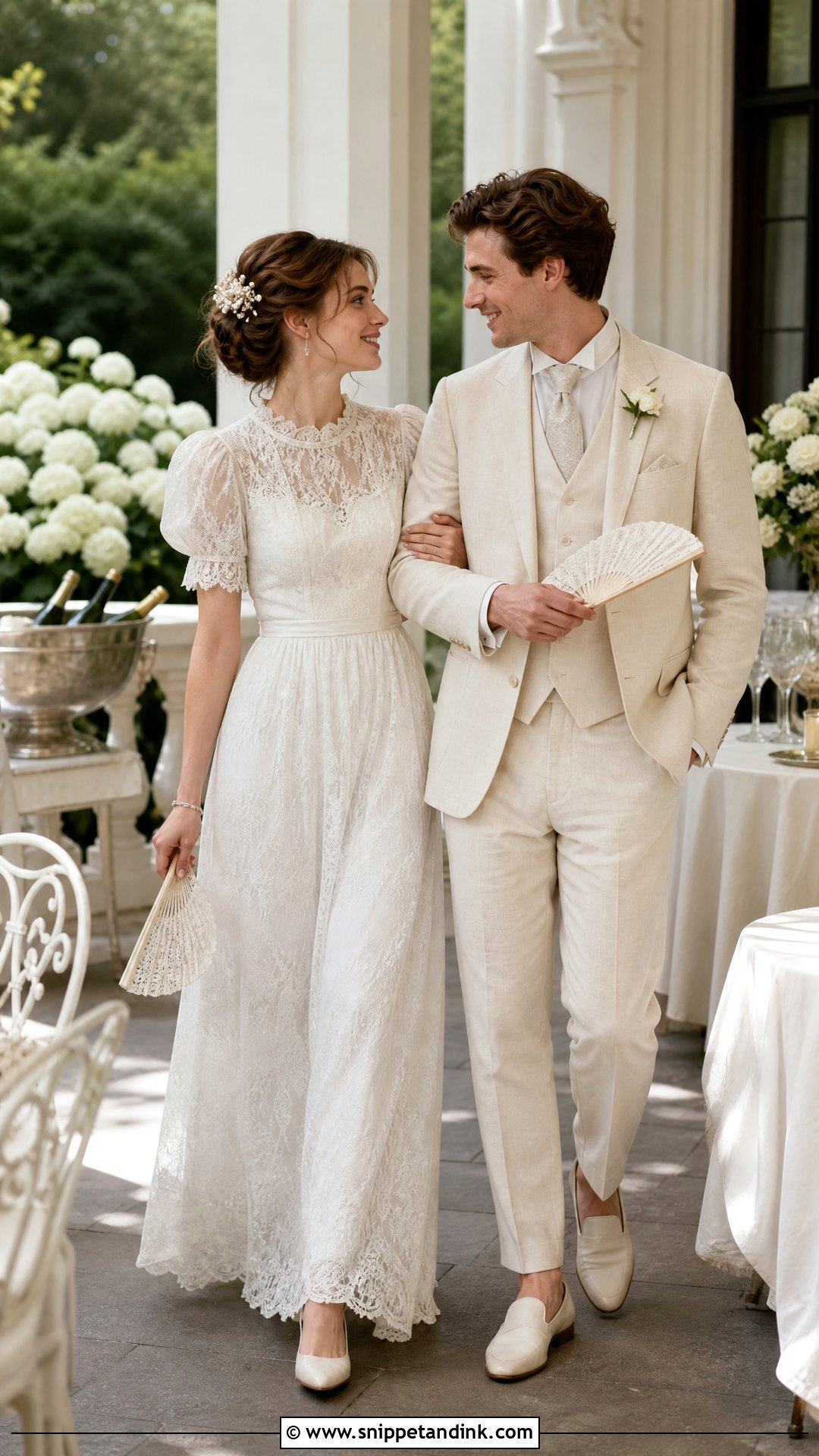
Summer is where Victorian dress and real weather collide. The period’s layers and high necks are hard work in July, so I steer brides toward a lightweight lace gown with short puff sleeves, an open neckline, low heels and a single pearl comb. A cream or light taupe suit with a waistcoat and loafers keeps the groom from overheating. For setting, a shaded garden, a covered veranda or a conservatory with real air conditioning beats open lawn. White roses, hydrangeas and greenery with a touch of pale yellow look fresh, but hydrangeas drink constantly and will flop in heat unless they’re kept in water until the last minute. Crisp linens, floral china, folding fans and glass pitchers of chilled drinks set the tables. Schedule portraits away from midday sun, and put water and shaded seating where guests can find them.
12. Victorian Candlelit Wedding
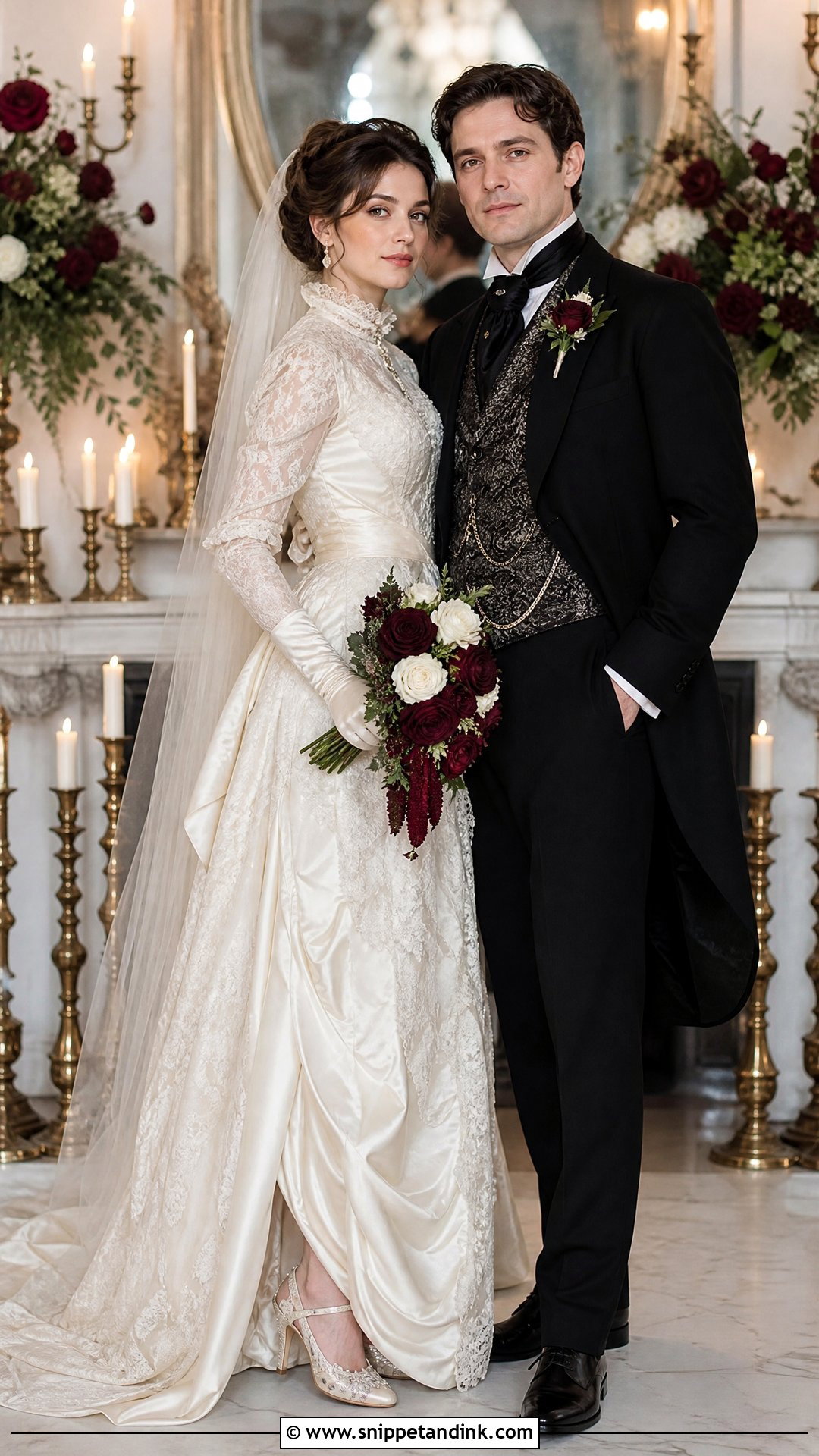
Candlelight is the cheapest way to make a plain historic room feel Victorian, and the first thing I do is read the venue’s flame policy. Many old buildings ban open flame or require enclosed candles, so I keep good flameless tapers on hand for those rooms. An ivory satin gown with a lace overlay, long gloves, pearl earrings and embellished heels catches the warm light well, and black tailoring with a brocade waistcoat suits the groom. I set tapers at varied heights in brass or silver-toned holders and leave a clear gap around flowers, napkins and anyone’s sleeve. Burgundy and ivory roses, dark greenery and reflective glass layer around them. Candles alone are too dim for dinner service and stairs, so brighter task lighting stays on there. Using one candleholder finish across ceremony, cocktails and reception makes the whole event look planned.
13. Victorian Lace Wedding
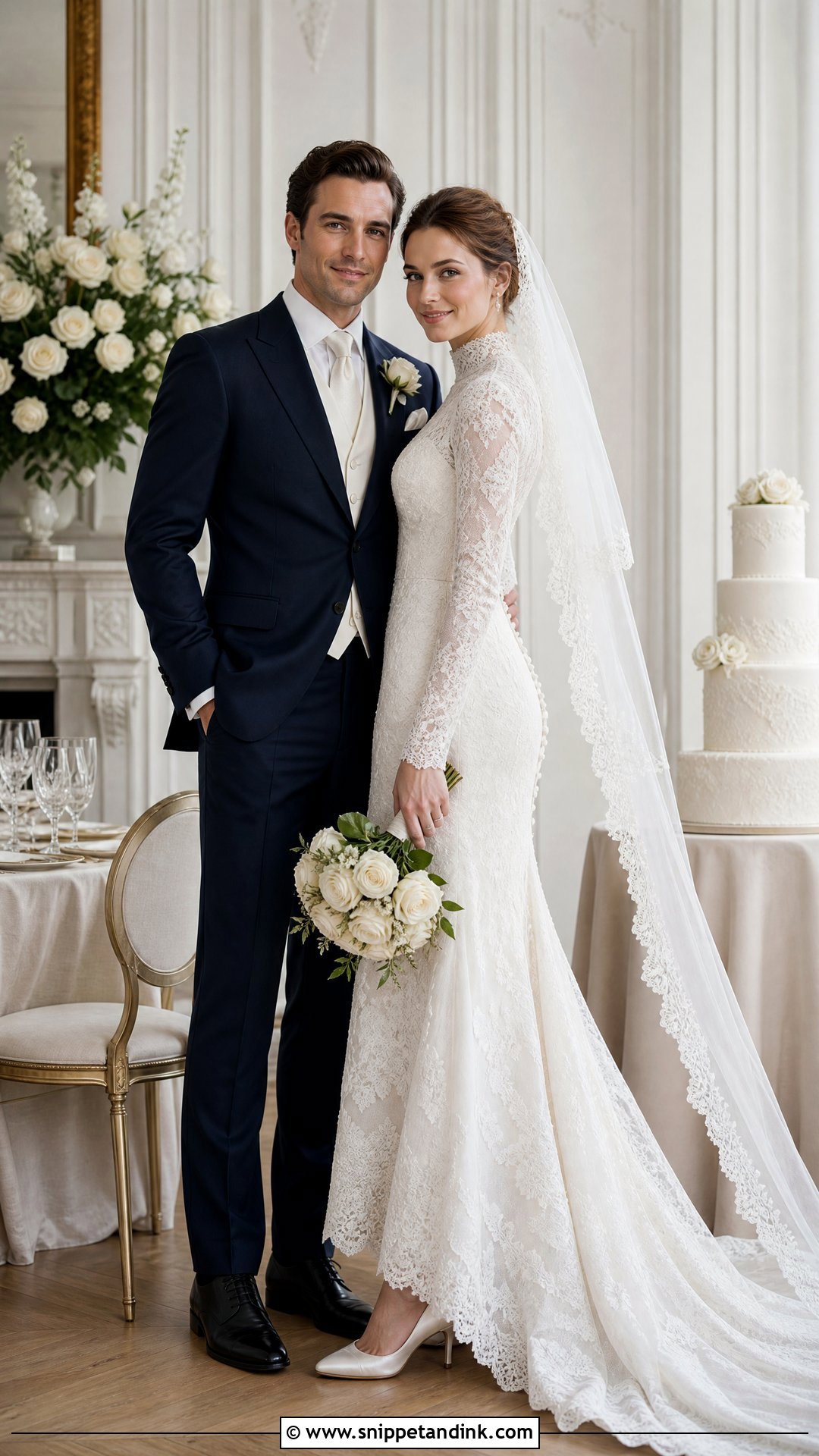
Lace makes a strong thread through a Victorian wedding, provided it shows up in a few places rather than all of them. It starts with the gown: a high lace neckline, fitted sleeves, covered buttons and a full skirt the bride can still walk in, with a lace-edged veil, pearl studs and satin shoes. The groom in dark navy with an ivory waistcoat and a textured tie gives the lace something calm to sit beside. From there I echo the pattern on laser-cut invitations, cake piping, embossed menus and one set of subtle linens. I’d stop there. Real lace on every chair and sign is busy and catches on everything. Pair it with smooth satin, polished wood and clear glass, and let white roses and trailing greenery soften the edges.
14. Victorian Botanical Wedding
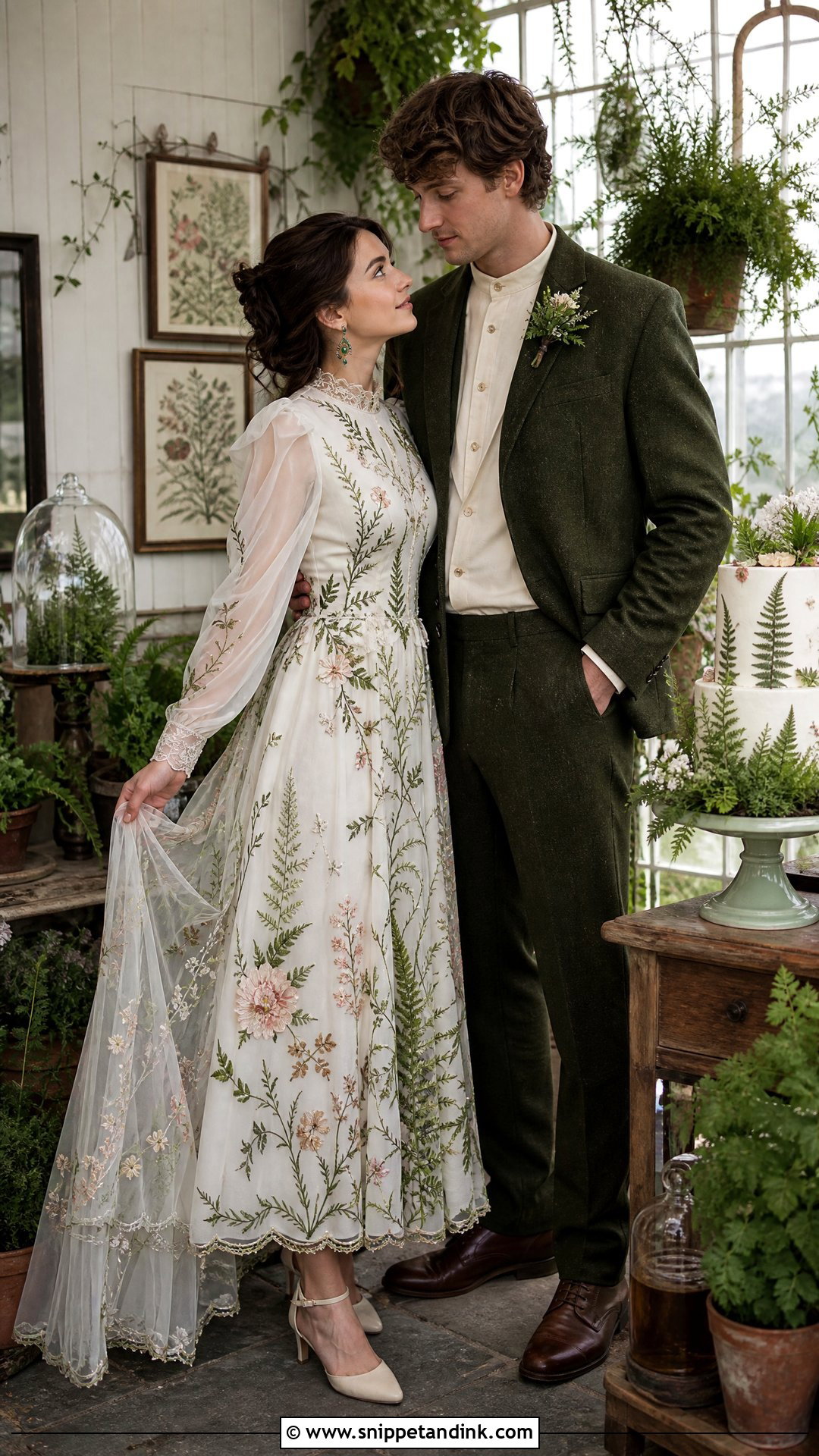
Botanical Victorian borrows from the era’s obsession with collecting and drawing plants. Greenhouses, museum-style halls, garden estates and bright lofts can all carry large greenery installations; before I commit, I check the floor can take the weight of wet planters. An embroidered floral gown with long sheer sleeves, green gemstone earrings and ivory ankle-strap heels suits the bride, and a moss-colored suit with a cream shirt and floral pocket square suits the groom. Tables take ferns, moss, potted herbs, glass cloches and vintage-style botanical prints, with plant names on the table cards and leaf borders on the menus. Soil and moss stay well away from food and flames. A lightly textured cake with sugar ferns completes it. The installations can be lavish, but each table still needs room for plates and elbows.
15. Victorian Burgundy Wedding
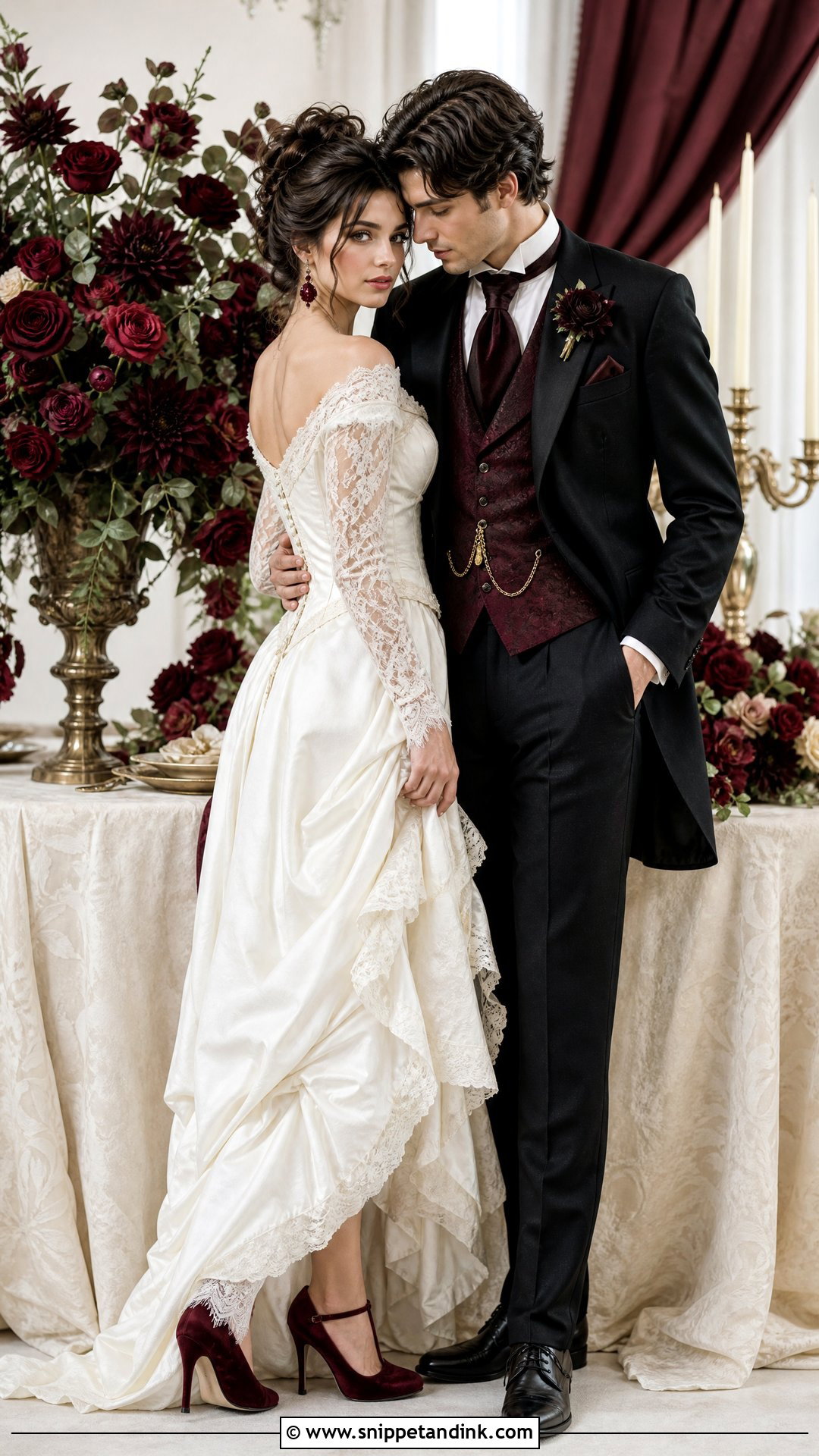
Burgundy is the Victorian color I can use in any season. I pair it with ivory, antique gold, dusty rose and small touches of black so it never goes flat. A bride in an ivory corset-seamed gown with lace sleeves, burgundy velvet heels and garnet-style earrings, and a groom in black with a burgundy waistcoat and pocket square, carry it without looking matched. Ceremony flowers are wine roses, dahlias, scabiosa and soft greenery; at dinner I use burgundy napkins on ivory cloths with gold candleholders and clear glass so the table stays balanced. Floral borders and wax seals carry it onto paper. For the cake I steer away from all-dark icing and toward ivory frosting with burgundy sugar flowers, since a deep red cake loses its detail in both daylight and flash.
16. Victorian Blush Wedding
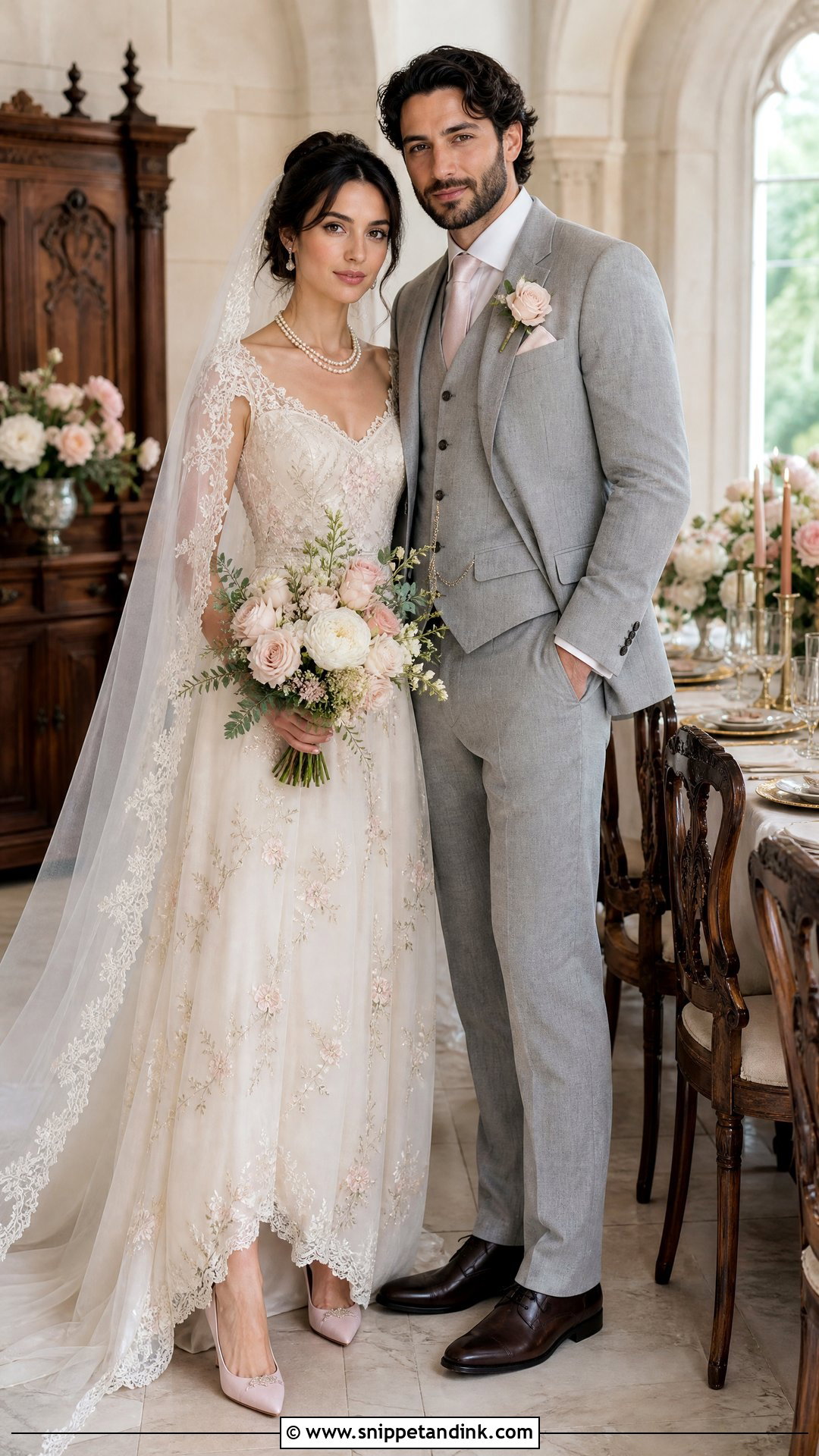
Blush softens the period for daytime, though it fades fast if every surface is the same pink. A garden estate, an ornate ballroom or a pale stone mansion all suit it. The bride might wear ivory with blush floral embroidery, a lace-edged veil, pearls and pale pink pumps, with the groom in light gray. I arrange blush roses, peonies, cream flowers and eucalyptus in footed bowls and urns; peonies open quickly in a warm room, so I time their delivery closer to the event than other stems. Ivory cloths, rose napkins, gold-rimmed plates and delicate floral menus fill the tables, and a white cake with blush piping and fresh flowers becomes the focal point. My usual fix for washed-out photos is dark wood furniture, which gives the pink an edge to sit against.
17. Victorian Blue Wedding
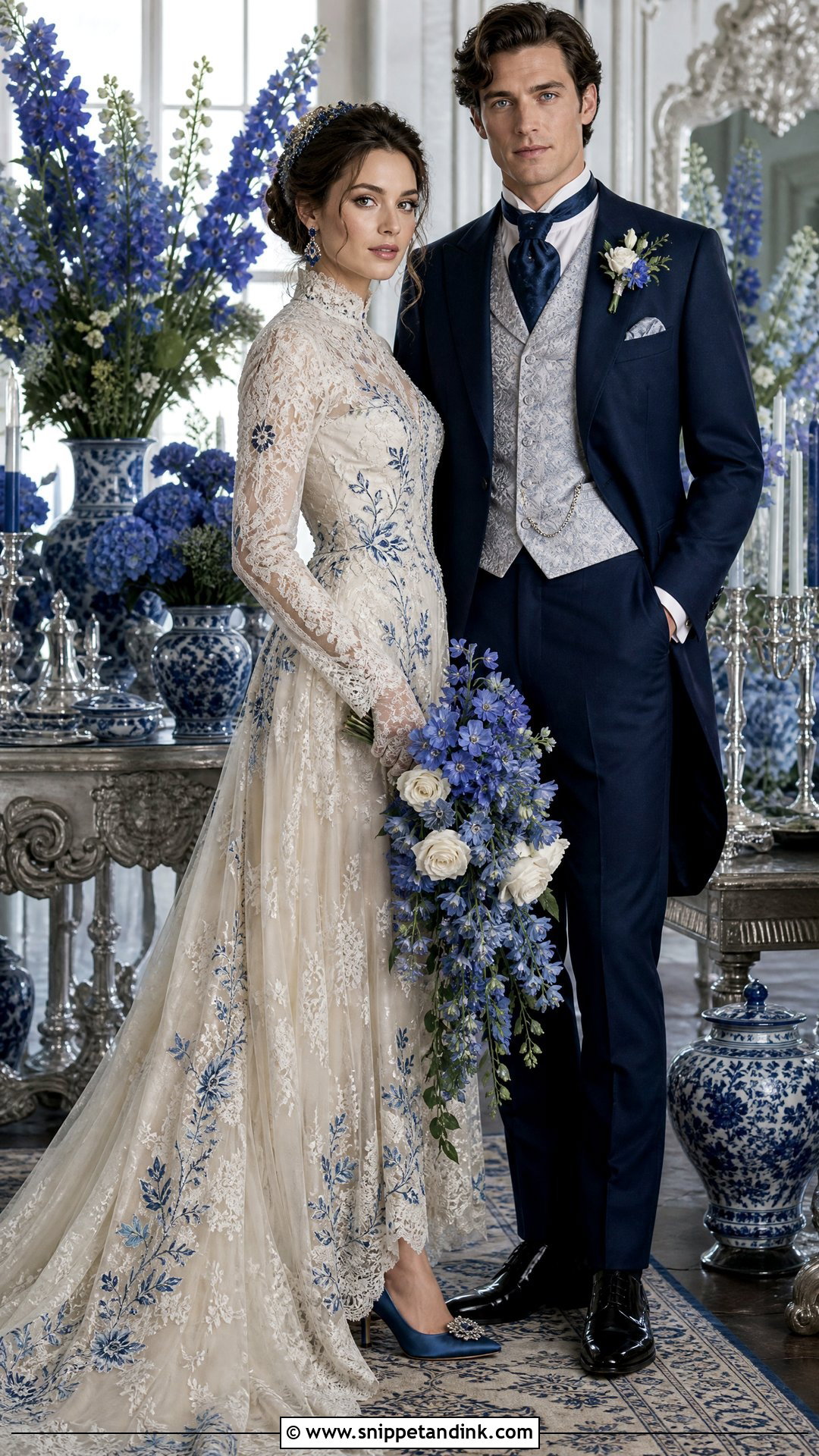
Dusty blue, navy, ivory and silver give a calmer Victorian palette, and blue-and-white china is the quickest way to make it read as period. A historic hotel, a coastal manor or a garden venue can carry it. The bride wears ivory lace with blue embroidery, sapphire-colored earrings and blue satin heels; the groom wears navy with a silver waistcoat and patterned tie. Blue delphiniums, hydrangeas, white roses and greenery fill the bouquets. Delphiniums are tall and top-heavy, so in ceremony arrangements I anchor them in weighted urns. Silver-toned candlesticks, ivory linens and handwritten place cards join the china, and botanical toile can appear on invitations or napkins, but I limit it to two surfaces. Finish with a white piped cake featuring fine blue details rather than solid blue icing.
18. Victorian Black And Gold Wedding
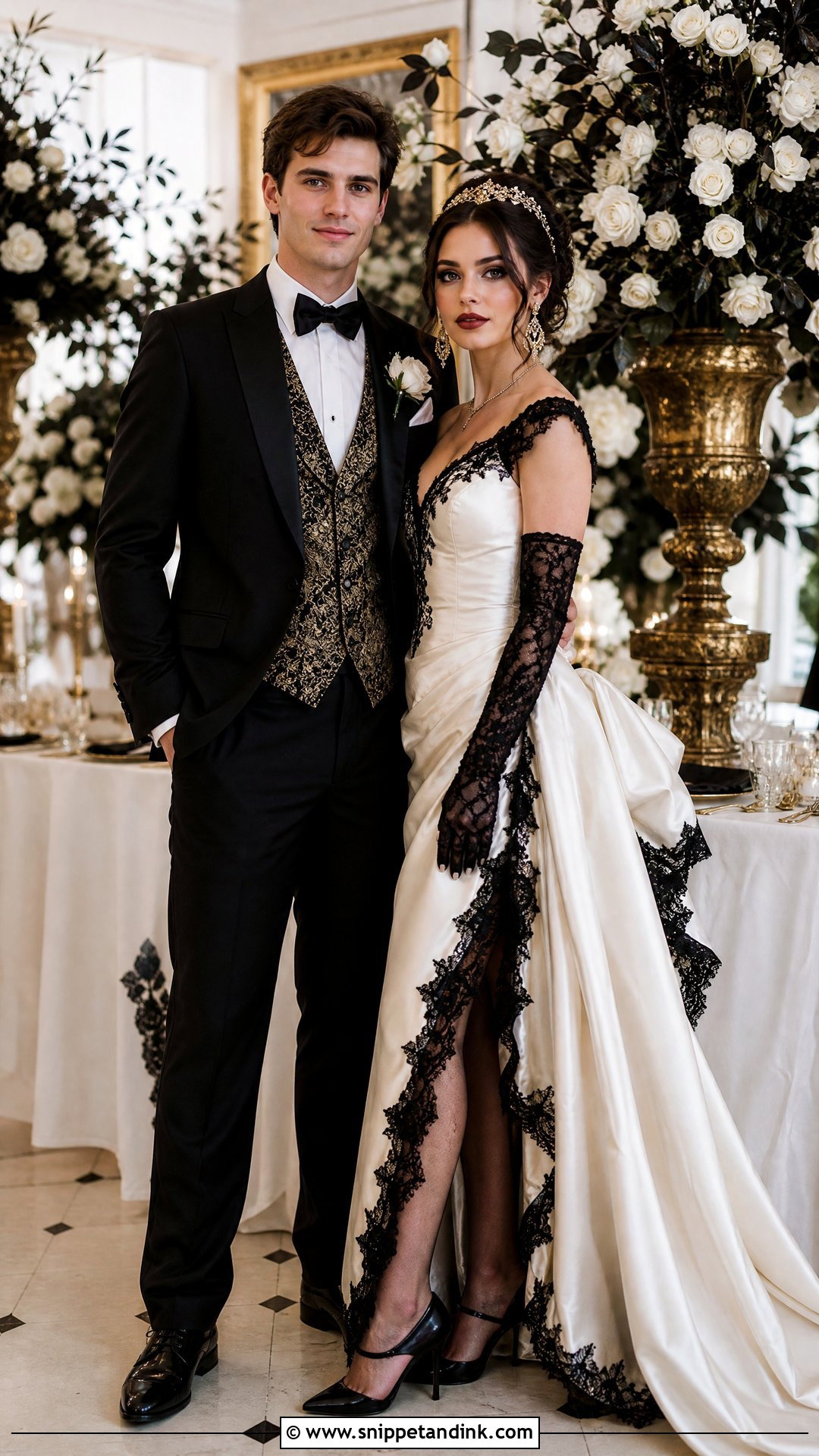
Black and gold looks severe on a mood board and turns out more adaptable in a real room, as long as ivory joins as a third color. Without it, the room goes dark the moment the sun drops. The bride can wear ivory satin with black lace accents, long gloves, gold earrings and black pointed heels, and the groom a black tuxedo with a patterned gold waistcoat. White roses, dark foliage, gold urns and black ribbon dress the ceremony. At the reception I put black napkins on ivory cloths with gold-framed signs, brass candlesticks and clear glass. I always choose matte or antiqued metallics here, because bright yellow gold flares under flash. A black-and-ivory cake with fine gold piping keeps the palette going, and focused spotlights on tables and flowers stop the details disappearing.
19. Victorian Micro Wedding
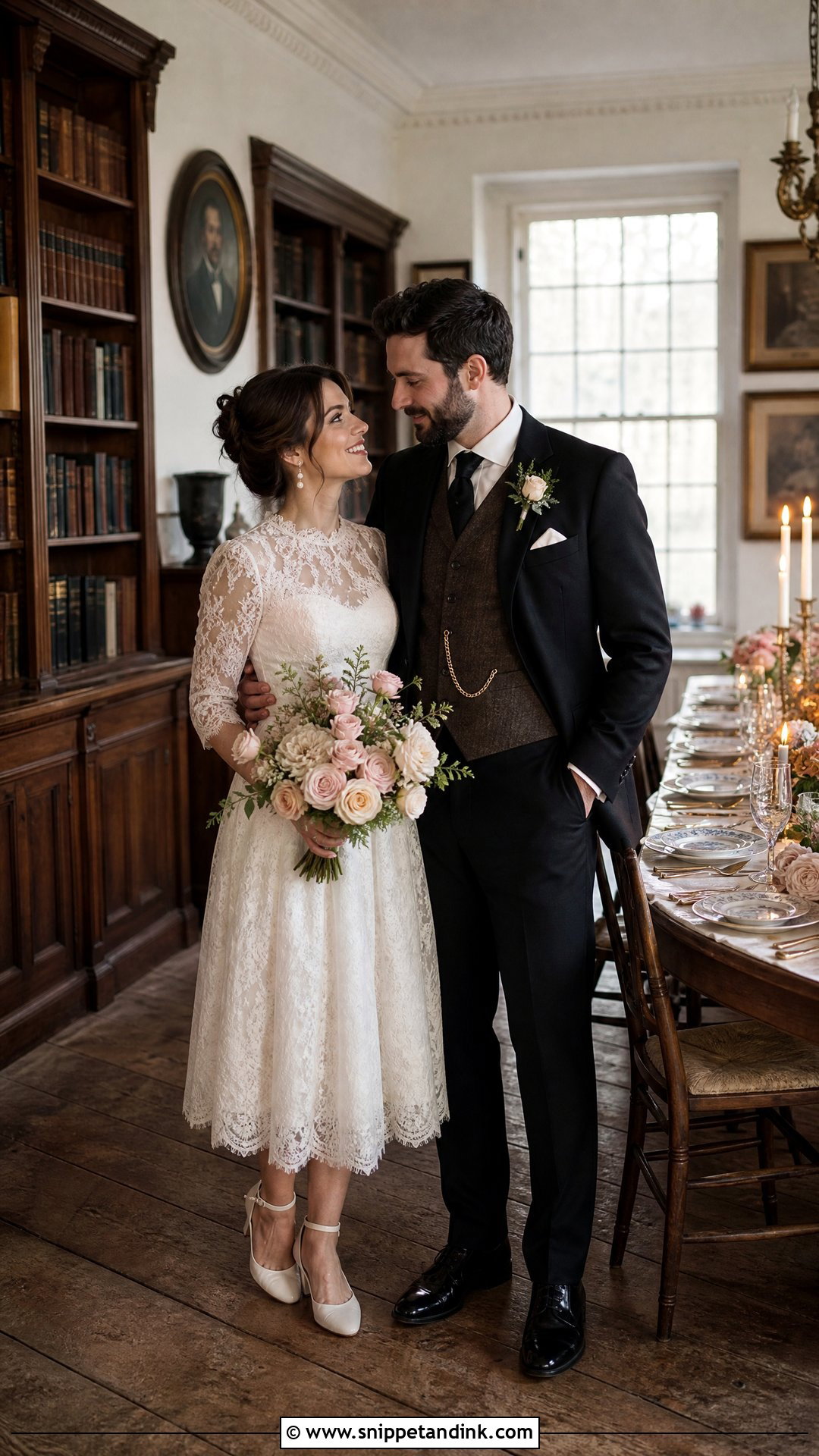
Small guest counts let me spend on details that would be unaffordable at 150 covers. A private dining room, small garden, library or historic bed-and-breakfast all work. The bride can wear a tea-length lace dress or a slim long-sleeve gown with pearls and block heels she can stand in all evening; the groom, a three-piece suit with a pocket watch and polished brogues. I seat everyone at one long table dressed with tapers, garden roses, handwritten menus and vintage-style china, which gives a micro wedding its dinner-party feel. Put the money into a proper invitation suite and a detailed cake, and consider individual favors like framed place cards or small botanical prints. With fewer people, formal portraits and a long multi-course meal fit into the day without anyone checking the time.
20. Modern Victorian Wedding
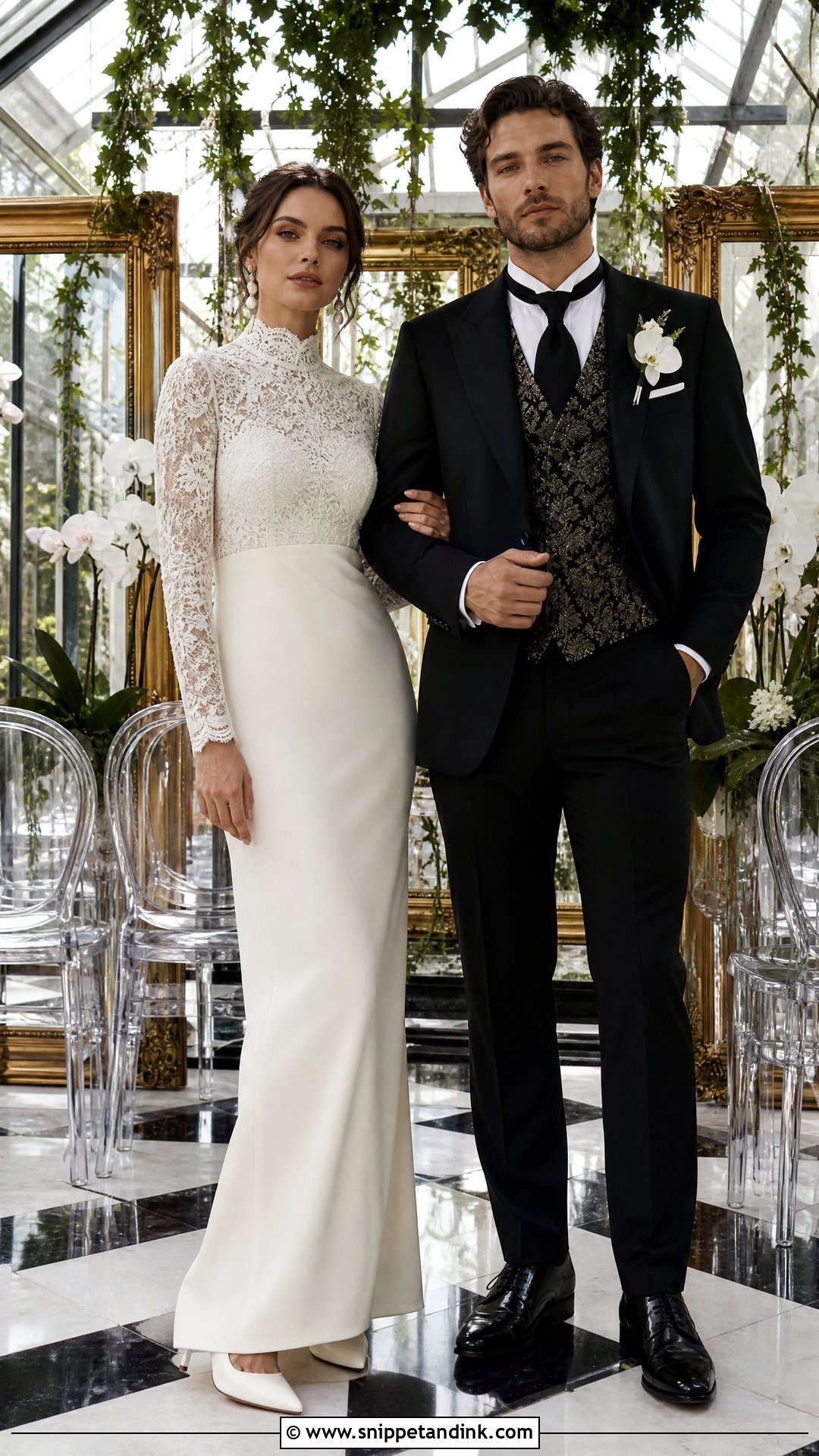
Modern Victorian is mostly an editing exercise. I pick three or four recognizable period elements and give each one empty space around it. Bright galleries, renovated historic buildings, minimalist ballrooms and modern greenhouses suit the approach. A sleek column gown with lace sleeves, a high neck, pearl drop earrings and pointed pumps sets the tone, and a sharply tailored black suit with a subtle brocade waistcoat matches it. Architectural arrangements of white roses, orchids and trailing greenery sit on simple tables with clear chairs, modern typography and a few ornate gold frames for contrast. A smooth white cake with fine piped borders splits the difference between old and new. Skip the antique clutter; a single carved mirror against a white wall says more about the period than a dozen props.
Sourcing Antique Pieces Without Regretting It on the Night
Period decor is where Victorian budgets quietly balloon, and where I see the most breakage. My rule is to buy only what you would keep after the wedding and rent the rest. Brass candlesticks, frames and a few books are cheap secondhand and easy to resell. Large furniture, chandeliers and fragile glassware belong to a rental company that insures and moves them.
What I check before anything old goes on a table
- Candlesticks: the taper must sit snugly. Old holders often take a narrower candle than modern tapers, so I test-fit them and use holder wax or adapters rather than hoping.
- Mirrors and frames: hanging wire and hooks rot with age. I replace them or stand the piece on an easel.
- Vintage china: cracked or crazed glaze can harbor bacteria, so chipped plates become decor under clear chargers, never food plates.
- Textiles: old lace and velvet can shed or carry musty smells. Air them for a week and keep them away from candle flames.
Agree in writing who packs the borrowed and family pieces at the end of the night. Midnight teardown is when heirlooms get lost, so I give each one a labeled box and a named person.
Why One Clear Mood Beats Twenty Period Props
When a Victorian wedding works, it’s because someone made choices. Settle the mood first, garden, Gothic, royal or modern, then carry one palette, two or three materials and a short list of motifs through the clothes, the paper, the ceremony, the tables and the cake. Plan guest comfort, venue rules, step-free paths and real lighting alongside the pretty parts, since those decide how the evening feels at hour six. Genuine antiques add character, but rented and reproduction pieces are usually safer to move and cheaper to lose. A grand estate party and a dinner for ten can both carry this history-inspired look, as long as the details are chosen rather than collected.
You'll Like These Ideas:


Leave a Reply