
Flowers for hair are the smallest order on my wedding sheet and the ones I fuss over most. A bouquet stands in water until the last minute; a bloom pinned behind your ear spends ten hours against a warm scalp with nothing to drink. So before we talk about looks, I want to know the dress, the venue, the veil, your hair texture and the forecast. Fresh stems, silk flowers, pearl-flower pins, baby’s breath, orchids, roses and tiny wildflowers can all soften a bridal look, but each behaves differently. A garden ceremony might carry loose waves dotted with blooms; a ballroom usually wants a neat chignon with one wired cluster. The fifteen styles below range from sleek to boho, with notes on which flowers each one can actually hold.
Which Blooms Survive a Long Day Out of Water
Hair flowers have a harder life than the bouquet. They sit against a warm scalp, get no water and are handled every time someone hugs you. Some flowers shrug that off; others look tired before the ceremony starts. This is roughly how I sort them:
- Reliable in hair: spray roses, dendrobium orchids, waxflower, baby’s breath, statice, small carnations and most greenery. They hold their shape and forgive handling.
- Pretty but fragile: gardenias and some white roses bruise brown wherever they’re touched, and jasmine softens by evening. Fine for the ceremony, less so for a ten-hour day.
- Better left in the bouquet: hydrangea wilts quickly without water, full peonies are heavy and drop petals, and lilies shed pollen that stains ivory fabric.
- Hot or humid day: lean toward orchids, preserved blooms or good silk flowers, or mix a few silk stems in with fresh so the look holds if the real ones droop.
Season matters too. Ask what’s naturally available around your date; it’s usually fresher, sturdier and kinder on the budget than something flown in.
1. Floral Bridal Updo
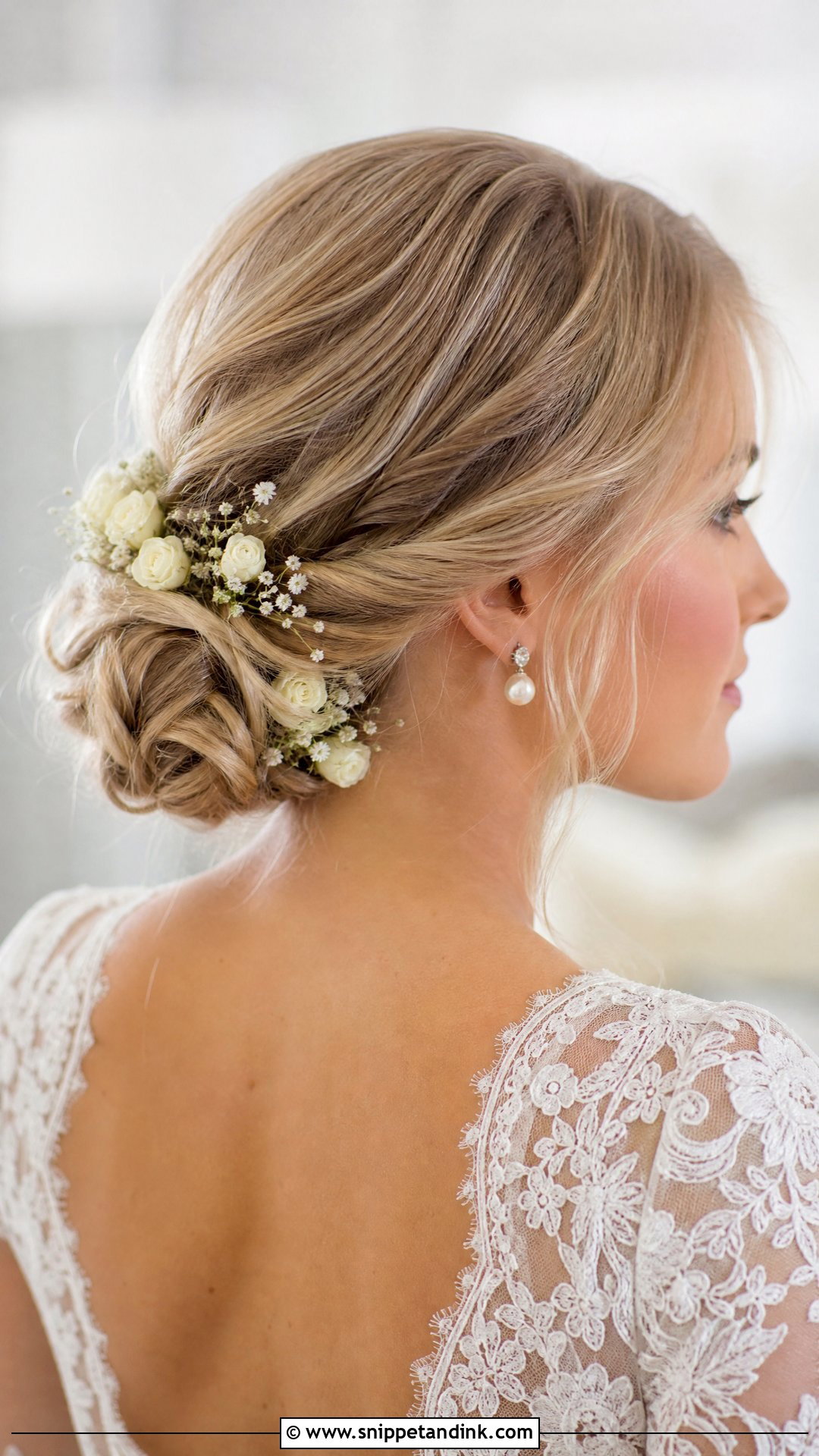
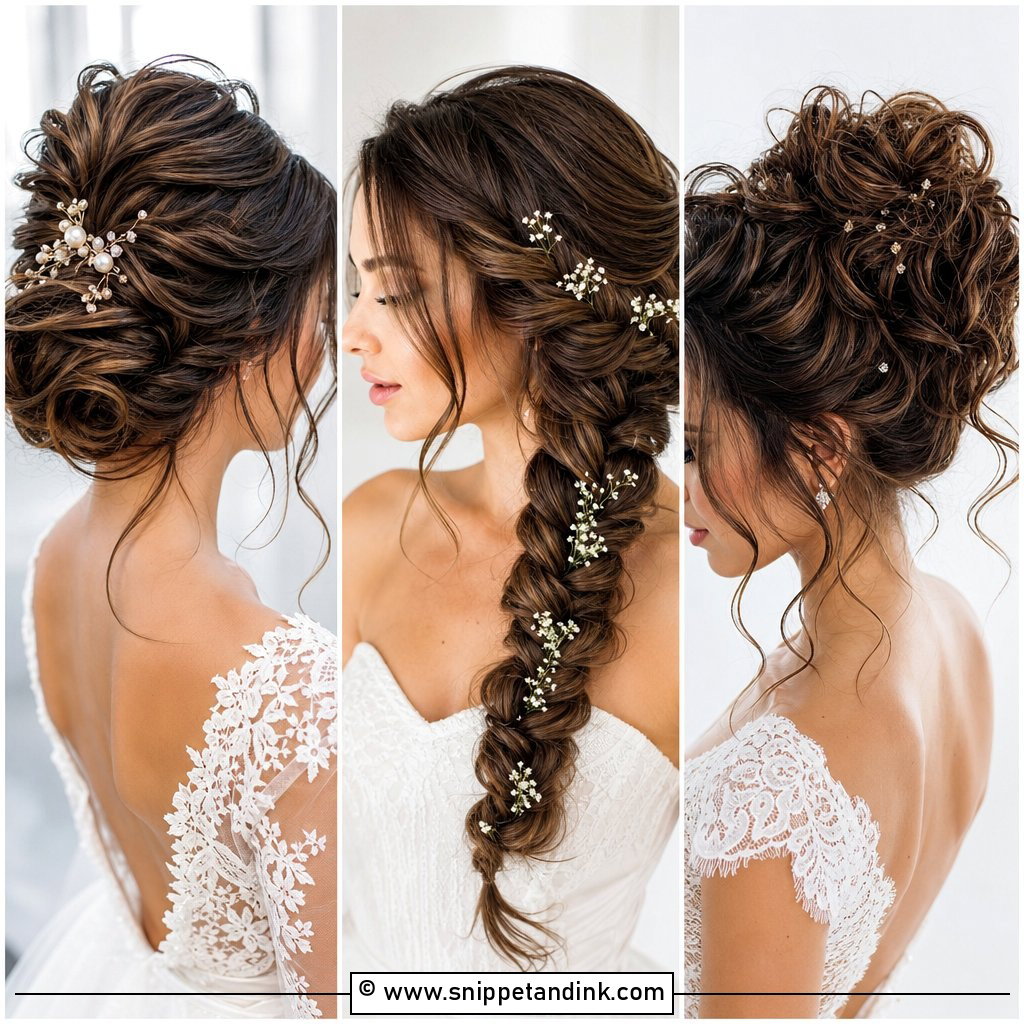
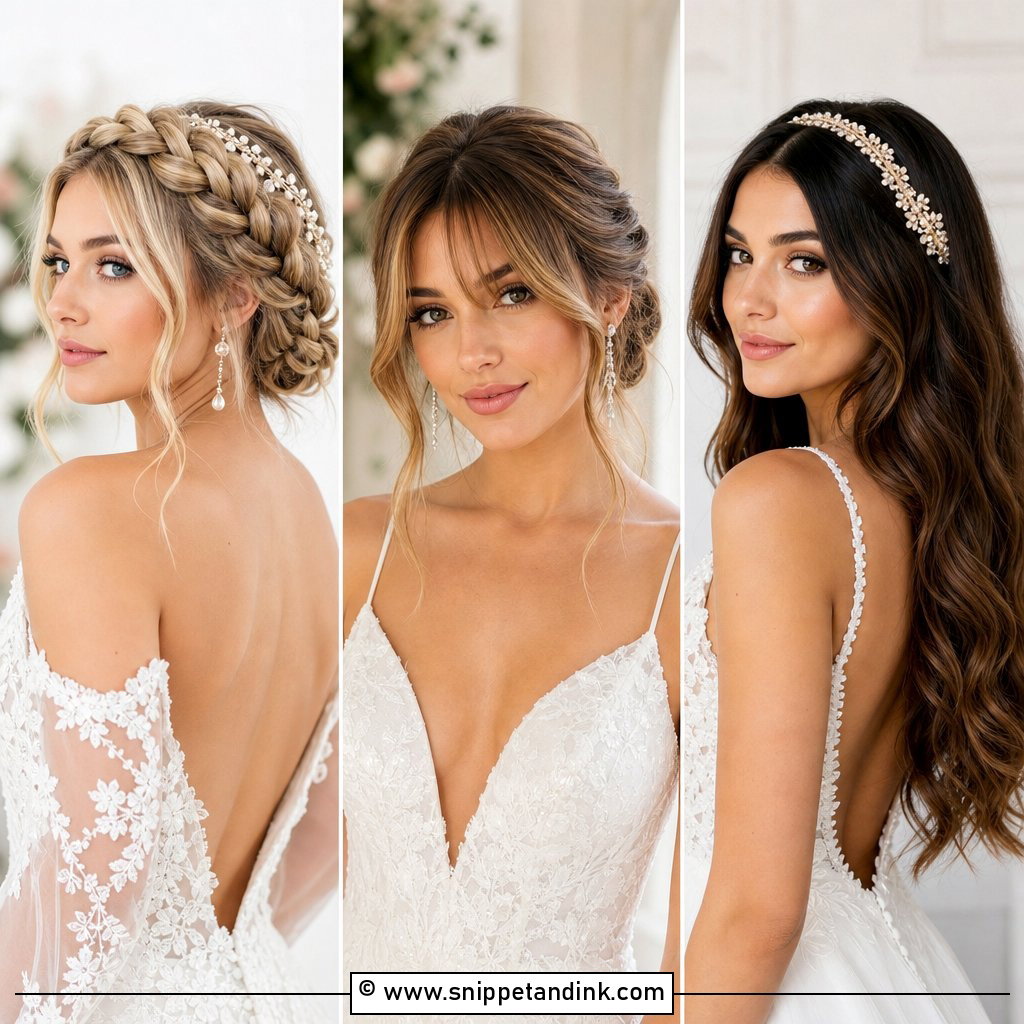
An updo is the friendliest base I can send flowers into. The hair is gathered low or mid-height, and small blooms tuck around the twist or pinned sections, where the structure grips the wired stems. It plays well with a veil too: flowers can sit above, below or beside the comb without fighting it. If the dress has heavy lace, beading or a dramatic neckline, I’d keep the florals to a small cluster and let the stylist finish the front cleanly. Softer dresses can take a few face-framing pieces and a looser spray of blooms.
2. Floral Bridal Bun
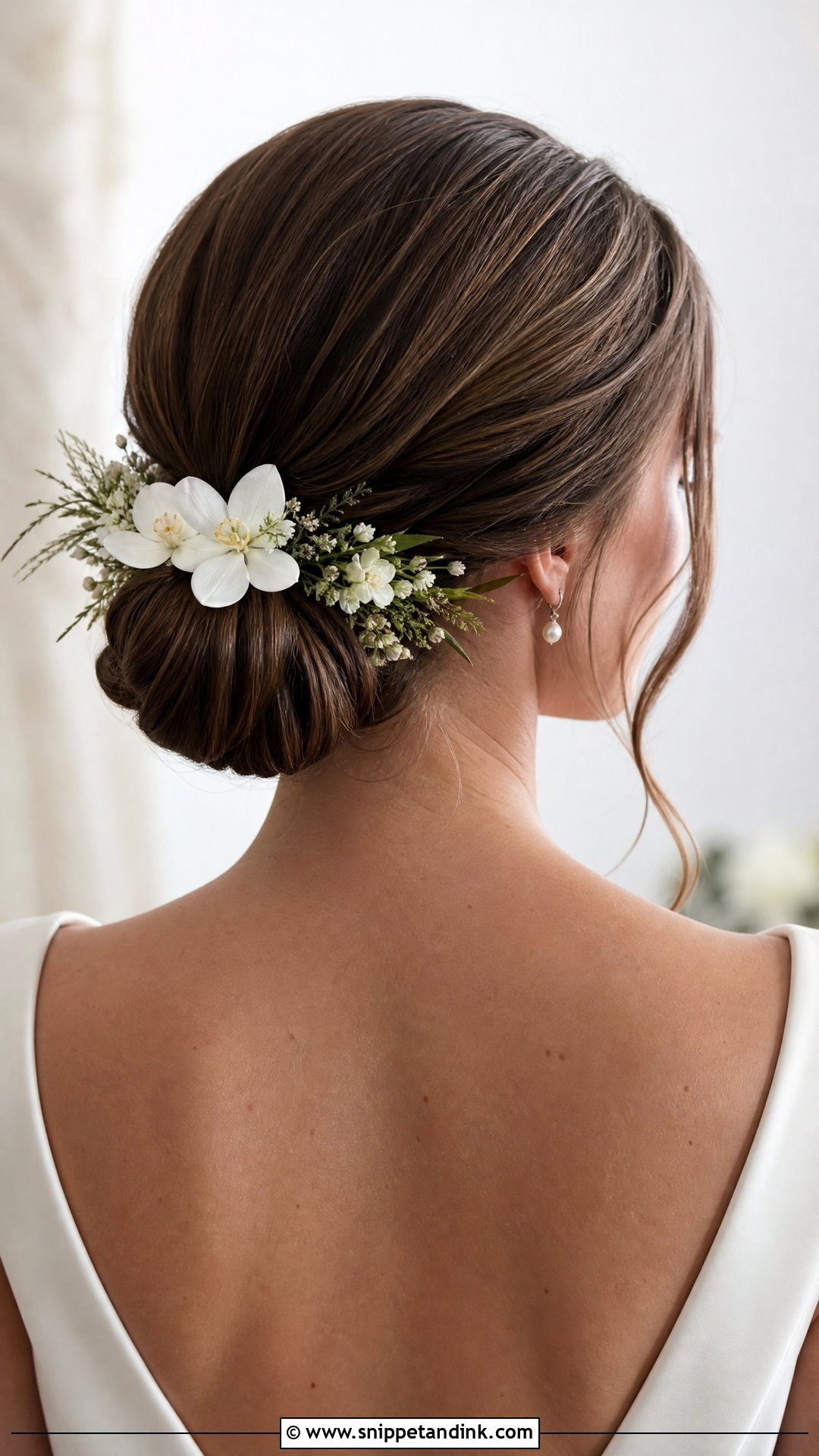
Stephanotis was practically made for buns. The little star-shaped heads can be wired individually, often with a pearl pin through the centre, and pushed into the bun one by one. Small roses and orchids work the same way. A bun at the nape reads classic; a little higher looks lifted. Open backs, detailed shoulders and long veils suit it, and in warm weather the hair stays off the neck. My rule is odd numbers and uneven spacing, so it never looks like a ring of buttons.
3. Floral Bridal Half Up Hair
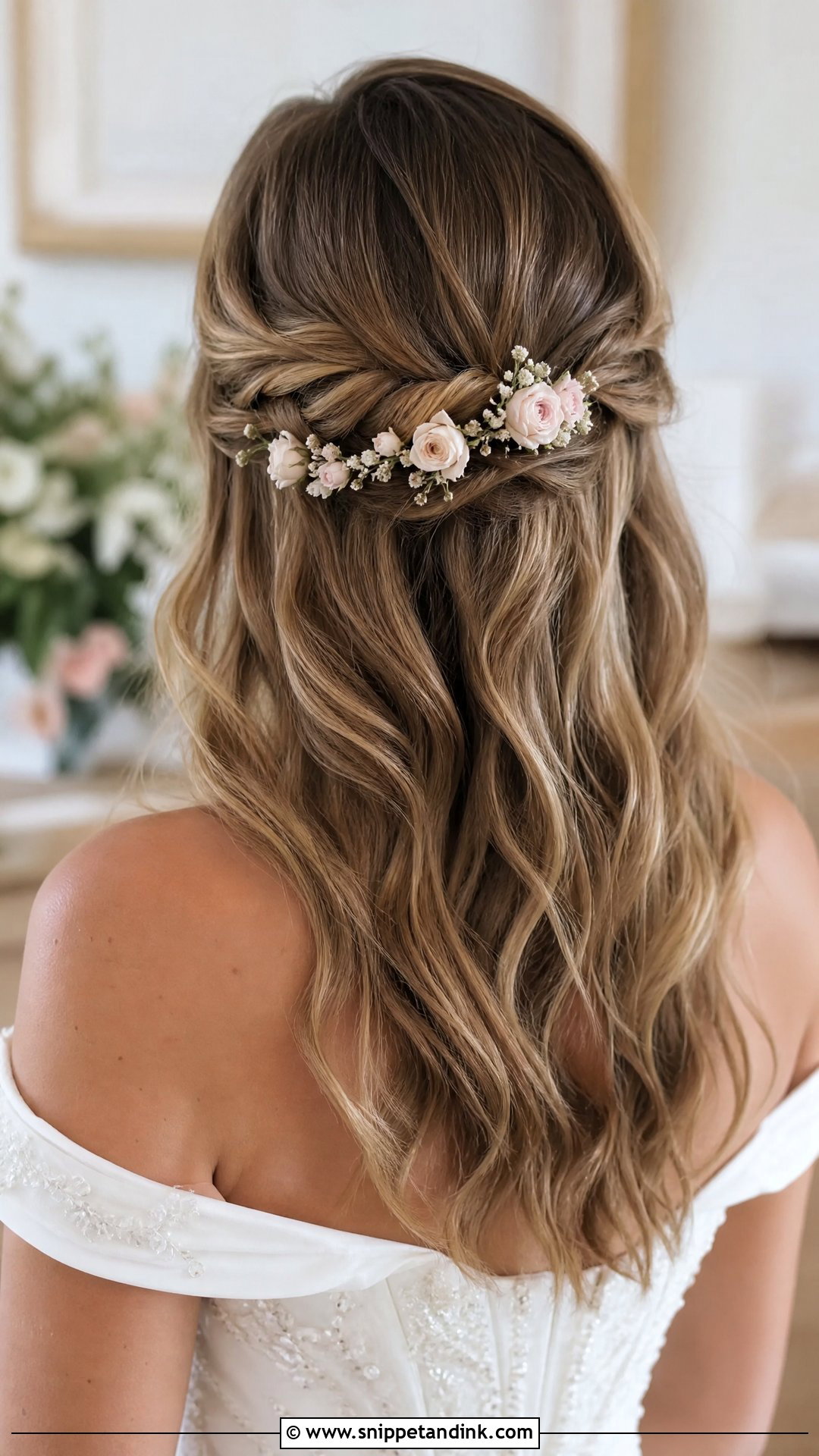
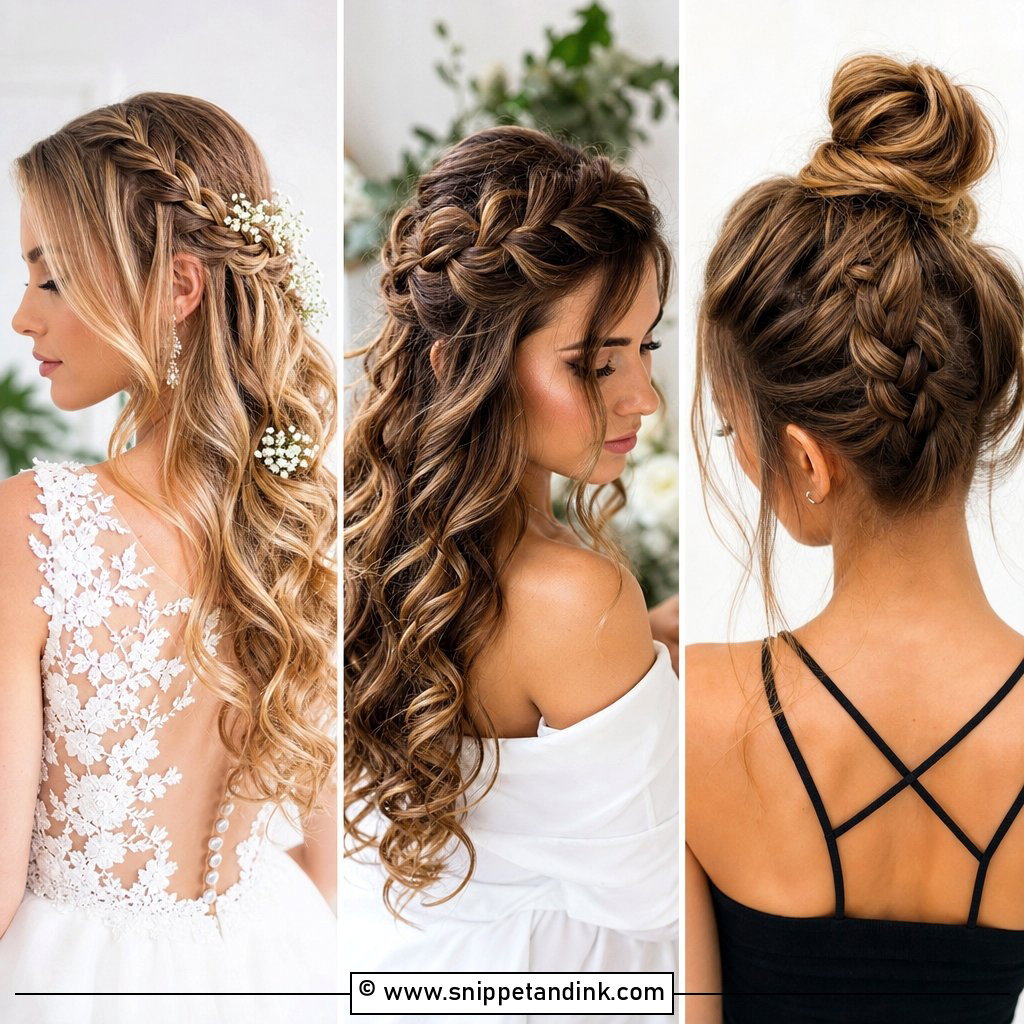
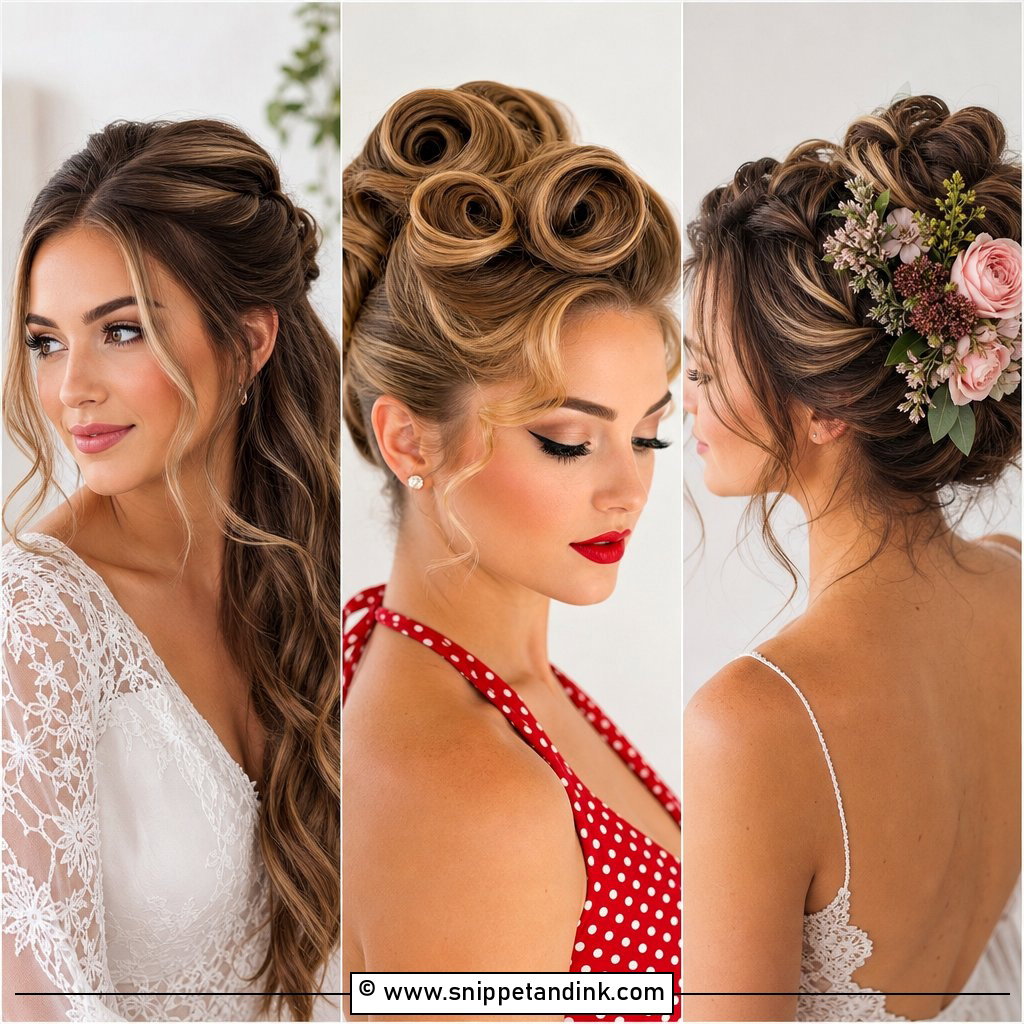
Half-up gives the flowers a natural shelf: the line where the top section is twisted, braided or pinned back. I like blooms placed along that line like a short crown, or gathered at one side for a single focal point. The lengths below stay in waves or curls. Medium to long hair suits it best. Strapless, sweetheart and off-the-shoulder gowns all leave space for it. Because the flowers sit at the back of the head, they’re out of direct sun for much of the day, which helps fresh stems last.
4. Floral Bridal Waves
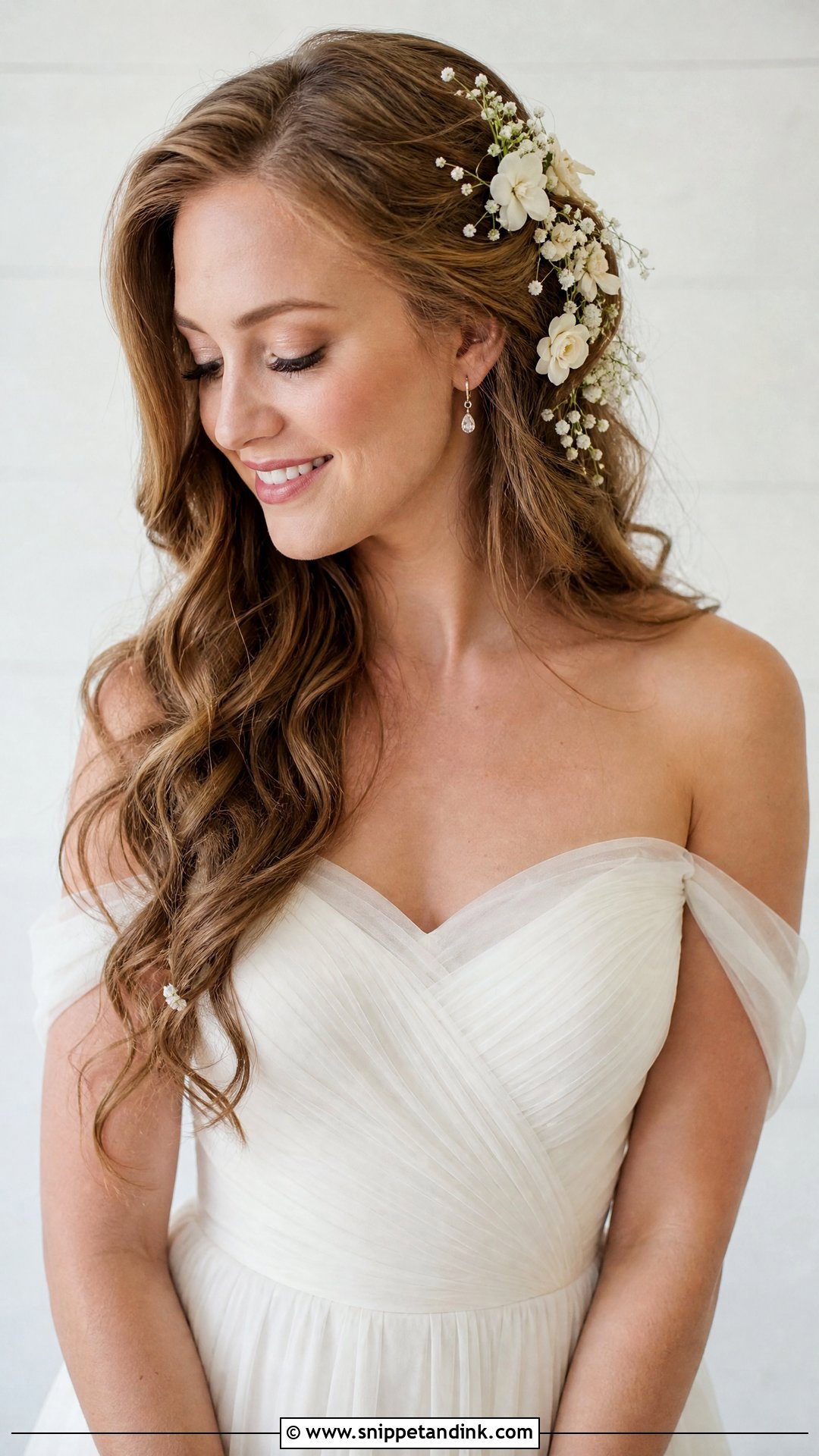
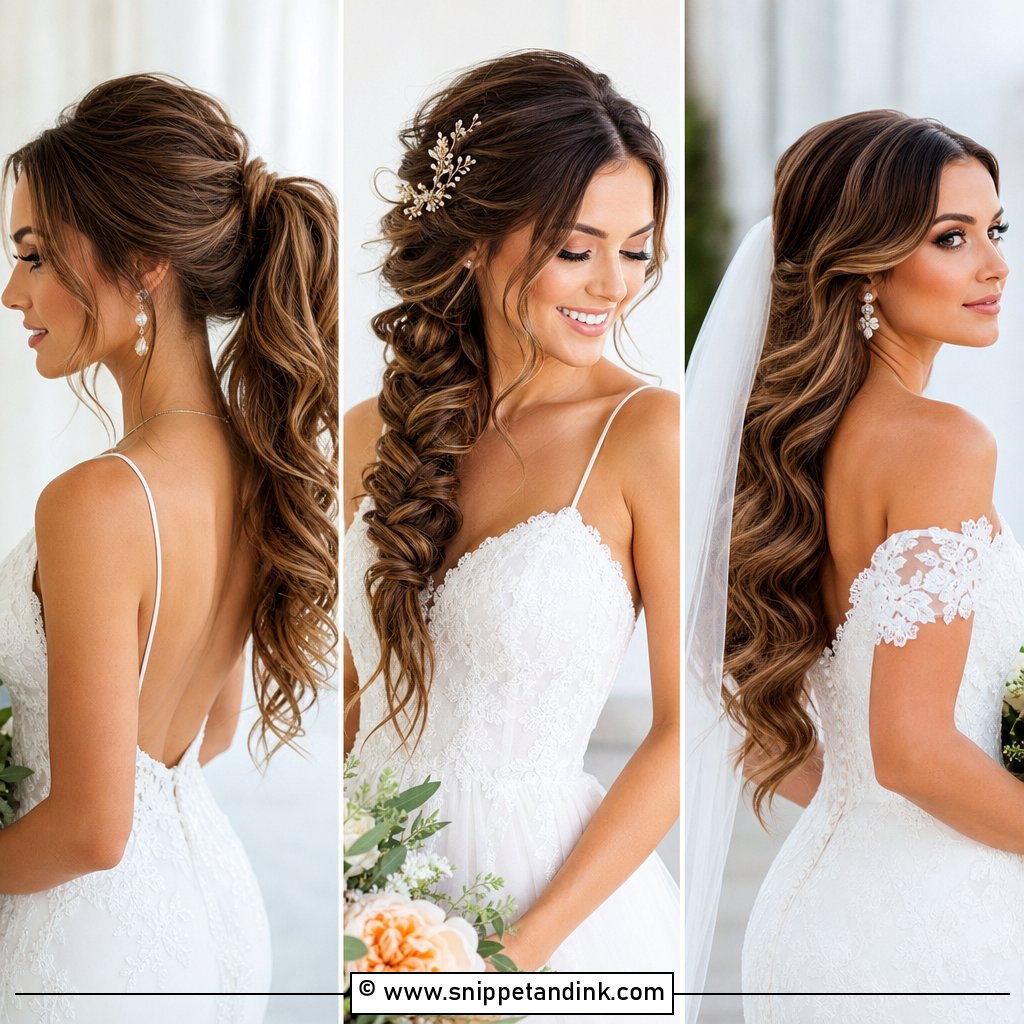
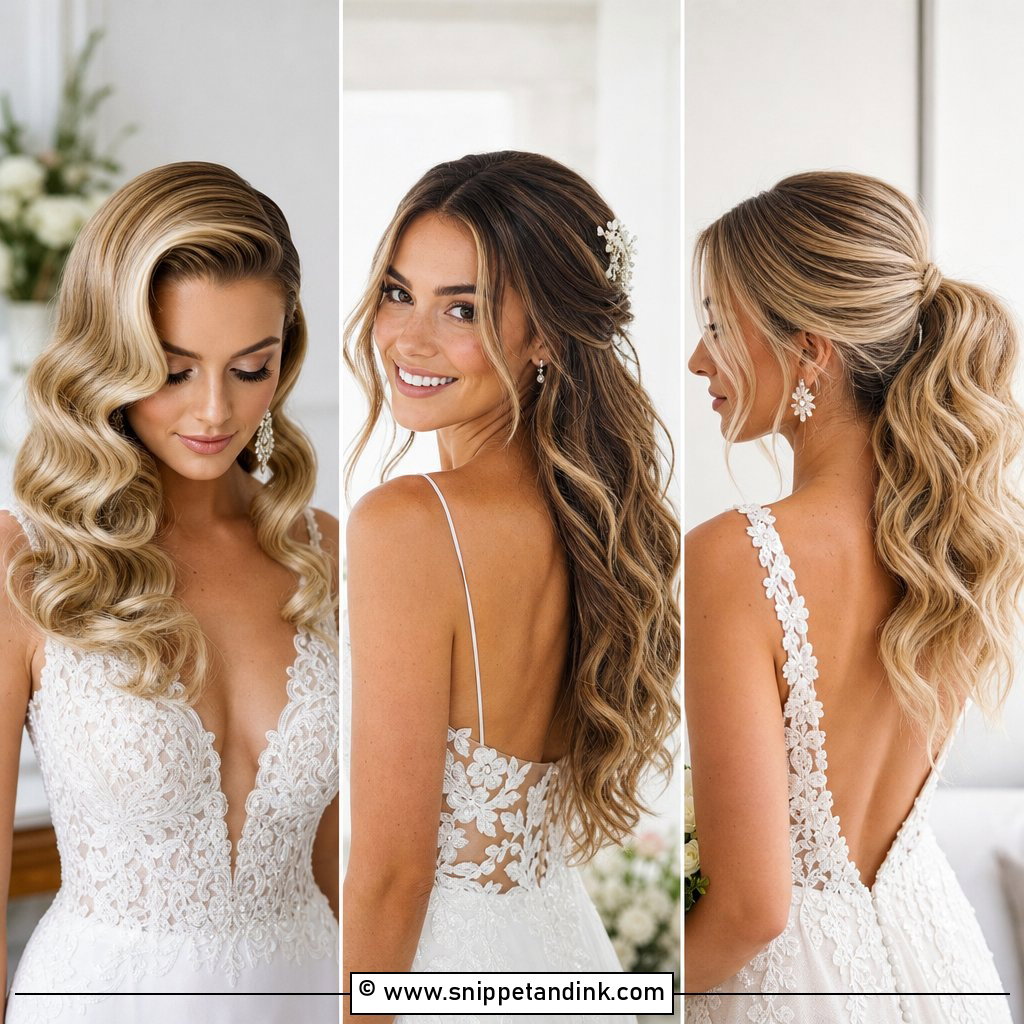
Loose waves are the hardest base for fresh flowers, because there’s nothing firm to hold a stem. I wire small blooms onto bobby pins so the stylist can lock them into a hidden pinned section on one side, at the back or near the veil. Long and layered hair both give movement around them. Simple gowns can carry slightly larger heads; detailed gowns want smaller ones. Ask for a flexible spray on the hair but keep it off the petals, since some flowers mark or wilt where they’re sprayed.
5. Floral Bridal Ponytail
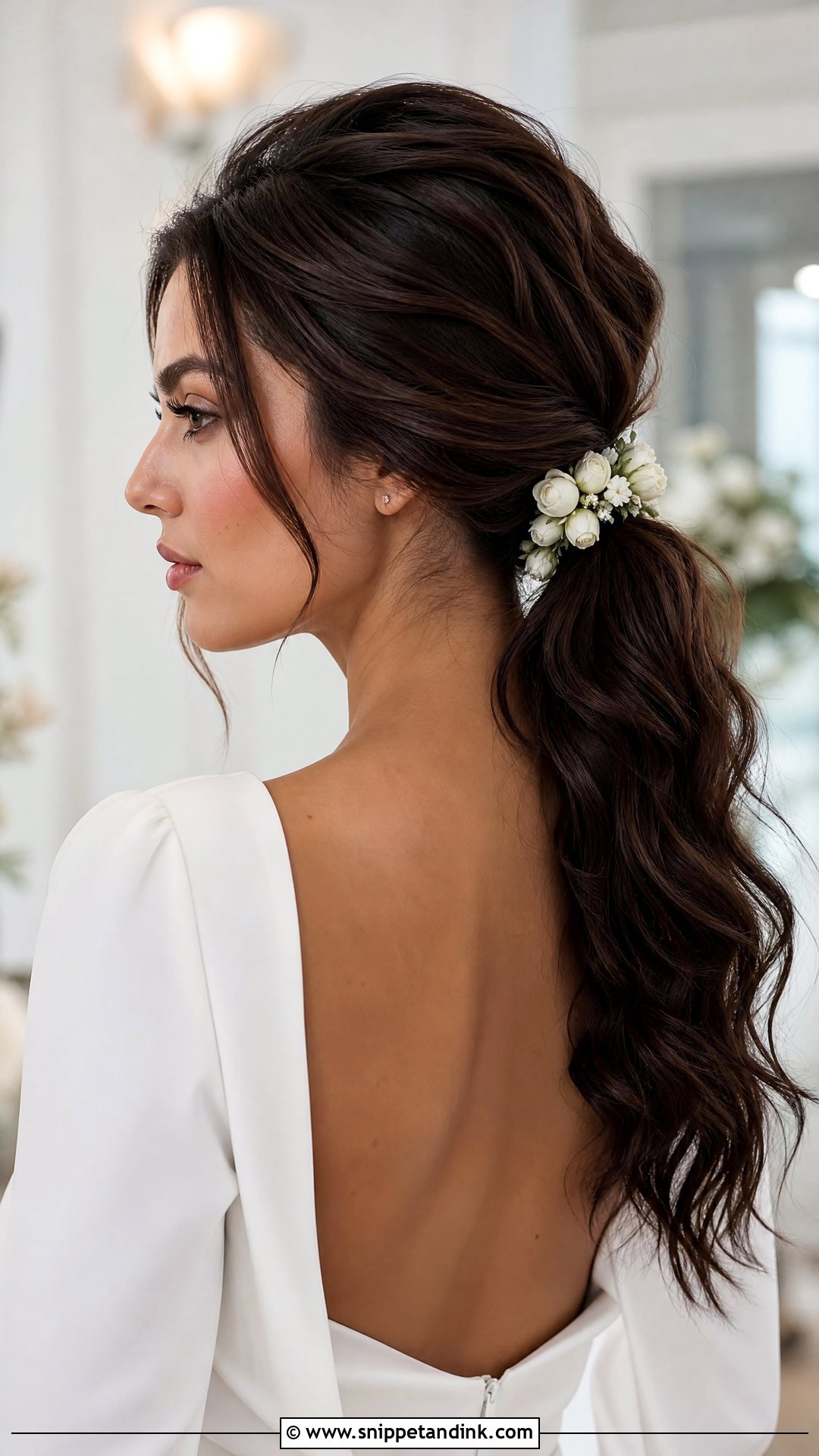
A ponytail gives flowers a clear home: wrapped around the base, trailing down one side or sitting above a ribbon. High and sleek reads fashion-led; low and waved reads softer. You keep length in photos with hair off your face. Statement earrings and minimal gowns suit it. I make a small wired collar of blooms for the base rather than loose stems, because a ponytail swings all day and loose flowers work their way out. Ask the stylist for volume at the crown so it doesn’t look like a gym ponytail.
6. Floral Bridal Braid
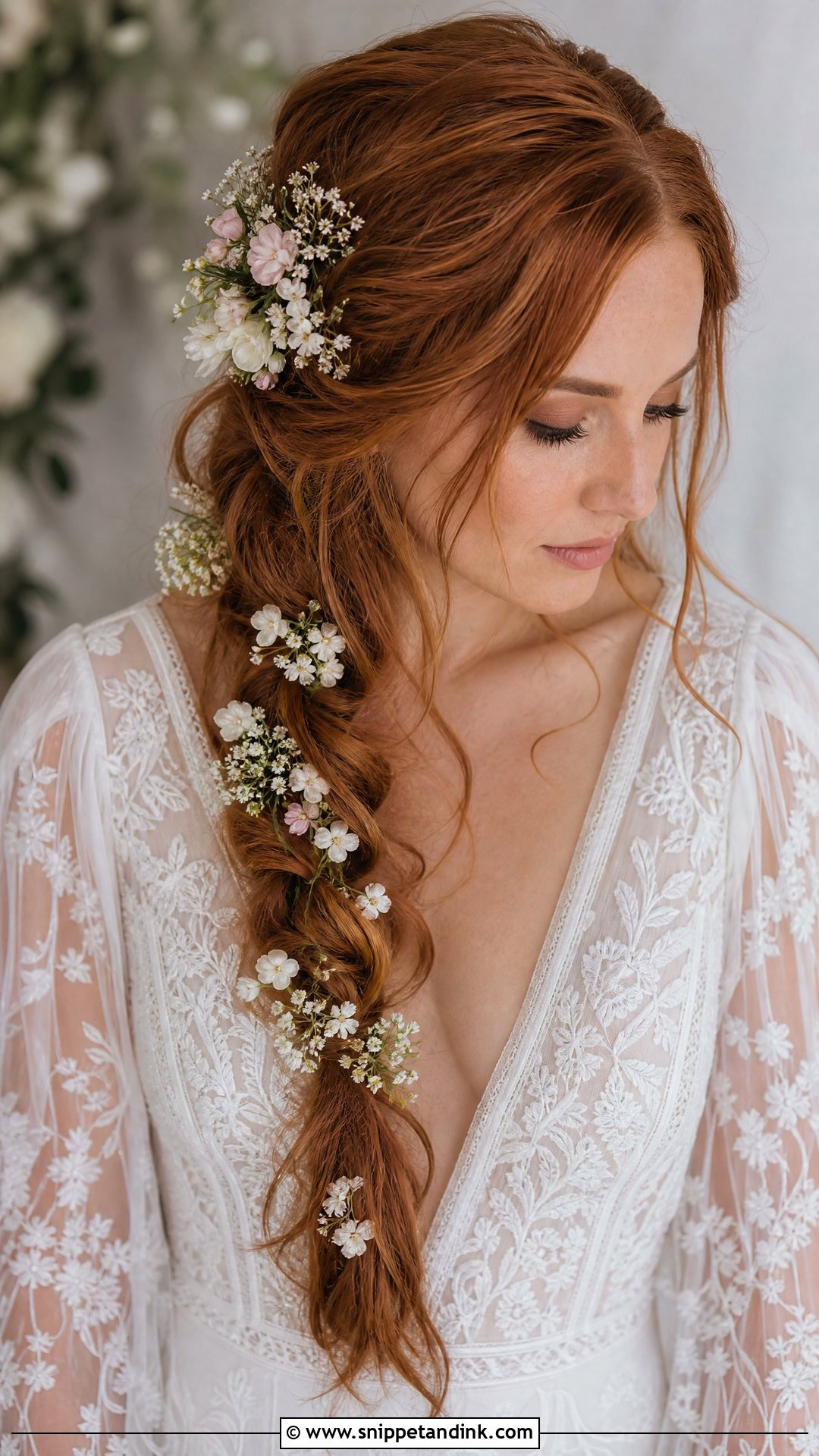
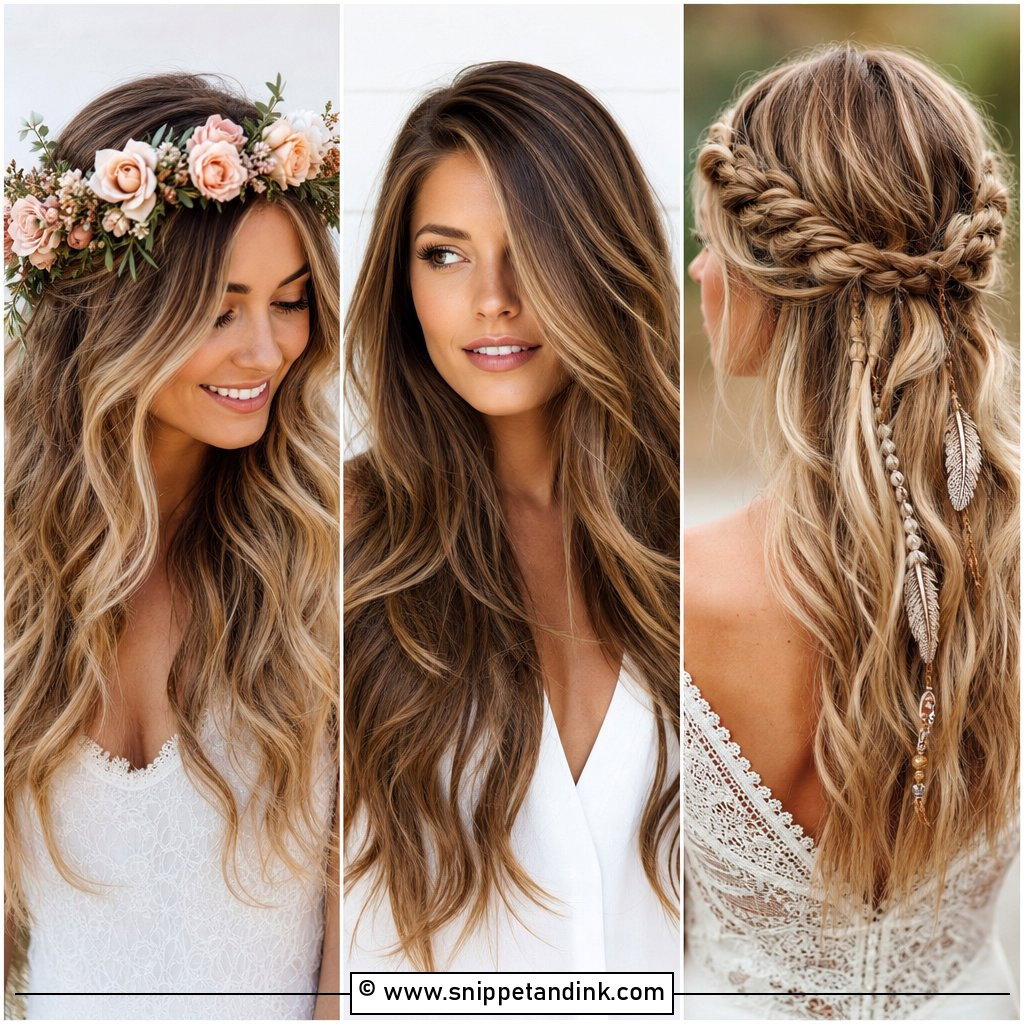
Braids hold flowers better than any other style; the stems slide into the woven loops and stay there. Loose and pulled apart, over one shoulder or down the back, with blooms tucked between sections. Baby’s breath, mini roses, jasmine and small dried blooms are good choices because they’re slim enough to sit inside the plait. Jasmine smells wonderful but softens by evening, so I’d use it for the ceremony and expect it to look tired by the speeches. Garden, beach, barn and boho weddings suit it, and guests see it clearly from behind during the vows.
7. Floral Bridal Crown
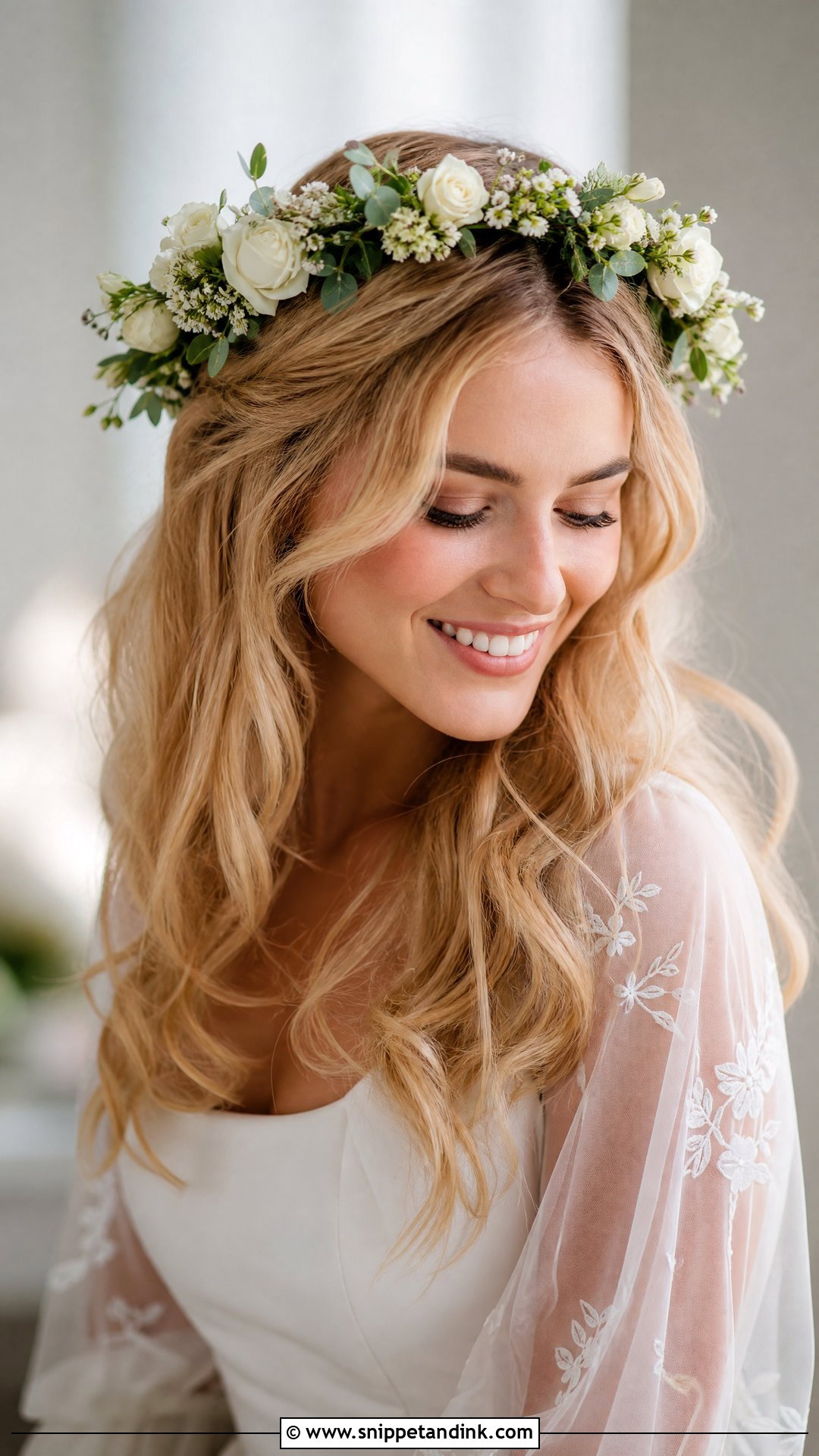
A crown is the most florist-heavy option here, and the materials decide how long it lasts. Fresh flowers look most alive but need wiring onto a frame the morning of; preserved or good silk blooms hold all day and keep afterwards. Loose waves, soft curls and relaxed updos all suit a crown. For a quiet version, I use small white flowers and greenery; for something bolder, roses, orchids or colorful wildflowers that match your bouquet. Sit it slightly back from the hairline so it frames the face instead of shading it.
8. Floral Bridal Chignon
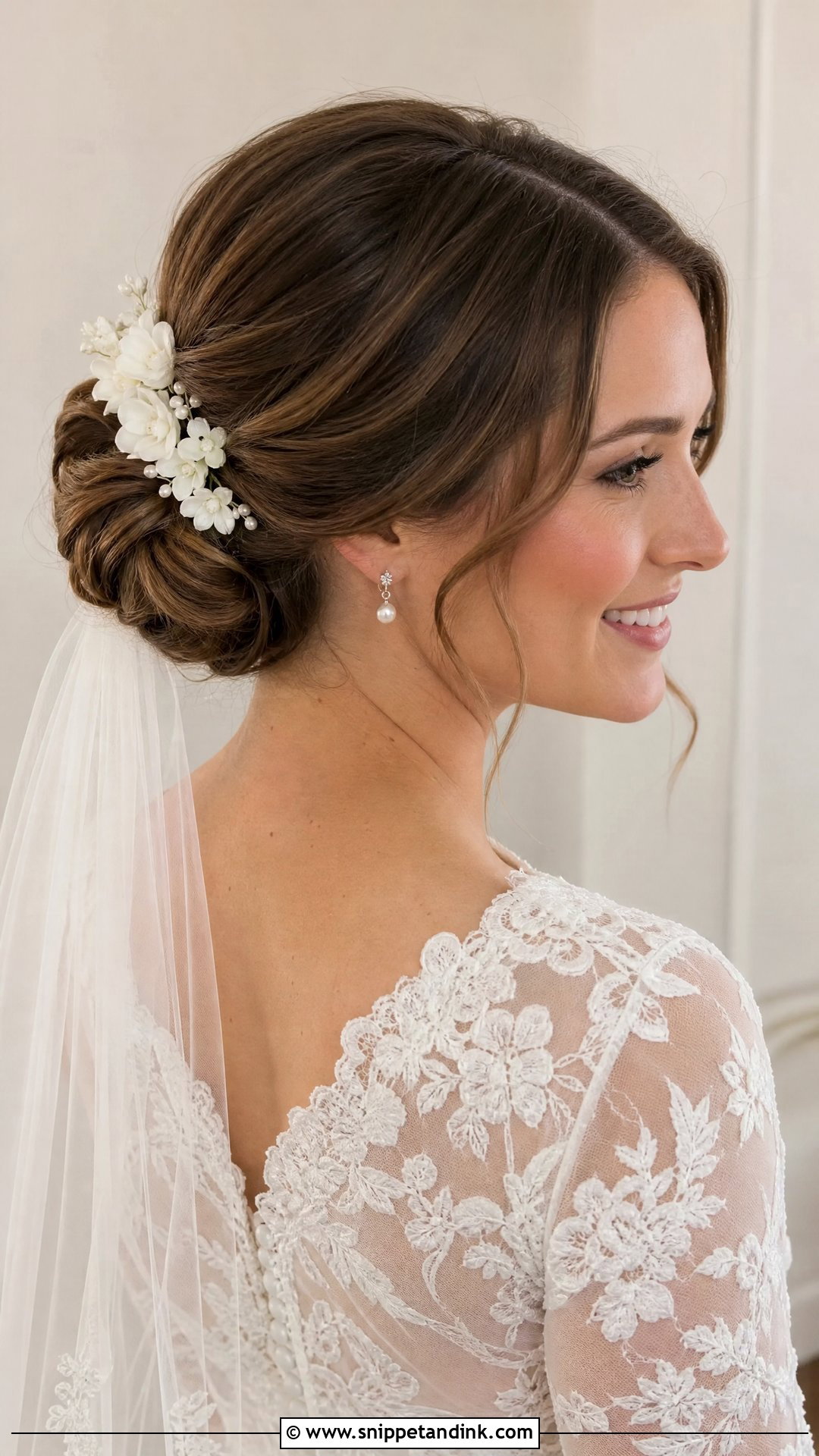
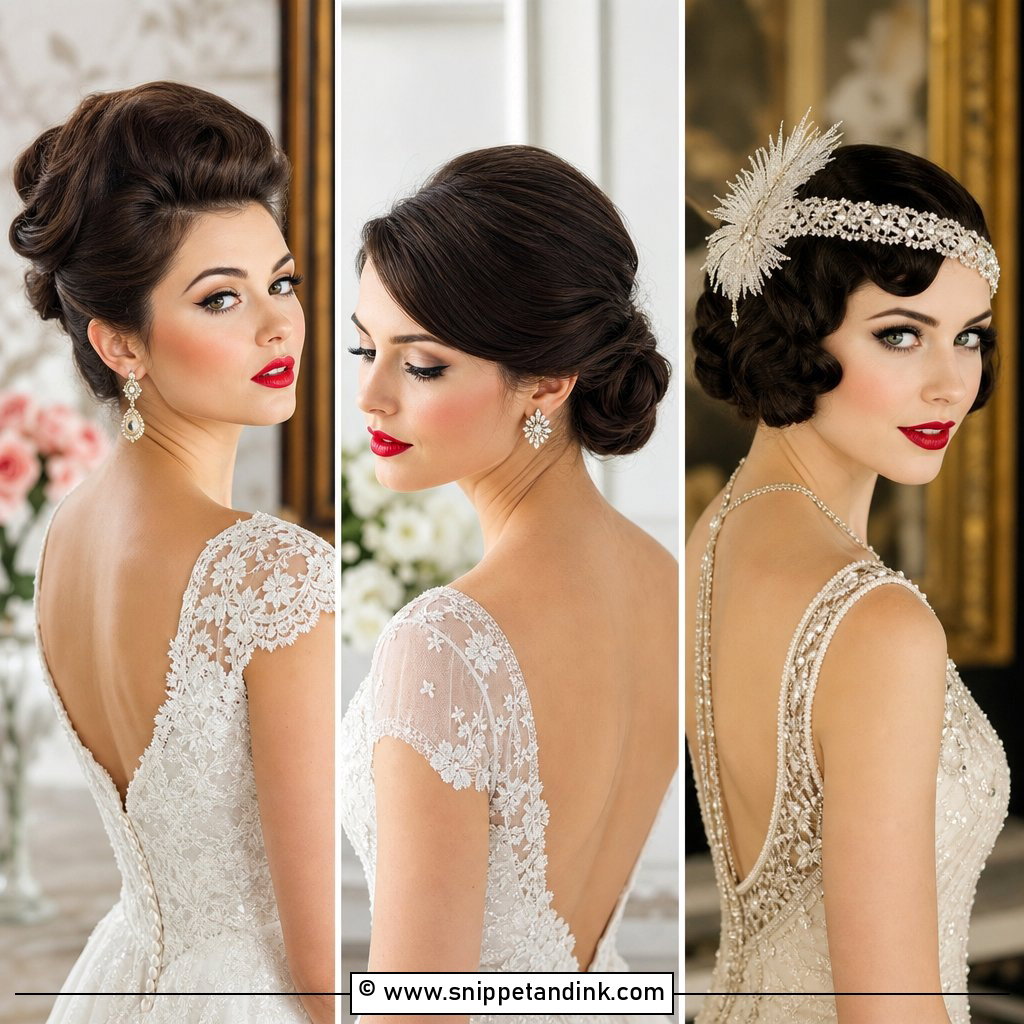
Chignons are where I’d hide a little surprise. The knot sits low at the nape, smooth, twisted, braided or softly undone, and a few blooms placed along one side or tucked just underneath show up mainly in back-view photos. Cathedral veils, lace, satin and classic venues all suit it. A firmly pinned chignon holds well all day, so it carries slightly heavier flowers than loose hair can. If you want it less formal, ask the stylist to leave the front soft.
9. Floral Bridal Low Bun
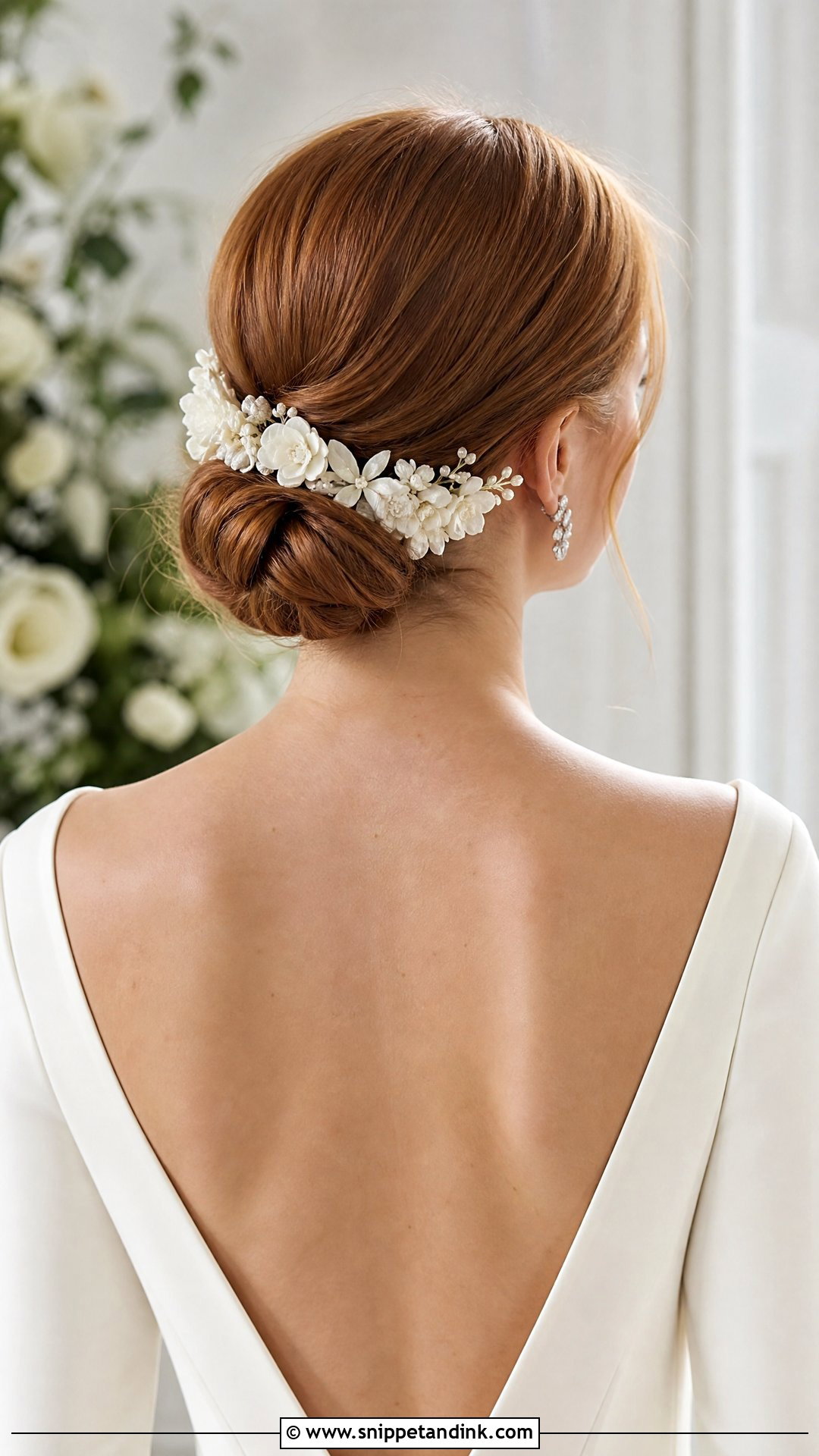
A low bun is easy to personalise because it takes almost any arrangement. I often make a small crescent of blooms that hugs one side of the bun, or a tight cluster near the ear. Sleek, textured or braided, the bun keeps hair controlled on a long day and leaves room for a veil, comb or earrings. Match the flowers to the bouquet, but go a size smaller; hair flowers sit beside the face and read bigger than they are.
10. Floral Bridal Hair Down
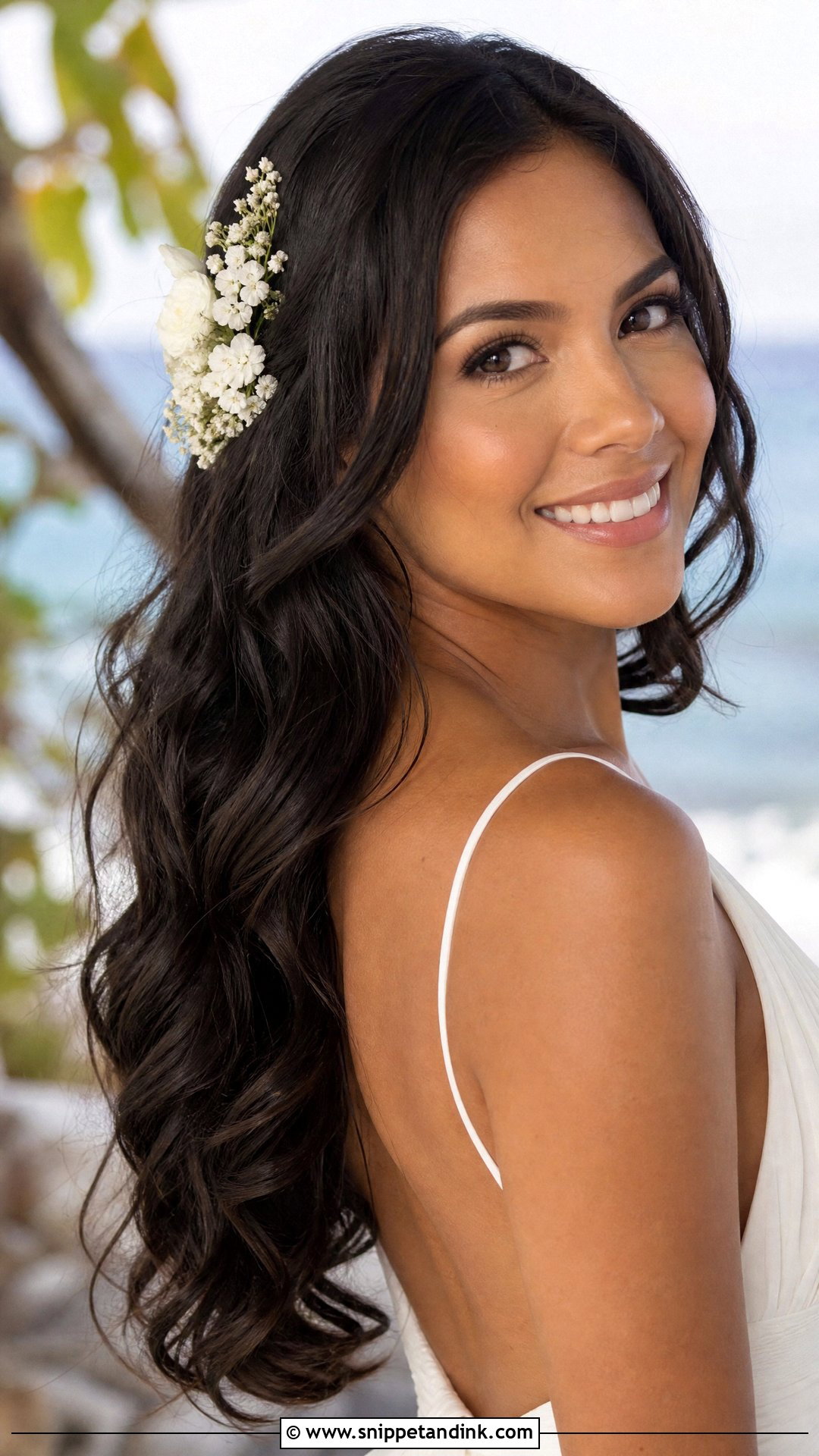
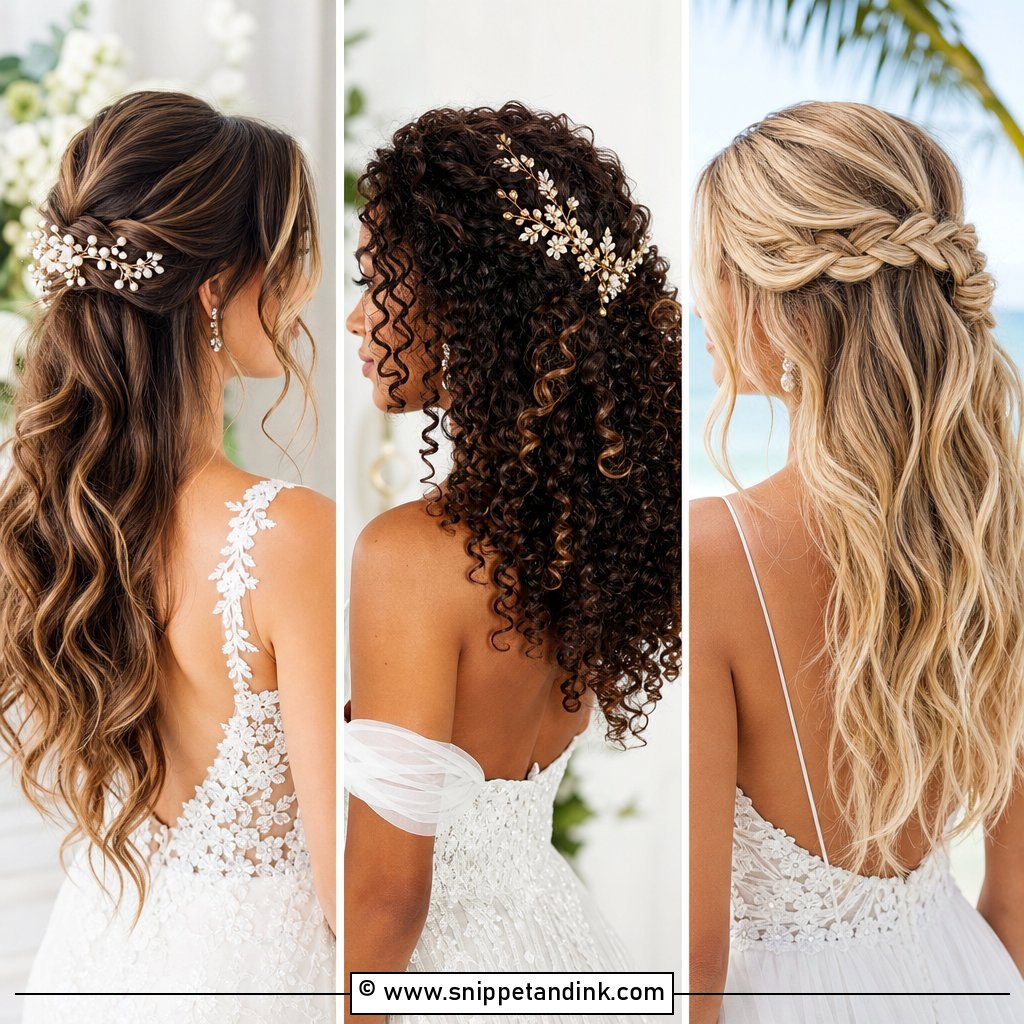
Down hair is lovely with flowers, but it’s the style I worry about most. Curls that drop take the flowers with them, so the trial matters. Polished waves, soft curls or smooth volume, with blooms on one side or scattered through the lengths. Beach, garden and small outdoor celebrations suit it. I’ll ask the stylist to build a few hidden pinned anchor points in the waves, which give my wired stems something to hold.
11. Floral Bridal Side Swept Hair
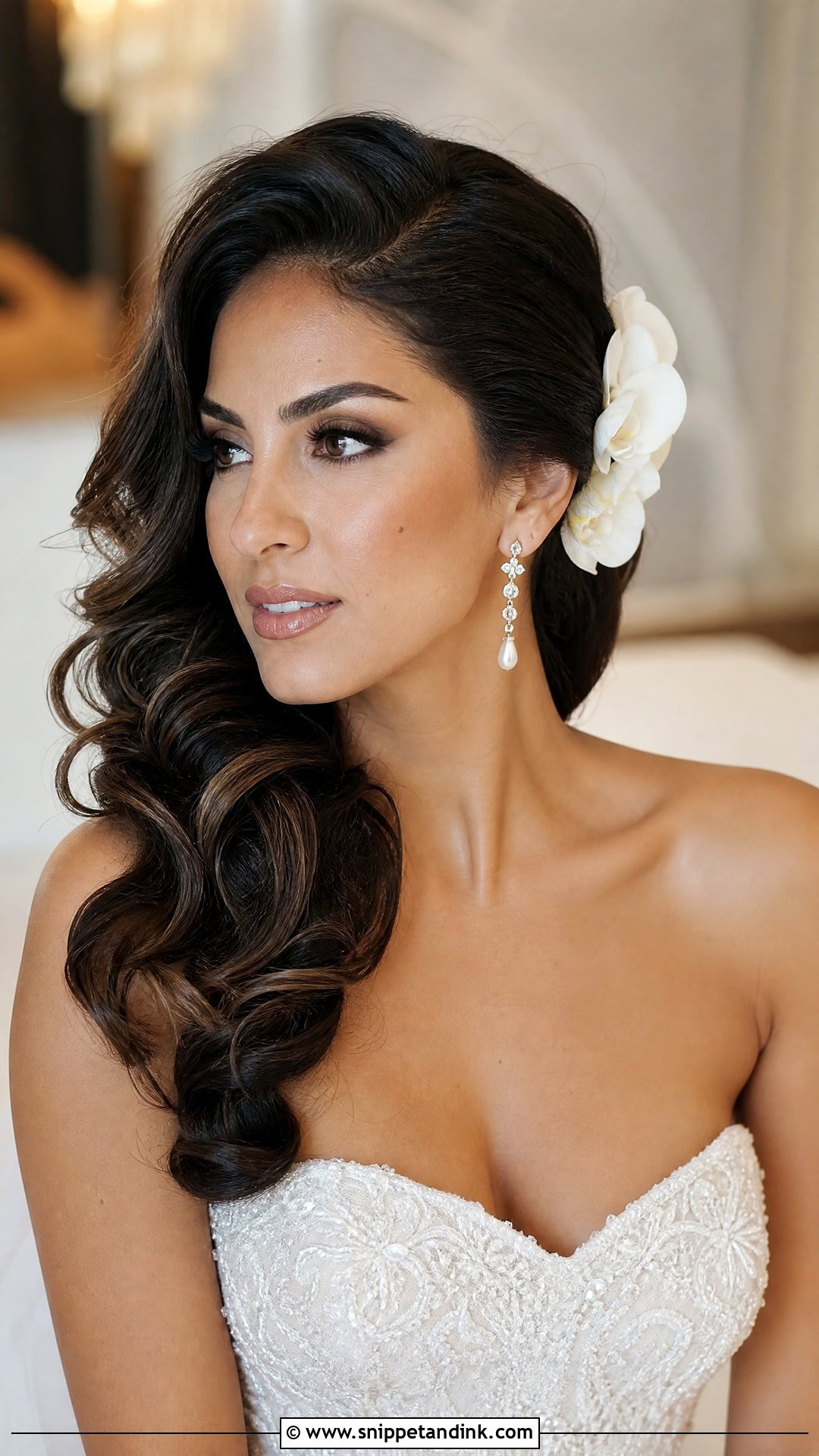
Sweeping the hair over one shoulder leaves the other side pinned back and open, which is exactly where I’d place the flowers. They can sit right at the pinned side or trail down into the curls. One-shoulder gowns, strapless dresses and earrings you want seen suit the shape. Watch the weight near the ear: a large cluster there can tug at the pins and feel heavy by evening, so I keep that spot to two or three small heads.
12. Floral Bridal Short Hair
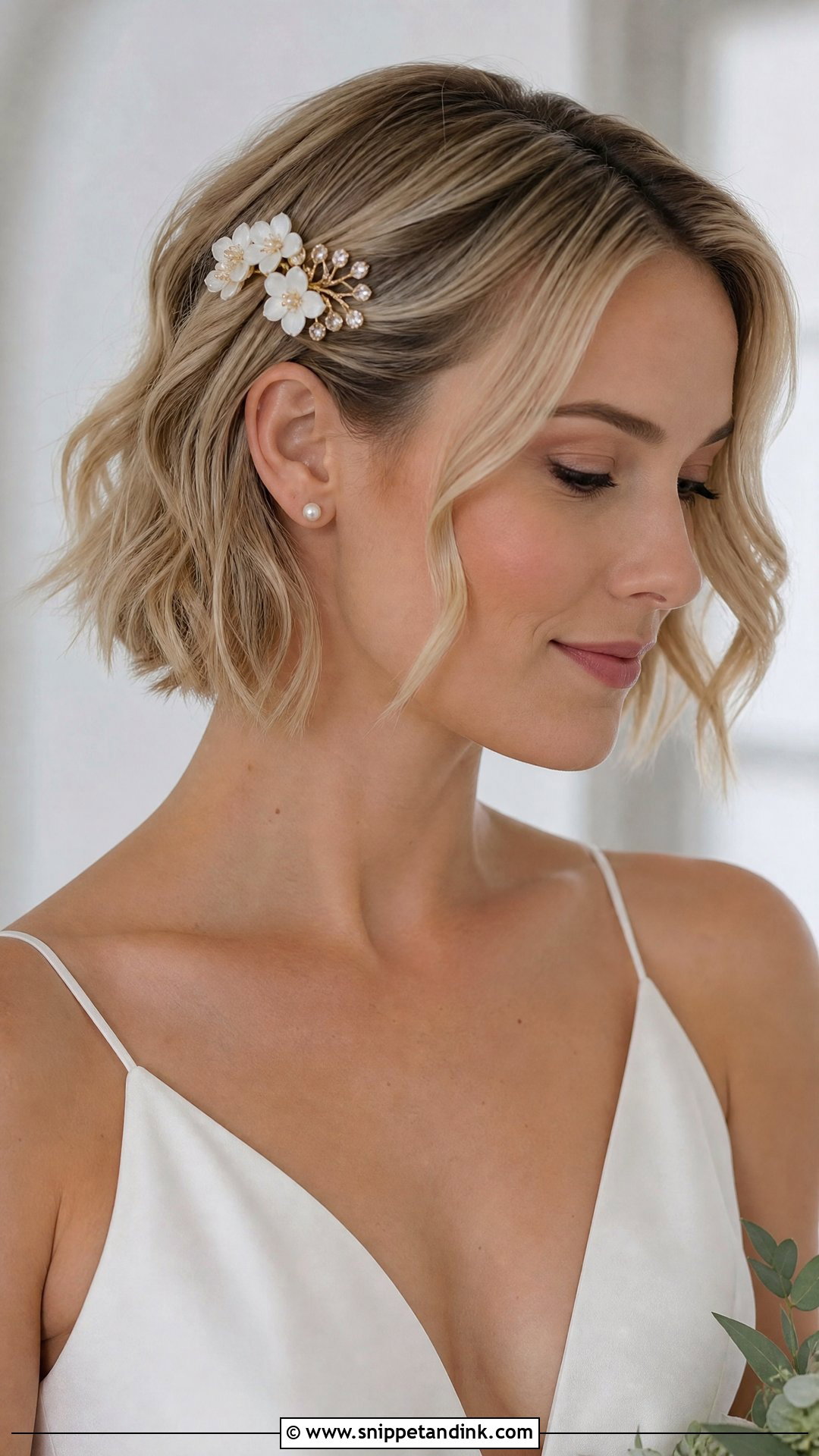
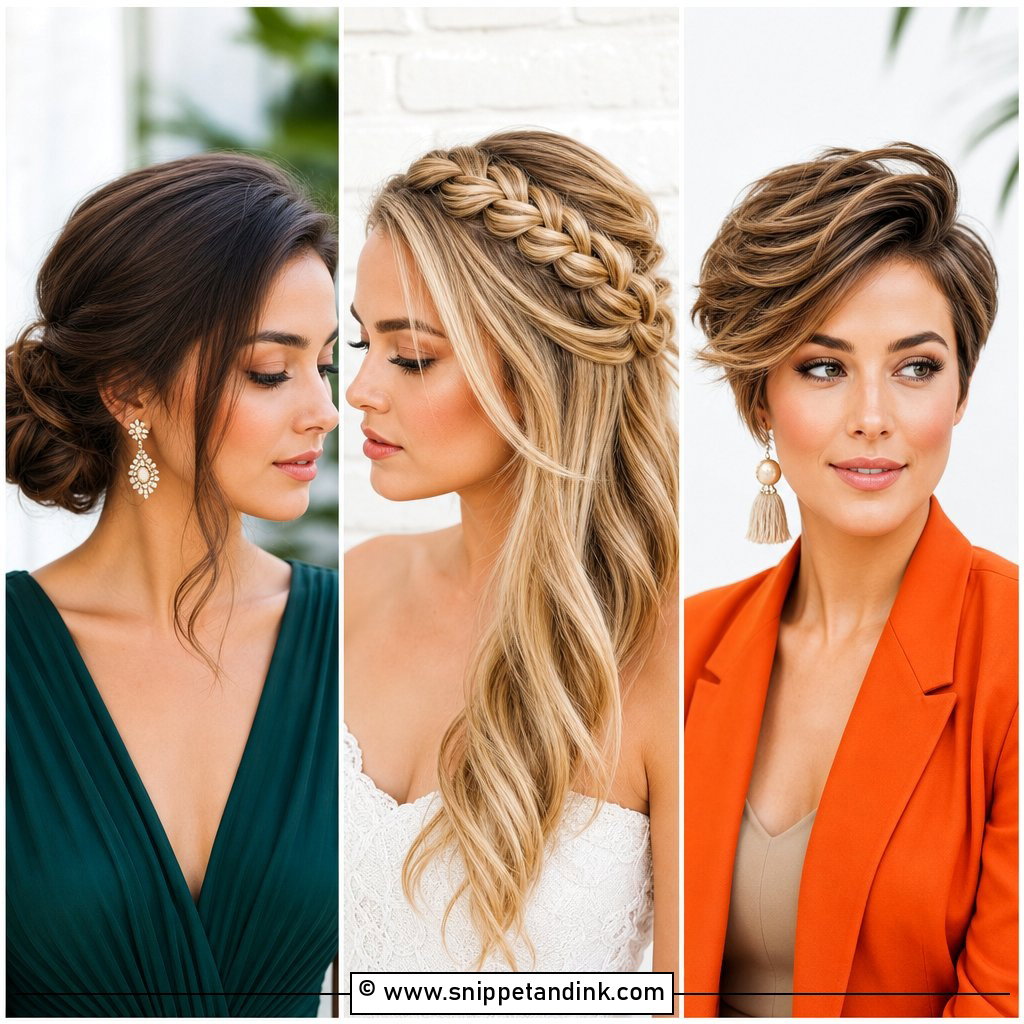
Short hair can carry flowers as well as long hair; it just needs the scale right. Pixie cuts, bobs and lobs can be styled with soft waves, polished bends or sleek texture, then finished with floral pins, a small crown or a slim comb. Tiny blooms suit a cropped cut far better than full heads. I wire them onto short pins or a fine comb so they lie flat against the head. A deep side part or tucked-back section gives the flowers a clear spot to sit.
13. Floral Bridal Curly Hair
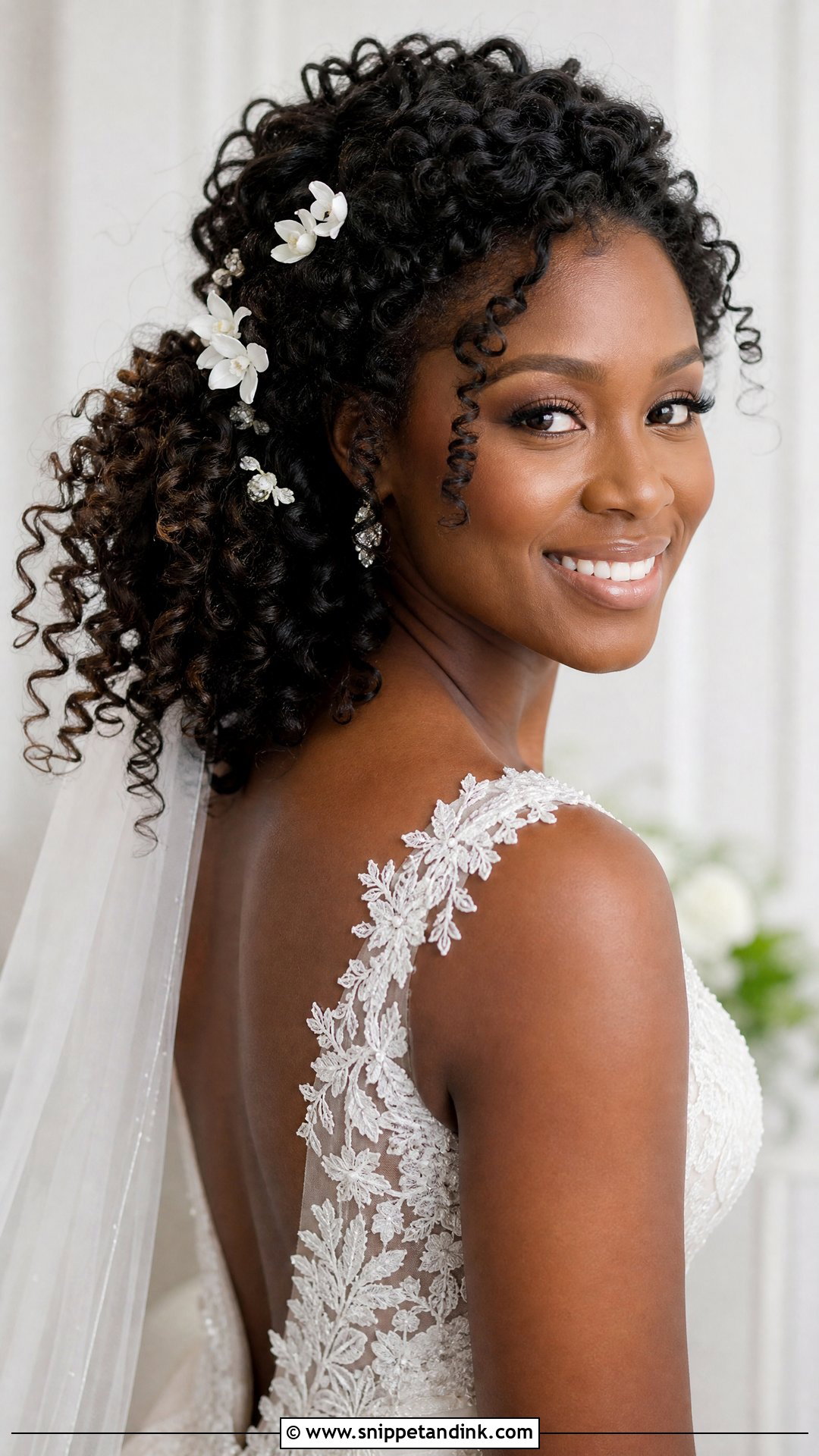
Curls make their own nest, so flowers should go into the curl pattern rather than sit on top of it. Worn down, half-up, in an updo or a soft curly bun, the curls hold slim stems naturally. Small orchids, baby’s breath, waxflower and floral pins add detail without disturbing the shape. Hydrated, defined curls hold best. I keep heavy flowers away from curly hair; they drag the curl open and leave a frizzy patch where they were.
14. Floral Bridal Long Braid
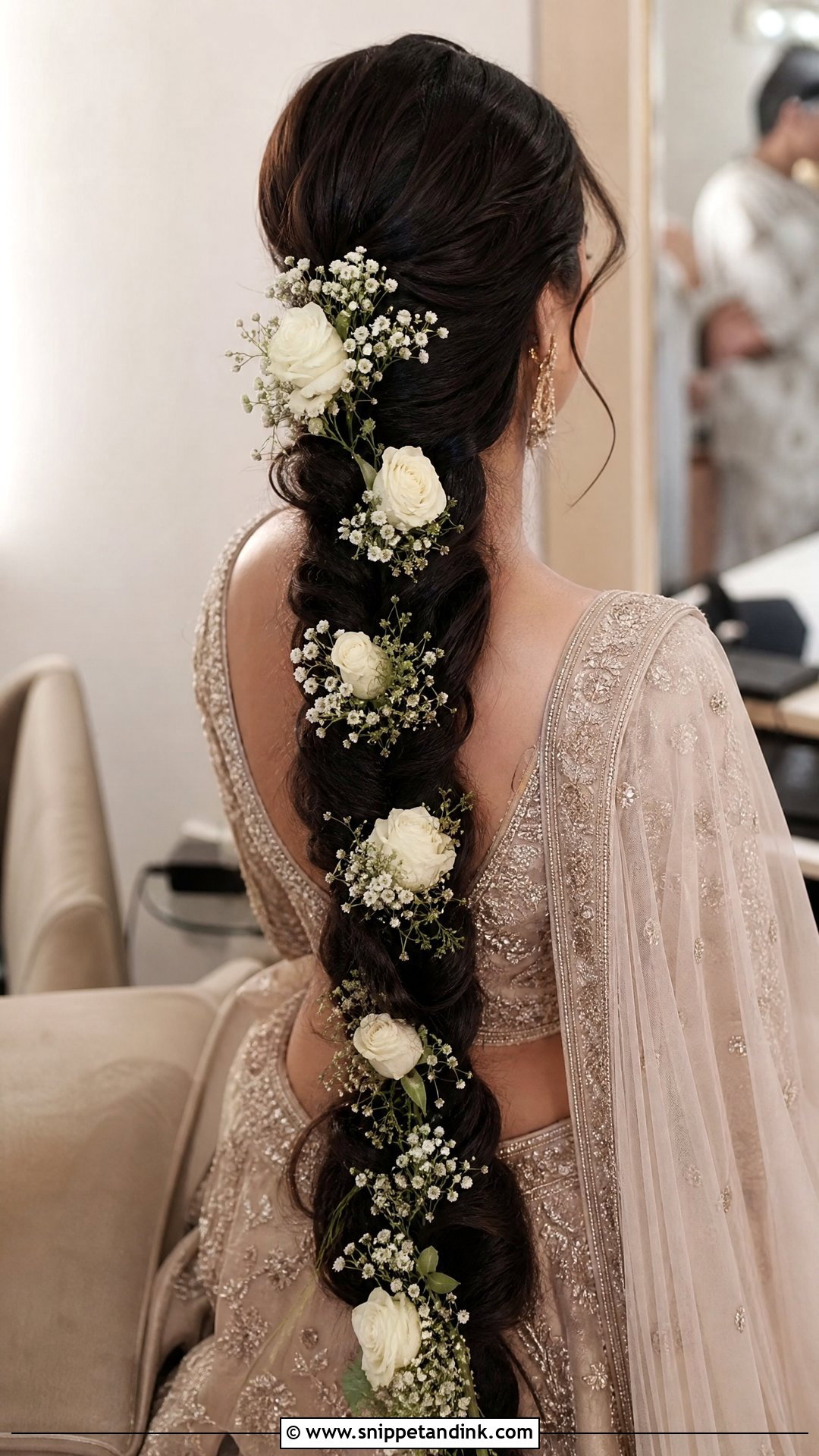
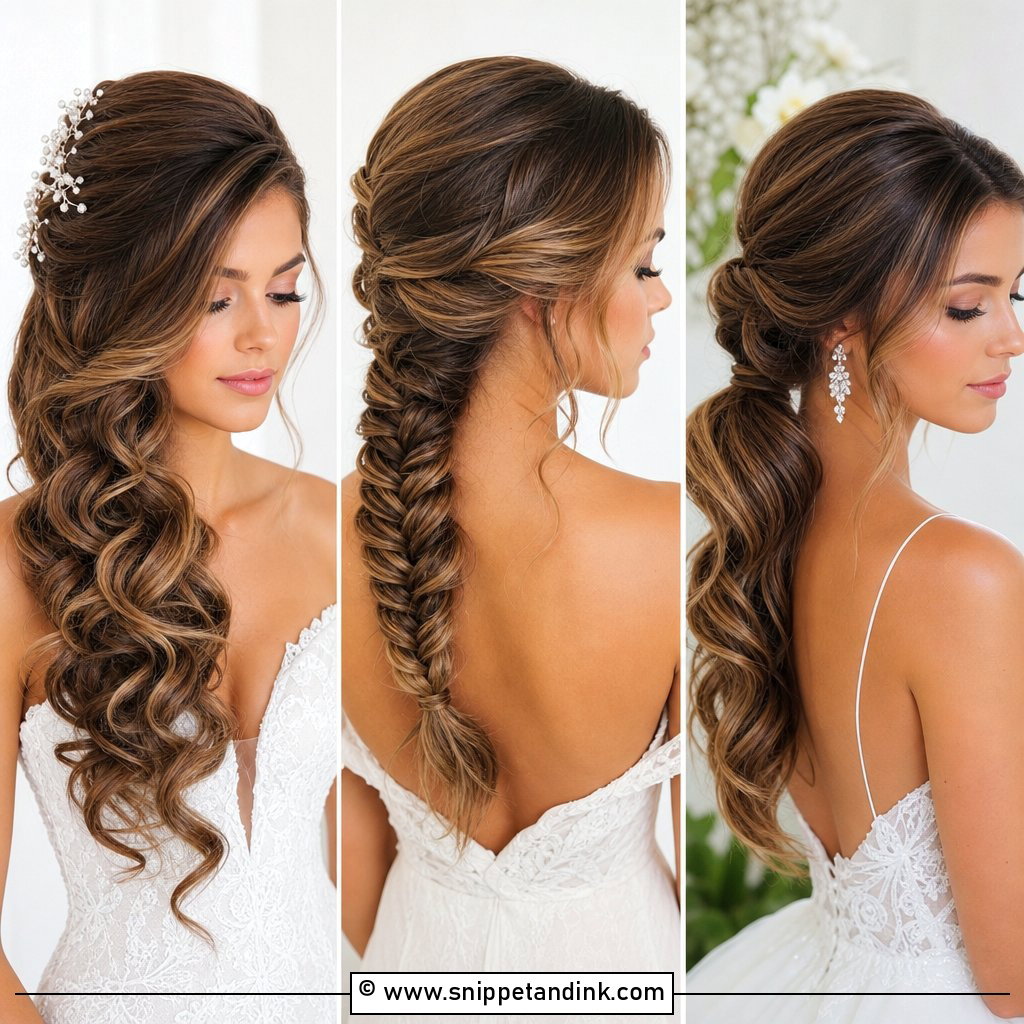
From behind, a long braid is a runway for flowers. It can be fishtail, Dutch, loose three-strand or a soft pull-through, depending on thickness and finish. Blooms can run the whole length, gather at the top or cluster near the ends so they appear to cascade. Open-back gowns and outdoor venues show it off, and extensions help if you want more fullness. Weight is the trade-off: a braid full of fresh flowers gets heavy and loosens faster, so I use lightweight stems and fewer than you’d expect.
15. Floral Bridal Veil Hair
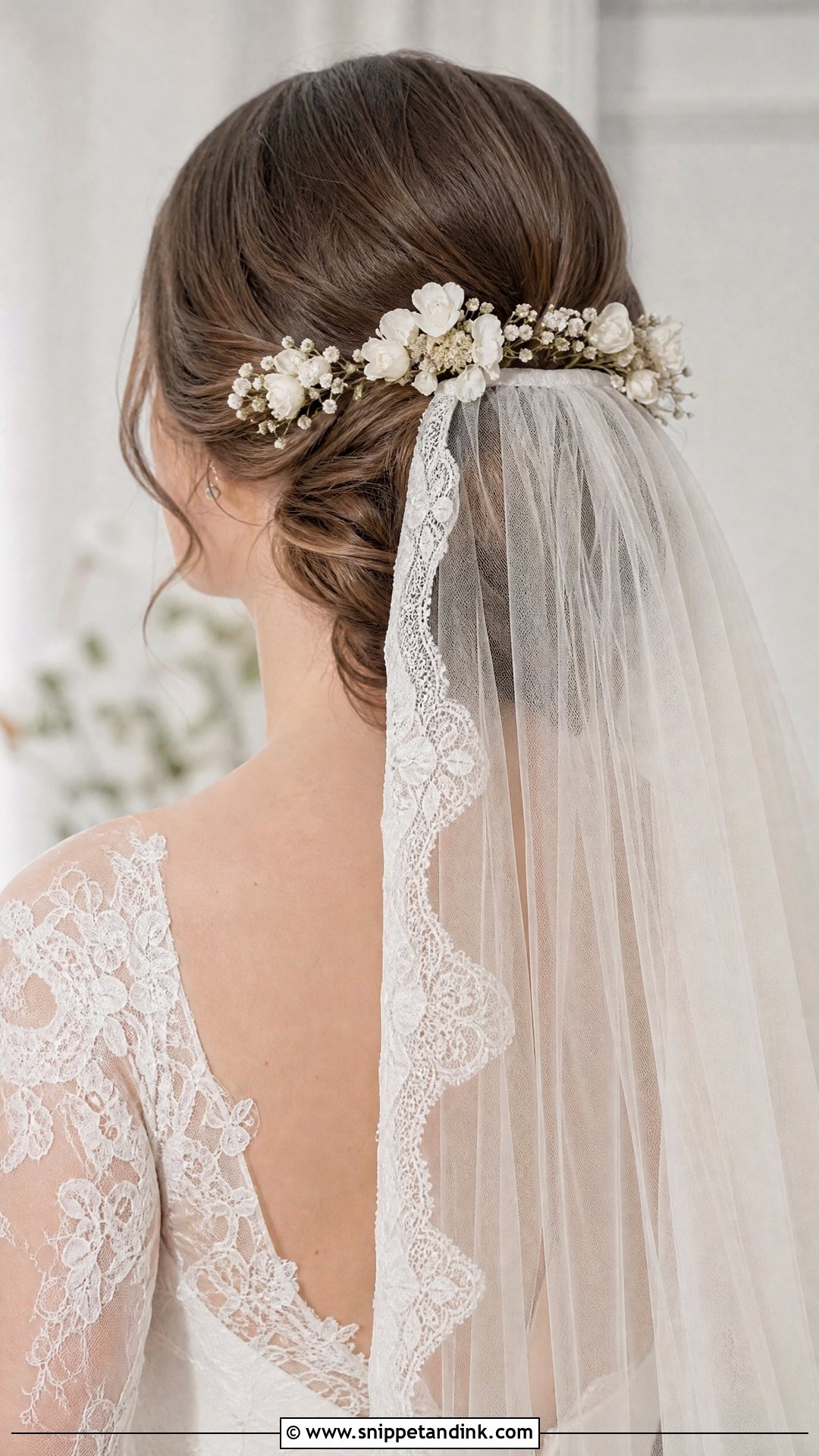
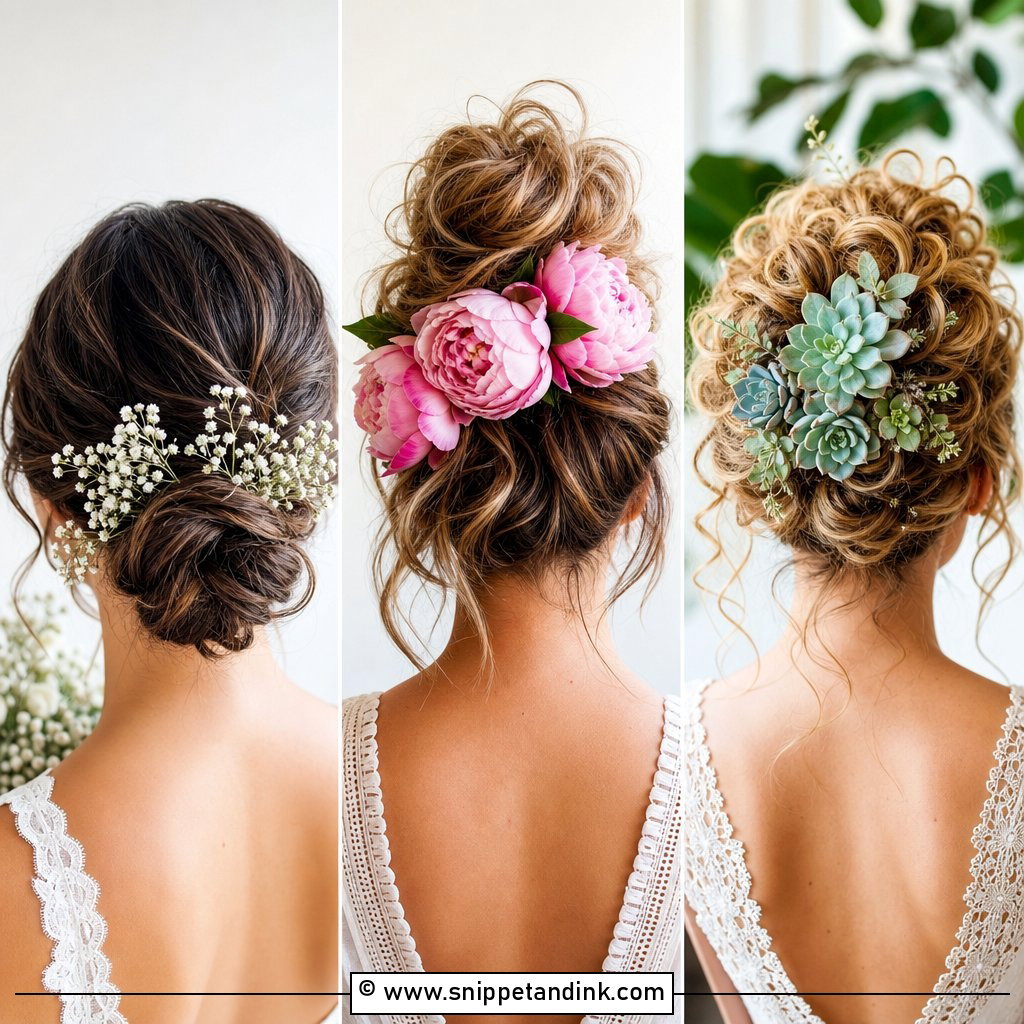
Veils and flowers share the same space, so the order matters. With a low bun, chignon, half-up or soft waves, the flowers go around the veil comb or just beneath it, giving a layered look in ceremony photos. The comb must still slide out cleanly. If the veil comes off for the reception, the flowers should be placed so the hair still looks finished once it’s gone. I’d bring the veil to the trial so the stylist and I can see exactly where the comb lands.
Who Puts the Flowers In, and When
This step gets lost between two vendors. I make the flowers; your stylist places them. Agree on the handover in advance, or you can end up with a box of loose stems and nobody with time to prepare them.
- I deliver hair flowers to wherever you’re getting ready, not the ceremony venue, with stems already cut short and wired or taped so they can be pinned.
- Keep them cool and out of direct sun until they’re needed. Avoid a fridge full of fruit; ripening fruit gives off ethylene, which ages many flowers faster.
- Flowers go in last, after the hair is finished and sprayed, so they aren’t coated in product.
- Ask for two or three spare stems in a small box. A bridesmaid can swap out anything that wilts before the evening photos.
If you have hay fever or sensitive skin, tell both of us. Strongly scented flowers beside your face all day are worth testing first, ideally at the trial with a stem or two from the same supplier.
Flowers Should Outlast the First Dance
Floral hair can be minimal, full garden or a single small touch; your dress, venue, hair length and texture make the choice, more than the flowers do. For a long-lasting result, pick blooms that cope with heat, hugs and hours of photos, and get your hairstylist and florist talking early if you want fresh flowers. Test the placement at the trial, decide about the veil before the day, and the flowers will be the part people remember from the photos.
You'll Like These Ideas:


Leave a Reply