
A bridal hairstyle is the one piece of your look that gets tested by everything: a veil being pulled out, wind on the steps, a long hug from an aunt, three hours of dancing. So when brides bring me their saved photos, my first question isn’t whether they like it but whether it will still be standing at 11pm. The styles brides ask me for this year are low buns, glossy waves, sculpted ponytails, half-up looks, natural curls, braids and clean minimal updos. Below are fifteen of them, with notes on the dress, veil, hair type and weather each one actually suits, so you can cross off the ones that would fight you.
Three Months of Hair Prep Before the Wedding
The style you choose matters, but the condition of the hair underneath decides how well it holds. Healthy, recently trimmed hair takes curl better, pins more neatly and shines without a heavy coat of product. This is roughly the countdown I give my brides:
- Around three months out: book your trial and decide on any colour change now, so there’s time to fix it if you don’t love it.
- Six to eight weeks out: your last proper haircut, so layers have grown in softly and nothing looks freshly chopped.
- Two to three weeks out: colour touch-up or gloss, and have any tape-in or clip-in extensions matched so you can wear them a few times first.
- The final week: a light trim of the ends only, a moisturising mask, and no new products. This isn’t the week to try a different shampoo.
- The night before: wash and fully dry unless your stylist asks otherwise. For updos I often prefer day-old hair, because it grips pins better.
If your hair is curly or coily, I’d keep any strong protein treatment at least a couple of weeks away from the date. Too close and it can leave curls stiff and harder to define, so stick to moisture in the last stretch.
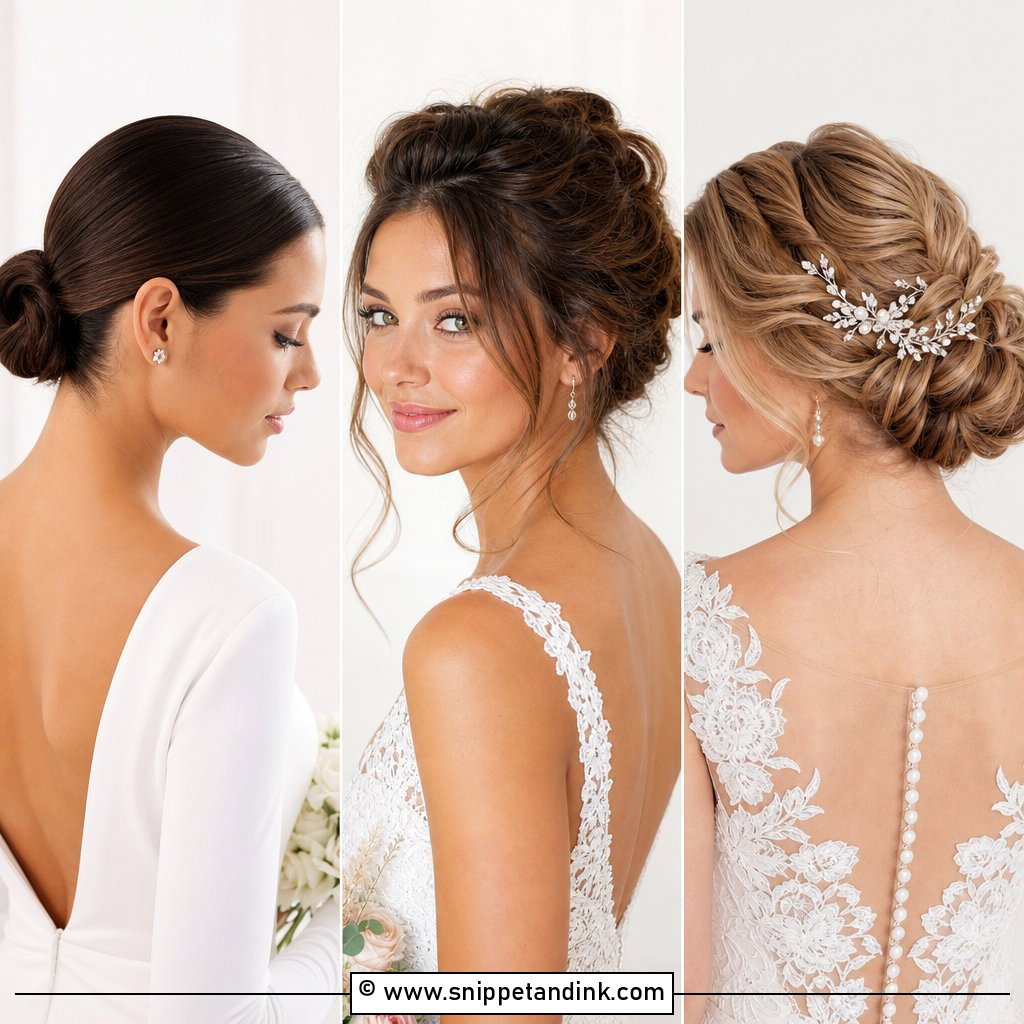
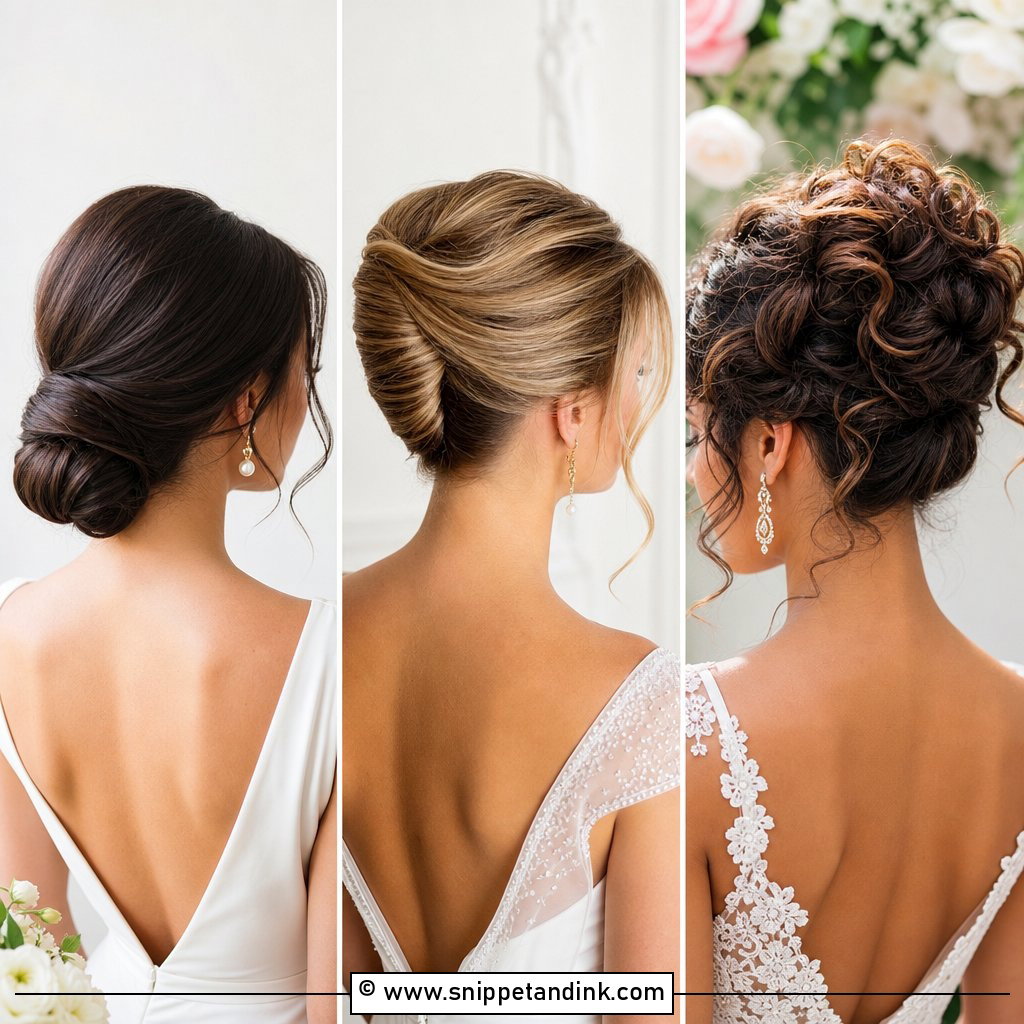
1. Low Bun Bridal Hairstyle
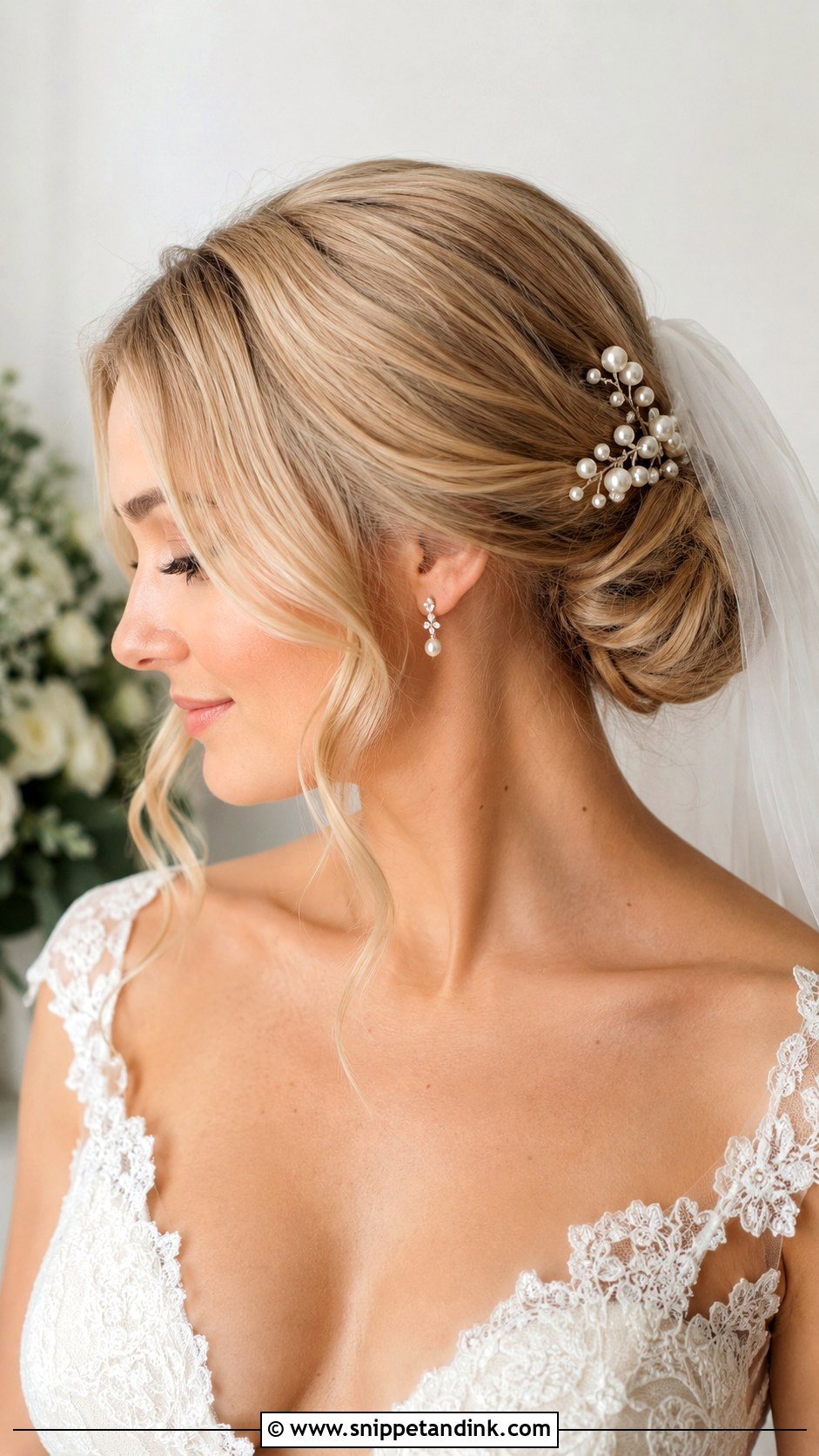
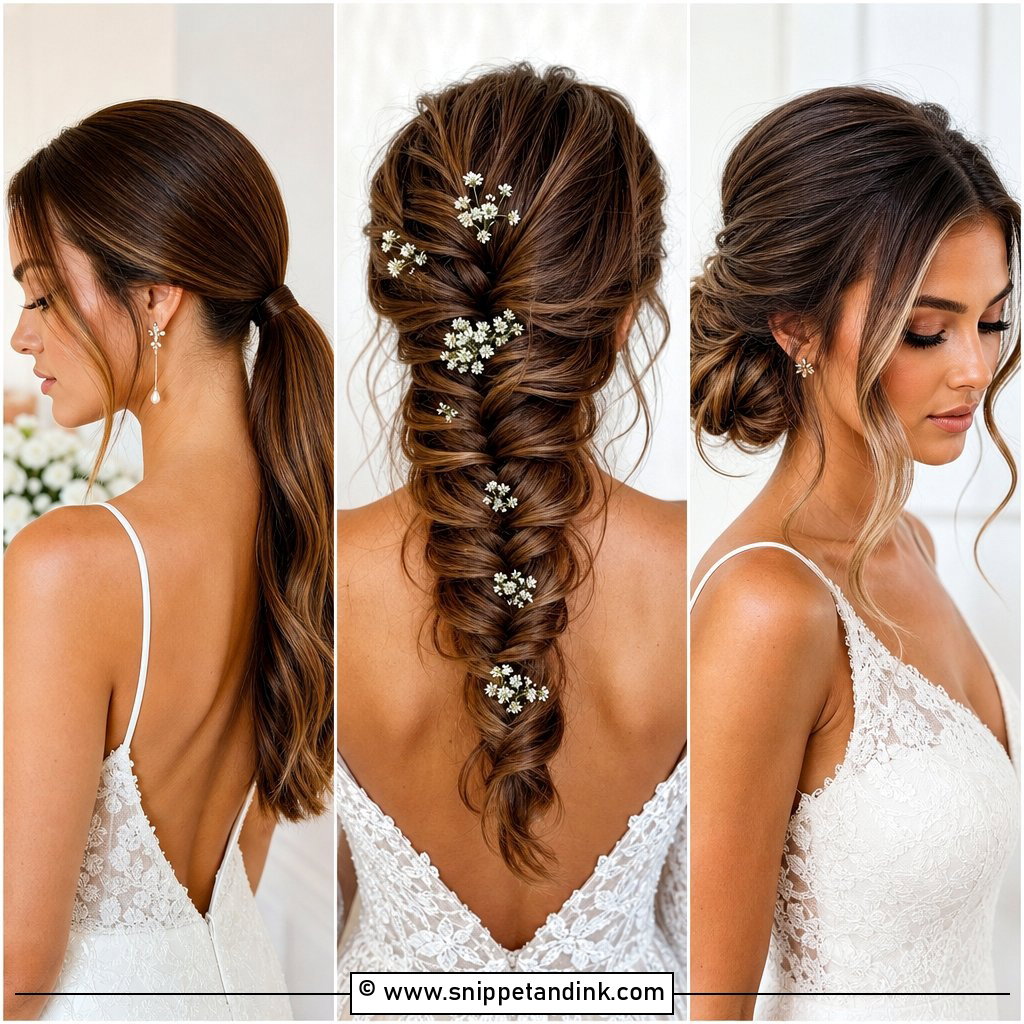
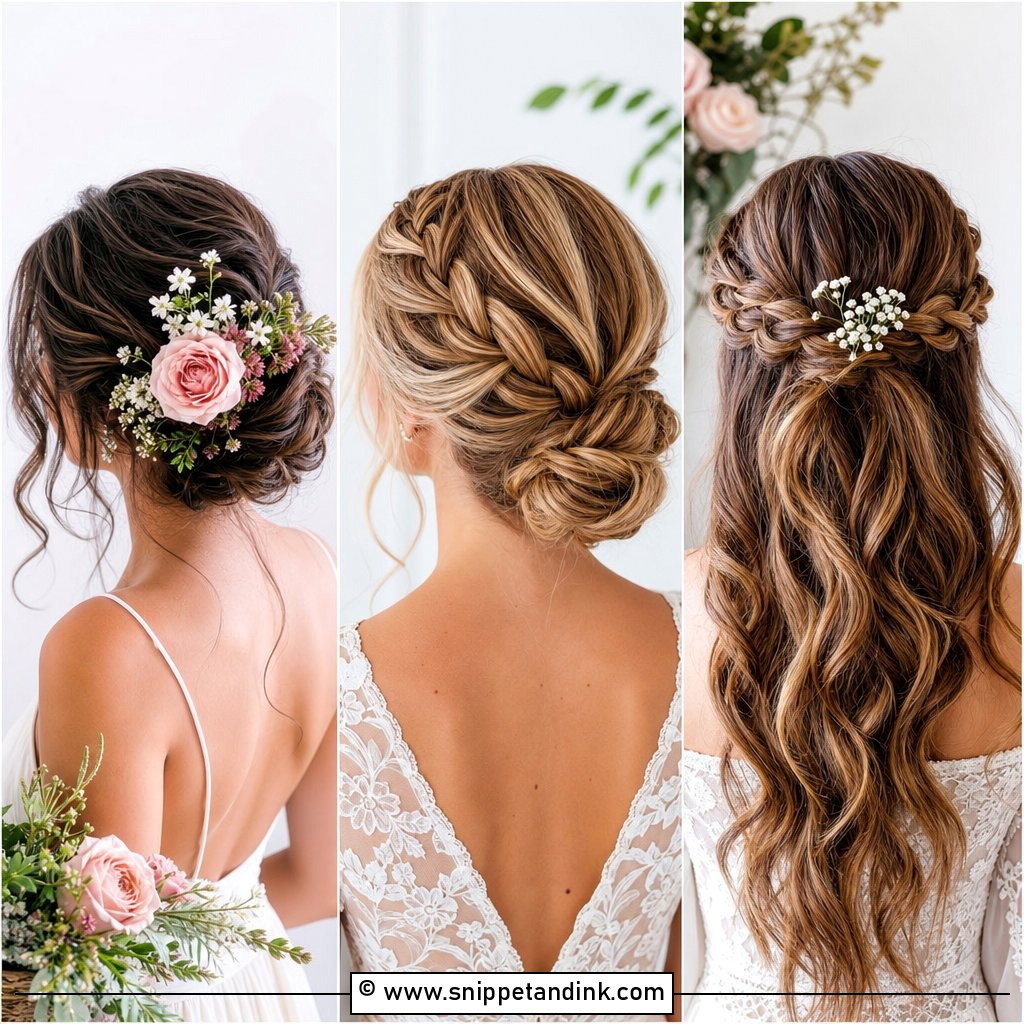
The low bun earns its reputation because very little can go wrong with it. Sitting at the nape, it gives a veil comb a firm place to grip, it leaves an open-back gown on show, and it doesn’t get crushed against a chair. Smooth suits a ballroom; a little texture suits a garden. If you want softness around the face, I’ll leave out two thin pieces at the front and curl them away from the cheek, since curled toward the face they tend to stick to lip gloss. It’s also my safest bet in humidity.
2. Soft Updo Bridal Hairstyle
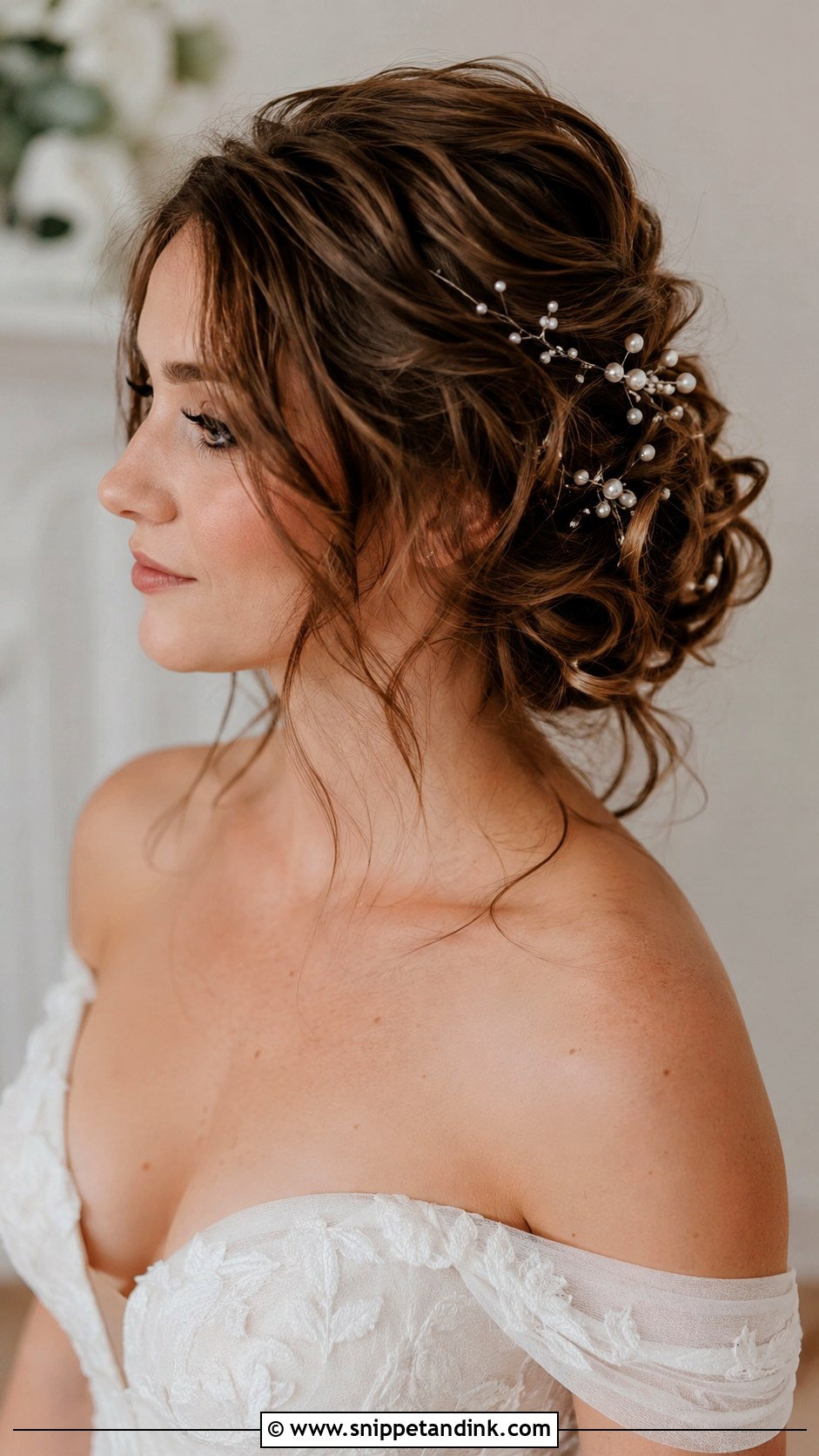
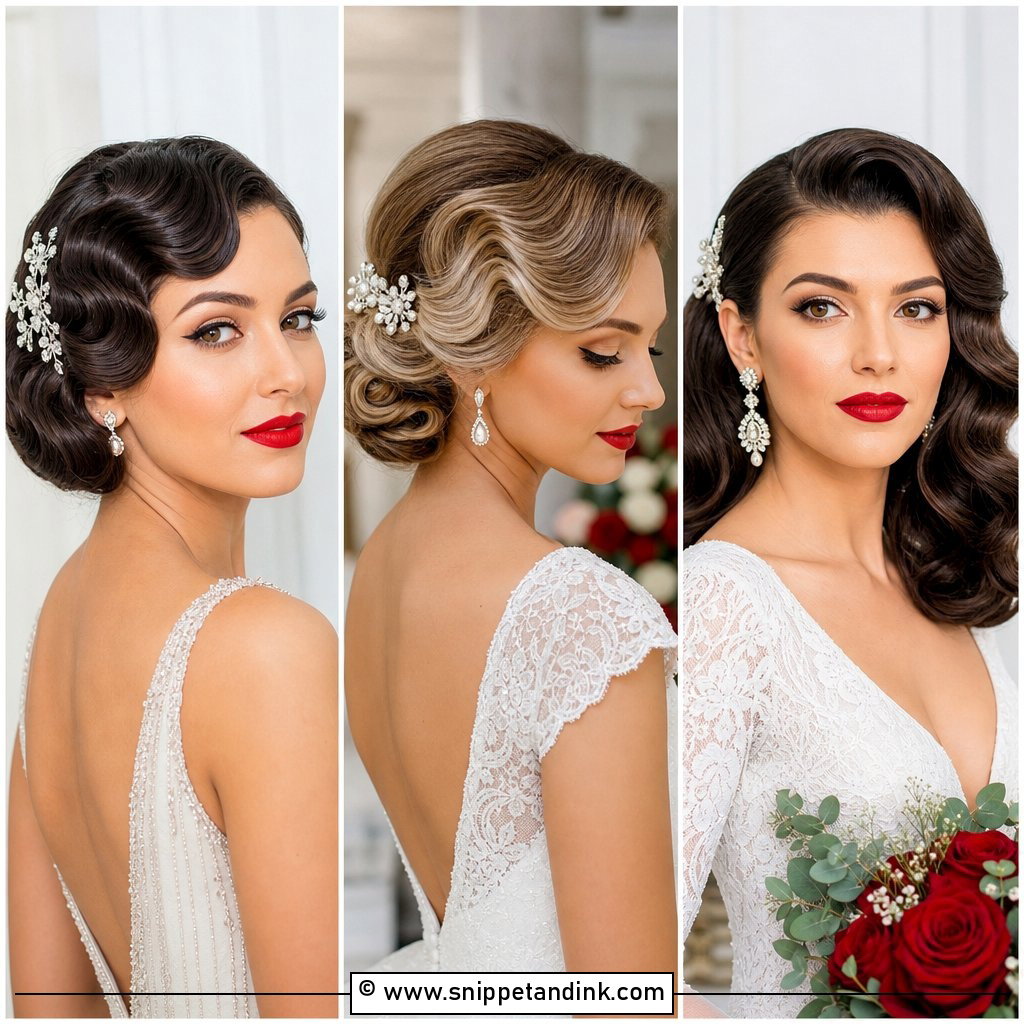
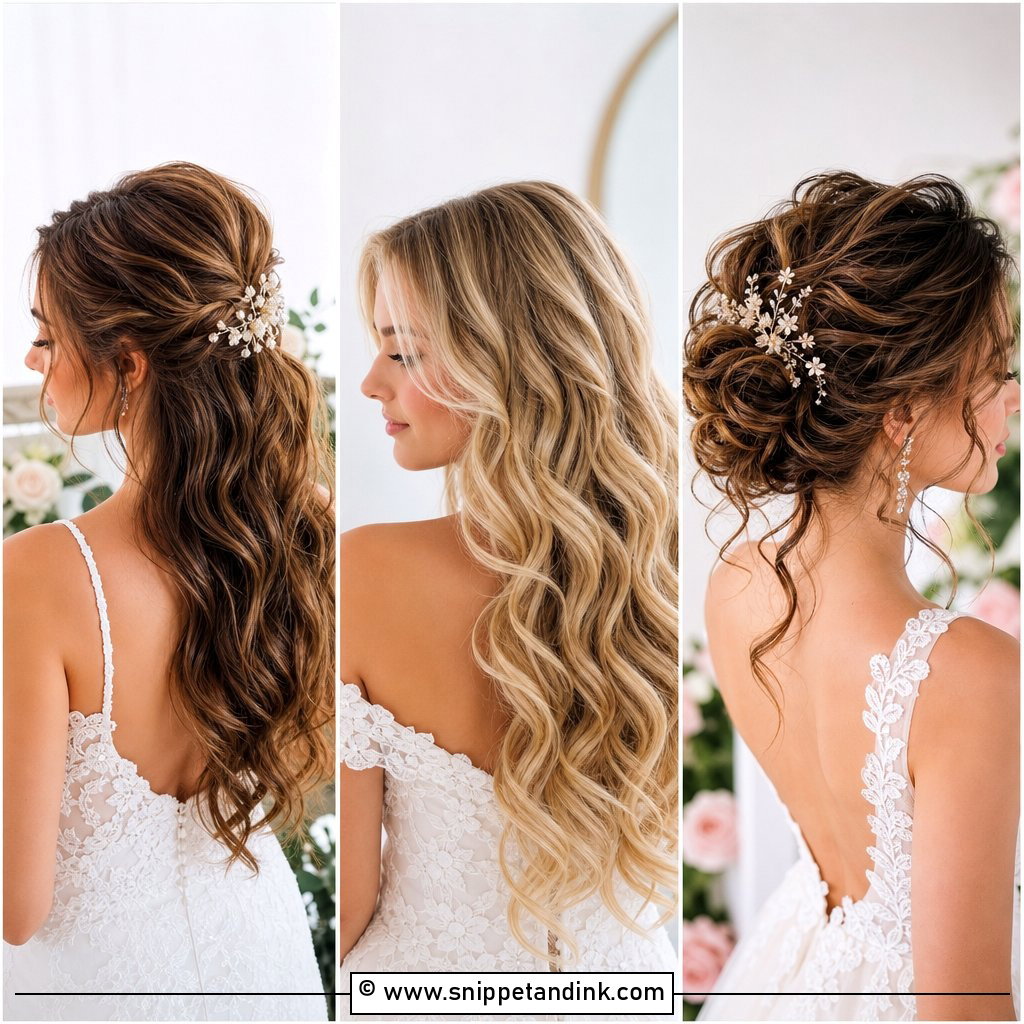
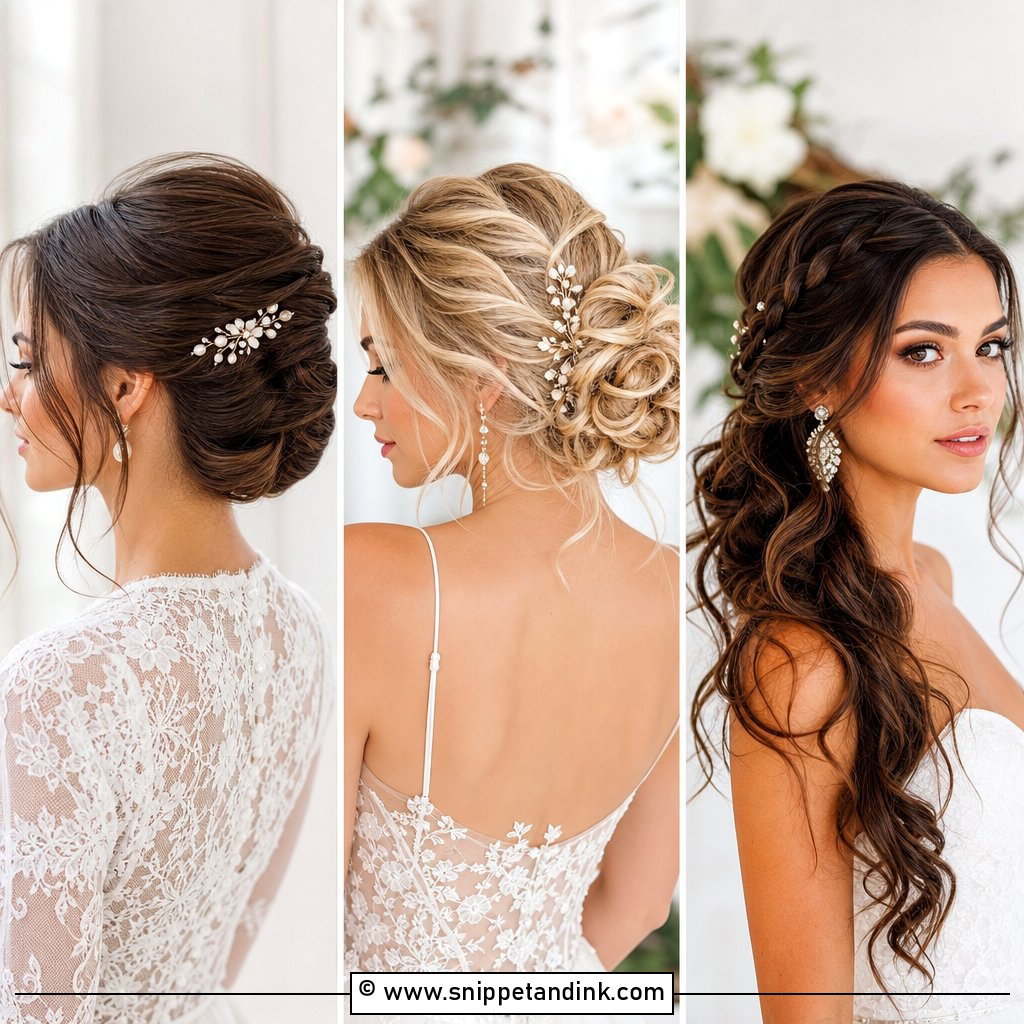
A soft updo is pinned up with volume and loose curves rather than pulled tight, so it suits most face shapes and doesn’t look over-sprayed. Lace, sleeves, a detailed neckline or a dramatic veil all sit well with it, because the hair supports the dress instead of competing. It works on medium to long hair in nearly any texture. Here is the part brides don’t see: I curl and set the whole head first, even though it’s going up, because pinned curls hold shape far longer than pinned straight hair. Earrings show well from the side.
3. Hollywood Waves Bridal Hairstyle
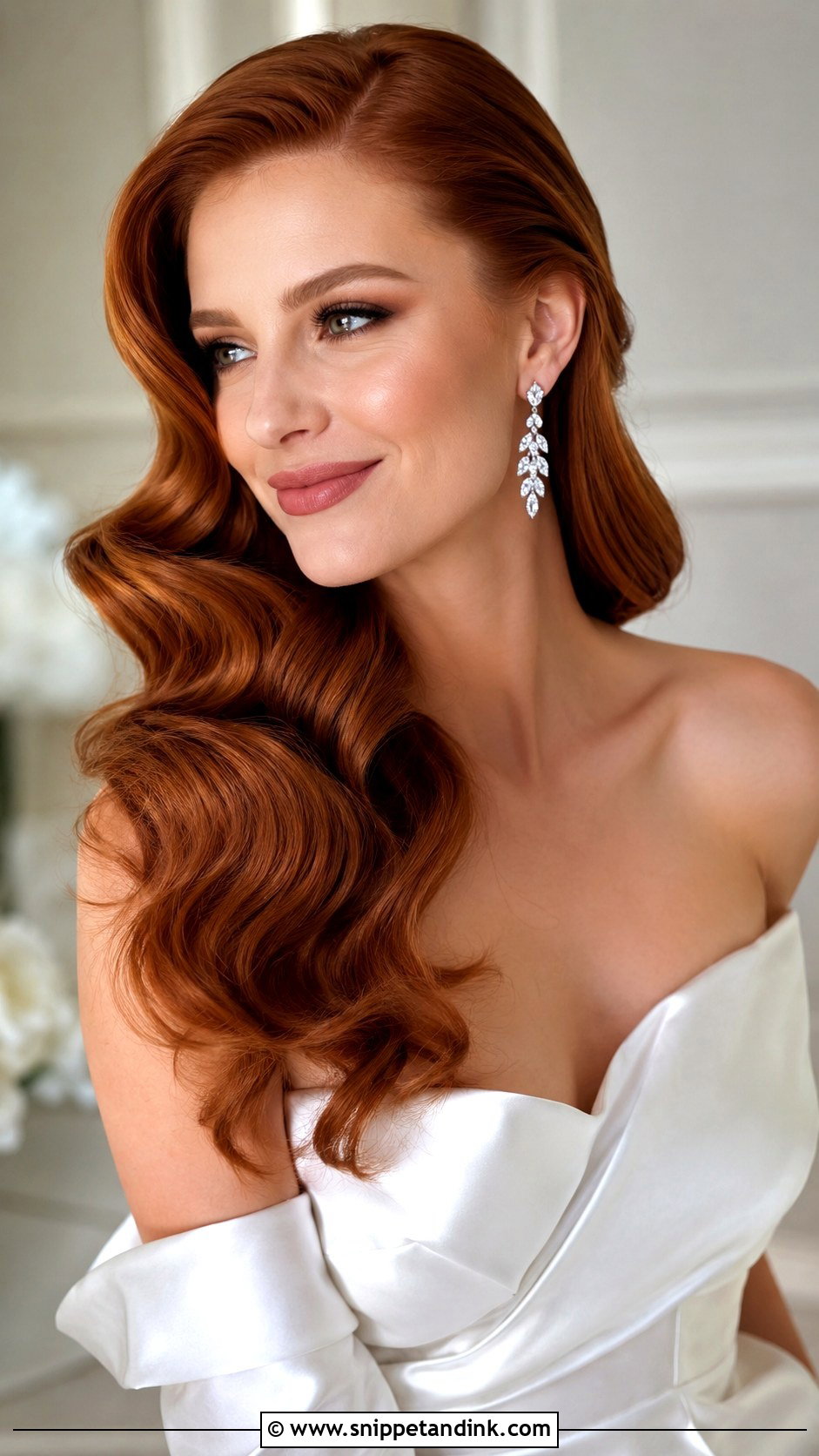
Hollywood waves need precision. Every curl is wound the same way, clipped flat while it cools, then brushed into one continuous wave, usually from a deep side part. Satin, vintage-style dresses, cathedral veils and statement earrings suit it. You need enough length to show at least two full ripples; extensions can supply the fullness. The modern version is glossy and soft to the touch, not crunchy. If your hair drops a curl in an hour on a normal day, I’ll want a trial with a setting lotion before I promise you this look.
4. Half Up Half Down Bridal Hairstyle
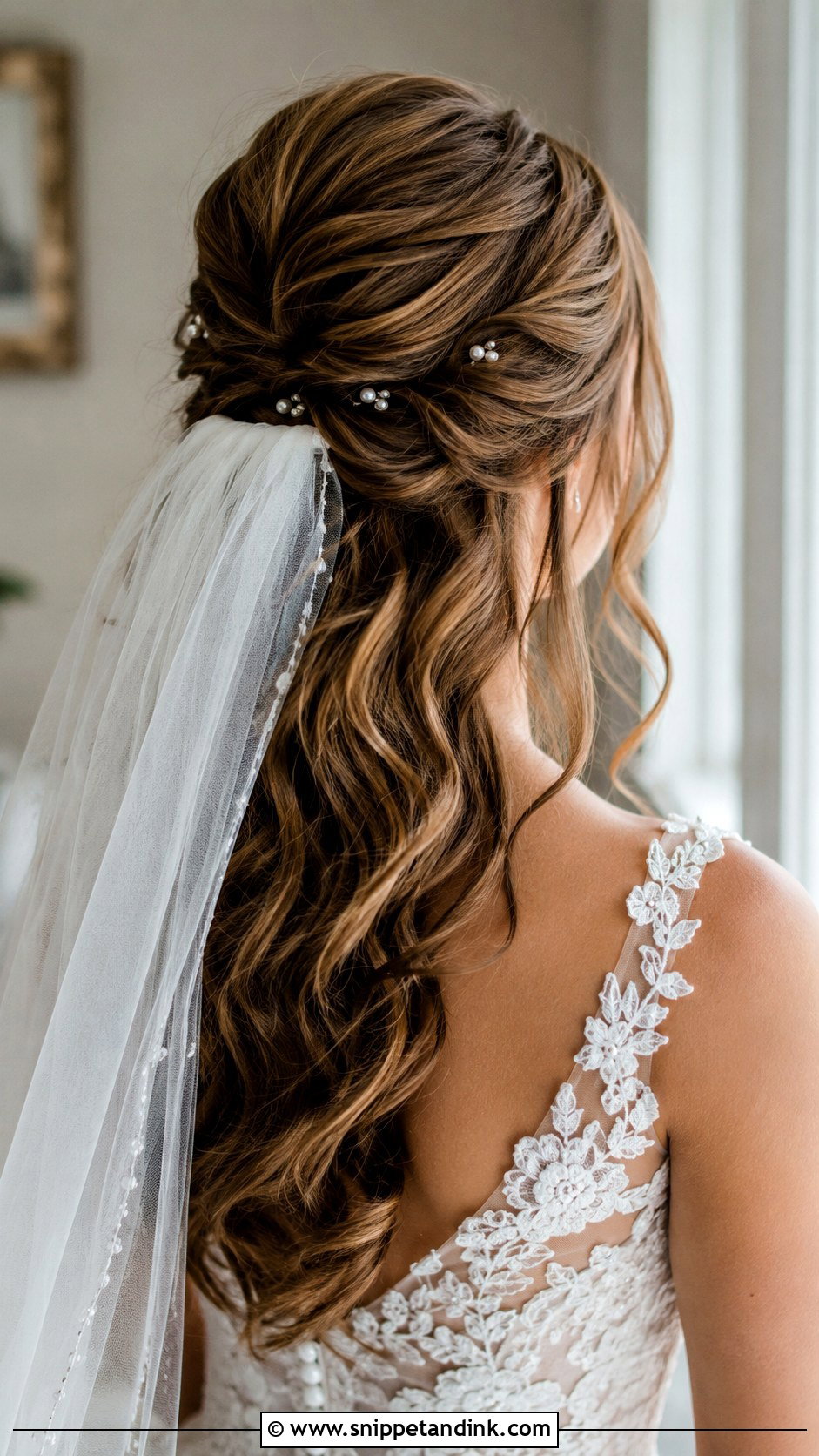
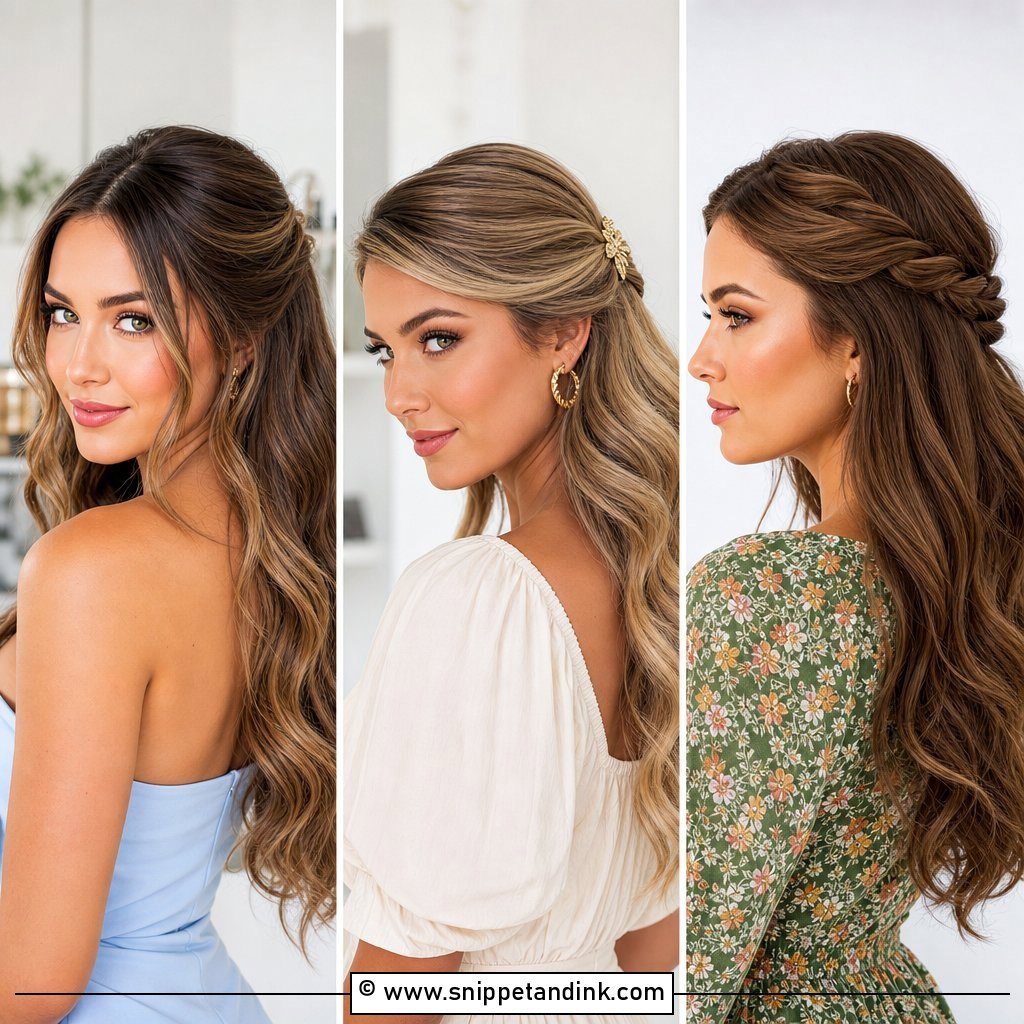
Half up, half down gives you loose hair with an anchor. The pinned top section is what makes it veil-friendly: the comb slides in just under it and has something solid to hold. Below, the length can be curled, waved or left in its natural texture. I build that top section with a little backcombing and crossed pins, because a veil is heavier than it looks and will drag an unsecured section down within the hour. Twists, small braids, pearls or a delicate clip all add detail. Outdoor and beach weddings suit it, though wind will move the length.
5. Sleek Bun Bridal Hairstyle
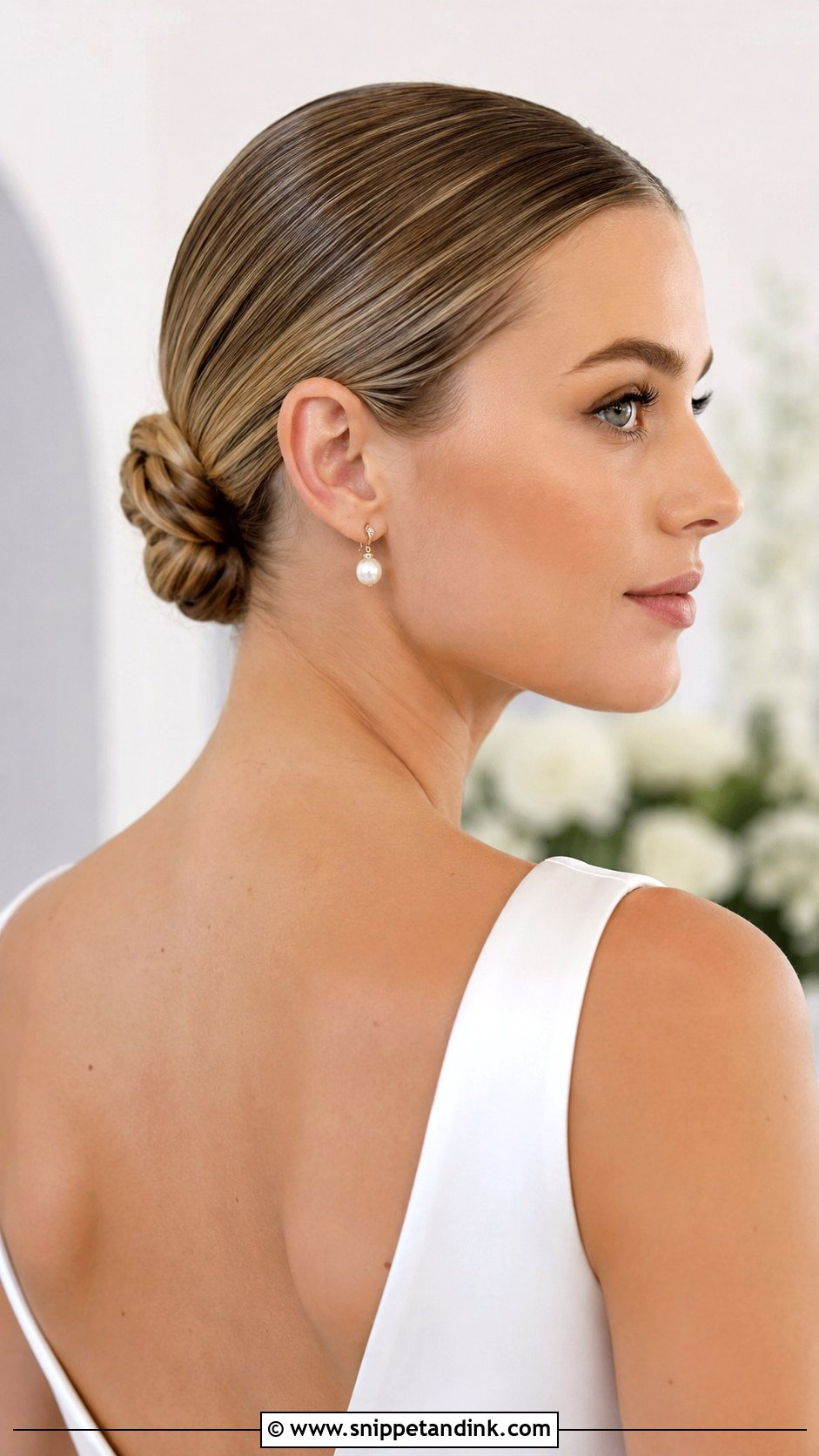
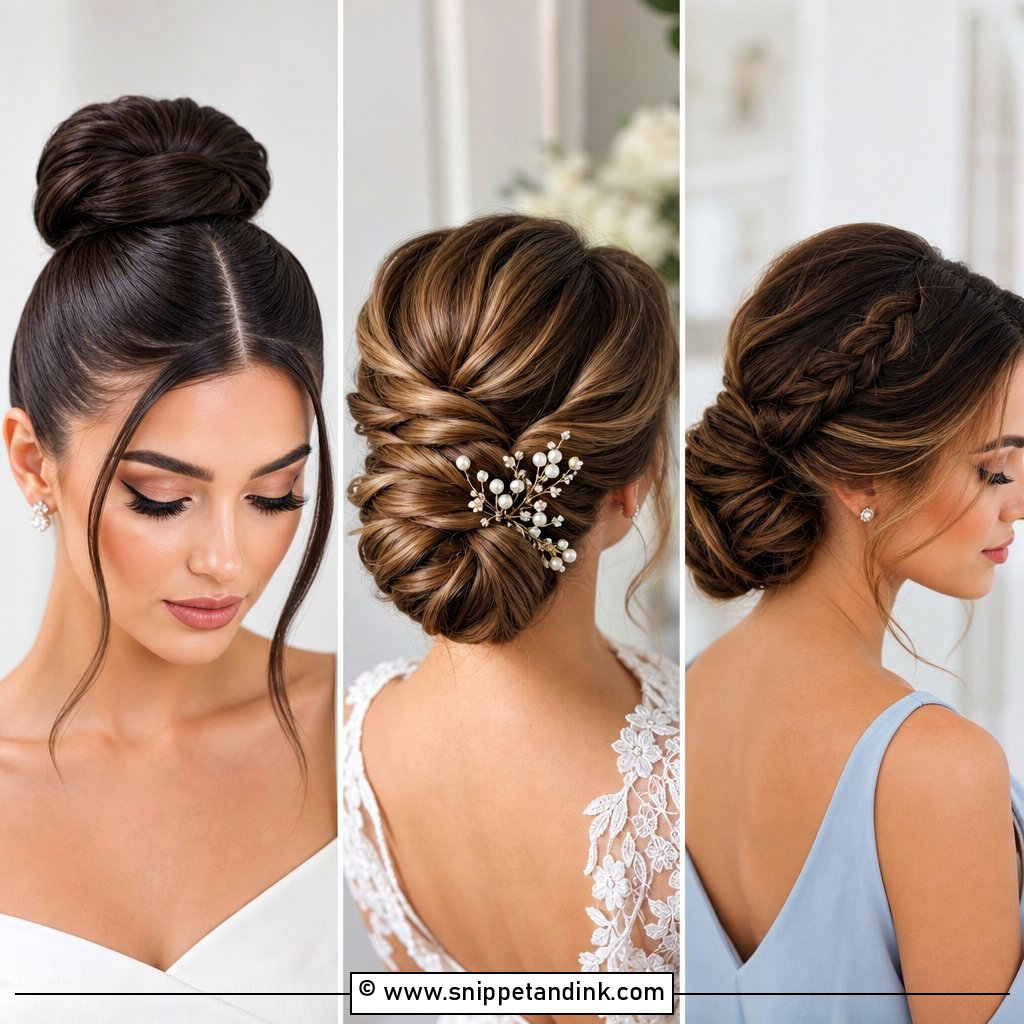
There’s nowhere to hide in a sleek bun, which is exactly why some brides love it: the shape lets your dress, makeup and jewellery do the talking. It’s smoothed back into a low or mid-height bun and suits minimalist gowns, high necklines, strapless dresses and city weddings. A dramatic veil looks crisp against it. A middle part reads fashion-led; a side part is gentler. I use a firm cream rather than a wet gel, since gel can flake by evening and catches flash. If your hairline has baby hairs or cowlicks, tell me at the trial so we can plan around them.
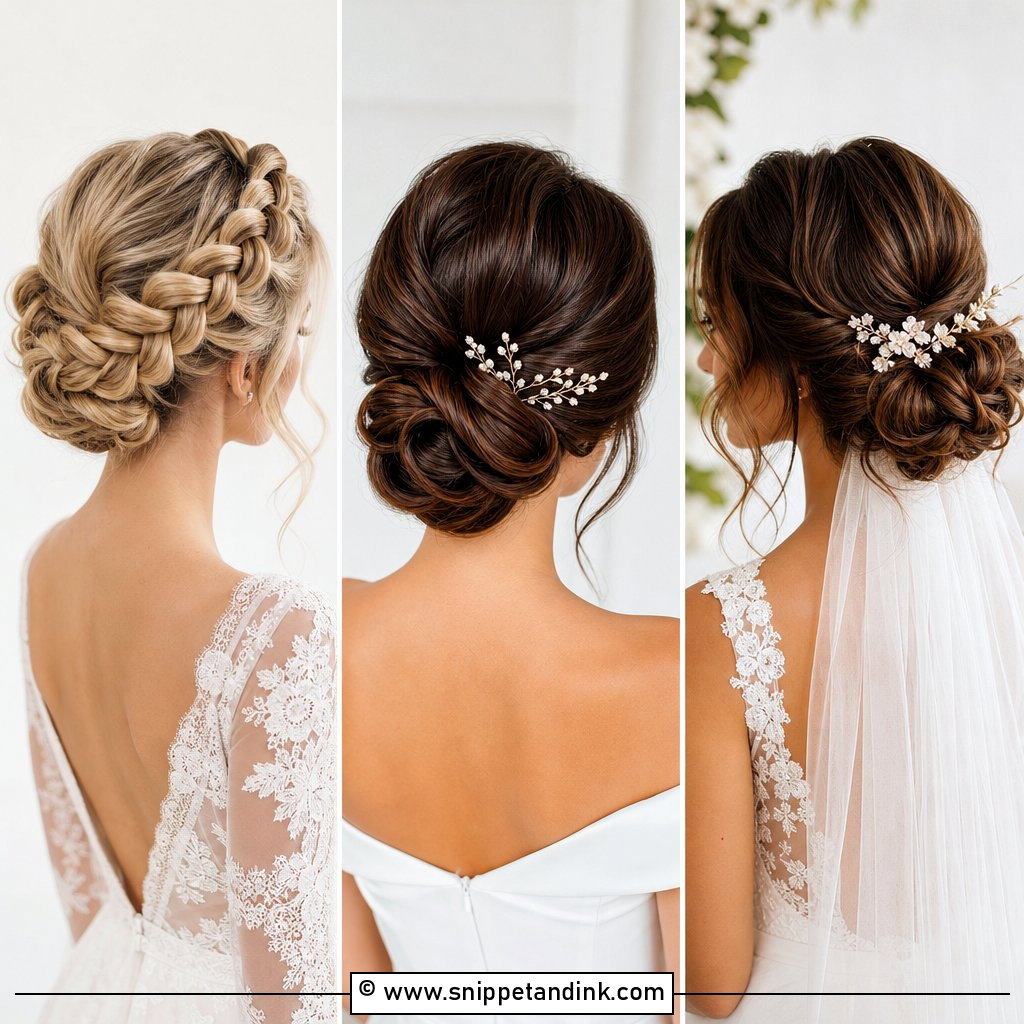
6. Textured Bun Bridal Hairstyle
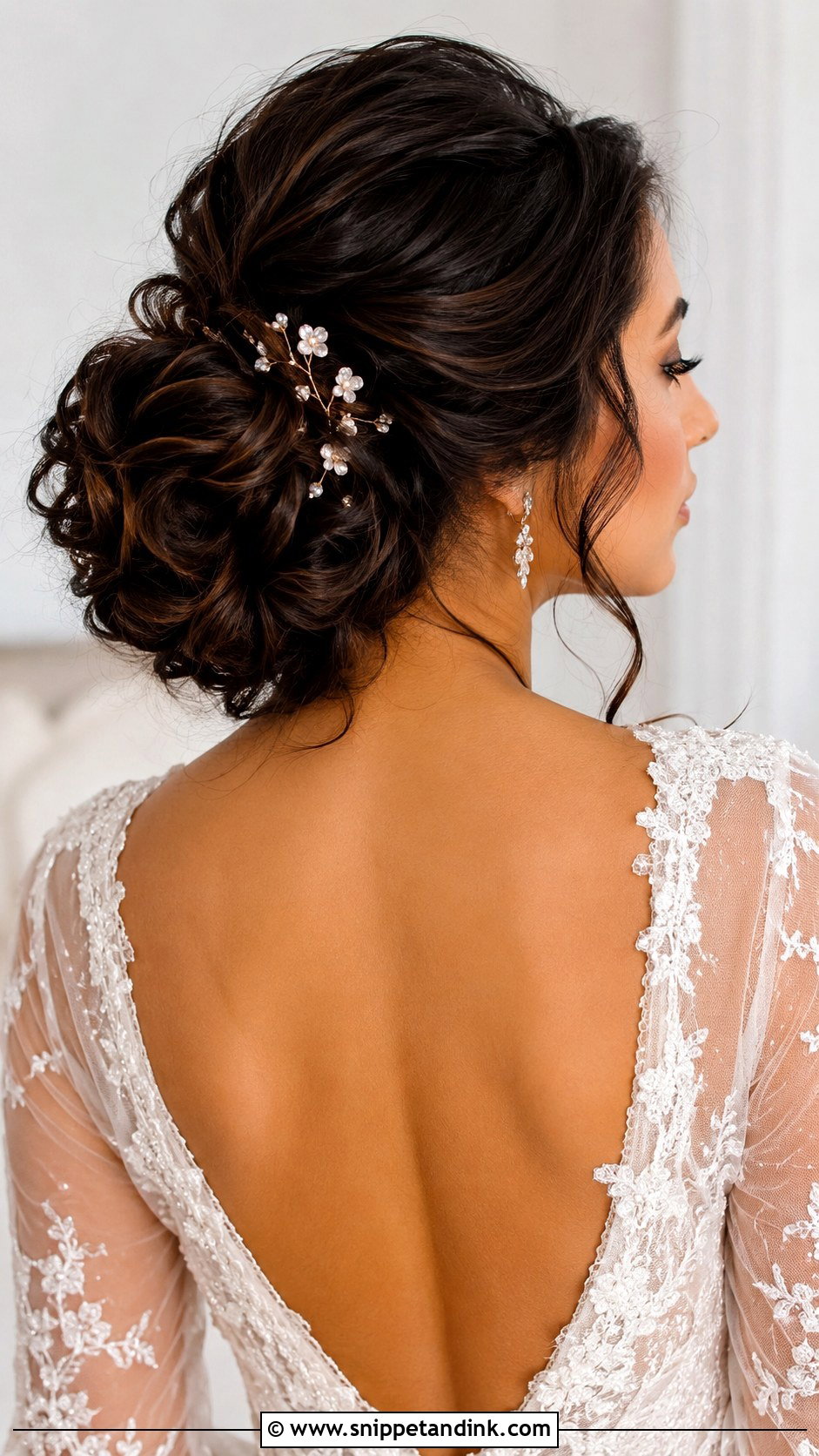
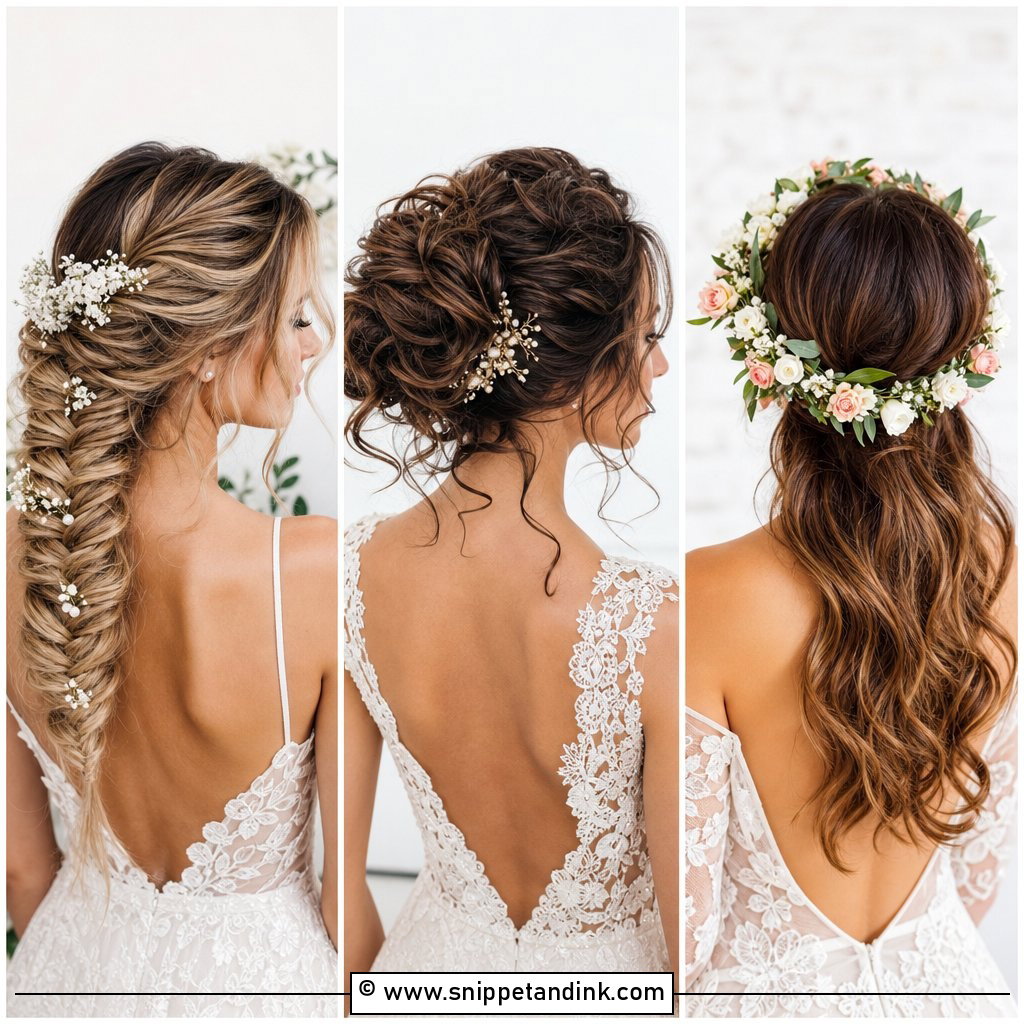
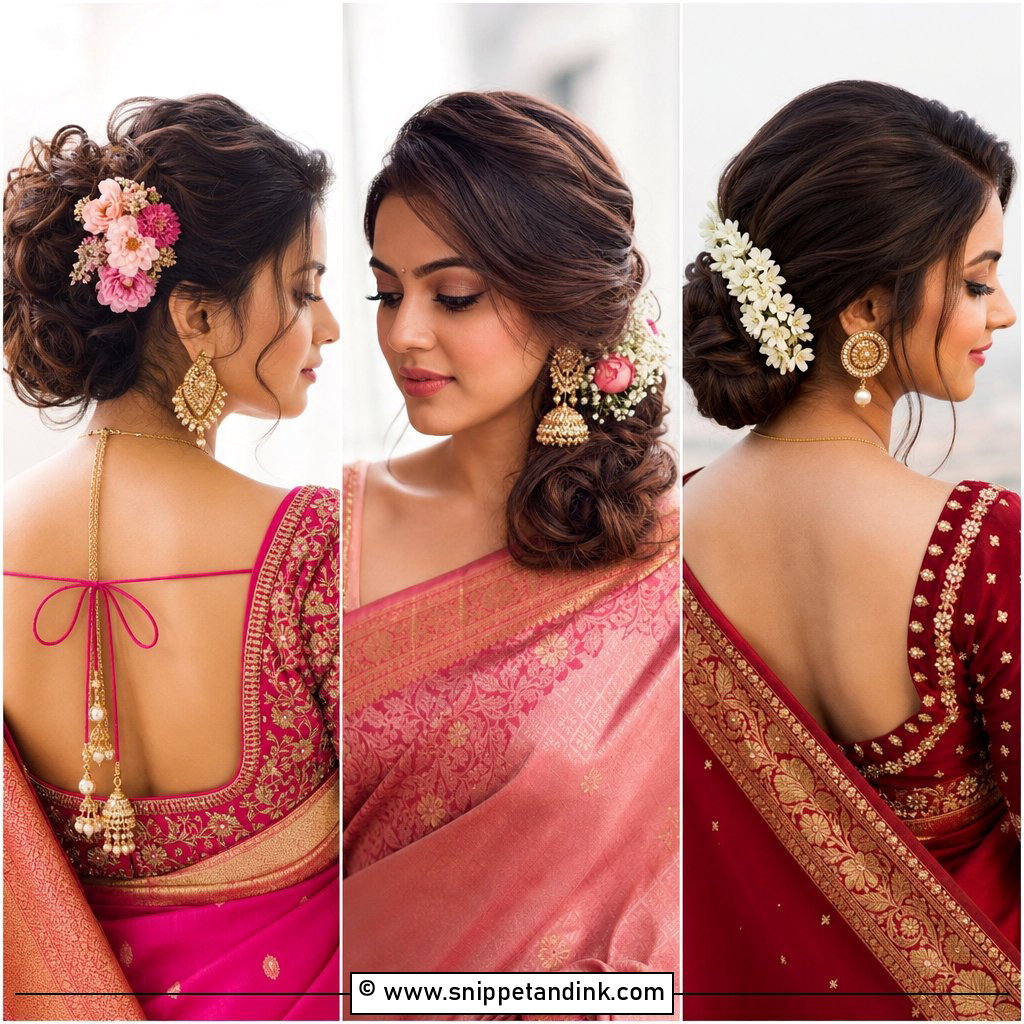
Layers are the reason a textured bun exists. Curling or waving the hair first, then pinning it into a bun with visible movement, lets shorter pieces become part of the shape instead of escaping it. It adds body to fine hair and makes thick hair look lighter. Floral pins, pearl details and soft veils all sit comfortably in it. The skill is in keeping the texture deliberate. I pin every loop I pull out, because a loose loop with no pin under it is what turns relaxed into messy by the reception.
7. Braided Updo Bridal Hairstyle
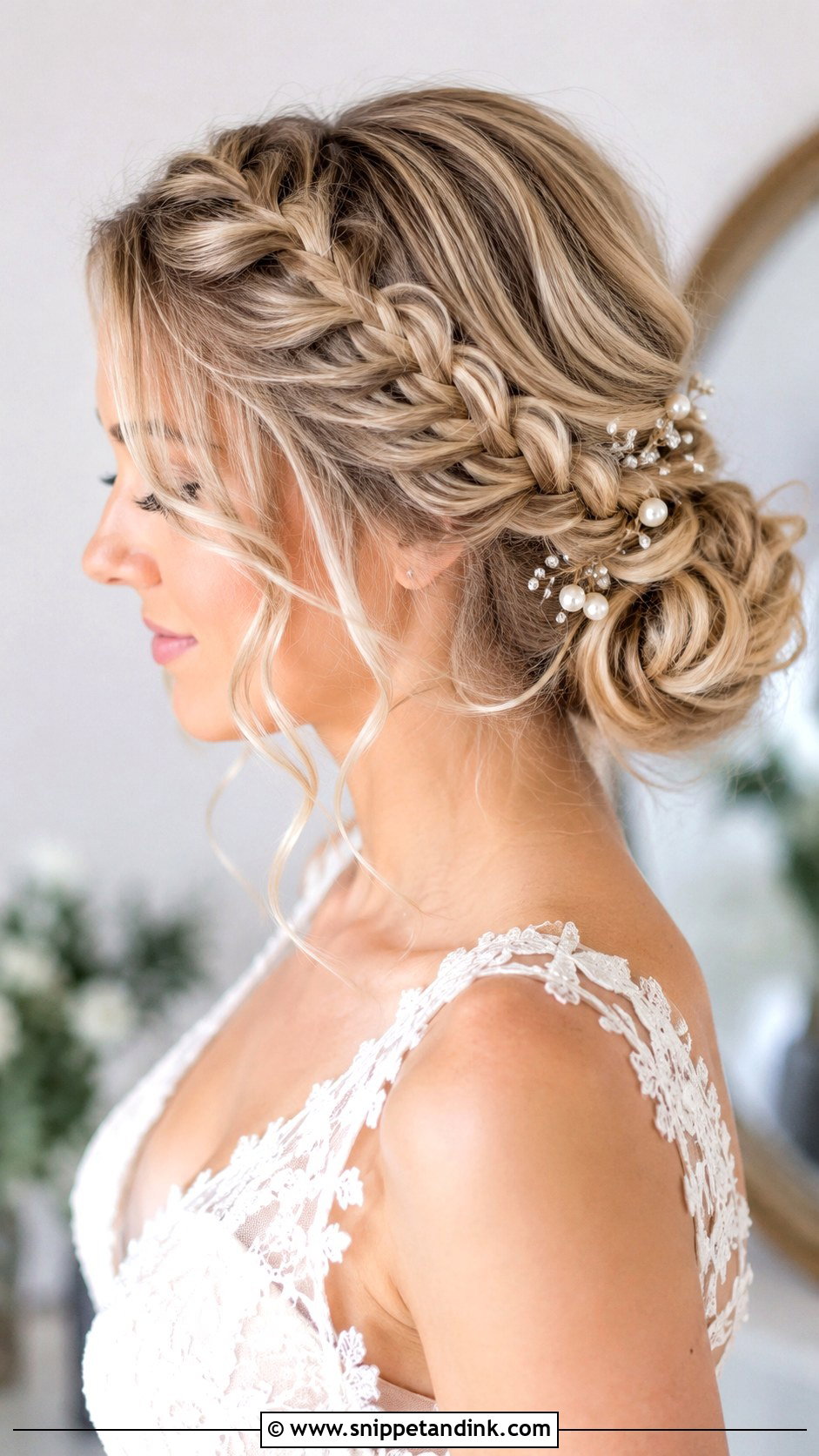
Highlighted hair looks its best in a braided updo, because every twist of the braid shows the different tones. The braid can wrap into a bun, frame the crown, or run softly along the sides before being pinned at the back. It suits rustic venues, gardens and boho dresses, and it’s a good step up for brides who find a plain bun too simple. I braid it firmly, then widen the loops gently once it’s in place, which looks fuller and more current than a tight braid. A few loose strands at the face lighten it.
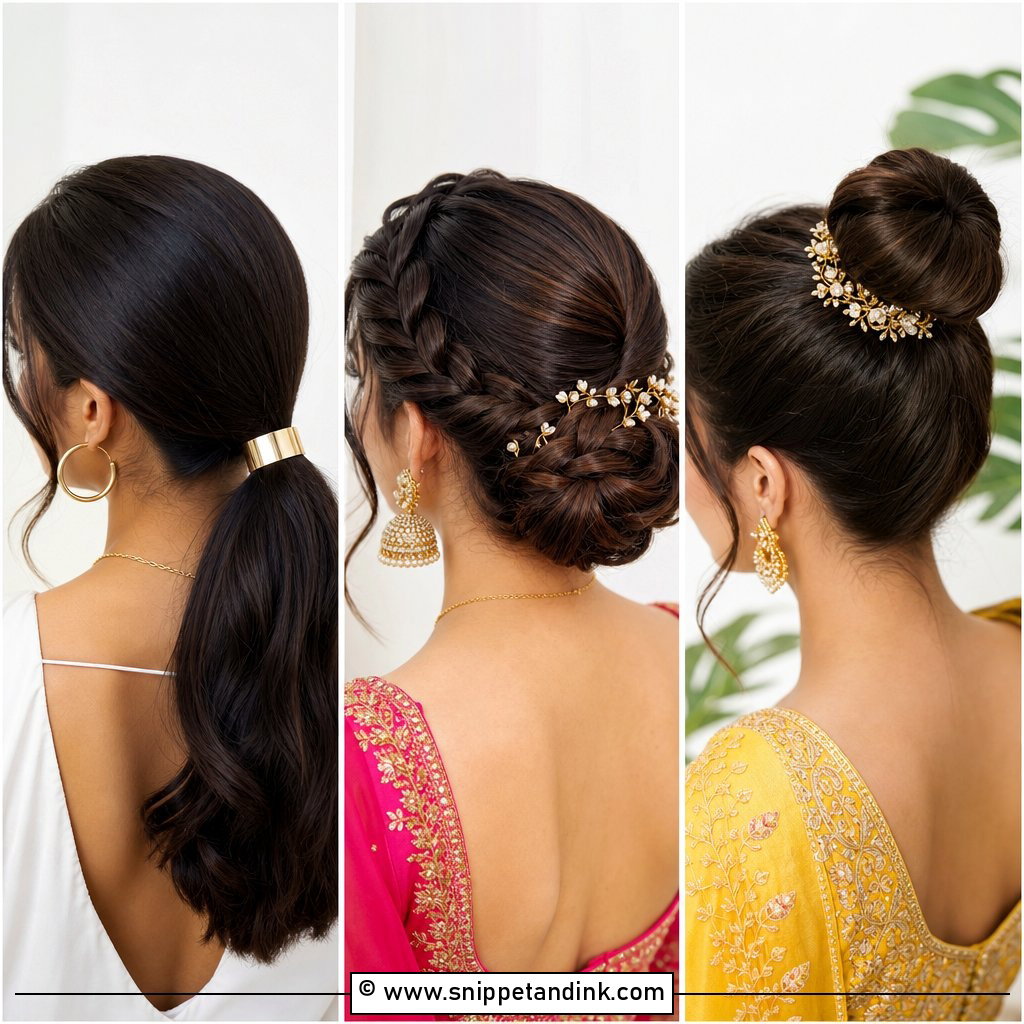
8. High Bun Bridal Hairstyle
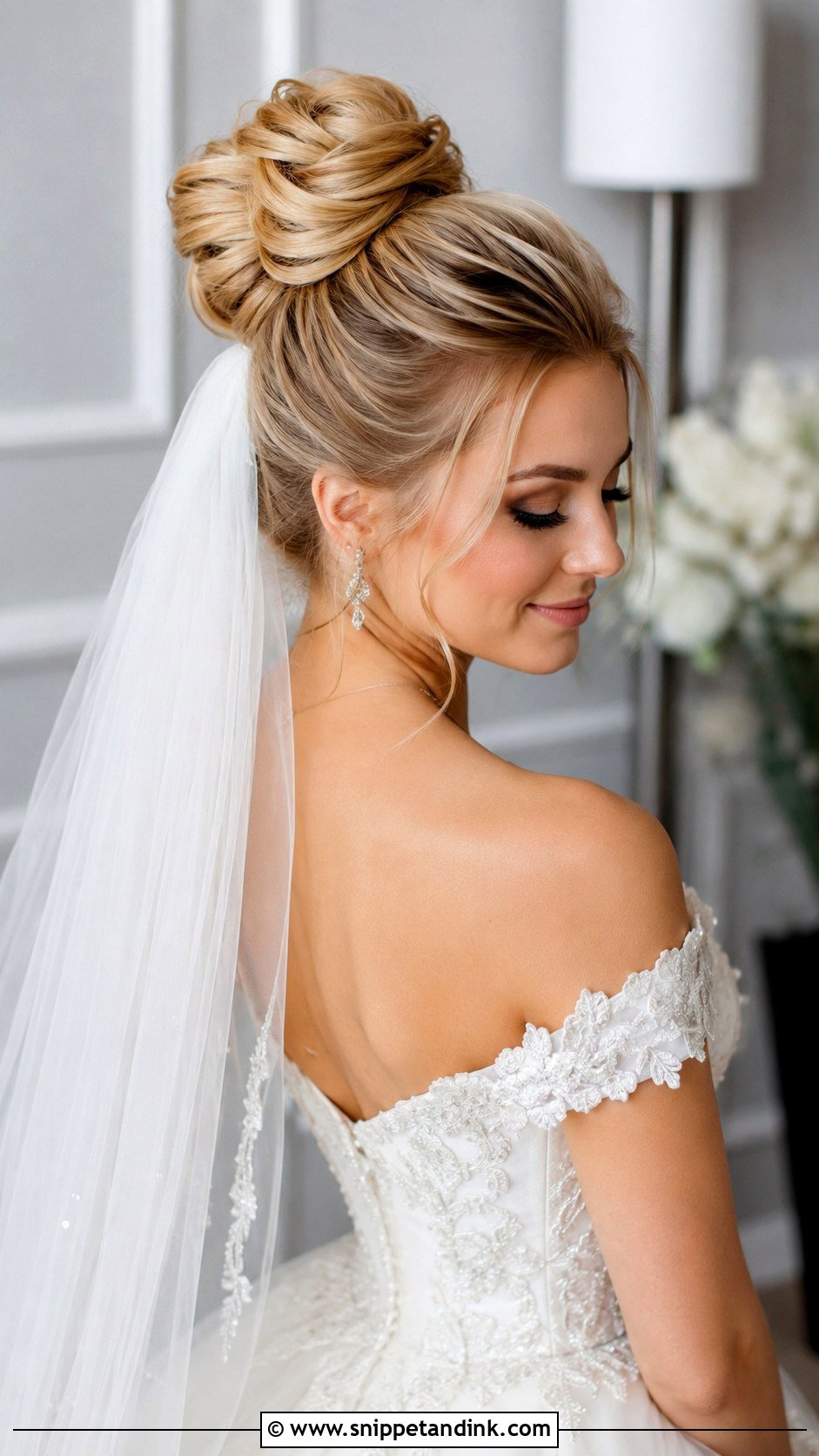
A high bun lifts the eye upward, lengthens the neck and clears the shoulders, so earrings and dress details all get seen. Formal weddings, ball gowns, ballet-inspired dresses and hot days suit it. It can be sculpted smooth or left softly textured. The thing I watch closely is the veil: a high bun and a heavy veil can pull backward on the scalp all day, so I either set the veil comb underneath the bun or suggest a lighter tulle. Ask at the trial to wear the veil for twenty minutes, not two.
9. Ponytail Bridal Hairstyle
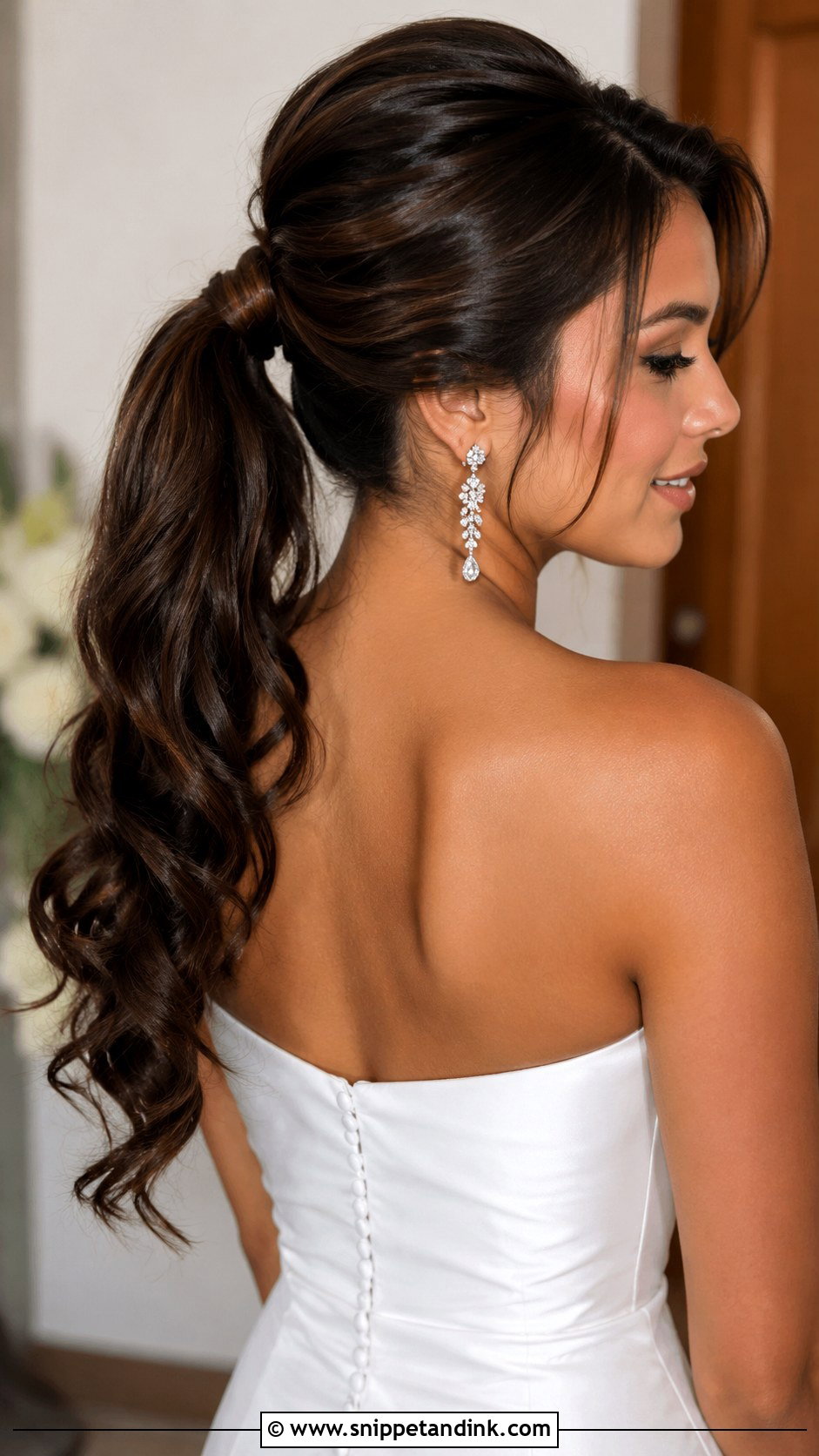
A bridal ponytail is a styled piece, not a gym pony. It can be sleek and high, low and polished for quiet luxury, or waved for something softer. What makes it bridal is volume at the crown, real shine, and a base wrapped with a strand of hair so the elastic disappears. It keeps hair off your face all day while still moving when you walk. I use two elastics stacked at the base, since one alone can loosen under the weight of extensions. Strapless gowns, clean necklines and statement earrings suit it.
10. Side Swept Bridal Hairstyle
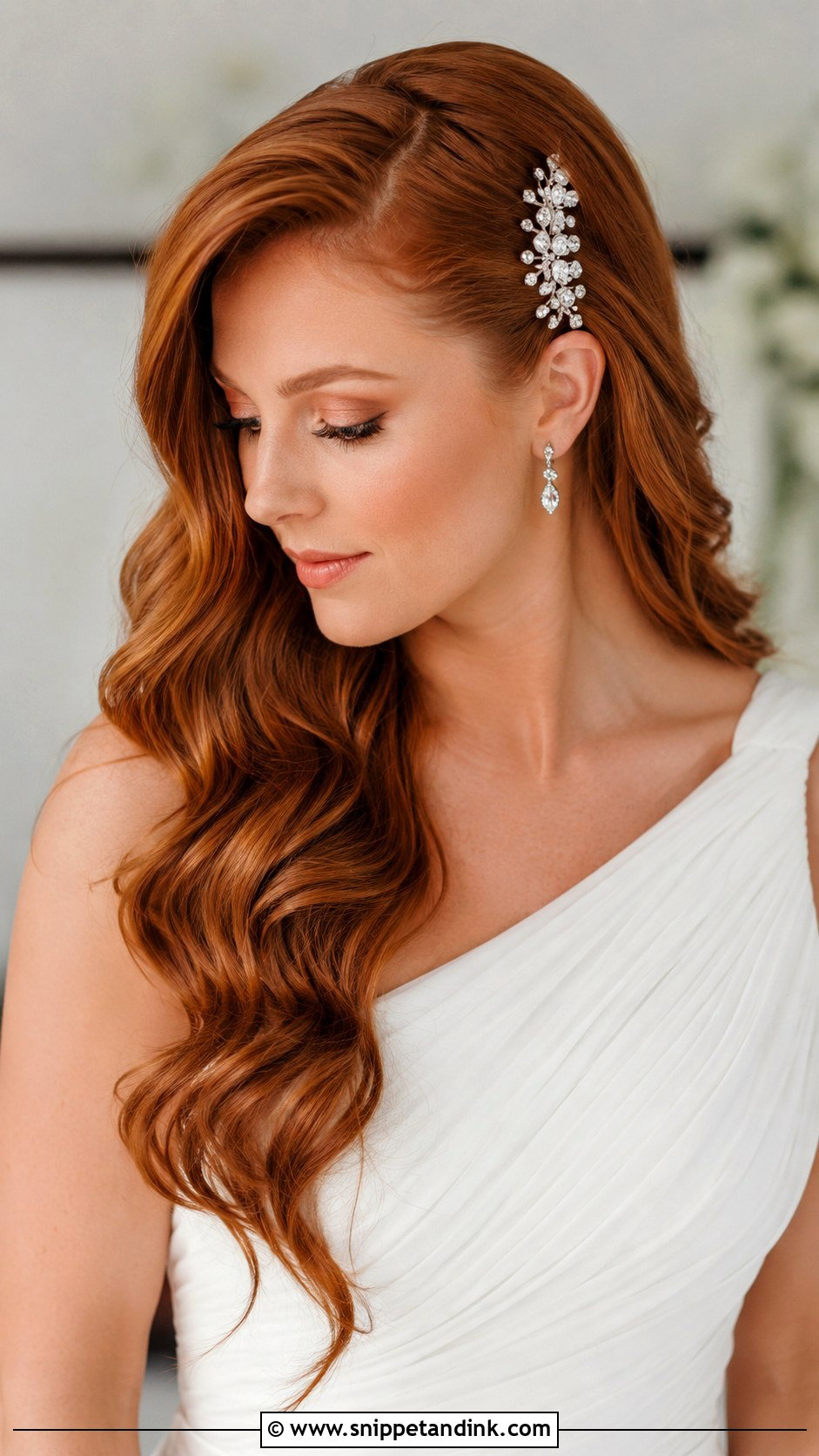
Side swept hair suits one-shoulder dresses, asymmetrical necklines and vintage gowns, because the hair falls over one shoulder and leaves the other side of the neckline bare. Curls or waves are gathered and pinned to one side, which also gives you a clear profile in photographs. A decorative comb placed above the pinned side looks deliberate and hides the pins. The weak point is that hidden base. On thick or slippery hair I lay a small braid behind the ear first and pin into it, which holds far better than pins in loose hair.
11. Natural Curl Bridal Hairstyle
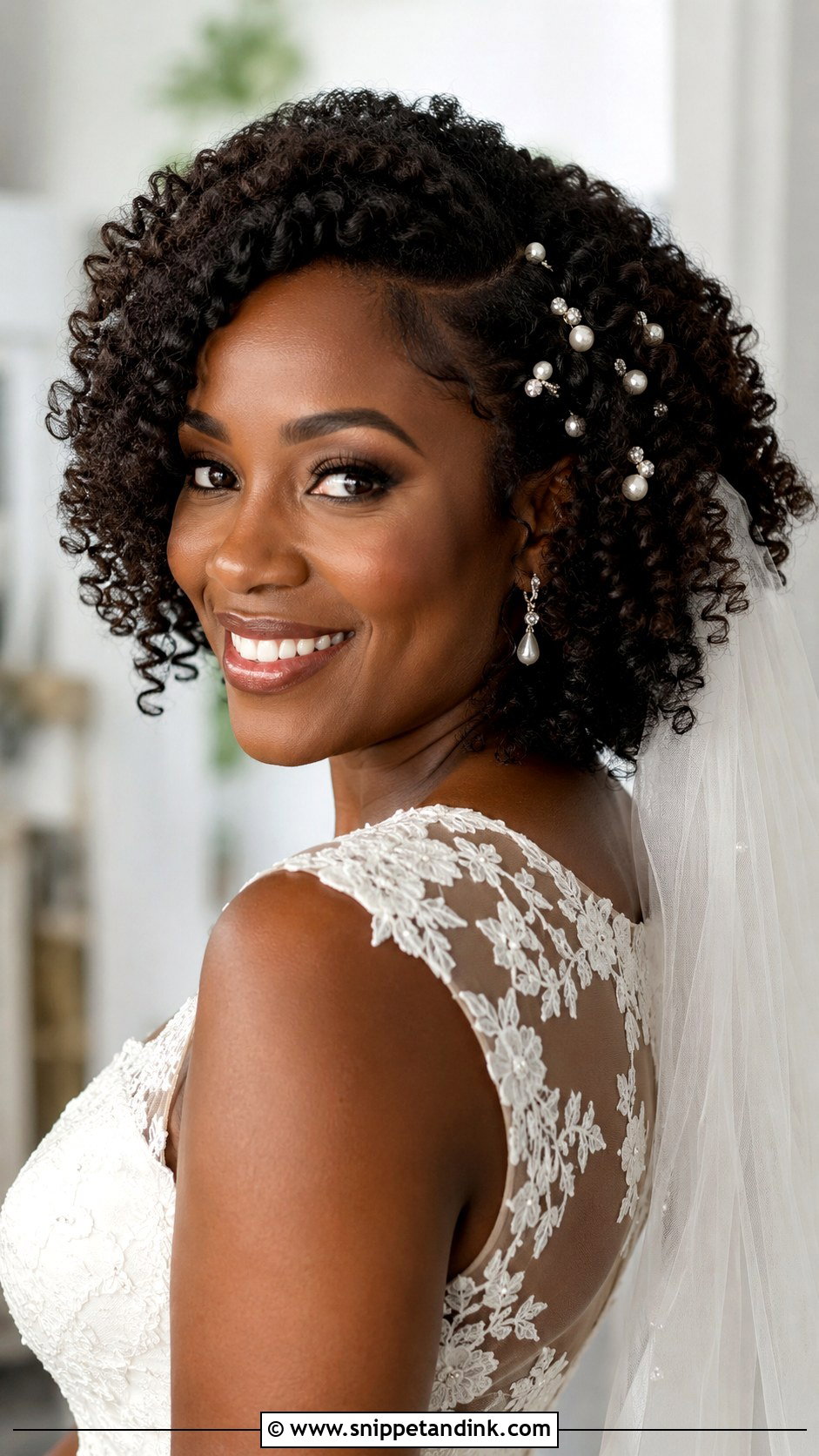
Your natural curls deserve a wedding shape, not a disguise. They can be worn down, half up, swept to one side or lifted into an updo; the aim is definition, less frizz and balance around the face. Curly, coily and textured hair needs a trial with products chosen for your pattern and for the wedding’s likely weather, since a styler that works in dry heat can turn tacky in humidity. I never brush through curls; I shape them with fingers and clips. Floral pins, pearl clips or a light veil can be added without crushing volume.
12. Crown Braid Bridal Hairstyle
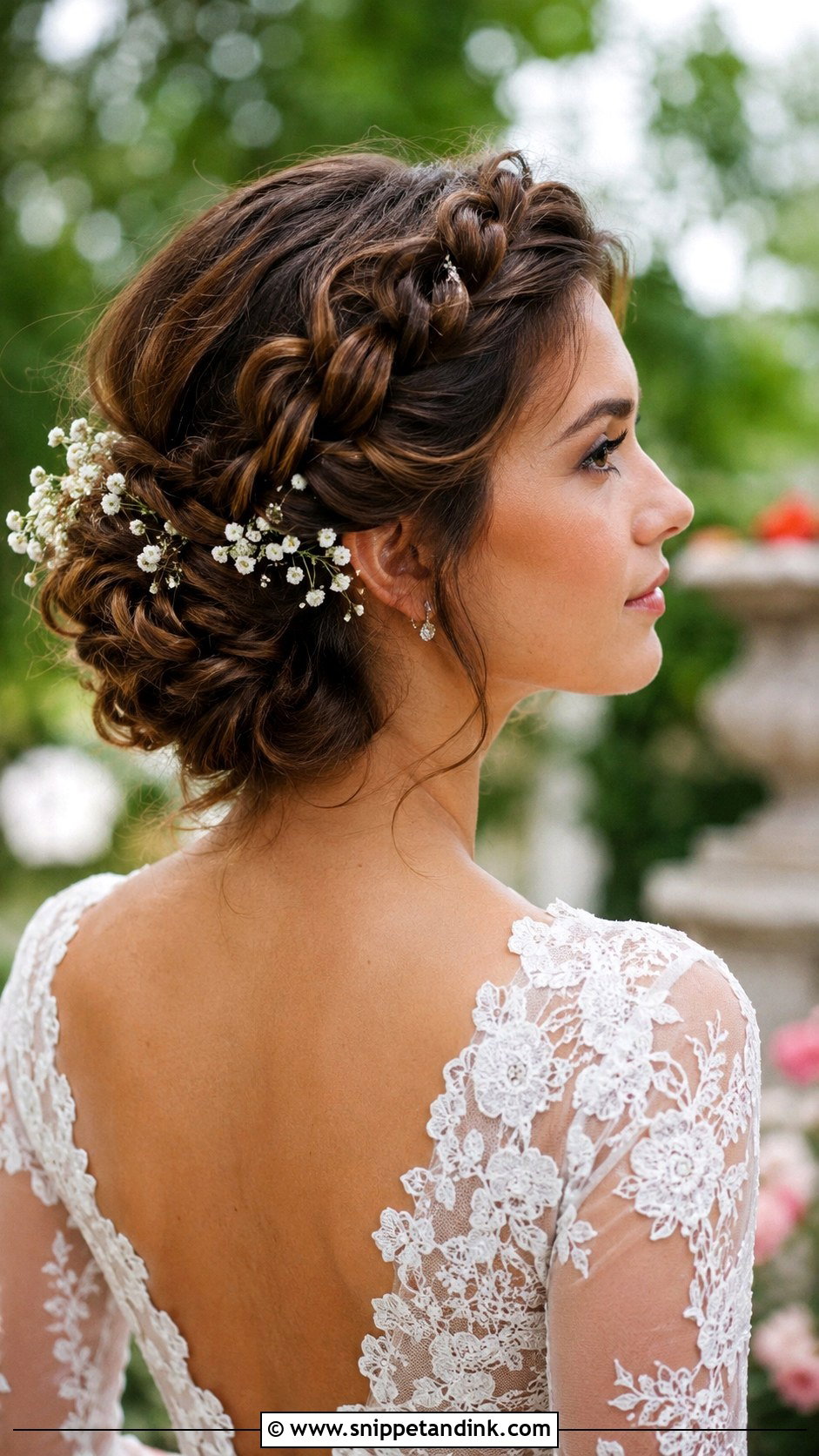
For outdoor and woodland weddings, the crown braid is one of the most secure options I know. Wrapped around the head, it keeps hair off the neck without a traditional bun and stands up to wind. It can be neat or loosened for volume. Small flowers, pearl pins or a veil set low at the back all work with it. Fine hair is the challenge: a braid made from thin hair looks narrow, so I prep with texture spray or add a few extensions inside the braid to give it width.
13. Loose Waves Bridal Hairstyle
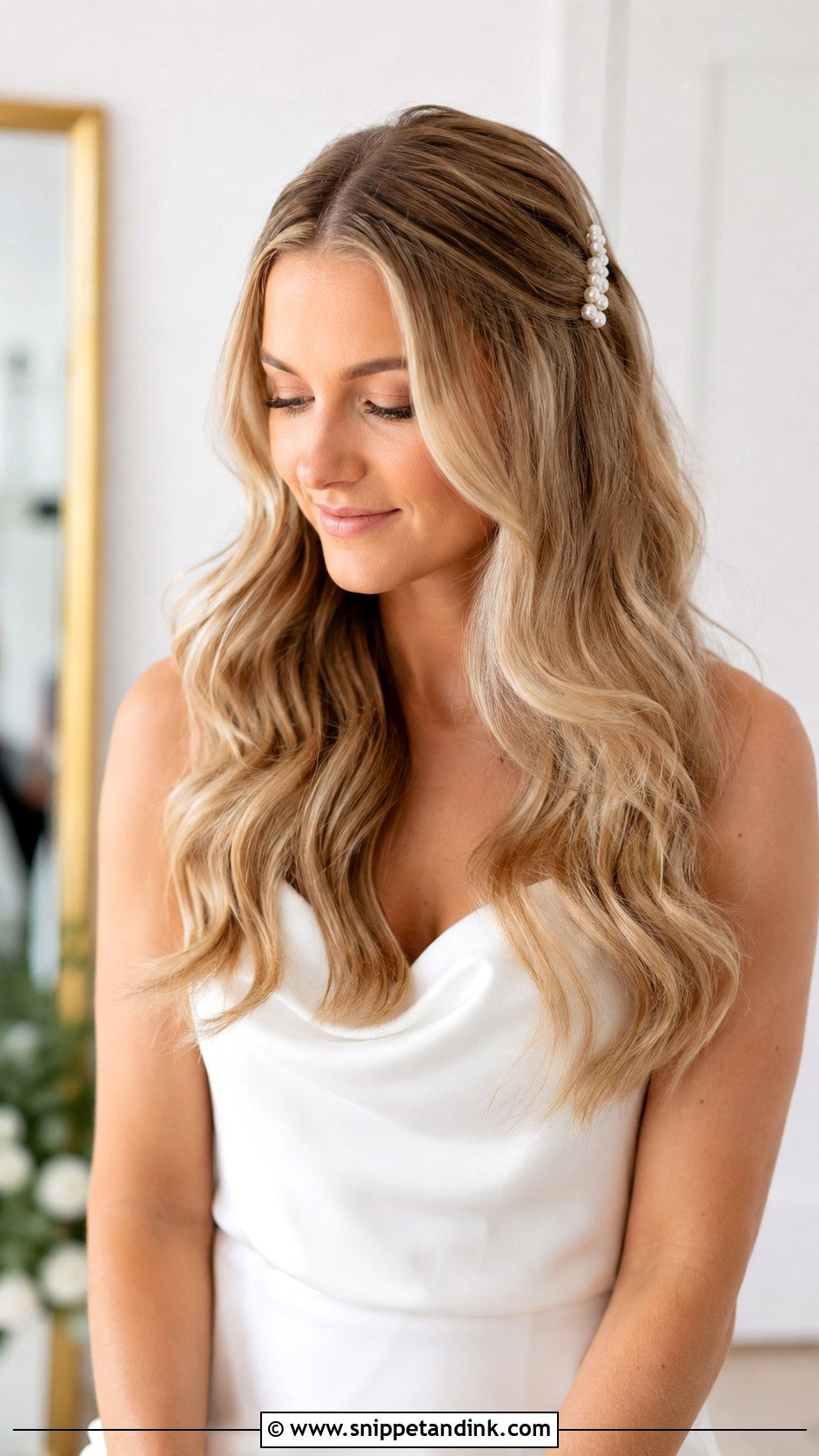
Loose waves sit between polished and beachy, and I aim for the polished side, because overly beachy waves look unfinished next to a formal gown. They need enough structure to last through photos and dancing. Long and medium hair, layered cuts and subtle highlights all suit them, as do veils, floral crowns, pearl clips and simple dresses. If your hair drops curl quickly, I set a tighter curl underneath and brush only the top layer loose, so the softness is on the surface and the hold is below it.
14. French Twist Bridal Hairstyle
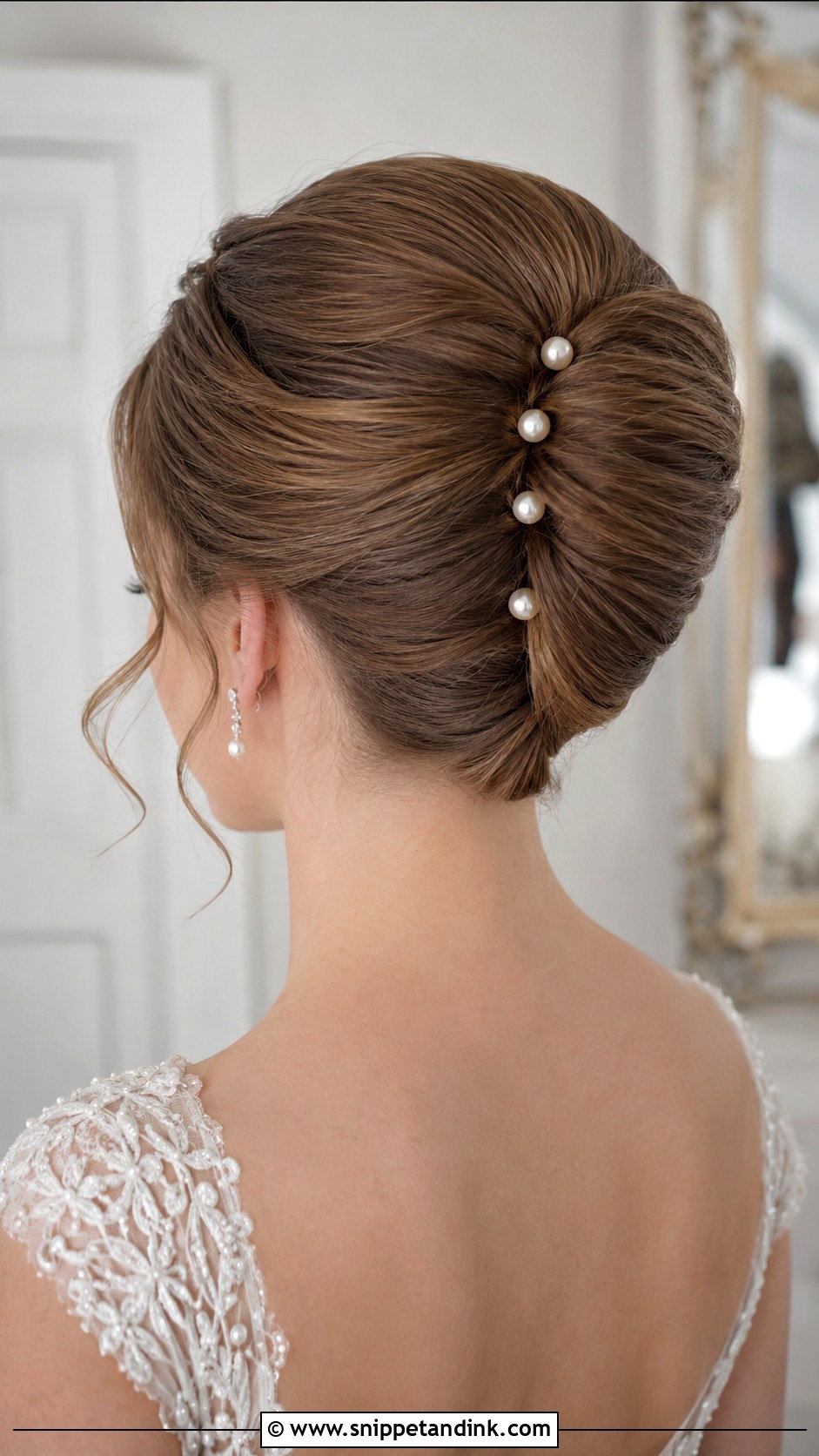
The French twist sweeps the hair up into a single vertical fold, and its shape reads best from the back and side, which is how most ceremony photos catch you. It suits vintage dresses, modern gowns, bateau necklines and pearls. Sleek suits a formal venue; loosened front pieces make it softer. Brides worried about looking older usually love the softer version. Placement matters: I’ll move the twist slightly off-centre or adjust its height at the trial until it flatters your profile, because a few centimetres changes the whole outline.
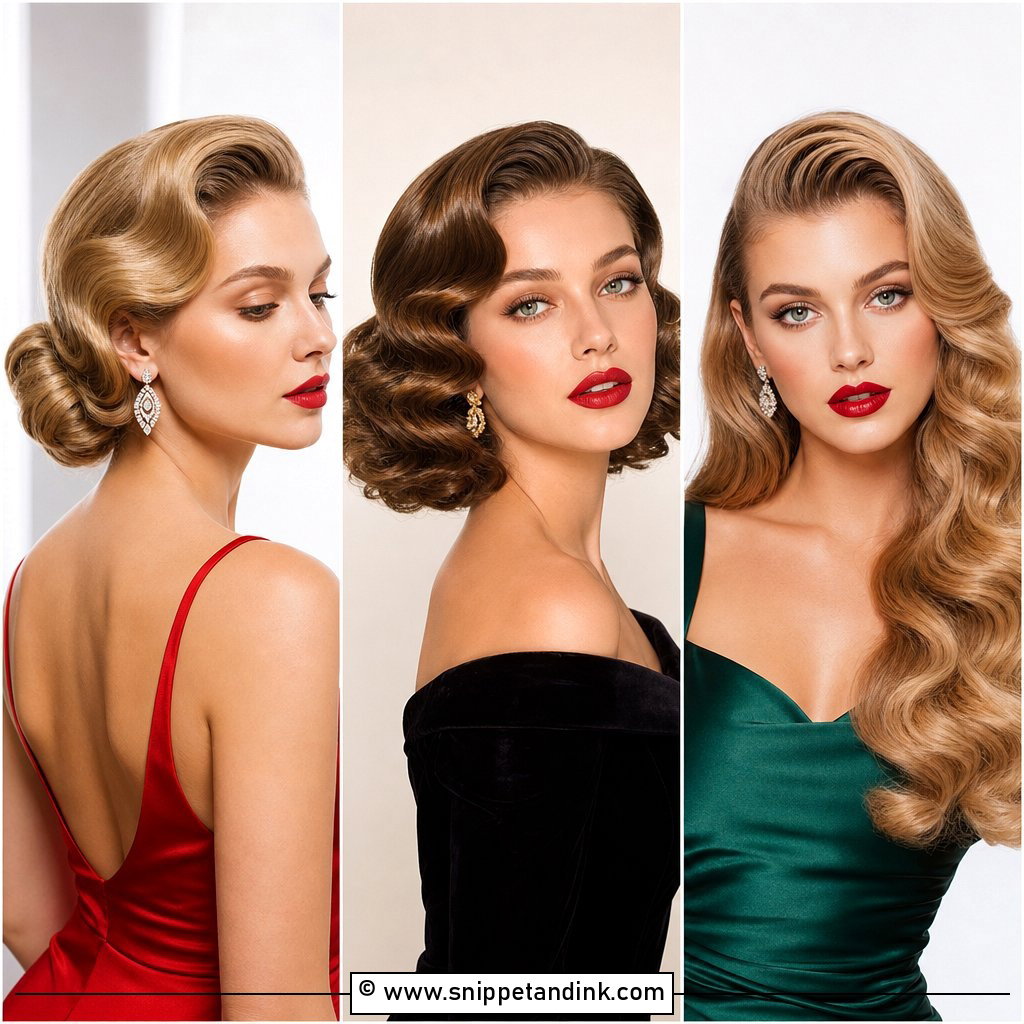
15. Short Hair Bridal Hairstyle
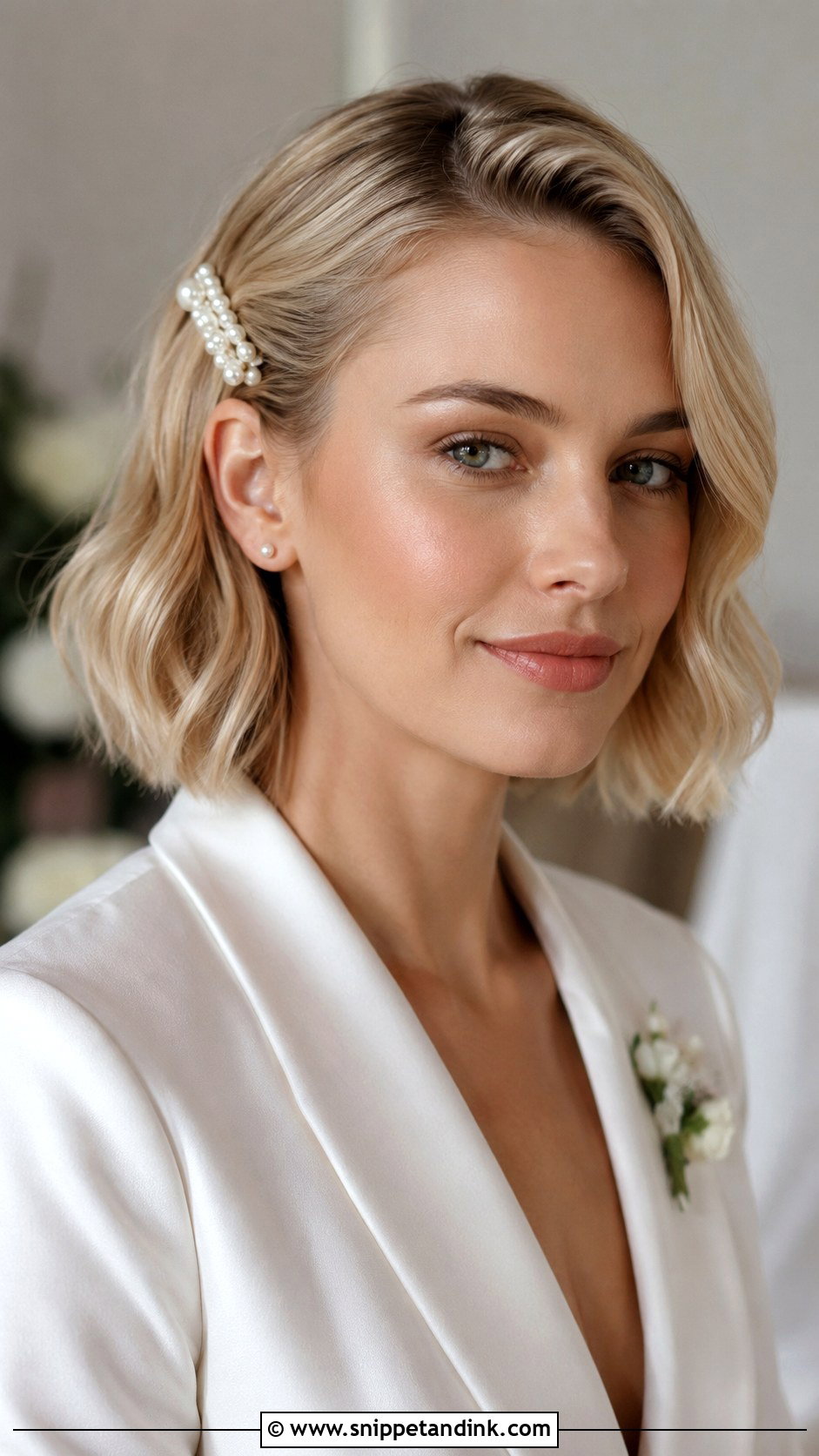
A short hair bridal hairstyle can be every bit as detailed as long wedding hair. Bobs, lobs, pixies and cropped cuts take soft waves, sleek shine, pinned sides, mini braids or small accessories. The secret is a clear, deliberate shape that suits your dress and face: a wavy bob feels romantic, a slick side-part pixie feels modern. Birdcage veils, pearl clips, headbands and floral pins all sit well on short hair. Book your trim about two weeks before so the cut looks fresh without feeling unfamiliar.
From Ceremony Veil to Reception Dance Floor
Most brides plan their hair for the ceremony only, then wonder why it looks different at 10pm. The veil usually comes out after photos, and that changes everything. A comb pushed into a half up style can leave a visible gap or a cluster of pins once it’s removed, and a heavy cathedral veil may have pulled the crown flatter than it looked that morning.
At the trial, I show the bride or a bridesmaid how to take the veil out without tearing the style, and we practise it once. Some brides plan a small change for the reception on purpose: loose waves swept into a low pony, or half up turned into a soft side style with a clip. It feels fresh for the party and hides any tiredness the hair has picked up.
A Two-Minute Refresh Between Photos and Dinner
Hand your maid of honour a small pouch: pins in your hair colour, a mini flexible hairspray, blotting papers and a tail comb for lifting a flat crown. A quick check in a bathroom mirror before you walk into dinner fixes most of what the wind and the hugs have done.
Bring Your Dress Photos to the Trial, Not Just Hair Pins
The right style is the one that keeps you calm and looks good from every side. Before you commit, weigh up your neckline, veil placement, hair texture, weather, venue and how much movement you want through the day. Bring photos to your trial, but stay open to small adjustments that flatter your face and suit your actual hair. A soft bun, a glossy wave, a braided updo, a sleek ponytail or natural curls can all be right when they’re built with care. Pick the one that matches the rest of your look and still feels like you.
You'll Like These Ideas:


Leave a Reply