
Wedding hair has one job most other hair doesn’t: it has to look the same in the last dance photos as it did in the first portrait. That’s what I’m really planning for when I sit with a bride, more than any trend. Right now the looks I’m asked for most are polished waves, relaxed low buns, a few face-framing pieces and natural texture left visible, and nearly all of them can be built to last if the prep and pinning are right. Below are twenty styles, from sleek classics to curly and short-hair options, with what I’d check before choosing each one. They work for brides, bridesmaids and guests alike; your neckline, hair texture and the weather on the day will narrow the list fast.
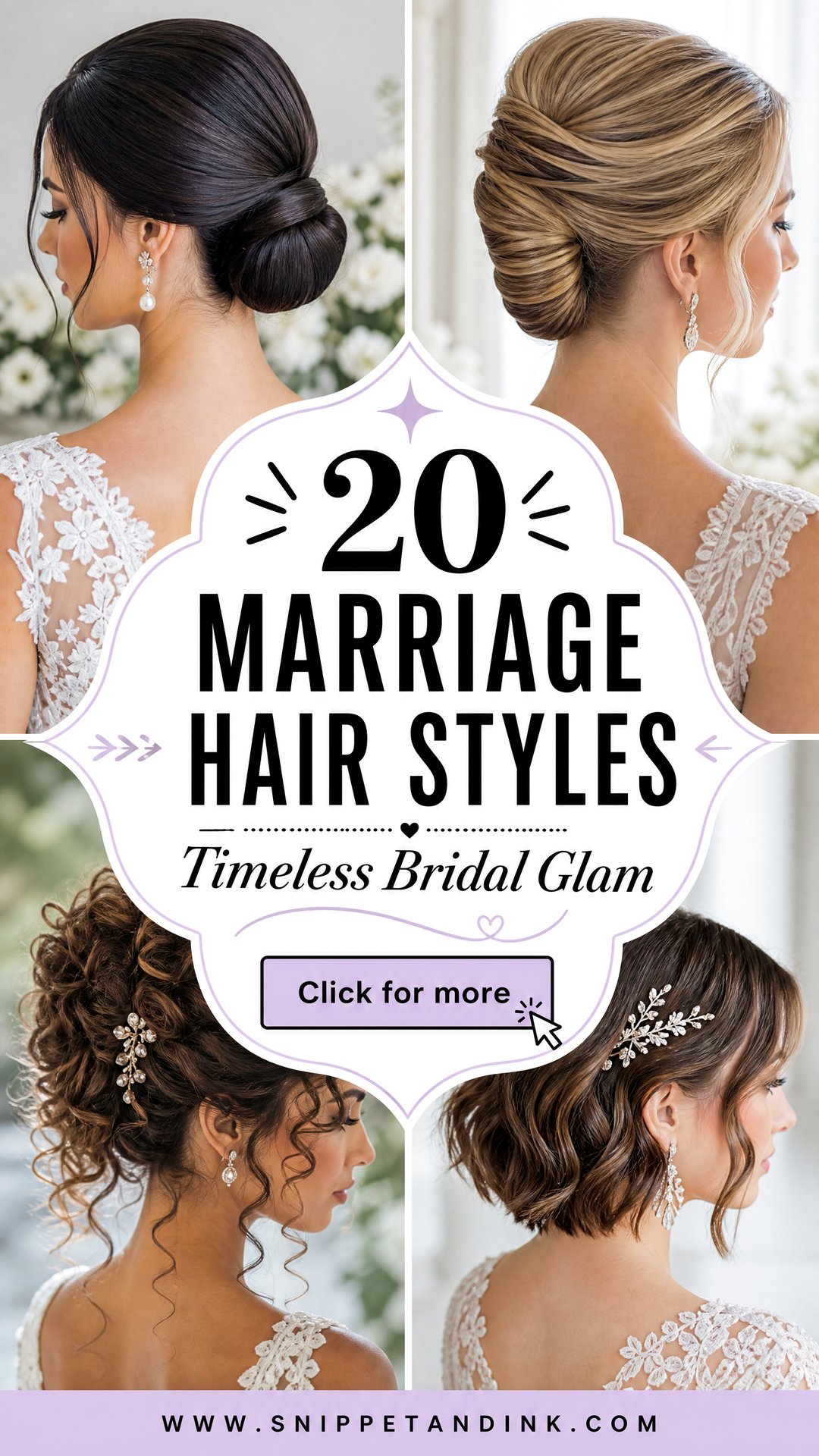
Density Matters More Than Length for Which Styles Last
Most brides choose by length, but the question I ask first is how much hair there is per strand and per square inch, and how it behaves with heat. Two brides with shoulder-length hair can need completely different styles.
Fine or thin hair
Fine hair takes curl quickly and loses it quickly, and pins slide out of it. I’d lean toward braided or padded updos, a low bun built on a base, or a half-up style with the top section braided underneath for grip. Fully loose curls are the riskiest choice; if you love them, plan on clip-in extensions for weight and a touch-up halfway through.
Thick or heavy hair
Thick hair holds a curl all night but its sheer weight can drag an updo down and give you a headache by the speeches. I thin out the bulk by sectioning, pin smaller pieces rather than one big bun, and avoid high styles that pull at the scalp for twelve hours.
Curly and coily hair
Curly and coily hair already has volume and grip, so updos stay put with fewer pins. The work is in keeping the curls moisturised and defined. I’d avoid styles that call for blowing curly hair straight and then re-curling it, because humidity tends to win by the reception.
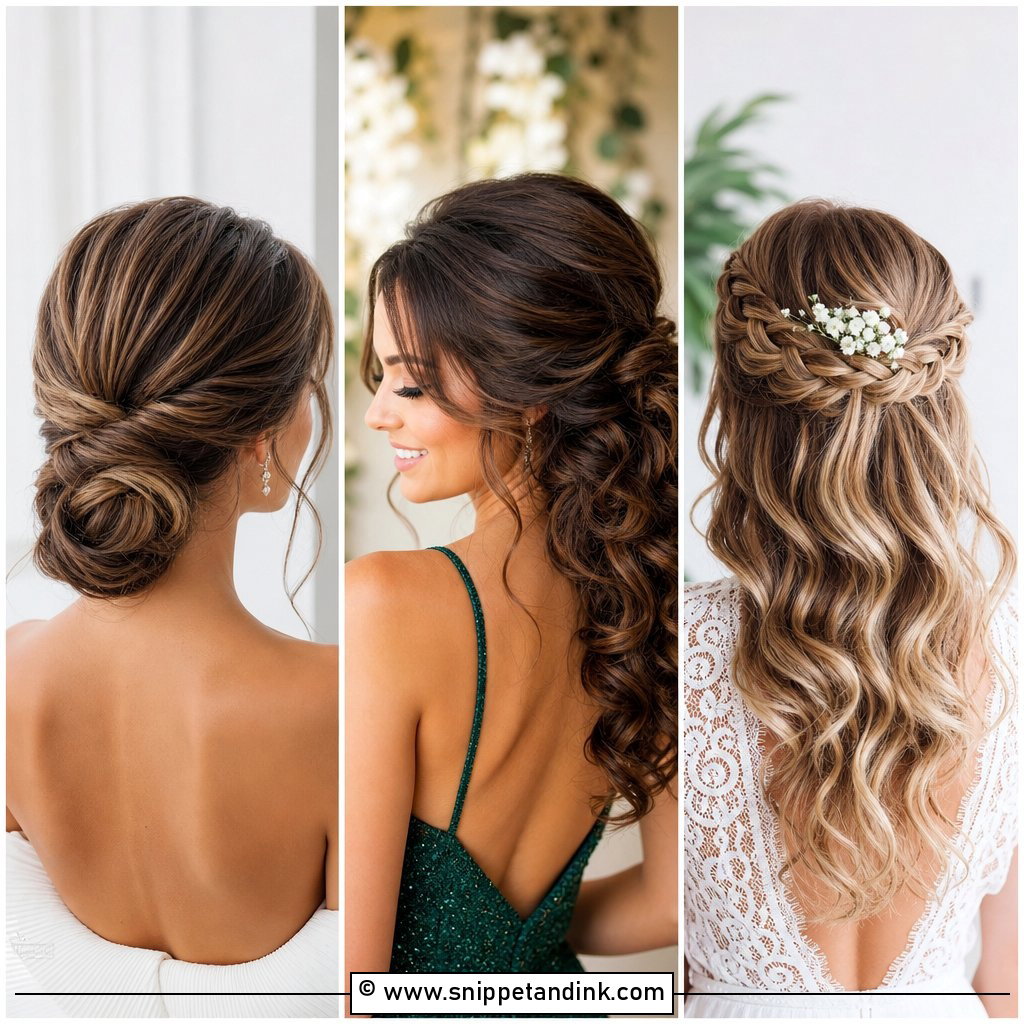
1. Low Sleek Chignon
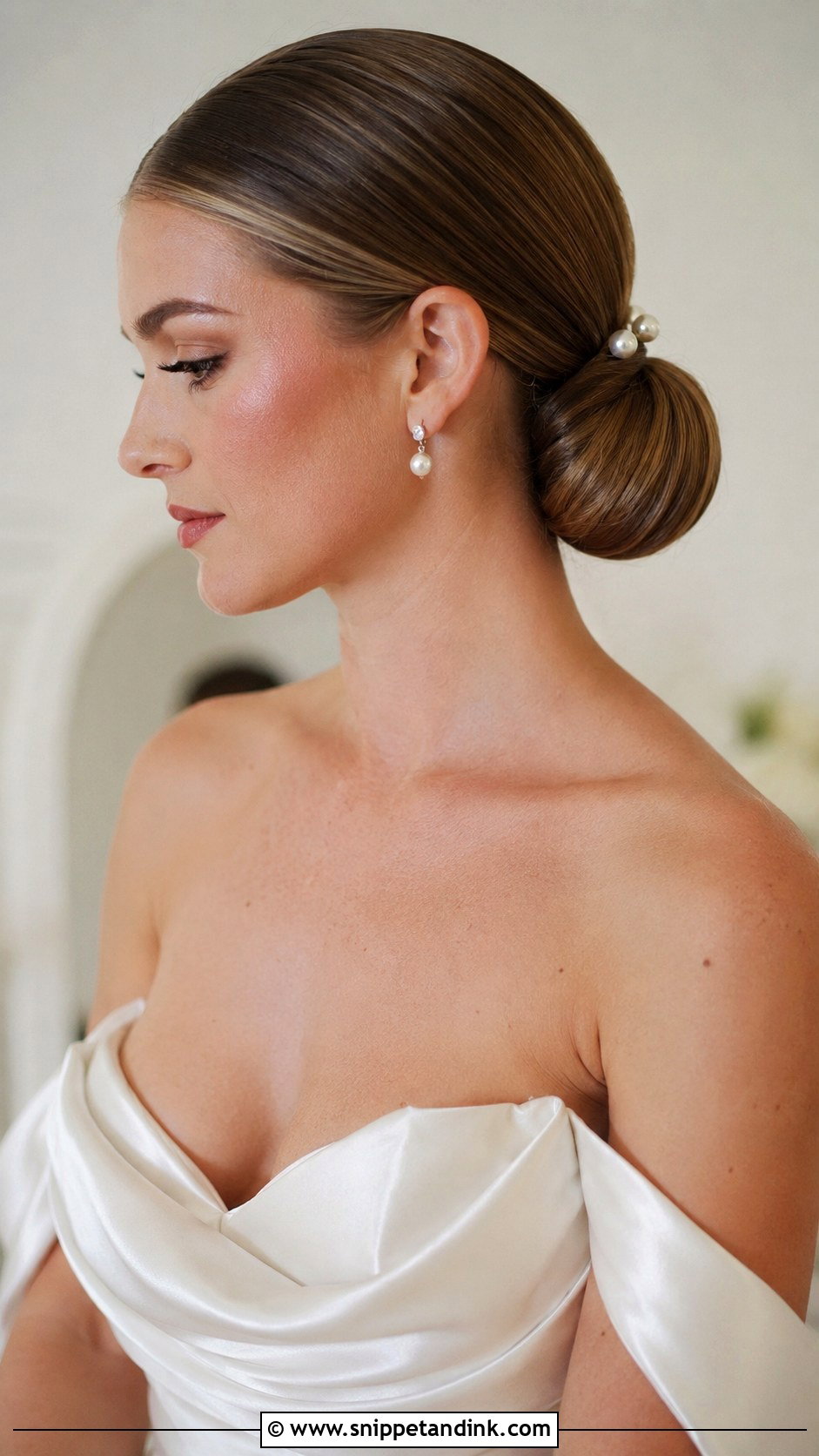
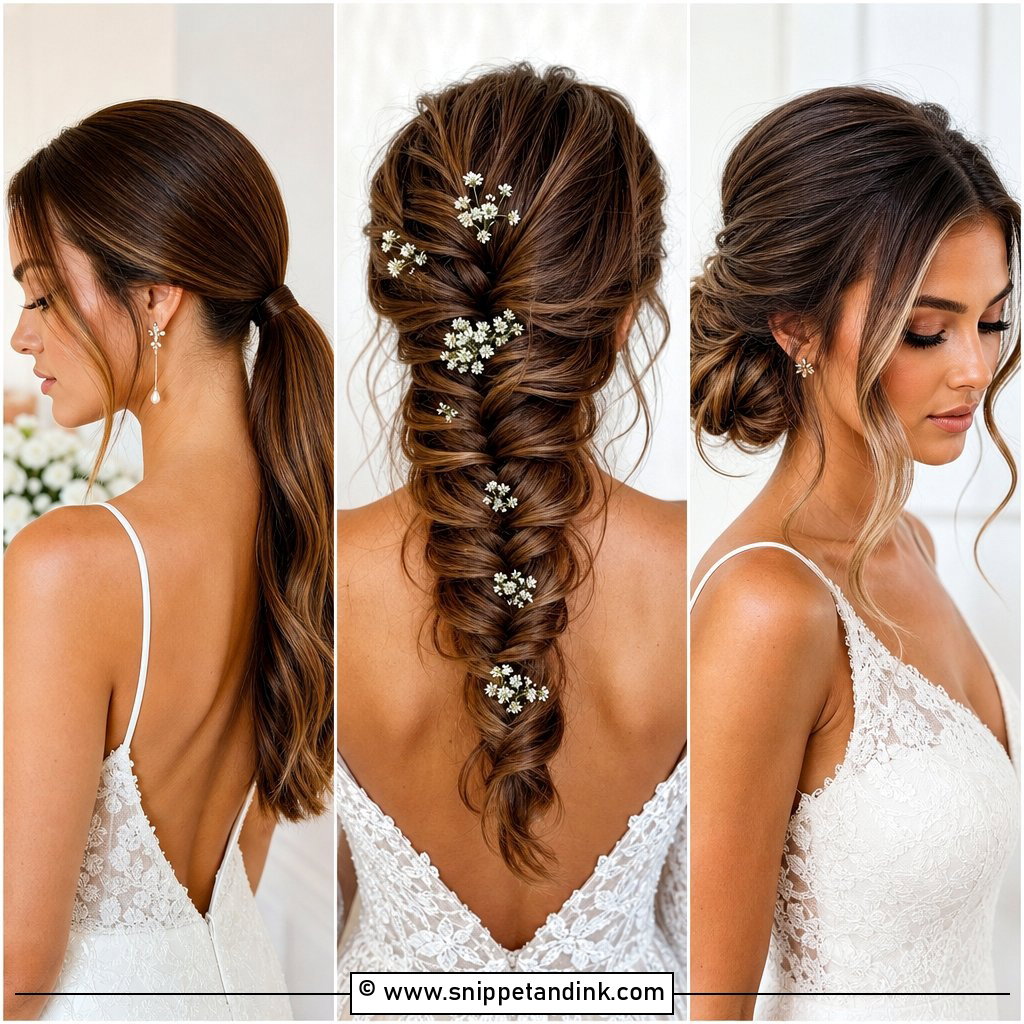
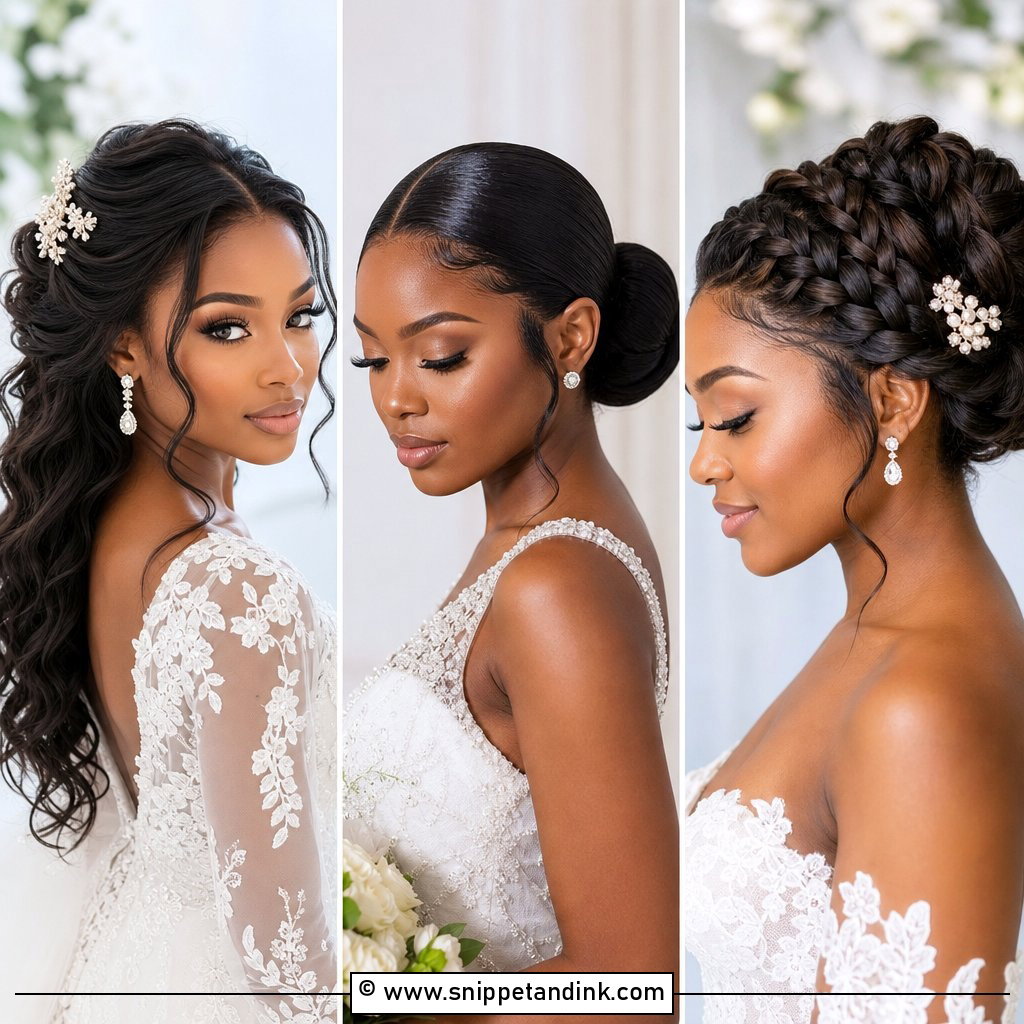
If I had to name the safest style on this list, it’s this one. The hair is smoothed back or softly parted and tucked into a neat bun at the nape, so there’s nothing loose to drop in heat or tangle in a veil. It sits well with satin, high necklines, pearl pins and statement earrings. The detail I fuss over is bun size: too small and tight looks severe in profile, too big pulls the head backward in photos. I’d ask for shine and gentle hold rather than a lacquered finish, so it still moves when you turn your head.
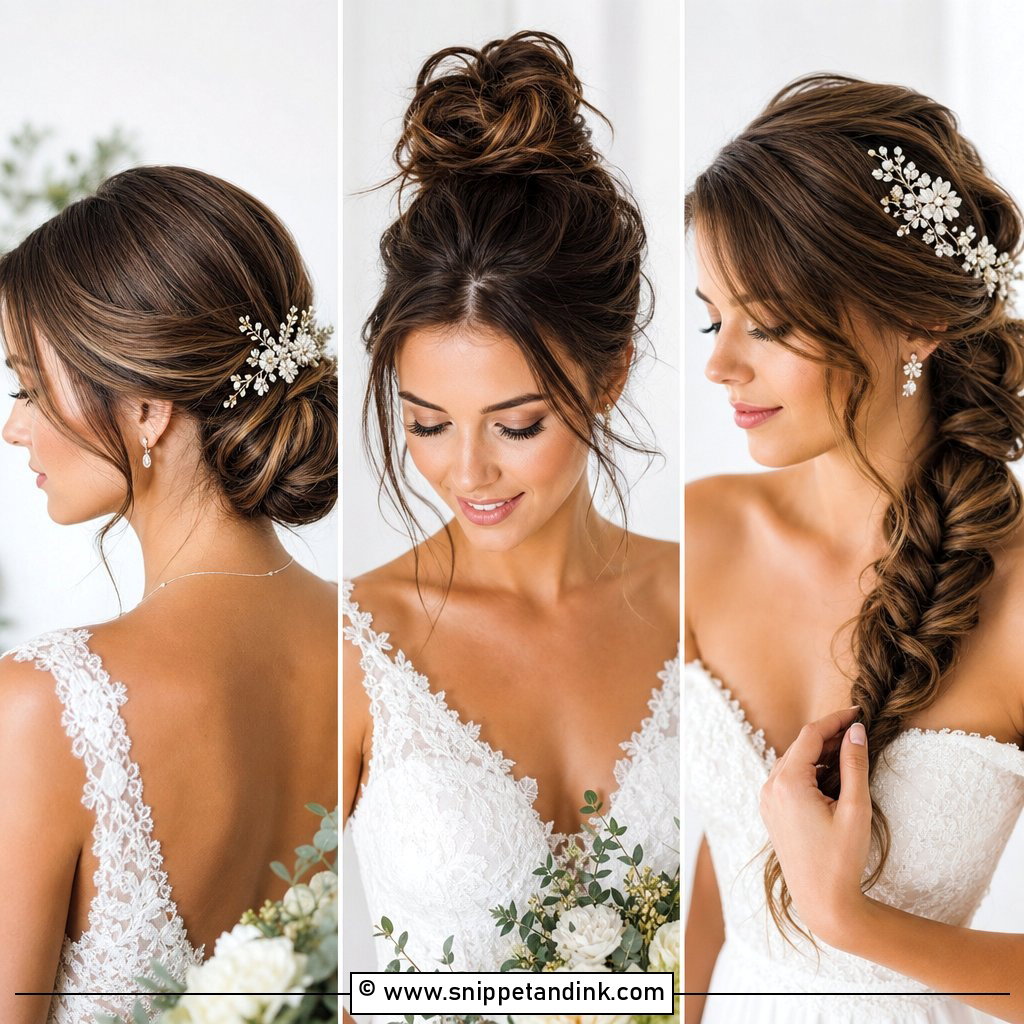
2. Soft Low Bun
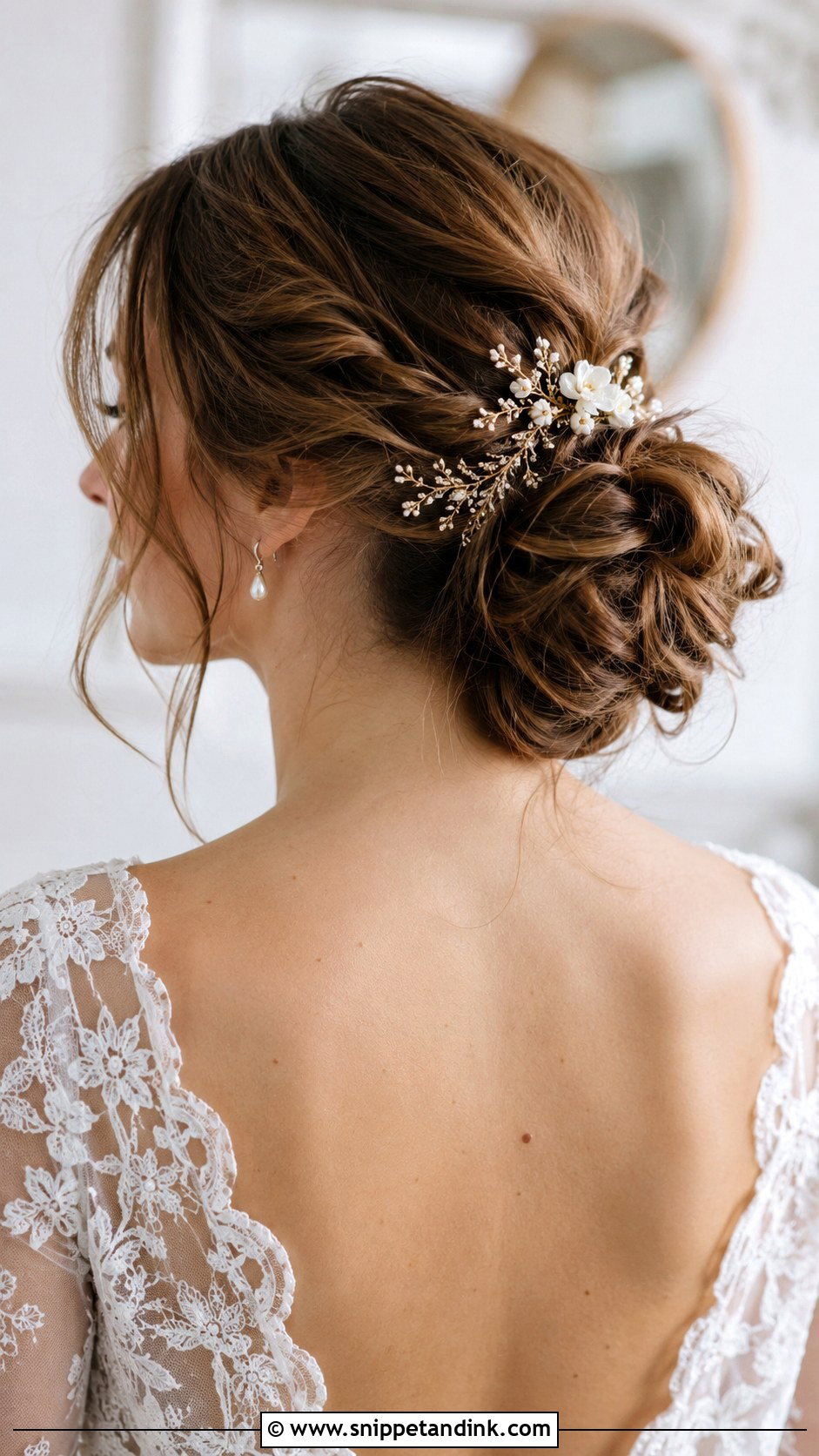
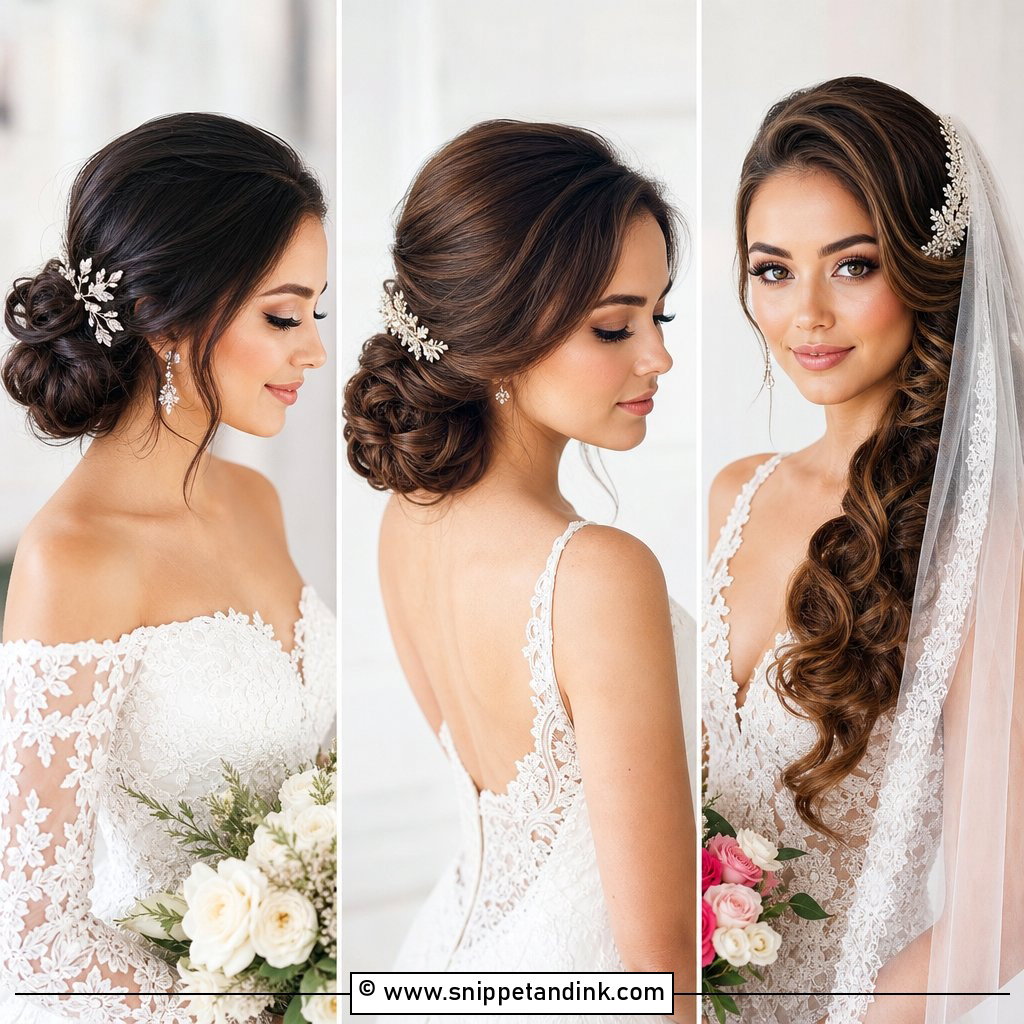
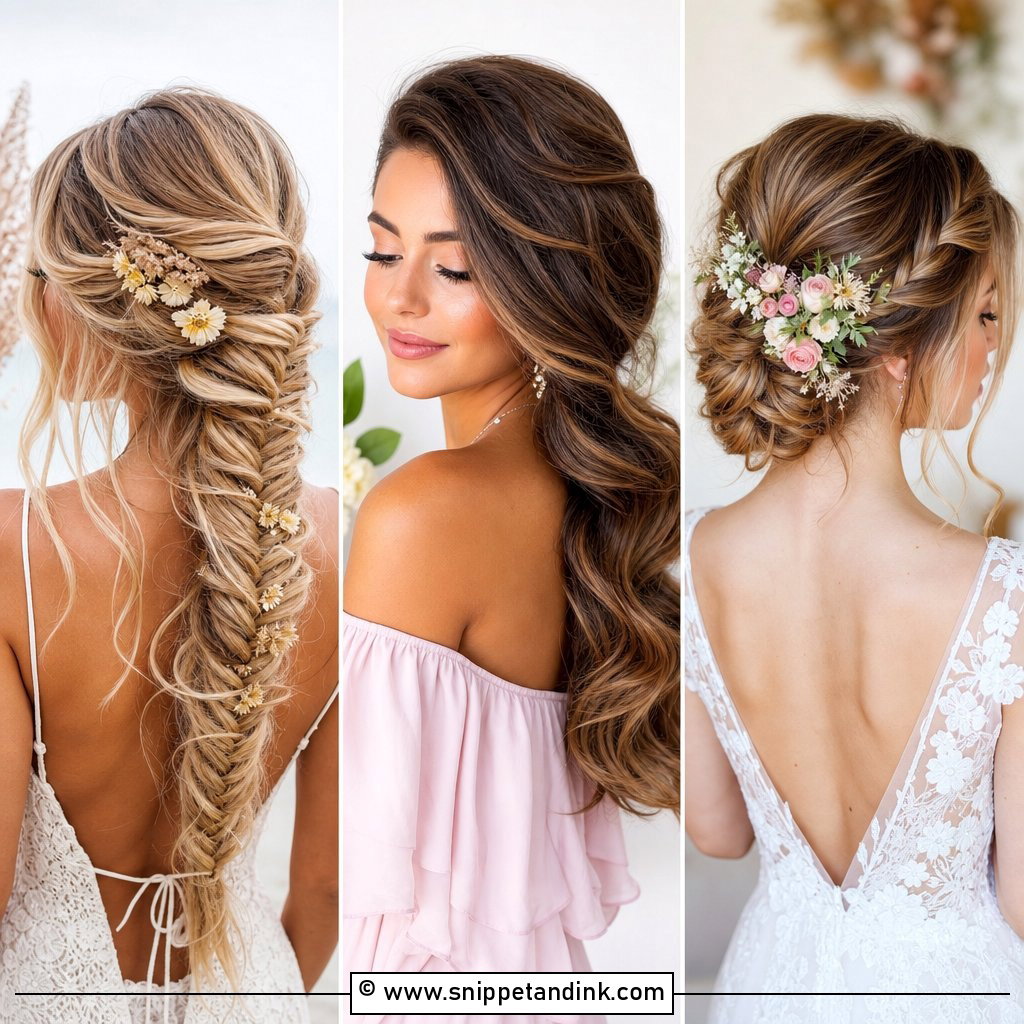
This is the updo for people who hate updos. It’s gathered low with loose bends and a few pieces left around the cheekbones, so it reads soft rather than formal, and it suits lace, outdoor ceremonies and garden venues. Controlled softness is harder than it looks. I set the curls first, then pin the bun on a hidden base so the loose outer layer can be pulled apart without the whole thing collapsing during hugs and dancing. On fine hair, I add a small padding piece or a few clip-ins for shape; nobody can tell once it’s covered.
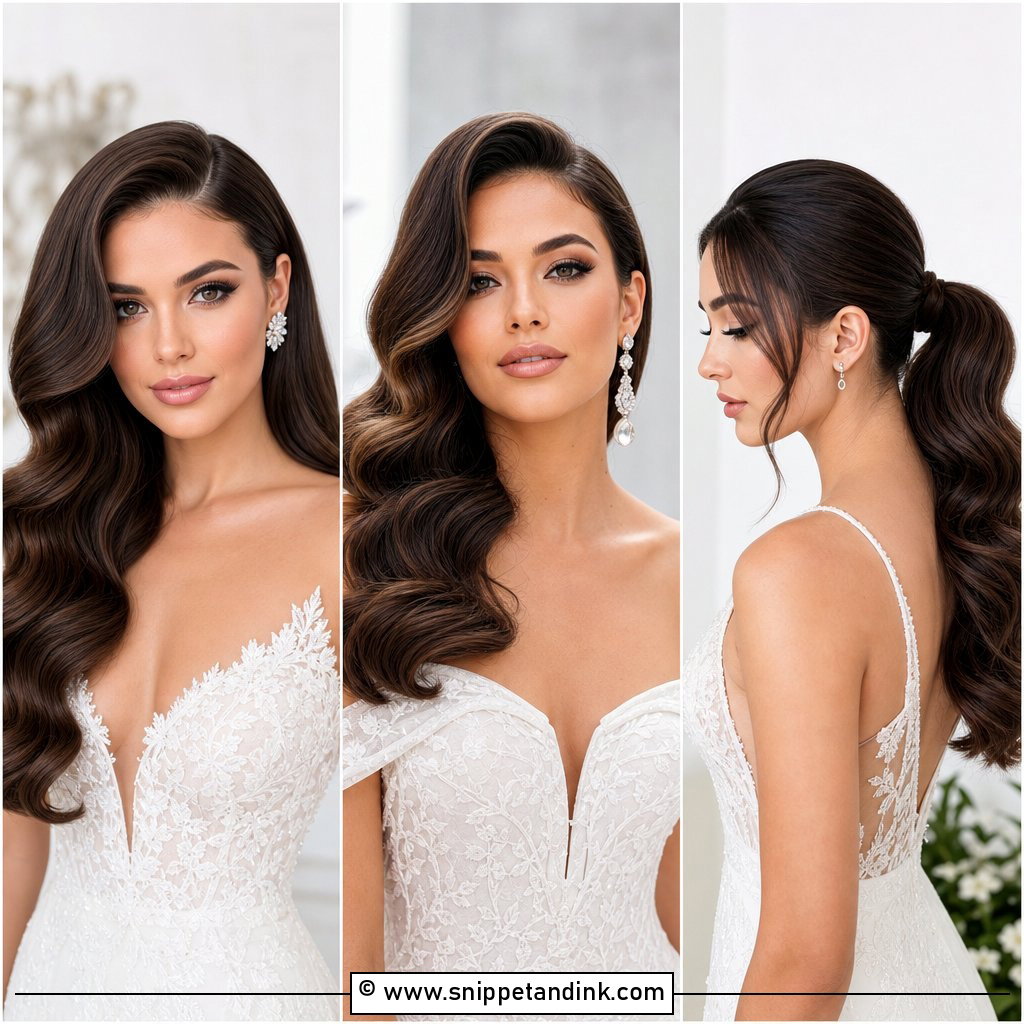
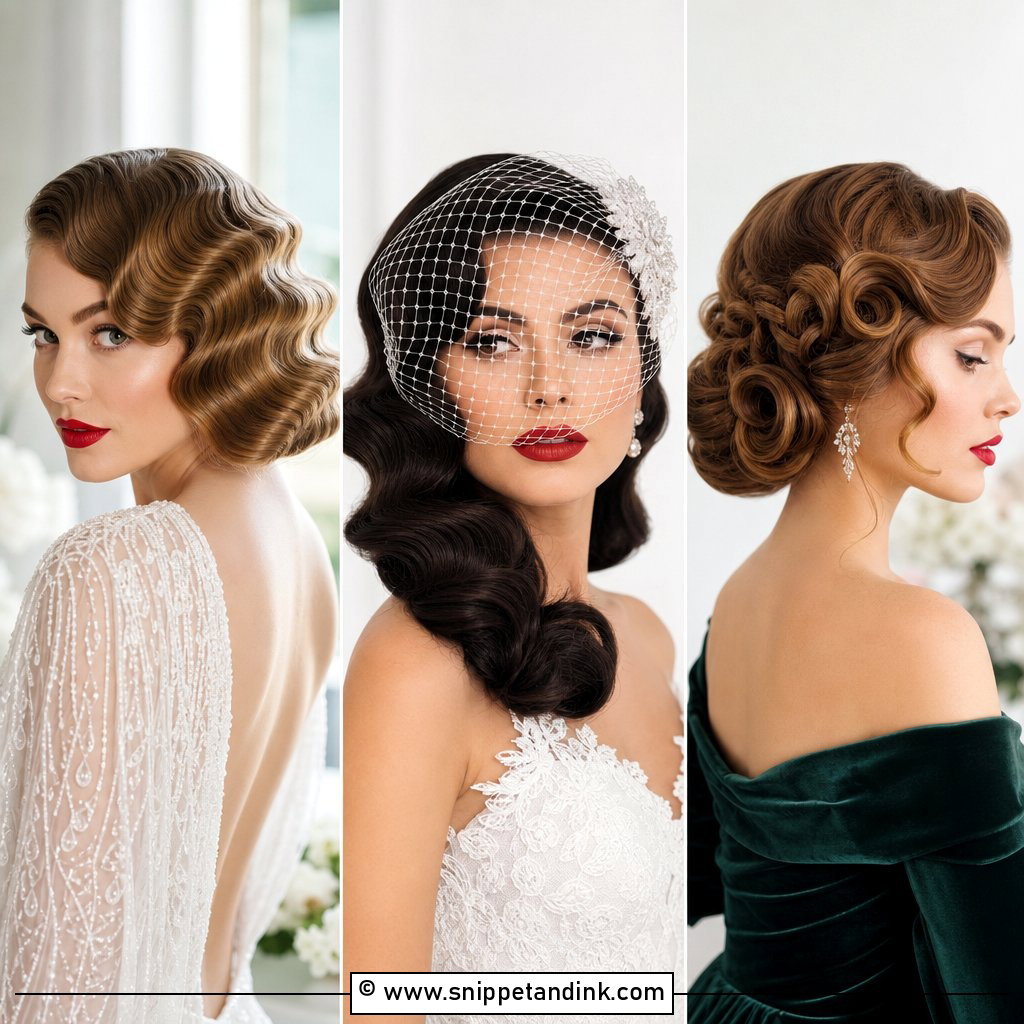
3. Hollywood Waves
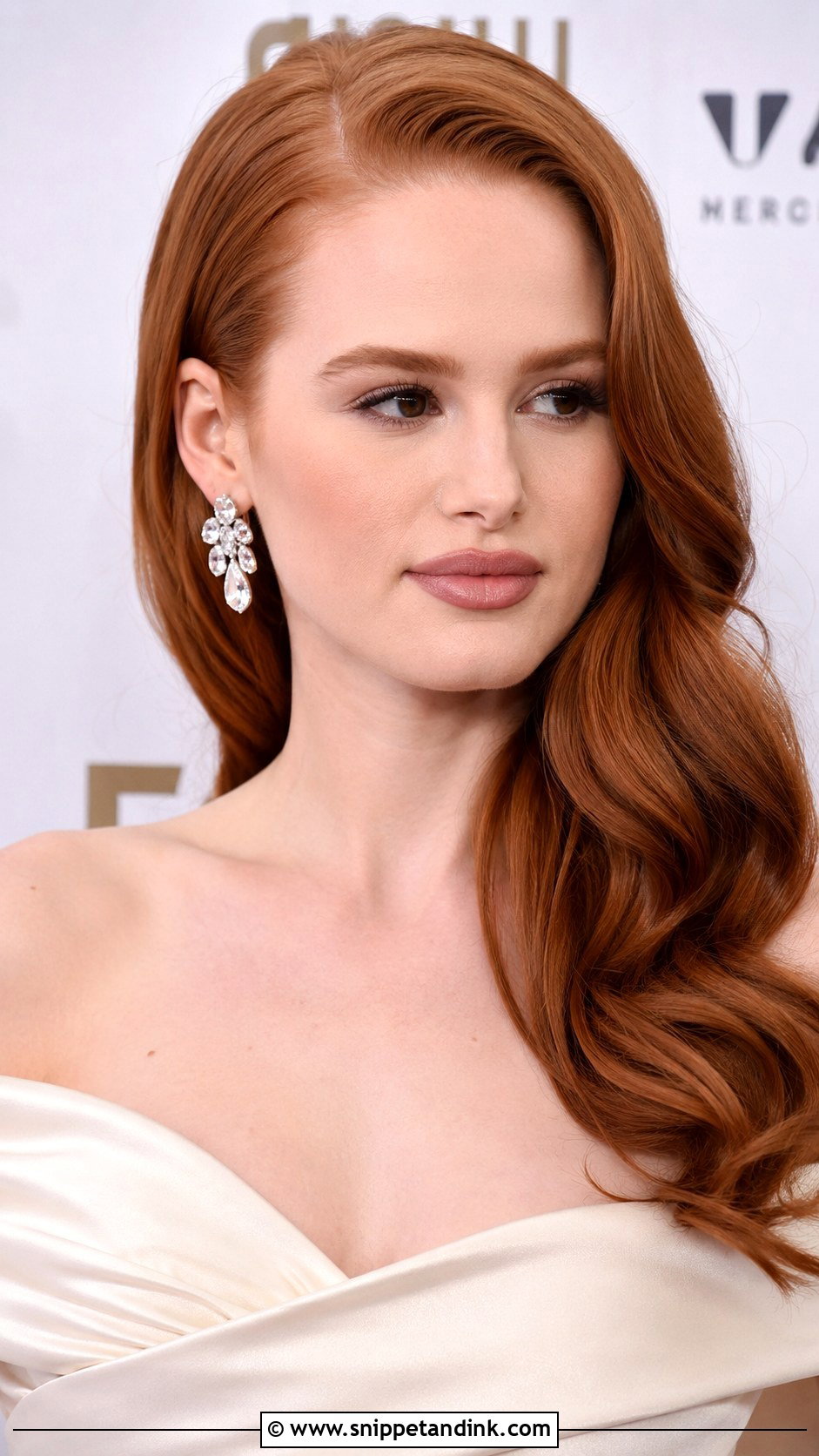
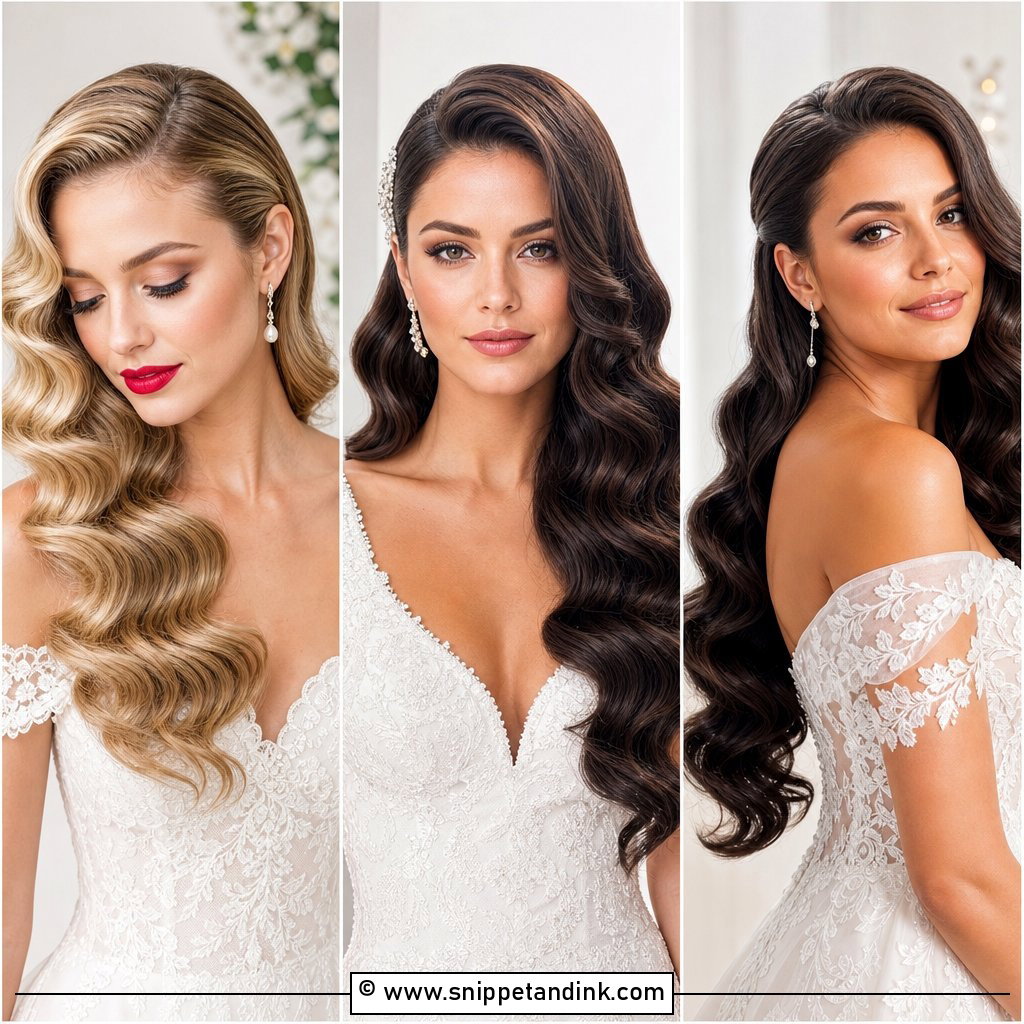
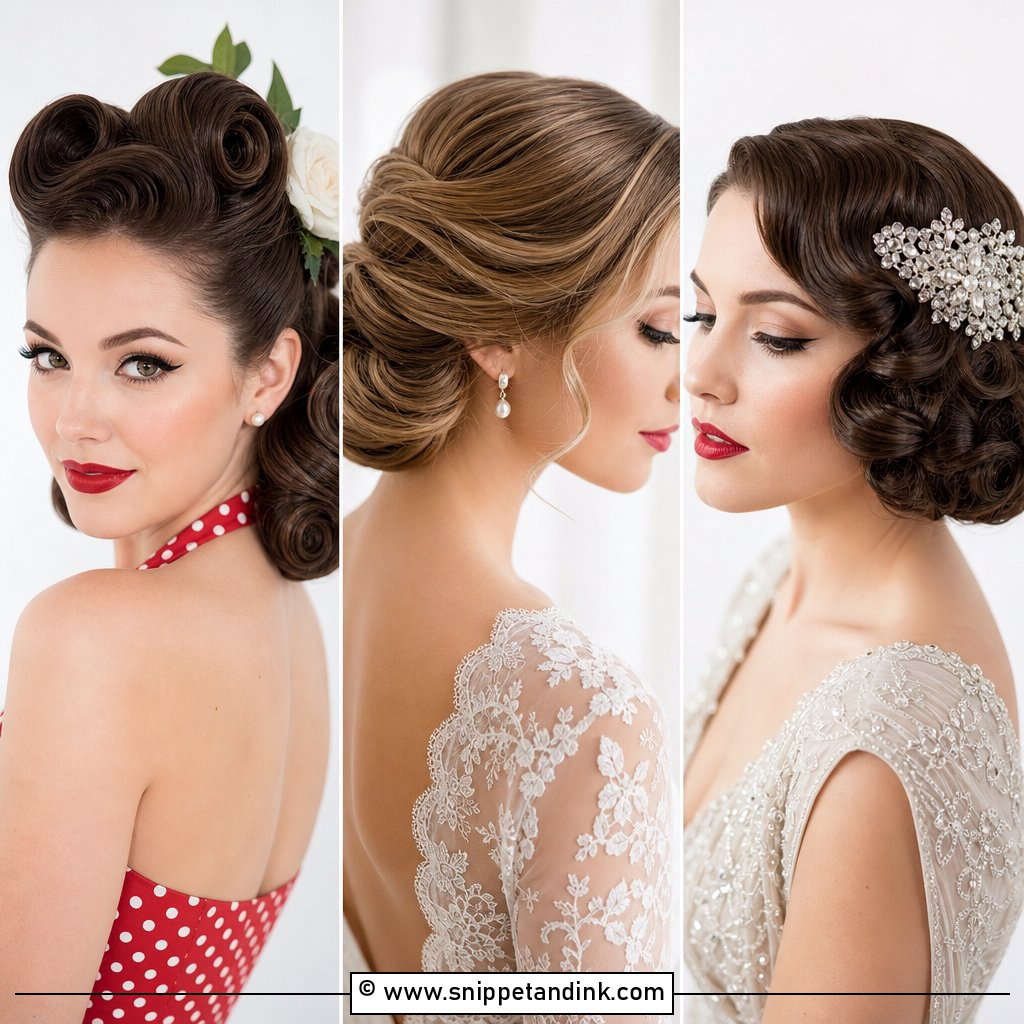
Hollywood waves are the most glamorous look here and the most demanding. Every wave is set in the same direction and brushed into one glossy, sculpted pattern, which looks best with a deep side part, off-shoulder necklines, strapless gowns and vintage dresses. The wave needs time to set. I curl, pin each curl to cool, then brush out, and if your hair drops curl within an hour, I’d plan on extensions or a stronger setting product rather than hoping for the best. Medium to long hair suits it. Humid outdoor weddings don’t.
4. Half Up Half Down Curls
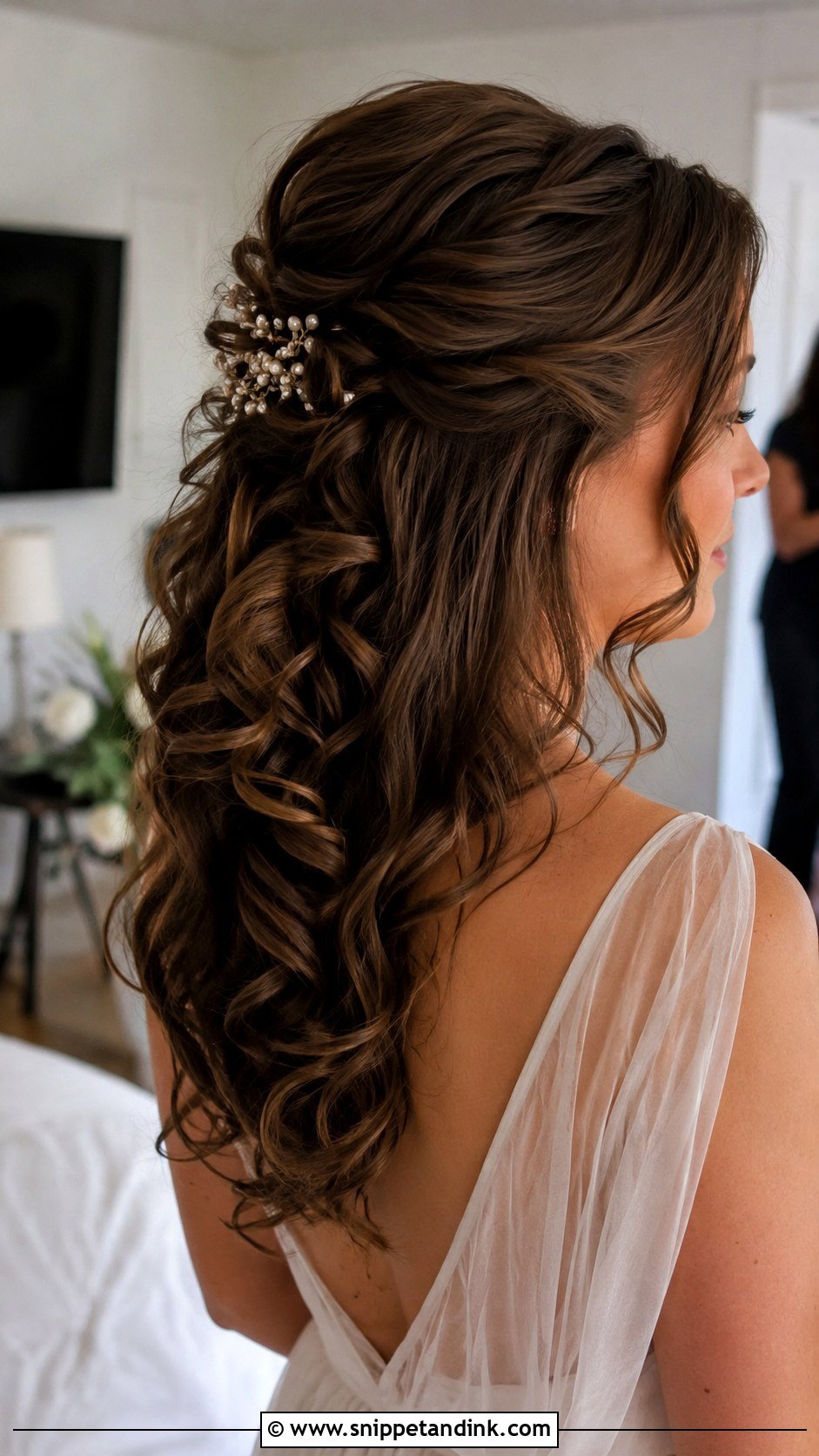
Half up, half down gives you the romance of loose hair while keeping it off your face during the ceremony. The top section is lifted and pinned at the crown, and the rest falls in loose curls or waves. My concern with this style is always the lower half: loose curls are the first thing to relax over a long day, so I’d test it on a trial and see how it looks four or five hours later. A veil, small comb, floral pins or a hair vine all anchor well into the pinned section, and you get crown volume without a full updo.
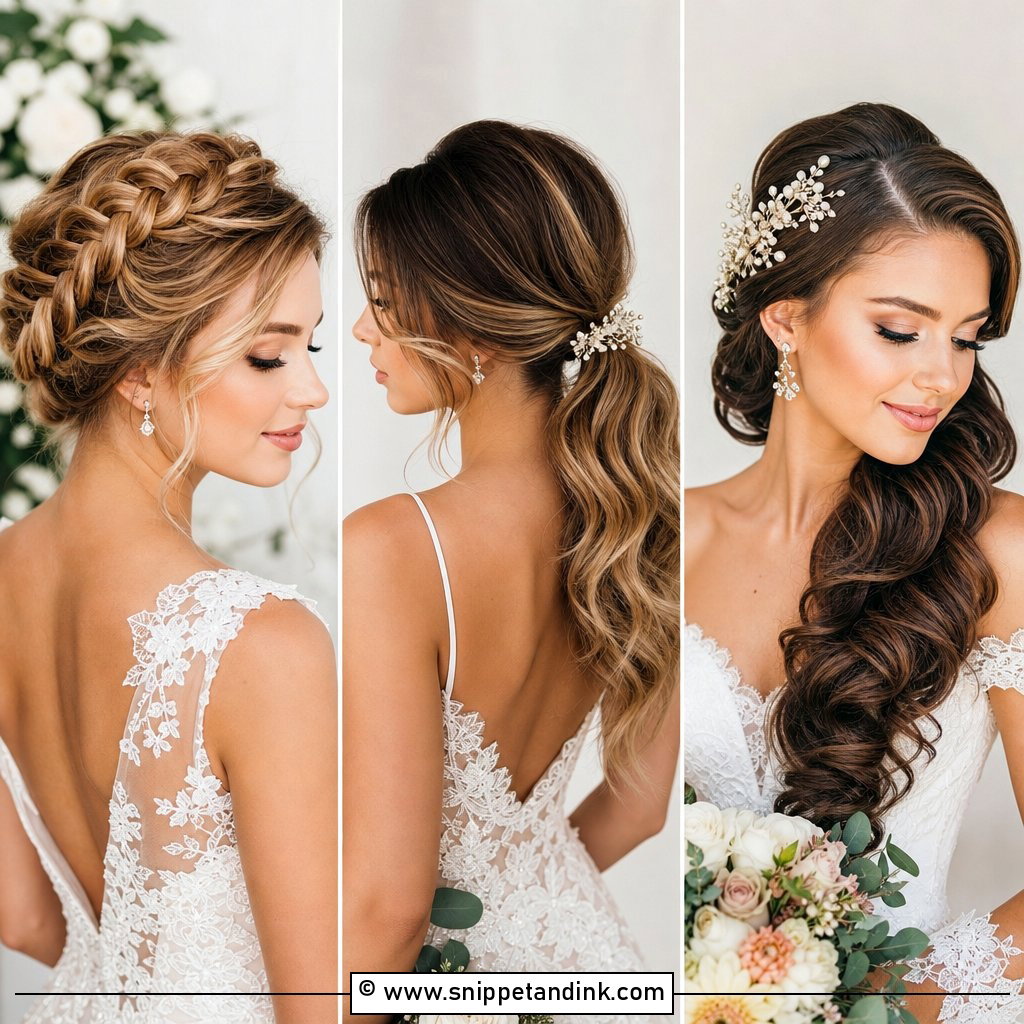
5. Bridal Ponytail
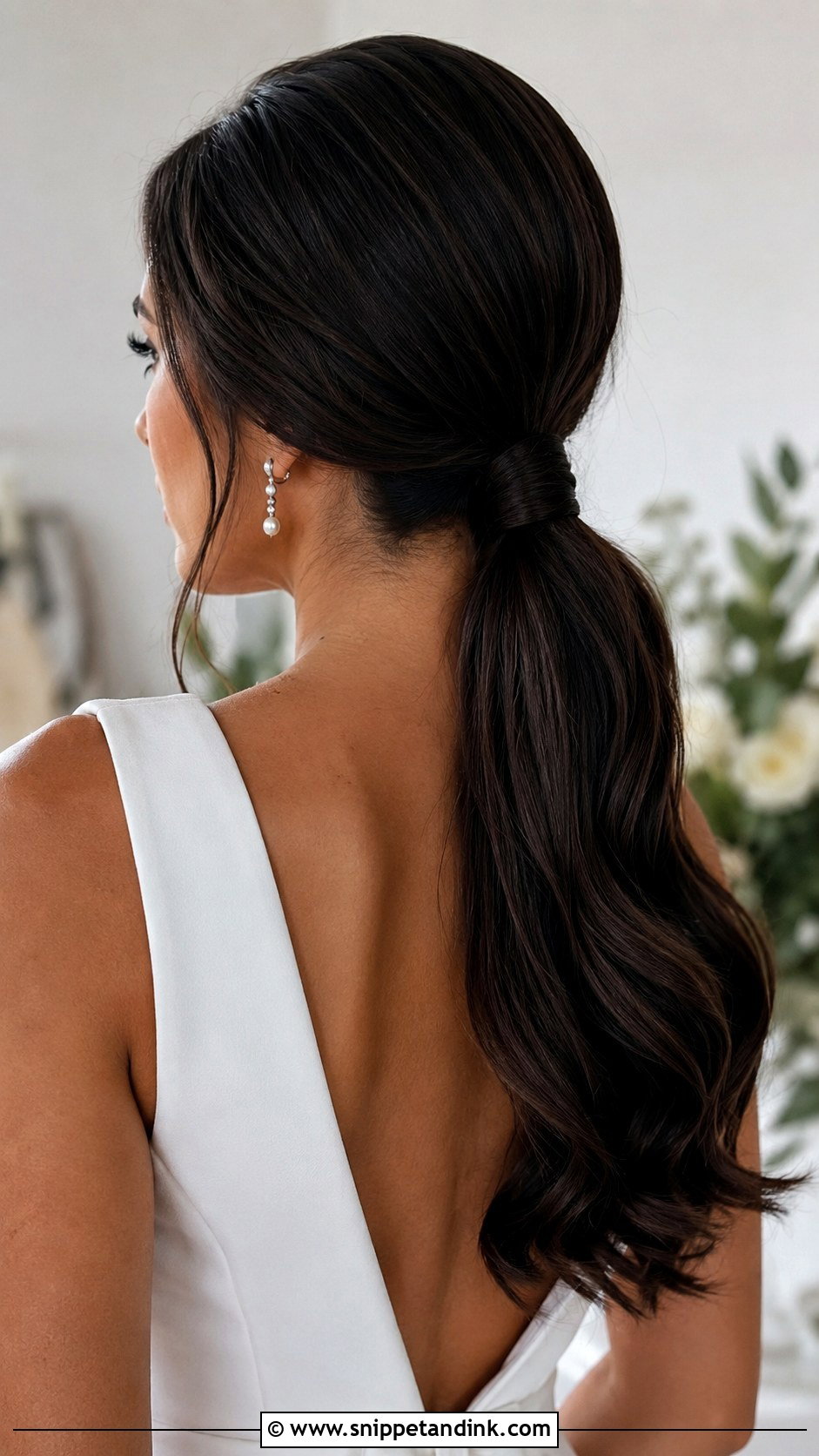
A ponytail can look properly bridal when it’s built with care. High gives lift and a bit of drama; low is quieter and more refined; mid-height sits in between and depends on your face shape. The ends can be curled, waved or left sleek. It suits clean dresses, jumpsuits and reception changes especially well. Two details make the difference: I wrap a strand of hair around the base to hide the elastic and pin it from underneath, and I secure the ponytail with two elastics, not one, so it doesn’t sag by dinner.
6. Braided Low Bun
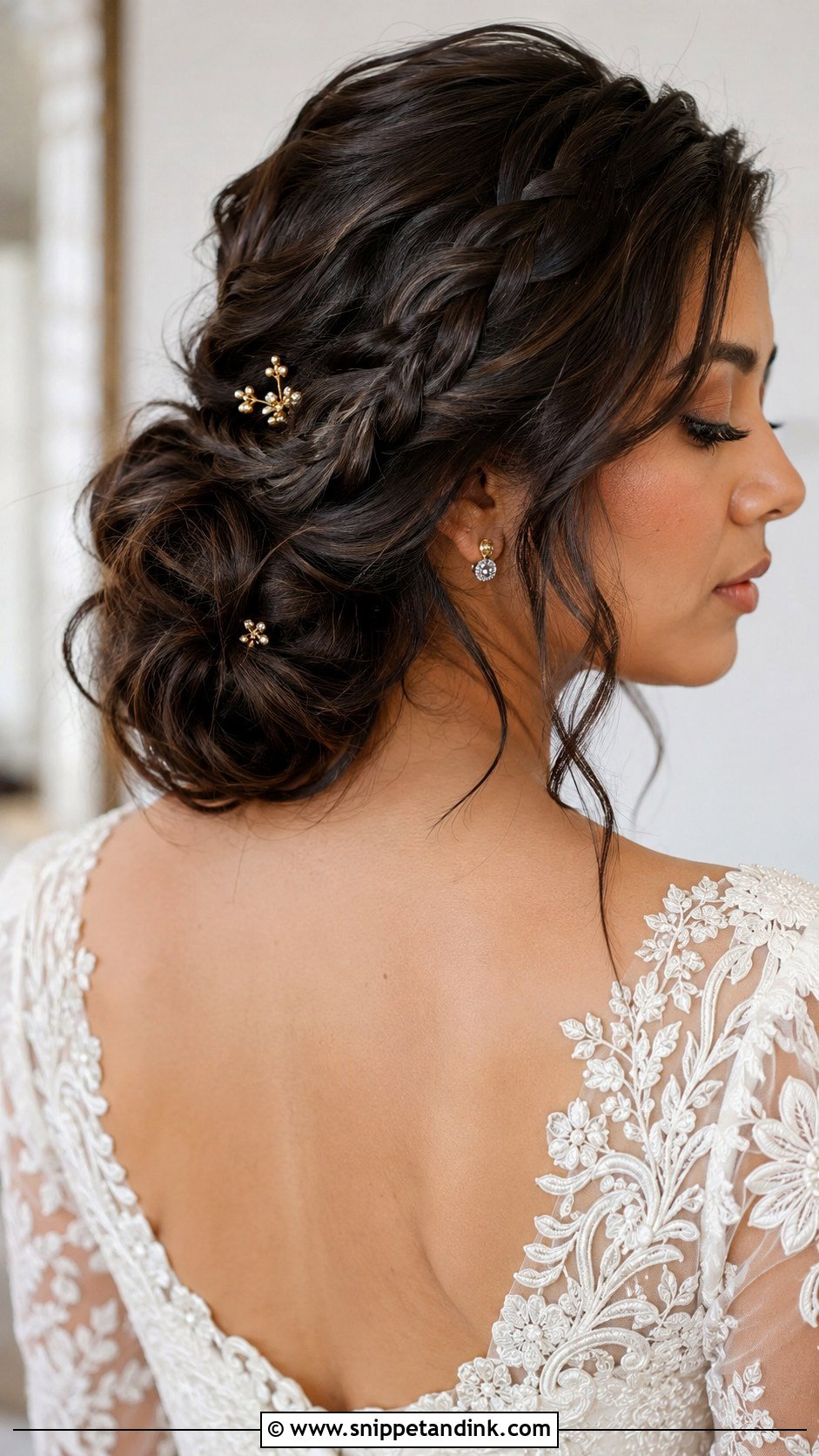
Braids are the quiet engineering trick of wedding hair. A braid gives pins something to grip, so a braided low bun stays put far longer than a smooth one, and it adds detail without adding height. The braid can wrap into the bun, frame one side, or cross the crown before tucking low. It pairs well with embroidered dresses, boho gowns and traditional celebrations. I pancake the braid, gently pulling the edges apart, so it reads romantic rather than schoolgirl-tight, and small decorative pins can sit along it if you want a festive finish.
7. Side Swept Curls
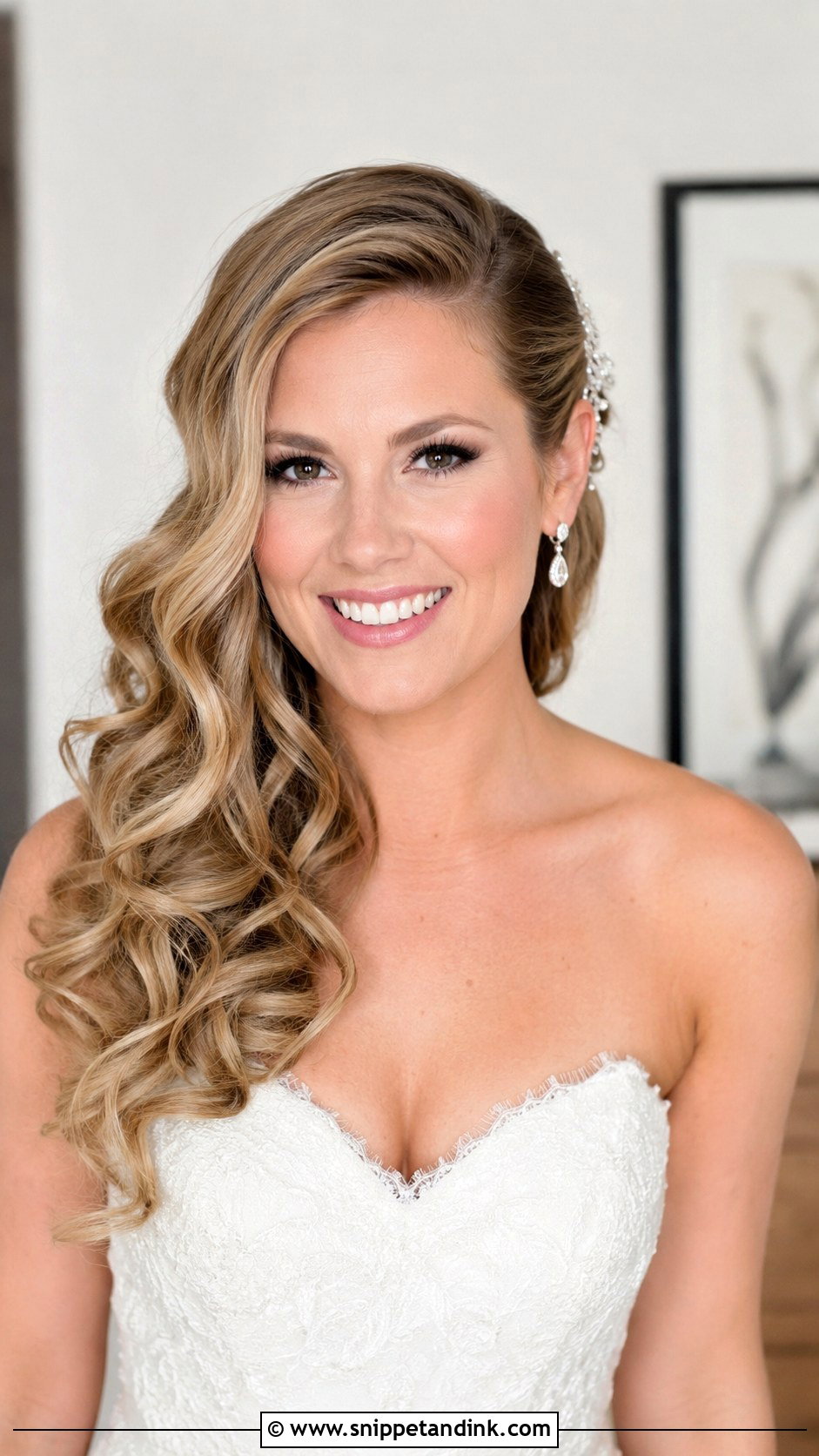
Side-swept curls pull most of the hair over one shoulder, which shows off the neckline, earrings and dress details on the other side. They work best with one-shoulder gowns, sweetheart necklines and formal receptions. The style’s weak point is the bare side. If I just brush the hair over, gravity pulls it back by mid-afternoon, so I pin or twist that side behind the ear and anchor the swept section underneath. I also brush the curls into soft waves rather than leaving separate ringlets, which hold together and move as one piece.
8. Messy Bridal Updo
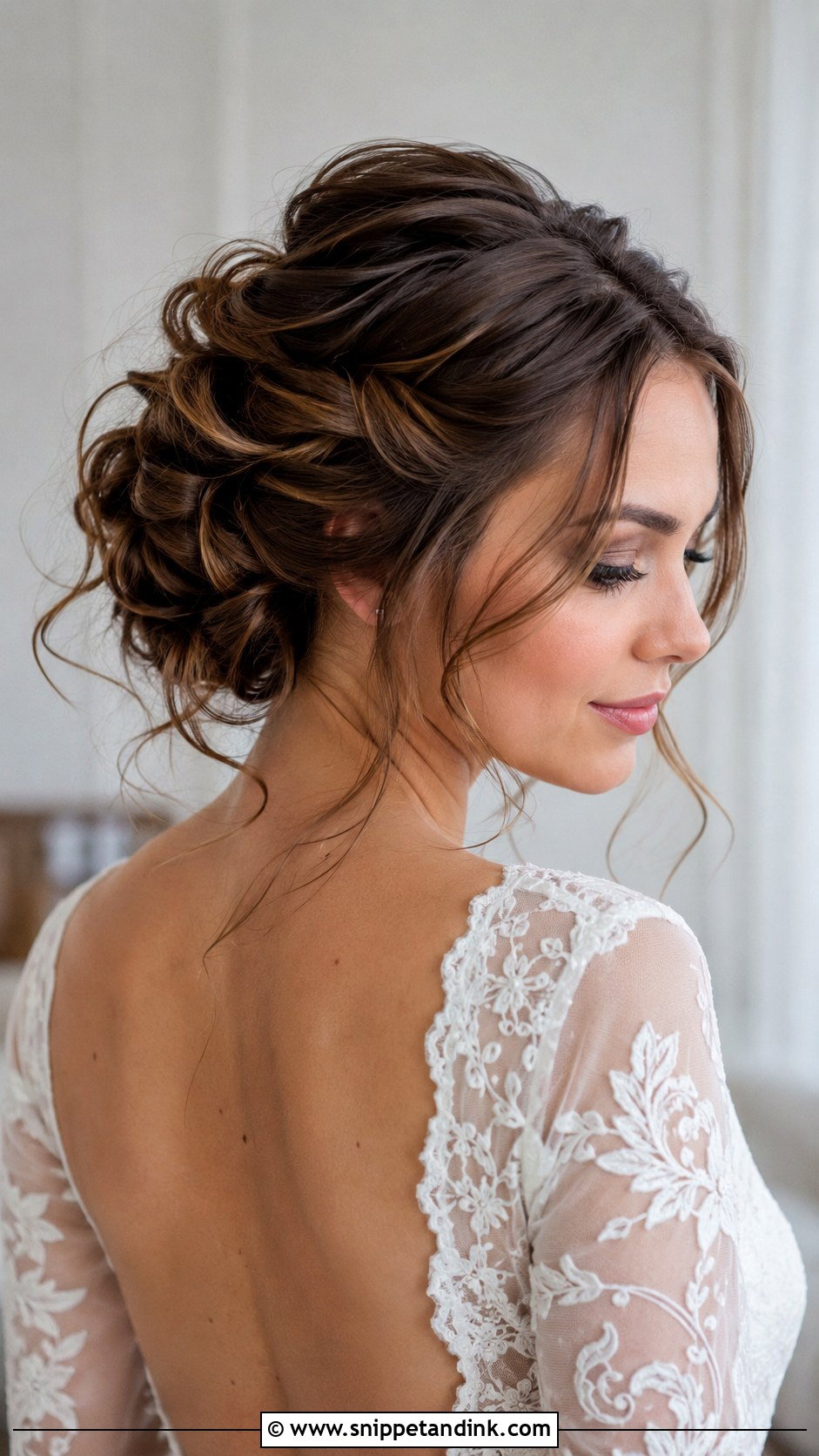
A messy updo is never actually messy. Every loose twist and wisp is placed, then the structure underneath is pinned firmly enough that the softness can’t slide. It suits brides who feel awkward in very polished hair, with lace, chiffon, soft sleeves and outdoor venues. Where this goes wrong is vocabulary: one person’s “messy” is another person’s “just woke up”. Bring reference photos, and point out what you don’t like in them too, so your stylist knows how loose is too loose.
9. Classic French Twist
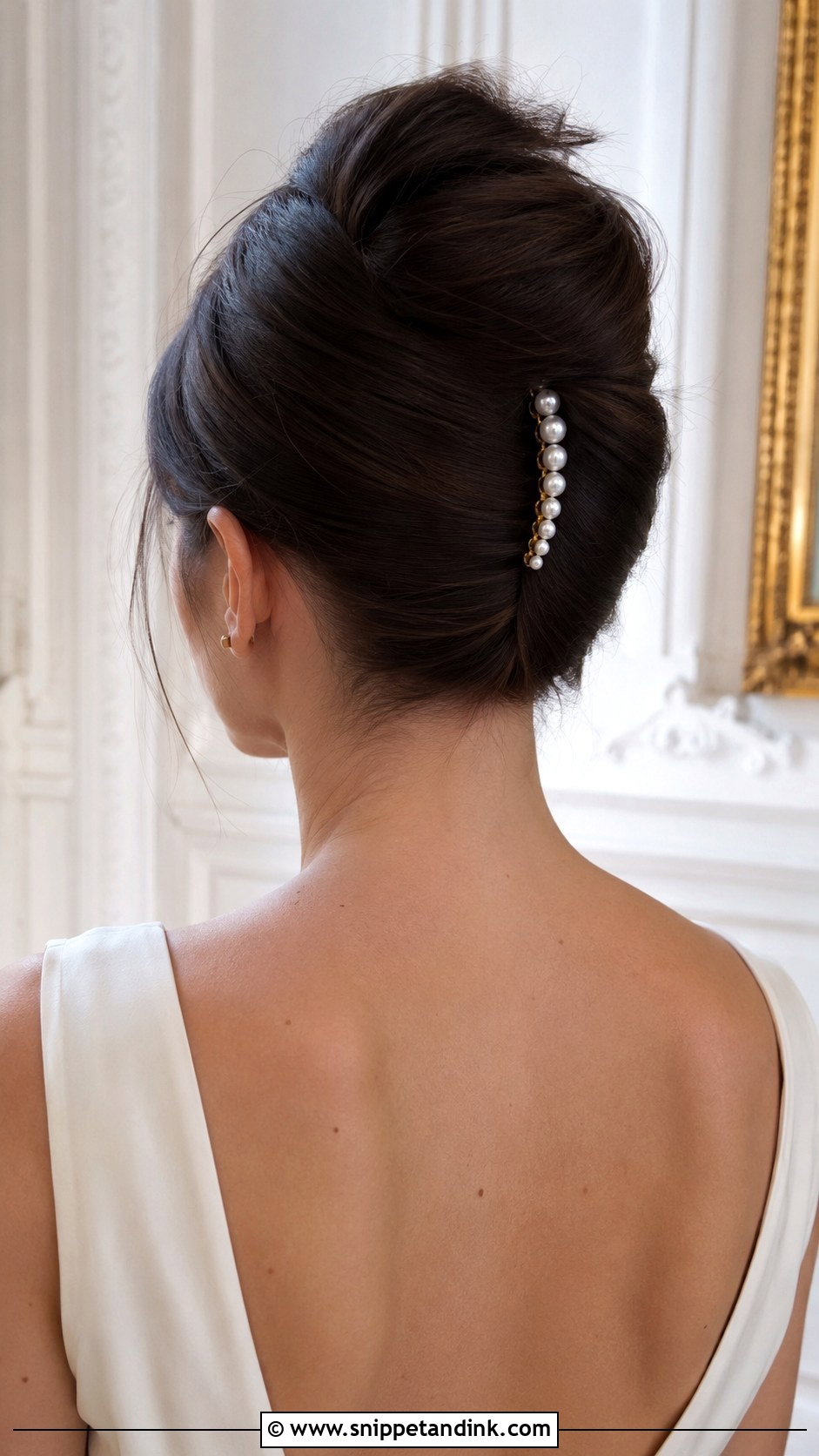
The French twist is a vertical roll up the back of the head, and it suits structured gowns, long veils, courthouse ceremonies and formal evenings. It can be sleek and minimal, or softened with crown volume and a few loose pieces. Medium-length hair often does better here than very long hair, which gets bulky inside the roll. I build the twist around a row of crossed bobby pins down the centre of the head; that hidden spine is what keeps it from unravelling when you lean back in a chair.
10. Loose Beach Waves
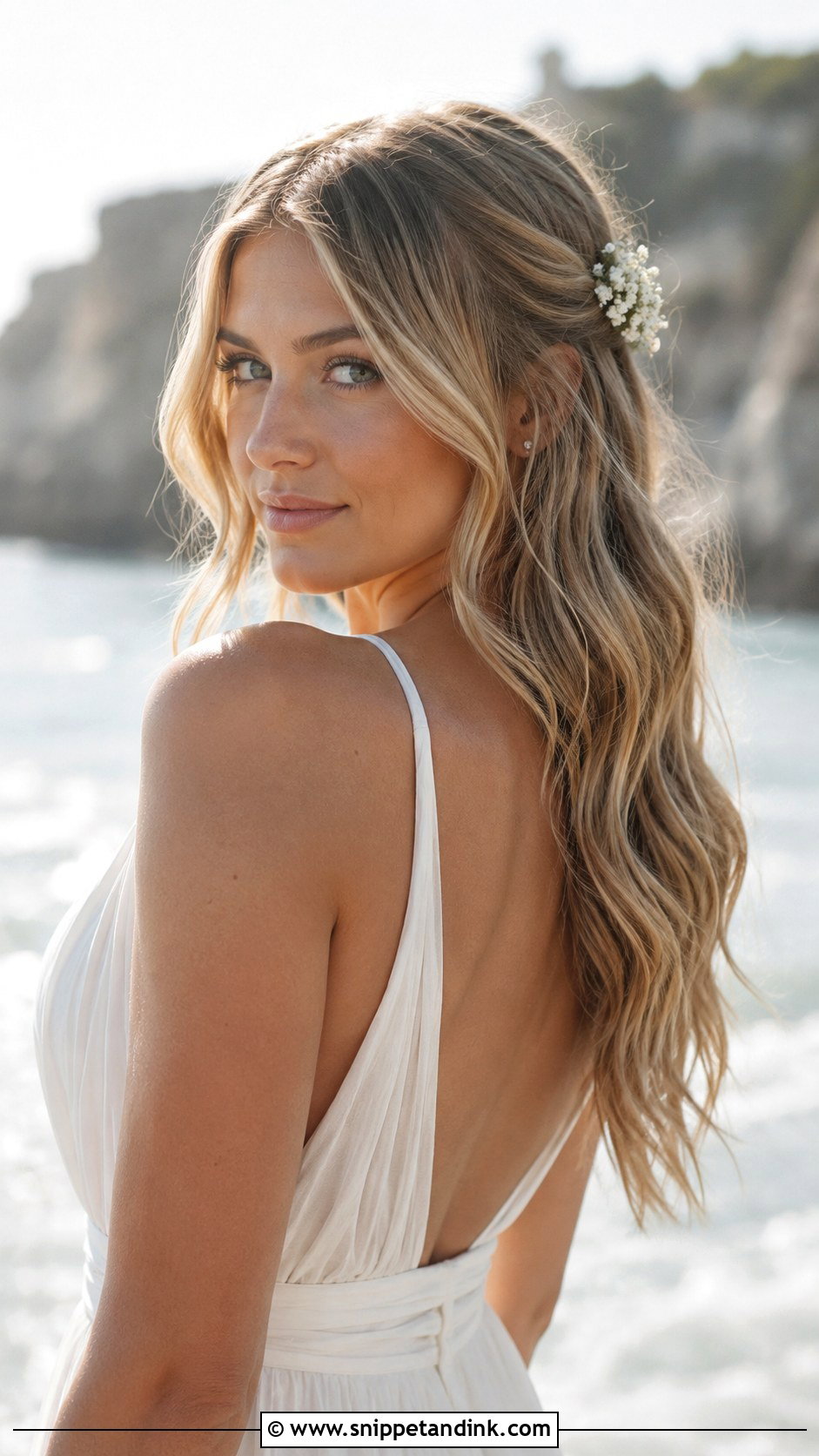
Beach waves are soft, touchable bends that suit relaxed weddings, coastal venues and anyone who wants to look like themselves. They work with simple veils, flower crowns and delicate clips, and bridesmaids wear them well without competing with the bride. Wedding-ready waves need more structure than everyday ones: I smooth the roots, define the bends around the face, and use a flexible spray. Sea air and humidity will loosen them, so on a beach I’d plan the photos early and keep a small touch-up kit nearby.
11. Curly Hair Updo
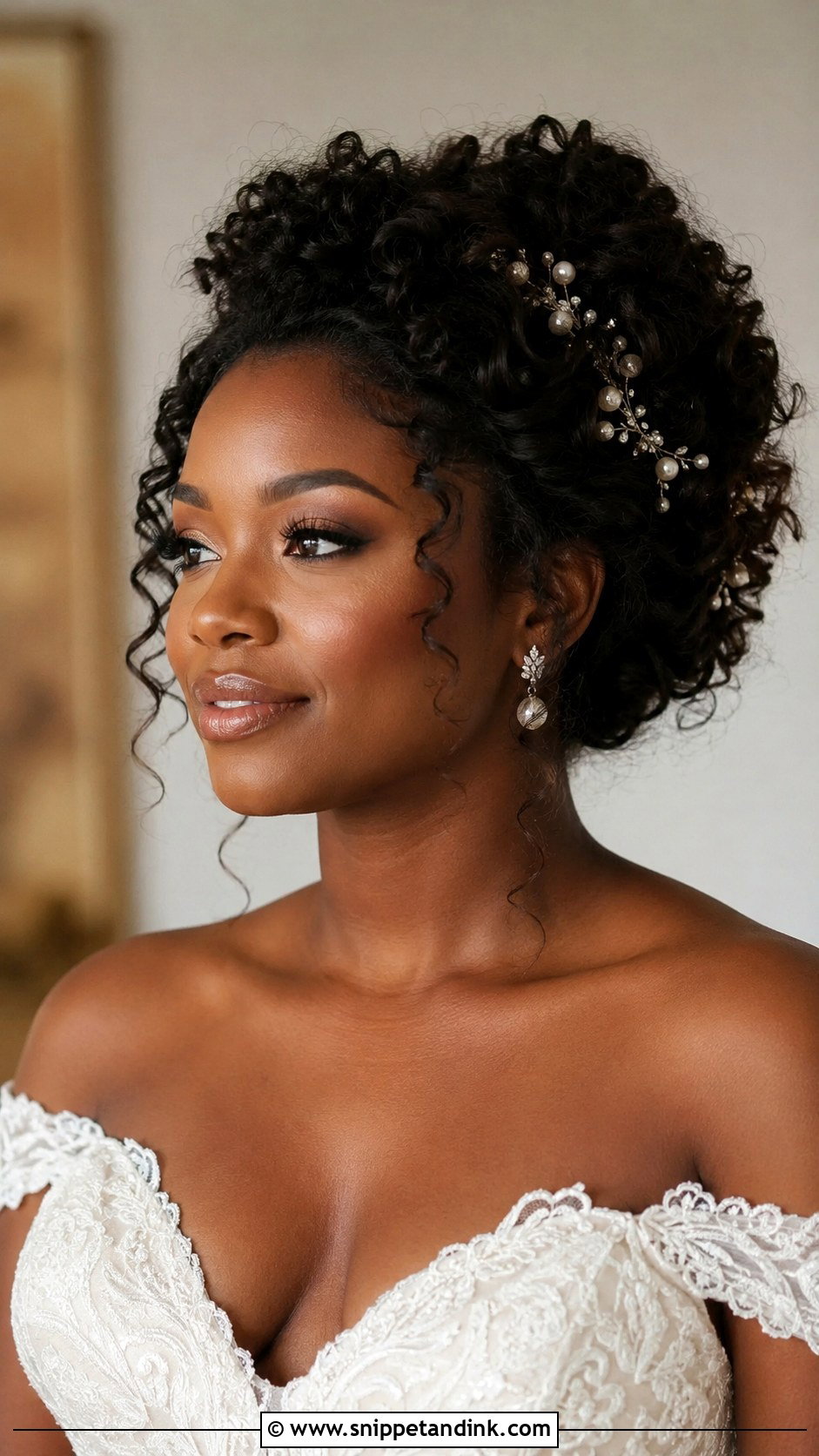
Natural curls and coils give an updo volume and dimension without any teasing, which is why I love working with them. The curls can be pinned into a low bun, gathered high, or shaped around the crown, with a few defined curls left near the face. Most of the work happens before styling. Curls need to be well moisturised and defined so they clump together rather than frizz once they’re handled, and I use pins sized for curly hair, which hold better than standard bobby pins in thick texture. Pearl pins, gold cuffs, floral combs or a veil tucked underneath all sit well in the volume.
12. Sleek Middle Part Bun
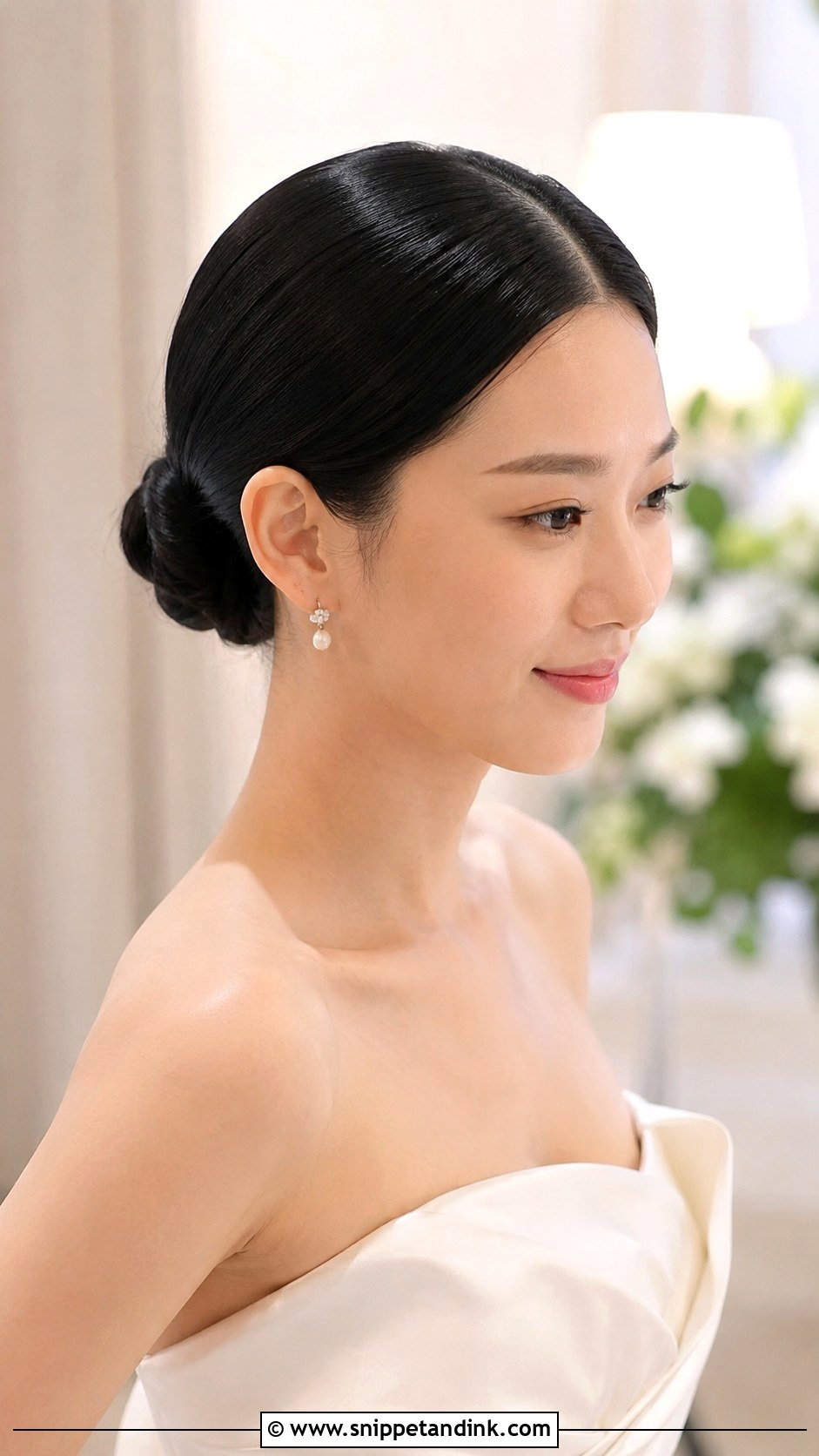
There’s nowhere to hide in a sleek middle part bun, and that’s the point. The hair is smooth from the part to the bun, framing makeup, jewellery and the neckline with nothing in the way. It suits minimalist brides, formal ceremonies and strong necklines. The bun can sit at the nape or slightly higher for a sharper line. Because the style is so plain, precision matters: a crooked part or a few flyaways show immediately. I check the part line from the front in a mirror and against your nose before setting anything, since most faces aren’t perfectly symmetrical.
13. Voluminous Bridal Blowout
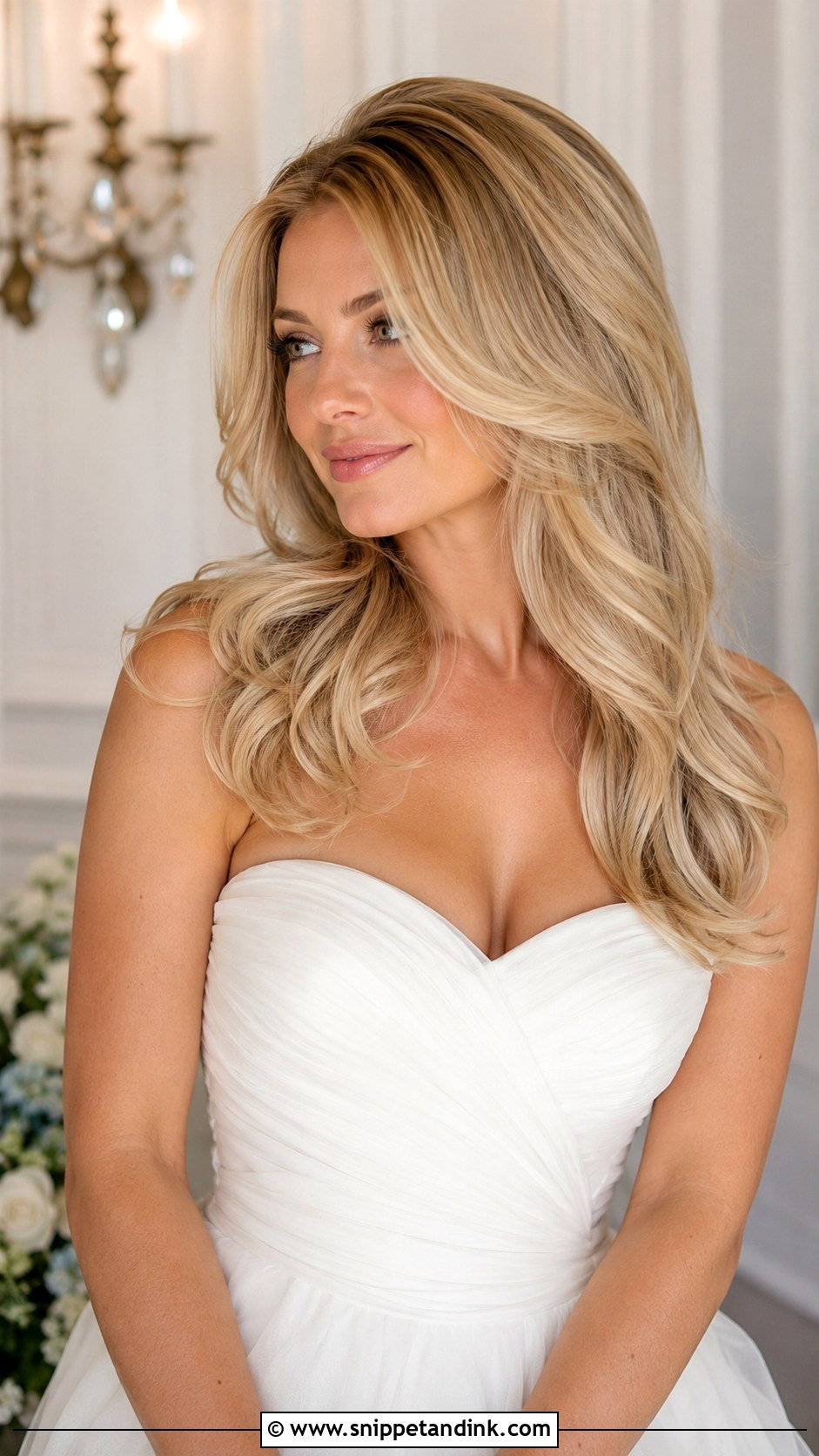
A voluminous bridal blowout gives movement and bounce with no pins at all. The roots get lift, the lengths get rounded, and the ends curve away from the face. It’s well suited to engagement ceremonies, courthouse weddings and rehearsal dinners. Layered medium or long hair takes it best; on hair without layers, the volume tends to sit at the bottom. I set the blowout on large rollers while makeup is being done so the shape cools in place. Ask for volume that still moves. Stiff, sprayed-in volume looks dated in candid shots.
14. Crown Braid Updo
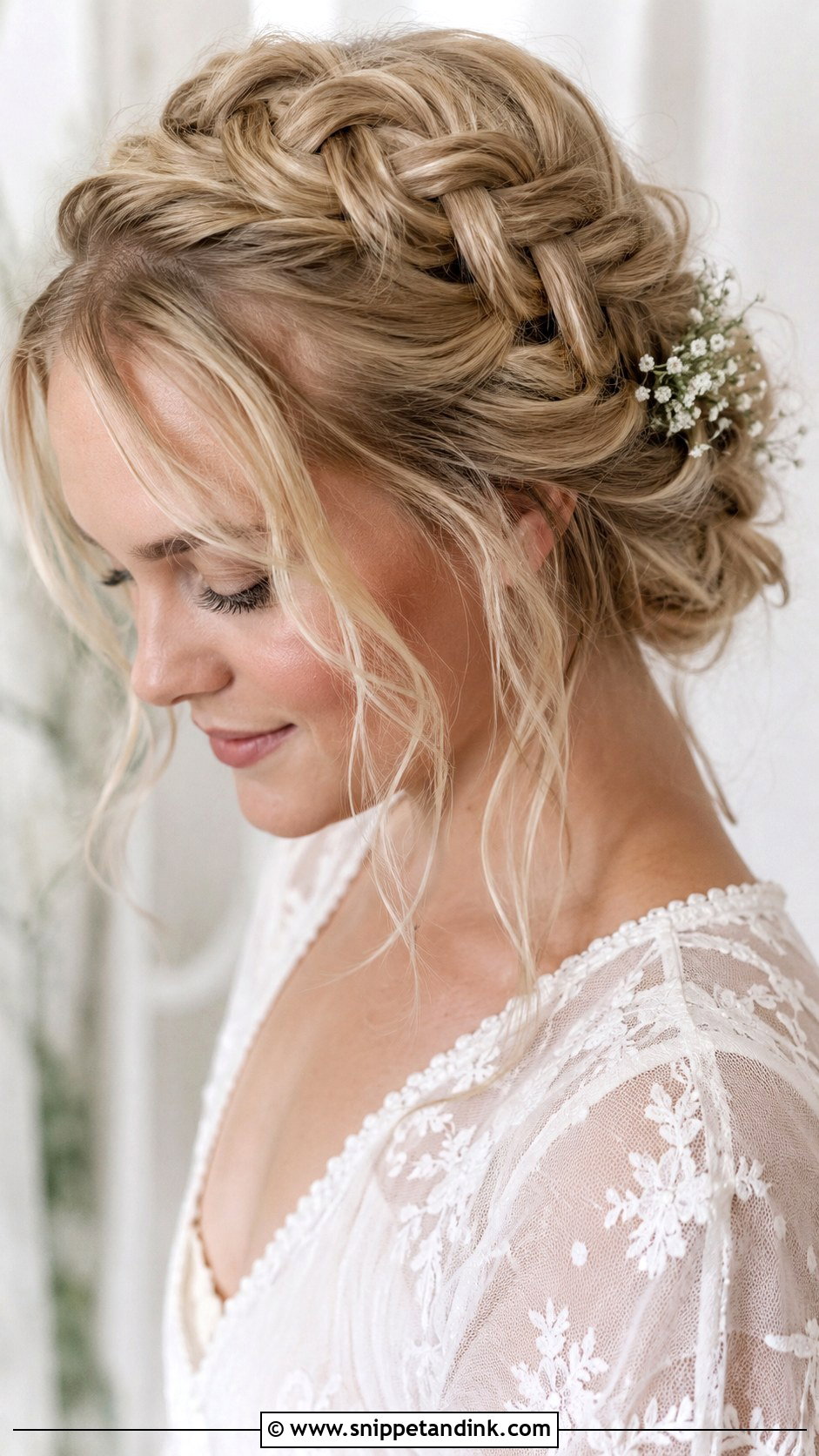
A crown braid wraps braided sections around the head or across the top, then tucks the rest into a low bun. It’s one of the most secure styles here, because the braid acts like a built-in headband that holds everything in place through a long day. It suits outdoor weddings, rustic venues and traditional outfits, and it gives a soft statement from the back. The braid can be neat or pulled apart for fullness. Small flowers, pins and vines slot straight into it. On short or layered hair, I’d expect a few shorter pieces to poke out, so plan on a little extra spray.
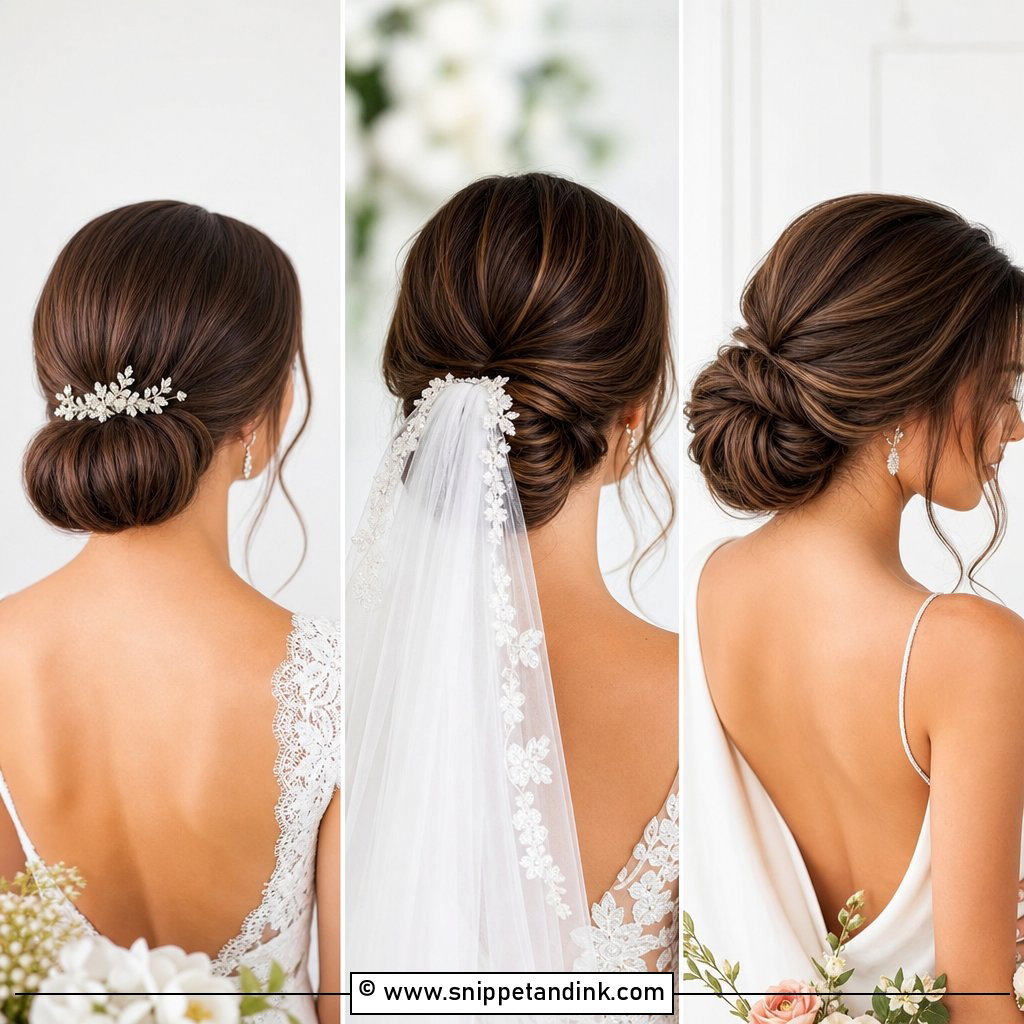
15. Short Bob Wedding Hair
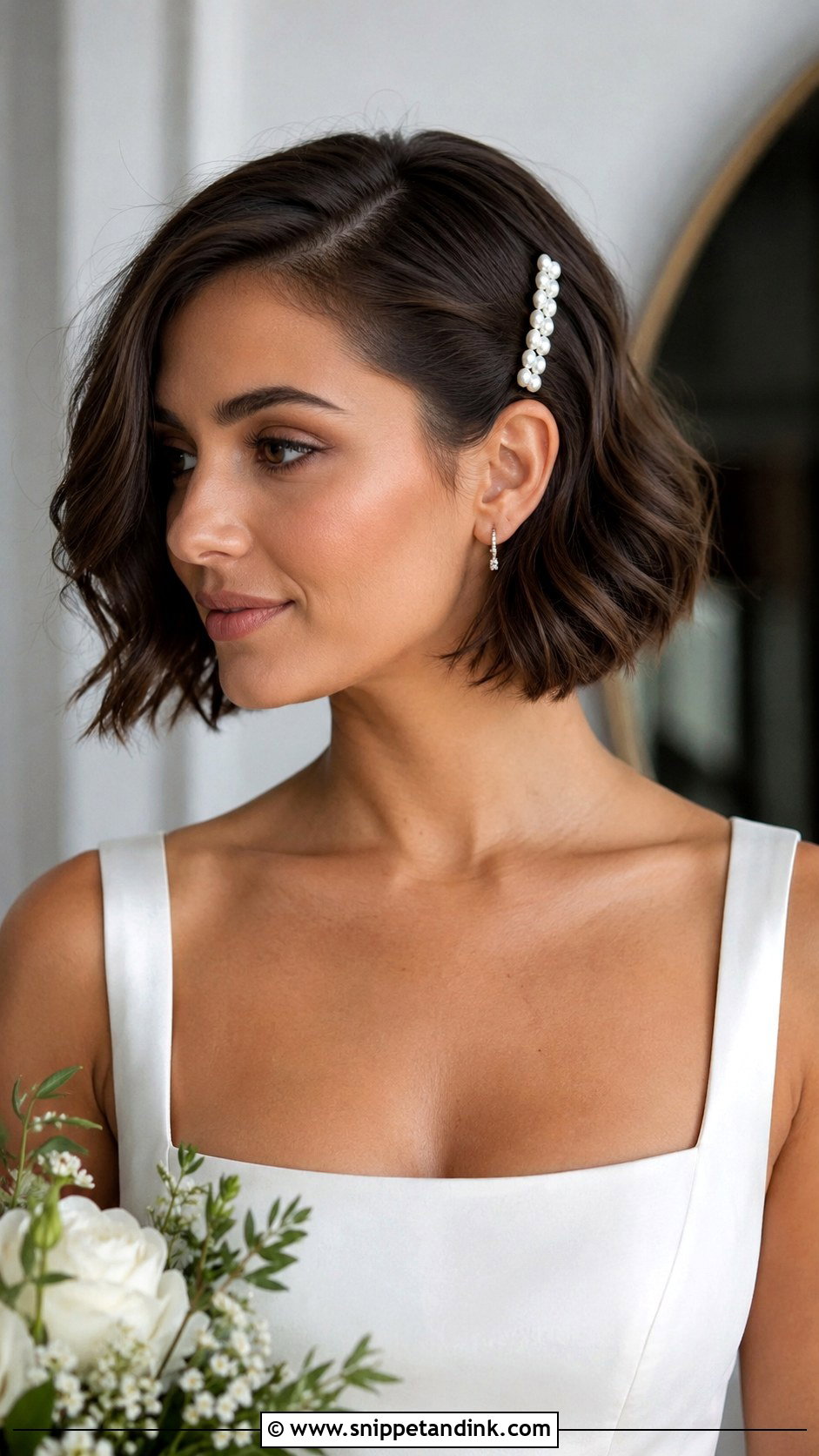
Short bob wedding hair can look every bit as bridal as long hair. Soft waves, a deep side part, tucked sides, pearl clips or a polished bend at the ends all suit a bob, and the cut itself does a lot of the work. The thing I always check is the timing of the trim: a bob cut two weeks before the wedding has had time to settle, while one cut the day before can look too sharp. Add volume at the crown and shine through the ends. A veil, headband or sculptural clip makes it read ceremonial.
16. Pixie Cut Wedding Hair
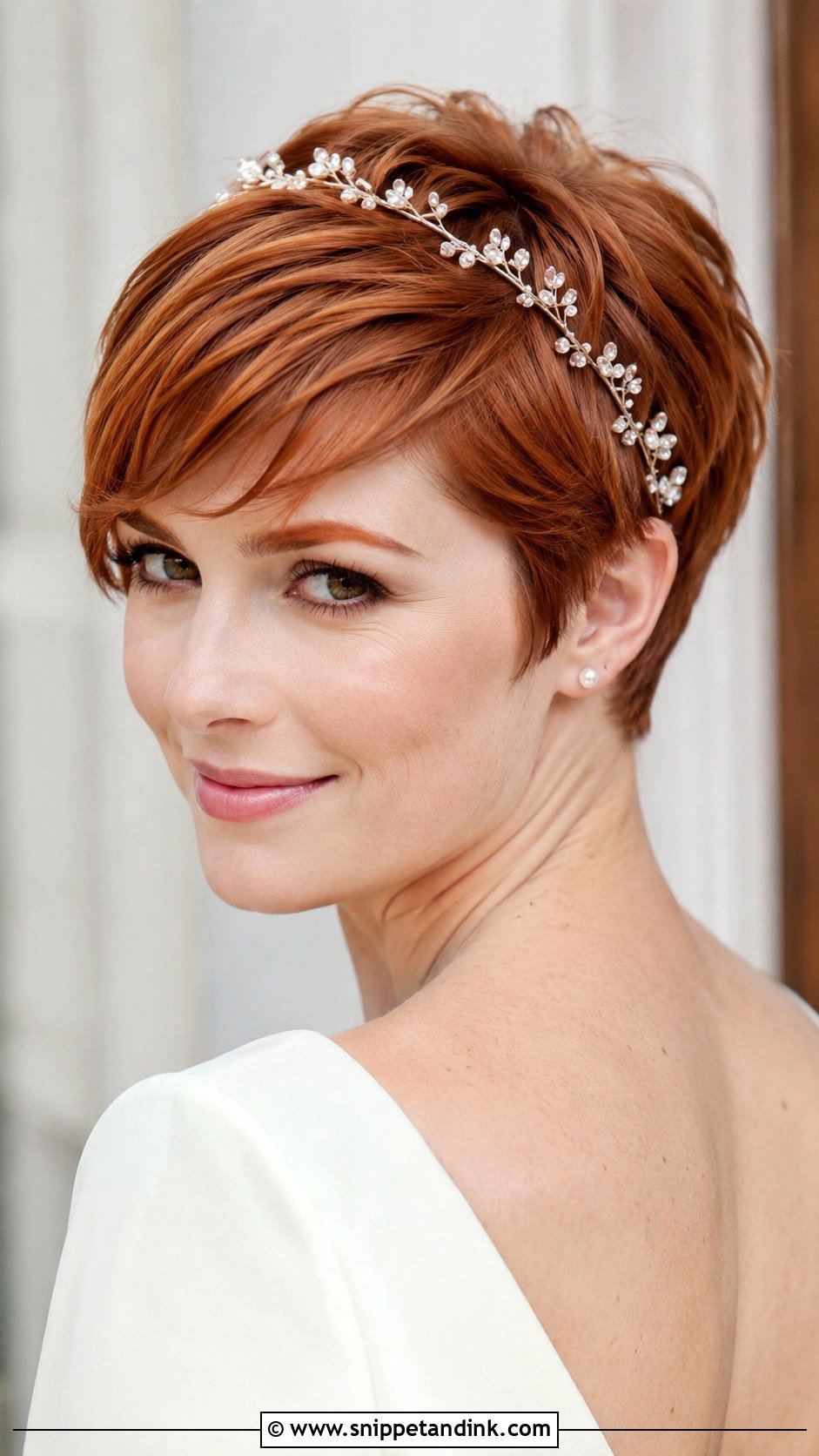
A pixie is all about shape, shine and detail. It can be sleek, softly waved, swept to the side, or lifted with texture at the crown, and it pairs well with statement earrings, birdcage veils, headbands and clean outfits. A trim about a week or two before the wedding keeps the shape crisp. Veils are the tricky part with very short hair, since there’s little to pin into; I anchor them with small combs or a headband rather than bobby pins. For softness, ask for feathered pieces around the forehead or temples.
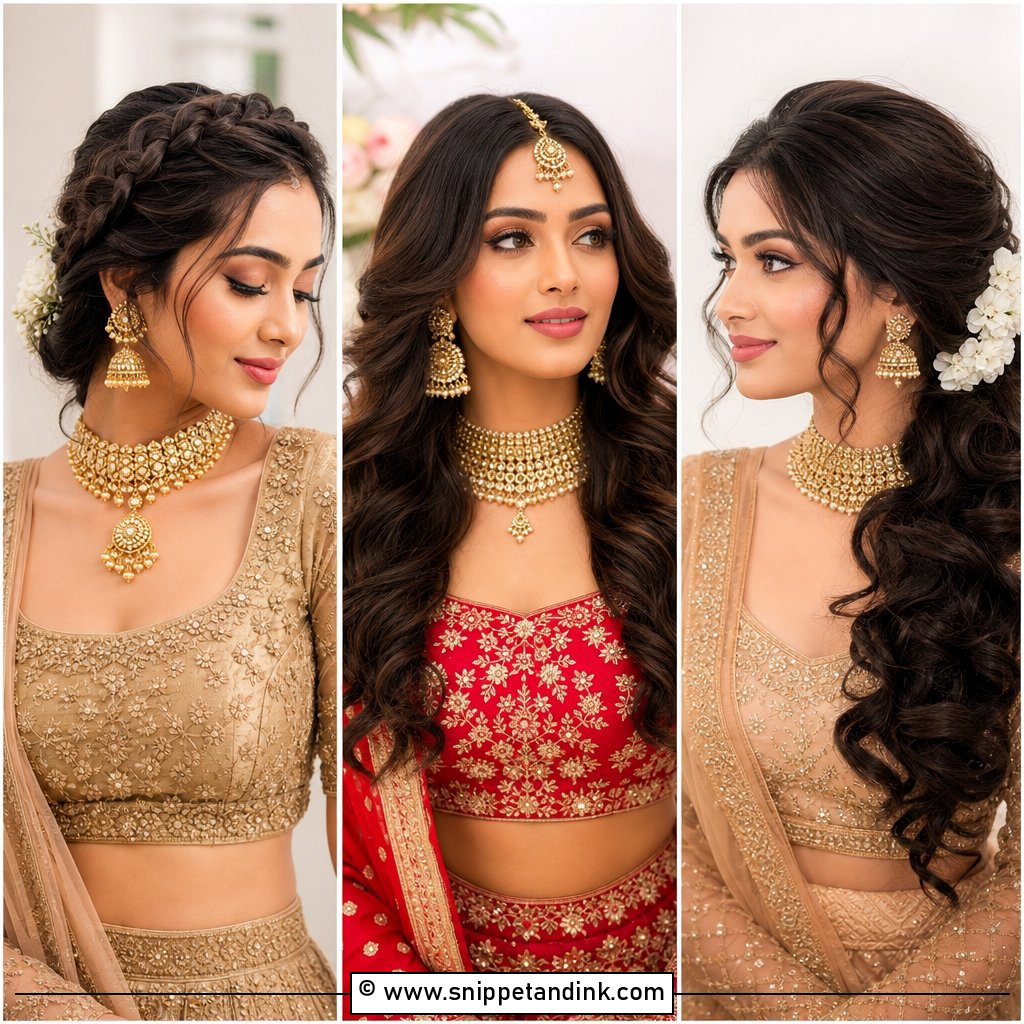
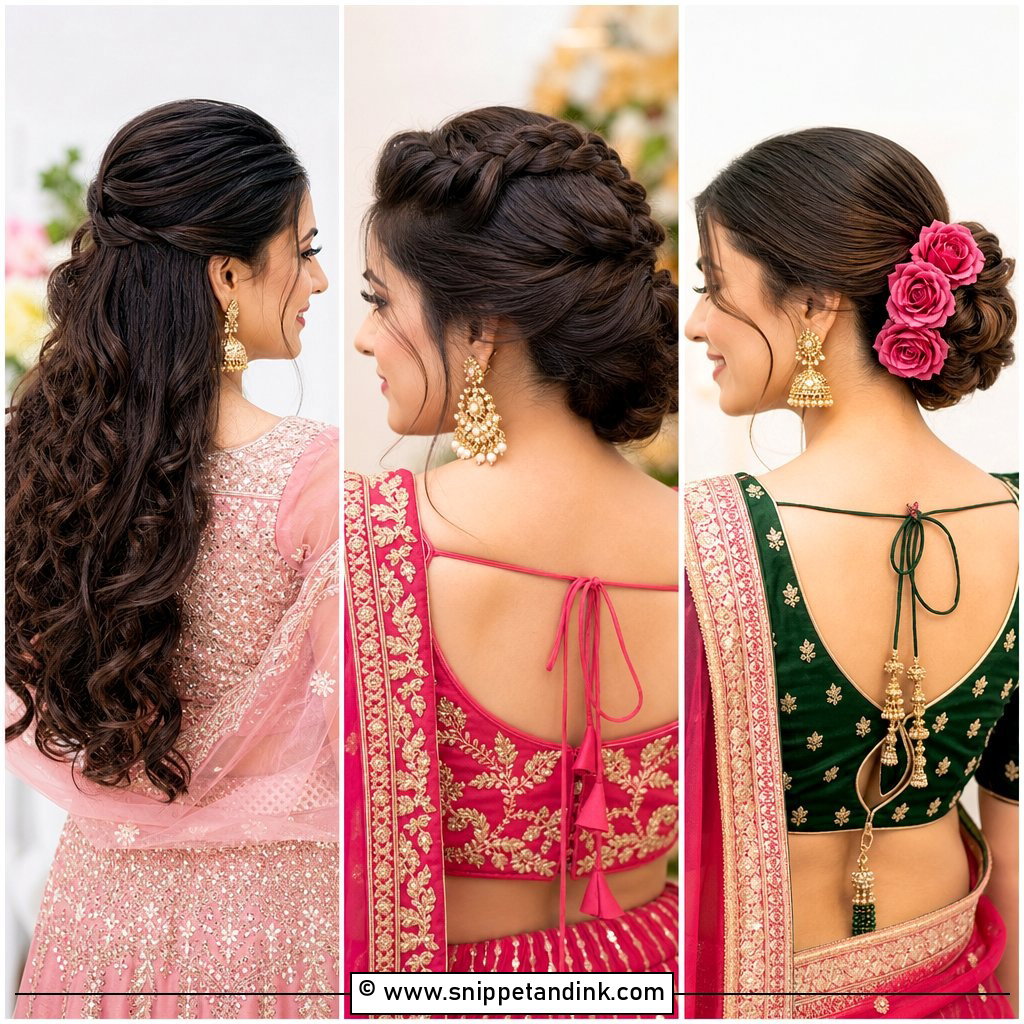
17. Indian Bridal Bun
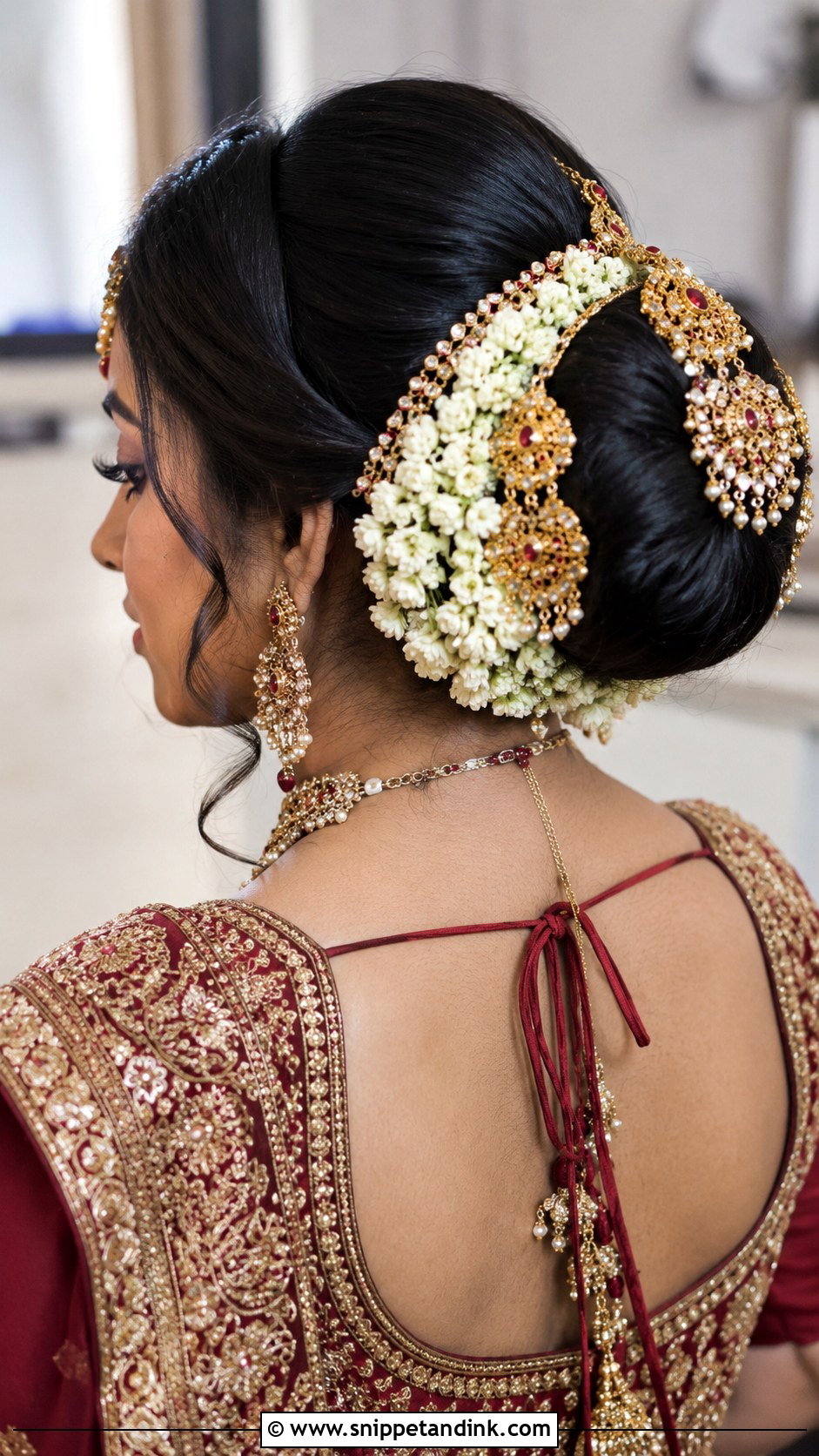
An Indian bridal bun is usually set low or mid-height, smooth and rounded, and it has to carry real weight: dupattas, maang tikka, passa, fresh flowers and gold accessories all pin into it. That’s why structure matters more here than almost anywhere else on this list. I build a firm base, often with padding or extensions for fullness, then pin the dupatta through the base itself, not just the surface hair. The finished bun should look balanced from the front, side and back, since wedding photography in these ceremonies covers every angle and long hours of rituals.
18. Bridal Hair With Veil
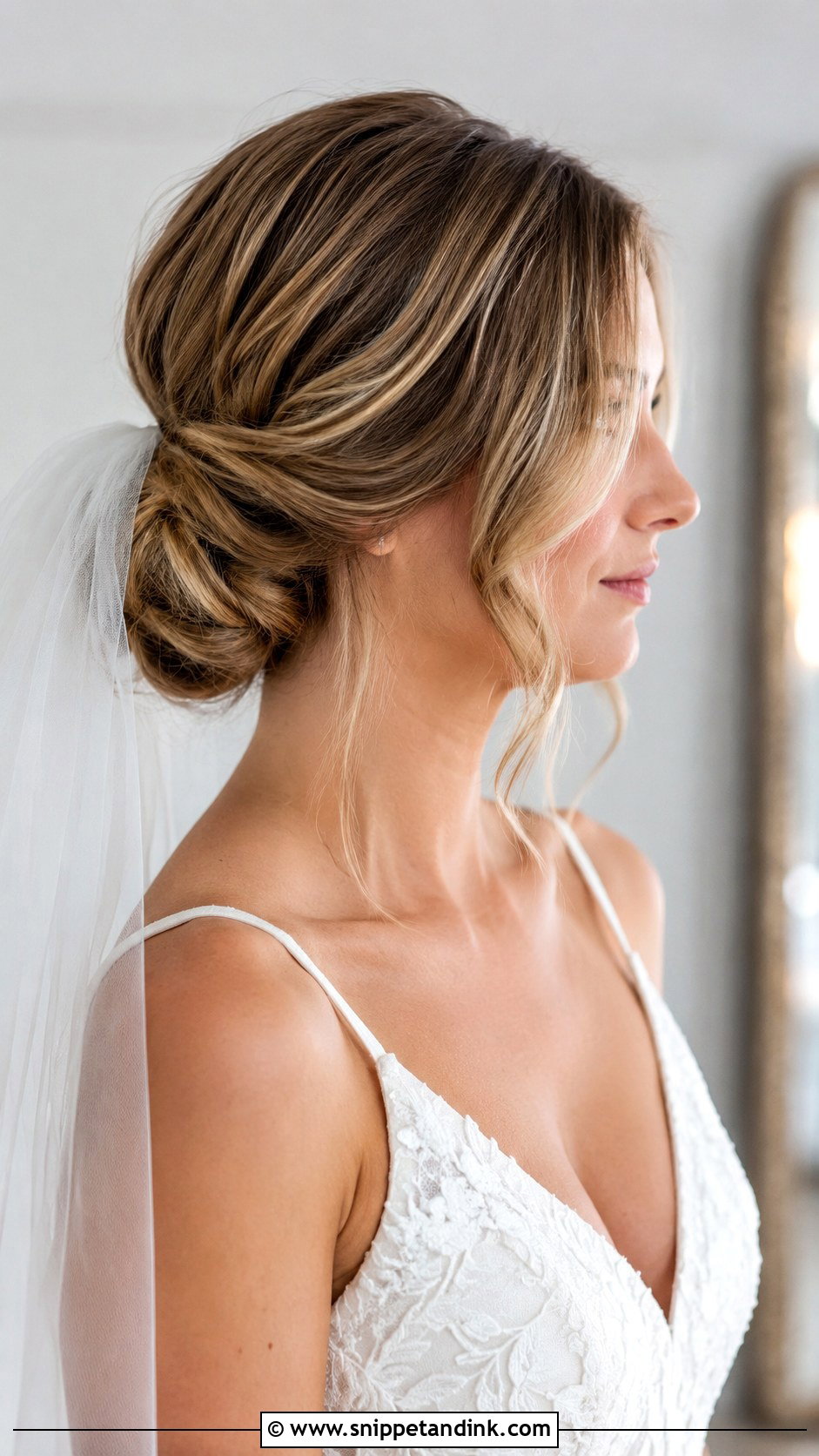
The veil changes how any style looks and feels, so I plan the hair around it, not the other way round. Low buns, half-up curls, waves, a French twist and sleek buns all work, but the anchor point decides the effect: a veil placed under the bun reads modern, one placed above reads traditional. I always ask brides to bring the actual veil to their trial so I can test its weight, how high it sits, and how it comes out. Removing it shouldn’t take half the hairstyle with it.
19. Bridal Hair With Tiara
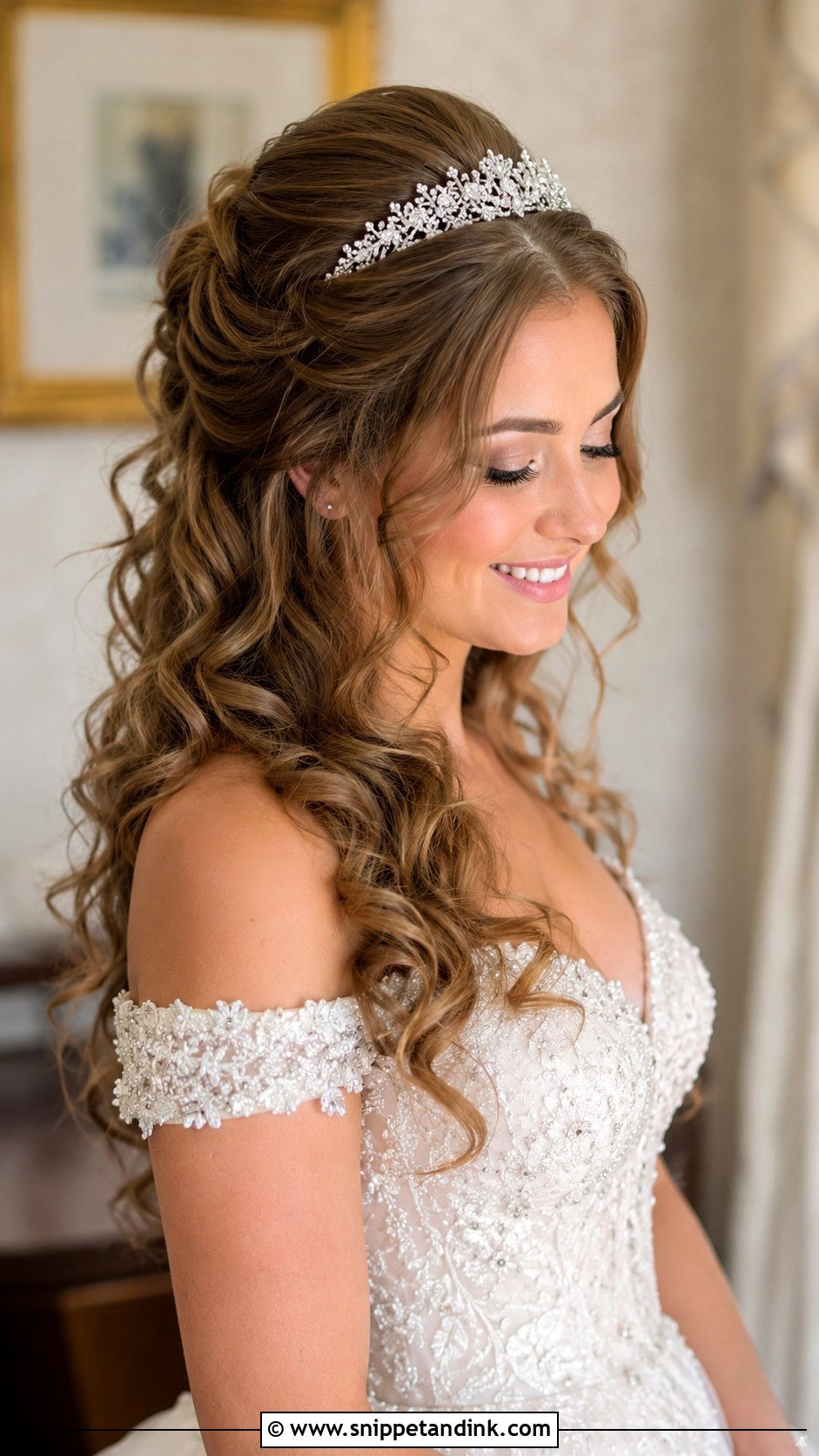
A tiara needs a foundation. Without some lift and structure at the crown, it slips backward or sits on top of the head like a prop. Soft curls, half-up hair, low buns and polished updos all support one. I tease a small base just behind the tiara line and pin through the combs in a crisscross so it can’t rock. Keep the front smooth or gently lifted so the tiara looks settled into the hair. With a detailed dress, choose a delicate tiara; with a simple gown, a larger piece can carry the drama.
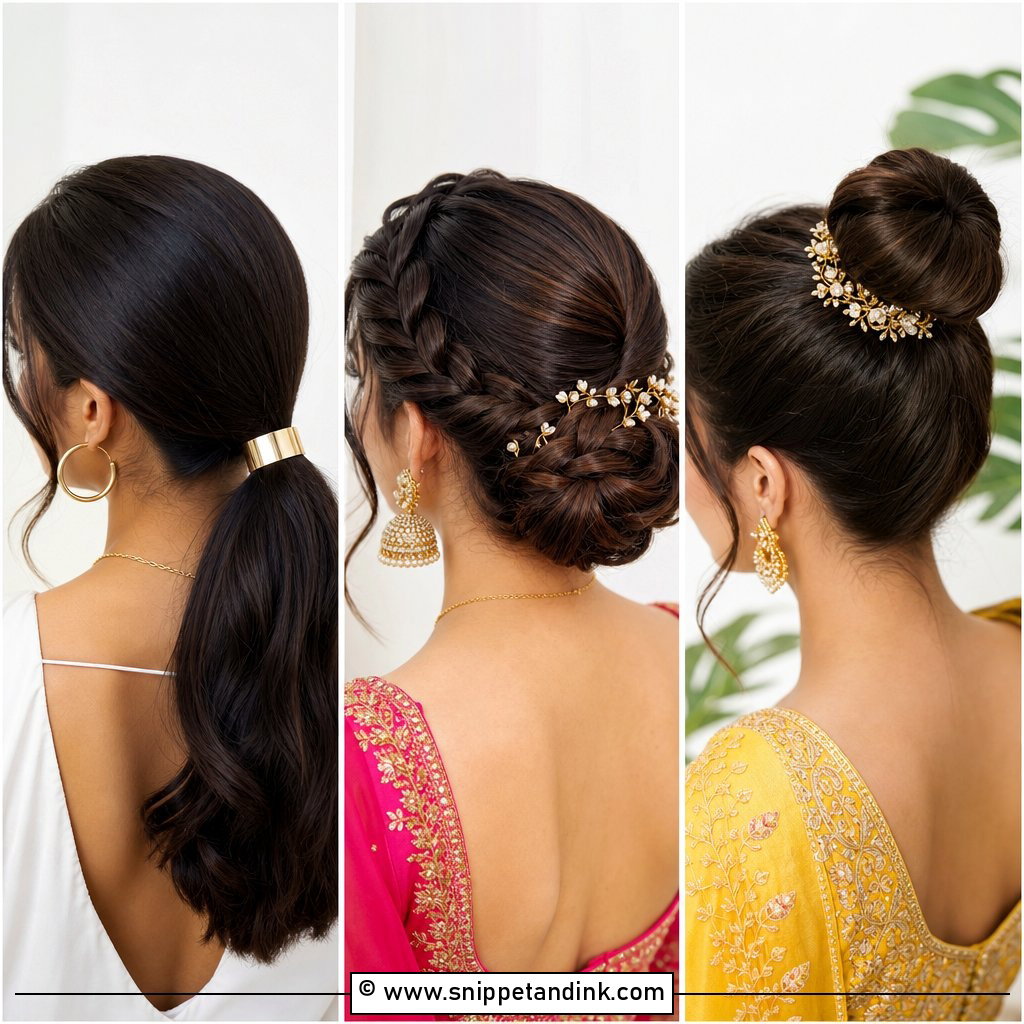
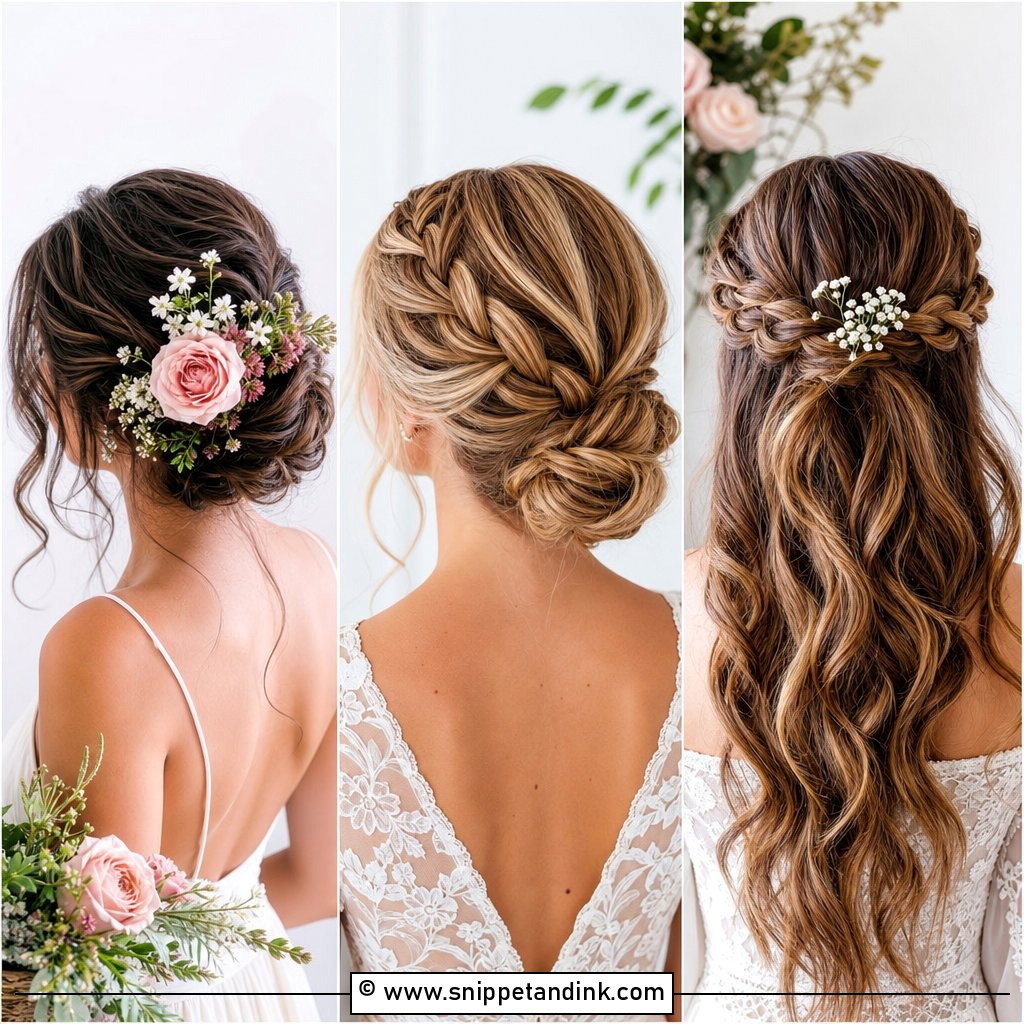
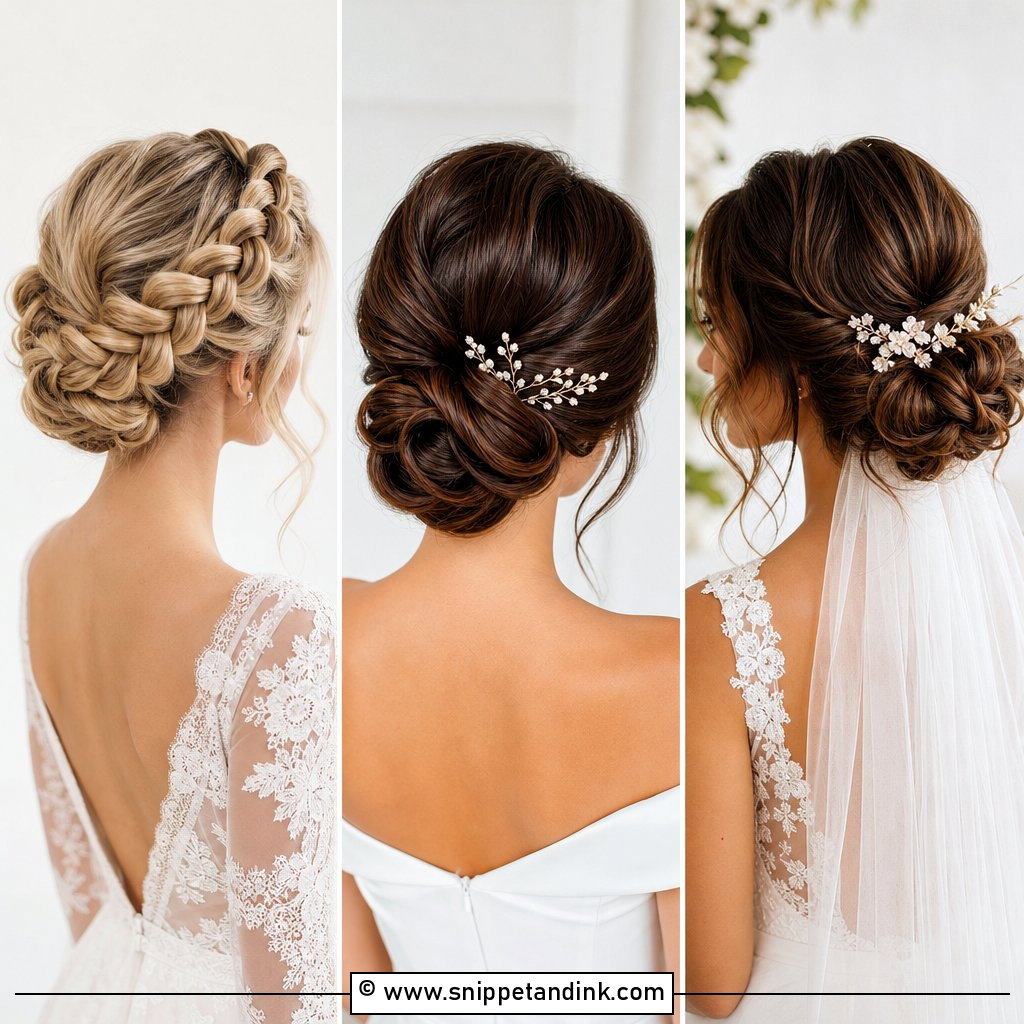
20. Natural Hair Wedding Updo
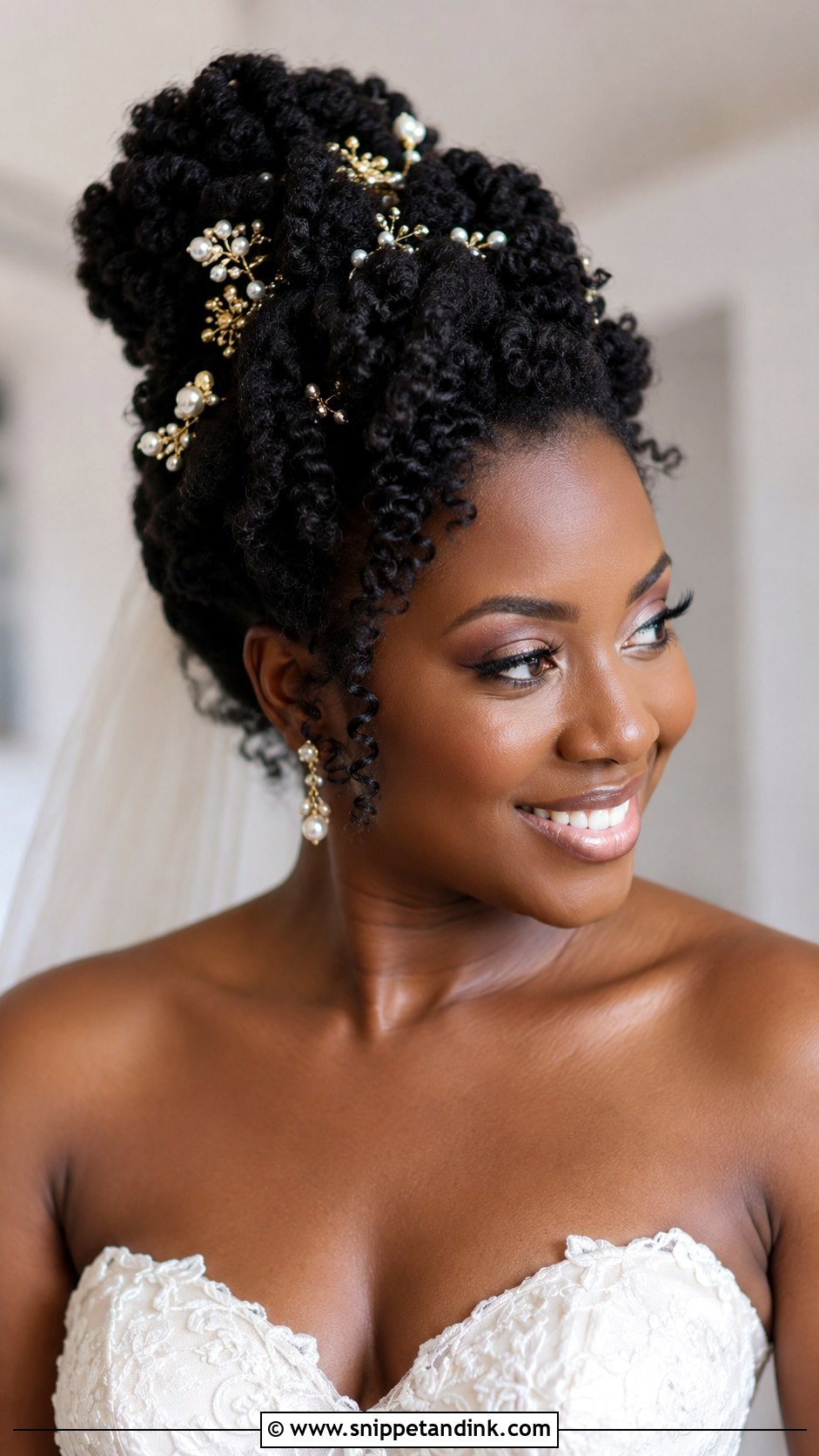
Defined coils, a puff updo, flat twists, a sculpted bun or pinned curls set high or low all make a natural hair updo that lasts the whole day. I treat moisture as the foundation. Hair that’s dry before styling gets frizzy and fragile by evening, especially outdoors or in humid weather, so I’d plan the wash and deep condition a day or two ahead, not the morning of. A good updo protects the ends while showing off texture and volume. Pearl pins, gold clips or a delicate comb finish it without overpowering the curl pattern.
How Your Hair Should Arrive on the Morning
What you do the night before matters nearly as much as what I do with the irons. I’d always rather start with hair that’s ready than spend twenty minutes undoing someone’s good intentions.
- Wash at the time we agreed at your trial. Fine hair usually styles best washed the night before or that morning; thick hair often holds better a day after washing.
- Skip heavy conditioner, oils and serums on the roots. They make pins slide and curls drop.
- Arrive with hair completely dry unless we’ve planned to blow it out together.
- Wear a button-front shirt so the finished style doesn’t have to come over your head.
- Bring every accessory: veil, combs, tiara, flowers and any dupatta you’ll pin in.
Evening Touch-Ups and the Change to Reception Hair
By early evening, even a well-built style has relaxed a little. Curls loosen, a few pieces escape, and the veil has usually come out. That’s normal, and a small kit fixes most of it. I’d give a bridesmaid a handful of bobby pins in your hair colour, a travel hairspray, a small comb and a spare elastic.
Many brides switch styles for the reception. A half-up look easily becomes a low ponytail; loose waves can be twisted into a quick low bun. If you want a change, practise it at your trial so it takes five minutes, not twenty. And when the veil comes out, remove the pins one at a time; pulling the comb straight out takes the style with it.
Will It Still Hold When the Dancing Starts?
Trends move fast; your dress, neckline, jewellery, venue and hair texture don’t. Sleek buns read modern, soft waves read romantic, braids add detail, short hair looks fresh, and natural texture holds its own beautifully. Whatever you lean toward, book a trial if you can, bring photos from more than one angle, and wear or bring every accessory you plan to use, veil included. Hair that feels secure is hair you stop thinking about, and that’s the real goal for the day.
You'll Like These Ideas:


Leave a Reply