
The groom’s sister gets photographed far more than she expects. You’re in the family formals, you’re greeting guests on his side, and you’re often getting ready somewhere other than the bridal suite, without a stylist on hand to fix things. So your hair has to look dressed without looking bridal, and it has to hold without constant touch-ups. Right now the shapes I’m asked for most are soft half up styles, glossy buns, wrapped ponytails, defined curls and modern twists. These sister of the groom hairstyles cover different dress codes, seasons, lengths and textures, and for each one I’ve noted what makes it last.
Getting Ready Away From the Bridal Suite
Bridesmaids usually share the bride’s stylist. The groom’s family often doesn’t, which means you need a plan of your own a few months out. There are three realistic routes, and each one changes which styles make sense.
- Joining the bride’s team. Ask the bride first, not the stylist directly. Her schedule is already tight, and adding a person can push her start time earlier. Expect to pay for your own service unless she offers.
- Booking your own salon. Ask for the earliest morning slot that still leaves a cushion before photos, and tell them it’s for a wedding so they plan a longer appointment. Travel time and car seatbelts flatten volume, so updos and ponytails survive the drive better than full curls.
- Doing it yourself. Choose a style you’ve done before, like a low bun, a sleek ponytail or a twisted half up. Practise it once in the dress, because a tight neckline changes how you can lift your arms.
Whichever route you take, find out the photo call time for the groom’s family. That’s your real deadline, and it’s usually earlier than the ceremony start printed on the invitation.
1. Half Up Half Down Wedding Hair
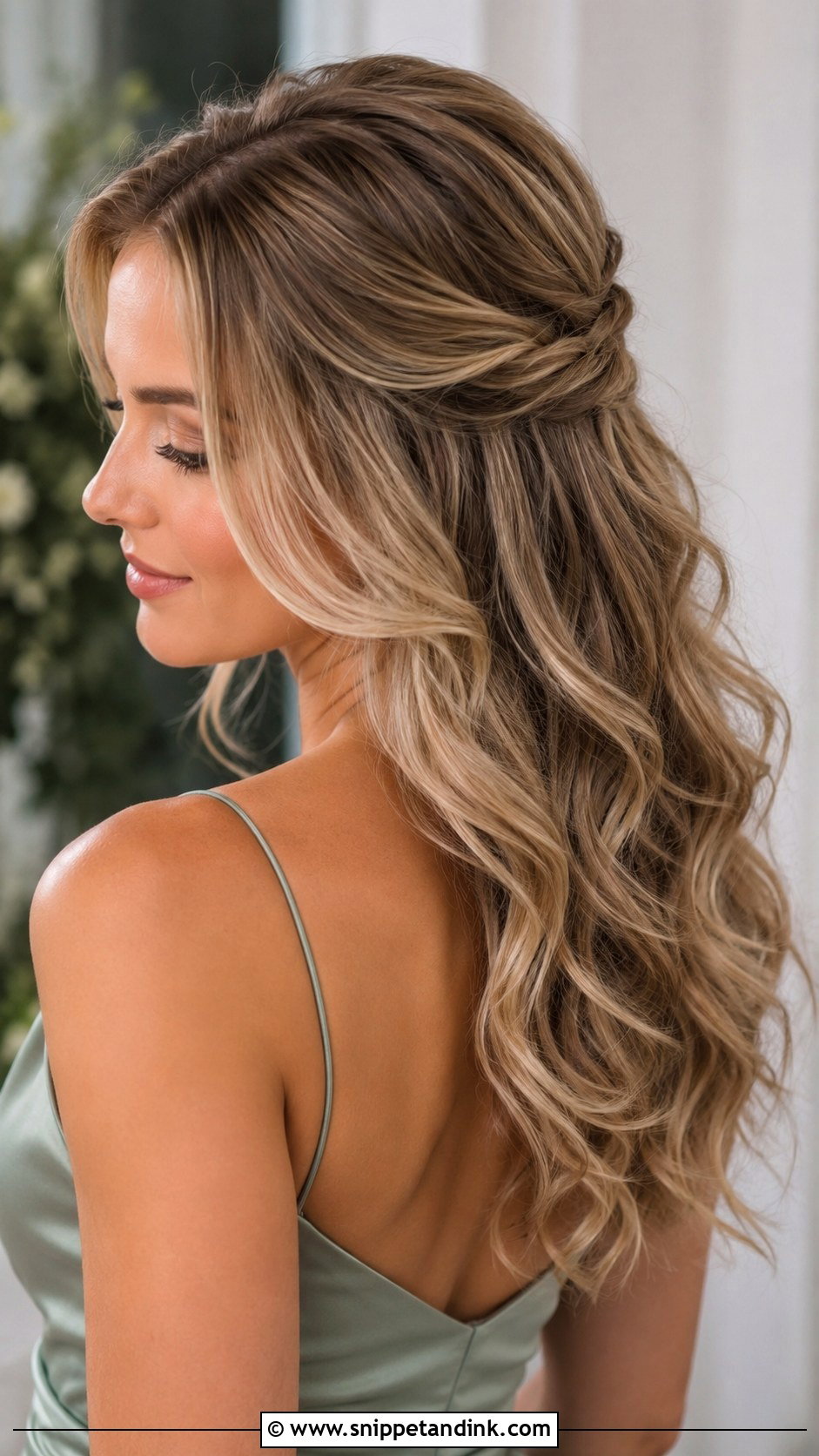
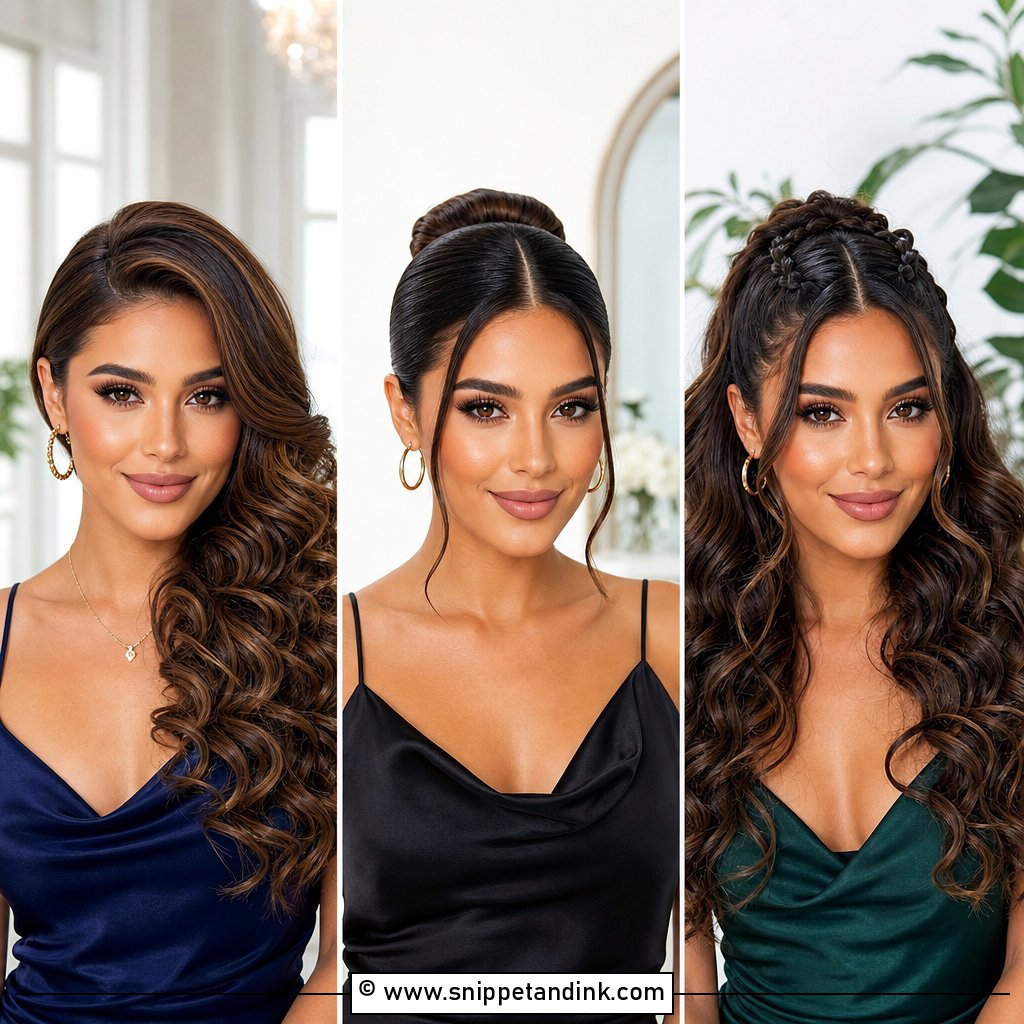
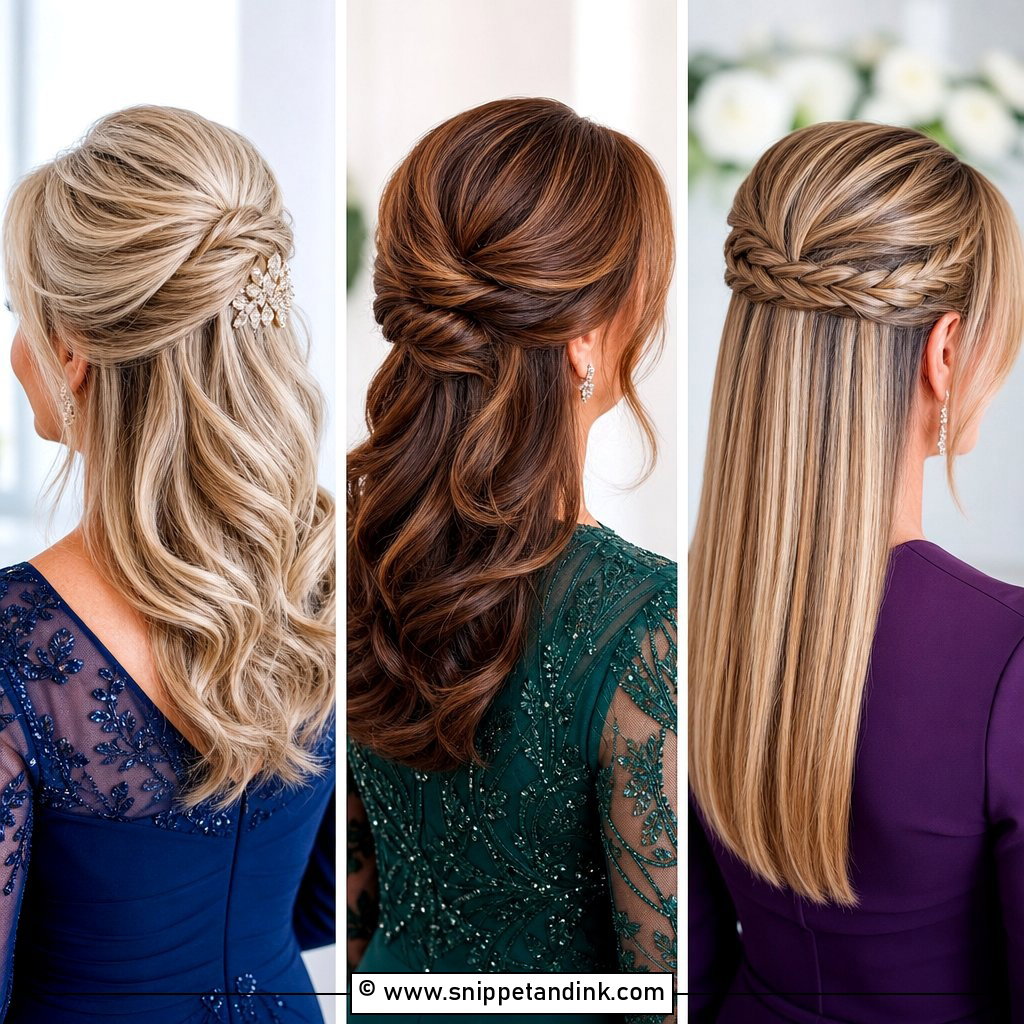
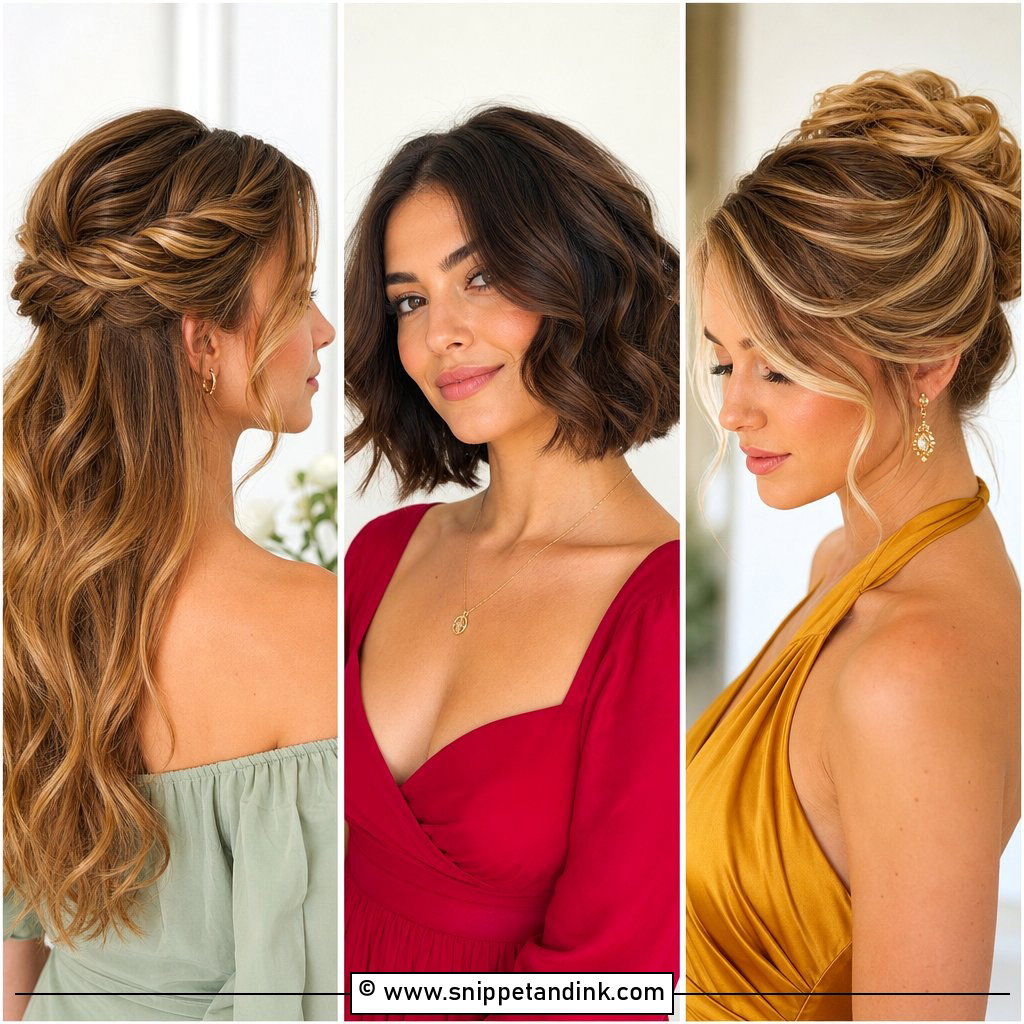
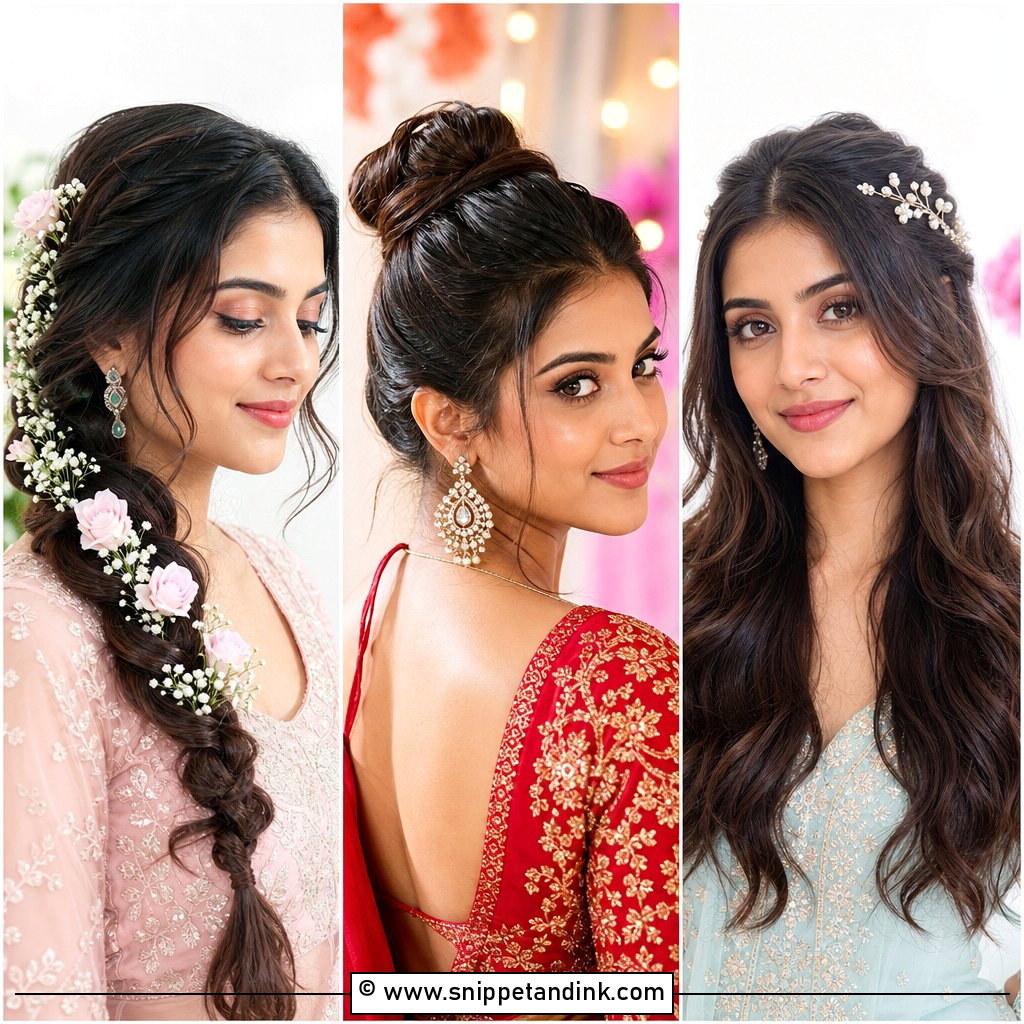
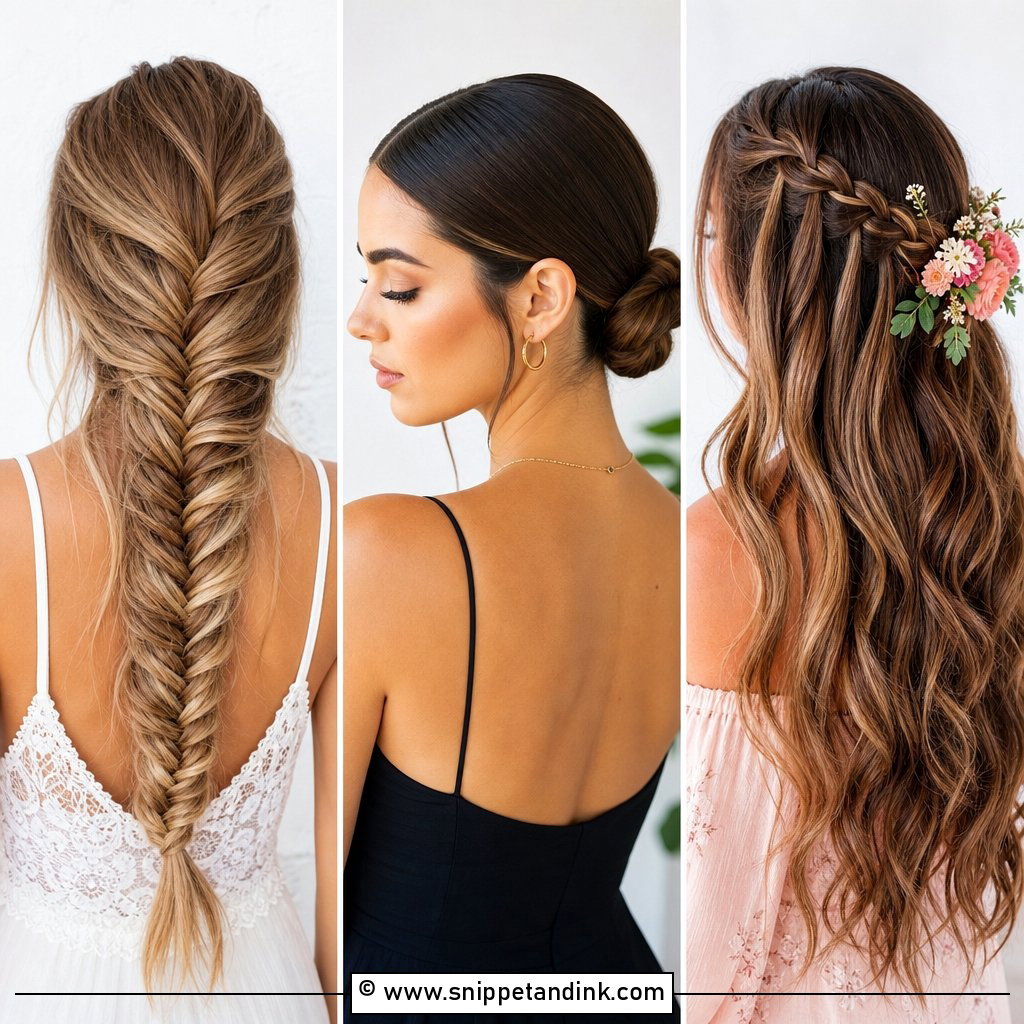
Half up half down is the style I steer most groom’s sisters toward if they’re unsure, because the pinned crown keeps hair out of your face through hugs while the length still moves. Curls or brushed waves through the ends make it formal enough. If the bride is wearing hers half up too, I’d keep yours lower and simpler so you don’t mirror her. A small twist or a plain barrette works if the dress code allows. It suits medium and long hair, open necklines and outdoor ceremonies.
2. Low Bun Wedding Hair
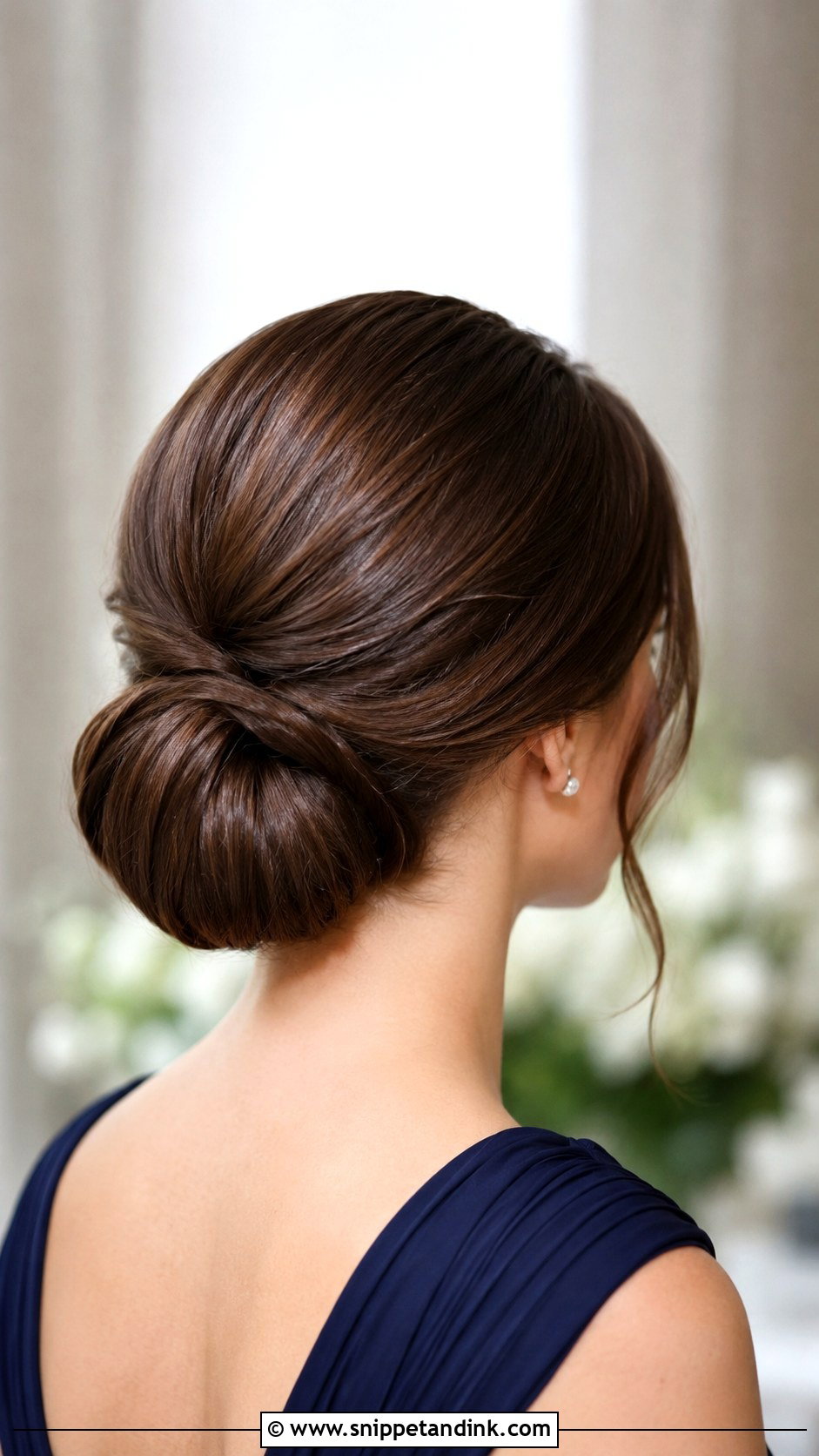
A low bun is my answer for humid weather. Once the hair is tucked away at the nape, humidity has far less to work on, and there’s nothing to frizz against your neck. It sits neatly with statement earrings and a high neck, and it reads as quietly respectful in family photos. Softened, it feels current; smoothed tight, it feels black tie. I build it around a small ponytail base so the bun has something solid to pin into, which is why it doesn’t drift sideways during the reception.
3. Soft Waves Wedding Hair
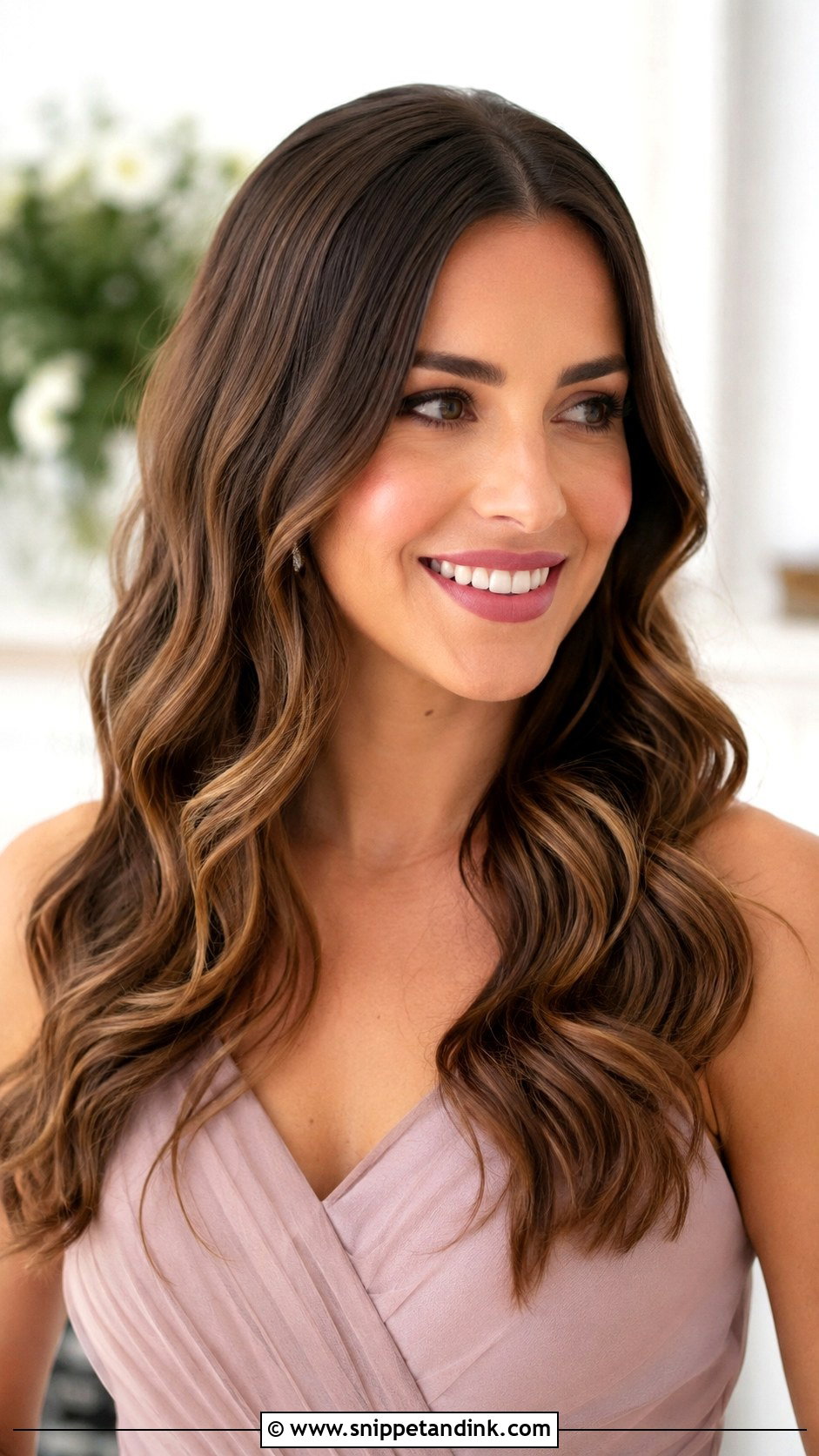
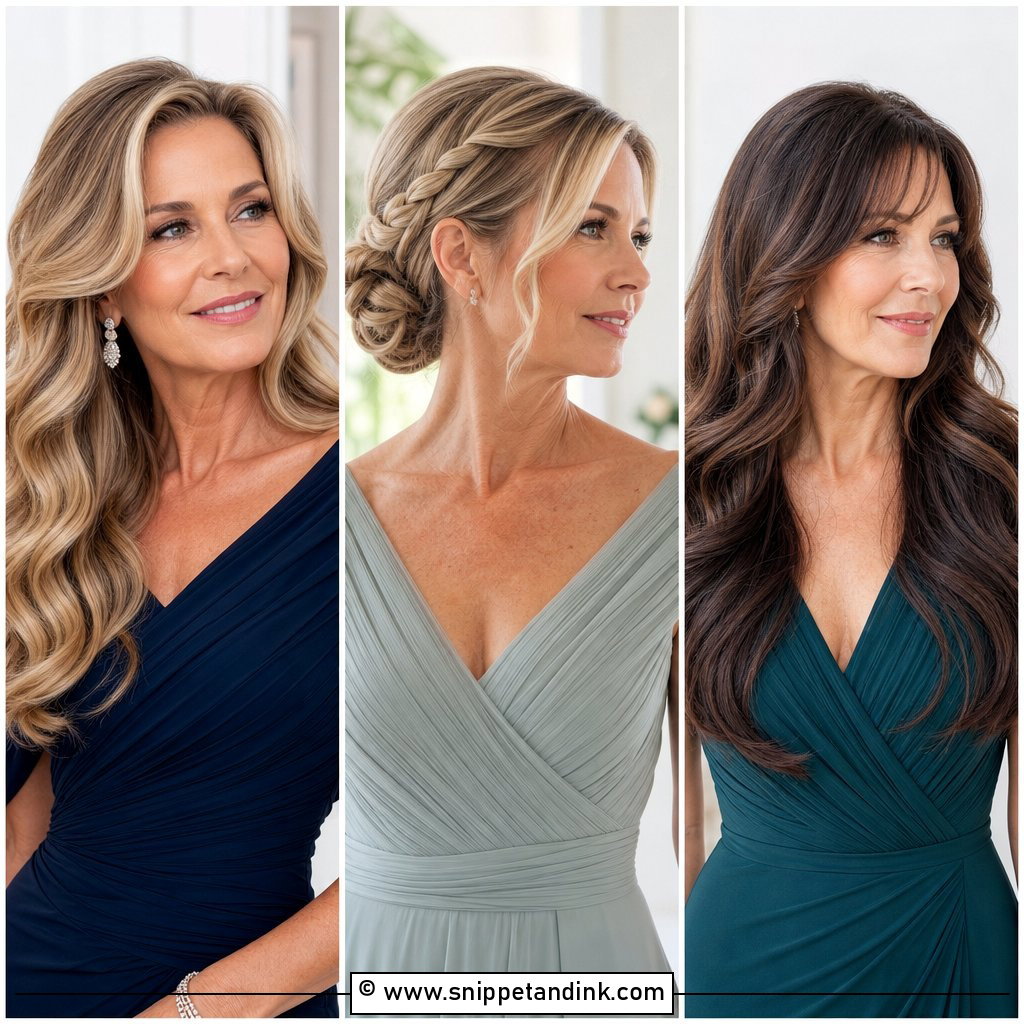
Waves worn down are where polish matters most. I keep the crown smooth and the ends controlled, because loose beachy texture looks unfinished next to formalwear in a lineup. A side part feels glamorous, a middle part more modern. The honest risk is humidity: waves on fine hair can be gone by dinner, so I curl in small sections, let each one cool fully in a pin curl, and finish with a flexible spray. Simple dresses, floral prints and garden weddings suit it.
4. Sleek Low Ponytail Wedding Hair
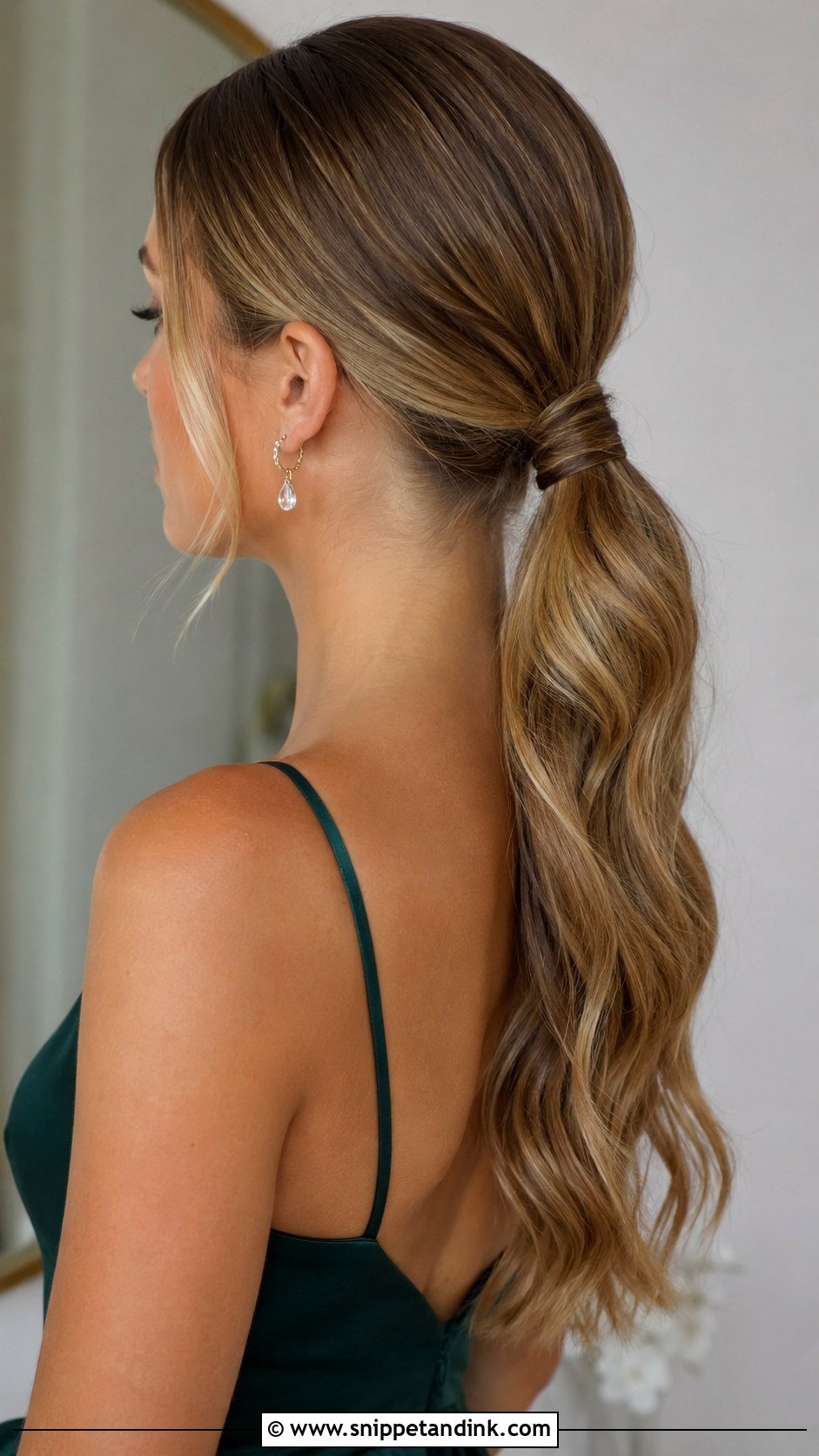
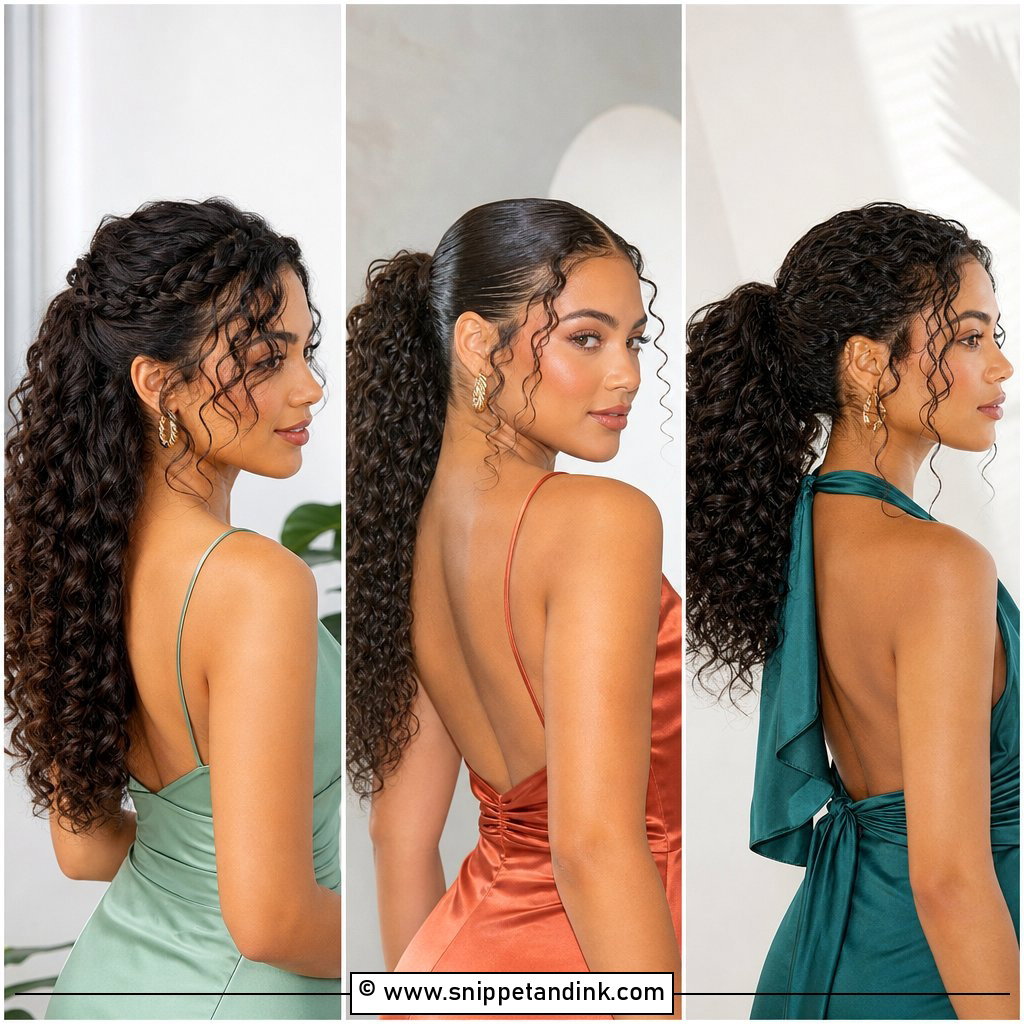
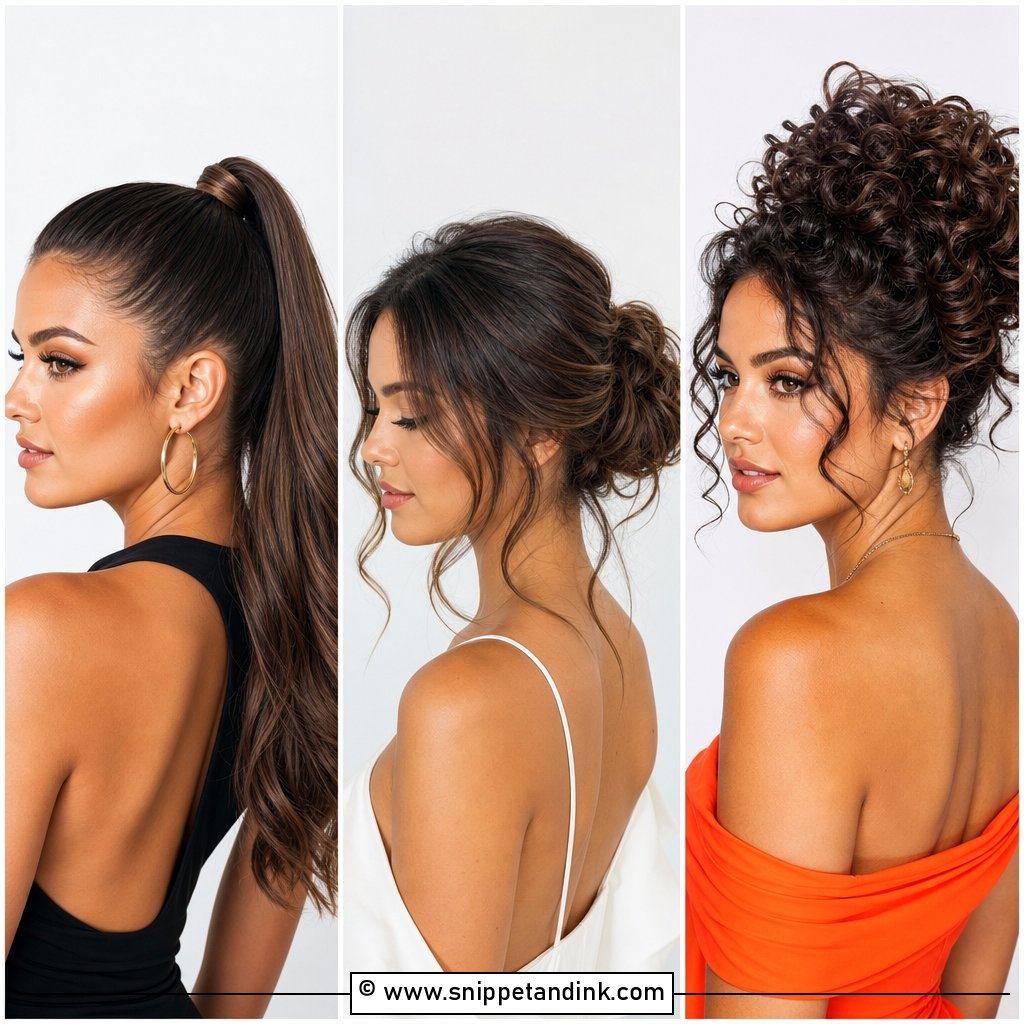
If your hair is long and heavy, a sleek low ponytail is often more comfortable than an updo, since the weight hangs instead of pulling on dozens of pins. I wrap the base so no elastic shows and wave the length so it doesn’t look severe. It keeps an interesting neckline, detailed sleeves or bold earrings on view. Smooth the top with a fine comb and a little cream; a ponytail shows every bump at the crown in flash photos. It holds through a long ceremony, dinner and dancing with almost no attention.
5. Textured Updo Wedding Hair
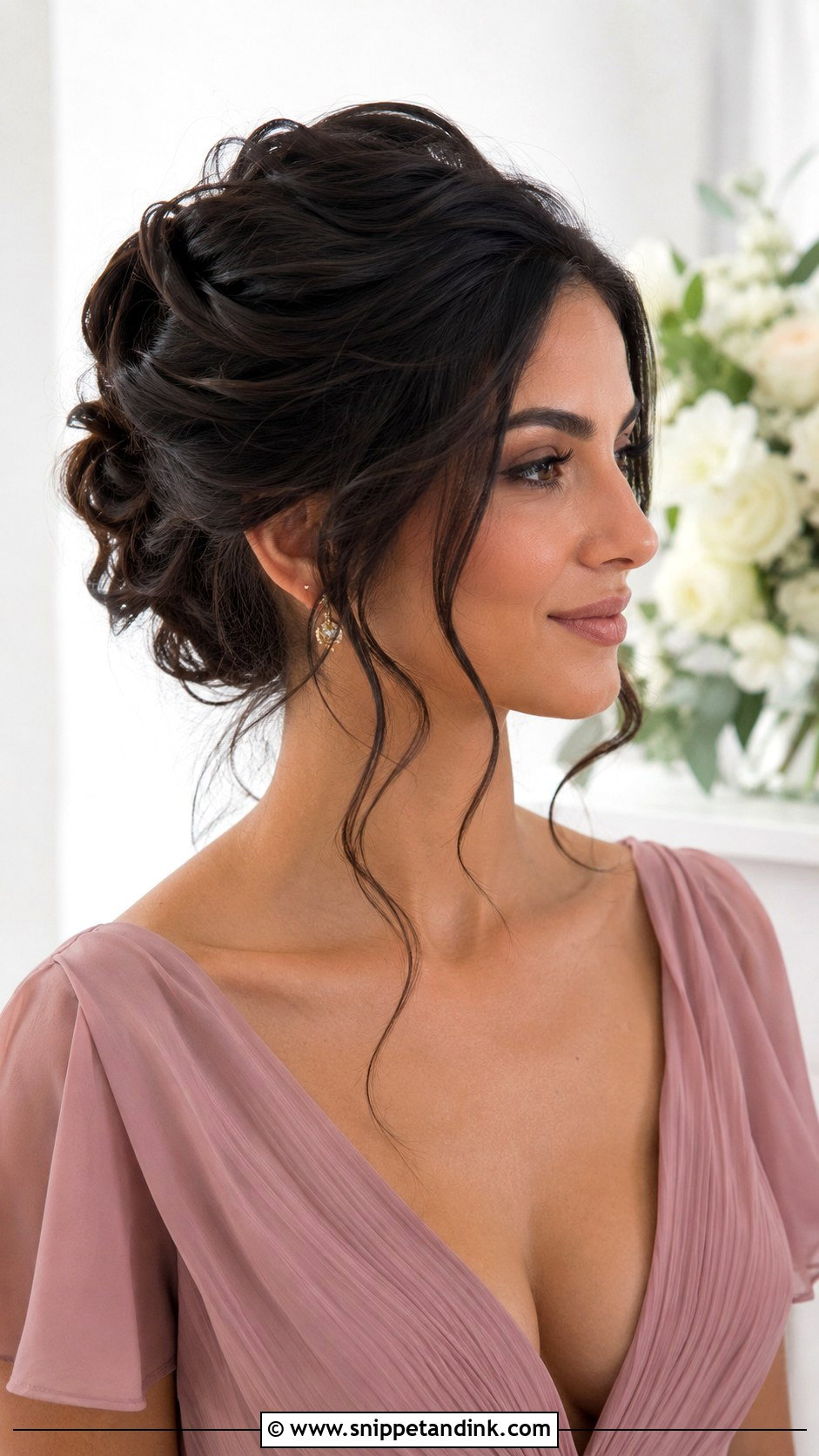
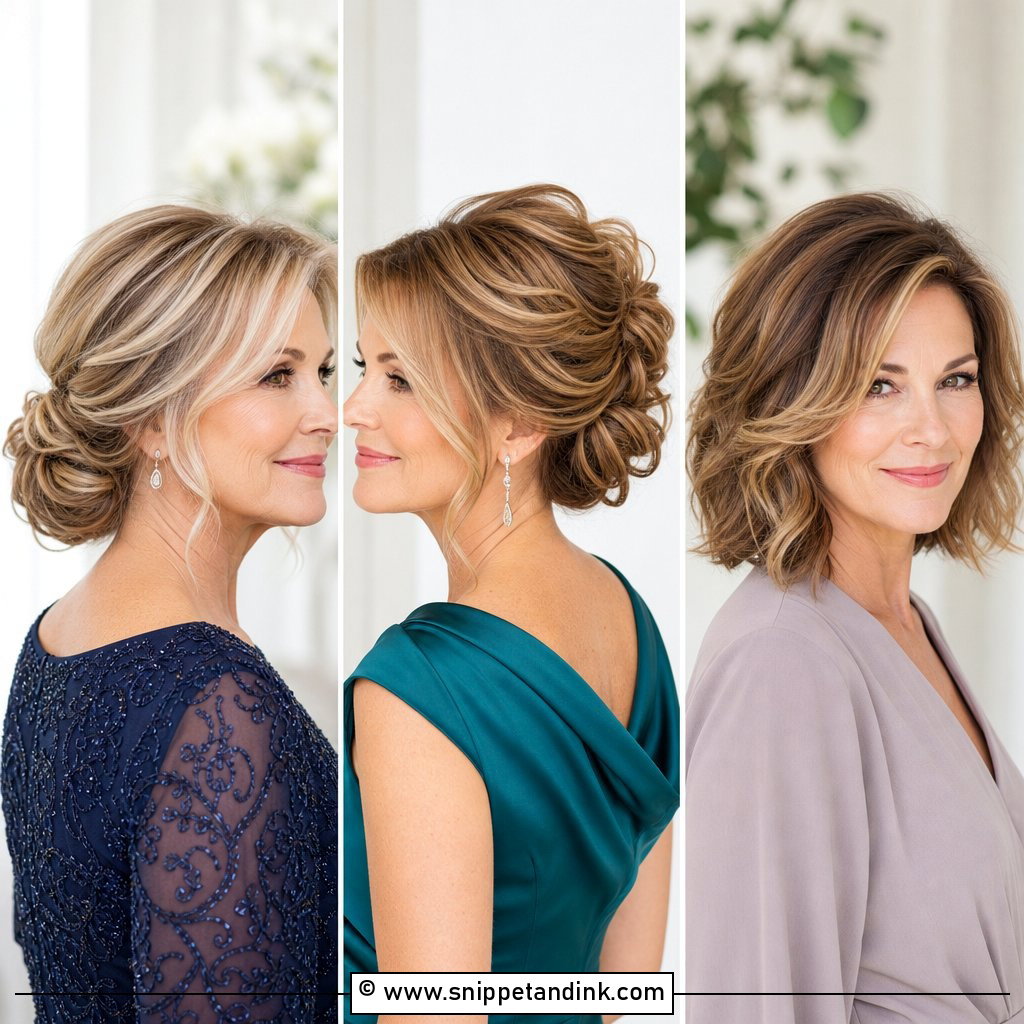
Textured updos are built from loose shape, gentle lift and pinned sections rather than one tight structure. Layered hair suits it best because the short pieces add dimension around the bun instead of escaping it. I like it for rustic venues and evening receptions where a little drama is welcome. The line between textured and messy is prep: every section gets curled and set before it’s pinned. Leave a few soft pieces around the face for close-ups, and keep them short enough not to end up in your mouth during the toasts.
6. Side Swept Curls Wedding Hair
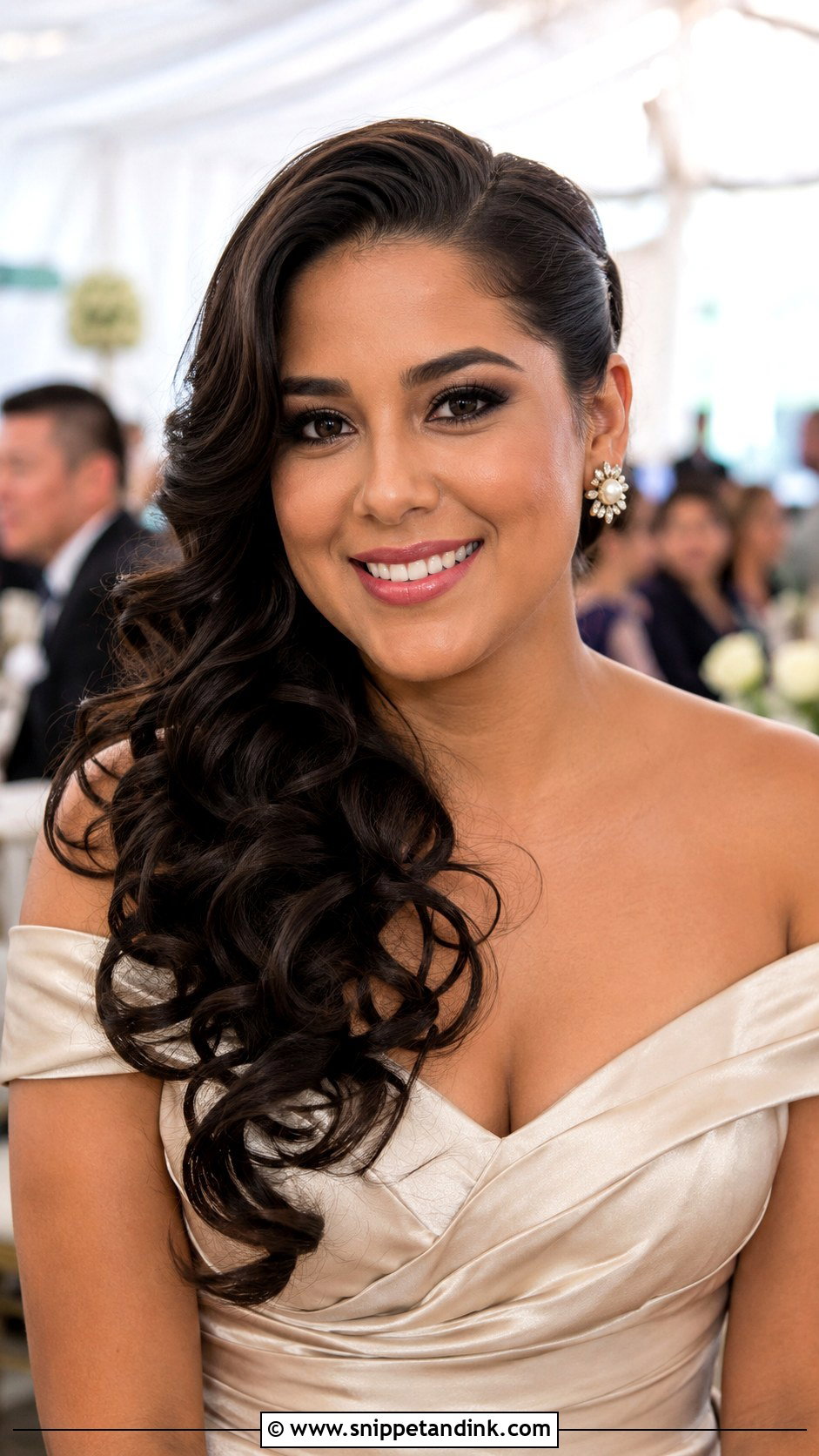
Curls swept over one shoulder leave the neckline and jewellery on show, which is why I suggest them for strapless, off-the-shoulder and asymmetrical dresses. The curls frame the face and add volume near the shoulder in front-facing photos. I keep the finish smooth rather than heavily teased, and I hide crossed pins behind the ear on the bare side. A small comb can help, but the pins do the real holding. One thing to check in advance: which side the groom’s family stands on in formals, so your hair falls toward the couple, not away.
7. French Twist Wedding Hair
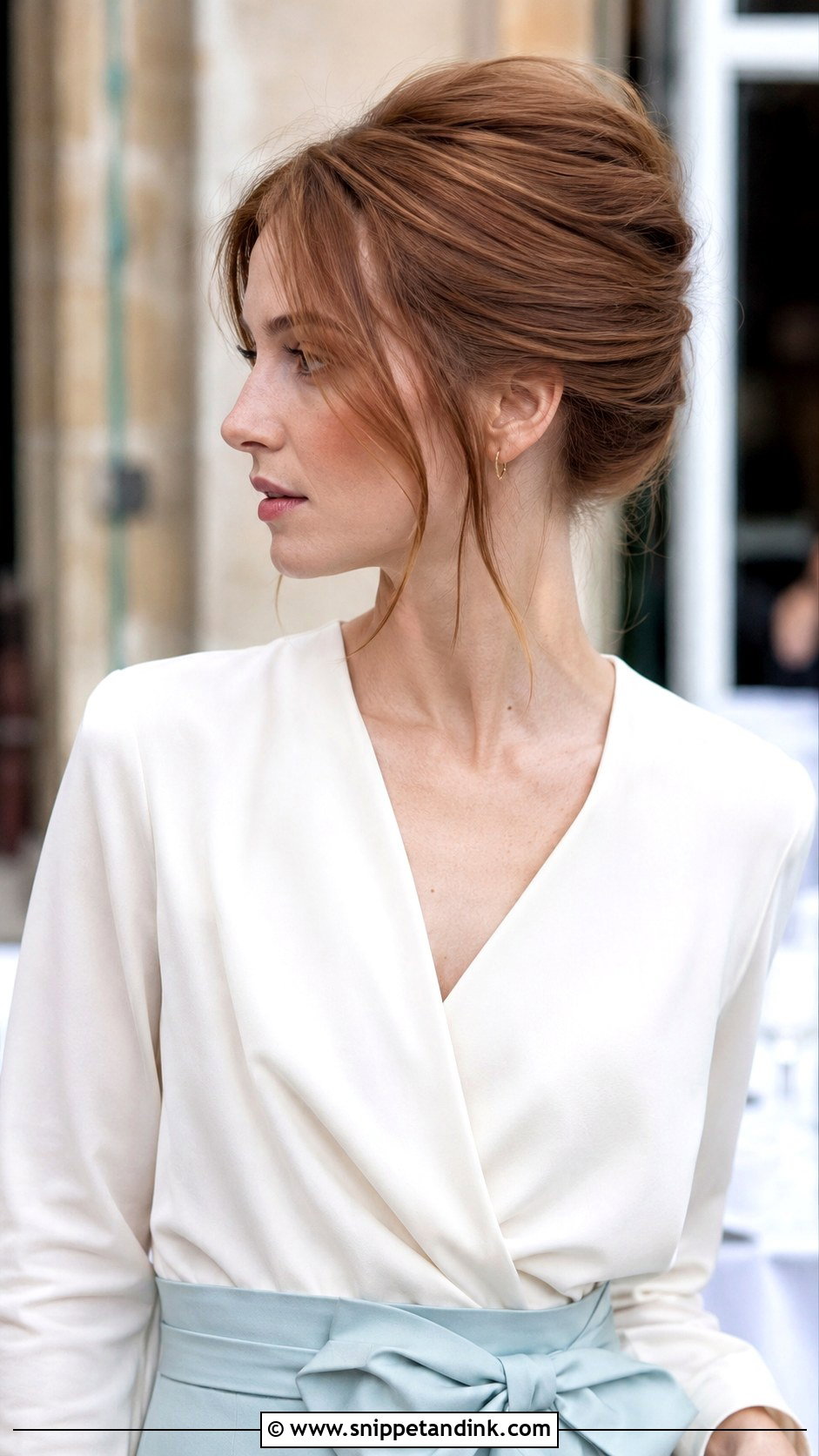
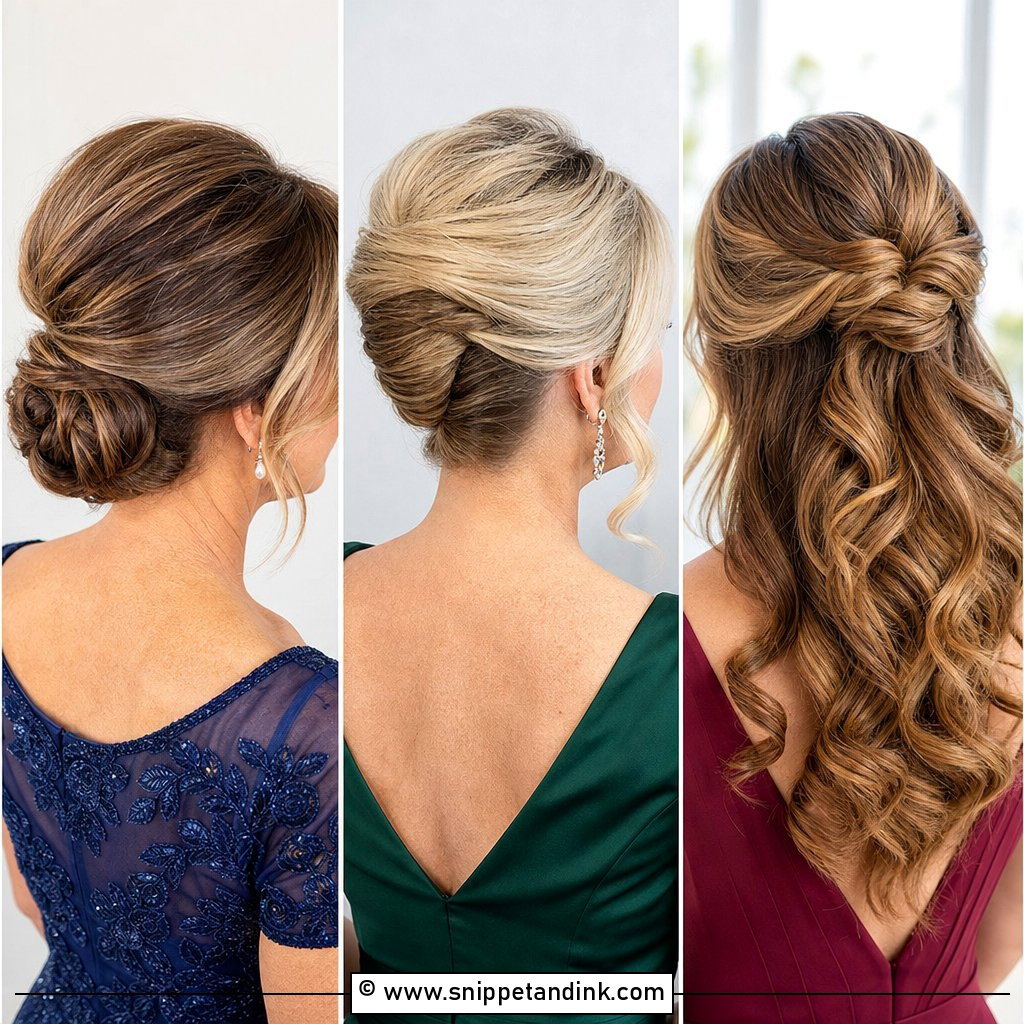
A French twist lifts hair through the back into a tucked roll, and few shapes look as considered at a formal evening wedding. It doesn’t have to be stiff; I’ll leave soft volume at the crown, smooth sides and a couple of face-framing pieces. It needs medium to long hair. Very slippery hair needs texture spray or a light tease inside the roll, otherwise the pins slide out. It sits well with sleek dresses, pearls and structured fabrics, and stays clearly in a supporting role next to the bride.
8. Braided Updo Wedding Hair
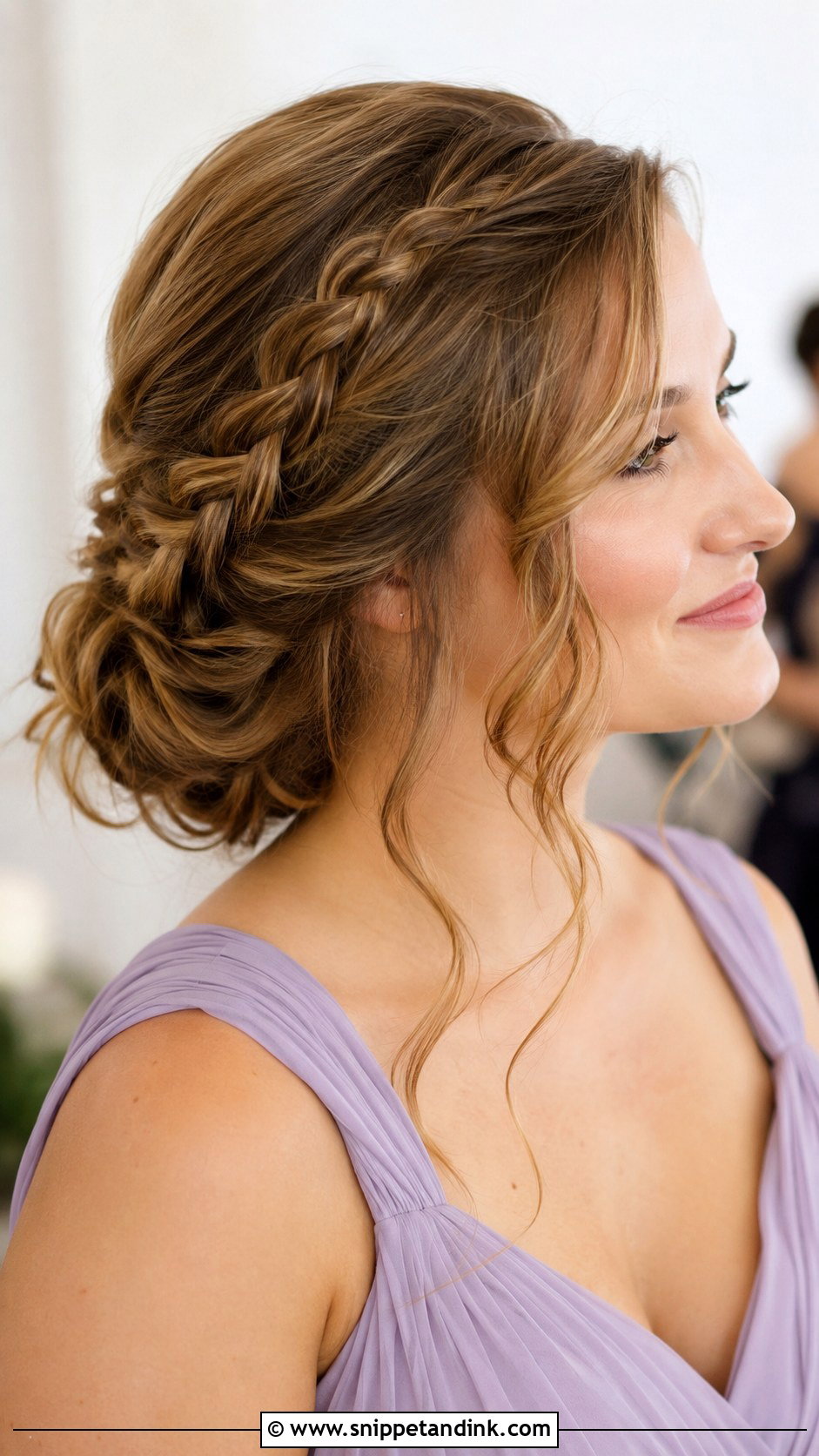
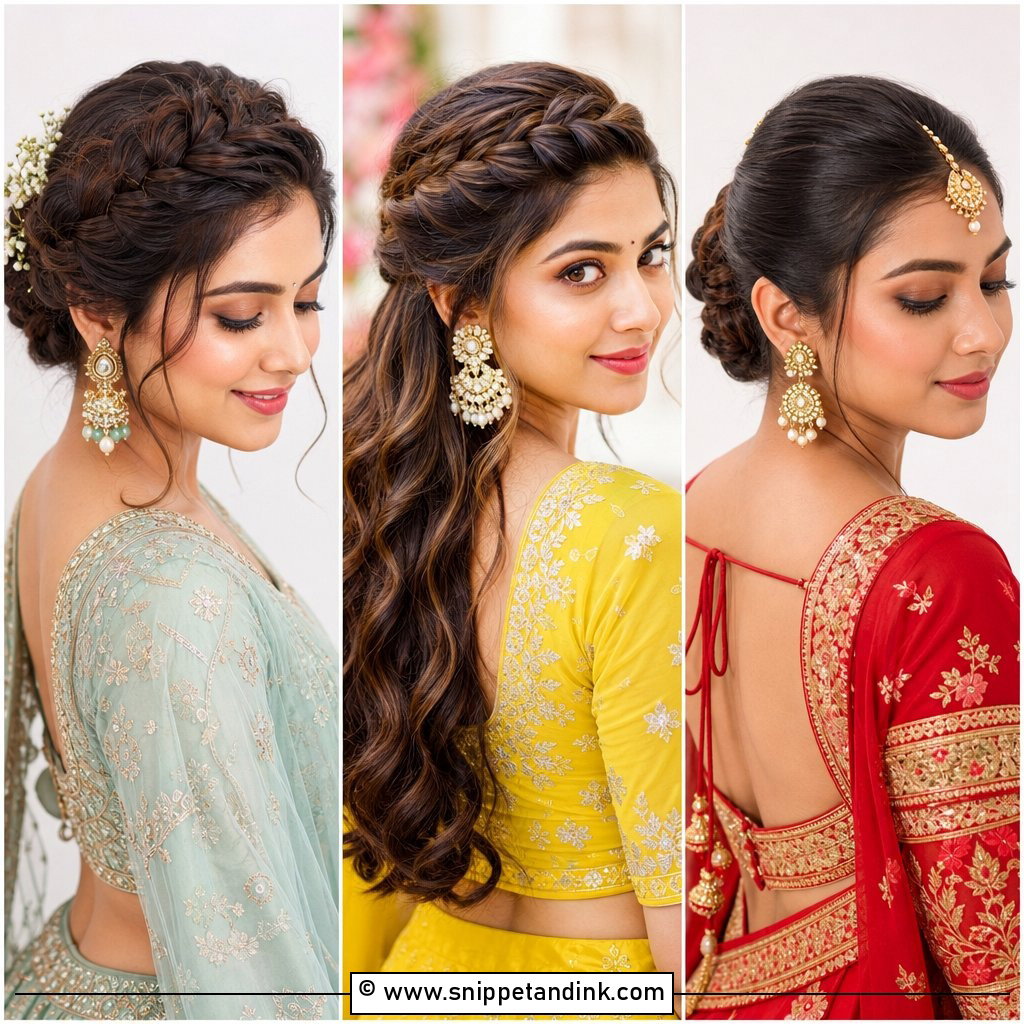
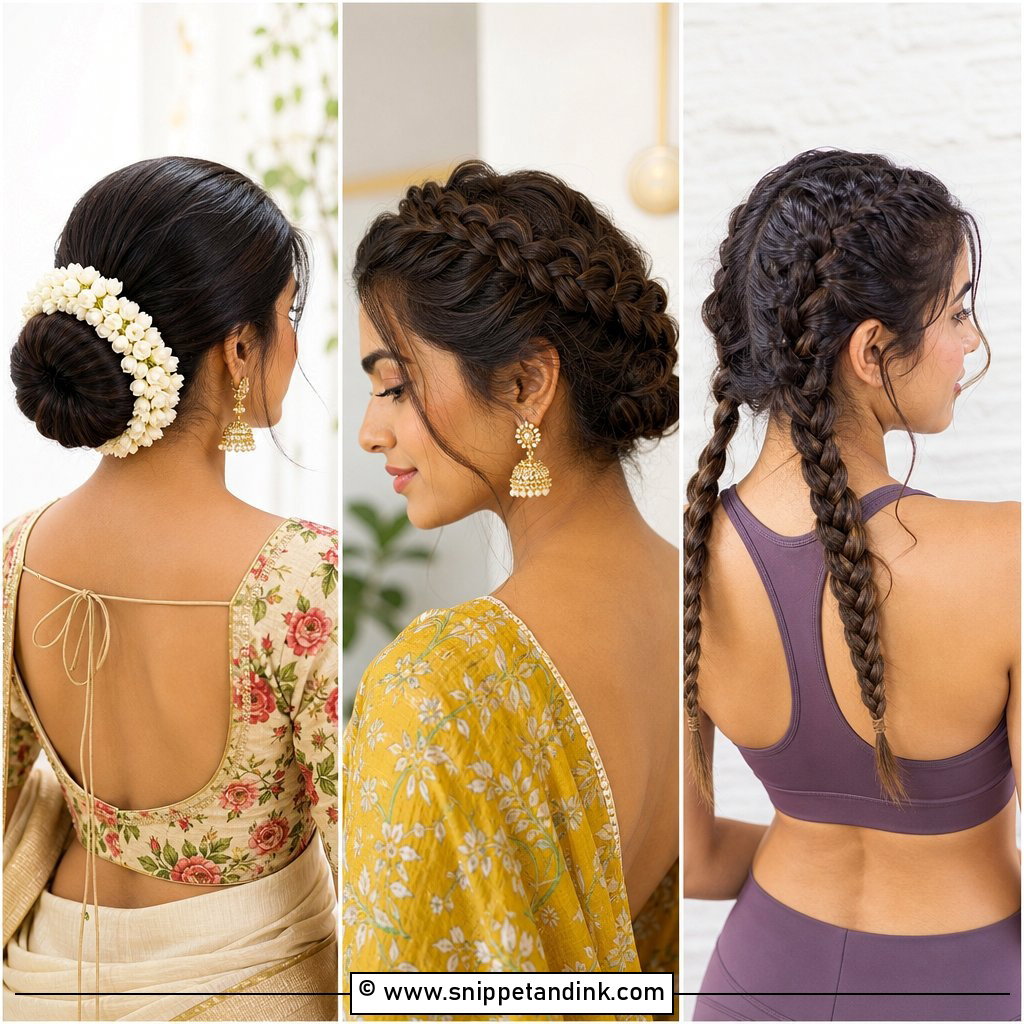
A braid gives you detail without accessories, and it adds grip that helps the whole style hold. It can wrap into a low bun, sweep across the side, or blend into a soft pinned updo. I find it especially useful outdoors, since the braid anchors the shape in wind. Pull it apart only a little; over-loosened braids lose their hold before the speeches. It looks polished and suits family photos.
9. Curly Half Up Wedding Hair
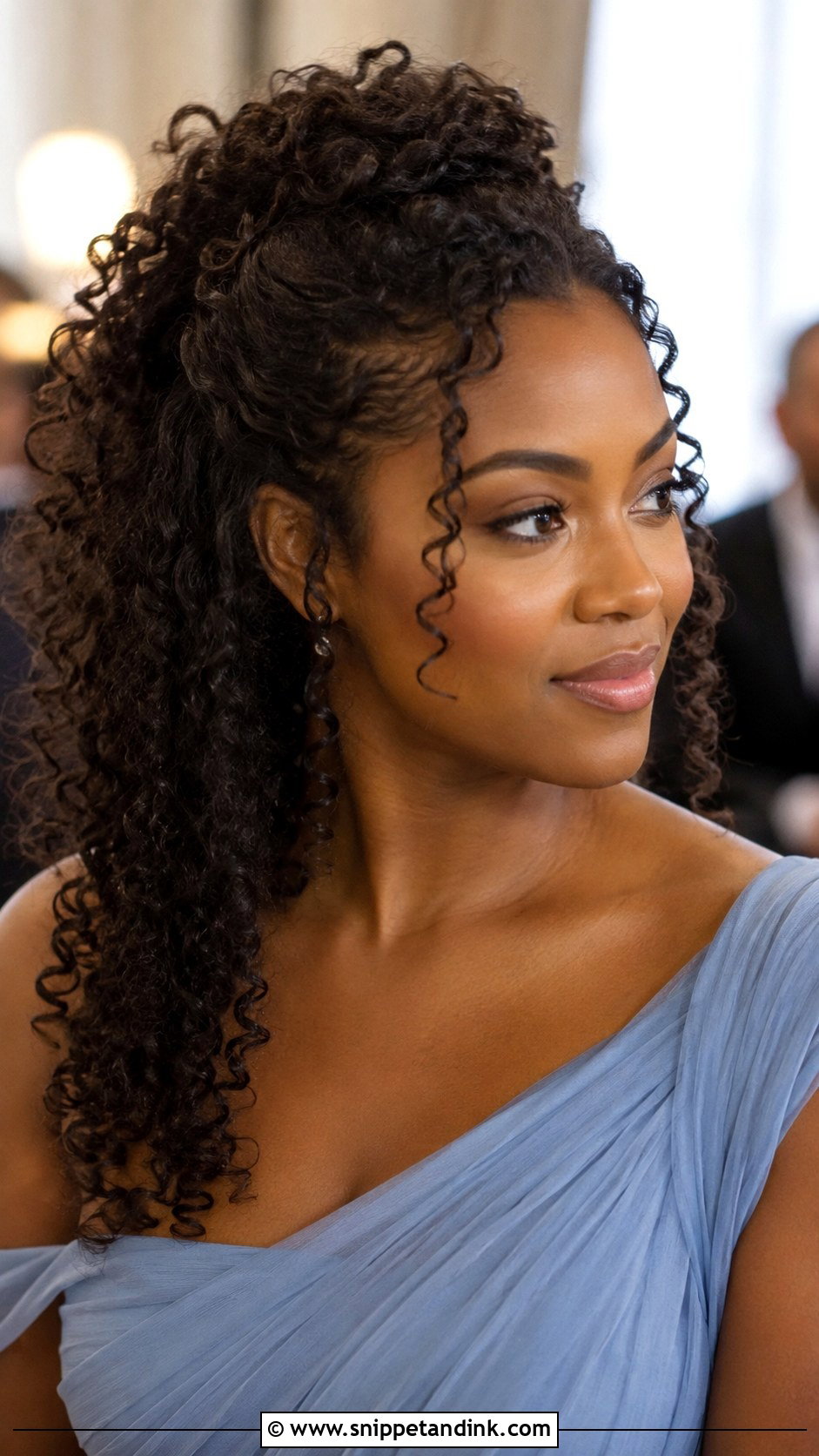
Natural curls deserve a style that shows them, and this one pins only the top section back so the rest stays full. My main rule is not to flatten the crown, because curly hair looks off-balance when the top lies smooth and the ends are big. I define curls the night before or early that morning and never brush them dry. A few defined tendrils near the face soften it. Keep accessories simple so the texture leads.
10. High Bun Wedding Hair
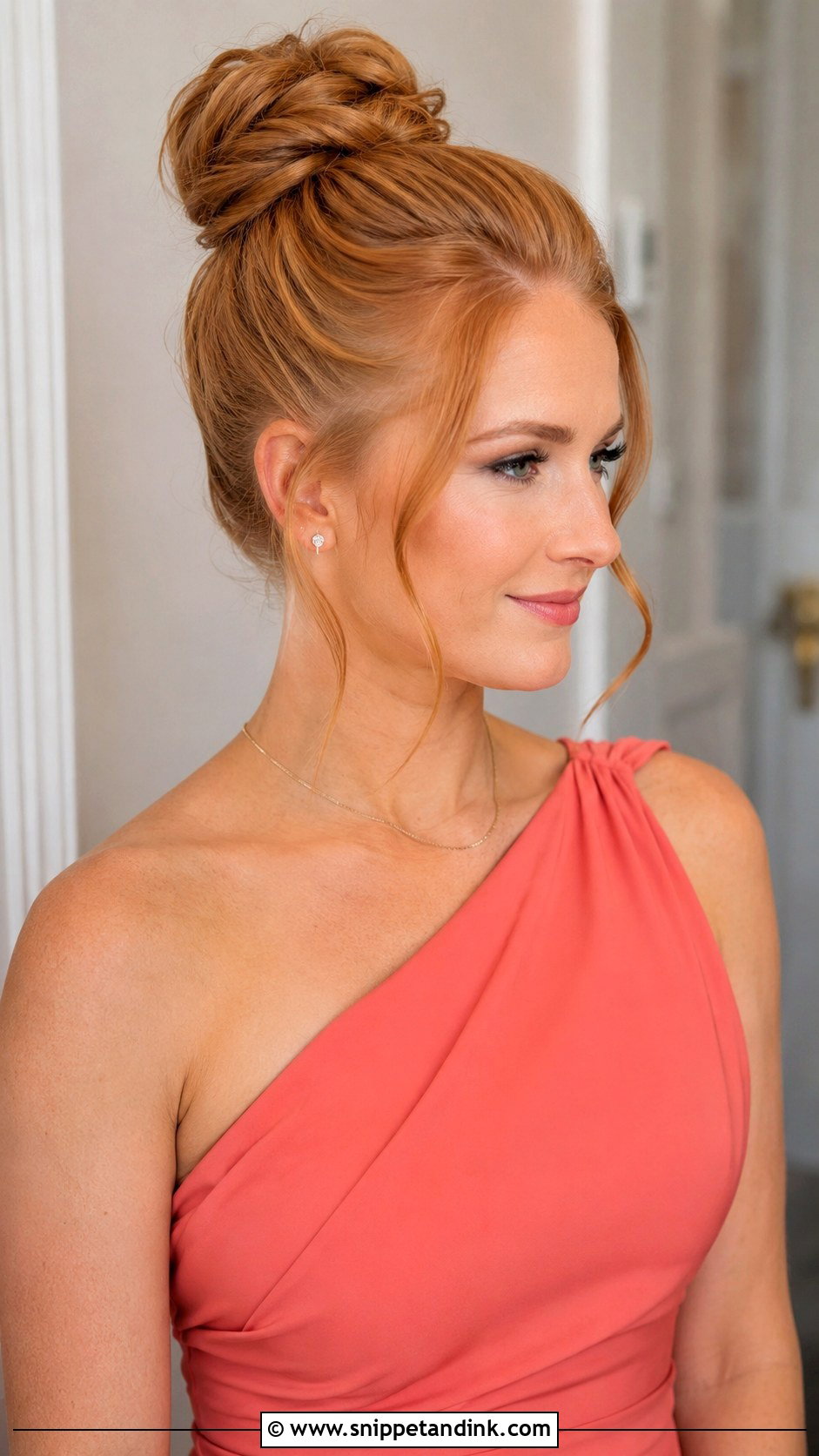
A high bun lengthens the neck and makes an outfit look more formal. It works with high necklines, halter dresses, and earrings you want seen. Placement is everything: I set it roughly in line with the cheekbones when you look straight ahead, high enough to lift the face but below the gym-bun spot on top of the head. Smooth is sleek and fashion-led; soft is gentler. It’s a practical choice for a hot summer reception when hair on your neck would be miserable.
11. Hollywood Waves Wedding Hair
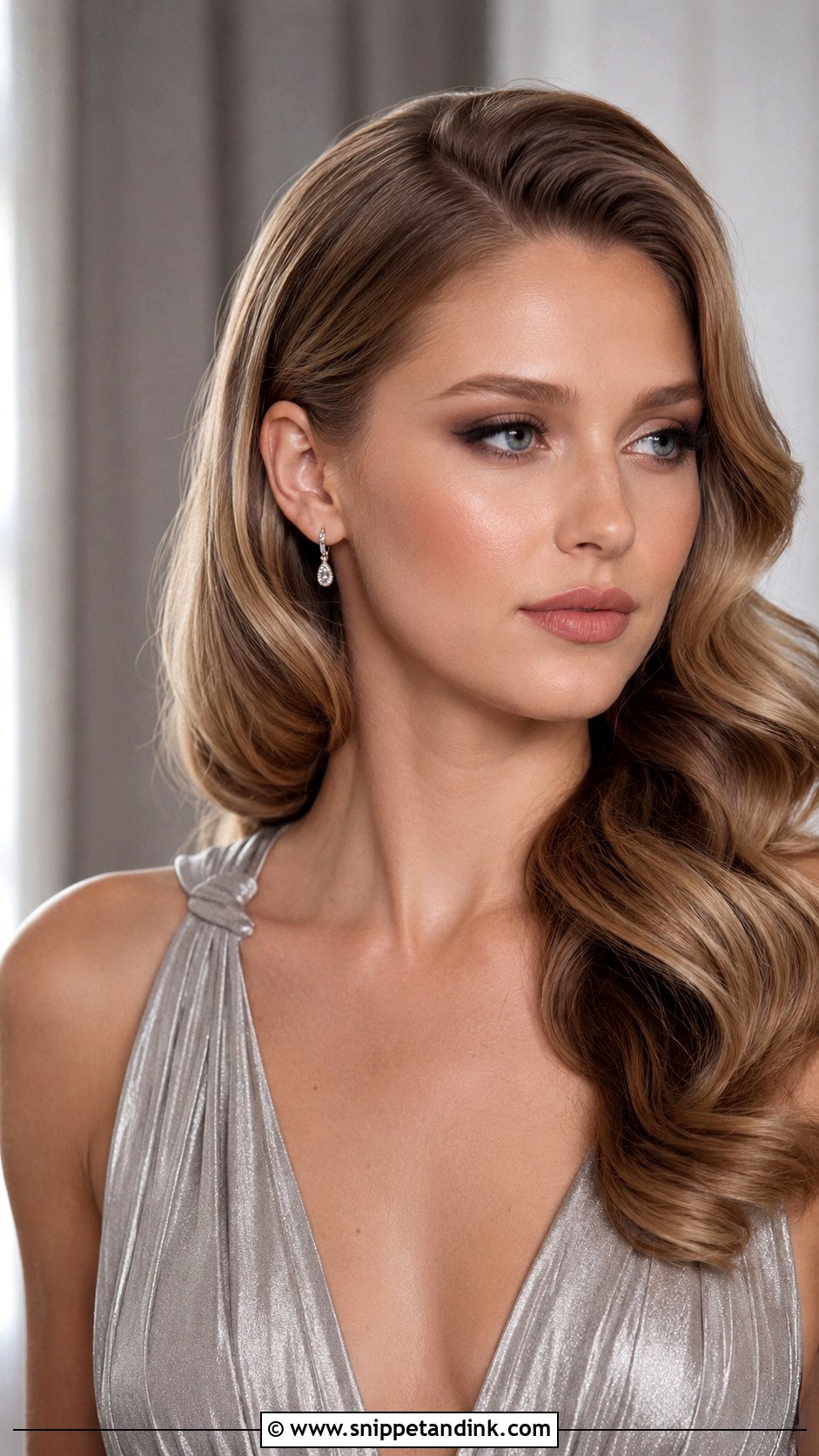
Hollywood waves are a black-tie or evening style. The pattern is smoother and more uniform than ordinary curls, so the light runs along the hair in one ribbon. A deep side part gives the vintage line. Worn down or tucked behind one ear, they pair with satin, velvet and sequins. Know before you choose them that they take time and are sensitive to damp air; at an outdoor summer ceremony I’d usually suggest something pinned instead.
12. Shoulder Length Wedding Hair
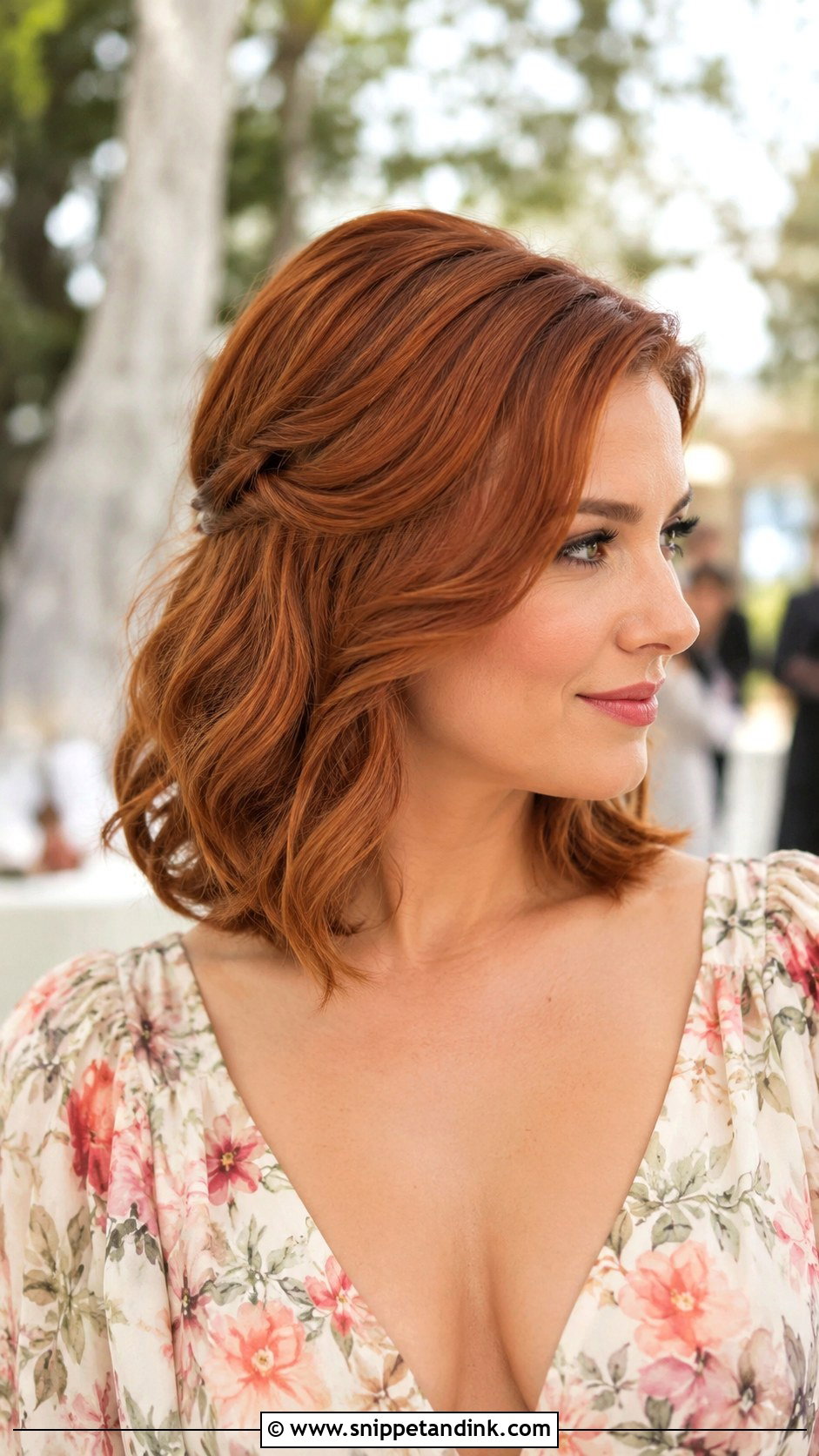
Shoulder-length hair is easier to dress than people assume. A curled lob, a tucked side or a half up twist gives it structure without forcing an updo it isn’t long enough for. I add volume at the crown and movement through the ends so it doesn’t fall flat in photos, and I curl the ends away from the face so they don’t flip up against a high collar. With a detailed neckline, tuck one side behind the ear and pin it there.
13. Short Hair Wedding Hair
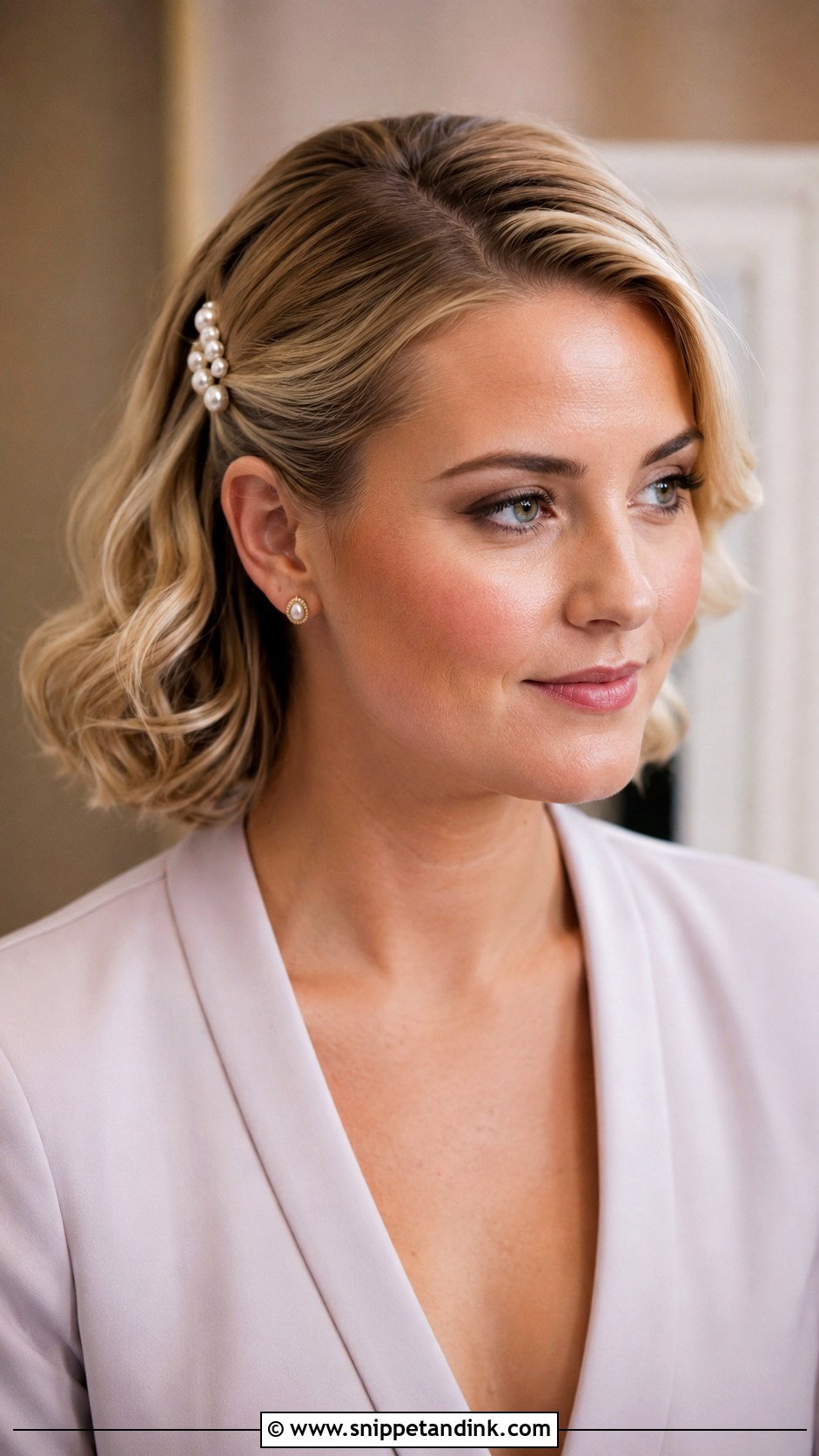
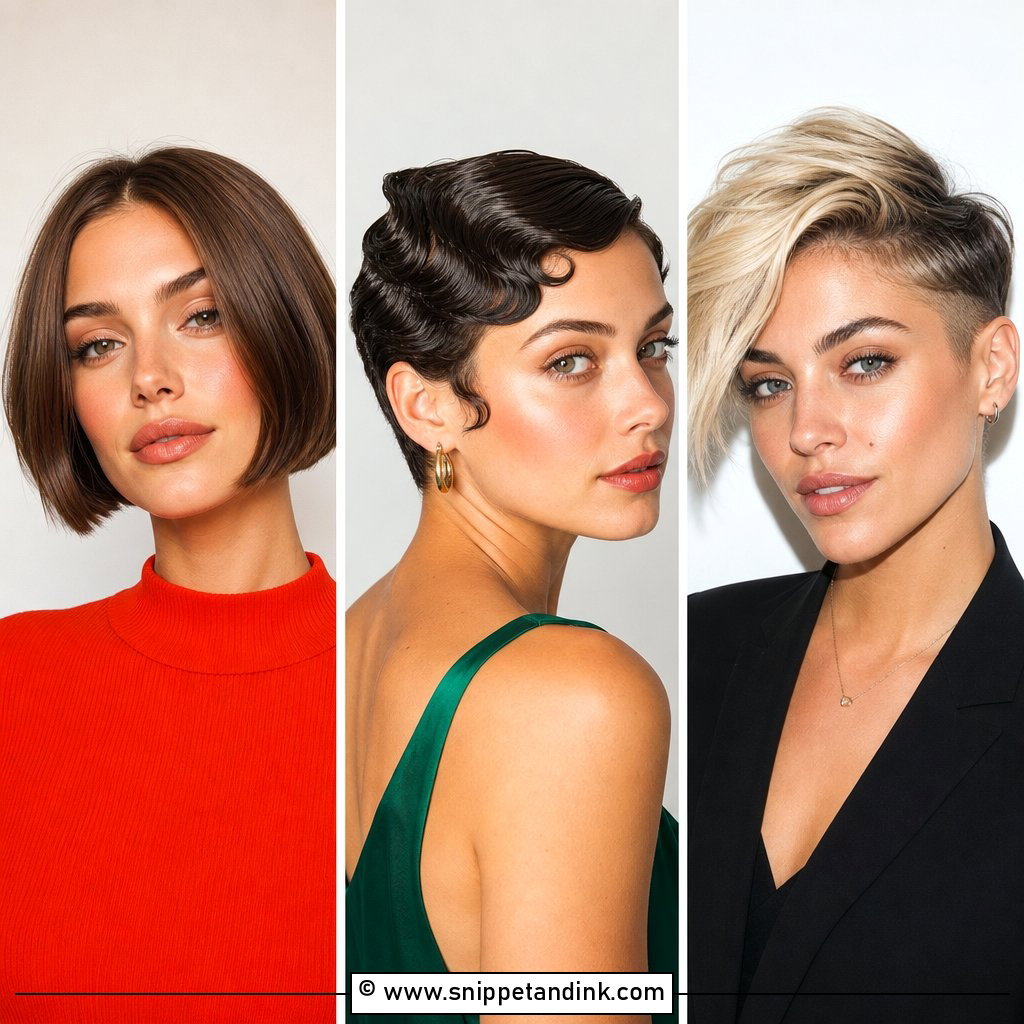
Short hair just needs to look styled on purpose. A pixie can be swept softly to the side, a bob can be curled into soft bends, and a crop can be given smooth volume. I usually reach for a texture paste worked in with fingertips, which defines short pieces better than spray. A delicate clip, a pearl pin or a deep side part marks it as an occasion look. Defined texture is what makes short hair read clearly in photographs.
14. Twisted Half Up Wedding Hair
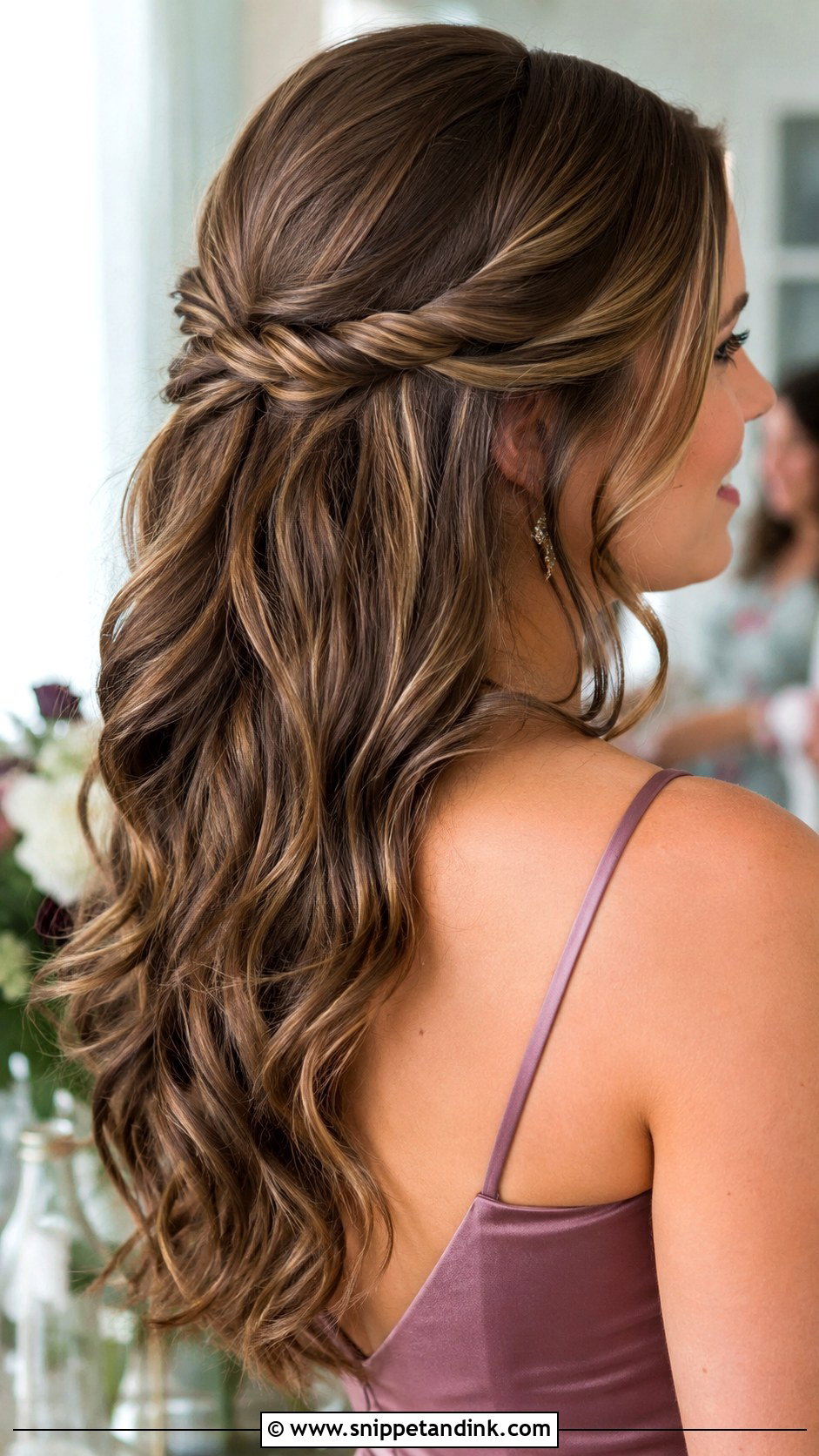
Small twists taken from each side and pinned at the centre create a soft frame around the face without the commitment of braids. The rest can be curled, waved or left smooth, depending on the dress code. I use it when someone wants hair down but has layers that fall forward every time she looks down at the ceremony programme. Pin each twist where it meets the other with two crossed pins. It suits medium and long hair indoors or out.
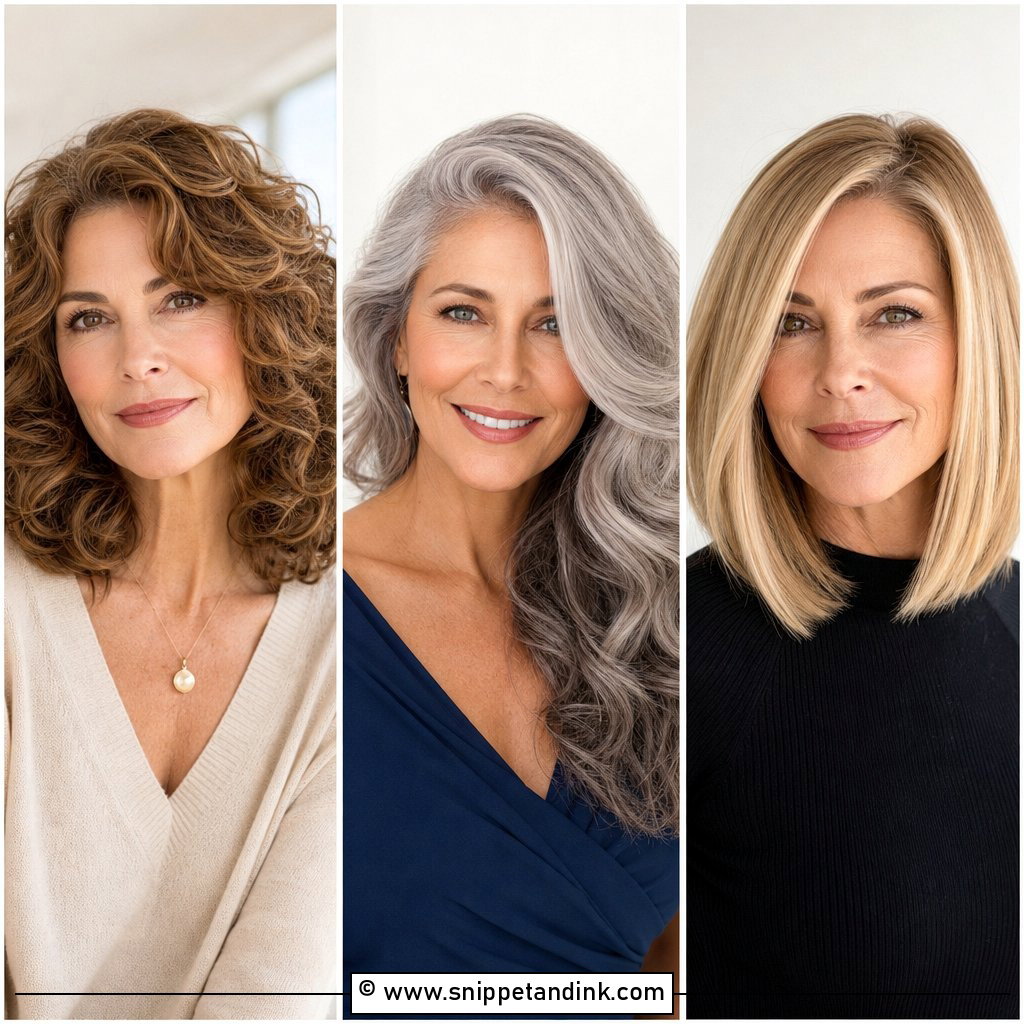
15. Chignon Wedding Hair
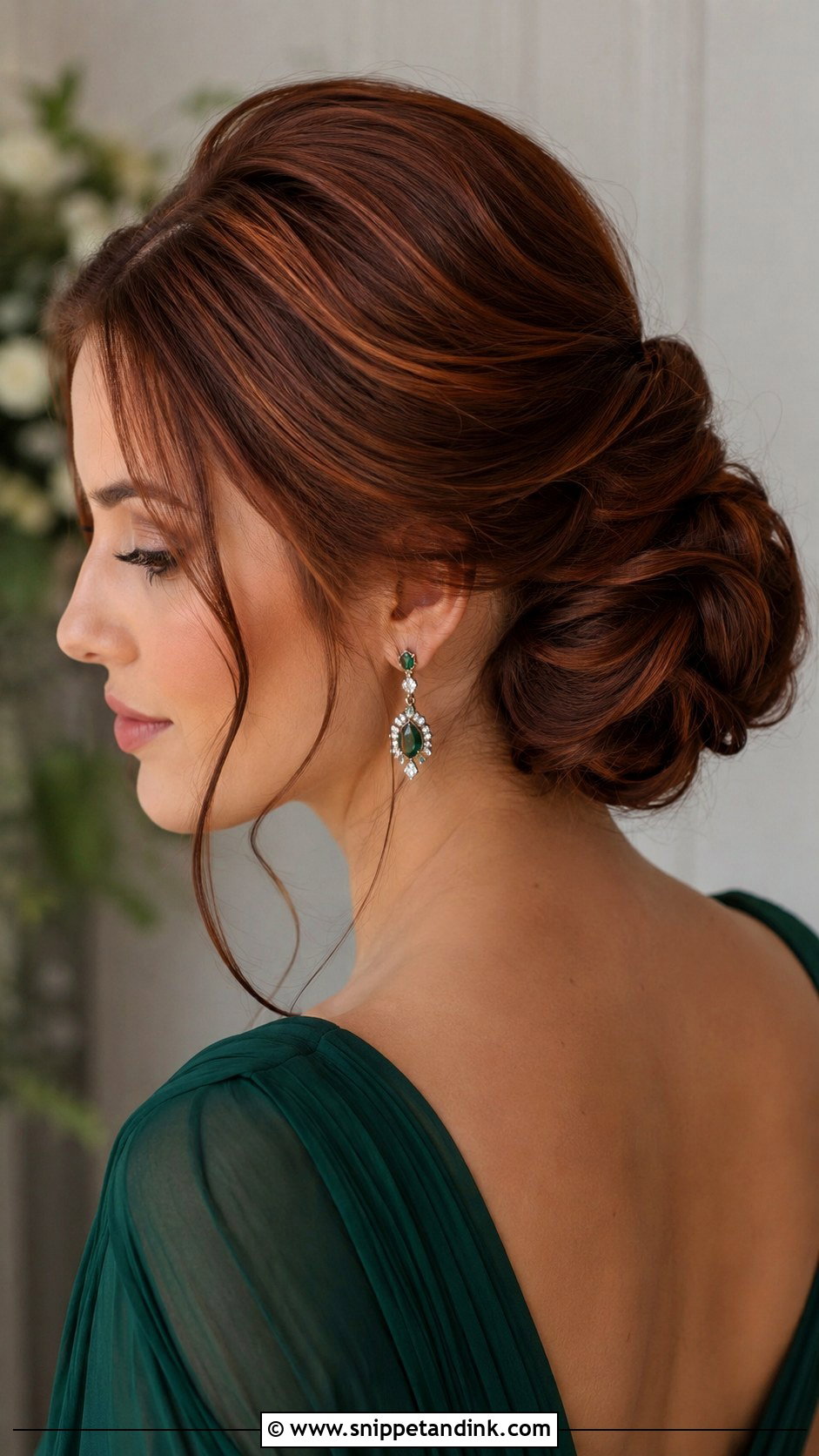
A chignon is the dependable formal choice for close family. It sits low near the nape, smooth, softly twisted or a little textured, and it keeps hair controlled from the ceremony right through the dancing. If you’re wearing a family corsage on the shoulder, a chignon keeps hair from catching on the pin. I add gentle crown volume and a few face-framing pieces when someone wants it softer. It looks refined from every angle, including the back of the church.
Heat, Wind and a Long Receiving Line
The venue decides how long your hair lasts more than the style does. I always ask where the ceremony is before I agree to a look.
Summer heat or humidity
Curls drop and straightened hair puffs once the air is damp. Choose a bun, chignon or ponytail with the hair secured close to the head, and carry a few pins plus a tiny smoothing cream rather than more spray.
Wind at a beach or hilltop
Loose waves get blown across your face in every photo. Braids and twists hold best. If you must wear hair down, pin the front sections back so the wind only catches the lengths.
Long indoor days
Air conditioning dries hair out and makes fine hair flat by evening. A style with built-in volume, like a textured updo or a high bun with a teased base, keeps its shape best through a long reception.
Supporting Role, Still Your Best Hair Day
Your style comes down to comfort, dress code, length and formality, in roughly that order. You want to feel special while the bride stays the focus. Half up styles give softness and movement, buns and chignons give security, and waves or curls suit anyone who would rather wear hair down. Weigh the weather, your neckline and how many hours you’ll be on your feet. The right choice is the one that still looks good in the late family photos and that you aren’t thinking about on the dance floor.
You'll Like These Ideas:


Leave a Reply