
Planning a wedding the second time around tends to be calmer, mostly because the couple already knows what they care about. When I sit down with a remarrying couple, the first conversation is rarely about colors. It’s about who needs to be in the room, which traditions they missed last time and which ones they’re happy never to repeat. You can wear white, throw a big reception, involve your children or keep it to two witnesses. None of that is off limits. Below are the formats I see work best, each with the practical catch attached, so you can judge them against your own budget and family.

The Paperwork a Clerk Asks For When You’ve Been Married Before
Most of the surprises I see in second-wedding planning happen at the license counter, not at the venue. Many clerks ask each applicant whether they’ve been married before and when that marriage ended. Some only want the date. Others want a certified copy of the divorce decree or a former spouse’s death certificate, and a photocopy won’t do. Check your local office’s website or call before you book an appointment.
- Find the final decree, not the filing papers. The date the divorce was finalized is the one that counts, and it can be months after the case was filed.
- Order certified copies early. Court record offices can take weeks to post them, longer when the divorce happened in another state or country.
- Ask about waiting periods. A few places restrict how soon someone can remarry after a divorce, and the clerk can tell you whether that applies to you.
- Settle your surname before the application. If you plan to take a new name or return to an earlier one, the name you write on the license often decides how simple the change is afterward.
If either of you is considering a prenuptial agreement, raise it now rather than in the final month. Each partner usually needs time with their own lawyer, and nobody should sign a contract under deadline pressure in wedding week. It comes up most when there are children from a previous marriage or a house one of you already owns, and it’s a sensible step for a family with history, not an unromantic one.
1. Intimate Second Wedding At Home
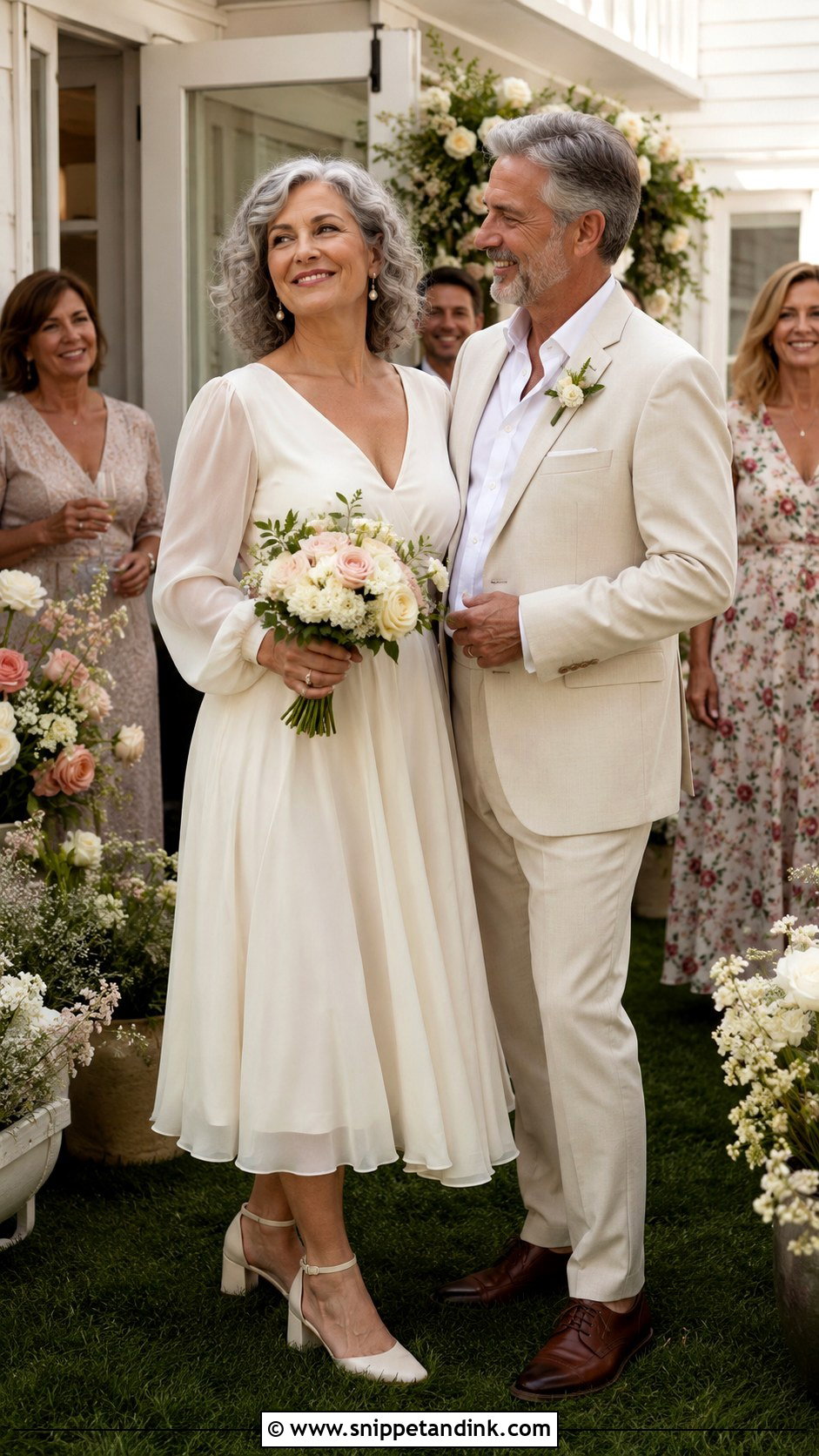
A home wedding feels personal, but it’s the format I warn couples about most, because your house becomes a venue with none of a venue’s systems. Bathrooms, parking, power for the caterer and a rain plan all land on you. Set chairs in a semicircle in the backyard, on a patio or in a cleared living room so guests stay close, and let potted greenery, candles and a little fabric draping do the dressing. A flowing midi with block heels suits a lawn, and the groom can wear a light suit or tailored separates. Then seat everyone at one long table for a family-style meal. My one firm rule: hire someone other than the hosts to run the kitchen and clear up, or you’ll spend your own reception stacking plates.
2. Courthouse Second Wedding With Dinner
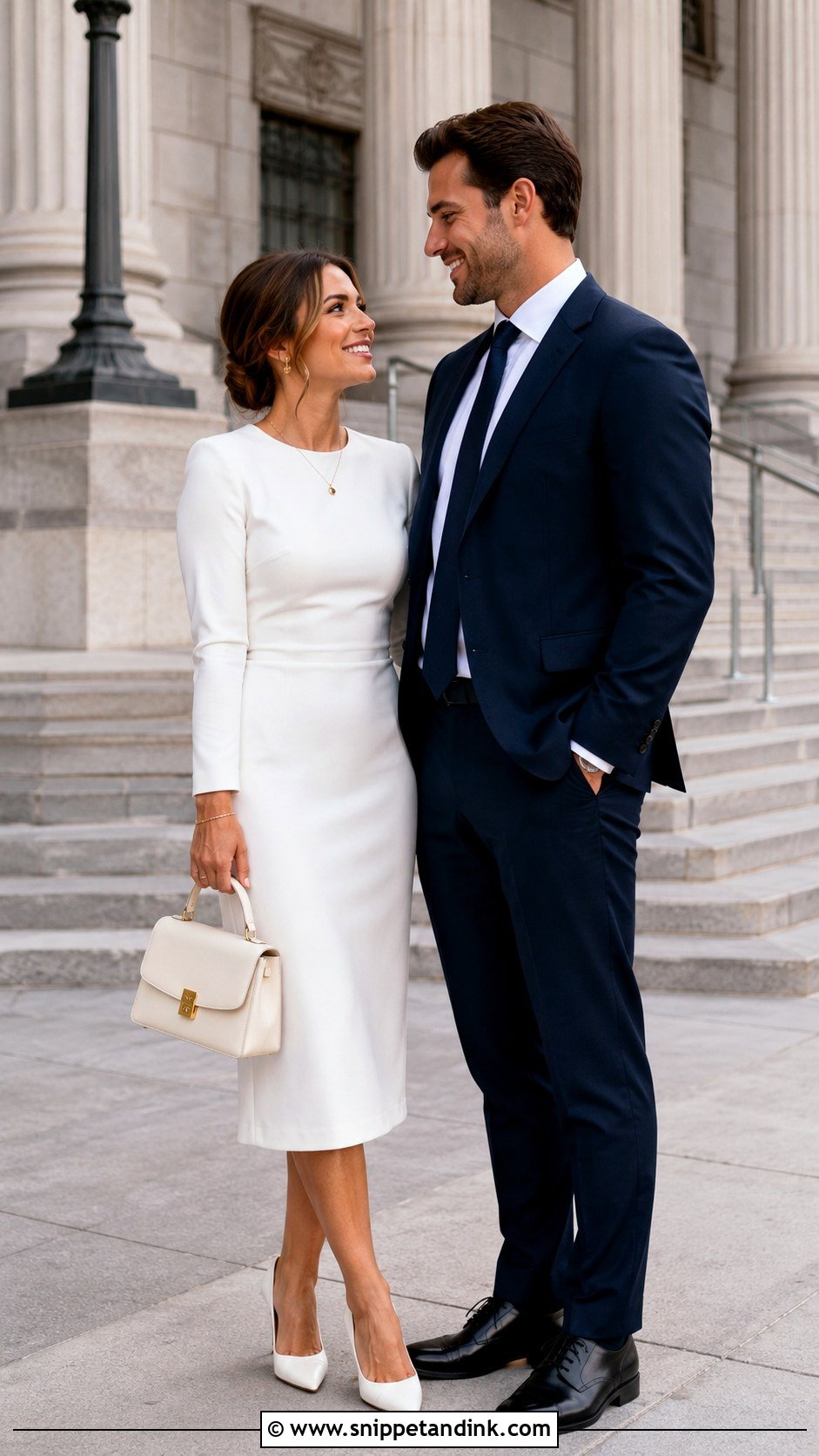
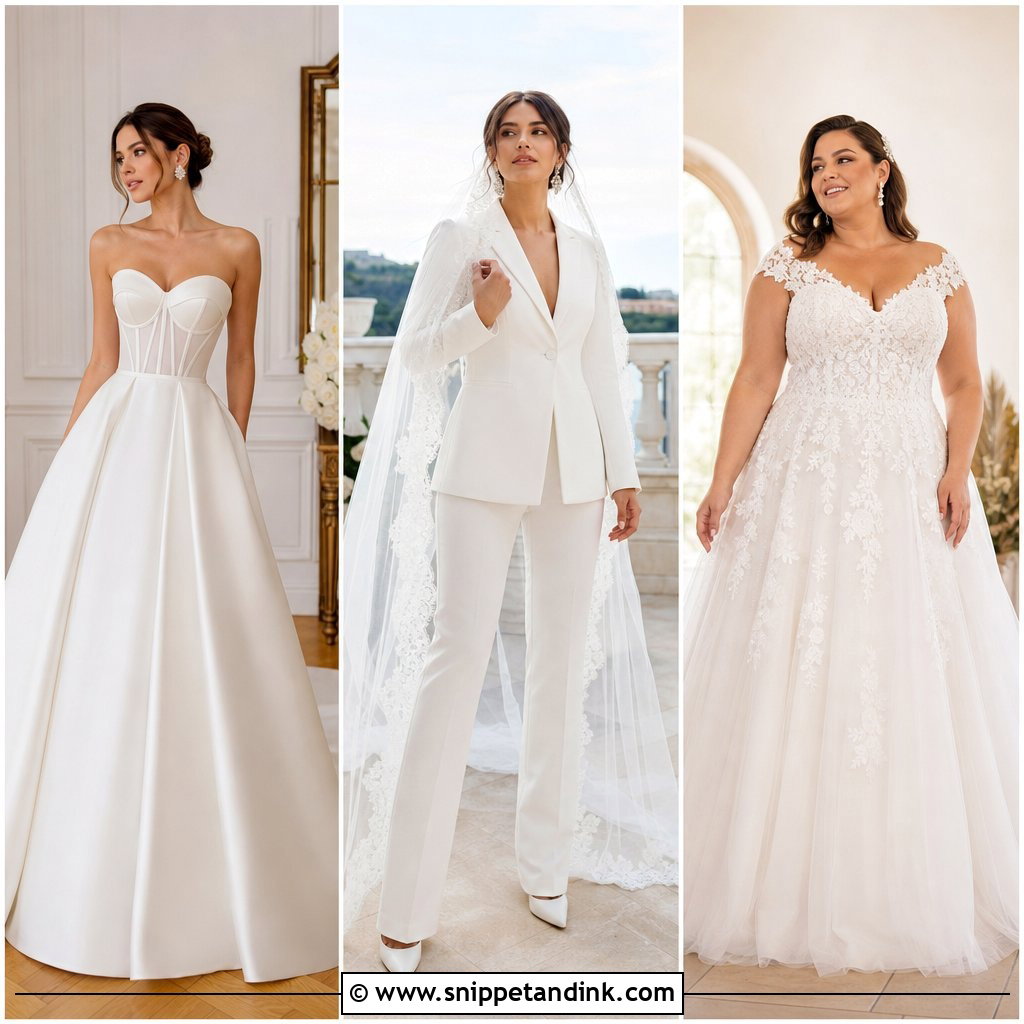
Simple doesn’t have to feel ordinary. I’d pick a well-tailored bridal midi dress or a sharp pantsuit, with pumps, a structured bag and quiet jewelry, and put the groom in navy, gray or tan. Check your clerk’s office rules before inviting anyone. Many limit how many people can stand in the room, and some run ceremonies by appointment only, so a dozen guests may end up waiting in a corridor. Take photos on the steps outside, then move to a private dining room at a restaurant you love. Place cards, a few small arrangements and a dessert you ordered specially are what turn that dinner into a reception.
3. Garden Second Wedding Ceremony
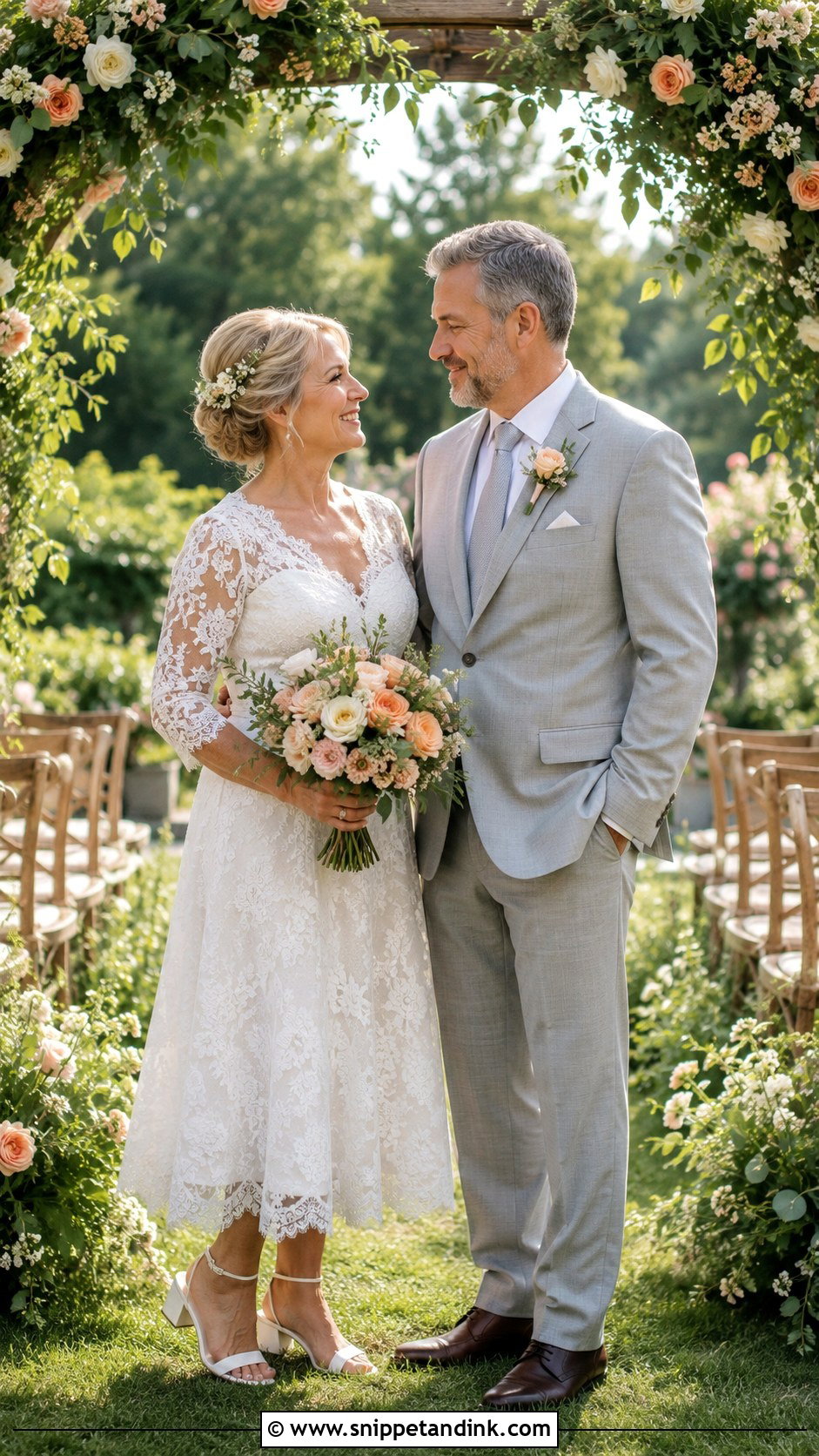
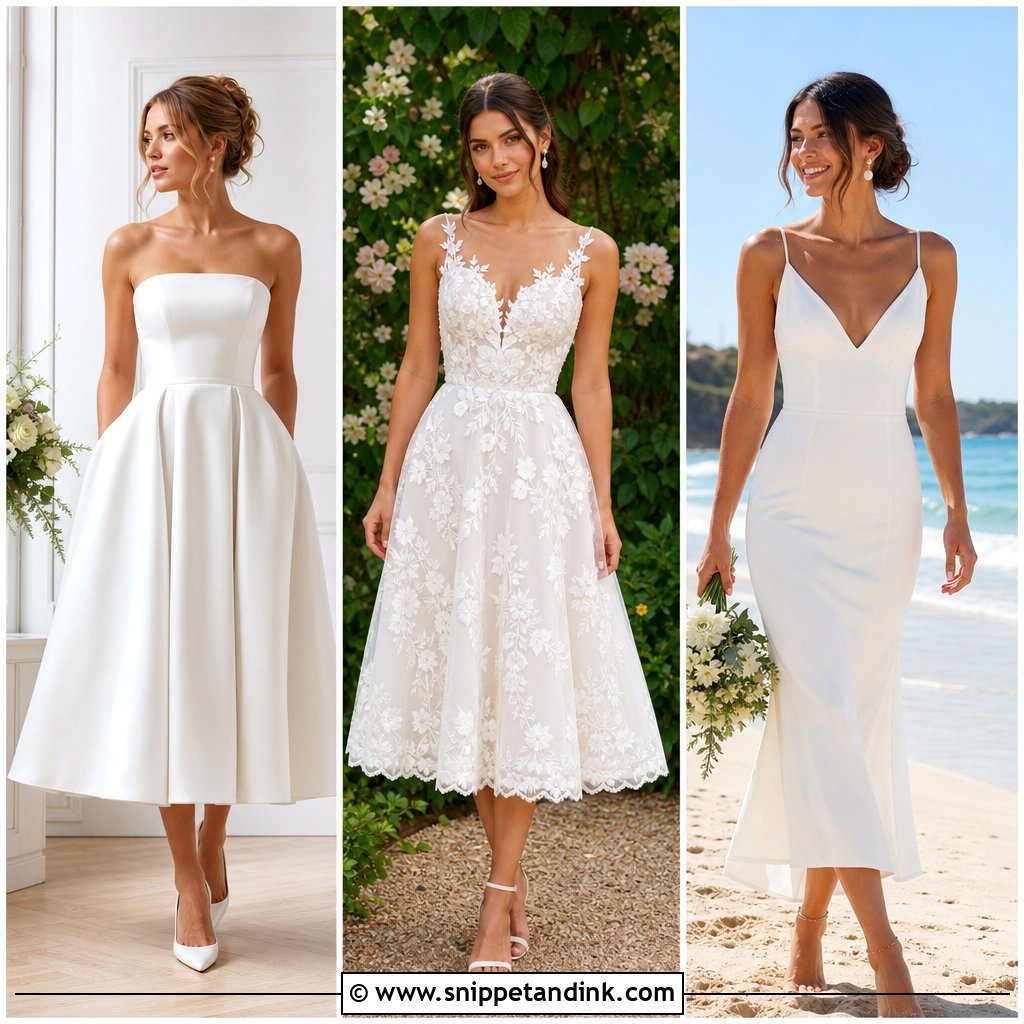
Gardens look easy and rarely are. An arbor dressed with seasonal blooms carries the whole ceremony, so I’d spend the floral money there rather than spreading it thin across the grounds. A lace tea-length dress or a plain chiffon gown suits the setting, and block heels, wedges or decorated flats hold up on grass where stilettos sink straight in. The groom can wear a light suit with an open collar. If it’s warm, put out shaded seating and cold nonalcoholic drinks before the ceremony, since older guests will be standing on turf for a while. Long tables with linen runners and potted herbs that guests carry home double as favors.
4. Destination Second Wedding By The Beach
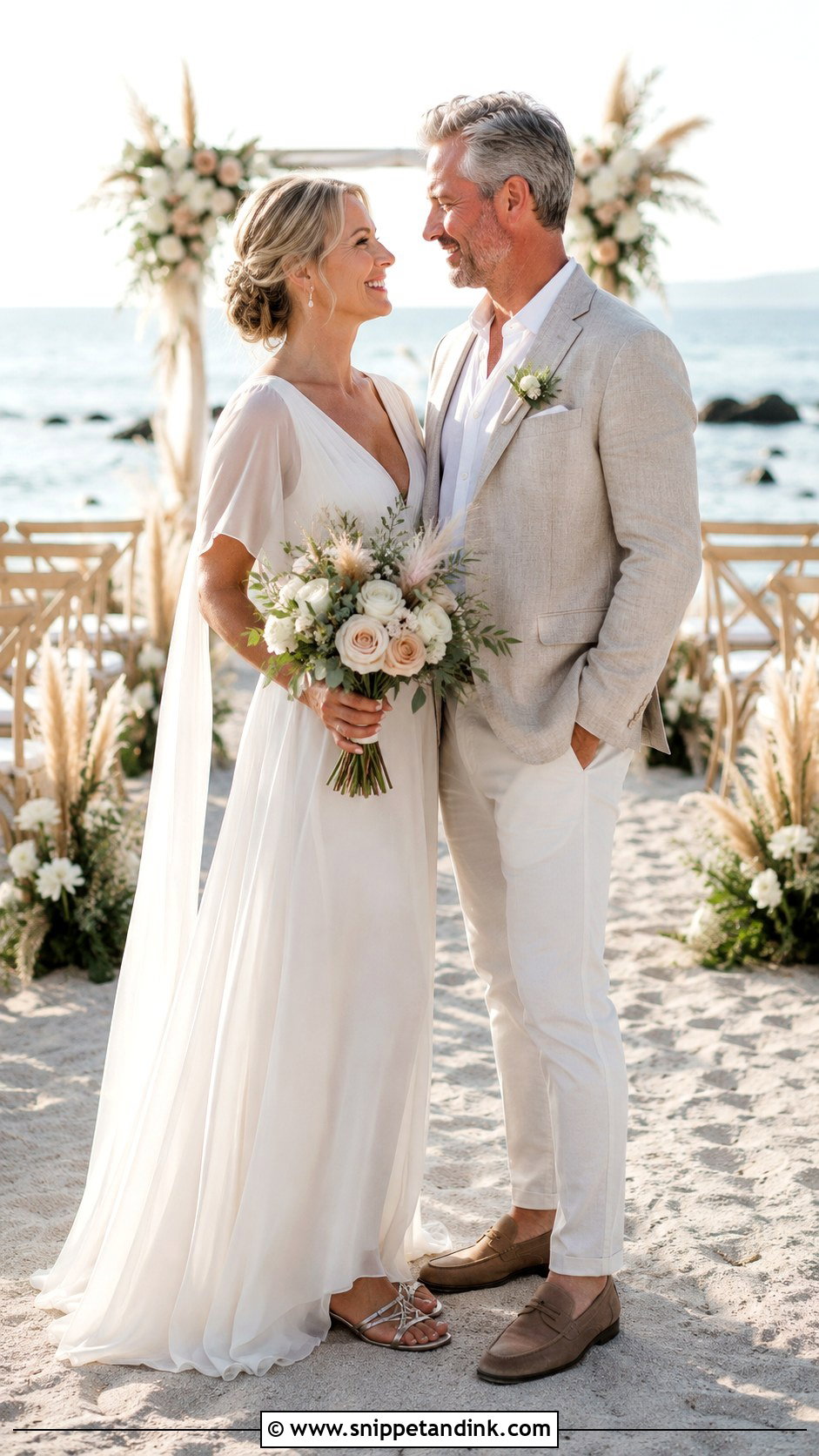
A destination wedding turns the ceremony into a trip you share, which is exactly why access matters more than the view. Before falling for a coastal resort, I check how many flights your parents or oldest relatives would need to get there. Build in free days before and after so nobody walks off a plane into a ceremony. A slip dress, a light chiffon gown or a tailored jumpsuit works with flat sandals, and linen trousers with an unstructured jacket keep the groom from overheating. Schedule vows for late afternoon when the light softens. Sand is hard on chairs, heels and microphones, so ask the property what flooring and sound they provide before you picture an aisle running straight onto the beach.
5. Blended Family Second Wedding Ceremony
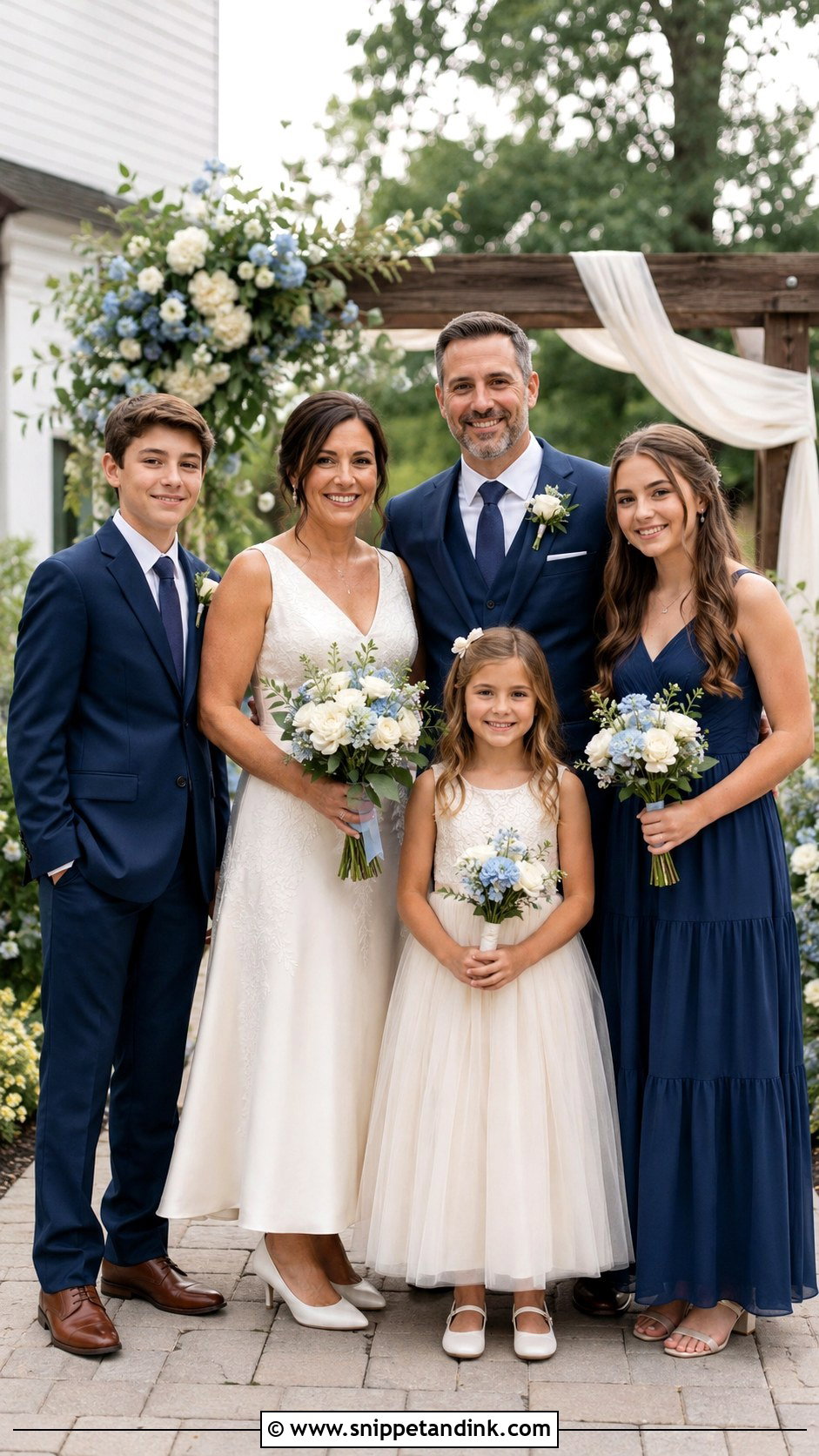
Children change a second wedding more than anything else, and the roles you give them should come from them. Walking the aisle, carrying rings, reading a short passage or helping with a unity ritual all work when the child is comfortable. Family promises after your own vows can be moving, but I never script a child to speak who’d rather stand quietly. Teenagers especially may still be adjusting, and being put on show in front of a crowd can make that harder. Coordinate clothes through related colors or fabrics instead of identical outfits. Schedule family portraits straight after the ceremony, and give the kids food they’ll actually eat.
6. Private Elopement Second Wedding
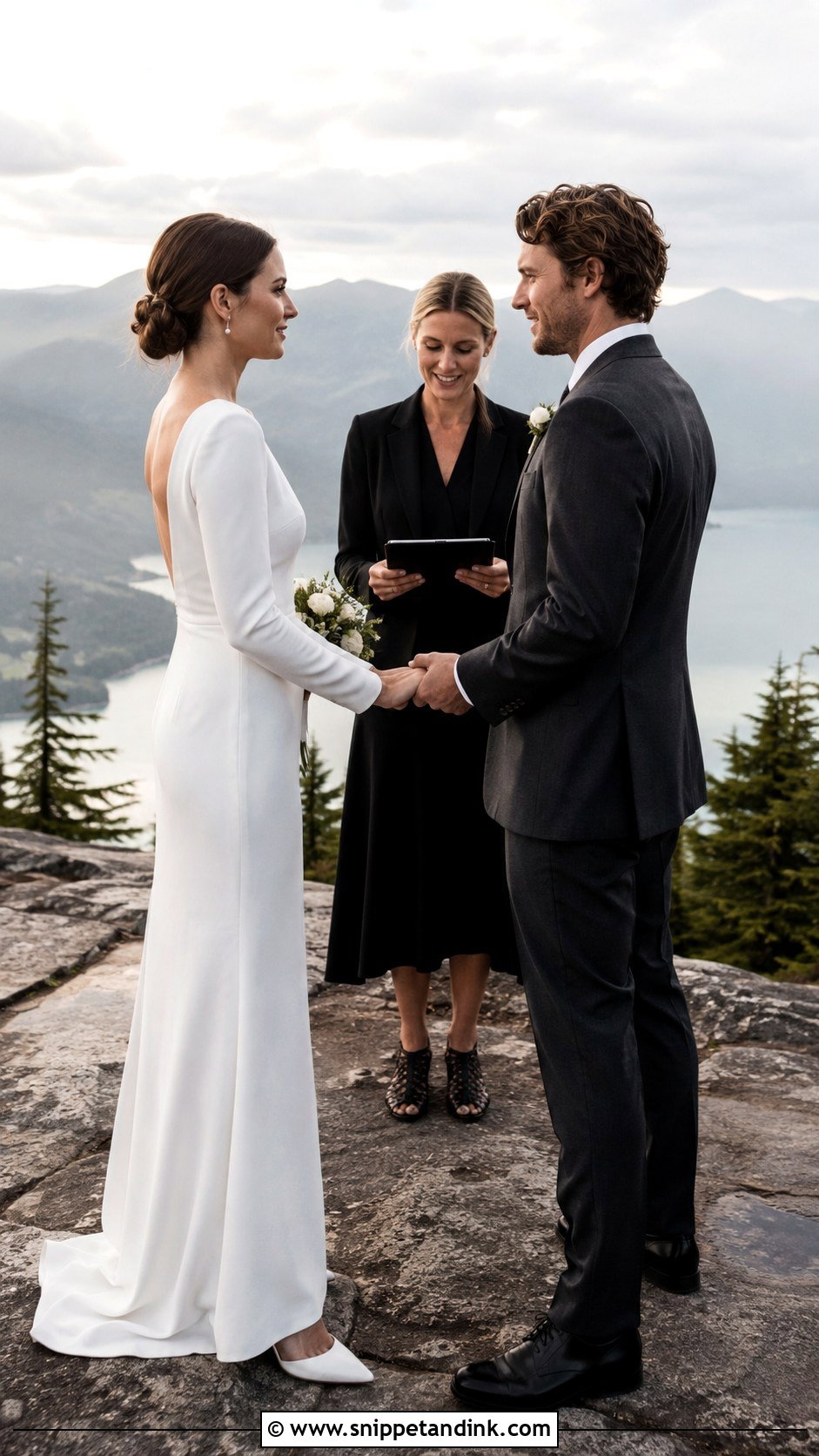
Eloping strips the day down to the promise and lets you put money where you care most: photography, the outfit, a great hotel, a place you’d never otherwise go. Depending on local law, you may need an officiant and one or two witnesses, and some elopement photographers will sign as a witness if you ask. Dress for the setting. A sleek gown reads right in a city, a flowing dress in open landscape, and the groom can match either with a coordinated suit or smart-casual layers. Write your own vows and allow at least an hour for portraits, because rushed portraits are easy to regret. You can announce the news afterward or throw a separate party for family later.
7. Formal Second Wedding Reception
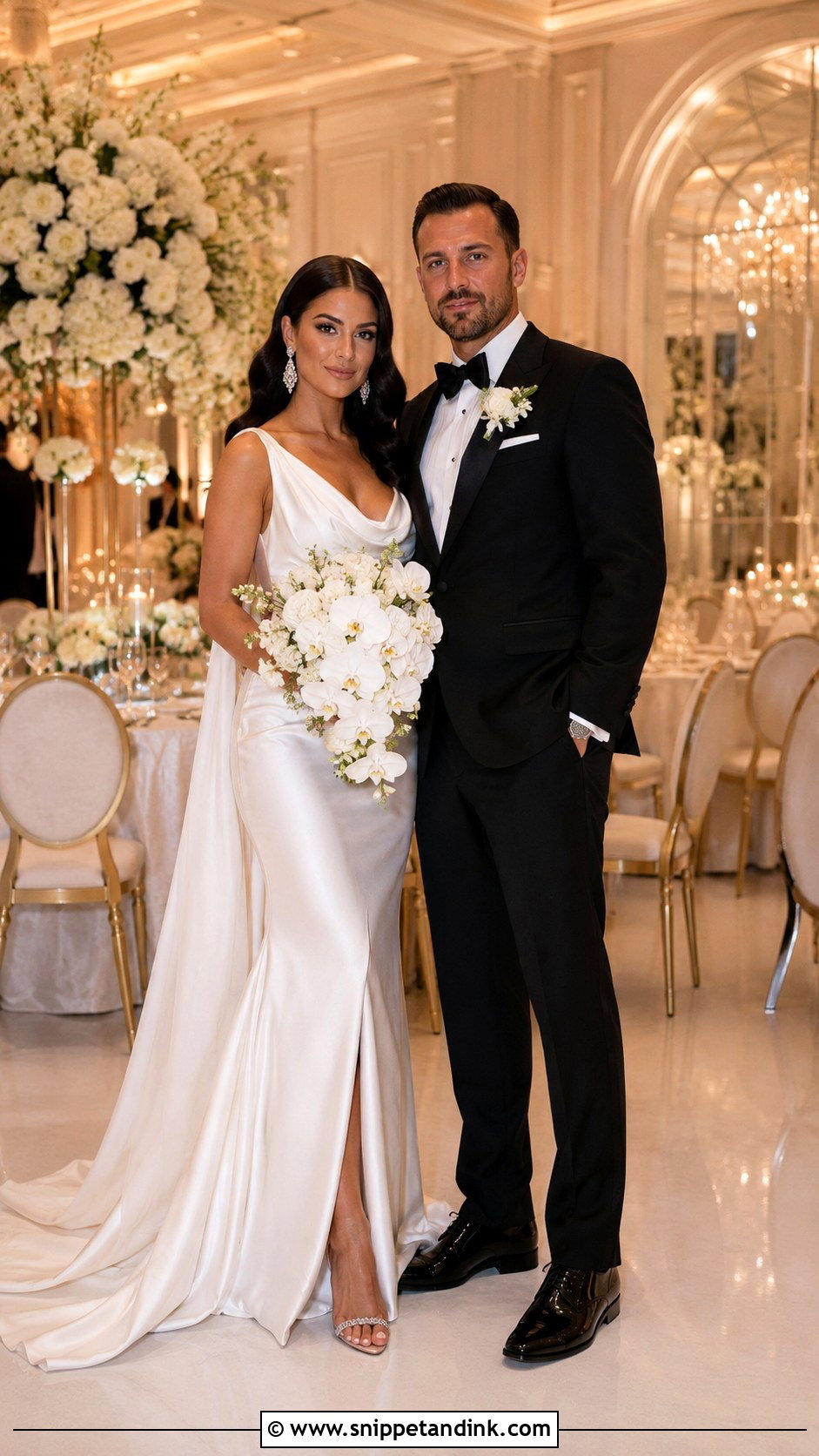
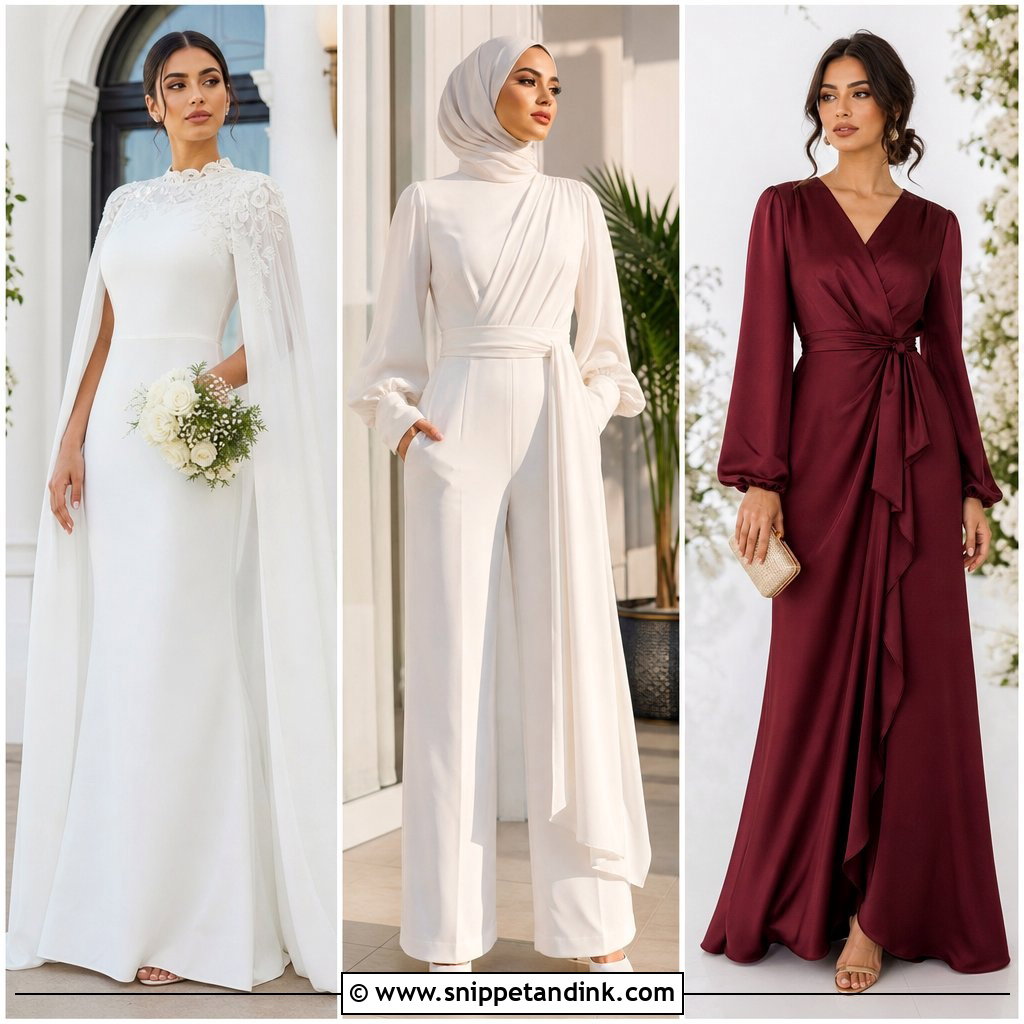
A second marriage doesn’t have to be smaller. If you love a big evening, book the ballroom or historic house and do it properly. A floor-length gown, a dramatic bridal suit or a dress in a deep color are all appropriate, and the groom can wear a tuxedo or dark formal suit. Choose shoes you can stand in for five or six hours, since formal receptions involve a lot of standing through cocktails and greetings. Assigned seating, layered place settings and larger floral pieces set the tone. Keep the grand entrance, first dance, speeches and cake cutting if you enjoy them. The one tradition I’d rethink is the bouquet or garter toss, which can feel awkward when most guests are married or your kids are watching.
8. Brunch Second Wedding Celebration
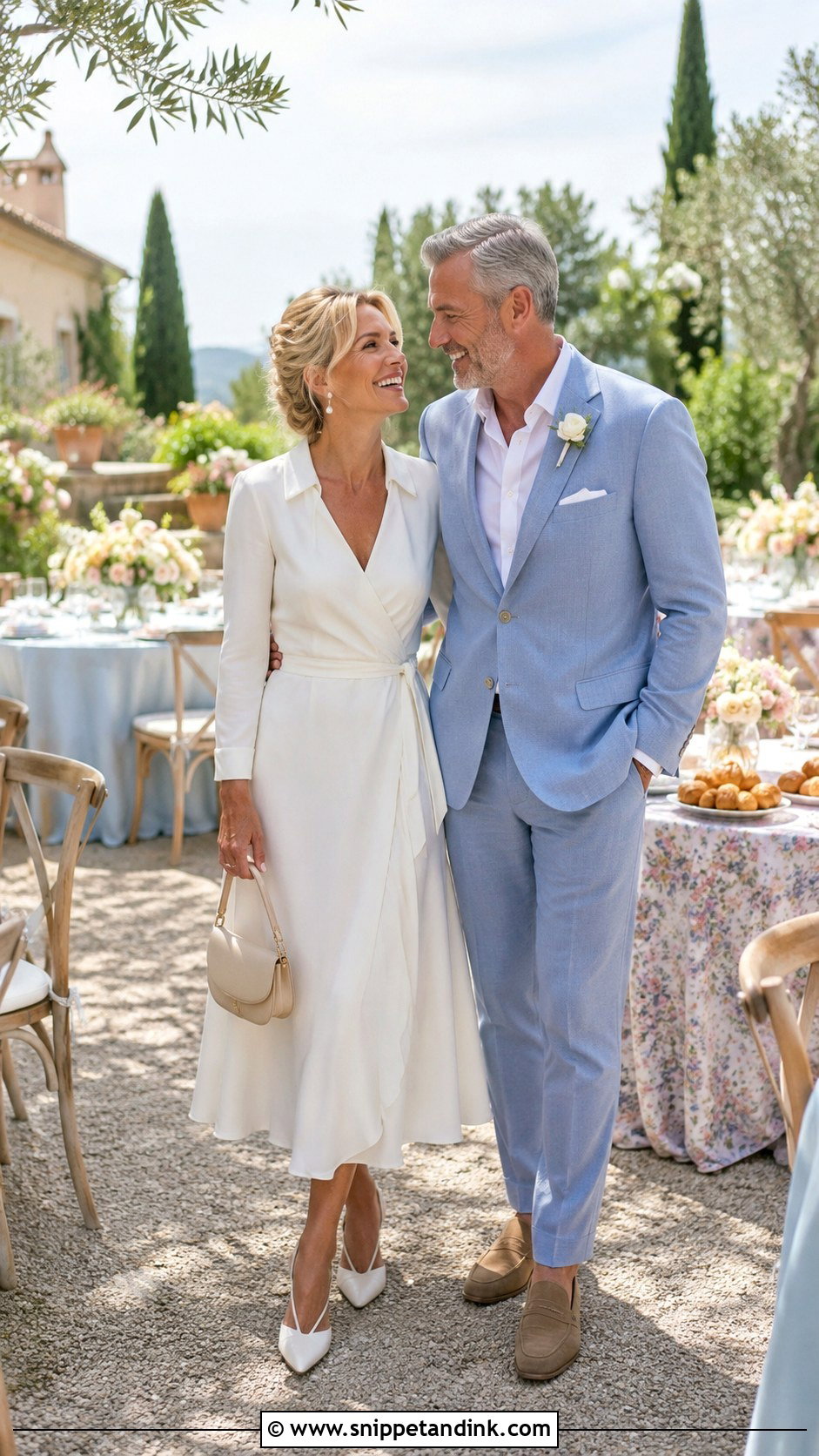
Brunch is one of the best-value formats I plan, because daytime venue rates and breakfast menus usually cost less than an evening dinner. Hold the ceremony late morning and follow it with egg dishes, salads, pastries, fruit, good coffee and a beautiful wedding cake. A tea-length dress or a wide-leg jumpsuit looks festive in daylight with low heels, and the groom can wear light gray or blue with loafers. Pastel linens and small centerpieces stay crisp in natural light. Guests drink less at eleven in the morning, so a mimosa or coffee bar often makes more sense than a full open bar.
9. Restaurant Second Wedding Reception
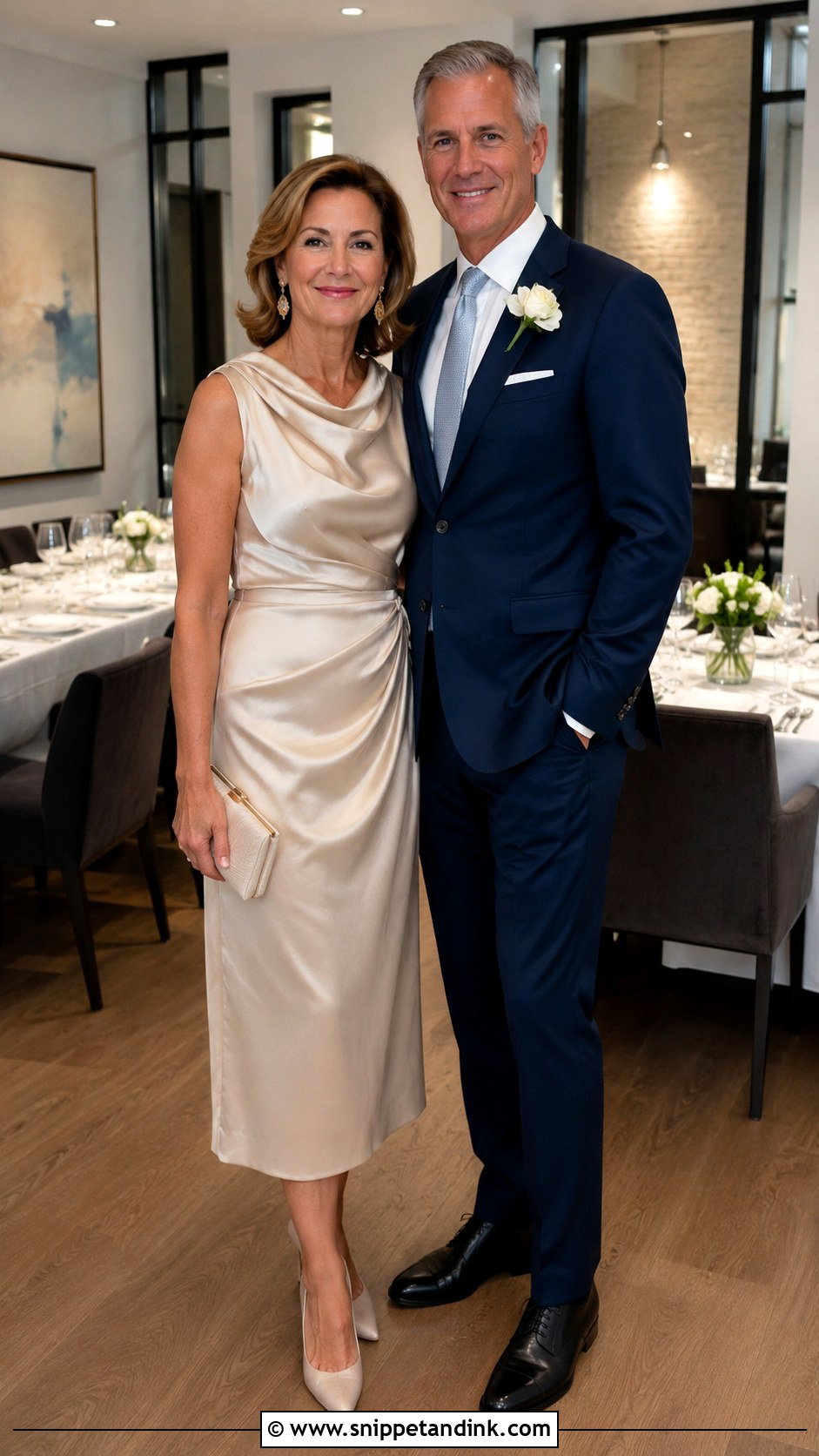
A restaurant covers chairs, linens, glassware, staff and kitchen in one booking, which saves weeks of rental admin. Reserve a private room, a covered terrace or the whole space depending on numbers. The questions I ask before anyone signs: is there a food-and-beverage minimum, can we bring our own cake and is there a cutting fee, is amplified music allowed, and can every guest reach the room without stairs. A cocktail-length dress, satin midi or tailored suit fits most dining rooms. Printed menus with your names and well-placed place cards personalize it quickly. Skip the long reception timeline and keep it to a toast, the meal, a few speeches and dessert.
10. Weekend Second Wedding Retreat
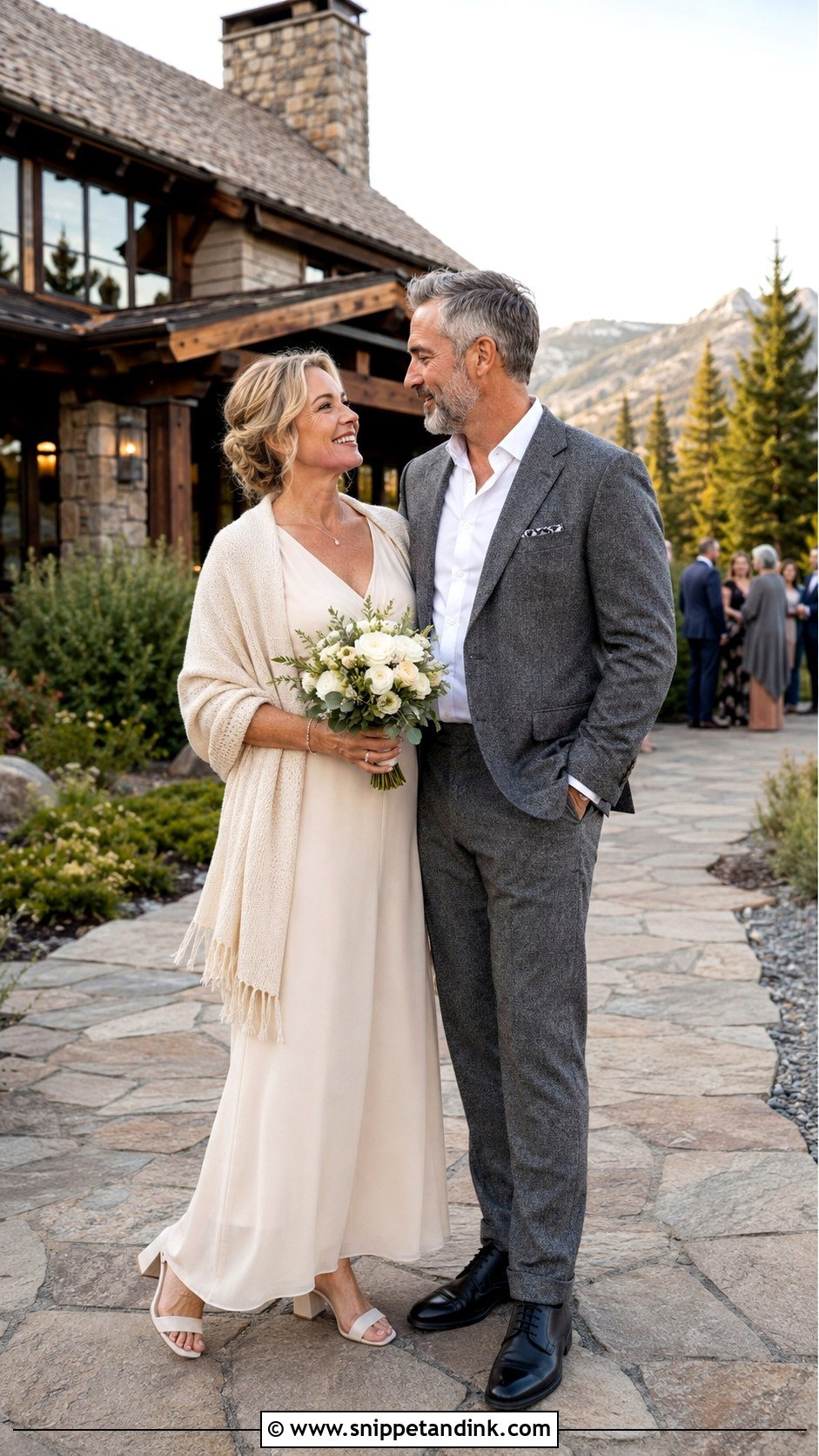
Why squeeze it into a few hours when your closest people could have a whole weekend? A lodge, inn, ranch or cluster of rental homes lets everyone stay near the ceremony. I plan three fixed points only: a casual welcome meal, the wedding and a farewell breakfast. Everything in between should be optional, because guests who travel for a weekend need downtime and tire of itineraries fast. The bride might wear something simple on the first night, a gown or jumpsuit for the ceremony and easy separates afterward. Welcome bags with water, snacks, a map and a handwritten note help people settle. Ask whether the property sets quiet hours, since that decides how late your party can run.
11. Small Second Wedding With Close Friends
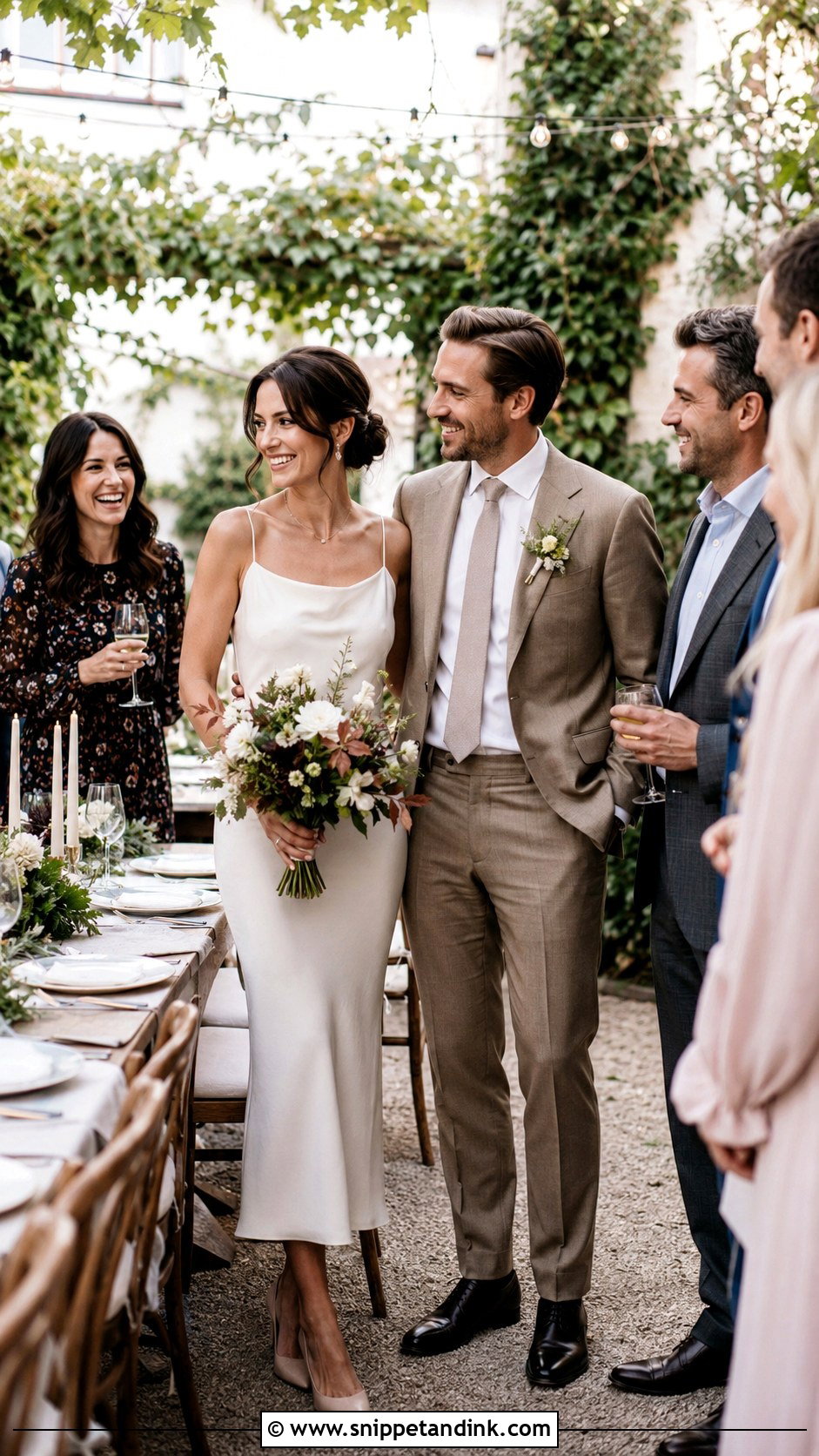
A short guest list gives you real time with each person. Invite the relatives and friends who actively support the marriage instead of padding the list out of obligation. Around 20 to 40 people suits a private dining room, a garden, a small event space or a rented house. The bride’s outfit should follow the venue, from a modern sheath to a soft-colored pantsuit. I like seating everyone at one or two connected tables so conversation crosses the room. Write a short note for each place setting; at this headcount it’s a single evening’s work. Whatever you save on catering for a crowd can move into food, photography or music.
12. Surprise Second Wedding Party
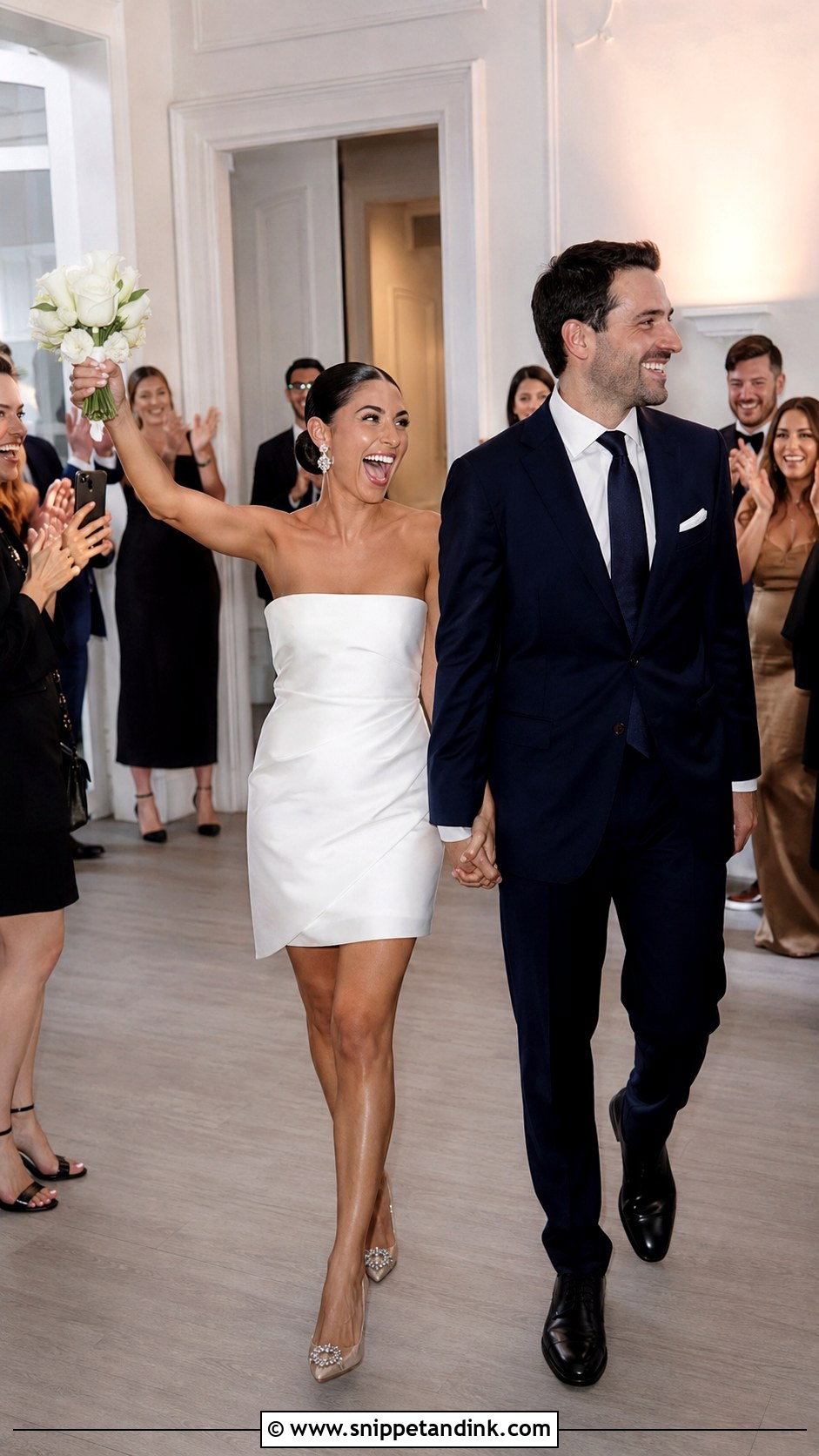
Surprise weddings are fun and logistically fragile. The usual setup is an engagement party, anniversary dinner or family get-together where the vows are revealed partway through. The officiant, photographer, venue and immediate family all need to know, and the license has to be valid on that date, so I check the paperwork weeks ahead. Give guests a dress code that quietly suits a wedding, like cocktail attire, so nobody turns up in shorts for your vows. The bride can start in a party outfit or change into a wedding dress before the reveal, and the groom’s suit should sit inside the stated dress code. Decide exactly who makes the announcement and when. One clear minute from a host saves a lot of confused murmuring.
13. Seasonal Fall Second Wedding
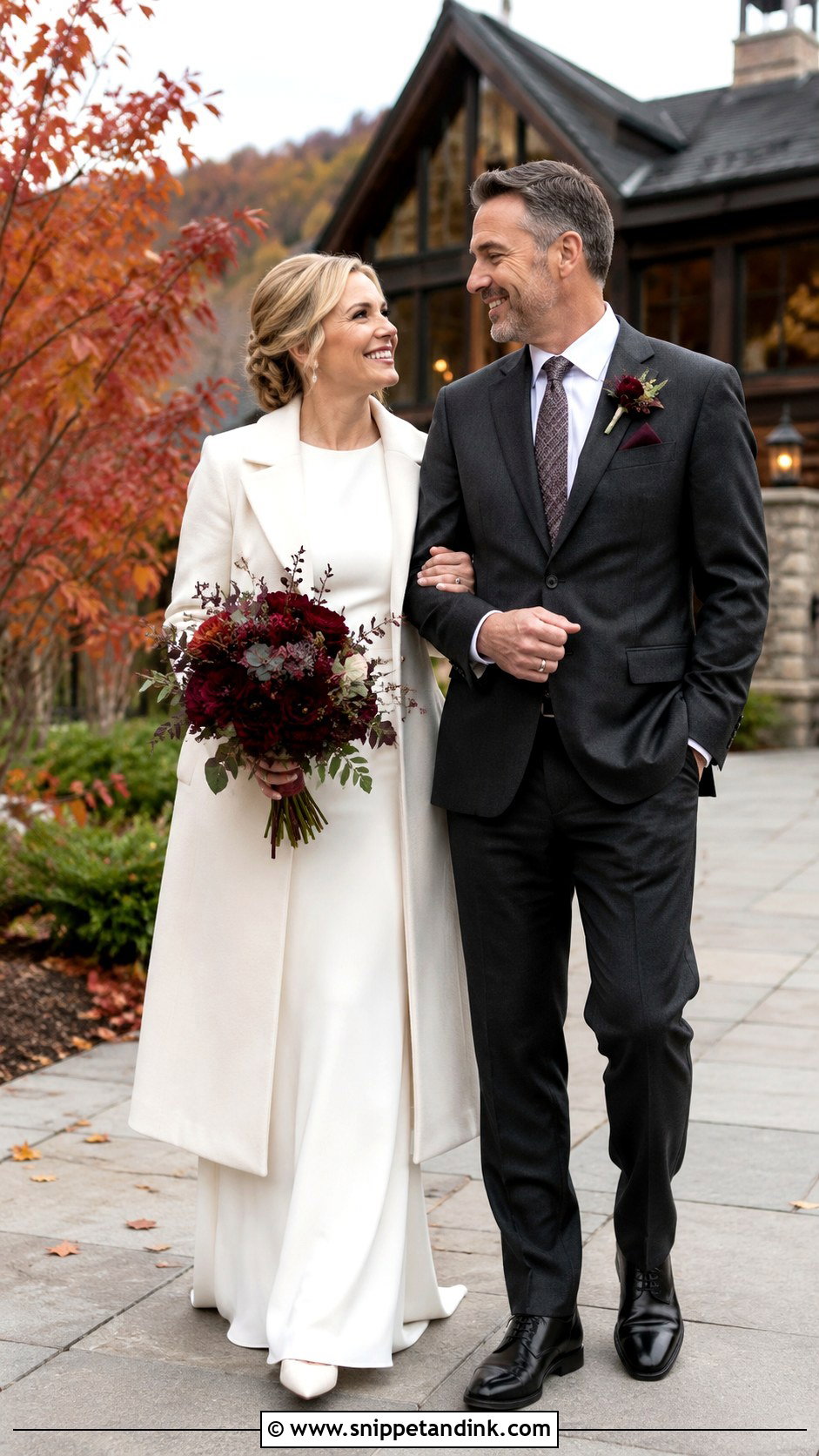
Fall hands you warm color for free. A garden, a woodland lodge, an orchard or an indoor room with big windows lets the landscape do the decorating. A long-sleeved crepe gown, a velvet midi or a tailored bridal suit keeps you comfortable as temperatures drop, with closed-toe heels or ankle boots and a structured coat. The groom can wear charcoal, navy or deep brown with a textured tie. Stick to rust, burgundy, cream and muted green with real branches, and leave the plastic leaves in the store. Sunset comes early in late autumn, so I time outdoor ceremonies from the sunset, not the clock, and keep heaters or a covered area ready for the evening.
14. Colorful Second Wedding Attire
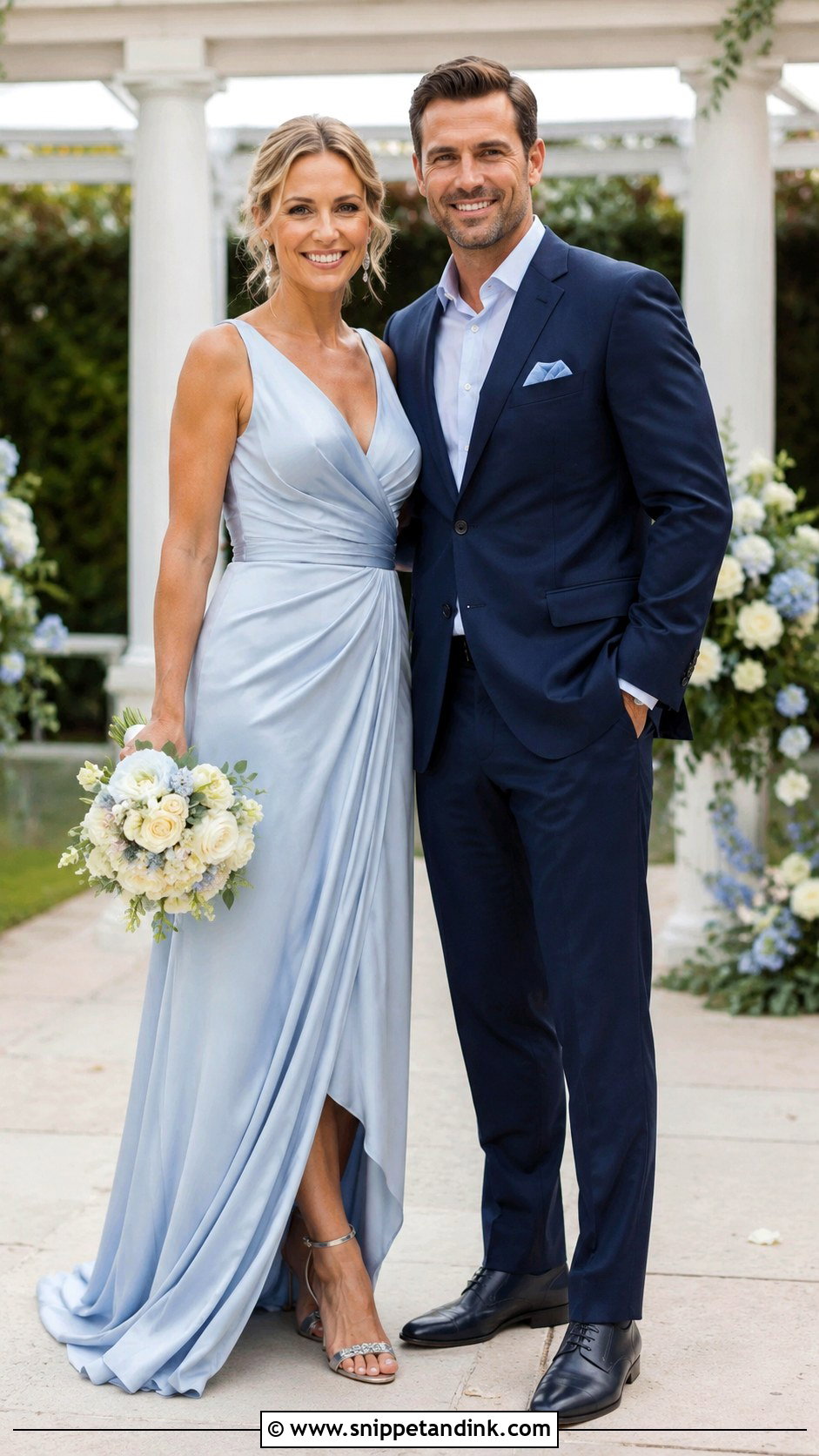
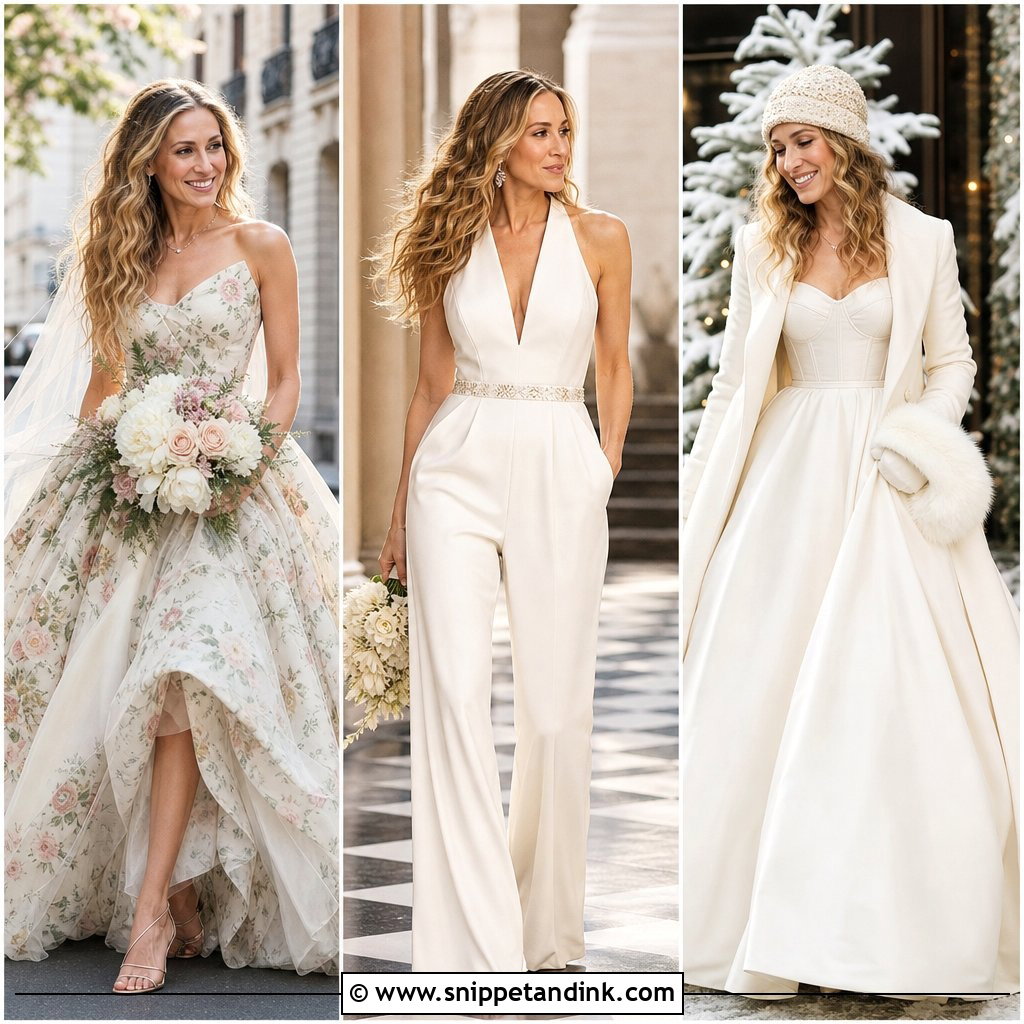
White is always available, but a second wedding is a good excuse to wear a color you love. Blush, pale blue, champagne, lavender, silver, a soft floral print or a deep jewel tone can all read as bridal with the right accessories. Pick it because it suits your skin and the season, not because you feel you shouldn’t wear white. Before committing, I look at the fabric both in daylight and under warm indoor bulbs, since pale blue can turn grayish and champagne can go flat beige under some lighting. A floor-length gown adds formality, while a midi or pantsuit feels more modern. The groom can echo the shade with a tie or pocket square without matching exactly.
15. Second Wedding In A Bridal Jumpsuit
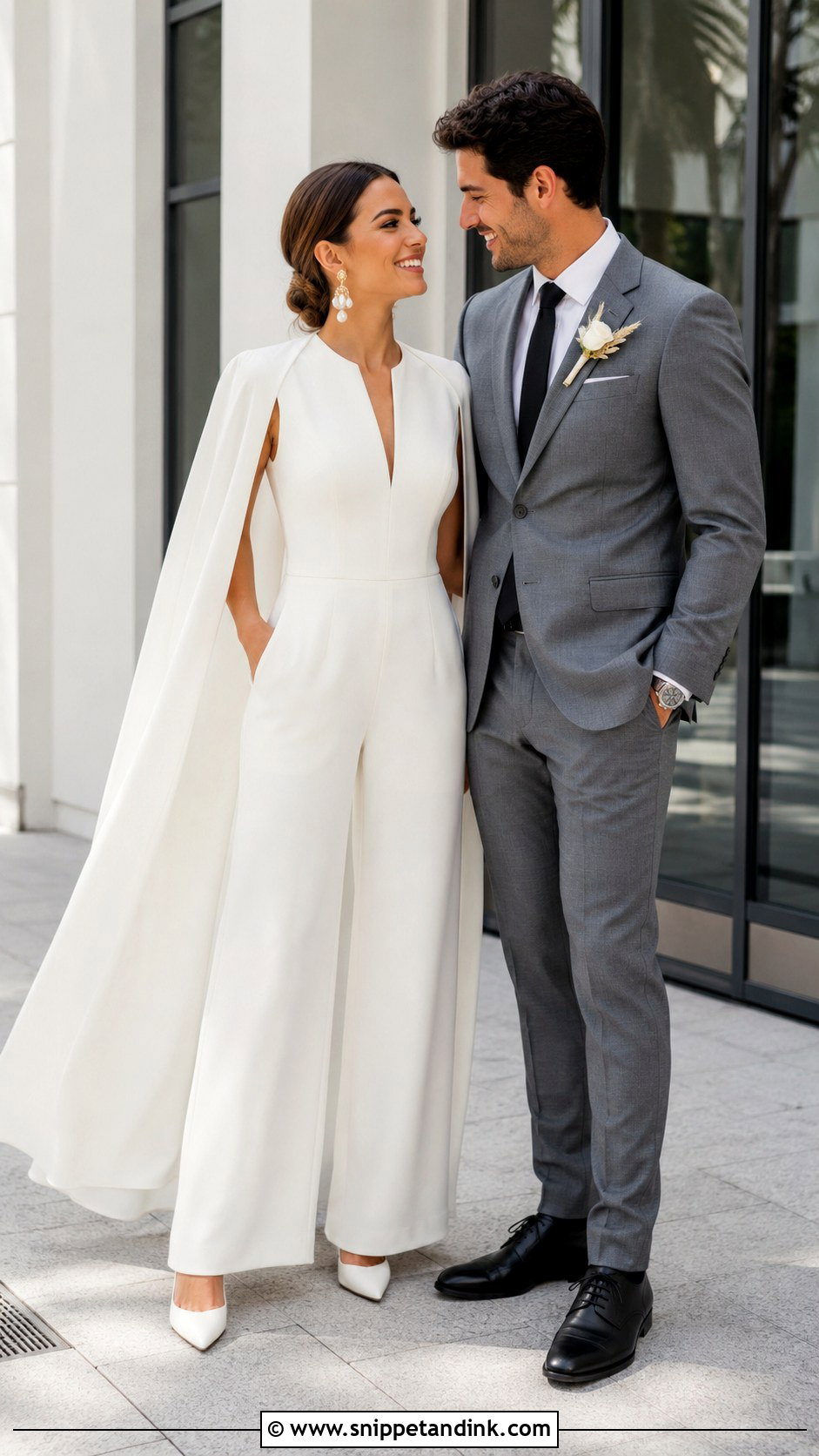
Jumpsuits move with you through a long day, and the fabric decides whether one looks bridal or like office wear. Structured crepe or heavy satin holds its line in photos, while thin fabric clings and shows every seam. Wide legs give a gown-like sweep; tapered legs feel sharper. Define the waist with tailoring or a fabric belt, and always try it sitting down, because a jumpsuit that’s tight through the hips pulls badly once you sit for dinner. Pointed pumps or block heels and earrings that frame the face finish it, and a blazer, cape or detachable overskirt adds drama for the entrance. One honest catch: bathroom trips take longer, so a zip you can reach yourself is worth having. Courthouses, rooftops and restaurants suit it best.
16. Tea Length Dress Second Wedding
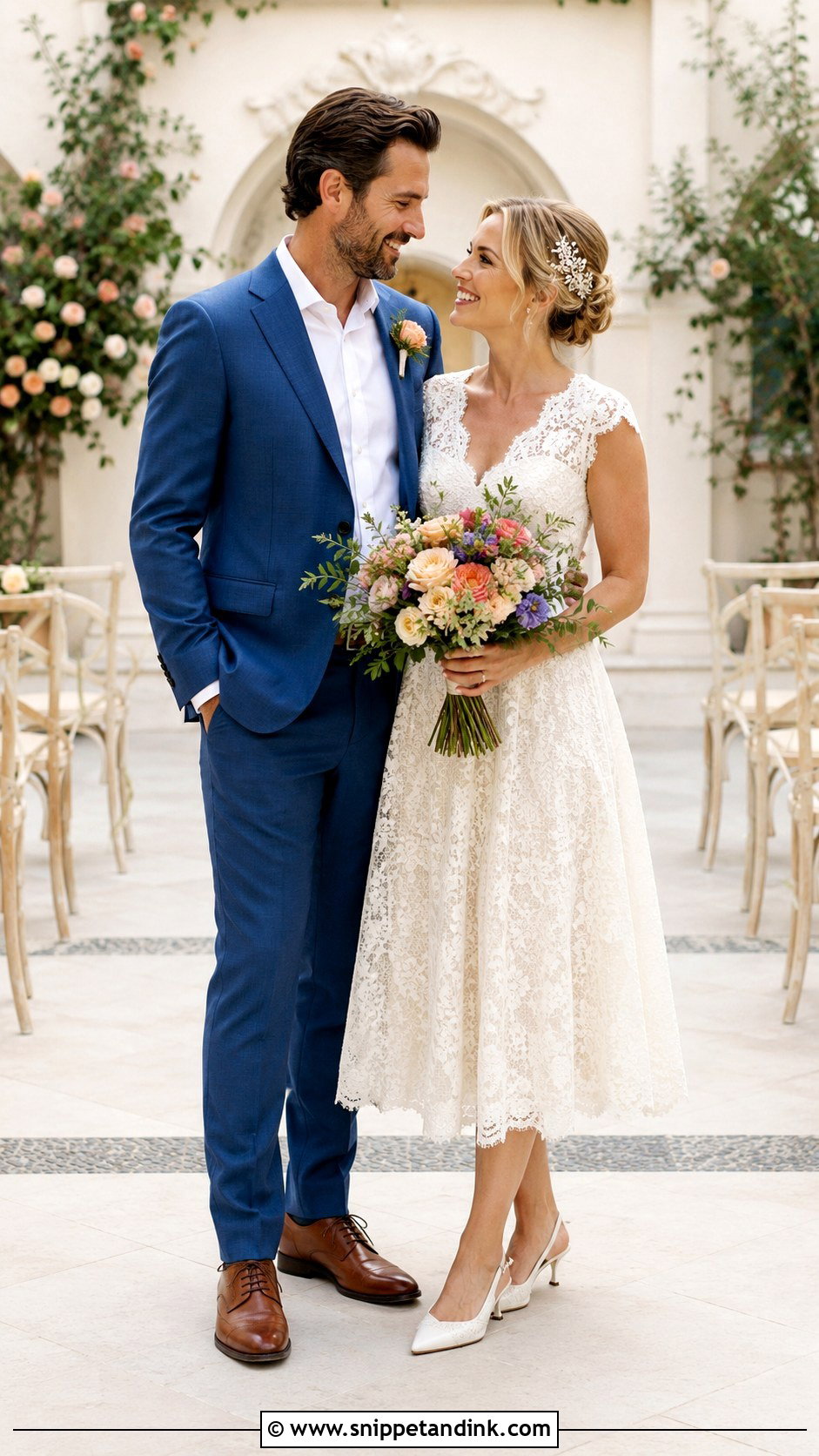
A tea-length hem falls between knee and ankle, so your shoes are on show all day and deserve real attention. Lace suits a garden, satin a city celebration, and soft tulle gives a fuller shape. Pointed pumps, slingbacks or block-heel sandals all work, depending on the ground you’ll be standing on. Add a cropped jacket or tailored coat if it’s cool. Because the shorter length looks lighter than a full gown, you can carry statement earrings, a decorated comb or a bright bouquet without the outfit feeling crowded. Have the hem pinned with your actual wedding shoes on, since an inch of heel changes where it lands on the calf.
17. Personalized Second Wedding Vows
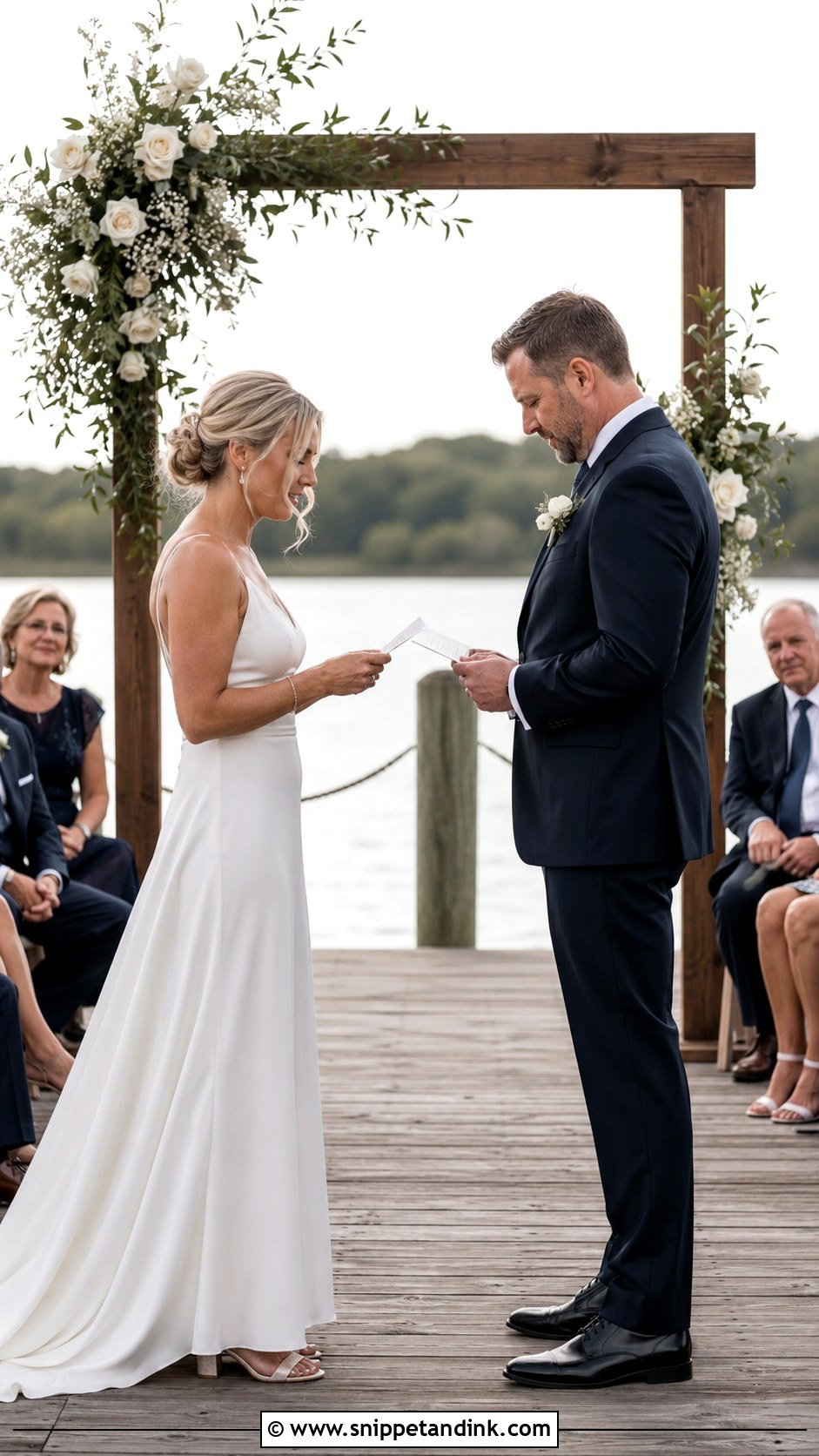
The quiet moment before personal vows often becomes the emotional center of a second wedding. Write about the relationship you’ve built and the future you’re choosing, and leave previous marriages out entirely; even a kind reference can land oddly with family in the room. Specific details and realistic commitments carry more weight than sweeping statements. If there are children, you can acknowledge the family forming without sharing anything private about them. Some couples exchange longer letters before the ceremony and keep the spoken vows short. Ask your officiant to keep their own wording brief, and hand them a printed copy of your vows as a backup in case nerves take over. Keep the handwritten originals.
18. Meaningful Second Wedding Unity Ceremony
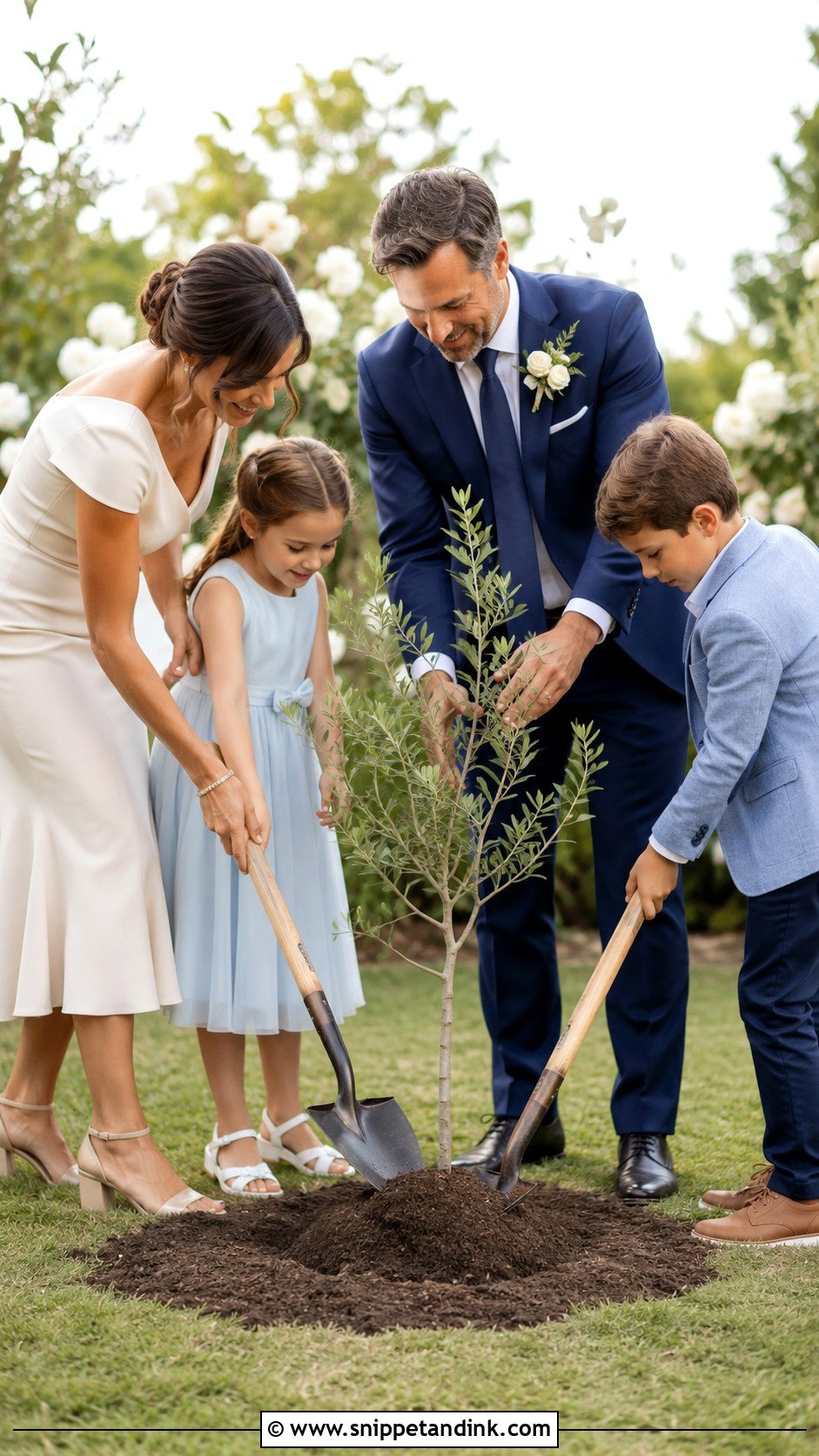
A unity ritual should come from your actual life, or it reads as a prop. Planting a small tree, combining flowers into one arrangement, filling a keepsake box or lighting one candle from two all work when they connect to your home or culture. Children can add an item or stand beside you. Keep it to a couple of minutes and ask the officiant to explain it in a sentence or two. I always run it once at rehearsal with the real materials, because sand that won’t pour and candles that blow out outdoors are the usual hiccups. Afterward, display the finished piece at home.
19. Charity Registry For A Second Wedding
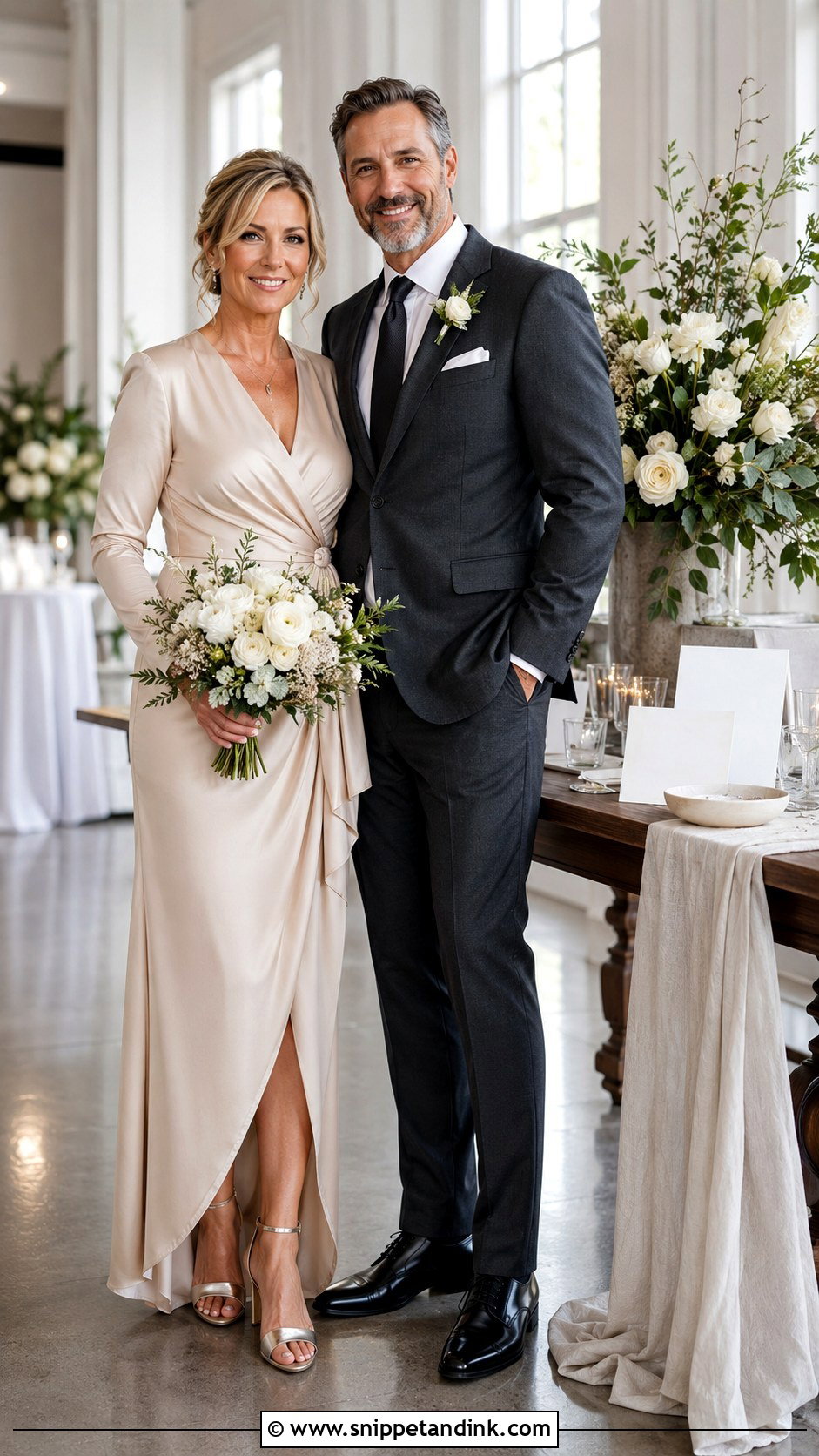
Most couples marrying a second time already own a toaster. A charity registry gives guests an optional way to mark the marriage while supporting causes that matter to you. Pick one or two reputable organizations tied to your shared values and explain the choice in a line or two on your wedding website, with no suggestion that anyone owes a donation. You can pair it with a small conventional registry of experience funds, upgraded household pieces or gear for a shared hobby. Keep it gracious and optional, especially for guests already paying for travel.
20. Anniversary Inspired Second Wedding
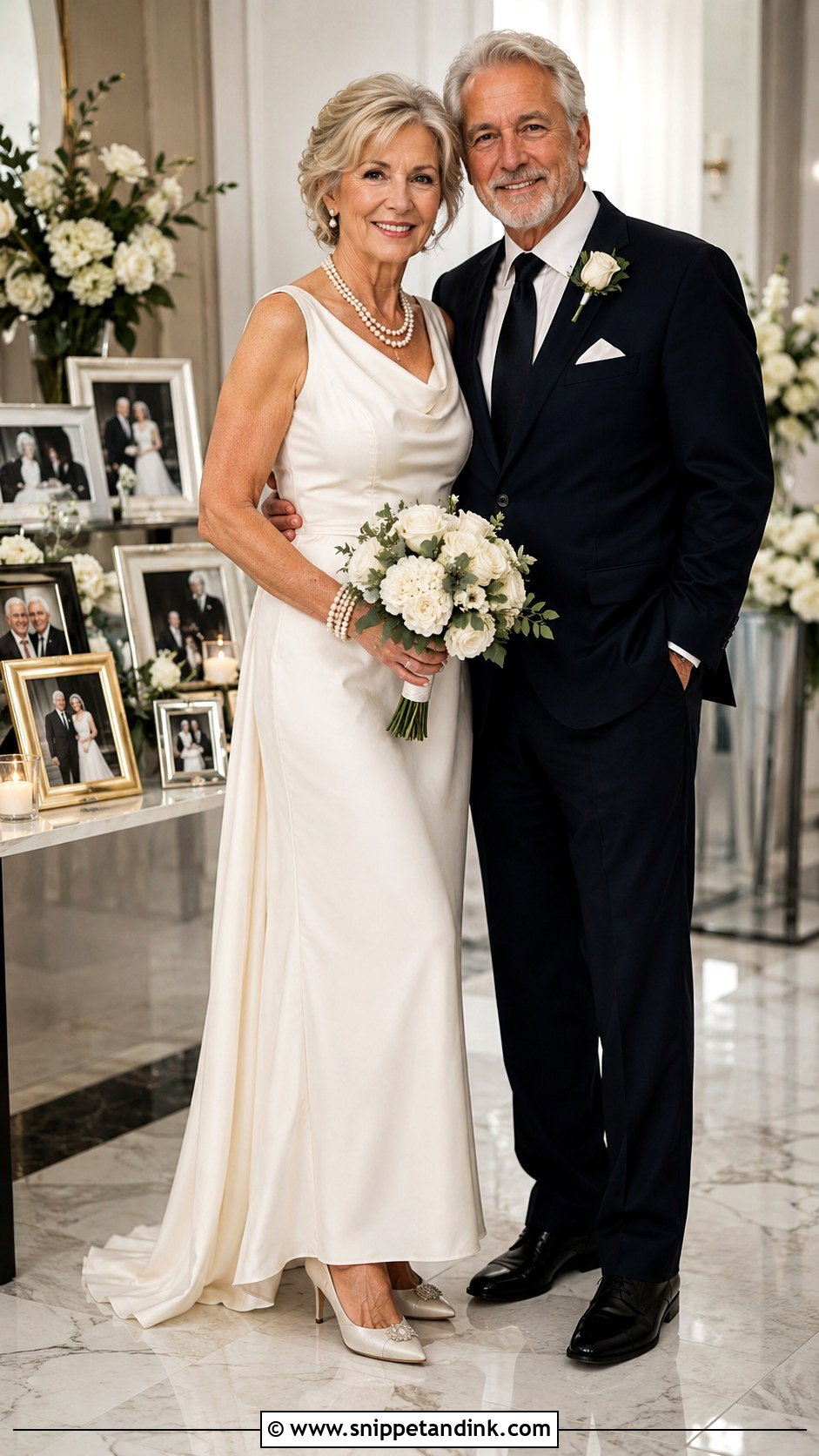
Celebrating the life you’ve already built grounds a second wedding. Put out photographs from trips, family milestones and ordinary Sundays, not only engagement portraits. Name tables after places that matter to you, with a short card telling each story. Your outfits can nod to a favorite era or a style you share while still looking dressed for a wedding, say a classic gown with modern accessories. In the ceremony, have the officiant name what helped your relationship grow. For the guest book, ask people to suggest an anniversary tradition. It’s a better prompt than best wishes, and you’ll actually reread the answers.
Custody Calendars, Exes and Grown Children: The Quiet Logistics
Date the wedding around the parenting schedule
If you share custody, look at the parenting calendar before you pay a deposit. A wedding that falls on the other parent’s weekend means asking for a swap, and that request goes far better months ahead and in writing than three weeks out. I also confirm who collects the children after an evening reception, because that detail gets forgotten until the last dance.
Tell the kids before you tell the guests
Children, adult ones included, should hear the date and their part in it from you before anyone else does. Older kids often want a say in whether they give a reading or simply sit in the front row. Let them choose, and accept the answer without a second round of persuasion.
When a former spouse is on the guest list
Now and then co-parents get on well enough that inviting an ex makes sense, usually so the children feel settled. It only works if both of you agree and your new partner is honestly comfortable with it, not just polite about it. Seat them with friends they know, away from the family tables, and keep them out of the receiving line and the formal portraits.
Finally, decide early who is hosting and paying. Remarrying couples usually fund the wedding themselves, which frees you from the old rules about whose parents choose what. Say so plainly to both families, and a lot of awkward assumptions disappear.
A Wedding Sized to the Marriage You Have Now
No second wedding is defined by its size or its dress code. It’s shaped by the relationship and by the people who genuinely support it. From the ideas above, you might land on a private elopement, a blended-family ceremony, a restaurant dinner or a formal reception with every tradition you love. My advice is to settle the guest list and the children’s roles first, then let the venue and outfits follow from those decisions. Wear what makes you feel confident, invite the people who bring warmth, and spend on the details you’ll still be talking about at your tenth anniversary.
You'll Like These Ideas:


Leave a Reply