
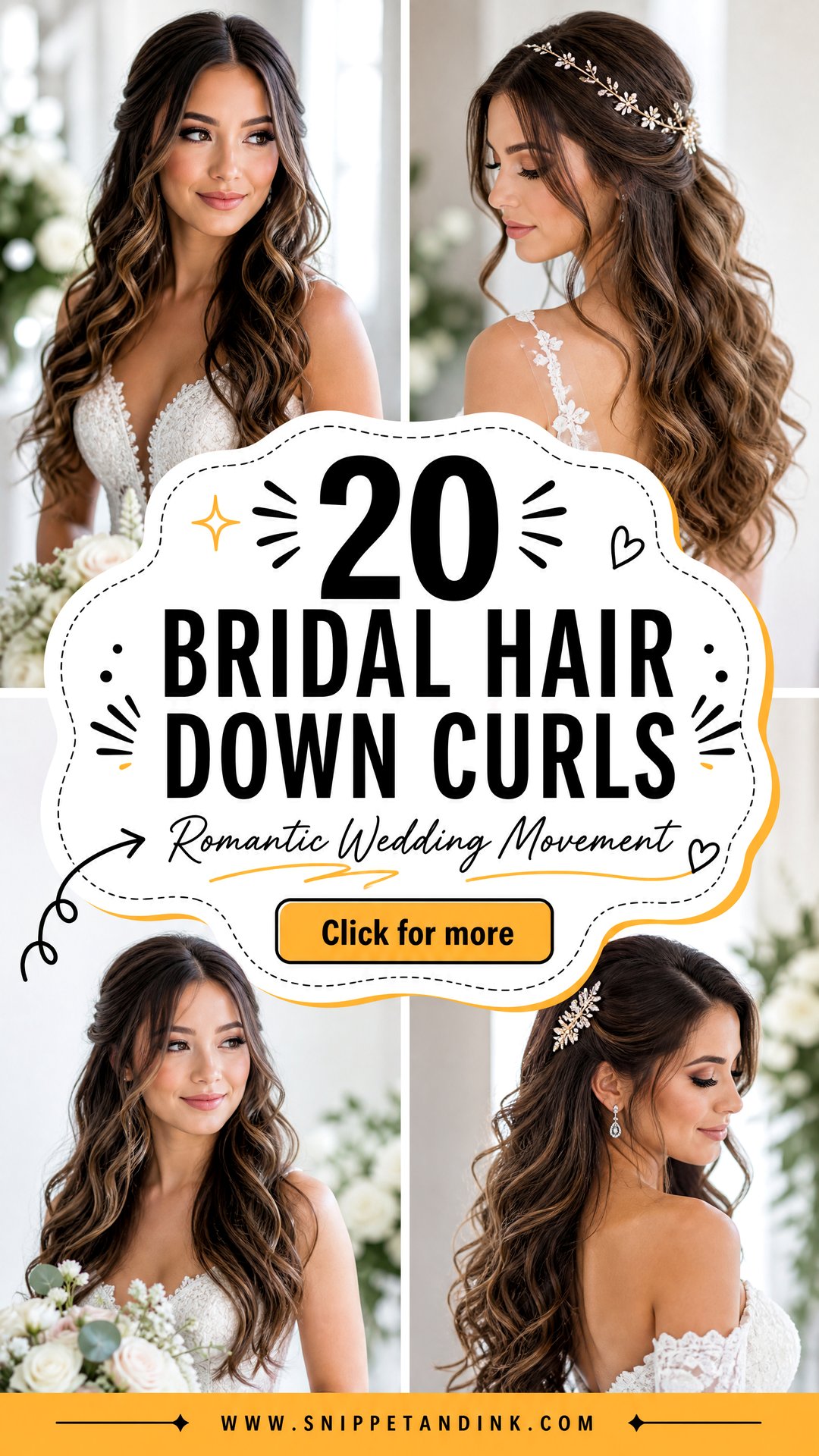
I’ll be honest: worn-down curls are the style I worry about most on a wedding morning. An updo is pinned in place. Curls left loose are fighting gravity, body heat and every hug from the moment I put the iron down. That doesn’t mean you shouldn’t wear them. It means the curl shape has to be chosen for your hair and your day, whether that’s glossy Hollywood curls, loose garden curls, beachy bends or your own natural texture. Here are twenty versions, with what each one needs to last.
Why Some Hair Lets Go of a Curl by Noon
Heat from an iron reshapes the weak bonds inside each hair strand. As the hair cools, those bonds settle in the new shape. Moisture, whether from humid air, sweat or a damp sea breeze, loosens them again, and the curl relaxes toward its natural state. That’s the whole reason curls drop.
Some hair resists this better than others. Coarser, slightly textured hair tends to hold a curl well. Fine, very straight or freshly conditioned hair lets go fastest. Porous or bleached hair absorbs moisture readily, so it can frizz before it even drops.
What I do differently for hair that won’t hold
- Ask you to wash the night before, with no heavy conditioner on the roots.
- Prep with a light mousse or setting spray on damp hair before blow-drying.
- Curl in smaller sections with a smaller barrel than the finished look needs.
- Pin each curl or hold it in my palm until it’s completely cool.
- Brush out only at the very end, as close to the ceremony as the schedule allows.
1. Bridal Hair Down Loose Curls
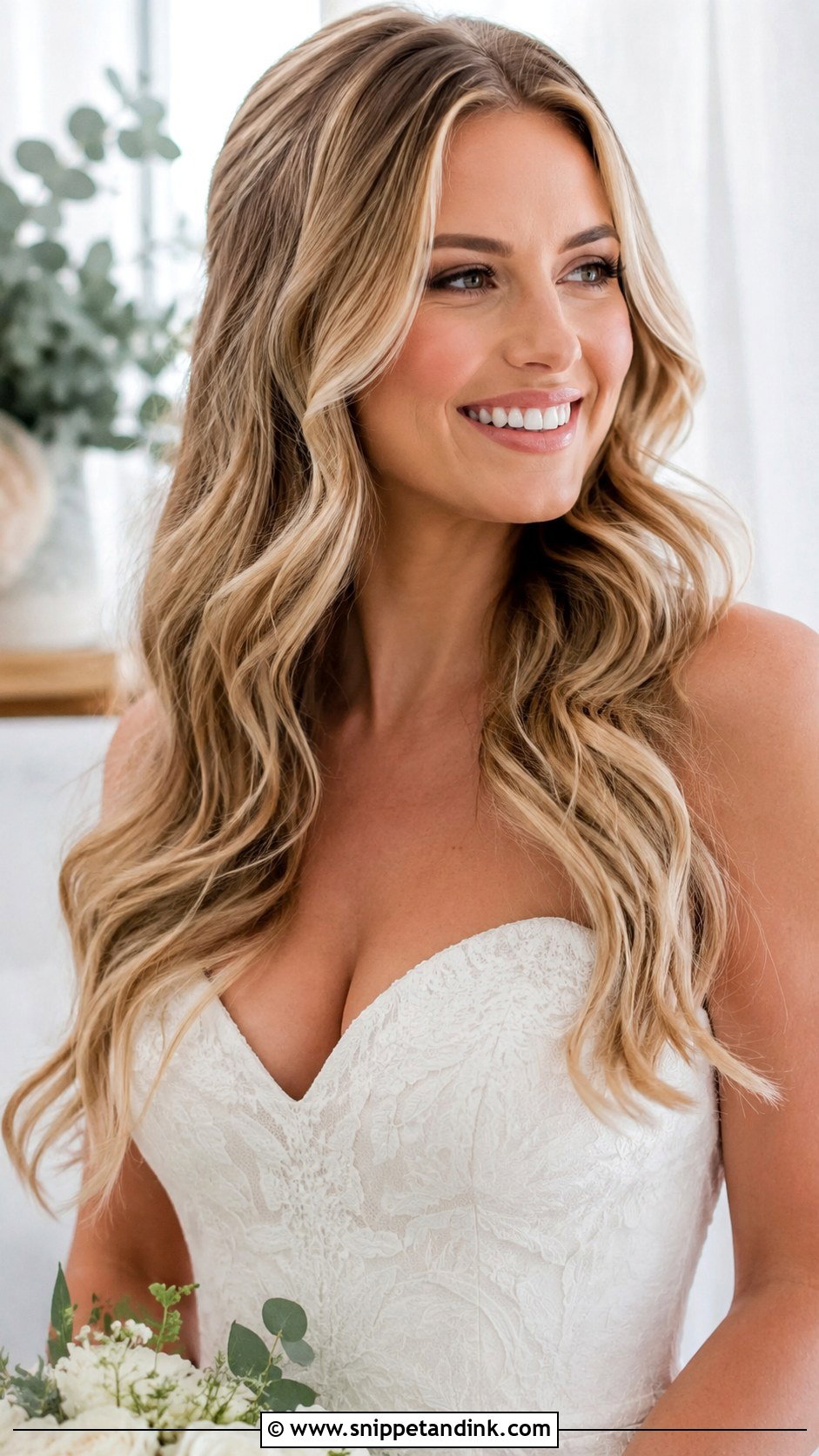
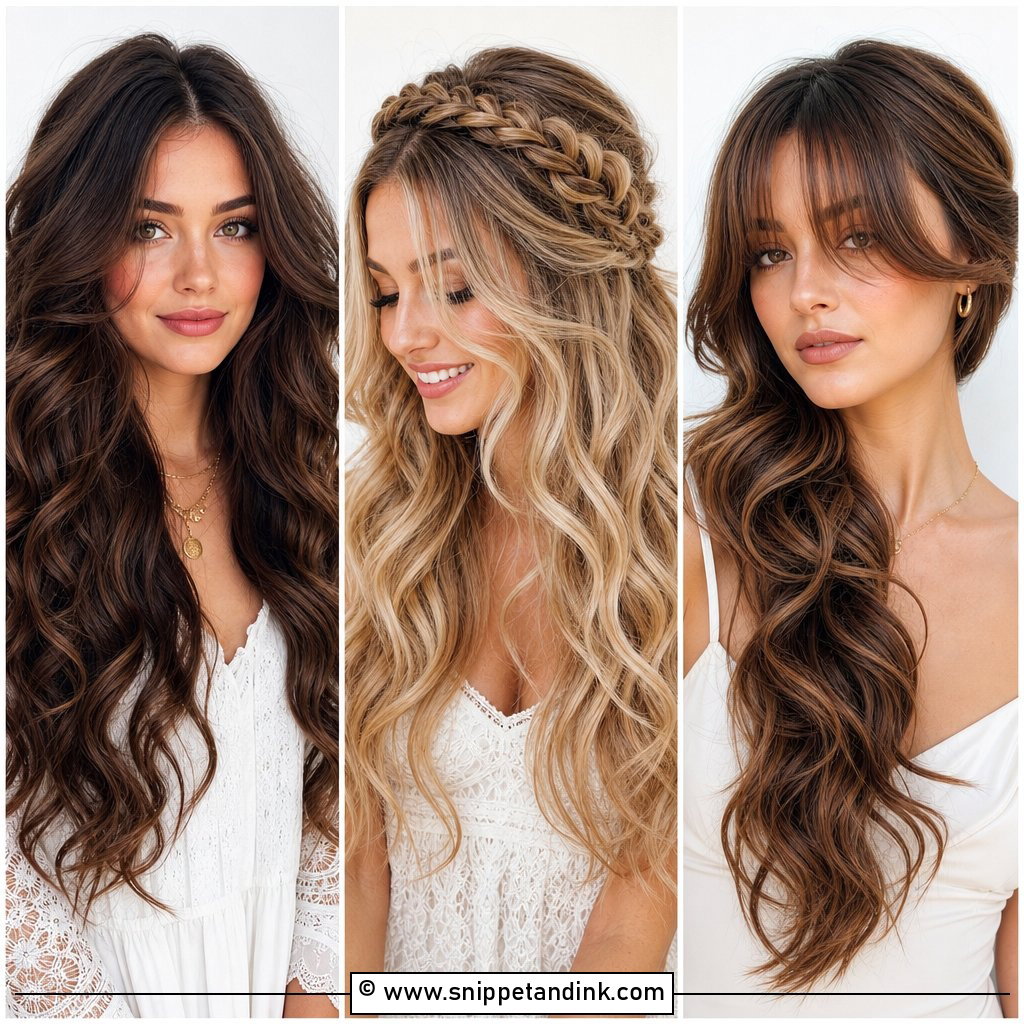
These are the curls most brides describe when they say “just soft and down.” I start them around the cheekbone, not at the root, and let them open into wide bends through the ends. That keeps the crown smooth and the shoulders visible, which is why they sit so well with strapless, square and off-shoulder necklines. If your hair drops a curl quickly, I’ll use a smaller barrel than the finished look suggests and let every section cool before it’s touched. Flexible spray only; anything crunchy looks wrong once the curls start to move.
2. Bridal Hair Down Hollywood Curls
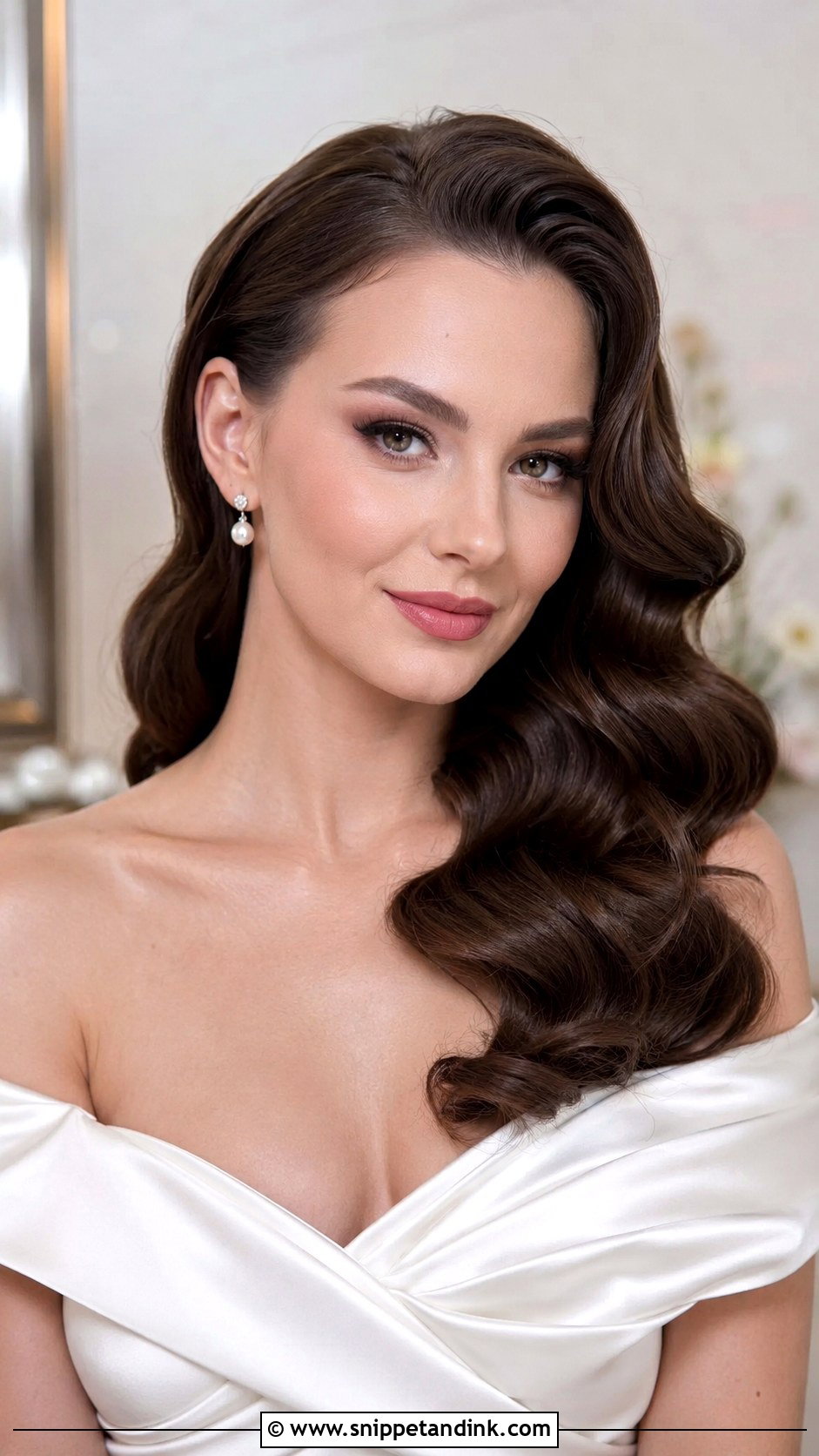
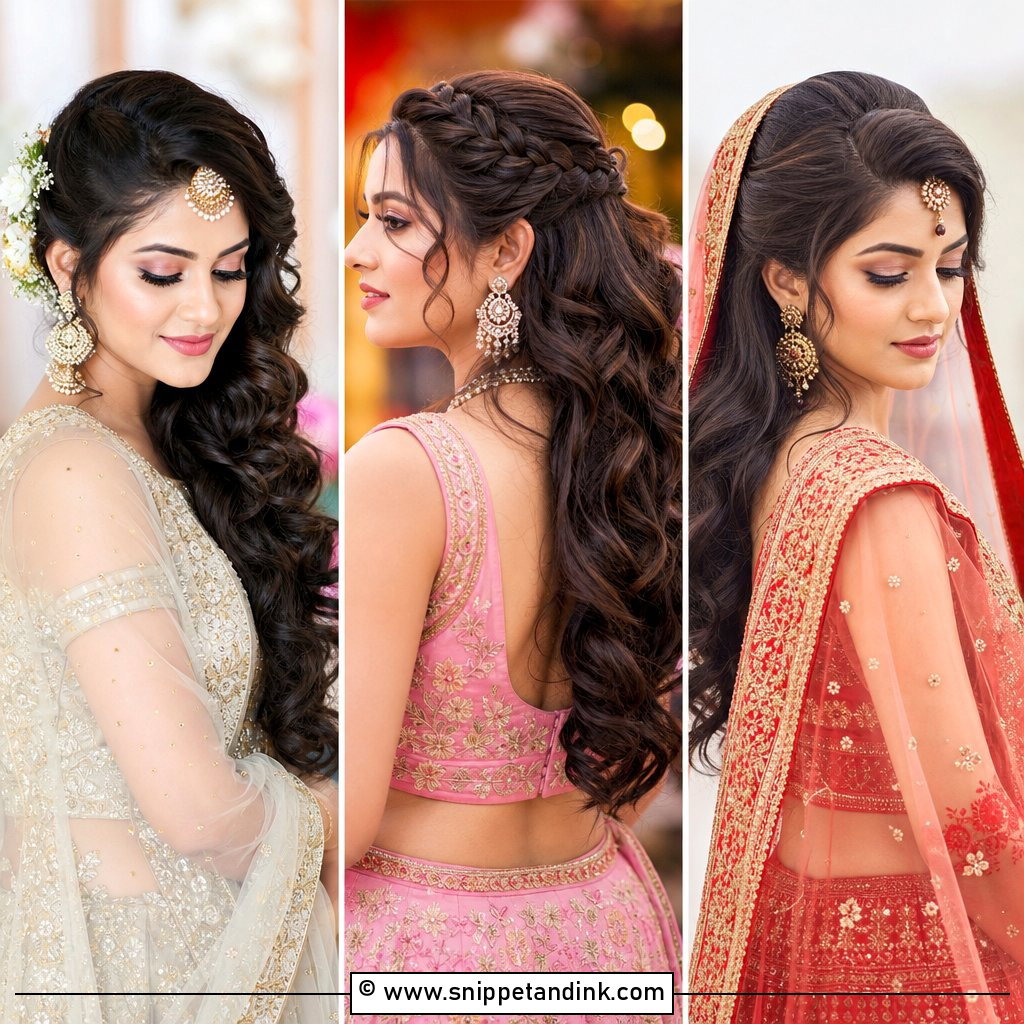
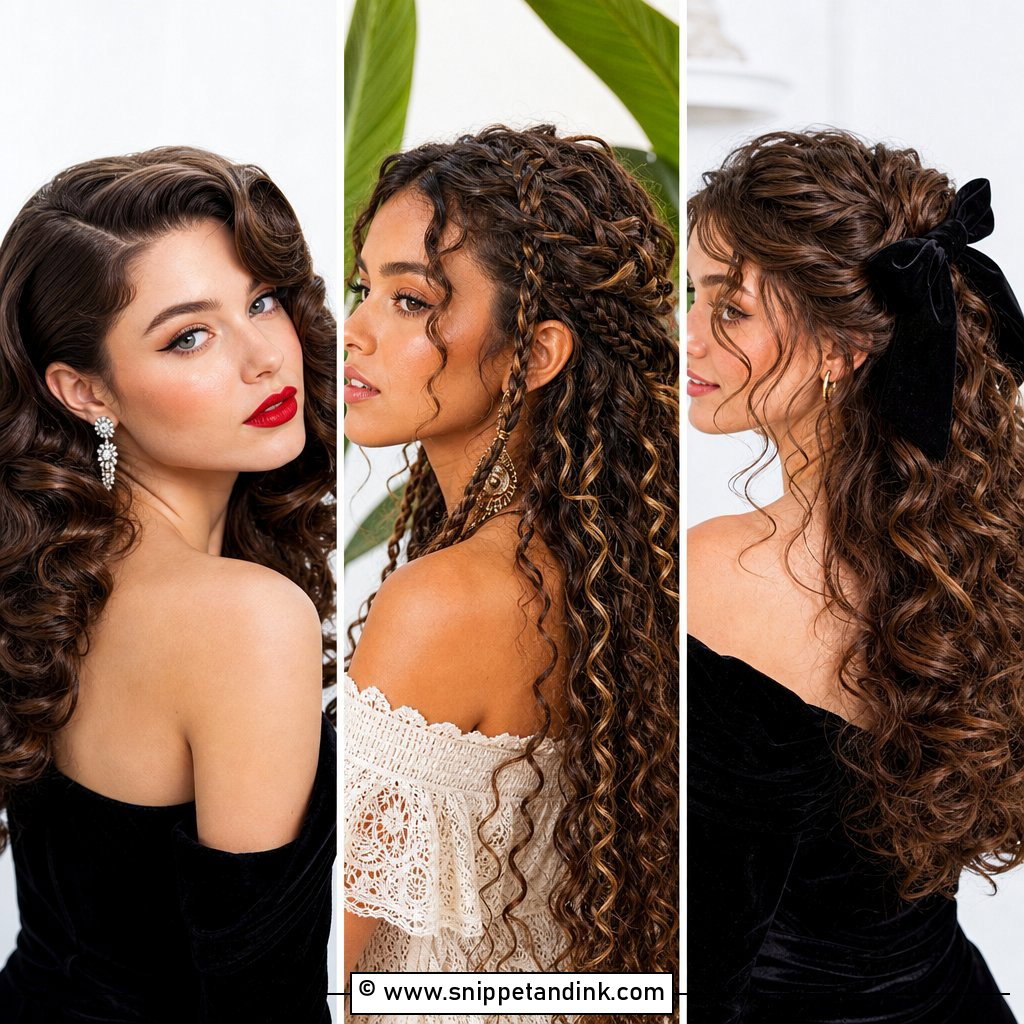
Hollywood curls are a set, not a casual curl. Every section is wound in the same direction, pinned or held to cool, then brushed together into one continuous sculpted wave. That brush-out is the skill, and it’s why a trial matters here more than with looser styles. A deep side part and one side tucked behind the ear give the classic outline and show off an earring. Satin and fitted gowns suit the shine.
3. Bridal Hair Down Soft Curls With Veil
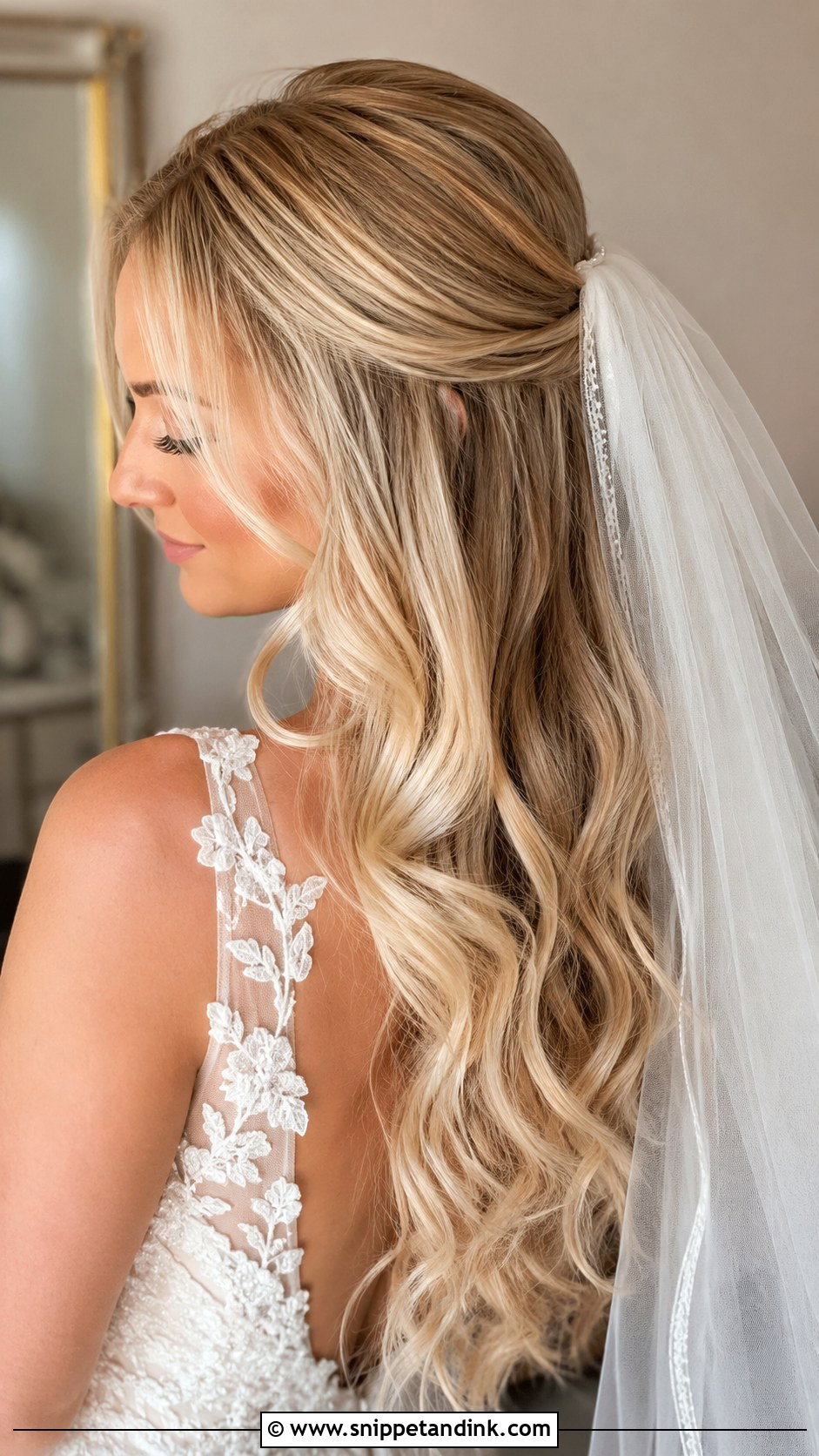
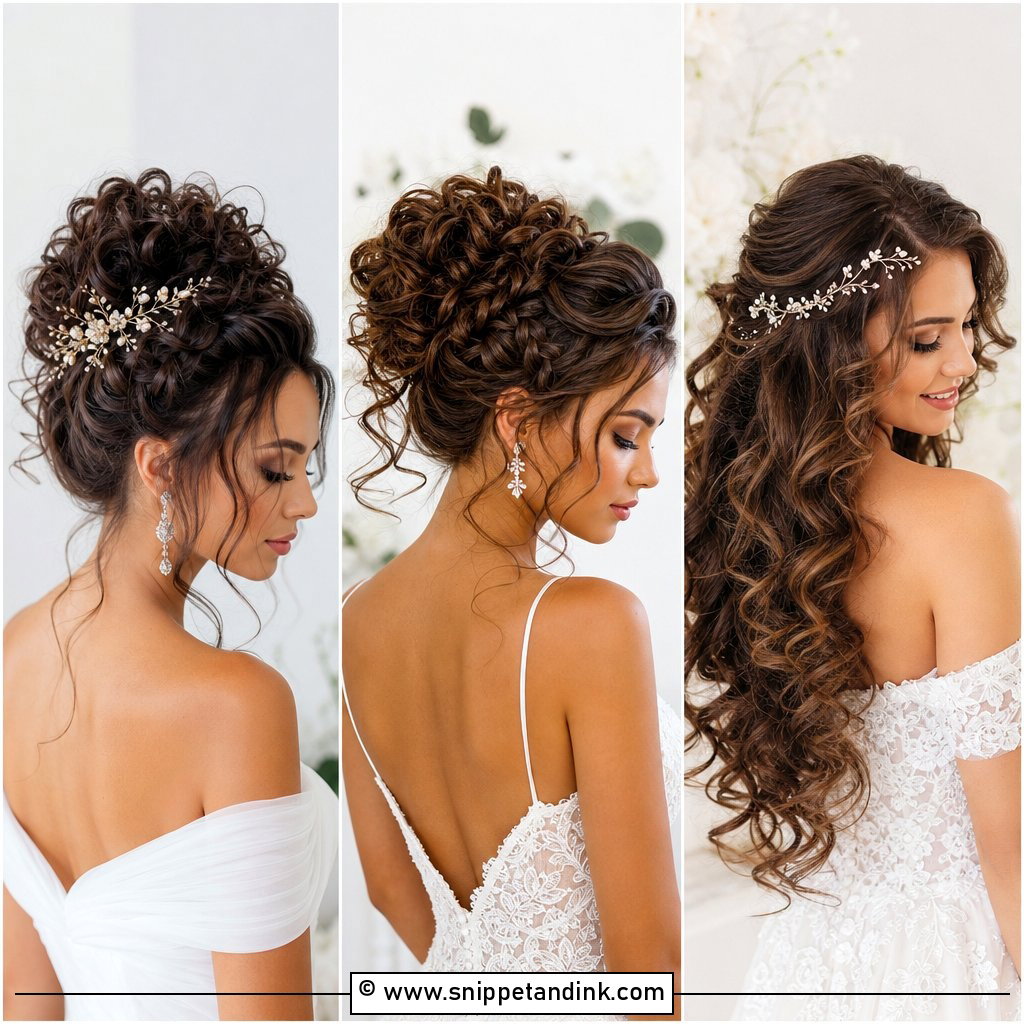
A veil adds weight to the exact spot where curls are most likely to flatten: the crown. So before the comb goes in, I backcomb a small hidden base just below where it will sit, which gives the teeth something to grip without crushing the volume on top. Placement changes the mood. At the crown it reads traditional; tucked lower at the back it’s softer and frames the curls. The curls themselves should be defined enough to hold but brushed out enough to look airy.
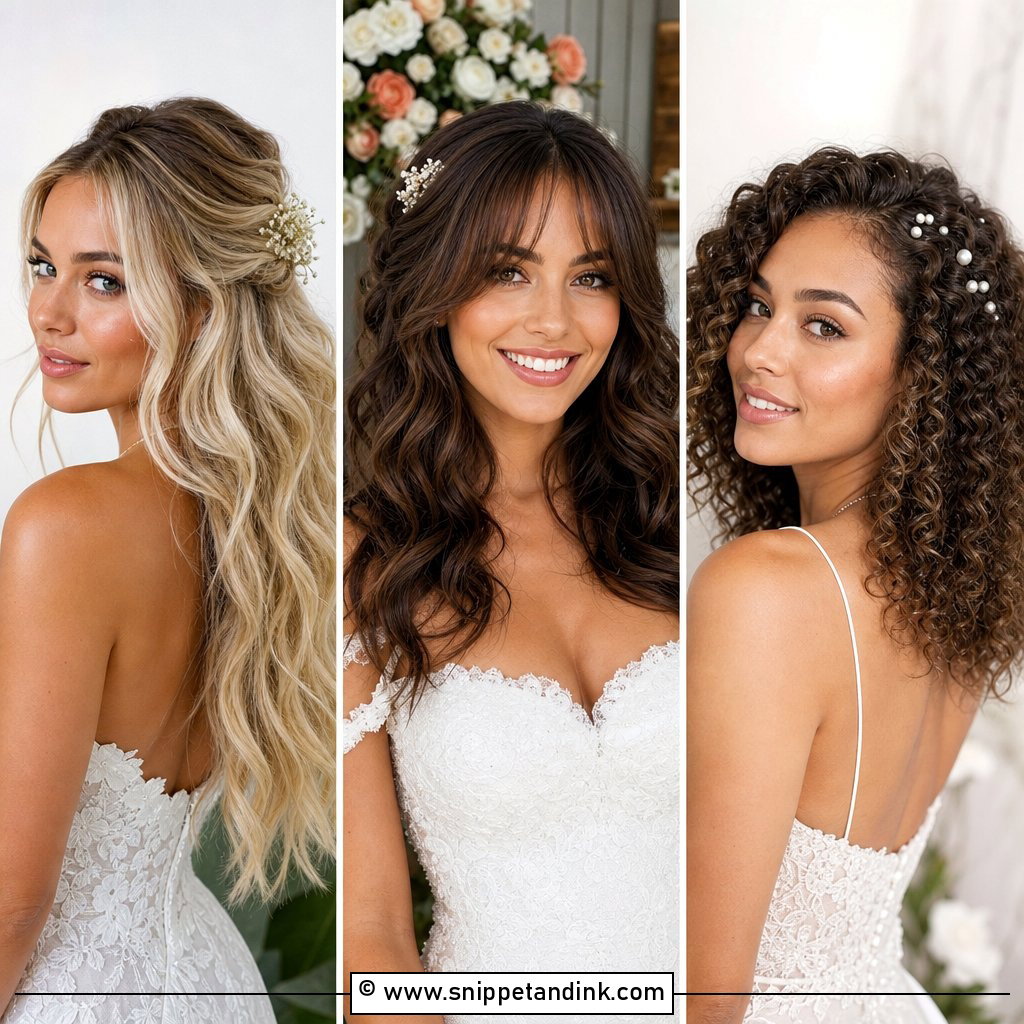
4. Bridal Hair Down Curls With Side Part
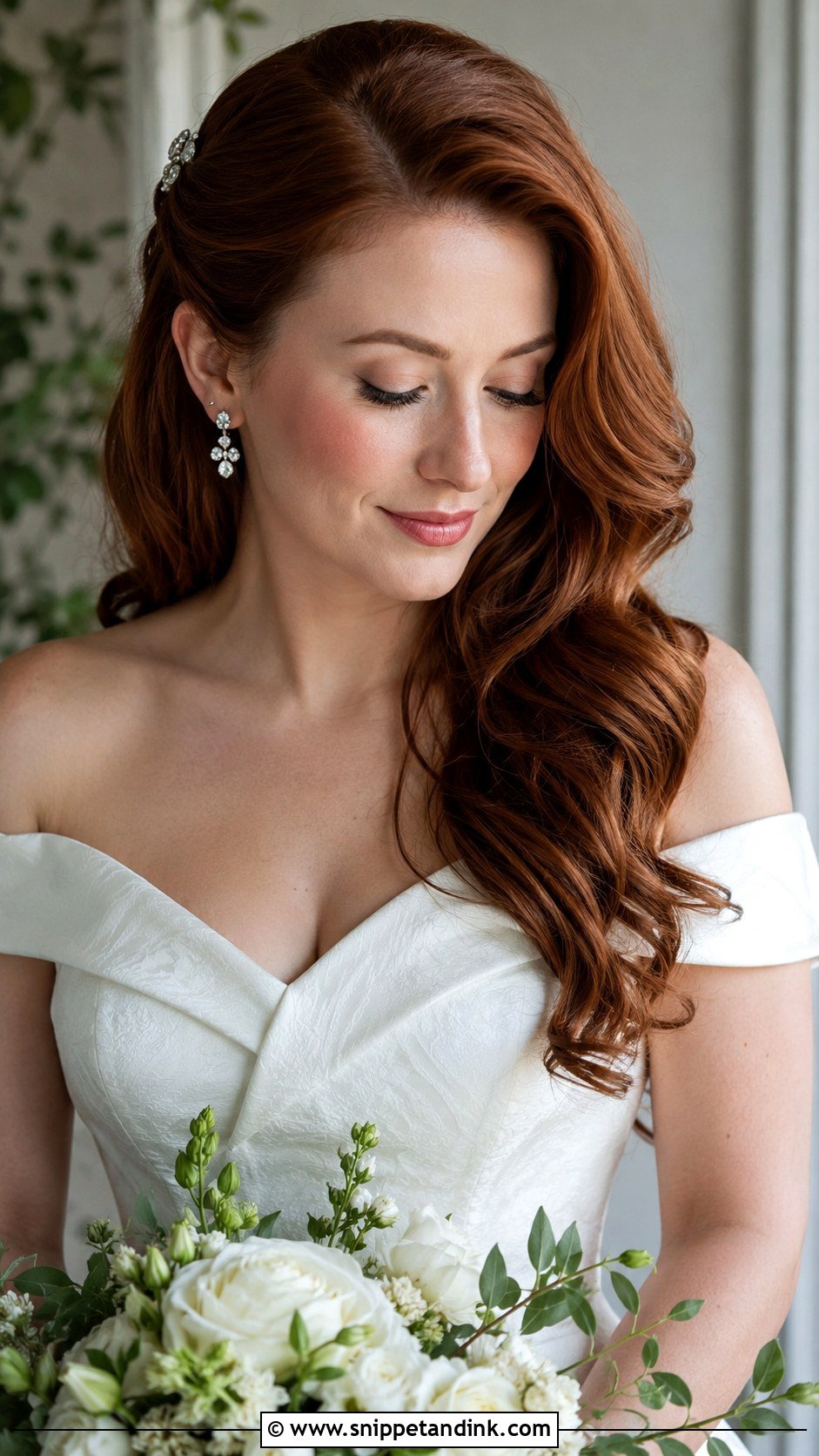
Flipping the part to the side is the fastest way to add volume without teasing. The heavier side drapes in waves across the face while the lighter side tucks behind the ear with a pin or comb. Round, heart and oval faces tend to like the asymmetry. I keep the part line soft, finger-drawn rather than combed razor straight, so it doesn’t look severe next to loose curls.
5. Bridal Hair Down Curls With Middle Part
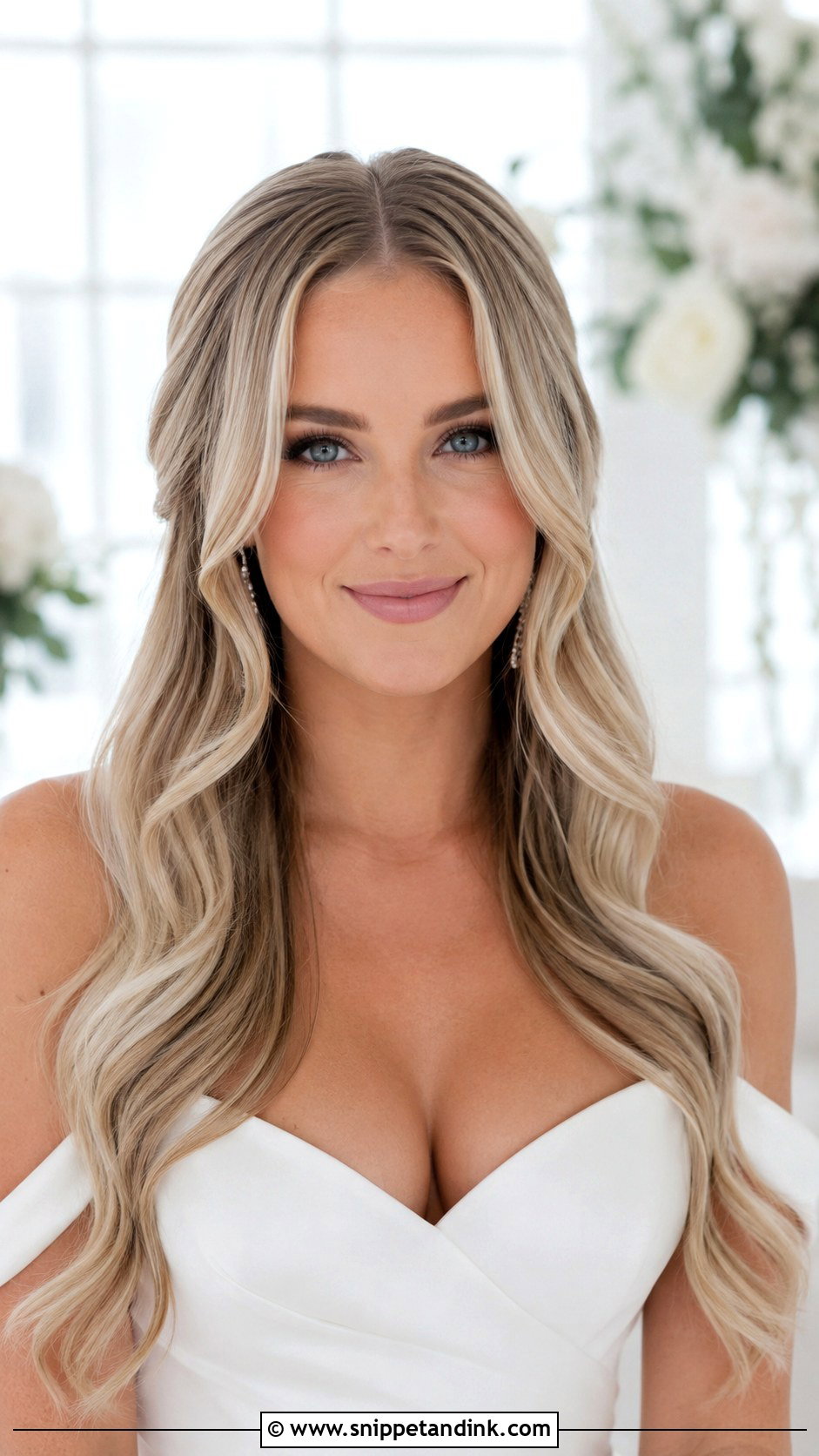
A centre part frames both sides of the face evenly, which is why it pairs so well with long layers and curtain pieces. I start the curls below eye level so the face stays open. It’s the more modern of the two parts, but it’s less forgiving: if your face or hairline is slightly asymmetric, a centre part shows it. Highlights and dimensional colour look especially good here because the curl pattern breaks up the tone. Simple jewelry and a soft veil keep it clean.
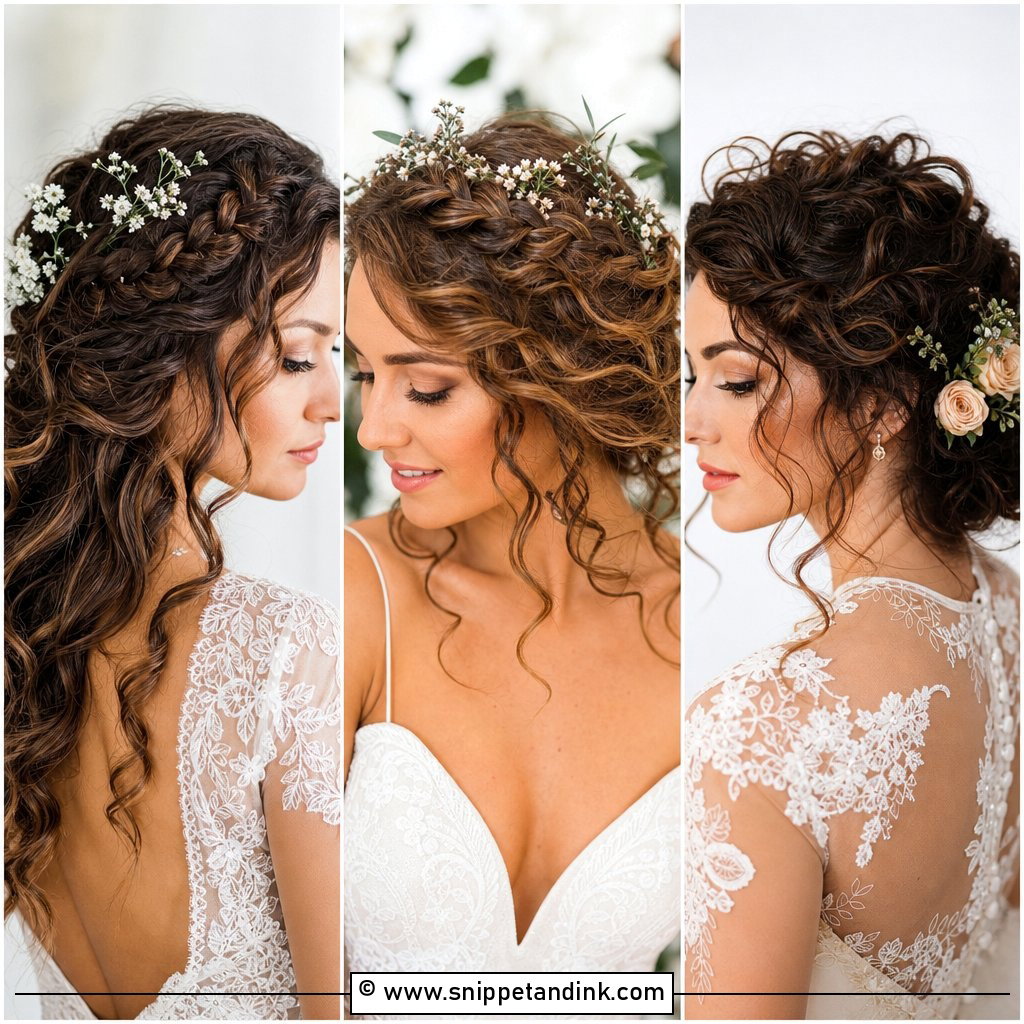
6. Bridal Hair Down Curls With Hair Vine
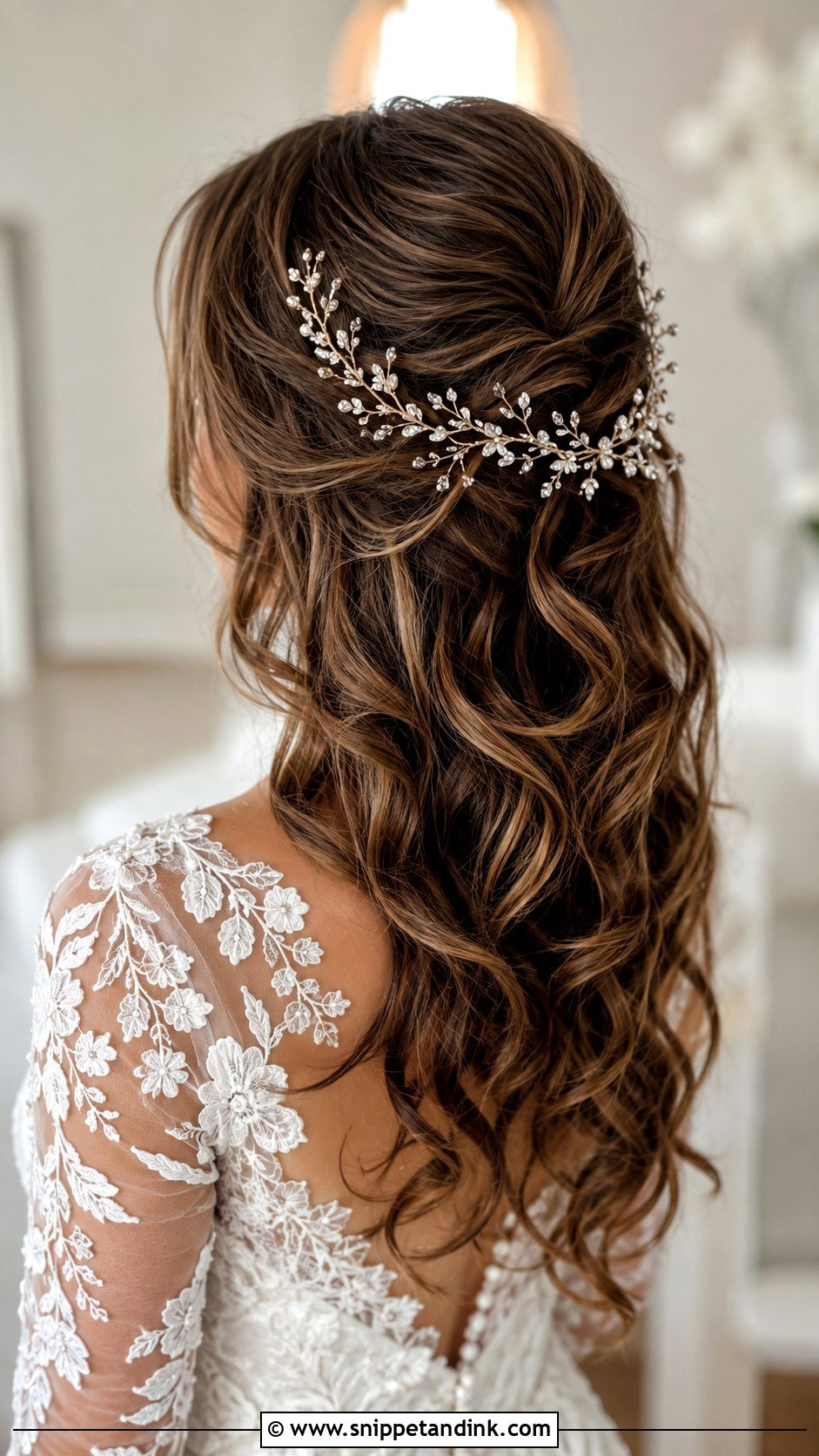
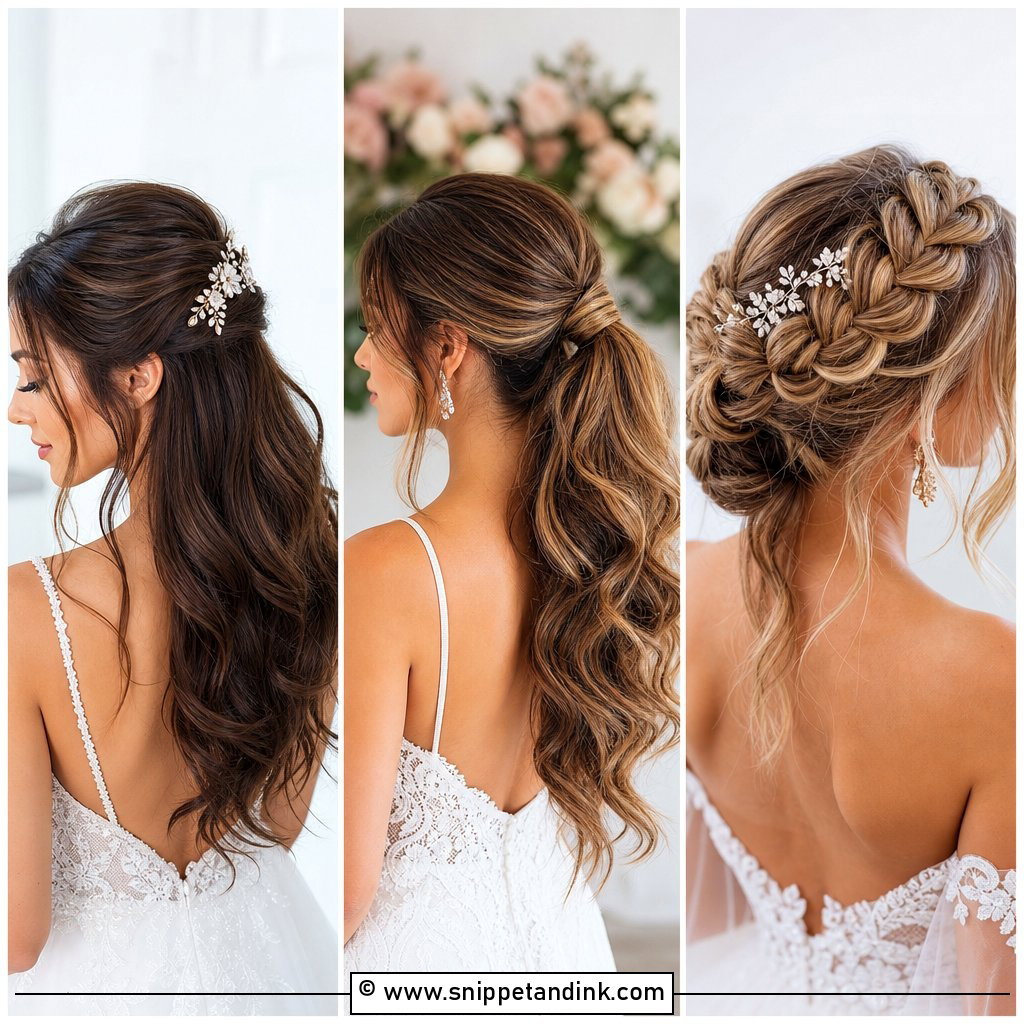
Curls stay loose here. A hair vine adds the bridal detail without pulling anything up. It can sit across the crown, curve along one side or weave through the back. I pin vines in several places, not just the ends, because a vine anchored only at two points drifts as the curls move. On fine hair, a lighter wire vine is kinder than a heavy crystal one. Lace and floral gowns suit it well.
7. Bridal Hair Down Curls With Pearl Pins
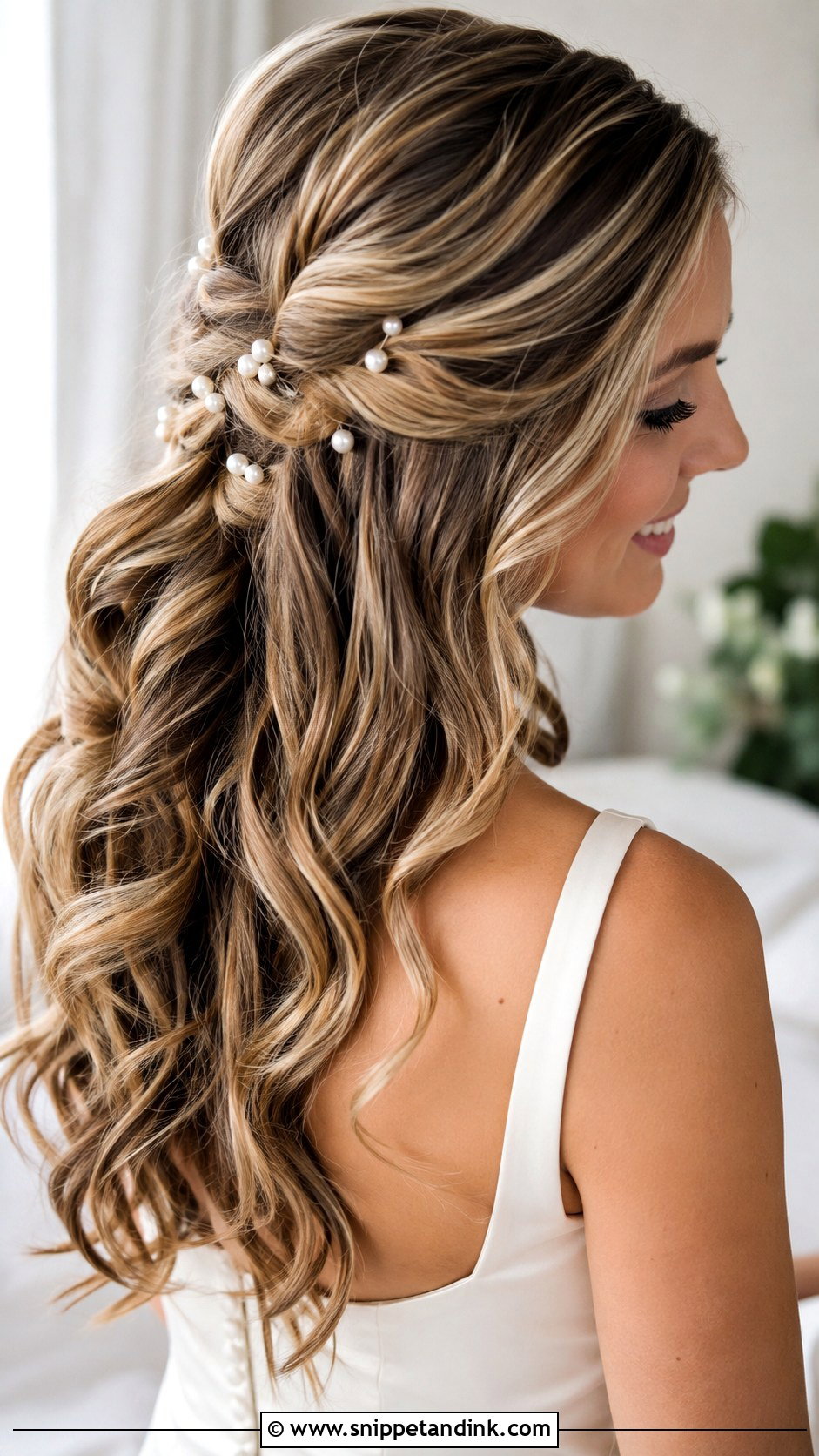
Less is more with pearl pins in loose hair. I usually place a cluster on one side or near a tucked section rather than scattering them everywhere, because pins in moving curls tend to migrate. A few well-placed pins look intentional; too many start to look like they fell in. Creamy gowns and soft makeup sit naturally with pearls.
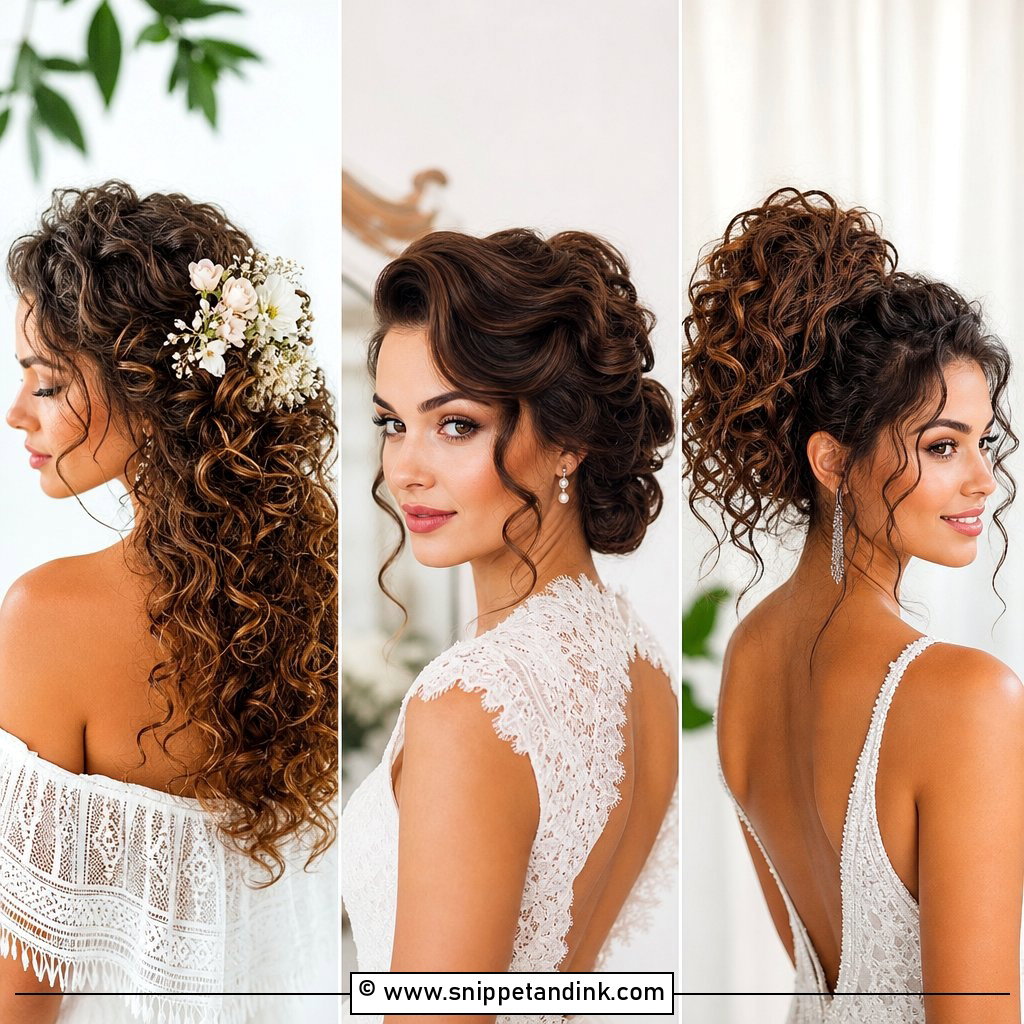
8. Bridal Hair Down Curls With Floral Comb
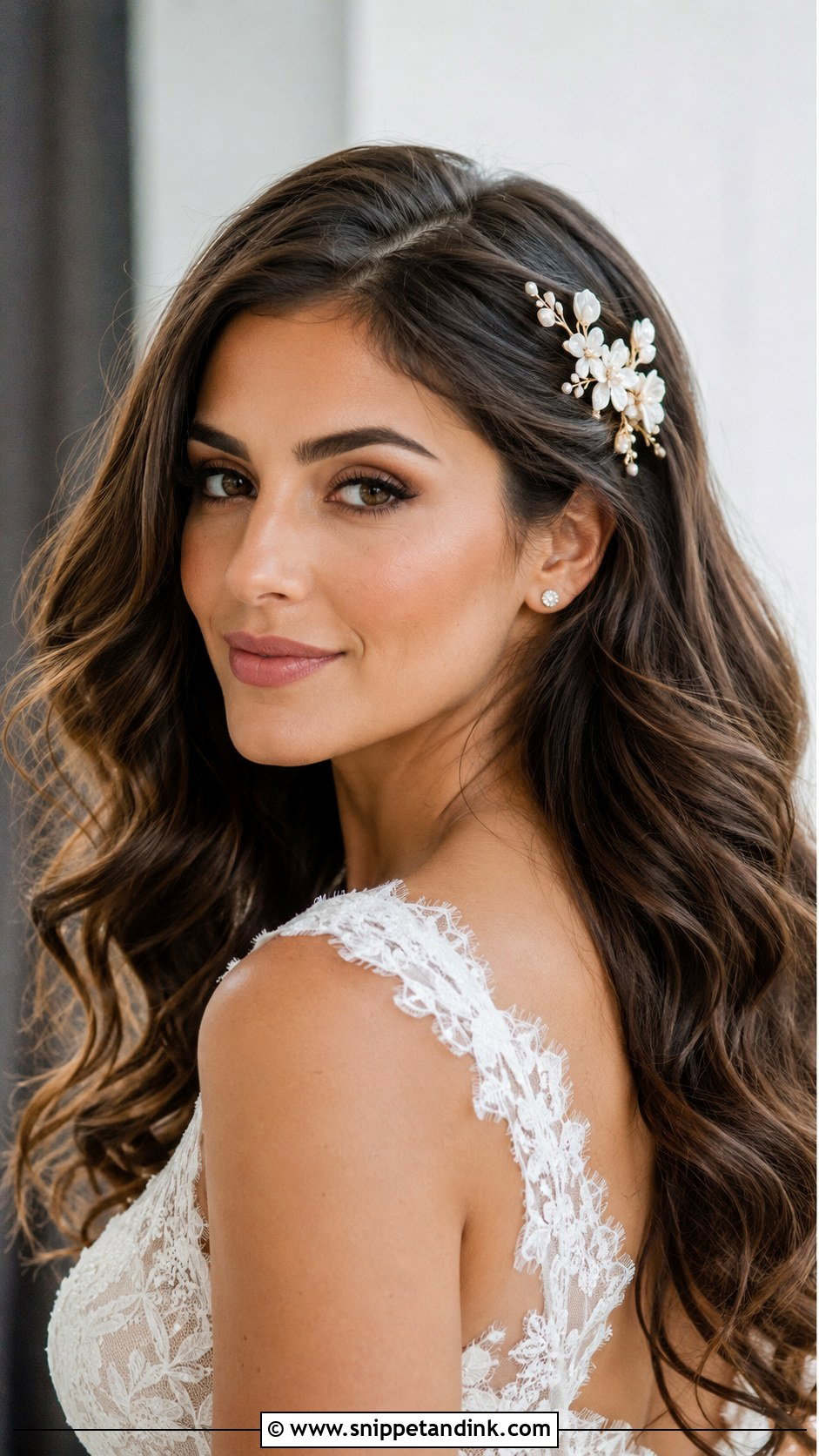
Fresh flowers in a comb need help to survive. I ask florists to wire and tape each stem and keep the comb chilled until the last minute, since blooms against warm hair wilt quickly in summer. Place it above one ear, at the back of the crown or beside the veil. Scale matters: small blooms for fine hair, fuller pieces only where there’s volume to carry them.
9. Bridal Hair Down Curls With Face Framing Pieces
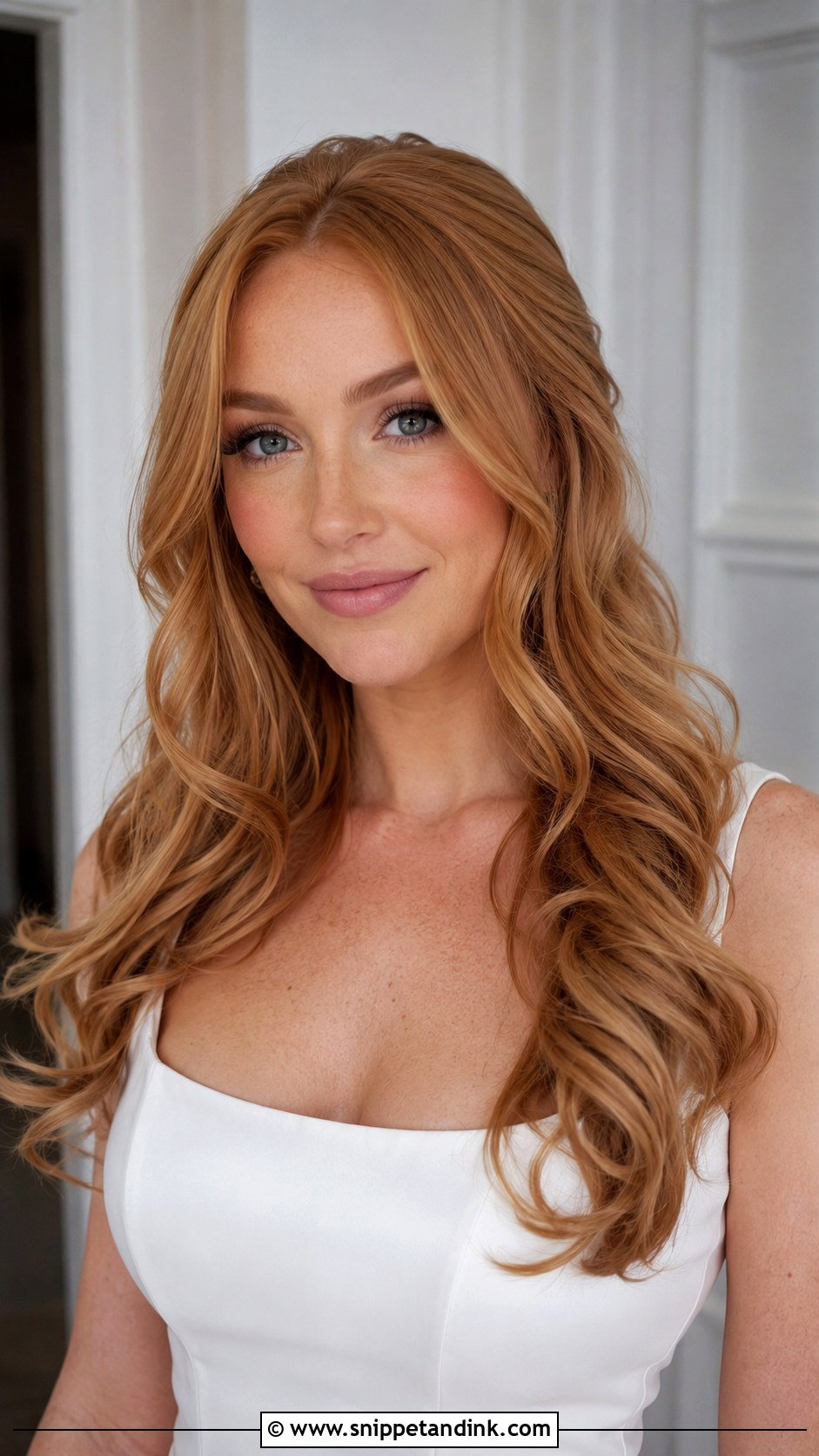
Face-framing pieces are what keep a down style from looking like a curtain. I cut nothing on the day; I simply pull out the shorter layers around the face and curl them away from it, which lifts the cheekbones and opens the eyes. They need to move. Stiff ringlets at the temple look dated in photos. The rest can be loose curls, polished waves or fuller curls.
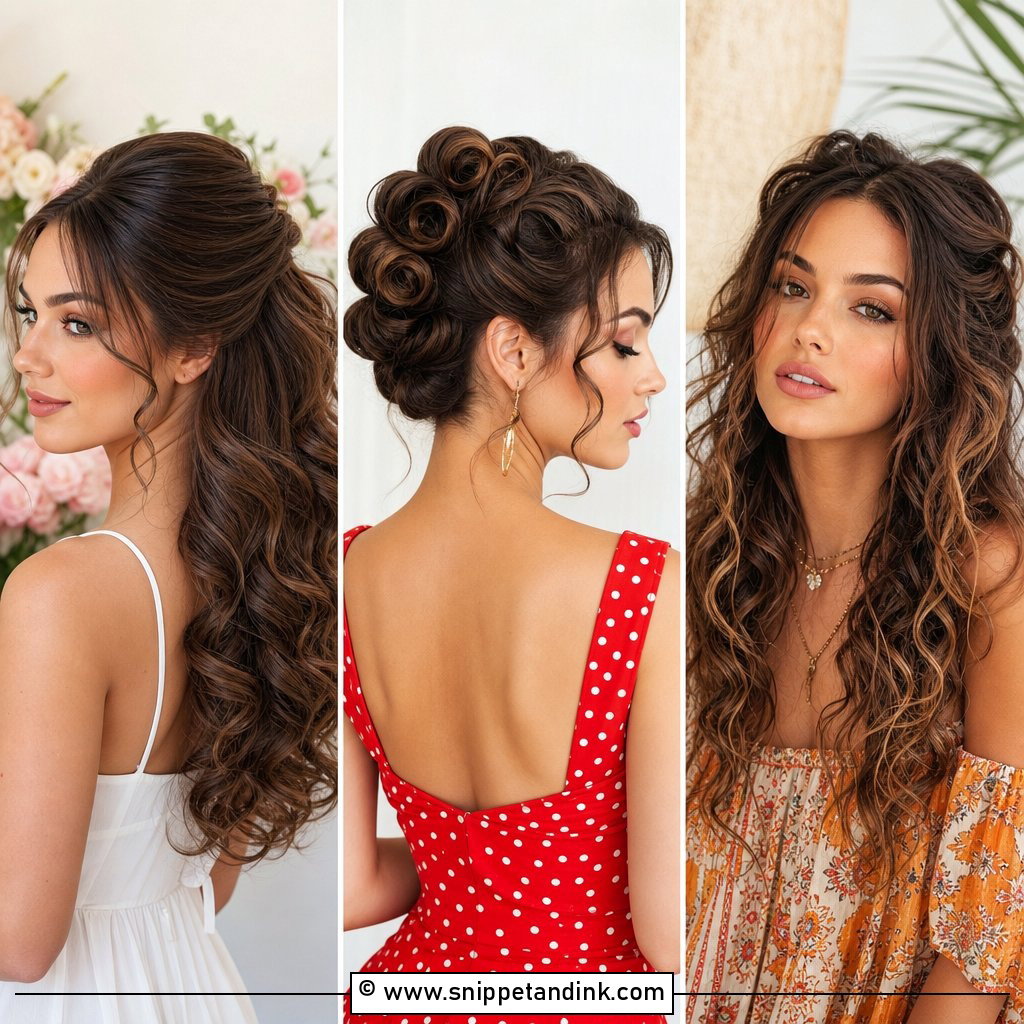
10. Bridal Hair Down Big Curls
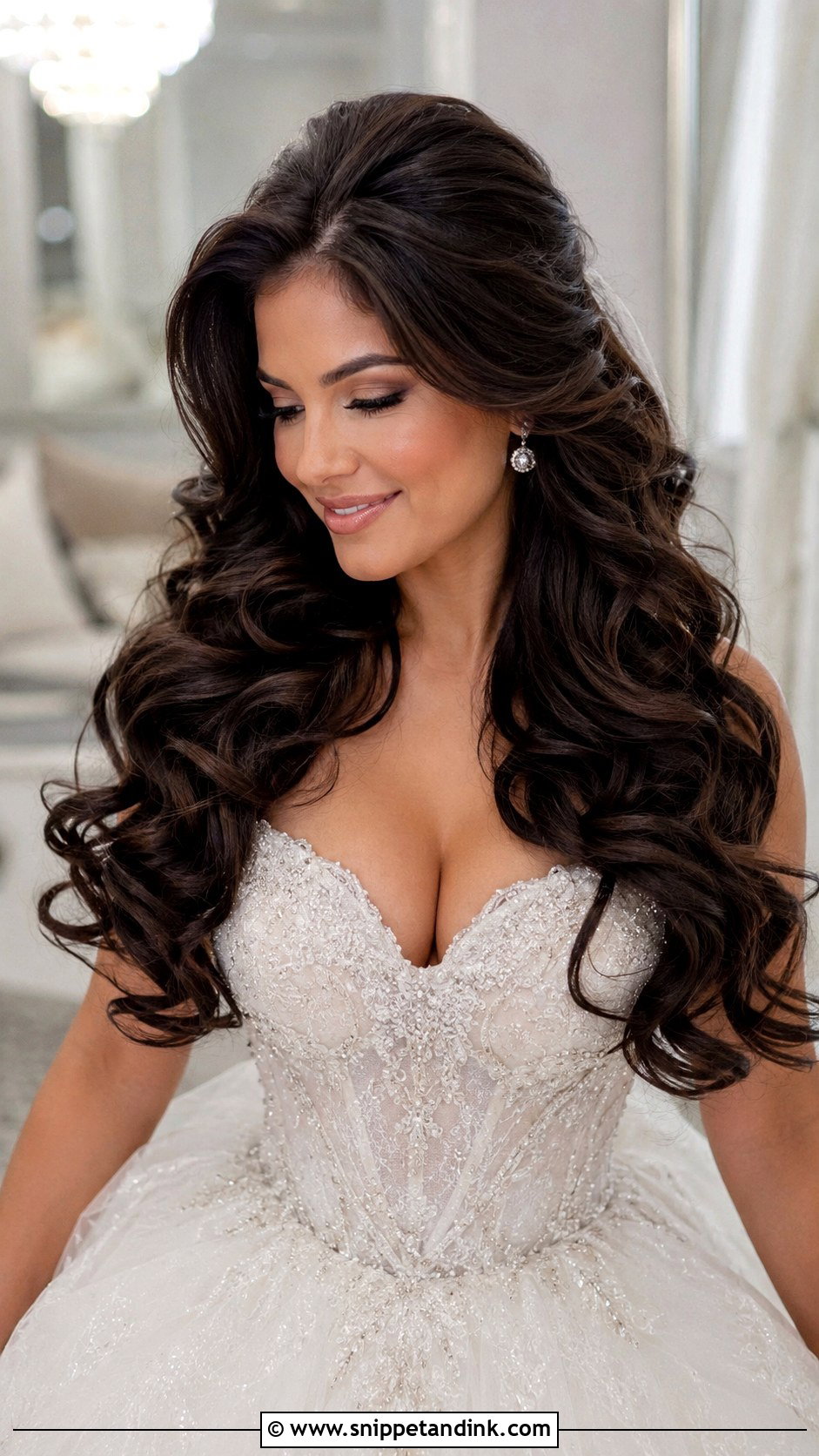
Big curls are about volume and they need hair to support it. Thick hair, long layers or extensions give them the body to look lifted and bouncy rather than heavy. My method is to curl tighter than the final look, let each section cool completely and then brush it into a wider shape. A lift at the crown makes it feel formal. Pair it with a ball gown, a dramatic veil or statement earrings.
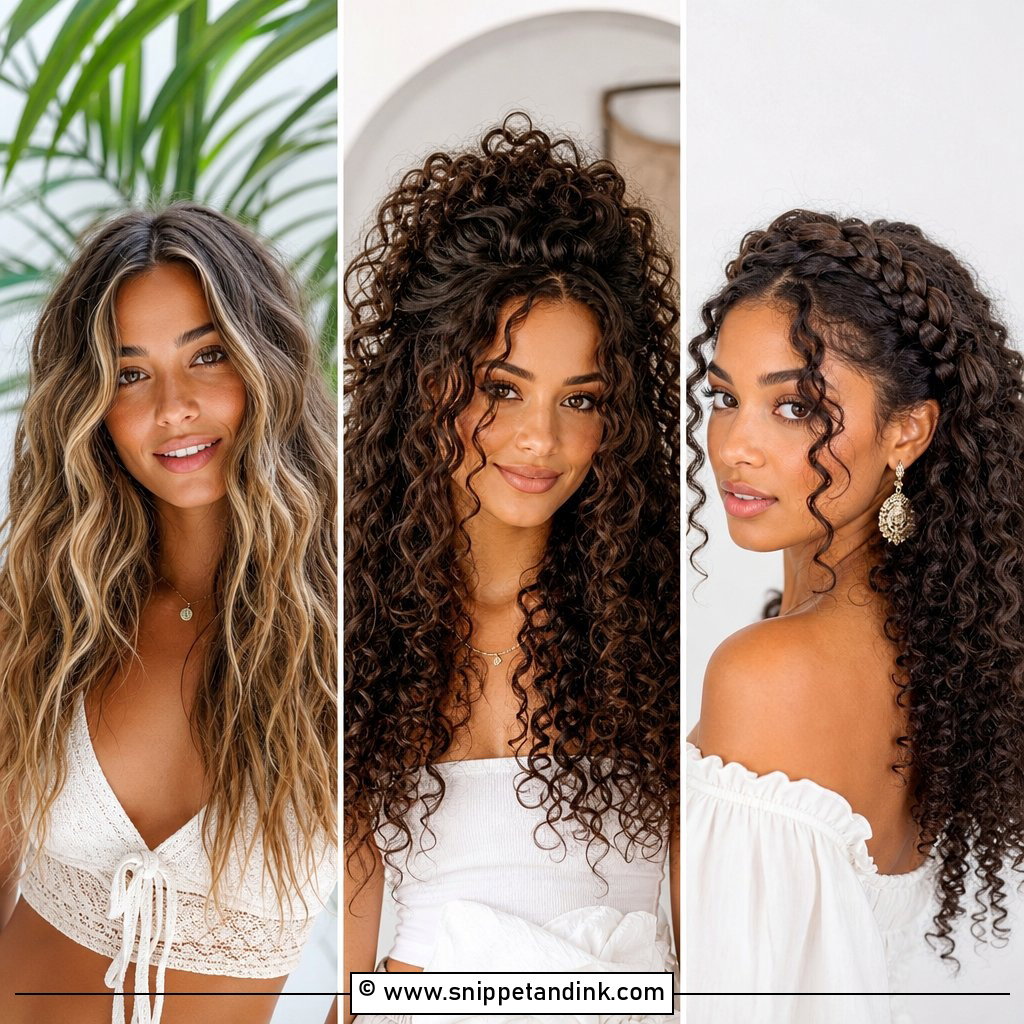
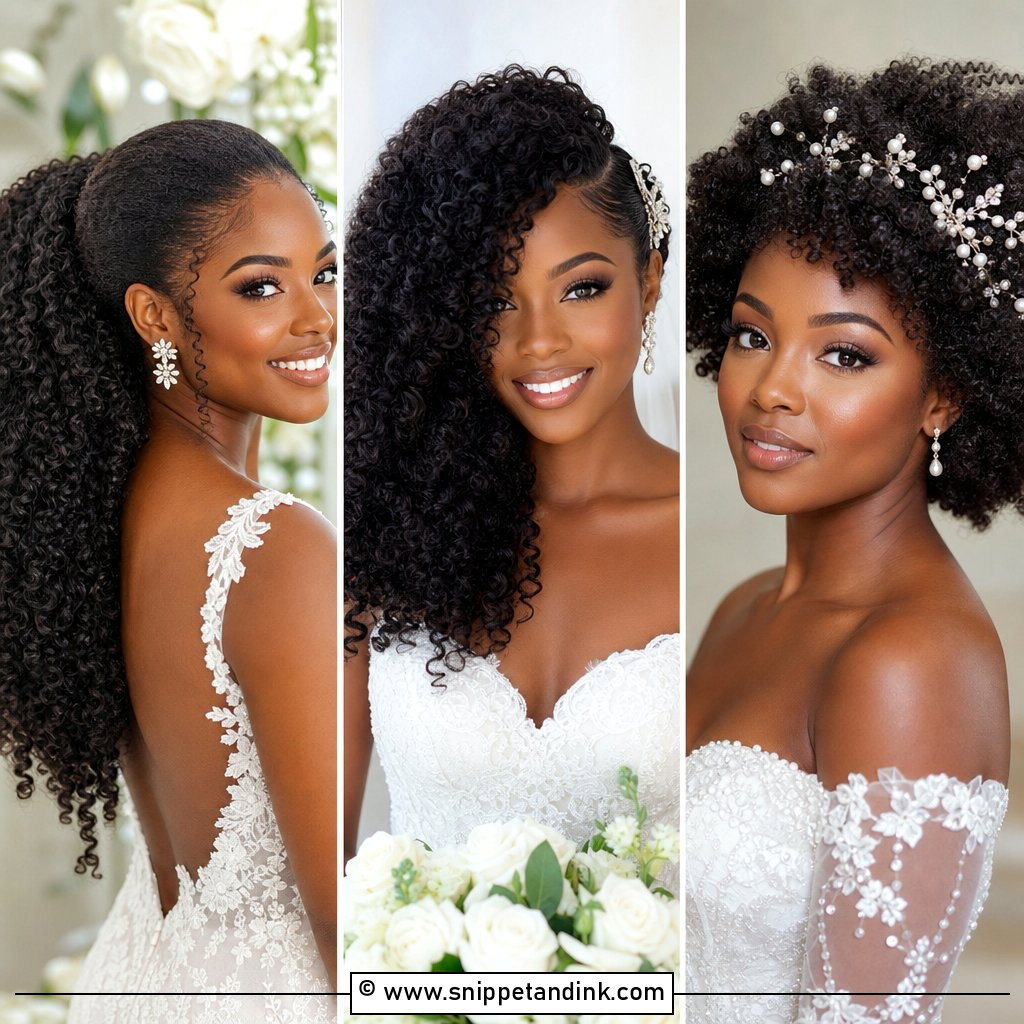
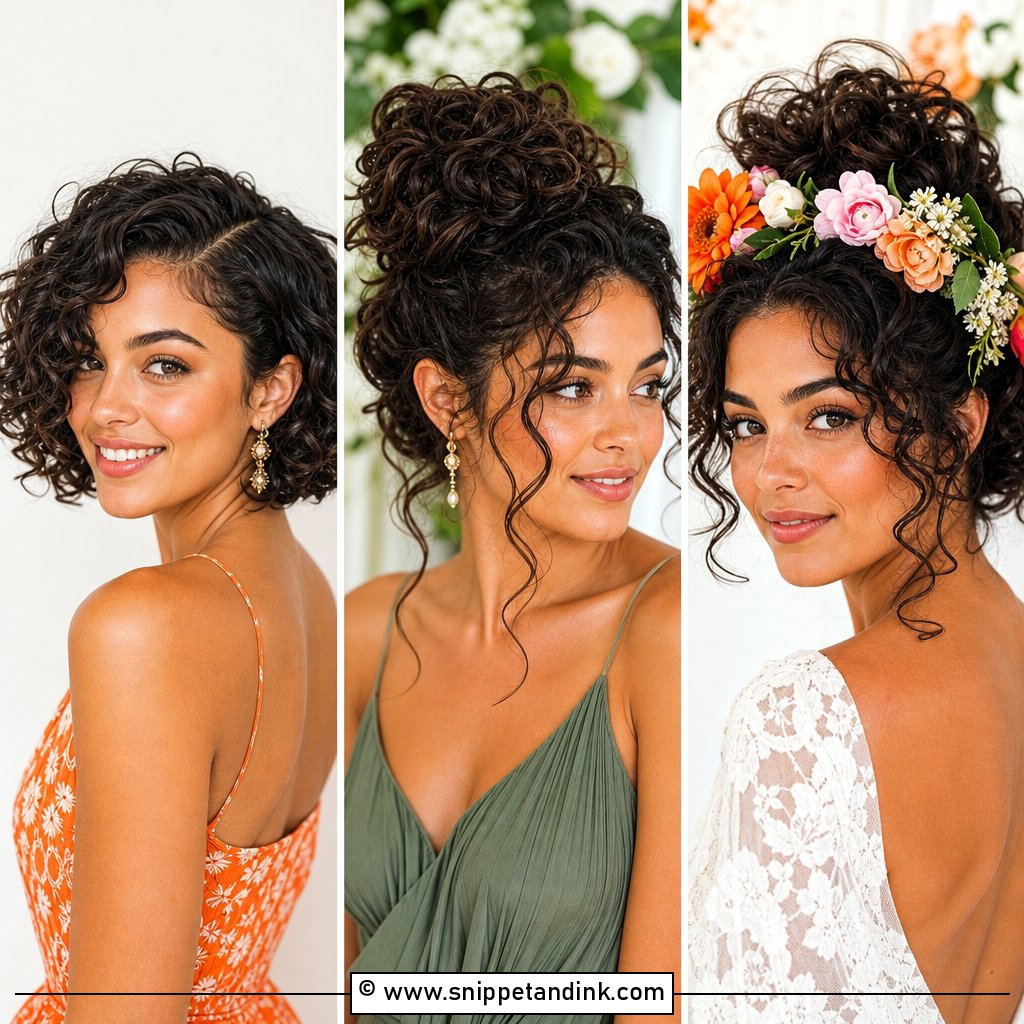
11. Bridal Hair Down Natural Curls
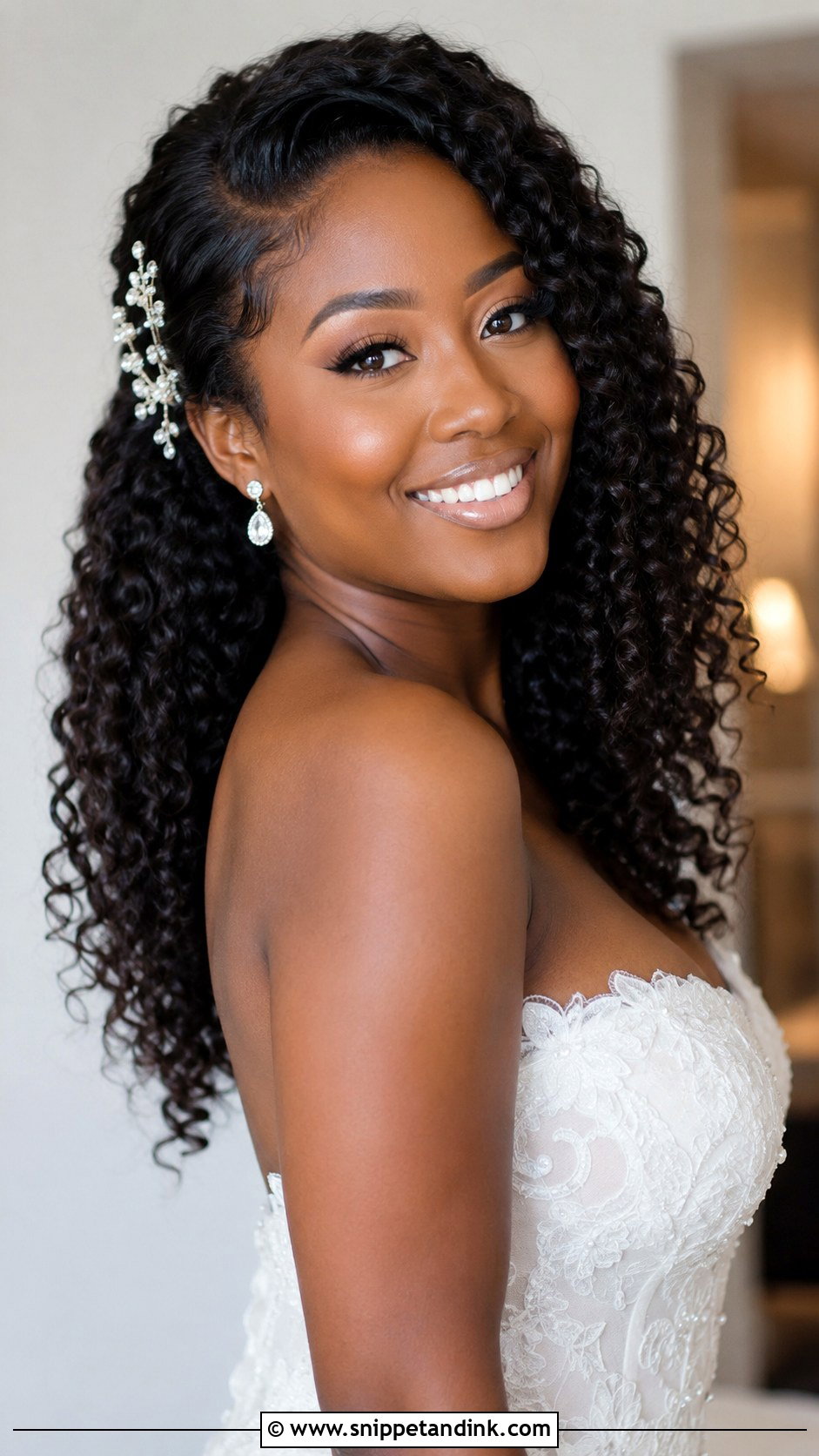
Natural curls need preparation, not transformation. Hydration, definition and a planned wash day give the finished shape, and a curl specialist will know how to reduce frizz and balance the outline around your face. Coils, spirals and soft curls all have their own volume. Plan when you’ll wash, what you’ll use, and how long it will take to dry, because a diffuser session on the morning can run much longer than expected. Wear it fully down, pinned on one side or with a single accessory.
12. Bridal Hair Down Defined Ringlet Curls
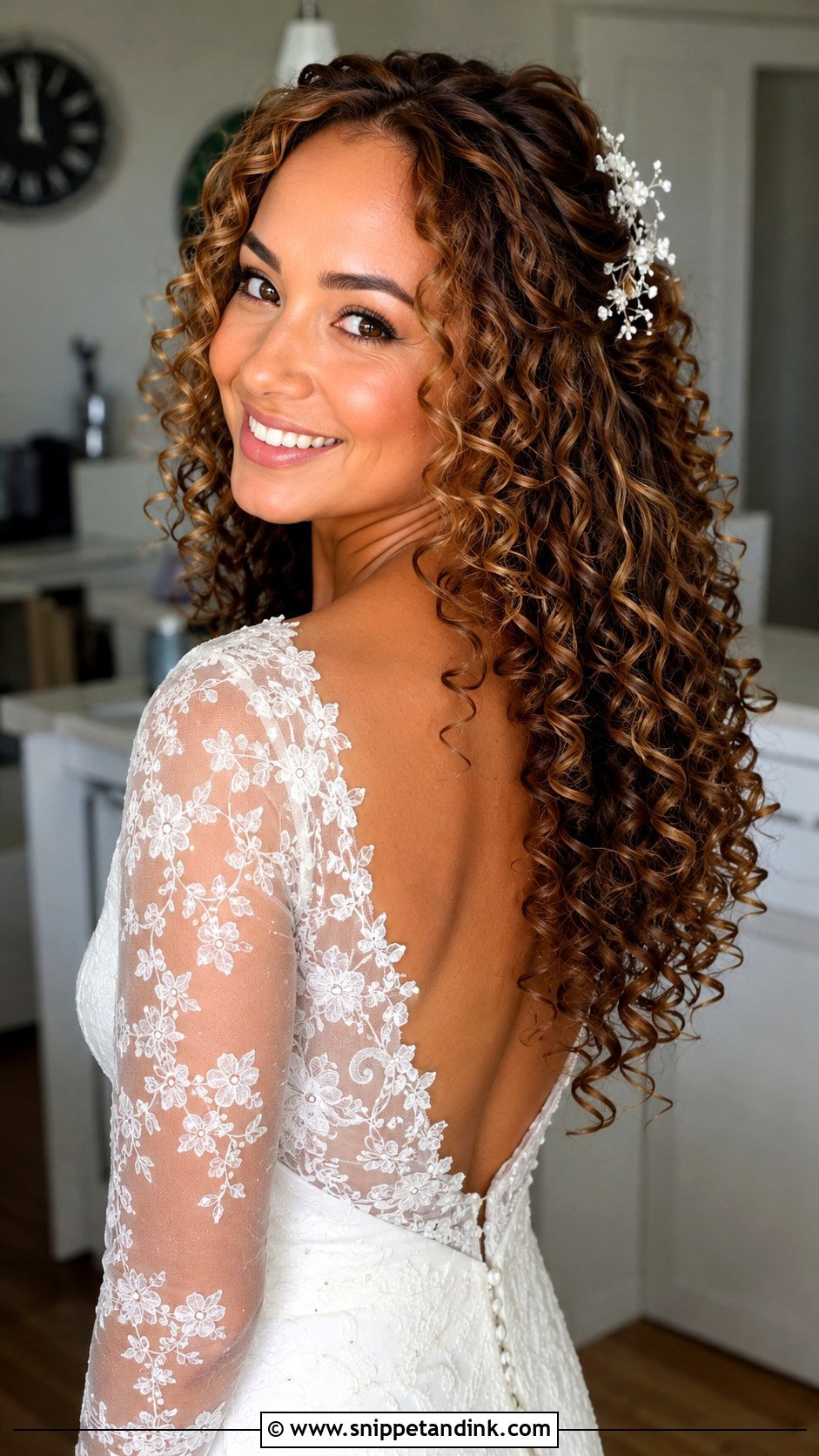
Ringlets are the most defined curl here, which makes them less forgiving if they get touched. Hydrating products, curl cream and a light hold gel keep them separated and smooth. They can cover the whole head or be mixed with softer curls for a less formal finish. Lace dresses, delicate sleeves and floral accessories suit them. Once styled, avoid brushing at all, or they’ll turn into a cloud.
13. Bridal Hair Down Beach Curls
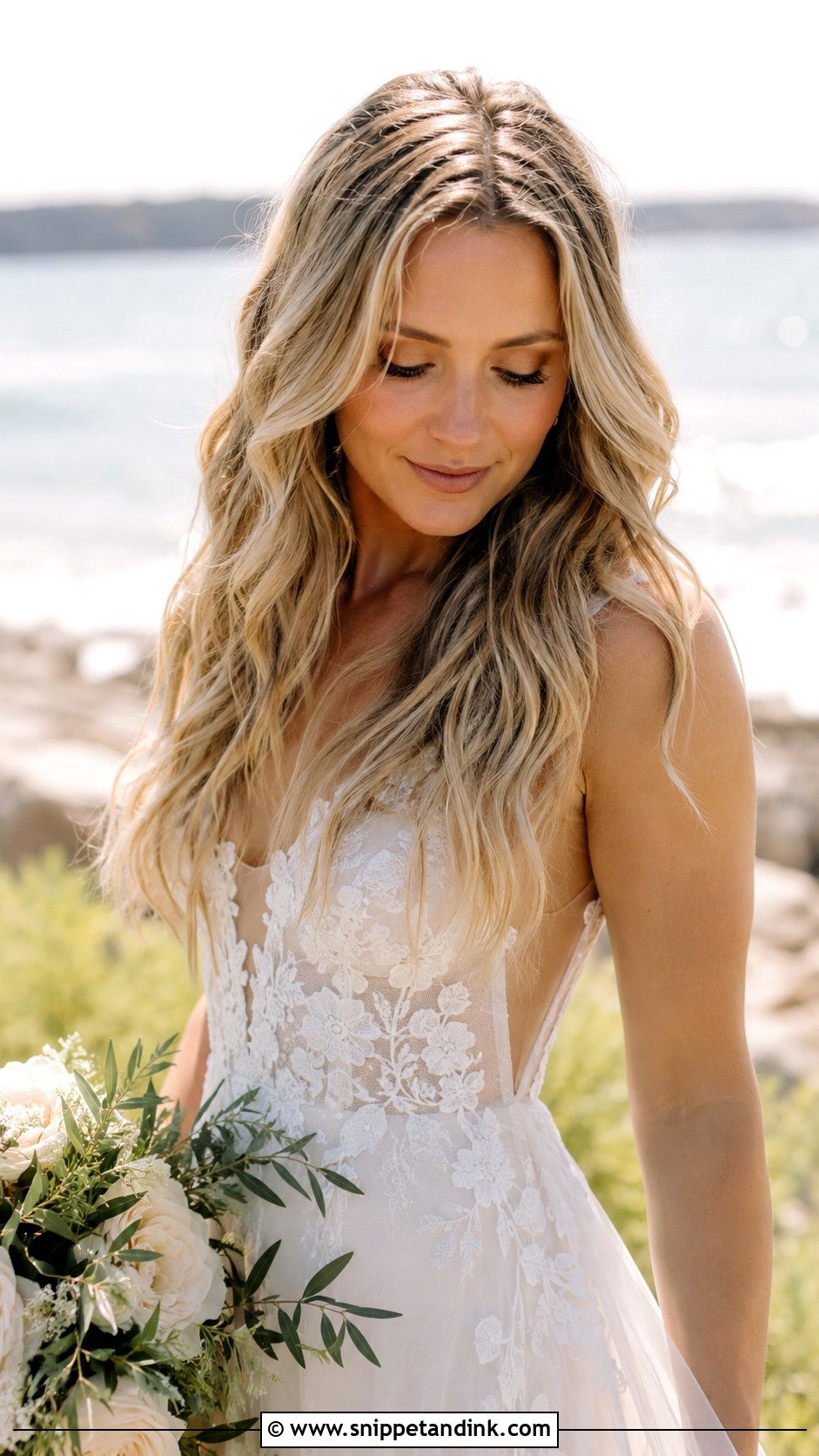
Beach curls suit coastal, outdoor, or casual elegant weddings, but they still need to look intentional. I mix the curl directions, leave the last few centimetres straighter and finish with a texture spray for grip. That’s what makes it read as styled rather than windswept. Flowy gowns, simple veils and natural makeup sit well with it. In humid sea air, a light anti-frizz cream underneath helps a lot.
14. Bridal Hair Down Brushed Out Curls
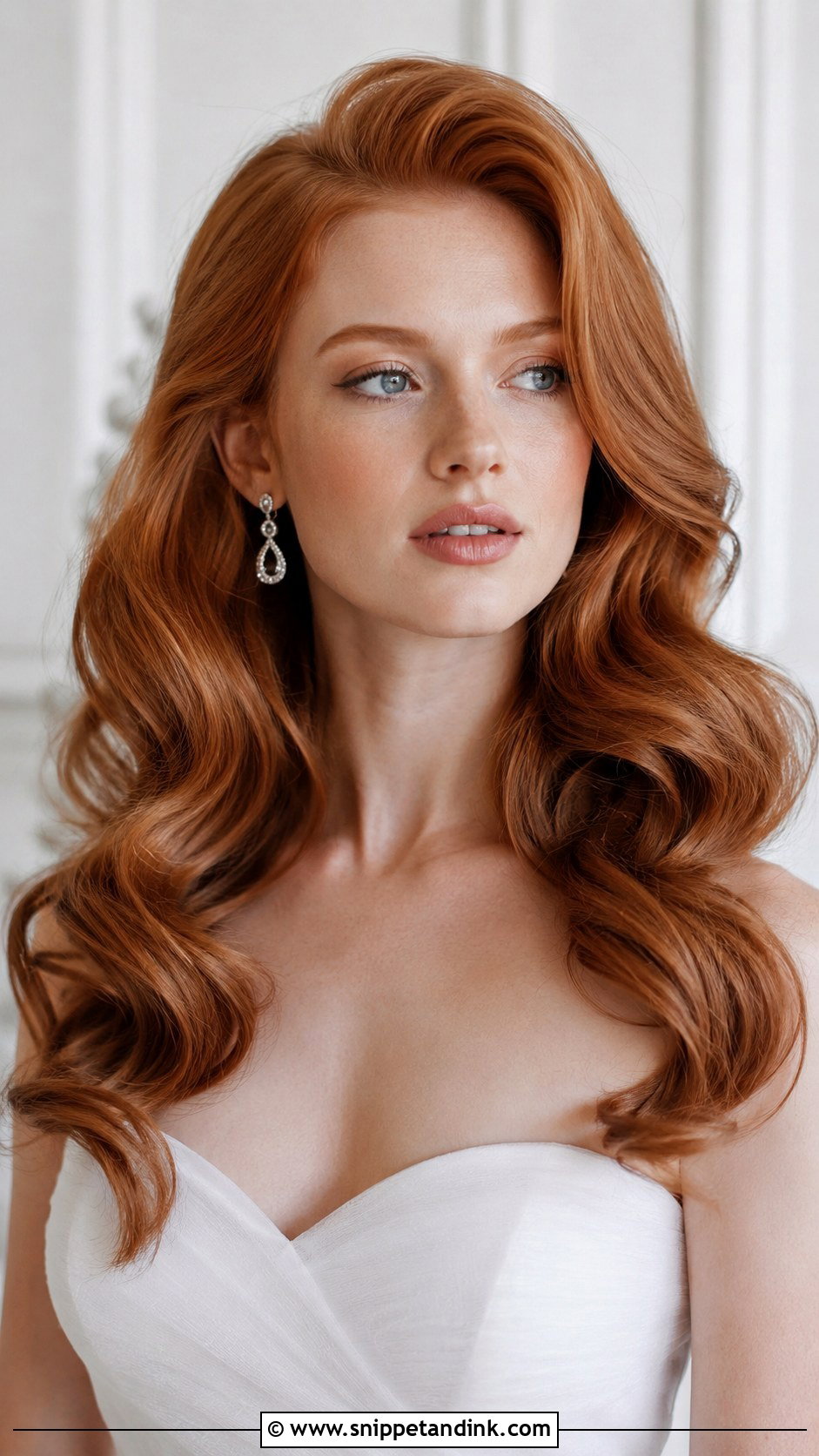
Set, cool, then brush. Brushed-out curls lose the individual curl lines and turn into a soft, fluffy shape with volume around the shoulders. It’s a vintage idea that still looks current. Medium to long hair works best, with a centre part, a side part or a tucked section. A little smoothing cream and shine spray give polish, but too much product weighs the shape down, so I’d rather add more later than start heavy.
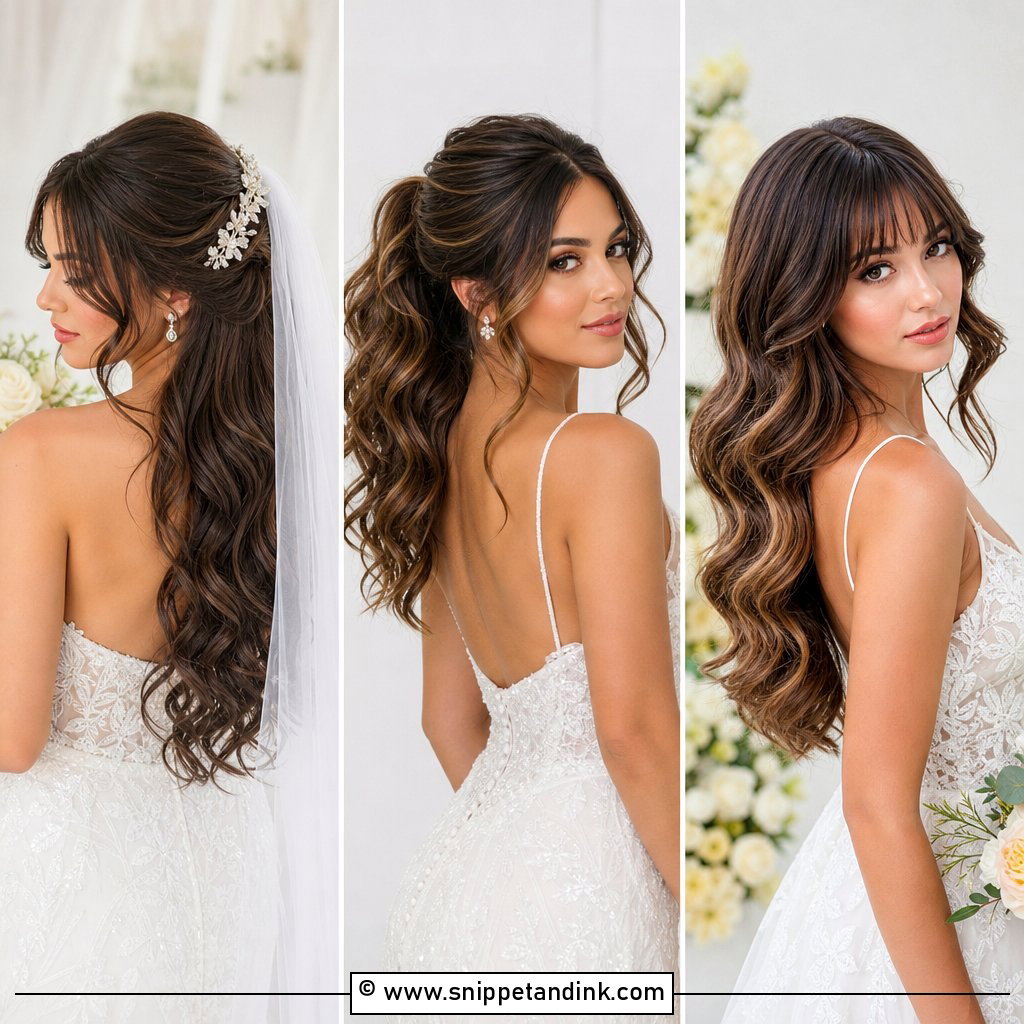
15. Bridal Hair Down Curls For Long Hair
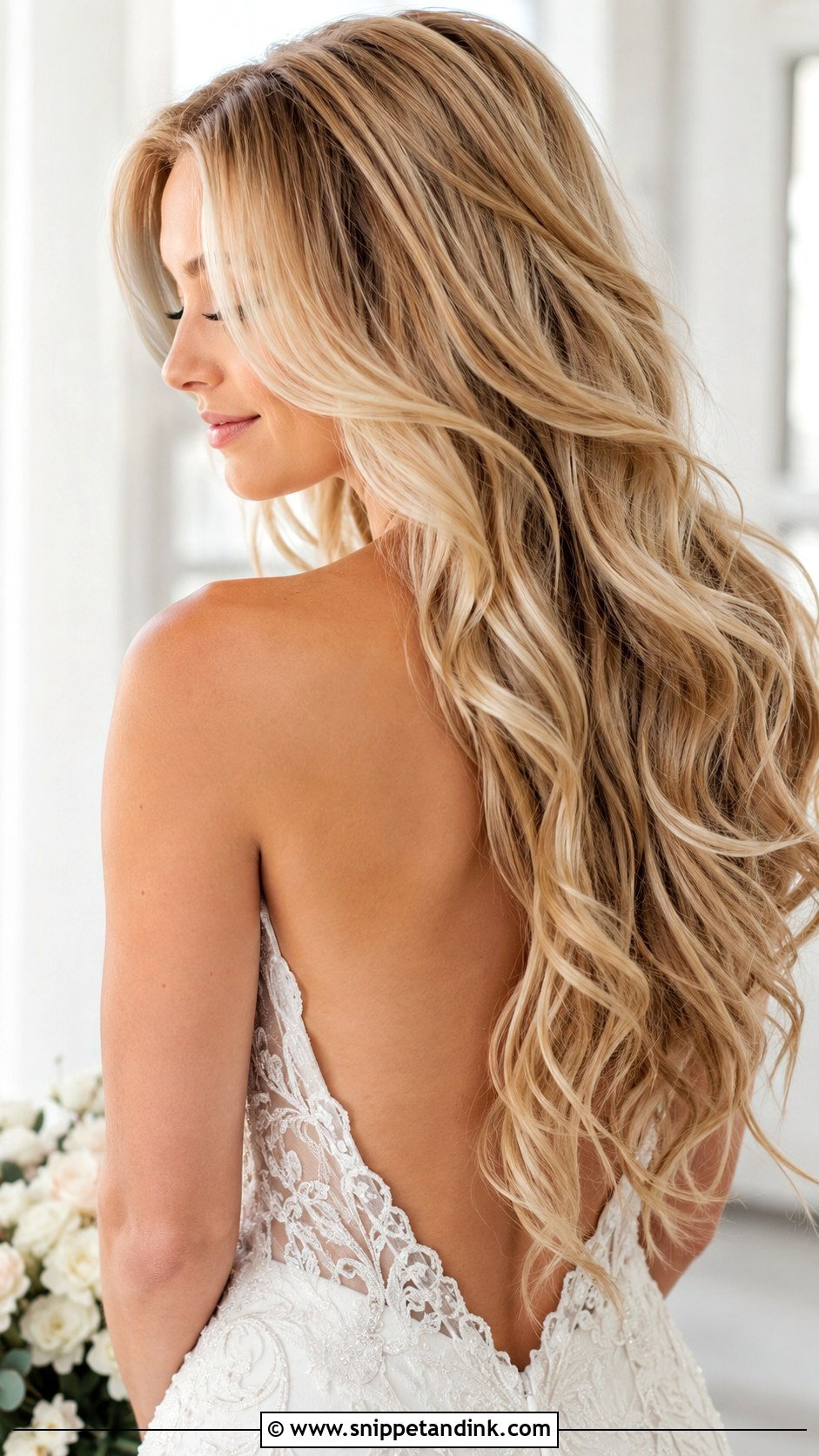
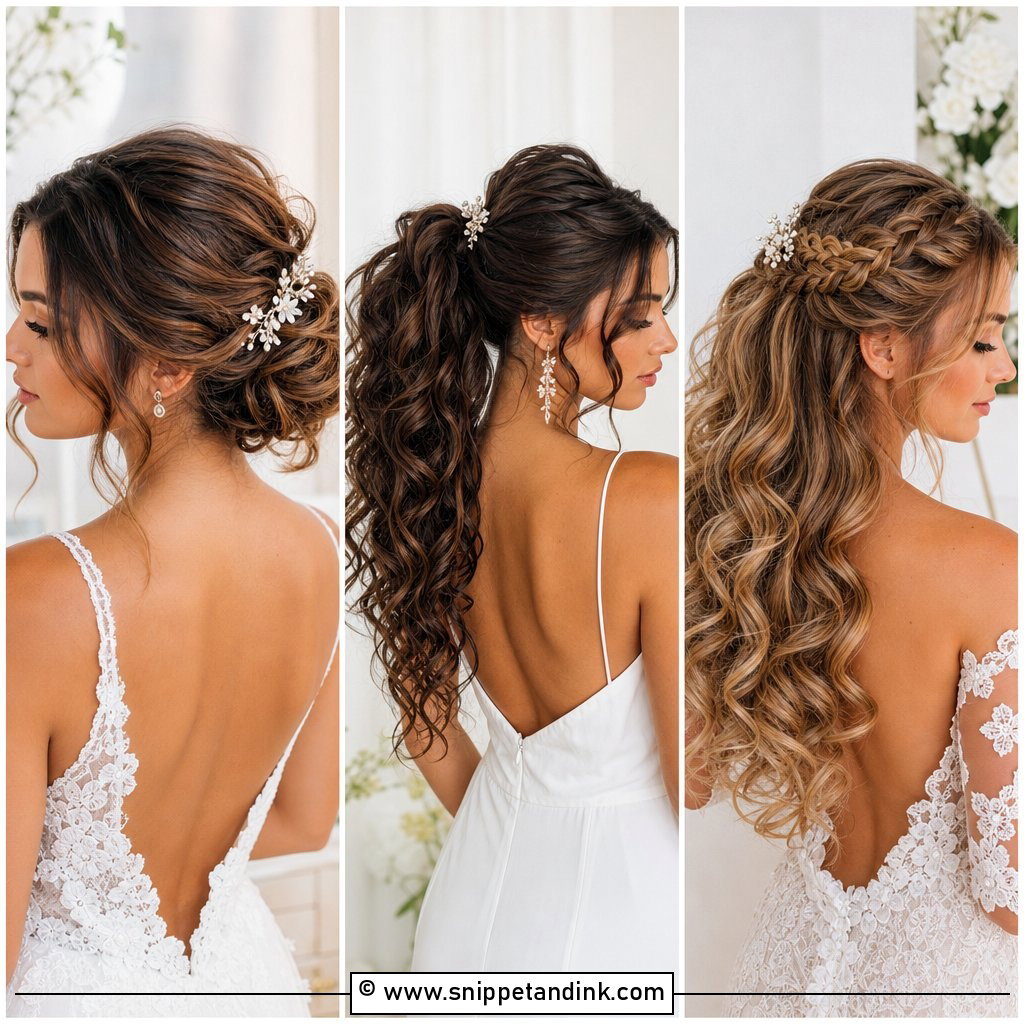
Long hair gives curls room to move but also adds weight that pulls them straight. Long layers help, since they take bulk off the ends. With very long hair I check the curl from the back as well as the front, because a style that looks full in the mirror can look flat from the aisle. Extensions add fullness if they’re blended well. Veils, hair vines, pearl pins and open-back gowns all show off the length.
16. Bridal Hair Down Curls For Medium Hair
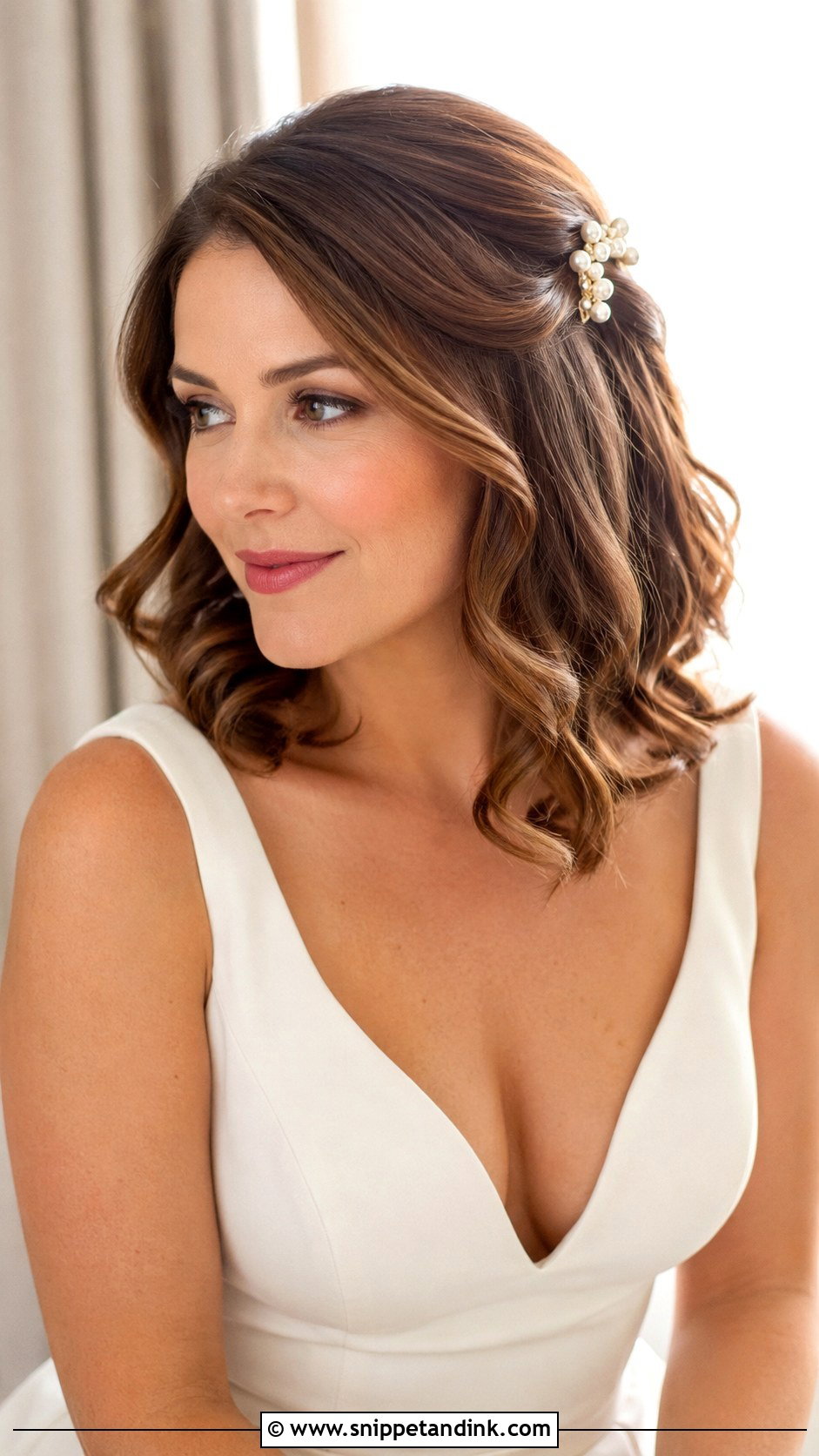
Medium hair is often the easiest to curl for a wedding, since there’s less weight dragging the shape down. Collarbone-length cuts, lobs and shoulder-length hair with layers hold a curl longer than very long hair. The main thing I watch is shrinkage: curls can lift the length well above the shoulders, so I curl looser to keep width without losing too much length. A side tuck, pearl clip or small comb adds a bridal detail.
17. Bridal Hair Down Curls For Thin Hair
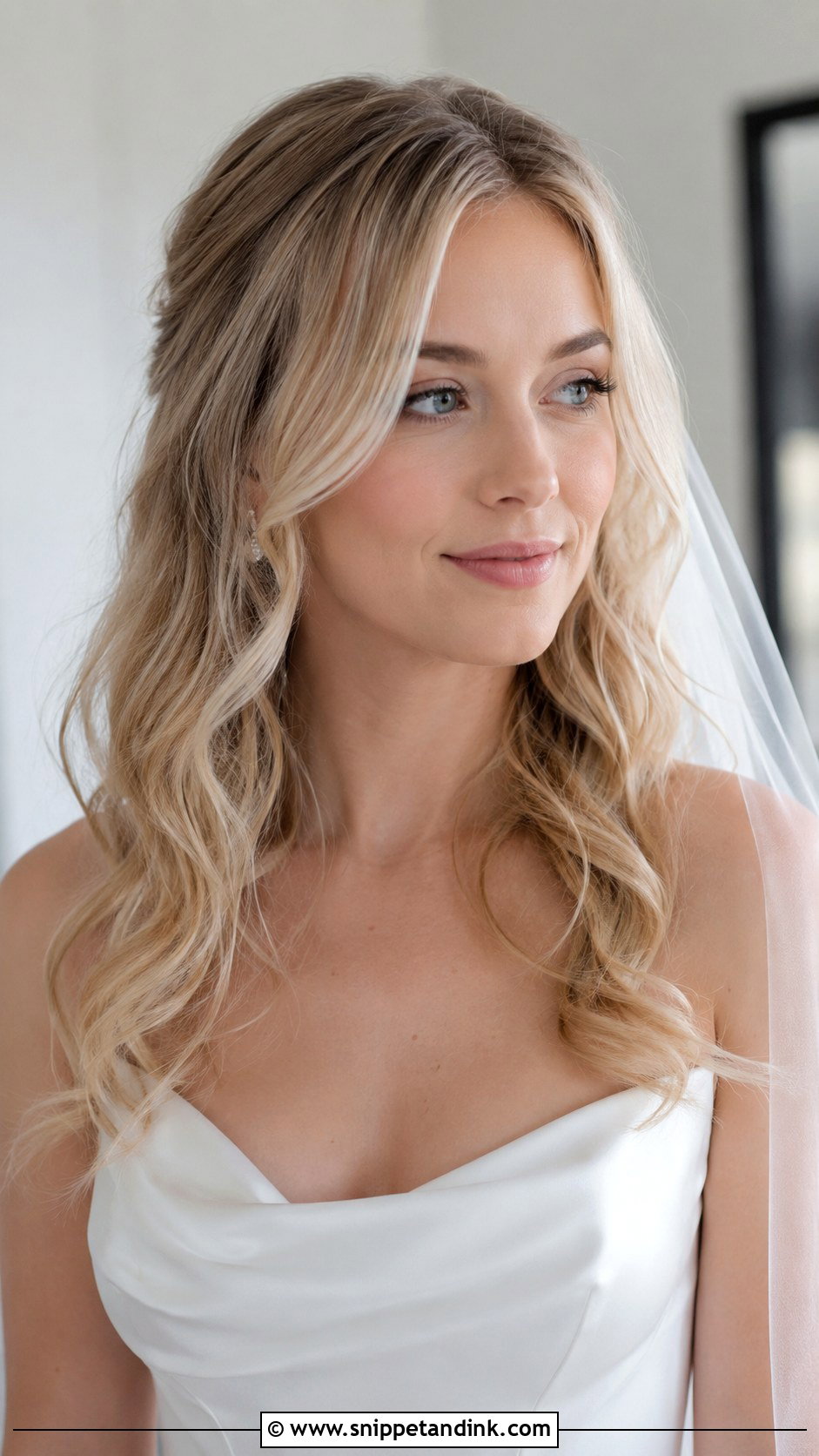
Thin hair can look full in down curls, but heavy curls will collapse. I use a smaller curling iron, light mousse at the root and clip-in extensions for density. Layers should be subtle so the ends don’t look sparse. Avoid oils or rich creams the night before; they flatten fine hair. A brushed-out shape looks fuller than defined curls, and small pins or a hidden veil comb add detail without dragging.
18. Bridal Hair Down Curls For Thick Hair
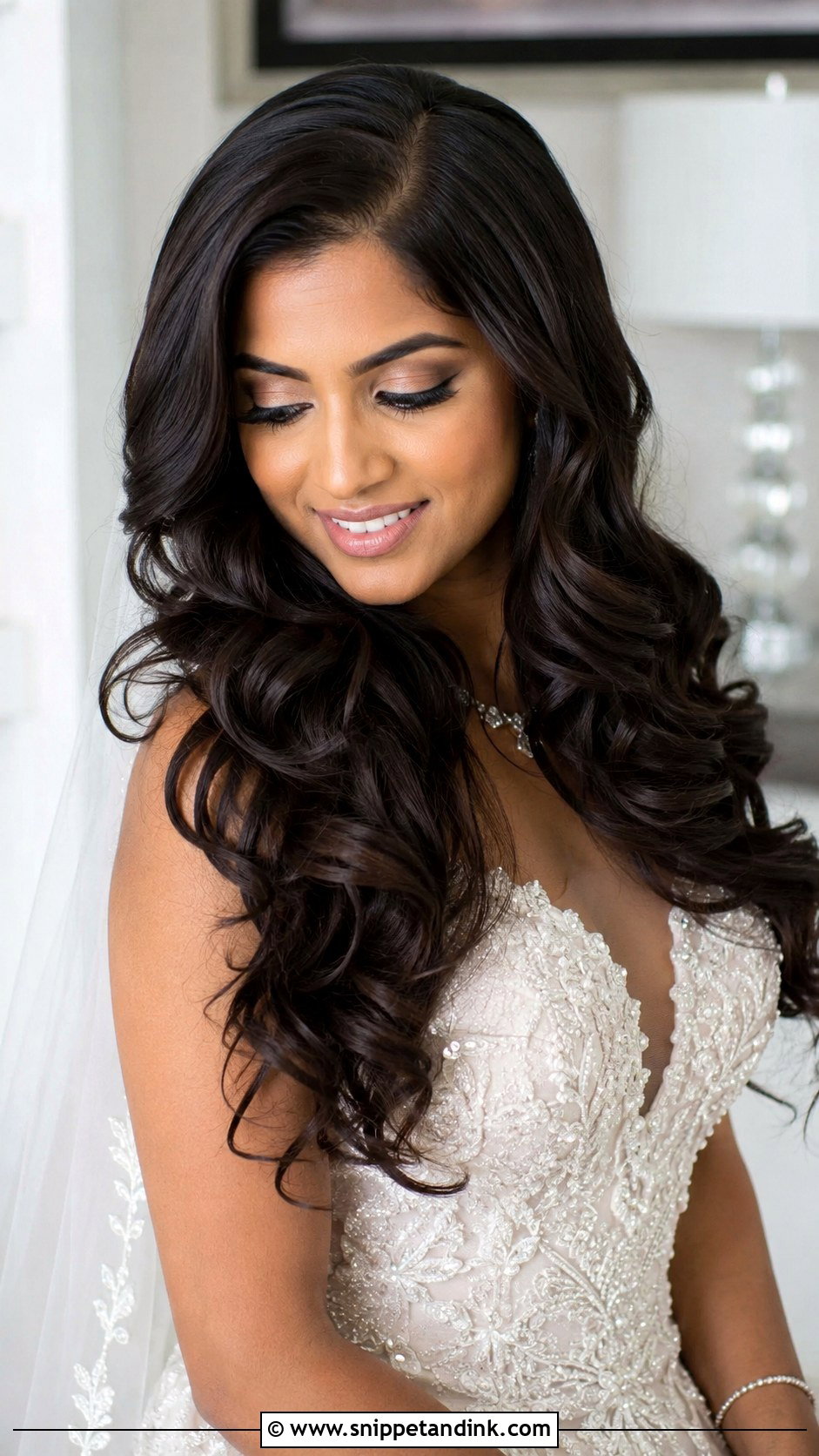
With thick hair, the challenge is control rather than volume. Without careful sectioning, curls merge into one heavy mass. I work in small sections, use a smoothing cream and a stronger hold product, and allow extra drying time before I even start. Long layers reduce weight. A side part or slight crown lift keeps bulk away from the face. It can be worn as loose curls, big curls or brushed waves.
19. Bridal Hair Down Curls With Tiara
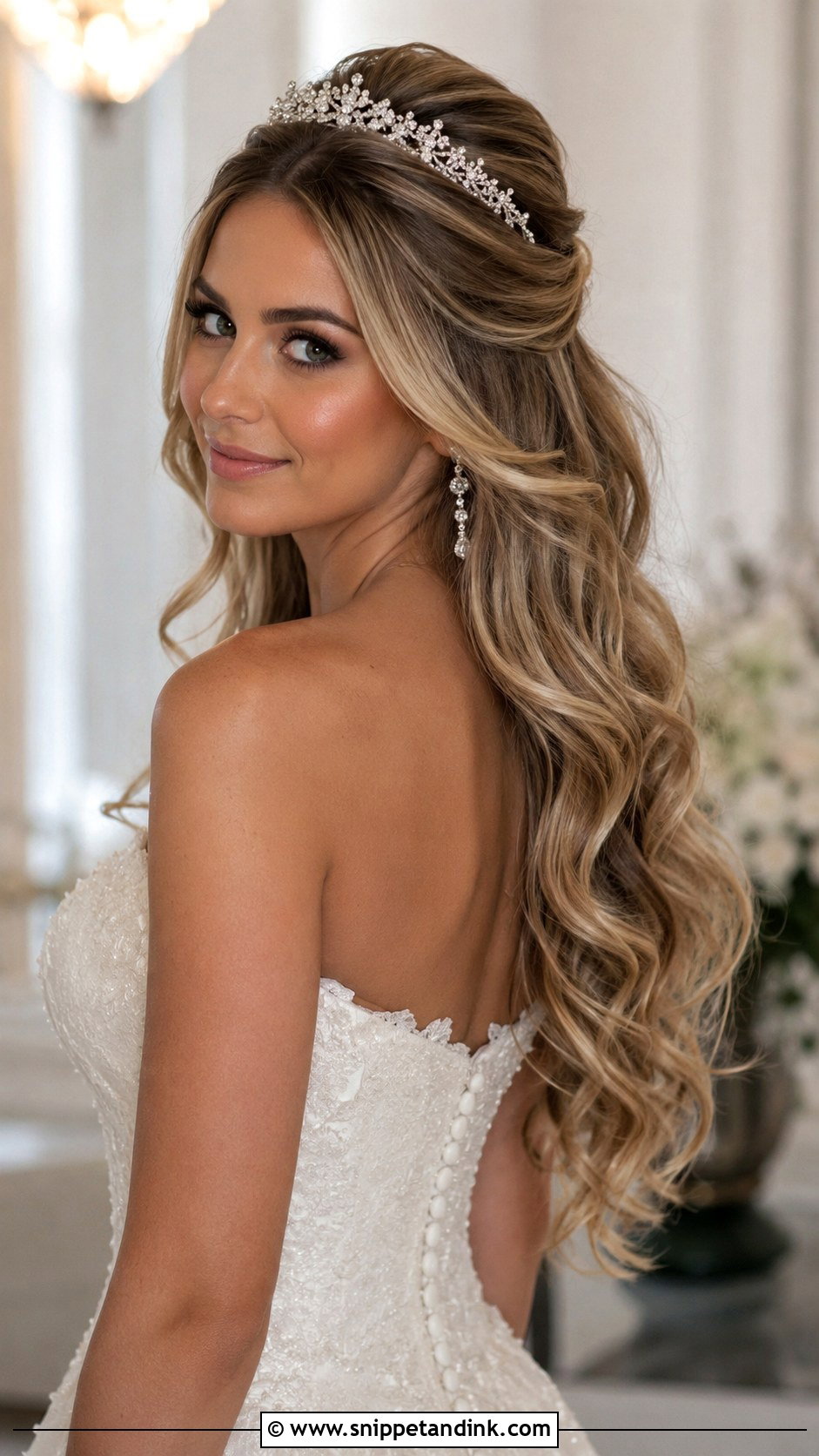
A tiara on loose curls needs some smooth volume underneath it, or the band sits flat and pinches. I tease a little at the root before placing it and pin through the side loops into that teased base. Size should match the gown: a fine band for a simple dress, a taller piece for something formal. The curls can fall over the shoulders or be swept behind for a cleaner front view.
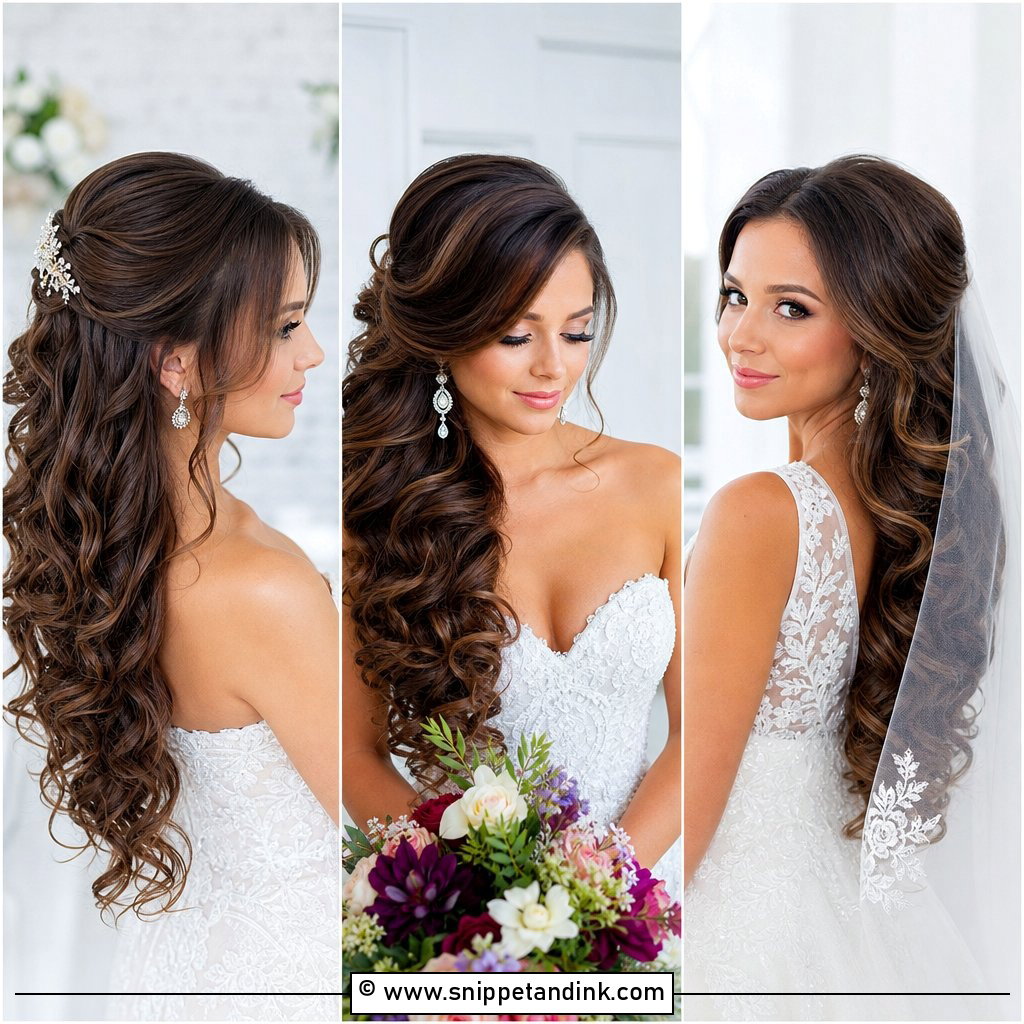

20. Bridal Hair Down Curls With One Side Pinned
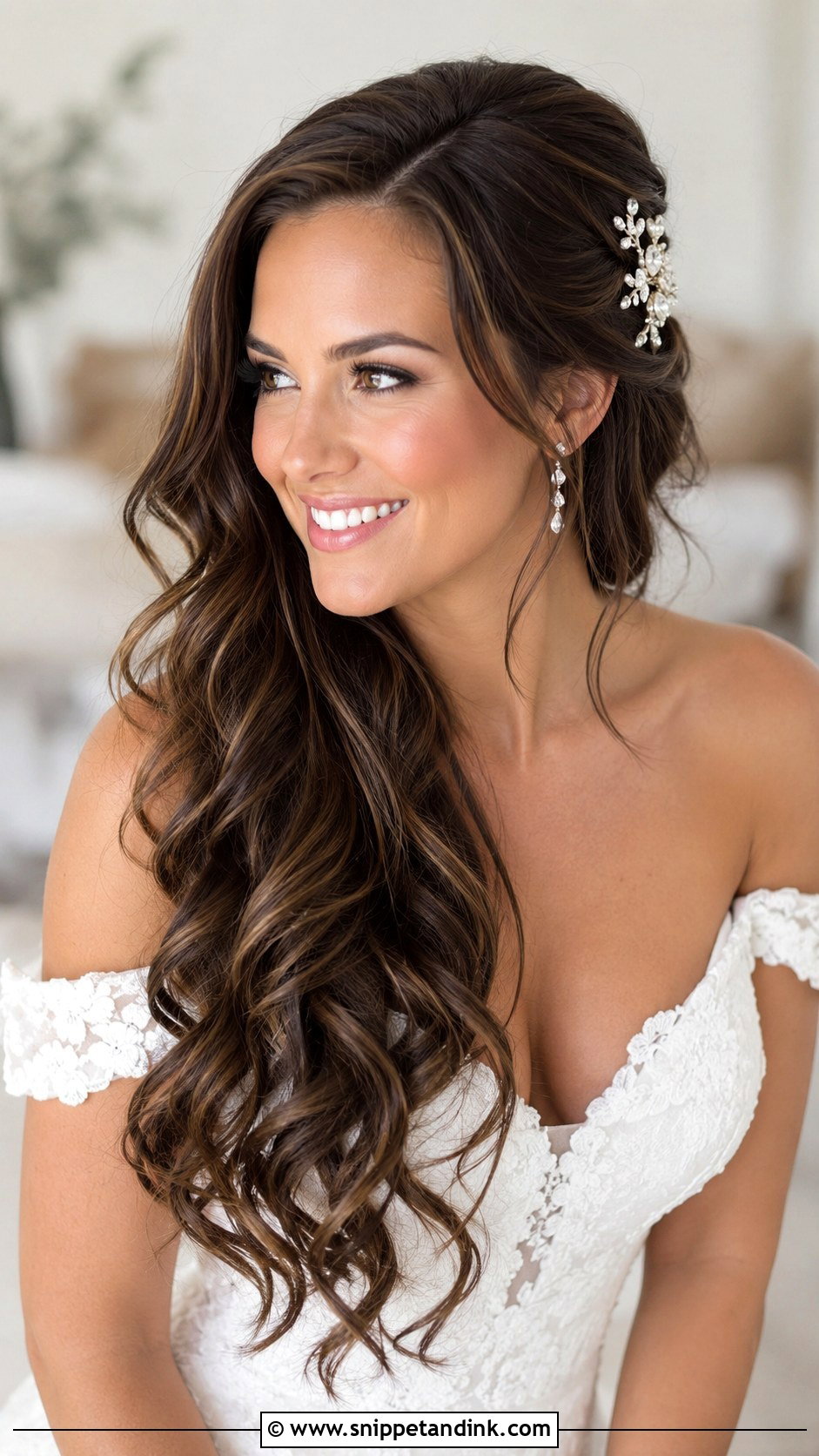
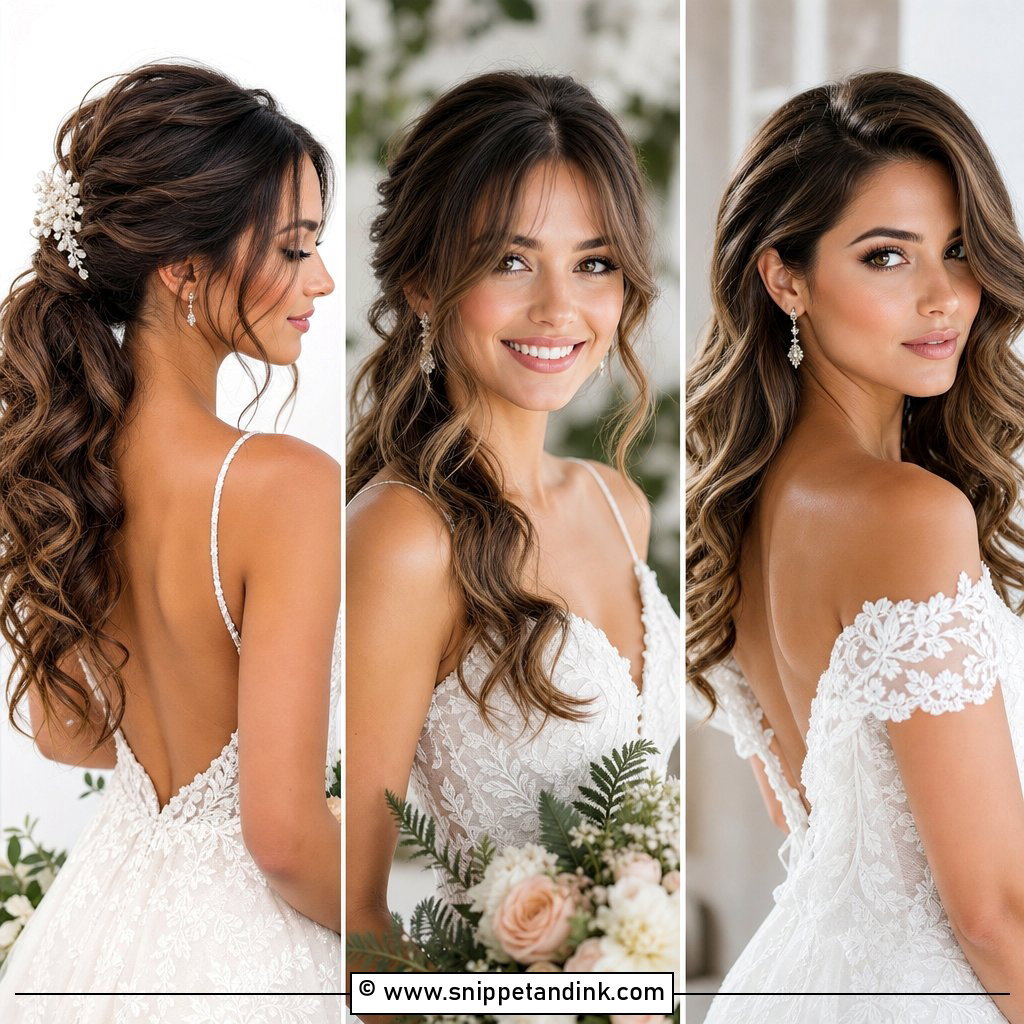
Pinning one side back opens the face, shows an earring and stops hair falling forward when you look down at your vows. It’s also my go-to for windy venues, because half the hair is controlled. I keep the pinned area soft rather than tight, so it still looks romantic from the front. Pearl pins, floral combs, crystal clips or hidden pins all work.
Rain, Sea Air and Air Conditioning on the Day
Check the forecast a few days out and tell your stylist. Humidity is the main enemy of down curls, so for a beach, a marquee in summer or a garden after rain, I’d add an anti-humidity spray and plan a fallback. My usual fallback is half-up: two pins and a comb can take the side sections off the face if the curls flatten, and it still looks finished.
Air conditioning is the opposite problem. A cold, dry room can build static and flyaways, especially on fine hair. A tiny amount of smoothing cream rubbed between the palms fixes it.
Hugs are the other thing nobody plans for. Every embrace in the receiving line presses the curls on whichever side you lean into. Tilting your head slightly away when you hug sounds silly, but it keeps that side from flattening against shoulders and jackets all afternoon.
Hand a bridesmaid a small pouch with matching bobby pins, a travel spray and a smoothing cream. If curls drop badly between the ceremony and photos, a cordless curler can refresh the front sections in a few minutes, but only on hair that’s dry and free of sweat.
Is Wearing It Down Right for Your Venue?
Down curls can be glossy, natural, brushed out or relaxed and beachy, but each version relies on the same few things: hair that’s prepped to hold, a stylist who lets the curls cool, and a realistic look at your venue and weather. Book a trial, wear it for several hours afterwards and notice where it drops first. If it falls flat by mid-afternoon, extensions or a half-up variation may be the better plan.
You'll Like These Ideas:


Leave a Reply