
Beach waves are the style I’m asked for most, and the one most often misunderstood. Brides picture something loose and undone; what they actually want is a bend that looks loose but has been built carefully enough to last ten hours. Done well, waves suit a beach, a garden or a ballroom equally. They can be worn down, half up, swept to one side, braided or pinned into a soft bun, and the texture catches light in a way flat hair never does. Here are twenty versions, with what I’d do, and avoid, for each.
Wand, Flat Iron or Clamp Iron? How the Bend Gets Made
Three tools make three different waves, and it helps to know which one your stylist is reaching for. A wand, where you wrap hair around a clampless barrel, makes a rounder, more natural bend and is my usual choice for long hair. A flat iron twisted half a turn gives a flatter, modern S shape that suits bobs and lobs. A clamp curling iron makes a tighter, more defined curl that I then brush out for Hollywood or mermaid waves.
Whatever the tool, three habits decide whether the wave lasts:
- Let each section cool fully before touching it. Hair sets as it cools, and brushing warm curls is the quickest way to lose them.
- Leave the last inch or so out of the barrel. Straight ends look modern and keep waves from turning into ringlets.
- Alternate the direction of each section around the face, so waves stay separate instead of merging into one big curl.
When you brief a stylist, say bend rather than curl if you want soft waves. Bring a photo too, because one person’s loose wave is another person’s spiral.
1. Beach Waves Bridal Hair With Veil
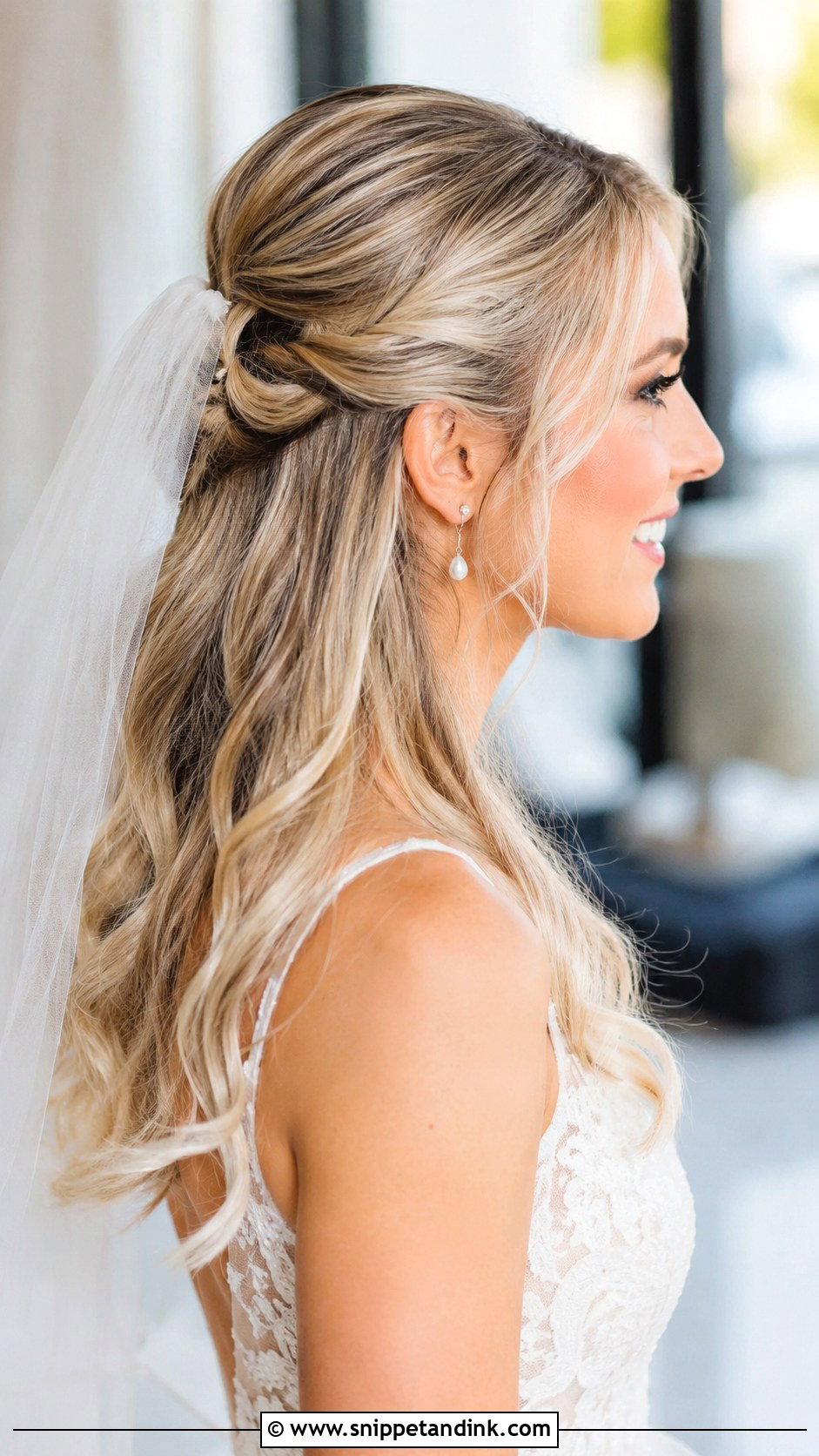
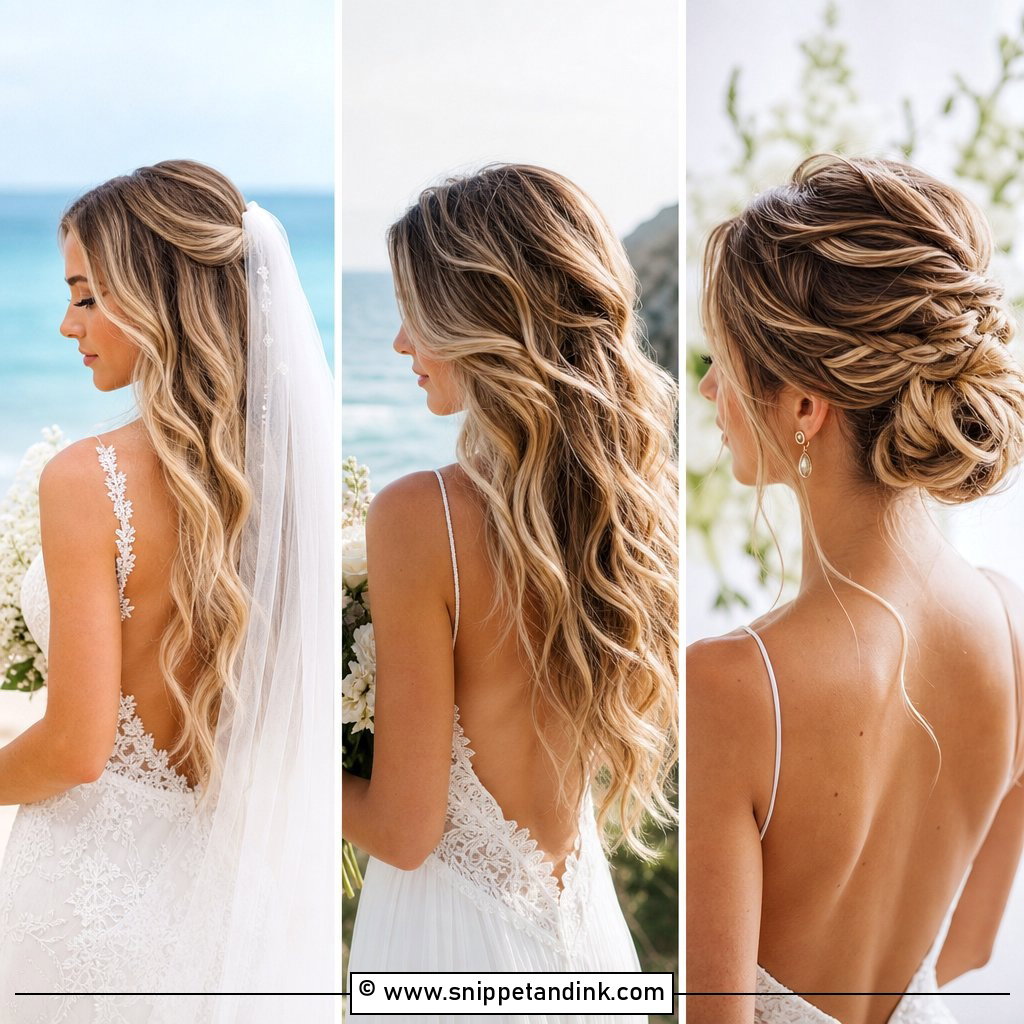
Waves under a veil need a smooth crown. If the top is textured, the comb has nothing flat to sit on and the veil tilts. I keep the hair sleek from the part to about ear level and start the bends below that. Then I slide the veil comb into a small hidden backcombed section or a pair of crossed pins so it can’t creep during photos. A center part looks modern; a soft side part is more romantic. Lace, satin and plain pearl earrings all suit it.
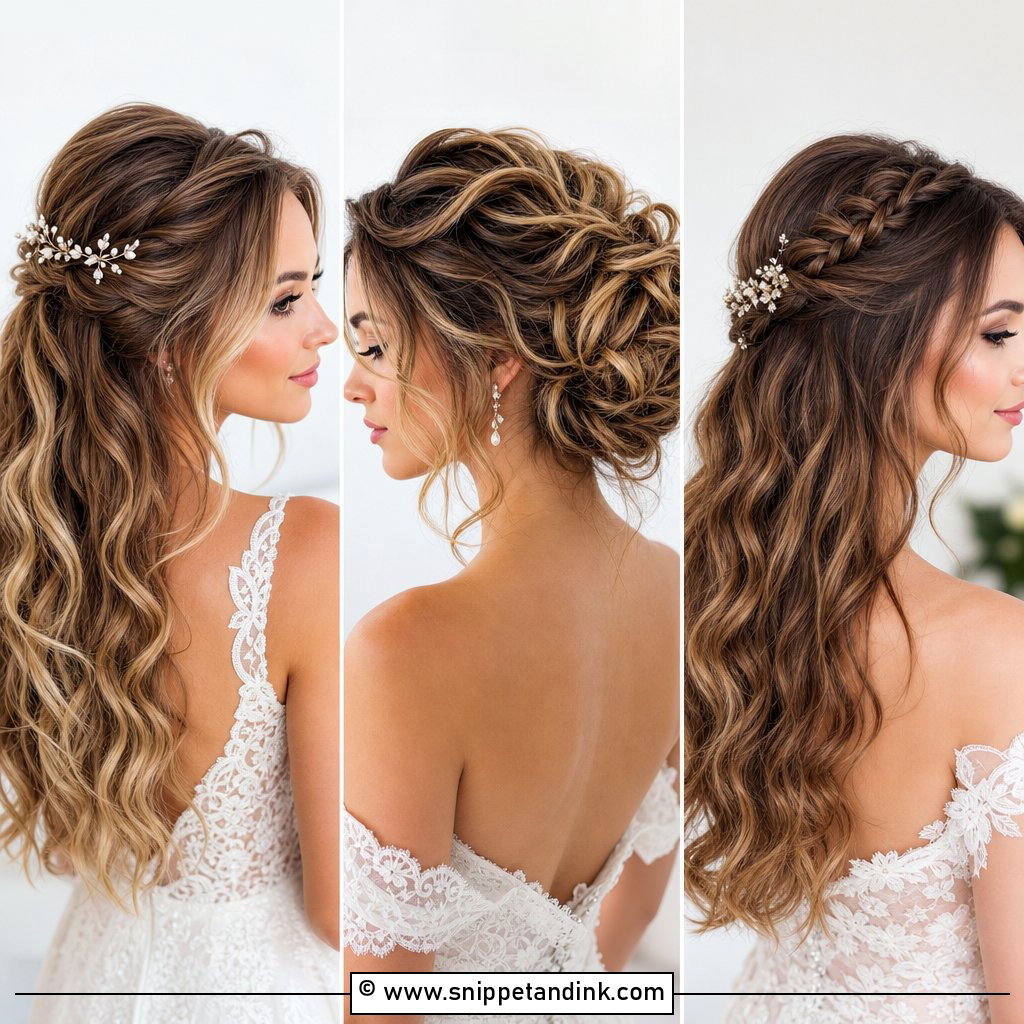
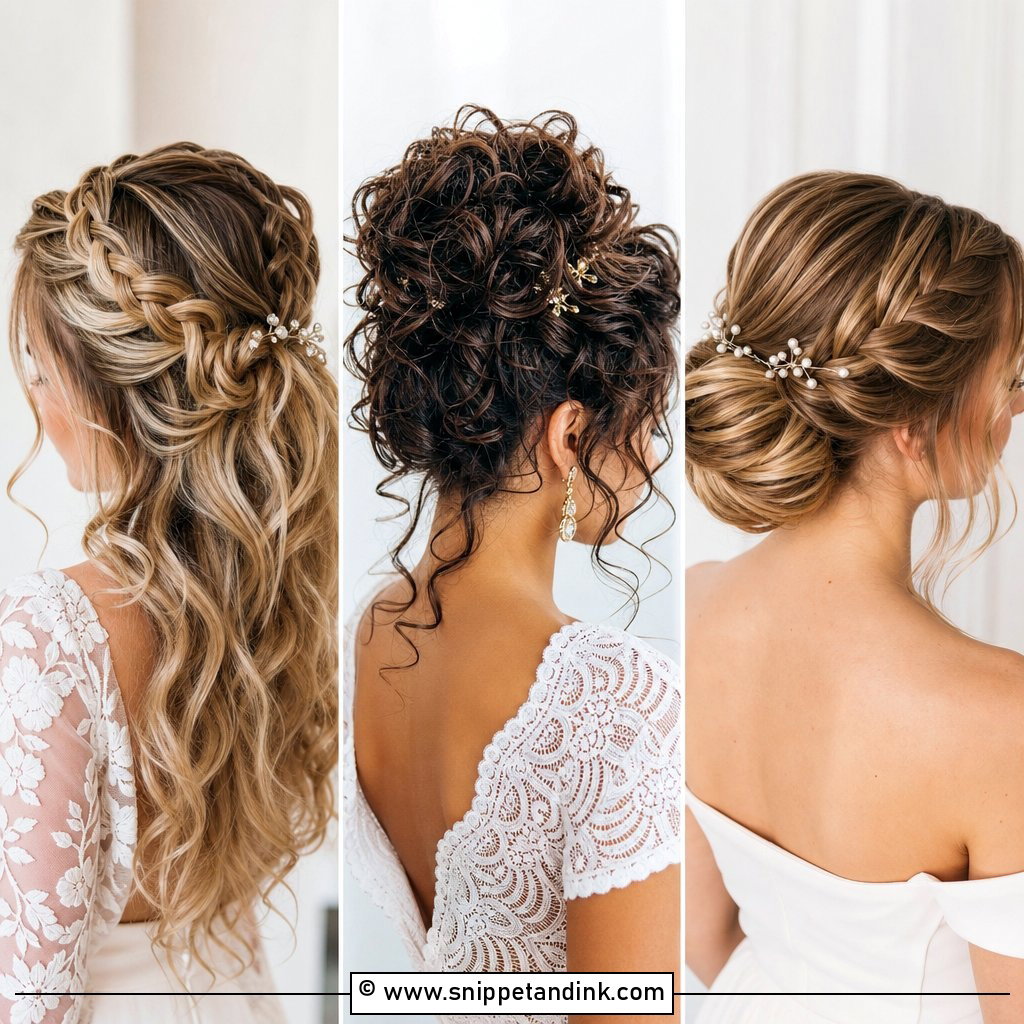
2. Half Up Beach Waves Bridal Hair
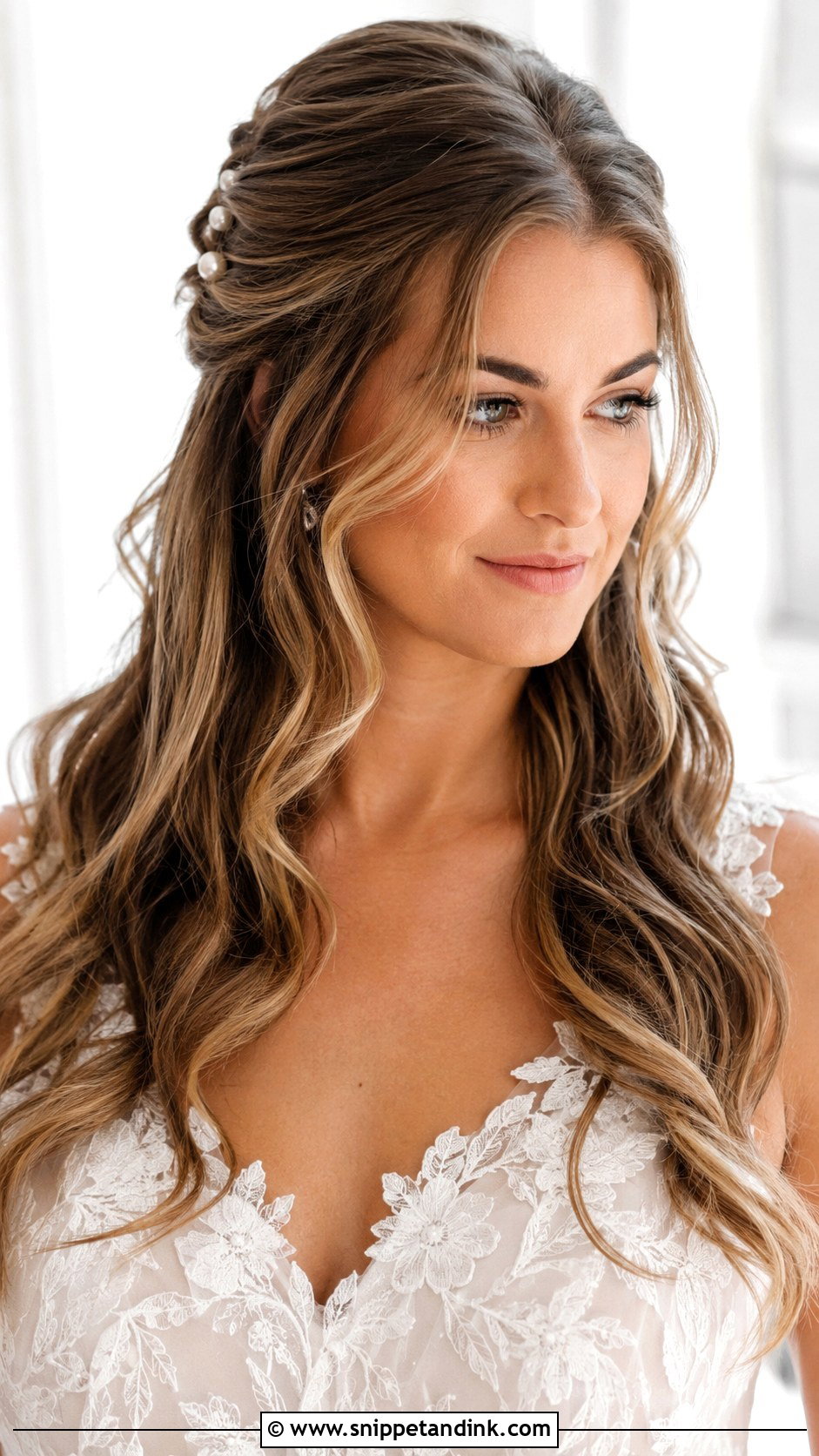
Lifting just the top section is the simplest way to keep waves out of your face without giving up hair down. Twist it, pin it or simply lift it at the crown for height. On an outdoor day it’s a real help, since the front pieces are the ones wind loves. I’d secure that section before curling the length, so the waves underneath aren’t crushed while I pin. Pearl pins, a small comb or tiny flowers finish the join, and it sits well with veils and open backs.
3. Long Beach Waves Bridal Hair
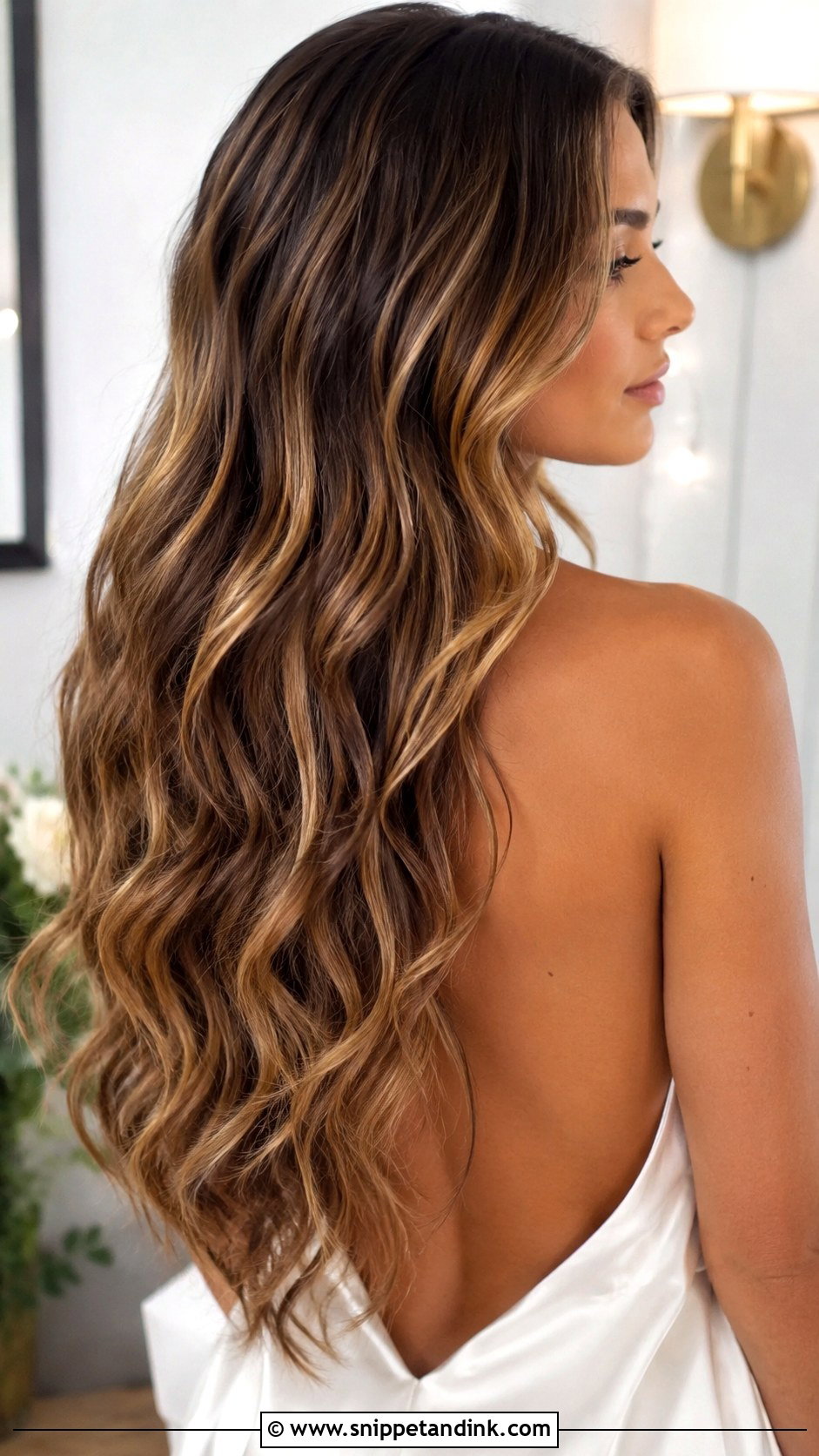
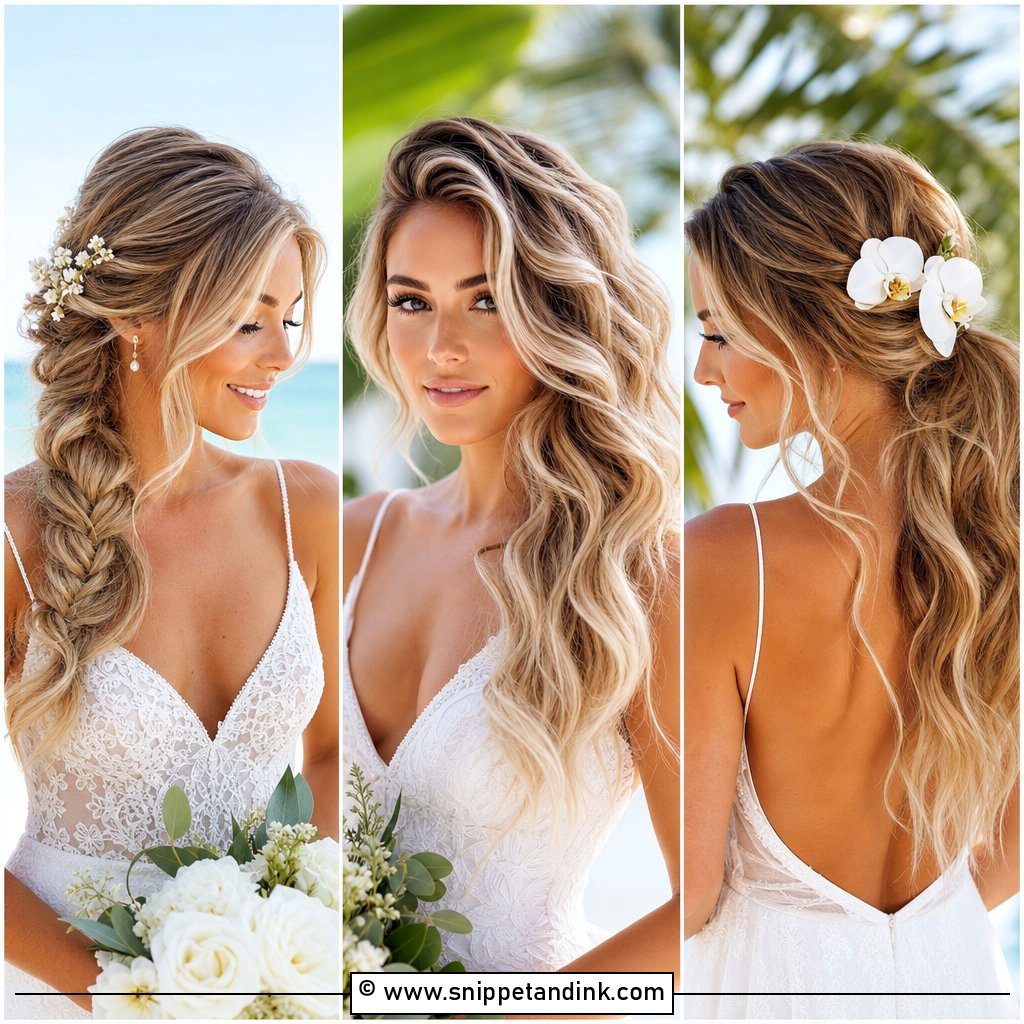
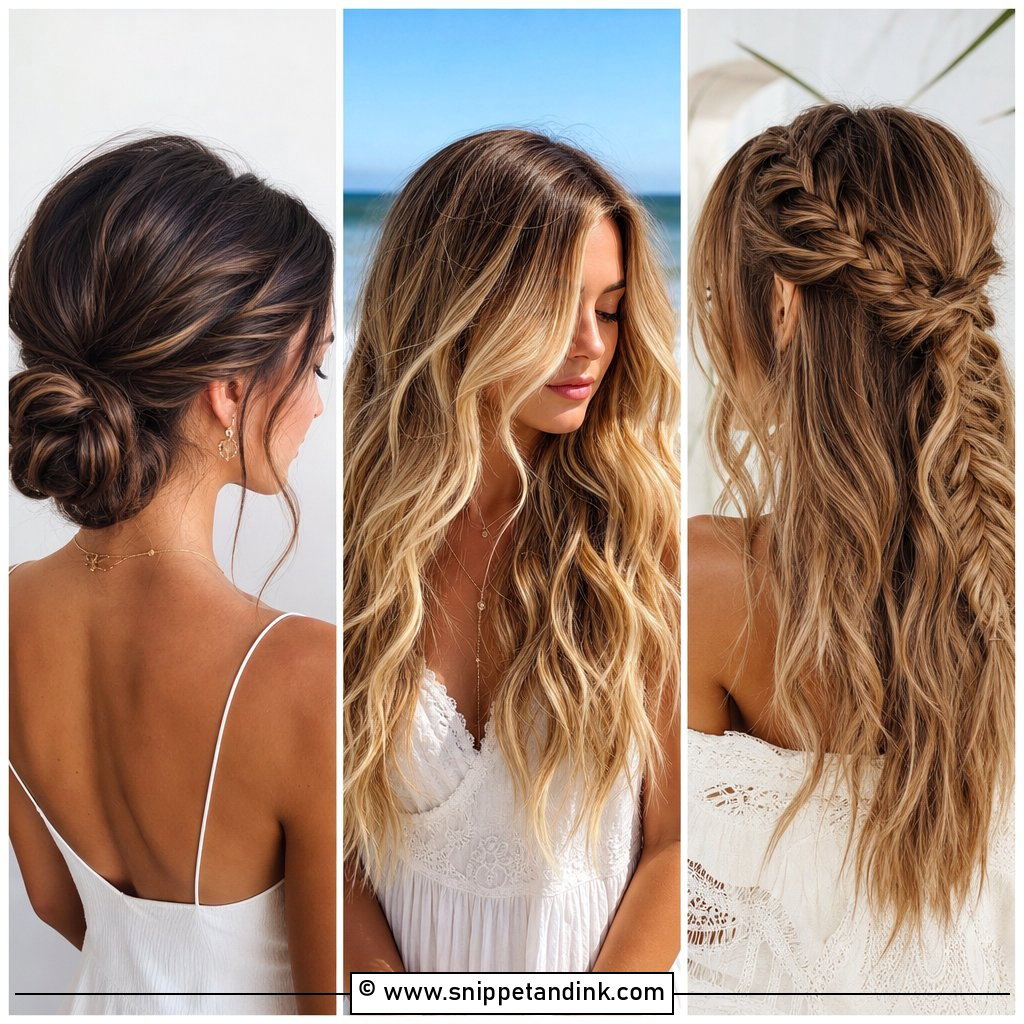
Long hair is heavy, and weight pulls a wave straight. That’s the whole challenge with long waves. I use a larger barrel, wider sections, and a light texture spray between passes, then let the hair cool completely before brushing it into one soft pattern. Too much product makes waves either stiff or flat, so less is more. The bend shows off balayage, soft highlights and dimensional brunette color, since every turn of the wave shows a different tone. Wear it with a simple veil, a jeweled clip or nothing at all.
4. Short Beach Waves Bridal Hair
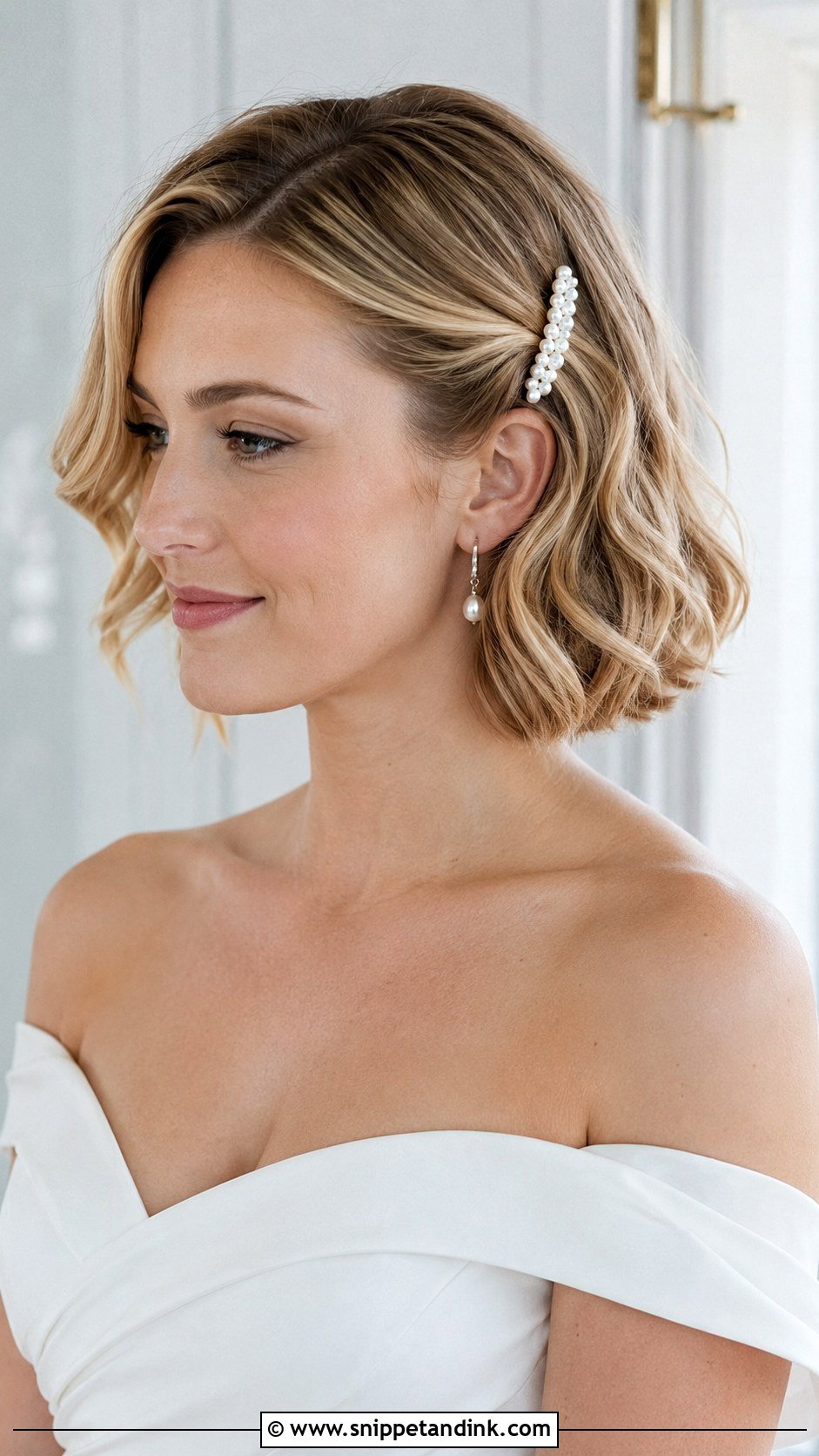
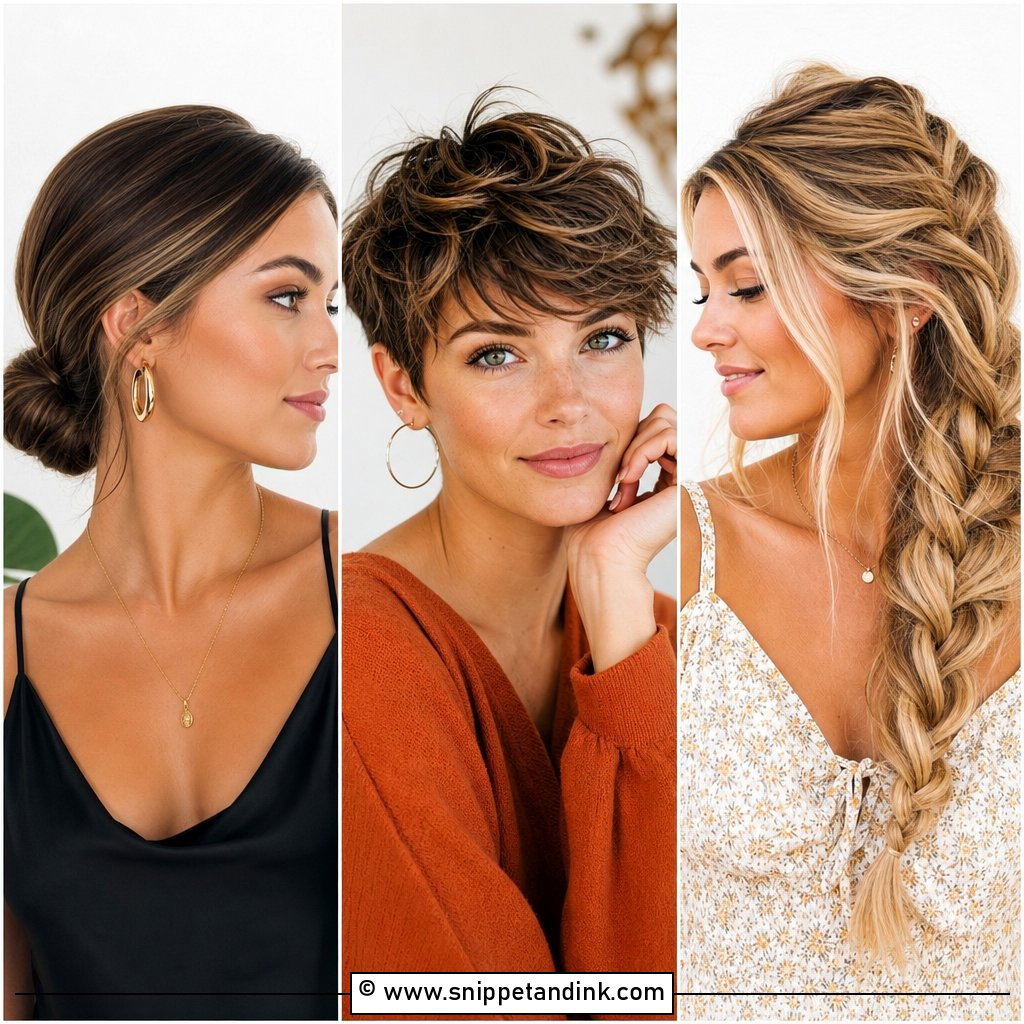
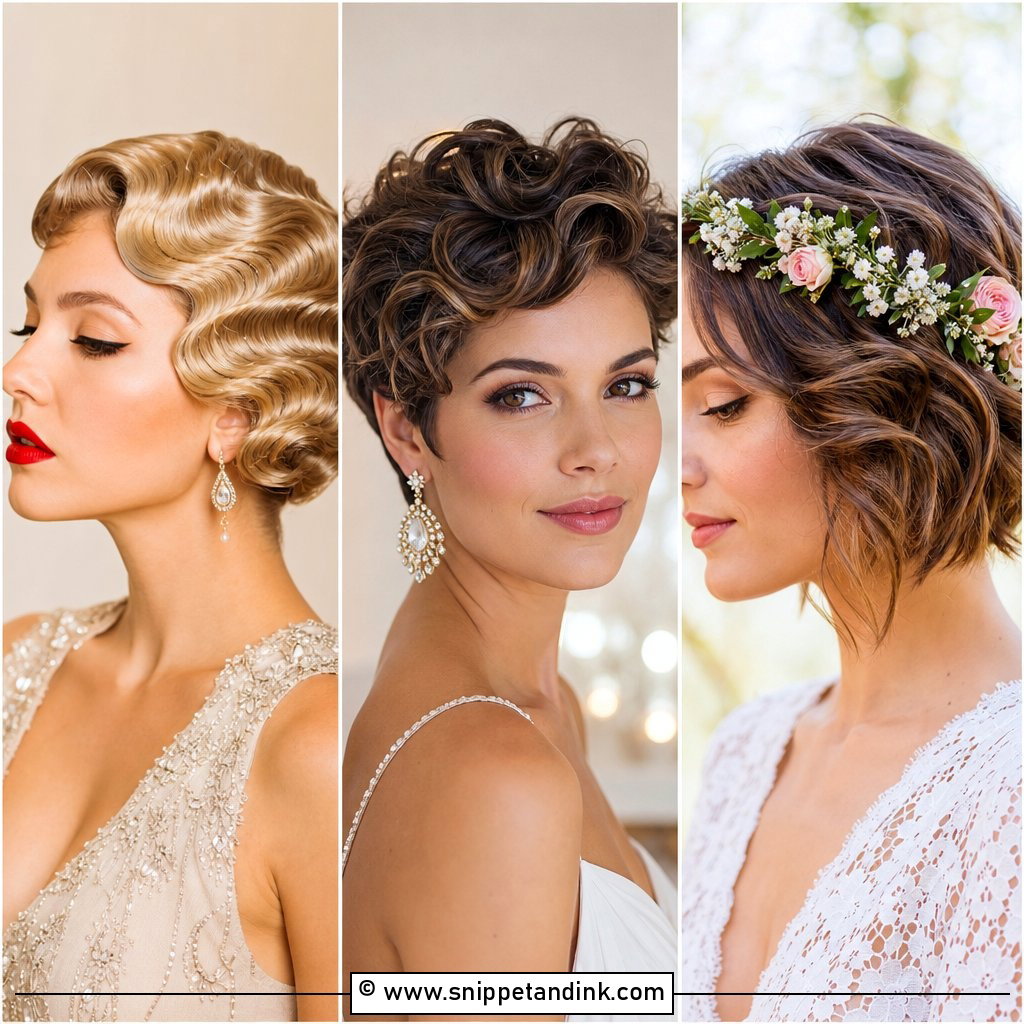
Short waves are their own skill. On a bob or lob I usually work with a flat iron, twisting it half a turn and gliding down, which leaves a flatter, more modern bend than a curling iron would. Leave the last inch straight so the ends don’t flip up. To make it read as bridal, tuck one side behind the ear with pearl pins or a delicate comb. Short hair copes with heat and breeze better than long hair, and it pairs well with off-the-shoulder necklines and statement earrings.
5. Medium Length Beach Waves Bridal Hair
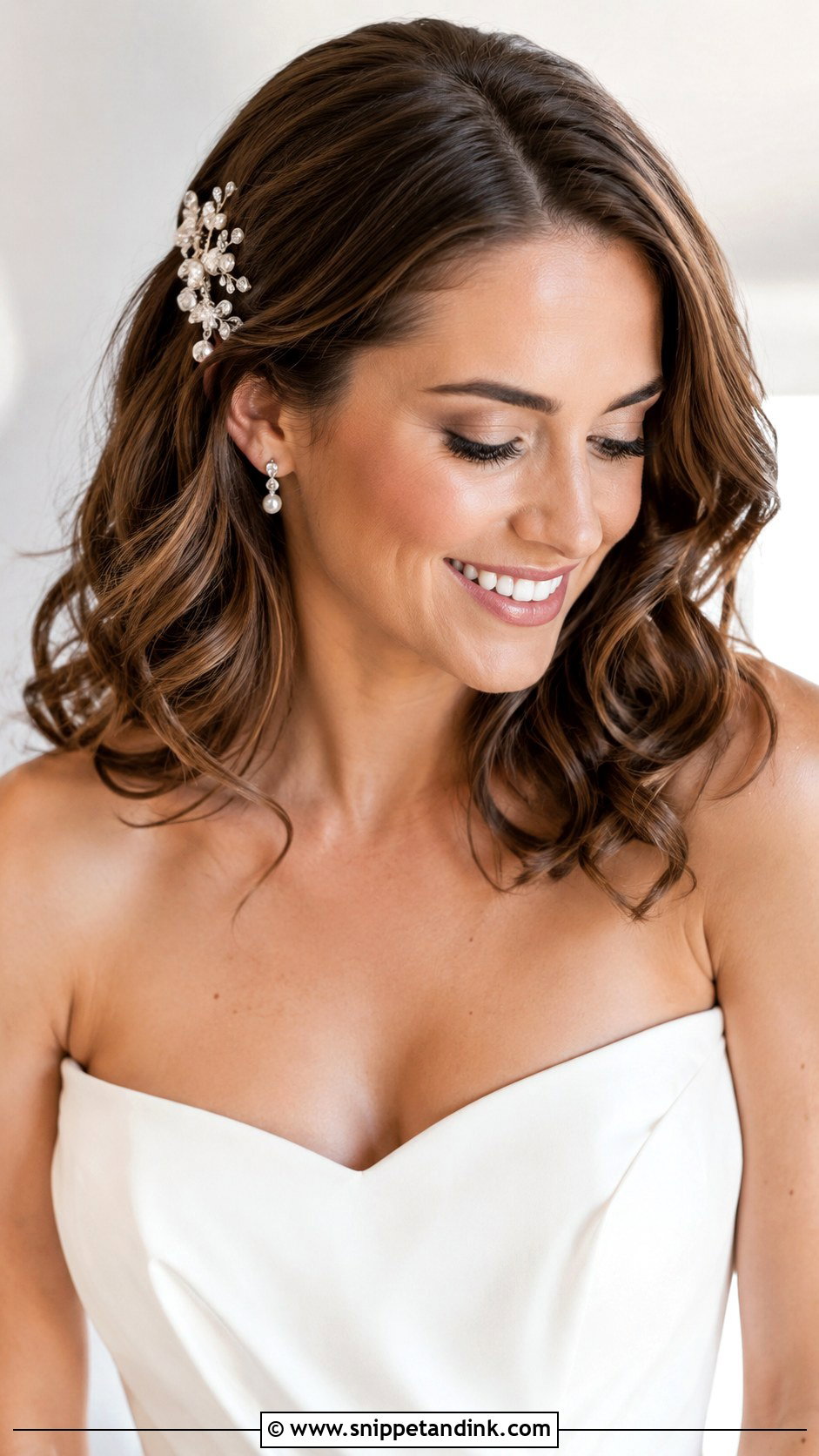
Collarbone length might be the easiest place to wear waves: enough hair for movement, not enough to drag the shape out. Soft layers keep the ends light. I start the bend around cheekbone level and keep the crown smooth, which looks polished and leaves room for a veil, a pearl barrette or a small side clip. It’s also the length most likely to still have shape at the last dance.
6. Side Swept Beach Waves Bridal Hair
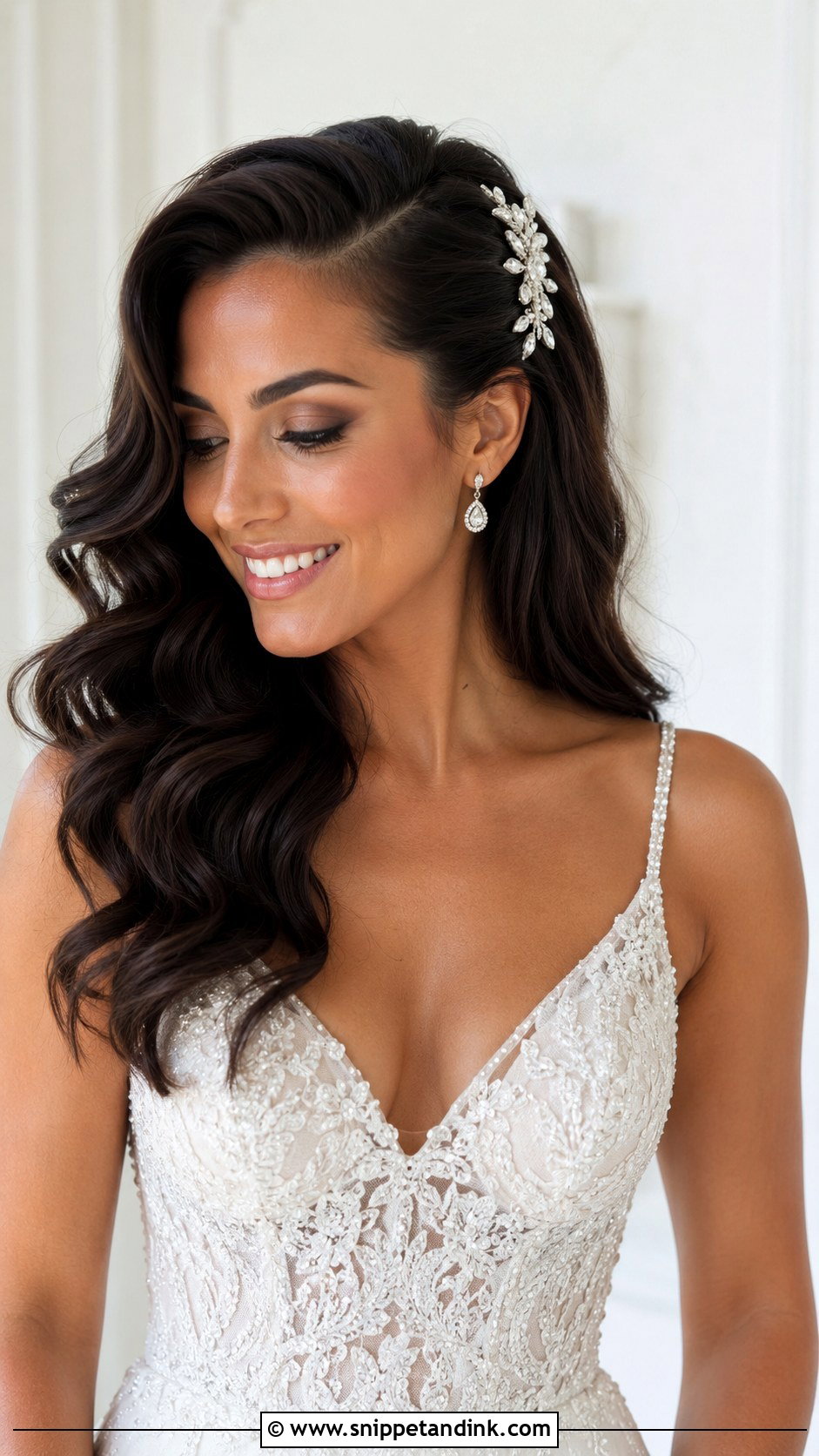
Sweeping waves over one shoulder and pinning the other side shows the neckline, earrings and makeup without a full updo. It suits one-shoulder gowns, strapless dresses and detailed bodices. The pinned side is where this style fails: flat pinning makes the head look lopsided. I tease the root slightly before pinning and cross the pins under a top layer so they disappear. A decorative comb or pearl pins above the ear finish it.
7. Boho Beach Waves Bridal Hair
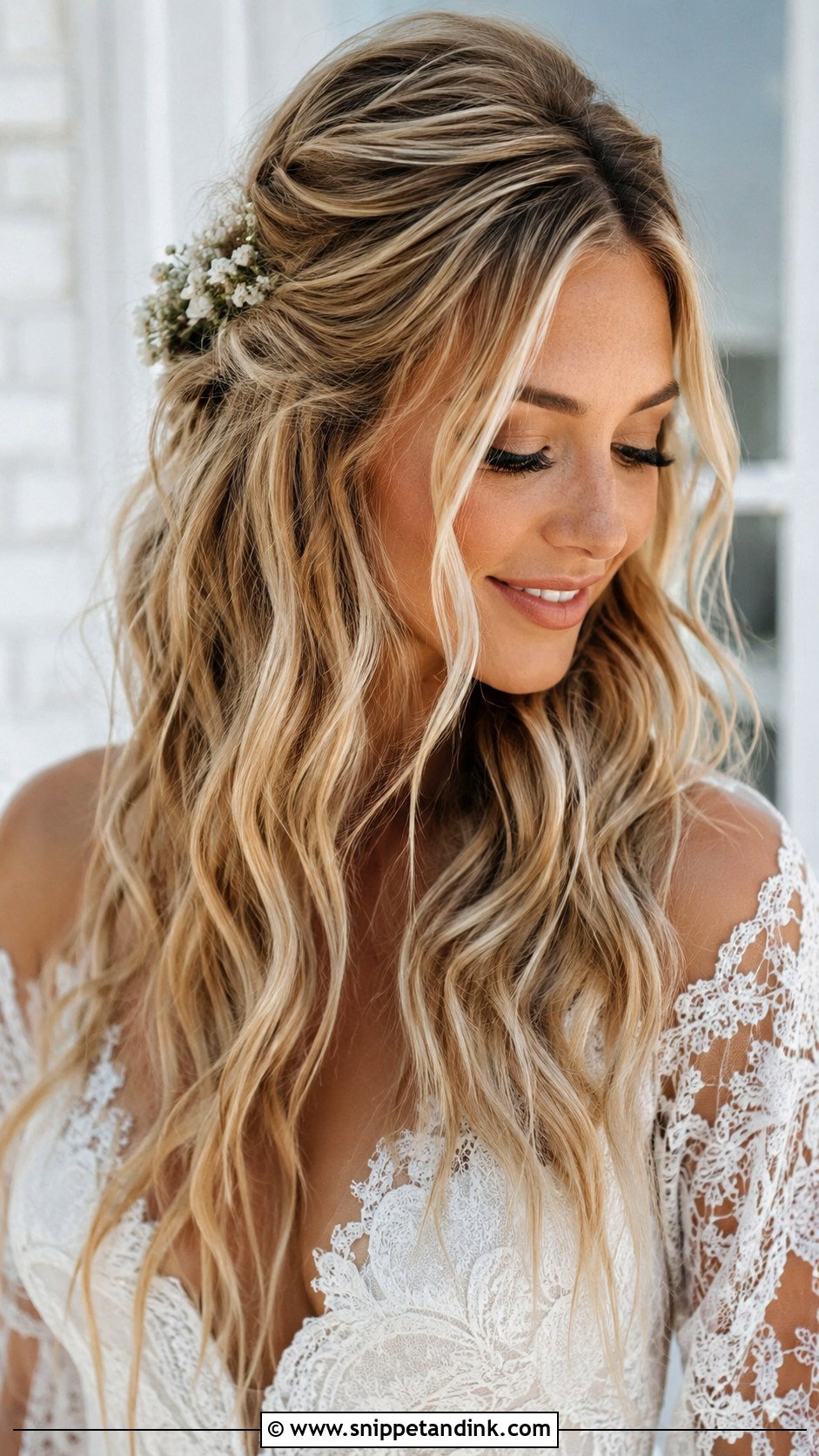
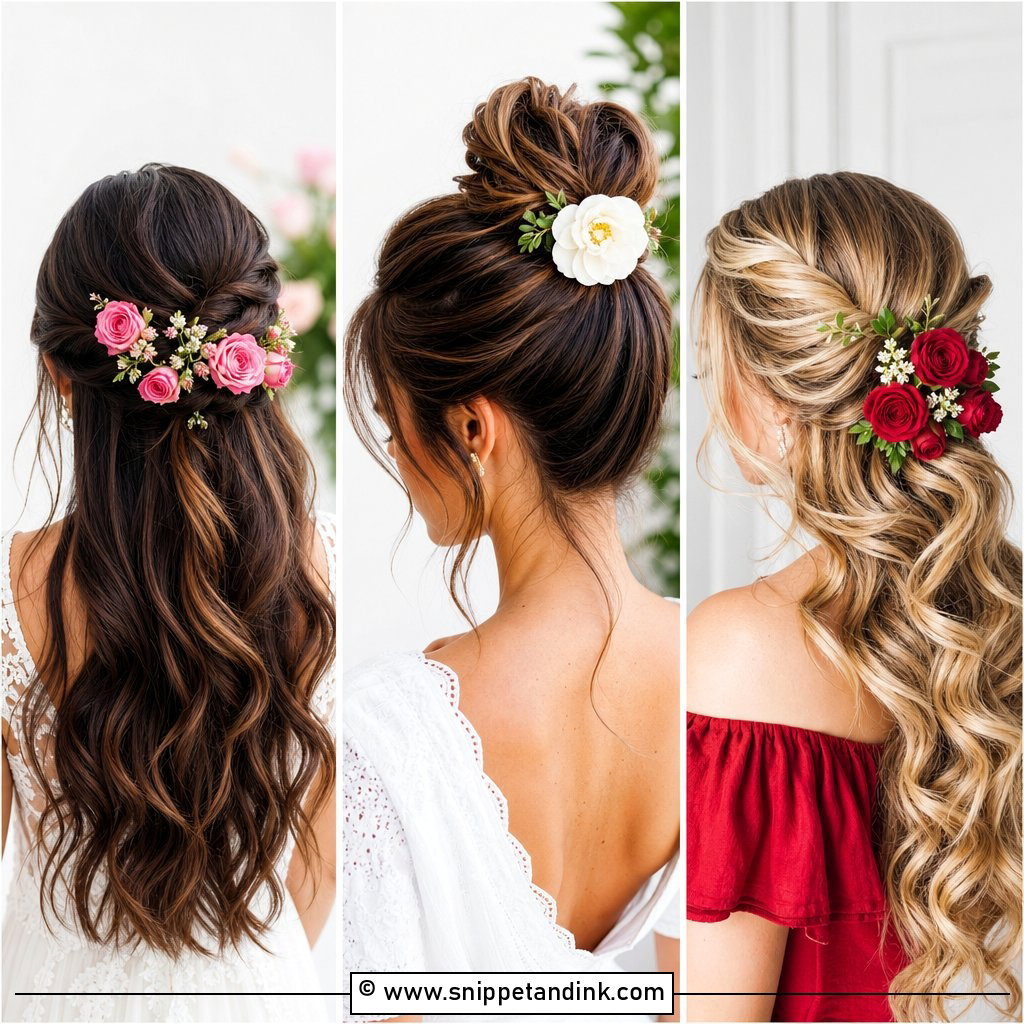
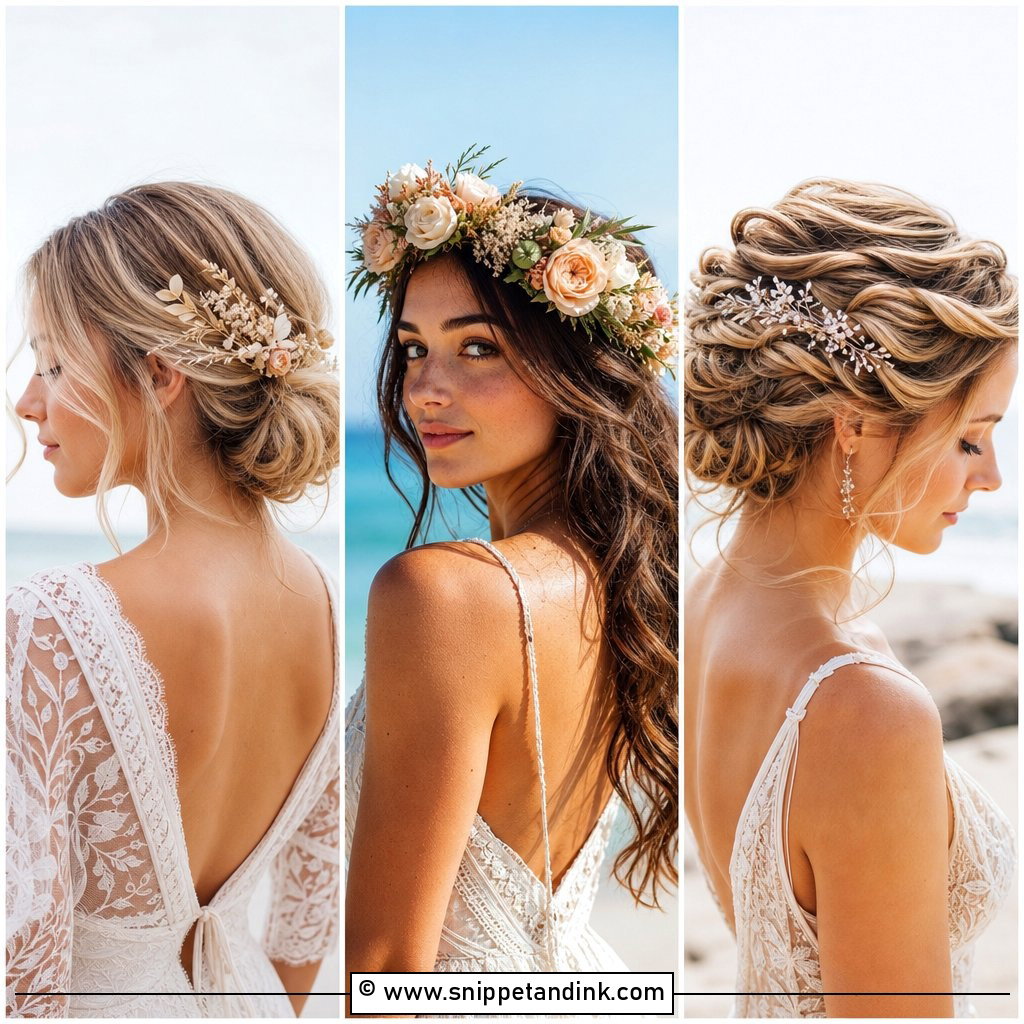
Boho waves are deliberately undone, but undone takes structure. I mix the loose waves with one or two tiny twists or hidden pins so the shape holds, then pull face pieces out last. Lace gowns, flowy sleeves and flower crowns suit it. The mistake I see is too much texture spray, which turns relaxed into frizzy. A few scattered blooms or pearls make it unmistakably bridal.
8. Beach Waves Bridal Hair With Pearl Pins
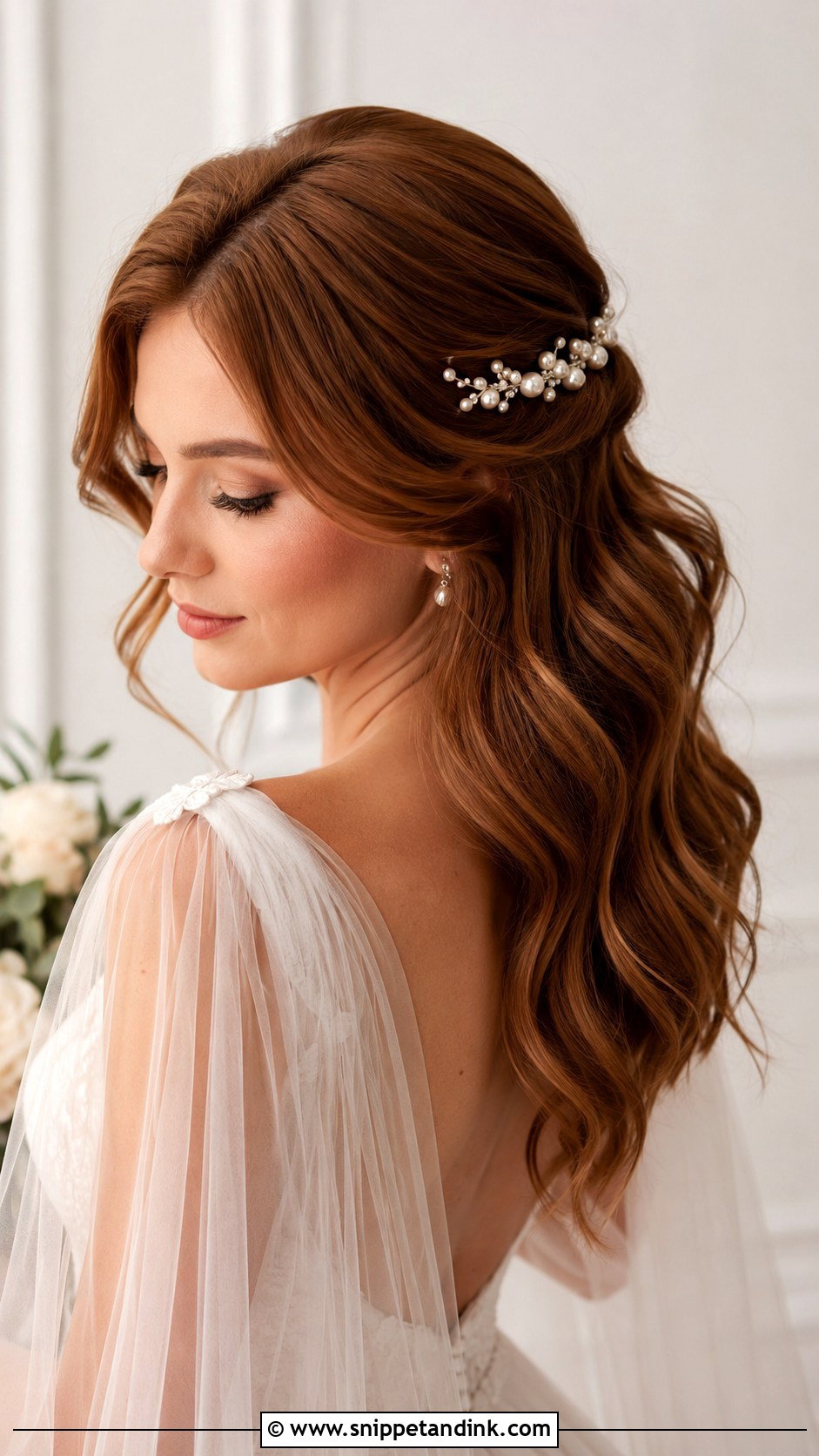
Pearl pins are the simplest way to make waves look bridal. One side cluster, a scattering through a half-up section, or a few holding a soft twist: each works. Keep the waves smooth around wherever the pearls sit, since frizz around a pin looks messy close up. Pearls contrast against every hair color, though they read most strongly on brunette and red. Balance them with your earrings; pearl pins plus big pearl drops can feel like a lot.
9. Beach Waves Bridal Hair With Flower Crown
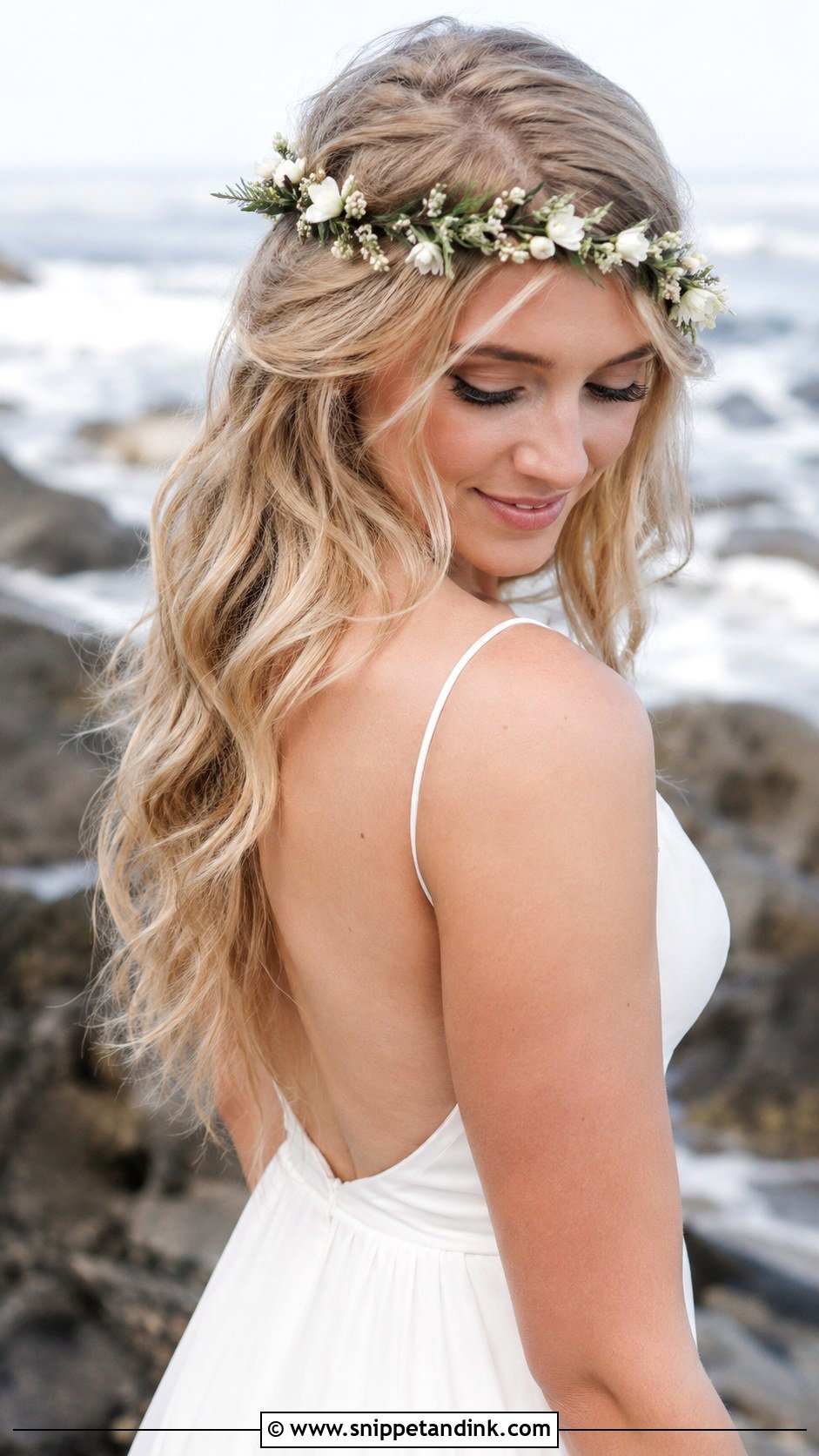
With a flower crown, smaller is usually better. A slim crown feels current and doesn’t press down on the waves, while a large one flattens the root and gets heavy by the second hour. I give the roots gentle lift first and pin the crown through a small braid at each side so it can’t slide back. Choose blooms from your bouquet that hold up out of water; your florist will know which ones wilt.
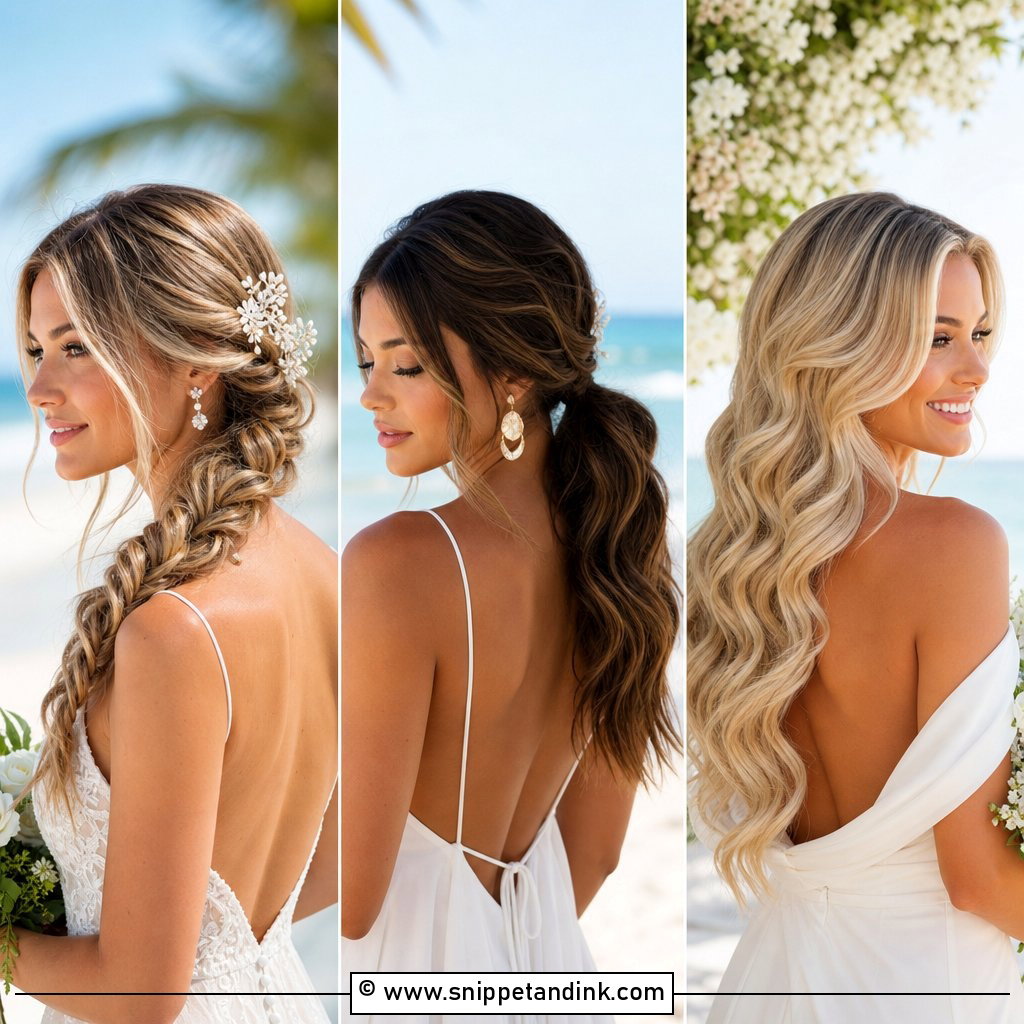
10. Beach Waves Bridal Hair With Braids
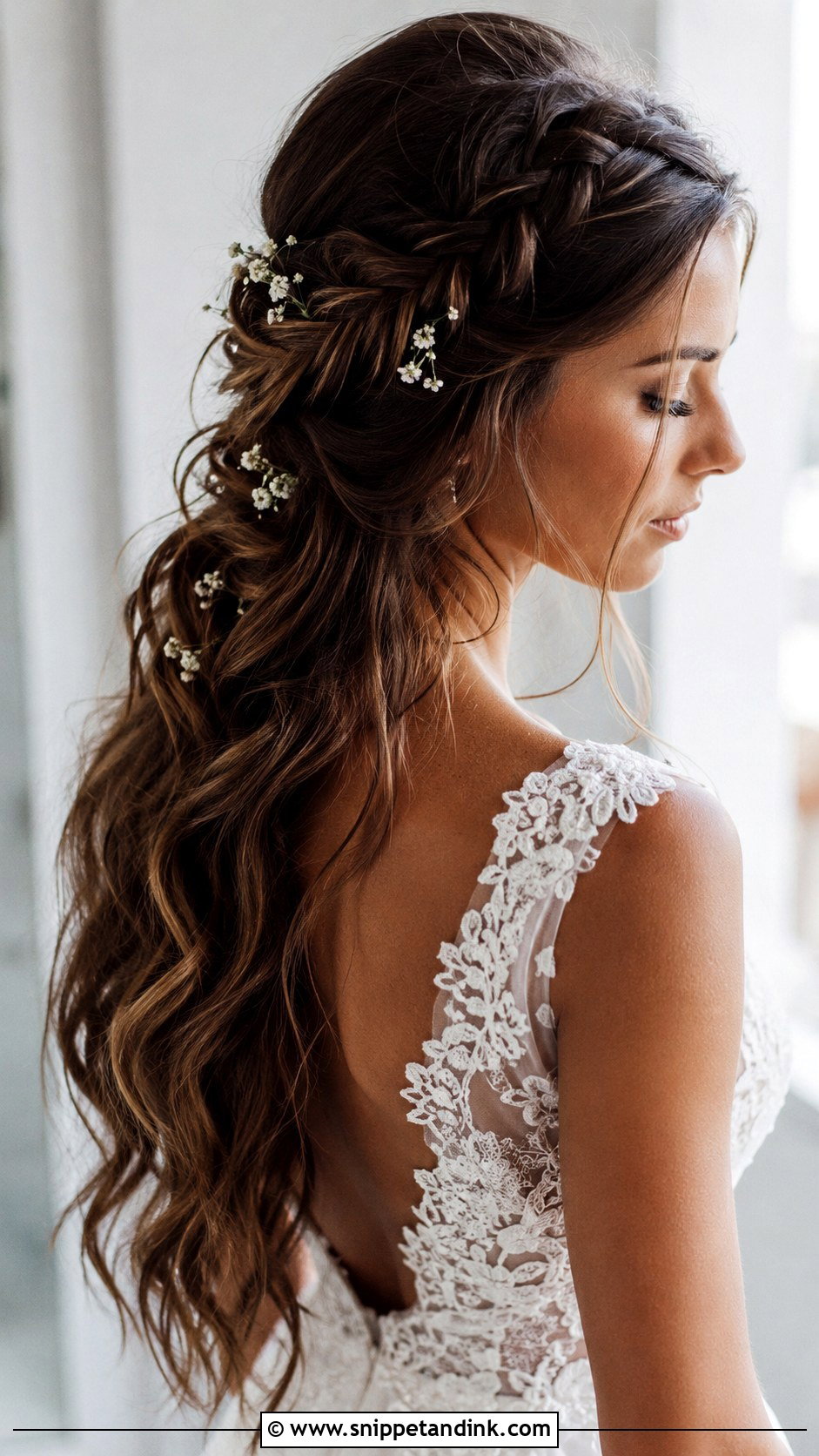
Adding a braid gives waves a backbone. A loose crown braid, a side braid or one small accent braid holds the front pieces and gives the breeze less to grab. I braid before curling, then curl the loose hair so the waves blend into the plait. Tiny flowers, pearl pins or a delicate veil sit easily on it. Pull the braid gently apart at the end; a tight braid next to soft waves looks like two different hairstyles.
11. Beach Waves Bridal Hair With Curtain Bangs
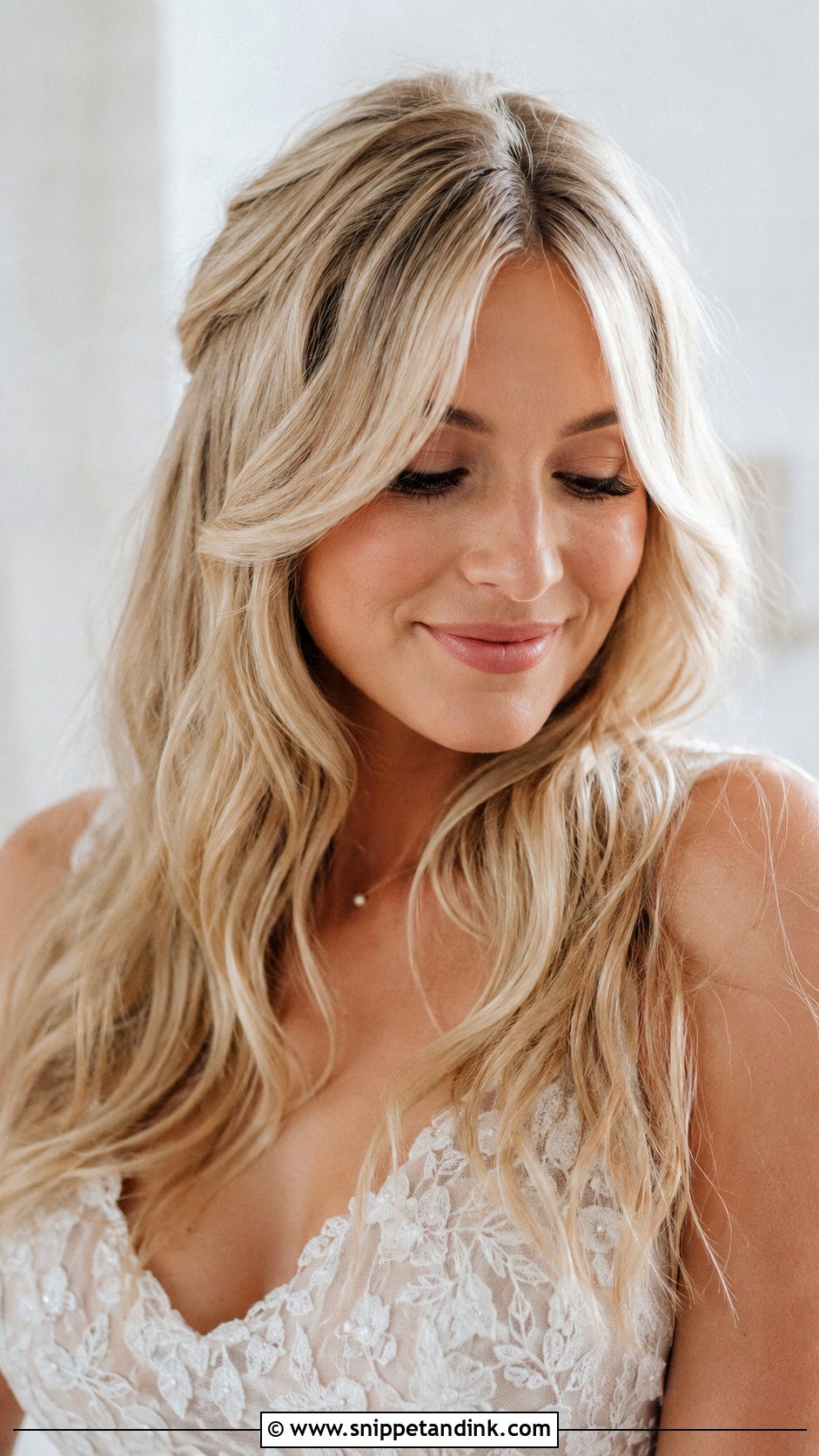
Curtain bangs frame the face, and they need the most attention on the day. I blow them out with a round brush away from the face first, then blend them into the waves around the cheekbones with a light touch of the iron. Heavy product makes them separate and stick to the forehead, so I use only a light spray. They suit long layers and medium hair, and pair with simple veils, pearl clips, or no accessory. If your bangs are a recent cut, wait until they’ve grown past the brow before the wedding.
12. Low Bun Beach Waves Bridal Hair
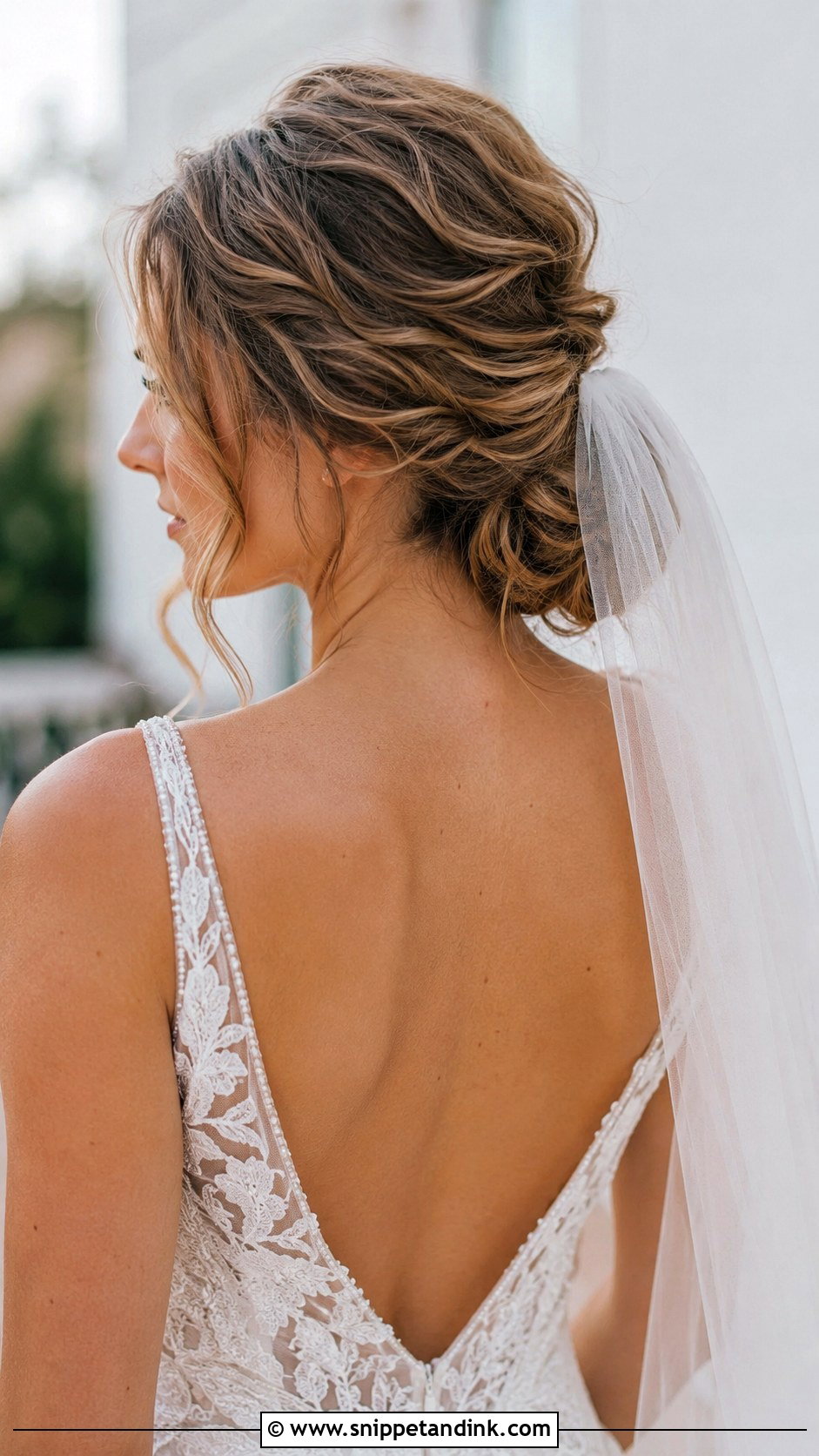
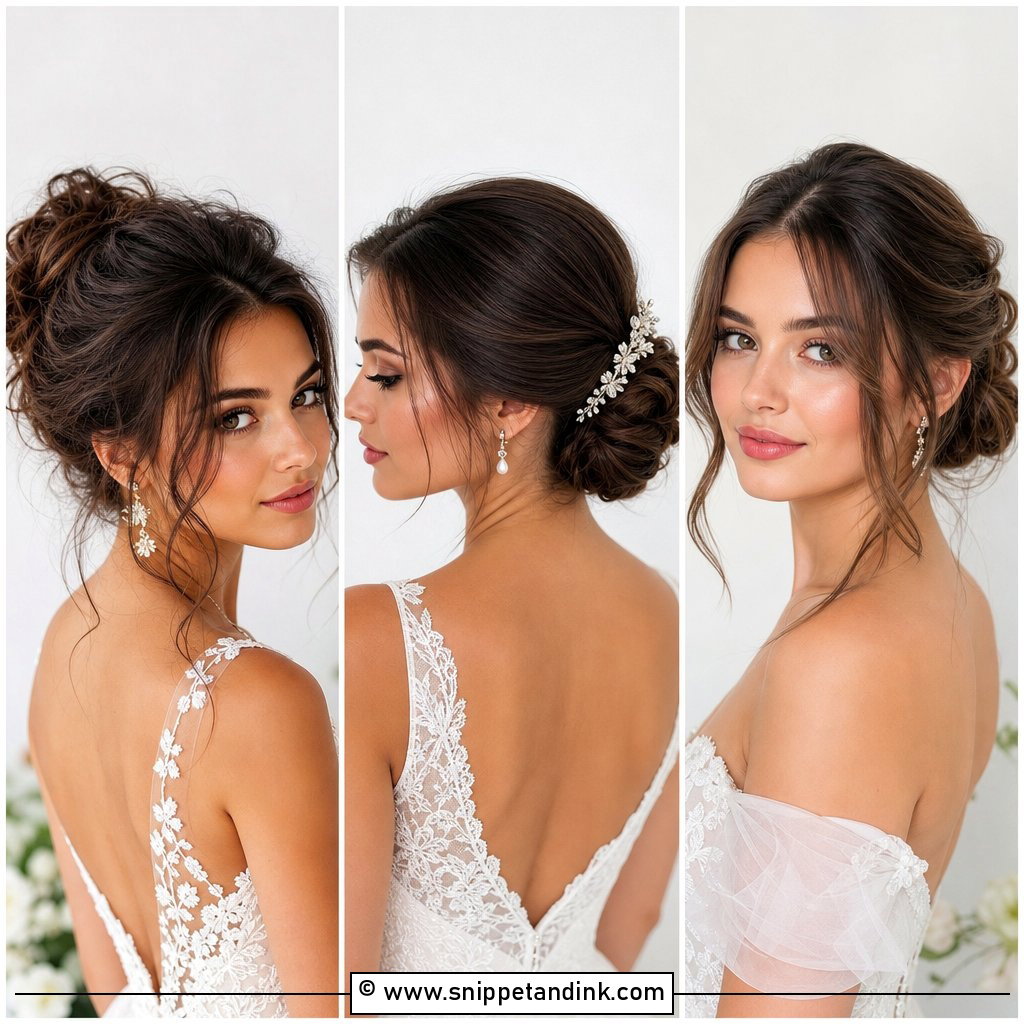
Waving the hair before pinning it into a low bun gives the updo texture and grip. I curl first, let it cool, then pin the waves loosely into the nape with pieces left around the face. On a warm day it’s much more secure than waves worn fully down. A veil can sit above the bun or a comb to one side. Backless gowns and drop earrings suit it.
13. Ponytail Beach Waves Bridal Hair
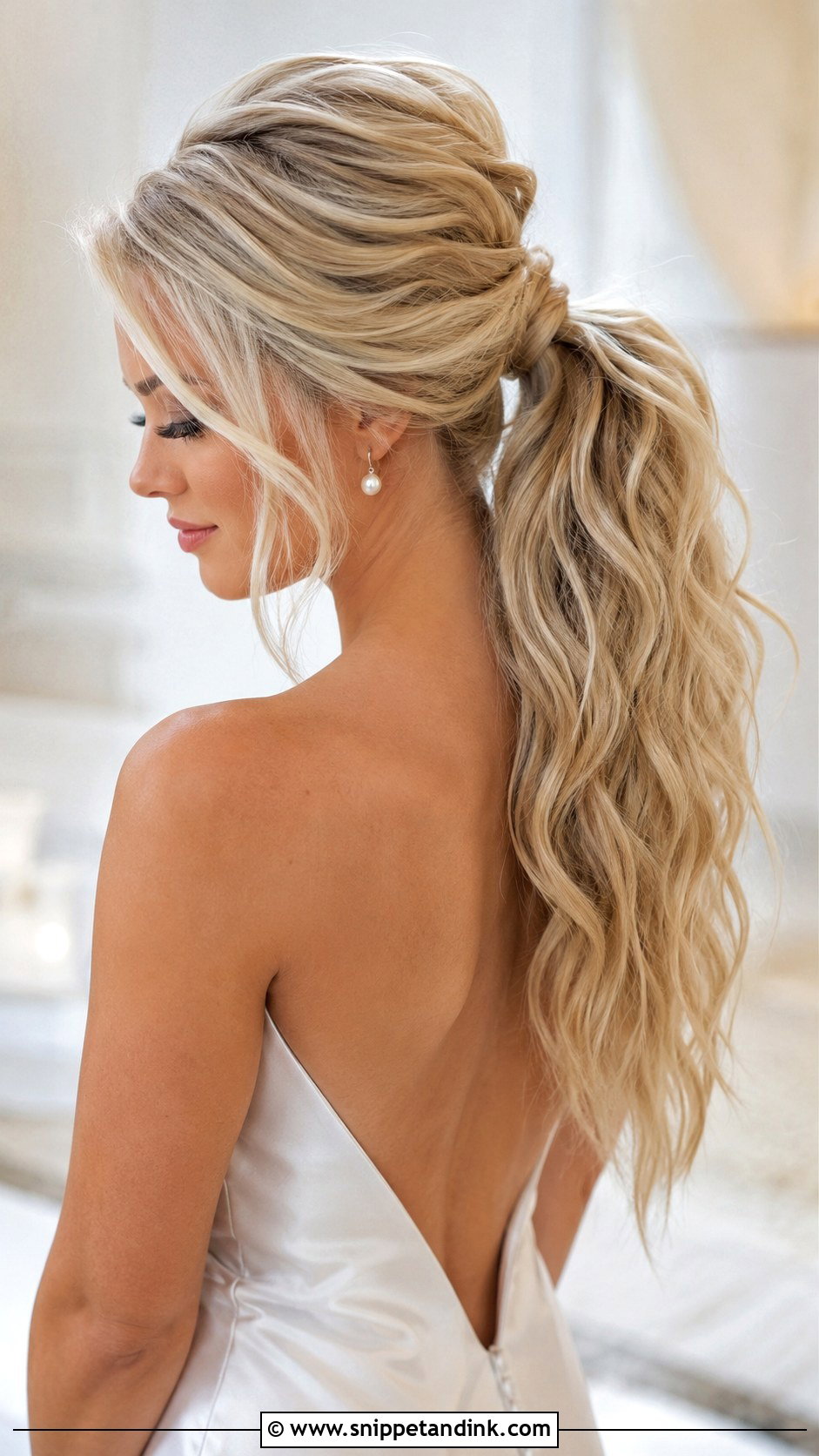
A waved ponytail is the quiet hero of a long day. Hair stays behind you through the meal, dancing and every hug. Set it low for softness or mid-height for lift, wrap the elastic in a strand of hair, and wave the tail for fullness. A couple of face pieces stop it looking sporty. Simple gowns and clean necklines suit it, and it makes a good change for the reception if you start with hair down.
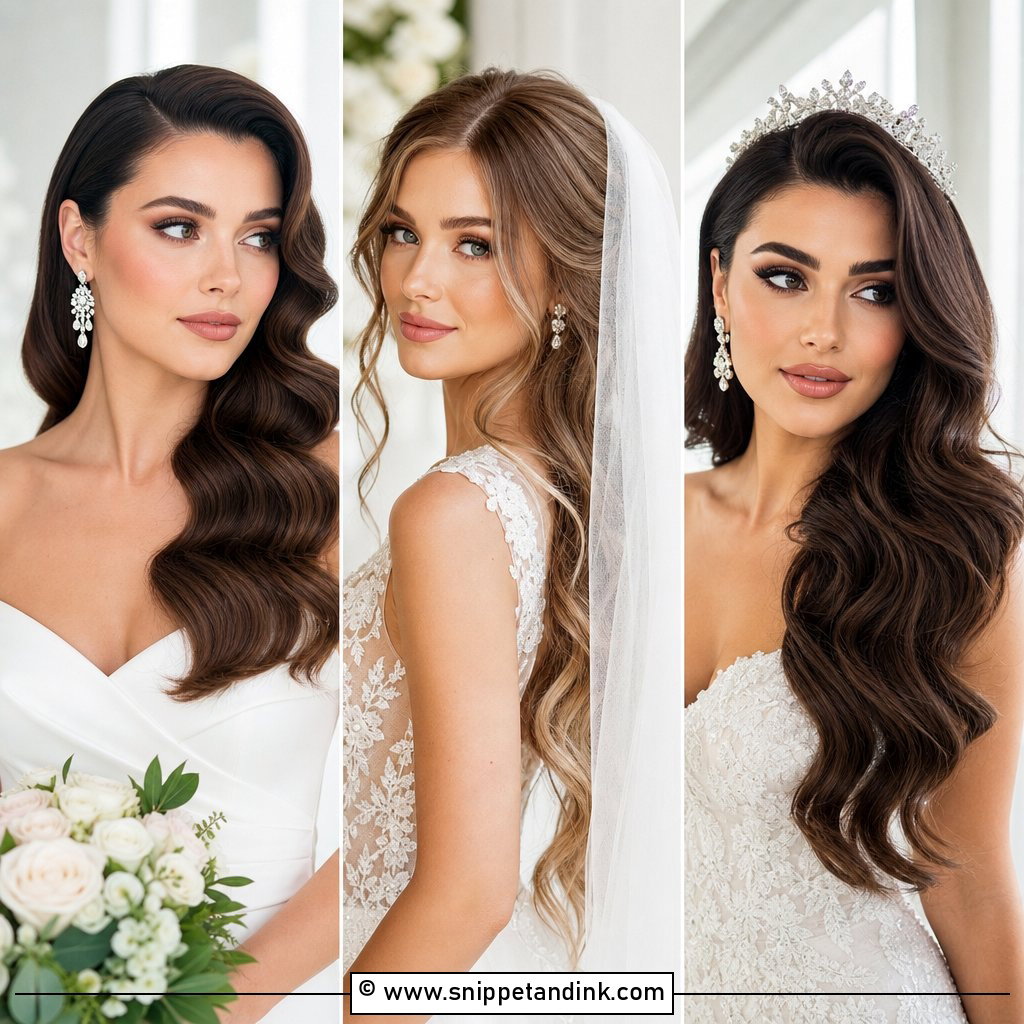
14. Hollywood Beach Waves Bridal Hair
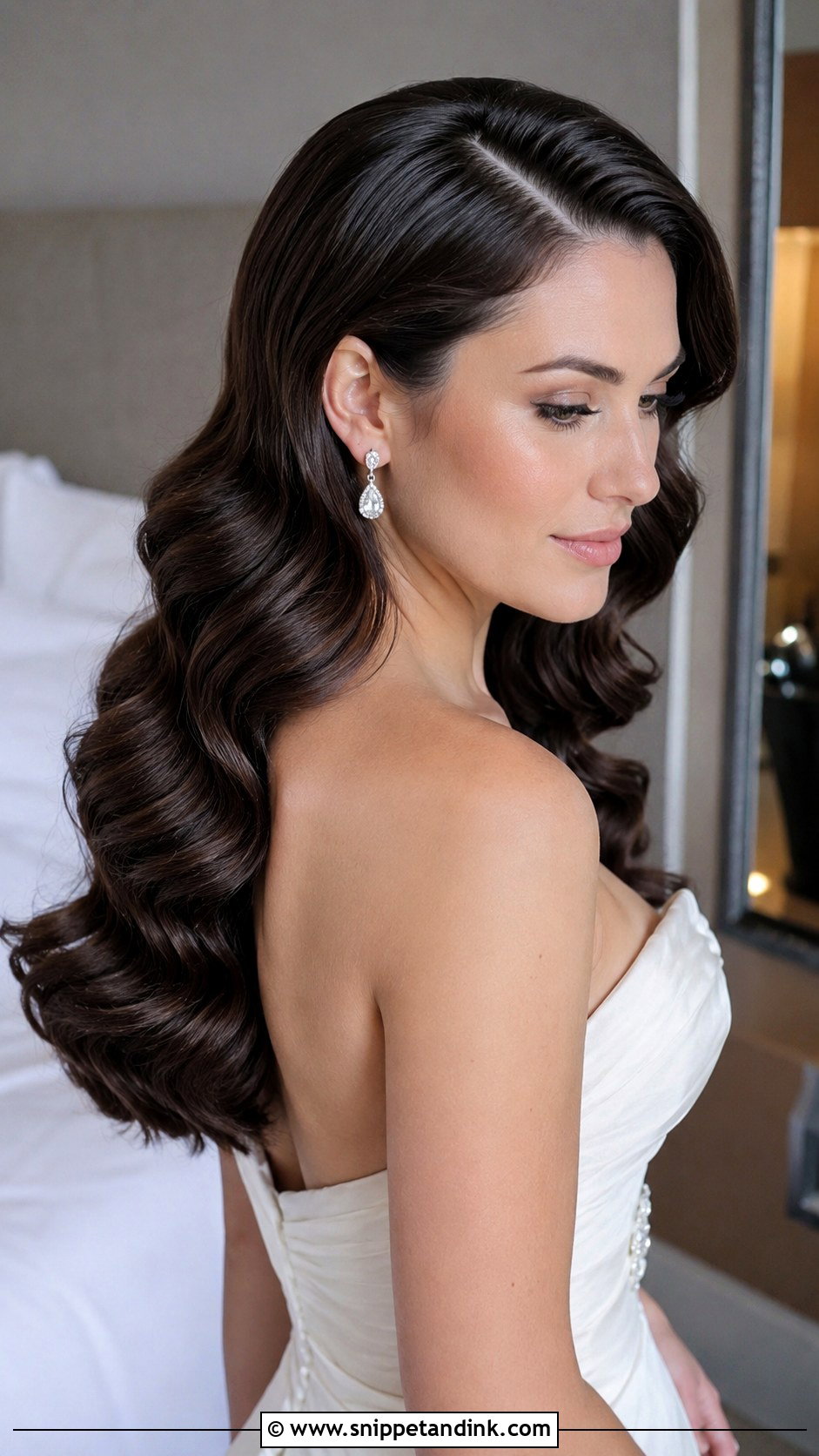
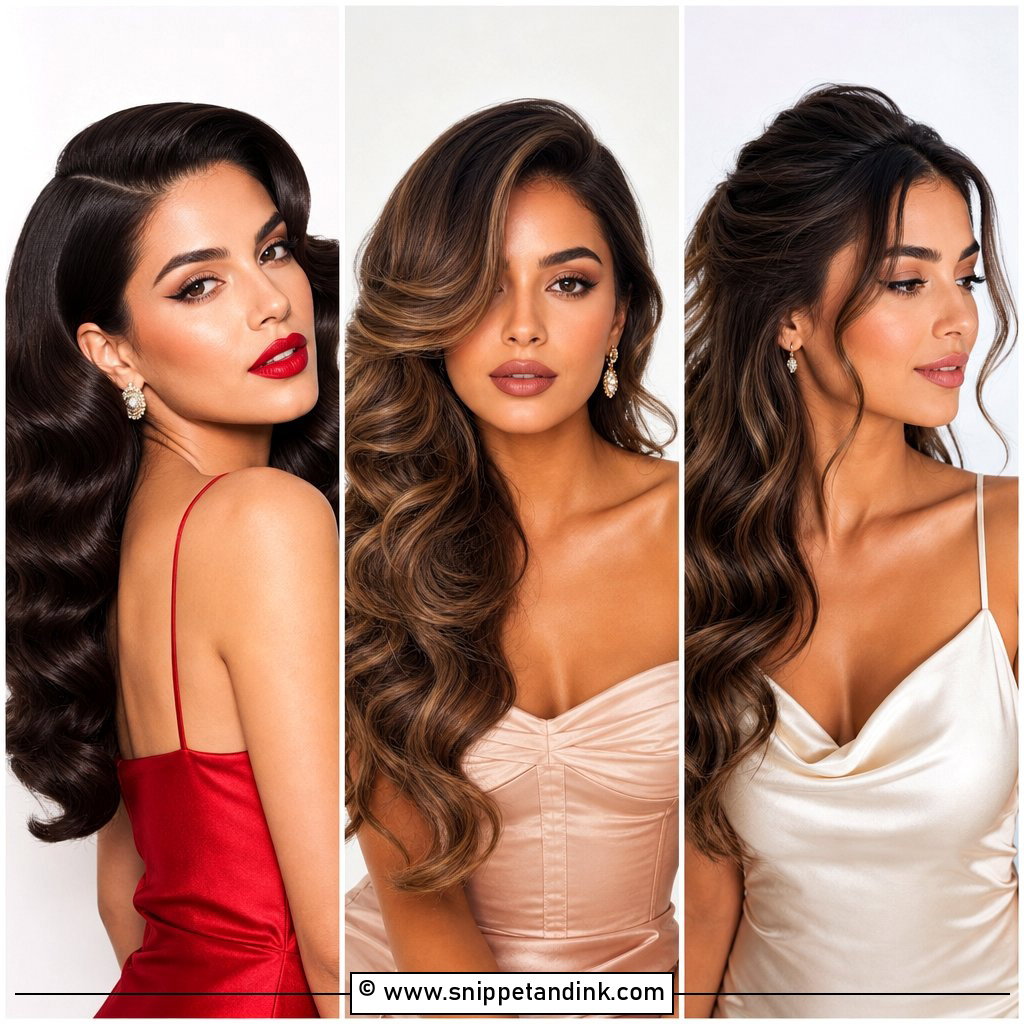
Hollywood waves sit between beach texture and vintage glamour. The bends are smoother and wider, brushed into one rolling pattern. I pin every curl while it cools, which is what gives that glossy continuous wave, and finish with shine spray. A deep side part is the classic choice; center parts feel more modern. Medium to long hair suits it, and it’s my pick for evening weddings with classic gowns.
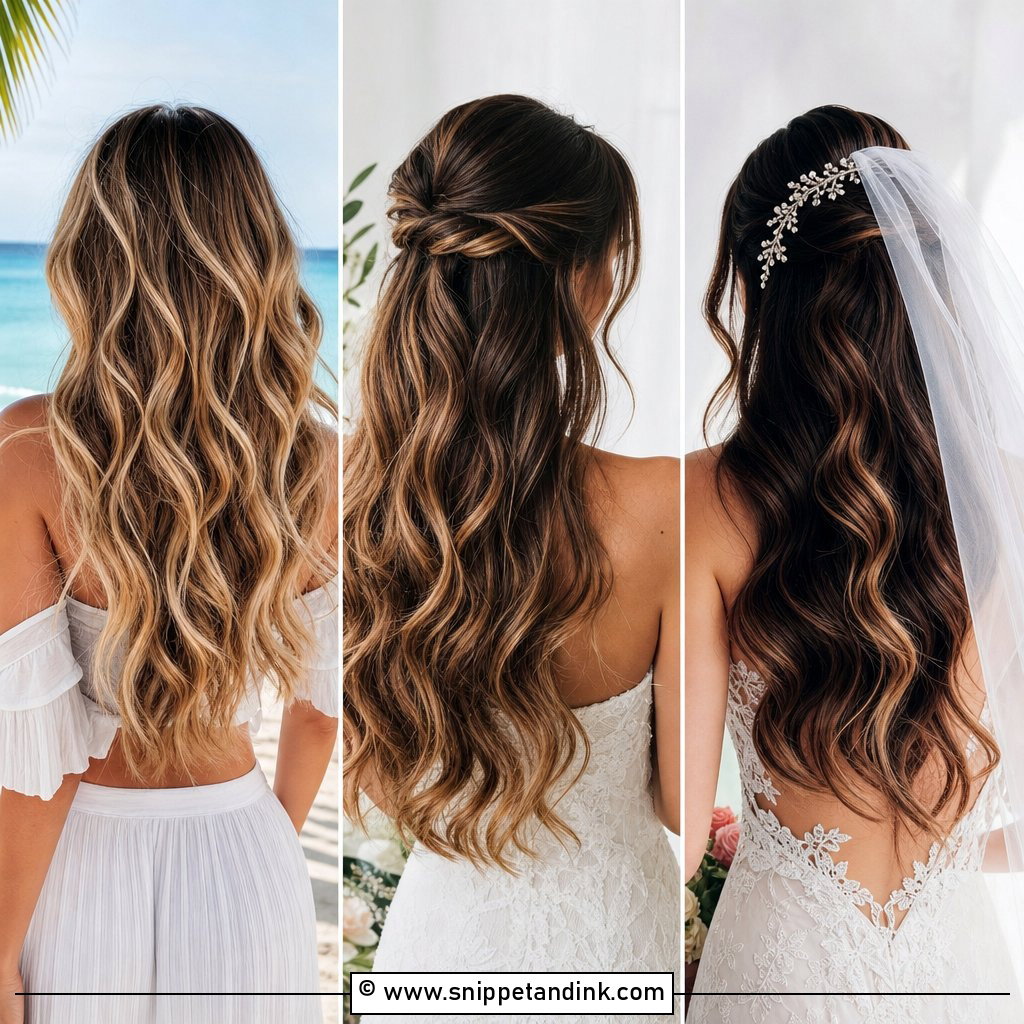
15. Messy Beach Waves Bridal Hair
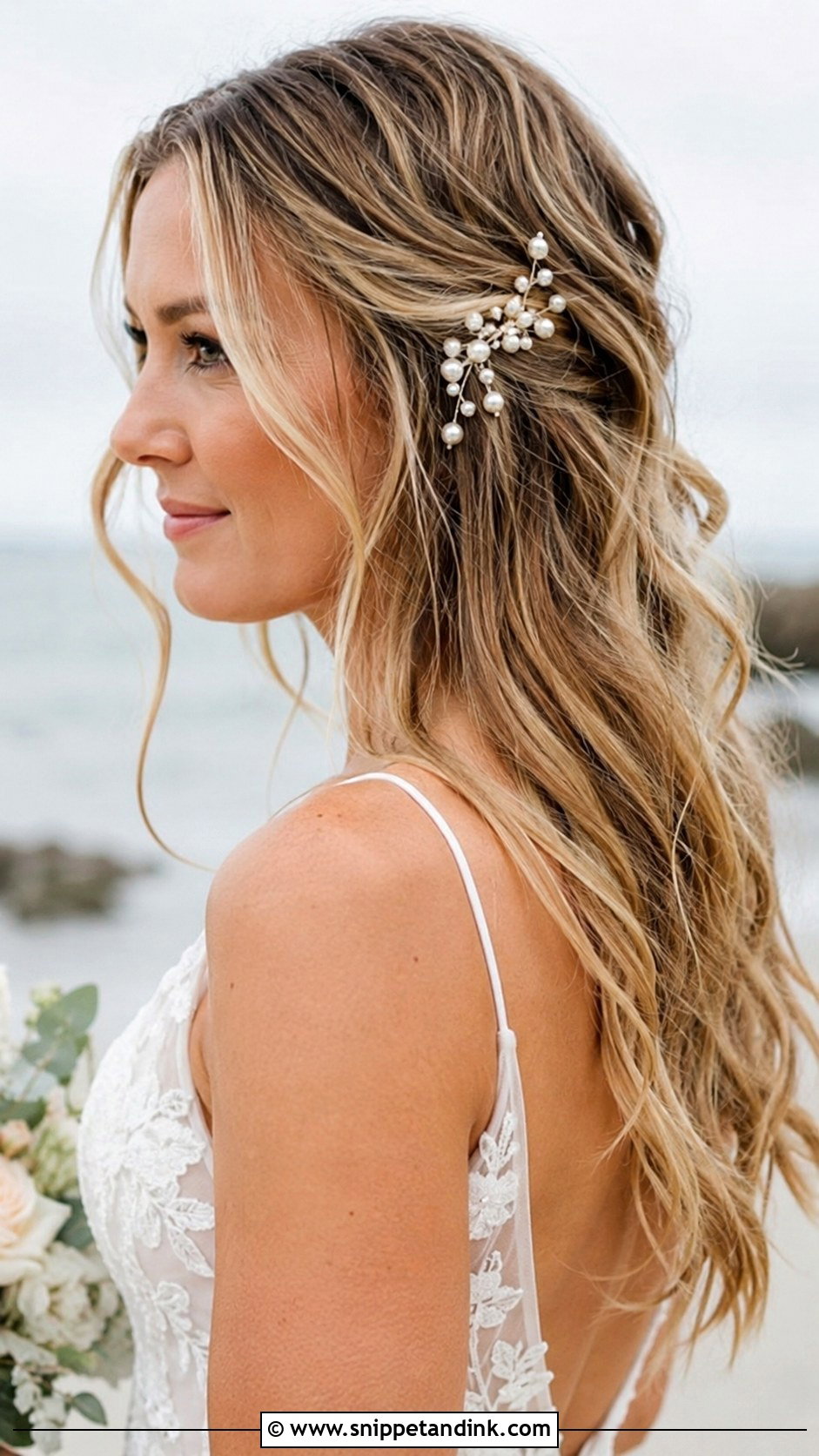
Messy waves are hard to get right, because intentional and careless look close in a mirror and very different in a photo. Layers help them move. I curl in mixed directions and separate with my fingers rather than a brush, then add one polished detail, a pearl pin or a comb or a simple veil, so the look is clearly bridal. It suits brides who hate stiff curls, boho gowns and relaxed destination weddings.
16. Blonde Beach Waves Bridal Hair
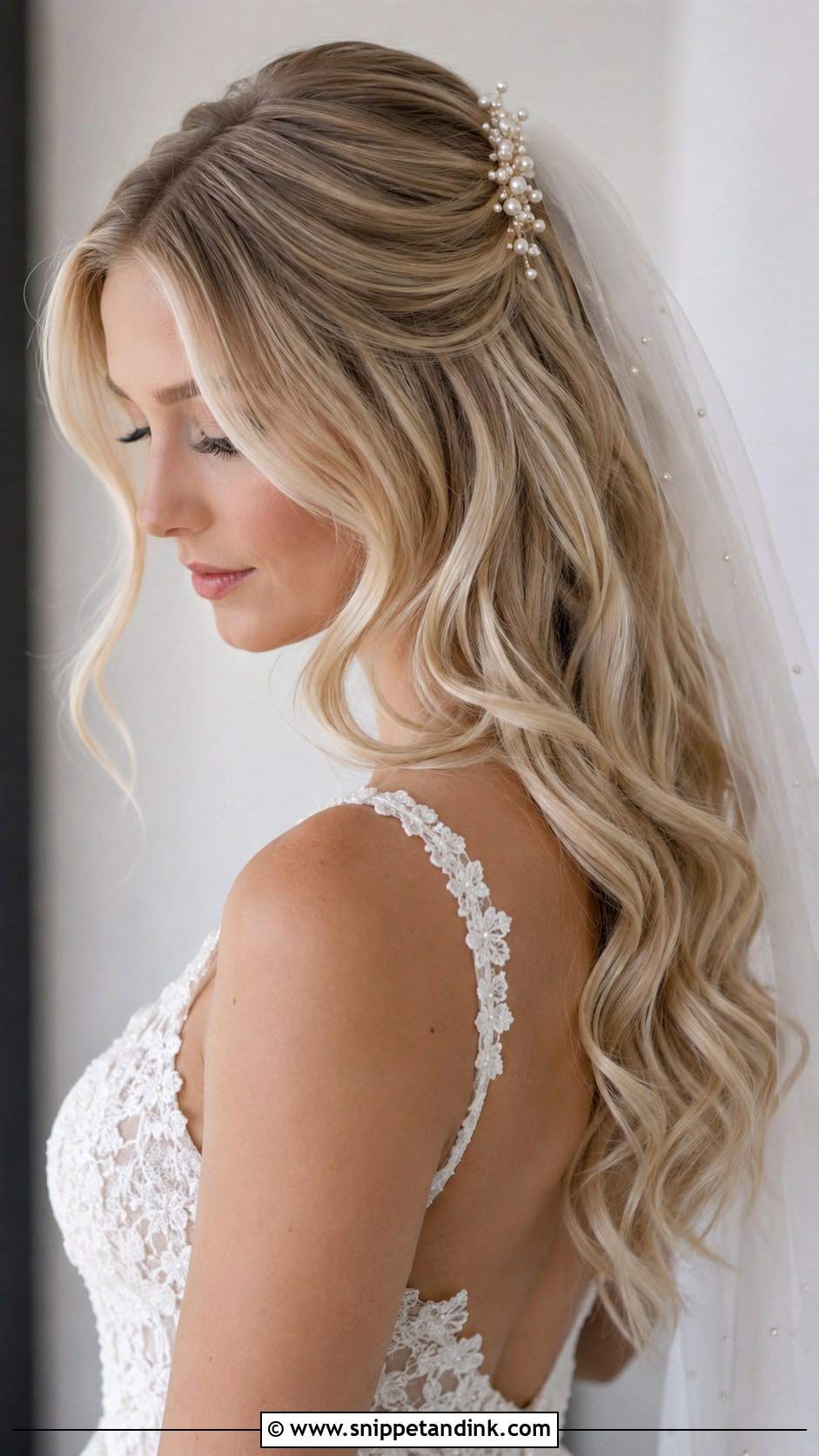
Waves show off blonde dimension, since highlights, lowlights and balayage turn with every bend. The risk is dryness: lightened hair is more porous, and heavy texture spray can make it look straw-like on camera. I prep blonde hair with a light leave-in and finish with shine rather than grit. Smooth at the top, airy through the ends. Pearls and soft tulle sit well with it.
17. Brunette Beach Waves Bridal Hair
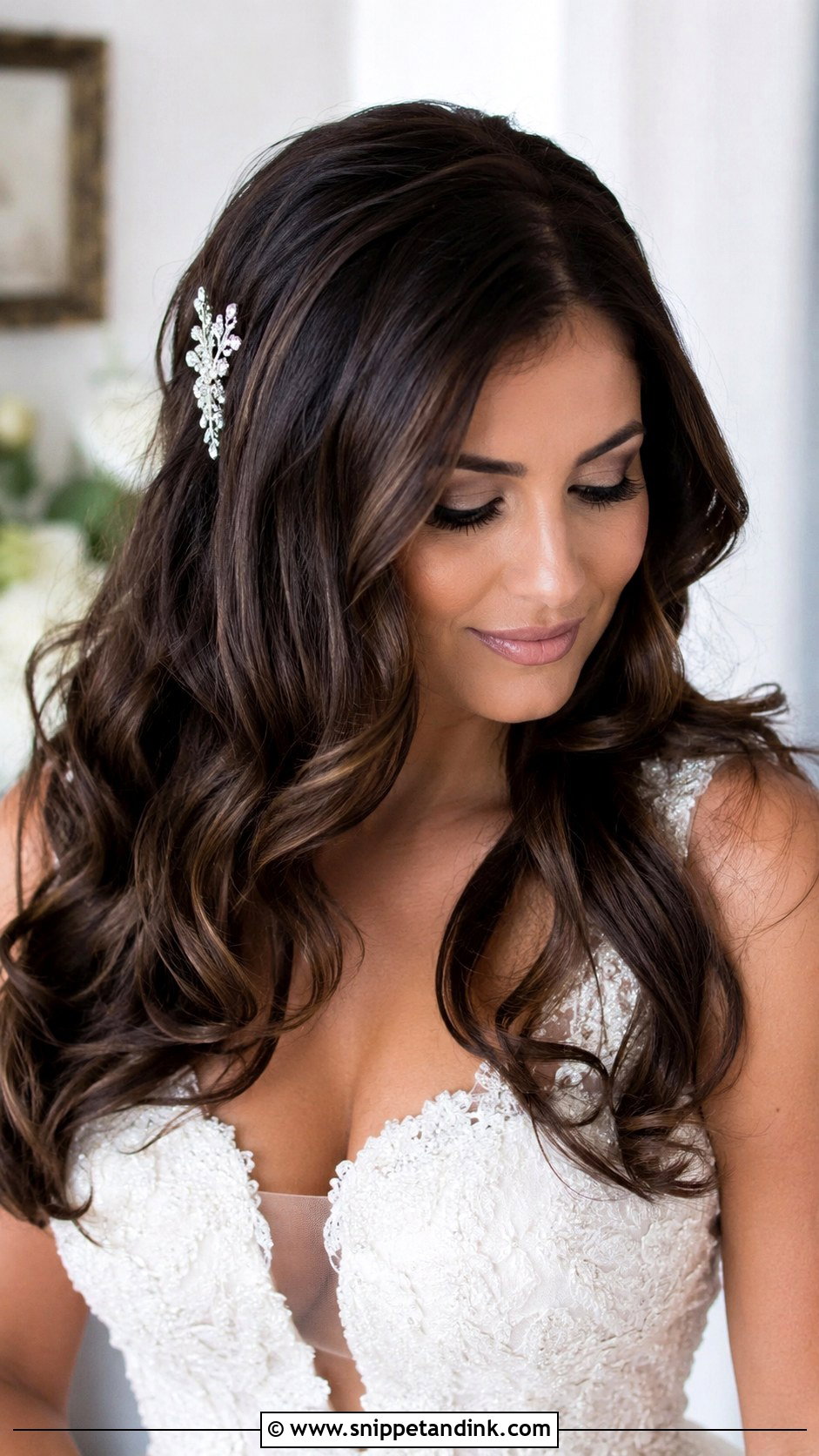
Brunette hair can look heavy in photos when it’s worn flat, and waves break up that mass. The bends bring out depth in dark brown, chocolate, chestnut, and espresso shades, especially with a few lighter pieces around the face. Wear it down, half up or to one side. A crystal comb or pearl pins give the most contrast against dark hair, and ivory gowns and warm makeup sit nicely beside it.
18. Auburn Beach Waves Bridal Hair
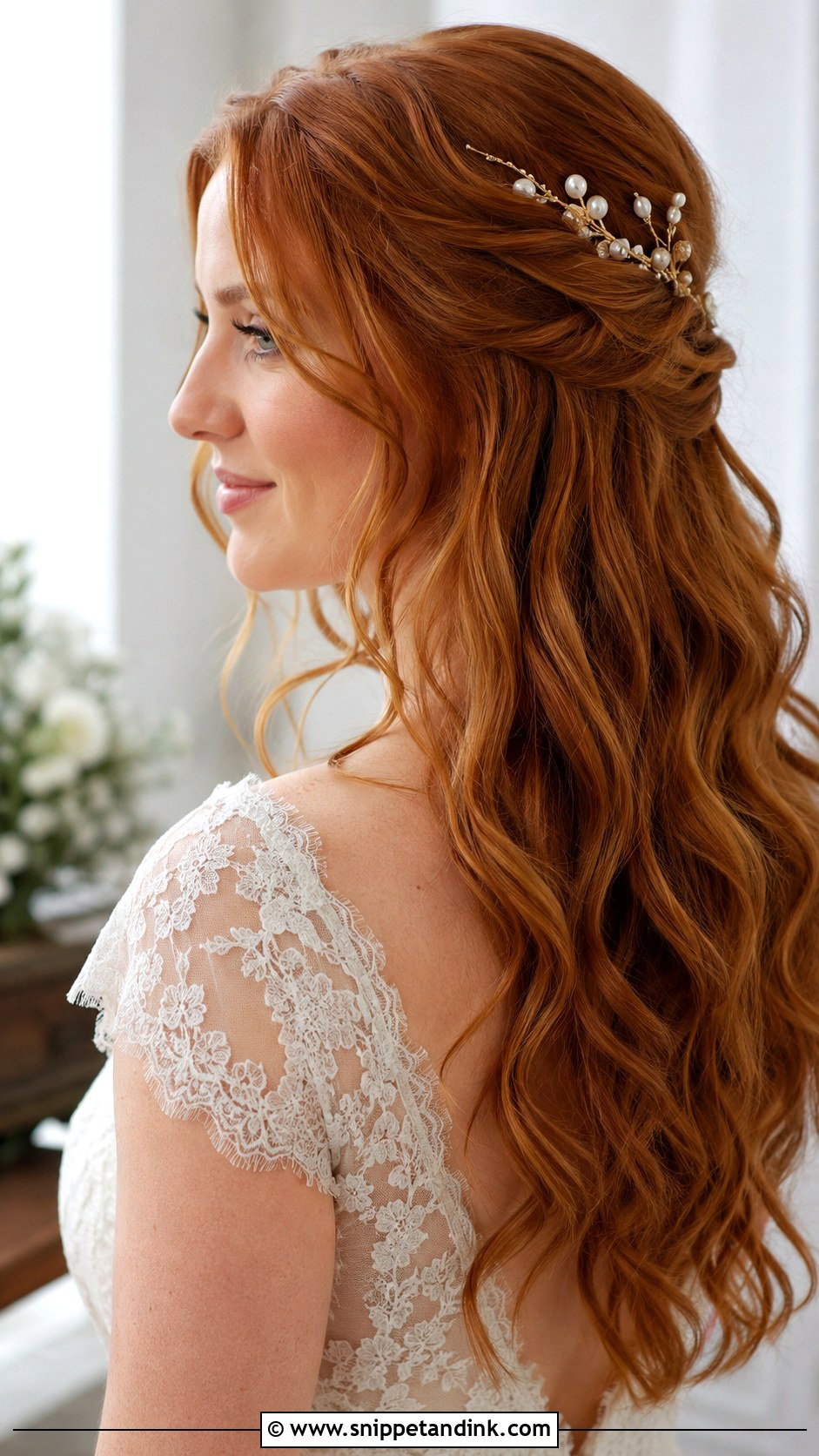
Auburn hair makes color part of the look. The waves catch light and show copper, cinnamon, and deep red-brown dimension. Red tones fade faster than most, so if you color, book the gloss or toner about a week before the wedding. Keep the finish glossy, since red hair shows frizz in natural light. Gold pins, pearl clips or small flowers complement the warmth, especially with cream gowns.
19. Curly Beach Waves Bridal Hair
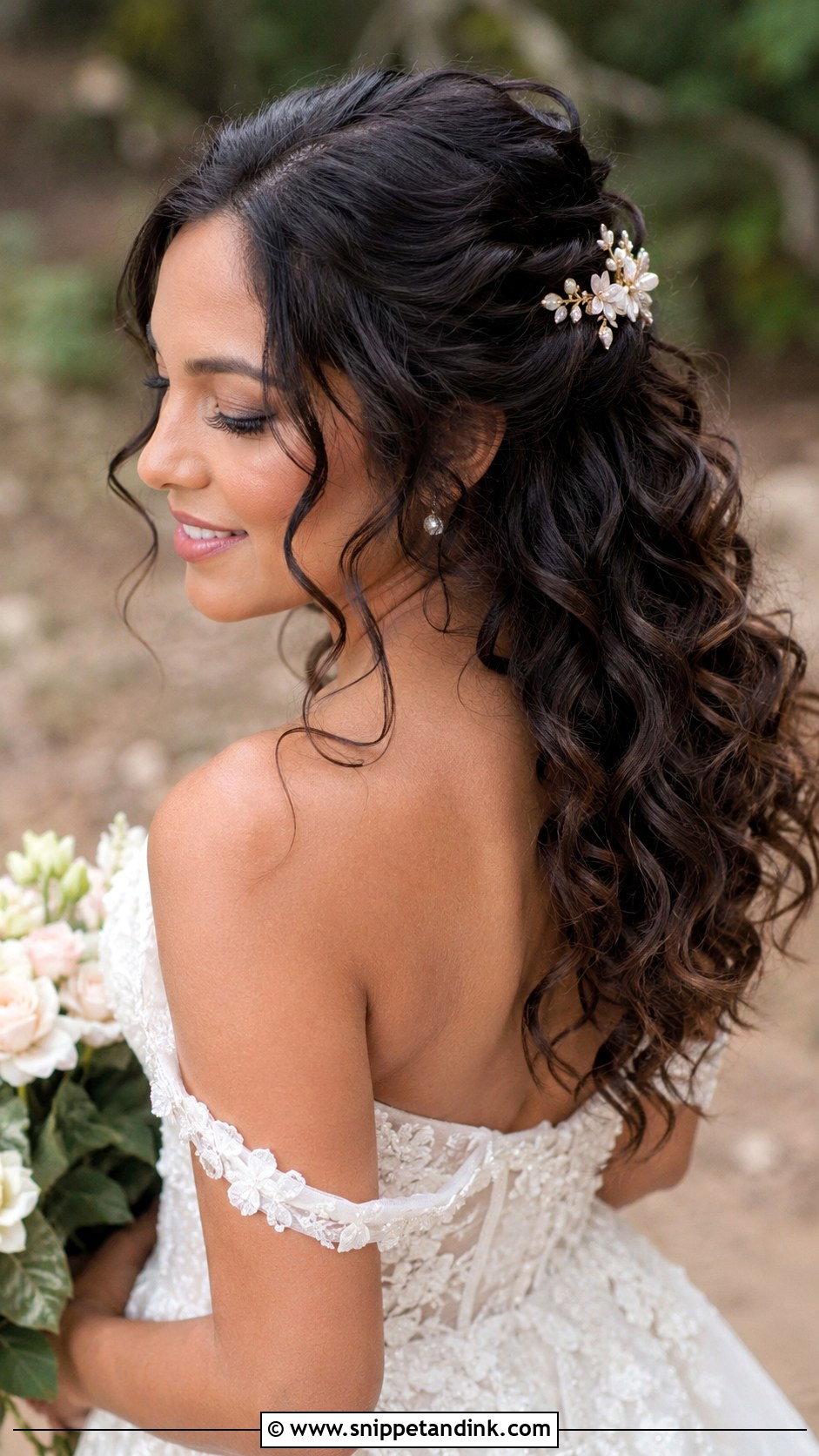
With curly hair, I don’t force a wave pattern on top of curls. I stretch the natural curl slightly, with a diffuser or a few passes of a wand on the outer layer only, and define the rest with curl cream. That keeps volume and softness. A half-up style, side pin or floral comb adds structure. Hydrate the hair in the days before; curls that are thirsty frizz the moment they meet humid air.
20. Beach Waves Bridal Hair For Beach Wedding
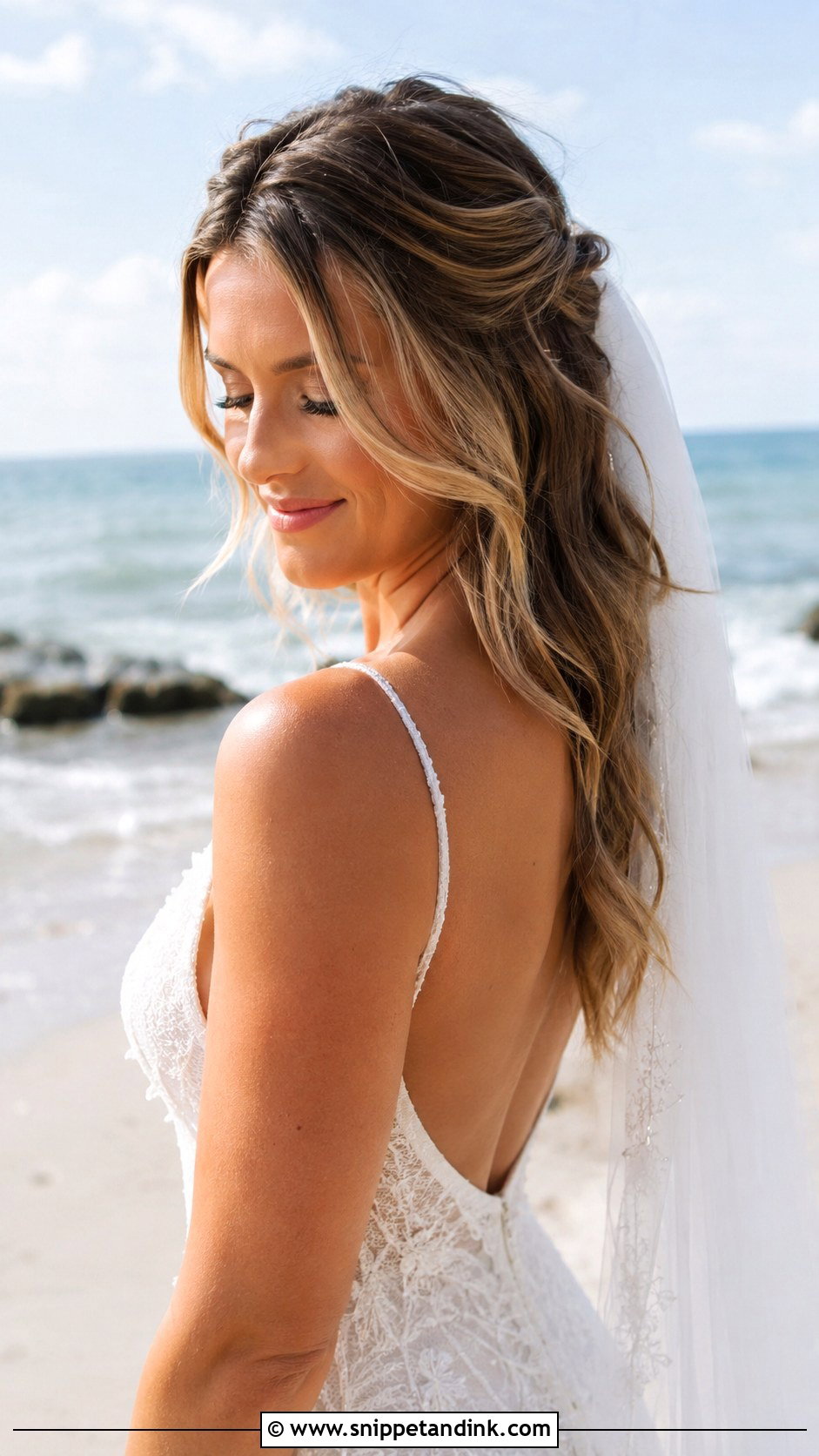
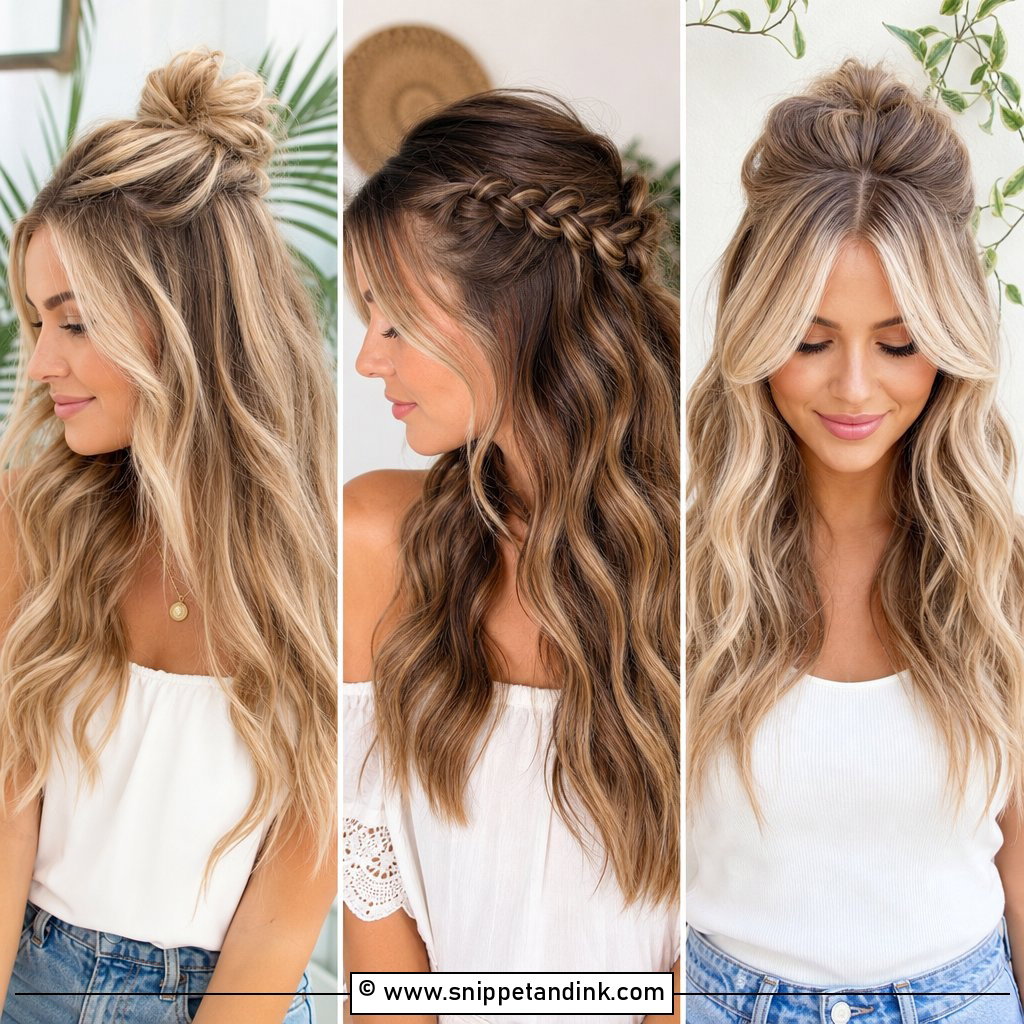
Waves on an actual beach need to be realistic about wind, heat and salt air. I build in at least one secure detail, such as a hidden pin, small braid, half-up section or side sweep, so if the bend relaxes, the shape still holds. Fully loose waves can work, but they need prep to avoid falling flat. Skip heavy products that turn sticky in humid air. The style suits barefoot ceremonies, breezy dresses and accessories that leave the ocean as the backdrop.
Freshly Washed Hair Slips, So Wash the Day Before
Hair washed the morning of the wedding is soft and slippery, and heat-made waves slide out of it fast. For most hair types I prefer a wash the day before, with a light conditioner on the ends only and no heavy masks or oils. Very fine or oily hair can be washed the evening before. Curly and coily hair is different: follow your usual wash routine, timed so the curls are defined and fully dry by the morning.
Skip a new product in the last week. A new shampoo or treatment can change how the hair takes heat, and the trial will no longer match the day.
Reviving waves between ceremony and reception
Waves will relax over the day, and that’s normal. To bring them back, twist two or three of the flattest sections around a finger, pin them for ten minutes while you’re greeting guests, then release and break them up with your fingers. A small travel wand in the bridal suite handles anything bigger. Avoid adding more spray on top of old spray; it weighs the hair down further.
Why a Wave Lasts or Drops by the Reception
Waves suit nearly every bride because there are so many ways to wear them: under a veil, half up, braided, in a low bun, as a ponytail or swept to one side. Choose by your dress, venue, weather and length, and then ask how the style looks after hours of photos, not in the first ten minutes. A wave that’s set properly, cooled and anchored somewhere will still be there for the last dance.
You'll Like These Ideas:



Leave a Reply