
Curls are the request I hear most at bridal trials, and the reason is practical as much as romantic. A curl adds body to fine hair, softens a strong jawline, catches the light on highlights and gives a plain bodice something to play against. What brides want now isn’t the crunchy ringlet from old prom photos. They want a curl that moves when they turn their head and is still recognisably there after the hugs, the breezy portraits and the dancing. Below are fifteen ways I’d wear curls on a wedding day, with what I look at before I commit to each one.
Why Some Hair Lets a Curl Slide Straight Out
When a bride tells me her hair never holds a curl, she’s usually right, but it’s rarely hopeless. Very fine or freshly conditioned hair lets the bend slip out. Long, heavy hair pulls itself flat. Humidity swells each strand and quietly undoes the shape heat set in.
Most of the fix happens before the curling iron comes out:
- Wash the day before, not the morning of, and keep conditioner off the mid-lengths. Hair with a day of natural oil grips a curl better than squeaky-clean hair.
- A light mousse or setting spray goes in while the hair is damp, followed by a full blow-dry. Hair that’s even slightly damp at the root won’t take a lasting curl.
- Smaller sections and a smaller barrel than you’d expect. A curl that looks too tight at nine in the morning relaxes into the soft one you wanted by the ceremony.
- Each curl cools pinned in a coil before anyone touches it. Brushing out warm curls is where most of the hold disappears.
If your hair still drops at the trial, I treat that as useful information rather than failure. It usually means a half-up or pinned style will serve you better than curls worn fully down, and it’s much better to learn that weeks out than in the car to the venue.
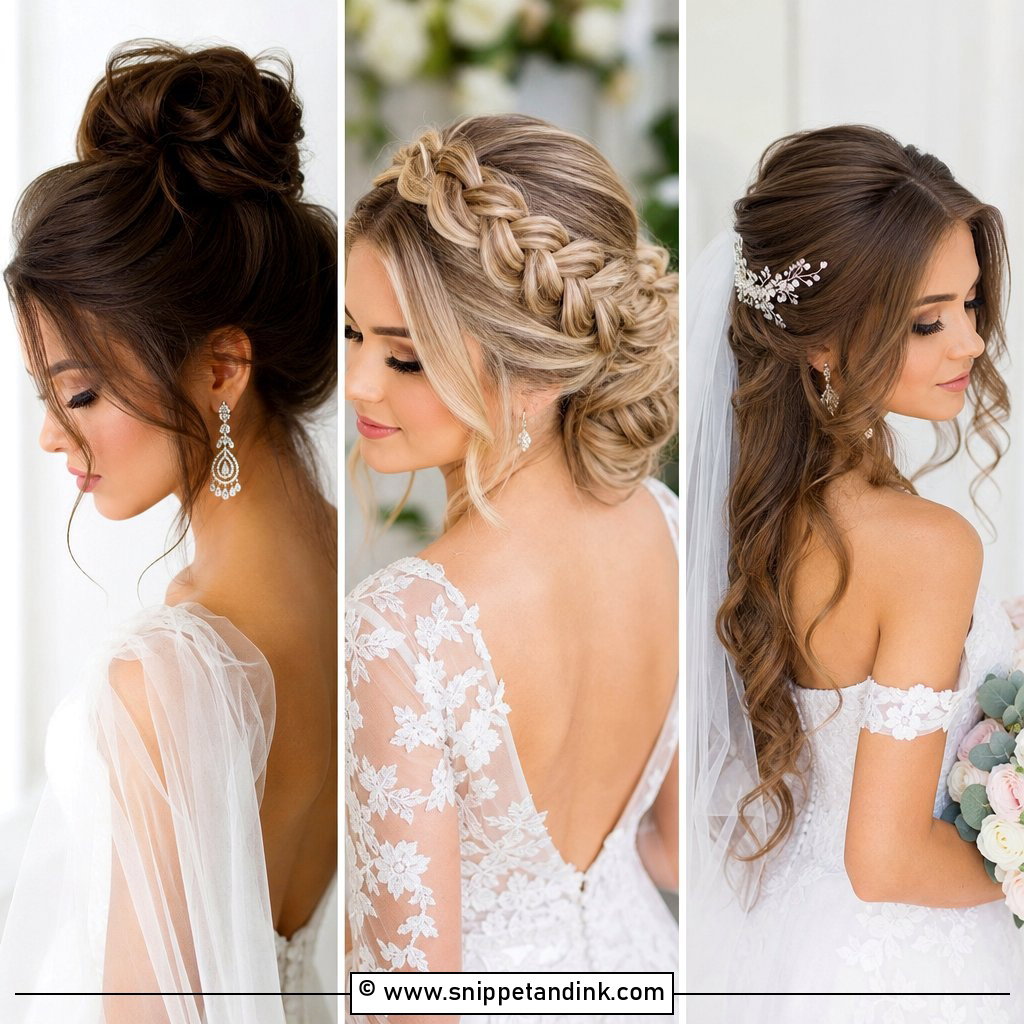
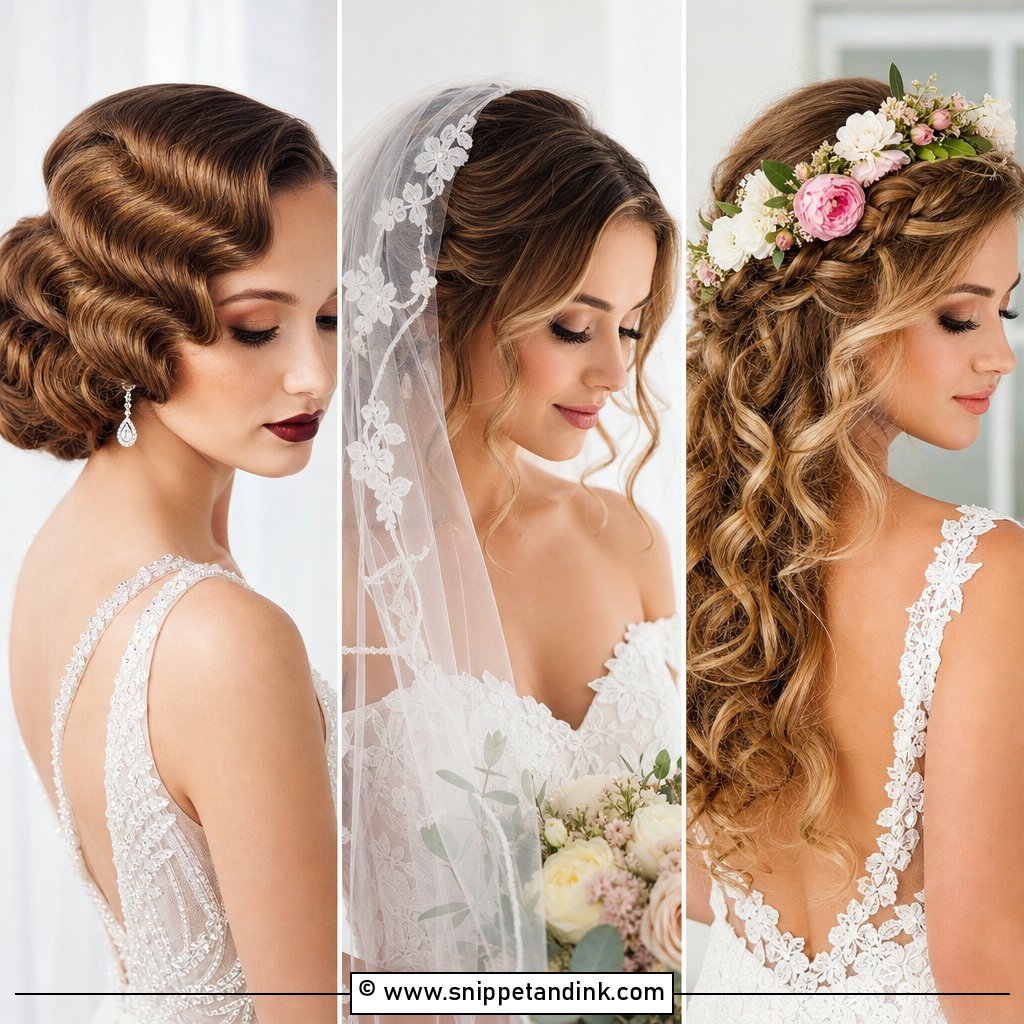
1. Bride Hair Curls With Veil
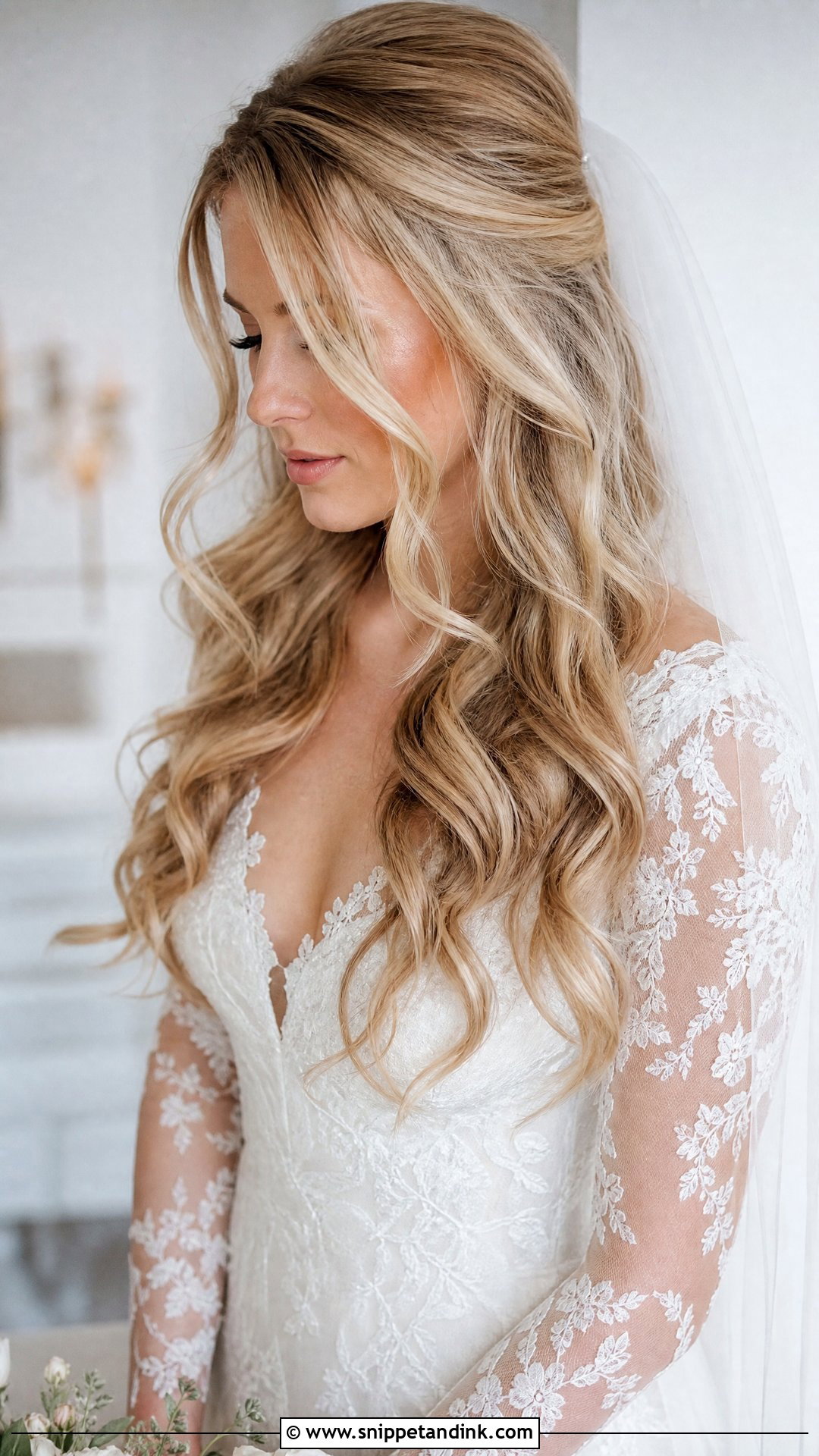
A veil changes how curls behave, so I plan the two together. The comb needs something solid to grip, so I usually pin a small hidden section at the crown and slide the veil into that rather than into loose curled hair, which it will drag flat within an hour. I start the curls around cheekbone level so the face stays framed and the top stays smooth under the tulle. A touch of backcombing behind the comb lifts the veil slightly, and it reads better on camera when it isn’t pressed to the scalp. Finish with a flexible spray. A stiff lacquer catches on veil netting and pulls.
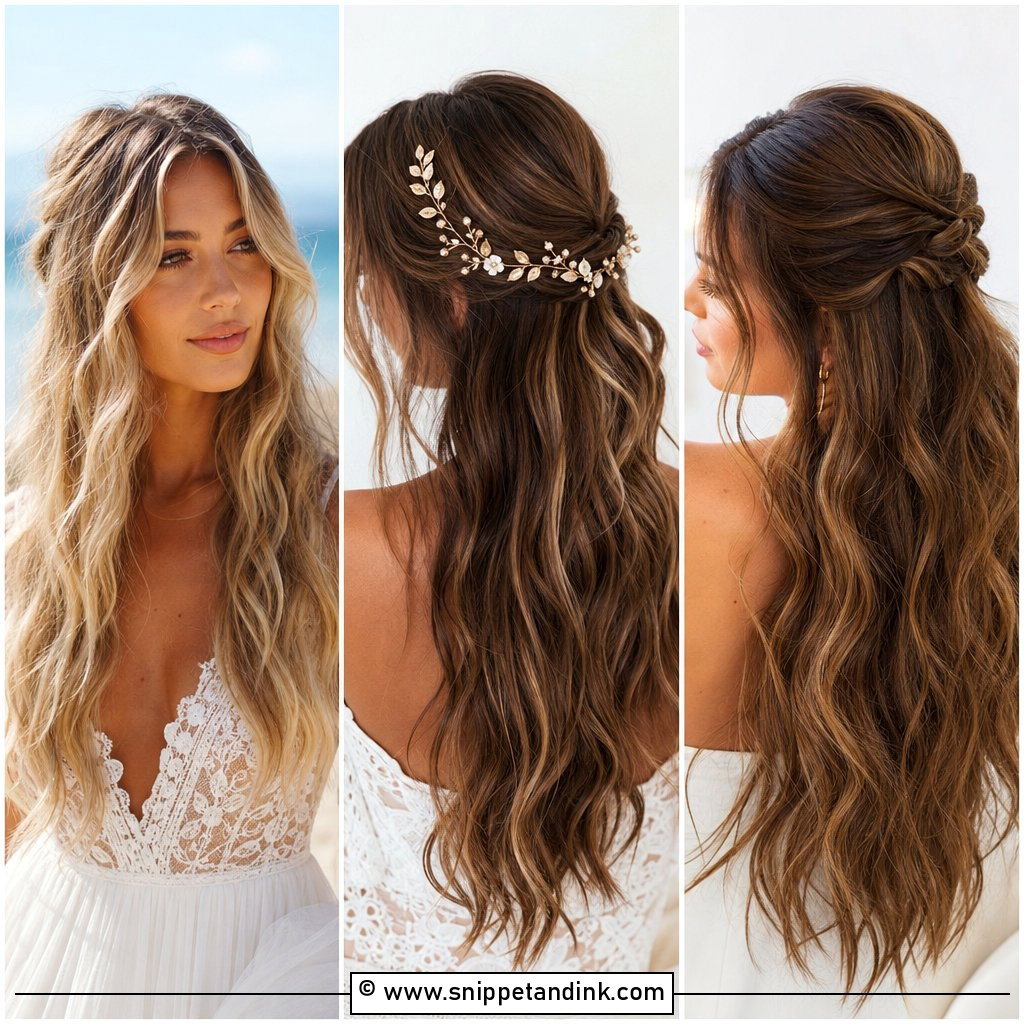
2. Bride Hair Curls Half Up
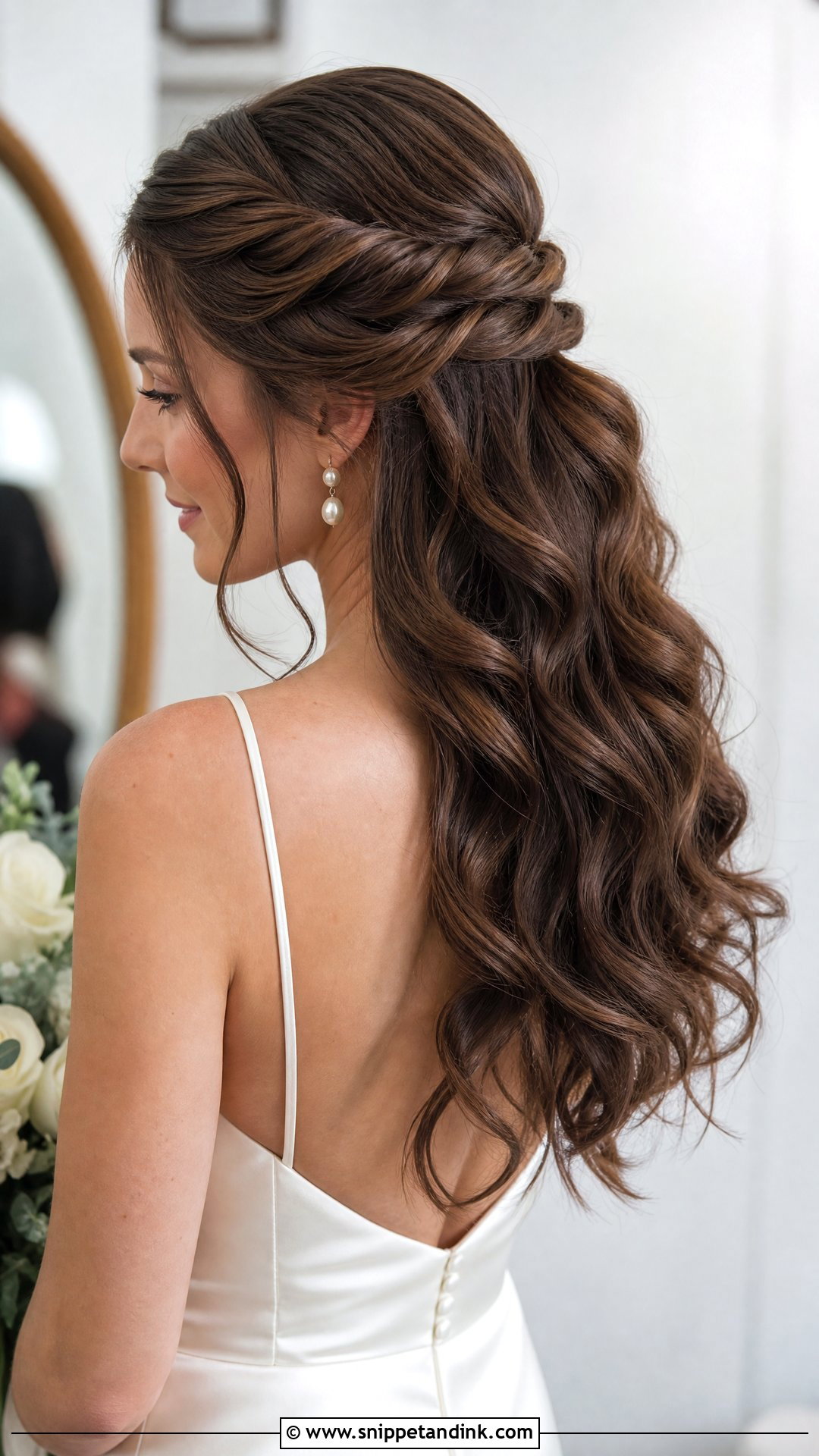
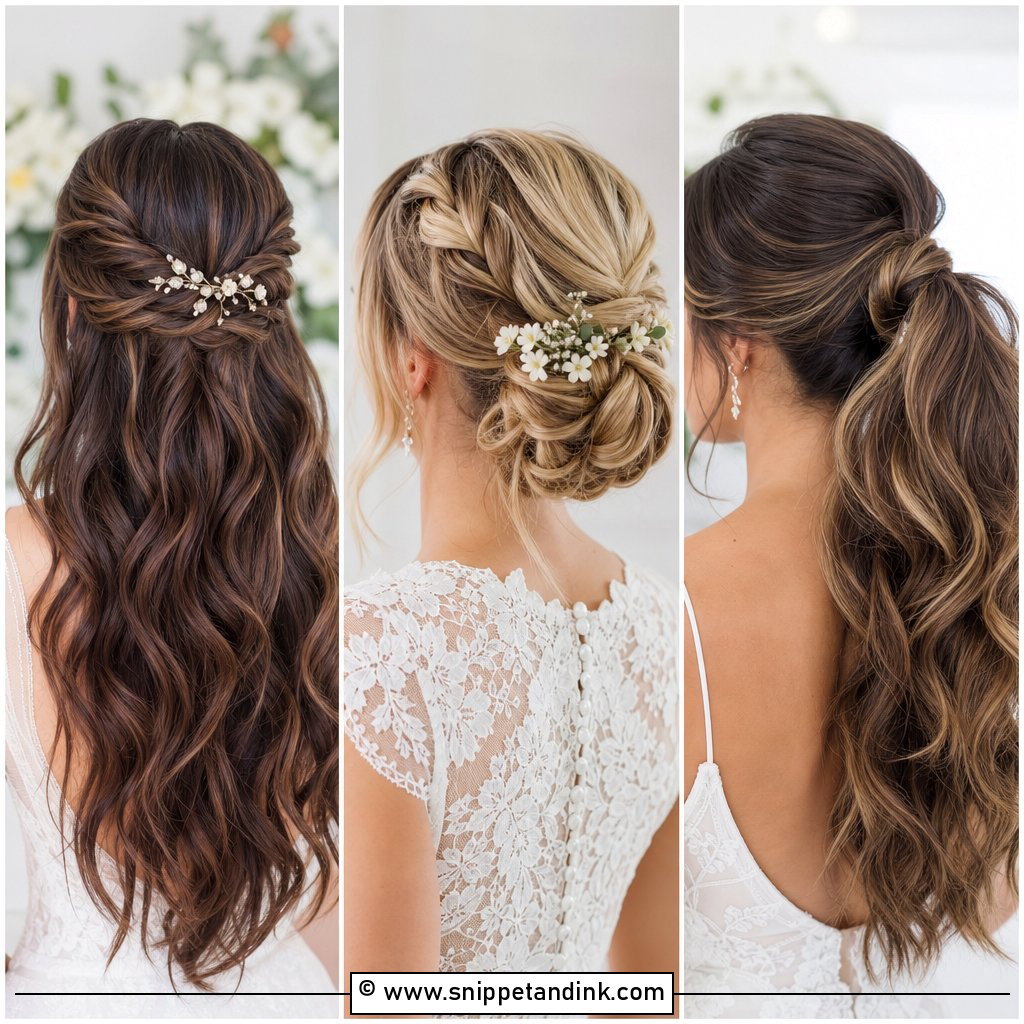
Half up is my default suggestion when someone loves length but has hair that drops. The pinned top section takes weight off the curls below, and it keeps your face open for the ceremony. I curl the lengths in alternating directions so they don’t clump into one sausage-shaped mass, then brush through lightly once they’re cool. A small twisted crown or a single comb finishes it. On very short layers the half-up section can look thin, so I check the back in a hand mirror with you before I pin anything.
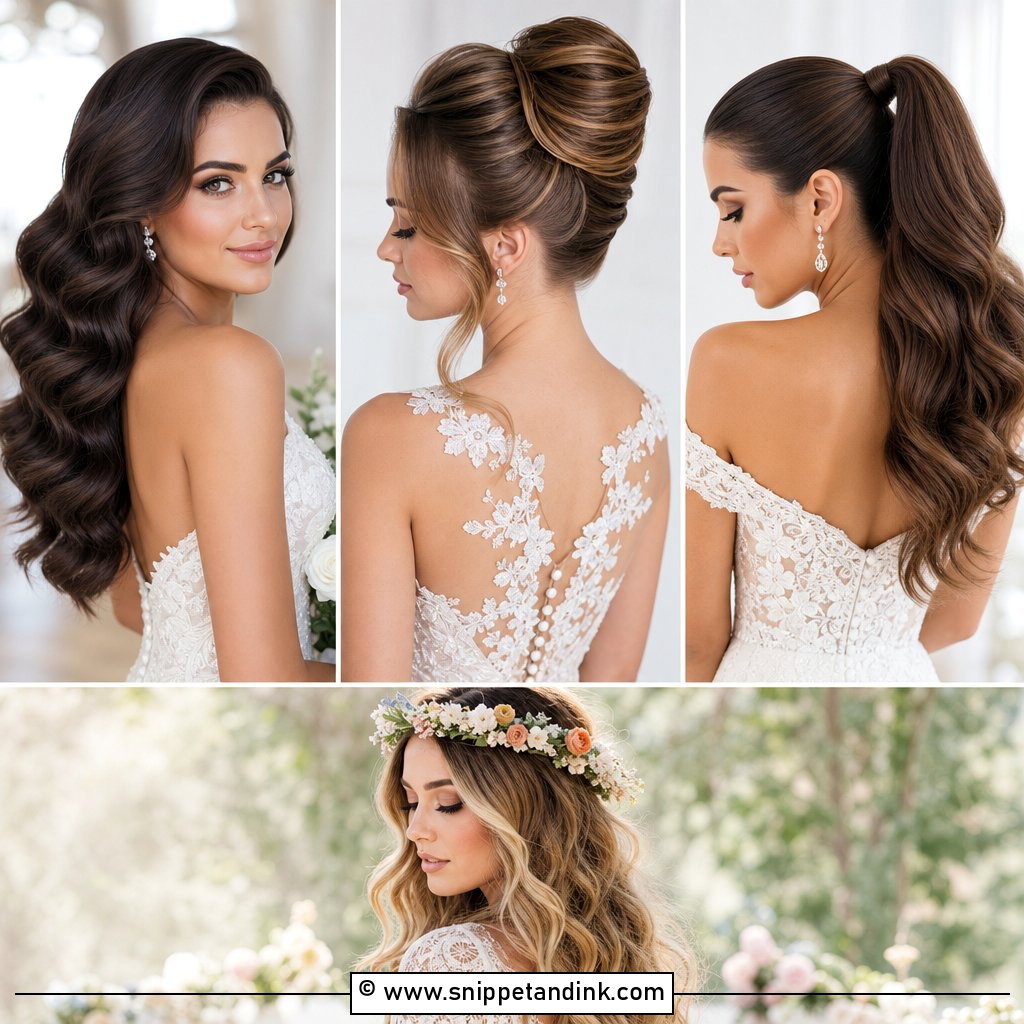
3. Bride Hair Curls Down
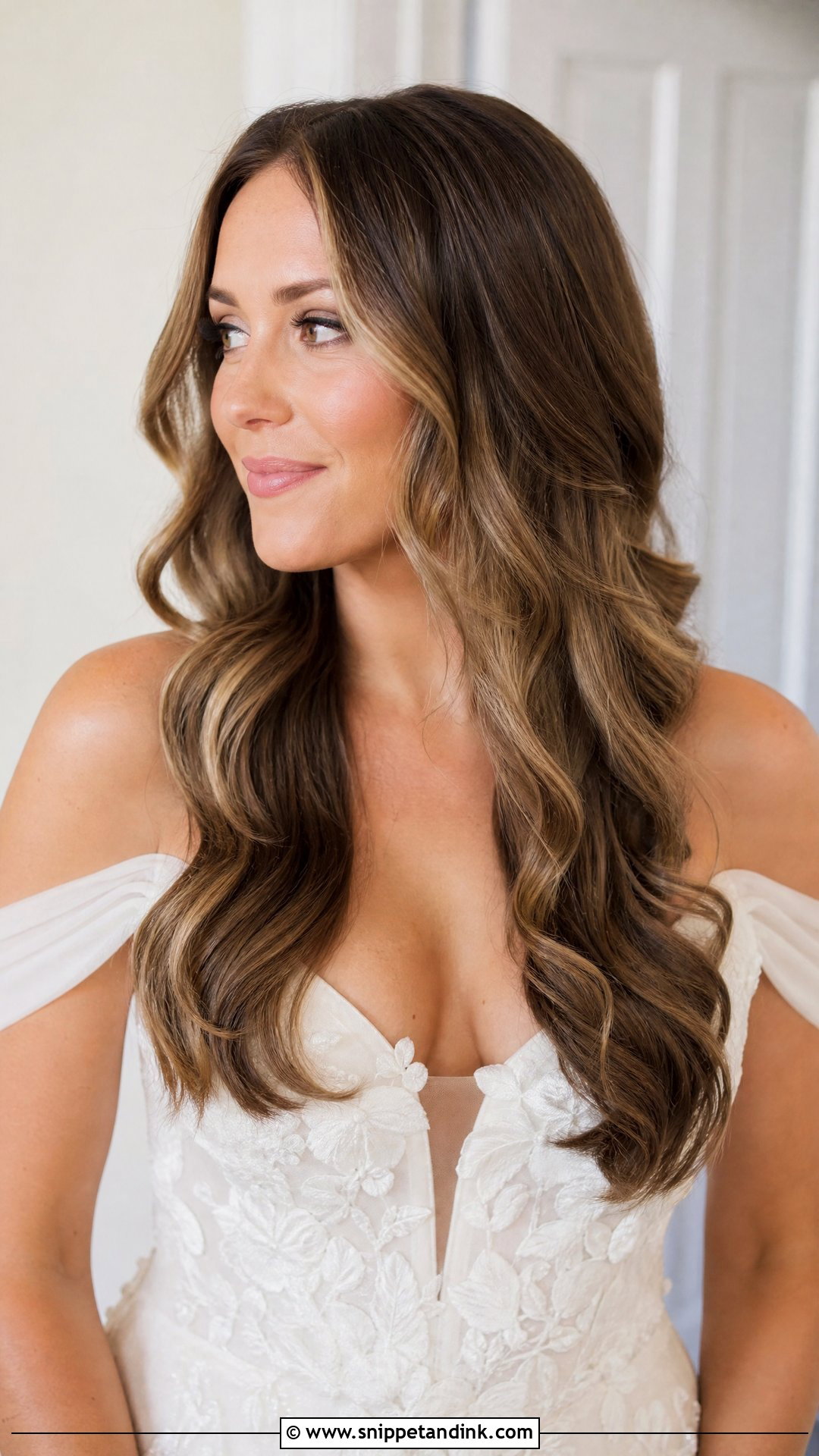
Wearing curls fully down is the style that asks the most of your hair. Everything depends on the prep: a setting product on damp hair, a thorough blow-dry, heat protection, and each curl pinned while it cools. Skip any of that and the shape will be gone before the speeches. A centre part feels current and balanced; a deep side part reads more glamorous. If your neckline is open, loose curls fill that space nicely. I always trim off or smooth split ends at the trial, because with hair down the ends are the first thing the camera picks up.
4. Bride Hair Curls With Tiara
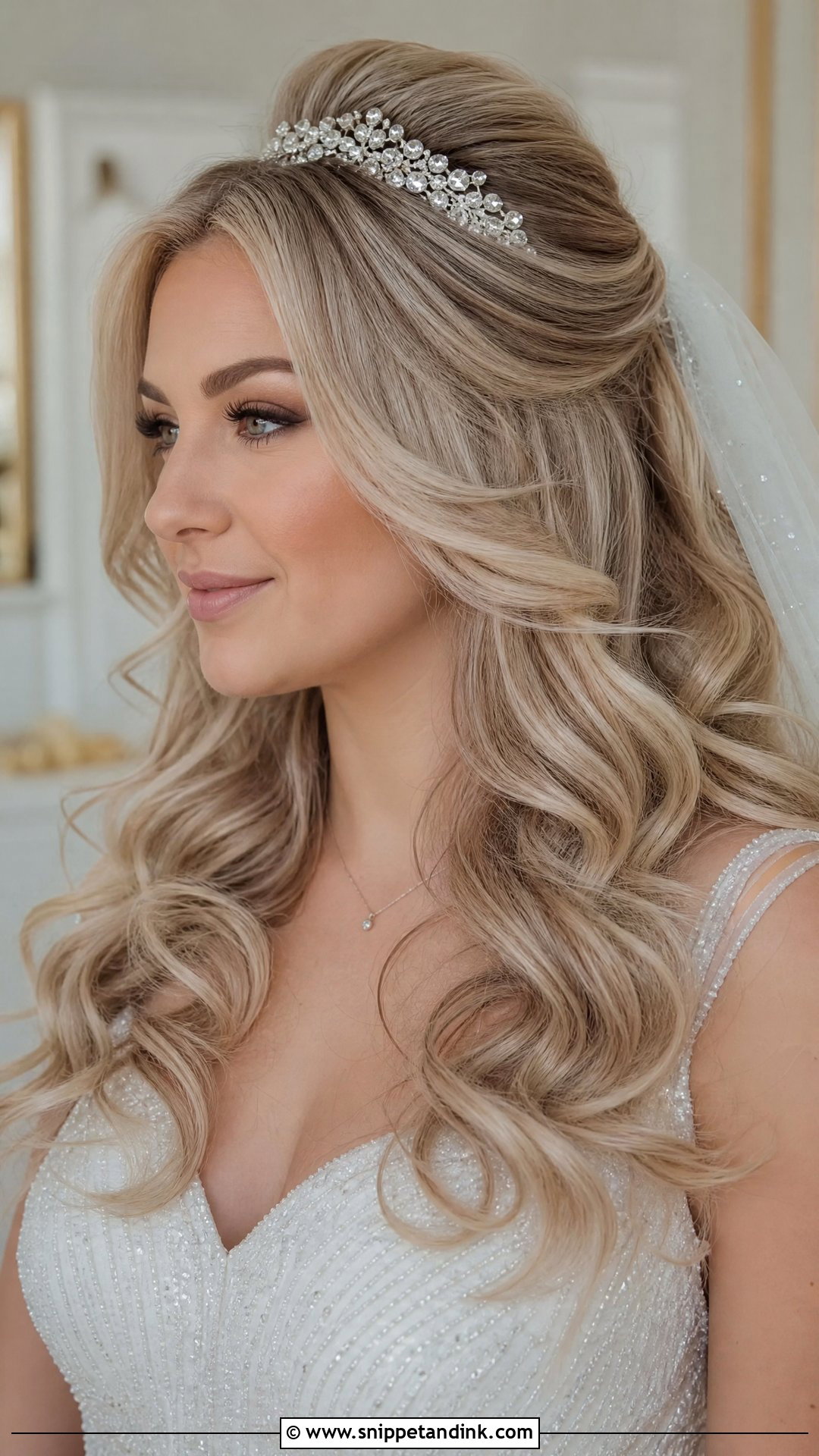
Bride hair curls with a tiara give you that princess feeling without committing to a formal updo. The catch is that a tiara sitting on loose curls will slide. I build a little lift at the crown, criss-cross two pins under each side of the band, and keep the front pieces soft. Set properly, the tiara looks like it grew out of the hairstyle rather than being perched on top. Smooth, defined curls work better here than tousled ones, because texture competes with the sparkle in bright daylight.
5. Bride Hair Curls Side Part
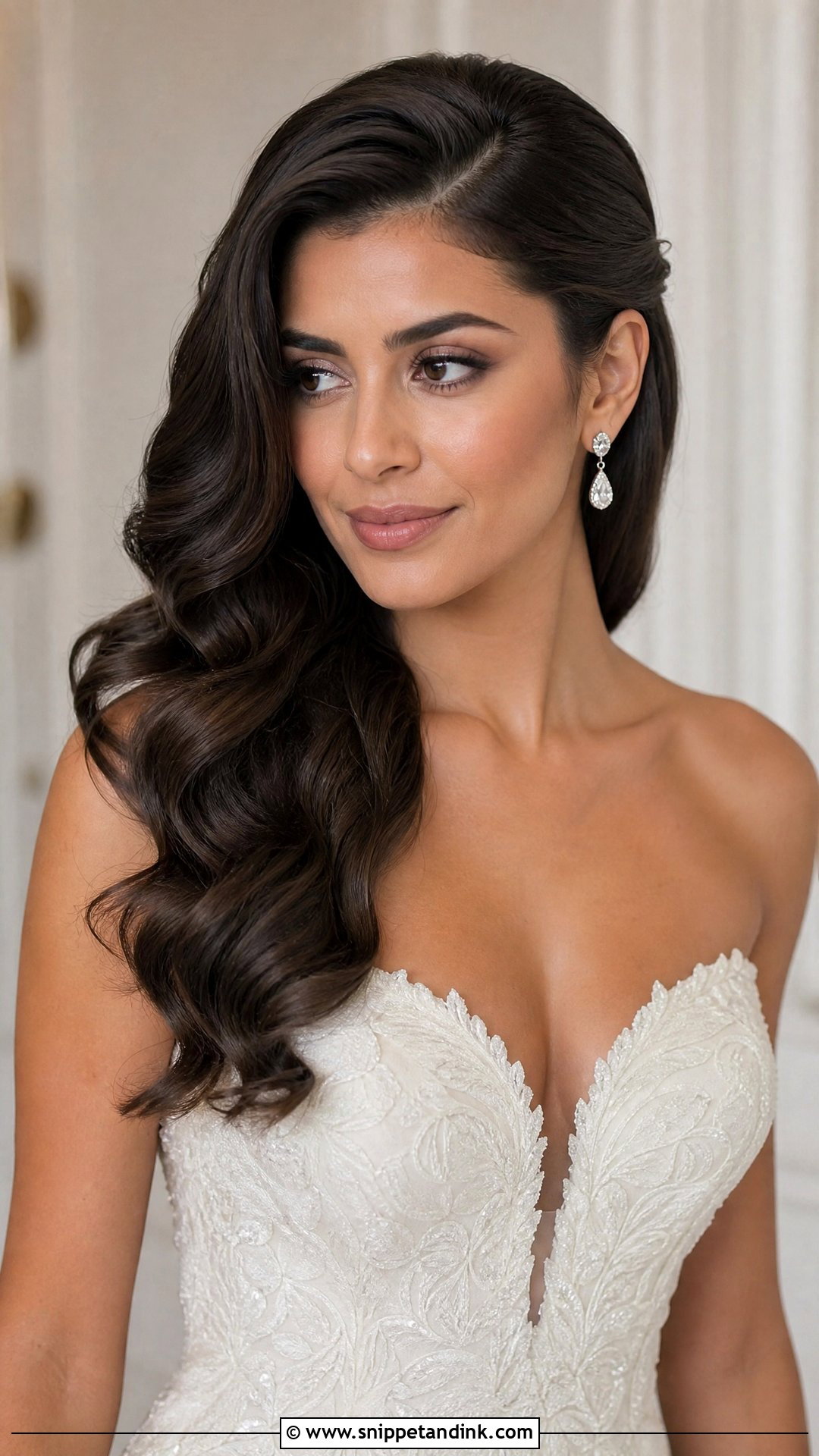
A deep side part is the quickest way I know to get volume without teasing. The heavier side sweeps across the forehead and gives face-framing shape without bangs, while the lighter side tucks behind the ear to show off an earring. The tucked side is where it fails, usually around the second hour, so I anchor it with a hidden pin set against the direction of the hair. Ask for brushed-out curls rather than tight ringlets; tight curls on a side part can look dated very quickly.
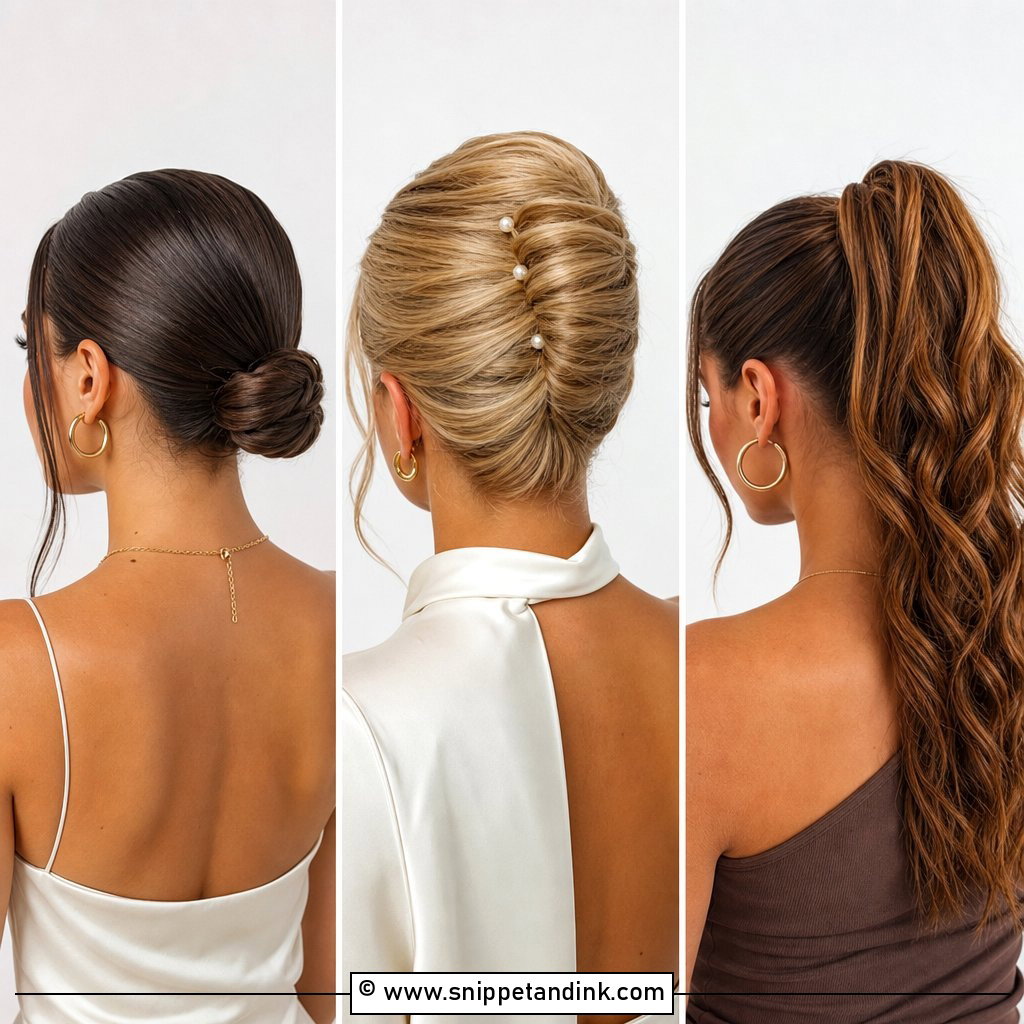
6. Bride Hair Curls Ponytail
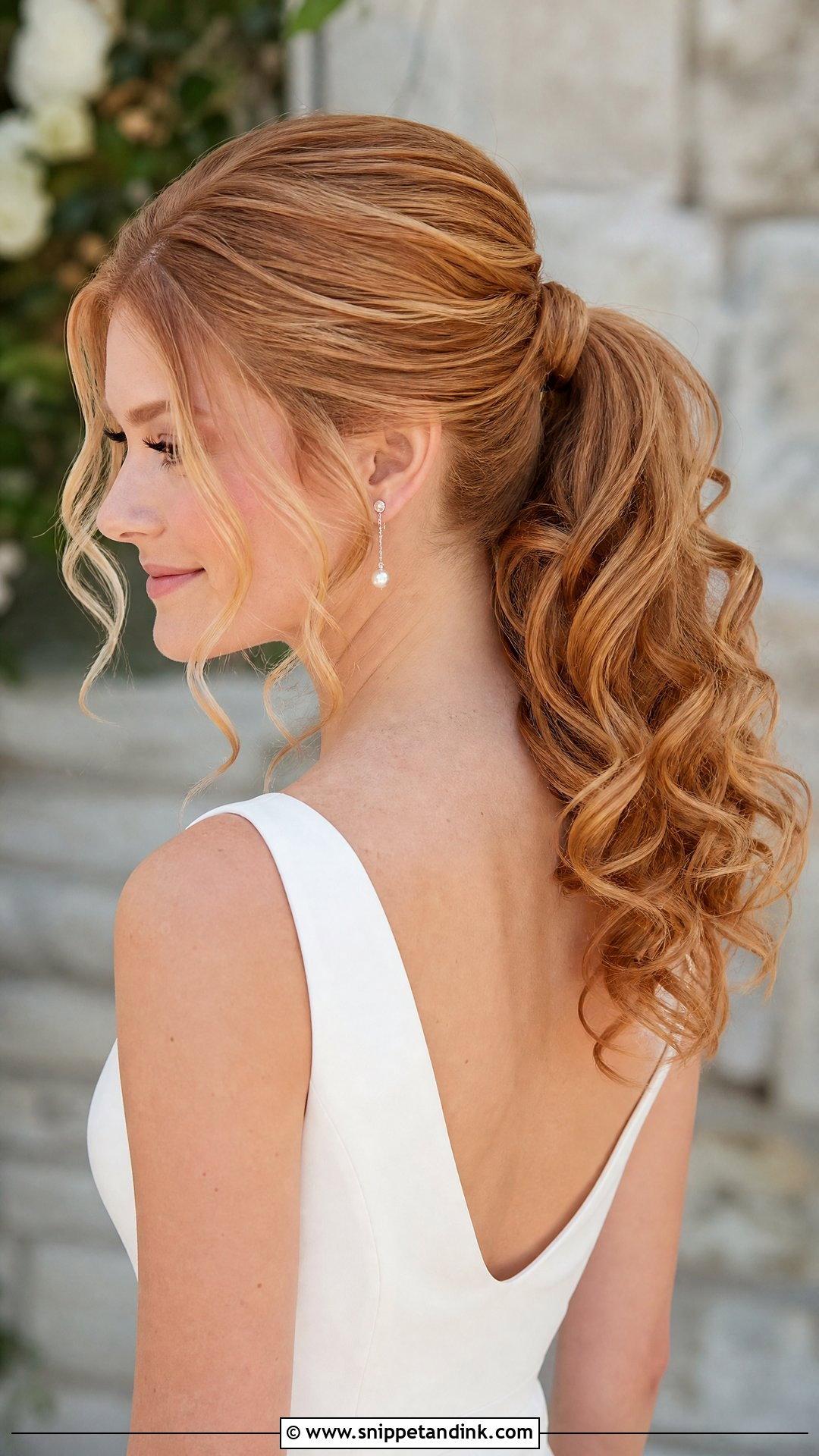
A curled ponytail is the most comfortable option on this list and the one I’d steer toward if you’re marrying outside in summer. Hair stays off your neck, and the curls make the tail look full instead of plain. Height sets the mood: high reads bold, mid-height balanced, low quieter. I wrap a strand around the base to hide the elastic and pin it underneath. Leave a couple of soft pieces at the temples, though, or it can tip into gym territory.
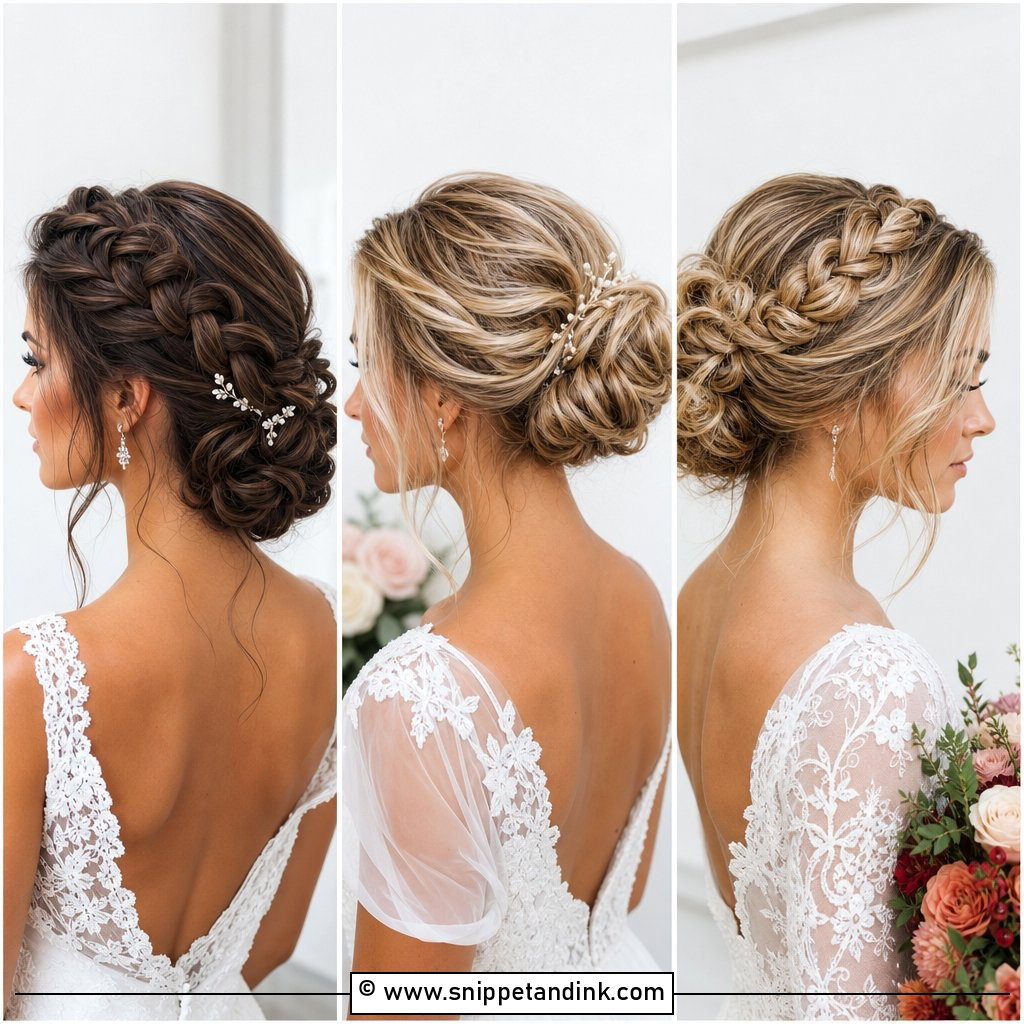
7. Bride Hair Curls Low Bun
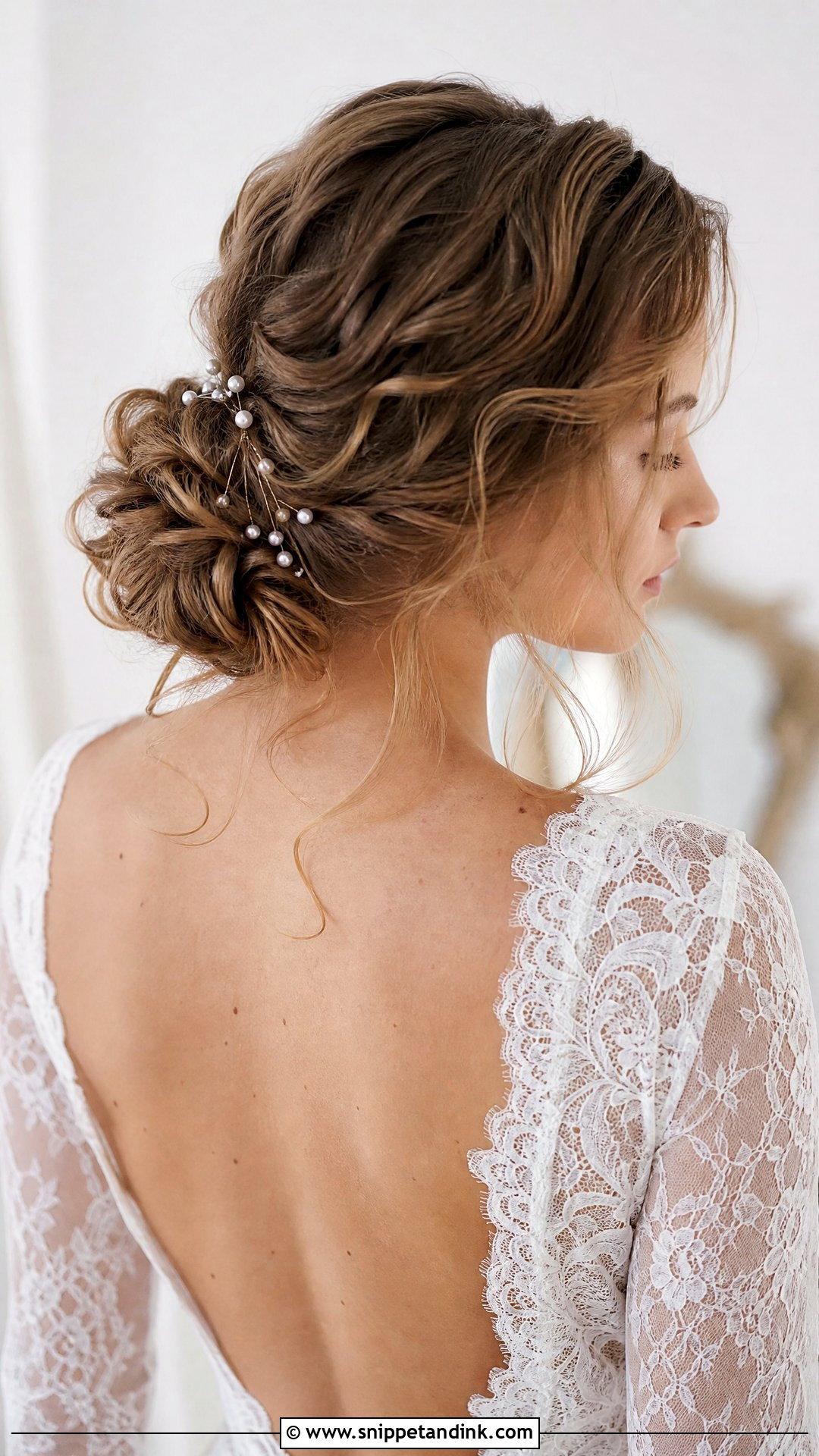
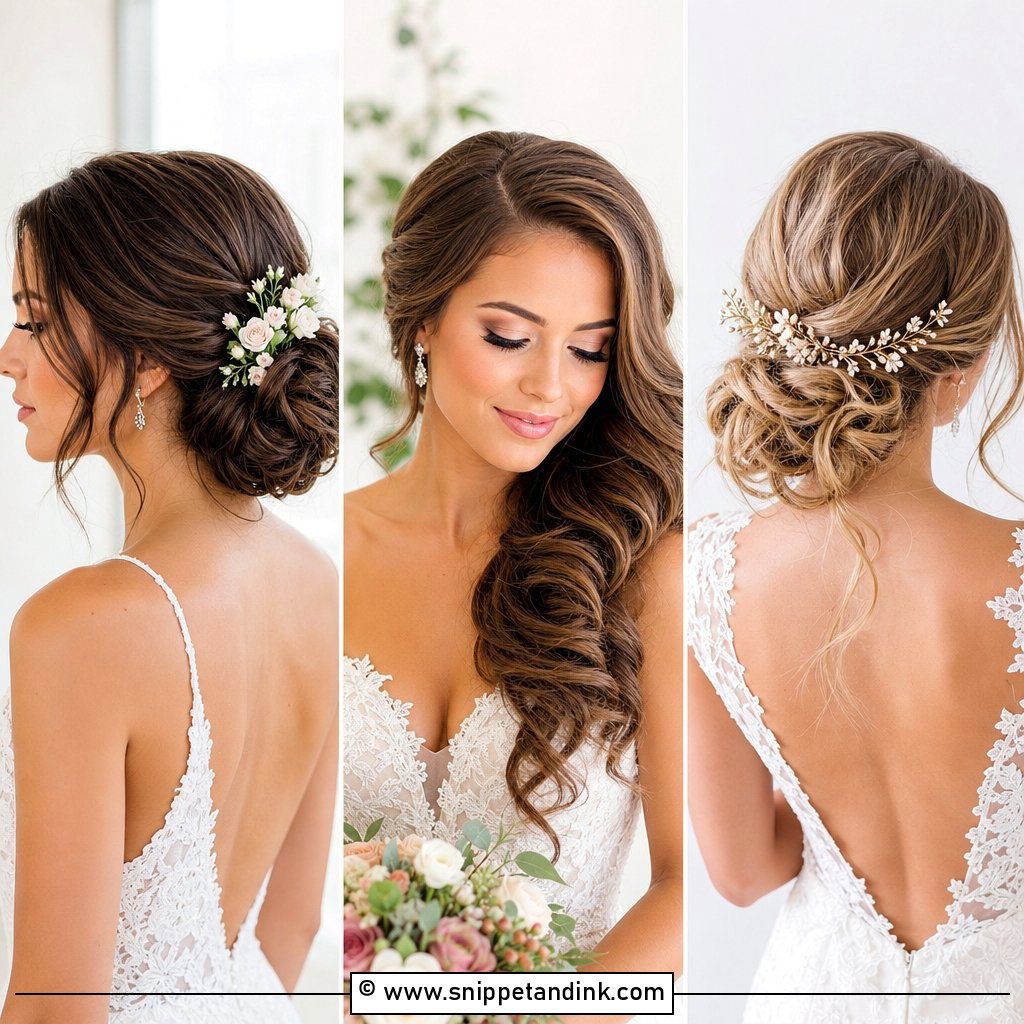
Here’s what I like about a curled low bun: the curls do the decorating. Pinned in loops, they give the bun texture and size that a smooth chignon can’t. It sits right where a veil comb or a row of pearl pins wants to go, and it keeps working with a high neckline or a detailed back. Outdoors it’s one of the most secure looks I do. I’d pull two face-framing curls loose at the cheeks so the shape doesn’t look severe, and I’d pin the visible loops individually so they hold their own shape through the evening.
8. Bride Hair Curls Updo
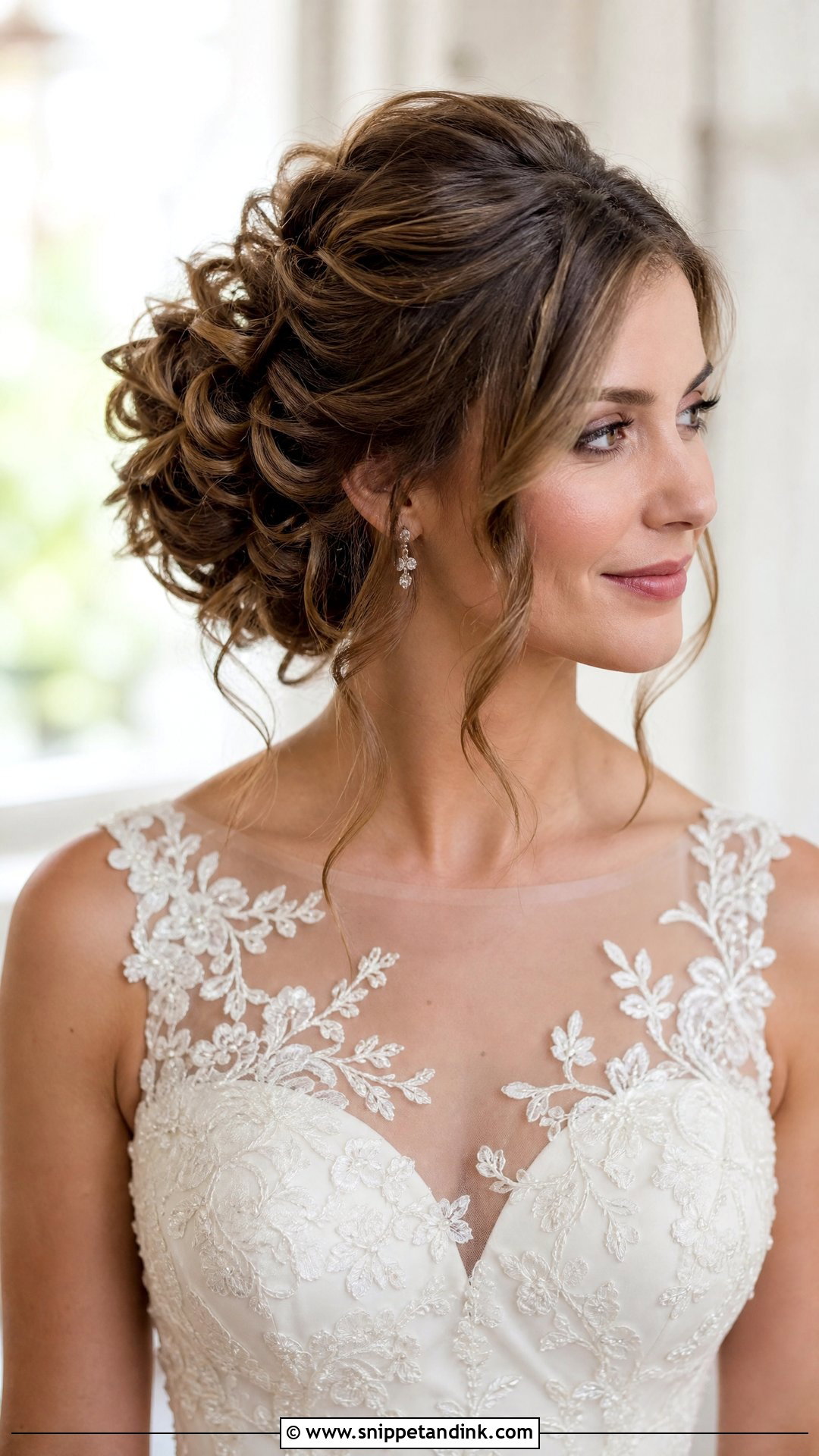
A curled updo is formal without looking stiff, because the curls are pinned as loose loops rather than slicked flat. Layered cuts actually help here. Shorter pieces become part of the texture instead of poking out of a smooth chignon. Pinned curls also take dancing and a change of weather far better than hair worn down, since each one is locked to the next. I keep a few soft wisps at the hairline. Without them, a full updo can look harder in photos than it does in the mirror.
9. Bride Hair Curls With Bangs
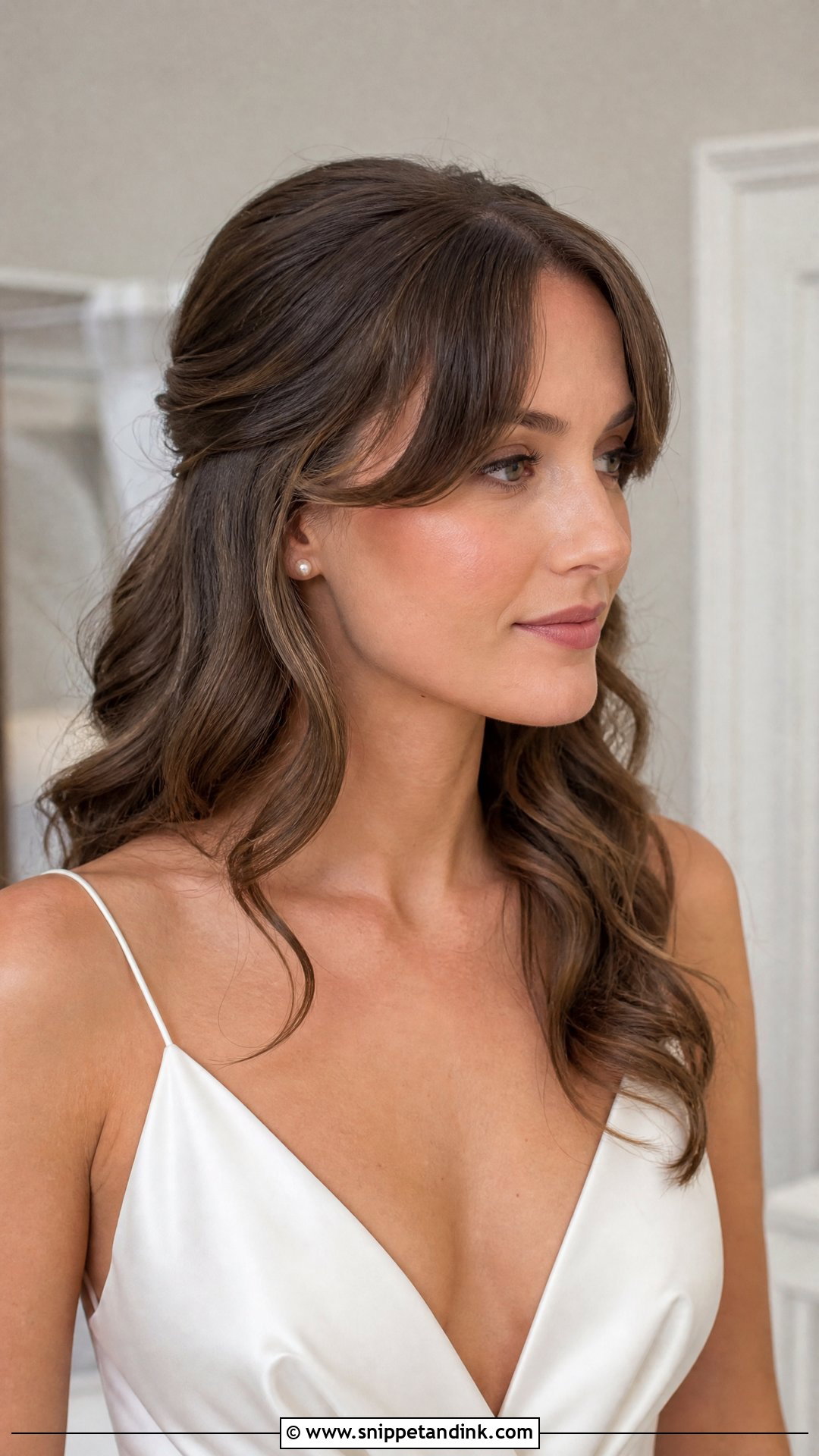
Bangs and curls need balancing: if the curls are full, the fringe should stay light, and if the fringe is bold, the curls should calm down. Curtain bangs are the easiest to blend because they split and fall straight into the face-framing curls. A full fringe works too if it’s smoothed with a round brush and given just a slight bend at the ends. My one firm rule is no fresh fringe in the final fortnight. If you already wear bangs every day, keep them; you’ll recognise yourself in the photos.
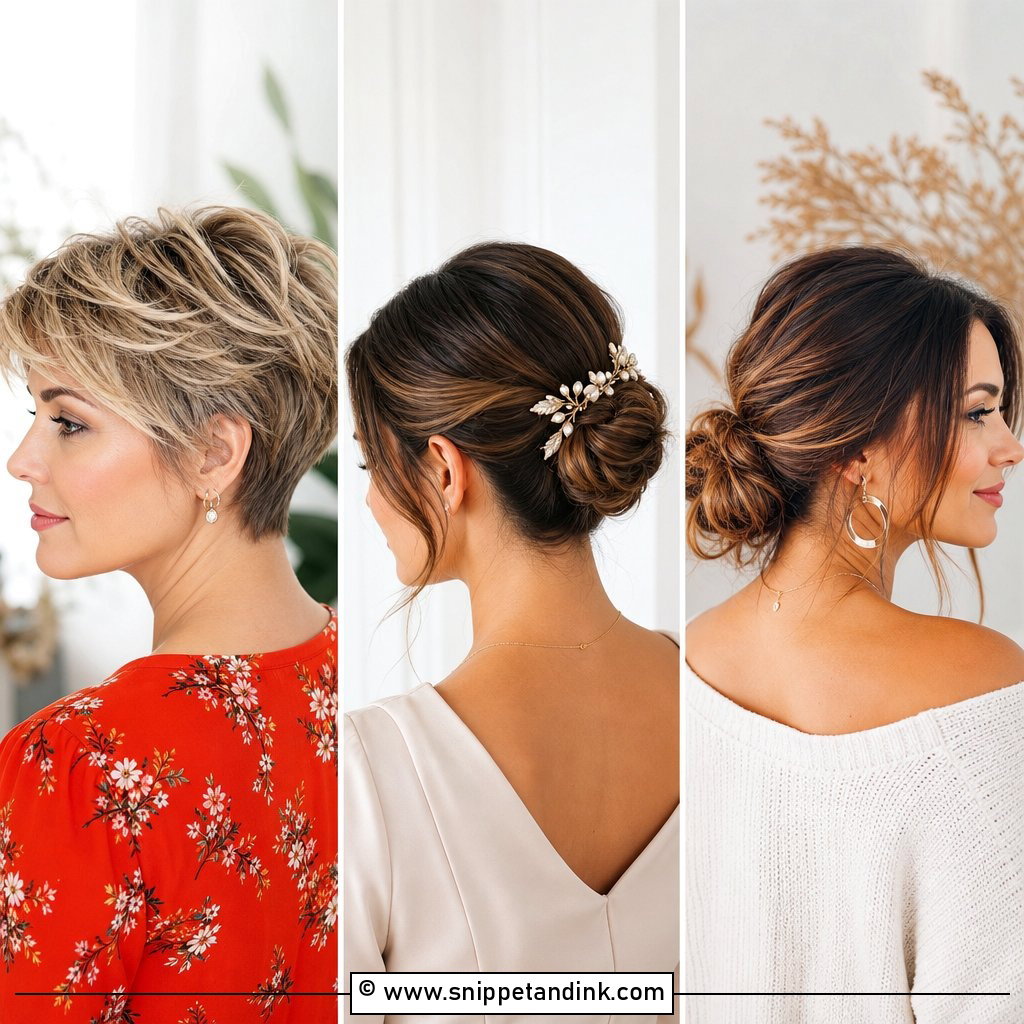
10. Bride Hair Curls For Short Hair
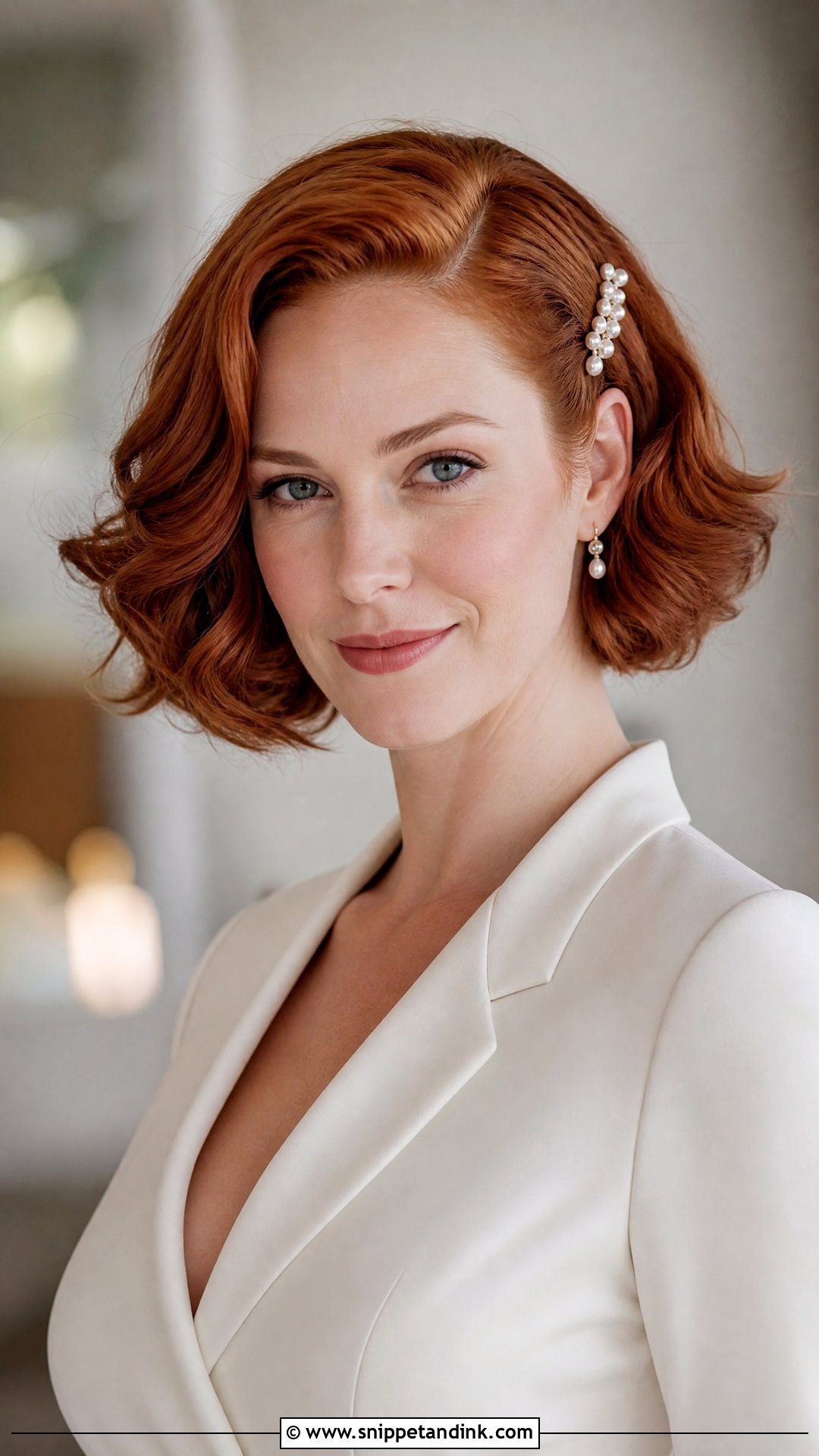
Short hair curls more easily than long hair because there’s less weight pulling the shape out. A bob, lob or crop takes soft curls, finger waves or brushed-out bends equally well. I use a smaller barrel for short lengths, then break the curls apart with my fingers so they look touchable rather than set. With the neck exposed, earrings and the neckline get more attention, so one accessory is usually plenty: a side clip, a pearl pin or a short veil.
11. Bride Hair Curls For Long Hair
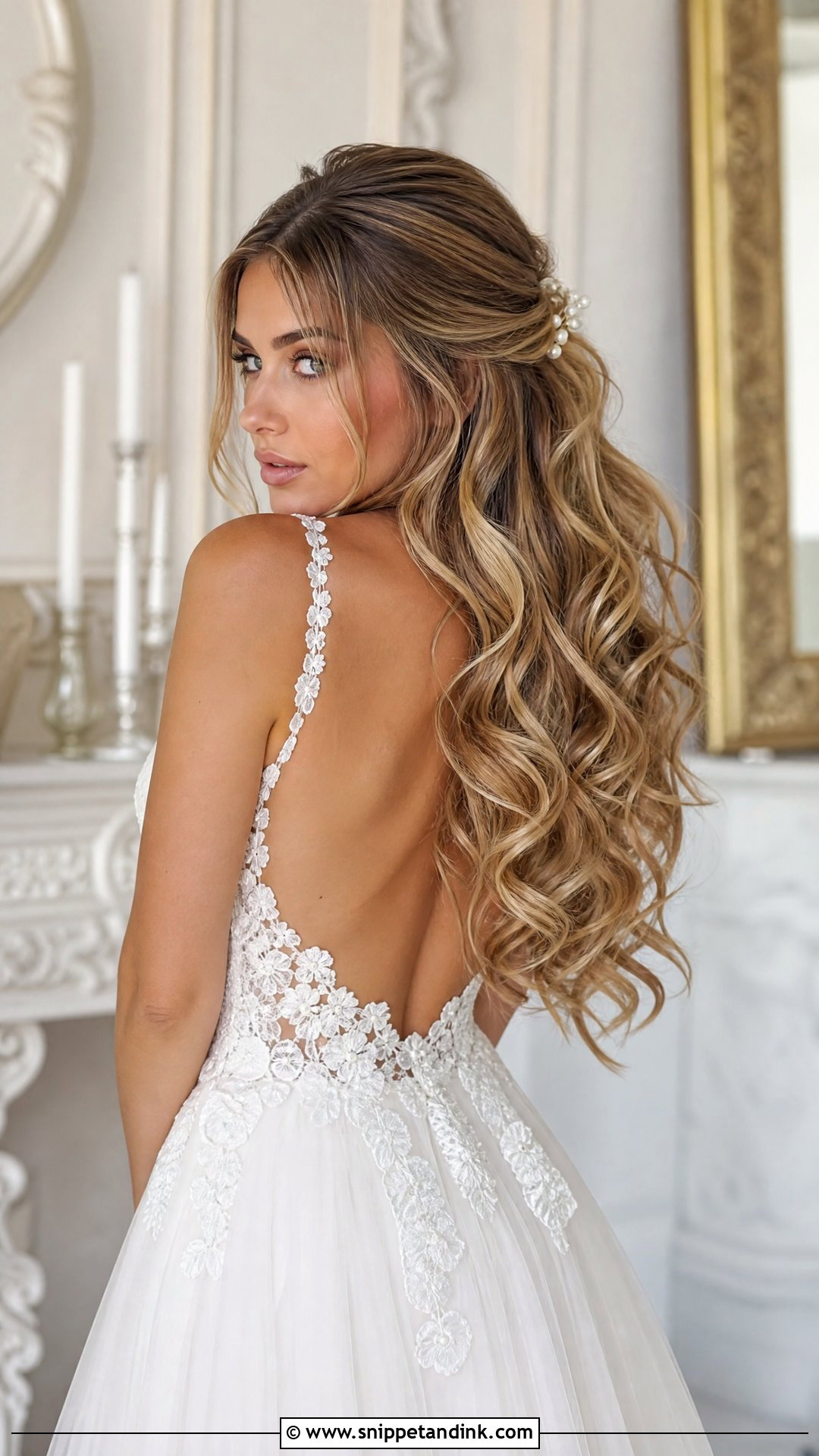
Long hair is heavy, and by mid-afternoon gravity wins against any curl that was set loosely. For waist-length hair I work in smaller sections, pin every curl to cool, and mist a light texture spray through before I brush out. Layers give the curl somewhere to bounce; one length all over tends to drop into a soft wave by the reception, which some brides honestly prefer. With an open back or a long veil, this is the version that gives you a dramatic back view. Keep the crown smooth and the ends polished so the length reads as deliberate.
12. Bride Hair Curls With Flowers
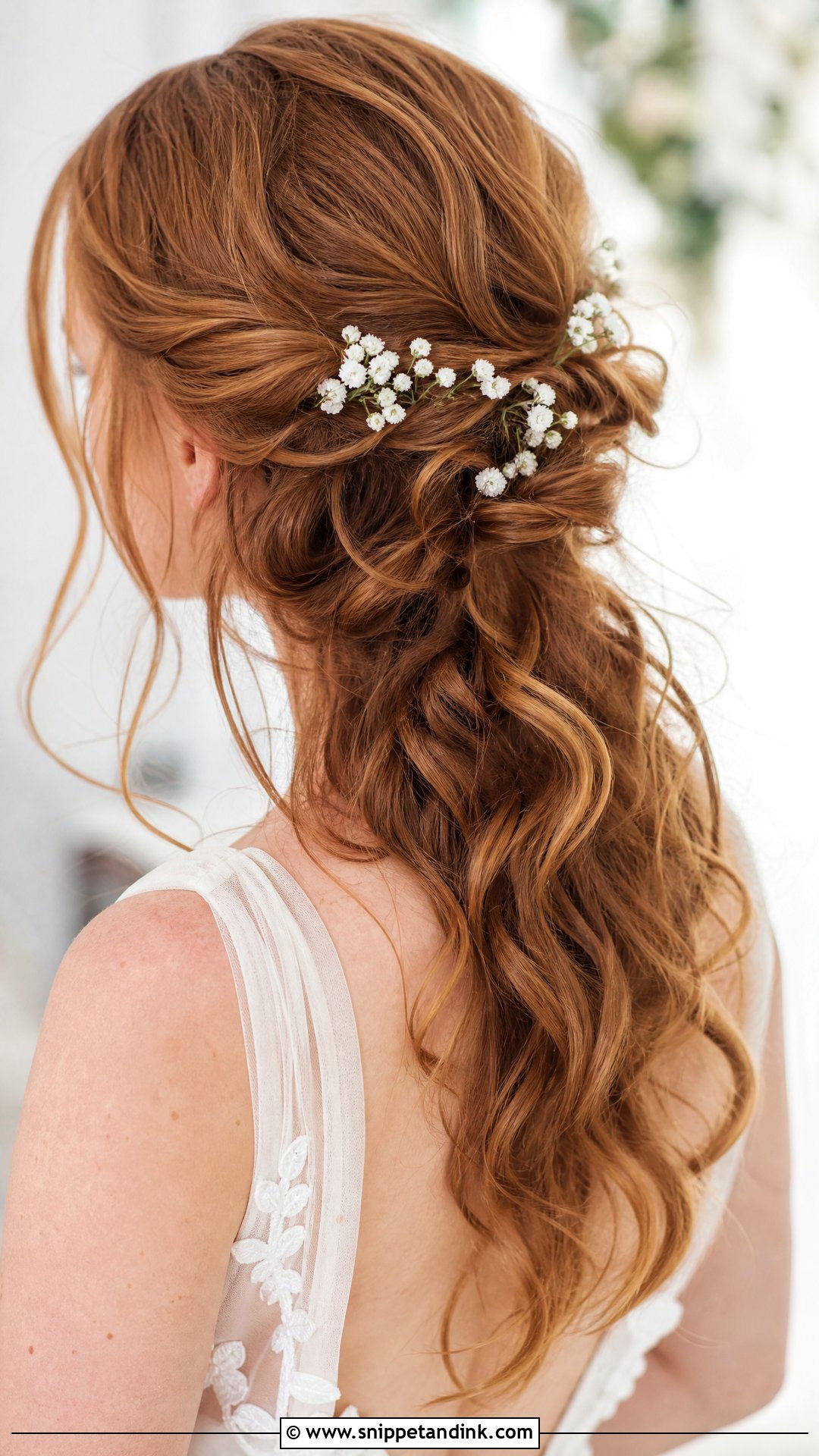
Flowers in curls need to be scaled to the style. Small sprigs suit half-up curls; a larger bloom sits better against a low bun or a side sweep. Fresh flowers should be wired and prepped by your florist, not cut from the centrepieces that morning, or they’ll wilt against warm hair by the first dance. If you’d rather not worry, dried or silk stems hold their shape all day. I keep the curls slightly textured around the flowers so the stems have something to grip.
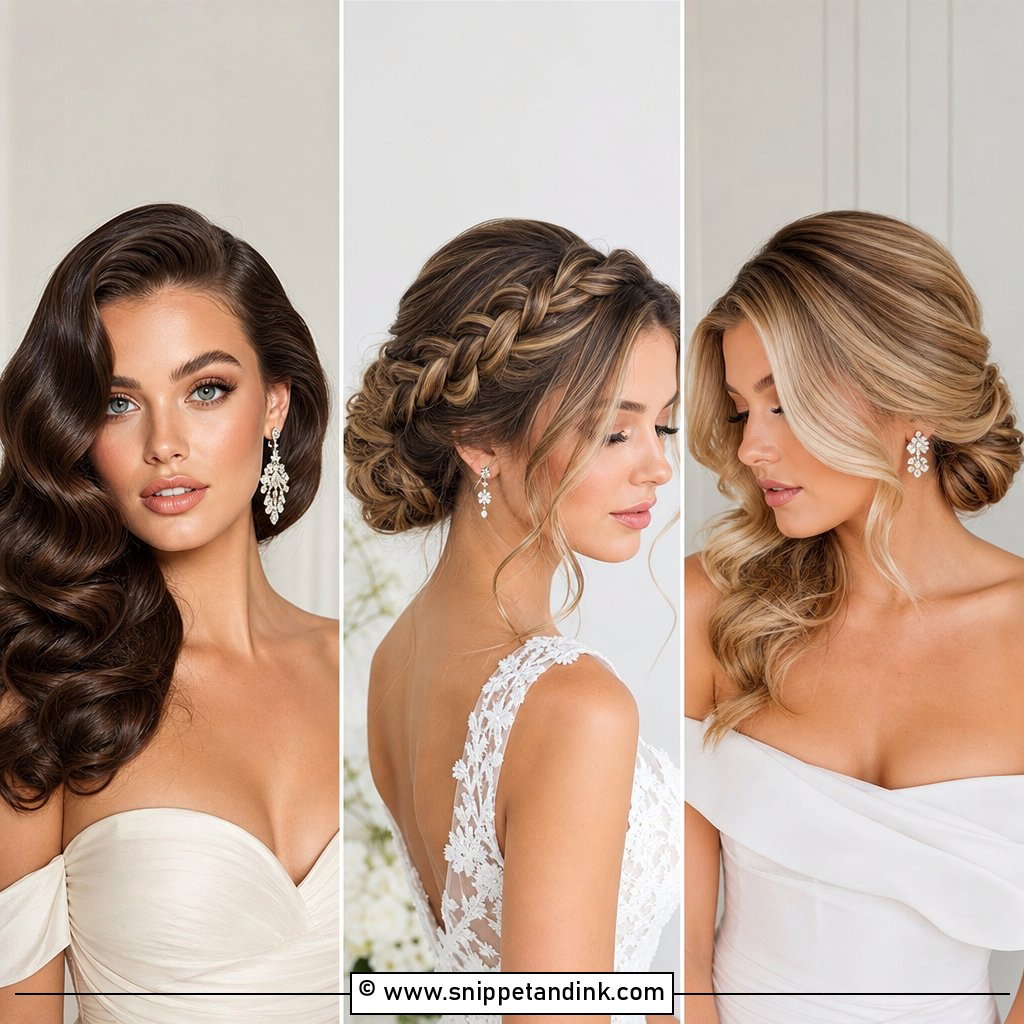
13. Bride Hair Curls Side Swept
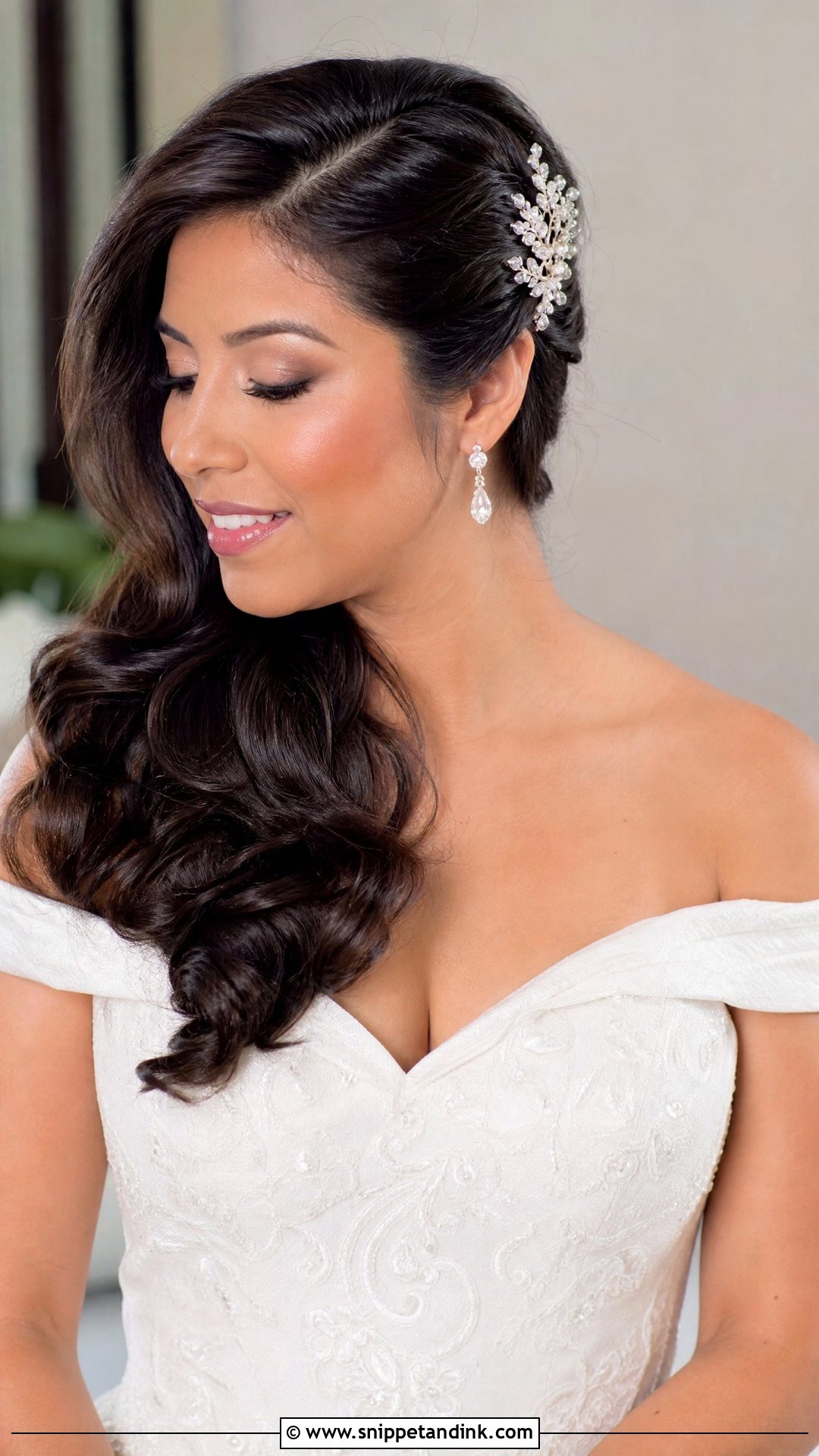
Sweeping everything over one shoulder suits strapless, one-shoulder and off-the-shoulder necklines because it leaves one side of the collarbone bare. The pinning on the far side carries all the weight, so I build a hidden anchor of crossed pins behind the ear before I move any curls across. Then I brush the curls together into one soft wave pattern so the sweep reads as a single shape. A decorative comb can cover the anchor. Seated at dinner, this style sits comfortably, which isn’t true of every long, down look.
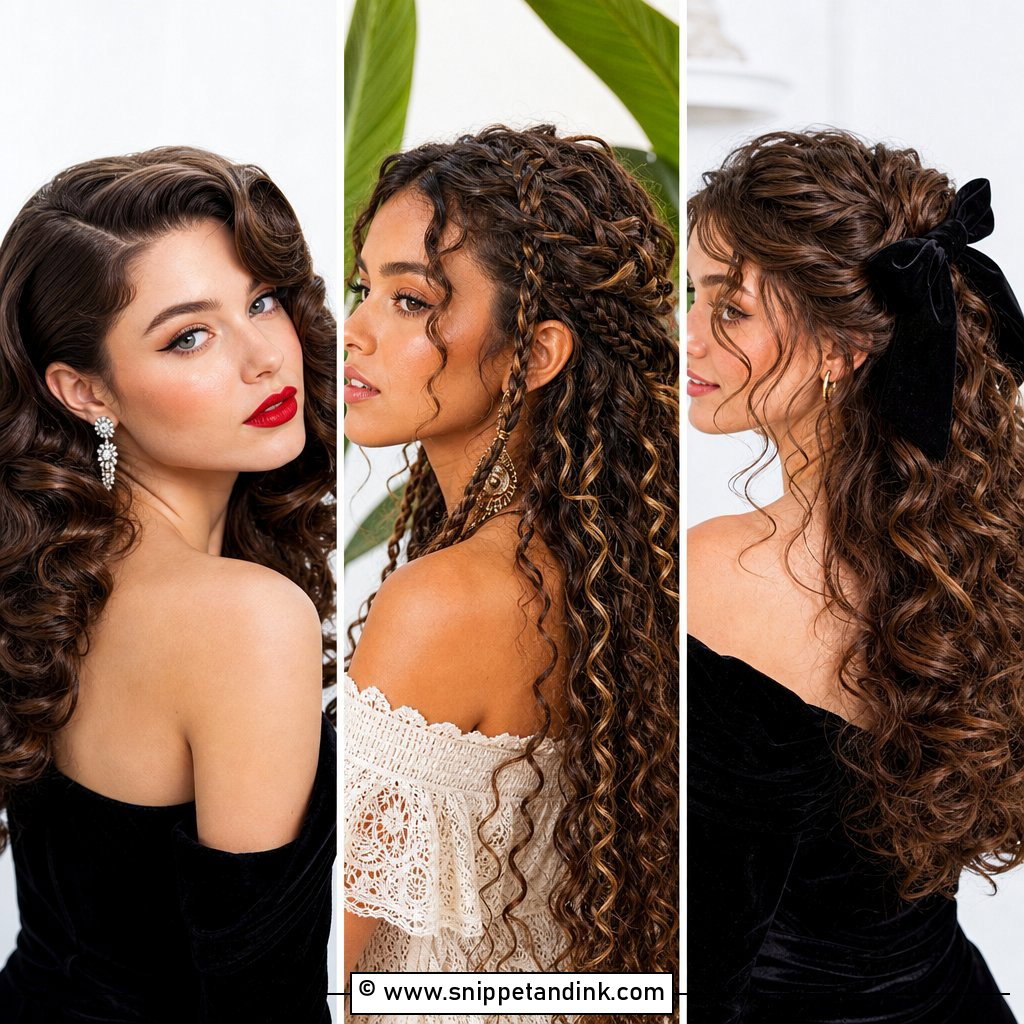
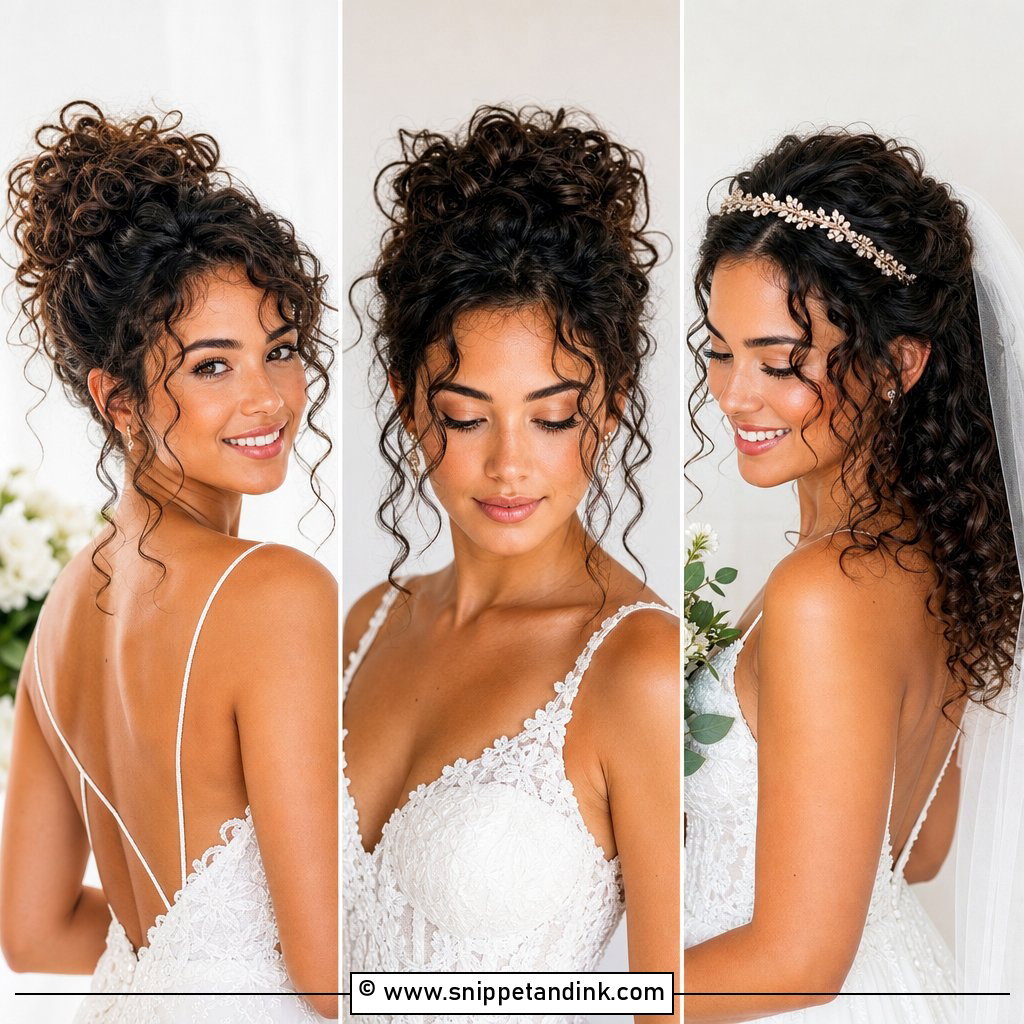
14. Bride Hair Curls Natural Hair
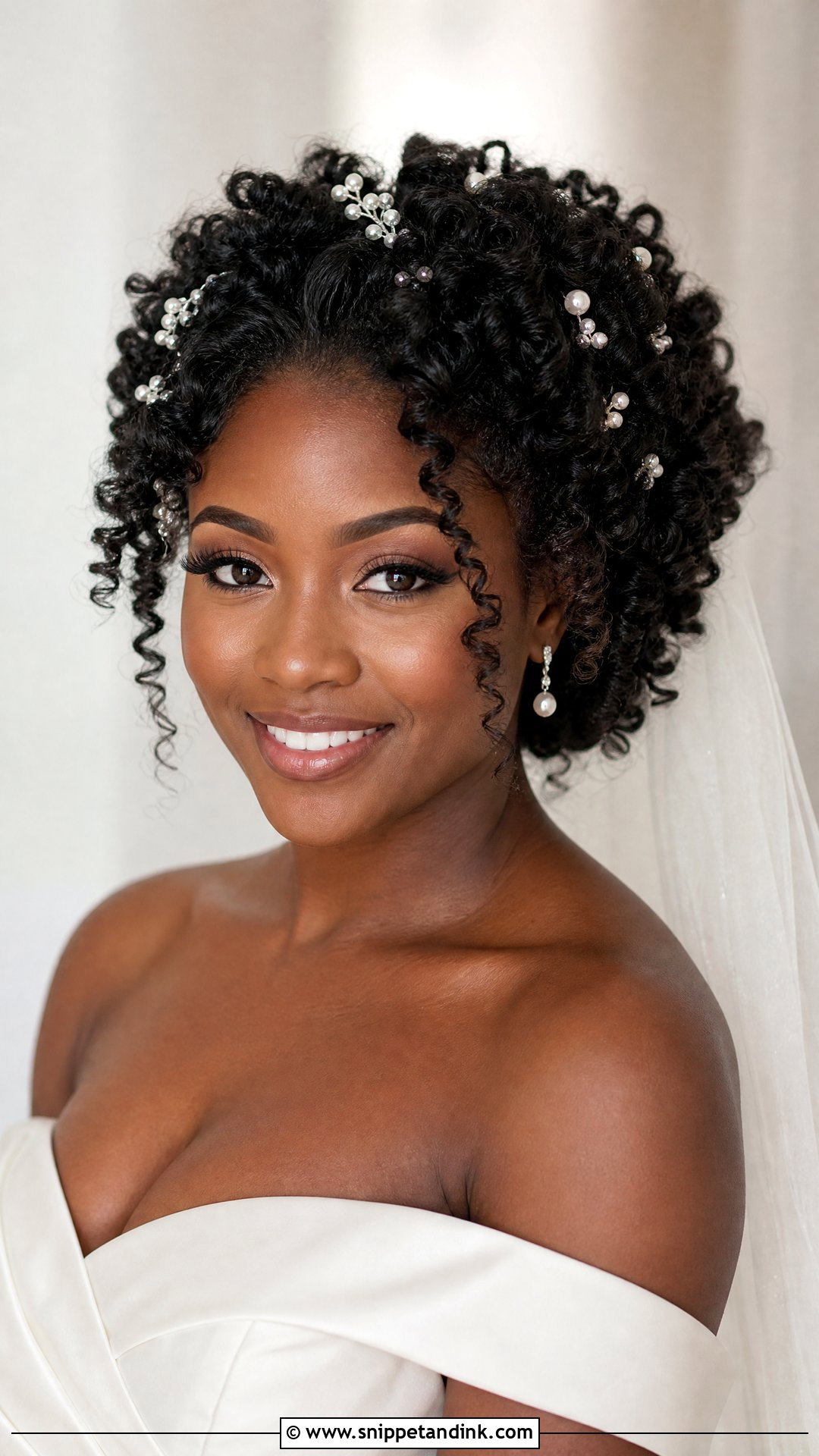
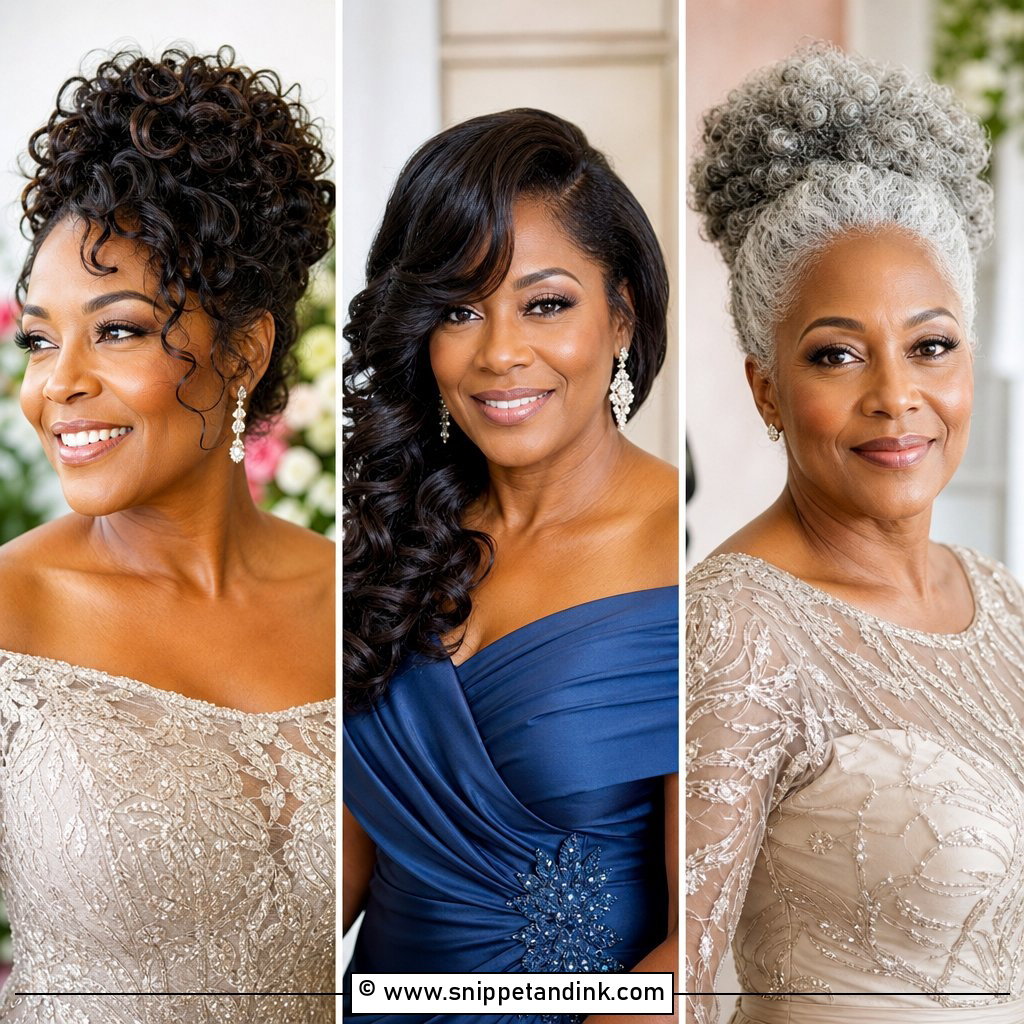
With natural curls and coils, my job is to define and shape the texture you already have, not to iron it into something else. If a stylist suggests that, find another stylist. Moisture and a good definition product matter more than making every curl match. I’d do a wash and style test two or three weeks out, since curl pattern can shift with humidity and with the product. A curly crown, a puff, a half-up shape or a pinned updo all hold well on textured hair, and pearls or a veil can be pinned straight into the coils.
15. Bride Hair Curls Hollywood Waves
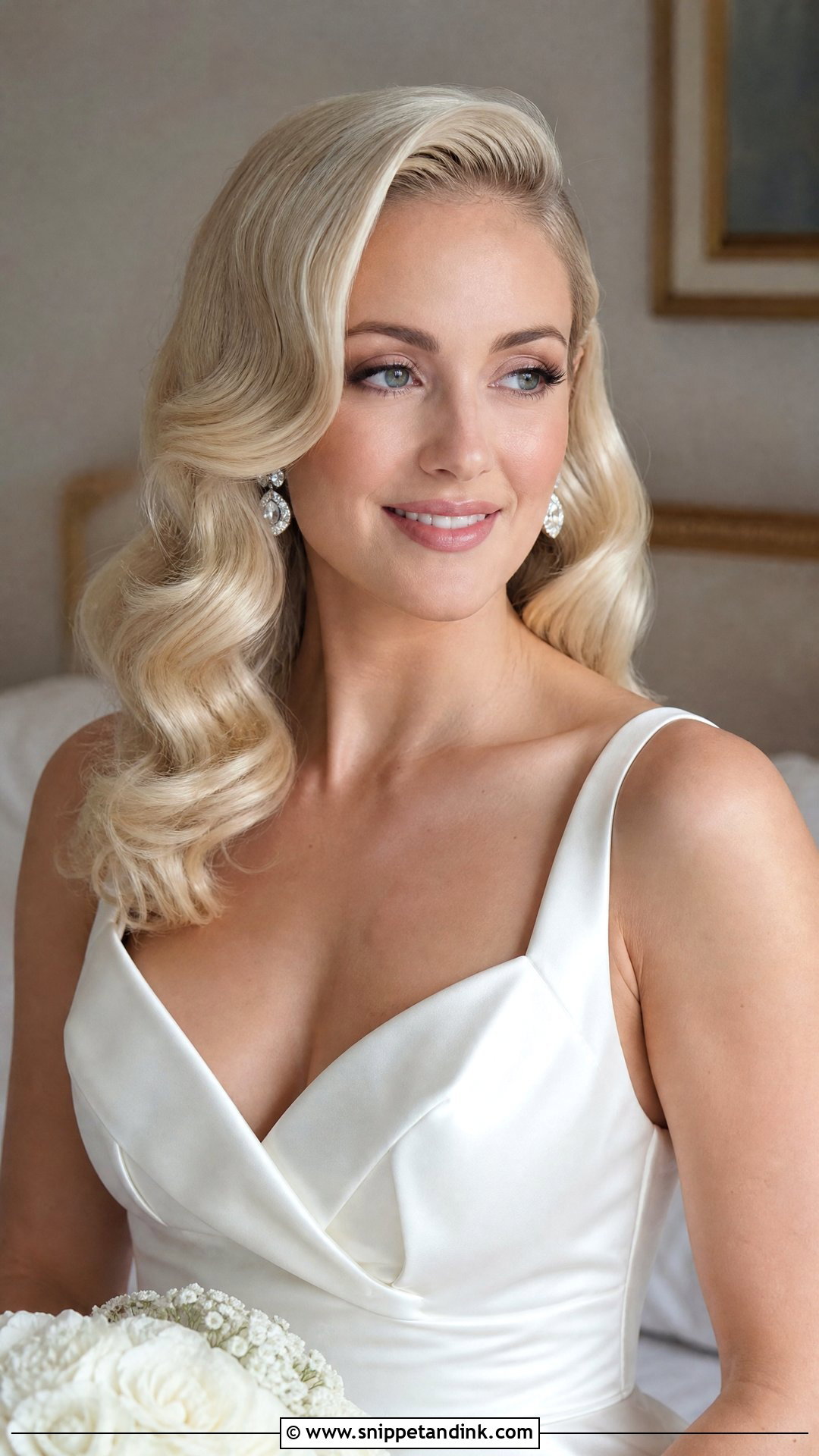
Hollywood waves are the most sculpted look here: brushed into one continuous S-shape with a high gloss. They suit satin, minimalist and vintage-leaning dresses, and a deep side part pushes the drama further. Because the whole style depends on structure, I set the curls all in one direction, let them cool completely, brush them into a single wave and then clip the ridges while I spray in thin layers. Shoulder length and longer gives the wave room to repeat. Ask for a softer finish if you’d like it to look current rather than costume.
When One Side Goes Flat During the Reception
Every curl softens over a long day, and mostly that helps; the shape looks more natural in candid shots. The real problem is uneven drop. One side gets crushed from leaning into hugs, or the hairline frizzes while the back still looks fresh.
A touch-up pouch for your maid of honour
- A dozen bobby pins in your hair colour, plus two or three duckbill clips to re-coil a curl and leave it set for ten minutes while you eat.
- A travel can of the same flexible spray used that morning, so a new formula doesn’t fight the old one.
- A small cordless curling iron if the venue allows it, or ask whether your stylist can stay until the evening portraits.
- A pea-sized amount of smoothing balm for the hairline. Warm it between your palms and press it on; raking it through breaks the curls.
Planning around the forecast
On a humid or coastal day, I set the curls a little tighter and leave them pinned until just before the ceremony, then brush out. In heat, curls worn down trap sweat at the nape, so a pinned version from the list above is the kinder choice, with the loose look saved for an evening change. Leave the veil in until the outdoor photos are done, too. It shields the crown from wind far better than most people expect.
Your Hair Has the Final Vote
If you’re torn between a few of these, start with how your hair behaves, not the photos. Fine, slippery hair is usually happier pinned up or half up, where the curls have something to lean on. Thick or textured hair can carry curls down for twelve hours. After that, the dress and the venue narrow it quickly: Hollywood waves with a satin column, flowers with chiffon in a garden, a curled bun or ponytail for a hot afternoon. Bring photos to your trial and tell your stylist honestly what your hair does on a humid day. The right curls are the ones you’ve forgotten about by the first dance because they’re still there.
You'll Like These Ideas:


Leave a Reply