
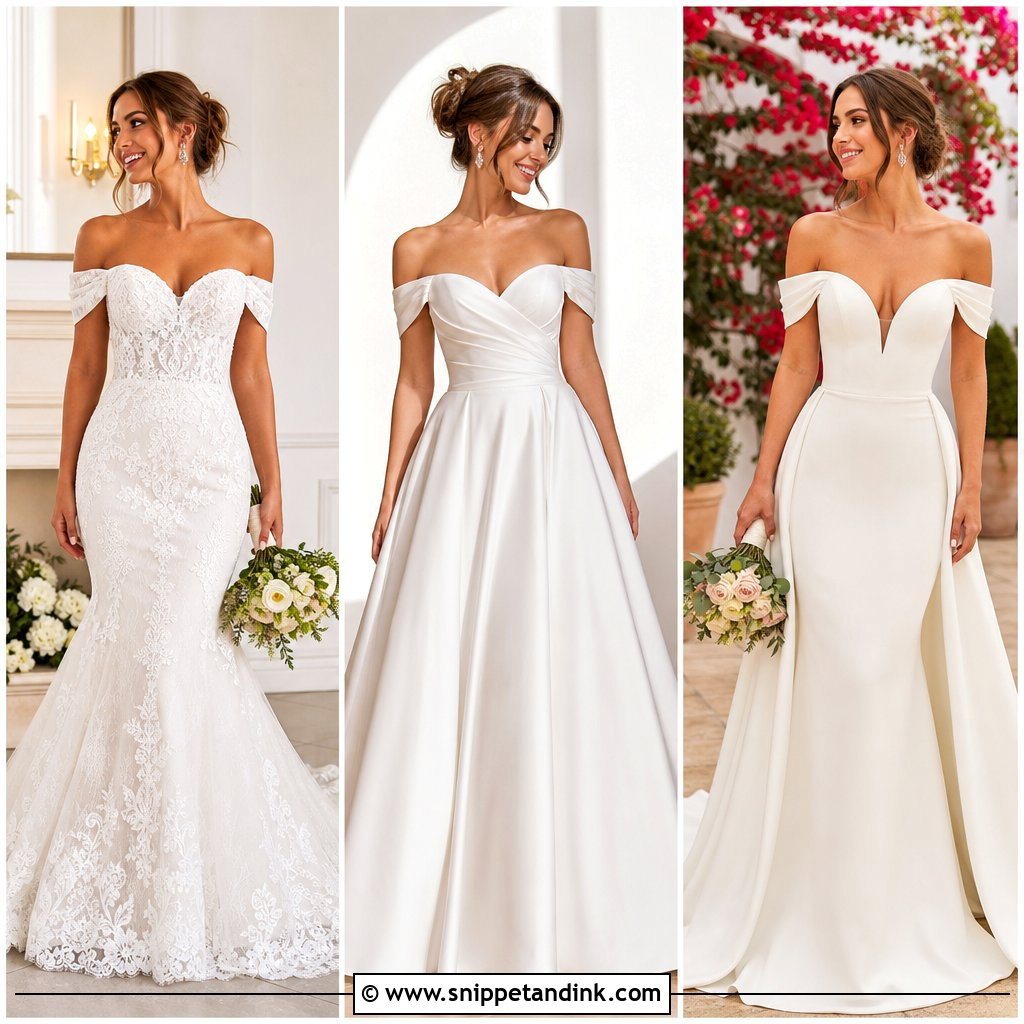
A cold shoulder gown shows the top of the shoulder through a cutout while a sleeve or strap carries on below it. That makes it different from an off-the-shoulder neckline, which sits below the shoulder and relies on the bodice to stay up. Brides who come to me for this style usually want some arm coverage with a little skin, and it suits a beach, a ballroom or a winter church equally well once the fabric is right. Lace reads romantic, satin reads formal, chiffon moves. The twenty looks below are complete outfits, so you can see how the veil, shoes, hair and flowers work around that one shoulder detail.
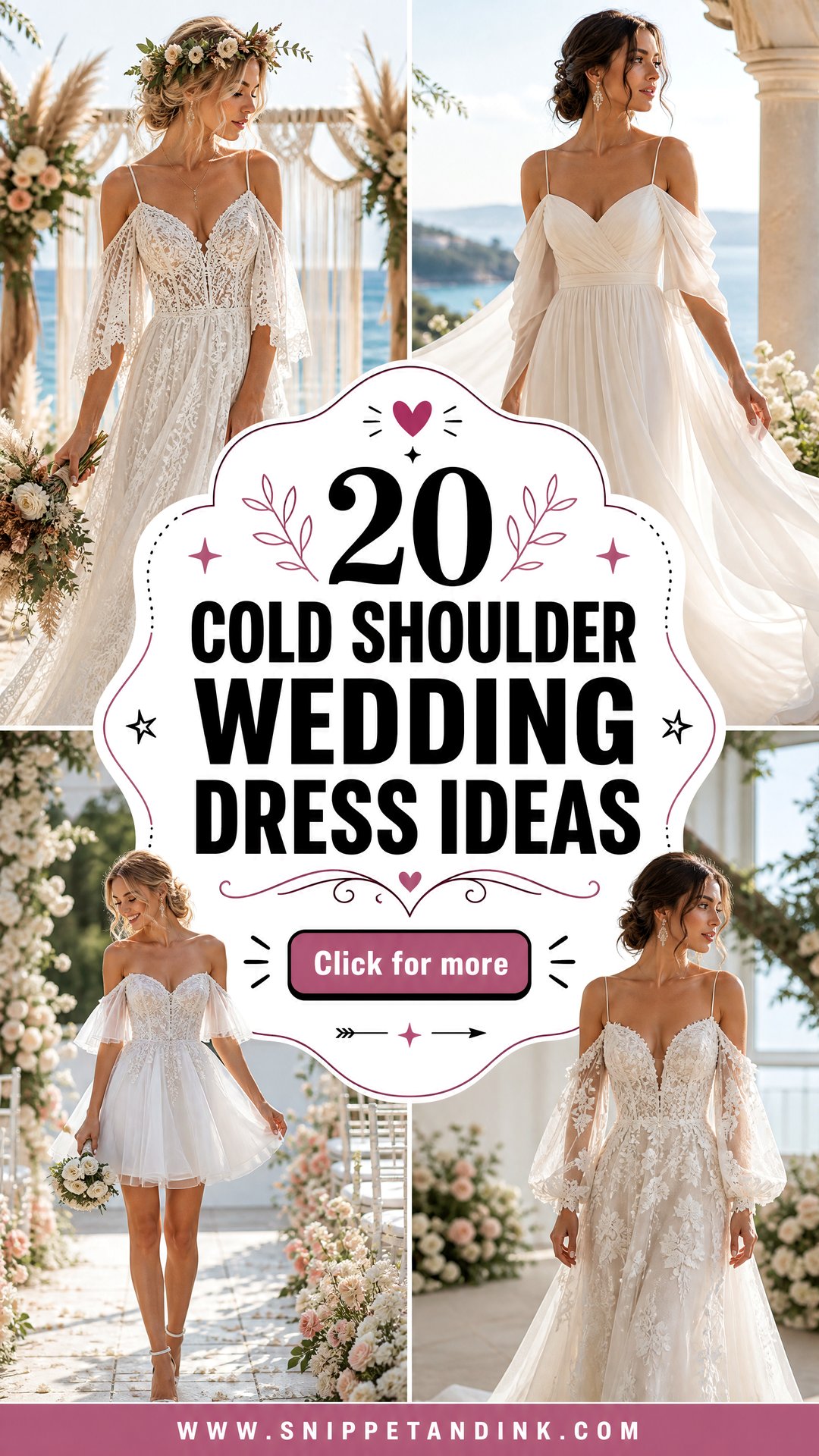
Where the Cutout Sits on Your Shoulder Matters Most
The cold shoulder detail lives or dies on a few centimetres. When a cutout sits right on the shoulder bone, it looks deliberate. If it drops onto the upper arm, it looks like the sleeve has slipped. At a first fitting, I mark where your shoulder point is and check that the opening centres on it.
What to check in the fitting room
- Raise both arms as if you’re hugging someone taller. The strap above the cutout should stay put and the sleeve shouldn’t pull the bodice up.
- Look at the sleeve opening edge. It should lie flat against the arm, not dig in or gape.
- Turn sideways to the mirror. A cutout that looks centred from the front sometimes sits too far back.
- Sit down. Some bodices shift a little when seated, which moves the cutout with them.
Ask how the gown is supported. The best cold shoulder designs carry their weight on boning and a strap hidden in the bodice, so the decorative sleeve never has to hold anything up.
1. Lace Cold Shoulder Wedding Dress
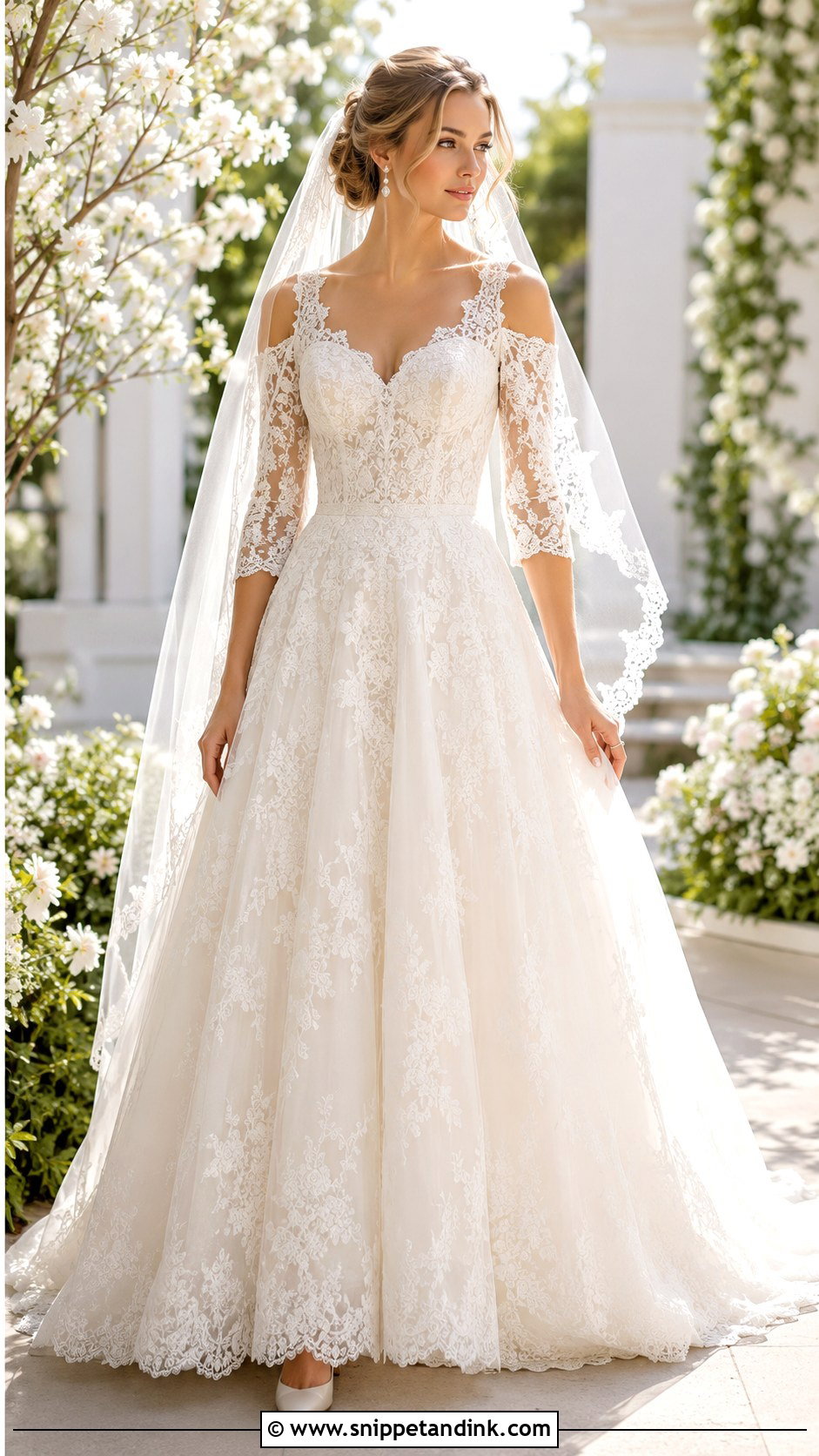
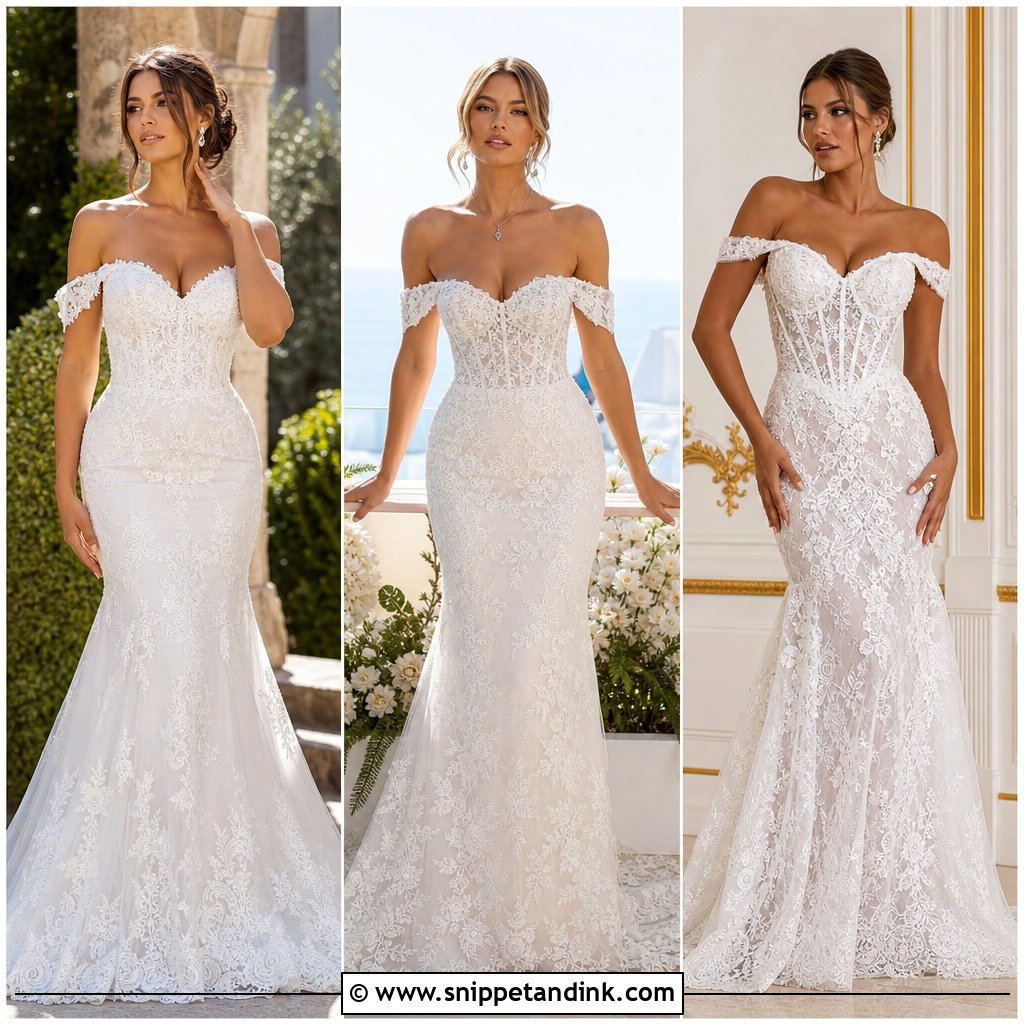
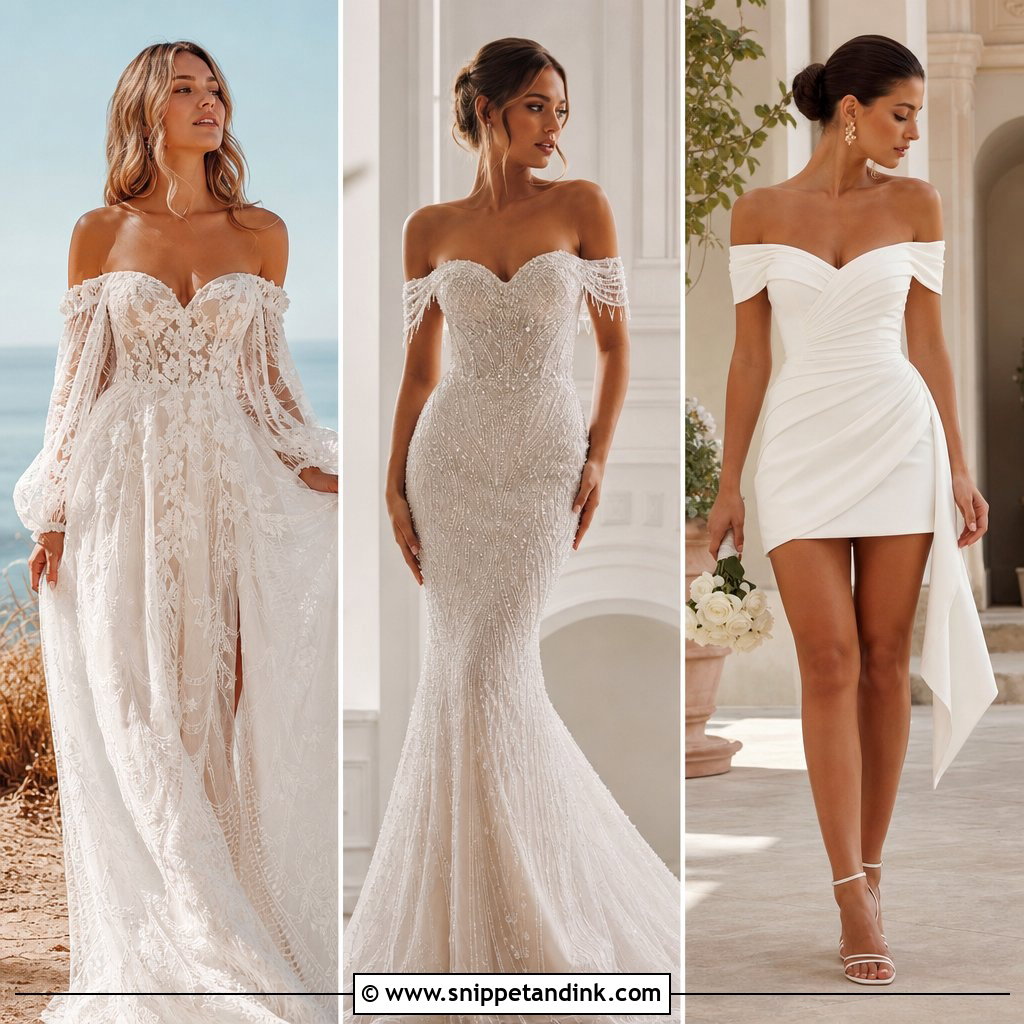
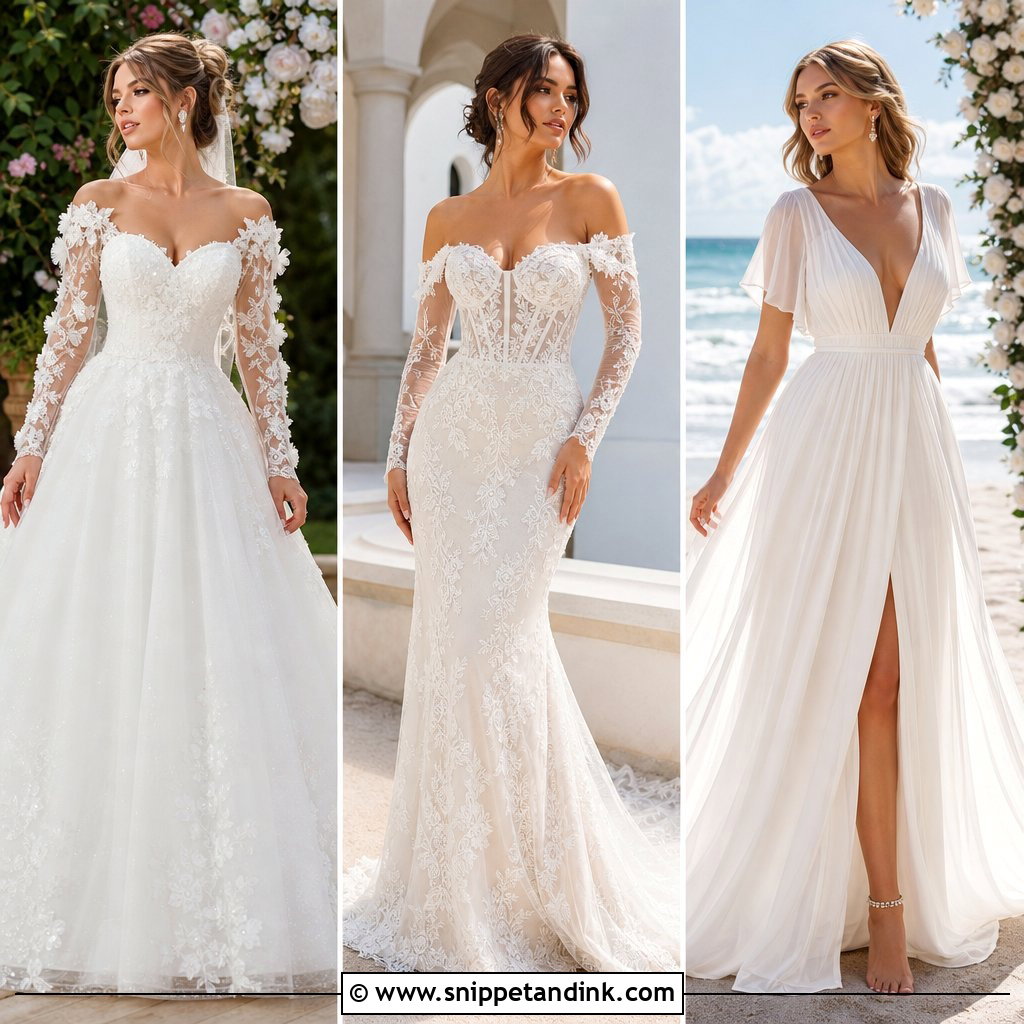
Lace and cold shoulders were made for each other, because the lace edge frames the cutout neatly. I’d look for an A-line with a fitted lace bodice and sheer three-quarter sleeves, over a soft tulle skirt. Ivory lace on a nude or champagne lining shows the pattern better than ivory on ivory. One thing I check: the scalloped edge around the cutout should be finished, not raw-cut, or it frays where your arm rubs it. Pointed ivory heels, pearl drops, a fingertip veil with a narrow lace edge and a low textured bun complete it, with garden roses for a spring garden or estate wedding.
2. Satin Cold Shoulder Wedding Dress
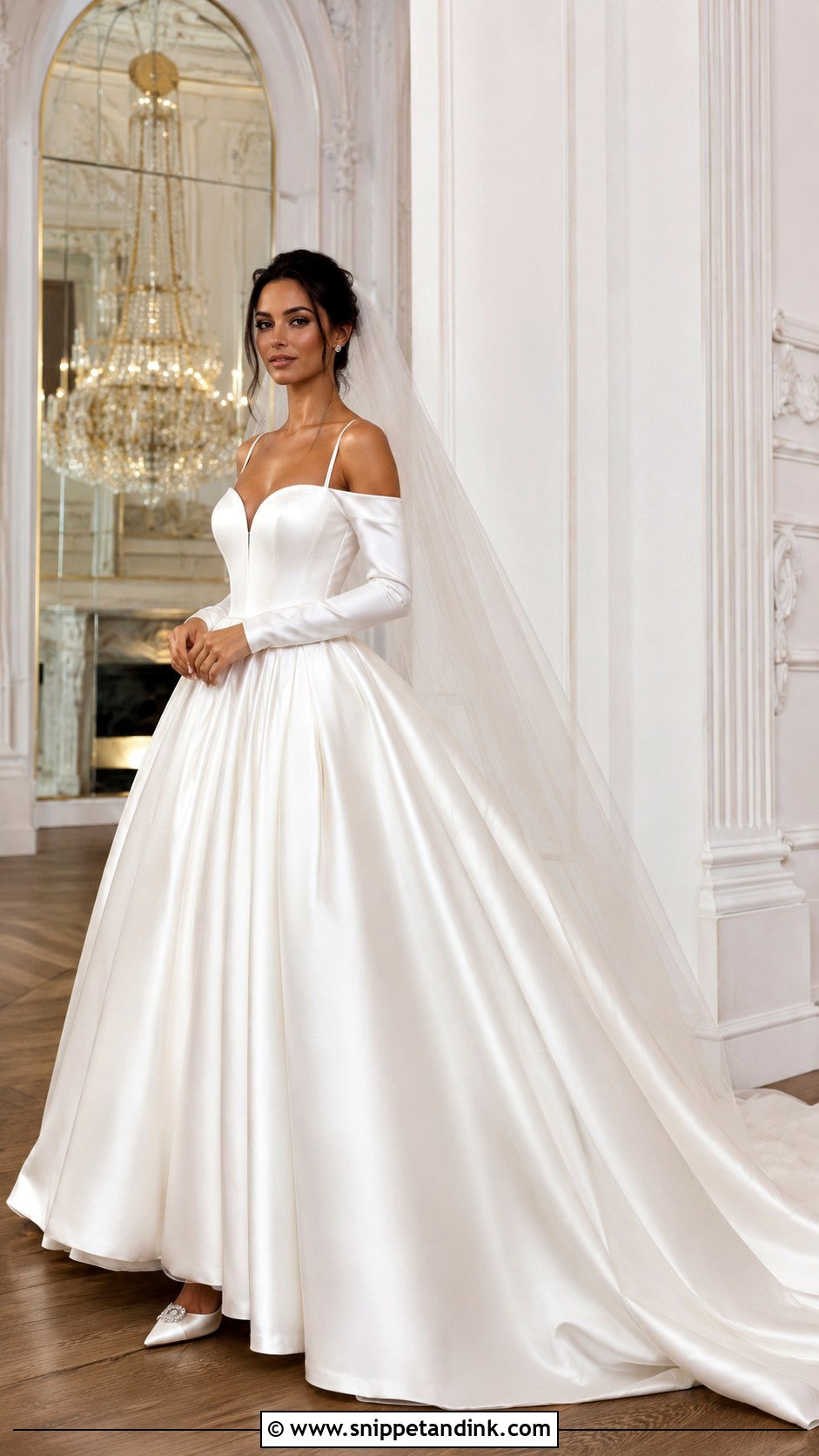
Satin makes the cutout look sharp and architectural. A structured ball gown with a curved neckline, narrow straps and fitted satin sleeves gives you the classic bridal shape with one modern twist. Satin is unforgiving at the sleeve opening, though: if the fit is even slightly loose, the edge stands away from the arm and catches light in photos. I have the sleeves fitted with the arms down and again with them raised. Keep jewelry to crystal studs, wear a polished chignon and an unembellished cathedral veil, and carry a compact bouquet of roses or callas. It belongs in a ballroom or hotel.
3. Boho Cold Shoulder Wedding Dress
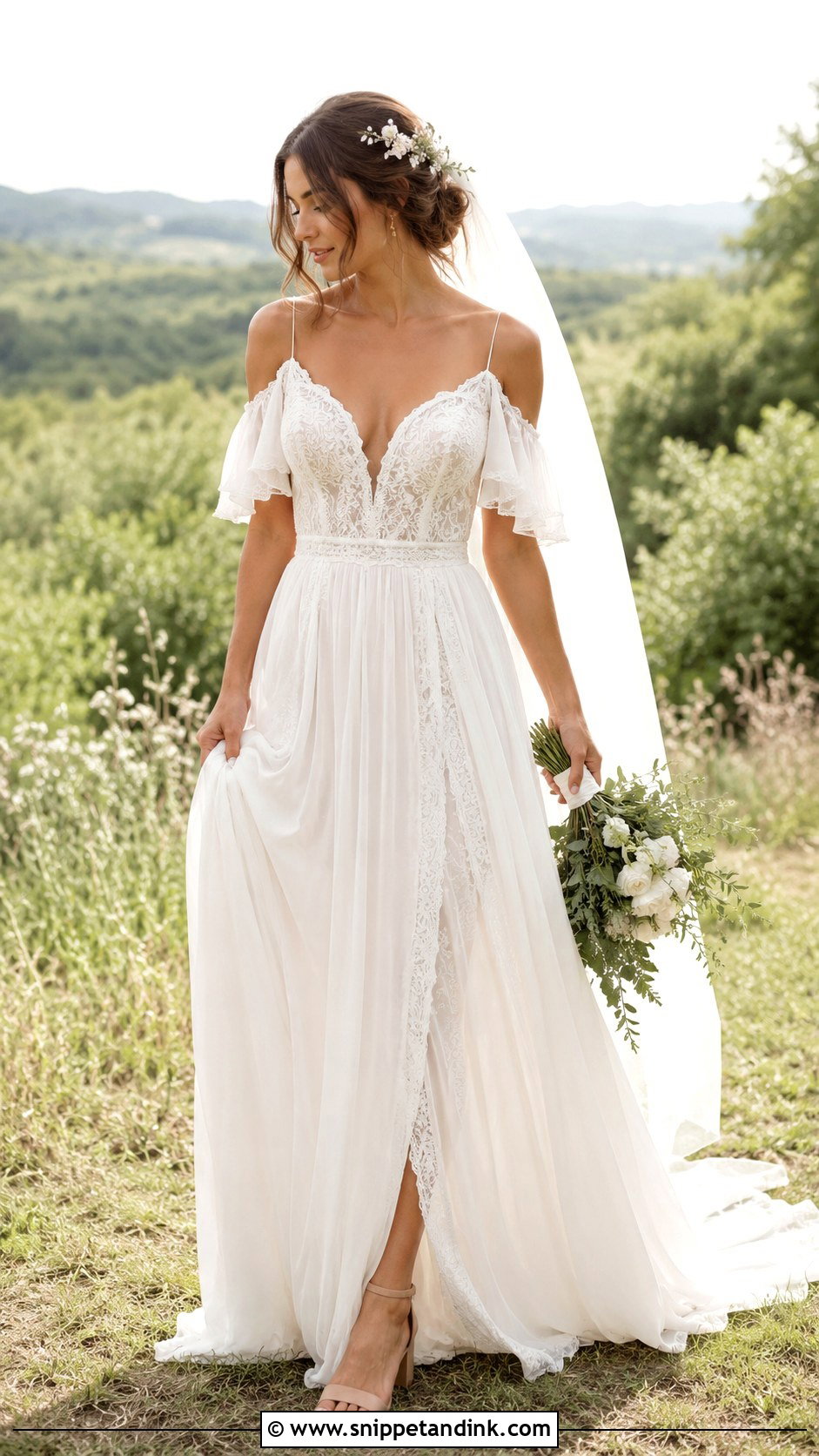
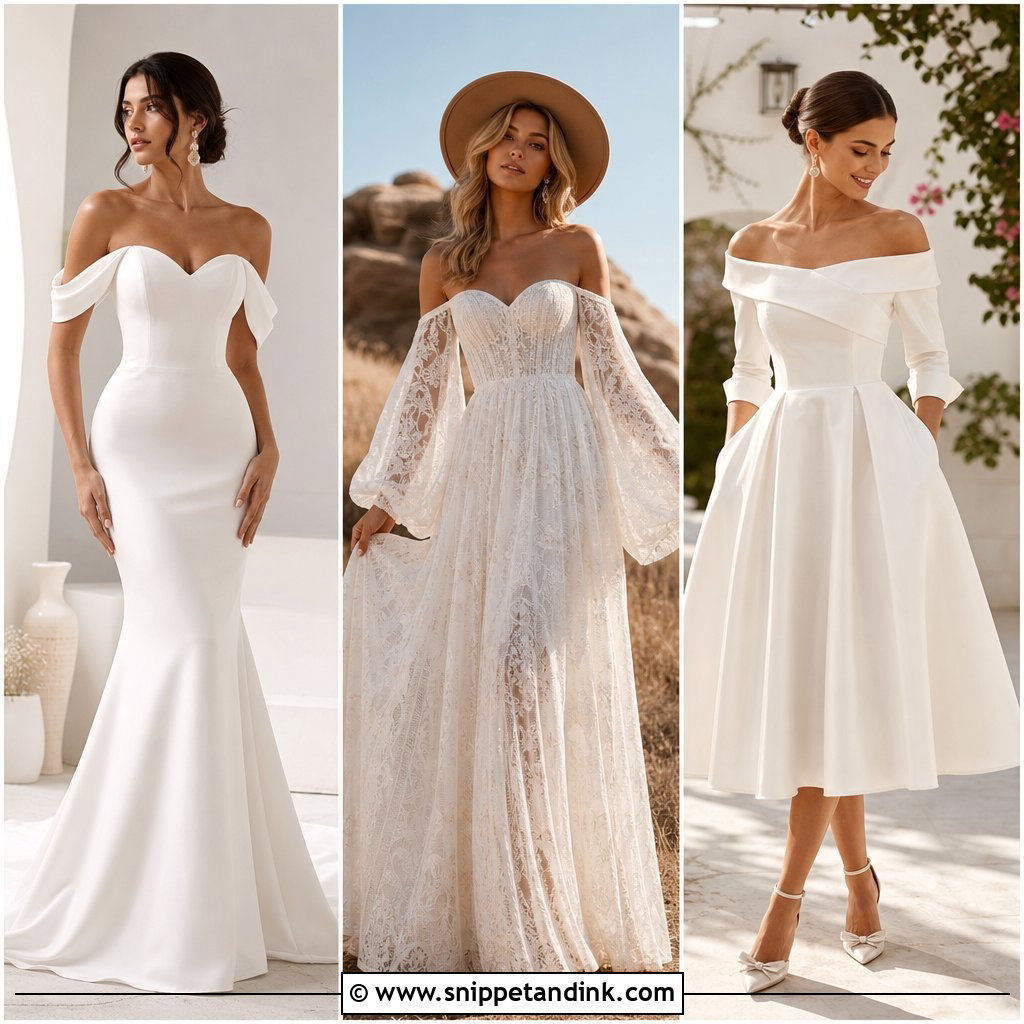
Boho cold shoulder gowns work because the cutout lets air in, and outdoor weddings get warm. A flowing chiffon or light lace gown with flutter sleeves and an empire or natural waist moves easily. Block-heel sandals or embroidered boots suit the ground better than stilettos. A floral comb, small gold earrings and loose waves keep the mood relaxed. I’d steer you to a sheer chapel-length veil rather than a heavily edged one, which fights the flutter sleeves in a breeze. Cream flowers with grasses finish it for a meadow, barn or desert wedding.
4. Long Sleeve Cold Shoulder Wedding Dress
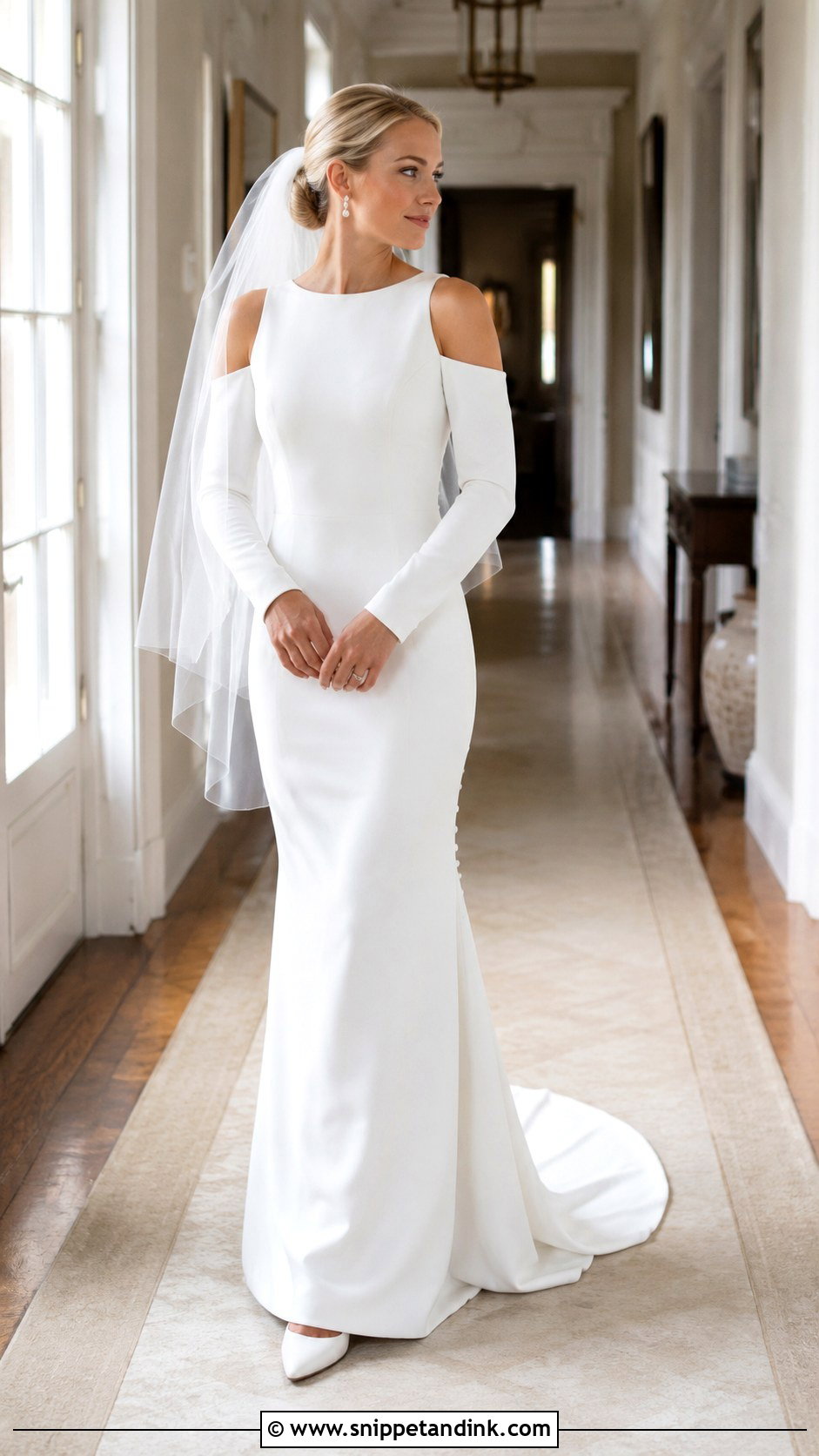
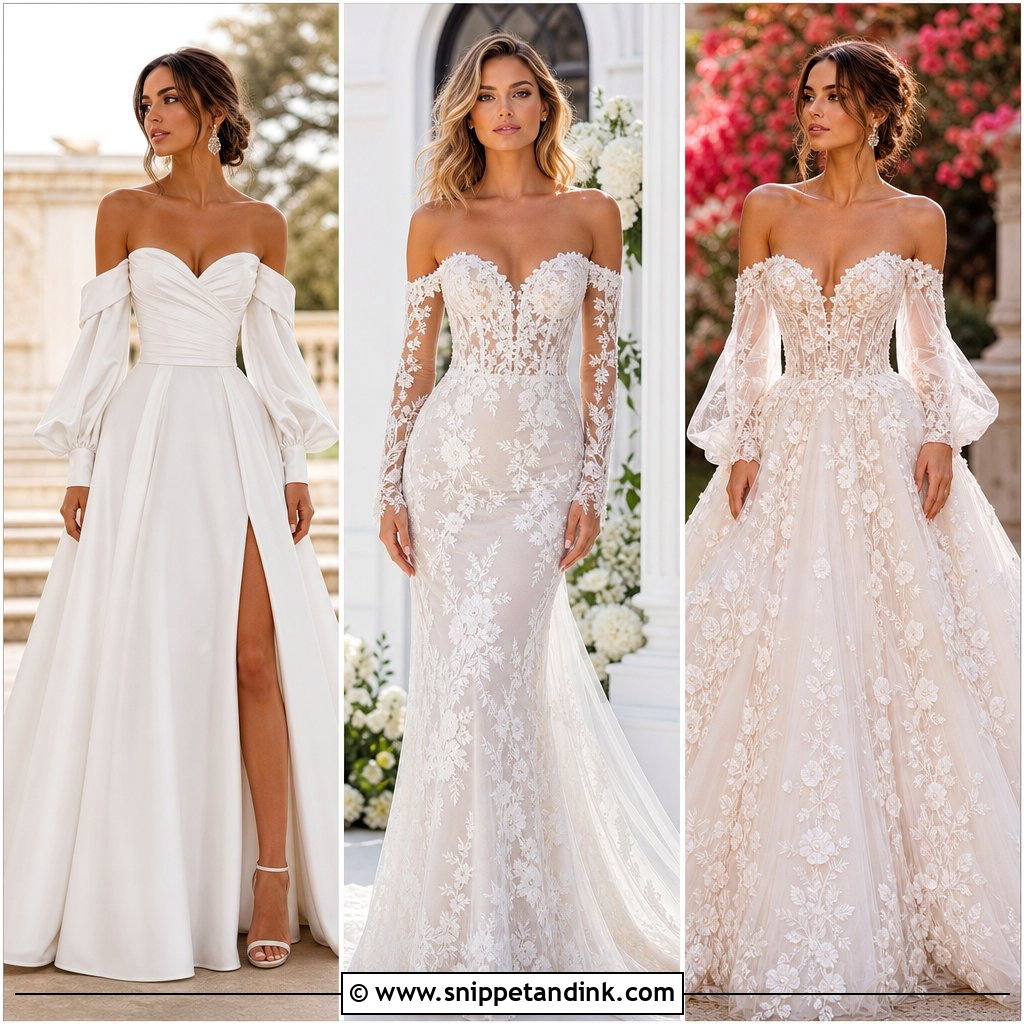
Long sleeves and an open shoulder give you coverage with a bit of surprise, which suits brides marrying in a church or in cold months. Fitted crepe with slim sleeves, a bateau or high neck and covered buttons down the back looks refined. My caution with long fitted sleeves is movement: if the cutout is cut too high, the sleeve hangs from almost nothing and slides down the arm during the day. Pearl earrings, a sleek low bun and a chapel veil tucked under the bun suit it, with closed ivory pumps and a compact bouquet of ranunculus.
5. Mermaid Cold Shoulder Wedding Dress
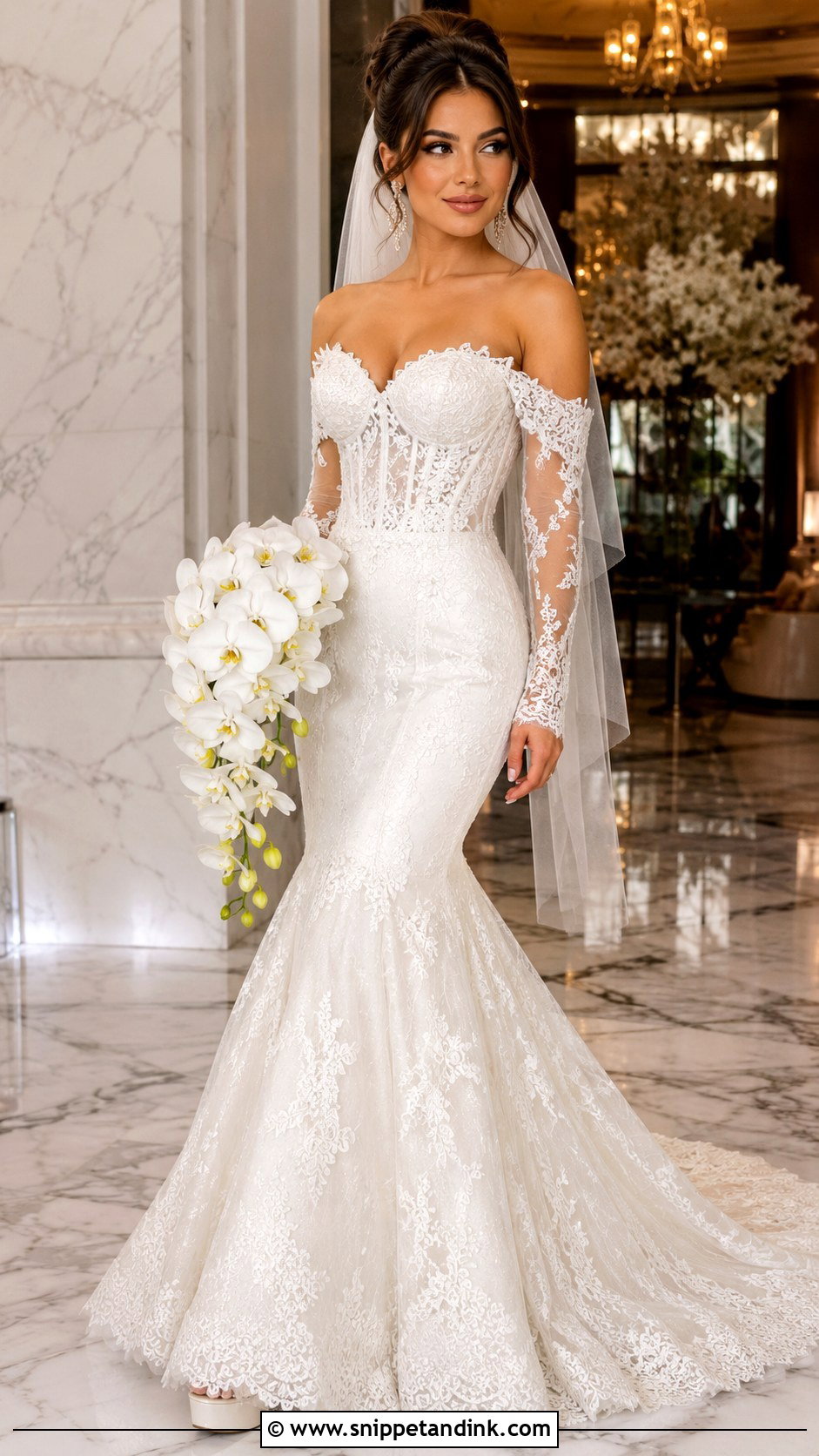
Mermaid gowns are dramatic, but they are also the least forgiving shape to walk and sit in. The flare needs to start at or just above the knee, not mid-thigh, or every stair becomes a shuffle. A corset bodice carries the weight so the shoulder cutouts don’t have to; fitted lace or tulle sleeves finish it. I usually pair this cut with platform heels for height without a steep pitch. A medium-length veil keeps the train visible. Crystal earrings, a side-parted updo and a cascading orchid bouquet suit an evening reception with a grand staircase.
6. A-Line Cold Shoulder Wedding Dress
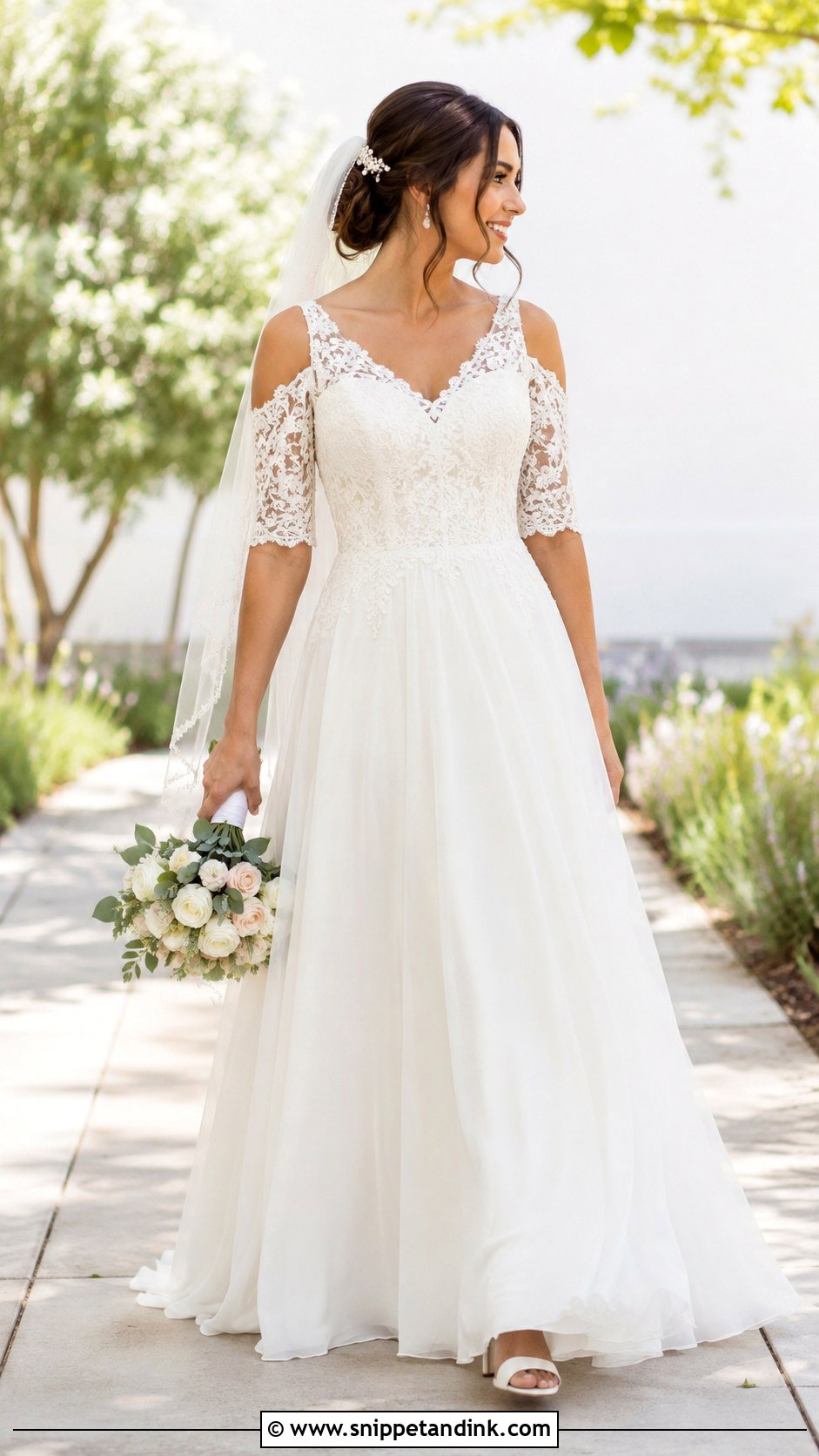
A-line is the cut I suggest most when a bride isn’t sure, because it suits almost every frame and every venue. The bodice fits, the skirt widens gradually from the waist, and you can sit, kneel or dance without fuss. Look for supportive straps, open shoulders and lace sleeves ending near the elbow; a V-neck lengthens the torso without competing with the cutouts. Low block heels, a pearl hairpin and a light fingertip veil keep it easy. Small drop earrings, a slim bracelet and a round bouquet of peonies suit a garden or a destination ceremony.
7. Plus Size Cold Shoulder Wedding Dress
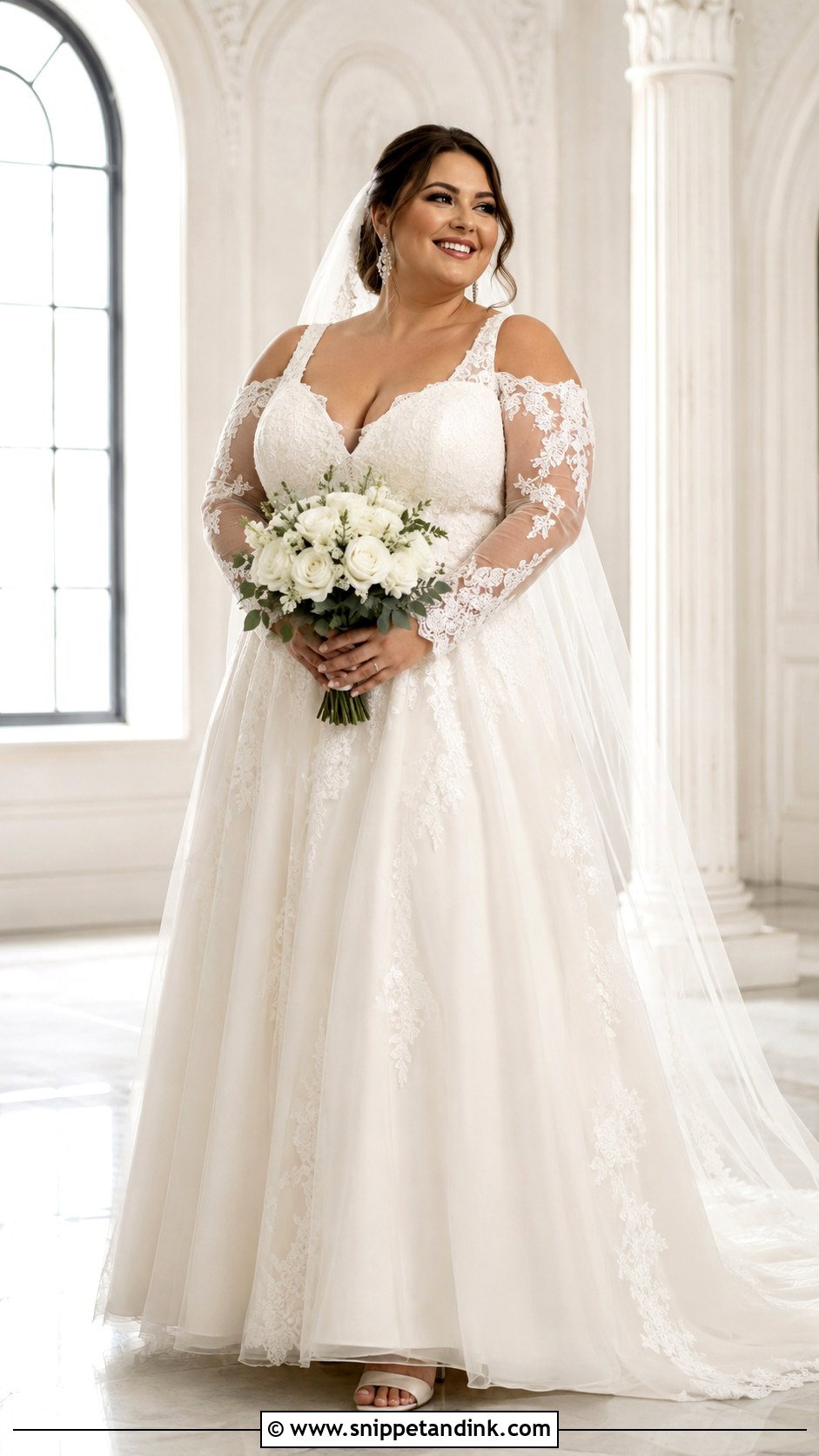
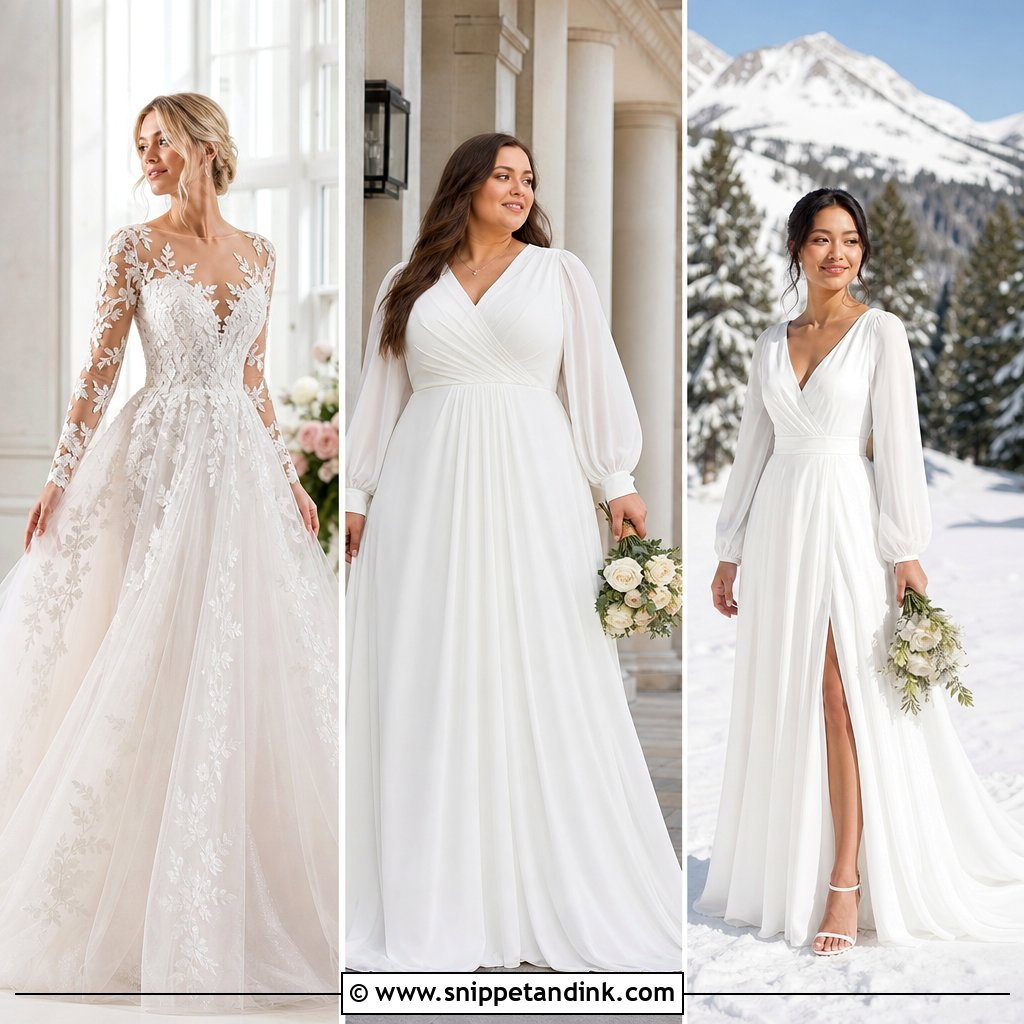
In plus sizes, support decides whether a cold shoulder gown feels secure. I look for internal boning and wider straps running under the cutout, so the sleeves are decorative rather than load-bearing. Sheer lace sleeves keep it light. The fitting I take most care over is the sleeve opening: an elastic or tight edge digs into the upper arm and creates a line, while a properly fitted one lies flat. A defined natural waist and a flowing A-line skirt balance the shape. Block heels or cushioned flats, statement earrings, a soft updo and a chapel veil from the crown complete it.
8. Chiffon Cold Shoulder Wedding Dress
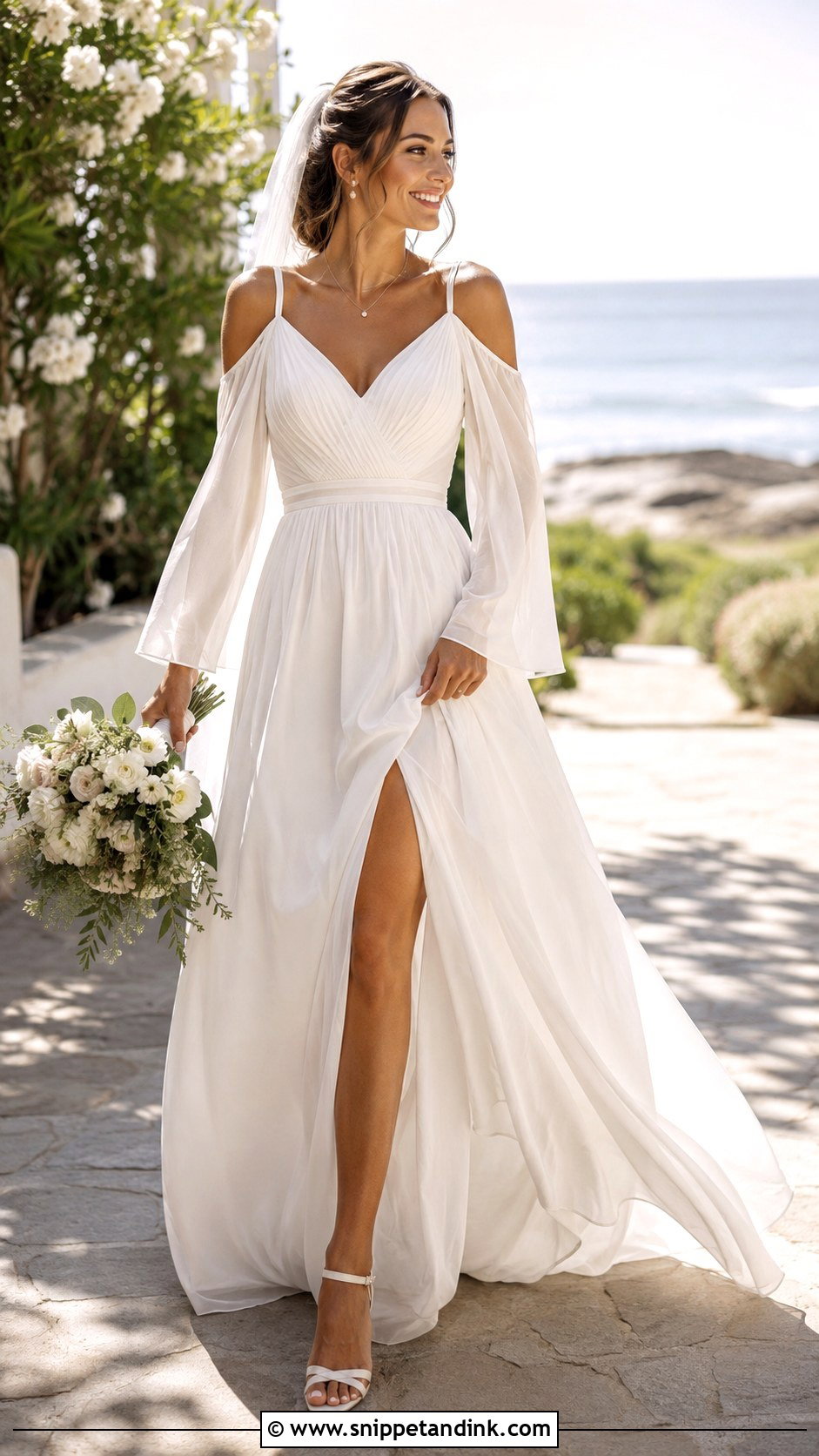
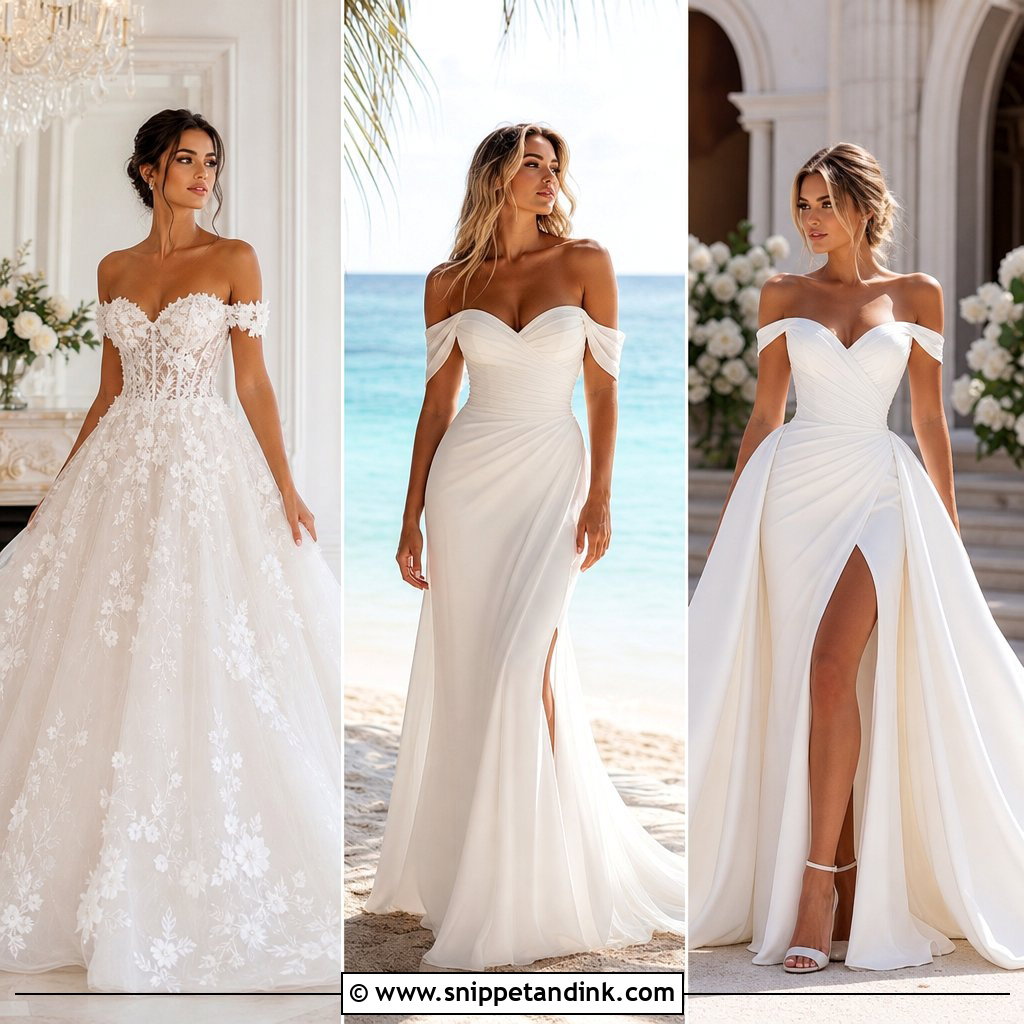
Chiffon moves with every breath of wind, which is exactly why brides choose it for warm and coastal weddings. A floor-length gown with a lightly pleated bodice, narrow straps and split sleeves floats nicely. An empire waist lets the fabric fall straight from under the bust. Chiffon is delicate, though: it snags on bouquet wire and rough stone, so ask your florist to wrap stems fully. Low metallic sandals or ivory block heels handle grass. A fine necklace, pearl studs and a loose half-up style suit it, with a single-layer veil that won’t tangle with the sleeves.
9. Beaded Cold Shoulder Wedding Dress
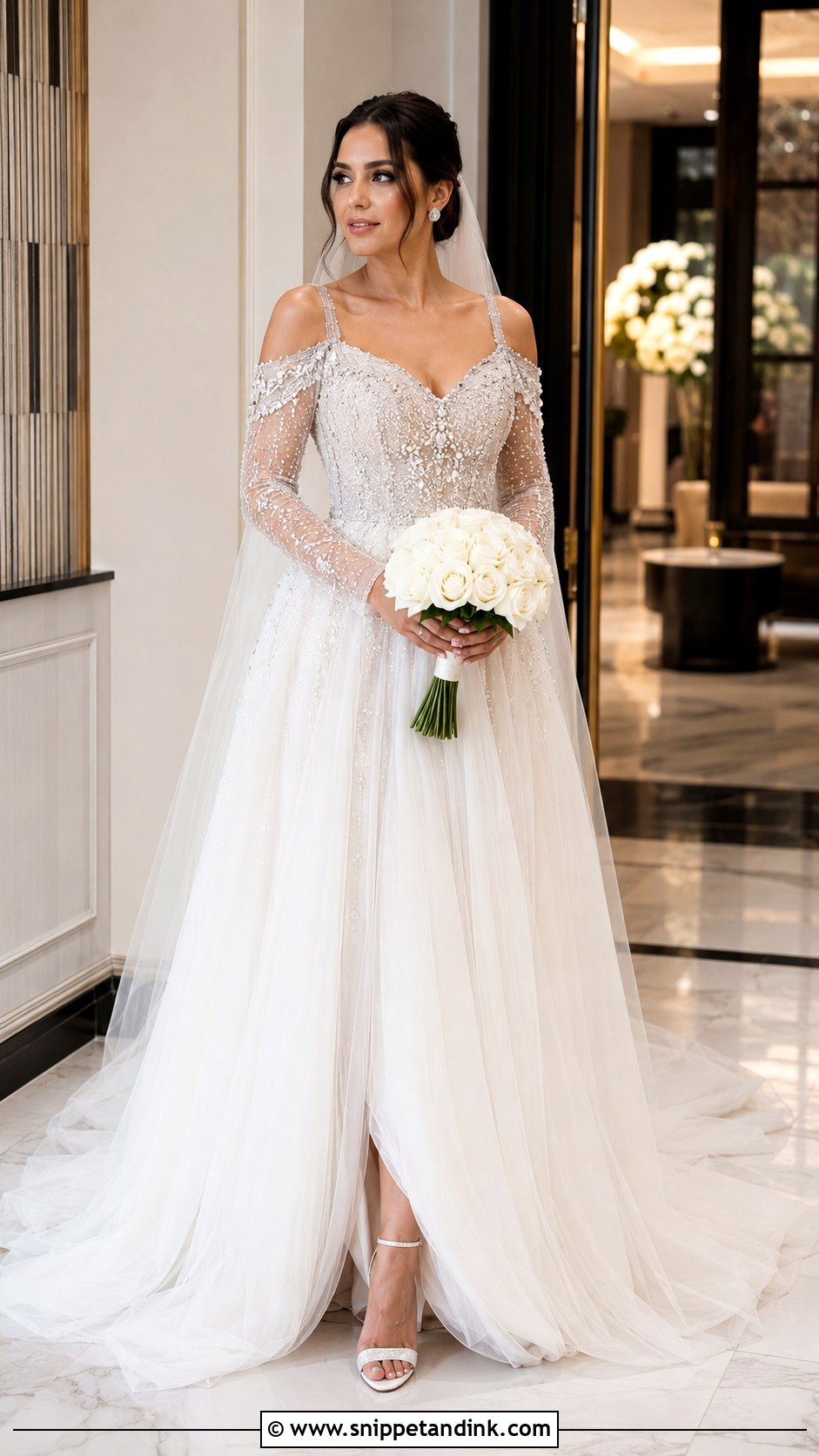
Beading catches candlelight and makes jewelry almost unnecessary. Keep the beading on the bodice and the sheer sleeves, and let the skirt stay plain tulle or chiffon. The practical issue I always raise is the veil: beads near the shoulders and back snag fine tulle, so choose a plain veil and pin it so it falls clear of the cutouts. Check the inside of the sleeve too, where beadwork can scratch the arm. Simple satin heels, crystal studs, a smooth low bun and a neat rose bouquet suit an evening hotel ceremony.
10. Simple Cold Shoulder Wedding Dress
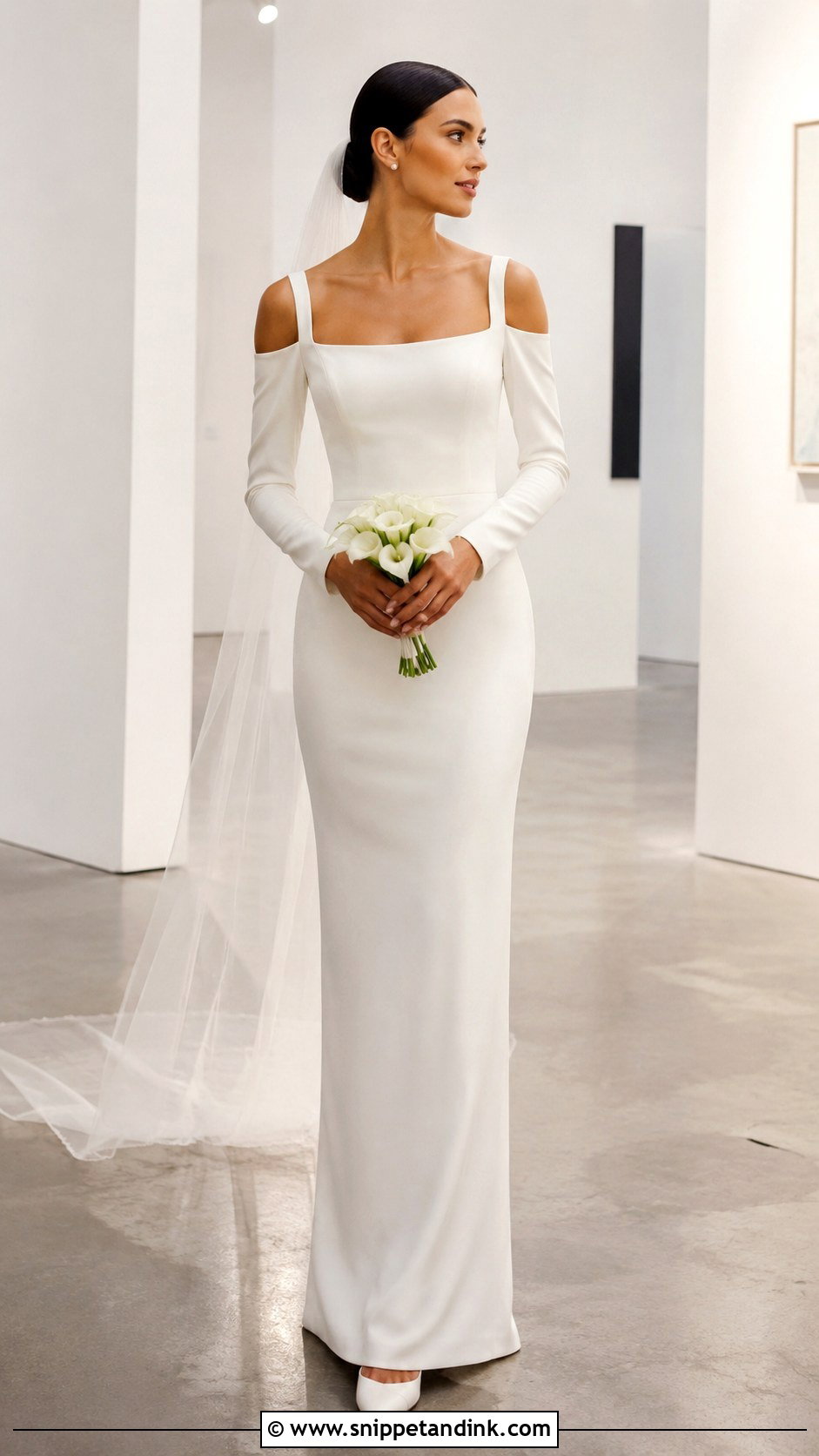
A plain crepe column with narrow cutouts shows how much a shoulder detail can do on its own. Choose a design with no lace or beading, slim sleeves and a softly squared neckline. On a gown this clean, every seam and every pull shows, so tailoring is not optional; I’d plan two fittings at least. Pointed ivory pumps, pearl studs and a sleek bun or straight shoulder-length hair keep it minimal. A raw-edge chapel veil and a few callas or white tulips finish it for a gallery, city hall or small ceremony.
11. Vintage Cold Shoulder Wedding Dress
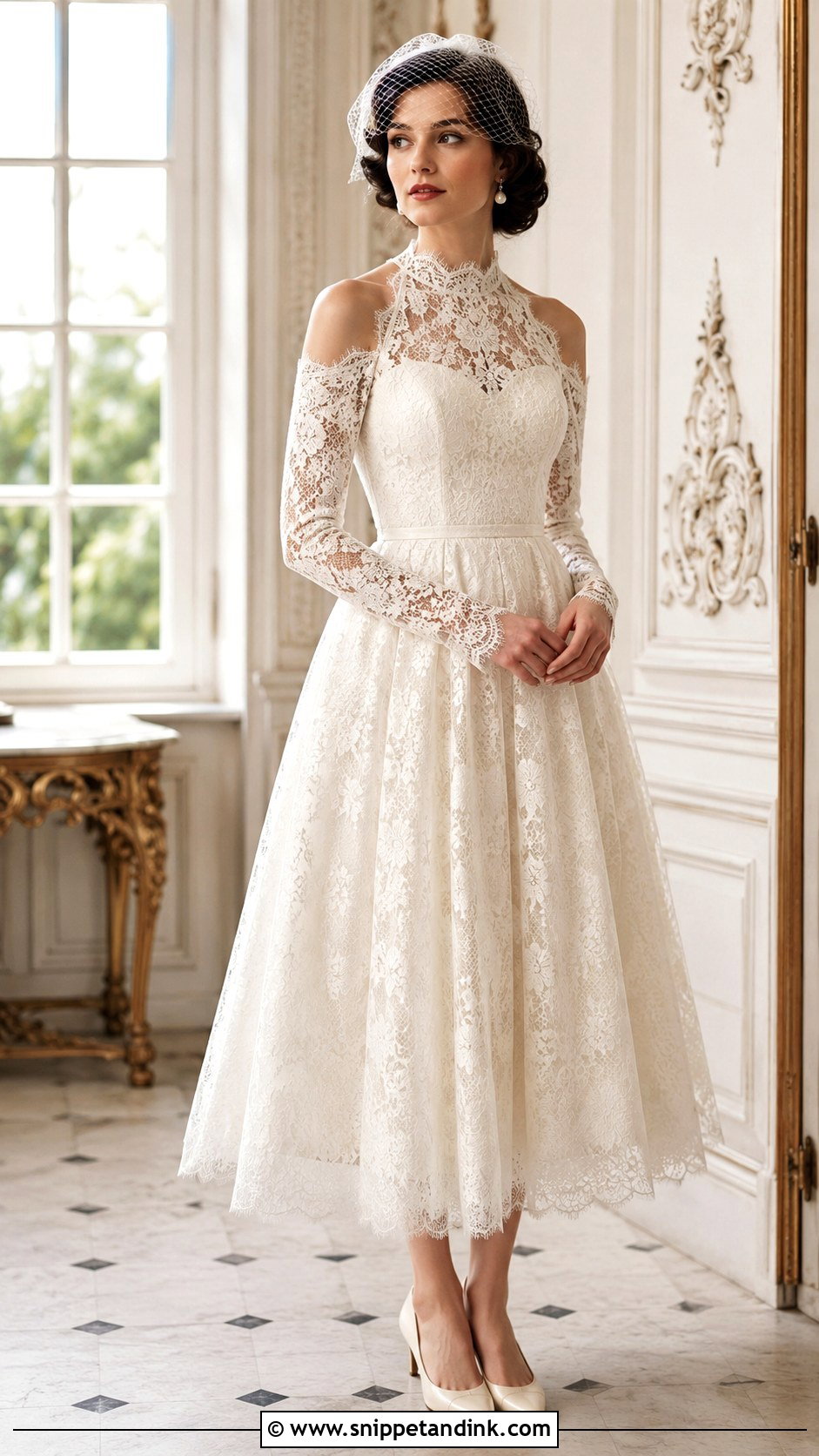
Vintage cold shoulder gowns lean on floral lace, a high neck and a defined waist, in tea length or full length. The risk is costume: once you add a birdcage veil, finger waves, gloves and a brooch, it starts to look like a period reenactment. I’d choose one or two references and stop. Closed pumps, pearl earrings and either a birdcage or simple fingertip veil work, with brushed waves or a rolled updo. A compact bouquet of cream roses suits a historic venue, a courthouse or a small daytime wedding.
12. Beach Cold Shoulder Wedding Dress
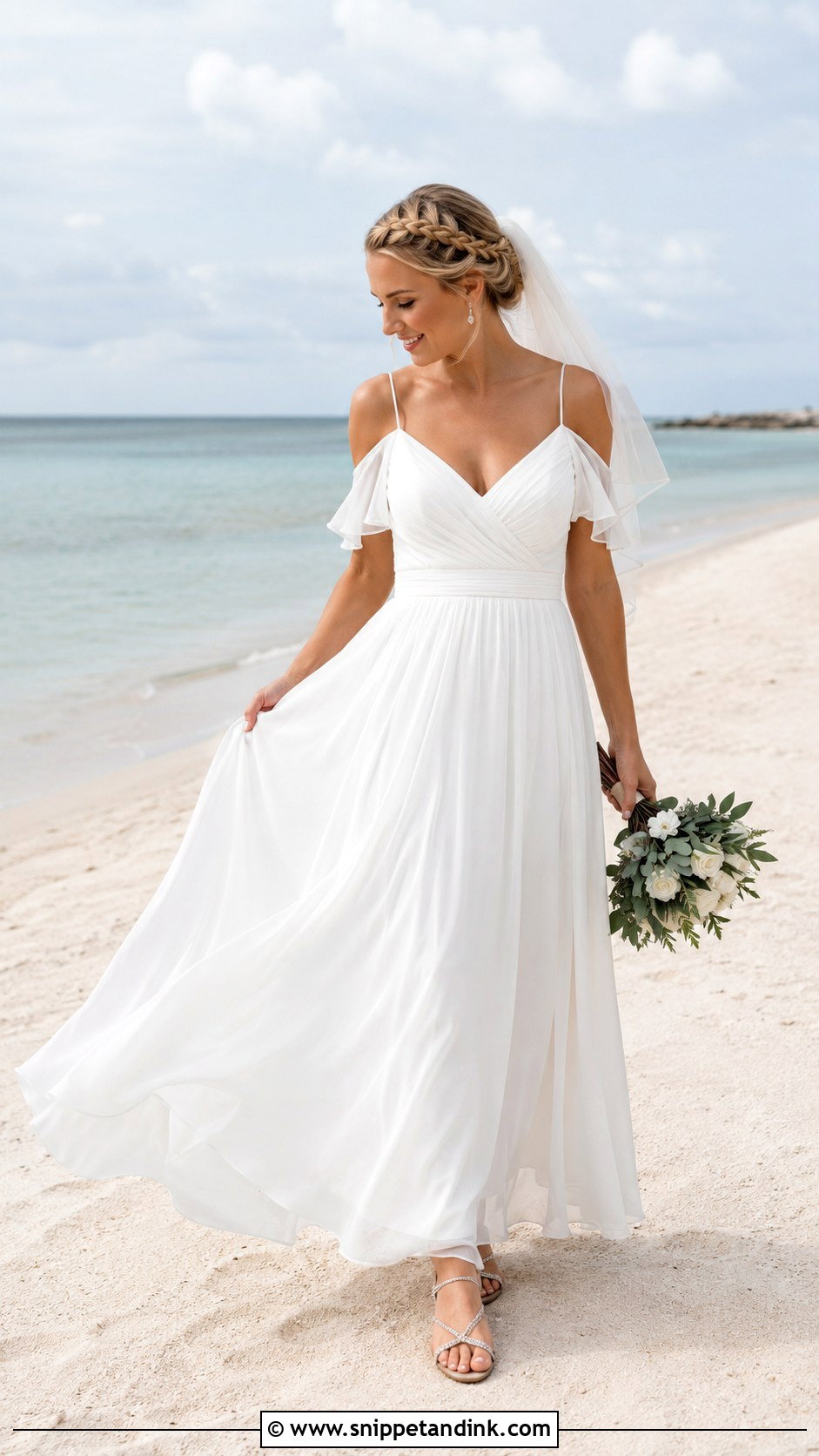
On a beach, fabric weight matters more than anything else. A chiffon or stretch-crepe gown with a fitted bodice, open shoulders and short flutter sleeves stays cool, and skipping the heavy train saves you dragging wet sand down the aisle. Flat sandals, low wedges or barefoot sandals, if the ground allows, are safer than heels. I’d also plan for wind: a braided updo holds, a floral comb needs a couple of hidden pins, and a short veil behaves better than a long one. Small earrings and white tropical flowers finish it. Remember that the shoulder cutouts leave skin exposed to the sun, so apply sunscreen there early.
13. Winter Cold Shoulder Wedding Dress
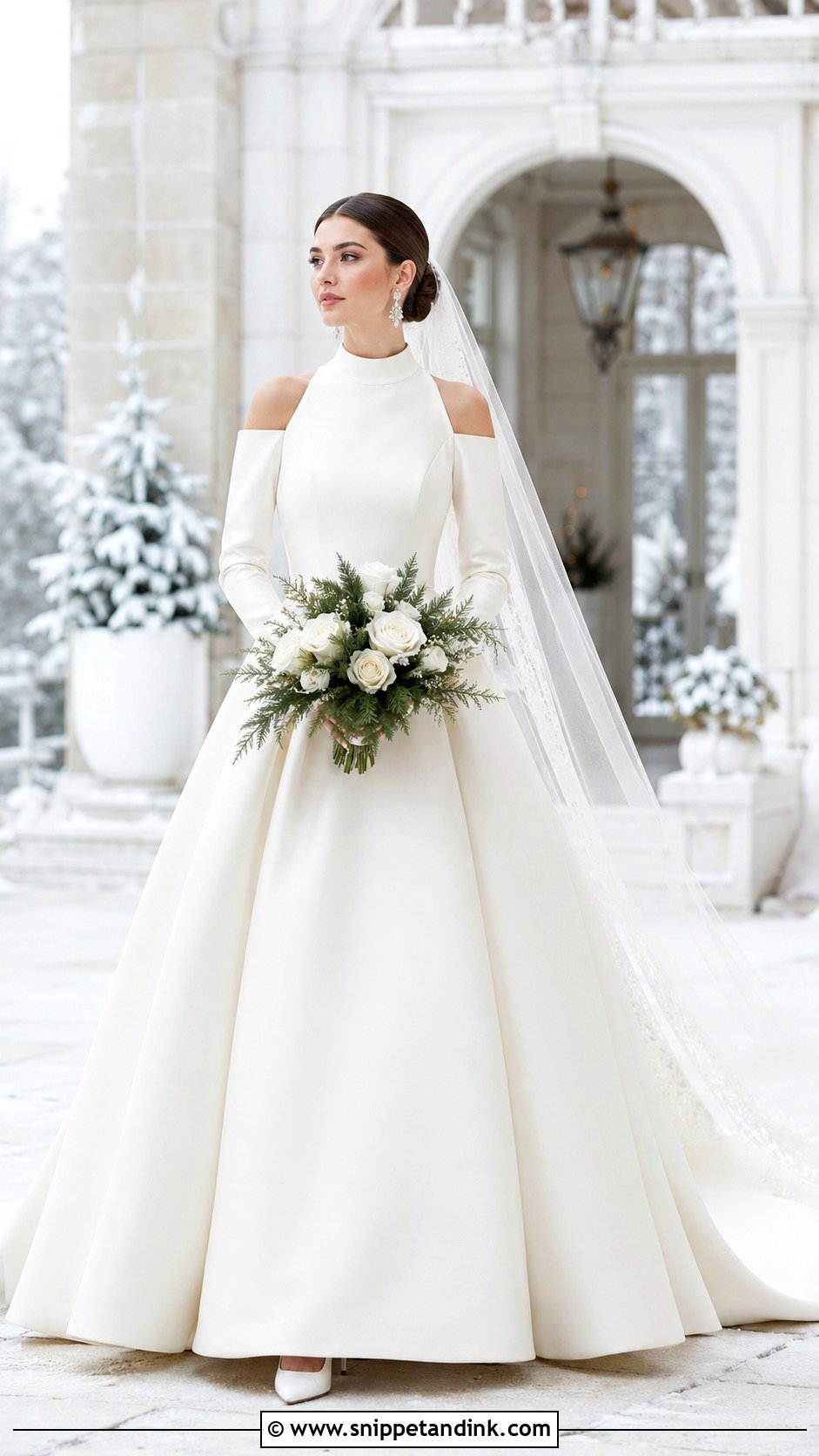
A winter cold shoulder gown balances coverage with a small glimpse of skin. Choose a structured gown with a high neck, long fitted sleeves and defined cutouts in crepe, mikado or lined lace. A full A-line or ball gown skirt leaves room for a slip underneath for warmth. Bare shoulders feel the cold quickly during outdoor portraits, so I keep a faux-fur wrap with the photographer and slip it off between shots. Closed heels, crystal drops, a polished updo and a cathedral veil suit it, with roses, anemones and evergreen in the bouquet.
14. Floral Cold Shoulder Wedding Dress
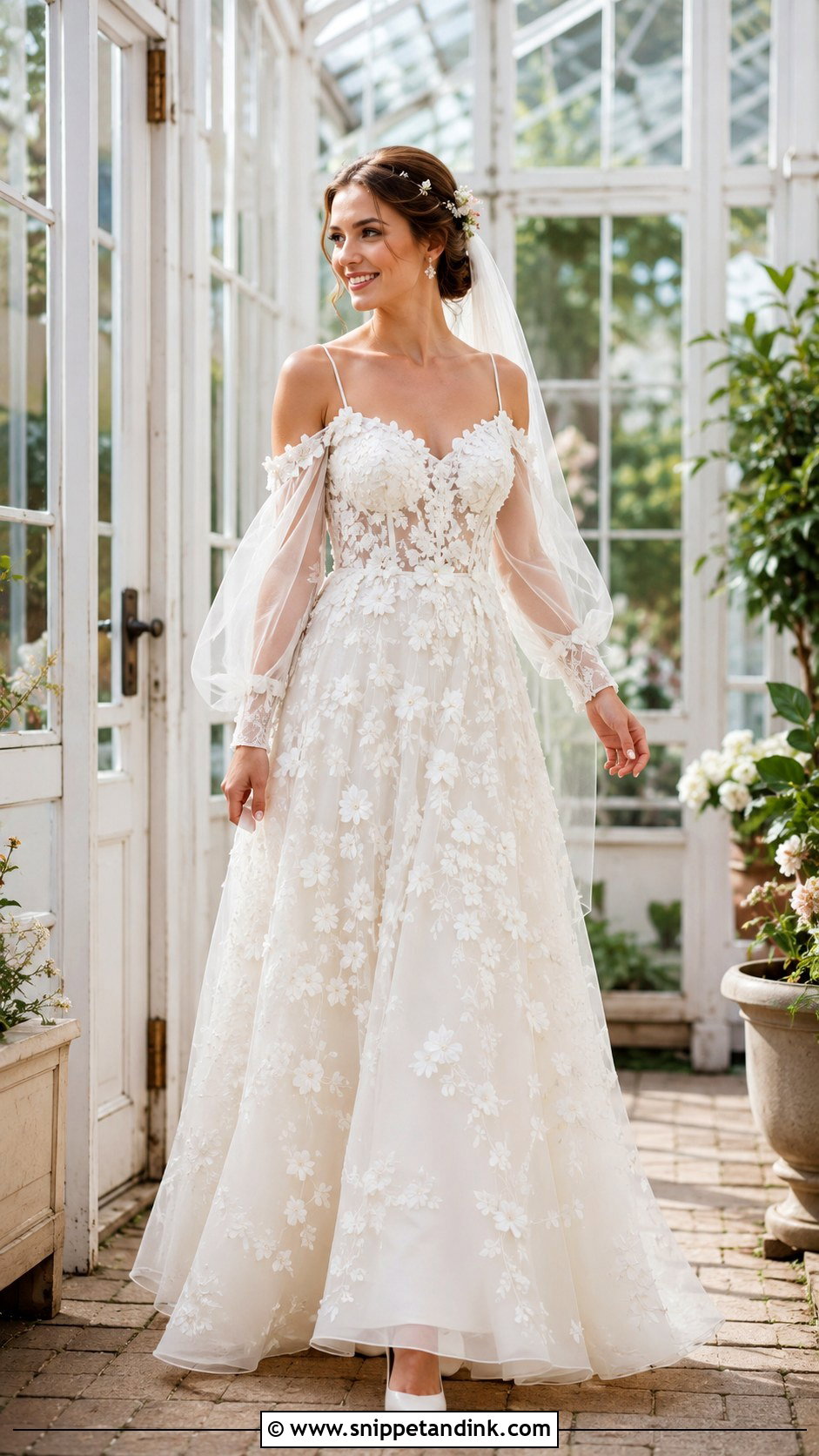
Three-dimensional appliqués turn the cutouts into a frame of flowers. On an A-line with sheer tulle sleeves, I like the flowers concentrated around the bodice and shoulder openings and thinning out down the skirt. Raised petals catch on lace veils, so choose a plain tulle veil. Understated ivory heels, tiny floral earrings and a half-up style with one or two matching pins echo the dress without copying it. Keep the bouquet clean in shape and limited in colour so it doesn’t compete with the appliqués. It suits a spring garden or greenhouse.

15. Princess Cold Shoulder Wedding Dress
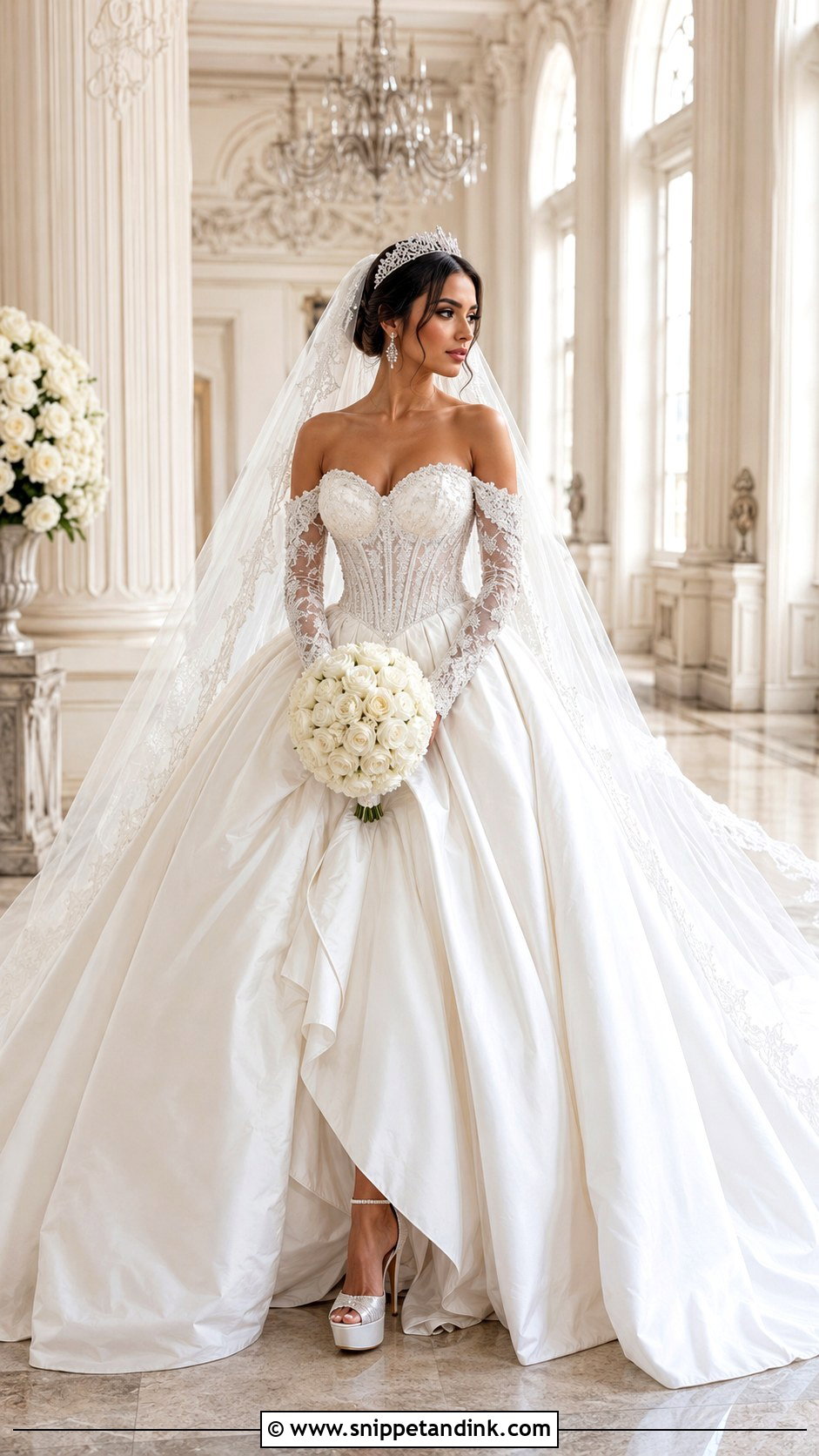
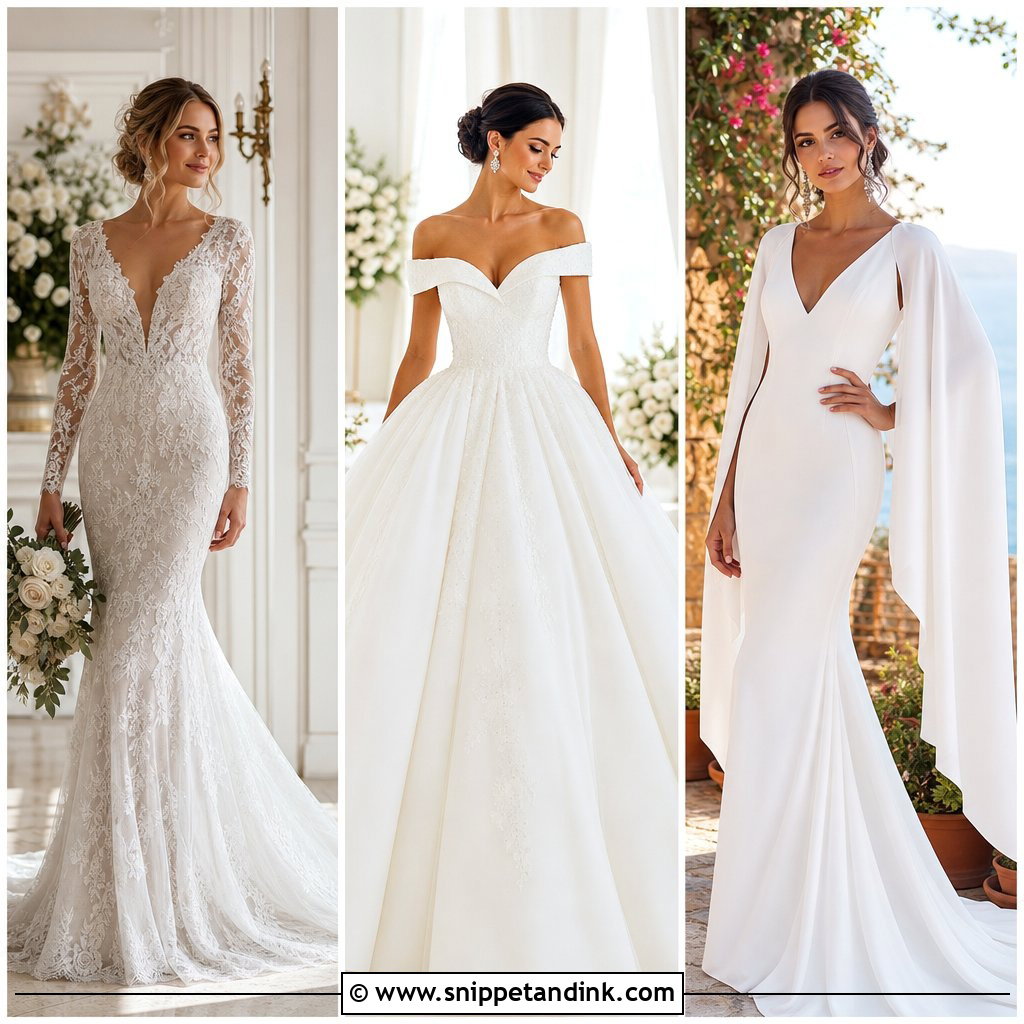
A princess cold shoulder gown is all about scale: a corseted bodice, illusion sleeves and a full layered skirt in satin or with scattered lace. The weight of a big skirt pulls down on the bodice, so I’d make sure the corset is properly boned and fitted at the waist before worrying about anything else. Platform heels under the skirt give height and stability. A tiara or crystal headband, drop earrings and a cathedral veil beyond the train suit the size; skip the necklace. A formal bouquet of roses and orchids belongs in a ballroom or large estate.
16. Rustic Cold Shoulder Wedding Dress
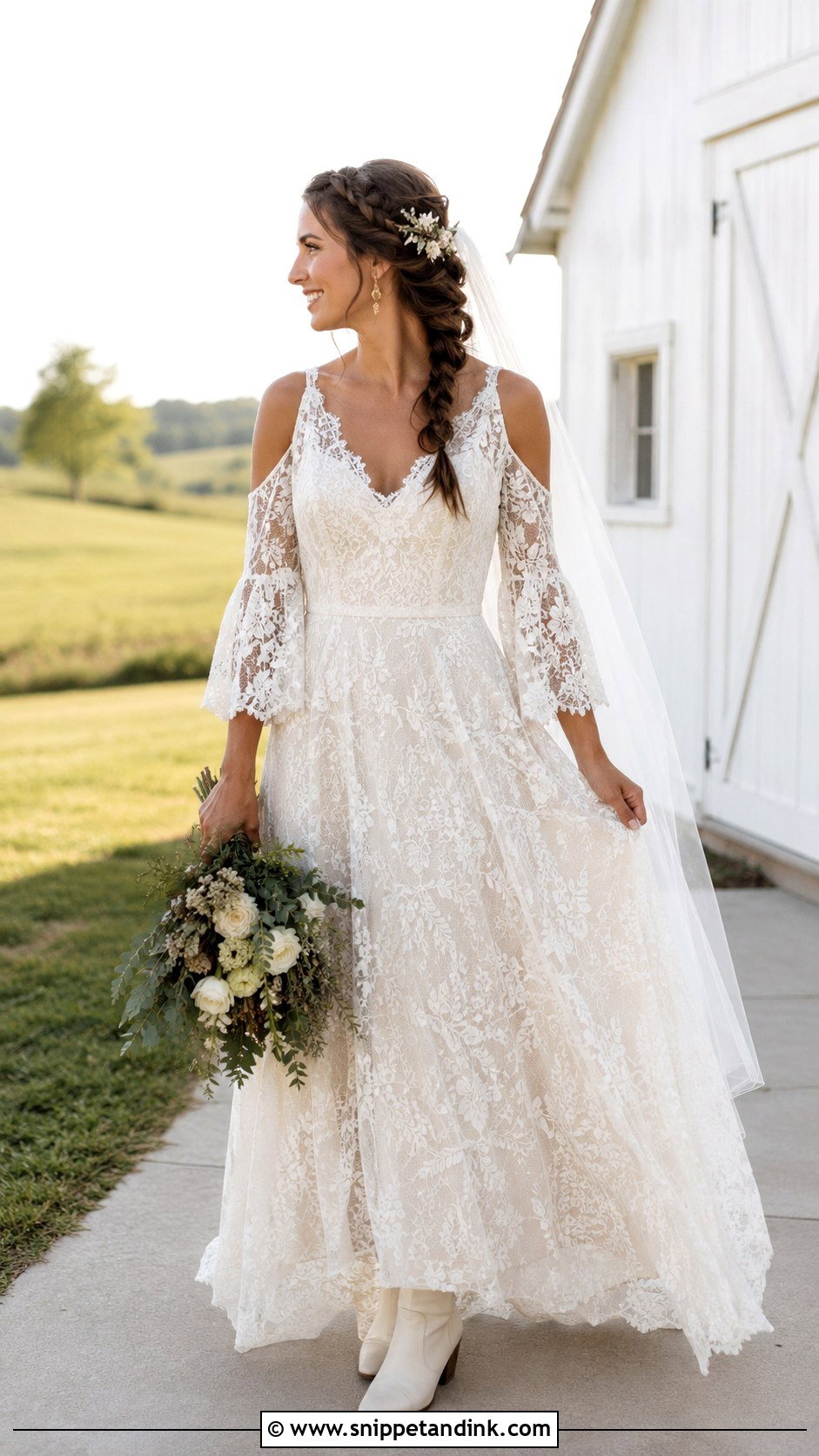
Rustic venues mean wooden floors, gravel and grass, and the gown has to cope. A soft A-line with leafy lace, shoulder cutouts and relaxed bell sleeves keeps the look romantic. I’d go for a modest train, since a long one picks up hay and mud. Ivory ankle boots, low block heels or refined Western-inspired boots hide under the skirt. Simple gold hoops, a loose braid and a fingertip veil clipped with a floral comb fit the setting, as does a bouquet with eucalyptus and grasses. It suits barns, ranches and mountain lodges.
17. High Neck Cold Shoulder Wedding Dress
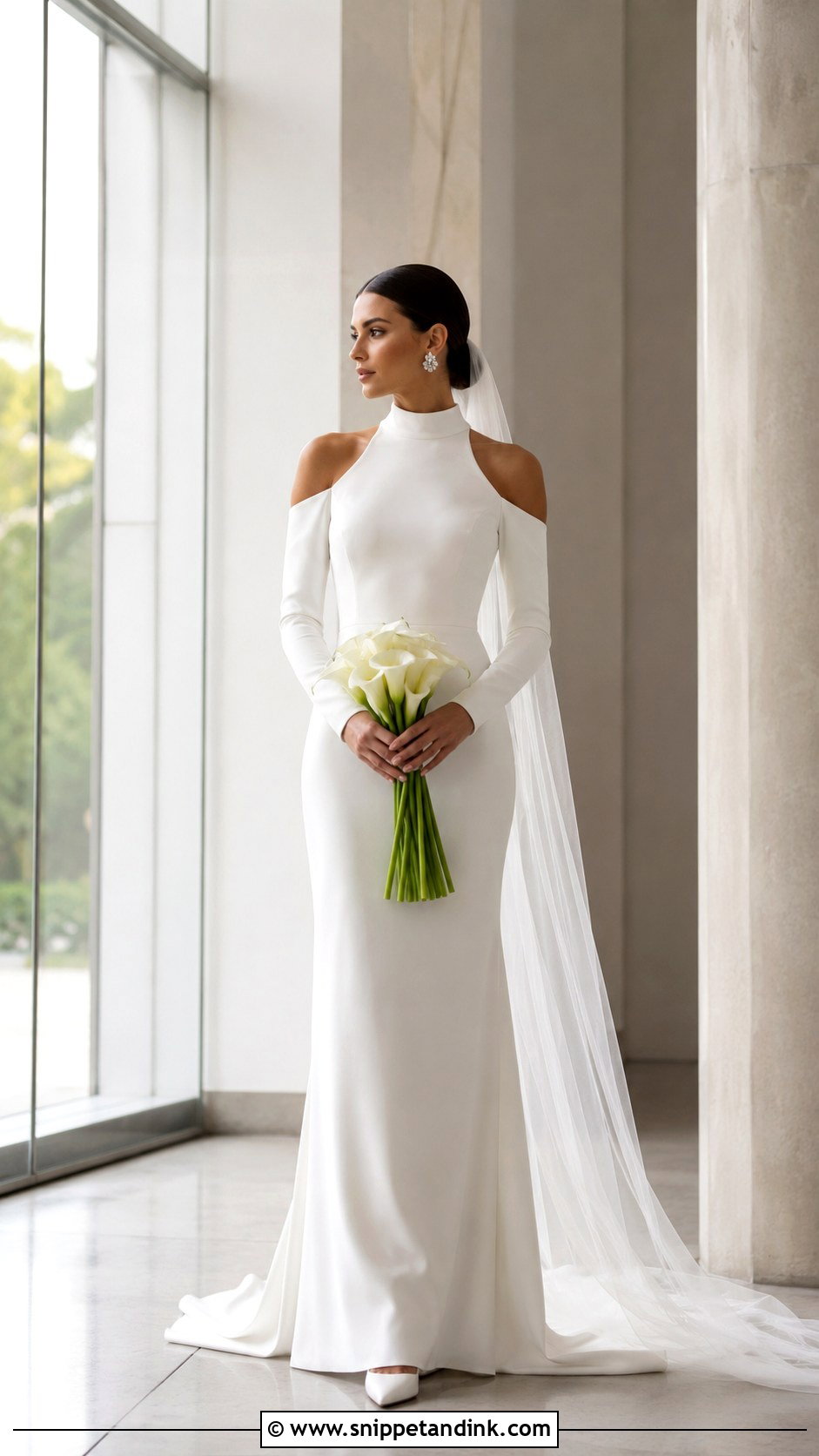
A high neck with open shoulders is one of the most modern combinations here: covered at the throat, bare at the shoulder, long tapered sleeves below. Crepe or lace in a column or gentle fit-and-flare keeps it balanced. The tailoring needs to be precise around the neck, because a high collar that’s even slightly too wide bunches when you turn your head. Sculptural earrings instead of a necklace, a sleek ponytail or low knot, pointed pumps and a chapel veil tucked under the hair suit it. A narrow bouquet of callas fits a modern city venue.
18. Short Cold Shoulder Wedding Dress
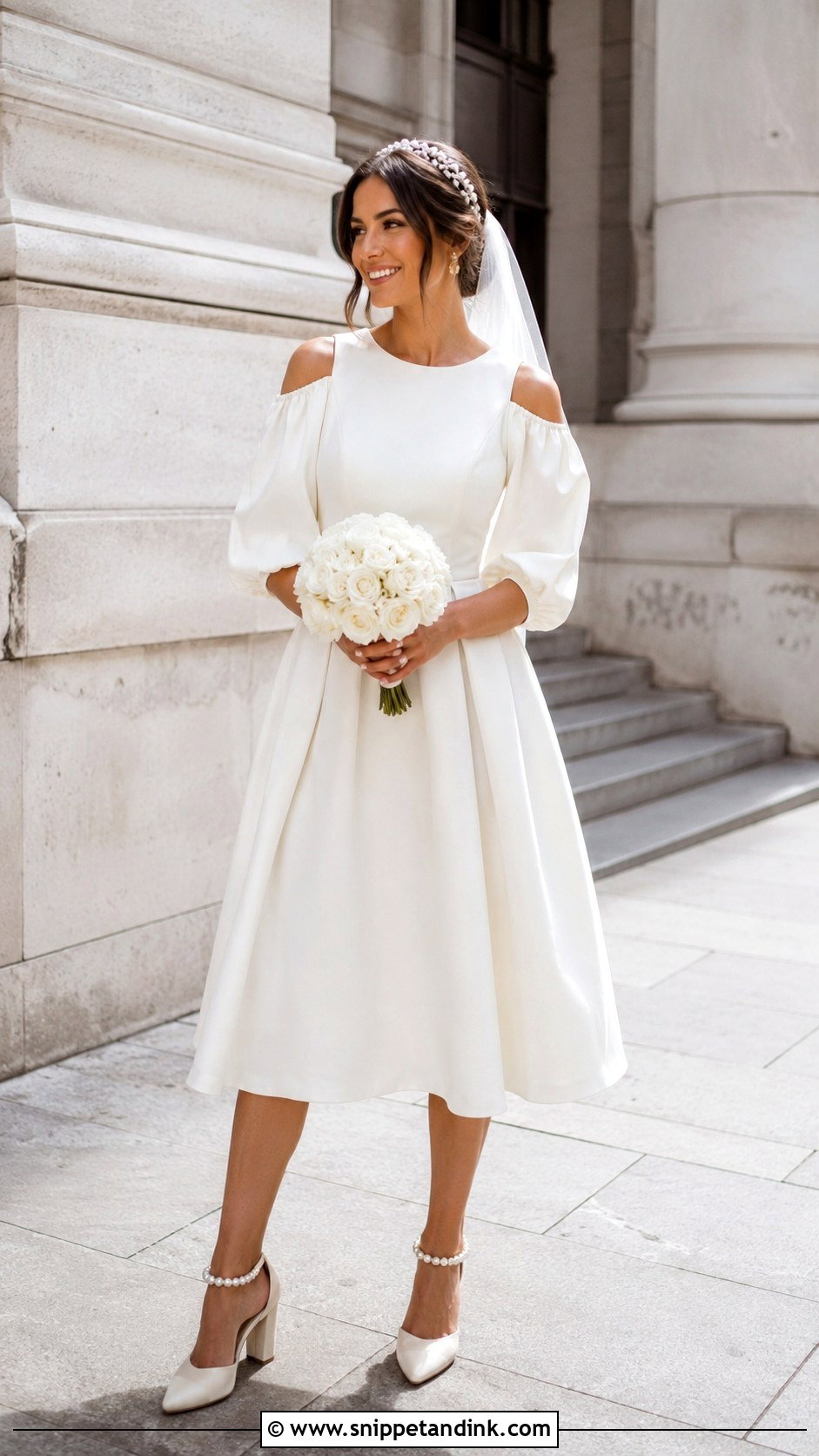
Short cold shoulder dresses work for a courthouse wedding, a reception change or a small party. I’d pick a structured midi dress with a fitted bodice, small cutouts and puff or three-quarter sleeves, with a flared skirt for movement. Shoes are fully visible at this length, so they deserve real thought: pointed pumps, pearl-trimmed flats or block-heel sandals. A short veil, a crystal bow or a headband adds the bridal touch. The hem should sit at the knee or mid-calf, never at the widest part of the calf.
19. Colored Cold Shoulder Wedding Dress
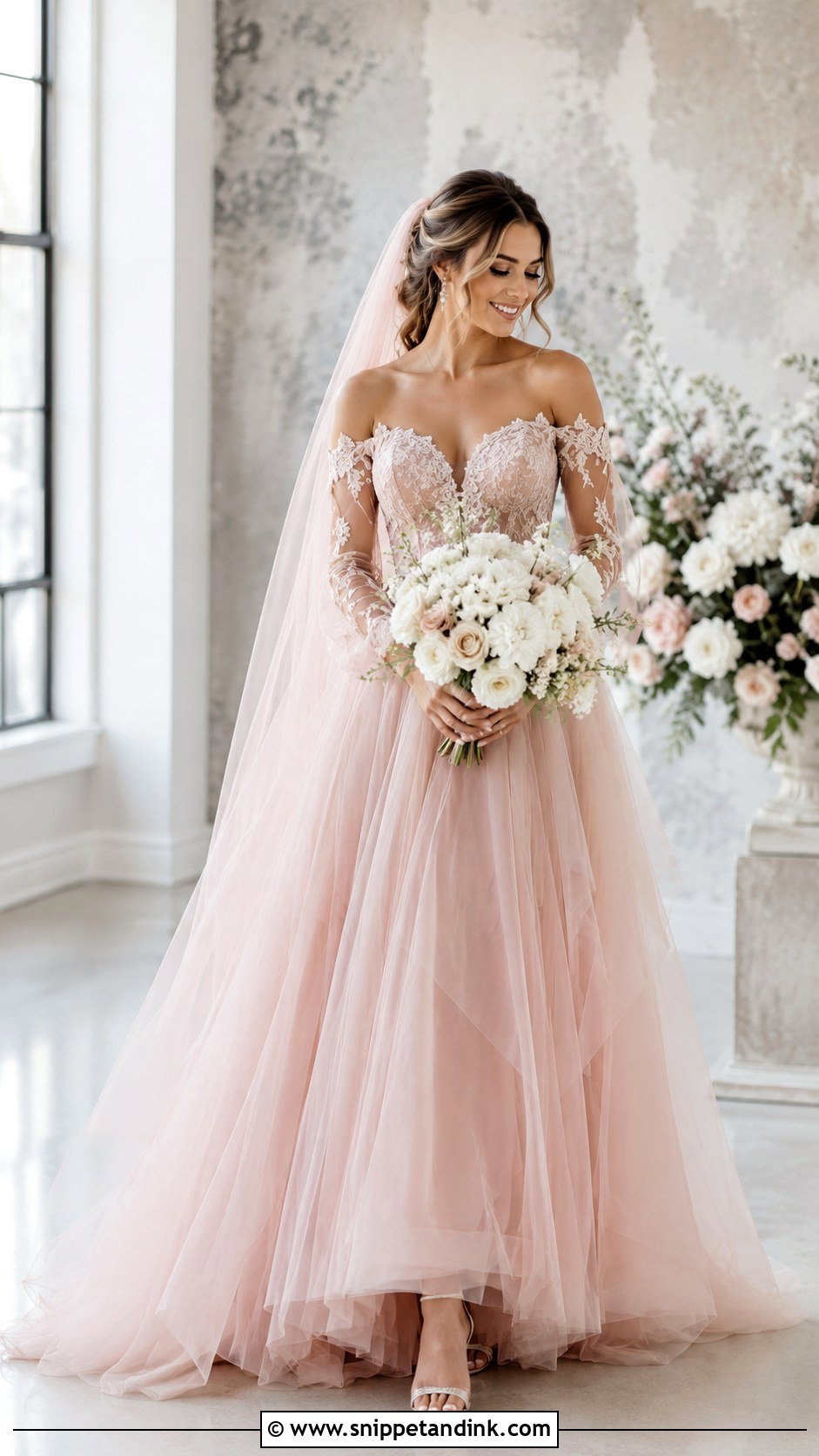
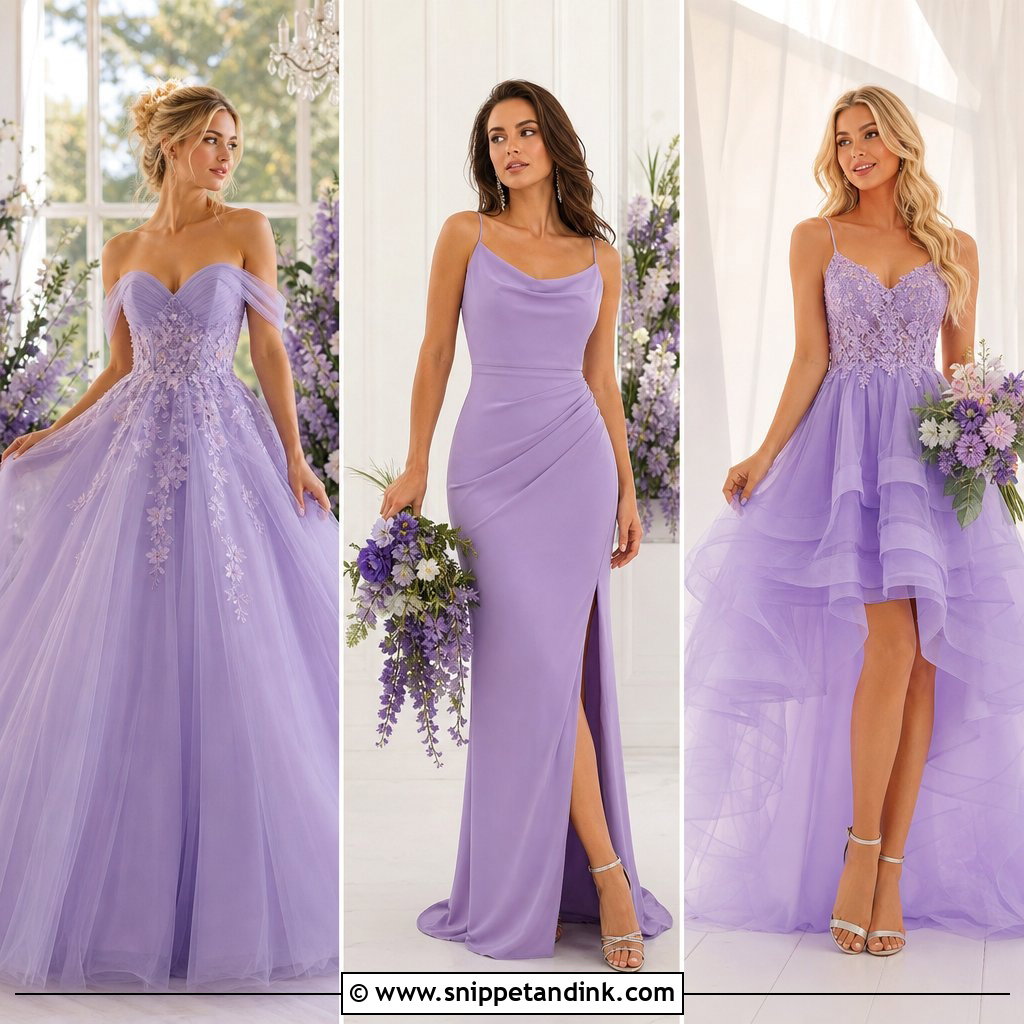
Colour turns a cold shoulder gown into something personal. Blush, champagne, pale blue and muted lavender work well in lace or tulle over a tinted lining. When a bride chooses colour, I make sure the veil matches the undertone; a bright white veil over a blush gown looks bluish and separate. Neutral metallic heels, simple earrings and a loose updo keep it soft. Mix white flowers with a few blooms in the gown’s colour. It reads as unconventional without losing its bridal quality, and suits an artistic venue or outdoor ceremony.
20. Detachable Sleeve Cold Shoulder Wedding Dress
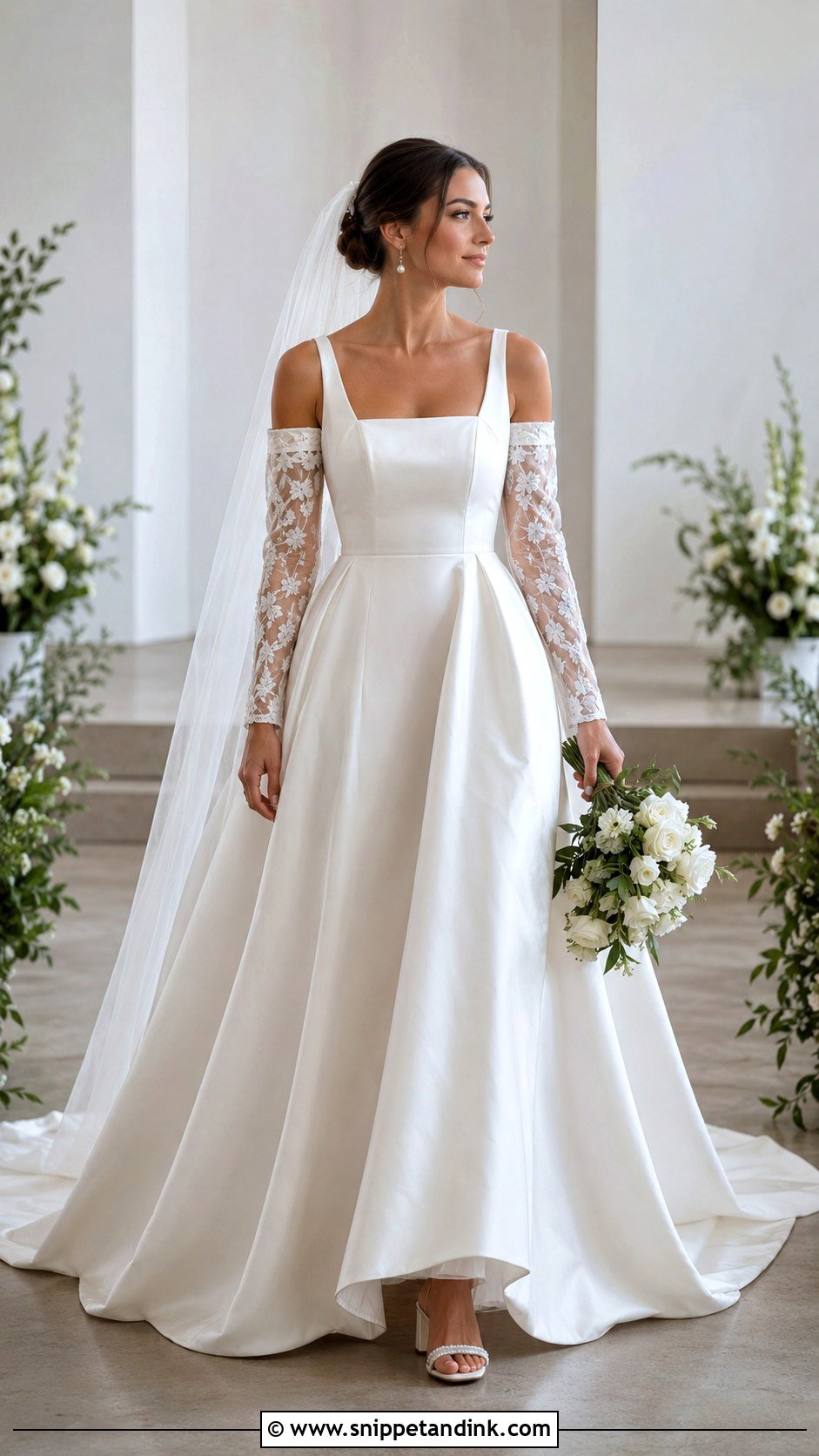
Detachable sleeves give you a covered ceremony look and a lighter reception look in the same gown. Start with a satin or lace gown that is fully supported by its own straps, then add sleeves shaped to leave the cutouts. Long illusion sleeves suit the ceremony; take them off for dancing. The fastenings decide whether it works, so I always have a seamstress check that the snaps or hooks sit hidden and don’t leave marks once the sleeves are gone. Block heels, pearl drops, a low bun and a veil that suits both versions finish it.
Tan Lines, Bra Straps and What Bare Shoulders Reveal
Open shoulders show a patch of skin that most gowns cover, and that changes your preparation in a few small ways.
- Bras: a regular bra strap crosses straight through the cutout. Look for a gown with built-in cups, or wear a strapless or adhesive bra fitted before your final alteration.
- Tan lines: a summer of vest tops leaves a line exactly where the cutout sits. Cover shoulders outdoors in the weeks before, or ask your makeup artist to blend body makeup there on the day.
- Skin: shoulders show dryness and redness in flash photos. A gentle exfoliation a few days before and a light moisturiser on the morning help.
- Jewelry: earrings frame the cutouts better than a necklace, which fills the space you’ve chosen to leave open.
If you’re marrying somewhere that asks for covered shoulders during the ceremony, a sheer bolero or a lace cape slips over the gown and comes off for the reception. I’d buy it from the same bridal shop so the whites match.
Lift Your Arms Before You Say Yes to the Gown
A cold shoulder gown should feel secure from the first photo to the last dance. Start with a silhouette that fits your venue, then think about how the sleeves, the cutouts and the fabric will behave through the day. Satin is formal, lace and chiffon are softer. Keep jewelry away from the neckline so the shoulders stay the focus, and bring your planned underwear and shoes to every fitting. Then do the simple tests: lift your arms, sit down, walk and hug someone. From a short courthouse dress to a ballroom gown, the cutout only works if the gown stays where it should.
You'll Like These Ideas:




Leave a Reply