
Long hair is the easiest length to make look bridal and the hardest to keep looking that way until midnight. It has the weight to hold a sculpted wave and the length for a braid that runs the whole way down your back, but that same weight pulls pins loose and straightens curls. The styles below come from the latest bridal trends, and I have chosen them because each one can be made to last on long hair if it is built correctly. For every style I’ve noted how I anchor it, which hair types struggle with it and when I would suggest something else. A ballroom and a garden lawn ask for different things, so read with your venue in mind.
Wefts, Tape-Ins and Halo Pieces for Hair That Thins at the Ends
Plenty of long hair is thick at the root and thin at the ends, which shows most in braids and down-dos. Extensions fix that, and most of the fuller styles in bridal photos have some help.
Clip-in wefts are the simplest option for a wedding. I place them in rows across the back of the head, below where any half-up section starts, so the clips are hidden. They add weight to curls, which helps them hold. Tape-ins sit flatter and suit sleek styles, but they need a salon to fit and remove. A halo piece sits on a wire around the crown and is easy, though it cannot go into an updo.
Match the colour in daylight, not under shop lighting, and blend the ends with your own by curling both together. Bring the extensions to your trial, so I can see how they sit with your style. If you’ve never worn them, wear them at home for an evening first, to get used to the weight.
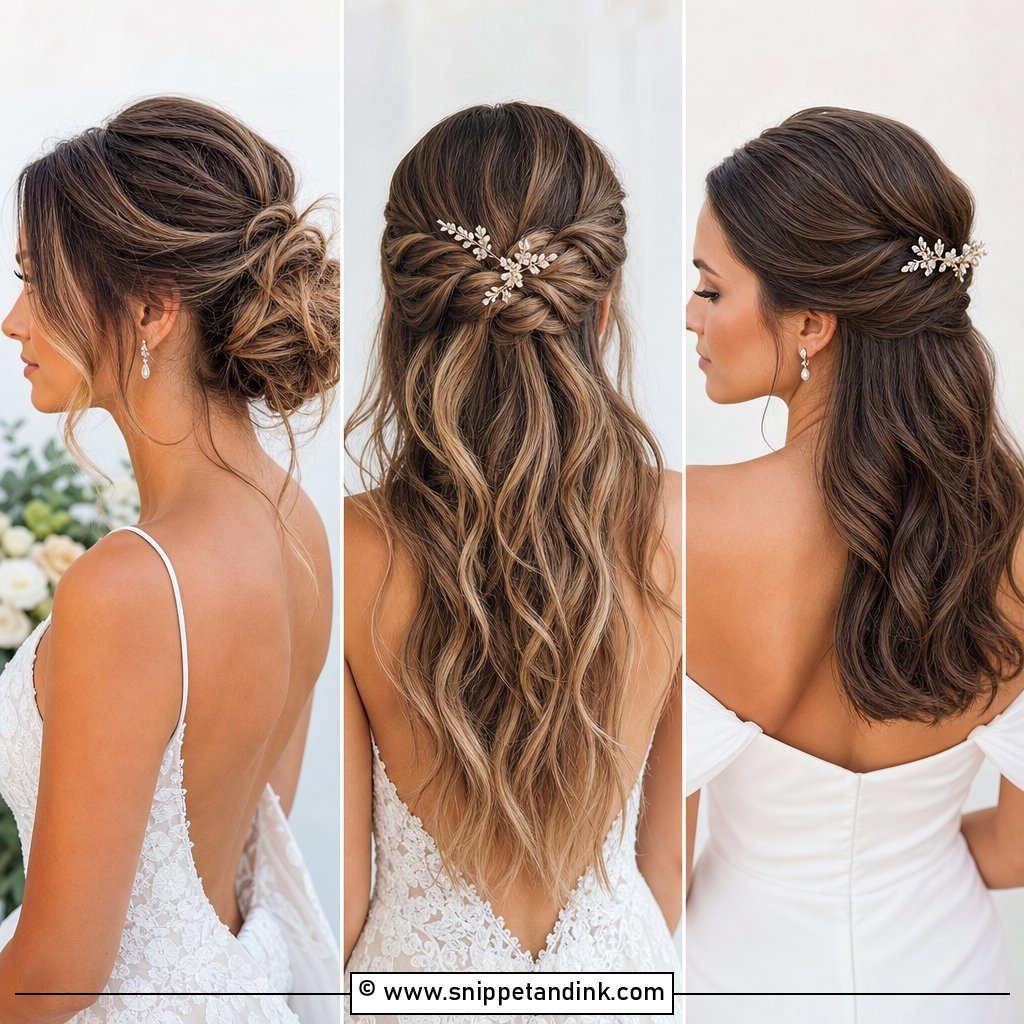
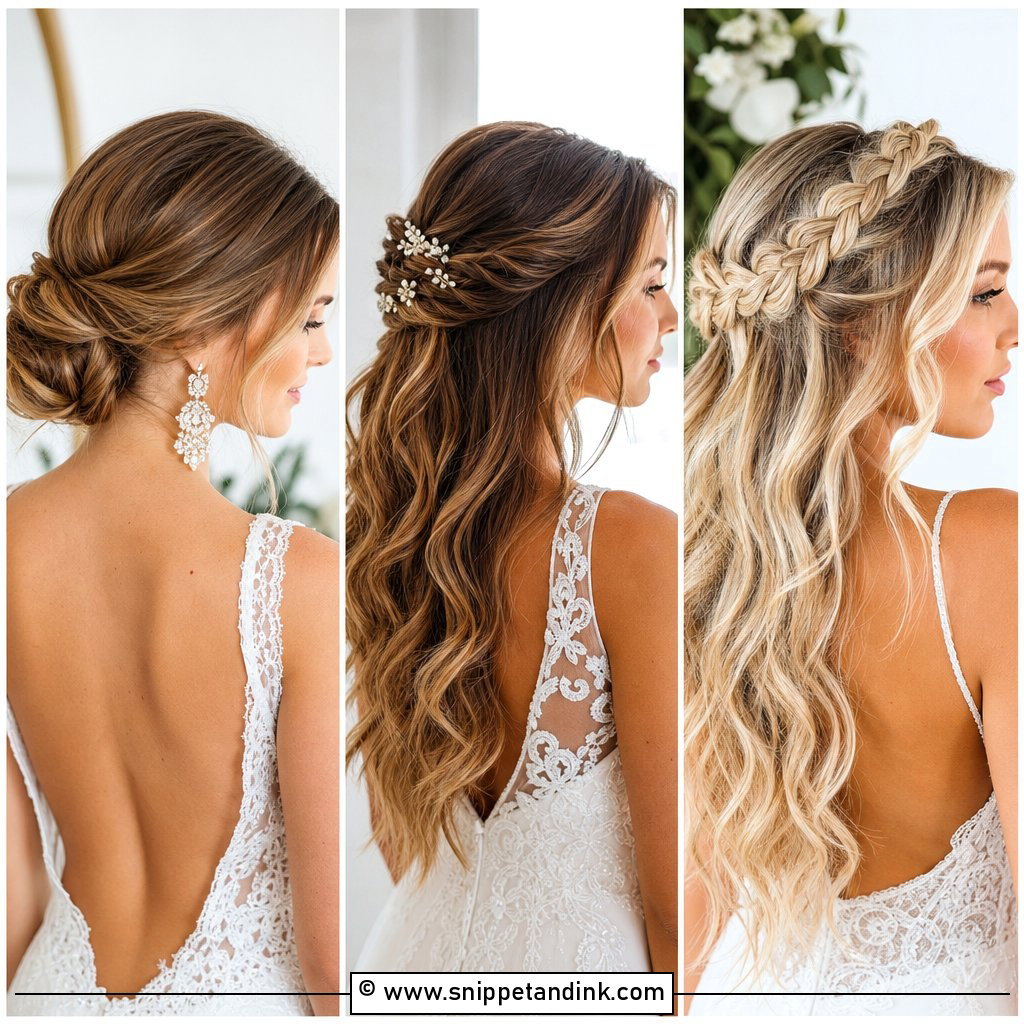
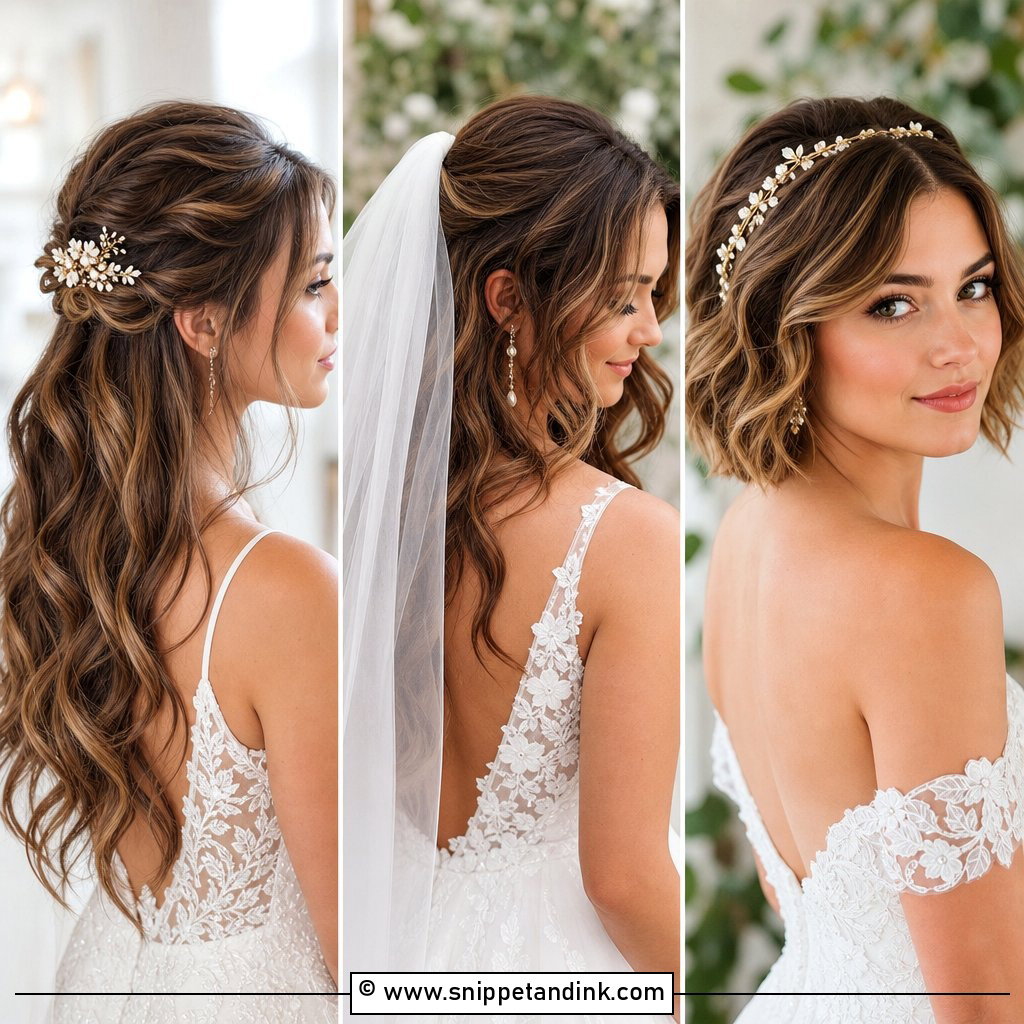
1. Half Up Half Down Wedding Hairstyle
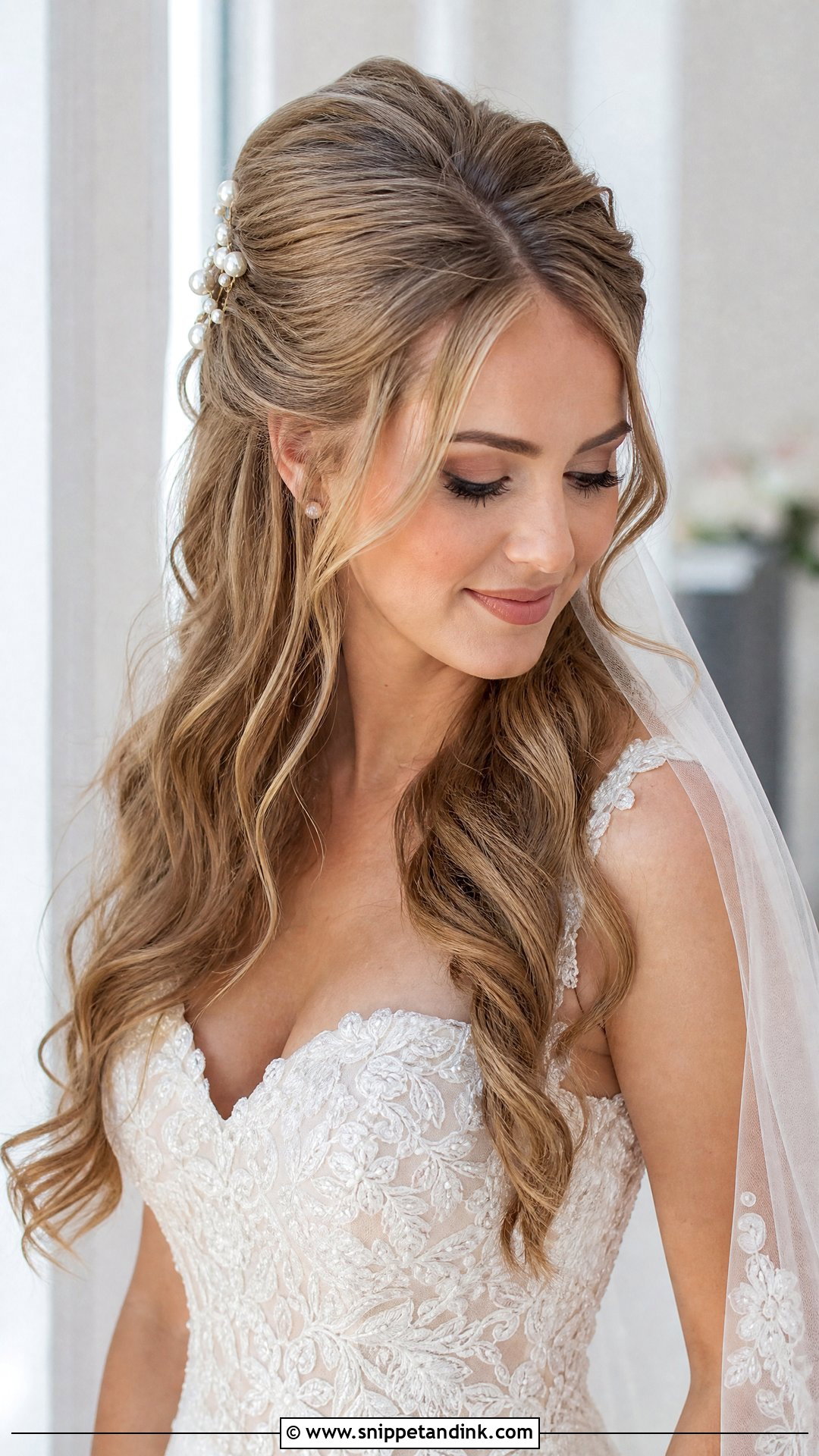
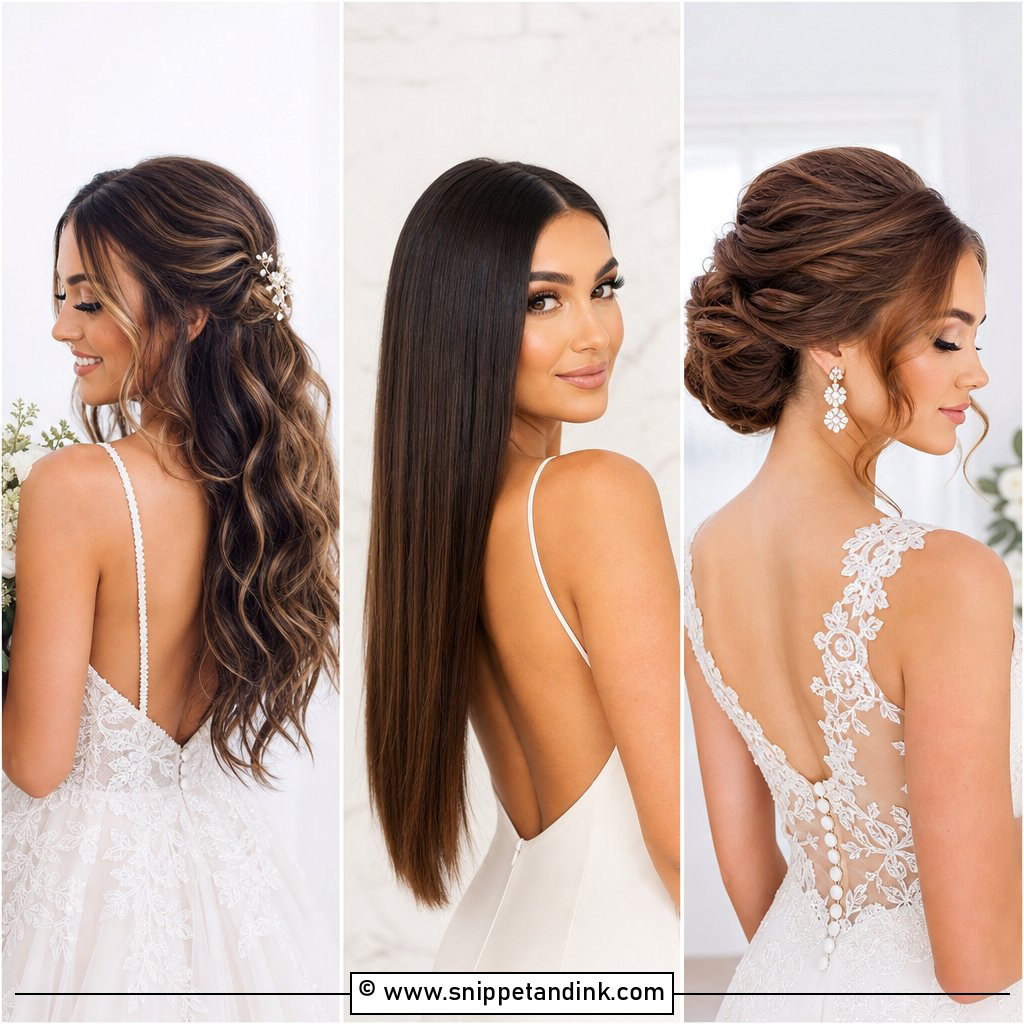
Still the style I am asked for most. Half up keeps your face clear for the vows and leaves the length on show. I lift the crown slightly with a little backcombing at the root, then secure the top section with a small hidden elastic and crisscrossed pins on top of it. Pins alone slide on long, heavy hair. Waves underneath, a pearl pin or small floral clip at the join, and a veil comb slipped just under that anchor. It suits nearly any neckline.
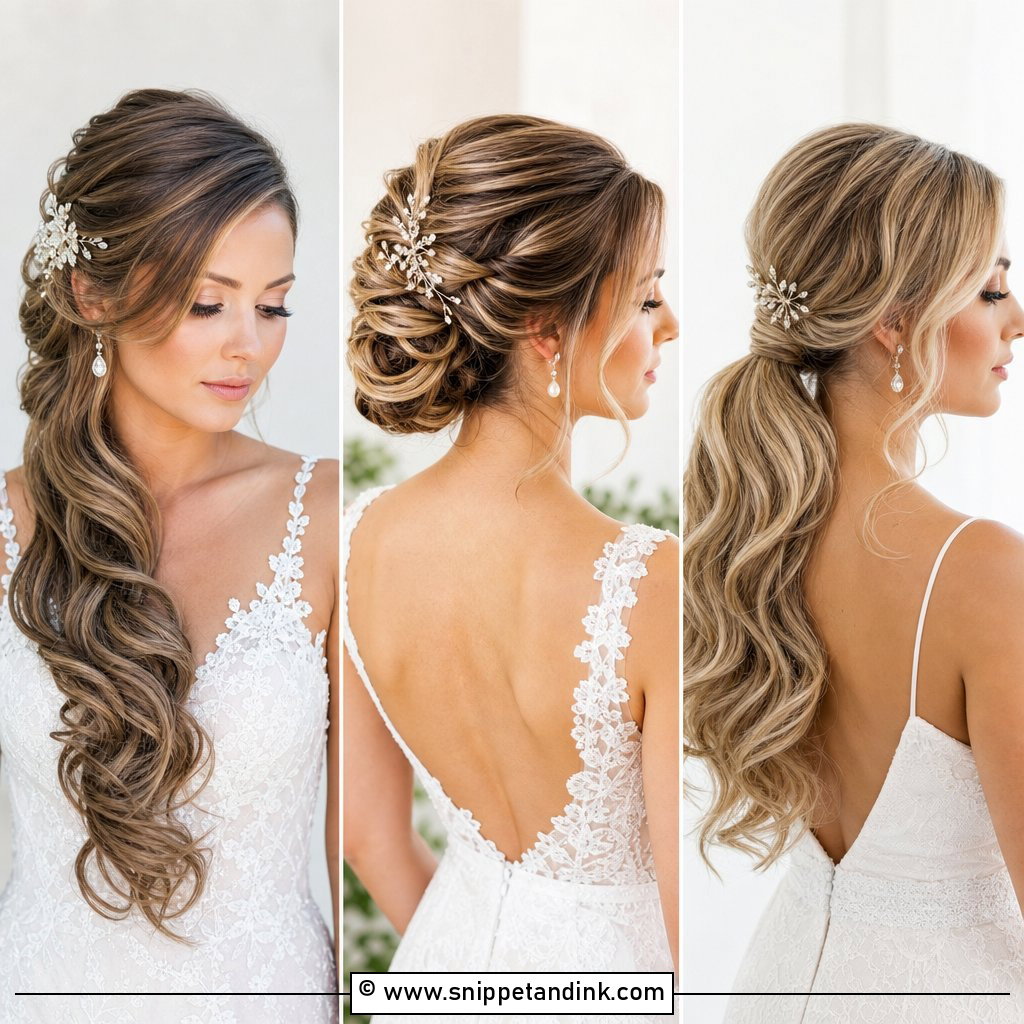
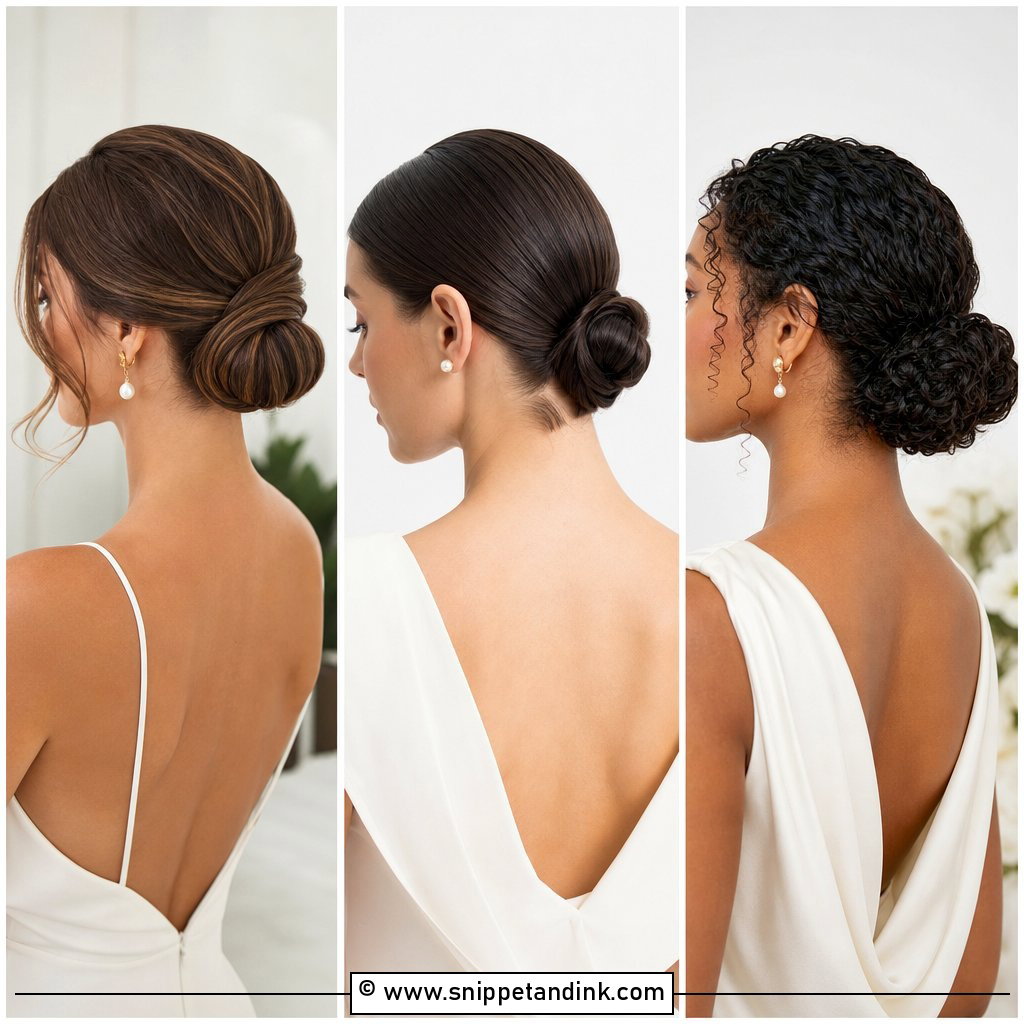
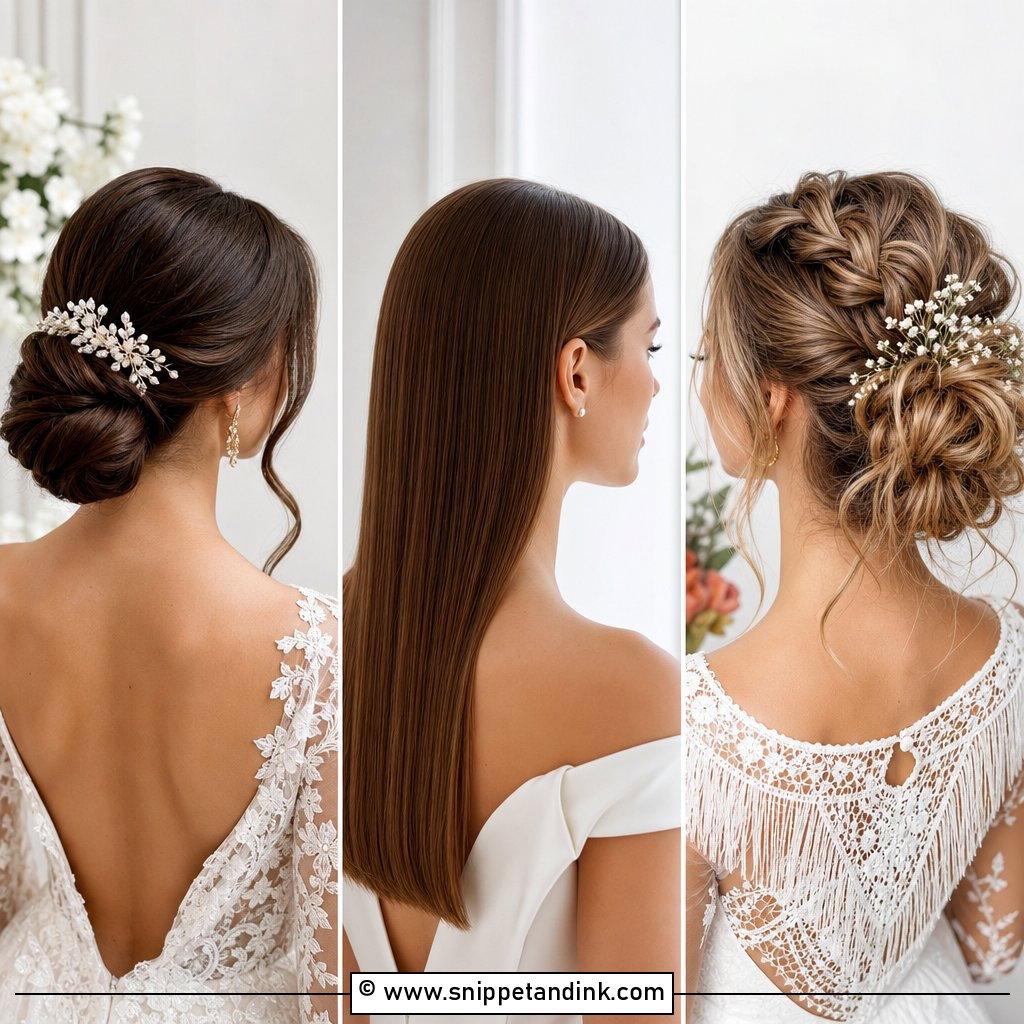
2. Low Chignon Bun for Brides
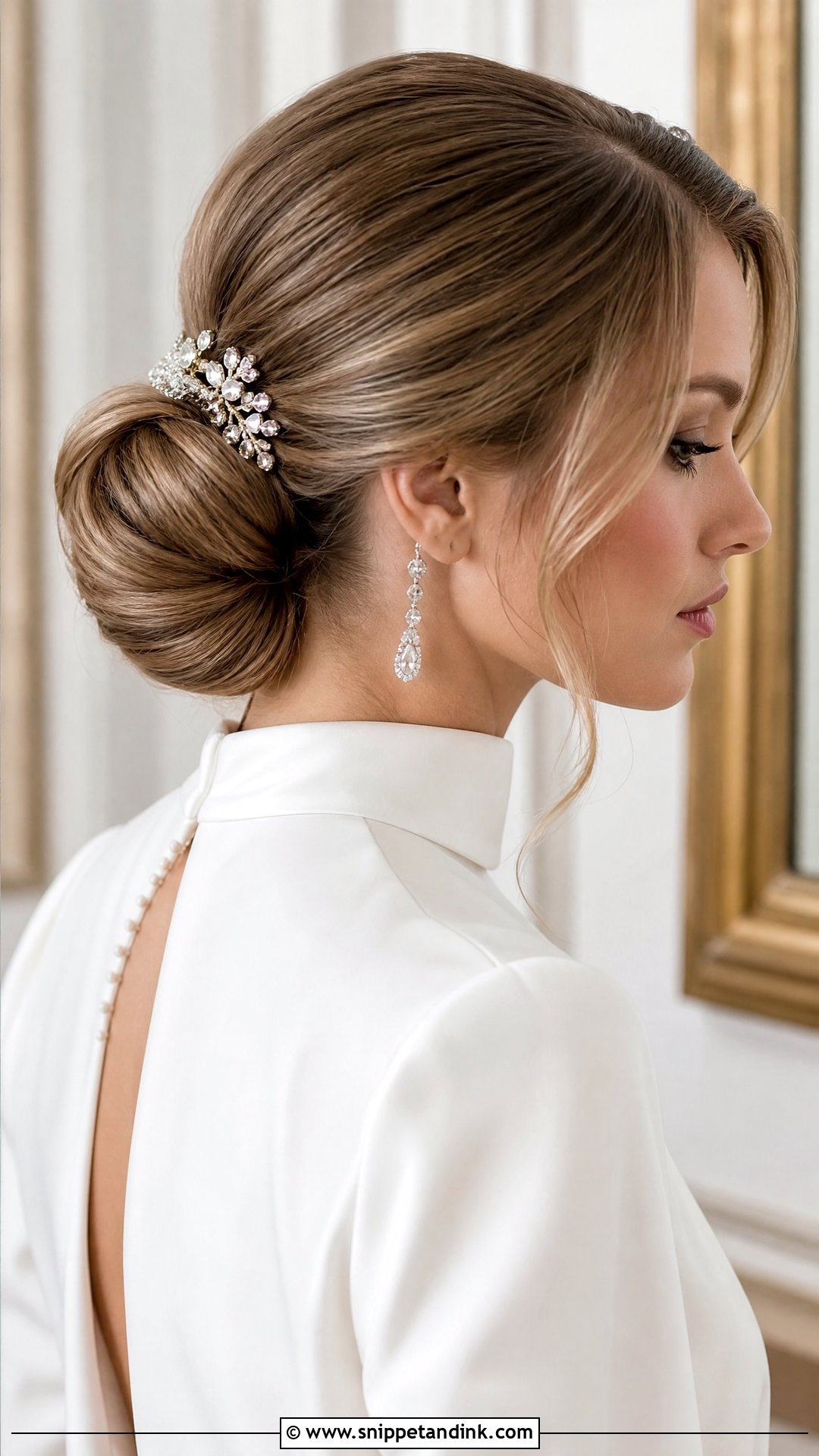
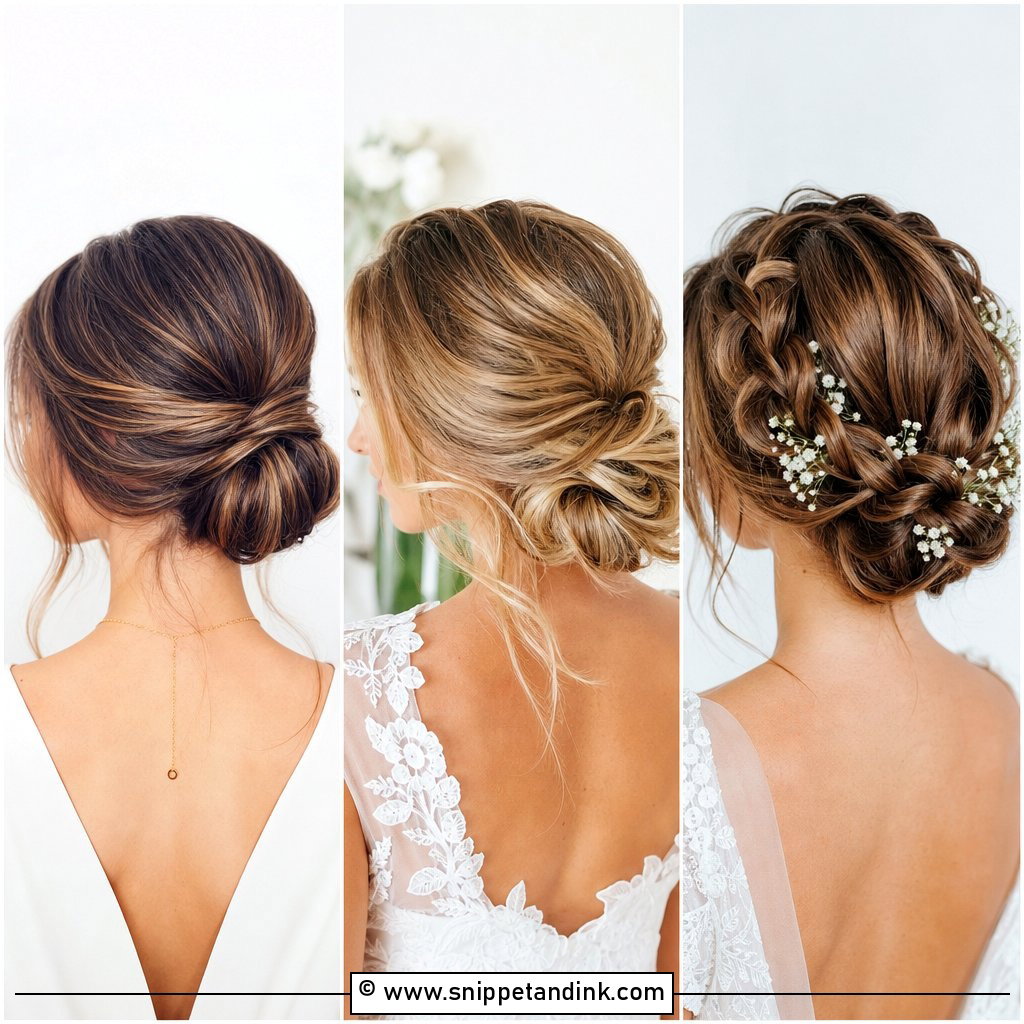
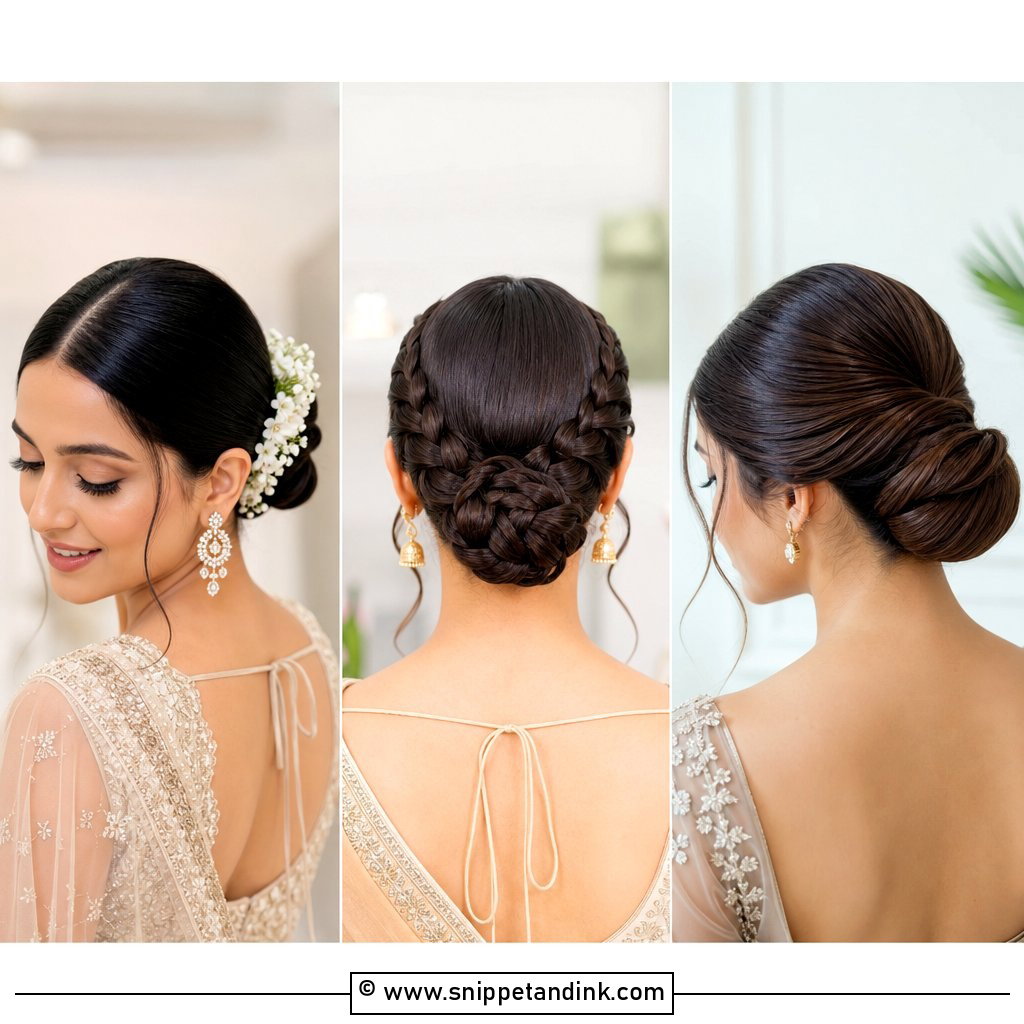
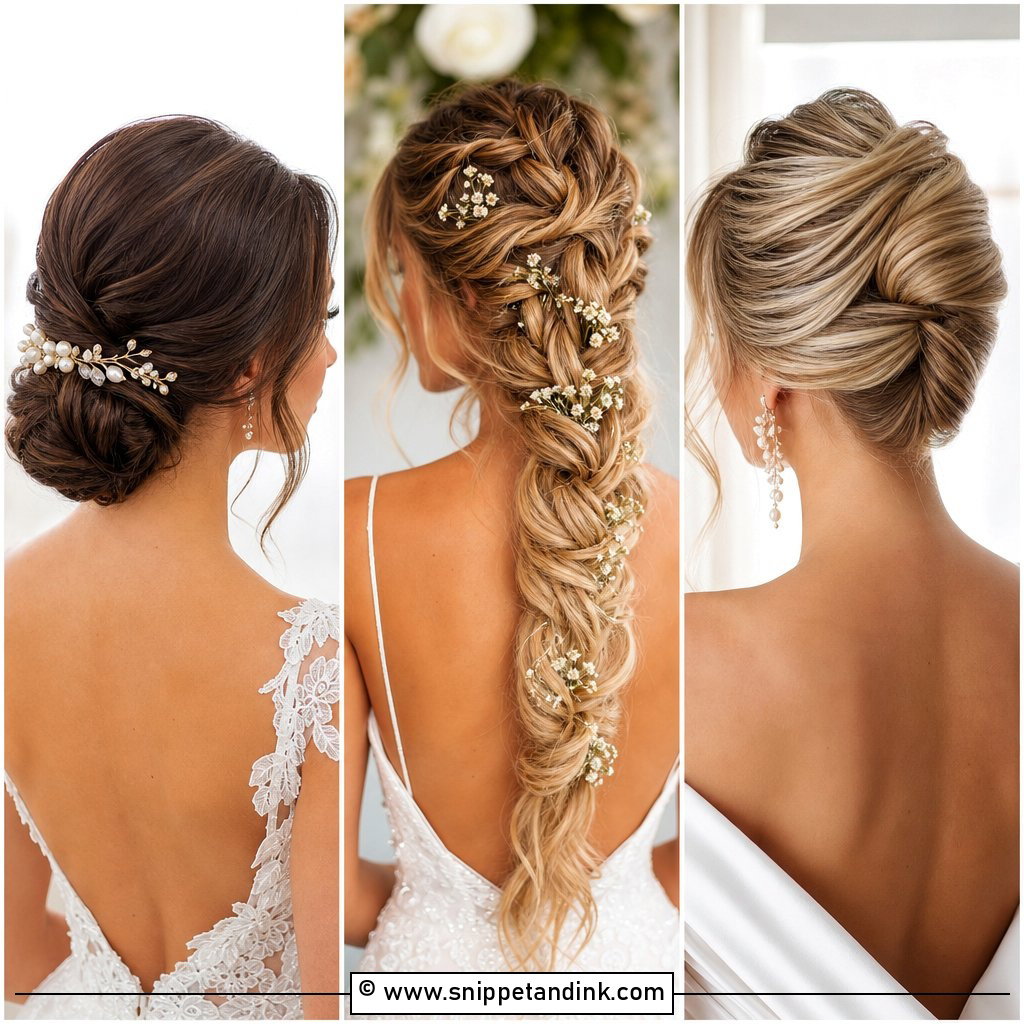
A low chignon is the quiet workhorse of bridal hair. It sits at the nape, holds a veil well and stays tidy under a high neckline. On long hair I roll the length into a loose figure-of-eight before pinning; it makes a fuller, more sculpted shape than a single coil and doesn’t sag. Smooth for a formal ceremony, a few pieces loosened for something softer. A jewelled comb tucks into the side of the knot easily.
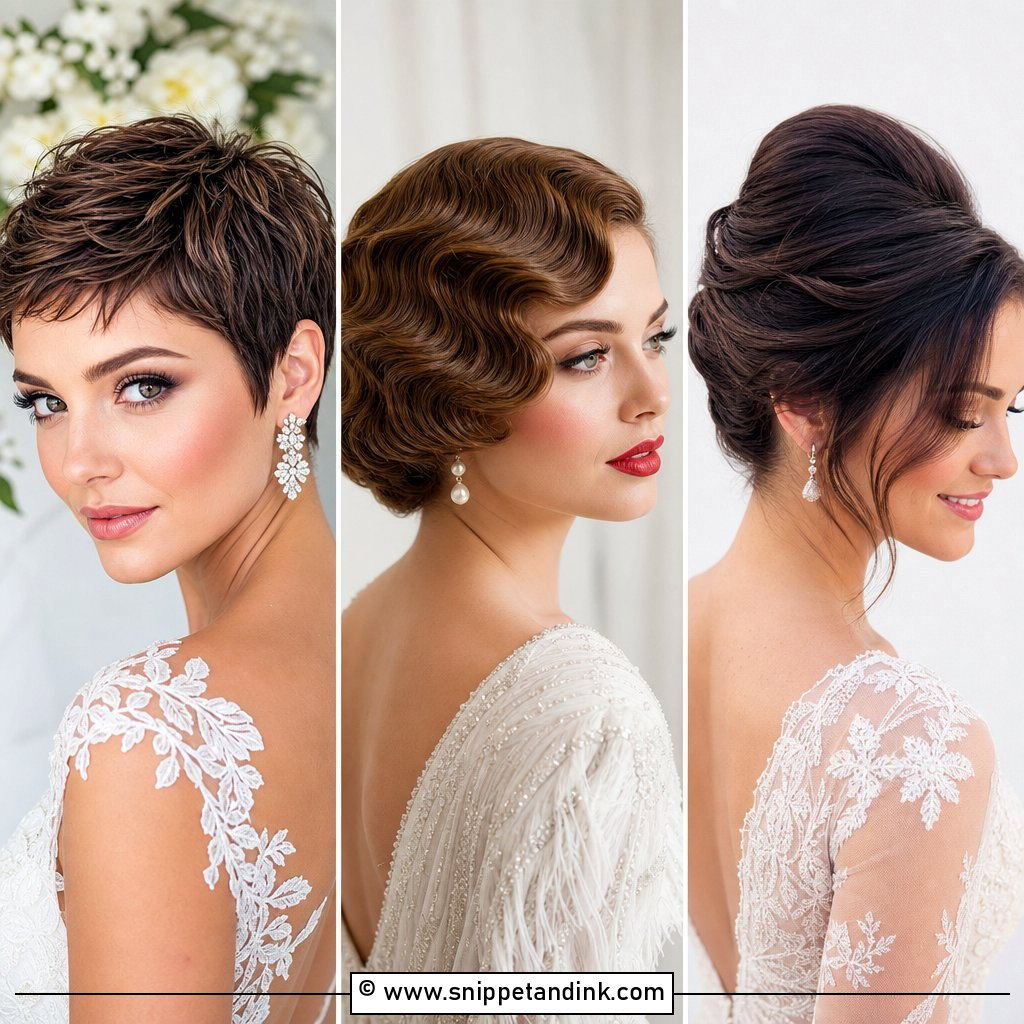
3. Classic French Twist Updo
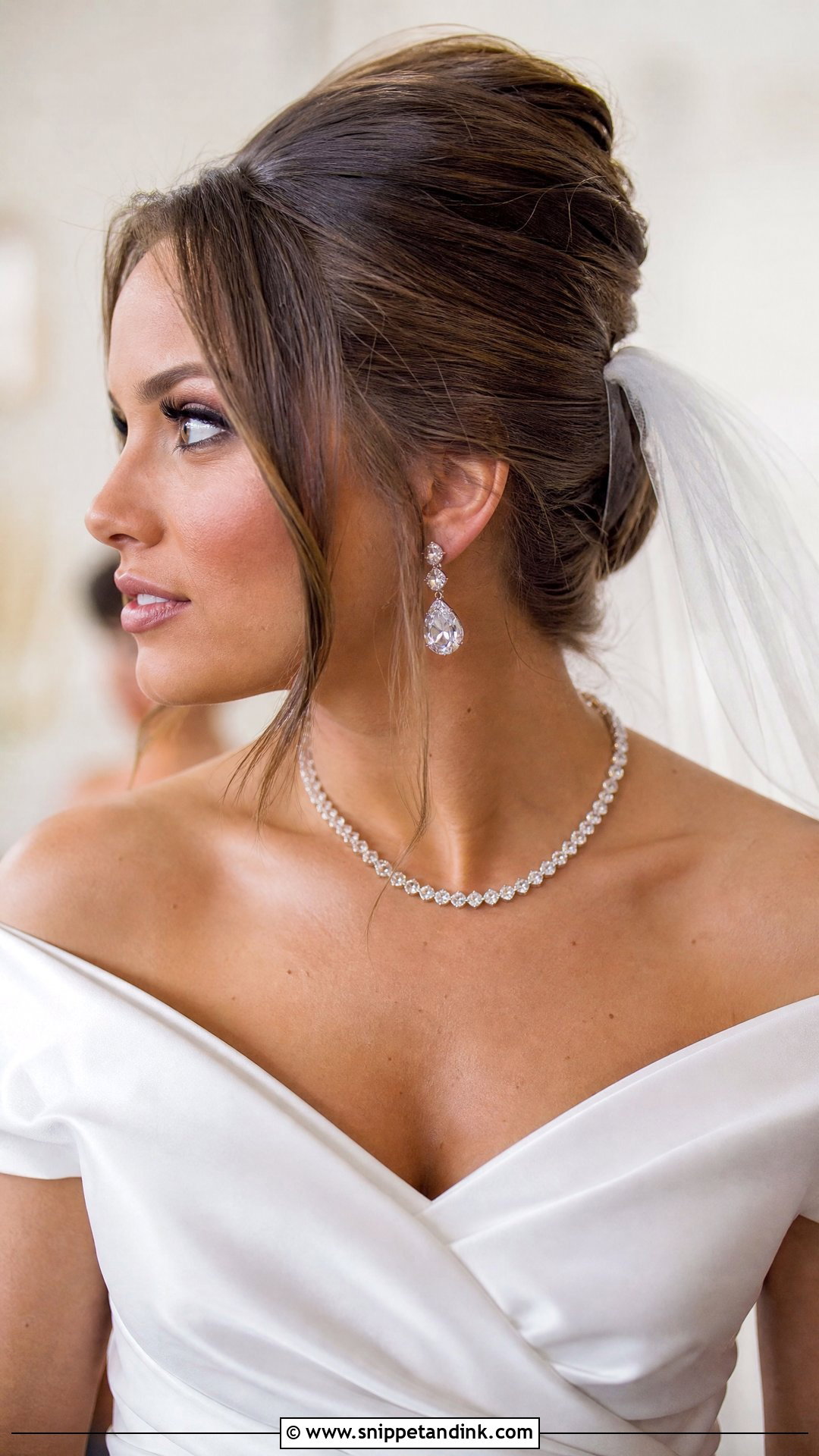
The French twist is my answer when a bride wants sleek and grown-up with a structured gown. The hair folds up the back of the head into a vertical roll. On long hair, the twist has plenty of material, so the trick is managing it: I tuck the ends inside the roll and secure it with a row of interlocking pins from both sides. Otherwise it gradually unrolls under its own weight. A veil comb goes just under the fold. Very layered hair struggles here, because short ends poke out of the roll.
4. Hollywood Waves for Long Hair
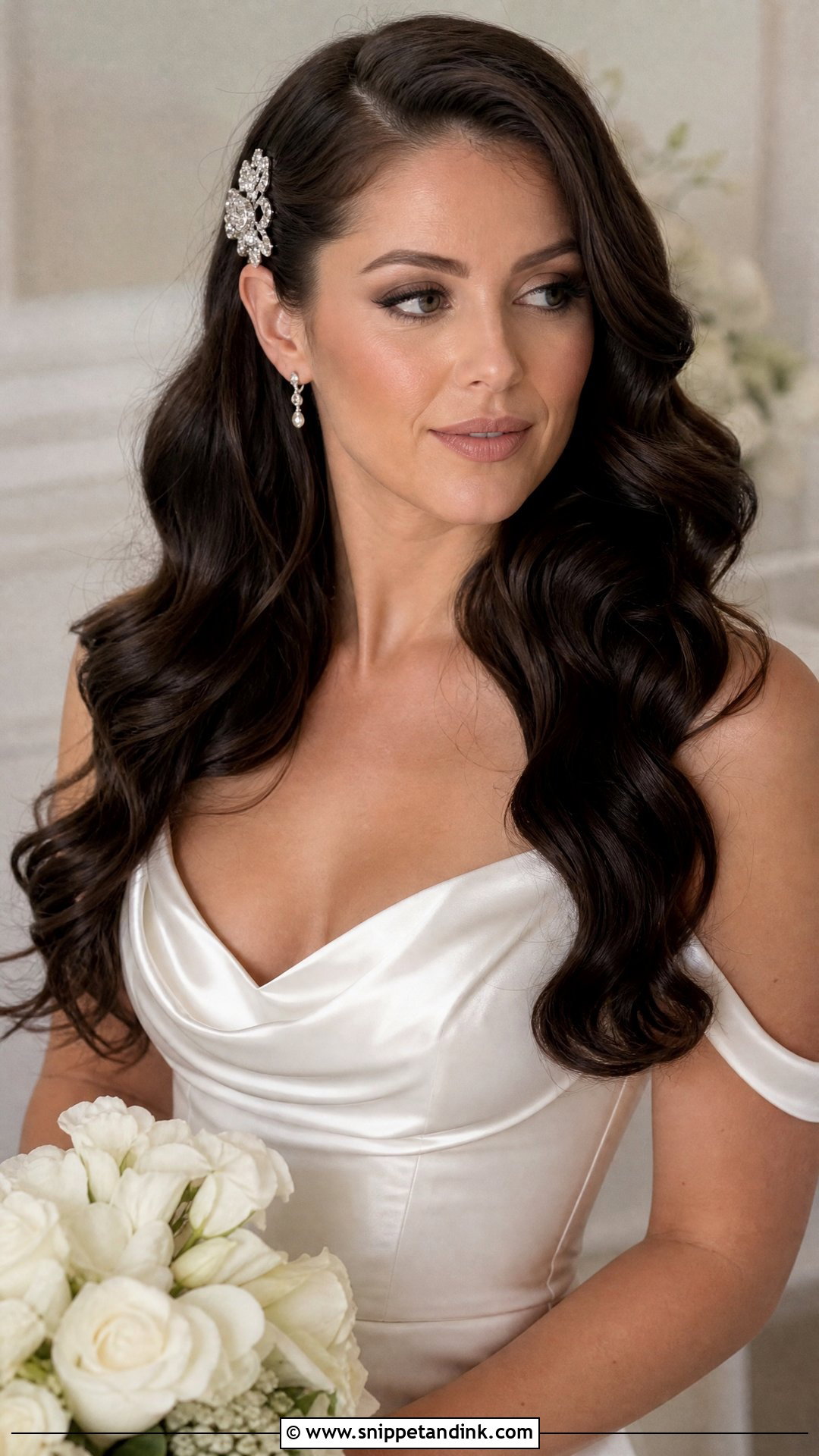
Hollywood waves are a single, sculpted ripple, not a head of separate curls, and voluminous waves like these take patience. I curl every section in the same direction with a large barrel, pin each curl to cool, then brush the whole lot out together so the waves link up. Shaping the crest with a flat clip while spraying sets the ridge. They suit satin gowns and vintage themes, and a sparkling pin above one ear is all the decoration they need. Humid weather is their enemy; more on that below.
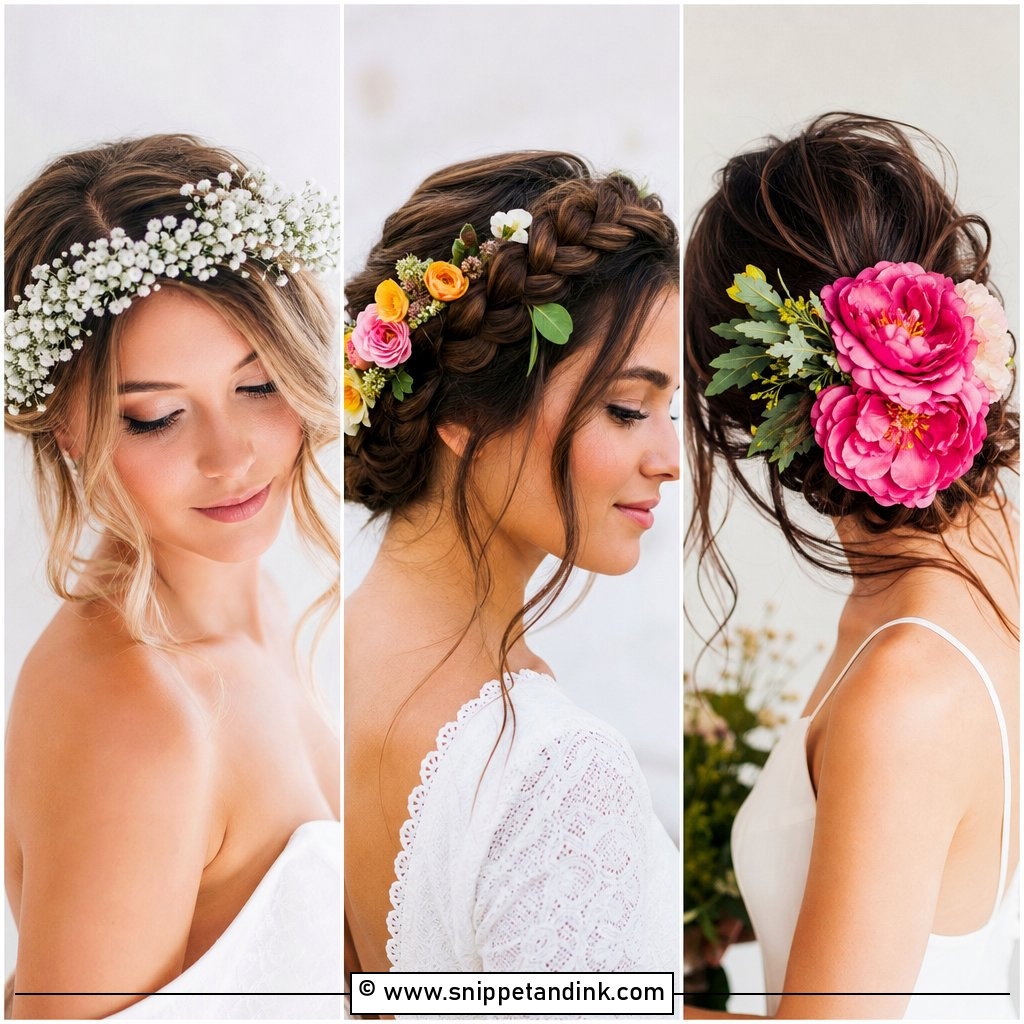
5. Boho Braided Crown Updo
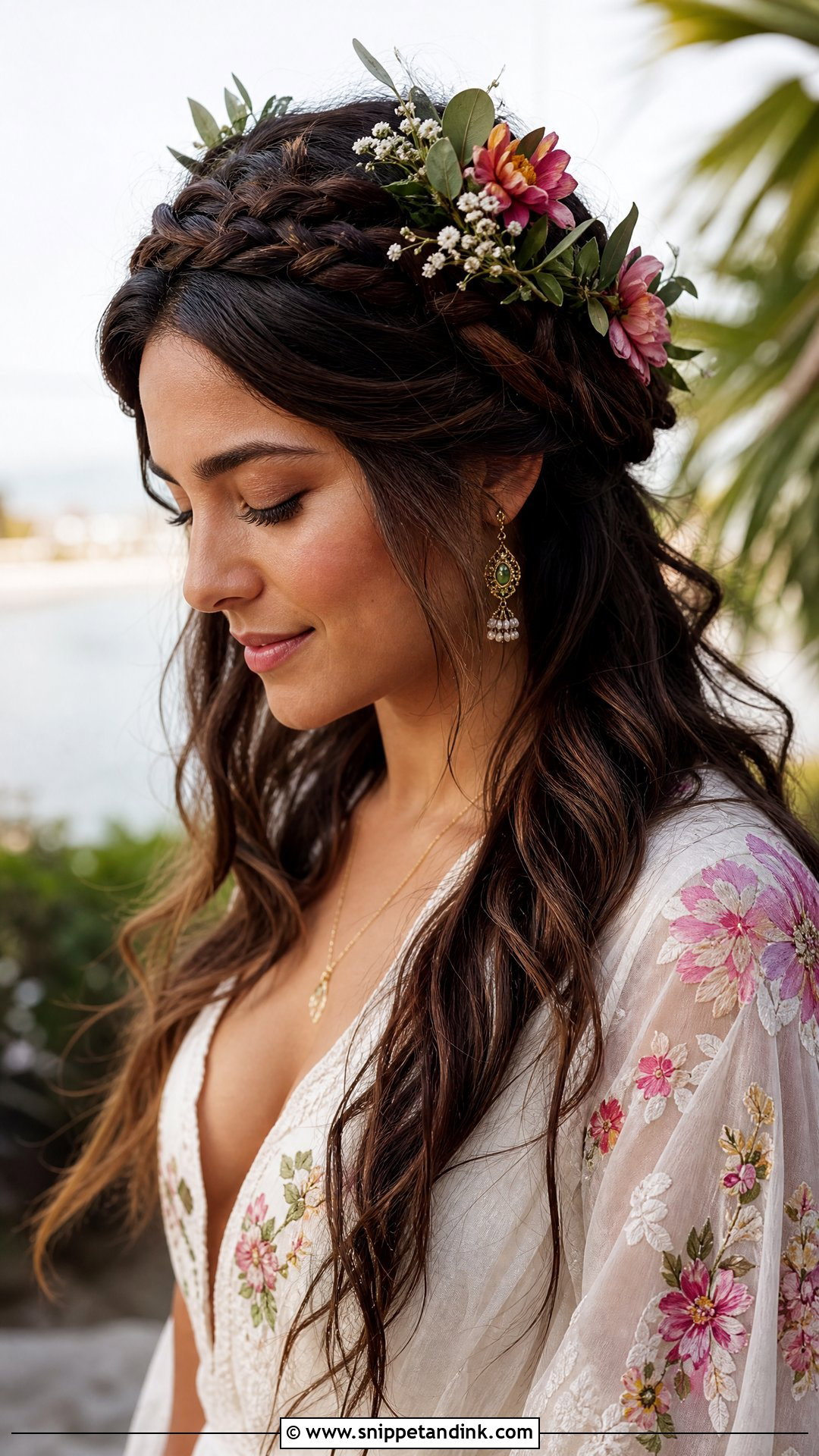
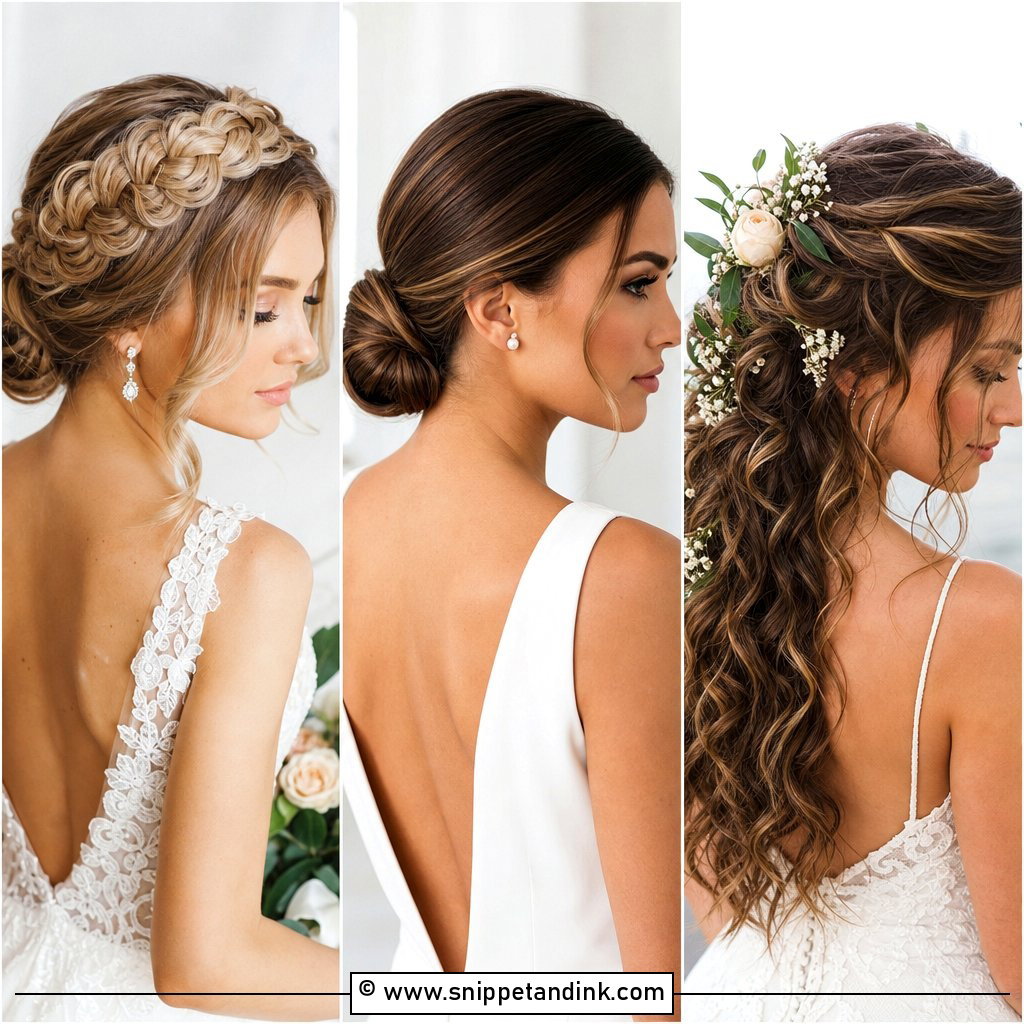
A braided crown sits like a halo and holds well in wind, which makes it a natural fit for garden and outdoor weddings. I braid from behind one ear over the top of the head and pin the tail beneath the braid on the other side, then loosen the loops. The rest of the hair can go into a soft updo or stay down. Fresh flowers tuck between the stitches. If you have heavy fringe or very short layers, expect some pieces to escape. I’d embrace them rather than fight them with gel.
6. Loose Romantic Curls
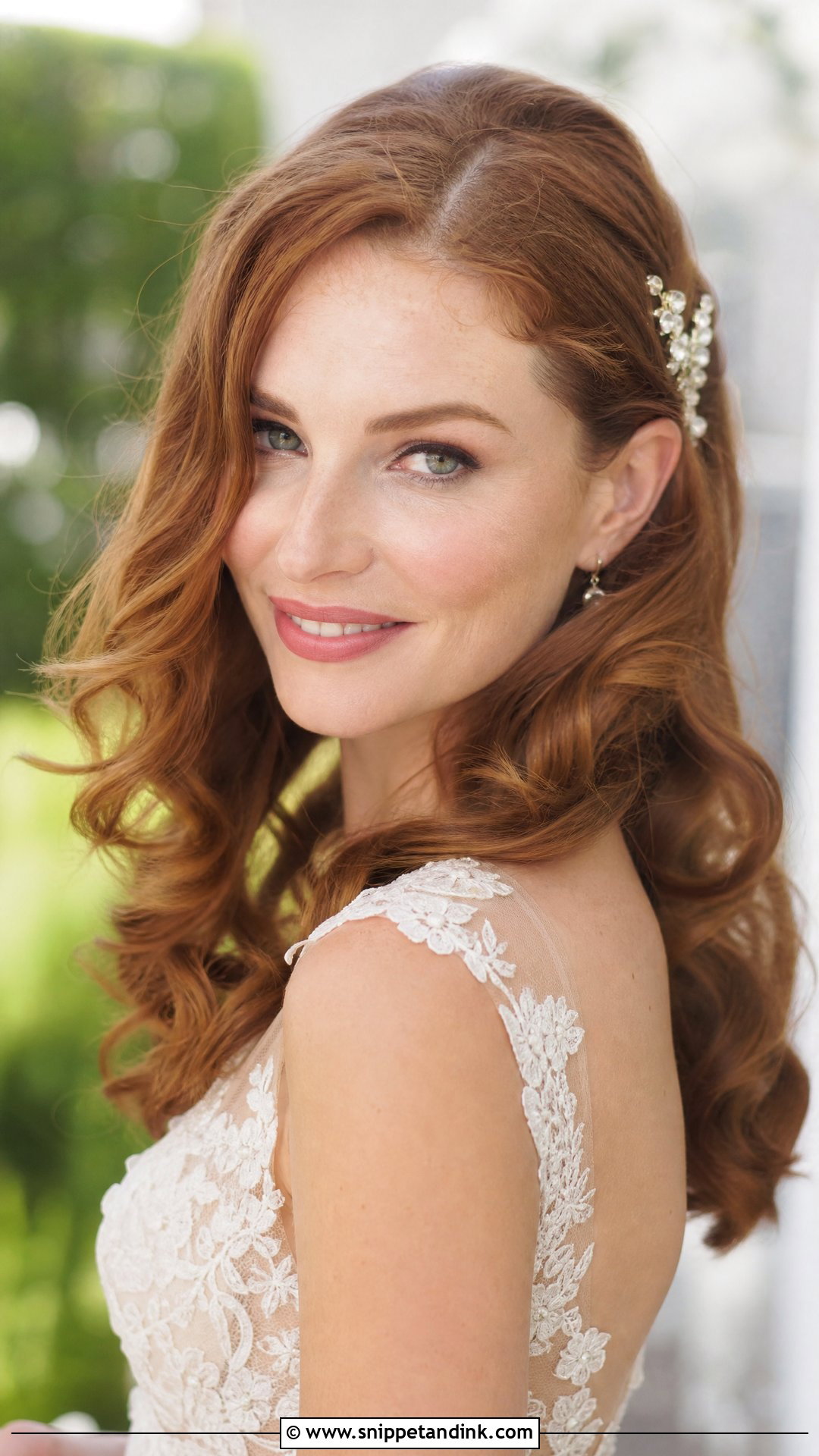
Loose curls look natural, which is exactly why they need more preparation than an updo. I set the curls with a light mousse, pin them to cool and brush them out gently, so they relax into waves without dropping straight. Pinning one side back with a small clip keeps hair out of your face during the ceremony. They suit lace and satin gowns and work with flower crowns or a veil. If your hair is very fine and straight, I’d build in a half-up section for security.
7. Fishtail Braid Wedding Style
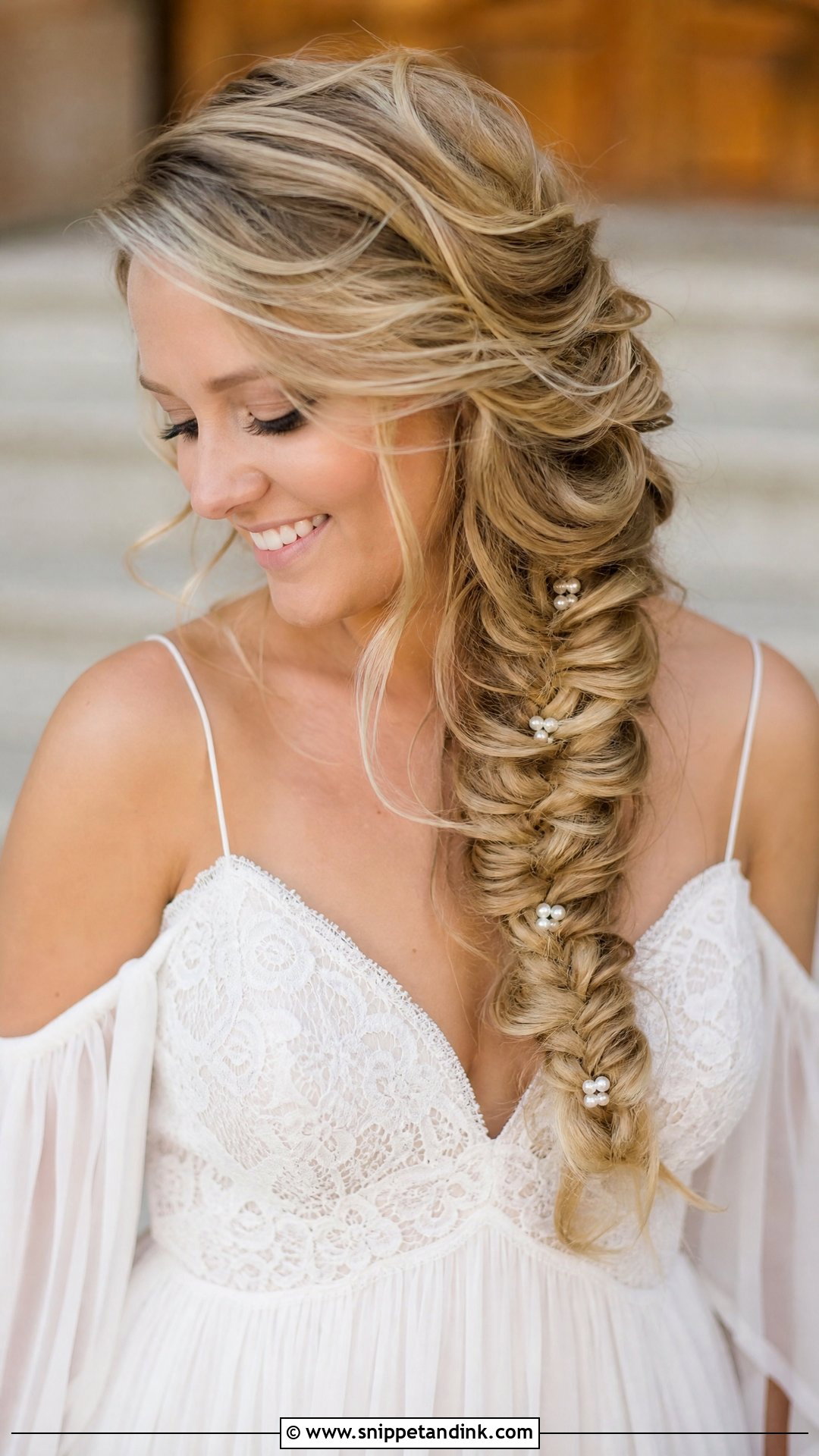
A fishtail looks complicated but is just two sections with small pieces crossed over, and long hair shows off the pattern best. Worn as a side braid over one shoulder, it is soft and practical: hair stays tidy for dancing. I tie it with a clear elastic and pull the edges outward to widen it. Pearls, tiny flowers or a ribbon can be threaded through. On silky, freshly washed hair, the strands slide out of a fishtail, so I add texture spray first.
8. Sleek High Ponytail for Brides
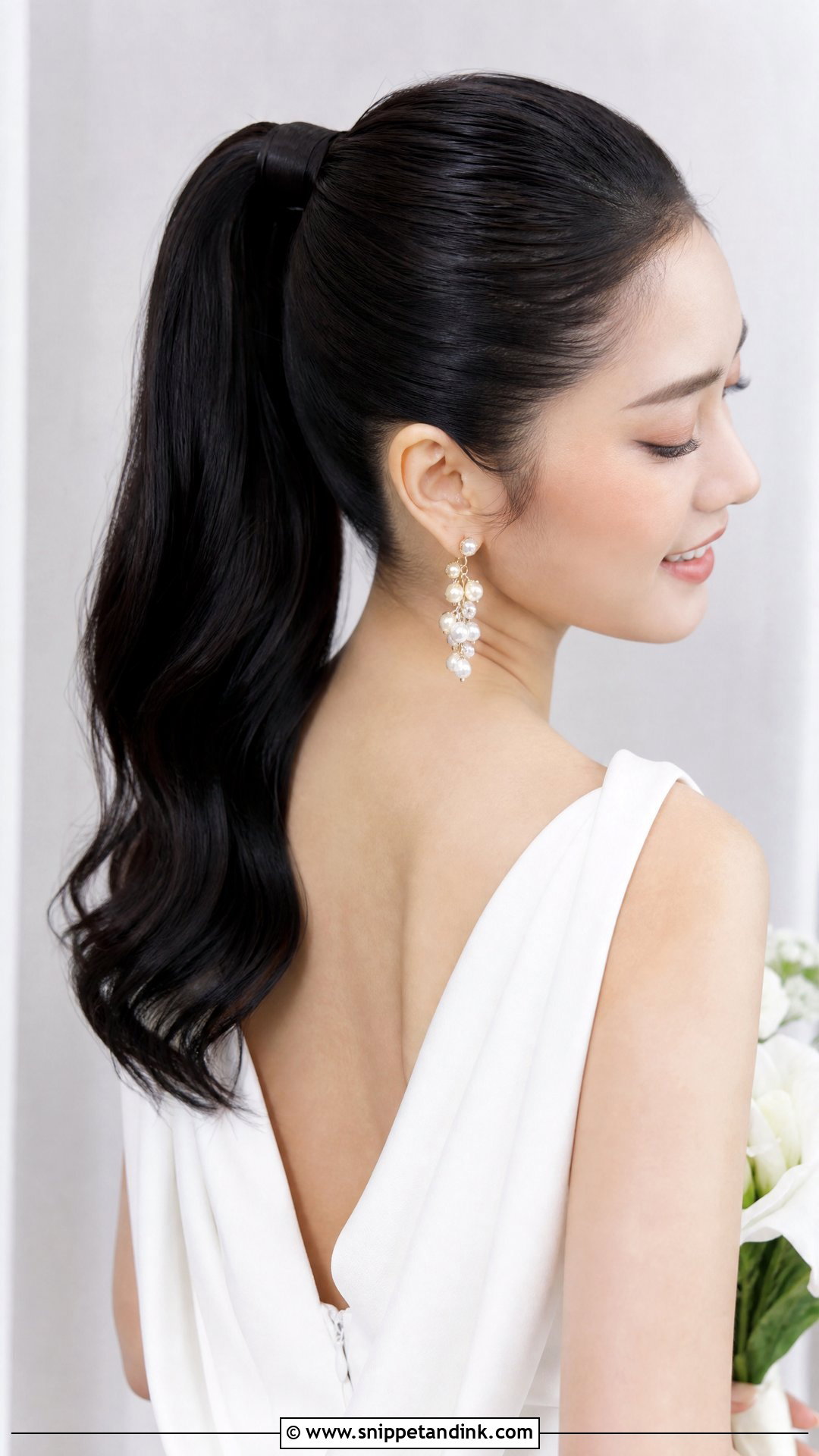
A high ponytail is a fashion-forward choice, and long hair gives it real swing. I smooth the crown with a brush and gel, secure it with two elastics for strength, and wrap a strand around the base to hide them. The weight of a long ponytail pulls on the scalp, so if you are prone to headaches I’d position it a little lower, around the crown rather than the top. Waves in the tail add movement. Statement earrings and a contemporary gown suit it best.
9. Twisted Low Bun Updo
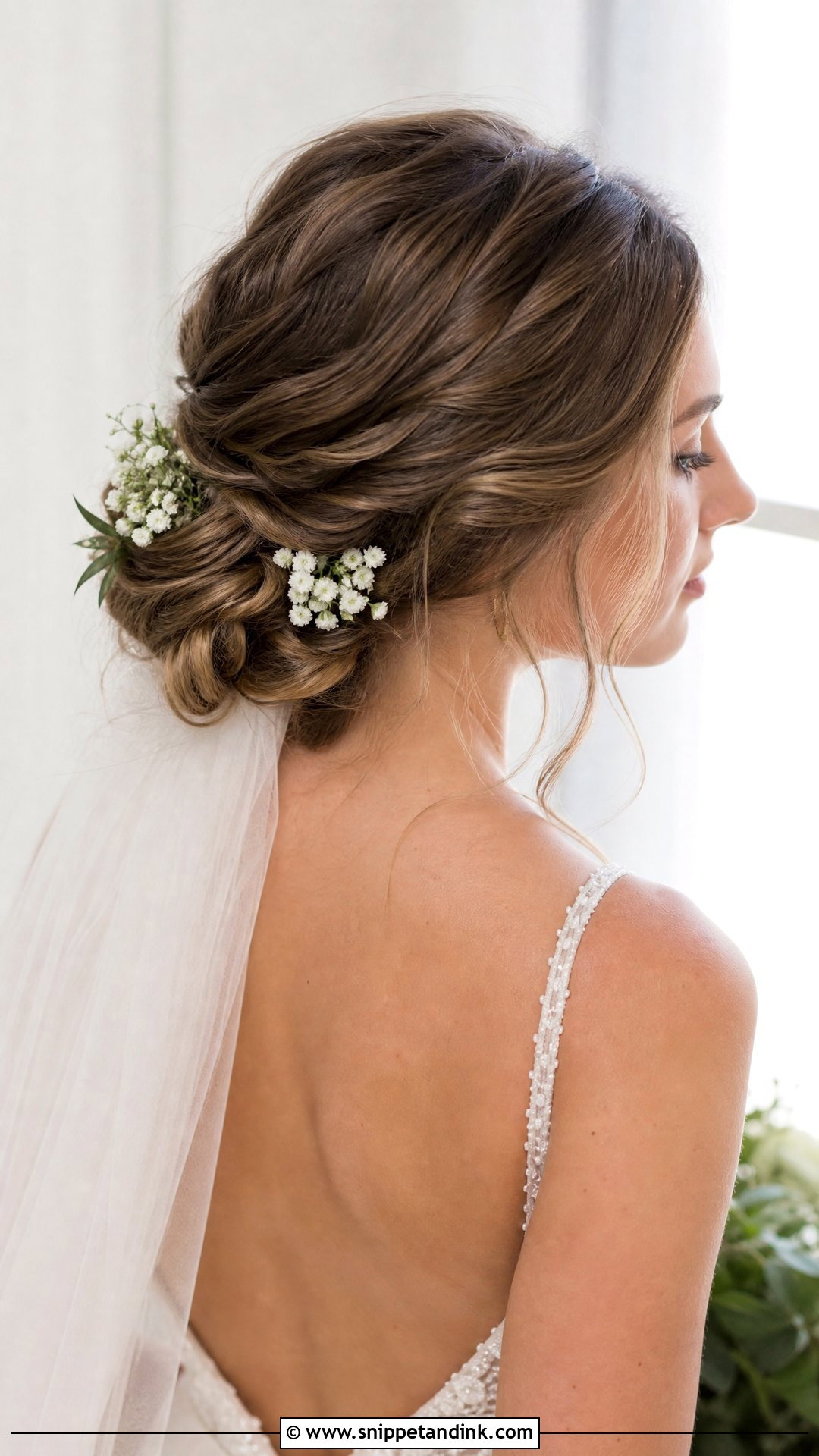
A twisted low bun is built from rope twists looped and pinned at the nape. It holds better than a plain bun because each twist locks the next in place. Long hair gives it fullness without padding. I leave a few tendrils loose at the face and set them so they don’t frizz. Flowers or small accessories tuck neatly into the twists, and a veil sits comfortably above them. It suits classic and bohemian weddings equally.
10. Dutch Braid Updo
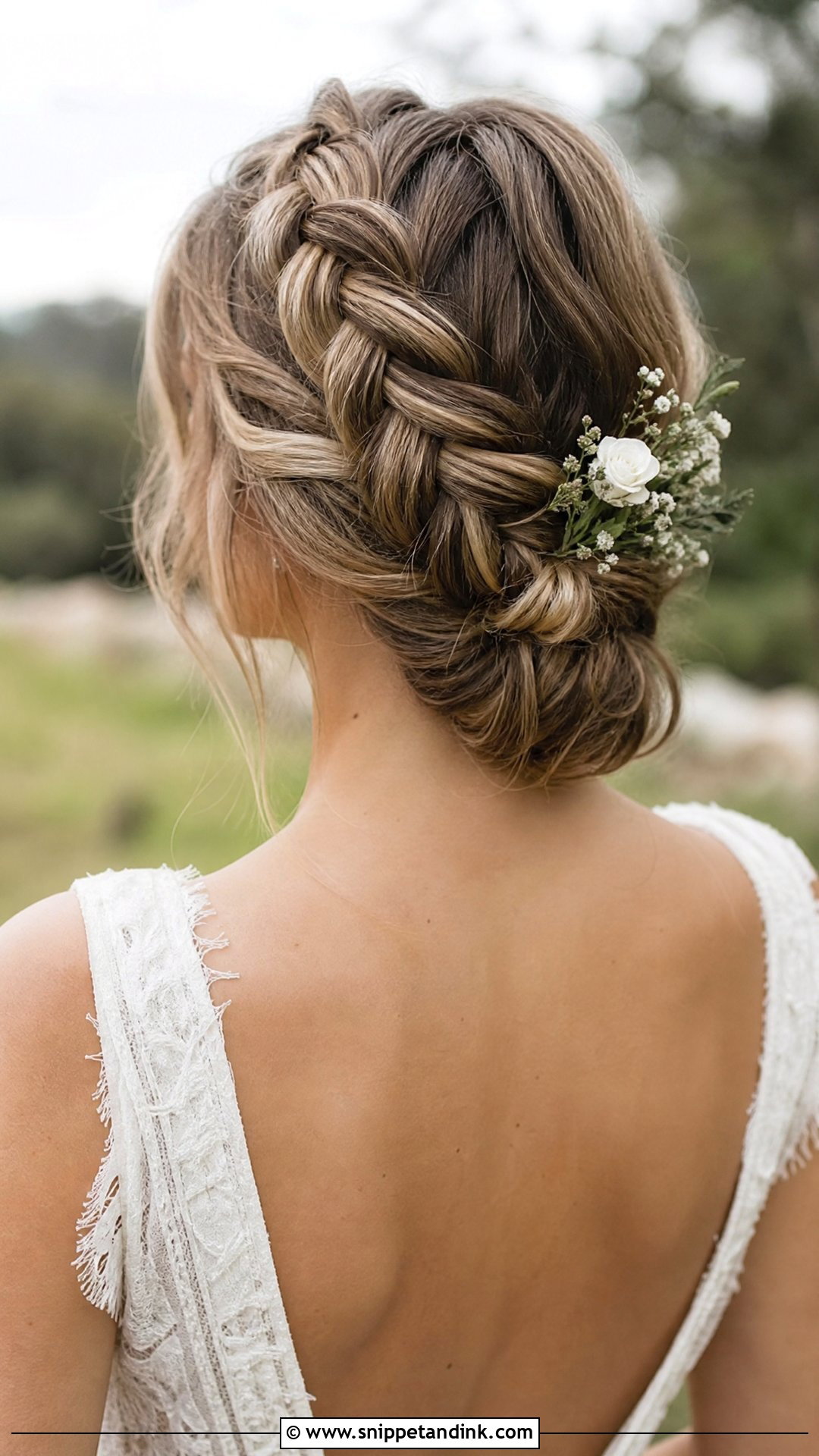
Dutch braids are worked by crossing strands under, which makes raised, three-dimensional plaits that sit on top of the hair. Two braids running back into a low bun is one of the most secure styles I know. It survives long days and dancing. I pancake the braids gently to make them wider and fuller. Thick hair gives the boldest result; fine hair can still do it, but the braids will be slimmer. Small flowers along the braid finish it.
11. Side Swept Curls With Hair Accessory
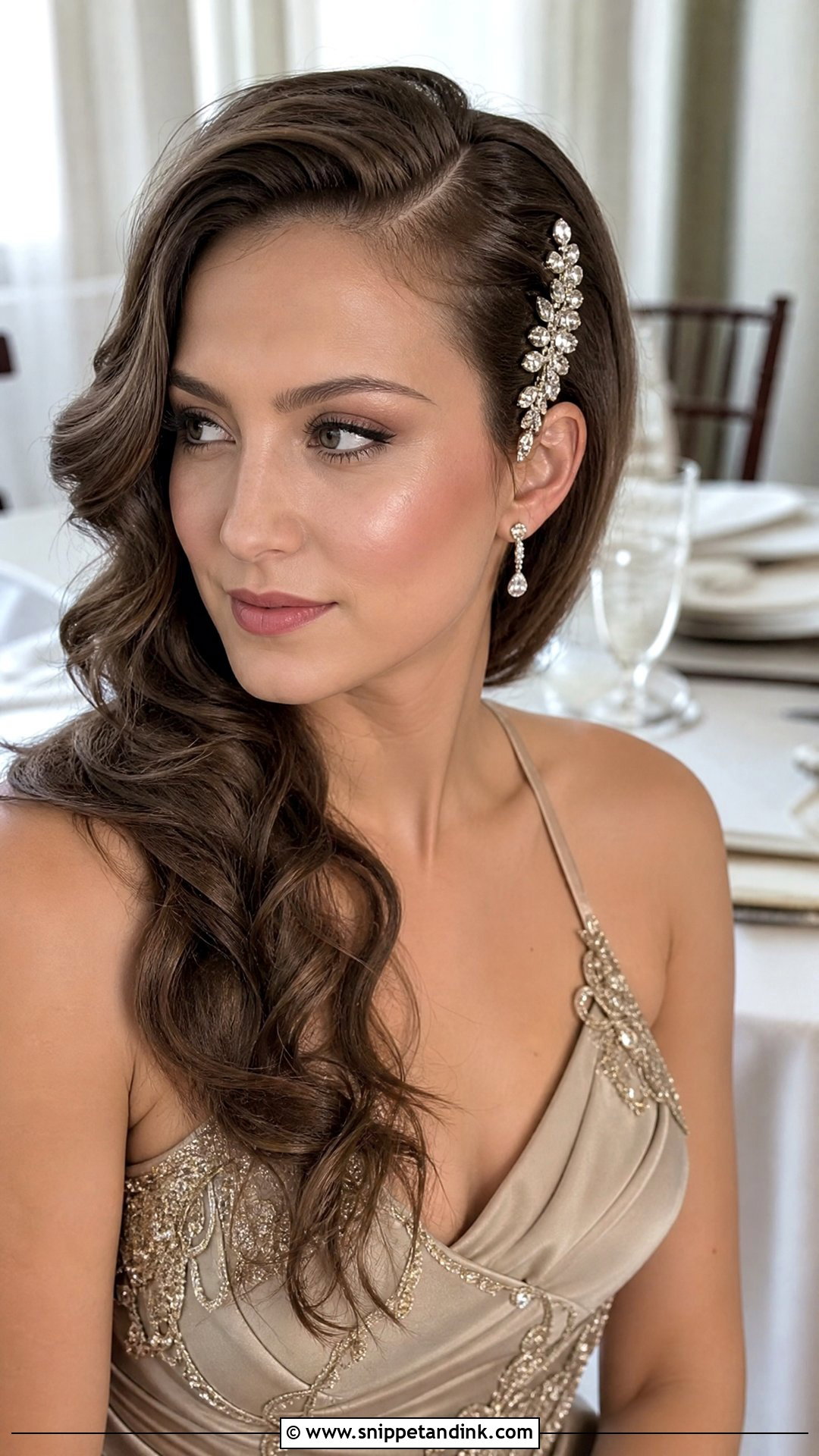
Side-swept curls gather everything over one shoulder and leave the other side open for an earring or a jewelled comb. I hold the sweep with a row of crisscrossed pins behind the ear on the bare side; without them, the weight of long hair slides back to the middle within the hour. It suits off-shoulder and vintage-inspired gowns. On very thick hair, the swept side can feel heavy, so I keep the ends looser.
12. Bubble Braid Wedding Hairstyle
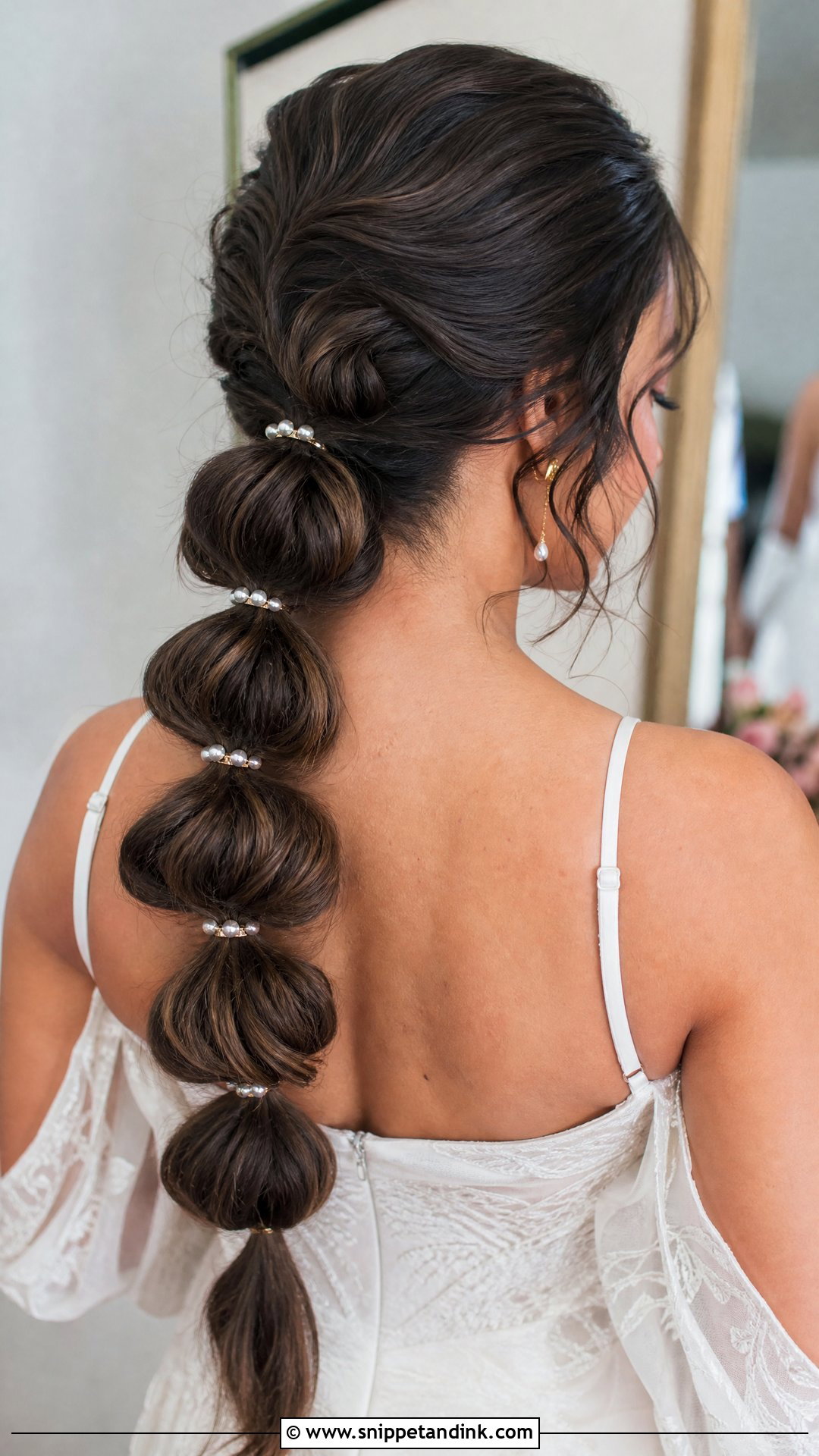
The bubble braid is a ponytail divided with small clear elastics, with each section gently pulled out into a rounded bubble. It is playful and modern, and it is very secure. Long hair gives it more bubbles and a better shape. I space the elastics evenly and use the same tension on each, because uneven bubbles are the giveaway of a rushed job. Tiny pearls or flowers can sit between sections. It is best for a relaxed or contemporary wedding.
13. Messy Low Bun With Face Framing Pieces
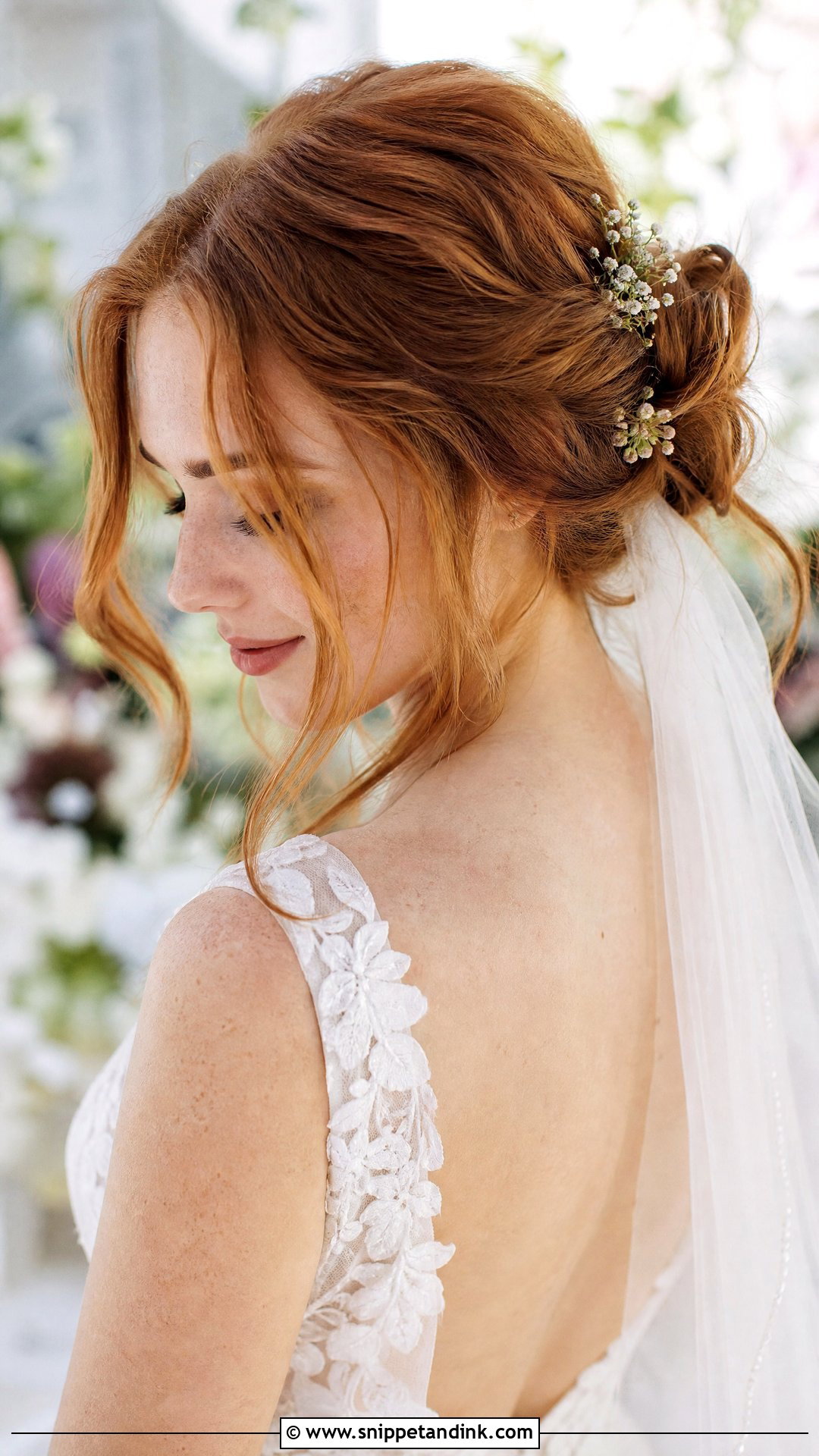
A messy low bun is built neat and loosened afterwards. I make a low ponytail, wrap the hair around it loosely, pin it and then pull out pieces at the face and nape. Building it messy from the start just makes it fall apart. Tendrils soften the features and move nicely in photos. Small blooms or pearl pins add detail, and a veil drapes well from just above it. It suits garden, beach and bohemian weddings.
14. Waterfall Braid for Long Hair
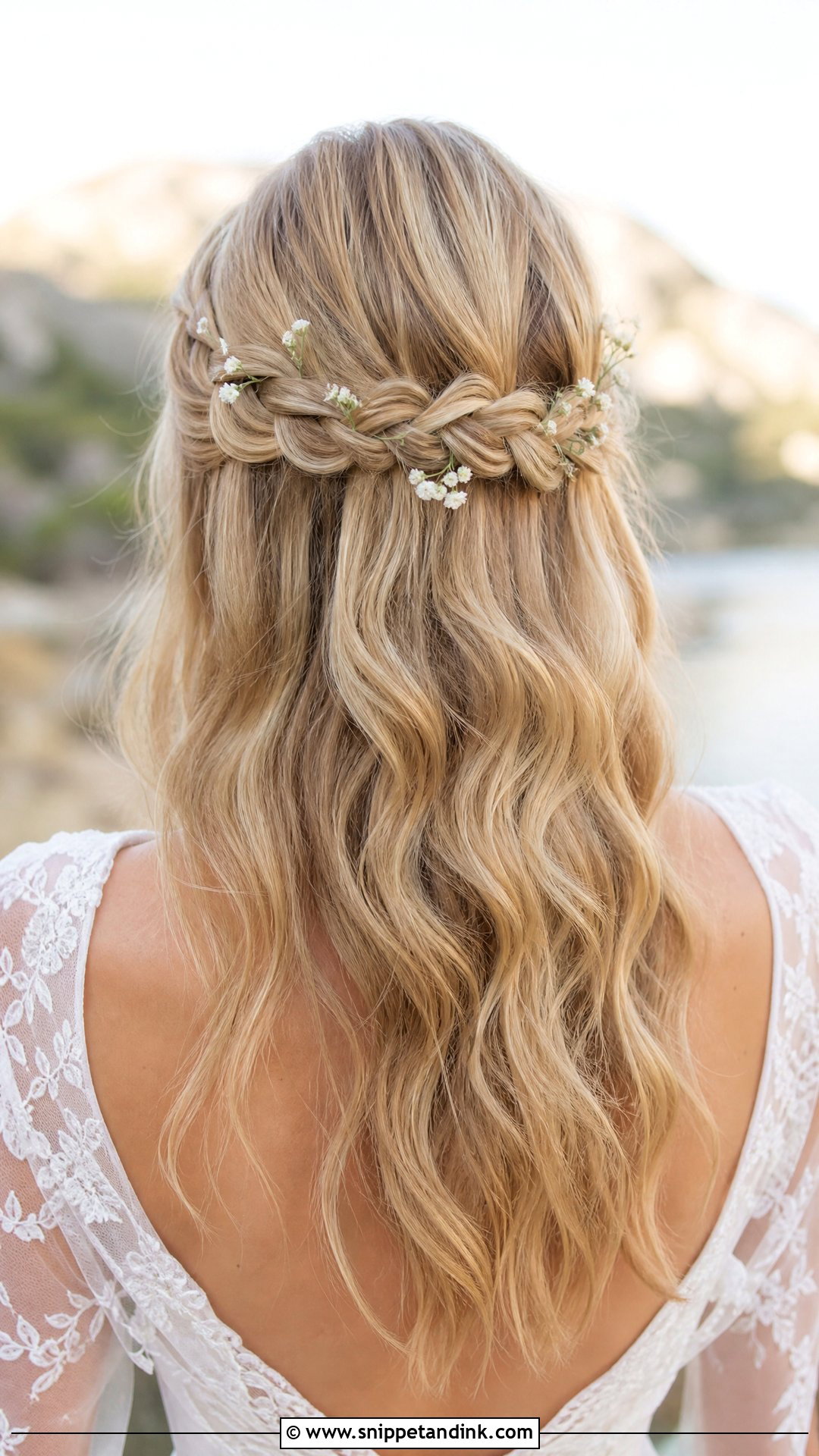
A waterfall braid runs horizontally around the head, dropping one strand at each stitch so it falls through. It is a half-up style that shows off long, wavy hair particularly well. I braid it fairly tight because it loosens as the day goes on, and I curl the dropped strands so they stand out from the rest. Very fine hair can make the braid look sparse. It is at its best when photographed from behind.
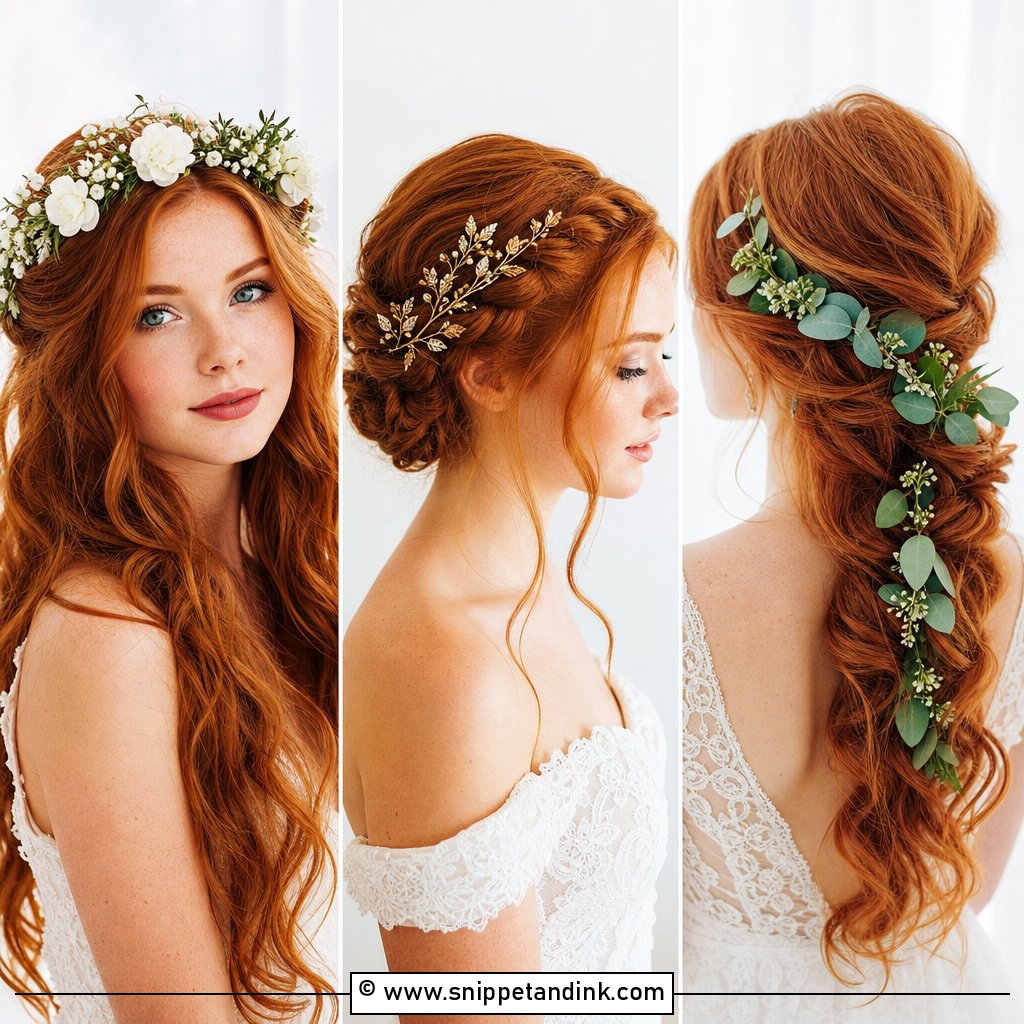

15. Vintage Finger Waves Updo
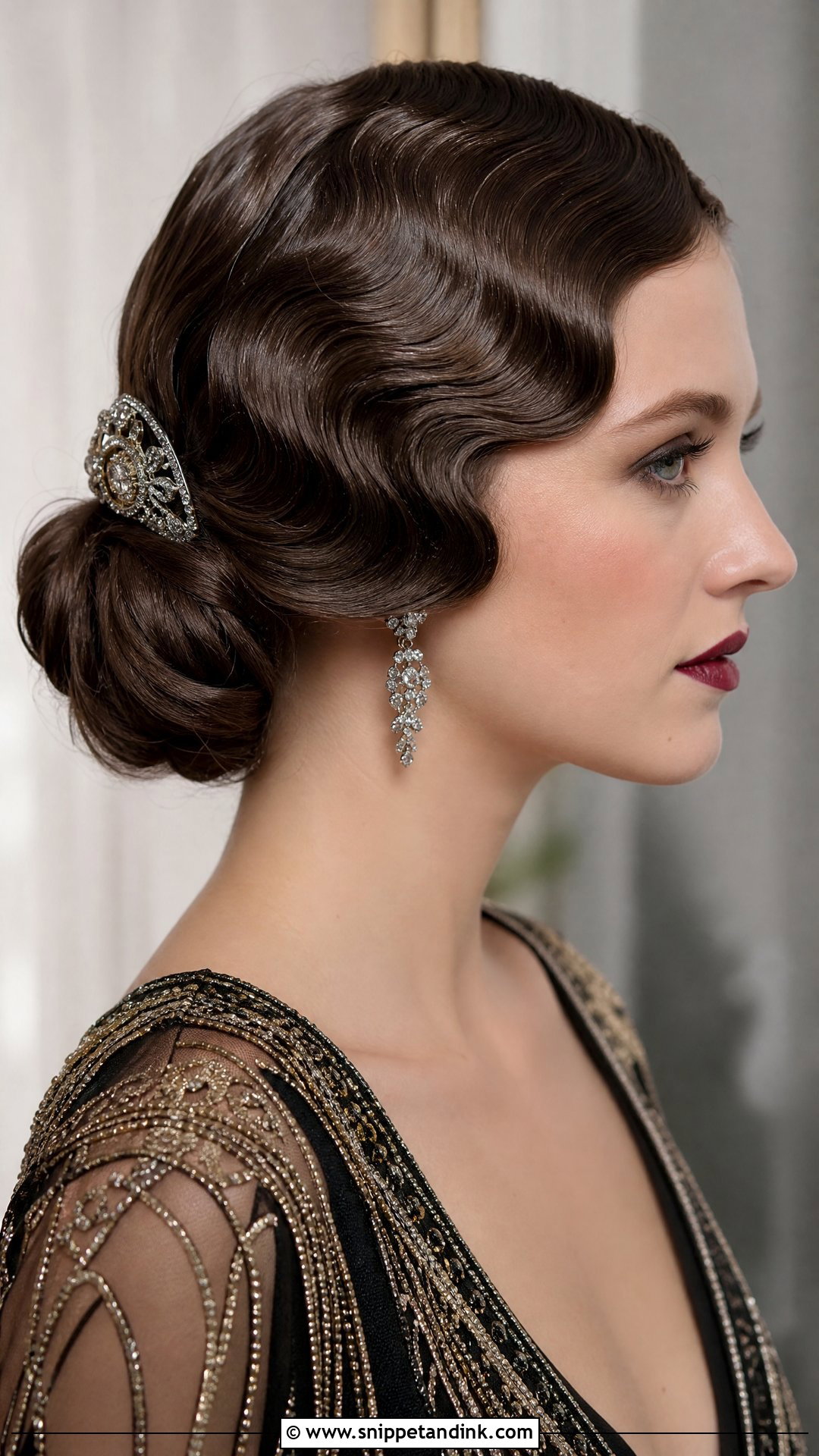
Finger waves are sculpted S-shapes set close to the head, and on long hair I usually do them around the face only, tucking the length into a low bun. Full-length finger waves lose definition under the hair’s weight. I set them with gel and duckbill clips, or shape them with a flat iron and pin curls, and then let them dry fully before removing the clips. A vintage comb, a bold lip and statement earrings complete the art deco feel.
16. Half Up Top Knot With Waves
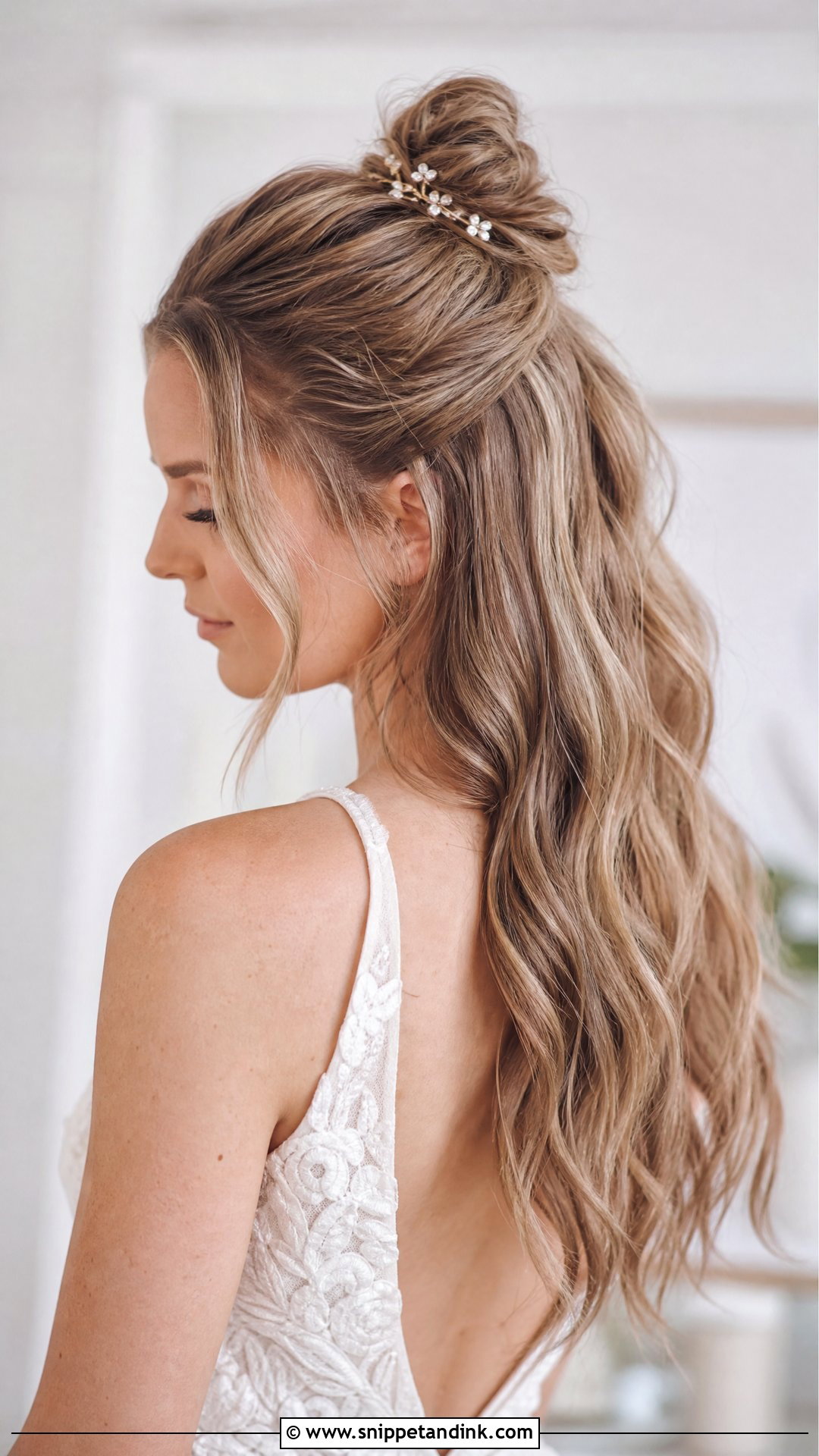
A half-up top knot lifts the crown and keeps the length on show, with a younger, more playful feel than a classic half up. I secure the top section in a ponytail, twist it into a small knot and pin it around the base. On very long hair, the knot can get big; I thin it by using only the front half of the top section. The rest flows in soft waves. A small clip or a few pins at the knot add sparkle. It suits relaxed, modern weddings.
17. Braided Low Ponytail
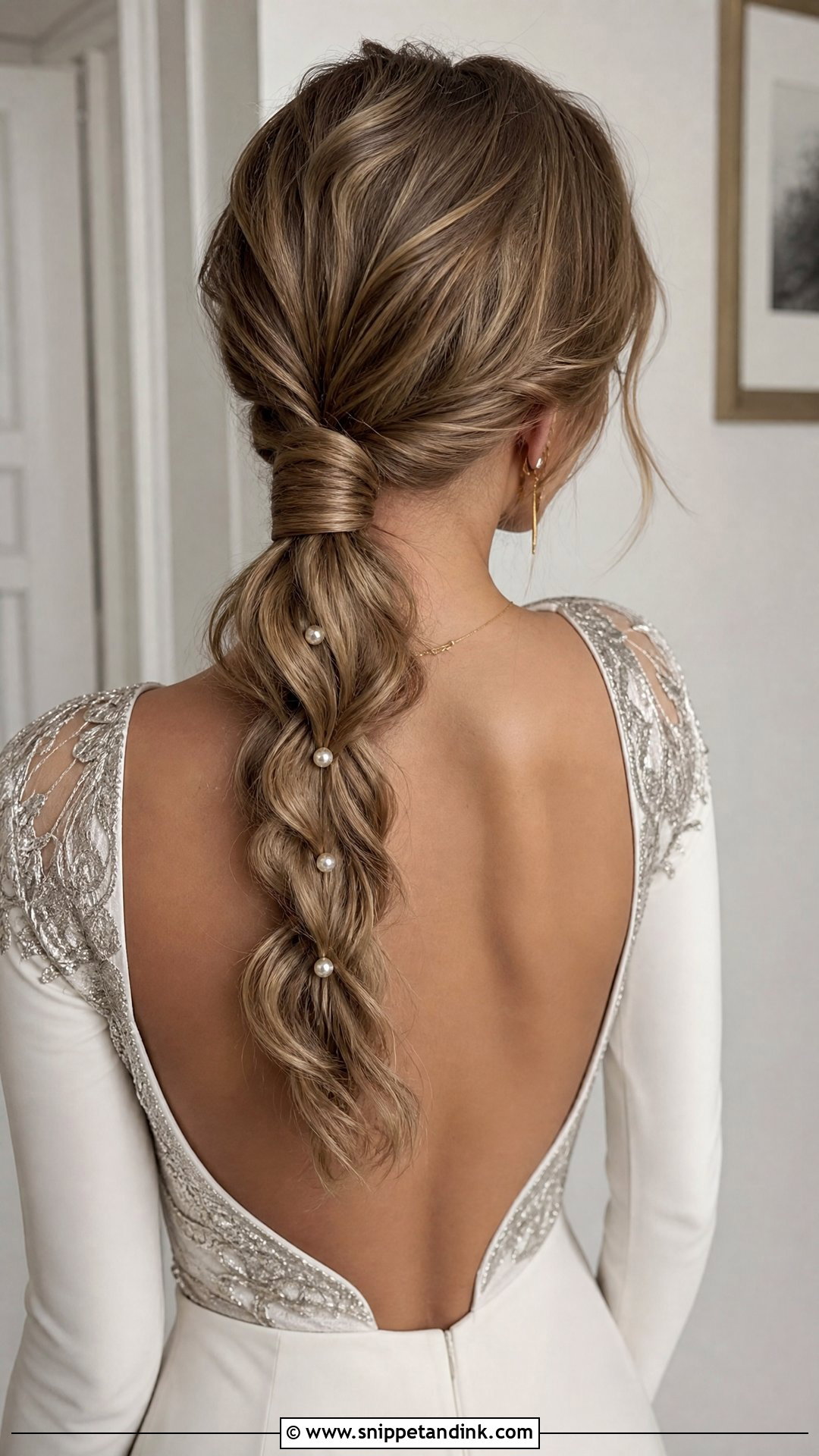
A braided low ponytail is practical and polished: secure at the nape, with a braid running down the length. I wrap a strand around the base to hide the elastic, then loosen the braid slightly for fullness. It is one of the best options for a bride who wants her hair off her neck but doesn’t like the feel of pins. Small flowers or pearls can be tucked along the braid. It works well with both rustic and modern gowns.
18. Flower Adorned Loose Updo
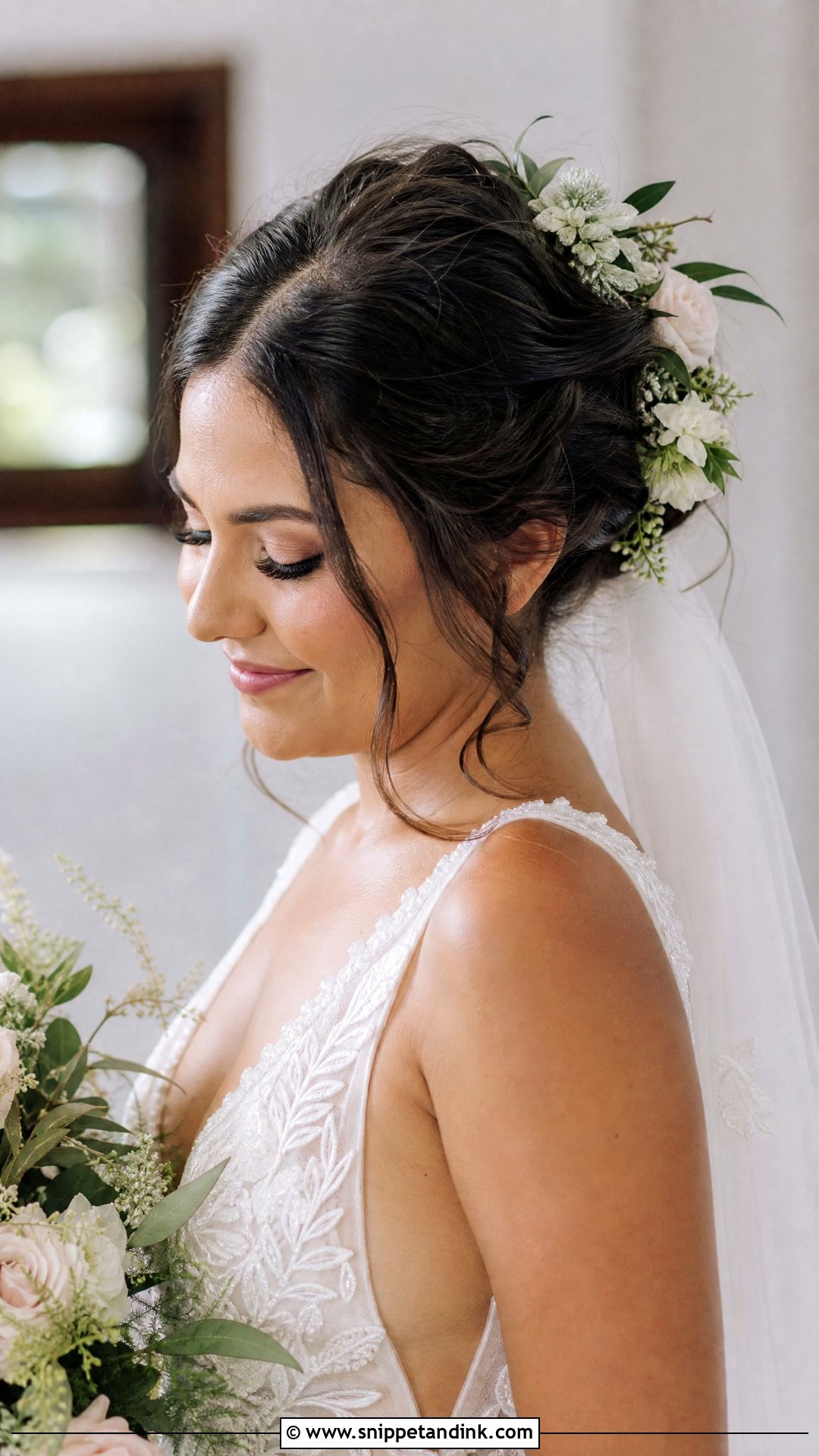
A loose updo with fresh flowers is garden romance in hair form. I gather the hair loosely and pin it in sections, then tuck small blooms and greenery throughout. Choose flowers that survive out of water, such as spray roses, waxflower or baby’s breath, and talk to your florist about prepping them. I add flowers last, after all the heat styling, pinning through the stem. A few pieces left free at the face soften it. It suits outdoor and spring weddings.
19. Glamorous Volume Blowout
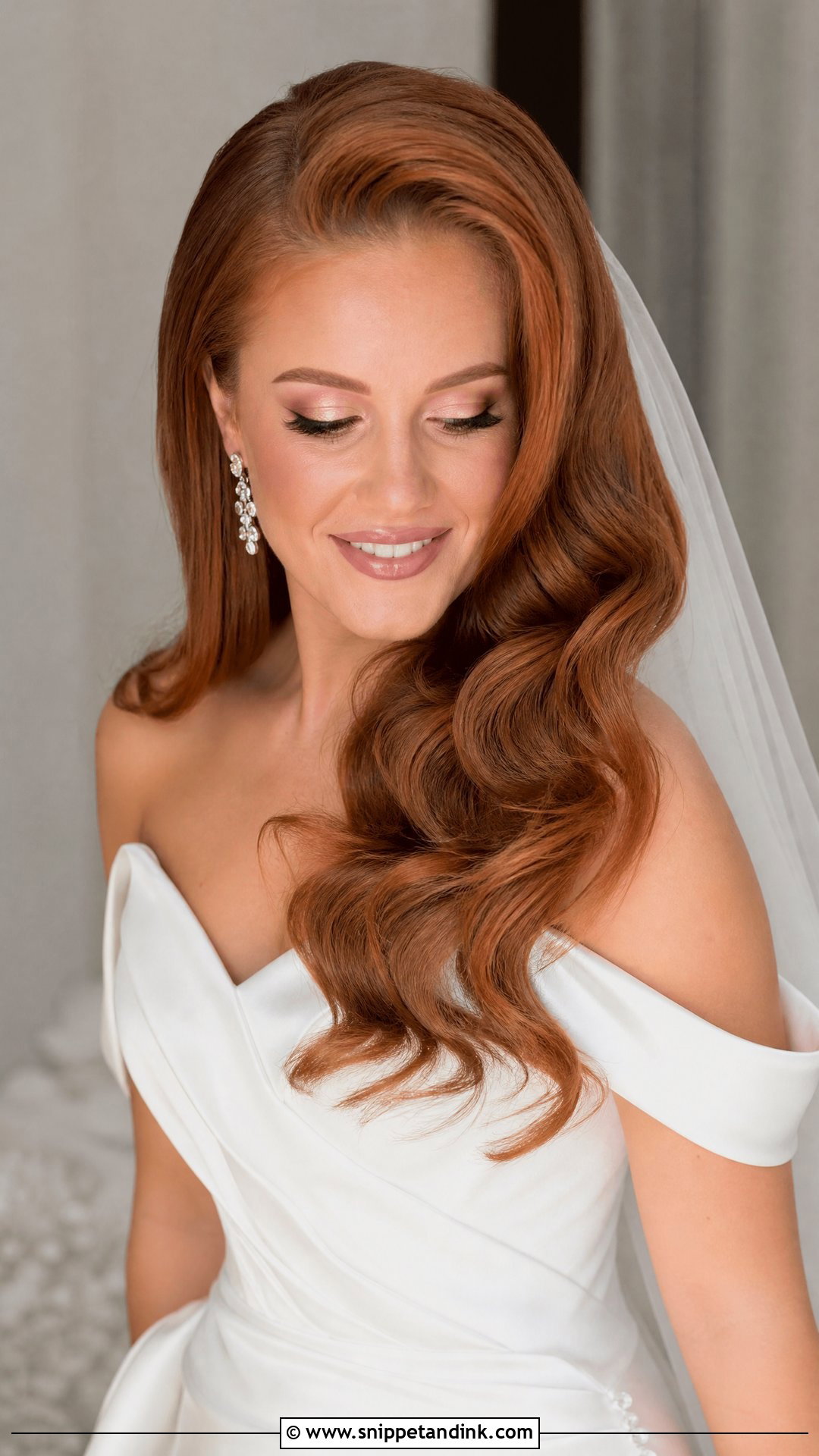
A big blowout is the simplest-looking style here and one of the most work. A glamorous blowout on long hair means drying section by section with a round brush, setting the volume with velcro rollers and letting it cool before brushing out. The volume drops first at the roots, so I use a root lift spray and a little dry texture spray to hold it. A deep side part adds drama. It suits sleek gowns, but in humid weather it is the first style to give up.
20. Side Braid With Loose Waves
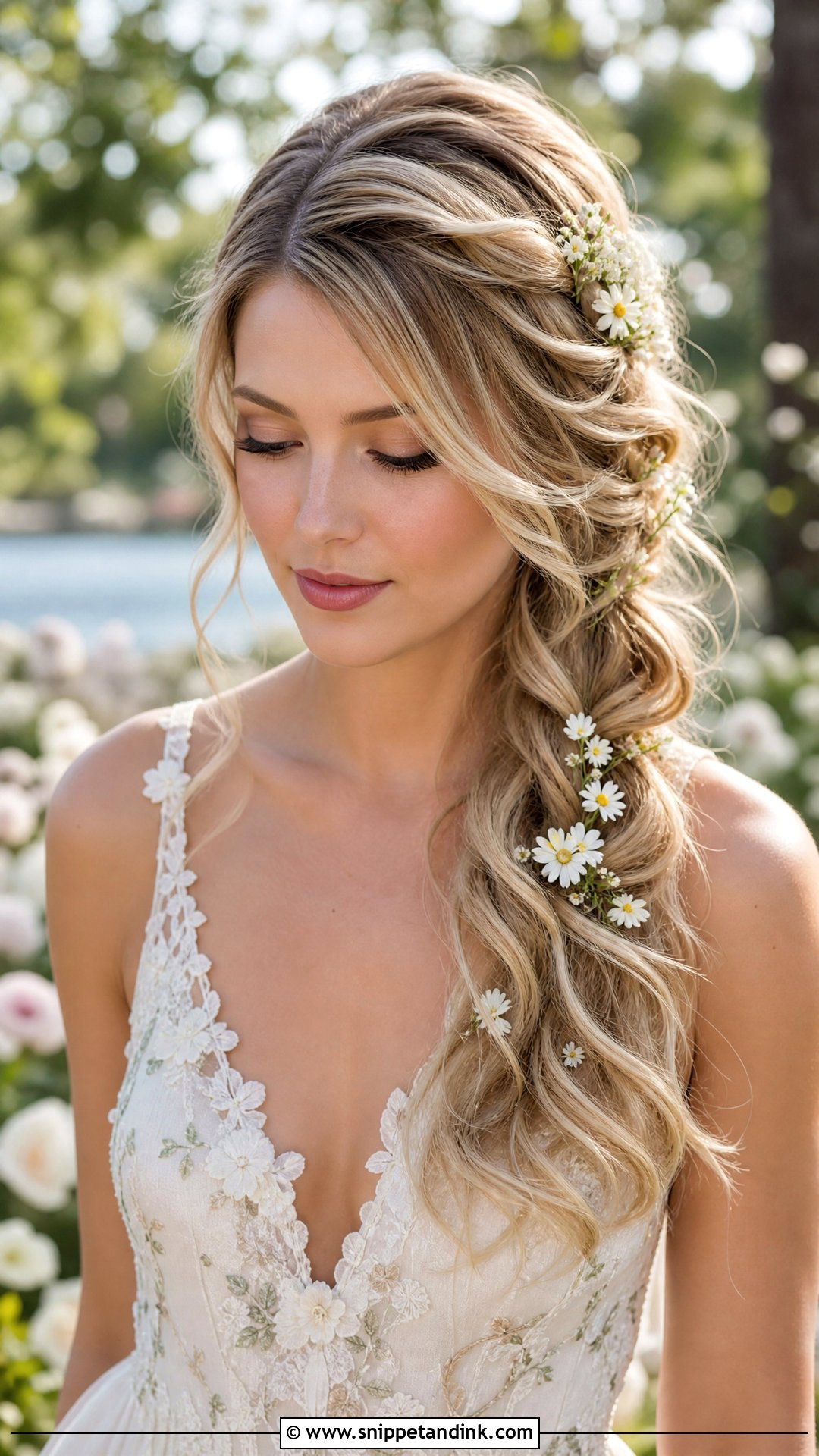
A side braid with loose waves combines structure at the top with flowing length at the bottom. I start the braid behind one ear, sweep it across to the shoulder and let it melt into waves, loosening it slightly for softness. It keeps the hair draped over one side, which looks romantic in photos. Tiny flowers or pearls tuck in easily. On beach and garden weddings with wind, it is one of the most reliable options on this list.
Rain, Wind or Sticky Heat, and Which of These Styles Survive It
Weather does more damage to wedding hair than anything else, and long hair feels it more because there is more of it to frizz and more weight pulling curls flat. Here is how I’d group the styles above if the forecast looks bad.
- Most reliable in humidity and wind: Dutch braid updo, braided crown, braided low ponytail, bubble braid, twisted low bun. Braids and twists don’t rely on curl to look finished.
- Fine with some preparation: low chignon, French twist, sleek high ponytail. Keep smoothing product to hand for flyaways.
- Risky in humidity: Hollywood waves, the volume blowout, loose curls and finger waves. All depend on a set that moisture undoes.
If you’ve set your heart on waves and the forecast is wet, I’d use an anti-humidity spray, curl tighter than the final look you want so the drop works in your favour, and pin one side back so there is less loose hair to frizz. And have a plan B agreed at the trial, so you’re not deciding on the morning.
Your Dress, the Venue and the Forecast Should Pick the Style
Long hair gives you more options than any other length, from a French twist to flower-filled updos and Hollywood waves. The right style depends on your dress, the venue, the weather and how you want to feel walking down the aisle. Book a trial, bring photos of your dress and veil, and test how the style feels after a few hours rather than just how it looks when it’s done. Then trust your instincts.
You'll Like These Ideas:


Leave a Reply