
Natural bridal hair is the look I’m asked for most, and the one people most often underestimate. Loose waves, soft buns, open braids and undone texture look as if they took ten minutes. In reality they need the same planning as a formal updo, because hair left to its own devices for a full wedding day tends to go flat or frizzy. What makes them natural is that they work with your texture instead of against it. The twenty ideas below cover long layers, short curls and sleek straight hair, with notes on what holds up and what doesn’t.
Undone Hair Needs More Structure Than It Shows
Every loose, lived-in style on this list hides more work than a sleek updo does. Polished styles are held by tension and spray. Soft styles have neither, so they depend on how the hair is prepped and anchored underneath. When a natural look falls apart before the first dance, it’s almost always the foundation that failed, not the curls.
What happens before a soft style goes in
- Hair is washed when it behaves best for you (for most people the night before or that morning), fully dried, and given a mousse or texture spray. Very oily roots make curls slide out.
- Each curl is pinned in a loop against the head to cool. Brushing out warm curls is the quickest way to lose them.
- Hidden anchors go in early: a small ponytail, a tiny braid or bobby pins crossed in an X wherever accessories and the veil will sit.
- Texture gets pulled out last. Loosening a style after it’s secured keeps the shape; loosening first leaves nothing to hold.
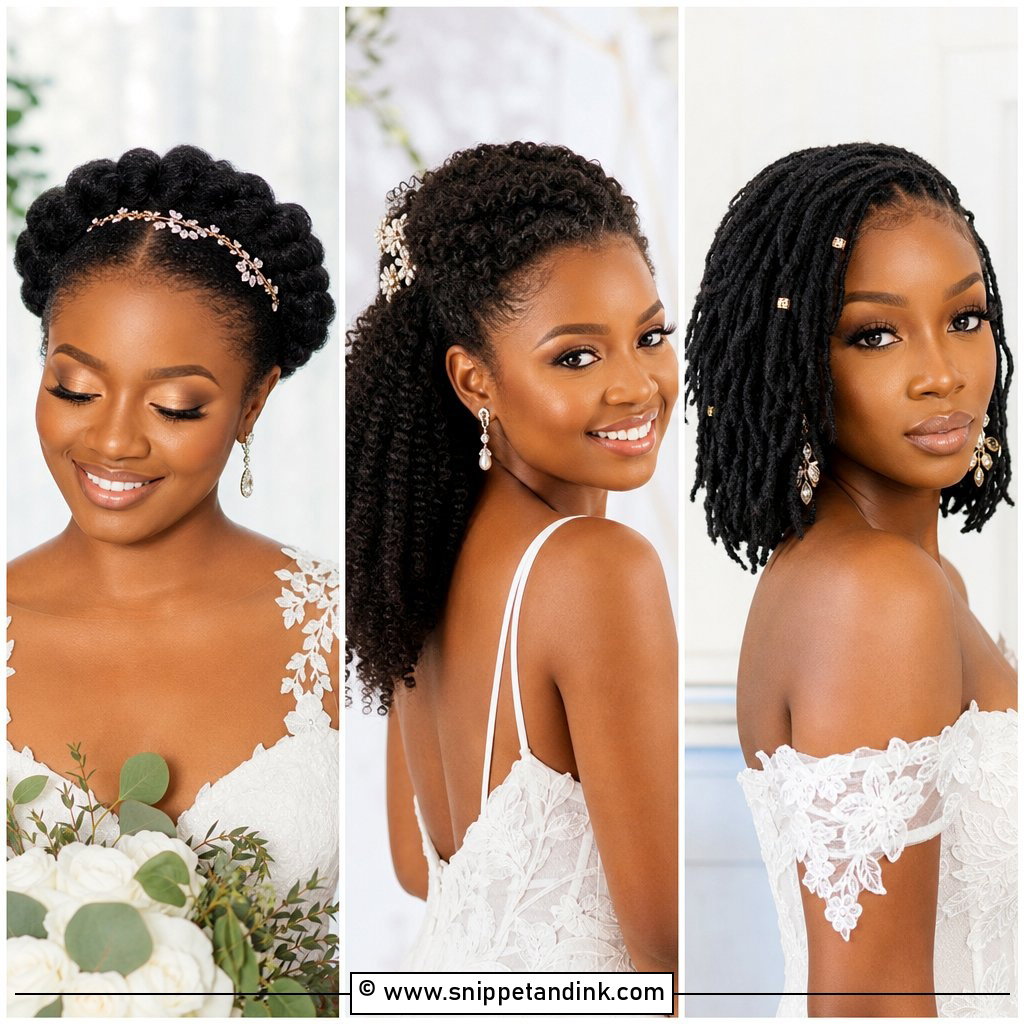
Hair type changes the recipe. Fine, straight hair needs grip products and more pins. Thick or coarse hair holds curl well but needs pins placed to carry its weight. Naturally curly hair usually does best styled from its own pattern rather than straightened and re-curled.
1. Natural Cascading Waves for Brides
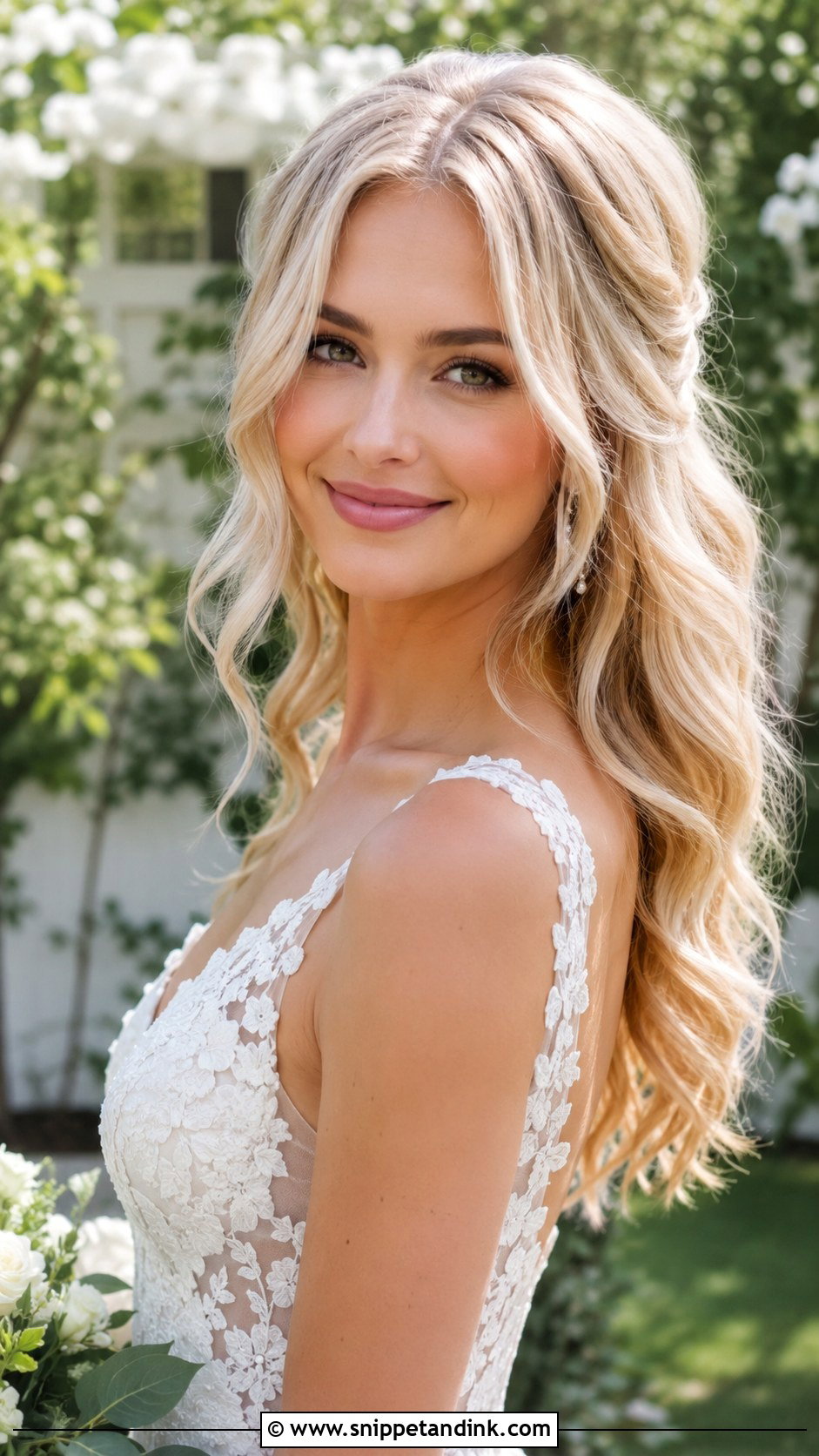
Loose waves are the heart of natural bridal hair, and they need medium to long length to fall properly past the shoulders. I curl with a large barrel, then pin each curl up to cool before brushing anything out; a curl that cools in shape lasts hours longer than one brushed while warm. A texturising spray adds grip without crunch. A few face-framing pieces soften the front, though on fine hair I keep them minimal because they’re the first to drop. They come alive in candid and outdoor shots, at a beach or in a garden.
2. Half-Up Half-Down Wedding Hair
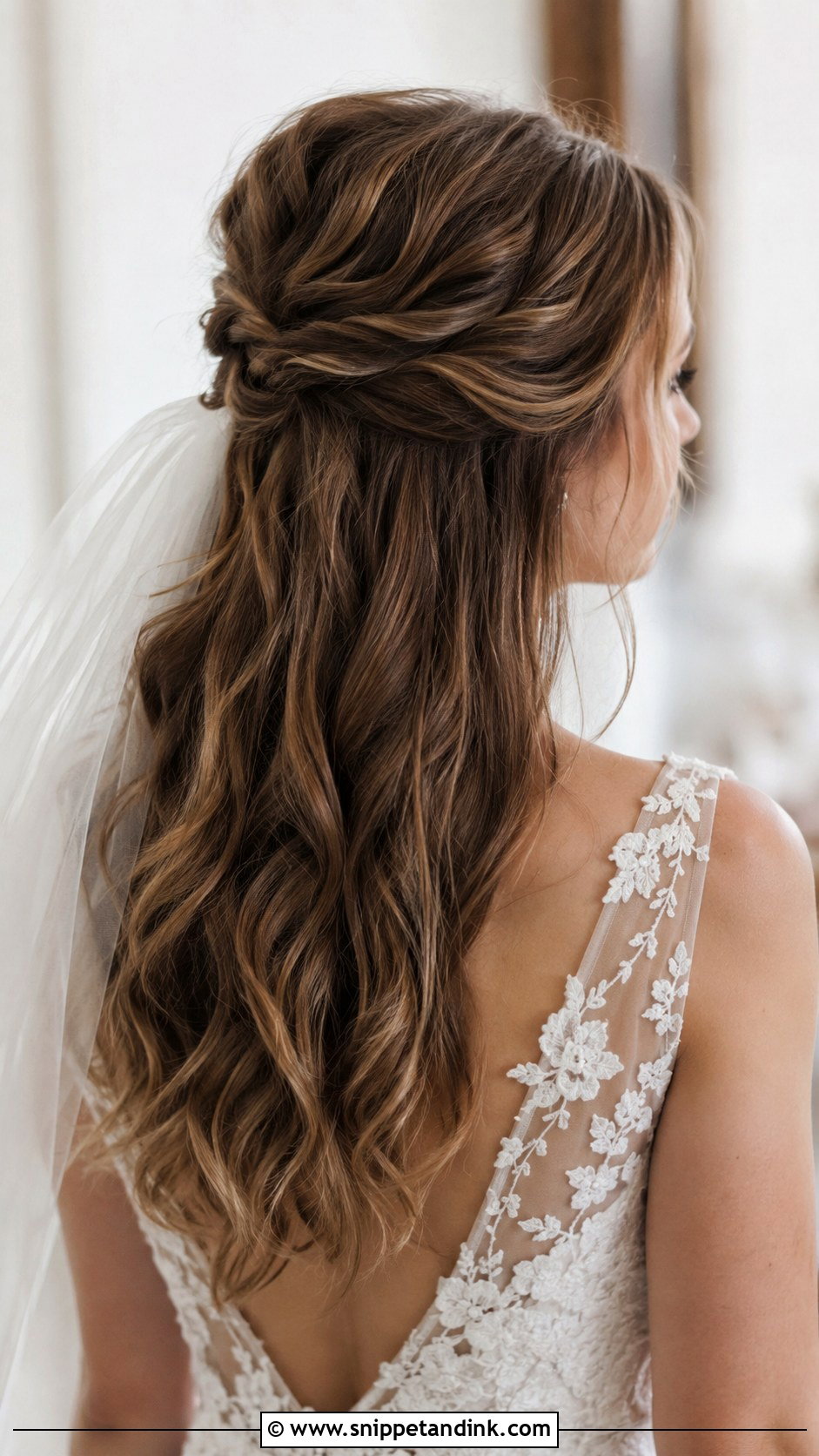
Half-up, half-down survives every trend cycle because it solves two problems at once: hair off the face, length still on show. I secure the top section with a small twist or a delicate braid and anchor it with crossed bobby pins underneath, since the weight of a veil comb usually lands right there. The rest stays loose in gentle waves. Almost any length from the collarbone down works. And if you get warm at the reception, the loose lengths can be swept into a quick low bun around the anchor that’s already there.
3. Messy Low Bun for Brides
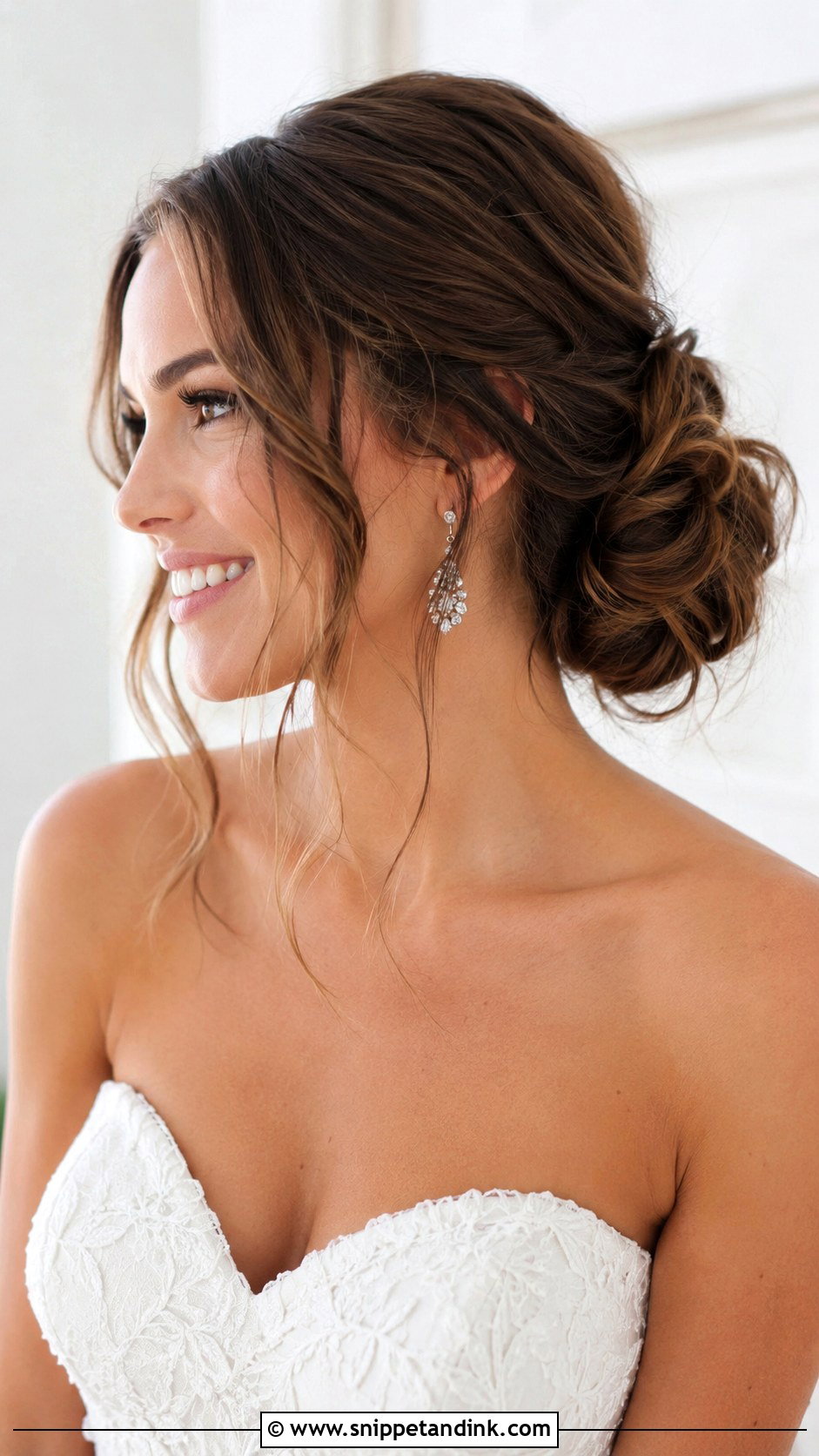
A messy low bun has to look accidental and hold as if it isn’t. Sitting at the nape keeps it clear of a veil comb placed above it and comfortable against a chair back. I build a tight hidden base, either a small ponytail or two crossed pins, and loosen the texture over the top, so the shape stays put however many people hug you. A few tendrils at the face soften the front. It keeps hair off the neck in warm weather and leaves room for statement earrings. One small floral pin is plenty.
4. Boho Braided Updo for Weddings
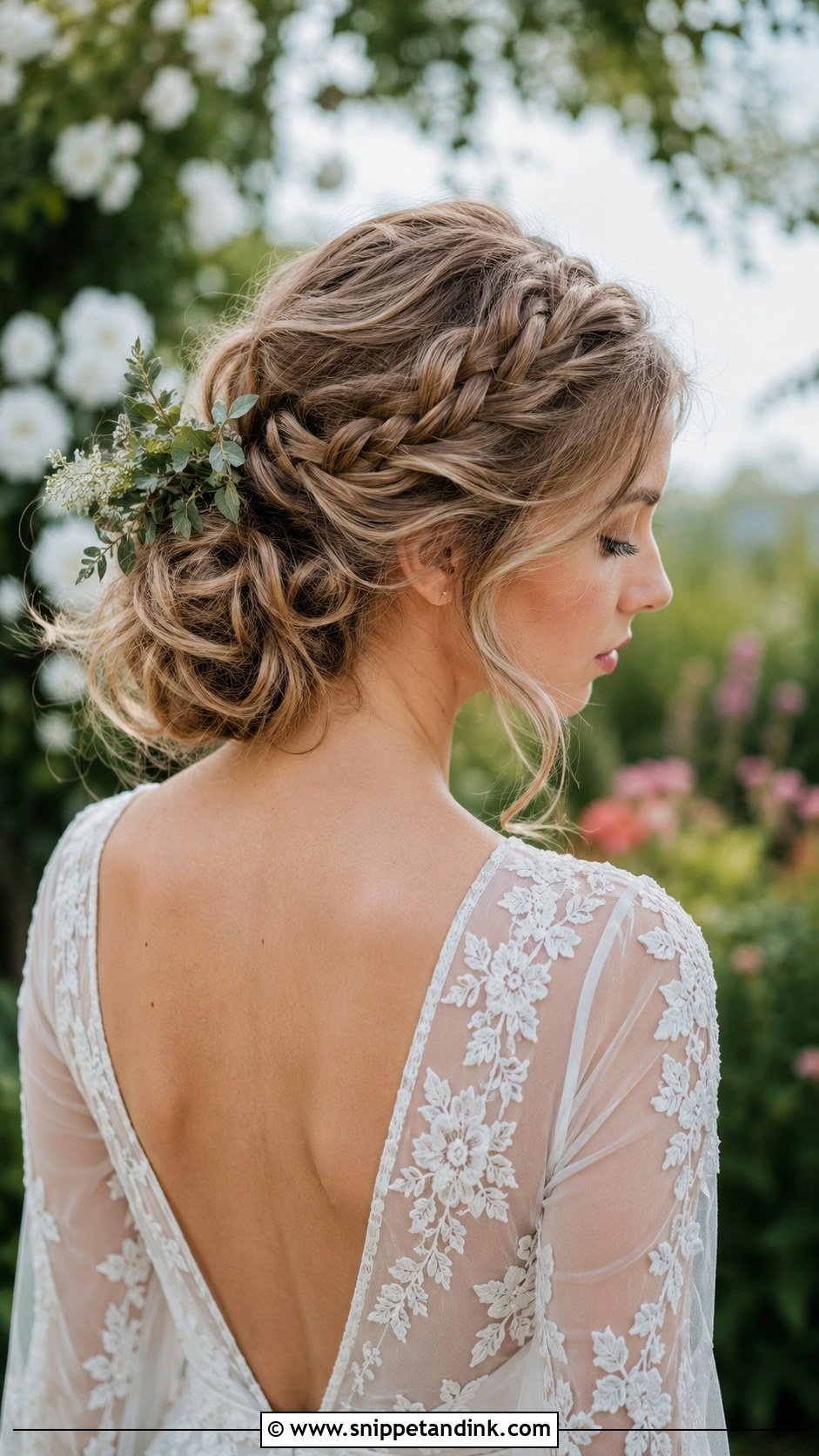
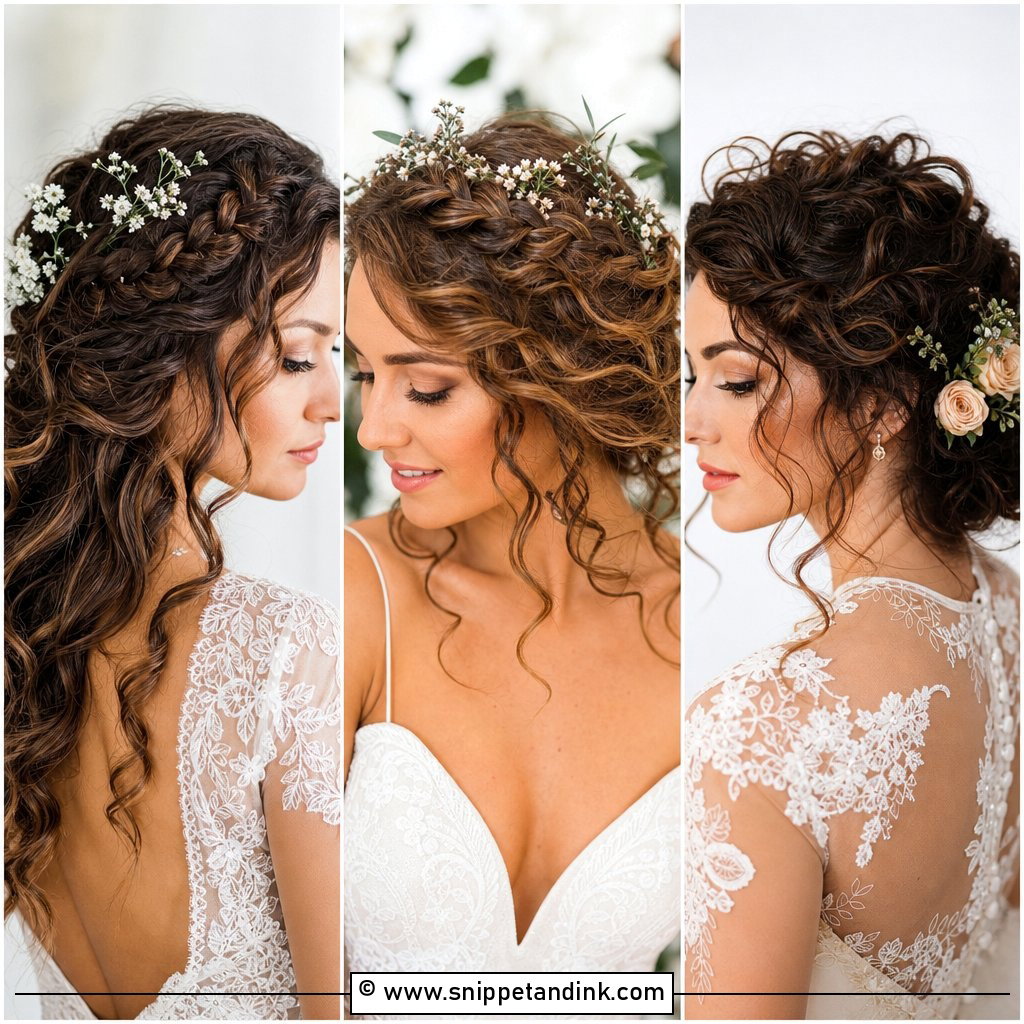
This is a photo I’m shown often by boho brides. It blends loose braids with soft twists, and the imperfection is planned: I braid around the crown fairly firmly, gather the braids into a low bun, then pull each loop of the braid outward, which roughly doubles how full it looks. Many brides add fresh greenery or tiny wildflowers for a natural finish. Barns, gardens and outdoor ceremonies suit it best. Longer hair with some natural texture takes it most easily; very fine, slippery hair needs a texture spray first or the braids slide loose by afternoon.
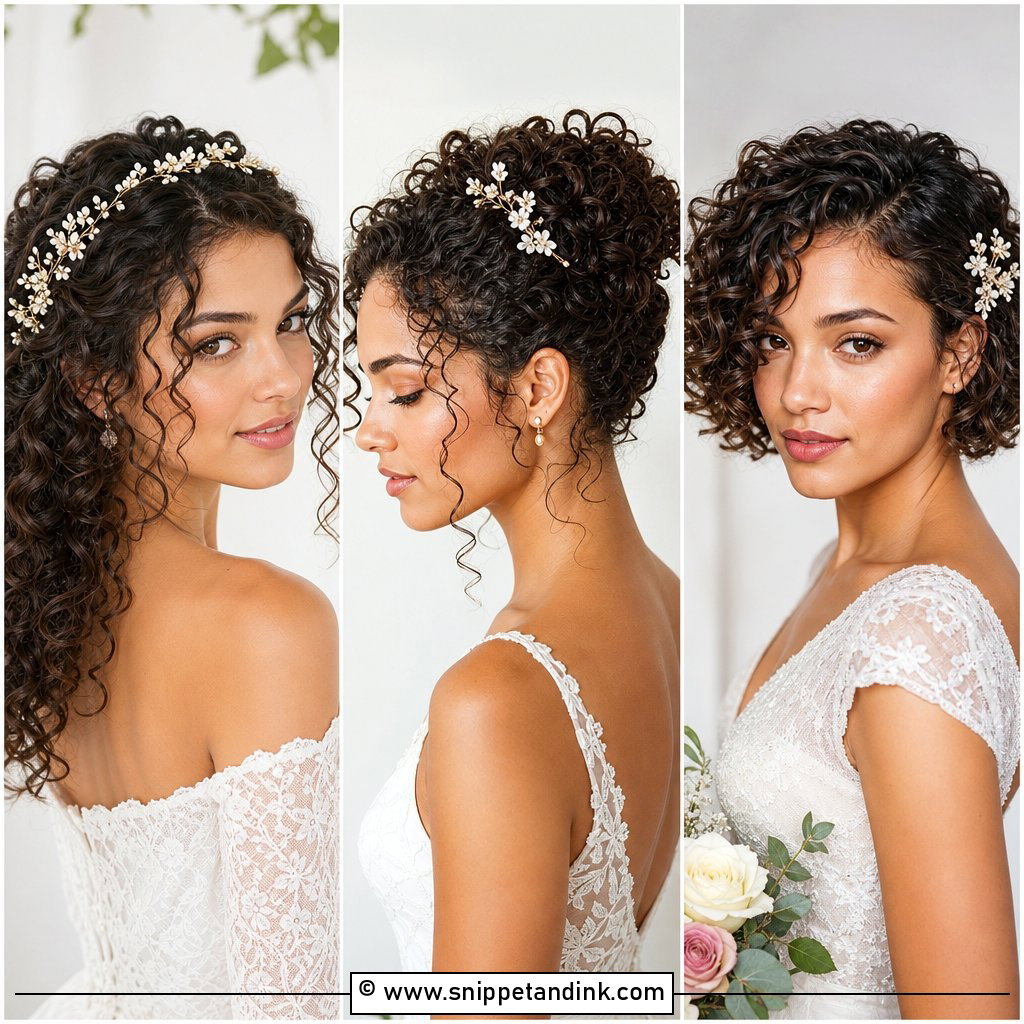
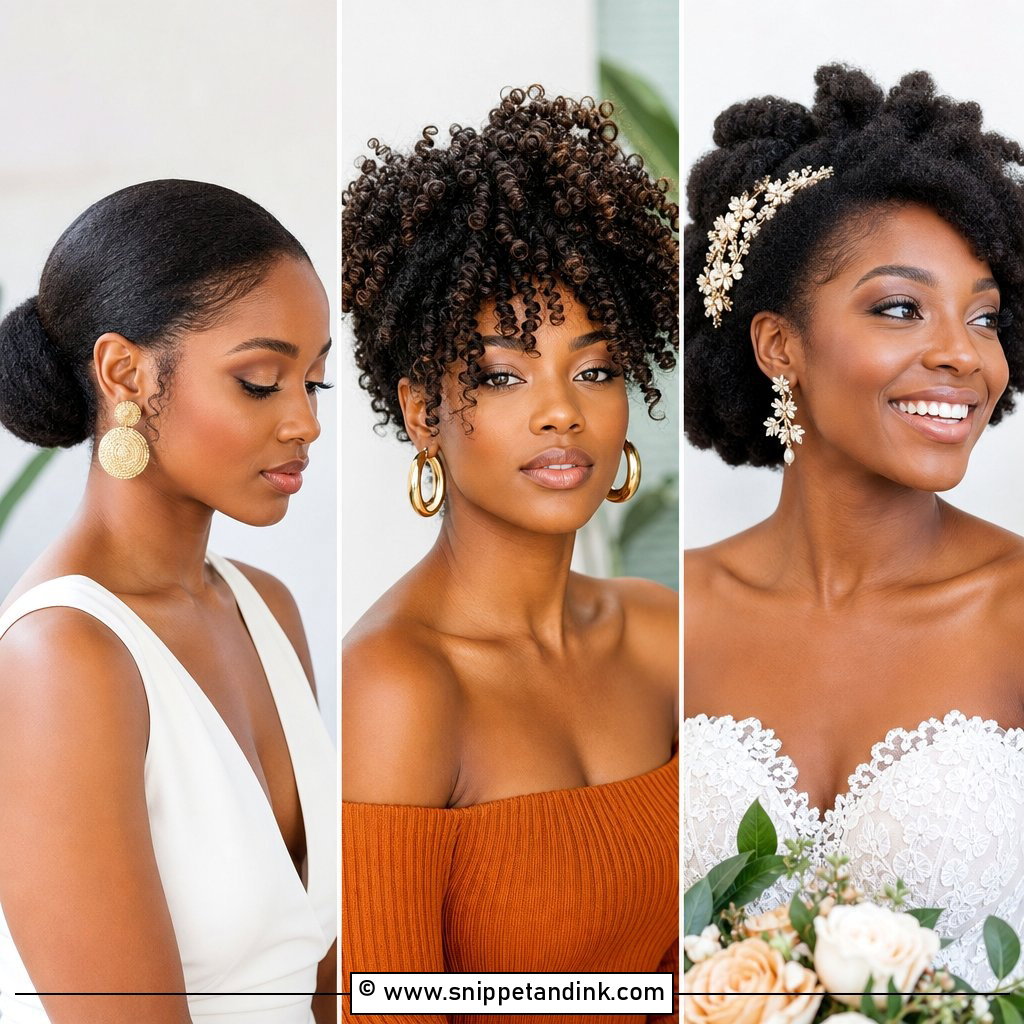
5. Natural Curly Wedding Hair Down
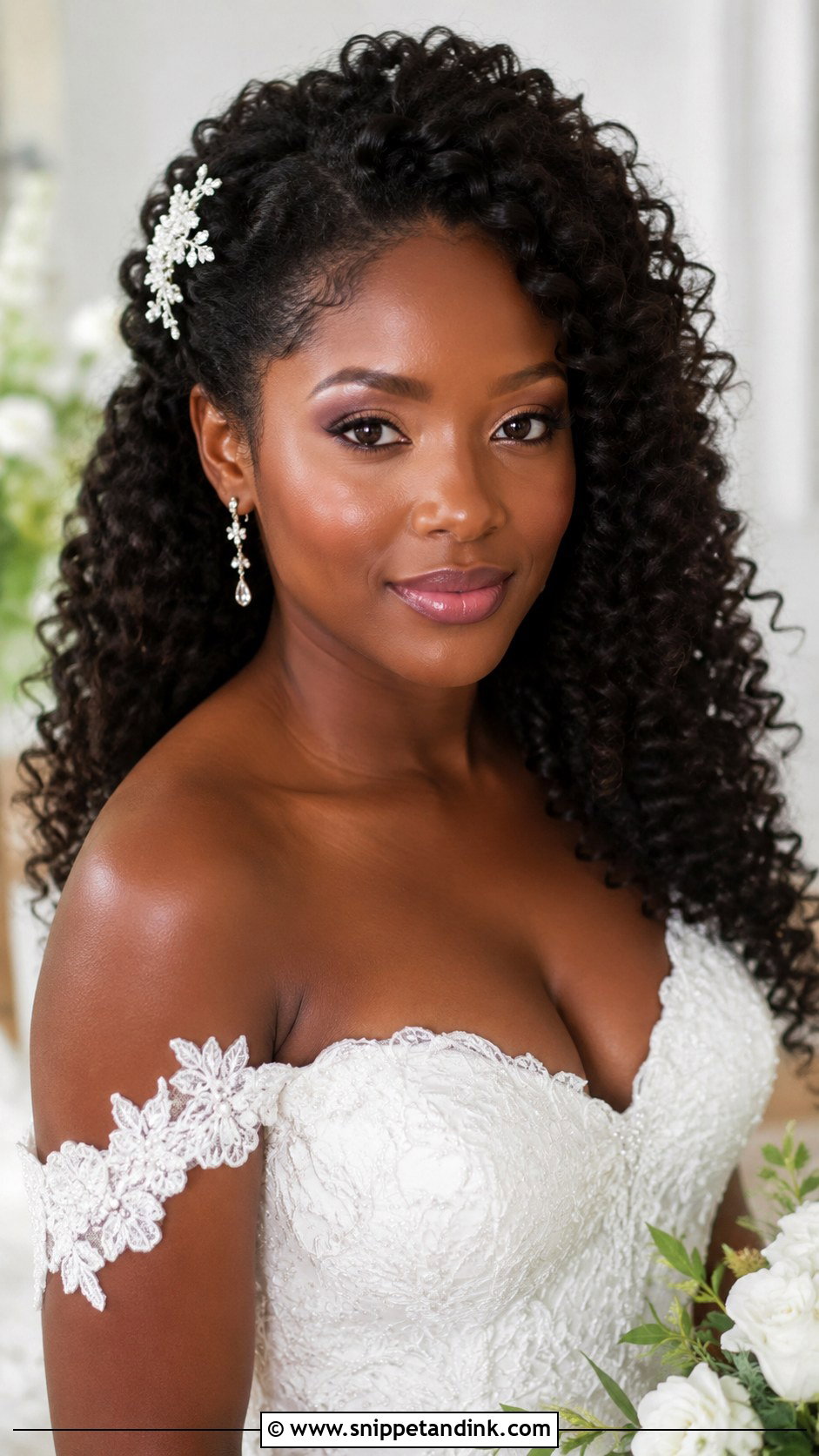
Curls worn down can be the most authentic bridal look of all, provided they’re defined and hydrated. Keeping them full of bounce starts with the wash: I ask curly brides to wash and style the way their curls behave best, then I refine individual curls rather than re-curling the whole head. A curl cream sets the shape without crunch. Let the curls fall around your shoulders, or pin one side back to show your face and earrings. Once they’re dry, don’t brush them and keep your hands out of them; touching is what turns definition into frizz.
6. Low Bridal Ponytail With Loose Strands
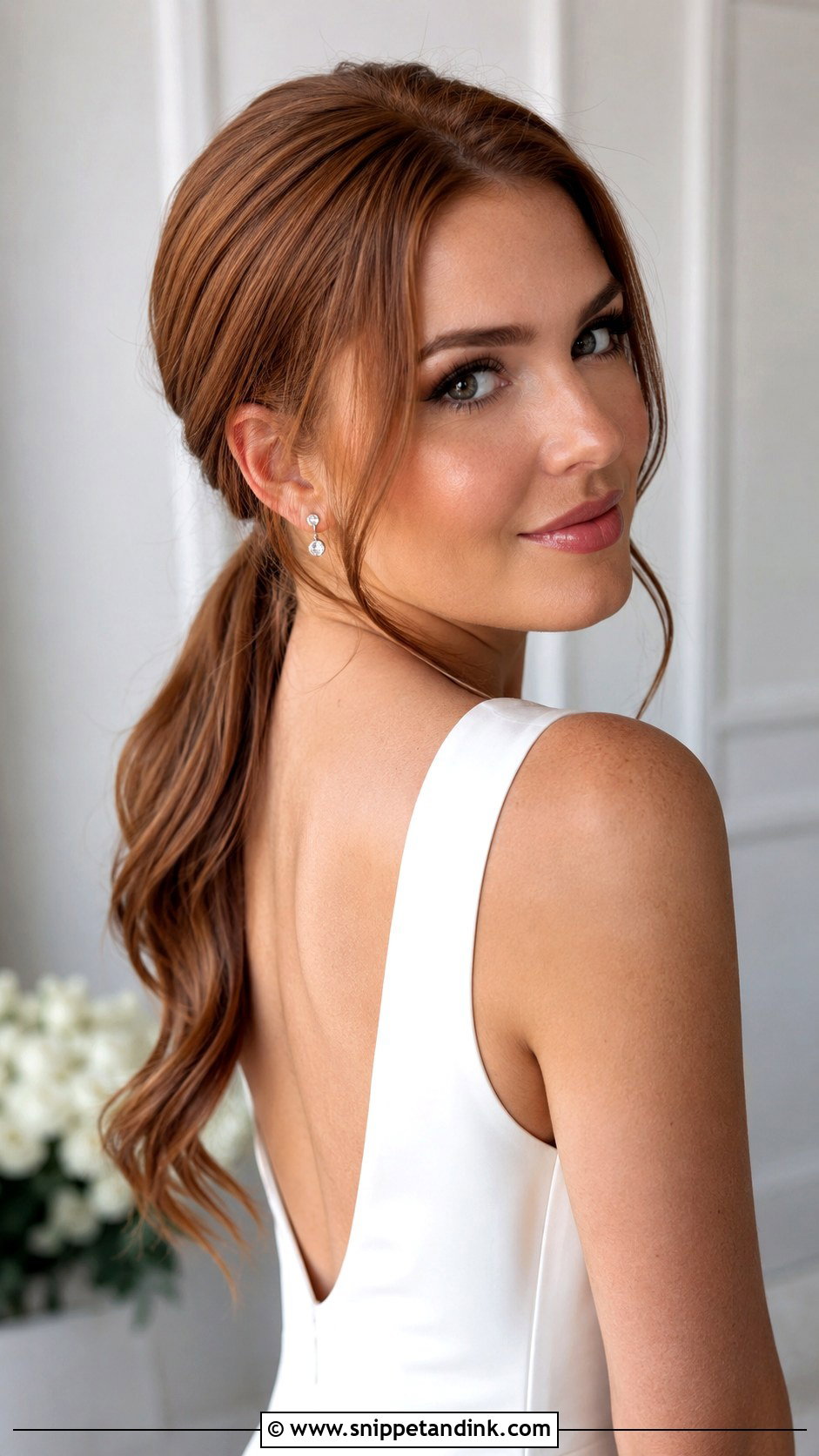
The low ponytail is the quiet surprise of this list. It’s comfortable all day and rarely loses its shape. I gather the hair at the nape, secure it with a clear elastic, then wrap a small section around the base to hide it, pinning the end underneath. A few soft strands left free at the face keep it from looking severe, and gentle waves through the length add movement. One thing to watch: a veil comb pushed into the base of a ponytail makes the veil stand away from the head, so I place the comb just above it.
7. Soft Bridal Updo With Face-Framing Pieces
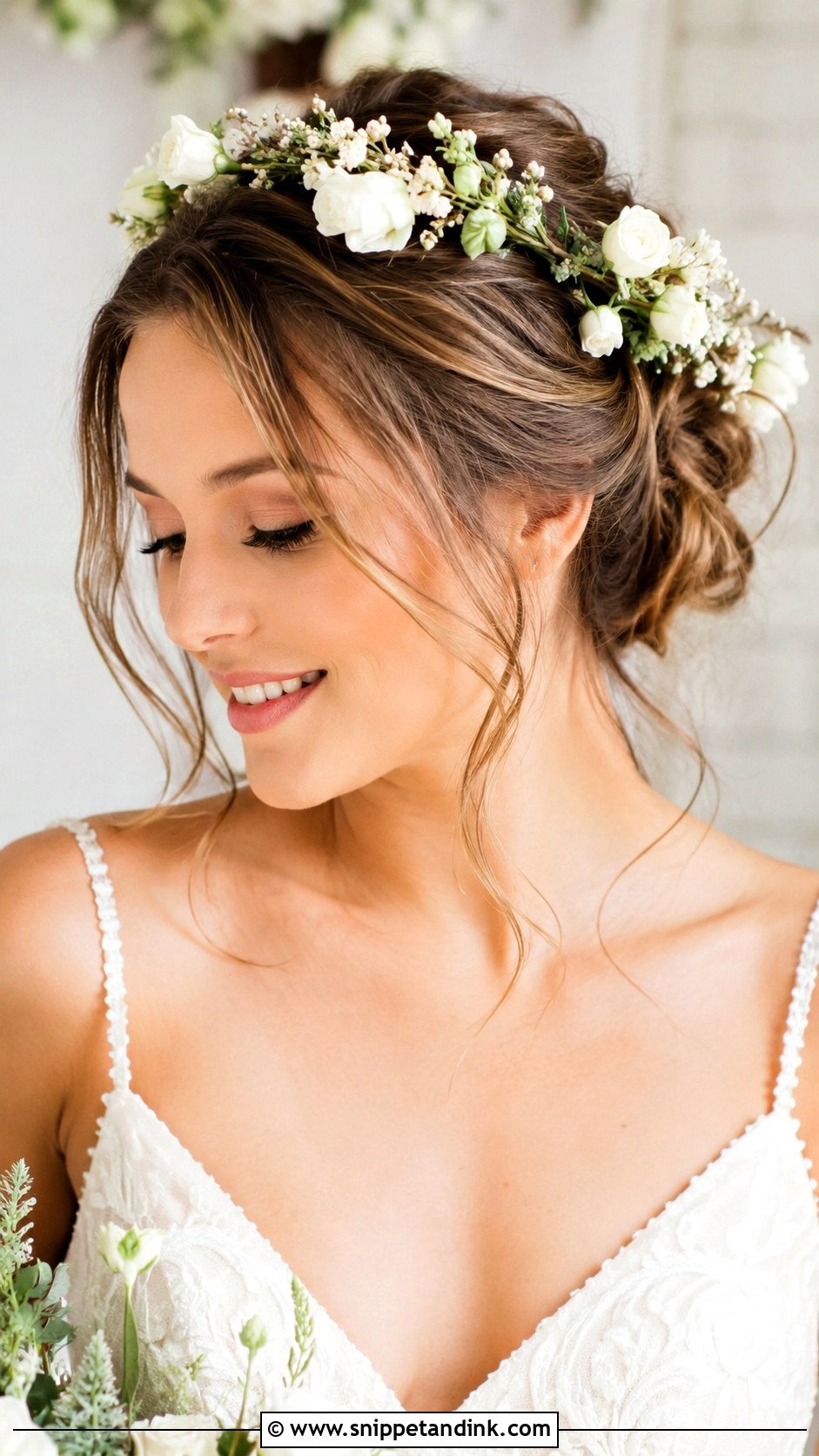
Leaving pieces out around the face sounds simple, but choosing which pieces is the actual skill. I take them from in front of the ear and along the hairline, ideally from existing layers, because those fall naturally; random strands pulled from the top just look like the style is coming apart. The rest is swept up loosely and pinned into a soft shape at the back, which keeps hair off the neck and takes a veil or a floral crown equally well. I curl those front pieces with a smaller barrel than the rest, since they get handled most during the day and drop first.
8. Beach Waves Bridal Hair
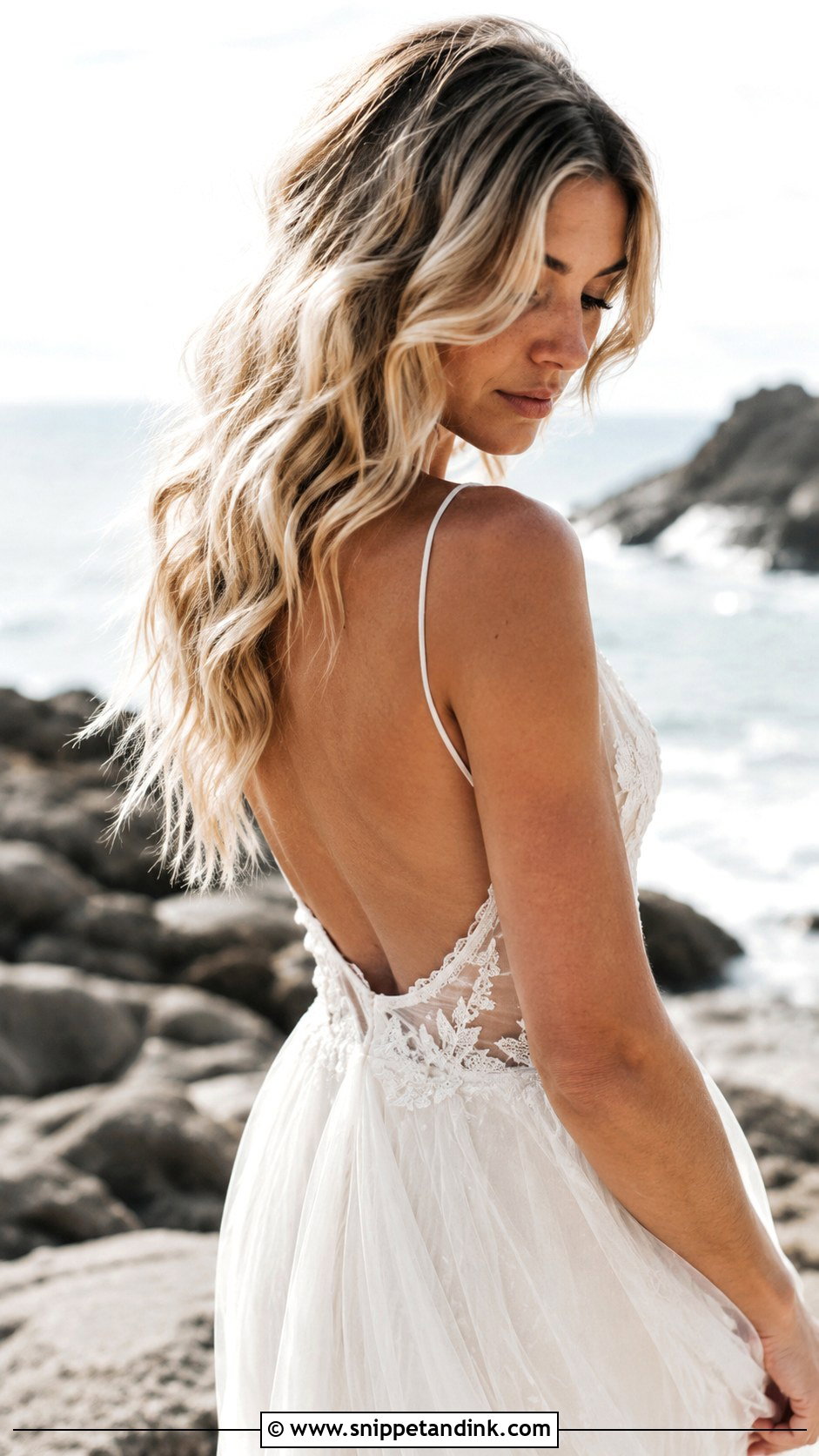
Beach waves suit seaside and outdoor weddings, but the real version, salt spray and scrunching, won’t last a whole day on most hair. I fake the texture with a flat iron or a wand, leaving the ends straight, then add salt or texturising spray and scrunch. That gives the tousled look with an actual bend underneath that holds. Medium to long hair with some natural wave takes it best. Sea air is humid, so on a beach I use more grip spray than you’d expect. A single pin adds sparkle if you want it.
9. Half-Up Braided Crown for Brides
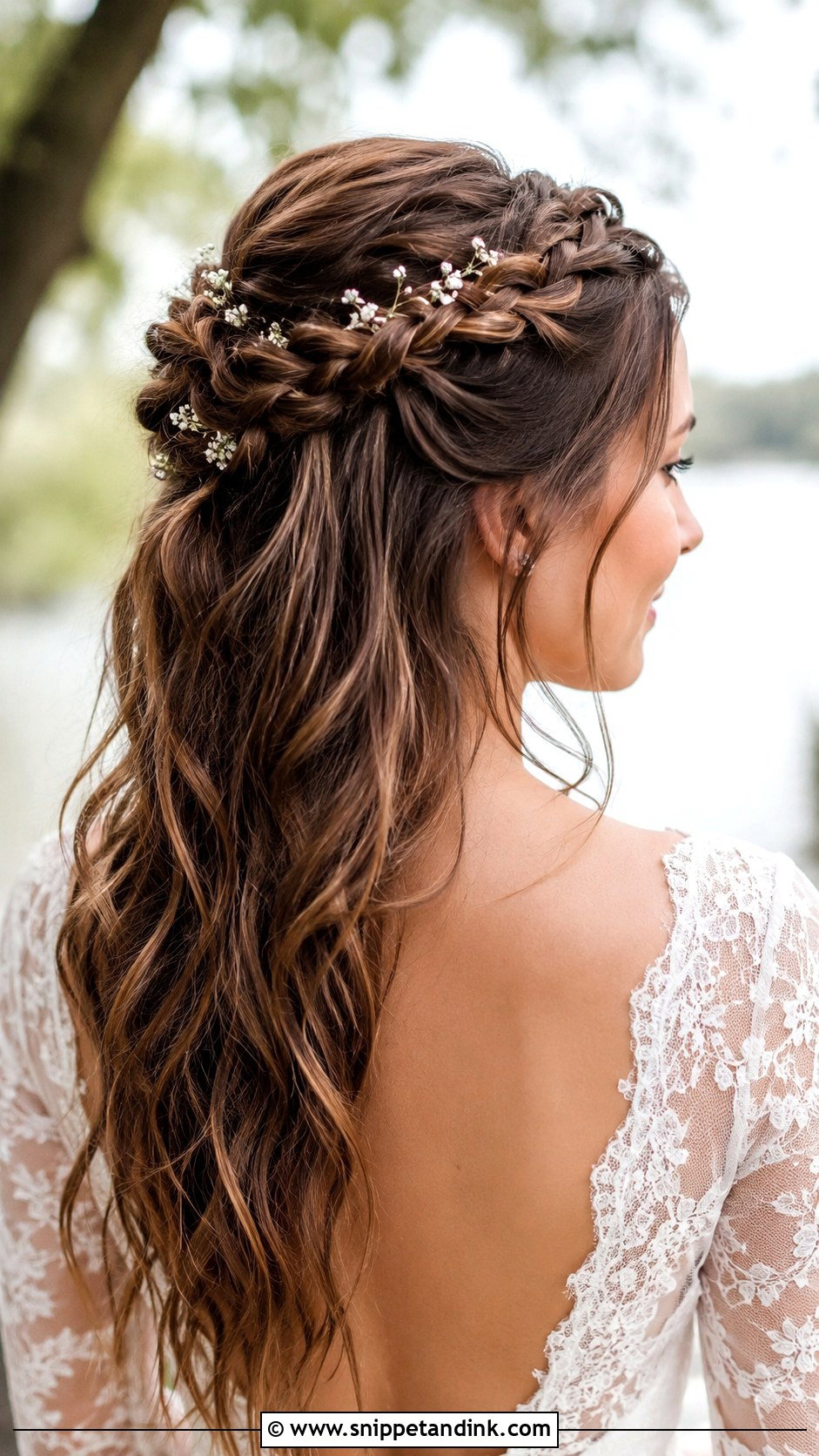
A braided crown wraps soft braids across the top of the head while the rest of the hair falls loose below, adding detail without the commitment of a full updo. I braid from behind each ear and join the braids at the back, tucking each end under the opposite braid so nothing shows. Pulled slightly loose, the braids look soft rather than tight. Tiny flowers along the braid suit boho, garden and rustic weddings. Shoulder length is about the minimum; on shorter hair the braids get too thin to reach around.
10. Tousled Bridal Bun With Tendrils
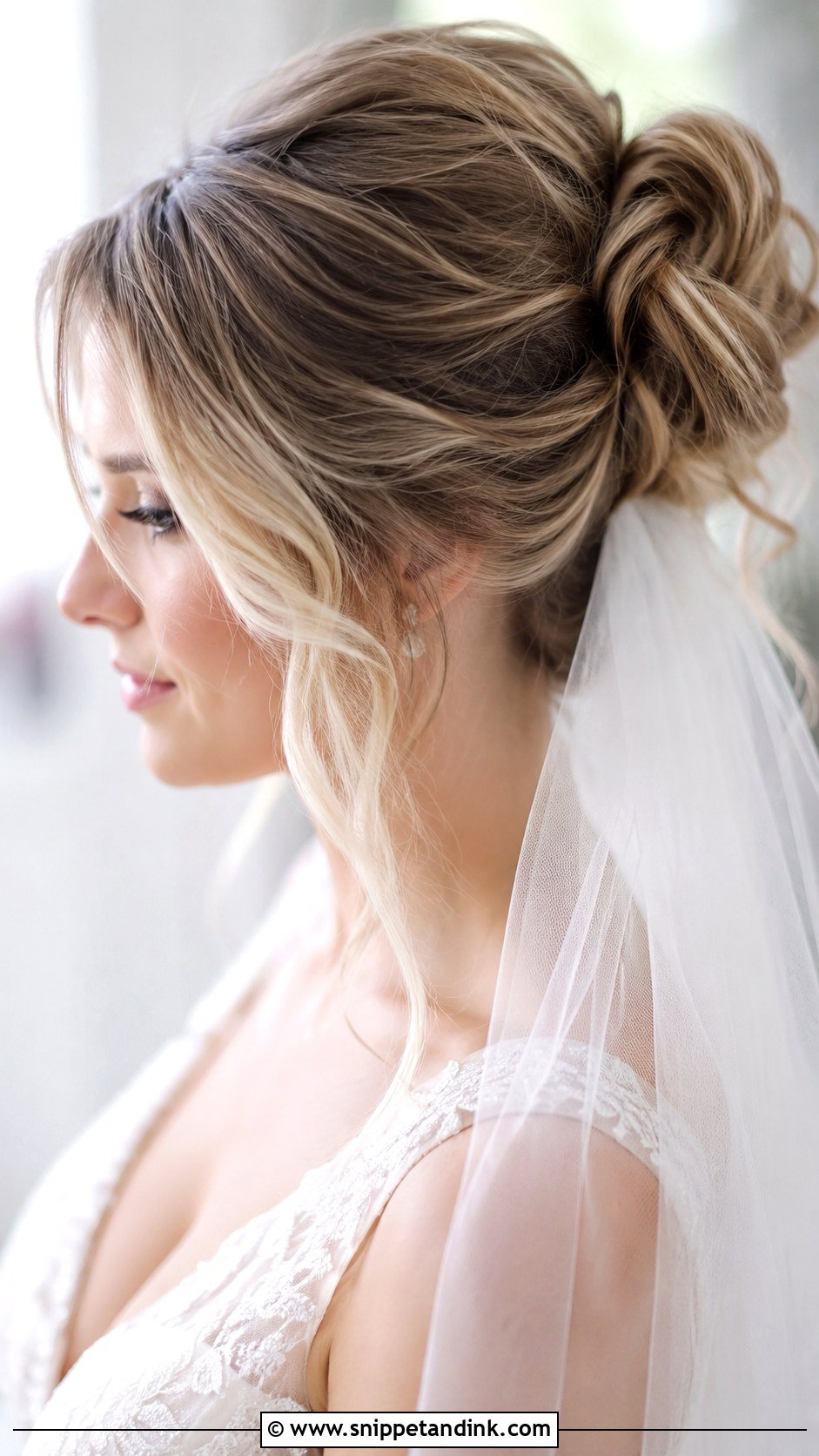
This bun trades polish for comfort and texture. It sits at the back of the head, twisted loosely and pinned into an airy shape. Loose tendrils around the face are what make it, so I curl them separately with a smaller wand and let them cool before separating them. Inside, the bun holds more pins than it appears to; an airy shape with too few pins collapses the moment you lean back in a chair. It keeps hair off the neck in warm weather and sits nicely under a delicate veil.
11. Natural Wedding Hair With Flowers
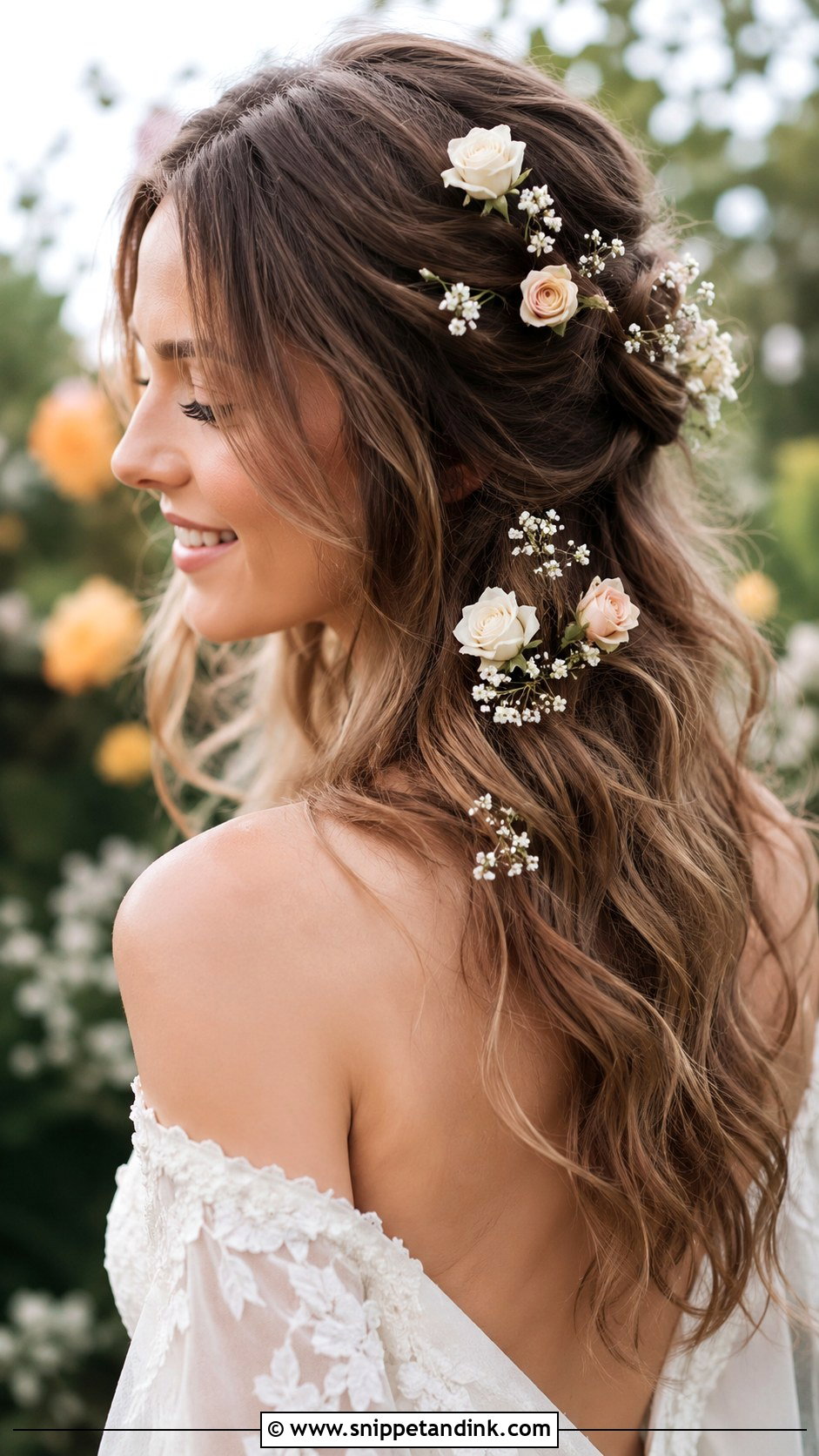
Fresh flowers can go into waves, braids or an updo, and repeating a few from the bouquet ties the look together. Baby’s breath, roses, and wildflowers all work, though they behave very differently once out of water, which I cover further down. I pin flowers in last, after the hairspray, because spray can spot delicate petals. Scattered loosely they look just picked; grouped on one side they look more deliberate. Garden and outdoor weddings are their natural setting, with hair up or down.
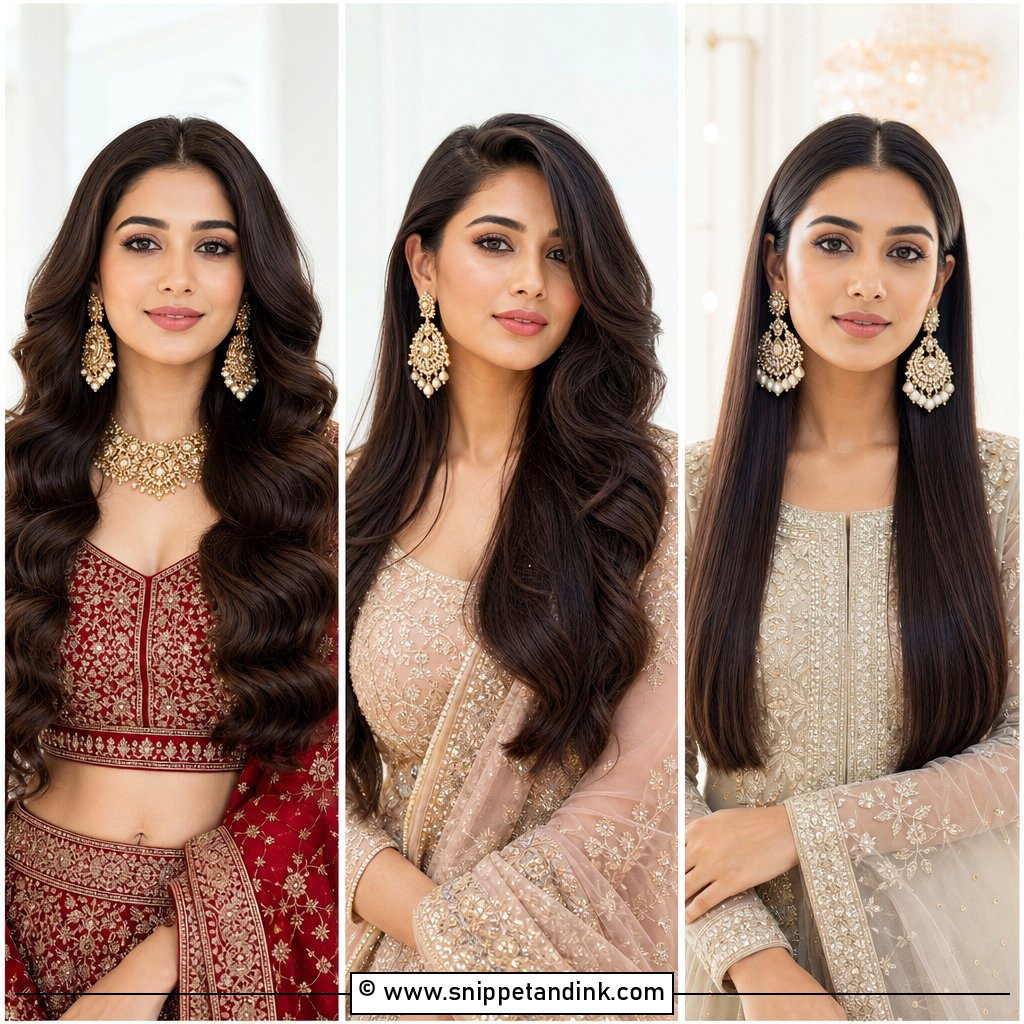
12. Sleek Straight Bridal Hair
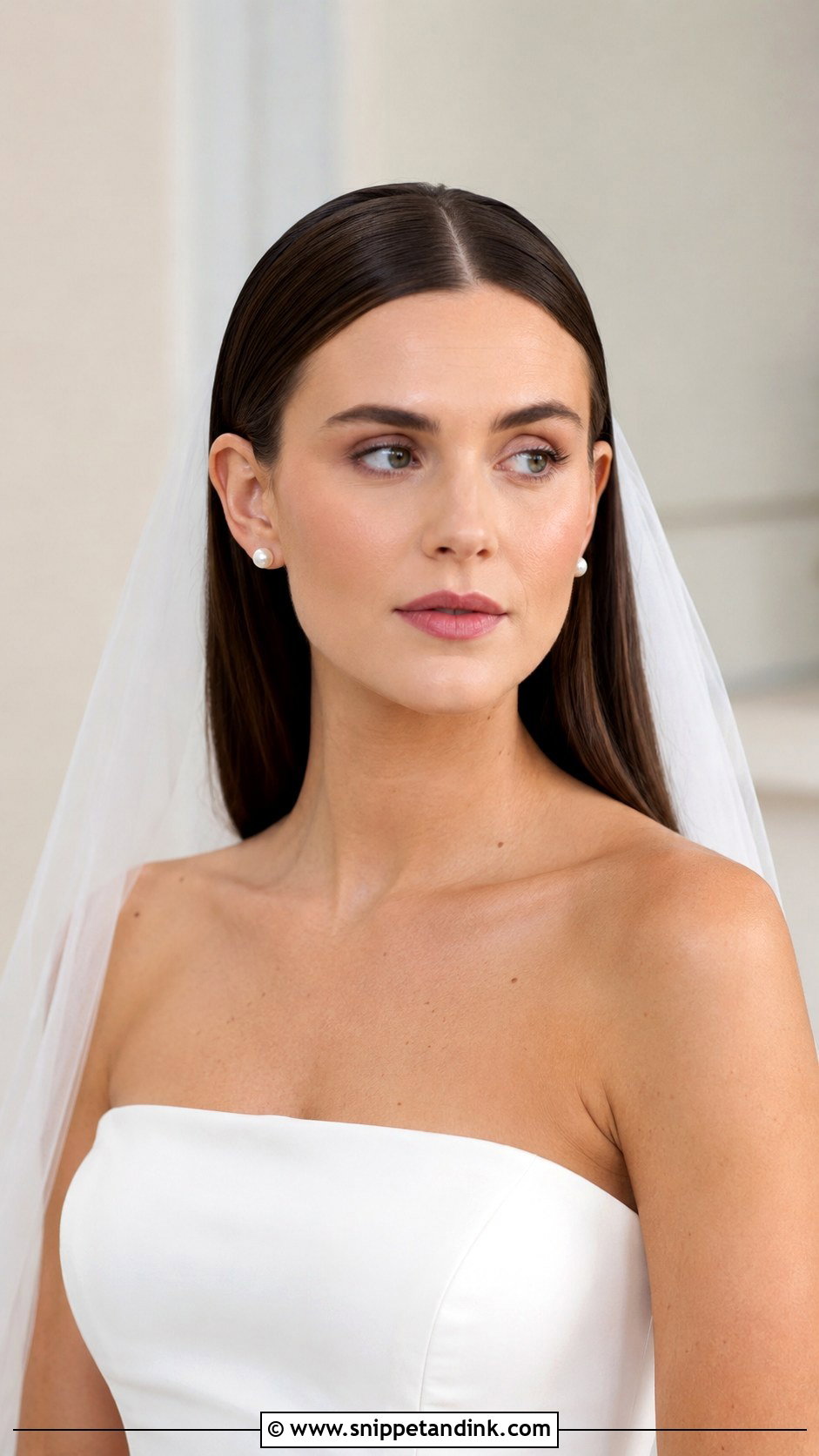
Sleek straight hair is the most modern look here and the least forgiving. Frizz, a crooked part or a dented section shows instantly. It suits naturally straight hair best; on wavy hair, humidity tends to bring the wave back by evening. I flat iron in small sections, put a drop of shine serum on the lengths only, and set a clean centre part. With a minimalist dress and statement jewellery it lets everything else show. Tucking one side behind the ear is the easiest variation.
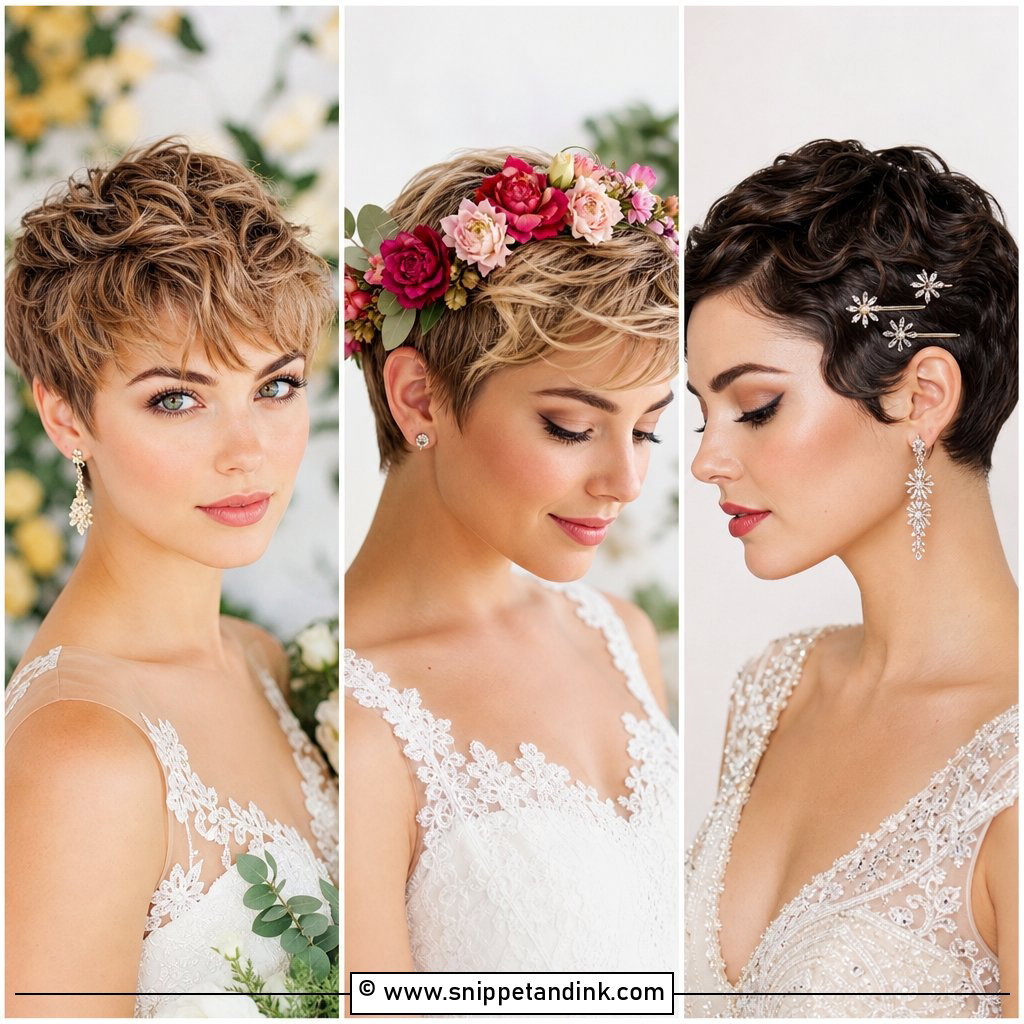
13. Short Curly Bridal Hair
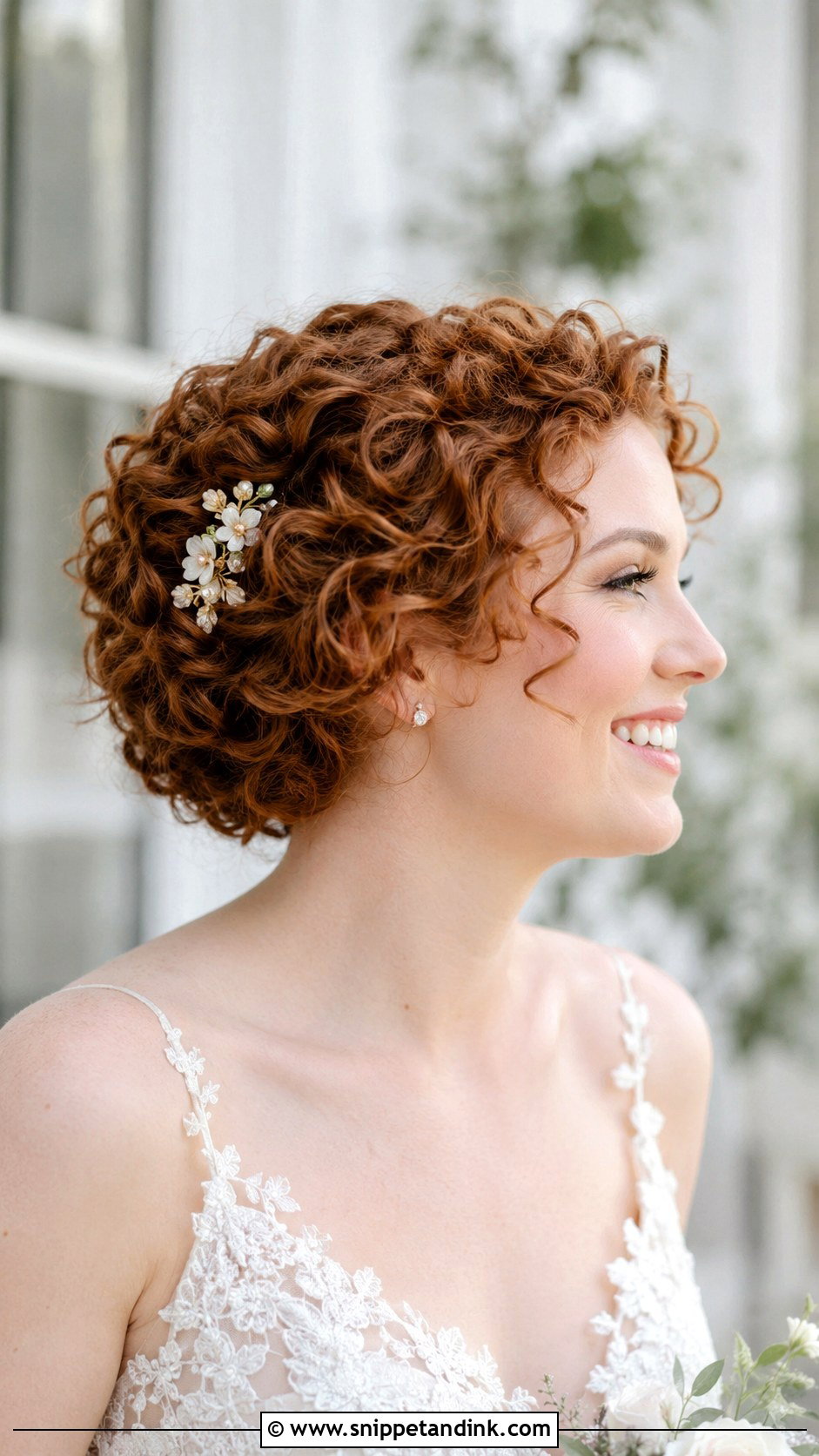
Short curls bring their own volume, which is half the work of any bridal style. I enhance them with a smoothing cream for definition rather than re-curling, and let them sit freely. Pinning one side back shows off your face and earrings, and a small floral clip there adds the bridal detail. Short hair is harder in one sense: every curl is visible, so I spend my time shaping the individual curls around the face. Pixie cuts and short bobs suit this, and it saves you from faking length you don’t have.
14. Twisted Half-Up Wedding Hair
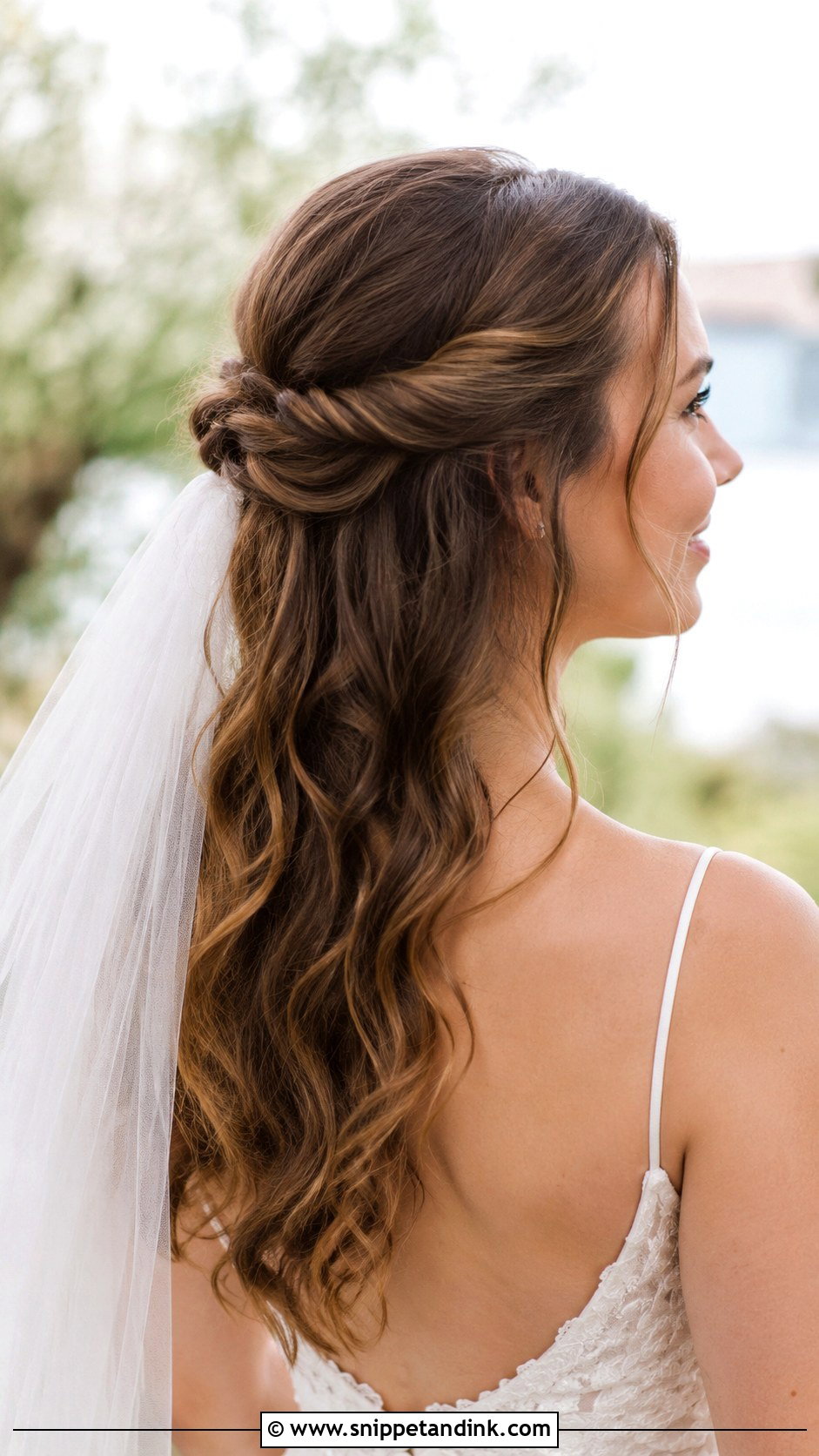
Two small twists, one from each side, pinned together at the back: that’s all this is, and it’s why it suits almost every length and texture. The rest stays loose in natural waves. The detail I care about is where the twists meet. I join them slightly below the crown, so a veil comb can sit just above and hide the pins. Twist away from the face rather than toward it, or the twists pull forward and loosen by evening. It takes veils, pins and small floral accents, and stays comfortable outdoors.
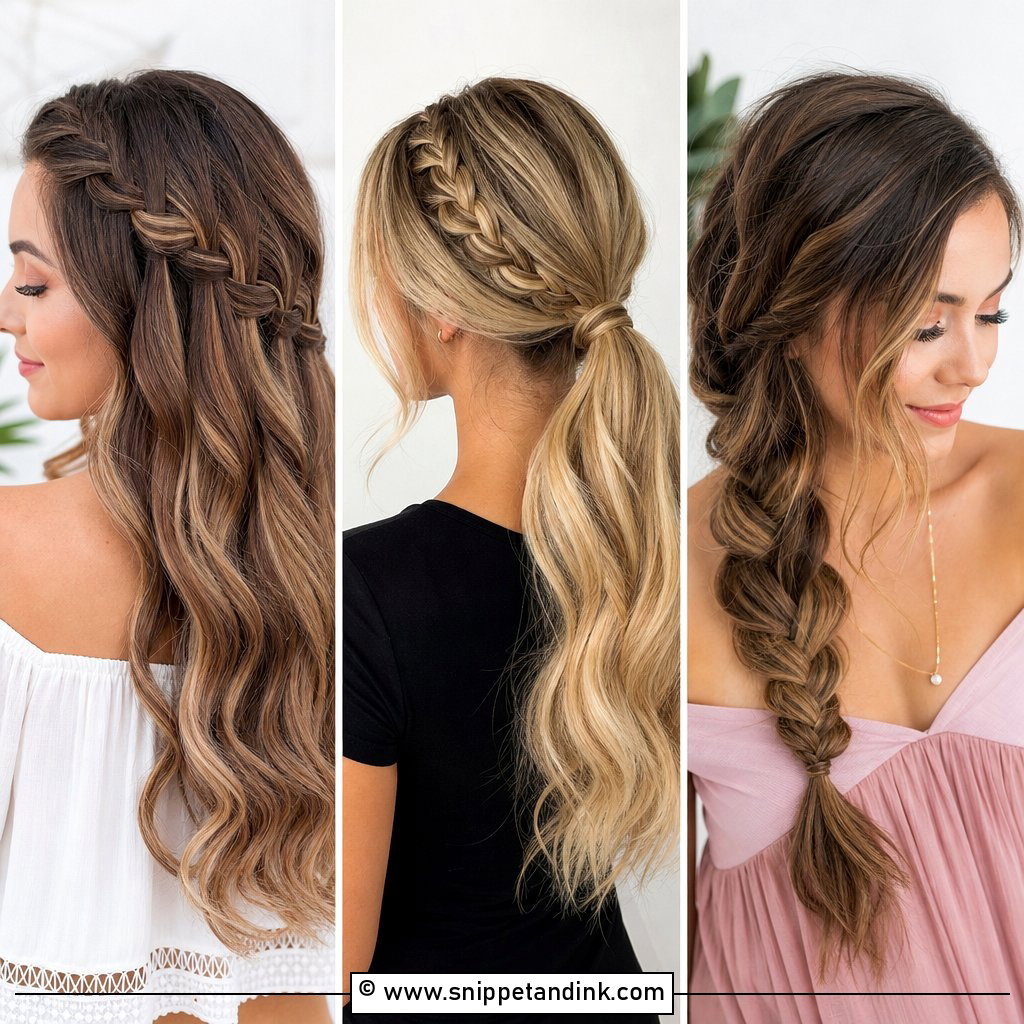
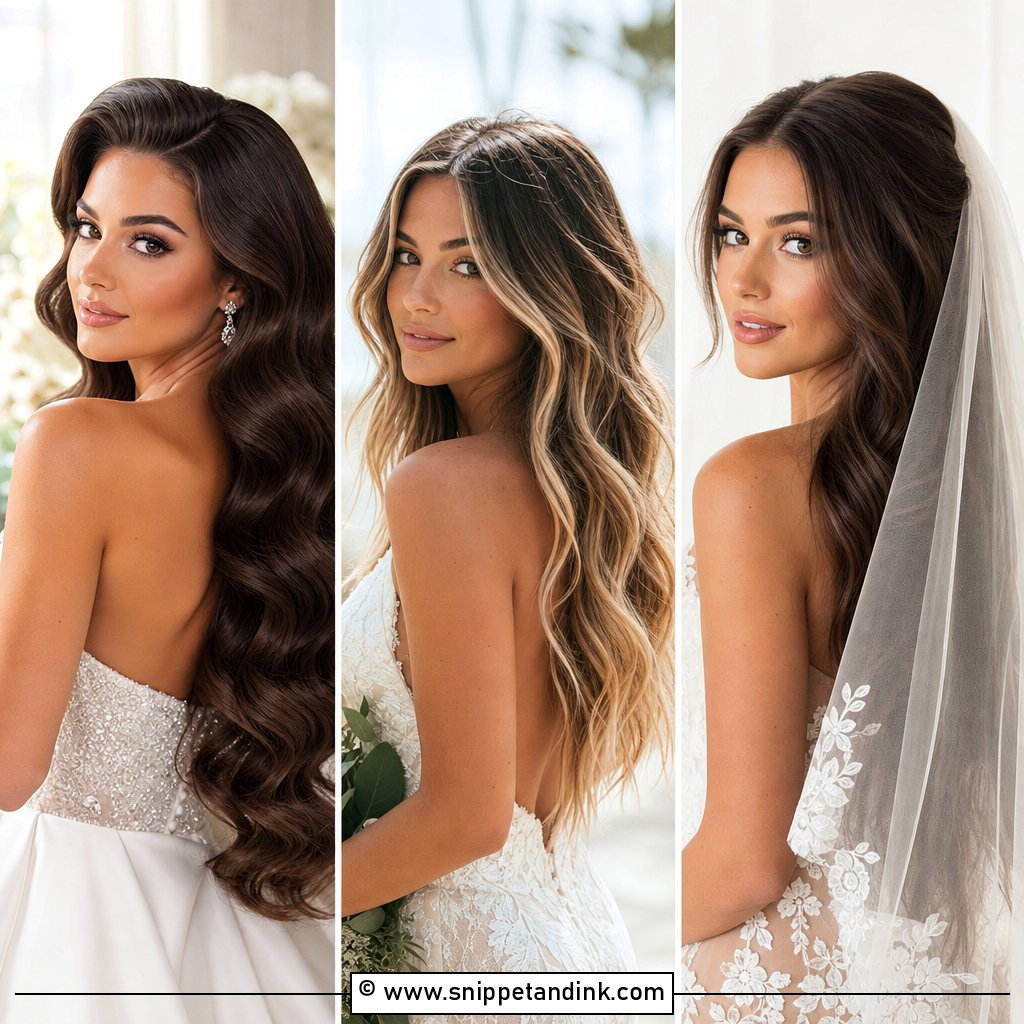
15. Bohemian Waves With Loose Braid
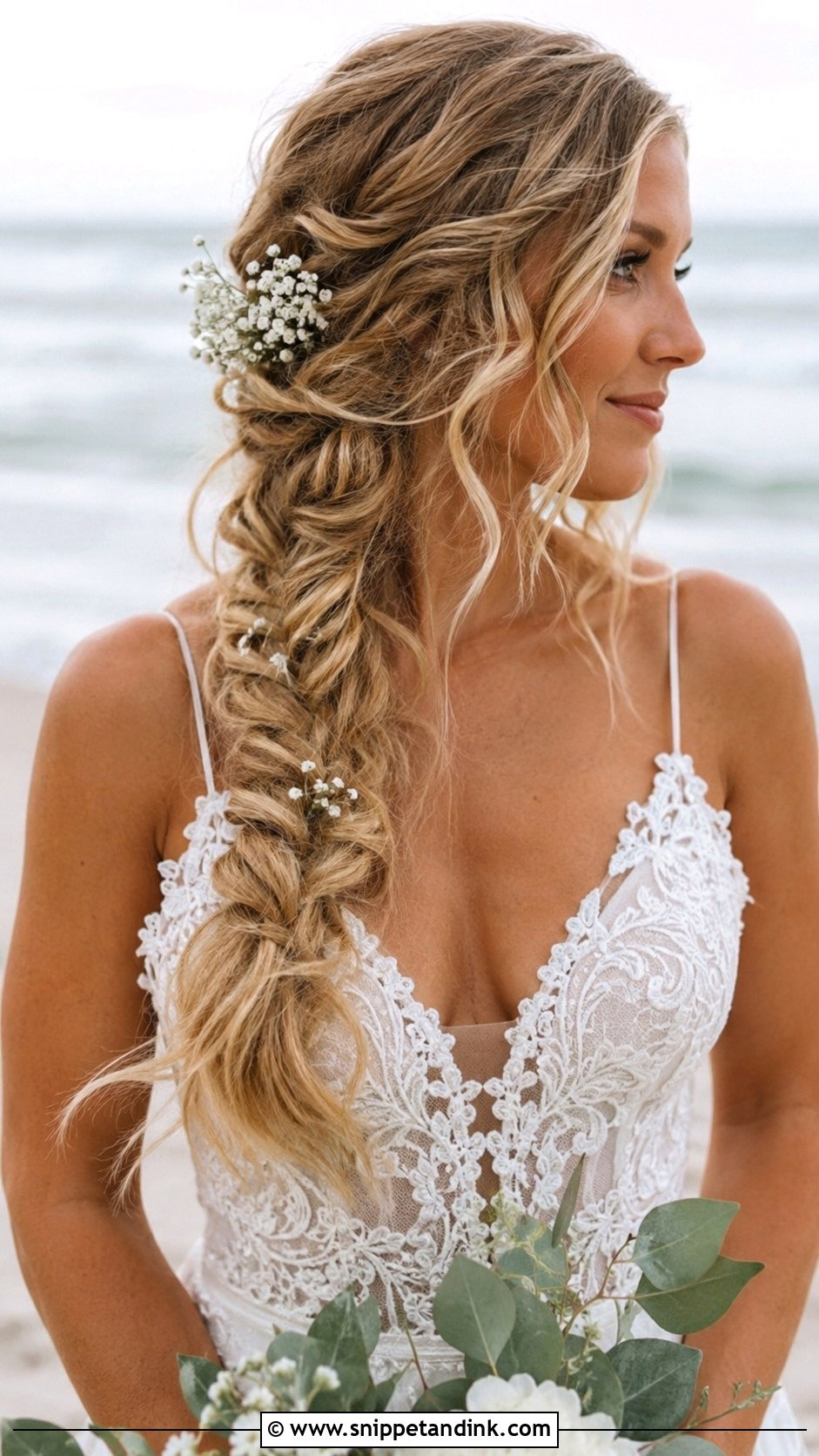
Waves plus one loose braid is the free-spirited version, at home at beaches, gardens and festival-style weddings. The braid can run along one side or wrap toward the back; I decide by the neckline, and a one-shoulder dress usually wants the braid on the bare side. Once it’s braided, pull the loops apart for an undone texture, and add tiny flowers or a delicate pin if you like. If your hair is heavily layered, short layers will poke out of the braid; a little pomade on the fingertips while braiding keeps them in.
16. Low Chignon for Brides
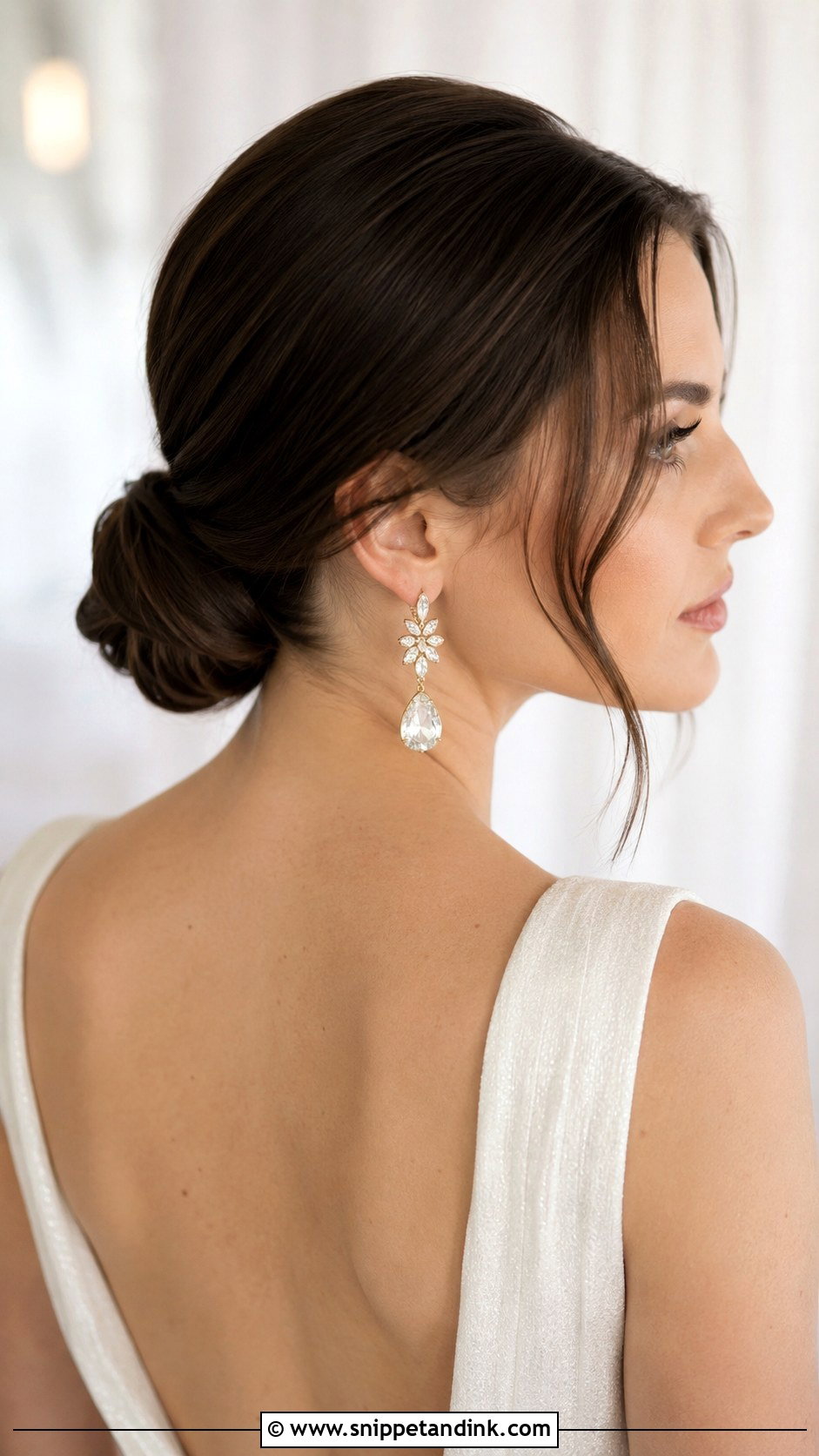
A low chignon gathers the hair into a knot at the nape. The natural version is softer than the classic, with a few face-framing pieces left out. Its structure is what makes it reliable: I build it over a small hidden ponytail, or over a padding piece for fine hair, which keeps the knot secure all day and gives thin hair a fuller shape. It sits comfortably under a veil and next to statement earrings. On very thick hair a chignon can get heavy, so I tuck some of the length inside the knot instead of wrapping all of it around.
17. Curtain Bangs Bridal Hair
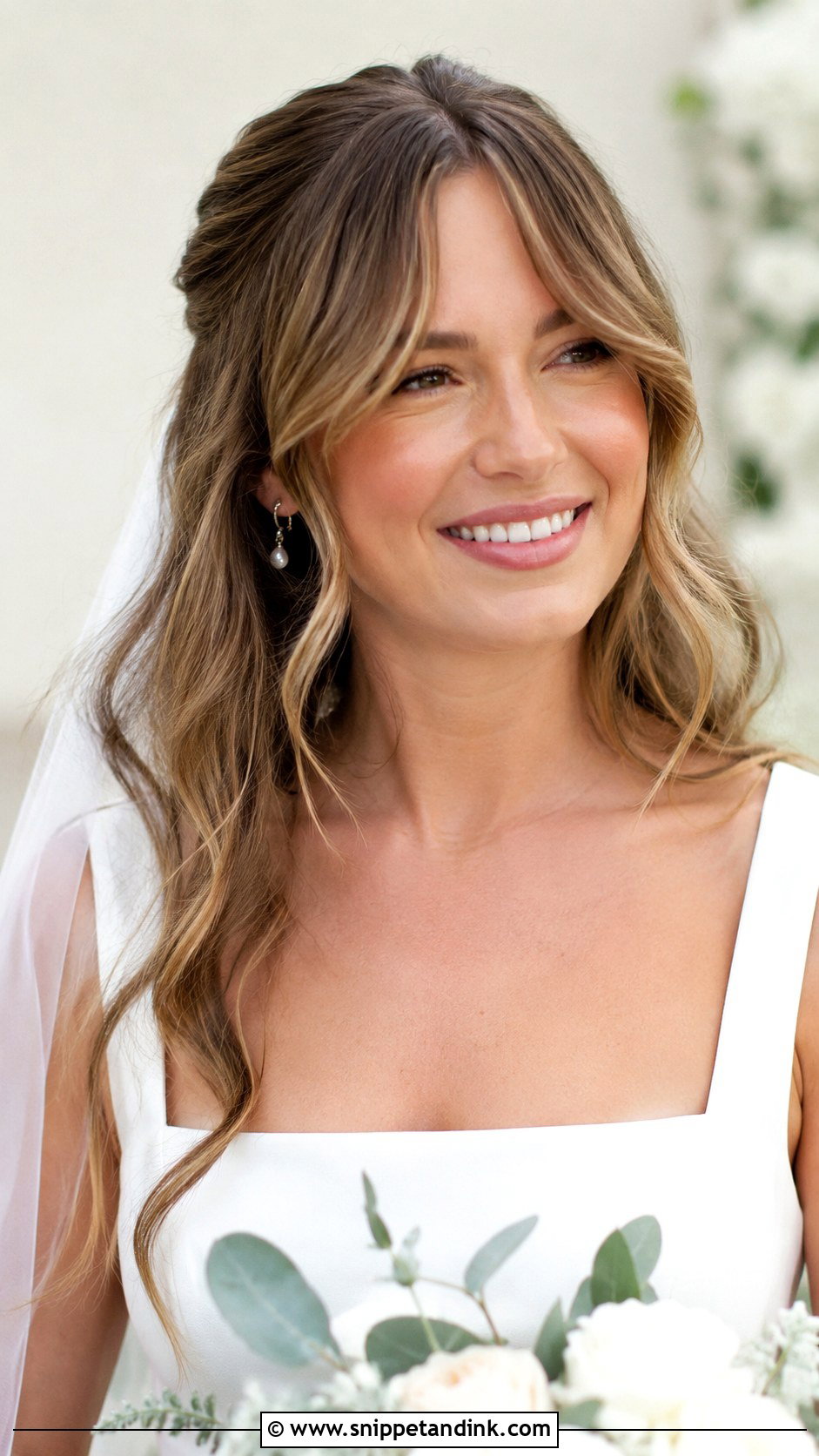
Curtain bangs frame the face and open it up at the same time. They work with waves, updos or sleek styles, and they’re best for brides who already wear this fringe. The weeks before a wedding are not the time to cut new bangs; give them at least a month to settle into how they fall. I style them with a round brush, drying each side away from the face, and set them with a light spray rather than a strong one, which can split them into strings. In close-ups they draw attention to the eyes and cheekbones.
18. Natural Wedding Hair With Veil
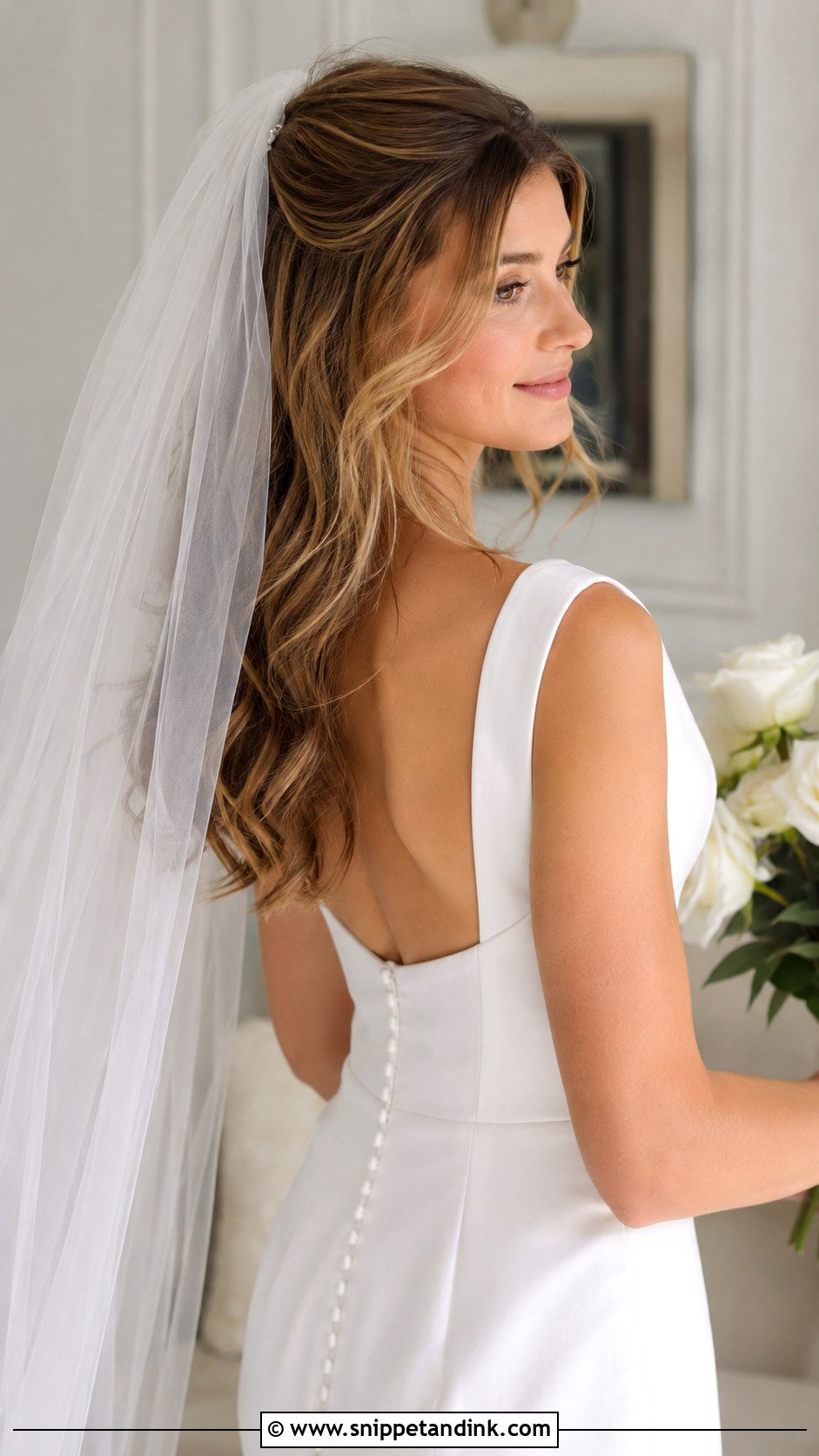
A veil works with waves, an updo or a half-up style; what changes is where it sits. At the crown it adds height, while placed below a bun it drapes more softly. Loose waves look romantic under a long veil, and a soft bun suits a shorter one. The comb needs something to grip, so I always build a small anchor, a pin cross or a tiny braid, exactly where it will go. Choose a veil that suits the hair rather than smothering it. And ask your stylist to show a bridesmaid how to remove it without pulling the style apart, because the hair underneath should still look finished once the veil is off.
19. Side-Swept Bridal Waves
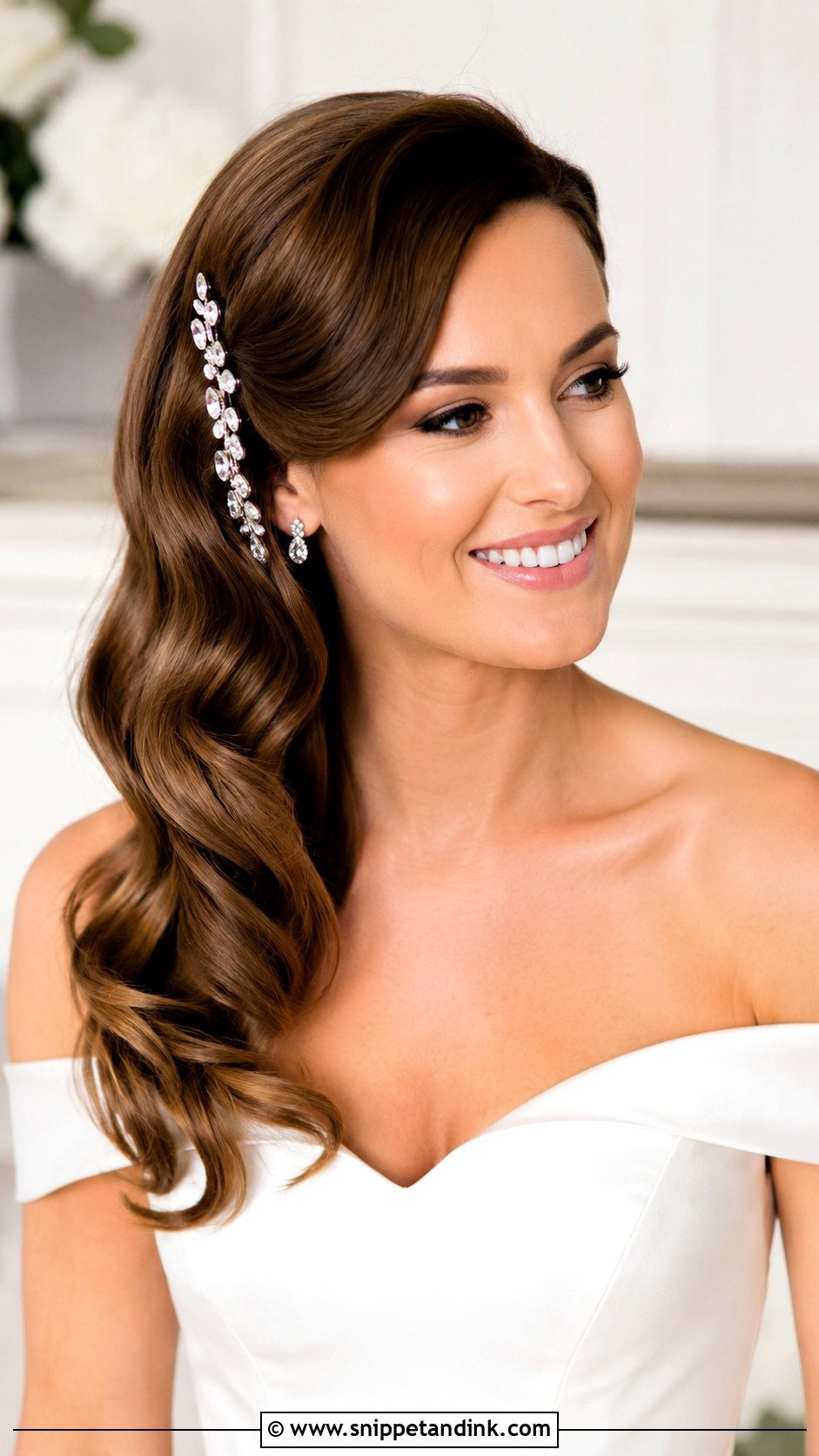
Side-swept waves borrow from old Hollywood: a deep side part with the waves gathered over one shoulder. I curl with a wand for smooth, shiny waves, brush them into one shape, then pin them lightly at the back of the head so their weight doesn’t drag them forward over the day. It frames off-the-shoulder and one-shoulder dresses well, and a sparkly pin near the part finishes it. It isn’t my first choice for a windy outdoor ceremony, where one gust can send the whole curtain of hair across your face.
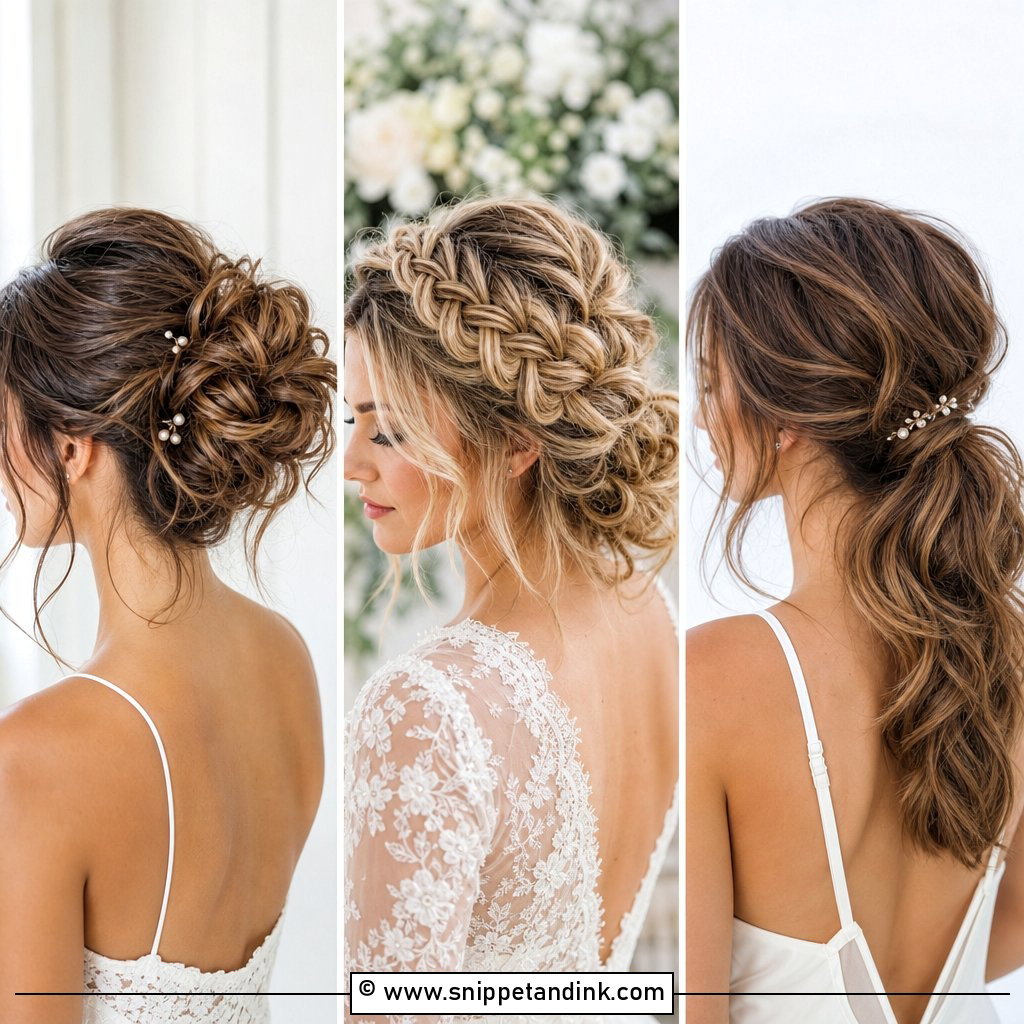
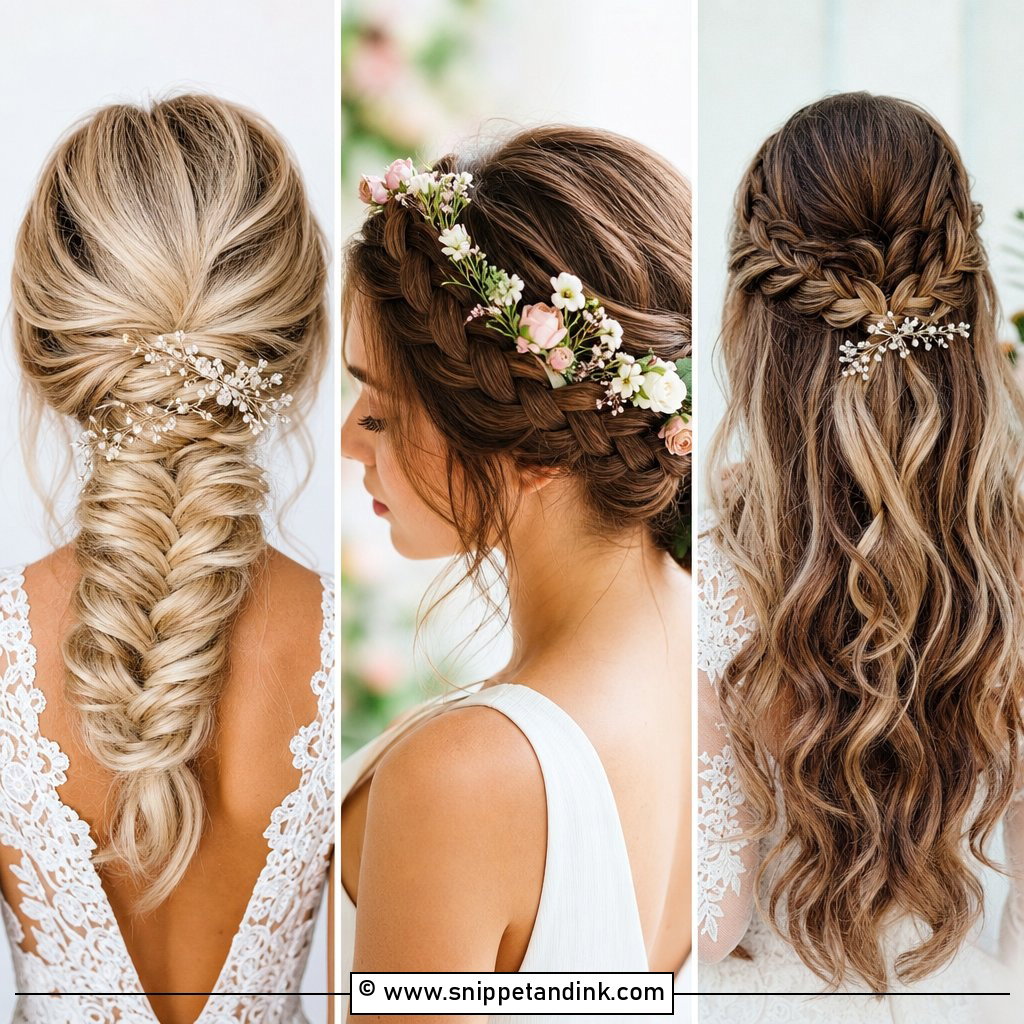
20. Relaxed Updo With Greenery
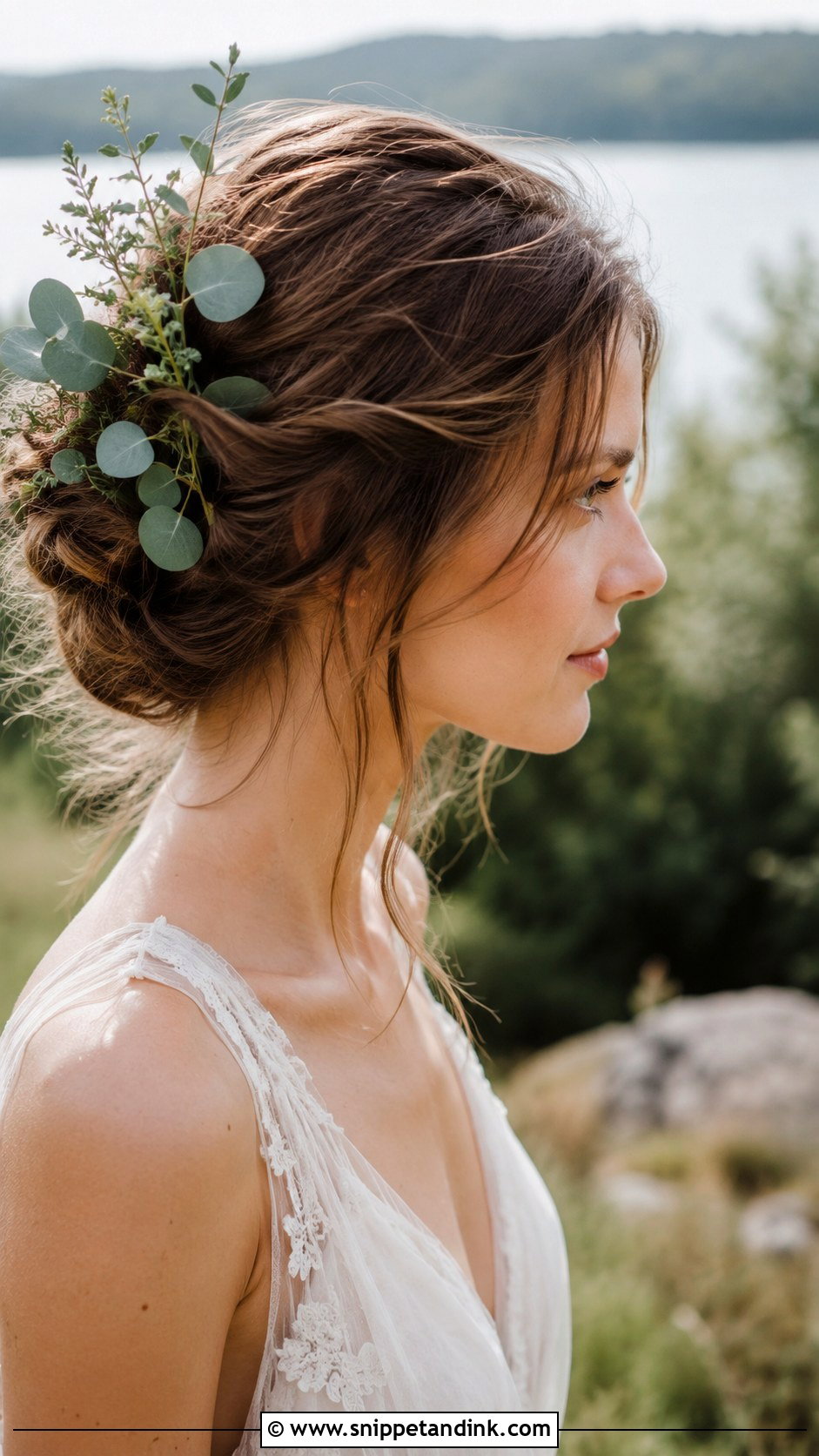
A relaxed updo with tucked-in greenery suits outdoor, rustic and boho weddings and links the hair to the season. Eucalyptus, ferns and small leaves are generally sturdier than flowers, which is why I like them here. I gather the hair softly at the back, pull out a few face-framing pieces, then pin or wire the greenery in last. Delicate ferns such as maidenhair can curl in the heat, so eucalyptus or ruscus is the safer choice for a long outdoor day. Against a natural backdrop, it looks as though it belongs there.
Blooms and Greenery That Last Out of Water
Flowers in hair have no water source, sit against a warm scalp and often spend hours in the sun. Some handle that well; others look tired before the ceremony ends. Mention the hair pieces to your florist when you order, so they’re chosen and prepared for the job.
Usually reliable
- Spray roses and small garden roses
- Waxflower and baby’s breath
- Dendrobium orchids
- Eucalyptus, ruscus and olive leaves
Worth a second thought
- Gardenias and white camellias, which bruise and brown wherever they’re touched
- Hydrangea, which wilts quickly without water
- Lilies, whose pollen stains fabric and skin
- Delicate ferns, which curl in heat
I ask for flowers wired or made into small picks, so they pin in securely and come out cleanly, and they stay refrigerated until the last moment. Anything delivered loose gets a light misting, never a soak, because wet petals drip into the hair. Keep a spare stem or two in the bridal suite for repairs after the hugs start.
Let Your Hair’s Texture Make the Call
Natural hair works best when it starts from the hair you actually have. Waves, soft buns, braided crowns and flowers each suit different lengths and textures, and the right one is the style your hair can hold without a fight. Take two or three of these to your trial, wear the result through the afternoon, and check what has moved by evening. Then go with the look that still feels like you after the dancing and the hugs.
You'll Like These Ideas:



Leave a Reply