
I’ve watched the ponytail go from a style brides apologized for to one they ask for by name. It holds better than loose hair, it moves more than a bun, and it lets a dress with a detailed back actually be seen. A wedding pony isn’t the one you wear to the gym, though. It has a shaped crown, a hidden elastic, finished lengths and a placement chosen around the neckline and the veil. Below are twenty variations I’d put in front of a bride, with notes on what each one needs from your hair and where each one tends to go wrong.
Pony Height Should Follow the Dress, Not the Trend
The first thing I ask a ponytail bride isn’t about her hair. It’s what the dress looks like from behind and around the neck, because that decides where the pony should sit far more than any trend does.
- High neck, collar or lace yoke: keep it high or mid. A low pony on a high neckline catches on the lace and covers detail the designer put there on purpose.
- Strapless and off-the-shoulder: almost any height works. A high pony shows the shoulders; a low one softens a very structured bodice.
- Open or button back: consider an over-the-shoulder pony, or a high one with a shorter tail, so the back of the dress is visible during the ceremony.
- One shoulder: a side pony on the bare side balances the asymmetry.
The veil adds one more rule. A cathedral veil needs a base that sits low enough for the comb to grip, while a short blusher or a bow can sit anywhere. If you’re torn between two heights, try both at the trial with the dress photo next to the mirror. One of them usually looks obviously right within a minute.
1. Low Ponytail Bride Hair
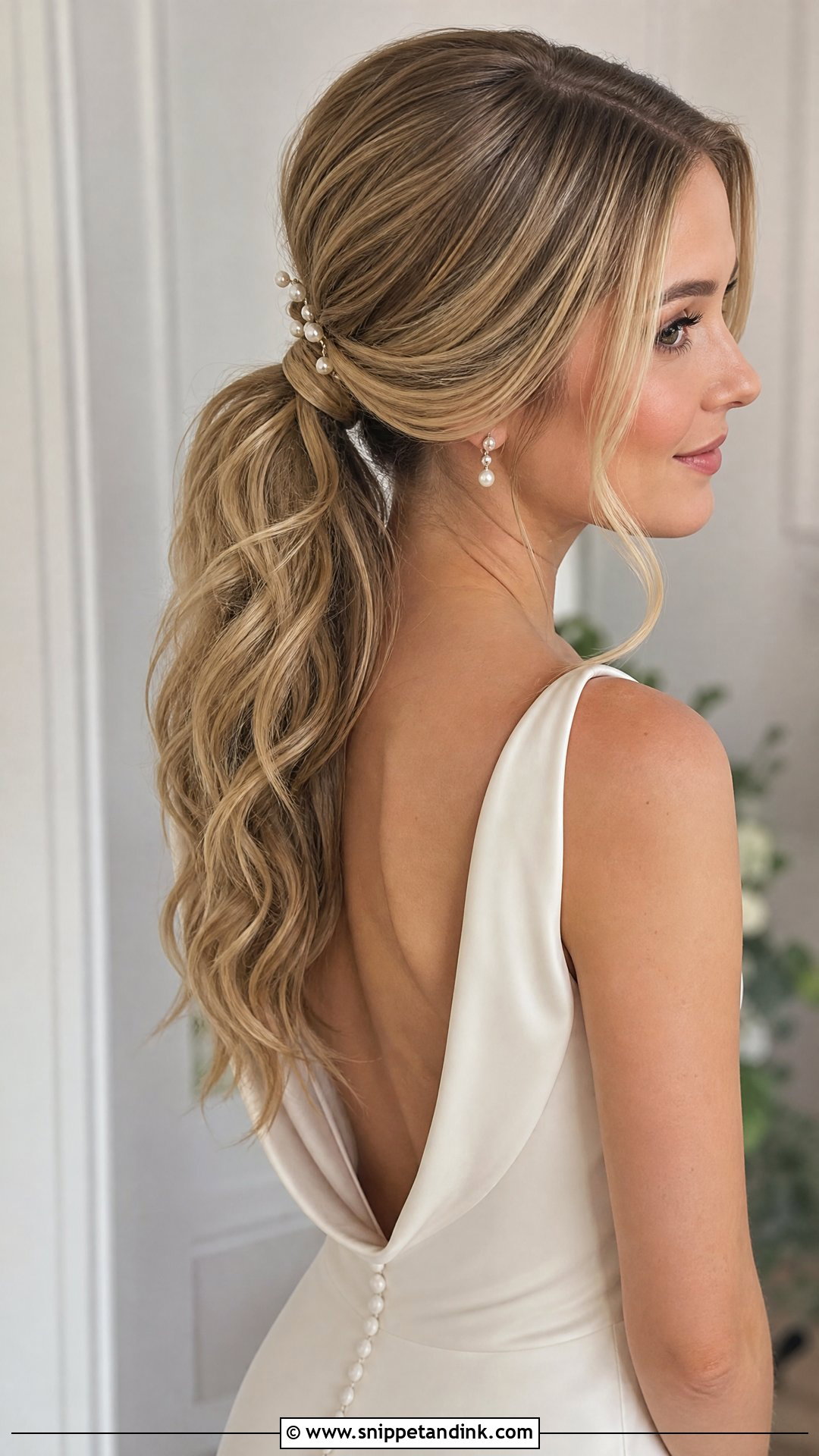
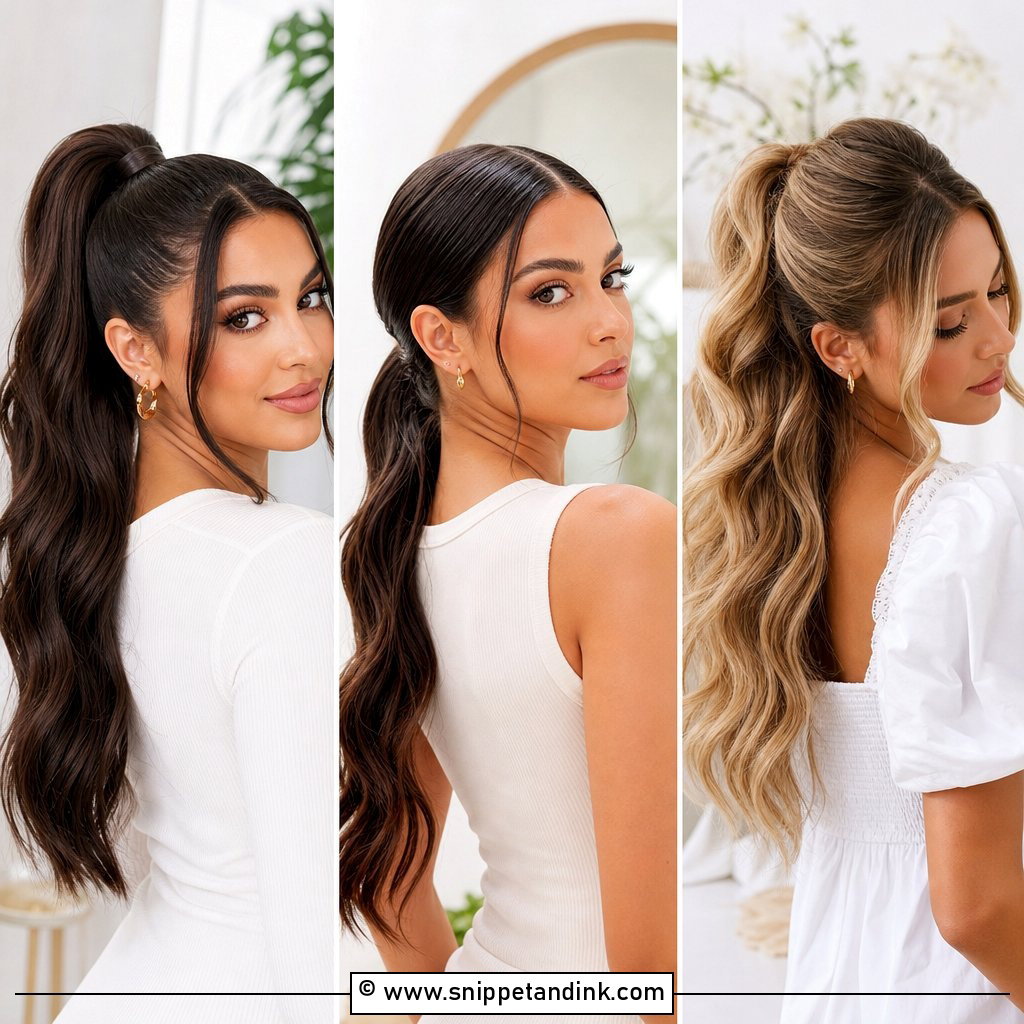
If I had to name one wedding style that suits almost every neckline, it’s the low pony. Sitting at the nape, it stays out of the way of straps, high collars and veils alike. A center part makes it modern; a soft side part makes it gentler. I hide the elastic with a wrapped section and add a little lift at the crown so the head shape doesn’t look flat in profile photos. Veils, pearl pins, floral combs and simple earrings all sit easily with it, so you can change the mood with accessories alone.
2. High Ponytail Bride Hair
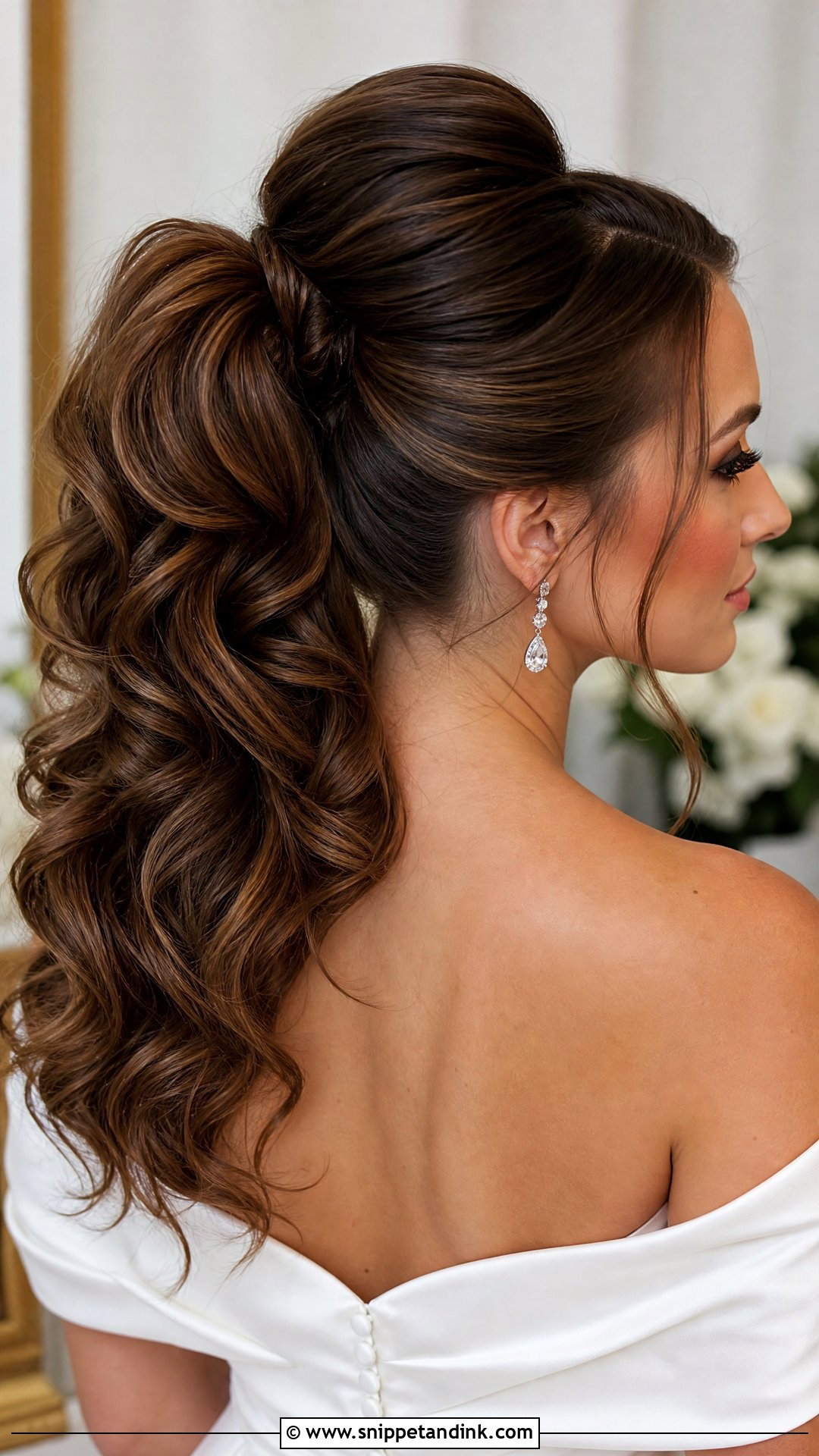
Height changes the whole face. A high pony pulls the eye up to the cheekbones and leaves the neck and shoulders bare, which is why I reach for it with strapless, halter and off-the-shoulder dresses. Sleek roots with curled ends read glamorous; a softer crown reads more romantic. Extensions are common here because a high tail shows its thickness from every side. The real work is comfort: I build the base on crossed pins so the weight isn’t hanging on the elastic, and I ask brides to wear it for a few hours at the trial to see if it starts to pull.
3. Sleek Ponytail Bride Hair
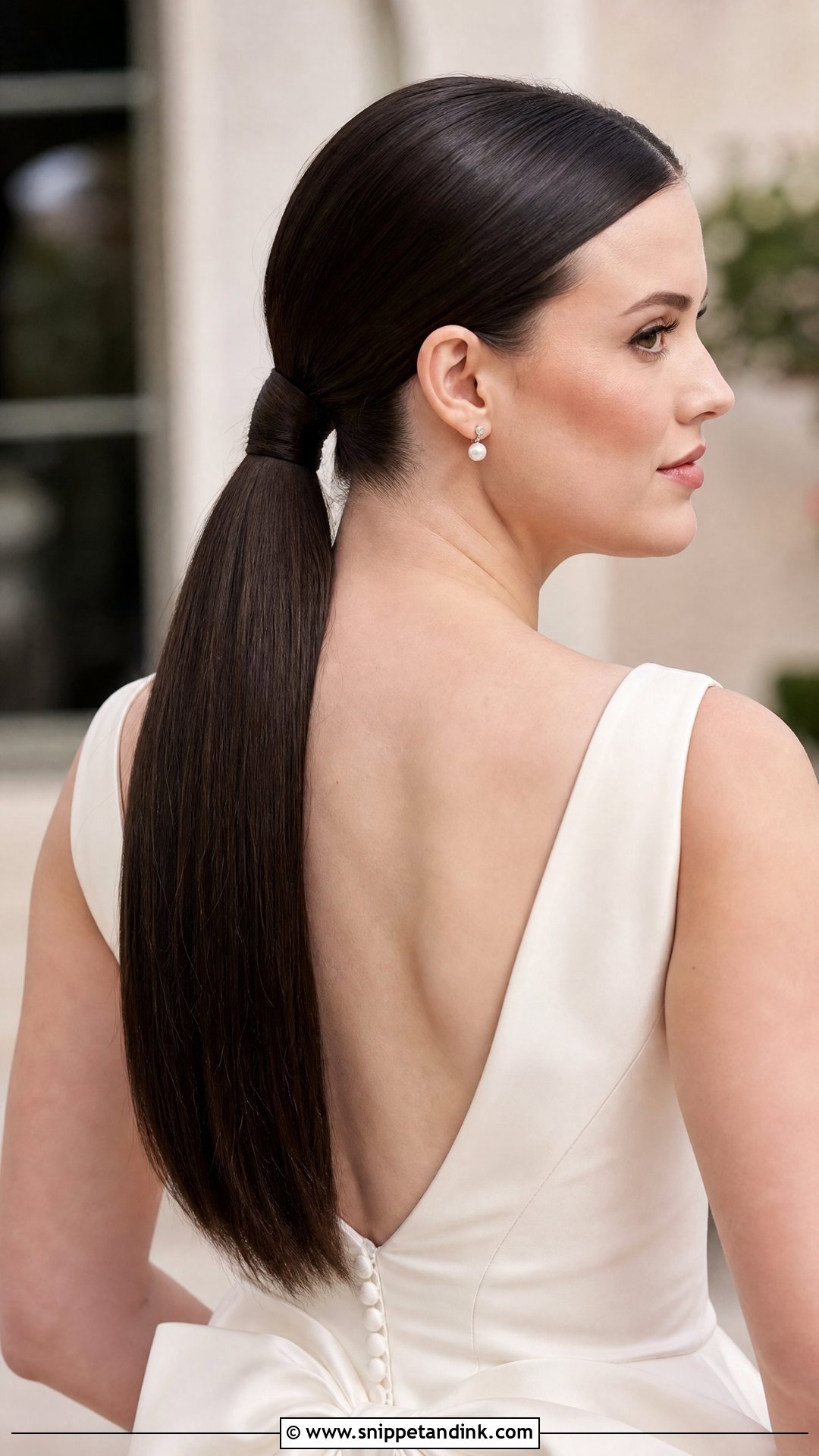
Sleek styles have nowhere to hide. Any bump, flyaway or uneven part shows, especially in flash photos, so the prep is mostly about smoothing: a full blow-dry the day before, a smoothing cream and a firm bristle brush on the morning. A middle part looks fashion-led, a side part more classic. Satin gowns and structured dresses suit it, along with bold earrings and clean makeup. The wrapped base is what makes it read bridal rather than everyday, so don’t skip it.
4. Wavy Ponytail Bride Hair
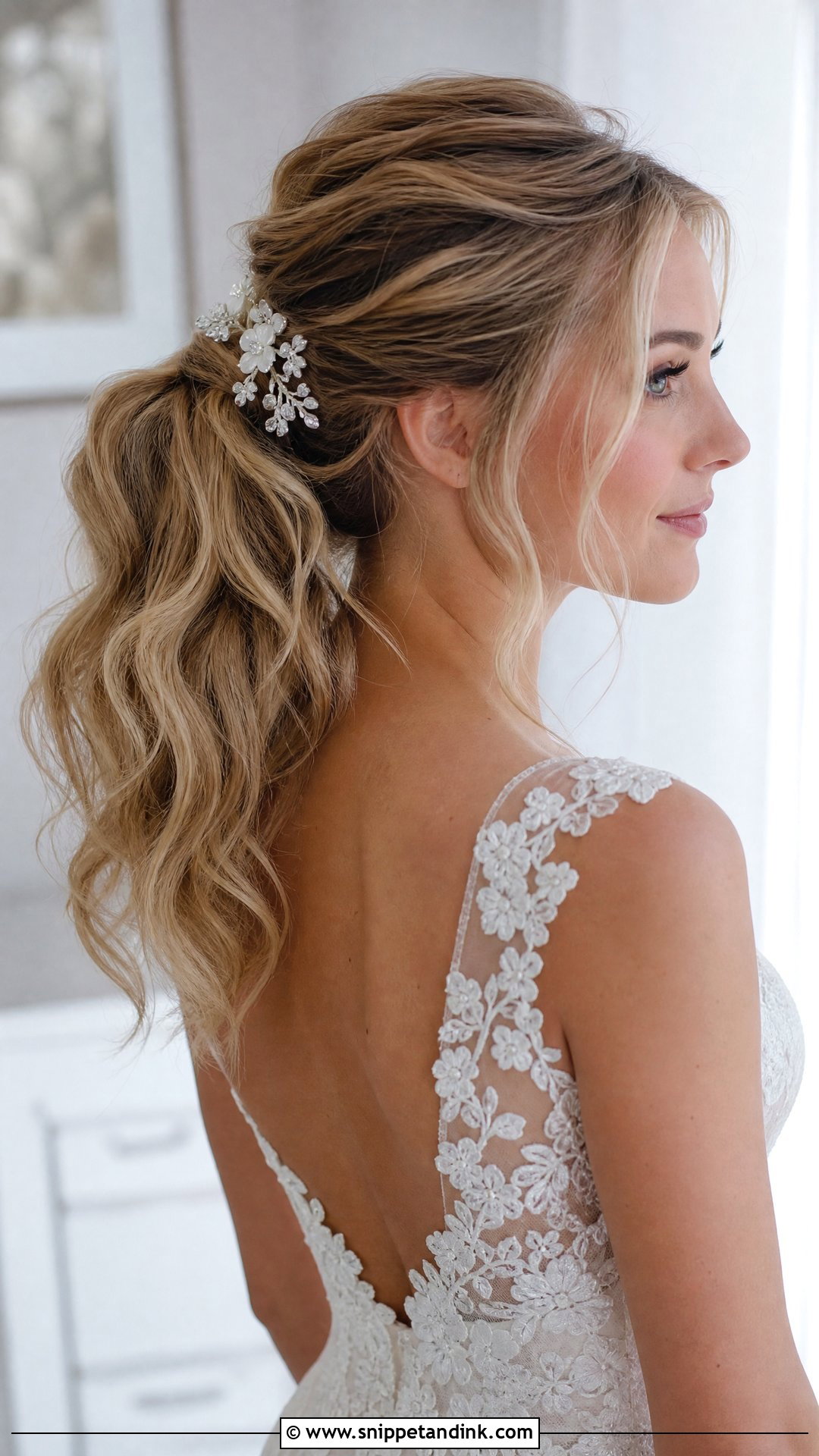
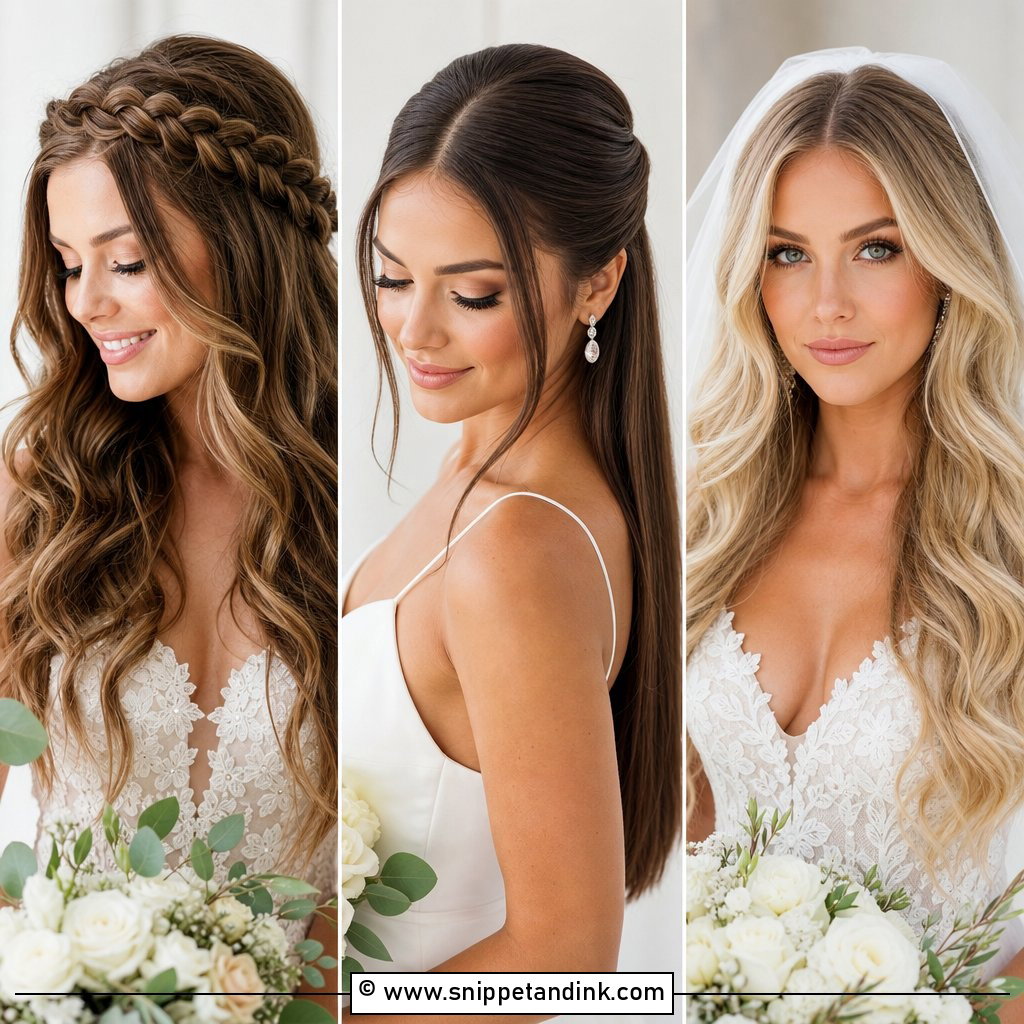
Waves give a pony movement from the front, the side and the back, which matters because guests see the back of your head for most of the ceremony. I lightly tease the crown, gather the hair and then wave the tail with a large iron, letting each section cool before brushing it out. Wavy ponytail bride hair can hang down the back or be draped over one shoulder. Outdoors, a little humidity actually softens the waves nicely, provided they were set with a flexible spray rather than a stiff one.
5. Curly Ponytail Bride Hair
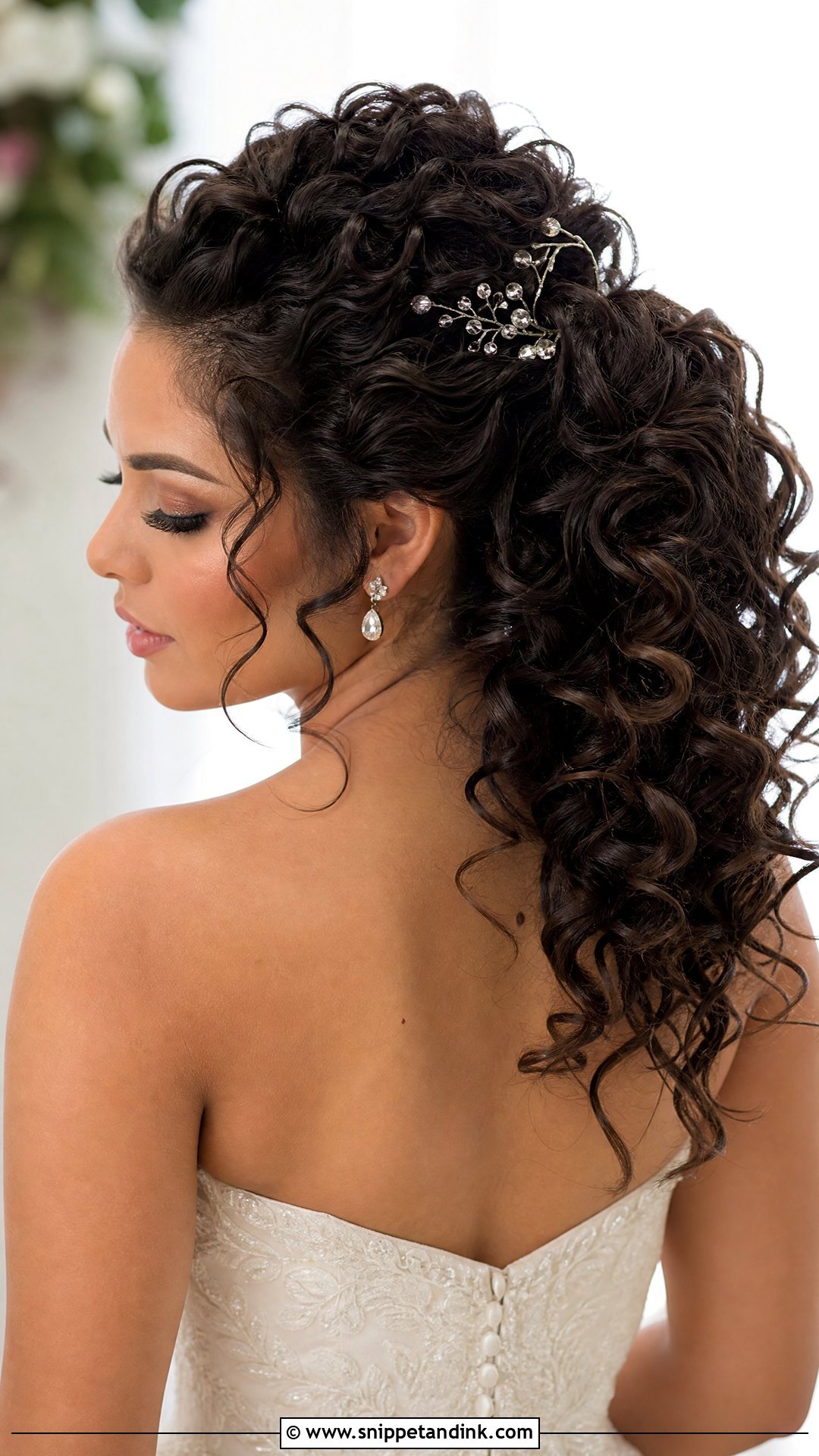
Curls can come from your own pattern, a curling wand or curly extensions, and each needs a different hand. With natural curls, I define with a cream or gel, smooth the base without brushing out the curl and use a gentle elastic. Wand curls I pin to cool before releasing. The curls should frame the shoulders and back with clear shape, not sit stiff. Floral pins, pearls, crystal combs or a veil placed just above the base all work. Frizz is the main risk on a humid day, so moisture in the prep matters more than hairspray at the end.
6. Braided Ponytail Bride Hair
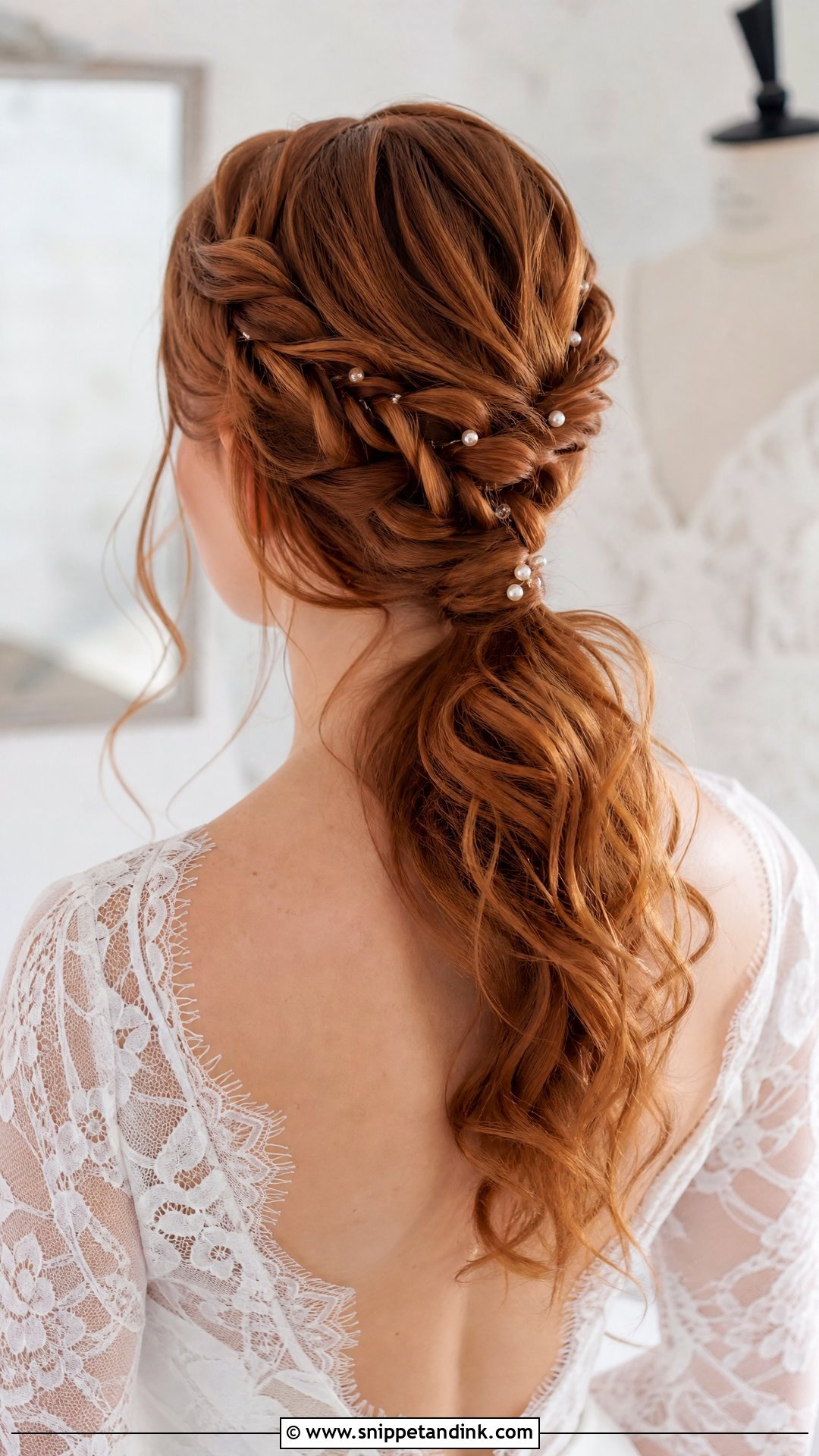
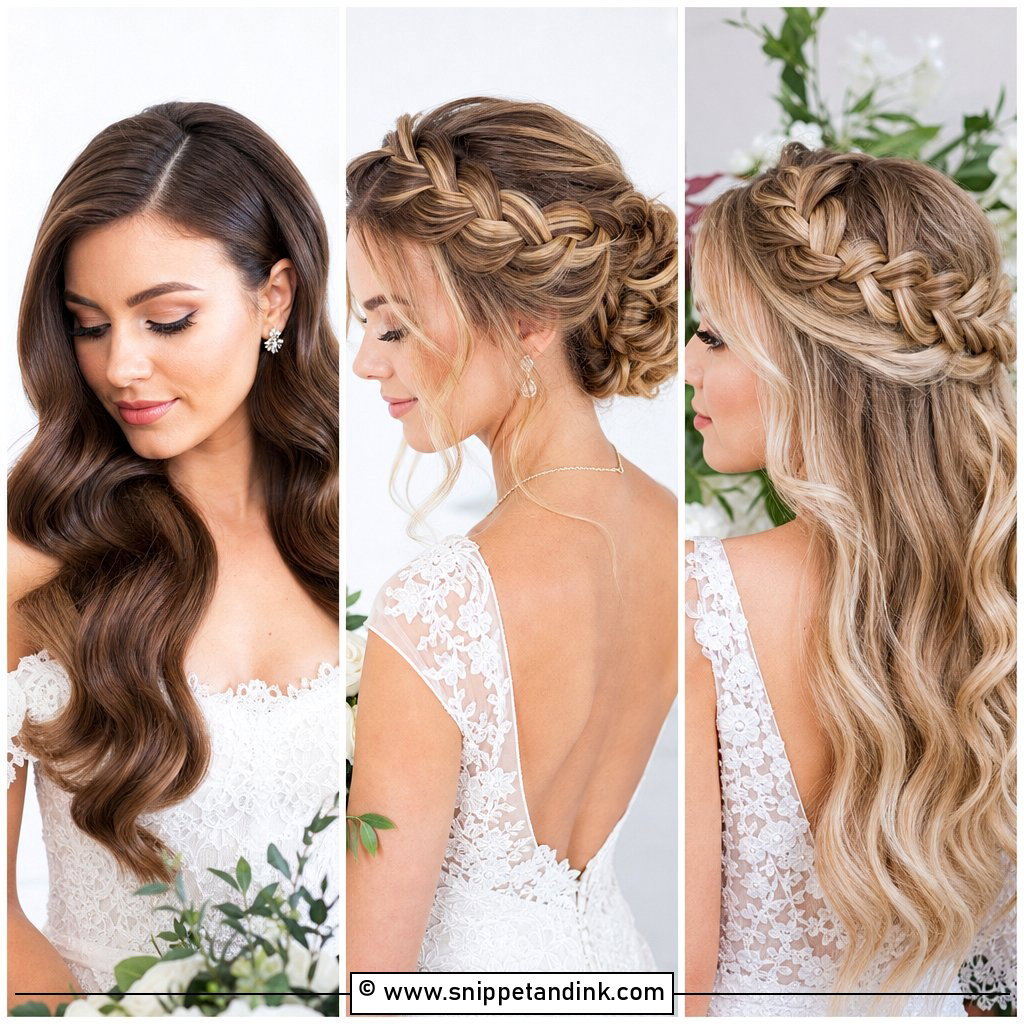
A braid gives the eye something to follow and gives the pony something to grip. It can start at the crown, run along one side or sit inside the tail itself. I braid it firm first and pull the edges apart at the very end, because loosening before pinning makes the whole thing slip. Tight and neat looks classic; pulled apart looks boho. Small pearls, pins or flowers fit a garden, beach or rustic theme. Of all the looks here, this is the one I’d suggest for someone who finds a plain pony too simple but an updo too formal.
7. Bubble Ponytail Bride Hair
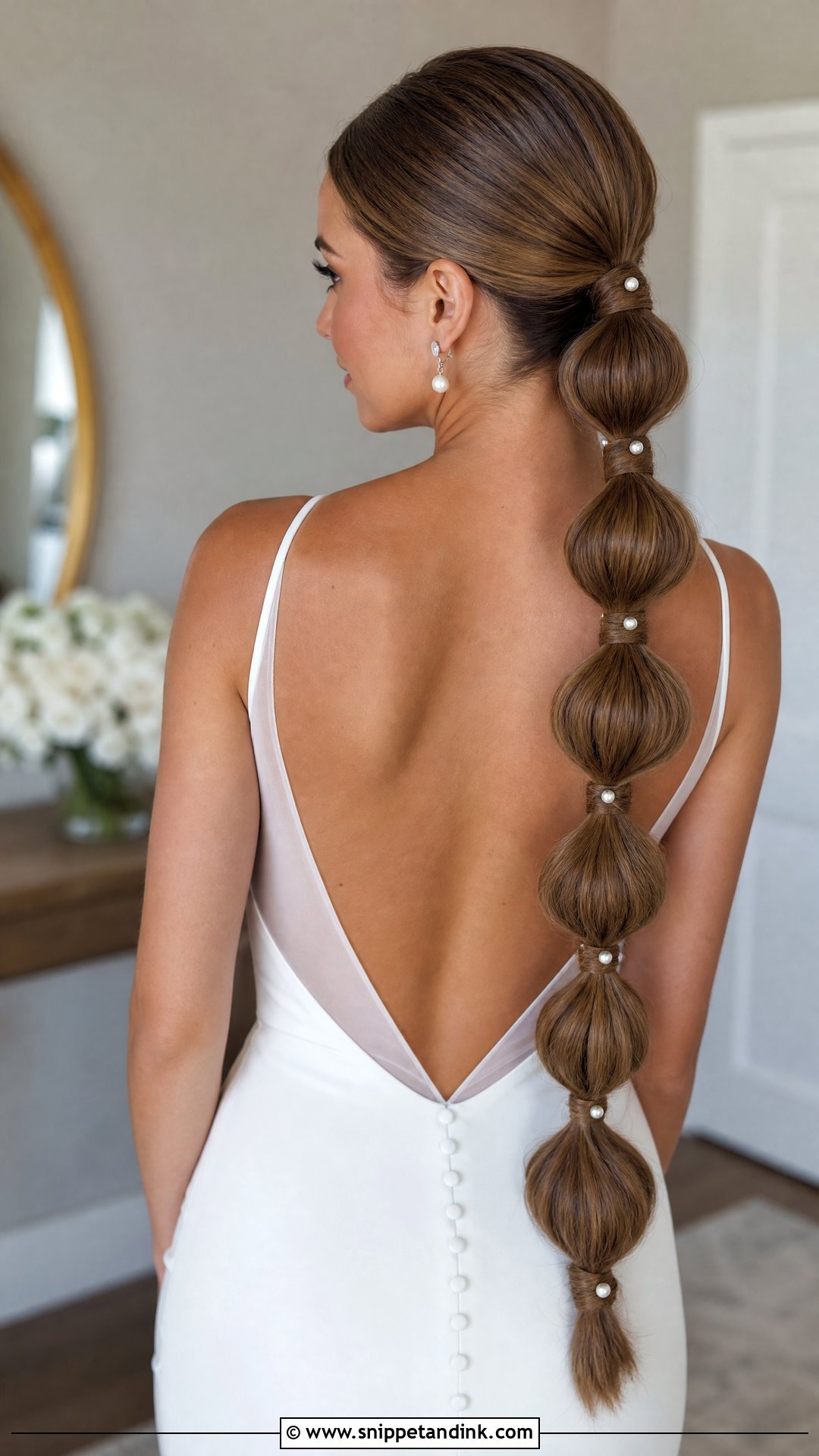
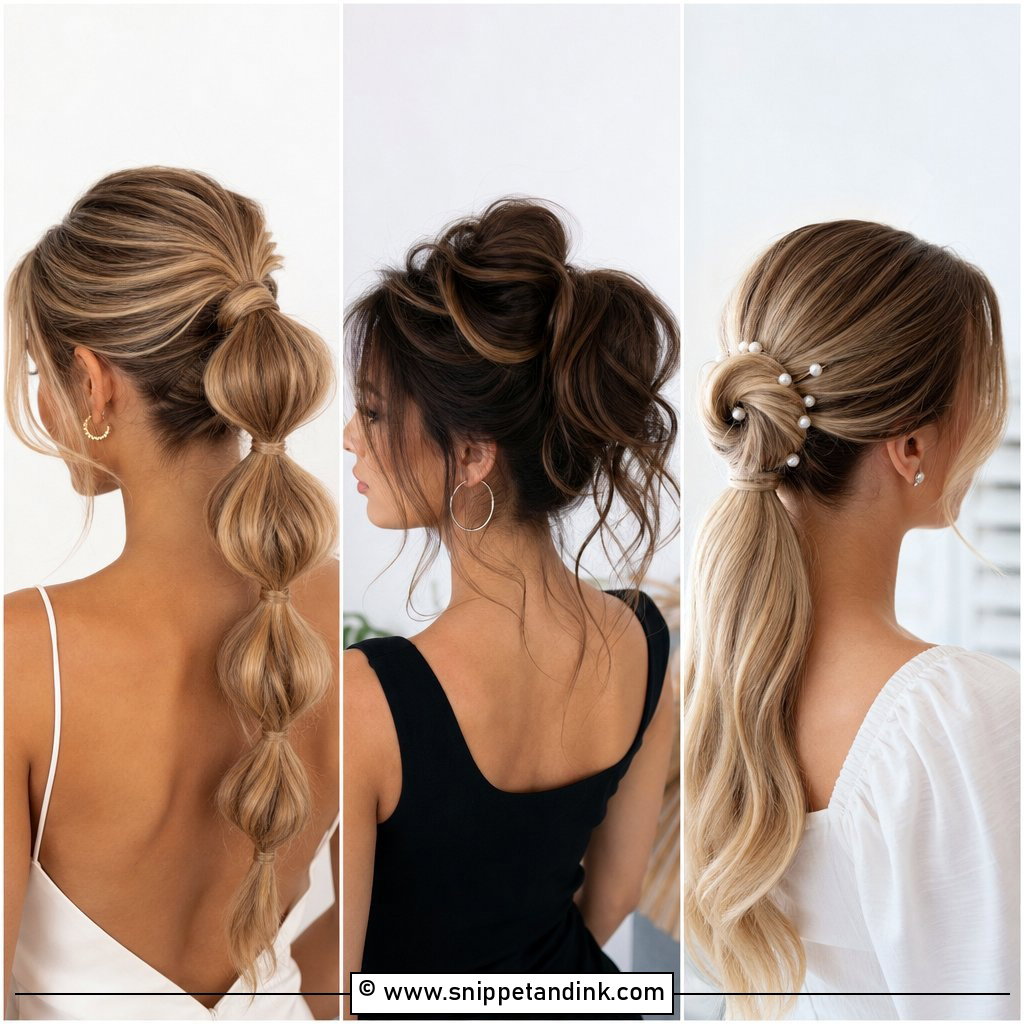
Bubbles need length. Hair that falls past the shoulder blades gives you four or five rounded sections; shorter hair gives two, and the look loses its point. I tie off the pony, add clear elastics every few inches and gently pull each section wider. Sleek roots look fashion-led; soft texture at the crown looks more romantic. Pearl ties or wrapped sections can cover the elastics. I like it most as a reception look, since it’s secure on a busy dance floor and fun in candid photos.
8. Side Ponytail Bride Hair
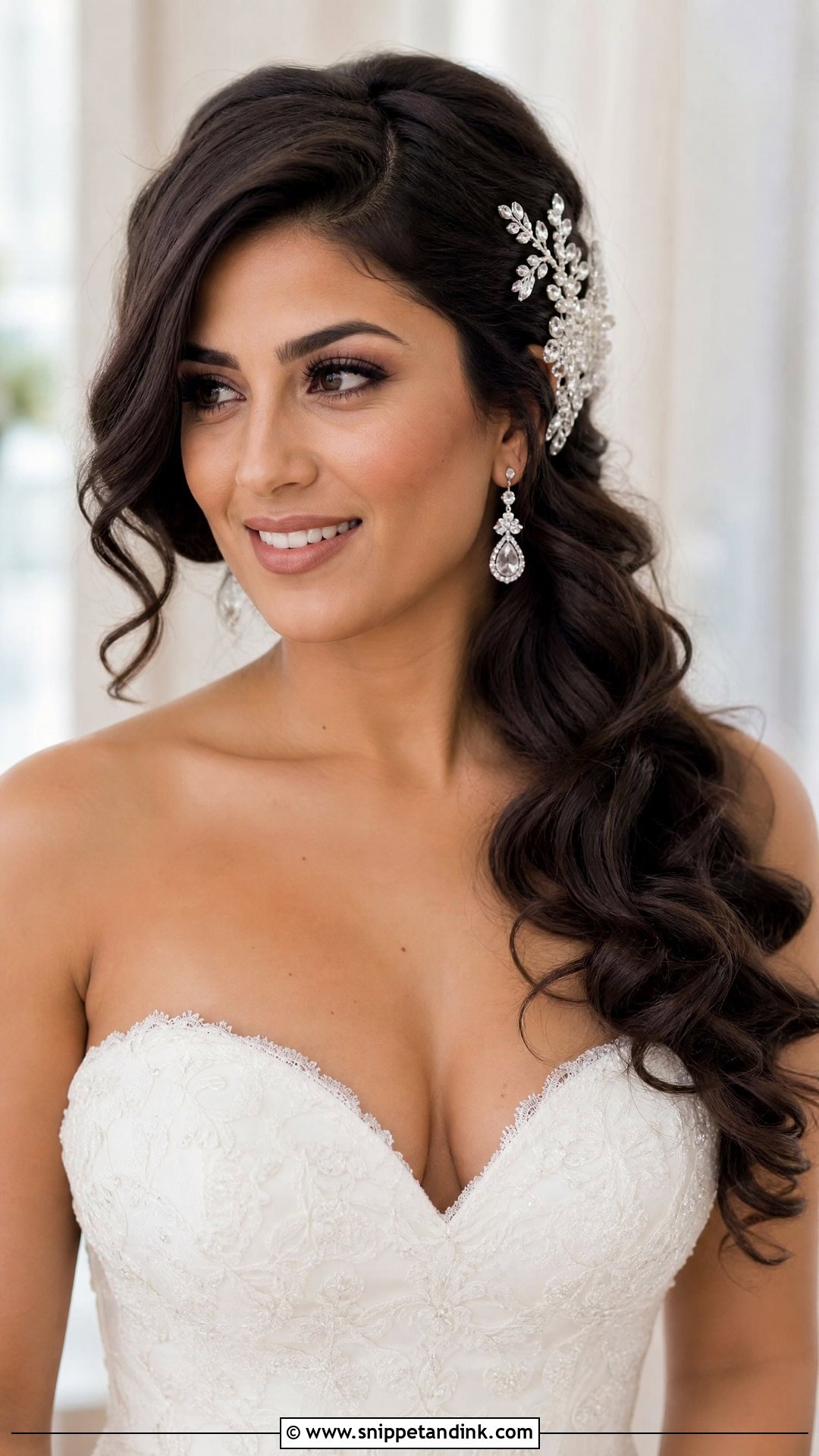
Over the shoulder is where a pony shows off its curls best. I place the anchor low and slightly behind the ear so the tail drapes forward without the hair looking dragged across the head. One-shoulder gowns, sweetheart necklines and dresses with detailed backs pair well with it, since the back stays clear. A deep side part gives it an old Hollywood feel. Decide early which shoulder it falls over, ideally the side facing guests during the vows.
9. Textured Ponytail Bride Hair
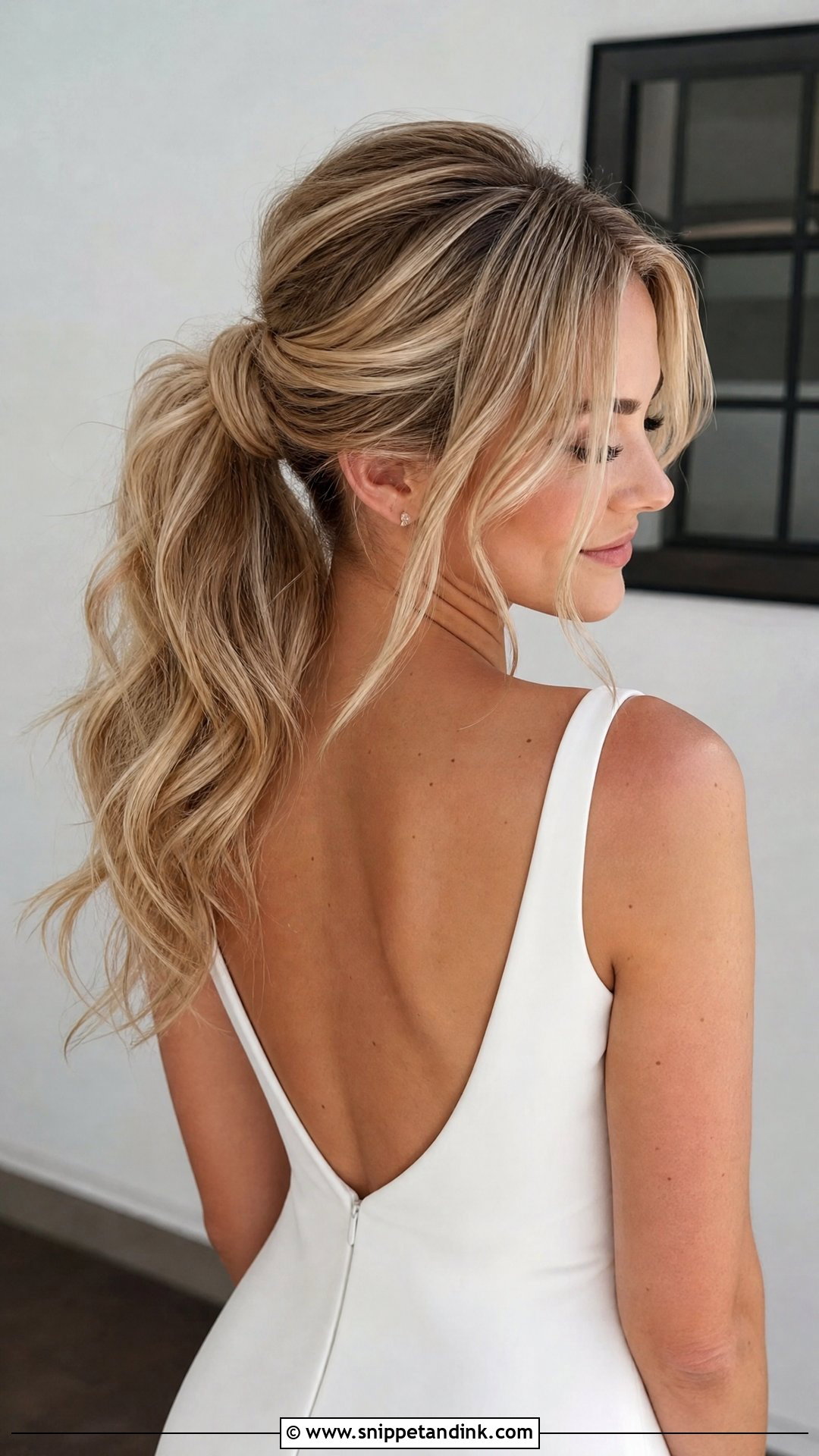
Texture is the most forgiving finish for hair that won’t sit sleek. The roots get soft volume, the tail has movement and nothing looks stiff to the touch. It also shows off balayage, highlights and dimensional brunette tones far better than a smooth finish, because the light catches the different strands. I build texture with a dry texture spray on hair that’s already curled and brushed out. Messy hair it isn’t: the shape is planned, with a few loose pieces at the face and a lifted crown, and everything underneath is pinned firmly.
10. Pearl Ponytail Bride Hair
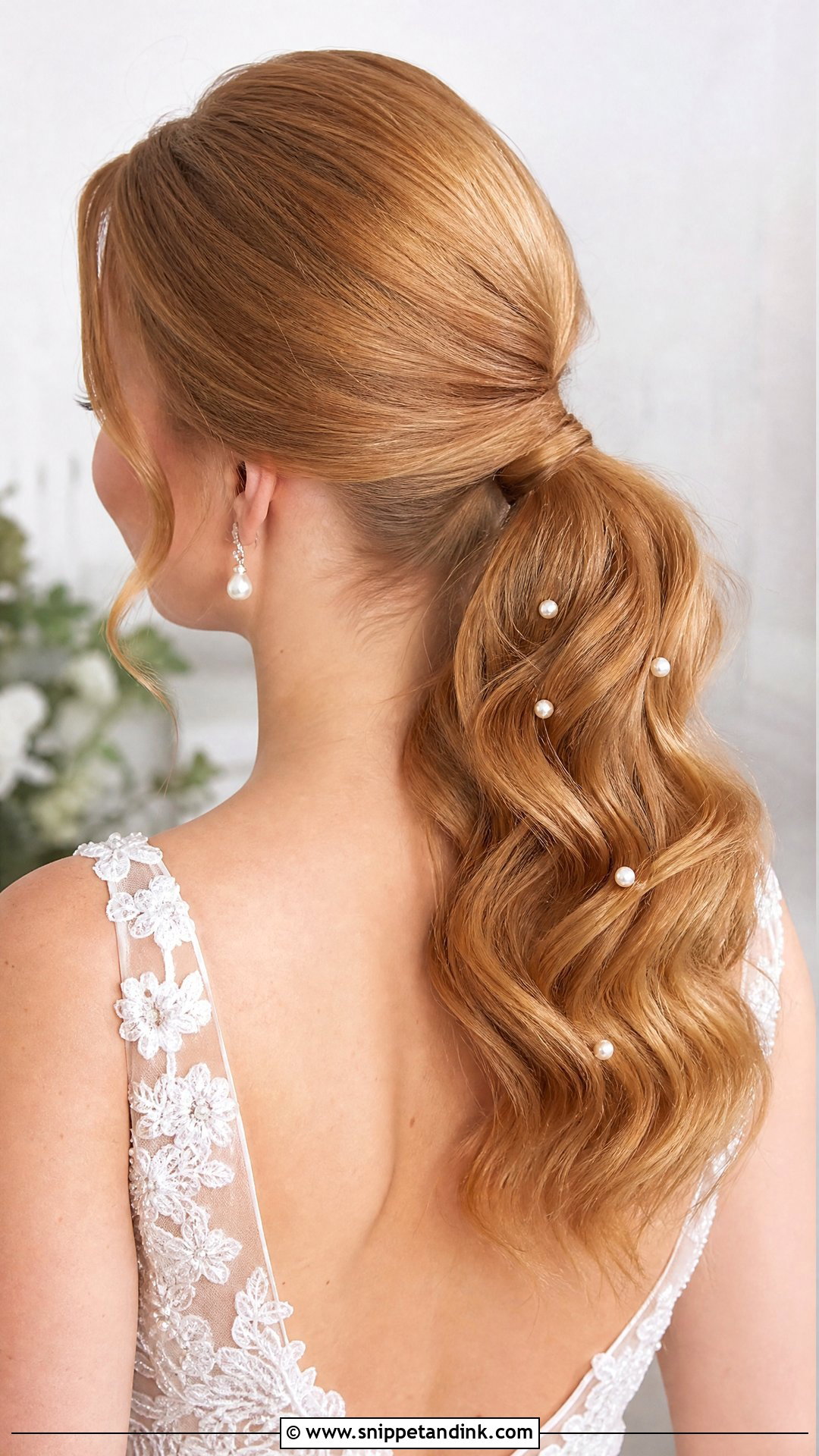
Pearls look best placed in small groups rather than a perfect line. They can circle the base, sit through waves, run along a braid or appear as scattered pins. A low or mid pony keeps them visible from the back and side, where most guests are looking. I slide each pin against the direction of the hair so it grips. Smooth hair shows the pearls clearly, gentle waves give a softer finish, and the whole look pairs naturally with pearl earrings, lace and clean makeup.
11. Flower Ponytail Bride Hair
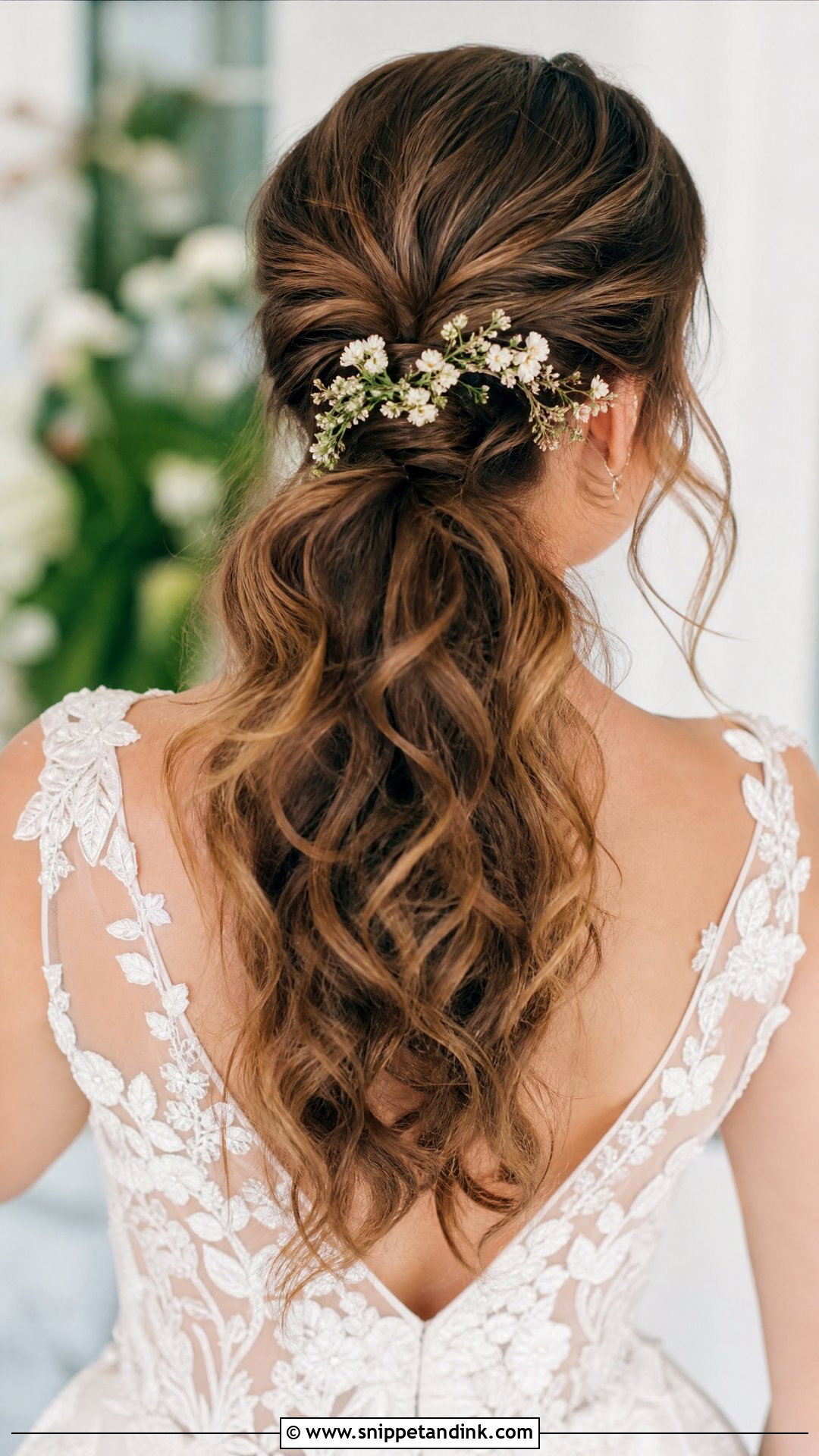
Flowers in hair have a shelf life. Fresh blooms tucked around the base or into a braid can wilt within a few hours in summer heat, so I ask the florist for sturdy, small flowers and keep them cool until the last minute; good faux flowers are the alternative for a long outdoor day. Smaller blooms look more refined than oversized ones and keep the pony balanced. Loose waves, natural curls or a textured low pony all suit them. Tie the colors to the bouquet without matching it exactly.
12. Veil Ponytail Bride Hair
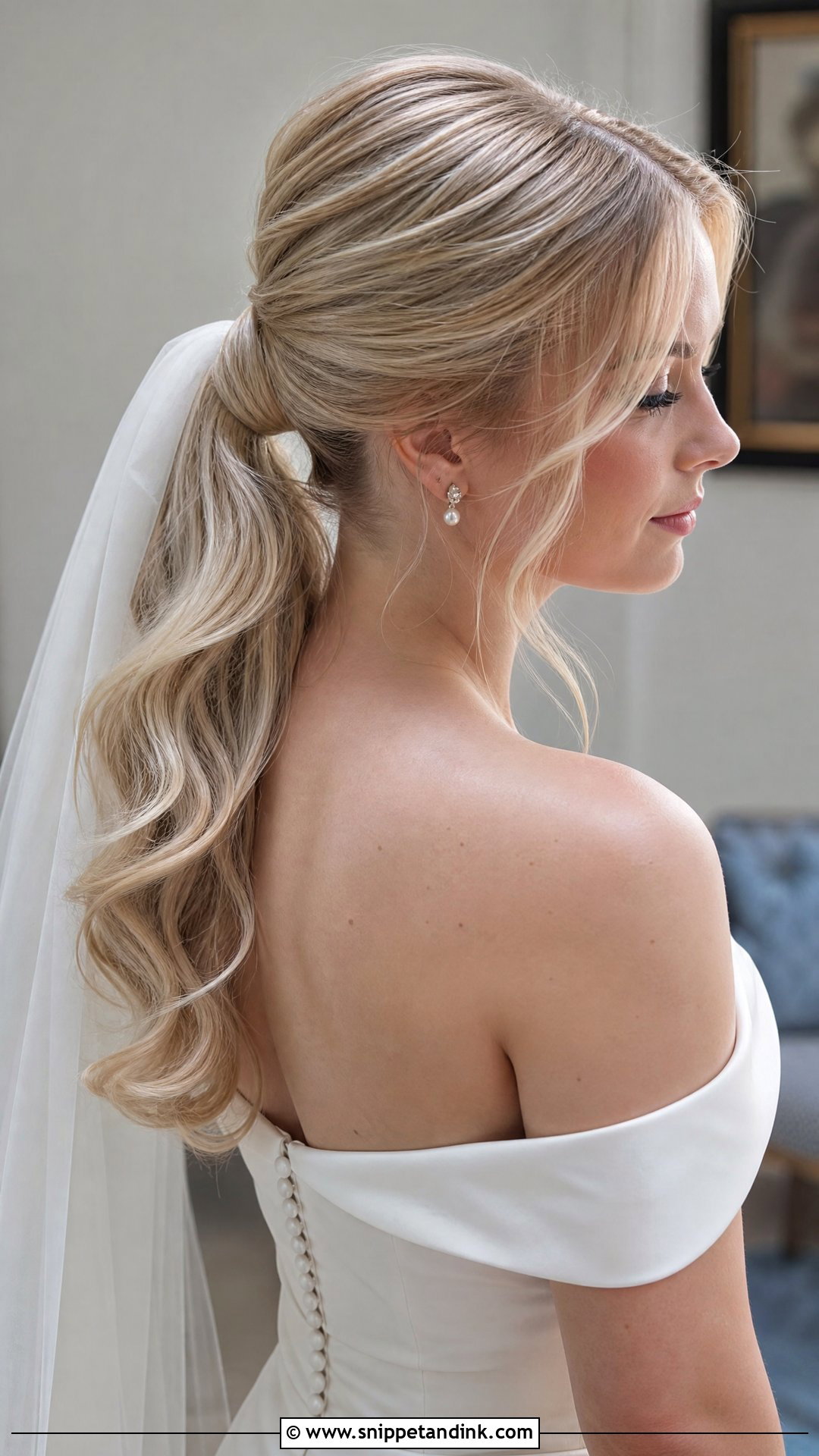
Veil and pony compete unless the placement is planned. Above the base is the classic option and the most secure; below the base looks more modern but needs a pony that sits low so the comb has hair to grip. A comb around the base adds extra support. I always do the veil at the trial with the actual veil, since weight varies a lot between a fingertip and a cathedral length. Soft waves or curls keep the tail looking full under the tulle.
13. Half Braided Ponytail Bride Hair
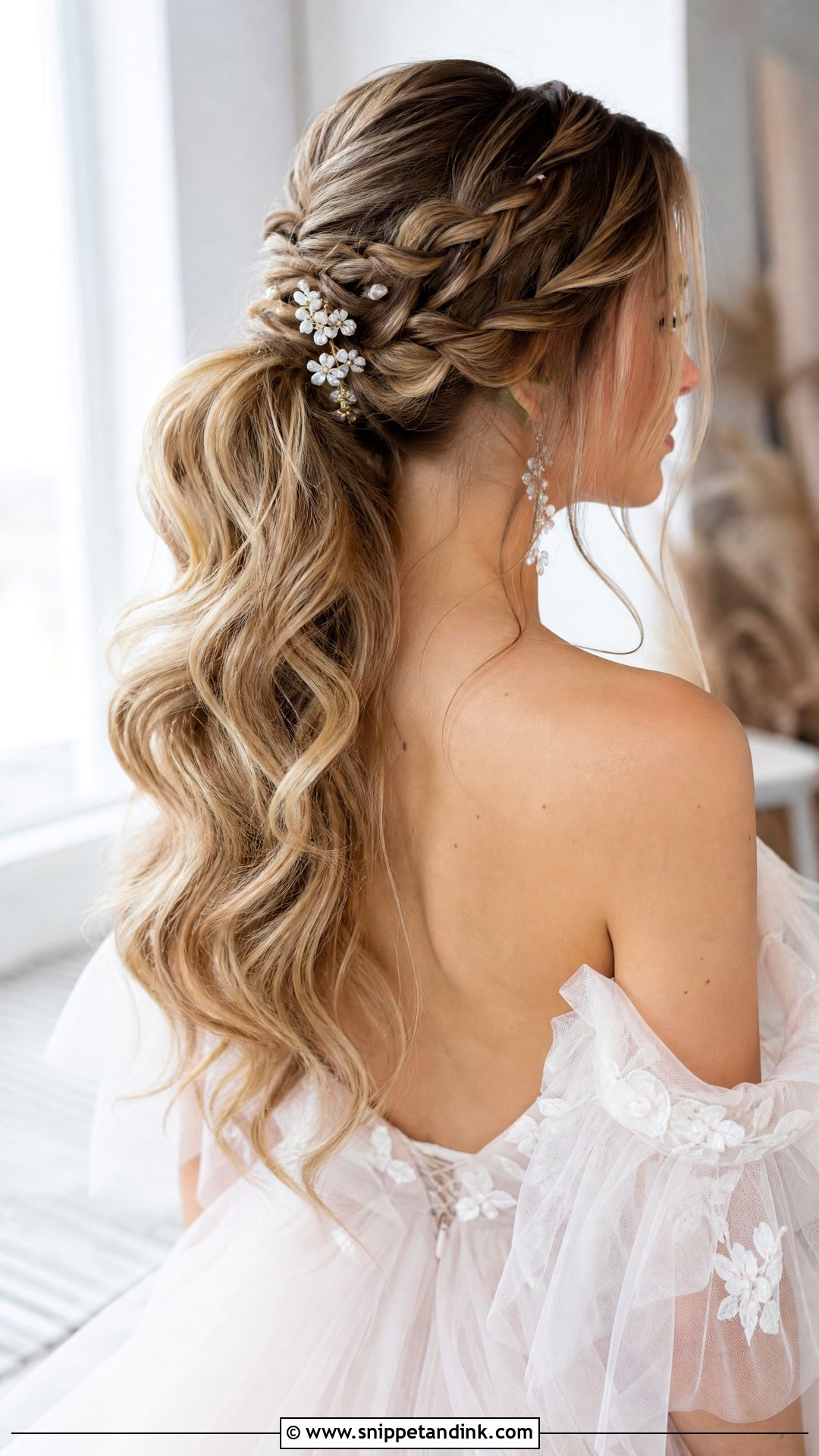
This is a half-braided style: braids across the top or sides, gathered into a pony with the lengths left in waves or curls. You get structure where it matters for hold and softness everywhere else. Highlighted hair shows the braid pattern well in photos. A loose, airy braid feels boho; a tighter, cleaner one suits a formal ceremony. Tiny pins or flowers along the braid finish it, and the braid itself keeps shorter layers at the sides from escaping.
14. Voluminous Ponytail Bride Hair
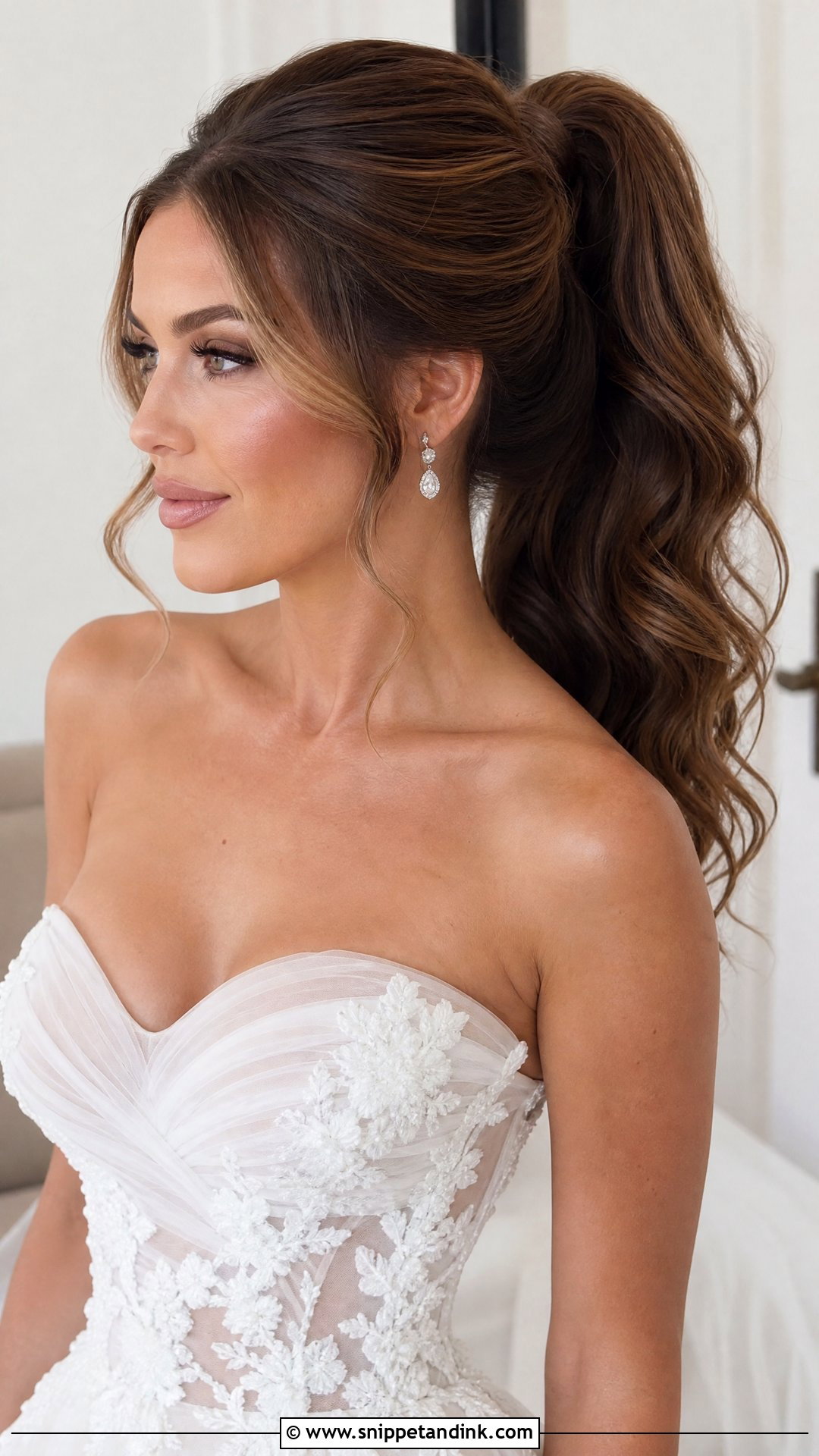
Volume is about what’s underneath. I tease or pad the crown slightly for height, then smooth a thin layer over it so the lift looks natural rather than bouffant. The tail can be curled, waved or brushed out for fullness, and extensions help a lot on fine hair. A wrapped base keeps it polished and face-framing pieces soften the height. Dramatic gowns, long veils and bold earrings carry this much hair well; a delicate slip dress can look overwhelmed by it.
15. Messy Ponytail Bride Hair
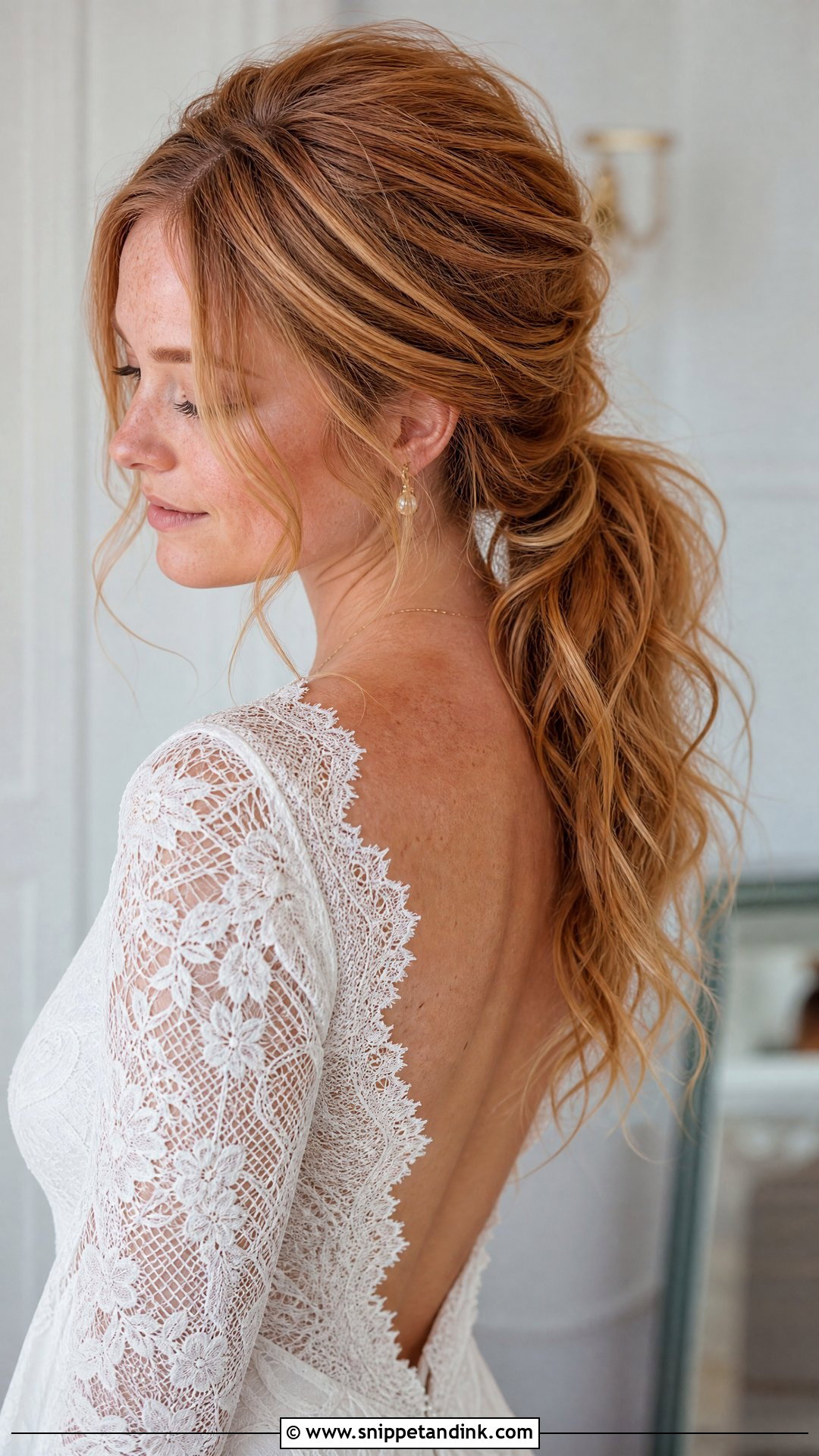
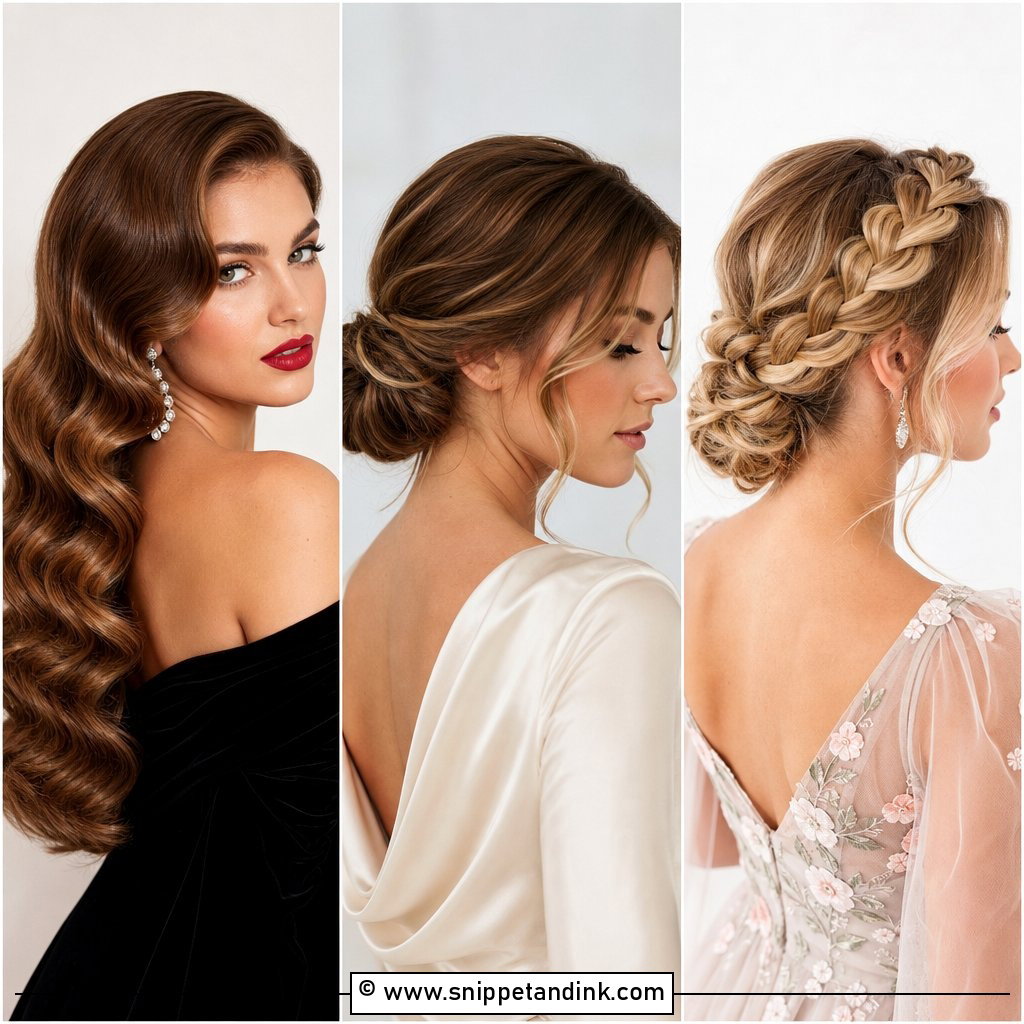
Messy should still be planned. I curl first, brush the curls apart, then gather loosely and pull out pieces at the crown and face once the base is secure. It needs enough hold to last all day but enough movement to look relaxed, which usually means a flexible spray and no shine serum near the roots. Outdoor weddings, boho dresses, lace and natural makeup suit it. Low or mid-height both work.
16. Ponytail Bride Hair With Bangs
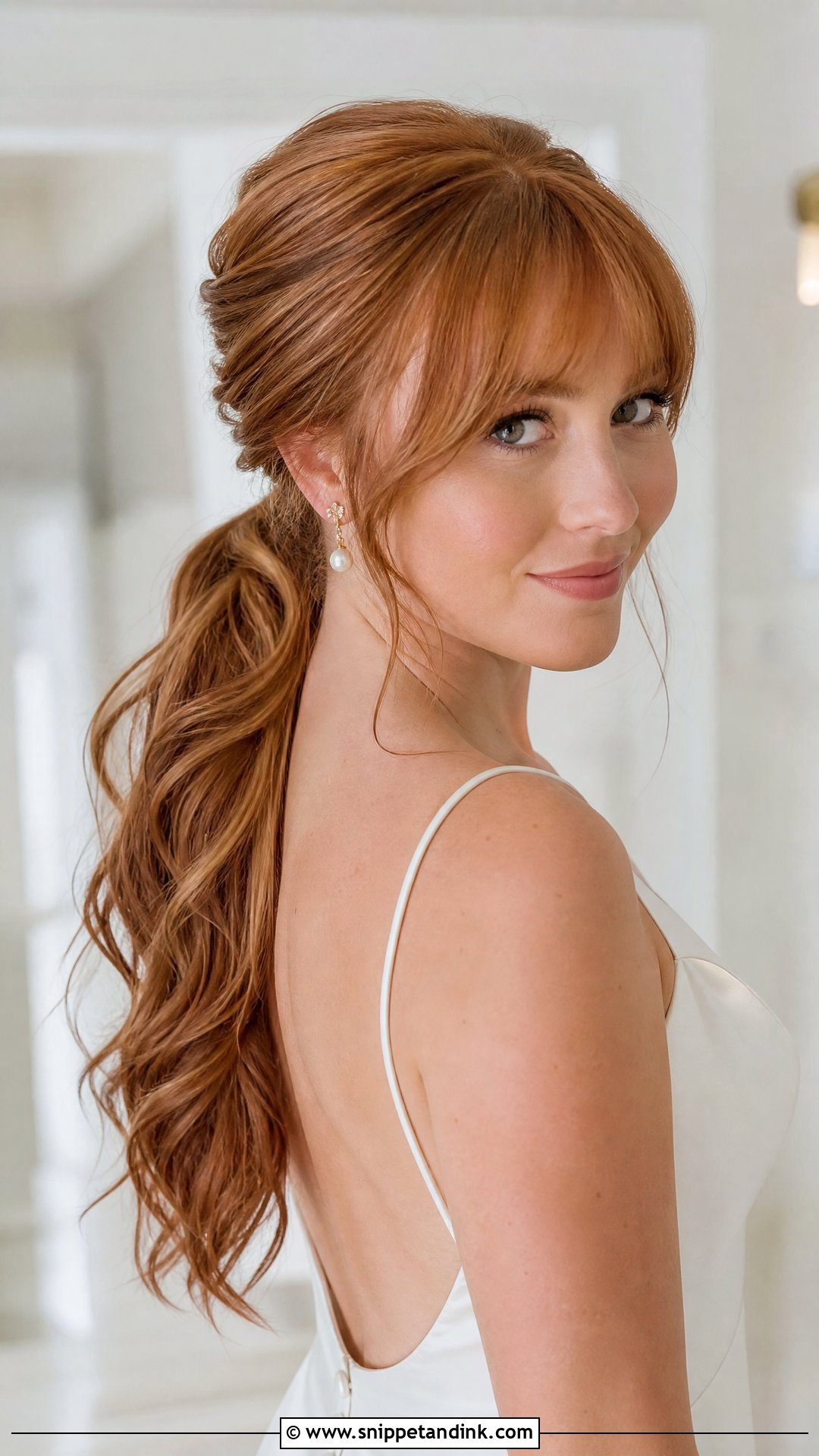
Bangs keep your face looking like your face, which is reason enough for brides who wear them daily. Ponytail bride hair with bangs works with curtain, wispy or soft side bangs, as long as they’re blended into the shape of the pony. I set bangs with a round brush and a little light spray so they stay put but still move. A trim is safest about a week before the wedding; cut the day before and they may sit too short or too blunt in photos.
17. Ponytail Bride Hair With Extensions
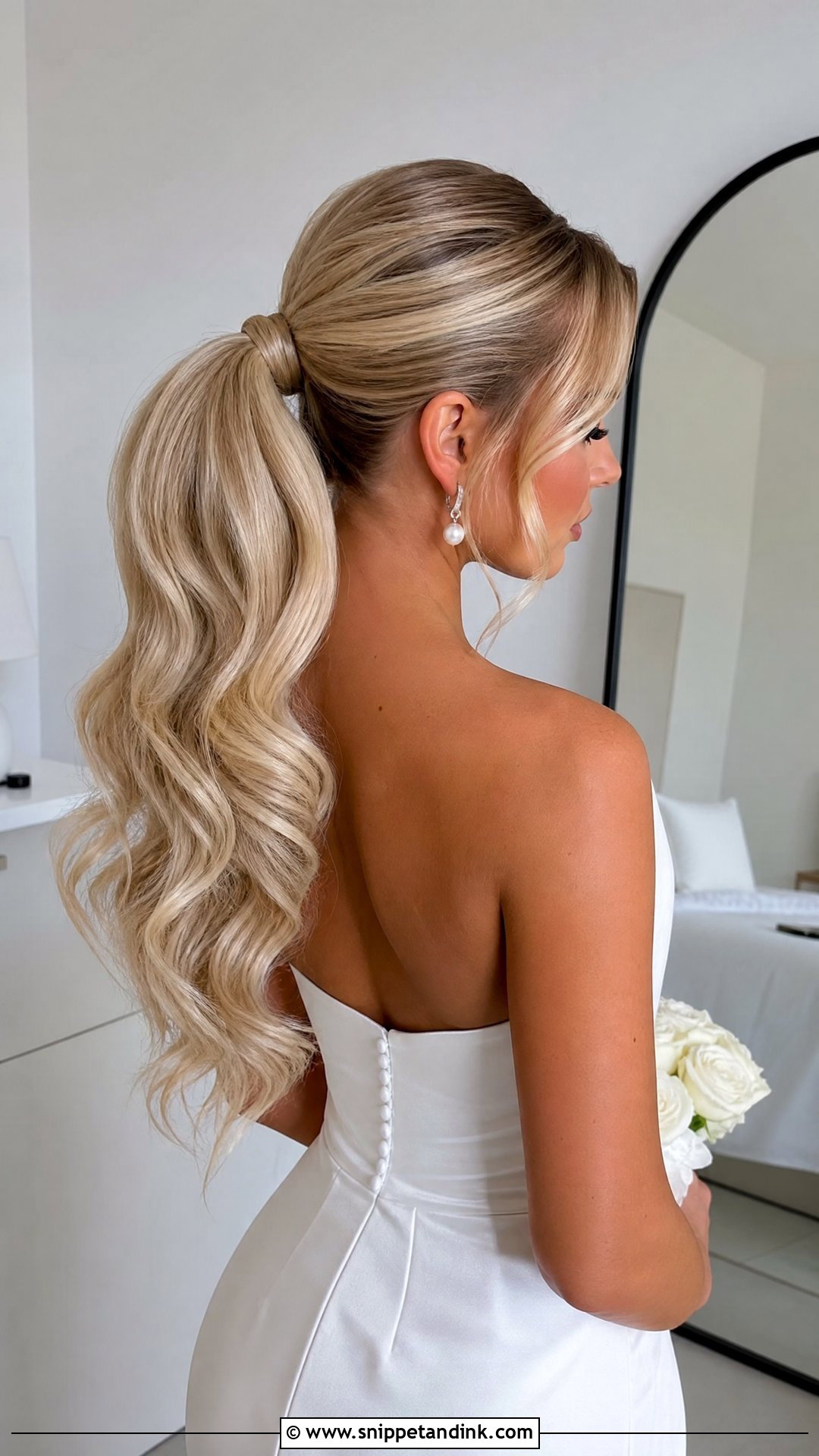
Extensions are the quiet reason many wedding ponies look so full. Clip-ins, wefts or a custom ponytail piece can add length, density and curls that hold their shape longer than fine natural hair does. Color and texture must match closely, so check them in daylight, not under bathroom lights. The trial matters even more here: I need to see where each weft sits, how the base hides them and whether the extra weight is comfortable. Fine hair and shorter layers benefit most.
18. Natural Hair Ponytail Bride Hair
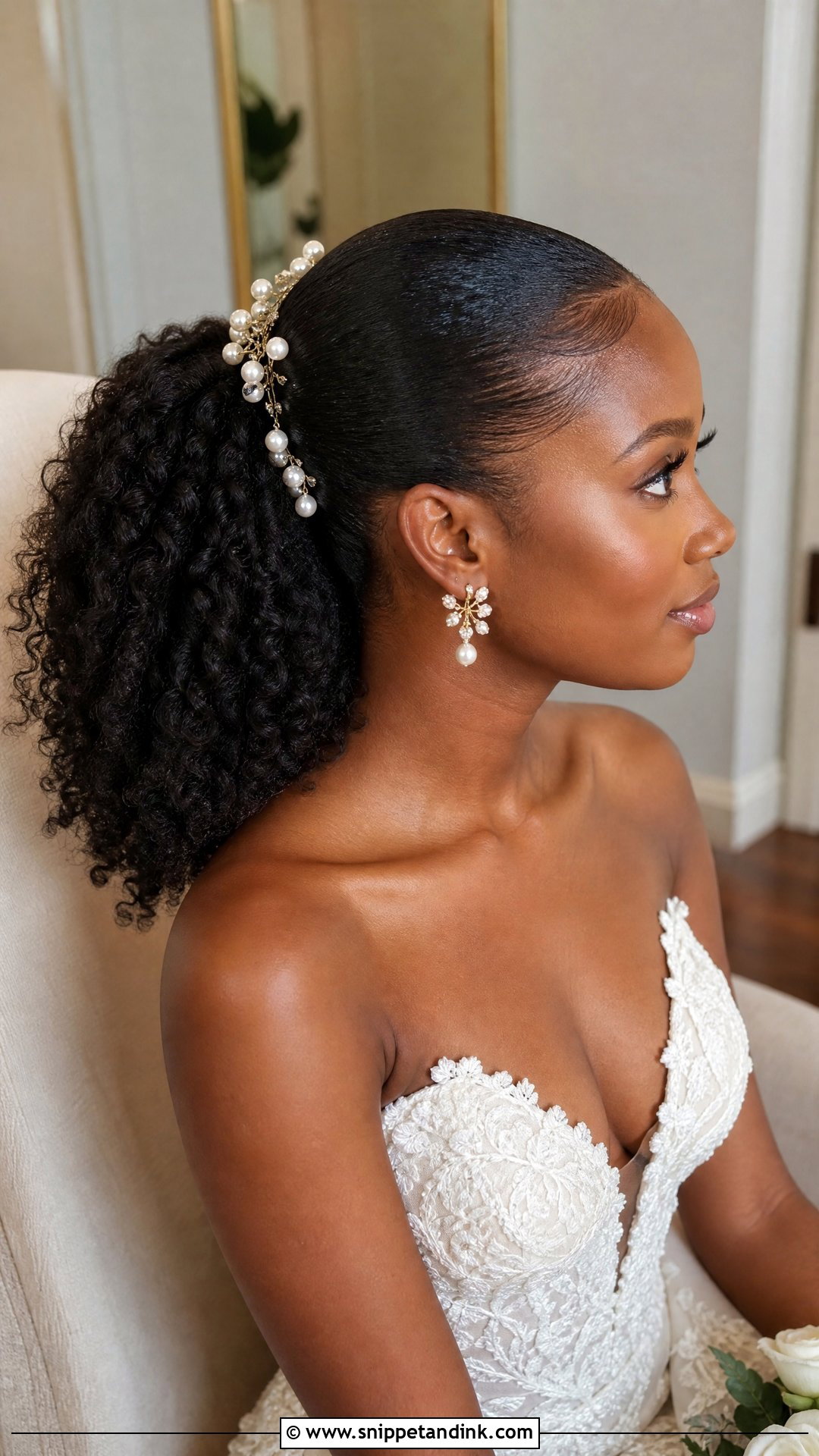
Natural hair gives you some of the richest pony options of all. It can be sleek, curly, coily, braided or stretched. A smooth base with a full textured tail makes a striking contrast, and a curly puff pony looks soft and regal. Twists, braid details, gold pins, pearls or flowers can all be added. Moisture, definition and edge control decide how long it stays clean, so I build the look on your usual products. Natural hair, added hair or a textured ponytail piece all work for volume.
19. Short Hair Ponytail Bride Hair
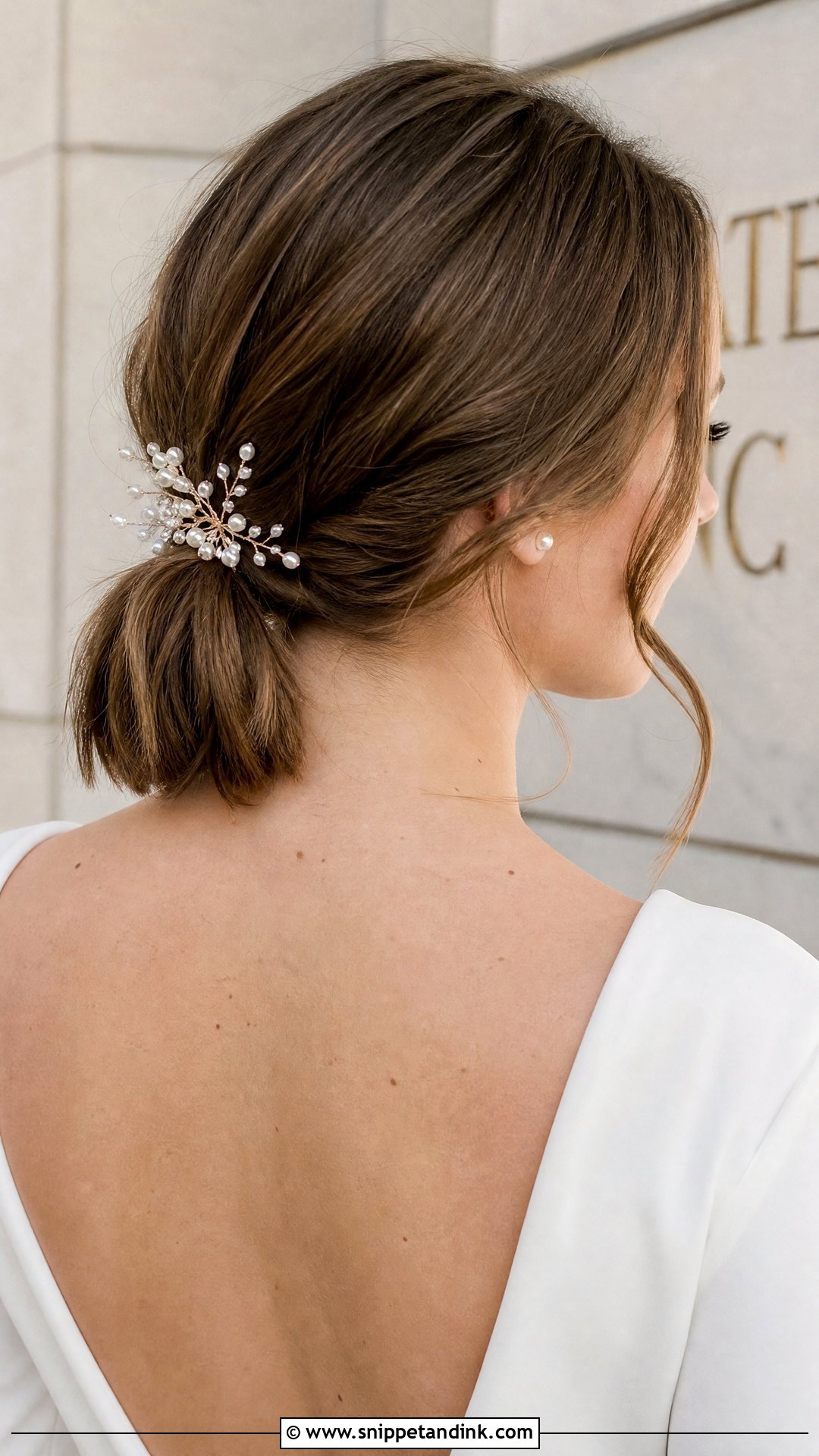
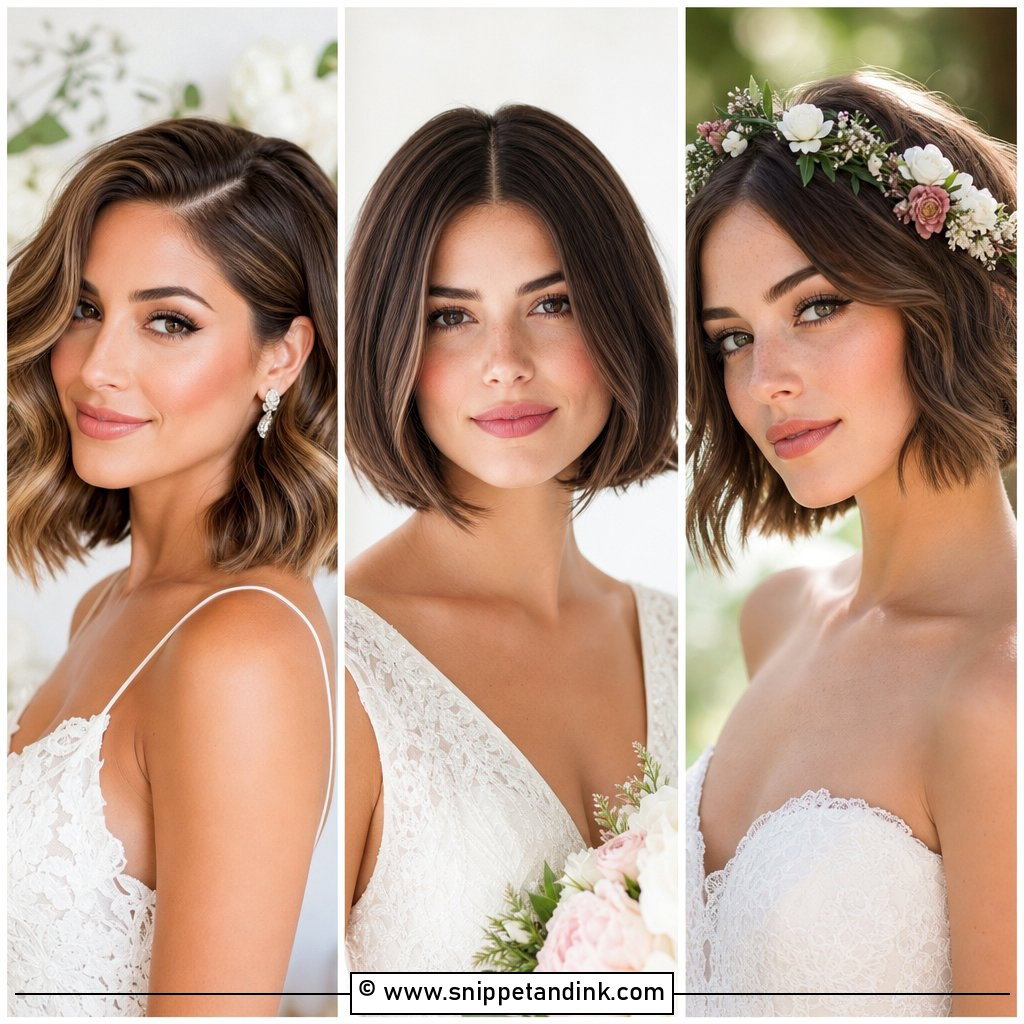
Short hair can still make a bridal pony, just a smaller one. A low mini pony, a tucked pony or one with soft waves can look polished on bob-length or lob-length hair. Shorter layers at the nape will try to fall out, so I catch them with a few pins tucked under the base. Pearl pins, a small comb, a bow or a light veil make it feel special. If you’d like more length, a small ponytail piece clipped over the base is discreet.
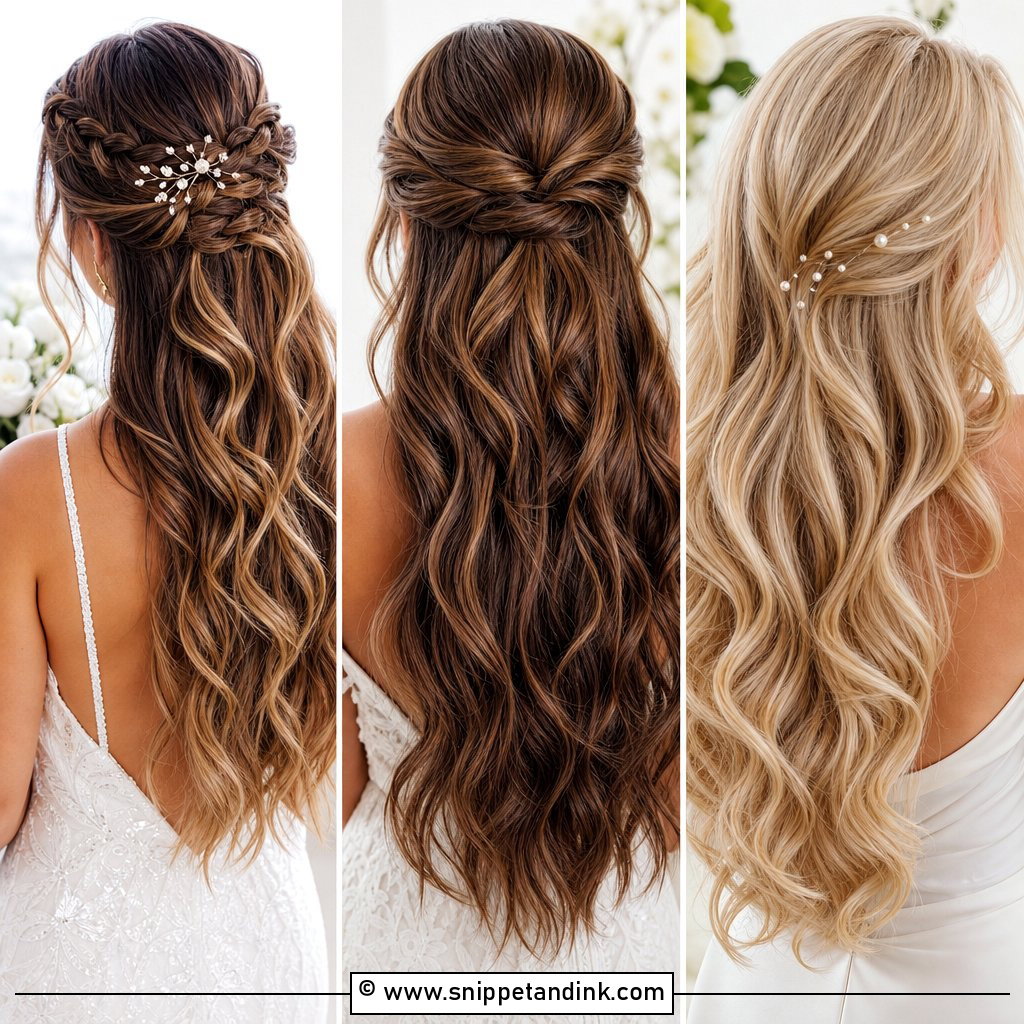
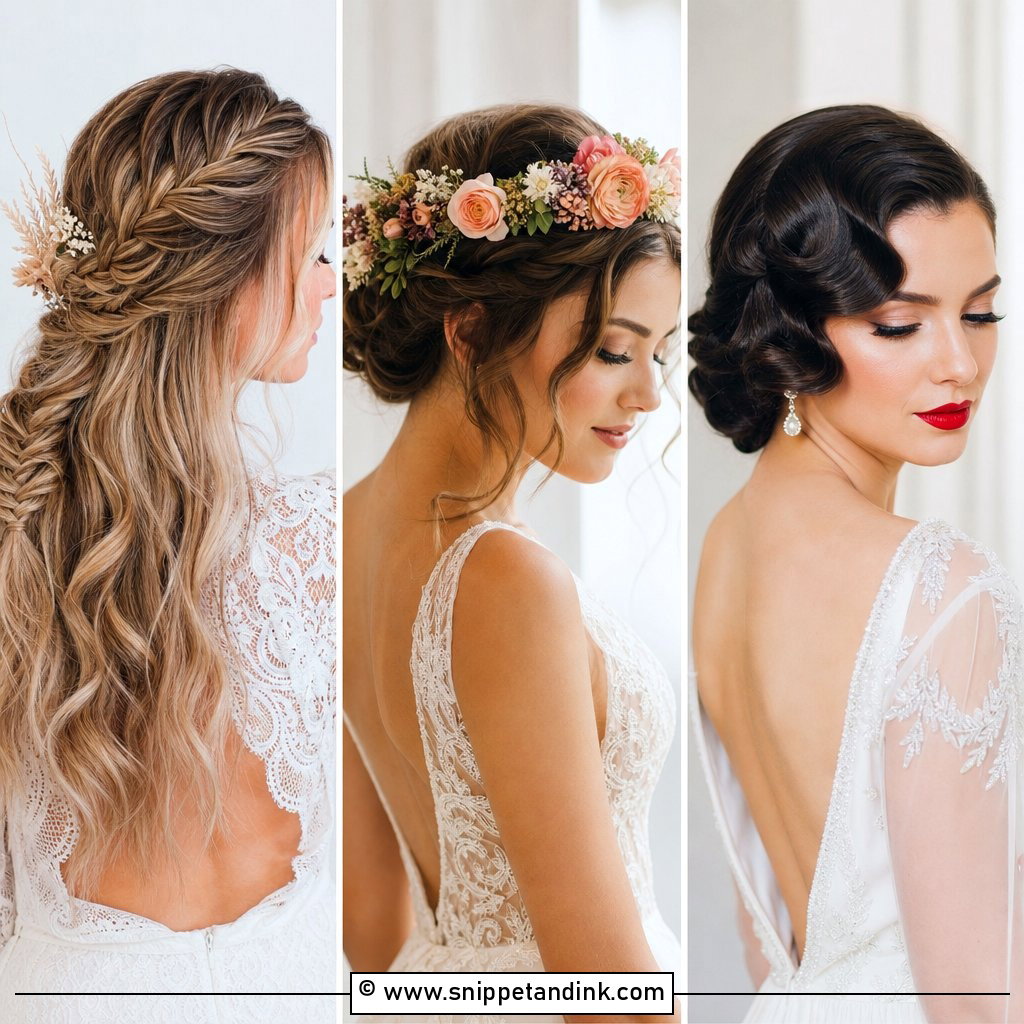
20. Reception Ponytail Bride Hair
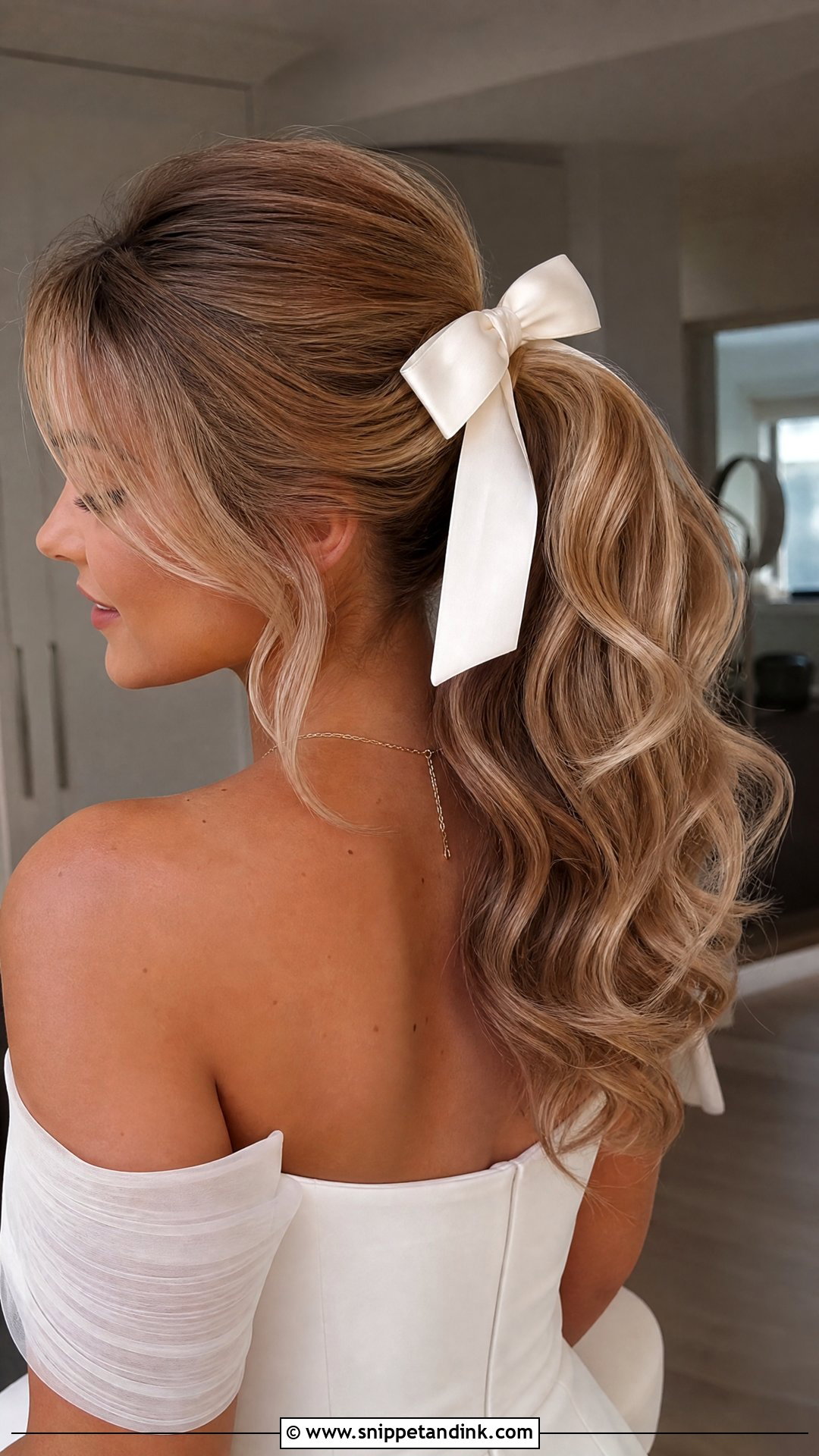
A pony is the easiest second hairstyle of the day. Many brides wear a veil, bun or half-up style for the ceremony, then switch for dancing, much like a second look after the ceremony. The reception version can sit higher, bounce more or feel more playful. It keeps hair off a warm neck and refreshes a style that has been under a veil for hours. A wrapped base, waves, pearls or a bow mark the change, and nobody needs to fully restyle anything.
Switching From Ceremony Hair to a Reception Pony
A ceremony bun or half-up style can become a party pony in about fifteen minutes, but only if the change is planned at the trial. Doing it on the fly, with a bridesmaid and whatever pins are in someone’s bag, is how the second look ends up flat.
Plan the first style around the second
I curl the hair fully in the morning, even if it’s going into a bun, so the lengths are already waved when they come down. The pins in the first style go in where they’re easy to find later, and I tell the bride or her helper roughly how many there are.
The changeover, in order
- Remove the veil first, holding the comb flat so it doesn’t drag the hair.
- Take out every pin and elastic before brushing anything.
- Rake through gently with your fingers, then a wide comb. A paddle brush will flatten the curl.
- Mist a little dry texture spray at the roots to refresh grip.
- Gather the pony, secure it on crossed pins, wrap the base and add the reception accessory.
Book the change for a quiet moment, often right after formal portraits and before dinner. If your stylist is staying on, this is the best use of that time. If not, have her show your helper the steps at the trial and take a short video on your phone to watch on the day.
Your Neckline and Veil Decide the Final Pony
There’s a ponytail for nearly every bride on this list, from sleek and modern to natural and textured. The deciding details are practical ones: your neckline, where the veil sits, your hair type, the venue and how much you want your hair to move. Bring photos that show the back of each style, book a trial, and bring the veil and accessories with you. If the pony feels secure and still looks like you after a few hours of normal moving around, it’s ready for the day.
You'll Like These Ideas:


Leave a Reply