
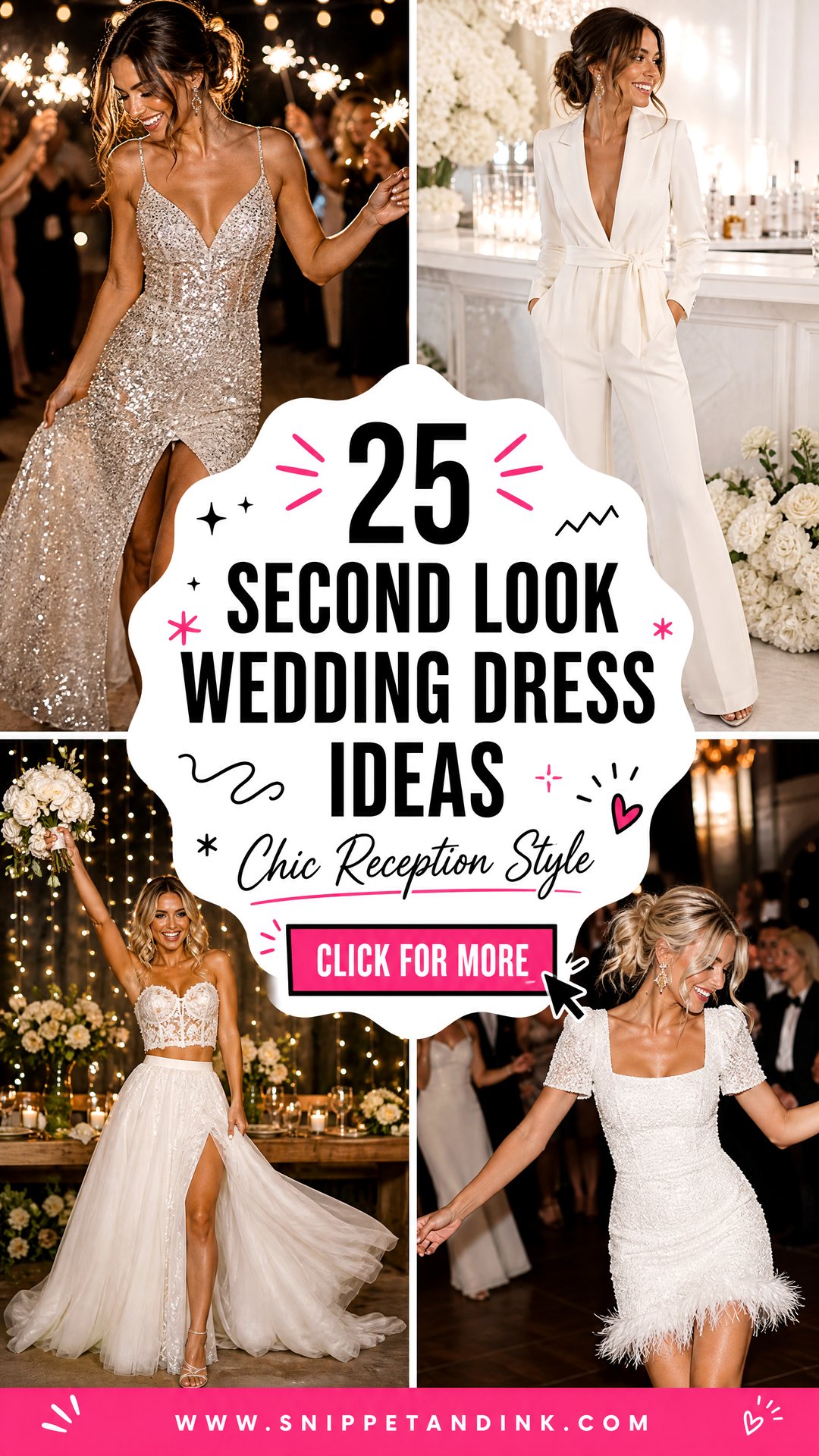
A second bridal outfit changes the energy of the whole evening. After the ceremony, the portraits and the vows, most brides I dress are ready for something lighter that they can sit, eat and dance in, and that still reads as the bride from across the room. That is why I plan the reception change, the cocktail hour switch or a late-evening party look as carefully as the main gown. A second look should never feel like a backup dress. It needs its own reason to exist: more movement, a different neckline, a cooler fabric for a hot room. Below are the shapes I reach for most, from minis and satin slips to jumpsuits, tea-length skirts and two-piece sets, with notes on how each one behaves once the music starts.
How the Quick Change Actually Runs on the Day
The dress is half the plan. The other half is twenty minutes in a side room with the right people and the right kit. I usually schedule the change for the end of cocktail hour or right after dinner, when the photographer can step away and nobody is waiting for you at the top table.
- Bring one helper who has practised your ceremony dress closures. Button loops and corset lacing take far longer in a hurry than at home.
- Pack the second look on a padded hanger in a breathable bag, steamed the day before and hung at the venue as early as possible.
- Have the undergarments for both looks ready. A strapless bra that worked under a boned gown may not suit a halter or slip.
- Keep a small kit: safety pins, fashion tape, a mini steamer, blotting papers and a spare pair of earring backs.
- Tell your hairstylist about the change at the trial, so the style can be swapped quickly or designed to suit both necklines.
If the change has to be fast, choose a dress with a side zip and no lacing. The more complicated the closure, the more of your own reception you miss.
1. Mini Second Look Wedding Dress
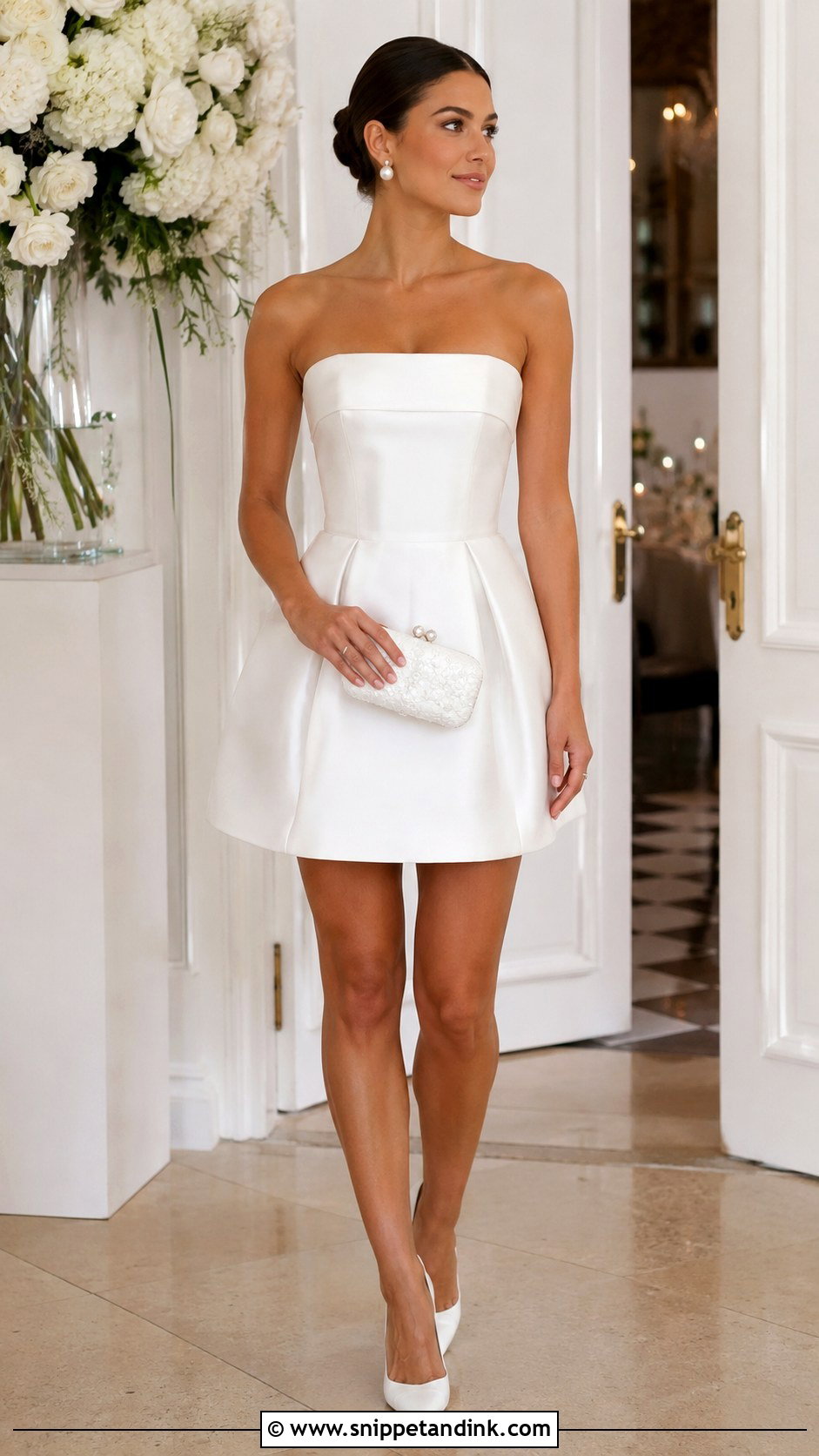
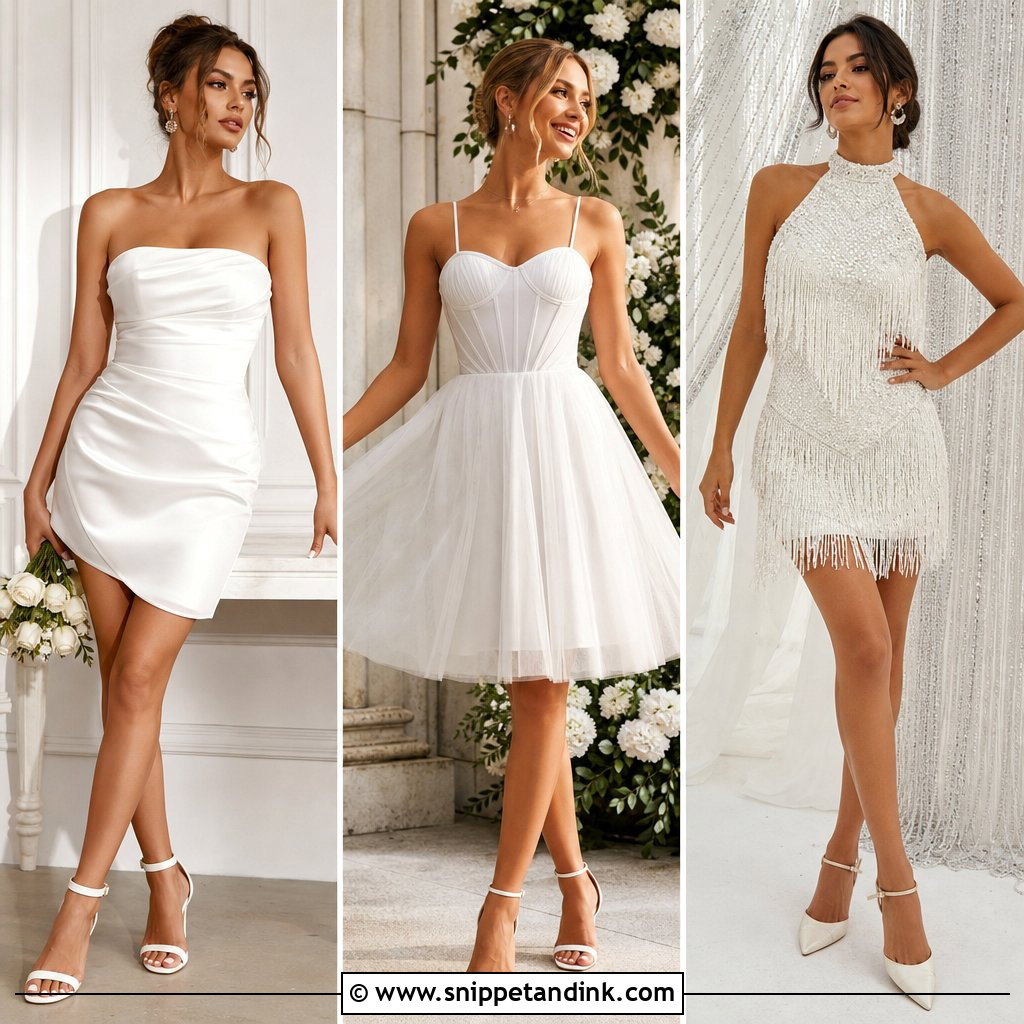
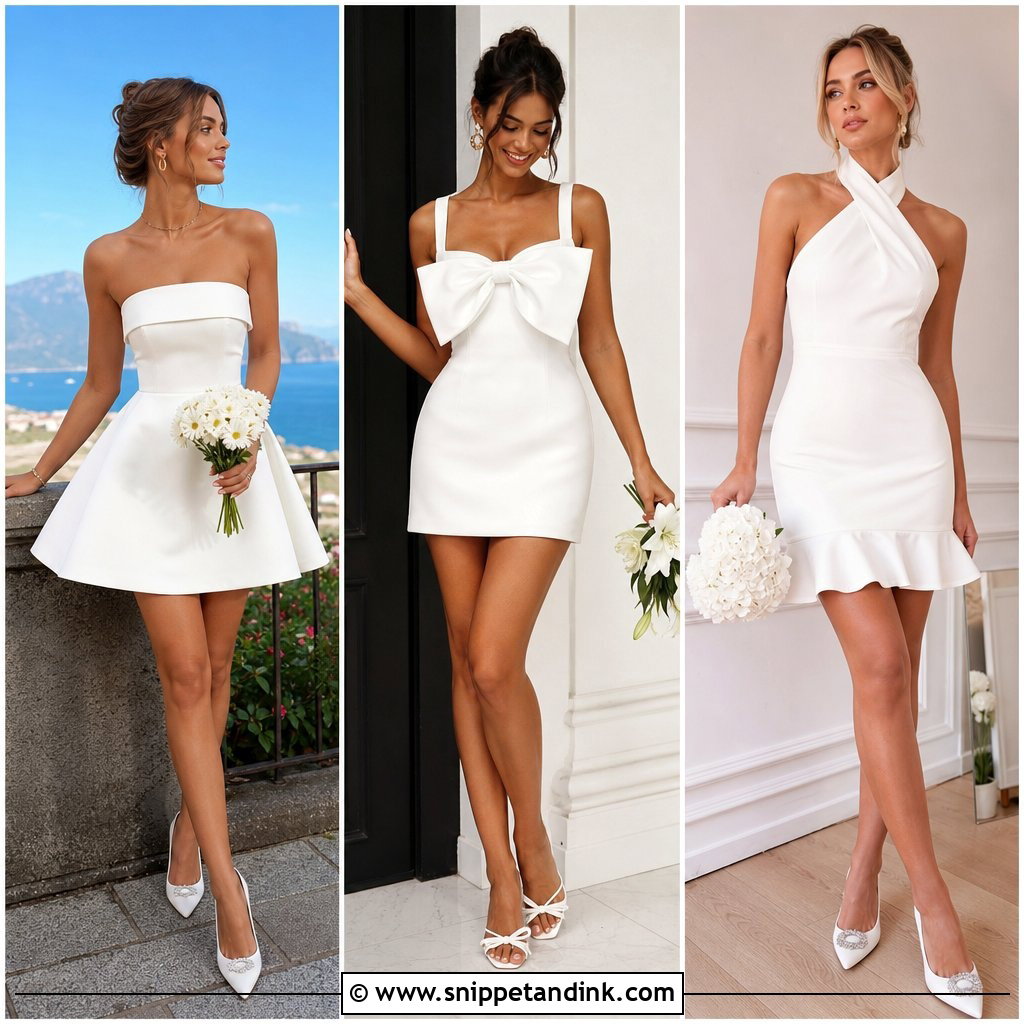
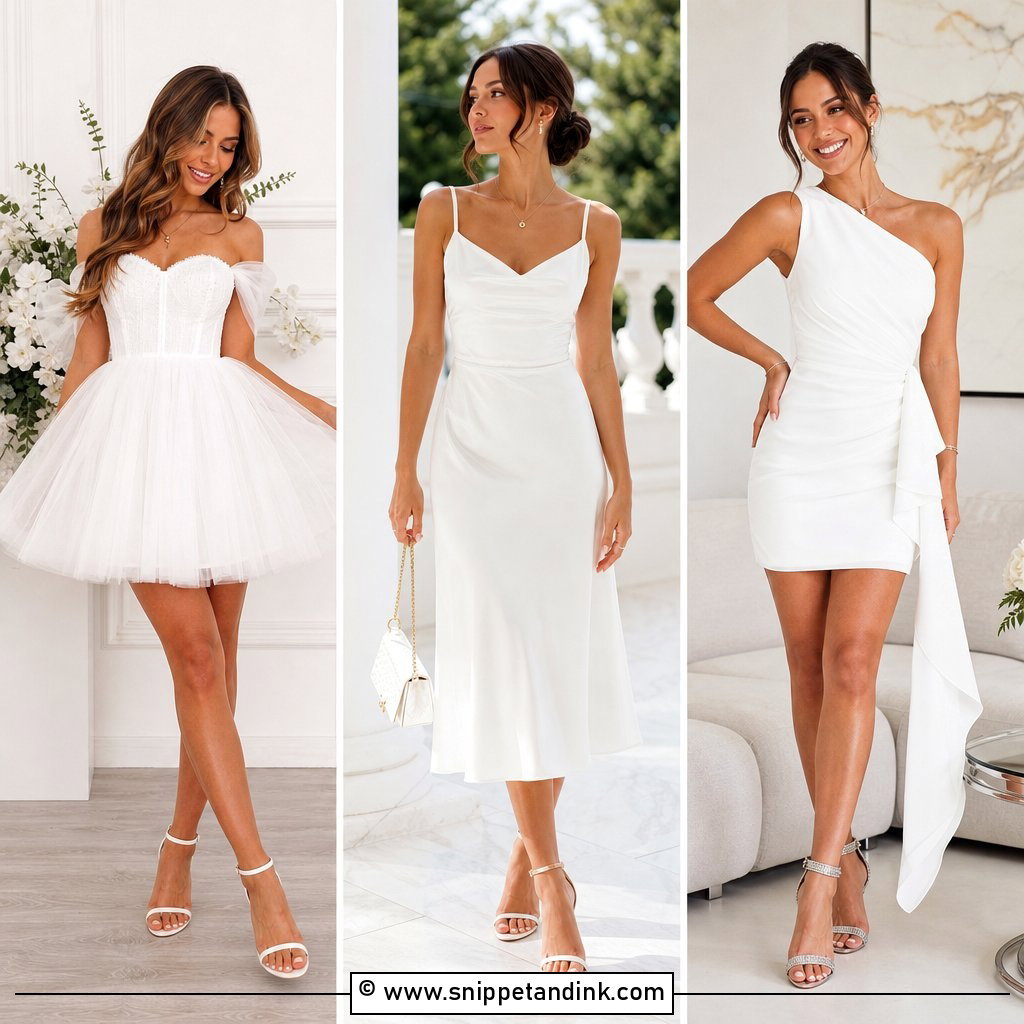
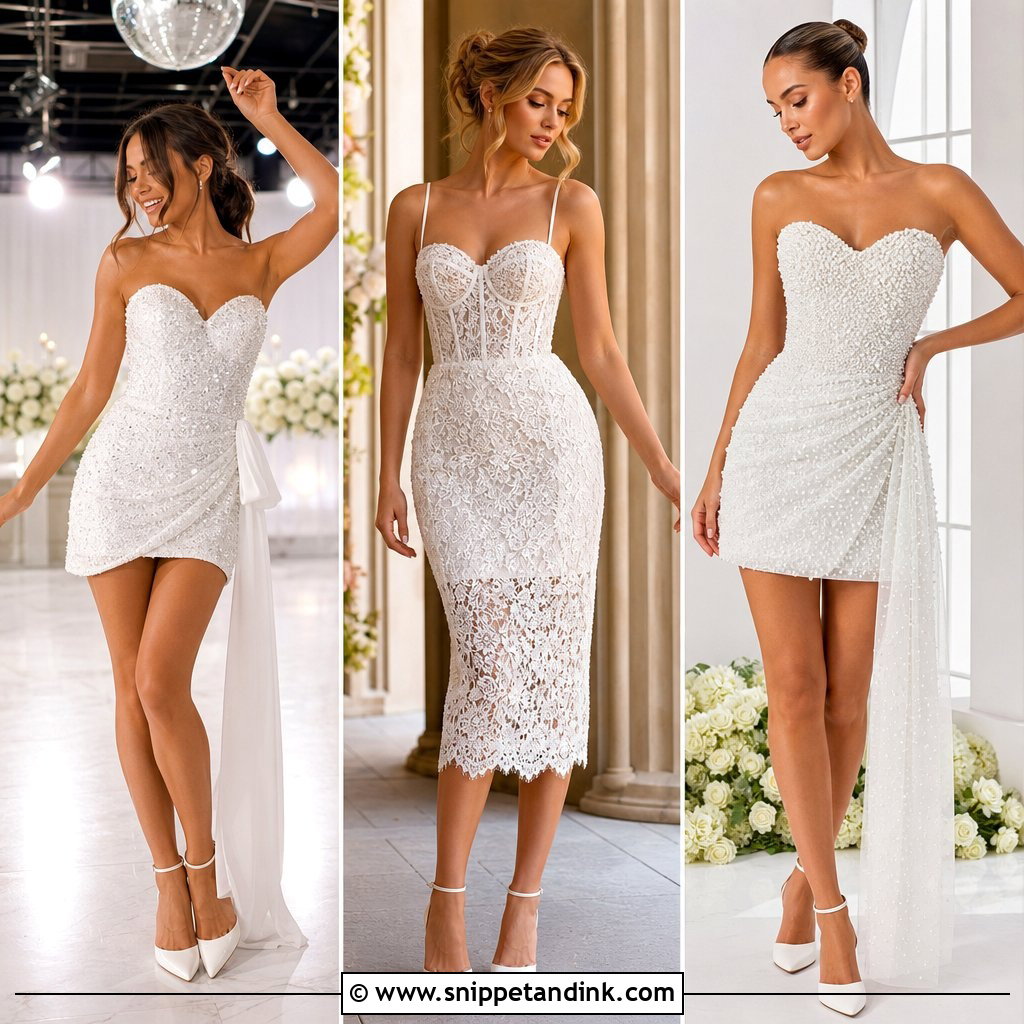
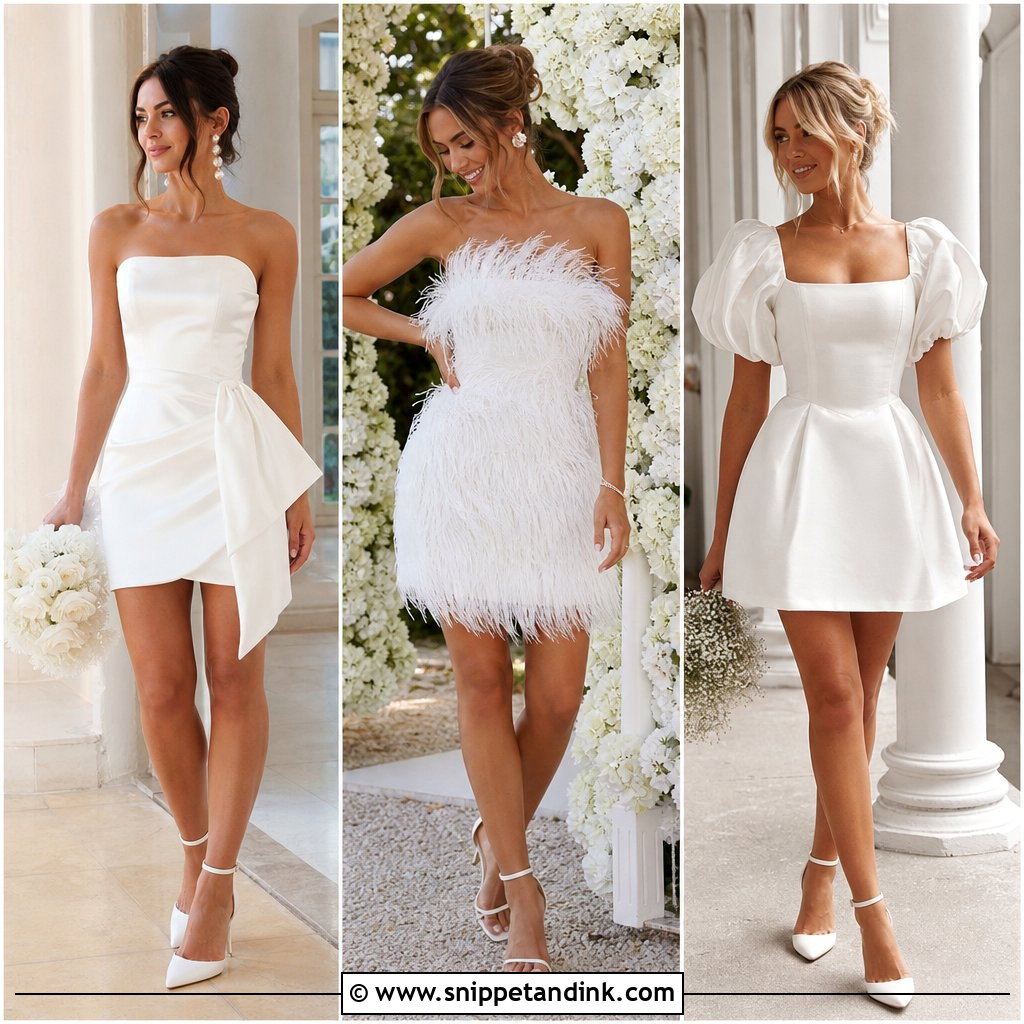
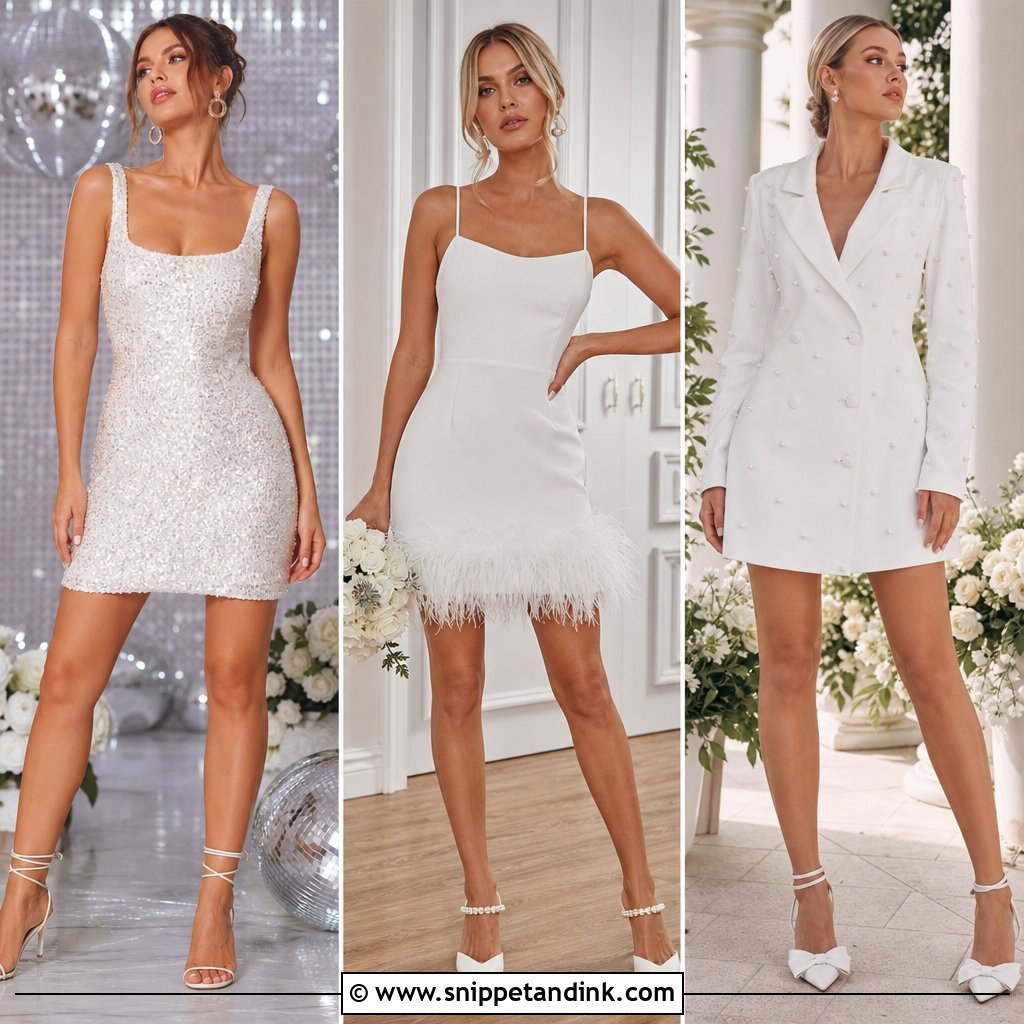
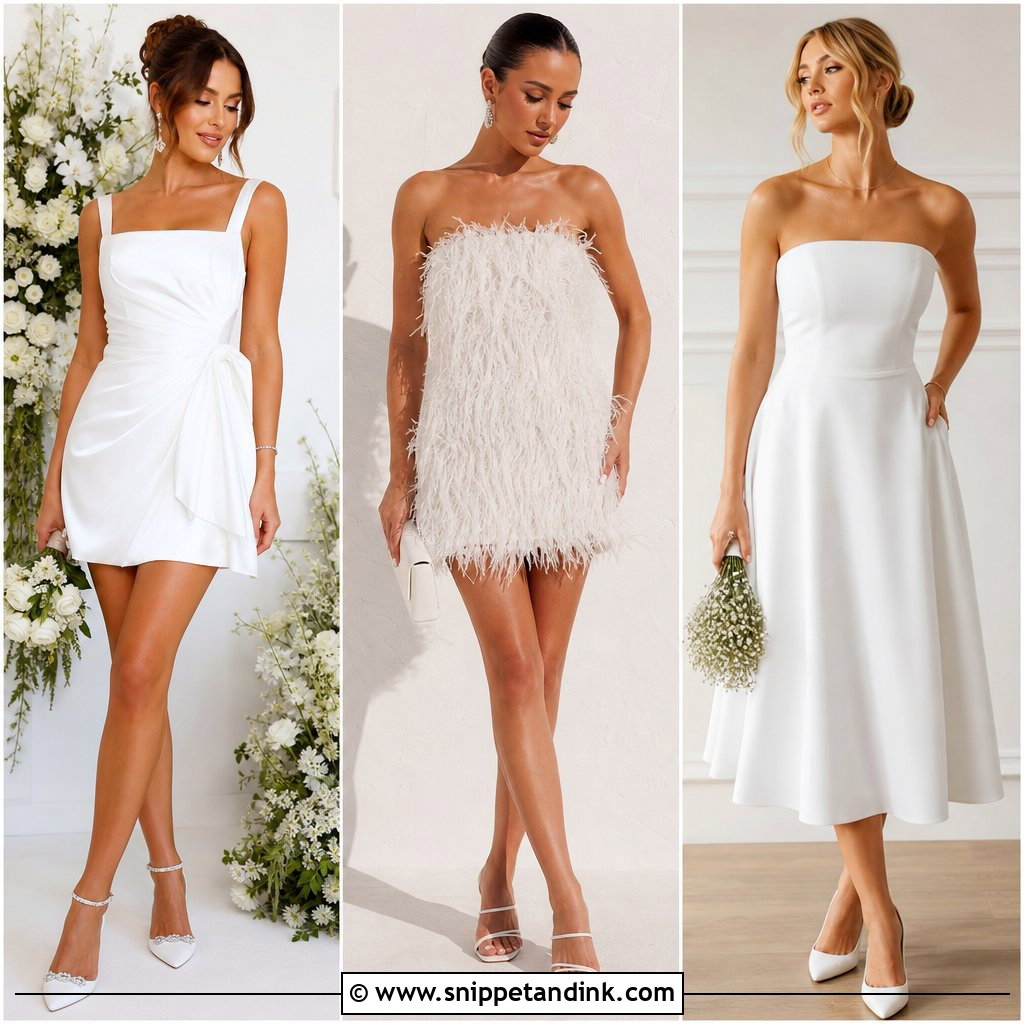
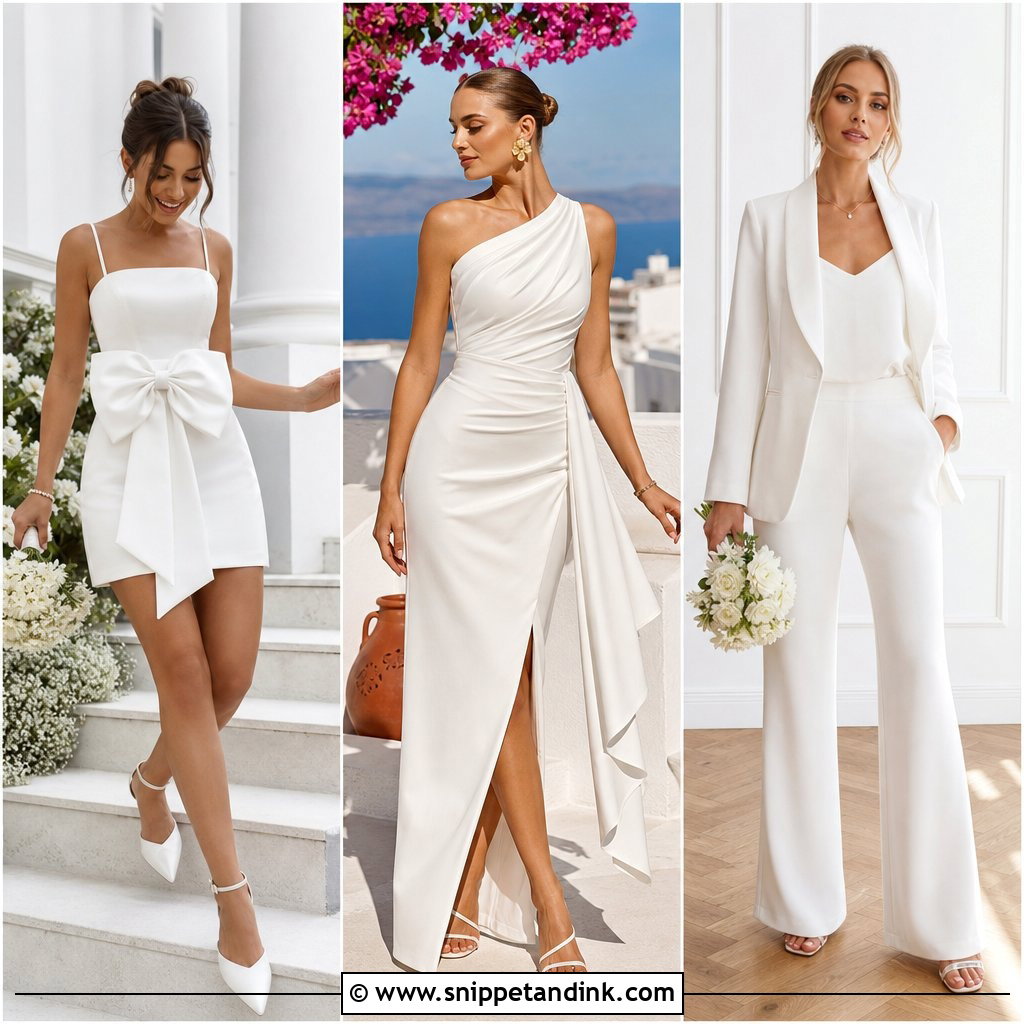
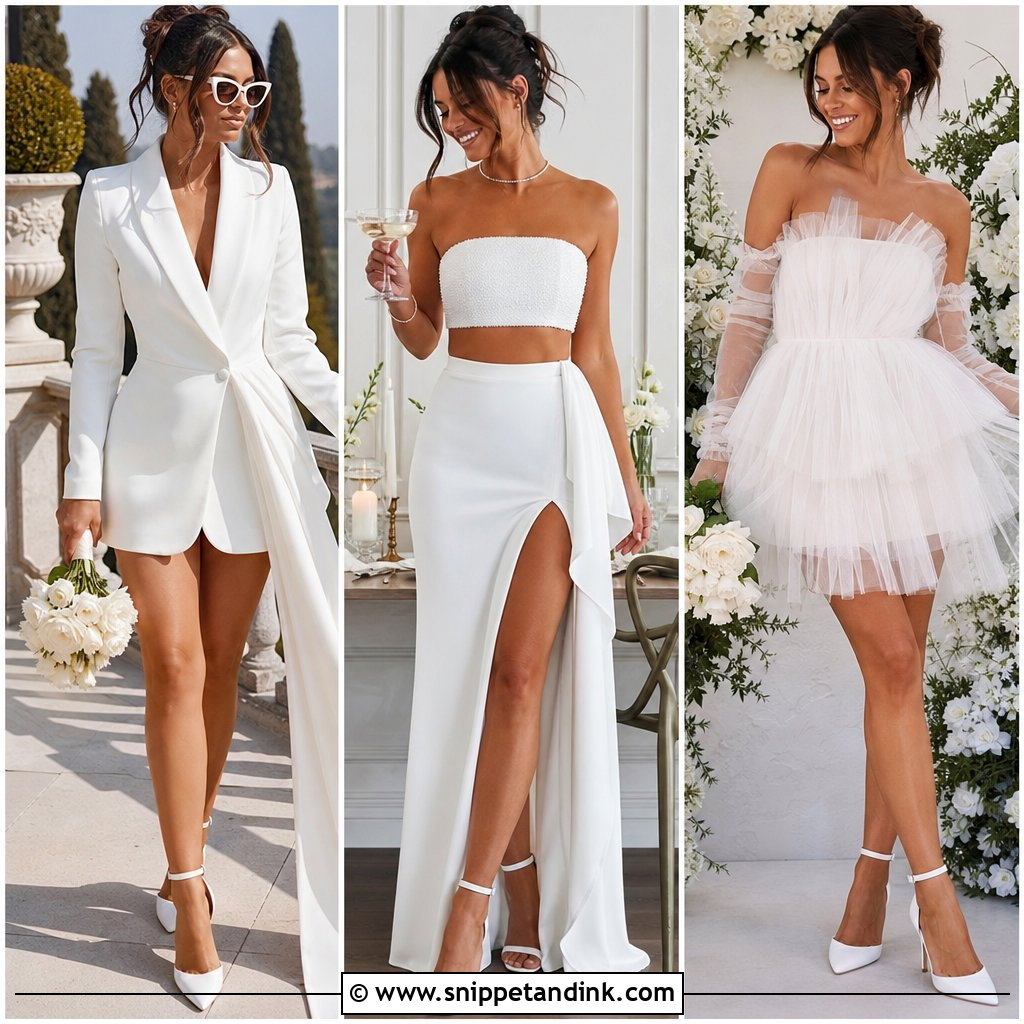
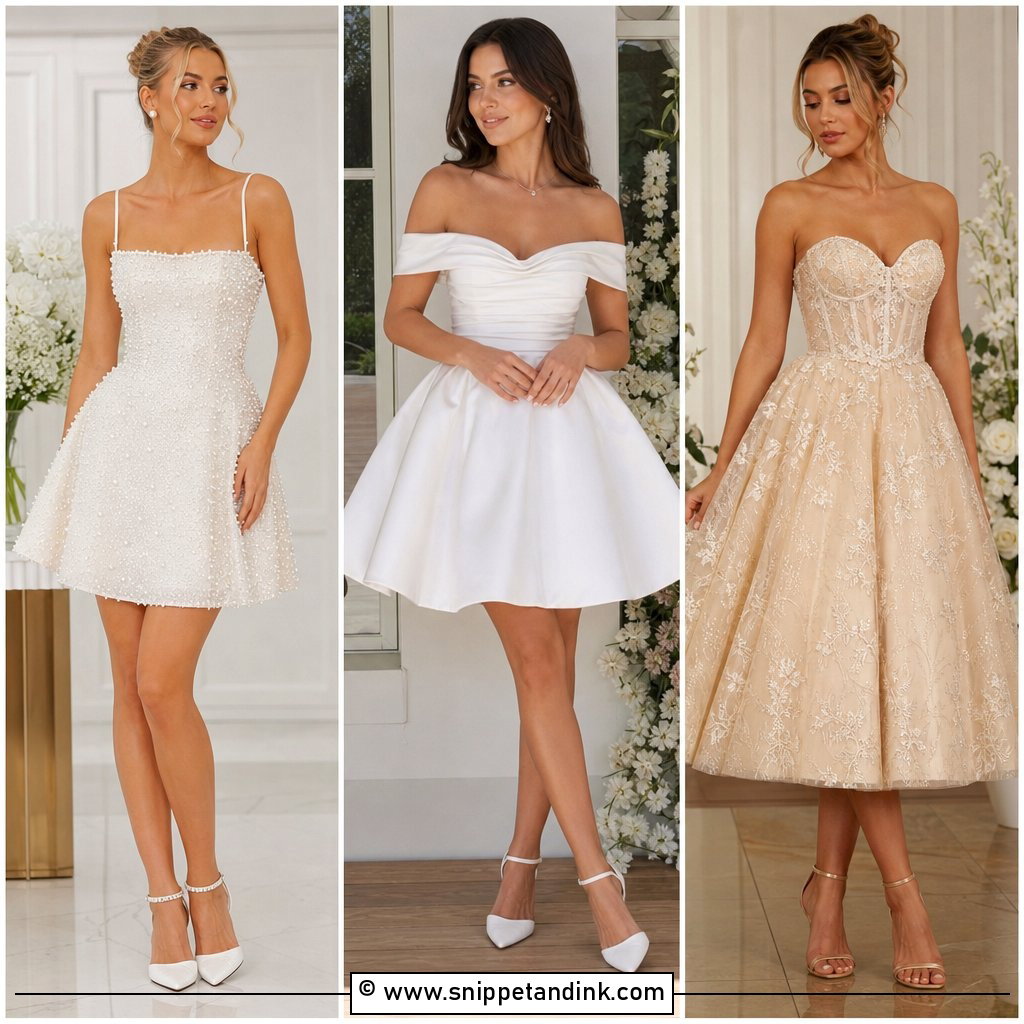
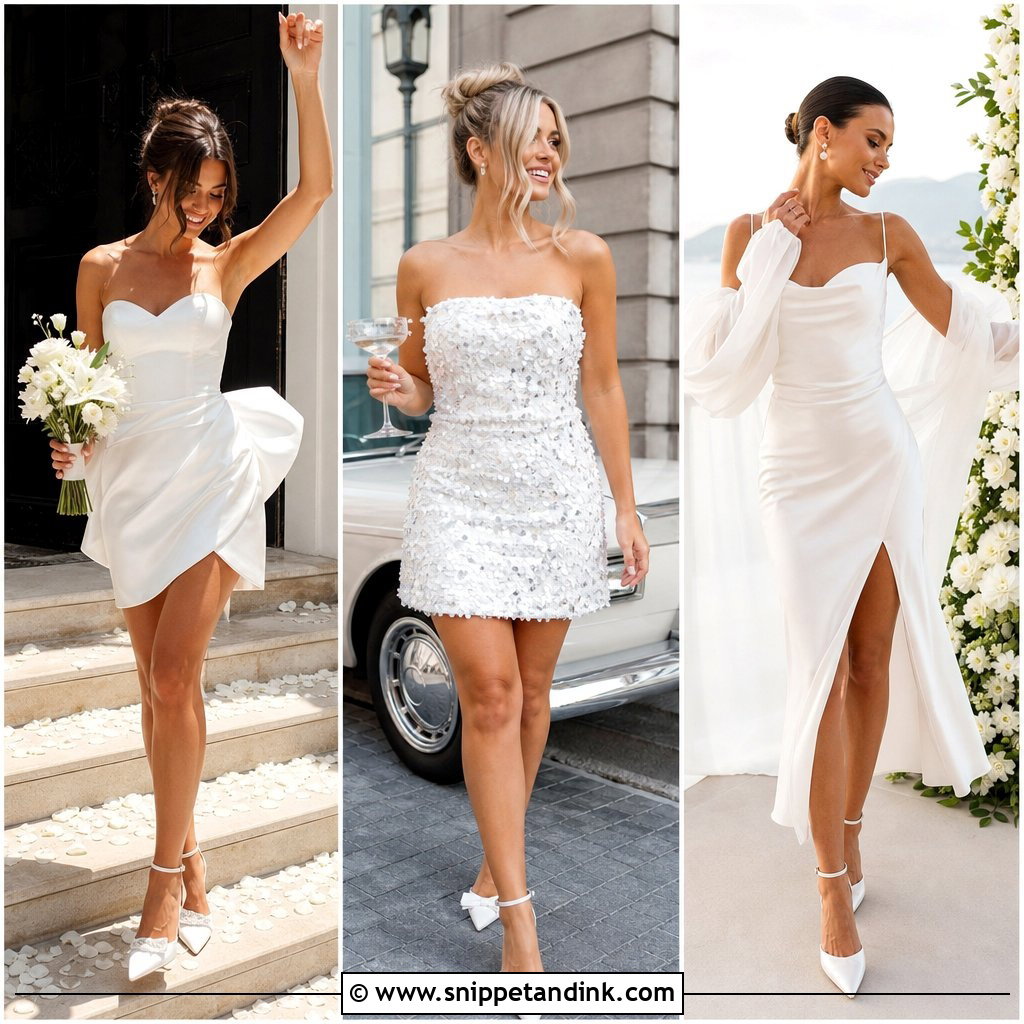
Short is the most honest answer to a long dancing night. The mini I trust has a structured bodice and a hem that sits just above the knee, because anything much shorter starts riding up the moment you sit at the top table. Satin, crepe, lace and mikado all hold their shape; jersey and thin chiffon tend to look like a going-out dress rather than a bridal one. I’d pair it with pointed white pumps, pearl studs and a small top-handle bag. After a dramatic ceremony gown, the contrast is the whole point.
2. Satin Slip Second Look Wedding Dress
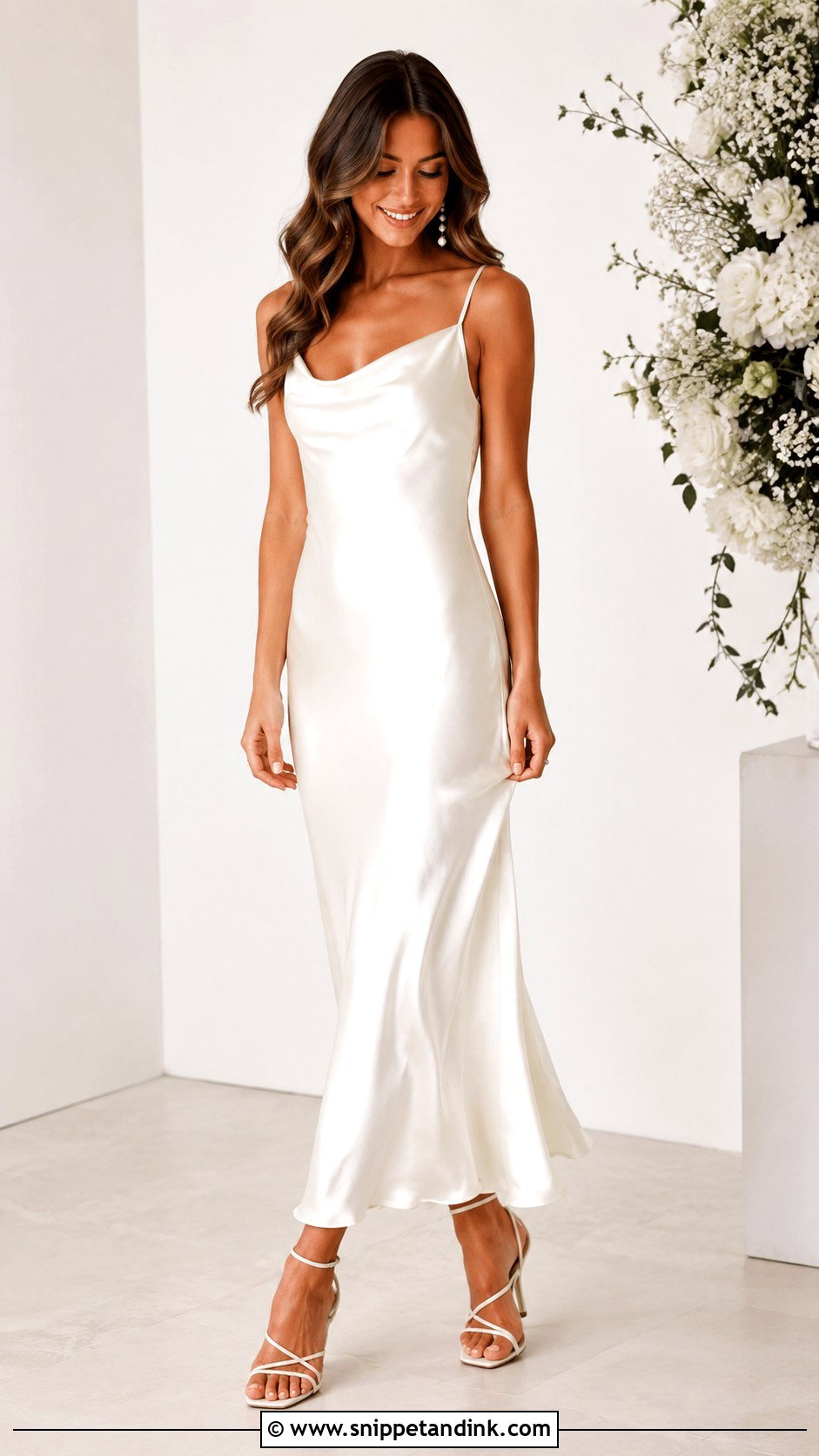
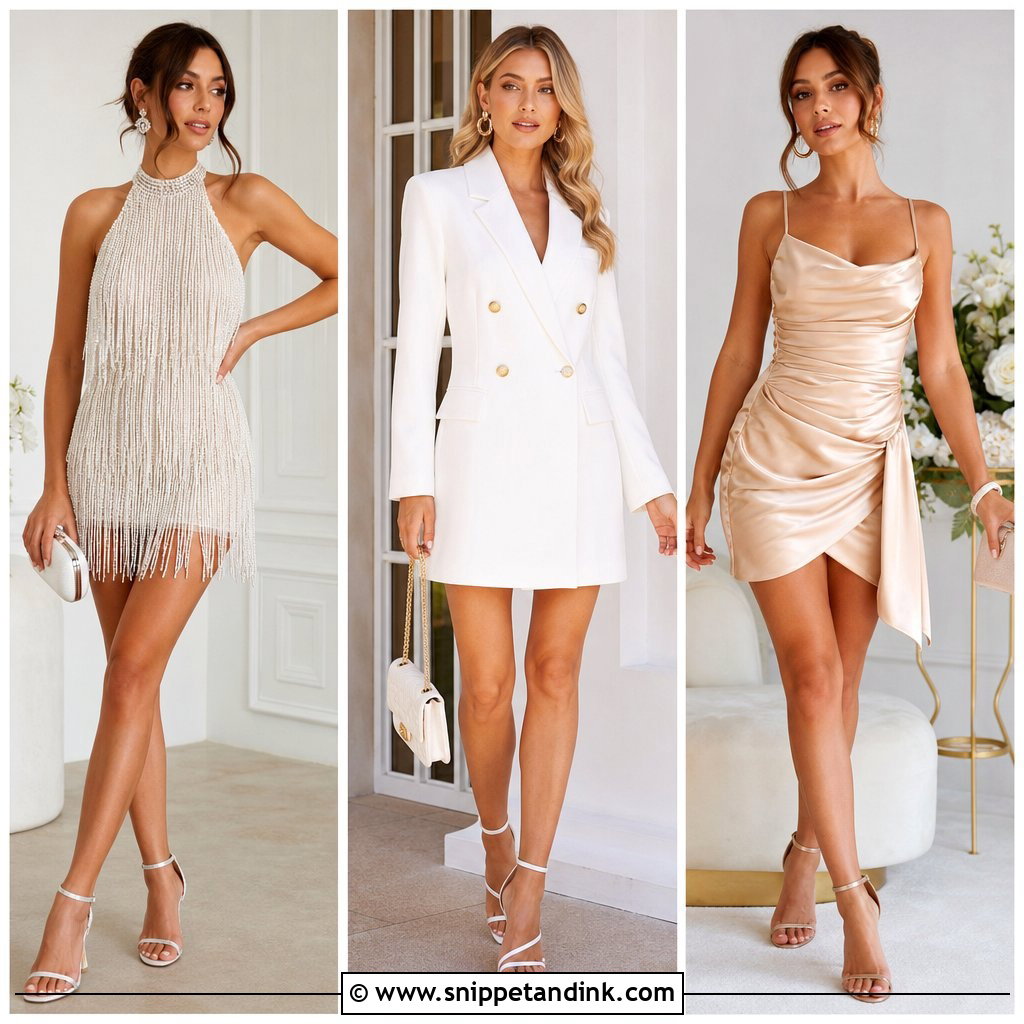
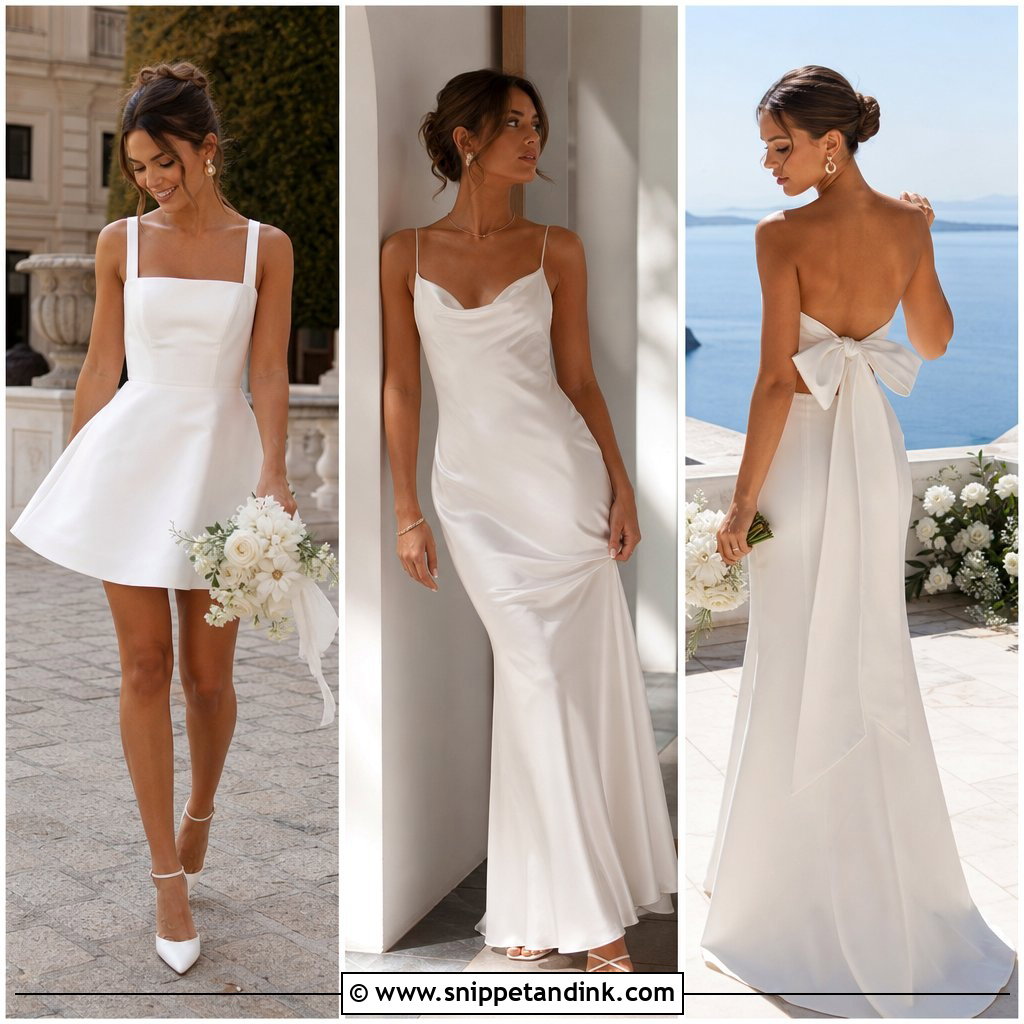
A bias-cut slip looks simple, but it is the least forgiving dress on this list. Fabric cut on the bias stretches and clings, so every seam of your underwear and every crease from sitting shows through. When I fit one, I look for a heavier satin and a little ease through the hip, and I bring smooth, no-line shapewear to the fitting rather than the day. A cowl neckline or low back keeps it modern. Strappy heels, fine drop earrings and a smooth bun finish it without fuss.
3. Feather Trim Second Look Wedding Dress
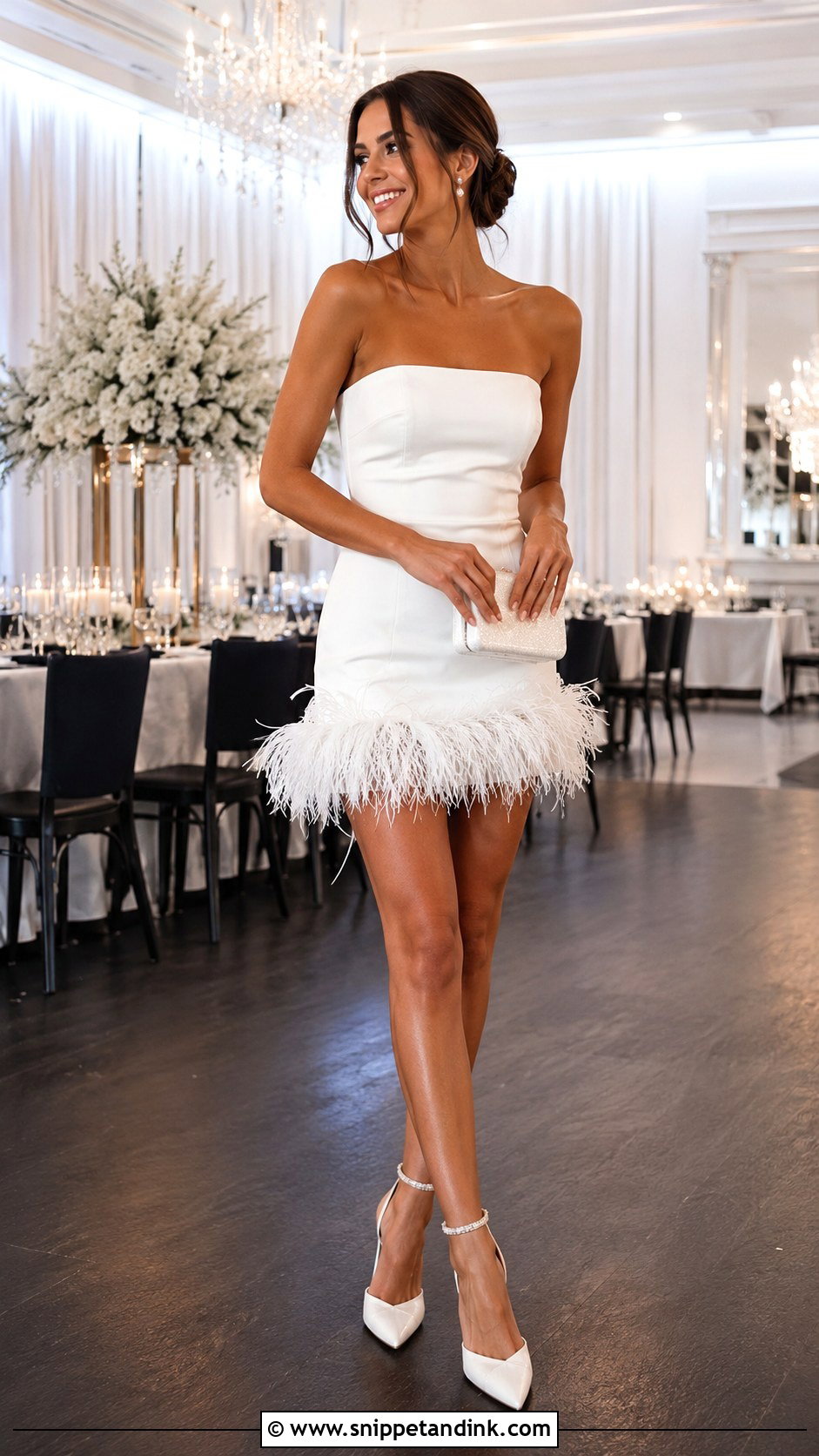
Feathers move with you, which is exactly why they work on a dance floor. A short white dress with trim at the hem, neckline or cuffs gives you all that motion without a fully sequined weight. The base dress has to be clean and well fitted or the feathers start to look like fancy dress. One practical warning I always give: ostrich trim sheds a little and flattens in rain or a damp marquee, so keep it away from your face and pack a small lint roller for your partner’s dark suit. Simple heels and smooth hair let the texture lead.
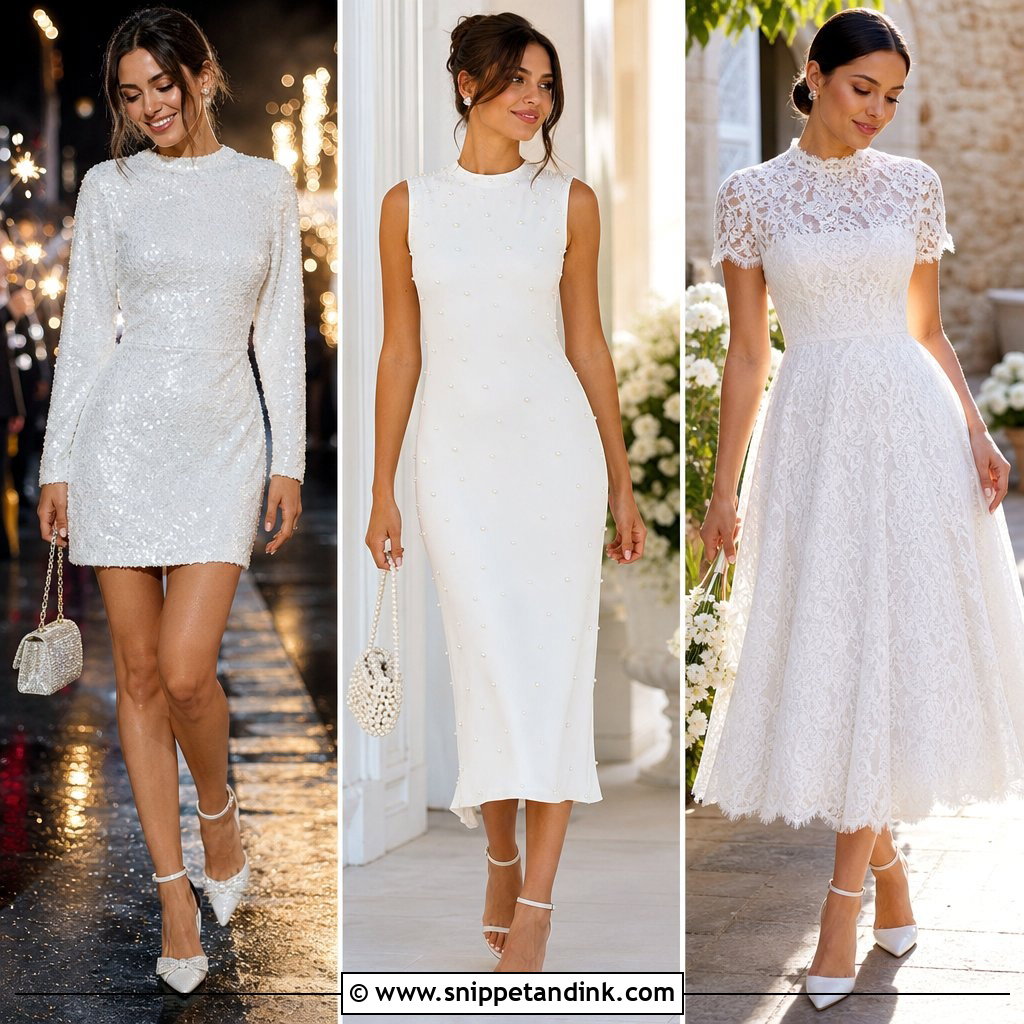
4. Sequin Second Look Wedding Dress
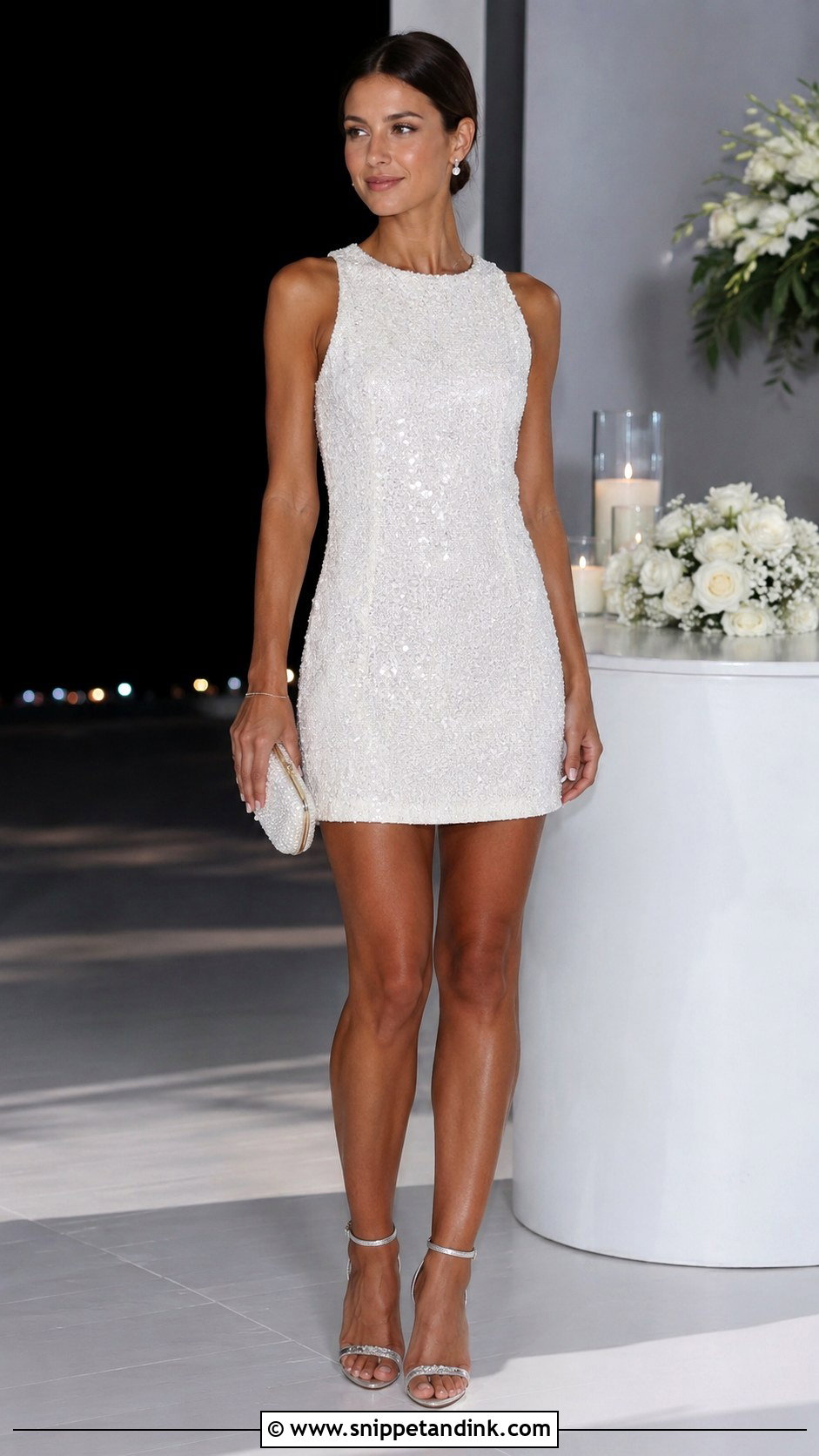
Sequins earn their place under reception lighting, where they catch every candle and uplight in the room. A mini, midi or column all work, in white, ivory, champagne or pale silver. What brides don’t expect is the weight: a fully sequined midi can be heavier than a slip, and the inside seams can scratch your arms after a few hours. I check that the lining covers the underarm seams before I approve one. Keep accessories clean, choose clear or metallic shoes, and the dress won’t drift into costume.
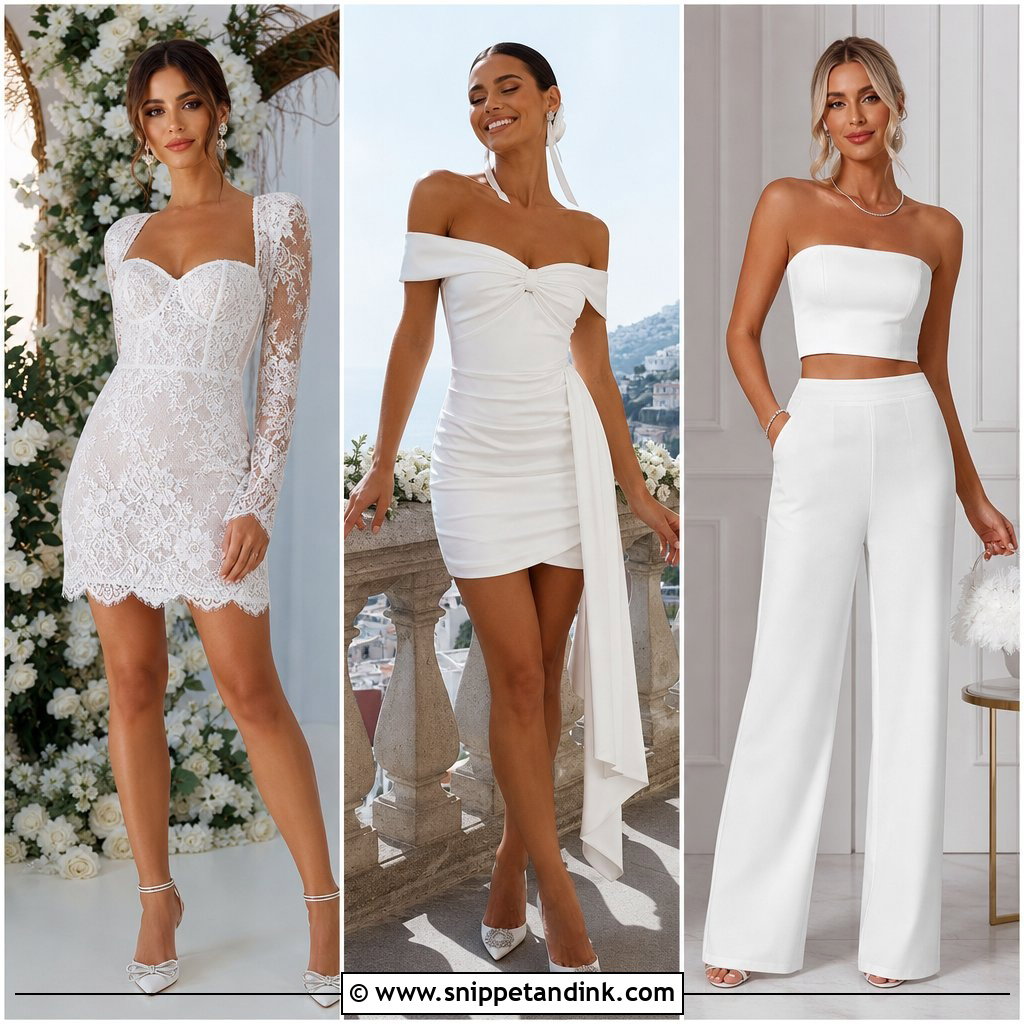
5. Lace Mini Second Look Wedding Dress
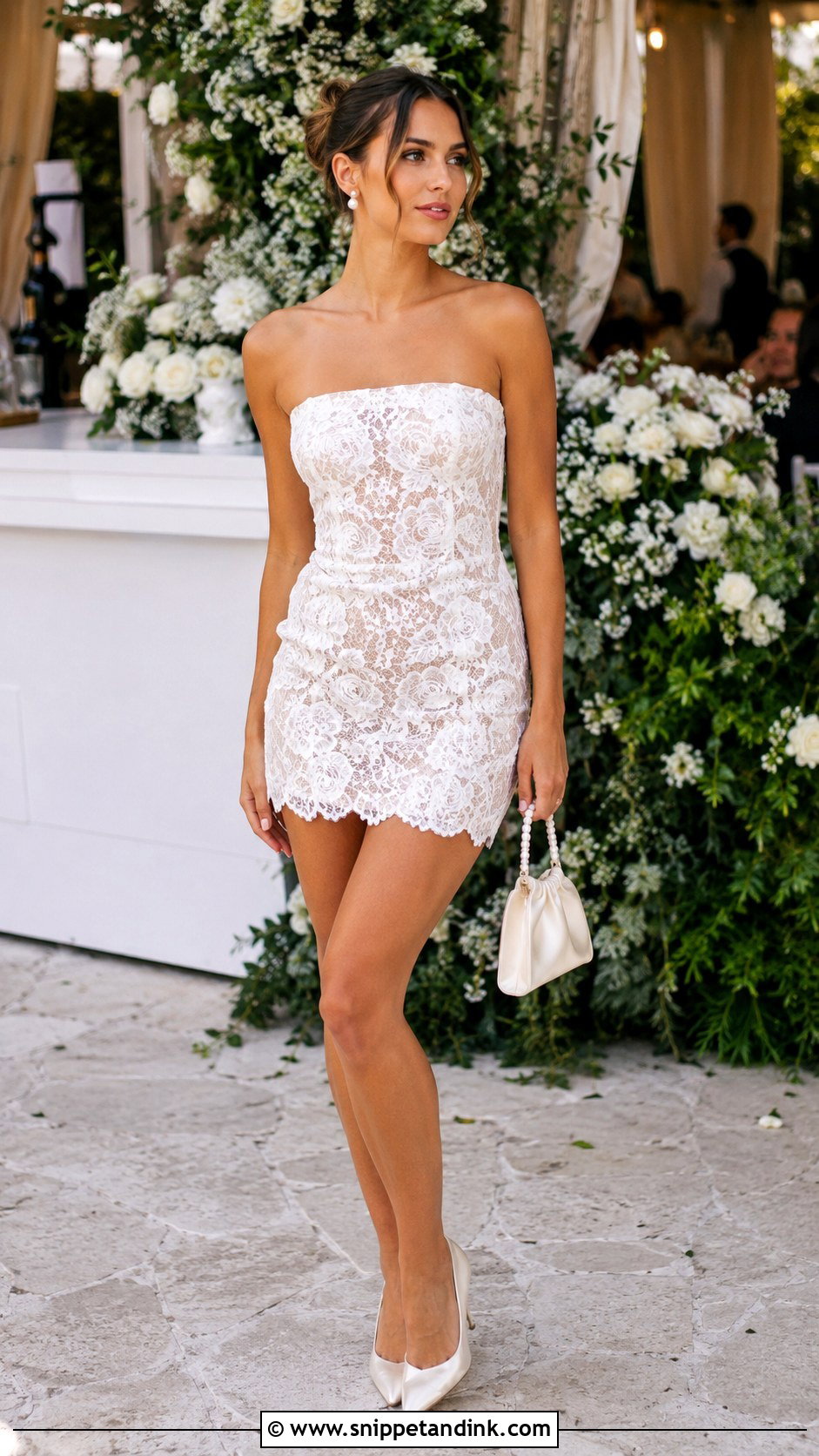
Lace keeps the traditional bridal texture while the shorter length makes it feel new. Long sleeves, a high neck or a fitted bodice give it polish; floral lace with scalloped edges and thin straps softens it. I’d suggest this one when the ceremony dress is plain crepe or satin, so the second look adds the detail the first one held back. Corded lace is sturdier for dancing than fine Chantilly, which snags on bracelets and bouquet wire. Satin heels, pearls and a neat clutch are enough for garden receptions and spring estates.
6. Off Shoulder Second Look Wedding Dress
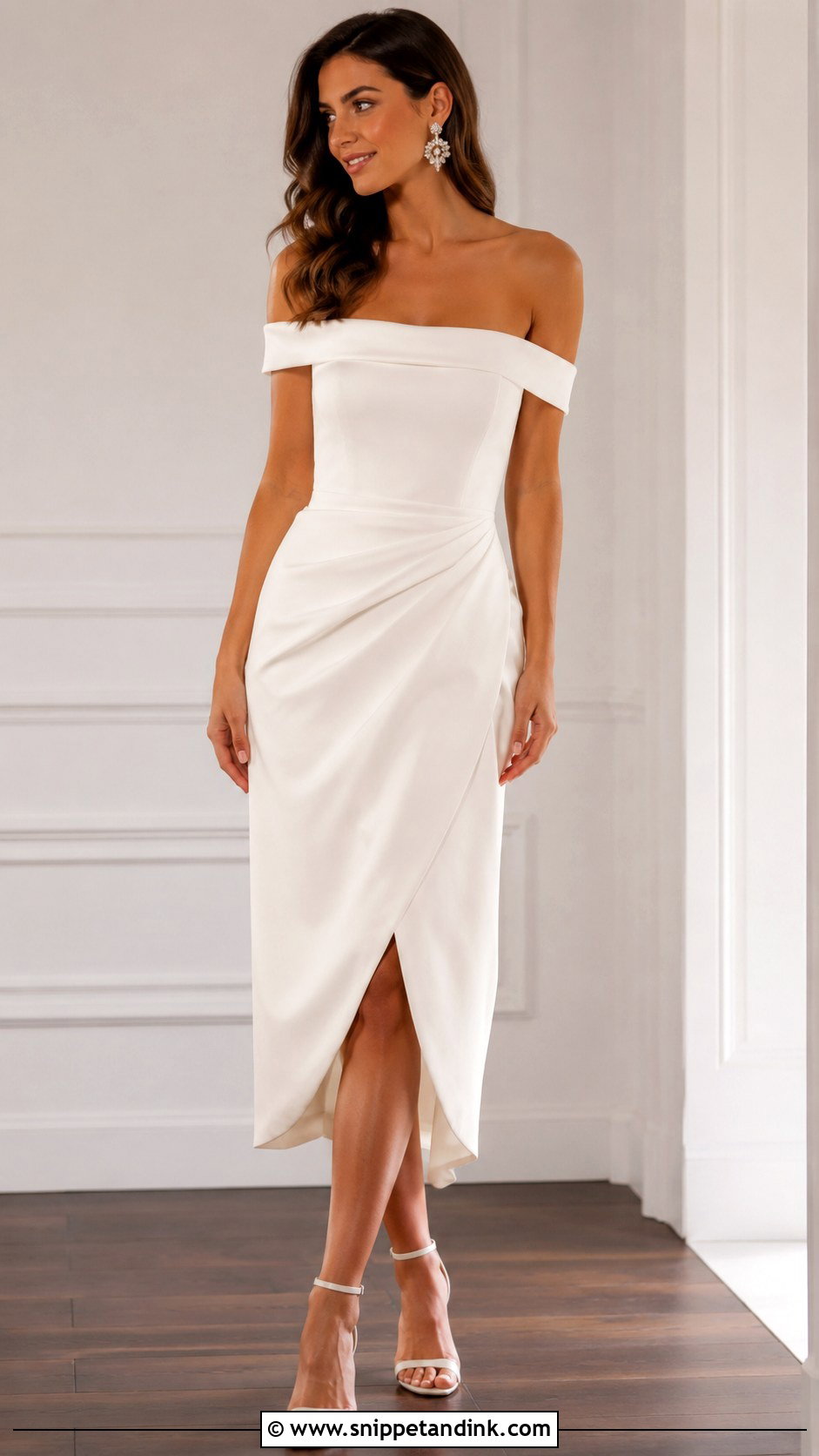
Off-the-shoulder necklines frame the collarbones and change your silhouette completely if the ceremony gown had straps or sleeves. The catch is movement. A soft neckline slides up every time you raise your arms to hug someone, so I look for a hidden silicone gripper or a boned bodice under the drape. Structured fabric gives a clean line; soft satin moves more but needs more adjusting. Statement earrings and smooth waves keep the shoulders as the focus.
7. Strapless Second Look Wedding Dress
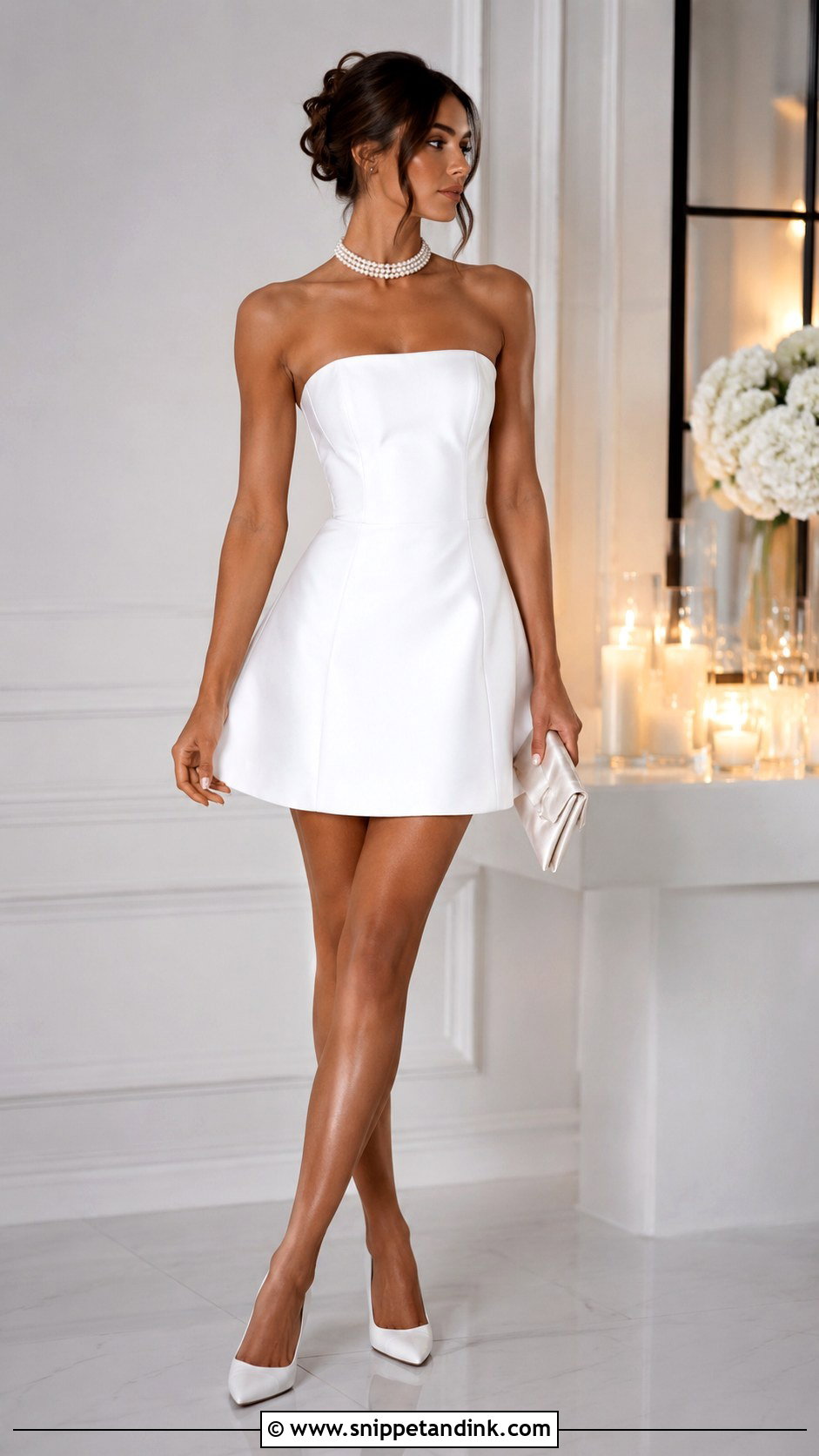
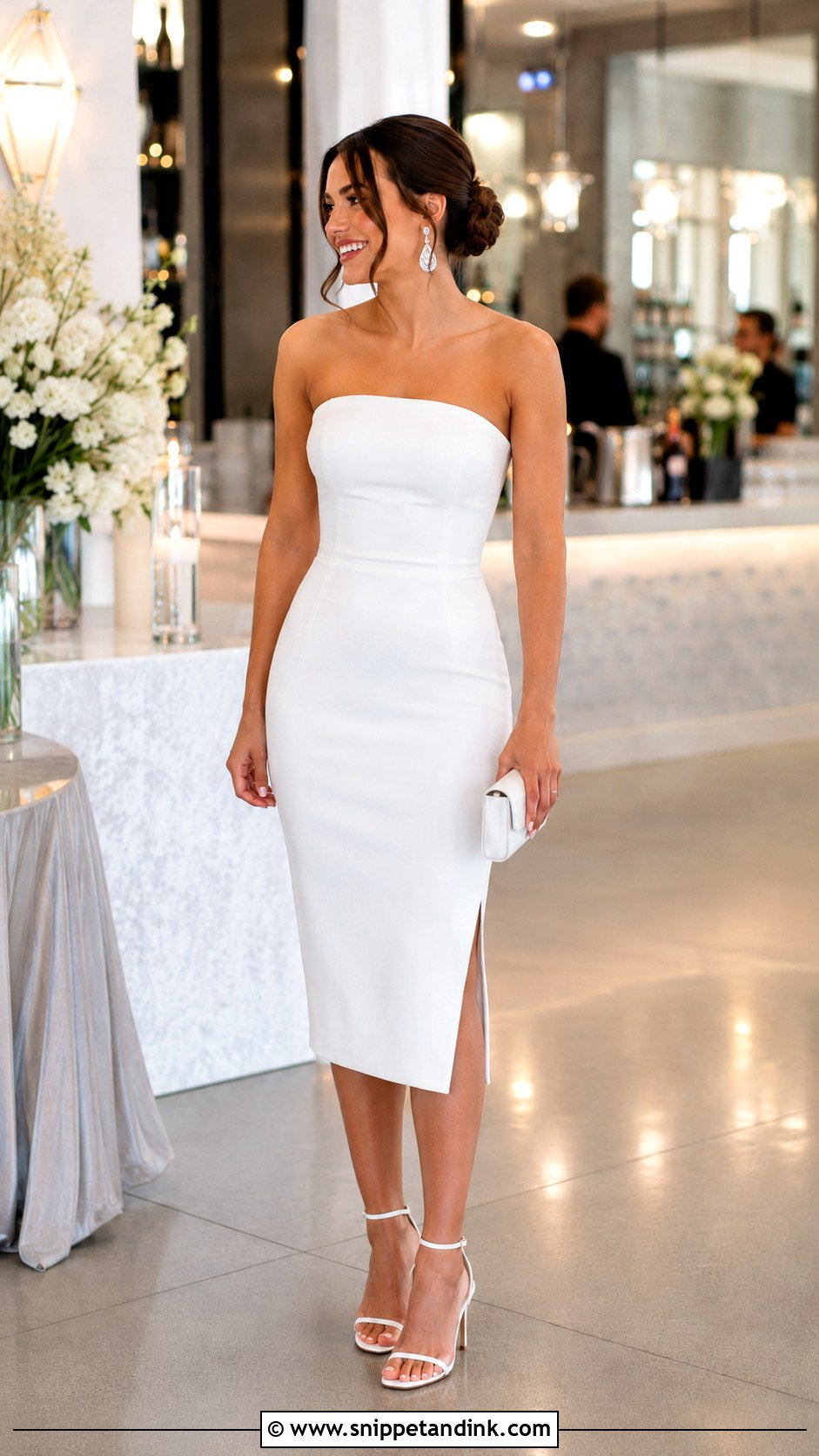
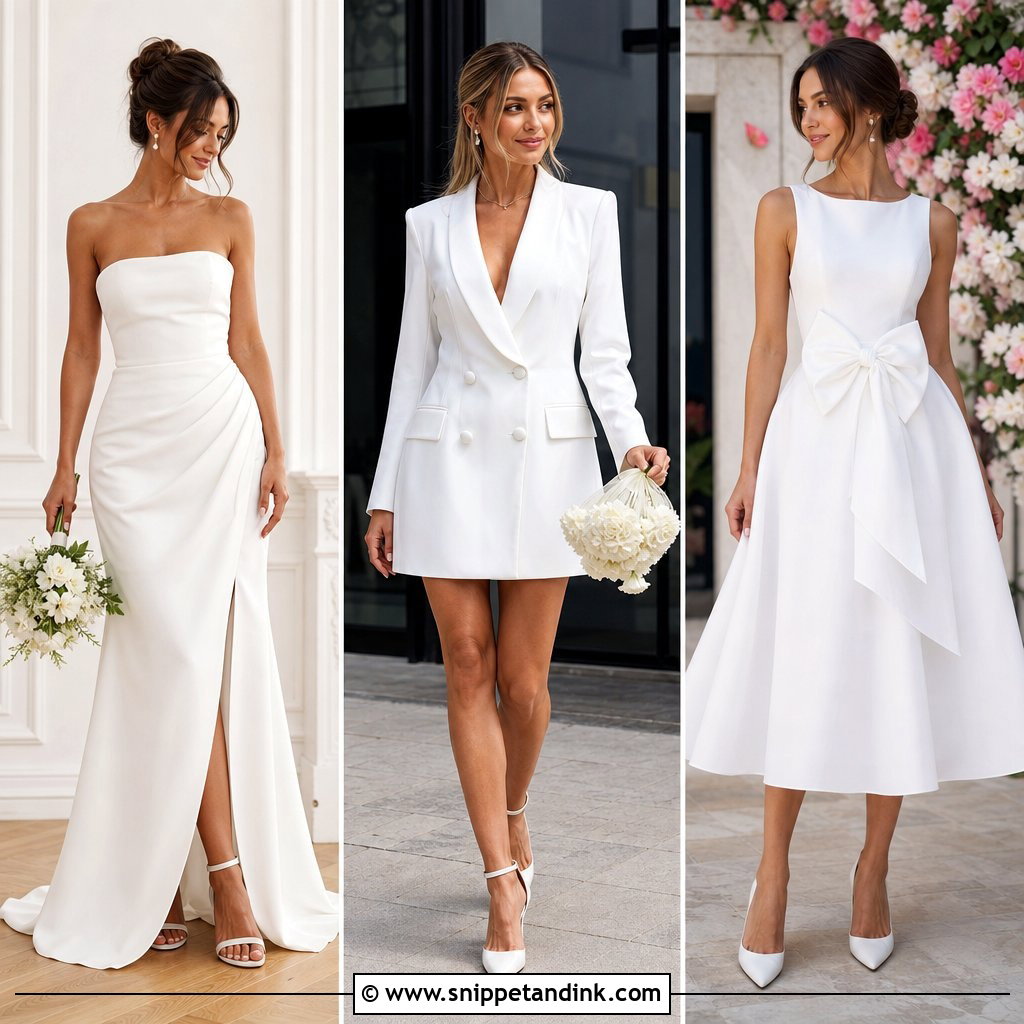
Clean lines and easy styling make a strapless second look wedding dress a reliable choice in a fitted mini, tea length or a sleek column. Everything depends on the bodice. The first thing I check at a fitting is whether you can lift both arms and sit down without the top line gapping; if you’re hitching it up in the mirror, it will be worse after dinner. Add a pearl choker or sculptural earrings, or a short veil if you want more bridal detail. After a lace or ball gown ceremony dress, it brings a sharper, more modern mood.
8. Bow Back Second Look Wedding Dress
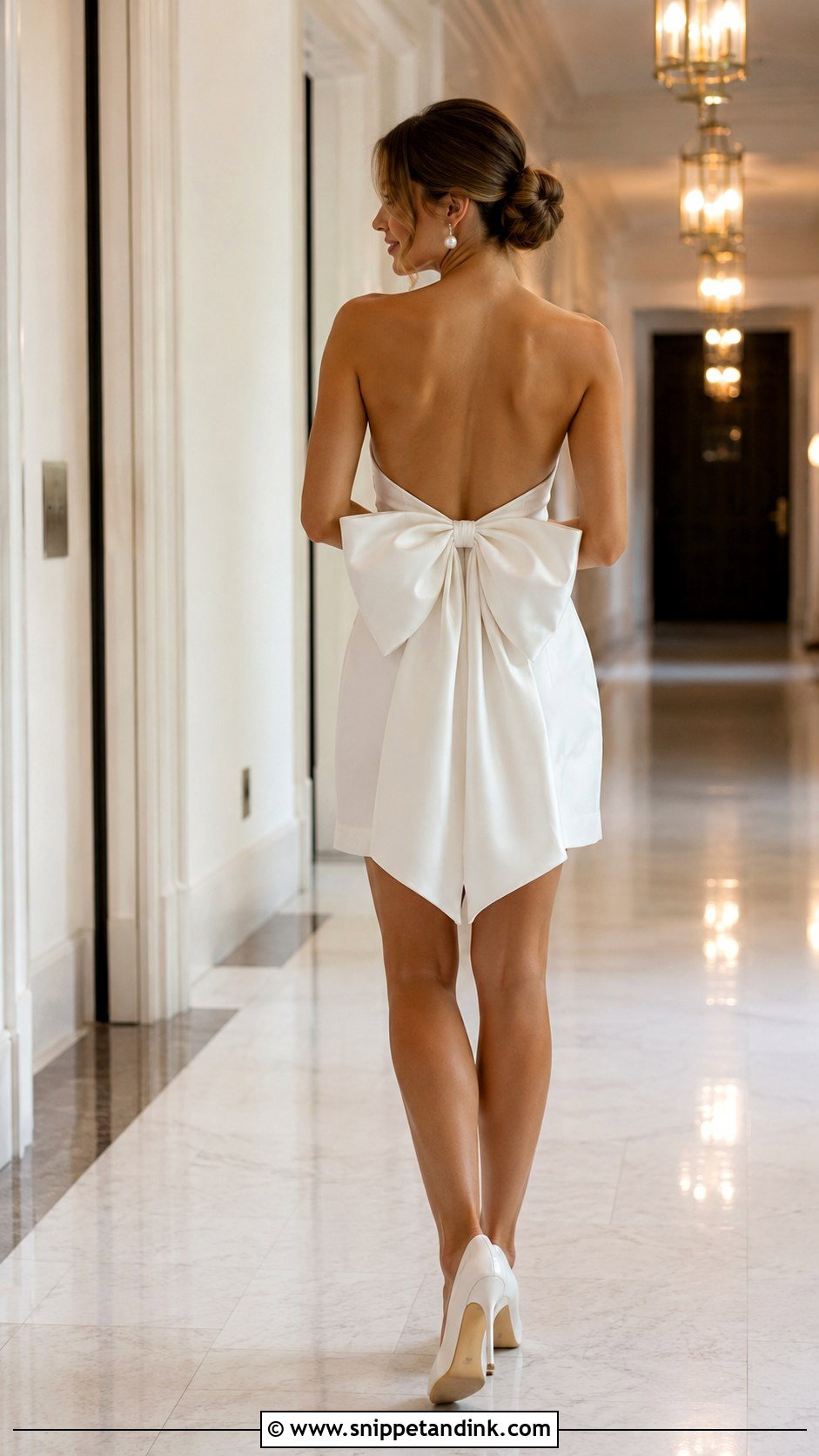
The surprise is all at the back. The front stays simple while an oversized bow, trailing ribbons or a structured sash does the work as you walk away. A bow sewn flat with interfacing stays crisp; a loosely tied one wilts once you’ve leaned against a chair for an hour, so ask how it’s constructed. Keep jewelry minimal, wear your hair up so the back reads clearly, and add satin pumps and a small clutch. Entrances and walking shots are where this dress pays off.
9. Blazer Second Look Wedding Dress
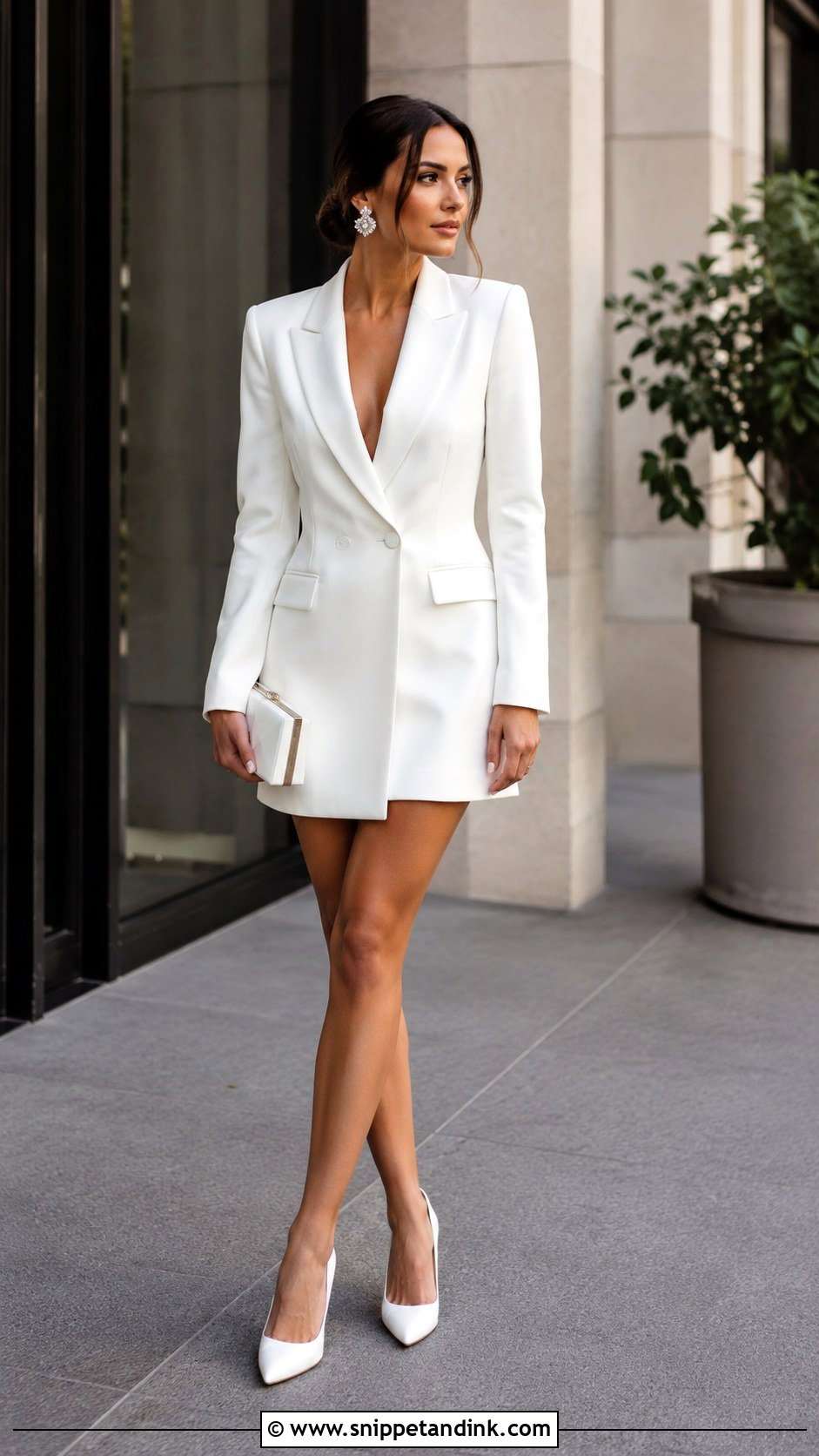
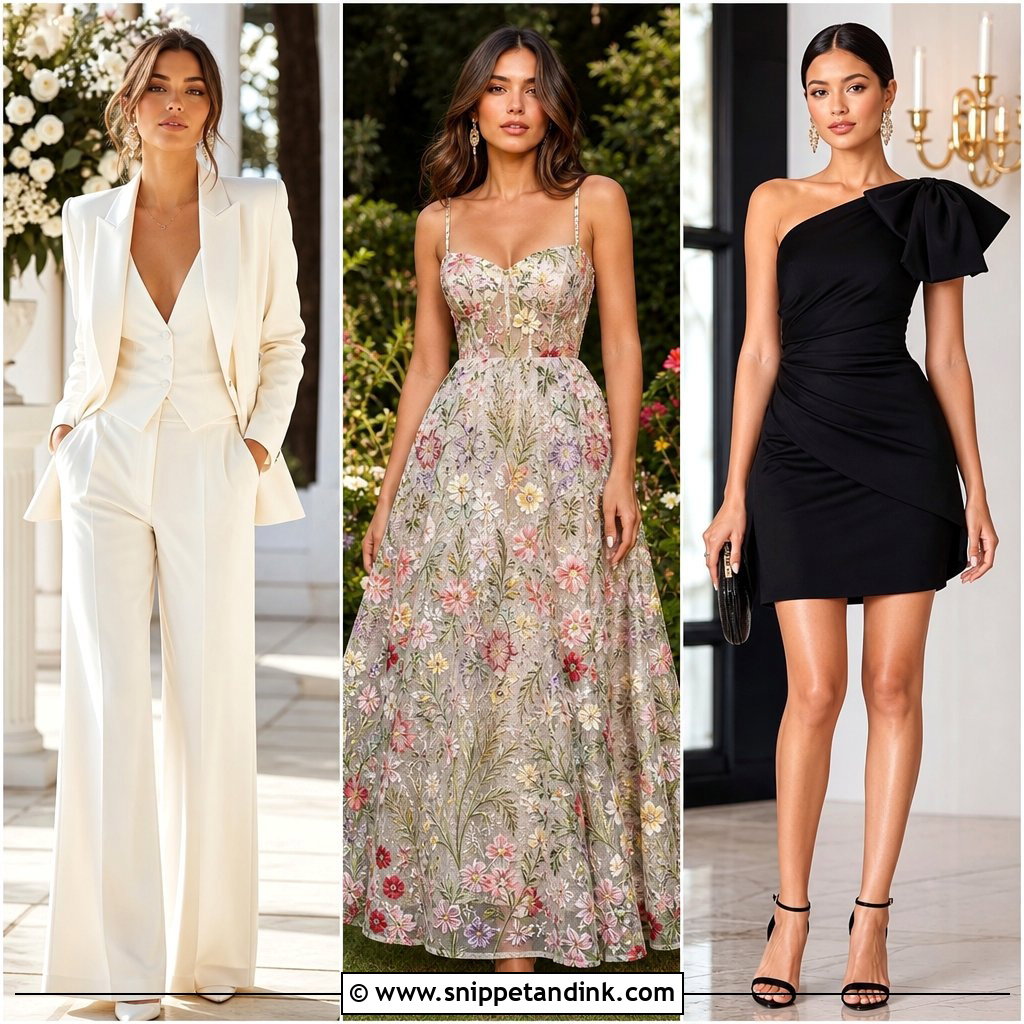
A blazer dress suits the bride who would rather look sharp than sweet. That might be a blazer mini, a tailored jacket over a slip, or a white suit-style dress with strong shoulders, and it reads especially well at city weddings and courthouse celebrations. Crepe, satin or a structured wool blend give the finish; cheap polyester suiting shines and wrinkles at the elbows. I’d watch the shoulder pads if you have narrow shoulders, since oversized padding can swallow you in photos. A lace bralette underneath or pearl buttons adds the bridal note, with pointed pumps and a low bun.
10. Bridal Jumpsuit Second Look
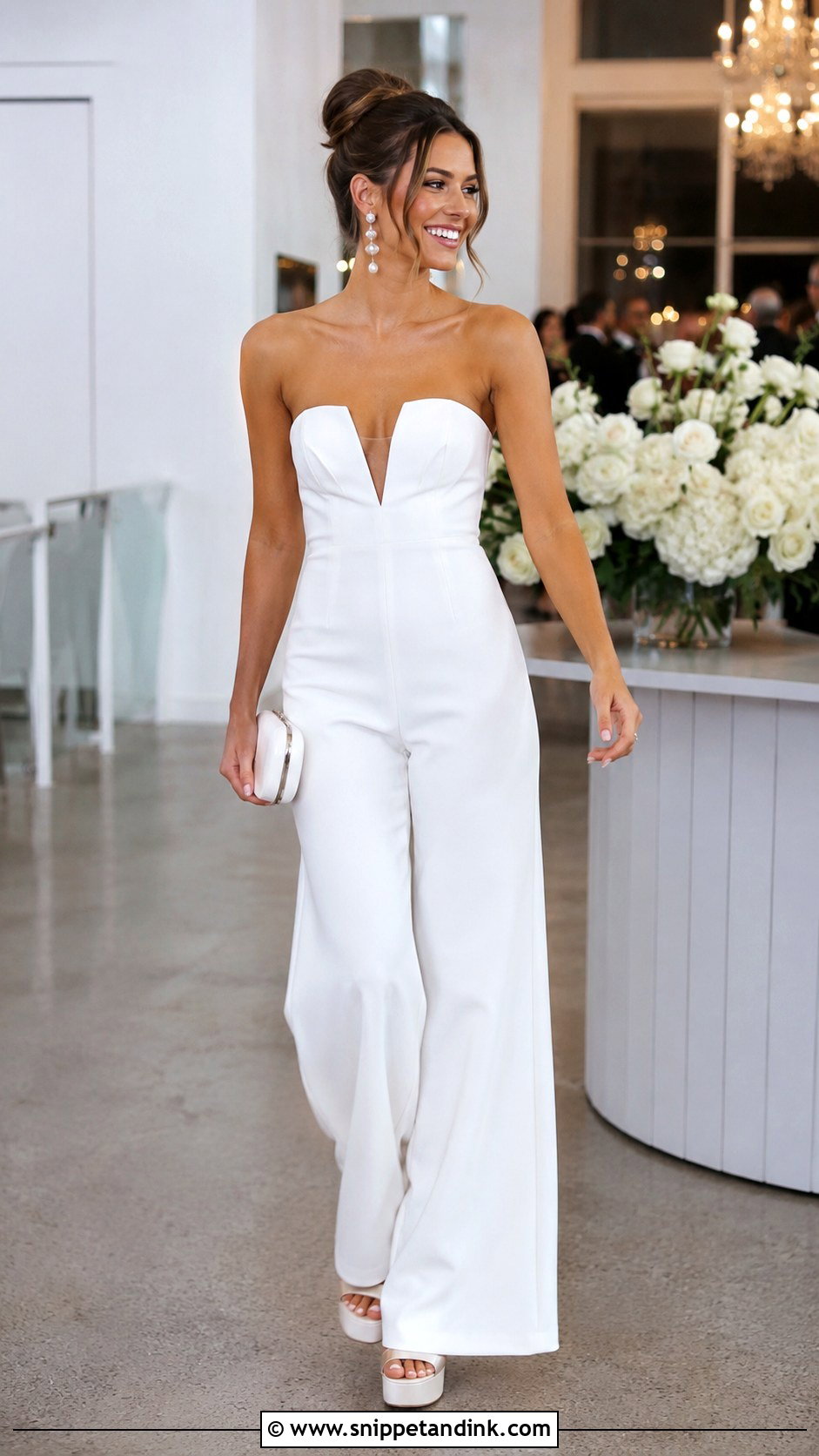
Some brides simply don’t want another dress, and a bridal jumpsuit gives total freedom to move. Wide-leg jumpsuits lengthen the body; slimmer cuts look sleek and modern. Look for bridal details such as satin, cape sleeves, pearl buttons or lace panels. My honest caution is the bathroom: a back zip on a one-piece means asking for help every time, so I look for a side zip or a separate top and trouser that only looks like a jumpsuit. Hem it to the exact heel you’ll wear, because platforms and pumps need different lengths.
11. Two Piece Second Look Wedding Dress
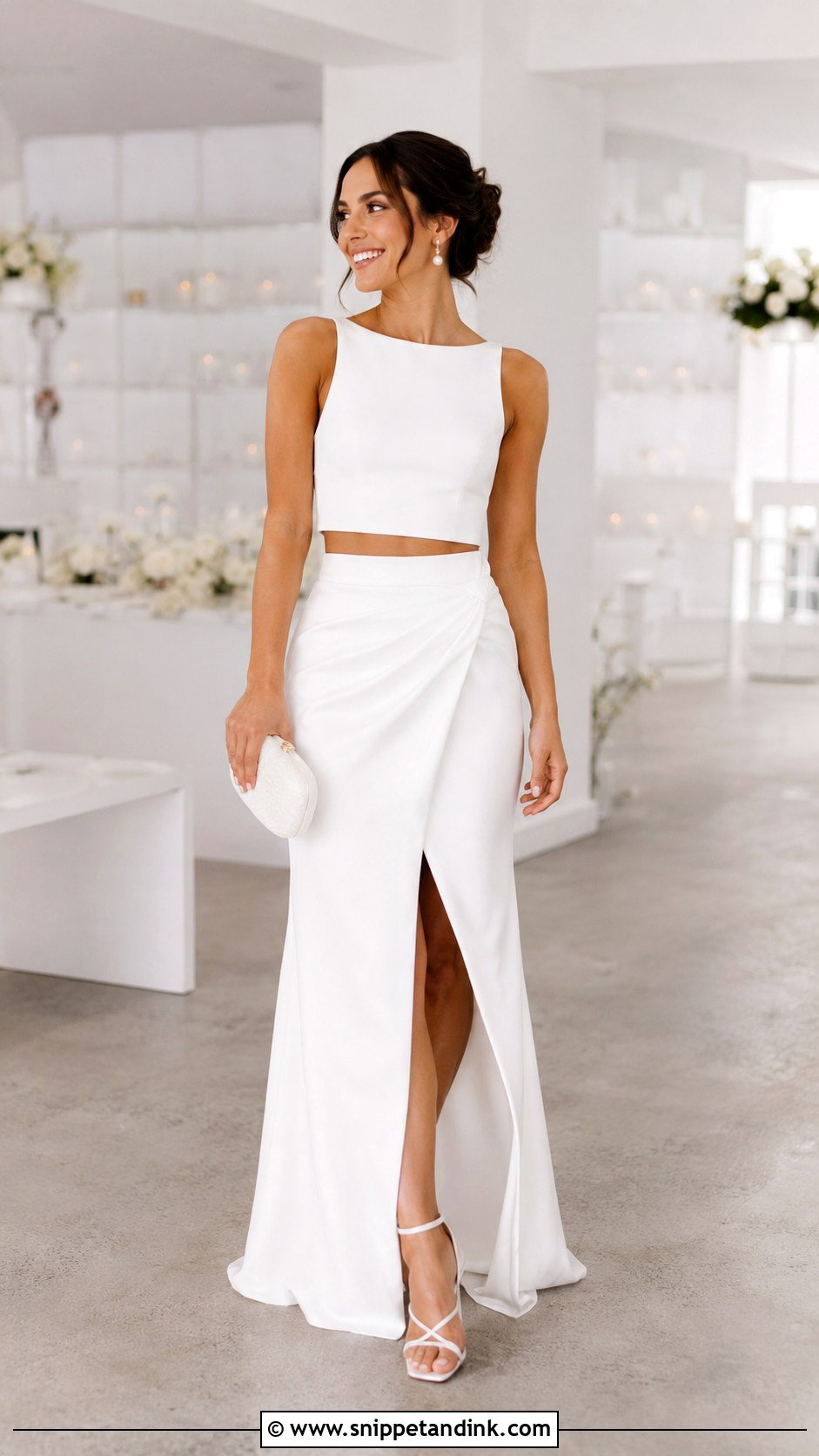
Fit is the hidden advantage of a two piece second look wedding dress: the top and bottom can be different sizes and altered separately, which helps if your bust and hip don’t match one standard size. A cropped bridal top with a high-waisted skirt, tailored trousers or a satin midi skirt all work. Lace, organza or pearl details soften it, while satin or crepe keeps it clean. I’d keep the gap of skin small and sit down in it at the fitting, since a crop that looks neat standing can rise a lot when seated.
12. Tea Length Second Look Wedding Dress
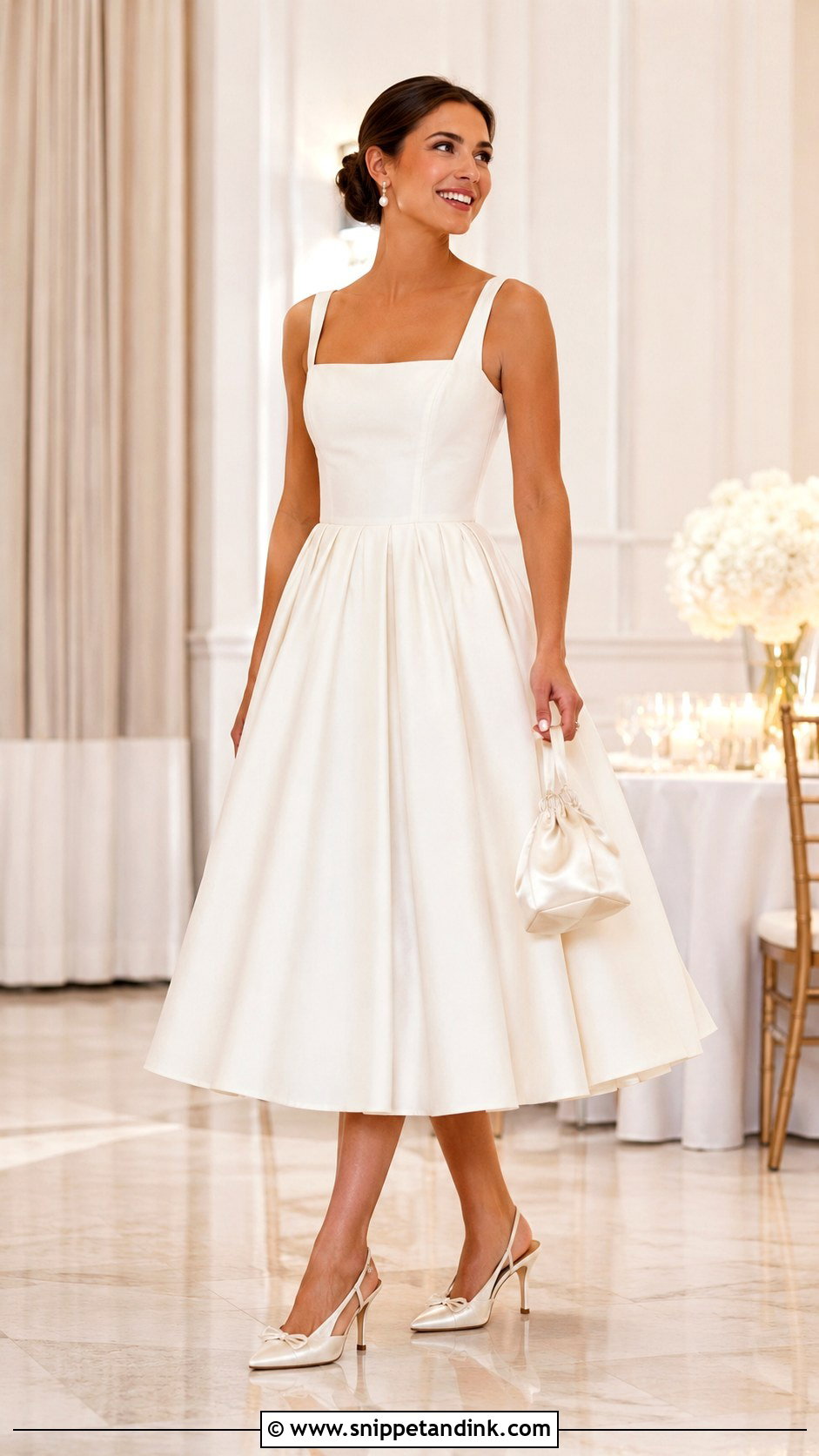
Tea length falls between the knee and ankle, so your shoes finally get seen. It can lean vintage or modern depending on neckline and fabric; a full skirt over a petticoat swings, while a fitted version feels sleeker. Petite brides should check the hem hits at the narrowest part of the calf, because a hem landing mid-calf on a shorter leg can look cut off. Slingbacks, pearl earrings and a short veil or hair bow finish it. You still get a proper dress, just without the weight.
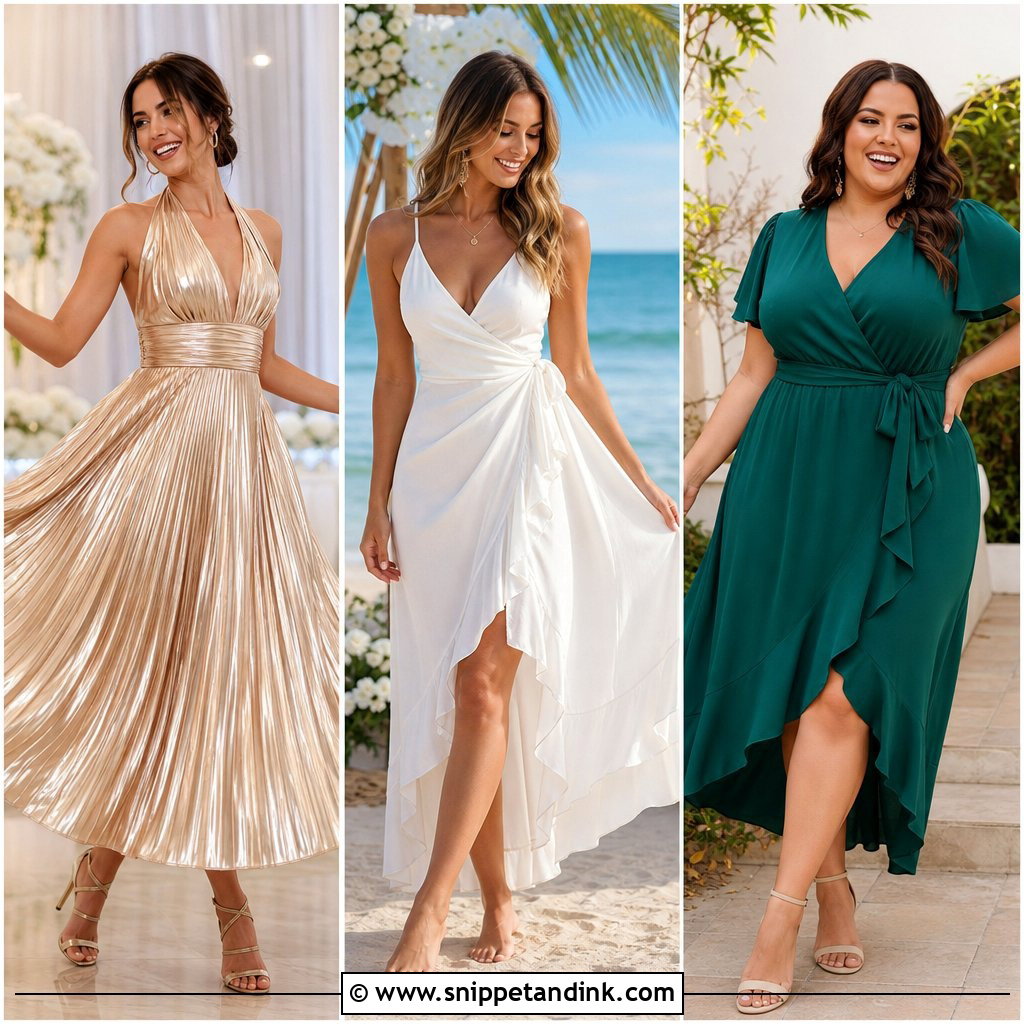
13. High Low Second Look Wedding Dress
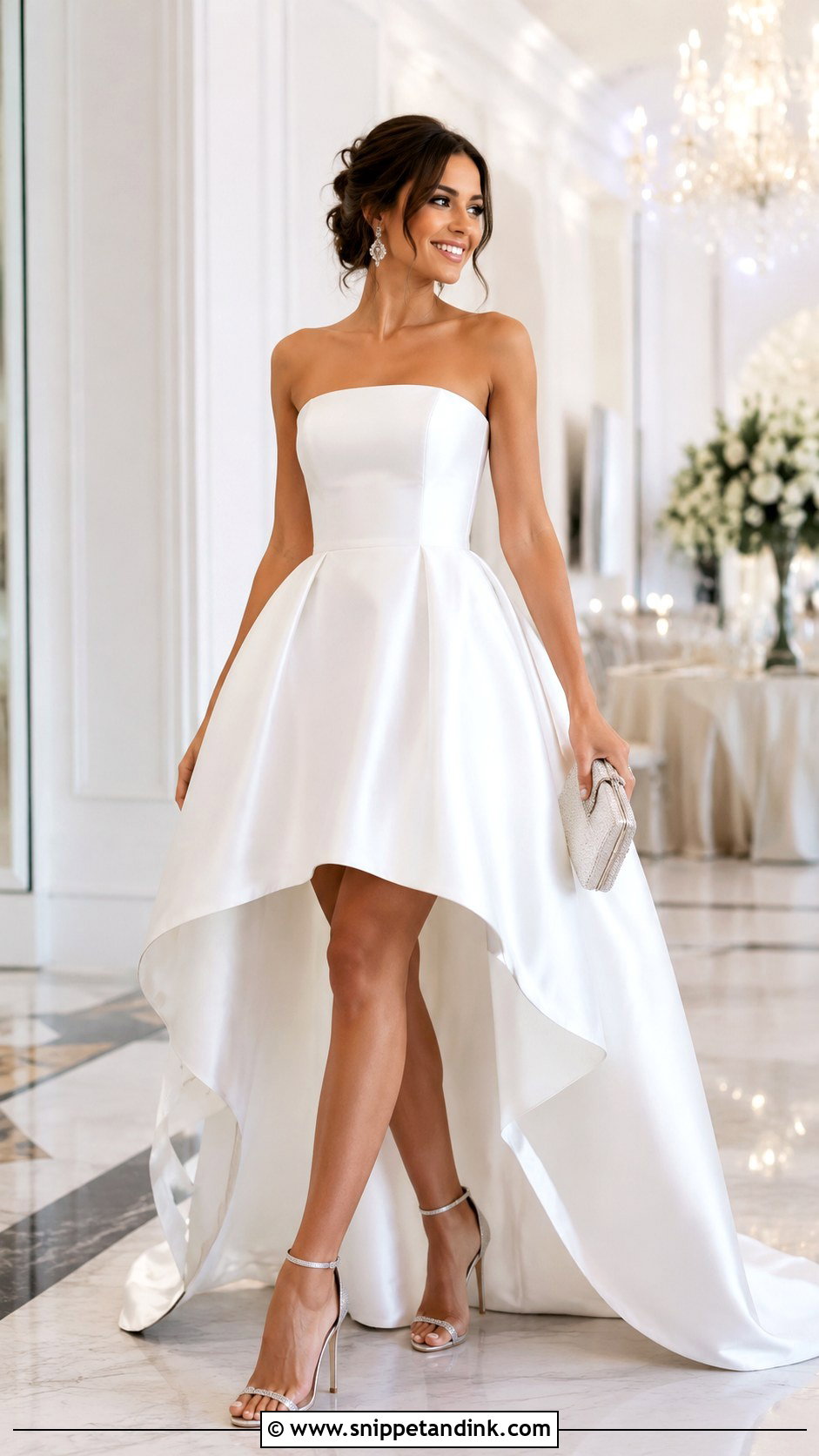
A shorter front makes walking and dancing easier, and the longer back keeps a little of the ceremony drama. I like this shape for brides who miss the feel of a gown but are tired of carrying a train. Satin gives a clean edge, tulle softens it, and crepe makes it modern. Because the front shows your shoes, choose a pair you love. The weak point is the back hem on a dance floor, where it gets stepped on, so I often add a discreet wrist loop.
14. Tulle Second Look Wedding Dress
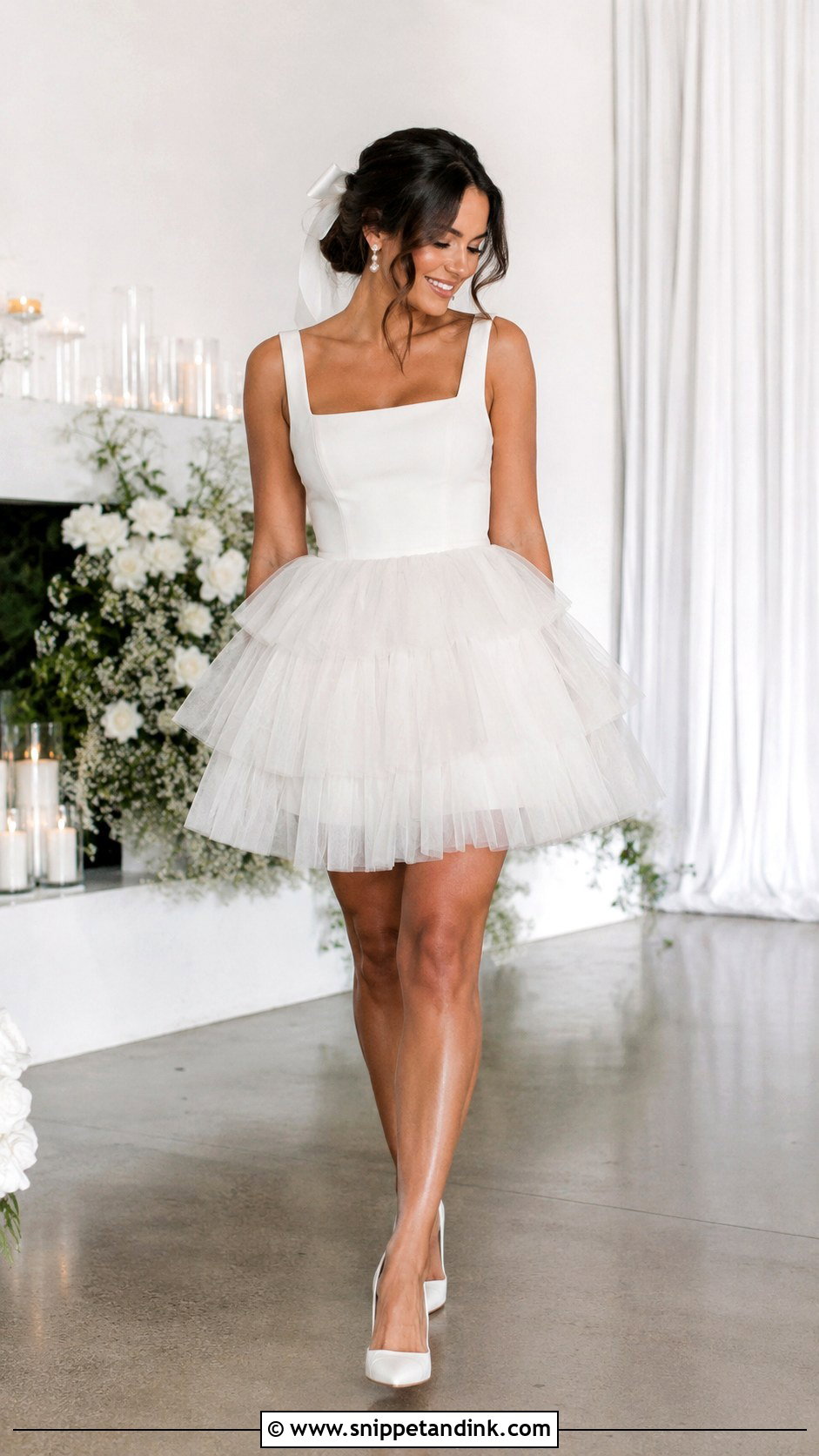
Tulle gives volume without the weight of a ceremony gown. A short tulle skirt, a layered midi or a simple bodice over a full skirt all read as bridal. Balance is the rule: volume on the skirt, a fitted top. Tulle also snags on beaded bags and catches heel tips when you’re dancing, so I’d choose a softer silk tulle over stiff netting and keep jewelry smooth. White pumps, pearl earrings and a satin bow are enough, and it twirls well in photos.
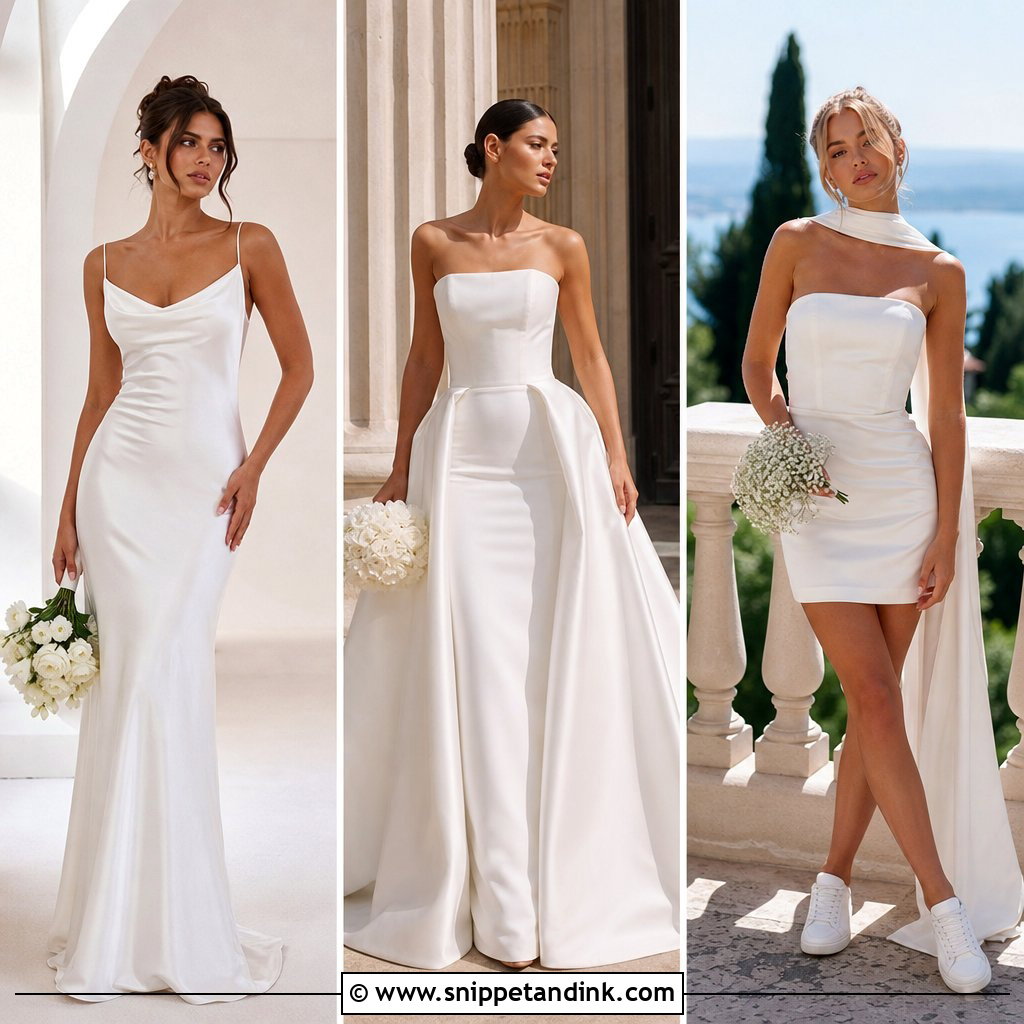
15. Pearl Second Look Wedding Dress
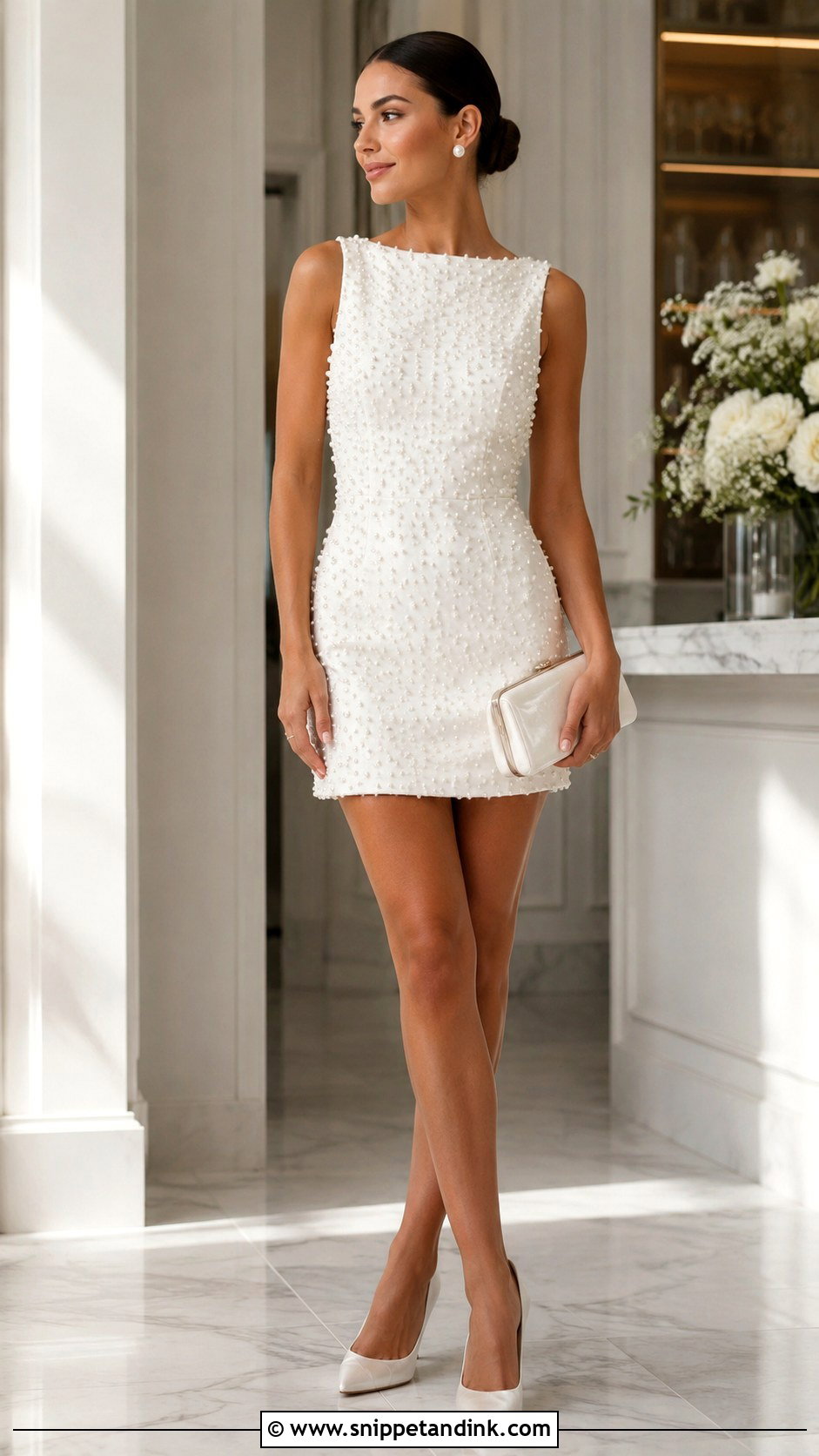
Pearls give detail without sparkle. They can cover the whole dress, scatter across the skirt, run down the buttons or line the neckline. A pearl mini feels like a party; a pearl midi or sheath feels more formal. Because pearls already add texture, I’d skip a necklace and stop at studs, satin pumps and a clean clutch. Ask how the pearls are attached before you buy: glued pearls pop off when you dance, and hand-sewn ones are worth the extra cost.
16. Corset Second Look Wedding Dress
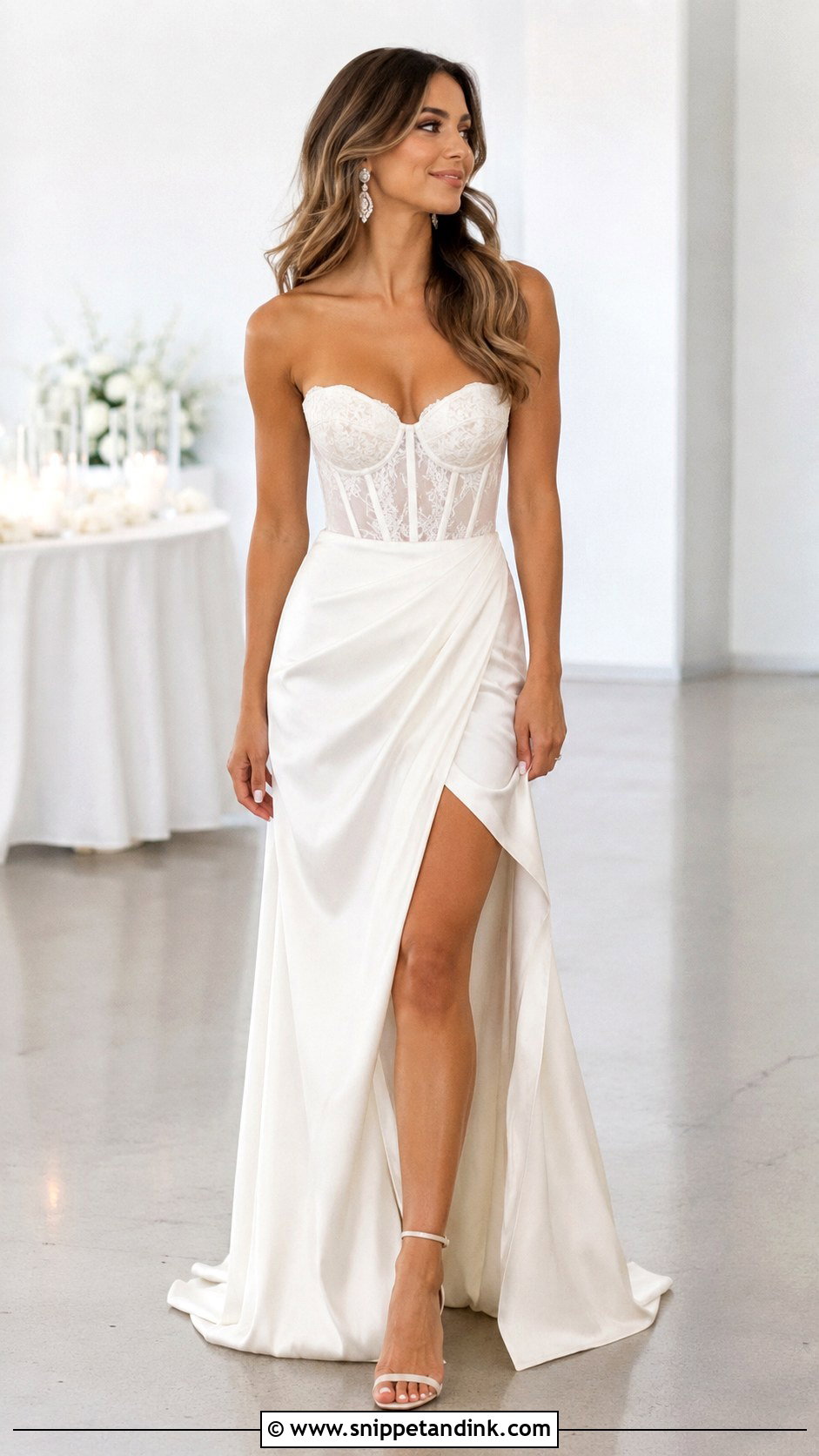
Structure and a defined waist are what a corset gives you, paired with a mini, a satin midi skirt or a full tulle skirt. Proper boning and a lace-up back mean the fit can be adjusted through the evening, which matters after a big dinner. I’d steer you away from a cheap corset with plastic boning, which bends and digs in when you sit. Have the lacing done by someone who knows how to tighten from the middle outward. Delicate heels, drop earrings and soft hair balance the structure, especially in ivory satin or lace.
17. Long Sleeve Second Look Wedding Dress
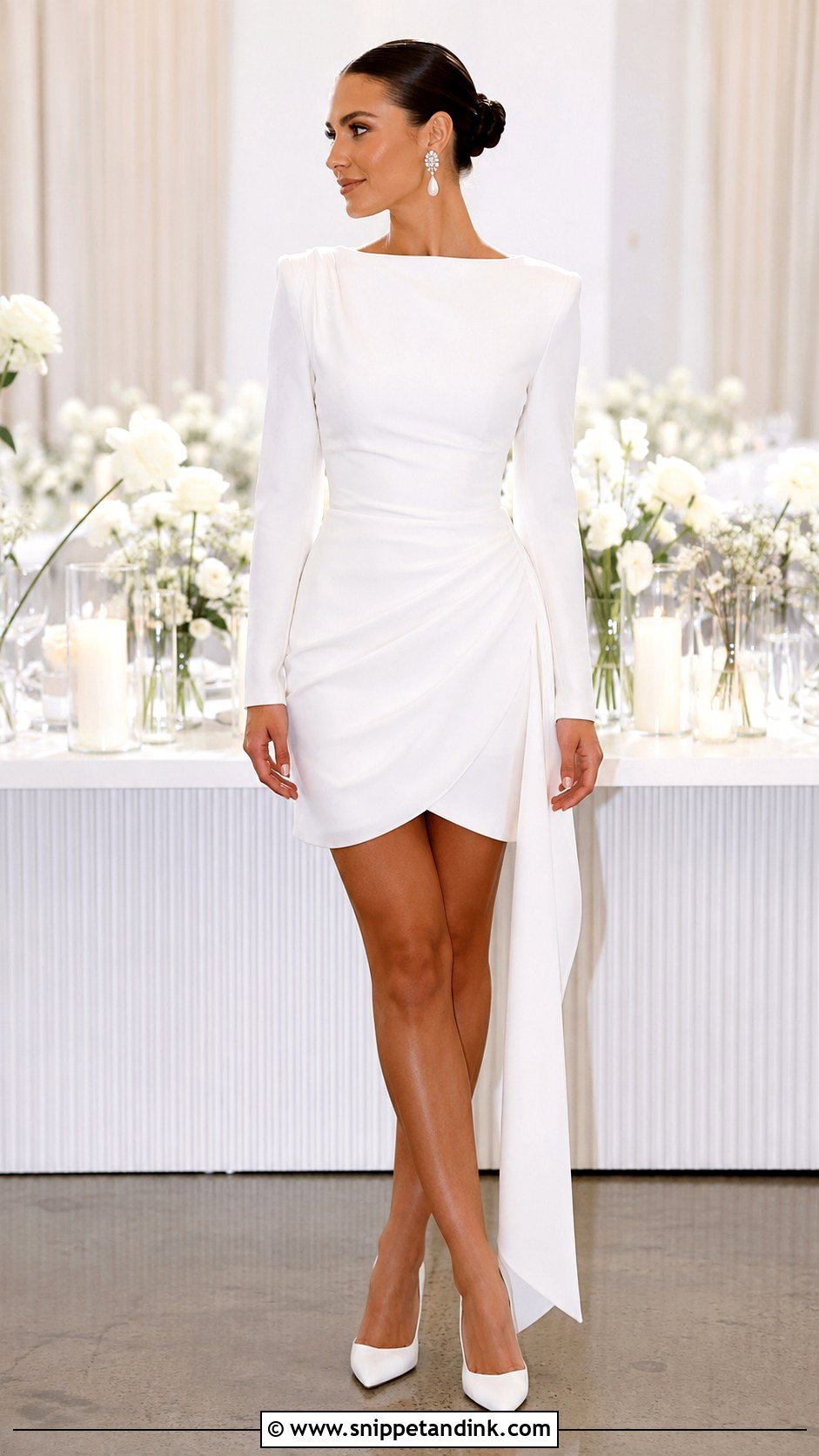
For autumn, winter and formal indoor receptions, sleeves make sense. Even a mini length looks balanced when the arms are covered. Sheer lace sleeves read romantic, satin sleeves dramatic, crepe sleeves modern. Test the armholes by raising your arms over your head at the fitting: a tight sleeve pulls the whole dress up when you dance or throw the bouquet. A sleek updo and statement earrings give the neckline some room, and the clear outline holds up well on camera.
18. Halter Second Look Wedding Dress
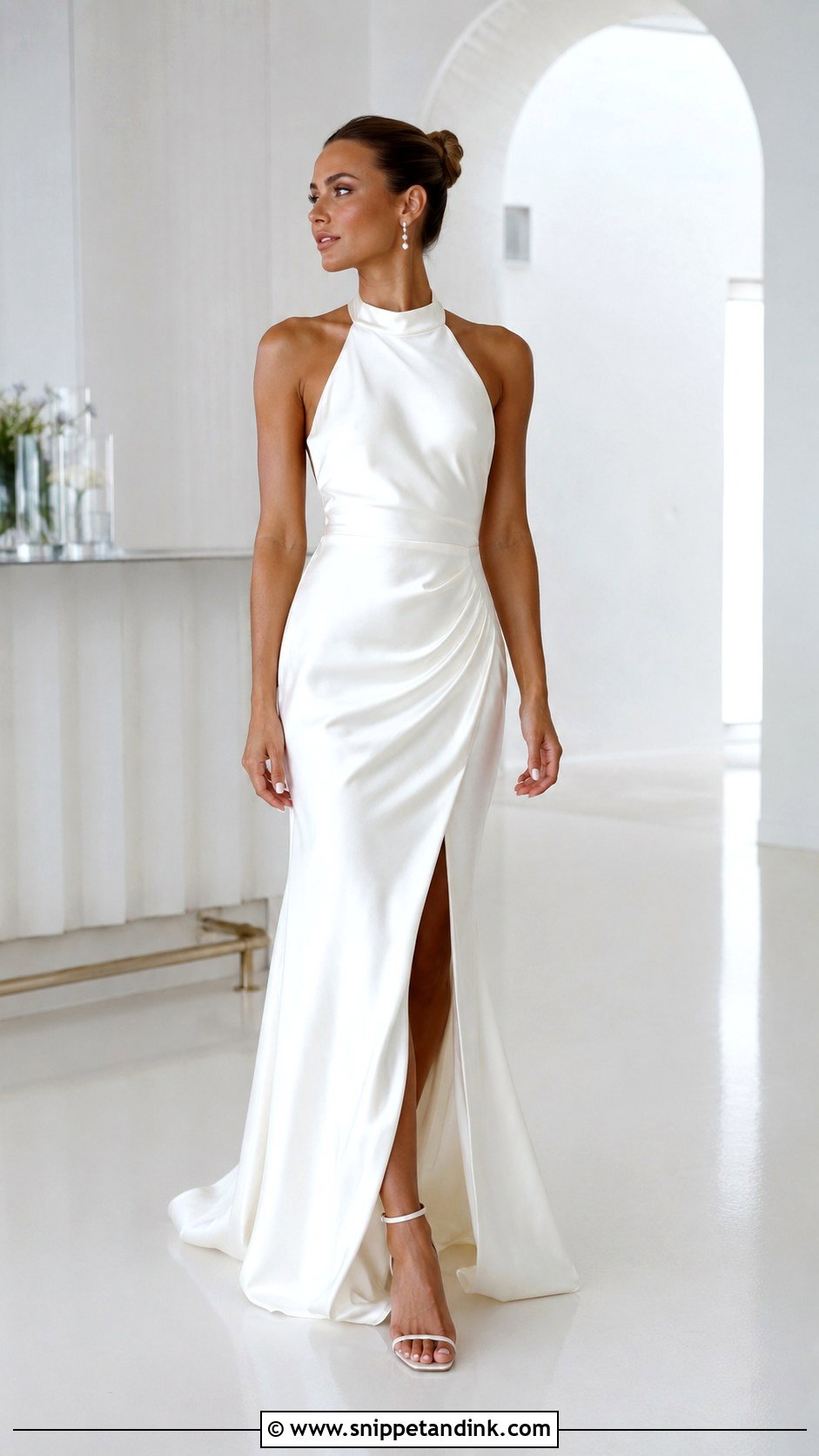
Halters draw the eye to the shoulders, and they feel secure because the weight hangs from the neck. A satin halter slip is sleek; a halter mini feels fresh. After a ceremony gown with sleeves or a strapless top, the change is obvious. The one thing to plan is your bra, since a halter rules out most standard ones; I fit these with built-in cups or a stick-on option. Pulled-back hair, drop earrings and slim heels keep the neckline visible.
19. One Shoulder Second Look Wedding Dress
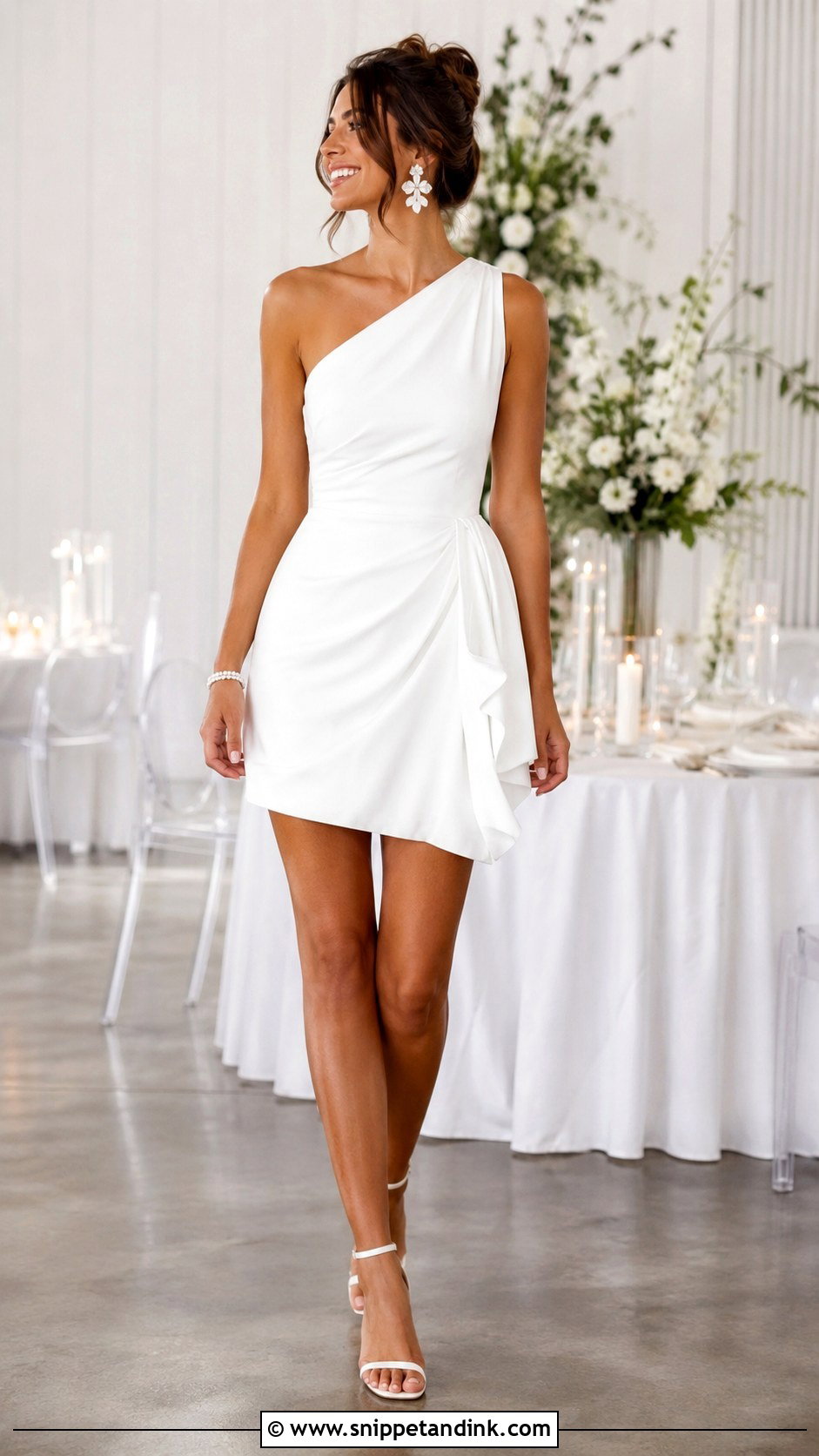
An asymmetric neckline looks different from traditional bridal shapes and still reads elegant in white or ivory. A one shoulder mini feels party-ready; a one shoulder column looks right at a formal reception. Draping, a bow or a subtle slit adds movement. Skip the necklace, since it fights the diagonal line, and wear earrings or a bracelet on the bare side. Strappy heels or pointed pumps complete it. I check the strap at a fitting by having you hug me; if the shoulder slips, it needs taking up.
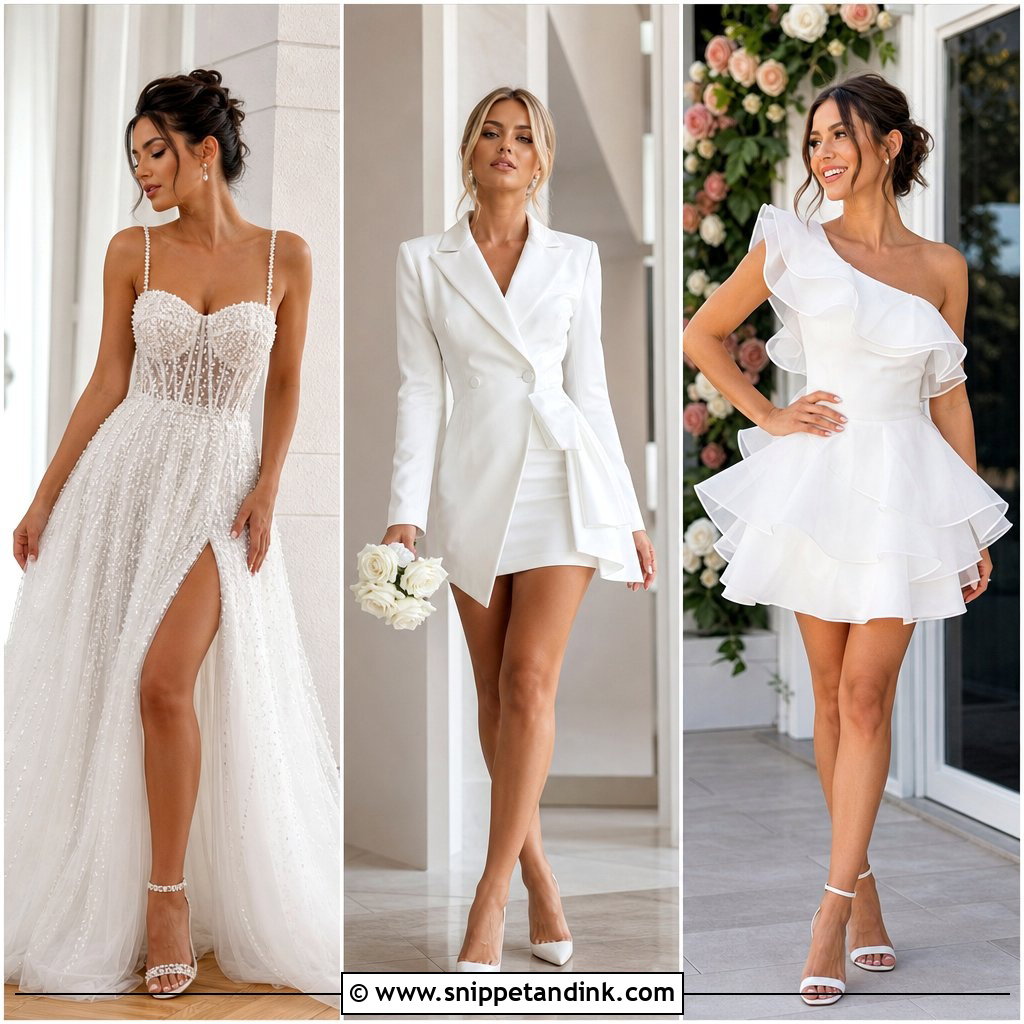
20. Column Second Look Wedding Dress
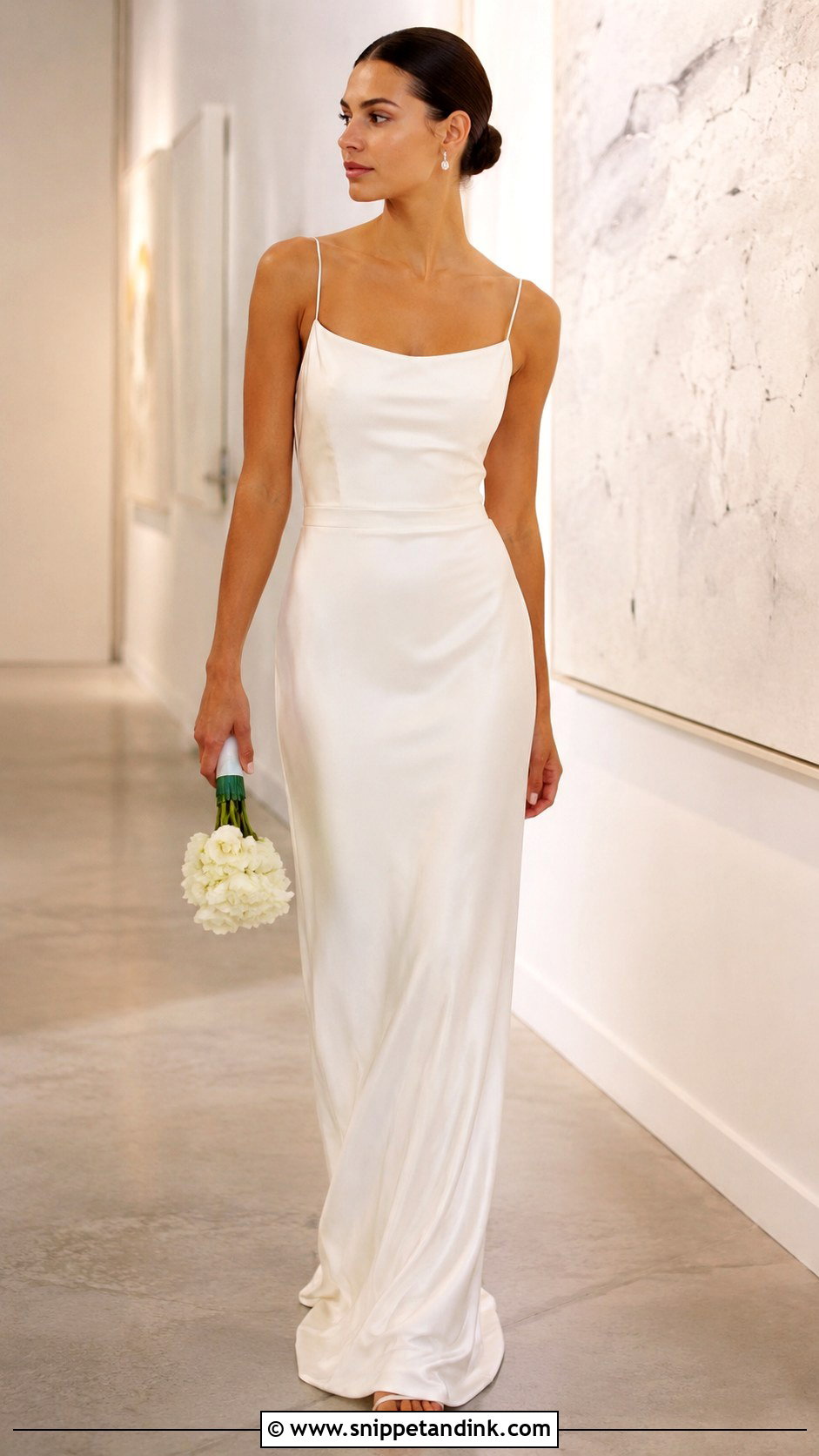
A column is calmer than a ball gown and still formal. It skims the body and creates a long line, especially in crepe, satin or silk. A square neckline, strapless bodice or high neck all suit it. What you need is a slit or a kick pleat; a true column with no give means taking small steps all night and no dancing at all. Slim heels, simple earrings and smooth hair finish it. It suits modern venues, gallery weddings and quiet luxury, and the plainness is the point.
21. Midi Second Look Wedding Dress
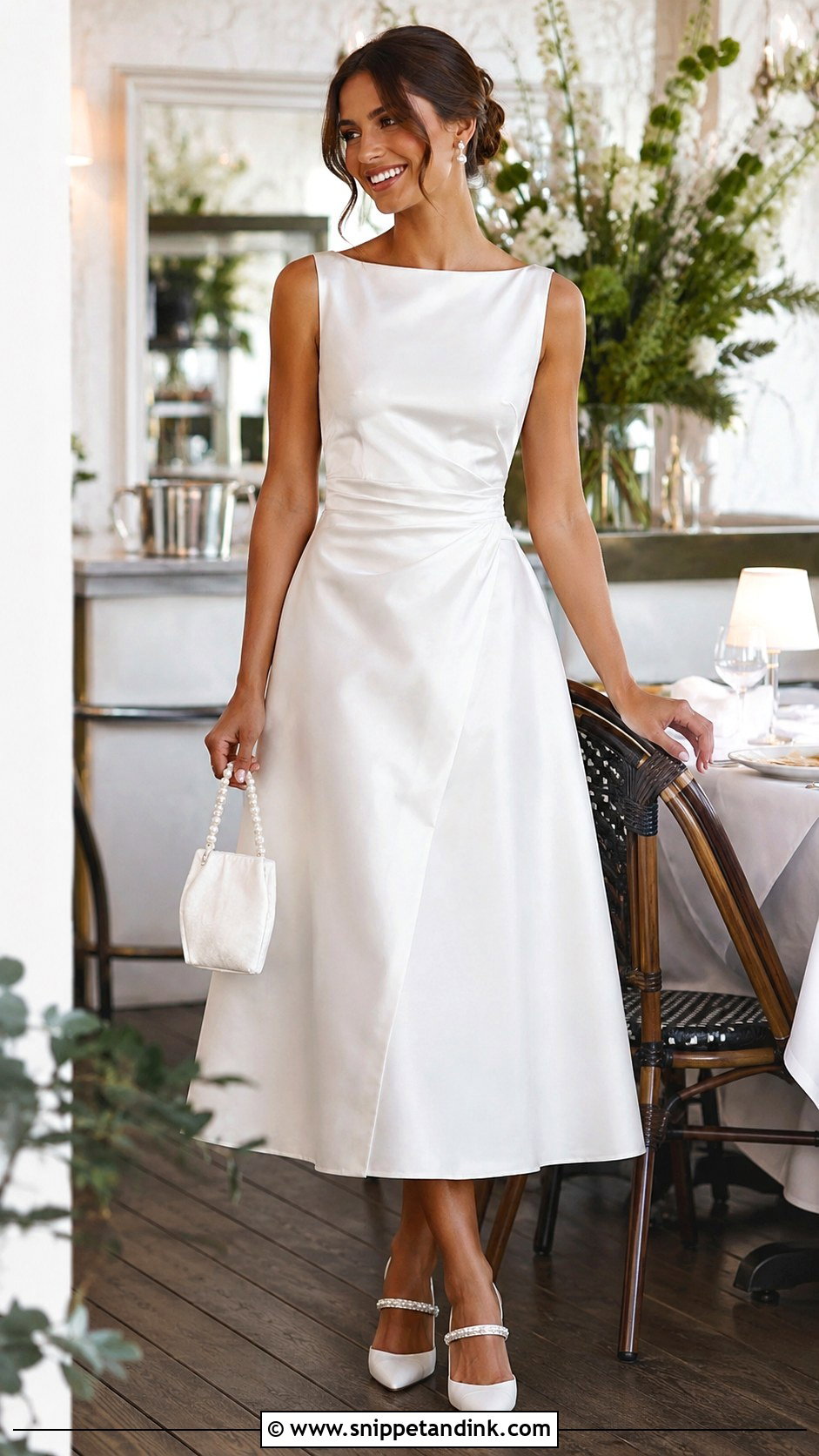
Midi is the length I recommend most often to brides who want comfort without going short. It moves easily through dinner, dancing and the long round of greeting guests. Satin looks sleek, lace romantic and structured crepe modern, in a fitted, A-line or draped cut. A midi also handles grass and gravel better than a full-length gown, so it suits garden and restaurant receptions alike. Bridal heels, a mini bag and polished jewelry keep it from looking like daywear.
22. Short Sleeve Second Look Wedding Dress
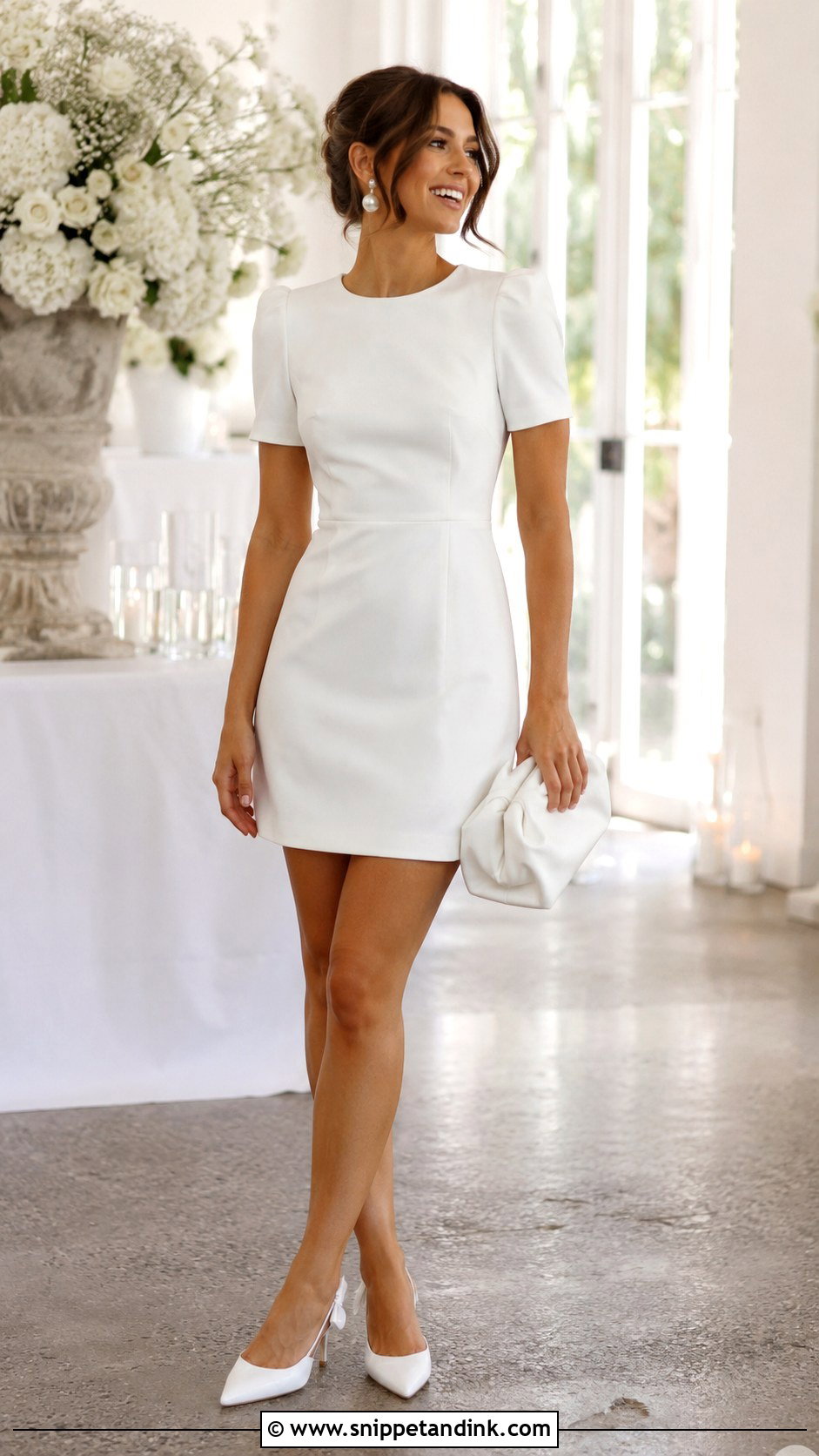
Short sleeves give more coverage than straps and stay light enough to dance in. Puff sleeves are romantic, cap sleeves classic, tailored short sleeves modern. Puff sleeves need care, though: the volume flattens if you lean on them at a table, and an organza puff can crush after a hug or two, so I prefer a puff with a light tulle support inside. Slingbacks, pearl earrings and a soft clutch finish it. For warm-weather weddings, it is a practical and clearly bridal choice in white or ivory.
23. Convertible Second Look Wedding Dress
Two looks without two full dresses: that is the appeal of a convertible second look wedding dress. It might have a detachable overskirt, removable sleeves, a separate train or a cape that comes off after the ceremony. The change takes minutes instead of a full re-dress, and both looks stay cohesive. The key at fittings is to try the dress in both forms, because a bodice fitted under a heavy overskirt can sit differently once the weight comes off. Lighter jewelry, a new hairstyle or different shoes make the switch more visible.
24. Vintage Second Look Wedding Dress
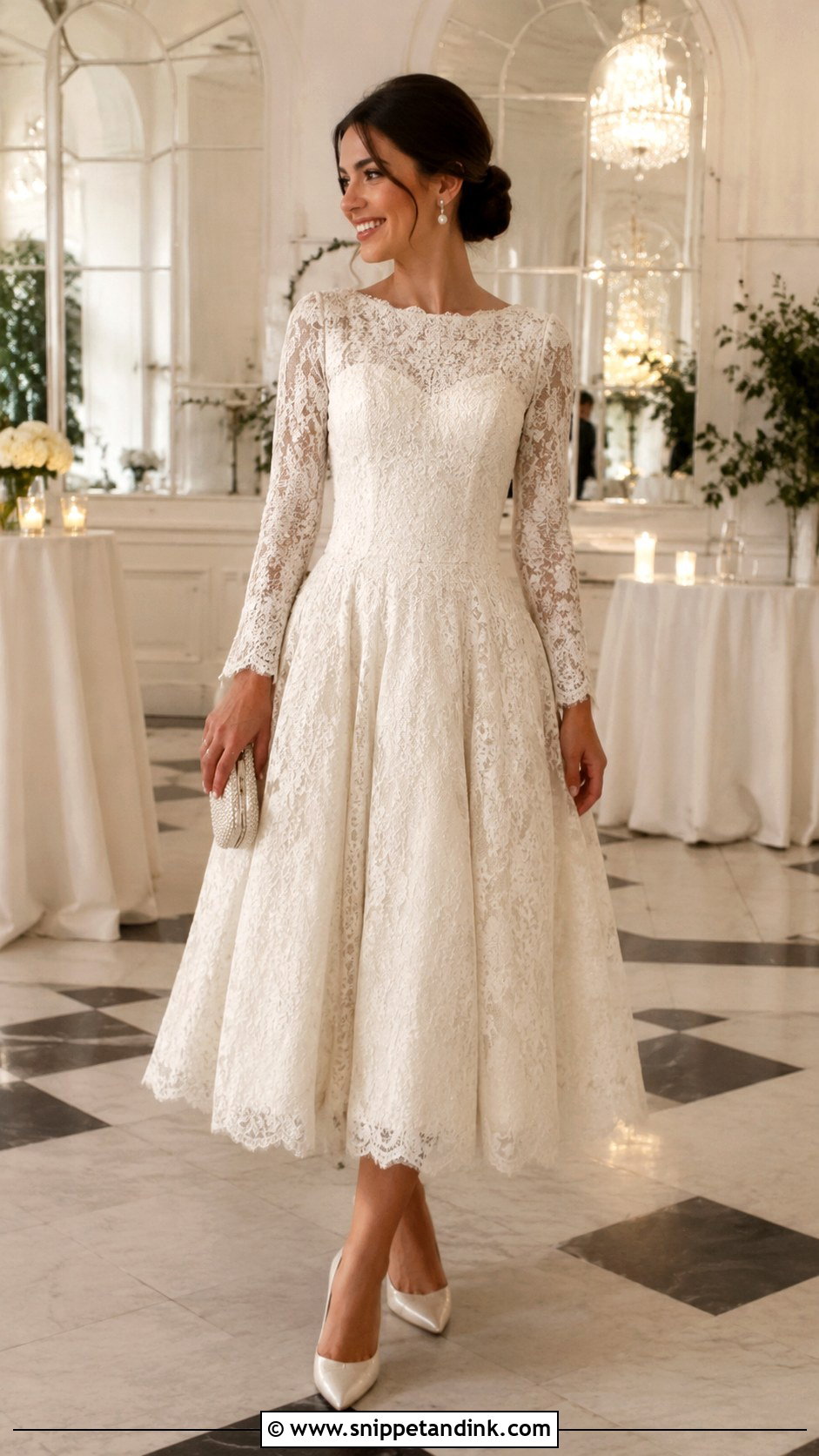
Vintage brings meaning: a redesigned family dress, a thrifted lace mini, a beaded 1960s-style shift or a tea-length gown with retro charm. Tailoring decides whether it looks intentional or costume-like. Old fabric needs a gentle hand, so I’d have a seamstress check the seams and underarms for weakness before any alteration, because old silk can split along stress points. Modern shoes, clean makeup and simple jewelry balance the older details, and a dress with family history gives your photographer a real story to tell.
25. Reception Party Second Look Wedding Dress
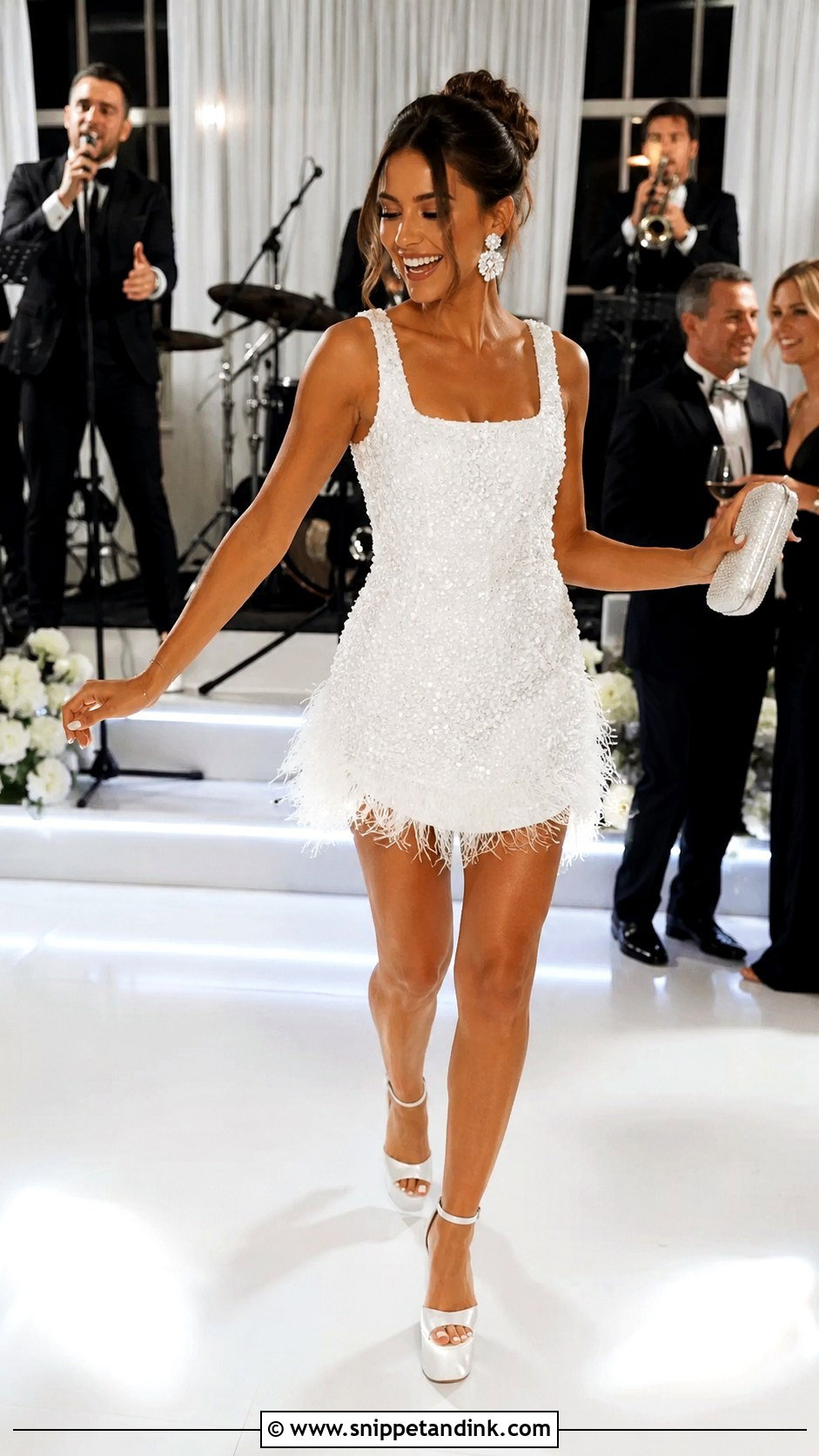
The final change of the night is about staying comfortable for hours. A sparkly mini, a feather-trim dress, a satin shift or a playful white cocktail dress all qualify. The goal is to move freely on the dance floor while still looking like the bride. Before I sign off on one, I ask you to jump, spin and sit: if anything needs adjusting, it will need it fifty more times. Wear shoes you’ve actually broken in, and add statement earrings and a small clutch for the late candids.
Fitting a Second Dress Around the First One
Brides often leave the second look until the last month, and then discover it needs as much work as the gown. I plan its fittings alongside the main dress, so the same shoes, shapewear and bra are used for both and the hems are set to the right heel height.
Order early enough to alter
Ready-to-wear reception dresses arrive quickly, but alterations still need a few weeks, and a made-to-order piece can take months. I’d buy it at least two to three months out so there’s time for one or two fittings without a rush.
Shoes decide the hem
If you plan to swap into flatter shoes for dancing, hem a midi or full-length second dress for those shoes, not the heels. A hem set for a four-inch heel drags on the floor the moment you change into flats.
Getting Two Dresses Home Without Damage
At the end of the night both outfits need someone to look after them. I ask a bridesmaid or relative to collect the ceremony gown from the changing room, hang it, and take it home with the bag and hanger, so it isn’t left crushed in a corner until the morning.
Spills are the usual problem. Blot wine and food gently with a clean white cloth and leave the rest to a specialist cleaner; rubbing pushes the stain deeper and can lift satin’s sheen. Have both dresses cleaned within a few weeks, since sugar stains from champagne and cake turn yellow over time, then store them flat or loosely folded in acid-free tissue rather than plastic.
A Reception Dress Should Let You Sit, Eat and Dance
A second outfit is one of the simplest ways to make the day feel personal. The right one matches your venue, your comfort and the mood you want once the ceremony is behind you. Some brides love a sparkly mini for dancing, others a satin slip, a tailored jumpsuit or a gown that converts with one detail. My test is plain: you should be able to forget you’re wearing it. Pick the shape from these ideas that lets you enjoy the party without thinking about fabric, weight or straps.
You'll Like These Ideas:


Leave a Reply