
Most brides I meet now ask for skin that looks like skin. Heavy, sculpted faces have given way to glowing bases, flushed cheeks, softly defined eyes and glossy or satin lips, with a bold lip or liner kept for the brides who really wear it. That doesn’t make choosing easier. The look that works for you depends on your skin, your dress, the light at your venue and how much makeup you’re used to wearing. Below are twenty looks I’m asked for, each with the practical details: how I build it, how long it holds, and who should think twice.
Facials, Brow Waxes and Spray Tans: Getting the Order Right
Many makeup problems on the day start weeks earlier. A new serum, a peel or a spray tan booked too late can change your skin just enough that the look we planned at the trial no longer sits right. This is the rough order I give brides, though your own skin and your therapist’s advice come first.
- Two to three months out: book your trial, and settle your skincare. Anything new should be introduced now, not later.
- Last facial: at least a week before, ideally longer, and nothing aggressive. Peels and extractions can leave redness or flaking for days.
- Retinoids and exfoliating acids: many brides pause them a few days before, because they can cause flaking that foundation sits on.
- Brows: wax or thread a few days before, so any redness has settled.
- Spray tan: a day or two before, and tell your artist. If you tan, try a similar shade before your trial so foundation can be matched.
On the morning, come with clean, moisturized skin and no makeup. Skip heavy creams; a light moisturizer gives the base something to grip without sliding.
1. Natural Bridal Makeup
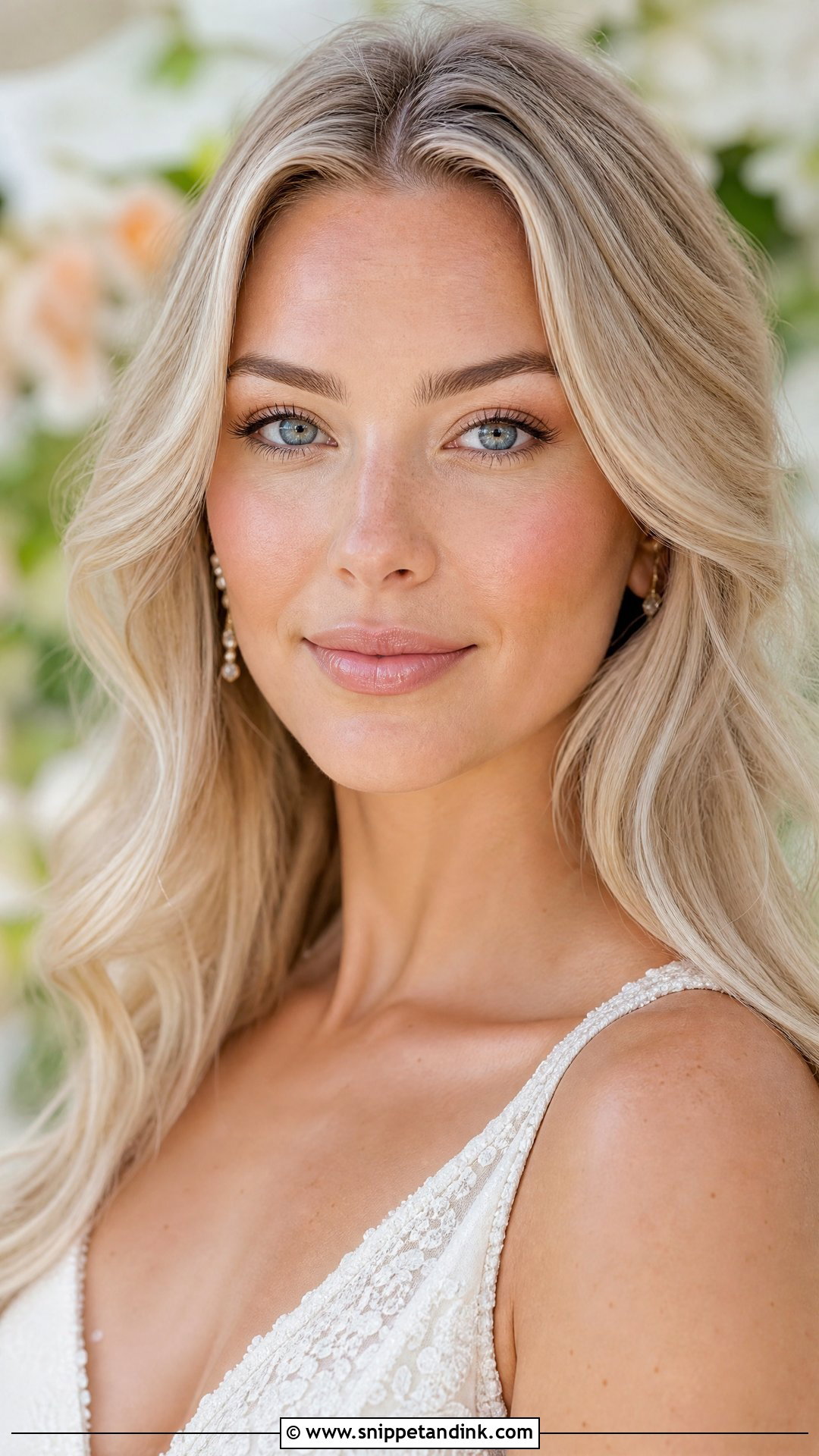
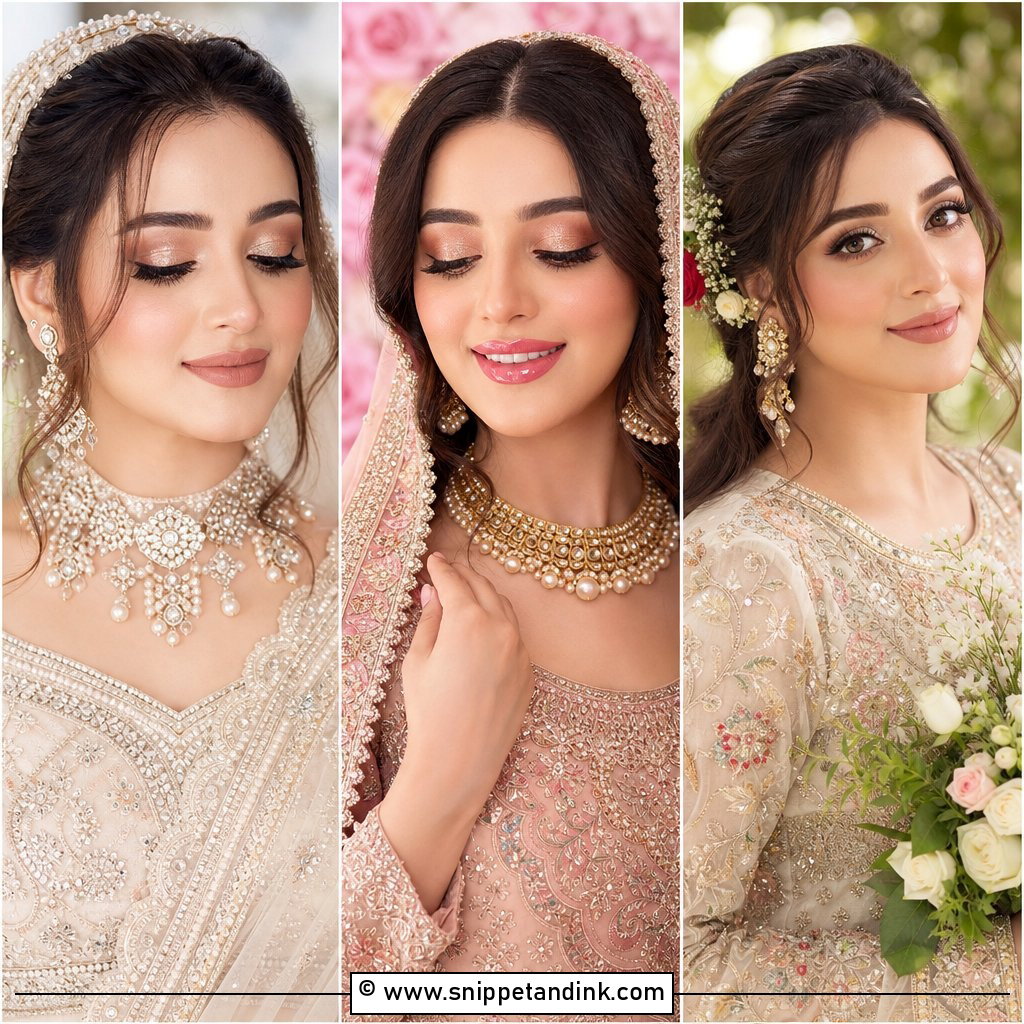
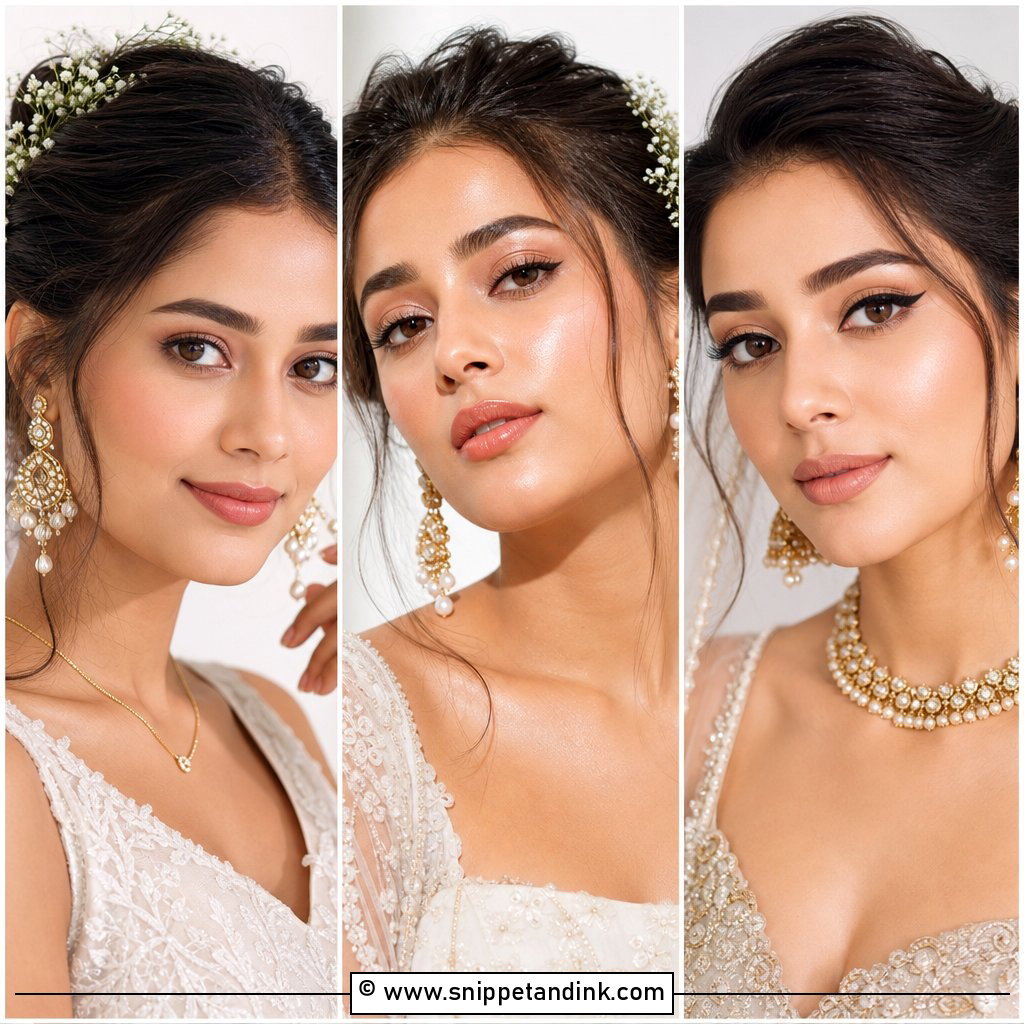
Natural makeup is about evening out, not covering up. I use skin tint or a light foundation, then conceal only redness and dark circles. Beige or taupe on the lids keeps the eye open, and a few individual lashes give definition you notice without seeing them. Peach blush, a whisper of highlight and a satin nude lip follow. The hardest part is restraint: the temptation is always to add one more layer, and that’s usually the layer that looks like makeup in daylight. It suits courthouse ceremonies and garden venues well.
2. Soft Glam Bridal Makeup
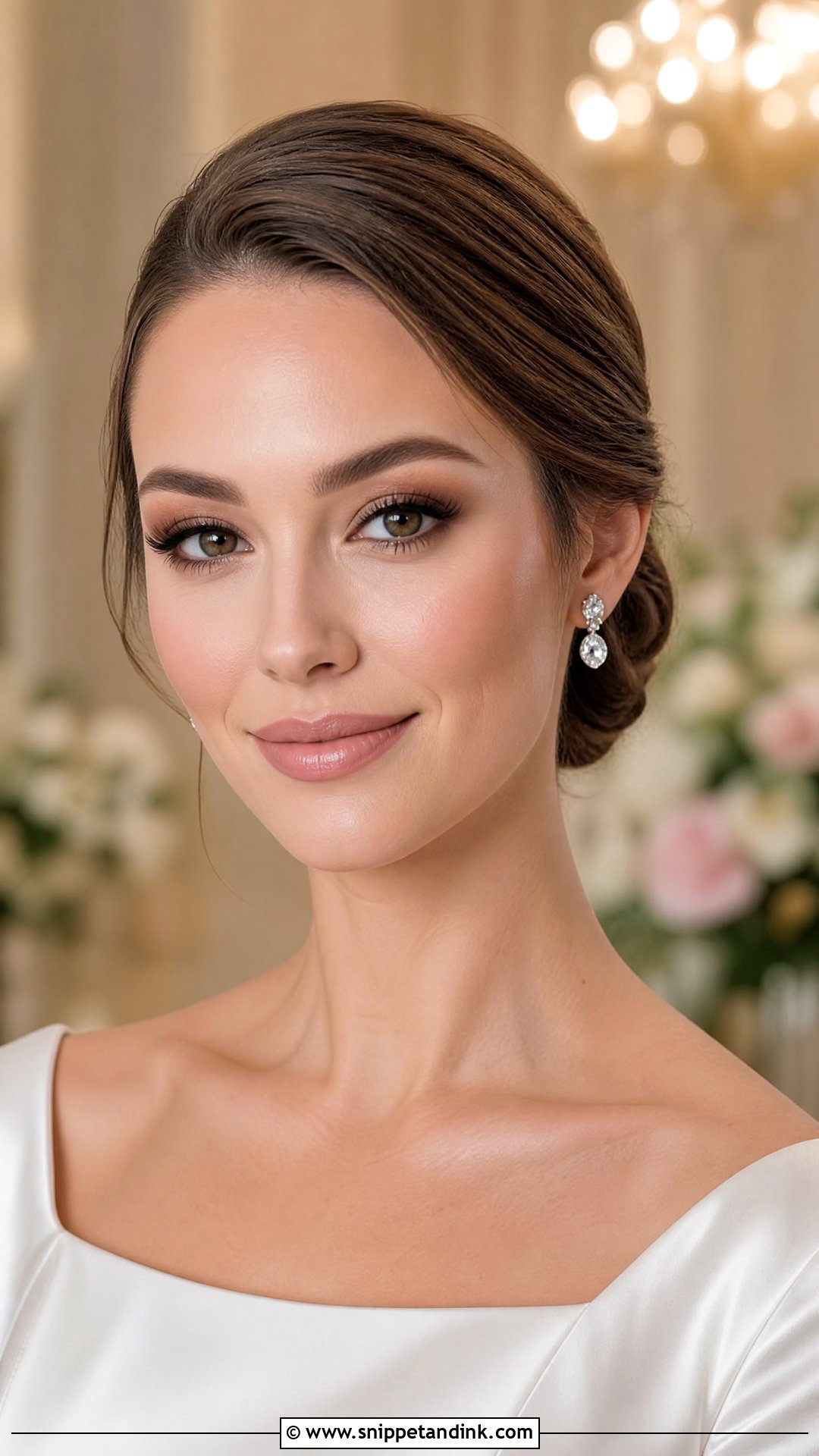
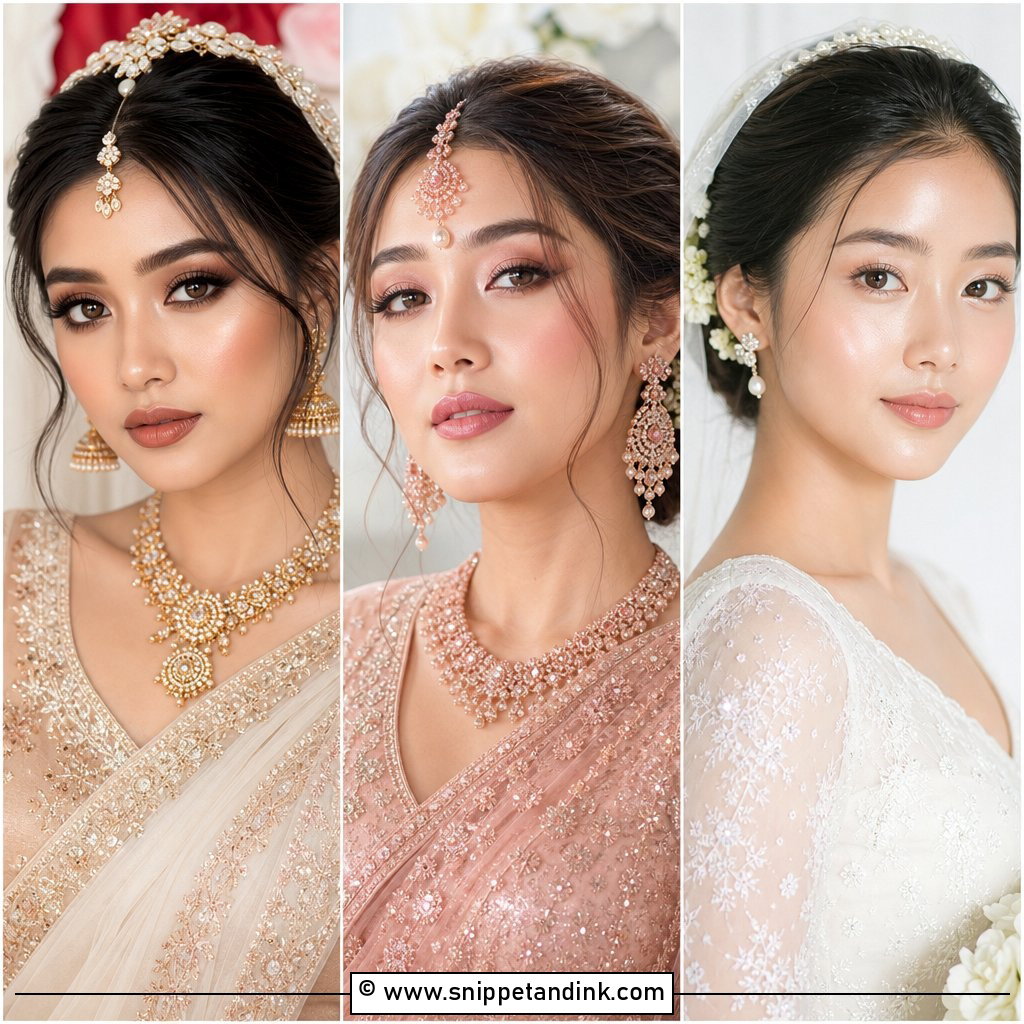
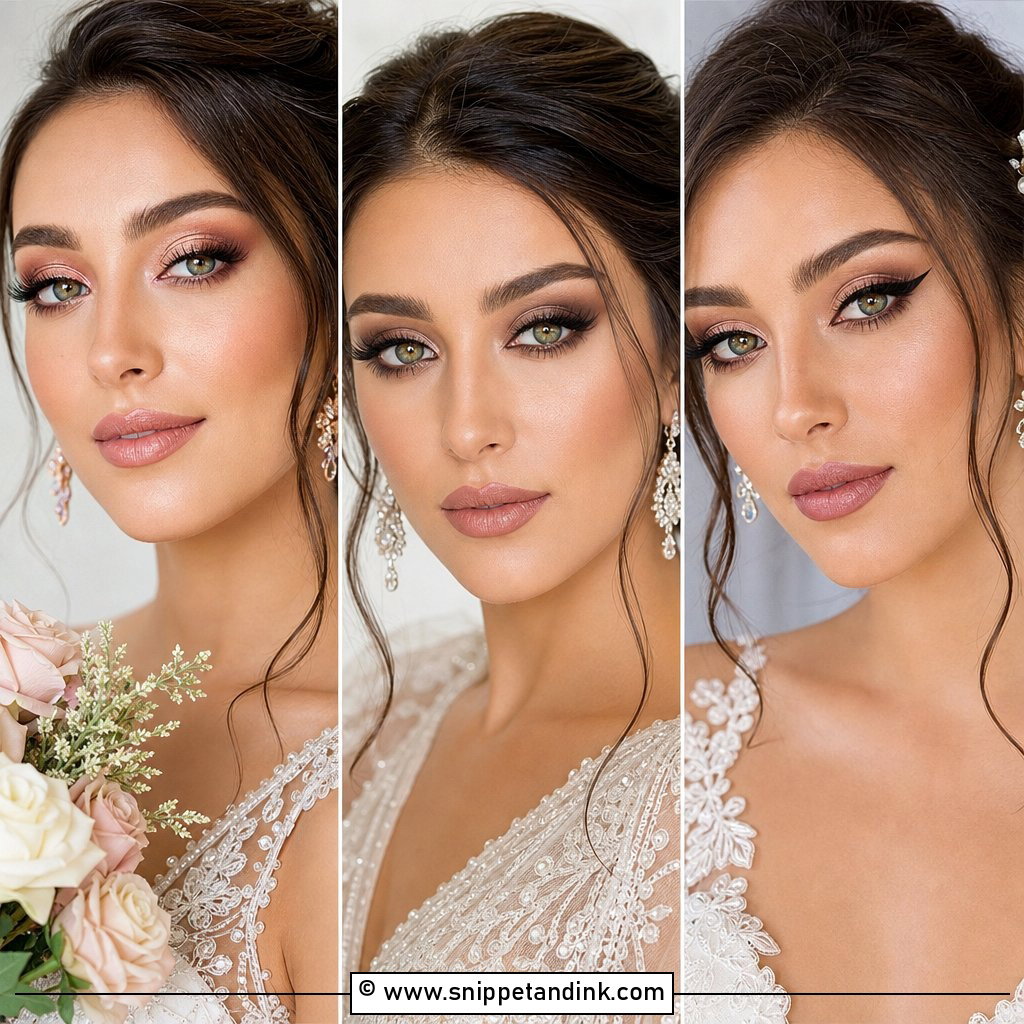
Somewhere between natural and dramatic is where most brides land. Soft glam means smooth skin, gently sculpted cheeks, neutral brown eyes in matte and satin finishes, fluttery lashes and a nude or rose lip. I keep glitter off the eye, since satin shades photograph cleaner in close-up. A light contour frames the face; blush brings back the warmth that foundation takes away. It’s the look I’d suggest when you can’t decide, because it works with almost any dress and room and looks special without feeling like a costume.
3. Glowy Bridal Makeup
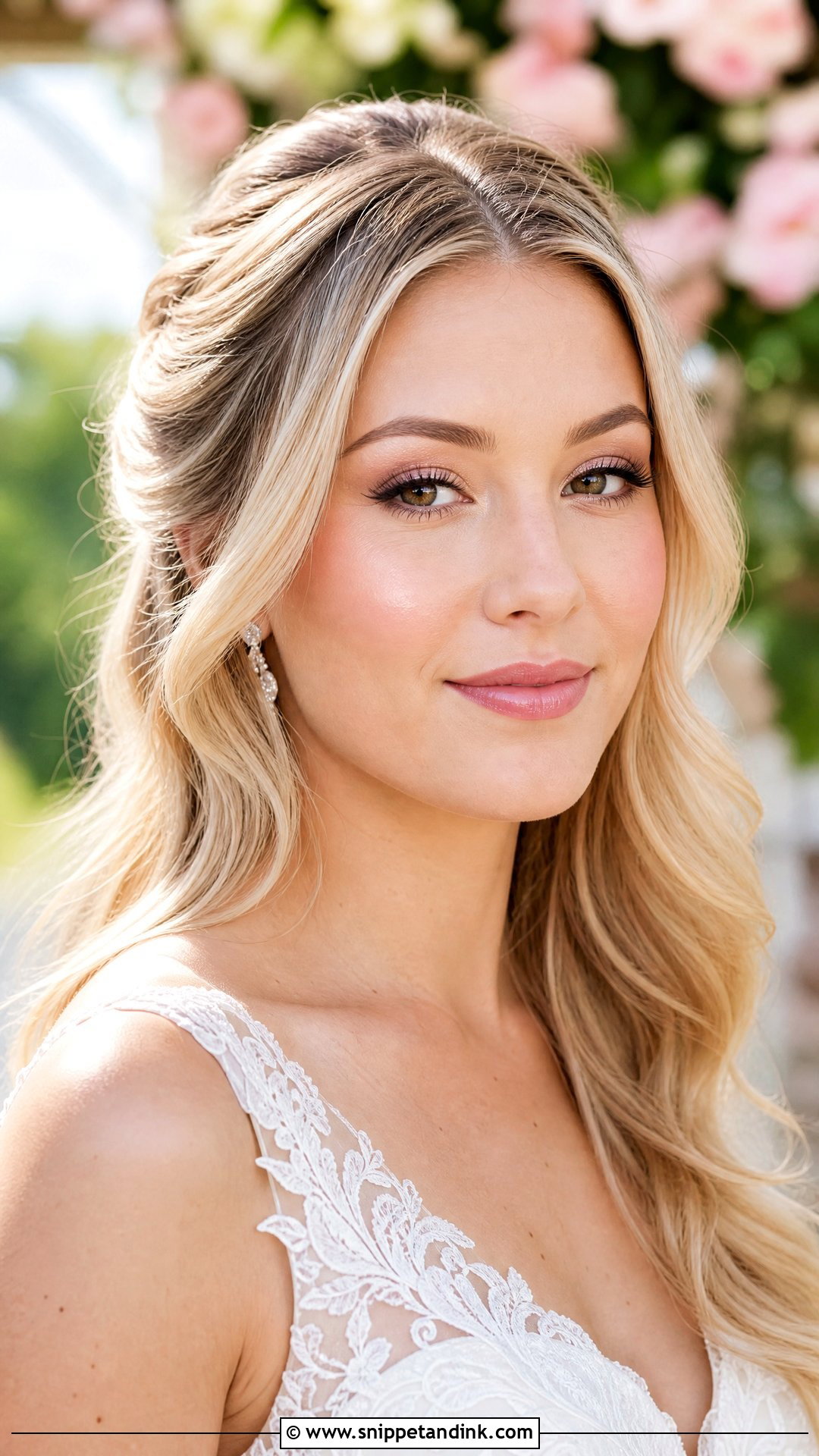
Glow is easy to overdo on a long day. My version is a hydrating base, luminous foundation, cream blush and soft highlight on the cheekbones, then a light dusting of powder across the T-zone only. That central powder is what stops the glow turning into shine after hugs and dancing. Champagne, soft bronze or warm beige on the eyes, and a glossy nude or pink lip. Daylight and outdoor ceremonies flatter it most. If your skin gets oily by midday, swap to a satin foundation and keep the glow in the highlighter.
4. Matte Bridal Makeup
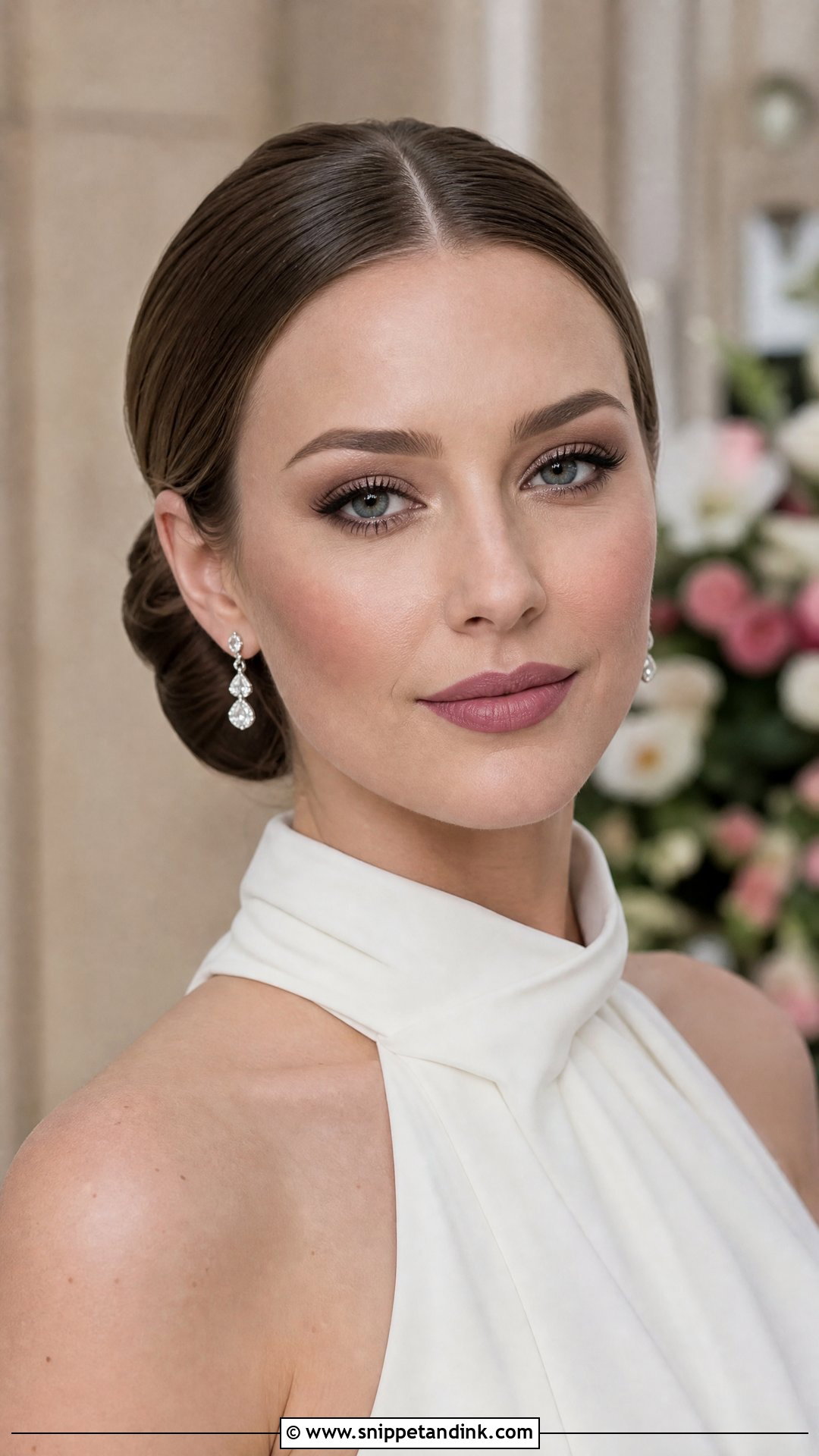
Matte doesn’t have to mean flat. I use a soft-matte foundation, blurring powder, matte neutral shadow, defined lashes and a velvet lip, then put a natural blush and a tiny bit of satin highlight on the high points so the face keeps some dimension. It lasts better than any other finish in heat and humidity, and it’s my default for brides with oily or combination skin. Structured gowns and sleek buns suit its clean lines. Dry skin is the exception; a fully matte base will cling to dry patches by evening.
5. Classic Bridal Makeup
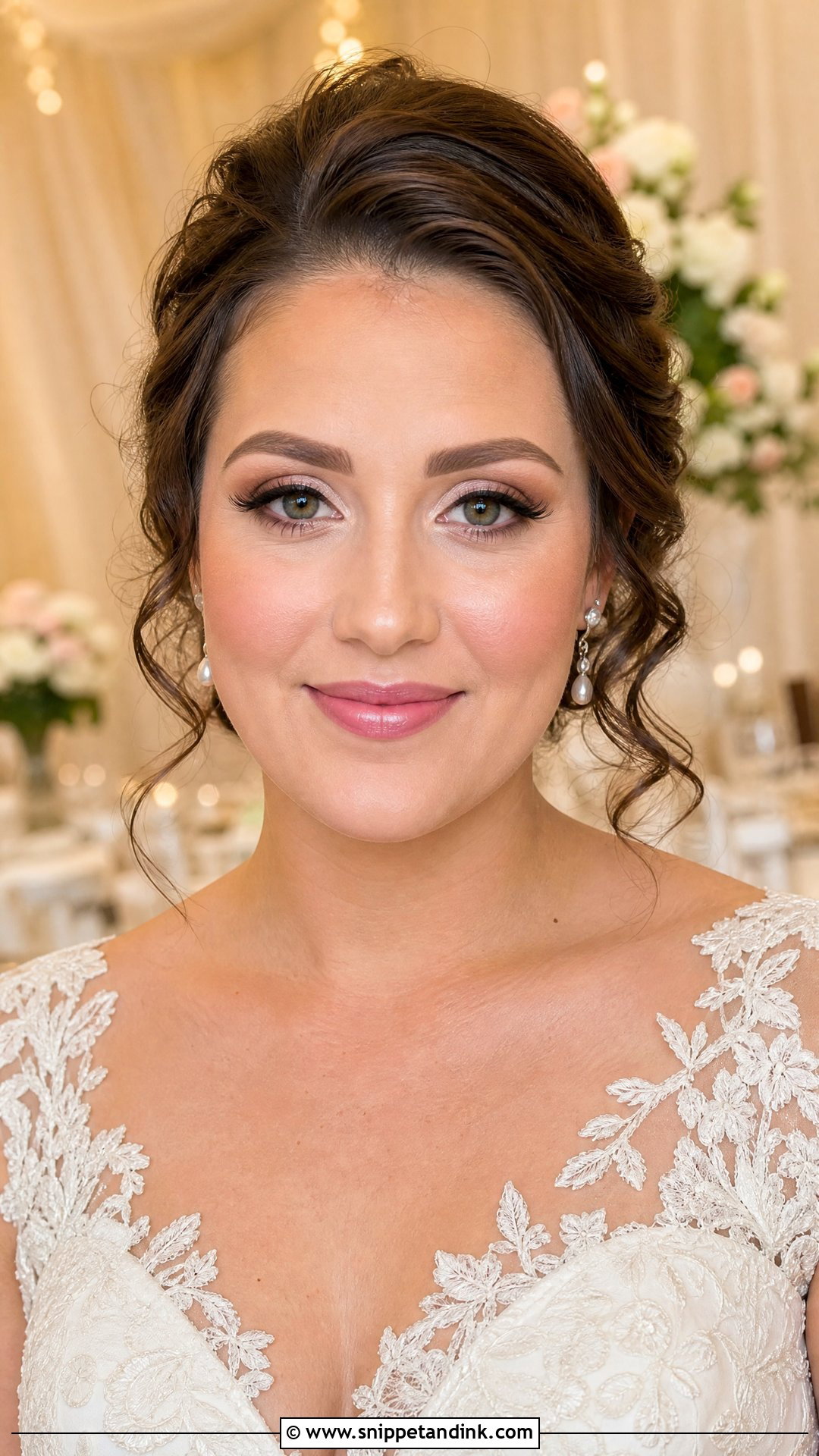
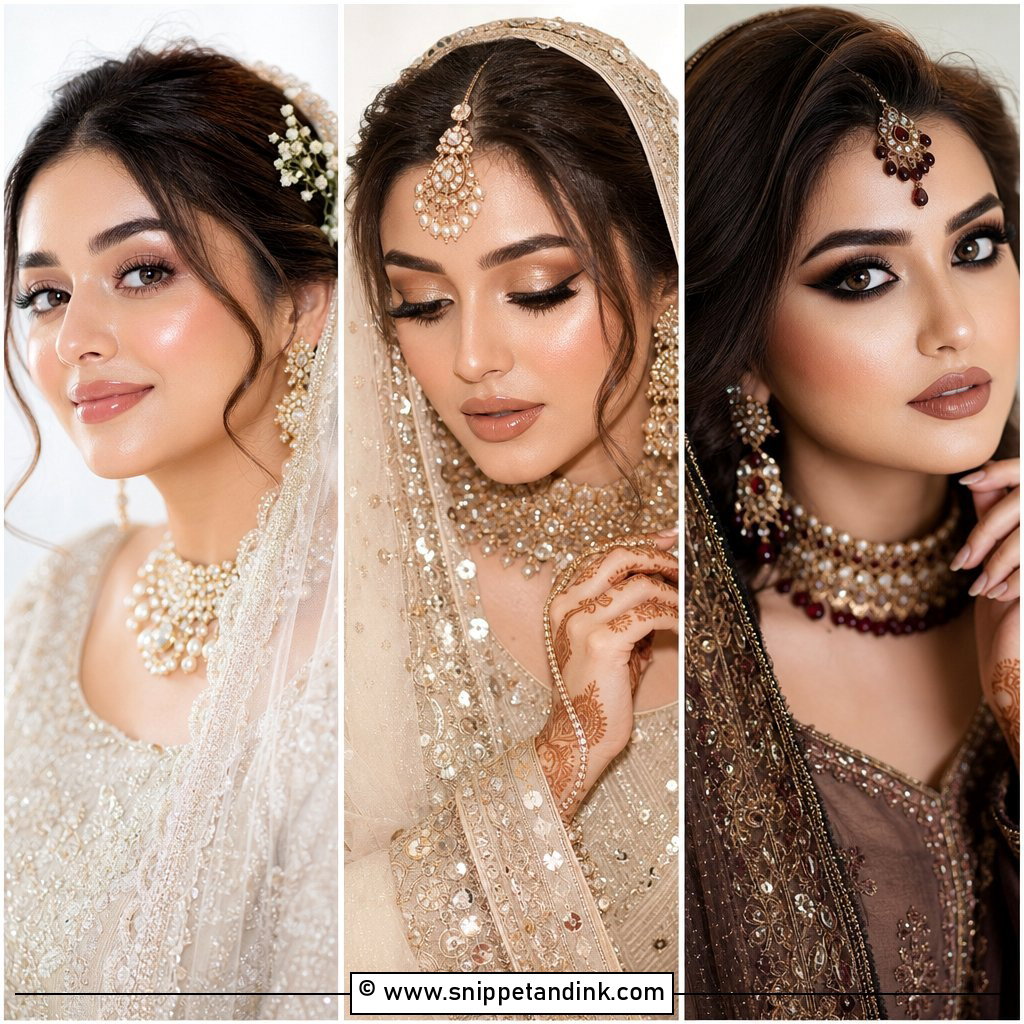
Classic bridal makeup is the look that won’t date your photos. Smooth skin, softly defined brows, neutral shadow, a black or brown liner with a soft lift at the outer corner, full lashes, rosy cheeks and a pink or nude lip. Nothing is too trendy, too sharp or too bare. I treat it as the baseline I adjust from: a little more liner for small eyes, a little more blush for pale skin. Lace, satin, a veil, an updo or waves all sit comfortably with it.
6. Romantic Bridal Makeup
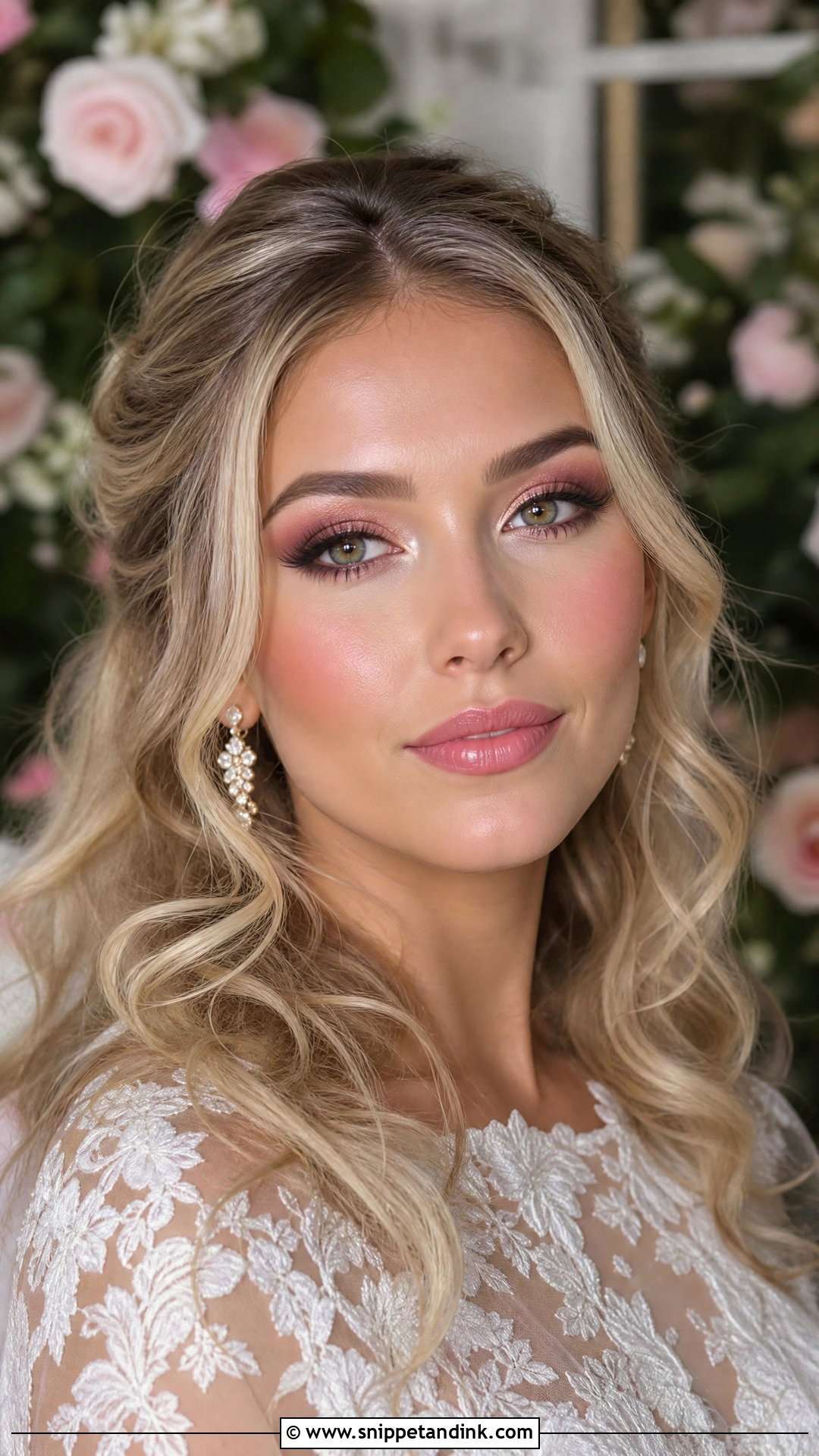
Blush does the heavy lifting in a romantic look. The palette is rose, mauve, champagne, soft brown and petal pink, and I place the blush slightly higher than usual, up toward the temples, for a flushed look. The eyes are softly smoked with rosy-brown shadows, finished with wispy lashes and a thin liner. A rose or pink-nude lip keeps it gentle. Sharp contour and black shadow undo the whole idea, so I leave both out. It sits naturally with floral weddings and candlelit receptions.
7. Smokey Eye Bridal Makeup
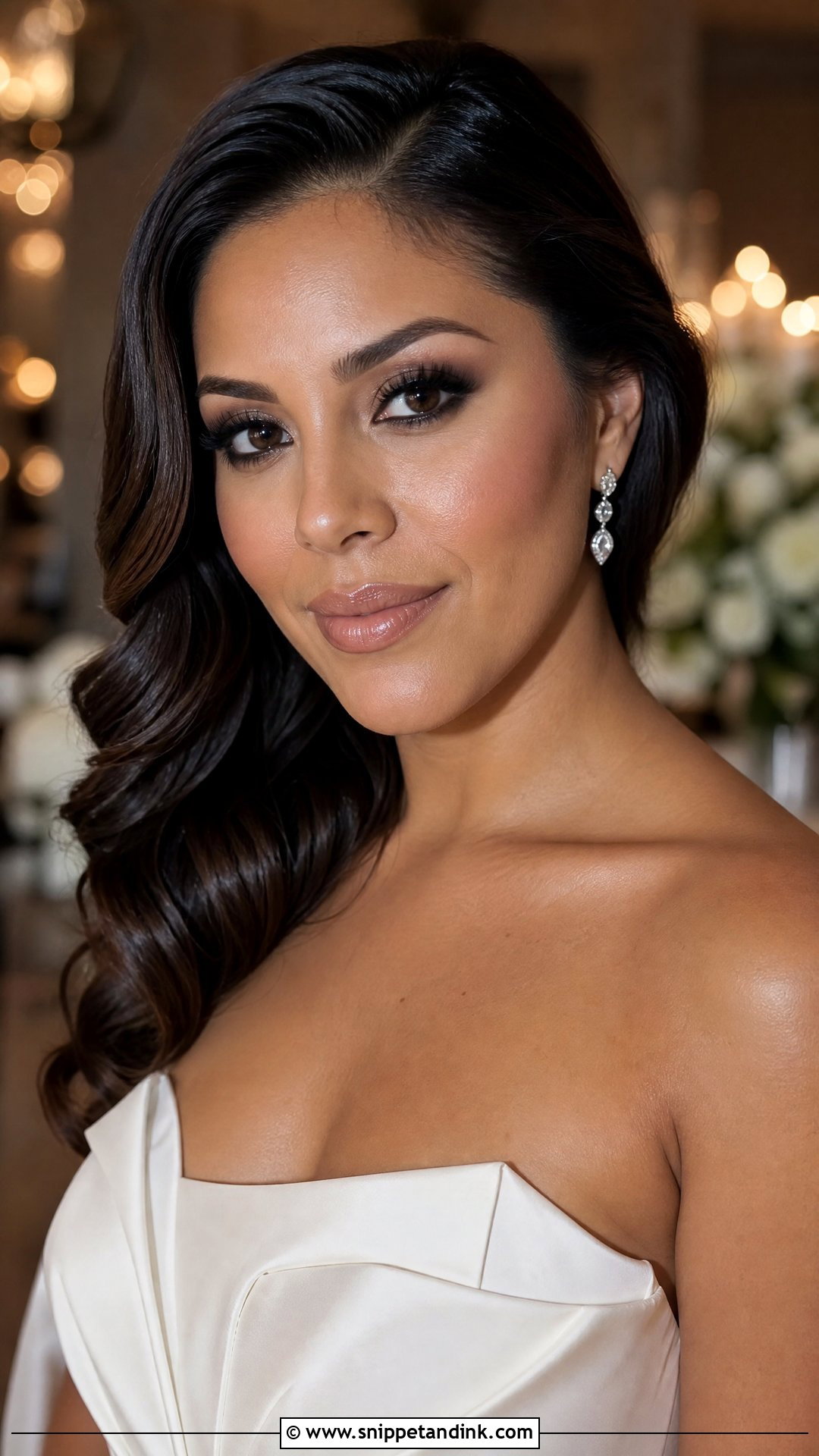
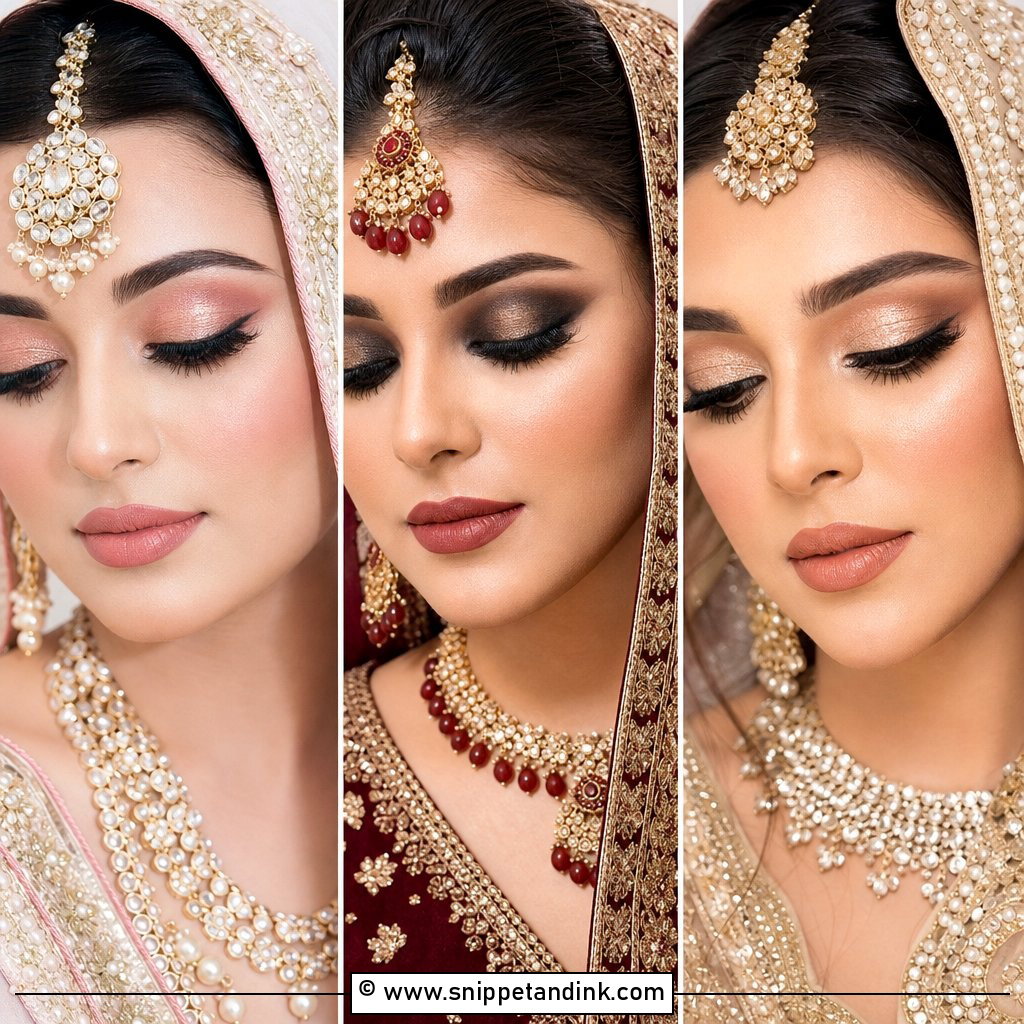
Smokey eye bridal makeup for a wedding is softer than the party version. I use brown, bronze, taupe, plum or charcoal, blended until there are no hard edges, and I shade the lower lash line with shadow rather than pencil, which smudges less when you cry. Lashes are full but light enough to wear for twelve hours. Keep the skin polished and the lip neutral. It suits evening ceremonies and formal venues, and it feels most natural on brides who already wear eye makeup day to day.
8. Brown Smokey Bridal Makeup
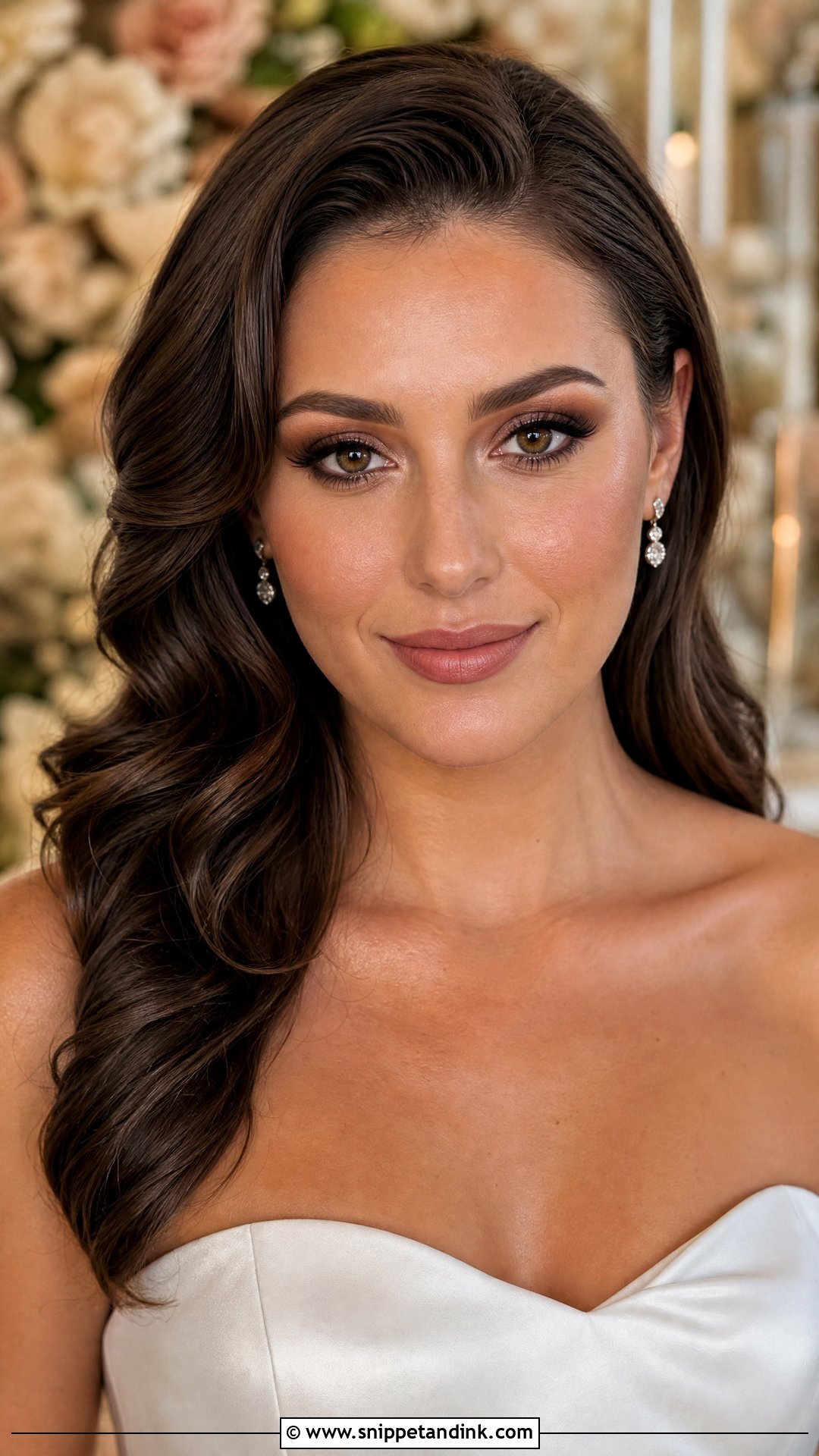
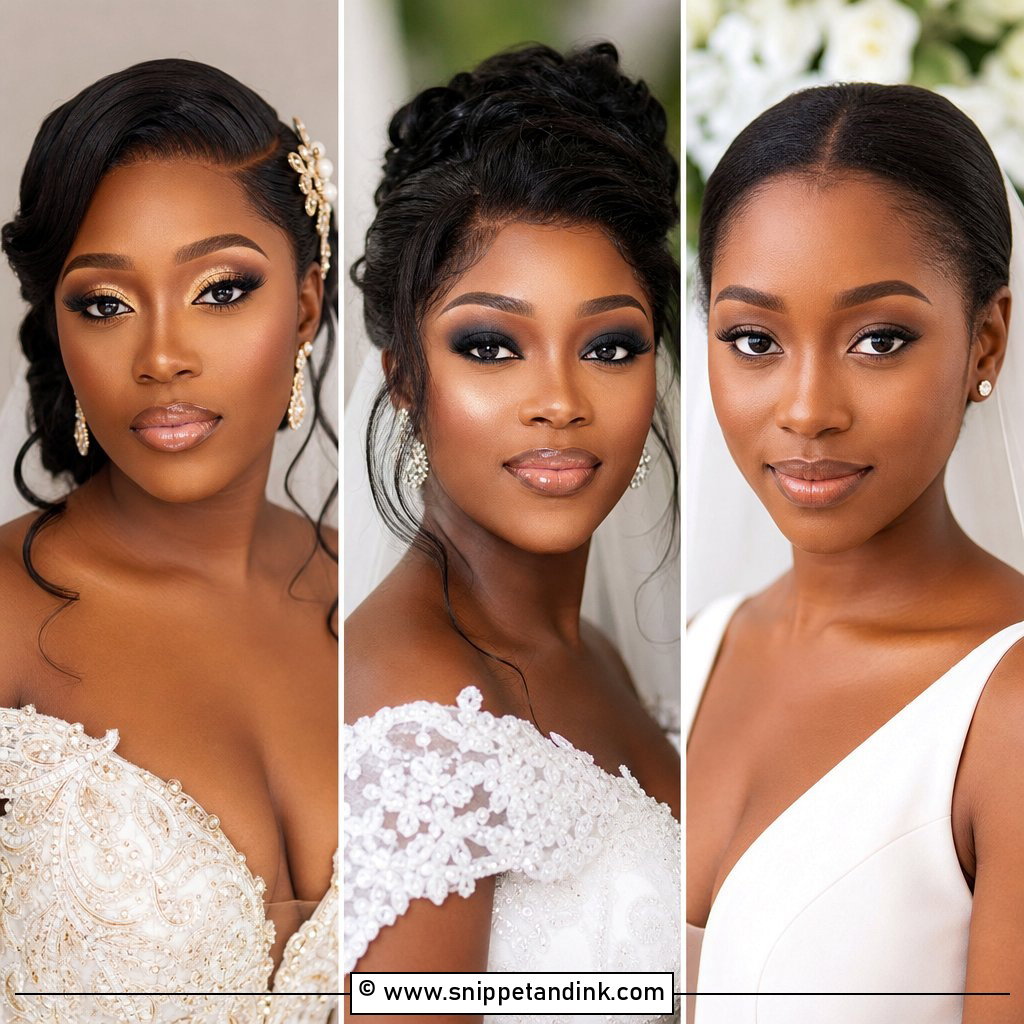
Why brown smoke over black? It gives the same depth with softer edges, and it forgives a shaky blend. Chocolate, espresso, caramel and bronze define the eye and still look approachable in daylight. Brown smoke flatters blue, green, hazel and brown eyes, and the depth of the shade adjusts to any skin tone. I pair it with satin or glowing skin, soft contour, warm blush and a nude beige or brown-pink lip. If you want drama for the first time, this is a safer place to start than charcoal.
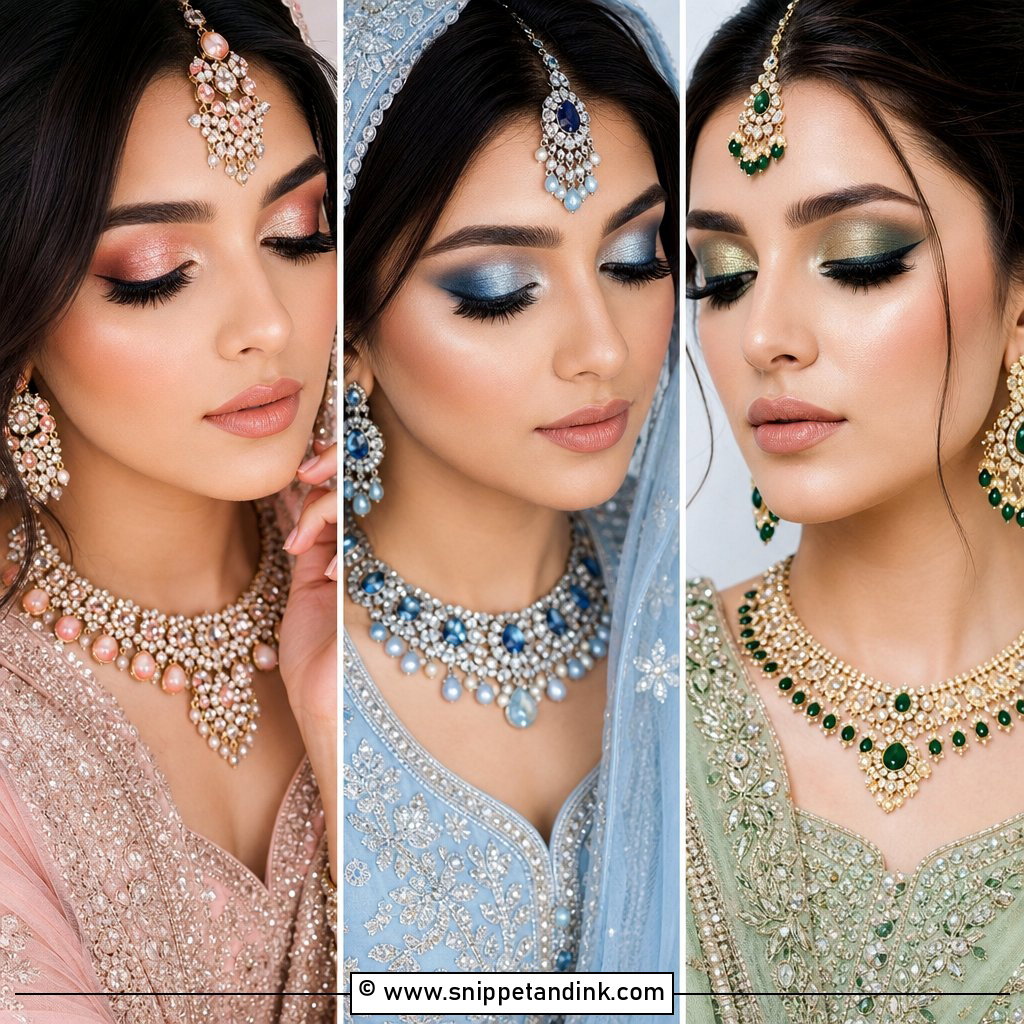
9. Champagne Bridal Makeup
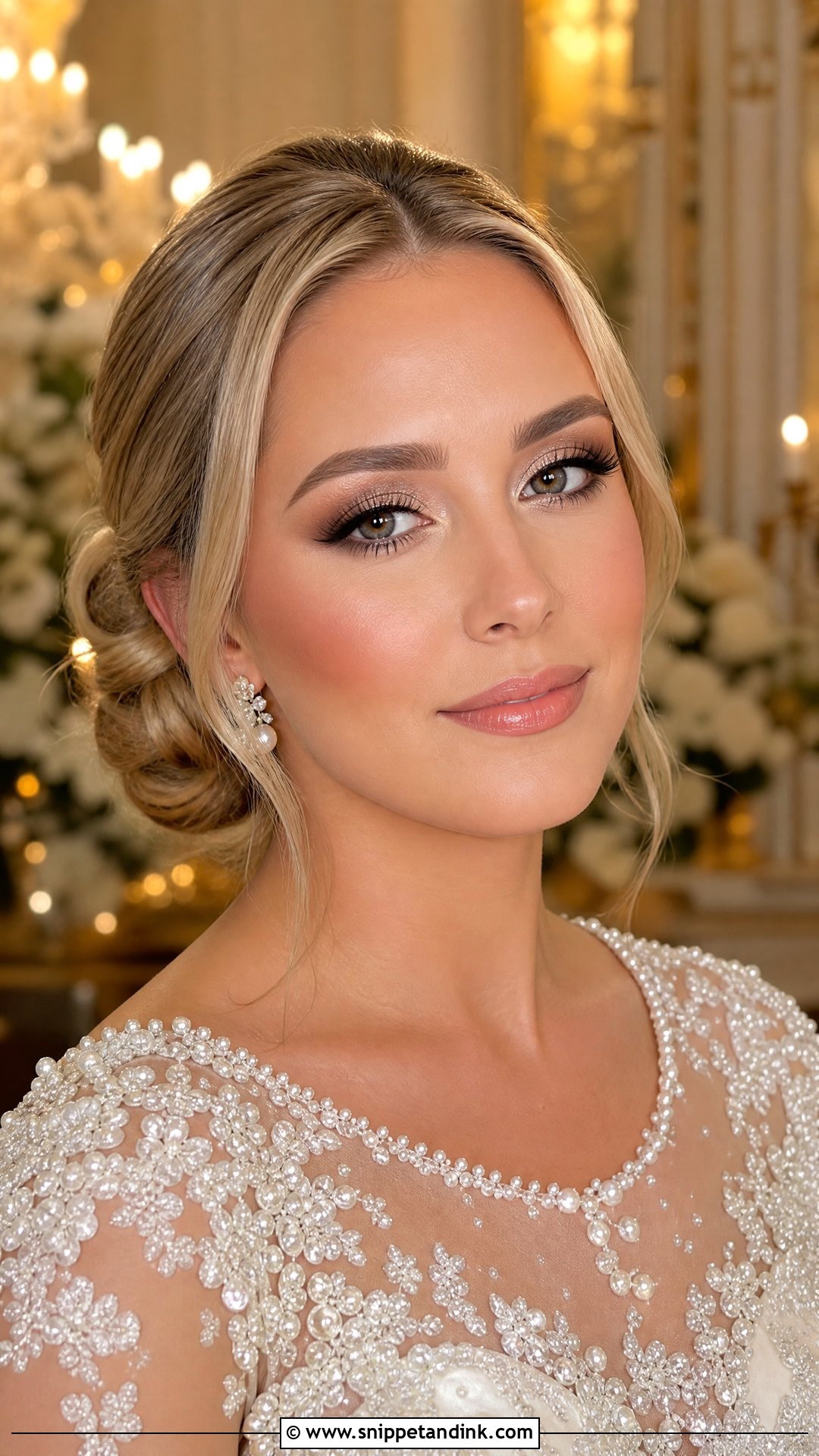
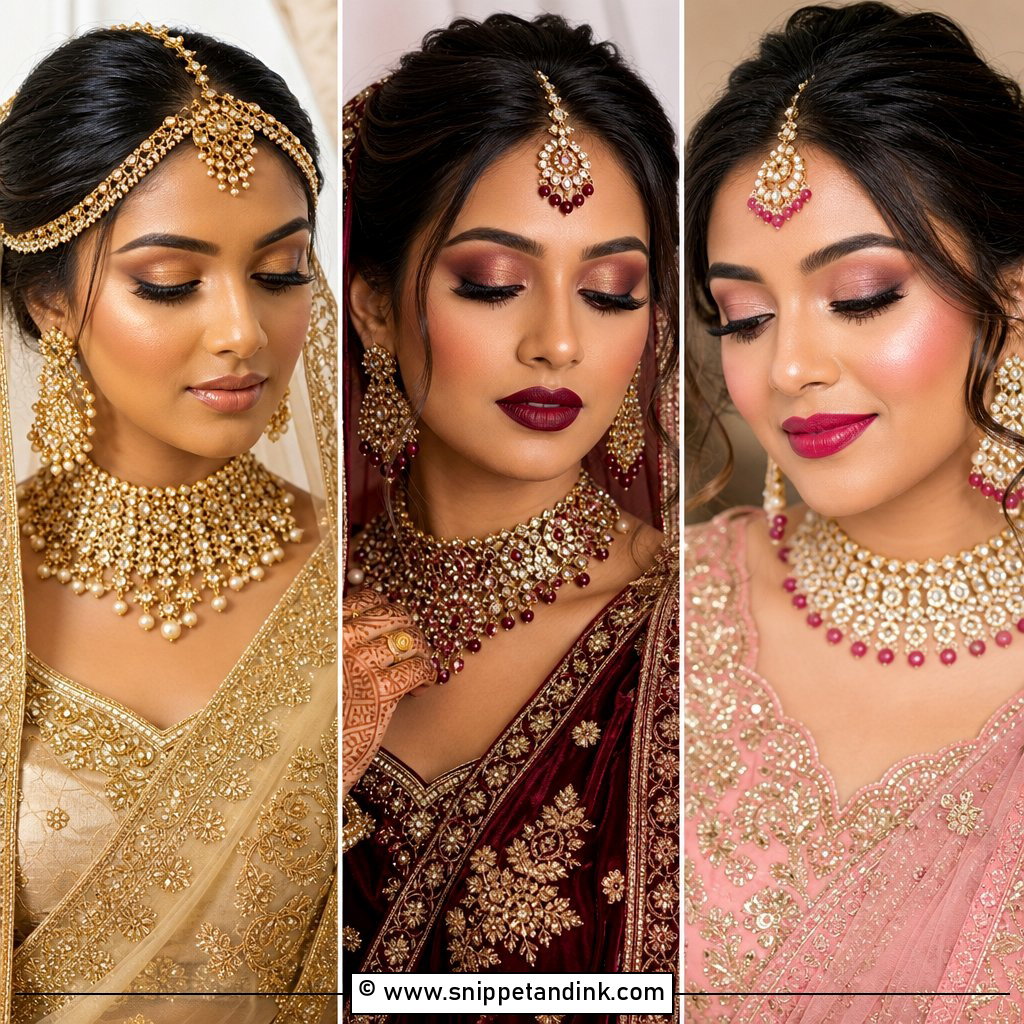
Champagne lids brighten the whole face without any obvious color. Champagne shimmer on the lid, soft brown in the crease, fluttery lashes; the shimmer has to be finely milled, because chunky particles look like texture in close-up photos. Satin skin, peach or rose blush and a nude-pink lip complete it. Ivory, pearl, blush and champagne dresses suit it, and it’s the answer I give when someone wants brighter eyes without heavy liner.
10. Bronze Bridal Makeup
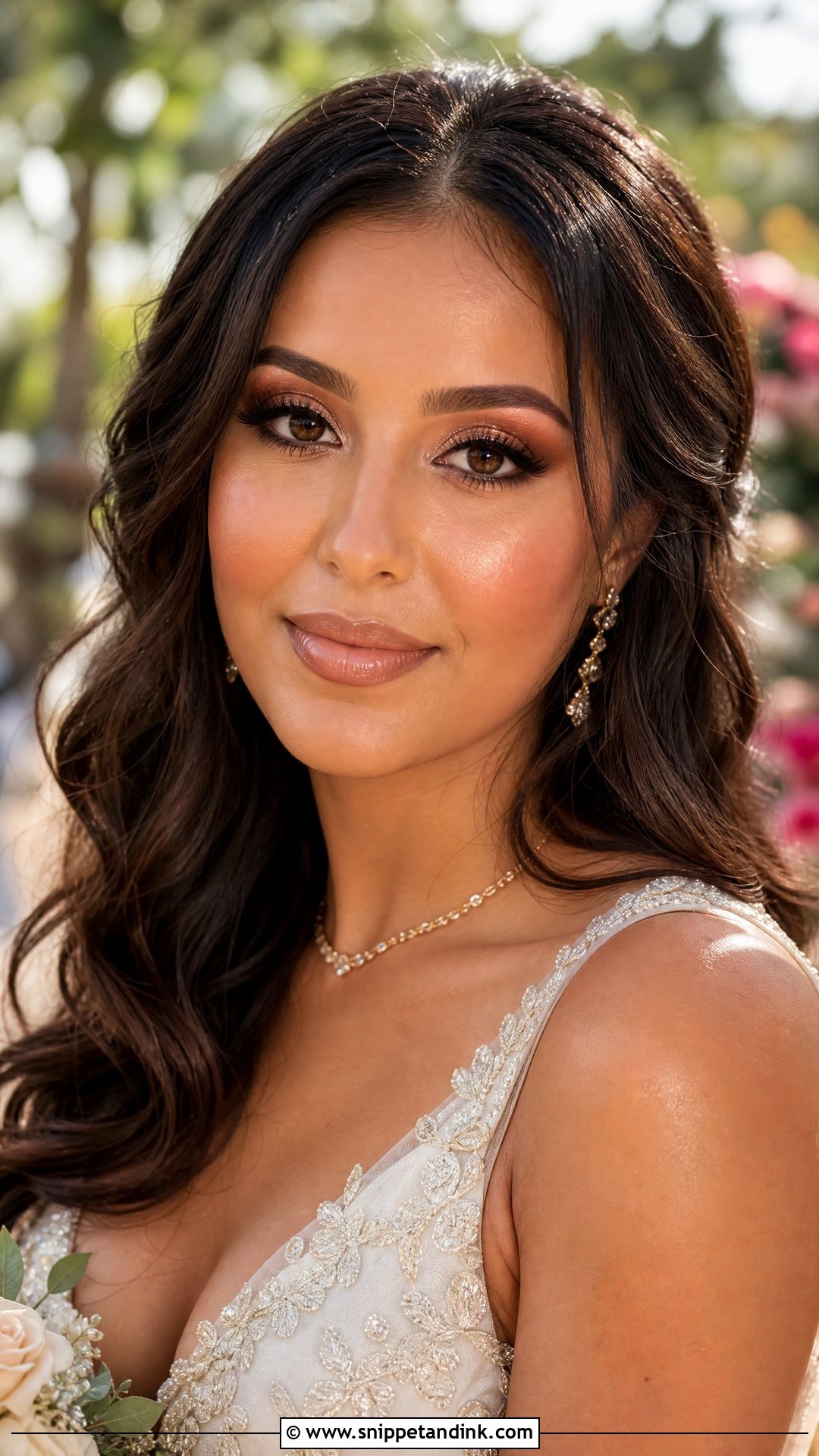
Bronze makeup goes orange easily, so I build it slowly: bronzer only where the sun would naturally hit, temples, cheekbones and the bridge of the nose, then peachy blush and golden highlight. Bronze shadow and warm brown liner on the eyes, a caramel nude, peach nude or warm rose lip. Lash and liner choices decide whether it reads soft or glam. Match it down the neck and chest, especially with an off-shoulder dress, and it suits summer, destination and outdoor ceremonies, with gold jewelry to echo it.
11. Rose Gold Bridal Makeup
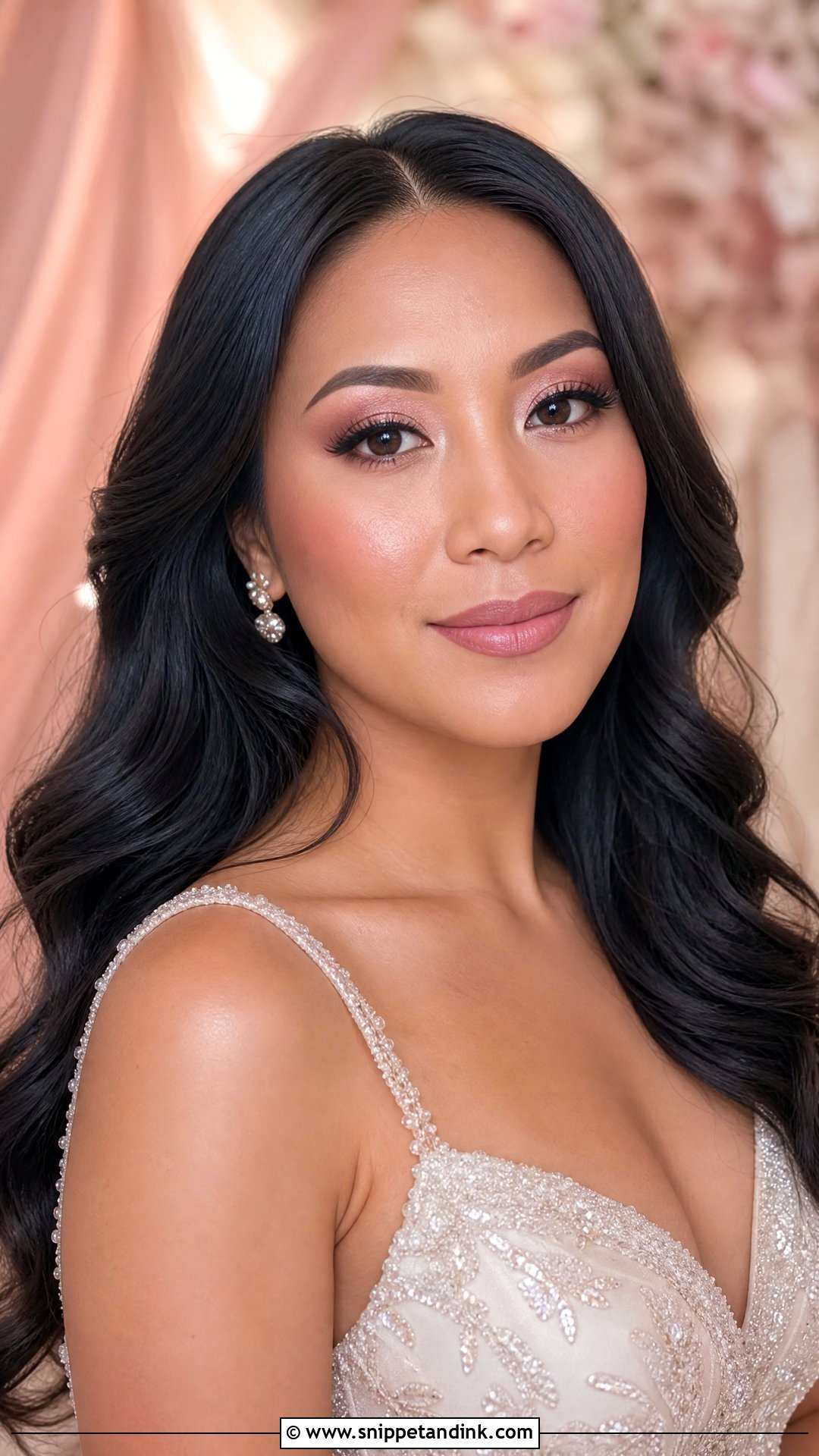
Rose gold sits between pink and bronze, giving brightness with a warm, romantic tint. Rose gold shimmer on the lid, mauve or warm brown in the crease, soft liner along the lashes, then rosy blush, gentle highlight and a pink-nude or mauve lip. It works on fair, light, tan, olive, and deep skin tones, though the shade has to change: paler and pinker on fair skin, deeper and more copper on deep skin. It’s the right amount of sparkle for a bride who wants some but not much.
12. Pink Bridal Makeup
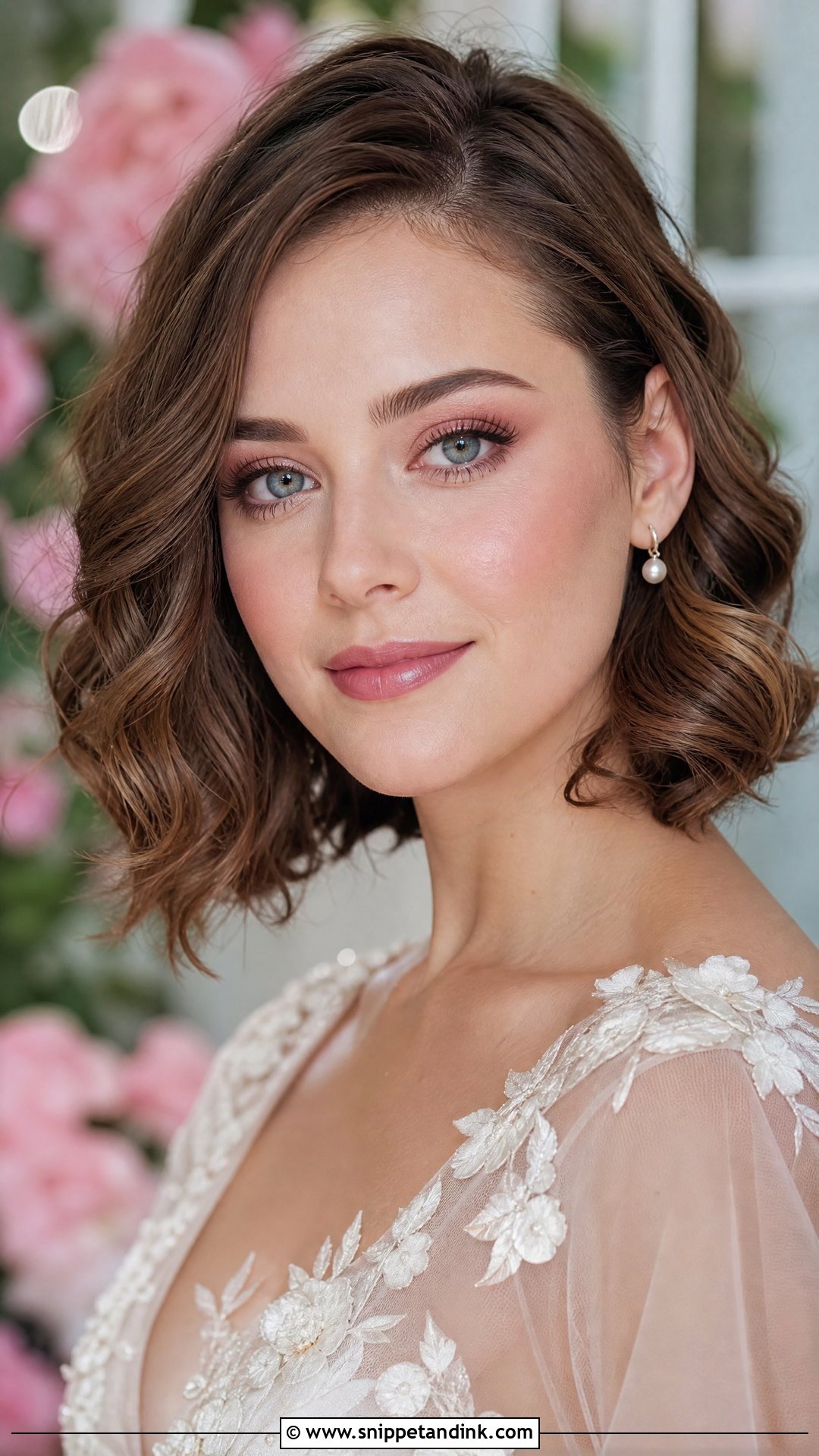
Done with balance, pink looks fresh rather than sweet. I skip bright bubblegum and work with soft pink, dusty rose, rose beige or mauve-pink, washed across the eyes, cheeks and lips for a quiet monochrome effect. The base can be dewy or satin depending on your skin and venue. What keeps it adult is structure: lifted lashes and properly shaped brows. It suits spring weddings and garden venues, and gives a gentle flush that holds up in every photo.
13. Nude Lip Bridal Makeup
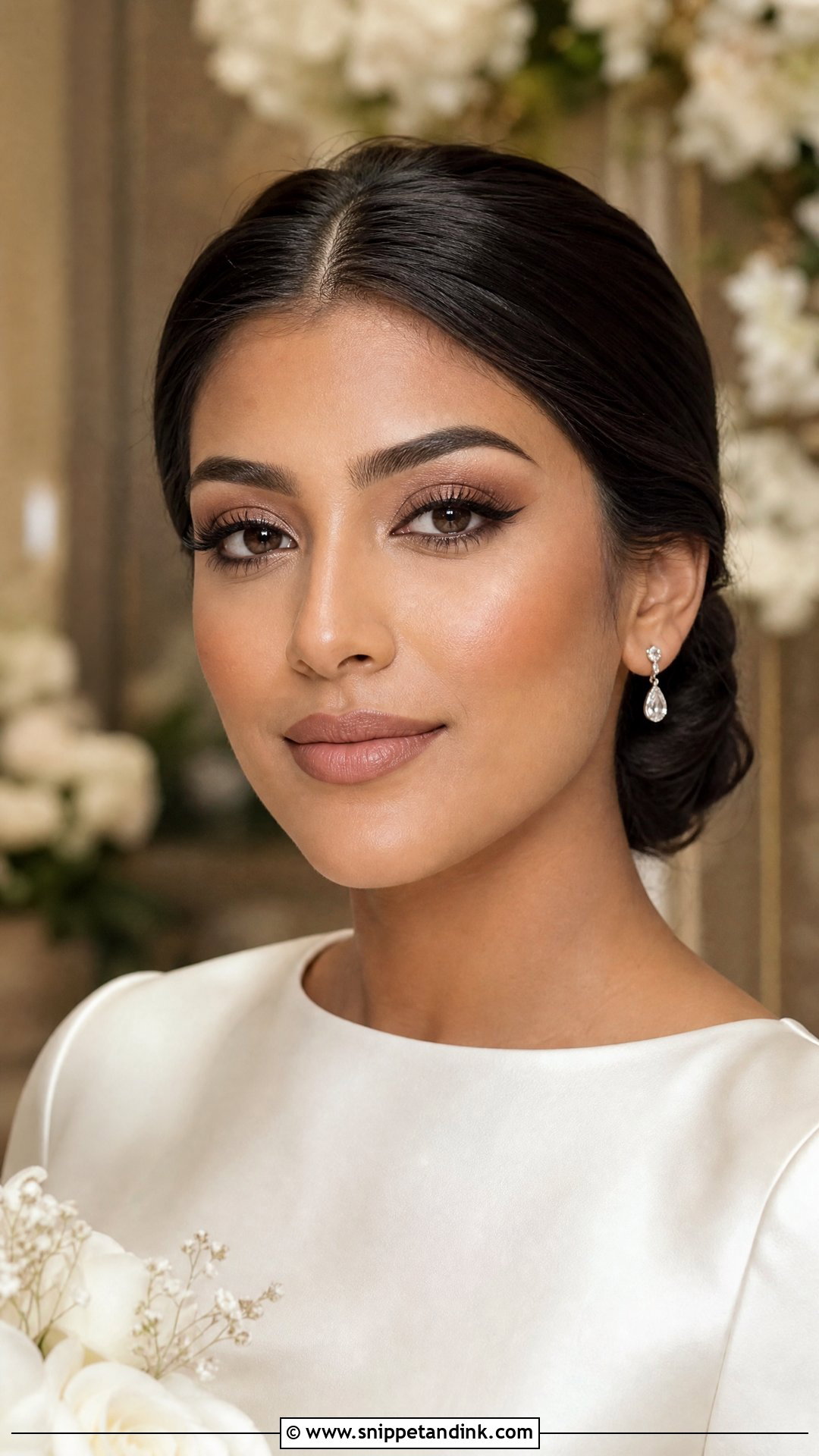
A nude lip is the easiest color to keep looking right all day, but the wrong nude erases your mouth entirely in photos. Choose a shade close to your natural lip color, or a touch deeper or warmer depending on your undertone, never paler than your skin. I line the whole lip with a matching pencil so the shape stays when the color wears down. A satin or creamy finish looks more bridal than a flat matte nude in close-ups. Pair it with defined eyes, glowing skin and blush.
14. Red Lip Bridal Makeup
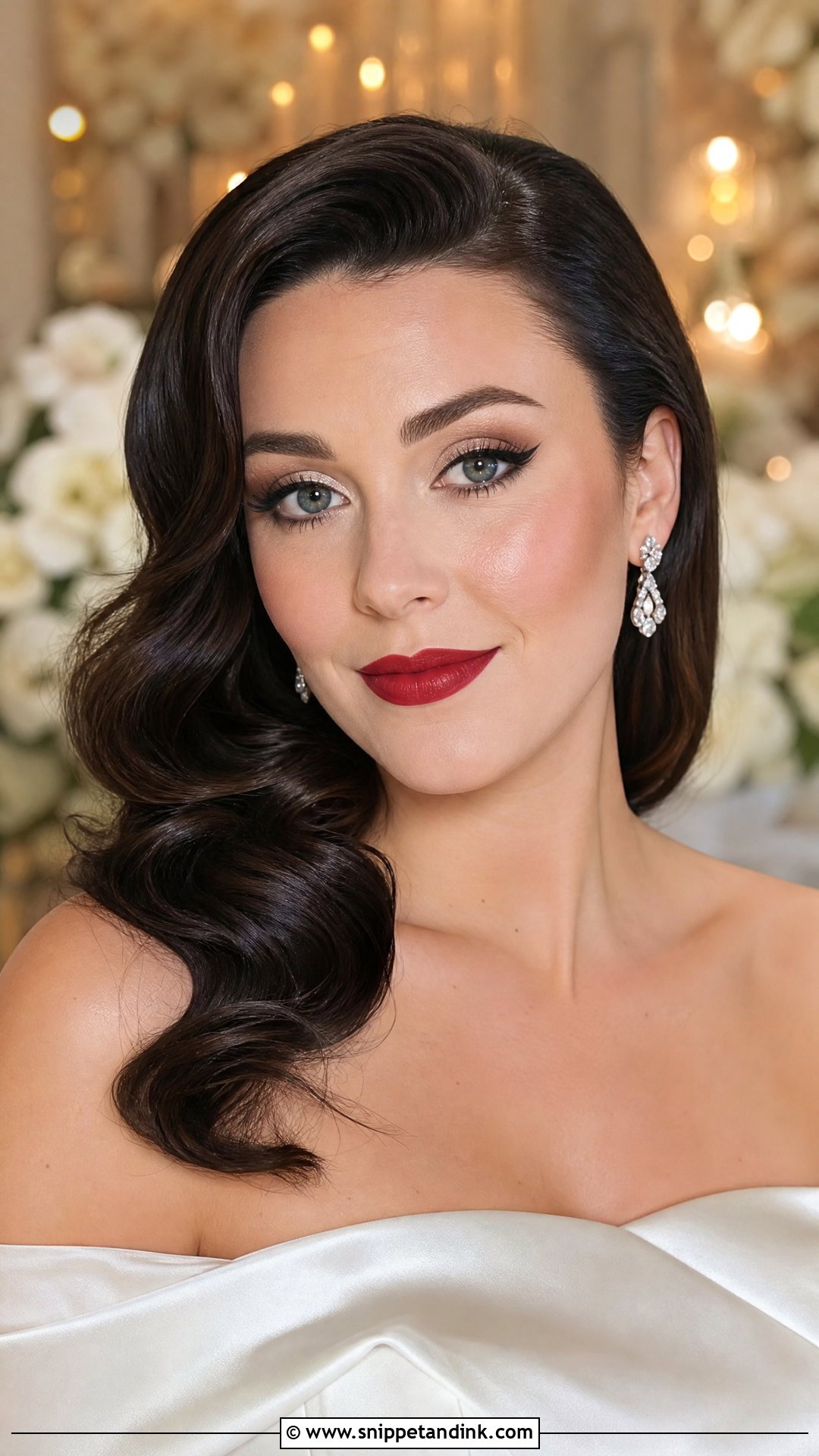
Red needs commitment, both from you and from the formula. I keep the skin clean and the eyes simple, thin wing, curled lashes, groomed brows and soft blush, so the lip leads. Blue-red reads crisp, brick red reads warm, and a deep red suits formal evenings. Long-wear liner under long-wear lipstick, blotted between coats, and a touch-up kit within reach. I’d only suggest it to brides who already wear red comfortably; trying a red lip for the first time at your own wedding usually feels like wearing someone else’s face.
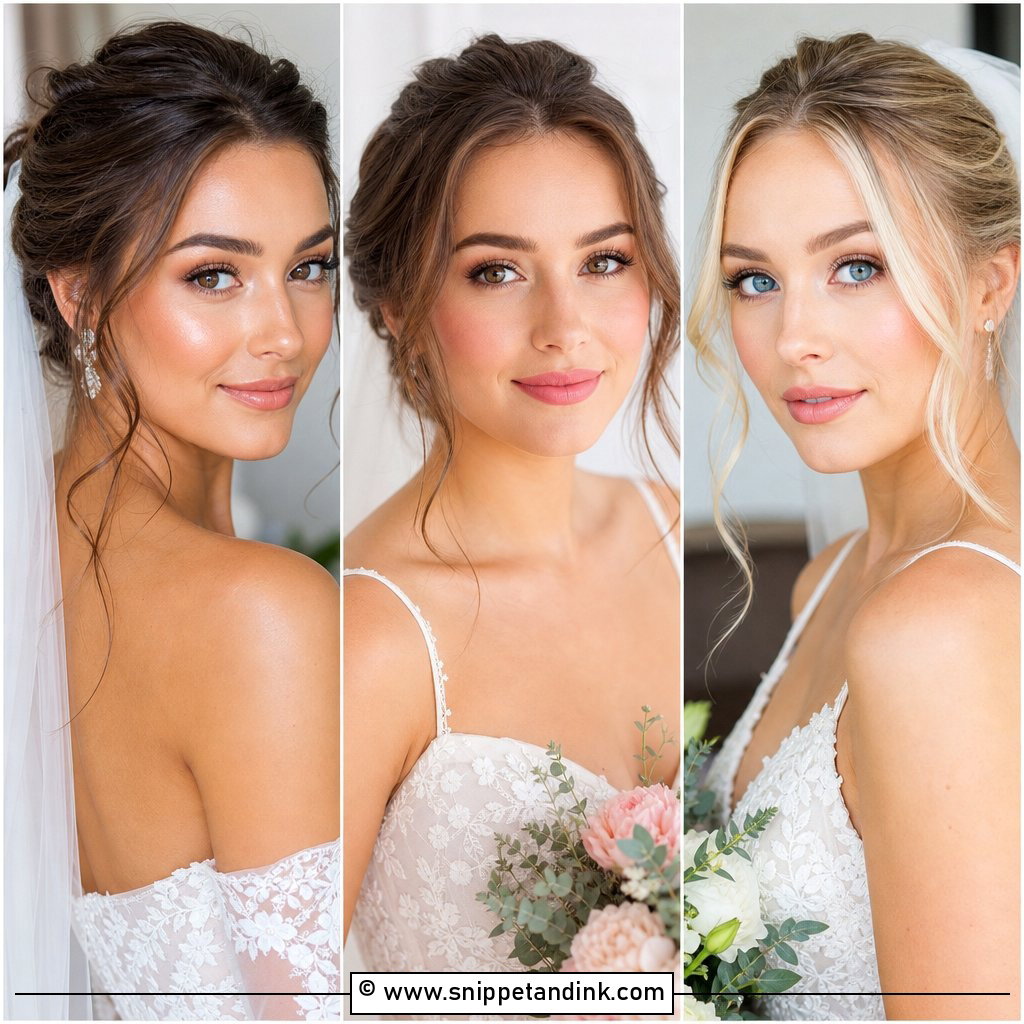
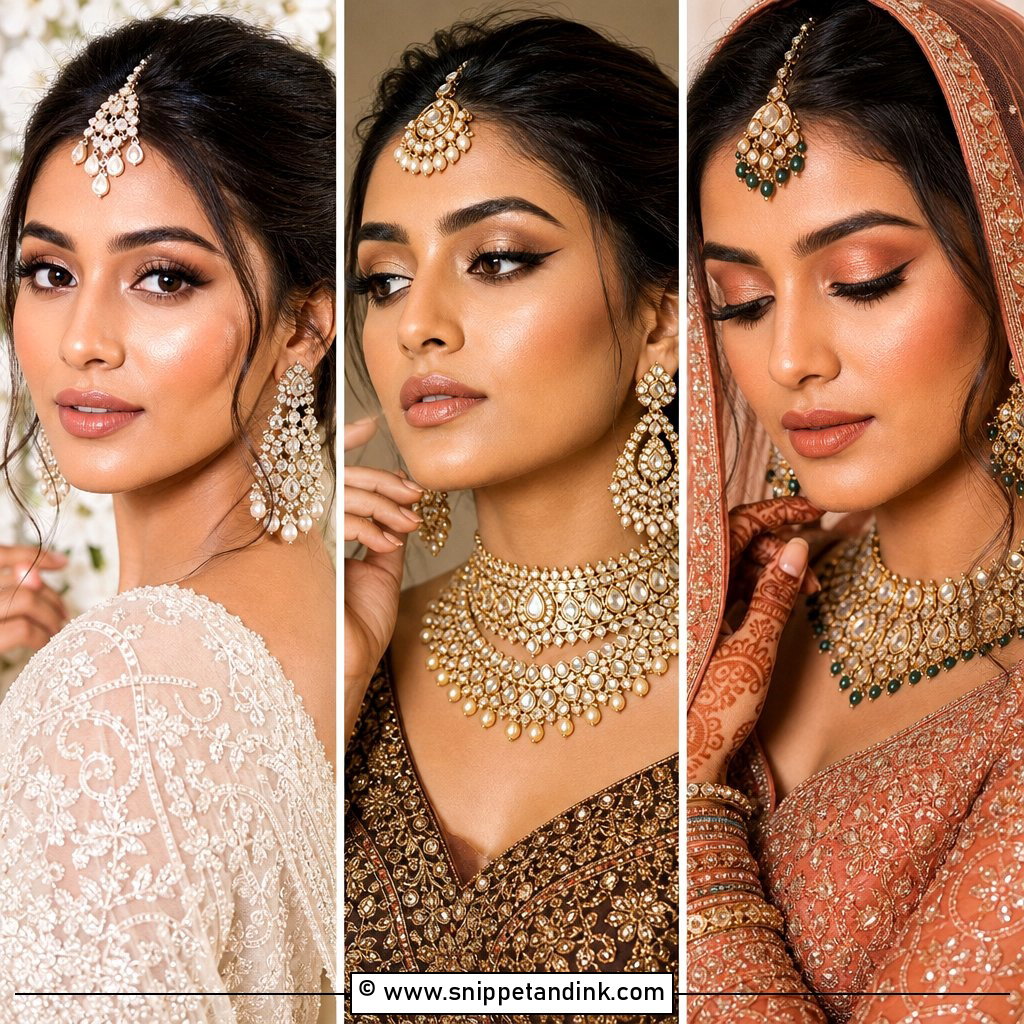
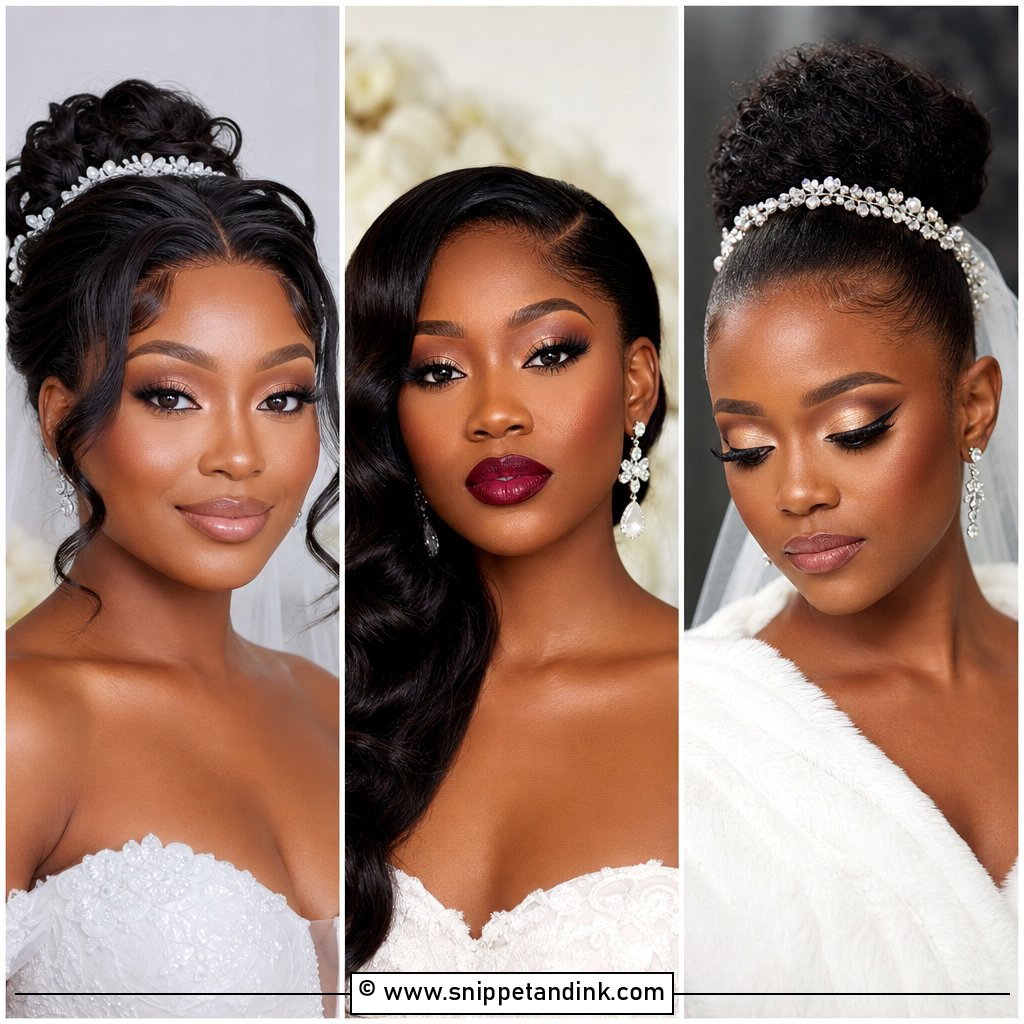
15. Winged Liner Bridal Makeup
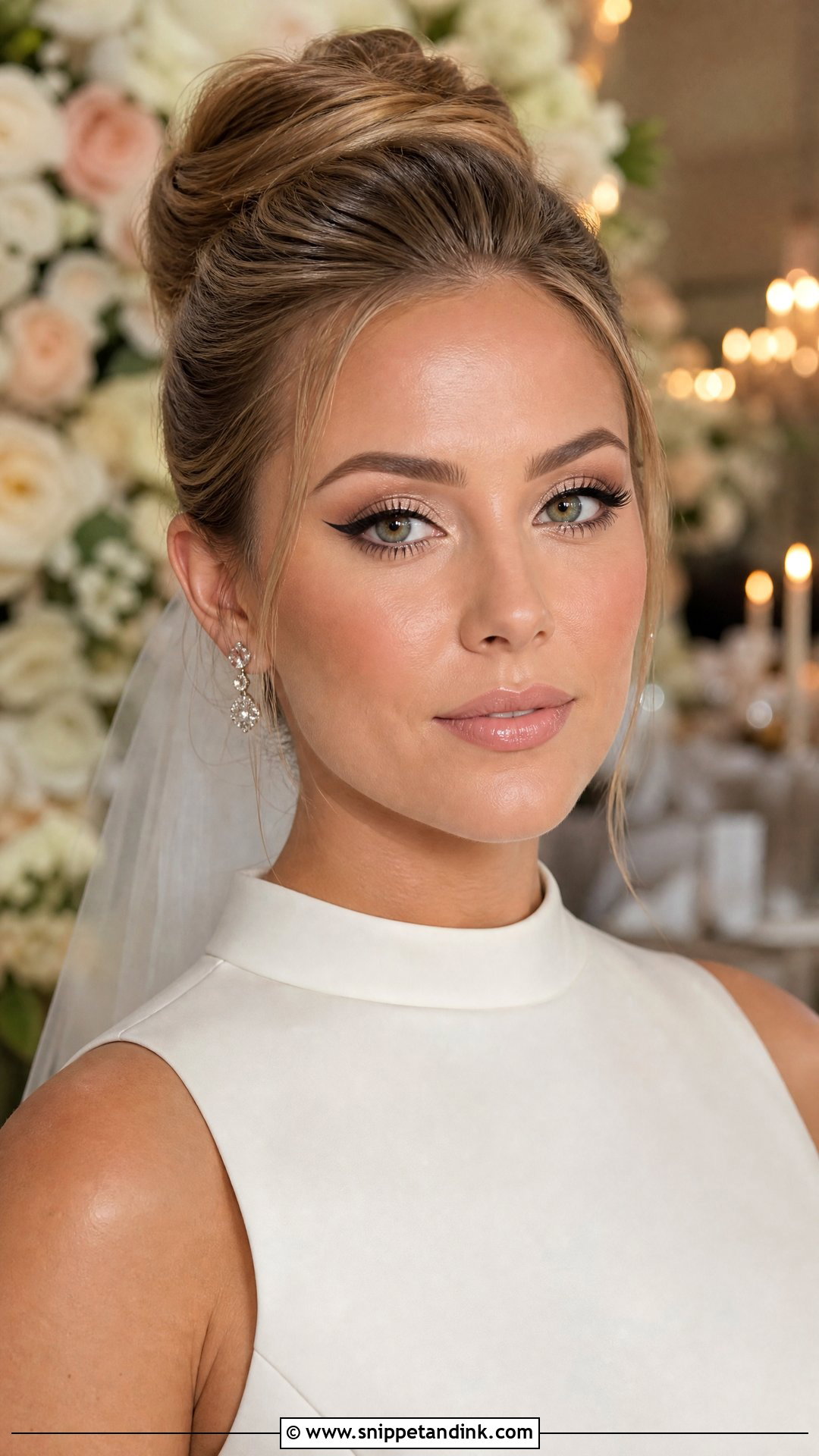
Winged liner bridal makeup lifts the eye, but the shape has to fit your lid. On hooded eyes I draw the wing with the eye open so it doesn’t fold. The wing can be thin and soft or more structured. Neutral lids, beige, taupe, champagne or soft brown, keep the line clean. Smooth skin, natural contour, rosy or peach blush and a nude, pink or soft red lip finish it. Use waterproof liner; tears and humidity break a wing faster than anything else on the face.
16. Full Glam Bridal Makeup
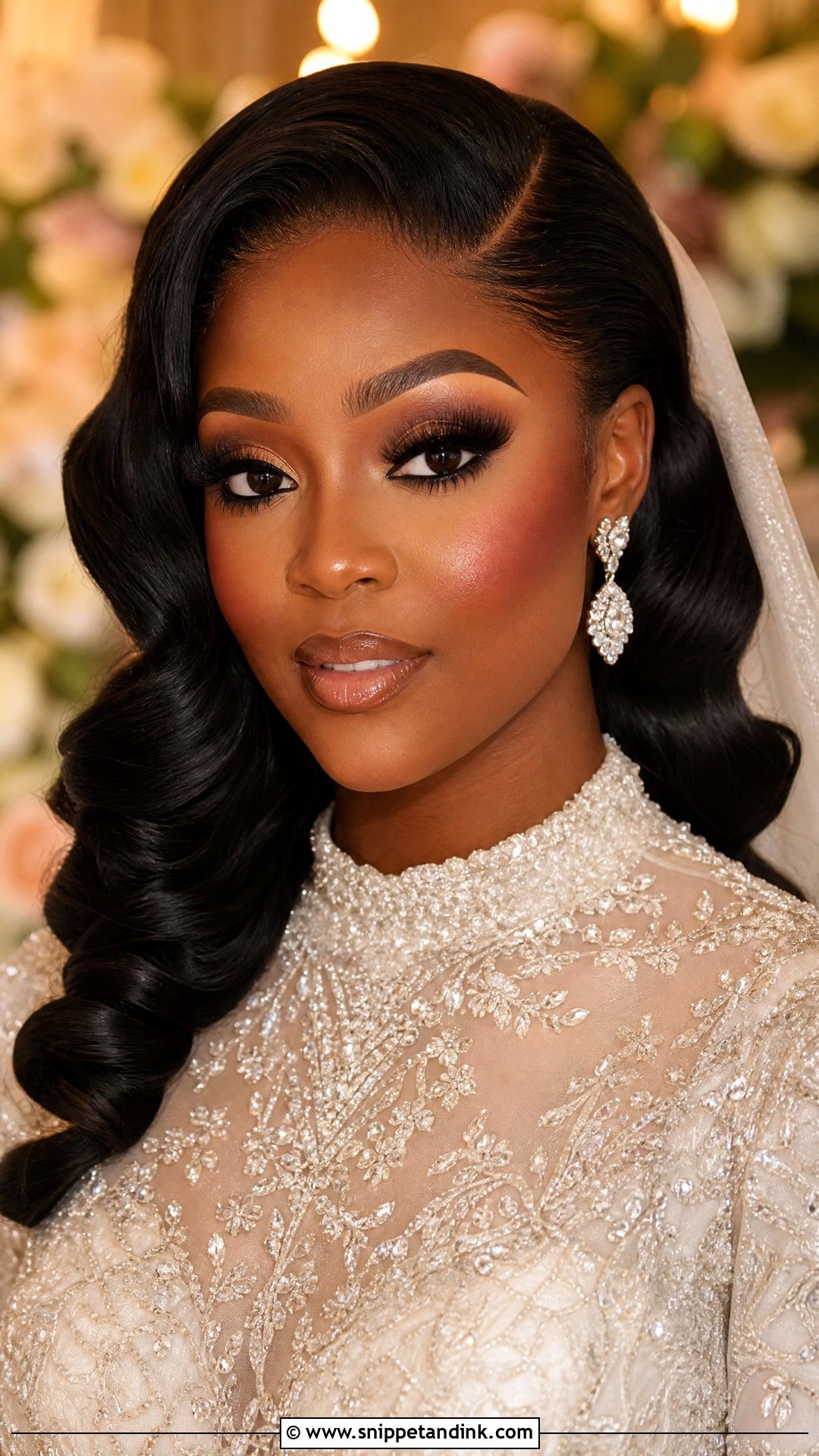
Full glam is the most product and the most precision: full-coverage foundation that still looks smooth, sculpted cheeks, defined brows, dramatic lashes, blended shadow, liner and a polished lip. What stops it looking heavy is choosing one main focus, bold eyes or a deep lip, and keeping the rest controlled. I set in thin layers as I go. It belongs in black-tie rooms and large venues. If you rarely wear glam, book a trial and wear it all evening before deciding.
17. Minimal Bridal Makeup
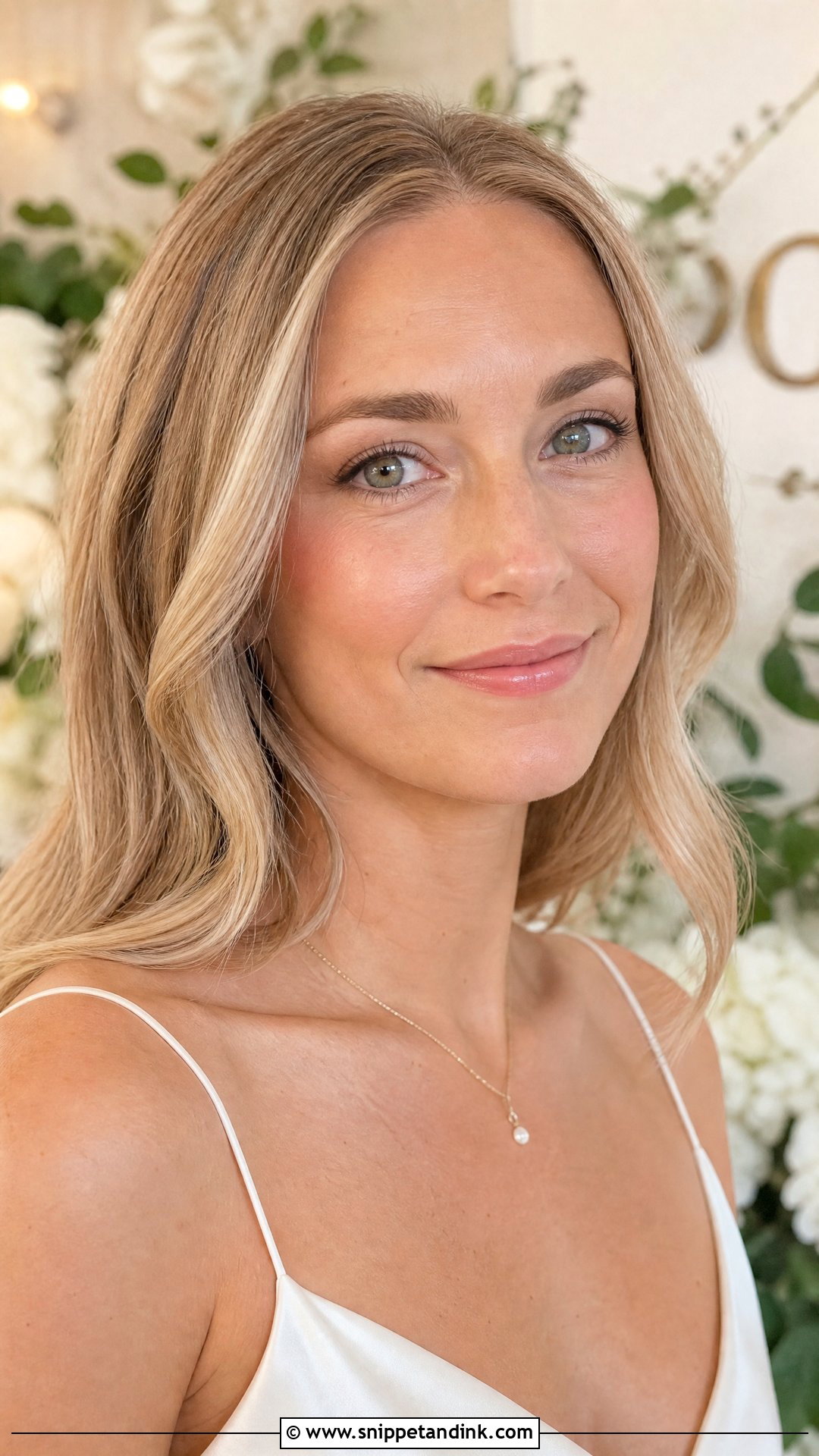
Minimal makeup asks the most of your skin. Very thin layers, soft coverage, natural brows, barely there shadow, lifted lashes, cream blush and a sheer lip. I’m not trying to hide every mark, just even out color so the camera doesn’t pick up redness. That means skin prep starts weeks before: gentle exfoliation, steady hydration, and no new products close to the date. It suits small ceremonies and modern gowns, and brides who want people to notice them rather than their makeup.
18. Dewy Bridal Makeup
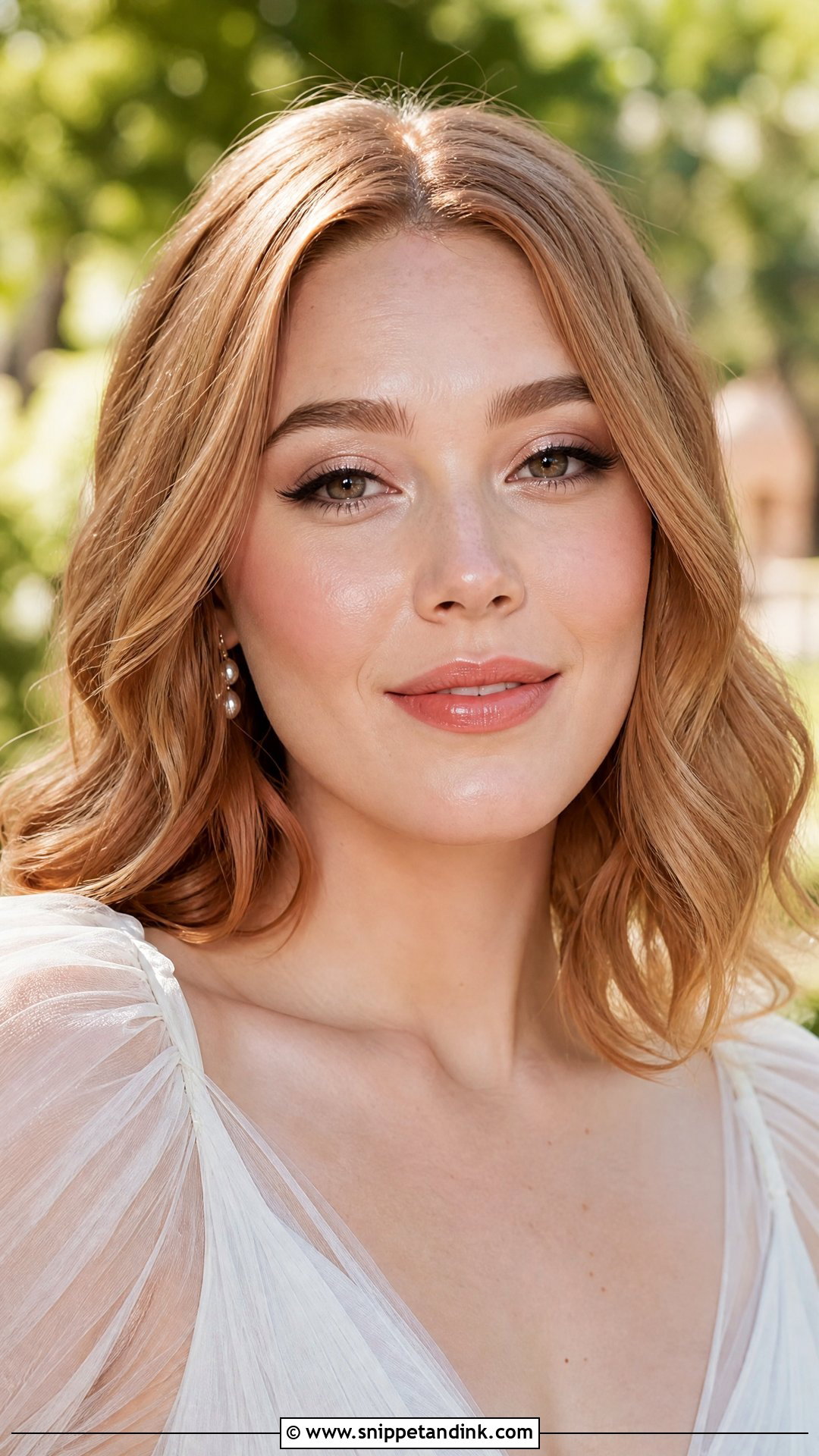
Dewy and oily differ only in placement. Glow goes on the cheekbones, temples and high points; the center of the forehead, sides of the nose and chin get a light set. Cream blush, luminous foundation and a fine pearl highlighter build the effect. Soft shimmer, brown liner and wispy lashes keep the eyes light, with a glossy pink or nude lip. It’s especially kind to dry skin and cooler seasons. In a hot summer marquee, I’d talk you into satin instead.
19. Monochrome Bridal Makeup
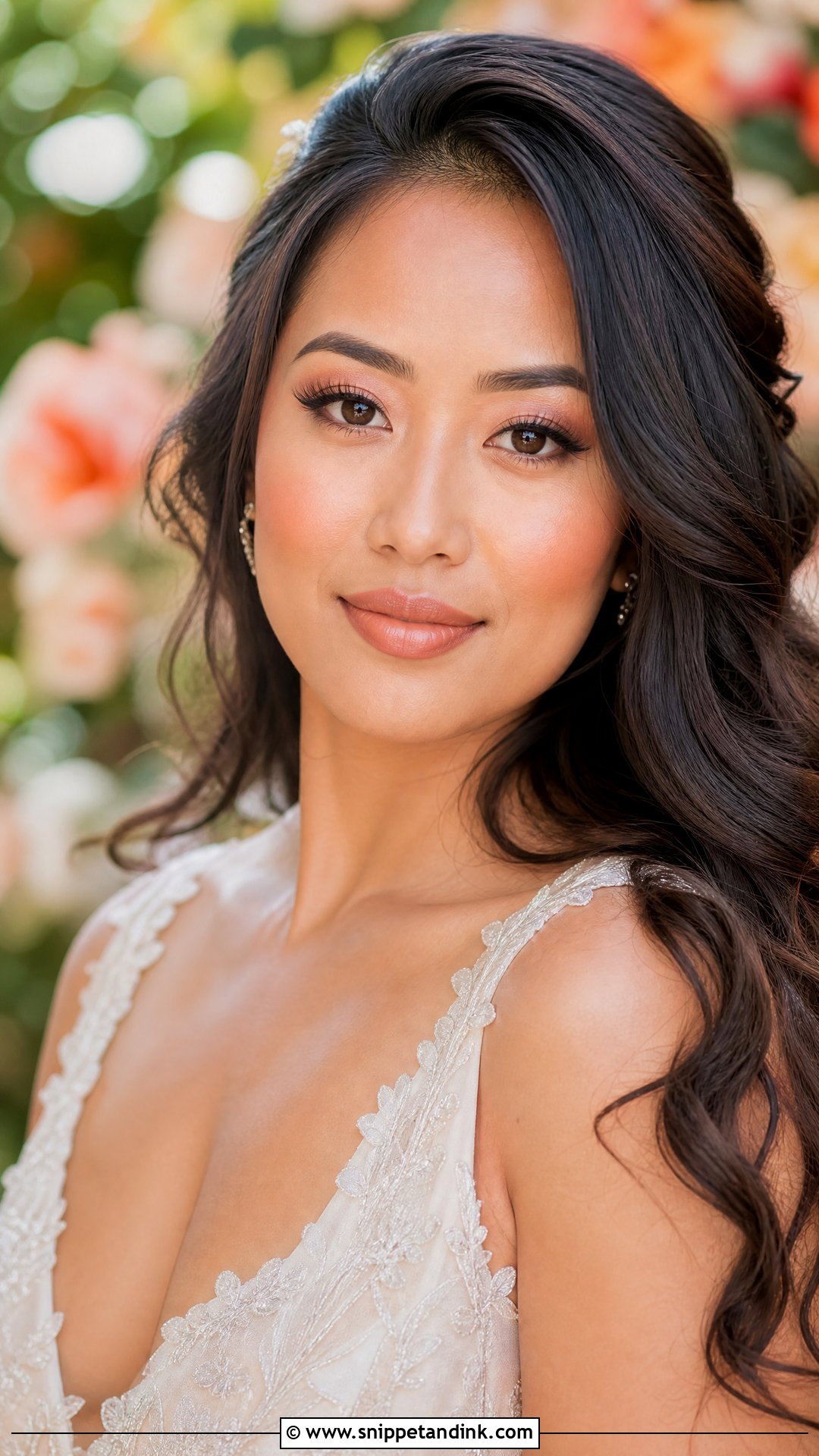
Monochrome uses one color family on eyes, cheeks and lips. Peach, rose, mauve, bronze and soft brown are the usual bridal choices. A peach version might mean peachy shadow, warm blush, soft bronzer and a peach-nude lip; mauve feels cooler. It’s one of the easiest looks to explain to an artist, which matters more than people think. I keep the eye a little deeper than the cheek so the face doesn’t flatten, and the skin fresh so the color story stays wearable.
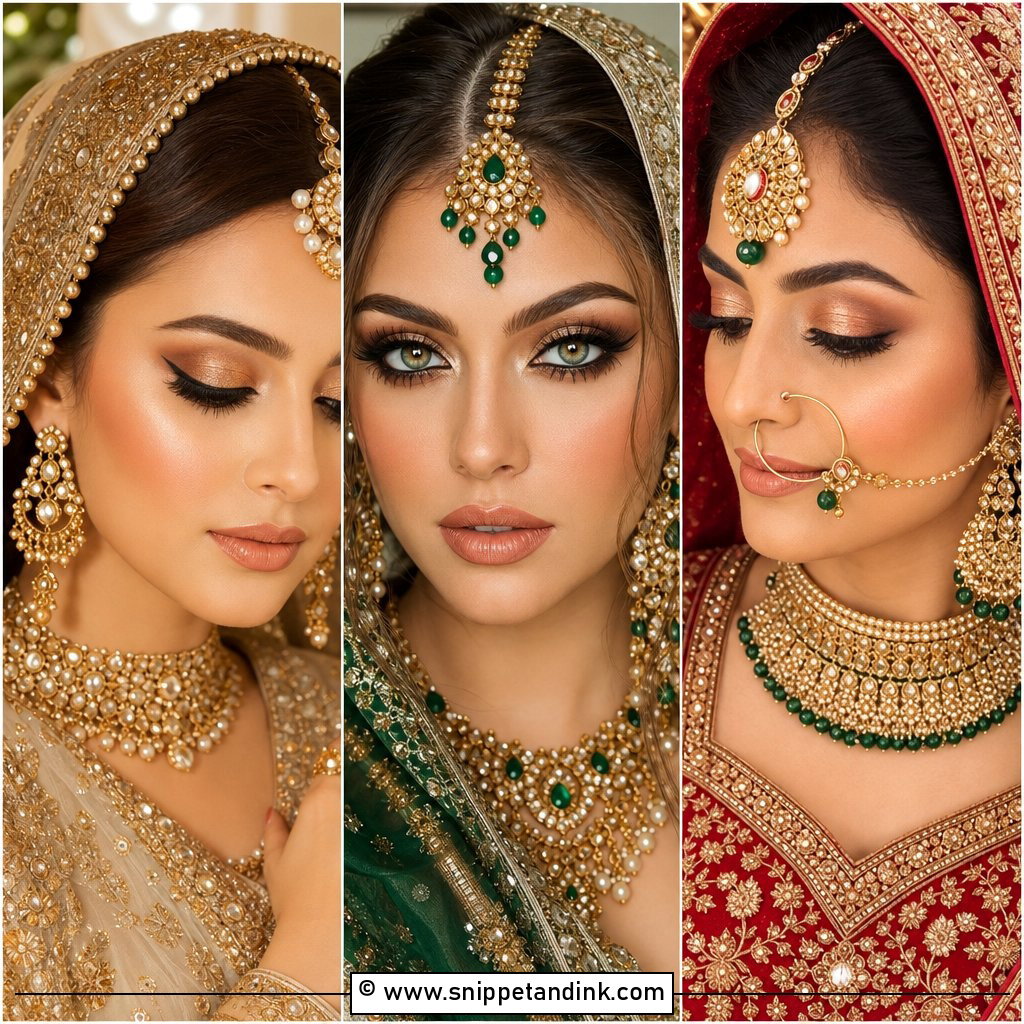
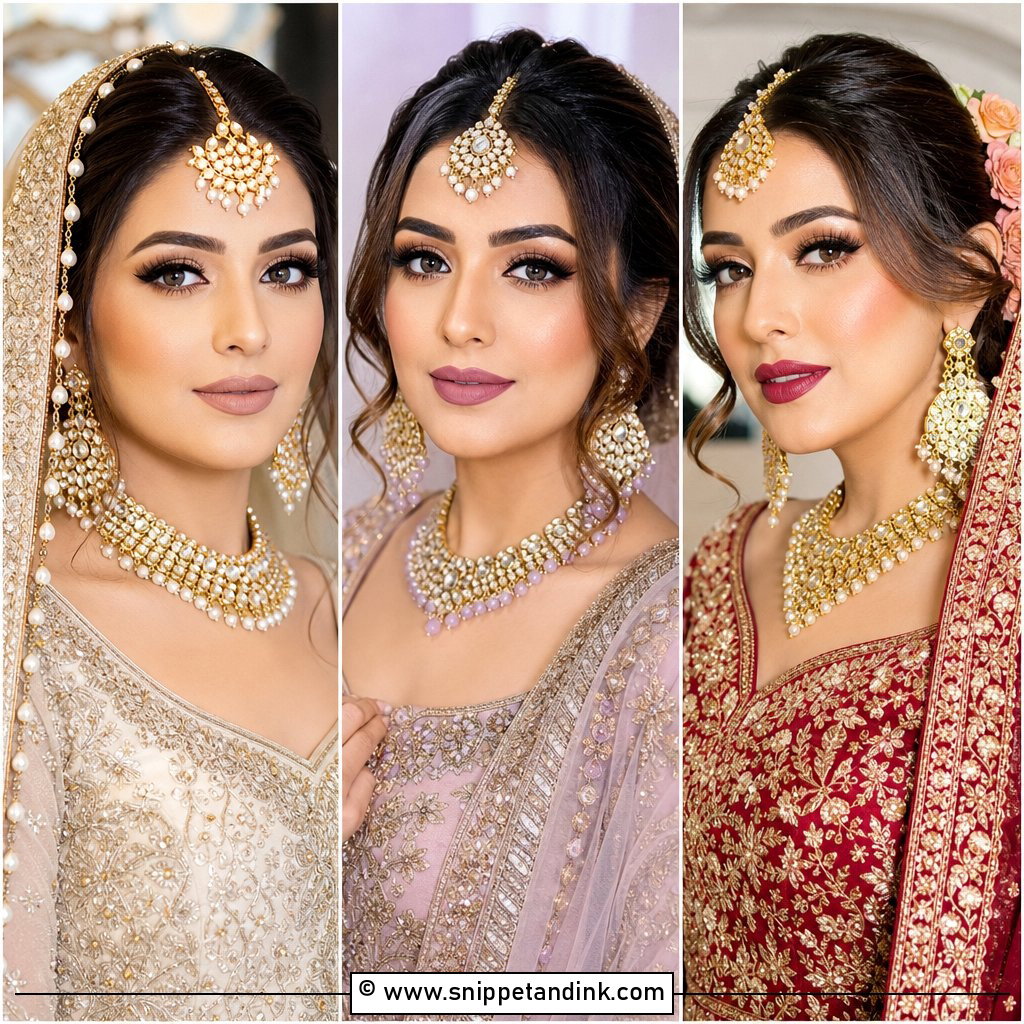
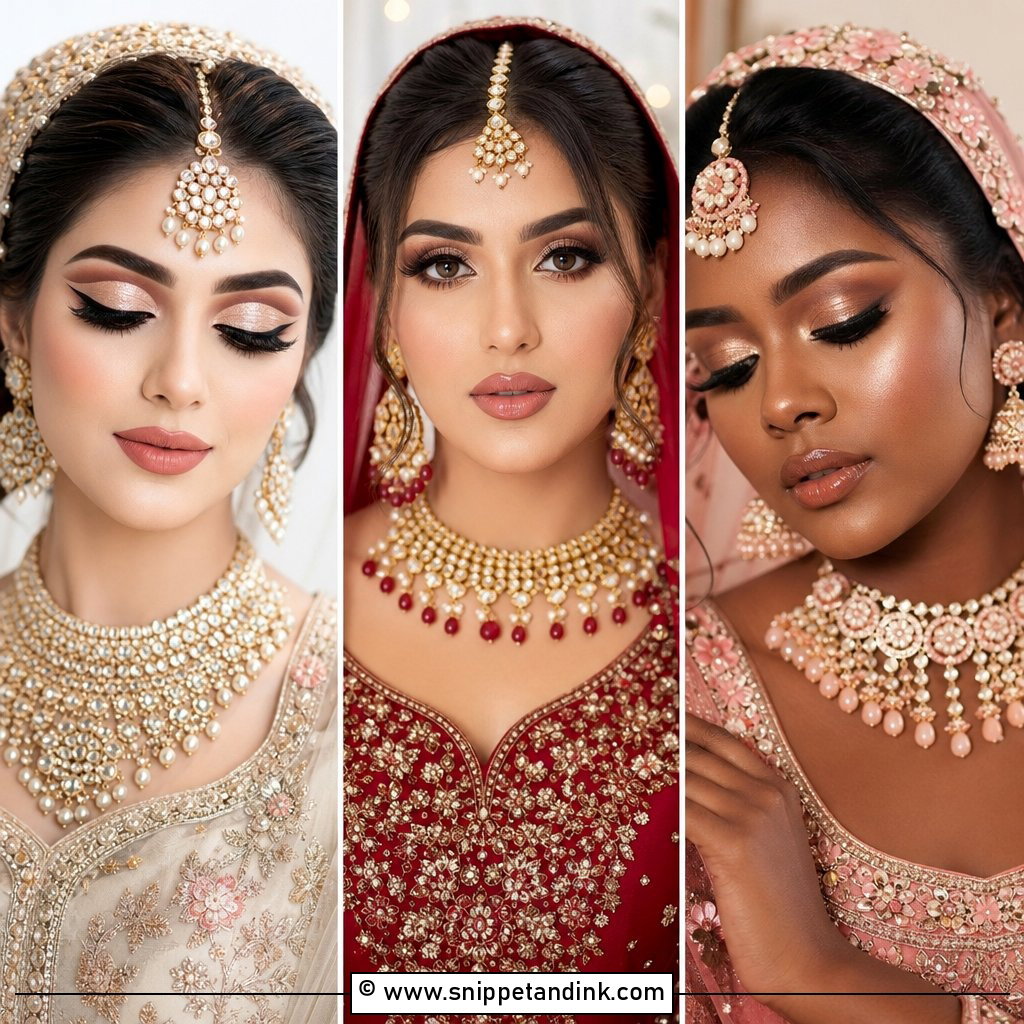
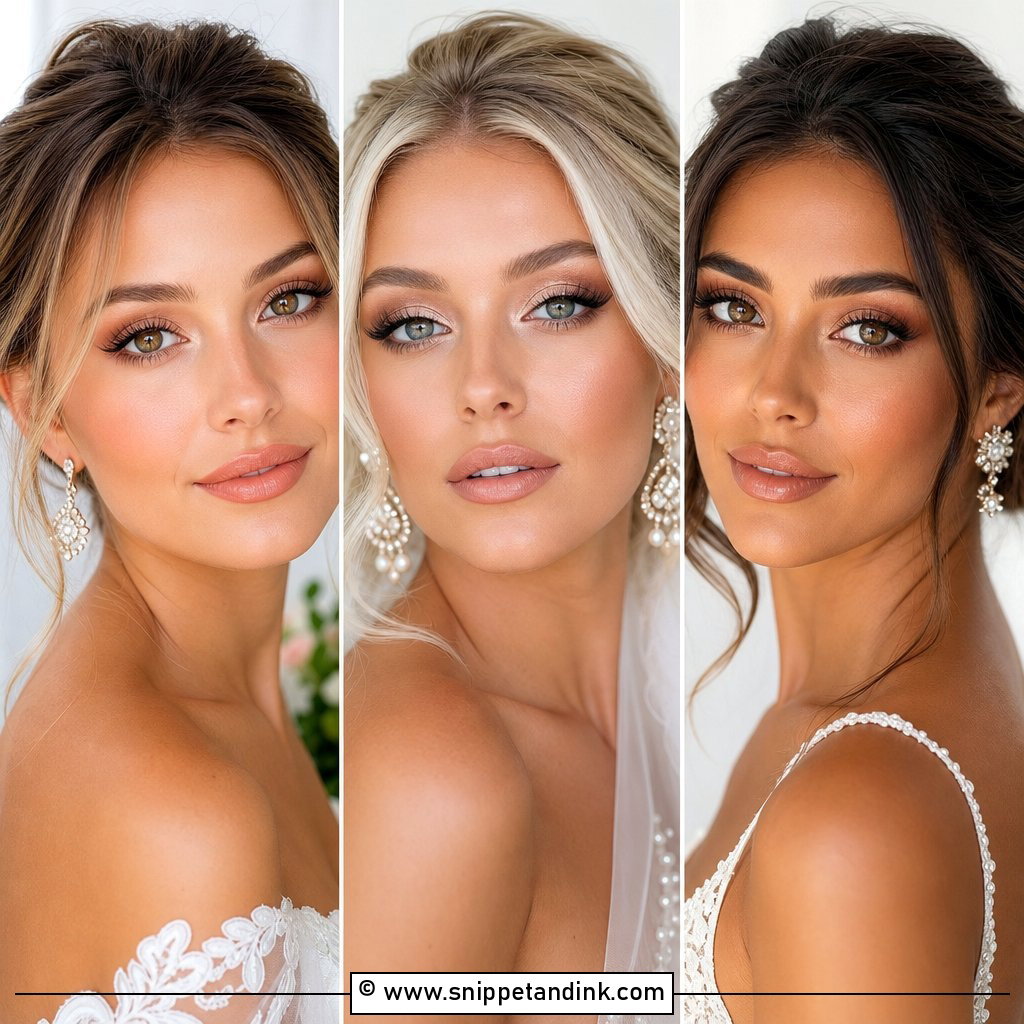
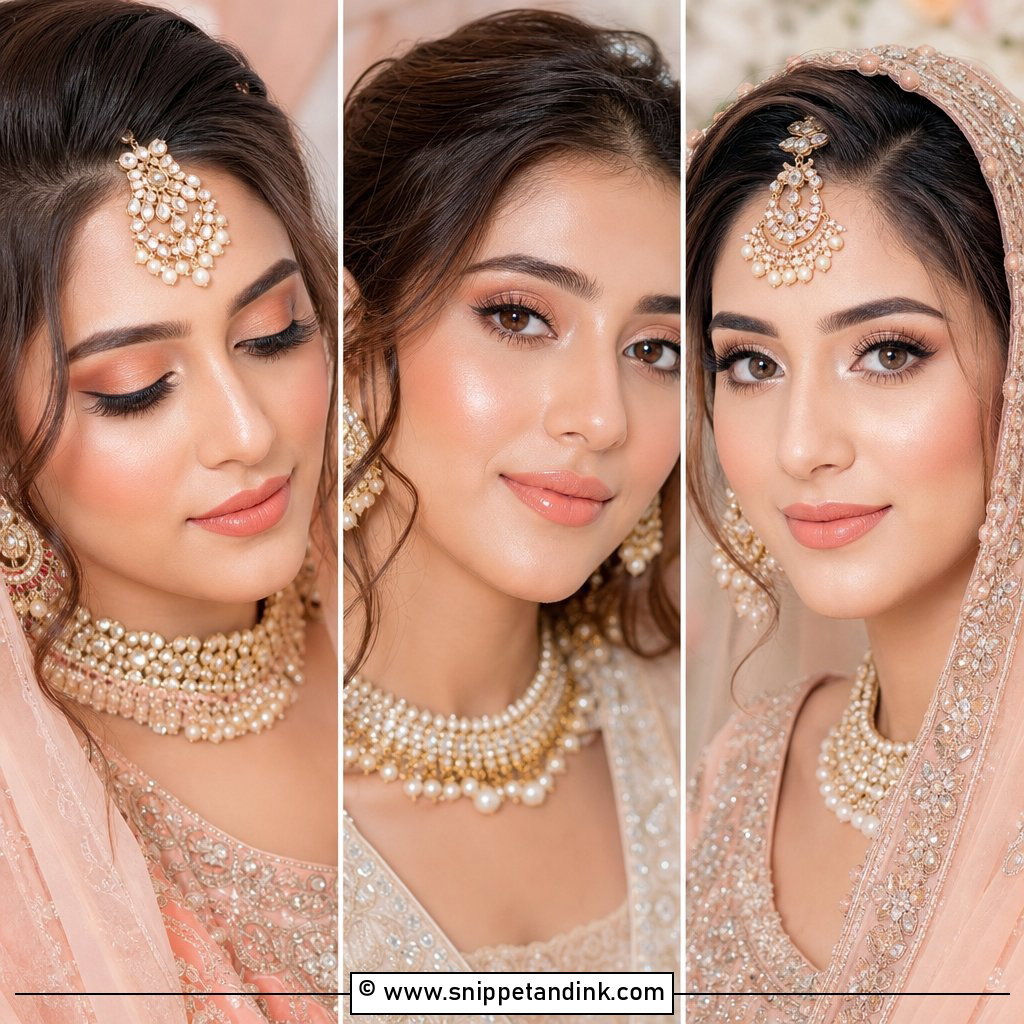
20. Bold Bridal Makeup
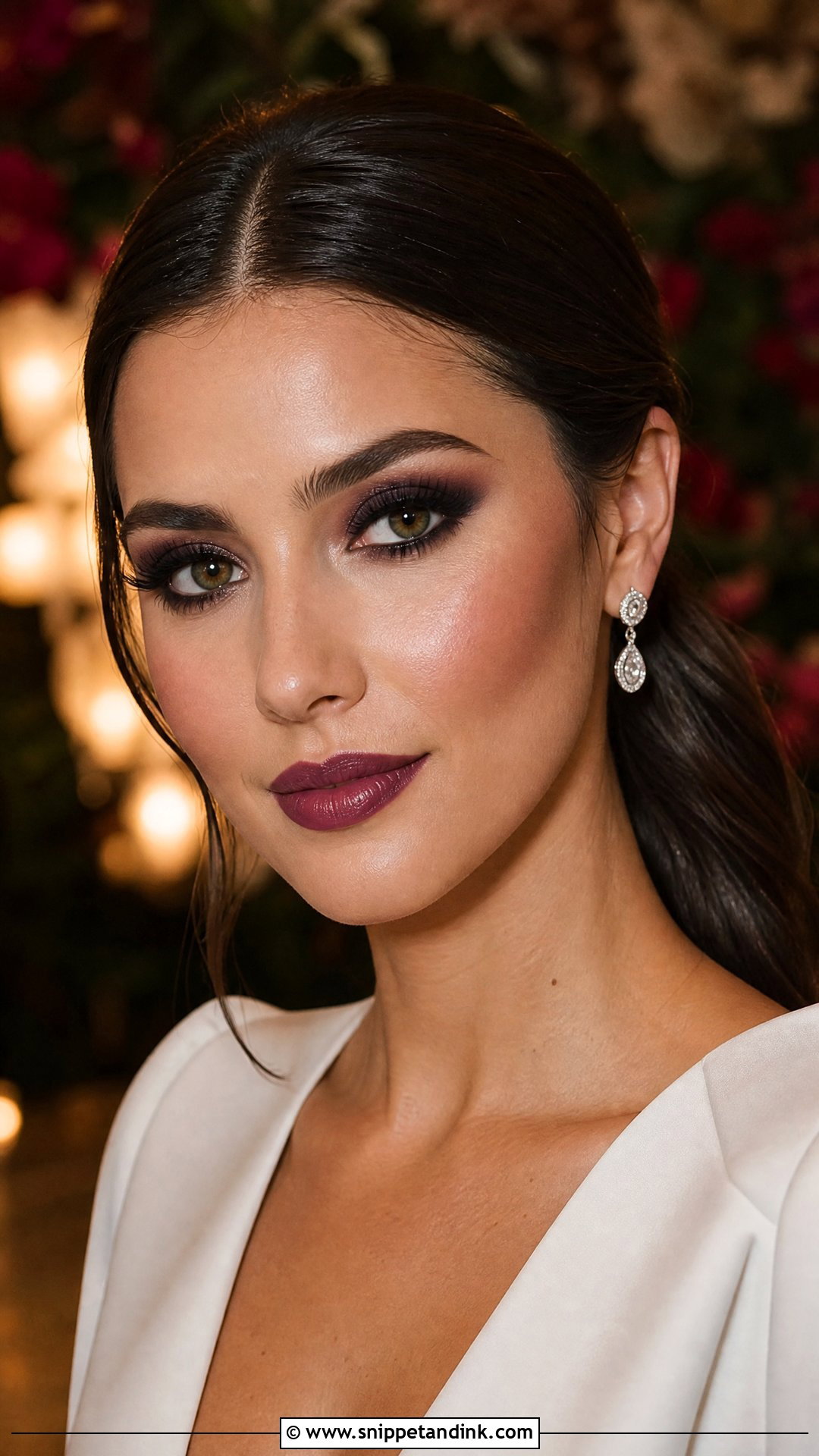
Bold makeup works when one feature is clearly in charge. A berry lip, graphic liner, a deep smoky eye or high-impact lashes, then everything else polished and quiet. Colors still have to suit your undertone, and the blending has to be clean, or bold looks unfinished rather than deliberate. Simple dresses and modern venues give it room. Test the whole thing with your hair done and your dress or a similar neckline on, in the light you’ll be married in.
Acne Scars, Rosacea and Fine Lines Under Wedding Makeup
Most of the looks above assume fairly calm skin, and few of us have that on a stressful week. Here’s how I adjust for the most common concerns.
Active breakouts and scarring
I color-correct and conceal the spots individually instead of thickening foundation over the whole face. Shimmer and heavy highlight stay away from textured areas, because they catch the light on every bump. A satin finish hides texture better than either full matte or full dewy.
Redness and rosacea
A thin green-tinted corrector under foundation calms redness without a heavy base. I avoid fragranced products and patch-test anything new at the trial. Warm bronzed looks can intensify redness, so pink or mauve blush placed high on the cheek usually looks more even.
Fine lines and mature skin
Less powder, more cream. I set only where shine appears and leave the eye area almost unpowdered, so concealer doesn’t sink into lines. Satin lids lift more than matte ones, and a cream blush moves with the face when you smile.
Lead With a Single Feature and Test It in Daylight
Trends can point you in a direction, but the right look is the one that suits your skin, your dress and your venue and still looks like you. Any look on this list can be bridal when it’s balanced. Use your trial to test wear time, color, flash photos and comfort. Bring inspiration photos, then let your artist adjust them to your face; a picture taken on someone else’s skin, in someone else’s light, is a starting point, not a recipe.
You'll Like These Ideas:


Leave a Reply