
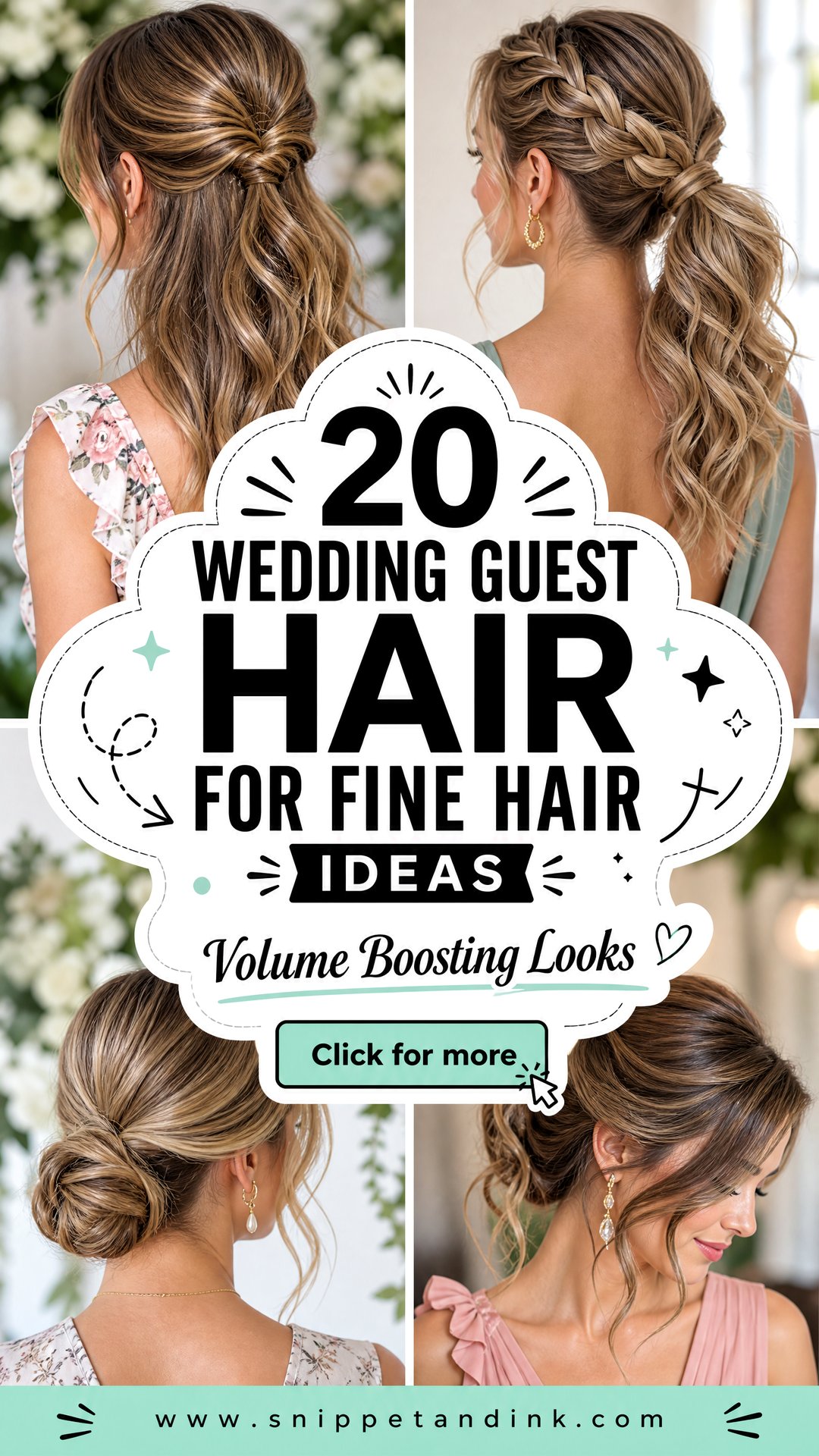
Fine hair is the texture guests apologise for most when they sit in my chair, and it rarely deserves it. The problem isn’t that it can’t hold a style. It’s that clean, silky fine hair has no grip, so pins slide, curls drop and the crown goes flat by the time the speeches start. Fix the grip and the volume, and fine hair actually pins neater than thick hair because there’s less bulk to hide. Every idea below, from a polished updo to breezy waves or a braid, is one I’d build with that in mind, and I’ve noted which lengths each one suits.
Giving Slippery Fine Hair Something to Hold On To
Freshly washed fine hair is the hardest to style. It’s smooth and light, so pins slide straight out and curls fall within an hour. I always ask fine-haired guests to wash the day before, not the morning of. A little natural oil from one day gives the hair grip, and it actually holds better.
Products in the right order
Root-lifting spray or mousse goes on damp roots before drying. A heat protectant comes next if you’ll curl. Once the hair is dry and styled, a dry texture spray through the mid-lengths gives pins and braids something to cling to. Heavy creams, oils and silicone serums do the opposite on fine hair, so keep them to the ends or skip them.
Anchor before you pin
Most of my fine-hair updos start with a small hidden ponytail or a pair of criss-crossed pins in an X. Every other pin locks into that anchor rather than into loose hair. That’s why a bun on fine hair can still feel solid at midnight.
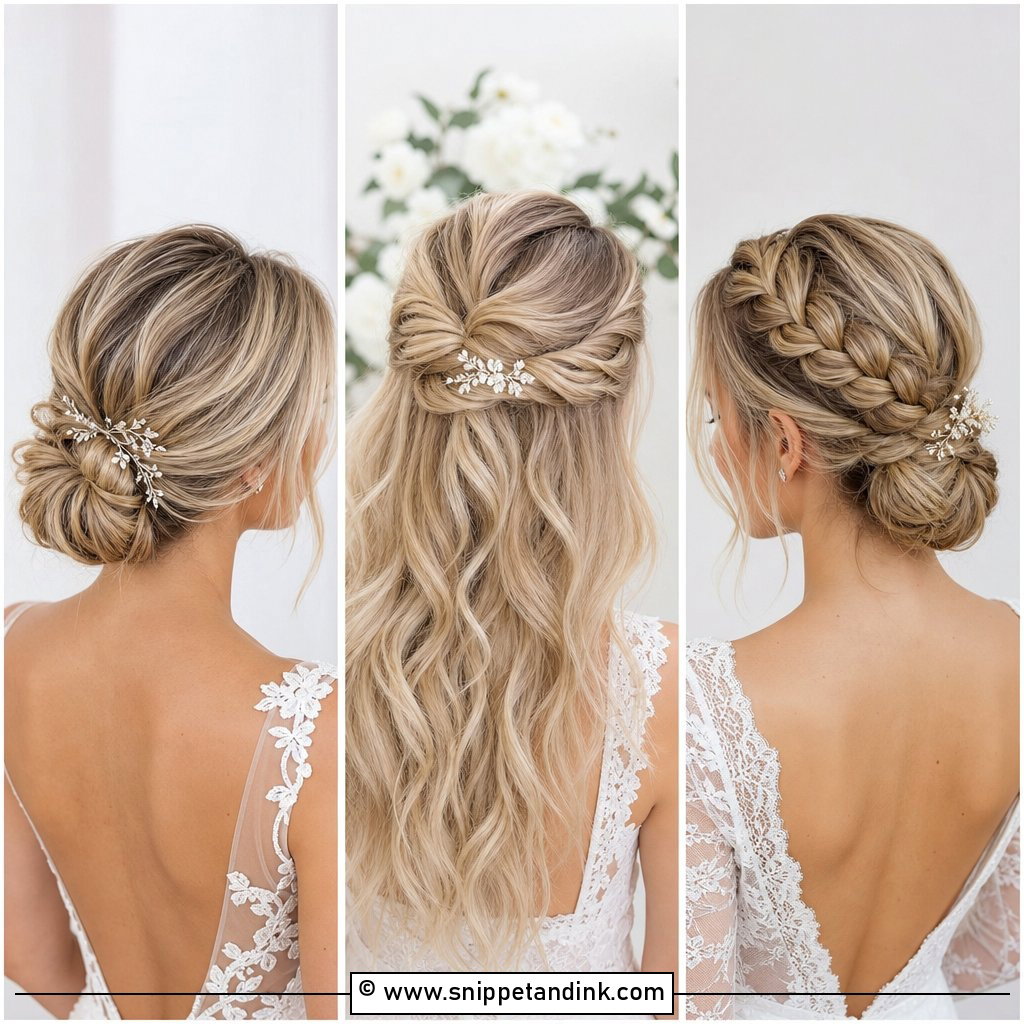
1. Textured Low Chignon for Fine Hair
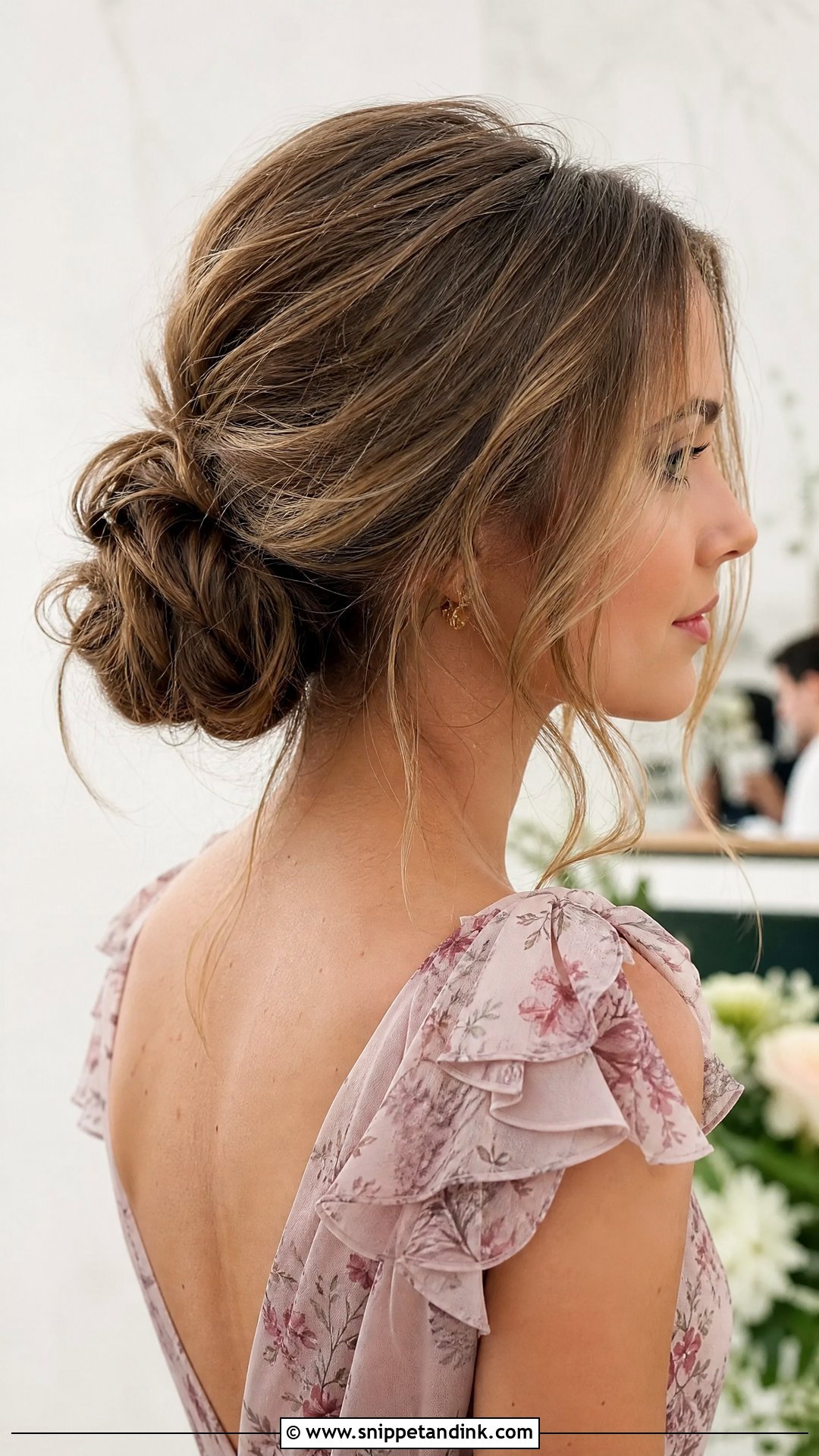
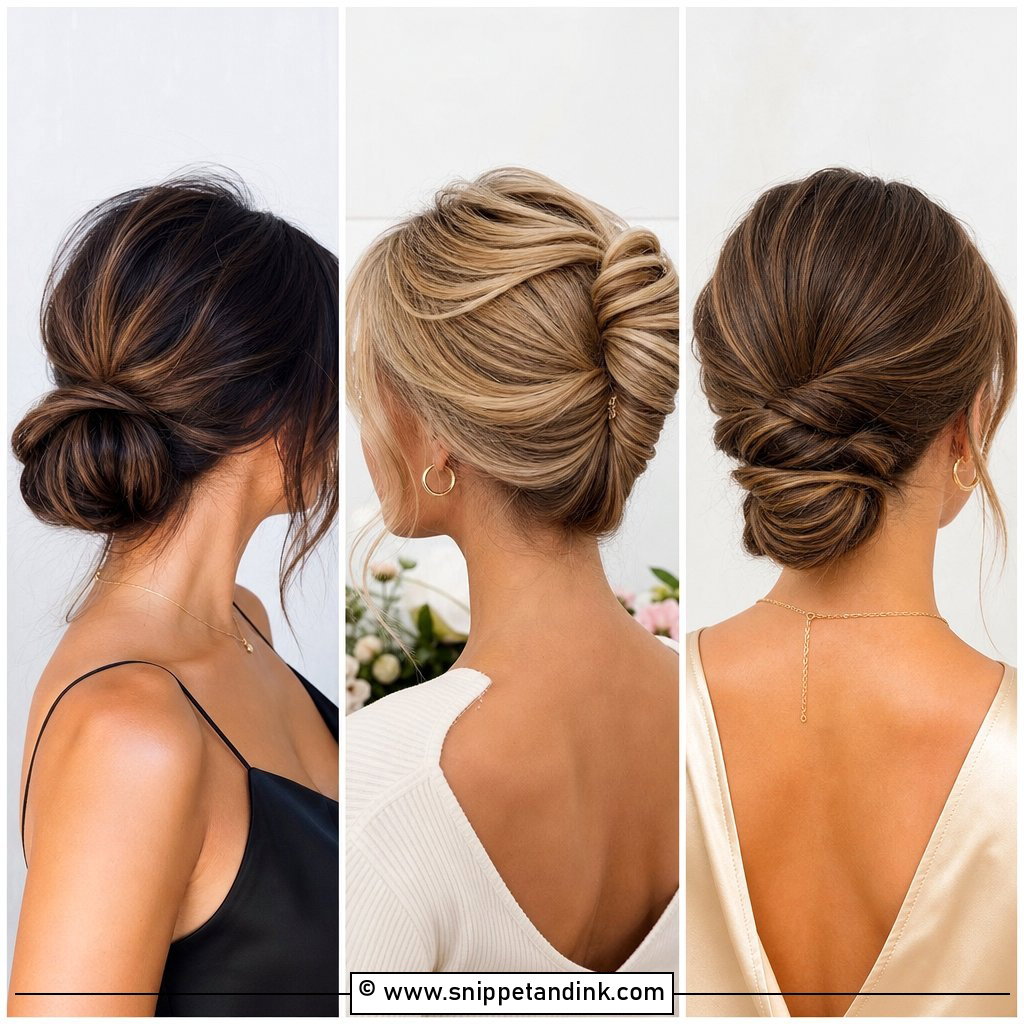
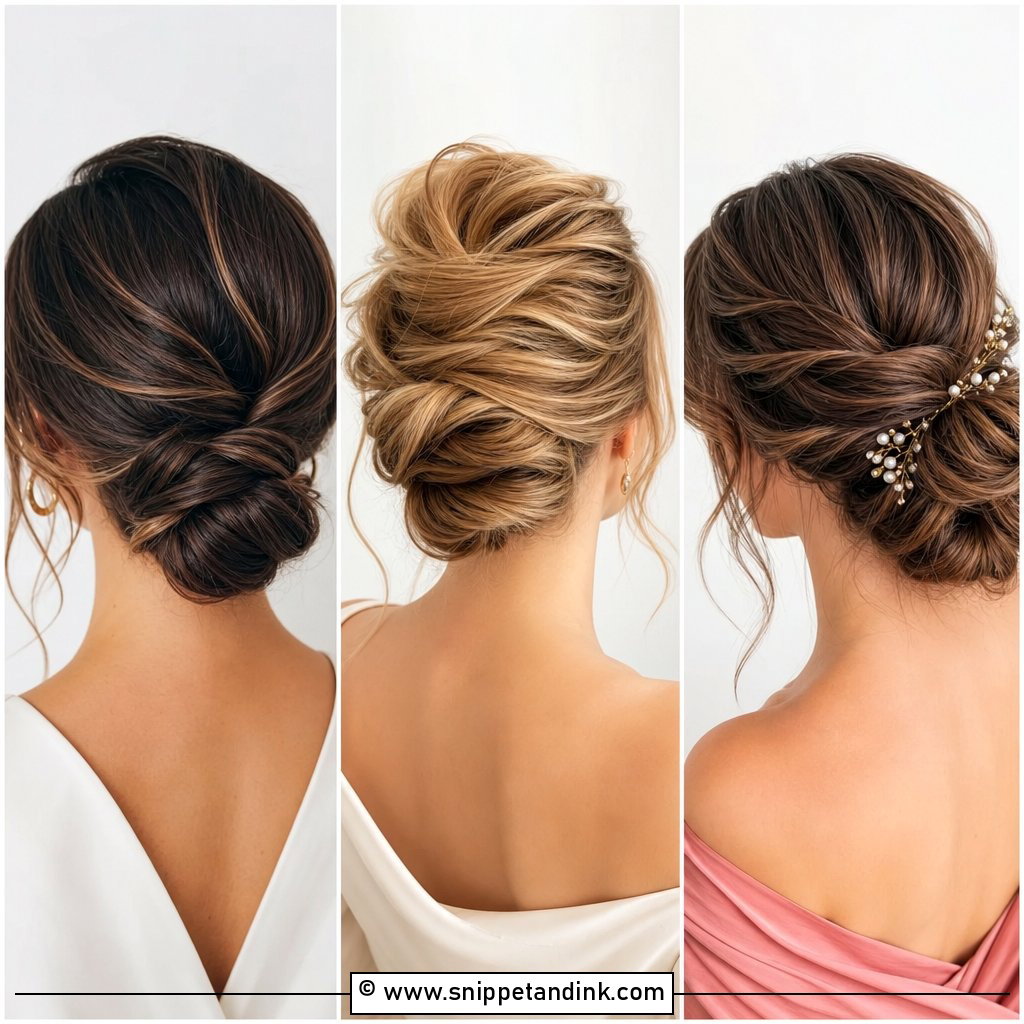
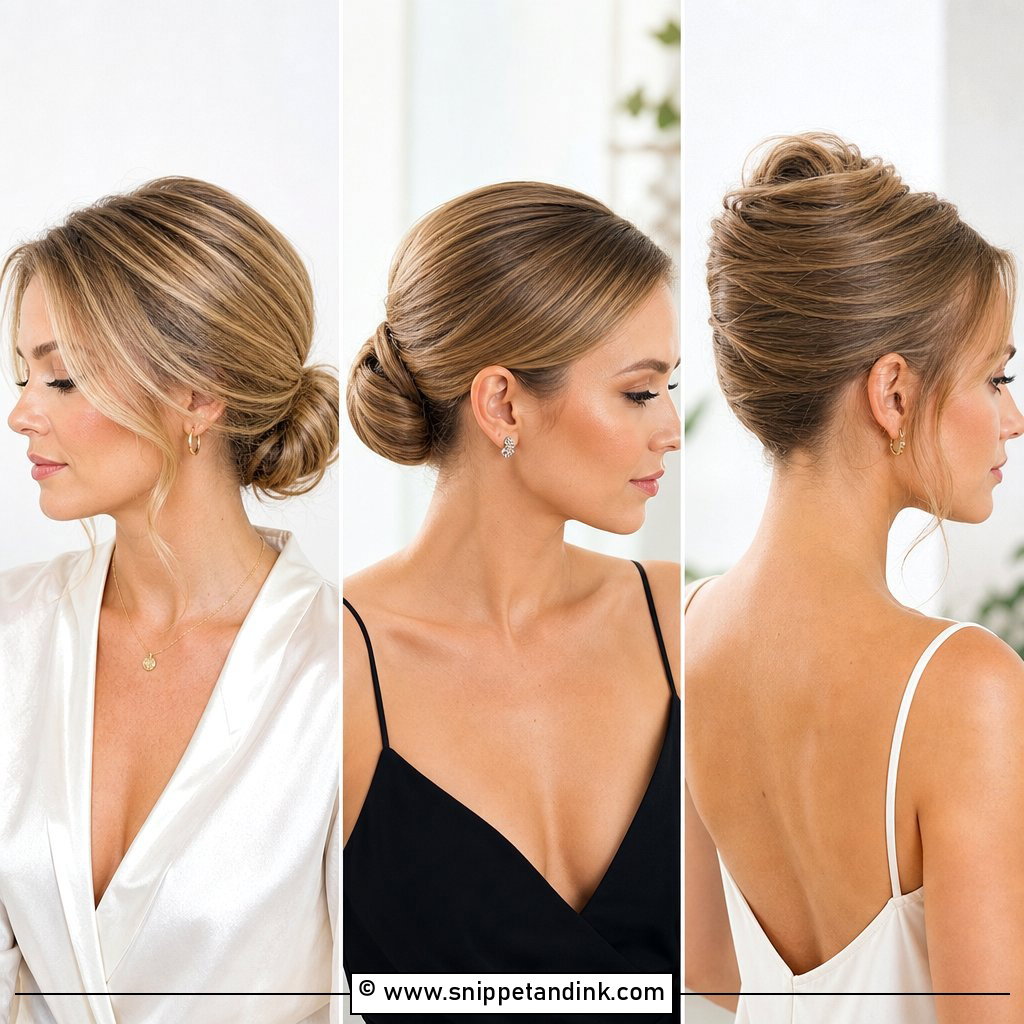
If a guest with fine hair asks me for one safe style, it’s this. I backcomb the crown lightly, smooth the top layer over it, then twist the length into a loose knot at the nape and pin it with crossed pins. The knot should look bigger than your hair really is, so pull the edges of the twist outward gently once it’s secured. A few face-framing pieces keep it soft. It needs hair that reaches at least just past the shoulders; any shorter and the knot ends up as a small bump.
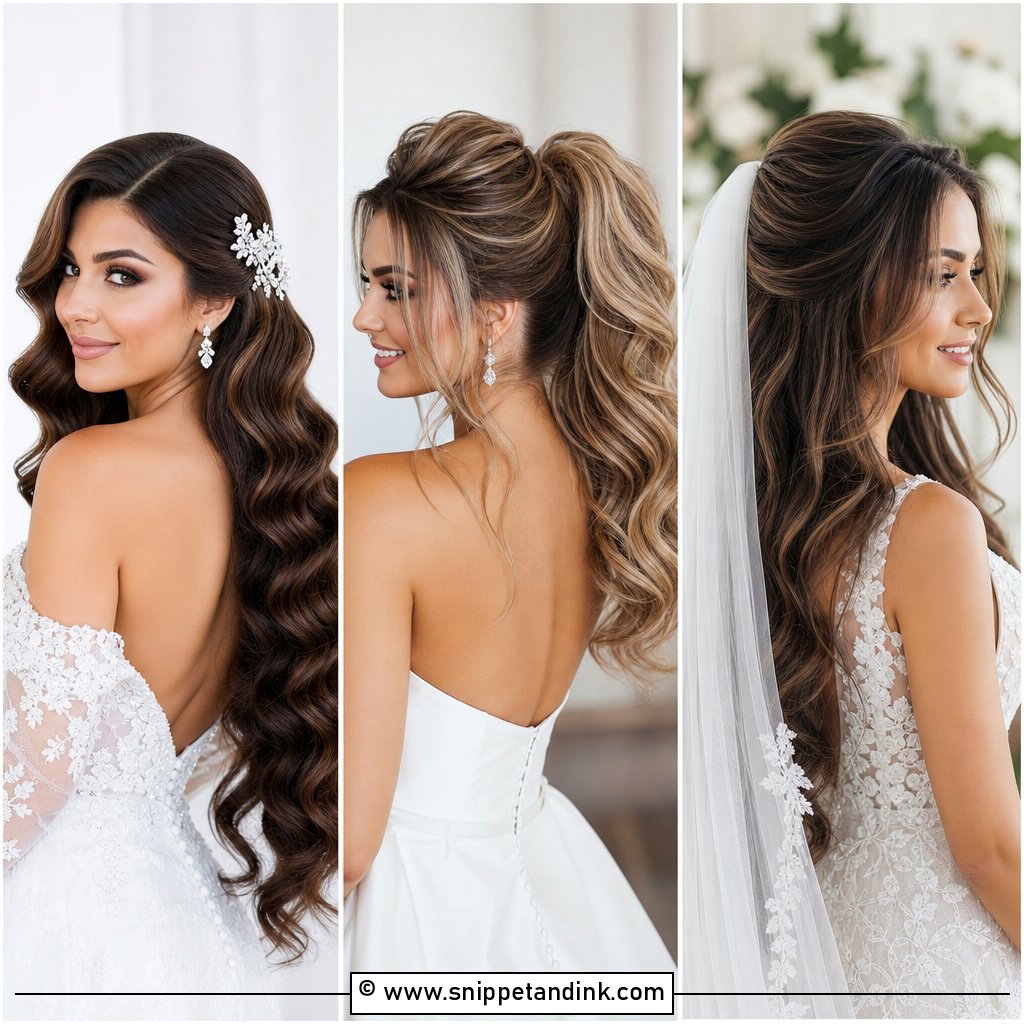
2. Low Ponytail for Thin Hair
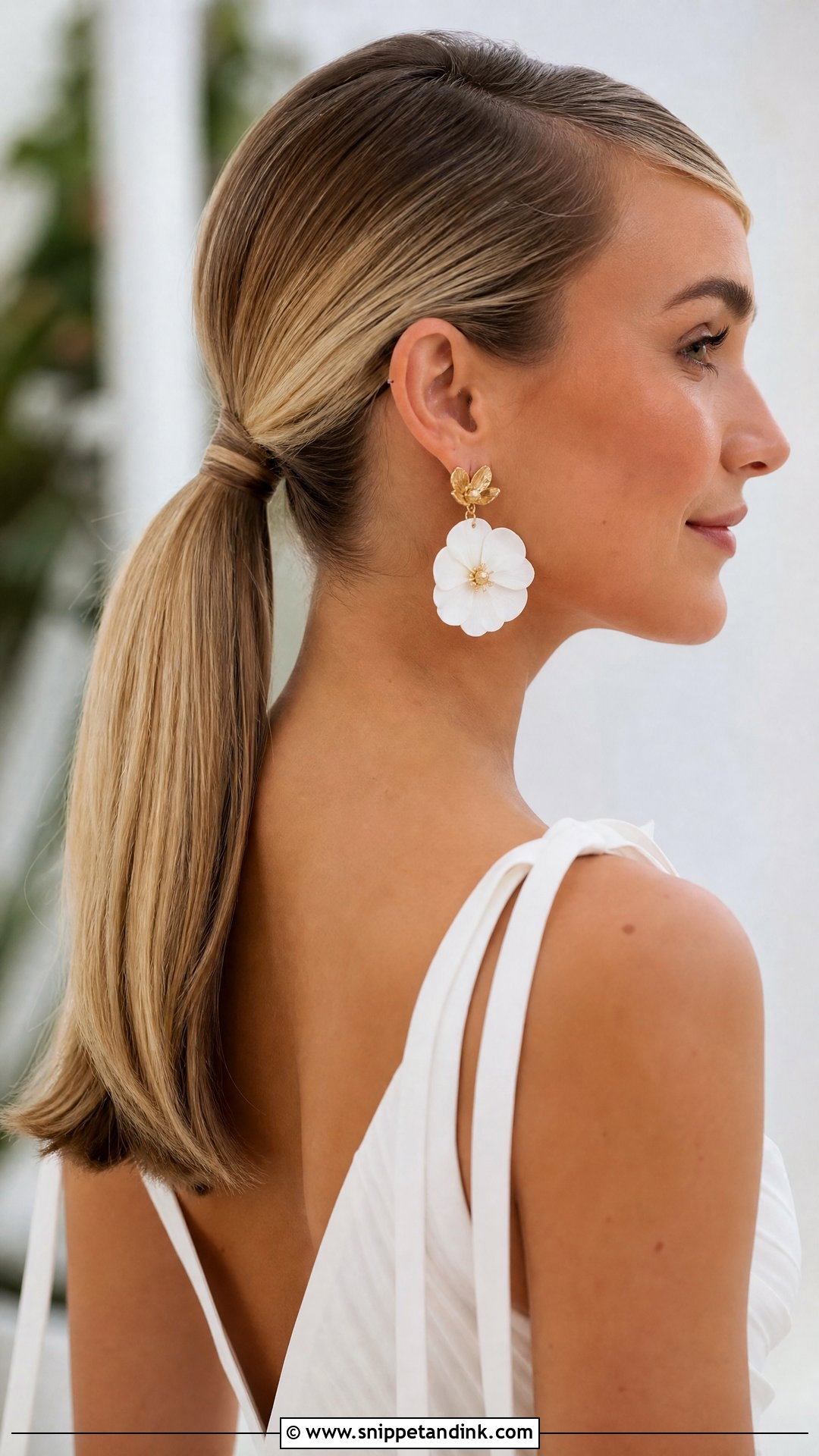
A low ponytail on fine hair is all about the crown and the elastic. Lift the crown slightly with a little backcombing, gather the length low at the nape, and tie it with a small clear elastic, then wrap a piece of hair over it and pin underneath. Here’s my trick for thin lengths: tie a second elastic an inch below the first, hidden under the hair, so the tail looks denser. Wear the length straight for a sharp line or with loose bends for movement. It keeps your face and neck clear on a hot day, and statement earrings suit it well.
3. Soft Waves for Fine Hair
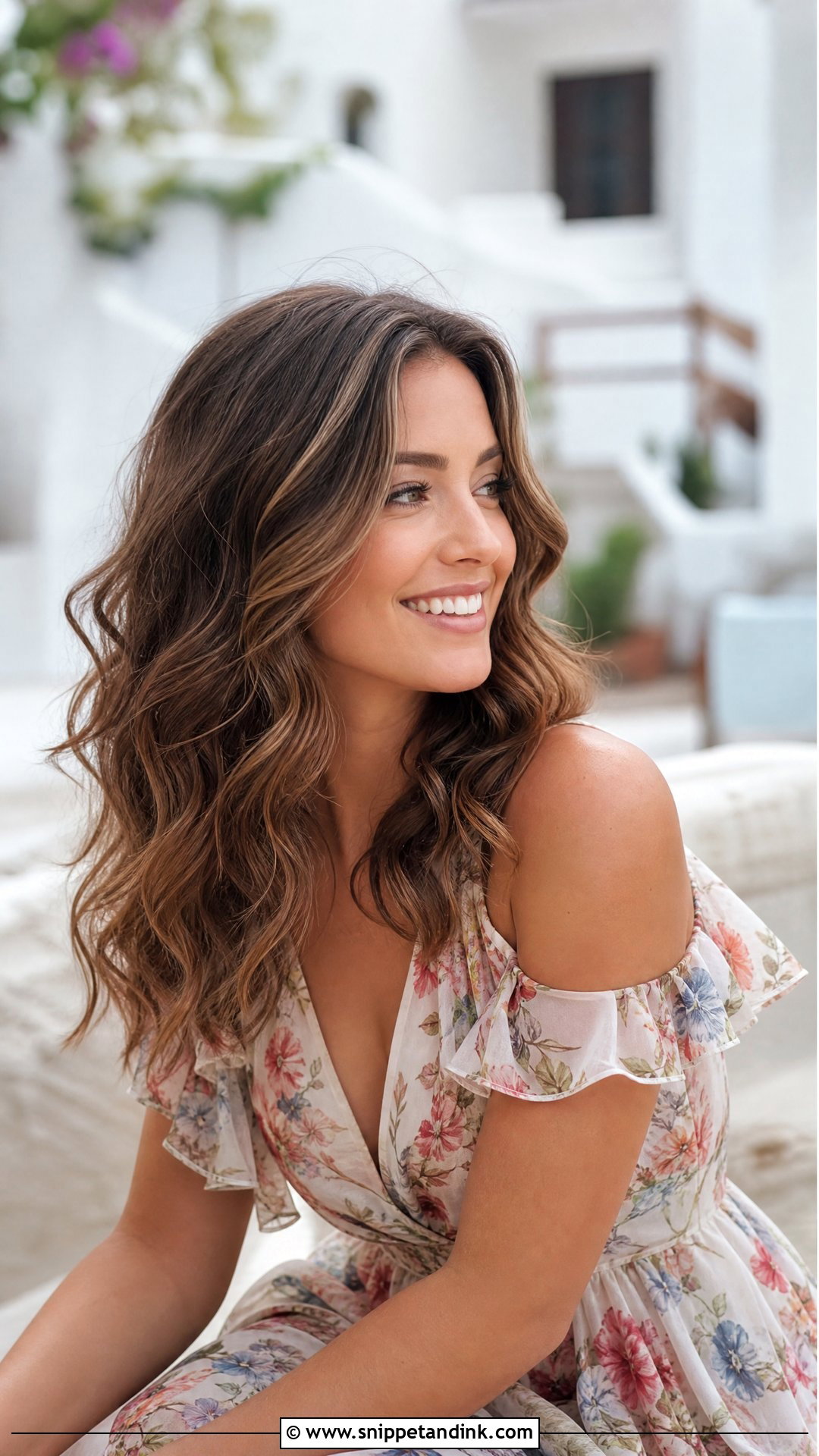
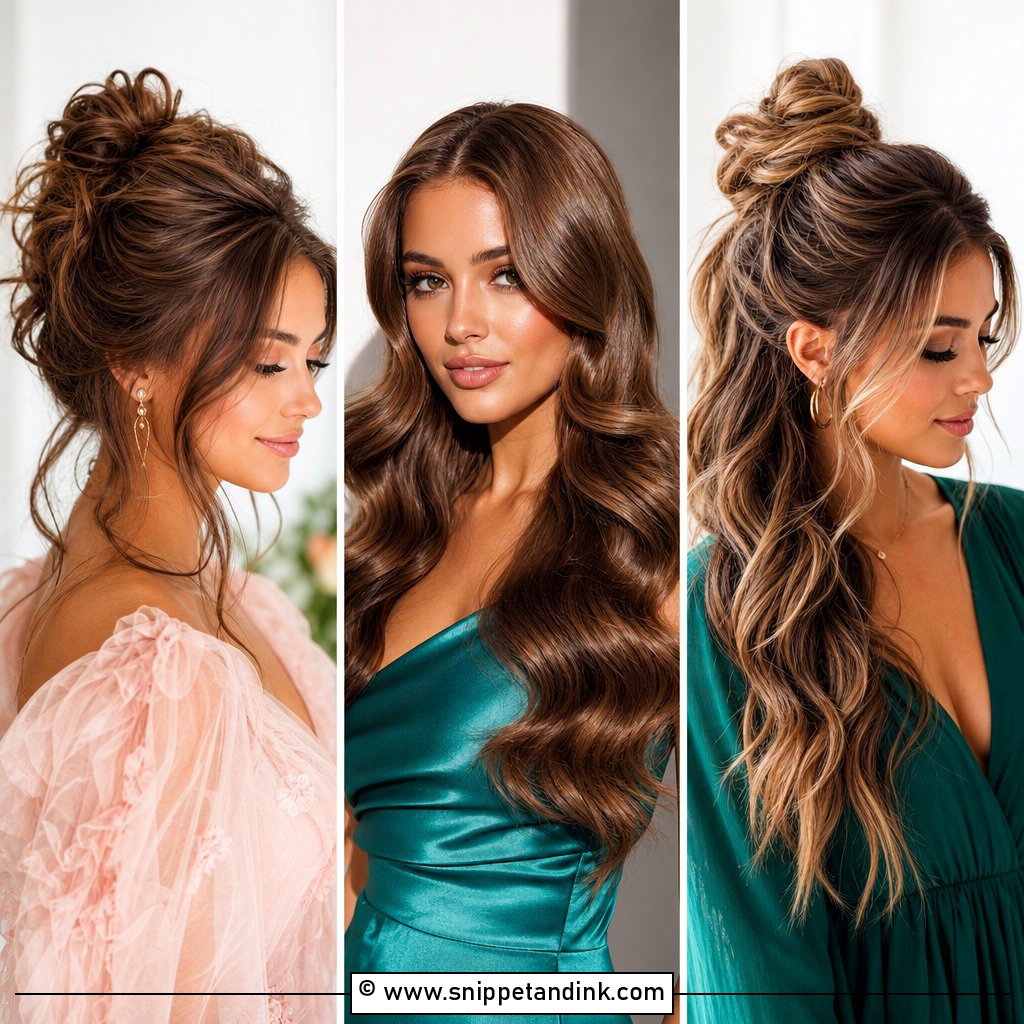
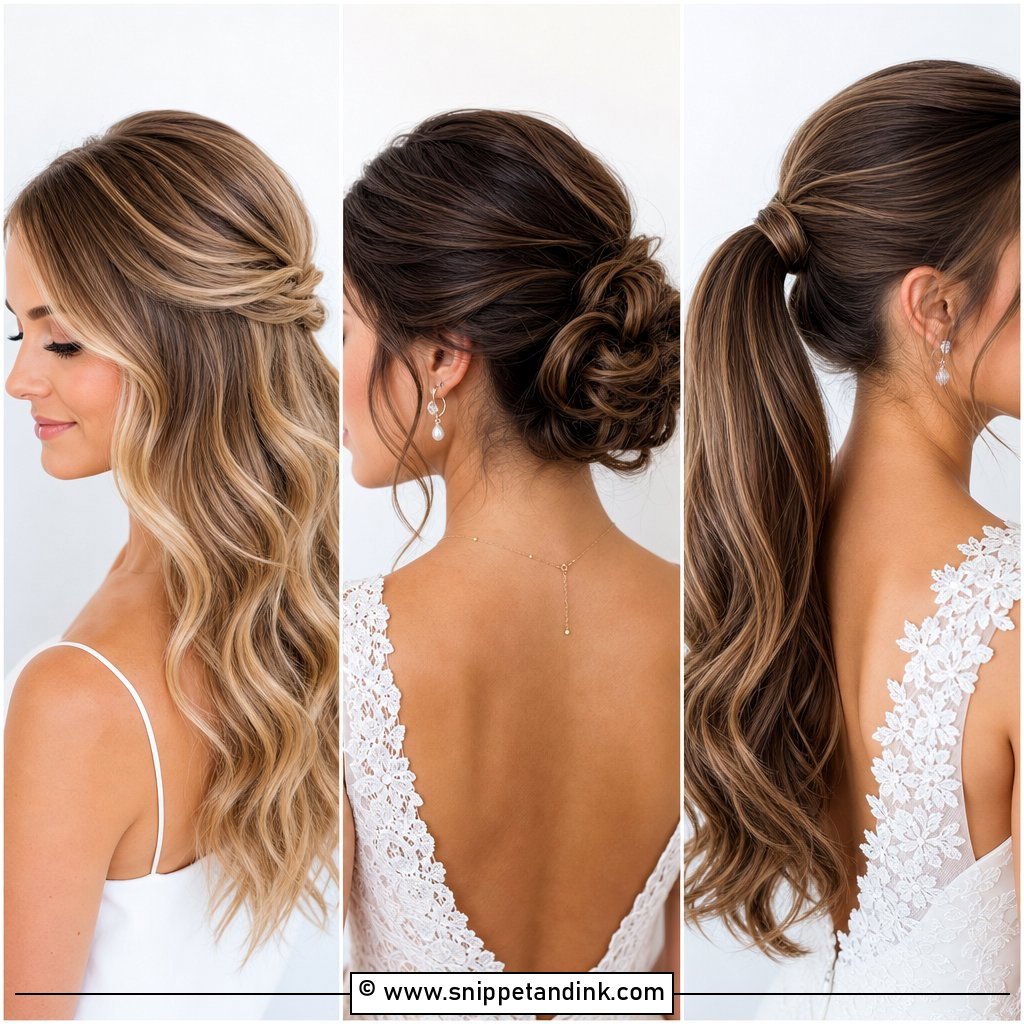
Waves add the look of thickness because they create shadow between the bends. Curl small sections with a wand, pin each curl up in a loop while it cools, then release and break them apart with your fingers. Fine hair drops its curl quickly if you skip the cooling step, which is the most common reason guests tell me their waves vanished by lunch. A root-lifting spray before curling and a flexible spray afterwards keep body without stiffness. It works on medium to long hair, and it suits a dress or a jumpsuit equally.
4. Half-Up Half-Down for Thin Hair
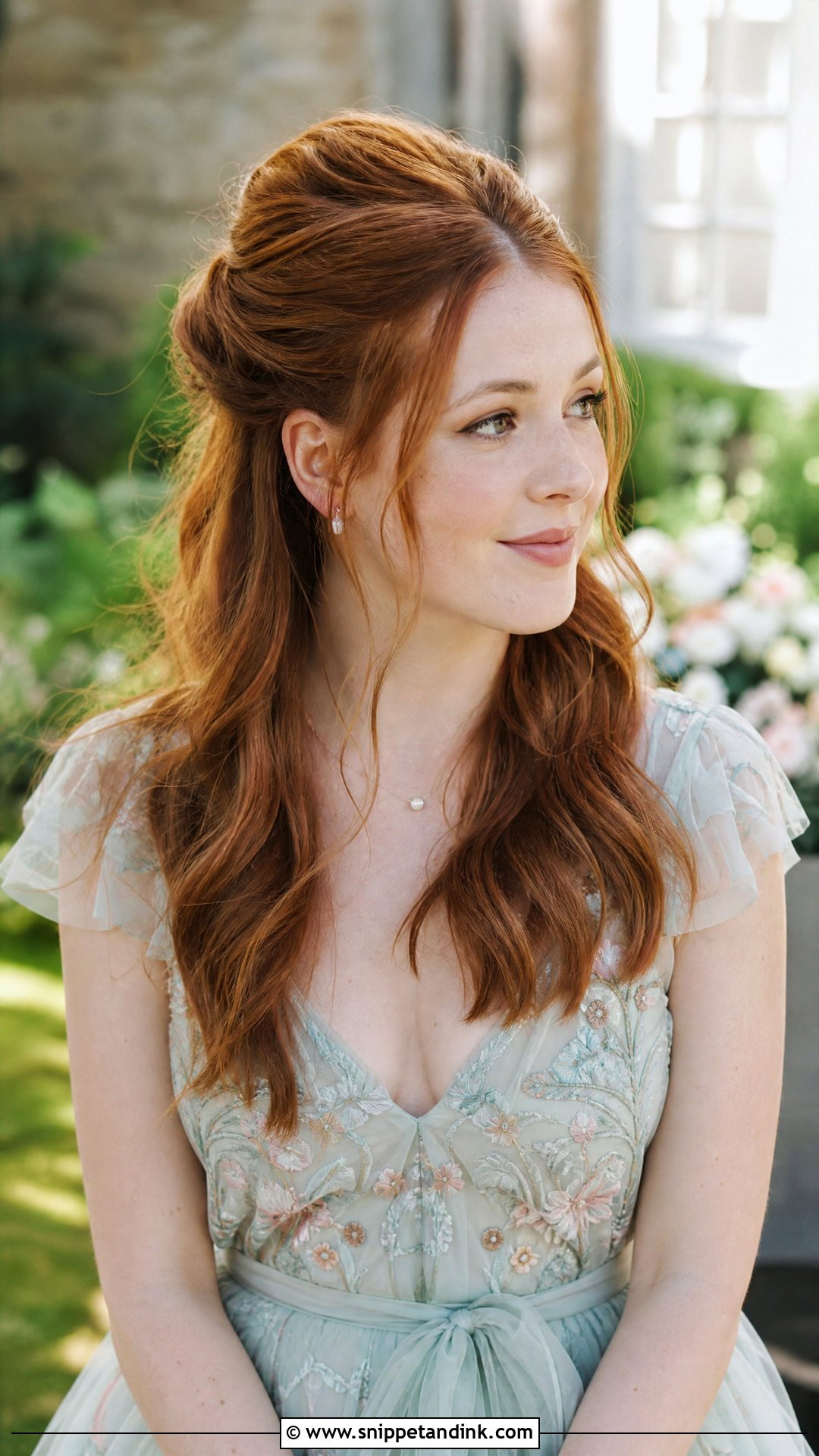
Half-up gives fine hair two things at once: lift at the crown and length on show. Backcomb the crown, smooth the top layer, then secure the top section at the back with a small elastic hidden under a clip. Leave the rest in loose waves. The weak point is the pinned section sliding down over the day, so I criss-cross two pins under it to lock it. Dress it up with a clip or keep it plain. It suits round, oval and heart-shaped faces, and it’s a good middle ground if a full updo feels like too much.
5. One-Sided Sweep for Fine Hair
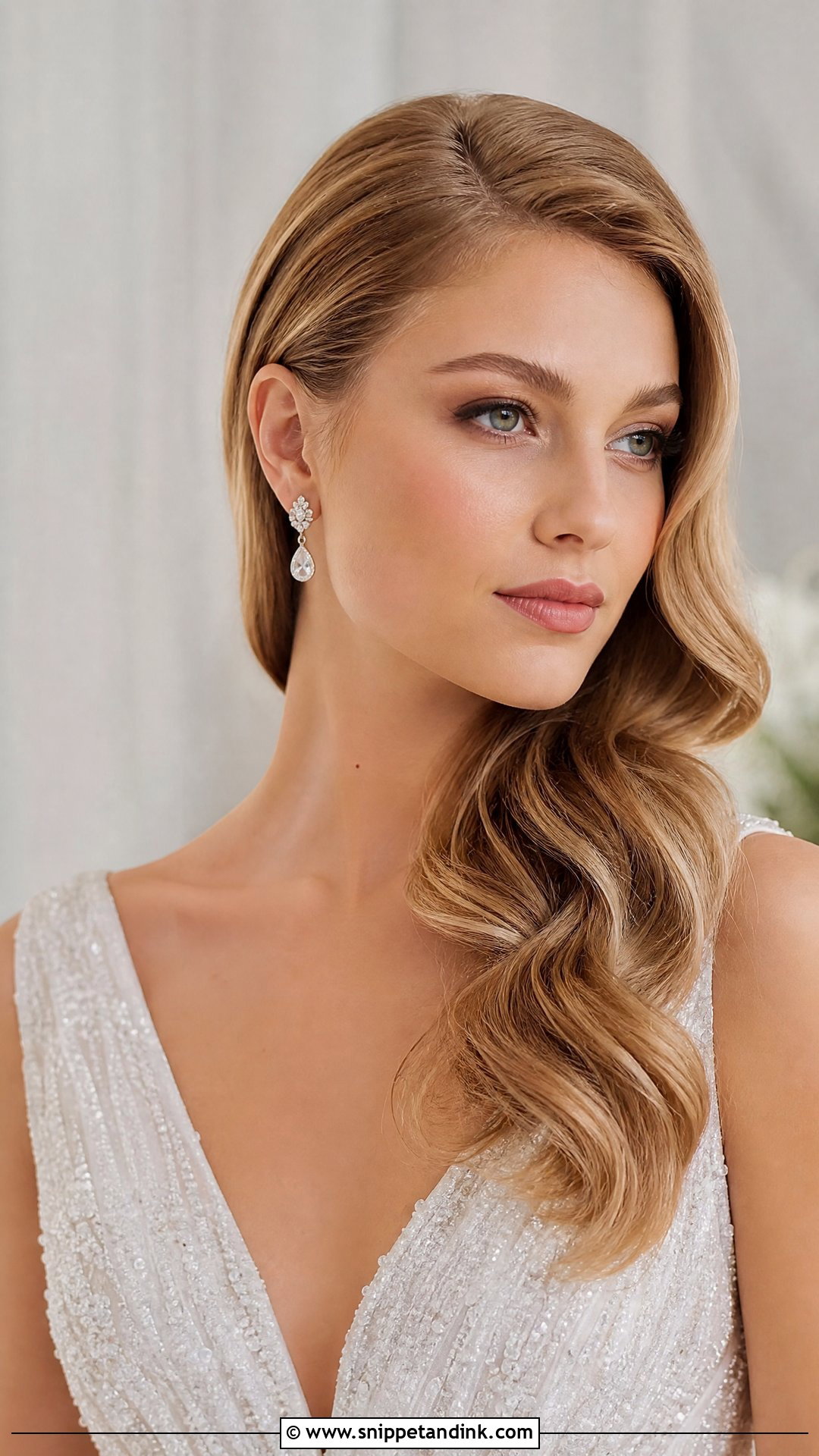
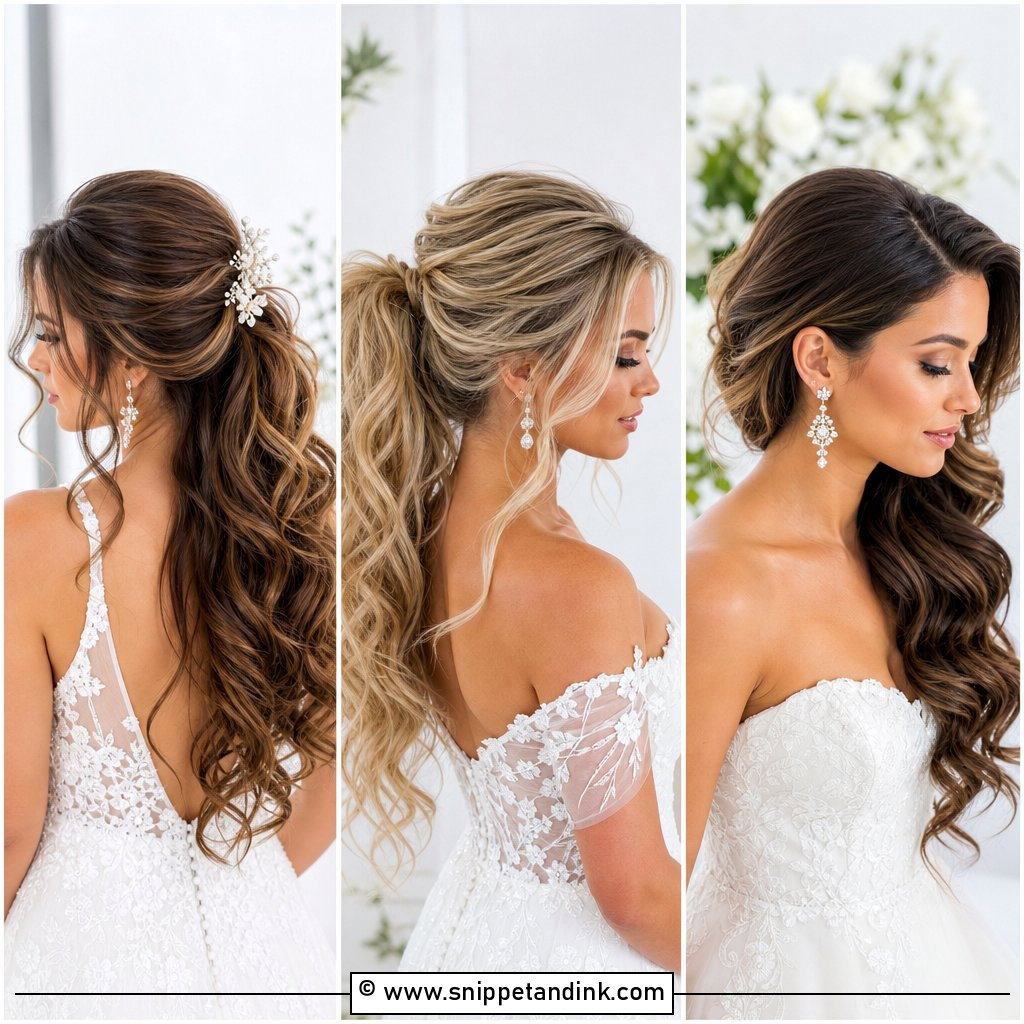
Pulling all the hair to one side doubles the hair you see on that shoulder, which is why it’s such a reliable trick for fine lengths. Make a deep side part, then gather the hair over one shoulder in waves or a loose twist. The back of the head is where fine hair shows gaps, so I pin a small anchor of criss-crossed pins behind the opposite ear and lay the hair over it. Earrings on the bare side do a lot of the work. The one-sided sweep suits evening weddings and works on straight or wavy textures, as long as hair reaches the collarbone.
6. Halo Crown Braid for Thin Hair
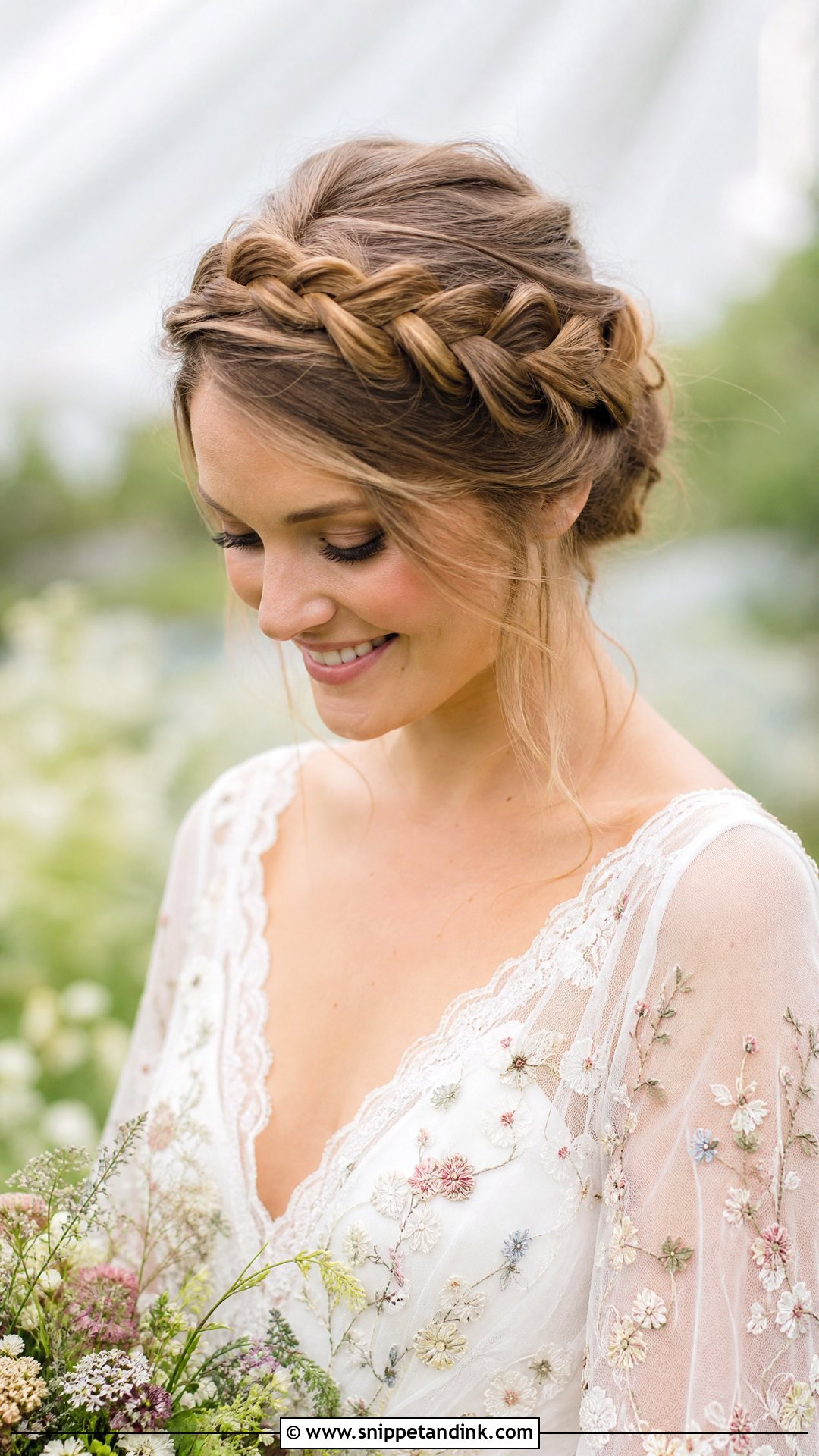
This is my favourite updo for chin- to shoulder-length fine hair, because it doesn’t need length to gather into a bun. Braid from one side all the way around the head, pinning as you go so the braid sits along the hairline like a ring. Once it’s pinned, pull the edges of each loop outward. Fine hair makes a thin braid, and loosening it can nearly double the width. The braid hides thin spots at the crown. It suits boho and garden weddings, keeps your neck cool, and holds small flowers or pins easily.
7. Braided Ponytail for Fine Hair
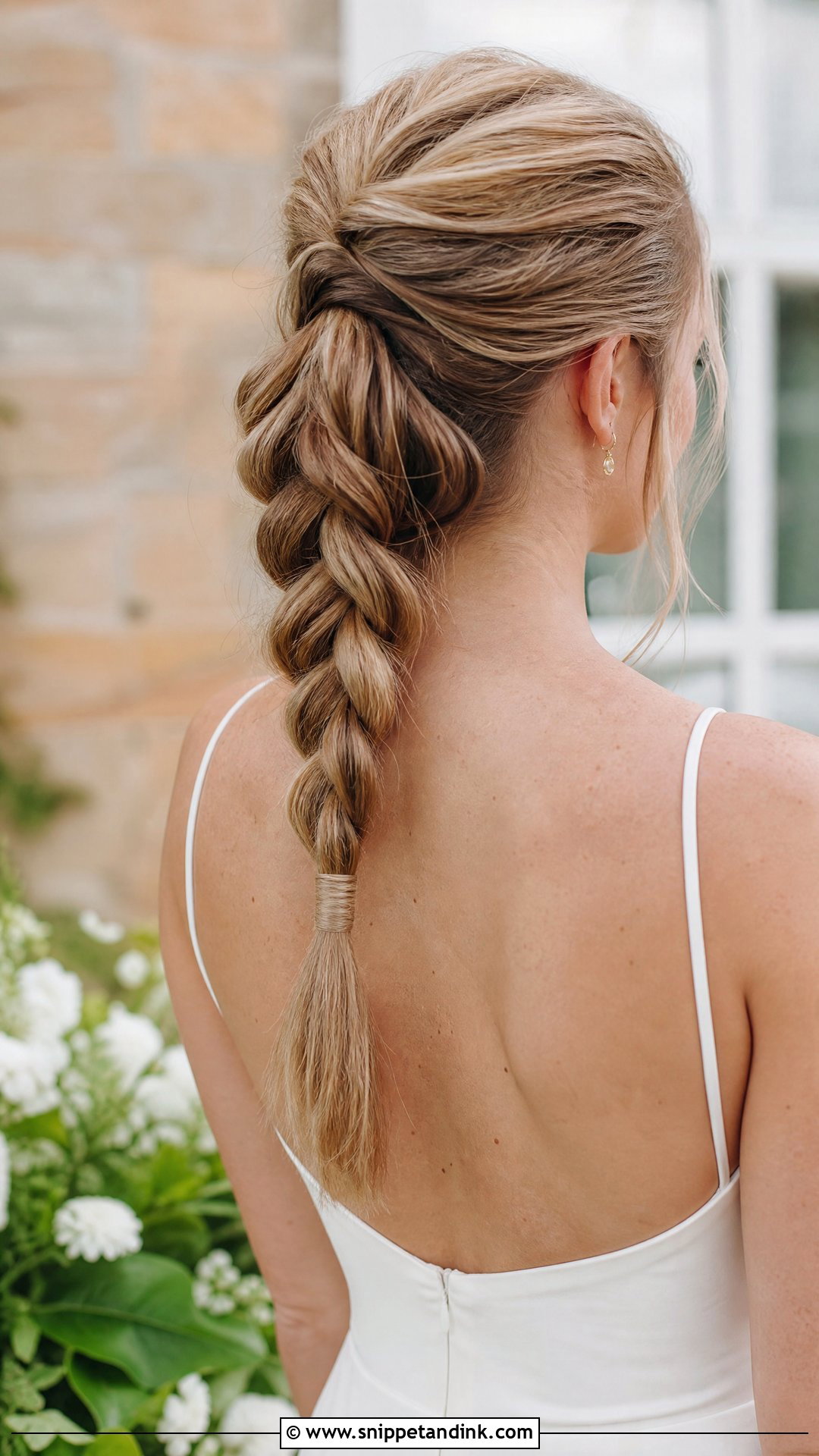
A braided ponytail is a fine-hair cheat that really works. Tie a low or mid ponytail, loosen the crown a little for height, then braid the length and gently tug the outer edges of each section. This is called pancaking, and on thin hair it’s the difference between a skinny rope and a full braid. Wrap a strand around the base to hide the elastic and tie the end with a clear band. It holds through hours of dancing and suits a relaxed outdoor wedding. You’ll want at least medium length for it.
8. Messy Bun for Thin Hair
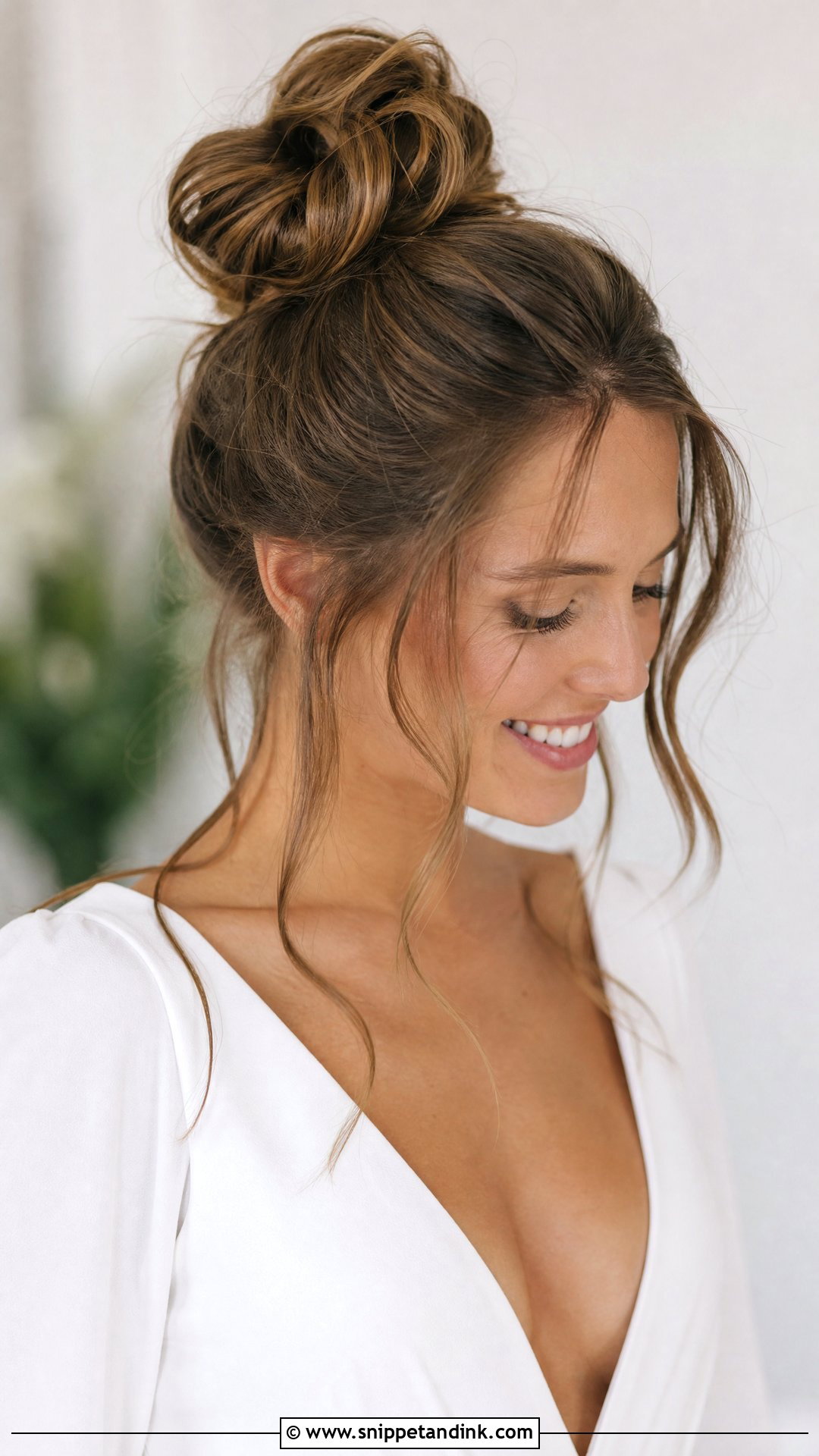
A messy bun forgives a lot, which makes it a good choice if you’re styling yourself. Spray texture through dry hair first so it has grip, backcomb the crown, and gather everything loosely on the back of the head. Twist into a bun, pin, then pull out small pieces around it. The bun should be loose enough to look full, but secure underneath, so I always anchor the base with a hidden elastic before pinning. Medium-length fine hair handles this best. It suits casual and dressy outfits alike.
9. Low Bun for Fine Hair
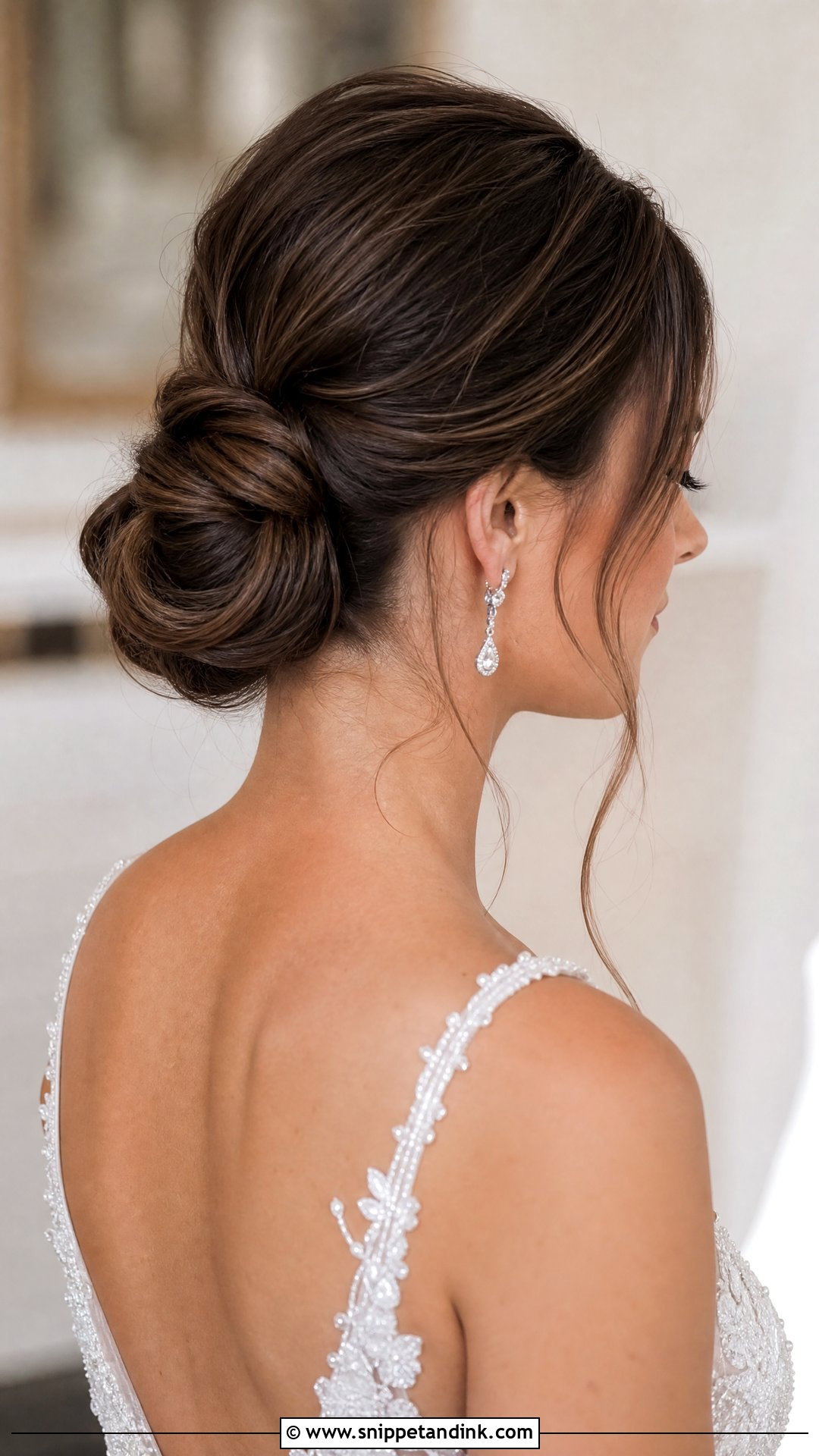
On fine hair, a tight low bun shows how little hair there is. Keep it loose. I place it at the nape, backcomb the crown first for height, then roll the length into the bun and pin it with U-pins placed around the edge rather than through the middle. A few soft tendrils at the face. If your hair is very thin at the ends, a small bun padding or a donut in your own hair shade bulks it out without anyone noticing. It goes well with a formal gown and holds through a long evening.
10. Twisted Updo for Thin Hair
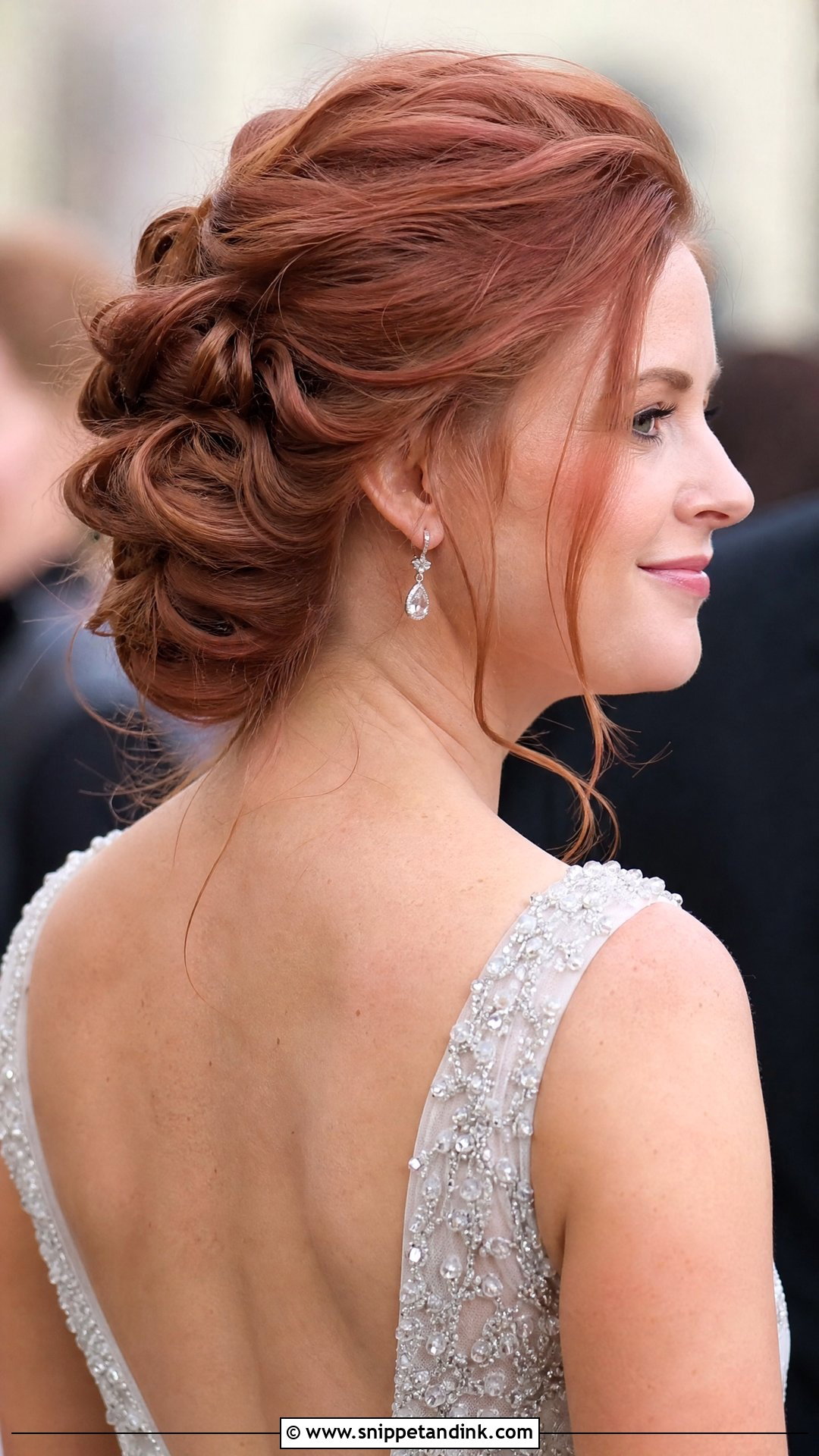
Twists add shadow and dimension, and they do a good job of hiding thin patches. Start from hair that’s been curled or sprayed with texture, because silky straight hair unravels out of twists within the hour. Lift the roots, take sections one at a time, twist each and pin it loosely into a soft shape at the back. Pull a few pieces free at the end. It looks more involved than it really is, and it suits a formal evening reception.
11. Curly Updo for Fine Hair
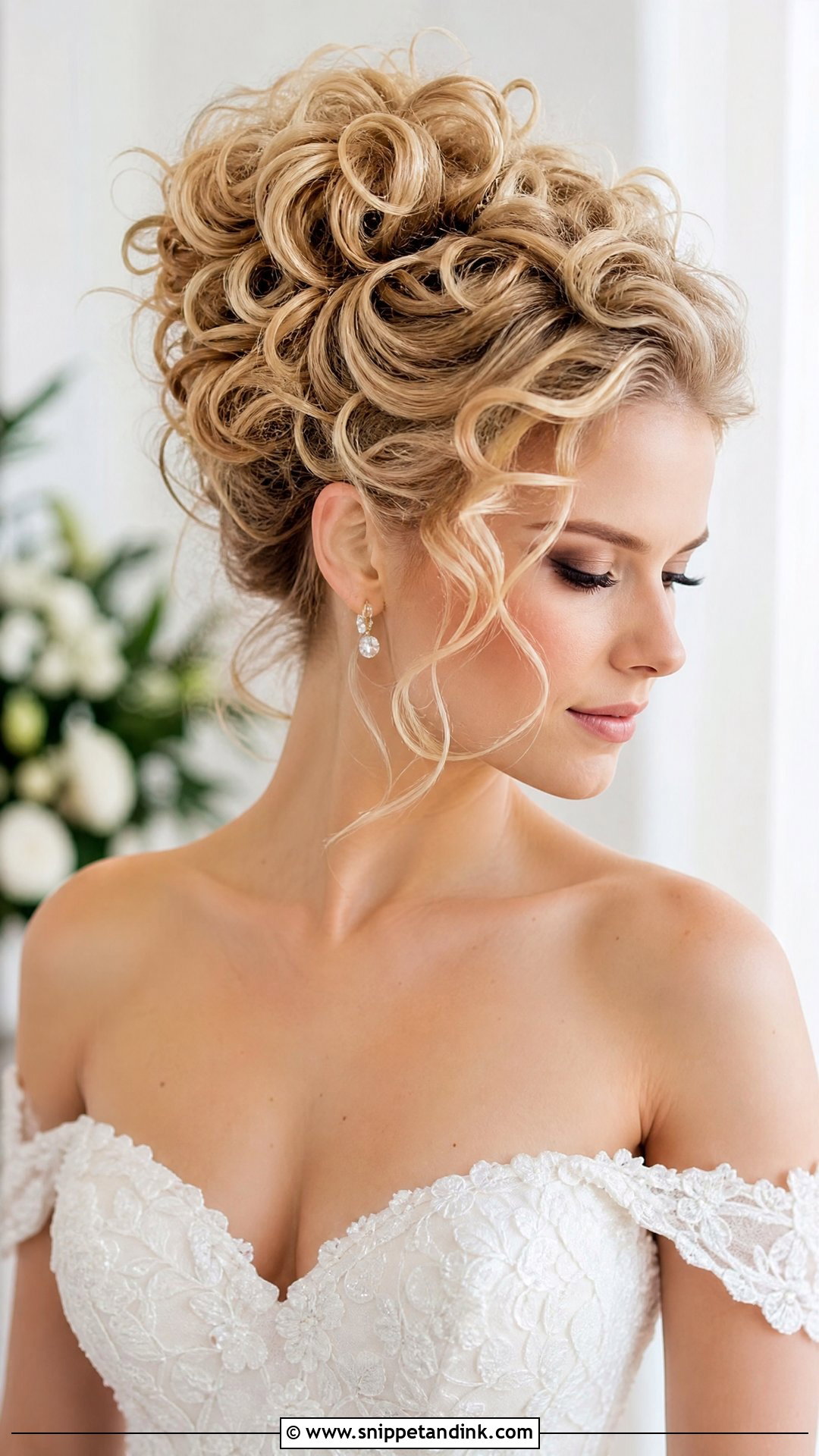
Curls give fine hair the biggest volume boost of all, and a curly updo is the fullest result you’ll get. I curl small sections, pin each curl into a loop while it’s still warm, and let them cool before arranging them in clusters at the back of the head. Backcomb the roots before pinning. A flexible spray keeps the curls springy, not crisp. I’d steer guests with very slippery hair away from this if they can’t do a trial, because it relies on the curls staying set. Pretty with delicate earrings and an off-shoulder neckline.
12. Low Knotted Bun for Fine Hair
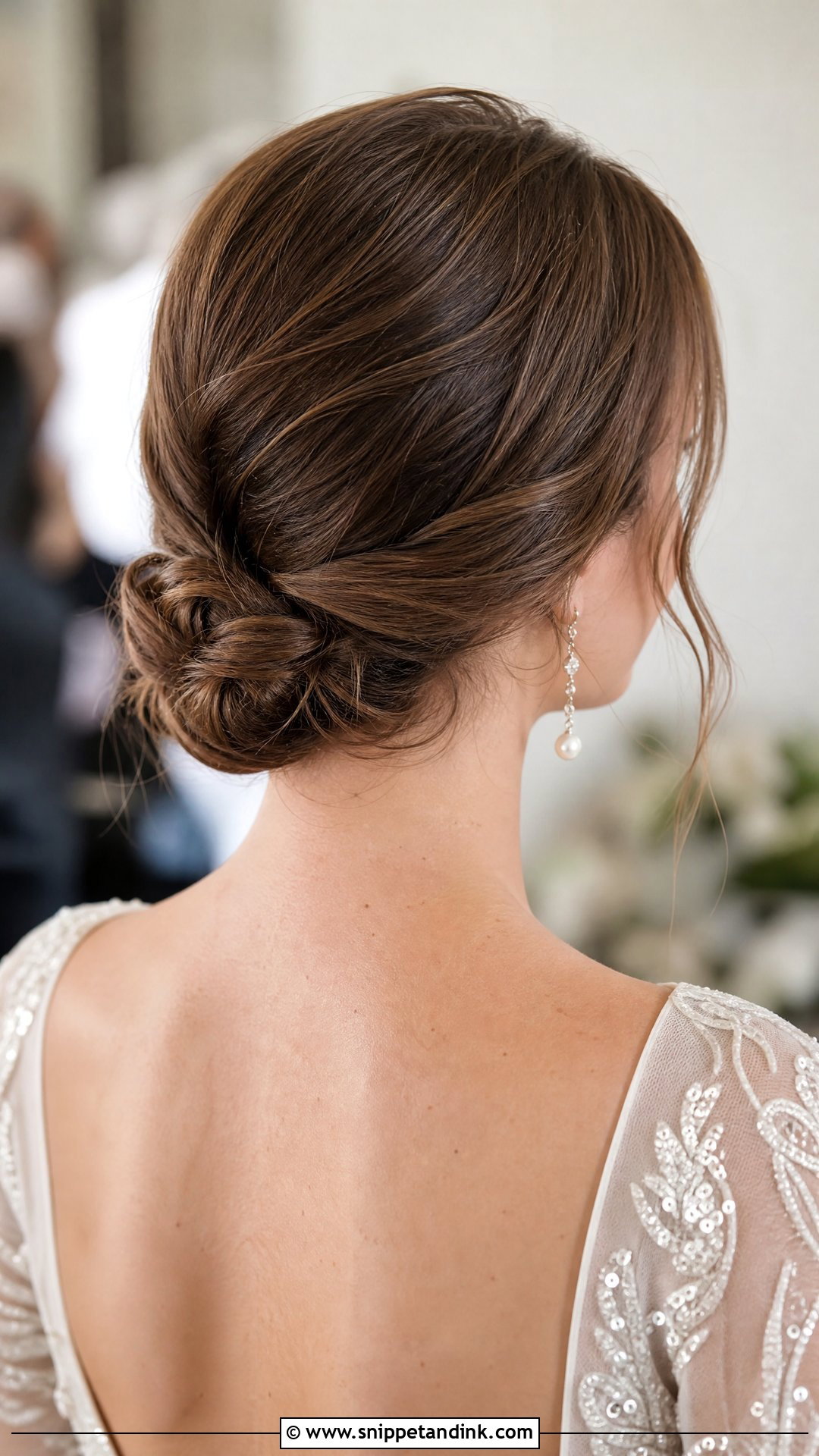
Instead of coiling the hair, you tie it. Split the hair into two sections at the nape, knot them together once or twice, and tuck the ends underneath with pins. The knots make the bun look denser than a plain coil, which suits thin strands. Spray texture first so the knot doesn’t loosen as you move your head. Keep it slightly loose. It works for formal and semi-formal weddings and is quick to do yourself once you’ve practised it twice.
13. Tousled Lob for Thin Hair
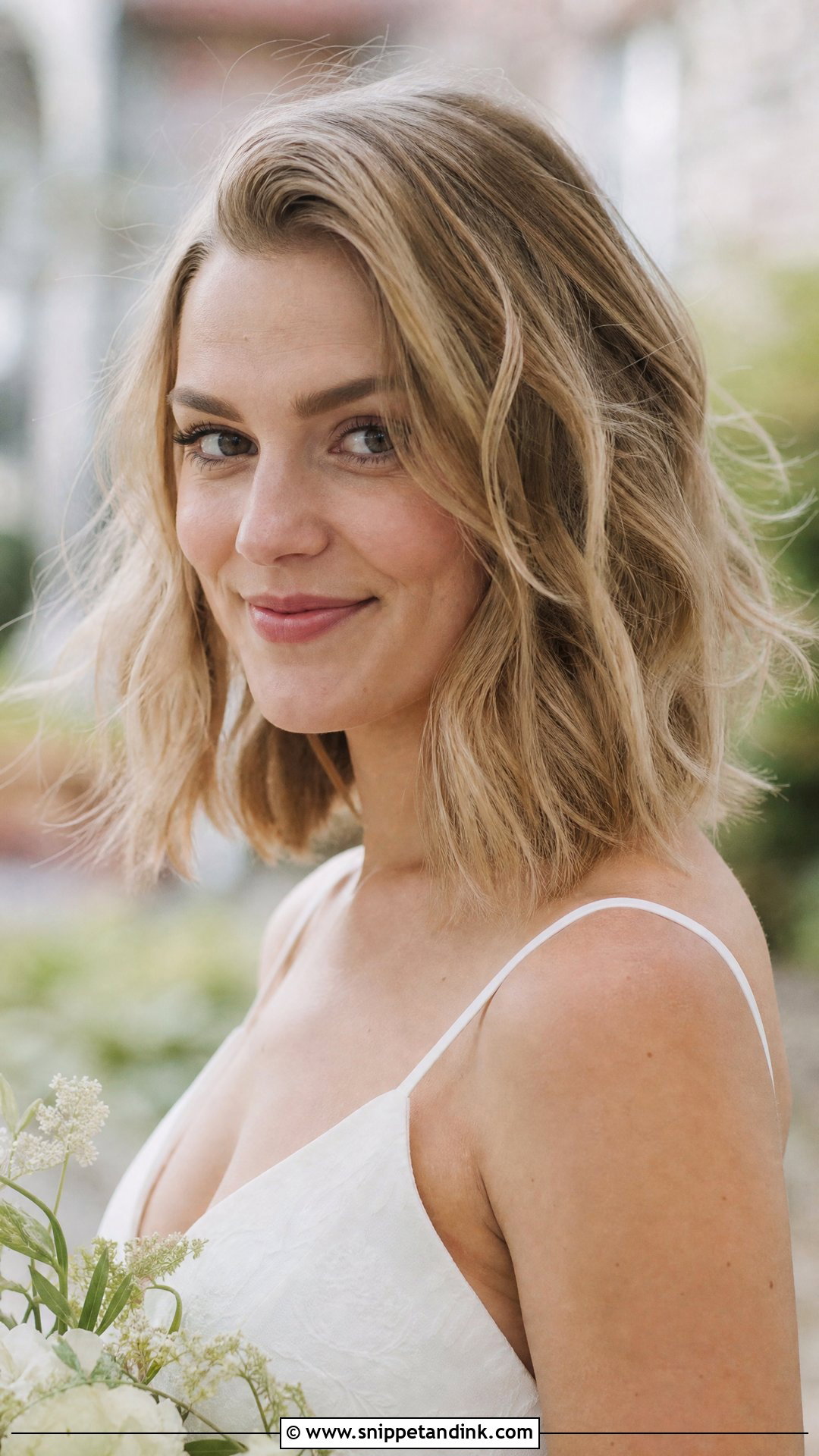
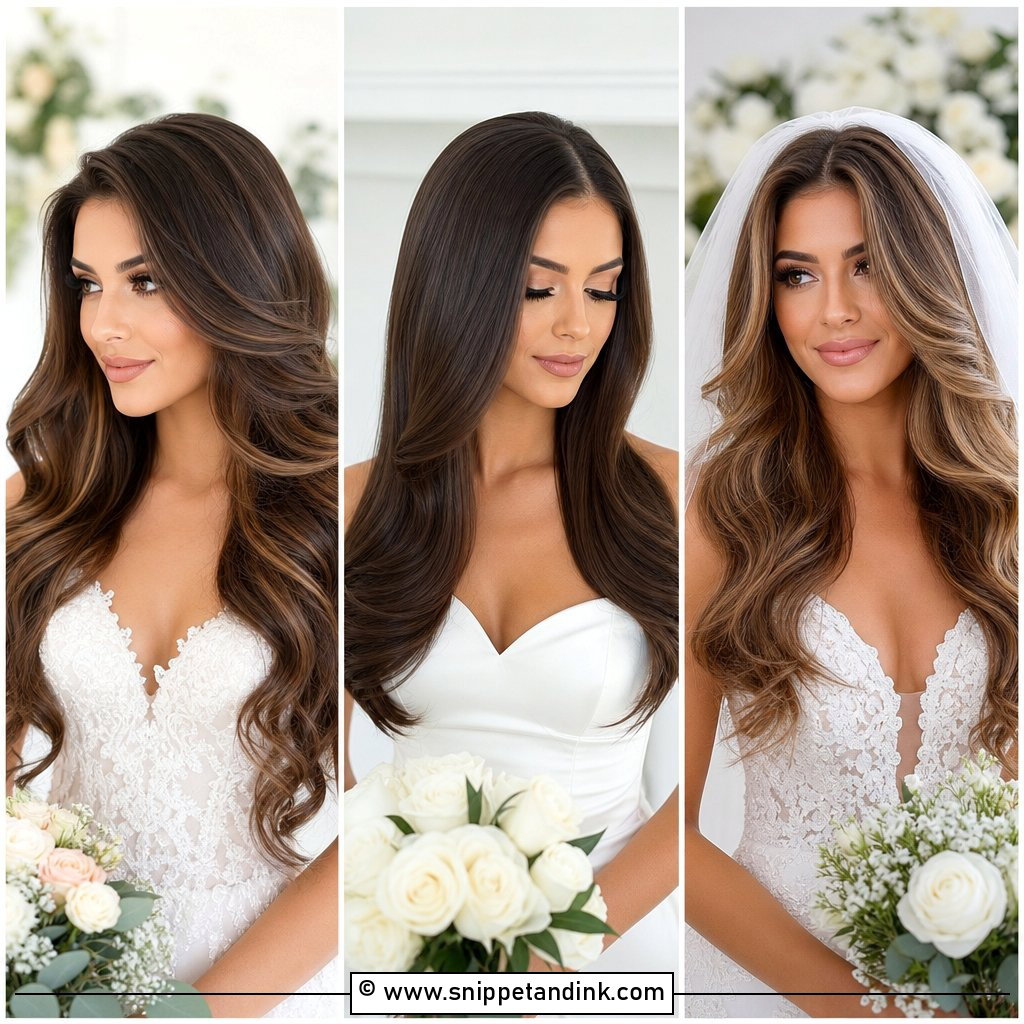
Wearing hair down? A tousled lob is one of the best cuts fine hair can have, because removing length takes away the weight that drags it flat. Add loose bends with a flat iron, leaving the last inch straight, and work volumizing mousse into the roots before drying. Fine hair goes limp if you load it with oil or serum, so keep shine products to the very ends. It needs very little upkeep through the day, which makes it practical for casual daytime and outdoor weddings.
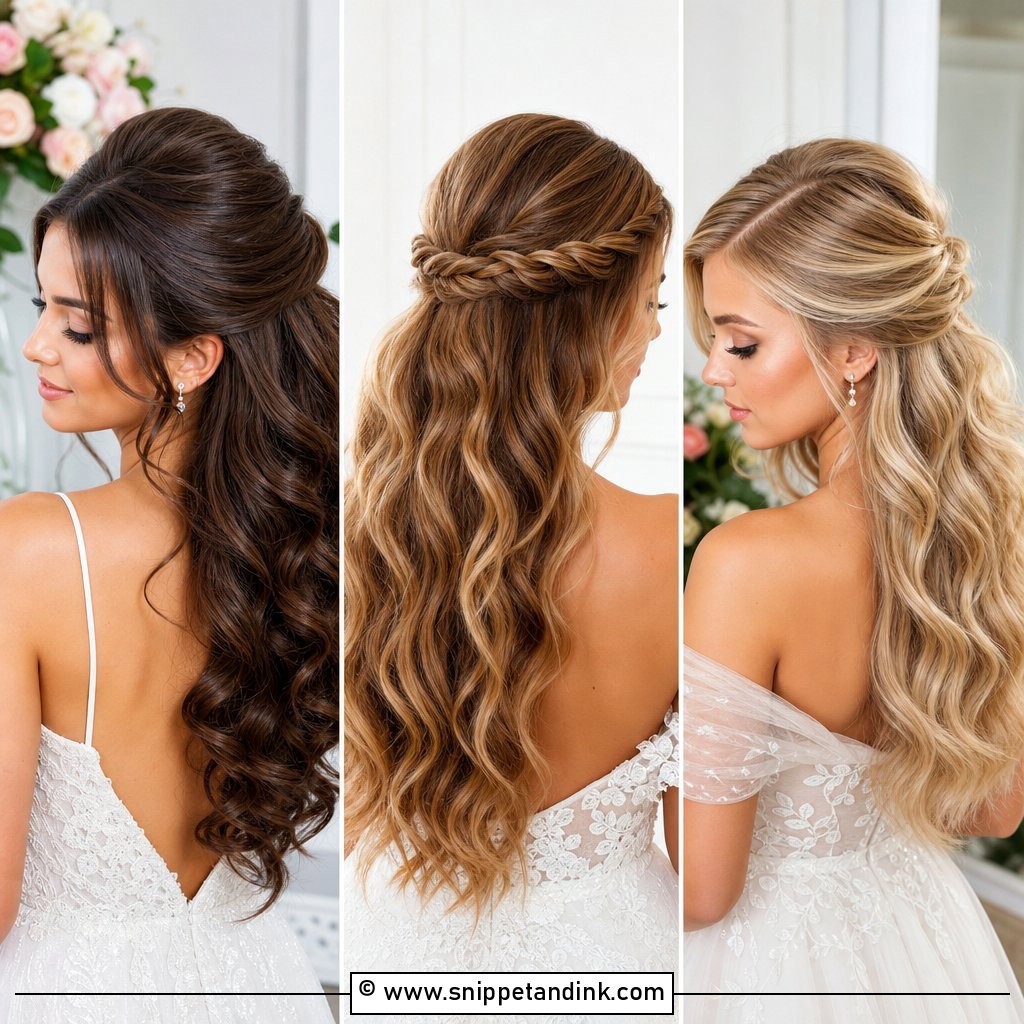
14. Pinned Back Waves for Fine Hair
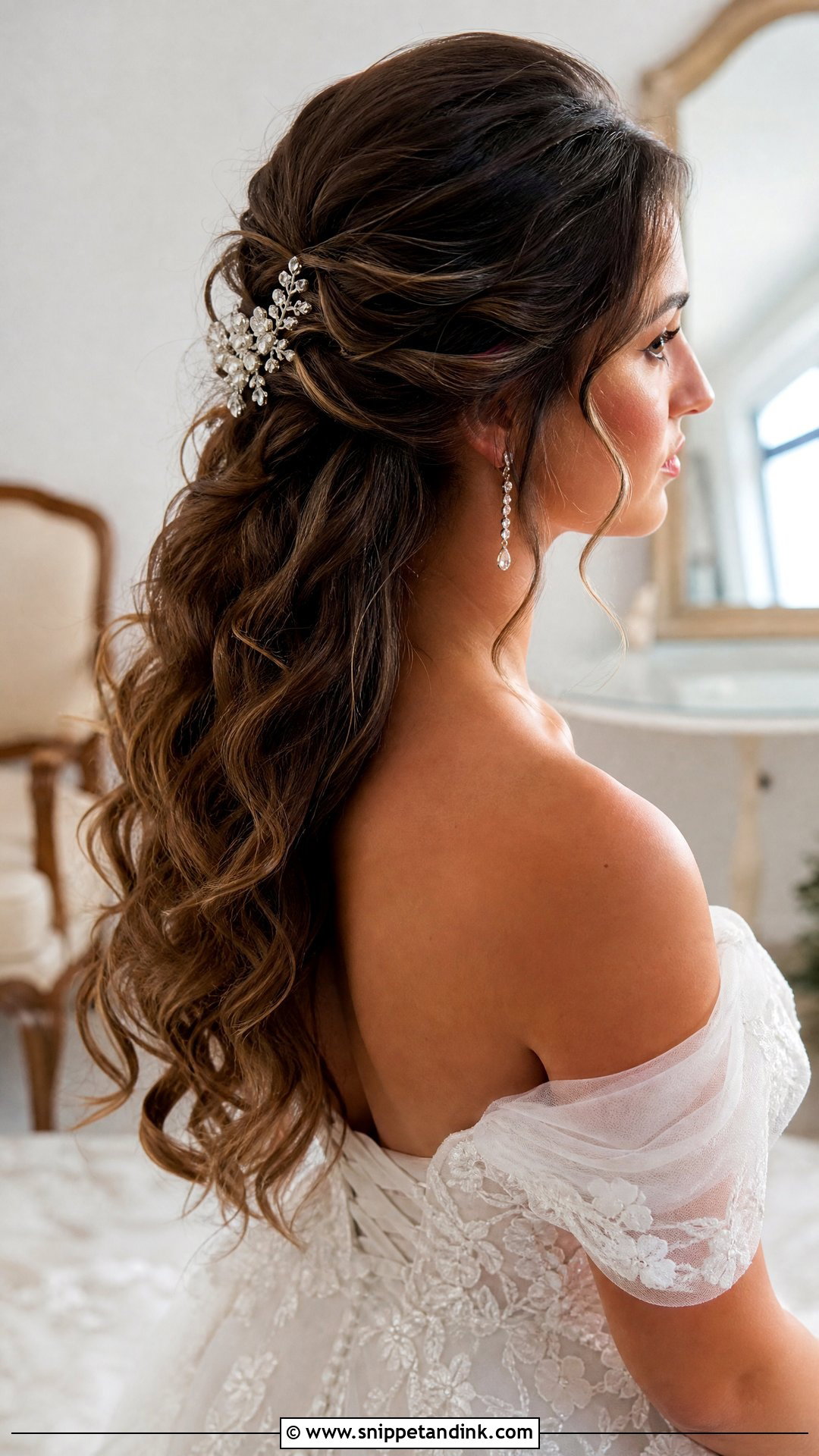
Curl the hair into loose waves, then gather the sides and pin them at the back with decorative pins. Fine hair from the sides is often too light to hold the pin alone, so I twist each side once before pinning and place a plain pin underneath as an anchor, with the decorative one sitting on top. The length flows free and the crown keeps its height from a little backcombing. It suits medium to long hair, and visible pins add some sparkle for an evening wedding.
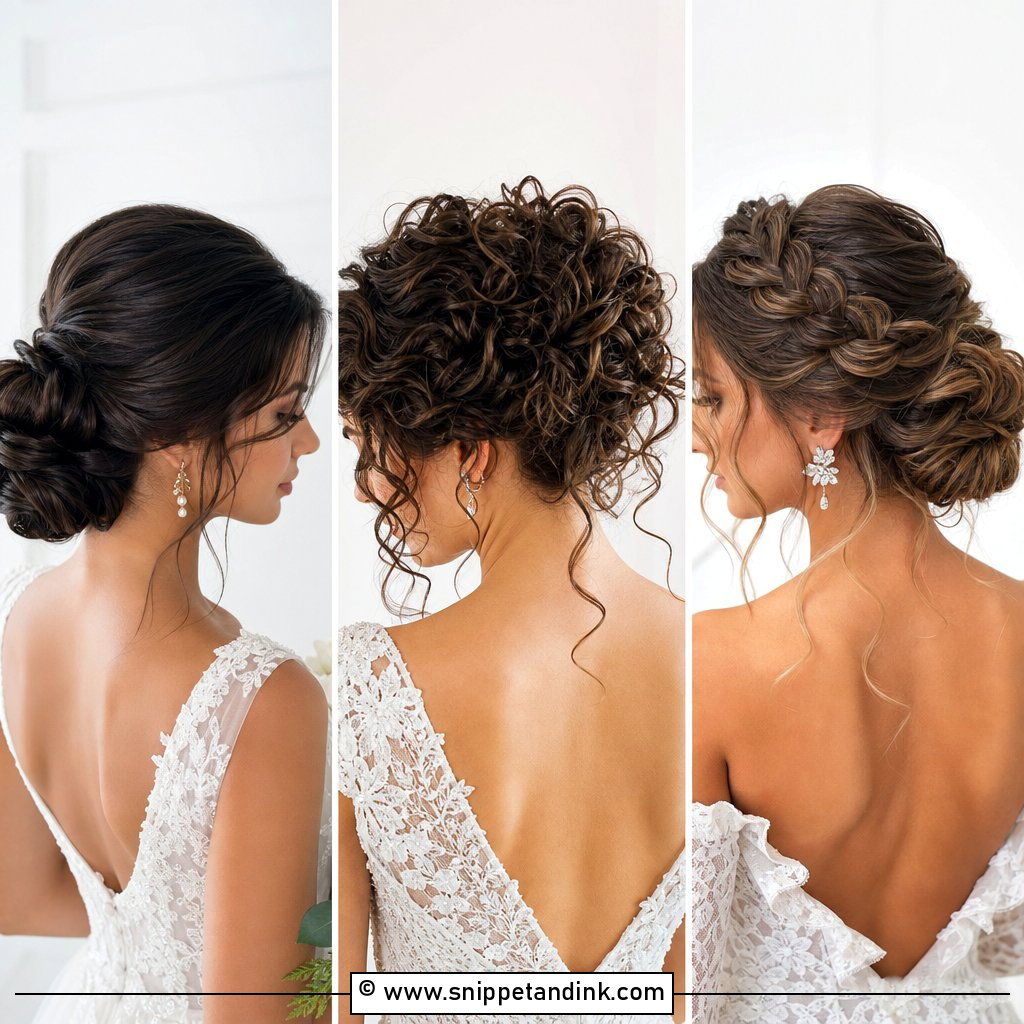
15. French Twist for Thin Hair
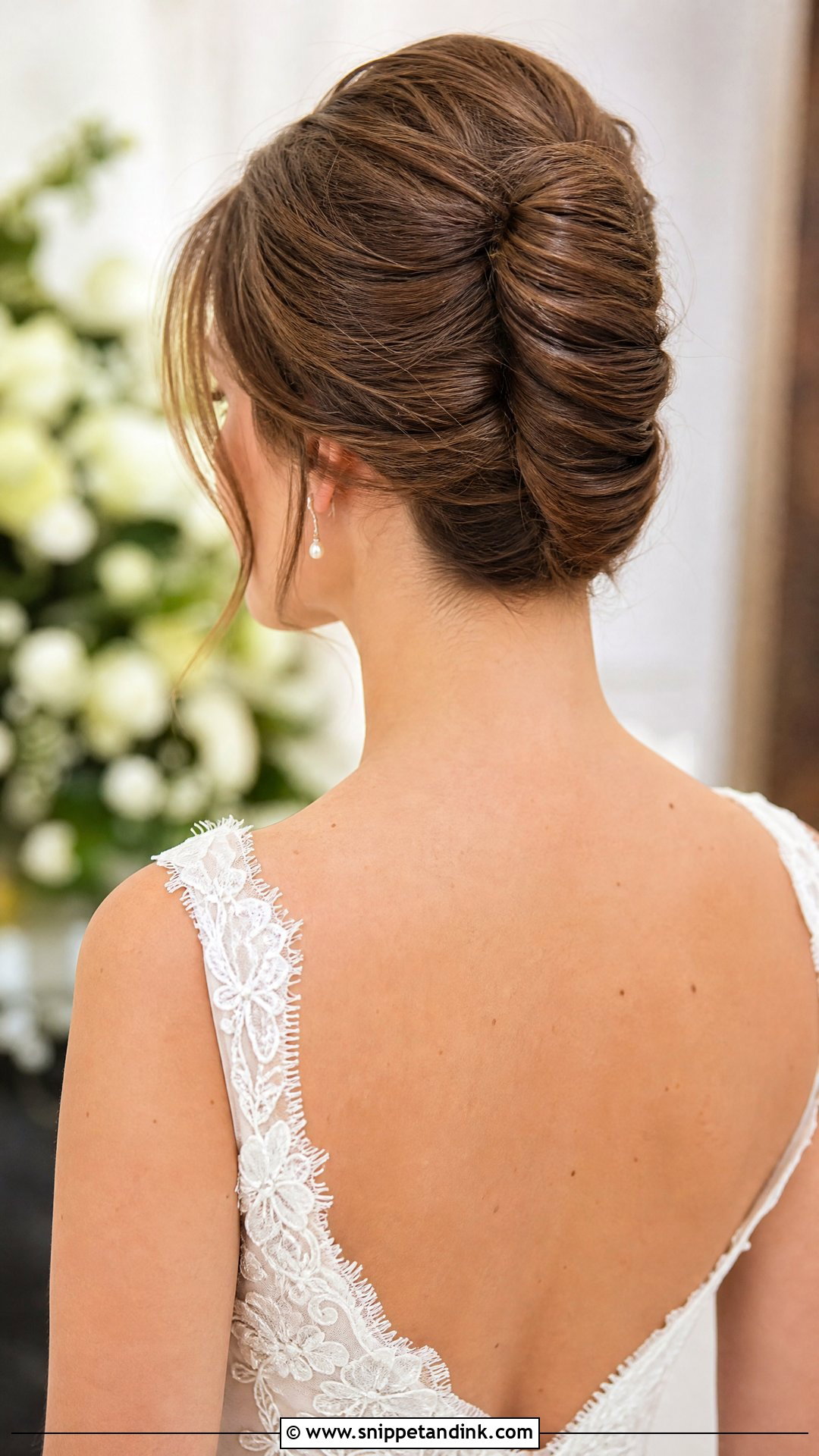
A French twist has a clean, vertical line that suits dressier, traditional celebrations. Backcomb the hair through the middle lengths, smooth the top layer, then gather it to one side and roll it up the back of the head, tucking the ends inside and pinning along the seam. Teasing is what gives the roll its shape on fine hair; without it, the twist collapses into a flat fold. Leave a couple of soft pieces at the front. Once pinned properly, it holds all evening.
16. Boho Braided Half-Up for Fine Hair
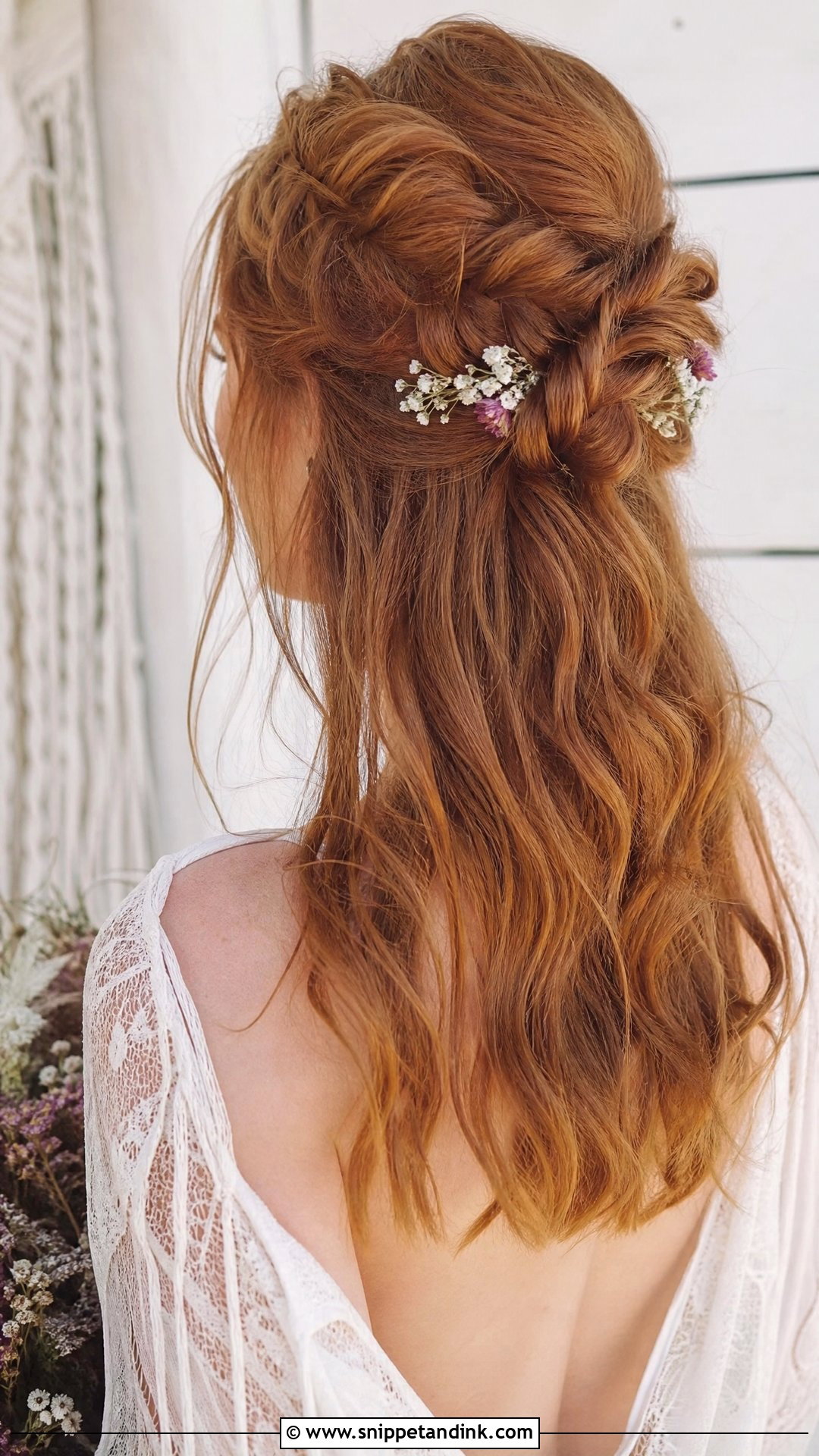
Take a small section from each side, braid them loosely, and pin them together at the back. Pancake the braids by tugging their edges, then leave the rest of the hair in soft waves. On fine hair I keep the sections a bit wider than usual so the braids don’t look like thin threads. It frames the face and keeps it clear of hair, suits a garden or beach wedding, and takes tiny flowers or pins well.
17. Volumized Blowout for Fine Hair
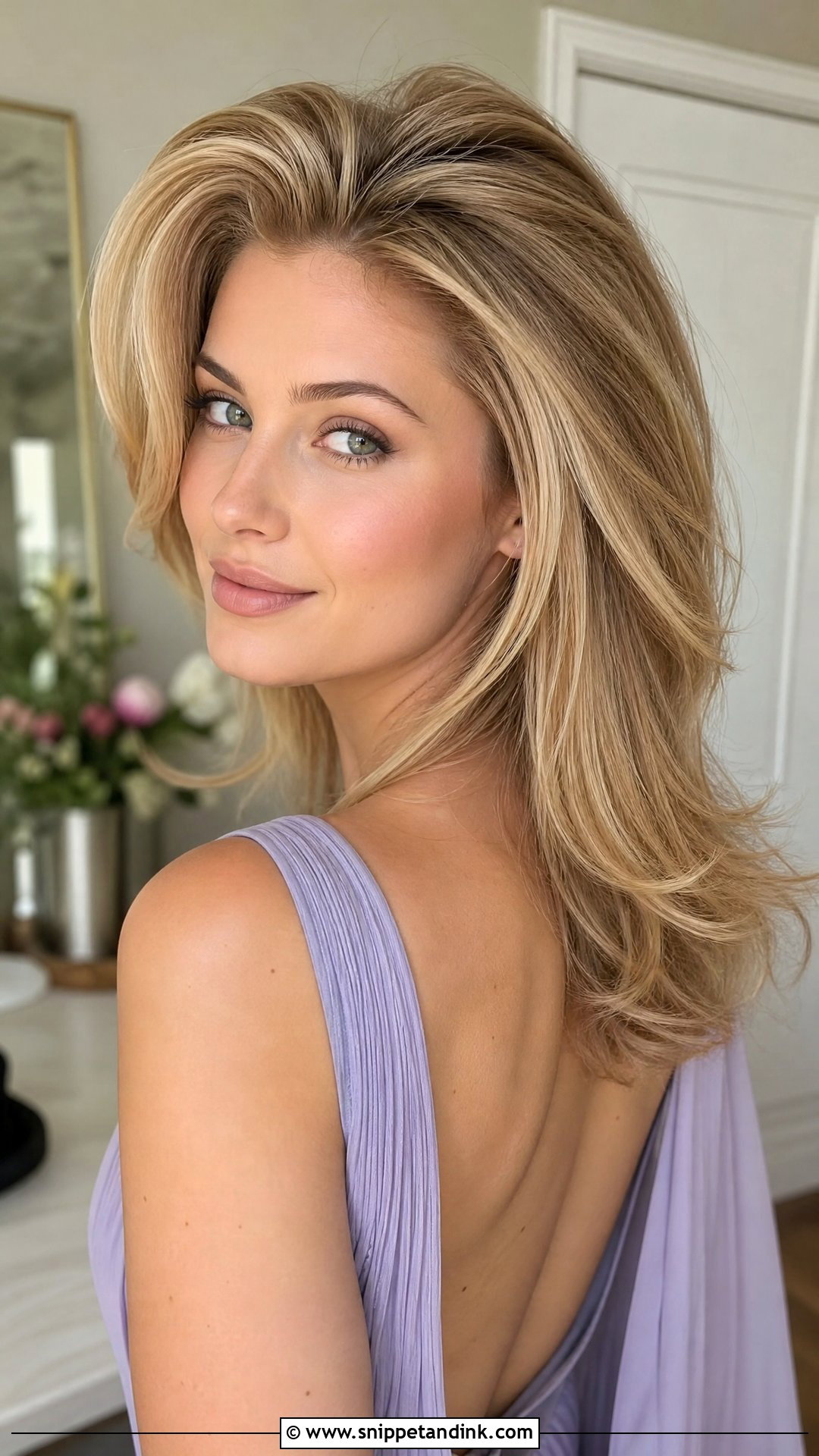
A bouncy blowout is the classic way to wear fine hair down. Apply a root-lifting product to damp roots, dry with a round brush lifting each section straight up, and set the ends in velcro or hot rollers while they cool. Ten minutes in the rollers makes the volume last hours longer than a blow-dry alone. The result moves when you walk. It works for daytime and evening weddings. If you’ll be outside in humidity, I’d choose an updo instead, since a fine-hair blowout is the first style to flatten in damp air.
18. Side Swept Updo for Thin Hair
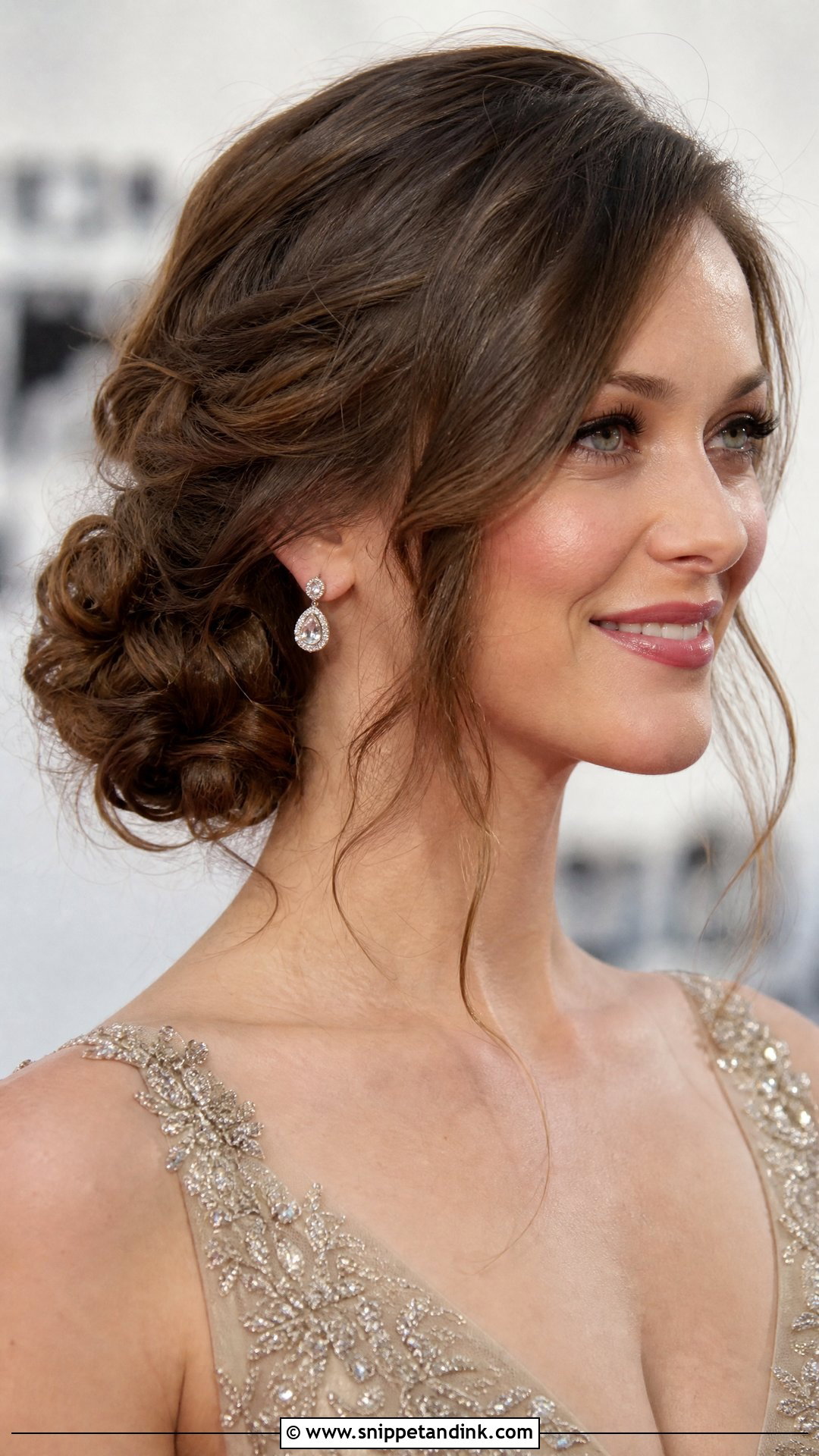
Gather the hair to one side and pin it into a soft, low bun or twist behind the ear. Collecting it all in one spot makes the hair look denser there. Tease the crown for height before sweeping, and anchor the sweep with criss-crossed pins behind the opposite ear so it doesn’t slide. Leave a few loose tendrils. One ear on show means earrings matter. It sits well at a formal evening reception and holds its shape well in photos.
19. Accessorized Low Bun for Fine Hair
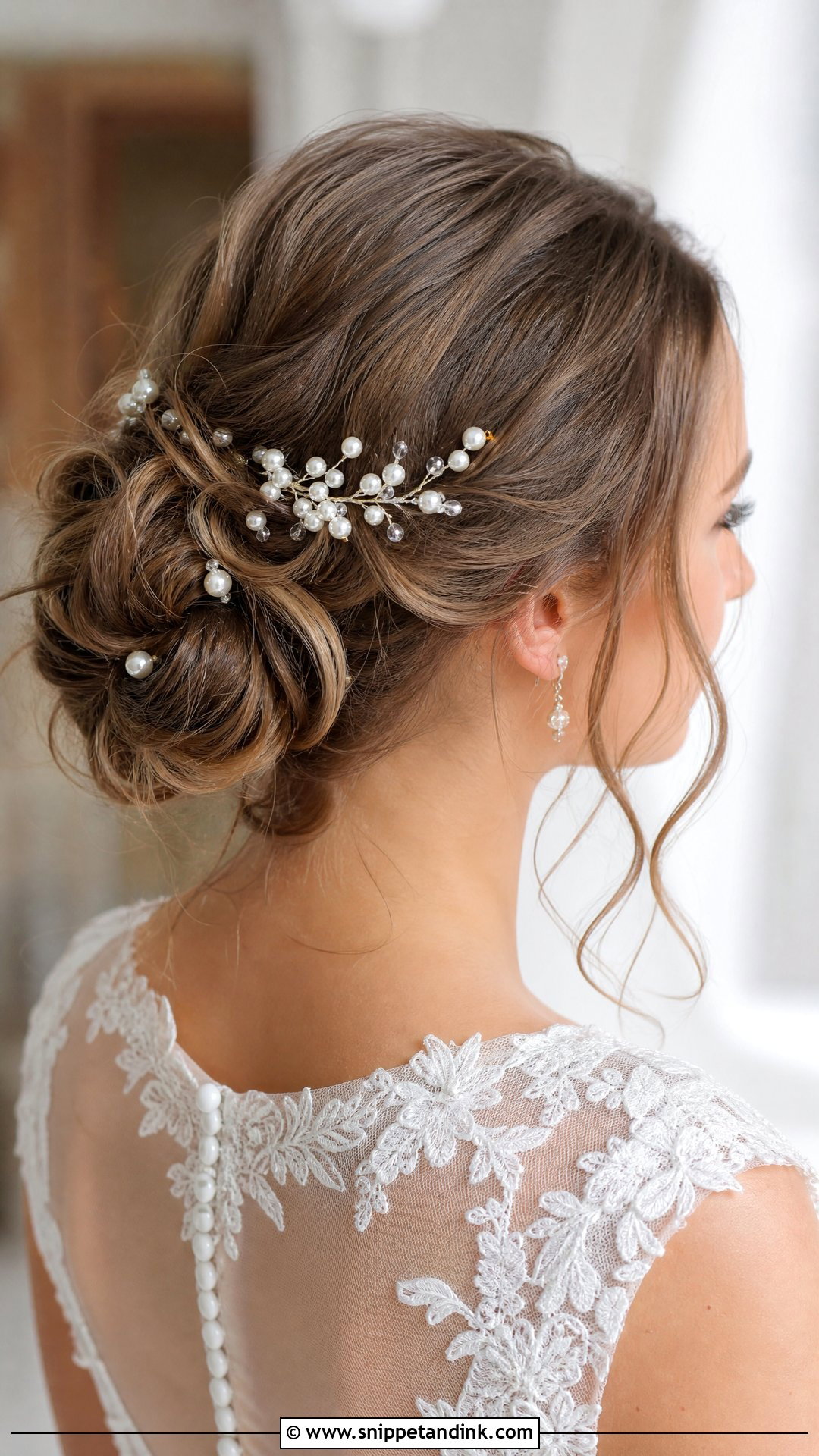
A comb, pearl pins or a small hair vine turn a plain low bun into something dressier, and on fine hair they cover thin spots too. Build a loose, lightly teased low bun first. Then slide the comb in with its teeth pointing against the direction of the hair, so it hooks into the bun rather than sliding out. Fine hair can’t carry a heavy accessory, so I’d keep it small and light. Match it to your outfit or the wedding theme. The accessorized low bun suits a formal day.
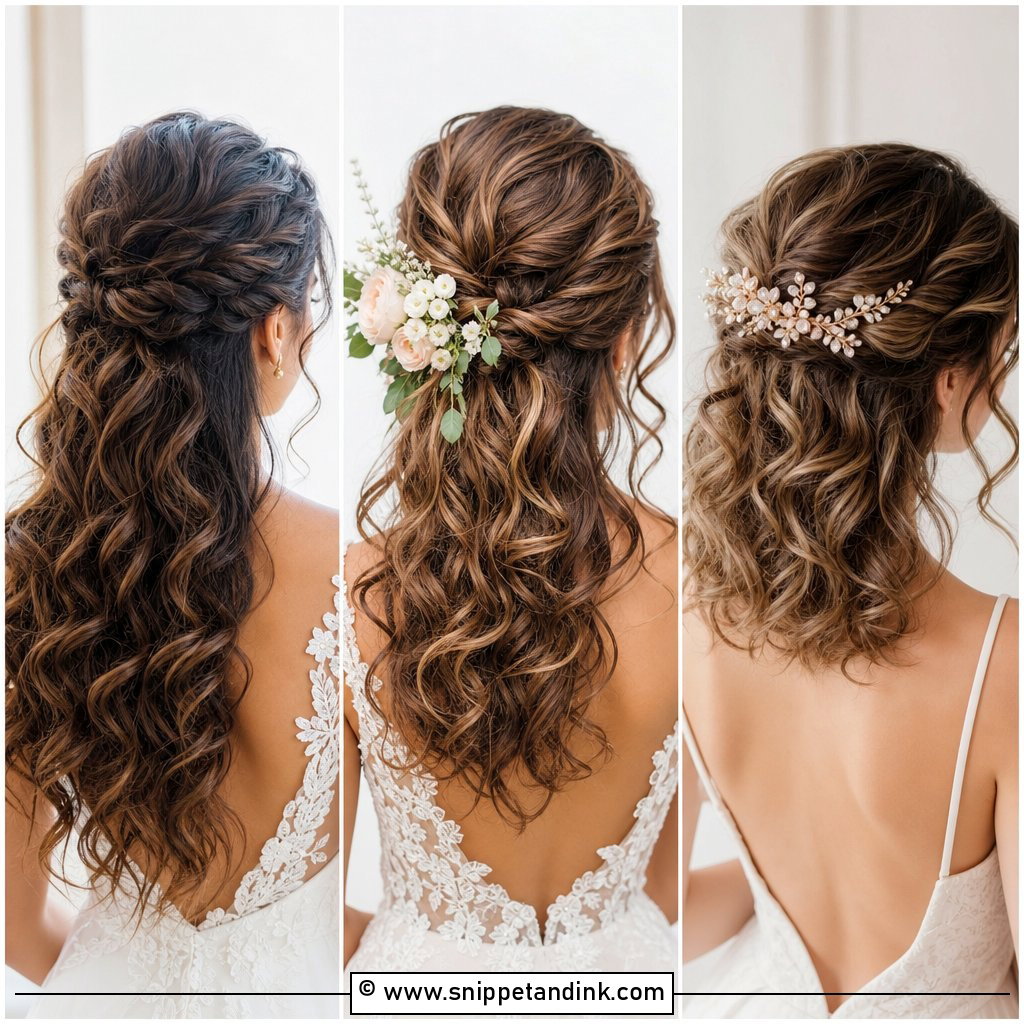
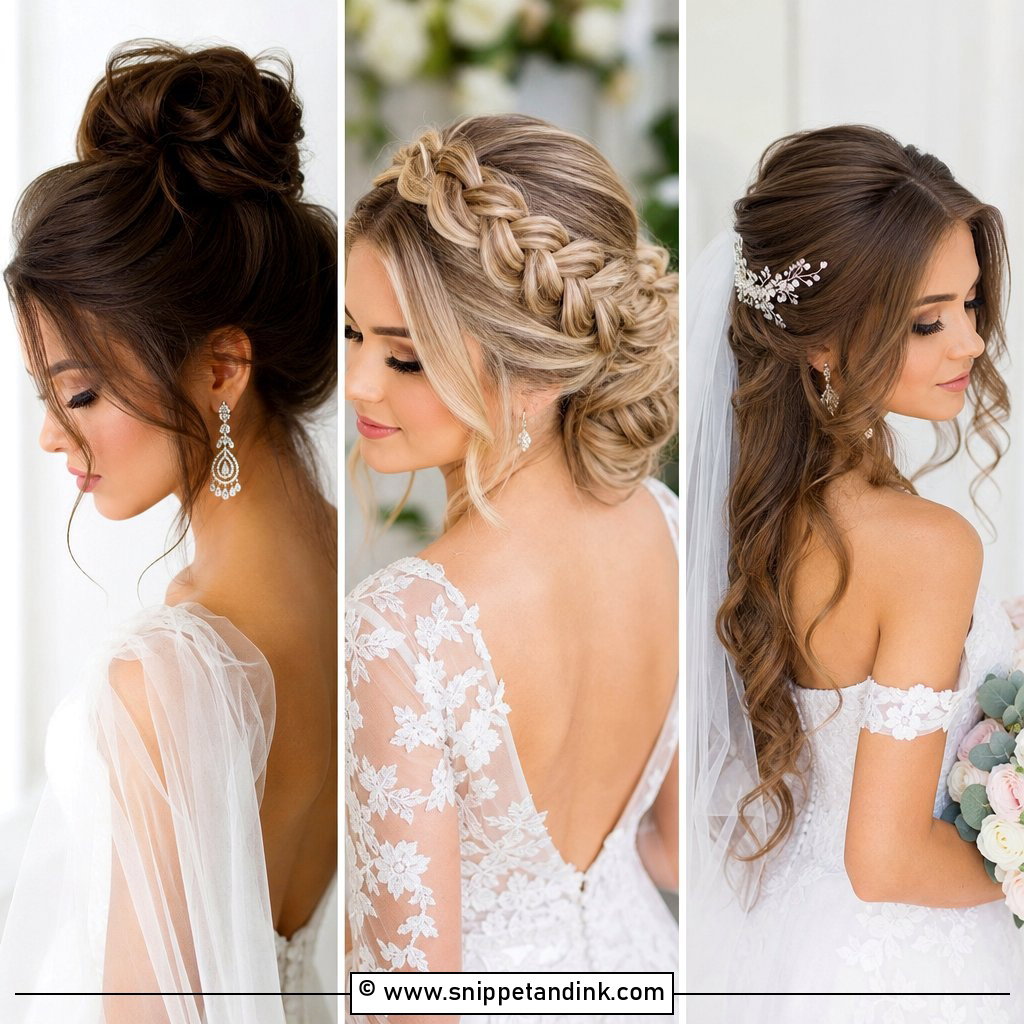
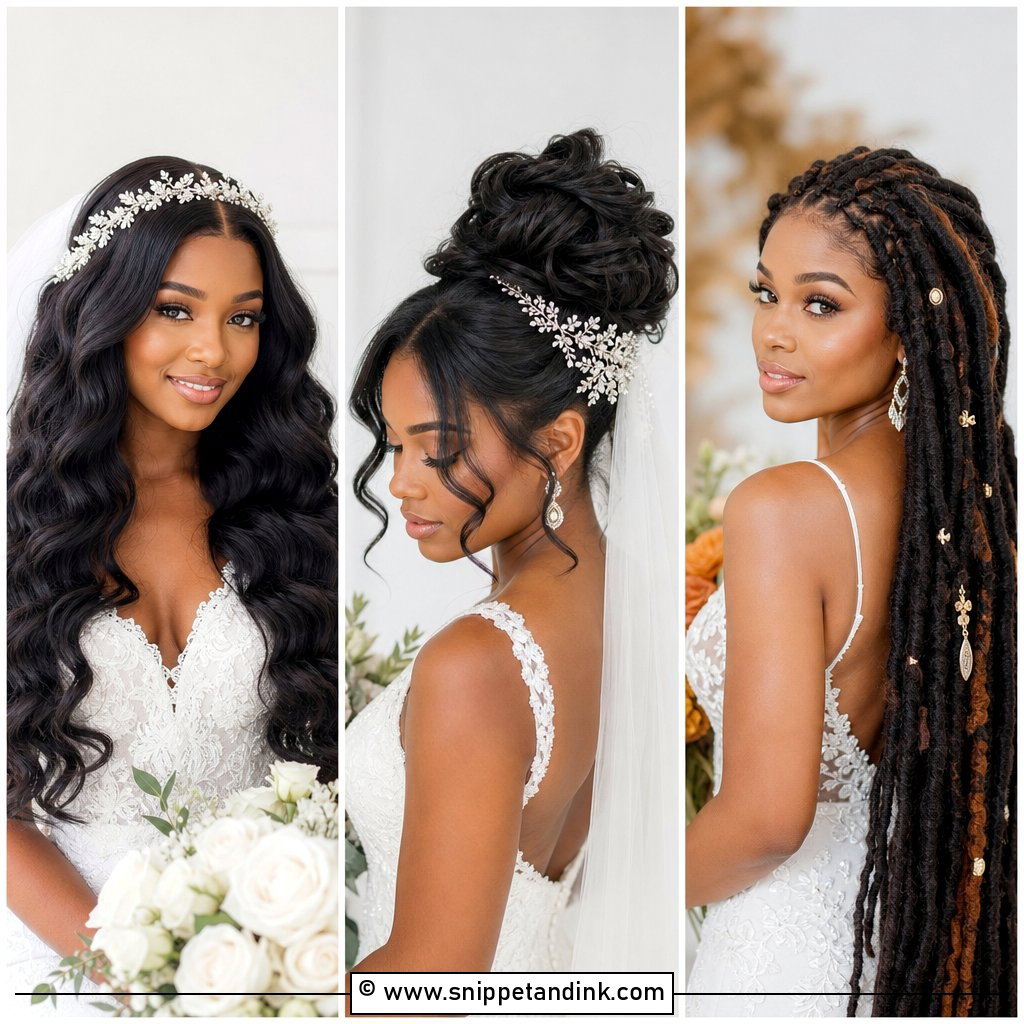
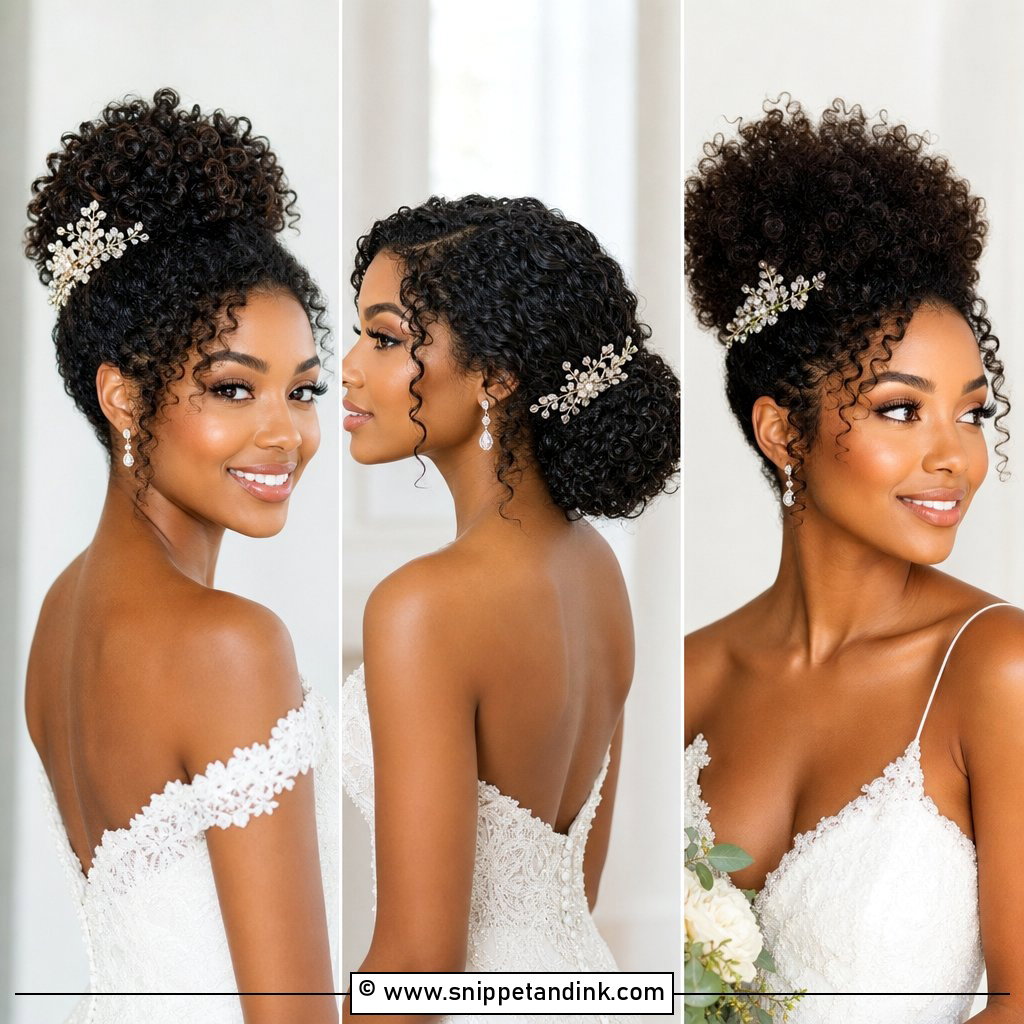
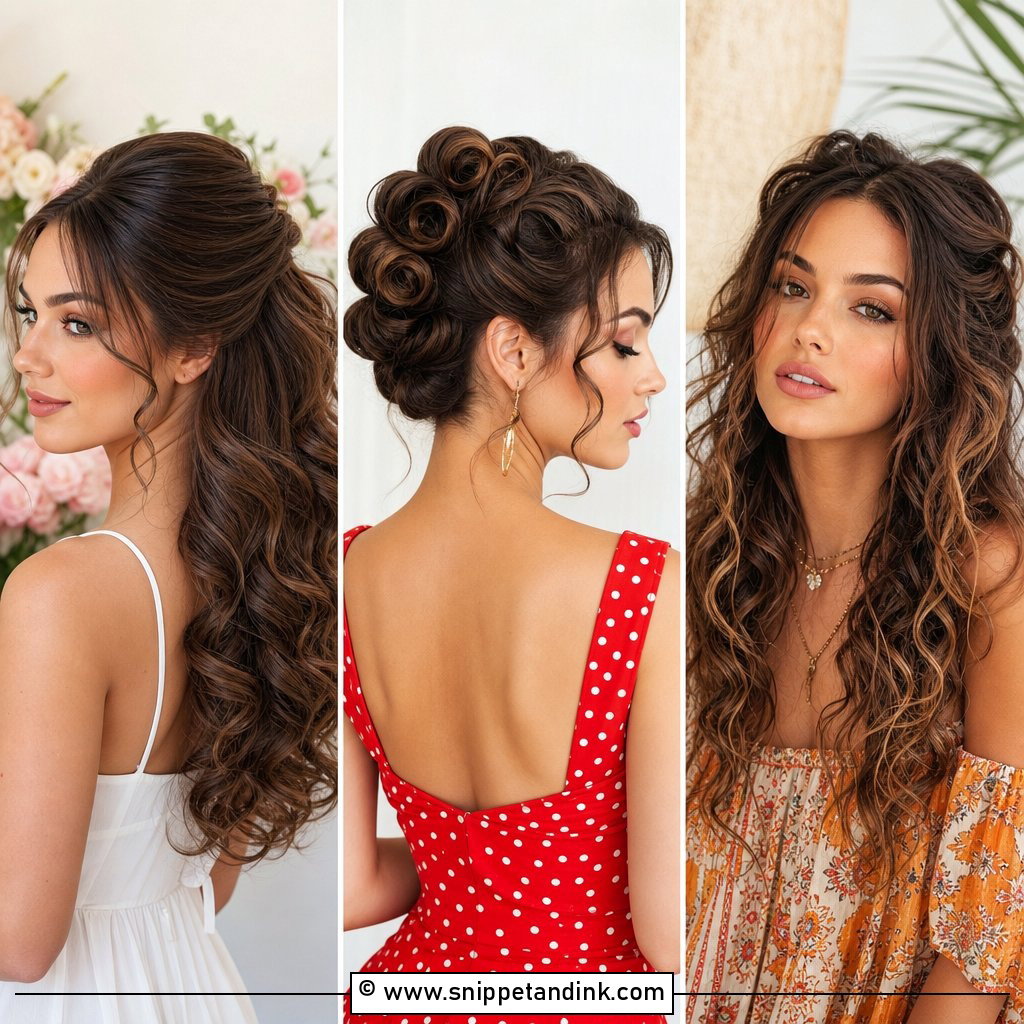
20. Textured Pixie for Fine Hair
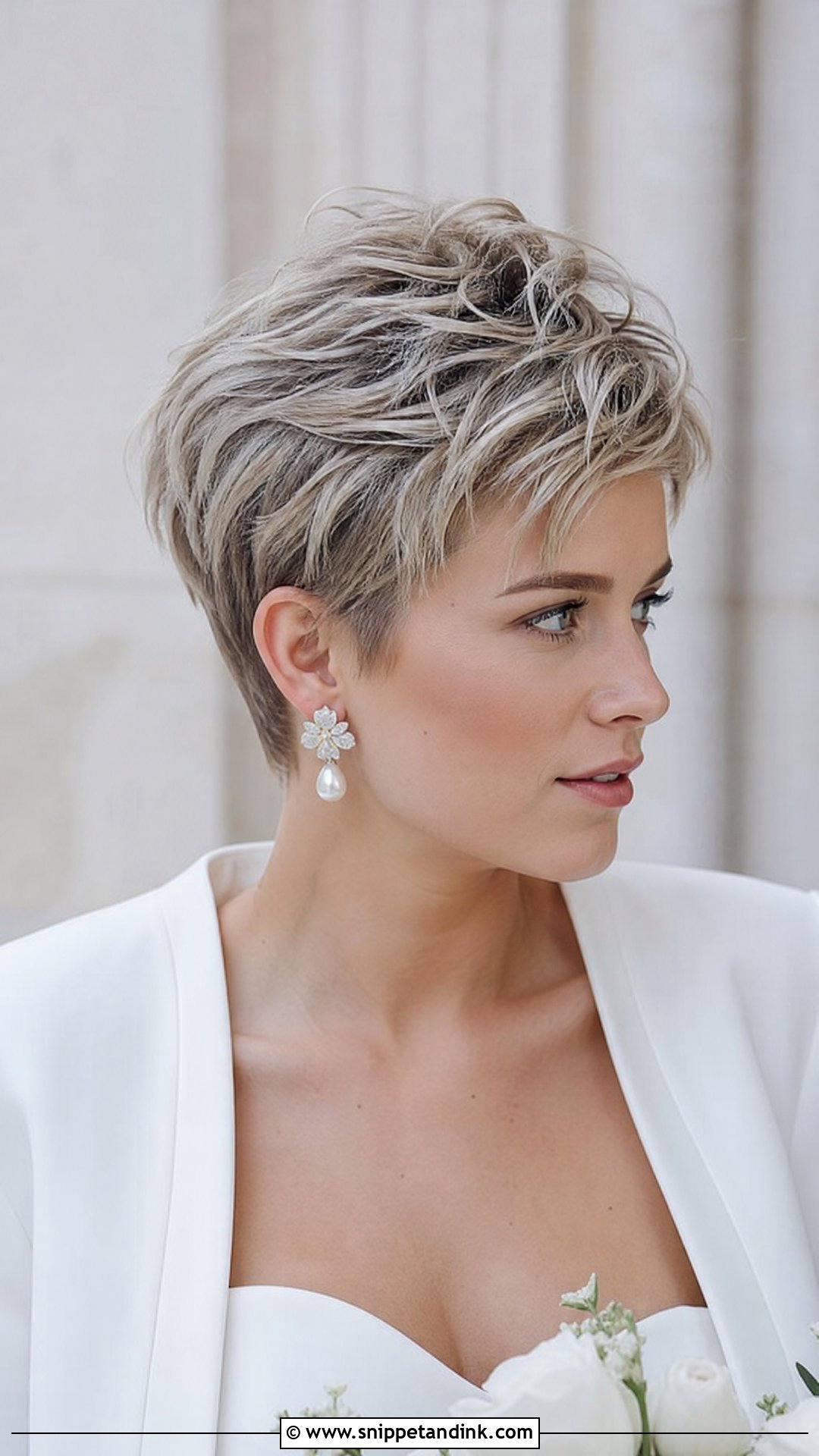
Short fine hair has an advantage: short cuts lift on their own. For a wedding I’d rub a pea-sized amount of matte pomade or styling cream between the palms and work it into the ends, defining the layers rather than coating the roots. Gently tease the crown for extra height. A few piecey strands around the face keep it soft. Go easy on shine products, because fine hair turns flat and separated with too much. A textured pixie shows off earrings and a bare neckline, and it suits a modern or minimalist wedding.
Backcombing That Brushes Out Without Breakage
Teasing comes up in almost every style here, and fine hair is the texture that suffers most if it’s done roughly. The hair breaks easily, and a nest of knots at the crown is no fun to deal with after a late night.
Work on sections about an inch wide. Hold the section straight up, place a fine-tooth comb a few inches from the root and push it gently down toward the scalp two or three times. Don’t saw back and forth. You only need padding at the root, so leave the outer layer smooth and lay it over the top.
At the end of the night, take the pins out first and count them if you can. Then work a little conditioner or a detangling spray into the teased area and comb from the ends upward, a few inches at a time. Pulling a brush down from the root is what snaps fine hair. The rest of the knots wash out easily the next morning.
Give Fine Hair Grip First and the Volume Follows
Fine hair looks fuller at a wedding when you work with its texture instead of against it. Grip comes first: texture spray, a little backcombing, a hidden elastic under any updo. Then curls need to cool before you touch them, and braids get pulled wider once they’re tied. A chignon, a braided pony or a textured pixie can all look full with that groundwork. Pick the style that suits your length and the dress, then practise it at least once before the day.
You'll Like These Ideas:


Leave a Reply