
Fine hair isn’t the same as thin hair. Fine refers to the width of each strand, and a bride can have plenty of strands that are each so slim they slide out of pins and lose a curl by the first toast. I don’t try to make that hair behave like thick hair. I build grip into it, then choose shapes that create the illusion of volume through texture and placement rather than sheer amount. The 20 styles below are the ones I trust on fine hair, with a note on each about what makes it hold and where it can let you down.
Why Fine Strands Lose Their Curl by Dinner
Each fine strand holds less shape than a thicker one, and it’s smooth enough that pins slide straight out of it. Clean, freshly conditioned fine hair is the slipperiest of all. So most of my work on fine hair happens before the style itself:
- Wash the night before or the morning of, with a light shampoo and conditioner on the ends only. Unlike thick hair, fine hair can’t wait several days between washes before a style; it goes limp and oily.
- Rough-dry with mousse or a root spray, then add a dry texture spray before curling. That gives the hair some grip.
- Curl in small sections and pin every curl to cool. Fine hair that’s brushed out while still warm loses most of its shape.
- Cross bobby pins in an X, open side down. Two crossed pins hold where one straight pin slides out.
Hidden helpers worth asking about
Nobody sees them, and they change what fine hair can do. A small color-matched bun pad makes a low bun look like it has twice the length behind it. One or two clip-in wefts add enough body for a down style without anyone guessing. And if your scalp shows at the part in photos, a root powder in your shade will hide it under the flash.
1. Soft Cascading Waves for Fine Hair
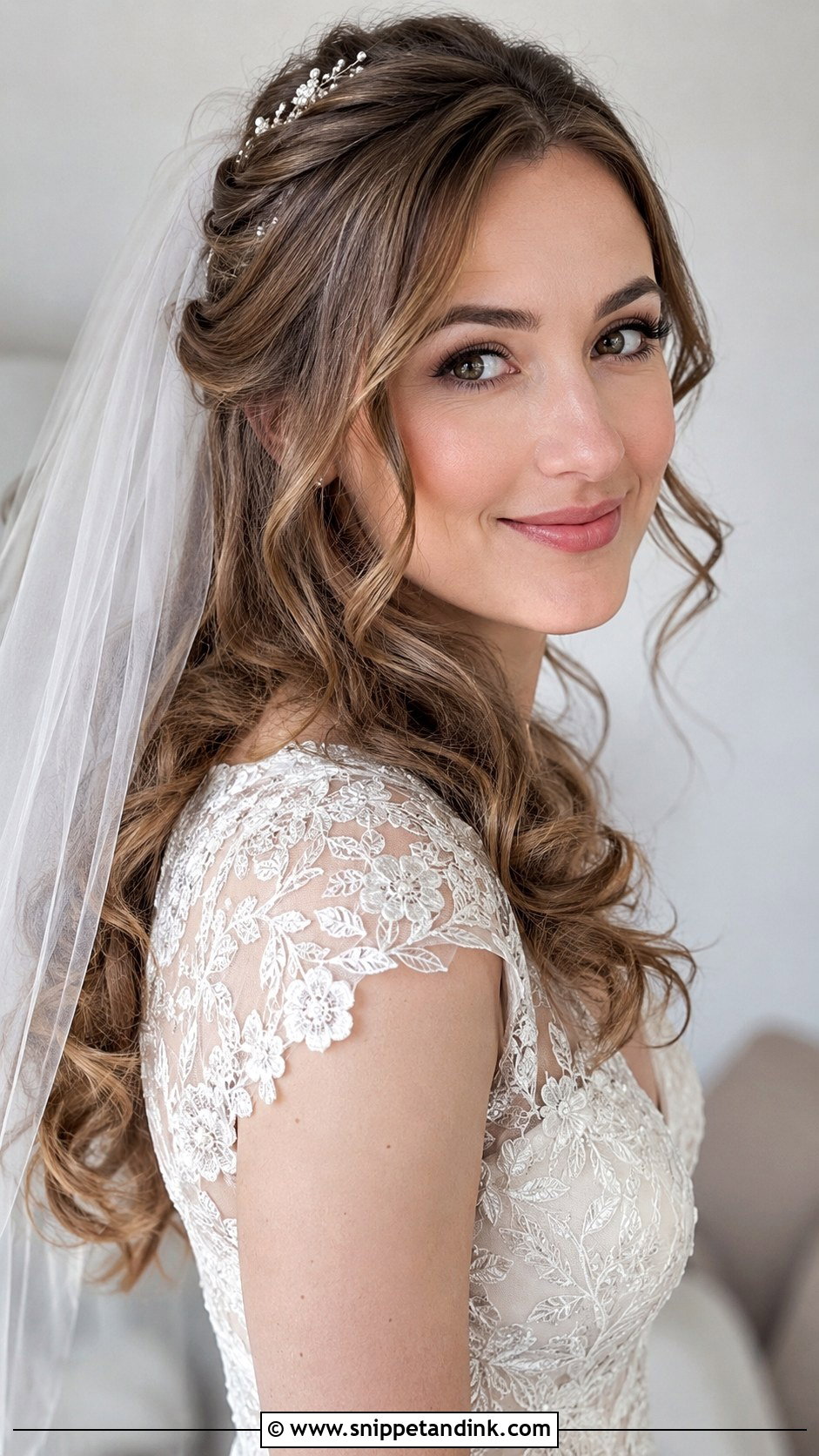
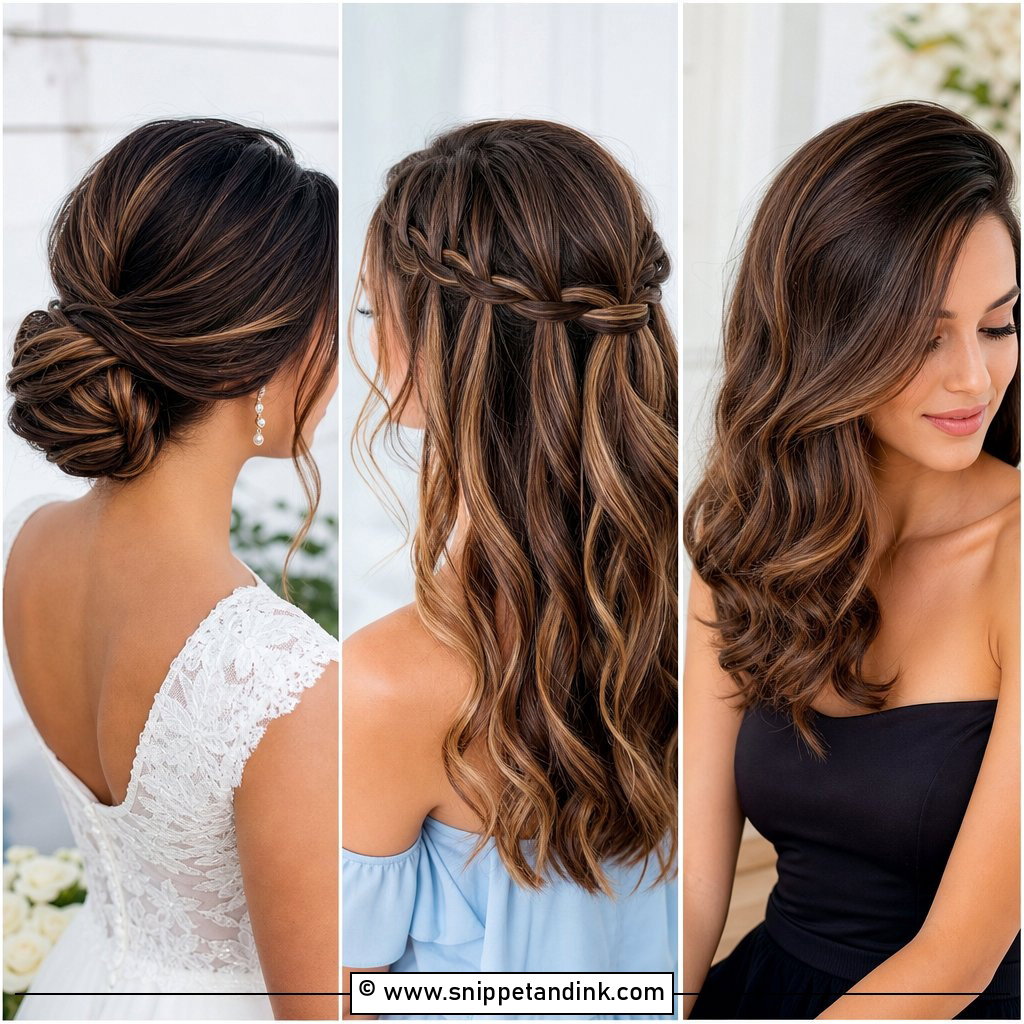
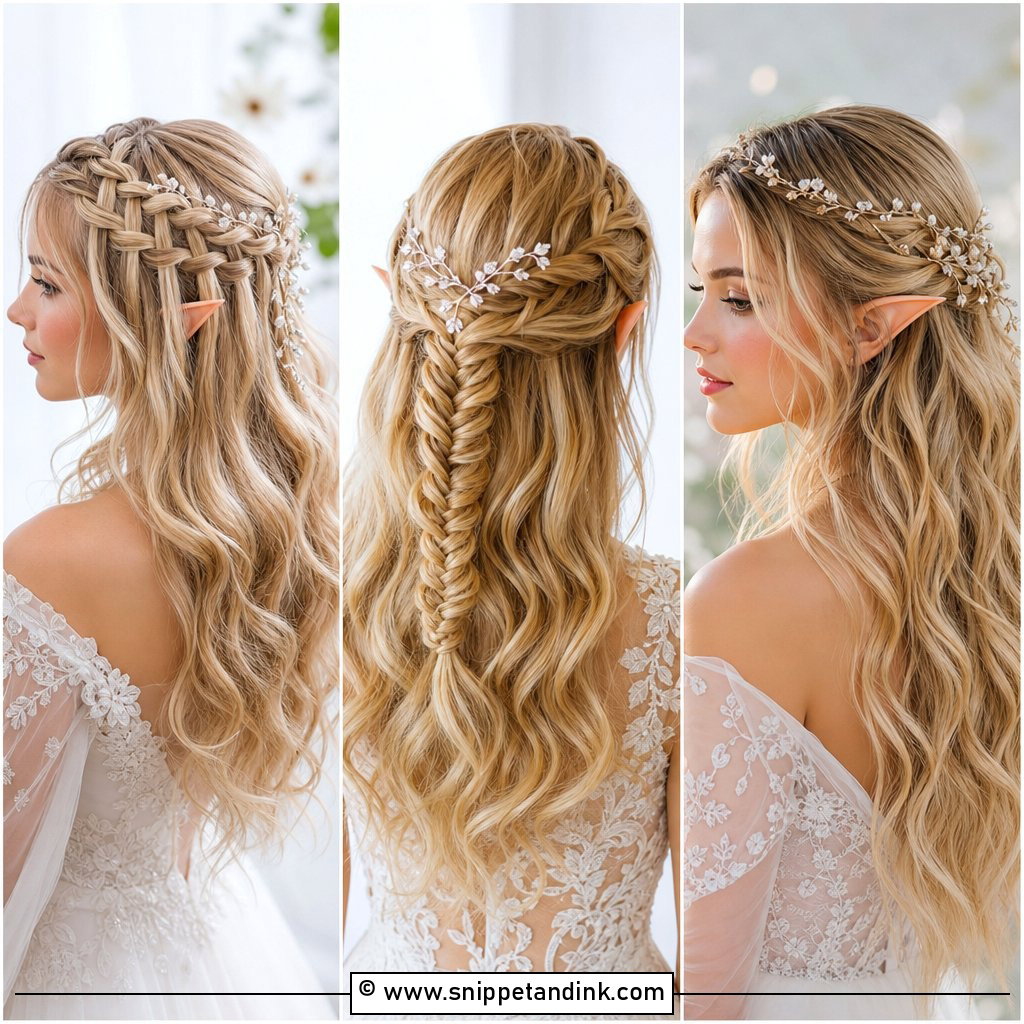
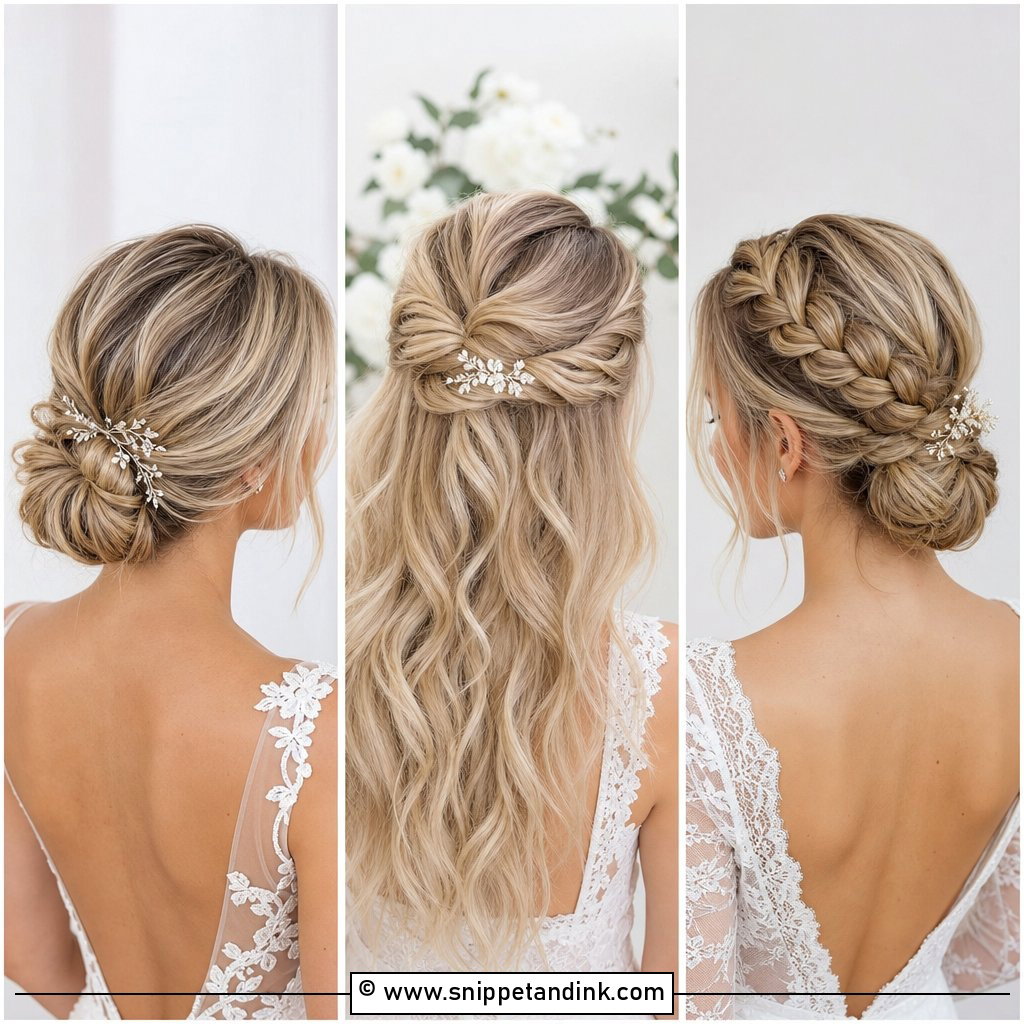
Loose waves are the down style I’d pick first for fine hair, as long as they’re set properly. I curl in sections no wider than an inch, pin each curl to cool, and only brush them out once they’re completely cold, which is what stops them falling flat. Keep the waves loose and broad. Tight ringlets split apart on fine hair and show the scalp between them. A flower behind one ear sits better than a heavy comb, which tends to slide.
2. Half-Up Half-Down Wedding Style for Fine Hair
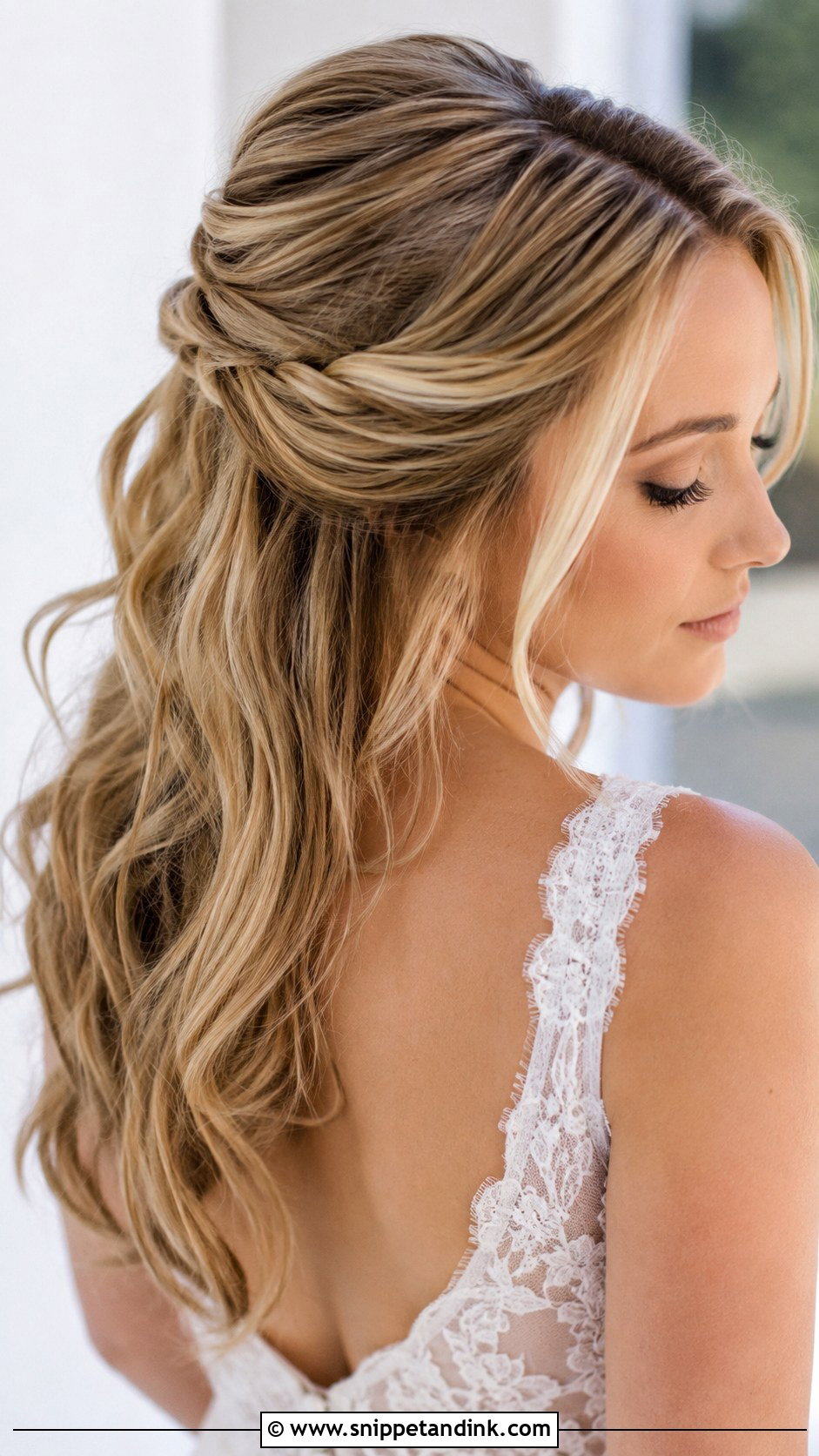
Half-up works on fine hair because the pulled-back section creates height exactly where fine hair is flattest. I backcomb a small panel at the crown, smooth the top layer over it, and secure it with two bobby pins crossed in an X so it can’t slip. Twisting the side pieces instead of braiding them uses less hair, which leaves more length hanging below. If you’re wearing a veil, it slides in under the half-up section and the pins there take its weight.
3. Teased Low Bun for Fine Hair
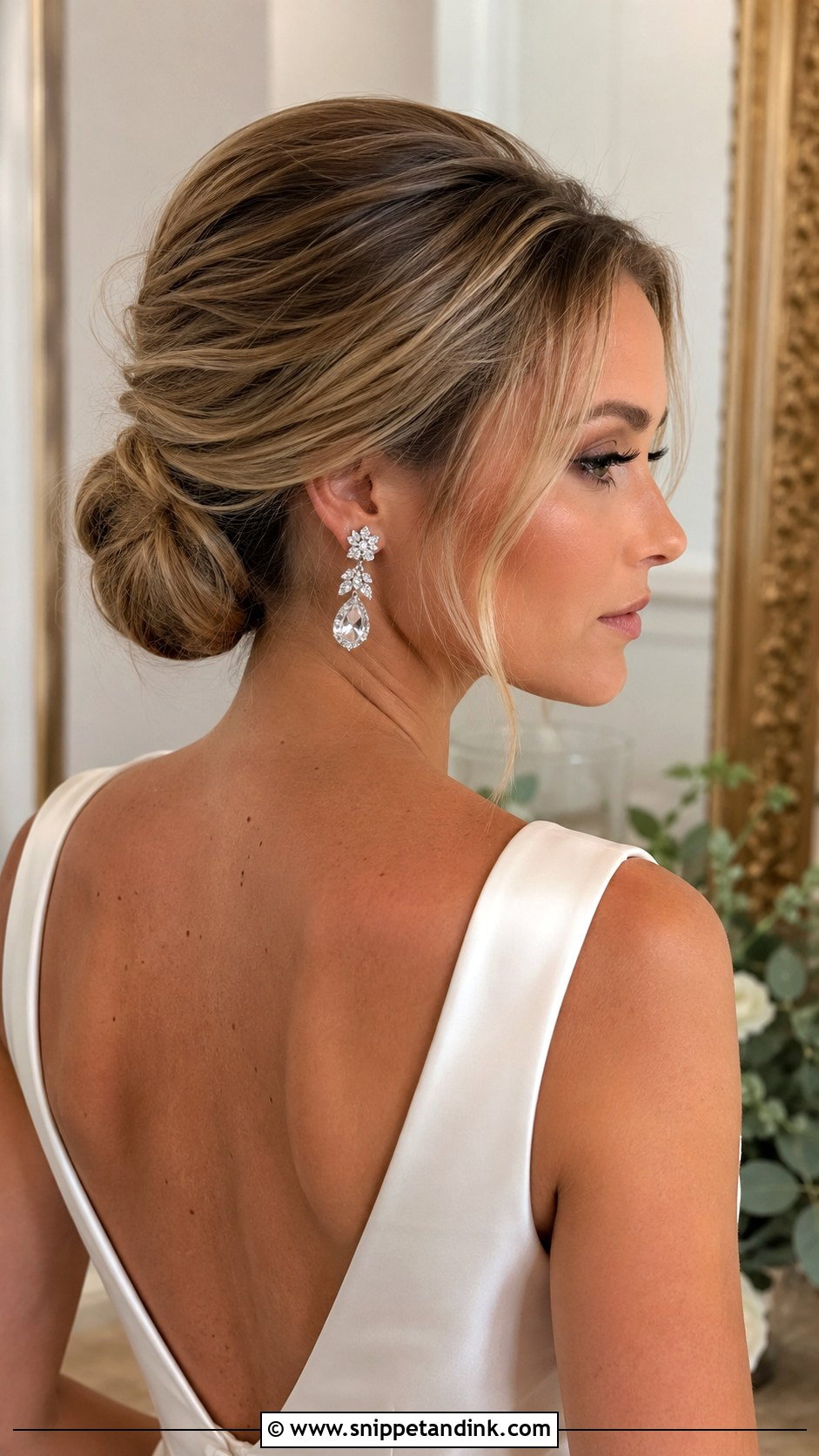
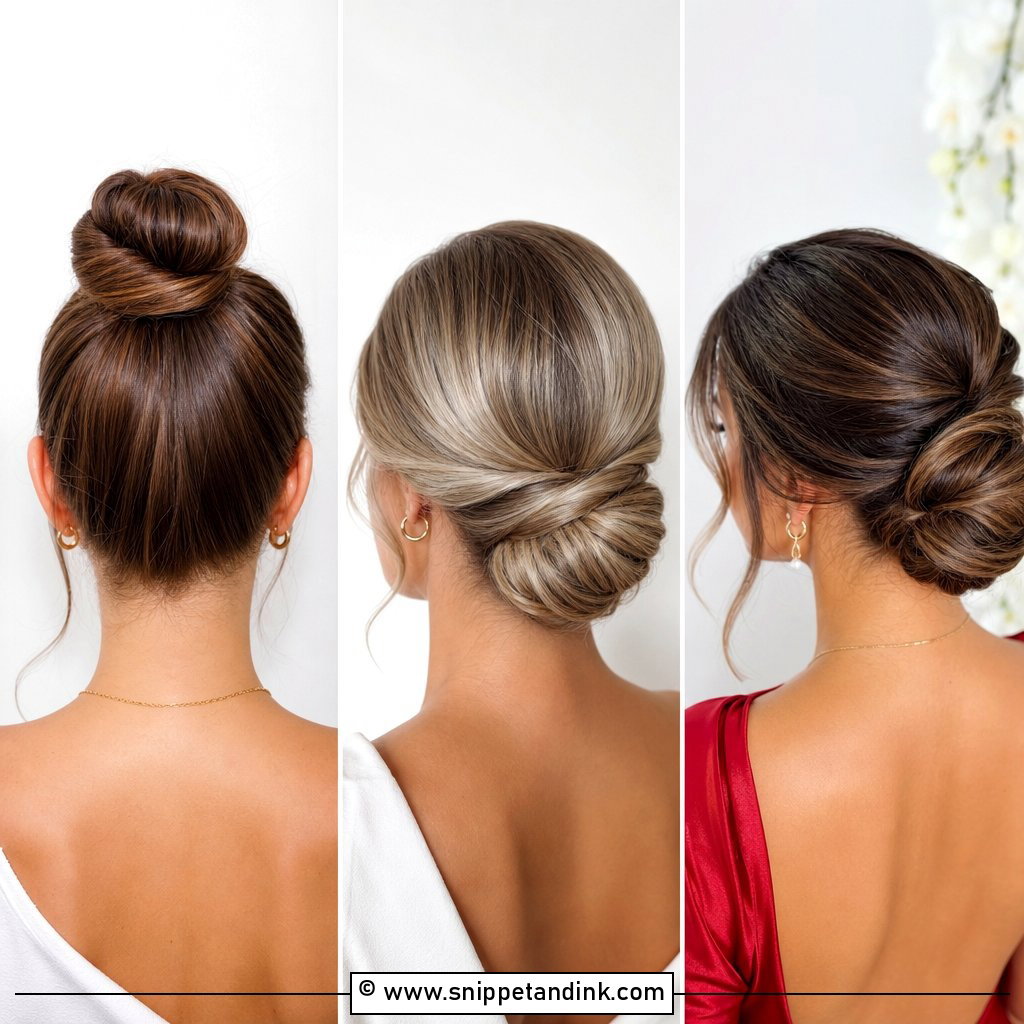
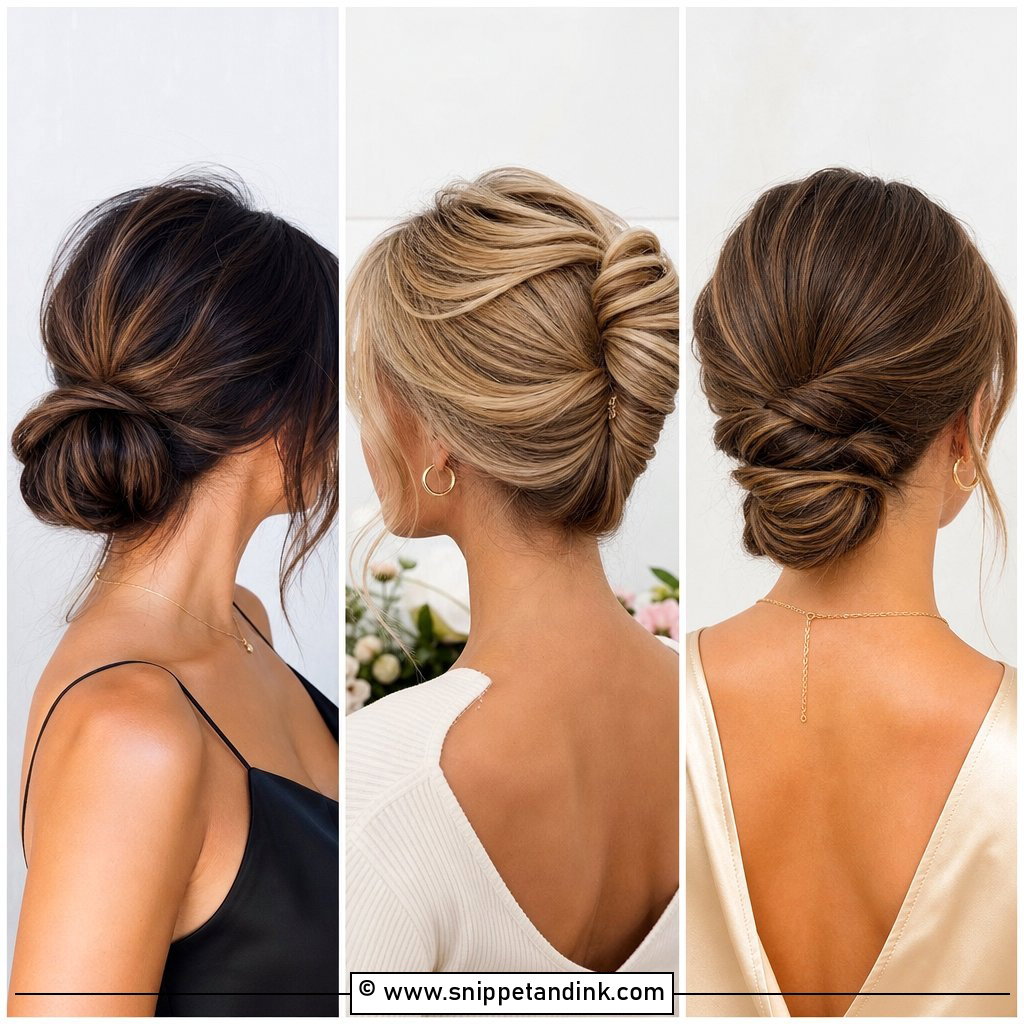
Backcombing does most of the work in a low bun. I tease the length in small sections before gathering it, so the bun has a cushion inside instead of being a tight coil of hair. It sits at the nape, where pins can grip into the hairline, which is why low buns hold so well on slippery hair. Leave a couple of face-framing tendrils, but curl them; straight wisps on fine hair just look like hair that came loose.
4. Romantic Braided Chignon for Fine Hair
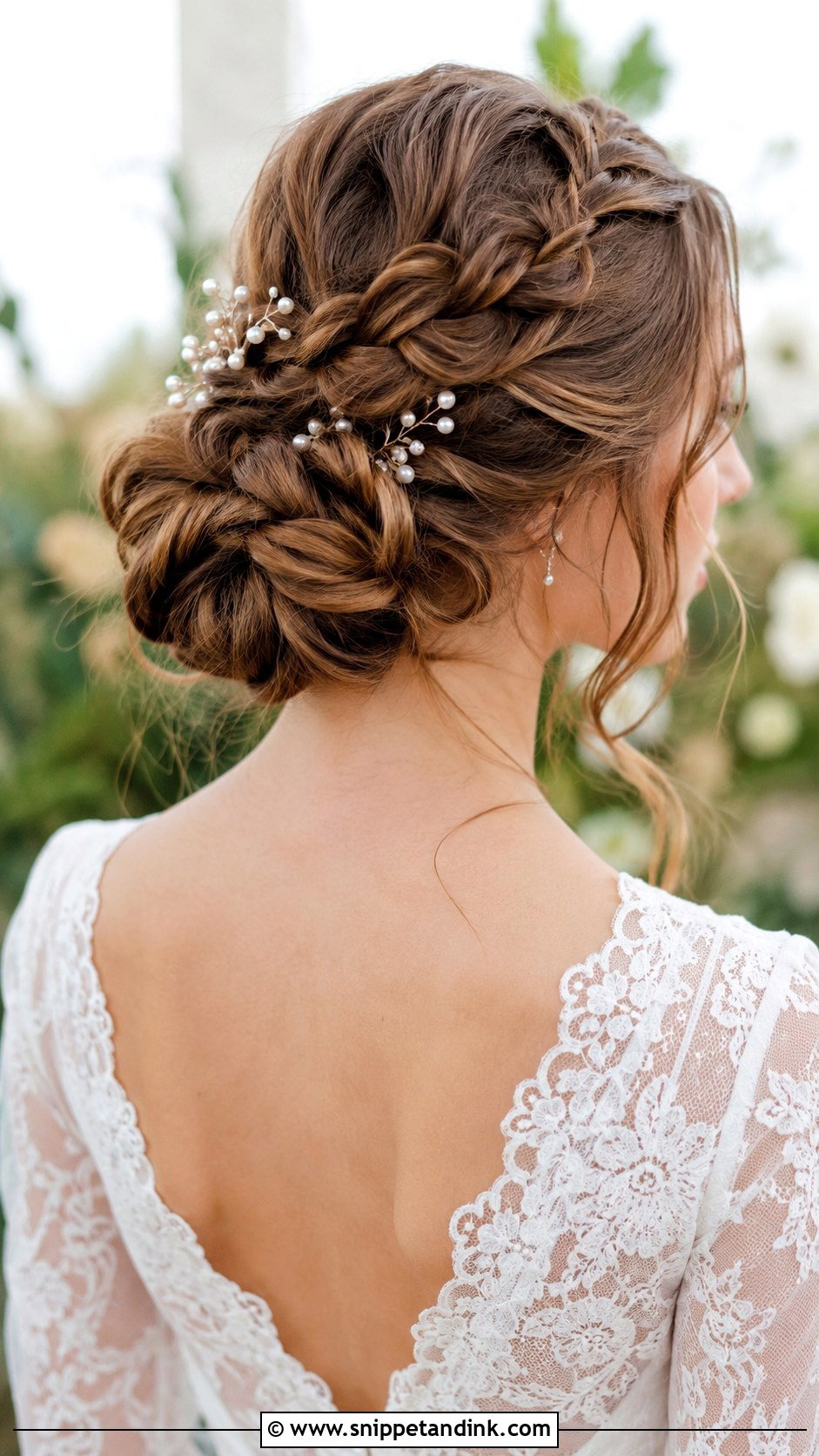
Braids give fine hair texture to catch on, so a braided chignon holds far better than a smooth one. Once the braids are in, I pull the outer loops gently wider, which doubles their visual width without adding any hair. The trick is pancaking before you pin, not after, otherwise the pins slide. Tucked into a soft bun at the nape, it suits a garden ceremony, and a few small pearl pins look more at home here than one big clip.
5. Classic French Twist for Fine Hair
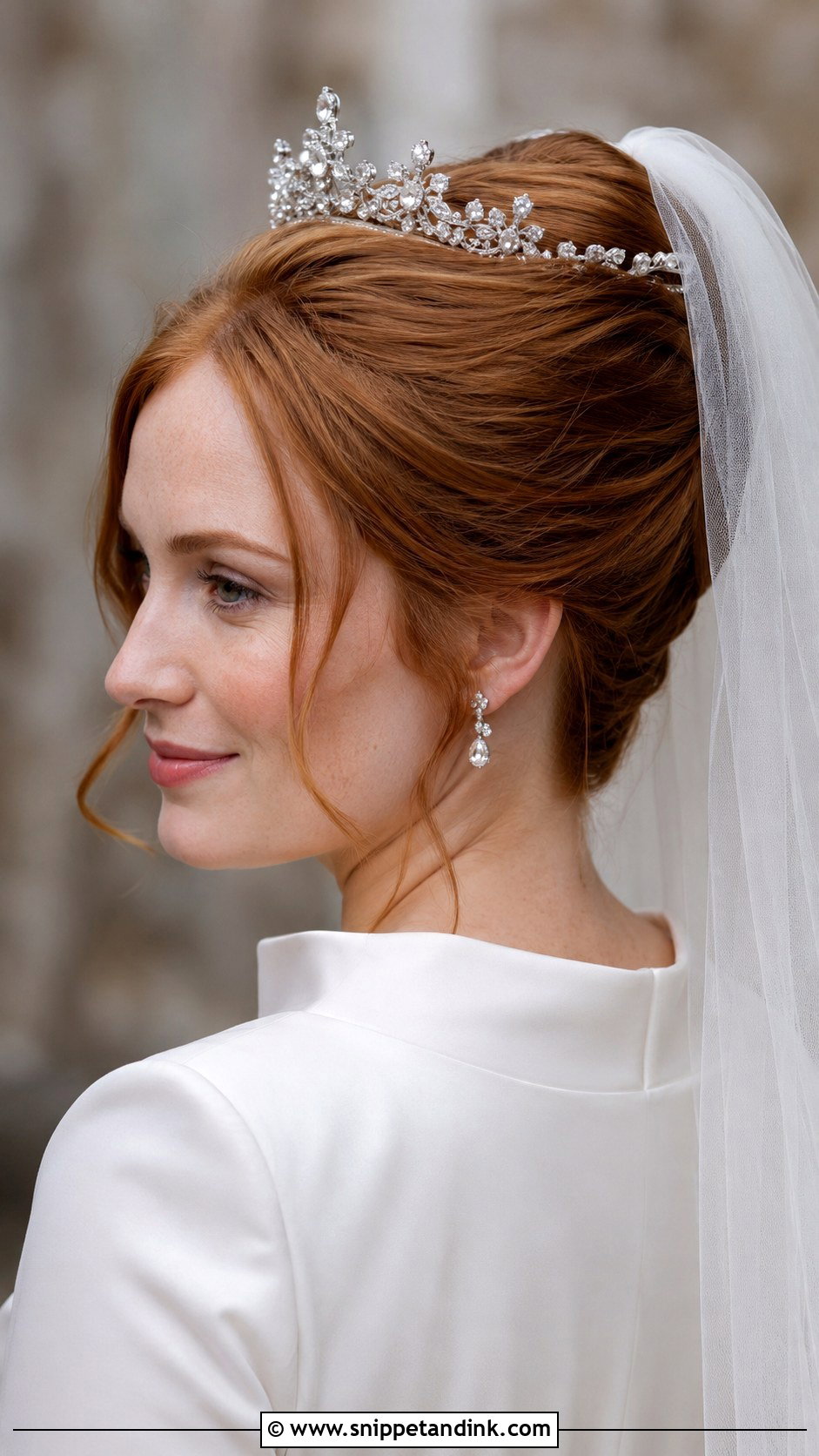
Can fine hair fill a French twist? Yes, if the crown is teased first and the twist is made shorter than you’d see on a model with thick hair. I smooth the top layer over the backcombed base, roll the length up into a vertical fold and pin along the seam with long pins pushed inward. A comb at the crown is risky on fine hair because there’s not much to grip, so if you want a veil, I anchor a couple of hidden pins first and slide the comb over them.
6. Messy Bun With Tendrils for Fine Hair
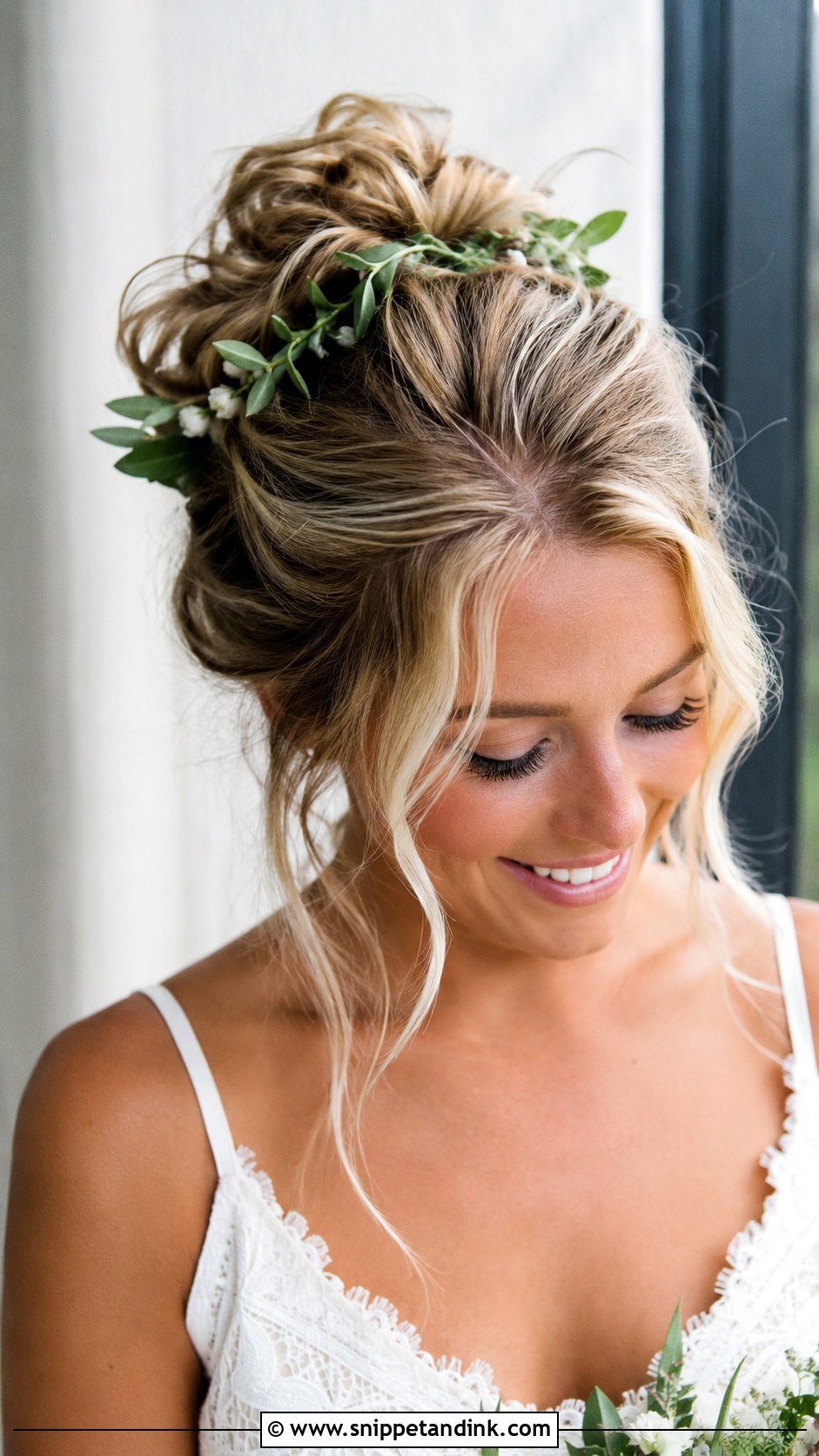
A messy bun is easier on fine hair than a polished one, since the loose texture hides any patchy coverage. I still curl the hair first. Messy buns made from uncurled fine hair look tired rather than undone, because there’s no texture for the loose pieces to hold. Pull out a few strands around the face and at the nape, and leave it there. Greenery or tiny blooms pin in nicely if the stems are short and wired.
7. Curly Low Bun for Fine Hair
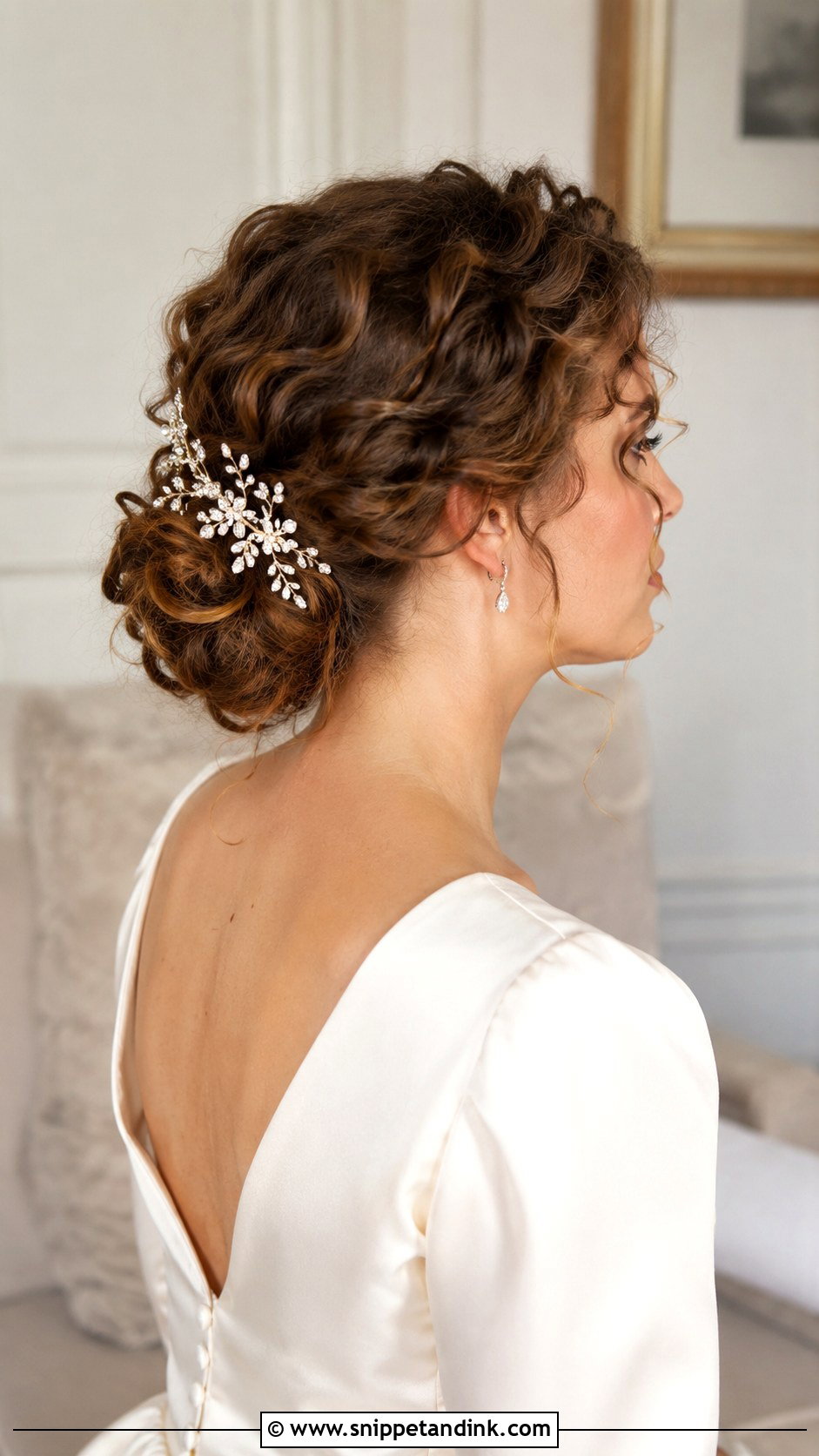
Curling the length before it’s pinned is what gives this bun its swirl. Each curl is pinned as a loose loop into the shape, so the curls themselves become the volume. A side part with looser sides gives it a retro feel, and the curls help disguise thinner areas while showing off the fuller parts. Where I’d be careful is the temples: if your hair is sparse there, keep the sides smoothed back rather than hanging loose.
8. Sleek Bridal Ponytail for Fine Hair
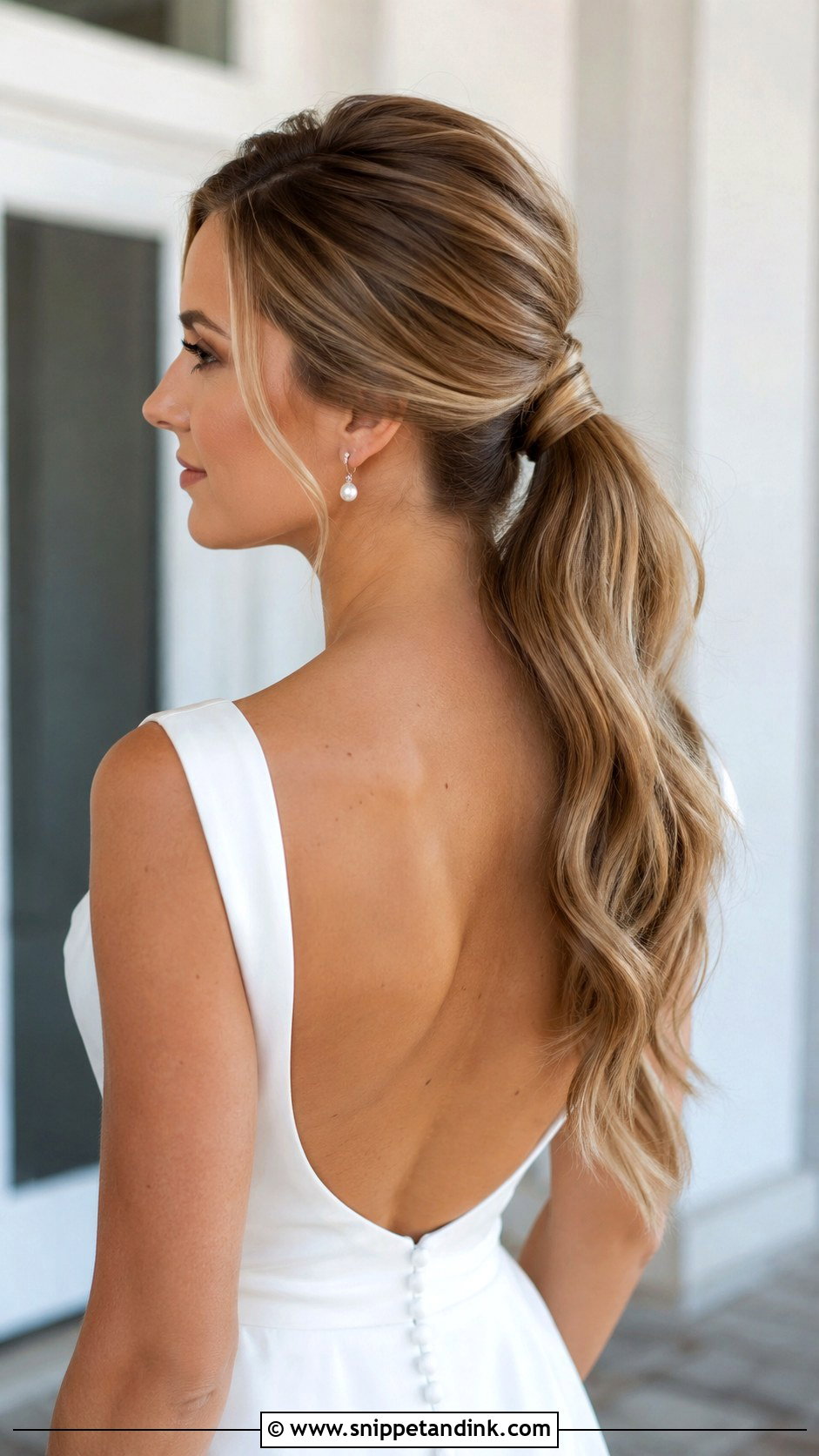
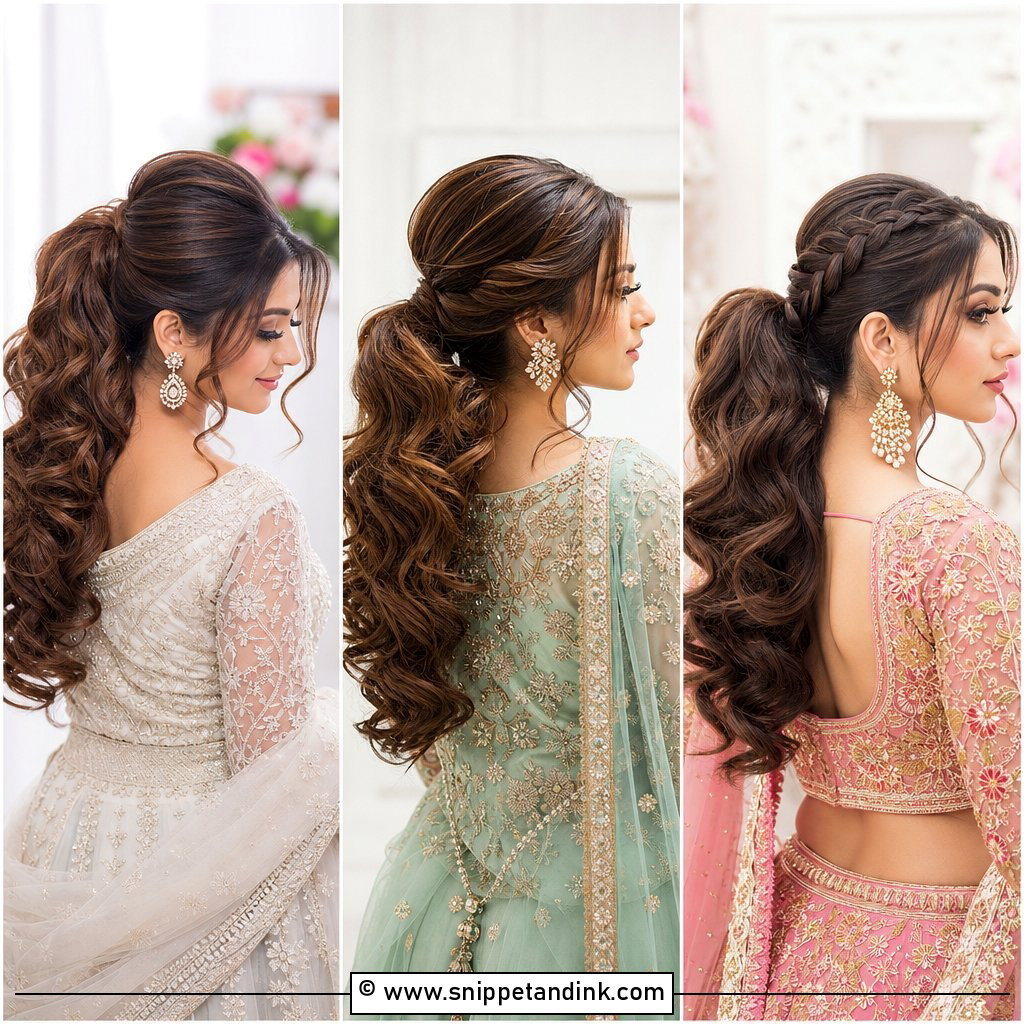
Ponytails expose fine hair at the elastic. Wrapping a section around the base hides the band, and teasing the crown before gathering keeps the top from lying flat. I add loose waves to the tail, because a straight ponytail of fine hair looks thinner than it is. High and sleek is the dramatic version, but low and soft is kinder to fine hair since a high pony pulls the hairline and can show it. It survives dancing better than nearly any other style here.
9. Twisted Updo for Fine Hair
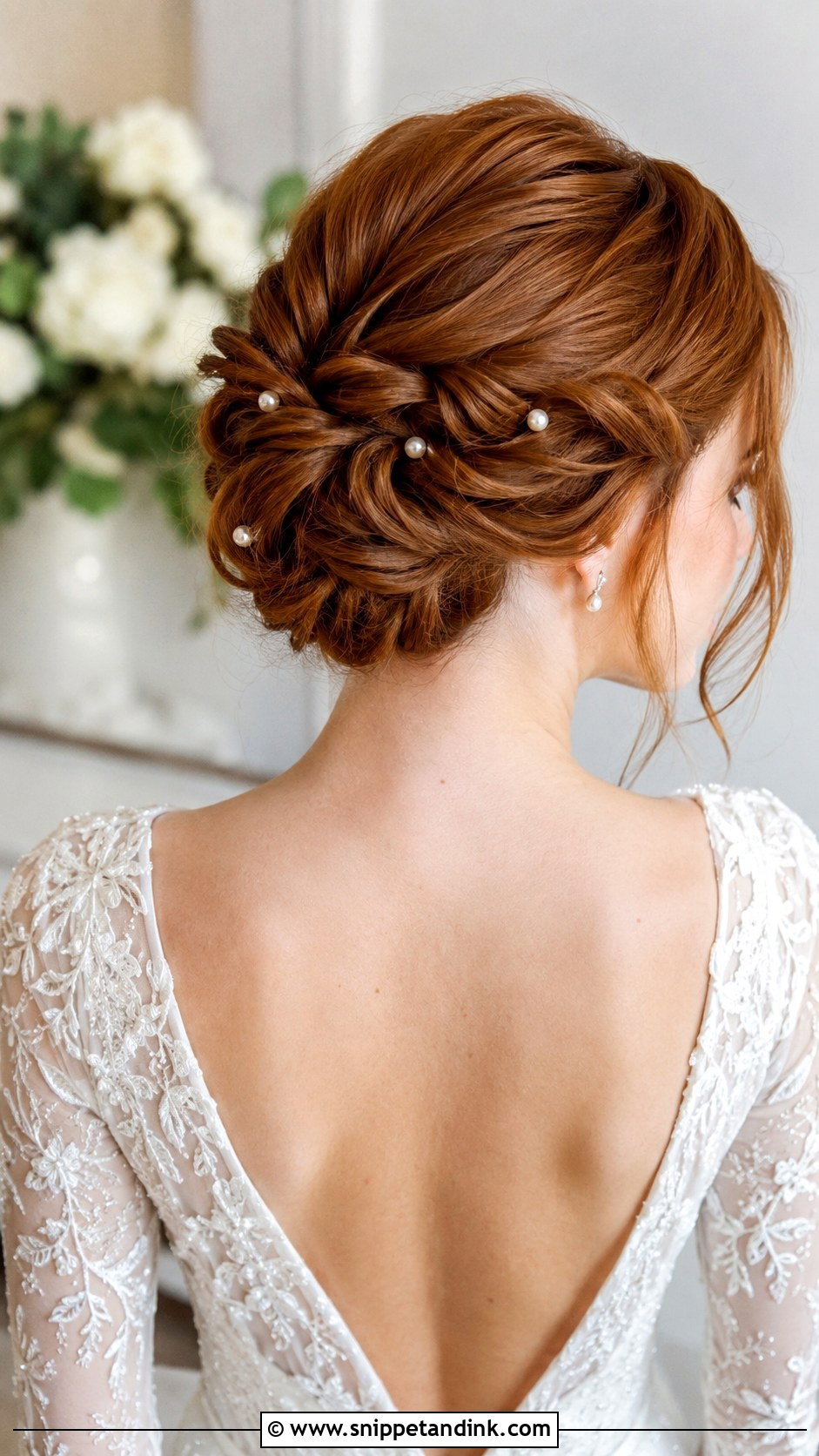
Small twists rolled and pinned close together make a texture that grips itself, which is exactly what fine hair needs. I work with one-inch sections and pin each twist into the one before it, so the whole shape locks together rather than relying on separate pins. The twists catch light along their edges, and that reads as density in photographs. Pearl pins tuck neatly into the gaps between the twists.
10. Loose Boho Waves With Braid for Fine Hair
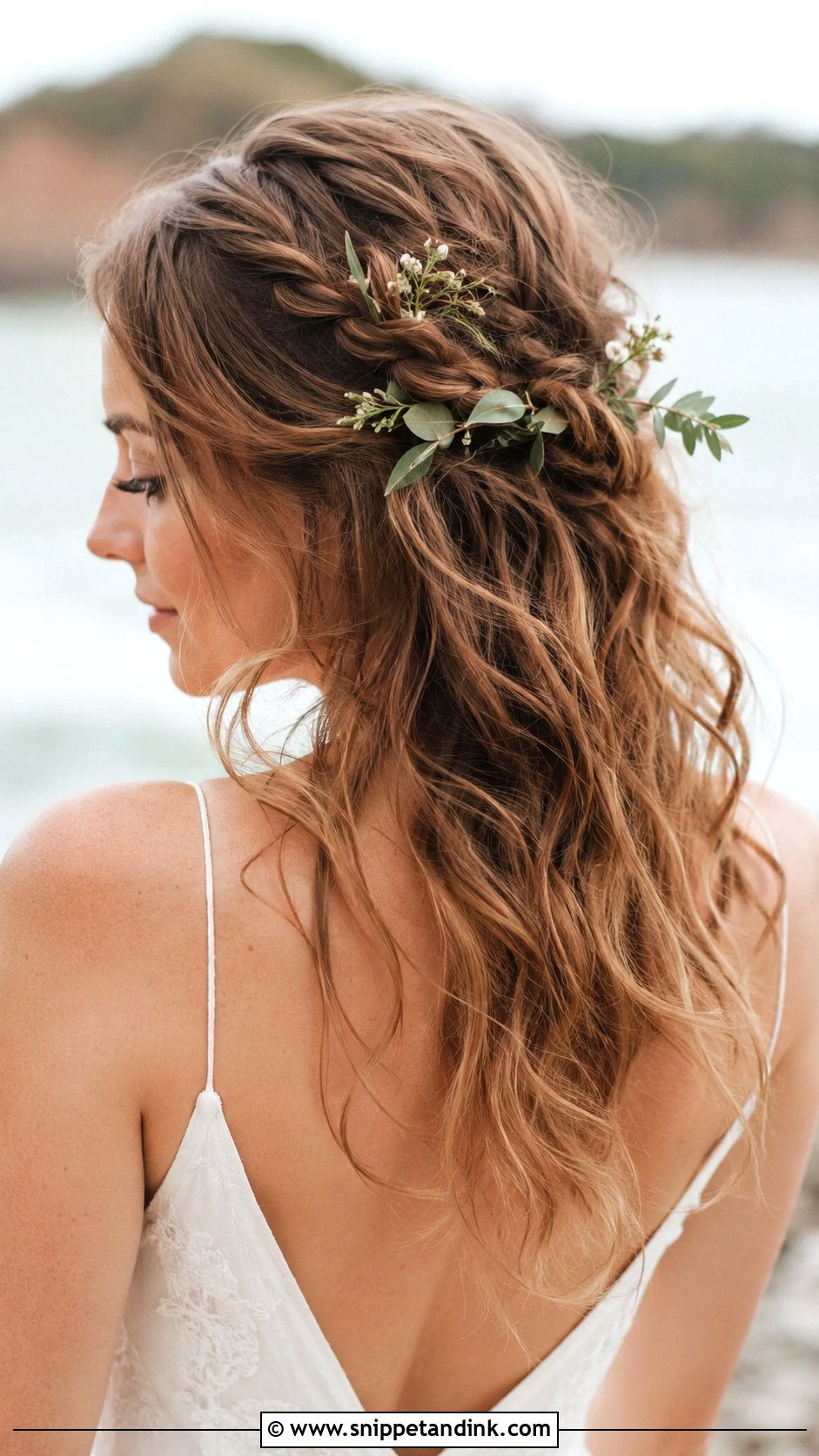
Boho waves with a thin braid running through them suit fine hair because the braid gives the eye a defined line in the middle of soft texture. I usually braid one side from the temple back and pin it behind the opposite ear, which also keeps that side off the face. Gently pancake the braid, and keep any greenery small; heavy sprigs drag fine hair down by evening. On a windy beach I’d add more hidden pins than you’d think necessary.
11. Vintage Finger Waves for Fine Hair
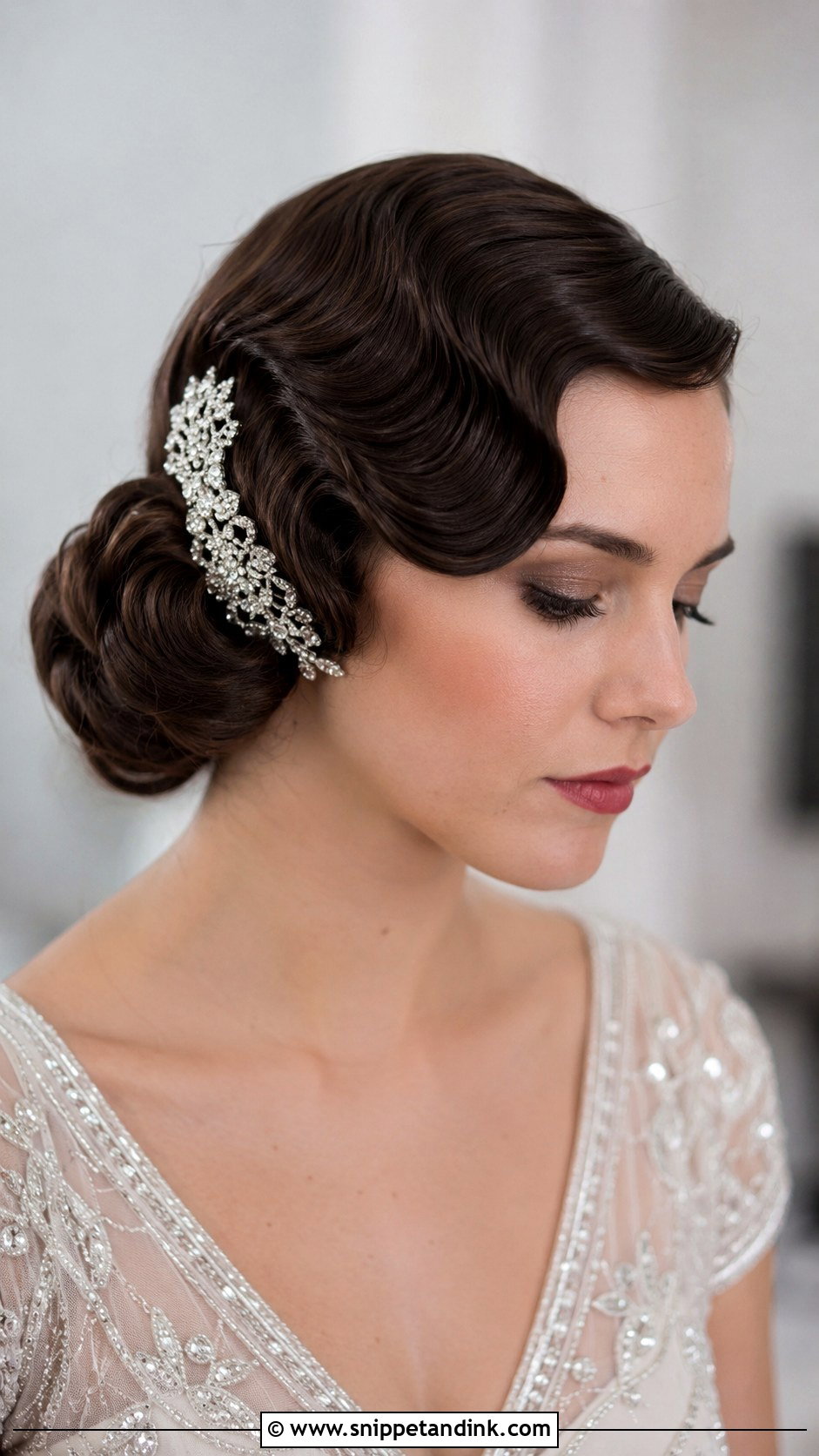
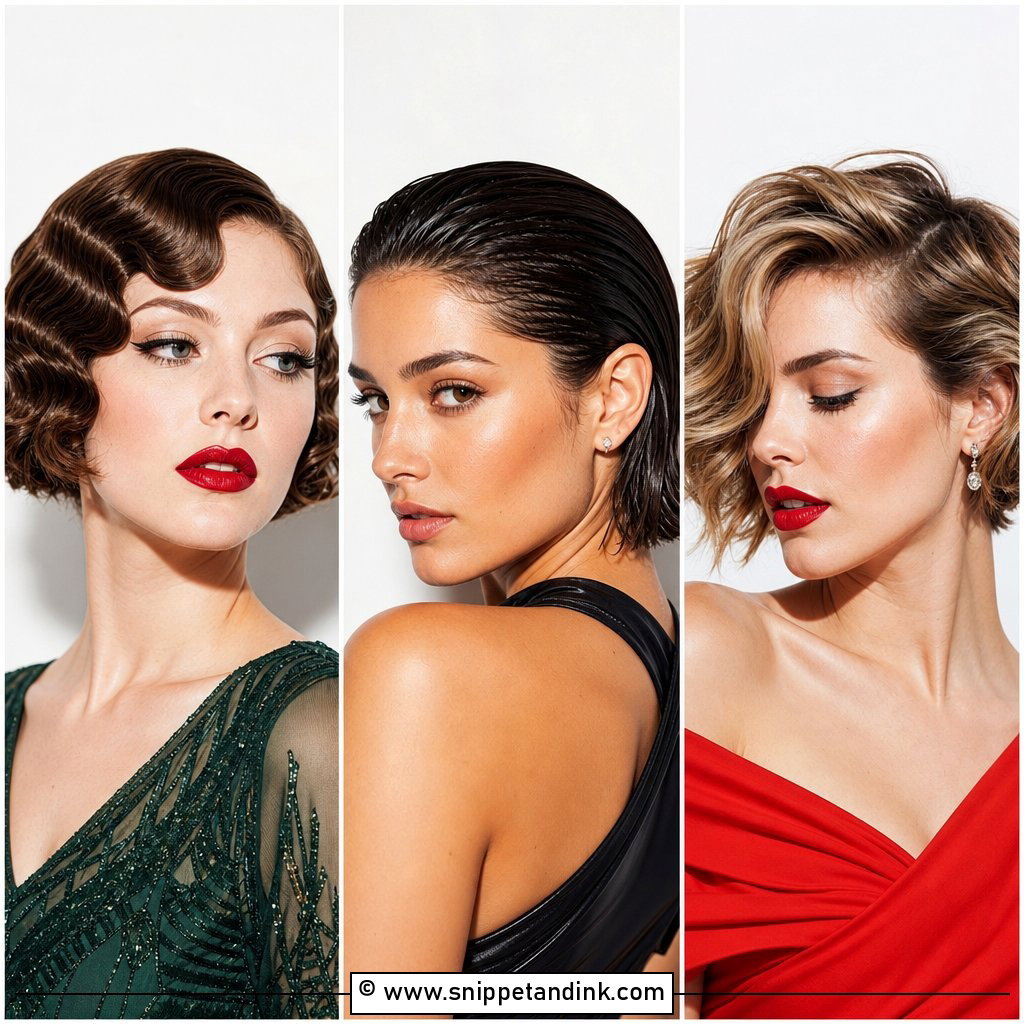
Fine hair is actually ideal for sculpted finger waves, because the style lies close to the head and doesn’t rely on volume at all. Thick hair often fights the shape. I set the waves with a setting lotion and duckbill clips along each ridge, then leave them to dry fully before the clips come out. Worn down to a low bun, they suit a 1920s-style gown or a beaded comb. This is a style to trial, though; finger waves need a stylist who has actually done them.
12. Low Side Bun for Fine Hair
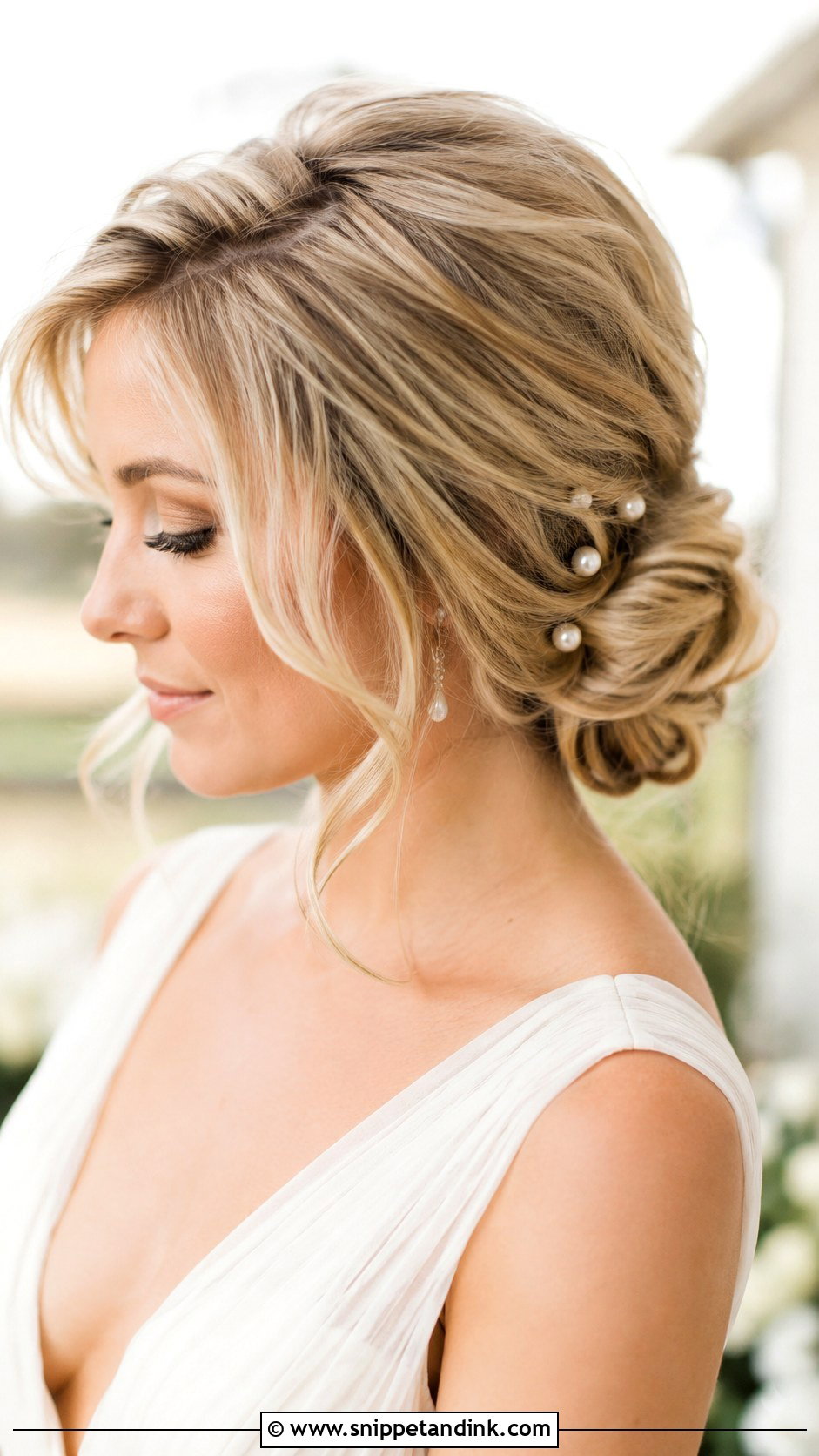
Shifting the bun off-center does fine hair a favor: the eye reads the side with all the hair gathered as the full side. I tease the crown for height, sweep everything to one side and pin it near the nape, then let a couple of waves fall on the opposite side so the shape doesn’t look lopsided. Flowers or pearl pins along the curve of the bun follow the line nicely. It suits a sweetheart or off-shoulder neckline, where the bare side of the neck shows.
13. Crown Braid for Fine Hair
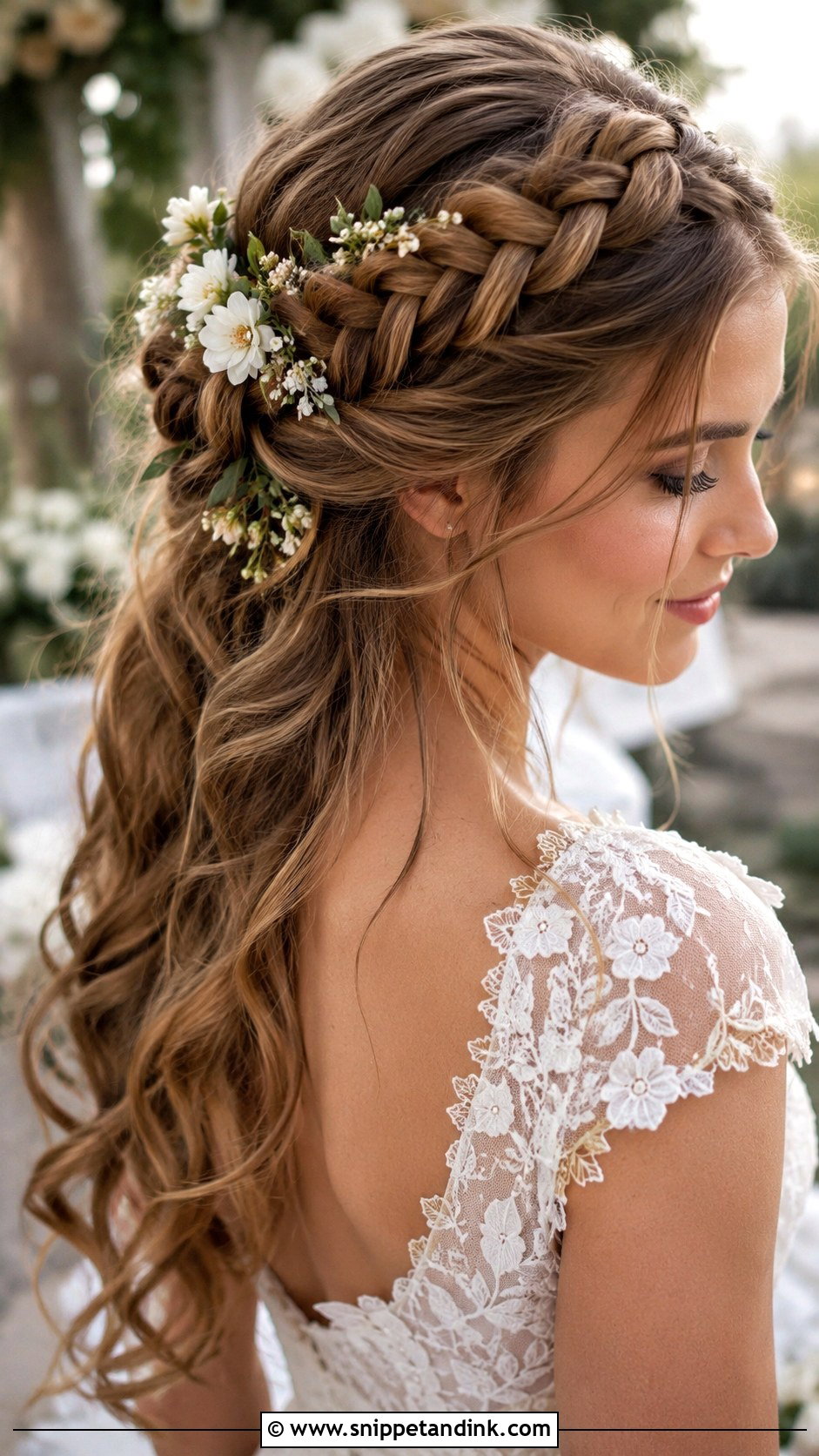
A crown braid wraps the head like a natural halo, and on fine hair it often needs a little help to make the full circle. If your hair is shorter than mid-back, I braid two sections and pin one over the other at the back, or add a clip-in piece for length. Widen the braid gently once it’s pinned so it looks substantial. Small flowers sit well in the gaps, but keep them light so they don’t loosen the braid.
14. Polished Chignon for Fine Hair
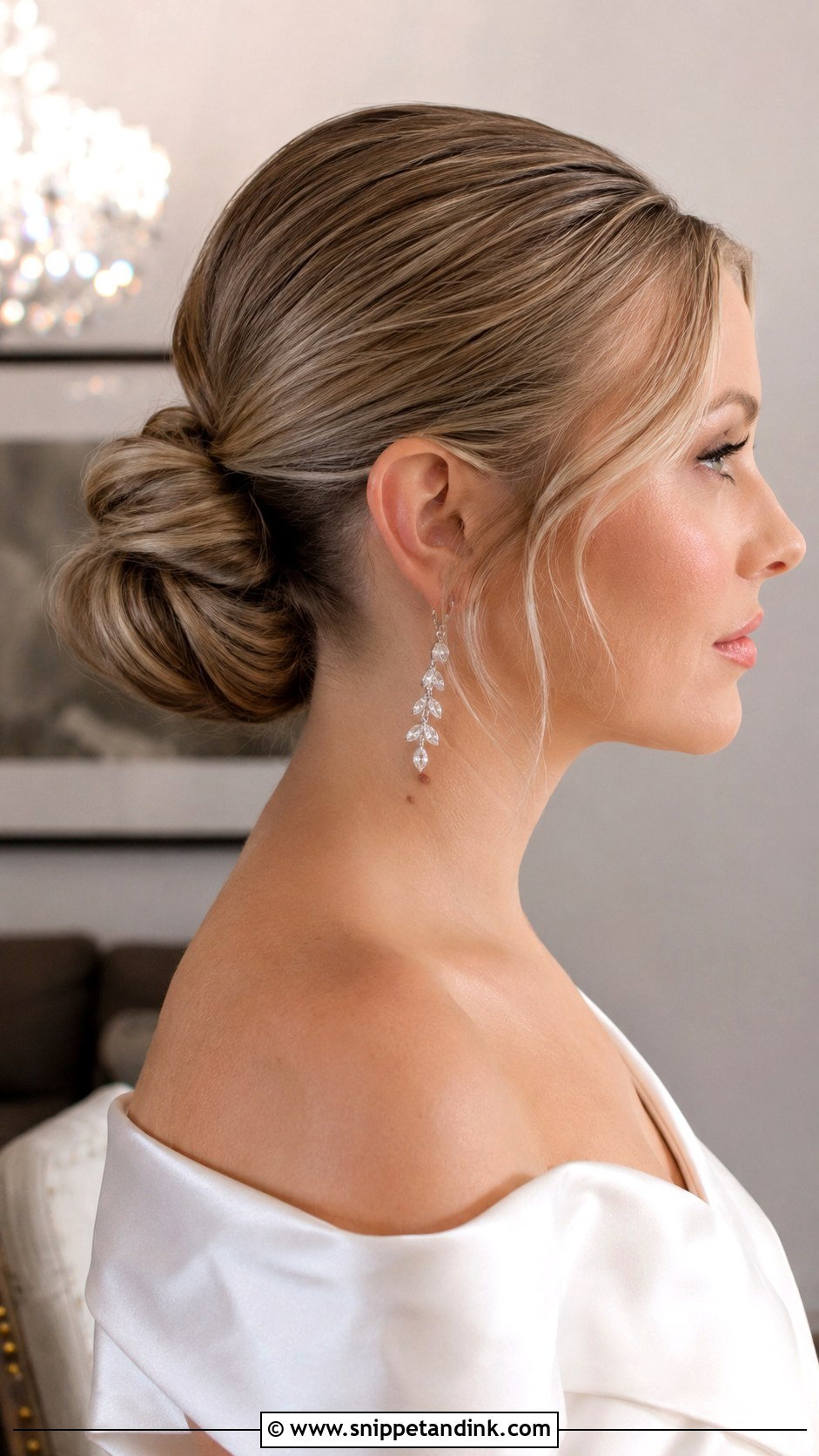
This knotted low bun is where fine hair looks its most deliberate. I tease underneath for a cushion and keep the top smooth with a light shine spray, avoiding heavy serums that weigh fine strands down and make them separate. The smooth top and the full knot give the impression of more hair than is there. Leave a couple of soft tendrils at the temples, curled, so it doesn’t look severe under a veil.
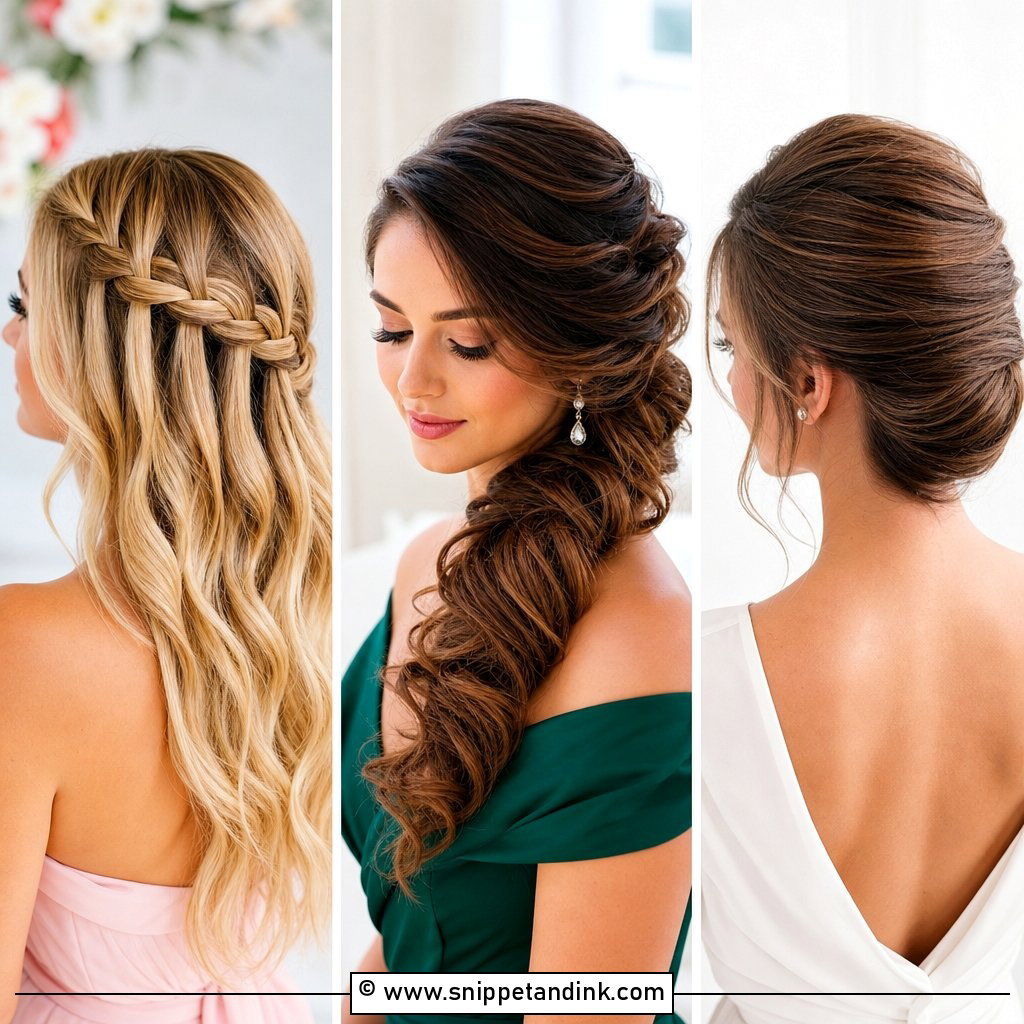
15. Textured Updo With Face-Framing Pieces for Fine Hair
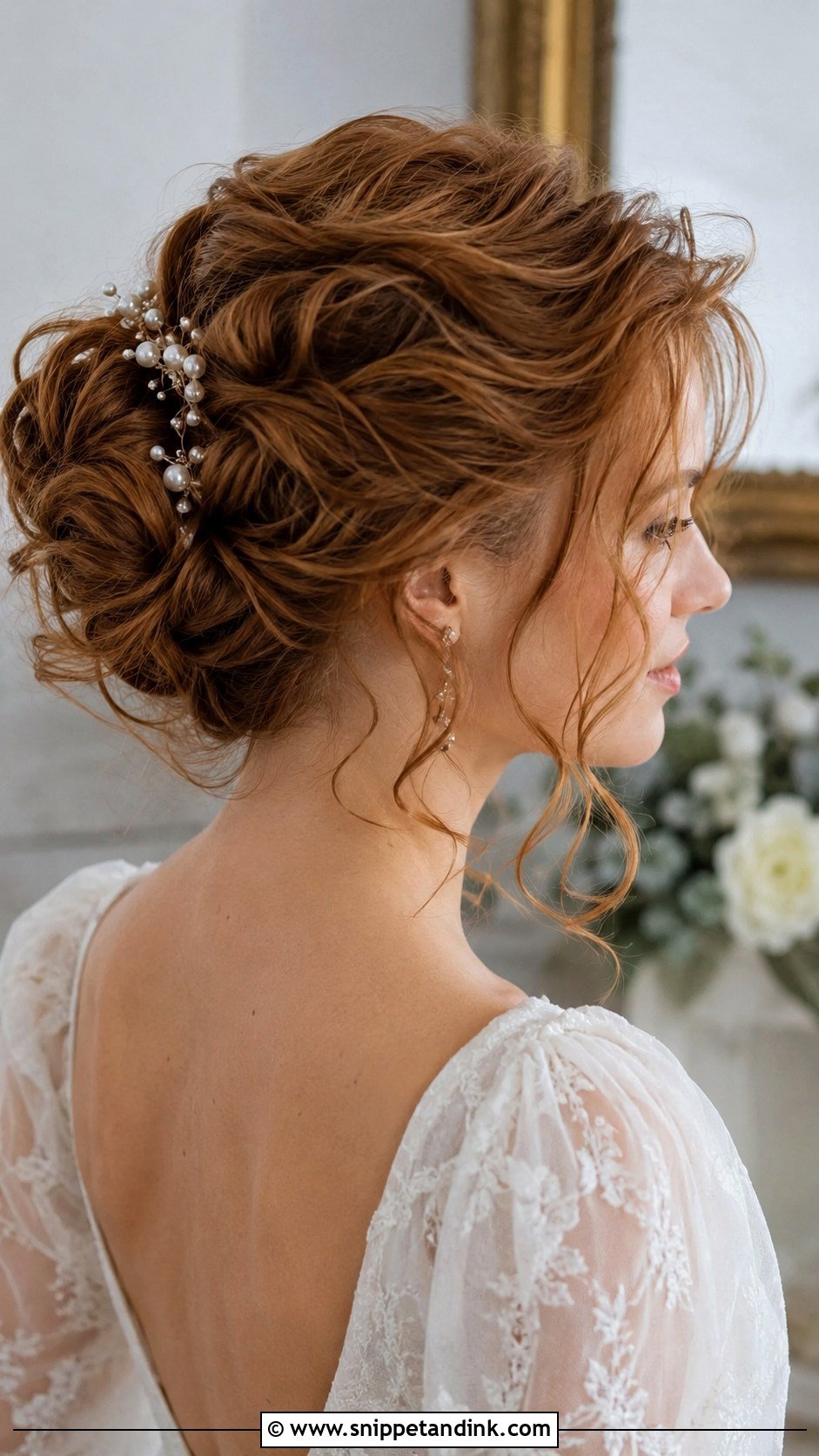
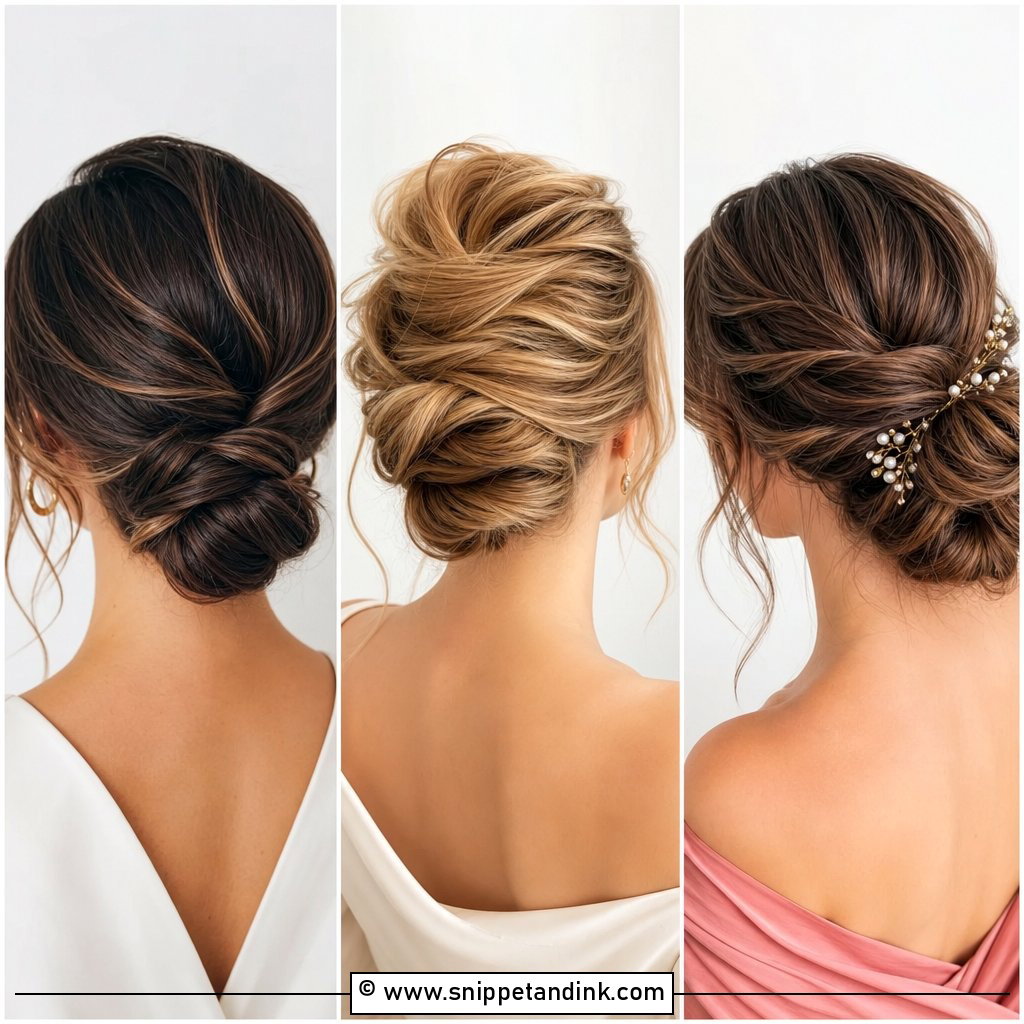
Texture is the whole point of this updo. The more loosely gathered pieces there are, the less anyone can tell how much hair you actually have. I curl everything, rough it up with dry texture spray, then gather it in loose sections pinned in different directions. The face-framing pieces should be pulled out at the end, not left loose at the start, because they hold their curl better when they’ve been set with the rest of the hair.
16. Pinned Back Curls for Fine Hair
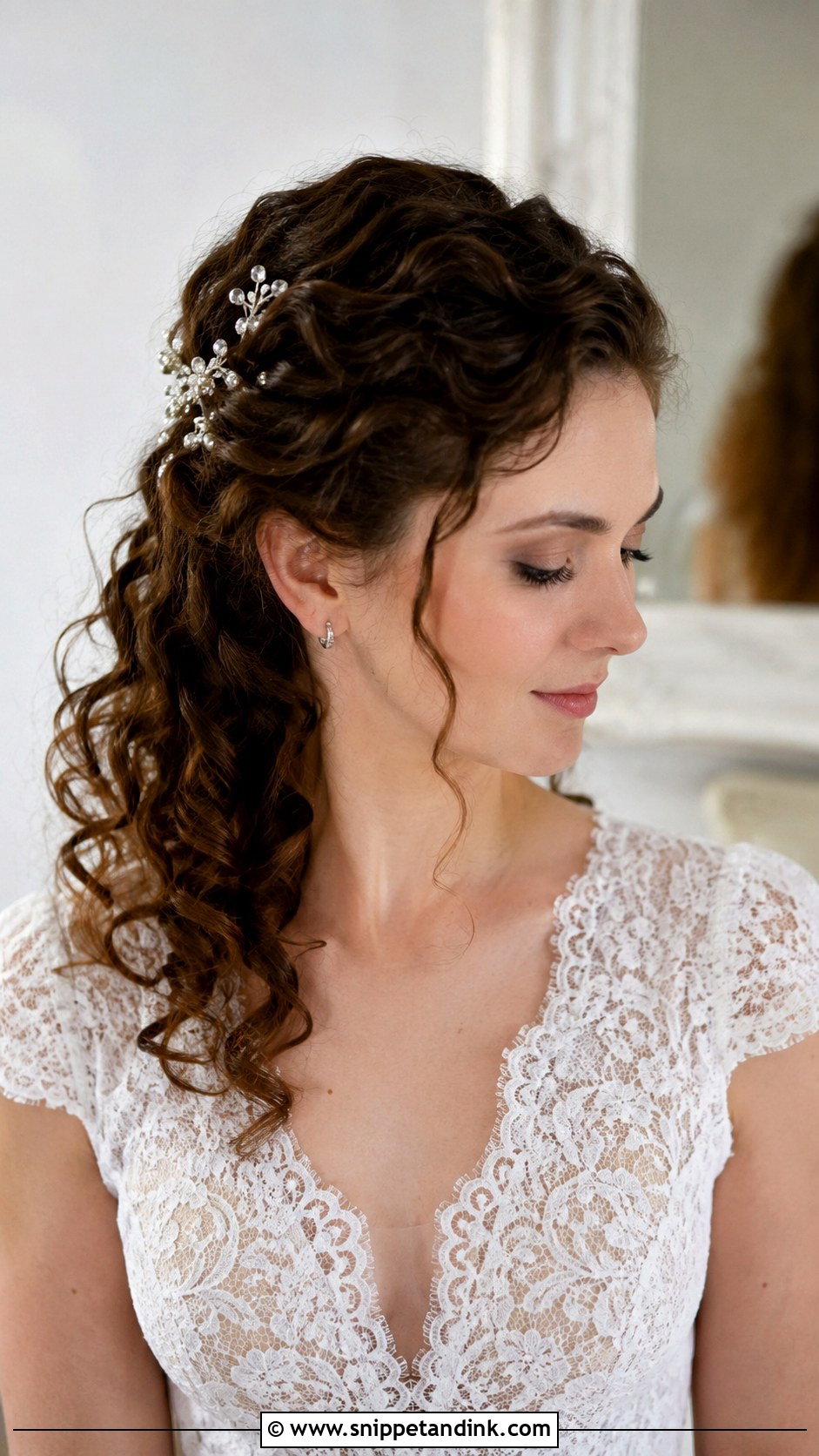
Pinned-back curls keep your length while taking weight off the face. On fine hair, I curl first and pin second, and the pins go in at the back of the head under a curl, never across the top where they’ll show through. Leave the back flowing or gather it all up; both work. One decorative pin on each side is enough. Too many and the pins start to look like they’re holding the hair together, which on fine hair they partly are.
17. Sleek Low Bun for Fine Hair
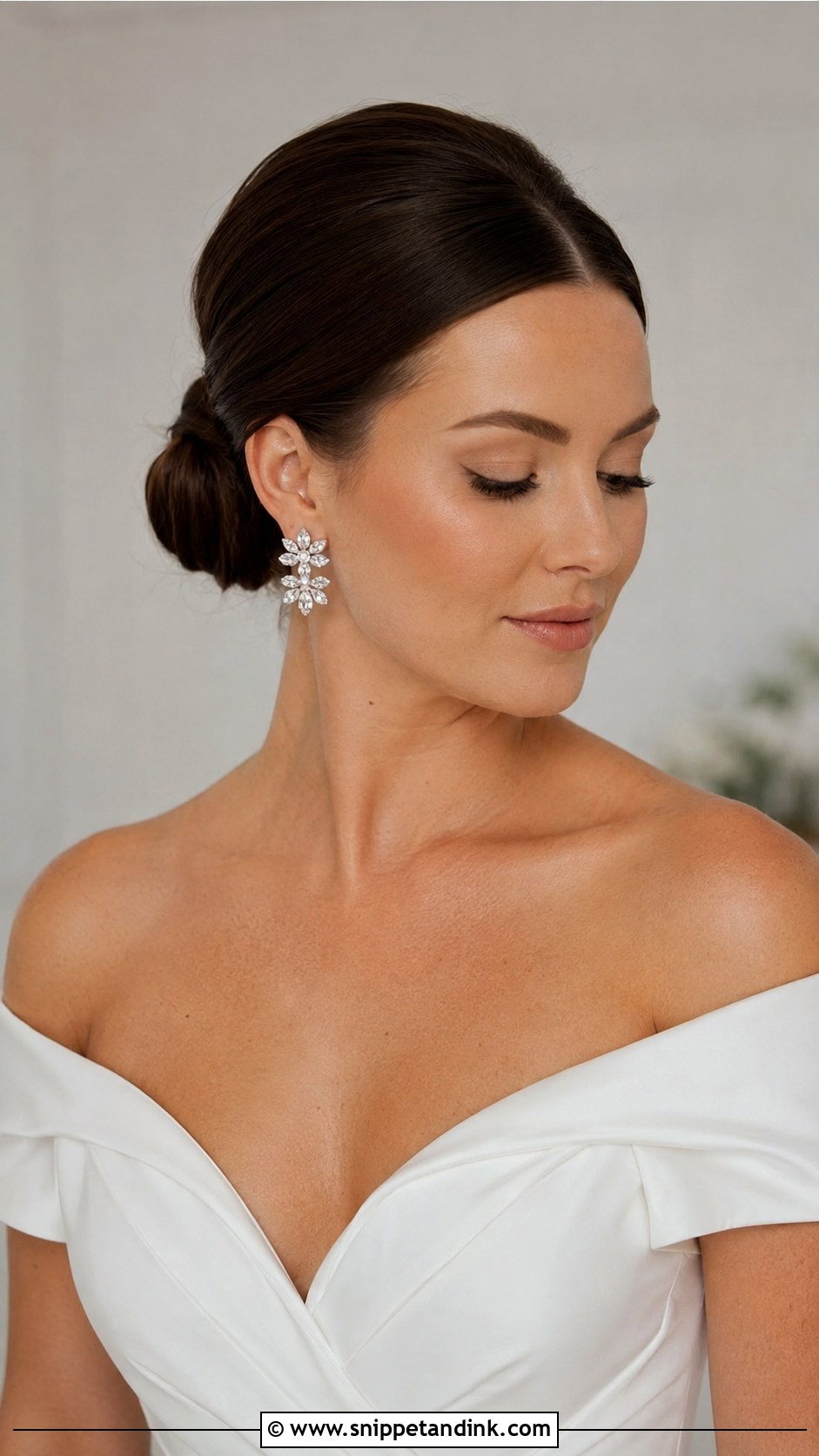
A sleek low bun shows every flat spot, so I tease the crown gently and smooth the top layer over it before anything is gathered. The bun itself can be padded with a color-matched donut if your length isn’t enough to make a decent knot. Center parts look modern but expose more scalp on fine hair; a soft side part is kinder if you see your scalp in photos. Bold earrings suit it well because there’s nothing in the hair competing with them.
18. Romantic Updo With Flowers for Fine Hair
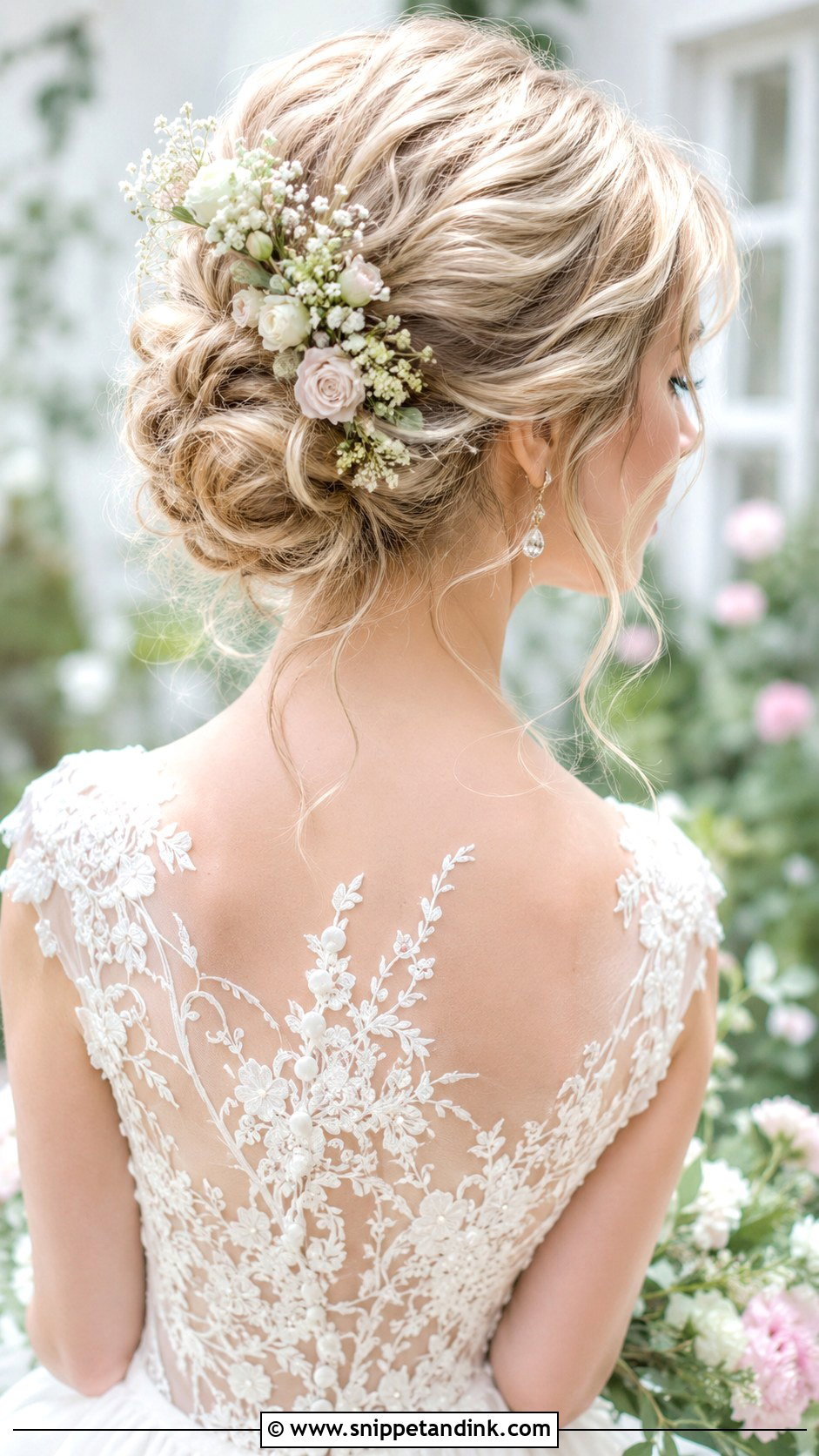
Flowers help fine hair in a practical way: they fill gaps. A loosely gathered bun with small blooms tucked in looks fuller because the eye reads the flowers as part of the shape. Use baby’s breath, spray roses or small greenery on short wired stems, and pin each into the bun itself, not into the loose hair around it. Heavy stems pull fine hair loose. A spring garden ceremony suits this best, and ask your florist for a few spare stems in case one wilts.
19. Voluminous Blowout for Fine Hair
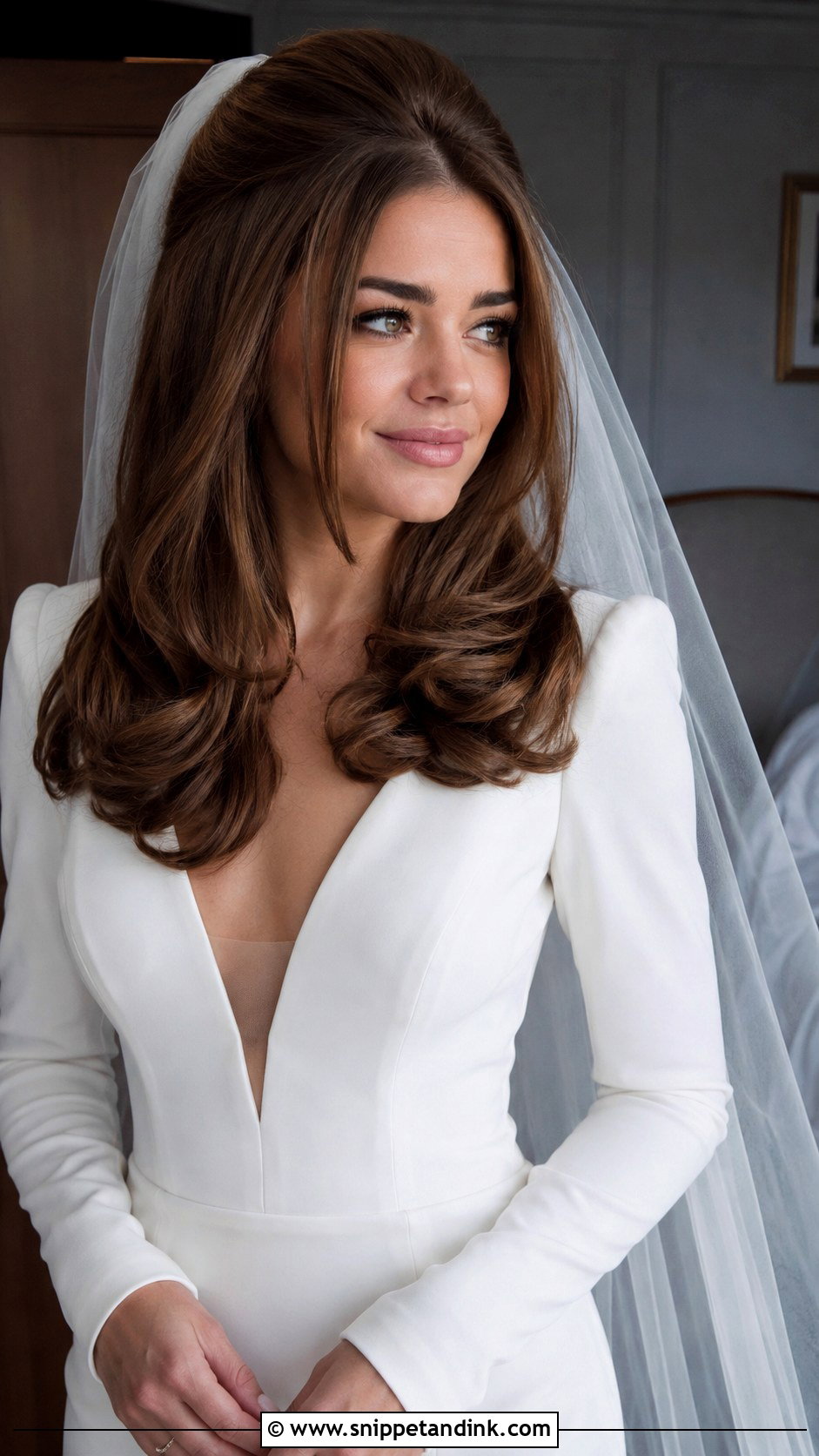
Leaving fine hair down works when it’s blown out with real root lift. A voluminous blowout starts with mousse at the roots, then a round brush lifting each section straight up from the scalp while the hair dries. I finish with large bends at the ends, not full curls, so the shape doesn’t drop flat by dinner. Use light products only. A shine serum on fine hair separates the strands and makes it look thinner.

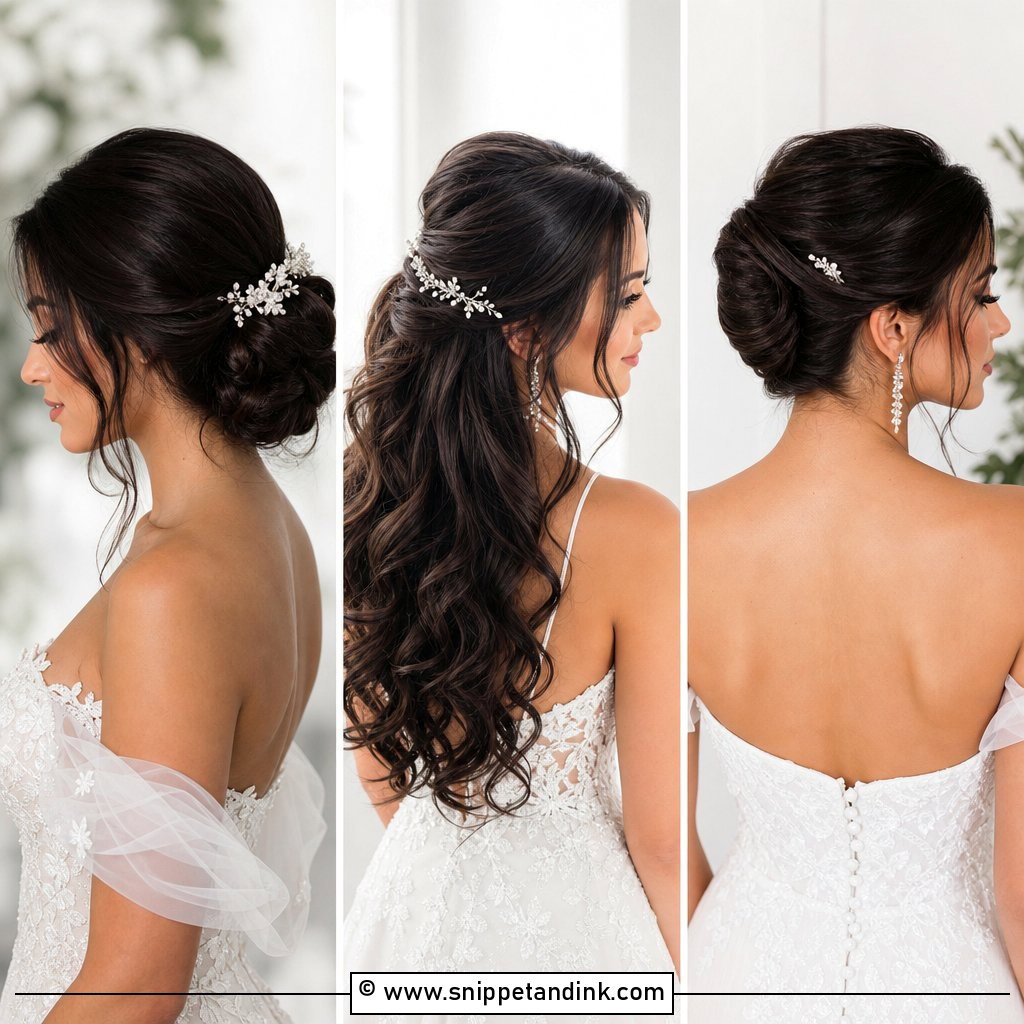
20. Braided Low Updo for Fine Hair
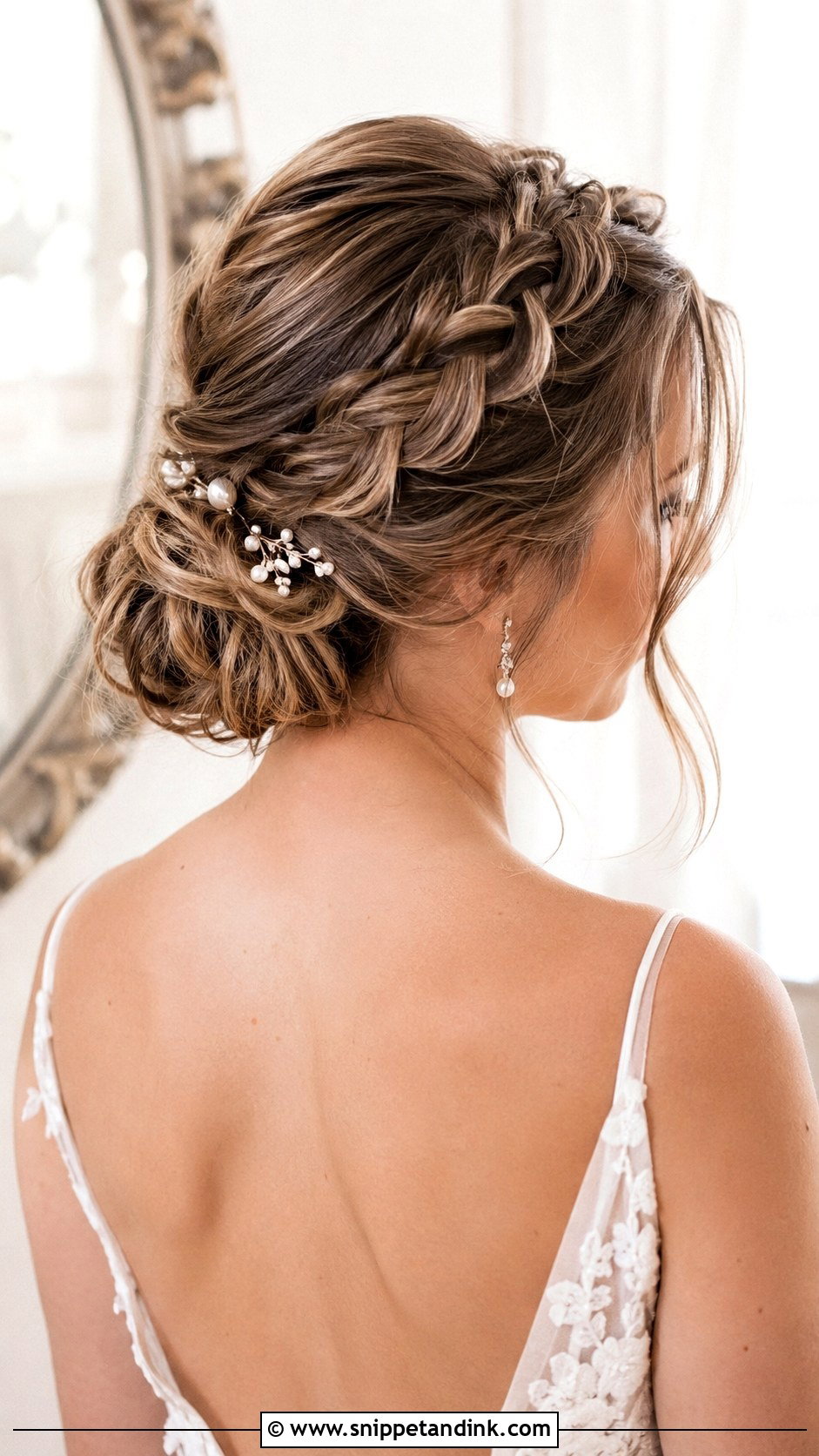
Several small braids hold better than one large braid on fine hair, and they add more texture. I braid three or four sections, pancake each one, and fold them into a low bundle at the nape, pinning each braid into its neighbor. The crown gets a little backcombing for lift. Of all the updos here, this is the one I’d choose for a bride who plans to dance hard, because the braids lock the pins in place.
Hand Your Maid of Honor This Little Pouch
Fine hair needs small rescues during the day more than most. I’d put these in a pouch for whoever stays closest to you:
- A travel-size dry texture spray, for reviving a flat crown with a quick lift at the roots.
- Six bobby pins in your hair color and a couple of U-pins.
- A tail comb, for re-teasing a section that’s dropped.
- One clear elastic, in case a braid comes loose.
During the day, don’t brush the curls or run your hands through them. Fingers carry oil, and fine hair flattens wherever it’s touched. If you’re wearing a veil with a comb, take it out before the reception; its weight is the most common reason a fine-hair updo starts to slip in the evening.
Fine Hair Holds When It’s Built With Grip
Fine hair can wear almost any wedding style; it just needs to be built with texture, set properly and pinned with care. Teasing, curling, braiding and a little padding do the heavy lifting in every look above, whether that’s a low bun, loose waves or a braided chignon. Book a trial at least a month or two before the wedding and wear the style for the rest of that day. If it’s still holding by bedtime, you have your look.
You'll Like These Ideas:


Leave a Reply