
More brides wear extensions on their wedding day than anyone would guess from the photos, and that’s the point. I use them less for length than for density: a bun that looks like a bun, a braid that doesn’t taper to a rat’s tail, curls with enough body to survive the evening. The right type depends on your natural hair, your timeline, the style you’re planning and how long you’re happy to wear them. Below are twenty methods and uses, with notes on what each one does well and where it gives itself away.
Temporary or Semi-Permanent Decides Your Calendar
The method you choose decides your calendar more than the style does. Here’s how I’d plan each group, though your installer may adjust the timing.
Clip-ins, halos and ponytail pieces
These go in on the morning and come out that night. Buy them early enough to have them colour matched and cut at your trial, which means ordering a month or more before the wedding. If you need a second shade blended in for dimension, that needs extra time too.
Tape-ins, microlinks and keratin tips
These stay in for weeks or months. Have them installed a few weeks before the wedding, so you’ve washed and styled them a few times and you know how they behave. Installing them two days before leaves no time to fix a misplaced row or a sore spot.
Sew-ins, box braids and locs
These are usually installed in the days before the wedding so they look fresh. Allow a day or two for any tightness to ease. If it’s still painful after that, go back to your stylist rather than wearing it through the day.
1. Bridal Clip In Hair Extensions
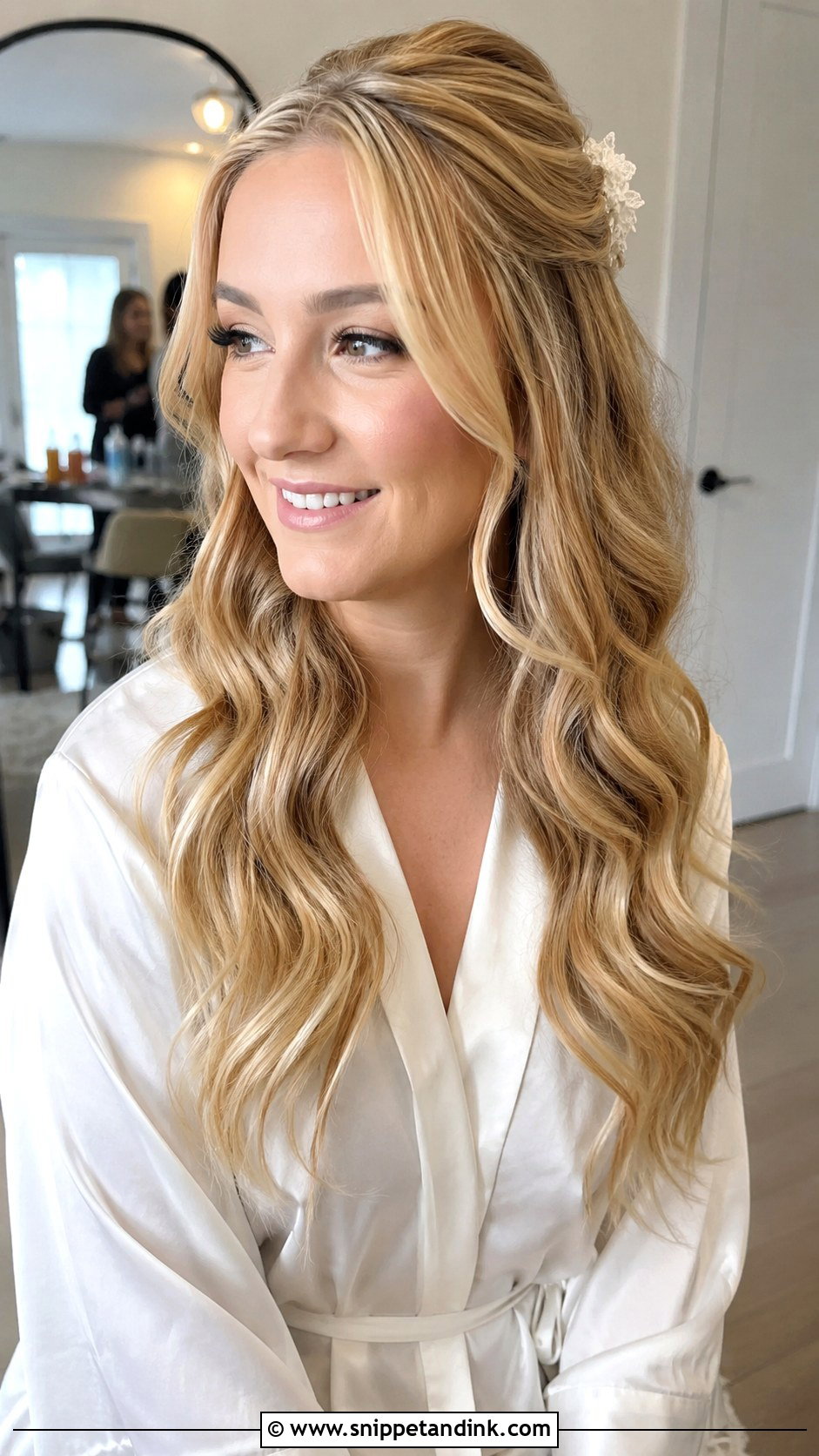
Clip-ins are the method I reach for most on wedding mornings, because nothing about them is permanent. I place the wefts exactly where the style needs bulk, usually across the back and just below the crown, then curl natural hair and extensions together so they set as one. The trial matters more than the purchase. I cut and layer the set at the trial so the ends sit inside your own, not below it in a hard line. Choose human hair extensions in your shade and density, since synthetic fibre melts or frizzes under a curling iron.
2. Bridal Tape In Hair Extensions
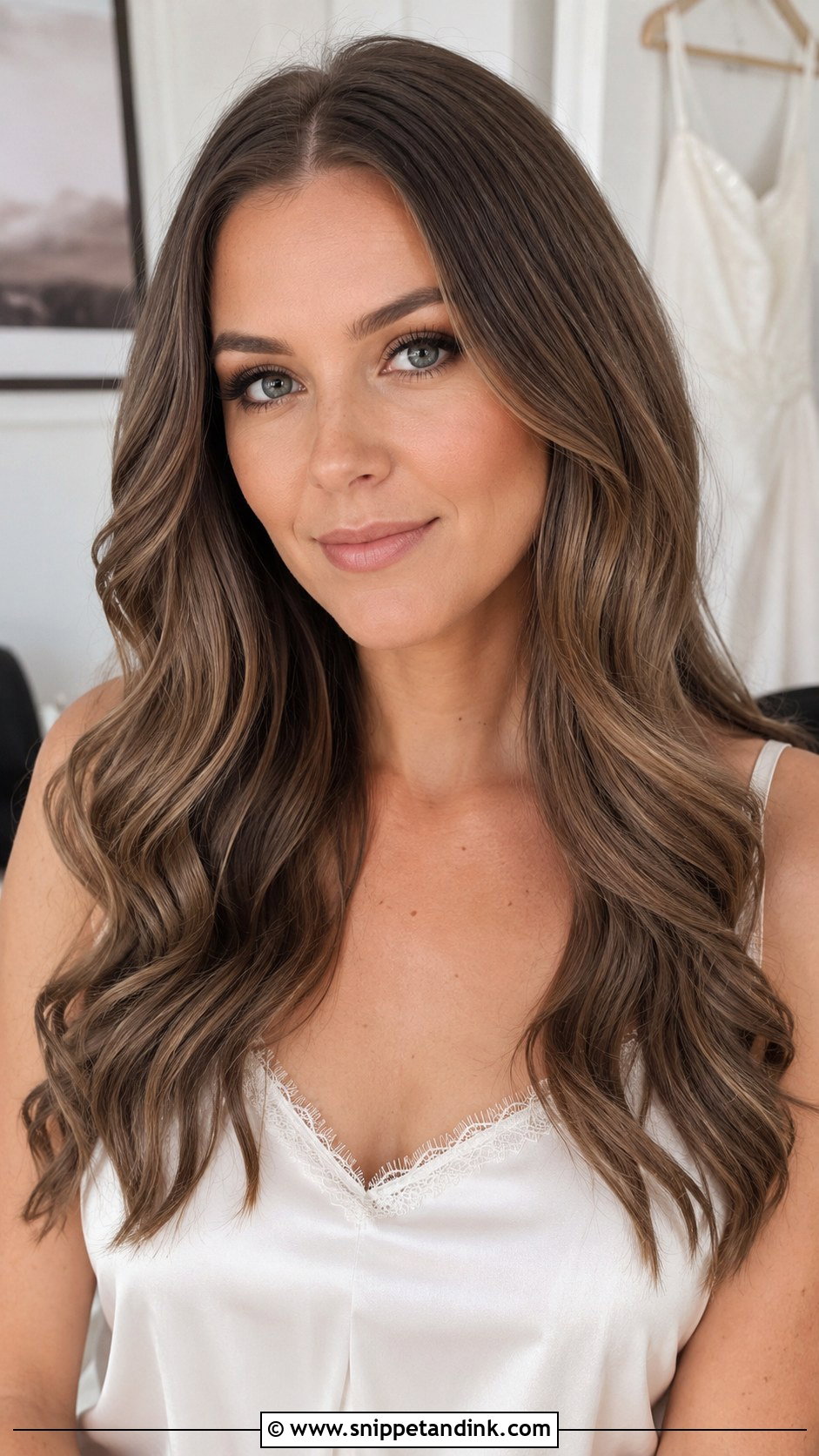
Thin, flat panels are sandwiched around your own hair with adhesive. Bridal tape in hair extensions lie so flat to the head that they disappear under waves and blowouts, which is why fine and medium hair takes to them well. They need installing by a professional a few weeks ahead so you can wash them a couple of times and get used to them. Oils and rich conditioners loosen the adhesive, so keep those to the mid-lengths and ends. In a high updo the tapes can show at the nape; tell your installer what style you’re planning.
3. Bridal Sew In Hair Extensions
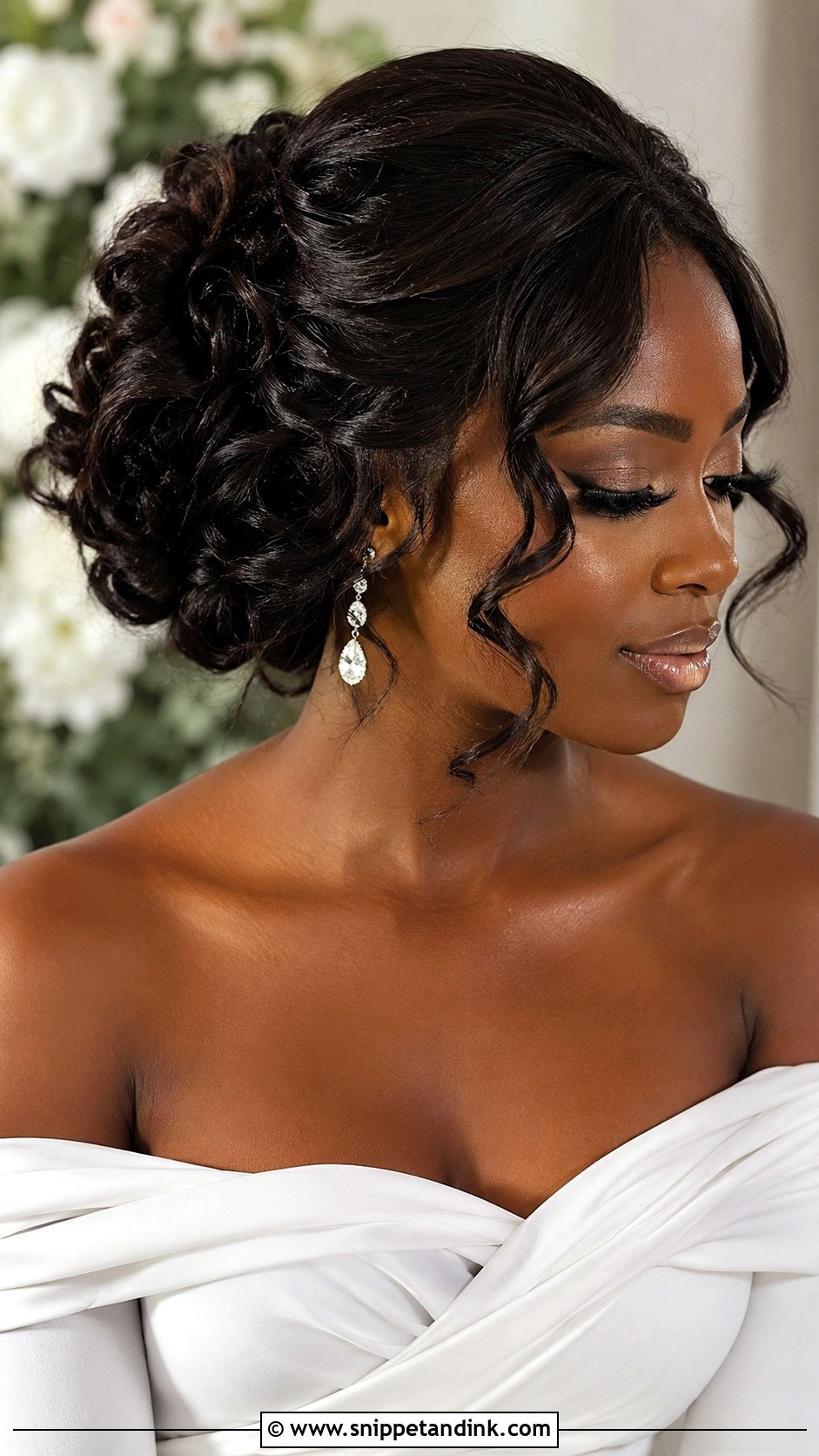
A sew-in is stitched onto braided tracks of your own hair, so it’s secure enough to carry long curls, big updos and dramatic ponytails without a single clip. It’s most often chosen by brides with thick, textured or dense hair. The thing I’d watch is tension. If the braids under the tracks feel tight on install day, they’ll ache by the reception, and too much pull at the hairline can cause lasting damage. A good install feels firm but painless. Match the leave-out or closure carefully to the finished texture so the join doesn’t show.
4. Bridal Halo Hair Extensions
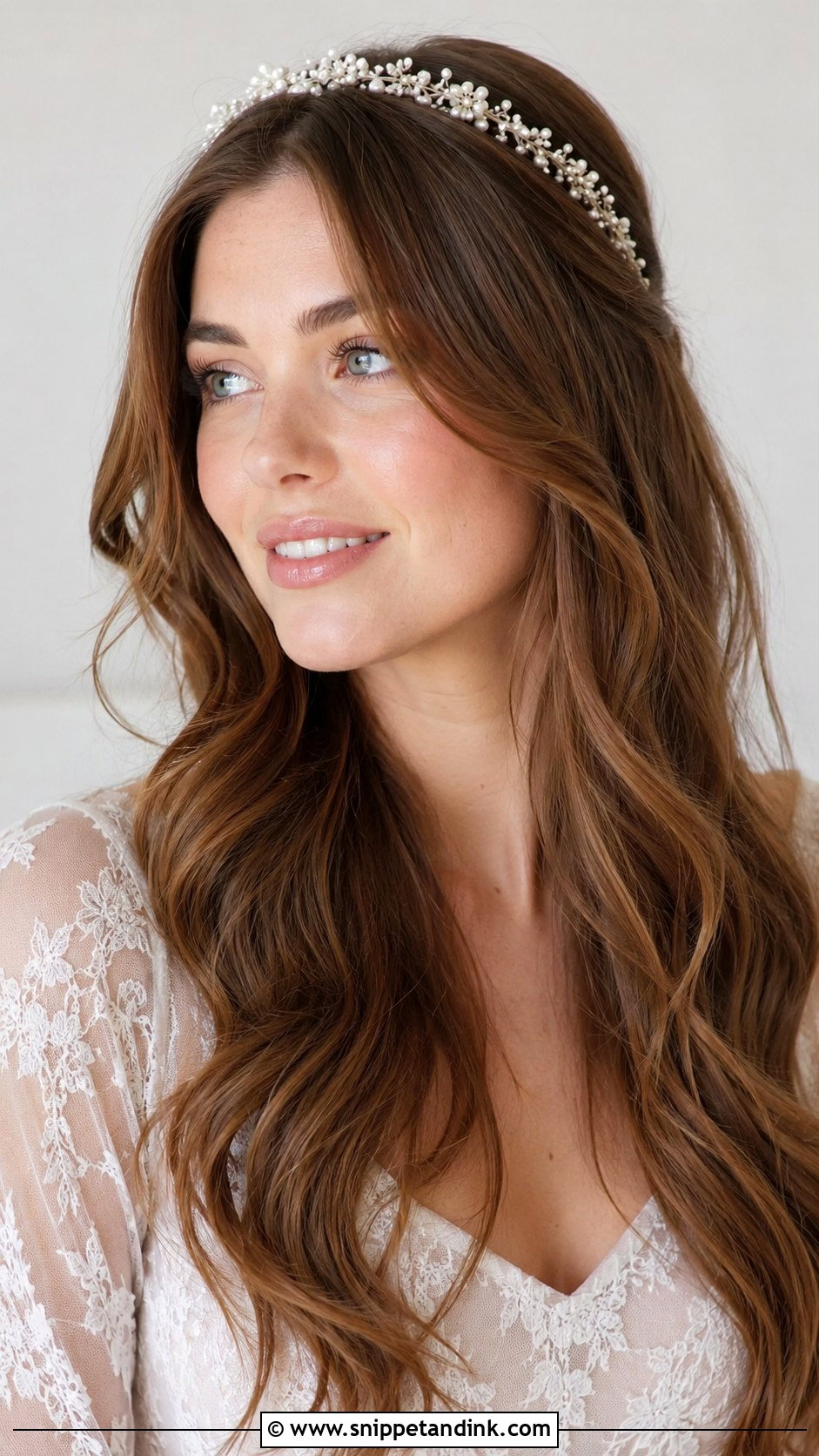
This one is the fastest to put on and take off. Bridal halo hair extensions sit on a clear wire that rests around the crown, with your own top layers pulled over to hide it. No clips, tape or bonds. Halos are made for down styles and loose waves; they’re the wrong choice for high buns or tight ponytails, because the wire has nothing to hide behind. Colour match it in daylight and leave curls at the face to cover the transition at the temples.
5. Bridal Ponytail Hair Extensions
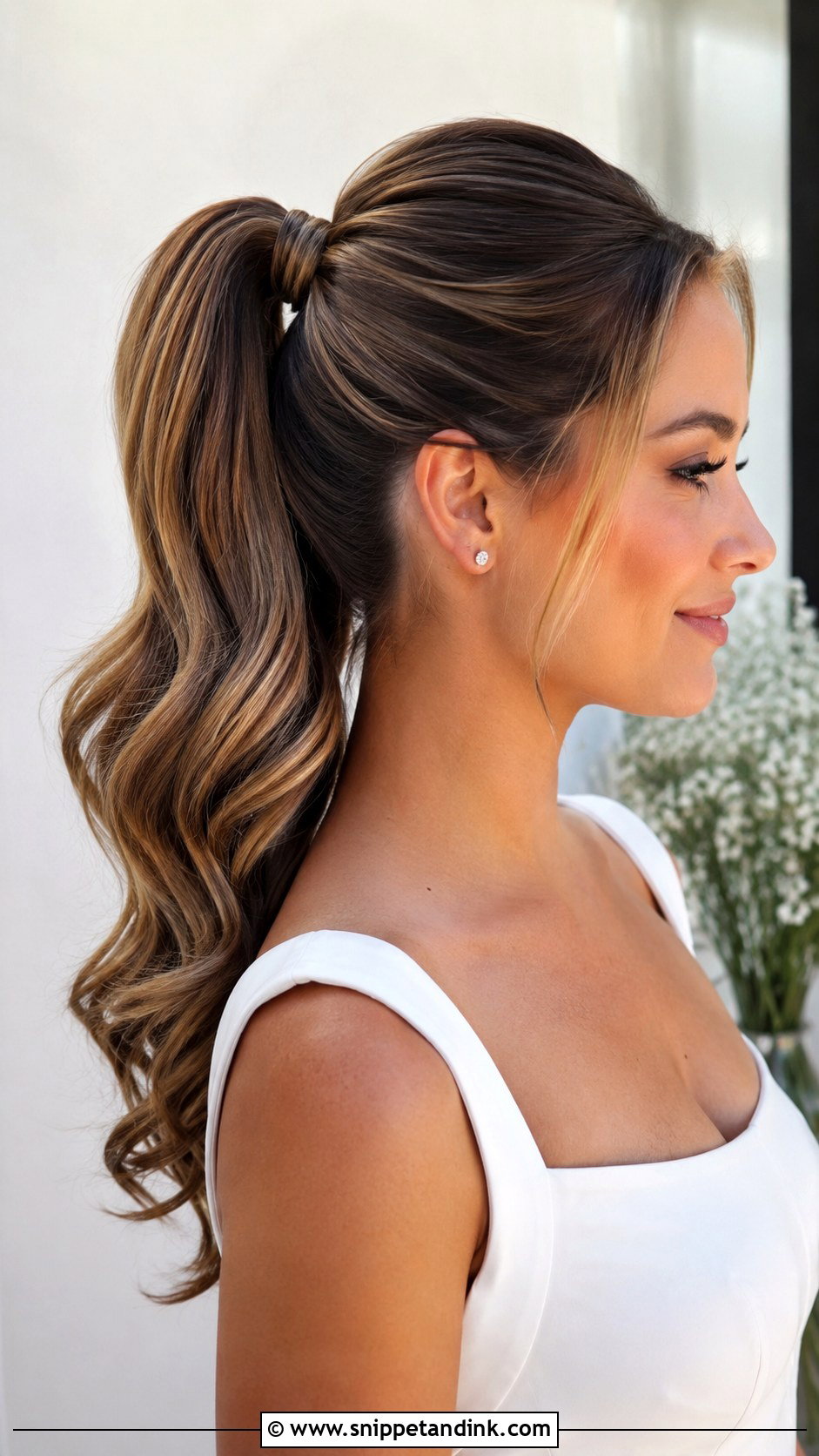
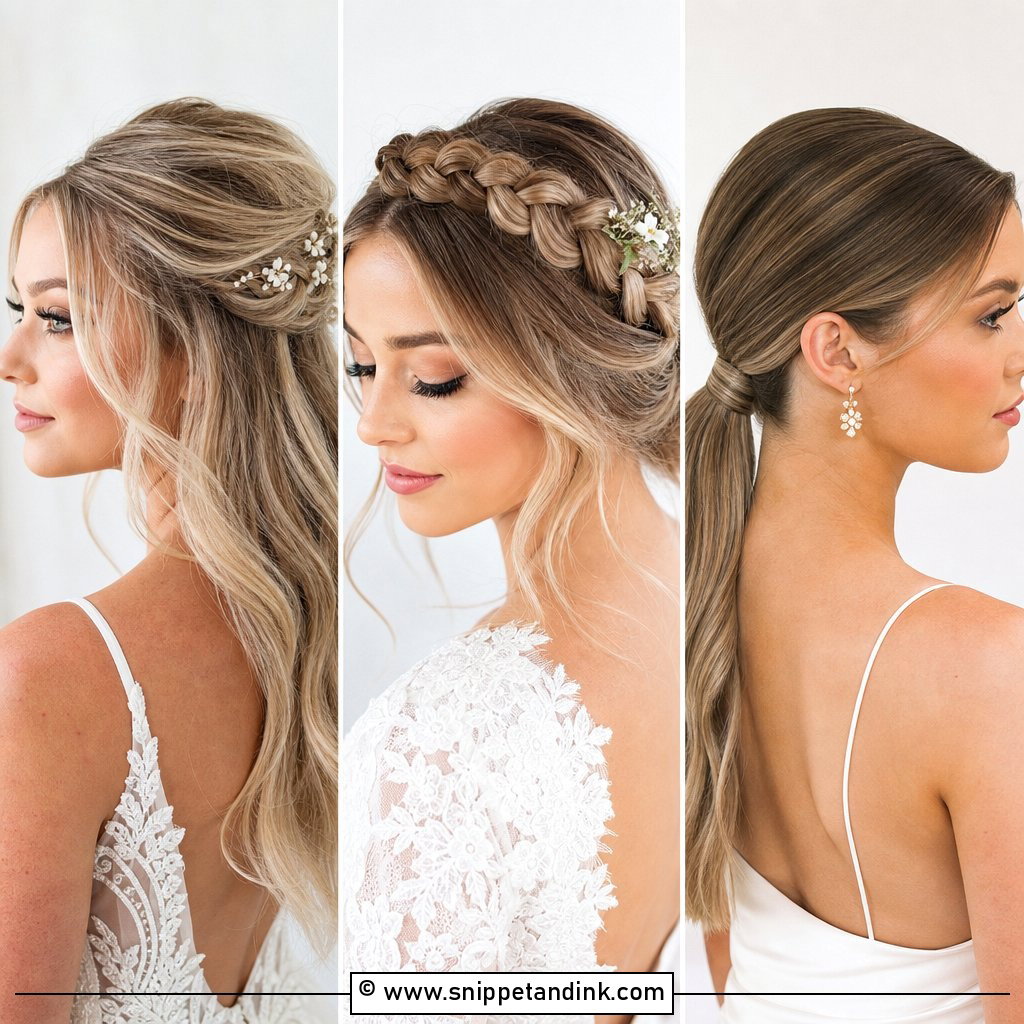
A ponytail piece is either a wrap-around that clips or ties in over your own ponytail, or a set of clip-ins built into the tail. The wrap-around gives length and fullness in minutes; clip-ins add volume around the crown. The weak point is the base. If it’s not anchored firmly, the weight of a long tail drags it down by the evening. I secure the base with a double elastic and cross-pins. Strapless and modern necklines suit it, since the tail shows at the back.
6. Bridal Bun Hair Extensions
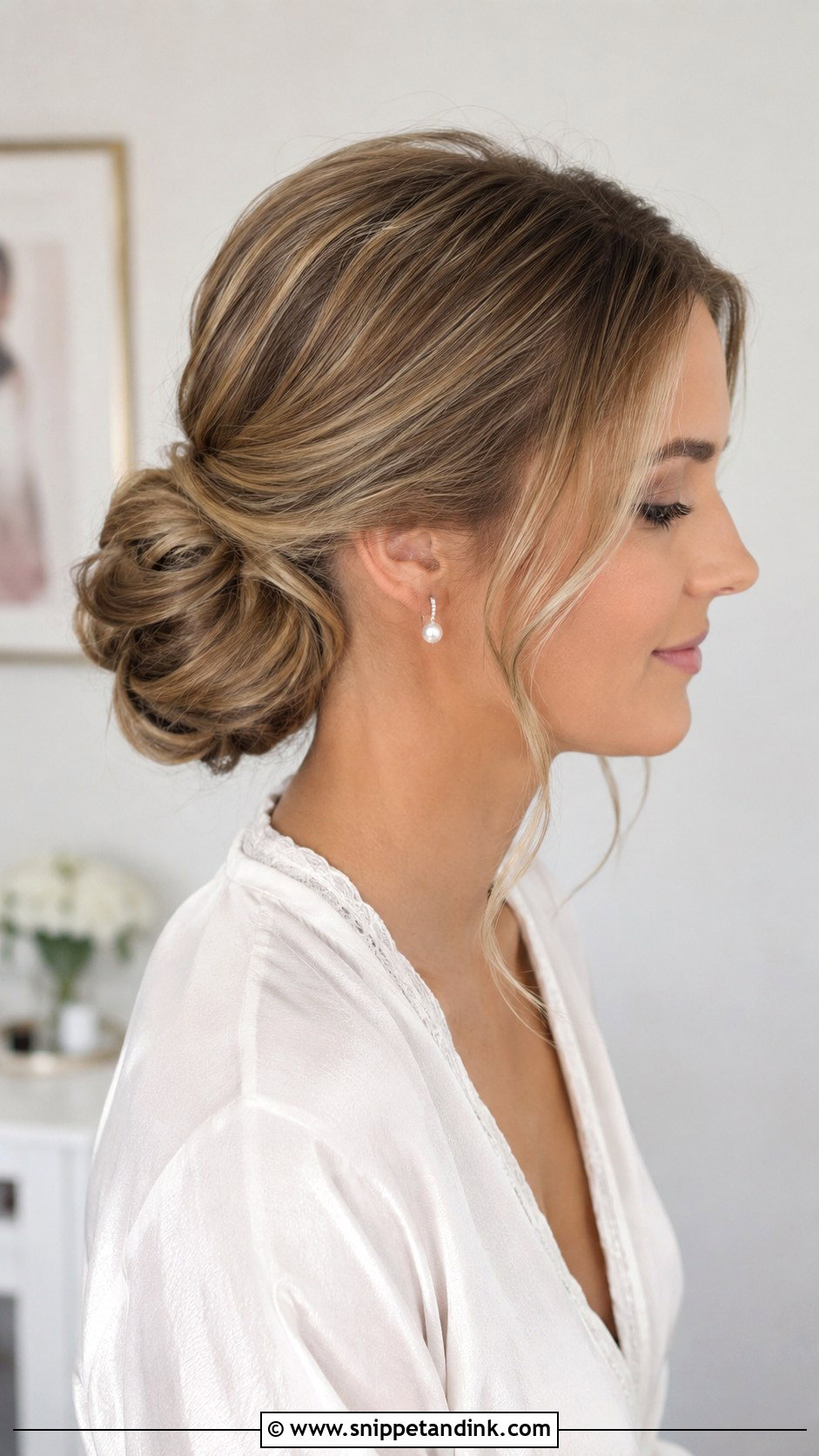
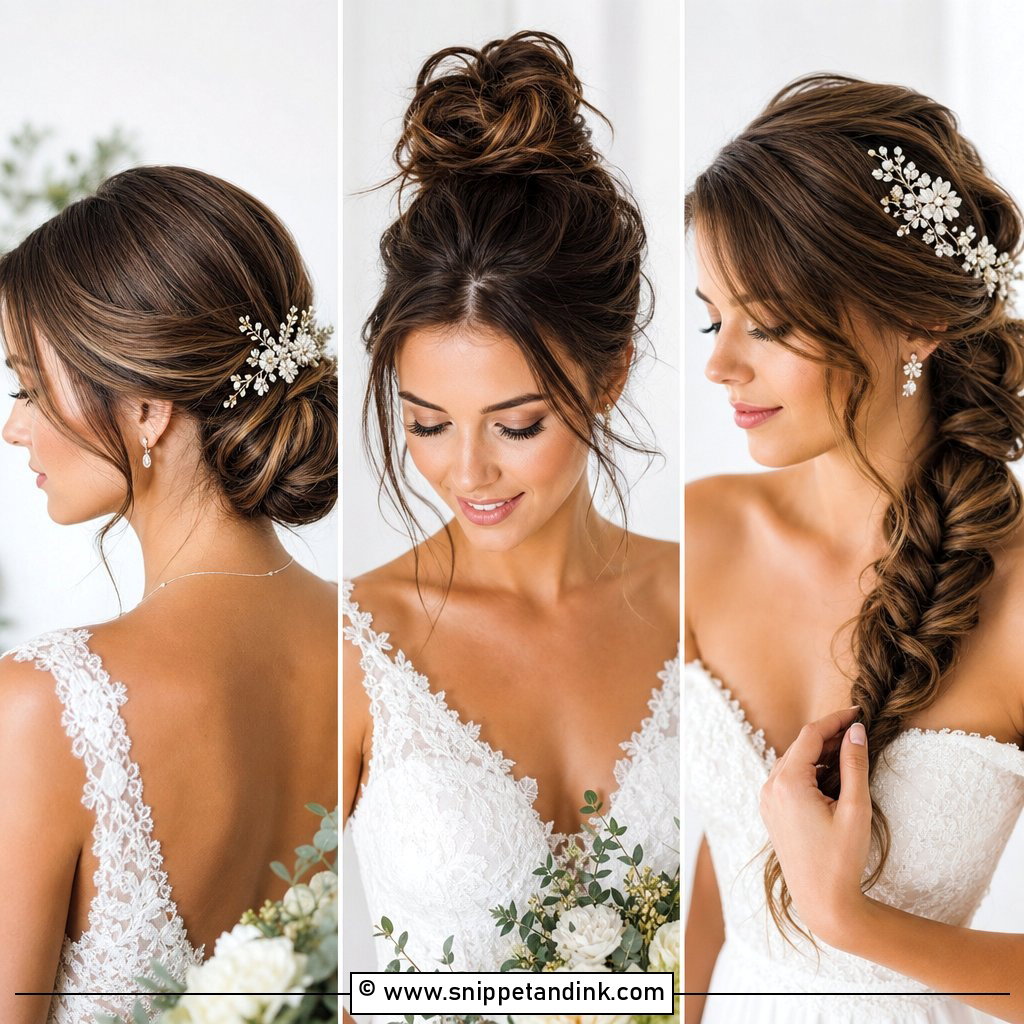
Extensions in a bun aren’t there for length at all. They’re padding. On fine or shoulder-length hair, a few clip-in wefts wound into the bun, or a bun piece pinned over your own, turn a small knot into a full one. Low, high, braided and twisted buns all benefit. Check the trial photos from the side and back, because a bun that looks full in the mirror can look flat in profile.
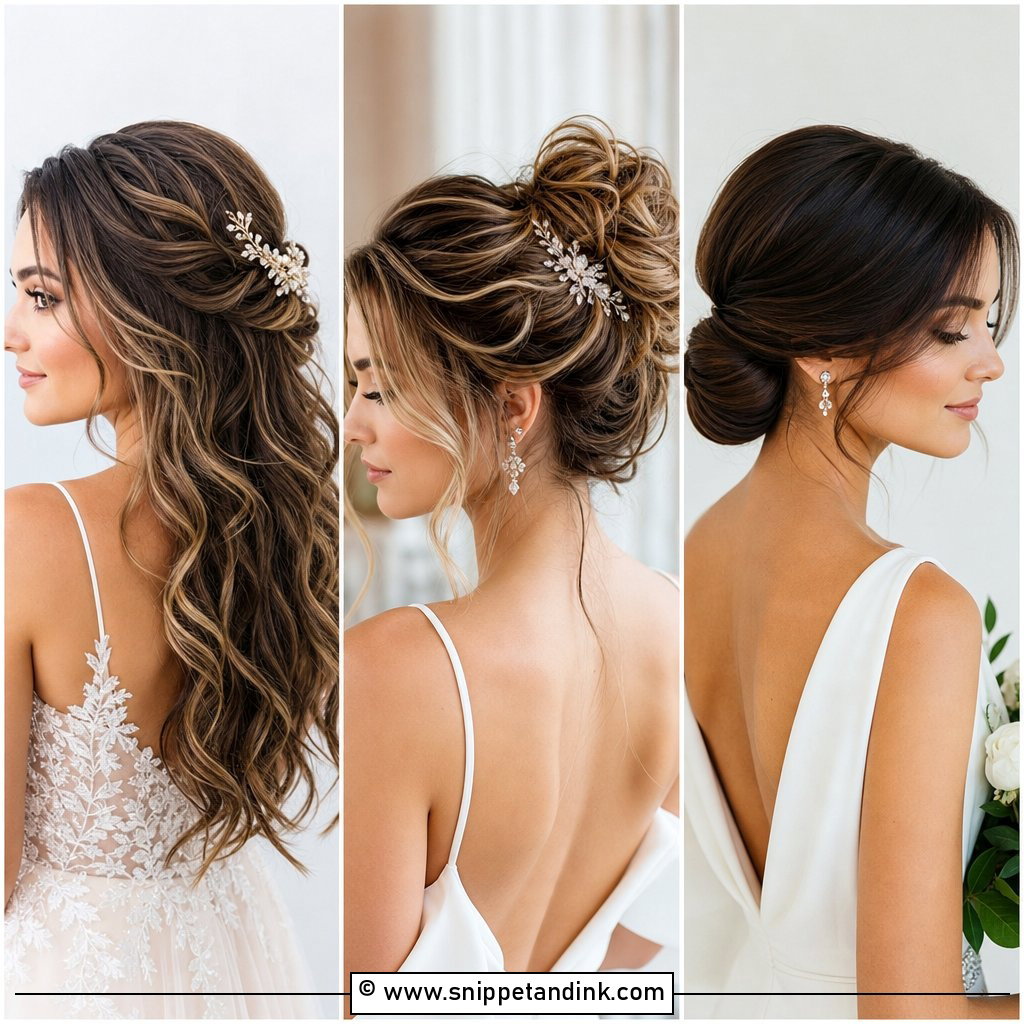
7. Bridal Half Up Hair Extensions
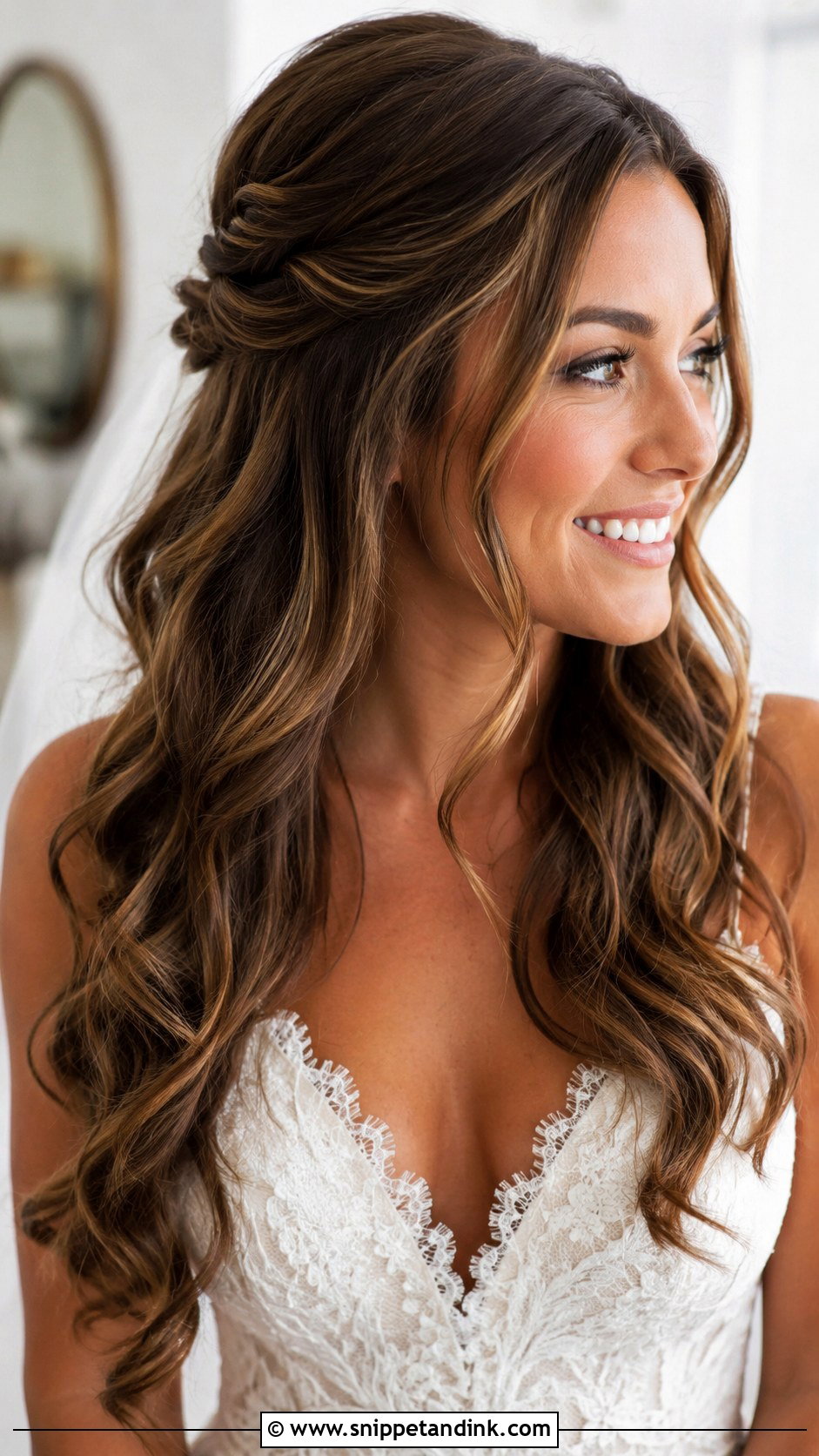
Half-up hides extensions well, because the pinned top layer covers the tracks underneath. That’s the whole trick: I place the wefts low enough that the top section drapes over them, and add volume only in the bottom curls. Veils, floral pins and pearl details sit on the pinned section. It flatters brides who want hair around their shoulders without it looking casual. Test the veil at the trial, as its comb shouldn’t sit on a weft.
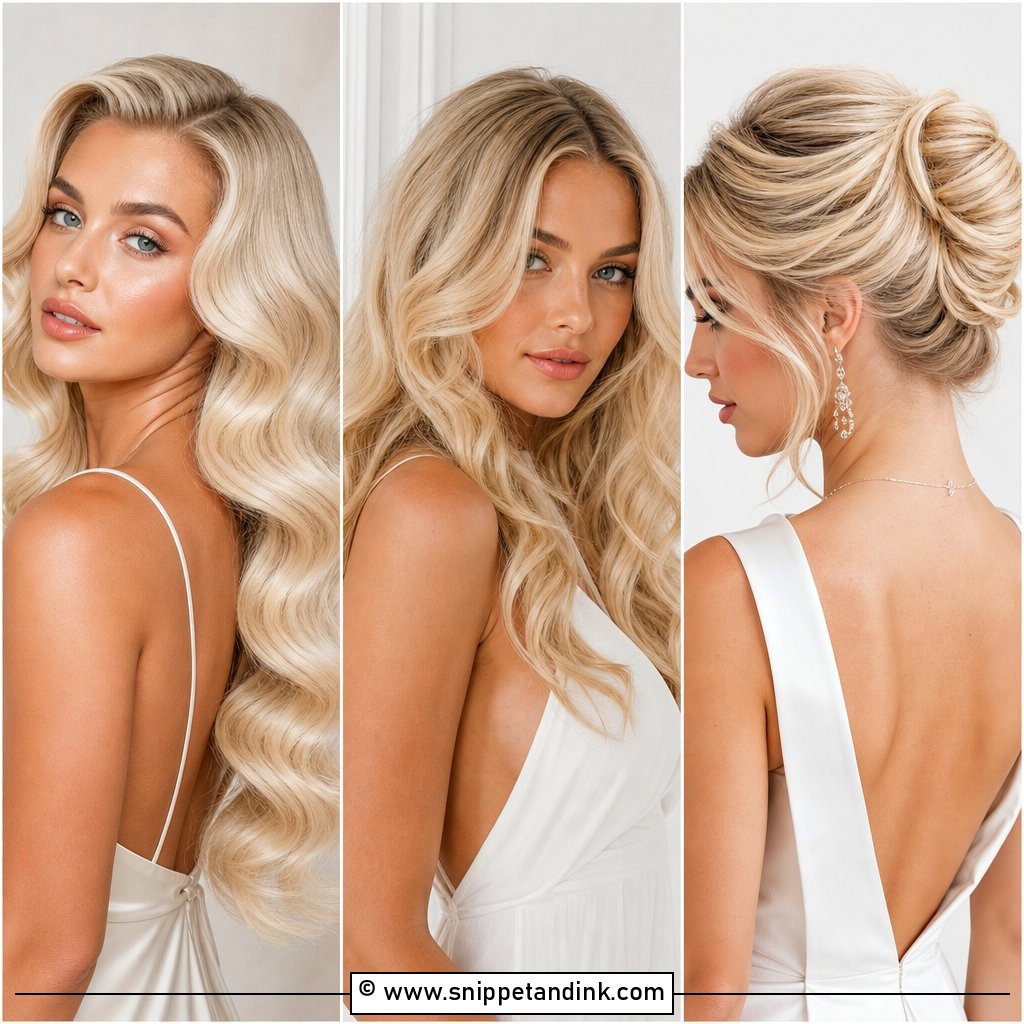
8. Bridal Hollywood Waves With Extensions
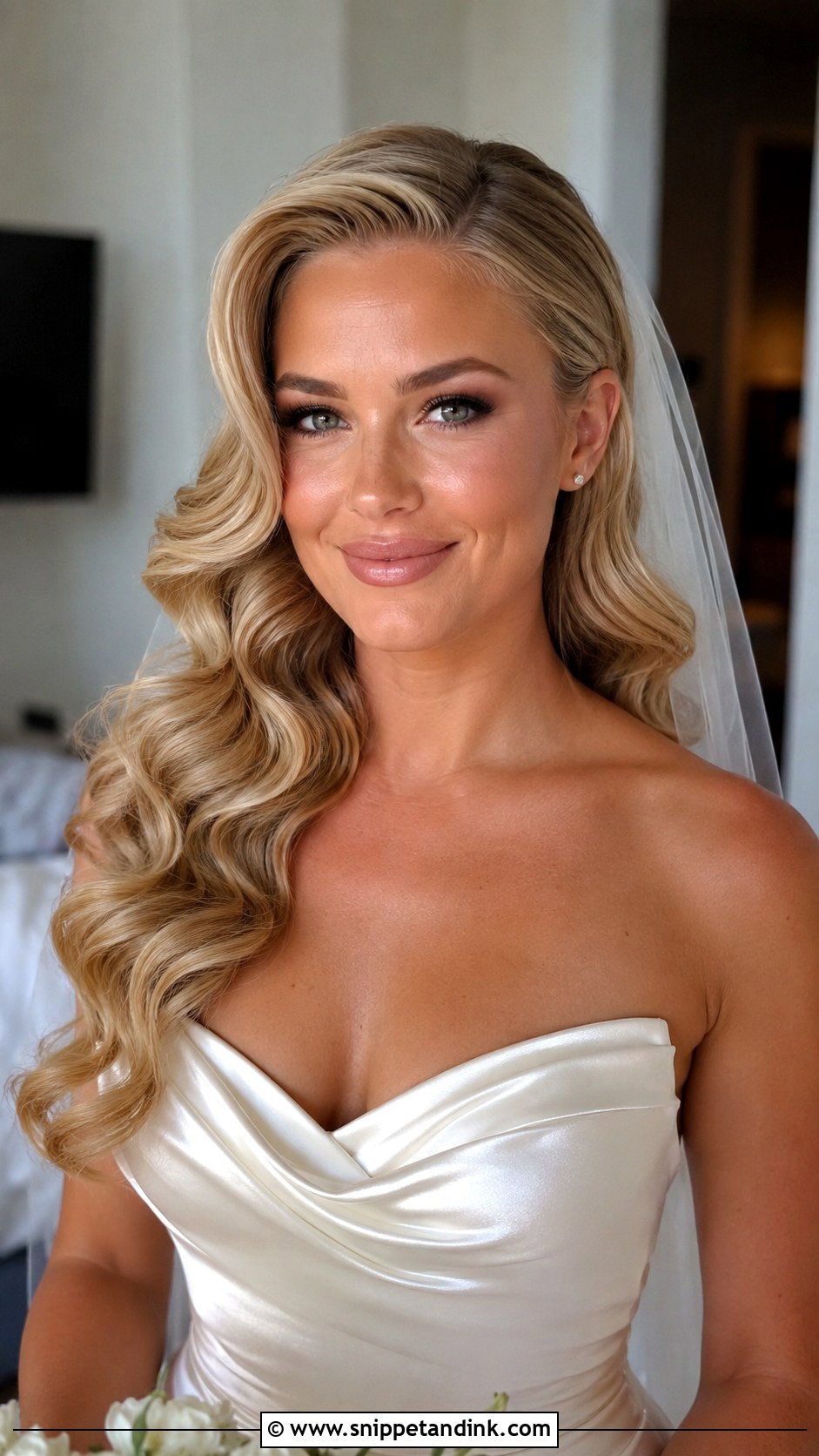
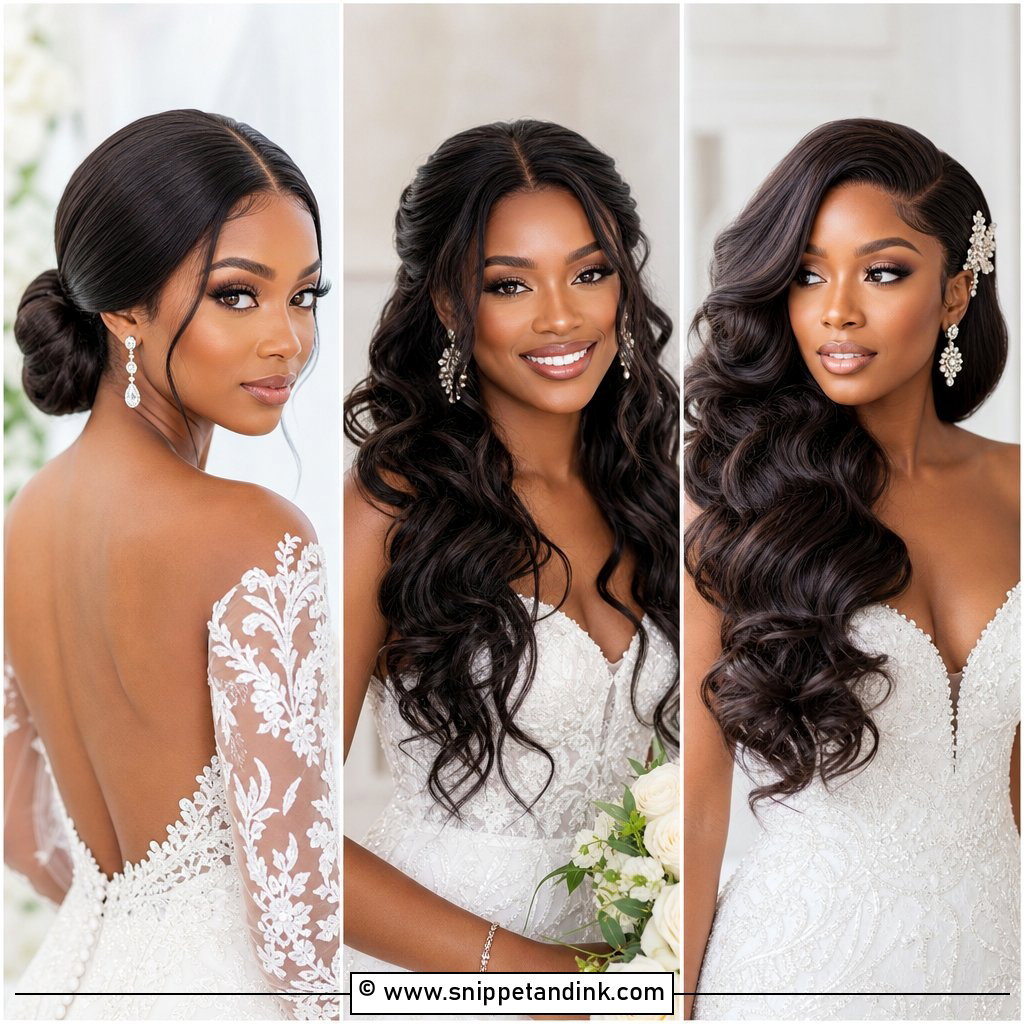
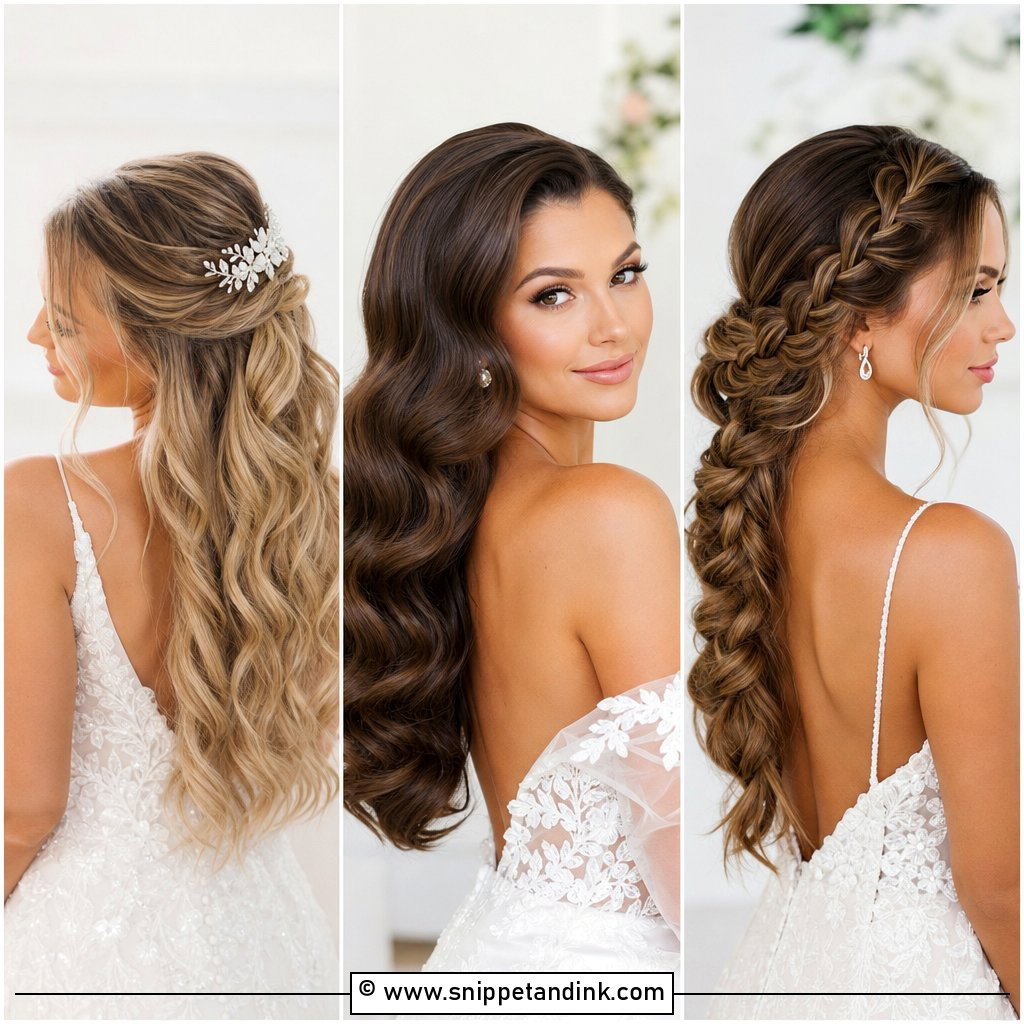
Hollywood waves need even density from root to tip. Thin ends make the S-pattern uneven, and you’ll see it in photos. Human hair clip-ins or tape-ins work best because they can be curled and brushed into the same sculpted wave as your own hair. Prep, a strong set and a careful brush-out matter as much as the extensions. Side parts, clean makeup and fitted gowns suit it. Add humidity protection for outdoor venues, because these waves soften fast in damp air.
9. Bridal Loose Curls With Extensions
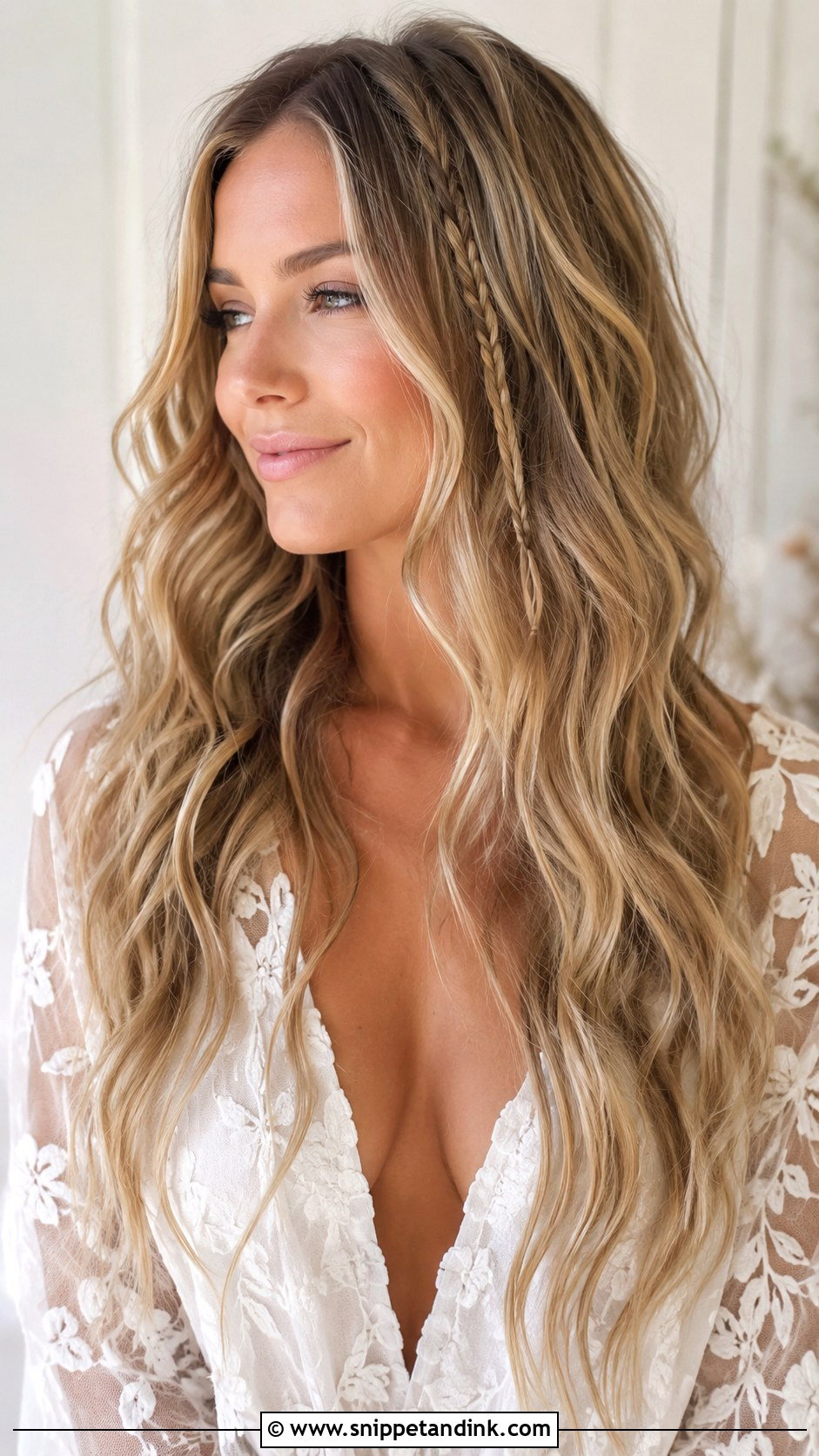
Extensions are what stop loose curls going stringy after a few hours of hugs and dancing. They give body to the curl pattern so it stays full. I curl the natural hair and extensions together, alternating directions so the two can’t separate into visible layers. Centre or side parts, veils, tiaras and delicate pins all work. Finish with a flexible spray, so the curls move and still last.
10. Bridal Boho Waves With Extensions
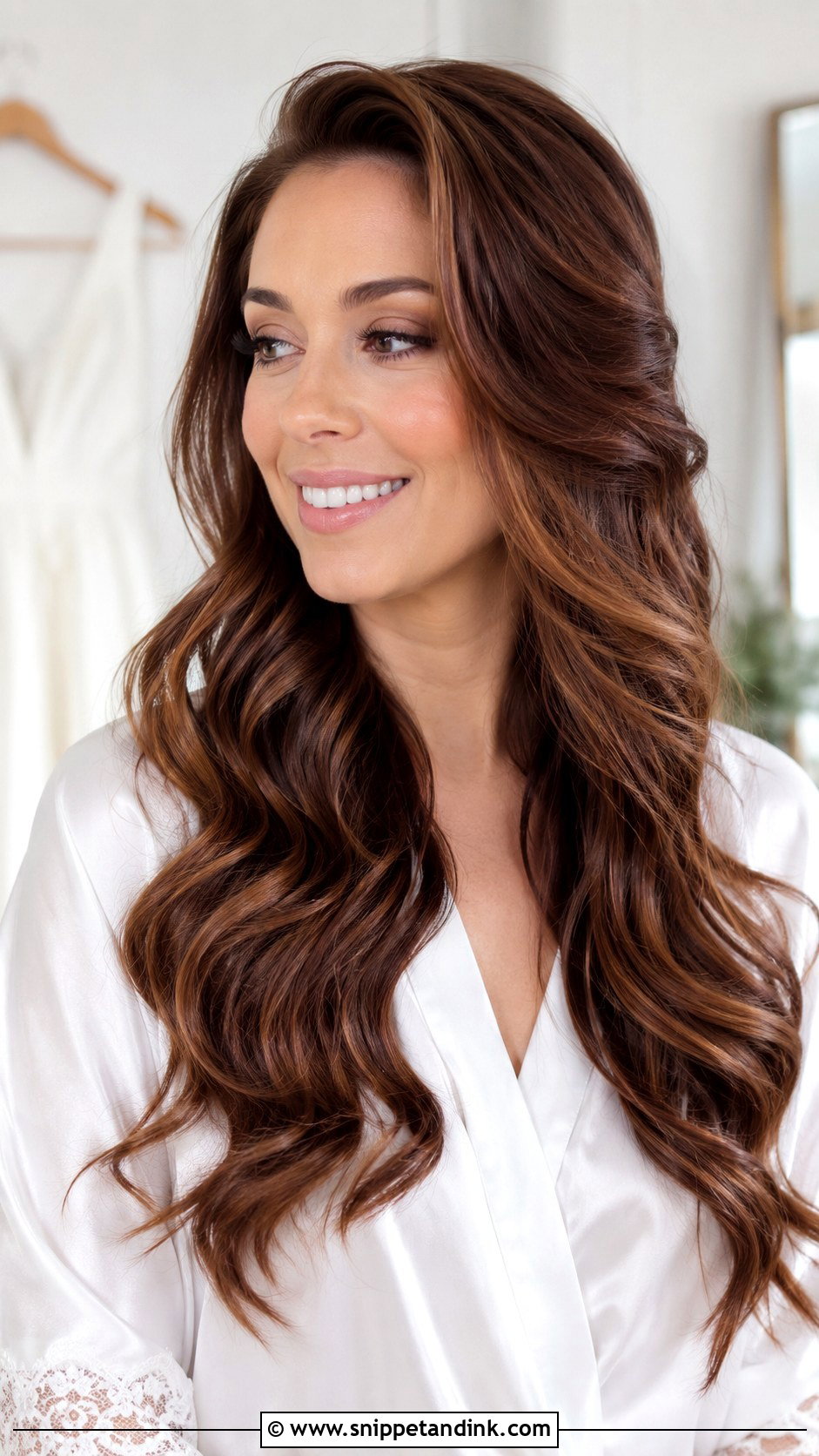
Boho waves shouldn’t look perfect, and extensions can actually make them look too uniform if every weft is the same length. I ask for a little layering in the set so the waves fall naturally around the shoulders. Small braids, floral pins, a vine or a simple veil all sit well. The ends still need to look healthy and polished, or the relaxed texture just reads as messy.
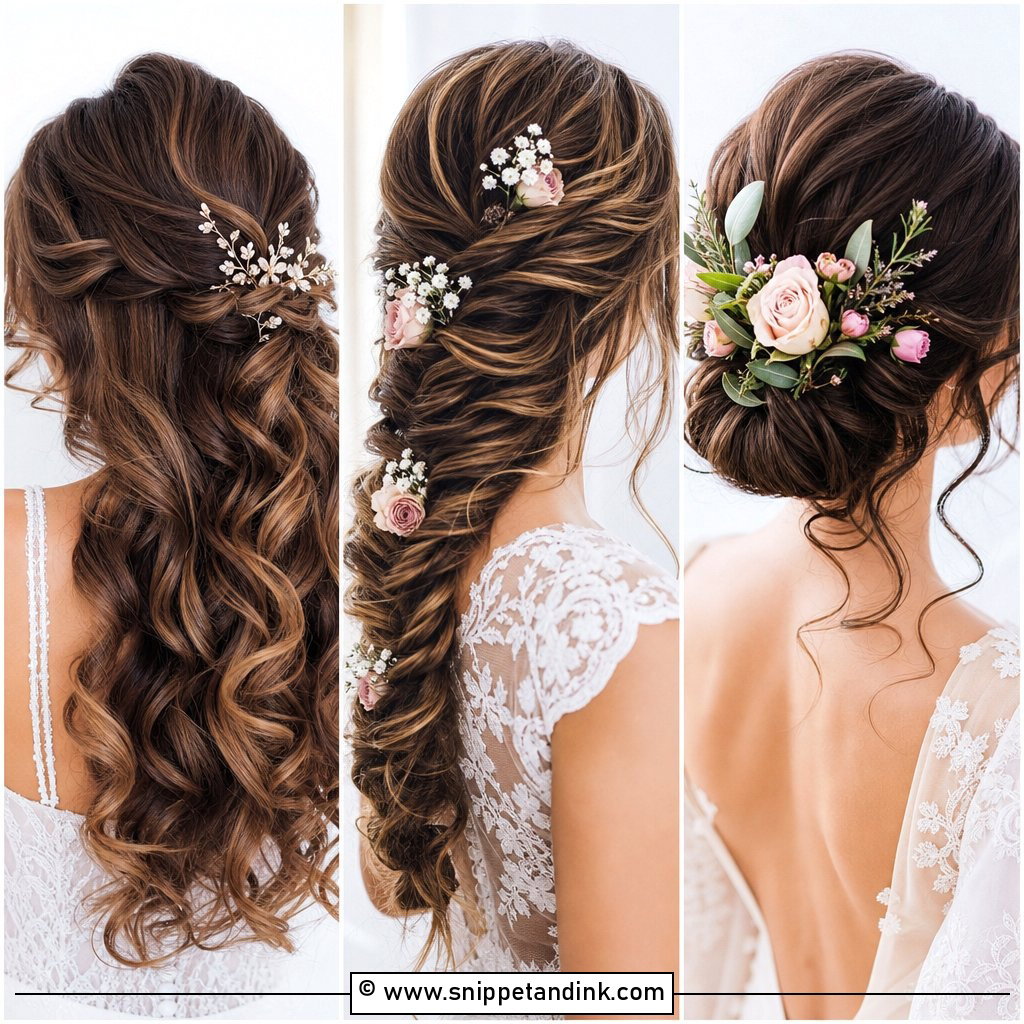
11. Bridal Braids With Extensions
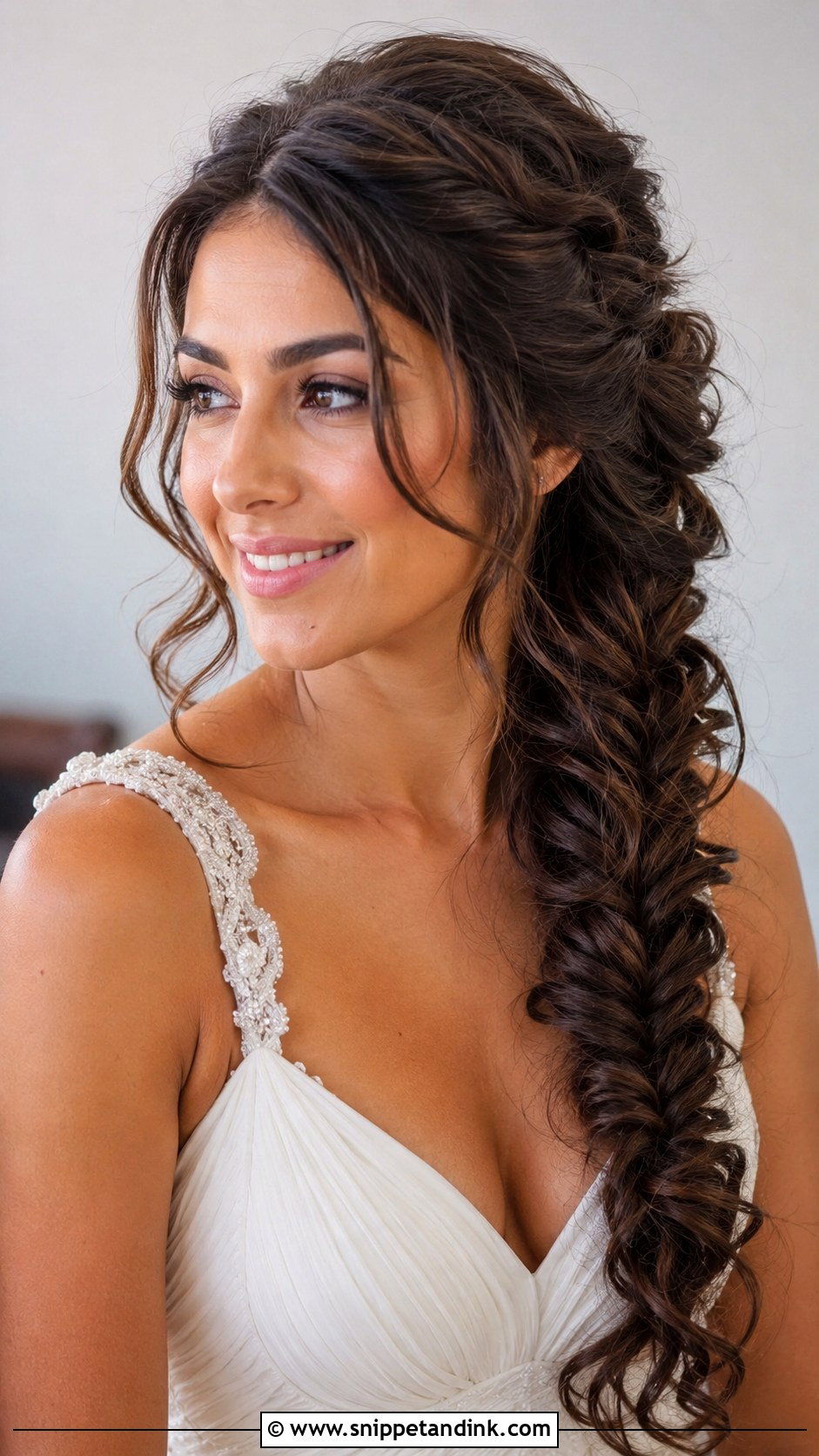
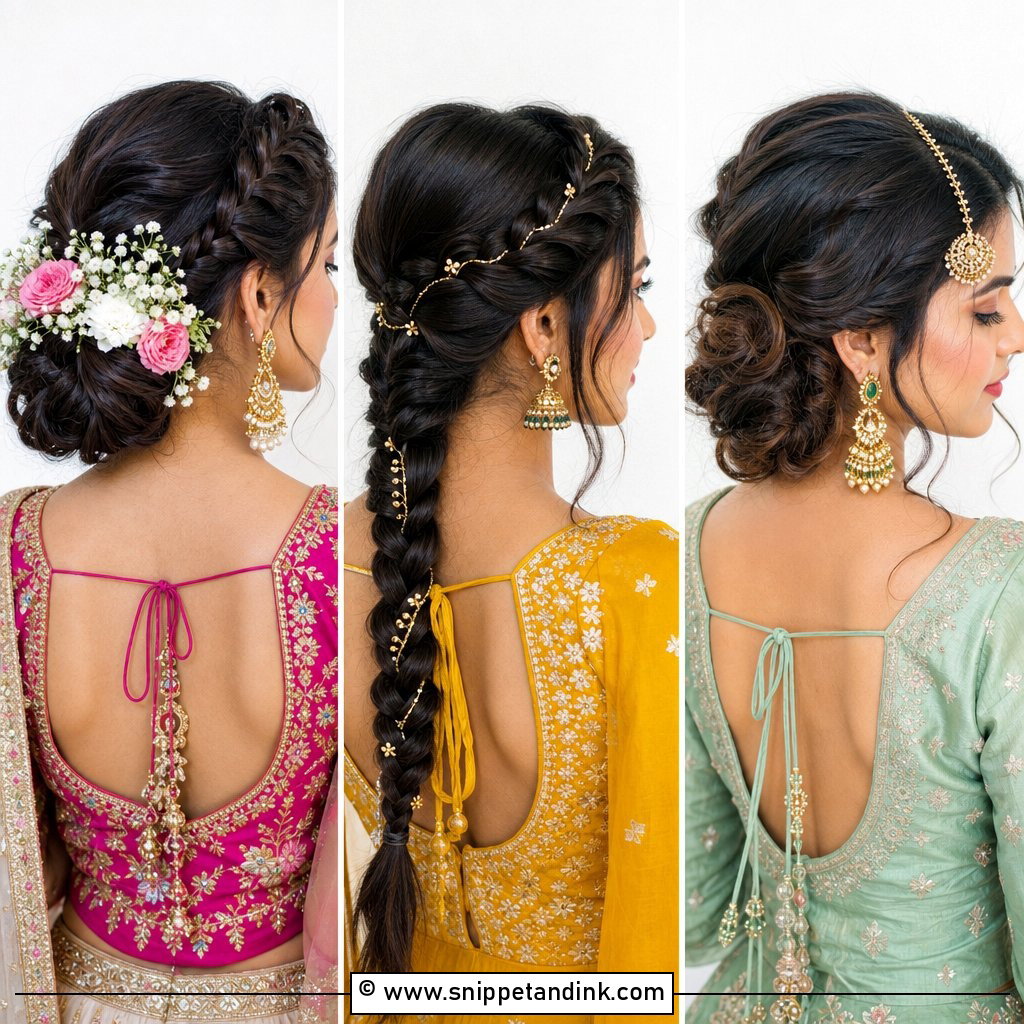
Most natural braids taper quickly toward the end, which is why they look thin in photos. Extensions keep the braid full from top to bottom. Fishtails, Dutch braids, side braids, crown braids and braided updos all benefit. I match the extension texture to the finished braid, not just to your hair before styling. Gently pancaking the braid after it’s pinned adds volume without making it loose. Braided styles hold shape well through a long day.
12. Bridal Updo With Extensions
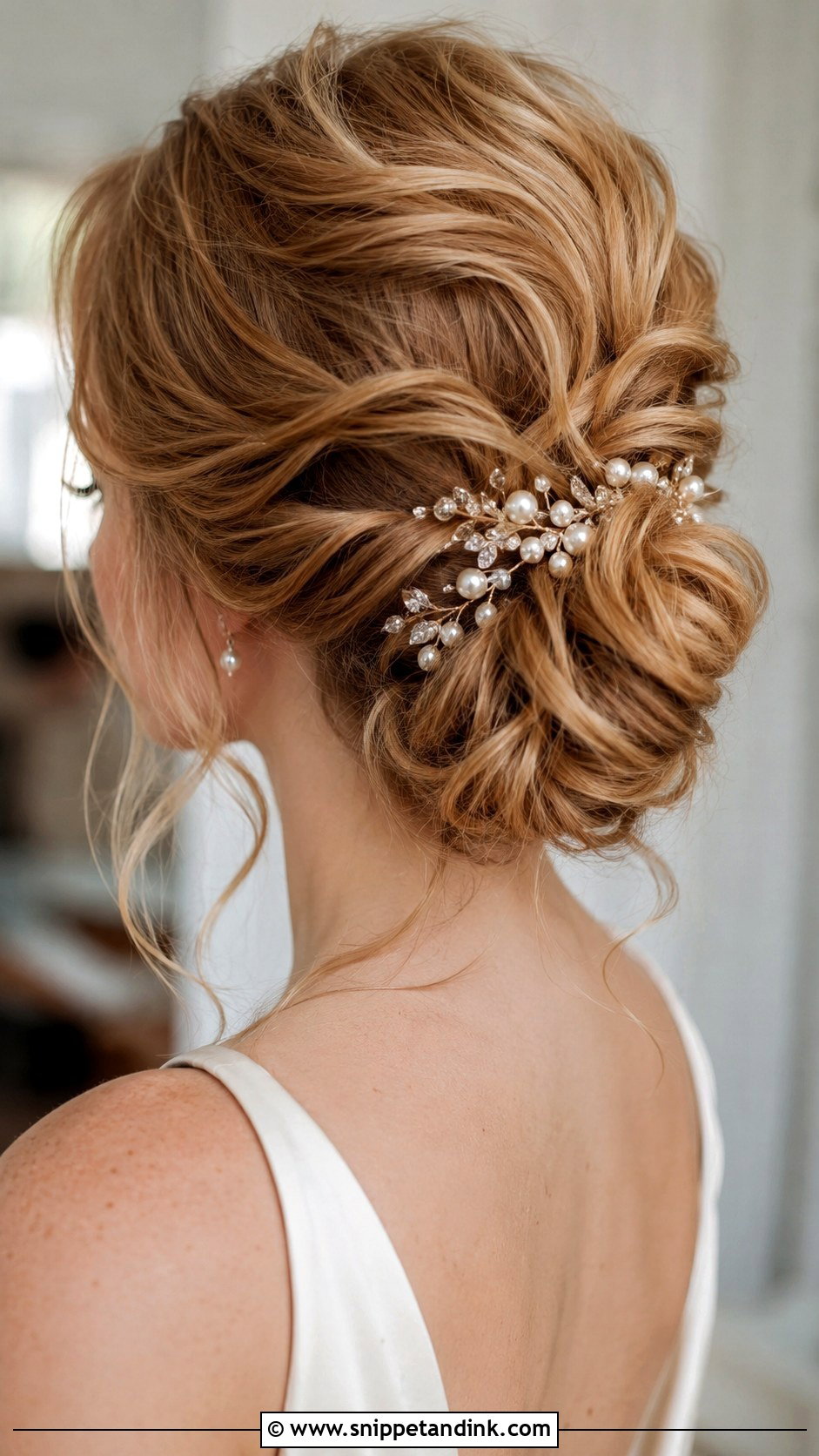
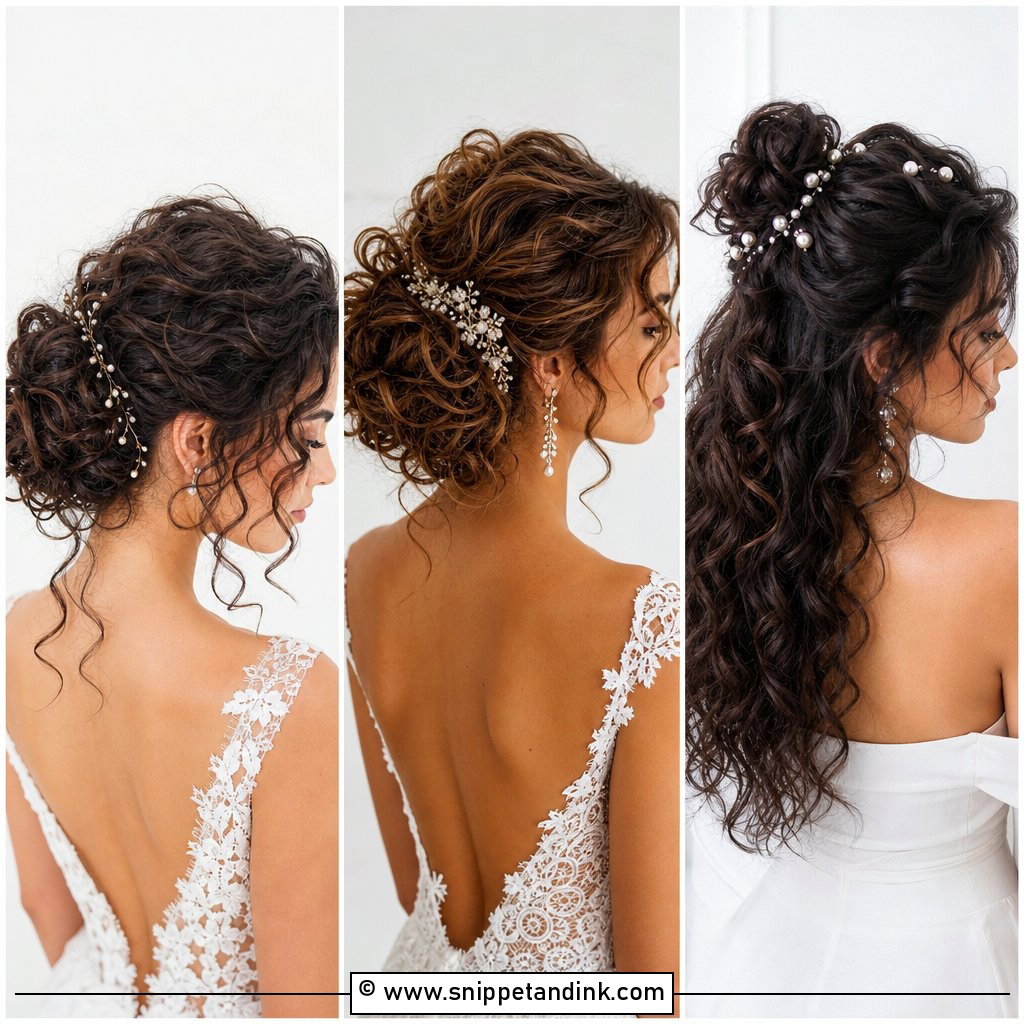
In an updo, extensions are hidden inside to add structure and density. That’s useful for a full low chignon, a messy bun, a textured twist or a high updo. The goal is shape, not length, and it helps balance the hair with a full gown or dramatic veil. At your trial, move your head, hug someone and sit back in a chair. If anything shifts or pulls, the anchor pins need moving before the day.
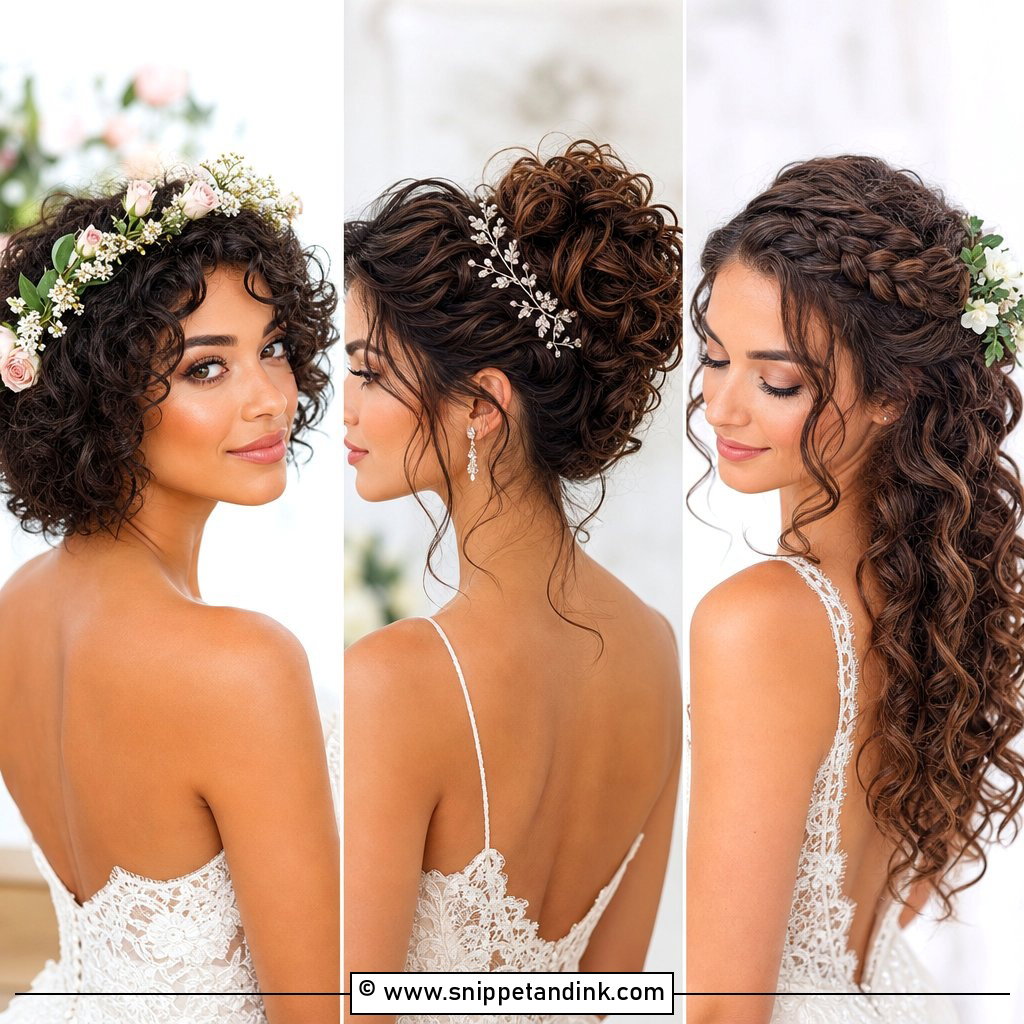
13. Bridal Curly Hair Extensions
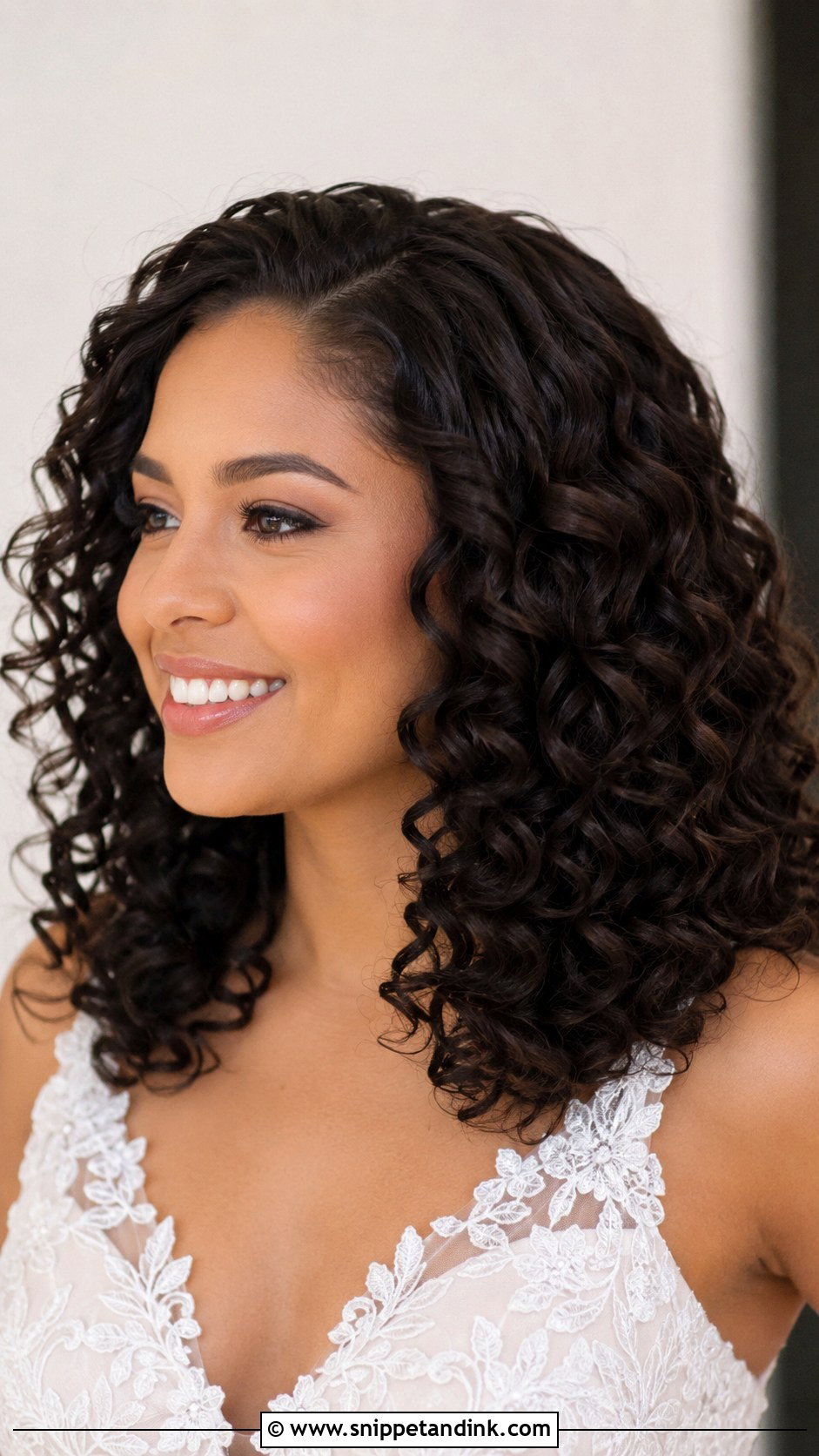
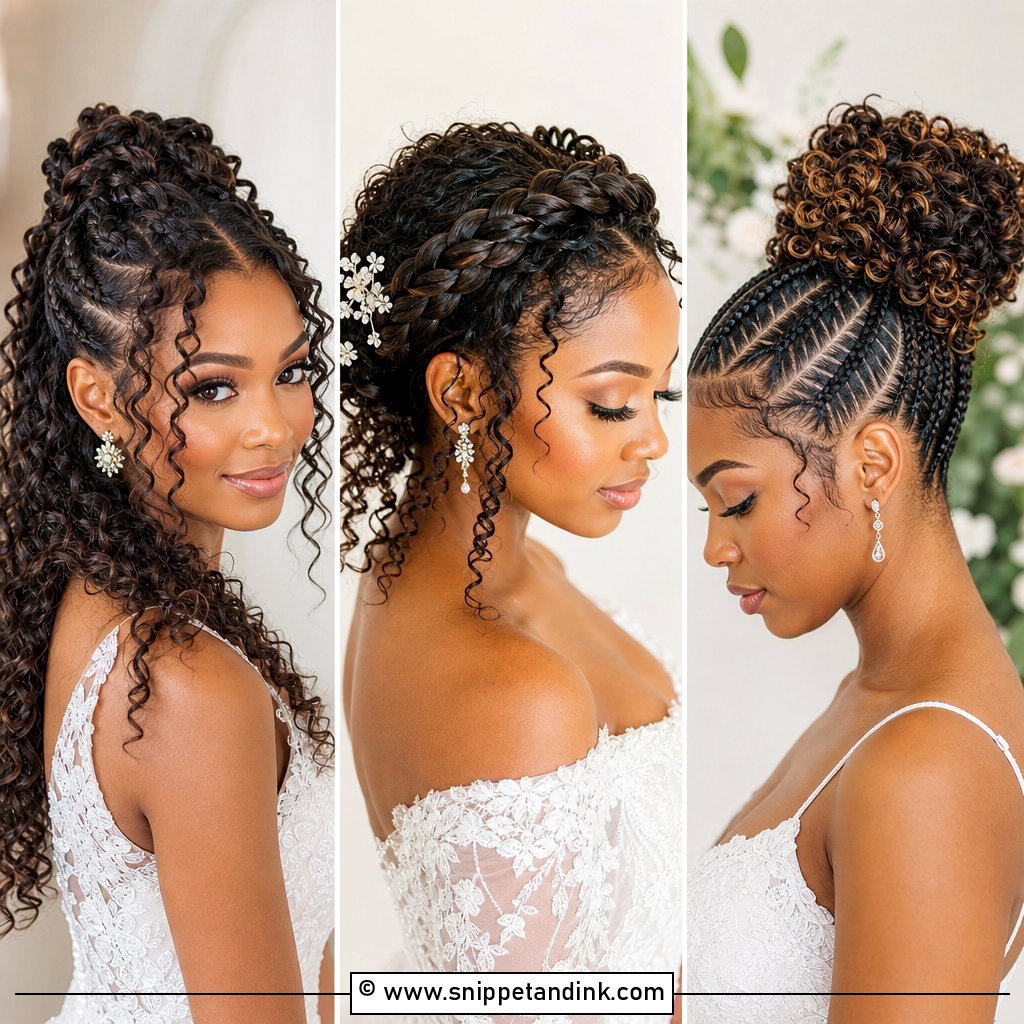
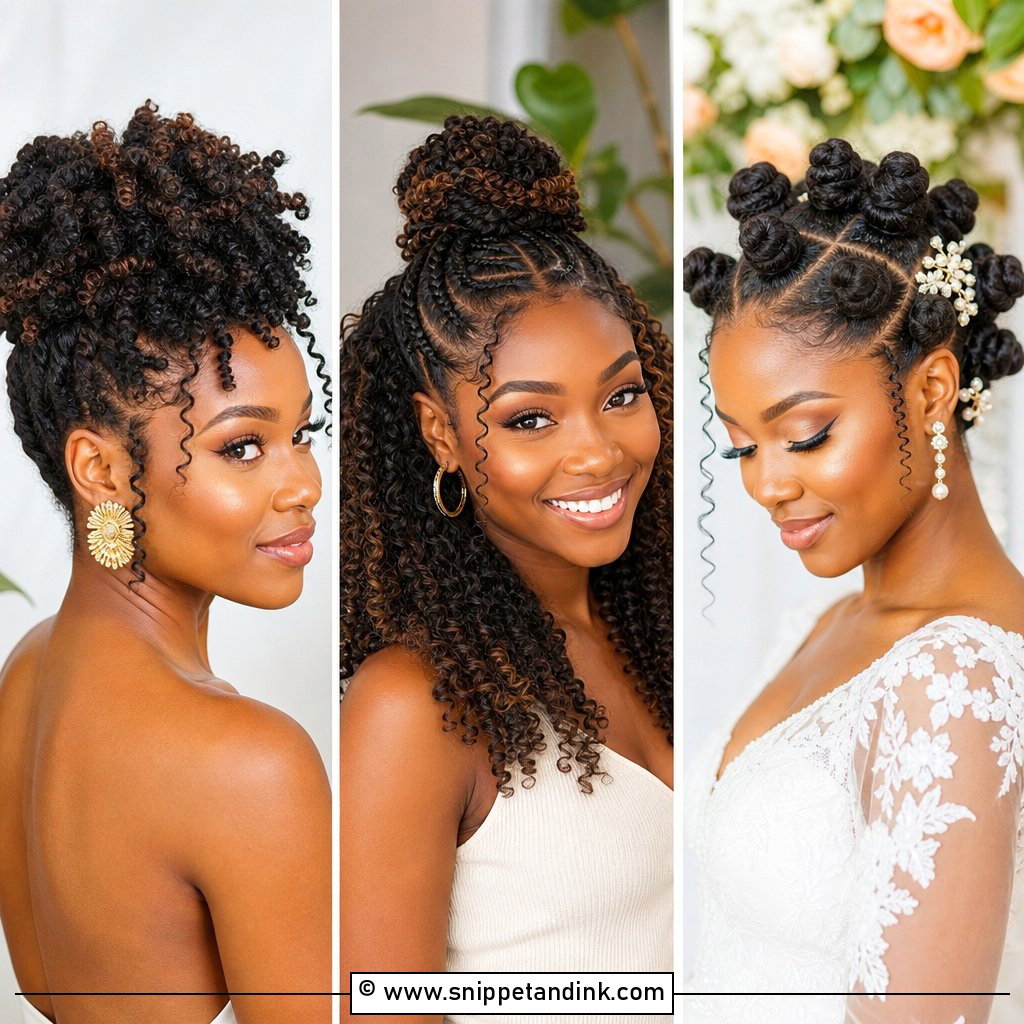
Curly extensions should match the finished curl pattern, not just your hair colour. Silky extensions next to textured curls stand out in photos. They add volume and length to defined curls, curly half-up styles, textured updos and curly ponytails. Your stylist may cut the extensions dry and shape them alongside your own curls, then use curl-friendly products to keep frizz down.
14. Bridal Kinky Curly Hair Extensions
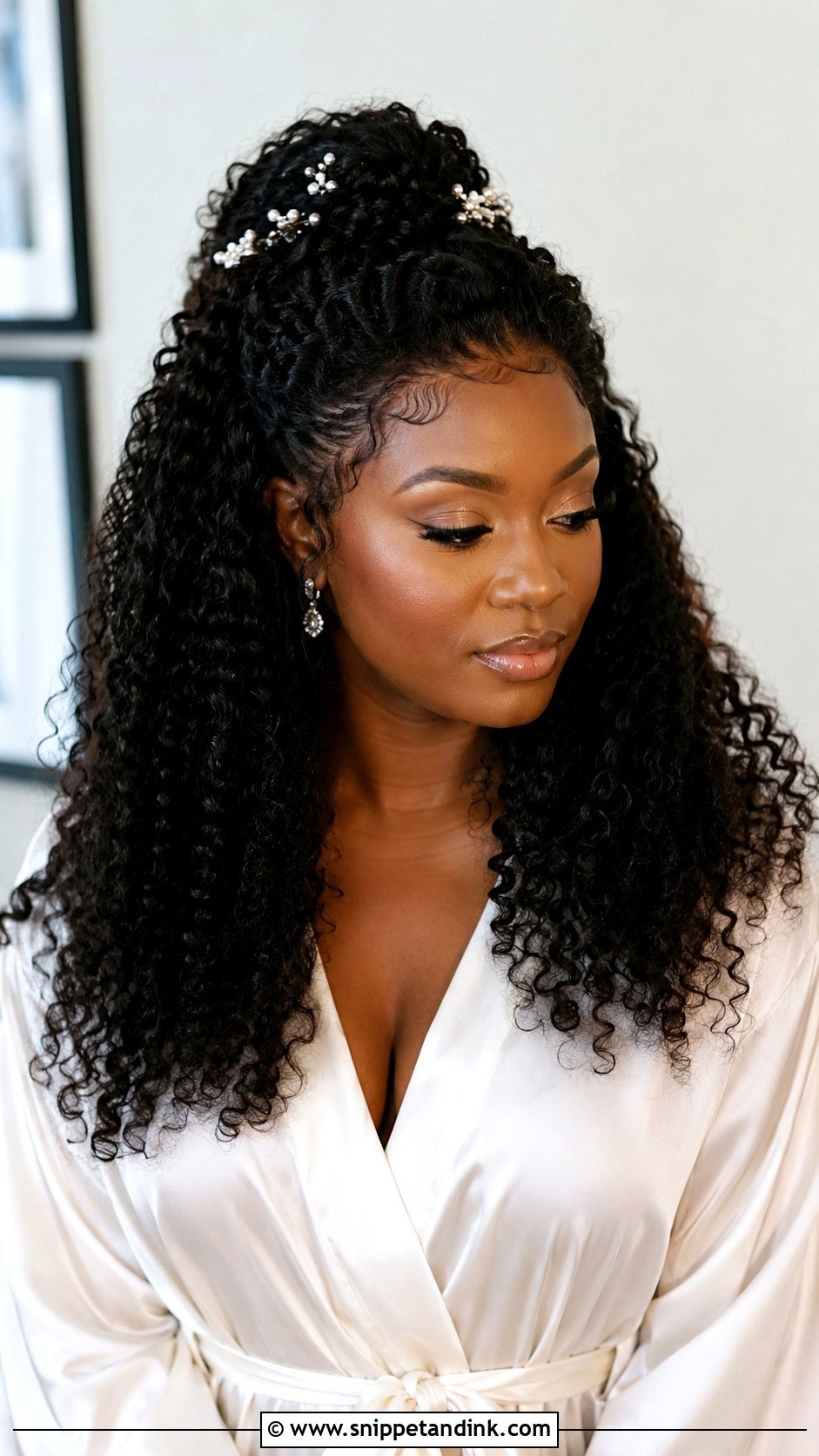
Kinky curly extensions let you wear a full, rounded shape that honours your natural texture. The match has to be close: density, coil size and finish all matter. They work for curly shapes, half-up looks, puffs, textured buns and pinned updos. Your stylist can blend leave-out or use a closure if you’d prefer a more protective option. Prep with hydration first, then curl cream, light gel, or mousse depending on the style.
15. Bridal Loc Extensions
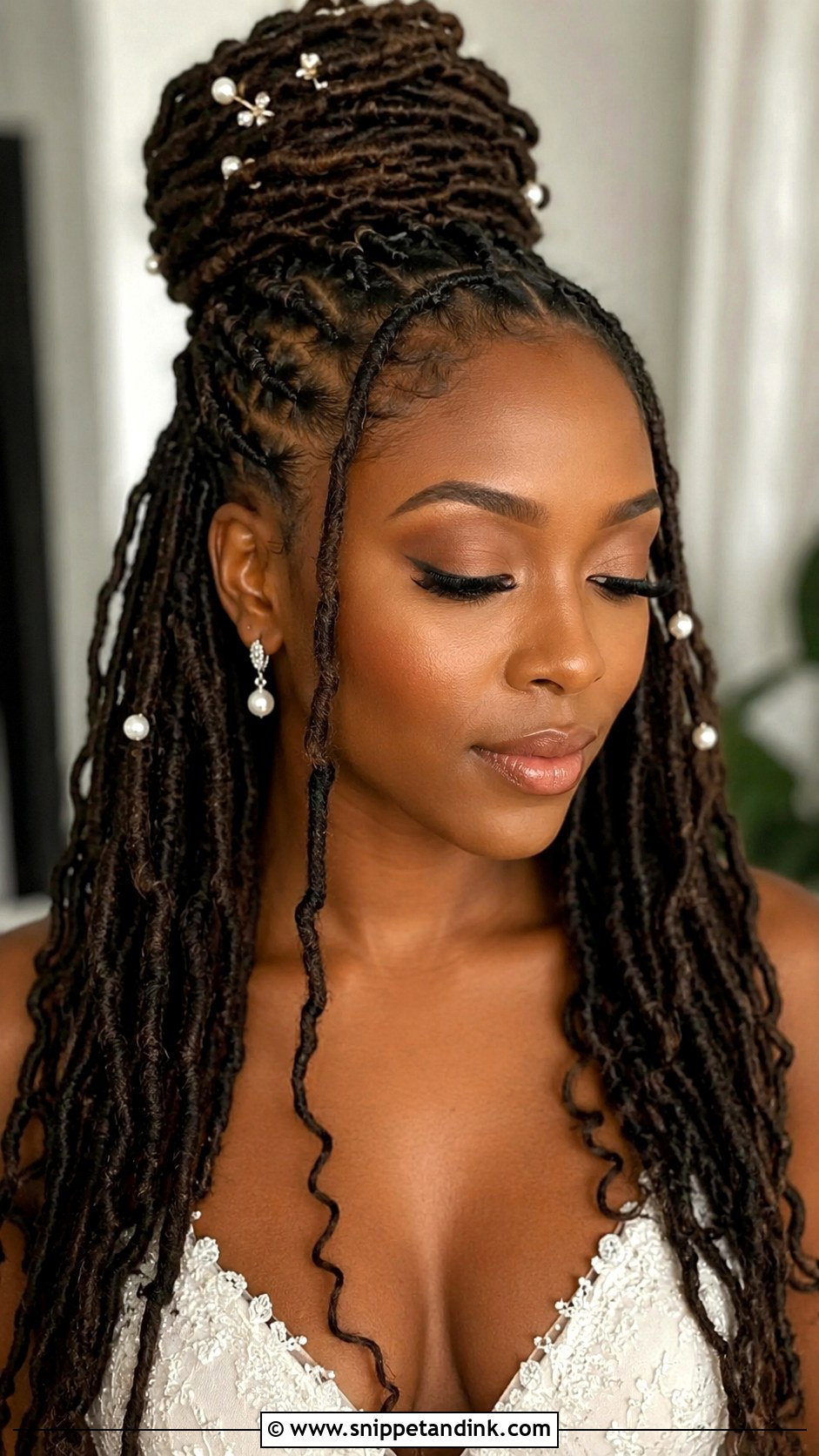
Loc extensions add length or density without waiting for natural locs to grow. They can be worn in a high or low bun, a half-up crown, curled shapes or long and loose, with gold cuffs or pearl accents. Weight is the thing to plan for: a full head of long loc extensions is heavy, and an updo concentrates that on a few points of the scalp. I’d keep the style balanced and test it for a full afternoon. Clean partings and smooth edges give it polish.
16. Bridal Box Braid Extensions
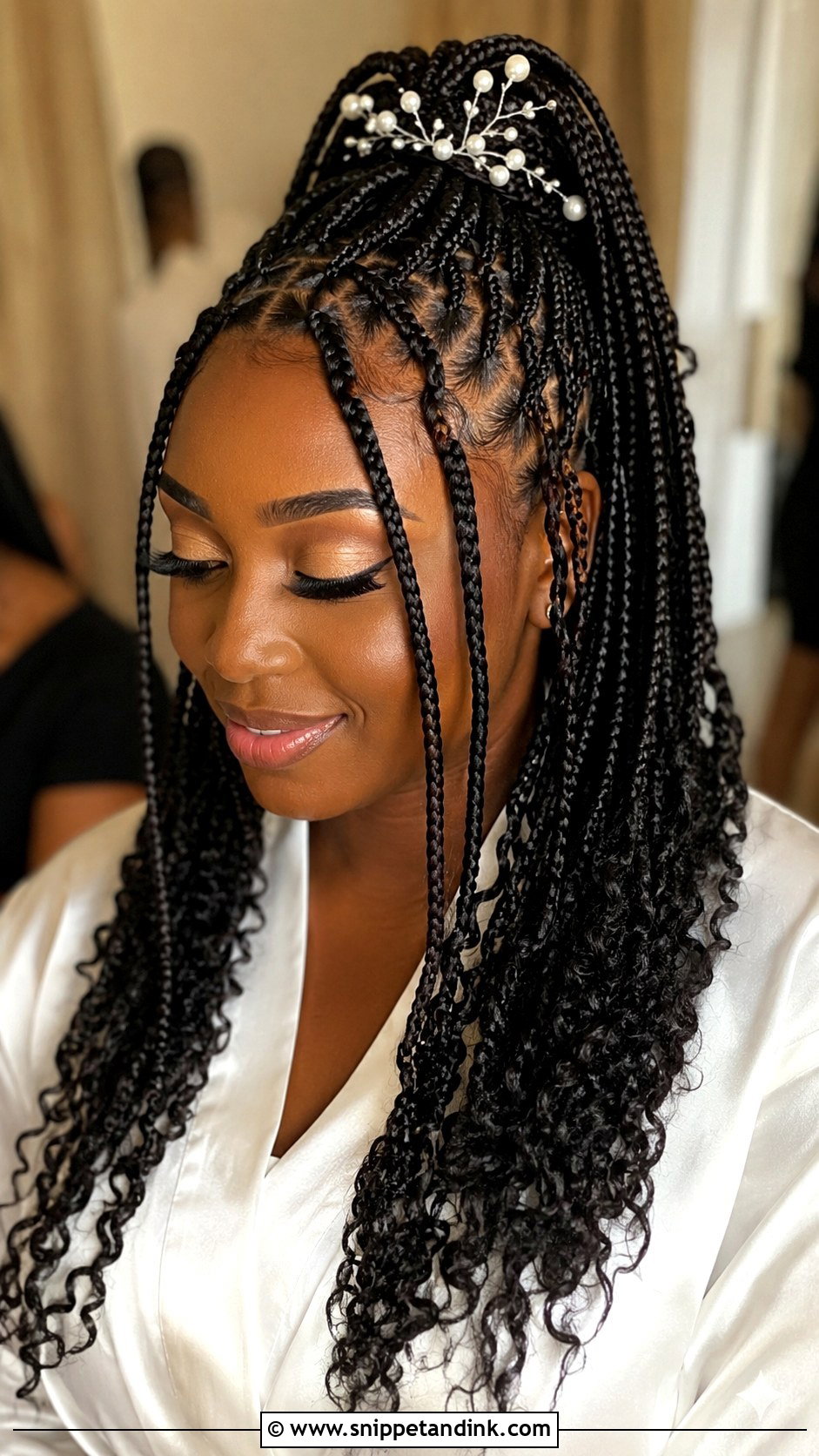
Box braids are a protective style that holds up through heat, movement and a long day, which makes them a strong option for destination weddings. They can be styled into a bun, ponytail, half-up look, side-swept braid or worn long. Medium or small braids look softer, and curled ends, pearl pins or hair jewelry add a bridal finish. Install them a few days before the wedding so the scalp settles, and watch the tension around the hairline.
17. Bridal Microlink Hair Extensions
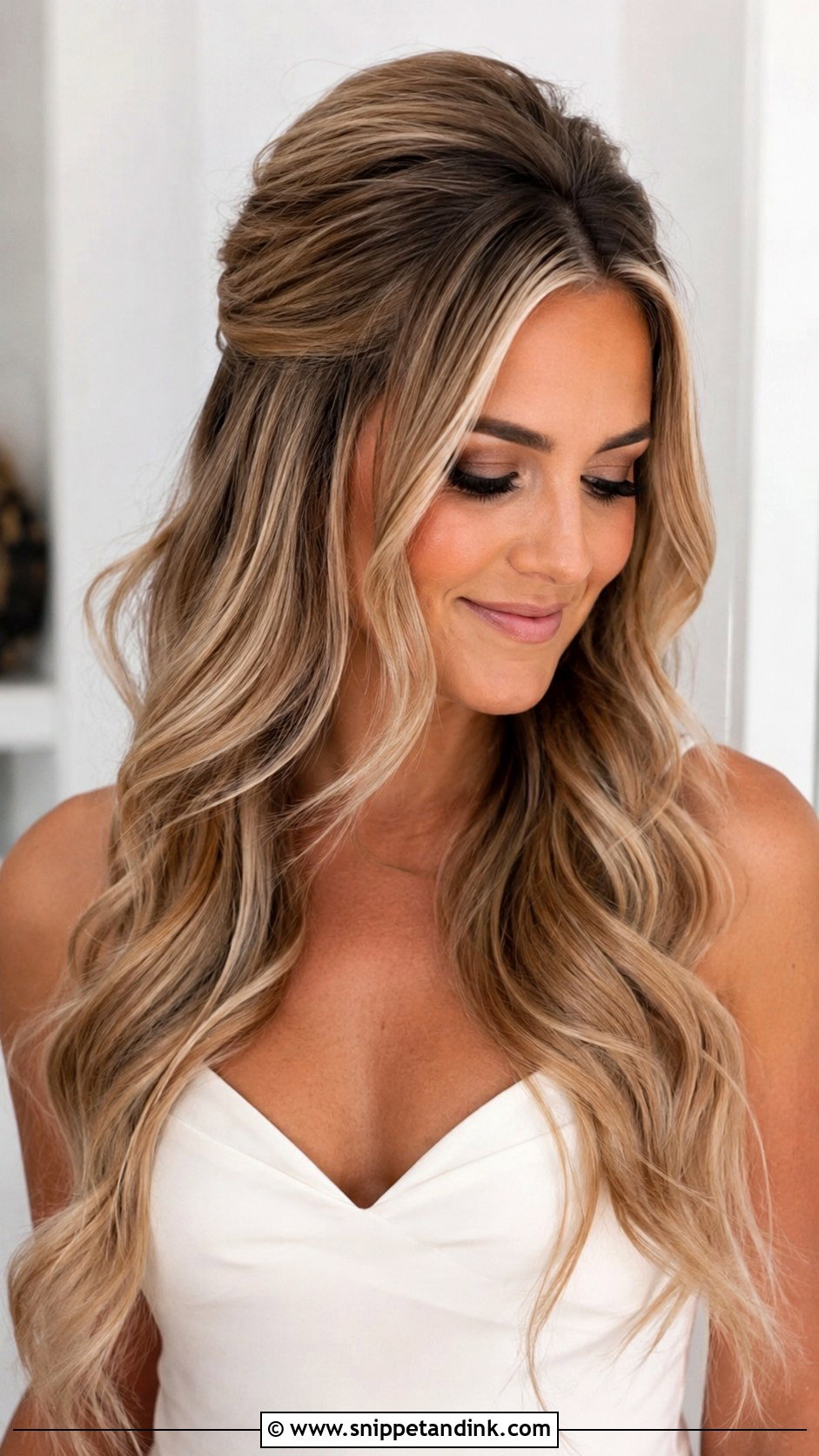
Microlinks attach small strands of extension hair to your own with tiny beads, no glue or tape. They move freely and blend with blowouts, curls and waves. The beads are small but can show in a sleek updo, so tell your installer if you’re planning to wear your hair up. Have them put in well before the wedding, so you can test washing, styling and comfort.
18. Bridal Keratin Tip Hair Extensions
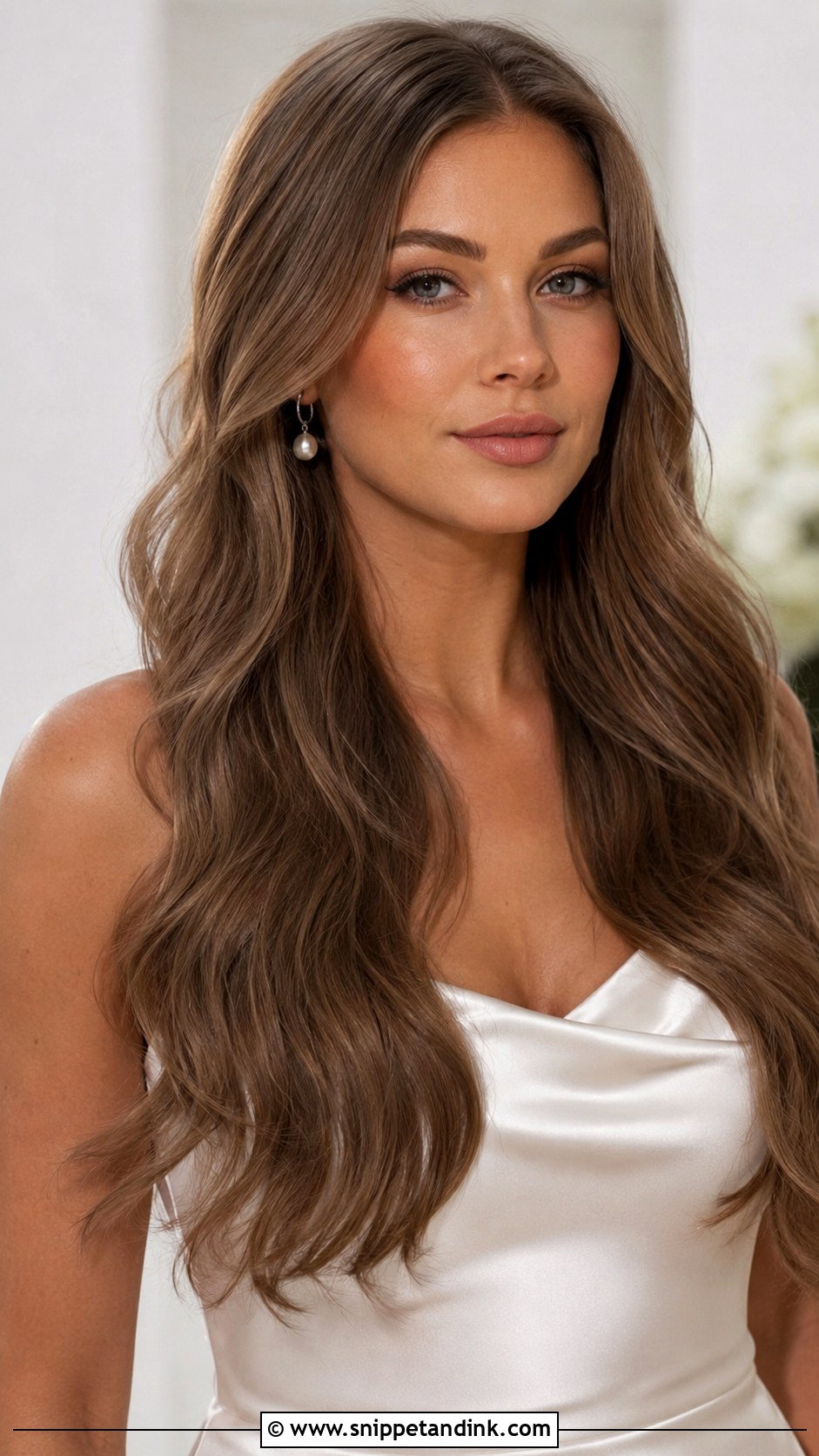
Keratin tips bond tiny sections of extension hair to your own using heat. They’re lightweight and spread across the head, so they hide well in many down and curled styles, and fine hair gets fullness without bulky wefts. Installation is a long appointment with a trained professional and needs planning well ahead. Avoid putting heat directly on the bonds when styling, and brush gently from the ends up.
19. Bridal Short Hair Extensions
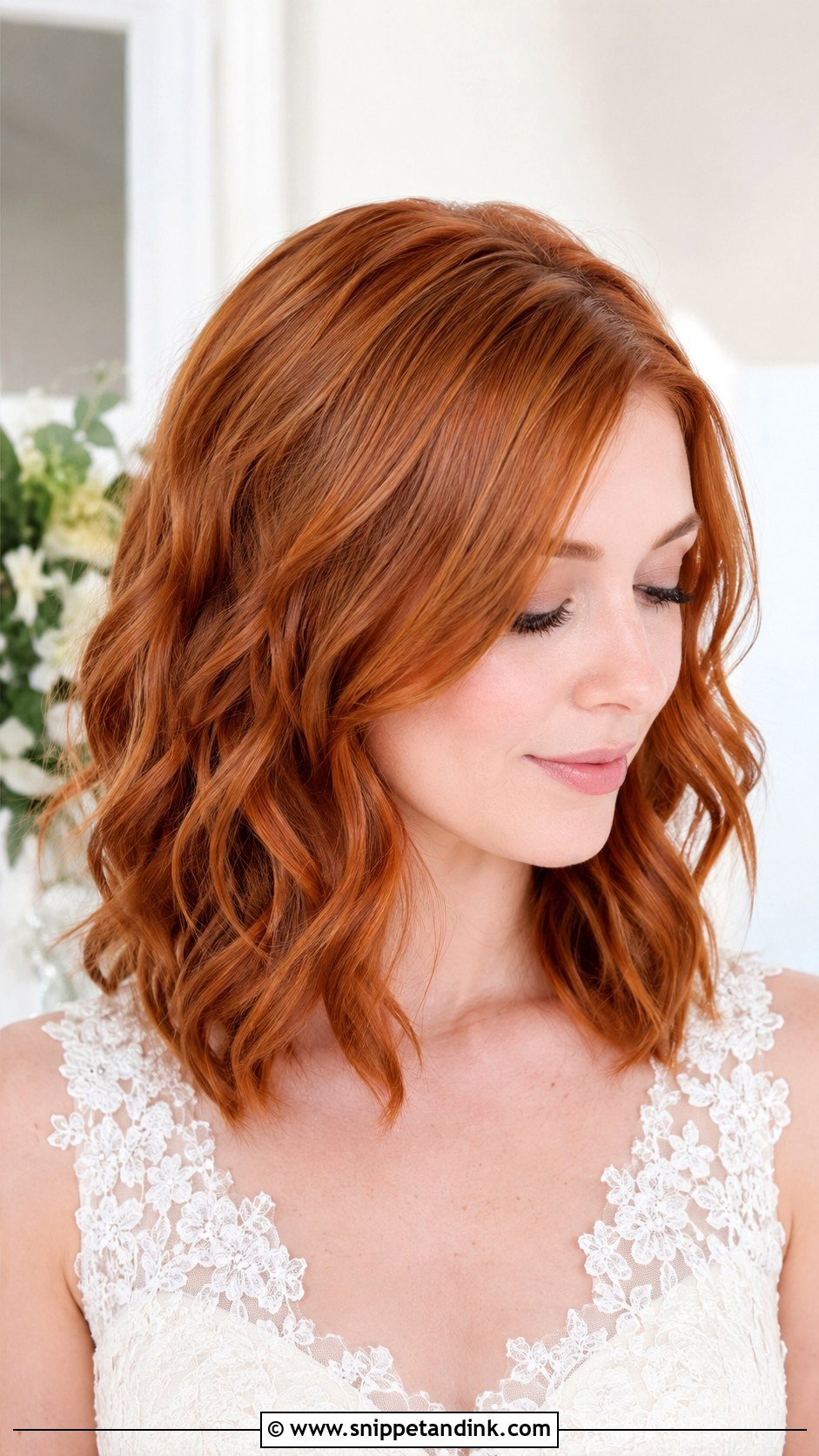
Short hair can wear extensions, but the blend is harder. A bob or lob ends abruptly, and long extensions below it show as a step unless they’re cut and layered. Most short-haired brides do best with medium-length pieces, curled so the textures merge, or extensions used only for volume in a small updo. I cut the set after clipping it in so the final shape looks intentional.
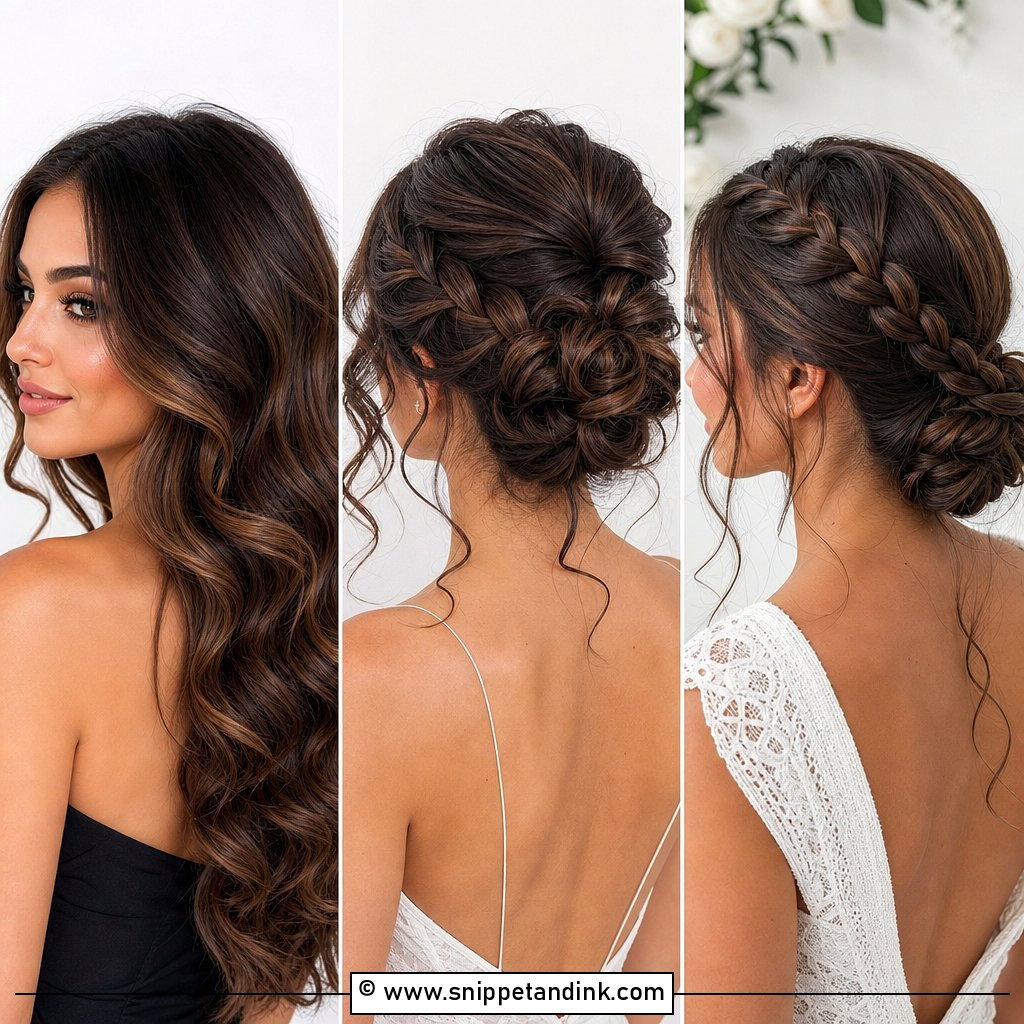
20. Bridal Hair Extensions For Fine Hair
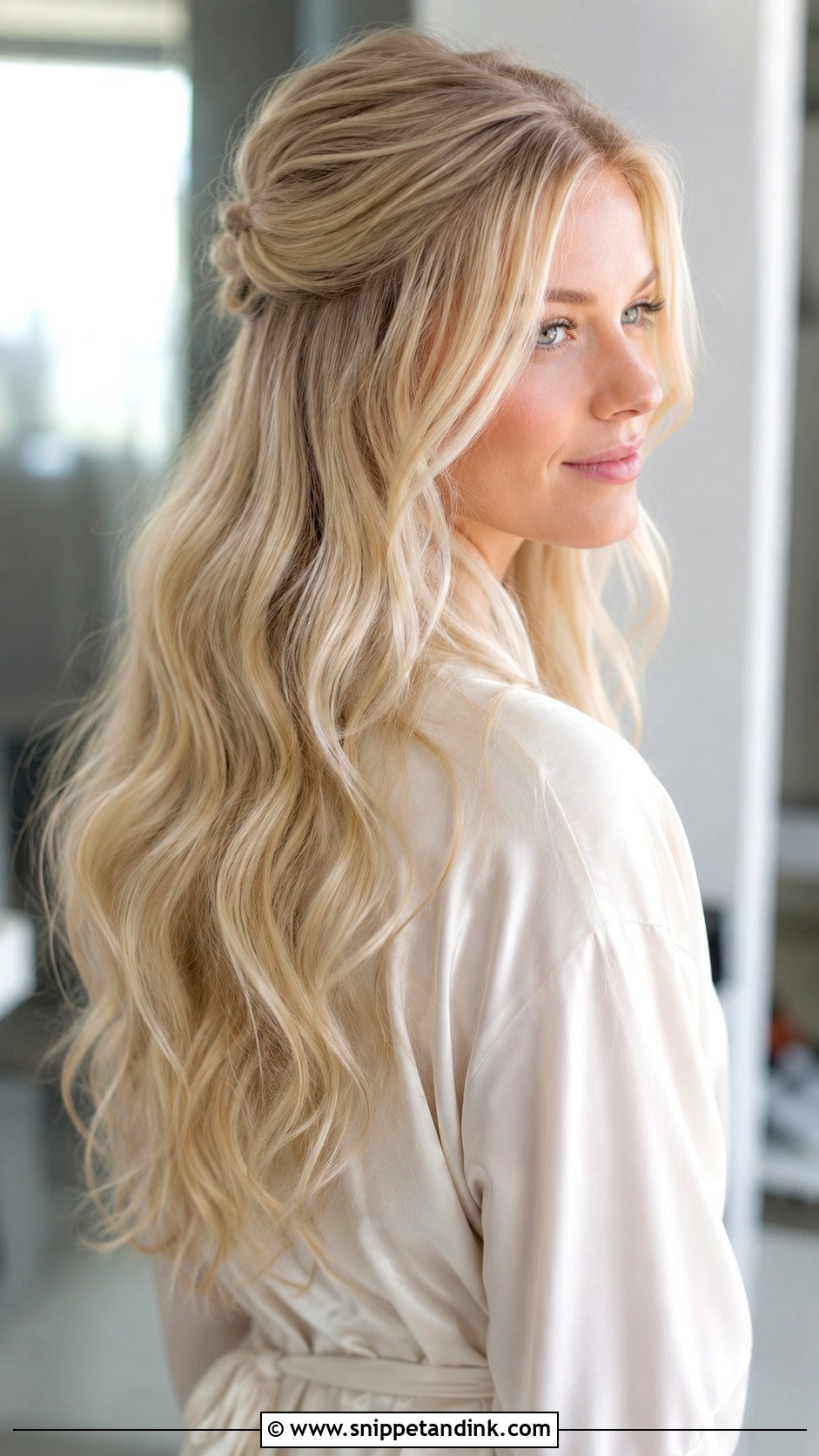
Fine hair needs lightweight extensions in small sections. Heavy wefts or long lengths can show through and pull at the roots. Clip-ins, tape-ins, halos and keratin tips can all work, depending on the style and how delicate your hair is. Placement and colour matching are critical, since fine hair hides very little. Keep the ends layered so they aren’t thicker than the roots, and avoid tension near the hairline.
Ordering Clip-Ins by Weight, Length and Shade
Most extension disappointments come from buying the wrong set, not from the styling. When brides ask me what to order, I go through three things.
- Weight: sets are sold in grams. Fine hair needs a lighter set, while thick hair needs more to avoid a visible step where the extensions end. Ask your stylist before you order, because more isn’t better if your own hair can’t hide the wefts.
- Length: choose only a few inches longer than your own hair unless you want an obvious change. The bigger the jump, the more cutting and blending it takes.
- Shade: match the extensions to your ends, not your roots, and check in daylight. Many brides with highlights or balayage need two shades mixed together.
Human hair is the safe choice for a wedding, because you’ll curl it. Wash and condition a new set once before the trial to remove any factory coating, and store it flat or hung up so the wefts don’t tangle.
Nobody Should Be Able to Spot the Wefts
The best compliment a bride with extensions can get is none at all, because nobody noticed them. That comes from three things done early: the right method for your timeline, a colour and texture match checked in daylight, and a trial where the extensions are cut into your style. Comfort counts too. If a set pulls, aches or feels heavy at the trial, it will feel worse by midnight, so change it while there’s time.
You'll Like These Ideas:


Leave a Reply